User login
New IHS Dashboard Monitors Quality of Health Care
The Indian Health Service (IHS) has announced a new tool to monitor and report information system-wide. The National Accountability Dashboard for Quality (NAD-Q) will allow IHS to report on key performance data in a “succinct and easily viewed display.”
The NAD-Q shows how IHS is functioning in the following key domains for health care systems:
- Quality (efficient, effective, and equitable);
- Accreditation;
- Workforce;
- Patient-centered care;
- Safety; and
- Timely care.
The dashboard will monitor and report on compliance with policy requirements, accreditation standards, and regulations at hospitals and ambulatory health centers. The tool also supports oversight and management, and will allow IHS to make fact-based decisions to ensure quality and safety of care.
The NAD-Q also allows IHS to share with tribes, tribal and urban Indian organizations, and Congress how well it is meeting standards and requirements
The Indian Health Service (IHS) has announced a new tool to monitor and report information system-wide. The National Accountability Dashboard for Quality (NAD-Q) will allow IHS to report on key performance data in a “succinct and easily viewed display.”
The NAD-Q shows how IHS is functioning in the following key domains for health care systems:
- Quality (efficient, effective, and equitable);
- Accreditation;
- Workforce;
- Patient-centered care;
- Safety; and
- Timely care.
The dashboard will monitor and report on compliance with policy requirements, accreditation standards, and regulations at hospitals and ambulatory health centers. The tool also supports oversight and management, and will allow IHS to make fact-based decisions to ensure quality and safety of care.
The NAD-Q also allows IHS to share with tribes, tribal and urban Indian organizations, and Congress how well it is meeting standards and requirements
The Indian Health Service (IHS) has announced a new tool to monitor and report information system-wide. The National Accountability Dashboard for Quality (NAD-Q) will allow IHS to report on key performance data in a “succinct and easily viewed display.”
The NAD-Q shows how IHS is functioning in the following key domains for health care systems:
- Quality (efficient, effective, and equitable);
- Accreditation;
- Workforce;
- Patient-centered care;
- Safety; and
- Timely care.
The dashboard will monitor and report on compliance with policy requirements, accreditation standards, and regulations at hospitals and ambulatory health centers. The tool also supports oversight and management, and will allow IHS to make fact-based decisions to ensure quality and safety of care.
The NAD-Q also allows IHS to share with tribes, tribal and urban Indian organizations, and Congress how well it is meeting standards and requirements
Fostamatinib approved to treat adults with chronic ITP
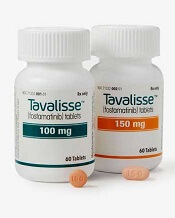
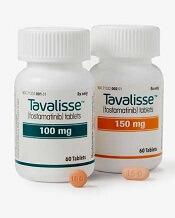
The US Food and Drug Administration (FDA) has granted approval for the oral SYK inhibitor fostamatinib disodium hexahydrate (Tavalisse™).
Fostamatinib is now approved for the treatment of thrombocytopenia in adults with chronic immune thrombocytopenia (ITP) who have had an insufficient response to a previous treatment.
Rigel Pharmaceuticals, Inc., plans to launch fostamatinib in the US in late May 2018.
The FDA’s approval of fostamatinib was supported by data from the FIT clinical program, which included 2 randomized, placebo-controlled, phase 3 trials—FIT-1 (NCT02076399) and FIT-2 (NCT02076412)—and an open-label extension study—FIT-3 (NCT02077192)—as well as an initial proof-of-concept study.
FIT-1 and FIT-2
FIT-1 and FIT-2 included 150 patients with persistent or chronic ITP who had an insufficient response to previous treatment. The patients had a median age of 54 (range, 20 to 88), 61% were female, and 93% were white.
Prior ITP treatments included corticosteroids (94%), immunoglobulins (53%), and thrombopoietin receptor agonists (48%). Thirty-five percent of patients had undergone splenectomy.
The patients’ median platelet count at baseline was 16 x 109/L, and 47% were on stable ITP therapy.
In each study, patients were randomized 2:1 to receive fostamatinib or placebo for 24 weeks. In FIT-1, 76 patients were randomized—51 to fostamatinib and 25 to placebo. In FIT-2, 74 patients were randomized—50 to fostamatinib and 24 to placebo.
All patients initially received fostamatinib at 100 mg twice daily. Most (88%) were escalated to 150 mg twice daily at week 4 or later. Patients could also receive stable concurrent ITP therapy—glucocorticoids (< 20 mg prednisone equivalent per day), azathioprine, or danazol—and rescue therapy if needed.
The efficacy of fostamatinib was based on stable platelet response, defined as a platelet count of at least 50 x 109/L on at least 4 of the 6 visits between weeks 14 to 24.
In FIT-1, 18% of patients in the fostamatinib arm and 0% of those in the placebo arm achieved a stable platelet response (P=0.03).
In FIT-2, 16% of patients in the fostamatinib arm and 4% in the placebo arm achieved a stable platelet response. In this trial, the between-arm difference was not statistically significant.
For both studies, the incidence of bleeding was 29% in the fostamatinib arm and 37% in the placebo arm. The rate of severe bleeding-related events was 1% and 6%, respectively, and the rate of serious bleeding-related events was 4% and 10%, respectively.
FIT-3
Patients from FIT-1 and FIT-2 could enroll in FIT-3 if they completed 24 weeks of treatment or did not respond to treatment any time after 12 weeks.
Patients who were in response at the time of roll over (those who had achieved a platelet count of at least 50 x 109/L) continued in FIT-3 at their current dose and regimen.
Non-responders received fostamatinib at 100 mg twice daily regardless of their dose and regimen in the prior study.
In all, 123 patients were enrolled—44 previously randomized to placebo and 79 previously randomized to fostamatinib. Half of patients (n=61) discontinued the study early.
Of the 44 patients with prior placebo, 10 (23%) had a stable platelet response to fostamatinib. This included a patient who was a responder to placebo in the prior study.
In FIT-3, stable platelet response was defined as having no 2 visits, at least 4 weeks apart, with a platelet count less than 50 x 109/L without an intervening visit with a platelet count of at least 50 x 109/L (unrelated to rescue therapy) within a period of 12 weeks after the patient’s initial achievement of the target platelet count.
Of all the responders in the FIT trials, there were 18 who maintained a platelet count of at least 50 x 109/L for 12 months or longer.
For more details on these trials and fostamatinib, see the full prescribing information, which is available at www.TAVALISSE.com.
The US Food and Drug Administration (FDA) has granted approval for the oral SYK inhibitor fostamatinib disodium hexahydrate (Tavalisse™).
Fostamatinib is now approved for the treatment of thrombocytopenia in adults with chronic immune thrombocytopenia (ITP) who have had an insufficient response to a previous treatment.
Rigel Pharmaceuticals, Inc., plans to launch fostamatinib in the US in late May 2018.
The FDA’s approval of fostamatinib was supported by data from the FIT clinical program, which included 2 randomized, placebo-controlled, phase 3 trials—FIT-1 (NCT02076399) and FIT-2 (NCT02076412)—and an open-label extension study—FIT-3 (NCT02077192)—as well as an initial proof-of-concept study.
FIT-1 and FIT-2
FIT-1 and FIT-2 included 150 patients with persistent or chronic ITP who had an insufficient response to previous treatment. The patients had a median age of 54 (range, 20 to 88), 61% were female, and 93% were white.
Prior ITP treatments included corticosteroids (94%), immunoglobulins (53%), and thrombopoietin receptor agonists (48%). Thirty-five percent of patients had undergone splenectomy.
The patients’ median platelet count at baseline was 16 x 109/L, and 47% were on stable ITP therapy.
In each study, patients were randomized 2:1 to receive fostamatinib or placebo for 24 weeks. In FIT-1, 76 patients were randomized—51 to fostamatinib and 25 to placebo. In FIT-2, 74 patients were randomized—50 to fostamatinib and 24 to placebo.
All patients initially received fostamatinib at 100 mg twice daily. Most (88%) were escalated to 150 mg twice daily at week 4 or later. Patients could also receive stable concurrent ITP therapy—glucocorticoids (< 20 mg prednisone equivalent per day), azathioprine, or danazol—and rescue therapy if needed.
The efficacy of fostamatinib was based on stable platelet response, defined as a platelet count of at least 50 x 109/L on at least 4 of the 6 visits between weeks 14 to 24.
In FIT-1, 18% of patients in the fostamatinib arm and 0% of those in the placebo arm achieved a stable platelet response (P=0.03).
In FIT-2, 16% of patients in the fostamatinib arm and 4% in the placebo arm achieved a stable platelet response. In this trial, the between-arm difference was not statistically significant.
For both studies, the incidence of bleeding was 29% in the fostamatinib arm and 37% in the placebo arm. The rate of severe bleeding-related events was 1% and 6%, respectively, and the rate of serious bleeding-related events was 4% and 10%, respectively.
FIT-3
Patients from FIT-1 and FIT-2 could enroll in FIT-3 if they completed 24 weeks of treatment or did not respond to treatment any time after 12 weeks.
Patients who were in response at the time of roll over (those who had achieved a platelet count of at least 50 x 109/L) continued in FIT-3 at their current dose and regimen.
Non-responders received fostamatinib at 100 mg twice daily regardless of their dose and regimen in the prior study.
In all, 123 patients were enrolled—44 previously randomized to placebo and 79 previously randomized to fostamatinib. Half of patients (n=61) discontinued the study early.
Of the 44 patients with prior placebo, 10 (23%) had a stable platelet response to fostamatinib. This included a patient who was a responder to placebo in the prior study.
In FIT-3, stable platelet response was defined as having no 2 visits, at least 4 weeks apart, with a platelet count less than 50 x 109/L without an intervening visit with a platelet count of at least 50 x 109/L (unrelated to rescue therapy) within a period of 12 weeks after the patient’s initial achievement of the target platelet count.
Of all the responders in the FIT trials, there were 18 who maintained a platelet count of at least 50 x 109/L for 12 months or longer.
For more details on these trials and fostamatinib, see the full prescribing information, which is available at www.TAVALISSE.com.
The US Food and Drug Administration (FDA) has granted approval for the oral SYK inhibitor fostamatinib disodium hexahydrate (Tavalisse™).
Fostamatinib is now approved for the treatment of thrombocytopenia in adults with chronic immune thrombocytopenia (ITP) who have had an insufficient response to a previous treatment.
Rigel Pharmaceuticals, Inc., plans to launch fostamatinib in the US in late May 2018.
The FDA’s approval of fostamatinib was supported by data from the FIT clinical program, which included 2 randomized, placebo-controlled, phase 3 trials—FIT-1 (NCT02076399) and FIT-2 (NCT02076412)—and an open-label extension study—FIT-3 (NCT02077192)—as well as an initial proof-of-concept study.
FIT-1 and FIT-2
FIT-1 and FIT-2 included 150 patients with persistent or chronic ITP who had an insufficient response to previous treatment. The patients had a median age of 54 (range, 20 to 88), 61% were female, and 93% were white.
Prior ITP treatments included corticosteroids (94%), immunoglobulins (53%), and thrombopoietin receptor agonists (48%). Thirty-five percent of patients had undergone splenectomy.
The patients’ median platelet count at baseline was 16 x 109/L, and 47% were on stable ITP therapy.
In each study, patients were randomized 2:1 to receive fostamatinib or placebo for 24 weeks. In FIT-1, 76 patients were randomized—51 to fostamatinib and 25 to placebo. In FIT-2, 74 patients were randomized—50 to fostamatinib and 24 to placebo.
All patients initially received fostamatinib at 100 mg twice daily. Most (88%) were escalated to 150 mg twice daily at week 4 or later. Patients could also receive stable concurrent ITP therapy—glucocorticoids (< 20 mg prednisone equivalent per day), azathioprine, or danazol—and rescue therapy if needed.
The efficacy of fostamatinib was based on stable platelet response, defined as a platelet count of at least 50 x 109/L on at least 4 of the 6 visits between weeks 14 to 24.
In FIT-1, 18% of patients in the fostamatinib arm and 0% of those in the placebo arm achieved a stable platelet response (P=0.03).
In FIT-2, 16% of patients in the fostamatinib arm and 4% in the placebo arm achieved a stable platelet response. In this trial, the between-arm difference was not statistically significant.
For both studies, the incidence of bleeding was 29% in the fostamatinib arm and 37% in the placebo arm. The rate of severe bleeding-related events was 1% and 6%, respectively, and the rate of serious bleeding-related events was 4% and 10%, respectively.
FIT-3
Patients from FIT-1 and FIT-2 could enroll in FIT-3 if they completed 24 weeks of treatment or did not respond to treatment any time after 12 weeks.
Patients who were in response at the time of roll over (those who had achieved a platelet count of at least 50 x 109/L) continued in FIT-3 at their current dose and regimen.
Non-responders received fostamatinib at 100 mg twice daily regardless of their dose and regimen in the prior study.
In all, 123 patients were enrolled—44 previously randomized to placebo and 79 previously randomized to fostamatinib. Half of patients (n=61) discontinued the study early.
Of the 44 patients with prior placebo, 10 (23%) had a stable platelet response to fostamatinib. This included a patient who was a responder to placebo in the prior study.
In FIT-3, stable platelet response was defined as having no 2 visits, at least 4 weeks apart, with a platelet count less than 50 x 109/L without an intervening visit with a platelet count of at least 50 x 109/L (unrelated to rescue therapy) within a period of 12 weeks after the patient’s initial achievement of the target platelet count.
Of all the responders in the FIT trials, there were 18 who maintained a platelet count of at least 50 x 109/L for 12 months or longer.
For more details on these trials and fostamatinib, see the full prescribing information, which is available at www.TAVALISSE.com.
FDA expands approved use of product for VWD
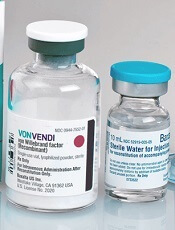
The US Food and Drug Administration (FDA) has expanded the approved use of Vonvendi, a recombinant von Willebrand factor product.
Vonvendi is now approved for perioperative management of bleeding in adults (age 18 and older) with von Willebrand disease (VWD).
Vonvendi was previously FDA-approved for on-demand treatment and control of bleeding episodes in adults with VWD.
“Persons with von Willebrand disease face a heightened risk of bleeding during surgery and may require factor treatment before, during, or after surgery,” said Michael Tarantino, MD, of the Bleeding & Clotting Disorders Institute in Peoria, Illinois.
“For surgeries requiring repeated, frequent infusions with combined von Willebrand factor and factor VIII concentrates, an excessive rise in factor VIII levels may increase the risk of thromboembolic complications, such as blood clots. The expanded use for Vonvendi in surgical settings gives healthcare professionals flexibility in treating von Willebrand disease with an appropriate dose of von Willebrand factor, with or without recombinant factor VIII, based on each patient’s unique needs.”
The FDA’s approval of Vonvendi in surgical settings was based on results from a phase 3 trial. The study enrolled 15 adults with severe VWD who were undergoing elective surgical procedures (10 of them major procedures).
Patients received Vonvendi at 40 to 60 IU per kg of body weight 12 to 24 hours before surgery. Within 3 hours of surgery, each patient’s factor VIII level (FVIII:C) was assessed, with a target of 30 IU/dL for minor surgeries and 60 IU/dL for major surgeries.
Within an hour of surgery, patients received a dose of Vonvendi, with or without recombinant factor VIII, depending on the target FVIII:C levels at the 3-hour assessment.
The study’s primary endpoint was met. Vonvendi demonstrated overall hemostatic efficacy, as assessed 24 hours after the last perioperative infusion or the completion of the study visit, whichever occurred earlier.
Intra- and post-operative hemostasis was rated as “excellent” (as good as or better than expected) in 60% of patients and “good” (probably as good as expected) in 40% of patients.
One patient developed deep vein thrombosis 3 days after undergoing hip replacement surgery.
One patient tested positive for binding antibodies to von Willebrand factor. None of the patients developed binding antibodies against potential impurities such as rFurin, CHO-protein, or mouse IgG.
More details on this study are available in the full prescribing information for Vonvendi.
The US Food and Drug Administration (FDA) has expanded the approved use of Vonvendi, a recombinant von Willebrand factor product.
Vonvendi is now approved for perioperative management of bleeding in adults (age 18 and older) with von Willebrand disease (VWD).
Vonvendi was previously FDA-approved for on-demand treatment and control of bleeding episodes in adults with VWD.
“Persons with von Willebrand disease face a heightened risk of bleeding during surgery and may require factor treatment before, during, or after surgery,” said Michael Tarantino, MD, of the Bleeding & Clotting Disorders Institute in Peoria, Illinois.
“For surgeries requiring repeated, frequent infusions with combined von Willebrand factor and factor VIII concentrates, an excessive rise in factor VIII levels may increase the risk of thromboembolic complications, such as blood clots. The expanded use for Vonvendi in surgical settings gives healthcare professionals flexibility in treating von Willebrand disease with an appropriate dose of von Willebrand factor, with or without recombinant factor VIII, based on each patient’s unique needs.”
The FDA’s approval of Vonvendi in surgical settings was based on results from a phase 3 trial. The study enrolled 15 adults with severe VWD who were undergoing elective surgical procedures (10 of them major procedures).
Patients received Vonvendi at 40 to 60 IU per kg of body weight 12 to 24 hours before surgery. Within 3 hours of surgery, each patient’s factor VIII level (FVIII:C) was assessed, with a target of 30 IU/dL for minor surgeries and 60 IU/dL for major surgeries.
Within an hour of surgery, patients received a dose of Vonvendi, with or without recombinant factor VIII, depending on the target FVIII:C levels at the 3-hour assessment.
The study’s primary endpoint was met. Vonvendi demonstrated overall hemostatic efficacy, as assessed 24 hours after the last perioperative infusion or the completion of the study visit, whichever occurred earlier.
Intra- and post-operative hemostasis was rated as “excellent” (as good as or better than expected) in 60% of patients and “good” (probably as good as expected) in 40% of patients.
One patient developed deep vein thrombosis 3 days after undergoing hip replacement surgery.
One patient tested positive for binding antibodies to von Willebrand factor. None of the patients developed binding antibodies against potential impurities such as rFurin, CHO-protein, or mouse IgG.
More details on this study are available in the full prescribing information for Vonvendi.
The US Food and Drug Administration (FDA) has expanded the approved use of Vonvendi, a recombinant von Willebrand factor product.
Vonvendi is now approved for perioperative management of bleeding in adults (age 18 and older) with von Willebrand disease (VWD).
Vonvendi was previously FDA-approved for on-demand treatment and control of bleeding episodes in adults with VWD.
“Persons with von Willebrand disease face a heightened risk of bleeding during surgery and may require factor treatment before, during, or after surgery,” said Michael Tarantino, MD, of the Bleeding & Clotting Disorders Institute in Peoria, Illinois.
“For surgeries requiring repeated, frequent infusions with combined von Willebrand factor and factor VIII concentrates, an excessive rise in factor VIII levels may increase the risk of thromboembolic complications, such as blood clots. The expanded use for Vonvendi in surgical settings gives healthcare professionals flexibility in treating von Willebrand disease with an appropriate dose of von Willebrand factor, with or without recombinant factor VIII, based on each patient’s unique needs.”
The FDA’s approval of Vonvendi in surgical settings was based on results from a phase 3 trial. The study enrolled 15 adults with severe VWD who were undergoing elective surgical procedures (10 of them major procedures).
Patients received Vonvendi at 40 to 60 IU per kg of body weight 12 to 24 hours before surgery. Within 3 hours of surgery, each patient’s factor VIII level (FVIII:C) was assessed, with a target of 30 IU/dL for minor surgeries and 60 IU/dL for major surgeries.
Within an hour of surgery, patients received a dose of Vonvendi, with or without recombinant factor VIII, depending on the target FVIII:C levels at the 3-hour assessment.
The study’s primary endpoint was met. Vonvendi demonstrated overall hemostatic efficacy, as assessed 24 hours after the last perioperative infusion or the completion of the study visit, whichever occurred earlier.
Intra- and post-operative hemostasis was rated as “excellent” (as good as or better than expected) in 60% of patients and “good” (probably as good as expected) in 40% of patients.
One patient developed deep vein thrombosis 3 days after undergoing hip replacement surgery.
One patient tested positive for binding antibodies to von Willebrand factor. None of the patients developed binding antibodies against potential impurities such as rFurin, CHO-protein, or mouse IgG.
More details on this study are available in the full prescribing information for Vonvendi.

Emicizumab receives breakthrough designation
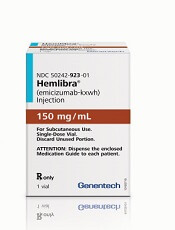
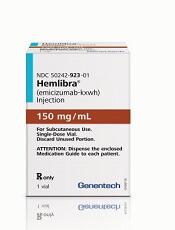
The US Food and Drug Administration (FDA) has granted breakthrough therapy designation to emicizumab (Hemlibra®) for patients who have hemophilia A without factor VIII inhibitors.
Emicizumab is a bispecific factor IXa- and factor X-directed antibody approved by the FDA for routine prophylaxis to prevent or reduce the frequency of bleeding episodes in adults and children who have hemophilia A with factor VIII inhibitors.
The FDA has granted emicizumab breakthrough designation for patients without inhibitors based on data from the phase 3 HAVEN 3 trial.
The trial enrolled 152 patients age 12 and older who had hemophilia A without inhibitors and were previously treated with factor VIII therapy either on-demand or for prophylaxis.
Patients received either no prophylaxis or emicizumab prophylaxis, dosed subcutaneously every week or every 2 weeks.
Detailed results from HAVEN 3 have not been released.
However, according to Genentech, prophylaxis with emicizumab produced a statistically significant and clinically meaningful reduction in treated bleeds, when compared to no prophylaxis.
In an intra-patient comparison, once-weekly emicizumab prophylaxis was superior to prior factor VIII prophylaxis, as demonstrated by a statistically significant and clinically meaningful reduction in treated bleeds.
The most common adverse events with emicizumab were injection site reactions, and no new safety signals were observed in this trial. No thrombotic microangiopathy or thrombotic events occurred.
About breakthrough designation
The FDA’s breakthrough designation is intended to expedite the development and review of new treatments for serious or life-threatening conditions.
The designation entitles the company developing a therapy to more intensive FDA guidance on an efficient and accelerated development program, as well as eligibility for other actions to expedite FDA review, such as rolling submission and priority review.
To earn breakthrough designation, a treatment must show encouraging early clinical results demonstrating substantial improvement over available therapies with regard to a clinically significant endpoint, or it must fulfill an unmet need.
The US Food and Drug Administration (FDA) has granted breakthrough therapy designation to emicizumab (Hemlibra®) for patients who have hemophilia A without factor VIII inhibitors.
Emicizumab is a bispecific factor IXa- and factor X-directed antibody approved by the FDA for routine prophylaxis to prevent or reduce the frequency of bleeding episodes in adults and children who have hemophilia A with factor VIII inhibitors.
The FDA has granted emicizumab breakthrough designation for patients without inhibitors based on data from the phase 3 HAVEN 3 trial.
The trial enrolled 152 patients age 12 and older who had hemophilia A without inhibitors and were previously treated with factor VIII therapy either on-demand or for prophylaxis.
Patients received either no prophylaxis or emicizumab prophylaxis, dosed subcutaneously every week or every 2 weeks.
Detailed results from HAVEN 3 have not been released.
However, according to Genentech, prophylaxis with emicizumab produced a statistically significant and clinically meaningful reduction in treated bleeds, when compared to no prophylaxis.
In an intra-patient comparison, once-weekly emicizumab prophylaxis was superior to prior factor VIII prophylaxis, as demonstrated by a statistically significant and clinically meaningful reduction in treated bleeds.
The most common adverse events with emicizumab were injection site reactions, and no new safety signals were observed in this trial. No thrombotic microangiopathy or thrombotic events occurred.
About breakthrough designation
The FDA’s breakthrough designation is intended to expedite the development and review of new treatments for serious or life-threatening conditions.
The designation entitles the company developing a therapy to more intensive FDA guidance on an efficient and accelerated development program, as well as eligibility for other actions to expedite FDA review, such as rolling submission and priority review.
To earn breakthrough designation, a treatment must show encouraging early clinical results demonstrating substantial improvement over available therapies with regard to a clinically significant endpoint, or it must fulfill an unmet need.
The US Food and Drug Administration (FDA) has granted breakthrough therapy designation to emicizumab (Hemlibra®) for patients who have hemophilia A without factor VIII inhibitors.
Emicizumab is a bispecific factor IXa- and factor X-directed antibody approved by the FDA for routine prophylaxis to prevent or reduce the frequency of bleeding episodes in adults and children who have hemophilia A with factor VIII inhibitors.
The FDA has granted emicizumab breakthrough designation for patients without inhibitors based on data from the phase 3 HAVEN 3 trial.
The trial enrolled 152 patients age 12 and older who had hemophilia A without inhibitors and were previously treated with factor VIII therapy either on-demand or for prophylaxis.
Patients received either no prophylaxis or emicizumab prophylaxis, dosed subcutaneously every week or every 2 weeks.
Detailed results from HAVEN 3 have not been released.
However, according to Genentech, prophylaxis with emicizumab produced a statistically significant and clinically meaningful reduction in treated bleeds, when compared to no prophylaxis.
In an intra-patient comparison, once-weekly emicizumab prophylaxis was superior to prior factor VIII prophylaxis, as demonstrated by a statistically significant and clinically meaningful reduction in treated bleeds.
The most common adverse events with emicizumab were injection site reactions, and no new safety signals were observed in this trial. No thrombotic microangiopathy or thrombotic events occurred.
About breakthrough designation
The FDA’s breakthrough designation is intended to expedite the development and review of new treatments for serious or life-threatening conditions.
The designation entitles the company developing a therapy to more intensive FDA guidance on an efficient and accelerated development program, as well as eligibility for other actions to expedite FDA review, such as rolling submission and priority review.
To earn breakthrough designation, a treatment must show encouraging early clinical results demonstrating substantial improvement over available therapies with regard to a clinically significant endpoint, or it must fulfill an unmet need.
Generic melphalan available in US
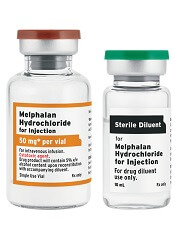
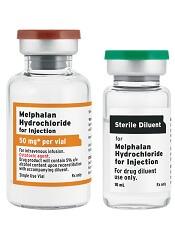
Fresenius Kabi’s Melphalan Hydrochloride for Injection, a generic version of Alkeran®, is now available in the US.
Melphalan Hydrochloride for Injection is available as a 2-vial kit containing 1 single-dose vial of melphalan hydrochloride equivalent to 50 mg of melphalan and 1 vial of sterile diluent.
Melphalan Hydrochloride for Injection is indicated for the palliative treatment of patients with multiple myeloma for whom oral therapy is not appropriate.
For more details on Melphalan Hydrochloride for Injection, see the full prescribing information.
Fresenius Kabi’s Melphalan Hydrochloride for Injection, a generic version of Alkeran®, is now available in the US.
Melphalan Hydrochloride for Injection is available as a 2-vial kit containing 1 single-dose vial of melphalan hydrochloride equivalent to 50 mg of melphalan and 1 vial of sterile diluent.
Melphalan Hydrochloride for Injection is indicated for the palliative treatment of patients with multiple myeloma for whom oral therapy is not appropriate.
For more details on Melphalan Hydrochloride for Injection, see the full prescribing information.
Fresenius Kabi’s Melphalan Hydrochloride for Injection, a generic version of Alkeran®, is now available in the US.
Melphalan Hydrochloride for Injection is available as a 2-vial kit containing 1 single-dose vial of melphalan hydrochloride equivalent to 50 mg of melphalan and 1 vial of sterile diluent.
Melphalan Hydrochloride for Injection is indicated for the palliative treatment of patients with multiple myeloma for whom oral therapy is not appropriate.
For more details on Melphalan Hydrochloride for Injection, see the full prescribing information.
Can African-American Patients Take Metoprolol?
Q) One of the physicians in my practice won't use metoprolol in African-American patients. He says it causes kidney disease. Is it right, or is this an old wives' tale?
There are multiple concerns with the use of metoprolol specifically—this does not apply to all ß-blockers—in the African-American population. The main concerns are
- Lack of effective blood pressure control, compared to angiotensin-converting enzyme (ACE) inhibitors and calcium channel blockers (CCBs)
- No observable reduction in proteinuria
- The possibility of a significant increase in uric acid.
Most of the evidence-based guidelines for care of hypertensive nephrosclerosis in the African-American population were derived from the African-American Study of Kidney Disease and Hypertension (AASK) trial. This large-scale, multicenter, randomized, double-blinded study from the National Institute of Health had multiple arms to compare an ACE inhibitor (ramipril) to a CCB (amlodipine) or a ß-blocker (metoprolol) in the nondiabetic African-American population.1
In a subgroup analysis, more than 1,000 subjects with hypertensive nephrosclerosis were followed for four years, with serial glomerular filtration rate (GFR) measurements taken. Treatment with ACE inhibitors was shown to be superior to CCB and ß-blockers for hypertension and proteinuria control.1
One important take-away from the AASK trial has been that strict blood pressure control is not enough to improve kidney outcomes. Proteinuria (albuminuria) must also be controlled.1
Continue to: In a subsequent secondary analysis
In a subsequent secondary analysis of data from the AASK study, Juraschek et al showed that metoprolol significantly increased serum uric acid in African-American adults.2 It is known that hyperuricemia (> 6 mg/dL) can cause a decline in kidney function.3
Furthermore, uric acid may be a strong prognostic factor for chronic kidney disease (CKD) progression. (This association, however, remains controversial. One recent study showed that, while hyperuricemia is associated with higher risk for kidney failure, the relationship was not parallel in CKD stage 3 or 4 [GFR ≤ 60 mL/min]).4 In fact, taking uric acid–lowering medications did not slow progression of kidney disease.
In other words, your colleague seems to believe that since A (metoprolol) leads to B (hyperuricemia) and B (hyperuricemia) leads to C (kidney disease), then A leads to C. While the theory is undoubtedly logical, we have no proof that metoprolol causes increased kidney disease in African-American patients.
What we do know, thanks to AASK, is that an African-American patient with kidney disease should be treated with a diuretic and/or an ACE inhibitor as initial therapy. Furthermore, we have a blood pressure goal: < 130/80 mm Hg. And we know that CCBs are most effective for African-American patients who do not have kidney disease.5—BWM
Barbara Weis Malone, DNP, FNP-C, FNKF
Assistant Professor
Adult/Gerontology NP Program, College of Nursing
Nurse Practitioner
School of Medicine, University of Colorado Anschutz Medical Campus
1. Toto RD. Lessons from the African-American Study of Kidney Disease and Hypertension: an update. Curr Hypertens Rep. 2006;8(5):409-412.
2. Juraschek SP, Appel LJ, Miller ER III. Metoprolol increases uric acid and risk of gout in African Americans with chronic kidney disease attributed to hypertension. Am J Hypertens. 2017; 30(9):871-875.
3. Tsai C-W, Lin S-Y, Kuo C-C, Huang C-C. Serum uric acid and progression of kidney disease: a longitudinal analysis and mini-review. PLoS One. 2017;12(1):e0170393.
4. Rincon-Choles H, Jolly SE, Arrigain S, et al. Impact of uric acid levels on kidney disease progression. Am J Nephrol. 2017;46(4):315-322.
5. Armstrong C. JNC8 guidelines for the management of hypertension in adults. Am Fam Physician. 2014;90(7):503-504.
Clinician Reviews in partnership with
Renal Consult is edited by Jane S. Davis, CRNP, DNP, a member of the Clinician Reviews editorial board, who is a nurse practitioner in the Division of Nephrology at the University of Alabama at Birmingham and is the communications chairperson for the National Kidney Foundation's Council of Advanced Practitioners (NKF-CAP); and Kim Zuber, PA-C, MSPS, DFAAPA, a semi-retired PA who works with the American Academy of Nephrology PAs and is a past chair of the NKF-CAP. This month's responses were authored by Danielle S. Wentworth, MSN, FNP-BC, who practices in the Division of Nephrology at the University of Virginia Health System in Charlottesville, and Barbara Weis Malone, DNP, FNP-C, FNKF, who is an Assistant Professor in the Adult/Gerontology NP Program in the College of Nursing, and a Nurse Practitioner in the School of Medicine, at the University of Colorado Anschutz Medical Campus.
Clinician Reviews in partnership with
Renal Consult is edited by Jane S. Davis, CRNP, DNP, a member of the Clinician Reviews editorial board, who is a nurse practitioner in the Division of Nephrology at the University of Alabama at Birmingham and is the communications chairperson for the National Kidney Foundation's Council of Advanced Practitioners (NKF-CAP); and Kim Zuber, PA-C, MSPS, DFAAPA, a semi-retired PA who works with the American Academy of Nephrology PAs and is a past chair of the NKF-CAP. This month's responses were authored by Danielle S. Wentworth, MSN, FNP-BC, who practices in the Division of Nephrology at the University of Virginia Health System in Charlottesville, and Barbara Weis Malone, DNP, FNP-C, FNKF, who is an Assistant Professor in the Adult/Gerontology NP Program in the College of Nursing, and a Nurse Practitioner in the School of Medicine, at the University of Colorado Anschutz Medical Campus.
Clinician Reviews in partnership with
Renal Consult is edited by Jane S. Davis, CRNP, DNP, a member of the Clinician Reviews editorial board, who is a nurse practitioner in the Division of Nephrology at the University of Alabama at Birmingham and is the communications chairperson for the National Kidney Foundation's Council of Advanced Practitioners (NKF-CAP); and Kim Zuber, PA-C, MSPS, DFAAPA, a semi-retired PA who works with the American Academy of Nephrology PAs and is a past chair of the NKF-CAP. This month's responses were authored by Danielle S. Wentworth, MSN, FNP-BC, who practices in the Division of Nephrology at the University of Virginia Health System in Charlottesville, and Barbara Weis Malone, DNP, FNP-C, FNKF, who is an Assistant Professor in the Adult/Gerontology NP Program in the College of Nursing, and a Nurse Practitioner in the School of Medicine, at the University of Colorado Anschutz Medical Campus.
Q) One of the physicians in my practice won't use metoprolol in African-American patients. He says it causes kidney disease. Is it right, or is this an old wives' tale?
There are multiple concerns with the use of metoprolol specifically—this does not apply to all ß-blockers—in the African-American population. The main concerns are
- Lack of effective blood pressure control, compared to angiotensin-converting enzyme (ACE) inhibitors and calcium channel blockers (CCBs)
- No observable reduction in proteinuria
- The possibility of a significant increase in uric acid.
Most of the evidence-based guidelines for care of hypertensive nephrosclerosis in the African-American population were derived from the African-American Study of Kidney Disease and Hypertension (AASK) trial. This large-scale, multicenter, randomized, double-blinded study from the National Institute of Health had multiple arms to compare an ACE inhibitor (ramipril) to a CCB (amlodipine) or a ß-blocker (metoprolol) in the nondiabetic African-American population.1
In a subgroup analysis, more than 1,000 subjects with hypertensive nephrosclerosis were followed for four years, with serial glomerular filtration rate (GFR) measurements taken. Treatment with ACE inhibitors was shown to be superior to CCB and ß-blockers for hypertension and proteinuria control.1
One important take-away from the AASK trial has been that strict blood pressure control is not enough to improve kidney outcomes. Proteinuria (albuminuria) must also be controlled.1
Continue to: In a subsequent secondary analysis
In a subsequent secondary analysis of data from the AASK study, Juraschek et al showed that metoprolol significantly increased serum uric acid in African-American adults.2 It is known that hyperuricemia (> 6 mg/dL) can cause a decline in kidney function.3
Furthermore, uric acid may be a strong prognostic factor for chronic kidney disease (CKD) progression. (This association, however, remains controversial. One recent study showed that, while hyperuricemia is associated with higher risk for kidney failure, the relationship was not parallel in CKD stage 3 or 4 [GFR ≤ 60 mL/min]).4 In fact, taking uric acid–lowering medications did not slow progression of kidney disease.
In other words, your colleague seems to believe that since A (metoprolol) leads to B (hyperuricemia) and B (hyperuricemia) leads to C (kidney disease), then A leads to C. While the theory is undoubtedly logical, we have no proof that metoprolol causes increased kidney disease in African-American patients.
What we do know, thanks to AASK, is that an African-American patient with kidney disease should be treated with a diuretic and/or an ACE inhibitor as initial therapy. Furthermore, we have a blood pressure goal: < 130/80 mm Hg. And we know that CCBs are most effective for African-American patients who do not have kidney disease.5—BWM
Barbara Weis Malone, DNP, FNP-C, FNKF
Assistant Professor
Adult/Gerontology NP Program, College of Nursing
Nurse Practitioner
School of Medicine, University of Colorado Anschutz Medical Campus
Q) One of the physicians in my practice won't use metoprolol in African-American patients. He says it causes kidney disease. Is it right, or is this an old wives' tale?
There are multiple concerns with the use of metoprolol specifically—this does not apply to all ß-blockers—in the African-American population. The main concerns are
- Lack of effective blood pressure control, compared to angiotensin-converting enzyme (ACE) inhibitors and calcium channel blockers (CCBs)
- No observable reduction in proteinuria
- The possibility of a significant increase in uric acid.
Most of the evidence-based guidelines for care of hypertensive nephrosclerosis in the African-American population were derived from the African-American Study of Kidney Disease and Hypertension (AASK) trial. This large-scale, multicenter, randomized, double-blinded study from the National Institute of Health had multiple arms to compare an ACE inhibitor (ramipril) to a CCB (amlodipine) or a ß-blocker (metoprolol) in the nondiabetic African-American population.1
In a subgroup analysis, more than 1,000 subjects with hypertensive nephrosclerosis were followed for four years, with serial glomerular filtration rate (GFR) measurements taken. Treatment with ACE inhibitors was shown to be superior to CCB and ß-blockers for hypertension and proteinuria control.1
One important take-away from the AASK trial has been that strict blood pressure control is not enough to improve kidney outcomes. Proteinuria (albuminuria) must also be controlled.1
Continue to: In a subsequent secondary analysis
In a subsequent secondary analysis of data from the AASK study, Juraschek et al showed that metoprolol significantly increased serum uric acid in African-American adults.2 It is known that hyperuricemia (> 6 mg/dL) can cause a decline in kidney function.3
Furthermore, uric acid may be a strong prognostic factor for chronic kidney disease (CKD) progression. (This association, however, remains controversial. One recent study showed that, while hyperuricemia is associated with higher risk for kidney failure, the relationship was not parallel in CKD stage 3 or 4 [GFR ≤ 60 mL/min]).4 In fact, taking uric acid–lowering medications did not slow progression of kidney disease.
In other words, your colleague seems to believe that since A (metoprolol) leads to B (hyperuricemia) and B (hyperuricemia) leads to C (kidney disease), then A leads to C. While the theory is undoubtedly logical, we have no proof that metoprolol causes increased kidney disease in African-American patients.
What we do know, thanks to AASK, is that an African-American patient with kidney disease should be treated with a diuretic and/or an ACE inhibitor as initial therapy. Furthermore, we have a blood pressure goal: < 130/80 mm Hg. And we know that CCBs are most effective for African-American patients who do not have kidney disease.5—BWM
Barbara Weis Malone, DNP, FNP-C, FNKF
Assistant Professor
Adult/Gerontology NP Program, College of Nursing
Nurse Practitioner
School of Medicine, University of Colorado Anschutz Medical Campus
1. Toto RD. Lessons from the African-American Study of Kidney Disease and Hypertension: an update. Curr Hypertens Rep. 2006;8(5):409-412.
2. Juraschek SP, Appel LJ, Miller ER III. Metoprolol increases uric acid and risk of gout in African Americans with chronic kidney disease attributed to hypertension. Am J Hypertens. 2017; 30(9):871-875.
3. Tsai C-W, Lin S-Y, Kuo C-C, Huang C-C. Serum uric acid and progression of kidney disease: a longitudinal analysis and mini-review. PLoS One. 2017;12(1):e0170393.
4. Rincon-Choles H, Jolly SE, Arrigain S, et al. Impact of uric acid levels on kidney disease progression. Am J Nephrol. 2017;46(4):315-322.
5. Armstrong C. JNC8 guidelines for the management of hypertension in adults. Am Fam Physician. 2014;90(7):503-504.
1. Toto RD. Lessons from the African-American Study of Kidney Disease and Hypertension: an update. Curr Hypertens Rep. 2006;8(5):409-412.
2. Juraschek SP, Appel LJ, Miller ER III. Metoprolol increases uric acid and risk of gout in African Americans with chronic kidney disease attributed to hypertension. Am J Hypertens. 2017; 30(9):871-875.
3. Tsai C-W, Lin S-Y, Kuo C-C, Huang C-C. Serum uric acid and progression of kidney disease: a longitudinal analysis and mini-review. PLoS One. 2017;12(1):e0170393.
4. Rincon-Choles H, Jolly SE, Arrigain S, et al. Impact of uric acid levels on kidney disease progression. Am J Nephrol. 2017;46(4):315-322.
5. Armstrong C. JNC8 guidelines for the management of hypertension in adults. Am Fam Physician. 2014;90(7):503-504.

Study: Stick with TMP-SMX for posttransplant PJP prophylaxis
NEWPORT BEACH, CALIF. – Use of atovaquone or pentamidine for Pneumocystis jiroveci pneumonia (PJP) prophylaxis was associated with an increased incidence of nocardiosis in allogeneic hematopoietic stem call transplant (HSCT) recipients at the University of California, Los Angeles, according to a review of patient records.
Of 10 cases of late-onset nocardiosis identified among patients who received HSCT between Jan. 1, 2000, and Aug. 30, 2017, 9 cases occurred in 411 patients (2.2%) treated between 2012 and 2017 – a period of increased use of atovaquone prophylaxis, compared with only 1 in 575 patients (0.17%) treated in the prior 12 years when trimethoprim-sulfamethoxazole (TMP-SMX) was used for prophylaxis, Alfonso Molina reported in a poster at the Acute Leukemia Forum of Hemedicus.
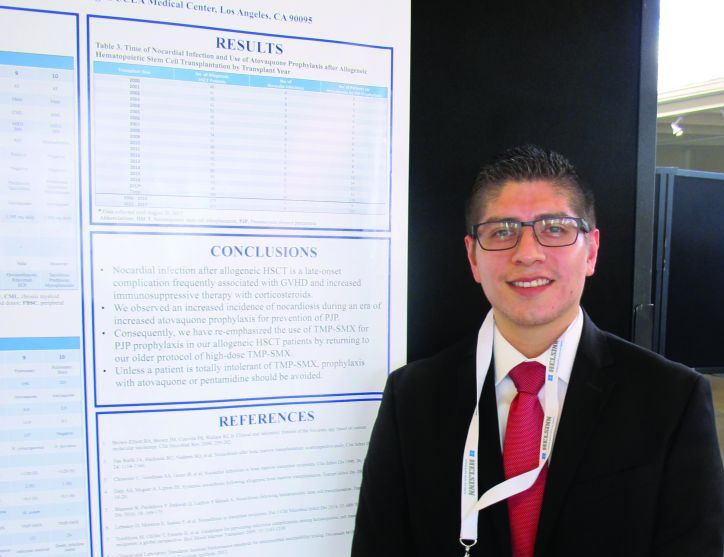
None of the 575 patients treated between 2000 and 2012, versus 119 of the 411 treated after 2012, received atovaquone, he reported.
To assess the potential relationship between the use of atovaquone and the increased incidence of nocardiosis, he and his colleagues reviewed patient medical records and UCLA Clinical Microbiology Laboratory culture results.
Nocardiosis occurred mainly in patients on high doses of corticosteroids for graft-versus-host disease, and 8 of the 10 affected patients were not receiving TMP-SMX for PJP prophylaxis; 7 were on atovaquone, and 1 was on intravenous pentamidine, Mr. Molina said.
The findings suggest that TMP-SMX should remain the agent of choice for PJP prophylaxis in HSCT recipients and have prompted a return to the older protocol of high-dose TMP-SMX for this purpose at UCLA, he said.
“Unless a patient is totally intolerant of TMP-SMX, prophylaxis with atovaquone or pentamidine should be avoided,” he concluded.
Mr. Molina reported having no financial disclosures. The Acute Leukemia Forum is held by Hemedicus, which is owned by the same company as this news organization.
SOURCE: Molina A et al., ALF 2018, Poster Session.
NEWPORT BEACH, CALIF. – Use of atovaquone or pentamidine for Pneumocystis jiroveci pneumonia (PJP) prophylaxis was associated with an increased incidence of nocardiosis in allogeneic hematopoietic stem call transplant (HSCT) recipients at the University of California, Los Angeles, according to a review of patient records.
Of 10 cases of late-onset nocardiosis identified among patients who received HSCT between Jan. 1, 2000, and Aug. 30, 2017, 9 cases occurred in 411 patients (2.2%) treated between 2012 and 2017 – a period of increased use of atovaquone prophylaxis, compared with only 1 in 575 patients (0.17%) treated in the prior 12 years when trimethoprim-sulfamethoxazole (TMP-SMX) was used for prophylaxis, Alfonso Molina reported in a poster at the Acute Leukemia Forum of Hemedicus.
None of the 575 patients treated between 2000 and 2012, versus 119 of the 411 treated after 2012, received atovaquone, he reported.
To assess the potential relationship between the use of atovaquone and the increased incidence of nocardiosis, he and his colleagues reviewed patient medical records and UCLA Clinical Microbiology Laboratory culture results.
Nocardiosis occurred mainly in patients on high doses of corticosteroids for graft-versus-host disease, and 8 of the 10 affected patients were not receiving TMP-SMX for PJP prophylaxis; 7 were on atovaquone, and 1 was on intravenous pentamidine, Mr. Molina said.
The findings suggest that TMP-SMX should remain the agent of choice for PJP prophylaxis in HSCT recipients and have prompted a return to the older protocol of high-dose TMP-SMX for this purpose at UCLA, he said.
“Unless a patient is totally intolerant of TMP-SMX, prophylaxis with atovaquone or pentamidine should be avoided,” he concluded.
Mr. Molina reported having no financial disclosures. The Acute Leukemia Forum is held by Hemedicus, which is owned by the same company as this news organization.
SOURCE: Molina A et al., ALF 2018, Poster Session.
NEWPORT BEACH, CALIF. – Use of atovaquone or pentamidine for Pneumocystis jiroveci pneumonia (PJP) prophylaxis was associated with an increased incidence of nocardiosis in allogeneic hematopoietic stem call transplant (HSCT) recipients at the University of California, Los Angeles, according to a review of patient records.
Of 10 cases of late-onset nocardiosis identified among patients who received HSCT between Jan. 1, 2000, and Aug. 30, 2017, 9 cases occurred in 411 patients (2.2%) treated between 2012 and 2017 – a period of increased use of atovaquone prophylaxis, compared with only 1 in 575 patients (0.17%) treated in the prior 12 years when trimethoprim-sulfamethoxazole (TMP-SMX) was used for prophylaxis, Alfonso Molina reported in a poster at the Acute Leukemia Forum of Hemedicus.
None of the 575 patients treated between 2000 and 2012, versus 119 of the 411 treated after 2012, received atovaquone, he reported.
To assess the potential relationship between the use of atovaquone and the increased incidence of nocardiosis, he and his colleagues reviewed patient medical records and UCLA Clinical Microbiology Laboratory culture results.
Nocardiosis occurred mainly in patients on high doses of corticosteroids for graft-versus-host disease, and 8 of the 10 affected patients were not receiving TMP-SMX for PJP prophylaxis; 7 were on atovaquone, and 1 was on intravenous pentamidine, Mr. Molina said.
The findings suggest that TMP-SMX should remain the agent of choice for PJP prophylaxis in HSCT recipients and have prompted a return to the older protocol of high-dose TMP-SMX for this purpose at UCLA, he said.
“Unless a patient is totally intolerant of TMP-SMX, prophylaxis with atovaquone or pentamidine should be avoided,” he concluded.
Mr. Molina reported having no financial disclosures. The Acute Leukemia Forum is held by Hemedicus, which is owned by the same company as this news organization.
SOURCE: Molina A et al., ALF 2018, Poster Session.
REPORTING FROM ALF 2018
Key clinical point:
Major finding: The incidence of nocardiosis was 2.2% during atovaquone use versus 0.17% prior to its use.
Study details: A retrospective review of records for 986 patients.
Disclosures: Mr. Molina reported having no financial disclosures.
Source: Molina A et al. ALF 2018, Poster Session.
VIDEO: Screening ECG patch boosts AF diagnoses ninefold
ORLANDO – An ECG patch worn twice for a total of about 24 days produced a nearly ninefold increase in the number of high-risk people diagnosed with atrial fibrillation, compared with those followed with usual care in a randomized trial with 2,655 people.
During 4 months of follow-up, 1,364 high-risk people assigned to ECG patch screening had a 5.1% rate of new atrial fibrillation (AF) diagnoses, compared with a 0.6% rate among 1,291 controls who wore the patch but were identified with new-onset AF using standard follow-up that did not take the patch data into account. This was a statistically significant difference for the study’s primary endpoint, Steven R. Steinhubl, MD, said at the annual meeting of the American College of Cardiology.
The video associated with this article is no longer available on this site. Please view all of our videos on the MDedge YouTube channel
In addition to proving that the ECG patch can better identify asymptomatic people who have AF than conventional means – usually waiting until a stroke occurs or for symptoms to appear – the noninvasive and relatively low-cost patch also gives researchers a new way to try to address the more fundamental medical question created by this line of investigation: How clinically important are relatively brief, asymptomatic episodes of atrial fibrillation, and are patient outcomes improved by treatments begun in this early phase?
The study results “show we can look beyond implantable devices with a less expensive, noninvasive way” to identify patients with asymptomatic AF and determine its natural history and need for intervention, Dr. Steinhubl said in a video interview.
The mSToP (mHealth Screening to Prevent Strokes) trial ran at Scripps and began by identifying more than 359,000 U.S. residents with Aetna health insurance who met the study’s definition of having high AF risk, either by being at least 75 years old, or at least 55 years old and male or at least 65 years old and female. To qualify as high risk those younger than 75 years also had to have at least one clinical risk factor, which could include a prior cerebrovascular event, heart failure, hypertension plus diabetes, obstructive sleep apnea, or any of six other comorbidities. The researchers also excluded potential participants because of several factors, including a history of atrial fibrillation or flutter, current treatment with an anticoagulant, end-stage renal disease, and patients with an implanted pacemaker or defibrillator.
They invited more than 100,000 of these qualifying Aetna beneficiaries to participate, and 2,655 agreed and received by mail a pair of ECG measurement patches (Zio) with instructions to wear one for 2 weeks at the start of the study and to wear the second during the final 2 weeks of the 4-month study period. The participants averaged 73 years of age, and their average CHA2DS2-VASc score was 3.
All patients in the study were told to wear their patches and mail them in, but the researchers used the collected ECG data for diagnosing AF in only the 1,364 patients randomized to the active arm. The ECG findings for the 1,291 controls wasn’t provided to their physicians, and so any new-onset AF had to be found either by symptom onset or incidentally. About one-third of the people assigned to each of the study arms never wore their patches. Those who wore their patches did so for an average of nearly 12 days each. Diagnosis of new-onset AF was based on finding either at least one AF episode recorded by the patches that lasted at least 30 seconds or an AF diagnosis appearing in the patient’s record. The average AF burden – the percentage of time a person with incident AF had an abnormal sinus rhythm – was 0.9%.
Even though many patients did not use their patches, the investigators assessed the primary endpoint of new AF diagnoses during the 4-month study period on an intention-to-treat basis. Their analysis showed an 8.8-fold higher rate of new AF diagnoses among people in the intervention arm whose patch data were used for immediate diagnosis, reported Dr. Steinhubl, an interventional cardiologist and director of digital medicine at the Scripps Translational Science Institute in La Jolla, Ca.
As a secondary endpoint, the researchers merged the entire group of 1,738 participants who had sent in patches with ECG data and compared their 1-year incidence of diagnosed AF against 3,476 matched controls from the Aetna database. After 1 year, the rate of new AF diagnoses was 6.3% in those with patch information and 2.3% among the controls, a threefold difference in diagnosis rates after adjustment for potential confounders.
“The clinical significance of the short AF episodes” manifested by many patch users identified with AF “requires greater clarity, especially in terms of stroke risk,” Dr. Steinhubl said. But he added, “I like to think that, as we learn more, we can look at more than just anticoagulation” as intervention options. For example, if a morbidly obese patient has asymptomatic AF found by patch screening, it might strengthen the case for bariatric surgery if it’s eventually shown that weight loss after bariatric surgery slows AF progression. The same holds true for more aggressive sleep apnea intervention in patients with sleep apnea and asymptomatic AF, as well as for patients with asymptomatic AF and another type of associated comorbidity.
SOURCE: Steinhubl S. ACC 18, Abstract 402-19.
Results from several studies have now shown that some kind of monitoring for AF in asymptomatic, at-risk people results in an increased diagnosis of subclinical AF. Study results also suggest that, in general, people diagnosed with subclinical AF are at a lower risk of stroke than patients with symptomatic AF. As of now, no prospective study has evaluated the efficacy of anticoagulant therapy in people diagnosed with subclinical AF, although such studies are now in progress. Until we have these results, the question of how to manage patients with subclinical AF remains unanswered.

N.A. Mark Estes, MD , is professor of medicine and director of the New England Cardiac Arrhythmia Center at Tufts Medical Center in Boston. He has been a consultant to Boston Scientific, Medtronic, and St. Jude. He made these comments as designated discussant for the mSToPS report.
Results from several studies have now shown that some kind of monitoring for AF in asymptomatic, at-risk people results in an increased diagnosis of subclinical AF. Study results also suggest that, in general, people diagnosed with subclinical AF are at a lower risk of stroke than patients with symptomatic AF. As of now, no prospective study has evaluated the efficacy of anticoagulant therapy in people diagnosed with subclinical AF, although such studies are now in progress. Until we have these results, the question of how to manage patients with subclinical AF remains unanswered.
N.A. Mark Estes, MD , is professor of medicine and director of the New England Cardiac Arrhythmia Center at Tufts Medical Center in Boston. He has been a consultant to Boston Scientific, Medtronic, and St. Jude. He made these comments as designated discussant for the mSToPS report.
Results from several studies have now shown that some kind of monitoring for AF in asymptomatic, at-risk people results in an increased diagnosis of subclinical AF. Study results also suggest that, in general, people diagnosed with subclinical AF are at a lower risk of stroke than patients with symptomatic AF. As of now, no prospective study has evaluated the efficacy of anticoagulant therapy in people diagnosed with subclinical AF, although such studies are now in progress. Until we have these results, the question of how to manage patients with subclinical AF remains unanswered.
N.A. Mark Estes, MD , is professor of medicine and director of the New England Cardiac Arrhythmia Center at Tufts Medical Center in Boston. He has been a consultant to Boston Scientific, Medtronic, and St. Jude. He made these comments as designated discussant for the mSToPS report.
ORLANDO – An ECG patch worn twice for a total of about 24 days produced a nearly ninefold increase in the number of high-risk people diagnosed with atrial fibrillation, compared with those followed with usual care in a randomized trial with 2,655 people.
During 4 months of follow-up, 1,364 high-risk people assigned to ECG patch screening had a 5.1% rate of new atrial fibrillation (AF) diagnoses, compared with a 0.6% rate among 1,291 controls who wore the patch but were identified with new-onset AF using standard follow-up that did not take the patch data into account. This was a statistically significant difference for the study’s primary endpoint, Steven R. Steinhubl, MD, said at the annual meeting of the American College of Cardiology.
The video associated with this article is no longer available on this site. Please view all of our videos on the MDedge YouTube channel
In addition to proving that the ECG patch can better identify asymptomatic people who have AF than conventional means – usually waiting until a stroke occurs or for symptoms to appear – the noninvasive and relatively low-cost patch also gives researchers a new way to try to address the more fundamental medical question created by this line of investigation: How clinically important are relatively brief, asymptomatic episodes of atrial fibrillation, and are patient outcomes improved by treatments begun in this early phase?
The study results “show we can look beyond implantable devices with a less expensive, noninvasive way” to identify patients with asymptomatic AF and determine its natural history and need for intervention, Dr. Steinhubl said in a video interview.
The mSToP (mHealth Screening to Prevent Strokes) trial ran at Scripps and began by identifying more than 359,000 U.S. residents with Aetna health insurance who met the study’s definition of having high AF risk, either by being at least 75 years old, or at least 55 years old and male or at least 65 years old and female. To qualify as high risk those younger than 75 years also had to have at least one clinical risk factor, which could include a prior cerebrovascular event, heart failure, hypertension plus diabetes, obstructive sleep apnea, or any of six other comorbidities. The researchers also excluded potential participants because of several factors, including a history of atrial fibrillation or flutter, current treatment with an anticoagulant, end-stage renal disease, and patients with an implanted pacemaker or defibrillator.
They invited more than 100,000 of these qualifying Aetna beneficiaries to participate, and 2,655 agreed and received by mail a pair of ECG measurement patches (Zio) with instructions to wear one for 2 weeks at the start of the study and to wear the second during the final 2 weeks of the 4-month study period. The participants averaged 73 years of age, and their average CHA2DS2-VASc score was 3.
All patients in the study were told to wear their patches and mail them in, but the researchers used the collected ECG data for diagnosing AF in only the 1,364 patients randomized to the active arm. The ECG findings for the 1,291 controls wasn’t provided to their physicians, and so any new-onset AF had to be found either by symptom onset or incidentally. About one-third of the people assigned to each of the study arms never wore their patches. Those who wore their patches did so for an average of nearly 12 days each. Diagnosis of new-onset AF was based on finding either at least one AF episode recorded by the patches that lasted at least 30 seconds or an AF diagnosis appearing in the patient’s record. The average AF burden – the percentage of time a person with incident AF had an abnormal sinus rhythm – was 0.9%.
Even though many patients did not use their patches, the investigators assessed the primary endpoint of new AF diagnoses during the 4-month study period on an intention-to-treat basis. Their analysis showed an 8.8-fold higher rate of new AF diagnoses among people in the intervention arm whose patch data were used for immediate diagnosis, reported Dr. Steinhubl, an interventional cardiologist and director of digital medicine at the Scripps Translational Science Institute in La Jolla, Ca.
As a secondary endpoint, the researchers merged the entire group of 1,738 participants who had sent in patches with ECG data and compared their 1-year incidence of diagnosed AF against 3,476 matched controls from the Aetna database. After 1 year, the rate of new AF diagnoses was 6.3% in those with patch information and 2.3% among the controls, a threefold difference in diagnosis rates after adjustment for potential confounders.
“The clinical significance of the short AF episodes” manifested by many patch users identified with AF “requires greater clarity, especially in terms of stroke risk,” Dr. Steinhubl said. But he added, “I like to think that, as we learn more, we can look at more than just anticoagulation” as intervention options. For example, if a morbidly obese patient has asymptomatic AF found by patch screening, it might strengthen the case for bariatric surgery if it’s eventually shown that weight loss after bariatric surgery slows AF progression. The same holds true for more aggressive sleep apnea intervention in patients with sleep apnea and asymptomatic AF, as well as for patients with asymptomatic AF and another type of associated comorbidity.
SOURCE: Steinhubl S. ACC 18, Abstract 402-19.
ORLANDO – An ECG patch worn twice for a total of about 24 days produced a nearly ninefold increase in the number of high-risk people diagnosed with atrial fibrillation, compared with those followed with usual care in a randomized trial with 2,655 people.
During 4 months of follow-up, 1,364 high-risk people assigned to ECG patch screening had a 5.1% rate of new atrial fibrillation (AF) diagnoses, compared with a 0.6% rate among 1,291 controls who wore the patch but were identified with new-onset AF using standard follow-up that did not take the patch data into account. This was a statistically significant difference for the study’s primary endpoint, Steven R. Steinhubl, MD, said at the annual meeting of the American College of Cardiology.
The video associated with this article is no longer available on this site. Please view all of our videos on the MDedge YouTube channel
In addition to proving that the ECG patch can better identify asymptomatic people who have AF than conventional means – usually waiting until a stroke occurs or for symptoms to appear – the noninvasive and relatively low-cost patch also gives researchers a new way to try to address the more fundamental medical question created by this line of investigation: How clinically important are relatively brief, asymptomatic episodes of atrial fibrillation, and are patient outcomes improved by treatments begun in this early phase?
The study results “show we can look beyond implantable devices with a less expensive, noninvasive way” to identify patients with asymptomatic AF and determine its natural history and need for intervention, Dr. Steinhubl said in a video interview.
The mSToP (mHealth Screening to Prevent Strokes) trial ran at Scripps and began by identifying more than 359,000 U.S. residents with Aetna health insurance who met the study’s definition of having high AF risk, either by being at least 75 years old, or at least 55 years old and male or at least 65 years old and female. To qualify as high risk those younger than 75 years also had to have at least one clinical risk factor, which could include a prior cerebrovascular event, heart failure, hypertension plus diabetes, obstructive sleep apnea, or any of six other comorbidities. The researchers also excluded potential participants because of several factors, including a history of atrial fibrillation or flutter, current treatment with an anticoagulant, end-stage renal disease, and patients with an implanted pacemaker or defibrillator.
They invited more than 100,000 of these qualifying Aetna beneficiaries to participate, and 2,655 agreed and received by mail a pair of ECG measurement patches (Zio) with instructions to wear one for 2 weeks at the start of the study and to wear the second during the final 2 weeks of the 4-month study period. The participants averaged 73 years of age, and their average CHA2DS2-VASc score was 3.
All patients in the study were told to wear their patches and mail them in, but the researchers used the collected ECG data for diagnosing AF in only the 1,364 patients randomized to the active arm. The ECG findings for the 1,291 controls wasn’t provided to their physicians, and so any new-onset AF had to be found either by symptom onset or incidentally. About one-third of the people assigned to each of the study arms never wore their patches. Those who wore their patches did so for an average of nearly 12 days each. Diagnosis of new-onset AF was based on finding either at least one AF episode recorded by the patches that lasted at least 30 seconds or an AF diagnosis appearing in the patient’s record. The average AF burden – the percentage of time a person with incident AF had an abnormal sinus rhythm – was 0.9%.
Even though many patients did not use their patches, the investigators assessed the primary endpoint of new AF diagnoses during the 4-month study period on an intention-to-treat basis. Their analysis showed an 8.8-fold higher rate of new AF diagnoses among people in the intervention arm whose patch data were used for immediate diagnosis, reported Dr. Steinhubl, an interventional cardiologist and director of digital medicine at the Scripps Translational Science Institute in La Jolla, Ca.
As a secondary endpoint, the researchers merged the entire group of 1,738 participants who had sent in patches with ECG data and compared their 1-year incidence of diagnosed AF against 3,476 matched controls from the Aetna database. After 1 year, the rate of new AF diagnoses was 6.3% in those with patch information and 2.3% among the controls, a threefold difference in diagnosis rates after adjustment for potential confounders.
“The clinical significance of the short AF episodes” manifested by many patch users identified with AF “requires greater clarity, especially in terms of stroke risk,” Dr. Steinhubl said. But he added, “I like to think that, as we learn more, we can look at more than just anticoagulation” as intervention options. For example, if a morbidly obese patient has asymptomatic AF found by patch screening, it might strengthen the case for bariatric surgery if it’s eventually shown that weight loss after bariatric surgery slows AF progression. The same holds true for more aggressive sleep apnea intervention in patients with sleep apnea and asymptomatic AF, as well as for patients with asymptomatic AF and another type of associated comorbidity.
SOURCE: Steinhubl S. ACC 18, Abstract 402-19.
REPORTING FROM ACC 18
Key clinical point: .
Major finding: After 4 months, new AF diagnoses occurred in 5.1% of patch users and 0.6% of usual-care controls.
Study details: mSToPS, a single-center, randomized study with 2,655 people at high risk for developing AF.
Disclosures: mSToPS received support from Aetna, Janssen, and iRhythm. Dr. Steinhubl has been an advisor to Airstrip, DynoSense, EasyG, FocusMotion, LifeWatch, MyoKardia, Novartis, and Spry Health, he serves on the board of Celes Health, and he has received research support from Janssen and Novartis.
Source: Steinhubl S. ACC 18, Abstract 402-19.

Erenumab found beneficial to migraine patients with unsuccessful preventive treatment history
Results from the phase 3b LIBERTY trial of the investigational migraine-prevention drug erenumab indicate its potential effectiveness in patients with episodic migraine attacks who have unsuccessfully tried other migraine-prevention drugs to reduce the frequency of migraine days.
Erenumab, a fully human monoclonal antibody that is designed to block the calcitonin gene-related peptide (CGRP) receptor, reduced the average number of monthly migraine headaches by half or more for 30% of study participants, which is a level of improvement that “can greatly improve a person’s quality of life,” first author Uwe Reuter, MD, of Charité–University Medicine Berlin said in a press release. Dr. Reuter will present the full results of the study during the Emerging Science Platform Session at the annual meeting of the American Academy of Neurology in Los Angeles on April 24.
At 3 months, patients treated with erenumab significantly more often met the study’s primary endpoint of the proportion of patients achieving a 50% or greater reduction in mean monthly migraine days (MMDs) during weeks 9-12: At week 12, 30% on erenumab vs. 14% on placebo (odds ratio, 2.73; 95% confidence interval, 1.43-5.19) met the endpoint.
Those treated with erenumab also had a greater average reduction in MMDs in several secondary endpoints. For those on erenumab, there was an overall mean difference of –1.61 MMDs, compared with placebo. Erenumab-treated patients also had an overall mean difference of –1.73 acute medication days, compared with placebo.
The authors reported that erenumab had safety and tolerability comparable to placebo, and none of the patients taking erenumab discontinued because of adverse events.
Dr. Reuter cautioned that additional studies will need to be conducted to determine if the effects last longer than 3 months and to identify patients most likely to respond.
The study was funded by Novartis, which is developing erenumab.
SOURCE: Reuter E et al. AAN 2018, Emerging Science Abstract 009.
Results from the phase 3b LIBERTY trial of the investigational migraine-prevention drug erenumab indicate its potential effectiveness in patients with episodic migraine attacks who have unsuccessfully tried other migraine-prevention drugs to reduce the frequency of migraine days.
Erenumab, a fully human monoclonal antibody that is designed to block the calcitonin gene-related peptide (CGRP) receptor, reduced the average number of monthly migraine headaches by half or more for 30% of study participants, which is a level of improvement that “can greatly improve a person’s quality of life,” first author Uwe Reuter, MD, of Charité–University Medicine Berlin said in a press release. Dr. Reuter will present the full results of the study during the Emerging Science Platform Session at the annual meeting of the American Academy of Neurology in Los Angeles on April 24.
At 3 months, patients treated with erenumab significantly more often met the study’s primary endpoint of the proportion of patients achieving a 50% or greater reduction in mean monthly migraine days (MMDs) during weeks 9-12: At week 12, 30% on erenumab vs. 14% on placebo (odds ratio, 2.73; 95% confidence interval, 1.43-5.19) met the endpoint.
Those treated with erenumab also had a greater average reduction in MMDs in several secondary endpoints. For those on erenumab, there was an overall mean difference of –1.61 MMDs, compared with placebo. Erenumab-treated patients also had an overall mean difference of –1.73 acute medication days, compared with placebo.
The authors reported that erenumab had safety and tolerability comparable to placebo, and none of the patients taking erenumab discontinued because of adverse events.
Dr. Reuter cautioned that additional studies will need to be conducted to determine if the effects last longer than 3 months and to identify patients most likely to respond.
The study was funded by Novartis, which is developing erenumab.
SOURCE: Reuter E et al. AAN 2018, Emerging Science Abstract 009.
Results from the phase 3b LIBERTY trial of the investigational migraine-prevention drug erenumab indicate its potential effectiveness in patients with episodic migraine attacks who have unsuccessfully tried other migraine-prevention drugs to reduce the frequency of migraine days.
Erenumab, a fully human monoclonal antibody that is designed to block the calcitonin gene-related peptide (CGRP) receptor, reduced the average number of monthly migraine headaches by half or more for 30% of study participants, which is a level of improvement that “can greatly improve a person’s quality of life,” first author Uwe Reuter, MD, of Charité–University Medicine Berlin said in a press release. Dr. Reuter will present the full results of the study during the Emerging Science Platform Session at the annual meeting of the American Academy of Neurology in Los Angeles on April 24.
At 3 months, patients treated with erenumab significantly more often met the study’s primary endpoint of the proportion of patients achieving a 50% or greater reduction in mean monthly migraine days (MMDs) during weeks 9-12: At week 12, 30% on erenumab vs. 14% on placebo (odds ratio, 2.73; 95% confidence interval, 1.43-5.19) met the endpoint.
Those treated with erenumab also had a greater average reduction in MMDs in several secondary endpoints. For those on erenumab, there was an overall mean difference of –1.61 MMDs, compared with placebo. Erenumab-treated patients also had an overall mean difference of –1.73 acute medication days, compared with placebo.
The authors reported that erenumab had safety and tolerability comparable to placebo, and none of the patients taking erenumab discontinued because of adverse events.
Dr. Reuter cautioned that additional studies will need to be conducted to determine if the effects last longer than 3 months and to identify patients most likely to respond.
The study was funded by Novartis, which is developing erenumab.
SOURCE: Reuter E et al. AAN 2018, Emerging Science Abstract 009.
FROM AAN 2018
Key clinical point:
Major finding: Patients treated with erenumab significantly more often achieved a 50% or greater reduction in mean monthly migraine days during weeks 9-12: At week 12, 30% with erenumab vs. 14% with placebo met the endpoint.
Study details: A 12-week, double-blind study of 246 patients with episodic migraine randomized to receive erenumab 140 mg or placebo.
Disclosures: The study was funded by Novartis, which is developing erenumab.
Source: Reuter E et al. AAN 2018, Emerging Science Abstract 009.

Statin plus chemo yields encouraging results in poor-risk AML
Patients with poor-risk acute myelogenous leukemia (AML) had promising rates of response and survival following treatment with a statin added to standard chemotherapy, researchers reported.
Pravastatin in combination with idarubicin and cytarabine had a 30% response rate in poor-risk AML patients, according to Anjali S. Advani, MD, of the Taussig Cancer Institute at the Cleveland Clinic, and her coauthors.
Although that response rate did not meet a prespecified threshold for statistical significance, results of the phase 2 study were nevertheless “encouraging” for a group of patients with unfavorable cytogenetics and poor-risk molecular mutations, the researchers wrote. The study was published in Leukemia Research.
The estimated median overall survival was 4.1 months in the phase 2 trial, known as SWOG S0919. About one-quarter of the patients were able to proceed to allogeneic hematopoietic stem cell transplant, and for that group, median overall survival was 27.1 months.
These findings appear to provide further support for the hypothesis that targeting the cholesterol pathway may be a promising approach in patients with AML.
Some previous investigations suggested that AML blasts overexpress genes for lipoprotein receptors and regulatory enzymes, while others showed that these cells import and synthesize cholesterol at levels higher than what is seen in normal progenitor cells. In addition, some AML patients have hypocholesterolemia that usually resolves when they achieve a complete remission.
“These observations suggest that AML cells may require high levels of cholesterol for their survival and that abnormalities in cholesterol homeostasis are necessary for AML cell survival,” the researchers wrote.
This led to a phase 1 trial of pravastatin plus idarubicin/cytarabine, followed by the phase 2 SWOG S0919 trial, which demonstrated a 75% rate of complete response (CR) or complete response with incomplete count recovery (CRi) for the regimen.
The SWOG S0919 study was amended to include the poor-risk AML patients described in the present study. That cohort of 46 patients had a CR/CRi of less than 6 months after their last induction regimen or refractory disease. Many had poor-risk cytogenetics (43%) or one of a number of poor-risk mutations, according to the study report.
Pravastatin, in addition to working on the cholesterol pathway in AML, may also have a therapeutic advantage in patients with FLT3 mutations. Three out of six patients with FLT3 mutations achieved CR/CRi, corroborating earlier preclinical studies and suggesting further study of this specific patient population would be worthwhile, the researchers noted.
The study was supported in part by the National Institutes of Health and Bristol-Myers Squibb. Dr. Advani reported having no financial disclosures but other study authors reported relationships with various pharmaceutical companies.
SOURCE: Advani AS et al. Leuk Res. 2018 Apr;67:17-20.
Patients with poor-risk acute myelogenous leukemia (AML) had promising rates of response and survival following treatment with a statin added to standard chemotherapy, researchers reported.
Pravastatin in combination with idarubicin and cytarabine had a 30% response rate in poor-risk AML patients, according to Anjali S. Advani, MD, of the Taussig Cancer Institute at the Cleveland Clinic, and her coauthors.
Although that response rate did not meet a prespecified threshold for statistical significance, results of the phase 2 study were nevertheless “encouraging” for a group of patients with unfavorable cytogenetics and poor-risk molecular mutations, the researchers wrote. The study was published in Leukemia Research.
The estimated median overall survival was 4.1 months in the phase 2 trial, known as SWOG S0919. About one-quarter of the patients were able to proceed to allogeneic hematopoietic stem cell transplant, and for that group, median overall survival was 27.1 months.
These findings appear to provide further support for the hypothesis that targeting the cholesterol pathway may be a promising approach in patients with AML.
Some previous investigations suggested that AML blasts overexpress genes for lipoprotein receptors and regulatory enzymes, while others showed that these cells import and synthesize cholesterol at levels higher than what is seen in normal progenitor cells. In addition, some AML patients have hypocholesterolemia that usually resolves when they achieve a complete remission.
“These observations suggest that AML cells may require high levels of cholesterol for their survival and that abnormalities in cholesterol homeostasis are necessary for AML cell survival,” the researchers wrote.
This led to a phase 1 trial of pravastatin plus idarubicin/cytarabine, followed by the phase 2 SWOG S0919 trial, which demonstrated a 75% rate of complete response (CR) or complete response with incomplete count recovery (CRi) for the regimen.
The SWOG S0919 study was amended to include the poor-risk AML patients described in the present study. That cohort of 46 patients had a CR/CRi of less than 6 months after their last induction regimen or refractory disease. Many had poor-risk cytogenetics (43%) or one of a number of poor-risk mutations, according to the study report.
Pravastatin, in addition to working on the cholesterol pathway in AML, may also have a therapeutic advantage in patients with FLT3 mutations. Three out of six patients with FLT3 mutations achieved CR/CRi, corroborating earlier preclinical studies and suggesting further study of this specific patient population would be worthwhile, the researchers noted.
The study was supported in part by the National Institutes of Health and Bristol-Myers Squibb. Dr. Advani reported having no financial disclosures but other study authors reported relationships with various pharmaceutical companies.
SOURCE: Advani AS et al. Leuk Res. 2018 Apr;67:17-20.
Patients with poor-risk acute myelogenous leukemia (AML) had promising rates of response and survival following treatment with a statin added to standard chemotherapy, researchers reported.
Pravastatin in combination with idarubicin and cytarabine had a 30% response rate in poor-risk AML patients, according to Anjali S. Advani, MD, of the Taussig Cancer Institute at the Cleveland Clinic, and her coauthors.
Although that response rate did not meet a prespecified threshold for statistical significance, results of the phase 2 study were nevertheless “encouraging” for a group of patients with unfavorable cytogenetics and poor-risk molecular mutations, the researchers wrote. The study was published in Leukemia Research.
The estimated median overall survival was 4.1 months in the phase 2 trial, known as SWOG S0919. About one-quarter of the patients were able to proceed to allogeneic hematopoietic stem cell transplant, and for that group, median overall survival was 27.1 months.
These findings appear to provide further support for the hypothesis that targeting the cholesterol pathway may be a promising approach in patients with AML.
Some previous investigations suggested that AML blasts overexpress genes for lipoprotein receptors and regulatory enzymes, while others showed that these cells import and synthesize cholesterol at levels higher than what is seen in normal progenitor cells. In addition, some AML patients have hypocholesterolemia that usually resolves when they achieve a complete remission.
“These observations suggest that AML cells may require high levels of cholesterol for their survival and that abnormalities in cholesterol homeostasis are necessary for AML cell survival,” the researchers wrote.
This led to a phase 1 trial of pravastatin plus idarubicin/cytarabine, followed by the phase 2 SWOG S0919 trial, which demonstrated a 75% rate of complete response (CR) or complete response with incomplete count recovery (CRi) for the regimen.
The SWOG S0919 study was amended to include the poor-risk AML patients described in the present study. That cohort of 46 patients had a CR/CRi of less than 6 months after their last induction regimen or refractory disease. Many had poor-risk cytogenetics (43%) or one of a number of poor-risk mutations, according to the study report.
Pravastatin, in addition to working on the cholesterol pathway in AML, may also have a therapeutic advantage in patients with FLT3 mutations. Three out of six patients with FLT3 mutations achieved CR/CRi, corroborating earlier preclinical studies and suggesting further study of this specific patient population would be worthwhile, the researchers noted.
The study was supported in part by the National Institutes of Health and Bristol-Myers Squibb. Dr. Advani reported having no financial disclosures but other study authors reported relationships with various pharmaceutical companies.
SOURCE: Advani AS et al. Leuk Res. 2018 Apr;67:17-20.
FROM LEUKEMIA RESEARCH
Key clinical point:
Major finding: Pravastatin in combination with idarubicin and cytarabine had a 30% response rate in poor risk AML patients.
Study details: Results from the poor-risk cohort (n = 46) in SWOG S0919, a phase 2 study.
Disclosures: The research was supported in part by the National Institutes of Health and Bristol-Myers Squibb. Dr. Advani reported having no financial disclosures but other study authors reported relationships with various pharmaceutical companies.
Source: Advani AS et al. Leuk Res. 2018 Apr;67:17-20.