User login
The Official Newspaper of the American Association for Thoracic Surgery
Medical Researchers Need Access to The Social Security Death Master File
The Social Security Public Death Master File (DMF) has served as a valuable source of data for medical researchers, providing information critical for long-term survival and epidemiological studies. The DMF includes death records received by the Social Security Administration (SSA) from families, hospitals, funeral homes and financial institutions dating from 1936 to the present. Since 2002, the DMF has also included death records supplied by state governments, which constitute approximately 35% of the newest death records located in the DMF. However, as of November 1, 2011, the SSA no longer discloses state-supplied death records in the public version of the DMF. Because state records constitute such a large portion of the most current and relevant data in the DMF, the loss of this affordable database of death records has substantial negative implications for medical researchers and other groups who rely on the data for financial and research purposes. The American Association for Thoracic Surgery (AATS) has been working with other specialty societies to advocate for restored access to the full DMF for medical researchers.
Importance of the DMF to Medical Research
The DMF is a popular research tool because it is updated weekly and the full DMF file plus weekly updates can cost as little as $8,500 annually. The Center for Disease Control and Prevention (CDC) keeps a more complete record of deaths, but the CDC database is only updated annually and can cost much more than the DMF to use for larger studies because the cost of use increases with the number of individuals searched. Therefore, the DMF is an important and affordable, though incomplete, source of data for medical researchers and practitioners, as well as members of the financial services industry and individuals performing genealogical research.
Medical researchers use the DMF to track the mortality rates of organ transplant recipients, monitor the survival rates of participants in long-term research studies, and evaluate the safety and effectiveness of various procedures and medical devices by comparing survival outcomes. The DMF is particularly useful in helping researchers track subjects who have moved and cannot be located or who have continued treatment in different institutions. Additionally, because the DMF includes the age, location, and other demographic data of decedents, researchers can study the effect of these variables on mortality outcomes. Without such information, these subjects would not be included in research results, affecting the comprehensiveness and accuracy of the studies.
According to the National Technical Information Service (NTIS), the government agency responsible for managing access to the DMF, insurance companies, fraud prevention companies, and financial institutions use the DMF to ensure the accuracy and legitimacy of various transactions. For example, insurance companies regularly check the DMF to confirm that insurance or annuity beneficiaries are still living. Recently, the New York Department of Financial Services ordered life insurance companies to search the DMF for names of policyholders to help ensure that beneficiaries unaware of the policy would be paid.
Additionally, according to the NTIS, the DMF is used to prevent identity fraud by financial services providers, government entities and fraud prevention services. By comparing the personal information supplied by an applicant against the information provided in the DMF, these institutions can ensure that applicants for government services or credit cards, for example, are not fraudulently using the personal information of a deceased individual.
Finally, professional and amateur genealogists use data from the DMF to create family trees and study family health histories. According to the Records Preservation and Access Committee, a coalition of various genealogical societies, genealogists must have access to the Social Security numbers of decedents to make certain that they have identified the correct decedent in their research. Particularly when genealogical research involves locating information about a decedent with a common name, accessing death records connected to a Social Security number is necessary for accurate research.
Improper Uses of the DMF: Identity Theft and Incorrect Death Reporting
Because the DMF includes a decedent’s full Social Security number, its role in facilitating identity theft has become an issue of increasing concern to the SSA, Congress, and consumer advocacy groups. Witnesses in a Congressional hearing on the DMF held in February reported that identity thieves are using the personal information of deceased children listed in the DMF to file false tax returns by listing the child as a dependent.
CNN Money reports that identity thieves use the personal information of over two million deceased Americans per year for purposes of opening bank and credit card accounts. Although the number of these identity thefts resulting from the use of DMF data specifically has not yet been studied, the potential for abuse by users of the DMF has contributed to the current and proposed restrictions to DMF data accessibility.
In addition to concerns regarding the publication of personal information of deceased individuals, members of Congress and consumer protection groups are also concerned about the publication of personal information of living people mistakenly placed on the DMF. According to the SSA, the names and personal information of over 14,000 living people per year are accidently placed in the DMF. In addition to the risks associated with having such personal information publically available, being listed in the DMF can have severe financial implications.
Because fraud prevention services use the DMF to cross-check accounts and applications to ensure that a criminal is not fraudulently using a deceased person’s identity, individuals listed may not be able to apply for a loan or open bank accounts, or may have their accounts closed, resulting in months of inconvenience until the SSA corrects the mistake. Due to the increasing rate of identity theft and the relative ease of finding information from the DMF on the Internet, consumer protection advocates concerned with the amount of personal information listed have argued that the risks of the public availability of such information justify eliminating public access to the DMF entirely.
Changes in Access to the DMF
In 1980, a court-mandated settlement required the SSA to disclose information from all of the death records it received, including the Social Security numbers, names, birthdays, and dates of death of the decedents. In 1983, however, Congress amended the statutes governing the SSA to exempt state death records from the public disclosure requirement, while continuing to allow the SSA to share the data with other governmental agencies. Despite the 1983 legislation exempting such records from required public disclosure, the SSA publicly reported information received from state death records beginning in 2002. However, due to controversy surrounding incorrect death reports in the DMF and identity thefts arising from personal information allegedly gathered from the DMF, the SSA concluded last year that it could no longer disclose death records obtained from state governments. According to a recent New York Times article, as a result of this decision four million entries were removed from the DMF and the number of new entries per year is expected to drop by approximately 35% compared to the amount of 2010 records.
Since 2011, several bills have been introduced in Congress to further restrict access to the DMF. Last year, Representative Samuel Johnson (R-TX) proposed new legislation, the Keeping IDs Safe Act of 2011 (H.R. 3475), that would limit the use of all DMF data to law enforcement, tax administration, and federal and state agency research purposes only. Senator Bill Nelson (D-FL) included a provision in his proposed Identity Theft and Tax Fraud Prevention Act (S. 3432) that would forbid the SSA from disclosing any information in the DMF regarding a recently deceased individual in order to combat tax fraud.
Potential Solutions to Provide Medical Researchers Access to the DMF
By refusing to disclose state death records to appropriate users of the DMF, the SSA has failed to balance the valid concerns of protecting personal information with the need for researchers and other legitimate users to have access to information needed to efficiently track deceased individuals. As previously discussed, Representative Johnson’s proposed legislation goes even further than the recent SSA policy change, eliminating almost all public access to the DMF. According to Toby McIntosh from Bloomberg BNA, this past summer the SSA and various financial entities began discussions that would allow these groups to continue to access the DMF provided that they undertake various security measures to ensure the privacy of the data received. This form of "limited access" and imposition of security requirements on users could easily be extended to medical researchers. Likewise, the DMF limitations found in Senator Nelson’s proposed Identity Theft and Tax Fraud Prevention Act include an exception for "certified" users, defined as those users who need access to the DMF for the detection and prevention of fraud. AATS and other medical societies have urged Congress to recognize the importance of the full DMF data for medical research and include medical researchers in the groups permitted to access the full DMF. Both of these pieces of legislation can be amended to ensure that DMF data stays out of the hands of criminals while continuing to allow medical researchers access to this valuable database.
Please contact your local representative and senator to encourage them to support a medical research exception to any legislation that would restrict public access to the DMF. Legislation that imposes restrictions on public access to the DMF while including tailored exceptions for carefully screened and monitored users would address the potential for abusive use of the DMF, while permitting complete and timely access to those who rely on it for legitimate purposes.
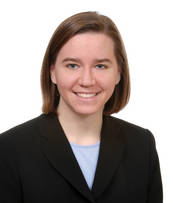
Ms. Halpern is counsel at Hogan Lovells in Washington, D.C. and writes on medico-legal issues for the American Association for Thoracic Surgery.
The Social Security Public Death Master File (DMF) has served as a valuable source of data for medical researchers, providing information critical for long-term survival and epidemiological studies. The DMF includes death records received by the Social Security Administration (SSA) from families, hospitals, funeral homes and financial institutions dating from 1936 to the present. Since 2002, the DMF has also included death records supplied by state governments, which constitute approximately 35% of the newest death records located in the DMF. However, as of November 1, 2011, the SSA no longer discloses state-supplied death records in the public version of the DMF. Because state records constitute such a large portion of the most current and relevant data in the DMF, the loss of this affordable database of death records has substantial negative implications for medical researchers and other groups who rely on the data for financial and research purposes. The American Association for Thoracic Surgery (AATS) has been working with other specialty societies to advocate for restored access to the full DMF for medical researchers.
Importance of the DMF to Medical Research
The DMF is a popular research tool because it is updated weekly and the full DMF file plus weekly updates can cost as little as $8,500 annually. The Center for Disease Control and Prevention (CDC) keeps a more complete record of deaths, but the CDC database is only updated annually and can cost much more than the DMF to use for larger studies because the cost of use increases with the number of individuals searched. Therefore, the DMF is an important and affordable, though incomplete, source of data for medical researchers and practitioners, as well as members of the financial services industry and individuals performing genealogical research.
Medical researchers use the DMF to track the mortality rates of organ transplant recipients, monitor the survival rates of participants in long-term research studies, and evaluate the safety and effectiveness of various procedures and medical devices by comparing survival outcomes. The DMF is particularly useful in helping researchers track subjects who have moved and cannot be located or who have continued treatment in different institutions. Additionally, because the DMF includes the age, location, and other demographic data of decedents, researchers can study the effect of these variables on mortality outcomes. Without such information, these subjects would not be included in research results, affecting the comprehensiveness and accuracy of the studies.
According to the National Technical Information Service (NTIS), the government agency responsible for managing access to the DMF, insurance companies, fraud prevention companies, and financial institutions use the DMF to ensure the accuracy and legitimacy of various transactions. For example, insurance companies regularly check the DMF to confirm that insurance or annuity beneficiaries are still living. Recently, the New York Department of Financial Services ordered life insurance companies to search the DMF for names of policyholders to help ensure that beneficiaries unaware of the policy would be paid.
Additionally, according to the NTIS, the DMF is used to prevent identity fraud by financial services providers, government entities and fraud prevention services. By comparing the personal information supplied by an applicant against the information provided in the DMF, these institutions can ensure that applicants for government services or credit cards, for example, are not fraudulently using the personal information of a deceased individual.
Finally, professional and amateur genealogists use data from the DMF to create family trees and study family health histories. According to the Records Preservation and Access Committee, a coalition of various genealogical societies, genealogists must have access to the Social Security numbers of decedents to make certain that they have identified the correct decedent in their research. Particularly when genealogical research involves locating information about a decedent with a common name, accessing death records connected to a Social Security number is necessary for accurate research.
Improper Uses of the DMF: Identity Theft and Incorrect Death Reporting
Because the DMF includes a decedent’s full Social Security number, its role in facilitating identity theft has become an issue of increasing concern to the SSA, Congress, and consumer advocacy groups. Witnesses in a Congressional hearing on the DMF held in February reported that identity thieves are using the personal information of deceased children listed in the DMF to file false tax returns by listing the child as a dependent.
CNN Money reports that identity thieves use the personal information of over two million deceased Americans per year for purposes of opening bank and credit card accounts. Although the number of these identity thefts resulting from the use of DMF data specifically has not yet been studied, the potential for abuse by users of the DMF has contributed to the current and proposed restrictions to DMF data accessibility.
In addition to concerns regarding the publication of personal information of deceased individuals, members of Congress and consumer protection groups are also concerned about the publication of personal information of living people mistakenly placed on the DMF. According to the SSA, the names and personal information of over 14,000 living people per year are accidently placed in the DMF. In addition to the risks associated with having such personal information publically available, being listed in the DMF can have severe financial implications.
Because fraud prevention services use the DMF to cross-check accounts and applications to ensure that a criminal is not fraudulently using a deceased person’s identity, individuals listed may not be able to apply for a loan or open bank accounts, or may have their accounts closed, resulting in months of inconvenience until the SSA corrects the mistake. Due to the increasing rate of identity theft and the relative ease of finding information from the DMF on the Internet, consumer protection advocates concerned with the amount of personal information listed have argued that the risks of the public availability of such information justify eliminating public access to the DMF entirely.
Changes in Access to the DMF
In 1980, a court-mandated settlement required the SSA to disclose information from all of the death records it received, including the Social Security numbers, names, birthdays, and dates of death of the decedents. In 1983, however, Congress amended the statutes governing the SSA to exempt state death records from the public disclosure requirement, while continuing to allow the SSA to share the data with other governmental agencies. Despite the 1983 legislation exempting such records from required public disclosure, the SSA publicly reported information received from state death records beginning in 2002. However, due to controversy surrounding incorrect death reports in the DMF and identity thefts arising from personal information allegedly gathered from the DMF, the SSA concluded last year that it could no longer disclose death records obtained from state governments. According to a recent New York Times article, as a result of this decision four million entries were removed from the DMF and the number of new entries per year is expected to drop by approximately 35% compared to the amount of 2010 records.
Since 2011, several bills have been introduced in Congress to further restrict access to the DMF. Last year, Representative Samuel Johnson (R-TX) proposed new legislation, the Keeping IDs Safe Act of 2011 (H.R. 3475), that would limit the use of all DMF data to law enforcement, tax administration, and federal and state agency research purposes only. Senator Bill Nelson (D-FL) included a provision in his proposed Identity Theft and Tax Fraud Prevention Act (S. 3432) that would forbid the SSA from disclosing any information in the DMF regarding a recently deceased individual in order to combat tax fraud.
Potential Solutions to Provide Medical Researchers Access to the DMF
By refusing to disclose state death records to appropriate users of the DMF, the SSA has failed to balance the valid concerns of protecting personal information with the need for researchers and other legitimate users to have access to information needed to efficiently track deceased individuals. As previously discussed, Representative Johnson’s proposed legislation goes even further than the recent SSA policy change, eliminating almost all public access to the DMF. According to Toby McIntosh from Bloomberg BNA, this past summer the SSA and various financial entities began discussions that would allow these groups to continue to access the DMF provided that they undertake various security measures to ensure the privacy of the data received. This form of "limited access" and imposition of security requirements on users could easily be extended to medical researchers. Likewise, the DMF limitations found in Senator Nelson’s proposed Identity Theft and Tax Fraud Prevention Act include an exception for "certified" users, defined as those users who need access to the DMF for the detection and prevention of fraud. AATS and other medical societies have urged Congress to recognize the importance of the full DMF data for medical research and include medical researchers in the groups permitted to access the full DMF. Both of these pieces of legislation can be amended to ensure that DMF data stays out of the hands of criminals while continuing to allow medical researchers access to this valuable database.
Please contact your local representative and senator to encourage them to support a medical research exception to any legislation that would restrict public access to the DMF. Legislation that imposes restrictions on public access to the DMF while including tailored exceptions for carefully screened and monitored users would address the potential for abusive use of the DMF, while permitting complete and timely access to those who rely on it for legitimate purposes.
Ms. Halpern is counsel at Hogan Lovells in Washington, D.C. and writes on medico-legal issues for the American Association for Thoracic Surgery.
The Social Security Public Death Master File (DMF) has served as a valuable source of data for medical researchers, providing information critical for long-term survival and epidemiological studies. The DMF includes death records received by the Social Security Administration (SSA) from families, hospitals, funeral homes and financial institutions dating from 1936 to the present. Since 2002, the DMF has also included death records supplied by state governments, which constitute approximately 35% of the newest death records located in the DMF. However, as of November 1, 2011, the SSA no longer discloses state-supplied death records in the public version of the DMF. Because state records constitute such a large portion of the most current and relevant data in the DMF, the loss of this affordable database of death records has substantial negative implications for medical researchers and other groups who rely on the data for financial and research purposes. The American Association for Thoracic Surgery (AATS) has been working with other specialty societies to advocate for restored access to the full DMF for medical researchers.
Importance of the DMF to Medical Research
The DMF is a popular research tool because it is updated weekly and the full DMF file plus weekly updates can cost as little as $8,500 annually. The Center for Disease Control and Prevention (CDC) keeps a more complete record of deaths, but the CDC database is only updated annually and can cost much more than the DMF to use for larger studies because the cost of use increases with the number of individuals searched. Therefore, the DMF is an important and affordable, though incomplete, source of data for medical researchers and practitioners, as well as members of the financial services industry and individuals performing genealogical research.
Medical researchers use the DMF to track the mortality rates of organ transplant recipients, monitor the survival rates of participants in long-term research studies, and evaluate the safety and effectiveness of various procedures and medical devices by comparing survival outcomes. The DMF is particularly useful in helping researchers track subjects who have moved and cannot be located or who have continued treatment in different institutions. Additionally, because the DMF includes the age, location, and other demographic data of decedents, researchers can study the effect of these variables on mortality outcomes. Without such information, these subjects would not be included in research results, affecting the comprehensiveness and accuracy of the studies.
According to the National Technical Information Service (NTIS), the government agency responsible for managing access to the DMF, insurance companies, fraud prevention companies, and financial institutions use the DMF to ensure the accuracy and legitimacy of various transactions. For example, insurance companies regularly check the DMF to confirm that insurance or annuity beneficiaries are still living. Recently, the New York Department of Financial Services ordered life insurance companies to search the DMF for names of policyholders to help ensure that beneficiaries unaware of the policy would be paid.
Additionally, according to the NTIS, the DMF is used to prevent identity fraud by financial services providers, government entities and fraud prevention services. By comparing the personal information supplied by an applicant against the information provided in the DMF, these institutions can ensure that applicants for government services or credit cards, for example, are not fraudulently using the personal information of a deceased individual.
Finally, professional and amateur genealogists use data from the DMF to create family trees and study family health histories. According to the Records Preservation and Access Committee, a coalition of various genealogical societies, genealogists must have access to the Social Security numbers of decedents to make certain that they have identified the correct decedent in their research. Particularly when genealogical research involves locating information about a decedent with a common name, accessing death records connected to a Social Security number is necessary for accurate research.
Improper Uses of the DMF: Identity Theft and Incorrect Death Reporting
Because the DMF includes a decedent’s full Social Security number, its role in facilitating identity theft has become an issue of increasing concern to the SSA, Congress, and consumer advocacy groups. Witnesses in a Congressional hearing on the DMF held in February reported that identity thieves are using the personal information of deceased children listed in the DMF to file false tax returns by listing the child as a dependent.
CNN Money reports that identity thieves use the personal information of over two million deceased Americans per year for purposes of opening bank and credit card accounts. Although the number of these identity thefts resulting from the use of DMF data specifically has not yet been studied, the potential for abuse by users of the DMF has contributed to the current and proposed restrictions to DMF data accessibility.
In addition to concerns regarding the publication of personal information of deceased individuals, members of Congress and consumer protection groups are also concerned about the publication of personal information of living people mistakenly placed on the DMF. According to the SSA, the names and personal information of over 14,000 living people per year are accidently placed in the DMF. In addition to the risks associated with having such personal information publically available, being listed in the DMF can have severe financial implications.
Because fraud prevention services use the DMF to cross-check accounts and applications to ensure that a criminal is not fraudulently using a deceased person’s identity, individuals listed may not be able to apply for a loan or open bank accounts, or may have their accounts closed, resulting in months of inconvenience until the SSA corrects the mistake. Due to the increasing rate of identity theft and the relative ease of finding information from the DMF on the Internet, consumer protection advocates concerned with the amount of personal information listed have argued that the risks of the public availability of such information justify eliminating public access to the DMF entirely.
Changes in Access to the DMF
In 1980, a court-mandated settlement required the SSA to disclose information from all of the death records it received, including the Social Security numbers, names, birthdays, and dates of death of the decedents. In 1983, however, Congress amended the statutes governing the SSA to exempt state death records from the public disclosure requirement, while continuing to allow the SSA to share the data with other governmental agencies. Despite the 1983 legislation exempting such records from required public disclosure, the SSA publicly reported information received from state death records beginning in 2002. However, due to controversy surrounding incorrect death reports in the DMF and identity thefts arising from personal information allegedly gathered from the DMF, the SSA concluded last year that it could no longer disclose death records obtained from state governments. According to a recent New York Times article, as a result of this decision four million entries were removed from the DMF and the number of new entries per year is expected to drop by approximately 35% compared to the amount of 2010 records.
Since 2011, several bills have been introduced in Congress to further restrict access to the DMF. Last year, Representative Samuel Johnson (R-TX) proposed new legislation, the Keeping IDs Safe Act of 2011 (H.R. 3475), that would limit the use of all DMF data to law enforcement, tax administration, and federal and state agency research purposes only. Senator Bill Nelson (D-FL) included a provision in his proposed Identity Theft and Tax Fraud Prevention Act (S. 3432) that would forbid the SSA from disclosing any information in the DMF regarding a recently deceased individual in order to combat tax fraud.
Potential Solutions to Provide Medical Researchers Access to the DMF
By refusing to disclose state death records to appropriate users of the DMF, the SSA has failed to balance the valid concerns of protecting personal information with the need for researchers and other legitimate users to have access to information needed to efficiently track deceased individuals. As previously discussed, Representative Johnson’s proposed legislation goes even further than the recent SSA policy change, eliminating almost all public access to the DMF. According to Toby McIntosh from Bloomberg BNA, this past summer the SSA and various financial entities began discussions that would allow these groups to continue to access the DMF provided that they undertake various security measures to ensure the privacy of the data received. This form of "limited access" and imposition of security requirements on users could easily be extended to medical researchers. Likewise, the DMF limitations found in Senator Nelson’s proposed Identity Theft and Tax Fraud Prevention Act include an exception for "certified" users, defined as those users who need access to the DMF for the detection and prevention of fraud. AATS and other medical societies have urged Congress to recognize the importance of the full DMF data for medical research and include medical researchers in the groups permitted to access the full DMF. Both of these pieces of legislation can be amended to ensure that DMF data stays out of the hands of criminals while continuing to allow medical researchers access to this valuable database.
Please contact your local representative and senator to encourage them to support a medical research exception to any legislation that would restrict public access to the DMF. Legislation that imposes restrictions on public access to the DMF while including tailored exceptions for carefully screened and monitored users would address the potential for abusive use of the DMF, while permitting complete and timely access to those who rely on it for legitimate purposes.
Ms. Halpern is counsel at Hogan Lovells in Washington, D.C. and writes on medico-legal issues for the American Association for Thoracic Surgery.

CABG Best for Multivessel CAD in Diabetic Patients
LOS ANGELES – Patients with diabetes who had revascularization for multivessel coronary artery disease fared significantly better with coronary artery bypass grafting than with percutaneous coronary intervention using drug-eluting stents in the landmark FREEDOM trial.
FREEDOM (Future Revascularization Evaluation in Patients With Diabetes Mellitus: Optimal Management of Multivessel Disease) was an international randomized trial involving 1,900 subjects who were considered candidates for both CABG and PCI. The primary outcome – a composite of 5-year all-cause mortality and nonfatal MI or stroke – occurred in 26.6% of the PCI group, compared with 18.7% of the CABG group. That’s a 7.9% absolute reduction and 30% lower relative risk. The CABG advantage held up regardless of SYNTAX score, a measure of disease extent.
"The results are clear. I think this is going to change practice," FREEDOM chair Dr. Valentin Fuster predicted in presenting the study’s main findings at the annual scientific sessions of the American Heart Association.

Participants in the CABG group had a 5-year mortality of 10.9%, compared with 16.3% in the PCI group. Their nonfatal MI rate was less than half of that in the PCI group: 6.0% vs. 13.9%.
The CABG group’s 5.2% nonfatal stroke rate was significantly higher than the 2.4% rate in the PCI group. However, the excess of strokes in the CABG group was confined to the first 30 days post procedure; after that, stroke rates in the two groups didn’t differ significantly. Only 13% of strokes were hemorrhagic. The majority of strokes occurred more than 1 year post procedure, according to Dr. Fuster, professor of medicine and director of the cardiovascular institute at Mount Sinai Medical Center, New York.
The repeat revascularization rate after 1 year of follow-up was 13% in the PCI group and 5% in CABG-treated patients. At 5 years, repeat revascularization had occurred in 30% of the PCI group, compared with 13% in the CABG group.
Thirteen percent of FREEDOM participants had two-vessel disease, and the rest had triple-vessel disease. Outcomes in both groups were superior with CABG.
The CABG and PCI groups didn’t differ significantly in 30-day rates of major bleeding or acute renal failure.
Seventeen years ago, the National Heart, Lung, and Blood Institute issued a clinical alert recommending CABG over PCI for patients with diabetes on the strength of the results of BARI, the Bypass Angioplasty Revascularization Investigation (N. Engl. J. Med. 1996;335:217-25) Yet, PCI has since become increasingly popular in diabetes patients.
Many interventional cardiologists have dismissed the results of BARI and other smaller studies favoring CABG as irrelevant in the contemporary era of much-improved PCI techniques and drug-eluting stents, even though the current joint AHA/American College of Cardiology/Society for Coronary Angiography and Interventions guidelines state as a class IIa recommendation that "it is reasonable" to choose CABG with left internal mammary artery grafting over PCI in diabetic patients with multivessel disease.
FREEDOM discussant and interventional cardiologist Dr. David O. Williams said that this new study should put an end to the controversy. He predicted the guidelines will be revised to raise CABG from a class IIa recommendation to class I.
"The study is very convincing, and I think the guidelines will eventually come down very strongly on this. And so will payers, by the way – and that’s another group that can exert influence," observed Dr. Williams of Brigham and Women’s Hospital, Boston.
Another discussant, Dr. Alice K. Jacobs, also an interventional cardiologist, said she was impressed by the FREEDOM finding that CABG was superior in all patient subgroups, even in patients with normal left ventricular function.
"Certainly it has been the case that if you had reduced left ventricular function, the needle would swing toward CABG, but now even with normal left ventricular function, patients fare better. That needs to be recognized," said Dr. Jacobs, professor of medicine at Boston University.
"With a diabetic patient who is a candidate for either procedure, one would have to think long and hard about performing PCI at this point," she added.
Interventional cardiologist Dr. Gilles Montalescot of Pitie-Salpétrière University Hospital, Paris, found the demonstrated mortality benefit for CABG in FREEDOM compelling.
"This signal cannot be ignored. There has been some reluctance on the part of interventional cardiologists to send patients who have diabetes to the [operating room] for CABG. We should use these FREEDOM data to convince our colleagues that the way to go is to send our patients for surgery, whatever their SYNTAX score. But I think often the patients, too, have been reluctant to go to the OR," he said.
Dr. Fuster agreed, adding that a key implication of FREEDOM is that when a diabetic patient is scheduled for coronary angiography, a conversation about the study findings needs to occur before the trip to the catheterization laboratory. That way the patient understands in advance that if multivessel disease is found, strong consideration needs to be given to CABG.
"To me the crux of the trial is to tell the patient early," Dr. Fuster said.
Persons with diabetes comprise roughly 25% of the nearly 1 million patients who undergo multivessel coronary revascularization each year in the United States.
Simultaneous with Dr. Fuster’s presentation at the AHA meeting, the FREEDOM results were published online in the New England Journal of Medicine (doi:10.1056/NEJMoa1211585).
The FREEDOM trial was funded by the National Heart, Lung, and Blood Institute. Dr. Fuster said he had no relevant financial conflicts. The discussants have received research grants from medical device manufacturers.
LOS ANGELES – Patients with diabetes who had revascularization for multivessel coronary artery disease fared significantly better with coronary artery bypass grafting than with percutaneous coronary intervention using drug-eluting stents in the landmark FREEDOM trial.
FREEDOM (Future Revascularization Evaluation in Patients With Diabetes Mellitus: Optimal Management of Multivessel Disease) was an international randomized trial involving 1,900 subjects who were considered candidates for both CABG and PCI. The primary outcome – a composite of 5-year all-cause mortality and nonfatal MI or stroke – occurred in 26.6% of the PCI group, compared with 18.7% of the CABG group. That’s a 7.9% absolute reduction and 30% lower relative risk. The CABG advantage held up regardless of SYNTAX score, a measure of disease extent.
"The results are clear. I think this is going to change practice," FREEDOM chair Dr. Valentin Fuster predicted in presenting the study’s main findings at the annual scientific sessions of the American Heart Association.
Participants in the CABG group had a 5-year mortality of 10.9%, compared with 16.3% in the PCI group. Their nonfatal MI rate was less than half of that in the PCI group: 6.0% vs. 13.9%.
The CABG group’s 5.2% nonfatal stroke rate was significantly higher than the 2.4% rate in the PCI group. However, the excess of strokes in the CABG group was confined to the first 30 days post procedure; after that, stroke rates in the two groups didn’t differ significantly. Only 13% of strokes were hemorrhagic. The majority of strokes occurred more than 1 year post procedure, according to Dr. Fuster, professor of medicine and director of the cardiovascular institute at Mount Sinai Medical Center, New York.
The repeat revascularization rate after 1 year of follow-up was 13% in the PCI group and 5% in CABG-treated patients. At 5 years, repeat revascularization had occurred in 30% of the PCI group, compared with 13% in the CABG group.
Thirteen percent of FREEDOM participants had two-vessel disease, and the rest had triple-vessel disease. Outcomes in both groups were superior with CABG.
The CABG and PCI groups didn’t differ significantly in 30-day rates of major bleeding or acute renal failure.
Seventeen years ago, the National Heart, Lung, and Blood Institute issued a clinical alert recommending CABG over PCI for patients with diabetes on the strength of the results of BARI, the Bypass Angioplasty Revascularization Investigation (N. Engl. J. Med. 1996;335:217-25) Yet, PCI has since become increasingly popular in diabetes patients.
Many interventional cardiologists have dismissed the results of BARI and other smaller studies favoring CABG as irrelevant in the contemporary era of much-improved PCI techniques and drug-eluting stents, even though the current joint AHA/American College of Cardiology/Society for Coronary Angiography and Interventions guidelines state as a class IIa recommendation that "it is reasonable" to choose CABG with left internal mammary artery grafting over PCI in diabetic patients with multivessel disease.
FREEDOM discussant and interventional cardiologist Dr. David O. Williams said that this new study should put an end to the controversy. He predicted the guidelines will be revised to raise CABG from a class IIa recommendation to class I.
"The study is very convincing, and I think the guidelines will eventually come down very strongly on this. And so will payers, by the way – and that’s another group that can exert influence," observed Dr. Williams of Brigham and Women’s Hospital, Boston.
Another discussant, Dr. Alice K. Jacobs, also an interventional cardiologist, said she was impressed by the FREEDOM finding that CABG was superior in all patient subgroups, even in patients with normal left ventricular function.
"Certainly it has been the case that if you had reduced left ventricular function, the needle would swing toward CABG, but now even with normal left ventricular function, patients fare better. That needs to be recognized," said Dr. Jacobs, professor of medicine at Boston University.
"With a diabetic patient who is a candidate for either procedure, one would have to think long and hard about performing PCI at this point," she added.
Interventional cardiologist Dr. Gilles Montalescot of Pitie-Salpétrière University Hospital, Paris, found the demonstrated mortality benefit for CABG in FREEDOM compelling.
"This signal cannot be ignored. There has been some reluctance on the part of interventional cardiologists to send patients who have diabetes to the [operating room] for CABG. We should use these FREEDOM data to convince our colleagues that the way to go is to send our patients for surgery, whatever their SYNTAX score. But I think often the patients, too, have been reluctant to go to the OR," he said.
Dr. Fuster agreed, adding that a key implication of FREEDOM is that when a diabetic patient is scheduled for coronary angiography, a conversation about the study findings needs to occur before the trip to the catheterization laboratory. That way the patient understands in advance that if multivessel disease is found, strong consideration needs to be given to CABG.
"To me the crux of the trial is to tell the patient early," Dr. Fuster said.
Persons with diabetes comprise roughly 25% of the nearly 1 million patients who undergo multivessel coronary revascularization each year in the United States.
Simultaneous with Dr. Fuster’s presentation at the AHA meeting, the FREEDOM results were published online in the New England Journal of Medicine (doi:10.1056/NEJMoa1211585).
The FREEDOM trial was funded by the National Heart, Lung, and Blood Institute. Dr. Fuster said he had no relevant financial conflicts. The discussants have received research grants from medical device manufacturers.
LOS ANGELES – Patients with diabetes who had revascularization for multivessel coronary artery disease fared significantly better with coronary artery bypass grafting than with percutaneous coronary intervention using drug-eluting stents in the landmark FREEDOM trial.
FREEDOM (Future Revascularization Evaluation in Patients With Diabetes Mellitus: Optimal Management of Multivessel Disease) was an international randomized trial involving 1,900 subjects who were considered candidates for both CABG and PCI. The primary outcome – a composite of 5-year all-cause mortality and nonfatal MI or stroke – occurred in 26.6% of the PCI group, compared with 18.7% of the CABG group. That’s a 7.9% absolute reduction and 30% lower relative risk. The CABG advantage held up regardless of SYNTAX score, a measure of disease extent.
"The results are clear. I think this is going to change practice," FREEDOM chair Dr. Valentin Fuster predicted in presenting the study’s main findings at the annual scientific sessions of the American Heart Association.
Participants in the CABG group had a 5-year mortality of 10.9%, compared with 16.3% in the PCI group. Their nonfatal MI rate was less than half of that in the PCI group: 6.0% vs. 13.9%.
The CABG group’s 5.2% nonfatal stroke rate was significantly higher than the 2.4% rate in the PCI group. However, the excess of strokes in the CABG group was confined to the first 30 days post procedure; after that, stroke rates in the two groups didn’t differ significantly. Only 13% of strokes were hemorrhagic. The majority of strokes occurred more than 1 year post procedure, according to Dr. Fuster, professor of medicine and director of the cardiovascular institute at Mount Sinai Medical Center, New York.
The repeat revascularization rate after 1 year of follow-up was 13% in the PCI group and 5% in CABG-treated patients. At 5 years, repeat revascularization had occurred in 30% of the PCI group, compared with 13% in the CABG group.
Thirteen percent of FREEDOM participants had two-vessel disease, and the rest had triple-vessel disease. Outcomes in both groups were superior with CABG.
The CABG and PCI groups didn’t differ significantly in 30-day rates of major bleeding or acute renal failure.
Seventeen years ago, the National Heart, Lung, and Blood Institute issued a clinical alert recommending CABG over PCI for patients with diabetes on the strength of the results of BARI, the Bypass Angioplasty Revascularization Investigation (N. Engl. J. Med. 1996;335:217-25) Yet, PCI has since become increasingly popular in diabetes patients.
Many interventional cardiologists have dismissed the results of BARI and other smaller studies favoring CABG as irrelevant in the contemporary era of much-improved PCI techniques and drug-eluting stents, even though the current joint AHA/American College of Cardiology/Society for Coronary Angiography and Interventions guidelines state as a class IIa recommendation that "it is reasonable" to choose CABG with left internal mammary artery grafting over PCI in diabetic patients with multivessel disease.
FREEDOM discussant and interventional cardiologist Dr. David O. Williams said that this new study should put an end to the controversy. He predicted the guidelines will be revised to raise CABG from a class IIa recommendation to class I.
"The study is very convincing, and I think the guidelines will eventually come down very strongly on this. And so will payers, by the way – and that’s another group that can exert influence," observed Dr. Williams of Brigham and Women’s Hospital, Boston.
Another discussant, Dr. Alice K. Jacobs, also an interventional cardiologist, said she was impressed by the FREEDOM finding that CABG was superior in all patient subgroups, even in patients with normal left ventricular function.
"Certainly it has been the case that if you had reduced left ventricular function, the needle would swing toward CABG, but now even with normal left ventricular function, patients fare better. That needs to be recognized," said Dr. Jacobs, professor of medicine at Boston University.
"With a diabetic patient who is a candidate for either procedure, one would have to think long and hard about performing PCI at this point," she added.
Interventional cardiologist Dr. Gilles Montalescot of Pitie-Salpétrière University Hospital, Paris, found the demonstrated mortality benefit for CABG in FREEDOM compelling.
"This signal cannot be ignored. There has been some reluctance on the part of interventional cardiologists to send patients who have diabetes to the [operating room] for CABG. We should use these FREEDOM data to convince our colleagues that the way to go is to send our patients for surgery, whatever their SYNTAX score. But I think often the patients, too, have been reluctant to go to the OR," he said.
Dr. Fuster agreed, adding that a key implication of FREEDOM is that when a diabetic patient is scheduled for coronary angiography, a conversation about the study findings needs to occur before the trip to the catheterization laboratory. That way the patient understands in advance that if multivessel disease is found, strong consideration needs to be given to CABG.
"To me the crux of the trial is to tell the patient early," Dr. Fuster said.
Persons with diabetes comprise roughly 25% of the nearly 1 million patients who undergo multivessel coronary revascularization each year in the United States.
Simultaneous with Dr. Fuster’s presentation at the AHA meeting, the FREEDOM results were published online in the New England Journal of Medicine (doi:10.1056/NEJMoa1211585).
The FREEDOM trial was funded by the National Heart, Lung, and Blood Institute. Dr. Fuster said he had no relevant financial conflicts. The discussants have received research grants from medical device manufacturers.
AT THE ANNUAL SCIENTIFIC SESSIONS OF THE AMERICAN HEART ASSOCIATION
Major Finding: Diabetes patients with multivessel CAD had a 30% lower relative risk of the composite end point of all-cause mortality, nonfatal MI, or nonfatal stroke at 5 years of follow-up if they underwent coronary artery bypass grafting instead of percutaneous coronary intervention with drug-eluting stents.
Data Source: Data are from FREEDOM, a 140-center, international randomized trial involving 1,900 participants.
Disclosures: The study was sponsored by the National Heart, Lung, and Blood Institute. The presenter reported having no relevant financial conflicts. The discussants have received research grants from medical device manufacturers.

CABG Best for Multivessel CAD in Diabetic Patients
LOS ANGELES – Patients with diabetes who had revascularization for multivessel coronary artery disease fared significantly better with coronary artery bypass grafting than with percutaneous coronary intervention using drug-eluting stents in the landmark FREEDOM trial.
FREEDOM (Future Revascularization Evaluation in Patients With Diabetes Mellitus: Optimal Management of Multivessel Disease) was an international randomized trial involving 1,900 subjects who were considered candidates for both CABG and PCI. The primary outcome – a composite of 5-year all-cause mortality and nonfatal MI or stroke – occurred in 26.6% of the PCI group, compared with 18.7% of the CABG group. That’s a 7.9% absolute reduction and 30% lower relative risk. The CABG advantage held up regardless of SYNTAX score, a measure of disease extent.
"The results are clear. I think this is going to change practice," FREEDOM chair Dr. Valentin Fuster predicted in presenting the study’s main findings at the annual scientific sessions of the American Heart Association.
Participants in the CABG group had a 5-year mortality of 10.9%, compared with 16.3% in the PCI group. Their nonfatal MI rate was less than half of that in the PCI group: 6.0% vs. 13.9%.
The CABG group’s 5.2% nonfatal stroke rate was significantly higher than the 2.4% rate in the PCI group. However, the excess of strokes in the CABG group was confined to the first 30 days post procedure; after that, stroke rates in the two groups didn’t differ significantly. Only 13% of strokes were hemorrhagic. The majority of strokes occurred more than 1 year post procedure, according to Dr. Fuster, professor of medicine and director of the cardiovascular institute at Mount Sinai Medical Center, New York.
The repeat revascularization rate after 1 year of follow-up was 13% in the PCI group and 5% in CABG-treated patients. At 5 years, repeat revascularization had occurred in 30% of the PCI group, compared with 13% in the CABG group.
Thirteen percent of FREEDOM participants had two-vessel disease, and the rest had triple-vessel disease. Outcomes in both groups were superior with CABG.
The CABG and PCI groups didn’t differ significantly in 30-day rates of major bleeding or acute renal failure.
Seventeen years ago, the National Heart, Lung, and Blood Institute issued a clinical alert recommending CABG over PCI for patients with diabetes on the strength of the results of BARI, the Bypass Angioplasty Revascularization Investigation (N. Engl. J. Med. 1996;335:217-25) Yet, PCI has since become increasingly popular in diabetes patients.
Many interventional cardiologists have dismissed the results of BARI and other smaller studies favoring CABG as irrelevant in the contemporary era of much-improved PCI techniques and drug-eluting stents, even though the current joint AHA/American College of Cardiology/Society for Coronary Angiography and Interventions guidelines state as a class IIa recommendation that "it is reasonable" to choose CABG with left internal mammary artery grafting over PCI in diabetic patients with multivessel disease.
FREEDOM discussant and interventional cardiologist Dr. David O. Williams said that this new study should put an end to the controversy. He predicted the guidelines will be revised to raise CABG from a class IIa recommendation to class I.
"The study is very convincing, and I think the guidelines will eventually come down very strongly on this. And so will payers, by the way – and that’s another group that can exert influence," observed Dr. Williams of Brigham and Women’s Hospital, Boston.
Another discussant, Dr. Alice K. Jacobs, also an interventional cardiologist, said she was impressed by the FREEDOM finding that CABG was superior in all patient subgroups, even in patients with normal left ventricular function.
"Certainly it has been the case that if you had reduced left ventricular function, the needle would swing toward CABG, but now even with normal left ventricular function, patients fare better. That needs to be recognized," said Dr. Jacobs, professor of medicine at Boston University.
"With a diabetic patient who is a candidate for either procedure, one would have to think long and hard about performing PCI at this point," she added.
Interventional cardiologist Dr. Gilles Montalescot of Pitie-Salpétrière University Hospital, Paris, found the demonstrated mortality benefit for CABG in FREEDOM compelling.
"This signal cannot be ignored. There has been some reluctance on the part of interventional cardiologists to send patients who have diabetes to the [operating room] for CABG. We should use these FREEDOM data to convince our colleagues that the way to go is to send our patients for surgery, whatever their SYNTAX score. But I think often the patients, too, have been reluctant to go to the OR," he said.
Dr. Fuster agreed, adding that a key implication of FREEDOM is that when a diabetic patient is scheduled for coronary angiography, a conversation about the study findings needs to occur before the trip to the catheterization laboratory. That way the patient understands in advance that if multivessel disease is found, strong consideration needs to be given to CABG.
"To me the crux of the trial is to tell the patient early," Dr. Fuster said.
Persons with diabetes comprise roughly 25% of the nearly 1 million patients who undergo multivessel coronary revascularization each year in the United States.
Simultaneous with Dr. Fuster’s presentation at the AHA meeting, the FREEDOM results were published online in the New England Journal of Medicine (doi:10.1056/NEJMoa1211585).
The FREEDOM trial was funded by the National Heart, Lung, and Blood Institute. Dr. Fuster said he had no relevant financial conflicts. The discussants have received research grants from medical device manufacturers.
LOS ANGELES – Patients with diabetes who had revascularization for multivessel coronary artery disease fared significantly better with coronary artery bypass grafting than with percutaneous coronary intervention using drug-eluting stents in the landmark FREEDOM trial.
FREEDOM (Future Revascularization Evaluation in Patients With Diabetes Mellitus: Optimal Management of Multivessel Disease) was an international randomized trial involving 1,900 subjects who were considered candidates for both CABG and PCI. The primary outcome – a composite of 5-year all-cause mortality and nonfatal MI or stroke – occurred in 26.6% of the PCI group, compared with 18.7% of the CABG group. That’s a 7.9% absolute reduction and 30% lower relative risk. The CABG advantage held up regardless of SYNTAX score, a measure of disease extent.
"The results are clear. I think this is going to change practice," FREEDOM chair Dr. Valentin Fuster predicted in presenting the study’s main findings at the annual scientific sessions of the American Heart Association.
Participants in the CABG group had a 5-year mortality of 10.9%, compared with 16.3% in the PCI group. Their nonfatal MI rate was less than half of that in the PCI group: 6.0% vs. 13.9%.
The CABG group’s 5.2% nonfatal stroke rate was significantly higher than the 2.4% rate in the PCI group. However, the excess of strokes in the CABG group was confined to the first 30 days post procedure; after that, stroke rates in the two groups didn’t differ significantly. Only 13% of strokes were hemorrhagic. The majority of strokes occurred more than 1 year post procedure, according to Dr. Fuster, professor of medicine and director of the cardiovascular institute at Mount Sinai Medical Center, New York.
The repeat revascularization rate after 1 year of follow-up was 13% in the PCI group and 5% in CABG-treated patients. At 5 years, repeat revascularization had occurred in 30% of the PCI group, compared with 13% in the CABG group.
Thirteen percent of FREEDOM participants had two-vessel disease, and the rest had triple-vessel disease. Outcomes in both groups were superior with CABG.
The CABG and PCI groups didn’t differ significantly in 30-day rates of major bleeding or acute renal failure.
Seventeen years ago, the National Heart, Lung, and Blood Institute issued a clinical alert recommending CABG over PCI for patients with diabetes on the strength of the results of BARI, the Bypass Angioplasty Revascularization Investigation (N. Engl. J. Med. 1996;335:217-25) Yet, PCI has since become increasingly popular in diabetes patients.
Many interventional cardiologists have dismissed the results of BARI and other smaller studies favoring CABG as irrelevant in the contemporary era of much-improved PCI techniques and drug-eluting stents, even though the current joint AHA/American College of Cardiology/Society for Coronary Angiography and Interventions guidelines state as a class IIa recommendation that "it is reasonable" to choose CABG with left internal mammary artery grafting over PCI in diabetic patients with multivessel disease.
FREEDOM discussant and interventional cardiologist Dr. David O. Williams said that this new study should put an end to the controversy. He predicted the guidelines will be revised to raise CABG from a class IIa recommendation to class I.
"The study is very convincing, and I think the guidelines will eventually come down very strongly on this. And so will payers, by the way – and that’s another group that can exert influence," observed Dr. Williams of Brigham and Women’s Hospital, Boston.
Another discussant, Dr. Alice K. Jacobs, also an interventional cardiologist, said she was impressed by the FREEDOM finding that CABG was superior in all patient subgroups, even in patients with normal left ventricular function.
"Certainly it has been the case that if you had reduced left ventricular function, the needle would swing toward CABG, but now even with normal left ventricular function, patients fare better. That needs to be recognized," said Dr. Jacobs, professor of medicine at Boston University.
"With a diabetic patient who is a candidate for either procedure, one would have to think long and hard about performing PCI at this point," she added.
Interventional cardiologist Dr. Gilles Montalescot of Pitie-Salpétrière University Hospital, Paris, found the demonstrated mortality benefit for CABG in FREEDOM compelling.
"This signal cannot be ignored. There has been some reluctance on the part of interventional cardiologists to send patients who have diabetes to the [operating room] for CABG. We should use these FREEDOM data to convince our colleagues that the way to go is to send our patients for surgery, whatever their SYNTAX score. But I think often the patients, too, have been reluctant to go to the OR," he said.
Dr. Fuster agreed, adding that a key implication of FREEDOM is that when a diabetic patient is scheduled for coronary angiography, a conversation about the study findings needs to occur before the trip to the catheterization laboratory. That way the patient understands in advance that if multivessel disease is found, strong consideration needs to be given to CABG.
"To me the crux of the trial is to tell the patient early," Dr. Fuster said.
Persons with diabetes comprise roughly 25% of the nearly 1 million patients who undergo multivessel coronary revascularization each year in the United States.
Simultaneous with Dr. Fuster’s presentation at the AHA meeting, the FREEDOM results were published online in the New England Journal of Medicine (doi:10.1056/NEJMoa1211585).
The FREEDOM trial was funded by the National Heart, Lung, and Blood Institute. Dr. Fuster said he had no relevant financial conflicts. The discussants have received research grants from medical device manufacturers.
LOS ANGELES – Patients with diabetes who had revascularization for multivessel coronary artery disease fared significantly better with coronary artery bypass grafting than with percutaneous coronary intervention using drug-eluting stents in the landmark FREEDOM trial.
FREEDOM (Future Revascularization Evaluation in Patients With Diabetes Mellitus: Optimal Management of Multivessel Disease) was an international randomized trial involving 1,900 subjects who were considered candidates for both CABG and PCI. The primary outcome – a composite of 5-year all-cause mortality and nonfatal MI or stroke – occurred in 26.6% of the PCI group, compared with 18.7% of the CABG group. That’s a 7.9% absolute reduction and 30% lower relative risk. The CABG advantage held up regardless of SYNTAX score, a measure of disease extent.
"The results are clear. I think this is going to change practice," FREEDOM chair Dr. Valentin Fuster predicted in presenting the study’s main findings at the annual scientific sessions of the American Heart Association.
Participants in the CABG group had a 5-year mortality of 10.9%, compared with 16.3% in the PCI group. Their nonfatal MI rate was less than half of that in the PCI group: 6.0% vs. 13.9%.
The CABG group’s 5.2% nonfatal stroke rate was significantly higher than the 2.4% rate in the PCI group. However, the excess of strokes in the CABG group was confined to the first 30 days post procedure; after that, stroke rates in the two groups didn’t differ significantly. Only 13% of strokes were hemorrhagic. The majority of strokes occurred more than 1 year post procedure, according to Dr. Fuster, professor of medicine and director of the cardiovascular institute at Mount Sinai Medical Center, New York.
The repeat revascularization rate after 1 year of follow-up was 13% in the PCI group and 5% in CABG-treated patients. At 5 years, repeat revascularization had occurred in 30% of the PCI group, compared with 13% in the CABG group.
Thirteen percent of FREEDOM participants had two-vessel disease, and the rest had triple-vessel disease. Outcomes in both groups were superior with CABG.
The CABG and PCI groups didn’t differ significantly in 30-day rates of major bleeding or acute renal failure.
Seventeen years ago, the National Heart, Lung, and Blood Institute issued a clinical alert recommending CABG over PCI for patients with diabetes on the strength of the results of BARI, the Bypass Angioplasty Revascularization Investigation (N. Engl. J. Med. 1996;335:217-25) Yet, PCI has since become increasingly popular in diabetes patients.
Many interventional cardiologists have dismissed the results of BARI and other smaller studies favoring CABG as irrelevant in the contemporary era of much-improved PCI techniques and drug-eluting stents, even though the current joint AHA/American College of Cardiology/Society for Coronary Angiography and Interventions guidelines state as a class IIa recommendation that "it is reasonable" to choose CABG with left internal mammary artery grafting over PCI in diabetic patients with multivessel disease.
FREEDOM discussant and interventional cardiologist Dr. David O. Williams said that this new study should put an end to the controversy. He predicted the guidelines will be revised to raise CABG from a class IIa recommendation to class I.
"The study is very convincing, and I think the guidelines will eventually come down very strongly on this. And so will payers, by the way – and that’s another group that can exert influence," observed Dr. Williams of Brigham and Women’s Hospital, Boston.
Another discussant, Dr. Alice K. Jacobs, also an interventional cardiologist, said she was impressed by the FREEDOM finding that CABG was superior in all patient subgroups, even in patients with normal left ventricular function.
"Certainly it has been the case that if you had reduced left ventricular function, the needle would swing toward CABG, but now even with normal left ventricular function, patients fare better. That needs to be recognized," said Dr. Jacobs, professor of medicine at Boston University.
"With a diabetic patient who is a candidate for either procedure, one would have to think long and hard about performing PCI at this point," she added.
Interventional cardiologist Dr. Gilles Montalescot of Pitie-Salpétrière University Hospital, Paris, found the demonstrated mortality benefit for CABG in FREEDOM compelling.
"This signal cannot be ignored. There has been some reluctance on the part of interventional cardiologists to send patients who have diabetes to the [operating room] for CABG. We should use these FREEDOM data to convince our colleagues that the way to go is to send our patients for surgery, whatever their SYNTAX score. But I think often the patients, too, have been reluctant to go to the OR," he said.
Dr. Fuster agreed, adding that a key implication of FREEDOM is that when a diabetic patient is scheduled for coronary angiography, a conversation about the study findings needs to occur before the trip to the catheterization laboratory. That way the patient understands in advance that if multivessel disease is found, strong consideration needs to be given to CABG.
"To me the crux of the trial is to tell the patient early," Dr. Fuster said.
Persons with diabetes comprise roughly 25% of the nearly 1 million patients who undergo multivessel coronary revascularization each year in the United States.
Simultaneous with Dr. Fuster’s presentation at the AHA meeting, the FREEDOM results were published online in the New England Journal of Medicine (doi:10.1056/NEJMoa1211585).
The FREEDOM trial was funded by the National Heart, Lung, and Blood Institute. Dr. Fuster said he had no relevant financial conflicts. The discussants have received research grants from medical device manufacturers.
AT THE ANNUAL SCIENTIFIC SESSIONS OF THE AMERICAN HEART ASSOCIATION
Major Finding: Diabetes patients with multivessel CAD had a 30% lower relative risk of the composite end point of all-cause mortality, nonfatal MI, or nonfatal stroke at 5 years of follow-up if they underwent coronary artery bypass grafting instead of percutaneous coronary intervention with drug-eluting stents.
Data Source: Data are from FREEDOM, a 140-center, international randomized trial involving 1,900 participants.
Disclosures: The study was sponsored by the National Heart, Lung, and Blood Institute. The presenter reported having no relevant financial conflicts. The discussants have received research grants from medical device manufacturers.

Changes Warrant Residency Reforms
Surgical residency programs have not kept up with radical changes in the practice of surgery over the past two decades, but innovations ranging from curriculum reform to increasing the length of residency could help to improve the overall performance of recent surgical residency graduates, according to an analysis in Annals of Surgery.
"The changes that have occurred have been disruptive to residency training, and to date there has been minimal compensation for these," Dr. Frank Lewis and Dr. Mary Klingensmith wrote. "Evidence is now emerging of significant issues in the overall performance of recent graduates from at least three sources – the evaluation of external agents who incorporate these graduates into their practice or group, the opinions of the residents themselves, and the performance of graduates on the oral examination of the American Board of Surgery during the last 8 years" (Ann. Surg. 2012;256:553-59).
The changes include not only the 80-hour workweek for surgical residents, but also clinical areas, according to Dr. Lewis, executive director of the American Board of Surgery, and Dr. Klingensmith, residency program director at Washington University in St. Louis.

The effect of the 80-hour workweek has been a reduction by 6 months to a year of in-hospital experience during 5 years of residency. Most of that reduced time corresponds to night and weekend experience, when residents would be more likely to see urgent and emergent conditions, and to have a greater degree of independent functioning, autonomy, and indirect supervision, they said.
The most significant clinical change has been the development of laparoscopic surgery for intra-abdominal surgical management, which is replacing open surgery and the abdominal incision. Because surgeons in academic settings have been slower to adopt laparoscopy, resident training in the use of this technology has proceeded slowly, they explained.
"While the Residency Review Committee (RRC) for Surgery has been steadily increasing the requirements for surgical resident training, it is still the rule that the most complex laparoscopic surgery is reserved for fellows in postresidency fellowships and not for residents during surgical training, although there is no reason this should be the case," they noted.
In addition, operations performed by general surgeons, and the way in which they are done, have changed significantly in the past 20 years, according to the analysis. For example, the advent of better medical management for benign peptic ulcer disease – along with flexible endoscopy and endoscopic retrograde cholangiopancreatography – means that fewer surgical interventions for peptic ulcer complications and biliary tree stone disease are necessary.
Furthermore, technological innovations have allowed vascular surgeons, rather than general surgeons, to perform most abdominal vascular surgery. Finally, the two surgeons reported, abdominal trauma injuries – which require surgical intervention in 80%-90% of cases – have declined dramatically since 1992.
These types of changes "will undoubtedly continue, and the directions in which surgery will evolve in the future are not predictable," Dr. Lewis and Dr. Klingensmith wrote.
They laid out seven potential ways in which surgical residency programs can address the changes:
• There should be a continuous process to define and continually update the surgical residency curriculum, which needs to keep pace with the fast-changing surgical practice landscape, and to "prune" information related to diseases that no longer are seen frequently in practice.
"The starting point for making changes in residency is to recognize that much of what is being taught is obsolete, and addresses diseases that are no longer a significant problem, or those for which surgical treatment is rarely needed," they said.
• Residency programs should improve the efficacy of resident learning by reducing clerical functions for residents, using physician extenders where appropriate, and utilizing mobile computing technology to deliver "a more defined and comprehensive curriculum to residents at an individual level."
• Educators could make better use of simulators in certain areas, such as laparoscopic surgery and endoscopic surgery.
• There should be an earlier specialty focus in residency training for those surgical residents who already know which specialty they would like to pursue.
• Surgical residency should include expanded laparoscopic surgery training.
• Residency programs could increase in length to make up for the time lost to the 80-hour workweek rule. Four-fifths of surgical residents already elect to take a postresidency fellowship in a specialty or subspecialty area, so "any discussion of extending residency only applies to the 20% of residents who currently complete only general surgical residency and do not seek subspecialty training," they said. "Extending residency by 1 year to obtain more extensive training in general surgery per se would not seem to be an insurmountable issue if the benefits clearly warranted it."
• Surgical training should expand to include additional skills, such as the use of ultrasound for better diagnosis of conditions in breast, endocrine, vascular, and trauma diseases and the use of interventional catheter techniques for the diagnosis or treatment of a variety of conditions.
It’s not possible to reverse the changes that have occurred over the past 2 decades, and in fact the workweek could see further shortening, as has happened in Europe, the investigators noted. "The most effective way in which to address the changes is therefore to look at the things which can be changed in resident training, the many areas in which improvements in resident teaching are possible, and the areas in which residents’ capabilities could be productively expanded."
The investigators did not report any conflicts of interest.
Surgical residency programs have not kept up with radical changes in the practice of surgery over the past two decades, but innovations ranging from curriculum reform to increasing the length of residency could help to improve the overall performance of recent surgical residency graduates, according to an analysis in Annals of Surgery.
"The changes that have occurred have been disruptive to residency training, and to date there has been minimal compensation for these," Dr. Frank Lewis and Dr. Mary Klingensmith wrote. "Evidence is now emerging of significant issues in the overall performance of recent graduates from at least three sources – the evaluation of external agents who incorporate these graduates into their practice or group, the opinions of the residents themselves, and the performance of graduates on the oral examination of the American Board of Surgery during the last 8 years" (Ann. Surg. 2012;256:553-59).
The changes include not only the 80-hour workweek for surgical residents, but also clinical areas, according to Dr. Lewis, executive director of the American Board of Surgery, and Dr. Klingensmith, residency program director at Washington University in St. Louis.
The effect of the 80-hour workweek has been a reduction by 6 months to a year of in-hospital experience during 5 years of residency. Most of that reduced time corresponds to night and weekend experience, when residents would be more likely to see urgent and emergent conditions, and to have a greater degree of independent functioning, autonomy, and indirect supervision, they said.
The most significant clinical change has been the development of laparoscopic surgery for intra-abdominal surgical management, which is replacing open surgery and the abdominal incision. Because surgeons in academic settings have been slower to adopt laparoscopy, resident training in the use of this technology has proceeded slowly, they explained.
"While the Residency Review Committee (RRC) for Surgery has been steadily increasing the requirements for surgical resident training, it is still the rule that the most complex laparoscopic surgery is reserved for fellows in postresidency fellowships and not for residents during surgical training, although there is no reason this should be the case," they noted.
In addition, operations performed by general surgeons, and the way in which they are done, have changed significantly in the past 20 years, according to the analysis. For example, the advent of better medical management for benign peptic ulcer disease – along with flexible endoscopy and endoscopic retrograde cholangiopancreatography – means that fewer surgical interventions for peptic ulcer complications and biliary tree stone disease are necessary.
Furthermore, technological innovations have allowed vascular surgeons, rather than general surgeons, to perform most abdominal vascular surgery. Finally, the two surgeons reported, abdominal trauma injuries – which require surgical intervention in 80%-90% of cases – have declined dramatically since 1992.
These types of changes "will undoubtedly continue, and the directions in which surgery will evolve in the future are not predictable," Dr. Lewis and Dr. Klingensmith wrote.
They laid out seven potential ways in which surgical residency programs can address the changes:
• There should be a continuous process to define and continually update the surgical residency curriculum, which needs to keep pace with the fast-changing surgical practice landscape, and to "prune" information related to diseases that no longer are seen frequently in practice.
"The starting point for making changes in residency is to recognize that much of what is being taught is obsolete, and addresses diseases that are no longer a significant problem, or those for which surgical treatment is rarely needed," they said.
• Residency programs should improve the efficacy of resident learning by reducing clerical functions for residents, using physician extenders where appropriate, and utilizing mobile computing technology to deliver "a more defined and comprehensive curriculum to residents at an individual level."
• Educators could make better use of simulators in certain areas, such as laparoscopic surgery and endoscopic surgery.
• There should be an earlier specialty focus in residency training for those surgical residents who already know which specialty they would like to pursue.
• Surgical residency should include expanded laparoscopic surgery training.
• Residency programs could increase in length to make up for the time lost to the 80-hour workweek rule. Four-fifths of surgical residents already elect to take a postresidency fellowship in a specialty or subspecialty area, so "any discussion of extending residency only applies to the 20% of residents who currently complete only general surgical residency and do not seek subspecialty training," they said. "Extending residency by 1 year to obtain more extensive training in general surgery per se would not seem to be an insurmountable issue if the benefits clearly warranted it."
• Surgical training should expand to include additional skills, such as the use of ultrasound for better diagnosis of conditions in breast, endocrine, vascular, and trauma diseases and the use of interventional catheter techniques for the diagnosis or treatment of a variety of conditions.
It’s not possible to reverse the changes that have occurred over the past 2 decades, and in fact the workweek could see further shortening, as has happened in Europe, the investigators noted. "The most effective way in which to address the changes is therefore to look at the things which can be changed in resident training, the many areas in which improvements in resident teaching are possible, and the areas in which residents’ capabilities could be productively expanded."
The investigators did not report any conflicts of interest.
Surgical residency programs have not kept up with radical changes in the practice of surgery over the past two decades, but innovations ranging from curriculum reform to increasing the length of residency could help to improve the overall performance of recent surgical residency graduates, according to an analysis in Annals of Surgery.
"The changes that have occurred have been disruptive to residency training, and to date there has been minimal compensation for these," Dr. Frank Lewis and Dr. Mary Klingensmith wrote. "Evidence is now emerging of significant issues in the overall performance of recent graduates from at least three sources – the evaluation of external agents who incorporate these graduates into their practice or group, the opinions of the residents themselves, and the performance of graduates on the oral examination of the American Board of Surgery during the last 8 years" (Ann. Surg. 2012;256:553-59).
The changes include not only the 80-hour workweek for surgical residents, but also clinical areas, according to Dr. Lewis, executive director of the American Board of Surgery, and Dr. Klingensmith, residency program director at Washington University in St. Louis.
The effect of the 80-hour workweek has been a reduction by 6 months to a year of in-hospital experience during 5 years of residency. Most of that reduced time corresponds to night and weekend experience, when residents would be more likely to see urgent and emergent conditions, and to have a greater degree of independent functioning, autonomy, and indirect supervision, they said.
The most significant clinical change has been the development of laparoscopic surgery for intra-abdominal surgical management, which is replacing open surgery and the abdominal incision. Because surgeons in academic settings have been slower to adopt laparoscopy, resident training in the use of this technology has proceeded slowly, they explained.
"While the Residency Review Committee (RRC) for Surgery has been steadily increasing the requirements for surgical resident training, it is still the rule that the most complex laparoscopic surgery is reserved for fellows in postresidency fellowships and not for residents during surgical training, although there is no reason this should be the case," they noted.
In addition, operations performed by general surgeons, and the way in which they are done, have changed significantly in the past 20 years, according to the analysis. For example, the advent of better medical management for benign peptic ulcer disease – along with flexible endoscopy and endoscopic retrograde cholangiopancreatography – means that fewer surgical interventions for peptic ulcer complications and biliary tree stone disease are necessary.
Furthermore, technological innovations have allowed vascular surgeons, rather than general surgeons, to perform most abdominal vascular surgery. Finally, the two surgeons reported, abdominal trauma injuries – which require surgical intervention in 80%-90% of cases – have declined dramatically since 1992.
These types of changes "will undoubtedly continue, and the directions in which surgery will evolve in the future are not predictable," Dr. Lewis and Dr. Klingensmith wrote.
They laid out seven potential ways in which surgical residency programs can address the changes:
• There should be a continuous process to define and continually update the surgical residency curriculum, which needs to keep pace with the fast-changing surgical practice landscape, and to "prune" information related to diseases that no longer are seen frequently in practice.
"The starting point for making changes in residency is to recognize that much of what is being taught is obsolete, and addresses diseases that are no longer a significant problem, or those for which surgical treatment is rarely needed," they said.
• Residency programs should improve the efficacy of resident learning by reducing clerical functions for residents, using physician extenders where appropriate, and utilizing mobile computing technology to deliver "a more defined and comprehensive curriculum to residents at an individual level."
• Educators could make better use of simulators in certain areas, such as laparoscopic surgery and endoscopic surgery.
• There should be an earlier specialty focus in residency training for those surgical residents who already know which specialty they would like to pursue.
• Surgical residency should include expanded laparoscopic surgery training.
• Residency programs could increase in length to make up for the time lost to the 80-hour workweek rule. Four-fifths of surgical residents already elect to take a postresidency fellowship in a specialty or subspecialty area, so "any discussion of extending residency only applies to the 20% of residents who currently complete only general surgical residency and do not seek subspecialty training," they said. "Extending residency by 1 year to obtain more extensive training in general surgery per se would not seem to be an insurmountable issue if the benefits clearly warranted it."
• Surgical training should expand to include additional skills, such as the use of ultrasound for better diagnosis of conditions in breast, endocrine, vascular, and trauma diseases and the use of interventional catheter techniques for the diagnosis or treatment of a variety of conditions.
It’s not possible to reverse the changes that have occurred over the past 2 decades, and in fact the workweek could see further shortening, as has happened in Europe, the investigators noted. "The most effective way in which to address the changes is therefore to look at the things which can be changed in resident training, the many areas in which improvements in resident teaching are possible, and the areas in which residents’ capabilities could be productively expanded."
The investigators did not report any conflicts of interest.
EXPERT ANALYSIS FROM ANNALS OF SURGERY

New AATS Leadership Course Fills an Emerging Need
Advances in technology from new forms of operative procedures, medical treatment, and imaging to electronic health record systems are rapidly changing thoracic surgery practice and cost structure. In addition, new government and insurance initiatives are changing the playing field at the same time as a crisis in recruitment and an aging population threaten to create a shortage of thoracic surgeons. In the face of these changes, the need for strong and polished leadership at all levels becomes a necessity.
To address these new leadership demands, specific training has become an imperative, and the American Association for Thoracic Surgery (AATS) has taken the initiative in this area by sponsoring new courses to further empower the current and upcoming generation of leaders.

The Brandeis University Advanced Leadership Program held September 20-23 was sponsored by the AATS and was supported in part by an unrestricted educational grant from Covidien. It was provided through the Brandeis' Heller School?s Executive Education Program, which creates courses in conjunction with client input to provide leaders and upcoming leaders "with concepts and tools needed to impact policy and improve performance," according to the program website. The courses are designed to allow participants to "measure, assess, and benchmark performance, and build commitment to operational excellence. The interactive sessions build on existing expertise and experience, and spark new ideas and skills in a collegial environment with peers."
The program website also notes that "the current environment demands that physician leaders develop a balance of policy and management skills in order to be effective." This environment requires building knowledge and skills that will improve the performance of their teams and organization and increase their personal and professional satisfaction-and impact, according to Dr. Jon Chilingerian, Ph.D., director of the Heller School program.
Dr. John S. Ikonomidis, who is chief of the division of cardiothoracic surgery at the Medical University of South Carolina, Charleston, summarized his experience of the course: "Dr. Chilingerian oversaw a very fast-paced and concentrated learning experience. Numerous subjects such as collective intelligence and strategic thinking in health care, effective leadership styles, the care and process of patient flow, leading change, and conflict negotiation were covered in great detail." Formal presentations were supplemented with group breakout sessions and computer simulations and several guest lecturers also provided valuable and diverse perspectives, according to Dr. Ikonomidis.
"For me, the highlight of the course was the highly entertaining and informative lecture given by Stuart Altman on the history, current status, and future directions of federal health care management. This was truly a fantastic course that I would recommend to anyone interested in the science and practice of health care leadership," he added.
Dr. Michael J. Liptay, another course participant, stated that "With the changing landscape of health care and a perceived dearth of physician leaders, surgeons should be well positioned with our natural leadership ability. This course provided thoughtful advice in adapting from an autocratic style most familiar in the operating room to one of effective engaging leadership. The most important lesson for me was that the successful leader doesn?t spend time persuading everyone to buy into his vision; but rather frames and asks powerful questions en route to creating a respectful dialogue. Through this process emerges a consensus and commitment to strategic goals." Dr. Liptay is chief of the division of thoracic surgery and program director, Thoracic Surgery Residency, Rush University Medical Center, Chicago, and an associate medical editor for Thoracic Surgery News.
According to course participant Dr. Jean-Francois Legare, associate professor of surgery, Dalhousie University, Halifax, N.S.: "I wish I would have taken this type of course much earlier in my career. I see now many occasions where I made mistakes I could have avoided. I speak as a Canadian entering my mid-career and realizing that health administration is an essential part of my daily work. I now feel better equipped to handle and advocate for myself and my colleagues and defend our interests and the interests of our patients. I am very grateful of the opportunity that was offered to me to attend that course."
Dr. Kirk Kanter, chief of pediatric cardiac surgery, Emory University, Atlanta, who also participated, added: "I found the AATS leadership course to be extremely valuable and provocative. The ability to interact in the classroom with the faculty and with other cardiothoracic surgeons immensely enhanced the entire training program. It was an extremely valuable investment in time, and I hope that in the future I will be able to participate in similar courses. I recommend it highly to any cardiothoracic surgeon who is interested in not only the interaction with his colleagues (both surgeons and administrators) in the hospital, [but also] getting an insight into the health care system as a whole."
Dr. Kevin Lobdell of Levine Children?s Hospital of North Carolina, Charlotte, summarized the course: "Based on my experience and conversations with the international cadre of distinguished colleagues, it was highly regarded and an unmitigated success. It was valuable to leaders at various levels, fostering expansion of their education and professional horizons through the intimate and interactive process."
This AATS-sponsored course is in addition to the highly-rated AATS academy program held immediately prior to the AATS annual meeting each year. The academy, inaugurated in 2009, provides a didactic and interactive program for new and upcoming CT-surgeon leaders, including networking opportunities with the goal of building professional relationships and future mentoring possibilities with faculty members who have been selected based upon their expertise, according to the AATS.
None of the participant doctors quoted had a financial interest in the course.
Advances in technology from new forms of operative procedures, medical treatment, and imaging to electronic health record systems are rapidly changing thoracic surgery practice and cost structure. In addition, new government and insurance initiatives are changing the playing field at the same time as a crisis in recruitment and an aging population threaten to create a shortage of thoracic surgeons. In the face of these changes, the need for strong and polished leadership at all levels becomes a necessity.
To address these new leadership demands, specific training has become an imperative, and the American Association for Thoracic Surgery (AATS) has taken the initiative in this area by sponsoring new courses to further empower the current and upcoming generation of leaders.
The Brandeis University Advanced Leadership Program held September 20-23 was sponsored by the AATS and was supported in part by an unrestricted educational grant from Covidien. It was provided through the Brandeis' Heller School?s Executive Education Program, which creates courses in conjunction with client input to provide leaders and upcoming leaders "with concepts and tools needed to impact policy and improve performance," according to the program website. The courses are designed to allow participants to "measure, assess, and benchmark performance, and build commitment to operational excellence. The interactive sessions build on existing expertise and experience, and spark new ideas and skills in a collegial environment with peers."
The program website also notes that "the current environment demands that physician leaders develop a balance of policy and management skills in order to be effective." This environment requires building knowledge and skills that will improve the performance of their teams and organization and increase their personal and professional satisfaction-and impact, according to Dr. Jon Chilingerian, Ph.D., director of the Heller School program.
Dr. John S. Ikonomidis, who is chief of the division of cardiothoracic surgery at the Medical University of South Carolina, Charleston, summarized his experience of the course: "Dr. Chilingerian oversaw a very fast-paced and concentrated learning experience. Numerous subjects such as collective intelligence and strategic thinking in health care, effective leadership styles, the care and process of patient flow, leading change, and conflict negotiation were covered in great detail." Formal presentations were supplemented with group breakout sessions and computer simulations and several guest lecturers also provided valuable and diverse perspectives, according to Dr. Ikonomidis.
"For me, the highlight of the course was the highly entertaining and informative lecture given by Stuart Altman on the history, current status, and future directions of federal health care management. This was truly a fantastic course that I would recommend to anyone interested in the science and practice of health care leadership," he added.
Dr. Michael J. Liptay, another course participant, stated that "With the changing landscape of health care and a perceived dearth of physician leaders, surgeons should be well positioned with our natural leadership ability. This course provided thoughtful advice in adapting from an autocratic style most familiar in the operating room to one of effective engaging leadership. The most important lesson for me was that the successful leader doesn?t spend time persuading everyone to buy into his vision; but rather frames and asks powerful questions en route to creating a respectful dialogue. Through this process emerges a consensus and commitment to strategic goals." Dr. Liptay is chief of the division of thoracic surgery and program director, Thoracic Surgery Residency, Rush University Medical Center, Chicago, and an associate medical editor for Thoracic Surgery News.
According to course participant Dr. Jean-Francois Legare, associate professor of surgery, Dalhousie University, Halifax, N.S.: "I wish I would have taken this type of course much earlier in my career. I see now many occasions where I made mistakes I could have avoided. I speak as a Canadian entering my mid-career and realizing that health administration is an essential part of my daily work. I now feel better equipped to handle and advocate for myself and my colleagues and defend our interests and the interests of our patients. I am very grateful of the opportunity that was offered to me to attend that course."
Dr. Kirk Kanter, chief of pediatric cardiac surgery, Emory University, Atlanta, who also participated, added: "I found the AATS leadership course to be extremely valuable and provocative. The ability to interact in the classroom with the faculty and with other cardiothoracic surgeons immensely enhanced the entire training program. It was an extremely valuable investment in time, and I hope that in the future I will be able to participate in similar courses. I recommend it highly to any cardiothoracic surgeon who is interested in not only the interaction with his colleagues (both surgeons and administrators) in the hospital, [but also] getting an insight into the health care system as a whole."
Dr. Kevin Lobdell of Levine Children?s Hospital of North Carolina, Charlotte, summarized the course: "Based on my experience and conversations with the international cadre of distinguished colleagues, it was highly regarded and an unmitigated success. It was valuable to leaders at various levels, fostering expansion of their education and professional horizons through the intimate and interactive process."
This AATS-sponsored course is in addition to the highly-rated AATS academy program held immediately prior to the AATS annual meeting each year. The academy, inaugurated in 2009, provides a didactic and interactive program for new and upcoming CT-surgeon leaders, including networking opportunities with the goal of building professional relationships and future mentoring possibilities with faculty members who have been selected based upon their expertise, according to the AATS.
None of the participant doctors quoted had a financial interest in the course.
Advances in technology from new forms of operative procedures, medical treatment, and imaging to electronic health record systems are rapidly changing thoracic surgery practice and cost structure. In addition, new government and insurance initiatives are changing the playing field at the same time as a crisis in recruitment and an aging population threaten to create a shortage of thoracic surgeons. In the face of these changes, the need for strong and polished leadership at all levels becomes a necessity.
To address these new leadership demands, specific training has become an imperative, and the American Association for Thoracic Surgery (AATS) has taken the initiative in this area by sponsoring new courses to further empower the current and upcoming generation of leaders.
The Brandeis University Advanced Leadership Program held September 20-23 was sponsored by the AATS and was supported in part by an unrestricted educational grant from Covidien. It was provided through the Brandeis' Heller School?s Executive Education Program, which creates courses in conjunction with client input to provide leaders and upcoming leaders "with concepts and tools needed to impact policy and improve performance," according to the program website. The courses are designed to allow participants to "measure, assess, and benchmark performance, and build commitment to operational excellence. The interactive sessions build on existing expertise and experience, and spark new ideas and skills in a collegial environment with peers."
The program website also notes that "the current environment demands that physician leaders develop a balance of policy and management skills in order to be effective." This environment requires building knowledge and skills that will improve the performance of their teams and organization and increase their personal and professional satisfaction-and impact, according to Dr. Jon Chilingerian, Ph.D., director of the Heller School program.
Dr. John S. Ikonomidis, who is chief of the division of cardiothoracic surgery at the Medical University of South Carolina, Charleston, summarized his experience of the course: "Dr. Chilingerian oversaw a very fast-paced and concentrated learning experience. Numerous subjects such as collective intelligence and strategic thinking in health care, effective leadership styles, the care and process of patient flow, leading change, and conflict negotiation were covered in great detail." Formal presentations were supplemented with group breakout sessions and computer simulations and several guest lecturers also provided valuable and diverse perspectives, according to Dr. Ikonomidis.
"For me, the highlight of the course was the highly entertaining and informative lecture given by Stuart Altman on the history, current status, and future directions of federal health care management. This was truly a fantastic course that I would recommend to anyone interested in the science and practice of health care leadership," he added.
Dr. Michael J. Liptay, another course participant, stated that "With the changing landscape of health care and a perceived dearth of physician leaders, surgeons should be well positioned with our natural leadership ability. This course provided thoughtful advice in adapting from an autocratic style most familiar in the operating room to one of effective engaging leadership. The most important lesson for me was that the successful leader doesn?t spend time persuading everyone to buy into his vision; but rather frames and asks powerful questions en route to creating a respectful dialogue. Through this process emerges a consensus and commitment to strategic goals." Dr. Liptay is chief of the division of thoracic surgery and program director, Thoracic Surgery Residency, Rush University Medical Center, Chicago, and an associate medical editor for Thoracic Surgery News.
According to course participant Dr. Jean-Francois Legare, associate professor of surgery, Dalhousie University, Halifax, N.S.: "I wish I would have taken this type of course much earlier in my career. I see now many occasions where I made mistakes I could have avoided. I speak as a Canadian entering my mid-career and realizing that health administration is an essential part of my daily work. I now feel better equipped to handle and advocate for myself and my colleagues and defend our interests and the interests of our patients. I am very grateful of the opportunity that was offered to me to attend that course."
Dr. Kirk Kanter, chief of pediatric cardiac surgery, Emory University, Atlanta, who also participated, added: "I found the AATS leadership course to be extremely valuable and provocative. The ability to interact in the classroom with the faculty and with other cardiothoracic surgeons immensely enhanced the entire training program. It was an extremely valuable investment in time, and I hope that in the future I will be able to participate in similar courses. I recommend it highly to any cardiothoracic surgeon who is interested in not only the interaction with his colleagues (both surgeons and administrators) in the hospital, [but also] getting an insight into the health care system as a whole."
Dr. Kevin Lobdell of Levine Children?s Hospital of North Carolina, Charlotte, summarized the course: "Based on my experience and conversations with the international cadre of distinguished colleagues, it was highly regarded and an unmitigated success. It was valuable to leaders at various levels, fostering expansion of their education and professional horizons through the intimate and interactive process."
This AATS-sponsored course is in addition to the highly-rated AATS academy program held immediately prior to the AATS annual meeting each year. The academy, inaugurated in 2009, provides a didactic and interactive program for new and upcoming CT-surgeon leaders, including networking opportunities with the goal of building professional relationships and future mentoring possibilities with faculty members who have been selected based upon their expertise, according to the AATS.
None of the participant doctors quoted had a financial interest in the course.

New AATS Leadership Course Fills an Emerging Need
Advances in technology from new forms of operative procedures, medical treatment, and imaging to electronic health record systems are rapidly changing thoracic surgery practice and cost structure. In addition, new government and insurance initiatives are changing the playing field at the same time as a crisis in recruitment and an aging population threaten to create a shortage of thoracic surgeons. In the face of these changes, the need for strong and polished leadership at all levels becomes a necessity.
To address these new leadership demands, specific training has become an imperative, and the American Association for Thoracic Surgery (AATS) has taken the initiative in this area by sponsoring new courses to further empower the current and upcoming generation of leaders.
The Brandeis University Advanced Leadership Program held September 20-23 was sponsored by the AATS and was supported in part by an unrestricted educational grant from Covidien. It was provided through the Brandeis' Heller School?s Executive Education Program, which creates courses in conjunction with client input to provide leaders and upcoming leaders "with concepts and tools needed to impact policy and improve performance," according to the program website. The courses are designed to allow participants to "measure, assess, and benchmark performance, and build commitment to operational excellence. The interactive sessions build on existing expertise and experience, and spark new ideas and skills in a collegial environment with peers."
The program website also notes that "the current environment demands that physician leaders develop a balance of policy and management skills in order to be effective." This environment requires building knowledge and skills that will improve the performance of their teams and organization and increase their personal and professional satisfaction-and impact, according to Dr. Jon Chilingerian, Ph.D., director of the Heller School program.
Dr. John S. Ikonomidis, who is chief of the division of cardiothoracic surgery at the Medical University of South Carolina, Charleston, summarized his experience of the course: "Dr. Chilingerian oversaw a very fast-paced and concentrated learning experience. Numerous subjects such as collective intelligence and strategic thinking in health care, effective leadership styles, the care and process of patient flow, leading change, and conflict negotiation were covered in great detail." Formal presentations were supplemented with group breakout sessions and computer simulations and several guest lecturers also provided valuable and diverse perspectives, according to Dr. Ikonomidis.
"For me, the highlight of the course was the highly entertaining and informative lecture given by Stuart Altman on the history, current status, and future directions of federal health care management. This was truly a fantastic course that I would recommend to anyone interested in the science and practice of health care leadership," he added.
Dr. Michael J. Liptay, another course participant, stated that "With the changing landscape of health care and a perceived dearth of physician leaders, surgeons should be well positioned with our natural leadership ability. This course provided thoughtful advice in adapting from an autocratic style most familiar in the operating room to one of effective engaging leadership. The most important lesson for me was that the successful leader doesn?t spend time persuading everyone to buy into his vision; but rather frames and asks powerful questions en route to creating a respectful dialogue. Through this process emerges a consensus and commitment to strategic goals." Dr. Liptay is chief of the division of thoracic surgery and program director, Thoracic Surgery Residency, Rush University Medical Center, Chicago, and an associate medical editor for Thoracic Surgery News.
According to course participant Dr. Jean-Francois Legare, associate professor of surgery, Dalhousie University, Halifax, N.S.: "I wish I would have taken this type of course much earlier in my career. I see now many occasions where I made mistakes I could have avoided. I speak as a Canadian entering my mid-career and realizing that health administration is an essential part of my daily work. I now feel better equipped to handle and advocate for myself and my colleagues and defend our interests and the interests of our patients. I am very grateful of the opportunity that was offered to me to attend that course."
Dr. Kirk Kanter, chief of pediatric cardiac surgery, Emory University, Atlanta, who also participated, added: "I found the AATS leadership course to be extremely valuable and provocative. The ability to interact in the classroom with the faculty and with other cardiothoracic surgeons immensely enhanced the entire training program. It was an extremely valuable investment in time, and I hope that in the future I will be able to participate in similar courses. I recommend it highly to any cardiothoracic surgeon who is interested in not only the interaction with his colleagues (both surgeons and administrators) in the hospital, [but also] getting an insight into the health care system as a whole."
Dr. Kevin Lobdell of Levine Children?s Hospital of North Carolina, Charlotte, summarized the course: "Based on my experience and conversations with the international cadre of distinguished colleagues, it was highly regarded and an unmitigated success. It was valuable to leaders at various levels, fostering expansion of their education and professional horizons through the intimate and interactive process."
This AATS-sponsored course is in addition to the highly-rated AATS academy program held immediately prior to the AATS annual meeting each year. The academy, inaugurated in 2009, provides a didactic and interactive program for new and upcoming CT-surgeon leaders, including networking opportunities with the goal of building professional relationships and future mentoring possibilities with faculty members who have been selected based upon their expertise, according to the AATS.
None of the participant doctors quoted had a financial interest in the course.
Advances in technology from new forms of operative procedures, medical treatment, and imaging to electronic health record systems are rapidly changing thoracic surgery practice and cost structure. In addition, new government and insurance initiatives are changing the playing field at the same time as a crisis in recruitment and an aging population threaten to create a shortage of thoracic surgeons. In the face of these changes, the need for strong and polished leadership at all levels becomes a necessity.
To address these new leadership demands, specific training has become an imperative, and the American Association for Thoracic Surgery (AATS) has taken the initiative in this area by sponsoring new courses to further empower the current and upcoming generation of leaders.
The Brandeis University Advanced Leadership Program held September 20-23 was sponsored by the AATS and was supported in part by an unrestricted educational grant from Covidien. It was provided through the Brandeis' Heller School?s Executive Education Program, which creates courses in conjunction with client input to provide leaders and upcoming leaders "with concepts and tools needed to impact policy and improve performance," according to the program website. The courses are designed to allow participants to "measure, assess, and benchmark performance, and build commitment to operational excellence. The interactive sessions build on existing expertise and experience, and spark new ideas and skills in a collegial environment with peers."
The program website also notes that "the current environment demands that physician leaders develop a balance of policy and management skills in order to be effective." This environment requires building knowledge and skills that will improve the performance of their teams and organization and increase their personal and professional satisfaction-and impact, according to Dr. Jon Chilingerian, Ph.D., director of the Heller School program.
Dr. John S. Ikonomidis, who is chief of the division of cardiothoracic surgery at the Medical University of South Carolina, Charleston, summarized his experience of the course: "Dr. Chilingerian oversaw a very fast-paced and concentrated learning experience. Numerous subjects such as collective intelligence and strategic thinking in health care, effective leadership styles, the care and process of patient flow, leading change, and conflict negotiation were covered in great detail." Formal presentations were supplemented with group breakout sessions and computer simulations and several guest lecturers also provided valuable and diverse perspectives, according to Dr. Ikonomidis.
"For me, the highlight of the course was the highly entertaining and informative lecture given by Stuart Altman on the history, current status, and future directions of federal health care management. This was truly a fantastic course that I would recommend to anyone interested in the science and practice of health care leadership," he added.
Dr. Michael J. Liptay, another course participant, stated that "With the changing landscape of health care and a perceived dearth of physician leaders, surgeons should be well positioned with our natural leadership ability. This course provided thoughtful advice in adapting from an autocratic style most familiar in the operating room to one of effective engaging leadership. The most important lesson for me was that the successful leader doesn?t spend time persuading everyone to buy into his vision; but rather frames and asks powerful questions en route to creating a respectful dialogue. Through this process emerges a consensus and commitment to strategic goals." Dr. Liptay is chief of the division of thoracic surgery and program director, Thoracic Surgery Residency, Rush University Medical Center, Chicago, and an associate medical editor for Thoracic Surgery News.
According to course participant Dr. Jean-Francois Legare, associate professor of surgery, Dalhousie University, Halifax, N.S.: "I wish I would have taken this type of course much earlier in my career. I see now many occasions where I made mistakes I could have avoided. I speak as a Canadian entering my mid-career and realizing that health administration is an essential part of my daily work. I now feel better equipped to handle and advocate for myself and my colleagues and defend our interests and the interests of our patients. I am very grateful of the opportunity that was offered to me to attend that course."
Dr. Kirk Kanter, chief of pediatric cardiac surgery, Emory University, Atlanta, who also participated, added: "I found the AATS leadership course to be extremely valuable and provocative. The ability to interact in the classroom with the faculty and with other cardiothoracic surgeons immensely enhanced the entire training program. It was an extremely valuable investment in time, and I hope that in the future I will be able to participate in similar courses. I recommend it highly to any cardiothoracic surgeon who is interested in not only the interaction with his colleagues (both surgeons and administrators) in the hospital, [but also] getting an insight into the health care system as a whole."
Dr. Kevin Lobdell of Levine Children?s Hospital of North Carolina, Charlotte, summarized the course: "Based on my experience and conversations with the international cadre of distinguished colleagues, it was highly regarded and an unmitigated success. It was valuable to leaders at various levels, fostering expansion of their education and professional horizons through the intimate and interactive process."
This AATS-sponsored course is in addition to the highly-rated AATS academy program held immediately prior to the AATS annual meeting each year. The academy, inaugurated in 2009, provides a didactic and interactive program for new and upcoming CT-surgeon leaders, including networking opportunities with the goal of building professional relationships and future mentoring possibilities with faculty members who have been selected based upon their expertise, according to the AATS.
None of the participant doctors quoted had a financial interest in the course.
Advances in technology from new forms of operative procedures, medical treatment, and imaging to electronic health record systems are rapidly changing thoracic surgery practice and cost structure. In addition, new government and insurance initiatives are changing the playing field at the same time as a crisis in recruitment and an aging population threaten to create a shortage of thoracic surgeons. In the face of these changes, the need for strong and polished leadership at all levels becomes a necessity.
To address these new leadership demands, specific training has become an imperative, and the American Association for Thoracic Surgery (AATS) has taken the initiative in this area by sponsoring new courses to further empower the current and upcoming generation of leaders.
The Brandeis University Advanced Leadership Program held September 20-23 was sponsored by the AATS and was supported in part by an unrestricted educational grant from Covidien. It was provided through the Brandeis' Heller School?s Executive Education Program, which creates courses in conjunction with client input to provide leaders and upcoming leaders "with concepts and tools needed to impact policy and improve performance," according to the program website. The courses are designed to allow participants to "measure, assess, and benchmark performance, and build commitment to operational excellence. The interactive sessions build on existing expertise and experience, and spark new ideas and skills in a collegial environment with peers."
The program website also notes that "the current environment demands that physician leaders develop a balance of policy and management skills in order to be effective." This environment requires building knowledge and skills that will improve the performance of their teams and organization and increase their personal and professional satisfaction-and impact, according to Dr. Jon Chilingerian, Ph.D., director of the Heller School program.
Dr. John S. Ikonomidis, who is chief of the division of cardiothoracic surgery at the Medical University of South Carolina, Charleston, summarized his experience of the course: "Dr. Chilingerian oversaw a very fast-paced and concentrated learning experience. Numerous subjects such as collective intelligence and strategic thinking in health care, effective leadership styles, the care and process of patient flow, leading change, and conflict negotiation were covered in great detail." Formal presentations were supplemented with group breakout sessions and computer simulations and several guest lecturers also provided valuable and diverse perspectives, according to Dr. Ikonomidis.
"For me, the highlight of the course was the highly entertaining and informative lecture given by Stuart Altman on the history, current status, and future directions of federal health care management. This was truly a fantastic course that I would recommend to anyone interested in the science and practice of health care leadership," he added.
Dr. Michael J. Liptay, another course participant, stated that "With the changing landscape of health care and a perceived dearth of physician leaders, surgeons should be well positioned with our natural leadership ability. This course provided thoughtful advice in adapting from an autocratic style most familiar in the operating room to one of effective engaging leadership. The most important lesson for me was that the successful leader doesn?t spend time persuading everyone to buy into his vision; but rather frames and asks powerful questions en route to creating a respectful dialogue. Through this process emerges a consensus and commitment to strategic goals." Dr. Liptay is chief of the division of thoracic surgery and program director, Thoracic Surgery Residency, Rush University Medical Center, Chicago, and an associate medical editor for Thoracic Surgery News.
According to course participant Dr. Jean-Francois Legare, associate professor of surgery, Dalhousie University, Halifax, N.S.: "I wish I would have taken this type of course much earlier in my career. I see now many occasions where I made mistakes I could have avoided. I speak as a Canadian entering my mid-career and realizing that health administration is an essential part of my daily work. I now feel better equipped to handle and advocate for myself and my colleagues and defend our interests and the interests of our patients. I am very grateful of the opportunity that was offered to me to attend that course."
Dr. Kirk Kanter, chief of pediatric cardiac surgery, Emory University, Atlanta, who also participated, added: "I found the AATS leadership course to be extremely valuable and provocative. The ability to interact in the classroom with the faculty and with other cardiothoracic surgeons immensely enhanced the entire training program. It was an extremely valuable investment in time, and I hope that in the future I will be able to participate in similar courses. I recommend it highly to any cardiothoracic surgeon who is interested in not only the interaction with his colleagues (both surgeons and administrators) in the hospital, [but also] getting an insight into the health care system as a whole."
Dr. Kevin Lobdell of Levine Children?s Hospital of North Carolina, Charlotte, summarized the course: "Based on my experience and conversations with the international cadre of distinguished colleagues, it was highly regarded and an unmitigated success. It was valuable to leaders at various levels, fostering expansion of their education and professional horizons through the intimate and interactive process."
This AATS-sponsored course is in addition to the highly-rated AATS academy program held immediately prior to the AATS annual meeting each year. The academy, inaugurated in 2009, provides a didactic and interactive program for new and upcoming CT-surgeon leaders, including networking opportunities with the goal of building professional relationships and future mentoring possibilities with faculty members who have been selected based upon their expertise, according to the AATS.
None of the participant doctors quoted had a financial interest in the course.

Nonpayment Fails to Help Infection Rates
The 2008 Medicare policy to withhold payment for treating certain hospital-acquired infections failed to decrease infection rates in U.S. hospitals, according to a report published online in the New England Journal of Medicine.
In a study involving a total of 398 hospitals or medical systems across the country, implementing a Centers for Medicare and Medicaid Services policy of nonpayment for the treatment of preventable catheter-associated bloodstream infections and catheter-associated urinary tract infections appeared to have no impact at all on the acquisition of those infections, according to Dr. Ashish K. Jha of the department of health policy and management, Harvard School of Public Health, Boston, and his associates.

"As CMS continues to expand this policy to cover Medicaid through the Affordable Care Act, require public reporting of National Healthcare Safety Network [NHSN] data through the Hospital Compare website, and impose greater financial penalties on hospitals that perform poorly on these measures, careful evaluation is needed to determine when these programs work, when they have unintended consequences, and what might be done to improve patient outcomes," Dr. Jha noted.
Dr. Jha and his colleagues assessed data from the NHSN, a public health surveillance program for monitoring health care-associated infections across the country. A total of 1,166 nonfederal acute-care hospitals report their infection rates to this Centers for Disease Control and Prevention's sponsored network every month.
Dr. Jha and his colleagues assessed NHSN data on three different types of infection at 398 of those hospitals in 41 states. They examined central catheter-associated bloodstream and catheter-associated urinary tract infections because these are the two hospital-acquired infections for which CMS currently does not pay. They also looked at ventilator-associated pneumonia, which is not targeted by the CMS policy, as a control.
Rates of central catheter-associated bloodstream infections were already decreasing at the time the CMS policy was implemented, likely because the federal government, national organizations, and accrediting agencies had already focused attention on preventing these nosocomial infections. The rate of these infections was 4.8% per quarter before the policy was implemented and 4.7% afterward, a nonsignificant difference, the investigators said (N. Engl. J. Med. 2012 [doi:10.1056/NEJMsa1202419]).
This pattern also was seen with catheter-associated UTIs, in which there was a small, nonsignificant increase in the infection rate after implementation of the CMS policy. For the control condition of ventilator-associated pneumonia, the infection rate was 7.3% before implementation and 8.2% after implementation of the policy, also showing no significant impact on infection rates.
These findings were consistent across all hospital types, regardless of size, regional location, type of ownership, or teaching status.
To assess whether any benefit of the nonpayment policy may have been offset by strategies to lower infection rates, such as mandatory reporting, the researchers performed a separate analysis involving only the hospital units located in states that didn't have mandatory reporting. Again, no demonstrable effect on infection rates was seen.
To allow more time for hospitals to adapt to the policy change, the investigators performed a sensitivity analysis comparing infection rates 2 years after implementation with those before implementation. Again, they found no further decreases in the rates of any infections.
A possible explanation for these findings is that the amount of this financial disincentive was quite small. "Reductions in payment may have been equivalent to as little as 0.6% of Medicare revenue for the average hospital," Dr. Jha and his associates said.
"Greater financial penalties might induce a greater change in hospital responsiveness to the CMS policy."
The study results are particularly important given the increasing use of financial disincentives to improve the quality of health care. There is very little evidence that this strategy, or other pay-for-performance strategies, actually improves patient outcomes, the authors noted.
This study was supported by the Agency for Healthcare Research and Quality.
None of the authors reported having any financial conflicts of interest regarding this study.
The 2008 Medicare policy to withhold payment for treating certain hospital-acquired infections failed to decrease infection rates in U.S. hospitals, according to a report published online in the New England Journal of Medicine.
In a study involving a total of 398 hospitals or medical systems across the country, implementing a Centers for Medicare and Medicaid Services policy of nonpayment for the treatment of preventable catheter-associated bloodstream infections and catheter-associated urinary tract infections appeared to have no impact at all on the acquisition of those infections, according to Dr. Ashish K. Jha of the department of health policy and management, Harvard School of Public Health, Boston, and his associates.
"As CMS continues to expand this policy to cover Medicaid through the Affordable Care Act, require public reporting of National Healthcare Safety Network [NHSN] data through the Hospital Compare website, and impose greater financial penalties on hospitals that perform poorly on these measures, careful evaluation is needed to determine when these programs work, when they have unintended consequences, and what might be done to improve patient outcomes," Dr. Jha noted.
Dr. Jha and his colleagues assessed data from the NHSN, a public health surveillance program for monitoring health care-associated infections across the country. A total of 1,166 nonfederal acute-care hospitals report their infection rates to this Centers for Disease Control and Prevention's sponsored network every month.
Dr. Jha and his colleagues assessed NHSN data on three different types of infection at 398 of those hospitals in 41 states. They examined central catheter-associated bloodstream and catheter-associated urinary tract infections because these are the two hospital-acquired infections for which CMS currently does not pay. They also looked at ventilator-associated pneumonia, which is not targeted by the CMS policy, as a control.
Rates of central catheter-associated bloodstream infections were already decreasing at the time the CMS policy was implemented, likely because the federal government, national organizations, and accrediting agencies had already focused attention on preventing these nosocomial infections. The rate of these infections was 4.8% per quarter before the policy was implemented and 4.7% afterward, a nonsignificant difference, the investigators said (N. Engl. J. Med. 2012 [doi:10.1056/NEJMsa1202419]).
This pattern also was seen with catheter-associated UTIs, in which there was a small, nonsignificant increase in the infection rate after implementation of the CMS policy. For the control condition of ventilator-associated pneumonia, the infection rate was 7.3% before implementation and 8.2% after implementation of the policy, also showing no significant impact on infection rates.
These findings were consistent across all hospital types, regardless of size, regional location, type of ownership, or teaching status.
To assess whether any benefit of the nonpayment policy may have been offset by strategies to lower infection rates, such as mandatory reporting, the researchers performed a separate analysis involving only the hospital units located in states that didn't have mandatory reporting. Again, no demonstrable effect on infection rates was seen.
To allow more time for hospitals to adapt to the policy change, the investigators performed a sensitivity analysis comparing infection rates 2 years after implementation with those before implementation. Again, they found no further decreases in the rates of any infections.
A possible explanation for these findings is that the amount of this financial disincentive was quite small. "Reductions in payment may have been equivalent to as little as 0.6% of Medicare revenue for the average hospital," Dr. Jha and his associates said.
"Greater financial penalties might induce a greater change in hospital responsiveness to the CMS policy."
The study results are particularly important given the increasing use of financial disincentives to improve the quality of health care. There is very little evidence that this strategy, or other pay-for-performance strategies, actually improves patient outcomes, the authors noted.
This study was supported by the Agency for Healthcare Research and Quality.
None of the authors reported having any financial conflicts of interest regarding this study.
The 2008 Medicare policy to withhold payment for treating certain hospital-acquired infections failed to decrease infection rates in U.S. hospitals, according to a report published online in the New England Journal of Medicine.
In a study involving a total of 398 hospitals or medical systems across the country, implementing a Centers for Medicare and Medicaid Services policy of nonpayment for the treatment of preventable catheter-associated bloodstream infections and catheter-associated urinary tract infections appeared to have no impact at all on the acquisition of those infections, according to Dr. Ashish K. Jha of the department of health policy and management, Harvard School of Public Health, Boston, and his associates.
"As CMS continues to expand this policy to cover Medicaid through the Affordable Care Act, require public reporting of National Healthcare Safety Network [NHSN] data through the Hospital Compare website, and impose greater financial penalties on hospitals that perform poorly on these measures, careful evaluation is needed to determine when these programs work, when they have unintended consequences, and what might be done to improve patient outcomes," Dr. Jha noted.
Dr. Jha and his colleagues assessed data from the NHSN, a public health surveillance program for monitoring health care-associated infections across the country. A total of 1,166 nonfederal acute-care hospitals report their infection rates to this Centers for Disease Control and Prevention's sponsored network every month.
Dr. Jha and his colleagues assessed NHSN data on three different types of infection at 398 of those hospitals in 41 states. They examined central catheter-associated bloodstream and catheter-associated urinary tract infections because these are the two hospital-acquired infections for which CMS currently does not pay. They also looked at ventilator-associated pneumonia, which is not targeted by the CMS policy, as a control.
Rates of central catheter-associated bloodstream infections were already decreasing at the time the CMS policy was implemented, likely because the federal government, national organizations, and accrediting agencies had already focused attention on preventing these nosocomial infections. The rate of these infections was 4.8% per quarter before the policy was implemented and 4.7% afterward, a nonsignificant difference, the investigators said (N. Engl. J. Med. 2012 [doi:10.1056/NEJMsa1202419]).
This pattern also was seen with catheter-associated UTIs, in which there was a small, nonsignificant increase in the infection rate after implementation of the CMS policy. For the control condition of ventilator-associated pneumonia, the infection rate was 7.3% before implementation and 8.2% after implementation of the policy, also showing no significant impact on infection rates.
These findings were consistent across all hospital types, regardless of size, regional location, type of ownership, or teaching status.
To assess whether any benefit of the nonpayment policy may have been offset by strategies to lower infection rates, such as mandatory reporting, the researchers performed a separate analysis involving only the hospital units located in states that didn't have mandatory reporting. Again, no demonstrable effect on infection rates was seen.
To allow more time for hospitals to adapt to the policy change, the investigators performed a sensitivity analysis comparing infection rates 2 years after implementation with those before implementation. Again, they found no further decreases in the rates of any infections.
A possible explanation for these findings is that the amount of this financial disincentive was quite small. "Reductions in payment may have been equivalent to as little as 0.6% of Medicare revenue for the average hospital," Dr. Jha and his associates said.
"Greater financial penalties might induce a greater change in hospital responsiveness to the CMS policy."
The study results are particularly important given the increasing use of financial disincentives to improve the quality of health care. There is very little evidence that this strategy, or other pay-for-performance strategies, actually improves patient outcomes, the authors noted.
This study was supported by the Agency for Healthcare Research and Quality.
None of the authors reported having any financial conflicts of interest regarding this study.
Major Finding: The rate of central catheter–associated bloodstream infections was 4.8% before the nonpayment policy was implemented and 4.7% afterward, showing that the policy failed to decrease the infection rate.
Data Source: The data come from an analysis of trends in hospital-acquired infection rates before and after implementation of a federal policy to withhold payment for treating those infections, involving 398 hospitals in 41 states.
Disclosures: This study was supported by the Agency for Healthcare Research and Quality. No financial conflicts of interest were reported.

Use of PCI for MI Drops With Public Reporting
The use of percutaneous coronary intervention for acute myocardial infarction was found to be lower in three states that implemented public reporting of PCI outcomes than in seven nearby states without public reporting, according to a study of nearly 98,000 cases.
In addition, the use of PCI for acute MI declined in one state after public reporting of PCI outcomes was implemented there, said Dr. Karen E. Joynt of the departments of health policy and management at Harvard School of Public Health, Boston, and her associates.
Nevertheless, public reporting was not associated with any change in mortality for patients with acute MI in this study, they noted.
Collecting and publicly reporting patient outcomes is a tool intended to improve health care by motivating clinicians to improve their performance and allowing patients to choose the highest-quality hospitals. Critics of this strategy, however, say that it creates disincentives for physicians and hospitals to care for the sickest patients and may lead them to avoid offering lifesaving procedures such as PCI to the sickest or highest-risk patients.
To date, no national studies have examined whether public reporting of PCI outcomes has affected either the rates of PCI or the outcomes in patients with acute MI. Dr. Joynt and her colleagues did so using data from Medicare files.
They first performed a cross-sectional analysis of PCI rates in 30,745 patients who had a discharge diagnosis of acute MI in a single year, 2010. They compared the rates in three states that mandated public reporting -- Massachusetts, Pennsylvania, and New York -- against rates in seven nearby states that did not (Maine, Vermont, New Hampshire, Connecticut, Rhode Island, Maryland, and Delaware).
Patients in the public-reporting states were significantly less likely to receive PCI (37.7%) than were those in nonreporting states (42.7%). This trend was most pronounced in MI patients who had ST-elevation MI, cardiogenic shock, or cardiac arrest and was not seen in patients with non- ST-elevation MI, the investigators said (JAMA 2012;308:1460-8).
When the patients were categorized by age -- 65-74 years vs. 75 years and older -- the results were the same: Regardless of their age, patients in publicly reporting states were less likely to receive PCI than were those in nonreporting states.
The researchers then performed a longitudinal analysis of trends in PCI rates for 49,660 acute MI patients in reporting states and 48,142 in nonreporting states who were treated in 2002-2010. They focused on the experience in Massachusetts, tracking the rates before public reporting of PCI was implemented there (2002-2004) with the rates after it was implemented (2006-2010).
Before public reporting of PCI was implemented, the PCI rate in Massachusetts (40.6%) was comparable with that in nonreporting states (41.8%), but PCI rates in Massachusetts began to decline when reporting was implemented and by 2010 patients in Massachusetts were significantly less likely to receive PCI than were those in nonreporting states.
As in the cross-sectional study, PCI rates in Massachusetts declined the most among MI patients who had cardiogenic shock or cardiac arrest, and these findings did not change when patients were categorized by younger vs. older age.
Despite these declines in PCI rates, there was no significant difference in 30-day mortality between acute MI patients in reporting states (12.8%) and those in nonreporting states (12.1%). Some may find it reassuring that mandating public reporting did not increase patient mortality, but, conversely, it also did not reduce mortality, the researchers said.
The authors proposed two explanations why mortality was not affected by reductions in PCI rates. First, it may be that public reporting had its intended effect of focusing clinicians on performing PCI in only the most appropriate patients. Alternatively, it's possible that public reporting had an effect of pressuring physicians to avoid PCI in eligible but high-risk patients.
This study was funded by the NHLBI. No financial conflicts were reported.
There are three explanations for the observed lack of difference in mortality between reporting and nonreporting states, said Dr. Mauro Moscucci.
First, "futility assessments" in reporting states may have led to avoidance of PCI in patients who were less likely to benefit. Second, public reporting might have resulted in a drive toward improved quality of care and improved outcomes in patients receiving PCI, offsetting the adverse effect of not performing PCI in high-risk patients. Third, the optimal coding of comorbid condition required in risk adjustment may have been gamed through upcoding, thus leading to observed outcomes that are better than predicted. Better coding in public reporting states might have mitigated the adverse effect of denial of care after risk adjustment, he suggested.
This study highlights the possible unintended consequences of public reporting. The findings "may help spearhead a new focus on procedures that, while perceived [to be] appropriate based on current use criteria, might not result in added benefit in selected patients," he added.
Mauro Moscucci, M.D., is chief of the cardiovascular division at the University of Miami. He reported no relevant conflicts of interest. These remarks were taken from his editorial accompanying Dr. Joynt's report (JAMA 2012;308:148-9).
There are three explanations for the observed lack of difference in mortality between reporting and nonreporting states, said Dr. Mauro Moscucci.
First, "futility assessments" in reporting states may have led to avoidance of PCI in patients who were less likely to benefit. Second, public reporting might have resulted in a drive toward improved quality of care and improved outcomes in patients receiving PCI, offsetting the adverse effect of not performing PCI in high-risk patients. Third, the optimal coding of comorbid condition required in risk adjustment may have been gamed through upcoding, thus leading to observed outcomes that are better than predicted. Better coding in public reporting states might have mitigated the adverse effect of denial of care after risk adjustment, he suggested.
This study highlights the possible unintended consequences of public reporting. The findings "may help spearhead a new focus on procedures that, while perceived [to be] appropriate based on current use criteria, might not result in added benefit in selected patients," he added.
Mauro Moscucci, M.D., is chief of the cardiovascular division at the University of Miami. He reported no relevant conflicts of interest. These remarks were taken from his editorial accompanying Dr. Joynt's report (JAMA 2012;308:148-9).
There are three explanations for the observed lack of difference in mortality between reporting and nonreporting states, said Dr. Mauro Moscucci.
First, "futility assessments" in reporting states may have led to avoidance of PCI in patients who were less likely to benefit. Second, public reporting might have resulted in a drive toward improved quality of care and improved outcomes in patients receiving PCI, offsetting the adverse effect of not performing PCI in high-risk patients. Third, the optimal coding of comorbid condition required in risk adjustment may have been gamed through upcoding, thus leading to observed outcomes that are better than predicted. Better coding in public reporting states might have mitigated the adverse effect of denial of care after risk adjustment, he suggested.
This study highlights the possible unintended consequences of public reporting. The findings "may help spearhead a new focus on procedures that, while perceived [to be] appropriate based on current use criteria, might not result in added benefit in selected patients," he added.
Mauro Moscucci, M.D., is chief of the cardiovascular division at the University of Miami. He reported no relevant conflicts of interest. These remarks were taken from his editorial accompanying Dr. Joynt's report (JAMA 2012;308:148-9).
The use of percutaneous coronary intervention for acute myocardial infarction was found to be lower in three states that implemented public reporting of PCI outcomes than in seven nearby states without public reporting, according to a study of nearly 98,000 cases.
In addition, the use of PCI for acute MI declined in one state after public reporting of PCI outcomes was implemented there, said Dr. Karen E. Joynt of the departments of health policy and management at Harvard School of Public Health, Boston, and her associates.
Nevertheless, public reporting was not associated with any change in mortality for patients with acute MI in this study, they noted.
Collecting and publicly reporting patient outcomes is a tool intended to improve health care by motivating clinicians to improve their performance and allowing patients to choose the highest-quality hospitals. Critics of this strategy, however, say that it creates disincentives for physicians and hospitals to care for the sickest patients and may lead them to avoid offering lifesaving procedures such as PCI to the sickest or highest-risk patients.
To date, no national studies have examined whether public reporting of PCI outcomes has affected either the rates of PCI or the outcomes in patients with acute MI. Dr. Joynt and her colleagues did so using data from Medicare files.
They first performed a cross-sectional analysis of PCI rates in 30,745 patients who had a discharge diagnosis of acute MI in a single year, 2010. They compared the rates in three states that mandated public reporting -- Massachusetts, Pennsylvania, and New York -- against rates in seven nearby states that did not (Maine, Vermont, New Hampshire, Connecticut, Rhode Island, Maryland, and Delaware).
Patients in the public-reporting states were significantly less likely to receive PCI (37.7%) than were those in nonreporting states (42.7%). This trend was most pronounced in MI patients who had ST-elevation MI, cardiogenic shock, or cardiac arrest and was not seen in patients with non- ST-elevation MI, the investigators said (JAMA 2012;308:1460-8).
When the patients were categorized by age -- 65-74 years vs. 75 years and older -- the results were the same: Regardless of their age, patients in publicly reporting states were less likely to receive PCI than were those in nonreporting states.
The researchers then performed a longitudinal analysis of trends in PCI rates for 49,660 acute MI patients in reporting states and 48,142 in nonreporting states who were treated in 2002-2010. They focused on the experience in Massachusetts, tracking the rates before public reporting of PCI was implemented there (2002-2004) with the rates after it was implemented (2006-2010).
Before public reporting of PCI was implemented, the PCI rate in Massachusetts (40.6%) was comparable with that in nonreporting states (41.8%), but PCI rates in Massachusetts began to decline when reporting was implemented and by 2010 patients in Massachusetts were significantly less likely to receive PCI than were those in nonreporting states.
As in the cross-sectional study, PCI rates in Massachusetts declined the most among MI patients who had cardiogenic shock or cardiac arrest, and these findings did not change when patients were categorized by younger vs. older age.
Despite these declines in PCI rates, there was no significant difference in 30-day mortality between acute MI patients in reporting states (12.8%) and those in nonreporting states (12.1%). Some may find it reassuring that mandating public reporting did not increase patient mortality, but, conversely, it also did not reduce mortality, the researchers said.
The authors proposed two explanations why mortality was not affected by reductions in PCI rates. First, it may be that public reporting had its intended effect of focusing clinicians on performing PCI in only the most appropriate patients. Alternatively, it's possible that public reporting had an effect of pressuring physicians to avoid PCI in eligible but high-risk patients.
This study was funded by the NHLBI. No financial conflicts were reported.
The use of percutaneous coronary intervention for acute myocardial infarction was found to be lower in three states that implemented public reporting of PCI outcomes than in seven nearby states without public reporting, according to a study of nearly 98,000 cases.
In addition, the use of PCI for acute MI declined in one state after public reporting of PCI outcomes was implemented there, said Dr. Karen E. Joynt of the departments of health policy and management at Harvard School of Public Health, Boston, and her associates.
Nevertheless, public reporting was not associated with any change in mortality for patients with acute MI in this study, they noted.
Collecting and publicly reporting patient outcomes is a tool intended to improve health care by motivating clinicians to improve their performance and allowing patients to choose the highest-quality hospitals. Critics of this strategy, however, say that it creates disincentives for physicians and hospitals to care for the sickest patients and may lead them to avoid offering lifesaving procedures such as PCI to the sickest or highest-risk patients.
To date, no national studies have examined whether public reporting of PCI outcomes has affected either the rates of PCI or the outcomes in patients with acute MI. Dr. Joynt and her colleagues did so using data from Medicare files.
They first performed a cross-sectional analysis of PCI rates in 30,745 patients who had a discharge diagnosis of acute MI in a single year, 2010. They compared the rates in three states that mandated public reporting -- Massachusetts, Pennsylvania, and New York -- against rates in seven nearby states that did not (Maine, Vermont, New Hampshire, Connecticut, Rhode Island, Maryland, and Delaware).
Patients in the public-reporting states were significantly less likely to receive PCI (37.7%) than were those in nonreporting states (42.7%). This trend was most pronounced in MI patients who had ST-elevation MI, cardiogenic shock, or cardiac arrest and was not seen in patients with non- ST-elevation MI, the investigators said (JAMA 2012;308:1460-8).
When the patients were categorized by age -- 65-74 years vs. 75 years and older -- the results were the same: Regardless of their age, patients in publicly reporting states were less likely to receive PCI than were those in nonreporting states.
The researchers then performed a longitudinal analysis of trends in PCI rates for 49,660 acute MI patients in reporting states and 48,142 in nonreporting states who were treated in 2002-2010. They focused on the experience in Massachusetts, tracking the rates before public reporting of PCI was implemented there (2002-2004) with the rates after it was implemented (2006-2010).
Before public reporting of PCI was implemented, the PCI rate in Massachusetts (40.6%) was comparable with that in nonreporting states (41.8%), but PCI rates in Massachusetts began to decline when reporting was implemented and by 2010 patients in Massachusetts were significantly less likely to receive PCI than were those in nonreporting states.
As in the cross-sectional study, PCI rates in Massachusetts declined the most among MI patients who had cardiogenic shock or cardiac arrest, and these findings did not change when patients were categorized by younger vs. older age.
Despite these declines in PCI rates, there was no significant difference in 30-day mortality between acute MI patients in reporting states (12.8%) and those in nonreporting states (12.1%). Some may find it reassuring that mandating public reporting did not increase patient mortality, but, conversely, it also did not reduce mortality, the researchers said.
The authors proposed two explanations why mortality was not affected by reductions in PCI rates. First, it may be that public reporting had its intended effect of focusing clinicians on performing PCI in only the most appropriate patients. Alternatively, it's possible that public reporting had an effect of pressuring physicians to avoid PCI in eligible but high-risk patients.
This study was funded by the NHLBI. No financial conflicts were reported.
Major Finding: Patients with acute MI were less likely to receive PCI in states with mandatory public reporting of PCI outcomes (37.7%) than in those without public reporting (42.7%).
Data Source: A longitudinal analysis included PCI rates and outcomes for 49,660 acute MI patients treated in reporting states and 48,142 treated in nonreporting states in 2002-2010; there also was a cross-sectional analysis of 30,745 patients treated in 2010 only.
Disclosures: This study was supported by the National Heart, Lung, and Blood Institute. No financial conflicts of interest were reported.
Remediation, Attrition Rates High in Surgery Residents
Almost one-third of general surgery residents required remediation over an 11-year period, most often because of a deficiency in medical knowledge, judging from findings in a retrospective study of remediation and attrition rates among general surgery residents at six academic surgical residency programs in California.
The high remediation rate identified in this study "begs the question of whether we are falling short in the education of surgical residents," said Dr. Arezou Yaghoubian of the department of surgery, Harbor-UCLA Medical Center, Los Angeles, and associates (Arch. Surg. 2012;147:829-33).
They conducted the study to determine which of the six Accreditation Council for Graduate Medical Education (ACGME) competencies (patient care, medical knowledge, practice-based learning, interpersonal and communication skills, professionalism, and system-based practice), most often require remediation and to identify predictors of remediation. There is a scarcity of data on how well surgical residency programs have been achieving these competencies, and this information may provide insight into how to modify the surgical curriculum more effectively in this new era of limited hours, they said.
In the study of 348 general surgery residents at the six training programs between 1999 and 2010, the most common reason for remediation was medical knowledge in 74%, followed by interpersonal and communication skills in 24%, patient care in 22%, professionalism in 18%, system-based practice in 14%, and practice-based learning in 8%.
Of the 107 residents who required remediation, 27 required remediation more than once. Almost 16% of the residents left their programs, but most (53 of 55 residents) left voluntarily. The other two failed remediation and had to leave the program.
Monthly meetings with faculty was the most common form of remediation, in 79%, followed by specific reading assignments (72%), required attendance at review courses and/or conferences (27%), evaluation by a therapist, psychologist, or psychiatrist (12%), and having to repeat a clinical year (6.5%).
More than half of the remediations were initiated during the first 2 postgraduate years (25% in the first and 35% in the second year), followed by 21% during the third year, 16% during the fourth year, and 4% during the fifth year.
A predictor of remediation was having received honors during the third-year surgery clerkship (58% of those who were subject to remediation vs. 45% of those who were not remediated, a statistically significant difference), which, the authors noted, was counterintuitive.
United States Medical Licensing Examination (USMLE) step 1 and/or step 2 scores and American Board of Surgery In-Training Examination (ABSITE) scores at postgraduate years 1 through 4 were also predictive of remediation. The median USMLE step 1 and step 2 scores were 225 and 223 among the residents subject to remediation, vs. 232 for step 1 and step 2 scores among those who were not remediated, statistically significant differences.
The ABSITE scores during postgraduate years 1 through 4 were significantly lower among those who were subject to remediation, but the differences in median scores in years 5 through 7 were not significantly different.
But remediation was not a predictor of attrition. The only predictor of attrition was the ABSITE score at the third postgraduate year, which was a median of 34 among those who left the program and 62 among those who stayed.
Possible explanations for the high remediation rate is that residents are not well prepared for the demands of a surgical residency, they need to be more efficient with their time because of the 80-hour work week, and they may not necessarily be spending their increased time outside of the hospital studying at home, the authors said. Possible reasons for the attrition rate among the residents, an "ongoing concern" in general surgery, may be marital, family, and personal issues and a need for a less stressful environment, they added.
Acknowledging the study's limitations, including the retrospective design and lack of information on how many residents passed the American Board of Surgery boards, the authors concluded that the high remediation rate "should give surgical educators pause as we should closely examine the potential sources of these deficiencies."
They called on surgical societies to "take the initiative to encourage the restructuring of medical school education, such that future surgeons are better prepared to enter surgical residencies," and for residency programs to "determine whether current educational methods are adequate to prepare future surgeons."
The authors reported they had no financial disclosures.
The surgical residents in this study were intelligent high achievers and the mean USMLE step 1 score of the residents who were remediated was a "quite respectable 225," Dr. Karen Deveney said in an editorial. "A substantial portion of our very bright residents who have a history of great success in everything they do may have difficulty keeping up with the fast pace and high workload demands," while some may opt for a less stressful career path, and others may need more help from faculty to meet expectations and will "persevere," she said.
| Dr. Deveney |
"It is incumbent on those of us in more senior positions to create educational systems that eliminate nonessential tasks so that residents can devote more attention during the compressed work hours to learning what they need to become competent surgeons," she wrote. "Only then can we have a better chance of training and retaining the best and the brightest" (Arch. Surg. 2012;147; 833).
Dr. Karen Deveney is professor of surgery and vice chair of education and program director, department of surgery, Oregon Health and Science University, Portland. She had no financial disclosures to report.
The surgical residents in this study were intelligent high achievers and the mean USMLE step 1 score of the residents who were remediated was a "quite respectable 225," Dr. Karen Deveney said in an editorial. "A substantial portion of our very bright residents who have a history of great success in everything they do may have difficulty keeping up with the fast pace and high workload demands," while some may opt for a less stressful career path, and others may need more help from faculty to meet expectations and will "persevere," she said.
| Dr. Deveney |
"It is incumbent on those of us in more senior positions to create educational systems that eliminate nonessential tasks so that residents can devote more attention during the compressed work hours to learning what they need to become competent surgeons," she wrote. "Only then can we have a better chance of training and retaining the best and the brightest" (Arch. Surg. 2012;147; 833).
Dr. Karen Deveney is professor of surgery and vice chair of education and program director, department of surgery, Oregon Health and Science University, Portland. She had no financial disclosures to report.
The surgical residents in this study were intelligent high achievers and the mean USMLE step 1 score of the residents who were remediated was a "quite respectable 225," Dr. Karen Deveney said in an editorial. "A substantial portion of our very bright residents who have a history of great success in everything they do may have difficulty keeping up with the fast pace and high workload demands," while some may opt for a less stressful career path, and others may need more help from faculty to meet expectations and will "persevere," she said.
| Dr. Deveney |
"It is incumbent on those of us in more senior positions to create educational systems that eliminate nonessential tasks so that residents can devote more attention during the compressed work hours to learning what they need to become competent surgeons," she wrote. "Only then can we have a better chance of training and retaining the best and the brightest" (Arch. Surg. 2012;147; 833).
Dr. Karen Deveney is professor of surgery and vice chair of education and program director, department of surgery, Oregon Health and Science University, Portland. She had no financial disclosures to report.
Almost one-third of general surgery residents required remediation over an 11-year period, most often because of a deficiency in medical knowledge, judging from findings in a retrospective study of remediation and attrition rates among general surgery residents at six academic surgical residency programs in California.
The high remediation rate identified in this study "begs the question of whether we are falling short in the education of surgical residents," said Dr. Arezou Yaghoubian of the department of surgery, Harbor-UCLA Medical Center, Los Angeles, and associates (Arch. Surg. 2012;147:829-33).
They conducted the study to determine which of the six Accreditation Council for Graduate Medical Education (ACGME) competencies (patient care, medical knowledge, practice-based learning, interpersonal and communication skills, professionalism, and system-based practice), most often require remediation and to identify predictors of remediation. There is a scarcity of data on how well surgical residency programs have been achieving these competencies, and this information may provide insight into how to modify the surgical curriculum more effectively in this new era of limited hours, they said.
In the study of 348 general surgery residents at the six training programs between 1999 and 2010, the most common reason for remediation was medical knowledge in 74%, followed by interpersonal and communication skills in 24%, patient care in 22%, professionalism in 18%, system-based practice in 14%, and practice-based learning in 8%.
Of the 107 residents who required remediation, 27 required remediation more than once. Almost 16% of the residents left their programs, but most (53 of 55 residents) left voluntarily. The other two failed remediation and had to leave the program.
Monthly meetings with faculty was the most common form of remediation, in 79%, followed by specific reading assignments (72%), required attendance at review courses and/or conferences (27%), evaluation by a therapist, psychologist, or psychiatrist (12%), and having to repeat a clinical year (6.5%).
More than half of the remediations were initiated during the first 2 postgraduate years (25% in the first and 35% in the second year), followed by 21% during the third year, 16% during the fourth year, and 4% during the fifth year.
A predictor of remediation was having received honors during the third-year surgery clerkship (58% of those who were subject to remediation vs. 45% of those who were not remediated, a statistically significant difference), which, the authors noted, was counterintuitive.
United States Medical Licensing Examination (USMLE) step 1 and/or step 2 scores and American Board of Surgery In-Training Examination (ABSITE) scores at postgraduate years 1 through 4 were also predictive of remediation. The median USMLE step 1 and step 2 scores were 225 and 223 among the residents subject to remediation, vs. 232 for step 1 and step 2 scores among those who were not remediated, statistically significant differences.
The ABSITE scores during postgraduate years 1 through 4 were significantly lower among those who were subject to remediation, but the differences in median scores in years 5 through 7 were not significantly different.
But remediation was not a predictor of attrition. The only predictor of attrition was the ABSITE score at the third postgraduate year, which was a median of 34 among those who left the program and 62 among those who stayed.
Possible explanations for the high remediation rate is that residents are not well prepared for the demands of a surgical residency, they need to be more efficient with their time because of the 80-hour work week, and they may not necessarily be spending their increased time outside of the hospital studying at home, the authors said. Possible reasons for the attrition rate among the residents, an "ongoing concern" in general surgery, may be marital, family, and personal issues and a need for a less stressful environment, they added.
Acknowledging the study's limitations, including the retrospective design and lack of information on how many residents passed the American Board of Surgery boards, the authors concluded that the high remediation rate "should give surgical educators pause as we should closely examine the potential sources of these deficiencies."
They called on surgical societies to "take the initiative to encourage the restructuring of medical school education, such that future surgeons are better prepared to enter surgical residencies," and for residency programs to "determine whether current educational methods are adequate to prepare future surgeons."
The authors reported they had no financial disclosures.
Almost one-third of general surgery residents required remediation over an 11-year period, most often because of a deficiency in medical knowledge, judging from findings in a retrospective study of remediation and attrition rates among general surgery residents at six academic surgical residency programs in California.
The high remediation rate identified in this study "begs the question of whether we are falling short in the education of surgical residents," said Dr. Arezou Yaghoubian of the department of surgery, Harbor-UCLA Medical Center, Los Angeles, and associates (Arch. Surg. 2012;147:829-33).
They conducted the study to determine which of the six Accreditation Council for Graduate Medical Education (ACGME) competencies (patient care, medical knowledge, practice-based learning, interpersonal and communication skills, professionalism, and system-based practice), most often require remediation and to identify predictors of remediation. There is a scarcity of data on how well surgical residency programs have been achieving these competencies, and this information may provide insight into how to modify the surgical curriculum more effectively in this new era of limited hours, they said.
In the study of 348 general surgery residents at the six training programs between 1999 and 2010, the most common reason for remediation was medical knowledge in 74%, followed by interpersonal and communication skills in 24%, patient care in 22%, professionalism in 18%, system-based practice in 14%, and practice-based learning in 8%.
Of the 107 residents who required remediation, 27 required remediation more than once. Almost 16% of the residents left their programs, but most (53 of 55 residents) left voluntarily. The other two failed remediation and had to leave the program.
Monthly meetings with faculty was the most common form of remediation, in 79%, followed by specific reading assignments (72%), required attendance at review courses and/or conferences (27%), evaluation by a therapist, psychologist, or psychiatrist (12%), and having to repeat a clinical year (6.5%).
More than half of the remediations were initiated during the first 2 postgraduate years (25% in the first and 35% in the second year), followed by 21% during the third year, 16% during the fourth year, and 4% during the fifth year.
A predictor of remediation was having received honors during the third-year surgery clerkship (58% of those who were subject to remediation vs. 45% of those who were not remediated, a statistically significant difference), which, the authors noted, was counterintuitive.
United States Medical Licensing Examination (USMLE) step 1 and/or step 2 scores and American Board of Surgery In-Training Examination (ABSITE) scores at postgraduate years 1 through 4 were also predictive of remediation. The median USMLE step 1 and step 2 scores were 225 and 223 among the residents subject to remediation, vs. 232 for step 1 and step 2 scores among those who were not remediated, statistically significant differences.
The ABSITE scores during postgraduate years 1 through 4 were significantly lower among those who were subject to remediation, but the differences in median scores in years 5 through 7 were not significantly different.
But remediation was not a predictor of attrition. The only predictor of attrition was the ABSITE score at the third postgraduate year, which was a median of 34 among those who left the program and 62 among those who stayed.
Possible explanations for the high remediation rate is that residents are not well prepared for the demands of a surgical residency, they need to be more efficient with their time because of the 80-hour work week, and they may not necessarily be spending their increased time outside of the hospital studying at home, the authors said. Possible reasons for the attrition rate among the residents, an "ongoing concern" in general surgery, may be marital, family, and personal issues and a need for a less stressful environment, they added.
Acknowledging the study's limitations, including the retrospective design and lack of information on how many residents passed the American Board of Surgery boards, the authors concluded that the high remediation rate "should give surgical educators pause as we should closely examine the potential sources of these deficiencies."
They called on surgical societies to "take the initiative to encourage the restructuring of medical school education, such that future surgeons are better prepared to enter surgical residencies," and for residency programs to "determine whether current educational methods are adequate to prepare future surgeons."
The authors reported they had no financial disclosures.
Major Finding: Remediation was required for 31% of the general surgery residents in the study, most often initiated because of a deficiency in medical knowledge (74%). All but 2 of the 55 residents who left the program left voluntarily, not because of failed remediation.
Data Source: A retrospective study of 348 general surgery residents at six academic surgical training programs in California between 1999 and 2010, which evaluated the rates and predictors of remediation and attrition.
Disclosures: The authors of the study had no disclosures.

Use of PCI for MI Drops With Public Reporting
The use of percutaneous coronary intervention for acute myocardial infarction was found to be lower in three states that implemented public reporting of PCI outcomes than in seven nearby states without public reporting, according to a study of nearly 98,000 cases.
In addition, the use of PCI for acute MI declined in one state after public reporting of PCI outcomes was implemented there, said Dr. Karen E. Joynt of the departments of health policy and management at Harvard School of Public Health, Boston, and her associates.
Nevertheless, public reporting was not associated with any change in mortality for patients with acute MI in this study, they noted.
Collecting and publicly reporting patient outcomes is a tool intended to improve health care by motivating clinicians to improve their performance and allowing patients to choose the highest-quality hospitals. Critics of this strategy, however, say that it creates disincentives for physicians and hospitals to care for the sickest patients and may lead them to avoid offering lifesaving procedures such as PCI to the sickest or highest-risk patients.
To date, no national studies have examined whether public reporting of PCI outcomes has affected either the rates of PCI or the outcomes in patients with acute MI. Dr. Joynt and her colleagues did so using data from Medicare files.
They first performed a cross-sectional analysis of PCI rates in 30,745 patients who had a discharge diagnosis of acute MI in a single year, 2010. They compared the rates in three states that mandated public reporting -- Massachusetts, Pennsylvania, and New York -- against rates in seven nearby states that did not (Maine, Vermont, New Hampshire, Connecticut, Rhode Island, Maryland, and Delaware).
Patients in the public-reporting states were significantly less likely to receive PCI (37.7%) than were those in nonreporting states (42.7%). This trend was most pronounced in MI patients who had ST-elevation MI, cardiogenic shock, or cardiac arrest and was not seen in patients with non- ST-elevation MI, the investigators said (JAMA 2012;308:1460-8).
When the patients were categorized by age -- 65-74 years vs. 75 years and older -- the results were the same: Regardless of their age, patients in publicly reporting states were less likely to receive PCI than were those in nonreporting states.
The researchers then performed a longitudinal analysis of trends in PCI rates for 49,660 acute MI patients in reporting states and 48,142 in nonreporting states who were treated in 2002-2010. They focused on the experience in Massachusetts, tracking the rates before public reporting of PCI was implemented there (2002-2004) with the rates after it was implemented (2006-2010).
Before public reporting of PCI was implemented, the PCI rate in Massachusetts (40.6%) was comparable with that in nonreporting states (41.8%), but PCI rates in Massachusetts began to decline when reporting was implemented and by 2010 patients in Massachusetts were significantly less likely to receive PCI than were those in nonreporting states.
As in the cross-sectional study, PCI rates in Massachusetts declined the most among MI patients who had cardiogenic shock or cardiac arrest, and these findings did not change when patients were categorized by younger vs. older age.
Despite these declines in PCI rates, there was no significant difference in 30-day mortality between acute MI patients in reporting states (12.8%) and those in nonreporting states (12.1%). Some may find it reassuring that mandating public reporting did not increase patient mortality, but, conversely, it also did not reduce mortality, the researchers said.
The authors proposed two explanations why mortality was not affected by reductions in PCI rates. First, it may be that public reporting had its intended effect of focusing clinicians on performing PCI in only the most appropriate patients. Alternatively, it's possible that public reporting had an effect of pressuring physicians to avoid PCI in eligible but high-risk patients.
This study was funded by the NHLBI. No financial conflicts were reported.
There are three explanations for the observed lack of difference in mortality between reporting and nonreporting states, said Dr. Mauro Moscucci.
First, "futility assessments" in reporting states may have led to avoidance of PCI in patients who were less likely to benefit. Second, public reporting might have resulted in a drive toward improved quality of care and improved outcomes in patients receiving PCI, offsetting the adverse effect of not performing PCI in high-risk patients. Third, the optimal coding of comorbid condition required in risk adjustment may have been gamed through upcoding, thus leading to observed outcomes that are better than predicted. Better coding in public reporting states might have mitigated the adverse effect of denial of care after risk adjustment, he suggested.
This study highlights the possible unintended consequences of public reporting. The findings "may help spearhead a new focus on procedures that, while perceived [to be] appropriate based on current use criteria, might not result in added benefit in selected patients," he added.
Mauro Moscucci, M.D., is chief of the cardiovascular division at the University of Miami. He reported no relevant conflicts of interest. These remarks were taken from his editorial accompanying Dr. Joynt's report (JAMA 2012;308:148-9).
There are three explanations for the observed lack of difference in mortality between reporting and nonreporting states, said Dr. Mauro Moscucci.
First, "futility assessments" in reporting states may have led to avoidance of PCI in patients who were less likely to benefit. Second, public reporting might have resulted in a drive toward improved quality of care and improved outcomes in patients receiving PCI, offsetting the adverse effect of not performing PCI in high-risk patients. Third, the optimal coding of comorbid condition required in risk adjustment may have been gamed through upcoding, thus leading to observed outcomes that are better than predicted. Better coding in public reporting states might have mitigated the adverse effect of denial of care after risk adjustment, he suggested.
This study highlights the possible unintended consequences of public reporting. The findings "may help spearhead a new focus on procedures that, while perceived [to be] appropriate based on current use criteria, might not result in added benefit in selected patients," he added.
Mauro Moscucci, M.D., is chief of the cardiovascular division at the University of Miami. He reported no relevant conflicts of interest. These remarks were taken from his editorial accompanying Dr. Joynt's report (JAMA 2012;308:148-9).
There are three explanations for the observed lack of difference in mortality between reporting and nonreporting states, said Dr. Mauro Moscucci.
First, "futility assessments" in reporting states may have led to avoidance of PCI in patients who were less likely to benefit. Second, public reporting might have resulted in a drive toward improved quality of care and improved outcomes in patients receiving PCI, offsetting the adverse effect of not performing PCI in high-risk patients. Third, the optimal coding of comorbid condition required in risk adjustment may have been gamed through upcoding, thus leading to observed outcomes that are better than predicted. Better coding in public reporting states might have mitigated the adverse effect of denial of care after risk adjustment, he suggested.
This study highlights the possible unintended consequences of public reporting. The findings "may help spearhead a new focus on procedures that, while perceived [to be] appropriate based on current use criteria, might not result in added benefit in selected patients," he added.
Mauro Moscucci, M.D., is chief of the cardiovascular division at the University of Miami. He reported no relevant conflicts of interest. These remarks were taken from his editorial accompanying Dr. Joynt's report (JAMA 2012;308:148-9).
The use of percutaneous coronary intervention for acute myocardial infarction was found to be lower in three states that implemented public reporting of PCI outcomes than in seven nearby states without public reporting, according to a study of nearly 98,000 cases.
In addition, the use of PCI for acute MI declined in one state after public reporting of PCI outcomes was implemented there, said Dr. Karen E. Joynt of the departments of health policy and management at Harvard School of Public Health, Boston, and her associates.
Nevertheless, public reporting was not associated with any change in mortality for patients with acute MI in this study, they noted.
Collecting and publicly reporting patient outcomes is a tool intended to improve health care by motivating clinicians to improve their performance and allowing patients to choose the highest-quality hospitals. Critics of this strategy, however, say that it creates disincentives for physicians and hospitals to care for the sickest patients and may lead them to avoid offering lifesaving procedures such as PCI to the sickest or highest-risk patients.
To date, no national studies have examined whether public reporting of PCI outcomes has affected either the rates of PCI or the outcomes in patients with acute MI. Dr. Joynt and her colleagues did so using data from Medicare files.
They first performed a cross-sectional analysis of PCI rates in 30,745 patients who had a discharge diagnosis of acute MI in a single year, 2010. They compared the rates in three states that mandated public reporting -- Massachusetts, Pennsylvania, and New York -- against rates in seven nearby states that did not (Maine, Vermont, New Hampshire, Connecticut, Rhode Island, Maryland, and Delaware).
Patients in the public-reporting states were significantly less likely to receive PCI (37.7%) than were those in nonreporting states (42.7%). This trend was most pronounced in MI patients who had ST-elevation MI, cardiogenic shock, or cardiac arrest and was not seen in patients with non- ST-elevation MI, the investigators said (JAMA 2012;308:1460-8).
When the patients were categorized by age -- 65-74 years vs. 75 years and older -- the results were the same: Regardless of their age, patients in publicly reporting states were less likely to receive PCI than were those in nonreporting states.
The researchers then performed a longitudinal analysis of trends in PCI rates for 49,660 acute MI patients in reporting states and 48,142 in nonreporting states who were treated in 2002-2010. They focused on the experience in Massachusetts, tracking the rates before public reporting of PCI was implemented there (2002-2004) with the rates after it was implemented (2006-2010).
Before public reporting of PCI was implemented, the PCI rate in Massachusetts (40.6%) was comparable with that in nonreporting states (41.8%), but PCI rates in Massachusetts began to decline when reporting was implemented and by 2010 patients in Massachusetts were significantly less likely to receive PCI than were those in nonreporting states.
As in the cross-sectional study, PCI rates in Massachusetts declined the most among MI patients who had cardiogenic shock or cardiac arrest, and these findings did not change when patients were categorized by younger vs. older age.
Despite these declines in PCI rates, there was no significant difference in 30-day mortality between acute MI patients in reporting states (12.8%) and those in nonreporting states (12.1%). Some may find it reassuring that mandating public reporting did not increase patient mortality, but, conversely, it also did not reduce mortality, the researchers said.
The authors proposed two explanations why mortality was not affected by reductions in PCI rates. First, it may be that public reporting had its intended effect of focusing clinicians on performing PCI in only the most appropriate patients. Alternatively, it's possible that public reporting had an effect of pressuring physicians to avoid PCI in eligible but high-risk patients.
This study was funded by the NHLBI. No financial conflicts were reported.
The use of percutaneous coronary intervention for acute myocardial infarction was found to be lower in three states that implemented public reporting of PCI outcomes than in seven nearby states without public reporting, according to a study of nearly 98,000 cases.
In addition, the use of PCI for acute MI declined in one state after public reporting of PCI outcomes was implemented there, said Dr. Karen E. Joynt of the departments of health policy and management at Harvard School of Public Health, Boston, and her associates.
Nevertheless, public reporting was not associated with any change in mortality for patients with acute MI in this study, they noted.
Collecting and publicly reporting patient outcomes is a tool intended to improve health care by motivating clinicians to improve their performance and allowing patients to choose the highest-quality hospitals. Critics of this strategy, however, say that it creates disincentives for physicians and hospitals to care for the sickest patients and may lead them to avoid offering lifesaving procedures such as PCI to the sickest or highest-risk patients.
To date, no national studies have examined whether public reporting of PCI outcomes has affected either the rates of PCI or the outcomes in patients with acute MI. Dr. Joynt and her colleagues did so using data from Medicare files.
They first performed a cross-sectional analysis of PCI rates in 30,745 patients who had a discharge diagnosis of acute MI in a single year, 2010. They compared the rates in three states that mandated public reporting -- Massachusetts, Pennsylvania, and New York -- against rates in seven nearby states that did not (Maine, Vermont, New Hampshire, Connecticut, Rhode Island, Maryland, and Delaware).
Patients in the public-reporting states were significantly less likely to receive PCI (37.7%) than were those in nonreporting states (42.7%). This trend was most pronounced in MI patients who had ST-elevation MI, cardiogenic shock, or cardiac arrest and was not seen in patients with non- ST-elevation MI, the investigators said (JAMA 2012;308:1460-8).
When the patients were categorized by age -- 65-74 years vs. 75 years and older -- the results were the same: Regardless of their age, patients in publicly reporting states were less likely to receive PCI than were those in nonreporting states.
The researchers then performed a longitudinal analysis of trends in PCI rates for 49,660 acute MI patients in reporting states and 48,142 in nonreporting states who were treated in 2002-2010. They focused on the experience in Massachusetts, tracking the rates before public reporting of PCI was implemented there (2002-2004) with the rates after it was implemented (2006-2010).
Before public reporting of PCI was implemented, the PCI rate in Massachusetts (40.6%) was comparable with that in nonreporting states (41.8%), but PCI rates in Massachusetts began to decline when reporting was implemented and by 2010 patients in Massachusetts were significantly less likely to receive PCI than were those in nonreporting states.
As in the cross-sectional study, PCI rates in Massachusetts declined the most among MI patients who had cardiogenic shock or cardiac arrest, and these findings did not change when patients were categorized by younger vs. older age.
Despite these declines in PCI rates, there was no significant difference in 30-day mortality between acute MI patients in reporting states (12.8%) and those in nonreporting states (12.1%). Some may find it reassuring that mandating public reporting did not increase patient mortality, but, conversely, it also did not reduce mortality, the researchers said.
The authors proposed two explanations why mortality was not affected by reductions in PCI rates. First, it may be that public reporting had its intended effect of focusing clinicians on performing PCI in only the most appropriate patients. Alternatively, it's possible that public reporting had an effect of pressuring physicians to avoid PCI in eligible but high-risk patients.
This study was funded by the NHLBI. No financial conflicts were reported.
Major Finding: Patients with acute MI were less likely to receive PCI in states with mandatory public reporting of PCI outcomes (37.7%) than in those without public reporting (42.7%).
Data Source: A longitudinal analysis included PCI rates and outcomes for 49,660 acute MI patients treated in reporting states and 48,142 treated in nonreporting states in 2002-2010; there also was a cross-sectional analysis of 30,745 patients treated in 2010 only.
Disclosures: This study was supported by the National Heart, Lung, and Blood Institute. No financial conflicts of interest were reported.