User login
Neurology Reviews covers innovative and emerging news in neurology and neuroscience every month, with a focus on practical approaches to treating Parkinson's disease, epilepsy, headache, stroke, multiple sclerosis, Alzheimer's disease, and other neurologic disorders.
PML
Progressive multifocal leukoencephalopathy
Rituxan
The leading independent newspaper covering neurology news and commentary.
Study links sleep and objective, subjective cognition
CHARLOTTE, N.C. – , preliminary findings from a pilot study of objective and subjective cognitive measures have shown.
The pilot study underscored the important role of objective sleep measures to better understand discrepancies when patients’ own reports of everyday cognitive function don’t align with objective cognitive profiles, Amy Costa, MA, a graduate student in psychology at the University of Missouri-Columbia, said in reporting the results at the annual meeting of the Associated Professional Sleep Societies.

“Between our previously published paper and these new pilot results, we’re reporting evidence that suggests sleep is playing a role between the objective and subjective cognition relationship,” Ms. Costa said in an interview. “It is possible that these older adults who are sleeping poorly may be worse at understanding how well they’re doing cognitively. That’s really important for doctors. For example, if we can’t diagnose someone with mild cognitive impairment or Alzheimer’s disease or other types of dementia earlier, then we can’t intervene as quickly.”
Sleep efficiency, cognition, and patient complaints
These findings are in agreement with those Ms. Costa and colleagues recently published in the Journal of Clinical Sleep Medicine, she said.
The current pilot study included 35 older adults with an average age of 69 years who had insomnia complaints. They completed one night of home-based polysomnography – specifically with the Sleep Profiler PSG2TM – and a battery of cognitive tests. Their average sleep deficiency was 57%, “indicating potentially pretty severe insomnia,” Ms. Costa said.
“We found that sleep efficiency – that is the percentage of time spent sleeping while in bed – moderated the association between self reports and objective measures of cognitive distractibility,” Ms. Costa said in reporting the results. “In other words, our findings suggest that individuals with lower sleep efficiency who are performing the worst cognitively have the least amount of complaints. Basically, this can be thought of as that they are overestimating their cognitive performance.”
Sleep stage versus working memory and distractibility
The pilot study also focused on how the percentage of lighter-stage sleep, or N1 sleep, moderated the associations between working memory, as measured by Sternberg performance, and memory, distractibility, and blunders measured with the Cognitive Failures Questionnaire.
At the highest percentage of N1 sleep, worse working memory was associated with fewer complaints about memory, distractibility, and blunders, Ms. Costa said.
“The percentage of lighter-stage N1 sleep and sleep efficiency moderated the association between cognitive flexibility and distractibility,” Ms. Costa said. At the lowest percentage of N1 sleep, worse cognitive flexibility was associated with more distractibility, while at the highest percentage of N1 sleep worse cognitive flexibility showed a reverse effect; it was linked to less distractibility. The lowest percentage of sleep efficiency showed an association between worse cognitive flexibility and less distractibility, but the highest percentage of SE showed an association between worse cognitive flexibility and more distractibility.
“So in terms of evaluating their cognitive performance, the worse working memory was associated with more blunder complaints in individuals with the lowest percentage of N1,” she said. “So whenever individuals were spending less time in N1, they were able to better recognized their cognitive ability.”
She added, “Overall, more light and more fragmented sleep moderated the association between worse objective and less cognitive complaints, suggesting that these individuals might be overestimating their cognitive abilities.”
The findings indicate that evaluation of objective sleep should consider objectively measured N1 and sleep efficiency to better understand when subjective cognitive complaints and neurophysiological/objective cognitive profiles don’t align, she said.
Important indicators of cognitive deficits
“Specifically, for an older adult who comes into the clinic with complaints of waking up during the night, low sleep efficiency and more lighter-stage sleep might be really important indicators that they are probably not going to be the best at identifying their cognitive abilities or deficits,” she said.
Future directions for this research include collecting more data and looking at other sleep measures, such as using rapid-eye movement sleep, as potential moderators for the relationship between cognitive outcomes, evaluating sleep architecture more closely, and evaluating outcomes in a longitudinal study, Ms. Costa said.
The importance of objectively measured sleep
“Studies like this one using objectively measured sleep are important because much of the prior literature relied on self-reported sleep measures,” said Brendan P. Lucey, MD, associate professor of neurology and head of the sleep medicine section at Washington University School of Medicine in St. Louis. “This study suggests how objectively measured sleep may mediate discrepancies in objective/subjective cognitive dysfunction. Future studies need to work out if we need to add objective sleep measures when evaluating cognitive complaints in older adults.”
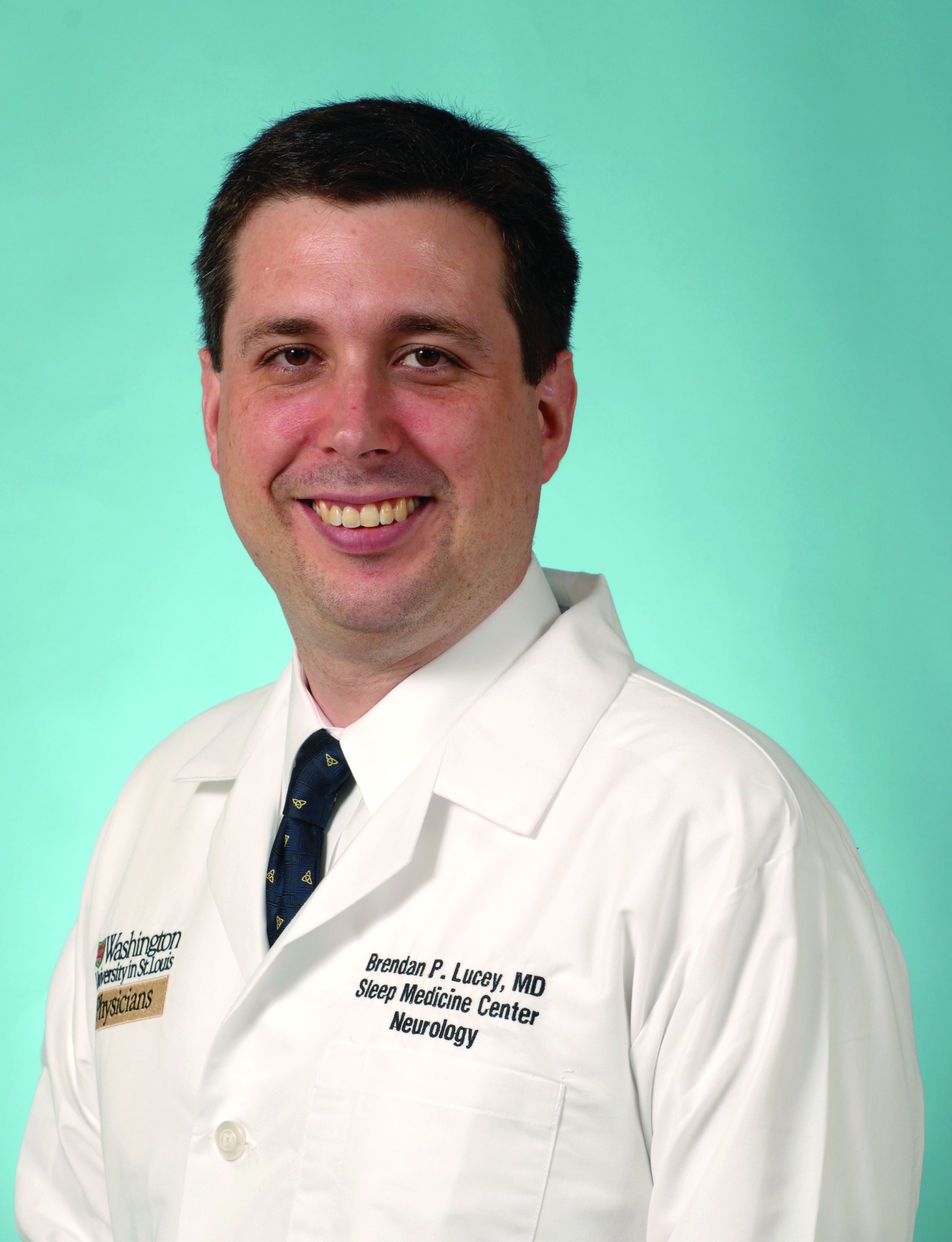
Dr. Lucey, who was not involved in the study, voiced one concern with the pilot study methodology the future research should address: the use of the Sleep Profiler PSG2TM to measure N1 sleep, which, as he noted, records a single-channel electroencephalogram over the forehead. “Scoring N1 sleep relies on attenuation of the alpha rhythm over the occipital region and the Sleep Profiler is not as accurate as in-lab polysomnography for this sleep stage,” he said.
The pilot study received funding from the American Academy of Sleep Medicine Foundation. Ms. Costa and her coauthors have no disclosures. Dr. Lucey disclosed relationships with Merck, Eli Lilly, Eisai, and Beacon Biosignals.
CHARLOTTE, N.C. – , preliminary findings from a pilot study of objective and subjective cognitive measures have shown.
The pilot study underscored the important role of objective sleep measures to better understand discrepancies when patients’ own reports of everyday cognitive function don’t align with objective cognitive profiles, Amy Costa, MA, a graduate student in psychology at the University of Missouri-Columbia, said in reporting the results at the annual meeting of the Associated Professional Sleep Societies.
“Between our previously published paper and these new pilot results, we’re reporting evidence that suggests sleep is playing a role between the objective and subjective cognition relationship,” Ms. Costa said in an interview. “It is possible that these older adults who are sleeping poorly may be worse at understanding how well they’re doing cognitively. That’s really important for doctors. For example, if we can’t diagnose someone with mild cognitive impairment or Alzheimer’s disease or other types of dementia earlier, then we can’t intervene as quickly.”
Sleep efficiency, cognition, and patient complaints
These findings are in agreement with those Ms. Costa and colleagues recently published in the Journal of Clinical Sleep Medicine, she said.
The current pilot study included 35 older adults with an average age of 69 years who had insomnia complaints. They completed one night of home-based polysomnography – specifically with the Sleep Profiler PSG2TM – and a battery of cognitive tests. Their average sleep deficiency was 57%, “indicating potentially pretty severe insomnia,” Ms. Costa said.
“We found that sleep efficiency – that is the percentage of time spent sleeping while in bed – moderated the association between self reports and objective measures of cognitive distractibility,” Ms. Costa said in reporting the results. “In other words, our findings suggest that individuals with lower sleep efficiency who are performing the worst cognitively have the least amount of complaints. Basically, this can be thought of as that they are overestimating their cognitive performance.”
Sleep stage versus working memory and distractibility
The pilot study also focused on how the percentage of lighter-stage sleep, or N1 sleep, moderated the associations between working memory, as measured by Sternberg performance, and memory, distractibility, and blunders measured with the Cognitive Failures Questionnaire.
At the highest percentage of N1 sleep, worse working memory was associated with fewer complaints about memory, distractibility, and blunders, Ms. Costa said.
“The percentage of lighter-stage N1 sleep and sleep efficiency moderated the association between cognitive flexibility and distractibility,” Ms. Costa said. At the lowest percentage of N1 sleep, worse cognitive flexibility was associated with more distractibility, while at the highest percentage of N1 sleep worse cognitive flexibility showed a reverse effect; it was linked to less distractibility. The lowest percentage of sleep efficiency showed an association between worse cognitive flexibility and less distractibility, but the highest percentage of SE showed an association between worse cognitive flexibility and more distractibility.
“So in terms of evaluating their cognitive performance, the worse working memory was associated with more blunder complaints in individuals with the lowest percentage of N1,” she said. “So whenever individuals were spending less time in N1, they were able to better recognized their cognitive ability.”
She added, “Overall, more light and more fragmented sleep moderated the association between worse objective and less cognitive complaints, suggesting that these individuals might be overestimating their cognitive abilities.”
The findings indicate that evaluation of objective sleep should consider objectively measured N1 and sleep efficiency to better understand when subjective cognitive complaints and neurophysiological/objective cognitive profiles don’t align, she said.
Important indicators of cognitive deficits
“Specifically, for an older adult who comes into the clinic with complaints of waking up during the night, low sleep efficiency and more lighter-stage sleep might be really important indicators that they are probably not going to be the best at identifying their cognitive abilities or deficits,” she said.
Future directions for this research include collecting more data and looking at other sleep measures, such as using rapid-eye movement sleep, as potential moderators for the relationship between cognitive outcomes, evaluating sleep architecture more closely, and evaluating outcomes in a longitudinal study, Ms. Costa said.
The importance of objectively measured sleep
“Studies like this one using objectively measured sleep are important because much of the prior literature relied on self-reported sleep measures,” said Brendan P. Lucey, MD, associate professor of neurology and head of the sleep medicine section at Washington University School of Medicine in St. Louis. “This study suggests how objectively measured sleep may mediate discrepancies in objective/subjective cognitive dysfunction. Future studies need to work out if we need to add objective sleep measures when evaluating cognitive complaints in older adults.”
Dr. Lucey, who was not involved in the study, voiced one concern with the pilot study methodology the future research should address: the use of the Sleep Profiler PSG2TM to measure N1 sleep, which, as he noted, records a single-channel electroencephalogram over the forehead. “Scoring N1 sleep relies on attenuation of the alpha rhythm over the occipital region and the Sleep Profiler is not as accurate as in-lab polysomnography for this sleep stage,” he said.
The pilot study received funding from the American Academy of Sleep Medicine Foundation. Ms. Costa and her coauthors have no disclosures. Dr. Lucey disclosed relationships with Merck, Eli Lilly, Eisai, and Beacon Biosignals.
CHARLOTTE, N.C. – , preliminary findings from a pilot study of objective and subjective cognitive measures have shown.
The pilot study underscored the important role of objective sleep measures to better understand discrepancies when patients’ own reports of everyday cognitive function don’t align with objective cognitive profiles, Amy Costa, MA, a graduate student in psychology at the University of Missouri-Columbia, said in reporting the results at the annual meeting of the Associated Professional Sleep Societies.
“Between our previously published paper and these new pilot results, we’re reporting evidence that suggests sleep is playing a role between the objective and subjective cognition relationship,” Ms. Costa said in an interview. “It is possible that these older adults who are sleeping poorly may be worse at understanding how well they’re doing cognitively. That’s really important for doctors. For example, if we can’t diagnose someone with mild cognitive impairment or Alzheimer’s disease or other types of dementia earlier, then we can’t intervene as quickly.”
Sleep efficiency, cognition, and patient complaints
These findings are in agreement with those Ms. Costa and colleagues recently published in the Journal of Clinical Sleep Medicine, she said.
The current pilot study included 35 older adults with an average age of 69 years who had insomnia complaints. They completed one night of home-based polysomnography – specifically with the Sleep Profiler PSG2TM – and a battery of cognitive tests. Their average sleep deficiency was 57%, “indicating potentially pretty severe insomnia,” Ms. Costa said.
“We found that sleep efficiency – that is the percentage of time spent sleeping while in bed – moderated the association between self reports and objective measures of cognitive distractibility,” Ms. Costa said in reporting the results. “In other words, our findings suggest that individuals with lower sleep efficiency who are performing the worst cognitively have the least amount of complaints. Basically, this can be thought of as that they are overestimating their cognitive performance.”
Sleep stage versus working memory and distractibility
The pilot study also focused on how the percentage of lighter-stage sleep, or N1 sleep, moderated the associations between working memory, as measured by Sternberg performance, and memory, distractibility, and blunders measured with the Cognitive Failures Questionnaire.
At the highest percentage of N1 sleep, worse working memory was associated with fewer complaints about memory, distractibility, and blunders, Ms. Costa said.
“The percentage of lighter-stage N1 sleep and sleep efficiency moderated the association between cognitive flexibility and distractibility,” Ms. Costa said. At the lowest percentage of N1 sleep, worse cognitive flexibility was associated with more distractibility, while at the highest percentage of N1 sleep worse cognitive flexibility showed a reverse effect; it was linked to less distractibility. The lowest percentage of sleep efficiency showed an association between worse cognitive flexibility and less distractibility, but the highest percentage of SE showed an association between worse cognitive flexibility and more distractibility.
“So in terms of evaluating their cognitive performance, the worse working memory was associated with more blunder complaints in individuals with the lowest percentage of N1,” she said. “So whenever individuals were spending less time in N1, they were able to better recognized their cognitive ability.”
She added, “Overall, more light and more fragmented sleep moderated the association between worse objective and less cognitive complaints, suggesting that these individuals might be overestimating their cognitive abilities.”
The findings indicate that evaluation of objective sleep should consider objectively measured N1 and sleep efficiency to better understand when subjective cognitive complaints and neurophysiological/objective cognitive profiles don’t align, she said.
Important indicators of cognitive deficits
“Specifically, for an older adult who comes into the clinic with complaints of waking up during the night, low sleep efficiency and more lighter-stage sleep might be really important indicators that they are probably not going to be the best at identifying their cognitive abilities or deficits,” she said.
Future directions for this research include collecting more data and looking at other sleep measures, such as using rapid-eye movement sleep, as potential moderators for the relationship between cognitive outcomes, evaluating sleep architecture more closely, and evaluating outcomes in a longitudinal study, Ms. Costa said.
The importance of objectively measured sleep
“Studies like this one using objectively measured sleep are important because much of the prior literature relied on self-reported sleep measures,” said Brendan P. Lucey, MD, associate professor of neurology and head of the sleep medicine section at Washington University School of Medicine in St. Louis. “This study suggests how objectively measured sleep may mediate discrepancies in objective/subjective cognitive dysfunction. Future studies need to work out if we need to add objective sleep measures when evaluating cognitive complaints in older adults.”
Dr. Lucey, who was not involved in the study, voiced one concern with the pilot study methodology the future research should address: the use of the Sleep Profiler PSG2TM to measure N1 sleep, which, as he noted, records a single-channel electroencephalogram over the forehead. “Scoring N1 sleep relies on attenuation of the alpha rhythm over the occipital region and the Sleep Profiler is not as accurate as in-lab polysomnography for this sleep stage,” he said.
The pilot study received funding from the American Academy of Sleep Medicine Foundation. Ms. Costa and her coauthors have no disclosures. Dr. Lucey disclosed relationships with Merck, Eli Lilly, Eisai, and Beacon Biosignals.
AT SLEEP 2022
Tofersen linked to slow, positive effects in ALS
caused by superoxide dismutase 1 (SOD1) gene mutations.
The 1-year results, presented at the European Network for the Cure of Amyotrophic Lateral Sclerosis (ENCALS) 2022 meeting, show a deceleration in functional decline that is similar, but “more pronounced” than the previously reported 6-month results, which were not statistically significant, said lead investigator Timothy Miller, MD, PhD, professor of neurology and director of the ALS Center, Washington University, St. Louis.
“What I thought we saw in the first data cut is confirmed by what we saw in the longer data,” he said in an interview. “There were trends [showing] those treated with tofersen did a bit better, but it was hard to be sure. It was hard to be confident in what we were seeing at that early time point.”
Now, with 6 more months of data, Dr. Miller says he is confident that tofersen is slowing down the neurodegenerative disease process. “I see results that I’m encouraged by,” he said. “As a clinician who treats people with ALS with this mutation I would want this drug to be available to people that I see in my clinic.”
One-year VALOR study results
The primary efficacy objective of the VALOR study was to show the 28-week impact of 100 mg tofersen (three doses given about 2 weeks apart, then five doses given every 4 weeks), versus placebo, on function, measured on the Amyotrophic Lateral Sclerosis Functional Rating Scale–Revised (ALSFRS-R). The open-label extension switched placebo-treated patients to tofersen (delayed-start group) and continued to compare them with the early-start group up to 1 year. This open-label extension phase included 49 patients who had been on early-start tofersen and 18 patients in the delayed-start group.
For the primary endpoint, change from baseline in 48-point ALSFRS-R score, there was a statistically significant benefit for the early-start patients with these patients scoring 3.5 points higher than the delayed-start group (P = .0272, 95% confidence interval [CI], 0.4-6.7). This means that both groups declined in function, which is expected in ALS, but the early-start group declined more slowly.
There was also a benefit associated with early-start tofersen for a number of secondary endpoints, including change from baseline in total SOD1 cerebrospinal fluid concentration (CSF SOD1), plasma neurofilament light chain (NfL) levels, and respiratory function.
“This drug targets the MRNA of SOD1, so it lowers the MRNA and then the SOD1 protein falls,” explained Dr. Miller, adding that these levels dropped 21% in the delayed start group, and 33% in the early-start group. “I think the data pretty clearly show that [tofersen] does what it is supposed to do, and that is the first step.”
Neurofilament light chain, a marker of neurodegeneration, also dropped by 41% in the delayed-start group, and 51% in the early-start group.
Respiratory function, as measured by percent predicted slow vital capacity (SVC), also declined 9.2% more slowly in the early- versus delayed-start group (P = .0159).
Finally, muscle strength, as measured by handheld dynamometry (HHD) score, declined more slowly in the early-start group compared with the late-start group, with an adjusted mean difference in score of 2.8 (P = 0.0186).
Dr. Miller said that the data show that it takes time for tofersen to impact clinical function, but there are signs of benefit before that. “I think what you see is that just starting on the drug, the first thing that happens is SOD1 goes down, the next thing is that neurofilament decreases, but clinical function is not yet changing. It takes time. What I see in these data is that it takes time for us to see that effect on clinical function.”
The bigger picture
While acknowledging that tofersen acts on a genetic mutation found in only about 2% of ALS, Dr. Miller said the study findings carry significance for the wider ALS patient population.
“Assuming we agree there is a clinical effect here, assuming we agree that there is real stabilization of clinical function, I think if we agree on that point then we know that ALS is now a treatable disorder. And that’s a really important point. I’m not sure that we knew that before,” he said. “Yes, there are FDA-approved medications that slow down ALS a bit, but they don’t stabilize it, and if we get the target correct – and we have the correct genetic target here – there can be a substantial influence on slowing down the disease, so that’s one thing to learn for the whole ALS community.”
What lies ahead?
Asked to comment on the study, Richard Bedlack, MD, PhD, who was not involved in the research, said the findings are important and show “clinically meaningful” results. “Based on the new benefit-to-burden ratio, I believe most of my patients with SOD1 mutations will want to try this drug. I would like to be able to offer it to them. But I am curious to see what the FDA will do with these data,” said Dr. Bedlack, professor of neurology at Duke University in Durham, N.C., and director of the Duke ALS Clinic.
“Sometimes that open-label extension gives us time to see differences between patients who initially got drug and those who initially got placebo. That seems to be the case with tofersen here, and it was also the case with AMX0035 [Amylyx Pharmaceuticals Inc.], which did not show a survival benefit in the first 6 months but did in the open-label extension.” A recent FDA advisory board panel concluded there was insufficient evidence of benefit for AMX0035, he noted. “I wonder if the same concern will be raised here, necessitating confirmation in another trial. I hope not, but only time will tell.”
Dr. Miller added that these results “highlight how difficult ALS drug development still is. Among the many uncertainties in setting up a trial (targets, doses, inclusion criteria, outcomes), we still do not know how long we need to treat patients in order to see statistically significant changes in the clinical measures we use (ALSFRS-R, respiratory function, strength, survival, etc.). Most American studies are 6 months long and most European studies are 12 months long. Longer studies may be more likely to show benefits on certain measures (e.g., survival), but they cost more, they are challenged by dropouts as the disease progresses, and the idea of randomizing someone to a placebo for a whole year is psychologically difficult for patients, families, and many clinicians (myself included). So, we are seeing more studies like this one where the first 6 months are randomized, blinded, and placebo controlled, and then there is an open-label extension that lasts many months more.”
The study was sponsored by Biogen. Writing and editorial support was provided by Excel Scientific Solutions. Tofersen was discovered by Ionis Pharmaceuticals Inc. Dr. Miller disclosed ties with Biogen, Ionis Pharmaceuticals Inc., Cytokinetics, C2N, Disarm Therapeutics, and UCB Pharma. Dr. Bedlack disclosed ties with Biogen.
caused by superoxide dismutase 1 (SOD1) gene mutations.
The 1-year results, presented at the European Network for the Cure of Amyotrophic Lateral Sclerosis (ENCALS) 2022 meeting, show a deceleration in functional decline that is similar, but “more pronounced” than the previously reported 6-month results, which were not statistically significant, said lead investigator Timothy Miller, MD, PhD, professor of neurology and director of the ALS Center, Washington University, St. Louis.
“What I thought we saw in the first data cut is confirmed by what we saw in the longer data,” he said in an interview. “There were trends [showing] those treated with tofersen did a bit better, but it was hard to be sure. It was hard to be confident in what we were seeing at that early time point.”
Now, with 6 more months of data, Dr. Miller says he is confident that tofersen is slowing down the neurodegenerative disease process. “I see results that I’m encouraged by,” he said. “As a clinician who treats people with ALS with this mutation I would want this drug to be available to people that I see in my clinic.”
One-year VALOR study results
The primary efficacy objective of the VALOR study was to show the 28-week impact of 100 mg tofersen (three doses given about 2 weeks apart, then five doses given every 4 weeks), versus placebo, on function, measured on the Amyotrophic Lateral Sclerosis Functional Rating Scale–Revised (ALSFRS-R). The open-label extension switched placebo-treated patients to tofersen (delayed-start group) and continued to compare them with the early-start group up to 1 year. This open-label extension phase included 49 patients who had been on early-start tofersen and 18 patients in the delayed-start group.
For the primary endpoint, change from baseline in 48-point ALSFRS-R score, there was a statistically significant benefit for the early-start patients with these patients scoring 3.5 points higher than the delayed-start group (P = .0272, 95% confidence interval [CI], 0.4-6.7). This means that both groups declined in function, which is expected in ALS, but the early-start group declined more slowly.
There was also a benefit associated with early-start tofersen for a number of secondary endpoints, including change from baseline in total SOD1 cerebrospinal fluid concentration (CSF SOD1), plasma neurofilament light chain (NfL) levels, and respiratory function.
“This drug targets the MRNA of SOD1, so it lowers the MRNA and then the SOD1 protein falls,” explained Dr. Miller, adding that these levels dropped 21% in the delayed start group, and 33% in the early-start group. “I think the data pretty clearly show that [tofersen] does what it is supposed to do, and that is the first step.”
Neurofilament light chain, a marker of neurodegeneration, also dropped by 41% in the delayed-start group, and 51% in the early-start group.
Respiratory function, as measured by percent predicted slow vital capacity (SVC), also declined 9.2% more slowly in the early- versus delayed-start group (P = .0159).
Finally, muscle strength, as measured by handheld dynamometry (HHD) score, declined more slowly in the early-start group compared with the late-start group, with an adjusted mean difference in score of 2.8 (P = 0.0186).
Dr. Miller said that the data show that it takes time for tofersen to impact clinical function, but there are signs of benefit before that. “I think what you see is that just starting on the drug, the first thing that happens is SOD1 goes down, the next thing is that neurofilament decreases, but clinical function is not yet changing. It takes time. What I see in these data is that it takes time for us to see that effect on clinical function.”
The bigger picture
While acknowledging that tofersen acts on a genetic mutation found in only about 2% of ALS, Dr. Miller said the study findings carry significance for the wider ALS patient population.
“Assuming we agree there is a clinical effect here, assuming we agree that there is real stabilization of clinical function, I think if we agree on that point then we know that ALS is now a treatable disorder. And that’s a really important point. I’m not sure that we knew that before,” he said. “Yes, there are FDA-approved medications that slow down ALS a bit, but they don’t stabilize it, and if we get the target correct – and we have the correct genetic target here – there can be a substantial influence on slowing down the disease, so that’s one thing to learn for the whole ALS community.”
What lies ahead?
Asked to comment on the study, Richard Bedlack, MD, PhD, who was not involved in the research, said the findings are important and show “clinically meaningful” results. “Based on the new benefit-to-burden ratio, I believe most of my patients with SOD1 mutations will want to try this drug. I would like to be able to offer it to them. But I am curious to see what the FDA will do with these data,” said Dr. Bedlack, professor of neurology at Duke University in Durham, N.C., and director of the Duke ALS Clinic.
“Sometimes that open-label extension gives us time to see differences between patients who initially got drug and those who initially got placebo. That seems to be the case with tofersen here, and it was also the case with AMX0035 [Amylyx Pharmaceuticals Inc.], which did not show a survival benefit in the first 6 months but did in the open-label extension.” A recent FDA advisory board panel concluded there was insufficient evidence of benefit for AMX0035, he noted. “I wonder if the same concern will be raised here, necessitating confirmation in another trial. I hope not, but only time will tell.”
Dr. Miller added that these results “highlight how difficult ALS drug development still is. Among the many uncertainties in setting up a trial (targets, doses, inclusion criteria, outcomes), we still do not know how long we need to treat patients in order to see statistically significant changes in the clinical measures we use (ALSFRS-R, respiratory function, strength, survival, etc.). Most American studies are 6 months long and most European studies are 12 months long. Longer studies may be more likely to show benefits on certain measures (e.g., survival), but they cost more, they are challenged by dropouts as the disease progresses, and the idea of randomizing someone to a placebo for a whole year is psychologically difficult for patients, families, and many clinicians (myself included). So, we are seeing more studies like this one where the first 6 months are randomized, blinded, and placebo controlled, and then there is an open-label extension that lasts many months more.”
The study was sponsored by Biogen. Writing and editorial support was provided by Excel Scientific Solutions. Tofersen was discovered by Ionis Pharmaceuticals Inc. Dr. Miller disclosed ties with Biogen, Ionis Pharmaceuticals Inc., Cytokinetics, C2N, Disarm Therapeutics, and UCB Pharma. Dr. Bedlack disclosed ties with Biogen.
caused by superoxide dismutase 1 (SOD1) gene mutations.
The 1-year results, presented at the European Network for the Cure of Amyotrophic Lateral Sclerosis (ENCALS) 2022 meeting, show a deceleration in functional decline that is similar, but “more pronounced” than the previously reported 6-month results, which were not statistically significant, said lead investigator Timothy Miller, MD, PhD, professor of neurology and director of the ALS Center, Washington University, St. Louis.
“What I thought we saw in the first data cut is confirmed by what we saw in the longer data,” he said in an interview. “There were trends [showing] those treated with tofersen did a bit better, but it was hard to be sure. It was hard to be confident in what we were seeing at that early time point.”
Now, with 6 more months of data, Dr. Miller says he is confident that tofersen is slowing down the neurodegenerative disease process. “I see results that I’m encouraged by,” he said. “As a clinician who treats people with ALS with this mutation I would want this drug to be available to people that I see in my clinic.”
One-year VALOR study results
The primary efficacy objective of the VALOR study was to show the 28-week impact of 100 mg tofersen (three doses given about 2 weeks apart, then five doses given every 4 weeks), versus placebo, on function, measured on the Amyotrophic Lateral Sclerosis Functional Rating Scale–Revised (ALSFRS-R). The open-label extension switched placebo-treated patients to tofersen (delayed-start group) and continued to compare them with the early-start group up to 1 year. This open-label extension phase included 49 patients who had been on early-start tofersen and 18 patients in the delayed-start group.
For the primary endpoint, change from baseline in 48-point ALSFRS-R score, there was a statistically significant benefit for the early-start patients with these patients scoring 3.5 points higher than the delayed-start group (P = .0272, 95% confidence interval [CI], 0.4-6.7). This means that both groups declined in function, which is expected in ALS, but the early-start group declined more slowly.
There was also a benefit associated with early-start tofersen for a number of secondary endpoints, including change from baseline in total SOD1 cerebrospinal fluid concentration (CSF SOD1), plasma neurofilament light chain (NfL) levels, and respiratory function.
“This drug targets the MRNA of SOD1, so it lowers the MRNA and then the SOD1 protein falls,” explained Dr. Miller, adding that these levels dropped 21% in the delayed start group, and 33% in the early-start group. “I think the data pretty clearly show that [tofersen] does what it is supposed to do, and that is the first step.”
Neurofilament light chain, a marker of neurodegeneration, also dropped by 41% in the delayed-start group, and 51% in the early-start group.
Respiratory function, as measured by percent predicted slow vital capacity (SVC), also declined 9.2% more slowly in the early- versus delayed-start group (P = .0159).
Finally, muscle strength, as measured by handheld dynamometry (HHD) score, declined more slowly in the early-start group compared with the late-start group, with an adjusted mean difference in score of 2.8 (P = 0.0186).
Dr. Miller said that the data show that it takes time for tofersen to impact clinical function, but there are signs of benefit before that. “I think what you see is that just starting on the drug, the first thing that happens is SOD1 goes down, the next thing is that neurofilament decreases, but clinical function is not yet changing. It takes time. What I see in these data is that it takes time for us to see that effect on clinical function.”
The bigger picture
While acknowledging that tofersen acts on a genetic mutation found in only about 2% of ALS, Dr. Miller said the study findings carry significance for the wider ALS patient population.
“Assuming we agree there is a clinical effect here, assuming we agree that there is real stabilization of clinical function, I think if we agree on that point then we know that ALS is now a treatable disorder. And that’s a really important point. I’m not sure that we knew that before,” he said. “Yes, there are FDA-approved medications that slow down ALS a bit, but they don’t stabilize it, and if we get the target correct – and we have the correct genetic target here – there can be a substantial influence on slowing down the disease, so that’s one thing to learn for the whole ALS community.”
What lies ahead?
Asked to comment on the study, Richard Bedlack, MD, PhD, who was not involved in the research, said the findings are important and show “clinically meaningful” results. “Based on the new benefit-to-burden ratio, I believe most of my patients with SOD1 mutations will want to try this drug. I would like to be able to offer it to them. But I am curious to see what the FDA will do with these data,” said Dr. Bedlack, professor of neurology at Duke University in Durham, N.C., and director of the Duke ALS Clinic.
“Sometimes that open-label extension gives us time to see differences between patients who initially got drug and those who initially got placebo. That seems to be the case with tofersen here, and it was also the case with AMX0035 [Amylyx Pharmaceuticals Inc.], which did not show a survival benefit in the first 6 months but did in the open-label extension.” A recent FDA advisory board panel concluded there was insufficient evidence of benefit for AMX0035, he noted. “I wonder if the same concern will be raised here, necessitating confirmation in another trial. I hope not, but only time will tell.”
Dr. Miller added that these results “highlight how difficult ALS drug development still is. Among the many uncertainties in setting up a trial (targets, doses, inclusion criteria, outcomes), we still do not know how long we need to treat patients in order to see statistically significant changes in the clinical measures we use (ALSFRS-R, respiratory function, strength, survival, etc.). Most American studies are 6 months long and most European studies are 12 months long. Longer studies may be more likely to show benefits on certain measures (e.g., survival), but they cost more, they are challenged by dropouts as the disease progresses, and the idea of randomizing someone to a placebo for a whole year is psychologically difficult for patients, families, and many clinicians (myself included). So, we are seeing more studies like this one where the first 6 months are randomized, blinded, and placebo controlled, and then there is an open-label extension that lasts many months more.”
The study was sponsored by Biogen. Writing and editorial support was provided by Excel Scientific Solutions. Tofersen was discovered by Ionis Pharmaceuticals Inc. Dr. Miller disclosed ties with Biogen, Ionis Pharmaceuticals Inc., Cytokinetics, C2N, Disarm Therapeutics, and UCB Pharma. Dr. Bedlack disclosed ties with Biogen.
FROM THE ENCALS MEETING 2022
Autoimmune disorder drugs top list of meds linked to headache
DENVER – in a federal side effect database that anyone can contribute to, according to a new study presented at the annual meeting of the American Headache Society.
“Surprising findings included the significant number of immunosuppressants and immunomodulators present in the data,” study lead author Brett Musialowicz, a medical student at Robert Wood Johnson Medical School, New Brunswich, N.J., said in an interview. “Additionally, our data provides evidence that suggests that several medications belonging to these drug classes were less likely to be associated with medication-induced headaches,” raising questions about the mechanism.

Drugs most frequently linked to headaches
The researchers launched their study to better understand headache as a side effect of medication use, Mr. Musialowicz said. They analyzed entries from the Food and Drug Administration’s Adverse Event Reporting System for the period from July 2018 to March 2020 and listed the top 30 most commonly reported medications linked to headaches and their reported odds ratio. According to a website devoted to pharmacovigilance training, ROR refers to “the odds of a certain event occurring with your medicinal product, compared with the odds of the same event occurring with all other medicinal products in the database.”
After generic and brand name data was consolidated, the drug most frequently linked to headaches was apremilast with 8,672 reports, followed by adalimumab (5,357), tofacitinib (4,276), fingolimod (4,123), and etanercept (4,111). These drugs treat autoimmune disorders such as psoriasis, multiple sclerosis, and Crohn’s disease.
The other drugs in the top 15 ranked by frequency are treatments for hepatitis C (4 drugs), pulmonary arterial hypertension (4 drugs), arthritis (1 drug), and asthma (1 drug).
Of the top 30 drugs most frequently linked to headaches, the pulmonary hypertension drug epoprostenol – ranked 23rd – had the highest ROR at 12.8. The next highest were the hepatitis C drugs glecaprevir and pibrentasvir, tied at 10th in the frequency analysis and both with an ROR of 9.4.
“Pulmonary arterial dilators and vasodilators are believed to cause headaches by sensitizing extracranial arteries. Clinical evidence suggests there a vascular component to some types of headache,” Mr. Musialowicz said. “Monoclonal antibodies are suggested to cause headache by means of an immune response. Several monoclonal antibodies are in trials targeting [the calcitonin gene-related peptide] receptor, which is believed to be involved in migraine headache. These trials will help further elucidate the mechanisms of headache and potential drugs to treat these conditions.”
Is the data useful?
Stewart Tepper, MD, a neurologist at Geisel School of Medicine at Dartmouth, Hanover, N.H., who’s familiar with the study findings, discounted the new research in an interview. He noted that any member of the public can contribute to the federal database of adverse effects (drug manufacturers are required to contribute to it), and the data says nothing about denominators.
“It’s not a reasonable way to evaluate adverse effects, to just have everyone and their uncle saying ‘This particular drug did this to me.’ It’s not in any way useful,” he said. However, he added that the database sometimes “gives you a bit of a signal so you can go back and try to get scientifically collected data.”
When asked to respond, study coauthor and neurologist Pengfei (Phil) Zhang, MD, of Robert Wood Johnson Medical School, noted that the FDA created the database “for a reason.” He also noted that the researchers used a statistical analysis technique – ROR – that was invented to adjust for weaknesses in databases.
No study funding is reported. Mr. Musialowicz reported no disclosures. Dr. Zhang has received honorarium from Alder Biopharmaceuticals, Board Vitals, and Fieve Clinical Research. He collaborates with Headache Science Incorporated without receiving financial support, and he has ownership interest in Cymbeline. Another author reports research grant support from the American Epilepsy Society and the New Jersey Health Foundation. Dr. Tepper reported multiple disclosures.
DENVER – in a federal side effect database that anyone can contribute to, according to a new study presented at the annual meeting of the American Headache Society.
“Surprising findings included the significant number of immunosuppressants and immunomodulators present in the data,” study lead author Brett Musialowicz, a medical student at Robert Wood Johnson Medical School, New Brunswich, N.J., said in an interview. “Additionally, our data provides evidence that suggests that several medications belonging to these drug classes were less likely to be associated with medication-induced headaches,” raising questions about the mechanism.
Drugs most frequently linked to headaches
The researchers launched their study to better understand headache as a side effect of medication use, Mr. Musialowicz said. They analyzed entries from the Food and Drug Administration’s Adverse Event Reporting System for the period from July 2018 to March 2020 and listed the top 30 most commonly reported medications linked to headaches and their reported odds ratio. According to a website devoted to pharmacovigilance training, ROR refers to “the odds of a certain event occurring with your medicinal product, compared with the odds of the same event occurring with all other medicinal products in the database.”
After generic and brand name data was consolidated, the drug most frequently linked to headaches was apremilast with 8,672 reports, followed by adalimumab (5,357), tofacitinib (4,276), fingolimod (4,123), and etanercept (4,111). These drugs treat autoimmune disorders such as psoriasis, multiple sclerosis, and Crohn’s disease.
The other drugs in the top 15 ranked by frequency are treatments for hepatitis C (4 drugs), pulmonary arterial hypertension (4 drugs), arthritis (1 drug), and asthma (1 drug).
Of the top 30 drugs most frequently linked to headaches, the pulmonary hypertension drug epoprostenol – ranked 23rd – had the highest ROR at 12.8. The next highest were the hepatitis C drugs glecaprevir and pibrentasvir, tied at 10th in the frequency analysis and both with an ROR of 9.4.
“Pulmonary arterial dilators and vasodilators are believed to cause headaches by sensitizing extracranial arteries. Clinical evidence suggests there a vascular component to some types of headache,” Mr. Musialowicz said. “Monoclonal antibodies are suggested to cause headache by means of an immune response. Several monoclonal antibodies are in trials targeting [the calcitonin gene-related peptide] receptor, which is believed to be involved in migraine headache. These trials will help further elucidate the mechanisms of headache and potential drugs to treat these conditions.”
Is the data useful?
Stewart Tepper, MD, a neurologist at Geisel School of Medicine at Dartmouth, Hanover, N.H., who’s familiar with the study findings, discounted the new research in an interview. He noted that any member of the public can contribute to the federal database of adverse effects (drug manufacturers are required to contribute to it), and the data says nothing about denominators.
“It’s not a reasonable way to evaluate adverse effects, to just have everyone and their uncle saying ‘This particular drug did this to me.’ It’s not in any way useful,” he said. However, he added that the database sometimes “gives you a bit of a signal so you can go back and try to get scientifically collected data.”
When asked to respond, study coauthor and neurologist Pengfei (Phil) Zhang, MD, of Robert Wood Johnson Medical School, noted that the FDA created the database “for a reason.” He also noted that the researchers used a statistical analysis technique – ROR – that was invented to adjust for weaknesses in databases.
No study funding is reported. Mr. Musialowicz reported no disclosures. Dr. Zhang has received honorarium from Alder Biopharmaceuticals, Board Vitals, and Fieve Clinical Research. He collaborates with Headache Science Incorporated without receiving financial support, and he has ownership interest in Cymbeline. Another author reports research grant support from the American Epilepsy Society and the New Jersey Health Foundation. Dr. Tepper reported multiple disclosures.
DENVER – in a federal side effect database that anyone can contribute to, according to a new study presented at the annual meeting of the American Headache Society.
“Surprising findings included the significant number of immunosuppressants and immunomodulators present in the data,” study lead author Brett Musialowicz, a medical student at Robert Wood Johnson Medical School, New Brunswich, N.J., said in an interview. “Additionally, our data provides evidence that suggests that several medications belonging to these drug classes were less likely to be associated with medication-induced headaches,” raising questions about the mechanism.
Drugs most frequently linked to headaches
The researchers launched their study to better understand headache as a side effect of medication use, Mr. Musialowicz said. They analyzed entries from the Food and Drug Administration’s Adverse Event Reporting System for the period from July 2018 to March 2020 and listed the top 30 most commonly reported medications linked to headaches and their reported odds ratio. According to a website devoted to pharmacovigilance training, ROR refers to “the odds of a certain event occurring with your medicinal product, compared with the odds of the same event occurring with all other medicinal products in the database.”
After generic and brand name data was consolidated, the drug most frequently linked to headaches was apremilast with 8,672 reports, followed by adalimumab (5,357), tofacitinib (4,276), fingolimod (4,123), and etanercept (4,111). These drugs treat autoimmune disorders such as psoriasis, multiple sclerosis, and Crohn’s disease.
The other drugs in the top 15 ranked by frequency are treatments for hepatitis C (4 drugs), pulmonary arterial hypertension (4 drugs), arthritis (1 drug), and asthma (1 drug).
Of the top 30 drugs most frequently linked to headaches, the pulmonary hypertension drug epoprostenol – ranked 23rd – had the highest ROR at 12.8. The next highest were the hepatitis C drugs glecaprevir and pibrentasvir, tied at 10th in the frequency analysis and both with an ROR of 9.4.
“Pulmonary arterial dilators and vasodilators are believed to cause headaches by sensitizing extracranial arteries. Clinical evidence suggests there a vascular component to some types of headache,” Mr. Musialowicz said. “Monoclonal antibodies are suggested to cause headache by means of an immune response. Several monoclonal antibodies are in trials targeting [the calcitonin gene-related peptide] receptor, which is believed to be involved in migraine headache. These trials will help further elucidate the mechanisms of headache and potential drugs to treat these conditions.”
Is the data useful?
Stewart Tepper, MD, a neurologist at Geisel School of Medicine at Dartmouth, Hanover, N.H., who’s familiar with the study findings, discounted the new research in an interview. He noted that any member of the public can contribute to the federal database of adverse effects (drug manufacturers are required to contribute to it), and the data says nothing about denominators.
“It’s not a reasonable way to evaluate adverse effects, to just have everyone and their uncle saying ‘This particular drug did this to me.’ It’s not in any way useful,” he said. However, he added that the database sometimes “gives you a bit of a signal so you can go back and try to get scientifically collected data.”
When asked to respond, study coauthor and neurologist Pengfei (Phil) Zhang, MD, of Robert Wood Johnson Medical School, noted that the FDA created the database “for a reason.” He also noted that the researchers used a statistical analysis technique – ROR – that was invented to adjust for weaknesses in databases.
No study funding is reported. Mr. Musialowicz reported no disclosures. Dr. Zhang has received honorarium from Alder Biopharmaceuticals, Board Vitals, and Fieve Clinical Research. He collaborates with Headache Science Incorporated without receiving financial support, and he has ownership interest in Cymbeline. Another author reports research grant support from the American Epilepsy Society and the New Jersey Health Foundation. Dr. Tepper reported multiple disclosures.
AT AHS 2022
Recommended headache treatments get mixed reception in EDs
DENVER – a new study finds. But the use of diphenhydramine (Benadryl) more than doubled even though guidelines caution against it, while recommended drugs such triptans and corticosteroids were rarely prescribed.
From 2007-2010 to 2015-2018, researchers reported at the annual meeting of the American Headache Society, a database reveals that opioid use in headache cases at EDs fell from 54% to 28%. Diphenhydramine use grew from 17% to 36% (both (P < .001). The percentage of cases in which EDs sought neuroimaging stayed stable at about 36%, a number that the study authors described as too high.

“Future studies are warranted to identify strategies to promote evidence-based treatments for headaches and appropriate outpatient referrals for follow-up and to reduce unnecessary neuroimaging orders in EDs,” lead author Seonkyeong Yang, MS, of the University of Florida, Gainesville, said in an interview.
Ms. Yang said researchers launched the study to update previous data in light of changes in opioid prescribing and the 2016 release of American Headache Society guidelines for the treatment of acute migraines in the ED setting. The research was published in the Journal of Clinical Medicine.
Headache treatment in the ED
For the study, researchers analyzed data from the U.S. National Hospital Ambulatory Medical Care survey and focused on adults who had a primary discharge diagnosis of headache.
For the 2015-2018 period, per weighted numbers, the survey encompassed 10.2 million headaches mostly among people younger than 50 (71%), female (73%), and White (73%). Migraines made up 33% of the total, with nonspecified headache accounting for almost all of the remainder (63%).
In 68% of cases, two or more medications were administered in the ED. This number rose to 83% among patients with migraine. But most of the time (54%), no medications were prescribed at discharge.
Among recommended medications, antiemetics – the most commonly used class of drugs in these patients – were prescribed 59% of the time in both 2007-2010 and 2015-2018 (P = .88). Usage of acetaminophens and NSAIDs grew from 37% to 52% over that time period.
Despite recommendations, the use of ergot alkaloids/triptans and corticosteroids remained low (less than 6% of the time).
“Several factors may contribute to the underuse of triptans in EDs, including their cardiovascular contraindications, ED physicians’ unfamiliarity with injectable triptans, higher costs, and treatment failures with triptans before ED visits,” Ms. Yang said. “We observed an upward trend in dexamethasone use over time. However, it was still underutilized. [The corticosteroid was only used 3.5% of the time from 2015-2018.] The 2016 AHS guideline strongly recommends dexamethasone use to prevent migraine recurrence after ED discharge. Identifying patients at high risk of headache recurrence for dexamethasone use may further improve patient outcomes of acute headache management in ED settings.”
Ms. Yang also reported that the use of diphenhydramine grew even though it’s not recommended. “Diphenhydramine is more likely to be used to prevent akathisia, a side effect of some antiemetics [that is, dopamine receptor antagonists] in headache-related ED visits,” she said. “However, the 2016 AHS guideline recommends against diphenhydramine use due to its limited efficacy in relieving headache pain. In addition, there is also conflicting evidence on diphenhydramine’s efficacy in preventing akathisia when coadministered with antiemetics. Diphenhydramine use requires caution due to its sedative effect and abuse potential.”
As for medication combinations, Ms. Yang said “the most broadly used therapy among headache-related ED visits in 2007-2010 was an opioid with an antiemetic (21.0%), which decreased to 6.6% in 2015-2018. Meanwhile, the combined use of acetaminophen/NSAIDs with antiemetic and diphenhydramine increased substantially from 3.9% to 15.7% and became the most prevalent therapy in 2015-2018. Opioid monotherapy use gradually decreased during the study period [from 8.8% to 1.9%].”
Evidence-based treatments underutilized
Commenting on the findings, New York University Langone neurologist and headache researcher Mia Tova Minen, MD, MPH, noted in an interview that AHS guidelines do not indicate acetaminophen/NSAIDs, diphenhydramine, and corticosteroids for the acute treatment of migraine. “The recommended treatments are sumatriptan subcutaneous, IV metoclopramide, and IV prochlorperazine. Steroids can be helpful in the prevention of migraine recurrence but not for the acute treatment of the migraine itself,” she said. “We need to ensure that patients with migraine get the top evidence-based treatments for migraine.”
As for diphenhydramine, she said it “is not a treatment for headache disorders. It does not have proven efficacy. It is sometimes given to reduce side effects of more acute treatments of headache, but it can make patients fatigued and keep them in the ED longer.”
Overuse of neuroimaging
Ms. Yang also highlighted study data about the frequency of neuroimaging. “Understandably, ED physicians do not want to miss any life-threatening secondary headaches like stroke,” she said. “However, other factors also contribute to the overuse of neuroimaging in headache-related ED visits: patient demands, financial incentives, a busy ED practice where clinical evaluation is replaced by tests, and ED physicians’ unfamiliarity with ICHD-3 diagnostic criteria for primary headache disorders. There is still much room for improvement in neuroimaging use for headaches in ED settings.”
For her part, Dr. Minen said scans are often performed reflexively and can be overused. “A CT scan is really only good in the case of acute trauma to rule out a fracture or a bleed or if there are signs of an emergent neurologic emergency like herniation or if a MRI is contraindicated. An MRI of the brain is typically the best test to examine brain tissue, though sometimes vessel imaging is also warranted. In the case of no red flags and a normal neurologic exam, the use of neuroimaging is low yield.”
The research has no funding. Ms. Yang and two other authors disclosed research funding from Merck. Dr. Minen reports no disclosures.
DENVER – a new study finds. But the use of diphenhydramine (Benadryl) more than doubled even though guidelines caution against it, while recommended drugs such triptans and corticosteroids were rarely prescribed.
From 2007-2010 to 2015-2018, researchers reported at the annual meeting of the American Headache Society, a database reveals that opioid use in headache cases at EDs fell from 54% to 28%. Diphenhydramine use grew from 17% to 36% (both (P < .001). The percentage of cases in which EDs sought neuroimaging stayed stable at about 36%, a number that the study authors described as too high.
“Future studies are warranted to identify strategies to promote evidence-based treatments for headaches and appropriate outpatient referrals for follow-up and to reduce unnecessary neuroimaging orders in EDs,” lead author Seonkyeong Yang, MS, of the University of Florida, Gainesville, said in an interview.
Ms. Yang said researchers launched the study to update previous data in light of changes in opioid prescribing and the 2016 release of American Headache Society guidelines for the treatment of acute migraines in the ED setting. The research was published in the Journal of Clinical Medicine.
Headache treatment in the ED
For the study, researchers analyzed data from the U.S. National Hospital Ambulatory Medical Care survey and focused on adults who had a primary discharge diagnosis of headache.
For the 2015-2018 period, per weighted numbers, the survey encompassed 10.2 million headaches mostly among people younger than 50 (71%), female (73%), and White (73%). Migraines made up 33% of the total, with nonspecified headache accounting for almost all of the remainder (63%).
In 68% of cases, two or more medications were administered in the ED. This number rose to 83% among patients with migraine. But most of the time (54%), no medications were prescribed at discharge.
Among recommended medications, antiemetics – the most commonly used class of drugs in these patients – were prescribed 59% of the time in both 2007-2010 and 2015-2018 (P = .88). Usage of acetaminophens and NSAIDs grew from 37% to 52% over that time period.
Despite recommendations, the use of ergot alkaloids/triptans and corticosteroids remained low (less than 6% of the time).
“Several factors may contribute to the underuse of triptans in EDs, including their cardiovascular contraindications, ED physicians’ unfamiliarity with injectable triptans, higher costs, and treatment failures with triptans before ED visits,” Ms. Yang said. “We observed an upward trend in dexamethasone use over time. However, it was still underutilized. [The corticosteroid was only used 3.5% of the time from 2015-2018.] The 2016 AHS guideline strongly recommends dexamethasone use to prevent migraine recurrence after ED discharge. Identifying patients at high risk of headache recurrence for dexamethasone use may further improve patient outcomes of acute headache management in ED settings.”
Ms. Yang also reported that the use of diphenhydramine grew even though it’s not recommended. “Diphenhydramine is more likely to be used to prevent akathisia, a side effect of some antiemetics [that is, dopamine receptor antagonists] in headache-related ED visits,” she said. “However, the 2016 AHS guideline recommends against diphenhydramine use due to its limited efficacy in relieving headache pain. In addition, there is also conflicting evidence on diphenhydramine’s efficacy in preventing akathisia when coadministered with antiemetics. Diphenhydramine use requires caution due to its sedative effect and abuse potential.”
As for medication combinations, Ms. Yang said “the most broadly used therapy among headache-related ED visits in 2007-2010 was an opioid with an antiemetic (21.0%), which decreased to 6.6% in 2015-2018. Meanwhile, the combined use of acetaminophen/NSAIDs with antiemetic and diphenhydramine increased substantially from 3.9% to 15.7% and became the most prevalent therapy in 2015-2018. Opioid monotherapy use gradually decreased during the study period [from 8.8% to 1.9%].”
Evidence-based treatments underutilized
Commenting on the findings, New York University Langone neurologist and headache researcher Mia Tova Minen, MD, MPH, noted in an interview that AHS guidelines do not indicate acetaminophen/NSAIDs, diphenhydramine, and corticosteroids for the acute treatment of migraine. “The recommended treatments are sumatriptan subcutaneous, IV metoclopramide, and IV prochlorperazine. Steroids can be helpful in the prevention of migraine recurrence but not for the acute treatment of the migraine itself,” she said. “We need to ensure that patients with migraine get the top evidence-based treatments for migraine.”
As for diphenhydramine, she said it “is not a treatment for headache disorders. It does not have proven efficacy. It is sometimes given to reduce side effects of more acute treatments of headache, but it can make patients fatigued and keep them in the ED longer.”
Overuse of neuroimaging
Ms. Yang also highlighted study data about the frequency of neuroimaging. “Understandably, ED physicians do not want to miss any life-threatening secondary headaches like stroke,” she said. “However, other factors also contribute to the overuse of neuroimaging in headache-related ED visits: patient demands, financial incentives, a busy ED practice where clinical evaluation is replaced by tests, and ED physicians’ unfamiliarity with ICHD-3 diagnostic criteria for primary headache disorders. There is still much room for improvement in neuroimaging use for headaches in ED settings.”
For her part, Dr. Minen said scans are often performed reflexively and can be overused. “A CT scan is really only good in the case of acute trauma to rule out a fracture or a bleed or if there are signs of an emergent neurologic emergency like herniation or if a MRI is contraindicated. An MRI of the brain is typically the best test to examine brain tissue, though sometimes vessel imaging is also warranted. In the case of no red flags and a normal neurologic exam, the use of neuroimaging is low yield.”
The research has no funding. Ms. Yang and two other authors disclosed research funding from Merck. Dr. Minen reports no disclosures.
DENVER – a new study finds. But the use of diphenhydramine (Benadryl) more than doubled even though guidelines caution against it, while recommended drugs such triptans and corticosteroids were rarely prescribed.
From 2007-2010 to 2015-2018, researchers reported at the annual meeting of the American Headache Society, a database reveals that opioid use in headache cases at EDs fell from 54% to 28%. Diphenhydramine use grew from 17% to 36% (both (P < .001). The percentage of cases in which EDs sought neuroimaging stayed stable at about 36%, a number that the study authors described as too high.
“Future studies are warranted to identify strategies to promote evidence-based treatments for headaches and appropriate outpatient referrals for follow-up and to reduce unnecessary neuroimaging orders in EDs,” lead author Seonkyeong Yang, MS, of the University of Florida, Gainesville, said in an interview.
Ms. Yang said researchers launched the study to update previous data in light of changes in opioid prescribing and the 2016 release of American Headache Society guidelines for the treatment of acute migraines in the ED setting. The research was published in the Journal of Clinical Medicine.
Headache treatment in the ED
For the study, researchers analyzed data from the U.S. National Hospital Ambulatory Medical Care survey and focused on adults who had a primary discharge diagnosis of headache.
For the 2015-2018 period, per weighted numbers, the survey encompassed 10.2 million headaches mostly among people younger than 50 (71%), female (73%), and White (73%). Migraines made up 33% of the total, with nonspecified headache accounting for almost all of the remainder (63%).
In 68% of cases, two or more medications were administered in the ED. This number rose to 83% among patients with migraine. But most of the time (54%), no medications were prescribed at discharge.
Among recommended medications, antiemetics – the most commonly used class of drugs in these patients – were prescribed 59% of the time in both 2007-2010 and 2015-2018 (P = .88). Usage of acetaminophens and NSAIDs grew from 37% to 52% over that time period.
Despite recommendations, the use of ergot alkaloids/triptans and corticosteroids remained low (less than 6% of the time).
“Several factors may contribute to the underuse of triptans in EDs, including their cardiovascular contraindications, ED physicians’ unfamiliarity with injectable triptans, higher costs, and treatment failures with triptans before ED visits,” Ms. Yang said. “We observed an upward trend in dexamethasone use over time. However, it was still underutilized. [The corticosteroid was only used 3.5% of the time from 2015-2018.] The 2016 AHS guideline strongly recommends dexamethasone use to prevent migraine recurrence after ED discharge. Identifying patients at high risk of headache recurrence for dexamethasone use may further improve patient outcomes of acute headache management in ED settings.”
Ms. Yang also reported that the use of diphenhydramine grew even though it’s not recommended. “Diphenhydramine is more likely to be used to prevent akathisia, a side effect of some antiemetics [that is, dopamine receptor antagonists] in headache-related ED visits,” she said. “However, the 2016 AHS guideline recommends against diphenhydramine use due to its limited efficacy in relieving headache pain. In addition, there is also conflicting evidence on diphenhydramine’s efficacy in preventing akathisia when coadministered with antiemetics. Diphenhydramine use requires caution due to its sedative effect and abuse potential.”
As for medication combinations, Ms. Yang said “the most broadly used therapy among headache-related ED visits in 2007-2010 was an opioid with an antiemetic (21.0%), which decreased to 6.6% in 2015-2018. Meanwhile, the combined use of acetaminophen/NSAIDs with antiemetic and diphenhydramine increased substantially from 3.9% to 15.7% and became the most prevalent therapy in 2015-2018. Opioid monotherapy use gradually decreased during the study period [from 8.8% to 1.9%].”
Evidence-based treatments underutilized
Commenting on the findings, New York University Langone neurologist and headache researcher Mia Tova Minen, MD, MPH, noted in an interview that AHS guidelines do not indicate acetaminophen/NSAIDs, diphenhydramine, and corticosteroids for the acute treatment of migraine. “The recommended treatments are sumatriptan subcutaneous, IV metoclopramide, and IV prochlorperazine. Steroids can be helpful in the prevention of migraine recurrence but not for the acute treatment of the migraine itself,” she said. “We need to ensure that patients with migraine get the top evidence-based treatments for migraine.”
As for diphenhydramine, she said it “is not a treatment for headache disorders. It does not have proven efficacy. It is sometimes given to reduce side effects of more acute treatments of headache, but it can make patients fatigued and keep them in the ED longer.”
Overuse of neuroimaging
Ms. Yang also highlighted study data about the frequency of neuroimaging. “Understandably, ED physicians do not want to miss any life-threatening secondary headaches like stroke,” she said. “However, other factors also contribute to the overuse of neuroimaging in headache-related ED visits: patient demands, financial incentives, a busy ED practice where clinical evaluation is replaced by tests, and ED physicians’ unfamiliarity with ICHD-3 diagnostic criteria for primary headache disorders. There is still much room for improvement in neuroimaging use for headaches in ED settings.”
For her part, Dr. Minen said scans are often performed reflexively and can be overused. “A CT scan is really only good in the case of acute trauma to rule out a fracture or a bleed or if there are signs of an emergent neurologic emergency like herniation or if a MRI is contraindicated. An MRI of the brain is typically the best test to examine brain tissue, though sometimes vessel imaging is also warranted. In the case of no red flags and a normal neurologic exam, the use of neuroimaging is low yield.”
The research has no funding. Ms. Yang and two other authors disclosed research funding from Merck. Dr. Minen reports no disclosures.
AT AHS 2022
Artificial intelligence: The Netflix of cancer treatment
Chemotherapy, now streaming at just $15.99 a month!
It’s a lazy Sunday and you flip on Netflix, looking for something new to watch. There’s an almost-overwhelming number of shows out there, but right at the top of the recommended list is something that strikes your fancy right away. The algorithm behind the scenes is doing its job well, winnowing the universe of content right down to the few things you’ll find relevant, based on what you’ve watched and liked in the past.

Now, the almighty content algorithm is coming for something a little more useful than binge watching obscure 80s sitcoms: cancer treatment.
By plugging the fully sequenced genomes of nearly 10,000 patients with 33 different types of cancer into an algorithm powered by the same sort of artificial intelligence used by Netflix, researchers from London and San Diego found 21 common faults in the chromosomes of tumors, which they called copy number signatures. While cancer is a complex disease, when faults occur in those copy number signatures, the results were similar across the board. If X genetic defect occurs within a tumor, Y result will happen, even across cancer types. For example, tumors whose chromosomes had shattered and reformed had by far the worst disease outcomes.
The eventual hope is that, just as Netflix can predict what you’ll want to watch based on what you’ve already seen, oncologists will be able to predict the course of a cancer, based on the tumor’s early genetic traits, and get ahead of future genetic degradation to prevent the worst outcomes. A sort of “Oh, your tumor has enjoyed The Office. Might we suggest a treatment of 30 Rock” situation. Further research will be required to determine whether or not the cancer algorithm can get us part 2 of “Stranger Things 4” a week early.
Pay criminals, cut crime?
What is the best method for punishing those who commit wrongdoing? Fines? Jail time? Actually, no. A recent study says that financial compensation works best.
In other words, pay them for their actions. Really.
Psychologist Tage S. Rai, PhD, of the University of California, San Diego, Rady School of Management, found that people who hurt others or commit crimes are actually doing it because they think it’s the right thing to do. The results of this study say play at the angle of their morality. When that’s compromised, the offender is less likely to do it again.
Four different experiments were conducted using an online economics game with nearly 1,500 participants. Dr. Rai found that providing a monetary bonus for inflicting a punishment on a third party within the game cut the participants’ willingness to do it again by 50%.
“People punish others to signal their own goodness and receiving compensation might make it seem as though they’re driven by greed rather than justice,” he said.
The big deterrent, though, was negative judgment from peers. People in the study were even more hesitant to inflict harm and gain a profit if they thought they were going to be judged for it.
So maybe the answer to cutting crime isn’t as simple as slapping on a fine. It’s slapping on shame and paying them for it.
A conspiracy of chronobiologic proportions
The Golden State Warriors just won the NBA championship – that much is true – but we’ve got some news that you didn’t get from ESPN. The kind of news that their “partners” from the NBA didn’t want them to report. Unlike most conspiracy theories, however, this one has some science behind it.

In this case, science in the form of a study published in Frontiers in Physiology says that jet lag had a greater effect on the Boston Celtics than it did on the Warriors.
“Eastward travel – where the destination time is later than the origin time – requires the athlete to shorten their day (known as a phase advance). During phase advance, athletes often struggle to fall asleep at an earlier bedtime, leading to sleep loss and, consequently, potential impaired physiological performance and motivation the next day,” senior author Elise Facer-Childs, PhD, of Monash University, Melbourne, said in written statement.
Dr. Facer-Childs and associates took a very close look at 10 seasons’ worth of NBA games – 11,481 games, to be exact – and found “that eastward (but not westward) jet lag was associated with impaired performance for home (but not away) teams.” The existence of a pro-Western bias against teams that traveled eastward for their home games was clear:
- The chance of winning for eastern teams was reduced by 6.0%.
- They grabbed 1.3 fewer rebounds per game.
- Their field goal percentage was 1.2% lower.
And here’s the final nail in the conspiracy coffin: The NBA knew about the jet lag effect and changed the schedule of the finals in 2014 in a way that makes it worse. Before that, the higher-seeded team got two home games, then the lower-seeded team had three at home, followed by two more at the home of the higher seed. Now it’s a 2-2-1-1-1 arrangement that leads to more travel and, of course, more jet lag.
The study was published during the championship series, so the investigators suggested that the Celtics “might benefit from chronobiology-informed strategies designed to mitigate eastward jet lag symptomatology.”
So there you have it, sports fans/conspiracy theorists: You can’t chase Steph Curry around the court for 48 minutes without the right chronobiology-informed strategy. Everyone knows that.
Being hungry can alter your ‘type’
Fasting and being hungry can be a dangerous mix for becoming “hangry” and irritable, but did you know being hungry can also affect your attraction to other people?

Evidence has shown that being hungry can affect important things such as decision-making, memory, cognition, and function. It might affect decision-making in the sense that those six tacos at Taco Bell might win out over grilled chicken breast and veggies at home, but can hunger make you think that the person you just swiped right on isn’t really your type after all?
We’ll leave that up to Valentina Cazzato of Liverpool (England) John Moores University and associates, whose study involved 44 people, of whom 21 were women in their early 20s. The participants were shown computer-generated images of men and women of different sizes. The same background was used for each picture and all the expressions of the models were neutral. Participants were asked to rate each image on how much they liked it. One study was done on participants who had been fasting for 12 hours, and the second was done on those who had just eaten something.
The subjects generally preferred slim models over more rounded ones, but not after fasting. When they were hungry, they found the round human bodies and faces more attractive. So, yes, it’s definitely possible that hunger can alter your attraction to others.
“Future work might seek to elucidate the relationship between physiological states of hunger and shifts in appreciation of the human bodies and whether this relationship might be mediated by individual traits associated with to beholder’s body adiposity,” said researchers.
Chemotherapy, now streaming at just $15.99 a month!
It’s a lazy Sunday and you flip on Netflix, looking for something new to watch. There’s an almost-overwhelming number of shows out there, but right at the top of the recommended list is something that strikes your fancy right away. The algorithm behind the scenes is doing its job well, winnowing the universe of content right down to the few things you’ll find relevant, based on what you’ve watched and liked in the past.
Now, the almighty content algorithm is coming for something a little more useful than binge watching obscure 80s sitcoms: cancer treatment.
By plugging the fully sequenced genomes of nearly 10,000 patients with 33 different types of cancer into an algorithm powered by the same sort of artificial intelligence used by Netflix, researchers from London and San Diego found 21 common faults in the chromosomes of tumors, which they called copy number signatures. While cancer is a complex disease, when faults occur in those copy number signatures, the results were similar across the board. If X genetic defect occurs within a tumor, Y result will happen, even across cancer types. For example, tumors whose chromosomes had shattered and reformed had by far the worst disease outcomes.
The eventual hope is that, just as Netflix can predict what you’ll want to watch based on what you’ve already seen, oncologists will be able to predict the course of a cancer, based on the tumor’s early genetic traits, and get ahead of future genetic degradation to prevent the worst outcomes. A sort of “Oh, your tumor has enjoyed The Office. Might we suggest a treatment of 30 Rock” situation. Further research will be required to determine whether or not the cancer algorithm can get us part 2 of “Stranger Things 4” a week early.
Pay criminals, cut crime?
What is the best method for punishing those who commit wrongdoing? Fines? Jail time? Actually, no. A recent study says that financial compensation works best.
In other words, pay them for their actions. Really.
Psychologist Tage S. Rai, PhD, of the University of California, San Diego, Rady School of Management, found that people who hurt others or commit crimes are actually doing it because they think it’s the right thing to do. The results of this study say play at the angle of their morality. When that’s compromised, the offender is less likely to do it again.
Four different experiments were conducted using an online economics game with nearly 1,500 participants. Dr. Rai found that providing a monetary bonus for inflicting a punishment on a third party within the game cut the participants’ willingness to do it again by 50%.
“People punish others to signal their own goodness and receiving compensation might make it seem as though they’re driven by greed rather than justice,” he said.
The big deterrent, though, was negative judgment from peers. People in the study were even more hesitant to inflict harm and gain a profit if they thought they were going to be judged for it.
So maybe the answer to cutting crime isn’t as simple as slapping on a fine. It’s slapping on shame and paying them for it.
A conspiracy of chronobiologic proportions
The Golden State Warriors just won the NBA championship – that much is true – but we’ve got some news that you didn’t get from ESPN. The kind of news that their “partners” from the NBA didn’t want them to report. Unlike most conspiracy theories, however, this one has some science behind it.
In this case, science in the form of a study published in Frontiers in Physiology says that jet lag had a greater effect on the Boston Celtics than it did on the Warriors.
“Eastward travel – where the destination time is later than the origin time – requires the athlete to shorten their day (known as a phase advance). During phase advance, athletes often struggle to fall asleep at an earlier bedtime, leading to sleep loss and, consequently, potential impaired physiological performance and motivation the next day,” senior author Elise Facer-Childs, PhD, of Monash University, Melbourne, said in written statement.
Dr. Facer-Childs and associates took a very close look at 10 seasons’ worth of NBA games – 11,481 games, to be exact – and found “that eastward (but not westward) jet lag was associated with impaired performance for home (but not away) teams.” The existence of a pro-Western bias against teams that traveled eastward for their home games was clear:
- The chance of winning for eastern teams was reduced by 6.0%.
- They grabbed 1.3 fewer rebounds per game.
- Their field goal percentage was 1.2% lower.
And here’s the final nail in the conspiracy coffin: The NBA knew about the jet lag effect and changed the schedule of the finals in 2014 in a way that makes it worse. Before that, the higher-seeded team got two home games, then the lower-seeded team had three at home, followed by two more at the home of the higher seed. Now it’s a 2-2-1-1-1 arrangement that leads to more travel and, of course, more jet lag.
The study was published during the championship series, so the investigators suggested that the Celtics “might benefit from chronobiology-informed strategies designed to mitigate eastward jet lag symptomatology.”
So there you have it, sports fans/conspiracy theorists: You can’t chase Steph Curry around the court for 48 minutes without the right chronobiology-informed strategy. Everyone knows that.
Being hungry can alter your ‘type’
Fasting and being hungry can be a dangerous mix for becoming “hangry” and irritable, but did you know being hungry can also affect your attraction to other people?
Evidence has shown that being hungry can affect important things such as decision-making, memory, cognition, and function. It might affect decision-making in the sense that those six tacos at Taco Bell might win out over grilled chicken breast and veggies at home, but can hunger make you think that the person you just swiped right on isn’t really your type after all?
We’ll leave that up to Valentina Cazzato of Liverpool (England) John Moores University and associates, whose study involved 44 people, of whom 21 were women in their early 20s. The participants were shown computer-generated images of men and women of different sizes. The same background was used for each picture and all the expressions of the models were neutral. Participants were asked to rate each image on how much they liked it. One study was done on participants who had been fasting for 12 hours, and the second was done on those who had just eaten something.
The subjects generally preferred slim models over more rounded ones, but not after fasting. When they were hungry, they found the round human bodies and faces more attractive. So, yes, it’s definitely possible that hunger can alter your attraction to others.
“Future work might seek to elucidate the relationship between physiological states of hunger and shifts in appreciation of the human bodies and whether this relationship might be mediated by individual traits associated with to beholder’s body adiposity,” said researchers.
Chemotherapy, now streaming at just $15.99 a month!
It’s a lazy Sunday and you flip on Netflix, looking for something new to watch. There’s an almost-overwhelming number of shows out there, but right at the top of the recommended list is something that strikes your fancy right away. The algorithm behind the scenes is doing its job well, winnowing the universe of content right down to the few things you’ll find relevant, based on what you’ve watched and liked in the past.
Now, the almighty content algorithm is coming for something a little more useful than binge watching obscure 80s sitcoms: cancer treatment.
By plugging the fully sequenced genomes of nearly 10,000 patients with 33 different types of cancer into an algorithm powered by the same sort of artificial intelligence used by Netflix, researchers from London and San Diego found 21 common faults in the chromosomes of tumors, which they called copy number signatures. While cancer is a complex disease, when faults occur in those copy number signatures, the results were similar across the board. If X genetic defect occurs within a tumor, Y result will happen, even across cancer types. For example, tumors whose chromosomes had shattered and reformed had by far the worst disease outcomes.
The eventual hope is that, just as Netflix can predict what you’ll want to watch based on what you’ve already seen, oncologists will be able to predict the course of a cancer, based on the tumor’s early genetic traits, and get ahead of future genetic degradation to prevent the worst outcomes. A sort of “Oh, your tumor has enjoyed The Office. Might we suggest a treatment of 30 Rock” situation. Further research will be required to determine whether or not the cancer algorithm can get us part 2 of “Stranger Things 4” a week early.
Pay criminals, cut crime?
What is the best method for punishing those who commit wrongdoing? Fines? Jail time? Actually, no. A recent study says that financial compensation works best.
In other words, pay them for their actions. Really.
Psychologist Tage S. Rai, PhD, of the University of California, San Diego, Rady School of Management, found that people who hurt others or commit crimes are actually doing it because they think it’s the right thing to do. The results of this study say play at the angle of their morality. When that’s compromised, the offender is less likely to do it again.
Four different experiments were conducted using an online economics game with nearly 1,500 participants. Dr. Rai found that providing a monetary bonus for inflicting a punishment on a third party within the game cut the participants’ willingness to do it again by 50%.
“People punish others to signal their own goodness and receiving compensation might make it seem as though they’re driven by greed rather than justice,” he said.
The big deterrent, though, was negative judgment from peers. People in the study were even more hesitant to inflict harm and gain a profit if they thought they were going to be judged for it.
So maybe the answer to cutting crime isn’t as simple as slapping on a fine. It’s slapping on shame and paying them for it.
A conspiracy of chronobiologic proportions
The Golden State Warriors just won the NBA championship – that much is true – but we’ve got some news that you didn’t get from ESPN. The kind of news that their “partners” from the NBA didn’t want them to report. Unlike most conspiracy theories, however, this one has some science behind it.
In this case, science in the form of a study published in Frontiers in Physiology says that jet lag had a greater effect on the Boston Celtics than it did on the Warriors.
“Eastward travel – where the destination time is later than the origin time – requires the athlete to shorten their day (known as a phase advance). During phase advance, athletes often struggle to fall asleep at an earlier bedtime, leading to sleep loss and, consequently, potential impaired physiological performance and motivation the next day,” senior author Elise Facer-Childs, PhD, of Monash University, Melbourne, said in written statement.
Dr. Facer-Childs and associates took a very close look at 10 seasons’ worth of NBA games – 11,481 games, to be exact – and found “that eastward (but not westward) jet lag was associated with impaired performance for home (but not away) teams.” The existence of a pro-Western bias against teams that traveled eastward for their home games was clear:
- The chance of winning for eastern teams was reduced by 6.0%.
- They grabbed 1.3 fewer rebounds per game.
- Their field goal percentage was 1.2% lower.
And here’s the final nail in the conspiracy coffin: The NBA knew about the jet lag effect and changed the schedule of the finals in 2014 in a way that makes it worse. Before that, the higher-seeded team got two home games, then the lower-seeded team had three at home, followed by two more at the home of the higher seed. Now it’s a 2-2-1-1-1 arrangement that leads to more travel and, of course, more jet lag.
The study was published during the championship series, so the investigators suggested that the Celtics “might benefit from chronobiology-informed strategies designed to mitigate eastward jet lag symptomatology.”
So there you have it, sports fans/conspiracy theorists: You can’t chase Steph Curry around the court for 48 minutes without the right chronobiology-informed strategy. Everyone knows that.
Being hungry can alter your ‘type’
Fasting and being hungry can be a dangerous mix for becoming “hangry” and irritable, but did you know being hungry can also affect your attraction to other people?
Evidence has shown that being hungry can affect important things such as decision-making, memory, cognition, and function. It might affect decision-making in the sense that those six tacos at Taco Bell might win out over grilled chicken breast and veggies at home, but can hunger make you think that the person you just swiped right on isn’t really your type after all?
We’ll leave that up to Valentina Cazzato of Liverpool (England) John Moores University and associates, whose study involved 44 people, of whom 21 were women in their early 20s. The participants were shown computer-generated images of men and women of different sizes. The same background was used for each picture and all the expressions of the models were neutral. Participants were asked to rate each image on how much they liked it. One study was done on participants who had been fasting for 12 hours, and the second was done on those who had just eaten something.
The subjects generally preferred slim models over more rounded ones, but not after fasting. When they were hungry, they found the round human bodies and faces more attractive. So, yes, it’s definitely possible that hunger can alter your attraction to others.
“Future work might seek to elucidate the relationship between physiological states of hunger and shifts in appreciation of the human bodies and whether this relationship might be mediated by individual traits associated with to beholder’s body adiposity,” said researchers.
COVID vaccination in DMT-treated MS patients: New data
NATIONAL HARBOR, MD. – The latest updates on COVID-19 vaccination response among patients with multiple sclerosis (MS) who are treated with disease-modifying therapy (DMT) show that, if patients do contract the virus, cases are mild and serious infections are rare.
However, vaccine antibody response remains lower with anti-CD20 therapies.
One of several late-breaking studies on these issues that were presented at the annual meeting of the Consortium of Multiple Sclerosis Centers included more than 100 patients with MS who were treated with a variety of DMTs.
Results showed that the rate of antibody response was just 55% among those treated with anti-CD20 therapies versus 83% for those treated with other DMTs, including sphingosine-1-phosphate receptor modulators (S1Ps).
Consistent with what has been observed in other studies, “vaccine antibody responses were slightly lower in B cell–depleted patients than with other therapies,” senior author Rahul Dave, MD, director of the INOVA MS and Neuroimmunology Center, Inova Neurosciences Institute, the University of Virginia, Fairfax, said in an interview.
Vaccine response
The investigators sought to assess detailed vaccine responses in 134 patients with MS. Serum COVID antibody measures were conducted approximately 3 weeks to 4 months after vaccination – and mostly after the initial vaccination.
The antibody response rate was significantly lower with anti-CD20 treatments (55%) than with all other DMTs examined (83%), including S1Ps, immunomodulators, immunosuppressive drugs, interferon B, anti-CD52, and natalizumab (P < .01).
The highest prevalence of antibody response was observed among those taking immunomodulators; responses occurred among 91% of patients taking teriflunomide and among 93% of those taking fumarates.
Among those treated with anti-CD20 therapy, antibody responses correlated with higher baseline immunoglobulin levels (P = .01) and shorter durations of therapy.
“We found that longer total duration of therapy and lower immunoglobulin levels tended to correlate with decreases in immune responses,” said Dr. Dave.
“Interestingly, the timing between vaccination versus administration of [anti-CD20 drug] ocrelizumab did not seem to be impactful with regards to antibody responses,” Dr. Dave noted. He added that this is contrary to some past studies that showed benefits if the vaccination could be completed prior to starting ocrelizumab.
Sixteen participants tested polymerase chain reaction positive for COVID during the previous 12 months. Although most infections were described as mild and self-limited, four of the patients received outpatient monoclonal antibody therapy, and one required hospitalization because of COVID.
“I think it is notable and reassuring that, overall, our patients had mild courses. This is consistent with the vaccines ‘working,’ and is true even in patients on high-efficacy immunosuppressants that partially abrogate antibody responses,” Dr. Dave said.
He added that he reassures patients who need high-efficacy therapies that “they should use them.”
That being said, as in the general population, even vaccinated patients can get COVID. “You can be sick and feel terrible, but in general, hospitalization numbers are way down compared to 2 years ago. We are seeing the same trends in MS patients, including the B cell–depleted patients,” he said.
“To get at the question whether B cell–depleted patients behave exactly the same as the general population, or even [with] other DMTs, we will need large, multicenter, prospective datasets,” said Dr. Dave.
Favorable findings
Two other late-breaking posters at the meeting provided updates regarding antibody responses among patients receiving S1Ps. There has been concern that S1Ps may blunt antibody responses to COVID vaccinations.
The concern is in regard to their unique mechanisms of sequestering circulating lymphocytes, particularly the older, nonselective S1P receptor modulator fingolimod, said the author of one of the studies, Daniel Kantor, MD, president emeritus of the Florida Society of Neurology and founding president of the Medical Partnership 4 MS+.
“It appears the issues with fingolimod might relate to the level of white blood cell sequestration, [which is] greater in fingolimod than the newer S1P receptor modulators, and/or the result of S1P4 receptor modulation, which is not seen with the newer, selective medications,” Dr. Kantor said in an interview.
In a prospective observational trial of patients with relapsing MS, among 30 participants who were treated with ozanimod, the mean increase in IgG antibody titer 4 weeks after either of the two available mRNA vaccines was 232.73 AU/mL versus a mean increase of 526.59 AU/mL among 30 non–ozanimod/DMT-treated patients.
To date, only three patients in the study were taking ocrelizumab; for those patients, the mean increase in IgG titers was 0.633.
Despite the lower antibody titers in the ozanimod-treated patients, which Dr. Kantor noted are generally regarded as protective, all but one of the patients had positive results on T-Detect, which was indicative of vaccine protection.
“In this study, [relapsing] MS patients treated with ozanimod had an antibody and T-cell response to the mRNA COVID-19 vaccines,” he reported. “This trial is ongoing, with 48 weeks of follow-up expected in December 2022.”
Ponesimod results
In the other S1P modulator-related late-breaking study, Janssen Research and Development reported on antibody responses of patients who were treated with the S1P drug ponesimod in the phase 2 AC-058B202 study.
The median exposure to ponesimod at time of vaccination was 10.7 years (range, 9.8-11.8 years). There were 134 patients in the study. Of those, both prevaccination and postvaccination blood samples from 49 patients were tested for spike antibody concentrations.
Among those participants, 40 (81.6%) met the definition of response to the COVID-19 vaccination, defined as seroconversion in the case of negative prevaccination antibody testing or a fourfold antibody concentration increase in the case of a positive prevaccination antibody result.
Of the 38 antibody-negative participants, 33 (86.8%) achieved seroconversion post vaccination.
A total of 20 participants reported having had prevaccine COVID, while 17 had postvaccination COVID.
None of the cases were serious, severe, or fatal, and none led to permanent treatment discontinuation.
“In patients with RMS on ponesimod, the majority (> 80%) appear to develop a measurable SARS-CoV-2 humoral response after COVID-19 vaccination,” the authors, led by Janice Wong, of Janssen Research and Development, wrote.
“Further investigations on the efficacy and safety of COVID-19 vaccination in MS patients on ponesimod are warranted,” they added.
In a final study from Genentech, of 4848 patients with MS who were fully vaccinated during the Delta and Omicron waves, 1.3% had a COVID-related hospitalization. In addition, rate of severe SARS-CoV-2 infections was very low (0.6%); there were fewer than 10 infections in each subgroup of DMTs. These patients included 585 (17%) who were treated with ocrelizumab, 238 (7%) who were treated with S1P receptor modulators, 33 (1%) who were treated with interferons, 1,004 (29%) who were treated with other DMTs, and 1,574 (46%) for whom no DMTs were recorded.
“We can conclude from this study that the characteristics of people with MS with more severe COVID-19 outcomes resemble those observed in the general population,” such as in those who are older or have higher rates of comorbidities, Preeti Bajaj, team lead of HEOR, Neuroscience, at Genentech, said in an interview. “We believe [ocrelizumab] treatment decisions should be made between a patient and their treating neurologist or other medical professional based on a benefit-risk assessment specific to the individual patient.”
Concerns remain
In a comment, Bruce A. C. Cree, MD, PhD, professor of clinical neurology and clinical research director at the Weill Institute for Neurosciences, University of California, San Francisco, described the overall data on vaccine efficacy on anti-CD20s as “discouraging” and said he is adjusting his own recommendations for these patients.
“Repeated vaccinations do not seem to stimulate humoral responses in B cell–depleted patients,” said Dr. Cree, who was not involved with the research.
“In my personal practice, I have been suspending dosing in my patients to allow for B-cell reconstitution to occur followed by revaccination,” he added.
Regarding the S1P drugs, he noted that, aside from fingolimod, “the antibody response frequency seems to be better than initial reports. However, the index values are low and may not be protective.”
Overall, the take-home message for patients with MS who are taking DMTs should be, “all patients treated with S1P modulators or anti-C20 antibodies should be vaccinated and boosted,” Dr. Cree said.
“In some cases, temporary interruption of treatment might be useful to help develop robust responses to vaccinations,” he added.
Dr. Dave reported no financial relationships regarding the poster but is a paid speaker/consultant for Novartis, Bristol-Myers Squibb, EMD Serono, Biogen, Alexion, Genentech, Horizon, and Sanofi for their MS & NMO therapies. Dr. Kantor’s research was supported by a grant from BMS; he is a consultant for Biogen, BMS, and Janssen. Dr. Cree reported that he is an unpaid consultant for BMS, the manufacturer of ozanimod.
A version of this article first appeared on Medscape.com.
NATIONAL HARBOR, MD. – The latest updates on COVID-19 vaccination response among patients with multiple sclerosis (MS) who are treated with disease-modifying therapy (DMT) show that, if patients do contract the virus, cases are mild and serious infections are rare.
However, vaccine antibody response remains lower with anti-CD20 therapies.
One of several late-breaking studies on these issues that were presented at the annual meeting of the Consortium of Multiple Sclerosis Centers included more than 100 patients with MS who were treated with a variety of DMTs.
Results showed that the rate of antibody response was just 55% among those treated with anti-CD20 therapies versus 83% for those treated with other DMTs, including sphingosine-1-phosphate receptor modulators (S1Ps).
Consistent with what has been observed in other studies, “vaccine antibody responses were slightly lower in B cell–depleted patients than with other therapies,” senior author Rahul Dave, MD, director of the INOVA MS and Neuroimmunology Center, Inova Neurosciences Institute, the University of Virginia, Fairfax, said in an interview.
Vaccine response
The investigators sought to assess detailed vaccine responses in 134 patients with MS. Serum COVID antibody measures were conducted approximately 3 weeks to 4 months after vaccination – and mostly after the initial vaccination.
The antibody response rate was significantly lower with anti-CD20 treatments (55%) than with all other DMTs examined (83%), including S1Ps, immunomodulators, immunosuppressive drugs, interferon B, anti-CD52, and natalizumab (P < .01).
The highest prevalence of antibody response was observed among those taking immunomodulators; responses occurred among 91% of patients taking teriflunomide and among 93% of those taking fumarates.
Among those treated with anti-CD20 therapy, antibody responses correlated with higher baseline immunoglobulin levels (P = .01) and shorter durations of therapy.
“We found that longer total duration of therapy and lower immunoglobulin levels tended to correlate with decreases in immune responses,” said Dr. Dave.
“Interestingly, the timing between vaccination versus administration of [anti-CD20 drug] ocrelizumab did not seem to be impactful with regards to antibody responses,” Dr. Dave noted. He added that this is contrary to some past studies that showed benefits if the vaccination could be completed prior to starting ocrelizumab.
Sixteen participants tested polymerase chain reaction positive for COVID during the previous 12 months. Although most infections were described as mild and self-limited, four of the patients received outpatient monoclonal antibody therapy, and one required hospitalization because of COVID.
“I think it is notable and reassuring that, overall, our patients had mild courses. This is consistent with the vaccines ‘working,’ and is true even in patients on high-efficacy immunosuppressants that partially abrogate antibody responses,” Dr. Dave said.
He added that he reassures patients who need high-efficacy therapies that “they should use them.”
That being said, as in the general population, even vaccinated patients can get COVID. “You can be sick and feel terrible, but in general, hospitalization numbers are way down compared to 2 years ago. We are seeing the same trends in MS patients, including the B cell–depleted patients,” he said.
“To get at the question whether B cell–depleted patients behave exactly the same as the general population, or even [with] other DMTs, we will need large, multicenter, prospective datasets,” said Dr. Dave.
Favorable findings
Two other late-breaking posters at the meeting provided updates regarding antibody responses among patients receiving S1Ps. There has been concern that S1Ps may blunt antibody responses to COVID vaccinations.
The concern is in regard to their unique mechanisms of sequestering circulating lymphocytes, particularly the older, nonselective S1P receptor modulator fingolimod, said the author of one of the studies, Daniel Kantor, MD, president emeritus of the Florida Society of Neurology and founding president of the Medical Partnership 4 MS+.
“It appears the issues with fingolimod might relate to the level of white blood cell sequestration, [which is] greater in fingolimod than the newer S1P receptor modulators, and/or the result of S1P4 receptor modulation, which is not seen with the newer, selective medications,” Dr. Kantor said in an interview.
In a prospective observational trial of patients with relapsing MS, among 30 participants who were treated with ozanimod, the mean increase in IgG antibody titer 4 weeks after either of the two available mRNA vaccines was 232.73 AU/mL versus a mean increase of 526.59 AU/mL among 30 non–ozanimod/DMT-treated patients.
To date, only three patients in the study were taking ocrelizumab; for those patients, the mean increase in IgG titers was 0.633.
Despite the lower antibody titers in the ozanimod-treated patients, which Dr. Kantor noted are generally regarded as protective, all but one of the patients had positive results on T-Detect, which was indicative of vaccine protection.
“In this study, [relapsing] MS patients treated with ozanimod had an antibody and T-cell response to the mRNA COVID-19 vaccines,” he reported. “This trial is ongoing, with 48 weeks of follow-up expected in December 2022.”
Ponesimod results
In the other S1P modulator-related late-breaking study, Janssen Research and Development reported on antibody responses of patients who were treated with the S1P drug ponesimod in the phase 2 AC-058B202 study.
The median exposure to ponesimod at time of vaccination was 10.7 years (range, 9.8-11.8 years). There were 134 patients in the study. Of those, both prevaccination and postvaccination blood samples from 49 patients were tested for spike antibody concentrations.
Among those participants, 40 (81.6%) met the definition of response to the COVID-19 vaccination, defined as seroconversion in the case of negative prevaccination antibody testing or a fourfold antibody concentration increase in the case of a positive prevaccination antibody result.
Of the 38 antibody-negative participants, 33 (86.8%) achieved seroconversion post vaccination.
A total of 20 participants reported having had prevaccine COVID, while 17 had postvaccination COVID.
None of the cases were serious, severe, or fatal, and none led to permanent treatment discontinuation.
“In patients with RMS on ponesimod, the majority (> 80%) appear to develop a measurable SARS-CoV-2 humoral response after COVID-19 vaccination,” the authors, led by Janice Wong, of Janssen Research and Development, wrote.
“Further investigations on the efficacy and safety of COVID-19 vaccination in MS patients on ponesimod are warranted,” they added.
In a final study from Genentech, of 4848 patients with MS who were fully vaccinated during the Delta and Omicron waves, 1.3% had a COVID-related hospitalization. In addition, rate of severe SARS-CoV-2 infections was very low (0.6%); there were fewer than 10 infections in each subgroup of DMTs. These patients included 585 (17%) who were treated with ocrelizumab, 238 (7%) who were treated with S1P receptor modulators, 33 (1%) who were treated with interferons, 1,004 (29%) who were treated with other DMTs, and 1,574 (46%) for whom no DMTs were recorded.
“We can conclude from this study that the characteristics of people with MS with more severe COVID-19 outcomes resemble those observed in the general population,” such as in those who are older or have higher rates of comorbidities, Preeti Bajaj, team lead of HEOR, Neuroscience, at Genentech, said in an interview. “We believe [ocrelizumab] treatment decisions should be made between a patient and their treating neurologist or other medical professional based on a benefit-risk assessment specific to the individual patient.”
Concerns remain
In a comment, Bruce A. C. Cree, MD, PhD, professor of clinical neurology and clinical research director at the Weill Institute for Neurosciences, University of California, San Francisco, described the overall data on vaccine efficacy on anti-CD20s as “discouraging” and said he is adjusting his own recommendations for these patients.
“Repeated vaccinations do not seem to stimulate humoral responses in B cell–depleted patients,” said Dr. Cree, who was not involved with the research.
“In my personal practice, I have been suspending dosing in my patients to allow for B-cell reconstitution to occur followed by revaccination,” he added.
Regarding the S1P drugs, he noted that, aside from fingolimod, “the antibody response frequency seems to be better than initial reports. However, the index values are low and may not be protective.”
Overall, the take-home message for patients with MS who are taking DMTs should be, “all patients treated with S1P modulators or anti-C20 antibodies should be vaccinated and boosted,” Dr. Cree said.
“In some cases, temporary interruption of treatment might be useful to help develop robust responses to vaccinations,” he added.
Dr. Dave reported no financial relationships regarding the poster but is a paid speaker/consultant for Novartis, Bristol-Myers Squibb, EMD Serono, Biogen, Alexion, Genentech, Horizon, and Sanofi for their MS & NMO therapies. Dr. Kantor’s research was supported by a grant from BMS; he is a consultant for Biogen, BMS, and Janssen. Dr. Cree reported that he is an unpaid consultant for BMS, the manufacturer of ozanimod.
A version of this article first appeared on Medscape.com.
NATIONAL HARBOR, MD. – The latest updates on COVID-19 vaccination response among patients with multiple sclerosis (MS) who are treated with disease-modifying therapy (DMT) show that, if patients do contract the virus, cases are mild and serious infections are rare.
However, vaccine antibody response remains lower with anti-CD20 therapies.
One of several late-breaking studies on these issues that were presented at the annual meeting of the Consortium of Multiple Sclerosis Centers included more than 100 patients with MS who were treated with a variety of DMTs.
Results showed that the rate of antibody response was just 55% among those treated with anti-CD20 therapies versus 83% for those treated with other DMTs, including sphingosine-1-phosphate receptor modulators (S1Ps).
Consistent with what has been observed in other studies, “vaccine antibody responses were slightly lower in B cell–depleted patients than with other therapies,” senior author Rahul Dave, MD, director of the INOVA MS and Neuroimmunology Center, Inova Neurosciences Institute, the University of Virginia, Fairfax, said in an interview.
Vaccine response
The investigators sought to assess detailed vaccine responses in 134 patients with MS. Serum COVID antibody measures were conducted approximately 3 weeks to 4 months after vaccination – and mostly after the initial vaccination.
The antibody response rate was significantly lower with anti-CD20 treatments (55%) than with all other DMTs examined (83%), including S1Ps, immunomodulators, immunosuppressive drugs, interferon B, anti-CD52, and natalizumab (P < .01).
The highest prevalence of antibody response was observed among those taking immunomodulators; responses occurred among 91% of patients taking teriflunomide and among 93% of those taking fumarates.
Among those treated with anti-CD20 therapy, antibody responses correlated with higher baseline immunoglobulin levels (P = .01) and shorter durations of therapy.
“We found that longer total duration of therapy and lower immunoglobulin levels tended to correlate with decreases in immune responses,” said Dr. Dave.
“Interestingly, the timing between vaccination versus administration of [anti-CD20 drug] ocrelizumab did not seem to be impactful with regards to antibody responses,” Dr. Dave noted. He added that this is contrary to some past studies that showed benefits if the vaccination could be completed prior to starting ocrelizumab.
Sixteen participants tested polymerase chain reaction positive for COVID during the previous 12 months. Although most infections were described as mild and self-limited, four of the patients received outpatient monoclonal antibody therapy, and one required hospitalization because of COVID.
“I think it is notable and reassuring that, overall, our patients had mild courses. This is consistent with the vaccines ‘working,’ and is true even in patients on high-efficacy immunosuppressants that partially abrogate antibody responses,” Dr. Dave said.
He added that he reassures patients who need high-efficacy therapies that “they should use them.”
That being said, as in the general population, even vaccinated patients can get COVID. “You can be sick and feel terrible, but in general, hospitalization numbers are way down compared to 2 years ago. We are seeing the same trends in MS patients, including the B cell–depleted patients,” he said.
“To get at the question whether B cell–depleted patients behave exactly the same as the general population, or even [with] other DMTs, we will need large, multicenter, prospective datasets,” said Dr. Dave.
Favorable findings
Two other late-breaking posters at the meeting provided updates regarding antibody responses among patients receiving S1Ps. There has been concern that S1Ps may blunt antibody responses to COVID vaccinations.
The concern is in regard to their unique mechanisms of sequestering circulating lymphocytes, particularly the older, nonselective S1P receptor modulator fingolimod, said the author of one of the studies, Daniel Kantor, MD, president emeritus of the Florida Society of Neurology and founding president of the Medical Partnership 4 MS+.
“It appears the issues with fingolimod might relate to the level of white blood cell sequestration, [which is] greater in fingolimod than the newer S1P receptor modulators, and/or the result of S1P4 receptor modulation, which is not seen with the newer, selective medications,” Dr. Kantor said in an interview.
In a prospective observational trial of patients with relapsing MS, among 30 participants who were treated with ozanimod, the mean increase in IgG antibody titer 4 weeks after either of the two available mRNA vaccines was 232.73 AU/mL versus a mean increase of 526.59 AU/mL among 30 non–ozanimod/DMT-treated patients.
To date, only three patients in the study were taking ocrelizumab; for those patients, the mean increase in IgG titers was 0.633.
Despite the lower antibody titers in the ozanimod-treated patients, which Dr. Kantor noted are generally regarded as protective, all but one of the patients had positive results on T-Detect, which was indicative of vaccine protection.
“In this study, [relapsing] MS patients treated with ozanimod had an antibody and T-cell response to the mRNA COVID-19 vaccines,” he reported. “This trial is ongoing, with 48 weeks of follow-up expected in December 2022.”
Ponesimod results
In the other S1P modulator-related late-breaking study, Janssen Research and Development reported on antibody responses of patients who were treated with the S1P drug ponesimod in the phase 2 AC-058B202 study.
The median exposure to ponesimod at time of vaccination was 10.7 years (range, 9.8-11.8 years). There were 134 patients in the study. Of those, both prevaccination and postvaccination blood samples from 49 patients were tested for spike antibody concentrations.
Among those participants, 40 (81.6%) met the definition of response to the COVID-19 vaccination, defined as seroconversion in the case of negative prevaccination antibody testing or a fourfold antibody concentration increase in the case of a positive prevaccination antibody result.
Of the 38 antibody-negative participants, 33 (86.8%) achieved seroconversion post vaccination.
A total of 20 participants reported having had prevaccine COVID, while 17 had postvaccination COVID.
None of the cases were serious, severe, or fatal, and none led to permanent treatment discontinuation.
“In patients with RMS on ponesimod, the majority (> 80%) appear to develop a measurable SARS-CoV-2 humoral response after COVID-19 vaccination,” the authors, led by Janice Wong, of Janssen Research and Development, wrote.
“Further investigations on the efficacy and safety of COVID-19 vaccination in MS patients on ponesimod are warranted,” they added.
In a final study from Genentech, of 4848 patients with MS who were fully vaccinated during the Delta and Omicron waves, 1.3% had a COVID-related hospitalization. In addition, rate of severe SARS-CoV-2 infections was very low (0.6%); there were fewer than 10 infections in each subgroup of DMTs. These patients included 585 (17%) who were treated with ocrelizumab, 238 (7%) who were treated with S1P receptor modulators, 33 (1%) who were treated with interferons, 1,004 (29%) who were treated with other DMTs, and 1,574 (46%) for whom no DMTs were recorded.
“We can conclude from this study that the characteristics of people with MS with more severe COVID-19 outcomes resemble those observed in the general population,” such as in those who are older or have higher rates of comorbidities, Preeti Bajaj, team lead of HEOR, Neuroscience, at Genentech, said in an interview. “We believe [ocrelizumab] treatment decisions should be made between a patient and their treating neurologist or other medical professional based on a benefit-risk assessment specific to the individual patient.”
Concerns remain
In a comment, Bruce A. C. Cree, MD, PhD, professor of clinical neurology and clinical research director at the Weill Institute for Neurosciences, University of California, San Francisco, described the overall data on vaccine efficacy on anti-CD20s as “discouraging” and said he is adjusting his own recommendations for these patients.
“Repeated vaccinations do not seem to stimulate humoral responses in B cell–depleted patients,” said Dr. Cree, who was not involved with the research.
“In my personal practice, I have been suspending dosing in my patients to allow for B-cell reconstitution to occur followed by revaccination,” he added.
Regarding the S1P drugs, he noted that, aside from fingolimod, “the antibody response frequency seems to be better than initial reports. However, the index values are low and may not be protective.”
Overall, the take-home message for patients with MS who are taking DMTs should be, “all patients treated with S1P modulators or anti-C20 antibodies should be vaccinated and boosted,” Dr. Cree said.
“In some cases, temporary interruption of treatment might be useful to help develop robust responses to vaccinations,” he added.
Dr. Dave reported no financial relationships regarding the poster but is a paid speaker/consultant for Novartis, Bristol-Myers Squibb, EMD Serono, Biogen, Alexion, Genentech, Horizon, and Sanofi for their MS & NMO therapies. Dr. Kantor’s research was supported by a grant from BMS; he is a consultant for Biogen, BMS, and Janssen. Dr. Cree reported that he is an unpaid consultant for BMS, the manufacturer of ozanimod.
A version of this article first appeared on Medscape.com.
AT CMSC 2022
Fridays at the oasis
Growing up, my dad would often go to his law office on weekends to get work done.
As a kid I didn’t really understand this. Dad had an office at home, and could close the door if he needed to. Usually he did this, but sometimes he left to go to his REAL office.
And now ... I sometimes do the same thing.
I don’t see patients on Fridays these days. In the postpandemic world my schedule still hasn’t returned to normal (maybe it never will and this is the new normal), and with research and case reviews and other stuff it seemed logical to just work from home and do them that day. My staff works from home, so if I’m not seeing patients, why can’t I?
After a few Fridays of this, I began going to my empty office, too, and understood where my dad was coming from.
My little solo office, as non-fancy as it is (the carpeting and interior are all from 1993), is quiet. From my back office I can’t hear the corridor hustle and bustle of people going to their appointments or arguing on a cell phone. Just the hum of the air conditioner and the occasional few seconds of a car alarm outside. If I put on iTunes no one complains about my musical tastes.
There isn’t much to do there BUT work, which is the idea. The building’s wifi is too slow to stream or watch Youtube. I’m not tempted to work on a puzzle with my daughter, take a book off a shelf, play with my dogs, or go down the hall for a nap. All the little things we do to procrastinate aren’t there, like convincing myself that I need to clean the pool or balance the checkbook ASAP.
I don’t have the distractions of my dogs barking at passing cars, or kids going up and down the hall, or the phone ringing with people asking who I’m voting for.
My little office is a private oasis, of sorts. Quiet and undisturbed.
Not quite Superman’s Fortress of Solitude, but close enough for me.
And, with all due respect to the Man of Steel, the Fortress of Solitude doesn’t have a Keurig.
Dr. Block has a solo neurology practice in Scottsdale, Ariz.
Growing up, my dad would often go to his law office on weekends to get work done.
As a kid I didn’t really understand this. Dad had an office at home, and could close the door if he needed to. Usually he did this, but sometimes he left to go to his REAL office.
And now ... I sometimes do the same thing.
I don’t see patients on Fridays these days. In the postpandemic world my schedule still hasn’t returned to normal (maybe it never will and this is the new normal), and with research and case reviews and other stuff it seemed logical to just work from home and do them that day. My staff works from home, so if I’m not seeing patients, why can’t I?
After a few Fridays of this, I began going to my empty office, too, and understood where my dad was coming from.
My little solo office, as non-fancy as it is (the carpeting and interior are all from 1993), is quiet. From my back office I can’t hear the corridor hustle and bustle of people going to their appointments or arguing on a cell phone. Just the hum of the air conditioner and the occasional few seconds of a car alarm outside. If I put on iTunes no one complains about my musical tastes.
There isn’t much to do there BUT work, which is the idea. The building’s wifi is too slow to stream or watch Youtube. I’m not tempted to work on a puzzle with my daughter, take a book off a shelf, play with my dogs, or go down the hall for a nap. All the little things we do to procrastinate aren’t there, like convincing myself that I need to clean the pool or balance the checkbook ASAP.
I don’t have the distractions of my dogs barking at passing cars, or kids going up and down the hall, or the phone ringing with people asking who I’m voting for.
My little office is a private oasis, of sorts. Quiet and undisturbed.
Not quite Superman’s Fortress of Solitude, but close enough for me.
And, with all due respect to the Man of Steel, the Fortress of Solitude doesn’t have a Keurig.
Dr. Block has a solo neurology practice in Scottsdale, Ariz.
Growing up, my dad would often go to his law office on weekends to get work done.
As a kid I didn’t really understand this. Dad had an office at home, and could close the door if he needed to. Usually he did this, but sometimes he left to go to his REAL office.
And now ... I sometimes do the same thing.
I don’t see patients on Fridays these days. In the postpandemic world my schedule still hasn’t returned to normal (maybe it never will and this is the new normal), and with research and case reviews and other stuff it seemed logical to just work from home and do them that day. My staff works from home, so if I’m not seeing patients, why can’t I?
After a few Fridays of this, I began going to my empty office, too, and understood where my dad was coming from.
My little solo office, as non-fancy as it is (the carpeting and interior are all from 1993), is quiet. From my back office I can’t hear the corridor hustle and bustle of people going to their appointments or arguing on a cell phone. Just the hum of the air conditioner and the occasional few seconds of a car alarm outside. If I put on iTunes no one complains about my musical tastes.
There isn’t much to do there BUT work, which is the idea. The building’s wifi is too slow to stream or watch Youtube. I’m not tempted to work on a puzzle with my daughter, take a book off a shelf, play with my dogs, or go down the hall for a nap. All the little things we do to procrastinate aren’t there, like convincing myself that I need to clean the pool or balance the checkbook ASAP.
I don’t have the distractions of my dogs barking at passing cars, or kids going up and down the hall, or the phone ringing with people asking who I’m voting for.
My little office is a private oasis, of sorts. Quiet and undisturbed.
Not quite Superman’s Fortress of Solitude, but close enough for me.
And, with all due respect to the Man of Steel, the Fortress of Solitude doesn’t have a Keurig.
Dr. Block has a solo neurology practice in Scottsdale, Ariz.
FDA panel rejects pimavanserin for Alzheimer’s psychosis
In a 9-3 vote, the Psychopharmacologic Drugs Advisory Committee (PDAC) found that the drug’s manufacturer failed to offer convincing evidence of its efficacy in patients with ADP.
The June 17 rejection was the second rejection in as many years for a new indication for pimavanserin, which was approved in 2016 for Parkinson’s disease psychosis (PDP).
In April 2021, the FDA denied Acadia’s supplemental new drug application to expand the drug’s indication to include the treatment of all dementia-related psychosis, regardless of the underlying cause of dementia, citing issues with two studies the company presented as evidence of efficacy.
For the current application, Acadia submitted some new analysis of those studies but limited its application to ADP, which affects up to 30% of patients with Alzheimer’s disease (AD) and currently has no approved treatment.
Committee members who opposed the application were moved by testimony from caregivers and clinicians who treat patients with ADP but ultimately decided the evidence offered by Acadia once again failed to meet the threshold needed to demonstrate efficacy for an expanded indication.
“Sometimes I struggle with a decision on an advisory committee, but not today,” Dean Follmann, PhD, assistant director for biostatistics, National Institute of Allergy and Infectious Diseases, Bethesda, Md., said of his “no” vote.
Lack of efficacy
Pimavanserin is a selective serotonin inverse agonist and antagonist preferentially targeting 5-HT2A receptors, which are thought to play an important role in psychosis, schizophrenia, depression, and other neuropsychiatric disorders.
When it rejected Acadia’s original, broader application for pimavanserin for all dementia-related psychosis, the FDA found that the HARMONY phase 3 trial, previously covered by this news organization, was underpowered to assess efficacy in specific dementia patient subgroups and lacked statistical significance of efficacy in patients with AD. In addition, it noted that overall findings appeared to be driven by results in patients with Parkinson’s disease dementia, a condition already covered by the approved indication.
The FDA found that the second study, referred to in the June 17 hearing as Study 019, which was also previously reported by this news organization, was not “an adequate and well-controlled study.”
Specifically, the agency raised concerns about “protocol deviations,” such as the inclusion of patients who lacked clear documentation that psychotic symptoms developed after an AD diagnosis had been established and patients who received exclusionary medications at the time of randomization.
Discussions between Acadia and the FDA continued over the past year, with the company submitting new analyses and responses. An FDA briefing document published in advance of the committee meeting seemed to suggest the agency was satisfied with Acadia’s response.
Lack of diversity
The advisory committee disagreed, pointing to the same concerns raised last year. Members raised concerns about patient diversity in the HARMONY trial, which included an almost entirely White and mostly male study population.
In addition, although the findings at 26 weeks did demonstrate a marked improvement in psychosis symptoms overall, committee members noted that, again, those findings were largely driven by efficacy in patients with Parkinson’s disease dementia, for which the drug is already approved.
When discussing the phase 2 Study 019, the committee noted that while the study met the primary outcome of improvement in psychosis at 6 weeks, those positive responses were not found at any other timepoint in the 12-week study.
“While it might have had a positive numerical effect in the study, the evidence is really not there to support it,” Dr. Follmann said.
Dr. Follmann and other committee members called for additional trials that focus on patients with Alzheimer’s disease, have a longer follow-up, and include more gender and racial diversity in the study population. They also called for more information about any off-label use of pimavanserin for ADP since it was approved for PDP in 2016.
An unmet need
Most individuals who testified during the public comment period pleaded with the committee to vote in favor of the new indication, sharing stories of family members and patients with ADP.
“I have been caring for and studying patients with Alzheimer’s disease and other dementias for more than 30 years, and I can tell you very simply that if left untreated, psychosis has significant and sometimes devastating consequences for our patients,” said Pierre Tariot, MD, director of the Banner Alzheimer’s Institute and a research professor of psychiatry at the University of Arizona College of Medicine, Tucson, and an investigator on the HARMONY trial.
Those on the committee who voted against the application were quick to agree that lack of an approved treatment for ADP presents a hardship.
“I’m a neurologist who has cared for patients for more than 20 years,” said Madhav R. Thambisetty, MD, PhD, senior investigator for the National Institute on Aging and an adjunct professor of neurology at Johns Hopkins University School of Medicine, Baltimore. “I recognize the unmet need in the field, I just think that the unmet need should not be a justification to cut corners.”
The committee did not focus on drug safety or unmet need in its deliberations, although information on both were presented during the meeting.
Commenting on his “no” vote, PDAC member Walter S. Dunn, MD, PhD, assistant clinical professor of psychiatry at the University of California, Los Angeles, and director of Interventional Psychiatry Service at West Los Angeles Veterans Affairs Medical Center, said he hopes that the FDA will consider those issues more broadly as they complete their review.
“The questions before the committee have been narrow and precise, so I trust the agency will take a broader approach in their final decision about approval,” Dr. Dunn said.
Commenting on the decision, Howard Fillit, MD, cofounder and chief science officer, Alzheimer’s Drug Discovery Foundation, called the news disappointing, “but while the unmet need for a treatment for ADP is clear, it is vital that approved treatments meet stringent safety and efficacy criteria so we can offer patients medications with clear benefits.”
The FDA will make its final decision by August 4.
A version of this article first appeared on Medscape.com.
In a 9-3 vote, the Psychopharmacologic Drugs Advisory Committee (PDAC) found that the drug’s manufacturer failed to offer convincing evidence of its efficacy in patients with ADP.
The June 17 rejection was the second rejection in as many years for a new indication for pimavanserin, which was approved in 2016 for Parkinson’s disease psychosis (PDP).
In April 2021, the FDA denied Acadia’s supplemental new drug application to expand the drug’s indication to include the treatment of all dementia-related psychosis, regardless of the underlying cause of dementia, citing issues with two studies the company presented as evidence of efficacy.
For the current application, Acadia submitted some new analysis of those studies but limited its application to ADP, which affects up to 30% of patients with Alzheimer’s disease (AD) and currently has no approved treatment.
Committee members who opposed the application were moved by testimony from caregivers and clinicians who treat patients with ADP but ultimately decided the evidence offered by Acadia once again failed to meet the threshold needed to demonstrate efficacy for an expanded indication.
“Sometimes I struggle with a decision on an advisory committee, but not today,” Dean Follmann, PhD, assistant director for biostatistics, National Institute of Allergy and Infectious Diseases, Bethesda, Md., said of his “no” vote.
Lack of efficacy
Pimavanserin is a selective serotonin inverse agonist and antagonist preferentially targeting 5-HT2A receptors, which are thought to play an important role in psychosis, schizophrenia, depression, and other neuropsychiatric disorders.
When it rejected Acadia’s original, broader application for pimavanserin for all dementia-related psychosis, the FDA found that the HARMONY phase 3 trial, previously covered by this news organization, was underpowered to assess efficacy in specific dementia patient subgroups and lacked statistical significance of efficacy in patients with AD. In addition, it noted that overall findings appeared to be driven by results in patients with Parkinson’s disease dementia, a condition already covered by the approved indication.
The FDA found that the second study, referred to in the June 17 hearing as Study 019, which was also previously reported by this news organization, was not “an adequate and well-controlled study.”
Specifically, the agency raised concerns about “protocol deviations,” such as the inclusion of patients who lacked clear documentation that psychotic symptoms developed after an AD diagnosis had been established and patients who received exclusionary medications at the time of randomization.
Discussions between Acadia and the FDA continued over the past year, with the company submitting new analyses and responses. An FDA briefing document published in advance of the committee meeting seemed to suggest the agency was satisfied with Acadia’s response.
Lack of diversity
The advisory committee disagreed, pointing to the same concerns raised last year. Members raised concerns about patient diversity in the HARMONY trial, which included an almost entirely White and mostly male study population.
In addition, although the findings at 26 weeks did demonstrate a marked improvement in psychosis symptoms overall, committee members noted that, again, those findings were largely driven by efficacy in patients with Parkinson’s disease dementia, for which the drug is already approved.
When discussing the phase 2 Study 019, the committee noted that while the study met the primary outcome of improvement in psychosis at 6 weeks, those positive responses were not found at any other timepoint in the 12-week study.
“While it might have had a positive numerical effect in the study, the evidence is really not there to support it,” Dr. Follmann said.
Dr. Follmann and other committee members called for additional trials that focus on patients with Alzheimer’s disease, have a longer follow-up, and include more gender and racial diversity in the study population. They also called for more information about any off-label use of pimavanserin for ADP since it was approved for PDP in 2016.
An unmet need
Most individuals who testified during the public comment period pleaded with the committee to vote in favor of the new indication, sharing stories of family members and patients with ADP.
“I have been caring for and studying patients with Alzheimer’s disease and other dementias for more than 30 years, and I can tell you very simply that if left untreated, psychosis has significant and sometimes devastating consequences for our patients,” said Pierre Tariot, MD, director of the Banner Alzheimer’s Institute and a research professor of psychiatry at the University of Arizona College of Medicine, Tucson, and an investigator on the HARMONY trial.
Those on the committee who voted against the application were quick to agree that lack of an approved treatment for ADP presents a hardship.
“I’m a neurologist who has cared for patients for more than 20 years,” said Madhav R. Thambisetty, MD, PhD, senior investigator for the National Institute on Aging and an adjunct professor of neurology at Johns Hopkins University School of Medicine, Baltimore. “I recognize the unmet need in the field, I just think that the unmet need should not be a justification to cut corners.”
The committee did not focus on drug safety or unmet need in its deliberations, although information on both were presented during the meeting.
Commenting on his “no” vote, PDAC member Walter S. Dunn, MD, PhD, assistant clinical professor of psychiatry at the University of California, Los Angeles, and director of Interventional Psychiatry Service at West Los Angeles Veterans Affairs Medical Center, said he hopes that the FDA will consider those issues more broadly as they complete their review.
“The questions before the committee have been narrow and precise, so I trust the agency will take a broader approach in their final decision about approval,” Dr. Dunn said.
Commenting on the decision, Howard Fillit, MD, cofounder and chief science officer, Alzheimer’s Drug Discovery Foundation, called the news disappointing, “but while the unmet need for a treatment for ADP is clear, it is vital that approved treatments meet stringent safety and efficacy criteria so we can offer patients medications with clear benefits.”
The FDA will make its final decision by August 4.
A version of this article first appeared on Medscape.com.
In a 9-3 vote, the Psychopharmacologic Drugs Advisory Committee (PDAC) found that the drug’s manufacturer failed to offer convincing evidence of its efficacy in patients with ADP.
The June 17 rejection was the second rejection in as many years for a new indication for pimavanserin, which was approved in 2016 for Parkinson’s disease psychosis (PDP).
In April 2021, the FDA denied Acadia’s supplemental new drug application to expand the drug’s indication to include the treatment of all dementia-related psychosis, regardless of the underlying cause of dementia, citing issues with two studies the company presented as evidence of efficacy.
For the current application, Acadia submitted some new analysis of those studies but limited its application to ADP, which affects up to 30% of patients with Alzheimer’s disease (AD) and currently has no approved treatment.
Committee members who opposed the application were moved by testimony from caregivers and clinicians who treat patients with ADP but ultimately decided the evidence offered by Acadia once again failed to meet the threshold needed to demonstrate efficacy for an expanded indication.
“Sometimes I struggle with a decision on an advisory committee, but not today,” Dean Follmann, PhD, assistant director for biostatistics, National Institute of Allergy and Infectious Diseases, Bethesda, Md., said of his “no” vote.
Lack of efficacy
Pimavanserin is a selective serotonin inverse agonist and antagonist preferentially targeting 5-HT2A receptors, which are thought to play an important role in psychosis, schizophrenia, depression, and other neuropsychiatric disorders.
When it rejected Acadia’s original, broader application for pimavanserin for all dementia-related psychosis, the FDA found that the HARMONY phase 3 trial, previously covered by this news organization, was underpowered to assess efficacy in specific dementia patient subgroups and lacked statistical significance of efficacy in patients with AD. In addition, it noted that overall findings appeared to be driven by results in patients with Parkinson’s disease dementia, a condition already covered by the approved indication.
The FDA found that the second study, referred to in the June 17 hearing as Study 019, which was also previously reported by this news organization, was not “an adequate and well-controlled study.”
Specifically, the agency raised concerns about “protocol deviations,” such as the inclusion of patients who lacked clear documentation that psychotic symptoms developed after an AD diagnosis had been established and patients who received exclusionary medications at the time of randomization.
Discussions between Acadia and the FDA continued over the past year, with the company submitting new analyses and responses. An FDA briefing document published in advance of the committee meeting seemed to suggest the agency was satisfied with Acadia’s response.
Lack of diversity
The advisory committee disagreed, pointing to the same concerns raised last year. Members raised concerns about patient diversity in the HARMONY trial, which included an almost entirely White and mostly male study population.
In addition, although the findings at 26 weeks did demonstrate a marked improvement in psychosis symptoms overall, committee members noted that, again, those findings were largely driven by efficacy in patients with Parkinson’s disease dementia, for which the drug is already approved.
When discussing the phase 2 Study 019, the committee noted that while the study met the primary outcome of improvement in psychosis at 6 weeks, those positive responses were not found at any other timepoint in the 12-week study.
“While it might have had a positive numerical effect in the study, the evidence is really not there to support it,” Dr. Follmann said.
Dr. Follmann and other committee members called for additional trials that focus on patients with Alzheimer’s disease, have a longer follow-up, and include more gender and racial diversity in the study population. They also called for more information about any off-label use of pimavanserin for ADP since it was approved for PDP in 2016.
An unmet need
Most individuals who testified during the public comment period pleaded with the committee to vote in favor of the new indication, sharing stories of family members and patients with ADP.
“I have been caring for and studying patients with Alzheimer’s disease and other dementias for more than 30 years, and I can tell you very simply that if left untreated, psychosis has significant and sometimes devastating consequences for our patients,” said Pierre Tariot, MD, director of the Banner Alzheimer’s Institute and a research professor of psychiatry at the University of Arizona College of Medicine, Tucson, and an investigator on the HARMONY trial.
Those on the committee who voted against the application were quick to agree that lack of an approved treatment for ADP presents a hardship.
“I’m a neurologist who has cared for patients for more than 20 years,” said Madhav R. Thambisetty, MD, PhD, senior investigator for the National Institute on Aging and an adjunct professor of neurology at Johns Hopkins University School of Medicine, Baltimore. “I recognize the unmet need in the field, I just think that the unmet need should not be a justification to cut corners.”
The committee did not focus on drug safety or unmet need in its deliberations, although information on both were presented during the meeting.
Commenting on his “no” vote, PDAC member Walter S. Dunn, MD, PhD, assistant clinical professor of psychiatry at the University of California, Los Angeles, and director of Interventional Psychiatry Service at West Los Angeles Veterans Affairs Medical Center, said he hopes that the FDA will consider those issues more broadly as they complete their review.
“The questions before the committee have been narrow and precise, so I trust the agency will take a broader approach in their final decision about approval,” Dr. Dunn said.
Commenting on the decision, Howard Fillit, MD, cofounder and chief science officer, Alzheimer’s Drug Discovery Foundation, called the news disappointing, “but while the unmet need for a treatment for ADP is clear, it is vital that approved treatments meet stringent safety and efficacy criteria so we can offer patients medications with clear benefits.”
The FDA will make its final decision by August 4.
A version of this article first appeared on Medscape.com.
Updates in aspirin use, aducanumab, and CKD diagnostic criteria in geriatric medicine
I selected these topics as they were among the most discussed by my colleagues in geriatric medicine and inquired about by my primary care patients in geriatric medicine clinic. I hope that these updates provide primary care clinicians who care for older adults with more context and background information regarding new Alzheimer’s disease therapy to better answer patient inquiries, and to feel empowered to deprescribe aspirin and reframe the diagnostic criteria of chronic kidney disease (CKD).
Aspirin for primary prevention
It was welcome news in the geriatrics community when the United States Preventive Services Task Force updated their guidelines in April 2022 to recommend against the initiation of aspirin for primary prevention in adults aged 60 or older. This recommendation was based on studies that found that net benefits of CVD prevention in older adults are outweighed by risk of bleeding.1

The risk of bleeding increases with age and can occur in individuals without common risk factors for bleeding, such as prior gastrointestinal bleeding, peptic ulcer disease, concurrent NSAID use, or corticosteroid use.
While it may be easier to not initiate aspirin for primary prevention, deprescribing aspirin for patients who have been on aspirin long term for primary prevention presents more of a challenge. Modeling data from the USPTSF suggest stopping aspirin at age 75 for those taking aspirin for primary prevention.2
Behavioral change, particularly for patients who have been on aspirin for decades, can be difficult. A 2021 study by Green et al. found that language that resonates the most with older adults when deprescribing emphasized the side effects rather than statements such as “this will not help you” or “do not need anymore.”3
Aducanumab for mild cognitive impairment and mild Alzheimer’s dementia
One of the most discussed topics this past year is the Food and Drug Administration approval of aducanumab (brand name Aduhelm) in June 2021. Aducanumab is the first approved disease-modifying therapy for Alzheimer’s disease and the first drug approved for the treatment of Alzheimer’s disease since 2003. Aducanumab is an antiamyloid monoclonal antibody that was developed to reduce amyloid plaque in the brain, one of the features of Alzheimer’s disease pathology.
Uptake of aducanumab by dementia providers has been limited for several reasons. Firstly, the clinical significance of the drug remains in question. ENGAGE and EMERGE were the two main randomized clinical trials that studied the effect of aducanumab on amyloid burden and clinical stages of dementia over 18 months. While both studies demonstrated that aducanumab reduced amyloid burden based on neuroimaging and in cerebrospinal fluid, the ENGAGE trial found no difference in the stage of dementia. The EMERGE trial did note a small, statistically significant difference in stage of dementia, however the participants of the EMERGE trial had a faster rate of progression of dementia than the placebo participants in the ENGAGE trial, which could have contributed to the difference detected.4
Additionally, exclusion criteria for both trials call into question the generalizability of this study. Participants over age 85, with CKD, prior stroke, or transient ischemic attacks, or on anticoagulation were excluded. One of the drivers for the exclusion criteria is the increased risk of macro and microhemorrhages.
Thirty-five percent of research participants were incidentally noted to have brain edema, an abnormality called amyloid-related imaging abnormality or ARIA-E, that necessitated serial monitoring with brain MRIs. It is also important to highlight that inclusion of African American, Hispanic, and Latinx participants in these studies was less than 5%, despite a higher incidence of Alzheimer’s disease in these populations.5
Lastly, economic implications for the U.S. health care system with increased uptake of aducanumab could be enormous. Originally quoted at $56,000 yearly, Biogen, the maker of aducanumab, recently reduced annual costs to $28,200 per patient.
In April 2022, CMS released a statement that antiamyloid monoclonal antibodies and related services, including PET scans, would be covered under Medicare for those with mild cognitive impairment and mild Alzheimer’s dementia with confirmed presence of amyloid. A study by Mafi et al. estimated that aducanumab could cost Medicare between $7 billion and $37.4 billion annually based on lower and upper bound estimates of eligible Medicare beneficiaries.6
Overdiagnosis of CKD in older adults
The current diagnostic criteria of CKD, which is based on an estimated glomerular filtration rate (eGFR) of less than 60, has been up for debate, as glomerular filtration rate (GFR) physiologically decreases with age. Fixed thresholds can lead to underdiagnosis of CKD in younger adults and overdiagnosis of CKD in older adults. Age-adapted thresholds for the diagnosis of CKD have been proposed, with the suggestion of an eGFR threshold of 45mL/min/1.73 m2 for adults aged 65 and older.7
The clinical implication of using an age-adapted eGFR threshold definition was investigated in a 2021 cohort study by Liu et al.8 In this study, outcomes of adults diagnosed with CKD using a fixed threshold versus age-adapted threshold were compared with a healthy cohort.
A fixed threshold led to a 60% higher incidence of CKD diagnosis. However, incidence of renal failure and all-cause mortality in older adults with an eGFR between 45-59 /min/1.73 m2 with normal or mild albuminuria was of similar magnitude to the healthy cohort at 5 years of follow-up.
These findings support the use of age-adapted thresholds for the diagnosis of CKD in older adults, as an earlier diagnosis of mild CKD does not equate to clinical benefits, but could lead to harms of unnecessary interventions and patient anxiety.
Dr. Mengru “Ruru” Wang is a geriatrician and internist at the University of Washington, Seattle. She practices full-spectrum medicine, seeing patients in primary care, nursing homes, and acute care. Dr. Wang has no disclosures related to this piece.
References
1. Selak Vet al. Predicting bleeding risk to guide aspirin use for the primary prevention of cardiovascular disease: A cohort study. Ann Intern Med. 2019;170(6):357-68. doi: 10.7326/M18-2808.
2. US Preventive Services Task Force. Aspirin Use to Prevent Cardiovascular Disease: US Preventive Services Task Force Recommendation Statement. JAMA. 2022;327(16):1577-84. doi: 10.1001/jama.2022.4983.
3. Green AR et al. Assessment of patient-preferred language to achieve goal-aligned deprescribing in older adults. JAMA Netw Open. 2021;4(4):e212633. doi: 10.1001/jamanetworkopen.2021.2633.
4. Oh ES. Use of anti-amyloid therapy for Alzheimer’s disease in clinical practice. An update on Alzheimer’s disease diagnosis and therapeutics. Presentation at American Geriatrics Society Meeting, 2022. Orlando.
5. Amjad H. Issues of Access and Marginalization. An update on Alzheimer’s disease diagnosis and therapeutics. Presentation at: American Geriatrics Society Meeting, 2022. Orlando.
6. Mafi JN et al. Estimated annual spending on aducanumab in the U.S. Medicare program. JAMA Health Forum. 2022;3(1):e214495. doi: 10.1001/jamahealthforum.2021.4495.
7. Delanaye P et al. CKD: A call for an age-adapted definition. J Am Soc Nephrol. 2019;30(10):1785-1805. doi: 10.1681/ASN.2019030238.
8. Liu Pet al. Accounting for age in the definition of chronic kidney disease. JAMA Intern Med. 2021;181(10):1359-66. doi: 10.1001/jamainternmed.2021.4813.
I selected these topics as they were among the most discussed by my colleagues in geriatric medicine and inquired about by my primary care patients in geriatric medicine clinic. I hope that these updates provide primary care clinicians who care for older adults with more context and background information regarding new Alzheimer’s disease therapy to better answer patient inquiries, and to feel empowered to deprescribe aspirin and reframe the diagnostic criteria of chronic kidney disease (CKD).
Aspirin for primary prevention
It was welcome news in the geriatrics community when the United States Preventive Services Task Force updated their guidelines in April 2022 to recommend against the initiation of aspirin for primary prevention in adults aged 60 or older. This recommendation was based on studies that found that net benefits of CVD prevention in older adults are outweighed by risk of bleeding.1
The risk of bleeding increases with age and can occur in individuals without common risk factors for bleeding, such as prior gastrointestinal bleeding, peptic ulcer disease, concurrent NSAID use, or corticosteroid use.
While it may be easier to not initiate aspirin for primary prevention, deprescribing aspirin for patients who have been on aspirin long term for primary prevention presents more of a challenge. Modeling data from the USPTSF suggest stopping aspirin at age 75 for those taking aspirin for primary prevention.2
Behavioral change, particularly for patients who have been on aspirin for decades, can be difficult. A 2021 study by Green et al. found that language that resonates the most with older adults when deprescribing emphasized the side effects rather than statements such as “this will not help you” or “do not need anymore.”3
Aducanumab for mild cognitive impairment and mild Alzheimer’s dementia
One of the most discussed topics this past year is the Food and Drug Administration approval of aducanumab (brand name Aduhelm) in June 2021. Aducanumab is the first approved disease-modifying therapy for Alzheimer’s disease and the first drug approved for the treatment of Alzheimer’s disease since 2003. Aducanumab is an antiamyloid monoclonal antibody that was developed to reduce amyloid plaque in the brain, one of the features of Alzheimer’s disease pathology.
Uptake of aducanumab by dementia providers has been limited for several reasons. Firstly, the clinical significance of the drug remains in question. ENGAGE and EMERGE were the two main randomized clinical trials that studied the effect of aducanumab on amyloid burden and clinical stages of dementia over 18 months. While both studies demonstrated that aducanumab reduced amyloid burden based on neuroimaging and in cerebrospinal fluid, the ENGAGE trial found no difference in the stage of dementia. The EMERGE trial did note a small, statistically significant difference in stage of dementia, however the participants of the EMERGE trial had a faster rate of progression of dementia than the placebo participants in the ENGAGE trial, which could have contributed to the difference detected.4
Additionally, exclusion criteria for both trials call into question the generalizability of this study. Participants over age 85, with CKD, prior stroke, or transient ischemic attacks, or on anticoagulation were excluded. One of the drivers for the exclusion criteria is the increased risk of macro and microhemorrhages.
Thirty-five percent of research participants were incidentally noted to have brain edema, an abnormality called amyloid-related imaging abnormality or ARIA-E, that necessitated serial monitoring with brain MRIs. It is also important to highlight that inclusion of African American, Hispanic, and Latinx participants in these studies was less than 5%, despite a higher incidence of Alzheimer’s disease in these populations.5
Lastly, economic implications for the U.S. health care system with increased uptake of aducanumab could be enormous. Originally quoted at $56,000 yearly, Biogen, the maker of aducanumab, recently reduced annual costs to $28,200 per patient.
In April 2022, CMS released a statement that antiamyloid monoclonal antibodies and related services, including PET scans, would be covered under Medicare for those with mild cognitive impairment and mild Alzheimer’s dementia with confirmed presence of amyloid. A study by Mafi et al. estimated that aducanumab could cost Medicare between $7 billion and $37.4 billion annually based on lower and upper bound estimates of eligible Medicare beneficiaries.6
Overdiagnosis of CKD in older adults
The current diagnostic criteria of CKD, which is based on an estimated glomerular filtration rate (eGFR) of less than 60, has been up for debate, as glomerular filtration rate (GFR) physiologically decreases with age. Fixed thresholds can lead to underdiagnosis of CKD in younger adults and overdiagnosis of CKD in older adults. Age-adapted thresholds for the diagnosis of CKD have been proposed, with the suggestion of an eGFR threshold of 45mL/min/1.73 m2 for adults aged 65 and older.7
The clinical implication of using an age-adapted eGFR threshold definition was investigated in a 2021 cohort study by Liu et al.8 In this study, outcomes of adults diagnosed with CKD using a fixed threshold versus age-adapted threshold were compared with a healthy cohort.
A fixed threshold led to a 60% higher incidence of CKD diagnosis. However, incidence of renal failure and all-cause mortality in older adults with an eGFR between 45-59 /min/1.73 m2 with normal or mild albuminuria was of similar magnitude to the healthy cohort at 5 years of follow-up.
These findings support the use of age-adapted thresholds for the diagnosis of CKD in older adults, as an earlier diagnosis of mild CKD does not equate to clinical benefits, but could lead to harms of unnecessary interventions and patient anxiety.
Dr. Mengru “Ruru” Wang is a geriatrician and internist at the University of Washington, Seattle. She practices full-spectrum medicine, seeing patients in primary care, nursing homes, and acute care. Dr. Wang has no disclosures related to this piece.
References
1. Selak Vet al. Predicting bleeding risk to guide aspirin use for the primary prevention of cardiovascular disease: A cohort study. Ann Intern Med. 2019;170(6):357-68. doi: 10.7326/M18-2808.
2. US Preventive Services Task Force. Aspirin Use to Prevent Cardiovascular Disease: US Preventive Services Task Force Recommendation Statement. JAMA. 2022;327(16):1577-84. doi: 10.1001/jama.2022.4983.
3. Green AR et al. Assessment of patient-preferred language to achieve goal-aligned deprescribing in older adults. JAMA Netw Open. 2021;4(4):e212633. doi: 10.1001/jamanetworkopen.2021.2633.
4. Oh ES. Use of anti-amyloid therapy for Alzheimer’s disease in clinical practice. An update on Alzheimer’s disease diagnosis and therapeutics. Presentation at American Geriatrics Society Meeting, 2022. Orlando.
5. Amjad H. Issues of Access and Marginalization. An update on Alzheimer’s disease diagnosis and therapeutics. Presentation at: American Geriatrics Society Meeting, 2022. Orlando.
6. Mafi JN et al. Estimated annual spending on aducanumab in the U.S. Medicare program. JAMA Health Forum. 2022;3(1):e214495. doi: 10.1001/jamahealthforum.2021.4495.
7. Delanaye P et al. CKD: A call for an age-adapted definition. J Am Soc Nephrol. 2019;30(10):1785-1805. doi: 10.1681/ASN.2019030238.
8. Liu Pet al. Accounting for age in the definition of chronic kidney disease. JAMA Intern Med. 2021;181(10):1359-66. doi: 10.1001/jamainternmed.2021.4813.
I selected these topics as they were among the most discussed by my colleagues in geriatric medicine and inquired about by my primary care patients in geriatric medicine clinic. I hope that these updates provide primary care clinicians who care for older adults with more context and background information regarding new Alzheimer’s disease therapy to better answer patient inquiries, and to feel empowered to deprescribe aspirin and reframe the diagnostic criteria of chronic kidney disease (CKD).
Aspirin for primary prevention
It was welcome news in the geriatrics community when the United States Preventive Services Task Force updated their guidelines in April 2022 to recommend against the initiation of aspirin for primary prevention in adults aged 60 or older. This recommendation was based on studies that found that net benefits of CVD prevention in older adults are outweighed by risk of bleeding.1
The risk of bleeding increases with age and can occur in individuals without common risk factors for bleeding, such as prior gastrointestinal bleeding, peptic ulcer disease, concurrent NSAID use, or corticosteroid use.
While it may be easier to not initiate aspirin for primary prevention, deprescribing aspirin for patients who have been on aspirin long term for primary prevention presents more of a challenge. Modeling data from the USPTSF suggest stopping aspirin at age 75 for those taking aspirin for primary prevention.2
Behavioral change, particularly for patients who have been on aspirin for decades, can be difficult. A 2021 study by Green et al. found that language that resonates the most with older adults when deprescribing emphasized the side effects rather than statements such as “this will not help you” or “do not need anymore.”3
Aducanumab for mild cognitive impairment and mild Alzheimer’s dementia
One of the most discussed topics this past year is the Food and Drug Administration approval of aducanumab (brand name Aduhelm) in June 2021. Aducanumab is the first approved disease-modifying therapy for Alzheimer’s disease and the first drug approved for the treatment of Alzheimer’s disease since 2003. Aducanumab is an antiamyloid monoclonal antibody that was developed to reduce amyloid plaque in the brain, one of the features of Alzheimer’s disease pathology.
Uptake of aducanumab by dementia providers has been limited for several reasons. Firstly, the clinical significance of the drug remains in question. ENGAGE and EMERGE were the two main randomized clinical trials that studied the effect of aducanumab on amyloid burden and clinical stages of dementia over 18 months. While both studies demonstrated that aducanumab reduced amyloid burden based on neuroimaging and in cerebrospinal fluid, the ENGAGE trial found no difference in the stage of dementia. The EMERGE trial did note a small, statistically significant difference in stage of dementia, however the participants of the EMERGE trial had a faster rate of progression of dementia than the placebo participants in the ENGAGE trial, which could have contributed to the difference detected.4
Additionally, exclusion criteria for both trials call into question the generalizability of this study. Participants over age 85, with CKD, prior stroke, or transient ischemic attacks, or on anticoagulation were excluded. One of the drivers for the exclusion criteria is the increased risk of macro and microhemorrhages.
Thirty-five percent of research participants were incidentally noted to have brain edema, an abnormality called amyloid-related imaging abnormality or ARIA-E, that necessitated serial monitoring with brain MRIs. It is also important to highlight that inclusion of African American, Hispanic, and Latinx participants in these studies was less than 5%, despite a higher incidence of Alzheimer’s disease in these populations.5
Lastly, economic implications for the U.S. health care system with increased uptake of aducanumab could be enormous. Originally quoted at $56,000 yearly, Biogen, the maker of aducanumab, recently reduced annual costs to $28,200 per patient.
In April 2022, CMS released a statement that antiamyloid monoclonal antibodies and related services, including PET scans, would be covered under Medicare for those with mild cognitive impairment and mild Alzheimer’s dementia with confirmed presence of amyloid. A study by Mafi et al. estimated that aducanumab could cost Medicare between $7 billion and $37.4 billion annually based on lower and upper bound estimates of eligible Medicare beneficiaries.6
Overdiagnosis of CKD in older adults
The current diagnostic criteria of CKD, which is based on an estimated glomerular filtration rate (eGFR) of less than 60, has been up for debate, as glomerular filtration rate (GFR) physiologically decreases with age. Fixed thresholds can lead to underdiagnosis of CKD in younger adults and overdiagnosis of CKD in older adults. Age-adapted thresholds for the diagnosis of CKD have been proposed, with the suggestion of an eGFR threshold of 45mL/min/1.73 m2 for adults aged 65 and older.7
The clinical implication of using an age-adapted eGFR threshold definition was investigated in a 2021 cohort study by Liu et al.8 In this study, outcomes of adults diagnosed with CKD using a fixed threshold versus age-adapted threshold were compared with a healthy cohort.
A fixed threshold led to a 60% higher incidence of CKD diagnosis. However, incidence of renal failure and all-cause mortality in older adults with an eGFR between 45-59 /min/1.73 m2 with normal or mild albuminuria was of similar magnitude to the healthy cohort at 5 years of follow-up.
These findings support the use of age-adapted thresholds for the diagnosis of CKD in older adults, as an earlier diagnosis of mild CKD does not equate to clinical benefits, but could lead to harms of unnecessary interventions and patient anxiety.
Dr. Mengru “Ruru” Wang is a geriatrician and internist at the University of Washington, Seattle. She practices full-spectrum medicine, seeing patients in primary care, nursing homes, and acute care. Dr. Wang has no disclosures related to this piece.
References
1. Selak Vet al. Predicting bleeding risk to guide aspirin use for the primary prevention of cardiovascular disease: A cohort study. Ann Intern Med. 2019;170(6):357-68. doi: 10.7326/M18-2808.
2. US Preventive Services Task Force. Aspirin Use to Prevent Cardiovascular Disease: US Preventive Services Task Force Recommendation Statement. JAMA. 2022;327(16):1577-84. doi: 10.1001/jama.2022.4983.
3. Green AR et al. Assessment of patient-preferred language to achieve goal-aligned deprescribing in older adults. JAMA Netw Open. 2021;4(4):e212633. doi: 10.1001/jamanetworkopen.2021.2633.
4. Oh ES. Use of anti-amyloid therapy for Alzheimer’s disease in clinical practice. An update on Alzheimer’s disease diagnosis and therapeutics. Presentation at American Geriatrics Society Meeting, 2022. Orlando.
5. Amjad H. Issues of Access and Marginalization. An update on Alzheimer’s disease diagnosis and therapeutics. Presentation at: American Geriatrics Society Meeting, 2022. Orlando.
6. Mafi JN et al. Estimated annual spending on aducanumab in the U.S. Medicare program. JAMA Health Forum. 2022;3(1):e214495. doi: 10.1001/jamahealthforum.2021.4495.
7. Delanaye P et al. CKD: A call for an age-adapted definition. J Am Soc Nephrol. 2019;30(10):1785-1805. doi: 10.1681/ASN.2019030238.
8. Liu Pet al. Accounting for age in the definition of chronic kidney disease. JAMA Intern Med. 2021;181(10):1359-66. doi: 10.1001/jamainternmed.2021.4813.
Children with autism experience more severe sleep apnea
Symptoms of obstructive sleep apnea (OSA) were significantly more common in children with autism spectrum disorder (ASD), compared with controls, based on data from 166 individuals up to age 18 years.
Autism spectrum disorder affects approximately 1 in 54 children in the United States, and recent studies have shown an increased risk of obstructive sleep apnea in this population, compared with the general pediatric population, wrote Pooja Santapuram, MD, of Vanderbilt University, Nashville, Tenn., and colleagues.
In a study published in the International Journal of Pediatric Ototrhinolaryngology , the researchers reviewed data from 166 children and adolescents up to 18 years of age with OSA who underwent adenotonsillectomy at a single center between 2019 and 2021. The primary objective was to assess OSA symptoms in children with and without ASD. The study population included 75 children with ASD and 91 controls. The average age of both the ASD group and control group was approximately 73 months.
OSA meets ASD
Obstructive sleep apnea is common in autism spectrum disorder. Children with OSA can present with a range of symptoms, including loud snoring, excessive daytime sleepiness, and changes in cognitive function. Some of these symptoms can overlap with and exacerbate symptoms of ASD, potentially delaying OSA diagnosis in children with both conditions. The primary objective of this study was to assess between-group difference in OSA symptomatology and age at OSA diagnosis in children with and without ASD. To do so, a retrospective chart review was conducted on the 166 pediatric patients.
Overall, significantly more OSA symptoms were reported in children with ASD, compared with controls (P < .001).
Lower autism severity was associated with an increased number of reported OSA symptoms (P = .006). There was not a significant between-group difference in age at OSA diagnosis (P = .999); however, lower autism severity was also associated with an increased age at diagnosis (P = .002). These findings suggest that OSA may present with a higher symptom burden in children with ASD, and children with lower ASD severity often experience delays in OSA diagnosis.
Interestingly, despite the known associations between obesity and OSA, children with an increased body mass index were not diagnosed with OSA at an earlier age in this sample population, the researchers indicated.
Because the current study revealed that children with less severe ASD are more likely to report an increased number of OSA symptoms and be diagnosed at a later age than children without ASD, clinicians should have a heightened sense for OSA evaluation in children with ASD, particularly in children with a lower severity of ASD and an increased BMI, the researchers concluded.
The research study was not externally funded, and the researchers reported that they had no conflicts of interest.
Symptoms of obstructive sleep apnea (OSA) were significantly more common in children with autism spectrum disorder (ASD), compared with controls, based on data from 166 individuals up to age 18 years.
Autism spectrum disorder affects approximately 1 in 54 children in the United States, and recent studies have shown an increased risk of obstructive sleep apnea in this population, compared with the general pediatric population, wrote Pooja Santapuram, MD, of Vanderbilt University, Nashville, Tenn., and colleagues.
In a study published in the International Journal of Pediatric Ototrhinolaryngology , the researchers reviewed data from 166 children and adolescents up to 18 years of age with OSA who underwent adenotonsillectomy at a single center between 2019 and 2021. The primary objective was to assess OSA symptoms in children with and without ASD. The study population included 75 children with ASD and 91 controls. The average age of both the ASD group and control group was approximately 73 months.
OSA meets ASD
Obstructive sleep apnea is common in autism spectrum disorder. Children with OSA can present with a range of symptoms, including loud snoring, excessive daytime sleepiness, and changes in cognitive function. Some of these symptoms can overlap with and exacerbate symptoms of ASD, potentially delaying OSA diagnosis in children with both conditions. The primary objective of this study was to assess between-group difference in OSA symptomatology and age at OSA diagnosis in children with and without ASD. To do so, a retrospective chart review was conducted on the 166 pediatric patients.
Overall, significantly more OSA symptoms were reported in children with ASD, compared with controls (P < .001).
Lower autism severity was associated with an increased number of reported OSA symptoms (P = .006). There was not a significant between-group difference in age at OSA diagnosis (P = .999); however, lower autism severity was also associated with an increased age at diagnosis (P = .002). These findings suggest that OSA may present with a higher symptom burden in children with ASD, and children with lower ASD severity often experience delays in OSA diagnosis.
Interestingly, despite the known associations between obesity and OSA, children with an increased body mass index were not diagnosed with OSA at an earlier age in this sample population, the researchers indicated.
Because the current study revealed that children with less severe ASD are more likely to report an increased number of OSA symptoms and be diagnosed at a later age than children without ASD, clinicians should have a heightened sense for OSA evaluation in children with ASD, particularly in children with a lower severity of ASD and an increased BMI, the researchers concluded.
The research study was not externally funded, and the researchers reported that they had no conflicts of interest.
Symptoms of obstructive sleep apnea (OSA) were significantly more common in children with autism spectrum disorder (ASD), compared with controls, based on data from 166 individuals up to age 18 years.
Autism spectrum disorder affects approximately 1 in 54 children in the United States, and recent studies have shown an increased risk of obstructive sleep apnea in this population, compared with the general pediatric population, wrote Pooja Santapuram, MD, of Vanderbilt University, Nashville, Tenn., and colleagues.
In a study published in the International Journal of Pediatric Ototrhinolaryngology , the researchers reviewed data from 166 children and adolescents up to 18 years of age with OSA who underwent adenotonsillectomy at a single center between 2019 and 2021. The primary objective was to assess OSA symptoms in children with and without ASD. The study population included 75 children with ASD and 91 controls. The average age of both the ASD group and control group was approximately 73 months.
OSA meets ASD
Obstructive sleep apnea is common in autism spectrum disorder. Children with OSA can present with a range of symptoms, including loud snoring, excessive daytime sleepiness, and changes in cognitive function. Some of these symptoms can overlap with and exacerbate symptoms of ASD, potentially delaying OSA diagnosis in children with both conditions. The primary objective of this study was to assess between-group difference in OSA symptomatology and age at OSA diagnosis in children with and without ASD. To do so, a retrospective chart review was conducted on the 166 pediatric patients.
Overall, significantly more OSA symptoms were reported in children with ASD, compared with controls (P < .001).
Lower autism severity was associated with an increased number of reported OSA symptoms (P = .006). There was not a significant between-group difference in age at OSA diagnosis (P = .999); however, lower autism severity was also associated with an increased age at diagnosis (P = .002). These findings suggest that OSA may present with a higher symptom burden in children with ASD, and children with lower ASD severity often experience delays in OSA diagnosis.
Interestingly, despite the known associations between obesity and OSA, children with an increased body mass index were not diagnosed with OSA at an earlier age in this sample population, the researchers indicated.
Because the current study revealed that children with less severe ASD are more likely to report an increased number of OSA symptoms and be diagnosed at a later age than children without ASD, clinicians should have a heightened sense for OSA evaluation in children with ASD, particularly in children with a lower severity of ASD and an increased BMI, the researchers concluded.
The research study was not externally funded, and the researchers reported that they had no conflicts of interest.
FROM THE INTERNATIONAL JOURNAL OF PEDIATRIC OTORHINOLARYNGOLOGY