User login
Actinic Keratosis as a Marker of Photodamage [editorial]
Jojoba
The jojoba (pronounced ho-ho-ba) plant (Buxus chinensis or Simmondsia chinensis) is a shrub endemic to the Sonoran Desert of northwest Mexico and adjacent areas in Arizona and southern California. This evergreen plant, also known as goat nut or coffeeberry, grows up to 15 feet high and can live for up to 200 years. Clearly, it is well adapted to thrive in the arid heat of the desert. Native Americans are known to have eaten the smooth-skinned, odorless, oil-rich nuts or seeds of the jojoba.
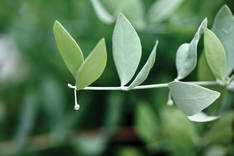
It is the oil of this shrub that is of keen interest as a botanical product for use in cosmetics and cosmeceuticals. The oil from jojoba nuts or seeds has been used for centuries to promote hair growth and alleviate skin conditions. Jojoba is now cultivated for commercial purposes, such as treatment for psoriasis, dry skin, and dandruff, in Argentina, Australia, Mexico, Israel, and India.
Jojoba oil is derived from the cold-pressed seeds, which are the size of peanuts or small olives (Phytother. Res. 2003;17:987-1000). It is actually a polyunsaturated liquid wax. This rich extract is typically used as a humectant in cosmetics and cosmeceuticals and confers a protective film over the skin that aids in moisture retention (Cosmet. Toiletries 1997;112:47-64). The skin’s natural sebum is readily compatible with the wide range of fatty acids (oleic, linoleic, linolenic, and arachidonic) and triglycerides that are key components of jojoba oil (J. Am. Oil Chem. Soc. 2000;77:1325-9; J. Agric. Food Chem. 1997;45:1180-4).
Some authors speculate that its efficacy as a nongreasy lubricant gives the oil, pure or in hydrogenated form, the potential for use in a variety of formulations that are designed for the skin or hair – creams, lotions, soaps, and lipsticks (J. Cosm. Sci. 1998;49:377-83). Jojoba oil has been found to impart significant beneficial properties as an analgesic, antibacterial, anti-inflammatory, antioxidant, antiparasitic, and antipyretic (Phytother. Res. 2003;17:987-1000; J. Cosm. Sci. 1998;49:377-83).
Very similar in consistency to human sebum, jojoba oil is considered to be a natural moisturizer and is thought to be highly conditioning, softening, and healing for all skin types. Although primarily used in skin and hair products now, jojoba oil first gained industry interest and support not for its reputed traditional benefits, but for its viability as a replacement for sperm whale oil, the use of which was banned by the U.S. government in the early 1970s as a result of the Endangered Species Act.
Products
Aubrey Organics (a company that uses botanicals organically grown and processed in accordance with the California Organic Foods Act of 1990) offers two hair products containing jojoba oil. Its J.A.Y. (Jojoba/Aloe/Yucca) Desert Herb Shampoo and Jojoba & Aloe Hair Rejuvenator & Conditioner are said to hydrate and revitalize especially dry and brittle hair. According to the manufacturer, the humectant activity of jojoba oil generates a protective film over the hair and scalp that helps retain moisture. The Swiss company Colosé Beauty also produces a wide array of formulations that contain jojoba oil for the purpose of protecting against dehydration. Colosé’s product line includes Day Cream Sensitive, Day Cream Multi-Active, Cream Egalisante, Miracle Cream, and Night Cream Multi-Active. Jojoba oil is also included in the ReAm Violetta line of moisturizing products. Botanical Buffing Beads from Peter Thomas Roth Labs combine whole-leaf aloe vera with jojoba beads. Shampoos and conditioners comprise the majority of products containing jojoba oil as the primary active ingredient, but the oil is often included among other ingredients in topical skin creams, lotions, and soaps. Olive Oil and Vitamin A Skin Reinforcing Complex from Macrovita includes jojoba oil. Everon Lip Balm from Weleda utilizes jojoba oil for lip protection.
Conclusion
Currently, jojoba oil is used primarily to confer anti-inflammatory benefits to cosmetics and cosmeceuticals. One of the primary challenges in formulating cosmeceutical products from jojoba and other botanicals is to retain the intrinsic benefits of the raw botanical or its extract. Development of jojoba-containing formulations may continue because of the commercial preference for ingredients with known traditional uses that do not require regulatory proof of efficacy.
The versatile botanical extract jojoba oil has not been shown to be harmful or to elicit significant adverse effects. At the very least, then, its presence in over-the-counter products is innocuous. There is a small but growing body of evidence to suggest that the inclusion of jojoba oil in topical formulations does impart salient anti-inflammatory effects. Much research, in the form of blinded, placebo-controlled clinical trials, is needed to compare jojoba-containing products with other formulations established as effective anti-inflammatories.
The jojoba (pronounced ho-ho-ba) plant (Buxus chinensis or Simmondsia chinensis) is a shrub endemic to the Sonoran Desert of northwest Mexico and adjacent areas in Arizona and southern California. This evergreen plant, also known as goat nut or coffeeberry, grows up to 15 feet high and can live for up to 200 years. Clearly, it is well adapted to thrive in the arid heat of the desert. Native Americans are known to have eaten the smooth-skinned, odorless, oil-rich nuts or seeds of the jojoba.
It is the oil of this shrub that is of keen interest as a botanical product for use in cosmetics and cosmeceuticals. The oil from jojoba nuts or seeds has been used for centuries to promote hair growth and alleviate skin conditions. Jojoba is now cultivated for commercial purposes, such as treatment for psoriasis, dry skin, and dandruff, in Argentina, Australia, Mexico, Israel, and India.
Jojoba oil is derived from the cold-pressed seeds, which are the size of peanuts or small olives (Phytother. Res. 2003;17:987-1000). It is actually a polyunsaturated liquid wax. This rich extract is typically used as a humectant in cosmetics and cosmeceuticals and confers a protective film over the skin that aids in moisture retention (Cosmet. Toiletries 1997;112:47-64). The skin’s natural sebum is readily compatible with the wide range of fatty acids (oleic, linoleic, linolenic, and arachidonic) and triglycerides that are key components of jojoba oil (J. Am. Oil Chem. Soc. 2000;77:1325-9; J. Agric. Food Chem. 1997;45:1180-4).
Some authors speculate that its efficacy as a nongreasy lubricant gives the oil, pure or in hydrogenated form, the potential for use in a variety of formulations that are designed for the skin or hair – creams, lotions, soaps, and lipsticks (J. Cosm. Sci. 1998;49:377-83). Jojoba oil has been found to impart significant beneficial properties as an analgesic, antibacterial, anti-inflammatory, antioxidant, antiparasitic, and antipyretic (Phytother. Res. 2003;17:987-1000; J. Cosm. Sci. 1998;49:377-83).
Very similar in consistency to human sebum, jojoba oil is considered to be a natural moisturizer and is thought to be highly conditioning, softening, and healing for all skin types. Although primarily used in skin and hair products now, jojoba oil first gained industry interest and support not for its reputed traditional benefits, but for its viability as a replacement for sperm whale oil, the use of which was banned by the U.S. government in the early 1970s as a result of the Endangered Species Act.
Products
Aubrey Organics (a company that uses botanicals organically grown and processed in accordance with the California Organic Foods Act of 1990) offers two hair products containing jojoba oil. Its J.A.Y. (Jojoba/Aloe/Yucca) Desert Herb Shampoo and Jojoba & Aloe Hair Rejuvenator & Conditioner are said to hydrate and revitalize especially dry and brittle hair. According to the manufacturer, the humectant activity of jojoba oil generates a protective film over the hair and scalp that helps retain moisture. The Swiss company Colosé Beauty also produces a wide array of formulations that contain jojoba oil for the purpose of protecting against dehydration. Colosé’s product line includes Day Cream Sensitive, Day Cream Multi-Active, Cream Egalisante, Miracle Cream, and Night Cream Multi-Active. Jojoba oil is also included in the ReAm Violetta line of moisturizing products. Botanical Buffing Beads from Peter Thomas Roth Labs combine whole-leaf aloe vera with jojoba beads. Shampoos and conditioners comprise the majority of products containing jojoba oil as the primary active ingredient, but the oil is often included among other ingredients in topical skin creams, lotions, and soaps. Olive Oil and Vitamin A Skin Reinforcing Complex from Macrovita includes jojoba oil. Everon Lip Balm from Weleda utilizes jojoba oil for lip protection.
Conclusion
Currently, jojoba oil is used primarily to confer anti-inflammatory benefits to cosmetics and cosmeceuticals. One of the primary challenges in formulating cosmeceutical products from jojoba and other botanicals is to retain the intrinsic benefits of the raw botanical or its extract. Development of jojoba-containing formulations may continue because of the commercial preference for ingredients with known traditional uses that do not require regulatory proof of efficacy.
The versatile botanical extract jojoba oil has not been shown to be harmful or to elicit significant adverse effects. At the very least, then, its presence in over-the-counter products is innocuous. There is a small but growing body of evidence to suggest that the inclusion of jojoba oil in topical formulations does impart salient anti-inflammatory effects. Much research, in the form of blinded, placebo-controlled clinical trials, is needed to compare jojoba-containing products with other formulations established as effective anti-inflammatories.
The jojoba (pronounced ho-ho-ba) plant (Buxus chinensis or Simmondsia chinensis) is a shrub endemic to the Sonoran Desert of northwest Mexico and adjacent areas in Arizona and southern California. This evergreen plant, also known as goat nut or coffeeberry, grows up to 15 feet high and can live for up to 200 years. Clearly, it is well adapted to thrive in the arid heat of the desert. Native Americans are known to have eaten the smooth-skinned, odorless, oil-rich nuts or seeds of the jojoba.
It is the oil of this shrub that is of keen interest as a botanical product for use in cosmetics and cosmeceuticals. The oil from jojoba nuts or seeds has been used for centuries to promote hair growth and alleviate skin conditions. Jojoba is now cultivated for commercial purposes, such as treatment for psoriasis, dry skin, and dandruff, in Argentina, Australia, Mexico, Israel, and India.
Jojoba oil is derived from the cold-pressed seeds, which are the size of peanuts or small olives (Phytother. Res. 2003;17:987-1000). It is actually a polyunsaturated liquid wax. This rich extract is typically used as a humectant in cosmetics and cosmeceuticals and confers a protective film over the skin that aids in moisture retention (Cosmet. Toiletries 1997;112:47-64). The skin’s natural sebum is readily compatible with the wide range of fatty acids (oleic, linoleic, linolenic, and arachidonic) and triglycerides that are key components of jojoba oil (J. Am. Oil Chem. Soc. 2000;77:1325-9; J. Agric. Food Chem. 1997;45:1180-4).
Some authors speculate that its efficacy as a nongreasy lubricant gives the oil, pure or in hydrogenated form, the potential for use in a variety of formulations that are designed for the skin or hair – creams, lotions, soaps, and lipsticks (J. Cosm. Sci. 1998;49:377-83). Jojoba oil has been found to impart significant beneficial properties as an analgesic, antibacterial, anti-inflammatory, antioxidant, antiparasitic, and antipyretic (Phytother. Res. 2003;17:987-1000; J. Cosm. Sci. 1998;49:377-83).
Very similar in consistency to human sebum, jojoba oil is considered to be a natural moisturizer and is thought to be highly conditioning, softening, and healing for all skin types. Although primarily used in skin and hair products now, jojoba oil first gained industry interest and support not for its reputed traditional benefits, but for its viability as a replacement for sperm whale oil, the use of which was banned by the U.S. government in the early 1970s as a result of the Endangered Species Act.
Products
Aubrey Organics (a company that uses botanicals organically grown and processed in accordance with the California Organic Foods Act of 1990) offers two hair products containing jojoba oil. Its J.A.Y. (Jojoba/Aloe/Yucca) Desert Herb Shampoo and Jojoba & Aloe Hair Rejuvenator & Conditioner are said to hydrate and revitalize especially dry and brittle hair. According to the manufacturer, the humectant activity of jojoba oil generates a protective film over the hair and scalp that helps retain moisture. The Swiss company Colosé Beauty also produces a wide array of formulations that contain jojoba oil for the purpose of protecting against dehydration. Colosé’s product line includes Day Cream Sensitive, Day Cream Multi-Active, Cream Egalisante, Miracle Cream, and Night Cream Multi-Active. Jojoba oil is also included in the ReAm Violetta line of moisturizing products. Botanical Buffing Beads from Peter Thomas Roth Labs combine whole-leaf aloe vera with jojoba beads. Shampoos and conditioners comprise the majority of products containing jojoba oil as the primary active ingredient, but the oil is often included among other ingredients in topical skin creams, lotions, and soaps. Olive Oil and Vitamin A Skin Reinforcing Complex from Macrovita includes jojoba oil. Everon Lip Balm from Weleda utilizes jojoba oil for lip protection.
Conclusion
Currently, jojoba oil is used primarily to confer anti-inflammatory benefits to cosmetics and cosmeceuticals. One of the primary challenges in formulating cosmeceutical products from jojoba and other botanicals is to retain the intrinsic benefits of the raw botanical or its extract. Development of jojoba-containing formulations may continue because of the commercial preference for ingredients with known traditional uses that do not require regulatory proof of efficacy.
The versatile botanical extract jojoba oil has not been shown to be harmful or to elicit significant adverse effects. At the very least, then, its presence in over-the-counter products is innocuous. There is a small but growing body of evidence to suggest that the inclusion of jojoba oil in topical formulations does impart salient anti-inflammatory effects. Much research, in the form of blinded, placebo-controlled clinical trials, is needed to compare jojoba-containing products with other formulations established as effective anti-inflammatories.
Skin of Color: Pore Size
Enlarged facial pores are a frequent complaint from patients. But the mechanism behind why some patients develop larger pores than others remains unclear.
The face is home to some of the thinnest areas of skin on the body, excluding the skin of the eyelid. It has both large terminal hair follicles, as well as thin vellus hairs. The hairs are a transition point between the skin and the follicular ostia (or openings) that lead to the base of the follicle.
This follicular opening is connected to the underlying sebaceous glands, the “pore.” The texture of the face is in part the result of mounds around follicular ostia and valleys in the interfollicular space. The larger the pores, the coarser the skin, and the smaller the pores, the more even and smooth the skin surface.
Pores can become packed and dilated with sebum, makeup, dirt, and bacteria. Pore size is dependent not only on the contents of the pore, but also on genetic factors.
Ethnic differences in the appearance of pores can contribute to different aesthetic concerns, as well as to treatment options for patients.
A recent study was conducted to elucidate ethnicity-dependent differences in facial pore size and in epidermal architecture (J. Dermatol. Sci. 2009;53:135-9). Surface replicas of 80 patients – healthy white, Hispanic, Asian, and African American women (aged 30-39 years) – were created to compare pore sizes in cheek skin.
Horizontal cross-sectioned images from cheek skin were obtained noninvasively from the same subjects using in vivo confocal laser scanning microscopy to determine the severity of impairment of epidermal architecture around facial pores. Finally, the interfollicular epidermal architecture of the cheek skin of the different ethnic types was evaluated with horizontal cross-sectioned images and counts of dermal papillae.
The study showed that all ethnic groups had similar morphologic features. Asians had the smallest pore areas, compared with other ethnic groups, while African Americans showed substantially more severe impairment of architecture around facial pores.
Although this study did not account for amount of sebum production or bacteria in epidermal pore dilation, it did highlight an intrinsic difference in pore size among various types of skin of color.
Other factors that can extrinsically affect pore size include smoking, sun exposure, and age. Ultraviolet radiation and free radicals can degrade collagen and elastin, thereby altering the dermal structure of the skin,which influences its texture and integrity.
Some methods to decrease pore size include:
Retinoids: By increasing cell turnover and decreasing sebum and bacteria content, retinoids can prevent dilation of pores.
Exfoliants: Alpha and beta hydroxy acids can remove sebum, dirt, bacteria, and keratin from pores, creating a smoother-looking texture to the skin. Keeping pores clean and free of debris can make pores appear smaller though the actual size may not differ.
Ablative and nonablative fractional laser: These treatments help exfoliate the skin, increase cell turnover, and increase collagen and elastin production, thereby helping tighten the skin and reduce pore size.
Sunscreen: Photodamage can delay cell turnover, degrade collagen and elastin, and thicken the top layer of skin, causing pores to look larger. Aggressive photoprotection will ensure healthier skin and overall improved skin texture.
Alcohol based toners and heating may temporarily give the illusion of tightened skin but do not actually alter pore size.
Many women and men seek the advice of their dermatologist to help decrease the appearance of enlarged pores. We now understand that there are both extrinsic and intrinsic differences in pore size and skin texture, and vast differences among our patients of color. This understanding can help direct treatment modalities and help educate our patients in the skin care regimens they choose.
Enlarged facial pores are a frequent complaint from patients. But the mechanism behind why some patients develop larger pores than others remains unclear.
The face is home to some of the thinnest areas of skin on the body, excluding the skin of the eyelid. It has both large terminal hair follicles, as well as thin vellus hairs. The hairs are a transition point between the skin and the follicular ostia (or openings) that lead to the base of the follicle.
This follicular opening is connected to the underlying sebaceous glands, the “pore.” The texture of the face is in part the result of mounds around follicular ostia and valleys in the interfollicular space. The larger the pores, the coarser the skin, and the smaller the pores, the more even and smooth the skin surface.
Pores can become packed and dilated with sebum, makeup, dirt, and bacteria. Pore size is dependent not only on the contents of the pore, but also on genetic factors.
Ethnic differences in the appearance of pores can contribute to different aesthetic concerns, as well as to treatment options for patients.
A recent study was conducted to elucidate ethnicity-dependent differences in facial pore size and in epidermal architecture (J. Dermatol. Sci. 2009;53:135-9). Surface replicas of 80 patients – healthy white, Hispanic, Asian, and African American women (aged 30-39 years) – were created to compare pore sizes in cheek skin.
Horizontal cross-sectioned images from cheek skin were obtained noninvasively from the same subjects using in vivo confocal laser scanning microscopy to determine the severity of impairment of epidermal architecture around facial pores. Finally, the interfollicular epidermal architecture of the cheek skin of the different ethnic types was evaluated with horizontal cross-sectioned images and counts of dermal papillae.
The study showed that all ethnic groups had similar morphologic features. Asians had the smallest pore areas, compared with other ethnic groups, while African Americans showed substantially more severe impairment of architecture around facial pores.
Although this study did not account for amount of sebum production or bacteria in epidermal pore dilation, it did highlight an intrinsic difference in pore size among various types of skin of color.
Other factors that can extrinsically affect pore size include smoking, sun exposure, and age. Ultraviolet radiation and free radicals can degrade collagen and elastin, thereby altering the dermal structure of the skin,which influences its texture and integrity.
Some methods to decrease pore size include:
Retinoids: By increasing cell turnover and decreasing sebum and bacteria content, retinoids can prevent dilation of pores.
Exfoliants: Alpha and beta hydroxy acids can remove sebum, dirt, bacteria, and keratin from pores, creating a smoother-looking texture to the skin. Keeping pores clean and free of debris can make pores appear smaller though the actual size may not differ.
Ablative and nonablative fractional laser: These treatments help exfoliate the skin, increase cell turnover, and increase collagen and elastin production, thereby helping tighten the skin and reduce pore size.
Sunscreen: Photodamage can delay cell turnover, degrade collagen and elastin, and thicken the top layer of skin, causing pores to look larger. Aggressive photoprotection will ensure healthier skin and overall improved skin texture.
Alcohol based toners and heating may temporarily give the illusion of tightened skin but do not actually alter pore size.
Many women and men seek the advice of their dermatologist to help decrease the appearance of enlarged pores. We now understand that there are both extrinsic and intrinsic differences in pore size and skin texture, and vast differences among our patients of color. This understanding can help direct treatment modalities and help educate our patients in the skin care regimens they choose.
Enlarged facial pores are a frequent complaint from patients. But the mechanism behind why some patients develop larger pores than others remains unclear.
The face is home to some of the thinnest areas of skin on the body, excluding the skin of the eyelid. It has both large terminal hair follicles, as well as thin vellus hairs. The hairs are a transition point between the skin and the follicular ostia (or openings) that lead to the base of the follicle.
This follicular opening is connected to the underlying sebaceous glands, the “pore.” The texture of the face is in part the result of mounds around follicular ostia and valleys in the interfollicular space. The larger the pores, the coarser the skin, and the smaller the pores, the more even and smooth the skin surface.
Pores can become packed and dilated with sebum, makeup, dirt, and bacteria. Pore size is dependent not only on the contents of the pore, but also on genetic factors.
Ethnic differences in the appearance of pores can contribute to different aesthetic concerns, as well as to treatment options for patients.
A recent study was conducted to elucidate ethnicity-dependent differences in facial pore size and in epidermal architecture (J. Dermatol. Sci. 2009;53:135-9). Surface replicas of 80 patients – healthy white, Hispanic, Asian, and African American women (aged 30-39 years) – were created to compare pore sizes in cheek skin.
Horizontal cross-sectioned images from cheek skin were obtained noninvasively from the same subjects using in vivo confocal laser scanning microscopy to determine the severity of impairment of epidermal architecture around facial pores. Finally, the interfollicular epidermal architecture of the cheek skin of the different ethnic types was evaluated with horizontal cross-sectioned images and counts of dermal papillae.
The study showed that all ethnic groups had similar morphologic features. Asians had the smallest pore areas, compared with other ethnic groups, while African Americans showed substantially more severe impairment of architecture around facial pores.
Although this study did not account for amount of sebum production or bacteria in epidermal pore dilation, it did highlight an intrinsic difference in pore size among various types of skin of color.
Other factors that can extrinsically affect pore size include smoking, sun exposure, and age. Ultraviolet radiation and free radicals can degrade collagen and elastin, thereby altering the dermal structure of the skin,which influences its texture and integrity.
Some methods to decrease pore size include:
Retinoids: By increasing cell turnover and decreasing sebum and bacteria content, retinoids can prevent dilation of pores.
Exfoliants: Alpha and beta hydroxy acids can remove sebum, dirt, bacteria, and keratin from pores, creating a smoother-looking texture to the skin. Keeping pores clean and free of debris can make pores appear smaller though the actual size may not differ.
Ablative and nonablative fractional laser: These treatments help exfoliate the skin, increase cell turnover, and increase collagen and elastin production, thereby helping tighten the skin and reduce pore size.
Sunscreen: Photodamage can delay cell turnover, degrade collagen and elastin, and thicken the top layer of skin, causing pores to look larger. Aggressive photoprotection will ensure healthier skin and overall improved skin texture.
Alcohol based toners and heating may temporarily give the illusion of tightened skin but do not actually alter pore size.
Many women and men seek the advice of their dermatologist to help decrease the appearance of enlarged pores. We now understand that there are both extrinsic and intrinsic differences in pore size and skin texture, and vast differences among our patients of color. This understanding can help direct treatment modalities and help educate our patients in the skin care regimens they choose.
Listen First, Don’t Rush in Lip Augmentation
Pasadena, Calif. - No one lip architecture is inherently more beautiful than another, and there are many aesthetically pleasing shapes for lips.
With that said, bigger is not necessarily better. Really listen to what patients are asking for—even watch body language to understand expectations. Don’t rush. Don’t do anything out of your comfort level. And make it painless, said Dr. Roberta D. Sengelmann. It’s not so much what you do. but how you do it that counts.

Ask patients to bring in photos or fashion magazines with images of lips that they like, and address their expectations, she suggested.
Fillers for lip augmentation are used off-label, so explaining the risks and getting informed consent from patients are essential. A dozen or more potential adverse outcomes can range from a shorter-than-expected duration of the bulking effect to infection, necrosis, or scaring.
To meet a patient’s desire for more pleasing lips, keep in mind widely accepted characteristics of a “beautiful” face and mouth, she advised.
Lips are symmetrical. The width of the lips is 30%-50% of facial width, and the width between the oral commissures equals the distance between the medial limbi. The upper lip is slightly thinner than the lower one—making the upper lip too big looks unnatural. The commissures should angle up slightly.
With age, the mouth starts to angle down and to look smaller (the lips “cave in”), radial lip lines develop, 3-D volume decreases, and there’s inversion of the lip’s white roll, said Dr. Sengelmann, a dermatologic surgeon in private practice in Santa Barbara, Calif.
Pay attention to anatomy to plan your approach to lip augmentation. The first step is to elevate the oral commissures. If you run out of product or need to stop, the patient still will look better, said Dr. Sengelmann.
If you can do more, define the vermilion border or white roll. Then add volume to the pink part of the lip. If needed, redefine the philtral columns. And, if you have some product left, ablate vertical lip lines. One main caveat applies: The patient’s desires take precedence in deciding which of those steps to address, she said.
Consider antiviral prophylaxis before lip injections, and definitely use it treat anyone who’s had more than six annual outbreaks of herpes simplex virus, she advised. If the patient is on blood-thinning medication, discontinue it a week before lip augmentation. “I don’t treat people on Coumadin, ever,” she said.
Before you start injecting, remove any makeup, and evaluate the patient at rest and in motion. Take photos before and after the first treatment. Mark the philtral columns with an eyeliner pencil, because they can be difficult to see once filled. Review your plans and the patient’s expectations before you begin.
“You can’t rush this technique,” Dr. Sengelmann said. Make it as painless as possible by applying ice, topical anesthesia, or nerve blocks. Consider local anesthesia at the commissures. Vibration seems to work, too, but “I’m not comfortable” using it, she added.
Use only the finest fillers when injecting into dermis, and more viscous fillers for potential space under the skin. Dr. Sengelmann avoids Radiesse for lips because nodules can be a problem, she cautioned. Again, use a slow hand. “Hasty injectors have a much higher complication rate,” Dr. Sengelmann said.
For augmenting the angle of the mouth, she uses Radiesse, Juvéderm Ultra Plus, Perlane, or Restylane. For the vermilion border and philtral columns or to augment the pink lip, she prefers Juvéderm Ultra, Restylane, Juvéderm Ultra Plus, or Perlane. For radial lines, she injects Prevelle Silk, Restylane, or Juvéderm Ultra using a 32-gauge needle.
After treatment, assess lip symmetry before the product is gone—consider saving a little as leftover in case it is needed. Massaging and molding the injected area may help distribution, “but remember, you can’t correct for poor technique,” she said. Apply ice packs after the procedure and have the patient rest for about 6 hours, with no exercise of vigorous activity for the rest of the day.
For a patient whose only complaint is dynamic lip lines (with no vertical lines at rest), botulinum toxin alone may soften those lines, provide some lip eversion, and give the perception of fullness to lips, Dr. Sengelmann suggested.
She advised using caution when considering lip augmentation for a patient with a long upper lip, inverted white roll, coarse radial lip lines, or deep Marionette lines. Other features that should inspire caution include very thin lips, lip incompetence, recessed bone or dentition, lip asymmetry, and unrealistic expectations.
Disclosures: Dr. Sengelmann has been an advisor to Allergan (Juvéderm), BioForm Medical (maker of Radiesse), and MicroAire (formally Coapt Systems), and has received research support from MicroAire.
Pasadena, Calif. - No one lip architecture is inherently more beautiful than another, and there are many aesthetically pleasing shapes for lips.
With that said, bigger is not necessarily better. Really listen to what patients are asking for—even watch body language to understand expectations. Don’t rush. Don’t do anything out of your comfort level. And make it painless, said Dr. Roberta D. Sengelmann. It’s not so much what you do. but how you do it that counts.
Ask patients to bring in photos or fashion magazines with images of lips that they like, and address their expectations, she suggested.
Fillers for lip augmentation are used off-label, so explaining the risks and getting informed consent from patients are essential. A dozen or more potential adverse outcomes can range from a shorter-than-expected duration of the bulking effect to infection, necrosis, or scaring.
To meet a patient’s desire for more pleasing lips, keep in mind widely accepted characteristics of a “beautiful” face and mouth, she advised.
Lips are symmetrical. The width of the lips is 30%-50% of facial width, and the width between the oral commissures equals the distance between the medial limbi. The upper lip is slightly thinner than the lower one—making the upper lip too big looks unnatural. The commissures should angle up slightly.
With age, the mouth starts to angle down and to look smaller (the lips “cave in”), radial lip lines develop, 3-D volume decreases, and there’s inversion of the lip’s white roll, said Dr. Sengelmann, a dermatologic surgeon in private practice in Santa Barbara, Calif.
Pay attention to anatomy to plan your approach to lip augmentation. The first step is to elevate the oral commissures. If you run out of product or need to stop, the patient still will look better, said Dr. Sengelmann.
If you can do more, define the vermilion border or white roll. Then add volume to the pink part of the lip. If needed, redefine the philtral columns. And, if you have some product left, ablate vertical lip lines. One main caveat applies: The patient’s desires take precedence in deciding which of those steps to address, she said.
Consider antiviral prophylaxis before lip injections, and definitely use it treat anyone who’s had more than six annual outbreaks of herpes simplex virus, she advised. If the patient is on blood-thinning medication, discontinue it a week before lip augmentation. “I don’t treat people on Coumadin, ever,” she said.
Before you start injecting, remove any makeup, and evaluate the patient at rest and in motion. Take photos before and after the first treatment. Mark the philtral columns with an eyeliner pencil, because they can be difficult to see once filled. Review your plans and the patient’s expectations before you begin.
“You can’t rush this technique,” Dr. Sengelmann said. Make it as painless as possible by applying ice, topical anesthesia, or nerve blocks. Consider local anesthesia at the commissures. Vibration seems to work, too, but “I’m not comfortable” using it, she added.
Use only the finest fillers when injecting into dermis, and more viscous fillers for potential space under the skin. Dr. Sengelmann avoids Radiesse for lips because nodules can be a problem, she cautioned. Again, use a slow hand. “Hasty injectors have a much higher complication rate,” Dr. Sengelmann said.
For augmenting the angle of the mouth, she uses Radiesse, Juvéderm Ultra Plus, Perlane, or Restylane. For the vermilion border and philtral columns or to augment the pink lip, she prefers Juvéderm Ultra, Restylane, Juvéderm Ultra Plus, or Perlane. For radial lines, she injects Prevelle Silk, Restylane, or Juvéderm Ultra using a 32-gauge needle.
After treatment, assess lip symmetry before the product is gone—consider saving a little as leftover in case it is needed. Massaging and molding the injected area may help distribution, “but remember, you can’t correct for poor technique,” she said. Apply ice packs after the procedure and have the patient rest for about 6 hours, with no exercise of vigorous activity for the rest of the day.
For a patient whose only complaint is dynamic lip lines (with no vertical lines at rest), botulinum toxin alone may soften those lines, provide some lip eversion, and give the perception of fullness to lips, Dr. Sengelmann suggested.
She advised using caution when considering lip augmentation for a patient with a long upper lip, inverted white roll, coarse radial lip lines, or deep Marionette lines. Other features that should inspire caution include very thin lips, lip incompetence, recessed bone or dentition, lip asymmetry, and unrealistic expectations.
Disclosures: Dr. Sengelmann has been an advisor to Allergan (Juvéderm), BioForm Medical (maker of Radiesse), and MicroAire (formally Coapt Systems), and has received research support from MicroAire.
Pasadena, Calif. - No one lip architecture is inherently more beautiful than another, and there are many aesthetically pleasing shapes for lips.
With that said, bigger is not necessarily better. Really listen to what patients are asking for—even watch body language to understand expectations. Don’t rush. Don’t do anything out of your comfort level. And make it painless, said Dr. Roberta D. Sengelmann. It’s not so much what you do. but how you do it that counts.
Ask patients to bring in photos or fashion magazines with images of lips that they like, and address their expectations, she suggested.
Fillers for lip augmentation are used off-label, so explaining the risks and getting informed consent from patients are essential. A dozen or more potential adverse outcomes can range from a shorter-than-expected duration of the bulking effect to infection, necrosis, or scaring.
To meet a patient’s desire for more pleasing lips, keep in mind widely accepted characteristics of a “beautiful” face and mouth, she advised.
Lips are symmetrical. The width of the lips is 30%-50% of facial width, and the width between the oral commissures equals the distance between the medial limbi. The upper lip is slightly thinner than the lower one—making the upper lip too big looks unnatural. The commissures should angle up slightly.
With age, the mouth starts to angle down and to look smaller (the lips “cave in”), radial lip lines develop, 3-D volume decreases, and there’s inversion of the lip’s white roll, said Dr. Sengelmann, a dermatologic surgeon in private practice in Santa Barbara, Calif.
Pay attention to anatomy to plan your approach to lip augmentation. The first step is to elevate the oral commissures. If you run out of product or need to stop, the patient still will look better, said Dr. Sengelmann.
If you can do more, define the vermilion border or white roll. Then add volume to the pink part of the lip. If needed, redefine the philtral columns. And, if you have some product left, ablate vertical lip lines. One main caveat applies: The patient’s desires take precedence in deciding which of those steps to address, she said.
Consider antiviral prophylaxis before lip injections, and definitely use it treat anyone who’s had more than six annual outbreaks of herpes simplex virus, she advised. If the patient is on blood-thinning medication, discontinue it a week before lip augmentation. “I don’t treat people on Coumadin, ever,” she said.
Before you start injecting, remove any makeup, and evaluate the patient at rest and in motion. Take photos before and after the first treatment. Mark the philtral columns with an eyeliner pencil, because they can be difficult to see once filled. Review your plans and the patient’s expectations before you begin.
“You can’t rush this technique,” Dr. Sengelmann said. Make it as painless as possible by applying ice, topical anesthesia, or nerve blocks. Consider local anesthesia at the commissures. Vibration seems to work, too, but “I’m not comfortable” using it, she added.
Use only the finest fillers when injecting into dermis, and more viscous fillers for potential space under the skin. Dr. Sengelmann avoids Radiesse for lips because nodules can be a problem, she cautioned. Again, use a slow hand. “Hasty injectors have a much higher complication rate,” Dr. Sengelmann said.
For augmenting the angle of the mouth, she uses Radiesse, Juvéderm Ultra Plus, Perlane, or Restylane. For the vermilion border and philtral columns or to augment the pink lip, she prefers Juvéderm Ultra, Restylane, Juvéderm Ultra Plus, or Perlane. For radial lines, she injects Prevelle Silk, Restylane, or Juvéderm Ultra using a 32-gauge needle.
After treatment, assess lip symmetry before the product is gone—consider saving a little as leftover in case it is needed. Massaging and molding the injected area may help distribution, “but remember, you can’t correct for poor technique,” she said. Apply ice packs after the procedure and have the patient rest for about 6 hours, with no exercise of vigorous activity for the rest of the day.
For a patient whose only complaint is dynamic lip lines (with no vertical lines at rest), botulinum toxin alone may soften those lines, provide some lip eversion, and give the perception of fullness to lips, Dr. Sengelmann suggested.
She advised using caution when considering lip augmentation for a patient with a long upper lip, inverted white roll, coarse radial lip lines, or deep Marionette lines. Other features that should inspire caution include very thin lips, lip incompetence, recessed bone or dentition, lip asymmetry, and unrealistic expectations.
Disclosures: Dr. Sengelmann has been an advisor to Allergan (Juvéderm), BioForm Medical (maker of Radiesse), and MicroAire (formally Coapt Systems), and has received research support from MicroAire.
Stem Cells a Growth Area in Cosmetic Dermatology
PASADENA, Calif. - Stem cell therapies, molecular medicine, less-invasive procedures and robotic surgery might play prominent roles in the future of cosmetic dermatology.
That's what Dr. Ronald Moy sees when he looks into his figurative crystal ball. And it means many, many cosmetic procedures, he said at the annual meeting of the Pacific Dermatologic Association.

"Stem cell research is most exciting," said Dr. Moy, who practices in Beverly Hills, Calif. and is president-elect of the American Academy of Dermatology. As many as an eighth to a quarter of presentations at cosmetic surgery meetings these days mention stem cells, he estimated. Cosmetic procedures in general have increased by 228% since 1997 in the United States, he said.
Dermatologists in his area who do a lot of marketing are advertising "stem cell facelifts," he added. In his own office, he or his partner may extract fat from a patient and then centrifuge or decant it to get fat for reinjecting, and that fat contains some stem cells. Fat injections can improve skin quality over the injection area and may add volume; however, volume results are not as predictable, compared with injections of other fillers.
Once researchers find a way to extract stem cells reliably, they might replace use of these fillers in many cases, he suggested. Stem cells also might be used in the future to grow skin, fat, and hair. "Fillers that we are using might be considered archaic; it will be people’s own skin" used in procedures and, hair cloning and gene therapy will replace hair transplants, he predicted.
A forerunner of this scenario that is widely used today is the biostimulator Sculptra, an injectable poly-l-lactic acid, he said. Sculptra can help thicken the skin and stimulate collagen production.
Molecular tools also will be part of cosmetic dermatologists' armamentarium, switching genes on and off via synthetic medicines individualized to patients. These "are in the near future," Dr. Moy predicted.
Cocktails of immunostimulants that cure skin cancer are close at hand and probably will replace surgical treatments, he added: "Many of our Mohs surgeons and probably many of our skin cancer surgeons will probably be dinosaurs in the near future."
As baby boomers age, they’ll want less-invasive procedures, so radiofrequency devices that tighten the skin and fractional laser resurfacing to remove some wrinkles and sun-damaged skin will be used more and more, he believes. The results aren't as dramatic as with phenol peels or conventional carbon dioxide laser resurfacing, but those techniques require longer recovery times and carry a higher risk for complications. When surgery is used for brow lifts, facelifts, or fat removal, the trend will be toward smaller incisions.
Lasers will evolve like other mobile devices to become hand-held and used by patients to remove hair, fat, wrinkles, lentigos, and more, Dr. Moy said.
More muscle-relaxing products will come on the market to compete with Botox or Dysport, including a topical version that’s now being tested and seems to work well for superficial areas, he said.
He also foresees new concoctions of creams that will go beyond sunscreens to prevent skin cancers, adding that prevention already is a booming trend, with some emphasis shifting toward greater attention to the molecular benefits of nutrition in preventing skin problems, he said. "Nutrition is important, and we haven't thought about that much in dermatology," he remarked.
Still, much of cosmetic dermatology will continue to involve new and expensive technology, which will affect not just how patients are treated, but how dermatologists practice, he said. Machines that cost $100,000 will be hard for solo practitioners to afford. "Unless you're practicing as a group, it's going to be very difficult" to offer the most modern services."
Dr. Moy made no disclosures.
PASADENA, Calif. - Stem cell therapies, molecular medicine, less-invasive procedures and robotic surgery might play prominent roles in the future of cosmetic dermatology.
That's what Dr. Ronald Moy sees when he looks into his figurative crystal ball. And it means many, many cosmetic procedures, he said at the annual meeting of the Pacific Dermatologic Association.
"Stem cell research is most exciting," said Dr. Moy, who practices in Beverly Hills, Calif. and is president-elect of the American Academy of Dermatology. As many as an eighth to a quarter of presentations at cosmetic surgery meetings these days mention stem cells, he estimated. Cosmetic procedures in general have increased by 228% since 1997 in the United States, he said.
Dermatologists in his area who do a lot of marketing are advertising "stem cell facelifts," he added. In his own office, he or his partner may extract fat from a patient and then centrifuge or decant it to get fat for reinjecting, and that fat contains some stem cells. Fat injections can improve skin quality over the injection area and may add volume; however, volume results are not as predictable, compared with injections of other fillers.
Once researchers find a way to extract stem cells reliably, they might replace use of these fillers in many cases, he suggested. Stem cells also might be used in the future to grow skin, fat, and hair. "Fillers that we are using might be considered archaic; it will be people’s own skin" used in procedures and, hair cloning and gene therapy will replace hair transplants, he predicted.
A forerunner of this scenario that is widely used today is the biostimulator Sculptra, an injectable poly-l-lactic acid, he said. Sculptra can help thicken the skin and stimulate collagen production.
Molecular tools also will be part of cosmetic dermatologists' armamentarium, switching genes on and off via synthetic medicines individualized to patients. These "are in the near future," Dr. Moy predicted.
Cocktails of immunostimulants that cure skin cancer are close at hand and probably will replace surgical treatments, he added: "Many of our Mohs surgeons and probably many of our skin cancer surgeons will probably be dinosaurs in the near future."
As baby boomers age, they’ll want less-invasive procedures, so radiofrequency devices that tighten the skin and fractional laser resurfacing to remove some wrinkles and sun-damaged skin will be used more and more, he believes. The results aren't as dramatic as with phenol peels or conventional carbon dioxide laser resurfacing, but those techniques require longer recovery times and carry a higher risk for complications. When surgery is used for brow lifts, facelifts, or fat removal, the trend will be toward smaller incisions.
Lasers will evolve like other mobile devices to become hand-held and used by patients to remove hair, fat, wrinkles, lentigos, and more, Dr. Moy said.
More muscle-relaxing products will come on the market to compete with Botox or Dysport, including a topical version that’s now being tested and seems to work well for superficial areas, he said.
He also foresees new concoctions of creams that will go beyond sunscreens to prevent skin cancers, adding that prevention already is a booming trend, with some emphasis shifting toward greater attention to the molecular benefits of nutrition in preventing skin problems, he said. "Nutrition is important, and we haven't thought about that much in dermatology," he remarked.
Still, much of cosmetic dermatology will continue to involve new and expensive technology, which will affect not just how patients are treated, but how dermatologists practice, he said. Machines that cost $100,000 will be hard for solo practitioners to afford. "Unless you're practicing as a group, it's going to be very difficult" to offer the most modern services."
Dr. Moy made no disclosures.
PASADENA, Calif. - Stem cell therapies, molecular medicine, less-invasive procedures and robotic surgery might play prominent roles in the future of cosmetic dermatology.
That's what Dr. Ronald Moy sees when he looks into his figurative crystal ball. And it means many, many cosmetic procedures, he said at the annual meeting of the Pacific Dermatologic Association.
"Stem cell research is most exciting," said Dr. Moy, who practices in Beverly Hills, Calif. and is president-elect of the American Academy of Dermatology. As many as an eighth to a quarter of presentations at cosmetic surgery meetings these days mention stem cells, he estimated. Cosmetic procedures in general have increased by 228% since 1997 in the United States, he said.
Dermatologists in his area who do a lot of marketing are advertising "stem cell facelifts," he added. In his own office, he or his partner may extract fat from a patient and then centrifuge or decant it to get fat for reinjecting, and that fat contains some stem cells. Fat injections can improve skin quality over the injection area and may add volume; however, volume results are not as predictable, compared with injections of other fillers.
Once researchers find a way to extract stem cells reliably, they might replace use of these fillers in many cases, he suggested. Stem cells also might be used in the future to grow skin, fat, and hair. "Fillers that we are using might be considered archaic; it will be people’s own skin" used in procedures and, hair cloning and gene therapy will replace hair transplants, he predicted.
A forerunner of this scenario that is widely used today is the biostimulator Sculptra, an injectable poly-l-lactic acid, he said. Sculptra can help thicken the skin and stimulate collagen production.
Molecular tools also will be part of cosmetic dermatologists' armamentarium, switching genes on and off via synthetic medicines individualized to patients. These "are in the near future," Dr. Moy predicted.
Cocktails of immunostimulants that cure skin cancer are close at hand and probably will replace surgical treatments, he added: "Many of our Mohs surgeons and probably many of our skin cancer surgeons will probably be dinosaurs in the near future."
As baby boomers age, they’ll want less-invasive procedures, so radiofrequency devices that tighten the skin and fractional laser resurfacing to remove some wrinkles and sun-damaged skin will be used more and more, he believes. The results aren't as dramatic as with phenol peels or conventional carbon dioxide laser resurfacing, but those techniques require longer recovery times and carry a higher risk for complications. When surgery is used for brow lifts, facelifts, or fat removal, the trend will be toward smaller incisions.
Lasers will evolve like other mobile devices to become hand-held and used by patients to remove hair, fat, wrinkles, lentigos, and more, Dr. Moy said.
More muscle-relaxing products will come on the market to compete with Botox or Dysport, including a topical version that’s now being tested and seems to work well for superficial areas, he said.
He also foresees new concoctions of creams that will go beyond sunscreens to prevent skin cancers, adding that prevention already is a booming trend, with some emphasis shifting toward greater attention to the molecular benefits of nutrition in preventing skin problems, he said. "Nutrition is important, and we haven't thought about that much in dermatology," he remarked.
Still, much of cosmetic dermatology will continue to involve new and expensive technology, which will affect not just how patients are treated, but how dermatologists practice, he said. Machines that cost $100,000 will be hard for solo practitioners to afford. "Unless you're practicing as a group, it's going to be very difficult" to offer the most modern services."
Dr. Moy made no disclosures.