User login
Blog: Beauty Poisoning
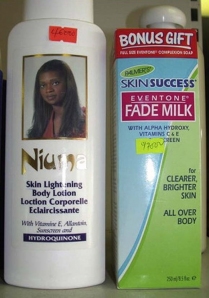
Foreign-made skin-lightening creams, found to contain toxic levels of mercury, are poisoning users as well as the people they live with, according to a report from the Centers for Disease Control and Prevention.
The CDC identified a Mexican-made cream as the likely source of mercury exposure in 22 people in 5 households in California and Virginia. While previous cases have shown similar levels of mercury exposure from skin-lightening creams, this is the first instance where exposure has been measured in non-users, according to the CDC. The non-labeled creams contained 2%-5.7% mercury.
Among the sample, 15 people aged 8 months to 67 years had elevated urinary mercury concentrations (9 users and 6 non-users). Non-users were exposed to the mercury through contact with cream users or with contaminated household items, the CDC said. Younger children, compared with older children, had much higher concentrations.
While 15 people had elevated mercury levels, only 6 (all users) exhibited symptoms of mercury exposure. Users of the skin-lightening creams said they had used it as an acne treatment, for skin-lightening, and to fade freckles.
Although mercury-containing creams are banned by the Food and Drug Administration, high levels of mercury have been found in foreign-made skin-lightening creams across the country, including Chicago, New York, Minnesota, and Baltimore.
In 2010, an FDA spokesperson told the Chicago Tribune that with fewer than 500 inspectors dedicated to reviewing imports, banned items often get through. The The FDA could not comment before press time.
The CDC advised clinicians who recognize mercury toxicity to consider mercury-containing creams as a possible cause, even for children. Consult a medical toxicologist before beginning treatment.
—Frances Correa (@FMCReporting on Twitter)
Foreign-made skin-lightening creams, found to contain toxic levels of mercury, are poisoning users as well as the people they live with, according to a report from the Centers for Disease Control and Prevention.
The CDC identified a Mexican-made cream as the likely source of mercury exposure in 22 people in 5 households in California and Virginia. While previous cases have shown similar levels of mercury exposure from skin-lightening creams, this is the first instance where exposure has been measured in non-users, according to the CDC. The non-labeled creams contained 2%-5.7% mercury.
Among the sample, 15 people aged 8 months to 67 years had elevated urinary mercury concentrations (9 users and 6 non-users). Non-users were exposed to the mercury through contact with cream users or with contaminated household items, the CDC said. Younger children, compared with older children, had much higher concentrations.
While 15 people had elevated mercury levels, only 6 (all users) exhibited symptoms of mercury exposure. Users of the skin-lightening creams said they had used it as an acne treatment, for skin-lightening, and to fade freckles.
Although mercury-containing creams are banned by the Food and Drug Administration, high levels of mercury have been found in foreign-made skin-lightening creams across the country, including Chicago, New York, Minnesota, and Baltimore.
In 2010, an FDA spokesperson told the Chicago Tribune that with fewer than 500 inspectors dedicated to reviewing imports, banned items often get through. The The FDA could not comment before press time.
The CDC advised clinicians who recognize mercury toxicity to consider mercury-containing creams as a possible cause, even for children. Consult a medical toxicologist before beginning treatment.
—Frances Correa (@FMCReporting on Twitter)
Foreign-made skin-lightening creams, found to contain toxic levels of mercury, are poisoning users as well as the people they live with, according to a report from the Centers for Disease Control and Prevention.
The CDC identified a Mexican-made cream as the likely source of mercury exposure in 22 people in 5 households in California and Virginia. While previous cases have shown similar levels of mercury exposure from skin-lightening creams, this is the first instance where exposure has been measured in non-users, according to the CDC. The non-labeled creams contained 2%-5.7% mercury.
Among the sample, 15 people aged 8 months to 67 years had elevated urinary mercury concentrations (9 users and 6 non-users). Non-users were exposed to the mercury through contact with cream users or with contaminated household items, the CDC said. Younger children, compared with older children, had much higher concentrations.
While 15 people had elevated mercury levels, only 6 (all users) exhibited symptoms of mercury exposure. Users of the skin-lightening creams said they had used it as an acne treatment, for skin-lightening, and to fade freckles.
Although mercury-containing creams are banned by the Food and Drug Administration, high levels of mercury have been found in foreign-made skin-lightening creams across the country, including Chicago, New York, Minnesota, and Baltimore.
In 2010, an FDA spokesperson told the Chicago Tribune that with fewer than 500 inspectors dedicated to reviewing imports, banned items often get through. The The FDA could not comment before press time.
The CDC advised clinicians who recognize mercury toxicity to consider mercury-containing creams as a possible cause, even for children. Consult a medical toxicologist before beginning treatment.
—Frances Correa (@FMCReporting on Twitter)
Fat Transplantation's Mechanism of Action Remains Elusive
LAS VEGAS – Even though transplantation of fat harvested by cannulas has been performed for almost 3 decades, its precise mechanism of action remains elusive.
"One must admit that so far lipostructuring still has to do more with art than with science," Dr. Giovanni Botti said at the annual meeting of the American Academy of Cosmetic Surgery. In many respects, "we haven’t yet come out of the Middle Ages of subjective and empirical opinions."

Despite the relative lack of objective data to support its use, Dr. Botti, a plastic surgeon based in Lake Garda, Italy, has been performing fat transplantation for 25 years. In his opinion, the procedure "can certainly be considered a therapy of first choice in the treatment of soft tissue hypotrophy, as well as for the correction of tropism disorders such as radionecrosis and burns. It is not clear, though, how to obtain consistently positive and long-lasting results."
This begs the question, he continued: If you were to biopsy the area where fat had been injected 1 year earlier, would you be looking at the same fat that was injected, or is it a brand new pad "rebuilt" by the stem cells and modulated by the growing factors present in the grafted material? If the latter hypothesis is true, "how can the stem cells in the grafted fat promote the growth of exactly the wished for amount of fat?" Dr. Botti said. "Why should it take the desired shape? Could the mass on injected tissue serve as a temporary matrix, used by stem cells as a pattern to form their ‘fat net’?"
He speculated that the fat found after 1 year could be composed of fat that was originally injected, as well as stem cells. The stem cells "promote angiogenesis, which would help adipocytes to survive. We can nowadays only make hypotheses that need to be confirmed by further research."
In the meantime, what really matters is achieving the maximum taking rate during fat transplantation, he said. "Very satisfying" results can be achieved in volume restoration and soft tissue regeneration.
The best treatment for the harvested fat prior to injection remains a matter of debate. Recent research suggests that adding stem cells, insulin, the coenzyme Q-10, and platelet rich plasma may favor survival rates, "though no one has yet been able to provide any evidence," he said. "For sure, stem cells can enhance the local blood supply and release growth factors to help the healing process. Thus, theoretically, the graft survival rate is improved. For this reason nowadays regenerative cell enriched fat is increasingly used within various indications."

Beginning in 1985, Dr. Botti treated aspirated fat by "washing," decantation, and strainer filtration. Fifteen years later he switched to using a centrifuge, but after about 1 year of using it, "I realized I wasn’t getting any better results than by means of filtration," he said. "I therefore went back to my previous technique."
In 2007, Dr. Botti and his associates carried out a study of 32 patients undergoing fat transplantation in the face. They injected one side of the face with centrifuged fat, and the other side with filtrate fat. The patients were observed at postoperative day 10 and after 2 and 6 months. "We didn’t notice any difference between the side into which filtered fat was injected and [the side] treated with centrifuged fat," he said. "Therefore, we came to the conclusion that the way fat is treated does not affect the taking rate, assuming that the ‘cleaning’ was in all cases delicate and complete. And I am deeply sorry for those, like me, who have spent a few thousand euros to buy a centrifuge."
He noted that Cytori Therapeutics’ PureGraft sterile plastic bag is a promising new tool for preparing fat prior to transplantation. It is a closed system which allows clinicians to manually separate fat tissue from blood, saline, and other materials. "We will be able to judge its effectiveness in a couple of years," he said.
Dr. Botti said that he had no relevant financial disclosures to make.
LAS VEGAS – Even though transplantation of fat harvested by cannulas has been performed for almost 3 decades, its precise mechanism of action remains elusive.
"One must admit that so far lipostructuring still has to do more with art than with science," Dr. Giovanni Botti said at the annual meeting of the American Academy of Cosmetic Surgery. In many respects, "we haven’t yet come out of the Middle Ages of subjective and empirical opinions."
Despite the relative lack of objective data to support its use, Dr. Botti, a plastic surgeon based in Lake Garda, Italy, has been performing fat transplantation for 25 years. In his opinion, the procedure "can certainly be considered a therapy of first choice in the treatment of soft tissue hypotrophy, as well as for the correction of tropism disorders such as radionecrosis and burns. It is not clear, though, how to obtain consistently positive and long-lasting results."
This begs the question, he continued: If you were to biopsy the area where fat had been injected 1 year earlier, would you be looking at the same fat that was injected, or is it a brand new pad "rebuilt" by the stem cells and modulated by the growing factors present in the grafted material? If the latter hypothesis is true, "how can the stem cells in the grafted fat promote the growth of exactly the wished for amount of fat?" Dr. Botti said. "Why should it take the desired shape? Could the mass on injected tissue serve as a temporary matrix, used by stem cells as a pattern to form their ‘fat net’?"
He speculated that the fat found after 1 year could be composed of fat that was originally injected, as well as stem cells. The stem cells "promote angiogenesis, which would help adipocytes to survive. We can nowadays only make hypotheses that need to be confirmed by further research."
In the meantime, what really matters is achieving the maximum taking rate during fat transplantation, he said. "Very satisfying" results can be achieved in volume restoration and soft tissue regeneration.
The best treatment for the harvested fat prior to injection remains a matter of debate. Recent research suggests that adding stem cells, insulin, the coenzyme Q-10, and platelet rich plasma may favor survival rates, "though no one has yet been able to provide any evidence," he said. "For sure, stem cells can enhance the local blood supply and release growth factors to help the healing process. Thus, theoretically, the graft survival rate is improved. For this reason nowadays regenerative cell enriched fat is increasingly used within various indications."
Beginning in 1985, Dr. Botti treated aspirated fat by "washing," decantation, and strainer filtration. Fifteen years later he switched to using a centrifuge, but after about 1 year of using it, "I realized I wasn’t getting any better results than by means of filtration," he said. "I therefore went back to my previous technique."
In 2007, Dr. Botti and his associates carried out a study of 32 patients undergoing fat transplantation in the face. They injected one side of the face with centrifuged fat, and the other side with filtrate fat. The patients were observed at postoperative day 10 and after 2 and 6 months. "We didn’t notice any difference between the side into which filtered fat was injected and [the side] treated with centrifuged fat," he said. "Therefore, we came to the conclusion that the way fat is treated does not affect the taking rate, assuming that the ‘cleaning’ was in all cases delicate and complete. And I am deeply sorry for those, like me, who have spent a few thousand euros to buy a centrifuge."
He noted that Cytori Therapeutics’ PureGraft sterile plastic bag is a promising new tool for preparing fat prior to transplantation. It is a closed system which allows clinicians to manually separate fat tissue from blood, saline, and other materials. "We will be able to judge its effectiveness in a couple of years," he said.
Dr. Botti said that he had no relevant financial disclosures to make.
LAS VEGAS – Even though transplantation of fat harvested by cannulas has been performed for almost 3 decades, its precise mechanism of action remains elusive.
"One must admit that so far lipostructuring still has to do more with art than with science," Dr. Giovanni Botti said at the annual meeting of the American Academy of Cosmetic Surgery. In many respects, "we haven’t yet come out of the Middle Ages of subjective and empirical opinions."
Despite the relative lack of objective data to support its use, Dr. Botti, a plastic surgeon based in Lake Garda, Italy, has been performing fat transplantation for 25 years. In his opinion, the procedure "can certainly be considered a therapy of first choice in the treatment of soft tissue hypotrophy, as well as for the correction of tropism disorders such as radionecrosis and burns. It is not clear, though, how to obtain consistently positive and long-lasting results."
This begs the question, he continued: If you were to biopsy the area where fat had been injected 1 year earlier, would you be looking at the same fat that was injected, or is it a brand new pad "rebuilt" by the stem cells and modulated by the growing factors present in the grafted material? If the latter hypothesis is true, "how can the stem cells in the grafted fat promote the growth of exactly the wished for amount of fat?" Dr. Botti said. "Why should it take the desired shape? Could the mass on injected tissue serve as a temporary matrix, used by stem cells as a pattern to form their ‘fat net’?"
He speculated that the fat found after 1 year could be composed of fat that was originally injected, as well as stem cells. The stem cells "promote angiogenesis, which would help adipocytes to survive. We can nowadays only make hypotheses that need to be confirmed by further research."
In the meantime, what really matters is achieving the maximum taking rate during fat transplantation, he said. "Very satisfying" results can be achieved in volume restoration and soft tissue regeneration.
The best treatment for the harvested fat prior to injection remains a matter of debate. Recent research suggests that adding stem cells, insulin, the coenzyme Q-10, and platelet rich plasma may favor survival rates, "though no one has yet been able to provide any evidence," he said. "For sure, stem cells can enhance the local blood supply and release growth factors to help the healing process. Thus, theoretically, the graft survival rate is improved. For this reason nowadays regenerative cell enriched fat is increasingly used within various indications."
Beginning in 1985, Dr. Botti treated aspirated fat by "washing," decantation, and strainer filtration. Fifteen years later he switched to using a centrifuge, but after about 1 year of using it, "I realized I wasn’t getting any better results than by means of filtration," he said. "I therefore went back to my previous technique."
In 2007, Dr. Botti and his associates carried out a study of 32 patients undergoing fat transplantation in the face. They injected one side of the face with centrifuged fat, and the other side with filtrate fat. The patients were observed at postoperative day 10 and after 2 and 6 months. "We didn’t notice any difference between the side into which filtered fat was injected and [the side] treated with centrifuged fat," he said. "Therefore, we came to the conclusion that the way fat is treated does not affect the taking rate, assuming that the ‘cleaning’ was in all cases delicate and complete. And I am deeply sorry for those, like me, who have spent a few thousand euros to buy a centrifuge."
He noted that Cytori Therapeutics’ PureGraft sterile plastic bag is a promising new tool for preparing fat prior to transplantation. It is a closed system which allows clinicians to manually separate fat tissue from blood, saline, and other materials. "We will be able to judge its effectiveness in a couple of years," he said.
Dr. Botti said that he had no relevant financial disclosures to make.
EXPERT ANALYSIS FROM THE ANNUAL MEETING OF THE AMERICAN ACADEMY OF COSMETIC SURGERY
Skin of Color: Masking Imperfections
Psychological distress from dyspigmentation in skin of color is highly prevalent. Disorders of pigmentation such as vitiligo have a significant impact on a patient’s quality of life. Similarly, in skin of color patients, melasma, acne scars, and post-inflammatory hypo- and hyperpigmentation are often hard to treat.
Skin camouflage is a great way to help patients overcome the distress of their pigmentary disorders. However, I have found in my practice that patients under use these masking products.
Once they are on board, remind patients that there is a big difference between over-the-counter corrective makeup and skin camouflage products. For instance, skin camouflage products are designed to last 8-16 hours and are significantly water resistant. They are also more durable, blend better with natural skin tone, and last longer than OTC corrective makeup.
The products are applied by blending a fine layer of camouflage cream followed by a setting powder.Standard makeup and sunscreen can then be applied over the camouflage products.
Choosing the right brand can be confusing to patients. Several lines of products can be bought at department stores and through mail order. And each brand varies in texture, durability, coverage, sun protection, and color.
In the U.S. many department stores carry skin camouflage brands. Although these products reside in the "cosmetic" section, they are not referred to as makeup, so as not to create distress for patients who do not normally wear cosmetics.
In my experience Dermablend, Covermark, and Dermacolor work well. However, there are several other brands available to experiment with.
I encourage my patients with dyspigmentation to look into these well-developed camouflage products. Often times I encourage testing of the product on their skin by an experienced company representative.
Understanding the art of skin camouflage can help many of our patients cover their skin imperfections and regain their self-confidence.
-Lily Talakoub, M.D.
Psychological distress from dyspigmentation in skin of color is highly prevalent. Disorders of pigmentation such as vitiligo have a significant impact on a patient’s quality of life. Similarly, in skin of color patients, melasma, acne scars, and post-inflammatory hypo- and hyperpigmentation are often hard to treat.
Skin camouflage is a great way to help patients overcome the distress of their pigmentary disorders. However, I have found in my practice that patients under use these masking products.
Once they are on board, remind patients that there is a big difference between over-the-counter corrective makeup and skin camouflage products. For instance, skin camouflage products are designed to last 8-16 hours and are significantly water resistant. They are also more durable, blend better with natural skin tone, and last longer than OTC corrective makeup.
The products are applied by blending a fine layer of camouflage cream followed by a setting powder.Standard makeup and sunscreen can then be applied over the camouflage products.
Choosing the right brand can be confusing to patients. Several lines of products can be bought at department stores and through mail order. And each brand varies in texture, durability, coverage, sun protection, and color.
In the U.S. many department stores carry skin camouflage brands. Although these products reside in the "cosmetic" section, they are not referred to as makeup, so as not to create distress for patients who do not normally wear cosmetics.
In my experience Dermablend, Covermark, and Dermacolor work well. However, there are several other brands available to experiment with.
I encourage my patients with dyspigmentation to look into these well-developed camouflage products. Often times I encourage testing of the product on their skin by an experienced company representative.
Understanding the art of skin camouflage can help many of our patients cover their skin imperfections and regain their self-confidence.
-Lily Talakoub, M.D.
Psychological distress from dyspigmentation in skin of color is highly prevalent. Disorders of pigmentation such as vitiligo have a significant impact on a patient’s quality of life. Similarly, in skin of color patients, melasma, acne scars, and post-inflammatory hypo- and hyperpigmentation are often hard to treat.
Skin camouflage is a great way to help patients overcome the distress of their pigmentary disorders. However, I have found in my practice that patients under use these masking products.
Once they are on board, remind patients that there is a big difference between over-the-counter corrective makeup and skin camouflage products. For instance, skin camouflage products are designed to last 8-16 hours and are significantly water resistant. They are also more durable, blend better with natural skin tone, and last longer than OTC corrective makeup.
The products are applied by blending a fine layer of camouflage cream followed by a setting powder.Standard makeup and sunscreen can then be applied over the camouflage products.
Choosing the right brand can be confusing to patients. Several lines of products can be bought at department stores and through mail order. And each brand varies in texture, durability, coverage, sun protection, and color.
In the U.S. many department stores carry skin camouflage brands. Although these products reside in the "cosmetic" section, they are not referred to as makeup, so as not to create distress for patients who do not normally wear cosmetics.
In my experience Dermablend, Covermark, and Dermacolor work well. However, there are several other brands available to experiment with.
I encourage my patients with dyspigmentation to look into these well-developed camouflage products. Often times I encourage testing of the product on their skin by an experienced company representative.
Understanding the art of skin camouflage can help many of our patients cover their skin imperfections and regain their self-confidence.
-Lily Talakoub, M.D.
Steps to Enhance Your Injectables Practice
Making Your Office 'The Best in Town'
LAS VEGAS – One day, a delivery driver made a routine stop at the Richmond, Va.–based office of cosmetic facial surgeon Joseph Niamtu III, D.M.D., and made memorable remarks to the front office staff.
"He said, ‘I love coming in here,’ " Dr. Niamtu recalled at the annual meeting of the American Academy of Cosmetic Surgery. " 'It’s warm in here, it smells good, and it's a fun atmosphere; is a radiant, welcoming and energized atmosphere, which is very refreshing compared to most other doctor offices I visit.’ Now that’s a compliment. If you don’t feel that you have the best office in town, then you should send your patients to somebody down the street."

During a presentation about the essentials to marketing a cosmetic surgery practice, Dr. Niamtu said that in its purest form, marketing "begins with you and your staff. It’s really about what you say and what you do, and how your office runs. A huge marketing budget cannot compensate for arrogant or rude doctors and staff. The first step in marketing is to treat people better than anybody else."
While he noted that there is no one-size-fits-all approach to marketing, he shared tips that helped him transition from a full-time oral and maxillofacial surgery practice to a full-time facial cosmetic surgery practice in 2004.
• Hire a marketing professional. "Even if you’re just starting out and your marketing budget is $200, you’ve got to have a plan," Dr. Niamtu said. Early each January he meets with his marketing representative to plan events for the entire year – including print ads, television ads, radio spots, and speaking engagements – all while being mindful of his target market, which he described as "women with money and wrinkles. This is planned out for 12 months. I wasn’t doing this 12 years ago." Now, he said, his annual marketing budget is 10% of his production.
• Create a way for people to remember you. Marketing "is creating a brand and a way to stand out from the crowd," he said. "Branding is consistency. We have postage stamps with our logo on it. And I have a trademark: ‘Making Virginia more beautiful ... one face at a time.’ That’s copyrighted, so nobody else can use that."
• Have interactive components on your website. Dr. Niamtu said that three features drive people to his website, www.lovethatface.com: a section called "Ask Dr. Joe," where visitors can leave a question for him, a tab that allows visitors to request a consultation, and a blog that he writes and strives to keep fresh.
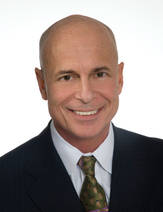
"Every day I get 20 or 30 people from all over the world asking about a procedure," he said of the "Ask Dr. Joe" section of his website. "If you do this, you’ve got to be able to answer within a day. It’s weird, but globally, if you talk to somebody you create a bond."
• Include plenty of before and after pictures on your website. When Dr. Niamtu asks new patients why they chose to visit his practice, many tell him it’s because his website contains so many before and after pictures of patients treated by him. "I have more than 6,600 before and after pictures on my website," he said. "Some of my competitors have three Facebook pictures."
Dr. Niamtu said that he had no relevant financial conflicts to disclose.
LAS VEGAS – One day, a delivery driver made a routine stop at the Richmond, Va.–based office of cosmetic facial surgeon Joseph Niamtu III, D.M.D., and made memorable remarks to the front office staff.
"He said, ‘I love coming in here,’ " Dr. Niamtu recalled at the annual meeting of the American Academy of Cosmetic Surgery. " 'It’s warm in here, it smells good, and it's a fun atmosphere; is a radiant, welcoming and energized atmosphere, which is very refreshing compared to most other doctor offices I visit.’ Now that’s a compliment. If you don’t feel that you have the best office in town, then you should send your patients to somebody down the street."
During a presentation about the essentials to marketing a cosmetic surgery practice, Dr. Niamtu said that in its purest form, marketing "begins with you and your staff. It’s really about what you say and what you do, and how your office runs. A huge marketing budget cannot compensate for arrogant or rude doctors and staff. The first step in marketing is to treat people better than anybody else."
While he noted that there is no one-size-fits-all approach to marketing, he shared tips that helped him transition from a full-time oral and maxillofacial surgery practice to a full-time facial cosmetic surgery practice in 2004.
• Hire a marketing professional. "Even if you’re just starting out and your marketing budget is $200, you’ve got to have a plan," Dr. Niamtu said. Early each January he meets with his marketing representative to plan events for the entire year – including print ads, television ads, radio spots, and speaking engagements – all while being mindful of his target market, which he described as "women with money and wrinkles. This is planned out for 12 months. I wasn’t doing this 12 years ago." Now, he said, his annual marketing budget is 10% of his production.
• Create a way for people to remember you. Marketing "is creating a brand and a way to stand out from the crowd," he said. "Branding is consistency. We have postage stamps with our logo on it. And I have a trademark: ‘Making Virginia more beautiful ... one face at a time.’ That’s copyrighted, so nobody else can use that."
• Have interactive components on your website. Dr. Niamtu said that three features drive people to his website, www.lovethatface.com: a section called "Ask Dr. Joe," where visitors can leave a question for him, a tab that allows visitors to request a consultation, and a blog that he writes and strives to keep fresh.
"Every day I get 20 or 30 people from all over the world asking about a procedure," he said of the "Ask Dr. Joe" section of his website. "If you do this, you’ve got to be able to answer within a day. It’s weird, but globally, if you talk to somebody you create a bond."
• Include plenty of before and after pictures on your website. When Dr. Niamtu asks new patients why they chose to visit his practice, many tell him it’s because his website contains so many before and after pictures of patients treated by him. "I have more than 6,600 before and after pictures on my website," he said. "Some of my competitors have three Facebook pictures."
Dr. Niamtu said that he had no relevant financial conflicts to disclose.
LAS VEGAS – One day, a delivery driver made a routine stop at the Richmond, Va.–based office of cosmetic facial surgeon Joseph Niamtu III, D.M.D., and made memorable remarks to the front office staff.
"He said, ‘I love coming in here,’ " Dr. Niamtu recalled at the annual meeting of the American Academy of Cosmetic Surgery. " 'It’s warm in here, it smells good, and it's a fun atmosphere; is a radiant, welcoming and energized atmosphere, which is very refreshing compared to most other doctor offices I visit.’ Now that’s a compliment. If you don’t feel that you have the best office in town, then you should send your patients to somebody down the street."
During a presentation about the essentials to marketing a cosmetic surgery practice, Dr. Niamtu said that in its purest form, marketing "begins with you and your staff. It’s really about what you say and what you do, and how your office runs. A huge marketing budget cannot compensate for arrogant or rude doctors and staff. The first step in marketing is to treat people better than anybody else."
While he noted that there is no one-size-fits-all approach to marketing, he shared tips that helped him transition from a full-time oral and maxillofacial surgery practice to a full-time facial cosmetic surgery practice in 2004.
• Hire a marketing professional. "Even if you’re just starting out and your marketing budget is $200, you’ve got to have a plan," Dr. Niamtu said. Early each January he meets with his marketing representative to plan events for the entire year – including print ads, television ads, radio spots, and speaking engagements – all while being mindful of his target market, which he described as "women with money and wrinkles. This is planned out for 12 months. I wasn’t doing this 12 years ago." Now, he said, his annual marketing budget is 10% of his production.
• Create a way for people to remember you. Marketing "is creating a brand and a way to stand out from the crowd," he said. "Branding is consistency. We have postage stamps with our logo on it. And I have a trademark: ‘Making Virginia more beautiful ... one face at a time.’ That’s copyrighted, so nobody else can use that."
• Have interactive components on your website. Dr. Niamtu said that three features drive people to his website, www.lovethatface.com: a section called "Ask Dr. Joe," where visitors can leave a question for him, a tab that allows visitors to request a consultation, and a blog that he writes and strives to keep fresh.
"Every day I get 20 or 30 people from all over the world asking about a procedure," he said of the "Ask Dr. Joe" section of his website. "If you do this, you’ve got to be able to answer within a day. It’s weird, but globally, if you talk to somebody you create a bond."
• Include plenty of before and after pictures on your website. When Dr. Niamtu asks new patients why they chose to visit his practice, many tell him it’s because his website contains so many before and after pictures of patients treated by him. "I have more than 6,600 before and after pictures on my website," he said. "Some of my competitors have three Facebook pictures."
Dr. Niamtu said that he had no relevant financial conflicts to disclose.
FROM THE ANNUAL MEETING OF THE AMERICAN ACADEMY OF COSMETIC SURGERY
New Jersey Repeals "BoTax"
New Jersey Governor Chris Christie (R) has signed a bill that repeals the state’s so-called "BoTax." The bill (S-1988/A-3646) phases out a 6% tax on gross receipts from cosmetic procedures that was instituted in 2004. Examples of procedures that were taxable included cosmetic surgery, hair transplants, cosmetic injections, cosmetic soft tissue fillers, dermabrasion, chemical peels, laser hair removal, laser skin resurfacing, laser treatment of leg veins, sclerotherapy, and cosmetic dentistry.

The tax will be lowered to 4% on March 1 and to 2% on July 1, and will be completely eliminated as of July 1, 2013. The state was collecting about $11 million a year from the tax. The collections were put into a fund for medical care for the poor. A previous effort to repeal the tax was vetoed by former Governor Jon Corzine (D).
New Jersey Governor Chris Christie (R) has signed a bill that repeals the state’s so-called "BoTax." The bill (S-1988/A-3646) phases out a 6% tax on gross receipts from cosmetic procedures that was instituted in 2004. Examples of procedures that were taxable included cosmetic surgery, hair transplants, cosmetic injections, cosmetic soft tissue fillers, dermabrasion, chemical peels, laser hair removal, laser skin resurfacing, laser treatment of leg veins, sclerotherapy, and cosmetic dentistry.
The tax will be lowered to 4% on March 1 and to 2% on July 1, and will be completely eliminated as of July 1, 2013. The state was collecting about $11 million a year from the tax. The collections were put into a fund for medical care for the poor. A previous effort to repeal the tax was vetoed by former Governor Jon Corzine (D).
New Jersey Governor Chris Christie (R) has signed a bill that repeals the state’s so-called "BoTax." The bill (S-1988/A-3646) phases out a 6% tax on gross receipts from cosmetic procedures that was instituted in 2004. Examples of procedures that were taxable included cosmetic surgery, hair transplants, cosmetic injections, cosmetic soft tissue fillers, dermabrasion, chemical peels, laser hair removal, laser skin resurfacing, laser treatment of leg veins, sclerotherapy, and cosmetic dentistry.
The tax will be lowered to 4% on March 1 and to 2% on July 1, and will be completely eliminated as of July 1, 2013. The state was collecting about $11 million a year from the tax. The collections were put into a fund for medical care for the poor. A previous effort to repeal the tax was vetoed by former Governor Jon Corzine (D).
Skin Cancer Tops Malpractice Claims in Florida
ORLANDO – A higher than expected number of malpractice claims related to dermatologic surgery and treatment of psoriasis – as well as relatively few related to cosmetic dermatology were among the surprises revealed in a review of closed malpractice claims in Florida.
"There is a significant risk of malpractice actions in dermatology and dermatologic surgery," Dr. Ferdinand F. Becker said at the meeting. "Dermatologic surgeons would be well advised to be vigilant in diagnosis and appropriate treatment with the goal of avoiding complications at all cost."
General Dermatology Claims
Of 180 claims against dermatologists and dermatologic surgeons over a decade, 43 claims or 24% involved a general dermatology treatment. Of these, "44% were adjudicated or settled in favor of the plaintiff and 56% in favor of the defendant, so we came out better there," Dr. Becker said.
A total of 18 cases were adjudicated or settled in favor of the plaintiff – including 2 settled for an unknown amount. The largest settlement, $1 million, went to a patient who complained of meningoencephalitis and cerebral palsy secondary to failure to diagnose herpes simplex virus (conjunctival herpes simplex virus was the initial diagnosis). "This was the biggest claim in the whole shooting match," Dr. Becker said.
Another 25 of the general dermatology cases were decided or settled for the defendant physician, including 22 suits dropped by the plaintiff. Of the three remaining cases, two were summary judgments for the defendant and one judgment awarded the physician $50,000. In this case, the plaintiff had claimed avascular necrosis from treatment of chronic dermatitis with long-term steroid therapy.
Of note, a failure to diagnose Lyme disease when a patient presented with a rash of the axilla and groin resulted in a judgment for the plaintiff for $20,000, Dr. Becker said.
Psoriasis Claims
Dr. Becker identified seven claims involving psoriasis when he culled through the closed claims data from Florida’s Office of Insurance Regulation from January 2000 to December 2009. "I made a separate category for psoriasis because ... treatment of psoriasis is particularly problematic in general dermatology."
Four psoriasis treatment claims were settled in favor of the plaintiff from $500 to $250,000. The largest settlement involved a complaint of Stevens-Johnson syndrome with skin sloughing, oozing, and weeping sores resulting from methotrexate treatment. The defendant physician prevailed in three other cases – two dropped lawsuits and one summary judgment in which the patient had claimed steroids used to treat psoriasis had caused osteoporosis.
Cosmetic Dermatology Claims
A total of 28 claims or 16% involved cosmetic dermatology procedures. Outcomes were approximately split, with 54% adjudicated or settled in favor of the plaintiff and 46% in favor of the defendant.
"The majority were cases of laser hair removal," said Dr. Becker, a facial plastic surgeon and otolaryngologist in private practice in Vero Beach, Fla. Twelve of the 17 claims for laser hair removal were settled for the plaintiff for $2,500-$90,000. The biggest settlement followed a complaint of depigmentation and scarring related to laser hair removal. The remaining five laser cases involved complaints of burning, scarring, and/or pigmentary changes and were subsequently dropped by the plaintiff.
Dr, Becker found five suits involving Botox and filler treatments, each dropped by the plaintiff in favor of the defendant. Three plaintiffs claimed adverse reactions, one was unhappy with results, and one "patient left unattended after treatment, fell to the floor and broke three teeth, injured jaw, and cut lip."
Based on this lower number of malpractice claims, Botox and filler treatment "appears to be quite safe," Dr. Becker said.
The cosmetic dermatology category also included three claims involving liposuction, two settled in favor of the plaintiff and the other – a patient unhappy with abdominal liposuction results – dropped.
There was also a case involving sclerotherapy settled for $13,195 in favor of the plaintiff. The patient in this case claimed chronic ulceration resulting from treatment of spider veins.
A claim of pain, suffering, and a need for reconstructive surgery associated with a blepharoplasty resulted in a settlement of $100,000 for the plaintiff. Another suit, filed after a chemical facial peel, alleged facial burns and scarring ensued when the physician’s aesthetician acted outside the scope of her job.
Skin Cancer Claims
The highest percentage of claims in Florida (57%) involved skin cancer diagnosis and treatment. Of these, 57% were settled or adjudicated in favor of the plaintiff, 35% in favor of the defendant, and 8% were settled out of court for an unknown amount.
The greatest amount paid for non-melanoma skin cancer, $500,000, involved a patient treated with a biopsy and excision of a basal cell carcinoma on the upper lip. The patient filed suit, claiming they had to be referred for Mohs surgery and then experienced extensive scarring.
This and 19 other non-melanoma skin cancer malpractice claims were settled in favor of the plaintiff; 3 resulted in summary judgments for the defendant; 8 were settled out of court; and 15 suits were dropped by the plaintiff in favor of the physician defendant.
Melanoma diagnosis and/or treatment were cited in 17 malpractice cases. The second largest settlement to a plaintiff (out of the 180 cases reported) was $900,000 to a patient with malignant melanoma who had a biopsy but no pathology results or other follow-up. This and six other melanoma cases were settled in favor of the plaintiff. One case went to court and the plaintiff received $679,000 for severe scarring of his/her back related to malignant melanoma.
Another four melanoma cases were settled for an unknown amount and five claims were dropped by the plaintiff in favor of the defendant.
Mohs Surgery Claims
Mohs surgery comprised another major category with 29 malpractice claims. The largest settlement for a plaintiff was $875,000, stemming from Mohs surgery to remove a tumor from the arm. The patient lost the arm and claimed the dermatologic surgeon failed to diagnose malignant fibrous histiocytoma.
Two Mohs surgery claims were adjudicated as summary judgments for the defendant. Another ten cases were suits dropped by the plaintiff in favor of the defendant physician.
"This is the opposite of what I expected. I thought there would be more cases in the cosmetic derm area and less in derm surgery," Dr. Terry Cronin Jr., a private practice dermatologist in Melbourne, Fla., said during a Q and A session.
"I was surprised about this, too," Dr. Becker replied.
Overall, only 11 of the 180 closed claims actually went to court. Dr. Becker said, "The large majority [eight of these] were settled by the court with a summary judgment. This is the best news."
A meeting attendee asked if it is better to be direct with the patient or to call a lawyer if something does not go well. Dr. Becker replied: "Talking to your patient directly is a good idea and talking to your lawyer is also a good idea."
Dr. Becker said he had no relevant financial disclosures.
ORLANDO – A higher than expected number of malpractice claims related to dermatologic surgery and treatment of psoriasis – as well as relatively few related to cosmetic dermatology were among the surprises revealed in a review of closed malpractice claims in Florida.
"There is a significant risk of malpractice actions in dermatology and dermatologic surgery," Dr. Ferdinand F. Becker said at the meeting. "Dermatologic surgeons would be well advised to be vigilant in diagnosis and appropriate treatment with the goal of avoiding complications at all cost."
General Dermatology Claims
Of 180 claims against dermatologists and dermatologic surgeons over a decade, 43 claims or 24% involved a general dermatology treatment. Of these, "44% were adjudicated or settled in favor of the plaintiff and 56% in favor of the defendant, so we came out better there," Dr. Becker said.
A total of 18 cases were adjudicated or settled in favor of the plaintiff – including 2 settled for an unknown amount. The largest settlement, $1 million, went to a patient who complained of meningoencephalitis and cerebral palsy secondary to failure to diagnose herpes simplex virus (conjunctival herpes simplex virus was the initial diagnosis). "This was the biggest claim in the whole shooting match," Dr. Becker said.
Another 25 of the general dermatology cases were decided or settled for the defendant physician, including 22 suits dropped by the plaintiff. Of the three remaining cases, two were summary judgments for the defendant and one judgment awarded the physician $50,000. In this case, the plaintiff had claimed avascular necrosis from treatment of chronic dermatitis with long-term steroid therapy.
Of note, a failure to diagnose Lyme disease when a patient presented with a rash of the axilla and groin resulted in a judgment for the plaintiff for $20,000, Dr. Becker said.
Psoriasis Claims
Dr. Becker identified seven claims involving psoriasis when he culled through the closed claims data from Florida’s Office of Insurance Regulation from January 2000 to December 2009. "I made a separate category for psoriasis because ... treatment of psoriasis is particularly problematic in general dermatology."
Four psoriasis treatment claims were settled in favor of the plaintiff from $500 to $250,000. The largest settlement involved a complaint of Stevens-Johnson syndrome with skin sloughing, oozing, and weeping sores resulting from methotrexate treatment. The defendant physician prevailed in three other cases – two dropped lawsuits and one summary judgment in which the patient had claimed steroids used to treat psoriasis had caused osteoporosis.
Cosmetic Dermatology Claims
A total of 28 claims or 16% involved cosmetic dermatology procedures. Outcomes were approximately split, with 54% adjudicated or settled in favor of the plaintiff and 46% in favor of the defendant.
"The majority were cases of laser hair removal," said Dr. Becker, a facial plastic surgeon and otolaryngologist in private practice in Vero Beach, Fla. Twelve of the 17 claims for laser hair removal were settled for the plaintiff for $2,500-$90,000. The biggest settlement followed a complaint of depigmentation and scarring related to laser hair removal. The remaining five laser cases involved complaints of burning, scarring, and/or pigmentary changes and were subsequently dropped by the plaintiff.
Dr, Becker found five suits involving Botox and filler treatments, each dropped by the plaintiff in favor of the defendant. Three plaintiffs claimed adverse reactions, one was unhappy with results, and one "patient left unattended after treatment, fell to the floor and broke three teeth, injured jaw, and cut lip."
Based on this lower number of malpractice claims, Botox and filler treatment "appears to be quite safe," Dr. Becker said.
The cosmetic dermatology category also included three claims involving liposuction, two settled in favor of the plaintiff and the other – a patient unhappy with abdominal liposuction results – dropped.
There was also a case involving sclerotherapy settled for $13,195 in favor of the plaintiff. The patient in this case claimed chronic ulceration resulting from treatment of spider veins.
A claim of pain, suffering, and a need for reconstructive surgery associated with a blepharoplasty resulted in a settlement of $100,000 for the plaintiff. Another suit, filed after a chemical facial peel, alleged facial burns and scarring ensued when the physician’s aesthetician acted outside the scope of her job.
Skin Cancer Claims
The highest percentage of claims in Florida (57%) involved skin cancer diagnosis and treatment. Of these, 57% were settled or adjudicated in favor of the plaintiff, 35% in favor of the defendant, and 8% were settled out of court for an unknown amount.
The greatest amount paid for non-melanoma skin cancer, $500,000, involved a patient treated with a biopsy and excision of a basal cell carcinoma on the upper lip. The patient filed suit, claiming they had to be referred for Mohs surgery and then experienced extensive scarring.
This and 19 other non-melanoma skin cancer malpractice claims were settled in favor of the plaintiff; 3 resulted in summary judgments for the defendant; 8 were settled out of court; and 15 suits were dropped by the plaintiff in favor of the physician defendant.
Melanoma diagnosis and/or treatment were cited in 17 malpractice cases. The second largest settlement to a plaintiff (out of the 180 cases reported) was $900,000 to a patient with malignant melanoma who had a biopsy but no pathology results or other follow-up. This and six other melanoma cases were settled in favor of the plaintiff. One case went to court and the plaintiff received $679,000 for severe scarring of his/her back related to malignant melanoma.
Another four melanoma cases were settled for an unknown amount and five claims were dropped by the plaintiff in favor of the defendant.
Mohs Surgery Claims
Mohs surgery comprised another major category with 29 malpractice claims. The largest settlement for a plaintiff was $875,000, stemming from Mohs surgery to remove a tumor from the arm. The patient lost the arm and claimed the dermatologic surgeon failed to diagnose malignant fibrous histiocytoma.
Two Mohs surgery claims were adjudicated as summary judgments for the defendant. Another ten cases were suits dropped by the plaintiff in favor of the defendant physician.
"This is the opposite of what I expected. I thought there would be more cases in the cosmetic derm area and less in derm surgery," Dr. Terry Cronin Jr., a private practice dermatologist in Melbourne, Fla., said during a Q and A session.
"I was surprised about this, too," Dr. Becker replied.
Overall, only 11 of the 180 closed claims actually went to court. Dr. Becker said, "The large majority [eight of these] were settled by the court with a summary judgment. This is the best news."
A meeting attendee asked if it is better to be direct with the patient or to call a lawyer if something does not go well. Dr. Becker replied: "Talking to your patient directly is a good idea and talking to your lawyer is also a good idea."
Dr. Becker said he had no relevant financial disclosures.
ORLANDO – A higher than expected number of malpractice claims related to dermatologic surgery and treatment of psoriasis – as well as relatively few related to cosmetic dermatology were among the surprises revealed in a review of closed malpractice claims in Florida.
"There is a significant risk of malpractice actions in dermatology and dermatologic surgery," Dr. Ferdinand F. Becker said at the meeting. "Dermatologic surgeons would be well advised to be vigilant in diagnosis and appropriate treatment with the goal of avoiding complications at all cost."
General Dermatology Claims
Of 180 claims against dermatologists and dermatologic surgeons over a decade, 43 claims or 24% involved a general dermatology treatment. Of these, "44% were adjudicated or settled in favor of the plaintiff and 56% in favor of the defendant, so we came out better there," Dr. Becker said.
A total of 18 cases were adjudicated or settled in favor of the plaintiff – including 2 settled for an unknown amount. The largest settlement, $1 million, went to a patient who complained of meningoencephalitis and cerebral palsy secondary to failure to diagnose herpes simplex virus (conjunctival herpes simplex virus was the initial diagnosis). "This was the biggest claim in the whole shooting match," Dr. Becker said.
Another 25 of the general dermatology cases were decided or settled for the defendant physician, including 22 suits dropped by the plaintiff. Of the three remaining cases, two were summary judgments for the defendant and one judgment awarded the physician $50,000. In this case, the plaintiff had claimed avascular necrosis from treatment of chronic dermatitis with long-term steroid therapy.
Of note, a failure to diagnose Lyme disease when a patient presented with a rash of the axilla and groin resulted in a judgment for the plaintiff for $20,000, Dr. Becker said.
Psoriasis Claims
Dr. Becker identified seven claims involving psoriasis when he culled through the closed claims data from Florida’s Office of Insurance Regulation from January 2000 to December 2009. "I made a separate category for psoriasis because ... treatment of psoriasis is particularly problematic in general dermatology."
Four psoriasis treatment claims were settled in favor of the plaintiff from $500 to $250,000. The largest settlement involved a complaint of Stevens-Johnson syndrome with skin sloughing, oozing, and weeping sores resulting from methotrexate treatment. The defendant physician prevailed in three other cases – two dropped lawsuits and one summary judgment in which the patient had claimed steroids used to treat psoriasis had caused osteoporosis.
Cosmetic Dermatology Claims
A total of 28 claims or 16% involved cosmetic dermatology procedures. Outcomes were approximately split, with 54% adjudicated or settled in favor of the plaintiff and 46% in favor of the defendant.
"The majority were cases of laser hair removal," said Dr. Becker, a facial plastic surgeon and otolaryngologist in private practice in Vero Beach, Fla. Twelve of the 17 claims for laser hair removal were settled for the plaintiff for $2,500-$90,000. The biggest settlement followed a complaint of depigmentation and scarring related to laser hair removal. The remaining five laser cases involved complaints of burning, scarring, and/or pigmentary changes and were subsequently dropped by the plaintiff.
Dr, Becker found five suits involving Botox and filler treatments, each dropped by the plaintiff in favor of the defendant. Three plaintiffs claimed adverse reactions, one was unhappy with results, and one "patient left unattended after treatment, fell to the floor and broke three teeth, injured jaw, and cut lip."
Based on this lower number of malpractice claims, Botox and filler treatment "appears to be quite safe," Dr. Becker said.
The cosmetic dermatology category also included three claims involving liposuction, two settled in favor of the plaintiff and the other – a patient unhappy with abdominal liposuction results – dropped.
There was also a case involving sclerotherapy settled for $13,195 in favor of the plaintiff. The patient in this case claimed chronic ulceration resulting from treatment of spider veins.
A claim of pain, suffering, and a need for reconstructive surgery associated with a blepharoplasty resulted in a settlement of $100,000 for the plaintiff. Another suit, filed after a chemical facial peel, alleged facial burns and scarring ensued when the physician’s aesthetician acted outside the scope of her job.
Skin Cancer Claims
The highest percentage of claims in Florida (57%) involved skin cancer diagnosis and treatment. Of these, 57% were settled or adjudicated in favor of the plaintiff, 35% in favor of the defendant, and 8% were settled out of court for an unknown amount.
The greatest amount paid for non-melanoma skin cancer, $500,000, involved a patient treated with a biopsy and excision of a basal cell carcinoma on the upper lip. The patient filed suit, claiming they had to be referred for Mohs surgery and then experienced extensive scarring.
This and 19 other non-melanoma skin cancer malpractice claims were settled in favor of the plaintiff; 3 resulted in summary judgments for the defendant; 8 were settled out of court; and 15 suits were dropped by the plaintiff in favor of the physician defendant.
Melanoma diagnosis and/or treatment were cited in 17 malpractice cases. The second largest settlement to a plaintiff (out of the 180 cases reported) was $900,000 to a patient with malignant melanoma who had a biopsy but no pathology results or other follow-up. This and six other melanoma cases were settled in favor of the plaintiff. One case went to court and the plaintiff received $679,000 for severe scarring of his/her back related to malignant melanoma.
Another four melanoma cases were settled for an unknown amount and five claims were dropped by the plaintiff in favor of the defendant.
Mohs Surgery Claims
Mohs surgery comprised another major category with 29 malpractice claims. The largest settlement for a plaintiff was $875,000, stemming from Mohs surgery to remove a tumor from the arm. The patient lost the arm and claimed the dermatologic surgeon failed to diagnose malignant fibrous histiocytoma.
Two Mohs surgery claims were adjudicated as summary judgments for the defendant. Another ten cases were suits dropped by the plaintiff in favor of the defendant physician.
"This is the opposite of what I expected. I thought there would be more cases in the cosmetic derm area and less in derm surgery," Dr. Terry Cronin Jr., a private practice dermatologist in Melbourne, Fla., said during a Q and A session.
"I was surprised about this, too," Dr. Becker replied.
Overall, only 11 of the 180 closed claims actually went to court. Dr. Becker said, "The large majority [eight of these] were settled by the court with a summary judgment. This is the best news."
A meeting attendee asked if it is better to be direct with the patient or to call a lawyer if something does not go well. Dr. Becker replied: "Talking to your patient directly is a good idea and talking to your lawyer is also a good idea."
Dr. Becker said he had no relevant financial disclosures.
FROM THE ANNUAL MEETING OF THE FLORIDA SOCIETY OF DERMATOLOGIC SURGEONS
Major Finding: Skin cancer diagnosis and treatment led malpractice claims against dermatologists in Florida, accounting for 57% of 180 lawsuits.
Data Source: Review of malpractice claims reported to Florida’s Office of Insurance Regulation from January 2000 to December 2009.
Disclosures: Dr. Becker said that he had no relevant disclosures.
Botulinum Toxin Helps Soften Pucker Lines
Patients who don’t like the vertical lines that form above the lips when they pucker up may benefit from botulinum toxin injections.
"Many patients look at themselves in the morning and they’re not concerned about lip volume, but they’re concerned about these radiating lines that go around their mouth. We call this the ‘bar code,’ " Dr. Joel L. Cohen said.
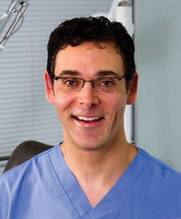
These patients may complain of radiating lines when the mouth is animated, of lipstick bleeding out from the lips, or of a hollowed look around the mouth. The injection of botulinum toxin into the orbicularis oris muscles can "soften" the columns that appear when the mouth moves, he said at the annual meeting of the American Society of Cosmetic Dermatology and Aesthetic Surgery in Las Vegas.
He and his associates compared two doses of onabotulinumtoxinA (Botox) to treat the bar code in a recent study of 60 patients. To make the comparison, the investigators first developed three photographic scales for classifying aesthetic features of the perioral area; they presented the scales in a poster at the 2011 meeting of the American Society for Dermatologic Surgery. The scale used in this study assigns a severity grade of none, mild, moderate, or severe vertical lip-line attributes when the lips are at maximum contraction.
All patients had moderate or severe vertical perioral lines at maximum lip contraction before being randomized to receive either 7.5 U or 12 U of Botox in a blinded fashion. Results were assessed for 53 patients at 4 weeks and for 51 patients at 12 weeks. In the 7.5-U group, moderate or severe perioral lines were seen in 15 of 28 patients who had 4 weeks of follow-up (54%) and in 21 of 25 patients who had 12 weeks of follow-up (84%). In the 12-U group, 9 of 25 patients with 4 weeks of follow-up had moderate to severe perioral lines (36%), as did 11 of 26 patients with 12 weeks of follow-up (42%).
Results in either group tended to dissipate by 12-16 weeks of follow-up. As expected, the rate and duration of adverse events were higher in the group that got 12 U of Botox.
"It really convinced us that low-dose botulinum toxin – in this case, it was Botox at 7.5 U – can have a durable response for about 12-16 weeks," said Dr. Cohen, who practices dermatology and dermatologic surgery in Englewood and Lone Tree, Colo.
The safety assessment included 59 patients who had at least one follow-up visit or reported an adverse event. Treatment-related adverse events were seen in 13 of 30 patients in the 7.5-U group (43%) and 18 of 29 patients in the 12-U group (62%). The treatment-related adverse events tended to resolve faster in the 7.5-U group, he said. Five patients in the 12-U group who had mild or moderate adverse events required follow-up, compared with no patients in the 7.5-U group.
In regular daily clinical practice, Dr. Cohen tends to use a total of 6-10 U around the mouth, treating both the upper- and lower-lip regions because patients say they feel "a little bit funny" if only the upper lip area is treated. He injects using BD Medical’s 31-gauge, short-hub needle, inserting it about a third of the way into the skin to stay superficial, he said.
In addition to affecting perioral lines, the injections produce what appears to be a pseudoaugmentation of the upper lip in some patients, although he is unable to predict which patients will have that reaction. "I don’t think we have a great understanding of that," he said.
When they get informed consent for Botox injections to treat vertical lip lines, dermatologists should warn patients that the treatment may affect their ability to whistle, drink from a straw, purse their lips, or enunciate the letters "P" and "B," he said. Dr. Cohen avoids this treatment in patients for whom these effects may be important, such as singers, woodwind instrument players, broadcast journalists, and scuba divers.
Some dermatologists have shied away from using onabotulinumtoxinA in the lower face after having had unsatisfactory experiences in some cases. "Understanding the anatomy is absolutely critical to success," Dr. Cohen said. "I hope that with this type of precise [anatomical] knowledge, people will give lower-face [onabotulinumtoxinA] another try."
The use of onabotulinumtoxinA in the lower face, in combination with fillers or with laser- or light-based treatments, "may be very, very helpful," he added. Botox alone would not be the primary treatment, for example, in a patient who has significant vertical lines above the upper lip when the mouth is at rest.
A small trial by South American investigators evaluated 12 women and suggested that injecting the orbicularis oris muscle with onabotulinumtoxinA 1 week before treating upper-lip vertical rhytides with trichloroacetic acid and dermasanding improved results (Dermatol. Surg. 2007;33:1066-72).
Dr. Cohen has been a consultant or researcher for Allergan, Medicis, Johnson & Johnson/Mentor, and Merz.
Patients who don’t like the vertical lines that form above the lips when they pucker up may benefit from botulinum toxin injections.
"Many patients look at themselves in the morning and they’re not concerned about lip volume, but they’re concerned about these radiating lines that go around their mouth. We call this the ‘bar code,’ " Dr. Joel L. Cohen said.
These patients may complain of radiating lines when the mouth is animated, of lipstick bleeding out from the lips, or of a hollowed look around the mouth. The injection of botulinum toxin into the orbicularis oris muscles can "soften" the columns that appear when the mouth moves, he said at the annual meeting of the American Society of Cosmetic Dermatology and Aesthetic Surgery in Las Vegas.
He and his associates compared two doses of onabotulinumtoxinA (Botox) to treat the bar code in a recent study of 60 patients. To make the comparison, the investigators first developed three photographic scales for classifying aesthetic features of the perioral area; they presented the scales in a poster at the 2011 meeting of the American Society for Dermatologic Surgery. The scale used in this study assigns a severity grade of none, mild, moderate, or severe vertical lip-line attributes when the lips are at maximum contraction.
All patients had moderate or severe vertical perioral lines at maximum lip contraction before being randomized to receive either 7.5 U or 12 U of Botox in a blinded fashion. Results were assessed for 53 patients at 4 weeks and for 51 patients at 12 weeks. In the 7.5-U group, moderate or severe perioral lines were seen in 15 of 28 patients who had 4 weeks of follow-up (54%) and in 21 of 25 patients who had 12 weeks of follow-up (84%). In the 12-U group, 9 of 25 patients with 4 weeks of follow-up had moderate to severe perioral lines (36%), as did 11 of 26 patients with 12 weeks of follow-up (42%).
Results in either group tended to dissipate by 12-16 weeks of follow-up. As expected, the rate and duration of adverse events were higher in the group that got 12 U of Botox.
"It really convinced us that low-dose botulinum toxin – in this case, it was Botox at 7.5 U – can have a durable response for about 12-16 weeks," said Dr. Cohen, who practices dermatology and dermatologic surgery in Englewood and Lone Tree, Colo.
The safety assessment included 59 patients who had at least one follow-up visit or reported an adverse event. Treatment-related adverse events were seen in 13 of 30 patients in the 7.5-U group (43%) and 18 of 29 patients in the 12-U group (62%). The treatment-related adverse events tended to resolve faster in the 7.5-U group, he said. Five patients in the 12-U group who had mild or moderate adverse events required follow-up, compared with no patients in the 7.5-U group.
In regular daily clinical practice, Dr. Cohen tends to use a total of 6-10 U around the mouth, treating both the upper- and lower-lip regions because patients say they feel "a little bit funny" if only the upper lip area is treated. He injects using BD Medical’s 31-gauge, short-hub needle, inserting it about a third of the way into the skin to stay superficial, he said.
In addition to affecting perioral lines, the injections produce what appears to be a pseudoaugmentation of the upper lip in some patients, although he is unable to predict which patients will have that reaction. "I don’t think we have a great understanding of that," he said.
When they get informed consent for Botox injections to treat vertical lip lines, dermatologists should warn patients that the treatment may affect their ability to whistle, drink from a straw, purse their lips, or enunciate the letters "P" and "B," he said. Dr. Cohen avoids this treatment in patients for whom these effects may be important, such as singers, woodwind instrument players, broadcast journalists, and scuba divers.
Some dermatologists have shied away from using onabotulinumtoxinA in the lower face after having had unsatisfactory experiences in some cases. "Understanding the anatomy is absolutely critical to success," Dr. Cohen said. "I hope that with this type of precise [anatomical] knowledge, people will give lower-face [onabotulinumtoxinA] another try."
The use of onabotulinumtoxinA in the lower face, in combination with fillers or with laser- or light-based treatments, "may be very, very helpful," he added. Botox alone would not be the primary treatment, for example, in a patient who has significant vertical lines above the upper lip when the mouth is at rest.
A small trial by South American investigators evaluated 12 women and suggested that injecting the orbicularis oris muscle with onabotulinumtoxinA 1 week before treating upper-lip vertical rhytides with trichloroacetic acid and dermasanding improved results (Dermatol. Surg. 2007;33:1066-72).
Dr. Cohen has been a consultant or researcher for Allergan, Medicis, Johnson & Johnson/Mentor, and Merz.
Patients who don’t like the vertical lines that form above the lips when they pucker up may benefit from botulinum toxin injections.
"Many patients look at themselves in the morning and they’re not concerned about lip volume, but they’re concerned about these radiating lines that go around their mouth. We call this the ‘bar code,’ " Dr. Joel L. Cohen said.
These patients may complain of radiating lines when the mouth is animated, of lipstick bleeding out from the lips, or of a hollowed look around the mouth. The injection of botulinum toxin into the orbicularis oris muscles can "soften" the columns that appear when the mouth moves, he said at the annual meeting of the American Society of Cosmetic Dermatology and Aesthetic Surgery in Las Vegas.
He and his associates compared two doses of onabotulinumtoxinA (Botox) to treat the bar code in a recent study of 60 patients. To make the comparison, the investigators first developed three photographic scales for classifying aesthetic features of the perioral area; they presented the scales in a poster at the 2011 meeting of the American Society for Dermatologic Surgery. The scale used in this study assigns a severity grade of none, mild, moderate, or severe vertical lip-line attributes when the lips are at maximum contraction.
All patients had moderate or severe vertical perioral lines at maximum lip contraction before being randomized to receive either 7.5 U or 12 U of Botox in a blinded fashion. Results were assessed for 53 patients at 4 weeks and for 51 patients at 12 weeks. In the 7.5-U group, moderate or severe perioral lines were seen in 15 of 28 patients who had 4 weeks of follow-up (54%) and in 21 of 25 patients who had 12 weeks of follow-up (84%). In the 12-U group, 9 of 25 patients with 4 weeks of follow-up had moderate to severe perioral lines (36%), as did 11 of 26 patients with 12 weeks of follow-up (42%).
Results in either group tended to dissipate by 12-16 weeks of follow-up. As expected, the rate and duration of adverse events were higher in the group that got 12 U of Botox.
"It really convinced us that low-dose botulinum toxin – in this case, it was Botox at 7.5 U – can have a durable response for about 12-16 weeks," said Dr. Cohen, who practices dermatology and dermatologic surgery in Englewood and Lone Tree, Colo.
The safety assessment included 59 patients who had at least one follow-up visit or reported an adverse event. Treatment-related adverse events were seen in 13 of 30 patients in the 7.5-U group (43%) and 18 of 29 patients in the 12-U group (62%). The treatment-related adverse events tended to resolve faster in the 7.5-U group, he said. Five patients in the 12-U group who had mild or moderate adverse events required follow-up, compared with no patients in the 7.5-U group.
In regular daily clinical practice, Dr. Cohen tends to use a total of 6-10 U around the mouth, treating both the upper- and lower-lip regions because patients say they feel "a little bit funny" if only the upper lip area is treated. He injects using BD Medical’s 31-gauge, short-hub needle, inserting it about a third of the way into the skin to stay superficial, he said.
In addition to affecting perioral lines, the injections produce what appears to be a pseudoaugmentation of the upper lip in some patients, although he is unable to predict which patients will have that reaction. "I don’t think we have a great understanding of that," he said.
When they get informed consent for Botox injections to treat vertical lip lines, dermatologists should warn patients that the treatment may affect their ability to whistle, drink from a straw, purse their lips, or enunciate the letters "P" and "B," he said. Dr. Cohen avoids this treatment in patients for whom these effects may be important, such as singers, woodwind instrument players, broadcast journalists, and scuba divers.
Some dermatologists have shied away from using onabotulinumtoxinA in the lower face after having had unsatisfactory experiences in some cases. "Understanding the anatomy is absolutely critical to success," Dr. Cohen said. "I hope that with this type of precise [anatomical] knowledge, people will give lower-face [onabotulinumtoxinA] another try."
The use of onabotulinumtoxinA in the lower face, in combination with fillers or with laser- or light-based treatments, "may be very, very helpful," he added. Botox alone would not be the primary treatment, for example, in a patient who has significant vertical lines above the upper lip when the mouth is at rest.
A small trial by South American investigators evaluated 12 women and suggested that injecting the orbicularis oris muscle with onabotulinumtoxinA 1 week before treating upper-lip vertical rhytides with trichloroacetic acid and dermasanding improved results (Dermatol. Surg. 2007;33:1066-72).
Dr. Cohen has been a consultant or researcher for Allergan, Medicis, Johnson & Johnson/Mentor, and Merz.
EXPERT ANALYSIS FROM THE ANNUAL MEETING OF THE AMERICAN SOCIETY OF COSMETIC DERMATOLOGY AND AESTHETIC SURGERY
Blog: Top Five Most Watched Dermatology Videos
What were dermatologists watching from Skin & Allergy News in 2011? Here's the top five countdown.
5. New Drugs Help Melanoma Patients Live Longer: Dr. Lynn Schuchter puts the studies, which were presented at the 2011 ASCO Annual Meeting in Chicago, in perspective and offers advice to physicians.
4. Laviv May Offer Longer-Term Acne Scarring Tx: Azficel-T, an autologous cellular product, produced significant improvement in acne scarring, compared with placebo, according to study results reported at the annual meeting of the American Society for Dermatologic Surgery. Laviv was approved by the FDA earlier this year for treating wrinkles. We interviewed Dr. Girish Munavalli, a study investigator, at the meeting.
3. How to ID and Treat Fire Ant Bites: Dr. Ronald Rapini offered advice on recognizing and treating fire ant bites at the American Academy of Dermatology's Summer Academy meeting in New York.
2. Eczema and Food Allergies Often Go Hand and Hand: Dr. Lawrence Eichenfield talked about atopic dermatitis, food allergies, and national guidelines at the American Academy of Dermatology's Summer Academy meeting in New York.
Drum roll please…
1. Gel Nail Polish: The Painted Truth: Dr. Richard K. Scher discussed the dangers of gel nail polish, and also gave tips to share with patients on how to have a safe experience at the nail salon at the American Academy of Dermatology's Summer Academy meeting in New York.
What were dermatologists watching from Skin & Allergy News in 2011? Here's the top five countdown.
5. New Drugs Help Melanoma Patients Live Longer: Dr. Lynn Schuchter puts the studies, which were presented at the 2011 ASCO Annual Meeting in Chicago, in perspective and offers advice to physicians.
4. Laviv May Offer Longer-Term Acne Scarring Tx: Azficel-T, an autologous cellular product, produced significant improvement in acne scarring, compared with placebo, according to study results reported at the annual meeting of the American Society for Dermatologic Surgery. Laviv was approved by the FDA earlier this year for treating wrinkles. We interviewed Dr. Girish Munavalli, a study investigator, at the meeting.
3. How to ID and Treat Fire Ant Bites: Dr. Ronald Rapini offered advice on recognizing and treating fire ant bites at the American Academy of Dermatology's Summer Academy meeting in New York.
2. Eczema and Food Allergies Often Go Hand and Hand: Dr. Lawrence Eichenfield talked about atopic dermatitis, food allergies, and national guidelines at the American Academy of Dermatology's Summer Academy meeting in New York.
Drum roll please…
1. Gel Nail Polish: The Painted Truth: Dr. Richard K. Scher discussed the dangers of gel nail polish, and also gave tips to share with patients on how to have a safe experience at the nail salon at the American Academy of Dermatology's Summer Academy meeting in New York.
What were dermatologists watching from Skin & Allergy News in 2011? Here's the top five countdown.
5. New Drugs Help Melanoma Patients Live Longer: Dr. Lynn Schuchter puts the studies, which were presented at the 2011 ASCO Annual Meeting in Chicago, in perspective and offers advice to physicians.
4. Laviv May Offer Longer-Term Acne Scarring Tx: Azficel-T, an autologous cellular product, produced significant improvement in acne scarring, compared with placebo, according to study results reported at the annual meeting of the American Society for Dermatologic Surgery. Laviv was approved by the FDA earlier this year for treating wrinkles. We interviewed Dr. Girish Munavalli, a study investigator, at the meeting.
3. How to ID and Treat Fire Ant Bites: Dr. Ronald Rapini offered advice on recognizing and treating fire ant bites at the American Academy of Dermatology's Summer Academy meeting in New York.
2. Eczema and Food Allergies Often Go Hand and Hand: Dr. Lawrence Eichenfield talked about atopic dermatitis, food allergies, and national guidelines at the American Academy of Dermatology's Summer Academy meeting in New York.
Drum roll please…
1. Gel Nail Polish: The Painted Truth: Dr. Richard K. Scher discussed the dangers of gel nail polish, and also gave tips to share with patients on how to have a safe experience at the nail salon at the American Academy of Dermatology's Summer Academy meeting in New York.
Stop Extending Credit!: The Skinny Podcast
In this month's podcast, Reporter Jeff Evans interviews several office-based dermatologists to get their opinion on the iPLEDGE program. Reporter Heidi Splete reviews Dr. Joseph S. Eastern's most popular "Managing Your Dermatology Practice" column on why you should stop extending credit. And Reporter Sherry Boschert talks with Dr. Neil Sadick on how lasers are revolutionizing leg vein treatment.
In this month's Cosmetic Counter segment Dr. Lily Talakoub discusses mineral makeup's effect on acne. And last but not least, Dr. Alan Rockoff shares a story about how being honest on your taxes can garner new patients.
Don't miss another episode of The Skinny Podcast; subscribe on iTunes!
In this month's podcast, Reporter Jeff Evans interviews several office-based dermatologists to get their opinion on the iPLEDGE program. Reporter Heidi Splete reviews Dr. Joseph S. Eastern's most popular "Managing Your Dermatology Practice" column on why you should stop extending credit. And Reporter Sherry Boschert talks with Dr. Neil Sadick on how lasers are revolutionizing leg vein treatment.
In this month's Cosmetic Counter segment Dr. Lily Talakoub discusses mineral makeup's effect on acne. And last but not least, Dr. Alan Rockoff shares a story about how being honest on your taxes can garner new patients.
Don't miss another episode of The Skinny Podcast; subscribe on iTunes!
In this month's podcast, Reporter Jeff Evans interviews several office-based dermatologists to get their opinion on the iPLEDGE program. Reporter Heidi Splete reviews Dr. Joseph S. Eastern's most popular "Managing Your Dermatology Practice" column on why you should stop extending credit. And Reporter Sherry Boschert talks with Dr. Neil Sadick on how lasers are revolutionizing leg vein treatment.
In this month's Cosmetic Counter segment Dr. Lily Talakoub discusses mineral makeup's effect on acne. And last but not least, Dr. Alan Rockoff shares a story about how being honest on your taxes can garner new patients.
Don't miss another episode of The Skinny Podcast; subscribe on iTunes!