User login
Vehicle Selection Is Key to Topically Treating Psoriasis
RIO GRANDE, P.R. – When it comes to treating psoriasis patients with topical products, the location of the psoriasis helps determine the best vehicle for delivery, according to Dr. Eric W. Baum.
Some topical therapies work well when used alone, while others are more effective in combination with other products, Dr. Baum said at the annual Caribbean Dermatology Symposium. But the success of any topical psoriasis therapy depends on the vehicle, and the right vehicle varies for each patient.
"The vehicle can greatly influence percutaneous absorption and therefore increase therapeutic efficacy," said Dr. Baum of the University of Alabama at Birmingham.
"Topical psoriasis treatment is quite interesting, because there are so many different choices," said Dr. Baum. "I might use a foam on the hands because it is less sticky; I’ll use sprays with different types of nozzles to penetrate areas that are hard to reach."
Vehicle options for topical psoriasis therapy include cream, ointment, tape, gel, lotion, aerosol spray, foam, solution, shampoo, powder, and oil.
There is no silver bullet when it comes to psoriasis, but topical therapy remains many dermatologists’ first choice for initial treatment, noted Dr. Baum, who shared recent data on three products.
Foam
In a phase III study, clobetasol propionate 0.05% foam (Olux-E, Stiefel) significantly improved erythema, scaling, and plaque thickness in patients with mild to moderate plaque psoriasis after 2 weeks of use, compared with control foam. Based on these findings, the foam is considered to be safe for use in mild to moderate psoriasis patients aged 12 years and older, said Dr. Baum.
In a previous unpublished, company-funded study of Olux-E for moderate to severe atopic dermatitis, patients rated several cosmetic qualities of the foam higher than for other vehicles, including the ability to be easily spread, ease of application, quick absorption, lack of fragrance, and lack of residue, he noted.
Spray
Sprays can be an excellent choice for the scalp or other hairy areas, said Dr. Baum.
In an open-label noncomparator study of triamcinolone acetonide 0.2% spray (Kenalog, Bristol-Myers Squibb) for steroid-responsive dermatoses, 85% of 39 patients reported improvement after 7 days of use. In addition, 95% of patients said they preferred the spray over creams and ointments, 92% said they would request the spray for future use, and more than half reported satisfaction with the cooling effects of the spray (J. Clin. Aesthet. Dermatol. 2010;3:27-31).
The study also found that patients who applied the spray twice daily for scalp or leg psoriasis showed visible improvements after 1 week, suggesting that the long nozzle associated with the spray vehicle allowed for better penetration, said Dr. Baum.
Cream
For large areas of dermatoses, a biphasic cream may be particularly effective, according to Dr. Baum. He and his colleagues studied the effectiveness and patient acceptance of halcinonide 0.1% (Halog, Ranbaxy) for treating large, steroid-responsive dermatoses (J. Clin. Aesthet. Dermatol. 2011;4:29-33).
At baseline, 40 patients aged 23-85 years were diagnosed with moderate to severe dermatoses, and 83% had psoriasis (2 patients were lost to follow-up). After 28 days of treatment with halcinonide cream, 47% of patients were clear or almost clear, said Dr. Baum. And of equal importance, the vehicle was popular with patients; 95% said they "liked the way the product spread on the skin," Dr. Baum said. In addition, 87% said they would ask for the same cream again for another skin problem.
"Halog cream has been around for many years" but physicians may not realize that it is a biphasic cream, said Dr. Baum. "The biphasic cream allows penetration of the medication immediately, and then a delayed response."
When treating psoriasis topically, don’t forget to consider the potency of the product. "If you use a high-potency product in certain areas, you will have a greater risk of some of the adverse side effects of topical corticosteroids that none of us want," said Dr. Baum. It is important to consider these different factors when choosing a topical psoriasis product for a particular location.
Dr. Baum has served as an advisory board member, speaker, investigator, or consultant for Amgen, DUSA, Galderma, GlaxoSmithKline (Stiefel), Intendis (Bayer), Merz, and Ranbaxy.
RIO GRANDE, P.R. – When it comes to treating psoriasis patients with topical products, the location of the psoriasis helps determine the best vehicle for delivery, according to Dr. Eric W. Baum.
Some topical therapies work well when used alone, while others are more effective in combination with other products, Dr. Baum said at the annual Caribbean Dermatology Symposium. But the success of any topical psoriasis therapy depends on the vehicle, and the right vehicle varies for each patient.
"The vehicle can greatly influence percutaneous absorption and therefore increase therapeutic efficacy," said Dr. Baum of the University of Alabama at Birmingham.
"Topical psoriasis treatment is quite interesting, because there are so many different choices," said Dr. Baum. "I might use a foam on the hands because it is less sticky; I’ll use sprays with different types of nozzles to penetrate areas that are hard to reach."
Vehicle options for topical psoriasis therapy include cream, ointment, tape, gel, lotion, aerosol spray, foam, solution, shampoo, powder, and oil.
There is no silver bullet when it comes to psoriasis, but topical therapy remains many dermatologists’ first choice for initial treatment, noted Dr. Baum, who shared recent data on three products.
Foam
In a phase III study, clobetasol propionate 0.05% foam (Olux-E, Stiefel) significantly improved erythema, scaling, and plaque thickness in patients with mild to moderate plaque psoriasis after 2 weeks of use, compared with control foam. Based on these findings, the foam is considered to be safe for use in mild to moderate psoriasis patients aged 12 years and older, said Dr. Baum.
In a previous unpublished, company-funded study of Olux-E for moderate to severe atopic dermatitis, patients rated several cosmetic qualities of the foam higher than for other vehicles, including the ability to be easily spread, ease of application, quick absorption, lack of fragrance, and lack of residue, he noted.
Spray
Sprays can be an excellent choice for the scalp or other hairy areas, said Dr. Baum.
In an open-label noncomparator study of triamcinolone acetonide 0.2% spray (Kenalog, Bristol-Myers Squibb) for steroid-responsive dermatoses, 85% of 39 patients reported improvement after 7 days of use. In addition, 95% of patients said they preferred the spray over creams and ointments, 92% said they would request the spray for future use, and more than half reported satisfaction with the cooling effects of the spray (J. Clin. Aesthet. Dermatol. 2010;3:27-31).
The study also found that patients who applied the spray twice daily for scalp or leg psoriasis showed visible improvements after 1 week, suggesting that the long nozzle associated with the spray vehicle allowed for better penetration, said Dr. Baum.
Cream
For large areas of dermatoses, a biphasic cream may be particularly effective, according to Dr. Baum. He and his colleagues studied the effectiveness and patient acceptance of halcinonide 0.1% (Halog, Ranbaxy) for treating large, steroid-responsive dermatoses (J. Clin. Aesthet. Dermatol. 2011;4:29-33).
At baseline, 40 patients aged 23-85 years were diagnosed with moderate to severe dermatoses, and 83% had psoriasis (2 patients were lost to follow-up). After 28 days of treatment with halcinonide cream, 47% of patients were clear or almost clear, said Dr. Baum. And of equal importance, the vehicle was popular with patients; 95% said they "liked the way the product spread on the skin," Dr. Baum said. In addition, 87% said they would ask for the same cream again for another skin problem.
"Halog cream has been around for many years" but physicians may not realize that it is a biphasic cream, said Dr. Baum. "The biphasic cream allows penetration of the medication immediately, and then a delayed response."
When treating psoriasis topically, don’t forget to consider the potency of the product. "If you use a high-potency product in certain areas, you will have a greater risk of some of the adverse side effects of topical corticosteroids that none of us want," said Dr. Baum. It is important to consider these different factors when choosing a topical psoriasis product for a particular location.
Dr. Baum has served as an advisory board member, speaker, investigator, or consultant for Amgen, DUSA, Galderma, GlaxoSmithKline (Stiefel), Intendis (Bayer), Merz, and Ranbaxy.
RIO GRANDE, P.R. – When it comes to treating psoriasis patients with topical products, the location of the psoriasis helps determine the best vehicle for delivery, according to Dr. Eric W. Baum.
Some topical therapies work well when used alone, while others are more effective in combination with other products, Dr. Baum said at the annual Caribbean Dermatology Symposium. But the success of any topical psoriasis therapy depends on the vehicle, and the right vehicle varies for each patient.
"The vehicle can greatly influence percutaneous absorption and therefore increase therapeutic efficacy," said Dr. Baum of the University of Alabama at Birmingham.
"Topical psoriasis treatment is quite interesting, because there are so many different choices," said Dr. Baum. "I might use a foam on the hands because it is less sticky; I’ll use sprays with different types of nozzles to penetrate areas that are hard to reach."
Vehicle options for topical psoriasis therapy include cream, ointment, tape, gel, lotion, aerosol spray, foam, solution, shampoo, powder, and oil.
There is no silver bullet when it comes to psoriasis, but topical therapy remains many dermatologists’ first choice for initial treatment, noted Dr. Baum, who shared recent data on three products.
Foam
In a phase III study, clobetasol propionate 0.05% foam (Olux-E, Stiefel) significantly improved erythema, scaling, and plaque thickness in patients with mild to moderate plaque psoriasis after 2 weeks of use, compared with control foam. Based on these findings, the foam is considered to be safe for use in mild to moderate psoriasis patients aged 12 years and older, said Dr. Baum.
In a previous unpublished, company-funded study of Olux-E for moderate to severe atopic dermatitis, patients rated several cosmetic qualities of the foam higher than for other vehicles, including the ability to be easily spread, ease of application, quick absorption, lack of fragrance, and lack of residue, he noted.
Spray
Sprays can be an excellent choice for the scalp or other hairy areas, said Dr. Baum.
In an open-label noncomparator study of triamcinolone acetonide 0.2% spray (Kenalog, Bristol-Myers Squibb) for steroid-responsive dermatoses, 85% of 39 patients reported improvement after 7 days of use. In addition, 95% of patients said they preferred the spray over creams and ointments, 92% said they would request the spray for future use, and more than half reported satisfaction with the cooling effects of the spray (J. Clin. Aesthet. Dermatol. 2010;3:27-31).
The study also found that patients who applied the spray twice daily for scalp or leg psoriasis showed visible improvements after 1 week, suggesting that the long nozzle associated with the spray vehicle allowed for better penetration, said Dr. Baum.
Cream
For large areas of dermatoses, a biphasic cream may be particularly effective, according to Dr. Baum. He and his colleagues studied the effectiveness and patient acceptance of halcinonide 0.1% (Halog, Ranbaxy) for treating large, steroid-responsive dermatoses (J. Clin. Aesthet. Dermatol. 2011;4:29-33).
At baseline, 40 patients aged 23-85 years were diagnosed with moderate to severe dermatoses, and 83% had psoriasis (2 patients were lost to follow-up). After 28 days of treatment with halcinonide cream, 47% of patients were clear or almost clear, said Dr. Baum. And of equal importance, the vehicle was popular with patients; 95% said they "liked the way the product spread on the skin," Dr. Baum said. In addition, 87% said they would ask for the same cream again for another skin problem.
"Halog cream has been around for many years" but physicians may not realize that it is a biphasic cream, said Dr. Baum. "The biphasic cream allows penetration of the medication immediately, and then a delayed response."
When treating psoriasis topically, don’t forget to consider the potency of the product. "If you use a high-potency product in certain areas, you will have a greater risk of some of the adverse side effects of topical corticosteroids that none of us want," said Dr. Baum. It is important to consider these different factors when choosing a topical psoriasis product for a particular location.
Dr. Baum has served as an advisory board member, speaker, investigator, or consultant for Amgen, DUSA, Galderma, GlaxoSmithKline (Stiefel), Intendis (Bayer), Merz, and Ranbaxy.
EXPERT ANALYSIS FROM THE ANNUAL CARIBBEAN DERMATOLOGY SYMPOSIUM
Skin of Color: Dermatosis Papulosa Nigra Removal
Dermatosis papulosa nigra, also known as DPN, are small, soft brown papules that may occur on the face and neck of patients of African, Latin, Indian, or Asian descent. While they may not reach the size of their histologically similar seborrheic keratosis counterparts, the lesions do represent a sign of aging in darker skinned patients. However, the lesions can be safely, easily, and effectively removed.
Electrodesiccation with a hyfrecator or destruction with the KTP (532 nm) laser are my favorite methods for DPN removal. I prefer not to use curettage or cryotherapy because of the risk for dyspigmentation in darker skinned patients. Case reports of success with fractional photothermolyis (1,550 nm) and Nd:YAG lasers (1,064 nm) have been published.
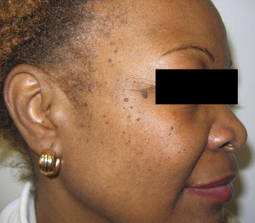
If electrodesiccation is performed, the application of topical anesthetic prior to the procedure helps make the patient more comfortable. For larger lesions, injection of 1% lidocaine with 1:100,000 epinephrine may be used.
Also, with electrodesiccation, conservative settings (0.6-2.0 W on the low setting) should be used; the lesions are desiccated using a blunt tip for a few seconds until they turn grayish.
Care is taken not to touch the surrounding skin. A sharp tip may be used with very small (less than 1 mm) lesions for more accurate precision. I wipe the tip from time to time with gauze to avoid char accumulation.
Larger or pedunculated lesions may be treated with electrodesiccation or snipped off with gradle scissors.
With the KTP laser, topical anesthesia is usually not required. I use a smaller spot size than the lesion itself to avoid targeting and potentially causing dyspigmentation of the surrounding skin.
A spot size of 1 mm is typically used, with 6-10 ms and 10-15 j/cm2. The laser tip is held approximately 1 cm away from the skin at a 90 degree angle. I start off with the lowest fluence and adjust it higher until the lesions turn grayish and a light popping sound is heard with the laser pulse.
A split-face study published in the American Journal of Dermatologic Surgery in 2009 showed that both electrodesiccation and KTP have comparable efficacy in removal of DPN. Without use of anesthetics, the KTP laser was preferred for patient comfort.
Immediately after treatment, patients can expect the treated lesions to become red and swollen - similar to insect bite reactions - for about an hour. Antibiotic ointment or aquaphor is applied to soothe the skin.
Patients are then told to leave the lesions alone, to avoid picking, and to avoid sun exposure. Patients are also advised to avoid alpha-hydroxy acids and other "anti-aging" products until healed. If the cheeks were treated, make-up (foundation, blush) may be applied in 3 to 4 days. Lesions typically fall off within a week.
If needed, repeat treatment may be performed in 2 to 4 weeks.
If you have any DPN removal tips, please feel free to share!
-Naissan Wesley, M.D.
Do you have questions about treating patients with darker skin? If so, send them to sknews@elsevier.com.
Dermatosis papulosa nigra, also known as DPN, are small, soft brown papules that may occur on the face and neck of patients of African, Latin, Indian, or Asian descent. While they may not reach the size of their histologically similar seborrheic keratosis counterparts, the lesions do represent a sign of aging in darker skinned patients. However, the lesions can be safely, easily, and effectively removed.
Electrodesiccation with a hyfrecator or destruction with the KTP (532 nm) laser are my favorite methods for DPN removal. I prefer not to use curettage or cryotherapy because of the risk for dyspigmentation in darker skinned patients. Case reports of success with fractional photothermolyis (1,550 nm) and Nd:YAG lasers (1,064 nm) have been published.
If electrodesiccation is performed, the application of topical anesthetic prior to the procedure helps make the patient more comfortable. For larger lesions, injection of 1% lidocaine with 1:100,000 epinephrine may be used.
Also, with electrodesiccation, conservative settings (0.6-2.0 W on the low setting) should be used; the lesions are desiccated using a blunt tip for a few seconds until they turn grayish.
Care is taken not to touch the surrounding skin. A sharp tip may be used with very small (less than 1 mm) lesions for more accurate precision. I wipe the tip from time to time with gauze to avoid char accumulation.
Larger or pedunculated lesions may be treated with electrodesiccation or snipped off with gradle scissors.
With the KTP laser, topical anesthesia is usually not required. I use a smaller spot size than the lesion itself to avoid targeting and potentially causing dyspigmentation of the surrounding skin.
A spot size of 1 mm is typically used, with 6-10 ms and 10-15 j/cm2. The laser tip is held approximately 1 cm away from the skin at a 90 degree angle. I start off with the lowest fluence and adjust it higher until the lesions turn grayish and a light popping sound is heard with the laser pulse.
A split-face study published in the American Journal of Dermatologic Surgery in 2009 showed that both electrodesiccation and KTP have comparable efficacy in removal of DPN. Without use of anesthetics, the KTP laser was preferred for patient comfort.
Immediately after treatment, patients can expect the treated lesions to become red and swollen - similar to insect bite reactions - for about an hour. Antibiotic ointment or aquaphor is applied to soothe the skin.
Patients are then told to leave the lesions alone, to avoid picking, and to avoid sun exposure. Patients are also advised to avoid alpha-hydroxy acids and other "anti-aging" products until healed. If the cheeks were treated, make-up (foundation, blush) may be applied in 3 to 4 days. Lesions typically fall off within a week.
If needed, repeat treatment may be performed in 2 to 4 weeks.
If you have any DPN removal tips, please feel free to share!
-Naissan Wesley, M.D.
Do you have questions about treating patients with darker skin? If so, send them to sknews@elsevier.com.
Dermatosis papulosa nigra, also known as DPN, are small, soft brown papules that may occur on the face and neck of patients of African, Latin, Indian, or Asian descent. While they may not reach the size of their histologically similar seborrheic keratosis counterparts, the lesions do represent a sign of aging in darker skinned patients. However, the lesions can be safely, easily, and effectively removed.
Electrodesiccation with a hyfrecator or destruction with the KTP (532 nm) laser are my favorite methods for DPN removal. I prefer not to use curettage or cryotherapy because of the risk for dyspigmentation in darker skinned patients. Case reports of success with fractional photothermolyis (1,550 nm) and Nd:YAG lasers (1,064 nm) have been published.
If electrodesiccation is performed, the application of topical anesthetic prior to the procedure helps make the patient more comfortable. For larger lesions, injection of 1% lidocaine with 1:100,000 epinephrine may be used.
Also, with electrodesiccation, conservative settings (0.6-2.0 W on the low setting) should be used; the lesions are desiccated using a blunt tip for a few seconds until they turn grayish.
Care is taken not to touch the surrounding skin. A sharp tip may be used with very small (less than 1 mm) lesions for more accurate precision. I wipe the tip from time to time with gauze to avoid char accumulation.
Larger or pedunculated lesions may be treated with electrodesiccation or snipped off with gradle scissors.
With the KTP laser, topical anesthesia is usually not required. I use a smaller spot size than the lesion itself to avoid targeting and potentially causing dyspigmentation of the surrounding skin.
A spot size of 1 mm is typically used, with 6-10 ms and 10-15 j/cm2. The laser tip is held approximately 1 cm away from the skin at a 90 degree angle. I start off with the lowest fluence and adjust it higher until the lesions turn grayish and a light popping sound is heard with the laser pulse.
A split-face study published in the American Journal of Dermatologic Surgery in 2009 showed that both electrodesiccation and KTP have comparable efficacy in removal of DPN. Without use of anesthetics, the KTP laser was preferred for patient comfort.
Immediately after treatment, patients can expect the treated lesions to become red and swollen - similar to insect bite reactions - for about an hour. Antibiotic ointment or aquaphor is applied to soothe the skin.
Patients are then told to leave the lesions alone, to avoid picking, and to avoid sun exposure. Patients are also advised to avoid alpha-hydroxy acids and other "anti-aging" products until healed. If the cheeks were treated, make-up (foundation, blush) may be applied in 3 to 4 days. Lesions typically fall off within a week.
If needed, repeat treatment may be performed in 2 to 4 weeks.
If you have any DPN removal tips, please feel free to share!
-Naissan Wesley, M.D.
Do you have questions about treating patients with darker skin? If so, send them to sknews@elsevier.com.
Mole Picking Lorikeets: The Skinny Podcast
In this month's podcast, Reporter Naseem Miller talks with Dr. Terry Cronin about a research review of medical malpractice claims filed in Florida. The findings may surprise you.
Reporter Heidi Splete chats with Dr. Doris Hexel about why when it comes to injections, less is more in the lower face.

And Reporter Jeff Evans covers a shocking finding: many melanoma survivors aren't using sunscreen.
In this month's Cosmetic Counter segment, Dr. Lily Talakoub discusses the effectiveness of anti-aging products.
And last but not least, Dr. Alan Rockoff shares a story about mole picking lorikeets.
Don't miss another episode of The Skinny Podcast; subscribe on iTunes!
In this month's podcast, Reporter Naseem Miller talks with Dr. Terry Cronin about a research review of medical malpractice claims filed in Florida. The findings may surprise you.
Reporter Heidi Splete chats with Dr. Doris Hexel about why when it comes to injections, less is more in the lower face.
And Reporter Jeff Evans covers a shocking finding: many melanoma survivors aren't using sunscreen.
In this month's Cosmetic Counter segment, Dr. Lily Talakoub discusses the effectiveness of anti-aging products.
And last but not least, Dr. Alan Rockoff shares a story about mole picking lorikeets.
Don't miss another episode of The Skinny Podcast; subscribe on iTunes!
In this month's podcast, Reporter Naseem Miller talks with Dr. Terry Cronin about a research review of medical malpractice claims filed in Florida. The findings may surprise you.
Reporter Heidi Splete chats with Dr. Doris Hexel about why when it comes to injections, less is more in the lower face.
And Reporter Jeff Evans covers a shocking finding: many melanoma survivors aren't using sunscreen.
In this month's Cosmetic Counter segment, Dr. Lily Talakoub discusses the effectiveness of anti-aging products.
And last but not least, Dr. Alan Rockoff shares a story about mole picking lorikeets.
Don't miss another episode of The Skinny Podcast; subscribe on iTunes!
Expert Offers Insider Marketing Tips for Cosmetic Practices
LAS VEGAS – Dermatologists who provide cosmetic services are well positioned to build and maintain a steady-stream of cash-paying patients, according to marketing strategist Catherine Maley.
"You are in an enviable position," she told attendees at the annual meeting of the American Academy of Cosmetic Surgery. "Your audience is an aging baby boomer group, people with all sorts of needs and wants. ... As the years go on the needs and wants just keep piling up. You have a good target market."
Ms. Maley of Sausalito, Calif., shared "must-haves" for a successful cosmetic practice:
• Focus on targeting mature, "preferred" patients. "Go after the patient who has the income and the age," she advised. The mature patient "has more needs, more wants, and more financial wherewithal than younger people," said Ms. Maley. "Go after the ones in your own zip code; you can’t be everything to everybody. The riches are in the niches."
• Have an A team. Receptionists, patient coordinators, and other staff members "have to offer awesome customer service," Ms. Maley said. "The patient has to be happy, or they’re not going to come back, and they’re certainly not going to refer their friends." She went on to note that a receptionist "is easily worth a quarter of a million dollars to you if you have her scripted correctly and she’s the right person on the phone. She has to have a warm voice that makes it inviting for callers. You also have to have the right patient care coordinator, a buffer between the physician and the patient. That patient has to have a bond with somebody in your office."
Another key for optimizing cosmetic surgery practice is to have the checkout staff book another appointment for patients before they leave the office. "Always book a patient when they’re standing smack in front of you," Ms. Maley said. If a patient says, " ‘I don’t know what my schedule is; I’ll have to call you later,’ you can reply, ‘It’s okay. Let’s go ahead and schedule you for the same day and time 4 months from now, and if we have to change the appointment, we’ll change it later.’ You have to get them on the books. It’s too easy for people to wander off nowadays."
She advised practices to carry certain retail products such as antiaging creams to offer patients upon checkout, as well as gift certificates, since they are perfect add-ons for the day’s purchase. The goal is to ensure that "every patient leaves your office smiling," she said.
• Build ways to retain patients so they return. "What’s the only difference between you and your competitors? The relationship you have with your patients," Ms. Maley said. "Hang on to that. It’s golden. You want to retain them so they’ll return and refer."
You can nurture patient relationships with personal e-mails, greeting cards, invitations to special events or lectures, patient letters, and social media. Optimal times to reach out, she said, include birthdays, Mother’s Day, New Year’s, and during changing seasons.
One "prop" to help spread the word about a practice is a photo note card that contains a before and after photo of the patient, with a message that says, "Thank you for your trust!" she said. "Don’t forget to include your name, website, and phone number right next to those photos so when they open up the card to show their friend, there you are."
Another effective way to build retention is to offer current patients a $50 gift card good toward their next treatment or procedure for referring new patients who book an appointment. "Your No. 1 asset is not just your patient – it’s your patient’s friends, coworkers, family members, hair stylists, and business partners," she said.
• Form strong alliances with potential referrals. Strong referral sources include hair salon owners, noncompeting aestheticians, retail shops, women’s clubs, health clubs, personal trainers, and other noncompeting clinicians. Ms. Maley spoke of one hair stylist who referred 250 of his clients per year to a dermatologist and plastic surgeon right down the street. "That guy alone was a goldmine," she said.
She recommended forming a "VIP club" for customers of alliance referrals. This might include no waiting for appointments, last-minute appointments, a free monthly peel, valet parking (if applicable), 15% off retail products, and a free surprise gift each quarter. "There’s some great psychology in this, because the hair salon owner or other referral source looks like a queen, because she got a deal for her customers through you, and then you got new patients out of it."
Ms. Maley said that she had no relevant financial disclosures.
LAS VEGAS – Dermatologists who provide cosmetic services are well positioned to build and maintain a steady-stream of cash-paying patients, according to marketing strategist Catherine Maley.
"You are in an enviable position," she told attendees at the annual meeting of the American Academy of Cosmetic Surgery. "Your audience is an aging baby boomer group, people with all sorts of needs and wants. ... As the years go on the needs and wants just keep piling up. You have a good target market."
Ms. Maley of Sausalito, Calif., shared "must-haves" for a successful cosmetic practice:
• Focus on targeting mature, "preferred" patients. "Go after the patient who has the income and the age," she advised. The mature patient "has more needs, more wants, and more financial wherewithal than younger people," said Ms. Maley. "Go after the ones in your own zip code; you can’t be everything to everybody. The riches are in the niches."
• Have an A team. Receptionists, patient coordinators, and other staff members "have to offer awesome customer service," Ms. Maley said. "The patient has to be happy, or they’re not going to come back, and they’re certainly not going to refer their friends." She went on to note that a receptionist "is easily worth a quarter of a million dollars to you if you have her scripted correctly and she’s the right person on the phone. She has to have a warm voice that makes it inviting for callers. You also have to have the right patient care coordinator, a buffer between the physician and the patient. That patient has to have a bond with somebody in your office."
Another key for optimizing cosmetic surgery practice is to have the checkout staff book another appointment for patients before they leave the office. "Always book a patient when they’re standing smack in front of you," Ms. Maley said. If a patient says, " ‘I don’t know what my schedule is; I’ll have to call you later,’ you can reply, ‘It’s okay. Let’s go ahead and schedule you for the same day and time 4 months from now, and if we have to change the appointment, we’ll change it later.’ You have to get them on the books. It’s too easy for people to wander off nowadays."
She advised practices to carry certain retail products such as antiaging creams to offer patients upon checkout, as well as gift certificates, since they are perfect add-ons for the day’s purchase. The goal is to ensure that "every patient leaves your office smiling," she said.
• Build ways to retain patients so they return. "What’s the only difference between you and your competitors? The relationship you have with your patients," Ms. Maley said. "Hang on to that. It’s golden. You want to retain them so they’ll return and refer."
You can nurture patient relationships with personal e-mails, greeting cards, invitations to special events or lectures, patient letters, and social media. Optimal times to reach out, she said, include birthdays, Mother’s Day, New Year’s, and during changing seasons.
One "prop" to help spread the word about a practice is a photo note card that contains a before and after photo of the patient, with a message that says, "Thank you for your trust!" she said. "Don’t forget to include your name, website, and phone number right next to those photos so when they open up the card to show their friend, there you are."
Another effective way to build retention is to offer current patients a $50 gift card good toward their next treatment or procedure for referring new patients who book an appointment. "Your No. 1 asset is not just your patient – it’s your patient’s friends, coworkers, family members, hair stylists, and business partners," she said.
• Form strong alliances with potential referrals. Strong referral sources include hair salon owners, noncompeting aestheticians, retail shops, women’s clubs, health clubs, personal trainers, and other noncompeting clinicians. Ms. Maley spoke of one hair stylist who referred 250 of his clients per year to a dermatologist and plastic surgeon right down the street. "That guy alone was a goldmine," she said.
She recommended forming a "VIP club" for customers of alliance referrals. This might include no waiting for appointments, last-minute appointments, a free monthly peel, valet parking (if applicable), 15% off retail products, and a free surprise gift each quarter. "There’s some great psychology in this, because the hair salon owner or other referral source looks like a queen, because she got a deal for her customers through you, and then you got new patients out of it."
Ms. Maley said that she had no relevant financial disclosures.
LAS VEGAS – Dermatologists who provide cosmetic services are well positioned to build and maintain a steady-stream of cash-paying patients, according to marketing strategist Catherine Maley.
"You are in an enviable position," she told attendees at the annual meeting of the American Academy of Cosmetic Surgery. "Your audience is an aging baby boomer group, people with all sorts of needs and wants. ... As the years go on the needs and wants just keep piling up. You have a good target market."
Ms. Maley of Sausalito, Calif., shared "must-haves" for a successful cosmetic practice:
• Focus on targeting mature, "preferred" patients. "Go after the patient who has the income and the age," she advised. The mature patient "has more needs, more wants, and more financial wherewithal than younger people," said Ms. Maley. "Go after the ones in your own zip code; you can’t be everything to everybody. The riches are in the niches."
• Have an A team. Receptionists, patient coordinators, and other staff members "have to offer awesome customer service," Ms. Maley said. "The patient has to be happy, or they’re not going to come back, and they’re certainly not going to refer their friends." She went on to note that a receptionist "is easily worth a quarter of a million dollars to you if you have her scripted correctly and she’s the right person on the phone. She has to have a warm voice that makes it inviting for callers. You also have to have the right patient care coordinator, a buffer between the physician and the patient. That patient has to have a bond with somebody in your office."
Another key for optimizing cosmetic surgery practice is to have the checkout staff book another appointment for patients before they leave the office. "Always book a patient when they’re standing smack in front of you," Ms. Maley said. If a patient says, " ‘I don’t know what my schedule is; I’ll have to call you later,’ you can reply, ‘It’s okay. Let’s go ahead and schedule you for the same day and time 4 months from now, and if we have to change the appointment, we’ll change it later.’ You have to get them on the books. It’s too easy for people to wander off nowadays."
She advised practices to carry certain retail products such as antiaging creams to offer patients upon checkout, as well as gift certificates, since they are perfect add-ons for the day’s purchase. The goal is to ensure that "every patient leaves your office smiling," she said.
• Build ways to retain patients so they return. "What’s the only difference between you and your competitors? The relationship you have with your patients," Ms. Maley said. "Hang on to that. It’s golden. You want to retain them so they’ll return and refer."
You can nurture patient relationships with personal e-mails, greeting cards, invitations to special events or lectures, patient letters, and social media. Optimal times to reach out, she said, include birthdays, Mother’s Day, New Year’s, and during changing seasons.
One "prop" to help spread the word about a practice is a photo note card that contains a before and after photo of the patient, with a message that says, "Thank you for your trust!" she said. "Don’t forget to include your name, website, and phone number right next to those photos so when they open up the card to show their friend, there you are."
Another effective way to build retention is to offer current patients a $50 gift card good toward their next treatment or procedure for referring new patients who book an appointment. "Your No. 1 asset is not just your patient – it’s your patient’s friends, coworkers, family members, hair stylists, and business partners," she said.
• Form strong alliances with potential referrals. Strong referral sources include hair salon owners, noncompeting aestheticians, retail shops, women’s clubs, health clubs, personal trainers, and other noncompeting clinicians. Ms. Maley spoke of one hair stylist who referred 250 of his clients per year to a dermatologist and plastic surgeon right down the street. "That guy alone was a goldmine," she said.
She recommended forming a "VIP club" for customers of alliance referrals. This might include no waiting for appointments, last-minute appointments, a free monthly peel, valet parking (if applicable), 15% off retail products, and a free surprise gift each quarter. "There’s some great psychology in this, because the hair salon owner or other referral source looks like a queen, because she got a deal for her customers through you, and then you got new patients out of it."
Ms. Maley said that she had no relevant financial disclosures.
EXPERT ANALYSIS FROM THE ANNUAL MEETING OF THE AMERICAN ACADEMY OF COSMETIC SURGERY
Lasers and Light Devices for Psoriasis, Part 2: PDL, Nd:YAG Laser, CO2 Laser, and PDT
Skin Care Based on Science: Improving Outcomes in Rosacea
Understanding Oxidative Aging
Cosmetic Treatment Options for Rosacea [editorial]
Expert Shares Tips for Optimizing Facelifts
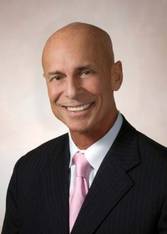
LAS VEGAS – Tripling the concentration of epinephrine in tumescent anesthesia used during facelift procedures has its benefits, according to Joseph Niamtu III, D.M.D.
His preferred solution consists of 1 L normal saline, 1 g lidocaine, and 3 mL epinephrine 1:1,000. "Most clinicians use 1 mL of epinephrine 1:1,000," he said at the annual meeting of the American Academy of Cosmetic Surgery. Using a higher concentration of epinephrine "certainly has faster onset of branching, it’s more robust branching, and the branching lasts longer," said Dr. Niamtu, who has a cosmetic facial surgery practice in Midlothian, Va.
"Over the years, I’ve shaved these procedures down from 4 hours to a little over 2 hours, and this is one of the things that have helped. You get a higher level of pain control, and I’ve not had any disadvantages – no discernible changes in blood pressure or epinephrine-related problems."
Dr. Niamtu also finds that facelift results can be optimized without using bulky dressings. "Patients hate dressings," he said. "They don’t prevent hematoma but they do prevent visualization of the flap. They can constrict the flap and lead to breakdown, and they abrade laser tissue."
Of the 71 facelift procedures he performed in 2011, 45% were done with simultaneous CO2 laser. "The problem was, overnight, the dressings would abrade the freshly lasered skin," he explained. "It’s problematic because the treatment site would take longer to heal and sometimes would start to form a scar." He started decreasing his use of facelift dressings "until I just didn’t use any at all." Now, he said, "it’s certainly easy to promote facelifts [with this approach]. There’s less trepidation when patients know they don’t have to wear these bulky dressings after their surgery."
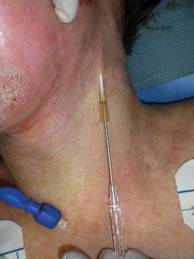
The need for postoperative drains to promote the release of serum, tumescence, and blood products can be another drawback to facelifts. However, Dr. Niamtu devised a solution: a "vent" system that consists of a 14-gauge Angiocath needle placed subcutaneously in the lowest part of the flap, parallel to the sternocleidomastoid muscle, and left overnight on the day of surgery. "These will drain," he said. "Most of these patients are sitting up in a recliner or have their head propped up on pillows the night of their surgery, so they really drain. It’s secured with a mesh elastic gauze and gauze fluffs. We give the patient a lot of these fluffs, because they have to change the dressing overnight, sometimes two or three times. We use these for 24 hours after surgery."
With this approach "I think I’m seeing less bruising, my patients have a tighter neck, and they’re really not bothered by the vent," he said.
In a later interview, Dr. Niamtu said that he is not a fan of short scar facelifts because "I think it is appropriate for only the smallest lifts, and most people – even those in their early 40s – would benefit from a more comprehensive lift. I think there is a trend to do anything to avoid a 4-inch postauricular incision, [but I] feel that without this incision, short scar lifts are flawed.
"It is this posterior incision that allows true tightening of the neck, and eliminating it causes bunching behind the ear as well as shortchanges [the patient] in terms of result and longevity. I am not saying there is never a place for short scar lifts, as there is, but I have seen too much relapse or compromise in results for many patients [who] got a small lift and in reality needed a bigger one."
Dr. Niamtu said that he had no relevant financial conflicts to disclose.
LAS VEGAS – Tripling the concentration of epinephrine in tumescent anesthesia used during facelift procedures has its benefits, according to Joseph Niamtu III, D.M.D.
His preferred solution consists of 1 L normal saline, 1 g lidocaine, and 3 mL epinephrine 1:1,000. "Most clinicians use 1 mL of epinephrine 1:1,000," he said at the annual meeting of the American Academy of Cosmetic Surgery. Using a higher concentration of epinephrine "certainly has faster onset of branching, it’s more robust branching, and the branching lasts longer," said Dr. Niamtu, who has a cosmetic facial surgery practice in Midlothian, Va.
"Over the years, I’ve shaved these procedures down from 4 hours to a little over 2 hours, and this is one of the things that have helped. You get a higher level of pain control, and I’ve not had any disadvantages – no discernible changes in blood pressure or epinephrine-related problems."
Dr. Niamtu also finds that facelift results can be optimized without using bulky dressings. "Patients hate dressings," he said. "They don’t prevent hematoma but they do prevent visualization of the flap. They can constrict the flap and lead to breakdown, and they abrade laser tissue."
Of the 71 facelift procedures he performed in 2011, 45% were done with simultaneous CO2 laser. "The problem was, overnight, the dressings would abrade the freshly lasered skin," he explained. "It’s problematic because the treatment site would take longer to heal and sometimes would start to form a scar." He started decreasing his use of facelift dressings "until I just didn’t use any at all." Now, he said, "it’s certainly easy to promote facelifts [with this approach]. There’s less trepidation when patients know they don’t have to wear these bulky dressings after their surgery."
The need for postoperative drains to promote the release of serum, tumescence, and blood products can be another drawback to facelifts. However, Dr. Niamtu devised a solution: a "vent" system that consists of a 14-gauge Angiocath needle placed subcutaneously in the lowest part of the flap, parallel to the sternocleidomastoid muscle, and left overnight on the day of surgery. "These will drain," he said. "Most of these patients are sitting up in a recliner or have their head propped up on pillows the night of their surgery, so they really drain. It’s secured with a mesh elastic gauze and gauze fluffs. We give the patient a lot of these fluffs, because they have to change the dressing overnight, sometimes two or three times. We use these for 24 hours after surgery."
With this approach "I think I’m seeing less bruising, my patients have a tighter neck, and they’re really not bothered by the vent," he said.
In a later interview, Dr. Niamtu said that he is not a fan of short scar facelifts because "I think it is appropriate for only the smallest lifts, and most people – even those in their early 40s – would benefit from a more comprehensive lift. I think there is a trend to do anything to avoid a 4-inch postauricular incision, [but I] feel that without this incision, short scar lifts are flawed.
"It is this posterior incision that allows true tightening of the neck, and eliminating it causes bunching behind the ear as well as shortchanges [the patient] in terms of result and longevity. I am not saying there is never a place for short scar lifts, as there is, but I have seen too much relapse or compromise in results for many patients [who] got a small lift and in reality needed a bigger one."
Dr. Niamtu said that he had no relevant financial conflicts to disclose.
LAS VEGAS – Tripling the concentration of epinephrine in tumescent anesthesia used during facelift procedures has its benefits, according to Joseph Niamtu III, D.M.D.
His preferred solution consists of 1 L normal saline, 1 g lidocaine, and 3 mL epinephrine 1:1,000. "Most clinicians use 1 mL of epinephrine 1:1,000," he said at the annual meeting of the American Academy of Cosmetic Surgery. Using a higher concentration of epinephrine "certainly has faster onset of branching, it’s more robust branching, and the branching lasts longer," said Dr. Niamtu, who has a cosmetic facial surgery practice in Midlothian, Va.
"Over the years, I’ve shaved these procedures down from 4 hours to a little over 2 hours, and this is one of the things that have helped. You get a higher level of pain control, and I’ve not had any disadvantages – no discernible changes in blood pressure or epinephrine-related problems."
Dr. Niamtu also finds that facelift results can be optimized without using bulky dressings. "Patients hate dressings," he said. "They don’t prevent hematoma but they do prevent visualization of the flap. They can constrict the flap and lead to breakdown, and they abrade laser tissue."
Of the 71 facelift procedures he performed in 2011, 45% were done with simultaneous CO2 laser. "The problem was, overnight, the dressings would abrade the freshly lasered skin," he explained. "It’s problematic because the treatment site would take longer to heal and sometimes would start to form a scar." He started decreasing his use of facelift dressings "until I just didn’t use any at all." Now, he said, "it’s certainly easy to promote facelifts [with this approach]. There’s less trepidation when patients know they don’t have to wear these bulky dressings after their surgery."
The need for postoperative drains to promote the release of serum, tumescence, and blood products can be another drawback to facelifts. However, Dr. Niamtu devised a solution: a "vent" system that consists of a 14-gauge Angiocath needle placed subcutaneously in the lowest part of the flap, parallel to the sternocleidomastoid muscle, and left overnight on the day of surgery. "These will drain," he said. "Most of these patients are sitting up in a recliner or have their head propped up on pillows the night of their surgery, so they really drain. It’s secured with a mesh elastic gauze and gauze fluffs. We give the patient a lot of these fluffs, because they have to change the dressing overnight, sometimes two or three times. We use these for 24 hours after surgery."
With this approach "I think I’m seeing less bruising, my patients have a tighter neck, and they’re really not bothered by the vent," he said.
In a later interview, Dr. Niamtu said that he is not a fan of short scar facelifts because "I think it is appropriate for only the smallest lifts, and most people – even those in their early 40s – would benefit from a more comprehensive lift. I think there is a trend to do anything to avoid a 4-inch postauricular incision, [but I] feel that without this incision, short scar lifts are flawed.
"It is this posterior incision that allows true tightening of the neck, and eliminating it causes bunching behind the ear as well as shortchanges [the patient] in terms of result and longevity. I am not saying there is never a place for short scar lifts, as there is, but I have seen too much relapse or compromise in results for many patients [who] got a small lift and in reality needed a bigger one."
Dr. Niamtu said that he had no relevant financial conflicts to disclose.
EXPERT ANALYSIS FROM THE ANNUAL MEETING OF THE AMERICAN ACADEMY OF COSMETIC SURGERY
Tips to Securing the Postconsult Patient
LAS VEGAS – Taking time to prescreen men and women who inquire about cosmetic surgery procedures can help maximize their chances of choosing your practice over others, and can help you weed out those who aren’t suitable candidates.
"There is no chance in securing a patient without having a consultation," Tracie Lance, director of finance for Southern Surgical Arts, said at the annual meeting of the American Academy of Cosmetic Surgery. "In order to avoid wasting the patient’s time, the physician’s time, and the staff’s time, we do some prescreening."
The first step, she said, is to find a time on the schedule that is most appropriate for the consultation. If someone inquires about breast augmentation, "you probably want to get them in as quickly as possible, to reduce the chances of their going to another practice," said Ms. Lance, also a patient care coordinator for the practice, which has locations in Chattanooga, Tenn., and Calhoun, Ga. If they inquire about a facelift, there’s less of an urgency to get them in right away, she said, because "they’ve probably thought about it a long time before they picked up the phone to call your office. If you respond, ‘We can get you in this afternoon,’ you may not give the best first impression of your office."
A second component of prescreening is gauging the person’s ability to pay for or finance the procedure. "This is nonnegotiable," Ms. Lance said. "In our experience, we have found that it can be unfair to set unrealistic expectations that all patients will qualify for financing. The frustration can be avoided by having patients apply before they come to the consultation." Consider options such as, "We have someone on staff that can help you with financing. Is that something you’re interested in?" and document the reply for the in-person consultation. "Being able to assist our patient in successful financing is a skill that has set our practice above others," she said.
A third component of the prescreening is asking people to complete a health history questionnaire before the in-person consultation. "There might be something like body mass index that [precludes them from] surgery," she noted.
Consultation appointments are complimentary at Southern Surgical Arts, yet a credit card is required to hold the appointment. "We have a 5% no-show rate, which is pretty low compared to the industry standard," Ms. Lance said.
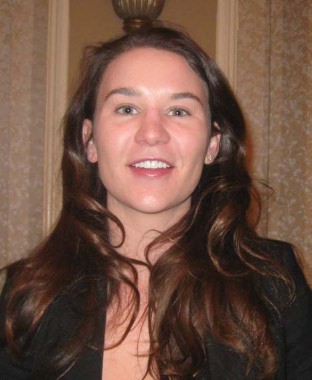
To maximize the patient experience, physicians should be mindful of the appearance of their waiting room and reception area. "People pay attention to detail, so the office should be clean, with minimal clutter," she said. "In terms of patient flow, after our patients check in we try to get them into an exam room as quickly as possible with an iPad that contains before and after photos and patient testimonials."
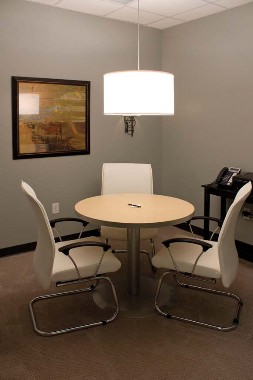
After candidate patients at Southern Surgical Arts meet with the cosmetic surgeon in the exam room, they move to a dedicated postconsultation room, where the patient coordinator will review the estimated cost of the procedure and answer questions. Establishing a dedicated postconsultation room "is one of the best things we’ve ever done," Ms. Lance said. She described the room as a "warm environment," equipped with "a round table, MacBook Air, a wireless printer, and a phone."
Patients commonly cite fear, financing, timing, and multiple consultations as objections to cosmetic surgery procedures, Ms. Lance said, noting that financing is the biggest obstacle. "If you have a facelift patient, sometimes it’s easier to offer a no-interest plan, as the bill can be around $16,000," she said. "That’s up to each office, but in my experience, the no-interest plan has been extremely successful. Some patients do not use no-interest financing, but I hear facelift patients tell me all the time, ‘Oh my husband will love this,’ because they don’t feel like they’re taking all this money out of savings at once. Payments of $1,100 or $1,200 per month seem easier."
In her experience, patients considering cosmetic surgery for the first time "are nervous and they tell you they’re going to multiple consultations," Ms. Lance added. "I’m not sure that’s always the case. I think that they’re just nervous. It helps to say, ‘we understand that you’re nervous. If you get home and you have questions, don’t hesitate to call us.’ Sometimes it helps for them to hear about another patient’s experience with surgery. We have patients who will do that for us, which is wonderful."
She concluded her remarks by advising patient care coordinators and office staff to offer candidate patients a certain amount of grace and space as they make their decision. "I do not believe in being pushy in a consultation," she said. "I’ve seen that backfire many times; 65% of our patients will give me a deposit on the day that they come in, which is remarkable. But at the same time you have to know when to give someone space. You want to provide the benefits of the surgeons, the benefits of the facility, but not in a pushy way. You want a patient who is just as committed as you are. You want them to be compliant in their care and you want them to follow the rules."
Ms. Lance reported having no relevant financial disclosures.
LAS VEGAS – Taking time to prescreen men and women who inquire about cosmetic surgery procedures can help maximize their chances of choosing your practice over others, and can help you weed out those who aren’t suitable candidates.
"There is no chance in securing a patient without having a consultation," Tracie Lance, director of finance for Southern Surgical Arts, said at the annual meeting of the American Academy of Cosmetic Surgery. "In order to avoid wasting the patient’s time, the physician’s time, and the staff’s time, we do some prescreening."
The first step, she said, is to find a time on the schedule that is most appropriate for the consultation. If someone inquires about breast augmentation, "you probably want to get them in as quickly as possible, to reduce the chances of their going to another practice," said Ms. Lance, also a patient care coordinator for the practice, which has locations in Chattanooga, Tenn., and Calhoun, Ga. If they inquire about a facelift, there’s less of an urgency to get them in right away, she said, because "they’ve probably thought about it a long time before they picked up the phone to call your office. If you respond, ‘We can get you in this afternoon,’ you may not give the best first impression of your office."
A second component of prescreening is gauging the person’s ability to pay for or finance the procedure. "This is nonnegotiable," Ms. Lance said. "In our experience, we have found that it can be unfair to set unrealistic expectations that all patients will qualify for financing. The frustration can be avoided by having patients apply before they come to the consultation." Consider options such as, "We have someone on staff that can help you with financing. Is that something you’re interested in?" and document the reply for the in-person consultation. "Being able to assist our patient in successful financing is a skill that has set our practice above others," she said.
A third component of the prescreening is asking people to complete a health history questionnaire before the in-person consultation. "There might be something like body mass index that [precludes them from] surgery," she noted.
Consultation appointments are complimentary at Southern Surgical Arts, yet a credit card is required to hold the appointment. "We have a 5% no-show rate, which is pretty low compared to the industry standard," Ms. Lance said.
To maximize the patient experience, physicians should be mindful of the appearance of their waiting room and reception area. "People pay attention to detail, so the office should be clean, with minimal clutter," she said. "In terms of patient flow, after our patients check in we try to get them into an exam room as quickly as possible with an iPad that contains before and after photos and patient testimonials."
After candidate patients at Southern Surgical Arts meet with the cosmetic surgeon in the exam room, they move to a dedicated postconsultation room, where the patient coordinator will review the estimated cost of the procedure and answer questions. Establishing a dedicated postconsultation room "is one of the best things we’ve ever done," Ms. Lance said. She described the room as a "warm environment," equipped with "a round table, MacBook Air, a wireless printer, and a phone."
Patients commonly cite fear, financing, timing, and multiple consultations as objections to cosmetic surgery procedures, Ms. Lance said, noting that financing is the biggest obstacle. "If you have a facelift patient, sometimes it’s easier to offer a no-interest plan, as the bill can be around $16,000," she said. "That’s up to each office, but in my experience, the no-interest plan has been extremely successful. Some patients do not use no-interest financing, but I hear facelift patients tell me all the time, ‘Oh my husband will love this,’ because they don’t feel like they’re taking all this money out of savings at once. Payments of $1,100 or $1,200 per month seem easier."
In her experience, patients considering cosmetic surgery for the first time "are nervous and they tell you they’re going to multiple consultations," Ms. Lance added. "I’m not sure that’s always the case. I think that they’re just nervous. It helps to say, ‘we understand that you’re nervous. If you get home and you have questions, don’t hesitate to call us.’ Sometimes it helps for them to hear about another patient’s experience with surgery. We have patients who will do that for us, which is wonderful."
She concluded her remarks by advising patient care coordinators and office staff to offer candidate patients a certain amount of grace and space as they make their decision. "I do not believe in being pushy in a consultation," she said. "I’ve seen that backfire many times; 65% of our patients will give me a deposit on the day that they come in, which is remarkable. But at the same time you have to know when to give someone space. You want to provide the benefits of the surgeons, the benefits of the facility, but not in a pushy way. You want a patient who is just as committed as you are. You want them to be compliant in their care and you want them to follow the rules."
Ms. Lance reported having no relevant financial disclosures.
LAS VEGAS – Taking time to prescreen men and women who inquire about cosmetic surgery procedures can help maximize their chances of choosing your practice over others, and can help you weed out those who aren’t suitable candidates.
"There is no chance in securing a patient without having a consultation," Tracie Lance, director of finance for Southern Surgical Arts, said at the annual meeting of the American Academy of Cosmetic Surgery. "In order to avoid wasting the patient’s time, the physician’s time, and the staff’s time, we do some prescreening."
The first step, she said, is to find a time on the schedule that is most appropriate for the consultation. If someone inquires about breast augmentation, "you probably want to get them in as quickly as possible, to reduce the chances of their going to another practice," said Ms. Lance, also a patient care coordinator for the practice, which has locations in Chattanooga, Tenn., and Calhoun, Ga. If they inquire about a facelift, there’s less of an urgency to get them in right away, she said, because "they’ve probably thought about it a long time before they picked up the phone to call your office. If you respond, ‘We can get you in this afternoon,’ you may not give the best first impression of your office."
A second component of prescreening is gauging the person’s ability to pay for or finance the procedure. "This is nonnegotiable," Ms. Lance said. "In our experience, we have found that it can be unfair to set unrealistic expectations that all patients will qualify for financing. The frustration can be avoided by having patients apply before they come to the consultation." Consider options such as, "We have someone on staff that can help you with financing. Is that something you’re interested in?" and document the reply for the in-person consultation. "Being able to assist our patient in successful financing is a skill that has set our practice above others," she said.
A third component of the prescreening is asking people to complete a health history questionnaire before the in-person consultation. "There might be something like body mass index that [precludes them from] surgery," she noted.
Consultation appointments are complimentary at Southern Surgical Arts, yet a credit card is required to hold the appointment. "We have a 5% no-show rate, which is pretty low compared to the industry standard," Ms. Lance said.
To maximize the patient experience, physicians should be mindful of the appearance of their waiting room and reception area. "People pay attention to detail, so the office should be clean, with minimal clutter," she said. "In terms of patient flow, after our patients check in we try to get them into an exam room as quickly as possible with an iPad that contains before and after photos and patient testimonials."
After candidate patients at Southern Surgical Arts meet with the cosmetic surgeon in the exam room, they move to a dedicated postconsultation room, where the patient coordinator will review the estimated cost of the procedure and answer questions. Establishing a dedicated postconsultation room "is one of the best things we’ve ever done," Ms. Lance said. She described the room as a "warm environment," equipped with "a round table, MacBook Air, a wireless printer, and a phone."
Patients commonly cite fear, financing, timing, and multiple consultations as objections to cosmetic surgery procedures, Ms. Lance said, noting that financing is the biggest obstacle. "If you have a facelift patient, sometimes it’s easier to offer a no-interest plan, as the bill can be around $16,000," she said. "That’s up to each office, but in my experience, the no-interest plan has been extremely successful. Some patients do not use no-interest financing, but I hear facelift patients tell me all the time, ‘Oh my husband will love this,’ because they don’t feel like they’re taking all this money out of savings at once. Payments of $1,100 or $1,200 per month seem easier."
In her experience, patients considering cosmetic surgery for the first time "are nervous and they tell you they’re going to multiple consultations," Ms. Lance added. "I’m not sure that’s always the case. I think that they’re just nervous. It helps to say, ‘we understand that you’re nervous. If you get home and you have questions, don’t hesitate to call us.’ Sometimes it helps for them to hear about another patient’s experience with surgery. We have patients who will do that for us, which is wonderful."
She concluded her remarks by advising patient care coordinators and office staff to offer candidate patients a certain amount of grace and space as they make their decision. "I do not believe in being pushy in a consultation," she said. "I’ve seen that backfire many times; 65% of our patients will give me a deposit on the day that they come in, which is remarkable. But at the same time you have to know when to give someone space. You want to provide the benefits of the surgeons, the benefits of the facility, but not in a pushy way. You want a patient who is just as committed as you are. You want them to be compliant in their care and you want them to follow the rules."
Ms. Lance reported having no relevant financial disclosures.
EXPERT ANALYSIS FROM THE ANNUAL MEETING OF THE AMERICAN ACADEMY OF COSMETIC SURGERY