User login
Health care reform may cut behavioral admissions
Statewide health care reform in Massachusetts did not increase inpatient admissions for behavioral diagnoses among adolescents and young adults, as some had feared. Instead, reform led to a decrease in such admissions, a report published online Feb. 19 in JAMA Psychiatry showed.
This suggests nationwide health care reform might have a similar effect, at least in states that, like Massachusetts, offer robust hospital-based mental health services.

One major goal of health care reform is to extend insurance coverage to populations least likely to have it, such as young adults. Given that most behavioral health disorders emerge in adolescence and young adulthood, some experts were concerned that newly acquired insurance coverage for this age group might lead to increases in hospital and emergency department admissions for behavioral issues, said Ellen Meara, Ph.D., of the Dartmouth Institute for Health Policy and Clinical Practice, Lebanon, N.H., and her associates.
To assess whether the enactment of national health care reform might lead to a sharp increase in such hospital and ED admissions, the investigators examined the experience in Massachusetts after statewide health care reform was enacted there in 2006.
They analyzed the records of 2,533,307 admissions for any diagnosis and 6,817,855 ED visits for any diagnosis and focused on young adults aged 19-25 years – "a group with relatively high behavioral health needs and low rates of insurance coverage prior to reform" (JAMA Psychiatry 2014 Feb. 19 [doi:10.1001/jamapsychiatry.2013.3972]).
Dr. Meara and her associates found that the uninsured rate fell from 26% to 10% among this population after health reform. The increase in insurance coverage was accompanied by a decline in patient admission rates and ED visits for young adults with behavioral health diagnoses. The drop was fueled primarily by a decrease in admissions and ED visits for substance use disorders. This pattern suggests that most of these patients are being redirected – appropriately – to outpatient services, Dr. Meara and her associates said.
The findings are reassuring in that they appear to show that young people with behavioral health issues will now find the care they need to be more accessible and affordable, without increasing the burden on hospitals or raising inpatient costs, they said.
Dr. Meara and her associates cited a few limitations. For example, outpatient treatment for mental illness or substance use disorders was not observed. "Thus, we cannot infer whether use of hospital-based care for mental illness and substance use disorders represents lower rates of morbidity in the population, effective care in outpatient settings, or restrictions on use of hospital-based settings," they wrote. In addition, they did not look at admissions to psychiatric or alcohol or chemical-dependency facilities.
Still, the data "offer a snapshot of one aspect of policies to improve access to behavioral health treatment, expanded insurance coverage," they said.
The study was supported by the National Institutes of Health and the National Institute of Drug Abuse. No financial conflicts of interest were reported.
Statewide health care reform in Massachusetts did not increase inpatient admissions for behavioral diagnoses among adolescents and young adults, as some had feared. Instead, reform led to a decrease in such admissions, a report published online Feb. 19 in JAMA Psychiatry showed.
This suggests nationwide health care reform might have a similar effect, at least in states that, like Massachusetts, offer robust hospital-based mental health services.
One major goal of health care reform is to extend insurance coverage to populations least likely to have it, such as young adults. Given that most behavioral health disorders emerge in adolescence and young adulthood, some experts were concerned that newly acquired insurance coverage for this age group might lead to increases in hospital and emergency department admissions for behavioral issues, said Ellen Meara, Ph.D., of the Dartmouth Institute for Health Policy and Clinical Practice, Lebanon, N.H., and her associates.
To assess whether the enactment of national health care reform might lead to a sharp increase in such hospital and ED admissions, the investigators examined the experience in Massachusetts after statewide health care reform was enacted there in 2006.
They analyzed the records of 2,533,307 admissions for any diagnosis and 6,817,855 ED visits for any diagnosis and focused on young adults aged 19-25 years – "a group with relatively high behavioral health needs and low rates of insurance coverage prior to reform" (JAMA Psychiatry 2014 Feb. 19 [doi:10.1001/jamapsychiatry.2013.3972]).
Dr. Meara and her associates found that the uninsured rate fell from 26% to 10% among this population after health reform. The increase in insurance coverage was accompanied by a decline in patient admission rates and ED visits for young adults with behavioral health diagnoses. The drop was fueled primarily by a decrease in admissions and ED visits for substance use disorders. This pattern suggests that most of these patients are being redirected – appropriately – to outpatient services, Dr. Meara and her associates said.
The findings are reassuring in that they appear to show that young people with behavioral health issues will now find the care they need to be more accessible and affordable, without increasing the burden on hospitals or raising inpatient costs, they said.
Dr. Meara and her associates cited a few limitations. For example, outpatient treatment for mental illness or substance use disorders was not observed. "Thus, we cannot infer whether use of hospital-based care for mental illness and substance use disorders represents lower rates of morbidity in the population, effective care in outpatient settings, or restrictions on use of hospital-based settings," they wrote. In addition, they did not look at admissions to psychiatric or alcohol or chemical-dependency facilities.
Still, the data "offer a snapshot of one aspect of policies to improve access to behavioral health treatment, expanded insurance coverage," they said.
The study was supported by the National Institutes of Health and the National Institute of Drug Abuse. No financial conflicts of interest were reported.
Statewide health care reform in Massachusetts did not increase inpatient admissions for behavioral diagnoses among adolescents and young adults, as some had feared. Instead, reform led to a decrease in such admissions, a report published online Feb. 19 in JAMA Psychiatry showed.
This suggests nationwide health care reform might have a similar effect, at least in states that, like Massachusetts, offer robust hospital-based mental health services.
One major goal of health care reform is to extend insurance coverage to populations least likely to have it, such as young adults. Given that most behavioral health disorders emerge in adolescence and young adulthood, some experts were concerned that newly acquired insurance coverage for this age group might lead to increases in hospital and emergency department admissions for behavioral issues, said Ellen Meara, Ph.D., of the Dartmouth Institute for Health Policy and Clinical Practice, Lebanon, N.H., and her associates.
To assess whether the enactment of national health care reform might lead to a sharp increase in such hospital and ED admissions, the investigators examined the experience in Massachusetts after statewide health care reform was enacted there in 2006.
They analyzed the records of 2,533,307 admissions for any diagnosis and 6,817,855 ED visits for any diagnosis and focused on young adults aged 19-25 years – "a group with relatively high behavioral health needs and low rates of insurance coverage prior to reform" (JAMA Psychiatry 2014 Feb. 19 [doi:10.1001/jamapsychiatry.2013.3972]).
Dr. Meara and her associates found that the uninsured rate fell from 26% to 10% among this population after health reform. The increase in insurance coverage was accompanied by a decline in patient admission rates and ED visits for young adults with behavioral health diagnoses. The drop was fueled primarily by a decrease in admissions and ED visits for substance use disorders. This pattern suggests that most of these patients are being redirected – appropriately – to outpatient services, Dr. Meara and her associates said.
The findings are reassuring in that they appear to show that young people with behavioral health issues will now find the care they need to be more accessible and affordable, without increasing the burden on hospitals or raising inpatient costs, they said.
Dr. Meara and her associates cited a few limitations. For example, outpatient treatment for mental illness or substance use disorders was not observed. "Thus, we cannot infer whether use of hospital-based care for mental illness and substance use disorders represents lower rates of morbidity in the population, effective care in outpatient settings, or restrictions on use of hospital-based settings," they wrote. In addition, they did not look at admissions to psychiatric or alcohol or chemical-dependency facilities.
Still, the data "offer a snapshot of one aspect of policies to improve access to behavioral health treatment, expanded insurance coverage," they said.
The study was supported by the National Institutes of Health and the National Institute of Drug Abuse. No financial conflicts of interest were reported.
FROM JAMA PSYCHIATRY
Major finding: Relative declines in admission rates among 19- to 25-year-olds after Massachusetts’s health care reform law was enacted were 2 per 1,000. Relative declines in admissions for substance use disorders were larger than declines in other behavioral health categories.
Data source: An analysis of hospital discharge data of more than 9 million inpatient admissions and ED visits before and after enactment of health care reform in Massachusetts.
Disclosures: This study was supported by the National Institutes of Health and the National Institute of Drug Abuse. No financial conflicts of interest were reported.

Alliance pushes Congress on payment for telemedicine
WASHINGTON – Medicare should cover telemedicine services regardless of geography, and physicians who use the technologies should be paid appropriately by all health insurers.
Those are among the goals of the Alliance for Connected Care, led by three formers leaders of the U.S. Senate.

At a press briefing, former Senate Majority Leader Tom Daschle (D-S.D.), former Senate Majority Leader Trent Lott (R-Miss.), and former Sen. John Breaux (R-La.) said that they have begun meeting with legislators regarding the coalition’s agenda.
Geographic expansion of telemedicine under Medicare is a key goal; the program currently will pay in rural areas only. Appropriate and widespread reimbursement for providers, including physicians, is another goal. The alliance also want to see telemedicine, remote patient monitoring and other technology that helps deliver and coordinate care, reimbursed under new models of care like patient-centered medical homes and accountable care organizations.
Sen. Lott said that he and Sen. Breaux recently met with Sen. Ron Wyden (D-Ore.), who likely will be the next chairman of the Finance Committee (since Chairman Max Baucus [D-Mont.] left Congress to become U.S. ambassador to China), as well as with committee member John Thune (R-S.D.).
"Both of them are very interested and committed," to helping increase access to telemedicine, Sen. Lott said at a briefing with reporters on Feb. 12.
Rep. Gregg Harper (R-Miss.) noted that his bill to encourage telemedicine is likely to see some action in the House this spring.
The Telehealth Enhancement Act of 2013 was introduced in October and currently has 14 cosponsors. With Congress looking at alternative delivery and payment models, "the time is right, the time is really now to grant providers flexibility to improve telemedicine," he said.
Telemedicine holds the potential to improve patient outcomes, quality of care, and to "meet the demands of the aging population," said Rep. Harper, who sits on the House Energy and Commerce Committee. It can also save Medicare and Medicaid money.
The Alliance for Connected Careis a nonprofit organization that includes a half-dozen large and small health-related companies on its board of directors: Verizon, Walgreens, CVS/Caremark, WellPoint, HealthSpot, and Teladoc. Associate members include Welch Allyn, Cardinal Health, Care Innovations, Doctor on Demand, and MDLive.
Those companies are mostly interested in selling telemedicine platforms to physicians or insurers. For 3 years, WellPoint has been offering its subscribers access to online consultations through LiveHealth Online. So far, it has saved money; patients have given it high marks, said John F. Jesser, vice president of provider engagement strategy at LiveHealth Online.
The alliance also plans to talk to state and federal officials about creating standard definitions for telemedicine, creating security and fraud protections, and making it easier for physicians to use telemedicine across state lines. According to the group, 20 states and the District of Columbia currently require commercial insurers to cover telemedicine services. Forty-five states allow Medicaid to pay for telemedicine.
Medicare is the laggard, Sen. Daschle said.
"We must ensure that our regulatory environment appropriately balances the exciting advances in technology for patients, while still maintaining safeguards that allow innovation," he said.
Several physician organizations and patient advocacy groups have signed on as advisers to the alliance, including the American Academy of Family Physicians, the National Association of ACOs, the American Heart Association, and National Alliance on Mental Illness.
On Twitter @aliciaault
WASHINGTON – Medicare should cover telemedicine services regardless of geography, and physicians who use the technologies should be paid appropriately by all health insurers.
Those are among the goals of the Alliance for Connected Care, led by three formers leaders of the U.S. Senate.
At a press briefing, former Senate Majority Leader Tom Daschle (D-S.D.), former Senate Majority Leader Trent Lott (R-Miss.), and former Sen. John Breaux (R-La.) said that they have begun meeting with legislators regarding the coalition’s agenda.
Geographic expansion of telemedicine under Medicare is a key goal; the program currently will pay in rural areas only. Appropriate and widespread reimbursement for providers, including physicians, is another goal. The alliance also want to see telemedicine, remote patient monitoring and other technology that helps deliver and coordinate care, reimbursed under new models of care like patient-centered medical homes and accountable care organizations.
Sen. Lott said that he and Sen. Breaux recently met with Sen. Ron Wyden (D-Ore.), who likely will be the next chairman of the Finance Committee (since Chairman Max Baucus [D-Mont.] left Congress to become U.S. ambassador to China), as well as with committee member John Thune (R-S.D.).
"Both of them are very interested and committed," to helping increase access to telemedicine, Sen. Lott said at a briefing with reporters on Feb. 12.
Rep. Gregg Harper (R-Miss.) noted that his bill to encourage telemedicine is likely to see some action in the House this spring.
The Telehealth Enhancement Act of 2013 was introduced in October and currently has 14 cosponsors. With Congress looking at alternative delivery and payment models, "the time is right, the time is really now to grant providers flexibility to improve telemedicine," he said.
Telemedicine holds the potential to improve patient outcomes, quality of care, and to "meet the demands of the aging population," said Rep. Harper, who sits on the House Energy and Commerce Committee. It can also save Medicare and Medicaid money.
The Alliance for Connected Careis a nonprofit organization that includes a half-dozen large and small health-related companies on its board of directors: Verizon, Walgreens, CVS/Caremark, WellPoint, HealthSpot, and Teladoc. Associate members include Welch Allyn, Cardinal Health, Care Innovations, Doctor on Demand, and MDLive.
Those companies are mostly interested in selling telemedicine platforms to physicians or insurers. For 3 years, WellPoint has been offering its subscribers access to online consultations through LiveHealth Online. So far, it has saved money; patients have given it high marks, said John F. Jesser, vice president of provider engagement strategy at LiveHealth Online.
The alliance also plans to talk to state and federal officials about creating standard definitions for telemedicine, creating security and fraud protections, and making it easier for physicians to use telemedicine across state lines. According to the group, 20 states and the District of Columbia currently require commercial insurers to cover telemedicine services. Forty-five states allow Medicaid to pay for telemedicine.
Medicare is the laggard, Sen. Daschle said.
"We must ensure that our regulatory environment appropriately balances the exciting advances in technology for patients, while still maintaining safeguards that allow innovation," he said.
Several physician organizations and patient advocacy groups have signed on as advisers to the alliance, including the American Academy of Family Physicians, the National Association of ACOs, the American Heart Association, and National Alliance on Mental Illness.
On Twitter @aliciaault
WASHINGTON – Medicare should cover telemedicine services regardless of geography, and physicians who use the technologies should be paid appropriately by all health insurers.
Those are among the goals of the Alliance for Connected Care, led by three formers leaders of the U.S. Senate.
At a press briefing, former Senate Majority Leader Tom Daschle (D-S.D.), former Senate Majority Leader Trent Lott (R-Miss.), and former Sen. John Breaux (R-La.) said that they have begun meeting with legislators regarding the coalition’s agenda.
Geographic expansion of telemedicine under Medicare is a key goal; the program currently will pay in rural areas only. Appropriate and widespread reimbursement for providers, including physicians, is another goal. The alliance also want to see telemedicine, remote patient monitoring and other technology that helps deliver and coordinate care, reimbursed under new models of care like patient-centered medical homes and accountable care organizations.
Sen. Lott said that he and Sen. Breaux recently met with Sen. Ron Wyden (D-Ore.), who likely will be the next chairman of the Finance Committee (since Chairman Max Baucus [D-Mont.] left Congress to become U.S. ambassador to China), as well as with committee member John Thune (R-S.D.).
"Both of them are very interested and committed," to helping increase access to telemedicine, Sen. Lott said at a briefing with reporters on Feb. 12.
Rep. Gregg Harper (R-Miss.) noted that his bill to encourage telemedicine is likely to see some action in the House this spring.
The Telehealth Enhancement Act of 2013 was introduced in October and currently has 14 cosponsors. With Congress looking at alternative delivery and payment models, "the time is right, the time is really now to grant providers flexibility to improve telemedicine," he said.
Telemedicine holds the potential to improve patient outcomes, quality of care, and to "meet the demands of the aging population," said Rep. Harper, who sits on the House Energy and Commerce Committee. It can also save Medicare and Medicaid money.
The Alliance for Connected Careis a nonprofit organization that includes a half-dozen large and small health-related companies on its board of directors: Verizon, Walgreens, CVS/Caremark, WellPoint, HealthSpot, and Teladoc. Associate members include Welch Allyn, Cardinal Health, Care Innovations, Doctor on Demand, and MDLive.
Those companies are mostly interested in selling telemedicine platforms to physicians or insurers. For 3 years, WellPoint has been offering its subscribers access to online consultations through LiveHealth Online. So far, it has saved money; patients have given it high marks, said John F. Jesser, vice president of provider engagement strategy at LiveHealth Online.
The alliance also plans to talk to state and federal officials about creating standard definitions for telemedicine, creating security and fraud protections, and making it easier for physicians to use telemedicine across state lines. According to the group, 20 states and the District of Columbia currently require commercial insurers to cover telemedicine services. Forty-five states allow Medicaid to pay for telemedicine.
Medicare is the laggard, Sen. Daschle said.
"We must ensure that our regulatory environment appropriately balances the exciting advances in technology for patients, while still maintaining safeguards that allow innovation," he said.
Several physician organizations and patient advocacy groups have signed on as advisers to the alliance, including the American Academy of Family Physicians, the National Association of ACOs, the American Heart Association, and National Alliance on Mental Illness.
On Twitter @aliciaault

International coalition aims to head off infectious disease threats
A global coalition of 26 countries, including the United States, was launched Feb. 13 to improve international efforts focusing on prevention, detection, and response to infectious global health threats.
The United States aims to lead the way in preventing epidemics, monitoring potential threats to global health, detecting and responding to disease outbreaks, and bolstering partnering countries’ ability to respond to such threats, Dr. Tom Frieden, director of the Centers for Disease Control and Prevention, said during a press briefing.
"The United States and the world can and must do more to prevent, detect, and respond to outbreaks as early and as effectively as possible," Dr. Frieden said. "The CDC conducted two global health security demonstration projects last year in partnership with Vietnam and Uganda to strengthen laboratory systems, develop strong public health emergency operations centers, and create real-time data sharing in health emergencies. The CDC is committed to replicate the successes in these two projects in ten additional countries this year."

A key element to the initiative is the creation and expansion of international partnerships. Laura Holgate, a senior director at the National Security Council, said that many of the items in the agenda are in line with rules already established by the World Health Organization.
In 2005, the WHO created the International Health Regulations standards, a gauge by which countries can measure preparedness for emerging disease threats and outbreaks, as benchmarks toward progress.
As of 2012, only 16% of countries reported reaching full compliance with the core IHR competencies, a statistic cited by both Dr. Frieden and Ms. Holgate to justify the new efforts.
"In our interconnected world, we are all vulnerable. ... [Infectious outbreaks] are only a plane ride away," Ms. Holgate said.
Despite fears that other nations will not address the agenda proposals, federal officials said the program will put a focus on how each country can bring its health system in line with the IHR standards. And by following the guidelines set forth, the global health community could make a "really big dent" in reducing outbreaks, Ms. Holgate said.
In addition to calling for greater focus on global health issues, the federal government aims to forge stronger interagency ties to aid that could respond to global threats like bioterrorism.
For example, the U.S. Department of Defense plans to innovate in response to bioterrorism, which calls for forming "unprecedented" partnerships with other governmental agencies and channeling resources into U.S. health security efforts, said Assistant Secretary of Defense Andrew C. Weber.
And by building efforts within the country, the United States can show other countries new ways to deal with health threats.
"This is intended to be a shot in the arm that will energize and invigorate the world health agenda," Mr. Weber said.
While exact details are not finalized, Dr. Frieden mentioned a number of proposals in development, including a plan to have emergency-operations centers with trained rapid-response teams and disease monitoring labs located every 200 miles in participating countries.
Around $40 million has been included in the federal government’s fiscal 2014 budget for these efforts; Health & Human Services’ official plan to seek an additional $45 million in fiscal 2015.
A global coalition of 26 countries, including the United States, was launched Feb. 13 to improve international efforts focusing on prevention, detection, and response to infectious global health threats.
The United States aims to lead the way in preventing epidemics, monitoring potential threats to global health, detecting and responding to disease outbreaks, and bolstering partnering countries’ ability to respond to such threats, Dr. Tom Frieden, director of the Centers for Disease Control and Prevention, said during a press briefing.
"The United States and the world can and must do more to prevent, detect, and respond to outbreaks as early and as effectively as possible," Dr. Frieden said. "The CDC conducted two global health security demonstration projects last year in partnership with Vietnam and Uganda to strengthen laboratory systems, develop strong public health emergency operations centers, and create real-time data sharing in health emergencies. The CDC is committed to replicate the successes in these two projects in ten additional countries this year."
A key element to the initiative is the creation and expansion of international partnerships. Laura Holgate, a senior director at the National Security Council, said that many of the items in the agenda are in line with rules already established by the World Health Organization.
In 2005, the WHO created the International Health Regulations standards, a gauge by which countries can measure preparedness for emerging disease threats and outbreaks, as benchmarks toward progress.
As of 2012, only 16% of countries reported reaching full compliance with the core IHR competencies, a statistic cited by both Dr. Frieden and Ms. Holgate to justify the new efforts.
"In our interconnected world, we are all vulnerable. ... [Infectious outbreaks] are only a plane ride away," Ms. Holgate said.
Despite fears that other nations will not address the agenda proposals, federal officials said the program will put a focus on how each country can bring its health system in line with the IHR standards. And by following the guidelines set forth, the global health community could make a "really big dent" in reducing outbreaks, Ms. Holgate said.
In addition to calling for greater focus on global health issues, the federal government aims to forge stronger interagency ties to aid that could respond to global threats like bioterrorism.
For example, the U.S. Department of Defense plans to innovate in response to bioterrorism, which calls for forming "unprecedented" partnerships with other governmental agencies and channeling resources into U.S. health security efforts, said Assistant Secretary of Defense Andrew C. Weber.
And by building efforts within the country, the United States can show other countries new ways to deal with health threats.
"This is intended to be a shot in the arm that will energize and invigorate the world health agenda," Mr. Weber said.
While exact details are not finalized, Dr. Frieden mentioned a number of proposals in development, including a plan to have emergency-operations centers with trained rapid-response teams and disease monitoring labs located every 200 miles in participating countries.
Around $40 million has been included in the federal government’s fiscal 2014 budget for these efforts; Health & Human Services’ official plan to seek an additional $45 million in fiscal 2015.
A global coalition of 26 countries, including the United States, was launched Feb. 13 to improve international efforts focusing on prevention, detection, and response to infectious global health threats.
The United States aims to lead the way in preventing epidemics, monitoring potential threats to global health, detecting and responding to disease outbreaks, and bolstering partnering countries’ ability to respond to such threats, Dr. Tom Frieden, director of the Centers for Disease Control and Prevention, said during a press briefing.
"The United States and the world can and must do more to prevent, detect, and respond to outbreaks as early and as effectively as possible," Dr. Frieden said. "The CDC conducted two global health security demonstration projects last year in partnership with Vietnam and Uganda to strengthen laboratory systems, develop strong public health emergency operations centers, and create real-time data sharing in health emergencies. The CDC is committed to replicate the successes in these two projects in ten additional countries this year."
A key element to the initiative is the creation and expansion of international partnerships. Laura Holgate, a senior director at the National Security Council, said that many of the items in the agenda are in line with rules already established by the World Health Organization.
In 2005, the WHO created the International Health Regulations standards, a gauge by which countries can measure preparedness for emerging disease threats and outbreaks, as benchmarks toward progress.
As of 2012, only 16% of countries reported reaching full compliance with the core IHR competencies, a statistic cited by both Dr. Frieden and Ms. Holgate to justify the new efforts.
"In our interconnected world, we are all vulnerable. ... [Infectious outbreaks] are only a plane ride away," Ms. Holgate said.
Despite fears that other nations will not address the agenda proposals, federal officials said the program will put a focus on how each country can bring its health system in line with the IHR standards. And by following the guidelines set forth, the global health community could make a "really big dent" in reducing outbreaks, Ms. Holgate said.
In addition to calling for greater focus on global health issues, the federal government aims to forge stronger interagency ties to aid that could respond to global threats like bioterrorism.
For example, the U.S. Department of Defense plans to innovate in response to bioterrorism, which calls for forming "unprecedented" partnerships with other governmental agencies and channeling resources into U.S. health security efforts, said Assistant Secretary of Defense Andrew C. Weber.
And by building efforts within the country, the United States can show other countries new ways to deal with health threats.
"This is intended to be a shot in the arm that will energize and invigorate the world health agenda," Mr. Weber said.
While exact details are not finalized, Dr. Frieden mentioned a number of proposals in development, including a plan to have emergency-operations centers with trained rapid-response teams and disease monitoring labs located every 200 miles in participating countries.
Around $40 million has been included in the federal government’s fiscal 2014 budget for these efforts; Health & Human Services’ official plan to seek an additional $45 million in fiscal 2015.
FROM A PRESS BRIEFING HELD BY THE HEALTH & HUMAN SERVICE DEPARTMENT
Enrollment in ACA plans exceeds 3 million
More than 3 million Americans signed up for insurance through the Affordable Care Act’s state and federal marketplaces as of Feb. 1, according to the latest official enrollment figures from the Health & Human Services department.
Of the approximately 3.3 million individuals who have enrolled since the online marketplaces launched on Oct. 1, 2013, 1.1 million enrolled in the month of January alone.
Federal officials said the enrollment trends to date are encouraging, especially the interest from young adults, the group most sought after by health insurers.

Overall, about 25% of the 3.3 million enrollees are young adults between the ages of 18 and 34 years. Enrollment from that group grew the fastest of all ages in January, according to the Health & Human Services department.
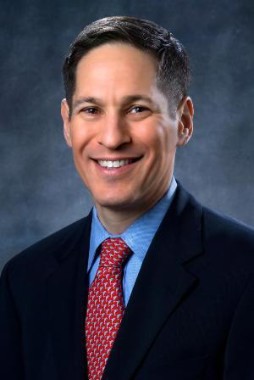
"The covered population is getting younger," HHS Secretary Kathleen Sebelius said during a Feb. 12 press briefing.
While federal officials cheered the enrollment by younger Americans, they declined to set a goal for how many young adults they want to enroll by the time the Affordable Care Act’s open enrollment closes on March 31.
More women continue to enroll in the marketplaces than men – 55% vs. 45% as of Feb. 1; similar trends were seen in the first 3 months of open enrollment.
Silver plans continue to the most popular types of health plans in the state and federal marketplaces, with 62% of enrollees choosing them. Bronze plans, selected by 19%, were the second most popular choice. Only 1% of enrollees selected catastrophic plans; most of those were young adults, according to HHS.
Most individuals who enrolled in private health plans through the marketplaces also qualified for federal subsidies. Through the first 4 months of enrollment, 82% of people who selected health plans also received financial assistance for their premium, according to the HHS data.
mschneider@frontlinemedcom.com
On Twitter @maryellenny
More than 3 million Americans signed up for insurance through the Affordable Care Act’s state and federal marketplaces as of Feb. 1, according to the latest official enrollment figures from the Health & Human Services department.
Of the approximately 3.3 million individuals who have enrolled since the online marketplaces launched on Oct. 1, 2013, 1.1 million enrolled in the month of January alone.
Federal officials said the enrollment trends to date are encouraging, especially the interest from young adults, the group most sought after by health insurers.
Overall, about 25% of the 3.3 million enrollees are young adults between the ages of 18 and 34 years. Enrollment from that group grew the fastest of all ages in January, according to the Health & Human Services department.
"The covered population is getting younger," HHS Secretary Kathleen Sebelius said during a Feb. 12 press briefing.
While federal officials cheered the enrollment by younger Americans, they declined to set a goal for how many young adults they want to enroll by the time the Affordable Care Act’s open enrollment closes on March 31.
More women continue to enroll in the marketplaces than men – 55% vs. 45% as of Feb. 1; similar trends were seen in the first 3 months of open enrollment.
Silver plans continue to the most popular types of health plans in the state and federal marketplaces, with 62% of enrollees choosing them. Bronze plans, selected by 19%, were the second most popular choice. Only 1% of enrollees selected catastrophic plans; most of those were young adults, according to HHS.
Most individuals who enrolled in private health plans through the marketplaces also qualified for federal subsidies. Through the first 4 months of enrollment, 82% of people who selected health plans also received financial assistance for their premium, according to the HHS data.
mschneider@frontlinemedcom.com
On Twitter @maryellenny
More than 3 million Americans signed up for insurance through the Affordable Care Act’s state and federal marketplaces as of Feb. 1, according to the latest official enrollment figures from the Health & Human Services department.
Of the approximately 3.3 million individuals who have enrolled since the online marketplaces launched on Oct. 1, 2013, 1.1 million enrolled in the month of January alone.
Federal officials said the enrollment trends to date are encouraging, especially the interest from young adults, the group most sought after by health insurers.
Overall, about 25% of the 3.3 million enrollees are young adults between the ages of 18 and 34 years. Enrollment from that group grew the fastest of all ages in January, according to the Health & Human Services department.
"The covered population is getting younger," HHS Secretary Kathleen Sebelius said during a Feb. 12 press briefing.
While federal officials cheered the enrollment by younger Americans, they declined to set a goal for how many young adults they want to enroll by the time the Affordable Care Act’s open enrollment closes on March 31.
More women continue to enroll in the marketplaces than men – 55% vs. 45% as of Feb. 1; similar trends were seen in the first 3 months of open enrollment.
Silver plans continue to the most popular types of health plans in the state and federal marketplaces, with 62% of enrollees choosing them. Bronze plans, selected by 19%, were the second most popular choice. Only 1% of enrollees selected catastrophic plans; most of those were young adults, according to HHS.
Most individuals who enrolled in private health plans through the marketplaces also qualified for federal subsidies. Through the first 4 months of enrollment, 82% of people who selected health plans also received financial assistance for their premium, according to the HHS data.
mschneider@frontlinemedcom.com
On Twitter @maryellenny
ICD-10 price tag going up for doctors
Making the switch from the ICD-9 to the ICD-10 diagnosis code set could cost as much as $225,000 for some small practices and up to $8 million in some large practices, according to a study from the American Medical Association.
Physician offices and hospitals must use the ICD-10 code sets beginning Oct. 1, but the preparation for the switch is taking years and involves hours of staff training, the purchase of new hardware and software, and testing with vendors and payers.
A follow-up report prepared for the AMA by Nachimson Advisors found that in certain cases, implementation costs are nearly three times higher than what the firm predicted in 2008.
In their original report, Nachimson Advisors estimated that it would cost more than $83,000 for a typical small practice (3 physicians, 2 administrative staff) to implement ICD-10, rising to $285,000 for a typical medium-size practice (10 physicians, 1 full-time coder, 6 administrative staff), and about $2.7 million for a typical large practice (100 physicians, 10 full-time coders, 64 administrative staff).
Now those costs are estimated to range from $56,000 to $226,000 for small practices and $213,000 to $824,000 for medium-size practices. And for large practices, implementing ICD-10 could cost anywhere from $2 million to $8 million.
About two-thirds of physician practices are expected to have costs in the upper range of those estimates, according to the AMA.
One reason for the increased cost is new requirements related to the adoption of electronic health records (EHRs). Nachimson Advisors also projects a larger potential for payment disruptions, estimating that 2%-6% of claims could be denied after the Oct. 1 implementation date.
"The markedly higher implementation costs for ICD-10 place a crushing burden on physicians, straining vital resources needed to invest in new health care delivery models and well-developed technology that promotes care coordination with real value to patients," Dr. Ardis Dee Hoven, AMA president, said in a statement. "Continuing to compel physicians to adopt this new coding structure threatens to disrupt innovations by diverting resources away from areas that are expected to help lower costs and improve the quality of care."
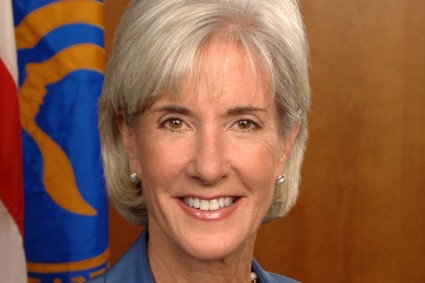
The AMA is calling on Health & Human Services secretary Kathleen Sebelius to reconsider ICD-10 implementation. But if the agency sticks to its plan, the AMA has requested several changes to mitigate some of the costs.
For example, the AMA recommends that Medicare provide a 2-year implementation period during which the agency would not be allowed to deny payments based on the specificity of the ICD-10 code provided. And the agency would provide feedback on coding to physicians during this time.
The AMA also is asking Medicare to simplify its claims requirements by adopting a policy that when the most specific ICD-10 code is used, no additional information or attachments will be required before paying the claim.
mschneider@frontlinemedcom.com
On Twitter @maryellenny
Making the switch from the ICD-9 to the ICD-10 diagnosis code set could cost as much as $225,000 for some small practices and up to $8 million in some large practices, according to a study from the American Medical Association.
Physician offices and hospitals must use the ICD-10 code sets beginning Oct. 1, but the preparation for the switch is taking years and involves hours of staff training, the purchase of new hardware and software, and testing with vendors and payers.
A follow-up report prepared for the AMA by Nachimson Advisors found that in certain cases, implementation costs are nearly three times higher than what the firm predicted in 2008.
In their original report, Nachimson Advisors estimated that it would cost more than $83,000 for a typical small practice (3 physicians, 2 administrative staff) to implement ICD-10, rising to $285,000 for a typical medium-size practice (10 physicians, 1 full-time coder, 6 administrative staff), and about $2.7 million for a typical large practice (100 physicians, 10 full-time coders, 64 administrative staff).
Now those costs are estimated to range from $56,000 to $226,000 for small practices and $213,000 to $824,000 for medium-size practices. And for large practices, implementing ICD-10 could cost anywhere from $2 million to $8 million.
About two-thirds of physician practices are expected to have costs in the upper range of those estimates, according to the AMA.
One reason for the increased cost is new requirements related to the adoption of electronic health records (EHRs). Nachimson Advisors also projects a larger potential for payment disruptions, estimating that 2%-6% of claims could be denied after the Oct. 1 implementation date.
"The markedly higher implementation costs for ICD-10 place a crushing burden on physicians, straining vital resources needed to invest in new health care delivery models and well-developed technology that promotes care coordination with real value to patients," Dr. Ardis Dee Hoven, AMA president, said in a statement. "Continuing to compel physicians to adopt this new coding structure threatens to disrupt innovations by diverting resources away from areas that are expected to help lower costs and improve the quality of care."
The AMA is calling on Health & Human Services secretary Kathleen Sebelius to reconsider ICD-10 implementation. But if the agency sticks to its plan, the AMA has requested several changes to mitigate some of the costs.
For example, the AMA recommends that Medicare provide a 2-year implementation period during which the agency would not be allowed to deny payments based on the specificity of the ICD-10 code provided. And the agency would provide feedback on coding to physicians during this time.
The AMA also is asking Medicare to simplify its claims requirements by adopting a policy that when the most specific ICD-10 code is used, no additional information or attachments will be required before paying the claim.
mschneider@frontlinemedcom.com
On Twitter @maryellenny
Making the switch from the ICD-9 to the ICD-10 diagnosis code set could cost as much as $225,000 for some small practices and up to $8 million in some large practices, according to a study from the American Medical Association.
Physician offices and hospitals must use the ICD-10 code sets beginning Oct. 1, but the preparation for the switch is taking years and involves hours of staff training, the purchase of new hardware and software, and testing with vendors and payers.
A follow-up report prepared for the AMA by Nachimson Advisors found that in certain cases, implementation costs are nearly three times higher than what the firm predicted in 2008.
In their original report, Nachimson Advisors estimated that it would cost more than $83,000 for a typical small practice (3 physicians, 2 administrative staff) to implement ICD-10, rising to $285,000 for a typical medium-size practice (10 physicians, 1 full-time coder, 6 administrative staff), and about $2.7 million for a typical large practice (100 physicians, 10 full-time coders, 64 administrative staff).
Now those costs are estimated to range from $56,000 to $226,000 for small practices and $213,000 to $824,000 for medium-size practices. And for large practices, implementing ICD-10 could cost anywhere from $2 million to $8 million.
About two-thirds of physician practices are expected to have costs in the upper range of those estimates, according to the AMA.
One reason for the increased cost is new requirements related to the adoption of electronic health records (EHRs). Nachimson Advisors also projects a larger potential for payment disruptions, estimating that 2%-6% of claims could be denied after the Oct. 1 implementation date.
"The markedly higher implementation costs for ICD-10 place a crushing burden on physicians, straining vital resources needed to invest in new health care delivery models and well-developed technology that promotes care coordination with real value to patients," Dr. Ardis Dee Hoven, AMA president, said in a statement. "Continuing to compel physicians to adopt this new coding structure threatens to disrupt innovations by diverting resources away from areas that are expected to help lower costs and improve the quality of care."
The AMA is calling on Health & Human Services secretary Kathleen Sebelius to reconsider ICD-10 implementation. But if the agency sticks to its plan, the AMA has requested several changes to mitigate some of the costs.
For example, the AMA recommends that Medicare provide a 2-year implementation period during which the agency would not be allowed to deny payments based on the specificity of the ICD-10 code provided. And the agency would provide feedback on coding to physicians during this time.
The AMA also is asking Medicare to simplify its claims requirements by adopting a policy that when the most specific ICD-10 code is used, no additional information or attachments will be required before paying the claim.
mschneider@frontlinemedcom.com
On Twitter @maryellenny
Feds spend $19 billion on EHR bonuses
The federal government has spent more than $19 billion over the last 3 years on bonuses to health care providers and hospitals to jump-start the use of electronic health records, according to figures released by the Centers for Medicare & Medicaid Services.
The money, which was paid out as part of the Medicare and Medicaid Electronic Health Records (EHR) Incentive Programs, went to physicians and other health care providers, hospitals, and Medicare Advantage organizations starting in 2011. Under the program, physicians can earn up to $44,000 over 5 years through Medicare or $63,750 over 6 years through Medicaid.

Since its launch in 2011 through the end of last year, more than 268,000 physicians have received incentive payments through the Medicare or Medicaid programs. In total, physicians took home more than $5.5 billion in bonuses over the first 3 years of the program.
But hospitals earned even more. About 4,400 hospitals earned more than $12.2 billion in EHR incentive payments from 2011 through 2013.
The government cut its biggest checks in the first 2 years of the program. And by May 2013, more than half of all physicians and other eligible providers had received bonuses through the program, according to the CMS.
In 2013 alone, more than 28,000 physicians received incentive payments through Medicare or Medicaid totaling more than $421 million.
mschneider@frontlinemedcom.com
On Twitter @maryellenny
The federal government has spent more than $19 billion over the last 3 years on bonuses to health care providers and hospitals to jump-start the use of electronic health records, according to figures released by the Centers for Medicare & Medicaid Services.
The money, which was paid out as part of the Medicare and Medicaid Electronic Health Records (EHR) Incentive Programs, went to physicians and other health care providers, hospitals, and Medicare Advantage organizations starting in 2011. Under the program, physicians can earn up to $44,000 over 5 years through Medicare or $63,750 over 6 years through Medicaid.
Since its launch in 2011 through the end of last year, more than 268,000 physicians have received incentive payments through the Medicare or Medicaid programs. In total, physicians took home more than $5.5 billion in bonuses over the first 3 years of the program.
But hospitals earned even more. About 4,400 hospitals earned more than $12.2 billion in EHR incentive payments from 2011 through 2013.
The government cut its biggest checks in the first 2 years of the program. And by May 2013, more than half of all physicians and other eligible providers had received bonuses through the program, according to the CMS.
In 2013 alone, more than 28,000 physicians received incentive payments through Medicare or Medicaid totaling more than $421 million.
mschneider@frontlinemedcom.com
On Twitter @maryellenny
The federal government has spent more than $19 billion over the last 3 years on bonuses to health care providers and hospitals to jump-start the use of electronic health records, according to figures released by the Centers for Medicare & Medicaid Services.
The money, which was paid out as part of the Medicare and Medicaid Electronic Health Records (EHR) Incentive Programs, went to physicians and other health care providers, hospitals, and Medicare Advantage organizations starting in 2011. Under the program, physicians can earn up to $44,000 over 5 years through Medicare or $63,750 over 6 years through Medicaid.
Since its launch in 2011 through the end of last year, more than 268,000 physicians have received incentive payments through the Medicare or Medicaid programs. In total, physicians took home more than $5.5 billion in bonuses over the first 3 years of the program.
But hospitals earned even more. About 4,400 hospitals earned more than $12.2 billion in EHR incentive payments from 2011 through 2013.
The government cut its biggest checks in the first 2 years of the program. And by May 2013, more than half of all physicians and other eligible providers had received bonuses through the program, according to the CMS.
In 2013 alone, more than 28,000 physicians received incentive payments through Medicare or Medicaid totaling more than $421 million.
mschneider@frontlinemedcom.com
On Twitter @maryellenny

AMA to Congress: No more SGR patches
The American Medical Association is urging Congress to work quickly to find a way to pay for a permanent repeal of Medicare’s Sustainable Growth Rate formula, before the current short-term patch expires on March 31.
During a press conference on Feb. 10, AMA President Ardis Dee Hoven put the organization’s full support behind the SGR Repeal and Medicare Provider Payment Modernization Act (H.R. 4015/S. 2000), which eliminates the Sustainable Growth Rate (SGR) formula and provides 0.5% physician payment increases for 5 years. The bill, which was introduced simultaneously in the House and Senate on Feb. 6, consolidates Medicare’s quality incentive programs and phases in new payment models.
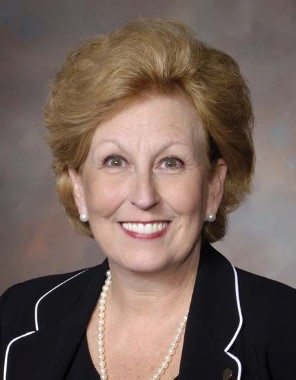
But the AMA remains opposed to another short-term SGR fix, including a proposal that would avert physician pay cuts under Medicare for another 9 months.
"This whole concept of continued patching is fiscally irresponsible," Dr. Hoven said. "It undermines continually the stability of the program."
Without some type of SGR fix, either short-term or long-term, Medicare physician payments are set to drop about 24% on April 1.
But approving a permanent SGR repeal in the next several weeks hinges on whether lawmakers can agree on how to pay for it. The Congressional Budget Office estimates that the cost could run as high as $150 billion over 10 years.
Dr. Hoven said the AMA would not make recommendations on how to offset the cost of the bill, but they would offer an opinion once lawmakers put a specific proposal on the table.
"Right now, the momentum is there," Dr. Hoven said. "These conversations have been ongoing for years. They simply need to get this done and get it done now."
mschneider@frontlinemedcom.com
On Twitter @maryellenny
The American Medical Association is urging Congress to work quickly to find a way to pay for a permanent repeal of Medicare’s Sustainable Growth Rate formula, before the current short-term patch expires on March 31.
During a press conference on Feb. 10, AMA President Ardis Dee Hoven put the organization’s full support behind the SGR Repeal and Medicare Provider Payment Modernization Act (H.R. 4015/S. 2000), which eliminates the Sustainable Growth Rate (SGR) formula and provides 0.5% physician payment increases for 5 years. The bill, which was introduced simultaneously in the House and Senate on Feb. 6, consolidates Medicare’s quality incentive programs and phases in new payment models.
But the AMA remains opposed to another short-term SGR fix, including a proposal that would avert physician pay cuts under Medicare for another 9 months.
"This whole concept of continued patching is fiscally irresponsible," Dr. Hoven said. "It undermines continually the stability of the program."
Without some type of SGR fix, either short-term or long-term, Medicare physician payments are set to drop about 24% on April 1.
But approving a permanent SGR repeal in the next several weeks hinges on whether lawmakers can agree on how to pay for it. The Congressional Budget Office estimates that the cost could run as high as $150 billion over 10 years.
Dr. Hoven said the AMA would not make recommendations on how to offset the cost of the bill, but they would offer an opinion once lawmakers put a specific proposal on the table.
"Right now, the momentum is there," Dr. Hoven said. "These conversations have been ongoing for years. They simply need to get this done and get it done now."
mschneider@frontlinemedcom.com
On Twitter @maryellenny
The American Medical Association is urging Congress to work quickly to find a way to pay for a permanent repeal of Medicare’s Sustainable Growth Rate formula, before the current short-term patch expires on March 31.
During a press conference on Feb. 10, AMA President Ardis Dee Hoven put the organization’s full support behind the SGR Repeal and Medicare Provider Payment Modernization Act (H.R. 4015/S. 2000), which eliminates the Sustainable Growth Rate (SGR) formula and provides 0.5% physician payment increases for 5 years. The bill, which was introduced simultaneously in the House and Senate on Feb. 6, consolidates Medicare’s quality incentive programs and phases in new payment models.
But the AMA remains opposed to another short-term SGR fix, including a proposal that would avert physician pay cuts under Medicare for another 9 months.
"This whole concept of continued patching is fiscally irresponsible," Dr. Hoven said. "It undermines continually the stability of the program."
Without some type of SGR fix, either short-term or long-term, Medicare physician payments are set to drop about 24% on April 1.
But approving a permanent SGR repeal in the next several weeks hinges on whether lawmakers can agree on how to pay for it. The Congressional Budget Office estimates that the cost could run as high as $150 billion over 10 years.
Dr. Hoven said the AMA would not make recommendations on how to offset the cost of the bill, but they would offer an opinion once lawmakers put a specific proposal on the table.
"Right now, the momentum is there," Dr. Hoven said. "These conversations have been ongoing for years. They simply need to get this done and get it done now."
mschneider@frontlinemedcom.com
On Twitter @maryellenny
SGR replacement promises small pay boost over 5 years
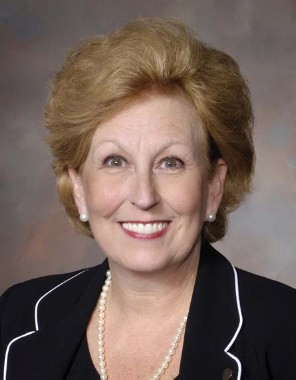
Doctors could see a 0.5% pay increase for 5 years and a transition to alternative delivery and payment models under consensus legislation to repeal the Medicare Sustainable Growth Rate formula.
The legislation, the SGR Repeal and Medicare Provider Payment Modernization Act of 2014 (H.R. 4015), is based on three separate proposals approved last year by the House Energy and Commerce Committee, the House Ways and Means Committee, and the Senate Finance Committee. It was introduced Feb. 6.

The bill does not address how to pay for the SGR replacement. One recent estimate by the Congressional Budget Office put that price tag at $120 billion to $150 billion.
Sen. Max Baucus (D-Mont.), chairman of the Finance committee, hailed the agreement. "This proposal would bring that cycle to an end and fix the broken system," he said in a statement. "Our bill makes Medicare’s physician payments more modern and efficient, and it will protect seniors’ access to their doctors."
American Medical Association President Ardis Dee Hoven commented that this consensus bill means that "Congress is closer than it has ever been to enacting fiscally-prudent legislation that would repeal Medicare’s fatally flawed sustainable growth rate formula."
Dr. Charles Cutler, chair of the American College of Physicians’ Board of Regents, said in a statement that the ACP was encouraged that the bill contained many of the elements it had backed, including:
• Replacing the SGR with a system focused on quality, value, and accountability.
• Consolidating the three existing quality programs into a streamlined and improved program that rewards physicians who meet performance thresholds and improve care for seniors.
• Implementing a process to improve payment accuracy.
• Creating incentives for physicians to move into advanced payment models.
Dr. Reid Blackwelder, president of the American Academy of Family Physicians said, "For more than a decade, the SGR has threatened our most vulnerable patients’ access to care by requiring drastic cuts in payment for medical services. By ending the annual, biannual, monthly, sometimes even bimonthly cycle of last-minute ‘fixes’ to prevent mandated SGR cuts, Congress will stabilize Medicare and bring peace of mind to their elderly and disabled constituents."
"Much work remains to create a system that can finally provide certainty to seniors and their doctors," Rep. Fred Upton (R-Mich.), chairman of the Energy and Commerce committee, said in a statement. "I look forward to building upon this progress and continuing the momentum until this is across the finish line."
The most recent cuts called for by the SGR were deferred as part of federal budget legislation enacted at the end of 2013. A short-term 0.5% increase in Medicare physician fees is slated to expire March 31.
On Twitter @aliciaault
Doctors could see a 0.5% pay increase for 5 years and a transition to alternative delivery and payment models under consensus legislation to repeal the Medicare Sustainable Growth Rate formula.
The legislation, the SGR Repeal and Medicare Provider Payment Modernization Act of 2014 (H.R. 4015), is based on three separate proposals approved last year by the House Energy and Commerce Committee, the House Ways and Means Committee, and the Senate Finance Committee. It was introduced Feb. 6.
The bill does not address how to pay for the SGR replacement. One recent estimate by the Congressional Budget Office put that price tag at $120 billion to $150 billion.
Sen. Max Baucus (D-Mont.), chairman of the Finance committee, hailed the agreement. "This proposal would bring that cycle to an end and fix the broken system," he said in a statement. "Our bill makes Medicare’s physician payments more modern and efficient, and it will protect seniors’ access to their doctors."
American Medical Association President Ardis Dee Hoven commented that this consensus bill means that "Congress is closer than it has ever been to enacting fiscally-prudent legislation that would repeal Medicare’s fatally flawed sustainable growth rate formula."
Dr. Charles Cutler, chair of the American College of Physicians’ Board of Regents, said in a statement that the ACP was encouraged that the bill contained many of the elements it had backed, including:
• Replacing the SGR with a system focused on quality, value, and accountability.
• Consolidating the three existing quality programs into a streamlined and improved program that rewards physicians who meet performance thresholds and improve care for seniors.
• Implementing a process to improve payment accuracy.
• Creating incentives for physicians to move into advanced payment models.
Dr. Reid Blackwelder, president of the American Academy of Family Physicians said, "For more than a decade, the SGR has threatened our most vulnerable patients’ access to care by requiring drastic cuts in payment for medical services. By ending the annual, biannual, monthly, sometimes even bimonthly cycle of last-minute ‘fixes’ to prevent mandated SGR cuts, Congress will stabilize Medicare and bring peace of mind to their elderly and disabled constituents."
"Much work remains to create a system that can finally provide certainty to seniors and their doctors," Rep. Fred Upton (R-Mich.), chairman of the Energy and Commerce committee, said in a statement. "I look forward to building upon this progress and continuing the momentum until this is across the finish line."
The most recent cuts called for by the SGR were deferred as part of federal budget legislation enacted at the end of 2013. A short-term 0.5% increase in Medicare physician fees is slated to expire March 31.
On Twitter @aliciaault
Doctors could see a 0.5% pay increase for 5 years and a transition to alternative delivery and payment models under consensus legislation to repeal the Medicare Sustainable Growth Rate formula.
The legislation, the SGR Repeal and Medicare Provider Payment Modernization Act of 2014 (H.R. 4015), is based on three separate proposals approved last year by the House Energy and Commerce Committee, the House Ways and Means Committee, and the Senate Finance Committee. It was introduced Feb. 6.
The bill does not address how to pay for the SGR replacement. One recent estimate by the Congressional Budget Office put that price tag at $120 billion to $150 billion.
Sen. Max Baucus (D-Mont.), chairman of the Finance committee, hailed the agreement. "This proposal would bring that cycle to an end and fix the broken system," he said in a statement. "Our bill makes Medicare’s physician payments more modern and efficient, and it will protect seniors’ access to their doctors."
American Medical Association President Ardis Dee Hoven commented that this consensus bill means that "Congress is closer than it has ever been to enacting fiscally-prudent legislation that would repeal Medicare’s fatally flawed sustainable growth rate formula."
Dr. Charles Cutler, chair of the American College of Physicians’ Board of Regents, said in a statement that the ACP was encouraged that the bill contained many of the elements it had backed, including:
• Replacing the SGR with a system focused on quality, value, and accountability.
• Consolidating the three existing quality programs into a streamlined and improved program that rewards physicians who meet performance thresholds and improve care for seniors.
• Implementing a process to improve payment accuracy.
• Creating incentives for physicians to move into advanced payment models.
Dr. Reid Blackwelder, president of the American Academy of Family Physicians said, "For more than a decade, the SGR has threatened our most vulnerable patients’ access to care by requiring drastic cuts in payment for medical services. By ending the annual, biannual, monthly, sometimes even bimonthly cycle of last-minute ‘fixes’ to prevent mandated SGR cuts, Congress will stabilize Medicare and bring peace of mind to their elderly and disabled constituents."
"Much work remains to create a system that can finally provide certainty to seniors and their doctors," Rep. Fred Upton (R-Mich.), chairman of the Energy and Commerce committee, said in a statement. "I look forward to building upon this progress and continuing the momentum until this is across the finish line."
The most recent cuts called for by the SGR were deferred as part of federal budget legislation enacted at the end of 2013. A short-term 0.5% increase in Medicare physician fees is slated to expire March 31.
On Twitter @aliciaault

DeSalvo: Interoperability is the IT focus now
WASHINGTON – Dr. Karen B. DeSalvo feels your pain.
As the government’s National Coordinator for Health Technology, Dr. DeSalvo says that she wants to redouble efforts to help all physicians adopt electronic health records (EHRs).

"We really want to help," Dr. DeSalvo said at a Feb. 5 forum on telemedicine sponsored by the journal Health Affairs. "We want to bring folks along," and ensure there is not a digital divide.
But her primary focus is interoperability.
Achieving interoperability "is going to be a complex and exciting endeavor," that will be not only about the basics of making it work, but also pulling all the stakeholders together to brainstorm creative solutions, Dr. DeSalvo said Feb. 6. at a health IT conference, sponsored by West Health Institute and the Office of the National Coordinator.
Dr. DeSalvo has experience in creating interoperable systems. After Hurricane Katrina, Dr. DeSalvo, then chief of general internal medicine and geriatrics at Tulane University and special assistant to its president for health policy, helped resurrect New Orleans’s health care system.
Paper records were lost or destroyed. Many patients were displaced and had patchy recollections of their medical histories. Health care professionals too were displaced; those that remained decided to "take this tipping point and move forward," she said. That meant building a new infrastructure – one that would be portable and easily accessible to providers and patients.
Health IT played a huge role in helping the city regain its medical bearings. "We skipped right to ... electronic health records and how we could use telehealth," Dr. DeSalvo said. Use of EHRs allowed physicians to quickly transition their practices into patient-centered medical homes and also meant that patients would be treated holistically, she said. Interoperability was key.
Although America "is not facing the urgency of a catastrophe like Katrina," she said, "it is at a slow boil," with costs continuing to rise and ongoing challenges with access to care and quality improvement.
On Twitter @aliciaault
WASHINGTON – Dr. Karen B. DeSalvo feels your pain.
As the government’s National Coordinator for Health Technology, Dr. DeSalvo says that she wants to redouble efforts to help all physicians adopt electronic health records (EHRs).
"We really want to help," Dr. DeSalvo said at a Feb. 5 forum on telemedicine sponsored by the journal Health Affairs. "We want to bring folks along," and ensure there is not a digital divide.
But her primary focus is interoperability.
Achieving interoperability "is going to be a complex and exciting endeavor," that will be not only about the basics of making it work, but also pulling all the stakeholders together to brainstorm creative solutions, Dr. DeSalvo said Feb. 6. at a health IT conference, sponsored by West Health Institute and the Office of the National Coordinator.
Dr. DeSalvo has experience in creating interoperable systems. After Hurricane Katrina, Dr. DeSalvo, then chief of general internal medicine and geriatrics at Tulane University and special assistant to its president for health policy, helped resurrect New Orleans’s health care system.
Paper records were lost or destroyed. Many patients were displaced and had patchy recollections of their medical histories. Health care professionals too were displaced; those that remained decided to "take this tipping point and move forward," she said. That meant building a new infrastructure – one that would be portable and easily accessible to providers and patients.
Health IT played a huge role in helping the city regain its medical bearings. "We skipped right to ... electronic health records and how we could use telehealth," Dr. DeSalvo said. Use of EHRs allowed physicians to quickly transition their practices into patient-centered medical homes and also meant that patients would be treated holistically, she said. Interoperability was key.
Although America "is not facing the urgency of a catastrophe like Katrina," she said, "it is at a slow boil," with costs continuing to rise and ongoing challenges with access to care and quality improvement.
On Twitter @aliciaault
WASHINGTON – Dr. Karen B. DeSalvo feels your pain.
As the government’s National Coordinator for Health Technology, Dr. DeSalvo says that she wants to redouble efforts to help all physicians adopt electronic health records (EHRs).
"We really want to help," Dr. DeSalvo said at a Feb. 5 forum on telemedicine sponsored by the journal Health Affairs. "We want to bring folks along," and ensure there is not a digital divide.
But her primary focus is interoperability.
Achieving interoperability "is going to be a complex and exciting endeavor," that will be not only about the basics of making it work, but also pulling all the stakeholders together to brainstorm creative solutions, Dr. DeSalvo said Feb. 6. at a health IT conference, sponsored by West Health Institute and the Office of the National Coordinator.
Dr. DeSalvo has experience in creating interoperable systems. After Hurricane Katrina, Dr. DeSalvo, then chief of general internal medicine and geriatrics at Tulane University and special assistant to its president for health policy, helped resurrect New Orleans’s health care system.
Paper records were lost or destroyed. Many patients were displaced and had patchy recollections of their medical histories. Health care professionals too were displaced; those that remained decided to "take this tipping point and move forward," she said. That meant building a new infrastructure – one that would be portable and easily accessible to providers and patients.
Health IT played a huge role in helping the city regain its medical bearings. "We skipped right to ... electronic health records and how we could use telehealth," Dr. DeSalvo said. Use of EHRs allowed physicians to quickly transition their practices into patient-centered medical homes and also meant that patients would be treated holistically, she said. Interoperability was key.
Although America "is not facing the urgency of a catastrophe like Katrina," she said, "it is at a slow boil," with costs continuing to rise and ongoing challenges with access to care and quality improvement.
On Twitter @aliciaault

CMS delays two-midnight rule until Oct. 1
Enforcement of Medicare’s two-midnight rule has been delayed until Oct. 1, officials at the Centers for Medicare & Medicaid Services announced.
The two-midnight rule calls on doctors and hospitals to admit patients undergoing surgical procedures, diagnostic tests, or other treatments if they anticipate that the patient will be in the hospital for two midnights. The change is aimed at clarifying when a patient should be admitted vs. being kept in observation status. The rule was originally released in August 2013.

The delay, announced Jan. 31, will provide more time to educate physicians and hospitals about the changes, according to the agency.
Until then, Medicare Administrative Contractors (MACs) will review claims with admission dates between March 31, 2014, and Sept. 30, 2014, and deny those claims that are out of compliance with the rule. The MACs will review 10 claims for most hospitals and 25 for large hospitals and conduct additional education with hospitals, according to the CMS.
But Recovery Auditors will not perform postpayment audits of claims until Oct. 1.
"The delay only postpones the inevitable," said Dr. Bradley E. Flansbaum, a hospitalist in New York City and a member of the Society of Hospital Medicine’s public policy committee. "We still want clarity on what the rule means and how to implement it."
The SHM has asked the CMS to provide more information on how and why time in an intensive care unit could be considered observation/outpatient.
Also, the SHM is seeking guidance on how physicians should handle cases in which the expected length of stay is longer than two midnights, but the patient recovers more quickly. The rule indicates that those patients should retain their inpatient status for payment, but physicians likely will face pressure to change that status back to observation, the SHM noted in a letter to CMS.
Despite the lingering questions, Dr. Flansbaum said there’s enough information available for physicians to start preparing for the change. He advised doctors to use the 6-month delay wisely and begin working as if the postpayment audits were already underway.
CMS, as well as the MACs, will hold educational sessions with hospitals through the end of September. On Feb. 27, CMS will host a call for hospitals, physicians, case managers, and other health care providers to answer frequently asked questions about the two-midnight rule.
The agency also issued guidance that outlines what information should be included in the physician certification of inpatient services; the timing of physician certification and discharge orders; who can sign the inpatient certification; the format required for certification; and the timing, content, and specificity required with an inpatient admission order.
mschneider@frontlinemedcom.com
On Twitter @maryellenny
Enforcement of Medicare’s two-midnight rule has been delayed until Oct. 1, officials at the Centers for Medicare & Medicaid Services announced.
The two-midnight rule calls on doctors and hospitals to admit patients undergoing surgical procedures, diagnostic tests, or other treatments if they anticipate that the patient will be in the hospital for two midnights. The change is aimed at clarifying when a patient should be admitted vs. being kept in observation status. The rule was originally released in August 2013.
The delay, announced Jan. 31, will provide more time to educate physicians and hospitals about the changes, according to the agency.
Until then, Medicare Administrative Contractors (MACs) will review claims with admission dates between March 31, 2014, and Sept. 30, 2014, and deny those claims that are out of compliance with the rule. The MACs will review 10 claims for most hospitals and 25 for large hospitals and conduct additional education with hospitals, according to the CMS.
But Recovery Auditors will not perform postpayment audits of claims until Oct. 1.
"The delay only postpones the inevitable," said Dr. Bradley E. Flansbaum, a hospitalist in New York City and a member of the Society of Hospital Medicine’s public policy committee. "We still want clarity on what the rule means and how to implement it."
The SHM has asked the CMS to provide more information on how and why time in an intensive care unit could be considered observation/outpatient.
Also, the SHM is seeking guidance on how physicians should handle cases in which the expected length of stay is longer than two midnights, but the patient recovers more quickly. The rule indicates that those patients should retain their inpatient status for payment, but physicians likely will face pressure to change that status back to observation, the SHM noted in a letter to CMS.
Despite the lingering questions, Dr. Flansbaum said there’s enough information available for physicians to start preparing for the change. He advised doctors to use the 6-month delay wisely and begin working as if the postpayment audits were already underway.
CMS, as well as the MACs, will hold educational sessions with hospitals through the end of September. On Feb. 27, CMS will host a call for hospitals, physicians, case managers, and other health care providers to answer frequently asked questions about the two-midnight rule.
The agency also issued guidance that outlines what information should be included in the physician certification of inpatient services; the timing of physician certification and discharge orders; who can sign the inpatient certification; the format required for certification; and the timing, content, and specificity required with an inpatient admission order.
mschneider@frontlinemedcom.com
On Twitter @maryellenny
Enforcement of Medicare’s two-midnight rule has been delayed until Oct. 1, officials at the Centers for Medicare & Medicaid Services announced.
The two-midnight rule calls on doctors and hospitals to admit patients undergoing surgical procedures, diagnostic tests, or other treatments if they anticipate that the patient will be in the hospital for two midnights. The change is aimed at clarifying when a patient should be admitted vs. being kept in observation status. The rule was originally released in August 2013.
The delay, announced Jan. 31, will provide more time to educate physicians and hospitals about the changes, according to the agency.
Until then, Medicare Administrative Contractors (MACs) will review claims with admission dates between March 31, 2014, and Sept. 30, 2014, and deny those claims that are out of compliance with the rule. The MACs will review 10 claims for most hospitals and 25 for large hospitals and conduct additional education with hospitals, according to the CMS.
But Recovery Auditors will not perform postpayment audits of claims until Oct. 1.
"The delay only postpones the inevitable," said Dr. Bradley E. Flansbaum, a hospitalist in New York City and a member of the Society of Hospital Medicine’s public policy committee. "We still want clarity on what the rule means and how to implement it."
The SHM has asked the CMS to provide more information on how and why time in an intensive care unit could be considered observation/outpatient.
Also, the SHM is seeking guidance on how physicians should handle cases in which the expected length of stay is longer than two midnights, but the patient recovers more quickly. The rule indicates that those patients should retain their inpatient status for payment, but physicians likely will face pressure to change that status back to observation, the SHM noted in a letter to CMS.
Despite the lingering questions, Dr. Flansbaum said there’s enough information available for physicians to start preparing for the change. He advised doctors to use the 6-month delay wisely and begin working as if the postpayment audits were already underway.
CMS, as well as the MACs, will hold educational sessions with hospitals through the end of September. On Feb. 27, CMS will host a call for hospitals, physicians, case managers, and other health care providers to answer frequently asked questions about the two-midnight rule.
The agency also issued guidance that outlines what information should be included in the physician certification of inpatient services; the timing of physician certification and discharge orders; who can sign the inpatient certification; the format required for certification; and the timing, content, and specificity required with an inpatient admission order.
mschneider@frontlinemedcom.com
On Twitter @maryellenny