User login
Bringing you the latest news, research and reviews, exclusive interviews, podcasts, quizzes, and more.
Powered by CHEST Physician, Clinician Reviews, MDedge Family Medicine, Internal Medicine News, and The Journal of Clinical Outcomes Management.
For dyspnea, details should drive choice of lung volume reduction therapy
CHICAGO – Taking a personalized approach to treating dyspnea will result in better outcomes, and will make choosing between surgical and the increasing number of nonsurgical techniques an easier process, according to Dr. Frank Sciurba, a presenter at the annual meeting of the American College of Chest Physicians.
In a talk that reviewed current and trial surgical and bronchoscopic treatments of dyspnea in chronic obstructive pulmonary disease, Dr. Sciurba said, "Just treating diseases that are now naively classified as COPD or [interstitial lung disease] is not enough. We can instead look at variations within those diseases that may or may not be responsive to different therapies."
For example, because the Impact of Heterogeneity on Outcome Following Endobronchial Valves (VENT) trial data showed that fissure integrity (collateral tracts) significantly influenced target and adjacent lobe volume changes, Dr. Sciurba said that medical device manufacturers have begun to develop technologies that are more specific to the patient.
Straight nitinol coils (PneumRx), which are placed bronchoscopically, are implanted in stages, and according to collateral tracts. "The concept is to target the most affected areas of the lung, allowing regional expansion of the least affected lung. It’s not dependent on just lobar re-expansion," said Dr. Sciurba, director of the emphysema research center at the University of Pittsburgh Medical Center.
Pilot trial data for this technique published in CHEST earlier this year showed that patients (n = 56) had a 17.5% improvement in forced expiratory volume in 1 second (FEV1) and a greater than 10% drop in residual volume, and clinical meaningful improvements in 6-minute walk distances at more than a 28% improvement from baseline: 73% had a greater than 25 meter improvement at 6 months post treatment.
The hydro-gel foam, AeriSeal (Aeris) is another bronchoscopic technique currently undergoing a small (n = 20) pilot trial. After fibrinogen was eliminated from the sealant, this polymeric lung volume reduction technology was cleared by the Food and Drug Administration for testing in humans.
The sealant is administered into specific subsegments of the lungs, where the foam adheres to surrounding tissues; air and water in the foam are reabsorbed when collapse occurs, with durable absorption in atelectasis.
The results will soon be published, although Dr. Sciurba said that at this point, "the mechanical benefits seem to exceed the symptomatic benefits," but that a trial in a larger population would produce more definitive results.
Other factors to consider include "understanding the pulmonary physiologic interaction in lung volume reduction, and how that translates downstream, and the importance of linking the mechanical intervention with pulmonary rehab."
Expanding the ‘tool chest’
In determining whether bronchoscopic solutions can achieve the same benefits of surgical ones, while also minimizing adverse effects, Dr. Sciurba said, the FDA is beginning to take a more personalized view when approving trials, which he hopes will increase the "tool chest" available to physicians.
Clinical trials going forward may need to consider selection criteria such as interlobar collaterals, regional emphysema heterogeneity, and the degree of hyperinflation, as well as the most relevant outcomes when determining adverse events, Dr. Sciurba said.
Whether therapies are reversible also will be relevant, and will have an impact on future criteria for lung volume reduction surgery and transplant candidacy.
"If we actually look in a little more detail and start to classify these patients both on physiologic and clinical patterns, and as we evolve, on genetic patterns and molecular patterns, we will isolate groups of patients who are home run responders from those in whom certain therapies may not be cost effective."
Dr. Sciurba disclosed that he has received support from AstraZeneca, GlaxoSmithKline, Pfizer, and other companies, as well as grant monies from the National Institutes of Health and the University of Pittsburgh.
CHICAGO – Taking a personalized approach to treating dyspnea will result in better outcomes, and will make choosing between surgical and the increasing number of nonsurgical techniques an easier process, according to Dr. Frank Sciurba, a presenter at the annual meeting of the American College of Chest Physicians.
In a talk that reviewed current and trial surgical and bronchoscopic treatments of dyspnea in chronic obstructive pulmonary disease, Dr. Sciurba said, "Just treating diseases that are now naively classified as COPD or [interstitial lung disease] is not enough. We can instead look at variations within those diseases that may or may not be responsive to different therapies."
For example, because the Impact of Heterogeneity on Outcome Following Endobronchial Valves (VENT) trial data showed that fissure integrity (collateral tracts) significantly influenced target and adjacent lobe volume changes, Dr. Sciurba said that medical device manufacturers have begun to develop technologies that are more specific to the patient.
Straight nitinol coils (PneumRx), which are placed bronchoscopically, are implanted in stages, and according to collateral tracts. "The concept is to target the most affected areas of the lung, allowing regional expansion of the least affected lung. It’s not dependent on just lobar re-expansion," said Dr. Sciurba, director of the emphysema research center at the University of Pittsburgh Medical Center.
Pilot trial data for this technique published in CHEST earlier this year showed that patients (n = 56) had a 17.5% improvement in forced expiratory volume in 1 second (FEV1) and a greater than 10% drop in residual volume, and clinical meaningful improvements in 6-minute walk distances at more than a 28% improvement from baseline: 73% had a greater than 25 meter improvement at 6 months post treatment.
The hydro-gel foam, AeriSeal (Aeris) is another bronchoscopic technique currently undergoing a small (n = 20) pilot trial. After fibrinogen was eliminated from the sealant, this polymeric lung volume reduction technology was cleared by the Food and Drug Administration for testing in humans.
The sealant is administered into specific subsegments of the lungs, where the foam adheres to surrounding tissues; air and water in the foam are reabsorbed when collapse occurs, with durable absorption in atelectasis.
The results will soon be published, although Dr. Sciurba said that at this point, "the mechanical benefits seem to exceed the symptomatic benefits," but that a trial in a larger population would produce more definitive results.
Other factors to consider include "understanding the pulmonary physiologic interaction in lung volume reduction, and how that translates downstream, and the importance of linking the mechanical intervention with pulmonary rehab."
Expanding the ‘tool chest’
In determining whether bronchoscopic solutions can achieve the same benefits of surgical ones, while also minimizing adverse effects, Dr. Sciurba said, the FDA is beginning to take a more personalized view when approving trials, which he hopes will increase the "tool chest" available to physicians.
Clinical trials going forward may need to consider selection criteria such as interlobar collaterals, regional emphysema heterogeneity, and the degree of hyperinflation, as well as the most relevant outcomes when determining adverse events, Dr. Sciurba said.
Whether therapies are reversible also will be relevant, and will have an impact on future criteria for lung volume reduction surgery and transplant candidacy.
"If we actually look in a little more detail and start to classify these patients both on physiologic and clinical patterns, and as we evolve, on genetic patterns and molecular patterns, we will isolate groups of patients who are home run responders from those in whom certain therapies may not be cost effective."
Dr. Sciurba disclosed that he has received support from AstraZeneca, GlaxoSmithKline, Pfizer, and other companies, as well as grant monies from the National Institutes of Health and the University of Pittsburgh.
CHICAGO – Taking a personalized approach to treating dyspnea will result in better outcomes, and will make choosing between surgical and the increasing number of nonsurgical techniques an easier process, according to Dr. Frank Sciurba, a presenter at the annual meeting of the American College of Chest Physicians.
In a talk that reviewed current and trial surgical and bronchoscopic treatments of dyspnea in chronic obstructive pulmonary disease, Dr. Sciurba said, "Just treating diseases that are now naively classified as COPD or [interstitial lung disease] is not enough. We can instead look at variations within those diseases that may or may not be responsive to different therapies."
For example, because the Impact of Heterogeneity on Outcome Following Endobronchial Valves (VENT) trial data showed that fissure integrity (collateral tracts) significantly influenced target and adjacent lobe volume changes, Dr. Sciurba said that medical device manufacturers have begun to develop technologies that are more specific to the patient.
Straight nitinol coils (PneumRx), which are placed bronchoscopically, are implanted in stages, and according to collateral tracts. "The concept is to target the most affected areas of the lung, allowing regional expansion of the least affected lung. It’s not dependent on just lobar re-expansion," said Dr. Sciurba, director of the emphysema research center at the University of Pittsburgh Medical Center.
Pilot trial data for this technique published in CHEST earlier this year showed that patients (n = 56) had a 17.5% improvement in forced expiratory volume in 1 second (FEV1) and a greater than 10% drop in residual volume, and clinical meaningful improvements in 6-minute walk distances at more than a 28% improvement from baseline: 73% had a greater than 25 meter improvement at 6 months post treatment.
The hydro-gel foam, AeriSeal (Aeris) is another bronchoscopic technique currently undergoing a small (n = 20) pilot trial. After fibrinogen was eliminated from the sealant, this polymeric lung volume reduction technology was cleared by the Food and Drug Administration for testing in humans.
The sealant is administered into specific subsegments of the lungs, where the foam adheres to surrounding tissues; air and water in the foam are reabsorbed when collapse occurs, with durable absorption in atelectasis.
The results will soon be published, although Dr. Sciurba said that at this point, "the mechanical benefits seem to exceed the symptomatic benefits," but that a trial in a larger population would produce more definitive results.
Other factors to consider include "understanding the pulmonary physiologic interaction in lung volume reduction, and how that translates downstream, and the importance of linking the mechanical intervention with pulmonary rehab."
Expanding the ‘tool chest’
In determining whether bronchoscopic solutions can achieve the same benefits of surgical ones, while also minimizing adverse effects, Dr. Sciurba said, the FDA is beginning to take a more personalized view when approving trials, which he hopes will increase the "tool chest" available to physicians.
Clinical trials going forward may need to consider selection criteria such as interlobar collaterals, regional emphysema heterogeneity, and the degree of hyperinflation, as well as the most relevant outcomes when determining adverse events, Dr. Sciurba said.
Whether therapies are reversible also will be relevant, and will have an impact on future criteria for lung volume reduction surgery and transplant candidacy.
"If we actually look in a little more detail and start to classify these patients both on physiologic and clinical patterns, and as we evolve, on genetic patterns and molecular patterns, we will isolate groups of patients who are home run responders from those in whom certain therapies may not be cost effective."
Dr. Sciurba disclosed that he has received support from AstraZeneca, GlaxoSmithKline, Pfizer, and other companies, as well as grant monies from the National Institutes of Health and the University of Pittsburgh.
EXPERT ANALYSIS FROM CHEST 2013
Smoking has damaging impact in ankylosing spondylitis
SAN DIEGO – Smoking increases the effect of inflammation on x-ray damage in people with ankylosing spondylitis by more than fivefold, results from a Dutch study demonstrated. In addition, the effect is amplified by more than 13-fold in male smokers, compared with females who don’t smoke.
Those are the key findings from OASIS (Outcome in AS International Study), which followed ankylosing spondylitis patients for up to 12 years with biannual clinical assessments, including radiographs. Lead investigator Dr. Sofia Ramiro of the Academic Medical Center at the University of Amsterdam discussed the study during a press briefing at the annual meeting of the American College of Rheumatology.
Two reviewers independently scored the x-rays of 127 patients with ankylosing spondylitis according to the Modified Stoke Ankylosing Spondylitis Supine Score (mSASSS). Dr. Ramiro and her associates evaluated the relationship between the AS Disease Activity Score and x-ray damage over a period of 12 years by assessing the effect of inflammation at one point in time on the progression of damage 2 years later.
The mean age of the 127 patients was 41 years and 71% were male. Their mean symptom duration was 18 years, 82% were human leukocyte antigen B27 (HLA-B27) positive, and 40% were smokers.
Overall, smokers had a 5.5-fold higher effect of inflammation on x-ray damage, compared with nonsmokers, and male smokers had a 13.4-fold higher effect of inflammation on damage, compared with female nonsmokers. In addition, smokers with a short symptom duration – defined as those with fewer than 18 years of symptoms – had an 8.1-fold higher effect of inflammation on damage, compared with nonsmokers with long symptom duration.
"Smoking cessation, especially among young males, seems to be an important take-home message," Dr. Ramiro commented. "It will probably lead to less radiographic damage and to better long-term outcomes."
The press briefing’s moderator, Dr. Christie M. Bartels of the division of rheumatology at the University of Wisconsin in Madison, characterized the findings as "additional compelling evidence to say that smoking cessation would be an important process measure to look at in the rheumatology clinic, so that we can help our patients achieve their optimal outcomes."
As to the possible mechanism of action behind the relationship, Dr. Ramiro speculated that "it’s not really smoking itself that’s contributing to the worse outcomes. Smoking is increasing the impact of inflammation on radiographic damage. It’s inflammation that causes the damage."
In an interview, she acknowledged certain limitations of the study, including the fact that the sample size "is not large enough to split the data into several relevant subgroups. For instance, the number of females is rather small, as is the number of HLA-B27–negative males and females."
Dr. Ramiro said that she had no relevant financial conflicts to disclose.
SAN DIEGO – Smoking increases the effect of inflammation on x-ray damage in people with ankylosing spondylitis by more than fivefold, results from a Dutch study demonstrated. In addition, the effect is amplified by more than 13-fold in male smokers, compared with females who don’t smoke.
Those are the key findings from OASIS (Outcome in AS International Study), which followed ankylosing spondylitis patients for up to 12 years with biannual clinical assessments, including radiographs. Lead investigator Dr. Sofia Ramiro of the Academic Medical Center at the University of Amsterdam discussed the study during a press briefing at the annual meeting of the American College of Rheumatology.
Two reviewers independently scored the x-rays of 127 patients with ankylosing spondylitis according to the Modified Stoke Ankylosing Spondylitis Supine Score (mSASSS). Dr. Ramiro and her associates evaluated the relationship between the AS Disease Activity Score and x-ray damage over a period of 12 years by assessing the effect of inflammation at one point in time on the progression of damage 2 years later.
The mean age of the 127 patients was 41 years and 71% were male. Their mean symptom duration was 18 years, 82% were human leukocyte antigen B27 (HLA-B27) positive, and 40% were smokers.
Overall, smokers had a 5.5-fold higher effect of inflammation on x-ray damage, compared with nonsmokers, and male smokers had a 13.4-fold higher effect of inflammation on damage, compared with female nonsmokers. In addition, smokers with a short symptom duration – defined as those with fewer than 18 years of symptoms – had an 8.1-fold higher effect of inflammation on damage, compared with nonsmokers with long symptom duration.
"Smoking cessation, especially among young males, seems to be an important take-home message," Dr. Ramiro commented. "It will probably lead to less radiographic damage and to better long-term outcomes."
The press briefing’s moderator, Dr. Christie M. Bartels of the division of rheumatology at the University of Wisconsin in Madison, characterized the findings as "additional compelling evidence to say that smoking cessation would be an important process measure to look at in the rheumatology clinic, so that we can help our patients achieve their optimal outcomes."
As to the possible mechanism of action behind the relationship, Dr. Ramiro speculated that "it’s not really smoking itself that’s contributing to the worse outcomes. Smoking is increasing the impact of inflammation on radiographic damage. It’s inflammation that causes the damage."
In an interview, she acknowledged certain limitations of the study, including the fact that the sample size "is not large enough to split the data into several relevant subgroups. For instance, the number of females is rather small, as is the number of HLA-B27–negative males and females."
Dr. Ramiro said that she had no relevant financial conflicts to disclose.
SAN DIEGO – Smoking increases the effect of inflammation on x-ray damage in people with ankylosing spondylitis by more than fivefold, results from a Dutch study demonstrated. In addition, the effect is amplified by more than 13-fold in male smokers, compared with females who don’t smoke.
Those are the key findings from OASIS (Outcome in AS International Study), which followed ankylosing spondylitis patients for up to 12 years with biannual clinical assessments, including radiographs. Lead investigator Dr. Sofia Ramiro of the Academic Medical Center at the University of Amsterdam discussed the study during a press briefing at the annual meeting of the American College of Rheumatology.
Two reviewers independently scored the x-rays of 127 patients with ankylosing spondylitis according to the Modified Stoke Ankylosing Spondylitis Supine Score (mSASSS). Dr. Ramiro and her associates evaluated the relationship between the AS Disease Activity Score and x-ray damage over a period of 12 years by assessing the effect of inflammation at one point in time on the progression of damage 2 years later.
The mean age of the 127 patients was 41 years and 71% were male. Their mean symptom duration was 18 years, 82% were human leukocyte antigen B27 (HLA-B27) positive, and 40% were smokers.
Overall, smokers had a 5.5-fold higher effect of inflammation on x-ray damage, compared with nonsmokers, and male smokers had a 13.4-fold higher effect of inflammation on damage, compared with female nonsmokers. In addition, smokers with a short symptom duration – defined as those with fewer than 18 years of symptoms – had an 8.1-fold higher effect of inflammation on damage, compared with nonsmokers with long symptom duration.
"Smoking cessation, especially among young males, seems to be an important take-home message," Dr. Ramiro commented. "It will probably lead to less radiographic damage and to better long-term outcomes."
The press briefing’s moderator, Dr. Christie M. Bartels of the division of rheumatology at the University of Wisconsin in Madison, characterized the findings as "additional compelling evidence to say that smoking cessation would be an important process measure to look at in the rheumatology clinic, so that we can help our patients achieve their optimal outcomes."
As to the possible mechanism of action behind the relationship, Dr. Ramiro speculated that "it’s not really smoking itself that’s contributing to the worse outcomes. Smoking is increasing the impact of inflammation on radiographic damage. It’s inflammation that causes the damage."
In an interview, she acknowledged certain limitations of the study, including the fact that the sample size "is not large enough to split the data into several relevant subgroups. For instance, the number of females is rather small, as is the number of HLA-B27–negative males and females."
Dr. Ramiro said that she had no relevant financial conflicts to disclose.
AT THE ACR ANNUAL MEETING
Major finding: Smokers had a 5.5-fold higher effect of inflammation on x-ray damage, compared with nonsmokers, and male smokers had a 13.4-fold higher effect of inflammation on damage, compared with female nonsmokers.
Data source: An assessment of 127 patients enrolled in the Outcome in AS International Study (OASIS), which followed ankylosing spondylitis patients for up to 12 years with biannual clinical assessments, including radiographs.
Disclosures: Dr. Ramiro said that she had no relevant financial conflicts to disclose.
Hookahs aren't a safe alternative to cigarettes
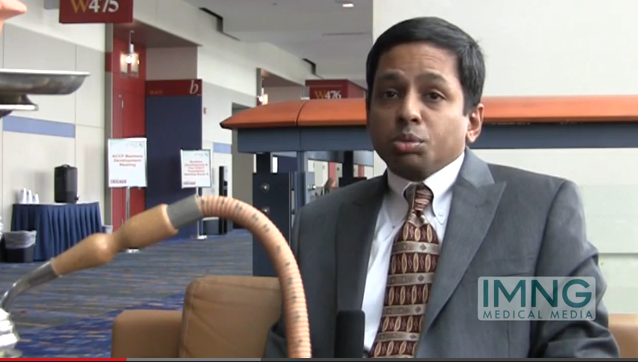
Misperceptions about hookahs' safety relative to cigarettes are increasing their popularity among younger smokers, Dr. Srihari Veeraraghavan warned at CHEST 2013, the annual meeting of the American College of Chest Physicians. But the health dangers of hookah use can exceed those posed by cigarettes.
Misperceptions about hookahs' safety relative to cigarettes are increasing their popularity among younger smokers, Dr. Srihari Veeraraghavan warned at CHEST 2013, the annual meeting of the American College of Chest Physicians. But the health dangers of hookah use can exceed those posed by cigarettes.
Misperceptions about hookahs' safety relative to cigarettes are increasing their popularity among younger smokers, Dr. Srihari Veeraraghavan warned at CHEST 2013, the annual meeting of the American College of Chest Physicians. But the health dangers of hookah use can exceed those posed by cigarettes.
Choosing Wisely in pulmonary medicine means fewer CTs amid low risk
The American College of Chest Physicians has released its list of common but not always necessary tests in pulmonary medicine.
The list was a result of the collaborative efforts of the AACP and the American Thoracic Society, and is part of the ABIM Foundation’s Choosing Wisely campaign, which aims to educate patients and physicians about unnecessary and potentially harmful testing and treatment. The list was released during CHEST 2013, the annual meeting of the ACCP, which is being held in Chicago.
The ACCP’s recommendations are:
• Do not perform CT surveillance for evaluation of indeterminate pulmonary nodules at more frequent intervals or for a longer period of time than recommended by established guidelines. In patients with no cancer history, solid nodules that have not grown over a 2-year period have a very low risk of malignancy. Also, repeating CT scans has not been shown to improve outcomes, and exposes patients to increased radiation over time.
• Do not routinely offer pharmacologic treatment with advanced vasoactive agents approved only for the management of pulmonary arterial hypertension to patients with pulmonary hypertension resulting form left heart disease or hypoxemic lung diseases. There is no established benefit of vasoactive agents for patients with pulmonary hypertension resulting from left heart disease or hypoxemic lung disease.
• For patients recently discharged on supplemental home oxygen following hospitalization for an acute illness, do not renew the prescription without assessing the patient for ongoing hypoxemia. Hypoxemia often resolves after recovery from an acute illness, and continued supplemental oxygen incurs unnecessary costs.
• Do not perform CT angiography to evaluate for possible pulmonary embolism in patients with a low clinical probability and negative results of a highly sensitive d-dimer assay. Clinical practice guidelines indicate that the potential harms of CT angiography outweigh the benefits for patients with a low pretest probability of pulmonary embolism.
• Do not perform CT screening for lung cancer among patients at low risk for lung cancer. Low-dose chest CT screening has the potential to reduce lung cancer death in high-risk patients, but could potentially cause adverse effects such as radiation exposure, high false-positive rates, harms related to downstream evaluation of pulmonary nodules, and overdiagnosis of indolent tumors. Hence, it should be reserved only for patients at high risk of lung cancer (people aged 55-74 with at least a 30 pack-year history of tobacco use, who are either still smoking or quit within the past 15 years).*
The ACCP recommendations and detailed explanations for each will be published in the journal CHEST in 2014. For more information about the Choosing Wisely campaign, click here.
mrajaraman@frontlinemedcom.com
*Correction, 10/29/13: An earlier version of this story misstated the definition of those considered at high risk of lung cancer.
The American College of Chest Physicians has released its list of common but not always necessary tests in pulmonary medicine.
The list was a result of the collaborative efforts of the AACP and the American Thoracic Society, and is part of the ABIM Foundation’s Choosing Wisely campaign, which aims to educate patients and physicians about unnecessary and potentially harmful testing and treatment. The list was released during CHEST 2013, the annual meeting of the ACCP, which is being held in Chicago.
The ACCP’s recommendations are:
• Do not perform CT surveillance for evaluation of indeterminate pulmonary nodules at more frequent intervals or for a longer period of time than recommended by established guidelines. In patients with no cancer history, solid nodules that have not grown over a 2-year period have a very low risk of malignancy. Also, repeating CT scans has not been shown to improve outcomes, and exposes patients to increased radiation over time.
• Do not routinely offer pharmacologic treatment with advanced vasoactive agents approved only for the management of pulmonary arterial hypertension to patients with pulmonary hypertension resulting form left heart disease or hypoxemic lung diseases. There is no established benefit of vasoactive agents for patients with pulmonary hypertension resulting from left heart disease or hypoxemic lung disease.
• For patients recently discharged on supplemental home oxygen following hospitalization for an acute illness, do not renew the prescription without assessing the patient for ongoing hypoxemia. Hypoxemia often resolves after recovery from an acute illness, and continued supplemental oxygen incurs unnecessary costs.
• Do not perform CT angiography to evaluate for possible pulmonary embolism in patients with a low clinical probability and negative results of a highly sensitive d-dimer assay. Clinical practice guidelines indicate that the potential harms of CT angiography outweigh the benefits for patients with a low pretest probability of pulmonary embolism.
• Do not perform CT screening for lung cancer among patients at low risk for lung cancer. Low-dose chest CT screening has the potential to reduce lung cancer death in high-risk patients, but could potentially cause adverse effects such as radiation exposure, high false-positive rates, harms related to downstream evaluation of pulmonary nodules, and overdiagnosis of indolent tumors. Hence, it should be reserved only for patients at high risk of lung cancer (people aged 55-74 with at least a 30 pack-year history of tobacco use, who are either still smoking or quit within the past 15 years).*
The ACCP recommendations and detailed explanations for each will be published in the journal CHEST in 2014. For more information about the Choosing Wisely campaign, click here.
mrajaraman@frontlinemedcom.com
*Correction, 10/29/13: An earlier version of this story misstated the definition of those considered at high risk of lung cancer.
The American College of Chest Physicians has released its list of common but not always necessary tests in pulmonary medicine.
The list was a result of the collaborative efforts of the AACP and the American Thoracic Society, and is part of the ABIM Foundation’s Choosing Wisely campaign, which aims to educate patients and physicians about unnecessary and potentially harmful testing and treatment. The list was released during CHEST 2013, the annual meeting of the ACCP, which is being held in Chicago.
The ACCP’s recommendations are:
• Do not perform CT surveillance for evaluation of indeterminate pulmonary nodules at more frequent intervals or for a longer period of time than recommended by established guidelines. In patients with no cancer history, solid nodules that have not grown over a 2-year period have a very low risk of malignancy. Also, repeating CT scans has not been shown to improve outcomes, and exposes patients to increased radiation over time.
• Do not routinely offer pharmacologic treatment with advanced vasoactive agents approved only for the management of pulmonary arterial hypertension to patients with pulmonary hypertension resulting form left heart disease or hypoxemic lung diseases. There is no established benefit of vasoactive agents for patients with pulmonary hypertension resulting from left heart disease or hypoxemic lung disease.
• For patients recently discharged on supplemental home oxygen following hospitalization for an acute illness, do not renew the prescription without assessing the patient for ongoing hypoxemia. Hypoxemia often resolves after recovery from an acute illness, and continued supplemental oxygen incurs unnecessary costs.
• Do not perform CT angiography to evaluate for possible pulmonary embolism in patients with a low clinical probability and negative results of a highly sensitive d-dimer assay. Clinical practice guidelines indicate that the potential harms of CT angiography outweigh the benefits for patients with a low pretest probability of pulmonary embolism.
• Do not perform CT screening for lung cancer among patients at low risk for lung cancer. Low-dose chest CT screening has the potential to reduce lung cancer death in high-risk patients, but could potentially cause adverse effects such as radiation exposure, high false-positive rates, harms related to downstream evaluation of pulmonary nodules, and overdiagnosis of indolent tumors. Hence, it should be reserved only for patients at high risk of lung cancer (people aged 55-74 with at least a 30 pack-year history of tobacco use, who are either still smoking or quit within the past 15 years).*
The ACCP recommendations and detailed explanations for each will be published in the journal CHEST in 2014. For more information about the Choosing Wisely campaign, click here.
mrajaraman@frontlinemedcom.com
*Correction, 10/29/13: An earlier version of this story misstated the definition of those considered at high risk of lung cancer.
Expert advocates more mobility for mechanically ventilated ICU patients
CHICAGO – A culture change that allows mechanically ventilated critically ill patients to have more mobility correlates with better outcomes.
"Physicians should consider how respiratory therapies for critically ill patients in the intensive care unit impact patient mobility," Dr. Gregory A. Schmidt said at the annual meeting of the American College of Chest Physicians. Dr. Schmidt was the moderator of a plenary session titled "Liberating the Critically Ill."
"The past thirty years have shown us that many things that we thought were helpful and protective and nurturing of our patients in fact were not," said Dr. Schmidt, professor of internal medicine – pulmonary, critical care, and occupational medicine at the University of Iowa, Iowa City.
Current therapies result in greater levels of diaphragmatic dysfunction and peripheral muscle weakness, two primary causes of longer lengths of stay and overall worse outcomes in critically ill ICU patients, according to Dr. Schmidt.
Several studies he cited indicate that there is a correlation between the length of time a patient is mechanically ventilated, and at what level, and prognosis.
Although there are a number of aspects of diaphragmatic dysfunction attributable to how the body responds to critical illness regardless of therapies used, there are even more factors directly related to care protocols for the critically ill that can result in ICU-acquired weakness, said Dr. Schmidt.
"Ventilation and critical illness cause impaired force generation and atrophy, and this happens acutely and progressively," said Dr. Schmidt. "Diaphragm dysfunction is associated with impeding liberation from the ventilator, and it predicts death."
The dysfunction can be ameliorated with active contraction, said Dr. Schmidt, who presented data indicating that the more independent a patient’s respiration, the less atrophy experienced.
Because the phrenic nerve impulse is not implicated but peripheral muscle weakness is, Dr. Schmidt suggested that engaging these muscles improves outcomes, including shortening time to extubation and length of stay.
"Similar to the diaphragm, contraction lessens dysfunction," said Dr. Schmidt, who cited data on how electrical stimulation of the muscles preserved muscle mass, as well as how early physical therapy and occupational therapy increased independent function of patients at discharge.
The key to improving outcomes, said Dr. Schmidt, is to change our current culture and "liberate our patients." It is a cultural change that requires changing the view that current therapies are always "nurturing and helpful." It also means physicians should not keep patients so deeply sedated that it is impossible for them to participate in moving their muscles. "You need to animate your patients," said Dr. Schmidt, adding that it’s important to avoid keeping patients completely passive and to set ventilators accordingly.
Patients should be seen as active participants in their recovery and supported with a culture that empowers respiration therapists to do their job. "You need to find champions with an attitude that this is absolutely essential to do," he advised.
Noting that liberating patients can result in setbacks, Dr. Schmidt said there are many cultural barriers to this move, including "blame and criticisms and ‘you shouldn’t have done this.’ " Without a champion for this mindset, and the dedicated resources for it, "this will fail," he concluded.
CHICAGO – A culture change that allows mechanically ventilated critically ill patients to have more mobility correlates with better outcomes.
"Physicians should consider how respiratory therapies for critically ill patients in the intensive care unit impact patient mobility," Dr. Gregory A. Schmidt said at the annual meeting of the American College of Chest Physicians. Dr. Schmidt was the moderator of a plenary session titled "Liberating the Critically Ill."
"The past thirty years have shown us that many things that we thought were helpful and protective and nurturing of our patients in fact were not," said Dr. Schmidt, professor of internal medicine – pulmonary, critical care, and occupational medicine at the University of Iowa, Iowa City.
Current therapies result in greater levels of diaphragmatic dysfunction and peripheral muscle weakness, two primary causes of longer lengths of stay and overall worse outcomes in critically ill ICU patients, according to Dr. Schmidt.
Several studies he cited indicate that there is a correlation between the length of time a patient is mechanically ventilated, and at what level, and prognosis.
Although there are a number of aspects of diaphragmatic dysfunction attributable to how the body responds to critical illness regardless of therapies used, there are even more factors directly related to care protocols for the critically ill that can result in ICU-acquired weakness, said Dr. Schmidt.
"Ventilation and critical illness cause impaired force generation and atrophy, and this happens acutely and progressively," said Dr. Schmidt. "Diaphragm dysfunction is associated with impeding liberation from the ventilator, and it predicts death."
The dysfunction can be ameliorated with active contraction, said Dr. Schmidt, who presented data indicating that the more independent a patient’s respiration, the less atrophy experienced.
Because the phrenic nerve impulse is not implicated but peripheral muscle weakness is, Dr. Schmidt suggested that engaging these muscles improves outcomes, including shortening time to extubation and length of stay.
"Similar to the diaphragm, contraction lessens dysfunction," said Dr. Schmidt, who cited data on how electrical stimulation of the muscles preserved muscle mass, as well as how early physical therapy and occupational therapy increased independent function of patients at discharge.
The key to improving outcomes, said Dr. Schmidt, is to change our current culture and "liberate our patients." It is a cultural change that requires changing the view that current therapies are always "nurturing and helpful." It also means physicians should not keep patients so deeply sedated that it is impossible for them to participate in moving their muscles. "You need to animate your patients," said Dr. Schmidt, adding that it’s important to avoid keeping patients completely passive and to set ventilators accordingly.
Patients should be seen as active participants in their recovery and supported with a culture that empowers respiration therapists to do their job. "You need to find champions with an attitude that this is absolutely essential to do," he advised.
Noting that liberating patients can result in setbacks, Dr. Schmidt said there are many cultural barriers to this move, including "blame and criticisms and ‘you shouldn’t have done this.’ " Without a champion for this mindset, and the dedicated resources for it, "this will fail," he concluded.
CHICAGO – A culture change that allows mechanically ventilated critically ill patients to have more mobility correlates with better outcomes.
"Physicians should consider how respiratory therapies for critically ill patients in the intensive care unit impact patient mobility," Dr. Gregory A. Schmidt said at the annual meeting of the American College of Chest Physicians. Dr. Schmidt was the moderator of a plenary session titled "Liberating the Critically Ill."
"The past thirty years have shown us that many things that we thought were helpful and protective and nurturing of our patients in fact were not," said Dr. Schmidt, professor of internal medicine – pulmonary, critical care, and occupational medicine at the University of Iowa, Iowa City.
Current therapies result in greater levels of diaphragmatic dysfunction and peripheral muscle weakness, two primary causes of longer lengths of stay and overall worse outcomes in critically ill ICU patients, according to Dr. Schmidt.
Several studies he cited indicate that there is a correlation between the length of time a patient is mechanically ventilated, and at what level, and prognosis.
Although there are a number of aspects of diaphragmatic dysfunction attributable to how the body responds to critical illness regardless of therapies used, there are even more factors directly related to care protocols for the critically ill that can result in ICU-acquired weakness, said Dr. Schmidt.
"Ventilation and critical illness cause impaired force generation and atrophy, and this happens acutely and progressively," said Dr. Schmidt. "Diaphragm dysfunction is associated with impeding liberation from the ventilator, and it predicts death."
The dysfunction can be ameliorated with active contraction, said Dr. Schmidt, who presented data indicating that the more independent a patient’s respiration, the less atrophy experienced.
Because the phrenic nerve impulse is not implicated but peripheral muscle weakness is, Dr. Schmidt suggested that engaging these muscles improves outcomes, including shortening time to extubation and length of stay.
"Similar to the diaphragm, contraction lessens dysfunction," said Dr. Schmidt, who cited data on how electrical stimulation of the muscles preserved muscle mass, as well as how early physical therapy and occupational therapy increased independent function of patients at discharge.
The key to improving outcomes, said Dr. Schmidt, is to change our current culture and "liberate our patients." It is a cultural change that requires changing the view that current therapies are always "nurturing and helpful." It also means physicians should not keep patients so deeply sedated that it is impossible for them to participate in moving their muscles. "You need to animate your patients," said Dr. Schmidt, adding that it’s important to avoid keeping patients completely passive and to set ventilators accordingly.
Patients should be seen as active participants in their recovery and supported with a culture that empowers respiration therapists to do their job. "You need to find champions with an attitude that this is absolutely essential to do," he advised.
Noting that liberating patients can result in setbacks, Dr. Schmidt said there are many cultural barriers to this move, including "blame and criticisms and ‘you shouldn’t have done this.’ " Without a champion for this mindset, and the dedicated resources for it, "this will fail," he concluded.
EXPERT ANALYSIS FROM CHEST 2013
High-dose flu vaccine protects seniors better than regular dose
A high-dose influenza vaccine for elderly patients provided 24% more protection against the disease than did the standard-dose vaccine in a randomized postlicensure study.
Switching seniors to the higher-dose formulation could prevent as many as five cases of flu per 1,000 people aged 65 years and older each year, Dr. David Greenberg said at a meeting of the Centers for Disease Control and Prevention’s Advisory Committee on Immunization Practices (ACIP).
Fluzone High-Dose vaccine (Sanofi Pasteur) is a trivalent, inactivated, split-virus influenza vaccine that contains 16 mcg hemagglutinin per dose of each included strain (aH1N1, B, and aH3N2). This is four times more antigen than in the standard Fluzone (15 mcg/dose). The high-dose formulation was developed to induce better antibody responses in adults aged 65 years or older, in an attempt to provide better protection and avert some of the disease burden that accompanies influenza in older people.
"Older adults represent about 13% of the U.S. population, but account for 63% of the hospitalizations for influenzalike illness, and more than 80% of influenza-related deaths," Dr. Greenberg said.
The Food and Drug Administration approved the high-dose vaccine on its accelerated approval pathway in late 2009. A prelicensure phase III study was conducted in 3,600 elderly adults. The high-dose vaccine stimulated significantly more protective antibody responses against all three strains than did the corresponding regular-dose vaccine; the high-dose vaccine met the FDA superiority requirement for both A strains. The response was stable across age, sex, and the presence of comorbid conditions.
"Last year, however, only an estimated 19% of vaccinated seniors got the high-dose vaccine, largely because policy groups and providers have been waiting for the results of this postlicensure trial," Dr. Greenberg said. He reported these results – most of which came in just last week – at the meeting in Atlanta.
The postlicensure study comprised more than 32,000 persons aged 65 years and older. They were enrolled at 126 sites in the United States and Canada. The trial spanned two flu seasons (2011-2012 and 2012-2013). Participants were randomized to either one dose of the high concentration vaccine or one dose of the regular vaccine.
Over both seasons, the high-dose vaccine was an average of 24% more effective in preventing influenza-like illness from types A and B combined than the regular-dose vaccine.
That benefit was more pronounced in older subjects, Dr. Greenberg noted. Among those aged 65-74 years, the relative efficacy was almost 20%; among those aged 75 years and older, the relative efficacy was 32%. The benefit held whether the illness was defined as lab confirmed (24%) or culture confirmed (23%).
The high-dose vaccine significantly reduced the risk of pneumonia associated with laboratory-confirmed influenza by up to 53%. The risk of cardiorespiratory illness within 30 days of flu onset dropped by almost 30%, while the risk of flu-related 30-day hospital admissions fell by about 40%.
Safety outcomes were good when compared with the regular-dose vaccine, Dr. Greenberg said. Serious adverse events occurred in 8% of the high dose group and 9% of the regular-dose group.
Sanofi Pasteur will continue to analyze the study data, Dr. Greenberg said. The company intends to submit a clinical study report to the FDA’s Center for Biologics Evaluation and Research by the first quarter of next year. Sanofi will also seek a revision of the prescribing information supporting the vaccine’s clinical superiority to the regular-dose vaccine.
Dr. Greenberg is the senior director of U.S. scientific and medical affairs for Sanofi Pasteur.
A high-dose influenza vaccine for elderly patients provided 24% more protection against the disease than did the standard-dose vaccine in a randomized postlicensure study.
Switching seniors to the higher-dose formulation could prevent as many as five cases of flu per 1,000 people aged 65 years and older each year, Dr. David Greenberg said at a meeting of the Centers for Disease Control and Prevention’s Advisory Committee on Immunization Practices (ACIP).
Fluzone High-Dose vaccine (Sanofi Pasteur) is a trivalent, inactivated, split-virus influenza vaccine that contains 16 mcg hemagglutinin per dose of each included strain (aH1N1, B, and aH3N2). This is four times more antigen than in the standard Fluzone (15 mcg/dose). The high-dose formulation was developed to induce better antibody responses in adults aged 65 years or older, in an attempt to provide better protection and avert some of the disease burden that accompanies influenza in older people.
"Older adults represent about 13% of the U.S. population, but account for 63% of the hospitalizations for influenzalike illness, and more than 80% of influenza-related deaths," Dr. Greenberg said.
The Food and Drug Administration approved the high-dose vaccine on its accelerated approval pathway in late 2009. A prelicensure phase III study was conducted in 3,600 elderly adults. The high-dose vaccine stimulated significantly more protective antibody responses against all three strains than did the corresponding regular-dose vaccine; the high-dose vaccine met the FDA superiority requirement for both A strains. The response was stable across age, sex, and the presence of comorbid conditions.
"Last year, however, only an estimated 19% of vaccinated seniors got the high-dose vaccine, largely because policy groups and providers have been waiting for the results of this postlicensure trial," Dr. Greenberg said. He reported these results – most of which came in just last week – at the meeting in Atlanta.
The postlicensure study comprised more than 32,000 persons aged 65 years and older. They were enrolled at 126 sites in the United States and Canada. The trial spanned two flu seasons (2011-2012 and 2012-2013). Participants were randomized to either one dose of the high concentration vaccine or one dose of the regular vaccine.
Over both seasons, the high-dose vaccine was an average of 24% more effective in preventing influenza-like illness from types A and B combined than the regular-dose vaccine.
That benefit was more pronounced in older subjects, Dr. Greenberg noted. Among those aged 65-74 years, the relative efficacy was almost 20%; among those aged 75 years and older, the relative efficacy was 32%. The benefit held whether the illness was defined as lab confirmed (24%) or culture confirmed (23%).
The high-dose vaccine significantly reduced the risk of pneumonia associated with laboratory-confirmed influenza by up to 53%. The risk of cardiorespiratory illness within 30 days of flu onset dropped by almost 30%, while the risk of flu-related 30-day hospital admissions fell by about 40%.
Safety outcomes were good when compared with the regular-dose vaccine, Dr. Greenberg said. Serious adverse events occurred in 8% of the high dose group and 9% of the regular-dose group.
Sanofi Pasteur will continue to analyze the study data, Dr. Greenberg said. The company intends to submit a clinical study report to the FDA’s Center for Biologics Evaluation and Research by the first quarter of next year. Sanofi will also seek a revision of the prescribing information supporting the vaccine’s clinical superiority to the regular-dose vaccine.
Dr. Greenberg is the senior director of U.S. scientific and medical affairs for Sanofi Pasteur.
A high-dose influenza vaccine for elderly patients provided 24% more protection against the disease than did the standard-dose vaccine in a randomized postlicensure study.
Switching seniors to the higher-dose formulation could prevent as many as five cases of flu per 1,000 people aged 65 years and older each year, Dr. David Greenberg said at a meeting of the Centers for Disease Control and Prevention’s Advisory Committee on Immunization Practices (ACIP).
Fluzone High-Dose vaccine (Sanofi Pasteur) is a trivalent, inactivated, split-virus influenza vaccine that contains 16 mcg hemagglutinin per dose of each included strain (aH1N1, B, and aH3N2). This is four times more antigen than in the standard Fluzone (15 mcg/dose). The high-dose formulation was developed to induce better antibody responses in adults aged 65 years or older, in an attempt to provide better protection and avert some of the disease burden that accompanies influenza in older people.
"Older adults represent about 13% of the U.S. population, but account for 63% of the hospitalizations for influenzalike illness, and more than 80% of influenza-related deaths," Dr. Greenberg said.
The Food and Drug Administration approved the high-dose vaccine on its accelerated approval pathway in late 2009. A prelicensure phase III study was conducted in 3,600 elderly adults. The high-dose vaccine stimulated significantly more protective antibody responses against all three strains than did the corresponding regular-dose vaccine; the high-dose vaccine met the FDA superiority requirement for both A strains. The response was stable across age, sex, and the presence of comorbid conditions.
"Last year, however, only an estimated 19% of vaccinated seniors got the high-dose vaccine, largely because policy groups and providers have been waiting for the results of this postlicensure trial," Dr. Greenberg said. He reported these results – most of which came in just last week – at the meeting in Atlanta.
The postlicensure study comprised more than 32,000 persons aged 65 years and older. They were enrolled at 126 sites in the United States and Canada. The trial spanned two flu seasons (2011-2012 and 2012-2013). Participants were randomized to either one dose of the high concentration vaccine or one dose of the regular vaccine.
Over both seasons, the high-dose vaccine was an average of 24% more effective in preventing influenza-like illness from types A and B combined than the regular-dose vaccine.
That benefit was more pronounced in older subjects, Dr. Greenberg noted. Among those aged 65-74 years, the relative efficacy was almost 20%; among those aged 75 years and older, the relative efficacy was 32%. The benefit held whether the illness was defined as lab confirmed (24%) or culture confirmed (23%).
The high-dose vaccine significantly reduced the risk of pneumonia associated with laboratory-confirmed influenza by up to 53%. The risk of cardiorespiratory illness within 30 days of flu onset dropped by almost 30%, while the risk of flu-related 30-day hospital admissions fell by about 40%.
Safety outcomes were good when compared with the regular-dose vaccine, Dr. Greenberg said. Serious adverse events occurred in 8% of the high dose group and 9% of the regular-dose group.
Sanofi Pasteur will continue to analyze the study data, Dr. Greenberg said. The company intends to submit a clinical study report to the FDA’s Center for Biologics Evaluation and Research by the first quarter of next year. Sanofi will also seek a revision of the prescribing information supporting the vaccine’s clinical superiority to the regular-dose vaccine.
Dr. Greenberg is the senior director of U.S. scientific and medical affairs for Sanofi Pasteur.
FROM ACIP
Major finding: A high-dose influenza vaccine was 24% more effective in people aged 65 years and older than was the corresponding regular-dose vaccine.
Data source: The randomized, postlicensure study included more than 13,000 subjects.
Disclosures: Dr. David Greenberg is the senior director of U.S. scientific and medical affairs for Sanofi Pasteur.
NCQA: Docs still overusing antibiotics
Physicians continue to overuse antibiotics in adults and children, according to a health care quality report card released Oct. 23 by the National Committee for Quality Assurance.
The report, which looked at health plan quality data from 2012, shows that among adults under age 65 who were diagnosed with acute bronchitis, more than three-quarters were given a prescription for antibiotics.

Performance on this quality metric has been stagnant over the past 3 years and has actually worsened since 2006, according to the report.
"We’re not making progress here," NCQA President Margaret E. O’Kane said during a press conference. "We’ve got to up our game."
On the pediatric side, physicians appear to be doing a much better job of reining in inappropriate antibiotic use. Among children with upper respiratory infections, only about 15% are receiving prescriptions for antibiotics. But the figures show virtually no improvement over the past several years.
The NCQA findings come just after the Centers for Disease Control and Prevention warned in September that the overuse of antibiotics is creating antibiotic-resistant bacteria that are sickening at least 2 million people each year.
The rest of the NCQA report card found mixed results on quality measures, with improvements in tackling obesity in adults and children, increases in children’s vaccinations for influenza, but stagnant performance in other childhood vaccinations.
The report showed that:
• The percentage of adults aged 18-74 years who had an outpatient visit where their body mass index (BMI) was documented increased significantly, jumping from 55% to 66% in commercial health maintenance organizations (HMOs).
• For the first time, more than half of children and adolescents in commercial HMO plans were counseled about nutrition and physical activity.
• The percentage of children being immunized against influenza and rotavirus rose for the second year in a row in all types of health plans.
• The percentage of children (age 2) in commercial HMOs who had received the Combination 2 vaccine was up from the previous year at 80% in 2012, but down from a high of 81% in 2008.
• About 75% of adults with low back pain did not have imaging performed to confirm their diagnosis, but performance has been relatively unchanged over the past five years.
• Less than half of current adult smokers were offered strategies for quitting.
The NCQA report is based on the 2012 Healthcare Effectiveness Data and Information Set (HEDIS) measure performance for more than 1,000 health plans. The data set includes information on commercial and public plans covering about 136 million Americans.
Physicians continue to overuse antibiotics in adults and children, according to a health care quality report card released Oct. 23 by the National Committee for Quality Assurance.
The report, which looked at health plan quality data from 2012, shows that among adults under age 65 who were diagnosed with acute bronchitis, more than three-quarters were given a prescription for antibiotics.
Performance on this quality metric has been stagnant over the past 3 years and has actually worsened since 2006, according to the report.
"We’re not making progress here," NCQA President Margaret E. O’Kane said during a press conference. "We’ve got to up our game."
On the pediatric side, physicians appear to be doing a much better job of reining in inappropriate antibiotic use. Among children with upper respiratory infections, only about 15% are receiving prescriptions for antibiotics. But the figures show virtually no improvement over the past several years.
The NCQA findings come just after the Centers for Disease Control and Prevention warned in September that the overuse of antibiotics is creating antibiotic-resistant bacteria that are sickening at least 2 million people each year.
The rest of the NCQA report card found mixed results on quality measures, with improvements in tackling obesity in adults and children, increases in children’s vaccinations for influenza, but stagnant performance in other childhood vaccinations.
The report showed that:
• The percentage of adults aged 18-74 years who had an outpatient visit where their body mass index (BMI) was documented increased significantly, jumping from 55% to 66% in commercial health maintenance organizations (HMOs).
• For the first time, more than half of children and adolescents in commercial HMO plans were counseled about nutrition and physical activity.
• The percentage of children being immunized against influenza and rotavirus rose for the second year in a row in all types of health plans.
• The percentage of children (age 2) in commercial HMOs who had received the Combination 2 vaccine was up from the previous year at 80% in 2012, but down from a high of 81% in 2008.
• About 75% of adults with low back pain did not have imaging performed to confirm their diagnosis, but performance has been relatively unchanged over the past five years.
• Less than half of current adult smokers were offered strategies for quitting.
The NCQA report is based on the 2012 Healthcare Effectiveness Data and Information Set (HEDIS) measure performance for more than 1,000 health plans. The data set includes information on commercial and public plans covering about 136 million Americans.
Physicians continue to overuse antibiotics in adults and children, according to a health care quality report card released Oct. 23 by the National Committee for Quality Assurance.
The report, which looked at health plan quality data from 2012, shows that among adults under age 65 who were diagnosed with acute bronchitis, more than three-quarters were given a prescription for antibiotics.
Performance on this quality metric has been stagnant over the past 3 years and has actually worsened since 2006, according to the report.
"We’re not making progress here," NCQA President Margaret E. O’Kane said during a press conference. "We’ve got to up our game."
On the pediatric side, physicians appear to be doing a much better job of reining in inappropriate antibiotic use. Among children with upper respiratory infections, only about 15% are receiving prescriptions for antibiotics. But the figures show virtually no improvement over the past several years.
The NCQA findings come just after the Centers for Disease Control and Prevention warned in September that the overuse of antibiotics is creating antibiotic-resistant bacteria that are sickening at least 2 million people each year.
The rest of the NCQA report card found mixed results on quality measures, with improvements in tackling obesity in adults and children, increases in children’s vaccinations for influenza, but stagnant performance in other childhood vaccinations.
The report showed that:
• The percentage of adults aged 18-74 years who had an outpatient visit where their body mass index (BMI) was documented increased significantly, jumping from 55% to 66% in commercial health maintenance organizations (HMOs).
• For the first time, more than half of children and adolescents in commercial HMO plans were counseled about nutrition and physical activity.
• The percentage of children being immunized against influenza and rotavirus rose for the second year in a row in all types of health plans.
• The percentage of children (age 2) in commercial HMOs who had received the Combination 2 vaccine was up from the previous year at 80% in 2012, but down from a high of 81% in 2008.
• About 75% of adults with low back pain did not have imaging performed to confirm their diagnosis, but performance has been relatively unchanged over the past five years.
• Less than half of current adult smokers were offered strategies for quitting.
The NCQA report is based on the 2012 Healthcare Effectiveness Data and Information Set (HEDIS) measure performance for more than 1,000 health plans. The data set includes information on commercial and public plans covering about 136 million Americans.

Flu vaccine linked to lower cardiovascular risk
Use of the flu vaccine was consistently associated with a lower risk of adverse cardiovascular events in a meta-analysis of the worldwide medical literature, according to a report published online Oct. 23 in JAMA.
The risk reduction was greatest among people at highest cardiovascular risk, said Dr. Jacob A. Udell of Women’s College Hospital, University of Toronto, and his associates.
"Our findings provide some support for current guideline recommendations for influenza vaccination of patients with acute coronary syndromes," they noted.

In particular, the finding that a simple, once-yearly injection may prevent scores of cardiovascular deaths, hospitalizations, MIs, strokes, and cases of heart failure, urgent coronary revascularization, and unstable angina also is of "considerable clinical and health policy importance, given the profound underuse of vaccination among the general public and the potential impact this preventive strategy may have on high-risk patients," the investigators added.
Several observational studies have suggested an association between acute respiratory infection and increased risk of cardiac and cerebrovascular events, and some have suggested that such infection may trigger rupturing of atherosclerotic plaque, fluid-overload heart failure, myocarditis, or arrhythmia. But whether or not influenza immunization could actually prevent such events remains controversial.
Dr. Udell and his colleagues performed a systematic review of the literature from the inception of database entry (1946) to the present, identifying 71 potentially relevant studies to review. They then performed a meta-analysis of the 12 randomized clinical trials in which influenza vaccination was compared against either placebo or standard care, and in which cardiovascular outcomes during the year following vaccination were reported.
Five of the 12 randomized clinical trials were considered to be of high quality and the remainder were of low or uncertain quality. The meta-analysis included 6,469 participants (mean age, 67 years) who had varying degrees of cardiovascular risk.
"Despite differences in trial designs, risk of bias, sample size, cardiovascular risk of participants, circulating influenza activity, vaccination strategy, duration of follow-up, and number of observed events, our meta-analysis demonstrated a consistent association between influenza vaccination and a lower risk of CV events," the investigators said.
The overall rate of the primary end point, a composite of all major adverse cardiovascular events, was 2.9% among recipients of the influenza vaccine (95 of 3,238 patients). This was significantly lower than the 4.7% rate (151 of 3,231 patients) among control subjects.
The number needed to treat to prevent a single major adverse CV event was 58, Dr. Udell and his associates said (JAMA 2013 Oct. 23 [doi:10.1001/jama.2013.279206]).
In a subgroup analysis involving patients known to have coronary artery disease, influenza vaccination was even more protective. For example, the rate of major adverse CV events was 10.25% among vaccinated patients with a history of recent acute coronary syndrome, compared with a rate of 23.1% among control subjects. The number needed to treat to prevent a single CV event in this subset of patients was only 8.
Less than one-third of the general population in North America and less than half of those at high cardiovascular risk currently receive the annual flu vaccine. Therefore, the flu vaccine "could address a sizable component of residual CV risk not addressed by current therapy, and provide yearlong coverage through a simple inoculation," the researchers said.
"Future research with an adequately powered multicenter trial to confirm the efficacy of this low-cost, annual, safe, easily administered, and well-tolerated therapy to reduce CV risk beyond current therapies is warranted."
The Canadian Institutes for Health Research and the Canadian Foundation for Women’s Health supported the study. Dr. Udell reported no financial conflicts of interest; his associates reported numerous ties to industry sources.
Use of the flu vaccine was consistently associated with a lower risk of adverse cardiovascular events in a meta-analysis of the worldwide medical literature, according to a report published online Oct. 23 in JAMA.
The risk reduction was greatest among people at highest cardiovascular risk, said Dr. Jacob A. Udell of Women’s College Hospital, University of Toronto, and his associates.
"Our findings provide some support for current guideline recommendations for influenza vaccination of patients with acute coronary syndromes," they noted.
In particular, the finding that a simple, once-yearly injection may prevent scores of cardiovascular deaths, hospitalizations, MIs, strokes, and cases of heart failure, urgent coronary revascularization, and unstable angina also is of "considerable clinical and health policy importance, given the profound underuse of vaccination among the general public and the potential impact this preventive strategy may have on high-risk patients," the investigators added.
Several observational studies have suggested an association between acute respiratory infection and increased risk of cardiac and cerebrovascular events, and some have suggested that such infection may trigger rupturing of atherosclerotic plaque, fluid-overload heart failure, myocarditis, or arrhythmia. But whether or not influenza immunization could actually prevent such events remains controversial.
Dr. Udell and his colleagues performed a systematic review of the literature from the inception of database entry (1946) to the present, identifying 71 potentially relevant studies to review. They then performed a meta-analysis of the 12 randomized clinical trials in which influenza vaccination was compared against either placebo or standard care, and in which cardiovascular outcomes during the year following vaccination were reported.
Five of the 12 randomized clinical trials were considered to be of high quality and the remainder were of low or uncertain quality. The meta-analysis included 6,469 participants (mean age, 67 years) who had varying degrees of cardiovascular risk.
"Despite differences in trial designs, risk of bias, sample size, cardiovascular risk of participants, circulating influenza activity, vaccination strategy, duration of follow-up, and number of observed events, our meta-analysis demonstrated a consistent association between influenza vaccination and a lower risk of CV events," the investigators said.
The overall rate of the primary end point, a composite of all major adverse cardiovascular events, was 2.9% among recipients of the influenza vaccine (95 of 3,238 patients). This was significantly lower than the 4.7% rate (151 of 3,231 patients) among control subjects.
The number needed to treat to prevent a single major adverse CV event was 58, Dr. Udell and his associates said (JAMA 2013 Oct. 23 [doi:10.1001/jama.2013.279206]).
In a subgroup analysis involving patients known to have coronary artery disease, influenza vaccination was even more protective. For example, the rate of major adverse CV events was 10.25% among vaccinated patients with a history of recent acute coronary syndrome, compared with a rate of 23.1% among control subjects. The number needed to treat to prevent a single CV event in this subset of patients was only 8.
Less than one-third of the general population in North America and less than half of those at high cardiovascular risk currently receive the annual flu vaccine. Therefore, the flu vaccine "could address a sizable component of residual CV risk not addressed by current therapy, and provide yearlong coverage through a simple inoculation," the researchers said.
"Future research with an adequately powered multicenter trial to confirm the efficacy of this low-cost, annual, safe, easily administered, and well-tolerated therapy to reduce CV risk beyond current therapies is warranted."
The Canadian Institutes for Health Research and the Canadian Foundation for Women’s Health supported the study. Dr. Udell reported no financial conflicts of interest; his associates reported numerous ties to industry sources.
Use of the flu vaccine was consistently associated with a lower risk of adverse cardiovascular events in a meta-analysis of the worldwide medical literature, according to a report published online Oct. 23 in JAMA.
The risk reduction was greatest among people at highest cardiovascular risk, said Dr. Jacob A. Udell of Women’s College Hospital, University of Toronto, and his associates.
"Our findings provide some support for current guideline recommendations for influenza vaccination of patients with acute coronary syndromes," they noted.
In particular, the finding that a simple, once-yearly injection may prevent scores of cardiovascular deaths, hospitalizations, MIs, strokes, and cases of heart failure, urgent coronary revascularization, and unstable angina also is of "considerable clinical and health policy importance, given the profound underuse of vaccination among the general public and the potential impact this preventive strategy may have on high-risk patients," the investigators added.
Several observational studies have suggested an association between acute respiratory infection and increased risk of cardiac and cerebrovascular events, and some have suggested that such infection may trigger rupturing of atherosclerotic plaque, fluid-overload heart failure, myocarditis, or arrhythmia. But whether or not influenza immunization could actually prevent such events remains controversial.
Dr. Udell and his colleagues performed a systematic review of the literature from the inception of database entry (1946) to the present, identifying 71 potentially relevant studies to review. They then performed a meta-analysis of the 12 randomized clinical trials in which influenza vaccination was compared against either placebo or standard care, and in which cardiovascular outcomes during the year following vaccination were reported.
Five of the 12 randomized clinical trials were considered to be of high quality and the remainder were of low or uncertain quality. The meta-analysis included 6,469 participants (mean age, 67 years) who had varying degrees of cardiovascular risk.
"Despite differences in trial designs, risk of bias, sample size, cardiovascular risk of participants, circulating influenza activity, vaccination strategy, duration of follow-up, and number of observed events, our meta-analysis demonstrated a consistent association between influenza vaccination and a lower risk of CV events," the investigators said.
The overall rate of the primary end point, a composite of all major adverse cardiovascular events, was 2.9% among recipients of the influenza vaccine (95 of 3,238 patients). This was significantly lower than the 4.7% rate (151 of 3,231 patients) among control subjects.
The number needed to treat to prevent a single major adverse CV event was 58, Dr. Udell and his associates said (JAMA 2013 Oct. 23 [doi:10.1001/jama.2013.279206]).
In a subgroup analysis involving patients known to have coronary artery disease, influenza vaccination was even more protective. For example, the rate of major adverse CV events was 10.25% among vaccinated patients with a history of recent acute coronary syndrome, compared with a rate of 23.1% among control subjects. The number needed to treat to prevent a single CV event in this subset of patients was only 8.
Less than one-third of the general population in North America and less than half of those at high cardiovascular risk currently receive the annual flu vaccine. Therefore, the flu vaccine "could address a sizable component of residual CV risk not addressed by current therapy, and provide yearlong coverage through a simple inoculation," the researchers said.
"Future research with an adequately powered multicenter trial to confirm the efficacy of this low-cost, annual, safe, easily administered, and well-tolerated therapy to reduce CV risk beyond current therapies is warranted."
The Canadian Institutes for Health Research and the Canadian Foundation for Women’s Health supported the study. Dr. Udell reported no financial conflicts of interest; his associates reported numerous ties to industry sources.
FROM JAMA
Major Finding: The rate of major adverse cardiovascular events during the year following vaccination was 2.9, significantly lower than the 4.7% rate among unvaccinated controls.
Data Source: A systematic review and meta-analysis of 12 randomized clinical trials comparing CV outcomes between 3,238 recipients of the influenza vaccine and 3,231 controls.
Disclosures: The Canadian Institutes for Health Research and the Canadian Foundation for Women’s Health supported the study. Dr. Udell reported no financial conflicts of interest; his associates reported numerous ties to industry sources.

Treatment options expand for pulmonary arterial hypertension in scleroderma
LAS VEGAS – Scleroderma patients are at particularly high risk for developing pulmonary arterial hypertension, but treatment options are expanding, and with early referral to a PAH specialist, outcomes can be improved, according to Dr. Ronald J. Oudiz.
"In 1995 we had nothing. Now we have nine treatments specifically for PAH, and more that are being looked at," he said at Perspectives in Rheumatic Diseases 2013.
Three major signaling pathways, including the prostacyclin, endothelin, and nitric oxide pathways, form the basis for the available treatment options for this progressive and deadly disease, which has a 36-month survival rate of only about 60%. The treatments include prostacyclin analogues, endothelin receptor antagonists, and phosphodiesterase type 5 (PDE-5) inhibitors, said Dr. Oudiz, professor of medicine at the University of California, Los Angeles, and director of the Liu Center for Pulmonary Hypertension at Harbor-UCLA Medical Center.
The prostacyclin analogues include intravenous epoprostenol, inhaled iloprost, and treprostinil, which can be inhaled or delivered intravenously or subcutaneously. These have been shown to improve performance on the 6-minute walk test in a dose-dependent fashion, Dr. Oudiz noted.
Side effects with prostacyclin analogues can include flushing, headache, rash, thrombocytopenia, infection, and gastrointestinal effects such as diarrhea, nausea, and weight loss.
The endothelin receptor antagonists include bosentan and ambrisentan, which both are delivered orally. Their approval was "revolutionary, because for a while we only had IV drugs," he said.
Side effects with endothelin receptor antagonists include liver function test abnormalities, headache, nasal congestion, and edema. Although these drugs are generally tolerated well, liver function test abnormalities and edema can be troublesome for both patients and physicians as they require close monitoring and dose modification or interruption, he said.
PDE-5 inhibitors include sildenafil and tadalafil, which also are both oral drugs, and which have side effects that are similar to those seen with the endothelin-receptor antagonists, with the addition of myalgia, diarrhea, dyspepsia, and nose bleeds, he noted.
Overall, studies suggest that treatment with PAH drugs not only leads to improved exercise capacity, but probably improves long-term survival. In a meta-analysis of several major PAH drug trials, the majority of studies showed a potential mortality benefit (Eur. Heart. J. 2009;30:394-403), Dr. Oudiz noted.
"I say potential because we know none of the studies assessed in the meta-analysis were powered to examine mortality ... but nevertheless, we believe we’re doing more than just improving exercise capacity," he said.
In fact, in a study published in August in the New England Journal of Medicine, the new endothelin receptor antagonist macitentan was associated with a dose-dependent decrease in the number of outcome events measured, relative to placebo, including death, transplant, and heart failure in patients with PAH, he noted (N. Engl. J. Med. 2013;369:809-18).
"These are some really important endpoints we’re finally starting to meet," he said.
These advances underscore the importance of increased awareness of the risk of PAH in scleroderma and early recognition of the condition, and – since diagnosis and the subtleties of management are complex – they also underscore the importance of early referral to a PAH specialist, he said.
"Early treatment is always preferable to later treatment," he concluded at the meeting held by Global Academy for Medical Education. GAME and this news organization are owned by Frontline Medical Communications.
Dr. Oudiz has received grant or research support from, served as a consultant to, and/or served on a speakers’ bureau for Actelion, Bayer, Gilead, Ikaria, Lung, Pfizer, and United Therapeutics.
LAS VEGAS – Scleroderma patients are at particularly high risk for developing pulmonary arterial hypertension, but treatment options are expanding, and with early referral to a PAH specialist, outcomes can be improved, according to Dr. Ronald J. Oudiz.
"In 1995 we had nothing. Now we have nine treatments specifically for PAH, and more that are being looked at," he said at Perspectives in Rheumatic Diseases 2013.
Three major signaling pathways, including the prostacyclin, endothelin, and nitric oxide pathways, form the basis for the available treatment options for this progressive and deadly disease, which has a 36-month survival rate of only about 60%. The treatments include prostacyclin analogues, endothelin receptor antagonists, and phosphodiesterase type 5 (PDE-5) inhibitors, said Dr. Oudiz, professor of medicine at the University of California, Los Angeles, and director of the Liu Center for Pulmonary Hypertension at Harbor-UCLA Medical Center.
The prostacyclin analogues include intravenous epoprostenol, inhaled iloprost, and treprostinil, which can be inhaled or delivered intravenously or subcutaneously. These have been shown to improve performance on the 6-minute walk test in a dose-dependent fashion, Dr. Oudiz noted.
Side effects with prostacyclin analogues can include flushing, headache, rash, thrombocytopenia, infection, and gastrointestinal effects such as diarrhea, nausea, and weight loss.
The endothelin receptor antagonists include bosentan and ambrisentan, which both are delivered orally. Their approval was "revolutionary, because for a while we only had IV drugs," he said.
Side effects with endothelin receptor antagonists include liver function test abnormalities, headache, nasal congestion, and edema. Although these drugs are generally tolerated well, liver function test abnormalities and edema can be troublesome for both patients and physicians as they require close monitoring and dose modification or interruption, he said.
PDE-5 inhibitors include sildenafil and tadalafil, which also are both oral drugs, and which have side effects that are similar to those seen with the endothelin-receptor antagonists, with the addition of myalgia, diarrhea, dyspepsia, and nose bleeds, he noted.
Overall, studies suggest that treatment with PAH drugs not only leads to improved exercise capacity, but probably improves long-term survival. In a meta-analysis of several major PAH drug trials, the majority of studies showed a potential mortality benefit (Eur. Heart. J. 2009;30:394-403), Dr. Oudiz noted.
"I say potential because we know none of the studies assessed in the meta-analysis were powered to examine mortality ... but nevertheless, we believe we’re doing more than just improving exercise capacity," he said.
In fact, in a study published in August in the New England Journal of Medicine, the new endothelin receptor antagonist macitentan was associated with a dose-dependent decrease in the number of outcome events measured, relative to placebo, including death, transplant, and heart failure in patients with PAH, he noted (N. Engl. J. Med. 2013;369:809-18).
"These are some really important endpoints we’re finally starting to meet," he said.
These advances underscore the importance of increased awareness of the risk of PAH in scleroderma and early recognition of the condition, and – since diagnosis and the subtleties of management are complex – they also underscore the importance of early referral to a PAH specialist, he said.
"Early treatment is always preferable to later treatment," he concluded at the meeting held by Global Academy for Medical Education. GAME and this news organization are owned by Frontline Medical Communications.
Dr. Oudiz has received grant or research support from, served as a consultant to, and/or served on a speakers’ bureau for Actelion, Bayer, Gilead, Ikaria, Lung, Pfizer, and United Therapeutics.
LAS VEGAS – Scleroderma patients are at particularly high risk for developing pulmonary arterial hypertension, but treatment options are expanding, and with early referral to a PAH specialist, outcomes can be improved, according to Dr. Ronald J. Oudiz.
"In 1995 we had nothing. Now we have nine treatments specifically for PAH, and more that are being looked at," he said at Perspectives in Rheumatic Diseases 2013.
Three major signaling pathways, including the prostacyclin, endothelin, and nitric oxide pathways, form the basis for the available treatment options for this progressive and deadly disease, which has a 36-month survival rate of only about 60%. The treatments include prostacyclin analogues, endothelin receptor antagonists, and phosphodiesterase type 5 (PDE-5) inhibitors, said Dr. Oudiz, professor of medicine at the University of California, Los Angeles, and director of the Liu Center for Pulmonary Hypertension at Harbor-UCLA Medical Center.
The prostacyclin analogues include intravenous epoprostenol, inhaled iloprost, and treprostinil, which can be inhaled or delivered intravenously or subcutaneously. These have been shown to improve performance on the 6-minute walk test in a dose-dependent fashion, Dr. Oudiz noted.
Side effects with prostacyclin analogues can include flushing, headache, rash, thrombocytopenia, infection, and gastrointestinal effects such as diarrhea, nausea, and weight loss.
The endothelin receptor antagonists include bosentan and ambrisentan, which both are delivered orally. Their approval was "revolutionary, because for a while we only had IV drugs," he said.
Side effects with endothelin receptor antagonists include liver function test abnormalities, headache, nasal congestion, and edema. Although these drugs are generally tolerated well, liver function test abnormalities and edema can be troublesome for both patients and physicians as they require close monitoring and dose modification or interruption, he said.
PDE-5 inhibitors include sildenafil and tadalafil, which also are both oral drugs, and which have side effects that are similar to those seen with the endothelin-receptor antagonists, with the addition of myalgia, diarrhea, dyspepsia, and nose bleeds, he noted.
Overall, studies suggest that treatment with PAH drugs not only leads to improved exercise capacity, but probably improves long-term survival. In a meta-analysis of several major PAH drug trials, the majority of studies showed a potential mortality benefit (Eur. Heart. J. 2009;30:394-403), Dr. Oudiz noted.
"I say potential because we know none of the studies assessed in the meta-analysis were powered to examine mortality ... but nevertheless, we believe we’re doing more than just improving exercise capacity," he said.
In fact, in a study published in August in the New England Journal of Medicine, the new endothelin receptor antagonist macitentan was associated with a dose-dependent decrease in the number of outcome events measured, relative to placebo, including death, transplant, and heart failure in patients with PAH, he noted (N. Engl. J. Med. 2013;369:809-18).
"These are some really important endpoints we’re finally starting to meet," he said.
These advances underscore the importance of increased awareness of the risk of PAH in scleroderma and early recognition of the condition, and – since diagnosis and the subtleties of management are complex – they also underscore the importance of early referral to a PAH specialist, he said.
"Early treatment is always preferable to later treatment," he concluded at the meeting held by Global Academy for Medical Education. GAME and this news organization are owned by Frontline Medical Communications.
Dr. Oudiz has received grant or research support from, served as a consultant to, and/or served on a speakers’ bureau for Actelion, Bayer, Gilead, Ikaria, Lung, Pfizer, and United Therapeutics.
EXPERT ANALYSIS FROM PERSEPCTIVES IN RHEUMATIC DISEASES 2013
Nintedanib improves survival in previously treated NSCLC
AMSTERDAM – Both progression-free and overall survival were improved by the addition of nintedanib to standard chemotherapy with docetaxel in the second-line treatment of non–small-cell lung cancer in a randomized phase III trial.
Results of the LUME-Lung 1 trial showed progression-free survival of 3.5 months in patients treated with nintedanib plus docetaxel versus 2.7 months for those treated with placebo plus docetaxel (hazard ratio [HR] = 0.85, P = .007) at a data cut-off of February 2013.

"To date, no targeted agent had been shown to prolong overall survival when combined with second-line chemotherapy," said Dr. Anders Mellemgaard of Herlev University Hospital, Copenhagen.
Overall survival was a median of 10.1 months with combination treatment and 9.1 months with docetaxel alone (HR = 0.94; P = .02720). The overall survival results were significantly better in patients with adenocarcinoma (12.6 months vs. 10.3 months, HR = 0.83, P = .0359) and in those adenocarcinoma patients treated within 9 months of the completion of first-line therapy (10.9 vs. 7.9 months, HR = 0.75, P = .0073).
"Patients with advanced non–small-cell lung cancer who have first-line chemotherapy will progress at one point or another," Dr. Mellemgaard said at the multidisciplinary European cancer congresses. Docetaxel is a standard of care for second-line treatment of NSCLC, even though the effects of such treatment are rather modest. Nintedanib is an oral angiokinase inhibitor that blocks the receptors for vascular endothelial growth factor, fibroblast growth factor, and platelet-derived growth factor receptor.
The LUME-Lung 1 trial comprised 1,314 patients with stage IIIB/IV or recurrent non–small cell lung cancer. Subjects were randomized to treatment with docetaxel at 75 mg/m2 on day 1 of a 21-day cycle; 655 patients were randomized to nintedanib 200 mg and 659 patients were given placebo given twice daily on days 2-21. Monotherapy with nintedanib was allowed after four or more cycles of combination therapy.
"Patients with adenocarcinoma histology had significantly improved overall survival with nintedanib," Dr. Mellemgaard said. An exploratory analysis is looking at patients with adenocarcinoma and progressive disease as the best response to first-line treatment showed a 3.5-month survival gain by using the targeted therapy (HR = 0.62, P = .0246).
Diarrhea was the most common adverse effect reported in the combination treatment arm (any grade 43.3% vs. 24.6% in the control group; 6.3% vs. 3.6% for grade 3 or higher). Other common adverse effects were elevated alkaline phosphatase (any grade 37.8% vs. 9.3%; grade 3 or higher 11.6% vs. 0.9%) and fatigue (any grade 30.9% vs. 29.4%; grade 3 or higher 4.7% vs. 4.2%).
"This toxicity was manageable by dose reductions and supportive care," Dr. Mellemgaard observed.
Dr. Mellemgaard is a member of an advisory board for Boehringer Ingelheim, which funded the study.
Dr. W. Michael Alberts, FCCP, comments: Another "nib" drug makes good. There are so many of them, it's hard to keep them straight (e.g., gefitinib, crizotinib, afatinib, erlotinib) but that's a good problem to have. This "nib" drug, Nintedanib, is an oral angiokinase inhibitor that apparently successfully interferes with angiogenesis. A sobering fact, however, is that the addition of this drug to docetaxel in the second-line treatment of non-small lung cancer improves progression-free survival by a mere 0.8 months (i.e., 24 days). There is no mention of cost in the article. I'll bet it's not cheap.
Dr. W. Michael Alberts, FCCP, is with the H. Lee
Moffitt Cancer Center, Tampa.
Dr. W. Michael Alberts, FCCP, comments: Another "nib" drug makes good. There are so many of them, it's hard to keep them straight (e.g., gefitinib, crizotinib, afatinib, erlotinib) but that's a good problem to have. This "nib" drug, Nintedanib, is an oral angiokinase inhibitor that apparently successfully interferes with angiogenesis. A sobering fact, however, is that the addition of this drug to docetaxel in the second-line treatment of non-small lung cancer improves progression-free survival by a mere 0.8 months (i.e., 24 days). There is no mention of cost in the article. I'll bet it's not cheap.
Dr. W. Michael Alberts, FCCP, is with the H. Lee
Moffitt Cancer Center, Tampa.
Dr. W. Michael Alberts, FCCP, comments: Another "nib" drug makes good. There are so many of them, it's hard to keep them straight (e.g., gefitinib, crizotinib, afatinib, erlotinib) but that's a good problem to have. This "nib" drug, Nintedanib, is an oral angiokinase inhibitor that apparently successfully interferes with angiogenesis. A sobering fact, however, is that the addition of this drug to docetaxel in the second-line treatment of non-small lung cancer improves progression-free survival by a mere 0.8 months (i.e., 24 days). There is no mention of cost in the article. I'll bet it's not cheap.
Dr. W. Michael Alberts, FCCP, is with the H. Lee
Moffitt Cancer Center, Tampa.
AMSTERDAM – Both progression-free and overall survival were improved by the addition of nintedanib to standard chemotherapy with docetaxel in the second-line treatment of non–small-cell lung cancer in a randomized phase III trial.
Results of the LUME-Lung 1 trial showed progression-free survival of 3.5 months in patients treated with nintedanib plus docetaxel versus 2.7 months for those treated with placebo plus docetaxel (hazard ratio [HR] = 0.85, P = .007) at a data cut-off of February 2013.
"To date, no targeted agent had been shown to prolong overall survival when combined with second-line chemotherapy," said Dr. Anders Mellemgaard of Herlev University Hospital, Copenhagen.
Overall survival was a median of 10.1 months with combination treatment and 9.1 months with docetaxel alone (HR = 0.94; P = .02720). The overall survival results were significantly better in patients with adenocarcinoma (12.6 months vs. 10.3 months, HR = 0.83, P = .0359) and in those adenocarcinoma patients treated within 9 months of the completion of first-line therapy (10.9 vs. 7.9 months, HR = 0.75, P = .0073).
"Patients with advanced non–small-cell lung cancer who have first-line chemotherapy will progress at one point or another," Dr. Mellemgaard said at the multidisciplinary European cancer congresses. Docetaxel is a standard of care for second-line treatment of NSCLC, even though the effects of such treatment are rather modest. Nintedanib is an oral angiokinase inhibitor that blocks the receptors for vascular endothelial growth factor, fibroblast growth factor, and platelet-derived growth factor receptor.
The LUME-Lung 1 trial comprised 1,314 patients with stage IIIB/IV or recurrent non–small cell lung cancer. Subjects were randomized to treatment with docetaxel at 75 mg/m2 on day 1 of a 21-day cycle; 655 patients were randomized to nintedanib 200 mg and 659 patients were given placebo given twice daily on days 2-21. Monotherapy with nintedanib was allowed after four or more cycles of combination therapy.
"Patients with adenocarcinoma histology had significantly improved overall survival with nintedanib," Dr. Mellemgaard said. An exploratory analysis is looking at patients with adenocarcinoma and progressive disease as the best response to first-line treatment showed a 3.5-month survival gain by using the targeted therapy (HR = 0.62, P = .0246).
Diarrhea was the most common adverse effect reported in the combination treatment arm (any grade 43.3% vs. 24.6% in the control group; 6.3% vs. 3.6% for grade 3 or higher). Other common adverse effects were elevated alkaline phosphatase (any grade 37.8% vs. 9.3%; grade 3 or higher 11.6% vs. 0.9%) and fatigue (any grade 30.9% vs. 29.4%; grade 3 or higher 4.7% vs. 4.2%).
"This toxicity was manageable by dose reductions and supportive care," Dr. Mellemgaard observed.
Dr. Mellemgaard is a member of an advisory board for Boehringer Ingelheim, which funded the study.
AMSTERDAM – Both progression-free and overall survival were improved by the addition of nintedanib to standard chemotherapy with docetaxel in the second-line treatment of non–small-cell lung cancer in a randomized phase III trial.
Results of the LUME-Lung 1 trial showed progression-free survival of 3.5 months in patients treated with nintedanib plus docetaxel versus 2.7 months for those treated with placebo plus docetaxel (hazard ratio [HR] = 0.85, P = .007) at a data cut-off of February 2013.
"To date, no targeted agent had been shown to prolong overall survival when combined with second-line chemotherapy," said Dr. Anders Mellemgaard of Herlev University Hospital, Copenhagen.
Overall survival was a median of 10.1 months with combination treatment and 9.1 months with docetaxel alone (HR = 0.94; P = .02720). The overall survival results were significantly better in patients with adenocarcinoma (12.6 months vs. 10.3 months, HR = 0.83, P = .0359) and in those adenocarcinoma patients treated within 9 months of the completion of first-line therapy (10.9 vs. 7.9 months, HR = 0.75, P = .0073).
"Patients with advanced non–small-cell lung cancer who have first-line chemotherapy will progress at one point or another," Dr. Mellemgaard said at the multidisciplinary European cancer congresses. Docetaxel is a standard of care for second-line treatment of NSCLC, even though the effects of such treatment are rather modest. Nintedanib is an oral angiokinase inhibitor that blocks the receptors for vascular endothelial growth factor, fibroblast growth factor, and platelet-derived growth factor receptor.
The LUME-Lung 1 trial comprised 1,314 patients with stage IIIB/IV or recurrent non–small cell lung cancer. Subjects were randomized to treatment with docetaxel at 75 mg/m2 on day 1 of a 21-day cycle; 655 patients were randomized to nintedanib 200 mg and 659 patients were given placebo given twice daily on days 2-21. Monotherapy with nintedanib was allowed after four or more cycles of combination therapy.
"Patients with adenocarcinoma histology had significantly improved overall survival with nintedanib," Dr. Mellemgaard said. An exploratory analysis is looking at patients with adenocarcinoma and progressive disease as the best response to first-line treatment showed a 3.5-month survival gain by using the targeted therapy (HR = 0.62, P = .0246).
Diarrhea was the most common adverse effect reported in the combination treatment arm (any grade 43.3% vs. 24.6% in the control group; 6.3% vs. 3.6% for grade 3 or higher). Other common adverse effects were elevated alkaline phosphatase (any grade 37.8% vs. 9.3%; grade 3 or higher 11.6% vs. 0.9%) and fatigue (any grade 30.9% vs. 29.4%; grade 3 or higher 4.7% vs. 4.2%).
"This toxicity was manageable by dose reductions and supportive care," Dr. Mellemgaard observed.
Dr. Mellemgaard is a member of an advisory board for Boehringer Ingelheim, which funded the study.
AT THE EUROPEAN CANCER CONGRESS 2013
Major findings: Overall survival was a median of 12.6 months with combination treatment versus 10.3 months with docetaxel alone (HR = 0.83, P = .0359) in patients with adenocarcinoma histology.
Data source: Randomized, double blind, phase III, multicenter study of 1,134 patients with stage IIIB/IV or recurrent non–small-cell lung cancer treated with nintedanib or placebo in addition to docetaxel.
Disclosures: Dr. Mellemgaard is a member of an advisory board for Boehringer Ingelheim, which funded the study.