User login
Bringing you the latest news, research and reviews, exclusive interviews, podcasts, quizzes, and more.
Powered by CHEST Physician, Clinician Reviews, MDedge Family Medicine, Internal Medicine News, and The Journal of Clinical Outcomes Management.
Real-world snapshot of lung nodule management raises concerns
CHICAGO – One in three patients sent to surgery for a suspicious lung nodule by their community pulmonologist did not have cancer in a retrospective analysis of 385 patients.
In addition, half of patients with benign disease underwent an invasive procedure, Dr. Nichole Tanner said at the annual meeting of the American College of Chest Physicians (ACCP).

Physician judgment plays a key role in the newly updated ACCP lung cancer guidelines (Chest 2013;143:e93S-e120S). They recommend that clinicians estimate the pretest probability of malignancy for indeterminate nodules larger than 8 mm either qualitatively by using their clinical judgment and/or quantitatively with a validated risk model.
Patients in the study, conducted at 16 sites across the country, had 8- to 20-mm nodules, and were mostly former (45%) or current smokers (27.5%), white (86%), and covered by private insurance (55.3%) or Medicare (38.2%). Their average age was 64.5 years.
Invasive procedures included anything outside of simple imaging for monitoring. Computed tomography (CT)- and bronchoscopic-guided biopsy were considered minor invasive procedures, while major invasive procedures included any surgical procedure such as mediastinoscopy, thoracotomy, and video-assisted thorascopic surgery (VATS).
Monitoring only was used for 184 patients, and ran the gamut from one to a "shocking seven" CT or positron-emission tomography (PET) scans in 2 years, said Dr. Tanner, with the Medical University of South Carolina, Charleston. None of these nodules were malignant.
Of the 124 nodules biopsied, 35% were malignant, 56% were diagnosed as benign, and 8% were benign based on stability.
Of the 77 nodules surgically removed, 64% were malignant and 36% were benign, she said.
While a reassuring 76% of nodules seen by community pulmonologists were benign, the results highlight the complexity involved in managing a patient population that is surely on the rise as lung cancer screening spreads nationally.
During a rousing debate that followed the presentation, audience members expressed concern over the 36% of patients taken to surgery for benign disease, highlighting a 3% death rate associated with thoracotomy and the potential for reduced lung function after surgery.
Others, including a thoracic surgeon, countered that removal of a suspicious nodule can catch lung disease at an earlier stage, eliminates the need for repeat CT/PET imaging exposure, and is requested by some patients for their peace of mind or even to pass a pre-employment physical.
Session comoderator and interventional respirologist Dr. Anne Gonzalez, with McGill University Health Center, Montreal, said in an interview, "I was perhaps shocked there were so many [patients] that went directly to surgery, but on the other hand, the guidelines do recommend that if the suspicion of lung cancer is high enough – 65% – patients should go to surgery."
Dr. Gonzalez also echoed comments from the floor that, importantly, the study failed to detail whether patients’ nodules were identified as incidental findings or were the result of symptom-driven screening.
In a multivariate analysis, current smoking (odds ratio, 3.28) and larger nodule size (12-15 mm: OR, 3.30; 16-20 mm: OR, 4.97) influenced who underwent invasive procedures, Dr. Tanner said. Geographic region of the country did not pan out as a predictor.
Cancer was present in 39% of 16- to 20-mm nodules and 31% of 12- to 15-mm nodules, compared with 12% of 8- to 11-mm nodules.
One attendee commented that the number of patients undergoing surgery for benign disease at his institution has dramatically declined with the establishment of a 45-member multidisciplinary tumor board to review and manage patients with lung nodules.
This approach is helpful in that patients won’t be lost to follow-up and can be presented with a plan that has the support of multiple physicians, but "I don’t see this as a feasible way with which to manage every pulmonary nodule," Dr. Tanner said in an interview. "In the lung cancer screening program we’re implementing at our Veterans Affairs hospital in the very near future, we will have a nodule tracking system to ensure that no patients are lost to follow-up and will make treatment and diagnostic decisions based on the Fleischner criteria for radiographic follow-up of lung nodules, as well as the ACCP guidelines."
Dr. Tanner reported consulting for the study sponsor, Integrated Diagnostics.
CHICAGO – One in three patients sent to surgery for a suspicious lung nodule by their community pulmonologist did not have cancer in a retrospective analysis of 385 patients.
In addition, half of patients with benign disease underwent an invasive procedure, Dr. Nichole Tanner said at the annual meeting of the American College of Chest Physicians (ACCP).
Physician judgment plays a key role in the newly updated ACCP lung cancer guidelines (Chest 2013;143:e93S-e120S). They recommend that clinicians estimate the pretest probability of malignancy for indeterminate nodules larger than 8 mm either qualitatively by using their clinical judgment and/or quantitatively with a validated risk model.
Patients in the study, conducted at 16 sites across the country, had 8- to 20-mm nodules, and were mostly former (45%) or current smokers (27.5%), white (86%), and covered by private insurance (55.3%) or Medicare (38.2%). Their average age was 64.5 years.
Invasive procedures included anything outside of simple imaging for monitoring. Computed tomography (CT)- and bronchoscopic-guided biopsy were considered minor invasive procedures, while major invasive procedures included any surgical procedure such as mediastinoscopy, thoracotomy, and video-assisted thorascopic surgery (VATS).
Monitoring only was used for 184 patients, and ran the gamut from one to a "shocking seven" CT or positron-emission tomography (PET) scans in 2 years, said Dr. Tanner, with the Medical University of South Carolina, Charleston. None of these nodules were malignant.
Of the 124 nodules biopsied, 35% were malignant, 56% were diagnosed as benign, and 8% were benign based on stability.
Of the 77 nodules surgically removed, 64% were malignant and 36% were benign, she said.
While a reassuring 76% of nodules seen by community pulmonologists were benign, the results highlight the complexity involved in managing a patient population that is surely on the rise as lung cancer screening spreads nationally.
During a rousing debate that followed the presentation, audience members expressed concern over the 36% of patients taken to surgery for benign disease, highlighting a 3% death rate associated with thoracotomy and the potential for reduced lung function after surgery.
Others, including a thoracic surgeon, countered that removal of a suspicious nodule can catch lung disease at an earlier stage, eliminates the need for repeat CT/PET imaging exposure, and is requested by some patients for their peace of mind or even to pass a pre-employment physical.
Session comoderator and interventional respirologist Dr. Anne Gonzalez, with McGill University Health Center, Montreal, said in an interview, "I was perhaps shocked there were so many [patients] that went directly to surgery, but on the other hand, the guidelines do recommend that if the suspicion of lung cancer is high enough – 65% – patients should go to surgery."
Dr. Gonzalez also echoed comments from the floor that, importantly, the study failed to detail whether patients’ nodules were identified as incidental findings or were the result of symptom-driven screening.
In a multivariate analysis, current smoking (odds ratio, 3.28) and larger nodule size (12-15 mm: OR, 3.30; 16-20 mm: OR, 4.97) influenced who underwent invasive procedures, Dr. Tanner said. Geographic region of the country did not pan out as a predictor.
Cancer was present in 39% of 16- to 20-mm nodules and 31% of 12- to 15-mm nodules, compared with 12% of 8- to 11-mm nodules.
One attendee commented that the number of patients undergoing surgery for benign disease at his institution has dramatically declined with the establishment of a 45-member multidisciplinary tumor board to review and manage patients with lung nodules.
This approach is helpful in that patients won’t be lost to follow-up and can be presented with a plan that has the support of multiple physicians, but "I don’t see this as a feasible way with which to manage every pulmonary nodule," Dr. Tanner said in an interview. "In the lung cancer screening program we’re implementing at our Veterans Affairs hospital in the very near future, we will have a nodule tracking system to ensure that no patients are lost to follow-up and will make treatment and diagnostic decisions based on the Fleischner criteria for radiographic follow-up of lung nodules, as well as the ACCP guidelines."
Dr. Tanner reported consulting for the study sponsor, Integrated Diagnostics.
CHICAGO – One in three patients sent to surgery for a suspicious lung nodule by their community pulmonologist did not have cancer in a retrospective analysis of 385 patients.
In addition, half of patients with benign disease underwent an invasive procedure, Dr. Nichole Tanner said at the annual meeting of the American College of Chest Physicians (ACCP).
Physician judgment plays a key role in the newly updated ACCP lung cancer guidelines (Chest 2013;143:e93S-e120S). They recommend that clinicians estimate the pretest probability of malignancy for indeterminate nodules larger than 8 mm either qualitatively by using their clinical judgment and/or quantitatively with a validated risk model.
Patients in the study, conducted at 16 sites across the country, had 8- to 20-mm nodules, and were mostly former (45%) or current smokers (27.5%), white (86%), and covered by private insurance (55.3%) or Medicare (38.2%). Their average age was 64.5 years.
Invasive procedures included anything outside of simple imaging for monitoring. Computed tomography (CT)- and bronchoscopic-guided biopsy were considered minor invasive procedures, while major invasive procedures included any surgical procedure such as mediastinoscopy, thoracotomy, and video-assisted thorascopic surgery (VATS).
Monitoring only was used for 184 patients, and ran the gamut from one to a "shocking seven" CT or positron-emission tomography (PET) scans in 2 years, said Dr. Tanner, with the Medical University of South Carolina, Charleston. None of these nodules were malignant.
Of the 124 nodules biopsied, 35% were malignant, 56% were diagnosed as benign, and 8% were benign based on stability.
Of the 77 nodules surgically removed, 64% were malignant and 36% were benign, she said.
While a reassuring 76% of nodules seen by community pulmonologists were benign, the results highlight the complexity involved in managing a patient population that is surely on the rise as lung cancer screening spreads nationally.
During a rousing debate that followed the presentation, audience members expressed concern over the 36% of patients taken to surgery for benign disease, highlighting a 3% death rate associated with thoracotomy and the potential for reduced lung function after surgery.
Others, including a thoracic surgeon, countered that removal of a suspicious nodule can catch lung disease at an earlier stage, eliminates the need for repeat CT/PET imaging exposure, and is requested by some patients for their peace of mind or even to pass a pre-employment physical.
Session comoderator and interventional respirologist Dr. Anne Gonzalez, with McGill University Health Center, Montreal, said in an interview, "I was perhaps shocked there were so many [patients] that went directly to surgery, but on the other hand, the guidelines do recommend that if the suspicion of lung cancer is high enough – 65% – patients should go to surgery."
Dr. Gonzalez also echoed comments from the floor that, importantly, the study failed to detail whether patients’ nodules were identified as incidental findings or were the result of symptom-driven screening.
In a multivariate analysis, current smoking (odds ratio, 3.28) and larger nodule size (12-15 mm: OR, 3.30; 16-20 mm: OR, 4.97) influenced who underwent invasive procedures, Dr. Tanner said. Geographic region of the country did not pan out as a predictor.
Cancer was present in 39% of 16- to 20-mm nodules and 31% of 12- to 15-mm nodules, compared with 12% of 8- to 11-mm nodules.
One attendee commented that the number of patients undergoing surgery for benign disease at his institution has dramatically declined with the establishment of a 45-member multidisciplinary tumor board to review and manage patients with lung nodules.
This approach is helpful in that patients won’t be lost to follow-up and can be presented with a plan that has the support of multiple physicians, but "I don’t see this as a feasible way with which to manage every pulmonary nodule," Dr. Tanner said in an interview. "In the lung cancer screening program we’re implementing at our Veterans Affairs hospital in the very near future, we will have a nodule tracking system to ensure that no patients are lost to follow-up and will make treatment and diagnostic decisions based on the Fleischner criteria for radiographic follow-up of lung nodules, as well as the ACCP guidelines."
Dr. Tanner reported consulting for the study sponsor, Integrated Diagnostics.
AT CHEST 2013
Major finding: Of patients sent to surgery for a suspicious lung nodule, 36% had benign disease.
Data source: A retrospective study of 385 patients with indeterminate lung nodules.
Disclosures: Dr. Tanner reported consulting for the study sponsor, Integrated Diagnostics.
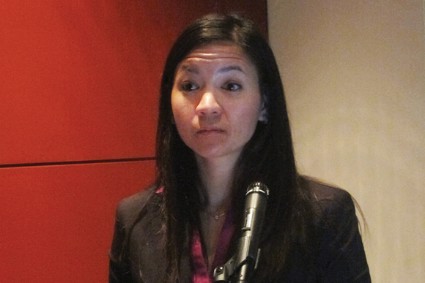
Many hospitals miss e-opportunity to promote smoking cessation
CHICAGO – Americans turning to a hospital website for tips on how to quit smoking have only roughly a 50-50 chance of finding help, a study suggests.
In the study, the percentage of hospitals with smoking cessation information easily available on their website was 48% in 2012, up from 28% in 2000. Two analyses were of the same 50 randomly selected U.S. hospitals, with two websites going offline in the interim.

"This small sample shows there’s a trend toward improvement in hospitals providing information on their websites, with still some opportunity for improvement," Dr. John T. Denny said at the annual meeting of the American College of Chest Physicians.
Session comoderator Dr. Mary Beth Scholand put it more succinctly, saying, "Why there isn’t something there really boggles the mind." Dr. Scholand is director of the interstitial lung disease clinic at University of Utah Health Care in St. Lake City.
The number of consumers visiting the Internet to gather health information has increased dramatically over the last decade, with many searching hospital sites specifically for smoking cessation information and services, said Dr. Denny, who is with the Rutgers-Robert Wood Johnson Medical School in New Brunswick, N.J.
A recent survey reported that 47% of 1,128 adult smokers in England were interested in trying an Internet site or mobile app to quit smoking, though only 0.3% had done so within the past year (J. Med. Internet Res. 2013;15:e50 [doi: 10.2196/jmir.2342]). Interested smokers were younger, more cigarette dependent, had more recent quit attempts, and were more likely to have handheld computer access.
U.S. smokers using the Internet in an analysis of the 2003 Health Information National Trends Survey were also younger and had a higher income, fewer barriers to health care, and a greater interest in quitting than smokers not on the Internet (Nicotine Tob. Res. 2006;8 Suppl 1:S77-85), Dr. Denny observed.
"This is an opportunity for hospitals to actually recruit those folks into their hospital network" at a young age and maintain them as lifelong patients, he said, adding that this "stickiness" or loyalty has already been demonstrated with hospital ob.gyn. services.
Smokers appear to be discerning, however, when it comes to the quality of health information available on the Internet. When 706 current and former smokers in the United States rated 133 different smoking cessation websites, two of the three most frequently visited sites were owned by tobacco companies. These sites were not perceived as helpful, while the nonprofit smokefree.gov and anti-smoking.org received above-average marks (Nicotine Tob. Res. 2006;8 Suppl 1:S27-34).
Dr. Denny and his colleagues did not examine why the hospitals in their analysis failed to provide online resources, although the cost to do so is nominal.
"One feature that’s very, very cost effective is just to add a link to something like QuitNet.com or the American Lung Association," he said.
Dr. Denny and his coauthors reported having no financial disclosures.
CHICAGO – Americans turning to a hospital website for tips on how to quit smoking have only roughly a 50-50 chance of finding help, a study suggests.
In the study, the percentage of hospitals with smoking cessation information easily available on their website was 48% in 2012, up from 28% in 2000. Two analyses were of the same 50 randomly selected U.S. hospitals, with two websites going offline in the interim.
"This small sample shows there’s a trend toward improvement in hospitals providing information on their websites, with still some opportunity for improvement," Dr. John T. Denny said at the annual meeting of the American College of Chest Physicians.
Session comoderator Dr. Mary Beth Scholand put it more succinctly, saying, "Why there isn’t something there really boggles the mind." Dr. Scholand is director of the interstitial lung disease clinic at University of Utah Health Care in St. Lake City.
The number of consumers visiting the Internet to gather health information has increased dramatically over the last decade, with many searching hospital sites specifically for smoking cessation information and services, said Dr. Denny, who is with the Rutgers-Robert Wood Johnson Medical School in New Brunswick, N.J.
A recent survey reported that 47% of 1,128 adult smokers in England were interested in trying an Internet site or mobile app to quit smoking, though only 0.3% had done so within the past year (J. Med. Internet Res. 2013;15:e50 [doi: 10.2196/jmir.2342]). Interested smokers were younger, more cigarette dependent, had more recent quit attempts, and were more likely to have handheld computer access.
U.S. smokers using the Internet in an analysis of the 2003 Health Information National Trends Survey were also younger and had a higher income, fewer barriers to health care, and a greater interest in quitting than smokers not on the Internet (Nicotine Tob. Res. 2006;8 Suppl 1:S77-85), Dr. Denny observed.
"This is an opportunity for hospitals to actually recruit those folks into their hospital network" at a young age and maintain them as lifelong patients, he said, adding that this "stickiness" or loyalty has already been demonstrated with hospital ob.gyn. services.
Smokers appear to be discerning, however, when it comes to the quality of health information available on the Internet. When 706 current and former smokers in the United States rated 133 different smoking cessation websites, two of the three most frequently visited sites were owned by tobacco companies. These sites were not perceived as helpful, while the nonprofit smokefree.gov and anti-smoking.org received above-average marks (Nicotine Tob. Res. 2006;8 Suppl 1:S27-34).
Dr. Denny and his colleagues did not examine why the hospitals in their analysis failed to provide online resources, although the cost to do so is nominal.
"One feature that’s very, very cost effective is just to add a link to something like QuitNet.com or the American Lung Association," he said.
Dr. Denny and his coauthors reported having no financial disclosures.
CHICAGO – Americans turning to a hospital website for tips on how to quit smoking have only roughly a 50-50 chance of finding help, a study suggests.
In the study, the percentage of hospitals with smoking cessation information easily available on their website was 48% in 2012, up from 28% in 2000. Two analyses were of the same 50 randomly selected U.S. hospitals, with two websites going offline in the interim.
"This small sample shows there’s a trend toward improvement in hospitals providing information on their websites, with still some opportunity for improvement," Dr. John T. Denny said at the annual meeting of the American College of Chest Physicians.
Session comoderator Dr. Mary Beth Scholand put it more succinctly, saying, "Why there isn’t something there really boggles the mind." Dr. Scholand is director of the interstitial lung disease clinic at University of Utah Health Care in St. Lake City.
The number of consumers visiting the Internet to gather health information has increased dramatically over the last decade, with many searching hospital sites specifically for smoking cessation information and services, said Dr. Denny, who is with the Rutgers-Robert Wood Johnson Medical School in New Brunswick, N.J.
A recent survey reported that 47% of 1,128 adult smokers in England were interested in trying an Internet site or mobile app to quit smoking, though only 0.3% had done so within the past year (J. Med. Internet Res. 2013;15:e50 [doi: 10.2196/jmir.2342]). Interested smokers were younger, more cigarette dependent, had more recent quit attempts, and were more likely to have handheld computer access.
U.S. smokers using the Internet in an analysis of the 2003 Health Information National Trends Survey were also younger and had a higher income, fewer barriers to health care, and a greater interest in quitting than smokers not on the Internet (Nicotine Tob. Res. 2006;8 Suppl 1:S77-85), Dr. Denny observed.
"This is an opportunity for hospitals to actually recruit those folks into their hospital network" at a young age and maintain them as lifelong patients, he said, adding that this "stickiness" or loyalty has already been demonstrated with hospital ob.gyn. services.
Smokers appear to be discerning, however, when it comes to the quality of health information available on the Internet. When 706 current and former smokers in the United States rated 133 different smoking cessation websites, two of the three most frequently visited sites were owned by tobacco companies. These sites were not perceived as helpful, while the nonprofit smokefree.gov and anti-smoking.org received above-average marks (Nicotine Tob. Res. 2006;8 Suppl 1:S27-34).
Dr. Denny and his colleagues did not examine why the hospitals in their analysis failed to provide online resources, although the cost to do so is nominal.
"One feature that’s very, very cost effective is just to add a link to something like QuitNet.com or the American Lung Association," he said.
Dr. Denny and his coauthors reported having no financial disclosures.
AT CHEST 2013
Major finding: Smoking-cessation programs were on 28.2% of 50 hospital websites in 2000 and 48% of 48 evaluable websites in 2012.
Data source: A retrospective study of 48 hospital websites.
Disclosures: Dr. Denny and his coauthors reported having no financial disclosures.
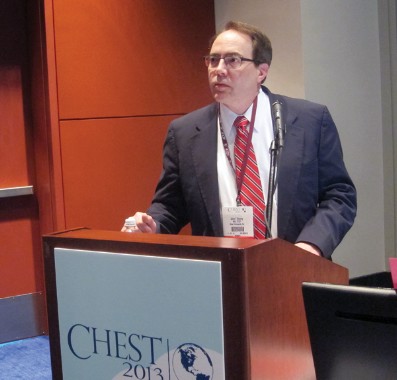
Big Data, Big Brother: Remote monitoring boosts outcomes and privacy concerns
CHICAGO – Big Data promises better outcomes and cost savings but begs the question of how much privacy patients are willing to give up.
Via smart phones and cloud computing, hyperspecific information on individual patients can be gathered 24 hours a day, 7 days a week from GPS location, photographs, audio, and other forms of monitoring. Blood pressure, weight, and even pulse detection are already being tracked in some patients. Using advanced algorithms, patient alerts can identify those at risk and possibly allow early interventions that avoid critical events and reduce the cost of care.
"The question is, ‘How much do [patients] want to be monitored?’ " asked Dr. Burt Lesnick, FCCP, of Georgia Pediatric Pulmonary Associates, Atlanta, during a presentation at the annual meeting of the American College of Chest Physicians. Monitoring can assist patients in managing their illness; but empowerment that comes at the cost of constant surveillance "sounds very Orwellian," he said.

Dr. Lesnick has even observed the power of mobile technology to improve asthma control in his own practice. In two small controlled studies, he and his associates randomized a total of 100 children who had asthma and owned a cell phone into three groups. The control group did not receive any communication from the physician. The second group was surveyed by e-mail every 4 days to assess their asthma control scores. If responses indicated an increase in risk, the clinical staff would call the family to discuss the child’s risk status.
The third group also received the rolling assessments, as well as text messages that quizzed their asthma knowledge with true/false questions. Patients who answered the prompts correctly were rewarded with a text message, "You’re right!" and an explanation of why they were correct. If they answered incorrectly, they were told, "Not quite," and also given an explanation.
Dr. Lesnick’s first study included 40 children. In his second study, 60 children were randomized in similar fashion. However, an additional factor – whether patients had public or private insurance – also was used for randomization. Furthermore, the second study addressed whether the success of the combined assessment/knowledge group could be attributed to the increased volume of text messages in that group. The researchers examined whether the text messages created a "reminder" effect for the children to take their medications.
In each study, the groups given rolling assessments and education had significant improvements in forced expiratory flow (FEF25-75%) over baseline measures.
In the first study, the FEF25-75% scores rose from a baseline average of 74.3 plus or minus 31.4 to a poststudy average of 96.0 plus or minus 32.6 in the group given assessments and education. No statistically significant differences in FEF25-75% were seen in the other two groups. In the knowledge-only group, FEF25-75% scores increased from 78.2 plus or minus 32.0 to 84.2 plus or minus 31.7. In the control group, the FEF25-75% scores decreased from 91.1 plus or minus 26.6 to 73.5 plus or minus 27.5.
In the second study, which included equal numbers of children on public and private insurance, the FEF25-75% scores in the education group went from 51.3 plus or minus 21.0 at baseline to 65.5 plus or minus 25.7 at post study.
"Kids were much better reporters of their asthma symptoms with exercise than their parents were," Dr. Lesnick noted. "Not a great surprise, but an important point."
There was a direct correlation between children being put in charge of learning about and managing their asthma, versus relying on their parents to do it for them.
"We were getting them to be empowered ... because we were talking to them in their language: text messages. That’s how they communicate." said Dr. Lesnick.
But how much intrusion will patients be willing to accept in the future to gain "empowerment"? And how much of their information should be shared – and in what manner?
States are eager to use Big Data to drive down health care costs as they compete for federal health dollars based on quality improvements derived from this data, Dr. Lesnick noted. Meanwhile, private insurers are particularly interested in tracking who is most mindful of their health since aggregating this data helps to stratify risk.
Similar to how the auto insurance industry has recognized customers’ willingness to have devices installed in their cars to monitor their driving habits in exchange for lower premiums, health insurers are willing to bank on the notion that people who know they are under observation will change their behavior, Dr. Lesnick said.
Further, Big Data is being driven by health care consumers themselves, particularly younger generations for whom privacy is largely anachronistic, making "patient sensoring" by insurers actually not that hard to achieve, he said.
"There is this psyche out there of people who really want to be monitored," said Dr. Lesnick, citing the ascendency of smartphone watches and humidity sensor apps that allow users to track their exercise performance. These technologies suggest a future of vastly more mobile health or "mHealth" options.
"The Holy Grail is to get the information passively, with sensors all over your body," Dr. Lesnick said.
The encounter between privacy issues and advances in technology begs the questions: If privacy becomes a commodity, will health insurers profit from selling it? And, if our individual data adds to the collective knowledge base, is it our responsibility to give it away for free?
Up-and-coming generations may live according to an ethos whereby "all data should be out there, and it should be completely transparent," Dr. Lesnick said. "But is transparency always a good thing? I don’t know the answer."
CHICAGO – Big Data promises better outcomes and cost savings but begs the question of how much privacy patients are willing to give up.
Via smart phones and cloud computing, hyperspecific information on individual patients can be gathered 24 hours a day, 7 days a week from GPS location, photographs, audio, and other forms of monitoring. Blood pressure, weight, and even pulse detection are already being tracked in some patients. Using advanced algorithms, patient alerts can identify those at risk and possibly allow early interventions that avoid critical events and reduce the cost of care.
"The question is, ‘How much do [patients] want to be monitored?’ " asked Dr. Burt Lesnick, FCCP, of Georgia Pediatric Pulmonary Associates, Atlanta, during a presentation at the annual meeting of the American College of Chest Physicians. Monitoring can assist patients in managing their illness; but empowerment that comes at the cost of constant surveillance "sounds very Orwellian," he said.
Dr. Lesnick has even observed the power of mobile technology to improve asthma control in his own practice. In two small controlled studies, he and his associates randomized a total of 100 children who had asthma and owned a cell phone into three groups. The control group did not receive any communication from the physician. The second group was surveyed by e-mail every 4 days to assess their asthma control scores. If responses indicated an increase in risk, the clinical staff would call the family to discuss the child’s risk status.
The third group also received the rolling assessments, as well as text messages that quizzed their asthma knowledge with true/false questions. Patients who answered the prompts correctly were rewarded with a text message, "You’re right!" and an explanation of why they were correct. If they answered incorrectly, they were told, "Not quite," and also given an explanation.
Dr. Lesnick’s first study included 40 children. In his second study, 60 children were randomized in similar fashion. However, an additional factor – whether patients had public or private insurance – also was used for randomization. Furthermore, the second study addressed whether the success of the combined assessment/knowledge group could be attributed to the increased volume of text messages in that group. The researchers examined whether the text messages created a "reminder" effect for the children to take their medications.
In each study, the groups given rolling assessments and education had significant improvements in forced expiratory flow (FEF25-75%) over baseline measures.
In the first study, the FEF25-75% scores rose from a baseline average of 74.3 plus or minus 31.4 to a poststudy average of 96.0 plus or minus 32.6 in the group given assessments and education. No statistically significant differences in FEF25-75% were seen in the other two groups. In the knowledge-only group, FEF25-75% scores increased from 78.2 plus or minus 32.0 to 84.2 plus or minus 31.7. In the control group, the FEF25-75% scores decreased from 91.1 plus or minus 26.6 to 73.5 plus or minus 27.5.
In the second study, which included equal numbers of children on public and private insurance, the FEF25-75% scores in the education group went from 51.3 plus or minus 21.0 at baseline to 65.5 plus or minus 25.7 at post study.
"Kids were much better reporters of their asthma symptoms with exercise than their parents were," Dr. Lesnick noted. "Not a great surprise, but an important point."
There was a direct correlation between children being put in charge of learning about and managing their asthma, versus relying on their parents to do it for them.
"We were getting them to be empowered ... because we were talking to them in their language: text messages. That’s how they communicate." said Dr. Lesnick.
But how much intrusion will patients be willing to accept in the future to gain "empowerment"? And how much of their information should be shared – and in what manner?
States are eager to use Big Data to drive down health care costs as they compete for federal health dollars based on quality improvements derived from this data, Dr. Lesnick noted. Meanwhile, private insurers are particularly interested in tracking who is most mindful of their health since aggregating this data helps to stratify risk.
Similar to how the auto insurance industry has recognized customers’ willingness to have devices installed in their cars to monitor their driving habits in exchange for lower premiums, health insurers are willing to bank on the notion that people who know they are under observation will change their behavior, Dr. Lesnick said.
Further, Big Data is being driven by health care consumers themselves, particularly younger generations for whom privacy is largely anachronistic, making "patient sensoring" by insurers actually not that hard to achieve, he said.
"There is this psyche out there of people who really want to be monitored," said Dr. Lesnick, citing the ascendency of smartphone watches and humidity sensor apps that allow users to track their exercise performance. These technologies suggest a future of vastly more mobile health or "mHealth" options.
"The Holy Grail is to get the information passively, with sensors all over your body," Dr. Lesnick said.
The encounter between privacy issues and advances in technology begs the questions: If privacy becomes a commodity, will health insurers profit from selling it? And, if our individual data adds to the collective knowledge base, is it our responsibility to give it away for free?
Up-and-coming generations may live according to an ethos whereby "all data should be out there, and it should be completely transparent," Dr. Lesnick said. "But is transparency always a good thing? I don’t know the answer."
CHICAGO – Big Data promises better outcomes and cost savings but begs the question of how much privacy patients are willing to give up.
Via smart phones and cloud computing, hyperspecific information on individual patients can be gathered 24 hours a day, 7 days a week from GPS location, photographs, audio, and other forms of monitoring. Blood pressure, weight, and even pulse detection are already being tracked in some patients. Using advanced algorithms, patient alerts can identify those at risk and possibly allow early interventions that avoid critical events and reduce the cost of care.
"The question is, ‘How much do [patients] want to be monitored?’ " asked Dr. Burt Lesnick, FCCP, of Georgia Pediatric Pulmonary Associates, Atlanta, during a presentation at the annual meeting of the American College of Chest Physicians. Monitoring can assist patients in managing their illness; but empowerment that comes at the cost of constant surveillance "sounds very Orwellian," he said.
Dr. Lesnick has even observed the power of mobile technology to improve asthma control in his own practice. In two small controlled studies, he and his associates randomized a total of 100 children who had asthma and owned a cell phone into three groups. The control group did not receive any communication from the physician. The second group was surveyed by e-mail every 4 days to assess their asthma control scores. If responses indicated an increase in risk, the clinical staff would call the family to discuss the child’s risk status.
The third group also received the rolling assessments, as well as text messages that quizzed their asthma knowledge with true/false questions. Patients who answered the prompts correctly were rewarded with a text message, "You’re right!" and an explanation of why they were correct. If they answered incorrectly, they were told, "Not quite," and also given an explanation.
Dr. Lesnick’s first study included 40 children. In his second study, 60 children were randomized in similar fashion. However, an additional factor – whether patients had public or private insurance – also was used for randomization. Furthermore, the second study addressed whether the success of the combined assessment/knowledge group could be attributed to the increased volume of text messages in that group. The researchers examined whether the text messages created a "reminder" effect for the children to take their medications.
In each study, the groups given rolling assessments and education had significant improvements in forced expiratory flow (FEF25-75%) over baseline measures.
In the first study, the FEF25-75% scores rose from a baseline average of 74.3 plus or minus 31.4 to a poststudy average of 96.0 plus or minus 32.6 in the group given assessments and education. No statistically significant differences in FEF25-75% were seen in the other two groups. In the knowledge-only group, FEF25-75% scores increased from 78.2 plus or minus 32.0 to 84.2 plus or minus 31.7. In the control group, the FEF25-75% scores decreased from 91.1 plus or minus 26.6 to 73.5 plus or minus 27.5.
In the second study, which included equal numbers of children on public and private insurance, the FEF25-75% scores in the education group went from 51.3 plus or minus 21.0 at baseline to 65.5 plus or minus 25.7 at post study.
"Kids were much better reporters of their asthma symptoms with exercise than their parents were," Dr. Lesnick noted. "Not a great surprise, but an important point."
There was a direct correlation between children being put in charge of learning about and managing their asthma, versus relying on their parents to do it for them.
"We were getting them to be empowered ... because we were talking to them in their language: text messages. That’s how they communicate." said Dr. Lesnick.
But how much intrusion will patients be willing to accept in the future to gain "empowerment"? And how much of their information should be shared – and in what manner?
States are eager to use Big Data to drive down health care costs as they compete for federal health dollars based on quality improvements derived from this data, Dr. Lesnick noted. Meanwhile, private insurers are particularly interested in tracking who is most mindful of their health since aggregating this data helps to stratify risk.
Similar to how the auto insurance industry has recognized customers’ willingness to have devices installed in their cars to monitor their driving habits in exchange for lower premiums, health insurers are willing to bank on the notion that people who know they are under observation will change their behavior, Dr. Lesnick said.
Further, Big Data is being driven by health care consumers themselves, particularly younger generations for whom privacy is largely anachronistic, making "patient sensoring" by insurers actually not that hard to achieve, he said.
"There is this psyche out there of people who really want to be monitored," said Dr. Lesnick, citing the ascendency of smartphone watches and humidity sensor apps that allow users to track their exercise performance. These technologies suggest a future of vastly more mobile health or "mHealth" options.
"The Holy Grail is to get the information passively, with sensors all over your body," Dr. Lesnick said.
The encounter between privacy issues and advances in technology begs the questions: If privacy becomes a commodity, will health insurers profit from selling it? And, if our individual data adds to the collective knowledge base, is it our responsibility to give it away for free?
Up-and-coming generations may live according to an ethos whereby "all data should be out there, and it should be completely transparent," Dr. Lesnick said. "But is transparency always a good thing? I don’t know the answer."
EXPERT ANALYSIS FROM CHEST 2013

Hopkins hospital black lung program suspended following investigation
Johns Hopkins Hospital’s black lung x-ray program has been suspended following an investigation by the Center for Public Integrity and ABC News.
The investigation, published on the center’s web site, alleges that Dr. Paul Wheeler, a radiologist from Johns Hopkins, reviewed more than 1,500 x-rays of coal miners’ lungs since 2000 and never found a single instance of black lung, which would automatically qualify the miner for disability benefits under a federal program. The report states that Dr. Wheeler’s findings are being used by the coal industry to refute claims of black lung and ultimately deny monthly benefit payments to the patients. The center’s investigation documented that black lung patients have lost more than 800 cases after at least one other physician had found evidence of the disease on an x-ray that Dr. Wheeler read as negative. In addition, the report notes that the black lung unit at Hopkins receives funding from coal mining companies to perform the examinations. Physicians do not receive any financial incentives for participating in the black lung program, according to a statement on the Hopkins website.
As a result of the study, officials from the United Mine Workers of America union are calling for Dr. Wheeler to be prohibited from performing any x-ray readings related to the disease.
"We take very seriously the questions raised in a recent ABC News report about our second opinions for pneumoconiosis including black lung disease, and we are carefully reviewing the news story and our pneumoconiosis service," Hopkins said in the statement.
Read the full investigative report here.
Johns Hopkins Hospital’s black lung x-ray program has been suspended following an investigation by the Center for Public Integrity and ABC News.
The investigation, published on the center’s web site, alleges that Dr. Paul Wheeler, a radiologist from Johns Hopkins, reviewed more than 1,500 x-rays of coal miners’ lungs since 2000 and never found a single instance of black lung, which would automatically qualify the miner for disability benefits under a federal program. The report states that Dr. Wheeler’s findings are being used by the coal industry to refute claims of black lung and ultimately deny monthly benefit payments to the patients. The center’s investigation documented that black lung patients have lost more than 800 cases after at least one other physician had found evidence of the disease on an x-ray that Dr. Wheeler read as negative. In addition, the report notes that the black lung unit at Hopkins receives funding from coal mining companies to perform the examinations. Physicians do not receive any financial incentives for participating in the black lung program, according to a statement on the Hopkins website.
As a result of the study, officials from the United Mine Workers of America union are calling for Dr. Wheeler to be prohibited from performing any x-ray readings related to the disease.
"We take very seriously the questions raised in a recent ABC News report about our second opinions for pneumoconiosis including black lung disease, and we are carefully reviewing the news story and our pneumoconiosis service," Hopkins said in the statement.
Read the full investigative report here.
Johns Hopkins Hospital’s black lung x-ray program has been suspended following an investigation by the Center for Public Integrity and ABC News.
The investigation, published on the center’s web site, alleges that Dr. Paul Wheeler, a radiologist from Johns Hopkins, reviewed more than 1,500 x-rays of coal miners’ lungs since 2000 and never found a single instance of black lung, which would automatically qualify the miner for disability benefits under a federal program. The report states that Dr. Wheeler’s findings are being used by the coal industry to refute claims of black lung and ultimately deny monthly benefit payments to the patients. The center’s investigation documented that black lung patients have lost more than 800 cases after at least one other physician had found evidence of the disease on an x-ray that Dr. Wheeler read as negative. In addition, the report notes that the black lung unit at Hopkins receives funding from coal mining companies to perform the examinations. Physicians do not receive any financial incentives for participating in the black lung program, according to a statement on the Hopkins website.
As a result of the study, officials from the United Mine Workers of America union are calling for Dr. Wheeler to be prohibited from performing any x-ray readings related to the disease.
"We take very seriously the questions raised in a recent ABC News report about our second opinions for pneumoconiosis including black lung disease, and we are carefully reviewing the news story and our pneumoconiosis service," Hopkins said in the statement.
Read the full investigative report here.
Hookah bars: A new smoking epidemic?
CHICAGO – Despite a national downturn in cigarette smoking, a growing number of young Americans are turning to hookah bars to smoke tobacco, a study has shown.
The trend is driven by the social nature of hookah bars and myths about the safety of smoking hookah, also called shisha, narghile, hubble-bubble, and goza, Dr. Srihari Veeraraghavan reported at the annual meeting of the American College of Chest Physicians.
For the first time, a large study showed hookah smoking had eclipsed cigarette smoking for both ever use (46.4% vs. 42.1%) and past-year use (28.4% vs. 19.6%) among 1,203 University of Florida students (BMC Public Health 2013;13:302).
<

More than a third of current cigarette smokers used hookah, but equally worrisome, 29% of current hookah smokers reported never having smoked a cigarette.
"We’ve made impressive strides in the last 40-50 years by reducing smoking in this country," he said in an interview. "And the concern is that students use hookah in their universities, and when they get out in their real life, they’re going to go back to cigarettes because it’s as addictive, if not more [so], than cigarettes."
Myths surrounding hookah/shisha smoking are that it is less addictive, less harmful, and contains less nicotine than conventional cigarettes, said Dr. Veeraraghavan of Emory University in Atlanta.
He highlighted a widely publicized 1997 New York Times article quoting one hookah smoker as saying cigarettes are for "nervous," "competitive" people, but that narghile smoking "teaches you patience and tolerance, and gives you an appreciation of good company."
Some smokers also believe the water in the pipe filters out toxins and that adding molasses or fruit to flavor the tobacco imparts a health benefit.
"Hookah smoking leads to cigarette smoking, and cigarette smokers planning to quit take up hookah thinking that it’s better," Dr. Veeraraghavan said.
Though data in humans are limited, a study found similar peak nicotine concentrations after smoking one cigarette vs. smoking a hookah for a maximum of 45 minutes, but that hookah smoking was associated with greater carbon monoxide levels and 1.7 times the exposure to nicotine (Am. J. Prev. Med. 2009;37:518-23).
A typical hookah session lasts about an hour and may involve 200 puffs. Thus, "in one hookah session, smokers may inhale the equivalent of 100 cigarettes," he said.
This is particularly concerning in light of the recent Canadian Youth Smoking Survey showing that hookah use increased 6% from 2006 through 2010 among kids, grades 9 through 12 (Prev. Chronic Dis. 2013 May 9;10E73). Once again, current cigarette smokers were more likely to use hookahs, but marijuana and alcohol use also predicted hookah use.
Dr. Veeraraghavan suggested that alternative forms of smoking such as hookahs, e-cigarettes, and marijuana should be included in all smoking surveys and that additional research is needed to elucidate the effects on pulmonary function and overall health. Better regulatory mechanisms are also needed, as laws are unclear about hookah smoking in restaurants and other public venues.
Finally, physicians should begin asking patients of all ages about their hookah use since younger adult smokers are less likely to visit the office, but parents will go home and talk to their kids – young or older – about the health risks posed by hookah smoking, he said.
For physicians unaware or uncertain about the emerging popularity of hookah smoking, Dr. Veeraraghavan concluded by showing a slide listing no fewer than 50 hookah bars all in the Chicago area, many not far from CHEST 2013.
Dr. Veeraraghavan reported having no relevant financial disclosures.
CHICAGO – Despite a national downturn in cigarette smoking, a growing number of young Americans are turning to hookah bars to smoke tobacco, a study has shown.
The trend is driven by the social nature of hookah bars and myths about the safety of smoking hookah, also called shisha, narghile, hubble-bubble, and goza, Dr. Srihari Veeraraghavan reported at the annual meeting of the American College of Chest Physicians.
For the first time, a large study showed hookah smoking had eclipsed cigarette smoking for both ever use (46.4% vs. 42.1%) and past-year use (28.4% vs. 19.6%) among 1,203 University of Florida students (BMC Public Health 2013;13:302).
<
More than a third of current cigarette smokers used hookah, but equally worrisome, 29% of current hookah smokers reported never having smoked a cigarette.
"We’ve made impressive strides in the last 40-50 years by reducing smoking in this country," he said in an interview. "And the concern is that students use hookah in their universities, and when they get out in their real life, they’re going to go back to cigarettes because it’s as addictive, if not more [so], than cigarettes."
Myths surrounding hookah/shisha smoking are that it is less addictive, less harmful, and contains less nicotine than conventional cigarettes, said Dr. Veeraraghavan of Emory University in Atlanta.
He highlighted a widely publicized 1997 New York Times article quoting one hookah smoker as saying cigarettes are for "nervous," "competitive" people, but that narghile smoking "teaches you patience and tolerance, and gives you an appreciation of good company."
Some smokers also believe the water in the pipe filters out toxins and that adding molasses or fruit to flavor the tobacco imparts a health benefit.
"Hookah smoking leads to cigarette smoking, and cigarette smokers planning to quit take up hookah thinking that it’s better," Dr. Veeraraghavan said.
Though data in humans are limited, a study found similar peak nicotine concentrations after smoking one cigarette vs. smoking a hookah for a maximum of 45 minutes, but that hookah smoking was associated with greater carbon monoxide levels and 1.7 times the exposure to nicotine (Am. J. Prev. Med. 2009;37:518-23).
A typical hookah session lasts about an hour and may involve 200 puffs. Thus, "in one hookah session, smokers may inhale the equivalent of 100 cigarettes," he said.
This is particularly concerning in light of the recent Canadian Youth Smoking Survey showing that hookah use increased 6% from 2006 through 2010 among kids, grades 9 through 12 (Prev. Chronic Dis. 2013 May 9;10E73). Once again, current cigarette smokers were more likely to use hookahs, but marijuana and alcohol use also predicted hookah use.
Dr. Veeraraghavan suggested that alternative forms of smoking such as hookahs, e-cigarettes, and marijuana should be included in all smoking surveys and that additional research is needed to elucidate the effects on pulmonary function and overall health. Better regulatory mechanisms are also needed, as laws are unclear about hookah smoking in restaurants and other public venues.
Finally, physicians should begin asking patients of all ages about their hookah use since younger adult smokers are less likely to visit the office, but parents will go home and talk to their kids – young or older – about the health risks posed by hookah smoking, he said.
For physicians unaware or uncertain about the emerging popularity of hookah smoking, Dr. Veeraraghavan concluded by showing a slide listing no fewer than 50 hookah bars all in the Chicago area, many not far from CHEST 2013.
Dr. Veeraraghavan reported having no relevant financial disclosures.
CHICAGO – Despite a national downturn in cigarette smoking, a growing number of young Americans are turning to hookah bars to smoke tobacco, a study has shown.
The trend is driven by the social nature of hookah bars and myths about the safety of smoking hookah, also called shisha, narghile, hubble-bubble, and goza, Dr. Srihari Veeraraghavan reported at the annual meeting of the American College of Chest Physicians.
For the first time, a large study showed hookah smoking had eclipsed cigarette smoking for both ever use (46.4% vs. 42.1%) and past-year use (28.4% vs. 19.6%) among 1,203 University of Florida students (BMC Public Health 2013;13:302).
<
More than a third of current cigarette smokers used hookah, but equally worrisome, 29% of current hookah smokers reported never having smoked a cigarette.
"We’ve made impressive strides in the last 40-50 years by reducing smoking in this country," he said in an interview. "And the concern is that students use hookah in their universities, and when they get out in their real life, they’re going to go back to cigarettes because it’s as addictive, if not more [so], than cigarettes."
Myths surrounding hookah/shisha smoking are that it is less addictive, less harmful, and contains less nicotine than conventional cigarettes, said Dr. Veeraraghavan of Emory University in Atlanta.
He highlighted a widely publicized 1997 New York Times article quoting one hookah smoker as saying cigarettes are for "nervous," "competitive" people, but that narghile smoking "teaches you patience and tolerance, and gives you an appreciation of good company."
Some smokers also believe the water in the pipe filters out toxins and that adding molasses or fruit to flavor the tobacco imparts a health benefit.
"Hookah smoking leads to cigarette smoking, and cigarette smokers planning to quit take up hookah thinking that it’s better," Dr. Veeraraghavan said.
Though data in humans are limited, a study found similar peak nicotine concentrations after smoking one cigarette vs. smoking a hookah for a maximum of 45 minutes, but that hookah smoking was associated with greater carbon monoxide levels and 1.7 times the exposure to nicotine (Am. J. Prev. Med. 2009;37:518-23).
A typical hookah session lasts about an hour and may involve 200 puffs. Thus, "in one hookah session, smokers may inhale the equivalent of 100 cigarettes," he said.
This is particularly concerning in light of the recent Canadian Youth Smoking Survey showing that hookah use increased 6% from 2006 through 2010 among kids, grades 9 through 12 (Prev. Chronic Dis. 2013 May 9;10E73). Once again, current cigarette smokers were more likely to use hookahs, but marijuana and alcohol use also predicted hookah use.
Dr. Veeraraghavan suggested that alternative forms of smoking such as hookahs, e-cigarettes, and marijuana should be included in all smoking surveys and that additional research is needed to elucidate the effects on pulmonary function and overall health. Better regulatory mechanisms are also needed, as laws are unclear about hookah smoking in restaurants and other public venues.
Finally, physicians should begin asking patients of all ages about their hookah use since younger adult smokers are less likely to visit the office, but parents will go home and talk to their kids – young or older – about the health risks posed by hookah smoking, he said.
For physicians unaware or uncertain about the emerging popularity of hookah smoking, Dr. Veeraraghavan concluded by showing a slide listing no fewer than 50 hookah bars all in the Chicago area, many not far from CHEST 2013.
Dr. Veeraraghavan reported having no relevant financial disclosures.
AT CHEST 2013

Age-based differences seen in effects of PCV13
SAN FRANCISCO – The incidence of invasive pneumococcal disease among children is declining in the wake of the 2010 introduction of the 13-valent pneumococcal conjugate vaccine, surveillance data suggest.
In New York City during 2011-2012, for example, the incidence of invasive pneumococcal disease (IPD) declined among children under age 5 across all age categories and race/ethnicity groups, Andrea Farnham of the New York City Department of Health and Mental Hygiene reported in a poster at an annual scientific meeting on infectious diseases.
The decline was driven by a reduction in 13-valent pneumococcal conjugate vaccine (PCV13)-type IPD and was temporally associated with the introduction and increased uptake of PCV13 vaccine, she said.
IPD incidence decreased by 70% (from 21.0 to 6.4 cases/100,000) between 2007-2009 and 2011-2012, and PCV13-type IPD incidence decreased 82% (from 15.3 to 2.7 cases/100,000) in that same time period.
The greatest decrease (80%) occurred in children under age 12 months. Decreases were 68% and 62.1% in those aged 12-35 months and 36-59 months, respectively, Ms. Farnham noted.
Another study presented at the meeting showed that 89% of PCV13 serotype disease in Ontario during the second year after the implementation of PCV13 vaccine (2012-2013) occurred in unvaccinated children. Half of the cases (14 of 28) were in children who were not eligible for vaccination, and of the remaining 14, 1 child was unvaccinated, 3 had missed doses, 7 had appropriately received PCV7 vaccine but missed the PCV13 catch-up dose, and 2 received PCV13 vaccine at ages 2 and 4 months but developed IPD at ages 10 and 11 months, respectively, Karen Green, an epidemiologist at Mount Sinai Hospital, Toronto, also reported in a poster.
One apparently healthy 5-year-old developed empyema from serotype 5 disease after receiving age-appropriate vaccination, she noted at the combined annual meetings of the Infectious Diseases Society of America, the Society for Healthcare Epidemiology of America, the HIV Medicine Association, and the Pediatric Infectious Diseases Society.
The findings suggest that PCV13 vaccination is having a substantial effect on rates of IPD – an effect that could be improved upon with increased vaccine coverage.
A third study suggested that children over age 2 years, in particular, may not be vaccinated appropriately.
In that study, John M. McLaughlin, Ph.D., of Pfizer Specialty Care Medicines Development Group, Collegeville, Penn, showed that although children up to age 1 year had significant reductions in all 13 serotypes covered by the PCV13 vaccine, those aged 2-17 years did not experience a reduction in serotype 19A disease.
Overall, among children aged 0-17 years, the proportion of IPD caused by serotype 19A decreased from 37% in 2008-2009 to 28% in 2010-2011, and the proportion caused by the other 12 serotypes in the PCV13 vaccine decreased from 66% to 48% during the same period.
However, while there was a 44% relative reduction in the proportion of IPD caused by serotypes in the PCV13 vaccine among those aged 0-1 years, there was only a 17% relative reduction in those aged 2-17 years.
"The difference in these two age groups was driven largely by the difference in reduction of the proportion of IPD caused by serotype 19A," he said, explaining that there was a 36% relative reduction in the proportion of IPD caused by serotype 19A among those aged 0-1 years, but no decrease in those aged 2-17 years.
No difference was seen between the 0- to 1-year age group and the 2- to 17-year age group for the remaining serotypes (32% for both groups).
This could be a result of a lack of early indirect effect of vaccination or of the virulence of 19A, or it could be caused by more comorbid disease in the older age group. Comorbidities increased significantly with increasing age, Dr. McLaughlin said, noting that 27% of those aged less than 1 year had comorbid conditions, compared with 32% of those aged 1-2 years, 45% of those aged 3-5 years, and 60% of those aged 6-17 years.
Low PCV13 vaccination rates in older children may also be a factor; in this study, only two children aged 11 years and over had received PCV13 vaccination.
IPD cases in Dr. McLaughlin’s study were identified from eight geographically dispersed children’s hospitals in the U.S. Pediatric Multicenter Pneumococcal Surveillance Study Group. The findings support the Jan. 25, 2013, decision by the Food and Drug Administration to expand the age indication for PCV13 vaccination in children and teens to those aged 6-17 years for prevention of vaccine-type IPD, he concluded (AAP News 2013 March 6 [doi: 10.1542/aapnews.20130306-2]).
Ms. Farnham stressed the importance of vaccination.
"Given the potential of PCV13 to reduce IPD incidence and racial/ethnic disparities, efforts should be focused on increasing coverage of PCV13 and ensuring patients receive all the recommended doses of PCV13," she concluded.
Ms. Green reported working as a grant investigator for, and receiving educational and/or research support from, Pfizer and GlaxoSmithKline. Dr. McLaughlin reported that he is an employee and shareholder of Pfizer. Ms. Farnham reported having no disclosures.
SAN FRANCISCO – The incidence of invasive pneumococcal disease among children is declining in the wake of the 2010 introduction of the 13-valent pneumococcal conjugate vaccine, surveillance data suggest.
In New York City during 2011-2012, for example, the incidence of invasive pneumococcal disease (IPD) declined among children under age 5 across all age categories and race/ethnicity groups, Andrea Farnham of the New York City Department of Health and Mental Hygiene reported in a poster at an annual scientific meeting on infectious diseases.
The decline was driven by a reduction in 13-valent pneumococcal conjugate vaccine (PCV13)-type IPD and was temporally associated with the introduction and increased uptake of PCV13 vaccine, she said.
IPD incidence decreased by 70% (from 21.0 to 6.4 cases/100,000) between 2007-2009 and 2011-2012, and PCV13-type IPD incidence decreased 82% (from 15.3 to 2.7 cases/100,000) in that same time period.
The greatest decrease (80%) occurred in children under age 12 months. Decreases were 68% and 62.1% in those aged 12-35 months and 36-59 months, respectively, Ms. Farnham noted.
Another study presented at the meeting showed that 89% of PCV13 serotype disease in Ontario during the second year after the implementation of PCV13 vaccine (2012-2013) occurred in unvaccinated children. Half of the cases (14 of 28) were in children who were not eligible for vaccination, and of the remaining 14, 1 child was unvaccinated, 3 had missed doses, 7 had appropriately received PCV7 vaccine but missed the PCV13 catch-up dose, and 2 received PCV13 vaccine at ages 2 and 4 months but developed IPD at ages 10 and 11 months, respectively, Karen Green, an epidemiologist at Mount Sinai Hospital, Toronto, also reported in a poster.
One apparently healthy 5-year-old developed empyema from serotype 5 disease after receiving age-appropriate vaccination, she noted at the combined annual meetings of the Infectious Diseases Society of America, the Society for Healthcare Epidemiology of America, the HIV Medicine Association, and the Pediatric Infectious Diseases Society.
The findings suggest that PCV13 vaccination is having a substantial effect on rates of IPD – an effect that could be improved upon with increased vaccine coverage.
A third study suggested that children over age 2 years, in particular, may not be vaccinated appropriately.
In that study, John M. McLaughlin, Ph.D., of Pfizer Specialty Care Medicines Development Group, Collegeville, Penn, showed that although children up to age 1 year had significant reductions in all 13 serotypes covered by the PCV13 vaccine, those aged 2-17 years did not experience a reduction in serotype 19A disease.
Overall, among children aged 0-17 years, the proportion of IPD caused by serotype 19A decreased from 37% in 2008-2009 to 28% in 2010-2011, and the proportion caused by the other 12 serotypes in the PCV13 vaccine decreased from 66% to 48% during the same period.
However, while there was a 44% relative reduction in the proportion of IPD caused by serotypes in the PCV13 vaccine among those aged 0-1 years, there was only a 17% relative reduction in those aged 2-17 years.
"The difference in these two age groups was driven largely by the difference in reduction of the proportion of IPD caused by serotype 19A," he said, explaining that there was a 36% relative reduction in the proportion of IPD caused by serotype 19A among those aged 0-1 years, but no decrease in those aged 2-17 years.
No difference was seen between the 0- to 1-year age group and the 2- to 17-year age group for the remaining serotypes (32% for both groups).
This could be a result of a lack of early indirect effect of vaccination or of the virulence of 19A, or it could be caused by more comorbid disease in the older age group. Comorbidities increased significantly with increasing age, Dr. McLaughlin said, noting that 27% of those aged less than 1 year had comorbid conditions, compared with 32% of those aged 1-2 years, 45% of those aged 3-5 years, and 60% of those aged 6-17 years.
Low PCV13 vaccination rates in older children may also be a factor; in this study, only two children aged 11 years and over had received PCV13 vaccination.
IPD cases in Dr. McLaughlin’s study were identified from eight geographically dispersed children’s hospitals in the U.S. Pediatric Multicenter Pneumococcal Surveillance Study Group. The findings support the Jan. 25, 2013, decision by the Food and Drug Administration to expand the age indication for PCV13 vaccination in children and teens to those aged 6-17 years for prevention of vaccine-type IPD, he concluded (AAP News 2013 March 6 [doi: 10.1542/aapnews.20130306-2]).
Ms. Farnham stressed the importance of vaccination.
"Given the potential of PCV13 to reduce IPD incidence and racial/ethnic disparities, efforts should be focused on increasing coverage of PCV13 and ensuring patients receive all the recommended doses of PCV13," she concluded.
Ms. Green reported working as a grant investigator for, and receiving educational and/or research support from, Pfizer and GlaxoSmithKline. Dr. McLaughlin reported that he is an employee and shareholder of Pfizer. Ms. Farnham reported having no disclosures.
SAN FRANCISCO – The incidence of invasive pneumococcal disease among children is declining in the wake of the 2010 introduction of the 13-valent pneumococcal conjugate vaccine, surveillance data suggest.
In New York City during 2011-2012, for example, the incidence of invasive pneumococcal disease (IPD) declined among children under age 5 across all age categories and race/ethnicity groups, Andrea Farnham of the New York City Department of Health and Mental Hygiene reported in a poster at an annual scientific meeting on infectious diseases.
The decline was driven by a reduction in 13-valent pneumococcal conjugate vaccine (PCV13)-type IPD and was temporally associated with the introduction and increased uptake of PCV13 vaccine, she said.
IPD incidence decreased by 70% (from 21.0 to 6.4 cases/100,000) between 2007-2009 and 2011-2012, and PCV13-type IPD incidence decreased 82% (from 15.3 to 2.7 cases/100,000) in that same time period.
The greatest decrease (80%) occurred in children under age 12 months. Decreases were 68% and 62.1% in those aged 12-35 months and 36-59 months, respectively, Ms. Farnham noted.
Another study presented at the meeting showed that 89% of PCV13 serotype disease in Ontario during the second year after the implementation of PCV13 vaccine (2012-2013) occurred in unvaccinated children. Half of the cases (14 of 28) were in children who were not eligible for vaccination, and of the remaining 14, 1 child was unvaccinated, 3 had missed doses, 7 had appropriately received PCV7 vaccine but missed the PCV13 catch-up dose, and 2 received PCV13 vaccine at ages 2 and 4 months but developed IPD at ages 10 and 11 months, respectively, Karen Green, an epidemiologist at Mount Sinai Hospital, Toronto, also reported in a poster.
One apparently healthy 5-year-old developed empyema from serotype 5 disease after receiving age-appropriate vaccination, she noted at the combined annual meetings of the Infectious Diseases Society of America, the Society for Healthcare Epidemiology of America, the HIV Medicine Association, and the Pediatric Infectious Diseases Society.
The findings suggest that PCV13 vaccination is having a substantial effect on rates of IPD – an effect that could be improved upon with increased vaccine coverage.
A third study suggested that children over age 2 years, in particular, may not be vaccinated appropriately.
In that study, John M. McLaughlin, Ph.D., of Pfizer Specialty Care Medicines Development Group, Collegeville, Penn, showed that although children up to age 1 year had significant reductions in all 13 serotypes covered by the PCV13 vaccine, those aged 2-17 years did not experience a reduction in serotype 19A disease.
Overall, among children aged 0-17 years, the proportion of IPD caused by serotype 19A decreased from 37% in 2008-2009 to 28% in 2010-2011, and the proportion caused by the other 12 serotypes in the PCV13 vaccine decreased from 66% to 48% during the same period.
However, while there was a 44% relative reduction in the proportion of IPD caused by serotypes in the PCV13 vaccine among those aged 0-1 years, there was only a 17% relative reduction in those aged 2-17 years.
"The difference in these two age groups was driven largely by the difference in reduction of the proportion of IPD caused by serotype 19A," he said, explaining that there was a 36% relative reduction in the proportion of IPD caused by serotype 19A among those aged 0-1 years, but no decrease in those aged 2-17 years.
No difference was seen between the 0- to 1-year age group and the 2- to 17-year age group for the remaining serotypes (32% for both groups).
This could be a result of a lack of early indirect effect of vaccination or of the virulence of 19A, or it could be caused by more comorbid disease in the older age group. Comorbidities increased significantly with increasing age, Dr. McLaughlin said, noting that 27% of those aged less than 1 year had comorbid conditions, compared with 32% of those aged 1-2 years, 45% of those aged 3-5 years, and 60% of those aged 6-17 years.
Low PCV13 vaccination rates in older children may also be a factor; in this study, only two children aged 11 years and over had received PCV13 vaccination.
IPD cases in Dr. McLaughlin’s study were identified from eight geographically dispersed children’s hospitals in the U.S. Pediatric Multicenter Pneumococcal Surveillance Study Group. The findings support the Jan. 25, 2013, decision by the Food and Drug Administration to expand the age indication for PCV13 vaccination in children and teens to those aged 6-17 years for prevention of vaccine-type IPD, he concluded (AAP News 2013 March 6 [doi: 10.1542/aapnews.20130306-2]).
Ms. Farnham stressed the importance of vaccination.
"Given the potential of PCV13 to reduce IPD incidence and racial/ethnic disparities, efforts should be focused on increasing coverage of PCV13 and ensuring patients receive all the recommended doses of PCV13," she concluded.
Ms. Green reported working as a grant investigator for, and receiving educational and/or research support from, Pfizer and GlaxoSmithKline. Dr. McLaughlin reported that he is an employee and shareholder of Pfizer. Ms. Farnham reported having no disclosures.
AT IDWEEK 2013
Major finding: IPD cases declined following introduction of PCV13.
Data source: Medical chart review and surveillance.
Disclosures: Ms. Green reported working as a grant investigator for, and receiving educational and/or research support from, Pfizer and GlaxoSmithKline. Dr. McLaughlin reported that he is an employee and shareholder of Pfizer. Ms. Farnham reported having no disclosures.
Osteopontin level in early non-small cell lung cancer predicts recurrence
SYDNEY, AUSTRALIA – Elevated plasma levels of osteopontin were predictive of 3-year recurrence rates and second primary cancers in patients with stage 1 non–small-cell lung cancer, based on data from a prospective cohort study presented at a world conference on lung cancer.
Based on preoperative plasma specimens from 137 patients undergoing resection of stage 1 adenocarcinoma of the lung, a preoperative cut-off point of 49.6 ng/mL for plasma osteopontin was predictive of 3-year recurrence. In a multivariate analysis, patients with levels above the cut-off had a fourfold increase in the risk of recurrence (HR 4.2, 95% CI 1.8-10.2, P = .001).
The cohort was followed for at least 3 years, with a median follow-up of 44 months. There was a recurrence in 56 patients (41%) over the study period; 31 patients (22.5%) had recurrences within 3 years and 23 of those patients had high osteopontin levels. Thirteen had systematic progression, ten had local or regional progression, and eight patients had a second primary non–small-cell lung cancer.
After adjustment for variants such as stage, gender, and tumor size, osteopontin levels were not significantly associated with 5-year survival; however, 3-year systemic or local progression was highly predictive of 5-year mortality, reported Dr. Jessica Donington, associate professor of cardiothoracic surgery at NYU Langone Medical Center, New York, and her colleagues.
"We would like to think that this would be something you would use to help guide adjuvant therapy or cancer surveillance or prevention protocols," Dr. Donington said.
Osteopontin is associated with increased inflammation. Previous research had shown that higher levels of osteopontin predicted poor response to chemotherapy in patients with advanced lung cancer. Also, osteopontin levels are known to have prognostic implications in breast and prostate cancers.
Osteopontin levels above the cut-off point also were predictive of second primary lung cancers. The association wasn’t as strong for second cancers as it was for recurrence, but the association was still significant and may help to guide follow-up.
"This might be the group that you’re going to decide to scan every 3 months," Dr. Donington said.
The conference was sponsored by the International Association for the Study of Lung Cancer. The study was supported by an Early Detection Research Network Grant, the Stephen Banner Lung Cancer Foundation, and an IASLC/Lung Cancer Foundation of America grant.
SYDNEY, AUSTRALIA – Elevated plasma levels of osteopontin were predictive of 3-year recurrence rates and second primary cancers in patients with stage 1 non–small-cell lung cancer, based on data from a prospective cohort study presented at a world conference on lung cancer.
Based on preoperative plasma specimens from 137 patients undergoing resection of stage 1 adenocarcinoma of the lung, a preoperative cut-off point of 49.6 ng/mL for plasma osteopontin was predictive of 3-year recurrence. In a multivariate analysis, patients with levels above the cut-off had a fourfold increase in the risk of recurrence (HR 4.2, 95% CI 1.8-10.2, P = .001).
The cohort was followed for at least 3 years, with a median follow-up of 44 months. There was a recurrence in 56 patients (41%) over the study period; 31 patients (22.5%) had recurrences within 3 years and 23 of those patients had high osteopontin levels. Thirteen had systematic progression, ten had local or regional progression, and eight patients had a second primary non–small-cell lung cancer.
After adjustment for variants such as stage, gender, and tumor size, osteopontin levels were not significantly associated with 5-year survival; however, 3-year systemic or local progression was highly predictive of 5-year mortality, reported Dr. Jessica Donington, associate professor of cardiothoracic surgery at NYU Langone Medical Center, New York, and her colleagues.
"We would like to think that this would be something you would use to help guide adjuvant therapy or cancer surveillance or prevention protocols," Dr. Donington said.
Osteopontin is associated with increased inflammation. Previous research had shown that higher levels of osteopontin predicted poor response to chemotherapy in patients with advanced lung cancer. Also, osteopontin levels are known to have prognostic implications in breast and prostate cancers.
Osteopontin levels above the cut-off point also were predictive of second primary lung cancers. The association wasn’t as strong for second cancers as it was for recurrence, but the association was still significant and may help to guide follow-up.
"This might be the group that you’re going to decide to scan every 3 months," Dr. Donington said.
The conference was sponsored by the International Association for the Study of Lung Cancer. The study was supported by an Early Detection Research Network Grant, the Stephen Banner Lung Cancer Foundation, and an IASLC/Lung Cancer Foundation of America grant.
SYDNEY, AUSTRALIA – Elevated plasma levels of osteopontin were predictive of 3-year recurrence rates and second primary cancers in patients with stage 1 non–small-cell lung cancer, based on data from a prospective cohort study presented at a world conference on lung cancer.
Based on preoperative plasma specimens from 137 patients undergoing resection of stage 1 adenocarcinoma of the lung, a preoperative cut-off point of 49.6 ng/mL for plasma osteopontin was predictive of 3-year recurrence. In a multivariate analysis, patients with levels above the cut-off had a fourfold increase in the risk of recurrence (HR 4.2, 95% CI 1.8-10.2, P = .001).
The cohort was followed for at least 3 years, with a median follow-up of 44 months. There was a recurrence in 56 patients (41%) over the study period; 31 patients (22.5%) had recurrences within 3 years and 23 of those patients had high osteopontin levels. Thirteen had systematic progression, ten had local or regional progression, and eight patients had a second primary non–small-cell lung cancer.
After adjustment for variants such as stage, gender, and tumor size, osteopontin levels were not significantly associated with 5-year survival; however, 3-year systemic or local progression was highly predictive of 5-year mortality, reported Dr. Jessica Donington, associate professor of cardiothoracic surgery at NYU Langone Medical Center, New York, and her colleagues.
"We would like to think that this would be something you would use to help guide adjuvant therapy or cancer surveillance or prevention protocols," Dr. Donington said.
Osteopontin is associated with increased inflammation. Previous research had shown that higher levels of osteopontin predicted poor response to chemotherapy in patients with advanced lung cancer. Also, osteopontin levels are known to have prognostic implications in breast and prostate cancers.
Osteopontin levels above the cut-off point also were predictive of second primary lung cancers. The association wasn’t as strong for second cancers as it was for recurrence, but the association was still significant and may help to guide follow-up.
"This might be the group that you’re going to decide to scan every 3 months," Dr. Donington said.
The conference was sponsored by the International Association for the Study of Lung Cancer. The study was supported by an Early Detection Research Network Grant, the Stephen Banner Lung Cancer Foundation, and an IASLC/Lung Cancer Foundation of America grant.
AT THE IASLC WORLD CONFERENCE
Major finding: Preoperative plasma osteopontin levels above 49.6 ng/mL are predictive of recurrence of lung adenocarcinoma in patients with early stage disease.
Data source: Prospective cohort study of 137 patients undergoing resection.
Disclosures: The study was supported by an Early Detection Research Network Grant, the Stephen Banner Lung Cancer Foundation, and an IASLC/Lung Cancer Foundation of America grant.
Community docs can confidently diagnose, treat hypersensitivity pneumonitis
CHICAGO – Community physicians can feel comfortable diagnosing and treating hypersensitivity pneumonitis, according to a panel of pulmonary experts.
"It’s not always necessary to refer patients to academic centers where the specialists are," said Dr. Karen Patterson, who moderated the panel at the annual meeting of the American College of Chest Physicians. "That’s not always easy for patients, since those centers are often far away from where they live."
The key to accurate diagnosis is taking a thorough clinical history. Sometimes, that means asking family members the same questions asked of the patient, since not everyone recalls the same information, said Dr. Patterson of the Penn Lung Center at the University of Pennsylvania, Philadelphia.
Hypersensitivity pneumonitis is antigen driven, and lymphocytosis is a hallmark, Dr. Patterson said.
The allergens associated with the condition typically come from birds, but apparently not from chickens, according to panelist Dr. Kevin Brown of National Jewish Health in Denver.
Other antigens to ask about include bird products such as down bedding as well as mold and various industrial antigens.
Pulmonary and systemic symptoms can vary in intensity with each patient, Dr. Patterson said. When classifying the disease, it is important to distinguish between fibrotic and nonfibrotic disease. "Fibrotic disease is difficult to diagnose, and is associated with [poorer] outcomes," she said.
Patients present with dyspnea, hypoxemia, and cough as well as systemic manifestations such as fever, myalgia, weight loss, and fatigue.
CT findings are usually more thorough than radiography, said Dr. Patterson, who added that biopsy is necessary on rare occasions.
"Be sure to get all three lobes of the affected lung"; otherwise there will not be enough information to accurately assess the disease, she added.
"Antigen avoidance is the best management of hypersensitivity pneumonitis," according to Dr. Mary Strek of the University of Chicago. "Patients do best when you’ve accurately identified the antigen, and then removed it, although this is not always easy."
Treatment includes corticosteroids, and in some cases, immunosuppressive therapies.
CHICAGO – Community physicians can feel comfortable diagnosing and treating hypersensitivity pneumonitis, according to a panel of pulmonary experts.
"It’s not always necessary to refer patients to academic centers where the specialists are," said Dr. Karen Patterson, who moderated the panel at the annual meeting of the American College of Chest Physicians. "That’s not always easy for patients, since those centers are often far away from where they live."
The key to accurate diagnosis is taking a thorough clinical history. Sometimes, that means asking family members the same questions asked of the patient, since not everyone recalls the same information, said Dr. Patterson of the Penn Lung Center at the University of Pennsylvania, Philadelphia.
Hypersensitivity pneumonitis is antigen driven, and lymphocytosis is a hallmark, Dr. Patterson said.
The allergens associated with the condition typically come from birds, but apparently not from chickens, according to panelist Dr. Kevin Brown of National Jewish Health in Denver.
Other antigens to ask about include bird products such as down bedding as well as mold and various industrial antigens.
Pulmonary and systemic symptoms can vary in intensity with each patient, Dr. Patterson said. When classifying the disease, it is important to distinguish between fibrotic and nonfibrotic disease. "Fibrotic disease is difficult to diagnose, and is associated with [poorer] outcomes," she said.
Patients present with dyspnea, hypoxemia, and cough as well as systemic manifestations such as fever, myalgia, weight loss, and fatigue.
CT findings are usually more thorough than radiography, said Dr. Patterson, who added that biopsy is necessary on rare occasions.
"Be sure to get all three lobes of the affected lung"; otherwise there will not be enough information to accurately assess the disease, she added.
"Antigen avoidance is the best management of hypersensitivity pneumonitis," according to Dr. Mary Strek of the University of Chicago. "Patients do best when you’ve accurately identified the antigen, and then removed it, although this is not always easy."
Treatment includes corticosteroids, and in some cases, immunosuppressive therapies.
CHICAGO – Community physicians can feel comfortable diagnosing and treating hypersensitivity pneumonitis, according to a panel of pulmonary experts.
"It’s not always necessary to refer patients to academic centers where the specialists are," said Dr. Karen Patterson, who moderated the panel at the annual meeting of the American College of Chest Physicians. "That’s not always easy for patients, since those centers are often far away from where they live."
The key to accurate diagnosis is taking a thorough clinical history. Sometimes, that means asking family members the same questions asked of the patient, since not everyone recalls the same information, said Dr. Patterson of the Penn Lung Center at the University of Pennsylvania, Philadelphia.
Hypersensitivity pneumonitis is antigen driven, and lymphocytosis is a hallmark, Dr. Patterson said.
The allergens associated with the condition typically come from birds, but apparently not from chickens, according to panelist Dr. Kevin Brown of National Jewish Health in Denver.
Other antigens to ask about include bird products such as down bedding as well as mold and various industrial antigens.
Pulmonary and systemic symptoms can vary in intensity with each patient, Dr. Patterson said. When classifying the disease, it is important to distinguish between fibrotic and nonfibrotic disease. "Fibrotic disease is difficult to diagnose, and is associated with [poorer] outcomes," she said.
Patients present with dyspnea, hypoxemia, and cough as well as systemic manifestations such as fever, myalgia, weight loss, and fatigue.
CT findings are usually more thorough than radiography, said Dr. Patterson, who added that biopsy is necessary on rare occasions.
"Be sure to get all three lobes of the affected lung"; otherwise there will not be enough information to accurately assess the disease, she added.
"Antigen avoidance is the best management of hypersensitivity pneumonitis," according to Dr. Mary Strek of the University of Chicago. "Patients do best when you’ve accurately identified the antigen, and then removed it, although this is not always easy."
Treatment includes corticosteroids, and in some cases, immunosuppressive therapies.
EXPERT ANALYSIS FROM CHEST 2013

How will health reform's rocky rollout affect pulmonary medicine?
The American College of Chest Physicians' Dr. Scott Manaker and Dr. Akram Khan offer their perspectives on the Affordable Care Act's current woes, and on what health reform will mean for physicians and patients down the road. Their comments were made during CHEST 2013, the annual meeting of the American College of Chest Physicians.
The American College of Chest Physicians' Dr. Scott Manaker and Dr. Akram Khan offer their perspectives on the Affordable Care Act's current woes, and on what health reform will mean for physicians and patients down the road. Their comments were made during CHEST 2013, the annual meeting of the American College of Chest Physicians.
The American College of Chest Physicians' Dr. Scott Manaker and Dr. Akram Khan offer their perspectives on the Affordable Care Act's current woes, and on what health reform will mean for physicians and patients down the road. Their comments were made during CHEST 2013, the annual meeting of the American College of Chest Physicians.

No-drug approach scores a 35% smoking cessation rate at 1 year in elderly, long-term-care residents
CHICAGO – Intensive counseling and other nonpharmacologic strategies to quit smoking dramatically increased abstinence rates among elderly long-term-care residents in a multicenter study.
Among 74 current smokers, 34 residents (46%) successfully quit smoking and 26 (35%) remained tobacco free at 1 year.

Prior research shows that medical advice to quit smoking typically produces 1-year abstinence rates of 5% to 10%.
"With a 46% quit rate, we were successful in showing that pharmacologic therapy isn’t the only way," Dr. Aleksander Shalshin said at the annual meeting of the American College of Chest Physicians.
Smokers over the age of 60 years represent about 23% of current smokers and are at increased risk of dying from disorders related to smoking. A recent prospective study found that the risk of dying from cancer, cardiovascular disease, and respiratory disease was 50% higher among men who continued to smoke into their 70s than for never-smokers.
Further, recent studies in the United States and England have shown that smokers who quit at either age 60 or age 65 years gained 2.7-3.7 years of life, said Dr. Shalshin, a pulmonary and critical care physician with North Shore Long Island Jewish Health System, in Syosset, N.Y.
"I always tell my patients it’s never too late to be a quitter," he said.
For the current study, the investigators prospectively recruited 74 long-term-care residents, aged 65-78 years, who were currently smoking an average of half a pack of cigarettes a day and had a tobacco history of more than 5 years. All were interested in quitting.
The intervention included daily smoking-cessation counseling visits from their primary care physician, nurse, or nurse educator, and regular access to a pulmonary consultant.
Counseling was supplemented with educational self-help, video and printed materials and the facilities set up smoke-free zones within 50 feet of their entrances. Participant’s families were also encouraged to provide support and received education on the benefits of a multifaceted approach to tobacco-addiction treatment.
"For patients in long-term-care facilities, where access is immediate and often easy, you don’t have to wait for the next appointment. It can be done on a daily basis with a little bit of time and effort." Dr. Shalshin said.
Session co-moderator Dr. Linda Efferen, chief medical officer, South Nassau Communities Hospital, Oceanside, N.Y., said targeting this captive audience makes sense and provides a bigger bang for the buck.
"These are our future readmissions, especially if they have underlying COPD [chronic obstructive pulmonary disease], asthma, or heart disease," she said in an interview. "To do this without pharmaceuticals and get these results is just phenomenal. We’re in the antipolypharmacy mode also because most of our patients are already on 20 different medications."
Pharmaceutical options will be used in the next phase of the study, however, to target the remaining patients who were unable to quit with the multidisciplinary nonpharmaceutical approach, Dr. Shalshin said in an interview.
Dr. Shalshin and his coauthors reported having no financial disclosures.
CHICAGO – Intensive counseling and other nonpharmacologic strategies to quit smoking dramatically increased abstinence rates among elderly long-term-care residents in a multicenter study.
Among 74 current smokers, 34 residents (46%) successfully quit smoking and 26 (35%) remained tobacco free at 1 year.
Prior research shows that medical advice to quit smoking typically produces 1-year abstinence rates of 5% to 10%.
"With a 46% quit rate, we were successful in showing that pharmacologic therapy isn’t the only way," Dr. Aleksander Shalshin said at the annual meeting of the American College of Chest Physicians.
Smokers over the age of 60 years represent about 23% of current smokers and are at increased risk of dying from disorders related to smoking. A recent prospective study found that the risk of dying from cancer, cardiovascular disease, and respiratory disease was 50% higher among men who continued to smoke into their 70s than for never-smokers.
Further, recent studies in the United States and England have shown that smokers who quit at either age 60 or age 65 years gained 2.7-3.7 years of life, said Dr. Shalshin, a pulmonary and critical care physician with North Shore Long Island Jewish Health System, in Syosset, N.Y.
"I always tell my patients it’s never too late to be a quitter," he said.
For the current study, the investigators prospectively recruited 74 long-term-care residents, aged 65-78 years, who were currently smoking an average of half a pack of cigarettes a day and had a tobacco history of more than 5 years. All were interested in quitting.
The intervention included daily smoking-cessation counseling visits from their primary care physician, nurse, or nurse educator, and regular access to a pulmonary consultant.
Counseling was supplemented with educational self-help, video and printed materials and the facilities set up smoke-free zones within 50 feet of their entrances. Participant’s families were also encouraged to provide support and received education on the benefits of a multifaceted approach to tobacco-addiction treatment.
"For patients in long-term-care facilities, where access is immediate and often easy, you don’t have to wait for the next appointment. It can be done on a daily basis with a little bit of time and effort." Dr. Shalshin said.
Session co-moderator Dr. Linda Efferen, chief medical officer, South Nassau Communities Hospital, Oceanside, N.Y., said targeting this captive audience makes sense and provides a bigger bang for the buck.
"These are our future readmissions, especially if they have underlying COPD [chronic obstructive pulmonary disease], asthma, or heart disease," she said in an interview. "To do this without pharmaceuticals and get these results is just phenomenal. We’re in the antipolypharmacy mode also because most of our patients are already on 20 different medications."
Pharmaceutical options will be used in the next phase of the study, however, to target the remaining patients who were unable to quit with the multidisciplinary nonpharmaceutical approach, Dr. Shalshin said in an interview.
Dr. Shalshin and his coauthors reported having no financial disclosures.
CHICAGO – Intensive counseling and other nonpharmacologic strategies to quit smoking dramatically increased abstinence rates among elderly long-term-care residents in a multicenter study.
Among 74 current smokers, 34 residents (46%) successfully quit smoking and 26 (35%) remained tobacco free at 1 year.
Prior research shows that medical advice to quit smoking typically produces 1-year abstinence rates of 5% to 10%.
"With a 46% quit rate, we were successful in showing that pharmacologic therapy isn’t the only way," Dr. Aleksander Shalshin said at the annual meeting of the American College of Chest Physicians.
Smokers over the age of 60 years represent about 23% of current smokers and are at increased risk of dying from disorders related to smoking. A recent prospective study found that the risk of dying from cancer, cardiovascular disease, and respiratory disease was 50% higher among men who continued to smoke into their 70s than for never-smokers.
Further, recent studies in the United States and England have shown that smokers who quit at either age 60 or age 65 years gained 2.7-3.7 years of life, said Dr. Shalshin, a pulmonary and critical care physician with North Shore Long Island Jewish Health System, in Syosset, N.Y.
"I always tell my patients it’s never too late to be a quitter," he said.
For the current study, the investigators prospectively recruited 74 long-term-care residents, aged 65-78 years, who were currently smoking an average of half a pack of cigarettes a day and had a tobacco history of more than 5 years. All were interested in quitting.
The intervention included daily smoking-cessation counseling visits from their primary care physician, nurse, or nurse educator, and regular access to a pulmonary consultant.
Counseling was supplemented with educational self-help, video and printed materials and the facilities set up smoke-free zones within 50 feet of their entrances. Participant’s families were also encouraged to provide support and received education on the benefits of a multifaceted approach to tobacco-addiction treatment.
"For patients in long-term-care facilities, where access is immediate and often easy, you don’t have to wait for the next appointment. It can be done on a daily basis with a little bit of time and effort." Dr. Shalshin said.
Session co-moderator Dr. Linda Efferen, chief medical officer, South Nassau Communities Hospital, Oceanside, N.Y., said targeting this captive audience makes sense and provides a bigger bang for the buck.
"These are our future readmissions, especially if they have underlying COPD [chronic obstructive pulmonary disease], asthma, or heart disease," she said in an interview. "To do this without pharmaceuticals and get these results is just phenomenal. We’re in the antipolypharmacy mode also because most of our patients are already on 20 different medications."
Pharmaceutical options will be used in the next phase of the study, however, to target the remaining patients who were unable to quit with the multidisciplinary nonpharmaceutical approach, Dr. Shalshin said in an interview.
Dr. Shalshin and his coauthors reported having no financial disclosures.
AT CHEST 2013
Major finding: The 1-year smoking cessation rate was 35%.
Data source: A prospective, interventional study of 74 geriatric, long-term-care residents.
Disclosures: Dr. Shalshin and his coauthors reported having no financial disclosures.