User login
Bringing you the latest news, research and reviews, exclusive interviews, podcasts, quizzes, and more.
Powered by CHEST Physician, Clinician Reviews, MDedge Family Medicine, Internal Medicine News, and The Journal of Clinical Outcomes Management.
ACIP balks at recommending LAIV
The Centers for Disease Control and Prevention’s Advisory Committee on Immunization Practices voted to retain its current recommendations and patient populations for annual influenza vaccination Feb. 26 at its meeting.
The vote was unanimous, but it belies the desire by some for ACIP to call for vote on whether live-attenuated influenza vaccine (LAIV) should be recommended preferentially over inactivated influenza vaccine (IIV) for healthy children.
"Many of us feel it’s long overdue," said Dr. Jeff Duchin, a member of the ACIP influenza working group. "We have a vaccine that even the CDC has acknowledged on a public Web page is superior in young children. Yet we haven’t made that step to make that recommendation, which does influence a lot of health care providers."
LAIV is recommended preferentially for various age groups in the United Kingdom, Canada, Israel, and Germany, as well as in the states of Oregon and Washington.

Several studies indicate that LAIV may have advantages over IIV in younger populations, but this is not clear in older populations, said influenza work group member Dr. Lisa Grohskopf of the influenza division in the CDC National Center for Immunization and Respiratory Diseases (NCIRD). The work group also struggled with the lower age limit for children when evaluating the efficacy and safety evidence because LAIV is not licensed for children under 2 years of age.
Based on review of the efficacy data, LAIV was associated with a decreased risk of lab-confirmed influenza among 2- to 8-year-olds based on high-quality randomized evidence, but it showed no difference over IIV among 9- to 18-year-olds based on very-low-quality observational data, Dr. Grohskopf said. Among 2- to 8-year-olds, LAIV also was associated with a decreased risk of otitis media, but there was no difference between vaccines with regard to hospitalization, medically attended acute respiratory illness, or influenzalike illness.
As ACIP goes forward, it will need to "harmonize" any possible changes to its recommendations with the American Academy of Pediatrics, which doesn’t meet on the issue until April, Dr. Grohskopf said. It also will have to consider the LAIV supply and the safety of quadrivalent vaccines since all of the studies in the evidence review were done when only trivalent vaccines were available.
Four new, recently licensed vaccines are now available for the 2013-1014 flu season, including FluMist Quadrivalent nasal LAIV (LAIV4) from MedImmune for persons aged 2-49 years; Fluarix Quadrivalent inactivated influenza vaccine (IIV4) from GlaxoSmithKline for those 3 years and older; Flucelvax, a cell culture–based inactivated influenza vaccine (ccIIV3) from Novartis for patients aged 18 years and older; and Flublok, a recombinant hemagglutinin vaccine (RIV3) from Protein Sciences for adults aged 18-49 years.
No new safety concerns have been detected for LAIV4, IIV4, or IIV3 vaccines during the 2013-14 influenza season in patients less than 18 years of age based on interim Vaccine Adverse Event Reporting System surveillance data and Vaccine Safety Datalink data, said Dr. Maria Cano of the CDC National Center for Emerging and Infectious Zoonotic Diseases. Uptake has been limited for the IIV4, cell culture–based IIV3, and recombinant IIV3 vaccines, compared with 194,080 LAIV4 doses and 3.1 million IIV3 doses.
The influenza work group also assessed influenza vaccine safety data in children aged 2-8 years and found no evidence for an increased risk of serious adverse events or medically attended wheezing after LAIV vs. trivalent influenza vaccine (TIV), reported Dr. Emmanuel Walter, director of the Duke Translational Medicine Institute’s clinical vaccine unit at Duke University Medical Center, Durham, N.C. There was evidence for a transient increased risk of mild fever after LAIV vs. TIV, but it was seen only in one study during a single influenza season.
In a pooled safety analysis of LAIV vs. IIV in healthy children, there was no difference between vaccines in medically attended wheezing, fever, or vaccine-related serious adverse events, Dr. Grohskopf said. Both she and Dr. Walter observed that the analyses were limited by several factors, including few studies directly comparing LAIV and IIV, lack of standardized outcome definitions across studies, and difficulty judging the risk of serious rare adverse events.
This led some in attendance to call for additional data on adverse events like seizures at the June meeting, while others tasked the work group with clarifying and separating contraindications from precautions before opening up use of the LAIV to a wider population.
Dr. Walter reported previously serving as a clinical investigator within the last 12 months for GlaxoSmithKline, Merck, and Pfizer and as a data monitoring board member and consultant for Novartis. No other presenters reported having financial disclosures.
The Centers for Disease Control and Prevention’s Advisory Committee on Immunization Practices voted to retain its current recommendations and patient populations for annual influenza vaccination Feb. 26 at its meeting.
The vote was unanimous, but it belies the desire by some for ACIP to call for vote on whether live-attenuated influenza vaccine (LAIV) should be recommended preferentially over inactivated influenza vaccine (IIV) for healthy children.
"Many of us feel it’s long overdue," said Dr. Jeff Duchin, a member of the ACIP influenza working group. "We have a vaccine that even the CDC has acknowledged on a public Web page is superior in young children. Yet we haven’t made that step to make that recommendation, which does influence a lot of health care providers."
LAIV is recommended preferentially for various age groups in the United Kingdom, Canada, Israel, and Germany, as well as in the states of Oregon and Washington.
Several studies indicate that LAIV may have advantages over IIV in younger populations, but this is not clear in older populations, said influenza work group member Dr. Lisa Grohskopf of the influenza division in the CDC National Center for Immunization and Respiratory Diseases (NCIRD). The work group also struggled with the lower age limit for children when evaluating the efficacy and safety evidence because LAIV is not licensed for children under 2 years of age.
Based on review of the efficacy data, LAIV was associated with a decreased risk of lab-confirmed influenza among 2- to 8-year-olds based on high-quality randomized evidence, but it showed no difference over IIV among 9- to 18-year-olds based on very-low-quality observational data, Dr. Grohskopf said. Among 2- to 8-year-olds, LAIV also was associated with a decreased risk of otitis media, but there was no difference between vaccines with regard to hospitalization, medically attended acute respiratory illness, or influenzalike illness.
As ACIP goes forward, it will need to "harmonize" any possible changes to its recommendations with the American Academy of Pediatrics, which doesn’t meet on the issue until April, Dr. Grohskopf said. It also will have to consider the LAIV supply and the safety of quadrivalent vaccines since all of the studies in the evidence review were done when only trivalent vaccines were available.
Four new, recently licensed vaccines are now available for the 2013-1014 flu season, including FluMist Quadrivalent nasal LAIV (LAIV4) from MedImmune for persons aged 2-49 years; Fluarix Quadrivalent inactivated influenza vaccine (IIV4) from GlaxoSmithKline for those 3 years and older; Flucelvax, a cell culture–based inactivated influenza vaccine (ccIIV3) from Novartis for patients aged 18 years and older; and Flublok, a recombinant hemagglutinin vaccine (RIV3) from Protein Sciences for adults aged 18-49 years.
No new safety concerns have been detected for LAIV4, IIV4, or IIV3 vaccines during the 2013-14 influenza season in patients less than 18 years of age based on interim Vaccine Adverse Event Reporting System surveillance data and Vaccine Safety Datalink data, said Dr. Maria Cano of the CDC National Center for Emerging and Infectious Zoonotic Diseases. Uptake has been limited for the IIV4, cell culture–based IIV3, and recombinant IIV3 vaccines, compared with 194,080 LAIV4 doses and 3.1 million IIV3 doses.
The influenza work group also assessed influenza vaccine safety data in children aged 2-8 years and found no evidence for an increased risk of serious adverse events or medically attended wheezing after LAIV vs. trivalent influenza vaccine (TIV), reported Dr. Emmanuel Walter, director of the Duke Translational Medicine Institute’s clinical vaccine unit at Duke University Medical Center, Durham, N.C. There was evidence for a transient increased risk of mild fever after LAIV vs. TIV, but it was seen only in one study during a single influenza season.
In a pooled safety analysis of LAIV vs. IIV in healthy children, there was no difference between vaccines in medically attended wheezing, fever, or vaccine-related serious adverse events, Dr. Grohskopf said. Both she and Dr. Walter observed that the analyses were limited by several factors, including few studies directly comparing LAIV and IIV, lack of standardized outcome definitions across studies, and difficulty judging the risk of serious rare adverse events.
This led some in attendance to call for additional data on adverse events like seizures at the June meeting, while others tasked the work group with clarifying and separating contraindications from precautions before opening up use of the LAIV to a wider population.
Dr. Walter reported previously serving as a clinical investigator within the last 12 months for GlaxoSmithKline, Merck, and Pfizer and as a data monitoring board member and consultant for Novartis. No other presenters reported having financial disclosures.
The Centers for Disease Control and Prevention’s Advisory Committee on Immunization Practices voted to retain its current recommendations and patient populations for annual influenza vaccination Feb. 26 at its meeting.
The vote was unanimous, but it belies the desire by some for ACIP to call for vote on whether live-attenuated influenza vaccine (LAIV) should be recommended preferentially over inactivated influenza vaccine (IIV) for healthy children.
"Many of us feel it’s long overdue," said Dr. Jeff Duchin, a member of the ACIP influenza working group. "We have a vaccine that even the CDC has acknowledged on a public Web page is superior in young children. Yet we haven’t made that step to make that recommendation, which does influence a lot of health care providers."
LAIV is recommended preferentially for various age groups in the United Kingdom, Canada, Israel, and Germany, as well as in the states of Oregon and Washington.
Several studies indicate that LAIV may have advantages over IIV in younger populations, but this is not clear in older populations, said influenza work group member Dr. Lisa Grohskopf of the influenza division in the CDC National Center for Immunization and Respiratory Diseases (NCIRD). The work group also struggled with the lower age limit for children when evaluating the efficacy and safety evidence because LAIV is not licensed for children under 2 years of age.
Based on review of the efficacy data, LAIV was associated with a decreased risk of lab-confirmed influenza among 2- to 8-year-olds based on high-quality randomized evidence, but it showed no difference over IIV among 9- to 18-year-olds based on very-low-quality observational data, Dr. Grohskopf said. Among 2- to 8-year-olds, LAIV also was associated with a decreased risk of otitis media, but there was no difference between vaccines with regard to hospitalization, medically attended acute respiratory illness, or influenzalike illness.
As ACIP goes forward, it will need to "harmonize" any possible changes to its recommendations with the American Academy of Pediatrics, which doesn’t meet on the issue until April, Dr. Grohskopf said. It also will have to consider the LAIV supply and the safety of quadrivalent vaccines since all of the studies in the evidence review were done when only trivalent vaccines were available.
Four new, recently licensed vaccines are now available for the 2013-1014 flu season, including FluMist Quadrivalent nasal LAIV (LAIV4) from MedImmune for persons aged 2-49 years; Fluarix Quadrivalent inactivated influenza vaccine (IIV4) from GlaxoSmithKline for those 3 years and older; Flucelvax, a cell culture–based inactivated influenza vaccine (ccIIV3) from Novartis for patients aged 18 years and older; and Flublok, a recombinant hemagglutinin vaccine (RIV3) from Protein Sciences for adults aged 18-49 years.
No new safety concerns have been detected for LAIV4, IIV4, or IIV3 vaccines during the 2013-14 influenza season in patients less than 18 years of age based on interim Vaccine Adverse Event Reporting System surveillance data and Vaccine Safety Datalink data, said Dr. Maria Cano of the CDC National Center for Emerging and Infectious Zoonotic Diseases. Uptake has been limited for the IIV4, cell culture–based IIV3, and recombinant IIV3 vaccines, compared with 194,080 LAIV4 doses and 3.1 million IIV3 doses.
The influenza work group also assessed influenza vaccine safety data in children aged 2-8 years and found no evidence for an increased risk of serious adverse events or medically attended wheezing after LAIV vs. trivalent influenza vaccine (TIV), reported Dr. Emmanuel Walter, director of the Duke Translational Medicine Institute’s clinical vaccine unit at Duke University Medical Center, Durham, N.C. There was evidence for a transient increased risk of mild fever after LAIV vs. TIV, but it was seen only in one study during a single influenza season.
In a pooled safety analysis of LAIV vs. IIV in healthy children, there was no difference between vaccines in medically attended wheezing, fever, or vaccine-related serious adverse events, Dr. Grohskopf said. Both she and Dr. Walter observed that the analyses were limited by several factors, including few studies directly comparing LAIV and IIV, lack of standardized outcome definitions across studies, and difficulty judging the risk of serious rare adverse events.
This led some in attendance to call for additional data on adverse events like seizures at the June meeting, while others tasked the work group with clarifying and separating contraindications from precautions before opening up use of the LAIV to a wider population.
Dr. Walter reported previously serving as a clinical investigator within the last 12 months for GlaxoSmithKline, Merck, and Pfizer and as a data monitoring board member and consultant for Novartis. No other presenters reported having financial disclosures.
FROM AN ACIP MEETING

Meaningful use criteria bolster lung cancer screening program
ORLANDO – A novel lung cancer screening program based in part on smoking-related meaningful use criteria proved feasible and was successful for identifying patients at a National Comprehensive Cancer Network cancer center who were eligible for screening.
The program, which was launched in January 2013, led to the screening of 110 patients and the detection and treatment of three stage I lung cancers during the first 7 months, Dr. Dan J. Raz of the City of Hope Medical Center in Duarte, Calif., reported at the annual meeting of the Society of Thoracic Surgeons.

During the first 3 months of the program, before the tobacco screen was developed, only four patients were enrolled – two by physician referral and two by self-referral. At that point, the tobacco screen was implemented, and 418 patients potentially eligible for screening were identified, Dr. Raz said.
The tobacco screen, which contained smoking-related meaningful use criteria established by the Centers for Medicare & Medicaid Services as part of the standards for electronic health records (EHRs), was easily implemented and took an average of less than 2 minutes to complete and enter into the EHR, he noted.
Pack-year calculations and quit dates for former smokers also were included in the tobacco screen.
The lung cancer screening program – known as the tobacco exposure program – was run by a nurse practitioner who also was a licensed tobacco dependency counselor. The tobacco screen was administered to all ambulatory adult patients every 6 months. Weekly electronic reports were generated to identify patients who met criteria for lung cancer screening eligibility.
Those who met the criteria, and who hadn’t undergone a chest or head computed tomography (CT) scan in the prior 12 months and who weren’t undergoing cancer treatment, were contacted to review the information. The primary treating physician also was contacted regarding the plan for lung cancer screening.
"Disappointingly, only 14% of those [identified as potentially eligible] enrolled," he said.
Of the 110 patients ultimately screened, 53% were identified using the tobacco screen, 29% were self-referred, and 18% were physician-referred.
About half of the 418 patients identified as potentially eligible couldn’t be reached by phone, and another third didn’t meet eligibility criteria or didn’t participate for another reason, but only 10 (2%) refused because of cost. The hospital discounted the cost of the CT to $150 for those without insurance coverage.
A comparison of the groups of patients who were self-referred, physician-referred, and identified using the tobacco screen showed that Asian patients, who made up 25% of the total patient population at the hospital, were underrepresented in the tobacco screen group, and those with a history of cancer comprised 82% of the group identified by the tobacco screen, Dr. Raz said. The former finding could be attributed to a language barrier, and the latter finding is not surprising given that the study hospital is a cancer center, Dr. Raz said.
"Lung cancer screening with low-dose radiation CT scans saves lives, it’s safe, and it’s cost effective. The U.S. Preventive Services Task Force recommends lung cancer screening, as do a number of other professional organizations, including the STS [Society of Thoracic Surgeons]," he said.
Still, it is believed that only a minority of those eligible undergo screening, he added, noting that a 2013 survey suggested that the median number of patients screened per year per lung cancer screening program is only 10.
The current findings suggest that augmenting meaningful use tobacco questions as part of a lung cancer screening program is feasible. This approach increased participation in the City of Hope Medical Center screening program.
"We think it’s a method that other centers can use or that primary care physicians can use to identify patients within their programs or within their systems," he said, noting that use of the tobacco screen also provides clinicians with an opportunity for smoking cessation intervention. In addition, the tobacco screen represents a useful research tool in that it systematically collects data on tobacco history.
As the "resource-consuming" nature of the program might be considered a limitation, efforts are underway to implement an automatic alert system based on the EHR to flag patients who meet lung cancer screening criteria and to automatically book a consultation. The program might also be improved by better outreach to non-English-speaking patients, and through systematic referral of high-risk patients, Dr. Raz said.
Dr. Raz reported having no disclosures.
ORLANDO – A novel lung cancer screening program based in part on smoking-related meaningful use criteria proved feasible and was successful for identifying patients at a National Comprehensive Cancer Network cancer center who were eligible for screening.
The program, which was launched in January 2013, led to the screening of 110 patients and the detection and treatment of three stage I lung cancers during the first 7 months, Dr. Dan J. Raz of the City of Hope Medical Center in Duarte, Calif., reported at the annual meeting of the Society of Thoracic Surgeons.
During the first 3 months of the program, before the tobacco screen was developed, only four patients were enrolled – two by physician referral and two by self-referral. At that point, the tobacco screen was implemented, and 418 patients potentially eligible for screening were identified, Dr. Raz said.
The tobacco screen, which contained smoking-related meaningful use criteria established by the Centers for Medicare & Medicaid Services as part of the standards for electronic health records (EHRs), was easily implemented and took an average of less than 2 minutes to complete and enter into the EHR, he noted.
Pack-year calculations and quit dates for former smokers also were included in the tobacco screen.
The lung cancer screening program – known as the tobacco exposure program – was run by a nurse practitioner who also was a licensed tobacco dependency counselor. The tobacco screen was administered to all ambulatory adult patients every 6 months. Weekly electronic reports were generated to identify patients who met criteria for lung cancer screening eligibility.
Those who met the criteria, and who hadn’t undergone a chest or head computed tomography (CT) scan in the prior 12 months and who weren’t undergoing cancer treatment, were contacted to review the information. The primary treating physician also was contacted regarding the plan for lung cancer screening.
"Disappointingly, only 14% of those [identified as potentially eligible] enrolled," he said.
Of the 110 patients ultimately screened, 53% were identified using the tobacco screen, 29% were self-referred, and 18% were physician-referred.
About half of the 418 patients identified as potentially eligible couldn’t be reached by phone, and another third didn’t meet eligibility criteria or didn’t participate for another reason, but only 10 (2%) refused because of cost. The hospital discounted the cost of the CT to $150 for those without insurance coverage.
A comparison of the groups of patients who were self-referred, physician-referred, and identified using the tobacco screen showed that Asian patients, who made up 25% of the total patient population at the hospital, were underrepresented in the tobacco screen group, and those with a history of cancer comprised 82% of the group identified by the tobacco screen, Dr. Raz said. The former finding could be attributed to a language barrier, and the latter finding is not surprising given that the study hospital is a cancer center, Dr. Raz said.
"Lung cancer screening with low-dose radiation CT scans saves lives, it’s safe, and it’s cost effective. The U.S. Preventive Services Task Force recommends lung cancer screening, as do a number of other professional organizations, including the STS [Society of Thoracic Surgeons]," he said.
Still, it is believed that only a minority of those eligible undergo screening, he added, noting that a 2013 survey suggested that the median number of patients screened per year per lung cancer screening program is only 10.
The current findings suggest that augmenting meaningful use tobacco questions as part of a lung cancer screening program is feasible. This approach increased participation in the City of Hope Medical Center screening program.
"We think it’s a method that other centers can use or that primary care physicians can use to identify patients within their programs or within their systems," he said, noting that use of the tobacco screen also provides clinicians with an opportunity for smoking cessation intervention. In addition, the tobacco screen represents a useful research tool in that it systematically collects data on tobacco history.
As the "resource-consuming" nature of the program might be considered a limitation, efforts are underway to implement an automatic alert system based on the EHR to flag patients who meet lung cancer screening criteria and to automatically book a consultation. The program might also be improved by better outreach to non-English-speaking patients, and through systematic referral of high-risk patients, Dr. Raz said.
Dr. Raz reported having no disclosures.
ORLANDO – A novel lung cancer screening program based in part on smoking-related meaningful use criteria proved feasible and was successful for identifying patients at a National Comprehensive Cancer Network cancer center who were eligible for screening.
The program, which was launched in January 2013, led to the screening of 110 patients and the detection and treatment of three stage I lung cancers during the first 7 months, Dr. Dan J. Raz of the City of Hope Medical Center in Duarte, Calif., reported at the annual meeting of the Society of Thoracic Surgeons.
During the first 3 months of the program, before the tobacco screen was developed, only four patients were enrolled – two by physician referral and two by self-referral. At that point, the tobacco screen was implemented, and 418 patients potentially eligible for screening were identified, Dr. Raz said.
The tobacco screen, which contained smoking-related meaningful use criteria established by the Centers for Medicare & Medicaid Services as part of the standards for electronic health records (EHRs), was easily implemented and took an average of less than 2 minutes to complete and enter into the EHR, he noted.
Pack-year calculations and quit dates for former smokers also were included in the tobacco screen.
The lung cancer screening program – known as the tobacco exposure program – was run by a nurse practitioner who also was a licensed tobacco dependency counselor. The tobacco screen was administered to all ambulatory adult patients every 6 months. Weekly electronic reports were generated to identify patients who met criteria for lung cancer screening eligibility.
Those who met the criteria, and who hadn’t undergone a chest or head computed tomography (CT) scan in the prior 12 months and who weren’t undergoing cancer treatment, were contacted to review the information. The primary treating physician also was contacted regarding the plan for lung cancer screening.
"Disappointingly, only 14% of those [identified as potentially eligible] enrolled," he said.
Of the 110 patients ultimately screened, 53% were identified using the tobacco screen, 29% were self-referred, and 18% were physician-referred.
About half of the 418 patients identified as potentially eligible couldn’t be reached by phone, and another third didn’t meet eligibility criteria or didn’t participate for another reason, but only 10 (2%) refused because of cost. The hospital discounted the cost of the CT to $150 for those without insurance coverage.
A comparison of the groups of patients who were self-referred, physician-referred, and identified using the tobacco screen showed that Asian patients, who made up 25% of the total patient population at the hospital, were underrepresented in the tobacco screen group, and those with a history of cancer comprised 82% of the group identified by the tobacco screen, Dr. Raz said. The former finding could be attributed to a language barrier, and the latter finding is not surprising given that the study hospital is a cancer center, Dr. Raz said.
"Lung cancer screening with low-dose radiation CT scans saves lives, it’s safe, and it’s cost effective. The U.S. Preventive Services Task Force recommends lung cancer screening, as do a number of other professional organizations, including the STS [Society of Thoracic Surgeons]," he said.
Still, it is believed that only a minority of those eligible undergo screening, he added, noting that a 2013 survey suggested that the median number of patients screened per year per lung cancer screening program is only 10.
The current findings suggest that augmenting meaningful use tobacco questions as part of a lung cancer screening program is feasible. This approach increased participation in the City of Hope Medical Center screening program.
"We think it’s a method that other centers can use or that primary care physicians can use to identify patients within their programs or within their systems," he said, noting that use of the tobacco screen also provides clinicians with an opportunity for smoking cessation intervention. In addition, the tobacco screen represents a useful research tool in that it systematically collects data on tobacco history.
As the "resource-consuming" nature of the program might be considered a limitation, efforts are underway to implement an automatic alert system based on the EHR to flag patients who meet lung cancer screening criteria and to automatically book a consultation. The program might also be improved by better outreach to non-English-speaking patients, and through systematic referral of high-risk patients, Dr. Raz said.
Dr. Raz reported having no disclosures.
AT THE STS ANNUAL MEETING
Major finding: A total of 110 patients were screened, and three stage I lung cancers were detected and treated during the first 7 months of the screening program.
Data source: A novel lung cancer screening program.
Disclosures: Dr. Raz reported having no disclosures.

FDA stops sale of four tobacco products
For the first time since it was granted the authority to regulate tobacco in 2009, the Food and Drug Administration has used its powers to stop the sale and distribution of a particular tobacco product.
On Feb. 21, the agency ordered the manufacturer of Sutra Bidis Red, Sutra Bidis Menthol, Sutra Bidis Red Cone, and Sutra Bidis Menthol Cone to cease sales and distribution of the products, saying that they are not substantially equivalent to other tobacco products on the market. According to the FDA, the manufacturer, Jash International, did not meet the requirements of the Tobacco Control Act.

The company did not provide the FDA the necessary information for an agency review. The law prohibits manufacturers from introducing a new or changed tobacco product unless they can prove to the FDA that it is either appropriate for the protection of public health or substantially equivalent to a marketed product.
"Companies have an obligation to comply with the law – in this case, by providing evidence to support a substantial equivalence application," Mitch Zeller, director of the FDA’s Center for Tobacco Products, said in a written statement. "Because the company failed to meet the requirement of the Tobacco Control Act, the FDA’s decision means that, regardless of when the products were manufactured, these four products can no longer be legally imported or sold or distributed through interstate commerce in the United States."
The agency has given retailers 30 days to sell off remaining stocks of the four tobacco products. The FDA said it has the right to seize the existing inventory of the products at distributors and noted that companies that continue to sell and distribute them may be subject to enforcement actions.
"Today’s action sends a strong message to tobacco companies that the FDA will seriously enforce this critical provision of the law, which is aimed at preventing manufacturers from introducing products that are even more harmful, addictive or appealing to children," Matthew L. Myers, president of the Campaign for Tobacco-Free Kids, said in a written statement.
"We commend the FDA and hope this is the first of many actions to stop the marketing and sale of tobacco products that violate the law."
On Twitter @aliciaault
For the first time since it was granted the authority to regulate tobacco in 2009, the Food and Drug Administration has used its powers to stop the sale and distribution of a particular tobacco product.
On Feb. 21, the agency ordered the manufacturer of Sutra Bidis Red, Sutra Bidis Menthol, Sutra Bidis Red Cone, and Sutra Bidis Menthol Cone to cease sales and distribution of the products, saying that they are not substantially equivalent to other tobacco products on the market. According to the FDA, the manufacturer, Jash International, did not meet the requirements of the Tobacco Control Act.
The company did not provide the FDA the necessary information for an agency review. The law prohibits manufacturers from introducing a new or changed tobacco product unless they can prove to the FDA that it is either appropriate for the protection of public health or substantially equivalent to a marketed product.
"Companies have an obligation to comply with the law – in this case, by providing evidence to support a substantial equivalence application," Mitch Zeller, director of the FDA’s Center for Tobacco Products, said in a written statement. "Because the company failed to meet the requirement of the Tobacco Control Act, the FDA’s decision means that, regardless of when the products were manufactured, these four products can no longer be legally imported or sold or distributed through interstate commerce in the United States."
The agency has given retailers 30 days to sell off remaining stocks of the four tobacco products. The FDA said it has the right to seize the existing inventory of the products at distributors and noted that companies that continue to sell and distribute them may be subject to enforcement actions.
"Today’s action sends a strong message to tobacco companies that the FDA will seriously enforce this critical provision of the law, which is aimed at preventing manufacturers from introducing products that are even more harmful, addictive or appealing to children," Matthew L. Myers, president of the Campaign for Tobacco-Free Kids, said in a written statement.
"We commend the FDA and hope this is the first of many actions to stop the marketing and sale of tobacco products that violate the law."
On Twitter @aliciaault
For the first time since it was granted the authority to regulate tobacco in 2009, the Food and Drug Administration has used its powers to stop the sale and distribution of a particular tobacco product.
On Feb. 21, the agency ordered the manufacturer of Sutra Bidis Red, Sutra Bidis Menthol, Sutra Bidis Red Cone, and Sutra Bidis Menthol Cone to cease sales and distribution of the products, saying that they are not substantially equivalent to other tobacco products on the market. According to the FDA, the manufacturer, Jash International, did not meet the requirements of the Tobacco Control Act.
The company did not provide the FDA the necessary information for an agency review. The law prohibits manufacturers from introducing a new or changed tobacco product unless they can prove to the FDA that it is either appropriate for the protection of public health or substantially equivalent to a marketed product.
"Companies have an obligation to comply with the law – in this case, by providing evidence to support a substantial equivalence application," Mitch Zeller, director of the FDA’s Center for Tobacco Products, said in a written statement. "Because the company failed to meet the requirement of the Tobacco Control Act, the FDA’s decision means that, regardless of when the products were manufactured, these four products can no longer be legally imported or sold or distributed through interstate commerce in the United States."
The agency has given retailers 30 days to sell off remaining stocks of the four tobacco products. The FDA said it has the right to seize the existing inventory of the products at distributors and noted that companies that continue to sell and distribute them may be subject to enforcement actions.
"Today’s action sends a strong message to tobacco companies that the FDA will seriously enforce this critical provision of the law, which is aimed at preventing manufacturers from introducing products that are even more harmful, addictive or appealing to children," Matthew L. Myers, president of the Campaign for Tobacco-Free Kids, said in a written statement.
"We commend the FDA and hope this is the first of many actions to stop the marketing and sale of tobacco products that violate the law."
On Twitter @aliciaault

Implantable stimulator for OSA wins FDA panel support
SILVER SPRING, MD. – A surgically implanted upper airway stimulation device is a step closer to earning approval as a treatment for adults with refractory moderate to severe obstructive sleep apnea who have failed or cannot tolerate continuous positive airway pressure.
At a meeting on Feb. 20, the Food and Drug Administration’s Anesthesiology and Respiratory Therapy Devices Panel supported approval of the Inspire Upper Airway Stimulation System, voting 12 to 0, with one abstention, that the benefits of the device outweighed its risks as a treatment for adults with moderate to severe obstructive sleep apnea (OSA) who have failed or cannot tolerate continuous positive airway pressure (CPAP) "and who have absence of complete concentric collapse at the level of the soft palate," the indication under FDA review.
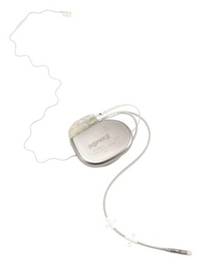
The components of the device are a stimulation lead placed around the distal hypoglossal nerve, a pulse generator implanted subcutaneously below the clavicle in the upper chest, and a respiration sensing lead inserted between the fourth and fifth ribs – implanted under general anesthesia, with three surgical incisions. External components include patient and physician programmers. Stimulation of the hypoglossal nerve during the inspiration phase of respiration "results in a forward movement of the base of the tongue, which in turn prevents airway collapse," according to the manufacturer, Inspire Medical Systems.
Panelists had concerns about some safety issues and how the device would be used in practice. But overall, they were enthusiastic about the potential for the device and agreed that the pivotal study, the STAR (Stimulation Therapy for Apnea Reduction) trial, was well done, and had "compelling" results.
The data provided "fairly strong evidence that this is a reasonably safe and effective treatment," said panelist Dr. Andrew Ries, director of the pulmonary rehabilitation program and professor of medicine and family preventive medicine at the University of California, San Diego. There are unanswered questions about how it will be used in the real world, "but it appears to be an important innovative technique," he added.
Panelist Dr. Henry Klar Yaggi of the department of pulmonary, critical care, and sleep medicine, Yale University, New Haven, Conn., said that the patients in the study represent "an underserved population of patients who have an opportunity to benefit" from this therapy.

STAR, a prospective single-arm study, evaluated the device in 126 mostly male, white patients, whose mean age was about 55 years, and who had moderate to severe OSA and had either failed or were intolerant of CPAP. Patients with a BMI greater than 32 kg/m2 were excluded. Only two patients did not complete the study and were considered nonresponders. The apnea-hypopnea index (AHI), the number of apnea or hypopnea events per hour, and the oxygen desaturation index (ODI), the number of times per hour of sleep that blood oxygen levels dropped by at least 4 percentage points from baseline, were the two main outcome measures.
The median AHI score dropped from 29.3 events per hour at baseline to 9 events per hour at 12 months, a 68% reduction that was highly statistically significant (15 or higher indicates moderate to severe apnea). Median ODI scores dropped from 25.4 events per hour at baseline to 7.4 events per hour at 12 months, a 70% reduction that was also highly statistically significant. All five secondary efficacy endpoints – including improvements in a daytime sleepiness scale and the percentage of sleep time with an oxygen saturation level below 90% – were also statistically significant (N. Engl. J. Med. 2014;370:139-49).
The rate of serious adverse events related to the procedure was under 2% (two cases where the neurostimulator had to be repositioned). Nonserious device-related adverse events included 35 cases of tongue weakness in 23 patients; most (27) resolved with no interventions. The three deaths were not considered to be related to the device. Other adverse events included stimulation-related discomfort (99 events in 59 patients) and tongue abrasions or irritation (38 events in 30 patients).
Issues raised by FDA reviewers included the multiple titrations many patients needed to achieve a therapeutic effect of stimulation or to address stimulation-related discomfort, and the possibility that patients might skip CPAP in favor of this device. But the panel agreed that when the multiple amount of titrations needed was considered, the data showed a durable effect for a period of time that they thought was clinically meaningful, and that it would be an advantage to be able to titrate the stimulation.
Although 97% of the patients in the study were white and no black patients were enrolled, none of the panelists thought that there was any reason to expect the device would not be effective in other racial and ethnic groups. The company should include more diverse populations in postmarketing studies, the panel said.
The company has proposed a postmarketing study and is developing a training program for surgeons, sleep physicians, and support staff, including nurses.
The FDA usually follows the recommendations of its advisory panels. Advisory panel members have been cleared of potential conflicts related to the meeting topic. Occasionally, a panelist is given a waiver, but no waivers were given at this meeting.
SILVER SPRING, MD. – A surgically implanted upper airway stimulation device is a step closer to earning approval as a treatment for adults with refractory moderate to severe obstructive sleep apnea who have failed or cannot tolerate continuous positive airway pressure.
At a meeting on Feb. 20, the Food and Drug Administration’s Anesthesiology and Respiratory Therapy Devices Panel supported approval of the Inspire Upper Airway Stimulation System, voting 12 to 0, with one abstention, that the benefits of the device outweighed its risks as a treatment for adults with moderate to severe obstructive sleep apnea (OSA) who have failed or cannot tolerate continuous positive airway pressure (CPAP) "and who have absence of complete concentric collapse at the level of the soft palate," the indication under FDA review.
The components of the device are a stimulation lead placed around the distal hypoglossal nerve, a pulse generator implanted subcutaneously below the clavicle in the upper chest, and a respiration sensing lead inserted between the fourth and fifth ribs – implanted under general anesthesia, with three surgical incisions. External components include patient and physician programmers. Stimulation of the hypoglossal nerve during the inspiration phase of respiration "results in a forward movement of the base of the tongue, which in turn prevents airway collapse," according to the manufacturer, Inspire Medical Systems.
Panelists had concerns about some safety issues and how the device would be used in practice. But overall, they were enthusiastic about the potential for the device and agreed that the pivotal study, the STAR (Stimulation Therapy for Apnea Reduction) trial, was well done, and had "compelling" results.
The data provided "fairly strong evidence that this is a reasonably safe and effective treatment," said panelist Dr. Andrew Ries, director of the pulmonary rehabilitation program and professor of medicine and family preventive medicine at the University of California, San Diego. There are unanswered questions about how it will be used in the real world, "but it appears to be an important innovative technique," he added.
Panelist Dr. Henry Klar Yaggi of the department of pulmonary, critical care, and sleep medicine, Yale University, New Haven, Conn., said that the patients in the study represent "an underserved population of patients who have an opportunity to benefit" from this therapy.
STAR, a prospective single-arm study, evaluated the device in 126 mostly male, white patients, whose mean age was about 55 years, and who had moderate to severe OSA and had either failed or were intolerant of CPAP. Patients with a BMI greater than 32 kg/m2 were excluded. Only two patients did not complete the study and were considered nonresponders. The apnea-hypopnea index (AHI), the number of apnea or hypopnea events per hour, and the oxygen desaturation index (ODI), the number of times per hour of sleep that blood oxygen levels dropped by at least 4 percentage points from baseline, were the two main outcome measures.
The median AHI score dropped from 29.3 events per hour at baseline to 9 events per hour at 12 months, a 68% reduction that was highly statistically significant (15 or higher indicates moderate to severe apnea). Median ODI scores dropped from 25.4 events per hour at baseline to 7.4 events per hour at 12 months, a 70% reduction that was also highly statistically significant. All five secondary efficacy endpoints – including improvements in a daytime sleepiness scale and the percentage of sleep time with an oxygen saturation level below 90% – were also statistically significant (N. Engl. J. Med. 2014;370:139-49).
The rate of serious adverse events related to the procedure was under 2% (two cases where the neurostimulator had to be repositioned). Nonserious device-related adverse events included 35 cases of tongue weakness in 23 patients; most (27) resolved with no interventions. The three deaths were not considered to be related to the device. Other adverse events included stimulation-related discomfort (99 events in 59 patients) and tongue abrasions or irritation (38 events in 30 patients).
Issues raised by FDA reviewers included the multiple titrations many patients needed to achieve a therapeutic effect of stimulation or to address stimulation-related discomfort, and the possibility that patients might skip CPAP in favor of this device. But the panel agreed that when the multiple amount of titrations needed was considered, the data showed a durable effect for a period of time that they thought was clinically meaningful, and that it would be an advantage to be able to titrate the stimulation.
Although 97% of the patients in the study were white and no black patients were enrolled, none of the panelists thought that there was any reason to expect the device would not be effective in other racial and ethnic groups. The company should include more diverse populations in postmarketing studies, the panel said.
The company has proposed a postmarketing study and is developing a training program for surgeons, sleep physicians, and support staff, including nurses.
The FDA usually follows the recommendations of its advisory panels. Advisory panel members have been cleared of potential conflicts related to the meeting topic. Occasionally, a panelist is given a waiver, but no waivers were given at this meeting.
SILVER SPRING, MD. – A surgically implanted upper airway stimulation device is a step closer to earning approval as a treatment for adults with refractory moderate to severe obstructive sleep apnea who have failed or cannot tolerate continuous positive airway pressure.
At a meeting on Feb. 20, the Food and Drug Administration’s Anesthesiology and Respiratory Therapy Devices Panel supported approval of the Inspire Upper Airway Stimulation System, voting 12 to 0, with one abstention, that the benefits of the device outweighed its risks as a treatment for adults with moderate to severe obstructive sleep apnea (OSA) who have failed or cannot tolerate continuous positive airway pressure (CPAP) "and who have absence of complete concentric collapse at the level of the soft palate," the indication under FDA review.
The components of the device are a stimulation lead placed around the distal hypoglossal nerve, a pulse generator implanted subcutaneously below the clavicle in the upper chest, and a respiration sensing lead inserted between the fourth and fifth ribs – implanted under general anesthesia, with three surgical incisions. External components include patient and physician programmers. Stimulation of the hypoglossal nerve during the inspiration phase of respiration "results in a forward movement of the base of the tongue, which in turn prevents airway collapse," according to the manufacturer, Inspire Medical Systems.
Panelists had concerns about some safety issues and how the device would be used in practice. But overall, they were enthusiastic about the potential for the device and agreed that the pivotal study, the STAR (Stimulation Therapy for Apnea Reduction) trial, was well done, and had "compelling" results.
The data provided "fairly strong evidence that this is a reasonably safe and effective treatment," said panelist Dr. Andrew Ries, director of the pulmonary rehabilitation program and professor of medicine and family preventive medicine at the University of California, San Diego. There are unanswered questions about how it will be used in the real world, "but it appears to be an important innovative technique," he added.
Panelist Dr. Henry Klar Yaggi of the department of pulmonary, critical care, and sleep medicine, Yale University, New Haven, Conn., said that the patients in the study represent "an underserved population of patients who have an opportunity to benefit" from this therapy.
STAR, a prospective single-arm study, evaluated the device in 126 mostly male, white patients, whose mean age was about 55 years, and who had moderate to severe OSA and had either failed or were intolerant of CPAP. Patients with a BMI greater than 32 kg/m2 were excluded. Only two patients did not complete the study and were considered nonresponders. The apnea-hypopnea index (AHI), the number of apnea or hypopnea events per hour, and the oxygen desaturation index (ODI), the number of times per hour of sleep that blood oxygen levels dropped by at least 4 percentage points from baseline, were the two main outcome measures.
The median AHI score dropped from 29.3 events per hour at baseline to 9 events per hour at 12 months, a 68% reduction that was highly statistically significant (15 or higher indicates moderate to severe apnea). Median ODI scores dropped from 25.4 events per hour at baseline to 7.4 events per hour at 12 months, a 70% reduction that was also highly statistically significant. All five secondary efficacy endpoints – including improvements in a daytime sleepiness scale and the percentage of sleep time with an oxygen saturation level below 90% – were also statistically significant (N. Engl. J. Med. 2014;370:139-49).
The rate of serious adverse events related to the procedure was under 2% (two cases where the neurostimulator had to be repositioned). Nonserious device-related adverse events included 35 cases of tongue weakness in 23 patients; most (27) resolved with no interventions. The three deaths were not considered to be related to the device. Other adverse events included stimulation-related discomfort (99 events in 59 patients) and tongue abrasions or irritation (38 events in 30 patients).
Issues raised by FDA reviewers included the multiple titrations many patients needed to achieve a therapeutic effect of stimulation or to address stimulation-related discomfort, and the possibility that patients might skip CPAP in favor of this device. But the panel agreed that when the multiple amount of titrations needed was considered, the data showed a durable effect for a period of time that they thought was clinically meaningful, and that it would be an advantage to be able to titrate the stimulation.
Although 97% of the patients in the study were white and no black patients were enrolled, none of the panelists thought that there was any reason to expect the device would not be effective in other racial and ethnic groups. The company should include more diverse populations in postmarketing studies, the panel said.
The company has proposed a postmarketing study and is developing a training program for surgeons, sleep physicians, and support staff, including nurses.
The FDA usually follows the recommendations of its advisory panels. Advisory panel members have been cleared of potential conflicts related to the meeting topic. Occasionally, a panelist is given a waiver, but no waivers were given at this meeting.
AT AN FDA ADVISORY COMMITTEE MEETING

VIDEO: Tips for treating acne in breastfeeding women
WAIKOLOA, HAWAII – Acne treatment during pregnancy gets lots of attention, but no one talks about acne treatment for breastfeeding women, according to Dr. Hilary Baldwin.
She spoke with us in a video interview at the Hawaii Dermatology Seminar about how breastfeeding women can safely treat their acne.
WAIKOLOA, HAWAII – Acne treatment during pregnancy gets lots of attention, but no one talks about acne treatment for breastfeeding women, according to Dr. Hilary Baldwin.
She spoke with us in a video interview at the Hawaii Dermatology Seminar about how breastfeeding women can safely treat their acne.
WAIKOLOA, HAWAII – Acne treatment during pregnancy gets lots of attention, but no one talks about acne treatment for breastfeeding women, according to Dr. Hilary Baldwin.
She spoke with us in a video interview at the Hawaii Dermatology Seminar about how breastfeeding women can safely treat their acne.
ANALYSIS FROM SDEF HAWAII DERMATOLOGY SEMINAR

CDC: Younger adults least likely to be vaccinated and most likely to be hard hit by flu
So far, the 2013-2014 influenza season has been hardest on young and middle-age adults, with 61% of flu hospitalizations occurring in the 18- to 64-year-old age group, the Centers for Disease Control and Prevention reported in this week’s Morbidity and Mortality Weekly Report. This is a drastic jump from the previous season, when this age group accounted for only 35% of hospitalizations.
The report also found that the young adult population has accounted for an increased number of influenza-related deaths than in previous years, with adults aged 25-64 years of age accounting for 60% of flu deaths this season, compared with just 18%, 30%, and 47% for the previous three seasons, respectively (MMWR 2014; 63;137-42).

"Influenza can make anyone really sick, really fast, and it can kill," Dr. Thomas R. Frieden, director of the Centers for Disease Control and Prevention, said in a teleconference. "Vaccination is the single most important thing you can do to protect yourself."
The CDC conducted an interim analysis of flu vaccine effectiveness in 2,319 children and adults enrolled in the U.S. Influenza Vaccine Effectiveness (Flu VE) Network from Dec. 2, 2013 to Jan. 23, 2014. Early estimates from the report found that vaccination reduced the risk of illness by about 60% across all age groups.
Younger and middle-age adults are the least likely to be vaccinated, according to the report. Early estimates indicate that as of mid-November, just 34% of 18-64 year-olds had received this season’s influenza vaccine, compared with 41% of children aged 6 months to 17 years and 62% of adults aged 65 years or older.
Though vaccination should be the first line of defense, Dr. Frieden emphasized the importance of treating patients who present with flulike symptoms with antiviral medication immediately, rather than waiting on test results. This is especially important in patients with underlying medical conditions such as lung disease, asthma, diabetes, or obesity that increase their risk for complications, he said.

The most prevalent flu strain in the 2013-2014 season has been H1N1, which emerged as a pandemic in the United States in 2009. H1N1 has continued to circulate since the 2009-2010 season, but this is the first time it has returned as the dominant strain.
Because the predominant influenza strain can vary from season to season, CDC recommends annual flu shots for everyone aged 6 months or older, said Dr. Anne Schuchat, assistant surgeon general for the United States Public Health Service and director of the National Center for Immunization and Respiratory Diseases.
Dr. Schuchat said she hoped the greater access of the vaccine outside of medical offices would encourage more young adults to get the vaccine.
"Vaccinations are not just a doctor thing," she said. "They’re now available at workplaces, pharmacies, and grocery stores, which make it easier to get vaccinated."
She also added that the current flu season has not yet ended and could extend as far as May. "The season is not over," she said. "If you haven’t been vaccinated yet, it’s not too late to benefit."
Final results for flu vaccine effectiveness are expected to be released later this year.
So far, the 2013-2014 influenza season has been hardest on young and middle-age adults, with 61% of flu hospitalizations occurring in the 18- to 64-year-old age group, the Centers for Disease Control and Prevention reported in this week’s Morbidity and Mortality Weekly Report. This is a drastic jump from the previous season, when this age group accounted for only 35% of hospitalizations.
The report also found that the young adult population has accounted for an increased number of influenza-related deaths than in previous years, with adults aged 25-64 years of age accounting for 60% of flu deaths this season, compared with just 18%, 30%, and 47% for the previous three seasons, respectively (MMWR 2014; 63;137-42).
"Influenza can make anyone really sick, really fast, and it can kill," Dr. Thomas R. Frieden, director of the Centers for Disease Control and Prevention, said in a teleconference. "Vaccination is the single most important thing you can do to protect yourself."
The CDC conducted an interim analysis of flu vaccine effectiveness in 2,319 children and adults enrolled in the U.S. Influenza Vaccine Effectiveness (Flu VE) Network from Dec. 2, 2013 to Jan. 23, 2014. Early estimates from the report found that vaccination reduced the risk of illness by about 60% across all age groups.
Younger and middle-age adults are the least likely to be vaccinated, according to the report. Early estimates indicate that as of mid-November, just 34% of 18-64 year-olds had received this season’s influenza vaccine, compared with 41% of children aged 6 months to 17 years and 62% of adults aged 65 years or older.
Though vaccination should be the first line of defense, Dr. Frieden emphasized the importance of treating patients who present with flulike symptoms with antiviral medication immediately, rather than waiting on test results. This is especially important in patients with underlying medical conditions such as lung disease, asthma, diabetes, or obesity that increase their risk for complications, he said.
The most prevalent flu strain in the 2013-2014 season has been H1N1, which emerged as a pandemic in the United States in 2009. H1N1 has continued to circulate since the 2009-2010 season, but this is the first time it has returned as the dominant strain.
Because the predominant influenza strain can vary from season to season, CDC recommends annual flu shots for everyone aged 6 months or older, said Dr. Anne Schuchat, assistant surgeon general for the United States Public Health Service and director of the National Center for Immunization and Respiratory Diseases.
Dr. Schuchat said she hoped the greater access of the vaccine outside of medical offices would encourage more young adults to get the vaccine.
"Vaccinations are not just a doctor thing," she said. "They’re now available at workplaces, pharmacies, and grocery stores, which make it easier to get vaccinated."
She also added that the current flu season has not yet ended and could extend as far as May. "The season is not over," she said. "If you haven’t been vaccinated yet, it’s not too late to benefit."
Final results for flu vaccine effectiveness are expected to be released later this year.
So far, the 2013-2014 influenza season has been hardest on young and middle-age adults, with 61% of flu hospitalizations occurring in the 18- to 64-year-old age group, the Centers for Disease Control and Prevention reported in this week’s Morbidity and Mortality Weekly Report. This is a drastic jump from the previous season, when this age group accounted for only 35% of hospitalizations.
The report also found that the young adult population has accounted for an increased number of influenza-related deaths than in previous years, with adults aged 25-64 years of age accounting for 60% of flu deaths this season, compared with just 18%, 30%, and 47% for the previous three seasons, respectively (MMWR 2014; 63;137-42).
"Influenza can make anyone really sick, really fast, and it can kill," Dr. Thomas R. Frieden, director of the Centers for Disease Control and Prevention, said in a teleconference. "Vaccination is the single most important thing you can do to protect yourself."
The CDC conducted an interim analysis of flu vaccine effectiveness in 2,319 children and adults enrolled in the U.S. Influenza Vaccine Effectiveness (Flu VE) Network from Dec. 2, 2013 to Jan. 23, 2014. Early estimates from the report found that vaccination reduced the risk of illness by about 60% across all age groups.
Younger and middle-age adults are the least likely to be vaccinated, according to the report. Early estimates indicate that as of mid-November, just 34% of 18-64 year-olds had received this season’s influenza vaccine, compared with 41% of children aged 6 months to 17 years and 62% of adults aged 65 years or older.
Though vaccination should be the first line of defense, Dr. Frieden emphasized the importance of treating patients who present with flulike symptoms with antiviral medication immediately, rather than waiting on test results. This is especially important in patients with underlying medical conditions such as lung disease, asthma, diabetes, or obesity that increase their risk for complications, he said.
The most prevalent flu strain in the 2013-2014 season has been H1N1, which emerged as a pandemic in the United States in 2009. H1N1 has continued to circulate since the 2009-2010 season, but this is the first time it has returned as the dominant strain.
Because the predominant influenza strain can vary from season to season, CDC recommends annual flu shots for everyone aged 6 months or older, said Dr. Anne Schuchat, assistant surgeon general for the United States Public Health Service and director of the National Center for Immunization and Respiratory Diseases.
Dr. Schuchat said she hoped the greater access of the vaccine outside of medical offices would encourage more young adults to get the vaccine.
"Vaccinations are not just a doctor thing," she said. "They’re now available at workplaces, pharmacies, and grocery stores, which make it easier to get vaccinated."
She also added that the current flu season has not yet ended and could extend as far as May. "The season is not over," she said. "If you haven’t been vaccinated yet, it’s not too late to benefit."
Final results for flu vaccine effectiveness are expected to be released later this year.
FROM MORBIDITY AND MORTALITY WEEKLY REPORT
Major finding: Influenza vaccine reduced the risk of having to go to the doctor for flu-related illness by an estimated 61% across all ages.
Data source: An interim analysis of flu vaccine effectiveness in 2,319 children and adults enrolled in the U.S. Influenza Vaccine Effectiveness (Flu VE) Network from Dec. 2, 2013 to Jan. 23, 2014.
Disclosures: The authors did not report any disclosures.

Antibiotic plus glucocorticoid eardrops for tube otorrhea
Among Dutch children with tympanostomy tubes who developed acute otorrhea, eardrops containing an antibiotic and glucocorticoid were more effective than oral antibiotics and much more effective than observation only at clearing the otorrhea in an open-label clinical trial, investigators reported online Feb. 19 in the New England Journal of Medicine.
In addition, the median duration of that episode of otorrhea was shorter, the median number of days with otorrhea during the next 6 months was much lower, and the median number of recurrences of otorrhea during the next 6 months was smaller with the eardrops. Disease-specific and health-related quality of life scores also "consistently favored eardrops," reported Dr. Thijs M.A. van Dongen of the epidemiology department, Julius Center for Health Sciences and Primary Care, University of Utrecht (the Netherlands) Medical Center, and his associates.
The findings suggest that observation only "may not be an adequate management strategy in such children," they noted.
The eardrops used in this study (Bacicoline-B, manufactured by Daleco Pharma) contain hydrocortisone, bacitracin, and colistin, and are active against most bacteria that cause acute tympanostomy-tube otorrhea, such as Streptococcus pneumoniae, Haemophilus influenzae, Moraxella catarrhalis, Staphylococcus aureus, and Pseudomonas aeruginosa. But the eardrops "are not routinely available outside the Netherlands and France."
Although there is no evidence yet to support this opinion, "we believe that any combination of antibiotic-glucocorticoid eardrops with similar antimicrobial activity, such as ciprofloxacin and dexamethasone, would be likely to have similar results," Dr. van Dongen and his colleagues wrote.
The researchers compared the three management strategies during a 3-year period in 230 children aged 1-10 years who were referred to the trial by ear, nose, and throat surgeons and family physicians. The mean age of the participants was 4.5 years, and the median duration of otorrhea before entry into the study was 3 days.
The children were randomly assigned to receive either five eardrops three times per day for 1 week in the discharging ear or ears (76 patients), oral amoxicillin-clavulanate suspension divided into three daily doses for 1 week (77 patients), or observation only for 2 weeks (77 patients). The children in group 2 received the dose recommended in the Netherlands and other countries in Europe, where resistance rates are low: 30 mg of amoxicillin and 7.5 mg of clavulanate per kilogram per day.
The first follow-up visit was scheduled at 2 weeks, with a final follow-up for complications and ear-related symptoms at 6 months.
The primary outcome measure – treatment failure, defined as the presence of otorrhea in one or both ears at 2 weeks – occurred in 5% of the eardrop group, 44% of the oral antibiotic group, and 55% of the observation-only group, the investigators said (N. Engl. J. Med. 2014;370:723-33).
The median duration of the index episode of otorrhea was 4 days for children who received eardrops, 5 days for those who received oral antibiotics, and 12 days for those assigned to observation only.
The median number of days with otorrhea during follow-up was 5 days for the eardrop group, 13.5 days for the oral antibiotic group, and 18 days for the observation-only group. Children treated with eardrops had no recurrences of otorrhea during follow-up; children in the other two groups had a median of 1 recurrence each within that 6-month period.
Scores on measures of disease-specific health-related quality of life improved slightly but significantly in the eardrop group, compared with the other study groups.
No serious complications of otitis media occurred, such as local cellulitis, perichondritis, mastoiditis, or intracranial abnormalities. Eighteen children who received oral antibiotics (23% of that group) developed gastrointestinal symptoms, and 3 (4%) developed rash.
The investigators noted that when designing this trial, they assumed that an absolute reduction of 20 percentage points in the incidence of otorrhea at 2 weeks would be necessary to show that one of the management strategies was superior to the others in a clinically relevant way. In the event, the reduction in risk was actually twice as large, "showing the importance of our findings for clinical practice," they said.
Dr. van Dongen and his associates added, "We believe our findings are applicable to children with uncomplicated acute tympanostomy-tube otorrhea presenting in either primary or secondary care."
This study was supported by the Netherlands Organization for Health Research and Development. Dr. van Dongen reported no financial conflicts of interest; one of his associates reported receiving grants from GlaxoSmithKline.
Among Dutch children with tympanostomy tubes who developed acute otorrhea, eardrops containing an antibiotic and glucocorticoid were more effective than oral antibiotics and much more effective than observation only at clearing the otorrhea in an open-label clinical trial, investigators reported online Feb. 19 in the New England Journal of Medicine.
In addition, the median duration of that episode of otorrhea was shorter, the median number of days with otorrhea during the next 6 months was much lower, and the median number of recurrences of otorrhea during the next 6 months was smaller with the eardrops. Disease-specific and health-related quality of life scores also "consistently favored eardrops," reported Dr. Thijs M.A. van Dongen of the epidemiology department, Julius Center for Health Sciences and Primary Care, University of Utrecht (the Netherlands) Medical Center, and his associates.
The findings suggest that observation only "may not be an adequate management strategy in such children," they noted.
The eardrops used in this study (Bacicoline-B, manufactured by Daleco Pharma) contain hydrocortisone, bacitracin, and colistin, and are active against most bacteria that cause acute tympanostomy-tube otorrhea, such as Streptococcus pneumoniae, Haemophilus influenzae, Moraxella catarrhalis, Staphylococcus aureus, and Pseudomonas aeruginosa. But the eardrops "are not routinely available outside the Netherlands and France."
Although there is no evidence yet to support this opinion, "we believe that any combination of antibiotic-glucocorticoid eardrops with similar antimicrobial activity, such as ciprofloxacin and dexamethasone, would be likely to have similar results," Dr. van Dongen and his colleagues wrote.
The researchers compared the three management strategies during a 3-year period in 230 children aged 1-10 years who were referred to the trial by ear, nose, and throat surgeons and family physicians. The mean age of the participants was 4.5 years, and the median duration of otorrhea before entry into the study was 3 days.
The children were randomly assigned to receive either five eardrops three times per day for 1 week in the discharging ear or ears (76 patients), oral amoxicillin-clavulanate suspension divided into three daily doses for 1 week (77 patients), or observation only for 2 weeks (77 patients). The children in group 2 received the dose recommended in the Netherlands and other countries in Europe, where resistance rates are low: 30 mg of amoxicillin and 7.5 mg of clavulanate per kilogram per day.
The first follow-up visit was scheduled at 2 weeks, with a final follow-up for complications and ear-related symptoms at 6 months.
The primary outcome measure – treatment failure, defined as the presence of otorrhea in one or both ears at 2 weeks – occurred in 5% of the eardrop group, 44% of the oral antibiotic group, and 55% of the observation-only group, the investigators said (N. Engl. J. Med. 2014;370:723-33).
The median duration of the index episode of otorrhea was 4 days for children who received eardrops, 5 days for those who received oral antibiotics, and 12 days for those assigned to observation only.
The median number of days with otorrhea during follow-up was 5 days for the eardrop group, 13.5 days for the oral antibiotic group, and 18 days for the observation-only group. Children treated with eardrops had no recurrences of otorrhea during follow-up; children in the other two groups had a median of 1 recurrence each within that 6-month period.
Scores on measures of disease-specific health-related quality of life improved slightly but significantly in the eardrop group, compared with the other study groups.
No serious complications of otitis media occurred, such as local cellulitis, perichondritis, mastoiditis, or intracranial abnormalities. Eighteen children who received oral antibiotics (23% of that group) developed gastrointestinal symptoms, and 3 (4%) developed rash.
The investigators noted that when designing this trial, they assumed that an absolute reduction of 20 percentage points in the incidence of otorrhea at 2 weeks would be necessary to show that one of the management strategies was superior to the others in a clinically relevant way. In the event, the reduction in risk was actually twice as large, "showing the importance of our findings for clinical practice," they said.
Dr. van Dongen and his associates added, "We believe our findings are applicable to children with uncomplicated acute tympanostomy-tube otorrhea presenting in either primary or secondary care."
This study was supported by the Netherlands Organization for Health Research and Development. Dr. van Dongen reported no financial conflicts of interest; one of his associates reported receiving grants from GlaxoSmithKline.
Among Dutch children with tympanostomy tubes who developed acute otorrhea, eardrops containing an antibiotic and glucocorticoid were more effective than oral antibiotics and much more effective than observation only at clearing the otorrhea in an open-label clinical trial, investigators reported online Feb. 19 in the New England Journal of Medicine.
In addition, the median duration of that episode of otorrhea was shorter, the median number of days with otorrhea during the next 6 months was much lower, and the median number of recurrences of otorrhea during the next 6 months was smaller with the eardrops. Disease-specific and health-related quality of life scores also "consistently favored eardrops," reported Dr. Thijs M.A. van Dongen of the epidemiology department, Julius Center for Health Sciences and Primary Care, University of Utrecht (the Netherlands) Medical Center, and his associates.
The findings suggest that observation only "may not be an adequate management strategy in such children," they noted.
The eardrops used in this study (Bacicoline-B, manufactured by Daleco Pharma) contain hydrocortisone, bacitracin, and colistin, and are active against most bacteria that cause acute tympanostomy-tube otorrhea, such as Streptococcus pneumoniae, Haemophilus influenzae, Moraxella catarrhalis, Staphylococcus aureus, and Pseudomonas aeruginosa. But the eardrops "are not routinely available outside the Netherlands and France."
Although there is no evidence yet to support this opinion, "we believe that any combination of antibiotic-glucocorticoid eardrops with similar antimicrobial activity, such as ciprofloxacin and dexamethasone, would be likely to have similar results," Dr. van Dongen and his colleagues wrote.
The researchers compared the three management strategies during a 3-year period in 230 children aged 1-10 years who were referred to the trial by ear, nose, and throat surgeons and family physicians. The mean age of the participants was 4.5 years, and the median duration of otorrhea before entry into the study was 3 days.
The children were randomly assigned to receive either five eardrops three times per day for 1 week in the discharging ear or ears (76 patients), oral amoxicillin-clavulanate suspension divided into three daily doses for 1 week (77 patients), or observation only for 2 weeks (77 patients). The children in group 2 received the dose recommended in the Netherlands and other countries in Europe, where resistance rates are low: 30 mg of amoxicillin and 7.5 mg of clavulanate per kilogram per day.
The first follow-up visit was scheduled at 2 weeks, with a final follow-up for complications and ear-related symptoms at 6 months.
The primary outcome measure – treatment failure, defined as the presence of otorrhea in one or both ears at 2 weeks – occurred in 5% of the eardrop group, 44% of the oral antibiotic group, and 55% of the observation-only group, the investigators said (N. Engl. J. Med. 2014;370:723-33).
The median duration of the index episode of otorrhea was 4 days for children who received eardrops, 5 days for those who received oral antibiotics, and 12 days for those assigned to observation only.
The median number of days with otorrhea during follow-up was 5 days for the eardrop group, 13.5 days for the oral antibiotic group, and 18 days for the observation-only group. Children treated with eardrops had no recurrences of otorrhea during follow-up; children in the other two groups had a median of 1 recurrence each within that 6-month period.
Scores on measures of disease-specific health-related quality of life improved slightly but significantly in the eardrop group, compared with the other study groups.
No serious complications of otitis media occurred, such as local cellulitis, perichondritis, mastoiditis, or intracranial abnormalities. Eighteen children who received oral antibiotics (23% of that group) developed gastrointestinal symptoms, and 3 (4%) developed rash.
The investigators noted that when designing this trial, they assumed that an absolute reduction of 20 percentage points in the incidence of otorrhea at 2 weeks would be necessary to show that one of the management strategies was superior to the others in a clinically relevant way. In the event, the reduction in risk was actually twice as large, "showing the importance of our findings for clinical practice," they said.
Dr. van Dongen and his associates added, "We believe our findings are applicable to children with uncomplicated acute tympanostomy-tube otorrhea presenting in either primary or secondary care."
This study was supported by the Netherlands Organization for Health Research and Development. Dr. van Dongen reported no financial conflicts of interest; one of his associates reported receiving grants from GlaxoSmithKline.
FROM THE NEW ENGLAND JOURNAL OF MEDICINE
Major finding: The primary outcome measure – treatment failure, defined as the presence of otorrhea in one or both ears at 2 weeks – occurred in 5% of children treated with antibiotic plus glucocorticoid eardrops, compared with 44% of children treated with oral amoxicillin-clavulanate and 55% of children assigned to observation only.
Data source: An open-label randomized clinical trial involving 230 Dutch children who had tympanostomy tubes and developed acute otorrhea.
Disclosures: This study was supported by the Netherlands Organization for Health Research and Development. Dr. van Dongen reported no financial conflicts of interest; one of his associates reported receiving grants from GlaxoSmithKline.
Registry data reveal risk factors for lung retransplantation
ORLANDO – Age and increased lung allocation score are among factors associated with risk of lung retransplantation, according to an analysis of data from the United Network for Organ Sharing.
Of 24,194 consecutive patients who underwent lung transplantation between 1987 and 2012 and who were included in the nationwide registry, 941 (3.9%) underwent retransplantation. Age over 40 years, increased lung allocation score, increased percentage decline in forced ventilatory capacity (FVC), and readmission to the intensive care unit each were associated with retransplantation (odds ratios, 2.26, 0.98, 0.99, and 2.27, respectively), Dr. J. Awori Hayanga reported at the annual meeting of the Society of Thoracic Surgeons.
The current findings could allow for better prediction of graft failure and the need for retransplantation, and could help guide immunosuppression protocols and donor selection, he said. This is important, because although the overall volume of retransplantation remains less than 5%, the number of such procedures is steadily increasing, with up to 100 now performed each year.

"Following the introduction of the lung allocation score, the waiting time decreased, and the volume, perhaps predictably, increased by almost 60% with this increased emphasis on clinical acuity. The relative paucity of donors nevertheless engenders a considerable amount of scrutiny," Dr. Hayanga said. "Contention exists between the utilitarian view, where allocation prioritizes recipients in most need, versus the egalitarian view that seeks to provide equal opportunity to all those in need," he explained.
While this ethical argument is "tempered somewhat by steadily improving outcomes," retransplantations still remain inferior to primary transplantations, carrying a 30% overall increased risk of death. Prior to this study, the risk factors for retransplantation were poorly characterized in the literature.
The study also showed that donor factors associated with retransplantation included smoking history and body mass index less than 18.5 kg/m2 (OR, 1.47 and 1.68, respectively). One transplant-related factor – increased graft ischemic time – was also associated with retransplantation (OR, 0.91), said Dr. Hayanga of the University of Pittsburgh.
Lung transplantation is a well-established therapeutic option for end-stage lung disease, but long-term outcomes are largely determined by chronic allograft failure – a diagnosis which constitutes "the most justifiable, evidence-driven indication for retransplantation," he said. Survival among patients who undergo retransplantation for this indication have nearly equivalent survival to those with a first transplant, he noted.
Conversely, "there are multiple observations in the literature of the dismal outcomes observed following retransplantation for primary graft failure and airway complications," he noted.
"We seek now to build and validate a risk scoring model to help predict the risk for chronic graft failures and for retransplantation, to enrich the dialogue, to improve immunosuppressive and selection protocols, and ultimately to provide evidence-based prognostic data," he said.
This study was funded by the Ruben J. Williams Foundation. Dr. Hayanga reported having no other disclosures.
ORLANDO – Age and increased lung allocation score are among factors associated with risk of lung retransplantation, according to an analysis of data from the United Network for Organ Sharing.
Of 24,194 consecutive patients who underwent lung transplantation between 1987 and 2012 and who were included in the nationwide registry, 941 (3.9%) underwent retransplantation. Age over 40 years, increased lung allocation score, increased percentage decline in forced ventilatory capacity (FVC), and readmission to the intensive care unit each were associated with retransplantation (odds ratios, 2.26, 0.98, 0.99, and 2.27, respectively), Dr. J. Awori Hayanga reported at the annual meeting of the Society of Thoracic Surgeons.
The current findings could allow for better prediction of graft failure and the need for retransplantation, and could help guide immunosuppression protocols and donor selection, he said. This is important, because although the overall volume of retransplantation remains less than 5%, the number of such procedures is steadily increasing, with up to 100 now performed each year.
"Following the introduction of the lung allocation score, the waiting time decreased, and the volume, perhaps predictably, increased by almost 60% with this increased emphasis on clinical acuity. The relative paucity of donors nevertheless engenders a considerable amount of scrutiny," Dr. Hayanga said. "Contention exists between the utilitarian view, where allocation prioritizes recipients in most need, versus the egalitarian view that seeks to provide equal opportunity to all those in need," he explained.
While this ethical argument is "tempered somewhat by steadily improving outcomes," retransplantations still remain inferior to primary transplantations, carrying a 30% overall increased risk of death. Prior to this study, the risk factors for retransplantation were poorly characterized in the literature.
The study also showed that donor factors associated with retransplantation included smoking history and body mass index less than 18.5 kg/m2 (OR, 1.47 and 1.68, respectively). One transplant-related factor – increased graft ischemic time – was also associated with retransplantation (OR, 0.91), said Dr. Hayanga of the University of Pittsburgh.
Lung transplantation is a well-established therapeutic option for end-stage lung disease, but long-term outcomes are largely determined by chronic allograft failure – a diagnosis which constitutes "the most justifiable, evidence-driven indication for retransplantation," he said. Survival among patients who undergo retransplantation for this indication have nearly equivalent survival to those with a first transplant, he noted.
Conversely, "there are multiple observations in the literature of the dismal outcomes observed following retransplantation for primary graft failure and airway complications," he noted.
"We seek now to build and validate a risk scoring model to help predict the risk for chronic graft failures and for retransplantation, to enrich the dialogue, to improve immunosuppressive and selection protocols, and ultimately to provide evidence-based prognostic data," he said.
This study was funded by the Ruben J. Williams Foundation. Dr. Hayanga reported having no other disclosures.
ORLANDO – Age and increased lung allocation score are among factors associated with risk of lung retransplantation, according to an analysis of data from the United Network for Organ Sharing.
Of 24,194 consecutive patients who underwent lung transplantation between 1987 and 2012 and who were included in the nationwide registry, 941 (3.9%) underwent retransplantation. Age over 40 years, increased lung allocation score, increased percentage decline in forced ventilatory capacity (FVC), and readmission to the intensive care unit each were associated with retransplantation (odds ratios, 2.26, 0.98, 0.99, and 2.27, respectively), Dr. J. Awori Hayanga reported at the annual meeting of the Society of Thoracic Surgeons.
The current findings could allow for better prediction of graft failure and the need for retransplantation, and could help guide immunosuppression protocols and donor selection, he said. This is important, because although the overall volume of retransplantation remains less than 5%, the number of such procedures is steadily increasing, with up to 100 now performed each year.
"Following the introduction of the lung allocation score, the waiting time decreased, and the volume, perhaps predictably, increased by almost 60% with this increased emphasis on clinical acuity. The relative paucity of donors nevertheless engenders a considerable amount of scrutiny," Dr. Hayanga said. "Contention exists between the utilitarian view, where allocation prioritizes recipients in most need, versus the egalitarian view that seeks to provide equal opportunity to all those in need," he explained.
While this ethical argument is "tempered somewhat by steadily improving outcomes," retransplantations still remain inferior to primary transplantations, carrying a 30% overall increased risk of death. Prior to this study, the risk factors for retransplantation were poorly characterized in the literature.
The study also showed that donor factors associated with retransplantation included smoking history and body mass index less than 18.5 kg/m2 (OR, 1.47 and 1.68, respectively). One transplant-related factor – increased graft ischemic time – was also associated with retransplantation (OR, 0.91), said Dr. Hayanga of the University of Pittsburgh.
Lung transplantation is a well-established therapeutic option for end-stage lung disease, but long-term outcomes are largely determined by chronic allograft failure – a diagnosis which constitutes "the most justifiable, evidence-driven indication for retransplantation," he said. Survival among patients who undergo retransplantation for this indication have nearly equivalent survival to those with a first transplant, he noted.
Conversely, "there are multiple observations in the literature of the dismal outcomes observed following retransplantation for primary graft failure and airway complications," he noted.
"We seek now to build and validate a risk scoring model to help predict the risk for chronic graft failures and for retransplantation, to enrich the dialogue, to improve immunosuppressive and selection protocols, and ultimately to provide evidence-based prognostic data," he said.
This study was funded by the Ruben J. Williams Foundation. Dr. Hayanga reported having no other disclosures.
AT THE STS ANNUAL MEETING
Major finding: Factors associated with retransplantation were age over 40, increased lung allocation score, increased percentage decline in forced ventilatory capacity, and ICU readmission (odds ratios, 2.26, 0.98, 0.99, and 2.27, respectively).
Data source: An analysis of data from 24,194 participants in the United Network for Organ Sharing registry.
Disclosures: This study was funded by the Ruben J. Williams Foundation. Dr. Hayanga reported having no other disclosures.

Preoperative organ dysfunction worsens SAVR outcomes
SNOWMASS, COLO. – The presence of preoperative dysfunction in more than any one of four key organ systems profoundly reduces survival in patients undergoing surgical aortic valve replacement, a study showed.
"If you have two or more dysfunctional organ systems, you really need to think about what you’re doing for this patient. At 5 years, only about 40% of these patients are alive. It makes a lot of sense to me to say that if you have a patient with severe COPD [chronic obstructive pulmonary disease] and renal dysfunction, that patient should probably never get a surgical valve," Dr. Vinod H. Thourani said at the Annual Cardiovascular Conference at Snowmass.

In a retrospective analysis of a registry with prospectively entered data, 29% of 1,759 patients who underwent surgical aortic valve replacement (SAVR) with or without coronary artery bypass grafting at Emory University during 2002-2010 had preoperative dysfunction of one or more of four organ systems under scrutiny. Eighty-five patients had severe COPD, as defined by a forced expiratory volume in 1 second (FEV1) that was less than 50% of predicted, 140 had chronic renal failure, 149 had a prior stroke, and 241 had heart failure with a left ventricular ejection less than 35%.
Patients with chronic renal failure had far and away the worst 30-day and long-term outcomes. Half were dead within 3 years. The 7-year survival rate was just 11.7%.
The second-worst outcomes were seen in patients with severe COPD preoperatively. Their 7-year survival rate was 30.8%.
"Anyone with an FEV1 below about 40% becomes a higher-risk surgical candidate; think instead of TAVR [transcatheter aortic valve replacement],"advised Dr. Thourani of the division of cardiothoracic surgery at Emory University, Atlanta.
In contrast, outcomes in patients with either heart failure or prior stroke "were not that bad," he said, pointing to 7-year survival rates of 55.9% and 48.6%, respectively.
Ninety-five patients (5.4%) in this recently published study (Ann. Thorac. Surg. 2013;95:838-45) had more than one dysfunctional organ system prior to SAVR. Median survival in patients without dysfunction in any of the four organ systems was 8.2 years and counting. With one dysfunctional organ, it was still good at 7.2 years. However, with two dysfunctional organ systems, the median survival dropped precipitously to 4.1 years. With three dysfunctional organ systems, it was 5.9 years.
Dr. Thourini serves as a consultant to Edwards Lifesciences, Sorin, and St. Jude Medical.
SNOWMASS, COLO. – The presence of preoperative dysfunction in more than any one of four key organ systems profoundly reduces survival in patients undergoing surgical aortic valve replacement, a study showed.
"If you have two or more dysfunctional organ systems, you really need to think about what you’re doing for this patient. At 5 years, only about 40% of these patients are alive. It makes a lot of sense to me to say that if you have a patient with severe COPD [chronic obstructive pulmonary disease] and renal dysfunction, that patient should probably never get a surgical valve," Dr. Vinod H. Thourani said at the Annual Cardiovascular Conference at Snowmass.
In a retrospective analysis of a registry with prospectively entered data, 29% of 1,759 patients who underwent surgical aortic valve replacement (SAVR) with or without coronary artery bypass grafting at Emory University during 2002-2010 had preoperative dysfunction of one or more of four organ systems under scrutiny. Eighty-five patients had severe COPD, as defined by a forced expiratory volume in 1 second (FEV1) that was less than 50% of predicted, 140 had chronic renal failure, 149 had a prior stroke, and 241 had heart failure with a left ventricular ejection less than 35%.
Patients with chronic renal failure had far and away the worst 30-day and long-term outcomes. Half were dead within 3 years. The 7-year survival rate was just 11.7%.
The second-worst outcomes were seen in patients with severe COPD preoperatively. Their 7-year survival rate was 30.8%.
"Anyone with an FEV1 below about 40% becomes a higher-risk surgical candidate; think instead of TAVR [transcatheter aortic valve replacement],"advised Dr. Thourani of the division of cardiothoracic surgery at Emory University, Atlanta.
In contrast, outcomes in patients with either heart failure or prior stroke "were not that bad," he said, pointing to 7-year survival rates of 55.9% and 48.6%, respectively.
Ninety-five patients (5.4%) in this recently published study (Ann. Thorac. Surg. 2013;95:838-45) had more than one dysfunctional organ system prior to SAVR. Median survival in patients without dysfunction in any of the four organ systems was 8.2 years and counting. With one dysfunctional organ, it was still good at 7.2 years. However, with two dysfunctional organ systems, the median survival dropped precipitously to 4.1 years. With three dysfunctional organ systems, it was 5.9 years.
Dr. Thourini serves as a consultant to Edwards Lifesciences, Sorin, and St. Jude Medical.
SNOWMASS, COLO. – The presence of preoperative dysfunction in more than any one of four key organ systems profoundly reduces survival in patients undergoing surgical aortic valve replacement, a study showed.
"If you have two or more dysfunctional organ systems, you really need to think about what you’re doing for this patient. At 5 years, only about 40% of these patients are alive. It makes a lot of sense to me to say that if you have a patient with severe COPD [chronic obstructive pulmonary disease] and renal dysfunction, that patient should probably never get a surgical valve," Dr. Vinod H. Thourani said at the Annual Cardiovascular Conference at Snowmass.
In a retrospective analysis of a registry with prospectively entered data, 29% of 1,759 patients who underwent surgical aortic valve replacement (SAVR) with or without coronary artery bypass grafting at Emory University during 2002-2010 had preoperative dysfunction of one or more of four organ systems under scrutiny. Eighty-five patients had severe COPD, as defined by a forced expiratory volume in 1 second (FEV1) that was less than 50% of predicted, 140 had chronic renal failure, 149 had a prior stroke, and 241 had heart failure with a left ventricular ejection less than 35%.
Patients with chronic renal failure had far and away the worst 30-day and long-term outcomes. Half were dead within 3 years. The 7-year survival rate was just 11.7%.
The second-worst outcomes were seen in patients with severe COPD preoperatively. Their 7-year survival rate was 30.8%.
"Anyone with an FEV1 below about 40% becomes a higher-risk surgical candidate; think instead of TAVR [transcatheter aortic valve replacement],"advised Dr. Thourani of the division of cardiothoracic surgery at Emory University, Atlanta.
In contrast, outcomes in patients with either heart failure or prior stroke "were not that bad," he said, pointing to 7-year survival rates of 55.9% and 48.6%, respectively.
Ninety-five patients (5.4%) in this recently published study (Ann. Thorac. Surg. 2013;95:838-45) had more than one dysfunctional organ system prior to SAVR. Median survival in patients without dysfunction in any of the four organ systems was 8.2 years and counting. With one dysfunctional organ, it was still good at 7.2 years. However, with two dysfunctional organ systems, the median survival dropped precipitously to 4.1 years. With three dysfunctional organ systems, it was 5.9 years.
Dr. Thourini serves as a consultant to Edwards Lifesciences, Sorin, and St. Jude Medical.
EXPERT ANALYSIS FROM THE CARDIOVASCULAR CONFERENCE AT SNOWMASS

CVS takes health care seriously
CVS Pharmacy, the nation’s second largest pharmacy and 13th largest company in the world, threw down the gauntlet today to other pharmacy chains and vowed to stop selling tobacco products by Oct. 1, 2014.
As a retail pharmacy division of CVS Caremark, CVS Pharmacy is a drug store chain, a pharmacy benefit manager, and a leading retail health care provider. They have the "MinuteClinic" retail health clinics and can provide assistance with blood pressure and blood sugar management. In this sense, eliminating the sale of cigarettes is akin to removing cigarettes from the gift shops of hospitals and medical clinics. The major difference is that hospitals and clinics carried cigarettes as convenience items; for a company such as CVS Pharmacy, tobacco provided more than $1.5 billion in annual sales.

This is no small gamble. But it’s one that will hopefully pay off.
First of all, it’s the right thing to do in the interest of public health; 480,000 Americans still die of tobacco-related diseases annually. Second, the media attention and accolades received from President Obama, the American Medical Association, the Robert Wood Johnson Foundation, and the Campaign for Tobacco-Free Kids will, however short lived, bring recognition to the brand. CVS Pharmacy will now be identified as being concerned not only about patients who fill their prescriptions there, but also about the health and well-being of the communities in which the pharmacies operate. If another pharmacy chain follows suit, great, but CVS was first.
This attention will also garner attention to the other health care services that the retail chain provides, and it will increase the likelihood that hospitals, clinics, and ACOs will partner with the company.
Retail pharmacies will undoubtedly be a significant player in the delivery of health care, and medical organizations should be partnering with these companies. Unlike large medical institutions, which may be slow to action, a company like CVS could be more nimble and able to implement models of care in many of its more than 7,600 stores.
This could have a true population impact – arguably, more of an impact than training more physicians to provide care using traditional models. CVS’s announcement demonstrates that they are a willing and able partner in improving public health and engaging in health care delivery.
Dr. Ebbert is a professor of medicine at the Mayo Clinic, Rochester, Minn. He disclosed having financial relationships with Pfizer and GlaxoSmithKline, manufacturers of tobacco-dependence treatments.
CVS Pharmacy, the nation’s second largest pharmacy and 13th largest company in the world, threw down the gauntlet today to other pharmacy chains and vowed to stop selling tobacco products by Oct. 1, 2014.
As a retail pharmacy division of CVS Caremark, CVS Pharmacy is a drug store chain, a pharmacy benefit manager, and a leading retail health care provider. They have the "MinuteClinic" retail health clinics and can provide assistance with blood pressure and blood sugar management. In this sense, eliminating the sale of cigarettes is akin to removing cigarettes from the gift shops of hospitals and medical clinics. The major difference is that hospitals and clinics carried cigarettes as convenience items; for a company such as CVS Pharmacy, tobacco provided more than $1.5 billion in annual sales.
This is no small gamble. But it’s one that will hopefully pay off.
First of all, it’s the right thing to do in the interest of public health; 480,000 Americans still die of tobacco-related diseases annually. Second, the media attention and accolades received from President Obama, the American Medical Association, the Robert Wood Johnson Foundation, and the Campaign for Tobacco-Free Kids will, however short lived, bring recognition to the brand. CVS Pharmacy will now be identified as being concerned not only about patients who fill their prescriptions there, but also about the health and well-being of the communities in which the pharmacies operate. If another pharmacy chain follows suit, great, but CVS was first.
This attention will also garner attention to the other health care services that the retail chain provides, and it will increase the likelihood that hospitals, clinics, and ACOs will partner with the company.
Retail pharmacies will undoubtedly be a significant player in the delivery of health care, and medical organizations should be partnering with these companies. Unlike large medical institutions, which may be slow to action, a company like CVS could be more nimble and able to implement models of care in many of its more than 7,600 stores.
This could have a true population impact – arguably, more of an impact than training more physicians to provide care using traditional models. CVS’s announcement demonstrates that they are a willing and able partner in improving public health and engaging in health care delivery.
Dr. Ebbert is a professor of medicine at the Mayo Clinic, Rochester, Minn. He disclosed having financial relationships with Pfizer and GlaxoSmithKline, manufacturers of tobacco-dependence treatments.
CVS Pharmacy, the nation’s second largest pharmacy and 13th largest company in the world, threw down the gauntlet today to other pharmacy chains and vowed to stop selling tobacco products by Oct. 1, 2014.
As a retail pharmacy division of CVS Caremark, CVS Pharmacy is a drug store chain, a pharmacy benefit manager, and a leading retail health care provider. They have the "MinuteClinic" retail health clinics and can provide assistance with blood pressure and blood sugar management. In this sense, eliminating the sale of cigarettes is akin to removing cigarettes from the gift shops of hospitals and medical clinics. The major difference is that hospitals and clinics carried cigarettes as convenience items; for a company such as CVS Pharmacy, tobacco provided more than $1.5 billion in annual sales.
This is no small gamble. But it’s one that will hopefully pay off.
First of all, it’s the right thing to do in the interest of public health; 480,000 Americans still die of tobacco-related diseases annually. Second, the media attention and accolades received from President Obama, the American Medical Association, the Robert Wood Johnson Foundation, and the Campaign for Tobacco-Free Kids will, however short lived, bring recognition to the brand. CVS Pharmacy will now be identified as being concerned not only about patients who fill their prescriptions there, but also about the health and well-being of the communities in which the pharmacies operate. If another pharmacy chain follows suit, great, but CVS was first.
This attention will also garner attention to the other health care services that the retail chain provides, and it will increase the likelihood that hospitals, clinics, and ACOs will partner with the company.
Retail pharmacies will undoubtedly be a significant player in the delivery of health care, and medical organizations should be partnering with these companies. Unlike large medical institutions, which may be slow to action, a company like CVS could be more nimble and able to implement models of care in many of its more than 7,600 stores.
This could have a true population impact – arguably, more of an impact than training more physicians to provide care using traditional models. CVS’s announcement demonstrates that they are a willing and able partner in improving public health and engaging in health care delivery.
Dr. Ebbert is a professor of medicine at the Mayo Clinic, Rochester, Minn. He disclosed having financial relationships with Pfizer and GlaxoSmithKline, manufacturers of tobacco-dependence treatments.