User login
Blast Phase Chronic Myelogenous Leukemia
Chronic myelogenous leukemia (CML) is caused by the constitutively active BCR-ABL fusion protein that results from t(9;22), the Philadelphia (Ph+) chromosome. Chronic myelogenous leukemia typically evolves through 3 clinical phases: an indolent chronic phase, an accelerated phase, and a terminal blast phase analogous to acute myeloid leukemia (AML) or acute lymphoblastic leukemia (ALL). Fortunately, today more than 80% of patients are diagnosed in the chronic phase of the disease.1
Before the development of the tyrosine kinase inhibitor (TKI) imatinib, > 20% of the patients with chronic phase CML progressed to the blast phase every year.2 Based on data from 8 years of follow-up with imatinib therapy, the rate of progression to the advanced phases of CML is about 1% per year, with freedom from progression at 92%.3 For the majority of patients with chronic phase CML, due to advances in treatment, the disease does not affect mortality.
For those who progress to the terminal blast phase of CML, survival is typically measured in months unless allogeneic stem cell transplant (allo-SCT) is an option. This article will review one of the major remaining problems in CML: how to manage blast phase CML.
Definition and Diagnosis
Defining blast phase CML can be confusing, because different criteria have been proposed, none of which are biologically based. The most widely used definition is set forth by the European LeukemiaNet, recommending 30% blasts in the blood or bone marrow or the presence of extramedullary disease.1 Clinically, blast phase CML may present with constitutional symptoms, bone pain, or symptoms related to cytopenias (fatigue, dyspnea, bleeding, infections).
Diagnostic workup should include a complete blood cell count (CBC) with differential, bone marrow analysis with conventional cytogenetics, flow cytometry to determine whether the blast phase is of myeloid or lymphoid origin, and molecular mutational analysis of the BCR-ABL tyrosine kinase domain to help guide the choice of TKI. If age and performance status are favorable, a donor search for allo-SCT should be started promptly.
Chronic myelogenous leukemia cells that contain the BCR-ABL kinase protein are genetically unstable.4,5 Additional cytogenetic aberrations (ACAs) are seen in up to 80% of those with blast phase CML and are the most consistent predictor of blast transformation in those with chronic phase CML.6 Chromosomal changes are broken down into the nonrandom, “major route” ACAs (trisomy 8, additional Ph+ chromosome, isochromosome 17q, trisomy 19), considered likely to be involved in the evolution of CML, and the more random “minor route” ACAs, which may denote nothing more than the instability of the genome.5,7 Mutations of the BCR-ABL tyrosine kinase domain are also seen in the majority of those in blast phase CML and, depending on the specific mutation, can negatively predict the response to certain TKI therapies.4
Prognosis
The single most important prognostic indicator for patients with CML remains the length of response to initial BCR-ABL–specific TKI therapy. Only a very small minority of patients are refractory to TKIs from the beginning; these are the patients with the worst prognosis.8 If the response to treatment seems inadequate, then the health care professional should first verify with the patient that he or she is taking the medicine as prescribed.1 Lack of adherence continues to be the most common reason for less-than-ideal outcomes or fluctuations in response and plays a critical role in treatment with TKI therapy, with worse outcomes when < 90% of doses are taken.9
Other features associated with a poor prognosis include cytogenetic clonal evolution, > 50% blasts, and/or extramedullary disease.7,10,11 At the time of imatinib failure, detection of mutations of the BCR-ABL tyrosine kinase domain correlates to worse 4-year event-free survival.12 Showing the instability of the genome in CML, patients who harbor mutations of the BCR-ABL domain have a higher likelihood of relapse associated with further mutations and, therefore, potentially further TKI resistance.13 Once CML has progressed to the blast phase, life expectancy is, on average, less than a year.11
Treatment Strategy
Currently, the most effective treatment strategy in blast phase CML is to prevent the transformation from chronic phase from ever occurring. Management of blast phase CML depends on 2 factors: (1) previous therapies; and (2) type of blast phase—myeloid or lymphoid. The goal of treatment is to knock the disease back to a clinical remission and/or a chronic phase for a long enough period to get the patient to allo-SCT if age, performance status, and suitable donor allow for it.
Using single-agent imatinib for blast phase CML has been tried in patients who have never been on TKI therapy before. Hematologic responses were seen in the majority of patients, but any form of cytogenetic response was seen in fewer than 20% of patients. Median overall survival, although better than with previous conventional chemotherapies, was still measured in months.6 A patient with blast phase CML who has never been on BCR-ABL–specific TKIs is very rare now; at a minimum, the patient has usually tried at least 1 TKI previously.
If blast phase CML develops while a patient is taking imatinib, treatment with a second-generation TKIs—nilotinib or dasatinib— should be attempted if the BCR-ABL tyrosine kinase domain analysis shows no resistant mutations.14 Both nilotinib and dasatinib have been tried as single agents in patients with imatinib-refractory CML or who are unable to tolerate imatinib.15,16 Cytogenetic response rates were 2 to 4 times higher for these agents than for imatinib when used in blast phase CML.
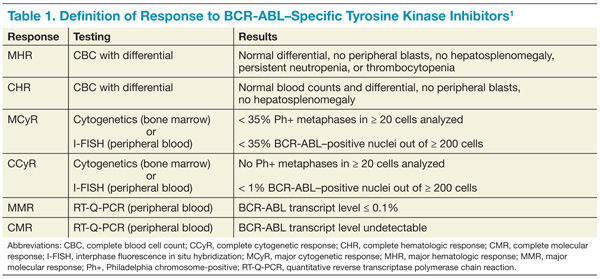
Table 1 reviews the common definitions of response, including cytogenetic response, to TKIs in CML. The pattern of response is usually very predictable: First, a hematologic response is seen, then a cytogenetic response, and finally, a hoped-for molecular response. Interestingly, in these studies, not all patients with blast phase CML who experienced a cytogenetic response had a hematologic response. This makes CBCs less reliable for assessing response and other peripheral blood tests, such as the interphase fluorescence in situ hybridization (I-FISH) test or the quantitative reverse transcriptase polymerase chain reaction (RT-Q-PCR) test, more important. Unfortunately, this improved cytogenetic response in blast phase CML did not translate to long-term survival advantage; median survival with these second- generation TKIs was still less than a year without transplant. If the T315I mutation is present, then clinical trials involving ponatinib or one of the newest non–FDA-approved TKIs should be considered.
Recent data involving ponatinib suggest similar response and survival rates to nilotinib and dasatinib, but this was in more heavily-pretreated CML patients who had resistance to, or unacceptable adverse effects from the second-generation TKIs or who had the BCR-ABL T315I mutation.17
In late 2013, ponatinib was voluntarily suspended from marketing and sales by its manufacturer due to a worrisome rate of serious arterial thromboembolic events reported in clinical trials and in postmarketing experience. However, the FDA reintroduced ponatinib in 2014 once additional safety measures were put in place, such as changes to the black box warning and review of the risk of arterial and venous thrombosis and occlusions.18
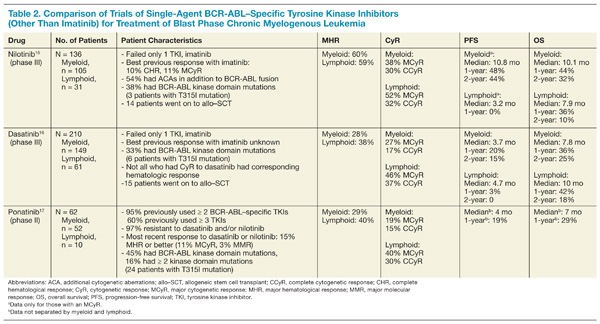
Table 2 compares the results between these newer TKIs in blast phase CML. If the patient can tolerate it, a combination of TKI with AML or ALL-type induction chemotherapy, preferably in a clinical trial setting, provides the best opportunity to return the patient to the chronic phase. If this is achieved, then allo-SCT represents the best chance for sustained remission or cure; allo-SCT was standard first-line therapy prior to the advent of BCR-ABL–specific TKIs. Tyrosine kinase inhibitor exposure prior to allo-SCT does not seem to affect transplantation outcomes.19 Allo-SCT while still in blast phase is discouraged because of its high risks with minimal benefit; disease-free survival rates are <10%.19 Although no scientific data support this, maintenance TKI posttransplantation seems logical, with monitoring of BCR-ABL transcript levels every 3 months.
Conclusion
With the advent of TKI therapy, the overall prognosis of CML has changed drastically. Unfortunately, the success seen with these novel agents in the chronic phase of CML has not translated into success in the blast phase of CML. Therefore, the best way to manage blast phase CML is to prevent this transformation from ever happening. The deeper and more rapid the cytogenetic and molecular response after TKI initiation, the better the long-term outcome for the patient.
If the patient progresses though TKI therapy, then combining a different TKI with a conventional induction chemotherapy regimen for acute leukemia should be tried; the goal is to achieve a remission that lasts long enough for the patient to be able to undergo allo-SCT. If the patient is not a candidate for allo-SCT, then the prognosis is extremely poor, and clinical trials with best supportive care should be considered.
Author disclosures
The authors report no actual or potential conflicts of interest with regard to this article.
Disclaimer
The opinions expressed herein are those of the authors and do not necessarily reflect those of Federal Practitioner, Frontline Medical Communications Inc., the U.S. Government, or any of its agencies. This article may discuss unlabeled or investigational use of certain drugs. Please review complete prescribing information for specific drugs or drug combinations—including indications, contraindications, warnings, and adverse effects—before administering pharmacologic therapy to patients.
1. Baccarani M, Pileri S, Steegmann JL, Muller M, Soverini S, Dreyling M; ESMO Guidelines Working Group. Chronic myeloid leukemia: ESMO Clinical Practice Guidelines for diagnosis, treatment and follow-up. Ann Oncol. 2012;23(7):vii72-vii77.
2. Sokal JE. Evaluation of survival data for chronic myelocytic leukemia. Am J Hematol. 1976;1(4):493-500.
3. Deininger M, O’Brien SG, Guilhot F, et al. International randomized study of interferon vs STI571 (IRIS) 8-year follow up: sustained survival and low risk for progression or events in patients with newly diagnosed chronic myeloid leukemia in chronic phase (CML-CP) treated with imatinib. Blood (ASH Annual Meeting Abstracts). 2009;114(22):abstract 1126.
4. Fabarius A, Leitner A, Hochhaus A, et al, Schweizerische Arbeitsgemeinschaft für Klinische Krebsforschung (SAKK) and the German CML Study Group. Impact of additional cytogenetic aberrations at diagnosis on prognosis of CML: long-term observation of 1151 patients from the randomized CML Study IV. Blood. 2011;118(26):6760-6768.
5. Johansson B, Fioretos T, Mitelman F. Cytogenetic and molecular genetic evolution of chronic myeloid leukemia. Acta Haematol. 2002;107(2):76-94.
6. Hehlmann R. How I treat CML blast crisis. Blood. 2012;120(4):737-747.
7. Jabbour EJ, Hughes TP, Cortes JE, Kantarjian HM, Hochhaus A. Potential mechanisms of disease progression and management of advanced-phase chronic myeloid leukemia [published online ahead of print November 12, 2013]. Leuk Lymphoma. doi:10.3109/10428194.2013.845883.
8. Jabbour E, Kantarjian H, O’Brien S, et al. The achievement of an early complete cytogenetic response is a major determinant for outcome in patients with early chronic phase chronic myeloid leukemia treated with tyrosine kinase inhibitors. Blood. 2011;118(17):4541-4546.
9. Marin D, Bazeos A, Mahon FX, et al. Adherence is the critical factor for achieving molecular responses in patients with chronic myeloid leukemia who achieve complete cytogenetic responses on imatinib. J Clin Oncol. 2010;28(14):2381-2388.
10. Cervantes F, Rozman M, Rosell J, Urbano-Ispizua A, Montserrat E, Rozman C. A study of prognostic factors in blast crisis of Philadelphia chromosome-positive chronic myelogenous leukemia. Br J Haematol. 1990;76(1):27-32.
11. Wadhwa J, Szydlo RM, Apperley JF, et al. Factors affecting duration of survival after onset of blastic transformation of chronic myeloid leukemia. Blood. 2002;99(7):2304-2309.
12. Quintas-Cardama A, Kantarjian H, O’Brien S, et al. Outcome of patients with chronic myeloid leukemia with multiple ABL1 kinase domain mutations receiving tyrosine kinase inhibitor therapy. Haematologica. 2011;96(6):918-921.
13. Soverini S, Gnani A, Colarossi S, et al. Philadelphia-positive patients who already harbor imatinib-resistant BCR-ABL kinase domain mutations have a higher likelihood of developing additional mutations associated with resistance to second- or third-line tyrosine kinase inhibitors. Blood. 2009;114(10):2168-2171.
14. Soverini S, Hochhaus A, Nicolini FE, et al. BCR-ABL kinase domain mutation analysis in chronic myeloid leukemia patients treated with tyrosine kinase inhibitors: recommendations from an expert panel on behalf of European LeukemiaNet. Blood. 2011;118(5):1208-1215.
15. Giles FJ, Kantarjian HM, le Coutre PD, et al. Nilotinib is effective in imatinib-resistant or -intolerant patients with chronic myeloid leukemia in blastic phase. Leukemia. 2012;26(5):959-962.
16. Saglio G, Hochhaus A, Goh YT, et al. Dasatinib in imatinib-resistant or imatinib-intolerant chronic myeloid leukemia in blast phase after 2 years of follow-up in a phase 3 study: efficacy and tolerability of 140 milligrams once daily and 70 milligrams twice daily. Cancer. 2010;116(16):3852-3861.
17. Cortes JE, Kim D-W, Pinilla-Ibarz J, et al; PACE Investigators. A phase 2 trial of ponatinib in Philadelphia chromosome-positive leukemias. N Engl J Med. 2013;369(19):1783-1796.
18. Food and Drug Administration. FDA Drug Safety Communication: FDA requires multiple new safety measures for leukemia drug Iclusig; company expected to resume marketing. U.S. Food and Drug Administration Website. http://www.fda.gov/drugs/drugsafety/ucm379554.htm. Updated December 20, 2013. Accessed June 13, 2014.
19. Khoury HJ, Kukreja M, Goldman JM, et al. Prognostic factors for outcomes in allogeneic transplantation for CML in the imatinib era: a CIBMTR analysis. Bone Marrow Transplant. 2012;47(6):810-816.
Chronic myelogenous leukemia (CML) is caused by the constitutively active BCR-ABL fusion protein that results from t(9;22), the Philadelphia (Ph+) chromosome. Chronic myelogenous leukemia typically evolves through 3 clinical phases: an indolent chronic phase, an accelerated phase, and a terminal blast phase analogous to acute myeloid leukemia (AML) or acute lymphoblastic leukemia (ALL). Fortunately, today more than 80% of patients are diagnosed in the chronic phase of the disease.1
Before the development of the tyrosine kinase inhibitor (TKI) imatinib, > 20% of the patients with chronic phase CML progressed to the blast phase every year.2 Based on data from 8 years of follow-up with imatinib therapy, the rate of progression to the advanced phases of CML is about 1% per year, with freedom from progression at 92%.3 For the majority of patients with chronic phase CML, due to advances in treatment, the disease does not affect mortality.
For those who progress to the terminal blast phase of CML, survival is typically measured in months unless allogeneic stem cell transplant (allo-SCT) is an option. This article will review one of the major remaining problems in CML: how to manage blast phase CML.
Definition and Diagnosis
Defining blast phase CML can be confusing, because different criteria have been proposed, none of which are biologically based. The most widely used definition is set forth by the European LeukemiaNet, recommending 30% blasts in the blood or bone marrow or the presence of extramedullary disease.1 Clinically, blast phase CML may present with constitutional symptoms, bone pain, or symptoms related to cytopenias (fatigue, dyspnea, bleeding, infections).
Diagnostic workup should include a complete blood cell count (CBC) with differential, bone marrow analysis with conventional cytogenetics, flow cytometry to determine whether the blast phase is of myeloid or lymphoid origin, and molecular mutational analysis of the BCR-ABL tyrosine kinase domain to help guide the choice of TKI. If age and performance status are favorable, a donor search for allo-SCT should be started promptly.
Chronic myelogenous leukemia cells that contain the BCR-ABL kinase protein are genetically unstable.4,5 Additional cytogenetic aberrations (ACAs) are seen in up to 80% of those with blast phase CML and are the most consistent predictor of blast transformation in those with chronic phase CML.6 Chromosomal changes are broken down into the nonrandom, “major route” ACAs (trisomy 8, additional Ph+ chromosome, isochromosome 17q, trisomy 19), considered likely to be involved in the evolution of CML, and the more random “minor route” ACAs, which may denote nothing more than the instability of the genome.5,7 Mutations of the BCR-ABL tyrosine kinase domain are also seen in the majority of those in blast phase CML and, depending on the specific mutation, can negatively predict the response to certain TKI therapies.4
Prognosis
The single most important prognostic indicator for patients with CML remains the length of response to initial BCR-ABL–specific TKI therapy. Only a very small minority of patients are refractory to TKIs from the beginning; these are the patients with the worst prognosis.8 If the response to treatment seems inadequate, then the health care professional should first verify with the patient that he or she is taking the medicine as prescribed.1 Lack of adherence continues to be the most common reason for less-than-ideal outcomes or fluctuations in response and plays a critical role in treatment with TKI therapy, with worse outcomes when < 90% of doses are taken.9
Other features associated with a poor prognosis include cytogenetic clonal evolution, > 50% blasts, and/or extramedullary disease.7,10,11 At the time of imatinib failure, detection of mutations of the BCR-ABL tyrosine kinase domain correlates to worse 4-year event-free survival.12 Showing the instability of the genome in CML, patients who harbor mutations of the BCR-ABL domain have a higher likelihood of relapse associated with further mutations and, therefore, potentially further TKI resistance.13 Once CML has progressed to the blast phase, life expectancy is, on average, less than a year.11
Treatment Strategy
Currently, the most effective treatment strategy in blast phase CML is to prevent the transformation from chronic phase from ever occurring. Management of blast phase CML depends on 2 factors: (1) previous therapies; and (2) type of blast phase—myeloid or lymphoid. The goal of treatment is to knock the disease back to a clinical remission and/or a chronic phase for a long enough period to get the patient to allo-SCT if age, performance status, and suitable donor allow for it.
Using single-agent imatinib for blast phase CML has been tried in patients who have never been on TKI therapy before. Hematologic responses were seen in the majority of patients, but any form of cytogenetic response was seen in fewer than 20% of patients. Median overall survival, although better than with previous conventional chemotherapies, was still measured in months.6 A patient with blast phase CML who has never been on BCR-ABL–specific TKIs is very rare now; at a minimum, the patient has usually tried at least 1 TKI previously.
If blast phase CML develops while a patient is taking imatinib, treatment with a second-generation TKIs—nilotinib or dasatinib— should be attempted if the BCR-ABL tyrosine kinase domain analysis shows no resistant mutations.14 Both nilotinib and dasatinib have been tried as single agents in patients with imatinib-refractory CML or who are unable to tolerate imatinib.15,16 Cytogenetic response rates were 2 to 4 times higher for these agents than for imatinib when used in blast phase CML.
Table 1 reviews the common definitions of response, including cytogenetic response, to TKIs in CML. The pattern of response is usually very predictable: First, a hematologic response is seen, then a cytogenetic response, and finally, a hoped-for molecular response. Interestingly, in these studies, not all patients with blast phase CML who experienced a cytogenetic response had a hematologic response. This makes CBCs less reliable for assessing response and other peripheral blood tests, such as the interphase fluorescence in situ hybridization (I-FISH) test or the quantitative reverse transcriptase polymerase chain reaction (RT-Q-PCR) test, more important. Unfortunately, this improved cytogenetic response in blast phase CML did not translate to long-term survival advantage; median survival with these second- generation TKIs was still less than a year without transplant. If the T315I mutation is present, then clinical trials involving ponatinib or one of the newest non–FDA-approved TKIs should be considered.
Recent data involving ponatinib suggest similar response and survival rates to nilotinib and dasatinib, but this was in more heavily-pretreated CML patients who had resistance to, or unacceptable adverse effects from the second-generation TKIs or who had the BCR-ABL T315I mutation.17
In late 2013, ponatinib was voluntarily suspended from marketing and sales by its manufacturer due to a worrisome rate of serious arterial thromboembolic events reported in clinical trials and in postmarketing experience. However, the FDA reintroduced ponatinib in 2014 once additional safety measures were put in place, such as changes to the black box warning and review of the risk of arterial and venous thrombosis and occlusions.18
Table 2 compares the results between these newer TKIs in blast phase CML. If the patient can tolerate it, a combination of TKI with AML or ALL-type induction chemotherapy, preferably in a clinical trial setting, provides the best opportunity to return the patient to the chronic phase. If this is achieved, then allo-SCT represents the best chance for sustained remission or cure; allo-SCT was standard first-line therapy prior to the advent of BCR-ABL–specific TKIs. Tyrosine kinase inhibitor exposure prior to allo-SCT does not seem to affect transplantation outcomes.19 Allo-SCT while still in blast phase is discouraged because of its high risks with minimal benefit; disease-free survival rates are <10%.19 Although no scientific data support this, maintenance TKI posttransplantation seems logical, with monitoring of BCR-ABL transcript levels every 3 months.
Conclusion
With the advent of TKI therapy, the overall prognosis of CML has changed drastically. Unfortunately, the success seen with these novel agents in the chronic phase of CML has not translated into success in the blast phase of CML. Therefore, the best way to manage blast phase CML is to prevent this transformation from ever happening. The deeper and more rapid the cytogenetic and molecular response after TKI initiation, the better the long-term outcome for the patient.
If the patient progresses though TKI therapy, then combining a different TKI with a conventional induction chemotherapy regimen for acute leukemia should be tried; the goal is to achieve a remission that lasts long enough for the patient to be able to undergo allo-SCT. If the patient is not a candidate for allo-SCT, then the prognosis is extremely poor, and clinical trials with best supportive care should be considered.
Author disclosures
The authors report no actual or potential conflicts of interest with regard to this article.
Disclaimer
The opinions expressed herein are those of the authors and do not necessarily reflect those of Federal Practitioner, Frontline Medical Communications Inc., the U.S. Government, or any of its agencies. This article may discuss unlabeled or investigational use of certain drugs. Please review complete prescribing information for specific drugs or drug combinations—including indications, contraindications, warnings, and adverse effects—before administering pharmacologic therapy to patients.
Chronic myelogenous leukemia (CML) is caused by the constitutively active BCR-ABL fusion protein that results from t(9;22), the Philadelphia (Ph+) chromosome. Chronic myelogenous leukemia typically evolves through 3 clinical phases: an indolent chronic phase, an accelerated phase, and a terminal blast phase analogous to acute myeloid leukemia (AML) or acute lymphoblastic leukemia (ALL). Fortunately, today more than 80% of patients are diagnosed in the chronic phase of the disease.1
Before the development of the tyrosine kinase inhibitor (TKI) imatinib, > 20% of the patients with chronic phase CML progressed to the blast phase every year.2 Based on data from 8 years of follow-up with imatinib therapy, the rate of progression to the advanced phases of CML is about 1% per year, with freedom from progression at 92%.3 For the majority of patients with chronic phase CML, due to advances in treatment, the disease does not affect mortality.
For those who progress to the terminal blast phase of CML, survival is typically measured in months unless allogeneic stem cell transplant (allo-SCT) is an option. This article will review one of the major remaining problems in CML: how to manage blast phase CML.
Definition and Diagnosis
Defining blast phase CML can be confusing, because different criteria have been proposed, none of which are biologically based. The most widely used definition is set forth by the European LeukemiaNet, recommending 30% blasts in the blood or bone marrow or the presence of extramedullary disease.1 Clinically, blast phase CML may present with constitutional symptoms, bone pain, or symptoms related to cytopenias (fatigue, dyspnea, bleeding, infections).
Diagnostic workup should include a complete blood cell count (CBC) with differential, bone marrow analysis with conventional cytogenetics, flow cytometry to determine whether the blast phase is of myeloid or lymphoid origin, and molecular mutational analysis of the BCR-ABL tyrosine kinase domain to help guide the choice of TKI. If age and performance status are favorable, a donor search for allo-SCT should be started promptly.
Chronic myelogenous leukemia cells that contain the BCR-ABL kinase protein are genetically unstable.4,5 Additional cytogenetic aberrations (ACAs) are seen in up to 80% of those with blast phase CML and are the most consistent predictor of blast transformation in those with chronic phase CML.6 Chromosomal changes are broken down into the nonrandom, “major route” ACAs (trisomy 8, additional Ph+ chromosome, isochromosome 17q, trisomy 19), considered likely to be involved in the evolution of CML, and the more random “minor route” ACAs, which may denote nothing more than the instability of the genome.5,7 Mutations of the BCR-ABL tyrosine kinase domain are also seen in the majority of those in blast phase CML and, depending on the specific mutation, can negatively predict the response to certain TKI therapies.4
Prognosis
The single most important prognostic indicator for patients with CML remains the length of response to initial BCR-ABL–specific TKI therapy. Only a very small minority of patients are refractory to TKIs from the beginning; these are the patients with the worst prognosis.8 If the response to treatment seems inadequate, then the health care professional should first verify with the patient that he or she is taking the medicine as prescribed.1 Lack of adherence continues to be the most common reason for less-than-ideal outcomes or fluctuations in response and plays a critical role in treatment with TKI therapy, with worse outcomes when < 90% of doses are taken.9
Other features associated with a poor prognosis include cytogenetic clonal evolution, > 50% blasts, and/or extramedullary disease.7,10,11 At the time of imatinib failure, detection of mutations of the BCR-ABL tyrosine kinase domain correlates to worse 4-year event-free survival.12 Showing the instability of the genome in CML, patients who harbor mutations of the BCR-ABL domain have a higher likelihood of relapse associated with further mutations and, therefore, potentially further TKI resistance.13 Once CML has progressed to the blast phase, life expectancy is, on average, less than a year.11
Treatment Strategy
Currently, the most effective treatment strategy in blast phase CML is to prevent the transformation from chronic phase from ever occurring. Management of blast phase CML depends on 2 factors: (1) previous therapies; and (2) type of blast phase—myeloid or lymphoid. The goal of treatment is to knock the disease back to a clinical remission and/or a chronic phase for a long enough period to get the patient to allo-SCT if age, performance status, and suitable donor allow for it.
Using single-agent imatinib for blast phase CML has been tried in patients who have never been on TKI therapy before. Hematologic responses were seen in the majority of patients, but any form of cytogenetic response was seen in fewer than 20% of patients. Median overall survival, although better than with previous conventional chemotherapies, was still measured in months.6 A patient with blast phase CML who has never been on BCR-ABL–specific TKIs is very rare now; at a minimum, the patient has usually tried at least 1 TKI previously.
If blast phase CML develops while a patient is taking imatinib, treatment with a second-generation TKIs—nilotinib or dasatinib— should be attempted if the BCR-ABL tyrosine kinase domain analysis shows no resistant mutations.14 Both nilotinib and dasatinib have been tried as single agents in patients with imatinib-refractory CML or who are unable to tolerate imatinib.15,16 Cytogenetic response rates were 2 to 4 times higher for these agents than for imatinib when used in blast phase CML.
Table 1 reviews the common definitions of response, including cytogenetic response, to TKIs in CML. The pattern of response is usually very predictable: First, a hematologic response is seen, then a cytogenetic response, and finally, a hoped-for molecular response. Interestingly, in these studies, not all patients with blast phase CML who experienced a cytogenetic response had a hematologic response. This makes CBCs less reliable for assessing response and other peripheral blood tests, such as the interphase fluorescence in situ hybridization (I-FISH) test or the quantitative reverse transcriptase polymerase chain reaction (RT-Q-PCR) test, more important. Unfortunately, this improved cytogenetic response in blast phase CML did not translate to long-term survival advantage; median survival with these second- generation TKIs was still less than a year without transplant. If the T315I mutation is present, then clinical trials involving ponatinib or one of the newest non–FDA-approved TKIs should be considered.
Recent data involving ponatinib suggest similar response and survival rates to nilotinib and dasatinib, but this was in more heavily-pretreated CML patients who had resistance to, or unacceptable adverse effects from the second-generation TKIs or who had the BCR-ABL T315I mutation.17
In late 2013, ponatinib was voluntarily suspended from marketing and sales by its manufacturer due to a worrisome rate of serious arterial thromboembolic events reported in clinical trials and in postmarketing experience. However, the FDA reintroduced ponatinib in 2014 once additional safety measures were put in place, such as changes to the black box warning and review of the risk of arterial and venous thrombosis and occlusions.18
Table 2 compares the results between these newer TKIs in blast phase CML. If the patient can tolerate it, a combination of TKI with AML or ALL-type induction chemotherapy, preferably in a clinical trial setting, provides the best opportunity to return the patient to the chronic phase. If this is achieved, then allo-SCT represents the best chance for sustained remission or cure; allo-SCT was standard first-line therapy prior to the advent of BCR-ABL–specific TKIs. Tyrosine kinase inhibitor exposure prior to allo-SCT does not seem to affect transplantation outcomes.19 Allo-SCT while still in blast phase is discouraged because of its high risks with minimal benefit; disease-free survival rates are <10%.19 Although no scientific data support this, maintenance TKI posttransplantation seems logical, with monitoring of BCR-ABL transcript levels every 3 months.
Conclusion
With the advent of TKI therapy, the overall prognosis of CML has changed drastically. Unfortunately, the success seen with these novel agents in the chronic phase of CML has not translated into success in the blast phase of CML. Therefore, the best way to manage blast phase CML is to prevent this transformation from ever happening. The deeper and more rapid the cytogenetic and molecular response after TKI initiation, the better the long-term outcome for the patient.
If the patient progresses though TKI therapy, then combining a different TKI with a conventional induction chemotherapy regimen for acute leukemia should be tried; the goal is to achieve a remission that lasts long enough for the patient to be able to undergo allo-SCT. If the patient is not a candidate for allo-SCT, then the prognosis is extremely poor, and clinical trials with best supportive care should be considered.
Author disclosures
The authors report no actual or potential conflicts of interest with regard to this article.
Disclaimer
The opinions expressed herein are those of the authors and do not necessarily reflect those of Federal Practitioner, Frontline Medical Communications Inc., the U.S. Government, or any of its agencies. This article may discuss unlabeled or investigational use of certain drugs. Please review complete prescribing information for specific drugs or drug combinations—including indications, contraindications, warnings, and adverse effects—before administering pharmacologic therapy to patients.
1. Baccarani M, Pileri S, Steegmann JL, Muller M, Soverini S, Dreyling M; ESMO Guidelines Working Group. Chronic myeloid leukemia: ESMO Clinical Practice Guidelines for diagnosis, treatment and follow-up. Ann Oncol. 2012;23(7):vii72-vii77.
2. Sokal JE. Evaluation of survival data for chronic myelocytic leukemia. Am J Hematol. 1976;1(4):493-500.
3. Deininger M, O’Brien SG, Guilhot F, et al. International randomized study of interferon vs STI571 (IRIS) 8-year follow up: sustained survival and low risk for progression or events in patients with newly diagnosed chronic myeloid leukemia in chronic phase (CML-CP) treated with imatinib. Blood (ASH Annual Meeting Abstracts). 2009;114(22):abstract 1126.
4. Fabarius A, Leitner A, Hochhaus A, et al, Schweizerische Arbeitsgemeinschaft für Klinische Krebsforschung (SAKK) and the German CML Study Group. Impact of additional cytogenetic aberrations at diagnosis on prognosis of CML: long-term observation of 1151 patients from the randomized CML Study IV. Blood. 2011;118(26):6760-6768.
5. Johansson B, Fioretos T, Mitelman F. Cytogenetic and molecular genetic evolution of chronic myeloid leukemia. Acta Haematol. 2002;107(2):76-94.
6. Hehlmann R. How I treat CML blast crisis. Blood. 2012;120(4):737-747.
7. Jabbour EJ, Hughes TP, Cortes JE, Kantarjian HM, Hochhaus A. Potential mechanisms of disease progression and management of advanced-phase chronic myeloid leukemia [published online ahead of print November 12, 2013]. Leuk Lymphoma. doi:10.3109/10428194.2013.845883.
8. Jabbour E, Kantarjian H, O’Brien S, et al. The achievement of an early complete cytogenetic response is a major determinant for outcome in patients with early chronic phase chronic myeloid leukemia treated with tyrosine kinase inhibitors. Blood. 2011;118(17):4541-4546.
9. Marin D, Bazeos A, Mahon FX, et al. Adherence is the critical factor for achieving molecular responses in patients with chronic myeloid leukemia who achieve complete cytogenetic responses on imatinib. J Clin Oncol. 2010;28(14):2381-2388.
10. Cervantes F, Rozman M, Rosell J, Urbano-Ispizua A, Montserrat E, Rozman C. A study of prognostic factors in blast crisis of Philadelphia chromosome-positive chronic myelogenous leukemia. Br J Haematol. 1990;76(1):27-32.
11. Wadhwa J, Szydlo RM, Apperley JF, et al. Factors affecting duration of survival after onset of blastic transformation of chronic myeloid leukemia. Blood. 2002;99(7):2304-2309.
12. Quintas-Cardama A, Kantarjian H, O’Brien S, et al. Outcome of patients with chronic myeloid leukemia with multiple ABL1 kinase domain mutations receiving tyrosine kinase inhibitor therapy. Haematologica. 2011;96(6):918-921.
13. Soverini S, Gnani A, Colarossi S, et al. Philadelphia-positive patients who already harbor imatinib-resistant BCR-ABL kinase domain mutations have a higher likelihood of developing additional mutations associated with resistance to second- or third-line tyrosine kinase inhibitors. Blood. 2009;114(10):2168-2171.
14. Soverini S, Hochhaus A, Nicolini FE, et al. BCR-ABL kinase domain mutation analysis in chronic myeloid leukemia patients treated with tyrosine kinase inhibitors: recommendations from an expert panel on behalf of European LeukemiaNet. Blood. 2011;118(5):1208-1215.
15. Giles FJ, Kantarjian HM, le Coutre PD, et al. Nilotinib is effective in imatinib-resistant or -intolerant patients with chronic myeloid leukemia in blastic phase. Leukemia. 2012;26(5):959-962.
16. Saglio G, Hochhaus A, Goh YT, et al. Dasatinib in imatinib-resistant or imatinib-intolerant chronic myeloid leukemia in blast phase after 2 years of follow-up in a phase 3 study: efficacy and tolerability of 140 milligrams once daily and 70 milligrams twice daily. Cancer. 2010;116(16):3852-3861.
17. Cortes JE, Kim D-W, Pinilla-Ibarz J, et al; PACE Investigators. A phase 2 trial of ponatinib in Philadelphia chromosome-positive leukemias. N Engl J Med. 2013;369(19):1783-1796.
18. Food and Drug Administration. FDA Drug Safety Communication: FDA requires multiple new safety measures for leukemia drug Iclusig; company expected to resume marketing. U.S. Food and Drug Administration Website. http://www.fda.gov/drugs/drugsafety/ucm379554.htm. Updated December 20, 2013. Accessed June 13, 2014.
19. Khoury HJ, Kukreja M, Goldman JM, et al. Prognostic factors for outcomes in allogeneic transplantation for CML in the imatinib era: a CIBMTR analysis. Bone Marrow Transplant. 2012;47(6):810-816.
1. Baccarani M, Pileri S, Steegmann JL, Muller M, Soverini S, Dreyling M; ESMO Guidelines Working Group. Chronic myeloid leukemia: ESMO Clinical Practice Guidelines for diagnosis, treatment and follow-up. Ann Oncol. 2012;23(7):vii72-vii77.
2. Sokal JE. Evaluation of survival data for chronic myelocytic leukemia. Am J Hematol. 1976;1(4):493-500.
3. Deininger M, O’Brien SG, Guilhot F, et al. International randomized study of interferon vs STI571 (IRIS) 8-year follow up: sustained survival and low risk for progression or events in patients with newly diagnosed chronic myeloid leukemia in chronic phase (CML-CP) treated with imatinib. Blood (ASH Annual Meeting Abstracts). 2009;114(22):abstract 1126.
4. Fabarius A, Leitner A, Hochhaus A, et al, Schweizerische Arbeitsgemeinschaft für Klinische Krebsforschung (SAKK) and the German CML Study Group. Impact of additional cytogenetic aberrations at diagnosis on prognosis of CML: long-term observation of 1151 patients from the randomized CML Study IV. Blood. 2011;118(26):6760-6768.
5. Johansson B, Fioretos T, Mitelman F. Cytogenetic and molecular genetic evolution of chronic myeloid leukemia. Acta Haematol. 2002;107(2):76-94.
6. Hehlmann R. How I treat CML blast crisis. Blood. 2012;120(4):737-747.
7. Jabbour EJ, Hughes TP, Cortes JE, Kantarjian HM, Hochhaus A. Potential mechanisms of disease progression and management of advanced-phase chronic myeloid leukemia [published online ahead of print November 12, 2013]. Leuk Lymphoma. doi:10.3109/10428194.2013.845883.
8. Jabbour E, Kantarjian H, O’Brien S, et al. The achievement of an early complete cytogenetic response is a major determinant for outcome in patients with early chronic phase chronic myeloid leukemia treated with tyrosine kinase inhibitors. Blood. 2011;118(17):4541-4546.
9. Marin D, Bazeos A, Mahon FX, et al. Adherence is the critical factor for achieving molecular responses in patients with chronic myeloid leukemia who achieve complete cytogenetic responses on imatinib. J Clin Oncol. 2010;28(14):2381-2388.
10. Cervantes F, Rozman M, Rosell J, Urbano-Ispizua A, Montserrat E, Rozman C. A study of prognostic factors in blast crisis of Philadelphia chromosome-positive chronic myelogenous leukemia. Br J Haematol. 1990;76(1):27-32.
11. Wadhwa J, Szydlo RM, Apperley JF, et al. Factors affecting duration of survival after onset of blastic transformation of chronic myeloid leukemia. Blood. 2002;99(7):2304-2309.
12. Quintas-Cardama A, Kantarjian H, O’Brien S, et al. Outcome of patients with chronic myeloid leukemia with multiple ABL1 kinase domain mutations receiving tyrosine kinase inhibitor therapy. Haematologica. 2011;96(6):918-921.
13. Soverini S, Gnani A, Colarossi S, et al. Philadelphia-positive patients who already harbor imatinib-resistant BCR-ABL kinase domain mutations have a higher likelihood of developing additional mutations associated with resistance to second- or third-line tyrosine kinase inhibitors. Blood. 2009;114(10):2168-2171.
14. Soverini S, Hochhaus A, Nicolini FE, et al. BCR-ABL kinase domain mutation analysis in chronic myeloid leukemia patients treated with tyrosine kinase inhibitors: recommendations from an expert panel on behalf of European LeukemiaNet. Blood. 2011;118(5):1208-1215.
15. Giles FJ, Kantarjian HM, le Coutre PD, et al. Nilotinib is effective in imatinib-resistant or -intolerant patients with chronic myeloid leukemia in blastic phase. Leukemia. 2012;26(5):959-962.
16. Saglio G, Hochhaus A, Goh YT, et al. Dasatinib in imatinib-resistant or imatinib-intolerant chronic myeloid leukemia in blast phase after 2 years of follow-up in a phase 3 study: efficacy and tolerability of 140 milligrams once daily and 70 milligrams twice daily. Cancer. 2010;116(16):3852-3861.
17. Cortes JE, Kim D-W, Pinilla-Ibarz J, et al; PACE Investigators. A phase 2 trial of ponatinib in Philadelphia chromosome-positive leukemias. N Engl J Med. 2013;369(19):1783-1796.
18. Food and Drug Administration. FDA Drug Safety Communication: FDA requires multiple new safety measures for leukemia drug Iclusig; company expected to resume marketing. U.S. Food and Drug Administration Website. http://www.fda.gov/drugs/drugsafety/ucm379554.htm. Updated December 20, 2013. Accessed June 13, 2014.
19. Khoury HJ, Kukreja M, Goldman JM, et al. Prognostic factors for outcomes in allogeneic transplantation for CML in the imatinib era: a CIBMTR analysis. Bone Marrow Transplant. 2012;47(6):810-816.
Study reveals potential targets for MYC-dependent cancers
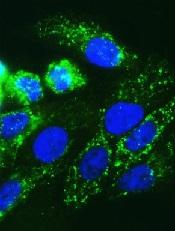
Credit: Juha Klefstrom
New research suggests the MYC protein drives cell growth by inhibiting a handful of genes involved in DNA packaging and cell death.
The study showed that MYC works through a microRNA to suppress the genes’ expression.
This marks the first time that a subset of MYC-controlled genes have been identified as critical players in the protein’s cancer-causing function, and it points to new therapeutic targets for MYC-dependent cancers.
“This is a different way of thinking about the roles of microRNA and chromatin packaging in cancer,” said Dean Felsher, MD, PhD, of the Stanford University School of Medicine in California.
“We were very surprised to learn that the overexpression of one microRNA can mimic the cancerous effect of MYC.”
Dr Felsher and his colleagues reported this discovery in Cancer Cell.
The team noted that MYC overexpression has been known to prompt an increase in the levels of a microRNA family called miR-17-92.
“People have known for several years that MYC regulates the expression of microRNAs,” Dr Felsher said. “But it wasn’t clear how this was related to MYC’s oncogenic function.”
To gain some insight, Dr Felsher and his colleagues analyzed MYC-dependent cancer cells in vitro and in vivo.
The cells in which miR-17-92 expression was locked in the “on” position kept dividing even when MYC expression was blocked. This suggested that MYC works through the microRNA family to exert its cancer-causing effects.
The researchers then looked for an overlap among genes affected by MYC overexpression and those affected by miR-17-92. There were about 401 genes whose expression was either increased or suppressed by both MYC and miR-17-92.
The team chose to focus on genes that were suppressed because these genes exhibited, on average, many more binding sites for the microRNAs. They further narrowed their panel down to 15 genes regulated by more than one miR-17-92 binding site.
Of these genes, 5 stood out. Four of them—Sin3b, Hbp1, Suv420h1, and Btg1—encode proteins known to regulate chromatin packaging.
These 4 proteins affect cell proliferation and senescence by regulating gene accessibility within the chromatin. They had never before been identified as MYC or miR-17-92 targets.
The fifth gene encodes the apoptotic protein Bim. Previous research suggested that Bim expression is affected by miR-17-92.
All 5 of the proteins are known to affect either cellular proliferation, entry into senescence, or apoptosis, in part by granting or prohibiting access to genes in tightly packaged stretches of DNA in the chromatin.
“MYC is still a general amplifier of gene transcription and expression,” Dr Felsher said. “But our study shows that the maintenance of the cancerous state relies on a more focused mechanism.”
Lastly, the researchers showed that suppressing the expression of the 5 target genes, effectively mimicking MYC overexpression, partially mitigates the effect of MYC deactivation.
Up to 30% of MYC-dependent cancer cells in culture continued to grow—compared to 11% of control cells—in the absence of MYC expression. And tumors in mice either failed to regress or recurred within a few weeks.
“One of the biggest unanswered questions in oncology is how oncogenes cause cancer, and whether you can replace an oncogene with another gene product,” Dr Felsher said.
“These experiments begin to reveal how MYC affects the self-renewal decisions of cells. They may also help us target those aspects of MYC overexpression that contribute to the cancer phenotype.” 
Credit: Juha Klefstrom
New research suggests the MYC protein drives cell growth by inhibiting a handful of genes involved in DNA packaging and cell death.
The study showed that MYC works through a microRNA to suppress the genes’ expression.
This marks the first time that a subset of MYC-controlled genes have been identified as critical players in the protein’s cancer-causing function, and it points to new therapeutic targets for MYC-dependent cancers.
“This is a different way of thinking about the roles of microRNA and chromatin packaging in cancer,” said Dean Felsher, MD, PhD, of the Stanford University School of Medicine in California.
“We were very surprised to learn that the overexpression of one microRNA can mimic the cancerous effect of MYC.”
Dr Felsher and his colleagues reported this discovery in Cancer Cell.
The team noted that MYC overexpression has been known to prompt an increase in the levels of a microRNA family called miR-17-92.
“People have known for several years that MYC regulates the expression of microRNAs,” Dr Felsher said. “But it wasn’t clear how this was related to MYC’s oncogenic function.”
To gain some insight, Dr Felsher and his colleagues analyzed MYC-dependent cancer cells in vitro and in vivo.
The cells in which miR-17-92 expression was locked in the “on” position kept dividing even when MYC expression was blocked. This suggested that MYC works through the microRNA family to exert its cancer-causing effects.
The researchers then looked for an overlap among genes affected by MYC overexpression and those affected by miR-17-92. There were about 401 genes whose expression was either increased or suppressed by both MYC and miR-17-92.
The team chose to focus on genes that were suppressed because these genes exhibited, on average, many more binding sites for the microRNAs. They further narrowed their panel down to 15 genes regulated by more than one miR-17-92 binding site.
Of these genes, 5 stood out. Four of them—Sin3b, Hbp1, Suv420h1, and Btg1—encode proteins known to regulate chromatin packaging.
These 4 proteins affect cell proliferation and senescence by regulating gene accessibility within the chromatin. They had never before been identified as MYC or miR-17-92 targets.
The fifth gene encodes the apoptotic protein Bim. Previous research suggested that Bim expression is affected by miR-17-92.
All 5 of the proteins are known to affect either cellular proliferation, entry into senescence, or apoptosis, in part by granting or prohibiting access to genes in tightly packaged stretches of DNA in the chromatin.
“MYC is still a general amplifier of gene transcription and expression,” Dr Felsher said. “But our study shows that the maintenance of the cancerous state relies on a more focused mechanism.”
Lastly, the researchers showed that suppressing the expression of the 5 target genes, effectively mimicking MYC overexpression, partially mitigates the effect of MYC deactivation.
Up to 30% of MYC-dependent cancer cells in culture continued to grow—compared to 11% of control cells—in the absence of MYC expression. And tumors in mice either failed to regress or recurred within a few weeks.
“One of the biggest unanswered questions in oncology is how oncogenes cause cancer, and whether you can replace an oncogene with another gene product,” Dr Felsher said.
“These experiments begin to reveal how MYC affects the self-renewal decisions of cells. They may also help us target those aspects of MYC overexpression that contribute to the cancer phenotype.”
Credit: Juha Klefstrom
New research suggests the MYC protein drives cell growth by inhibiting a handful of genes involved in DNA packaging and cell death.
The study showed that MYC works through a microRNA to suppress the genes’ expression.
This marks the first time that a subset of MYC-controlled genes have been identified as critical players in the protein’s cancer-causing function, and it points to new therapeutic targets for MYC-dependent cancers.
“This is a different way of thinking about the roles of microRNA and chromatin packaging in cancer,” said Dean Felsher, MD, PhD, of the Stanford University School of Medicine in California.
“We were very surprised to learn that the overexpression of one microRNA can mimic the cancerous effect of MYC.”
Dr Felsher and his colleagues reported this discovery in Cancer Cell.
The team noted that MYC overexpression has been known to prompt an increase in the levels of a microRNA family called miR-17-92.
“People have known for several years that MYC regulates the expression of microRNAs,” Dr Felsher said. “But it wasn’t clear how this was related to MYC’s oncogenic function.”
To gain some insight, Dr Felsher and his colleagues analyzed MYC-dependent cancer cells in vitro and in vivo.
The cells in which miR-17-92 expression was locked in the “on” position kept dividing even when MYC expression was blocked. This suggested that MYC works through the microRNA family to exert its cancer-causing effects.
The researchers then looked for an overlap among genes affected by MYC overexpression and those affected by miR-17-92. There were about 401 genes whose expression was either increased or suppressed by both MYC and miR-17-92.
The team chose to focus on genes that were suppressed because these genes exhibited, on average, many more binding sites for the microRNAs. They further narrowed their panel down to 15 genes regulated by more than one miR-17-92 binding site.
Of these genes, 5 stood out. Four of them—Sin3b, Hbp1, Suv420h1, and Btg1—encode proteins known to regulate chromatin packaging.
These 4 proteins affect cell proliferation and senescence by regulating gene accessibility within the chromatin. They had never before been identified as MYC or miR-17-92 targets.
The fifth gene encodes the apoptotic protein Bim. Previous research suggested that Bim expression is affected by miR-17-92.
All 5 of the proteins are known to affect either cellular proliferation, entry into senescence, or apoptosis, in part by granting or prohibiting access to genes in tightly packaged stretches of DNA in the chromatin.
“MYC is still a general amplifier of gene transcription and expression,” Dr Felsher said. “But our study shows that the maintenance of the cancerous state relies on a more focused mechanism.”
Lastly, the researchers showed that suppressing the expression of the 5 target genes, effectively mimicking MYC overexpression, partially mitigates the effect of MYC deactivation.
Up to 30% of MYC-dependent cancer cells in culture continued to grow—compared to 11% of control cells—in the absence of MYC expression. And tumors in mice either failed to regress or recurred within a few weeks.
“One of the biggest unanswered questions in oncology is how oncogenes cause cancer, and whether you can replace an oncogene with another gene product,” Dr Felsher said.
“These experiments begin to reveal how MYC affects the self-renewal decisions of cells. They may also help us target those aspects of MYC overexpression that contribute to the cancer phenotype.”
Antibiotic recalled due to presence of particulates

Cubist Pharmaceuticals, Inc. is recalling 9 lots of the antibiotic Cubicin (daptomycin for injection), following complaints of foreign particulate matter in reconstituted vials.
Particulate matter in an intravenous drug poses a risk of thromboembolism and pulmonary embolism.
Other risks include phlebitis, the mechanical blocking of the capillaries or arterioles, the activation of platelets, the generation of microthrombi, and the formation of granulomas.
To date, there have been no adverse events associated with complaints of particulate matter from the 9 lots of Cubicin being recalled.
Cubicin is an intravenous product indicated for the treatment of skin infections and certain blood stream infections. The drug was distributed throughout the US, so the recall is nationwide.
The recall includes the following lots of Cubicin 500 mg (NDC 67919-011-01, UPC 3 67919-011-01 6):
Lot # Expiration date Ship dates
CDC203 DEC 2015 9/2/13 through 9/24/13
CDC207 JAN 2016 9/16/13 through 10/15/13
CDC213 FEB 2016 10/1/13 through 10/7/13
CDC217 MAR 2016 12/2/13 through 12/11/13
CDC226 APR 2016 7/29/13 through 8/26/13
CDC234 MAY 2016 8/26/13 through 9/19/13
CDC235 MAY 2016 9/19/13 through 10/17/13
CDC243 JUL 2016 10/17/13 through 11/12/13
CDC246 JUL 2016 11/12/13 through 12/2/13
Cubist Pharmaceuticals is notifying customers of this recall by letter and phone. Customers with product from the recalled lots should quarantine the product and discontinue distribution.
To arrange for the return and replacement of product, call Cubist at (855) 534-8309 between the hours of 9 am and 7 pm EDT, Monday through Friday.
Healthcare professionals and pharmacists with medical questions regarding this recall can contact Cubist Medical Information at (877) 282-4786 between the hours of 8 am and 5:30 pm EDT, Monday through Friday.
Adverse events or quality problems associated with the use of this product can be reported to the Food and Drug Administration’s MedWatch Adverse Events Program.
Cubist Pharmaceuticals, Inc. is recalling 9 lots of the antibiotic Cubicin (daptomycin for injection), following complaints of foreign particulate matter in reconstituted vials.
Particulate matter in an intravenous drug poses a risk of thromboembolism and pulmonary embolism.
Other risks include phlebitis, the mechanical blocking of the capillaries or arterioles, the activation of platelets, the generation of microthrombi, and the formation of granulomas.
To date, there have been no adverse events associated with complaints of particulate matter from the 9 lots of Cubicin being recalled.
Cubicin is an intravenous product indicated for the treatment of skin infections and certain blood stream infections. The drug was distributed throughout the US, so the recall is nationwide.
The recall includes the following lots of Cubicin 500 mg (NDC 67919-011-01, UPC 3 67919-011-01 6):
Lot # Expiration date Ship dates
CDC203 DEC 2015 9/2/13 through 9/24/13
CDC207 JAN 2016 9/16/13 through 10/15/13
CDC213 FEB 2016 10/1/13 through 10/7/13
CDC217 MAR 2016 12/2/13 through 12/11/13
CDC226 APR 2016 7/29/13 through 8/26/13
CDC234 MAY 2016 8/26/13 through 9/19/13
CDC235 MAY 2016 9/19/13 through 10/17/13
CDC243 JUL 2016 10/17/13 through 11/12/13
CDC246 JUL 2016 11/12/13 through 12/2/13
Cubist Pharmaceuticals is notifying customers of this recall by letter and phone. Customers with product from the recalled lots should quarantine the product and discontinue distribution.
To arrange for the return and replacement of product, call Cubist at (855) 534-8309 between the hours of 9 am and 7 pm EDT, Monday through Friday.
Healthcare professionals and pharmacists with medical questions regarding this recall can contact Cubist Medical Information at (877) 282-4786 between the hours of 8 am and 5:30 pm EDT, Monday through Friday.
Adverse events or quality problems associated with the use of this product can be reported to the Food and Drug Administration’s MedWatch Adverse Events Program.
Cubist Pharmaceuticals, Inc. is recalling 9 lots of the antibiotic Cubicin (daptomycin for injection), following complaints of foreign particulate matter in reconstituted vials.
Particulate matter in an intravenous drug poses a risk of thromboembolism and pulmonary embolism.
Other risks include phlebitis, the mechanical blocking of the capillaries or arterioles, the activation of platelets, the generation of microthrombi, and the formation of granulomas.
To date, there have been no adverse events associated with complaints of particulate matter from the 9 lots of Cubicin being recalled.
Cubicin is an intravenous product indicated for the treatment of skin infections and certain blood stream infections. The drug was distributed throughout the US, so the recall is nationwide.
The recall includes the following lots of Cubicin 500 mg (NDC 67919-011-01, UPC 3 67919-011-01 6):
Lot # Expiration date Ship dates
CDC203 DEC 2015 9/2/13 through 9/24/13
CDC207 JAN 2016 9/16/13 through 10/15/13
CDC213 FEB 2016 10/1/13 through 10/7/13
CDC217 MAR 2016 12/2/13 through 12/11/13
CDC226 APR 2016 7/29/13 through 8/26/13
CDC234 MAY 2016 8/26/13 through 9/19/13
CDC235 MAY 2016 9/19/13 through 10/17/13
CDC243 JUL 2016 10/17/13 through 11/12/13
CDC246 JUL 2016 11/12/13 through 12/2/13
Cubist Pharmaceuticals is notifying customers of this recall by letter and phone. Customers with product from the recalled lots should quarantine the product and discontinue distribution.
To arrange for the return and replacement of product, call Cubist at (855) 534-8309 between the hours of 9 am and 7 pm EDT, Monday through Friday.
Healthcare professionals and pharmacists with medical questions regarding this recall can contact Cubist Medical Information at (877) 282-4786 between the hours of 8 am and 5:30 pm EDT, Monday through Friday.
Adverse events or quality problems associated with the use of this product can be reported to the Food and Drug Administration’s MedWatch Adverse Events Program.
Method reveals unexpected hematopoiesis discovery
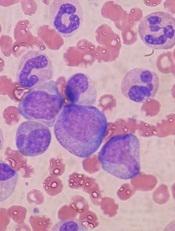
in the bone marrow
A new epigenetic profiling technique has allowed researchers to chart histone dynamics during hematopoiesis, and it has produced some surprising results.
The researchers developed a high-sensitivity, indexing-first chromatin immunoprecipitation approach (iChIP) that requires as few as 500 cells for accurate analysis.
The techniques currently in use require millions of cells for accurate detection and analysis, but iCHIP overcomes this limitation.
David Lara-Astiaso, of the Weizmann Institute of Science in Rehovot, Israel, and his colleagues described the new method in Science.
The team used iCHIP to profile the dynamics of 4 chromatin modifications across 16 stages of hematopoietic differentiation.
“Using this powerful approach, we were able to identify the exact DNA regulatory sequences, as well as the various regulatory proteins, that are involved in controlling stem cell fate, casting light on previously unseen parts of the basic program of life,” said Nir Friedman, PhD, of the Hebrew University of Jerusalem in Israel.
The research also suggested that as many as 50% of these regulatory sequences are established and opened during intermediate stages of cell development. This means epigenetics are active at stages in which we thought cell destiny was already set.
“This changes our whole understanding of the process of blood stem cell fate decisions,” Lara-Astiaso said.
“[The discovery suggests] the process is more dynamic and flexible than previously thought, giving the cell slightly more leeway at the later stages in deciding what type of cell to turn into, in case its circumstances change.”
Although this research was conducted on mouse HSCs, the researchers believe the mechanism may hold true for other types of cells as well.
“This research creates a lot of excitement in the field, as it sets the groundwork to study these regulatory elements in humans,” said Assaf Weiner, of the Hebrew University of Jerusalem.
Discovering the exact regulatory DNA sequence controlling the fate of hematopoietic stem cells, as well as understanding the mechanism, holds promise for the development of diagnostic tools and therapeutic interventions, the researchers noted.
in the bone marrow
A new epigenetic profiling technique has allowed researchers to chart histone dynamics during hematopoiesis, and it has produced some surprising results.
The researchers developed a high-sensitivity, indexing-first chromatin immunoprecipitation approach (iChIP) that requires as few as 500 cells for accurate analysis.
The techniques currently in use require millions of cells for accurate detection and analysis, but iCHIP overcomes this limitation.
David Lara-Astiaso, of the Weizmann Institute of Science in Rehovot, Israel, and his colleagues described the new method in Science.
The team used iCHIP to profile the dynamics of 4 chromatin modifications across 16 stages of hematopoietic differentiation.
“Using this powerful approach, we were able to identify the exact DNA regulatory sequences, as well as the various regulatory proteins, that are involved in controlling stem cell fate, casting light on previously unseen parts of the basic program of life,” said Nir Friedman, PhD, of the Hebrew University of Jerusalem in Israel.
The research also suggested that as many as 50% of these regulatory sequences are established and opened during intermediate stages of cell development. This means epigenetics are active at stages in which we thought cell destiny was already set.
“This changes our whole understanding of the process of blood stem cell fate decisions,” Lara-Astiaso said.
“[The discovery suggests] the process is more dynamic and flexible than previously thought, giving the cell slightly more leeway at the later stages in deciding what type of cell to turn into, in case its circumstances change.”
Although this research was conducted on mouse HSCs, the researchers believe the mechanism may hold true for other types of cells as well.
“This research creates a lot of excitement in the field, as it sets the groundwork to study these regulatory elements in humans,” said Assaf Weiner, of the Hebrew University of Jerusalem.
Discovering the exact regulatory DNA sequence controlling the fate of hematopoietic stem cells, as well as understanding the mechanism, holds promise for the development of diagnostic tools and therapeutic interventions, the researchers noted.
in the bone marrow
A new epigenetic profiling technique has allowed researchers to chart histone dynamics during hematopoiesis, and it has produced some surprising results.
The researchers developed a high-sensitivity, indexing-first chromatin immunoprecipitation approach (iChIP) that requires as few as 500 cells for accurate analysis.
The techniques currently in use require millions of cells for accurate detection and analysis, but iCHIP overcomes this limitation.
David Lara-Astiaso, of the Weizmann Institute of Science in Rehovot, Israel, and his colleagues described the new method in Science.
The team used iCHIP to profile the dynamics of 4 chromatin modifications across 16 stages of hematopoietic differentiation.
“Using this powerful approach, we were able to identify the exact DNA regulatory sequences, as well as the various regulatory proteins, that are involved in controlling stem cell fate, casting light on previously unseen parts of the basic program of life,” said Nir Friedman, PhD, of the Hebrew University of Jerusalem in Israel.
The research also suggested that as many as 50% of these regulatory sequences are established and opened during intermediate stages of cell development. This means epigenetics are active at stages in which we thought cell destiny was already set.
“This changes our whole understanding of the process of blood stem cell fate decisions,” Lara-Astiaso said.
“[The discovery suggests] the process is more dynamic and flexible than previously thought, giving the cell slightly more leeway at the later stages in deciding what type of cell to turn into, in case its circumstances change.”
Although this research was conducted on mouse HSCs, the researchers believe the mechanism may hold true for other types of cells as well.
“This research creates a lot of excitement in the field, as it sets the groundwork to study these regulatory elements in humans,” said Assaf Weiner, of the Hebrew University of Jerusalem.
Discovering the exact regulatory DNA sequence controlling the fate of hematopoietic stem cells, as well as understanding the mechanism, holds promise for the development of diagnostic tools and therapeutic interventions, the researchers noted.
Catheter-directed thrombolysis for leg DVTs held risky
Catheter-directed thrombolysis plus anticoagulation is no more effective than anticoagulation alone in preventing in-hospital death among adults who have lower-extremity proximal deep vein thrombosis, according to a nationwide observational study reported online July 21 in JAMA Internal Medicine.
However, catheter-directed thrombolysis carries higher risks, particularly serious bleeding risks such as intracranial hemorrhage, than does anticoagulation alone, and it costs nearly three times as much money. These findings highlight the need for randomized trials "to evaluate the magnitude of the effect of catheter-directed thrombolysis on ... mortality, postthrombotic syndrome, and recurrence of DVT [deep vein thrombosis]. In the absence of such data, it may be reasonable to restrict this form of therapy to those patients who have a low bleeding risk and a high risk for postthrombotic syndrome, such as patients with iliofemoral DVT," said Dr. Riyaz Bashir of the division of cardiovascular diseases, Temple University, Philadelphia, and his associates.

Conflicting data from several small studies as to the safety and effectiveness of catheter-directed thrombolysis have led professional societies to devise conflicting recommendations for its use: CHEST (the American College of Chest Physicians) advises against using the procedure, while the American Heart Association recommends it as a first-line therapy for certain patients. "We sought to assess real-world comparative-safety outcomes in patients with proximal and caval DVT who underwent catheter-directed thrombolysis plus anticoagulation with a group treated with anticoagulation alone using risk-adjusted propensity-score matching," the investigators said.
They analyzed data from an Agency for Healthcare Research and Quality administrative database of patient discharges from approximately 1,000 nonfederal acute-care hospitals per year for a 6-year period. They identified 90,618 patients with a discharge diagnosis of proximal DVT; propensity-score matching yielded 3,594 well-matched patients in each study group. In-hospital mortality was not significantly different between patients who had catheter-directed thrombolysis plus anticoagulation (1.2%) and those who had anticoagulation alone (0.9%), Dr. Bashir and his associates said (JAMA Intern. Med. 2014 July 21 [doi:10.1001/jamainternmed.2014.3415]).
However, rates of blood transfusion (11.1% vs. 6.5%), pulmonary embolism (17.9% vs 11.4%), and intracranial hemorrhage (0.9% vs 0.3%) were significantly higher with the invasive intervention. And patients in the catheter-directed thrombolysis group required significantly longer hospitalizations (7.2 vs. 5.0 days) and incurred significantly higher hospital expenses ($85,094 vs. $28,164). "It is imperative that the magnitude of benefit from catheter-directed therapy be substantial to justify the increased initial resource utilization and bleeding risks of this therapy," the investigators noted.
Dr. Steven Q. Simpson, FCCP, comments: This observational, real-world study provides more practical information, I believe, than we would obtain with a controlled trial for two drugs/techniques that are already FDA–approved for this purpose. We are able to infer how the drug/technique affects short-term mortality outcomes and financial costs beyond the strict selection criteria and adherence to a tight protocol that a trial requires. However, the study leaves us with the question of how catheter-directed thrombolysis compares with anticoagulation in the more immediately life-threatening setting of massive pulmonary embolism. Additionally, proponents of catheter-directed thrombolysis suggest that it reduces the pain and suffering of postphlebitic syndrome, an outcome not addressed by this study.
Dr. Steven Q. Simpson, FCCP, comments: This observational, real-world study provides more practical information, I believe, than we would obtain with a controlled trial for two drugs/techniques that are already FDA–approved for this purpose. We are able to infer how the drug/technique affects short-term mortality outcomes and financial costs beyond the strict selection criteria and adherence to a tight protocol that a trial requires. However, the study leaves us with the question of how catheter-directed thrombolysis compares with anticoagulation in the more immediately life-threatening setting of massive pulmonary embolism. Additionally, proponents of catheter-directed thrombolysis suggest that it reduces the pain and suffering of postphlebitic syndrome, an outcome not addressed by this study.
Dr. Steven Q. Simpson, FCCP, comments: This observational, real-world study provides more practical information, I believe, than we would obtain with a controlled trial for two drugs/techniques that are already FDA–approved for this purpose. We are able to infer how the drug/technique affects short-term mortality outcomes and financial costs beyond the strict selection criteria and adherence to a tight protocol that a trial requires. However, the study leaves us with the question of how catheter-directed thrombolysis compares with anticoagulation in the more immediately life-threatening setting of massive pulmonary embolism. Additionally, proponents of catheter-directed thrombolysis suggest that it reduces the pain and suffering of postphlebitic syndrome, an outcome not addressed by this study.
Catheter-directed thrombolysis plus anticoagulation is no more effective than anticoagulation alone in preventing in-hospital death among adults who have lower-extremity proximal deep vein thrombosis, according to a nationwide observational study reported online July 21 in JAMA Internal Medicine.
However, catheter-directed thrombolysis carries higher risks, particularly serious bleeding risks such as intracranial hemorrhage, than does anticoagulation alone, and it costs nearly three times as much money. These findings highlight the need for randomized trials "to evaluate the magnitude of the effect of catheter-directed thrombolysis on ... mortality, postthrombotic syndrome, and recurrence of DVT [deep vein thrombosis]. In the absence of such data, it may be reasonable to restrict this form of therapy to those patients who have a low bleeding risk and a high risk for postthrombotic syndrome, such as patients with iliofemoral DVT," said Dr. Riyaz Bashir of the division of cardiovascular diseases, Temple University, Philadelphia, and his associates.
Conflicting data from several small studies as to the safety and effectiveness of catheter-directed thrombolysis have led professional societies to devise conflicting recommendations for its use: CHEST (the American College of Chest Physicians) advises against using the procedure, while the American Heart Association recommends it as a first-line therapy for certain patients. "We sought to assess real-world comparative-safety outcomes in patients with proximal and caval DVT who underwent catheter-directed thrombolysis plus anticoagulation with a group treated with anticoagulation alone using risk-adjusted propensity-score matching," the investigators said.
They analyzed data from an Agency for Healthcare Research and Quality administrative database of patient discharges from approximately 1,000 nonfederal acute-care hospitals per year for a 6-year period. They identified 90,618 patients with a discharge diagnosis of proximal DVT; propensity-score matching yielded 3,594 well-matched patients in each study group. In-hospital mortality was not significantly different between patients who had catheter-directed thrombolysis plus anticoagulation (1.2%) and those who had anticoagulation alone (0.9%), Dr. Bashir and his associates said (JAMA Intern. Med. 2014 July 21 [doi:10.1001/jamainternmed.2014.3415]).
However, rates of blood transfusion (11.1% vs. 6.5%), pulmonary embolism (17.9% vs 11.4%), and intracranial hemorrhage (0.9% vs 0.3%) were significantly higher with the invasive intervention. And patients in the catheter-directed thrombolysis group required significantly longer hospitalizations (7.2 vs. 5.0 days) and incurred significantly higher hospital expenses ($85,094 vs. $28,164). "It is imperative that the magnitude of benefit from catheter-directed therapy be substantial to justify the increased initial resource utilization and bleeding risks of this therapy," the investigators noted.
Catheter-directed thrombolysis plus anticoagulation is no more effective than anticoagulation alone in preventing in-hospital death among adults who have lower-extremity proximal deep vein thrombosis, according to a nationwide observational study reported online July 21 in JAMA Internal Medicine.
However, catheter-directed thrombolysis carries higher risks, particularly serious bleeding risks such as intracranial hemorrhage, than does anticoagulation alone, and it costs nearly three times as much money. These findings highlight the need for randomized trials "to evaluate the magnitude of the effect of catheter-directed thrombolysis on ... mortality, postthrombotic syndrome, and recurrence of DVT [deep vein thrombosis]. In the absence of such data, it may be reasonable to restrict this form of therapy to those patients who have a low bleeding risk and a high risk for postthrombotic syndrome, such as patients with iliofemoral DVT," said Dr. Riyaz Bashir of the division of cardiovascular diseases, Temple University, Philadelphia, and his associates.
Conflicting data from several small studies as to the safety and effectiveness of catheter-directed thrombolysis have led professional societies to devise conflicting recommendations for its use: CHEST (the American College of Chest Physicians) advises against using the procedure, while the American Heart Association recommends it as a first-line therapy for certain patients. "We sought to assess real-world comparative-safety outcomes in patients with proximal and caval DVT who underwent catheter-directed thrombolysis plus anticoagulation with a group treated with anticoagulation alone using risk-adjusted propensity-score matching," the investigators said.
They analyzed data from an Agency for Healthcare Research and Quality administrative database of patient discharges from approximately 1,000 nonfederal acute-care hospitals per year for a 6-year period. They identified 90,618 patients with a discharge diagnosis of proximal DVT; propensity-score matching yielded 3,594 well-matched patients in each study group. In-hospital mortality was not significantly different between patients who had catheter-directed thrombolysis plus anticoagulation (1.2%) and those who had anticoagulation alone (0.9%), Dr. Bashir and his associates said (JAMA Intern. Med. 2014 July 21 [doi:10.1001/jamainternmed.2014.3415]).
However, rates of blood transfusion (11.1% vs. 6.5%), pulmonary embolism (17.9% vs 11.4%), and intracranial hemorrhage (0.9% vs 0.3%) were significantly higher with the invasive intervention. And patients in the catheter-directed thrombolysis group required significantly longer hospitalizations (7.2 vs. 5.0 days) and incurred significantly higher hospital expenses ($85,094 vs. $28,164). "It is imperative that the magnitude of benefit from catheter-directed therapy be substantial to justify the increased initial resource utilization and bleeding risks of this therapy," the investigators noted.
Key clinical point: Catheter-directed thrombolysis carries higher risks and may not improve outcomes for proximal DVT patients.
Major finding: In-hospital mortality was not significantly different between patients who had catheter-directed thrombolysis plus anticoagulation (1.2%) and those who had anticoagulation alone (0.9%), but rates of blood transfusion (11.1% vs 6.5%), pulmonary embolism (17.9% vs 11.4%), and intracranial hemorrhage (0.9% vs 0.3%) were significantly higher with the invasive intervention.
Data source: A propensity-matched analysis comparing the effectiveness and safety profiles between catheter-directed thrombolysis plus anticoagulation and anticoagulation alone in 3,594 adults across the country hospitalized with lower-extremity proximal DVT during a 6-year period.
Disclosures: This study was supported by Temple University Hospital, Philadelphia. Dr. Bashir reported no financial conflicts of interest; his associates reported ties to Covidien, Health Systems Networks, and Insight Telehealth.

Psychiatry can help reduce prison violence
The news has been filled lately with stories of violence within correctional facilities, often involving prisoners or detainees who are alleged to have mental illness. The California prison system recently announced an initiative to reduce the use of force against mentally ill prisoners and to require correctional officers to consider an inmate’s mental health status prior to any use of force.
This is an excellent initiative, and close collaboration between security and mental health services is crucial for effective treatment of some mentally ill offenders.

However, this would be a good time to remember that not all seriously mentally ill prisoners are disruptive and that violence is a behavior rather than a diagnostic criterion. The nonsymptomatic causes of violence are important to consider as well: Is the inmate defending himself from attack by more aggressive peers? Is he taking a stand and making a display of force in order to make the point that he won’t be intimidated? Is he delirious from an unrecognized or treated medical condition? Is he having a seizure, suffering from withdrawal, or medically compromised in some other way? Or is the violence instrumental, a means to an end by a sociopathic inmate who needs to enforce his chain of command or protect his prison drug distribution channels? While for some, violence may be an outward sign of psychosis, for others it’s part of the cost of doing business.
In addition to looking at violence on an individual level, we also need to consider it from an institutional perspective. Violence may be a sign that there are serious problems not only on an individual level but possibly on an institutional one as well. Increased sensitivity to the mental status of the prisoner is only one piece of the puzzle.
Correctional officers are exposed to an environment unlike anything most civilians can imagine. They are exposed daily to threats, actual or implied assault, harassment, and sometimes even flying bodily fluids. When the prison budget doesn’t keep up with the daily institutional census, they may be required to work repeated overtime shifts or to work on tiers in which they are greatly outnumbered by the prisoners they are supposed to supervise and protect. Even when a correctional officer is not directly the subject of violence, the officer is required to respond to traumatic events like inmate-on-inmate assaults or completed suicides.
It’s not surprising, then, that many new officers leave the profession within the first 5 years, and that those who stay longer may be prone to stress-related absenteeism, substance abuse, and depression. Officers (or "guards" as the traditional media repeatedly misidentifies them) who show a change in personality or an unusually low tolerance for inmate misbehavior may be showing early signs of posttraumatic stress disorder or clinical depression. If this is being taken out on an inmate, it may also be a problem at home, leading to relationship problems or domestic violence. Officers who are cruel to a prisoner may not be particularly pleasant to civilian staff, either.
Changing a violent prison environment requires more than additional staff training and another redundant prison directive about the use of force. It requires change in a prison culture that values toughness and bravado. Access to mental health should be rapid and confidential, and not seen as an indication that an officer wants an "easy way out" through medical retirement. Security and psychiatry must work together for the care of the prisoner, but they also need to work on behalf of one another.
Dr. Hanson is a forensic psychiatrist and coauthor of "Shrink Rap: Three Psychiatrists Explain Their Work" (Baltimore: The Johns Hopkins University Press, 2011). The opinions expressed are those of the author only, and do not represent those of any of Dr. Hanson’s employers or consultees, including the Maryland Department of Health & Mental Hygiene or the Maryland State Division of Correction.
The news has been filled lately with stories of violence within correctional facilities, often involving prisoners or detainees who are alleged to have mental illness. The California prison system recently announced an initiative to reduce the use of force against mentally ill prisoners and to require correctional officers to consider an inmate’s mental health status prior to any use of force.
This is an excellent initiative, and close collaboration between security and mental health services is crucial for effective treatment of some mentally ill offenders.
However, this would be a good time to remember that not all seriously mentally ill prisoners are disruptive and that violence is a behavior rather than a diagnostic criterion. The nonsymptomatic causes of violence are important to consider as well: Is the inmate defending himself from attack by more aggressive peers? Is he taking a stand and making a display of force in order to make the point that he won’t be intimidated? Is he delirious from an unrecognized or treated medical condition? Is he having a seizure, suffering from withdrawal, or medically compromised in some other way? Or is the violence instrumental, a means to an end by a sociopathic inmate who needs to enforce his chain of command or protect his prison drug distribution channels? While for some, violence may be an outward sign of psychosis, for others it’s part of the cost of doing business.
In addition to looking at violence on an individual level, we also need to consider it from an institutional perspective. Violence may be a sign that there are serious problems not only on an individual level but possibly on an institutional one as well. Increased sensitivity to the mental status of the prisoner is only one piece of the puzzle.
Correctional officers are exposed to an environment unlike anything most civilians can imagine. They are exposed daily to threats, actual or implied assault, harassment, and sometimes even flying bodily fluids. When the prison budget doesn’t keep up with the daily institutional census, they may be required to work repeated overtime shifts or to work on tiers in which they are greatly outnumbered by the prisoners they are supposed to supervise and protect. Even when a correctional officer is not directly the subject of violence, the officer is required to respond to traumatic events like inmate-on-inmate assaults or completed suicides.
It’s not surprising, then, that many new officers leave the profession within the first 5 years, and that those who stay longer may be prone to stress-related absenteeism, substance abuse, and depression. Officers (or "guards" as the traditional media repeatedly misidentifies them) who show a change in personality or an unusually low tolerance for inmate misbehavior may be showing early signs of posttraumatic stress disorder or clinical depression. If this is being taken out on an inmate, it may also be a problem at home, leading to relationship problems or domestic violence. Officers who are cruel to a prisoner may not be particularly pleasant to civilian staff, either.
Changing a violent prison environment requires more than additional staff training and another redundant prison directive about the use of force. It requires change in a prison culture that values toughness and bravado. Access to mental health should be rapid and confidential, and not seen as an indication that an officer wants an "easy way out" through medical retirement. Security and psychiatry must work together for the care of the prisoner, but they also need to work on behalf of one another.
Dr. Hanson is a forensic psychiatrist and coauthor of "Shrink Rap: Three Psychiatrists Explain Their Work" (Baltimore: The Johns Hopkins University Press, 2011). The opinions expressed are those of the author only, and do not represent those of any of Dr. Hanson’s employers or consultees, including the Maryland Department of Health & Mental Hygiene or the Maryland State Division of Correction.
The news has been filled lately with stories of violence within correctional facilities, often involving prisoners or detainees who are alleged to have mental illness. The California prison system recently announced an initiative to reduce the use of force against mentally ill prisoners and to require correctional officers to consider an inmate’s mental health status prior to any use of force.
This is an excellent initiative, and close collaboration between security and mental health services is crucial for effective treatment of some mentally ill offenders.
However, this would be a good time to remember that not all seriously mentally ill prisoners are disruptive and that violence is a behavior rather than a diagnostic criterion. The nonsymptomatic causes of violence are important to consider as well: Is the inmate defending himself from attack by more aggressive peers? Is he taking a stand and making a display of force in order to make the point that he won’t be intimidated? Is he delirious from an unrecognized or treated medical condition? Is he having a seizure, suffering from withdrawal, or medically compromised in some other way? Or is the violence instrumental, a means to an end by a sociopathic inmate who needs to enforce his chain of command or protect his prison drug distribution channels? While for some, violence may be an outward sign of psychosis, for others it’s part of the cost of doing business.
In addition to looking at violence on an individual level, we also need to consider it from an institutional perspective. Violence may be a sign that there are serious problems not only on an individual level but possibly on an institutional one as well. Increased sensitivity to the mental status of the prisoner is only one piece of the puzzle.
Correctional officers are exposed to an environment unlike anything most civilians can imagine. They are exposed daily to threats, actual or implied assault, harassment, and sometimes even flying bodily fluids. When the prison budget doesn’t keep up with the daily institutional census, they may be required to work repeated overtime shifts or to work on tiers in which they are greatly outnumbered by the prisoners they are supposed to supervise and protect. Even when a correctional officer is not directly the subject of violence, the officer is required to respond to traumatic events like inmate-on-inmate assaults or completed suicides.
It’s not surprising, then, that many new officers leave the profession within the first 5 years, and that those who stay longer may be prone to stress-related absenteeism, substance abuse, and depression. Officers (or "guards" as the traditional media repeatedly misidentifies them) who show a change in personality or an unusually low tolerance for inmate misbehavior may be showing early signs of posttraumatic stress disorder or clinical depression. If this is being taken out on an inmate, it may also be a problem at home, leading to relationship problems or domestic violence. Officers who are cruel to a prisoner may not be particularly pleasant to civilian staff, either.
Changing a violent prison environment requires more than additional staff training and another redundant prison directive about the use of force. It requires change in a prison culture that values toughness and bravado. Access to mental health should be rapid and confidential, and not seen as an indication that an officer wants an "easy way out" through medical retirement. Security and psychiatry must work together for the care of the prisoner, but they also need to work on behalf of one another.
Dr. Hanson is a forensic psychiatrist and coauthor of "Shrink Rap: Three Psychiatrists Explain Their Work" (Baltimore: The Johns Hopkins University Press, 2011). The opinions expressed are those of the author only, and do not represent those of any of Dr. Hanson’s employers or consultees, including the Maryland Department of Health & Mental Hygiene or the Maryland State Division of Correction.

Clinical policy: critical issues in the evaluation and management of adult patients presenting to the emergency department with seizures
Definitions for the strength of evidence (Class I-III) and strength of recommendations (Level A-C) are provided at the end of the "Major Recommendations" field.
- In patients with a first generalized convulsive seizure who have returned to their baseline clinical status, should antiepileptic therapy be initiated in the emergency department (ED) to prevent additional seizures?
Patient Management Recommendations
Level A recommendations. None specified.
Level B recommendations. None specified.
Level C recommendations.
- Emergency physicians need not initiate antiepileptic medication* in the ED for patients who have had a first provoked seizure. Precipitating medical conditions should be identified and treated.
- Emergency physicians need not initiate antiepileptic medication* in the ED for patients who have had a first unprovoked seizure without evidence of brain disease or injury.
- Emergency physicians may initiate antiepileptic medication* in the ED, or defer in coordination with other providers, for patients who experienced a first unprovoked seizure with a remote history of brain disease or injury.
*Antiepileptic medication in this document refers to medications prescribed for seizure prevention.
- In patients with a first unprovoked seizure who have returned to their baseline clinical status in the ED, should the patient be admitted to the hospital to prevent adverse events?
Patient Management Recommendations
Level A recommendations. None specified.
Level B recommendations. None specified.
Level C recommendations. Emergency physicians need not admit patients with a first unprovoked seizure who have returned to their clinical baseline in the ED.
- In patients with a known seizure disorder in which resuming their antiepileptic medication in the ED is deemed appropriate, does the route of administration impact recurrence of seizures?
Patient Management Recommendations
Level A recommendations. None specified.
Level B recommendations. None specified.
Level C recommendations. When resuming antiepileptic medication in the ED is deemed appropriate, the emergency physician may administer intravenous (IV) or oral medication at their discretion.
- In ED patients with generalized convulsive status epilepticus who continue to have seizures despite receiving optimal dosing of a benzodiazepine, which agent or agents should be administered next to terminate seizures?
Patient Management Recommendations
Level A recommendations. Emergency physicians should administer an additional antiepileptic medication in ED patients with refractory status epilepticus who have failed treatment with benzodiazepines.
Level B recommendations. Emergency physicians may administer IV phenytoin, fosphenytoin, or valproate in ED patients with refractory status epilepticus who have failed treatment with benzodiazepines.
Level C recommendations. Emergency physicians may administer IV levetiracetam, propofol, or barbiturates in ED patients with refractory status epilepticus who have failed treatment with benzodiazepines.
Definitions:
Strength of Evidence
Literature Classification Schema*
Design/Class Therapy† Diagnosis‡ Prognosis§ 1 Randomized, controlled trial or meta-analysis of randomized trials Prospective cohort using a criterion standard or meta-analysis of prospective studies Population prospective cohort or meta-analysis of prospective studies 2 Nonrandomized trial Retrospective observational Retrospective cohort
Case control3 Case series
Case report
Other (e.g., consensus, review)Case series
Case report
Other (e.g., consensus, review)Case series
Case report
Other (e.g., consensus, review)*Some designs (e.g., surveys) will not fit this schema and should be assessed individually.
†Objective is to measure therapeutic efficacy comparing interventions.
‡Objective is to determine the sensitivity and specificity of diagnostic tests.
§Objective is to predict outcome including mortality and morbidity.
Approach to Downgrading Strength of Evidence*
Design/Class Downgrading 1 2 3 None I II III 1 level II III X 2 levels III X X Fatally flawed X X X *See the "Description of Methods Used to Analyze the Evidence" field for more information.
Strength of recommendations regarding each critical question were made by subcommittee members using results from strength of evidence grading, expert opinion, and consensus among subcommittee members according to the following guidelines:
Strength of Recommendations
Level A recommendations. Generally accepted principles for patient care that reflect a high degree of clinical certainty (i.e., based on evidence from 1 or more Class of Evidence I or multiple Class of Evidence II studies).
Level B recommendations. Recommendations for patient care that may identify a particular strategy or range of strategies that reflect moderate clinical certainty (i.e., based on evidence from 1 or more Class of Evidence II studies or strong consensus of Class of Evidence III studies).
Level C recommendations. Recommendations for patient care that are based on evidence from Class of Evidence III studies or, in the absence of any adequate published literature, based on expert consensus. In instances where consensus recommendations are made, "consensus" is placed in parentheses at the end of the recommendation.
There are certain circumstances in which the recommendations stemming from a body of evidence should not be rated as highly as the individual studies on which they are based. Factors such as heterogeneity of results, uncertainty about effect magnitude and consequences, and publication bias, among others, might lead to such a downgrading of recommendations.
Definitions for the strength of evidence (Class I-III) and strength of recommendations (Level A-C) are provided at the end of the "Major Recommendations" field.
- In patients with a first generalized convulsive seizure who have returned to their baseline clinical status, should antiepileptic therapy be initiated in the emergency department (ED) to prevent additional seizures?
Patient Management Recommendations
Level A recommendations. None specified.
Level B recommendations. None specified.
Level C recommendations.
- Emergency physicians need not initiate antiepileptic medication* in the ED for patients who have had a first provoked seizure. Precipitating medical conditions should be identified and treated.
- Emergency physicians need not initiate antiepileptic medication* in the ED for patients who have had a first unprovoked seizure without evidence of brain disease or injury.
- Emergency physicians may initiate antiepileptic medication* in the ED, or defer in coordination with other providers, for patients who experienced a first unprovoked seizure with a remote history of brain disease or injury.
*Antiepileptic medication in this document refers to medications prescribed for seizure prevention.
- In patients with a first unprovoked seizure who have returned to their baseline clinical status in the ED, should the patient be admitted to the hospital to prevent adverse events?
Patient Management Recommendations
Level A recommendations. None specified.
Level B recommendations. None specified.
Level C recommendations. Emergency physicians need not admit patients with a first unprovoked seizure who have returned to their clinical baseline in the ED.
- In patients with a known seizure disorder in which resuming their antiepileptic medication in the ED is deemed appropriate, does the route of administration impact recurrence of seizures?
Patient Management Recommendations
Level A recommendations. None specified.
Level B recommendations. None specified.
Level C recommendations. When resuming antiepileptic medication in the ED is deemed appropriate, the emergency physician may administer intravenous (IV) or oral medication at their discretion.
- In ED patients with generalized convulsive status epilepticus who continue to have seizures despite receiving optimal dosing of a benzodiazepine, which agent or agents should be administered next to terminate seizures?
Patient Management Recommendations
Level A recommendations. Emergency physicians should administer an additional antiepileptic medication in ED patients with refractory status epilepticus who have failed treatment with benzodiazepines.
Level B recommendations. Emergency physicians may administer IV phenytoin, fosphenytoin, or valproate in ED patients with refractory status epilepticus who have failed treatment with benzodiazepines.
Level C recommendations. Emergency physicians may administer IV levetiracetam, propofol, or barbiturates in ED patients with refractory status epilepticus who have failed treatment with benzodiazepines.
Definitions:
Strength of Evidence
Literature Classification Schema*
Design/Class Therapy† Diagnosis‡ Prognosis§ 1 Randomized, controlled trial or meta-analysis of randomized trials Prospective cohort using a criterion standard or meta-analysis of prospective studies Population prospective cohort or meta-analysis of prospective studies 2 Nonrandomized trial Retrospective observational Retrospective cohort
Case control3 Case series
Case report
Other (e.g., consensus, review)Case series
Case report
Other (e.g., consensus, review)Case series
Case report
Other (e.g., consensus, review)*Some designs (e.g., surveys) will not fit this schema and should be assessed individually.
†Objective is to measure therapeutic efficacy comparing interventions.
‡Objective is to determine the sensitivity and specificity of diagnostic tests.
§Objective is to predict outcome including mortality and morbidity.
Approach to Downgrading Strength of Evidence*
Design/Class Downgrading 1 2 3 None I II III 1 level II III X 2 levels III X X Fatally flawed X X X *See the "Description of Methods Used to Analyze the Evidence" field for more information.
Strength of recommendations regarding each critical question were made by subcommittee members using results from strength of evidence grading, expert opinion, and consensus among subcommittee members according to the following guidelines:
Strength of Recommendations
Level A recommendations. Generally accepted principles for patient care that reflect a high degree of clinical certainty (i.e., based on evidence from 1 or more Class of Evidence I or multiple Class of Evidence II studies).
Level B recommendations. Recommendations for patient care that may identify a particular strategy or range of strategies that reflect moderate clinical certainty (i.e., based on evidence from 1 or more Class of Evidence II studies or strong consensus of Class of Evidence III studies).
Level C recommendations. Recommendations for patient care that are based on evidence from Class of Evidence III studies or, in the absence of any adequate published literature, based on expert consensus. In instances where consensus recommendations are made, "consensus" is placed in parentheses at the end of the recommendation.
There are certain circumstances in which the recommendations stemming from a body of evidence should not be rated as highly as the individual studies on which they are based. Factors such as heterogeneity of results, uncertainty about effect magnitude and consequences, and publication bias, among others, might lead to such a downgrading of recommendations.
Definitions for the strength of evidence (Class I-III) and strength of recommendations (Level A-C) are provided at the end of the "Major Recommendations" field.
- In patients with a first generalized convulsive seizure who have returned to their baseline clinical status, should antiepileptic therapy be initiated in the emergency department (ED) to prevent additional seizures?
Patient Management Recommendations
Level A recommendations. None specified.
Level B recommendations. None specified.
Level C recommendations.
- Emergency physicians need not initiate antiepileptic medication* in the ED for patients who have had a first provoked seizure. Precipitating medical conditions should be identified and treated.
- Emergency physicians need not initiate antiepileptic medication* in the ED for patients who have had a first unprovoked seizure without evidence of brain disease or injury.
- Emergency physicians may initiate antiepileptic medication* in the ED, or defer in coordination with other providers, for patients who experienced a first unprovoked seizure with a remote history of brain disease or injury.
*Antiepileptic medication in this document refers to medications prescribed for seizure prevention.
- In patients with a first unprovoked seizure who have returned to their baseline clinical status in the ED, should the patient be admitted to the hospital to prevent adverse events?
Patient Management Recommendations
Level A recommendations. None specified.
Level B recommendations. None specified.
Level C recommendations. Emergency physicians need not admit patients with a first unprovoked seizure who have returned to their clinical baseline in the ED.
- In patients with a known seizure disorder in which resuming their antiepileptic medication in the ED is deemed appropriate, does the route of administration impact recurrence of seizures?
Patient Management Recommendations
Level A recommendations. None specified.
Level B recommendations. None specified.
Level C recommendations. When resuming antiepileptic medication in the ED is deemed appropriate, the emergency physician may administer intravenous (IV) or oral medication at their discretion.
- In ED patients with generalized convulsive status epilepticus who continue to have seizures despite receiving optimal dosing of a benzodiazepine, which agent or agents should be administered next to terminate seizures?
Patient Management Recommendations
Level A recommendations. Emergency physicians should administer an additional antiepileptic medication in ED patients with refractory status epilepticus who have failed treatment with benzodiazepines.
Level B recommendations. Emergency physicians may administer IV phenytoin, fosphenytoin, or valproate in ED patients with refractory status epilepticus who have failed treatment with benzodiazepines.
Level C recommendations. Emergency physicians may administer IV levetiracetam, propofol, or barbiturates in ED patients with refractory status epilepticus who have failed treatment with benzodiazepines.
Definitions:
Strength of Evidence
Literature Classification Schema*
Design/Class Therapy† Diagnosis‡ Prognosis§ 1 Randomized, controlled trial or meta-analysis of randomized trials Prospective cohort using a criterion standard or meta-analysis of prospective studies Population prospective cohort or meta-analysis of prospective studies 2 Nonrandomized trial Retrospective observational Retrospective cohort
Case control3 Case series
Case report
Other (e.g., consensus, review)Case series
Case report
Other (e.g., consensus, review)Case series
Case report
Other (e.g., consensus, review)*Some designs (e.g., surveys) will not fit this schema and should be assessed individually.
†Objective is to measure therapeutic efficacy comparing interventions.
‡Objective is to determine the sensitivity and specificity of diagnostic tests.
§Objective is to predict outcome including mortality and morbidity.
Approach to Downgrading Strength of Evidence*
Design/Class Downgrading 1 2 3 None I II III 1 level II III X 2 levels III X X Fatally flawed X X X *See the "Description of Methods Used to Analyze the Evidence" field for more information.
Strength of recommendations regarding each critical question were made by subcommittee members using results from strength of evidence grading, expert opinion, and consensus among subcommittee members according to the following guidelines:
Strength of Recommendations
Level A recommendations. Generally accepted principles for patient care that reflect a high degree of clinical certainty (i.e., based on evidence from 1 or more Class of Evidence I or multiple Class of Evidence II studies).
Level B recommendations. Recommendations for patient care that may identify a particular strategy or range of strategies that reflect moderate clinical certainty (i.e., based on evidence from 1 or more Class of Evidence II studies or strong consensus of Class of Evidence III studies).
Level C recommendations. Recommendations for patient care that are based on evidence from Class of Evidence III studies or, in the absence of any adequate published literature, based on expert consensus. In instances where consensus recommendations are made, "consensus" is placed in parentheses at the end of the recommendation.
There are certain circumstances in which the recommendations stemming from a body of evidence should not be rated as highly as the individual studies on which they are based. Factors such as heterogeneity of results, uncertainty about effect magnitude and consequences, and publication bias, among others, might lead to such a downgrading of recommendations.
This clinical policy from the American College of Emergency Physicians is the revision of a 2004 policy on critical issues in the evaluation and management of adult patients with seizures in the emergency department. A writing subcommittee reviewed the literature to derive evidence-based recommendations to help clinicians answer four critical questions. A literature search was performed, the evidence was graded, and recommendations were given based on the strength of the available data in the medical literature.
Guidelines are copyright © 2014 American College of Emergency Physicians. All rights reserved. The summary is provided by the Agency for Healthcare Research and Quality.
Guidelines of care for the management of atopic dermatitis: section 1. Diagnosis and assessment of atopic dermatitis
Note from the National Guideline Clearinghouse (NGC): This document is the first section in a series of four and covers methods for diagnosis and assessment of atopic dermatitis (AD). The second guideline in the series will address the management and treatment of AD with pharmacologic and nonpharmacologic topical modalities; the third section will cover phototherapy and systemic treatment options; and the fourth section will address the minimization of disease flares, educational interventions, and use of adjunctive approaches.
Features to Be Considered in the Diagnosis of Patients with AD
| Essential Features—Must be present:
*Patterns Include:
Important Features—Seen in most cases, adding support to the diagnosis:
Associated Features—These clinical associations help to suggest the diagnosis of AD but are too nonspecific to be used for defining or detecting AD for research and epidemiologic studies:
Exclusionary Conditions—It should be noted that a diagnosis of AD depends on excluding conditions, such as:
Adapted from Eichenfield LF, Hanifin JM, Luger TA, Stevens SR, Pride HB. Consensus conference on pediatric atopic dermatitis. J Am Acad Dermatol 2003;49:1088-95. Used with permission of the American Academy of Dermatology. |
Recommendation for the Diagnosis of AD
Patients with presumed AD should have their diagnosis based on the criteria summarized in the box above. On occasion, skin biopsy specimens or other tests (such as serum immunoglobulin E, potassium hydroxide preparation, patch testing, and/or genetic testing) may be helpful to rule out other or associated skin conditions.
Strength of Recommendations for the Diagnosis and Assessment of AD
| Recommendation | Strength of Recommendation | Level of Evidence | References |
|---|---|---|---|
| Diagnosis made using criteria in the box above | C | III | Mevorah et al., 1988; Gu et al., 2001; Lan et al., 2009; Diepgen, Sauerbrei, & Fartasch, 1996; De, Kanwar, & Handa, 2006; Loden, Andersson, & Lindberg, 1998; Samochocki & Dejewska, 2012; Samochocki, Paulochowska, & Zabielski, 2000; Chalmers et al., 2007; Firooz et al., 1999; Saeki et al., 2007; Firooz & Kashani, 2008; Hamada et al., 2005; Williams et al., 1994; Williams et al., 1996 |
| No specific biomarkers for diagnosis or severity assessment | B | II | Murat-Susic et al., 2006; Schulte-Herbruggen et al., 2007; Amon et al., 2000; Dhar et al., 2005; Gerdes, Kurrat, & Mrowietz, 2009; Aral et al, 2006; Di Lorenzo et al., 2003; El Mongy et al., 2008; Ezzat, Hasan, & Shaheen, 2011; Jahnz-Rozyk et al., 2005; Nakazato et al., 2008; Belloni Fortina et al., 2006; Gutgesell et al., 2002; Hirai et al., 1996; Hon et al., 2007; Horikawa et al., 2002; Kakinuma et al., 2003; La Grutta et al., 2005; Leung et al., 2003; Mostafa et al., 2008; Oflazoglu et al., "CD30 expression," 2008; Oflazoglu et al., "CD40 expression," 2008; Ott et al., 2010; Raap et al., 2006; Song et al., 2006; Wolkerstorfer et al., 1998 |
| Immunoglobulin E levels not routinely recommended | A | I | Schneider et al., 2013; Murat-Susic et al., 2006; Schulte-Herbruggen et al., 2007; Gerdes, Kurrat, & Mrowietz, 2009; Aral et al., 2006; Vakirlis et al., 2011; Wu et al., 2011 |
| Available disease severity scales not for routine clinical use | C | II | Schmitt, Langan, & Williams, 2007; Schram et al., 2012; Sprikkelman et al., 1997; Angelova-Fischer et al., 2005; Wolkerstorfer et al., 1999; Linnet & Jemec, 1999; Hon et al., 2006; Barbier et al., 2004; Charman, Venn, & Williams, 2002; Charman, Venn, & Williams, 2004; Charman et al., 1999; Cosickic et al., 2010; Emerson, Charman, & Williams, 2000; Hanifin et al., 2001; Holm et al., 2007; Oranje et al., 1997; Rullo et al., 2008 |
| Available quality of life severity scales not for routine clinical use | C | II | Chamlin et al., 2007; Augustin et al., 2004; Hon et al, 2006; Misery et al., 2007 |
| Should query itch, sleep, impact on daily activity, and disease persistence | C | III | Chamlin et al., 2005; Hon et al., 2008; Dawn et al., 2009; Lewis-Jones, 2006; Weisshaar et al., 2008; Ricci et al., 2007; Bender et al., 2008; Ben-Gashir, Seed, & Hay, 2002 |
| Awareness and discussion of common associations | C | I and II | Chamlin et al., 2005; Hon et al., 2008; Batlles-Garrido et al., 2010; Chawes et al., 2010; Sultesz et al., 2010; Kyllonen et al., 2006; Hwang et al., 2010; Hyvarinen et al., 2005; Eller et al., 2009; Horwitz, Hossain, & Yousef, 2009; Bashir, Dar, & Rao, 2010; Schmitt et al., "Psychiatric comorbidity," 2009; Schmitt et al., "Atopic eczema," 2009; Yaghmaie, Koudelka, & Simpson, 2013; Harding et al., 2008; Synnerstad et al., 2008; Vajdic et al., 2009; Kajbaf, Asar, & Alipoor, 2011; Vlaski et al., 2006 |
| Integrated, multidisciplinary approach to care | C | III | Boguniewicz et al., 2008; Ricci et al., 2009 |
Recommendations for the Use of Biomarkers in the Assessment of AD
- For patients with presumed AD, there are no specific biomarkers that can be recommended for diagnosis and/or assessment of disease severity.
- Monitoring of immunoglobulin E levels is not recommended for the routine assessment of disease severity.
Recommendations for Disease Severity and Clinical Outcomes Assessment
- For the general management of patients with AD, available disease severity measurement scales are not recommended for routine clinical practice, because they were not usually designed for this purpose.
- For the general management of patients with AD, available patient quality of life measurement scales are not recommended for routine clinical practice.
- It is recommended that clinicians ask general questions about itch, sleep, impact on daily activity, and persistence of disease, and currently available scales be used mainly when practical.
Recommendations for the Assessment of Clinical Associations of AD
- Physicians should be aware of and assess for conditions associated with AD, such as rhinitis/rhinoconjunctivitis, asthma, food allergy, sleep disturbance, depression, and other neuropsychiatric conditions, and it is recommended that physicians discuss them with the patient as part of the treatment/management plan, when appropriate.
- An integrated, multidisciplinary approach to care may be valuable and is suggested for AD patients who present with common associations.
Definitions:
Levels of Evidence
- Good-quality patient-oriented evidence (i.e., evidence measuring outcomes that matter to patients: morbidity, mortality, symptom improvement, cost reduction, and quality of life)
- Limited-quality patient-oriented evidence
- Other evidence including consensus guidelines, opinion, case studies, or disease-oriented evidence (i.e., evidence measuring intermediate, physiologic, or surrogate end points that may or may not reflect improvements in patient outcomes)
Grades of Recommendation
- Recommendation based on consistent and good quality patient-oriented evidence
- Recommendation based on inconsistent or limited quality patient-oriented evidence
- Recommendation based on consensus, opinion, case studies, or disease-oriented evidence
Note from the National Guideline Clearinghouse (NGC): This document is the first section in a series of four and covers methods for diagnosis and assessment of atopic dermatitis (AD). The second guideline in the series will address the management and treatment of AD with pharmacologic and nonpharmacologic topical modalities; the third section will cover phototherapy and systemic treatment options; and the fourth section will address the minimization of disease flares, educational interventions, and use of adjunctive approaches.
Features to Be Considered in the Diagnosis of Patients with AD
| Essential Features—Must be present:
*Patterns Include:
Important Features—Seen in most cases, adding support to the diagnosis:
Associated Features—These clinical associations help to suggest the diagnosis of AD but are too nonspecific to be used for defining or detecting AD for research and epidemiologic studies:
Exclusionary Conditions—It should be noted that a diagnosis of AD depends on excluding conditions, such as:
Adapted from Eichenfield LF, Hanifin JM, Luger TA, Stevens SR, Pride HB. Consensus conference on pediatric atopic dermatitis. J Am Acad Dermatol 2003;49:1088-95. Used with permission of the American Academy of Dermatology. |
Recommendation for the Diagnosis of AD
Patients with presumed AD should have their diagnosis based on the criteria summarized in the box above. On occasion, skin biopsy specimens or other tests (such as serum immunoglobulin E, potassium hydroxide preparation, patch testing, and/or genetic testing) may be helpful to rule out other or associated skin conditions.
Strength of Recommendations for the Diagnosis and Assessment of AD
| Recommendation | Strength of Recommendation | Level of Evidence | References |
|---|---|---|---|
| Diagnosis made using criteria in the box above | C | III | Mevorah et al., 1988; Gu et al., 2001; Lan et al., 2009; Diepgen, Sauerbrei, & Fartasch, 1996; De, Kanwar, & Handa, 2006; Loden, Andersson, & Lindberg, 1998; Samochocki & Dejewska, 2012; Samochocki, Paulochowska, & Zabielski, 2000; Chalmers et al., 2007; Firooz et al., 1999; Saeki et al., 2007; Firooz & Kashani, 2008; Hamada et al., 2005; Williams et al., 1994; Williams et al., 1996 |
| No specific biomarkers for diagnosis or severity assessment | B | II | Murat-Susic et al., 2006; Schulte-Herbruggen et al., 2007; Amon et al., 2000; Dhar et al., 2005; Gerdes, Kurrat, & Mrowietz, 2009; Aral et al, 2006; Di Lorenzo et al., 2003; El Mongy et al., 2008; Ezzat, Hasan, & Shaheen, 2011; Jahnz-Rozyk et al., 2005; Nakazato et al., 2008; Belloni Fortina et al., 2006; Gutgesell et al., 2002; Hirai et al., 1996; Hon et al., 2007; Horikawa et al., 2002; Kakinuma et al., 2003; La Grutta et al., 2005; Leung et al., 2003; Mostafa et al., 2008; Oflazoglu et al., "CD30 expression," 2008; Oflazoglu et al., "CD40 expression," 2008; Ott et al., 2010; Raap et al., 2006; Song et al., 2006; Wolkerstorfer et al., 1998 |
| Immunoglobulin E levels not routinely recommended | A | I | Schneider et al., 2013; Murat-Susic et al., 2006; Schulte-Herbruggen et al., 2007; Gerdes, Kurrat, & Mrowietz, 2009; Aral et al., 2006; Vakirlis et al., 2011; Wu et al., 2011 |
| Available disease severity scales not for routine clinical use | C | II | Schmitt, Langan, & Williams, 2007; Schram et al., 2012; Sprikkelman et al., 1997; Angelova-Fischer et al., 2005; Wolkerstorfer et al., 1999; Linnet & Jemec, 1999; Hon et al., 2006; Barbier et al., 2004; Charman, Venn, & Williams, 2002; Charman, Venn, & Williams, 2004; Charman et al., 1999; Cosickic et al., 2010; Emerson, Charman, & Williams, 2000; Hanifin et al., 2001; Holm et al., 2007; Oranje et al., 1997; Rullo et al., 2008 |
| Available quality of life severity scales not for routine clinical use | C | II | Chamlin et al., 2007; Augustin et al., 2004; Hon et al, 2006; Misery et al., 2007 |
| Should query itch, sleep, impact on daily activity, and disease persistence | C | III | Chamlin et al., 2005; Hon et al., 2008; Dawn et al., 2009; Lewis-Jones, 2006; Weisshaar et al., 2008; Ricci et al., 2007; Bender et al., 2008; Ben-Gashir, Seed, & Hay, 2002 |
| Awareness and discussion of common associations | C | I and II | Chamlin et al., 2005; Hon et al., 2008; Batlles-Garrido et al., 2010; Chawes et al., 2010; Sultesz et al., 2010; Kyllonen et al., 2006; Hwang et al., 2010; Hyvarinen et al., 2005; Eller et al., 2009; Horwitz, Hossain, & Yousef, 2009; Bashir, Dar, & Rao, 2010; Schmitt et al., "Psychiatric comorbidity," 2009; Schmitt et al., "Atopic eczema," 2009; Yaghmaie, Koudelka, & Simpson, 2013; Harding et al., 2008; Synnerstad et al., 2008; Vajdic et al., 2009; Kajbaf, Asar, & Alipoor, 2011; Vlaski et al., 2006 |
| Integrated, multidisciplinary approach to care | C | III | Boguniewicz et al., 2008; Ricci et al., 2009 |
Recommendations for the Use of Biomarkers in the Assessment of AD
- For patients with presumed AD, there are no specific biomarkers that can be recommended for diagnosis and/or assessment of disease severity.
- Monitoring of immunoglobulin E levels is not recommended for the routine assessment of disease severity.
Recommendations for Disease Severity and Clinical Outcomes Assessment
- For the general management of patients with AD, available disease severity measurement scales are not recommended for routine clinical practice, because they were not usually designed for this purpose.
- For the general management of patients with AD, available patient quality of life measurement scales are not recommended for routine clinical practice.
- It is recommended that clinicians ask general questions about itch, sleep, impact on daily activity, and persistence of disease, and currently available scales be used mainly when practical.
Recommendations for the Assessment of Clinical Associations of AD
- Physicians should be aware of and assess for conditions associated with AD, such as rhinitis/rhinoconjunctivitis, asthma, food allergy, sleep disturbance, depression, and other neuropsychiatric conditions, and it is recommended that physicians discuss them with the patient as part of the treatment/management plan, when appropriate.
- An integrated, multidisciplinary approach to care may be valuable and is suggested for AD patients who present with common associations.
Definitions:
Levels of Evidence
- Good-quality patient-oriented evidence (i.e., evidence measuring outcomes that matter to patients: morbidity, mortality, symptom improvement, cost reduction, and quality of life)
- Limited-quality patient-oriented evidence
- Other evidence including consensus guidelines, opinion, case studies, or disease-oriented evidence (i.e., evidence measuring intermediate, physiologic, or surrogate end points that may or may not reflect improvements in patient outcomes)
Grades of Recommendation
- Recommendation based on consistent and good quality patient-oriented evidence
- Recommendation based on inconsistent or limited quality patient-oriented evidence
- Recommendation based on consensus, opinion, case studies, or disease-oriented evidence
Note from the National Guideline Clearinghouse (NGC): This document is the first section in a series of four and covers methods for diagnosis and assessment of atopic dermatitis (AD). The second guideline in the series will address the management and treatment of AD with pharmacologic and nonpharmacologic topical modalities; the third section will cover phototherapy and systemic treatment options; and the fourth section will address the minimization of disease flares, educational interventions, and use of adjunctive approaches.
Features to Be Considered in the Diagnosis of Patients with AD
| Essential Features—Must be present:
*Patterns Include:
Important Features—Seen in most cases, adding support to the diagnosis:
Associated Features—These clinical associations help to suggest the diagnosis of AD but are too nonspecific to be used for defining or detecting AD for research and epidemiologic studies:
Exclusionary Conditions—It should be noted that a diagnosis of AD depends on excluding conditions, such as:
Adapted from Eichenfield LF, Hanifin JM, Luger TA, Stevens SR, Pride HB. Consensus conference on pediatric atopic dermatitis. J Am Acad Dermatol 2003;49:1088-95. Used with permission of the American Academy of Dermatology. |
Recommendation for the Diagnosis of AD
Patients with presumed AD should have their diagnosis based on the criteria summarized in the box above. On occasion, skin biopsy specimens or other tests (such as serum immunoglobulin E, potassium hydroxide preparation, patch testing, and/or genetic testing) may be helpful to rule out other or associated skin conditions.
Strength of Recommendations for the Diagnosis and Assessment of AD
| Recommendation | Strength of Recommendation | Level of Evidence | References |
|---|---|---|---|
| Diagnosis made using criteria in the box above | C | III | Mevorah et al., 1988; Gu et al., 2001; Lan et al., 2009; Diepgen, Sauerbrei, & Fartasch, 1996; De, Kanwar, & Handa, 2006; Loden, Andersson, & Lindberg, 1998; Samochocki & Dejewska, 2012; Samochocki, Paulochowska, & Zabielski, 2000; Chalmers et al., 2007; Firooz et al., 1999; Saeki et al., 2007; Firooz & Kashani, 2008; Hamada et al., 2005; Williams et al., 1994; Williams et al., 1996 |
| No specific biomarkers for diagnosis or severity assessment | B | II | Murat-Susic et al., 2006; Schulte-Herbruggen et al., 2007; Amon et al., 2000; Dhar et al., 2005; Gerdes, Kurrat, & Mrowietz, 2009; Aral et al, 2006; Di Lorenzo et al., 2003; El Mongy et al., 2008; Ezzat, Hasan, & Shaheen, 2011; Jahnz-Rozyk et al., 2005; Nakazato et al., 2008; Belloni Fortina et al., 2006; Gutgesell et al., 2002; Hirai et al., 1996; Hon et al., 2007; Horikawa et al., 2002; Kakinuma et al., 2003; La Grutta et al., 2005; Leung et al., 2003; Mostafa et al., 2008; Oflazoglu et al., "CD30 expression," 2008; Oflazoglu et al., "CD40 expression," 2008; Ott et al., 2010; Raap et al., 2006; Song et al., 2006; Wolkerstorfer et al., 1998 |
| Immunoglobulin E levels not routinely recommended | A | I | Schneider et al., 2013; Murat-Susic et al., 2006; Schulte-Herbruggen et al., 2007; Gerdes, Kurrat, & Mrowietz, 2009; Aral et al., 2006; Vakirlis et al., 2011; Wu et al., 2011 |
| Available disease severity scales not for routine clinical use | C | II | Schmitt, Langan, & Williams, 2007; Schram et al., 2012; Sprikkelman et al., 1997; Angelova-Fischer et al., 2005; Wolkerstorfer et al., 1999; Linnet & Jemec, 1999; Hon et al., 2006; Barbier et al., 2004; Charman, Venn, & Williams, 2002; Charman, Venn, & Williams, 2004; Charman et al., 1999; Cosickic et al., 2010; Emerson, Charman, & Williams, 2000; Hanifin et al., 2001; Holm et al., 2007; Oranje et al., 1997; Rullo et al., 2008 |
| Available quality of life severity scales not for routine clinical use | C | II | Chamlin et al., 2007; Augustin et al., 2004; Hon et al, 2006; Misery et al., 2007 |
| Should query itch, sleep, impact on daily activity, and disease persistence | C | III | Chamlin et al., 2005; Hon et al., 2008; Dawn et al., 2009; Lewis-Jones, 2006; Weisshaar et al., 2008; Ricci et al., 2007; Bender et al., 2008; Ben-Gashir, Seed, & Hay, 2002 |
| Awareness and discussion of common associations | C | I and II | Chamlin et al., 2005; Hon et al., 2008; Batlles-Garrido et al., 2010; Chawes et al., 2010; Sultesz et al., 2010; Kyllonen et al., 2006; Hwang et al., 2010; Hyvarinen et al., 2005; Eller et al., 2009; Horwitz, Hossain, & Yousef, 2009; Bashir, Dar, & Rao, 2010; Schmitt et al., "Psychiatric comorbidity," 2009; Schmitt et al., "Atopic eczema," 2009; Yaghmaie, Koudelka, & Simpson, 2013; Harding et al., 2008; Synnerstad et al., 2008; Vajdic et al., 2009; Kajbaf, Asar, & Alipoor, 2011; Vlaski et al., 2006 |
| Integrated, multidisciplinary approach to care | C | III | Boguniewicz et al., 2008; Ricci et al., 2009 |
Recommendations for the Use of Biomarkers in the Assessment of AD
- For patients with presumed AD, there are no specific biomarkers that can be recommended for diagnosis and/or assessment of disease severity.
- Monitoring of immunoglobulin E levels is not recommended for the routine assessment of disease severity.
Recommendations for Disease Severity and Clinical Outcomes Assessment
- For the general management of patients with AD, available disease severity measurement scales are not recommended for routine clinical practice, because they were not usually designed for this purpose.
- For the general management of patients with AD, available patient quality of life measurement scales are not recommended for routine clinical practice.
- It is recommended that clinicians ask general questions about itch, sleep, impact on daily activity, and persistence of disease, and currently available scales be used mainly when practical.
Recommendations for the Assessment of Clinical Associations of AD
- Physicians should be aware of and assess for conditions associated with AD, such as rhinitis/rhinoconjunctivitis, asthma, food allergy, sleep disturbance, depression, and other neuropsychiatric conditions, and it is recommended that physicians discuss them with the patient as part of the treatment/management plan, when appropriate.
- An integrated, multidisciplinary approach to care may be valuable and is suggested for AD patients who present with common associations.
Definitions:
Levels of Evidence
- Good-quality patient-oriented evidence (i.e., evidence measuring outcomes that matter to patients: morbidity, mortality, symptom improvement, cost reduction, and quality of life)
- Limited-quality patient-oriented evidence
- Other evidence including consensus guidelines, opinion, case studies, or disease-oriented evidence (i.e., evidence measuring intermediate, physiologic, or surrogate end points that may or may not reflect improvements in patient outcomes)
Grades of Recommendation
- Recommendation based on consistent and good quality patient-oriented evidence
- Recommendation based on inconsistent or limited quality patient-oriented evidence
- Recommendation based on consensus, opinion, case studies, or disease-oriented evidence
Atopic dermatitis affects up to 25% of children and 2% to 3% of adults. This guideline addresses methods for the diagnosis and monitoring of disease, outcomes measures for assessment, and common clinical associations that affect patients with AD are discussed.
Guidelines are copyright © 2013 American Academy of Dermatology, Inc. Published by Mosby, Inc. All rights reserved. The summary is provided by the Agency for Healthcare Research and Quality
Finding the Best Approach to Autoimmune Connective Tissue Disease Diagnosis

Jenny Cabas-Vargas, MD
Rheumatologist
Institute for Rheumatic and Autoimmune Diseases
Overlook Medical Center
Summit, New Jersey
Puja Chitkara, MD
Rheumatologist
Center for Arthritis and Rheumatologic Excellence (CARE)
San Diego, California
Stratos Christianakis, MD
Rheumatologist
Assistant Professor of Clinical Medicine
Keck School of Medicine of USC
Los Angeles, California
Chaim Putterman, MD
Professor of Medicine
(Rheumatology) and Microbiology & Immunology
Chief, Division of Rheumatology
Albert Einstein College of Medicine
Bronx, New York
Part 1
Part 2
Part 3
Part 4
Part 5
Part 6
Part 7
Part 8
Jenny Cabas-Vargas, MD
Rheumatologist
Institute for Rheumatic and Autoimmune Diseases
Overlook Medical Center
Summit, New Jersey
Puja Chitkara, MD
Rheumatologist
Center for Arthritis and Rheumatologic Excellence (CARE)
San Diego, California
Stratos Christianakis, MD
Rheumatologist
Assistant Professor of Clinical Medicine
Keck School of Medicine of USC
Los Angeles, California
Chaim Putterman, MD
Professor of Medicine
(Rheumatology) and Microbiology & Immunology
Chief, Division of Rheumatology
Albert Einstein College of Medicine
Bronx, New York
Part 1
Part 2
Part 3
Part 4
Part 5
Part 6
Part 7
Part 8
Jenny Cabas-Vargas, MD
Rheumatologist
Institute for Rheumatic and Autoimmune Diseases
Overlook Medical Center
Summit, New Jersey
Puja Chitkara, MD
Rheumatologist
Center for Arthritis and Rheumatologic Excellence (CARE)
San Diego, California
Stratos Christianakis, MD
Rheumatologist
Assistant Professor of Clinical Medicine
Keck School of Medicine of USC
Los Angeles, California
Chaim Putterman, MD
Professor of Medicine
(Rheumatology) and Microbiology & Immunology
Chief, Division of Rheumatology
Albert Einstein College of Medicine
Bronx, New York
Part 1
Part 2
Part 3
Part 4
Part 5
Part 6
Part 7
Part 8

Gene Expression Signatures in Breast Cancer: A Surgical Oncologist’s Perspective
The use of systemic chemotherapy and estrogen ablation (EA) for the treatment of breast cancer historically have been based on both the histologic prognostic parameters of the invasive breast cancer and on traditional estimates of recurrence risk. These estimates take into account the patient’s age, tumor size, grade, lymphovascular invasion, hormonal receptor status (estrogen receptor/progesterone receptor [ER/PR]), and human epidermal growth factor receptor 2 (HER2) overexpression.1
The recent description of 4 primary breast cancer subtypes on the basis of gene expression profiles has led to the identification of more specific gene prognostic signatures.2 These may serve to supplement, and possibly supersede, the assessment of recurrence risk currently employed as the basis for chemotherapy or EA recommendations for patients with breast cancer. As a result, many
patients who would have been treated with chemotherapy previously may now safely avoid it. The information provided by these prognostic signatures may also alter surgical decision making for many patients and, consequently, should be within the purview of dedicated cancer surgeons.
BREAST CANCER SUBTYPES
The 4 breast cancer subtypes are (1) the HER2 type, these can be ER/PR positive or negative; (2) basal-like tumors, typically ER, PR, and HER2 negative (ER-, PR-, and HER2-); and ER-positive (ER+) or luminal tumors, usually divided into (3) luminal A and (4) luminal B.2
HER2 Type
The advent of the first targeted breast cancer therapy, trastuzumab, and its immense salutary effect on survival of patients with previously poor prognoses has made the use of chemotherapy in combination with trastuzumab nearly mandatory in all HER2+ patients with breast cancer. Remarkably, the huge improvement in survival of these formerly doomed patients has led to the recommendation that trastuzumab-containing chemotherapy regimens should be used in the management of even subcentimeter, node-negative patients.3 This recommendation represents a clear change from the traditional recommendations for chemotherapy, which held that the benefits of systemic chemotherapy were more likely to be seen in patients with tumors in excess of 1 cm and/or who were node positive.
Basal-like Tumors
The discovery of trastuzumab made the basal-like tumor, which is usually ER-, PR-, and HER2- (triple negative), the subtype with the worst prognosis. Further, the natural course of this illness is markedly different from that of ER+/PR+ breast cancer. Nearly all basal-like or triple-negative patients with breast cancer who experience a recurrence do so within the first 5 years after diagnosis.4 In contrast, nearly 40% of ER+/PR+ HER2- breast cancer survivors experience their first recurrence beyond the 5-year milestone, with many even later in their course.5 Thus, the patient with triple-negative breast cancer is more likely to benefit from chemotherapy predominantly during the first 5 post-diagnosis years, as suggested by the Early Breast Cancer Trialists’ Collaborative Group meta-analyses.1
HER2+ and triple-negative breast cancers account for 20% and 15% of all breast cancers, respectively.6,7 In both subtypes, the benefit of chemotherapy is immense and chemotherapy will rarely be omitted from the treatment plan. Many of these patients are considered ideal candidates for preoperative chemotherapy (PCT), which results in increased rates of breast-conserving surgery (BCS), decreased positive margin rates at BCS, and decreased need for axillary node dissection. In the setting of PCT, a pathologic complete response (pCR) in the breast and axilla is increasingly recognized as a marker for improved disease-free survival (DFS) and overall survival (OS).8 For these reasons, preoperative consultation with medical oncologists is now even more important. Many of these patients will benefit from the use of PCT before any surgical treatment is undertaken.
Luminal Type (A and B)
The remaining two-thirds of all patients with breast cancer are ER+, primarily postmenopausal, and fall within the 2 remaining molecular subtypes: luminal A and luminal B. It is for these patients that the relative benefits of chemotherapy vs EA, or both, are currently being debated. For these patients the use of gene prognostic signatures, in concert with traditional histopathologic and clinical risk factors, may alter estimates of recurrence risk and the impact of chemotherapy on survival and recurrence estimates.
It is now evident that even the strongest predictors for breast cancer recurrence—histologic grade, patient age, and nodal status—are inconsistent predictors of the behavior of any individual tumor. While the use of chemotherapy can reduce the risk of metastases in these luminal-type patients with breast cancer, the majority of patients so stratified would survive without chemotherapy.9
GENE EXPRESSION SIGNATURE ASSAYS
One of the best demonstrations of the shortcomings of the standard risk predictors for ER+, HER2- breast cancers is provided by the Oncotype DX breast cancer assay’s recurrence score (RS) or gene expression signature (GES).10,11
Oncotype DX
The Oncotype DX assay is the first commercially available GES assay to illustrate the variability in survival of patients with node-negative, ER+ breast tumors. Sixteen selected cancer proliferative genes are paired with 5 control nonproliferative genes whose relative activity can be measured in paraffin-embedded breast cancer tissue. The ability to retrieve reliable ribonucleic acid (RNA) expression from cancer cells embedded in paraffin was a stroke of genius; it enabled the investigators to correlate the gene expression profile of patient subgroups treated decades earlier with their long-term clinical outcomes and survival.
The normalized summation of the proliferative activity of the 16 cancerproliferation genes in the Oncotype DX assay is expressed as the RS. The RS increases linearly and so does the average rate of distant recurrence in 10 years as a function of the RS. Three risk recurrence groups are defined by the RS: low risk (RS < 18); intermediate risk (RS > 18 to 30); and high risk (RS > 31).10,11
Clinical Trials
In the National Surgical Adjuvant Breast and Bowel Project (NSABP) clinical trial B-14, ER+ node-negative patients were randomized to observation or tamoxifen. In the untreated control patients, a low RS (< 18) was accompanied by a 6.8% risk of metastasis at 10 years, and a high RS (> 31) was accompanied by a 30.5% rate of distant recurrence.11 In another study, the low RS tamoxifen-treated arm showed a 2.8% risk of breast cancer death at 10 years vs a 15.5% risk in the high RS cohort.12
The remarkable significance of the RS is demonstrated when the RS is plotted against patient age, grade, or tumor size.10 This illustrates the huge variability in these traditional histopathologic and clinical features within a given RS group. For any patient with a low RS, there is marked variability in patient age, tumor grade, or tumor size. A very small or low-grade tumor can have a very high 10-year recurrence rate, as measured by the gene prognostic signature or RS. Similarly, a very large tumor in a young patient can have a very low 10-year recurrence rate or RS. This is due to the heterogeneity of the biology of these cancers, regardless of their favorable or unfavorable histologic features.
In most cases, decisions about chemotherapy in patient who are postmenopausal, node-negative, and ER+ are made by risk estimates based on patient age, tumor grade, and tumor size, without knowledge of their RS. However, the large variability in 10-year rates of metastases and death among patients clearly demonstrates that, for some, chemotherapy affords no benefit. Their RS suggest that their risk of metastases at 10 years is only 2.8% when treated with EA (ie, tamoxifen) and no chemotherapy. In fact, 51% of the patients who are postmenopausal, node-negative, and ER+ in NSABP B-14 fell within the low risk RS category for 10-year distant recurrence, whereas about 27% fell within the high risk (RS > 31) category.13
Confidence in the Oncotype DX assay RS stems from the ability of investigators to plot the recurrence rates of distant metastases in patientstreated with tamoxifen vs placebo in the NSABP B-14 trial. Their clinicaloutcomes could be correlated with their GES samples retrieved from paraffin-embedded archival tissue many years after treatment. Corresponding plotting was done for similar patient cohorts treated with chemotherapy with or without tamoxifen in NSABP Trial B-20.
Among patients with low RS, the distant recurrence rate at 10 years was 2.2%, whether treated with systemic chemotherapy plus tamoxifenor with tamoxifen alone. Thus, in study participants with low RS, regardless of tumor size, grade, or patient age, 10-year recurrence rates were not affected by the addition of chemotherapy.13
Note that, in the absence of the new information provided by the Oncotype gene prognostic signature, nearly all these patients would be treated with systemic chemotherapy. Studies have shown that the additional risk assessment estimate provided by the Oncotype assay causes a change in systemic therapy recommendations from chemotherapy to no chemotherapy in 30% of patients.14,15 Among patients with high RS, 10-year distant recurrence rates decreased by an absolute 27% with the addition of chemotherapy to tamoxifen. These patients clearly benefited from chemotherapy.13
The relative benefits of chemotherapy vs tamoxifen in a third RS group with an intermediate RS of 18-21 awaits publication of the now-closed Trial Assigning Individualized Options for Treatment (TAILORx) trial. This group accounts for 22% of patients who are postmenopausal, node-negative, and ER+ identified by the Oncotype DX assay. Initial reports show no significant benefit from the addition of chemotherapy to tamoxifen in this group.10
MammaPrint
Other gene prognostic signatures have recently been validated. Of these, the MammaPrint assay is the best established and validated.16 The MammaPrint uses a panel of 70 proliferation genes that were selected without bias by scanning the entire human genome. Unlike the Oncotype DX, the MammaPrint panel was randomly selected without any prior knowledge of the role of the proliferation genes in breast carcinogenesis. Furthermore, the reliability of the MammaPrint gene signature is independent of nodal status.17 This suggests that the intrinsic genetic makeup of the cancer establishes its biologic behavior and supersedes the impact of the traditional assessment of nodal involvement as a significant risk factor for distant metastases.
The MammaPrint GES was developed to identify patients at high risk of recurrence within 5 years of diagnosis; those for whom, as noted earlier, the salutary effect of chemotherapy is most evident.18 The assay is reliable for both pre- and postmenopausal women and stratifies patients into 2 risk groups only: high vs low.19-21 The probability of remaining free of recurrent disease at 10 years is 85% in the low risk GES patients vs 50.6% in those with high risk MammaPrint prognosis signatures.17
Subsequent validation trials examined the accuracy of the MammaPrint as a prognostic indicator as well as a predictor of response to chemotherapy. These studies included node-negative, node-positive, pre- and postmenopausal women.18-23 The risk of metastatic disease within the first 5 years after diagnosis was more significant in the high-risk than in the low-risk group. However, because the MammaPrint signature is independent of ER status, not all MammaPrint low-risk signatures are ER+. This reflects the contribution of unselected proliferation genes to the MammaPrint signature that results in the luminal A and luminal B breast cancer subtypes. In postmenopausal, node-negative patients, 61% may have good prognosis signatures, regardless of ER status.18,22
A poor prognosis signature, then, would suggest the use of chemotherapy to prevent early (< 5 years from diagnosis) breast cancer deaths, but would still allow for EA to prevent late (> 5 years after diagnosis) recurrence for patients whose tumors were ER+. It should be noted that these findings also apply to patients treated with contemporary anthracycline chemotherapy regimens.22 The MammaPrint poor prognostic signature identifies patients at risk for early recurrence who may therefore benefit from chemotherapy, whereas the good prognostic signature identifies patients with a very low risk of distant metastases < 5 years.22 In the latter group, this low risk may not warrant use of systemic chemotherapy, but treatment with EA would confer a decrease in systemic metastases.
THE SURGEON’S PERSPECTIVE
To the surgeon, as suggested earlier, perhaps more pertinent is the available information on the use of chemotherapy before planned surgery for basal-type triple negative and HER-2+ breast cancers in the setting of luminal ER+ tumors. Mounting evidence suggests that the GES, such as those determined via the Oncotype and MammaPrint assays, can provide a very reliable indication of an individual patient’s response to PCT or chemotherapy in the neoadjuvant setting.24,25 These clinical responses are easily quantitated on physical examination or by imaging in the few months during which a patient can receive PCT.
Furthermore, the absence of residual microscopic tumor in the breast and axilla (ie, pCR) after PCT can be predicted by the Oncotype DX RS and the MammaPrint GES. More than 11 reports (5,210 patients) have demonstrated a higher DFS and OS in patients who achieve a pCR after PCT.8 A pCR in a locally advanced patient with breast cancer can provide the surgeon with a margin-negative surgical procedure (BCS or mastectomy) and inform the patient of the potential for a much better DFS or OS than anticipated from the stage of breast cancer at presentation.
In some patients amenable to BCS at presentation but whose tumor is too close to the chest wall or is proximate to a silicone augmentation prosthesis, the predicted response to systemic chemotherapy or hormonal ablation provided by GES can lead to a decrease in margin-positive rates and salvage of the previous cosmetic augmentation.
In patients at risk for carrying a BRCA mutation, the interval of PCT can be used for appropriate genetic testing and counseling and plastic surgery and gynecologic oncology consultations. Identified BRCA gene carriers may benefit from risk reduction surgery because of their increased breast and ovarian cancerrisk. Non-BRCA patients can consider BCS as an option, with decreased margin-positive rates and improved cosmesis. Information provided by GES can be essential to a good surgical outcome and underlines the need for preoperative consultation with medical oncology.26
CONCLUSION
Gene expression signatures provide information about the biologic behavior of each individual patient’s breast cancer. As new GES are introduced into clinical practice, surgeons must become fully informed about these advances in order to provide truly personalized cancer care plans to our patients.
Author disclosures
The author reports no actual or potential conflicts of interest with regard to this article.
Disclaimer
The opinions expressed herein are those of the author and do not necessarily reflect an endorsement by or opinion of Federal Practitioner, Frontline Medical Communications, the U.S. Air Force, the U.S. Government, or any of its agencies. This article may discuss unlabeled or investigational use of certain drugs. Please review complete prescribing information for specific drug combinations–including indications, contraindications, warnings, and adverse effects–before administering pharmacologic therapy to patients.
1. Early Breast Cancer Trialists’ Collaborative Group (EBCTCG). Effects of chemotherapy and hormonal therapy for early breast cancer on recurrence and 15-year survival: an overview of the randomised trials. Lancet. 2005;365(9472):1687-1717.
2. Sørlie T, Perou CM, Tibshirani R, et al. Gene expression patterns of breast carcinoma distinguish tumor subclasses with clinical implications. Proc Natl Acad Sci USA. 2001;98(19):10869-10874.
3. Goldhirsch A, Winer EP, Coates AS, et al. Personalizing the treatment of women with early breast cancer: highlights of the St Gallen International Expert Consensus on the Primary Therapy of Early Breast Cancer 2013. Ann Oncol. 2013;24(9):2206-2223.
4. Pagoda K, Niwinska A, Murawska M, Pienkowski T. Analysis of pattern, time, and risk factors influencing recurrence in triple-negative breast cancer patients. Med Oncol. 2013;30(1):388.
5. Brewster AM, Hortobagyi GN, Broglio KR. Residual risk of breast cancer recurrence 5 years after adjuvant therapy. J Natl Cancer Inst. 2008;100(16):1179-1183.
6. Reynolds S. Triple-negative breast cancer disproportionately affects african american and Hispanic women. NCI Cancer Bulletin. 2007;4(22). www.cancer.gov/ncicancerbulletin/archive/2007/072407/page7. Accessed July 17, 2014.
7. Phillips C. Treatment Options for HER2-positive breast cancer expand and evolve. NCI Cancer Bulletin. 2012;9(20). www.cancer.gov/ncicancerbulletin/101612/page2. Accessed July 17, 2014.
8. Kaufmann M, von Minckwitz G, Mamounas EP, et al. Recommendations from an international conference on the current status and future of neoadjuvant systemic therapy in primary breast cancer. Ann Surg Oncol. 2012;19(5):1508-1516.
9. Coates AS, Colleoni M, Goldhirsch A. Is adjuvant chemotherapy useful for women with luminal A breast cancer? J Clin Oncol. 2012;30(12):1260-1263.
10. Paik S, Tang G, Kim C, et al. Gene expression and benefit of chemotherapy in women with node-negative, estrogen receptor-positive breast cancer. J Clin Oncol. 2006;24(23):3726-3734.
11. Paik S, Shak S, Tang G, et al. A multigene assay to predict recurrence of tamoxifen-treated, node-negative breast cancer. N Engl J Med. 2004;351(27):2817-2826.
12. Habel LA, Shak S, Jacobs MK, et al. A population-based study of tumor gene expression and risk of breast cancer death among lymph node-negative patients. Breast Cancer Res. 2006;8(3):1-15.
13. Sparano JA, Paik S. Development of the 21-gene assay and its application in clinical practice and clinical trials. J Clin Oncol. 2008;26(5):721-728.
14. Lo SS, Mumby PB, Norton J, et al. Prospective multicenter study of the impact of the 21-gene recurrence score assay on medical oncologists and patient adjuvant breast cancer treatment selection. J Clin Oncol. 2010;28(10):1671-1676.
15. Hassett MJ, Silver SM, Hughes ME, et al. Adoption of gene expression profile testing and association with the use of chemotherapy among women with breast cancer. J Clin Oncol. 2012;30(18):2218-2226.
16. van’t Veer LJ, Dai H, van de Vijver MJ, et al. Gene expression profiling predicts clinical outcome of breast cancer. Nature. 2002;415(6871):530-536.
17. van de Vijver MJ, He YD, van’t Veer LJ, et al. A gene expression signature as a predictor of survival in breast cancer. N Engl J Med. 2002;347(25):1999-2009.
18. Mook S, Schmidt MK, Weigelt B, et al. The 70-gene prognostic signature predicts early metastasis in breast cancer patients between 55 and 70 years of age. Ann Oncol. 2010;21(4):717-722.
19. Drukker CA, Bueno-de-Mesquita JM, Retél VP, et al. A prospective evaluation of a breast cancer prognostic signature in the observational RASTER study. Intl J Cancer. 2013;133(4):929-936.
20. Buyse M, Loi S, van’t Veer L, et al. Validation and clinical utility of a 70-gene prognostic signature for women with node-negative breast cancer. J Natl Cancer Inst. 2006;98(17): 1183-1192.
21. Bueno-de-Mesquita JM, Linn SC, Keijzer R, et al. Validation of 70-gene prognostic signature in node-negative breast cancer. Breast Cancer Res Treat. 2009;117(3):483-495.
22. Knauer M, Mook S, Rutgers EJ, et al. The predictive value of the 70-gene signature for adjuvant chemotherapy in early breast cancer. Breast Cancer Res Treat. 2010;120(3):655-661.
23. Mook S, Schmidt MK, Viale G, et al; TRANSBIG Consortium. The 70-gene prognosis-signature predicts disease outcome in breast cancer patients with 1-3 positive lymph nodes in an independent validation study. Breast Cancer Res Treat. 2009;116(2):295-302.
24. Gianni L, Zambetti M, Clark K, et al. Gene expression profiles in paraffin-embedded core biopsy tissue predicts response to chemotherapy in women with locally advanced breast cancer. J Clin Oncol. 2005;23(29):7265-7277.
25. Straver ME, Glas AM, Hannemann J, et al. The 70-gene signature as a response predictor for neoadjuvant chemotherapy in breast cancer. Breast Cancer Res Treat. 2010;119(3):551-558.
26. Silva E. Targeted tailored management of the breast cancer patient at risk for harboring a germline mutation: current trends affecting the selection of patients considering surgical prophylaxis. Breast J. 2009;15(suppl 1):S76-S80.
The use of systemic chemotherapy and estrogen ablation (EA) for the treatment of breast cancer historically have been based on both the histologic prognostic parameters of the invasive breast cancer and on traditional estimates of recurrence risk. These estimates take into account the patient’s age, tumor size, grade, lymphovascular invasion, hormonal receptor status (estrogen receptor/progesterone receptor [ER/PR]), and human epidermal growth factor receptor 2 (HER2) overexpression.1
The recent description of 4 primary breast cancer subtypes on the basis of gene expression profiles has led to the identification of more specific gene prognostic signatures.2 These may serve to supplement, and possibly supersede, the assessment of recurrence risk currently employed as the basis for chemotherapy or EA recommendations for patients with breast cancer. As a result, many
patients who would have been treated with chemotherapy previously may now safely avoid it. The information provided by these prognostic signatures may also alter surgical decision making for many patients and, consequently, should be within the purview of dedicated cancer surgeons.
BREAST CANCER SUBTYPES
The 4 breast cancer subtypes are (1) the HER2 type, these can be ER/PR positive or negative; (2) basal-like tumors, typically ER, PR, and HER2 negative (ER-, PR-, and HER2-); and ER-positive (ER+) or luminal tumors, usually divided into (3) luminal A and (4) luminal B.2
HER2 Type
The advent of the first targeted breast cancer therapy, trastuzumab, and its immense salutary effect on survival of patients with previously poor prognoses has made the use of chemotherapy in combination with trastuzumab nearly mandatory in all HER2+ patients with breast cancer. Remarkably, the huge improvement in survival of these formerly doomed patients has led to the recommendation that trastuzumab-containing chemotherapy regimens should be used in the management of even subcentimeter, node-negative patients.3 This recommendation represents a clear change from the traditional recommendations for chemotherapy, which held that the benefits of systemic chemotherapy were more likely to be seen in patients with tumors in excess of 1 cm and/or who were node positive.
Basal-like Tumors
The discovery of trastuzumab made the basal-like tumor, which is usually ER-, PR-, and HER2- (triple negative), the subtype with the worst prognosis. Further, the natural course of this illness is markedly different from that of ER+/PR+ breast cancer. Nearly all basal-like or triple-negative patients with breast cancer who experience a recurrence do so within the first 5 years after diagnosis.4 In contrast, nearly 40% of ER+/PR+ HER2- breast cancer survivors experience their first recurrence beyond the 5-year milestone, with many even later in their course.5 Thus, the patient with triple-negative breast cancer is more likely to benefit from chemotherapy predominantly during the first 5 post-diagnosis years, as suggested by the Early Breast Cancer Trialists’ Collaborative Group meta-analyses.1
HER2+ and triple-negative breast cancers account for 20% and 15% of all breast cancers, respectively.6,7 In both subtypes, the benefit of chemotherapy is immense and chemotherapy will rarely be omitted from the treatment plan. Many of these patients are considered ideal candidates for preoperative chemotherapy (PCT), which results in increased rates of breast-conserving surgery (BCS), decreased positive margin rates at BCS, and decreased need for axillary node dissection. In the setting of PCT, a pathologic complete response (pCR) in the breast and axilla is increasingly recognized as a marker for improved disease-free survival (DFS) and overall survival (OS).8 For these reasons, preoperative consultation with medical oncologists is now even more important. Many of these patients will benefit from the use of PCT before any surgical treatment is undertaken.
Luminal Type (A and B)
The remaining two-thirds of all patients with breast cancer are ER+, primarily postmenopausal, and fall within the 2 remaining molecular subtypes: luminal A and luminal B. It is for these patients that the relative benefits of chemotherapy vs EA, or both, are currently being debated. For these patients the use of gene prognostic signatures, in concert with traditional histopathologic and clinical risk factors, may alter estimates of recurrence risk and the impact of chemotherapy on survival and recurrence estimates.
It is now evident that even the strongest predictors for breast cancer recurrence—histologic grade, patient age, and nodal status—are inconsistent predictors of the behavior of any individual tumor. While the use of chemotherapy can reduce the risk of metastases in these luminal-type patients with breast cancer, the majority of patients so stratified would survive without chemotherapy.9
GENE EXPRESSION SIGNATURE ASSAYS
One of the best demonstrations of the shortcomings of the standard risk predictors for ER+, HER2- breast cancers is provided by the Oncotype DX breast cancer assay’s recurrence score (RS) or gene expression signature (GES).10,11
Oncotype DX
The Oncotype DX assay is the first commercially available GES assay to illustrate the variability in survival of patients with node-negative, ER+ breast tumors. Sixteen selected cancer proliferative genes are paired with 5 control nonproliferative genes whose relative activity can be measured in paraffin-embedded breast cancer tissue. The ability to retrieve reliable ribonucleic acid (RNA) expression from cancer cells embedded in paraffin was a stroke of genius; it enabled the investigators to correlate the gene expression profile of patient subgroups treated decades earlier with their long-term clinical outcomes and survival.
The normalized summation of the proliferative activity of the 16 cancerproliferation genes in the Oncotype DX assay is expressed as the RS. The RS increases linearly and so does the average rate of distant recurrence in 10 years as a function of the RS. Three risk recurrence groups are defined by the RS: low risk (RS < 18); intermediate risk (RS > 18 to 30); and high risk (RS > 31).10,11
Clinical Trials
In the National Surgical Adjuvant Breast and Bowel Project (NSABP) clinical trial B-14, ER+ node-negative patients were randomized to observation or tamoxifen. In the untreated control patients, a low RS (< 18) was accompanied by a 6.8% risk of metastasis at 10 years, and a high RS (> 31) was accompanied by a 30.5% rate of distant recurrence.11 In another study, the low RS tamoxifen-treated arm showed a 2.8% risk of breast cancer death at 10 years vs a 15.5% risk in the high RS cohort.12
The remarkable significance of the RS is demonstrated when the RS is plotted against patient age, grade, or tumor size.10 This illustrates the huge variability in these traditional histopathologic and clinical features within a given RS group. For any patient with a low RS, there is marked variability in patient age, tumor grade, or tumor size. A very small or low-grade tumor can have a very high 10-year recurrence rate, as measured by the gene prognostic signature or RS. Similarly, a very large tumor in a young patient can have a very low 10-year recurrence rate or RS. This is due to the heterogeneity of the biology of these cancers, regardless of their favorable or unfavorable histologic features.
In most cases, decisions about chemotherapy in patient who are postmenopausal, node-negative, and ER+ are made by risk estimates based on patient age, tumor grade, and tumor size, without knowledge of their RS. However, the large variability in 10-year rates of metastases and death among patients clearly demonstrates that, for some, chemotherapy affords no benefit. Their RS suggest that their risk of metastases at 10 years is only 2.8% when treated with EA (ie, tamoxifen) and no chemotherapy. In fact, 51% of the patients who are postmenopausal, node-negative, and ER+ in NSABP B-14 fell within the low risk RS category for 10-year distant recurrence, whereas about 27% fell within the high risk (RS > 31) category.13
Confidence in the Oncotype DX assay RS stems from the ability of investigators to plot the recurrence rates of distant metastases in patientstreated with tamoxifen vs placebo in the NSABP B-14 trial. Their clinicaloutcomes could be correlated with their GES samples retrieved from paraffin-embedded archival tissue many years after treatment. Corresponding plotting was done for similar patient cohorts treated with chemotherapy with or without tamoxifen in NSABP Trial B-20.
Among patients with low RS, the distant recurrence rate at 10 years was 2.2%, whether treated with systemic chemotherapy plus tamoxifenor with tamoxifen alone. Thus, in study participants with low RS, regardless of tumor size, grade, or patient age, 10-year recurrence rates were not affected by the addition of chemotherapy.13
Note that, in the absence of the new information provided by the Oncotype gene prognostic signature, nearly all these patients would be treated with systemic chemotherapy. Studies have shown that the additional risk assessment estimate provided by the Oncotype assay causes a change in systemic therapy recommendations from chemotherapy to no chemotherapy in 30% of patients.14,15 Among patients with high RS, 10-year distant recurrence rates decreased by an absolute 27% with the addition of chemotherapy to tamoxifen. These patients clearly benefited from chemotherapy.13
The relative benefits of chemotherapy vs tamoxifen in a third RS group with an intermediate RS of 18-21 awaits publication of the now-closed Trial Assigning Individualized Options for Treatment (TAILORx) trial. This group accounts for 22% of patients who are postmenopausal, node-negative, and ER+ identified by the Oncotype DX assay. Initial reports show no significant benefit from the addition of chemotherapy to tamoxifen in this group.10
MammaPrint
Other gene prognostic signatures have recently been validated. Of these, the MammaPrint assay is the best established and validated.16 The MammaPrint uses a panel of 70 proliferation genes that were selected without bias by scanning the entire human genome. Unlike the Oncotype DX, the MammaPrint panel was randomly selected without any prior knowledge of the role of the proliferation genes in breast carcinogenesis. Furthermore, the reliability of the MammaPrint gene signature is independent of nodal status.17 This suggests that the intrinsic genetic makeup of the cancer establishes its biologic behavior and supersedes the impact of the traditional assessment of nodal involvement as a significant risk factor for distant metastases.
The MammaPrint GES was developed to identify patients at high risk of recurrence within 5 years of diagnosis; those for whom, as noted earlier, the salutary effect of chemotherapy is most evident.18 The assay is reliable for both pre- and postmenopausal women and stratifies patients into 2 risk groups only: high vs low.19-21 The probability of remaining free of recurrent disease at 10 years is 85% in the low risk GES patients vs 50.6% in those with high risk MammaPrint prognosis signatures.17
Subsequent validation trials examined the accuracy of the MammaPrint as a prognostic indicator as well as a predictor of response to chemotherapy. These studies included node-negative, node-positive, pre- and postmenopausal women.18-23 The risk of metastatic disease within the first 5 years after diagnosis was more significant in the high-risk than in the low-risk group. However, because the MammaPrint signature is independent of ER status, not all MammaPrint low-risk signatures are ER+. This reflects the contribution of unselected proliferation genes to the MammaPrint signature that results in the luminal A and luminal B breast cancer subtypes. In postmenopausal, node-negative patients, 61% may have good prognosis signatures, regardless of ER status.18,22
A poor prognosis signature, then, would suggest the use of chemotherapy to prevent early (< 5 years from diagnosis) breast cancer deaths, but would still allow for EA to prevent late (> 5 years after diagnosis) recurrence for patients whose tumors were ER+. It should be noted that these findings also apply to patients treated with contemporary anthracycline chemotherapy regimens.22 The MammaPrint poor prognostic signature identifies patients at risk for early recurrence who may therefore benefit from chemotherapy, whereas the good prognostic signature identifies patients with a very low risk of distant metastases < 5 years.22 In the latter group, this low risk may not warrant use of systemic chemotherapy, but treatment with EA would confer a decrease in systemic metastases.
THE SURGEON’S PERSPECTIVE
To the surgeon, as suggested earlier, perhaps more pertinent is the available information on the use of chemotherapy before planned surgery for basal-type triple negative and HER-2+ breast cancers in the setting of luminal ER+ tumors. Mounting evidence suggests that the GES, such as those determined via the Oncotype and MammaPrint assays, can provide a very reliable indication of an individual patient’s response to PCT or chemotherapy in the neoadjuvant setting.24,25 These clinical responses are easily quantitated on physical examination or by imaging in the few months during which a patient can receive PCT.
Furthermore, the absence of residual microscopic tumor in the breast and axilla (ie, pCR) after PCT can be predicted by the Oncotype DX RS and the MammaPrint GES. More than 11 reports (5,210 patients) have demonstrated a higher DFS and OS in patients who achieve a pCR after PCT.8 A pCR in a locally advanced patient with breast cancer can provide the surgeon with a margin-negative surgical procedure (BCS or mastectomy) and inform the patient of the potential for a much better DFS or OS than anticipated from the stage of breast cancer at presentation.
In some patients amenable to BCS at presentation but whose tumor is too close to the chest wall or is proximate to a silicone augmentation prosthesis, the predicted response to systemic chemotherapy or hormonal ablation provided by GES can lead to a decrease in margin-positive rates and salvage of the previous cosmetic augmentation.
In patients at risk for carrying a BRCA mutation, the interval of PCT can be used for appropriate genetic testing and counseling and plastic surgery and gynecologic oncology consultations. Identified BRCA gene carriers may benefit from risk reduction surgery because of their increased breast and ovarian cancerrisk. Non-BRCA patients can consider BCS as an option, with decreased margin-positive rates and improved cosmesis. Information provided by GES can be essential to a good surgical outcome and underlines the need for preoperative consultation with medical oncology.26
CONCLUSION
Gene expression signatures provide information about the biologic behavior of each individual patient’s breast cancer. As new GES are introduced into clinical practice, surgeons must become fully informed about these advances in order to provide truly personalized cancer care plans to our patients.
Author disclosures
The author reports no actual or potential conflicts of interest with regard to this article.
Disclaimer
The opinions expressed herein are those of the author and do not necessarily reflect an endorsement by or opinion of Federal Practitioner, Frontline Medical Communications, the U.S. Air Force, the U.S. Government, or any of its agencies. This article may discuss unlabeled or investigational use of certain drugs. Please review complete prescribing information for specific drug combinations–including indications, contraindications, warnings, and adverse effects–before administering pharmacologic therapy to patients.
The use of systemic chemotherapy and estrogen ablation (EA) for the treatment of breast cancer historically have been based on both the histologic prognostic parameters of the invasive breast cancer and on traditional estimates of recurrence risk. These estimates take into account the patient’s age, tumor size, grade, lymphovascular invasion, hormonal receptor status (estrogen receptor/progesterone receptor [ER/PR]), and human epidermal growth factor receptor 2 (HER2) overexpression.1
The recent description of 4 primary breast cancer subtypes on the basis of gene expression profiles has led to the identification of more specific gene prognostic signatures.2 These may serve to supplement, and possibly supersede, the assessment of recurrence risk currently employed as the basis for chemotherapy or EA recommendations for patients with breast cancer. As a result, many
patients who would have been treated with chemotherapy previously may now safely avoid it. The information provided by these prognostic signatures may also alter surgical decision making for many patients and, consequently, should be within the purview of dedicated cancer surgeons.
BREAST CANCER SUBTYPES
The 4 breast cancer subtypes are (1) the HER2 type, these can be ER/PR positive or negative; (2) basal-like tumors, typically ER, PR, and HER2 negative (ER-, PR-, and HER2-); and ER-positive (ER+) or luminal tumors, usually divided into (3) luminal A and (4) luminal B.2
HER2 Type
The advent of the first targeted breast cancer therapy, trastuzumab, and its immense salutary effect on survival of patients with previously poor prognoses has made the use of chemotherapy in combination with trastuzumab nearly mandatory in all HER2+ patients with breast cancer. Remarkably, the huge improvement in survival of these formerly doomed patients has led to the recommendation that trastuzumab-containing chemotherapy regimens should be used in the management of even subcentimeter, node-negative patients.3 This recommendation represents a clear change from the traditional recommendations for chemotherapy, which held that the benefits of systemic chemotherapy were more likely to be seen in patients with tumors in excess of 1 cm and/or who were node positive.
Basal-like Tumors
The discovery of trastuzumab made the basal-like tumor, which is usually ER-, PR-, and HER2- (triple negative), the subtype with the worst prognosis. Further, the natural course of this illness is markedly different from that of ER+/PR+ breast cancer. Nearly all basal-like or triple-negative patients with breast cancer who experience a recurrence do so within the first 5 years after diagnosis.4 In contrast, nearly 40% of ER+/PR+ HER2- breast cancer survivors experience their first recurrence beyond the 5-year milestone, with many even later in their course.5 Thus, the patient with triple-negative breast cancer is more likely to benefit from chemotherapy predominantly during the first 5 post-diagnosis years, as suggested by the Early Breast Cancer Trialists’ Collaborative Group meta-analyses.1
HER2+ and triple-negative breast cancers account for 20% and 15% of all breast cancers, respectively.6,7 In both subtypes, the benefit of chemotherapy is immense and chemotherapy will rarely be omitted from the treatment plan. Many of these patients are considered ideal candidates for preoperative chemotherapy (PCT), which results in increased rates of breast-conserving surgery (BCS), decreased positive margin rates at BCS, and decreased need for axillary node dissection. In the setting of PCT, a pathologic complete response (pCR) in the breast and axilla is increasingly recognized as a marker for improved disease-free survival (DFS) and overall survival (OS).8 For these reasons, preoperative consultation with medical oncologists is now even more important. Many of these patients will benefit from the use of PCT before any surgical treatment is undertaken.
Luminal Type (A and B)
The remaining two-thirds of all patients with breast cancer are ER+, primarily postmenopausal, and fall within the 2 remaining molecular subtypes: luminal A and luminal B. It is for these patients that the relative benefits of chemotherapy vs EA, or both, are currently being debated. For these patients the use of gene prognostic signatures, in concert with traditional histopathologic and clinical risk factors, may alter estimates of recurrence risk and the impact of chemotherapy on survival and recurrence estimates.
It is now evident that even the strongest predictors for breast cancer recurrence—histologic grade, patient age, and nodal status—are inconsistent predictors of the behavior of any individual tumor. While the use of chemotherapy can reduce the risk of metastases in these luminal-type patients with breast cancer, the majority of patients so stratified would survive without chemotherapy.9
GENE EXPRESSION SIGNATURE ASSAYS
One of the best demonstrations of the shortcomings of the standard risk predictors for ER+, HER2- breast cancers is provided by the Oncotype DX breast cancer assay’s recurrence score (RS) or gene expression signature (GES).10,11
Oncotype DX
The Oncotype DX assay is the first commercially available GES assay to illustrate the variability in survival of patients with node-negative, ER+ breast tumors. Sixteen selected cancer proliferative genes are paired with 5 control nonproliferative genes whose relative activity can be measured in paraffin-embedded breast cancer tissue. The ability to retrieve reliable ribonucleic acid (RNA) expression from cancer cells embedded in paraffin was a stroke of genius; it enabled the investigators to correlate the gene expression profile of patient subgroups treated decades earlier with their long-term clinical outcomes and survival.
The normalized summation of the proliferative activity of the 16 cancerproliferation genes in the Oncotype DX assay is expressed as the RS. The RS increases linearly and so does the average rate of distant recurrence in 10 years as a function of the RS. Three risk recurrence groups are defined by the RS: low risk (RS < 18); intermediate risk (RS > 18 to 30); and high risk (RS > 31).10,11
Clinical Trials
In the National Surgical Adjuvant Breast and Bowel Project (NSABP) clinical trial B-14, ER+ node-negative patients were randomized to observation or tamoxifen. In the untreated control patients, a low RS (< 18) was accompanied by a 6.8% risk of metastasis at 10 years, and a high RS (> 31) was accompanied by a 30.5% rate of distant recurrence.11 In another study, the low RS tamoxifen-treated arm showed a 2.8% risk of breast cancer death at 10 years vs a 15.5% risk in the high RS cohort.12
The remarkable significance of the RS is demonstrated when the RS is plotted against patient age, grade, or tumor size.10 This illustrates the huge variability in these traditional histopathologic and clinical features within a given RS group. For any patient with a low RS, there is marked variability in patient age, tumor grade, or tumor size. A very small or low-grade tumor can have a very high 10-year recurrence rate, as measured by the gene prognostic signature or RS. Similarly, a very large tumor in a young patient can have a very low 10-year recurrence rate or RS. This is due to the heterogeneity of the biology of these cancers, regardless of their favorable or unfavorable histologic features.
In most cases, decisions about chemotherapy in patient who are postmenopausal, node-negative, and ER+ are made by risk estimates based on patient age, tumor grade, and tumor size, without knowledge of their RS. However, the large variability in 10-year rates of metastases and death among patients clearly demonstrates that, for some, chemotherapy affords no benefit. Their RS suggest that their risk of metastases at 10 years is only 2.8% when treated with EA (ie, tamoxifen) and no chemotherapy. In fact, 51% of the patients who are postmenopausal, node-negative, and ER+ in NSABP B-14 fell within the low risk RS category for 10-year distant recurrence, whereas about 27% fell within the high risk (RS > 31) category.13
Confidence in the Oncotype DX assay RS stems from the ability of investigators to plot the recurrence rates of distant metastases in patientstreated with tamoxifen vs placebo in the NSABP B-14 trial. Their clinicaloutcomes could be correlated with their GES samples retrieved from paraffin-embedded archival tissue many years after treatment. Corresponding plotting was done for similar patient cohorts treated with chemotherapy with or without tamoxifen in NSABP Trial B-20.
Among patients with low RS, the distant recurrence rate at 10 years was 2.2%, whether treated with systemic chemotherapy plus tamoxifenor with tamoxifen alone. Thus, in study participants with low RS, regardless of tumor size, grade, or patient age, 10-year recurrence rates were not affected by the addition of chemotherapy.13
Note that, in the absence of the new information provided by the Oncotype gene prognostic signature, nearly all these patients would be treated with systemic chemotherapy. Studies have shown that the additional risk assessment estimate provided by the Oncotype assay causes a change in systemic therapy recommendations from chemotherapy to no chemotherapy in 30% of patients.14,15 Among patients with high RS, 10-year distant recurrence rates decreased by an absolute 27% with the addition of chemotherapy to tamoxifen. These patients clearly benefited from chemotherapy.13
The relative benefits of chemotherapy vs tamoxifen in a third RS group with an intermediate RS of 18-21 awaits publication of the now-closed Trial Assigning Individualized Options for Treatment (TAILORx) trial. This group accounts for 22% of patients who are postmenopausal, node-negative, and ER+ identified by the Oncotype DX assay. Initial reports show no significant benefit from the addition of chemotherapy to tamoxifen in this group.10
MammaPrint
Other gene prognostic signatures have recently been validated. Of these, the MammaPrint assay is the best established and validated.16 The MammaPrint uses a panel of 70 proliferation genes that were selected without bias by scanning the entire human genome. Unlike the Oncotype DX, the MammaPrint panel was randomly selected without any prior knowledge of the role of the proliferation genes in breast carcinogenesis. Furthermore, the reliability of the MammaPrint gene signature is independent of nodal status.17 This suggests that the intrinsic genetic makeup of the cancer establishes its biologic behavior and supersedes the impact of the traditional assessment of nodal involvement as a significant risk factor for distant metastases.
The MammaPrint GES was developed to identify patients at high risk of recurrence within 5 years of diagnosis; those for whom, as noted earlier, the salutary effect of chemotherapy is most evident.18 The assay is reliable for both pre- and postmenopausal women and stratifies patients into 2 risk groups only: high vs low.19-21 The probability of remaining free of recurrent disease at 10 years is 85% in the low risk GES patients vs 50.6% in those with high risk MammaPrint prognosis signatures.17
Subsequent validation trials examined the accuracy of the MammaPrint as a prognostic indicator as well as a predictor of response to chemotherapy. These studies included node-negative, node-positive, pre- and postmenopausal women.18-23 The risk of metastatic disease within the first 5 years after diagnosis was more significant in the high-risk than in the low-risk group. However, because the MammaPrint signature is independent of ER status, not all MammaPrint low-risk signatures are ER+. This reflects the contribution of unselected proliferation genes to the MammaPrint signature that results in the luminal A and luminal B breast cancer subtypes. In postmenopausal, node-negative patients, 61% may have good prognosis signatures, regardless of ER status.18,22
A poor prognosis signature, then, would suggest the use of chemotherapy to prevent early (< 5 years from diagnosis) breast cancer deaths, but would still allow for EA to prevent late (> 5 years after diagnosis) recurrence for patients whose tumors were ER+. It should be noted that these findings also apply to patients treated with contemporary anthracycline chemotherapy regimens.22 The MammaPrint poor prognostic signature identifies patients at risk for early recurrence who may therefore benefit from chemotherapy, whereas the good prognostic signature identifies patients with a very low risk of distant metastases < 5 years.22 In the latter group, this low risk may not warrant use of systemic chemotherapy, but treatment with EA would confer a decrease in systemic metastases.
THE SURGEON’S PERSPECTIVE
To the surgeon, as suggested earlier, perhaps more pertinent is the available information on the use of chemotherapy before planned surgery for basal-type triple negative and HER-2+ breast cancers in the setting of luminal ER+ tumors. Mounting evidence suggests that the GES, such as those determined via the Oncotype and MammaPrint assays, can provide a very reliable indication of an individual patient’s response to PCT or chemotherapy in the neoadjuvant setting.24,25 These clinical responses are easily quantitated on physical examination or by imaging in the few months during which a patient can receive PCT.
Furthermore, the absence of residual microscopic tumor in the breast and axilla (ie, pCR) after PCT can be predicted by the Oncotype DX RS and the MammaPrint GES. More than 11 reports (5,210 patients) have demonstrated a higher DFS and OS in patients who achieve a pCR after PCT.8 A pCR in a locally advanced patient with breast cancer can provide the surgeon with a margin-negative surgical procedure (BCS or mastectomy) and inform the patient of the potential for a much better DFS or OS than anticipated from the stage of breast cancer at presentation.
In some patients amenable to BCS at presentation but whose tumor is too close to the chest wall or is proximate to a silicone augmentation prosthesis, the predicted response to systemic chemotherapy or hormonal ablation provided by GES can lead to a decrease in margin-positive rates and salvage of the previous cosmetic augmentation.
In patients at risk for carrying a BRCA mutation, the interval of PCT can be used for appropriate genetic testing and counseling and plastic surgery and gynecologic oncology consultations. Identified BRCA gene carriers may benefit from risk reduction surgery because of their increased breast and ovarian cancerrisk. Non-BRCA patients can consider BCS as an option, with decreased margin-positive rates and improved cosmesis. Information provided by GES can be essential to a good surgical outcome and underlines the need for preoperative consultation with medical oncology.26
CONCLUSION
Gene expression signatures provide information about the biologic behavior of each individual patient’s breast cancer. As new GES are introduced into clinical practice, surgeons must become fully informed about these advances in order to provide truly personalized cancer care plans to our patients.
Author disclosures
The author reports no actual or potential conflicts of interest with regard to this article.
Disclaimer
The opinions expressed herein are those of the author and do not necessarily reflect an endorsement by or opinion of Federal Practitioner, Frontline Medical Communications, the U.S. Air Force, the U.S. Government, or any of its agencies. This article may discuss unlabeled or investigational use of certain drugs. Please review complete prescribing information for specific drug combinations–including indications, contraindications, warnings, and adverse effects–before administering pharmacologic therapy to patients.
1. Early Breast Cancer Trialists’ Collaborative Group (EBCTCG). Effects of chemotherapy and hormonal therapy for early breast cancer on recurrence and 15-year survival: an overview of the randomised trials. Lancet. 2005;365(9472):1687-1717.
2. Sørlie T, Perou CM, Tibshirani R, et al. Gene expression patterns of breast carcinoma distinguish tumor subclasses with clinical implications. Proc Natl Acad Sci USA. 2001;98(19):10869-10874.
3. Goldhirsch A, Winer EP, Coates AS, et al. Personalizing the treatment of women with early breast cancer: highlights of the St Gallen International Expert Consensus on the Primary Therapy of Early Breast Cancer 2013. Ann Oncol. 2013;24(9):2206-2223.
4. Pagoda K, Niwinska A, Murawska M, Pienkowski T. Analysis of pattern, time, and risk factors influencing recurrence in triple-negative breast cancer patients. Med Oncol. 2013;30(1):388.
5. Brewster AM, Hortobagyi GN, Broglio KR. Residual risk of breast cancer recurrence 5 years after adjuvant therapy. J Natl Cancer Inst. 2008;100(16):1179-1183.
6. Reynolds S. Triple-negative breast cancer disproportionately affects african american and Hispanic women. NCI Cancer Bulletin. 2007;4(22). www.cancer.gov/ncicancerbulletin/archive/2007/072407/page7. Accessed July 17, 2014.
7. Phillips C. Treatment Options for HER2-positive breast cancer expand and evolve. NCI Cancer Bulletin. 2012;9(20). www.cancer.gov/ncicancerbulletin/101612/page2. Accessed July 17, 2014.
8. Kaufmann M, von Minckwitz G, Mamounas EP, et al. Recommendations from an international conference on the current status and future of neoadjuvant systemic therapy in primary breast cancer. Ann Surg Oncol. 2012;19(5):1508-1516.
9. Coates AS, Colleoni M, Goldhirsch A. Is adjuvant chemotherapy useful for women with luminal A breast cancer? J Clin Oncol. 2012;30(12):1260-1263.
10. Paik S, Tang G, Kim C, et al. Gene expression and benefit of chemotherapy in women with node-negative, estrogen receptor-positive breast cancer. J Clin Oncol. 2006;24(23):3726-3734.
11. Paik S, Shak S, Tang G, et al. A multigene assay to predict recurrence of tamoxifen-treated, node-negative breast cancer. N Engl J Med. 2004;351(27):2817-2826.
12. Habel LA, Shak S, Jacobs MK, et al. A population-based study of tumor gene expression and risk of breast cancer death among lymph node-negative patients. Breast Cancer Res. 2006;8(3):1-15.
13. Sparano JA, Paik S. Development of the 21-gene assay and its application in clinical practice and clinical trials. J Clin Oncol. 2008;26(5):721-728.
14. Lo SS, Mumby PB, Norton J, et al. Prospective multicenter study of the impact of the 21-gene recurrence score assay on medical oncologists and patient adjuvant breast cancer treatment selection. J Clin Oncol. 2010;28(10):1671-1676.
15. Hassett MJ, Silver SM, Hughes ME, et al. Adoption of gene expression profile testing and association with the use of chemotherapy among women with breast cancer. J Clin Oncol. 2012;30(18):2218-2226.
16. van’t Veer LJ, Dai H, van de Vijver MJ, et al. Gene expression profiling predicts clinical outcome of breast cancer. Nature. 2002;415(6871):530-536.
17. van de Vijver MJ, He YD, van’t Veer LJ, et al. A gene expression signature as a predictor of survival in breast cancer. N Engl J Med. 2002;347(25):1999-2009.
18. Mook S, Schmidt MK, Weigelt B, et al. The 70-gene prognostic signature predicts early metastasis in breast cancer patients between 55 and 70 years of age. Ann Oncol. 2010;21(4):717-722.
19. Drukker CA, Bueno-de-Mesquita JM, Retél VP, et al. A prospective evaluation of a breast cancer prognostic signature in the observational RASTER study. Intl J Cancer. 2013;133(4):929-936.
20. Buyse M, Loi S, van’t Veer L, et al. Validation and clinical utility of a 70-gene prognostic signature for women with node-negative breast cancer. J Natl Cancer Inst. 2006;98(17): 1183-1192.
21. Bueno-de-Mesquita JM, Linn SC, Keijzer R, et al. Validation of 70-gene prognostic signature in node-negative breast cancer. Breast Cancer Res Treat. 2009;117(3):483-495.
22. Knauer M, Mook S, Rutgers EJ, et al. The predictive value of the 70-gene signature for adjuvant chemotherapy in early breast cancer. Breast Cancer Res Treat. 2010;120(3):655-661.
23. Mook S, Schmidt MK, Viale G, et al; TRANSBIG Consortium. The 70-gene prognosis-signature predicts disease outcome in breast cancer patients with 1-3 positive lymph nodes in an independent validation study. Breast Cancer Res Treat. 2009;116(2):295-302.
24. Gianni L, Zambetti M, Clark K, et al. Gene expression profiles in paraffin-embedded core biopsy tissue predicts response to chemotherapy in women with locally advanced breast cancer. J Clin Oncol. 2005;23(29):7265-7277.
25. Straver ME, Glas AM, Hannemann J, et al. The 70-gene signature as a response predictor for neoadjuvant chemotherapy in breast cancer. Breast Cancer Res Treat. 2010;119(3):551-558.
26. Silva E. Targeted tailored management of the breast cancer patient at risk for harboring a germline mutation: current trends affecting the selection of patients considering surgical prophylaxis. Breast J. 2009;15(suppl 1):S76-S80.
1. Early Breast Cancer Trialists’ Collaborative Group (EBCTCG). Effects of chemotherapy and hormonal therapy for early breast cancer on recurrence and 15-year survival: an overview of the randomised trials. Lancet. 2005;365(9472):1687-1717.
2. Sørlie T, Perou CM, Tibshirani R, et al. Gene expression patterns of breast carcinoma distinguish tumor subclasses with clinical implications. Proc Natl Acad Sci USA. 2001;98(19):10869-10874.
3. Goldhirsch A, Winer EP, Coates AS, et al. Personalizing the treatment of women with early breast cancer: highlights of the St Gallen International Expert Consensus on the Primary Therapy of Early Breast Cancer 2013. Ann Oncol. 2013;24(9):2206-2223.
4. Pagoda K, Niwinska A, Murawska M, Pienkowski T. Analysis of pattern, time, and risk factors influencing recurrence in triple-negative breast cancer patients. Med Oncol. 2013;30(1):388.
5. Brewster AM, Hortobagyi GN, Broglio KR. Residual risk of breast cancer recurrence 5 years after adjuvant therapy. J Natl Cancer Inst. 2008;100(16):1179-1183.
6. Reynolds S. Triple-negative breast cancer disproportionately affects african american and Hispanic women. NCI Cancer Bulletin. 2007;4(22). www.cancer.gov/ncicancerbulletin/archive/2007/072407/page7. Accessed July 17, 2014.
7. Phillips C. Treatment Options for HER2-positive breast cancer expand and evolve. NCI Cancer Bulletin. 2012;9(20). www.cancer.gov/ncicancerbulletin/101612/page2. Accessed July 17, 2014.
8. Kaufmann M, von Minckwitz G, Mamounas EP, et al. Recommendations from an international conference on the current status and future of neoadjuvant systemic therapy in primary breast cancer. Ann Surg Oncol. 2012;19(5):1508-1516.
9. Coates AS, Colleoni M, Goldhirsch A. Is adjuvant chemotherapy useful for women with luminal A breast cancer? J Clin Oncol. 2012;30(12):1260-1263.
10. Paik S, Tang G, Kim C, et al. Gene expression and benefit of chemotherapy in women with node-negative, estrogen receptor-positive breast cancer. J Clin Oncol. 2006;24(23):3726-3734.
11. Paik S, Shak S, Tang G, et al. A multigene assay to predict recurrence of tamoxifen-treated, node-negative breast cancer. N Engl J Med. 2004;351(27):2817-2826.
12. Habel LA, Shak S, Jacobs MK, et al. A population-based study of tumor gene expression and risk of breast cancer death among lymph node-negative patients. Breast Cancer Res. 2006;8(3):1-15.
13. Sparano JA, Paik S. Development of the 21-gene assay and its application in clinical practice and clinical trials. J Clin Oncol. 2008;26(5):721-728.
14. Lo SS, Mumby PB, Norton J, et al. Prospective multicenter study of the impact of the 21-gene recurrence score assay on medical oncologists and patient adjuvant breast cancer treatment selection. J Clin Oncol. 2010;28(10):1671-1676.
15. Hassett MJ, Silver SM, Hughes ME, et al. Adoption of gene expression profile testing and association with the use of chemotherapy among women with breast cancer. J Clin Oncol. 2012;30(18):2218-2226.
16. van’t Veer LJ, Dai H, van de Vijver MJ, et al. Gene expression profiling predicts clinical outcome of breast cancer. Nature. 2002;415(6871):530-536.
17. van de Vijver MJ, He YD, van’t Veer LJ, et al. A gene expression signature as a predictor of survival in breast cancer. N Engl J Med. 2002;347(25):1999-2009.
18. Mook S, Schmidt MK, Weigelt B, et al. The 70-gene prognostic signature predicts early metastasis in breast cancer patients between 55 and 70 years of age. Ann Oncol. 2010;21(4):717-722.
19. Drukker CA, Bueno-de-Mesquita JM, Retél VP, et al. A prospective evaluation of a breast cancer prognostic signature in the observational RASTER study. Intl J Cancer. 2013;133(4):929-936.
20. Buyse M, Loi S, van’t Veer L, et al. Validation and clinical utility of a 70-gene prognostic signature for women with node-negative breast cancer. J Natl Cancer Inst. 2006;98(17): 1183-1192.
21. Bueno-de-Mesquita JM, Linn SC, Keijzer R, et al. Validation of 70-gene prognostic signature in node-negative breast cancer. Breast Cancer Res Treat. 2009;117(3):483-495.
22. Knauer M, Mook S, Rutgers EJ, et al. The predictive value of the 70-gene signature for adjuvant chemotherapy in early breast cancer. Breast Cancer Res Treat. 2010;120(3):655-661.
23. Mook S, Schmidt MK, Viale G, et al; TRANSBIG Consortium. The 70-gene prognosis-signature predicts disease outcome in breast cancer patients with 1-3 positive lymph nodes in an independent validation study. Breast Cancer Res Treat. 2009;116(2):295-302.
24. Gianni L, Zambetti M, Clark K, et al. Gene expression profiles in paraffin-embedded core biopsy tissue predicts response to chemotherapy in women with locally advanced breast cancer. J Clin Oncol. 2005;23(29):7265-7277.
25. Straver ME, Glas AM, Hannemann J, et al. The 70-gene signature as a response predictor for neoadjuvant chemotherapy in breast cancer. Breast Cancer Res Treat. 2010;119(3):551-558.
26. Silva E. Targeted tailored management of the breast cancer patient at risk for harboring a germline mutation: current trends affecting the selection of patients considering surgical prophylaxis. Breast J. 2009;15(suppl 1):S76-S80.