User login
LISTEN NOW: Hospitalist Chris Spoja discusses his decision to pursue a MMM degree
Listen to Chris Spoja, MD, a hospitalist with Sound Physicians, explain his decision to pursue a Master’s of Medical Management (MMM) degree.
Listen to Chris Spoja, MD, a hospitalist with Sound Physicians, explain his decision to pursue a Master’s of Medical Management (MMM) degree.
Listen to Chris Spoja, MD, a hospitalist with Sound Physicians, explain his decision to pursue a Master’s of Medical Management (MMM) degree.
Movers and Shakers in Hospital Medicine, January 2015
This month, The Hospitalist features new appointments, promotions, awards, and achievements of hospital medicine physicians and healthcare industry professionals.

Douglas Carlson, MD, FAAP, SFHM, has been appointed professor and chair of the department of pediatrics at Southern Illinois University in Springfield, Ill. Dr. Carlson is a pediatric hospitalist who served as director of the pediatric hospitalist medicine division at Washington University School of Medicine in St. Louis, Mo. Dr. Carlson currently serves as co-chair of the SHM Pediatric Committee, as well as Workforce Taskforce Leader for the Pediatric Hospital Medicine Leadership Committee and chair of the Pediatric Hospital Medicine National Conference Planning Committee.

Howard Epstein, MD, FHM, has been appointed executive vice president and chief medical officer at PreferredOne, a health services and insurance provider based in Golden Valley, Minn. Dr. Epstein comes to PreferredOne from the Institute for Clinical Systems Improvement (ICSI) in Bloomington, where he served as chief health systems officer. An SHM board member, Dr. Epstein previously helped found the hospital medicine and palliative care programs at Regions Hospital and HealthPartners Medical Group in St. Paul, Minn.

Les Hall, MD, has been appointed executive dean of the University of South Carolina School of Medicine, as well as CEO of Palmetto Health-USC Medical Group in Columbia, S.C. Prior to his role at the University of South Carolina, Dr. Hall served as associate dean for clinical affairs at the University of Missouri School of Medicine and chief medical officer of the University of Missouri Health System in Columbia, Mo. Dr. Hall is a practicing hospitalist and an active member of SHM, and he has continued to care for patients throughout his career as a healthcare leader.
• Liesbet Jansen, MD, was awarded the 2014 Dr. Alexander MacIntyre Award of Excellence by the Alliston (Ontario, Canada) and Area Physician Recruitment Committee for demonstrating excellence in medical practice and commitment to the local community. Dr. Jansen serves as a hospitalist and chief of family medicine at Stevenson Memorial Hospital in Alliston, Ontario, Canada.

Hans Jeppesen, MD, is the new chief of hospital medicine at North Shore Medical Center (NSMC) in Salem, Mass. In addition to overseeing the hospitalist team at NSMC, Dr. Jeppesen will also be responsible for caring for inpatients at NSMC Salem and Union (Lynn, Mass.) Hospitals. Before joining NSMC, Dr. Jeppesen served as chief of hospitalist services at Cambridge Health Alliance in Cambridge, Mass.
Todd Kislak is the new chief development officer for Hospitalists Now, Inc. (HNI), a national physician management company based in Austin, Texas. In his new role, Kislak is responsible for sales and business development as well as marketing for HNI. Kislak formerly served as vice president of marketing and development for IPC The Hospitalist Company, based in North Hollywood, Calif.

Kelly London, PA-C, has been awarded Non-Physician Hospitalist of the Year by the Maryland chapter of the Society of Hospital Medicine. London is the first nonphysician provider to receive the award, and was nominated along with other qualified nurse practitioners and physician assistants throughout Maryland. London serves on the hospitalist team at Anne Arundel Medical Center, managed by MDICS (Physicians Inpatient Care Specialists), in Annapolis, Md.

Jennifer Miraglia is the new executive director for the Chicago region of IPC The Hospitalist Company, a national hospital medicine management company based in North Hollywood, Calif. Before coming to IPC, Miraglia worked as regional vice president of operations for RehabCare, a division of Kindred Healthcare based in Louisville, Ky. IPC manages hospitalist services in over 400 hospitals across the United States.

Steven Pantilat, MD, MHM, FAAHPM, recently was awarded the Ritz E. Heerman Memorial Award by the California Hospital Association Board of Trustees for his work on improving the quality of palliative care services in California. Dr. Pantilat is the founding director of the University of California, San Francisco (UCSF) Palliative Care Program, and director of the UCSF Palliative Care Leadership Center. Dr. Pantilat is a past president of SHM and currently works as a professor of clinical medicine at UCSF.
Business Moves

• North Hollywood, Calif.-based IPC The Hospitalist Company has acquired the following practices: Hospital Practice Associates, Inc. (HPA), in Jacksonville, Fla.; John N. Campbell, MD, PC, in Grand Rapids, Mich.; Comprehensive Health Solutions, in Newtown Square, Penn.; Midland Hospitalists PLC in Midland, Mich.; and Clyo Internal Medicine in Dayton, Ohio. IPC is a national hospitalist management company serving over 400 hospitals and 1,200 post-acute care facilities across the country.
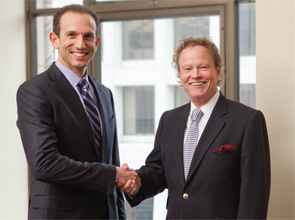
• The Greenville, S.C.-based Ob Hospitalist Group (OBHG) recently received the following honors: voted one of the Inc. 5,000 Fastest Growing Private Companies in America for the second year running for a growth rate of 239% since 2011; voted one of the Best Places to Work in South Carolina by the South Carolina Chamber of Commerce and SC Biz News, for the second consecutive year; listed on the Roaring Twenties List from SC Biz News as one of the 40 highest performing companies in South Carolina; and included on South Carolina’s 25 Fastest-Growing Companies list for the third year running. OBHG has been providing OB/GYN hospitalist services across the country since 2006.
• The OSF St. Elizabeth Medical Center in Ottawa, Ill., has just introduced a new hospitalist program at its 99-bed acute care hospital. Robert B. Maguire, MD, a veteran Ottawa doctor, has been chosen to lead the new hospitalist program as medical director. OSF St. Elizabeth will continue to recruit additional hospitalists to the new program with the help of 24ON Physicians/In Compass Health, Inc., a hospitalist staffing firm based in Alpharetta, Ga.
• Penn State Hershey Children’s Hospital is now providing pediatric care at Moses Taylor Hospital in Scranton, Penn. Moses Taylor Hospital is a 217-bed acute care facility operated by Commonwealth Health, the largest healthcare system in northern Pennsylvania, which consists of six hospitals and dozens of post-acute care practices and facilities.
• TeamHealth, a national physician management company based in Knoxville, Tenn., announced its acquisition of Premier Physician Services, Inc., based in Dayton, Ohio. Premier consists of eight hospitalist programs as well as 45 emergency medicine programs, 15 correctional care programs, and 15 occupational medicine programs, which TeamHealth will now oversee. TeamHealth provides physician management and healthcare staffing in 47 states.
This month, The Hospitalist features new appointments, promotions, awards, and achievements of hospital medicine physicians and healthcare industry professionals.
Douglas Carlson, MD, FAAP, SFHM, has been appointed professor and chair of the department of pediatrics at Southern Illinois University in Springfield, Ill. Dr. Carlson is a pediatric hospitalist who served as director of the pediatric hospitalist medicine division at Washington University School of Medicine in St. Louis, Mo. Dr. Carlson currently serves as co-chair of the SHM Pediatric Committee, as well as Workforce Taskforce Leader for the Pediatric Hospital Medicine Leadership Committee and chair of the Pediatric Hospital Medicine National Conference Planning Committee.
Howard Epstein, MD, FHM, has been appointed executive vice president and chief medical officer at PreferredOne, a health services and insurance provider based in Golden Valley, Minn. Dr. Epstein comes to PreferredOne from the Institute for Clinical Systems Improvement (ICSI) in Bloomington, where he served as chief health systems officer. An SHM board member, Dr. Epstein previously helped found the hospital medicine and palliative care programs at Regions Hospital and HealthPartners Medical Group in St. Paul, Minn.
Les Hall, MD, has been appointed executive dean of the University of South Carolina School of Medicine, as well as CEO of Palmetto Health-USC Medical Group in Columbia, S.C. Prior to his role at the University of South Carolina, Dr. Hall served as associate dean for clinical affairs at the University of Missouri School of Medicine and chief medical officer of the University of Missouri Health System in Columbia, Mo. Dr. Hall is a practicing hospitalist and an active member of SHM, and he has continued to care for patients throughout his career as a healthcare leader.
• Liesbet Jansen, MD, was awarded the 2014 Dr. Alexander MacIntyre Award of Excellence by the Alliston (Ontario, Canada) and Area Physician Recruitment Committee for demonstrating excellence in medical practice and commitment to the local community. Dr. Jansen serves as a hospitalist and chief of family medicine at Stevenson Memorial Hospital in Alliston, Ontario, Canada.
Hans Jeppesen, MD, is the new chief of hospital medicine at North Shore Medical Center (NSMC) in Salem, Mass. In addition to overseeing the hospitalist team at NSMC, Dr. Jeppesen will also be responsible for caring for inpatients at NSMC Salem and Union (Lynn, Mass.) Hospitals. Before joining NSMC, Dr. Jeppesen served as chief of hospitalist services at Cambridge Health Alliance in Cambridge, Mass.
Todd Kislak is the new chief development officer for Hospitalists Now, Inc. (HNI), a national physician management company based in Austin, Texas. In his new role, Kislak is responsible for sales and business development as well as marketing for HNI. Kislak formerly served as vice president of marketing and development for IPC The Hospitalist Company, based in North Hollywood, Calif.
Kelly London, PA-C, has been awarded Non-Physician Hospitalist of the Year by the Maryland chapter of the Society of Hospital Medicine. London is the first nonphysician provider to receive the award, and was nominated along with other qualified nurse practitioners and physician assistants throughout Maryland. London serves on the hospitalist team at Anne Arundel Medical Center, managed by MDICS (Physicians Inpatient Care Specialists), in Annapolis, Md.
Jennifer Miraglia is the new executive director for the Chicago region of IPC The Hospitalist Company, a national hospital medicine management company based in North Hollywood, Calif. Before coming to IPC, Miraglia worked as regional vice president of operations for RehabCare, a division of Kindred Healthcare based in Louisville, Ky. IPC manages hospitalist services in over 400 hospitals across the United States.
Steven Pantilat, MD, MHM, FAAHPM, recently was awarded the Ritz E. Heerman Memorial Award by the California Hospital Association Board of Trustees for his work on improving the quality of palliative care services in California. Dr. Pantilat is the founding director of the University of California, San Francisco (UCSF) Palliative Care Program, and director of the UCSF Palliative Care Leadership Center. Dr. Pantilat is a past president of SHM and currently works as a professor of clinical medicine at UCSF.
Business Moves
• North Hollywood, Calif.-based IPC The Hospitalist Company has acquired the following practices: Hospital Practice Associates, Inc. (HPA), in Jacksonville, Fla.; John N. Campbell, MD, PC, in Grand Rapids, Mich.; Comprehensive Health Solutions, in Newtown Square, Penn.; Midland Hospitalists PLC in Midland, Mich.; and Clyo Internal Medicine in Dayton, Ohio. IPC is a national hospitalist management company serving over 400 hospitals and 1,200 post-acute care facilities across the country.
• The Greenville, S.C.-based Ob Hospitalist Group (OBHG) recently received the following honors: voted one of the Inc. 5,000 Fastest Growing Private Companies in America for the second year running for a growth rate of 239% since 2011; voted one of the Best Places to Work in South Carolina by the South Carolina Chamber of Commerce and SC Biz News, for the second consecutive year; listed on the Roaring Twenties List from SC Biz News as one of the 40 highest performing companies in South Carolina; and included on South Carolina’s 25 Fastest-Growing Companies list for the third year running. OBHG has been providing OB/GYN hospitalist services across the country since 2006.
• The OSF St. Elizabeth Medical Center in Ottawa, Ill., has just introduced a new hospitalist program at its 99-bed acute care hospital. Robert B. Maguire, MD, a veteran Ottawa doctor, has been chosen to lead the new hospitalist program as medical director. OSF St. Elizabeth will continue to recruit additional hospitalists to the new program with the help of 24ON Physicians/In Compass Health, Inc., a hospitalist staffing firm based in Alpharetta, Ga.
• Penn State Hershey Children’s Hospital is now providing pediatric care at Moses Taylor Hospital in Scranton, Penn. Moses Taylor Hospital is a 217-bed acute care facility operated by Commonwealth Health, the largest healthcare system in northern Pennsylvania, which consists of six hospitals and dozens of post-acute care practices and facilities.
• TeamHealth, a national physician management company based in Knoxville, Tenn., announced its acquisition of Premier Physician Services, Inc., based in Dayton, Ohio. Premier consists of eight hospitalist programs as well as 45 emergency medicine programs, 15 correctional care programs, and 15 occupational medicine programs, which TeamHealth will now oversee. TeamHealth provides physician management and healthcare staffing in 47 states.
This month, The Hospitalist features new appointments, promotions, awards, and achievements of hospital medicine physicians and healthcare industry professionals.
Douglas Carlson, MD, FAAP, SFHM, has been appointed professor and chair of the department of pediatrics at Southern Illinois University in Springfield, Ill. Dr. Carlson is a pediatric hospitalist who served as director of the pediatric hospitalist medicine division at Washington University School of Medicine in St. Louis, Mo. Dr. Carlson currently serves as co-chair of the SHM Pediatric Committee, as well as Workforce Taskforce Leader for the Pediatric Hospital Medicine Leadership Committee and chair of the Pediatric Hospital Medicine National Conference Planning Committee.
Howard Epstein, MD, FHM, has been appointed executive vice president and chief medical officer at PreferredOne, a health services and insurance provider based in Golden Valley, Minn. Dr. Epstein comes to PreferredOne from the Institute for Clinical Systems Improvement (ICSI) in Bloomington, where he served as chief health systems officer. An SHM board member, Dr. Epstein previously helped found the hospital medicine and palliative care programs at Regions Hospital and HealthPartners Medical Group in St. Paul, Minn.
Les Hall, MD, has been appointed executive dean of the University of South Carolina School of Medicine, as well as CEO of Palmetto Health-USC Medical Group in Columbia, S.C. Prior to his role at the University of South Carolina, Dr. Hall served as associate dean for clinical affairs at the University of Missouri School of Medicine and chief medical officer of the University of Missouri Health System in Columbia, Mo. Dr. Hall is a practicing hospitalist and an active member of SHM, and he has continued to care for patients throughout his career as a healthcare leader.
• Liesbet Jansen, MD, was awarded the 2014 Dr. Alexander MacIntyre Award of Excellence by the Alliston (Ontario, Canada) and Area Physician Recruitment Committee for demonstrating excellence in medical practice and commitment to the local community. Dr. Jansen serves as a hospitalist and chief of family medicine at Stevenson Memorial Hospital in Alliston, Ontario, Canada.
Hans Jeppesen, MD, is the new chief of hospital medicine at North Shore Medical Center (NSMC) in Salem, Mass. In addition to overseeing the hospitalist team at NSMC, Dr. Jeppesen will also be responsible for caring for inpatients at NSMC Salem and Union (Lynn, Mass.) Hospitals. Before joining NSMC, Dr. Jeppesen served as chief of hospitalist services at Cambridge Health Alliance in Cambridge, Mass.
Todd Kislak is the new chief development officer for Hospitalists Now, Inc. (HNI), a national physician management company based in Austin, Texas. In his new role, Kislak is responsible for sales and business development as well as marketing for HNI. Kislak formerly served as vice president of marketing and development for IPC The Hospitalist Company, based in North Hollywood, Calif.
Kelly London, PA-C, has been awarded Non-Physician Hospitalist of the Year by the Maryland chapter of the Society of Hospital Medicine. London is the first nonphysician provider to receive the award, and was nominated along with other qualified nurse practitioners and physician assistants throughout Maryland. London serves on the hospitalist team at Anne Arundel Medical Center, managed by MDICS (Physicians Inpatient Care Specialists), in Annapolis, Md.
Jennifer Miraglia is the new executive director for the Chicago region of IPC The Hospitalist Company, a national hospital medicine management company based in North Hollywood, Calif. Before coming to IPC, Miraglia worked as regional vice president of operations for RehabCare, a division of Kindred Healthcare based in Louisville, Ky. IPC manages hospitalist services in over 400 hospitals across the United States.
Steven Pantilat, MD, MHM, FAAHPM, recently was awarded the Ritz E. Heerman Memorial Award by the California Hospital Association Board of Trustees for his work on improving the quality of palliative care services in California. Dr. Pantilat is the founding director of the University of California, San Francisco (UCSF) Palliative Care Program, and director of the UCSF Palliative Care Leadership Center. Dr. Pantilat is a past president of SHM and currently works as a professor of clinical medicine at UCSF.
Business Moves
• North Hollywood, Calif.-based IPC The Hospitalist Company has acquired the following practices: Hospital Practice Associates, Inc. (HPA), in Jacksonville, Fla.; John N. Campbell, MD, PC, in Grand Rapids, Mich.; Comprehensive Health Solutions, in Newtown Square, Penn.; Midland Hospitalists PLC in Midland, Mich.; and Clyo Internal Medicine in Dayton, Ohio. IPC is a national hospitalist management company serving over 400 hospitals and 1,200 post-acute care facilities across the country.
• The Greenville, S.C.-based Ob Hospitalist Group (OBHG) recently received the following honors: voted one of the Inc. 5,000 Fastest Growing Private Companies in America for the second year running for a growth rate of 239% since 2011; voted one of the Best Places to Work in South Carolina by the South Carolina Chamber of Commerce and SC Biz News, for the second consecutive year; listed on the Roaring Twenties List from SC Biz News as one of the 40 highest performing companies in South Carolina; and included on South Carolina’s 25 Fastest-Growing Companies list for the third year running. OBHG has been providing OB/GYN hospitalist services across the country since 2006.
• The OSF St. Elizabeth Medical Center in Ottawa, Ill., has just introduced a new hospitalist program at its 99-bed acute care hospital. Robert B. Maguire, MD, a veteran Ottawa doctor, has been chosen to lead the new hospitalist program as medical director. OSF St. Elizabeth will continue to recruit additional hospitalists to the new program with the help of 24ON Physicians/In Compass Health, Inc., a hospitalist staffing firm based in Alpharetta, Ga.
• Penn State Hershey Children’s Hospital is now providing pediatric care at Moses Taylor Hospital in Scranton, Penn. Moses Taylor Hospital is a 217-bed acute care facility operated by Commonwealth Health, the largest healthcare system in northern Pennsylvania, which consists of six hospitals and dozens of post-acute care practices and facilities.
• TeamHealth, a national physician management company based in Knoxville, Tenn., announced its acquisition of Premier Physician Services, Inc., based in Dayton, Ohio. Premier consists of eight hospitalist programs as well as 45 emergency medicine programs, 15 correctional care programs, and 15 occupational medicine programs, which TeamHealth will now oversee. TeamHealth provides physician management and healthcare staffing in 47 states.

New Job Isn’t Focus of Everyone Seeking Advanced Management Degrees
Many hospitalists might get an advanced degree in management because they covet a specific job, but that might not be the only reason.
Kevan Pickrel, MD, MHM, a regional chief medical officer for Sound Physicians in Southern California, says his decision to get a master’s in healthcare management from the University of Texas at Dallas came down to credibility.
“I got the additional degree for one reason: a seat at the table,” Dr. Pickrel says. “Physicians complain a lot about all the change and the autonomy they have lost but do little about it beyond grumbling at lunch. I believe in hospital medicine as a discipline and believe in the value of the specialty. I wanted to be sure my specialty had a voice, and the only way to set myself apart from ‘just another whining doc’ was to add the letters.”
Making it happen was not a simple task, he says.
“Finding the time wasn’t easy,” he says. “I burned vacation time and leaned on my colleagues a lot. There are any number of physician- or executive-targeted programs offered that make it possible. Possible, but not easy.”
Chris Spoja, DO, a Sound hospitalist in Idaho, says he’d like to prepare himself for a chief medical officer job. He is planning to get his Master of Medical Management (MMM) from the University of Southern California (USC) next year, after he participates in a local leadership program in Idaho, which will allow him to network with people in his area.
“I would like to position myself to at least have that option,” he says, noting that the USC program will allow him to do most of his coursework online, participating in group discussions over Skype or doing work on his own. But he’ll have to visit the campus in Los Angeles for three days once a month.
“It’s not a small commitment,” he says. “But it’s doable.” TH
Tom Collins is a freelance writer in South Florida.
Many hospitalists might get an advanced degree in management because they covet a specific job, but that might not be the only reason.
Kevan Pickrel, MD, MHM, a regional chief medical officer for Sound Physicians in Southern California, says his decision to get a master’s in healthcare management from the University of Texas at Dallas came down to credibility.
“I got the additional degree for one reason: a seat at the table,” Dr. Pickrel says. “Physicians complain a lot about all the change and the autonomy they have lost but do little about it beyond grumbling at lunch. I believe in hospital medicine as a discipline and believe in the value of the specialty. I wanted to be sure my specialty had a voice, and the only way to set myself apart from ‘just another whining doc’ was to add the letters.”
Making it happen was not a simple task, he says.
“Finding the time wasn’t easy,” he says. “I burned vacation time and leaned on my colleagues a lot. There are any number of physician- or executive-targeted programs offered that make it possible. Possible, but not easy.”
Chris Spoja, DO, a Sound hospitalist in Idaho, says he’d like to prepare himself for a chief medical officer job. He is planning to get his Master of Medical Management (MMM) from the University of Southern California (USC) next year, after he participates in a local leadership program in Idaho, which will allow him to network with people in his area.
“I would like to position myself to at least have that option,” he says, noting that the USC program will allow him to do most of his coursework online, participating in group discussions over Skype or doing work on his own. But he’ll have to visit the campus in Los Angeles for three days once a month.
“It’s not a small commitment,” he says. “But it’s doable.” TH
Tom Collins is a freelance writer in South Florida.
Many hospitalists might get an advanced degree in management because they covet a specific job, but that might not be the only reason.
Kevan Pickrel, MD, MHM, a regional chief medical officer for Sound Physicians in Southern California, says his decision to get a master’s in healthcare management from the University of Texas at Dallas came down to credibility.
“I got the additional degree for one reason: a seat at the table,” Dr. Pickrel says. “Physicians complain a lot about all the change and the autonomy they have lost but do little about it beyond grumbling at lunch. I believe in hospital medicine as a discipline and believe in the value of the specialty. I wanted to be sure my specialty had a voice, and the only way to set myself apart from ‘just another whining doc’ was to add the letters.”
Making it happen was not a simple task, he says.
“Finding the time wasn’t easy,” he says. “I burned vacation time and leaned on my colleagues a lot. There are any number of physician- or executive-targeted programs offered that make it possible. Possible, but not easy.”
Chris Spoja, DO, a Sound hospitalist in Idaho, says he’d like to prepare himself for a chief medical officer job. He is planning to get his Master of Medical Management (MMM) from the University of Southern California (USC) next year, after he participates in a local leadership program in Idaho, which will allow him to network with people in his area.
“I would like to position myself to at least have that option,” he says, noting that the USC program will allow him to do most of his coursework online, participating in group discussions over Skype or doing work on his own. But he’ll have to visit the campus in Los Angeles for three days once a month.
“It’s not a small commitment,” he says. “But it’s doable.” TH
Tom Collins is a freelance writer in South Florida.
Who Should Be Screened for HIV Infection?
Case
A 31-year-old male with a history of asthma is admitted with an asthma exacerbation. He has no regular outpatient provider. He denies tobacco use and reports that he is in a monogamous relationship with his girlfriend. On rounds, a medical student mentions that new HIV screening guidelines have been released recently and asks whether this patient should be screened for HIV.

Background
By the mid-2000s, approximately one to 1.2 million people in the United States were infected with HIV.1 Approximately one quarter of these patients are estimated to be unaware of their HIV status, and this subgroup is believed responsible for a disproportionately higher percentage of new HIV infections each year.1
While older HIV screening recommendations focused on screening patients who were deemed to be at high risk for HIV infection, there has been a paradigm change in recent years toward universal screening of all patients.2,3 The ultimate goal is for earlier identification of infected patients, which will, in turn, lead to earlier treatment and better prevention efforts.
Universal screening has been supported by a number of different professional societies and screening guidelines.4
2013 Guideline
In 2013, the United States Preventive Services Task Force (USPSTF) issued new recommendations regarding HIV screening. Although the previous USPSTF guidelines (released in 2005) recommended screening patients who were believed to be at increased risk for contracting HIV, the 2013 guidelines now recommend screening all patients aged 15 to 65.4
Screening patients outside of this age range is recommended if the patient is deemed to be at increased risk for contracting HIV.4 The USPSTF provides criteria for identifying patients who are at increased risk of contracting HIV. These include:
- Men who have sex with men;
- People having unprotected vaginal or anal intercourse;
- People using injection drugs;
- People exchanging sex for drugs or money; and
- People requesting testing for other sexually transmitted diseases (STDs).4
Patients are also considered to be high risk if their sexual partners are infected with HIV, are bisexual, or use injection drugs.4
The shift toward universal HIV screening has been a trend for many years, because risk-based targeting of HIV screening will miss a significant number of HIV infections.2 In fact, the 2013 recommendations bring the USPSTF guidelines into agreement with current CDC guidelines, which were released in 2006.2
The CDC, in its 2006 guidelines, recommended screening for all patients 13 to 64 years old unless HIV prevalence in the patient population has been found to be less than 0.1%, the minimum prevalence deemed necessary for HIV screening to be cost-effective.2 The CDC guidelines also recommend HIV screening for all patients starting treatment for tuberculosis, patients being screened for STDs, and patients visiting STD clinics regardless of chief complaint.2 They recommend that HIV screening be performed in an “opt-out” fashion, meaning that patients are informed that screening will be performed unless they decline.2 Furthermore, they recommend against the need for a separate written consent form for HIV screening, as well as the prior requirement that pre-screening counseling be performed, because these requirements were felt to create potential time constraint barriers that prevented providers from screening patients.2
The CDC and the USPSTF are less conclusive with regard to frequency of rescreening for HIV infection. Both recommend rescreening patients considered high risk for HIV infection, but the interval for rescreening has not been concretely defined.2,4 The guidelines urge providers to use clinical judgment in deciding when to rescreen for HIV infection.2 For example, one reason for rescreening cited by the CDC would be the initiation of a new sexual relationship.2
In the 2013 guidelines, the USPSTF also recommends screening all pregnant women, including those presenting in labor without a known HIV status.4 This stance is supported by the American College of Gynecologists and Obstetricians.3 In high-risk patients with a negative screening test early in pregnancy, consideration should be given to repeat testing in the third trimester.3 Routinely screening pregnant women for HIV and starting appropriate therapy in positive patients has lowered the incidence of perinatal HIV transmission dramatically.2
Rationale
There are several reasons behind the shift to universal HIV screening, regardless of risk. First, providers often do not accurately identify patients’ HIV risk, often because patients are not aware of their actual risk or are uncomfortable discussing their high-risk behaviors with healthcare providers.2 Using risk factors as a basis of screening will miss a significant number of HIV-positive patients.4
Additionally, screening all patients will result in the detection of HIV infection in a greater number of patients during the early asymptomatic phase, rather than when they later become symptomatic from HIV or AIDS.2,4 Recent data has led the International Antiviral Society—USA Panel to issue updated recommendations advising initiation of antiretroviral therapy at all CD4 levels.5 Studies and observational data suggest that this could result in reduced AIDS complications and death rates.4
Early detection of HIV infection also has the potential of reducing spread of the virus.2,4 It has been suggested that early initiation of antiretroviral therapy could reduce risk of transmission to noninfected partners by lowering viral load in the infected patient.2 Knowledge of HIV status has also been shown to reduce high-risk behaviors.4
Moreover, by facilitating earlier detection of HIV, universal screening will allow for earlier and better counseling for infected patients.4 This has the potential to further alter behaviors and possibly reduce transmission of HIV and/or other sexually transmitted diseases.4 Additionally, routine screening of pregnant women allows for better detection of HIV-infected mothers.3 With appropriate interventions during pregnancy, including antiretroviral therapy, rates of mother-to-child transmission have decreased significantly.4
On the other hand, potential harms from HIV screening were considered during the USPSTF analysis, including risk of false positive test results, as well as the side effects of antiretroviral medications.4 Although there are known short-term and long-term side effects of antiretroviral medications, some of these side effects can be avoided by changing drug regimens.4 For many other side effects, the benefits appeared to outweigh the risks of these medications.4
Studies have also shown some potential side effects in infants exposed to antiretroviral medications, but the overall evidence is not strong.4 In the end, thorough analysis performed by the USPSTF resulted in the opinion that the benefits of HIV screening far outweigh the associated risks.4
Challenges for Hospitalists
Several potential drawbacks to universal HIV screening are relatively unique to hospitalists and other providers of hospital-based care.6 First, hospitalists must be prepared to counsel patients regarding their test results, particularly if patients are hospitalized for another issue. Second, hospitalists must be able to communicate these test results to primary care providers in a timely fashion, a challenge that is not unique to HIV testing.
The biggest concern for hospitalists is what to do with HIV test results that are still pending at the time of hospital discharge. Hospitalists will likely face this issue more as increasing numbers of patients are screened in a growing number of medical settings, including the ED and inpatient admissions. Hospitalists who plan to screen inpatients for HIV testing must ensure that these issues have been worked out prior to screening.
Back to the Case
Looking back to the initial case discussion, based on the 2006 CDC and 2013 USPSTF guidelines, this patient should be offered HIV screening if he has not been tested previously. Although the patient states that he is in a monogamous relationship and does not report any high-risk behaviors, patients often do not recognize the true risk associated with their behaviors and fail to accurately report them.2 Additionally, patients often are embarrassed by high-risk behaviors and may not report them completely to providers.2
The patient has admitted that he does not seek medical care on a regular basis. This inpatient admission may be his only interaction with the medical field for some time, and thus his only opportunity to undergo screening. But, prior to screening the patient, the hospitalist must ensure that he or she will be able to counsel the patient regarding test results, will be able to communicate those results to the patient’s primary care physician, and will be able to handle pending results if the patient is discharged before the test results are returned.
Drs. Gwyn, Carbo and Li are hospitalists at Beth Israel Deaconess Medical Center in Boston.
References
- Branson B. Current HIV epidemiology and revised recommendations for HIV testing in health-care settings. J Med Virol. 2007;79 Suppl 1:S6-S10.
- Moyer VA; U.S. Preventive Services Task Force. Screening for HIV: U.S. Preventive Services Task Force Recommendation Statement. Ann Intern Med. 2013;159(1):51-60.
- Branson BM, Handsfield HH, Lampe MA, et al. Revised recommendations for HIV testing of adults, adolescents, and pregnant women in health-care settings. MMWR Recomm Rep. 2006;55(RR-14):1-17.
- Clark J, Lampe MA, Jamieson DJ. Testing women for human immunodeficiency virus infection: who, when, and how? Clin Obstet Gynceol. 2008;51(3):507-517.
- Thompson MA, Aberg JA, Hoy JF, et al. Antiretroviral treatment of adult HIV infection: 2012 recommendations of the International Antiviral Society–USA Panel. JAMA. 2012;308(4):387-402.
- Arbelaez C, Wright EA, Losina E, et al. Emergency provider attitudes and barriers to universal HIV testing in the emergency department. J Emerg Med. 2012;42(1):7-14.
Case
A 31-year-old male with a history of asthma is admitted with an asthma exacerbation. He has no regular outpatient provider. He denies tobacco use and reports that he is in a monogamous relationship with his girlfriend. On rounds, a medical student mentions that new HIV screening guidelines have been released recently and asks whether this patient should be screened for HIV.
Background
By the mid-2000s, approximately one to 1.2 million people in the United States were infected with HIV.1 Approximately one quarter of these patients are estimated to be unaware of their HIV status, and this subgroup is believed responsible for a disproportionately higher percentage of new HIV infections each year.1
While older HIV screening recommendations focused on screening patients who were deemed to be at high risk for HIV infection, there has been a paradigm change in recent years toward universal screening of all patients.2,3 The ultimate goal is for earlier identification of infected patients, which will, in turn, lead to earlier treatment and better prevention efforts.
Universal screening has been supported by a number of different professional societies and screening guidelines.4
2013 Guideline
In 2013, the United States Preventive Services Task Force (USPSTF) issued new recommendations regarding HIV screening. Although the previous USPSTF guidelines (released in 2005) recommended screening patients who were believed to be at increased risk for contracting HIV, the 2013 guidelines now recommend screening all patients aged 15 to 65.4
Screening patients outside of this age range is recommended if the patient is deemed to be at increased risk for contracting HIV.4 The USPSTF provides criteria for identifying patients who are at increased risk of contracting HIV. These include:
- Men who have sex with men;
- People having unprotected vaginal or anal intercourse;
- People using injection drugs;
- People exchanging sex for drugs or money; and
- People requesting testing for other sexually transmitted diseases (STDs).4
Patients are also considered to be high risk if their sexual partners are infected with HIV, are bisexual, or use injection drugs.4
The shift toward universal HIV screening has been a trend for many years, because risk-based targeting of HIV screening will miss a significant number of HIV infections.2 In fact, the 2013 recommendations bring the USPSTF guidelines into agreement with current CDC guidelines, which were released in 2006.2
The CDC, in its 2006 guidelines, recommended screening for all patients 13 to 64 years old unless HIV prevalence in the patient population has been found to be less than 0.1%, the minimum prevalence deemed necessary for HIV screening to be cost-effective.2 The CDC guidelines also recommend HIV screening for all patients starting treatment for tuberculosis, patients being screened for STDs, and patients visiting STD clinics regardless of chief complaint.2 They recommend that HIV screening be performed in an “opt-out” fashion, meaning that patients are informed that screening will be performed unless they decline.2 Furthermore, they recommend against the need for a separate written consent form for HIV screening, as well as the prior requirement that pre-screening counseling be performed, because these requirements were felt to create potential time constraint barriers that prevented providers from screening patients.2
The CDC and the USPSTF are less conclusive with regard to frequency of rescreening for HIV infection. Both recommend rescreening patients considered high risk for HIV infection, but the interval for rescreening has not been concretely defined.2,4 The guidelines urge providers to use clinical judgment in deciding when to rescreen for HIV infection.2 For example, one reason for rescreening cited by the CDC would be the initiation of a new sexual relationship.2
In the 2013 guidelines, the USPSTF also recommends screening all pregnant women, including those presenting in labor without a known HIV status.4 This stance is supported by the American College of Gynecologists and Obstetricians.3 In high-risk patients with a negative screening test early in pregnancy, consideration should be given to repeat testing in the third trimester.3 Routinely screening pregnant women for HIV and starting appropriate therapy in positive patients has lowered the incidence of perinatal HIV transmission dramatically.2
Rationale
There are several reasons behind the shift to universal HIV screening, regardless of risk. First, providers often do not accurately identify patients’ HIV risk, often because patients are not aware of their actual risk or are uncomfortable discussing their high-risk behaviors with healthcare providers.2 Using risk factors as a basis of screening will miss a significant number of HIV-positive patients.4
Additionally, screening all patients will result in the detection of HIV infection in a greater number of patients during the early asymptomatic phase, rather than when they later become symptomatic from HIV or AIDS.2,4 Recent data has led the International Antiviral Society—USA Panel to issue updated recommendations advising initiation of antiretroviral therapy at all CD4 levels.5 Studies and observational data suggest that this could result in reduced AIDS complications and death rates.4
Early detection of HIV infection also has the potential of reducing spread of the virus.2,4 It has been suggested that early initiation of antiretroviral therapy could reduce risk of transmission to noninfected partners by lowering viral load in the infected patient.2 Knowledge of HIV status has also been shown to reduce high-risk behaviors.4
Moreover, by facilitating earlier detection of HIV, universal screening will allow for earlier and better counseling for infected patients.4 This has the potential to further alter behaviors and possibly reduce transmission of HIV and/or other sexually transmitted diseases.4 Additionally, routine screening of pregnant women allows for better detection of HIV-infected mothers.3 With appropriate interventions during pregnancy, including antiretroviral therapy, rates of mother-to-child transmission have decreased significantly.4
On the other hand, potential harms from HIV screening were considered during the USPSTF analysis, including risk of false positive test results, as well as the side effects of antiretroviral medications.4 Although there are known short-term and long-term side effects of antiretroviral medications, some of these side effects can be avoided by changing drug regimens.4 For many other side effects, the benefits appeared to outweigh the risks of these medications.4
Studies have also shown some potential side effects in infants exposed to antiretroviral medications, but the overall evidence is not strong.4 In the end, thorough analysis performed by the USPSTF resulted in the opinion that the benefits of HIV screening far outweigh the associated risks.4
Challenges for Hospitalists
Several potential drawbacks to universal HIV screening are relatively unique to hospitalists and other providers of hospital-based care.6 First, hospitalists must be prepared to counsel patients regarding their test results, particularly if patients are hospitalized for another issue. Second, hospitalists must be able to communicate these test results to primary care providers in a timely fashion, a challenge that is not unique to HIV testing.
The biggest concern for hospitalists is what to do with HIV test results that are still pending at the time of hospital discharge. Hospitalists will likely face this issue more as increasing numbers of patients are screened in a growing number of medical settings, including the ED and inpatient admissions. Hospitalists who plan to screen inpatients for HIV testing must ensure that these issues have been worked out prior to screening.
Back to the Case
Looking back to the initial case discussion, based on the 2006 CDC and 2013 USPSTF guidelines, this patient should be offered HIV screening if he has not been tested previously. Although the patient states that he is in a monogamous relationship and does not report any high-risk behaviors, patients often do not recognize the true risk associated with their behaviors and fail to accurately report them.2 Additionally, patients often are embarrassed by high-risk behaviors and may not report them completely to providers.2
The patient has admitted that he does not seek medical care on a regular basis. This inpatient admission may be his only interaction with the medical field for some time, and thus his only opportunity to undergo screening. But, prior to screening the patient, the hospitalist must ensure that he or she will be able to counsel the patient regarding test results, will be able to communicate those results to the patient’s primary care physician, and will be able to handle pending results if the patient is discharged before the test results are returned.
Drs. Gwyn, Carbo and Li are hospitalists at Beth Israel Deaconess Medical Center in Boston.
References
- Branson B. Current HIV epidemiology and revised recommendations for HIV testing in health-care settings. J Med Virol. 2007;79 Suppl 1:S6-S10.
- Moyer VA; U.S. Preventive Services Task Force. Screening for HIV: U.S. Preventive Services Task Force Recommendation Statement. Ann Intern Med. 2013;159(1):51-60.
- Branson BM, Handsfield HH, Lampe MA, et al. Revised recommendations for HIV testing of adults, adolescents, and pregnant women in health-care settings. MMWR Recomm Rep. 2006;55(RR-14):1-17.
- Clark J, Lampe MA, Jamieson DJ. Testing women for human immunodeficiency virus infection: who, when, and how? Clin Obstet Gynceol. 2008;51(3):507-517.
- Thompson MA, Aberg JA, Hoy JF, et al. Antiretroviral treatment of adult HIV infection: 2012 recommendations of the International Antiviral Society–USA Panel. JAMA. 2012;308(4):387-402.
- Arbelaez C, Wright EA, Losina E, et al. Emergency provider attitudes and barriers to universal HIV testing in the emergency department. J Emerg Med. 2012;42(1):7-14.
Case
A 31-year-old male with a history of asthma is admitted with an asthma exacerbation. He has no regular outpatient provider. He denies tobacco use and reports that he is in a monogamous relationship with his girlfriend. On rounds, a medical student mentions that new HIV screening guidelines have been released recently and asks whether this patient should be screened for HIV.
Background
By the mid-2000s, approximately one to 1.2 million people in the United States were infected with HIV.1 Approximately one quarter of these patients are estimated to be unaware of their HIV status, and this subgroup is believed responsible for a disproportionately higher percentage of new HIV infections each year.1
While older HIV screening recommendations focused on screening patients who were deemed to be at high risk for HIV infection, there has been a paradigm change in recent years toward universal screening of all patients.2,3 The ultimate goal is for earlier identification of infected patients, which will, in turn, lead to earlier treatment and better prevention efforts.
Universal screening has been supported by a number of different professional societies and screening guidelines.4
2013 Guideline
In 2013, the United States Preventive Services Task Force (USPSTF) issued new recommendations regarding HIV screening. Although the previous USPSTF guidelines (released in 2005) recommended screening patients who were believed to be at increased risk for contracting HIV, the 2013 guidelines now recommend screening all patients aged 15 to 65.4
Screening patients outside of this age range is recommended if the patient is deemed to be at increased risk for contracting HIV.4 The USPSTF provides criteria for identifying patients who are at increased risk of contracting HIV. These include:
- Men who have sex with men;
- People having unprotected vaginal or anal intercourse;
- People using injection drugs;
- People exchanging sex for drugs or money; and
- People requesting testing for other sexually transmitted diseases (STDs).4
Patients are also considered to be high risk if their sexual partners are infected with HIV, are bisexual, or use injection drugs.4
The shift toward universal HIV screening has been a trend for many years, because risk-based targeting of HIV screening will miss a significant number of HIV infections.2 In fact, the 2013 recommendations bring the USPSTF guidelines into agreement with current CDC guidelines, which were released in 2006.2
The CDC, in its 2006 guidelines, recommended screening for all patients 13 to 64 years old unless HIV prevalence in the patient population has been found to be less than 0.1%, the minimum prevalence deemed necessary for HIV screening to be cost-effective.2 The CDC guidelines also recommend HIV screening for all patients starting treatment for tuberculosis, patients being screened for STDs, and patients visiting STD clinics regardless of chief complaint.2 They recommend that HIV screening be performed in an “opt-out” fashion, meaning that patients are informed that screening will be performed unless they decline.2 Furthermore, they recommend against the need for a separate written consent form for HIV screening, as well as the prior requirement that pre-screening counseling be performed, because these requirements were felt to create potential time constraint barriers that prevented providers from screening patients.2
The CDC and the USPSTF are less conclusive with regard to frequency of rescreening for HIV infection. Both recommend rescreening patients considered high risk for HIV infection, but the interval for rescreening has not been concretely defined.2,4 The guidelines urge providers to use clinical judgment in deciding when to rescreen for HIV infection.2 For example, one reason for rescreening cited by the CDC would be the initiation of a new sexual relationship.2
In the 2013 guidelines, the USPSTF also recommends screening all pregnant women, including those presenting in labor without a known HIV status.4 This stance is supported by the American College of Gynecologists and Obstetricians.3 In high-risk patients with a negative screening test early in pregnancy, consideration should be given to repeat testing in the third trimester.3 Routinely screening pregnant women for HIV and starting appropriate therapy in positive patients has lowered the incidence of perinatal HIV transmission dramatically.2
Rationale
There are several reasons behind the shift to universal HIV screening, regardless of risk. First, providers often do not accurately identify patients’ HIV risk, often because patients are not aware of their actual risk or are uncomfortable discussing their high-risk behaviors with healthcare providers.2 Using risk factors as a basis of screening will miss a significant number of HIV-positive patients.4
Additionally, screening all patients will result in the detection of HIV infection in a greater number of patients during the early asymptomatic phase, rather than when they later become symptomatic from HIV or AIDS.2,4 Recent data has led the International Antiviral Society—USA Panel to issue updated recommendations advising initiation of antiretroviral therapy at all CD4 levels.5 Studies and observational data suggest that this could result in reduced AIDS complications and death rates.4
Early detection of HIV infection also has the potential of reducing spread of the virus.2,4 It has been suggested that early initiation of antiretroviral therapy could reduce risk of transmission to noninfected partners by lowering viral load in the infected patient.2 Knowledge of HIV status has also been shown to reduce high-risk behaviors.4
Moreover, by facilitating earlier detection of HIV, universal screening will allow for earlier and better counseling for infected patients.4 This has the potential to further alter behaviors and possibly reduce transmission of HIV and/or other sexually transmitted diseases.4 Additionally, routine screening of pregnant women allows for better detection of HIV-infected mothers.3 With appropriate interventions during pregnancy, including antiretroviral therapy, rates of mother-to-child transmission have decreased significantly.4
On the other hand, potential harms from HIV screening were considered during the USPSTF analysis, including risk of false positive test results, as well as the side effects of antiretroviral medications.4 Although there are known short-term and long-term side effects of antiretroviral medications, some of these side effects can be avoided by changing drug regimens.4 For many other side effects, the benefits appeared to outweigh the risks of these medications.4
Studies have also shown some potential side effects in infants exposed to antiretroviral medications, but the overall evidence is not strong.4 In the end, thorough analysis performed by the USPSTF resulted in the opinion that the benefits of HIV screening far outweigh the associated risks.4
Challenges for Hospitalists
Several potential drawbacks to universal HIV screening are relatively unique to hospitalists and other providers of hospital-based care.6 First, hospitalists must be prepared to counsel patients regarding their test results, particularly if patients are hospitalized for another issue. Second, hospitalists must be able to communicate these test results to primary care providers in a timely fashion, a challenge that is not unique to HIV testing.
The biggest concern for hospitalists is what to do with HIV test results that are still pending at the time of hospital discharge. Hospitalists will likely face this issue more as increasing numbers of patients are screened in a growing number of medical settings, including the ED and inpatient admissions. Hospitalists who plan to screen inpatients for HIV testing must ensure that these issues have been worked out prior to screening.
Back to the Case
Looking back to the initial case discussion, based on the 2006 CDC and 2013 USPSTF guidelines, this patient should be offered HIV screening if he has not been tested previously. Although the patient states that he is in a monogamous relationship and does not report any high-risk behaviors, patients often do not recognize the true risk associated with their behaviors and fail to accurately report them.2 Additionally, patients often are embarrassed by high-risk behaviors and may not report them completely to providers.2
The patient has admitted that he does not seek medical care on a regular basis. This inpatient admission may be his only interaction with the medical field for some time, and thus his only opportunity to undergo screening. But, prior to screening the patient, the hospitalist must ensure that he or she will be able to counsel the patient regarding test results, will be able to communicate those results to the patient’s primary care physician, and will be able to handle pending results if the patient is discharged before the test results are returned.
Drs. Gwyn, Carbo and Li are hospitalists at Beth Israel Deaconess Medical Center in Boston.
References
- Branson B. Current HIV epidemiology and revised recommendations for HIV testing in health-care settings. J Med Virol. 2007;79 Suppl 1:S6-S10.
- Moyer VA; U.S. Preventive Services Task Force. Screening for HIV: U.S. Preventive Services Task Force Recommendation Statement. Ann Intern Med. 2013;159(1):51-60.
- Branson BM, Handsfield HH, Lampe MA, et al. Revised recommendations for HIV testing of adults, adolescents, and pregnant women in health-care settings. MMWR Recomm Rep. 2006;55(RR-14):1-17.
- Clark J, Lampe MA, Jamieson DJ. Testing women for human immunodeficiency virus infection: who, when, and how? Clin Obstet Gynceol. 2008;51(3):507-517.
- Thompson MA, Aberg JA, Hoy JF, et al. Antiretroviral treatment of adult HIV infection: 2012 recommendations of the International Antiviral Society–USA Panel. JAMA. 2012;308(4):387-402.
- Arbelaez C, Wright EA, Losina E, et al. Emergency provider attitudes and barriers to universal HIV testing in the emergency department. J Emerg Med. 2012;42(1):7-14.

Advanced Management Degrees: What Hospitalists Should Consider Before Pursuing One

“That was kind of on-the-job training,” he says. “Just because you’re wearing a higher rank than somebody else doesn’t necessarily mean that you’re going to be able to effectively motivate them to work within the team and do their job more effectively and help you do your job more effectively.
“That probably was my first time that I was desiring formalized leadership training.”
Dr. Spoja, now 40 and a chief hospitalist in Nampa, Idaho, and regional medical director for Sound Physicians, has made the decision to pursue a Master of Medical Management (MMM) degree—a choice that will mean even crazier hours than he already has now, more hard work, and regular trips from Idaho to Los Angeles. Not exactly a snap to pull off for someone who’s married and has four kids.
But it makes sense for him, because he would like the option of pursuing a chief medical officer position eventually, he says.
“You’re going to get to interact with professors,” he says. “It shows a level of commitment, I think, to leadership.”
A Great Debate
The question of getting an advanced management degree—such as an MMM, a Master of Business Administration (MBA), a Master of Public Health (MPH), or a Master of Hospital Administration (MHA)—poses a great dilemma for many hospitalists.

Job experience and exposure to so many facets of hospital operations make hospitalists good candidates for administrative posts.
But that experience, some hospitalists find, is really only enough to place them into a gray area. Hospitalists’ experience and managerial abilities lay the groundwork for moving up the hospital ladder to the C-suite and might pique their interest in doing so; however, the question remains whether that experience alone is enough. And how to go about deciding whether to get an advanced management degree—and then where and how to pursue it—sets up a complex choice with lots of variables.
Key recommendations from educators, career counselors, and physicians who have gone through the decision process include the following:
- Seek advice from those in the positions you seek;
- Use resources like the American College of Physician Executives (ACPE); and
- Hone your leadership skills through in-house programs before embarking on an expensive and time-consuming formal degree.
Advanced degrees can cost as much as $40,000 per year, just for tuition, and can take a year or two to complete. Options range from an on-campus program to online programs to a combination of the two. The choice of which degree to pursue might be difficult for some, ranging from the traditional MBA to the more quality improvement-focused MMM.

Michael Guthrie, MD, MBA, executive-in-residence at the University of Colorado-Denver School of Business, says making the choice requires thorough consideration.
“Here’s something that could cost you $75,000, maybe more, depending on what you pick,” says Dr. Guthrie, a frequent speaker on the topic at SHM annual meetings. Plus, “time, energy, distraction, and time away from family. There are significant issues about cost, not just financial. And you have to really have a sense of what’s the return on investment.”
Those with degrees generally do make more money than those without, according to the 2011 Cejka Executive Search and ACPE Physician Executive Compensation Survey. Physician CEOs with an MBA made $24,000 more in 2011 than those without an advanced degree; CMOs with the degree made $44,000 more.
But having a management degree doesn’t automatically translate to more money in every executive position. Physician CEOs with an MMM made $37,000 less than those without a degree; CMOs with an MMM made $51,000 more than those without a degree—a difference based partially on the reality that an MMM often is a degree pursued by aspiring CMOs.

—Rebekah Apple, MA, senior manager of physician services and support, career counselor, American College of Physician Executives
Mission C
One of the most fundamental questions facing hospitalists with advancement aspirations is “Can I get to the C-suite without that extra degree?”
In some cases, the answer is “no.”
At Banner Health, a system with facilities throughout the western U.S., all C-suite executives have to have an advanced degree of some kind, generally an MBA or MHA, says Kathy Bollinger, president of the Arizona West Region at Banner. She recently hired former hospitalist Steve Narang, MD, MHCM, FAAP, MBA, as CEO of Banner Good Samaritan Medical Center in Phoenix.
It wasn’t merely Dr. Narang’s MBA that earned him the position. Bollinger says his knowledge, experience, and her own confidence in him during a transitional period in the U.S. healthcare landscape played key roles in the decision.
But the degree rule is in place, she notes, because at Banner, the degree is seen as so crucial to cultivating the kind of knowledge and person capable of being a good hospital administrator.
“His business degree is clearly part of him and part of his effectiveness,” Bollinger says. “So I’m not sure that I could have observed in Steve the things that I observed in Steve had not he not been more globally trained, if you will.”
Doctors and administrators, she says, tend not to think alike.
“I would say physicians, medical staff members of a hospital, and administrators of a hospital historically, in a stereotyped way, have been predisposed to be at odds with one another,” she says. The formal education is a way to expand a physician’s way of thinking, she adds.
“The business thinking and financial aptitude that is required at our big hospitals is such that it would be a stretch for somebody who didn’t either have a degree or was deep into it from an experience standpoint,” she says. “For me, that was very significant.”
When the Cleveland Clinic was looking for a new CEO at South Pointe Hospital in 2012, they tapped a doctor without a management degree—Brian Harte, MD, SFHM, a hospitalist who had been chief operating officer at another hospital within the system. At the time of Dr. Harte’s promotion, Cleveland Clinic Regional Hospitals President David Bronson, MD, who also does not have an advanced management degree, praised Dr. Harte’s experience.
“His expertise in quality will help South Pointe Hospital continue to provide the best experience for patients,” Dr. Bronson said in a news release at the time.
What can’t be denied, however, is that many physicians in executive roles do, in fact, have post-graduate degrees. According to the ACPE’s survey, 40% of the doctors surveyed had an MBA, an MMM, an MPH, or an MHA. Of those, 52% had an MBA. The survey includes everyone from CEOs to associate professors.
Even so, an advanced degree is not a magic wand.
“The MBA doesn’t get you a job,” Dr. Guthrie says. “People are looking at what you can do and what you’ve done and not at how smart and schooled you are. It’s helpful. It’s useful. I believe that the current terminology is ‘preferred ‘ or ‘encouraged,’ but it isn’t essential.”
Due Diligence
Robert Zipper, MD, MMM, SFHM, chief medical officer of Sound Physicians’ West Region and chair of SHM’s Leadership Committee, earned his business degree at Carnegie Mellon in Pittsburgh. He says it’s important that hospitalists have experience before pursuing the degree. This will help them “see the business side through a clinician’s eyes first.”
“There were some people in my cohort at Carnegie Mellon who didn’t have enough experience to make the programmatic elements all that relevant to their practice, to their world,” he says. “You want to be able to reflect on the mistakes that you’ve made and the things that you’ve done really well and have a deeper understanding of what worked and what didn’t if you want to get the most out of it.”
That said, he acknowledges that those circumstances apparently aren’t a requirement for success—one of his Carnegie Mellon classmates is a CEO.
Which kind of degree to pursue is a whole other question. Experts say that while getting the degree will give you a leg up to some extent, certain degrees will be preferable over others depending on what you want to do. For someone who wants to run a start-up medical company, an MBA might be best. For someone who wants to work in quality improvement, the MMM might be best.
An online degree—or at least one that’s completed partially online—might be more practical for a doctor who wants to continue with practice. Some programs require students to be on campus for every class, and some require occasional on-campus work, while others never require a doctor to set foot on a campus.
“The issue becomes, what are the individual’s degrees of freedom?” Dr. Guthrie says. “Individuals’ personal circumstances really drive which kind of program they look at. And then where they’re located may have a lot to do with what they choose.”
Rebekah Apple, MA, senior manager of physician services and support at the ACPE and the primary career counselor there, says that when doctors ask her about getting an advanced management degree, she starts by asking them what they want to be doing in three to five years. If the answer is not realistic, she helps them revise those goals. Once that’s settled, she helps them figure out whether the degree makes sense.
From that point, she says, there is no hard-and-fast rule.
“It’s very driven by the individual,” she says.
Plunging into management training probably isn’t best suited for those fresh out of residency with little leadership exposure at their institution or for those only a few years from retirement.
She tries to open physicians’ eyes to the wide range of C-suite positions available, including some they might not have heard of. Chief medical officer is traditionally what doctors think of when they consider executive positions, but other positions, such as chief information technology officer or chief patient experience officer, should be considered.
“The conversations are changing very much,” Apple says. “There are a lot of other emerging roles. I think sometimes that the varied opportunities that exist, whether or not people know about them at the beginning of our conversation, can really color the decisions that people make later.”
A love of learning should be a main motivator. Dr. Guthrie emphasizes the importance of pursuing a degree that you’re interested in. Without that interest, he says, a hospitalist might want to reconsider.
“It goes by very quickly—it’s also fun,” he says. “Physicians are great students usually, and by the time they get into it, [they] realize, ‘You know, this is really kind of a hoot.’”
Tom Collins is a freelance writer living in South Florida.
“That was kind of on-the-job training,” he says. “Just because you’re wearing a higher rank than somebody else doesn’t necessarily mean that you’re going to be able to effectively motivate them to work within the team and do their job more effectively and help you do your job more effectively.
“That probably was my first time that I was desiring formalized leadership training.”
Dr. Spoja, now 40 and a chief hospitalist in Nampa, Idaho, and regional medical director for Sound Physicians, has made the decision to pursue a Master of Medical Management (MMM) degree—a choice that will mean even crazier hours than he already has now, more hard work, and regular trips from Idaho to Los Angeles. Not exactly a snap to pull off for someone who’s married and has four kids.
But it makes sense for him, because he would like the option of pursuing a chief medical officer position eventually, he says.
“You’re going to get to interact with professors,” he says. “It shows a level of commitment, I think, to leadership.”
A Great Debate
The question of getting an advanced management degree—such as an MMM, a Master of Business Administration (MBA), a Master of Public Health (MPH), or a Master of Hospital Administration (MHA)—poses a great dilemma for many hospitalists.
Job experience and exposure to so many facets of hospital operations make hospitalists good candidates for administrative posts.
But that experience, some hospitalists find, is really only enough to place them into a gray area. Hospitalists’ experience and managerial abilities lay the groundwork for moving up the hospital ladder to the C-suite and might pique their interest in doing so; however, the question remains whether that experience alone is enough. And how to go about deciding whether to get an advanced management degree—and then where and how to pursue it—sets up a complex choice with lots of variables.
Key recommendations from educators, career counselors, and physicians who have gone through the decision process include the following:
- Seek advice from those in the positions you seek;
- Use resources like the American College of Physician Executives (ACPE); and
- Hone your leadership skills through in-house programs before embarking on an expensive and time-consuming formal degree.
Advanced degrees can cost as much as $40,000 per year, just for tuition, and can take a year or two to complete. Options range from an on-campus program to online programs to a combination of the two. The choice of which degree to pursue might be difficult for some, ranging from the traditional MBA to the more quality improvement-focused MMM.
Michael Guthrie, MD, MBA, executive-in-residence at the University of Colorado-Denver School of Business, says making the choice requires thorough consideration.
“Here’s something that could cost you $75,000, maybe more, depending on what you pick,” says Dr. Guthrie, a frequent speaker on the topic at SHM annual meetings. Plus, “time, energy, distraction, and time away from family. There are significant issues about cost, not just financial. And you have to really have a sense of what’s the return on investment.”
Those with degrees generally do make more money than those without, according to the 2011 Cejka Executive Search and ACPE Physician Executive Compensation Survey. Physician CEOs with an MBA made $24,000 more in 2011 than those without an advanced degree; CMOs with the degree made $44,000 more.
But having a management degree doesn’t automatically translate to more money in every executive position. Physician CEOs with an MMM made $37,000 less than those without a degree; CMOs with an MMM made $51,000 more than those without a degree—a difference based partially on the reality that an MMM often is a degree pursued by aspiring CMOs.
—Rebekah Apple, MA, senior manager of physician services and support, career counselor, American College of Physician Executives
Mission C
One of the most fundamental questions facing hospitalists with advancement aspirations is “Can I get to the C-suite without that extra degree?”
In some cases, the answer is “no.”
At Banner Health, a system with facilities throughout the western U.S., all C-suite executives have to have an advanced degree of some kind, generally an MBA or MHA, says Kathy Bollinger, president of the Arizona West Region at Banner. She recently hired former hospitalist Steve Narang, MD, MHCM, FAAP, MBA, as CEO of Banner Good Samaritan Medical Center in Phoenix.
It wasn’t merely Dr. Narang’s MBA that earned him the position. Bollinger says his knowledge, experience, and her own confidence in him during a transitional period in the U.S. healthcare landscape played key roles in the decision.
But the degree rule is in place, she notes, because at Banner, the degree is seen as so crucial to cultivating the kind of knowledge and person capable of being a good hospital administrator.
“His business degree is clearly part of him and part of his effectiveness,” Bollinger says. “So I’m not sure that I could have observed in Steve the things that I observed in Steve had not he not been more globally trained, if you will.”
Doctors and administrators, she says, tend not to think alike.
“I would say physicians, medical staff members of a hospital, and administrators of a hospital historically, in a stereotyped way, have been predisposed to be at odds with one another,” she says. The formal education is a way to expand a physician’s way of thinking, she adds.
“The business thinking and financial aptitude that is required at our big hospitals is such that it would be a stretch for somebody who didn’t either have a degree or was deep into it from an experience standpoint,” she says. “For me, that was very significant.”
When the Cleveland Clinic was looking for a new CEO at South Pointe Hospital in 2012, they tapped a doctor without a management degree—Brian Harte, MD, SFHM, a hospitalist who had been chief operating officer at another hospital within the system. At the time of Dr. Harte’s promotion, Cleveland Clinic Regional Hospitals President David Bronson, MD, who also does not have an advanced management degree, praised Dr. Harte’s experience.
“His expertise in quality will help South Pointe Hospital continue to provide the best experience for patients,” Dr. Bronson said in a news release at the time.
What can’t be denied, however, is that many physicians in executive roles do, in fact, have post-graduate degrees. According to the ACPE’s survey, 40% of the doctors surveyed had an MBA, an MMM, an MPH, or an MHA. Of those, 52% had an MBA. The survey includes everyone from CEOs to associate professors.
Even so, an advanced degree is not a magic wand.
“The MBA doesn’t get you a job,” Dr. Guthrie says. “People are looking at what you can do and what you’ve done and not at how smart and schooled you are. It’s helpful. It’s useful. I believe that the current terminology is ‘preferred ‘ or ‘encouraged,’ but it isn’t essential.”
Due Diligence
Robert Zipper, MD, MMM, SFHM, chief medical officer of Sound Physicians’ West Region and chair of SHM’s Leadership Committee, earned his business degree at Carnegie Mellon in Pittsburgh. He says it’s important that hospitalists have experience before pursuing the degree. This will help them “see the business side through a clinician’s eyes first.”
“There were some people in my cohort at Carnegie Mellon who didn’t have enough experience to make the programmatic elements all that relevant to their practice, to their world,” he says. “You want to be able to reflect on the mistakes that you’ve made and the things that you’ve done really well and have a deeper understanding of what worked and what didn’t if you want to get the most out of it.”
That said, he acknowledges that those circumstances apparently aren’t a requirement for success—one of his Carnegie Mellon classmates is a CEO.
Which kind of degree to pursue is a whole other question. Experts say that while getting the degree will give you a leg up to some extent, certain degrees will be preferable over others depending on what you want to do. For someone who wants to run a start-up medical company, an MBA might be best. For someone who wants to work in quality improvement, the MMM might be best.
An online degree—or at least one that’s completed partially online—might be more practical for a doctor who wants to continue with practice. Some programs require students to be on campus for every class, and some require occasional on-campus work, while others never require a doctor to set foot on a campus.
“The issue becomes, what are the individual’s degrees of freedom?” Dr. Guthrie says. “Individuals’ personal circumstances really drive which kind of program they look at. And then where they’re located may have a lot to do with what they choose.”
Rebekah Apple, MA, senior manager of physician services and support at the ACPE and the primary career counselor there, says that when doctors ask her about getting an advanced management degree, she starts by asking them what they want to be doing in three to five years. If the answer is not realistic, she helps them revise those goals. Once that’s settled, she helps them figure out whether the degree makes sense.
From that point, she says, there is no hard-and-fast rule.
“It’s very driven by the individual,” she says.
Plunging into management training probably isn’t best suited for those fresh out of residency with little leadership exposure at their institution or for those only a few years from retirement.
She tries to open physicians’ eyes to the wide range of C-suite positions available, including some they might not have heard of. Chief medical officer is traditionally what doctors think of when they consider executive positions, but other positions, such as chief information technology officer or chief patient experience officer, should be considered.
“The conversations are changing very much,” Apple says. “There are a lot of other emerging roles. I think sometimes that the varied opportunities that exist, whether or not people know about them at the beginning of our conversation, can really color the decisions that people make later.”
A love of learning should be a main motivator. Dr. Guthrie emphasizes the importance of pursuing a degree that you’re interested in. Without that interest, he says, a hospitalist might want to reconsider.
“It goes by very quickly—it’s also fun,” he says. “Physicians are great students usually, and by the time they get into it, [they] realize, ‘You know, this is really kind of a hoot.’”
Tom Collins is a freelance writer living in South Florida.
“That was kind of on-the-job training,” he says. “Just because you’re wearing a higher rank than somebody else doesn’t necessarily mean that you’re going to be able to effectively motivate them to work within the team and do their job more effectively and help you do your job more effectively.
“That probably was my first time that I was desiring formalized leadership training.”
Dr. Spoja, now 40 and a chief hospitalist in Nampa, Idaho, and regional medical director for Sound Physicians, has made the decision to pursue a Master of Medical Management (MMM) degree—a choice that will mean even crazier hours than he already has now, more hard work, and regular trips from Idaho to Los Angeles. Not exactly a snap to pull off for someone who’s married and has four kids.
But it makes sense for him, because he would like the option of pursuing a chief medical officer position eventually, he says.
“You’re going to get to interact with professors,” he says. “It shows a level of commitment, I think, to leadership.”
A Great Debate
The question of getting an advanced management degree—such as an MMM, a Master of Business Administration (MBA), a Master of Public Health (MPH), or a Master of Hospital Administration (MHA)—poses a great dilemma for many hospitalists.
Job experience and exposure to so many facets of hospital operations make hospitalists good candidates for administrative posts.
But that experience, some hospitalists find, is really only enough to place them into a gray area. Hospitalists’ experience and managerial abilities lay the groundwork for moving up the hospital ladder to the C-suite and might pique their interest in doing so; however, the question remains whether that experience alone is enough. And how to go about deciding whether to get an advanced management degree—and then where and how to pursue it—sets up a complex choice with lots of variables.
Key recommendations from educators, career counselors, and physicians who have gone through the decision process include the following:
- Seek advice from those in the positions you seek;
- Use resources like the American College of Physician Executives (ACPE); and
- Hone your leadership skills through in-house programs before embarking on an expensive and time-consuming formal degree.
Advanced degrees can cost as much as $40,000 per year, just for tuition, and can take a year or two to complete. Options range from an on-campus program to online programs to a combination of the two. The choice of which degree to pursue might be difficult for some, ranging from the traditional MBA to the more quality improvement-focused MMM.
Michael Guthrie, MD, MBA, executive-in-residence at the University of Colorado-Denver School of Business, says making the choice requires thorough consideration.
“Here’s something that could cost you $75,000, maybe more, depending on what you pick,” says Dr. Guthrie, a frequent speaker on the topic at SHM annual meetings. Plus, “time, energy, distraction, and time away from family. There are significant issues about cost, not just financial. And you have to really have a sense of what’s the return on investment.”
Those with degrees generally do make more money than those without, according to the 2011 Cejka Executive Search and ACPE Physician Executive Compensation Survey. Physician CEOs with an MBA made $24,000 more in 2011 than those without an advanced degree; CMOs with the degree made $44,000 more.
But having a management degree doesn’t automatically translate to more money in every executive position. Physician CEOs with an MMM made $37,000 less than those without a degree; CMOs with an MMM made $51,000 more than those without a degree—a difference based partially on the reality that an MMM often is a degree pursued by aspiring CMOs.
—Rebekah Apple, MA, senior manager of physician services and support, career counselor, American College of Physician Executives
Mission C
One of the most fundamental questions facing hospitalists with advancement aspirations is “Can I get to the C-suite without that extra degree?”
In some cases, the answer is “no.”
At Banner Health, a system with facilities throughout the western U.S., all C-suite executives have to have an advanced degree of some kind, generally an MBA or MHA, says Kathy Bollinger, president of the Arizona West Region at Banner. She recently hired former hospitalist Steve Narang, MD, MHCM, FAAP, MBA, as CEO of Banner Good Samaritan Medical Center in Phoenix.
It wasn’t merely Dr. Narang’s MBA that earned him the position. Bollinger says his knowledge, experience, and her own confidence in him during a transitional period in the U.S. healthcare landscape played key roles in the decision.
But the degree rule is in place, she notes, because at Banner, the degree is seen as so crucial to cultivating the kind of knowledge and person capable of being a good hospital administrator.
“His business degree is clearly part of him and part of his effectiveness,” Bollinger says. “So I’m not sure that I could have observed in Steve the things that I observed in Steve had not he not been more globally trained, if you will.”
Doctors and administrators, she says, tend not to think alike.
“I would say physicians, medical staff members of a hospital, and administrators of a hospital historically, in a stereotyped way, have been predisposed to be at odds with one another,” she says. The formal education is a way to expand a physician’s way of thinking, she adds.
“The business thinking and financial aptitude that is required at our big hospitals is such that it would be a stretch for somebody who didn’t either have a degree or was deep into it from an experience standpoint,” she says. “For me, that was very significant.”
When the Cleveland Clinic was looking for a new CEO at South Pointe Hospital in 2012, they tapped a doctor without a management degree—Brian Harte, MD, SFHM, a hospitalist who had been chief operating officer at another hospital within the system. At the time of Dr. Harte’s promotion, Cleveland Clinic Regional Hospitals President David Bronson, MD, who also does not have an advanced management degree, praised Dr. Harte’s experience.
“His expertise in quality will help South Pointe Hospital continue to provide the best experience for patients,” Dr. Bronson said in a news release at the time.
What can’t be denied, however, is that many physicians in executive roles do, in fact, have post-graduate degrees. According to the ACPE’s survey, 40% of the doctors surveyed had an MBA, an MMM, an MPH, or an MHA. Of those, 52% had an MBA. The survey includes everyone from CEOs to associate professors.
Even so, an advanced degree is not a magic wand.
“The MBA doesn’t get you a job,” Dr. Guthrie says. “People are looking at what you can do and what you’ve done and not at how smart and schooled you are. It’s helpful. It’s useful. I believe that the current terminology is ‘preferred ‘ or ‘encouraged,’ but it isn’t essential.”
Due Diligence
Robert Zipper, MD, MMM, SFHM, chief medical officer of Sound Physicians’ West Region and chair of SHM’s Leadership Committee, earned his business degree at Carnegie Mellon in Pittsburgh. He says it’s important that hospitalists have experience before pursuing the degree. This will help them “see the business side through a clinician’s eyes first.”
“There were some people in my cohort at Carnegie Mellon who didn’t have enough experience to make the programmatic elements all that relevant to their practice, to their world,” he says. “You want to be able to reflect on the mistakes that you’ve made and the things that you’ve done really well and have a deeper understanding of what worked and what didn’t if you want to get the most out of it.”
That said, he acknowledges that those circumstances apparently aren’t a requirement for success—one of his Carnegie Mellon classmates is a CEO.
Which kind of degree to pursue is a whole other question. Experts say that while getting the degree will give you a leg up to some extent, certain degrees will be preferable over others depending on what you want to do. For someone who wants to run a start-up medical company, an MBA might be best. For someone who wants to work in quality improvement, the MMM might be best.
An online degree—or at least one that’s completed partially online—might be more practical for a doctor who wants to continue with practice. Some programs require students to be on campus for every class, and some require occasional on-campus work, while others never require a doctor to set foot on a campus.
“The issue becomes, what are the individual’s degrees of freedom?” Dr. Guthrie says. “Individuals’ personal circumstances really drive which kind of program they look at. And then where they’re located may have a lot to do with what they choose.”
Rebekah Apple, MA, senior manager of physician services and support at the ACPE and the primary career counselor there, says that when doctors ask her about getting an advanced management degree, she starts by asking them what they want to be doing in three to five years. If the answer is not realistic, she helps them revise those goals. Once that’s settled, she helps them figure out whether the degree makes sense.
From that point, she says, there is no hard-and-fast rule.
“It’s very driven by the individual,” she says.
Plunging into management training probably isn’t best suited for those fresh out of residency with little leadership exposure at their institution or for those only a few years from retirement.
She tries to open physicians’ eyes to the wide range of C-suite positions available, including some they might not have heard of. Chief medical officer is traditionally what doctors think of when they consider executive positions, but other positions, such as chief information technology officer or chief patient experience officer, should be considered.
“The conversations are changing very much,” Apple says. “There are a lot of other emerging roles. I think sometimes that the varied opportunities that exist, whether or not people know about them at the beginning of our conversation, can really color the decisions that people make later.”
A love of learning should be a main motivator. Dr. Guthrie emphasizes the importance of pursuing a degree that you’re interested in. Without that interest, he says, a hospitalist might want to reconsider.
“It goes by very quickly—it’s also fun,” he says. “Physicians are great students usually, and by the time they get into it, [they] realize, ‘You know, this is really kind of a hoot.’”
Tom Collins is a freelance writer living in South Florida.

Fit Direct Observation of Medical Trainees Into Your Day

All of us who work with housestaff understand that a crucial component of teaching clinical medicine is to take the time to both supervise resident work and deliver constructive feedback on its quality. In the assessment of competence, trainees have “direct supervision” when an attending, senior resident, or other individual is physically present and guiding the care in real time or “indirect supervision” when work is being checked after the care has been administered.
Regardless of the level of supervision, checking in with direct observations (watching trainees do the actual work in real time) provides invaluable information for both patient care and resident assessment. Given that assessment and supervision are key components of the Accreditation Council for Graduate Medical Education’s (ACGME) Next Accreditation System, many programs are now placing particular emphasis on the time we spend observing our trainees.
How can faculty fit direct observation into an already busy day? Here are some ideas for how to adapt and leverage your workflow to create new opportunities for resident skills assessment.
Micro-Observations Matter
Gone are the days of sitting in a patient room for an hour observing a long history and physical performed by the resident or student that you are supervising. In spite of time constraints, you should aim to be at the bedside at the same time as the trainee as much as possible. Once there, take note of all that you see. For example, we often observe residents and students during bedside rounds or critical family discussions. Here are additional opportunities for trainee observation that might fit into your workflow:
- First thing in the morning, when the team is pre-rounding (this is perfect for when you are worried about a patient or are scheduled for a busy afternoon). Do NOT interrupt the resident workflow. Instruct them at the beginning of the rotation that you plan to observe unannounced. If they see you, they should continue with their normal activities. Pop in and out to catch key points, and gather the information necessary to guide patient care. Don’t take over to do teaching or feedback; that will come later in the day.
- During a procedure performed by a supervising resident who already has demonstrated technical competence. Bring a computer on wheels into the patient’s room, sit down, and catch up on charting while listening to and observing the explanations, teaching, and interaction between the patient and the resident. You can still intervene if necessary, but take appropriate steps to allow resident autonomy and the observation of high-level communication skills.
- At the bedside of a clinically unstable patient. If you are together with the team when a nurse calls with a concern, you can instruct the resident to go ahead and intervene with close follow-up in a few minutes. This allows residents to get a head start, gather information, and establish themselves as the decision-makers, while still providing an opportunity for close observation by the faculty.
- Finalizing a discharge first thing in the morning. With most hospitals focusing on discharge timeliness, faculty often discuss patients scheduled for discharge prior to or outside of formal rounds. Get to the patient! Observe the resident interacting with the patient and multidisciplinary team, confirming medication reconciliation, finalizing the discharge diagnosis and instructions, and inquiring further about barriers to adherence with the discharge regimen.
Vary Your Approach
Use a variety of formats to tell your learners what was observed. Specific, quick comments made in real time can be encouraging, and brief suggestions are usually welcome in the context of a particular patient. Other observations and feedback that need to be more sensitive or require more time are perfect to wrap up at the end of the day. Finally, the message function in the electronic medical record is another great and timely format for providing feedback on observations related to clinical documentation, differential diagnosis, and management plan.
Real-Time Recordkeeping
Record your observations as you go. Even though you are providing formative feedback throughout the month, you likely also will be expected to translate those observations into a summative end-of-rotation assessment. Whether it is on a notecard with the name of each trainee being supervised or on a printed blank copy of the end of the month assessment or other program-specific assessments, jotting down specific observations will help you recall key information.
When feedback is provided, note the date in order to guide your summative feedback discussion and the final assessment.
Keep in mind that program assessment tools often serve to remind faculty of specific behaviors that have not historically been evaluated. For example, faculty might be in the habit of providing feedback on communication skills after a family meeting but may not specifically listen for trainees to use “teach-back” concepts when explaining the plan for discharge or noting whether they actively seek input from the multidisciplinary team. A tool that lists “teach-back” or “seeks out interprofessional collaboration” as line items on the form can help to remind you of the qualities you are being asked to assess.
Although direct observation is essential in providing useful assessments during the course of supervision of trainees, there are additional ways that faculty can “see” how a trainee is doing. For example, faculty or supervising residents can “observe” an intern’s completed discharge summary in real time for important and key components. Checking this work enables you to provide an assessment of additional skills (i.e., medication reconciliation, medical knowledge, management of clinical conditions, and appropriate handoff to future care providers). As trainees progressively demonstrate competence, the degree of supervision evolves to the point of a quick verification rather than the initial detailed review.
In summary, supervising trainees well means both thinking critically about their care of patients and providing feedback. As much as we have adapted our clinical workflow to meet increasing regulatory, quality, or patient throughput requirements, we must also change our educational workflow to meet the needs of our learners.
This adaptation should not be onerous. A few simple adjustments, as outlined above, can lead to higher-quality assessments and increased satisfaction in your role as teacher. So, get back out on the wards and observe!
Dr. O’Malley is the internal medicine residency program director at Banner Good Samaritan in Phoenix, Ariz., and an assistant professor of medicine at the University of Arizona College of Medicine. She currently serves as SHM’s representative on the Alliance for Academic Internal Medicine’s Internal Medicine Education Redesign Advisory Board, along with Dr. Caverzagie, who is associate dean for educational strategy at the University of Nebraska College of Medicine in Omaha and vice president for education, clinical enterprise of the Nebraska Medical Center. Dr. Caverzagie also was a member of the ABIM and ACGME milestone writing groups.
All of us who work with housestaff understand that a crucial component of teaching clinical medicine is to take the time to both supervise resident work and deliver constructive feedback on its quality. In the assessment of competence, trainees have “direct supervision” when an attending, senior resident, or other individual is physically present and guiding the care in real time or “indirect supervision” when work is being checked after the care has been administered.
Regardless of the level of supervision, checking in with direct observations (watching trainees do the actual work in real time) provides invaluable information for both patient care and resident assessment. Given that assessment and supervision are key components of the Accreditation Council for Graduate Medical Education’s (ACGME) Next Accreditation System, many programs are now placing particular emphasis on the time we spend observing our trainees.
How can faculty fit direct observation into an already busy day? Here are some ideas for how to adapt and leverage your workflow to create new opportunities for resident skills assessment.
Micro-Observations Matter
Gone are the days of sitting in a patient room for an hour observing a long history and physical performed by the resident or student that you are supervising. In spite of time constraints, you should aim to be at the bedside at the same time as the trainee as much as possible. Once there, take note of all that you see. For example, we often observe residents and students during bedside rounds or critical family discussions. Here are additional opportunities for trainee observation that might fit into your workflow:
- First thing in the morning, when the team is pre-rounding (this is perfect for when you are worried about a patient or are scheduled for a busy afternoon). Do NOT interrupt the resident workflow. Instruct them at the beginning of the rotation that you plan to observe unannounced. If they see you, they should continue with their normal activities. Pop in and out to catch key points, and gather the information necessary to guide patient care. Don’t take over to do teaching or feedback; that will come later in the day.
- During a procedure performed by a supervising resident who already has demonstrated technical competence. Bring a computer on wheels into the patient’s room, sit down, and catch up on charting while listening to and observing the explanations, teaching, and interaction between the patient and the resident. You can still intervene if necessary, but take appropriate steps to allow resident autonomy and the observation of high-level communication skills.
- At the bedside of a clinically unstable patient. If you are together with the team when a nurse calls with a concern, you can instruct the resident to go ahead and intervene with close follow-up in a few minutes. This allows residents to get a head start, gather information, and establish themselves as the decision-makers, while still providing an opportunity for close observation by the faculty.
- Finalizing a discharge first thing in the morning. With most hospitals focusing on discharge timeliness, faculty often discuss patients scheduled for discharge prior to or outside of formal rounds. Get to the patient! Observe the resident interacting with the patient and multidisciplinary team, confirming medication reconciliation, finalizing the discharge diagnosis and instructions, and inquiring further about barriers to adherence with the discharge regimen.
Vary Your Approach
Use a variety of formats to tell your learners what was observed. Specific, quick comments made in real time can be encouraging, and brief suggestions are usually welcome in the context of a particular patient. Other observations and feedback that need to be more sensitive or require more time are perfect to wrap up at the end of the day. Finally, the message function in the electronic medical record is another great and timely format for providing feedback on observations related to clinical documentation, differential diagnosis, and management plan.
Real-Time Recordkeeping
Record your observations as you go. Even though you are providing formative feedback throughout the month, you likely also will be expected to translate those observations into a summative end-of-rotation assessment. Whether it is on a notecard with the name of each trainee being supervised or on a printed blank copy of the end of the month assessment or other program-specific assessments, jotting down specific observations will help you recall key information.
When feedback is provided, note the date in order to guide your summative feedback discussion and the final assessment.
Keep in mind that program assessment tools often serve to remind faculty of specific behaviors that have not historically been evaluated. For example, faculty might be in the habit of providing feedback on communication skills after a family meeting but may not specifically listen for trainees to use “teach-back” concepts when explaining the plan for discharge or noting whether they actively seek input from the multidisciplinary team. A tool that lists “teach-back” or “seeks out interprofessional collaboration” as line items on the form can help to remind you of the qualities you are being asked to assess.
Although direct observation is essential in providing useful assessments during the course of supervision of trainees, there are additional ways that faculty can “see” how a trainee is doing. For example, faculty or supervising residents can “observe” an intern’s completed discharge summary in real time for important and key components. Checking this work enables you to provide an assessment of additional skills (i.e., medication reconciliation, medical knowledge, management of clinical conditions, and appropriate handoff to future care providers). As trainees progressively demonstrate competence, the degree of supervision evolves to the point of a quick verification rather than the initial detailed review.
In summary, supervising trainees well means both thinking critically about their care of patients and providing feedback. As much as we have adapted our clinical workflow to meet increasing regulatory, quality, or patient throughput requirements, we must also change our educational workflow to meet the needs of our learners.
This adaptation should not be onerous. A few simple adjustments, as outlined above, can lead to higher-quality assessments and increased satisfaction in your role as teacher. So, get back out on the wards and observe!
Dr. O’Malley is the internal medicine residency program director at Banner Good Samaritan in Phoenix, Ariz., and an assistant professor of medicine at the University of Arizona College of Medicine. She currently serves as SHM’s representative on the Alliance for Academic Internal Medicine’s Internal Medicine Education Redesign Advisory Board, along with Dr. Caverzagie, who is associate dean for educational strategy at the University of Nebraska College of Medicine in Omaha and vice president for education, clinical enterprise of the Nebraska Medical Center. Dr. Caverzagie also was a member of the ABIM and ACGME milestone writing groups.
All of us who work with housestaff understand that a crucial component of teaching clinical medicine is to take the time to both supervise resident work and deliver constructive feedback on its quality. In the assessment of competence, trainees have “direct supervision” when an attending, senior resident, or other individual is physically present and guiding the care in real time or “indirect supervision” when work is being checked after the care has been administered.
Regardless of the level of supervision, checking in with direct observations (watching trainees do the actual work in real time) provides invaluable information for both patient care and resident assessment. Given that assessment and supervision are key components of the Accreditation Council for Graduate Medical Education’s (ACGME) Next Accreditation System, many programs are now placing particular emphasis on the time we spend observing our trainees.
How can faculty fit direct observation into an already busy day? Here are some ideas for how to adapt and leverage your workflow to create new opportunities for resident skills assessment.
Micro-Observations Matter
Gone are the days of sitting in a patient room for an hour observing a long history and physical performed by the resident or student that you are supervising. In spite of time constraints, you should aim to be at the bedside at the same time as the trainee as much as possible. Once there, take note of all that you see. For example, we often observe residents and students during bedside rounds or critical family discussions. Here are additional opportunities for trainee observation that might fit into your workflow:
- First thing in the morning, when the team is pre-rounding (this is perfect for when you are worried about a patient or are scheduled for a busy afternoon). Do NOT interrupt the resident workflow. Instruct them at the beginning of the rotation that you plan to observe unannounced. If they see you, they should continue with their normal activities. Pop in and out to catch key points, and gather the information necessary to guide patient care. Don’t take over to do teaching or feedback; that will come later in the day.
- During a procedure performed by a supervising resident who already has demonstrated technical competence. Bring a computer on wheels into the patient’s room, sit down, and catch up on charting while listening to and observing the explanations, teaching, and interaction between the patient and the resident. You can still intervene if necessary, but take appropriate steps to allow resident autonomy and the observation of high-level communication skills.
- At the bedside of a clinically unstable patient. If you are together with the team when a nurse calls with a concern, you can instruct the resident to go ahead and intervene with close follow-up in a few minutes. This allows residents to get a head start, gather information, and establish themselves as the decision-makers, while still providing an opportunity for close observation by the faculty.
- Finalizing a discharge first thing in the morning. With most hospitals focusing on discharge timeliness, faculty often discuss patients scheduled for discharge prior to or outside of formal rounds. Get to the patient! Observe the resident interacting with the patient and multidisciplinary team, confirming medication reconciliation, finalizing the discharge diagnosis and instructions, and inquiring further about barriers to adherence with the discharge regimen.
Vary Your Approach
Use a variety of formats to tell your learners what was observed. Specific, quick comments made in real time can be encouraging, and brief suggestions are usually welcome in the context of a particular patient. Other observations and feedback that need to be more sensitive or require more time are perfect to wrap up at the end of the day. Finally, the message function in the electronic medical record is another great and timely format for providing feedback on observations related to clinical documentation, differential diagnosis, and management plan.
Real-Time Recordkeeping
Record your observations as you go. Even though you are providing formative feedback throughout the month, you likely also will be expected to translate those observations into a summative end-of-rotation assessment. Whether it is on a notecard with the name of each trainee being supervised or on a printed blank copy of the end of the month assessment or other program-specific assessments, jotting down specific observations will help you recall key information.
When feedback is provided, note the date in order to guide your summative feedback discussion and the final assessment.
Keep in mind that program assessment tools often serve to remind faculty of specific behaviors that have not historically been evaluated. For example, faculty might be in the habit of providing feedback on communication skills after a family meeting but may not specifically listen for trainees to use “teach-back” concepts when explaining the plan for discharge or noting whether they actively seek input from the multidisciplinary team. A tool that lists “teach-back” or “seeks out interprofessional collaboration” as line items on the form can help to remind you of the qualities you are being asked to assess.
Although direct observation is essential in providing useful assessments during the course of supervision of trainees, there are additional ways that faculty can “see” how a trainee is doing. For example, faculty or supervising residents can “observe” an intern’s completed discharge summary in real time for important and key components. Checking this work enables you to provide an assessment of additional skills (i.e., medication reconciliation, medical knowledge, management of clinical conditions, and appropriate handoff to future care providers). As trainees progressively demonstrate competence, the degree of supervision evolves to the point of a quick verification rather than the initial detailed review.
In summary, supervising trainees well means both thinking critically about their care of patients and providing feedback. As much as we have adapted our clinical workflow to meet increasing regulatory, quality, or patient throughput requirements, we must also change our educational workflow to meet the needs of our learners.
This adaptation should not be onerous. A few simple adjustments, as outlined above, can lead to higher-quality assessments and increased satisfaction in your role as teacher. So, get back out on the wards and observe!
Dr. O’Malley is the internal medicine residency program director at Banner Good Samaritan in Phoenix, Ariz., and an assistant professor of medicine at the University of Arizona College of Medicine. She currently serves as SHM’s representative on the Alliance for Academic Internal Medicine’s Internal Medicine Education Redesign Advisory Board, along with Dr. Caverzagie, who is associate dean for educational strategy at the University of Nebraska College of Medicine in Omaha and vice president for education, clinical enterprise of the Nebraska Medical Center. Dr. Caverzagie also was a member of the ABIM and ACGME milestone writing groups.

Hospitalist Vivek Murthy, MD, Confirmed as U.S. Surgeon General
He has aged a year since President Obama nominated him for U.S. Surgeon General in November 2013, but on Monday Boston hospitalist Vivek Murthy, MD, was confirmed as the highest physician in America.
According to multiple sources, Dr. Murthy’s outspoken support for stricter gun laws and belief that guns are a public health issue delayed his confirmation due to opposition from the National Rifle Association (NRA), which in a letter to Senate leadership in February said Dr. Murthy’s confirmation would be a “prescription for disaster for America’s gun owners.”
Despite this, Senate Democrats approved his four-year appointment in a 51-43 vote that cut along party lines. In his confirmation hearing in February, Dr. Murthy said he does not “intend to use the surgeon general’s office as a bully pulpit for gun control.”
Dr. Murthy, 37, earned his medical and business degrees from Yale and for the last decade has worked as both an internist and a hospitalist at Brigham and Women’s Hospital in Boston. He is the youngest surgeon general ever, and the first of Indian-American descent.
“On behalf of America's 44,000 hospitalists, I congratulate Dr. Murthy, a fellow hospitalist and one of our SHM members, on his historic appointment to U.S. Surgeon General,” says Society of Hospital Medicine President Burke Kealey, MD, SFHM. “Being America’s doctor requires many of the same traits required of hospitalists: leadership, sharp clinical skills, and the ability to engage with patients. And, like hospitalists in thousands of hospitals across the country, I am confident Dr. Murthy will become an agent of change to improve delivery of care in our country.”
In 2008, Dr. Murthy founded Doctors for Obama, a nonprofit, grassroots organization of 16,000 physicians and medical students dedicated to transforming the healthcare system. After the election, he changed the name of the organization to Doctors for America. He also started the software company TrialNetworks in 2007 to aid in drug development, and, in 1995, he started an HIV and AIDS education nonprofit in India called VISIONS Worldwide.
In a statement from the White House Monday, President Obama applauded the Senate for Dr. Murthy’s confirmation, saying: “Vivek’s confirmation makes us better positioned to save lives around the world and protect the American people here at home.”
Dr. Murthy replaces acting Surgeon General Boris Lushniak, who took over when Regina Benjamin resigned in July 2013. The surgeon general is the U.S.’ top spokesperson on all matters of public health and oversees the 6,700 members of the U.S. Public Health Service Commissioned Corps.
Kelly April Tyrrell is a freelance writer in Madison, Wis.
He has aged a year since President Obama nominated him for U.S. Surgeon General in November 2013, but on Monday Boston hospitalist Vivek Murthy, MD, was confirmed as the highest physician in America.
According to multiple sources, Dr. Murthy’s outspoken support for stricter gun laws and belief that guns are a public health issue delayed his confirmation due to opposition from the National Rifle Association (NRA), which in a letter to Senate leadership in February said Dr. Murthy’s confirmation would be a “prescription for disaster for America’s gun owners.”
Despite this, Senate Democrats approved his four-year appointment in a 51-43 vote that cut along party lines. In his confirmation hearing in February, Dr. Murthy said he does not “intend to use the surgeon general’s office as a bully pulpit for gun control.”
Dr. Murthy, 37, earned his medical and business degrees from Yale and for the last decade has worked as both an internist and a hospitalist at Brigham and Women’s Hospital in Boston. He is the youngest surgeon general ever, and the first of Indian-American descent.
“On behalf of America's 44,000 hospitalists, I congratulate Dr. Murthy, a fellow hospitalist and one of our SHM members, on his historic appointment to U.S. Surgeon General,” says Society of Hospital Medicine President Burke Kealey, MD, SFHM. “Being America’s doctor requires many of the same traits required of hospitalists: leadership, sharp clinical skills, and the ability to engage with patients. And, like hospitalists in thousands of hospitals across the country, I am confident Dr. Murthy will become an agent of change to improve delivery of care in our country.”
In 2008, Dr. Murthy founded Doctors for Obama, a nonprofit, grassroots organization of 16,000 physicians and medical students dedicated to transforming the healthcare system. After the election, he changed the name of the organization to Doctors for America. He also started the software company TrialNetworks in 2007 to aid in drug development, and, in 1995, he started an HIV and AIDS education nonprofit in India called VISIONS Worldwide.
In a statement from the White House Monday, President Obama applauded the Senate for Dr. Murthy’s confirmation, saying: “Vivek’s confirmation makes us better positioned to save lives around the world and protect the American people here at home.”
Dr. Murthy replaces acting Surgeon General Boris Lushniak, who took over when Regina Benjamin resigned in July 2013. The surgeon general is the U.S.’ top spokesperson on all matters of public health and oversees the 6,700 members of the U.S. Public Health Service Commissioned Corps.
Kelly April Tyrrell is a freelance writer in Madison, Wis.
He has aged a year since President Obama nominated him for U.S. Surgeon General in November 2013, but on Monday Boston hospitalist Vivek Murthy, MD, was confirmed as the highest physician in America.
According to multiple sources, Dr. Murthy’s outspoken support for stricter gun laws and belief that guns are a public health issue delayed his confirmation due to opposition from the National Rifle Association (NRA), which in a letter to Senate leadership in February said Dr. Murthy’s confirmation would be a “prescription for disaster for America’s gun owners.”
Despite this, Senate Democrats approved his four-year appointment in a 51-43 vote that cut along party lines. In his confirmation hearing in February, Dr. Murthy said he does not “intend to use the surgeon general’s office as a bully pulpit for gun control.”
Dr. Murthy, 37, earned his medical and business degrees from Yale and for the last decade has worked as both an internist and a hospitalist at Brigham and Women’s Hospital in Boston. He is the youngest surgeon general ever, and the first of Indian-American descent.
“On behalf of America's 44,000 hospitalists, I congratulate Dr. Murthy, a fellow hospitalist and one of our SHM members, on his historic appointment to U.S. Surgeon General,” says Society of Hospital Medicine President Burke Kealey, MD, SFHM. “Being America’s doctor requires many of the same traits required of hospitalists: leadership, sharp clinical skills, and the ability to engage with patients. And, like hospitalists in thousands of hospitals across the country, I am confident Dr. Murthy will become an agent of change to improve delivery of care in our country.”
In 2008, Dr. Murthy founded Doctors for Obama, a nonprofit, grassroots organization of 16,000 physicians and medical students dedicated to transforming the healthcare system. After the election, he changed the name of the organization to Doctors for America. He also started the software company TrialNetworks in 2007 to aid in drug development, and, in 1995, he started an HIV and AIDS education nonprofit in India called VISIONS Worldwide.
In a statement from the White House Monday, President Obama applauded the Senate for Dr. Murthy’s confirmation, saying: “Vivek’s confirmation makes us better positioned to save lives around the world and protect the American people here at home.”
Dr. Murthy replaces acting Surgeon General Boris Lushniak, who took over when Regina Benjamin resigned in July 2013. The surgeon general is the U.S.’ top spokesperson on all matters of public health and oversees the 6,700 members of the U.S. Public Health Service Commissioned Corps.
Kelly April Tyrrell is a freelance writer in Madison, Wis.
Sleep Apnea Should Be Addressed in Heart Failure Population
Before you fall asleep at the thought, consider the fact that sleep apnea has been identified as a major contributing factor in new onset atrial fibrillation (Afib), acute ischemic stroke, and heart failure. How well are inpatients, in particular those with heart failure, being screened and treated for sleep apnea?
To answer this question, the charts of 100 patients admitted with a known diagnosis of heart failure were retrospectively reviewed. Screening for sleep apnea was defined as the mention of the condition on a patient’s admitting history and physical. The average age was 73 years; two-thirds were male. Thirty-nine percent were identified as already having sleep apnea. Interestingly, 42% had a concurrent diagnosis of Afib; this group also had a higher 30-day readmission rate of 11%, versus 9% for the heart failure alone group.
While inpatient, approximately one-quarter of the sample used continuous positive airway pressure (CPAP) during their admission, with two thirds of these being previous users. Twenty patients had overnight oximetry testing; most often these tests were triggered by history and ordered by cardiology. A little over half of these tests were positive for sleep-disordered breathing, prompting recommendations for CPAP, nocturnal oxygen, and outpatient polysomnograms and lending support for testing in this heart failure population.
At discharge, how well were these sleep apnea test results and recommendations communicated to the primary care provider? Only half of patients with known or newly diagnosed sleep apnea had the diagnosis mentioned on their discharge summaries or received recommendations for further management.
From this review, one could conclude that sleep apnea is prevalent in the heart failure population and in those with concurrent Afib; that over half of those tested for sleep apnea while inpatient were found to have an indication for therapy or further testing, and that communication to primary providers is not sufficient.
Sleep apnea should be routinely addressed in the heart failure population, as it contributes to morbidity and is responsive to treatment. Improvements in the screening process could include adding a dedicated section on the electronic medical record to screen for sleep apnea on admission and a second section to track inpatient CPAP and nocturnal oxygen use.
Finally, a discharge section could identify those patients with new or previous sleep apnea to note any changes in their CPAP or oxygen therapy and to identify patients needing formal outpatient testing. Coordinating with primary care providers is essential for continuity and to reduce readmissions.
With these types of improvements, detection and treatment of sleep apnea can then become a standard target on the hospitalists’ radar.
–Rita McGauvran, CNP
Rapid City (S.D.) Regional Hospitalists
Before you fall asleep at the thought, consider the fact that sleep apnea has been identified as a major contributing factor in new onset atrial fibrillation (Afib), acute ischemic stroke, and heart failure. How well are inpatients, in particular those with heart failure, being screened and treated for sleep apnea?
To answer this question, the charts of 100 patients admitted with a known diagnosis of heart failure were retrospectively reviewed. Screening for sleep apnea was defined as the mention of the condition on a patient’s admitting history and physical. The average age was 73 years; two-thirds were male. Thirty-nine percent were identified as already having sleep apnea. Interestingly, 42% had a concurrent diagnosis of Afib; this group also had a higher 30-day readmission rate of 11%, versus 9% for the heart failure alone group.
While inpatient, approximately one-quarter of the sample used continuous positive airway pressure (CPAP) during their admission, with two thirds of these being previous users. Twenty patients had overnight oximetry testing; most often these tests were triggered by history and ordered by cardiology. A little over half of these tests were positive for sleep-disordered breathing, prompting recommendations for CPAP, nocturnal oxygen, and outpatient polysomnograms and lending support for testing in this heart failure population.
At discharge, how well were these sleep apnea test results and recommendations communicated to the primary care provider? Only half of patients with known or newly diagnosed sleep apnea had the diagnosis mentioned on their discharge summaries or received recommendations for further management.
From this review, one could conclude that sleep apnea is prevalent in the heart failure population and in those with concurrent Afib; that over half of those tested for sleep apnea while inpatient were found to have an indication for therapy or further testing, and that communication to primary providers is not sufficient.
Sleep apnea should be routinely addressed in the heart failure population, as it contributes to morbidity and is responsive to treatment. Improvements in the screening process could include adding a dedicated section on the electronic medical record to screen for sleep apnea on admission and a second section to track inpatient CPAP and nocturnal oxygen use.
Finally, a discharge section could identify those patients with new or previous sleep apnea to note any changes in their CPAP or oxygen therapy and to identify patients needing formal outpatient testing. Coordinating with primary care providers is essential for continuity and to reduce readmissions.
With these types of improvements, detection and treatment of sleep apnea can then become a standard target on the hospitalists’ radar.
–Rita McGauvran, CNP
Rapid City (S.D.) Regional Hospitalists
Before you fall asleep at the thought, consider the fact that sleep apnea has been identified as a major contributing factor in new onset atrial fibrillation (Afib), acute ischemic stroke, and heart failure. How well are inpatients, in particular those with heart failure, being screened and treated for sleep apnea?
To answer this question, the charts of 100 patients admitted with a known diagnosis of heart failure were retrospectively reviewed. Screening for sleep apnea was defined as the mention of the condition on a patient’s admitting history and physical. The average age was 73 years; two-thirds were male. Thirty-nine percent were identified as already having sleep apnea. Interestingly, 42% had a concurrent diagnosis of Afib; this group also had a higher 30-day readmission rate of 11%, versus 9% for the heart failure alone group.
While inpatient, approximately one-quarter of the sample used continuous positive airway pressure (CPAP) during their admission, with two thirds of these being previous users. Twenty patients had overnight oximetry testing; most often these tests were triggered by history and ordered by cardiology. A little over half of these tests were positive for sleep-disordered breathing, prompting recommendations for CPAP, nocturnal oxygen, and outpatient polysomnograms and lending support for testing in this heart failure population.
At discharge, how well were these sleep apnea test results and recommendations communicated to the primary care provider? Only half of patients with known or newly diagnosed sleep apnea had the diagnosis mentioned on their discharge summaries or received recommendations for further management.
From this review, one could conclude that sleep apnea is prevalent in the heart failure population and in those with concurrent Afib; that over half of those tested for sleep apnea while inpatient were found to have an indication for therapy or further testing, and that communication to primary providers is not sufficient.
Sleep apnea should be routinely addressed in the heart failure population, as it contributes to morbidity and is responsive to treatment. Improvements in the screening process could include adding a dedicated section on the electronic medical record to screen for sleep apnea on admission and a second section to track inpatient CPAP and nocturnal oxygen use.
Finally, a discharge section could identify those patients with new or previous sleep apnea to note any changes in their CPAP or oxygen therapy and to identify patients needing formal outpatient testing. Coordinating with primary care providers is essential for continuity and to reduce readmissions.
With these types of improvements, detection and treatment of sleep apnea can then become a standard target on the hospitalists’ radar.
–Rita McGauvran, CNP
Rapid City (S.D.) Regional Hospitalists
Ebola Treatment Centers Needed in North America
As the hysteria about Ebola spreads, hospitalists who have been running most of the country’s ICUs will find themselves at the forefront of treating these patients when more of them present at our different hospitals. It is now time for America to come into the age of Ebola and treat Ebola patients in Ebola centers, in specific prefabricated buildings designed for this specific pestilence. It has been done successfully in Africa—specifically, Nigeria.
Our hospitals in North America are not designed to handle the kind of elaborate decontamination protocols that we now know Ebola requires; we lack the isolation chambers for staff decontamination and the rapid throughput for hazardous material that guarantee minimal environmental exposure before incineration that we are told is required for Ebola waste.
One thing that is clear from the Dallas, Texas Presbyterian Hospital fiasco is not only that the staff was not really prepared to receive its first Ebola patient, despite the false sense of security it was lulled into by numerous drills and reenactments, but also that this lack of preparedness was not solely a staffing or staff-related issue. Ebola was being treated as if it were MRSA, TB, or C. diff. Ebola is none of those. The stories of equipment failure and the pileup of contaminated waste should have come as no surprise. This is a situation like no other. And, not surprisingly, the hospital administration was caught unaware. It could have happened with almost any other hospital.
In Nigeria, where the infection was successfully contained, an Ebola unit was erected in just two weeks. It had a patients’ unit, decontamination unit, and an outside incineration unit. The patients also had to go through elaborate head to toe decontamination before they were released back into the community. I suggest that we look into building such units in a few major cities in this country. It needn’t take more than a few days to erect such prefabricated units in fairly isolated areas with temporary outside incineration units attached for disposal of medical waste.
This effort would afford healthcare workers the ability to don full hazmat gear, including boots, and, after contact with Ebola patients at the end of the day, to go into decontamination chambers, wade with boots through chlorinated pools to reduce contamination, and rinse gloved hands in chlorinated water before commencing ‘directly observed’ degowning. This protocol cannot be effectively performed in our regular U.S. hospitals the way they’re designed now.
The sooner we get on board with this, the better. Ebola is like no other infection we have encountered before in the U.S.
–Ngozi Achebe, MD
Hospitalist, Sunnyside (Wash.) Community Hospital
As the hysteria about Ebola spreads, hospitalists who have been running most of the country’s ICUs will find themselves at the forefront of treating these patients when more of them present at our different hospitals. It is now time for America to come into the age of Ebola and treat Ebola patients in Ebola centers, in specific prefabricated buildings designed for this specific pestilence. It has been done successfully in Africa—specifically, Nigeria.
Our hospitals in North America are not designed to handle the kind of elaborate decontamination protocols that we now know Ebola requires; we lack the isolation chambers for staff decontamination and the rapid throughput for hazardous material that guarantee minimal environmental exposure before incineration that we are told is required for Ebola waste.
One thing that is clear from the Dallas, Texas Presbyterian Hospital fiasco is not only that the staff was not really prepared to receive its first Ebola patient, despite the false sense of security it was lulled into by numerous drills and reenactments, but also that this lack of preparedness was not solely a staffing or staff-related issue. Ebola was being treated as if it were MRSA, TB, or C. diff. Ebola is none of those. The stories of equipment failure and the pileup of contaminated waste should have come as no surprise. This is a situation like no other. And, not surprisingly, the hospital administration was caught unaware. It could have happened with almost any other hospital.
In Nigeria, where the infection was successfully contained, an Ebola unit was erected in just two weeks. It had a patients’ unit, decontamination unit, and an outside incineration unit. The patients also had to go through elaborate head to toe decontamination before they were released back into the community. I suggest that we look into building such units in a few major cities in this country. It needn’t take more than a few days to erect such prefabricated units in fairly isolated areas with temporary outside incineration units attached for disposal of medical waste.
This effort would afford healthcare workers the ability to don full hazmat gear, including boots, and, after contact with Ebola patients at the end of the day, to go into decontamination chambers, wade with boots through chlorinated pools to reduce contamination, and rinse gloved hands in chlorinated water before commencing ‘directly observed’ degowning. This protocol cannot be effectively performed in our regular U.S. hospitals the way they’re designed now.
The sooner we get on board with this, the better. Ebola is like no other infection we have encountered before in the U.S.
–Ngozi Achebe, MD
Hospitalist, Sunnyside (Wash.) Community Hospital
As the hysteria about Ebola spreads, hospitalists who have been running most of the country’s ICUs will find themselves at the forefront of treating these patients when more of them present at our different hospitals. It is now time for America to come into the age of Ebola and treat Ebola patients in Ebola centers, in specific prefabricated buildings designed for this specific pestilence. It has been done successfully in Africa—specifically, Nigeria.
Our hospitals in North America are not designed to handle the kind of elaborate decontamination protocols that we now know Ebola requires; we lack the isolation chambers for staff decontamination and the rapid throughput for hazardous material that guarantee minimal environmental exposure before incineration that we are told is required for Ebola waste.
One thing that is clear from the Dallas, Texas Presbyterian Hospital fiasco is not only that the staff was not really prepared to receive its first Ebola patient, despite the false sense of security it was lulled into by numerous drills and reenactments, but also that this lack of preparedness was not solely a staffing or staff-related issue. Ebola was being treated as if it were MRSA, TB, or C. diff. Ebola is none of those. The stories of equipment failure and the pileup of contaminated waste should have come as no surprise. This is a situation like no other. And, not surprisingly, the hospital administration was caught unaware. It could have happened with almost any other hospital.
In Nigeria, where the infection was successfully contained, an Ebola unit was erected in just two weeks. It had a patients’ unit, decontamination unit, and an outside incineration unit. The patients also had to go through elaborate head to toe decontamination before they were released back into the community. I suggest that we look into building such units in a few major cities in this country. It needn’t take more than a few days to erect such prefabricated units in fairly isolated areas with temporary outside incineration units attached for disposal of medical waste.
This effort would afford healthcare workers the ability to don full hazmat gear, including boots, and, after contact with Ebola patients at the end of the day, to go into decontamination chambers, wade with boots through chlorinated pools to reduce contamination, and rinse gloved hands in chlorinated water before commencing ‘directly observed’ degowning. This protocol cannot be effectively performed in our regular U.S. hospitals the way they’re designed now.
The sooner we get on board with this, the better. Ebola is like no other infection we have encountered before in the U.S.
–Ngozi Achebe, MD
Hospitalist, Sunnyside (Wash.) Community Hospital
Start Planning for Society of Hospital Medicine’s HM15 in March
“Super Bowl” of hospital medicine is less than three months away
If you haven’t registered for the largest event in the hospital medicine movement, now is the time. You can still take advantage of the early registration discount through Feb. 2. And pre-courses, many of which fill up ahead of time, are still available.
For hospitalists nationwide, HM15 is an unprecedented time to learn new clinical updates, network with colleagues, and hear from the leaders in healthcare. This year’s event takes place March 29 through April 1 at the Gaylord National Resort and Conference Center in National Harbor, Md., just minutes from Washington, D.C.
This year’s featured speakers represent the nation’s most forward-thinking leaders in providing the best possible care to hospitalized patients:

• Maureen Bisognano is president and CEO of the Institute for Healthcare Improvement (IHI), an independent, not-for-profit organization helping to lead the improvement of healthcare throughout the world. Join her for her featured address on “Leading Transformational Change.”

• Peter J. Pronovost, MD, PhD, FCCM, is a world-renowned patient safety champion and a practicing critical care physician. His scientific work in leveraging checklists to reduce catheter-related bloodstream infections has saved thousands of lives and earned him high-profile accolades, including being named one of the 100 Most Influential People in the World by Time magazine and receiving a coveted MacArthur Foundation “Genius Grant” in 2008. He is senior vice president for patient safety and quality and director of the Armstrong Institute for Patient Safety and Quality at Johns Hopkins Hospital in Baltimore. Join him for his keynote address, “Taking Quality to the Next Level.”

• Robert M. Wachter, MD, MHM, national thought leader in healthcare quality improvement, will be addressing HM15 attendees, in his always-entertaining style, on how the computerization of medicine will transform your life or your practice. Join him for his closing address, “The Digital Doctor: Hope, Hype and Harm at the Dawn of Medicine’s Computer Age.”
The benefits of attending HM15 don’t end with the final session, either. This year, SHM is offering a free, one-year membership for new members registering for HM15.
Brendon Shank is SHM’s associate vice president of communications.
“Super Bowl” of hospital medicine is less than three months away
If you haven’t registered for the largest event in the hospital medicine movement, now is the time. You can still take advantage of the early registration discount through Feb. 2. And pre-courses, many of which fill up ahead of time, are still available.
For hospitalists nationwide, HM15 is an unprecedented time to learn new clinical updates, network with colleagues, and hear from the leaders in healthcare. This year’s event takes place March 29 through April 1 at the Gaylord National Resort and Conference Center in National Harbor, Md., just minutes from Washington, D.C.
This year’s featured speakers represent the nation’s most forward-thinking leaders in providing the best possible care to hospitalized patients:
• Maureen Bisognano is president and CEO of the Institute for Healthcare Improvement (IHI), an independent, not-for-profit organization helping to lead the improvement of healthcare throughout the world. Join her for her featured address on “Leading Transformational Change.”
• Peter J. Pronovost, MD, PhD, FCCM, is a world-renowned patient safety champion and a practicing critical care physician. His scientific work in leveraging checklists to reduce catheter-related bloodstream infections has saved thousands of lives and earned him high-profile accolades, including being named one of the 100 Most Influential People in the World by Time magazine and receiving a coveted MacArthur Foundation “Genius Grant” in 2008. He is senior vice president for patient safety and quality and director of the Armstrong Institute for Patient Safety and Quality at Johns Hopkins Hospital in Baltimore. Join him for his keynote address, “Taking Quality to the Next Level.”
• Robert M. Wachter, MD, MHM, national thought leader in healthcare quality improvement, will be addressing HM15 attendees, in his always-entertaining style, on how the computerization of medicine will transform your life or your practice. Join him for his closing address, “The Digital Doctor: Hope, Hype and Harm at the Dawn of Medicine’s Computer Age.”
The benefits of attending HM15 don’t end with the final session, either. This year, SHM is offering a free, one-year membership for new members registering for HM15.
Brendon Shank is SHM’s associate vice president of communications.
“Super Bowl” of hospital medicine is less than three months away
If you haven’t registered for the largest event in the hospital medicine movement, now is the time. You can still take advantage of the early registration discount through Feb. 2. And pre-courses, many of which fill up ahead of time, are still available.
For hospitalists nationwide, HM15 is an unprecedented time to learn new clinical updates, network with colleagues, and hear from the leaders in healthcare. This year’s event takes place March 29 through April 1 at the Gaylord National Resort and Conference Center in National Harbor, Md., just minutes from Washington, D.C.
This year’s featured speakers represent the nation’s most forward-thinking leaders in providing the best possible care to hospitalized patients:
• Maureen Bisognano is president and CEO of the Institute for Healthcare Improvement (IHI), an independent, not-for-profit organization helping to lead the improvement of healthcare throughout the world. Join her for her featured address on “Leading Transformational Change.”
• Peter J. Pronovost, MD, PhD, FCCM, is a world-renowned patient safety champion and a practicing critical care physician. His scientific work in leveraging checklists to reduce catheter-related bloodstream infections has saved thousands of lives and earned him high-profile accolades, including being named one of the 100 Most Influential People in the World by Time magazine and receiving a coveted MacArthur Foundation “Genius Grant” in 2008. He is senior vice president for patient safety and quality and director of the Armstrong Institute for Patient Safety and Quality at Johns Hopkins Hospital in Baltimore. Join him for his keynote address, “Taking Quality to the Next Level.”
• Robert M. Wachter, MD, MHM, national thought leader in healthcare quality improvement, will be addressing HM15 attendees, in his always-entertaining style, on how the computerization of medicine will transform your life or your practice. Join him for his closing address, “The Digital Doctor: Hope, Hype and Harm at the Dawn of Medicine’s Computer Age.”
The benefits of attending HM15 don’t end with the final session, either. This year, SHM is offering a free, one-year membership for new members registering for HM15.
Brendon Shank is SHM’s associate vice president of communications.