User login
Financial toxicity in cancer care
The cost of cancer care is increasing, with important implications for the delivery of high-quality, patient-centered care. In the clinical setting, patients and physicians express a desire to discuss out-of-pocket costs. Nevertheless, both groups feel inadequately prepared to participate in these discussions, and perhaps not surprisingly, the integration of these discussions into clinical practice seems to be the exception rather than the rule.
Click on the PDF icon at the top of this introduction to read the full article.
The cost of cancer care is increasing, with important implications for the delivery of high-quality, patient-centered care. In the clinical setting, patients and physicians express a desire to discuss out-of-pocket costs. Nevertheless, both groups feel inadequately prepared to participate in these discussions, and perhaps not surprisingly, the integration of these discussions into clinical practice seems to be the exception rather than the rule.
Click on the PDF icon at the top of this introduction to read the full article.
The cost of cancer care is increasing, with important implications for the delivery of high-quality, patient-centered care. In the clinical setting, patients and physicians express a desire to discuss out-of-pocket costs. Nevertheless, both groups feel inadequately prepared to participate in these discussions, and perhaps not surprisingly, the integration of these discussions into clinical practice seems to be the exception rather than the rule.
Click on the PDF icon at the top of this introduction to read the full article.
Opioid risk assessment in palliative medicine
Pain management with opioids is an integral part of palliative medicine. As the doses and durations of opioid therapy increase, the inherent risks of opioid therapy rise. Although opioids are effective analgesics, they bring with them complex medical and psychological side effects. Aberrant behavior is dangerous and can be difficult to identify as it results in a splitting in the goals of treatment between the patient and providers. One effective strategy in preventing that situation is through the early identification of at-risk patients.
Click on the PDF icon at the top of this introduction to read the full article.
Pain management with opioids is an integral part of palliative medicine. As the doses and durations of opioid therapy increase, the inherent risks of opioid therapy rise. Although opioids are effective analgesics, they bring with them complex medical and psychological side effects. Aberrant behavior is dangerous and can be difficult to identify as it results in a splitting in the goals of treatment between the patient and providers. One effective strategy in preventing that situation is through the early identification of at-risk patients.
Click on the PDF icon at the top of this introduction to read the full article.
Pain management with opioids is an integral part of palliative medicine. As the doses and durations of opioid therapy increase, the inherent risks of opioid therapy rise. Although opioids are effective analgesics, they bring with them complex medical and psychological side effects. Aberrant behavior is dangerous and can be difficult to identify as it results in a splitting in the goals of treatment between the patient and providers. One effective strategy in preventing that situation is through the early identification of at-risk patients.
Click on the PDF icon at the top of this introduction to read the full article.
Lupus patients’ transition to adult care leaves gaps, delays in care
Patients with childhood-onset systemic lupus erythematosus (SLE) who transitioned to adult care without a formal transitioning process had long periods without care despite having moderate disease activity and also frequently reported anxiety and depression in a retrospective study of 50 patients during a 3-year period at Brigham and Women’s Hospital Lupus Center in Boston.
Dr. Mary Beth Son of Boston Children’s Hospital and her colleagues found that the patients went a mean of nearly 9 months from their last pediatric rheumatology visit to their first adult rheumatology visit, and 72% had at least one gap in care, defined as no appointments in a recommended time frame. A total of 32% had more than one missed appointment, although there was an average of only 9% of appointments missed per patient. The investigators determined that missed appointments were significantly associated with white race, education below the high school level, and medication nonadherence (Lupus. 2016 Mar 23. doi: 10.1177/0961203316640913).

“The finding of lower educational level leading to a suboptimal transition outcome may help to delineate an at-risk population that requires further support during the process of transition. ... Although missed appointments weren’t prominent, the majority of our patients experienced gaps in care whereby they didn’t schedule appointments within the recommended time frame per the treating physician. The lack of appropriate scheduling with its concomitant potentially serious consequences demonstrates the need to educate transition patients regarding the importance of scheduling their own appointments,” the investigators wrote.
Scores of the SLE Disease Activity Index remained stable from a mean of 5.7 at baseline to 4.7 at year 3, but Systemic Lupus International Collaborating Clinics/ACR Damage Index for Systemic Lupus Erythematosus scores rose significantly from 0.46 to 0.78. Depression and anxiety diagnoses or symptoms increased significantly from 10% to 26%, and the investigators noted that “more than one-quarter of them required support from social work for a variety of serious circumstances including homelessness, substance abuse, and incarceration.”
The patients were diagnosed at a mean age of 14.5 years, and most were white (42%), African American (22%), Hispanic (22%), or Asian (10%). They had a mean age of 19.5 years at their first Lupus Center visit and 21.9 years at their last.
The investigators noted that the patients’ relatively high socioeconomic status (zip code–based annual household income of $50,000-$100,000 in 60% and $100,000 or more in 32%) may limit the generalizability of the study.
The authors reported having no relevant conflicts of interest. Dr. Son was supported by a Boston Children’s Hospital Career Development Fellowship and another author’s grant from the National Institutes of Health helped to support the study.
Patients with childhood-onset systemic lupus erythematosus (SLE) who transitioned to adult care without a formal transitioning process had long periods without care despite having moderate disease activity and also frequently reported anxiety and depression in a retrospective study of 50 patients during a 3-year period at Brigham and Women’s Hospital Lupus Center in Boston.
Dr. Mary Beth Son of Boston Children’s Hospital and her colleagues found that the patients went a mean of nearly 9 months from their last pediatric rheumatology visit to their first adult rheumatology visit, and 72% had at least one gap in care, defined as no appointments in a recommended time frame. A total of 32% had more than one missed appointment, although there was an average of only 9% of appointments missed per patient. The investigators determined that missed appointments were significantly associated with white race, education below the high school level, and medication nonadherence (Lupus. 2016 Mar 23. doi: 10.1177/0961203316640913).
“The finding of lower educational level leading to a suboptimal transition outcome may help to delineate an at-risk population that requires further support during the process of transition. ... Although missed appointments weren’t prominent, the majority of our patients experienced gaps in care whereby they didn’t schedule appointments within the recommended time frame per the treating physician. The lack of appropriate scheduling with its concomitant potentially serious consequences demonstrates the need to educate transition patients regarding the importance of scheduling their own appointments,” the investigators wrote.
Scores of the SLE Disease Activity Index remained stable from a mean of 5.7 at baseline to 4.7 at year 3, but Systemic Lupus International Collaborating Clinics/ACR Damage Index for Systemic Lupus Erythematosus scores rose significantly from 0.46 to 0.78. Depression and anxiety diagnoses or symptoms increased significantly from 10% to 26%, and the investigators noted that “more than one-quarter of them required support from social work for a variety of serious circumstances including homelessness, substance abuse, and incarceration.”
The patients were diagnosed at a mean age of 14.5 years, and most were white (42%), African American (22%), Hispanic (22%), or Asian (10%). They had a mean age of 19.5 years at their first Lupus Center visit and 21.9 years at their last.
The investigators noted that the patients’ relatively high socioeconomic status (zip code–based annual household income of $50,000-$100,000 in 60% and $100,000 or more in 32%) may limit the generalizability of the study.
The authors reported having no relevant conflicts of interest. Dr. Son was supported by a Boston Children’s Hospital Career Development Fellowship and another author’s grant from the National Institutes of Health helped to support the study.
Patients with childhood-onset systemic lupus erythematosus (SLE) who transitioned to adult care without a formal transitioning process had long periods without care despite having moderate disease activity and also frequently reported anxiety and depression in a retrospective study of 50 patients during a 3-year period at Brigham and Women’s Hospital Lupus Center in Boston.
Dr. Mary Beth Son of Boston Children’s Hospital and her colleagues found that the patients went a mean of nearly 9 months from their last pediatric rheumatology visit to their first adult rheumatology visit, and 72% had at least one gap in care, defined as no appointments in a recommended time frame. A total of 32% had more than one missed appointment, although there was an average of only 9% of appointments missed per patient. The investigators determined that missed appointments were significantly associated with white race, education below the high school level, and medication nonadherence (Lupus. 2016 Mar 23. doi: 10.1177/0961203316640913).
“The finding of lower educational level leading to a suboptimal transition outcome may help to delineate an at-risk population that requires further support during the process of transition. ... Although missed appointments weren’t prominent, the majority of our patients experienced gaps in care whereby they didn’t schedule appointments within the recommended time frame per the treating physician. The lack of appropriate scheduling with its concomitant potentially serious consequences demonstrates the need to educate transition patients regarding the importance of scheduling their own appointments,” the investigators wrote.
Scores of the SLE Disease Activity Index remained stable from a mean of 5.7 at baseline to 4.7 at year 3, but Systemic Lupus International Collaborating Clinics/ACR Damage Index for Systemic Lupus Erythematosus scores rose significantly from 0.46 to 0.78. Depression and anxiety diagnoses or symptoms increased significantly from 10% to 26%, and the investigators noted that “more than one-quarter of them required support from social work for a variety of serious circumstances including homelessness, substance abuse, and incarceration.”
The patients were diagnosed at a mean age of 14.5 years, and most were white (42%), African American (22%), Hispanic (22%), or Asian (10%). They had a mean age of 19.5 years at their first Lupus Center visit and 21.9 years at their last.
The investigators noted that the patients’ relatively high socioeconomic status (zip code–based annual household income of $50,000-$100,000 in 60% and $100,000 or more in 32%) may limit the generalizability of the study.
The authors reported having no relevant conflicts of interest. Dr. Son was supported by a Boston Children’s Hospital Career Development Fellowship and another author’s grant from the National Institutes of Health helped to support the study.
FROM LUPUS
Key clinical point: Lupus patients undergoing transition need better education on the importance of prompt follow-up care with adult rheumatologists.
Major finding: Patients went a mean of nearly 9 months from their last pediatric rheumatology visit to their first adult rheumatology visit, and 72% had at least one gap in care.
Data source: A retrospective cohort study of 50 patients with childhood-onset SLE.
Disclosures: The authors reported having no relevant conflicts of interest. Dr. Son was supported by a Boston Children’s Hospital Career Development Fellowship and another author’s grant from the National Institutes of Health helped to support the study.

Lenalidomide prolongs PFS, not OS, in rel/ref MCL

Photo by Esther Dyson
Results of the phase 2 SPRINT trial suggest lenalidomide compares favorably to other single-agent therapies for patients with relapsed/refractory mantle cell lymphoma (MCL).
Patients who received lenalidomide had a significantly higher overall response rate and significantly longer progression-free survival (PFS) compared to patients who received single-agent therapy chosen by investigators.
However, there was no significant difference between the treatment arms with regard to overall survival (OS).
In addition, there were more treatment-related adverse events (AEs) in the lenalidomide arm than the investigator’s choice arm.
These results were published in The Lancet Oncology. The study was funded by Celgene Corporation, the company developing lenalidomide.
“The SPRINT study provided the first head-to-head, randomized, controlled study of single-agent lenalidomide compared with a range of single-agent comparators in previously treated MCL,” said study author Marek Trneny, MD, of Charles University Hospital in Prague, Czech Republic.
“The study demonstrated a statistically significant reduction in the risk of disease progression or death for lenalidomide over investigator’s choice in patients with relapsed/refractory MCL.”
The study enrolled 254 patients with relapsed/refractory MCL who were ineligible for intensive chemotherapy or hematopoietic stem cell transplant. The patients’ median age was 68.5 (range, 44-88), and they had received a median of 2 previous treatment regimens (range, 1-≥4).
Treatment
The patients were randomized (2:1) to receive lenalidomide orally at 25 mg on days 1-21 every 28 days until progressive disease or intolerability (n=170) or single-agent investigator’s choice (n=84), which included rituximab, gemcitabine, fludarabine, chlorambucil, and cytarabine. Patients who progressed on investigator’s choice could cross over to the lenalidomide arm.
In all, 167 patients in the lenalidomide arm and 83 patients in the investigator’s choice arm received at least 1 dose of treatment. In the investigator’s choice arm, 33% of patients received rituximab, 24% got gemcitabine, 22% fludarabine, 13% chlorambucil, and 8% cytarabine.
After disease progression on investigator’s choice, 46% of patients crossed over to the lenalidomide arm.
Before cycle 6, half of the patients in the lenalidomide arm and two-thirds of those in the investigator’s choice arm had discontinued treatment. After discontinuation, 46% of patients in the lenalidomide arm and 50% in the investigator’s choice arm received 1 or more new antilymphoma therapies (excluding crossover patients).
The investigators said the proportion of patients who responded to subsequent therapies or had progressive disease did not substantially differ whether they had previously been randomized to lenalidomide or investigator’s choice.
Efficacy
As of the data cutoff point (March 7, 2014), the median follow-up was 15.9 months (range, 7.6 to 31.7).
The overall response rate was 40% in the lenalidomide arm and 11% in the investigator’s choice arm (P<0.001). The complete response rates were 5% and 0%, respectively (P=0.04). The median duration of response was 16 months and 10.4 months, respectively.
Lenalidomide significantly prolonged PFS. The median PFS was 8.7 months in the lenalidomide arm and 5.2 months in the investigator’s choice arm. The hazard ratio was 0.61 (P=0.004).
There was no significant difference in OS between the treatment arms. The median OS was 27.8 months in the lenalidomide arm and 21.2 months in the investigator’s choice arm. The hazard ratio was 0.89 (P=0.45)
A total of 128 patients (50%) died. Most deaths occurred during follow-up, and the most frequent cause of death was underlying lymphoma.
Safety
The incidence of treatment-related AEs was 84% in the lenalidomide arm and 60% in the investigator’s choice arm.
The most common grade 3 or higher AEs—in the lenalidomide and investigator’s choice arms, respectively—were neutropenia (44% vs 34%) without increased risk of infection, thrombocytopenia (18% vs 28%), leukopenia (8% vs 11%), and anemia (8% vs 7%).
The incidence of any-grade nasopharyngitis was 15% in the lenalidomide arm and 6% in the investigator’s choice arm. The incidence of upper respiratory tract infection was 12% and 6%, respectively. Febrile neutropenia was reported in 6% and 2% of patients, respectively.
Growth factors were used more often in the lenalidomide arm than the investigator’s choice arm—30% and 23%, respectively. But platelet transfusions were used less often in the lenalidomide arm—4% and 11%, respectively. 
Photo by Esther Dyson
Results of the phase 2 SPRINT trial suggest lenalidomide compares favorably to other single-agent therapies for patients with relapsed/refractory mantle cell lymphoma (MCL).
Patients who received lenalidomide had a significantly higher overall response rate and significantly longer progression-free survival (PFS) compared to patients who received single-agent therapy chosen by investigators.
However, there was no significant difference between the treatment arms with regard to overall survival (OS).
In addition, there were more treatment-related adverse events (AEs) in the lenalidomide arm than the investigator’s choice arm.
These results were published in The Lancet Oncology. The study was funded by Celgene Corporation, the company developing lenalidomide.
“The SPRINT study provided the first head-to-head, randomized, controlled study of single-agent lenalidomide compared with a range of single-agent comparators in previously treated MCL,” said study author Marek Trneny, MD, of Charles University Hospital in Prague, Czech Republic.
“The study demonstrated a statistically significant reduction in the risk of disease progression or death for lenalidomide over investigator’s choice in patients with relapsed/refractory MCL.”
The study enrolled 254 patients with relapsed/refractory MCL who were ineligible for intensive chemotherapy or hematopoietic stem cell transplant. The patients’ median age was 68.5 (range, 44-88), and they had received a median of 2 previous treatment regimens (range, 1-≥4).
Treatment
The patients were randomized (2:1) to receive lenalidomide orally at 25 mg on days 1-21 every 28 days until progressive disease or intolerability (n=170) or single-agent investigator’s choice (n=84), which included rituximab, gemcitabine, fludarabine, chlorambucil, and cytarabine. Patients who progressed on investigator’s choice could cross over to the lenalidomide arm.
In all, 167 patients in the lenalidomide arm and 83 patients in the investigator’s choice arm received at least 1 dose of treatment. In the investigator’s choice arm, 33% of patients received rituximab, 24% got gemcitabine, 22% fludarabine, 13% chlorambucil, and 8% cytarabine.
After disease progression on investigator’s choice, 46% of patients crossed over to the lenalidomide arm.
Before cycle 6, half of the patients in the lenalidomide arm and two-thirds of those in the investigator’s choice arm had discontinued treatment. After discontinuation, 46% of patients in the lenalidomide arm and 50% in the investigator’s choice arm received 1 or more new antilymphoma therapies (excluding crossover patients).
The investigators said the proportion of patients who responded to subsequent therapies or had progressive disease did not substantially differ whether they had previously been randomized to lenalidomide or investigator’s choice.
Efficacy
As of the data cutoff point (March 7, 2014), the median follow-up was 15.9 months (range, 7.6 to 31.7).
The overall response rate was 40% in the lenalidomide arm and 11% in the investigator’s choice arm (P<0.001). The complete response rates were 5% and 0%, respectively (P=0.04). The median duration of response was 16 months and 10.4 months, respectively.
Lenalidomide significantly prolonged PFS. The median PFS was 8.7 months in the lenalidomide arm and 5.2 months in the investigator’s choice arm. The hazard ratio was 0.61 (P=0.004).
There was no significant difference in OS between the treatment arms. The median OS was 27.8 months in the lenalidomide arm and 21.2 months in the investigator’s choice arm. The hazard ratio was 0.89 (P=0.45)
A total of 128 patients (50%) died. Most deaths occurred during follow-up, and the most frequent cause of death was underlying lymphoma.
Safety
The incidence of treatment-related AEs was 84% in the lenalidomide arm and 60% in the investigator’s choice arm.
The most common grade 3 or higher AEs—in the lenalidomide and investigator’s choice arms, respectively—were neutropenia (44% vs 34%) without increased risk of infection, thrombocytopenia (18% vs 28%), leukopenia (8% vs 11%), and anemia (8% vs 7%).
The incidence of any-grade nasopharyngitis was 15% in the lenalidomide arm and 6% in the investigator’s choice arm. The incidence of upper respiratory tract infection was 12% and 6%, respectively. Febrile neutropenia was reported in 6% and 2% of patients, respectively.
Growth factors were used more often in the lenalidomide arm than the investigator’s choice arm—30% and 23%, respectively. But platelet transfusions were used less often in the lenalidomide arm—4% and 11%, respectively.
Photo by Esther Dyson
Results of the phase 2 SPRINT trial suggest lenalidomide compares favorably to other single-agent therapies for patients with relapsed/refractory mantle cell lymphoma (MCL).
Patients who received lenalidomide had a significantly higher overall response rate and significantly longer progression-free survival (PFS) compared to patients who received single-agent therapy chosen by investigators.
However, there was no significant difference between the treatment arms with regard to overall survival (OS).
In addition, there were more treatment-related adverse events (AEs) in the lenalidomide arm than the investigator’s choice arm.
These results were published in The Lancet Oncology. The study was funded by Celgene Corporation, the company developing lenalidomide.
“The SPRINT study provided the first head-to-head, randomized, controlled study of single-agent lenalidomide compared with a range of single-agent comparators in previously treated MCL,” said study author Marek Trneny, MD, of Charles University Hospital in Prague, Czech Republic.
“The study demonstrated a statistically significant reduction in the risk of disease progression or death for lenalidomide over investigator’s choice in patients with relapsed/refractory MCL.”
The study enrolled 254 patients with relapsed/refractory MCL who were ineligible for intensive chemotherapy or hematopoietic stem cell transplant. The patients’ median age was 68.5 (range, 44-88), and they had received a median of 2 previous treatment regimens (range, 1-≥4).
Treatment
The patients were randomized (2:1) to receive lenalidomide orally at 25 mg on days 1-21 every 28 days until progressive disease or intolerability (n=170) or single-agent investigator’s choice (n=84), which included rituximab, gemcitabine, fludarabine, chlorambucil, and cytarabine. Patients who progressed on investigator’s choice could cross over to the lenalidomide arm.
In all, 167 patients in the lenalidomide arm and 83 patients in the investigator’s choice arm received at least 1 dose of treatment. In the investigator’s choice arm, 33% of patients received rituximab, 24% got gemcitabine, 22% fludarabine, 13% chlorambucil, and 8% cytarabine.
After disease progression on investigator’s choice, 46% of patients crossed over to the lenalidomide arm.
Before cycle 6, half of the patients in the lenalidomide arm and two-thirds of those in the investigator’s choice arm had discontinued treatment. After discontinuation, 46% of patients in the lenalidomide arm and 50% in the investigator’s choice arm received 1 or more new antilymphoma therapies (excluding crossover patients).
The investigators said the proportion of patients who responded to subsequent therapies or had progressive disease did not substantially differ whether they had previously been randomized to lenalidomide or investigator’s choice.
Efficacy
As of the data cutoff point (March 7, 2014), the median follow-up was 15.9 months (range, 7.6 to 31.7).
The overall response rate was 40% in the lenalidomide arm and 11% in the investigator’s choice arm (P<0.001). The complete response rates were 5% and 0%, respectively (P=0.04). The median duration of response was 16 months and 10.4 months, respectively.
Lenalidomide significantly prolonged PFS. The median PFS was 8.7 months in the lenalidomide arm and 5.2 months in the investigator’s choice arm. The hazard ratio was 0.61 (P=0.004).
There was no significant difference in OS between the treatment arms. The median OS was 27.8 months in the lenalidomide arm and 21.2 months in the investigator’s choice arm. The hazard ratio was 0.89 (P=0.45)
A total of 128 patients (50%) died. Most deaths occurred during follow-up, and the most frequent cause of death was underlying lymphoma.
Safety
The incidence of treatment-related AEs was 84% in the lenalidomide arm and 60% in the investigator’s choice arm.
The most common grade 3 or higher AEs—in the lenalidomide and investigator’s choice arms, respectively—were neutropenia (44% vs 34%) without increased risk of infection, thrombocytopenia (18% vs 28%), leukopenia (8% vs 11%), and anemia (8% vs 7%).
The incidence of any-grade nasopharyngitis was 15% in the lenalidomide arm and 6% in the investigator’s choice arm. The incidence of upper respiratory tract infection was 12% and 6%, respectively. Febrile neutropenia was reported in 6% and 2% of patients, respectively.
Growth factors were used more often in the lenalidomide arm than the investigator’s choice arm—30% and 23%, respectively. But platelet transfusions were used less often in the lenalidomide arm—4% and 11%, respectively.
Discontinuing Inhaled Corticosteroids in COPD Reduces Risk of Pneumonia
Clinical question: Is discontinuation of inhaled corticosteroids (ICSs) in patients with COPD associated with a decreased risk of pneumonia?

Background: ICSs are used in up to 85% of patients treated for COPD but may be associated with adverse systemic side effects including pneumonia. Trials looking at weaning patients off ICSs and replacing with long-acting bronchodilators have found few adverse outcomes; however, the benefits of discontinuation on adverse events, including pneumonia, have been unclear.
Study design: Case-control study.
Setting: Quebec health systems.
Synopsis: Using the Quebec health insurance databases, a study cohort of 103,386 patients with COPD on ICSs was created. Patients were followed for a mean of 4.9 years; 14,020 patients who were hospitalized for pneumonia or died from pneumonia outside the hospital were matched to control subjects. Discontinuation of ICSs was associated with a 37% decrease in serious pneumonia (relative risk [RR] 0.63; 95% CI, 0.60–0.66). The risk reduction occurred as early as one month after discontinuation of ICSs. Risk reduction was greater with fluticasone (RR 0.58; 95% CI, 0.54–0.61) than with budesonide (RR 0.87; 95% CI, 0.7–0.97).
Population size and follow-up may contribute to why risk reduction in pneumonia was seen in this study but not in other recent randomized trials on discontinuation of ICSs. A limitation of this study was its observational design; however, its results suggest that use of ICSs in COPD patients should be highly selective, as indiscriminate use can subject patients to elevated risk of hospitalization or death from pneumonia.
Bottom line: Discontinuation of ICSs in patients with COPD is associated with a decreased risk of contracting serious pneumonia. This reduction appears greatest with fluticasone.
Citation: Suissa S, Coulombe J, Ernst P. Discontinuation of inhaled corticosteroids in COPD and the risk reduction of pneumonia. Chest. 2015;148(5):1177-1183.
Short Take
Increase in Rates of Prescription Drug Use and Polypharmacy Seen
The percentage of Americans who reported taking prescription medications increased substantially from 1999 to 2012 (51% to 59%), as did the percentage who reported taking at least five prescription medications.
Citation: Kantor ED, Rehm CD, Haas JS, Chan AT, Giovannucci EL. Trends in prescription drug use among adults in the United States from 1999-2012. JAMA. 2015;314(17):1818-1830.
Clinical question: Is discontinuation of inhaled corticosteroids (ICSs) in patients with COPD associated with a decreased risk of pneumonia?
Background: ICSs are used in up to 85% of patients treated for COPD but may be associated with adverse systemic side effects including pneumonia. Trials looking at weaning patients off ICSs and replacing with long-acting bronchodilators have found few adverse outcomes; however, the benefits of discontinuation on adverse events, including pneumonia, have been unclear.
Study design: Case-control study.
Setting: Quebec health systems.
Synopsis: Using the Quebec health insurance databases, a study cohort of 103,386 patients with COPD on ICSs was created. Patients were followed for a mean of 4.9 years; 14,020 patients who were hospitalized for pneumonia or died from pneumonia outside the hospital were matched to control subjects. Discontinuation of ICSs was associated with a 37% decrease in serious pneumonia (relative risk [RR] 0.63; 95% CI, 0.60–0.66). The risk reduction occurred as early as one month after discontinuation of ICSs. Risk reduction was greater with fluticasone (RR 0.58; 95% CI, 0.54–0.61) than with budesonide (RR 0.87; 95% CI, 0.7–0.97).
Population size and follow-up may contribute to why risk reduction in pneumonia was seen in this study but not in other recent randomized trials on discontinuation of ICSs. A limitation of this study was its observational design; however, its results suggest that use of ICSs in COPD patients should be highly selective, as indiscriminate use can subject patients to elevated risk of hospitalization or death from pneumonia.
Bottom line: Discontinuation of ICSs in patients with COPD is associated with a decreased risk of contracting serious pneumonia. This reduction appears greatest with fluticasone.
Citation: Suissa S, Coulombe J, Ernst P. Discontinuation of inhaled corticosteroids in COPD and the risk reduction of pneumonia. Chest. 2015;148(5):1177-1183.
Short Take
Increase in Rates of Prescription Drug Use and Polypharmacy Seen
The percentage of Americans who reported taking prescription medications increased substantially from 1999 to 2012 (51% to 59%), as did the percentage who reported taking at least five prescription medications.
Citation: Kantor ED, Rehm CD, Haas JS, Chan AT, Giovannucci EL. Trends in prescription drug use among adults in the United States from 1999-2012. JAMA. 2015;314(17):1818-1830.
Clinical question: Is discontinuation of inhaled corticosteroids (ICSs) in patients with COPD associated with a decreased risk of pneumonia?
Background: ICSs are used in up to 85% of patients treated for COPD but may be associated with adverse systemic side effects including pneumonia. Trials looking at weaning patients off ICSs and replacing with long-acting bronchodilators have found few adverse outcomes; however, the benefits of discontinuation on adverse events, including pneumonia, have been unclear.
Study design: Case-control study.
Setting: Quebec health systems.
Synopsis: Using the Quebec health insurance databases, a study cohort of 103,386 patients with COPD on ICSs was created. Patients were followed for a mean of 4.9 years; 14,020 patients who were hospitalized for pneumonia or died from pneumonia outside the hospital were matched to control subjects. Discontinuation of ICSs was associated with a 37% decrease in serious pneumonia (relative risk [RR] 0.63; 95% CI, 0.60–0.66). The risk reduction occurred as early as one month after discontinuation of ICSs. Risk reduction was greater with fluticasone (RR 0.58; 95% CI, 0.54–0.61) than with budesonide (RR 0.87; 95% CI, 0.7–0.97).
Population size and follow-up may contribute to why risk reduction in pneumonia was seen in this study but not in other recent randomized trials on discontinuation of ICSs. A limitation of this study was its observational design; however, its results suggest that use of ICSs in COPD patients should be highly selective, as indiscriminate use can subject patients to elevated risk of hospitalization or death from pneumonia.
Bottom line: Discontinuation of ICSs in patients with COPD is associated with a decreased risk of contracting serious pneumonia. This reduction appears greatest with fluticasone.
Citation: Suissa S, Coulombe J, Ernst P. Discontinuation of inhaled corticosteroids in COPD and the risk reduction of pneumonia. Chest. 2015;148(5):1177-1183.
Short Take
Increase in Rates of Prescription Drug Use and Polypharmacy Seen
The percentage of Americans who reported taking prescription medications increased substantially from 1999 to 2012 (51% to 59%), as did the percentage who reported taking at least five prescription medications.
Citation: Kantor ED, Rehm CD, Haas JS, Chan AT, Giovannucci EL. Trends in prescription drug use among adults in the United States from 1999-2012. JAMA. 2015;314(17):1818-1830.

MEDS Score for Sepsis Might Best Predict ED Mortality
Clinical question: Which illness severity score best predicts outcomes in emergency department (ED) patients presenting with infection?
Background: Several scoring models have been developed to predict illness severity and mortality in patients with infection. Some scores were developed specifically for patients with sepsis and others for patients in a general critical care setting. These different scoring models have not been specifically compared and validated in the ED setting in patients with infection of various severities.
Study design: Prospective, observational study.
Setting: Adult ED in a metropolitan tertiary, university-affiliated hospital.
Synopsis: Investigators prospectively identified 8,871 adult inpatients with infection from a single-center ED. Data to calculate five prediction models were collected. The models were:
- Mortality in Emergency Department Sepsis (MEDS) score;
- Acute Physiology and Chronic Health Evaluation II (APACHE II);
- Simplified Acute Physiology Score II (SAPS II);
- Sequential Organ Failure Assessment (SOFA); and
- Severe Sepsis Score (SSS).
Severity score performance was assessed for the overall cohort and for subgroups, including infection without systemic inflammatory response syndrome, sepsis, severe sepsis, and septic shock. The MEDS score best predicted mortality in the cohort, with an area under the receiver operating characteristics curve of 0.92. However, older scoring models such as the APACHE II and SAPS II still discriminated well, especially in patients who were admitted to the ICU. All scores tended to overestimate mortality.
Bottom line: The MEDS score may best predict illness severity in septic patients presenting to the ED, but other scoring models may be better-suited for specific patient populations.
Citation: Williams JM, Greenslade JH, Chu K, Brown AF, Lipman J. Severity scores in emergency department patients with presumed infection: a prospective validation study. Crit Care Med. 2016;44(3):539-547.
Clinical question: Which illness severity score best predicts outcomes in emergency department (ED) patients presenting with infection?
Background: Several scoring models have been developed to predict illness severity and mortality in patients with infection. Some scores were developed specifically for patients with sepsis and others for patients in a general critical care setting. These different scoring models have not been specifically compared and validated in the ED setting in patients with infection of various severities.
Study design: Prospective, observational study.
Setting: Adult ED in a metropolitan tertiary, university-affiliated hospital.
Synopsis: Investigators prospectively identified 8,871 adult inpatients with infection from a single-center ED. Data to calculate five prediction models were collected. The models were:
- Mortality in Emergency Department Sepsis (MEDS) score;
- Acute Physiology and Chronic Health Evaluation II (APACHE II);
- Simplified Acute Physiology Score II (SAPS II);
- Sequential Organ Failure Assessment (SOFA); and
- Severe Sepsis Score (SSS).
Severity score performance was assessed for the overall cohort and for subgroups, including infection without systemic inflammatory response syndrome, sepsis, severe sepsis, and septic shock. The MEDS score best predicted mortality in the cohort, with an area under the receiver operating characteristics curve of 0.92. However, older scoring models such as the APACHE II and SAPS II still discriminated well, especially in patients who were admitted to the ICU. All scores tended to overestimate mortality.
Bottom line: The MEDS score may best predict illness severity in septic patients presenting to the ED, but other scoring models may be better-suited for specific patient populations.
Citation: Williams JM, Greenslade JH, Chu K, Brown AF, Lipman J. Severity scores in emergency department patients with presumed infection: a prospective validation study. Crit Care Med. 2016;44(3):539-547.
Clinical question: Which illness severity score best predicts outcomes in emergency department (ED) patients presenting with infection?
Background: Several scoring models have been developed to predict illness severity and mortality in patients with infection. Some scores were developed specifically for patients with sepsis and others for patients in a general critical care setting. These different scoring models have not been specifically compared and validated in the ED setting in patients with infection of various severities.
Study design: Prospective, observational study.
Setting: Adult ED in a metropolitan tertiary, university-affiliated hospital.
Synopsis: Investigators prospectively identified 8,871 adult inpatients with infection from a single-center ED. Data to calculate five prediction models were collected. The models were:
- Mortality in Emergency Department Sepsis (MEDS) score;
- Acute Physiology and Chronic Health Evaluation II (APACHE II);
- Simplified Acute Physiology Score II (SAPS II);
- Sequential Organ Failure Assessment (SOFA); and
- Severe Sepsis Score (SSS).
Severity score performance was assessed for the overall cohort and for subgroups, including infection without systemic inflammatory response syndrome, sepsis, severe sepsis, and septic shock. The MEDS score best predicted mortality in the cohort, with an area under the receiver operating characteristics curve of 0.92. However, older scoring models such as the APACHE II and SAPS II still discriminated well, especially in patients who were admitted to the ICU. All scores tended to overestimate mortality.
Bottom line: The MEDS score may best predict illness severity in septic patients presenting to the ED, but other scoring models may be better-suited for specific patient populations.
Citation: Williams JM, Greenslade JH, Chu K, Brown AF, Lipman J. Severity scores in emergency department patients with presumed infection: a prospective validation study. Crit Care Med. 2016;44(3):539-547.
Gum Disease is Linked to Faster Cognitive Decline for Alzhemier's Patients
(Reuters Health) - For people with Alzheimer's disease, having gum disease is tied to faster cognitive decline, according to a new study.
"What we have shown is that regardless of the severity of dementia (within this mild to moderate impaired group) that patients with more severe gum disease are declining more rapidly," said senior author Clive Holmes of the University of Southampton in the UK.
In other studies, Holmes and his coauthors have found that conditions such as chest infections, urinary tract infections, rheumatoid arthritis and diabetes are associated with faster disease progression in Alzheimer's, he said.
"We hadn't previously looked at gum disease because MDs tendto leave this in the hands of dentists but it is an important common low grade chronic infection," Holmes told Reuters Health by email.
The researchers observed 60 people with mild to moderate Alzheimer's disease living at home for six months. The participants did not smoke, had not been treated for gum disease within the previous six months, and had at least 10 teeth.
At the start, each participant completed a cognitive assessment, gave a blood sample, was examined by a dental hygienist and their main caregiver was interviewed to provide a medical and dental history. The same tests and interviews were repeated six months later.
Of the 60 people in the study, 22 had moderate to severe gum disease at the beginning of the study. By six months later, one participant had died, three had withdrawn from the study and three were lost to follow-up.
Cognitive score declined more for those who had periodontitis to begin with than for those who did not, the researchers reported February 24 in PLoS One.
According to one theory, cognitive impairment leads to adverse oral health due to inattention to routine oral hygiene and care, said Dr. James M. Noble of the Taub Institute for Research on Alzheimer's Disease and the Aging Brain at Columbia University Medical Center in New York City, who was not part of the new study.
"The second, and the one I'm most intrigued by, is whether or not periodontal disease has an influence on cognitive outcomes of aging, either as an independent risk factor for (new-onset) cognitive impairment including Alzheimer's disease, or more rapid decline once (Alzheimer's disease) has been diagnosed, as was suggested by this study," Noble told Reuters Health by email.
Gum disease may cause chronic low-grade inflammation in the rest of the body, and inflammation is associated with changes in the brain, he said.
"It is known that gum disease is associated with increased markers of inflammation," Holmes said.
But the new study indicates a connection between gum disease and cognitive decline, not necessarily that one causes the other, he said. Further studies need to assess whether treatingthe gum disease would also slow cognitive decline.
"Periodontitis has been associated with heart disease and stroke among other conditions," Noble said. Based on this and other studies, "it seems to be good advice to brush and floss," Noble said.
(Reuters Health) - For people with Alzheimer's disease, having gum disease is tied to faster cognitive decline, according to a new study.
"What we have shown is that regardless of the severity of dementia (within this mild to moderate impaired group) that patients with more severe gum disease are declining more rapidly," said senior author Clive Holmes of the University of Southampton in the UK.
In other studies, Holmes and his coauthors have found that conditions such as chest infections, urinary tract infections, rheumatoid arthritis and diabetes are associated with faster disease progression in Alzheimer's, he said.
"We hadn't previously looked at gum disease because MDs tendto leave this in the hands of dentists but it is an important common low grade chronic infection," Holmes told Reuters Health by email.
The researchers observed 60 people with mild to moderate Alzheimer's disease living at home for six months. The participants did not smoke, had not been treated for gum disease within the previous six months, and had at least 10 teeth.
At the start, each participant completed a cognitive assessment, gave a blood sample, was examined by a dental hygienist and their main caregiver was interviewed to provide a medical and dental history. The same tests and interviews were repeated six months later.
Of the 60 people in the study, 22 had moderate to severe gum disease at the beginning of the study. By six months later, one participant had died, three had withdrawn from the study and three were lost to follow-up.
Cognitive score declined more for those who had periodontitis to begin with than for those who did not, the researchers reported February 24 in PLoS One.
According to one theory, cognitive impairment leads to adverse oral health due to inattention to routine oral hygiene and care, said Dr. James M. Noble of the Taub Institute for Research on Alzheimer's Disease and the Aging Brain at Columbia University Medical Center in New York City, who was not part of the new study.
"The second, and the one I'm most intrigued by, is whether or not periodontal disease has an influence on cognitive outcomes of aging, either as an independent risk factor for (new-onset) cognitive impairment including Alzheimer's disease, or more rapid decline once (Alzheimer's disease) has been diagnosed, as was suggested by this study," Noble told Reuters Health by email.
Gum disease may cause chronic low-grade inflammation in the rest of the body, and inflammation is associated with changes in the brain, he said.
"It is known that gum disease is associated with increased markers of inflammation," Holmes said.
But the new study indicates a connection between gum disease and cognitive decline, not necessarily that one causes the other, he said. Further studies need to assess whether treatingthe gum disease would also slow cognitive decline.
"Periodontitis has been associated with heart disease and stroke among other conditions," Noble said. Based on this and other studies, "it seems to be good advice to brush and floss," Noble said.
(Reuters Health) - For people with Alzheimer's disease, having gum disease is tied to faster cognitive decline, according to a new study.
"What we have shown is that regardless of the severity of dementia (within this mild to moderate impaired group) that patients with more severe gum disease are declining more rapidly," said senior author Clive Holmes of the University of Southampton in the UK.
In other studies, Holmes and his coauthors have found that conditions such as chest infections, urinary tract infections, rheumatoid arthritis and diabetes are associated with faster disease progression in Alzheimer's, he said.
"We hadn't previously looked at gum disease because MDs tendto leave this in the hands of dentists but it is an important common low grade chronic infection," Holmes told Reuters Health by email.
The researchers observed 60 people with mild to moderate Alzheimer's disease living at home for six months. The participants did not smoke, had not been treated for gum disease within the previous six months, and had at least 10 teeth.
At the start, each participant completed a cognitive assessment, gave a blood sample, was examined by a dental hygienist and their main caregiver was interviewed to provide a medical and dental history. The same tests and interviews were repeated six months later.
Of the 60 people in the study, 22 had moderate to severe gum disease at the beginning of the study. By six months later, one participant had died, three had withdrawn from the study and three were lost to follow-up.
Cognitive score declined more for those who had periodontitis to begin with than for those who did not, the researchers reported February 24 in PLoS One.
According to one theory, cognitive impairment leads to adverse oral health due to inattention to routine oral hygiene and care, said Dr. James M. Noble of the Taub Institute for Research on Alzheimer's Disease and the Aging Brain at Columbia University Medical Center in New York City, who was not part of the new study.
"The second, and the one I'm most intrigued by, is whether or not periodontal disease has an influence on cognitive outcomes of aging, either as an independent risk factor for (new-onset) cognitive impairment including Alzheimer's disease, or more rapid decline once (Alzheimer's disease) has been diagnosed, as was suggested by this study," Noble told Reuters Health by email.
Gum disease may cause chronic low-grade inflammation in the rest of the body, and inflammation is associated with changes in the brain, he said.
"It is known that gum disease is associated with increased markers of inflammation," Holmes said.
But the new study indicates a connection between gum disease and cognitive decline, not necessarily that one causes the other, he said. Further studies need to assess whether treatingthe gum disease would also slow cognitive decline.
"Periodontitis has been associated with heart disease and stroke among other conditions," Noble said. Based on this and other studies, "it seems to be good advice to brush and floss," Noble said.
Team traces evolution of malaria

Photo courtesy of
Sesh Sundararaman,
University of Pennsylvania
By studying malaria parasites found in chimpanzees, researchers believe they have gained new insights regarding a malaria parasite that infects humans.
The team used a selective amplification technique to sequence the genomes of 2 divergent Plasmodium species, P reichenowi and P gaboni, from chimpanzee blood.
This revealed clues about the evolution and pathogenicity of P falciparum, the deadliest malaria parasite that affects humans.
The researchers described this work in Nature Communications.
They noted that African apes harbor at least 6 Plasmodium species that have been classified into a separate subgenus, called Laverania. Three of these Laverania species, including P reichenowi and P gaboni, reside in chimps.
Three others—including P praefalciparum, which gave rise to P falciparum—reside in gorillas. The gorilla origin of P falciparum was discovered several years ago by this same group of investigators.
“We want to know why Plasmodium falciparum is so deadly,” said Beatrice Hahn, MD, of the University of Pennsylvania in Philadelphia.
“The answer must lie in the blueprint—the genome—of its chimpanzee and gorilla cousins. We also want to know how and when the gorilla precursor of Plasmodium falciparum jumped into humans and why this happened only once.”
In an attempt to answer these questions, Dr Hahn and her colleagues used their selective amplification method to sequence Laverania genomes.
They used small amounts of unprocessed blood collected during routine health screens of chimpanzees living in sanctuaries. With their technique, the team found they could generate “high-quality” Laverania genome sequences.
The researchers said the chimpanzee parasite genomes contain information about the evolutionary origins of the malaria parasites infecting humans. One of the first things to emerge from genome-wide analyses was that the parasites represent distinct, non-interbreeding species.
In addition, members of each chimpanzee parasite species display about 10 times more genetic diversity than human parasites.
“The chimpanzee parasites really highlight the lack of diversity in Plasmodium falciparum,” said Paul Sharp, PhD, of the University of Edinburgh in the UK.
“This is most likely because these parasites went through a severe bottleneck when first transmitted to humans, perhaps within the past 10,000 years.”
By comparing the different parasite genomes, the researchers found an expansion of a multi-gene family, which governs red blood cell remodeling and therefore helps the parasite to evade host immune cells and clearance by the spleen.
“The remodeling process is a key part of severe malaria pathology in human Plasmodium falciparum infections,” said Julian Rayner, PhD, of the Wellcome Trust Sanger Institute in Cambridge, UK.
“The expansion of this gene family from a single gene in all other Plasmodium parasites to up to 21 genes in Laverania suggests that remodeling evolved early in the radiation of this group of primate parasites and contributed not only to their unique biology but perhaps also to their successful expansion.”
“We also found a short region of the genome, including 2 essential invasion genes, where Plasmodium falciparum was much more different from its close relatives than we expected,” said Lindsey Plenderleith, PhD, of the University of Edinburgh.
Further analysis yielded the surprising finding that this fragment of DNA was horizontally transferred—from one species to another—into the gorilla ancestor of P falciparum.
“It is tempting to speculate that this unusual event somehow predisposed the precursor of Plasmodium falciparum to colonize humans,” Dr Hahn said. “However, this gene transfer clearly is not the entire story.”
Although the origin of P falciparum is considered well-established, nothing is known about the circumstances that led to its emergence.
“Coaxing entire parasite genome sequences out of small quantities of unprocessed ape blood will help us to better understand what happened and whether it can happen again,” said Sesh Sundararaman, an MD/PhD student at the University of Pennsylvania.
The team plans, as a next step, to use their select genome amplification technique to sequence additional ape parasite genomes to identify host-specific interactions and transmission requirements. They believe this would reveal vulnerabilities that might be exploited to combat malaria in humans.
Photo courtesy of
Sesh Sundararaman,
University of Pennsylvania
By studying malaria parasites found in chimpanzees, researchers believe they have gained new insights regarding a malaria parasite that infects humans.
The team used a selective amplification technique to sequence the genomes of 2 divergent Plasmodium species, P reichenowi and P gaboni, from chimpanzee blood.
This revealed clues about the evolution and pathogenicity of P falciparum, the deadliest malaria parasite that affects humans.
The researchers described this work in Nature Communications.
They noted that African apes harbor at least 6 Plasmodium species that have been classified into a separate subgenus, called Laverania. Three of these Laverania species, including P reichenowi and P gaboni, reside in chimps.
Three others—including P praefalciparum, which gave rise to P falciparum—reside in gorillas. The gorilla origin of P falciparum was discovered several years ago by this same group of investigators.
“We want to know why Plasmodium falciparum is so deadly,” said Beatrice Hahn, MD, of the University of Pennsylvania in Philadelphia.
“The answer must lie in the blueprint—the genome—of its chimpanzee and gorilla cousins. We also want to know how and when the gorilla precursor of Plasmodium falciparum jumped into humans and why this happened only once.”
In an attempt to answer these questions, Dr Hahn and her colleagues used their selective amplification method to sequence Laverania genomes.
They used small amounts of unprocessed blood collected during routine health screens of chimpanzees living in sanctuaries. With their technique, the team found they could generate “high-quality” Laverania genome sequences.
The researchers said the chimpanzee parasite genomes contain information about the evolutionary origins of the malaria parasites infecting humans. One of the first things to emerge from genome-wide analyses was that the parasites represent distinct, non-interbreeding species.
In addition, members of each chimpanzee parasite species display about 10 times more genetic diversity than human parasites.
“The chimpanzee parasites really highlight the lack of diversity in Plasmodium falciparum,” said Paul Sharp, PhD, of the University of Edinburgh in the UK.
“This is most likely because these parasites went through a severe bottleneck when first transmitted to humans, perhaps within the past 10,000 years.”
By comparing the different parasite genomes, the researchers found an expansion of a multi-gene family, which governs red blood cell remodeling and therefore helps the parasite to evade host immune cells and clearance by the spleen.
“The remodeling process is a key part of severe malaria pathology in human Plasmodium falciparum infections,” said Julian Rayner, PhD, of the Wellcome Trust Sanger Institute in Cambridge, UK.
“The expansion of this gene family from a single gene in all other Plasmodium parasites to up to 21 genes in Laverania suggests that remodeling evolved early in the radiation of this group of primate parasites and contributed not only to their unique biology but perhaps also to their successful expansion.”
“We also found a short region of the genome, including 2 essential invasion genes, where Plasmodium falciparum was much more different from its close relatives than we expected,” said Lindsey Plenderleith, PhD, of the University of Edinburgh.
Further analysis yielded the surprising finding that this fragment of DNA was horizontally transferred—from one species to another—into the gorilla ancestor of P falciparum.
“It is tempting to speculate that this unusual event somehow predisposed the precursor of Plasmodium falciparum to colonize humans,” Dr Hahn said. “However, this gene transfer clearly is not the entire story.”
Although the origin of P falciparum is considered well-established, nothing is known about the circumstances that led to its emergence.
“Coaxing entire parasite genome sequences out of small quantities of unprocessed ape blood will help us to better understand what happened and whether it can happen again,” said Sesh Sundararaman, an MD/PhD student at the University of Pennsylvania.
The team plans, as a next step, to use their select genome amplification technique to sequence additional ape parasite genomes to identify host-specific interactions and transmission requirements. They believe this would reveal vulnerabilities that might be exploited to combat malaria in humans.
Photo courtesy of
Sesh Sundararaman,
University of Pennsylvania
By studying malaria parasites found in chimpanzees, researchers believe they have gained new insights regarding a malaria parasite that infects humans.
The team used a selective amplification technique to sequence the genomes of 2 divergent Plasmodium species, P reichenowi and P gaboni, from chimpanzee blood.
This revealed clues about the evolution and pathogenicity of P falciparum, the deadliest malaria parasite that affects humans.
The researchers described this work in Nature Communications.
They noted that African apes harbor at least 6 Plasmodium species that have been classified into a separate subgenus, called Laverania. Three of these Laverania species, including P reichenowi and P gaboni, reside in chimps.
Three others—including P praefalciparum, which gave rise to P falciparum—reside in gorillas. The gorilla origin of P falciparum was discovered several years ago by this same group of investigators.
“We want to know why Plasmodium falciparum is so deadly,” said Beatrice Hahn, MD, of the University of Pennsylvania in Philadelphia.
“The answer must lie in the blueprint—the genome—of its chimpanzee and gorilla cousins. We also want to know how and when the gorilla precursor of Plasmodium falciparum jumped into humans and why this happened only once.”
In an attempt to answer these questions, Dr Hahn and her colleagues used their selective amplification method to sequence Laverania genomes.
They used small amounts of unprocessed blood collected during routine health screens of chimpanzees living in sanctuaries. With their technique, the team found they could generate “high-quality” Laverania genome sequences.
The researchers said the chimpanzee parasite genomes contain information about the evolutionary origins of the malaria parasites infecting humans. One of the first things to emerge from genome-wide analyses was that the parasites represent distinct, non-interbreeding species.
In addition, members of each chimpanzee parasite species display about 10 times more genetic diversity than human parasites.
“The chimpanzee parasites really highlight the lack of diversity in Plasmodium falciparum,” said Paul Sharp, PhD, of the University of Edinburgh in the UK.
“This is most likely because these parasites went through a severe bottleneck when first transmitted to humans, perhaps within the past 10,000 years.”
By comparing the different parasite genomes, the researchers found an expansion of a multi-gene family, which governs red blood cell remodeling and therefore helps the parasite to evade host immune cells and clearance by the spleen.
“The remodeling process is a key part of severe malaria pathology in human Plasmodium falciparum infections,” said Julian Rayner, PhD, of the Wellcome Trust Sanger Institute in Cambridge, UK.
“The expansion of this gene family from a single gene in all other Plasmodium parasites to up to 21 genes in Laverania suggests that remodeling evolved early in the radiation of this group of primate parasites and contributed not only to their unique biology but perhaps also to their successful expansion.”
“We also found a short region of the genome, including 2 essential invasion genes, where Plasmodium falciparum was much more different from its close relatives than we expected,” said Lindsey Plenderleith, PhD, of the University of Edinburgh.
Further analysis yielded the surprising finding that this fragment of DNA was horizontally transferred—from one species to another—into the gorilla ancestor of P falciparum.
“It is tempting to speculate that this unusual event somehow predisposed the precursor of Plasmodium falciparum to colonize humans,” Dr Hahn said. “However, this gene transfer clearly is not the entire story.”
Although the origin of P falciparum is considered well-established, nothing is known about the circumstances that led to its emergence.
“Coaxing entire parasite genome sequences out of small quantities of unprocessed ape blood will help us to better understand what happened and whether it can happen again,” said Sesh Sundararaman, an MD/PhD student at the University of Pennsylvania.
The team plans, as a next step, to use their select genome amplification technique to sequence additional ape parasite genomes to identify host-specific interactions and transmission requirements. They believe this would reveal vulnerabilities that might be exploited to combat malaria in humans.
EMA recommends orphan designation for EBV-CTLs
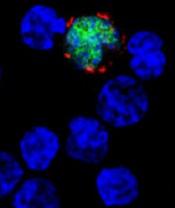
among uninfected cells (blue)
Image courtesy of Benjamin
Chaigne-Delalande
The European Medicines Agency (EMA) has recommended orphan designation for an allogeneic cytotoxic T-lymphocyte product that targets Epstein-Barr virus (EBV-CTLs) as a treatment for patients with EBV post-transplant lymphoproliferative disorder (EBV-PTLD).
The EMA’s opinion has been forwarded to the European Commission (EC), which makes the final decision.
The EC grants orphan designation to products intended to treat, prevent, or diagnose a life-threatening condition affecting up to 5 in 10,000 people in the European Union. The product must provide significant benefit to those affected by the condition.
Orphan designation from the EC provides companies with certain development incentives, including protocol assistance, a type of scientific advice specific for orphan drugs, and 10 years of market exclusivity once the drug is approved for use.
About EBV-CTLs
The EBV-CTL product utilizes a technology in which T cells are collected from the blood of third-party donors and then exposed to EBV antigens.
The activated T cells are then expanded, characterized, and stored for future use in a partially HLA-matched patient, providing an “off-the-shelf,” allogeneic, cellular therapeutic option for patients.
In the context of EBV-PTLD, the EBV-CTLs find the cancer cells expressing EBV and kill them.
Atara Biotherapeutics, Inc., the company developing the EBV-CTL product, is planning to launch a multi-center, early access clinical trial for EBV-CTLs in mid-2016, followed by 2 phase 3 trials in EBV-PTLD later in the year.
Results of a phase 1/2 study of EBV-CTLs were presented at the APHON 37th Annual Conference and Exhibit and at the 2015 ASCO Annual Meeting.
Atara’s EBV-CTL product already has orphan designation in the US for the treatment of patients with EBV-PTLD after hematopoietic stem cell transplant or solid organ transplant. The product has breakthrough designation for this indication as well.
among uninfected cells (blue)
Image courtesy of Benjamin
Chaigne-Delalande
The European Medicines Agency (EMA) has recommended orphan designation for an allogeneic cytotoxic T-lymphocyte product that targets Epstein-Barr virus (EBV-CTLs) as a treatment for patients with EBV post-transplant lymphoproliferative disorder (EBV-PTLD).
The EMA’s opinion has been forwarded to the European Commission (EC), which makes the final decision.
The EC grants orphan designation to products intended to treat, prevent, or diagnose a life-threatening condition affecting up to 5 in 10,000 people in the European Union. The product must provide significant benefit to those affected by the condition.
Orphan designation from the EC provides companies with certain development incentives, including protocol assistance, a type of scientific advice specific for orphan drugs, and 10 years of market exclusivity once the drug is approved for use.
About EBV-CTLs
The EBV-CTL product utilizes a technology in which T cells are collected from the blood of third-party donors and then exposed to EBV antigens.
The activated T cells are then expanded, characterized, and stored for future use in a partially HLA-matched patient, providing an “off-the-shelf,” allogeneic, cellular therapeutic option for patients.
In the context of EBV-PTLD, the EBV-CTLs find the cancer cells expressing EBV and kill them.
Atara Biotherapeutics, Inc., the company developing the EBV-CTL product, is planning to launch a multi-center, early access clinical trial for EBV-CTLs in mid-2016, followed by 2 phase 3 trials in EBV-PTLD later in the year.
Results of a phase 1/2 study of EBV-CTLs were presented at the APHON 37th Annual Conference and Exhibit and at the 2015 ASCO Annual Meeting.
Atara’s EBV-CTL product already has orphan designation in the US for the treatment of patients with EBV-PTLD after hematopoietic stem cell transplant or solid organ transplant. The product has breakthrough designation for this indication as well.
among uninfected cells (blue)
Image courtesy of Benjamin
Chaigne-Delalande
The European Medicines Agency (EMA) has recommended orphan designation for an allogeneic cytotoxic T-lymphocyte product that targets Epstein-Barr virus (EBV-CTLs) as a treatment for patients with EBV post-transplant lymphoproliferative disorder (EBV-PTLD).
The EMA’s opinion has been forwarded to the European Commission (EC), which makes the final decision.
The EC grants orphan designation to products intended to treat, prevent, or diagnose a life-threatening condition affecting up to 5 in 10,000 people in the European Union. The product must provide significant benefit to those affected by the condition.
Orphan designation from the EC provides companies with certain development incentives, including protocol assistance, a type of scientific advice specific for orphan drugs, and 10 years of market exclusivity once the drug is approved for use.
About EBV-CTLs
The EBV-CTL product utilizes a technology in which T cells are collected from the blood of third-party donors and then exposed to EBV antigens.
The activated T cells are then expanded, characterized, and stored for future use in a partially HLA-matched patient, providing an “off-the-shelf,” allogeneic, cellular therapeutic option for patients.
In the context of EBV-PTLD, the EBV-CTLs find the cancer cells expressing EBV and kill them.
Atara Biotherapeutics, Inc., the company developing the EBV-CTL product, is planning to launch a multi-center, early access clinical trial for EBV-CTLs in mid-2016, followed by 2 phase 3 trials in EBV-PTLD later in the year.
Results of a phase 1/2 study of EBV-CTLs were presented at the APHON 37th Annual Conference and Exhibit and at the 2015 ASCO Annual Meeting.
Atara’s EBV-CTL product already has orphan designation in the US for the treatment of patients with EBV-PTLD after hematopoietic stem cell transplant or solid organ transplant. The product has breakthrough designation for this indication as well.
Drug shows early promise for rel/ref NHL
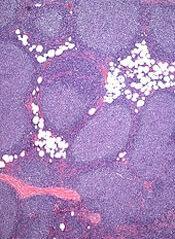
Blinatumomab, a CD19/CD3 bispecific T-cell engager antibody construct, can produce durable responses in patients with relapsed/refractory B-cell non-Hodgkin lymphoma (NHL), according to a phase 1 study.
Among patients who received the maximum-tolerated dose (MTD) of blinatumomab, the overall response rate (ORR) was nearly 70%, and the median duration of response was more than 400 days.
However, there was a high rate of neurologic events, particularly among patients who received higher doses of the drug.
Ralph Bargou, MD, of Wuerzburg University Hospital in Germany, and his colleagues conducted this study and reported the results in the Journal of Clinical Oncology.
The study was supported by Amgen (and Micromet before its acquisition by Amgen), the companies developing blinatumomab.
The study enrolled 76 patients with relapsed/refractory NHL. Most patients (n=52) had indolent NHL. Subtypes included follicular lymphoma (FL, n=28), mantle cell lymphoma (MCL, n=24), diffuse large B-cell lymphoma (DLBCL, n=14), and “other” (n=10).
The “other” category included lymphoplasmacytic lymphoma (n=2), small lymphoplasmacytic lymphoma (n=1), immunocytoma (n=1), Waldenstrom’s macroglobulinemia (n=1), marginal zone NHL (n=1), marginal zone B-cell lymphoma (n=1), marginal zone lymphoma (n=1), chronic lymphocytic leukemia (n=1), and small lymphoplasmacytic lymphoma/chronic lymphocytic leukemia (n=1).
The patients’ median age was 65 (range, 20-80), and the median number of prior treatment regimens was 3 (range, 1-10).
Dosing, toxicity, and discontinuation
This phase 1, dose-escalation study had a 3 + 3 design. Blinatumomab was given over 4 or 8 weeks at 7 different dose levels, ranging from 0.5 μg/m2/day to 90 μg/m2/day.
The researchers found that neurologic events were dose-limiting, and 60 μg/m2/day was the MTD.
Five patients experienced dose-limiting toxicities, including a grade 2 mental disorder (15 μg/m2/day), a case of grade 4 metabolic acidosis due to grand mal seizure (30 μg/m2/day), 2 cases of grade 3 encephalopathy (90 μg/m2/day), and 1 case of grade 3 seizure and aphasia (90 μg/m2/day).
Forty-two patients received treatment in the formal dose-escalation phase. Thirty-four additional patients were recruited to evaluate the antilymphoma activity of blinatumomab and test strategies for mitigating neurologic events at the MTD.
The researchers found that stepwise dosing (5 μg/m2/day to 60 μg/m2/day) plus pentosan polysulfate SP54 (n=3) prompted no treatment discontinuations.
However, single-step (n=5) dosing led to 2 discontinuations, and double-step (n=24) dosing led to 7 discontinuations. All were due to neurologic events.
The most clinically relevant adverse events were neurologic in nature. The overall incidence of these events, regardless of causality, was 71%. The incidence of grade 3 neurologic events was 22%.
Twenty percent of patients experienced serious neurologic events, including encephalopathy (8%), aphasia (4%), and headache (3%). There were no grade 4 or 5 neurologic events.
Response
Among patients treated at the MTD (60 μg/m2/day), the ORR was 69% (24/35). The ORR was 50% at 90 μg/m2/day (2/4), 20% at 15 μg/m2/day (3/15), and 17% at 30 μg/m2/day (1/6).
Complete responses (CRs) occurred in 1 patient at the 15 μg/m2/day dose, 1 at the 30 μg/m2/day dose, 1 at the 90 μg/m2/day dose, and 8 at the 60 μg/m2/day dose. Unconfirmed CRs (CRus) occurred in 5 patients at the 60 μg/m2/day dose.
Among patients who received the MTD, the ORR was 80% in FL patients, 71% in MCL patients, 55% in DLBCL patients, and 50% in the “other” category. There were 6 CR/CRus among FL patients, 3 CR/CRus among MCL patients, and 4 CR/CRus among DLBCL patients.
The median duration of response for patients who received the MTD was 404 days (95% CI, 207 to 1129). The median duration of CR/CRu was 508 days (95% CI, 213 to not estimable). And the median duration of partial response was 185 days (95% CI, 28 to 754).
Nine patients were still in remission at the time of the analysis, and 12 patients had remissions lasting more than 1 year.
“Blinatumomab continues to demonstrate a long duration of response in heavily pretreated non-Hodgkin lymphoma patients,” Dr Bargou said. “Results of the expanded phase 1 experience suggest that blinatumomab has the potential to alter the clinical course of disease in patients with a variety of NHL subtypes.”
Blinatumomab, a CD19/CD3 bispecific T-cell engager antibody construct, can produce durable responses in patients with relapsed/refractory B-cell non-Hodgkin lymphoma (NHL), according to a phase 1 study.
Among patients who received the maximum-tolerated dose (MTD) of blinatumomab, the overall response rate (ORR) was nearly 70%, and the median duration of response was more than 400 days.
However, there was a high rate of neurologic events, particularly among patients who received higher doses of the drug.
Ralph Bargou, MD, of Wuerzburg University Hospital in Germany, and his colleagues conducted this study and reported the results in the Journal of Clinical Oncology.
The study was supported by Amgen (and Micromet before its acquisition by Amgen), the companies developing blinatumomab.
The study enrolled 76 patients with relapsed/refractory NHL. Most patients (n=52) had indolent NHL. Subtypes included follicular lymphoma (FL, n=28), mantle cell lymphoma (MCL, n=24), diffuse large B-cell lymphoma (DLBCL, n=14), and “other” (n=10).
The “other” category included lymphoplasmacytic lymphoma (n=2), small lymphoplasmacytic lymphoma (n=1), immunocytoma (n=1), Waldenstrom’s macroglobulinemia (n=1), marginal zone NHL (n=1), marginal zone B-cell lymphoma (n=1), marginal zone lymphoma (n=1), chronic lymphocytic leukemia (n=1), and small lymphoplasmacytic lymphoma/chronic lymphocytic leukemia (n=1).
The patients’ median age was 65 (range, 20-80), and the median number of prior treatment regimens was 3 (range, 1-10).
Dosing, toxicity, and discontinuation
This phase 1, dose-escalation study had a 3 + 3 design. Blinatumomab was given over 4 or 8 weeks at 7 different dose levels, ranging from 0.5 μg/m2/day to 90 μg/m2/day.
The researchers found that neurologic events were dose-limiting, and 60 μg/m2/day was the MTD.
Five patients experienced dose-limiting toxicities, including a grade 2 mental disorder (15 μg/m2/day), a case of grade 4 metabolic acidosis due to grand mal seizure (30 μg/m2/day), 2 cases of grade 3 encephalopathy (90 μg/m2/day), and 1 case of grade 3 seizure and aphasia (90 μg/m2/day).
Forty-two patients received treatment in the formal dose-escalation phase. Thirty-four additional patients were recruited to evaluate the antilymphoma activity of blinatumomab and test strategies for mitigating neurologic events at the MTD.
The researchers found that stepwise dosing (5 μg/m2/day to 60 μg/m2/day) plus pentosan polysulfate SP54 (n=3) prompted no treatment discontinuations.
However, single-step (n=5) dosing led to 2 discontinuations, and double-step (n=24) dosing led to 7 discontinuations. All were due to neurologic events.
The most clinically relevant adverse events were neurologic in nature. The overall incidence of these events, regardless of causality, was 71%. The incidence of grade 3 neurologic events was 22%.
Twenty percent of patients experienced serious neurologic events, including encephalopathy (8%), aphasia (4%), and headache (3%). There were no grade 4 or 5 neurologic events.
Response
Among patients treated at the MTD (60 μg/m2/day), the ORR was 69% (24/35). The ORR was 50% at 90 μg/m2/day (2/4), 20% at 15 μg/m2/day (3/15), and 17% at 30 μg/m2/day (1/6).
Complete responses (CRs) occurred in 1 patient at the 15 μg/m2/day dose, 1 at the 30 μg/m2/day dose, 1 at the 90 μg/m2/day dose, and 8 at the 60 μg/m2/day dose. Unconfirmed CRs (CRus) occurred in 5 patients at the 60 μg/m2/day dose.
Among patients who received the MTD, the ORR was 80% in FL patients, 71% in MCL patients, 55% in DLBCL patients, and 50% in the “other” category. There were 6 CR/CRus among FL patients, 3 CR/CRus among MCL patients, and 4 CR/CRus among DLBCL patients.
The median duration of response for patients who received the MTD was 404 days (95% CI, 207 to 1129). The median duration of CR/CRu was 508 days (95% CI, 213 to not estimable). And the median duration of partial response was 185 days (95% CI, 28 to 754).
Nine patients were still in remission at the time of the analysis, and 12 patients had remissions lasting more than 1 year.
“Blinatumomab continues to demonstrate a long duration of response in heavily pretreated non-Hodgkin lymphoma patients,” Dr Bargou said. “Results of the expanded phase 1 experience suggest that blinatumomab has the potential to alter the clinical course of disease in patients with a variety of NHL subtypes.”
Blinatumomab, a CD19/CD3 bispecific T-cell engager antibody construct, can produce durable responses in patients with relapsed/refractory B-cell non-Hodgkin lymphoma (NHL), according to a phase 1 study.
Among patients who received the maximum-tolerated dose (MTD) of blinatumomab, the overall response rate (ORR) was nearly 70%, and the median duration of response was more than 400 days.
However, there was a high rate of neurologic events, particularly among patients who received higher doses of the drug.
Ralph Bargou, MD, of Wuerzburg University Hospital in Germany, and his colleagues conducted this study and reported the results in the Journal of Clinical Oncology.
The study was supported by Amgen (and Micromet before its acquisition by Amgen), the companies developing blinatumomab.
The study enrolled 76 patients with relapsed/refractory NHL. Most patients (n=52) had indolent NHL. Subtypes included follicular lymphoma (FL, n=28), mantle cell lymphoma (MCL, n=24), diffuse large B-cell lymphoma (DLBCL, n=14), and “other” (n=10).
The “other” category included lymphoplasmacytic lymphoma (n=2), small lymphoplasmacytic lymphoma (n=1), immunocytoma (n=1), Waldenstrom’s macroglobulinemia (n=1), marginal zone NHL (n=1), marginal zone B-cell lymphoma (n=1), marginal zone lymphoma (n=1), chronic lymphocytic leukemia (n=1), and small lymphoplasmacytic lymphoma/chronic lymphocytic leukemia (n=1).
The patients’ median age was 65 (range, 20-80), and the median number of prior treatment regimens was 3 (range, 1-10).
Dosing, toxicity, and discontinuation
This phase 1, dose-escalation study had a 3 + 3 design. Blinatumomab was given over 4 or 8 weeks at 7 different dose levels, ranging from 0.5 μg/m2/day to 90 μg/m2/day.
The researchers found that neurologic events were dose-limiting, and 60 μg/m2/day was the MTD.
Five patients experienced dose-limiting toxicities, including a grade 2 mental disorder (15 μg/m2/day), a case of grade 4 metabolic acidosis due to grand mal seizure (30 μg/m2/day), 2 cases of grade 3 encephalopathy (90 μg/m2/day), and 1 case of grade 3 seizure and aphasia (90 μg/m2/day).
Forty-two patients received treatment in the formal dose-escalation phase. Thirty-four additional patients were recruited to evaluate the antilymphoma activity of blinatumomab and test strategies for mitigating neurologic events at the MTD.
The researchers found that stepwise dosing (5 μg/m2/day to 60 μg/m2/day) plus pentosan polysulfate SP54 (n=3) prompted no treatment discontinuations.
However, single-step (n=5) dosing led to 2 discontinuations, and double-step (n=24) dosing led to 7 discontinuations. All were due to neurologic events.
The most clinically relevant adverse events were neurologic in nature. The overall incidence of these events, regardless of causality, was 71%. The incidence of grade 3 neurologic events was 22%.
Twenty percent of patients experienced serious neurologic events, including encephalopathy (8%), aphasia (4%), and headache (3%). There were no grade 4 or 5 neurologic events.
Response
Among patients treated at the MTD (60 μg/m2/day), the ORR was 69% (24/35). The ORR was 50% at 90 μg/m2/day (2/4), 20% at 15 μg/m2/day (3/15), and 17% at 30 μg/m2/day (1/6).
Complete responses (CRs) occurred in 1 patient at the 15 μg/m2/day dose, 1 at the 30 μg/m2/day dose, 1 at the 90 μg/m2/day dose, and 8 at the 60 μg/m2/day dose. Unconfirmed CRs (CRus) occurred in 5 patients at the 60 μg/m2/day dose.
Among patients who received the MTD, the ORR was 80% in FL patients, 71% in MCL patients, 55% in DLBCL patients, and 50% in the “other” category. There were 6 CR/CRus among FL patients, 3 CR/CRus among MCL patients, and 4 CR/CRus among DLBCL patients.
The median duration of response for patients who received the MTD was 404 days (95% CI, 207 to 1129). The median duration of CR/CRu was 508 days (95% CI, 213 to not estimable). And the median duration of partial response was 185 days (95% CI, 28 to 754).
Nine patients were still in remission at the time of the analysis, and 12 patients had remissions lasting more than 1 year.
“Blinatumomab continues to demonstrate a long duration of response in heavily pretreated non-Hodgkin lymphoma patients,” Dr Bargou said. “Results of the expanded phase 1 experience suggest that blinatumomab has the potential to alter the clinical course of disease in patients with a variety of NHL subtypes.”