User login
Official Newspaper of the American College of Surgeons
Thyroid surgery on the rise
There was a steady rise in the number of endocrine procedures being performed in the United States over the past decade, according to a new publication from the Endocrine Society.
Thyroid disease treatment costs in U.S. women alone totaled $4.3 billion in 2008, representing a cost of $343 per patient, according to the report, authored by the Endocrine Society under the guidance of an advisory committee chaired by Dr. Robert A. Vigersky, head of the Diabetes Institute at Walter Reed National Military Medical Center in Bethesda, Md.
The number of endocrine procedures also has increased steadily, mainly because of new and improved surgical techniques, but the annual case number is predicted to go as high as 173,000 by 2020.
Thyroid conditions affect five times as many women as men, particularly in the case of Hashimoto’s disease – the incidence in women is more than eight times that in men – and Graves’ disease, where women have a nearly sixfold higher incidence than men, according to the report, which is available online.
The most common thyroid disease is thyroid nodules, which international studies estimate affect up to 60% of the population. In the United States, findings from a study using chest radiography found nearly one in four adult outpatients had thyroid nodules.
The diagnosis of thyroid nodules has increased as imaging technologies such as CT scanning, ultrasound, and MRI improve on the traditional diagnostic method of physical examination. The increase in thyroid surgery for this condition has raised questions about whether this has led to improved outcomes.
Hyperthyroidism and hypothyroidism have a lower prevalence, although estimates suggest as much as 13% of the U.S. population has subclinical hypothyroidism.
This has implications particularly in pregnancy, as subclinical hypothyroidism may increase the risk of pregnancy complications, including preeclampsia, placental abruption, preterm birth, and neonatal mortality.
One study found that 12.4% of healthy pregnant women with no known thyroid disease had subclinical hypothyroidism. Overt hypothyroidism affects around 0.8% of adults, while overt hyperthyroidism affects just 0.5% of adults, the report stated.
Graves’ disease is one form of hyperthyroidism, and it has a prevalence in the U.S. population of 0.63%-1.49%, mostly affecting women, African Americans, and Asian/Pacific Islanders.
This condition is most commonly treated with antithyroid drugs or radioactive iodine therapy, although around 0.7% of patients undergo thyroidectomies.
Another group of thyroid diseases, grouped under the umbrella term of thyroiditis, includes a common element of inflammation of the thyroid gland. Among them is the autoimmune condition Hashimoto’s thyroiditis, which is thought to affect around 4.6% of the population.
Postpartum thyroiditis – an inflammatory autoimmune condition that develops in the first year after delivery – is estimated to have a prevalence around 4.5%, according to one review.
“Evidence is emerging that as women age subclinical hypothyroidism – as a sequel of postpartum thyroiditis – predisposes them to cardiovascular disease,” wrote Dr. Vigersky, also of the Uniformed Services University of the Health Sciences, and the other panel members.
“Hence, postpartum thyroiditis is no longer considered a mild and transient disorder.”
The report was produced by the Endocrine Society. There were no conflicts of interest declared.
There was a steady rise in the number of endocrine procedures being performed in the United States over the past decade, according to a new publication from the Endocrine Society.
Thyroid disease treatment costs in U.S. women alone totaled $4.3 billion in 2008, representing a cost of $343 per patient, according to the report, authored by the Endocrine Society under the guidance of an advisory committee chaired by Dr. Robert A. Vigersky, head of the Diabetes Institute at Walter Reed National Military Medical Center in Bethesda, Md.
The number of endocrine procedures also has increased steadily, mainly because of new and improved surgical techniques, but the annual case number is predicted to go as high as 173,000 by 2020.
Thyroid conditions affect five times as many women as men, particularly in the case of Hashimoto’s disease – the incidence in women is more than eight times that in men – and Graves’ disease, where women have a nearly sixfold higher incidence than men, according to the report, which is available online.
The most common thyroid disease is thyroid nodules, which international studies estimate affect up to 60% of the population. In the United States, findings from a study using chest radiography found nearly one in four adult outpatients had thyroid nodules.
The diagnosis of thyroid nodules has increased as imaging technologies such as CT scanning, ultrasound, and MRI improve on the traditional diagnostic method of physical examination. The increase in thyroid surgery for this condition has raised questions about whether this has led to improved outcomes.
Hyperthyroidism and hypothyroidism have a lower prevalence, although estimates suggest as much as 13% of the U.S. population has subclinical hypothyroidism.
This has implications particularly in pregnancy, as subclinical hypothyroidism may increase the risk of pregnancy complications, including preeclampsia, placental abruption, preterm birth, and neonatal mortality.
One study found that 12.4% of healthy pregnant women with no known thyroid disease had subclinical hypothyroidism. Overt hypothyroidism affects around 0.8% of adults, while overt hyperthyroidism affects just 0.5% of adults, the report stated.
Graves’ disease is one form of hyperthyroidism, and it has a prevalence in the U.S. population of 0.63%-1.49%, mostly affecting women, African Americans, and Asian/Pacific Islanders.
This condition is most commonly treated with antithyroid drugs or radioactive iodine therapy, although around 0.7% of patients undergo thyroidectomies.
Another group of thyroid diseases, grouped under the umbrella term of thyroiditis, includes a common element of inflammation of the thyroid gland. Among them is the autoimmune condition Hashimoto’s thyroiditis, which is thought to affect around 4.6% of the population.
Postpartum thyroiditis – an inflammatory autoimmune condition that develops in the first year after delivery – is estimated to have a prevalence around 4.5%, according to one review.
“Evidence is emerging that as women age subclinical hypothyroidism – as a sequel of postpartum thyroiditis – predisposes them to cardiovascular disease,” wrote Dr. Vigersky, also of the Uniformed Services University of the Health Sciences, and the other panel members.
“Hence, postpartum thyroiditis is no longer considered a mild and transient disorder.”
The report was produced by the Endocrine Society. There were no conflicts of interest declared.
There was a steady rise in the number of endocrine procedures being performed in the United States over the past decade, according to a new publication from the Endocrine Society.
Thyroid disease treatment costs in U.S. women alone totaled $4.3 billion in 2008, representing a cost of $343 per patient, according to the report, authored by the Endocrine Society under the guidance of an advisory committee chaired by Dr. Robert A. Vigersky, head of the Diabetes Institute at Walter Reed National Military Medical Center in Bethesda, Md.
The number of endocrine procedures also has increased steadily, mainly because of new and improved surgical techniques, but the annual case number is predicted to go as high as 173,000 by 2020.
Thyroid conditions affect five times as many women as men, particularly in the case of Hashimoto’s disease – the incidence in women is more than eight times that in men – and Graves’ disease, where women have a nearly sixfold higher incidence than men, according to the report, which is available online.
The most common thyroid disease is thyroid nodules, which international studies estimate affect up to 60% of the population. In the United States, findings from a study using chest radiography found nearly one in four adult outpatients had thyroid nodules.
The diagnosis of thyroid nodules has increased as imaging technologies such as CT scanning, ultrasound, and MRI improve on the traditional diagnostic method of physical examination. The increase in thyroid surgery for this condition has raised questions about whether this has led to improved outcomes.
Hyperthyroidism and hypothyroidism have a lower prevalence, although estimates suggest as much as 13% of the U.S. population has subclinical hypothyroidism.
This has implications particularly in pregnancy, as subclinical hypothyroidism may increase the risk of pregnancy complications, including preeclampsia, placental abruption, preterm birth, and neonatal mortality.
One study found that 12.4% of healthy pregnant women with no known thyroid disease had subclinical hypothyroidism. Overt hypothyroidism affects around 0.8% of adults, while overt hyperthyroidism affects just 0.5% of adults, the report stated.
Graves’ disease is one form of hyperthyroidism, and it has a prevalence in the U.S. population of 0.63%-1.49%, mostly affecting women, African Americans, and Asian/Pacific Islanders.
This condition is most commonly treated with antithyroid drugs or radioactive iodine therapy, although around 0.7% of patients undergo thyroidectomies.
Another group of thyroid diseases, grouped under the umbrella term of thyroiditis, includes a common element of inflammation of the thyroid gland. Among them is the autoimmune condition Hashimoto’s thyroiditis, which is thought to affect around 4.6% of the population.
Postpartum thyroiditis – an inflammatory autoimmune condition that develops in the first year after delivery – is estimated to have a prevalence around 4.5%, according to one review.
“Evidence is emerging that as women age subclinical hypothyroidism – as a sequel of postpartum thyroiditis – predisposes them to cardiovascular disease,” wrote Dr. Vigersky, also of the Uniformed Services University of the Health Sciences, and the other panel members.
“Hence, postpartum thyroiditis is no longer considered a mild and transient disorder.”
The report was produced by the Endocrine Society. There were no conflicts of interest declared.
Key clinical point: There was a steady rise in the number of endocrine procedures performed in the United States over the past decade.
Major finding: In 2008, thyroid disease treatment costs in women alone totaled $4.3 billion.
Data source: A publication of the Endocrine Society.
Disclosures: The report was produced by the Endocrine Society. There were no conflicts of interest declared.
Electronic communications and liability exposure
On a recent rerun of the 1960s TV series, “The Addams Family,” Thing, the disembodied hand that lived without a body, came down with a cold. So Morticia Addams contacted a doctor who agreed to see Thing during a house call. While the need for convenient access to a physician has not changed in 50 years, technology is offering new solutions to fill the need for patient/physician interaction that range from e-mail to text messaging to video chat, offering both promises and pitfalls. In this article we will explore some of the emerging liability issues that these new forms of patient evaluation present.
Today, there are essentially three types of interactions between patients and physicians: in office/hospital visits, telephone conferences, and electronic communications. The first two interactions have been long practiced and physicians have a good sense of the parameters of their use. Electronic communication is new and has become popular within the past few years. Clinicians often do not have a well-honed sense of the boundaries of interaction with these new mediums and, unfortunately, electronic communications have created another avenue for physician liability.
When a physician sees a patient in person, the physician assesses the patient’s subjective complaints and objectively evaluates the patient. While it has been said that 90% of the diagnosis is arrived at through the taking of a careful history, I think we would all agree that a physical exam is an important part of a complete evaluation, and, depending upon the presenting problem and the differential diagnosis, it may be an essential part of the evaluation. When a physician interacts with a patient over the phone, that physician’s ability to evaluate the patient’s complaints through physical contact is removed, but the physician still has the ability to hear the patient’s voice and engage the patient. Voice inflections – a slight tremor in the voice of a tearful patient, the sense of heightened concern from the mother of a sick 5-year-old – can give insight into the severity of illness beyond what was conveyed by the words themselves. The conversation, in person or on the phone, allows for an iterative exchange of information, with one piece of information allowing the physician to ask the next important question, and so on. When a physician interacts with a patient through electronic communication via e-mail or text message, the tools that the physician uses to evaluate the patient objectively are removed.
Though patients are pushing for fewer in-person interactions with health care providers and have become used to electronic communications, clinicians need to be careful not to relinquish the opportunity for robust two-way conversations that allow them to obtain the information necessary to formulate a thoughtful diagnosis and plan. Recently, we have seen an important increase in lawsuits stemming from electronic interactions. In most cases, liability stems from the lack of an objective evaluation of the patient or perception of a lack of caring by the health care provider.
In a lawsuit we (G.C.) recently defended, a husband and wife had been seeing their primary care physician for 15 years. During one of the husband’s visits with the physician, the husband complained of weight loss and fatigue. The husband’s initial complaints were not concerning. However, at the next visit, the husband complained of new symptoms including chills, cramping, fatigue, and a poor appetite. A urinalysis did not point to a clear diagnosis. Thereafter, all communications between the husband and physician were conducted solely through e-mail. In those correspondences, the husband continued to make ambiguous complaints of the same symptoms. Without asking the patient to come into the office, the physician diagnosed the husband with a viral infection. Multiple e-mail exchanges ensued thereafter and, without ever setting eyes on the patient, the physician continued to assure the couple that the husband would get better over time. Meanwhile, the husband was developing endocarditis during the course of these e-mail exchanges that eventually led to his death.
What happened in this case was an unfortunate misinterpretation of the e-mails, which led to confusion, misdiagnosis, harm to the patient, and, ultimately, a lawsuit against the physician. While endocarditis is rare and difficult to diagnose under any circumstances, that physician did not ensure that he had the opportunity to evaluate the patient fully, to see with his own eyes how sick the patient might have looked, or to listen for a new murmur, or spot a Janeway lesion, all signs of more serious disease that may or may not have been apparent during a full evaluation. The uncritical use of e-mail made it easy to assume that the original diagnosis of a viral syndrome was correct, without providing the opportunity to critically reassess the patient’s concerns.
In this case, in addition to the missed diagnosis, there was an apparent violation of HIPAA. The e-mail address used by the physician was a personal e-mail account. HIPAA precludes physicians from discussing medical information through a means of communication that a non–health care provider might have access to. In an electronic age with multiple modes of communication, we have to be ever more careful to have a well thought out approach to the protection of patient privacy. It is easy to send a quick text message or e-mail to a patient, but it is important to understand that HIPAA applies even when a communication seems trivial or benign in nature.
In summary, society realizes that primary care physicians need to communicate at times other than at scheduled visits, and there is no longer an expectation that the physician will make house calls like the doctor in “The Addam’s Family” episode did 50 years ago. Society, and the courts, recognize that e-mail and text messaging are potentially useful forms of quick, convenient communication. We want to conclude with two important points. First, when using e-mails and texts to communicate with patients, use a secure HIPAA-compliant technology. Second, we need to be cautious that these convenient technologies do not creep into areas where they don’t belong, such as in making a diagnosis when doing so requires more interactive discussion and a physical exam. E-mail and text messaging are emerging as useful mediums for communication with patients, but as with any new technology, we need to be careful and thoughtful in their use.
Dr. Skolnik is associate director of the family medicine residency program at Abington (Pa.) Memorial Hospital and professor of family and community medicine at Temple University in Philadelphia. Mr. Cannon is an attorney at Marshall Dennehey Warner Coleman & Goggin in Pittsburgh.
On a recent rerun of the 1960s TV series, “The Addams Family,” Thing, the disembodied hand that lived without a body, came down with a cold. So Morticia Addams contacted a doctor who agreed to see Thing during a house call. While the need for convenient access to a physician has not changed in 50 years, technology is offering new solutions to fill the need for patient/physician interaction that range from e-mail to text messaging to video chat, offering both promises and pitfalls. In this article we will explore some of the emerging liability issues that these new forms of patient evaluation present.
Today, there are essentially three types of interactions between patients and physicians: in office/hospital visits, telephone conferences, and electronic communications. The first two interactions have been long practiced and physicians have a good sense of the parameters of their use. Electronic communication is new and has become popular within the past few years. Clinicians often do not have a well-honed sense of the boundaries of interaction with these new mediums and, unfortunately, electronic communications have created another avenue for physician liability.
When a physician sees a patient in person, the physician assesses the patient’s subjective complaints and objectively evaluates the patient. While it has been said that 90% of the diagnosis is arrived at through the taking of a careful history, I think we would all agree that a physical exam is an important part of a complete evaluation, and, depending upon the presenting problem and the differential diagnosis, it may be an essential part of the evaluation. When a physician interacts with a patient over the phone, that physician’s ability to evaluate the patient’s complaints through physical contact is removed, but the physician still has the ability to hear the patient’s voice and engage the patient. Voice inflections – a slight tremor in the voice of a tearful patient, the sense of heightened concern from the mother of a sick 5-year-old – can give insight into the severity of illness beyond what was conveyed by the words themselves. The conversation, in person or on the phone, allows for an iterative exchange of information, with one piece of information allowing the physician to ask the next important question, and so on. When a physician interacts with a patient through electronic communication via e-mail or text message, the tools that the physician uses to evaluate the patient objectively are removed.
Though patients are pushing for fewer in-person interactions with health care providers and have become used to electronic communications, clinicians need to be careful not to relinquish the opportunity for robust two-way conversations that allow them to obtain the information necessary to formulate a thoughtful diagnosis and plan. Recently, we have seen an important increase in lawsuits stemming from electronic interactions. In most cases, liability stems from the lack of an objective evaluation of the patient or perception of a lack of caring by the health care provider.
In a lawsuit we (G.C.) recently defended, a husband and wife had been seeing their primary care physician for 15 years. During one of the husband’s visits with the physician, the husband complained of weight loss and fatigue. The husband’s initial complaints were not concerning. However, at the next visit, the husband complained of new symptoms including chills, cramping, fatigue, and a poor appetite. A urinalysis did not point to a clear diagnosis. Thereafter, all communications between the husband and physician were conducted solely through e-mail. In those correspondences, the husband continued to make ambiguous complaints of the same symptoms. Without asking the patient to come into the office, the physician diagnosed the husband with a viral infection. Multiple e-mail exchanges ensued thereafter and, without ever setting eyes on the patient, the physician continued to assure the couple that the husband would get better over time. Meanwhile, the husband was developing endocarditis during the course of these e-mail exchanges that eventually led to his death.
What happened in this case was an unfortunate misinterpretation of the e-mails, which led to confusion, misdiagnosis, harm to the patient, and, ultimately, a lawsuit against the physician. While endocarditis is rare and difficult to diagnose under any circumstances, that physician did not ensure that he had the opportunity to evaluate the patient fully, to see with his own eyes how sick the patient might have looked, or to listen for a new murmur, or spot a Janeway lesion, all signs of more serious disease that may or may not have been apparent during a full evaluation. The uncritical use of e-mail made it easy to assume that the original diagnosis of a viral syndrome was correct, without providing the opportunity to critically reassess the patient’s concerns.
In this case, in addition to the missed diagnosis, there was an apparent violation of HIPAA. The e-mail address used by the physician was a personal e-mail account. HIPAA precludes physicians from discussing medical information through a means of communication that a non–health care provider might have access to. In an electronic age with multiple modes of communication, we have to be ever more careful to have a well thought out approach to the protection of patient privacy. It is easy to send a quick text message or e-mail to a patient, but it is important to understand that HIPAA applies even when a communication seems trivial or benign in nature.
In summary, society realizes that primary care physicians need to communicate at times other than at scheduled visits, and there is no longer an expectation that the physician will make house calls like the doctor in “The Addam’s Family” episode did 50 years ago. Society, and the courts, recognize that e-mail and text messaging are potentially useful forms of quick, convenient communication. We want to conclude with two important points. First, when using e-mails and texts to communicate with patients, use a secure HIPAA-compliant technology. Second, we need to be cautious that these convenient technologies do not creep into areas where they don’t belong, such as in making a diagnosis when doing so requires more interactive discussion and a physical exam. E-mail and text messaging are emerging as useful mediums for communication with patients, but as with any new technology, we need to be careful and thoughtful in their use.
Dr. Skolnik is associate director of the family medicine residency program at Abington (Pa.) Memorial Hospital and professor of family and community medicine at Temple University in Philadelphia. Mr. Cannon is an attorney at Marshall Dennehey Warner Coleman & Goggin in Pittsburgh.
On a recent rerun of the 1960s TV series, “The Addams Family,” Thing, the disembodied hand that lived without a body, came down with a cold. So Morticia Addams contacted a doctor who agreed to see Thing during a house call. While the need for convenient access to a physician has not changed in 50 years, technology is offering new solutions to fill the need for patient/physician interaction that range from e-mail to text messaging to video chat, offering both promises and pitfalls. In this article we will explore some of the emerging liability issues that these new forms of patient evaluation present.
Today, there are essentially three types of interactions between patients and physicians: in office/hospital visits, telephone conferences, and electronic communications. The first two interactions have been long practiced and physicians have a good sense of the parameters of their use. Electronic communication is new and has become popular within the past few years. Clinicians often do not have a well-honed sense of the boundaries of interaction with these new mediums and, unfortunately, electronic communications have created another avenue for physician liability.
When a physician sees a patient in person, the physician assesses the patient’s subjective complaints and objectively evaluates the patient. While it has been said that 90% of the diagnosis is arrived at through the taking of a careful history, I think we would all agree that a physical exam is an important part of a complete evaluation, and, depending upon the presenting problem and the differential diagnosis, it may be an essential part of the evaluation. When a physician interacts with a patient over the phone, that physician’s ability to evaluate the patient’s complaints through physical contact is removed, but the physician still has the ability to hear the patient’s voice and engage the patient. Voice inflections – a slight tremor in the voice of a tearful patient, the sense of heightened concern from the mother of a sick 5-year-old – can give insight into the severity of illness beyond what was conveyed by the words themselves. The conversation, in person or on the phone, allows for an iterative exchange of information, with one piece of information allowing the physician to ask the next important question, and so on. When a physician interacts with a patient through electronic communication via e-mail or text message, the tools that the physician uses to evaluate the patient objectively are removed.
Though patients are pushing for fewer in-person interactions with health care providers and have become used to electronic communications, clinicians need to be careful not to relinquish the opportunity for robust two-way conversations that allow them to obtain the information necessary to formulate a thoughtful diagnosis and plan. Recently, we have seen an important increase in lawsuits stemming from electronic interactions. In most cases, liability stems from the lack of an objective evaluation of the patient or perception of a lack of caring by the health care provider.
In a lawsuit we (G.C.) recently defended, a husband and wife had been seeing their primary care physician for 15 years. During one of the husband’s visits with the physician, the husband complained of weight loss and fatigue. The husband’s initial complaints were not concerning. However, at the next visit, the husband complained of new symptoms including chills, cramping, fatigue, and a poor appetite. A urinalysis did not point to a clear diagnosis. Thereafter, all communications between the husband and physician were conducted solely through e-mail. In those correspondences, the husband continued to make ambiguous complaints of the same symptoms. Without asking the patient to come into the office, the physician diagnosed the husband with a viral infection. Multiple e-mail exchanges ensued thereafter and, without ever setting eyes on the patient, the physician continued to assure the couple that the husband would get better over time. Meanwhile, the husband was developing endocarditis during the course of these e-mail exchanges that eventually led to his death.
What happened in this case was an unfortunate misinterpretation of the e-mails, which led to confusion, misdiagnosis, harm to the patient, and, ultimately, a lawsuit against the physician. While endocarditis is rare and difficult to diagnose under any circumstances, that physician did not ensure that he had the opportunity to evaluate the patient fully, to see with his own eyes how sick the patient might have looked, or to listen for a new murmur, or spot a Janeway lesion, all signs of more serious disease that may or may not have been apparent during a full evaluation. The uncritical use of e-mail made it easy to assume that the original diagnosis of a viral syndrome was correct, without providing the opportunity to critically reassess the patient’s concerns.
In this case, in addition to the missed diagnosis, there was an apparent violation of HIPAA. The e-mail address used by the physician was a personal e-mail account. HIPAA precludes physicians from discussing medical information through a means of communication that a non–health care provider might have access to. In an electronic age with multiple modes of communication, we have to be ever more careful to have a well thought out approach to the protection of patient privacy. It is easy to send a quick text message or e-mail to a patient, but it is important to understand that HIPAA applies even when a communication seems trivial or benign in nature.
In summary, society realizes that primary care physicians need to communicate at times other than at scheduled visits, and there is no longer an expectation that the physician will make house calls like the doctor in “The Addam’s Family” episode did 50 years ago. Society, and the courts, recognize that e-mail and text messaging are potentially useful forms of quick, convenient communication. We want to conclude with two important points. First, when using e-mails and texts to communicate with patients, use a secure HIPAA-compliant technology. Second, we need to be cautious that these convenient technologies do not creep into areas where they don’t belong, such as in making a diagnosis when doing so requires more interactive discussion and a physical exam. E-mail and text messaging are emerging as useful mediums for communication with patients, but as with any new technology, we need to be careful and thoughtful in their use.
Dr. Skolnik is associate director of the family medicine residency program at Abington (Pa.) Memorial Hospital and professor of family and community medicine at Temple University in Philadelphia. Mr. Cannon is an attorney at Marshall Dennehey Warner Coleman & Goggin in Pittsburgh.
Distractions in the OR increase surgeons’ stress
Distractions in the operating room are associated with increased mental strain, stress, and poor teamwork, according to findings of a cross-sectional, prospective observational study of 90 general surgery cases.
Ana Wheelock of the department of surgery and cancer, Imperial College, London, and her associates stated that previous studies have described a variety of distractions in the OR, but have failed to explore the impact of this factor on surgeons, anesthesiologists, and nurses (Ann. Surg. 2015;261:1079-84).
There is evidence to suggest that distractions such as noise and non–case-related conversation in the OR are linked to a higher rate of errors and adverse events, but the chain of events leading to these errors has been understudied (World J. Surg. 2008;32:1643-50; Qual. Saf. Health Care 2007;16:135-9).
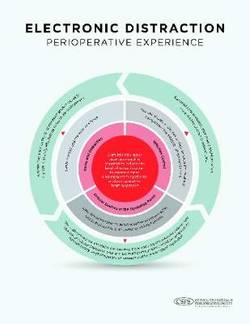
For this study, to capture the variety of events and resulting impacts on the work process in the OR, two trained researchers – one surgeon and one behavioral scientist – observed each case. To prevent a Hawthorne effect, the researchers were present in the OR before the study began to acclimatize staff to their presence.
The case sample yielded 69 hours and 40 minutes of real-time observation. Both open and laparoscopic procedures were represented, and cases included appendectomy, inguinal hernia repair, thyroidectomy, varicose vein surgery, and mastectomy. Mean operative time for the cases was 46 minutes, and American Society of Anesthesiologists (ASA) classification of the cases ranged from I to IV. Data were collected from 85 staff (23 surgeons, 28 anesthesiologists, and 34 nurses).
The study focused on three factors with implications for performance: workload, stress, and teamwork. Workload was measured with the validated NASA-Task Load Index tool, widely used in aviation and other high-risk occupations. Six aspects of workload (mental, physical, and temporal demands; frustration; effort; and performance) were measured via interview in each team member after each procedure. Stress level was scored with the State Trait Anxiety Inventory (STAI) in the same way. Teamwork factors were reported with a validated Observational Teamwork Assessment for Surgery (OTAS) tool.
The findings show that distractions were ubiquitous: Fewer than 2% of cases occurred with zero distractions. The most prevalent distraction involved staff entering the OR (81% of which were deemed unnecessary), followed by case-irrelevant conversation, and equipment failures or absences.
The observers noted a wide variety of disruptions: cell phones ringing, missing equipment, malfunctioning lights, requests by an administrator for a few minutes of the surgeon’s time during the operation, overlapping and nonrelevant conversations among nurses about misplaced files and lunch, and external staff entering and leaving the OR. Distractions occurred in 98% of the operations observed and coincided with normal noise of OR machines, dropped instruments, and distant paging. The mean number of intraoperative distractions was 11 per case.

How did these distractions affect surgeons? Teamwork scores (communication, coordination, leadership, and monitoring) were correlated negatively (r = –0.46) with distractions, case-irrelevant conversation initiated by fellow surgeons in particular. Equipment failures also had a negative impact on these teamwork elements for surgeons (r = –0.41). Workload and stress scores for surgeons showed a negative correlation between these factors and the amount of conversation initiated by other surgeons (r = –0.31 and –0.26, respectively). Acoustic distractions from cell phones, monitors, equipment, and dropped instruments were positively associated with higher stress levels among surgeons (r = 0.30).
Fewer distractions were observed, however, in longer cases and also in cases with a higher degree of patient morbidity.
The study is limited by the case mix of relatively short procedures and low patient ASAs. Only global scores were obtained, which did not allow a more detailed analysis of different stages of procedures. In addition, surgical outcomes were not assessed. The researchers noted, however, that “although there were no associations between external distractions and our outcome measures [ASA classification], the sheer number of unnecessary external visitors to the ORs that we observed should be a cause for concern, as high personnel flow through ORs has been significantly associated with hospital acquired infections” (Clin. Infect. Dis. 1991;13:S800-4).
The takeaway from this study, according to the researchers, is that many of these distractions that have a negative impact on workload, stress, and teamwork function are preventable. “Although some distractions may be inevitable, others, particularly during tasks that require undivided attention, should be proactively limited as they can induce human error and have negative consequences on patient safety ... a clearer understanding of the interaction between the team and the OR environment is imperative if we are to truly recognize and mitigate all factors that impact upon team performance and error.”
The (U.K.) National Institute for Health Research funded the study. The authors have no disclosures.
Distractions in the operating room are associated with increased mental strain, stress, and poor teamwork, according to findings of a cross-sectional, prospective observational study of 90 general surgery cases.
Ana Wheelock of the department of surgery and cancer, Imperial College, London, and her associates stated that previous studies have described a variety of distractions in the OR, but have failed to explore the impact of this factor on surgeons, anesthesiologists, and nurses (Ann. Surg. 2015;261:1079-84).
There is evidence to suggest that distractions such as noise and non–case-related conversation in the OR are linked to a higher rate of errors and adverse events, but the chain of events leading to these errors has been understudied (World J. Surg. 2008;32:1643-50; Qual. Saf. Health Care 2007;16:135-9).
For this study, to capture the variety of events and resulting impacts on the work process in the OR, two trained researchers – one surgeon and one behavioral scientist – observed each case. To prevent a Hawthorne effect, the researchers were present in the OR before the study began to acclimatize staff to their presence.
The case sample yielded 69 hours and 40 minutes of real-time observation. Both open and laparoscopic procedures were represented, and cases included appendectomy, inguinal hernia repair, thyroidectomy, varicose vein surgery, and mastectomy. Mean operative time for the cases was 46 minutes, and American Society of Anesthesiologists (ASA) classification of the cases ranged from I to IV. Data were collected from 85 staff (23 surgeons, 28 anesthesiologists, and 34 nurses).
The study focused on three factors with implications for performance: workload, stress, and teamwork. Workload was measured with the validated NASA-Task Load Index tool, widely used in aviation and other high-risk occupations. Six aspects of workload (mental, physical, and temporal demands; frustration; effort; and performance) were measured via interview in each team member after each procedure. Stress level was scored with the State Trait Anxiety Inventory (STAI) in the same way. Teamwork factors were reported with a validated Observational Teamwork Assessment for Surgery (OTAS) tool.
The findings show that distractions were ubiquitous: Fewer than 2% of cases occurred with zero distractions. The most prevalent distraction involved staff entering the OR (81% of which were deemed unnecessary), followed by case-irrelevant conversation, and equipment failures or absences.
The observers noted a wide variety of disruptions: cell phones ringing, missing equipment, malfunctioning lights, requests by an administrator for a few minutes of the surgeon’s time during the operation, overlapping and nonrelevant conversations among nurses about misplaced files and lunch, and external staff entering and leaving the OR. Distractions occurred in 98% of the operations observed and coincided with normal noise of OR machines, dropped instruments, and distant paging. The mean number of intraoperative distractions was 11 per case.
How did these distractions affect surgeons? Teamwork scores (communication, coordination, leadership, and monitoring) were correlated negatively (r = –0.46) with distractions, case-irrelevant conversation initiated by fellow surgeons in particular. Equipment failures also had a negative impact on these teamwork elements for surgeons (r = –0.41). Workload and stress scores for surgeons showed a negative correlation between these factors and the amount of conversation initiated by other surgeons (r = –0.31 and –0.26, respectively). Acoustic distractions from cell phones, monitors, equipment, and dropped instruments were positively associated with higher stress levels among surgeons (r = 0.30).
Fewer distractions were observed, however, in longer cases and also in cases with a higher degree of patient morbidity.
The study is limited by the case mix of relatively short procedures and low patient ASAs. Only global scores were obtained, which did not allow a more detailed analysis of different stages of procedures. In addition, surgical outcomes were not assessed. The researchers noted, however, that “although there were no associations between external distractions and our outcome measures [ASA classification], the sheer number of unnecessary external visitors to the ORs that we observed should be a cause for concern, as high personnel flow through ORs has been significantly associated with hospital acquired infections” (Clin. Infect. Dis. 1991;13:S800-4).
The takeaway from this study, according to the researchers, is that many of these distractions that have a negative impact on workload, stress, and teamwork function are preventable. “Although some distractions may be inevitable, others, particularly during tasks that require undivided attention, should be proactively limited as they can induce human error and have negative consequences on patient safety ... a clearer understanding of the interaction between the team and the OR environment is imperative if we are to truly recognize and mitigate all factors that impact upon team performance and error.”
The (U.K.) National Institute for Health Research funded the study. The authors have no disclosures.
Distractions in the operating room are associated with increased mental strain, stress, and poor teamwork, according to findings of a cross-sectional, prospective observational study of 90 general surgery cases.
Ana Wheelock of the department of surgery and cancer, Imperial College, London, and her associates stated that previous studies have described a variety of distractions in the OR, but have failed to explore the impact of this factor on surgeons, anesthesiologists, and nurses (Ann. Surg. 2015;261:1079-84).
There is evidence to suggest that distractions such as noise and non–case-related conversation in the OR are linked to a higher rate of errors and adverse events, but the chain of events leading to these errors has been understudied (World J. Surg. 2008;32:1643-50; Qual. Saf. Health Care 2007;16:135-9).
For this study, to capture the variety of events and resulting impacts on the work process in the OR, two trained researchers – one surgeon and one behavioral scientist – observed each case. To prevent a Hawthorne effect, the researchers were present in the OR before the study began to acclimatize staff to their presence.
The case sample yielded 69 hours and 40 minutes of real-time observation. Both open and laparoscopic procedures were represented, and cases included appendectomy, inguinal hernia repair, thyroidectomy, varicose vein surgery, and mastectomy. Mean operative time for the cases was 46 minutes, and American Society of Anesthesiologists (ASA) classification of the cases ranged from I to IV. Data were collected from 85 staff (23 surgeons, 28 anesthesiologists, and 34 nurses).
The study focused on three factors with implications for performance: workload, stress, and teamwork. Workload was measured with the validated NASA-Task Load Index tool, widely used in aviation and other high-risk occupations. Six aspects of workload (mental, physical, and temporal demands; frustration; effort; and performance) were measured via interview in each team member after each procedure. Stress level was scored with the State Trait Anxiety Inventory (STAI) in the same way. Teamwork factors were reported with a validated Observational Teamwork Assessment for Surgery (OTAS) tool.
The findings show that distractions were ubiquitous: Fewer than 2% of cases occurred with zero distractions. The most prevalent distraction involved staff entering the OR (81% of which were deemed unnecessary), followed by case-irrelevant conversation, and equipment failures or absences.
The observers noted a wide variety of disruptions: cell phones ringing, missing equipment, malfunctioning lights, requests by an administrator for a few minutes of the surgeon’s time during the operation, overlapping and nonrelevant conversations among nurses about misplaced files and lunch, and external staff entering and leaving the OR. Distractions occurred in 98% of the operations observed and coincided with normal noise of OR machines, dropped instruments, and distant paging. The mean number of intraoperative distractions was 11 per case.
How did these distractions affect surgeons? Teamwork scores (communication, coordination, leadership, and monitoring) were correlated negatively (r = –0.46) with distractions, case-irrelevant conversation initiated by fellow surgeons in particular. Equipment failures also had a negative impact on these teamwork elements for surgeons (r = –0.41). Workload and stress scores for surgeons showed a negative correlation between these factors and the amount of conversation initiated by other surgeons (r = –0.31 and –0.26, respectively). Acoustic distractions from cell phones, monitors, equipment, and dropped instruments were positively associated with higher stress levels among surgeons (r = 0.30).
Fewer distractions were observed, however, in longer cases and also in cases with a higher degree of patient morbidity.
The study is limited by the case mix of relatively short procedures and low patient ASAs. Only global scores were obtained, which did not allow a more detailed analysis of different stages of procedures. In addition, surgical outcomes were not assessed. The researchers noted, however, that “although there were no associations between external distractions and our outcome measures [ASA classification], the sheer number of unnecessary external visitors to the ORs that we observed should be a cause for concern, as high personnel flow through ORs has been significantly associated with hospital acquired infections” (Clin. Infect. Dis. 1991;13:S800-4).
The takeaway from this study, according to the researchers, is that many of these distractions that have a negative impact on workload, stress, and teamwork function are preventable. “Although some distractions may be inevitable, others, particularly during tasks that require undivided attention, should be proactively limited as they can induce human error and have negative consequences on patient safety ... a clearer understanding of the interaction between the team and the OR environment is imperative if we are to truly recognize and mitigate all factors that impact upon team performance and error.”
The (U.K.) National Institute for Health Research funded the study. The authors have no disclosures.
Key clinical point: Distractions during surgical operations were negatively correlated to stress, workload, and teamwork function scores among surgeons, anesthesiologists, and nurses.
Major finding: Surgeons’ teamwork, workload, and stress scores were negatively associated with case-irrelevant, surgeon-initiated conversation in the OR.
Data source: A cross-sectional, prospective observational study of 90 general surgery cases and 85 staff members.
Disclosures: The National Institute for Health Research funded the study. The authors have no disclosures.
‘Milestone’ rules would limit profits, score quality for Medicaid plans
Sweeping proposals disclosed late May would create profit guidelines for private Medicaid plans as well as new standards for the plans’ doctor and hospital networks and rules to coordinate Medicaid insurance more closely with other coverage.
“We are taking steps to align how these programs work,” said Andy Slavitt, acting administrator of the Centers for Medicare & Medicaid Services.

Privatized Medicaid has grown rapidly as budget-pinched states have responded to commercial insurers’ promise to deliver care for a fixed price. Most beneficiaries of Medicaid – state programs for the poor run partly with federal dollars – now get care through contracted insurers.
The 653-page rule, which also would require states to establish quality ratings for Medicaid plans, constitutes the biggest regulation change to Medicaid managed care in more than a decade. The National Association of Medicaid Directors, a group of state officials, called it a “milestone.”
One proposal would require plans to assume, for rate-setting purposes, that they will spend at least 85% of their revenue on medical care.
Such a “medical loss ratio” target is similar to that required under the Affordable Care Act for other plans, but with a key difference: Unlike health plans sold through the law’s online marketplaces and elsewhere, Medicaid plans wouldn’t have to rebate the difference if they spend less than 85%.
But states would still “need to take that into account the next year” when they set new rates, thus limiting profits later, said Vikki Wachino, CMS deputy administrator.
Jeff Myers, CEO of Medicaid Health Plans of America, an industry group, criticized the inclusion of the medical loss ratio (MLR) standard, which supporters promote as ensuring that plans spend a minimum amount on care instead of executive salaries and shareholder profits.
“We don’t believe a nationwide MLR is appropriate,” Mr. Myers said. A uniform profit standard across diverse states could limit plans’ ability to spend administrative dollars to fine-tune care coordination and quality, he said.
Generally, however, “we are very supportive of the direction they are going,” he said of the CMS. He particularly praised the proposal to better align the Children’s Health Insurance Program (CHIP) with Medicaid.
Led by giants such as UnitedHealthcare, Anthem, Aetna and Centene, private Medicaid plans generated nationwide operating profits of $2.4 billion last year, according to regulatory data compiled by Mark Farrah Associates and analyzed by Kaiser Health News.
Advocates for the poor have said that the U.S. Department of Health & Human Services’ regulation of Medicaid managed care has lagged behind the industry’s growth. Industry profits have sometimes come at the expense of denied care and inadequate doctor networks, they say.
A study last year by the HHS’ inspector general found that half the doctors listed in official plan directories weren’t taking new Medicaid patients. Among doctors who were, one fourth couldn’t see patients for a month.
In rules, the CMS proposed new standards for network adequacy that also allow wide flexibility to states. States would have to certify at least annually that Medicaid managed-care patients have sufficient access to doctors and hospitals, based on standards for numbers of medical providers per member, maximum distances required to travel for care, and other criteria.
“This latest proposed guidance ensures that health plans and states have the flexibility to structure their programs and benefits to meet the unique health needs of their enrollees,” Dan Durham, interim CEO of America’s Health Insurance Plans, said in a statement.
Sarah Somers, an attorney with the National Health Law Program, which has long urged updates to federal regulations, praised proposed safeguards for Medicaid members with disabilities and limited English ability.
“The regulations governing network adequacy have some positive aspects,” she added. “But we are concerned that they do not contain the specificity that we recommended.”
The proposal also would establish a quality-rating system, perhaps similar to the star scores assigned to Medicare coverage for seniors, so members could compare plan performance. However, Ms. Wachino said, it was too early to tell what the ratings would look like.
Margaret Murray, CEO of the Association for Community Affiliated Plans, a group of not-for-profit Medicaid companies, said she was disappointed that the quality standards wouldn’t apply to traditional Medicaid run by the states as well as private Medicaid plans.
“We think that managed care will come out ahead in that comparison,” she said.
In a victory for industry, the rules also propose to loosen marketing restrictions on insurers that offer Medicaid coverage as well as plans sold through the ACA marketplaces.
Some companies are counting on capturing customers moving from Medicaid to commercial plans or vice versa as the members’ incomes fluctuate. The new regulation would make it easier for insurers to let Medicaid beneficiaries know that the same company sells a plan through the marketplace.
The rules published May 26 are proposals. The HHS will take comments until late July and issue final rules later.
Kaiser Health News (KHN) is a nonprofit national health policy news service.
Sweeping proposals disclosed late May would create profit guidelines for private Medicaid plans as well as new standards for the plans’ doctor and hospital networks and rules to coordinate Medicaid insurance more closely with other coverage.
“We are taking steps to align how these programs work,” said Andy Slavitt, acting administrator of the Centers for Medicare & Medicaid Services.
Privatized Medicaid has grown rapidly as budget-pinched states have responded to commercial insurers’ promise to deliver care for a fixed price. Most beneficiaries of Medicaid – state programs for the poor run partly with federal dollars – now get care through contracted insurers.
The 653-page rule, which also would require states to establish quality ratings for Medicaid plans, constitutes the biggest regulation change to Medicaid managed care in more than a decade. The National Association of Medicaid Directors, a group of state officials, called it a “milestone.”
One proposal would require plans to assume, for rate-setting purposes, that they will spend at least 85% of their revenue on medical care.
Such a “medical loss ratio” target is similar to that required under the Affordable Care Act for other plans, but with a key difference: Unlike health plans sold through the law’s online marketplaces and elsewhere, Medicaid plans wouldn’t have to rebate the difference if they spend less than 85%.
But states would still “need to take that into account the next year” when they set new rates, thus limiting profits later, said Vikki Wachino, CMS deputy administrator.
Jeff Myers, CEO of Medicaid Health Plans of America, an industry group, criticized the inclusion of the medical loss ratio (MLR) standard, which supporters promote as ensuring that plans spend a minimum amount on care instead of executive salaries and shareholder profits.
“We don’t believe a nationwide MLR is appropriate,” Mr. Myers said. A uniform profit standard across diverse states could limit plans’ ability to spend administrative dollars to fine-tune care coordination and quality, he said.
Generally, however, “we are very supportive of the direction they are going,” he said of the CMS. He particularly praised the proposal to better align the Children’s Health Insurance Program (CHIP) with Medicaid.
Led by giants such as UnitedHealthcare, Anthem, Aetna and Centene, private Medicaid plans generated nationwide operating profits of $2.4 billion last year, according to regulatory data compiled by Mark Farrah Associates and analyzed by Kaiser Health News.
Advocates for the poor have said that the U.S. Department of Health & Human Services’ regulation of Medicaid managed care has lagged behind the industry’s growth. Industry profits have sometimes come at the expense of denied care and inadequate doctor networks, they say.
A study last year by the HHS’ inspector general found that half the doctors listed in official plan directories weren’t taking new Medicaid patients. Among doctors who were, one fourth couldn’t see patients for a month.
In rules, the CMS proposed new standards for network adequacy that also allow wide flexibility to states. States would have to certify at least annually that Medicaid managed-care patients have sufficient access to doctors and hospitals, based on standards for numbers of medical providers per member, maximum distances required to travel for care, and other criteria.
“This latest proposed guidance ensures that health plans and states have the flexibility to structure their programs and benefits to meet the unique health needs of their enrollees,” Dan Durham, interim CEO of America’s Health Insurance Plans, said in a statement.
Sarah Somers, an attorney with the National Health Law Program, which has long urged updates to federal regulations, praised proposed safeguards for Medicaid members with disabilities and limited English ability.
“The regulations governing network adequacy have some positive aspects,” she added. “But we are concerned that they do not contain the specificity that we recommended.”
The proposal also would establish a quality-rating system, perhaps similar to the star scores assigned to Medicare coverage for seniors, so members could compare plan performance. However, Ms. Wachino said, it was too early to tell what the ratings would look like.
Margaret Murray, CEO of the Association for Community Affiliated Plans, a group of not-for-profit Medicaid companies, said she was disappointed that the quality standards wouldn’t apply to traditional Medicaid run by the states as well as private Medicaid plans.
“We think that managed care will come out ahead in that comparison,” she said.
In a victory for industry, the rules also propose to loosen marketing restrictions on insurers that offer Medicaid coverage as well as plans sold through the ACA marketplaces.
Some companies are counting on capturing customers moving from Medicaid to commercial plans or vice versa as the members’ incomes fluctuate. The new regulation would make it easier for insurers to let Medicaid beneficiaries know that the same company sells a plan through the marketplace.
The rules published May 26 are proposals. The HHS will take comments until late July and issue final rules later.
Kaiser Health News (KHN) is a nonprofit national health policy news service.
Sweeping proposals disclosed late May would create profit guidelines for private Medicaid plans as well as new standards for the plans’ doctor and hospital networks and rules to coordinate Medicaid insurance more closely with other coverage.
“We are taking steps to align how these programs work,” said Andy Slavitt, acting administrator of the Centers for Medicare & Medicaid Services.
Privatized Medicaid has grown rapidly as budget-pinched states have responded to commercial insurers’ promise to deliver care for a fixed price. Most beneficiaries of Medicaid – state programs for the poor run partly with federal dollars – now get care through contracted insurers.
The 653-page rule, which also would require states to establish quality ratings for Medicaid plans, constitutes the biggest regulation change to Medicaid managed care in more than a decade. The National Association of Medicaid Directors, a group of state officials, called it a “milestone.”
One proposal would require plans to assume, for rate-setting purposes, that they will spend at least 85% of their revenue on medical care.
Such a “medical loss ratio” target is similar to that required under the Affordable Care Act for other plans, but with a key difference: Unlike health plans sold through the law’s online marketplaces and elsewhere, Medicaid plans wouldn’t have to rebate the difference if they spend less than 85%.
But states would still “need to take that into account the next year” when they set new rates, thus limiting profits later, said Vikki Wachino, CMS deputy administrator.
Jeff Myers, CEO of Medicaid Health Plans of America, an industry group, criticized the inclusion of the medical loss ratio (MLR) standard, which supporters promote as ensuring that plans spend a minimum amount on care instead of executive salaries and shareholder profits.
“We don’t believe a nationwide MLR is appropriate,” Mr. Myers said. A uniform profit standard across diverse states could limit plans’ ability to spend administrative dollars to fine-tune care coordination and quality, he said.
Generally, however, “we are very supportive of the direction they are going,” he said of the CMS. He particularly praised the proposal to better align the Children’s Health Insurance Program (CHIP) with Medicaid.
Led by giants such as UnitedHealthcare, Anthem, Aetna and Centene, private Medicaid plans generated nationwide operating profits of $2.4 billion last year, according to regulatory data compiled by Mark Farrah Associates and analyzed by Kaiser Health News.
Advocates for the poor have said that the U.S. Department of Health & Human Services’ regulation of Medicaid managed care has lagged behind the industry’s growth. Industry profits have sometimes come at the expense of denied care and inadequate doctor networks, they say.
A study last year by the HHS’ inspector general found that half the doctors listed in official plan directories weren’t taking new Medicaid patients. Among doctors who were, one fourth couldn’t see patients for a month.
In rules, the CMS proposed new standards for network adequacy that also allow wide flexibility to states. States would have to certify at least annually that Medicaid managed-care patients have sufficient access to doctors and hospitals, based on standards for numbers of medical providers per member, maximum distances required to travel for care, and other criteria.
“This latest proposed guidance ensures that health plans and states have the flexibility to structure their programs and benefits to meet the unique health needs of their enrollees,” Dan Durham, interim CEO of America’s Health Insurance Plans, said in a statement.
Sarah Somers, an attorney with the National Health Law Program, which has long urged updates to federal regulations, praised proposed safeguards for Medicaid members with disabilities and limited English ability.
“The regulations governing network adequacy have some positive aspects,” she added. “But we are concerned that they do not contain the specificity that we recommended.”
The proposal also would establish a quality-rating system, perhaps similar to the star scores assigned to Medicare coverage for seniors, so members could compare plan performance. However, Ms. Wachino said, it was too early to tell what the ratings would look like.
Margaret Murray, CEO of the Association for Community Affiliated Plans, a group of not-for-profit Medicaid companies, said she was disappointed that the quality standards wouldn’t apply to traditional Medicaid run by the states as well as private Medicaid plans.
“We think that managed care will come out ahead in that comparison,” she said.
In a victory for industry, the rules also propose to loosen marketing restrictions on insurers that offer Medicaid coverage as well as plans sold through the ACA marketplaces.
Some companies are counting on capturing customers moving from Medicaid to commercial plans or vice versa as the members’ incomes fluctuate. The new regulation would make it easier for insurers to let Medicaid beneficiaries know that the same company sells a plan through the marketplace.
The rules published May 26 are proposals. The HHS will take comments until late July and issue final rules later.
Kaiser Health News (KHN) is a nonprofit national health policy news service.

DDW: Intragastric balloon eyed for primary obesity intervention
WASHINGTON – Obese patients implanted with an intragastric balloon lost significantly more weight than those following a behavioral modification program in a randomized, nonblinded trial.
Moreover, weight loss was preserved even after device removal, study author Dr. Barham Abu Dayyeh said at the annual Digestive Disease Week.
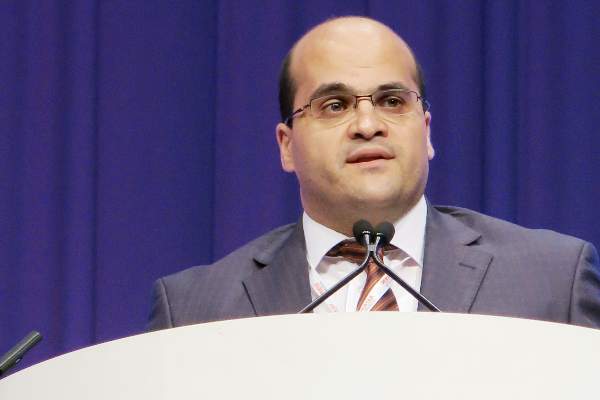
The Orbera intragastric balloon (Apollo Endosurgery) could fill a gap in the United States between obesity lifestyle interventions that are minimally effective and a range of bariatric surgical interventions that are effective, but come at a cost of increased complications and health care costs, he said. Moreover, only 1% of qualified patients actually end up having bariatric surgery.
The silicone, saline-filled intragastric balloon (IGB) has been widely used outside the U.S. for more than 17 years in more than 200,000 patients, added Dr. Abu Dayyeh* of Mayo Clinic in Rochester, Minn.
The multicenter trial was designed for premarketing approval in the U.S. of the Orbera IGB and randomly assigned 273 adults with a body mass index (BMI) of 30-40 kg/m2 for more than 2 years to a 12-month behavioral modification program with or without endoscopic placement of the IGB filled to 500-600 cc. The balloon was removed at month 6, with regular office visits through 1 year.
Eighteen patients withdrew before treatment; 215 patients were evaluable at 6 months, 206 at 9 months, and 191 at 12 months. The mean baseline BMI was 35 kg/m2 and 90% of patients were female.
At 6 months, the mean percent total body weight loss was greater in the IGB group than the control group (about 10% vs. 4%; P < .001), Dr. Abu Dayyeh said, noting that total body weight loss was significantly higher in the balloon group at each time point: 3, 6, 9, and 12 months.
Similarly, the mean percent of excess weight loss at 6 months was better in the balloon group than in the control group (about 40% vs. 13%; P < .001). The majority of excess weight loss achieved at 6 months was also maintained at 12 months, he said.
At 9 months (3 months after device removal), 45.6% of patients in the IGB group had an excess weight loss at least 15% higher than patients in the control group, which exceeded the 30% threshold set as a primary study outcome, he said.
The mean percent excess weight loss was 26.5% at 9 months in the balloon group, which also exceeded the 25% threshold set as a second primary outcome.
This IGB system “appears to meet the thresholds set forth by the ASGE/ASMBS PIVI for endoscopic bariatric therapies intended as a primary obesity intervention,” Dr. Abu Dayyeh said.
The American Society for Gastrointestinal Endoscopy/American Society for Metabolic and Bariatric Surgery PIVI (Preservation and Incorporation of Valuable endoscopic Innovations) recommends that endoscopic bariatric therapies intended as a primary obesity intervention achieve a mean minimum threshold of 25% excess weight loss at 12 months.
At 52 weeks, both groups had an improvement from baseline in diabetes, hypertension, and lipids, but the improvement was greater with the IGB, he said.
Beck Depression Scores and quality of life also improved in both groups, with the improvement again greater with the IGB.
Serious adverse events were reported by 7% of controls and 9.6% of the balloon group including 8 early removals for intolerance, 1 gastric outlet obstruction, 1 laryngospasm during placement, 1 case of severe abdominal cramping, and 1 case of severe dehydration.
Early device removals occurred in 22% of patients, 15 for symptoms and 13 at subject request, Dr. Abu Dayyeh said. No deaths occurred in the trial.
*Changed on July 8, 2015.
On Twitter @pwendl
WASHINGTON – Obese patients implanted with an intragastric balloon lost significantly more weight than those following a behavioral modification program in a randomized, nonblinded trial.
Moreover, weight loss was preserved even after device removal, study author Dr. Barham Abu Dayyeh said at the annual Digestive Disease Week.
The Orbera intragastric balloon (Apollo Endosurgery) could fill a gap in the United States between obesity lifestyle interventions that are minimally effective and a range of bariatric surgical interventions that are effective, but come at a cost of increased complications and health care costs, he said. Moreover, only 1% of qualified patients actually end up having bariatric surgery.
The silicone, saline-filled intragastric balloon (IGB) has been widely used outside the U.S. for more than 17 years in more than 200,000 patients, added Dr. Abu Dayyeh* of Mayo Clinic in Rochester, Minn.
The multicenter trial was designed for premarketing approval in the U.S. of the Orbera IGB and randomly assigned 273 adults with a body mass index (BMI) of 30-40 kg/m2 for more than 2 years to a 12-month behavioral modification program with or without endoscopic placement of the IGB filled to 500-600 cc. The balloon was removed at month 6, with regular office visits through 1 year.
Eighteen patients withdrew before treatment; 215 patients were evaluable at 6 months, 206 at 9 months, and 191 at 12 months. The mean baseline BMI was 35 kg/m2 and 90% of patients were female.
At 6 months, the mean percent total body weight loss was greater in the IGB group than the control group (about 10% vs. 4%; P < .001), Dr. Abu Dayyeh said, noting that total body weight loss was significantly higher in the balloon group at each time point: 3, 6, 9, and 12 months.
Similarly, the mean percent of excess weight loss at 6 months was better in the balloon group than in the control group (about 40% vs. 13%; P < .001). The majority of excess weight loss achieved at 6 months was also maintained at 12 months, he said.
At 9 months (3 months after device removal), 45.6% of patients in the IGB group had an excess weight loss at least 15% higher than patients in the control group, which exceeded the 30% threshold set as a primary study outcome, he said.
The mean percent excess weight loss was 26.5% at 9 months in the balloon group, which also exceeded the 25% threshold set as a second primary outcome.
This IGB system “appears to meet the thresholds set forth by the ASGE/ASMBS PIVI for endoscopic bariatric therapies intended as a primary obesity intervention,” Dr. Abu Dayyeh said.
The American Society for Gastrointestinal Endoscopy/American Society for Metabolic and Bariatric Surgery PIVI (Preservation and Incorporation of Valuable endoscopic Innovations) recommends that endoscopic bariatric therapies intended as a primary obesity intervention achieve a mean minimum threshold of 25% excess weight loss at 12 months.
At 52 weeks, both groups had an improvement from baseline in diabetes, hypertension, and lipids, but the improvement was greater with the IGB, he said.
Beck Depression Scores and quality of life also improved in both groups, with the improvement again greater with the IGB.
Serious adverse events were reported by 7% of controls and 9.6% of the balloon group including 8 early removals for intolerance, 1 gastric outlet obstruction, 1 laryngospasm during placement, 1 case of severe abdominal cramping, and 1 case of severe dehydration.
Early device removals occurred in 22% of patients, 15 for symptoms and 13 at subject request, Dr. Abu Dayyeh said. No deaths occurred in the trial.
*Changed on July 8, 2015.
On Twitter @pwendl
WASHINGTON – Obese patients implanted with an intragastric balloon lost significantly more weight than those following a behavioral modification program in a randomized, nonblinded trial.
Moreover, weight loss was preserved even after device removal, study author Dr. Barham Abu Dayyeh said at the annual Digestive Disease Week.
The Orbera intragastric balloon (Apollo Endosurgery) could fill a gap in the United States between obesity lifestyle interventions that are minimally effective and a range of bariatric surgical interventions that are effective, but come at a cost of increased complications and health care costs, he said. Moreover, only 1% of qualified patients actually end up having bariatric surgery.
The silicone, saline-filled intragastric balloon (IGB) has been widely used outside the U.S. for more than 17 years in more than 200,000 patients, added Dr. Abu Dayyeh* of Mayo Clinic in Rochester, Minn.
The multicenter trial was designed for premarketing approval in the U.S. of the Orbera IGB and randomly assigned 273 adults with a body mass index (BMI) of 30-40 kg/m2 for more than 2 years to a 12-month behavioral modification program with or without endoscopic placement of the IGB filled to 500-600 cc. The balloon was removed at month 6, with regular office visits through 1 year.
Eighteen patients withdrew before treatment; 215 patients were evaluable at 6 months, 206 at 9 months, and 191 at 12 months. The mean baseline BMI was 35 kg/m2 and 90% of patients were female.
At 6 months, the mean percent total body weight loss was greater in the IGB group than the control group (about 10% vs. 4%; P < .001), Dr. Abu Dayyeh said, noting that total body weight loss was significantly higher in the balloon group at each time point: 3, 6, 9, and 12 months.
Similarly, the mean percent of excess weight loss at 6 months was better in the balloon group than in the control group (about 40% vs. 13%; P < .001). The majority of excess weight loss achieved at 6 months was also maintained at 12 months, he said.
At 9 months (3 months after device removal), 45.6% of patients in the IGB group had an excess weight loss at least 15% higher than patients in the control group, which exceeded the 30% threshold set as a primary study outcome, he said.
The mean percent excess weight loss was 26.5% at 9 months in the balloon group, which also exceeded the 25% threshold set as a second primary outcome.
This IGB system “appears to meet the thresholds set forth by the ASGE/ASMBS PIVI for endoscopic bariatric therapies intended as a primary obesity intervention,” Dr. Abu Dayyeh said.
The American Society for Gastrointestinal Endoscopy/American Society for Metabolic and Bariatric Surgery PIVI (Preservation and Incorporation of Valuable endoscopic Innovations) recommends that endoscopic bariatric therapies intended as a primary obesity intervention achieve a mean minimum threshold of 25% excess weight loss at 12 months.
At 52 weeks, both groups had an improvement from baseline in diabetes, hypertension, and lipids, but the improvement was greater with the IGB, he said.
Beck Depression Scores and quality of life also improved in both groups, with the improvement again greater with the IGB.
Serious adverse events were reported by 7% of controls and 9.6% of the balloon group including 8 early removals for intolerance, 1 gastric outlet obstruction, 1 laryngospasm during placement, 1 case of severe abdominal cramping, and 1 case of severe dehydration.
Early device removals occurred in 22% of patients, 15 for symptoms and 13 at subject request, Dr. Abu Dayyeh said. No deaths occurred in the trial.
*Changed on July 8, 2015.
On Twitter @pwendl
AT DDW® 2015
Key clinical point: An intragastric balloon system is an effective adjunct to lifestyle intervention for weight loss in obese patients with a BMI of 30-40 kg/m2.
Major finding: Mean percent excess weight loss at 6 months was about 40% for the intragastric balloon group vs. 13% for controls (P < .001).
Data source: Prospective, randomized, nonblinded study in 273 obese patients with a BMI of 30-40 kg/m2.
Disclosures: Apollo Endosurgery sponsored the study. Dr. Dayyeh reported financial relationships with Apollo Endosurgery, Aspire Bariatrics, and GI Dynamics.
Early combination laser treatment boosts scar healing
KISSIMMEE, FLA. – Early treatment with fractional carbon dioxide ablative laser and light-emitting diode phototherapy sped healing and improved texture, discoloration, and range of motion in hypertrophic burn scars in a controlled, blinded study of 20 patients.
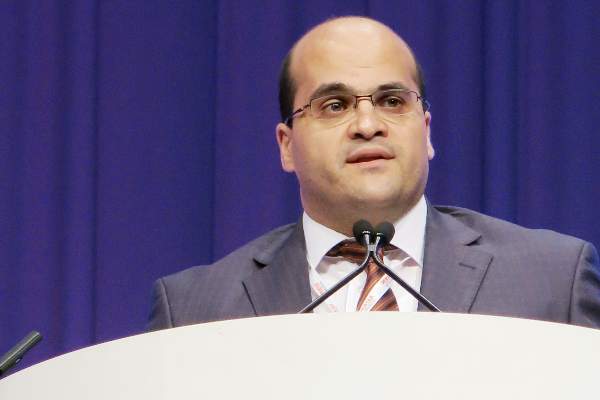
“I think as long as we have intact epithelium, we’re going to have improvements if we can laser these patients as early as possible,” Dr. Jill Waibel said at the annual conference of the American Society for Laser Medicine and Surgery.
Approximately 100 million new scars occur annually in developed countries, almost a third of which result from trauma or burns, noted Dr. Waibel, a dermatologist specializing in treating burn scars at the Miami Dermatology and Laser Institute. Scarred areas begin to hypertrophy about 3-7 months after injury, when they undergo increased collagen production and slowed collagen breakdown, said Dr. Waibel. “Traditionally, reconstructive efforts have been delayed until a year after injury,” she emphasized. “But by this time, many patients have formed hypertrophic scars and have significant decreases in range of motion.”
To determine how early treatment with a combination of laser/LED therapy might interrupt hypertrophy and improve outcomes, Dr. Waibel and coinvestigator Ashley Rudnick treated 20 patients aged 21-55 years with moderate to severe burns on at least 5% of the body surface area that had occurred in the past 1-3 months. For each patient, they divided similarly scarred areas into four 5- by 5-cm squares, one of which served as an untreated control. They treated the other three areas with 120-micron spot fractional ablative carbon dioxide laser only, continuous wave LED phototherapy only, or fractional ablative laser followed by LED. They spaced the three laser sessions 2 months apart, and used eight 20-minute LED treatments per laser session. The fractional laser wavelength was 10,600 nm, energy was 80-120 mJ per pixel, and the frequency was up to 200 Hz, Dr. Waibel said. The LED wavelength was 830 nm, and energy intensity was 40-100 mW per cm2.
All treated areas improved more than the untreated control areas of scarring, but combining the modalities was associated with the fastest healing, according to blinded photographic reviews by physicians based on the visual analog Manchester scar scale, Dr. Waibel reported.
Phototherapy with LED can penetrate up to an inch of tissue and promotes selective ATP production and DNA and RNA activity, she added. “The positive effects occur only in injured cells,” she said. “LED has wound healing and anti-inflammatory effects that might benefit acutely wounded skin.”
Based on her experience, patients usually need from three to five sessions of fractional laser/LED sessions to see clear results, Dr. Waibel said in response to a question from an audience member. “We know that every time we treat a hypertrophic scar, it will get better,” she added. “When patients stop coming for treatment, you know they’re happy. If you can combine modalities softly and safely, you’ll need fewer treatments.”
Dr. Waibel disclosed financial and advisory relationships with ALMA, Cutera, DUSA, Harvest Technologies, L’Oreal/SkinCeuticals, Lumenis, Lutronics, Sebacia, Syneron-Candela, Valeant, and Zeltiq.
KISSIMMEE, FLA. – Early treatment with fractional carbon dioxide ablative laser and light-emitting diode phototherapy sped healing and improved texture, discoloration, and range of motion in hypertrophic burn scars in a controlled, blinded study of 20 patients.
“I think as long as we have intact epithelium, we’re going to have improvements if we can laser these patients as early as possible,” Dr. Jill Waibel said at the annual conference of the American Society for Laser Medicine and Surgery.
Approximately 100 million new scars occur annually in developed countries, almost a third of which result from trauma or burns, noted Dr. Waibel, a dermatologist specializing in treating burn scars at the Miami Dermatology and Laser Institute. Scarred areas begin to hypertrophy about 3-7 months after injury, when they undergo increased collagen production and slowed collagen breakdown, said Dr. Waibel. “Traditionally, reconstructive efforts have been delayed until a year after injury,” she emphasized. “But by this time, many patients have formed hypertrophic scars and have significant decreases in range of motion.”
To determine how early treatment with a combination of laser/LED therapy might interrupt hypertrophy and improve outcomes, Dr. Waibel and coinvestigator Ashley Rudnick treated 20 patients aged 21-55 years with moderate to severe burns on at least 5% of the body surface area that had occurred in the past 1-3 months. For each patient, they divided similarly scarred areas into four 5- by 5-cm squares, one of which served as an untreated control. They treated the other three areas with 120-micron spot fractional ablative carbon dioxide laser only, continuous wave LED phototherapy only, or fractional ablative laser followed by LED. They spaced the three laser sessions 2 months apart, and used eight 20-minute LED treatments per laser session. The fractional laser wavelength was 10,600 nm, energy was 80-120 mJ per pixel, and the frequency was up to 200 Hz, Dr. Waibel said. The LED wavelength was 830 nm, and energy intensity was 40-100 mW per cm2.
All treated areas improved more than the untreated control areas of scarring, but combining the modalities was associated with the fastest healing, according to blinded photographic reviews by physicians based on the visual analog Manchester scar scale, Dr. Waibel reported.
Phototherapy with LED can penetrate up to an inch of tissue and promotes selective ATP production and DNA and RNA activity, she added. “The positive effects occur only in injured cells,” she said. “LED has wound healing and anti-inflammatory effects that might benefit acutely wounded skin.”
Based on her experience, patients usually need from three to five sessions of fractional laser/LED sessions to see clear results, Dr. Waibel said in response to a question from an audience member. “We know that every time we treat a hypertrophic scar, it will get better,” she added. “When patients stop coming for treatment, you know they’re happy. If you can combine modalities softly and safely, you’ll need fewer treatments.”
Dr. Waibel disclosed financial and advisory relationships with ALMA, Cutera, DUSA, Harvest Technologies, L’Oreal/SkinCeuticals, Lumenis, Lutronics, Sebacia, Syneron-Candela, Valeant, and Zeltiq.
KISSIMMEE, FLA. – Early treatment with fractional carbon dioxide ablative laser and light-emitting diode phototherapy sped healing and improved texture, discoloration, and range of motion in hypertrophic burn scars in a controlled, blinded study of 20 patients.
“I think as long as we have intact epithelium, we’re going to have improvements if we can laser these patients as early as possible,” Dr. Jill Waibel said at the annual conference of the American Society for Laser Medicine and Surgery.
Approximately 100 million new scars occur annually in developed countries, almost a third of which result from trauma or burns, noted Dr. Waibel, a dermatologist specializing in treating burn scars at the Miami Dermatology and Laser Institute. Scarred areas begin to hypertrophy about 3-7 months after injury, when they undergo increased collagen production and slowed collagen breakdown, said Dr. Waibel. “Traditionally, reconstructive efforts have been delayed until a year after injury,” she emphasized. “But by this time, many patients have formed hypertrophic scars and have significant decreases in range of motion.”
To determine how early treatment with a combination of laser/LED therapy might interrupt hypertrophy and improve outcomes, Dr. Waibel and coinvestigator Ashley Rudnick treated 20 patients aged 21-55 years with moderate to severe burns on at least 5% of the body surface area that had occurred in the past 1-3 months. For each patient, they divided similarly scarred areas into four 5- by 5-cm squares, one of which served as an untreated control. They treated the other three areas with 120-micron spot fractional ablative carbon dioxide laser only, continuous wave LED phototherapy only, or fractional ablative laser followed by LED. They spaced the three laser sessions 2 months apart, and used eight 20-minute LED treatments per laser session. The fractional laser wavelength was 10,600 nm, energy was 80-120 mJ per pixel, and the frequency was up to 200 Hz, Dr. Waibel said. The LED wavelength was 830 nm, and energy intensity was 40-100 mW per cm2.
All treated areas improved more than the untreated control areas of scarring, but combining the modalities was associated with the fastest healing, according to blinded photographic reviews by physicians based on the visual analog Manchester scar scale, Dr. Waibel reported.
Phototherapy with LED can penetrate up to an inch of tissue and promotes selective ATP production and DNA and RNA activity, she added. “The positive effects occur only in injured cells,” she said. “LED has wound healing and anti-inflammatory effects that might benefit acutely wounded skin.”
Based on her experience, patients usually need from three to five sessions of fractional laser/LED sessions to see clear results, Dr. Waibel said in response to a question from an audience member. “We know that every time we treat a hypertrophic scar, it will get better,” she added. “When patients stop coming for treatment, you know they’re happy. If you can combine modalities softly and safely, you’ll need fewer treatments.”
Dr. Waibel disclosed financial and advisory relationships with ALMA, Cutera, DUSA, Harvest Technologies, L’Oreal/SkinCeuticals, Lumenis, Lutronics, Sebacia, Syneron-Candela, Valeant, and Zeltiq.
AT LASER 2015
Key clinical point: Fractional carbon dioxide ablative laser with light-emitting diode (LED) phototherapy sped healing and improved the appearance and function of burn scars.
Major finding: Both laser and LED alone improved scar healing, compared with untreated control scars, but combining the modalities led to the best outcomes. The fractional laser wavelength was 10,600 nm, and the LED wavelength was 830 nm.
Data source: Prospective, blinded, controlled study of 20 adults with acute moderate to severe burns.
Disclosures: Dr. Waibel disclosed financial and advisory relationships with ALMA, Cutera, DUSA, Harvest Technologies, L’Oreal/Skinceuticals, Lumenis, Lutronic, Sebacia, Syneron-Candela, Valeant, and Zeltiq.
Warfarin bridge therapy ups bleeding risk, with no reduction in VTE
Bridge therapy for warfarin patients undergoing invasive therapy is unnecessary for most, said investigators who found an increased risk of bleeding associated with the use of short-acting anticoagulant at the time of the procedure.
A retrospective cohort study of 1,812 procedures in 1,178 patients – most of whom were considered to be at low risk of venous thromboembolism recurrence – showed a 17-fold increase in the risk of clinically relevant bleeding in the group that received bridge anticoagulant therapy, compared with the group that didn’t (2.7% vs. 0.2%).
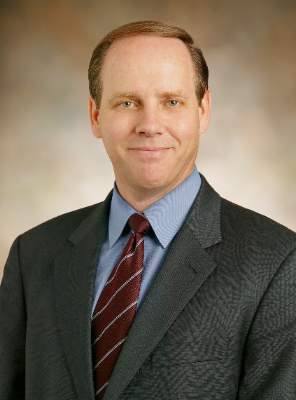
There was, however, no significant difference in the rate of recurrent venous thromboembolism between the bridge-therapy and non–bridge-therapy groups (0 vs. 3), and no deaths were observed in either group, according to an article published online May 26 (JAMA Intern. Med. [doi:10.1001/jamainternmed.2015.1843].
“Our results confirm and strengthen the findings of those previous studies and highlight the need for a risk categorization scheme that identifies patients at highest risk for recurrent VTE who may benefit from bridge therapy,” wrote Thomas Delate, Ph.D., from Kaiser Permanente Colorado, and coauthors.
The study was conducted and supported by Kaiser Permanente Colorado. One author reported consultancies with Astra-Zeneca, Boehringer-Ingelheim, Pfizer, and Sanofi.
|
| Dr. Daniel J. Brotman |
There are undoubtedly some patients at such high risk for recurrent venous thromboembolism that bridge therapy is a necessary evil, such as those with acute VTE in the preceding month and those with a prior pattern of brisk VTE recurrence during short-term interruption of anticoagulation therapy.
However, for the vast majority of patients receiving oral anticoagulants for VTE, it is probably safer to simply allow the oral anticoagulant to wash out before the procedure and, if indicated based on the type of surgery, to use routine prophylactic-dose anticoagulation therapy afterward.
Dr. Daniel J. Brotman and Dr. Michael B. Streiff are from Johns Hopkins University, Baltimore. These comments are taken from an accompanying editorial (JAMA Intern. Med. 2015 May 26 [doi:10.1001/jamainternmed.2015.1858]). Dr Streiff declared research funding from Bristol-Myers Squibb and Portola and consultancies for Boehringer-Ingelheim, Daiichi-Sankyo, Eisai, Janssen HealthCare, Pfizer, and Sanofi.
|
|
| Dr. Daniel J. Brotman |
There are undoubtedly some patients at such high risk for recurrent venous thromboembolism that bridge therapy is a necessary evil, such as those with acute VTE in the preceding month and those with a prior pattern of brisk VTE recurrence during short-term interruption of anticoagulation therapy.
However, for the vast majority of patients receiving oral anticoagulants for VTE, it is probably safer to simply allow the oral anticoagulant to wash out before the procedure and, if indicated based on the type of surgery, to use routine prophylactic-dose anticoagulation therapy afterward.
Dr. Daniel J. Brotman and Dr. Michael B. Streiff are from Johns Hopkins University, Baltimore. These comments are taken from an accompanying editorial (JAMA Intern. Med. 2015 May 26 [doi:10.1001/jamainternmed.2015.1858]). Dr Streiff declared research funding from Bristol-Myers Squibb and Portola and consultancies for Boehringer-Ingelheim, Daiichi-Sankyo, Eisai, Janssen HealthCare, Pfizer, and Sanofi.
|
|
| Dr. Daniel J. Brotman |
There are undoubtedly some patients at such high risk for recurrent venous thromboembolism that bridge therapy is a necessary evil, such as those with acute VTE in the preceding month and those with a prior pattern of brisk VTE recurrence during short-term interruption of anticoagulation therapy.
However, for the vast majority of patients receiving oral anticoagulants for VTE, it is probably safer to simply allow the oral anticoagulant to wash out before the procedure and, if indicated based on the type of surgery, to use routine prophylactic-dose anticoagulation therapy afterward.
Dr. Daniel J. Brotman and Dr. Michael B. Streiff are from Johns Hopkins University, Baltimore. These comments are taken from an accompanying editorial (JAMA Intern. Med. 2015 May 26 [doi:10.1001/jamainternmed.2015.1858]). Dr Streiff declared research funding from Bristol-Myers Squibb and Portola and consultancies for Boehringer-Ingelheim, Daiichi-Sankyo, Eisai, Janssen HealthCare, Pfizer, and Sanofi.
Bridge therapy for warfarin patients undergoing invasive therapy is unnecessary for most, said investigators who found an increased risk of bleeding associated with the use of short-acting anticoagulant at the time of the procedure.
A retrospective cohort study of 1,812 procedures in 1,178 patients – most of whom were considered to be at low risk of venous thromboembolism recurrence – showed a 17-fold increase in the risk of clinically relevant bleeding in the group that received bridge anticoagulant therapy, compared with the group that didn’t (2.7% vs. 0.2%).
There was, however, no significant difference in the rate of recurrent venous thromboembolism between the bridge-therapy and non–bridge-therapy groups (0 vs. 3), and no deaths were observed in either group, according to an article published online May 26 (JAMA Intern. Med. [doi:10.1001/jamainternmed.2015.1843].
“Our results confirm and strengthen the findings of those previous studies and highlight the need for a risk categorization scheme that identifies patients at highest risk for recurrent VTE who may benefit from bridge therapy,” wrote Thomas Delate, Ph.D., from Kaiser Permanente Colorado, and coauthors.
The study was conducted and supported by Kaiser Permanente Colorado. One author reported consultancies with Astra-Zeneca, Boehringer-Ingelheim, Pfizer, and Sanofi.
Bridge therapy for warfarin patients undergoing invasive therapy is unnecessary for most, said investigators who found an increased risk of bleeding associated with the use of short-acting anticoagulant at the time of the procedure.
A retrospective cohort study of 1,812 procedures in 1,178 patients – most of whom were considered to be at low risk of venous thromboembolism recurrence – showed a 17-fold increase in the risk of clinically relevant bleeding in the group that received bridge anticoagulant therapy, compared with the group that didn’t (2.7% vs. 0.2%).
There was, however, no significant difference in the rate of recurrent venous thromboembolism between the bridge-therapy and non–bridge-therapy groups (0 vs. 3), and no deaths were observed in either group, according to an article published online May 26 (JAMA Intern. Med. [doi:10.1001/jamainternmed.2015.1843].
“Our results confirm and strengthen the findings of those previous studies and highlight the need for a risk categorization scheme that identifies patients at highest risk for recurrent VTE who may benefit from bridge therapy,” wrote Thomas Delate, Ph.D., from Kaiser Permanente Colorado, and coauthors.
The study was conducted and supported by Kaiser Permanente Colorado. One author reported consultancies with Astra-Zeneca, Boehringer-Ingelheim, Pfizer, and Sanofi.
Key clinical point: Bridge therapy for warfarin patients undergoing invasive therapy is associated with an increased risk of bleeding without a reduction in thromboembolism risk.
Major finding: Patients given bridge therapy during invasive therapy had a 17-fold increase in the risk of clinically significant bleeding.
Data source: A retrospective cohort study of 1,812 procedures in 1,178 patients.
Disclosures: The study was conducted and supported by Kaiser Permanente Colorado. One author reported consultancies with AstraZeneca, Boehringer-Ingelheim, Pfizer, and Sanofi.
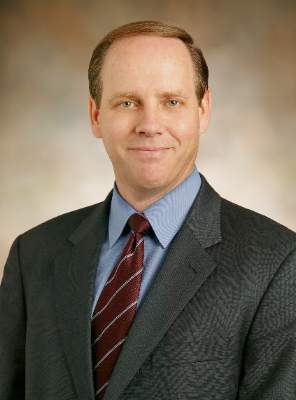
APA: Honest talk about opioid dependence encouraged
TORONTO – More than half of patients in a random sample of individuals seeking treatment for opioid dependence started their journey to addiction with a legitimate medical need for painkillers, according to Dr. Christopher Chiodo.
With the rising morbidity, mortality, and costs associated with opioid dependence, it’s time for physicians to take a closer look at their prescribing habits, said Dr. Chiodo, an orthopedic surgeon at the Brigham and Women’s Faulkner Hospital, Boston.

“You guys are on the back end, taking care of these poor individuals,” Dr. Chiodo told a room full of addiction specialists. “I’m on the front end. I’m the one giving out the prescriptions to patients who are becoming addicted.”
The journey to dependence
In an effort to better understand the role physicians play in the origins of patients’ addiction, Dr. Chiodo and his colleagues at the Brigham and Women’s hospital studied 50 consecutive patients (64% male; mean age, 40 years) being treated for opioid addiction at the hospital’s outpatient center.
Based on an anonymous written survey, the investigators found that 58% of patients received their first opioids from a doctor’s prescription, an additional 28% got the drugs from family and friends, and 14% got them from dealers or other sources.
“There are a lot of patients, for whom we are starting this process. … I’m certainly not going to use the word ‘responsible’ for it, but we’re starting the process,” Dr. Chiodo said at the annual meeting of the American Psychiatric Association.
Orthopedic surgeons weren’t actually the biggest prescribers: 36% of patients reported getting the prescription from a primary care doctor, 7% from a dentist, 7% from an orthopedic surgeon, 14% from general surgeons, and the remaining 36% from other clinicians or from multiple physicians (for example, through doctor shopping).
Perhaps of most concern, at the time the patients reported first considering themselves addicted to opioids, 45% were still getting their drugs from doctors.
The pressures to overprescribe
Many doctors overprescribe just to avoid being called in the middle of the night by a patient in pain. “It’s the low road,” he said.
Other pressures that increase prescribing include patient expectations, increasing surgical volume, and the lack of a longitudinal relationship with patients who are often being treated for acute problems.
“Typical orthopedic office encounters involve patients in pain, quick visits, and we don’t have a longitudinal relationship with these patients – we don’t know who they are, what their personal values are, or their coping or anxiety scores,” Dr. Chiodo said.
Perhaps one of the strongest issues in overprescribing is the desire to avoid complaints, he said.
“You’re doing everything you can to avoid having to confront the patients, so you take the easier road and give them a prescription, and hope they give you a better review in the hospital and on the Internet,” said Dr. Chiodo.
Recent studies have estimated the total annual cost in the United States of opioid abuse to be between $18 billion and $72 billion per year. As well, the United States consumes 80% of the global opioid supply and 99% of global hydrocodone. Studies have shown that patients are more likely to complain about doctors who don’t give them pain medications.
Have the talk
Just prescribing fewer opioids isn’t the only answer, said Dr. Chiodo. What is needed is more dialogue with patients about their pain expectations and their need for opioids.
“I give them 2 weeks [after surgery], and maybe one more prescription to carry them through the third week, but when you get that call, you need to tell your patient that it’s OK to be having some pain,” Dr. Chiodo said. “Half of the time, that’s enough for them; they sigh and say they don’t want the prescription for another week.”
Sometime what is needed – and this is a harder talk to have, said Dr. Chiodo – is an honest suggestion to patients that they are at risk for addiction. “You’re prescribing something very powerful for pain that is affecting their life, and I think we need to talk to our patients more.”
During the Q&A period, Dr. Stephen Frye, a psychiatrist from Las Vegas, suggested that much of this musculoskeletal pain can be better managed with medicinal marijuana.
“Let me assure you that marijuana, which is medically now allowed in 24 states, is really valuable medicine, remarkably safe, you cannot die from it, you cannot OD from it. … This is excellent medication for these problems,” Dr. Frye said.
Dr. Chiodo reported no relevant financial disclosures.
TORONTO – More than half of patients in a random sample of individuals seeking treatment for opioid dependence started their journey to addiction with a legitimate medical need for painkillers, according to Dr. Christopher Chiodo.
With the rising morbidity, mortality, and costs associated with opioid dependence, it’s time for physicians to take a closer look at their prescribing habits, said Dr. Chiodo, an orthopedic surgeon at the Brigham and Women’s Faulkner Hospital, Boston.
“You guys are on the back end, taking care of these poor individuals,” Dr. Chiodo told a room full of addiction specialists. “I’m on the front end. I’m the one giving out the prescriptions to patients who are becoming addicted.”
The journey to dependence
In an effort to better understand the role physicians play in the origins of patients’ addiction, Dr. Chiodo and his colleagues at the Brigham and Women’s hospital studied 50 consecutive patients (64% male; mean age, 40 years) being treated for opioid addiction at the hospital’s outpatient center.
Based on an anonymous written survey, the investigators found that 58% of patients received their first opioids from a doctor’s prescription, an additional 28% got the drugs from family and friends, and 14% got them from dealers or other sources.
“There are a lot of patients, for whom we are starting this process. … I’m certainly not going to use the word ‘responsible’ for it, but we’re starting the process,” Dr. Chiodo said at the annual meeting of the American Psychiatric Association.
Orthopedic surgeons weren’t actually the biggest prescribers: 36% of patients reported getting the prescription from a primary care doctor, 7% from a dentist, 7% from an orthopedic surgeon, 14% from general surgeons, and the remaining 36% from other clinicians or from multiple physicians (for example, through doctor shopping).
Perhaps of most concern, at the time the patients reported first considering themselves addicted to opioids, 45% were still getting their drugs from doctors.
The pressures to overprescribe
Many doctors overprescribe just to avoid being called in the middle of the night by a patient in pain. “It’s the low road,” he said.
Other pressures that increase prescribing include patient expectations, increasing surgical volume, and the lack of a longitudinal relationship with patients who are often being treated for acute problems.
“Typical orthopedic office encounters involve patients in pain, quick visits, and we don’t have a longitudinal relationship with these patients – we don’t know who they are, what their personal values are, or their coping or anxiety scores,” Dr. Chiodo said.
Perhaps one of the strongest issues in overprescribing is the desire to avoid complaints, he said.
“You’re doing everything you can to avoid having to confront the patients, so you take the easier road and give them a prescription, and hope they give you a better review in the hospital and on the Internet,” said Dr. Chiodo.
Recent studies have estimated the total annual cost in the United States of opioid abuse to be between $18 billion and $72 billion per year. As well, the United States consumes 80% of the global opioid supply and 99% of global hydrocodone. Studies have shown that patients are more likely to complain about doctors who don’t give them pain medications.
Have the talk
Just prescribing fewer opioids isn’t the only answer, said Dr. Chiodo. What is needed is more dialogue with patients about their pain expectations and their need for opioids.
“I give them 2 weeks [after surgery], and maybe one more prescription to carry them through the third week, but when you get that call, you need to tell your patient that it’s OK to be having some pain,” Dr. Chiodo said. “Half of the time, that’s enough for them; they sigh and say they don’t want the prescription for another week.”
Sometime what is needed – and this is a harder talk to have, said Dr. Chiodo – is an honest suggestion to patients that they are at risk for addiction. “You’re prescribing something very powerful for pain that is affecting their life, and I think we need to talk to our patients more.”
During the Q&A period, Dr. Stephen Frye, a psychiatrist from Las Vegas, suggested that much of this musculoskeletal pain can be better managed with medicinal marijuana.
“Let me assure you that marijuana, which is medically now allowed in 24 states, is really valuable medicine, remarkably safe, you cannot die from it, you cannot OD from it. … This is excellent medication for these problems,” Dr. Frye said.
Dr. Chiodo reported no relevant financial disclosures.
TORONTO – More than half of patients in a random sample of individuals seeking treatment for opioid dependence started their journey to addiction with a legitimate medical need for painkillers, according to Dr. Christopher Chiodo.
With the rising morbidity, mortality, and costs associated with opioid dependence, it’s time for physicians to take a closer look at their prescribing habits, said Dr. Chiodo, an orthopedic surgeon at the Brigham and Women’s Faulkner Hospital, Boston.
“You guys are on the back end, taking care of these poor individuals,” Dr. Chiodo told a room full of addiction specialists. “I’m on the front end. I’m the one giving out the prescriptions to patients who are becoming addicted.”
The journey to dependence
In an effort to better understand the role physicians play in the origins of patients’ addiction, Dr. Chiodo and his colleagues at the Brigham and Women’s hospital studied 50 consecutive patients (64% male; mean age, 40 years) being treated for opioid addiction at the hospital’s outpatient center.
Based on an anonymous written survey, the investigators found that 58% of patients received their first opioids from a doctor’s prescription, an additional 28% got the drugs from family and friends, and 14% got them from dealers or other sources.
“There are a lot of patients, for whom we are starting this process. … I’m certainly not going to use the word ‘responsible’ for it, but we’re starting the process,” Dr. Chiodo said at the annual meeting of the American Psychiatric Association.
Orthopedic surgeons weren’t actually the biggest prescribers: 36% of patients reported getting the prescription from a primary care doctor, 7% from a dentist, 7% from an orthopedic surgeon, 14% from general surgeons, and the remaining 36% from other clinicians or from multiple physicians (for example, through doctor shopping).
Perhaps of most concern, at the time the patients reported first considering themselves addicted to opioids, 45% were still getting their drugs from doctors.
The pressures to overprescribe
Many doctors overprescribe just to avoid being called in the middle of the night by a patient in pain. “It’s the low road,” he said.
Other pressures that increase prescribing include patient expectations, increasing surgical volume, and the lack of a longitudinal relationship with patients who are often being treated for acute problems.
“Typical orthopedic office encounters involve patients in pain, quick visits, and we don’t have a longitudinal relationship with these patients – we don’t know who they are, what their personal values are, or their coping or anxiety scores,” Dr. Chiodo said.
Perhaps one of the strongest issues in overprescribing is the desire to avoid complaints, he said.
“You’re doing everything you can to avoid having to confront the patients, so you take the easier road and give them a prescription, and hope they give you a better review in the hospital and on the Internet,” said Dr. Chiodo.
Recent studies have estimated the total annual cost in the United States of opioid abuse to be between $18 billion and $72 billion per year. As well, the United States consumes 80% of the global opioid supply and 99% of global hydrocodone. Studies have shown that patients are more likely to complain about doctors who don’t give them pain medications.
Have the talk
Just prescribing fewer opioids isn’t the only answer, said Dr. Chiodo. What is needed is more dialogue with patients about their pain expectations and their need for opioids.
“I give them 2 weeks [after surgery], and maybe one more prescription to carry them through the third week, but when you get that call, you need to tell your patient that it’s OK to be having some pain,” Dr. Chiodo said. “Half of the time, that’s enough for them; they sigh and say they don’t want the prescription for another week.”
Sometime what is needed – and this is a harder talk to have, said Dr. Chiodo – is an honest suggestion to patients that they are at risk for addiction. “You’re prescribing something very powerful for pain that is affecting their life, and I think we need to talk to our patients more.”
During the Q&A period, Dr. Stephen Frye, a psychiatrist from Las Vegas, suggested that much of this musculoskeletal pain can be better managed with medicinal marijuana.
“Let me assure you that marijuana, which is medically now allowed in 24 states, is really valuable medicine, remarkably safe, you cannot die from it, you cannot OD from it. … This is excellent medication for these problems,” Dr. Frye said.
Dr. Chiodo reported no relevant financial disclosures.
AT THE APA ANNUAL MEETING
Key clinical point: Physicians are overprescribing opioids, starting many patients on the road to opioid dependence.
Major finding: In a random sample of patients receiving treatment for opioid dependence, 58% received their first opioids from a doctor’s prescription. At the time they considered themselves addicted, 45% were still being prescribed opioids.
Data source: An observational study of 50 people.
Disclosures: Dr. Chiodo reported no relevant financial disclosures.

Resection margin correlates with survival in CRC liver metastases
SAN DIEGO – Clear resection margins, no matter how narrow, are associated with increased survival when surgeons excise liver tumors from metastatic colorectal cancer (MCRC).
When colorectal cancer metastasizes to the liver, tumor resection can be a safe intervention that improves long-term survival and contributes to cure. Previous studies have shown that any amount of negative margin had a positive impact on overall survival, but these smaller studies were hampered by lack of uniformity in definitions and in surgical technique. Additionally, new developments in chemotherapy have changed the treatment course and overall survival for those with MCRC and need to be taken into account.
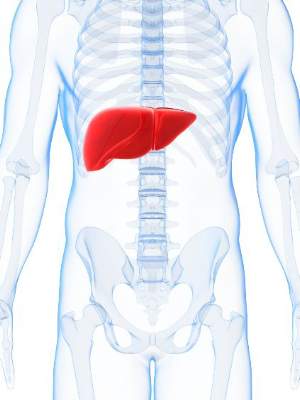
Dr. Michael D’Angelica and his colleagues at Memorial Sloan Kettering Cancer Center, New York, presented findings from a large, single-center cohort of patients with MCRC at the annual meeting of the American Surgical Association. The aims of the study, he said, were to analyze the association between margin width of tumor resection and survival in an updated cohort receiving modern therapies, and to account for potentially confounding factors.
The study included 2,368 patients who had hepatic resection for MCRC from 1992 to 2012; patients had the same liver transection method and had high-resolution microscopic pathologic measurement of tumor margins, which allowed submillimeter assessment of margin width. Dr. D’Angelica said that the study captured clinical and patient characteristics, including the number and size of tumors, clinical risk scores, and the presence of any extrahepatic disease.
About half of all patients (n = 1,191) had tumor margins between 1 and 9 mm; one-third (n = 765) had tumor margins of 10 mm or more. One in 10 patients (n = 245) had positive tumor margins, while the remaining 7% (n = 160) had negative tumor margins of 0.9 mm or less.
The study cohort was followed for a median 55 months; a significant relationship between margin width and survival emerged, with all negative margins widths being associated with significantly longer overall survival than the survival curve for those with positive margins (P < .01). This was true even for the narrowest margin widths. Factors associated with submillimeter tumor margins included tumor ablation, having more than three tumors, or tumor size over 5 cm.
Survival differences seen with submillimeter differences in tumor margin are likely attributable to currently unknown tumor growth properties, rather than actual margin width, Dr. D’Angelica said. In response to a question from Dr. Jean-Nicolas Vauthey of MD Anderson Cancer Center, Houston, Dr. D’Angelica speculated that the future of treating MCRC may rely on microscopic determination of tumor growth patterns, as well as better understanding of underlying gene patterns.
“Negative histologic margins, at all widths, including submillimeter margins, are independently associated with improved overall survival,” said Dr. D’Angelica. A significant difference was seen between patients with positive margins and any negative margin width, and between patients with submillimeter vs. 1 mm or greater margins. Beyond 1 mm, however, increasing margins widths were not associated with increased survival benefit.
Dr. D’Angelica noted that surgeons should not fear that a surgery with anticipated close margins would not benefit the patient, since any amount of clear margin confers a survival benefit. Wide margins, however, should be attempted when the approach is safe and feasible because it is the best-known technical approach to ensure a negative tumor margin. Very narrow margins, he noted, are probably a marker for an unknown biological factor rather than a true reflection of surgical technique.
The authors reported no disclosures.
The complete manuscript of this study and its presentation at the American Surgical Association’s 135th Annual Meeting, April 2015, in San Diego, California, are anticipated to be published in the Annals of Surgery pending editorial review.
SAN DIEGO – Clear resection margins, no matter how narrow, are associated with increased survival when surgeons excise liver tumors from metastatic colorectal cancer (MCRC).
When colorectal cancer metastasizes to the liver, tumor resection can be a safe intervention that improves long-term survival and contributes to cure. Previous studies have shown that any amount of negative margin had a positive impact on overall survival, but these smaller studies were hampered by lack of uniformity in definitions and in surgical technique. Additionally, new developments in chemotherapy have changed the treatment course and overall survival for those with MCRC and need to be taken into account.
Dr. Michael D’Angelica and his colleagues at Memorial Sloan Kettering Cancer Center, New York, presented findings from a large, single-center cohort of patients with MCRC at the annual meeting of the American Surgical Association. The aims of the study, he said, were to analyze the association between margin width of tumor resection and survival in an updated cohort receiving modern therapies, and to account for potentially confounding factors.
The study included 2,368 patients who had hepatic resection for MCRC from 1992 to 2012; patients had the same liver transection method and had high-resolution microscopic pathologic measurement of tumor margins, which allowed submillimeter assessment of margin width. Dr. D’Angelica said that the study captured clinical and patient characteristics, including the number and size of tumors, clinical risk scores, and the presence of any extrahepatic disease.
About half of all patients (n = 1,191) had tumor margins between 1 and 9 mm; one-third (n = 765) had tumor margins of 10 mm or more. One in 10 patients (n = 245) had positive tumor margins, while the remaining 7% (n = 160) had negative tumor margins of 0.9 mm or less.
The study cohort was followed for a median 55 months; a significant relationship between margin width and survival emerged, with all negative margins widths being associated with significantly longer overall survival than the survival curve for those with positive margins (P < .01). This was true even for the narrowest margin widths. Factors associated with submillimeter tumor margins included tumor ablation, having more than three tumors, or tumor size over 5 cm.
Survival differences seen with submillimeter differences in tumor margin are likely attributable to currently unknown tumor growth properties, rather than actual margin width, Dr. D’Angelica said. In response to a question from Dr. Jean-Nicolas Vauthey of MD Anderson Cancer Center, Houston, Dr. D’Angelica speculated that the future of treating MCRC may rely on microscopic determination of tumor growth patterns, as well as better understanding of underlying gene patterns.
“Negative histologic margins, at all widths, including submillimeter margins, are independently associated with improved overall survival,” said Dr. D’Angelica. A significant difference was seen between patients with positive margins and any negative margin width, and between patients with submillimeter vs. 1 mm or greater margins. Beyond 1 mm, however, increasing margins widths were not associated with increased survival benefit.
Dr. D’Angelica noted that surgeons should not fear that a surgery with anticipated close margins would not benefit the patient, since any amount of clear margin confers a survival benefit. Wide margins, however, should be attempted when the approach is safe and feasible because it is the best-known technical approach to ensure a negative tumor margin. Very narrow margins, he noted, are probably a marker for an unknown biological factor rather than a true reflection of surgical technique.
The authors reported no disclosures.
The complete manuscript of this study and its presentation at the American Surgical Association’s 135th Annual Meeting, April 2015, in San Diego, California, are anticipated to be published in the Annals of Surgery pending editorial review.
SAN DIEGO – Clear resection margins, no matter how narrow, are associated with increased survival when surgeons excise liver tumors from metastatic colorectal cancer (MCRC).
When colorectal cancer metastasizes to the liver, tumor resection can be a safe intervention that improves long-term survival and contributes to cure. Previous studies have shown that any amount of negative margin had a positive impact on overall survival, but these smaller studies were hampered by lack of uniformity in definitions and in surgical technique. Additionally, new developments in chemotherapy have changed the treatment course and overall survival for those with MCRC and need to be taken into account.
Dr. Michael D’Angelica and his colleagues at Memorial Sloan Kettering Cancer Center, New York, presented findings from a large, single-center cohort of patients with MCRC at the annual meeting of the American Surgical Association. The aims of the study, he said, were to analyze the association between margin width of tumor resection and survival in an updated cohort receiving modern therapies, and to account for potentially confounding factors.
The study included 2,368 patients who had hepatic resection for MCRC from 1992 to 2012; patients had the same liver transection method and had high-resolution microscopic pathologic measurement of tumor margins, which allowed submillimeter assessment of margin width. Dr. D’Angelica said that the study captured clinical and patient characteristics, including the number and size of tumors, clinical risk scores, and the presence of any extrahepatic disease.
About half of all patients (n = 1,191) had tumor margins between 1 and 9 mm; one-third (n = 765) had tumor margins of 10 mm or more. One in 10 patients (n = 245) had positive tumor margins, while the remaining 7% (n = 160) had negative tumor margins of 0.9 mm or less.
The study cohort was followed for a median 55 months; a significant relationship between margin width and survival emerged, with all negative margins widths being associated with significantly longer overall survival than the survival curve for those with positive margins (P < .01). This was true even for the narrowest margin widths. Factors associated with submillimeter tumor margins included tumor ablation, having more than three tumors, or tumor size over 5 cm.
Survival differences seen with submillimeter differences in tumor margin are likely attributable to currently unknown tumor growth properties, rather than actual margin width, Dr. D’Angelica said. In response to a question from Dr. Jean-Nicolas Vauthey of MD Anderson Cancer Center, Houston, Dr. D’Angelica speculated that the future of treating MCRC may rely on microscopic determination of tumor growth patterns, as well as better understanding of underlying gene patterns.
“Negative histologic margins, at all widths, including submillimeter margins, are independently associated with improved overall survival,” said Dr. D’Angelica. A significant difference was seen between patients with positive margins and any negative margin width, and between patients with submillimeter vs. 1 mm or greater margins. Beyond 1 mm, however, increasing margins widths were not associated with increased survival benefit.
Dr. D’Angelica noted that surgeons should not fear that a surgery with anticipated close margins would not benefit the patient, since any amount of clear margin confers a survival benefit. Wide margins, however, should be attempted when the approach is safe and feasible because it is the best-known technical approach to ensure a negative tumor margin. Very narrow margins, he noted, are probably a marker for an unknown biological factor rather than a true reflection of surgical technique.
The authors reported no disclosures.
The complete manuscript of this study and its presentation at the American Surgical Association’s 135th Annual Meeting, April 2015, in San Diego, California, are anticipated to be published in the Annals of Surgery pending editorial review.
AT THE ASA ANNUAL MEETING
Key clinical point: Negative margins of any size improve overall survival in liver metastases from colorectal cancer.
Major findings: Overall survival for individuals with liver metastases from colorectal cancer was correlated with tumor resection margins, with improved survival seen for all groups, compared with those who had tumor cells at the resection margin (P < .001).
Data source: Single-institution, prospectively collected database of patients (n = 2,368) undergoing resection for colorectal liver metastases.
Disclosures: The authors reported no disclosures.
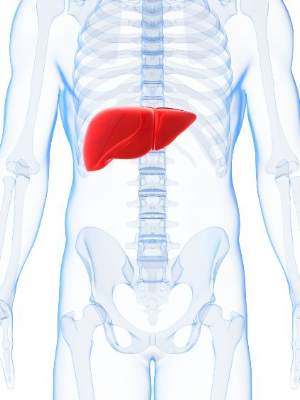
Rural surgery: A view from the front lines
Welcome to a new column about rural surgery! This quarterly feature will be a foray into the world of the rural surgeon by someone who has lived and worked in the rural milieu for many years. I want to bring to you a view of rural surgery from the “front lines.”
“Rural surgery: A view from the front lines” will be the second series about this timely topic published by ACS Surgery News. The first, “The Rural Surgeon” appeared in 2015 and was coordinated by Philip Caropreso, MD, FACS, a prominent and eloquent advocate for rural surgeons. The series was a great success. I was prevailed upon to begin another series. The goal for the new series is to delve into not only the important issues that rural surgeons face, but also to convey to readers who practice far from rural America what goes on in a rural practice.
I’ve been fortunate to be active in the leadership of the Michigan Chapter of the ACS and, through this association, I have learned how surgeons can impact care at the state level. I recently completed a 6-year term as an ACS Governor. As a governor, I’ve had the wonderful opportunity to serve as a member of the ACS Advisory Council for Rural Surgery, where I have learned about the many complex and unique challenges that U.S. rural surgeons confront. So I have my own lived experience as a rural surgeon and some exposure to what is happening in rural practices across the country, as well.
One thing I have learned is that not all rural surgery practices are the same. The work can depend on the size of the institution and the community. Surgical literature describes surgical practices in communities with a population of 10,000 or fewer as small rural surgical practices. In this setting, the hospital and staff level will be quite small. There are not likely to be cardiologists, pulmonologists, or many other medical specialists. Anesthesia may be provided by certified registered nurse anesthetists rather than anesthesiologists. A surgeon in a small rural surgical practice will do “bread and butter” elective cases such as hernia repairs, cholecystectomies, breast cancer surgery, and colectomies. Endoscopy is a large part of a rural surgeon’s practice since there would likely not be a gastroenterologist on staff. There may no urologist, ob.gyn., or orthopedist on staff, so a rural surgeon in this setting may do some urologic and orthopedic surgery and may provide C-section coverage.
A rural surgeon here may likely be the only general surgeon or may have one partner. These surgeons have a very high on-call burden. Because of all of these factors, surgeons in this setting will tend to be somewhat selective in which patients they choose to operate on. Elderly patients or those with multiple comorbidities may more likely be referred to a larger center.
Surgical practices in communities of 10,000-50,000 population, such as where I practice, are described as large rural surgical practices. The hospital in these communities will be larger and will offer more services. Our hospital has a cancer center, wound care clinic, and provides dialysis services. The medical staff will have more medical specialists. Our hospital has a pulmonologist, medical oncologist, radiation oncologist, neurologist, and a pathologist. Other specialties include cardiology, radiology, and pediatrics.
Hospitals in a community of this size will have more surgical specialists and will usually have anesthesiologists on staff. At our hospital, we have an orthopedic service, urology, ophthalmology, podiatry, ob.gyn. physicians, and MD anesthesia. There are no gastroenterologists, ICU specialists, neurosurgeons, infectious disease specialists, ENT surgeons, vascular surgeons, thoracic surgeons, or other surgical subspecialists at our hospital.
With a larger medical staff and a more developed hospital infrastructure, rural surgeons in a large rural practice setting can take care of more varied and complex patients. In my practice, we do “bread and butter” elective cases as mentioned above. We also do thyroid surgery, carotid endarterectomies, carpal tunnel release, melanoma surgery, amputations, and we place dialysis catheters and subcutaneous ports, and cover the wound care clinic. In other large rural practice settings, surgeons may do tendon repairs, endoscopic retrograde cholangiopancreatography, salivary gland surgery, pediatric hernia repair, and non–cardiac thoracic surgery. Many medical communities of this size will not have a gastroenterologist on staff, so endoscopy is a large part of a rural surgeon’s practice in this setting also. In my practice, endoscopy accounts for 60% of our billing. There will be more general surgeons on staff in a large rural setting, so the call burden is not as pronounced. I have three partners, so I am on call one in four.
Rural surgeons in both small and large rural practices frequently will see urgent and emergent surgical problems and, in my mind, that’s where rural surgeons can make the most difference. In these situations, the rural surgeon will take care of whatever he/she and their hospital have the capability to do. Rural areas have no lack of trauma and sometimes, the care a rural surgeon provides can be lifesaving. Common urgent or emergency surgical cases include small- or large-bowel obstructions, diverticulitis, perforated ulcers, incarcerated hernia, and necrotizing fasciitis. Rural surgeons also play a vital role in stabilizing critically ill or injured patients prior to arranging for transfer to a larger center.
Rural surgeons have a very broad scope of practice, but that’s not because they think they’re good enough to “do it all.” They aren’t being “cowboy surgeons.” A good rural surgeon simply tries to utilize as many of the skills learned during residency to properly care for as many patients of the community as possible.
By working on the front lines, rural surgeons can make a very real difference for the patients of their communities. More to come in future columns!
Dr. Puls is a general surgeon in Alpena, Mich. He serves as vice chair of the ACS Advisory Council for Rural Surgery.
Welcome to a new column about rural surgery! This quarterly feature will be a foray into the world of the rural surgeon by someone who has lived and worked in the rural milieu for many years. I want to bring to you a view of rural surgery from the “front lines.”
“Rural surgery: A view from the front lines” will be the second series about this timely topic published by ACS Surgery News. The first, “The Rural Surgeon” appeared in 2015 and was coordinated by Philip Caropreso, MD, FACS, a prominent and eloquent advocate for rural surgeons. The series was a great success. I was prevailed upon to begin another series. The goal for the new series is to delve into not only the important issues that rural surgeons face, but also to convey to readers who practice far from rural America what goes on in a rural practice.
I’ve been fortunate to be active in the leadership of the Michigan Chapter of the ACS and, through this association, I have learned how surgeons can impact care at the state level. I recently completed a 6-year term as an ACS Governor. As a governor, I’ve had the wonderful opportunity to serve as a member of the ACS Advisory Council for Rural Surgery, where I have learned about the many complex and unique challenges that U.S. rural surgeons confront. So I have my own lived experience as a rural surgeon and some exposure to what is happening in rural practices across the country, as well.
One thing I have learned is that not all rural surgery practices are the same. The work can depend on the size of the institution and the community. Surgical literature describes surgical practices in communities with a population of 10,000 or fewer as small rural surgical practices. In this setting, the hospital and staff level will be quite small. There are not likely to be cardiologists, pulmonologists, or many other medical specialists. Anesthesia may be provided by certified registered nurse anesthetists rather than anesthesiologists. A surgeon in a small rural surgical practice will do “bread and butter” elective cases such as hernia repairs, cholecystectomies, breast cancer surgery, and colectomies. Endoscopy is a large part of a rural surgeon’s practice since there would likely not be a gastroenterologist on staff. There may no urologist, ob.gyn., or orthopedist on staff, so a rural surgeon in this setting may do some urologic and orthopedic surgery and may provide C-section coverage.
A rural surgeon here may likely be the only general surgeon or may have one partner. These surgeons have a very high on-call burden. Because of all of these factors, surgeons in this setting will tend to be somewhat selective in which patients they choose to operate on. Elderly patients or those with multiple comorbidities may more likely be referred to a larger center.
Surgical practices in communities of 10,000-50,000 population, such as where I practice, are described as large rural surgical practices. The hospital in these communities will be larger and will offer more services. Our hospital has a cancer center, wound care clinic, and provides dialysis services. The medical staff will have more medical specialists. Our hospital has a pulmonologist, medical oncologist, radiation oncologist, neurologist, and a pathologist. Other specialties include cardiology, radiology, and pediatrics.
Hospitals in a community of this size will have more surgical specialists and will usually have anesthesiologists on staff. At our hospital, we have an orthopedic service, urology, ophthalmology, podiatry, ob.gyn. physicians, and MD anesthesia. There are no gastroenterologists, ICU specialists, neurosurgeons, infectious disease specialists, ENT surgeons, vascular surgeons, thoracic surgeons, or other surgical subspecialists at our hospital.
With a larger medical staff and a more developed hospital infrastructure, rural surgeons in a large rural practice setting can take care of more varied and complex patients. In my practice, we do “bread and butter” elective cases as mentioned above. We also do thyroid surgery, carotid endarterectomies, carpal tunnel release, melanoma surgery, amputations, and we place dialysis catheters and subcutaneous ports, and cover the wound care clinic. In other large rural practice settings, surgeons may do tendon repairs, endoscopic retrograde cholangiopancreatography, salivary gland surgery, pediatric hernia repair, and non–cardiac thoracic surgery. Many medical communities of this size will not have a gastroenterologist on staff, so endoscopy is a large part of a rural surgeon’s practice in this setting also. In my practice, endoscopy accounts for 60% of our billing. There will be more general surgeons on staff in a large rural setting, so the call burden is not as pronounced. I have three partners, so I am on call one in four.
Rural surgeons in both small and large rural practices frequently will see urgent and emergent surgical problems and, in my mind, that’s where rural surgeons can make the most difference. In these situations, the rural surgeon will take care of whatever he/she and their hospital have the capability to do. Rural areas have no lack of trauma and sometimes, the care a rural surgeon provides can be lifesaving. Common urgent or emergency surgical cases include small- or large-bowel obstructions, diverticulitis, perforated ulcers, incarcerated hernia, and necrotizing fasciitis. Rural surgeons also play a vital role in stabilizing critically ill or injured patients prior to arranging for transfer to a larger center.
Rural surgeons have a very broad scope of practice, but that’s not because they think they’re good enough to “do it all.” They aren’t being “cowboy surgeons.” A good rural surgeon simply tries to utilize as many of the skills learned during residency to properly care for as many patients of the community as possible.
By working on the front lines, rural surgeons can make a very real difference for the patients of their communities. More to come in future columns!
Dr. Puls is a general surgeon in Alpena, Mich. He serves as vice chair of the ACS Advisory Council for Rural Surgery.
Welcome to a new column about rural surgery! This quarterly feature will be a foray into the world of the rural surgeon by someone who has lived and worked in the rural milieu for many years. I want to bring to you a view of rural surgery from the “front lines.”
“Rural surgery: A view from the front lines” will be the second series about this timely topic published by ACS Surgery News. The first, “The Rural Surgeon” appeared in 2015 and was coordinated by Philip Caropreso, MD, FACS, a prominent and eloquent advocate for rural surgeons. The series was a great success. I was prevailed upon to begin another series. The goal for the new series is to delve into not only the important issues that rural surgeons face, but also to convey to readers who practice far from rural America what goes on in a rural practice.
I’ve been fortunate to be active in the leadership of the Michigan Chapter of the ACS and, through this association, I have learned how surgeons can impact care at the state level. I recently completed a 6-year term as an ACS Governor. As a governor, I’ve had the wonderful opportunity to serve as a member of the ACS Advisory Council for Rural Surgery, where I have learned about the many complex and unique challenges that U.S. rural surgeons confront. So I have my own lived experience as a rural surgeon and some exposure to what is happening in rural practices across the country, as well.
One thing I have learned is that not all rural surgery practices are the same. The work can depend on the size of the institution and the community. Surgical literature describes surgical practices in communities with a population of 10,000 or fewer as small rural surgical practices. In this setting, the hospital and staff level will be quite small. There are not likely to be cardiologists, pulmonologists, or many other medical specialists. Anesthesia may be provided by certified registered nurse anesthetists rather than anesthesiologists. A surgeon in a small rural surgical practice will do “bread and butter” elective cases such as hernia repairs, cholecystectomies, breast cancer surgery, and colectomies. Endoscopy is a large part of a rural surgeon’s practice since there would likely not be a gastroenterologist on staff. There may no urologist, ob.gyn., or orthopedist on staff, so a rural surgeon in this setting may do some urologic and orthopedic surgery and may provide C-section coverage.
A rural surgeon here may likely be the only general surgeon or may have one partner. These surgeons have a very high on-call burden. Because of all of these factors, surgeons in this setting will tend to be somewhat selective in which patients they choose to operate on. Elderly patients or those with multiple comorbidities may more likely be referred to a larger center.
Surgical practices in communities of 10,000-50,000 population, such as where I practice, are described as large rural surgical practices. The hospital in these communities will be larger and will offer more services. Our hospital has a cancer center, wound care clinic, and provides dialysis services. The medical staff will have more medical specialists. Our hospital has a pulmonologist, medical oncologist, radiation oncologist, neurologist, and a pathologist. Other specialties include cardiology, radiology, and pediatrics.
Hospitals in a community of this size will have more surgical specialists and will usually have anesthesiologists on staff. At our hospital, we have an orthopedic service, urology, ophthalmology, podiatry, ob.gyn. physicians, and MD anesthesia. There are no gastroenterologists, ICU specialists, neurosurgeons, infectious disease specialists, ENT surgeons, vascular surgeons, thoracic surgeons, or other surgical subspecialists at our hospital.
With a larger medical staff and a more developed hospital infrastructure, rural surgeons in a large rural practice setting can take care of more varied and complex patients. In my practice, we do “bread and butter” elective cases as mentioned above. We also do thyroid surgery, carotid endarterectomies, carpal tunnel release, melanoma surgery, amputations, and we place dialysis catheters and subcutaneous ports, and cover the wound care clinic. In other large rural practice settings, surgeons may do tendon repairs, endoscopic retrograde cholangiopancreatography, salivary gland surgery, pediatric hernia repair, and non–cardiac thoracic surgery. Many medical communities of this size will not have a gastroenterologist on staff, so endoscopy is a large part of a rural surgeon’s practice in this setting also. In my practice, endoscopy accounts for 60% of our billing. There will be more general surgeons on staff in a large rural setting, so the call burden is not as pronounced. I have three partners, so I am on call one in four.
Rural surgeons in both small and large rural practices frequently will see urgent and emergent surgical problems and, in my mind, that’s where rural surgeons can make the most difference. In these situations, the rural surgeon will take care of whatever he/she and their hospital have the capability to do. Rural areas have no lack of trauma and sometimes, the care a rural surgeon provides can be lifesaving. Common urgent or emergency surgical cases include small- or large-bowel obstructions, diverticulitis, perforated ulcers, incarcerated hernia, and necrotizing fasciitis. Rural surgeons also play a vital role in stabilizing critically ill or injured patients prior to arranging for transfer to a larger center.
Rural surgeons have a very broad scope of practice, but that’s not because they think they’re good enough to “do it all.” They aren’t being “cowboy surgeons.” A good rural surgeon simply tries to utilize as many of the skills learned during residency to properly care for as many patients of the community as possible.
By working on the front lines, rural surgeons can make a very real difference for the patients of their communities. More to come in future columns!
Dr. Puls is a general surgeon in Alpena, Mich. He serves as vice chair of the ACS Advisory Council for Rural Surgery.