User login
Official Newspaper of the American College of Surgeons
Business associate agreements
Revision of the Health Insurance Portability and Accountability Act (HIPAA) rules has prompted numerous questions about business associates (BAs) and business associate agreements (BAAs). Apparently there is confusion about exactly which businesses qualify as BAs and how your BAAs should be modified to reflect the new provisions.
The criteria for identifying BAs are admittedly vague: The act defines them as nonemployees, performing “functions or activities” on behalf of the “covered entity” (your practice) that involve “creating, receiving, maintaining, or transmitting” personal health information (PHI).
Clearly, answering and billing services, independent transcriptionists, hardware and software companies, and any other vendors involved in creating or maintaining your medical records always qualify as BAs. Other businesses may or may not qualify, depending on whether they need direct access to PHI in order to provide their service. These include practice management consultants, attorneys, companies that store or microfilm medical records, and record-shredding services.
Specialty pharmacies are seldom mentioned in the BA discussion, but they probably should be. Pharmaceutical manufacturers are increasingly using them as intermediaries for their products – particularly the more expensive ones, such as biologics. Many of them ship products directly to patients, for which they require home addresses and other personal information, and in order to file payment paperwork and claim forms, they usually request diagnoses and associated medical information. By any reasonable interpretation of the new rules, this makes them BAs, and you should have BAAs in place before allowing them to fill your prescriptions.
To further complicate the situation, manufacturers and insurers routinely compile information about the real world uses of their products. To that end, they often ask specialty pharmacies to provide them with any patient data that they collect. Under the new rules, patients may restrict any PHI shared with third parties when patients pay for the drugs or services themselves. Your specialty pharmacy BAA should include a provision noting that the pharmacy is forbidden from disclosing any data to pharmaceutical companies or insurers from patients who self-pay and request confidentiality.
Mail carriers, package delivery people, cleaning services, copier repairmen, bank employees, and the like are not considered BAs. While they might conceivably come in contact with PHI on occasion, they don’t need it to do their job. You are required to use “reasonable diligence” in limiting the PHI that these folks may encounter, but you do not need to enter into written BA agreements with them.
Independent contractors who work within your practice – aestheticians and physical therapists, for example – are not considered BAs either, and do not need to sign a BA agreement. Just train them, as you do your employees.
Another source of confusion is the provision in the new rules that makes BAs directly responsible for their own HIPAA violations. While this might seem to eliminate the need for BAAs entirely, unfortunately that is not the case. In fact, even more responsibility has been placed on physicians for confidentiality breaches committed by their BAs. It is not enough to simply have a BAA in place; you are expected to use “reasonable diligence” in monitoring the work of your BAs. While BAs and their subcontractors are responsible for their own actions, the primary responsibility remains with you. Furthermore, you now must assume the worst-case scenario. Previously, when PHI was compromised, you would have to notify affected patients (and the government) only if there was a “significant risk of financial or reputational harm”; but now, any incident involving patient records is assumed to be a breach, and must be reported. Failure to do so could subject your practice, as well as the contractor, to significant fines.
If you haven’t yet revised your Notice of Privacy Practices (NPP) to explain your relationships with BAs, and their status under the new rules, do it now. (You should have done it last September.) You need to explain the breach notification process too, as well as the new patient rights mentioned above. You must post your revised NPP in your office, and make copies available there, but you need not mail a copy to every patient.
Dr. Eastern practices dermatology and dermatologic surgery in Belleville, N.J. He is the author of numerous articles and textbook chapters, and is a longtime monthly columnist for Dermatology News.
Revision of the Health Insurance Portability and Accountability Act (HIPAA) rules has prompted numerous questions about business associates (BAs) and business associate agreements (BAAs). Apparently there is confusion about exactly which businesses qualify as BAs and how your BAAs should be modified to reflect the new provisions.
The criteria for identifying BAs are admittedly vague: The act defines them as nonemployees, performing “functions or activities” on behalf of the “covered entity” (your practice) that involve “creating, receiving, maintaining, or transmitting” personal health information (PHI).
Clearly, answering and billing services, independent transcriptionists, hardware and software companies, and any other vendors involved in creating or maintaining your medical records always qualify as BAs. Other businesses may or may not qualify, depending on whether they need direct access to PHI in order to provide their service. These include practice management consultants, attorneys, companies that store or microfilm medical records, and record-shredding services.
Specialty pharmacies are seldom mentioned in the BA discussion, but they probably should be. Pharmaceutical manufacturers are increasingly using them as intermediaries for their products – particularly the more expensive ones, such as biologics. Many of them ship products directly to patients, for which they require home addresses and other personal information, and in order to file payment paperwork and claim forms, they usually request diagnoses and associated medical information. By any reasonable interpretation of the new rules, this makes them BAs, and you should have BAAs in place before allowing them to fill your prescriptions.
To further complicate the situation, manufacturers and insurers routinely compile information about the real world uses of their products. To that end, they often ask specialty pharmacies to provide them with any patient data that they collect. Under the new rules, patients may restrict any PHI shared with third parties when patients pay for the drugs or services themselves. Your specialty pharmacy BAA should include a provision noting that the pharmacy is forbidden from disclosing any data to pharmaceutical companies or insurers from patients who self-pay and request confidentiality.
Mail carriers, package delivery people, cleaning services, copier repairmen, bank employees, and the like are not considered BAs. While they might conceivably come in contact with PHI on occasion, they don’t need it to do their job. You are required to use “reasonable diligence” in limiting the PHI that these folks may encounter, but you do not need to enter into written BA agreements with them.
Independent contractors who work within your practice – aestheticians and physical therapists, for example – are not considered BAs either, and do not need to sign a BA agreement. Just train them, as you do your employees.
Another source of confusion is the provision in the new rules that makes BAs directly responsible for their own HIPAA violations. While this might seem to eliminate the need for BAAs entirely, unfortunately that is not the case. In fact, even more responsibility has been placed on physicians for confidentiality breaches committed by their BAs. It is not enough to simply have a BAA in place; you are expected to use “reasonable diligence” in monitoring the work of your BAs. While BAs and their subcontractors are responsible for their own actions, the primary responsibility remains with you. Furthermore, you now must assume the worst-case scenario. Previously, when PHI was compromised, you would have to notify affected patients (and the government) only if there was a “significant risk of financial or reputational harm”; but now, any incident involving patient records is assumed to be a breach, and must be reported. Failure to do so could subject your practice, as well as the contractor, to significant fines.
If you haven’t yet revised your Notice of Privacy Practices (NPP) to explain your relationships with BAs, and their status under the new rules, do it now. (You should have done it last September.) You need to explain the breach notification process too, as well as the new patient rights mentioned above. You must post your revised NPP in your office, and make copies available there, but you need not mail a copy to every patient.
Dr. Eastern practices dermatology and dermatologic surgery in Belleville, N.J. He is the author of numerous articles and textbook chapters, and is a longtime monthly columnist for Dermatology News.
Revision of the Health Insurance Portability and Accountability Act (HIPAA) rules has prompted numerous questions about business associates (BAs) and business associate agreements (BAAs). Apparently there is confusion about exactly which businesses qualify as BAs and how your BAAs should be modified to reflect the new provisions.
The criteria for identifying BAs are admittedly vague: The act defines them as nonemployees, performing “functions or activities” on behalf of the “covered entity” (your practice) that involve “creating, receiving, maintaining, or transmitting” personal health information (PHI).
Clearly, answering and billing services, independent transcriptionists, hardware and software companies, and any other vendors involved in creating or maintaining your medical records always qualify as BAs. Other businesses may or may not qualify, depending on whether they need direct access to PHI in order to provide their service. These include practice management consultants, attorneys, companies that store or microfilm medical records, and record-shredding services.
Specialty pharmacies are seldom mentioned in the BA discussion, but they probably should be. Pharmaceutical manufacturers are increasingly using them as intermediaries for their products – particularly the more expensive ones, such as biologics. Many of them ship products directly to patients, for which they require home addresses and other personal information, and in order to file payment paperwork and claim forms, they usually request diagnoses and associated medical information. By any reasonable interpretation of the new rules, this makes them BAs, and you should have BAAs in place before allowing them to fill your prescriptions.
To further complicate the situation, manufacturers and insurers routinely compile information about the real world uses of their products. To that end, they often ask specialty pharmacies to provide them with any patient data that they collect. Under the new rules, patients may restrict any PHI shared with third parties when patients pay for the drugs or services themselves. Your specialty pharmacy BAA should include a provision noting that the pharmacy is forbidden from disclosing any data to pharmaceutical companies or insurers from patients who self-pay and request confidentiality.
Mail carriers, package delivery people, cleaning services, copier repairmen, bank employees, and the like are not considered BAs. While they might conceivably come in contact with PHI on occasion, they don’t need it to do their job. You are required to use “reasonable diligence” in limiting the PHI that these folks may encounter, but you do not need to enter into written BA agreements with them.
Independent contractors who work within your practice – aestheticians and physical therapists, for example – are not considered BAs either, and do not need to sign a BA agreement. Just train them, as you do your employees.
Another source of confusion is the provision in the new rules that makes BAs directly responsible for their own HIPAA violations. While this might seem to eliminate the need for BAAs entirely, unfortunately that is not the case. In fact, even more responsibility has been placed on physicians for confidentiality breaches committed by their BAs. It is not enough to simply have a BAA in place; you are expected to use “reasonable diligence” in monitoring the work of your BAs. While BAs and their subcontractors are responsible for their own actions, the primary responsibility remains with you. Furthermore, you now must assume the worst-case scenario. Previously, when PHI was compromised, you would have to notify affected patients (and the government) only if there was a “significant risk of financial or reputational harm”; but now, any incident involving patient records is assumed to be a breach, and must be reported. Failure to do so could subject your practice, as well as the contractor, to significant fines.
If you haven’t yet revised your Notice of Privacy Practices (NPP) to explain your relationships with BAs, and their status under the new rules, do it now. (You should have done it last September.) You need to explain the breach notification process too, as well as the new patient rights mentioned above. You must post your revised NPP in your office, and make copies available there, but you need not mail a copy to every patient.
Dr. Eastern practices dermatology and dermatologic surgery in Belleville, N.J. He is the author of numerous articles and textbook chapters, and is a longtime monthly columnist for Dermatology News.
GAO: Undercover agents effectively scammed healthcare.gov
Fictitious applicants were able to gain coverage from the federal health insurance marketplace and receive approximately $30,000 in subsidies over a 2-year period, according to a government watchdog agency.
Investigators with the Government Accountability Office (GAO) conducted 18 undercover tests including submitting 12 applications to healthcare.gov via telephone or online. Almost all (11) were successful and were awarded subsidies totaling almost $30,000. Of those, seven applications were approved based on incomplete and false information, according to a July 15 GAO report.

“While these subsidies, including those granted to GAO’s fictitious applicants, are paid to health care insurers, and not directly to enrolled consumers, they nevertheless represent a benefit to consumers and a cost to the government,” according to the report.
The Senate Finance Committee will hold a hearing on the report July 16.
“That the administration failed to weed out fake applicants 1 year later is yet another shocking development that, unfortunately, continues the trend of Obamacare’s gross mismanagement at the expense of hardworking taxpayers,” Sen. Orrin Hatch (R-Utah), chairman of the Finance Committee, said in a statement. “Not only does this negligence enhance the likelihood for abuse of taxpayer dollars, but it also calls into question the legitimacy of the health law’s enrollment numbers and challenges the integrity of the website’s security checks.”
Click here to read the GAO report.
dfulton@frontlinemedcom.com
On Twitter @denisefulton
Fictitious applicants were able to gain coverage from the federal health insurance marketplace and receive approximately $30,000 in subsidies over a 2-year period, according to a government watchdog agency.
Investigators with the Government Accountability Office (GAO) conducted 18 undercover tests including submitting 12 applications to healthcare.gov via telephone or online. Almost all (11) were successful and were awarded subsidies totaling almost $30,000. Of those, seven applications were approved based on incomplete and false information, according to a July 15 GAO report.
“While these subsidies, including those granted to GAO’s fictitious applicants, are paid to health care insurers, and not directly to enrolled consumers, they nevertheless represent a benefit to consumers and a cost to the government,” according to the report.
The Senate Finance Committee will hold a hearing on the report July 16.
“That the administration failed to weed out fake applicants 1 year later is yet another shocking development that, unfortunately, continues the trend of Obamacare’s gross mismanagement at the expense of hardworking taxpayers,” Sen. Orrin Hatch (R-Utah), chairman of the Finance Committee, said in a statement. “Not only does this negligence enhance the likelihood for abuse of taxpayer dollars, but it also calls into question the legitimacy of the health law’s enrollment numbers and challenges the integrity of the website’s security checks.”
Click here to read the GAO report.
dfulton@frontlinemedcom.com
On Twitter @denisefulton
Fictitious applicants were able to gain coverage from the federal health insurance marketplace and receive approximately $30,000 in subsidies over a 2-year period, according to a government watchdog agency.
Investigators with the Government Accountability Office (GAO) conducted 18 undercover tests including submitting 12 applications to healthcare.gov via telephone or online. Almost all (11) were successful and were awarded subsidies totaling almost $30,000. Of those, seven applications were approved based on incomplete and false information, according to a July 15 GAO report.
“While these subsidies, including those granted to GAO’s fictitious applicants, are paid to health care insurers, and not directly to enrolled consumers, they nevertheless represent a benefit to consumers and a cost to the government,” according to the report.
The Senate Finance Committee will hold a hearing on the report July 16.
“That the administration failed to weed out fake applicants 1 year later is yet another shocking development that, unfortunately, continues the trend of Obamacare’s gross mismanagement at the expense of hardworking taxpayers,” Sen. Orrin Hatch (R-Utah), chairman of the Finance Committee, said in a statement. “Not only does this negligence enhance the likelihood for abuse of taxpayer dollars, but it also calls into question the legitimacy of the health law’s enrollment numbers and challenges the integrity of the website’s security checks.”
Click here to read the GAO report.
dfulton@frontlinemedcom.com
On Twitter @denisefulton

Gene-testing predictive value can depend on institutional cancer prevalence
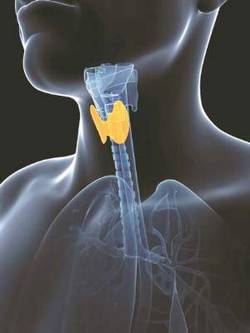
Molecular profiling may be useful to thyroid surgeons in a variety of scenarios, but results should be interpreted with proper knowledge of cancer prevalence at the clinician’s institution, report Dr. Robert L. Ferris and coauthors of the University of Pittsburgh Cancer Institute.
A large, prospective single-center study examined seven-gene mutational panel performance, and found that for the AUS/FLUS cytologic category, mutation identification had a positive predictive value of 88% for histologic cancers, with a false-positive rate of 12%, the authors said.
Results from two analyses of the gene expression classifier (GEC) test emphasized the importance of cancer prevalence at the institution in interpretation of negative predictive value (NPV) and positive predictive value (PPV). In the first study, though the overall calculated sensitivity for GEC was 94%, the high malignancy rate at the institution resulted in a lower estimated NPV of 90%. The second study found an estimated sensitivity and specificity to be 83% and 10%, respectively, and decreases in estimated NPV (94%) and PPV (16%), Dr. Ferris and his colleagues reported.
“Given the well established and frequently dramatic variations in cancer prevalence in thyroid cytology specimens, clinicians are urged to be aware of the prevalence of disease by cytologic category in their tested patients and carefully consider how local disease prevalence may change PPV and NPV of molecular diagnostic tests when applied to their unique clinical practice,” the authors said in the report.
Additionally, “the use of molecular profiling in cytologic indeterminate categories should be interpreted judiciously and with discretion by the clinician, who must be aware of institutional cytopathologic performance results, as well as the individual clinical and sonographic factors for each patient,” they concluded.
Read the full article in Thyroid (doi/pdf/10.1089/thy.2014.0502).
Molecular profiling may be useful to thyroid surgeons in a variety of scenarios, but results should be interpreted with proper knowledge of cancer prevalence at the clinician’s institution, report Dr. Robert L. Ferris and coauthors of the University of Pittsburgh Cancer Institute.
A large, prospective single-center study examined seven-gene mutational panel performance, and found that for the AUS/FLUS cytologic category, mutation identification had a positive predictive value of 88% for histologic cancers, with a false-positive rate of 12%, the authors said.
Results from two analyses of the gene expression classifier (GEC) test emphasized the importance of cancer prevalence at the institution in interpretation of negative predictive value (NPV) and positive predictive value (PPV). In the first study, though the overall calculated sensitivity for GEC was 94%, the high malignancy rate at the institution resulted in a lower estimated NPV of 90%. The second study found an estimated sensitivity and specificity to be 83% and 10%, respectively, and decreases in estimated NPV (94%) and PPV (16%), Dr. Ferris and his colleagues reported.
“Given the well established and frequently dramatic variations in cancer prevalence in thyroid cytology specimens, clinicians are urged to be aware of the prevalence of disease by cytologic category in their tested patients and carefully consider how local disease prevalence may change PPV and NPV of molecular diagnostic tests when applied to their unique clinical practice,” the authors said in the report.
Additionally, “the use of molecular profiling in cytologic indeterminate categories should be interpreted judiciously and with discretion by the clinician, who must be aware of institutional cytopathologic performance results, as well as the individual clinical and sonographic factors for each patient,” they concluded.
Read the full article in Thyroid (doi/pdf/10.1089/thy.2014.0502).
Molecular profiling may be useful to thyroid surgeons in a variety of scenarios, but results should be interpreted with proper knowledge of cancer prevalence at the clinician’s institution, report Dr. Robert L. Ferris and coauthors of the University of Pittsburgh Cancer Institute.
A large, prospective single-center study examined seven-gene mutational panel performance, and found that for the AUS/FLUS cytologic category, mutation identification had a positive predictive value of 88% for histologic cancers, with a false-positive rate of 12%, the authors said.
Results from two analyses of the gene expression classifier (GEC) test emphasized the importance of cancer prevalence at the institution in interpretation of negative predictive value (NPV) and positive predictive value (PPV). In the first study, though the overall calculated sensitivity for GEC was 94%, the high malignancy rate at the institution resulted in a lower estimated NPV of 90%. The second study found an estimated sensitivity and specificity to be 83% and 10%, respectively, and decreases in estimated NPV (94%) and PPV (16%), Dr. Ferris and his colleagues reported.
“Given the well established and frequently dramatic variations in cancer prevalence in thyroid cytology specimens, clinicians are urged to be aware of the prevalence of disease by cytologic category in their tested patients and carefully consider how local disease prevalence may change PPV and NPV of molecular diagnostic tests when applied to their unique clinical practice,” the authors said in the report.
Additionally, “the use of molecular profiling in cytologic indeterminate categories should be interpreted judiciously and with discretion by the clinician, who must be aware of institutional cytopathologic performance results, as well as the individual clinical and sonographic factors for each patient,” they concluded.
Read the full article in Thyroid (doi/pdf/10.1089/thy.2014.0502).
SVS: Opt for early repair of PDA/GDA splanchnic aneurysms
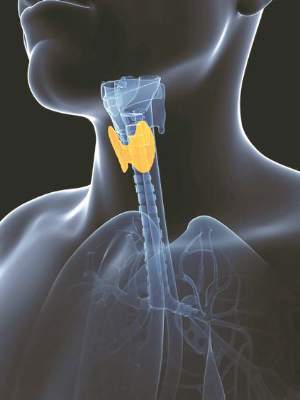
CHICAGO – Pancreaticoduodenal and gastroduodenal artery aneurysms should be repaired at diagnosis, according to Dr. Michael Corey, a vascular surgeon at Massachusetts General Hospital in Boston.
The reason is “they rupture at small sizes. Most other small splanchnic artery aneurysms” – below 25 mm – “do not grow or rupture over time and can safely undergo surveillance imaging every 3 years,” he said at a meeting hosted by the Society for Vascular Surgery.
The insights come from Dr. Corey’s review of 264 splanchnic artery aneurysms (SAAs) treated at Massachusetts General Hospital from 1994 to 2014 .
Pancreaticoduodenal (PDA) and gastroduodenal (GDA) artery aneurysms were the most likely to cause trouble. Almost all of the 36 in the study were associated with high-grade celiac axis stenosis, and 12 (33%) were symptomatic at presentation, including 7 (19%) that had ruptured at a mean size of 27.4 mm, range 15-48 mm.
Those 7 accounted for more than half of the 13 ruptures in the study. There were also five ruptures among 95 splenic artery aneurysms – the most common aneurysm type in the study – at a mean of 42 mm, and one among 34 hepatic artery aneurysms at 40 mm. Thirty-day morbidity after rupture repair was 54% and mortality 8%.
Pancreaticoduodenal (odds ratio, 14.41; 95% confidence interval, 3.5-59.9; P = .0002) and gastroduodenal artery aneurysms (OR, 6.95; 95% CI, 1.1-45.1; P = .042) were far more predictive of rupture than aneurysm size (OR, 1.04; 95% CI, 1.01-1.08; P = .0042). The strongest predictor was type 4 Ehlers-Danlos syndrome (OR, 34.09; 95% CI, 2.4-479.8; P = .0089). Calcification, meanwhile, did not predict rupture, growth, or thrombus burden.
Dr. Corey and his colleagues reviewed Massachusetts General’s experience with SAAs because “no strong consensus exists in the literature concerning the indications for treatment; 2 cm is currently the indication for surgical treatment of asymptomatic lesions,” he said.
Two centimeters might be too aggressive in some cases. Among 176 aneurysms put under surveillance for a mean of 36.1 months, the mean aneurysm size was 16.3 mm but ranged up to 40 mm. Even so, none of them ruptured. Just 12 aneurysms grew during surveillance, and only 8 eventually needed intervention. Perhaps most “small asymptomatic lesions do not affect longevity,” Dr. Corey said. The mean aneurysm size was 31.1 mm in the 88 patients repaired within 6 months of diagnosis. Splenic, pancreaticoduodenal, gastroduodenal, and hepatic aneurysms were the most likely to be repaired early, the majority by coil embolization and other endovascular techniques. Thirty-day morbidity for intact repair was 13% and mortality 3%.
Most of the splenic artery aneurysms were asymptomatic at presentation. In the half that were watched, just six grew.
Similarly, 78 celiac artery aneurysms – the second most common in the study – all presented without symptoms. Just 3 of the 60 under surveillance grew over a mean of 43.6 months. “These aneurysms rarely change,” Dr. Corey said.
Most of the 34 hepatic artery aneurysms and 17 superior mesenteric artery (SMA) aneurysms were asymptomatic. Between both groups, 20 aneurysms were put under surveillance; growth was noted in 1, an SMA lesion.
Although there was a shift from open to endovascular repair during the study period, there were no statistically significant differences in morbidity or mortality between the two approaches.
Dr. Corey has no disclosures.
CHICAGO – Pancreaticoduodenal and gastroduodenal artery aneurysms should be repaired at diagnosis, according to Dr. Michael Corey, a vascular surgeon at Massachusetts General Hospital in Boston.
The reason is “they rupture at small sizes. Most other small splanchnic artery aneurysms” – below 25 mm – “do not grow or rupture over time and can safely undergo surveillance imaging every 3 years,” he said at a meeting hosted by the Society for Vascular Surgery.
The insights come from Dr. Corey’s review of 264 splanchnic artery aneurysms (SAAs) treated at Massachusetts General Hospital from 1994 to 2014 .
Pancreaticoduodenal (PDA) and gastroduodenal (GDA) artery aneurysms were the most likely to cause trouble. Almost all of the 36 in the study were associated with high-grade celiac axis stenosis, and 12 (33%) were symptomatic at presentation, including 7 (19%) that had ruptured at a mean size of 27.4 mm, range 15-48 mm.
Those 7 accounted for more than half of the 13 ruptures in the study. There were also five ruptures among 95 splenic artery aneurysms – the most common aneurysm type in the study – at a mean of 42 mm, and one among 34 hepatic artery aneurysms at 40 mm. Thirty-day morbidity after rupture repair was 54% and mortality 8%.
Pancreaticoduodenal (odds ratio, 14.41; 95% confidence interval, 3.5-59.9; P = .0002) and gastroduodenal artery aneurysms (OR, 6.95; 95% CI, 1.1-45.1; P = .042) were far more predictive of rupture than aneurysm size (OR, 1.04; 95% CI, 1.01-1.08; P = .0042). The strongest predictor was type 4 Ehlers-Danlos syndrome (OR, 34.09; 95% CI, 2.4-479.8; P = .0089). Calcification, meanwhile, did not predict rupture, growth, or thrombus burden.
Dr. Corey and his colleagues reviewed Massachusetts General’s experience with SAAs because “no strong consensus exists in the literature concerning the indications for treatment; 2 cm is currently the indication for surgical treatment of asymptomatic lesions,” he said.
Two centimeters might be too aggressive in some cases. Among 176 aneurysms put under surveillance for a mean of 36.1 months, the mean aneurysm size was 16.3 mm but ranged up to 40 mm. Even so, none of them ruptured. Just 12 aneurysms grew during surveillance, and only 8 eventually needed intervention. Perhaps most “small asymptomatic lesions do not affect longevity,” Dr. Corey said. The mean aneurysm size was 31.1 mm in the 88 patients repaired within 6 months of diagnosis. Splenic, pancreaticoduodenal, gastroduodenal, and hepatic aneurysms were the most likely to be repaired early, the majority by coil embolization and other endovascular techniques. Thirty-day morbidity for intact repair was 13% and mortality 3%.
Most of the splenic artery aneurysms were asymptomatic at presentation. In the half that were watched, just six grew.
Similarly, 78 celiac artery aneurysms – the second most common in the study – all presented without symptoms. Just 3 of the 60 under surveillance grew over a mean of 43.6 months. “These aneurysms rarely change,” Dr. Corey said.
Most of the 34 hepatic artery aneurysms and 17 superior mesenteric artery (SMA) aneurysms were asymptomatic. Between both groups, 20 aneurysms were put under surveillance; growth was noted in 1, an SMA lesion.
Although there was a shift from open to endovascular repair during the study period, there were no statistically significant differences in morbidity or mortality between the two approaches.
Dr. Corey has no disclosures.
CHICAGO – Pancreaticoduodenal and gastroduodenal artery aneurysms should be repaired at diagnosis, according to Dr. Michael Corey, a vascular surgeon at Massachusetts General Hospital in Boston.
The reason is “they rupture at small sizes. Most other small splanchnic artery aneurysms” – below 25 mm – “do not grow or rupture over time and can safely undergo surveillance imaging every 3 years,” he said at a meeting hosted by the Society for Vascular Surgery.
The insights come from Dr. Corey’s review of 264 splanchnic artery aneurysms (SAAs) treated at Massachusetts General Hospital from 1994 to 2014 .
Pancreaticoduodenal (PDA) and gastroduodenal (GDA) artery aneurysms were the most likely to cause trouble. Almost all of the 36 in the study were associated with high-grade celiac axis stenosis, and 12 (33%) were symptomatic at presentation, including 7 (19%) that had ruptured at a mean size of 27.4 mm, range 15-48 mm.
Those 7 accounted for more than half of the 13 ruptures in the study. There were also five ruptures among 95 splenic artery aneurysms – the most common aneurysm type in the study – at a mean of 42 mm, and one among 34 hepatic artery aneurysms at 40 mm. Thirty-day morbidity after rupture repair was 54% and mortality 8%.
Pancreaticoduodenal (odds ratio, 14.41; 95% confidence interval, 3.5-59.9; P = .0002) and gastroduodenal artery aneurysms (OR, 6.95; 95% CI, 1.1-45.1; P = .042) were far more predictive of rupture than aneurysm size (OR, 1.04; 95% CI, 1.01-1.08; P = .0042). The strongest predictor was type 4 Ehlers-Danlos syndrome (OR, 34.09; 95% CI, 2.4-479.8; P = .0089). Calcification, meanwhile, did not predict rupture, growth, or thrombus burden.
Dr. Corey and his colleagues reviewed Massachusetts General’s experience with SAAs because “no strong consensus exists in the literature concerning the indications for treatment; 2 cm is currently the indication for surgical treatment of asymptomatic lesions,” he said.
Two centimeters might be too aggressive in some cases. Among 176 aneurysms put under surveillance for a mean of 36.1 months, the mean aneurysm size was 16.3 mm but ranged up to 40 mm. Even so, none of them ruptured. Just 12 aneurysms grew during surveillance, and only 8 eventually needed intervention. Perhaps most “small asymptomatic lesions do not affect longevity,” Dr. Corey said. The mean aneurysm size was 31.1 mm in the 88 patients repaired within 6 months of diagnosis. Splenic, pancreaticoduodenal, gastroduodenal, and hepatic aneurysms were the most likely to be repaired early, the majority by coil embolization and other endovascular techniques. Thirty-day morbidity for intact repair was 13% and mortality 3%.
Most of the splenic artery aneurysms were asymptomatic at presentation. In the half that were watched, just six grew.
Similarly, 78 celiac artery aneurysms – the second most common in the study – all presented without symptoms. Just 3 of the 60 under surveillance grew over a mean of 43.6 months. “These aneurysms rarely change,” Dr. Corey said.
Most of the 34 hepatic artery aneurysms and 17 superior mesenteric artery (SMA) aneurysms were asymptomatic. Between both groups, 20 aneurysms were put under surveillance; growth was noted in 1, an SMA lesion.
Although there was a shift from open to endovascular repair during the study period, there were no statistically significant differences in morbidity or mortality between the two approaches.
Dr. Corey has no disclosures.
AT THE 2015 VASCULAR ANNUAL MEETING
Key clinical point: Pancreaticoduodenal and gastroduodenal artery aneurysms rupture at smaller sizes than do other visceral aneurysms.
Major finding: Almost all of the 36 aneurysms in the study were associated with high-grade celiac axis stenosis, and 12 (33%) were symptomatic at presentation, including 7 (19%) that had ruptured at a mean size of 27.4 mm (range, 15-48 mm).
Data source: Review of 264 splanchnic artery aneurysms treated at Massachusetts General Hospital from 1994 to 2014.
Disclosures: The lead investigator has no relevant disclosures.
Full transparency comes to medical records
Transparency, until recently, was rarely associated with health care. Not anymore. For better and sometimes worse, there is a revolutionary movement toward transparency in all facets of health care: transparency of costs, outcomes, quality, service, and reputation. Full transparency now has come to medical records in the form of OpenNotes. This is a patient-centered initiative that allows patients full access to their chart including all their providers’ notes.
Patients always have had the right to see their record. Ordinarily though, they would be required to go to the medical records office, fill out paperwork, and request copies of their chart. They would have to supply a reason and often pay a fee. OpenNotes changes that. Open patient charts are free and easy to access, usually digitally. OpenNotes programs are still rare, and before we go any further, it’s important to examine what we’ve learned about them.
In 2010, Beth Israel Deaconess Medical Center in Boston, Geisinger Health System in Pennsylvania, and Harborview Medical Center in Seattle invited 105 primary care physicians to open their notes to nearly 14,000 patients. The results were overwhelmingly (and to me, surprisingly) positive: More than 85% of patients accessed their notes at least once. Nearly 100% of patients wanted the program to continue. Patients reported a better understanding of their medical issues, better medication adherence, increased adoption of healthy habits, and less anxiety about their health. I would have expected more confusion and anxiety among the patients.
What about the physicians? According to the initiative, whereas one in three patients thought they should have unfettered access to their physicians’ notes, only 1 in 10 physicians did. That’s understandable. The physicians in the pilot shared many of the same concerns you and I have, namely that OpenNotes would lead to an increased workload to explain esoteric notes to patients and to allay anxieties.
Yet, this extra workload didn’t occur. Only 3% of physicians reported spending more time answering patients’ questions, although one-fifth did report that they changed the language they used when writing notes, primarily to avoid offending patients. Every physician in the initiative said he or she would continue using OpenNotes. Surprised? So was I.
Even the usually conservative SERMO physician audience responded in an unexpected manner. According to a poll conducted this June, SERMO asked 2,300 physicians if patients should have access to their medical records (including physician notes). Forty-nine percent said “only on a case-by-case basis,” 34% said “yes, always,” and 17% said “no, never.”
So, are OpenNotes a success? Let’s take a closer look at some of the challenges. First, we physicians use language that will confuse patients at best and lead them to incorrect conclusions at worst. “Acne necrotica?” Not as bad as it sounds. Or consider, “differential diagnosis includes neuroendocrine tumor.” It doesn’t mean you have it, but some patients will believe they do. Will we have to dumb down our charts then to appease them? Won’t this degrade note quality, one of the primary objectives we are trying to avoid? It’s unclear.
The purpose of a patient note is to inform other providers and to remind ourselves of the critical information needed to care for a patient. It must be pithy and honest. It often reflects our inchoate thoughts as much as our diagnoses. It also must include the sundry requirements we know and love that are needed only to bill for the visit. These are not characteristics that make for a good patient read.
Indeed, the benefits of transparency are not limitless. In some instances, more transparency is worse. Imagine if all your emails and texts were transparent to everyone. Or if everything you’ve ever said about your mother-in-law was viewable by her. Clearly, bad transparency, bad transparency. Not sharing everything doesn’t mean we are dishonest or duplicitous. It means we are civil. It doesn’t mean we don’t care; it means we do care. We care about our friends and family. We care about our patients and the best way to make them well.
Unless we make it clear to patients that the notes they are viewing are not written for them, I’m worried simply opening charts could damage the doctor-patient relationship as much as it fosters it. Interestingly, there are companies trying to build a technical solution for this conundrum. Others are advocating for standardization of pathology and lab reports that are patient friendly. I’ll research these topics and let you know what I find out in a future column.
Perhaps I shouldn’t have been surprised by the positive results from the OpenNotes initiative. After all, for the last several years, I have given patients their actual pathology report for every biopsy I’ve done (which numbers in the many thousands). I have had fewer than five follow-up questions from patients that I can remember. Pretty much all were legitimate, as I recall, including a wrong site error in a report.
Today, more than 5 million patients have access to their providers’ notes on OpenNotes. That number will grow. Our biggest risk is to not be involved. “Just say no” didn’t work for Nancy Reagan; it won’t do our cause any good either.
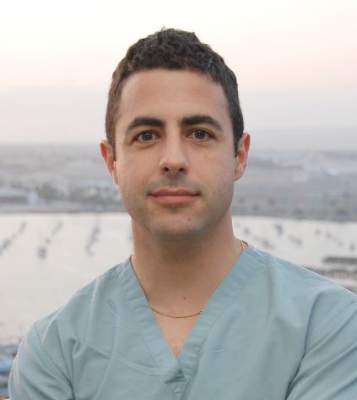
Dr. Benabio is a partner physician in the department of dermatology of the Southern California Permanente Group in San Diego, and a volunteer clinical assistant professor at the University of California, San Diego. Dr. Benabio is @dermdoc on Twitter.
Transparency, until recently, was rarely associated with health care. Not anymore. For better and sometimes worse, there is a revolutionary movement toward transparency in all facets of health care: transparency of costs, outcomes, quality, service, and reputation. Full transparency now has come to medical records in the form of OpenNotes. This is a patient-centered initiative that allows patients full access to their chart including all their providers’ notes.
Patients always have had the right to see their record. Ordinarily though, they would be required to go to the medical records office, fill out paperwork, and request copies of their chart. They would have to supply a reason and often pay a fee. OpenNotes changes that. Open patient charts are free and easy to access, usually digitally. OpenNotes programs are still rare, and before we go any further, it’s important to examine what we’ve learned about them.
In 2010, Beth Israel Deaconess Medical Center in Boston, Geisinger Health System in Pennsylvania, and Harborview Medical Center in Seattle invited 105 primary care physicians to open their notes to nearly 14,000 patients. The results were overwhelmingly (and to me, surprisingly) positive: More than 85% of patients accessed their notes at least once. Nearly 100% of patients wanted the program to continue. Patients reported a better understanding of their medical issues, better medication adherence, increased adoption of healthy habits, and less anxiety about their health. I would have expected more confusion and anxiety among the patients.
What about the physicians? According to the initiative, whereas one in three patients thought they should have unfettered access to their physicians’ notes, only 1 in 10 physicians did. That’s understandable. The physicians in the pilot shared many of the same concerns you and I have, namely that OpenNotes would lead to an increased workload to explain esoteric notes to patients and to allay anxieties.
Yet, this extra workload didn’t occur. Only 3% of physicians reported spending more time answering patients’ questions, although one-fifth did report that they changed the language they used when writing notes, primarily to avoid offending patients. Every physician in the initiative said he or she would continue using OpenNotes. Surprised? So was I.
Even the usually conservative SERMO physician audience responded in an unexpected manner. According to a poll conducted this June, SERMO asked 2,300 physicians if patients should have access to their medical records (including physician notes). Forty-nine percent said “only on a case-by-case basis,” 34% said “yes, always,” and 17% said “no, never.”
So, are OpenNotes a success? Let’s take a closer look at some of the challenges. First, we physicians use language that will confuse patients at best and lead them to incorrect conclusions at worst. “Acne necrotica?” Not as bad as it sounds. Or consider, “differential diagnosis includes neuroendocrine tumor.” It doesn’t mean you have it, but some patients will believe they do. Will we have to dumb down our charts then to appease them? Won’t this degrade note quality, one of the primary objectives we are trying to avoid? It’s unclear.
The purpose of a patient note is to inform other providers and to remind ourselves of the critical information needed to care for a patient. It must be pithy and honest. It often reflects our inchoate thoughts as much as our diagnoses. It also must include the sundry requirements we know and love that are needed only to bill for the visit. These are not characteristics that make for a good patient read.
Indeed, the benefits of transparency are not limitless. In some instances, more transparency is worse. Imagine if all your emails and texts were transparent to everyone. Or if everything you’ve ever said about your mother-in-law was viewable by her. Clearly, bad transparency, bad transparency. Not sharing everything doesn’t mean we are dishonest or duplicitous. It means we are civil. It doesn’t mean we don’t care; it means we do care. We care about our friends and family. We care about our patients and the best way to make them well.
Unless we make it clear to patients that the notes they are viewing are not written for them, I’m worried simply opening charts could damage the doctor-patient relationship as much as it fosters it. Interestingly, there are companies trying to build a technical solution for this conundrum. Others are advocating for standardization of pathology and lab reports that are patient friendly. I’ll research these topics and let you know what I find out in a future column.
Perhaps I shouldn’t have been surprised by the positive results from the OpenNotes initiative. After all, for the last several years, I have given patients their actual pathology report for every biopsy I’ve done (which numbers in the many thousands). I have had fewer than five follow-up questions from patients that I can remember. Pretty much all were legitimate, as I recall, including a wrong site error in a report.
Today, more than 5 million patients have access to their providers’ notes on OpenNotes. That number will grow. Our biggest risk is to not be involved. “Just say no” didn’t work for Nancy Reagan; it won’t do our cause any good either.
Dr. Benabio is a partner physician in the department of dermatology of the Southern California Permanente Group in San Diego, and a volunteer clinical assistant professor at the University of California, San Diego. Dr. Benabio is @dermdoc on Twitter.
Transparency, until recently, was rarely associated with health care. Not anymore. For better and sometimes worse, there is a revolutionary movement toward transparency in all facets of health care: transparency of costs, outcomes, quality, service, and reputation. Full transparency now has come to medical records in the form of OpenNotes. This is a patient-centered initiative that allows patients full access to their chart including all their providers’ notes.
Patients always have had the right to see their record. Ordinarily though, they would be required to go to the medical records office, fill out paperwork, and request copies of their chart. They would have to supply a reason and often pay a fee. OpenNotes changes that. Open patient charts are free and easy to access, usually digitally. OpenNotes programs are still rare, and before we go any further, it’s important to examine what we’ve learned about them.
In 2010, Beth Israel Deaconess Medical Center in Boston, Geisinger Health System in Pennsylvania, and Harborview Medical Center in Seattle invited 105 primary care physicians to open their notes to nearly 14,000 patients. The results were overwhelmingly (and to me, surprisingly) positive: More than 85% of patients accessed their notes at least once. Nearly 100% of patients wanted the program to continue. Patients reported a better understanding of their medical issues, better medication adherence, increased adoption of healthy habits, and less anxiety about their health. I would have expected more confusion and anxiety among the patients.
What about the physicians? According to the initiative, whereas one in three patients thought they should have unfettered access to their physicians’ notes, only 1 in 10 physicians did. That’s understandable. The physicians in the pilot shared many of the same concerns you and I have, namely that OpenNotes would lead to an increased workload to explain esoteric notes to patients and to allay anxieties.
Yet, this extra workload didn’t occur. Only 3% of physicians reported spending more time answering patients’ questions, although one-fifth did report that they changed the language they used when writing notes, primarily to avoid offending patients. Every physician in the initiative said he or she would continue using OpenNotes. Surprised? So was I.
Even the usually conservative SERMO physician audience responded in an unexpected manner. According to a poll conducted this June, SERMO asked 2,300 physicians if patients should have access to their medical records (including physician notes). Forty-nine percent said “only on a case-by-case basis,” 34% said “yes, always,” and 17% said “no, never.”
So, are OpenNotes a success? Let’s take a closer look at some of the challenges. First, we physicians use language that will confuse patients at best and lead them to incorrect conclusions at worst. “Acne necrotica?” Not as bad as it sounds. Or consider, “differential diagnosis includes neuroendocrine tumor.” It doesn’t mean you have it, but some patients will believe they do. Will we have to dumb down our charts then to appease them? Won’t this degrade note quality, one of the primary objectives we are trying to avoid? It’s unclear.
The purpose of a patient note is to inform other providers and to remind ourselves of the critical information needed to care for a patient. It must be pithy and honest. It often reflects our inchoate thoughts as much as our diagnoses. It also must include the sundry requirements we know and love that are needed only to bill for the visit. These are not characteristics that make for a good patient read.
Indeed, the benefits of transparency are not limitless. In some instances, more transparency is worse. Imagine if all your emails and texts were transparent to everyone. Or if everything you’ve ever said about your mother-in-law was viewable by her. Clearly, bad transparency, bad transparency. Not sharing everything doesn’t mean we are dishonest or duplicitous. It means we are civil. It doesn’t mean we don’t care; it means we do care. We care about our friends and family. We care about our patients and the best way to make them well.
Unless we make it clear to patients that the notes they are viewing are not written for them, I’m worried simply opening charts could damage the doctor-patient relationship as much as it fosters it. Interestingly, there are companies trying to build a technical solution for this conundrum. Others are advocating for standardization of pathology and lab reports that are patient friendly. I’ll research these topics and let you know what I find out in a future column.
Perhaps I shouldn’t have been surprised by the positive results from the OpenNotes initiative. After all, for the last several years, I have given patients their actual pathology report for every biopsy I’ve done (which numbers in the many thousands). I have had fewer than five follow-up questions from patients that I can remember. Pretty much all were legitimate, as I recall, including a wrong site error in a report.
Today, more than 5 million patients have access to their providers’ notes on OpenNotes. That number will grow. Our biggest risk is to not be involved. “Just say no” didn’t work for Nancy Reagan; it won’t do our cause any good either.
Dr. Benabio is a partner physician in the department of dermatology of the Southern California Permanente Group in San Diego, and a volunteer clinical assistant professor at the University of California, San Diego. Dr. Benabio is @dermdoc on Twitter.
From the Washington Office
In the previous two editions of this column, I have written about the new Medicare Access and CHIP Reauthorization Act (MACRA) and the changes it will bring to Medicare physician payment beginning in January 2019 with the Merit-Based Incentive Payment System (MIPS). In June’s column, three of the four MIPS performance categories were outlined. Specifically, those include the Quality, Resource Use, and Electronic Health Record Meaningful Use components and encompass the Physician Quality Reporting System (PQRS), Value-Based Modifier (VBM), Physician Quality Reporting System (PQRS), and Electronic Health Record Meaningful Use (EHR-MU) programs with which Fellows are hopefully familiar. As promised, this month I will discuss the final performance category component, namely the Clinical Practice Improvement Activities (CPIA) as well as the Alternative Payment Models program (APMs). Lastly, I wish to bring to the attention of Fellows a new web-based resource developed by the ACS Division of Advocacy and Health Policy to assist them in avoiding current law Medicare penalties.
The CPIA are designed to assess and credit surgeons according to their effort toward improving their clinical practice OR their preparation toward participating in the APMs. The menu of specific, recognized activities will be established in collaboration with the Centers for Medicare & Medicaid Services and the providers to whom the activities will be applicable. Many of the specifics are yet to be determined and will be part of the rule-making process in coming years. However, the MACRA legislation specifies that the CPIA must be applicable to all specialties and be attainable for small practices and professionals in rural and underserved areas. To support the efforts of surgeons and other providers in small or rural practice, Congress set aside $20 million dollars for each year, 2016-2020, for technical assistance to support the efforts of practices with 15 or fewer professionals to improve MIPS performance or transition to APMs.
The new law takes concerted steps to incentivize and encourage the development of and participation in APMs. As with the CPIA outlined above, the details of APMs are not yet fully clear and will be established going forward. However, in general, these programs will base payment on quality measures, not volume or intensity, and will include an element of financial risk for providers. For those surgeons who receive a significant share of their revenue from an APM, an annual 5% bonus will be available for each of the years 2019-2024. To qualify for that bonus surgeons must receive 25% of their Medicare revenue from an APM in the years 2019 and 2020, with the requirement subsequently increasing to 50% in 2021 and ultimately to 75% beginning in 2023. Providers may qualify based on a combination of private APMs and Medicare APMs as well.
In recognition of the lack of APMs in many areas or applicability for many specialties, MACRA prioritizes development of models for small practices, models that are specialty specific, and model development in conjunction with private payers as well as Medicaid-based options, all with the ultimate goal of encouraging the development of new and innovative payment models. The legislative language in MACRA is broad enough that it may allow for creation of a model based on the ACS’ Clinical Affinity Group (CAG) concept whereby providers are grouped together based on the patients or conditions that they treat, not their specialty designation.
Surgeons who meet a threshold of payment received from a qualified APM will be exempted from participation in MIPS to include most EHR-MU requirements and also receive the 5% bonus as described above. Those who participate in an APM but fail to meet the threshold necessary to receive that bonus will receive credit for such in the CPIA portion of their MIPS composite score.
Finally, even though the permanent repeal of the SGR found in MACRA represents the successful culmination of long-standing, combined advocacy efforts of the American College of Surgeons (ACS) and other medical associations toward meaningful, future Medicare physician payment reform, Fellows should be well aware that the three current law Medicare quality programs, namely the PQRS, EHR-MU, and VBM and their corresponding requirements as well as their associated penalties remain in effect until January 2019.
Surgeons who do not successfully participate in the PQRS, EHR-MU, and VBM face significant penalties on future Medicare payments. Specifically, failure to meet the requirements imposed by these three programs in 2015 could result in total penalties of up to 9% in Medicare payments in 2017.
To assist Fellows in navigating the complexities of complying with current law quality program requirements and thus avoid Medicare penalties, the ACS Division of Advocacy and Health Policy has developed a new online interactive flowchart which can be found at [WEB ADDRESS]. Fellows may wish to refer to and bookmark this page as an ongoing reference in order to familiarize themselves with current law requirements, facilitate their individual compliance with same, and thus successfully avoid penalties. As always, Fellows with questions may contact the DAHP at 202-337-2701.
Until next month ….
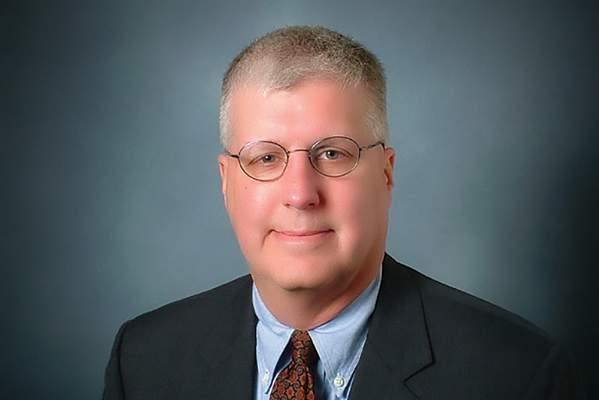
Dr. Bailey is a pediatric surgeon and Medical Director, Advocacy for the Division of Advocacy and Health Policy in the ACS offices in Washington, D.C.
In the previous two editions of this column, I have written about the new Medicare Access and CHIP Reauthorization Act (MACRA) and the changes it will bring to Medicare physician payment beginning in January 2019 with the Merit-Based Incentive Payment System (MIPS). In June’s column, three of the four MIPS performance categories were outlined. Specifically, those include the Quality, Resource Use, and Electronic Health Record Meaningful Use components and encompass the Physician Quality Reporting System (PQRS), Value-Based Modifier (VBM), Physician Quality Reporting System (PQRS), and Electronic Health Record Meaningful Use (EHR-MU) programs with which Fellows are hopefully familiar. As promised, this month I will discuss the final performance category component, namely the Clinical Practice Improvement Activities (CPIA) as well as the Alternative Payment Models program (APMs). Lastly, I wish to bring to the attention of Fellows a new web-based resource developed by the ACS Division of Advocacy and Health Policy to assist them in avoiding current law Medicare penalties.
The CPIA are designed to assess and credit surgeons according to their effort toward improving their clinical practice OR their preparation toward participating in the APMs. The menu of specific, recognized activities will be established in collaboration with the Centers for Medicare & Medicaid Services and the providers to whom the activities will be applicable. Many of the specifics are yet to be determined and will be part of the rule-making process in coming years. However, the MACRA legislation specifies that the CPIA must be applicable to all specialties and be attainable for small practices and professionals in rural and underserved areas. To support the efforts of surgeons and other providers in small or rural practice, Congress set aside $20 million dollars for each year, 2016-2020, for technical assistance to support the efforts of practices with 15 or fewer professionals to improve MIPS performance or transition to APMs.
The new law takes concerted steps to incentivize and encourage the development of and participation in APMs. As with the CPIA outlined above, the details of APMs are not yet fully clear and will be established going forward. However, in general, these programs will base payment on quality measures, not volume or intensity, and will include an element of financial risk for providers. For those surgeons who receive a significant share of their revenue from an APM, an annual 5% bonus will be available for each of the years 2019-2024. To qualify for that bonus surgeons must receive 25% of their Medicare revenue from an APM in the years 2019 and 2020, with the requirement subsequently increasing to 50% in 2021 and ultimately to 75% beginning in 2023. Providers may qualify based on a combination of private APMs and Medicare APMs as well.
In recognition of the lack of APMs in many areas or applicability for many specialties, MACRA prioritizes development of models for small practices, models that are specialty specific, and model development in conjunction with private payers as well as Medicaid-based options, all with the ultimate goal of encouraging the development of new and innovative payment models. The legislative language in MACRA is broad enough that it may allow for creation of a model based on the ACS’ Clinical Affinity Group (CAG) concept whereby providers are grouped together based on the patients or conditions that they treat, not their specialty designation.
Surgeons who meet a threshold of payment received from a qualified APM will be exempted from participation in MIPS to include most EHR-MU requirements and also receive the 5% bonus as described above. Those who participate in an APM but fail to meet the threshold necessary to receive that bonus will receive credit for such in the CPIA portion of their MIPS composite score.
Finally, even though the permanent repeal of the SGR found in MACRA represents the successful culmination of long-standing, combined advocacy efforts of the American College of Surgeons (ACS) and other medical associations toward meaningful, future Medicare physician payment reform, Fellows should be well aware that the three current law Medicare quality programs, namely the PQRS, EHR-MU, and VBM and their corresponding requirements as well as their associated penalties remain in effect until January 2019.
Surgeons who do not successfully participate in the PQRS, EHR-MU, and VBM face significant penalties on future Medicare payments. Specifically, failure to meet the requirements imposed by these three programs in 2015 could result in total penalties of up to 9% in Medicare payments in 2017.
To assist Fellows in navigating the complexities of complying with current law quality program requirements and thus avoid Medicare penalties, the ACS Division of Advocacy and Health Policy has developed a new online interactive flowchart which can be found at [WEB ADDRESS]. Fellows may wish to refer to and bookmark this page as an ongoing reference in order to familiarize themselves with current law requirements, facilitate their individual compliance with same, and thus successfully avoid penalties. As always, Fellows with questions may contact the DAHP at 202-337-2701.
Until next month ….
Dr. Bailey is a pediatric surgeon and Medical Director, Advocacy for the Division of Advocacy and Health Policy in the ACS offices in Washington, D.C.
In the previous two editions of this column, I have written about the new Medicare Access and CHIP Reauthorization Act (MACRA) and the changes it will bring to Medicare physician payment beginning in January 2019 with the Merit-Based Incentive Payment System (MIPS). In June’s column, three of the four MIPS performance categories were outlined. Specifically, those include the Quality, Resource Use, and Electronic Health Record Meaningful Use components and encompass the Physician Quality Reporting System (PQRS), Value-Based Modifier (VBM), Physician Quality Reporting System (PQRS), and Electronic Health Record Meaningful Use (EHR-MU) programs with which Fellows are hopefully familiar. As promised, this month I will discuss the final performance category component, namely the Clinical Practice Improvement Activities (CPIA) as well as the Alternative Payment Models program (APMs). Lastly, I wish to bring to the attention of Fellows a new web-based resource developed by the ACS Division of Advocacy and Health Policy to assist them in avoiding current law Medicare penalties.
The CPIA are designed to assess and credit surgeons according to their effort toward improving their clinical practice OR their preparation toward participating in the APMs. The menu of specific, recognized activities will be established in collaboration with the Centers for Medicare & Medicaid Services and the providers to whom the activities will be applicable. Many of the specifics are yet to be determined and will be part of the rule-making process in coming years. However, the MACRA legislation specifies that the CPIA must be applicable to all specialties and be attainable for small practices and professionals in rural and underserved areas. To support the efforts of surgeons and other providers in small or rural practice, Congress set aside $20 million dollars for each year, 2016-2020, for technical assistance to support the efforts of practices with 15 or fewer professionals to improve MIPS performance or transition to APMs.
The new law takes concerted steps to incentivize and encourage the development of and participation in APMs. As with the CPIA outlined above, the details of APMs are not yet fully clear and will be established going forward. However, in general, these programs will base payment on quality measures, not volume or intensity, and will include an element of financial risk for providers. For those surgeons who receive a significant share of their revenue from an APM, an annual 5% bonus will be available for each of the years 2019-2024. To qualify for that bonus surgeons must receive 25% of their Medicare revenue from an APM in the years 2019 and 2020, with the requirement subsequently increasing to 50% in 2021 and ultimately to 75% beginning in 2023. Providers may qualify based on a combination of private APMs and Medicare APMs as well.
In recognition of the lack of APMs in many areas or applicability for many specialties, MACRA prioritizes development of models for small practices, models that are specialty specific, and model development in conjunction with private payers as well as Medicaid-based options, all with the ultimate goal of encouraging the development of new and innovative payment models. The legislative language in MACRA is broad enough that it may allow for creation of a model based on the ACS’ Clinical Affinity Group (CAG) concept whereby providers are grouped together based on the patients or conditions that they treat, not their specialty designation.
Surgeons who meet a threshold of payment received from a qualified APM will be exempted from participation in MIPS to include most EHR-MU requirements and also receive the 5% bonus as described above. Those who participate in an APM but fail to meet the threshold necessary to receive that bonus will receive credit for such in the CPIA portion of their MIPS composite score.
Finally, even though the permanent repeal of the SGR found in MACRA represents the successful culmination of long-standing, combined advocacy efforts of the American College of Surgeons (ACS) and other medical associations toward meaningful, future Medicare physician payment reform, Fellows should be well aware that the three current law Medicare quality programs, namely the PQRS, EHR-MU, and VBM and their corresponding requirements as well as their associated penalties remain in effect until January 2019.
Surgeons who do not successfully participate in the PQRS, EHR-MU, and VBM face significant penalties on future Medicare payments. Specifically, failure to meet the requirements imposed by these three programs in 2015 could result in total penalties of up to 9% in Medicare payments in 2017.
To assist Fellows in navigating the complexities of complying with current law quality program requirements and thus avoid Medicare penalties, the ACS Division of Advocacy and Health Policy has developed a new online interactive flowchart which can be found at [WEB ADDRESS]. Fellows may wish to refer to and bookmark this page as an ongoing reference in order to familiarize themselves with current law requirements, facilitate their individual compliance with same, and thus successfully avoid penalties. As always, Fellows with questions may contact the DAHP at 202-337-2701.
Until next month ….
Dr. Bailey is a pediatric surgeon and Medical Director, Advocacy for the Division of Advocacy and Health Policy in the ACS offices in Washington, D.C.
Fellowship Training in Hospice and Palliative Care: New Pathways for Surgeons
Hospice and Palliative Medicine (HPM) has been a medical subspecialty recognized by the American Board of Medical Specialties since 2006. The American Board of Surgery (ABS) is one of 10 medical boards that offers board certification in HPM. Cosponsorship of HPM board certification by the ABS is significant because it signals an understanding and appreciation that patients in need of hospice and palliative care frequently require surgical services and also recognizes that many surgical patients benefit from palliative care.
Two specific domains of palliative care have been identified as core competencies for all surgeons: pain management and communication skills (Otolaryngology Clinics of North America 2009;42:1-13). Incorporation of these basic domains of care is considered primary palliative care for surgeons and inherent to good surgical care. For surgeons interested in obtaining subspecialty training in HPM, fellowship training is now required (the experiential pathway is no longer available).
Surgeons most likely to benefit from this additional training are those involved in the interdisciplinary care of chronically disease, critically ill, or terminally ill patients. Apparent in this description is the need for surgical palliative care providers across the full range of surgical subspecialties: pediatric to adult providers, trauma/critical care to oncology, cardiovascular surgery to transplant surgery. Currently, there are fewer than 100 surgeons with subspecialty board certification in HPM, constituting <1% of all physicians board certified in HPM.
The nascent field of HPM and needs surgeons as do the growing number of patients who require hospice and palliative medicine services. There currently exists a critical shortage of HPM physicians. A 2010 report by a task force appointed by the American Academy of Hospice and Palliative Medicine to study HPM physician workforce found that an estimated 6,000-18,000 additional physicians were needed to staff the then existing hospice and hospital-based palliative care programs (J. Pain Symptom Manage. 2010;40:899-91). The authors concluded that the capacity of fellowship programs at that time was insufficient to fill the shortage and changes in graduate medical education funding and structures were needed to increase the capacity to train sufficient numbers of HPM physicians. There are currently 108 Accreditation Council for Graduate Medical Education–accredited fellowships, up from 63 in 2009.
Surgeons interested in pursuing subspecialty training in HPM must complete a 1-year ACGME-accredited fellowship. Surgeons currently board-certified in surgery are eligible to apply. Many fellowship training programs have trained, or are willing to consider applications from, mid-career physicians, including surgeons (personal communication via HPM fellowship program directors listserv). Beginning July 1, 2015, an important change in eligibility for HPM fellowships goes into effect: Surgical residents with 3 years of training are now eligible to apply for ACGME-accredited HPM fellowships. This change in eligibility opens up an important pathway to HPM board certification, similar to that currently available for Surgical Critical Care. Trainees who complete HPM fellowship training through this pathway will not be eligible to obtain board certification in HPM until they have successfully achieved their primary board certification through the ABS.
Surgeons currently board certified in HPM incorporate their HPM training in a variety of ways: Some practice HPM full-time as members of a multidisciplinary in-patient palliative medicine consultation service while others integrate their training into their daily surgical practice, often serving as a resource on issues of surgical palliative care for their surgical colleagues. In my practice, I spend 1 day a week as a consultant on our in-patient palliative medicine consultation service in addition to providing faculty supervision to our palliative medicine fellows in our weekly outpatient clinic. For the remainder of the week, I am a practicing surgical oncologist and have found my training in palliative medicine invaluable in my daily care of patients with a variety of malignancies.
Like many of my surgical colleagues with HPM board certification, I am also actively engaged in teaching medical students, residents, and fellows about a variety of topics in palliative medicine, from evidence-based management of malignant bowel obstruction to communication skills for breaking bad news. Incorporating palliative medicine into my surgical practice has been incredibly rewarding, both personally and professionally.
In summary, HPM is in critical need of specialty trained physicians, including surgeons. Fellowship training is currently available to mid-career surgeons and, beginning July 1, 2015, surgical residents with 3 years of clinical training. Surgeons with subspecialty training in HPM are certain to find a wealth of clinical and academic opportunities as well as a path to a personally and professionally rewarding career.
For surgeons interested in obtaining more information about HPM fellowship training, go to the for a full list of programs and other training information.
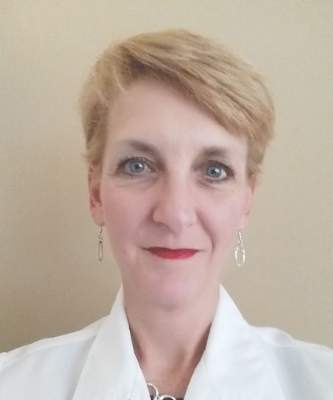
Dr. Fahy is an associate professor of surgery at the University of New Mexico, Albuquerque. She is a surgical oncologist who is also board certified in hospice and palliative medicine. Dr. Fahy does not have any relevant conflicts of interest to disclose.
Hospice and Palliative Medicine (HPM) has been a medical subspecialty recognized by the American Board of Medical Specialties since 2006. The American Board of Surgery (ABS) is one of 10 medical boards that offers board certification in HPM. Cosponsorship of HPM board certification by the ABS is significant because it signals an understanding and appreciation that patients in need of hospice and palliative care frequently require surgical services and also recognizes that many surgical patients benefit from palliative care.
Two specific domains of palliative care have been identified as core competencies for all surgeons: pain management and communication skills (Otolaryngology Clinics of North America 2009;42:1-13). Incorporation of these basic domains of care is considered primary palliative care for surgeons and inherent to good surgical care. For surgeons interested in obtaining subspecialty training in HPM, fellowship training is now required (the experiential pathway is no longer available).
Surgeons most likely to benefit from this additional training are those involved in the interdisciplinary care of chronically disease, critically ill, or terminally ill patients. Apparent in this description is the need for surgical palliative care providers across the full range of surgical subspecialties: pediatric to adult providers, trauma/critical care to oncology, cardiovascular surgery to transplant surgery. Currently, there are fewer than 100 surgeons with subspecialty board certification in HPM, constituting <1% of all physicians board certified in HPM.
The nascent field of HPM and needs surgeons as do the growing number of patients who require hospice and palliative medicine services. There currently exists a critical shortage of HPM physicians. A 2010 report by a task force appointed by the American Academy of Hospice and Palliative Medicine to study HPM physician workforce found that an estimated 6,000-18,000 additional physicians were needed to staff the then existing hospice and hospital-based palliative care programs (J. Pain Symptom Manage. 2010;40:899-91). The authors concluded that the capacity of fellowship programs at that time was insufficient to fill the shortage and changes in graduate medical education funding and structures were needed to increase the capacity to train sufficient numbers of HPM physicians. There are currently 108 Accreditation Council for Graduate Medical Education–accredited fellowships, up from 63 in 2009.
Surgeons interested in pursuing subspecialty training in HPM must complete a 1-year ACGME-accredited fellowship. Surgeons currently board-certified in surgery are eligible to apply. Many fellowship training programs have trained, or are willing to consider applications from, mid-career physicians, including surgeons (personal communication via HPM fellowship program directors listserv). Beginning July 1, 2015, an important change in eligibility for HPM fellowships goes into effect: Surgical residents with 3 years of training are now eligible to apply for ACGME-accredited HPM fellowships. This change in eligibility opens up an important pathway to HPM board certification, similar to that currently available for Surgical Critical Care. Trainees who complete HPM fellowship training through this pathway will not be eligible to obtain board certification in HPM until they have successfully achieved their primary board certification through the ABS.
Surgeons currently board certified in HPM incorporate their HPM training in a variety of ways: Some practice HPM full-time as members of a multidisciplinary in-patient palliative medicine consultation service while others integrate their training into their daily surgical practice, often serving as a resource on issues of surgical palliative care for their surgical colleagues. In my practice, I spend 1 day a week as a consultant on our in-patient palliative medicine consultation service in addition to providing faculty supervision to our palliative medicine fellows in our weekly outpatient clinic. For the remainder of the week, I am a practicing surgical oncologist and have found my training in palliative medicine invaluable in my daily care of patients with a variety of malignancies.
Like many of my surgical colleagues with HPM board certification, I am also actively engaged in teaching medical students, residents, and fellows about a variety of topics in palliative medicine, from evidence-based management of malignant bowel obstruction to communication skills for breaking bad news. Incorporating palliative medicine into my surgical practice has been incredibly rewarding, both personally and professionally.
In summary, HPM is in critical need of specialty trained physicians, including surgeons. Fellowship training is currently available to mid-career surgeons and, beginning July 1, 2015, surgical residents with 3 years of clinical training. Surgeons with subspecialty training in HPM are certain to find a wealth of clinical and academic opportunities as well as a path to a personally and professionally rewarding career.
For surgeons interested in obtaining more information about HPM fellowship training, go to the for a full list of programs and other training information.
Dr. Fahy is an associate professor of surgery at the University of New Mexico, Albuquerque. She is a surgical oncologist who is also board certified in hospice and palliative medicine. Dr. Fahy does not have any relevant conflicts of interest to disclose.
Hospice and Palliative Medicine (HPM) has been a medical subspecialty recognized by the American Board of Medical Specialties since 2006. The American Board of Surgery (ABS) is one of 10 medical boards that offers board certification in HPM. Cosponsorship of HPM board certification by the ABS is significant because it signals an understanding and appreciation that patients in need of hospice and palliative care frequently require surgical services and also recognizes that many surgical patients benefit from palliative care.
Two specific domains of palliative care have been identified as core competencies for all surgeons: pain management and communication skills (Otolaryngology Clinics of North America 2009;42:1-13). Incorporation of these basic domains of care is considered primary palliative care for surgeons and inherent to good surgical care. For surgeons interested in obtaining subspecialty training in HPM, fellowship training is now required (the experiential pathway is no longer available).
Surgeons most likely to benefit from this additional training are those involved in the interdisciplinary care of chronically disease, critically ill, or terminally ill patients. Apparent in this description is the need for surgical palliative care providers across the full range of surgical subspecialties: pediatric to adult providers, trauma/critical care to oncology, cardiovascular surgery to transplant surgery. Currently, there are fewer than 100 surgeons with subspecialty board certification in HPM, constituting <1% of all physicians board certified in HPM.
The nascent field of HPM and needs surgeons as do the growing number of patients who require hospice and palliative medicine services. There currently exists a critical shortage of HPM physicians. A 2010 report by a task force appointed by the American Academy of Hospice and Palliative Medicine to study HPM physician workforce found that an estimated 6,000-18,000 additional physicians were needed to staff the then existing hospice and hospital-based palliative care programs (J. Pain Symptom Manage. 2010;40:899-91). The authors concluded that the capacity of fellowship programs at that time was insufficient to fill the shortage and changes in graduate medical education funding and structures were needed to increase the capacity to train sufficient numbers of HPM physicians. There are currently 108 Accreditation Council for Graduate Medical Education–accredited fellowships, up from 63 in 2009.
Surgeons interested in pursuing subspecialty training in HPM must complete a 1-year ACGME-accredited fellowship. Surgeons currently board-certified in surgery are eligible to apply. Many fellowship training programs have trained, or are willing to consider applications from, mid-career physicians, including surgeons (personal communication via HPM fellowship program directors listserv). Beginning July 1, 2015, an important change in eligibility for HPM fellowships goes into effect: Surgical residents with 3 years of training are now eligible to apply for ACGME-accredited HPM fellowships. This change in eligibility opens up an important pathway to HPM board certification, similar to that currently available for Surgical Critical Care. Trainees who complete HPM fellowship training through this pathway will not be eligible to obtain board certification in HPM until they have successfully achieved their primary board certification through the ABS.
Surgeons currently board certified in HPM incorporate their HPM training in a variety of ways: Some practice HPM full-time as members of a multidisciplinary in-patient palliative medicine consultation service while others integrate their training into their daily surgical practice, often serving as a resource on issues of surgical palliative care for their surgical colleagues. In my practice, I spend 1 day a week as a consultant on our in-patient palliative medicine consultation service in addition to providing faculty supervision to our palliative medicine fellows in our weekly outpatient clinic. For the remainder of the week, I am a practicing surgical oncologist and have found my training in palliative medicine invaluable in my daily care of patients with a variety of malignancies.
Like many of my surgical colleagues with HPM board certification, I am also actively engaged in teaching medical students, residents, and fellows about a variety of topics in palliative medicine, from evidence-based management of malignant bowel obstruction to communication skills for breaking bad news. Incorporating palliative medicine into my surgical practice has been incredibly rewarding, both personally and professionally.
In summary, HPM is in critical need of specialty trained physicians, including surgeons. Fellowship training is currently available to mid-career surgeons and, beginning July 1, 2015, surgical residents with 3 years of clinical training. Surgeons with subspecialty training in HPM are certain to find a wealth of clinical and academic opportunities as well as a path to a personally and professionally rewarding career.
For surgeons interested in obtaining more information about HPM fellowship training, go to the for a full list of programs and other training information.
Dr. Fahy is an associate professor of surgery at the University of New Mexico, Albuquerque. She is a surgical oncologist who is also board certified in hospice and palliative medicine. Dr. Fahy does not have any relevant conflicts of interest to disclose.
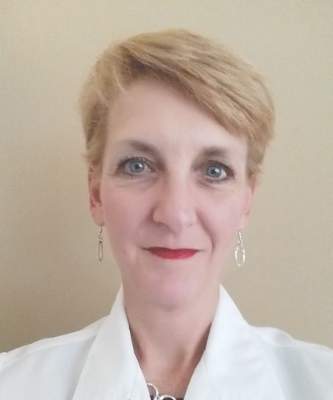
ACS Communities: Bringing us together
I was in the surgeons’ lounge in the middle of the night – waiting, as we surgeons so often do. I plucked my phone from my pocket to see what was happening on the ACS Communities. Sure enough, another surgeon was up at night somewhere contemplating a case, another was railing against a CEO, and yet another was considering entering into an employment contract. All of them were asking the same question, “What do you think?” of their College. By College, I am not referring to the leadership or the staff but to that intangible entity that lives in the heart of every Fellow of the College. It consists of old residency friends, mentors, policy makers, new surgeons, and old surgeons. All share a common, decent desire to be not just a surgeon but also a great surgeon by whatever definition one happens to hold sacred.
I smiled to myself and shook my head. From the lonely moments before an emergency case, I had a quick dose of reassurance that I was not alone, that I was a part of something bigger than myself, and that many surgeons were and are doing exactly what I do every day. Those surgeons are truly a community.
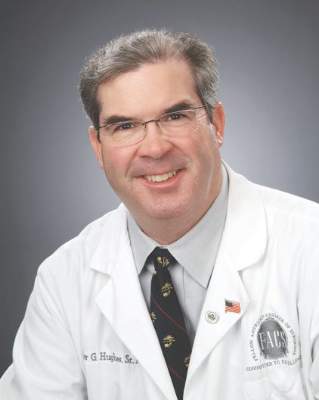
As with any community, the participants of the ACS Communities are diverse and the viewpoints and knowledge among them vary widely. But all of them have a sense that their experience, knowledge, skills, tricks of the trade, and philosophic thoughts transcend to a common purpose for the good of the patients and the profession. One can lose sight of this in the hurly-burly world of surgery, which has so much drama inherently in its performance.
ACS Communities is about a year old now and almost all Fellows belong to at least one Community in the system. This project was in the pipeline for several years. The origin of the Communities idea extends back to the 1990s. It was the brainchild of Fellows George Sheldon, Tom Russell, and David Hoyt, who all realized that honest and open communication breeds understanding and mutual respect. But none of us involved in this effort to develop the Communities really knew what the impact would be on the American College of Surgeons or the surgical community at large. Reminiscent of the first telegraph message, as the system was turned on live I thought, “What hath God wrought?” For, in fact, communication at the speed of light among 60,000 surgeons is a bit like lighting a match in a dynamite factory. You might get to see what is in a previously dark room, but you could also get an explosive result.
As Editor in Chief of the system (with the able support of Jerry Schwartz at the Chicago ACS headquarters), I’ve read essentially every one of the now thousands of posts placed into the system. Having spent some time in the company of surgeons, I was prepared for their propensity for intense expression of their views. But I was amazed to discover that while discussions in the Communities are frequently very … ah … frank, foul language and nasty comments against individuals are rare. There have been a few exceptions but it is usually a surgeon writing in the heat of the moment and temporarily forgetting that once the send button activates, there’s no way to take it back. So, I would say the great majority of conversations have been frank without being unprofessional.
Just as you can’t believe many things you read on the Internet, you can’t believe everything you read from other surgeons. When clinical cases are discussed, one frequently sees widely divergent opinions. Some of the posts are of dubious value, while others are cutting-edge ideas from world-class experts. I would advise that when posting a case (always with an eye to avoiding a HIPAA violation) that participants look at the entire range of responses. From that variety of responses, you usually see the best course. Sometimes, it is obvious there isn’t a “right” answer but several reasonable ones.
Politics rears its ugly head frequently on the General Surgery Community. Interestingly, the specialty communities tend to be strictly professional in discussing cases, training, and surgical judgment. In the realm of the political, the discussions demonstrate some of the best and worst in us. One can see that College participants are similar to the general public in that they are usually about equally divided on any single issue. This means that inflexible positions taken by the College leadership favoring a particular point of view is likely to annoy about half of the Fellows. But a few opinions are almost universally voiced: a general hatred of EMR/EHRs (despite the knowledge that if they worked right as clinical documents, surgeons would love EHRs), dissatisfaction with government regulation no matter what the regulation, admiration of their mentors, and a shared belief that salaried employment is rapidly becoming the norm of surgical life.
A great aspect of the Communities is that College leadership is reading it. When a new issue or policy, such as EHR, employment, volume outcomes, etc., comes under discussion in the Communities, the Board of Governors and Board of Regents have access to unvarnished comments from front-line surgeons. At times, these views are a revelation and, at other times, they are a confirmation of leadership impressions. It is increasingly common to see the President of the ACS, the Chair of the Regents, or a Governor chime in directly or subsequently bring the matter up in a leadership conference. I would say to those who post that their thoughts published on the Communities are like ripples in a pond. You never know what great wave may eventually land on another shore.
There are dangers of instant communication in a written format. More than once a rumor that is without basis gets started. It becomes surgeon legend and then is very hard to displace with fact. Because inflection and tone are absent from written words, what is humorous to one can be unintentionally insulting to another. I’ve noted, however, that in most circumstances of misunderstanding or errors being posted, the system is remarkably self-correcting. Within a few hours, days at most, someone points out the error or the misunderstanding, and this leads to a resolution of the conflict.
ACS Communities is not a perfect system. No doubt, as technology advances, the software and hardware will change. What I hope remains constant is a way in which practically at any time and as often as a Fellow wishes, he or she can have a voice in the affairs of the College. At any time, thousands of colleagues are at the Fellow’s fingertips in ways that bring us all together as individuals who belong to a great organization. Ultimately, it is about relating to one another on a more personal, individual basis with mutual respect and support.
Dr. Hughes, an ACS Fellow, is a general surgeon practicing in McPherson, Kan., and Editor in Chief of the ACS Communities.
I was in the surgeons’ lounge in the middle of the night – waiting, as we surgeons so often do. I plucked my phone from my pocket to see what was happening on the ACS Communities. Sure enough, another surgeon was up at night somewhere contemplating a case, another was railing against a CEO, and yet another was considering entering into an employment contract. All of them were asking the same question, “What do you think?” of their College. By College, I am not referring to the leadership or the staff but to that intangible entity that lives in the heart of every Fellow of the College. It consists of old residency friends, mentors, policy makers, new surgeons, and old surgeons. All share a common, decent desire to be not just a surgeon but also a great surgeon by whatever definition one happens to hold sacred.
I smiled to myself and shook my head. From the lonely moments before an emergency case, I had a quick dose of reassurance that I was not alone, that I was a part of something bigger than myself, and that many surgeons were and are doing exactly what I do every day. Those surgeons are truly a community.
As with any community, the participants of the ACS Communities are diverse and the viewpoints and knowledge among them vary widely. But all of them have a sense that their experience, knowledge, skills, tricks of the trade, and philosophic thoughts transcend to a common purpose for the good of the patients and the profession. One can lose sight of this in the hurly-burly world of surgery, which has so much drama inherently in its performance.
ACS Communities is about a year old now and almost all Fellows belong to at least one Community in the system. This project was in the pipeline for several years. The origin of the Communities idea extends back to the 1990s. It was the brainchild of Fellows George Sheldon, Tom Russell, and David Hoyt, who all realized that honest and open communication breeds understanding and mutual respect. But none of us involved in this effort to develop the Communities really knew what the impact would be on the American College of Surgeons or the surgical community at large. Reminiscent of the first telegraph message, as the system was turned on live I thought, “What hath God wrought?” For, in fact, communication at the speed of light among 60,000 surgeons is a bit like lighting a match in a dynamite factory. You might get to see what is in a previously dark room, but you could also get an explosive result.
As Editor in Chief of the system (with the able support of Jerry Schwartz at the Chicago ACS headquarters), I’ve read essentially every one of the now thousands of posts placed into the system. Having spent some time in the company of surgeons, I was prepared for their propensity for intense expression of their views. But I was amazed to discover that while discussions in the Communities are frequently very … ah … frank, foul language and nasty comments against individuals are rare. There have been a few exceptions but it is usually a surgeon writing in the heat of the moment and temporarily forgetting that once the send button activates, there’s no way to take it back. So, I would say the great majority of conversations have been frank without being unprofessional.
Just as you can’t believe many things you read on the Internet, you can’t believe everything you read from other surgeons. When clinical cases are discussed, one frequently sees widely divergent opinions. Some of the posts are of dubious value, while others are cutting-edge ideas from world-class experts. I would advise that when posting a case (always with an eye to avoiding a HIPAA violation) that participants look at the entire range of responses. From that variety of responses, you usually see the best course. Sometimes, it is obvious there isn’t a “right” answer but several reasonable ones.
Politics rears its ugly head frequently on the General Surgery Community. Interestingly, the specialty communities tend to be strictly professional in discussing cases, training, and surgical judgment. In the realm of the political, the discussions demonstrate some of the best and worst in us. One can see that College participants are similar to the general public in that they are usually about equally divided on any single issue. This means that inflexible positions taken by the College leadership favoring a particular point of view is likely to annoy about half of the Fellows. But a few opinions are almost universally voiced: a general hatred of EMR/EHRs (despite the knowledge that if they worked right as clinical documents, surgeons would love EHRs), dissatisfaction with government regulation no matter what the regulation, admiration of their mentors, and a shared belief that salaried employment is rapidly becoming the norm of surgical life.
A great aspect of the Communities is that College leadership is reading it. When a new issue or policy, such as EHR, employment, volume outcomes, etc., comes under discussion in the Communities, the Board of Governors and Board of Regents have access to unvarnished comments from front-line surgeons. At times, these views are a revelation and, at other times, they are a confirmation of leadership impressions. It is increasingly common to see the President of the ACS, the Chair of the Regents, or a Governor chime in directly or subsequently bring the matter up in a leadership conference. I would say to those who post that their thoughts published on the Communities are like ripples in a pond. You never know what great wave may eventually land on another shore.
There are dangers of instant communication in a written format. More than once a rumor that is without basis gets started. It becomes surgeon legend and then is very hard to displace with fact. Because inflection and tone are absent from written words, what is humorous to one can be unintentionally insulting to another. I’ve noted, however, that in most circumstances of misunderstanding or errors being posted, the system is remarkably self-correcting. Within a few hours, days at most, someone points out the error or the misunderstanding, and this leads to a resolution of the conflict.
ACS Communities is not a perfect system. No doubt, as technology advances, the software and hardware will change. What I hope remains constant is a way in which practically at any time and as often as a Fellow wishes, he or she can have a voice in the affairs of the College. At any time, thousands of colleagues are at the Fellow’s fingertips in ways that bring us all together as individuals who belong to a great organization. Ultimately, it is about relating to one another on a more personal, individual basis with mutual respect and support.
Dr. Hughes, an ACS Fellow, is a general surgeon practicing in McPherson, Kan., and Editor in Chief of the ACS Communities.
I was in the surgeons’ lounge in the middle of the night – waiting, as we surgeons so often do. I plucked my phone from my pocket to see what was happening on the ACS Communities. Sure enough, another surgeon was up at night somewhere contemplating a case, another was railing against a CEO, and yet another was considering entering into an employment contract. All of them were asking the same question, “What do you think?” of their College. By College, I am not referring to the leadership or the staff but to that intangible entity that lives in the heart of every Fellow of the College. It consists of old residency friends, mentors, policy makers, new surgeons, and old surgeons. All share a common, decent desire to be not just a surgeon but also a great surgeon by whatever definition one happens to hold sacred.
I smiled to myself and shook my head. From the lonely moments before an emergency case, I had a quick dose of reassurance that I was not alone, that I was a part of something bigger than myself, and that many surgeons were and are doing exactly what I do every day. Those surgeons are truly a community.
As with any community, the participants of the ACS Communities are diverse and the viewpoints and knowledge among them vary widely. But all of them have a sense that their experience, knowledge, skills, tricks of the trade, and philosophic thoughts transcend to a common purpose for the good of the patients and the profession. One can lose sight of this in the hurly-burly world of surgery, which has so much drama inherently in its performance.
ACS Communities is about a year old now and almost all Fellows belong to at least one Community in the system. This project was in the pipeline for several years. The origin of the Communities idea extends back to the 1990s. It was the brainchild of Fellows George Sheldon, Tom Russell, and David Hoyt, who all realized that honest and open communication breeds understanding and mutual respect. But none of us involved in this effort to develop the Communities really knew what the impact would be on the American College of Surgeons or the surgical community at large. Reminiscent of the first telegraph message, as the system was turned on live I thought, “What hath God wrought?” For, in fact, communication at the speed of light among 60,000 surgeons is a bit like lighting a match in a dynamite factory. You might get to see what is in a previously dark room, but you could also get an explosive result.
As Editor in Chief of the system (with the able support of Jerry Schwartz at the Chicago ACS headquarters), I’ve read essentially every one of the now thousands of posts placed into the system. Having spent some time in the company of surgeons, I was prepared for their propensity for intense expression of their views. But I was amazed to discover that while discussions in the Communities are frequently very … ah … frank, foul language and nasty comments against individuals are rare. There have been a few exceptions but it is usually a surgeon writing in the heat of the moment and temporarily forgetting that once the send button activates, there’s no way to take it back. So, I would say the great majority of conversations have been frank without being unprofessional.
Just as you can’t believe many things you read on the Internet, you can’t believe everything you read from other surgeons. When clinical cases are discussed, one frequently sees widely divergent opinions. Some of the posts are of dubious value, while others are cutting-edge ideas from world-class experts. I would advise that when posting a case (always with an eye to avoiding a HIPAA violation) that participants look at the entire range of responses. From that variety of responses, you usually see the best course. Sometimes, it is obvious there isn’t a “right” answer but several reasonable ones.
Politics rears its ugly head frequently on the General Surgery Community. Interestingly, the specialty communities tend to be strictly professional in discussing cases, training, and surgical judgment. In the realm of the political, the discussions demonstrate some of the best and worst in us. One can see that College participants are similar to the general public in that they are usually about equally divided on any single issue. This means that inflexible positions taken by the College leadership favoring a particular point of view is likely to annoy about half of the Fellows. But a few opinions are almost universally voiced: a general hatred of EMR/EHRs (despite the knowledge that if they worked right as clinical documents, surgeons would love EHRs), dissatisfaction with government regulation no matter what the regulation, admiration of their mentors, and a shared belief that salaried employment is rapidly becoming the norm of surgical life.
A great aspect of the Communities is that College leadership is reading it. When a new issue or policy, such as EHR, employment, volume outcomes, etc., comes under discussion in the Communities, the Board of Governors and Board of Regents have access to unvarnished comments from front-line surgeons. At times, these views are a revelation and, at other times, they are a confirmation of leadership impressions. It is increasingly common to see the President of the ACS, the Chair of the Regents, or a Governor chime in directly or subsequently bring the matter up in a leadership conference. I would say to those who post that their thoughts published on the Communities are like ripples in a pond. You never know what great wave may eventually land on another shore.
There are dangers of instant communication in a written format. More than once a rumor that is without basis gets started. It becomes surgeon legend and then is very hard to displace with fact. Because inflection and tone are absent from written words, what is humorous to one can be unintentionally insulting to another. I’ve noted, however, that in most circumstances of misunderstanding or errors being posted, the system is remarkably self-correcting. Within a few hours, days at most, someone points out the error or the misunderstanding, and this leads to a resolution of the conflict.
ACS Communities is not a perfect system. No doubt, as technology advances, the software and hardware will change. What I hope remains constant is a way in which practically at any time and as often as a Fellow wishes, he or she can have a voice in the affairs of the College. At any time, thousands of colleagues are at the Fellow’s fingertips in ways that bring us all together as individuals who belong to a great organization. Ultimately, it is about relating to one another on a more personal, individual basis with mutual respect and support.
Dr. Hughes, an ACS Fellow, is a general surgeon practicing in McPherson, Kan., and Editor in Chief of the ACS Communities.
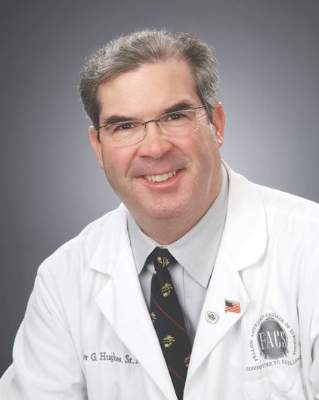
Dr. Henri Ford performs first separation of conjoined twins in Haiti
Henri R. Ford, MD, FACS, completed the first separation of conjoined twins in his native country of Haiti. CBS News reported on this surgical milestone on June 7. Dr. Ford, who is a member of the American College of Surgeons (ACS) Board of Regents and several other ACS committees, assembled a team of more than two dozen volunteer health professionals from the U.S. who trained for months with Haitian medical staff for the procedure. The operation to separate the 6-month-old girls, Marian and Michelle Bernard, who were joined at the abdomen, took nearly 7 hours. They left the hospital in early June, 2 weeks after the procedure was completed.

Physicians at University Hospital in Mirebalais, Haiti, where the operation was performed, contacted Dr. Ford, chief of surgery at Children’s Hospital, Los Angeles, CA, when the twins were born in November. Dr. Ford told CBS News it was “extremely gratifying” to be able to perform the operation in his home country alongside Haitian surgeons whom he helped to train.
Dr. Ford left Haiti with his family as a teenager to move to New York, NY, but returned for 2 weeks after the 2010 earthquake. Since that trip, Dr. Ford has returned regularly to provide medical care to its residents. The earthquake prompted the Haitian government to team up with Partners in Health, an organization that provides modern medical care to resource-poor countries, and opened University Hospital in 2013.
View a video clip of the “Sunday Morning” newscast online at http://www.cbsnews.com/news/conjoined-twins-delicate-separation/.
Henri R. Ford, MD, FACS, completed the first separation of conjoined twins in his native country of Haiti. CBS News reported on this surgical milestone on June 7. Dr. Ford, who is a member of the American College of Surgeons (ACS) Board of Regents and several other ACS committees, assembled a team of more than two dozen volunteer health professionals from the U.S. who trained for months with Haitian medical staff for the procedure. The operation to separate the 6-month-old girls, Marian and Michelle Bernard, who were joined at the abdomen, took nearly 7 hours. They left the hospital in early June, 2 weeks after the procedure was completed.
Physicians at University Hospital in Mirebalais, Haiti, where the operation was performed, contacted Dr. Ford, chief of surgery at Children’s Hospital, Los Angeles, CA, when the twins were born in November. Dr. Ford told CBS News it was “extremely gratifying” to be able to perform the operation in his home country alongside Haitian surgeons whom he helped to train.
Dr. Ford left Haiti with his family as a teenager to move to New York, NY, but returned for 2 weeks after the 2010 earthquake. Since that trip, Dr. Ford has returned regularly to provide medical care to its residents. The earthquake prompted the Haitian government to team up with Partners in Health, an organization that provides modern medical care to resource-poor countries, and opened University Hospital in 2013.
View a video clip of the “Sunday Morning” newscast online at http://www.cbsnews.com/news/conjoined-twins-delicate-separation/.
Henri R. Ford, MD, FACS, completed the first separation of conjoined twins in his native country of Haiti. CBS News reported on this surgical milestone on June 7. Dr. Ford, who is a member of the American College of Surgeons (ACS) Board of Regents and several other ACS committees, assembled a team of more than two dozen volunteer health professionals from the U.S. who trained for months with Haitian medical staff for the procedure. The operation to separate the 6-month-old girls, Marian and Michelle Bernard, who were joined at the abdomen, took nearly 7 hours. They left the hospital in early June, 2 weeks after the procedure was completed.
Physicians at University Hospital in Mirebalais, Haiti, where the operation was performed, contacted Dr. Ford, chief of surgery at Children’s Hospital, Los Angeles, CA, when the twins were born in November. Dr. Ford told CBS News it was “extremely gratifying” to be able to perform the operation in his home country alongside Haitian surgeons whom he helped to train.
Dr. Ford left Haiti with his family as a teenager to move to New York, NY, but returned for 2 weeks after the 2010 earthquake. Since that trip, Dr. Ford has returned regularly to provide medical care to its residents. The earthquake prompted the Haitian government to team up with Partners in Health, an organization that provides modern medical care to resource-poor countries, and opened University Hospital in 2013.
View a video clip of the “Sunday Morning” newscast online at http://www.cbsnews.com/news/conjoined-twins-delicate-separation/.

Register for General Surgery Review Course
The American College of Surgeons (ACS) Comprehensive General Surgery Review Course will take place July 30–August 2 in Chicago, IL. The intensive three-and-a-half-day review course will cover essential content areas in general surgery, including abdomen, alimentary tract, endocrine, oncology, perioperative care, skin and breast, surgical critical care, trauma, and vascular operations. Course Chair John A. Weigelt, MD, DVM, FACS, and a distinguished faculty will use didactic and case-based formats for a comprehensive and practical review. Dr. Weigelt is Medical Director of the ACS Surgical Education and Self-Assessment Program and professor of surgery; chief, division of trauma and critical care; and associate dean of clinical quality at the Medical College of Wisconsin, Milwaukee.
The course will feature a variety of self-assessment materials as well as five monthly online modules following the course. Organized by the ACS Division of Education, this course will help to fulfill the requirements for Maintenance of Certification, Part 2, and should be helpful to surgeons preparing for recertification examinations. Self-assessment credits will be available.
Space is limited and registration will be accepted on a first-come, first-served basis. For more information and to register for the course, view the ACS course page at https://www.facs.org/education/division-of-education/courses/general-surgery, e-mail ulangenscheidt@facs.org, or call 312-202-5018. The ACS designates this live activity for a maximum of 30 AMA PRA Category 1 Credits™. Physicians should claim only the credit commensurate with the extent of their participation in the activity.
The American College of Surgeons (ACS) Comprehensive General Surgery Review Course will take place July 30–August 2 in Chicago, IL. The intensive three-and-a-half-day review course will cover essential content areas in general surgery, including abdomen, alimentary tract, endocrine, oncology, perioperative care, skin and breast, surgical critical care, trauma, and vascular operations. Course Chair John A. Weigelt, MD, DVM, FACS, and a distinguished faculty will use didactic and case-based formats for a comprehensive and practical review. Dr. Weigelt is Medical Director of the ACS Surgical Education and Self-Assessment Program and professor of surgery; chief, division of trauma and critical care; and associate dean of clinical quality at the Medical College of Wisconsin, Milwaukee.
The course will feature a variety of self-assessment materials as well as five monthly online modules following the course. Organized by the ACS Division of Education, this course will help to fulfill the requirements for Maintenance of Certification, Part 2, and should be helpful to surgeons preparing for recertification examinations. Self-assessment credits will be available.
Space is limited and registration will be accepted on a first-come, first-served basis. For more information and to register for the course, view the ACS course page at https://www.facs.org/education/division-of-education/courses/general-surgery, e-mail ulangenscheidt@facs.org, or call 312-202-5018. The ACS designates this live activity for a maximum of 30 AMA PRA Category 1 Credits™. Physicians should claim only the credit commensurate with the extent of their participation in the activity.
The American College of Surgeons (ACS) Comprehensive General Surgery Review Course will take place July 30–August 2 in Chicago, IL. The intensive three-and-a-half-day review course will cover essential content areas in general surgery, including abdomen, alimentary tract, endocrine, oncology, perioperative care, skin and breast, surgical critical care, trauma, and vascular operations. Course Chair John A. Weigelt, MD, DVM, FACS, and a distinguished faculty will use didactic and case-based formats for a comprehensive and practical review. Dr. Weigelt is Medical Director of the ACS Surgical Education and Self-Assessment Program and professor of surgery; chief, division of trauma and critical care; and associate dean of clinical quality at the Medical College of Wisconsin, Milwaukee.
The course will feature a variety of self-assessment materials as well as five monthly online modules following the course. Organized by the ACS Division of Education, this course will help to fulfill the requirements for Maintenance of Certification, Part 2, and should be helpful to surgeons preparing for recertification examinations. Self-assessment credits will be available.
Space is limited and registration will be accepted on a first-come, first-served basis. For more information and to register for the course, view the ACS course page at https://www.facs.org/education/division-of-education/courses/general-surgery, e-mail ulangenscheidt@facs.org, or call 312-202-5018. The ACS designates this live activity for a maximum of 30 AMA PRA Category 1 Credits™. Physicians should claim only the credit commensurate with the extent of their participation in the activity.