User login
Official Newspaper of the American College of Surgeons
Insurance, labeling problems hinder LAA closure in AF patients
The Watchman device, approved for routine use by the Food and Drug Administration in March, gives U.S. atrial fibrillation patients their first alternative to chronic anticoagulant treatment for preventing ischemic stroke.
By closing off the sac-like left-atrial appendage (LAA) with Watchman – a plug-like device placed via percutaneous, transcatheter delivery – blood clots cannot form in the LAA, thereby eliminating the source for most of the thrombi that threaten to cause ischemic strokes in patients with atrial fibrillation (AF).
But while many cardiologists welcome this new option that, for the first time, gives AF patients a way to avoid years or even decades of daily treatment with an anticoagulant, U.S. rollout of the device out has not been seamless. In many regions, health insurers have been unwilling to cover payment for Watchman and its placement, say physicians. Medicare AF patients in particular have been in a state of limbo for receiving a Watchman device while the Centers for Medicare and Medicaid Services (CMS) makes a national coverage determination, a decision not expected until later this year.
In addition, the AF patients who arguably are the best candidates for receiving this device are technically ineligible based on Watchman’s labeling as well as a very limited evidence base. The FDA approved the device specifically for patients judged “suitable for warfarin,” a decision driven largely by the two Watchman trials that led to approval. Each of these trials randomized warfarin-eligible patients either to receive the device along with a 6-week course of warfarin following placement to ensure against acute thromboembolic complications, or to chronic warfarin treatment with no device.
Although this design allowed head-to-head comparison between Watchman and the traditional standard for anticoagulation in AF patients, it left unaddressed the question of how Watchman performs in the AF patient population with the most obvious indication for a mechanical solution to stroke risk: patients who are completely intolerant of anticoagulation treatment. By strict labeling criteria those patients, desperate for an effective means to reduce their stroke risk, are ineligible to receive Watchman.
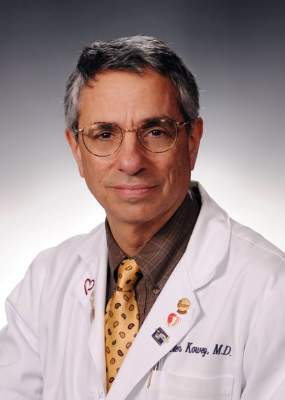
“It’s approved for patients who can take warfarin, and that’s wrong,” said Dr. Peter R. Kowey, an AF specialist and professor and director of the Center for Clinical Cardiology at the Lankenau Institute for Medical Research in Wynnewood, Pa. “Most of us in clinical practice believe Watchman has the potential to help patients who would be difficult to anticoagulate long term. This is how it’s used around the world.”
Who should get Watchman right now?
With patients with contraindications for anticoagulants excluded by current labeling, who are the right patients to get this device, especially with long-term experience still relatively limited? Many AF experts say they currently see targeting it to AF patients who are clearly at high risk from both stroke and anticoagulation, as well as possibly also patients who face less of a risk from an anticoagulant treatment but express a strong dissatisfaction with having to remain on such therapy for the rest of their lives.
The Watchman-trial results “were quite compelling, and the device fills a large, unmet need for patients who are inappropriately treated or undertreated” with anticoagulation, said Dr. J. Peter Weiss, an electrophysiologist at the Intermountain Heart Institute in Salt Lake City. “The data show it’s as good as warfarin for preventing ischemic stroke, and the 5-year outcome data [from the PREVENT AF trial] showed a survival advantage largely based on a reduced rate of hemorrhagic stroke” compared with patients on warfarin. “The benefit from Watchman is not just in preventing ischemic strokes,” Dr. Weiss said in an interview.
Researchers presented the 5-year outcomes from PROTECT AF to the FDA in October 2014, and while those results remain unpublished, Dr. Shephal K. Doshi, director of cardiac electrophysiology at Saint Johns Health Center in Santa Monica, Calif., presented them at the Heart Rhythm Society annual meeting in Boston in May. The 5-year outcomes showed that compared with patients treated chronically with warfarin, those who had received a Watchman device had a 39% relative risk reduction for the study’s primary, combined endpoint, a 32% relative risk reduction in the incidence of all strokes, and a 56% statistically significant relative risk reduction in cardiovascular deaths plus unexplained deaths. The 4-year follow-up results from PROTECT AF, with a similar mortality advantage for Watchman over warfarin, were published last year (JAMA. 2014 Nov. 19; 312[19]:1988-98).
The patients who could benefit the most from receiving a Watchman device fall into two categories, Dr. Weiss said: AF patients at high risk for both stroke and bleeding, identified by their high scores on both the CHA2DS2-VASc and HAS-BLED formulas, and relatively young AF patients with a high CHA2DS2-VASc score who face the prospect of receiving warfarin or another anticoagulant for a long period of time, possibly several decades. An AF patient who is, for example, 66 years old may have a moderate risk for a serious bleeding event of about 0.5%/year on warfarin or a new oral anticoagulant (NOAC) such as apixaban (Eliquis), dabigatran (Pradaxa), edoxaban (Savaysa), or rivaroxaban (Xarelto), but if that patient were to live for 20 years, the cumulative risk for a major bleeding event could be about 10%, he noted.
Dr. Gordon F. Tomaselli, an electrophysiologist, professor of medicine, and chief of cardiology at Johns Hopkins University in Baltimore, envisions a similar target population: “People who cannot or will not take warfarin or a new oral anticoagulant,” he said. He cited AF patients with a CHA2DS2-VASc score of at least 2, but perhaps in most cases for serious Watchman consideration with an even higher CHA2DS2-VASc score and hence an even greater stroke risk, as well as an inability to received optimal anticoagulant-drug treatment.
“Right now Watchman fills a small but important niche. If a patient is eligible for an oral anticoagulant and not especially averse to taking one I’d go with that, especially if the patient does not closely resemble those enrolled in the trials, because our experience with NOACs is quite good. But once we get good at placing Watchman and our experience grows, you’ll start to see the indications expand,” he predicted.
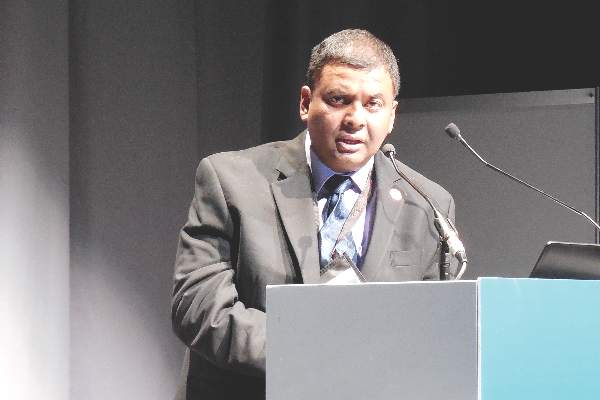
Dr. Saibal Kar, director of interventional cardiology research at Cedars-Sinai Medical Center in Los Angeles and a lead collaborator on the Watchman pivotal trials, agreed that for the time being as well as the foreseeable future Watchman remains a “second-line” option for patients who clearly fail the first line of treatment with warfarin or a NOAC (although Dr. Kar still prefers warfarin). “I absolutely start patients on warfarin and see how they do” and then he offers Watchman to patients who “for various reasons cannot take warfarin or a NOAC,” which could mean serious bleeding episodes or a clear pattern of noncompliance, Dr. Kar said in an interview. Some patients also opt for Watchman because of lifestyle issues, such as a history of falls, or patients who engage in potentially bruising sports such as skiing, he said.
Dr. Kar highlighted the evidence that with longer follow-up, Watchman is not only comparable to warfarin for safety and efficacy, the endpoint specified in the pivotal trials, but also showed a strong signal for long-term superiority in the 4- and 5-year results from PROTECT AF. “For a lot of patients who have challenges [with bleeding complications] Watchman is a great option. When you prevent life-threatening bleeds, it translates into a mortality benefit.”
A cautionary view for the current role of Watchman came in a June editorial written by two physicians at Beth Israel Deaconess Hospital in Boston, who warned that in selected patients Watchman “may be safe, effective, and preferable to chronic warfarin thromboembolic prophylaxis in AF, but at this point many questions surrounding its safety and long-term efficacy remain unanswered” (J Am Coll Cardiol. 2015 June 23;65[24]:2624-7). Dr. Jonathan W. Waks and Dr. Warren J. Manning went on to say in their commentary that “at this point in time, it appears that patients treated with Watchman may pay early (procedural complications) and may also possibly pay later (late thromboembolism).”
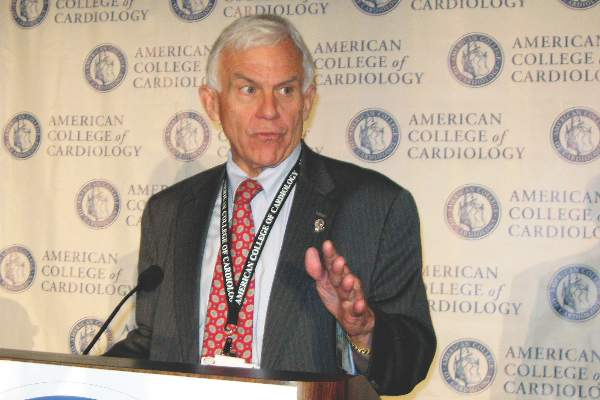
In a reply to this critique, Dr. David R. Holmes Jr., professor of medicine and an electrophysiologist and interventional cardiologist at the Mayo Clinic in Rochester, Minn., and developer of the Watchman device, countered that while extremely long-term outcomes from Watchman, beyond 5 years, are not yet available, the long-term consequences of extremely prolonged chronic anticoagulation that continues for a similarly extended period also remain undocumented. He noted that hemorrhagic stroke poses the greatest stroke danger to patients maintained on anticoagulant therapy, but the meta-analysis of Watchman results that he and his associates published in June – the article that was the subject for the comment by Dr. Waks and Dr. Manning – showed a 78% relative risk reduction in hemorrhagic strokes among Watchman recipients compared with control AF patients who received warfarin (J Am Coll Cardiol. 2015 June 23;65[24]:2614-23).
Dr. Holmes acknowledged that patients treated with Watchman and no anticoagulant can develop ischemic strokes from causes aside from clot formation in the LAA. But he stressed that the meta-analysis he published in June showed a striking 52% relative decrease in cardiovascular or unexplained deaths during and average 2.7 years of follow-up compared with the control patients treated with warfarin.
“It is extraordinarily uncommon to have this magnitude of improved survival in a relatively small number of patients,” and the survival benefit was consistent across both randomized Watchman trials as well as in both continued access cohorts that followed each of the two trials, Dr. Holmes said in an interview.
“I fully accept that we don’t have data beyond 5 years, but the data from PROTECT AF out to 5 years showed no evidence of late strokes or other adverse events,” said Dr. Vivek Y. Reddy, professor of medicine and director of the cardiac arrhythmia service at Mount Sinai Hospital in New York. “In fact, the longer you follow these patients [who received Watchman], the more benefit you see, because these patients are not on an oral anticoagulant long term. Concern about long-term outcomes “is not borne out in the data,” said Dr. Reddy, another leader of the team of interventionalists and electrophysiologists who ran the Watchman trials.
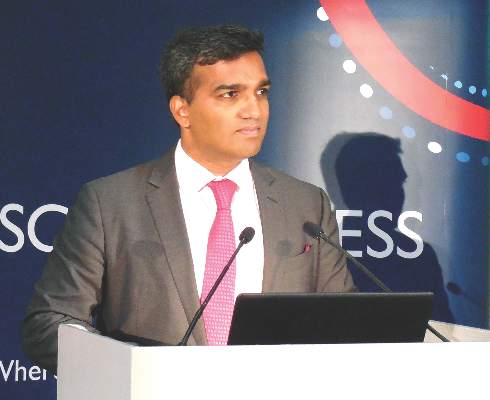
“If a patient with AF comes to me and says ‘I don’t want to take the damn anticoagulants, I want a Watchman,’ and if the patient understands the risks and benefits of Watchman, then I’m 100% fine” facilitating placement of the device in such a patient, explained Dr. Kowey, someone who remains very skeptical of Watchman’s current track record and role. “But what should not happen is for physicians to try to sell Watchman to their patients. Physicians should not tell patients that you don’t need to worry about anticoagulation anymore because I can put in a Watchman and it’s the end of the story. We’re very short of having enough information right now to recommend it to patients” this way. Despite this information shortfall, “I know for a fact” that this sort of promotion of Watchman occurs right now from physicians with an economic incentive to place the device into patients, Dr. Kowey said in an interview.
While some physicians may excessively promote Watchman, they also likely have a receptive audience. “I don’t think it will be hard to find patients who are interested in the device. The challenge will be to figure out if a patient is a good candidate,” said Dr. Paul Varosy, director of electrophysiology at the Denver VA Medical Center. “I have patients and physicians who ask all the time when we will start making the device available. I care for many patients who absolutely despise warfarin and NOACs, and they would love to have a way to get off their medication that does not involve having a risk for a massive stroke,” he said. “What is striking to me is how many patients are interested in this device without being aware of what they would be getting.”
Paying for Watchman
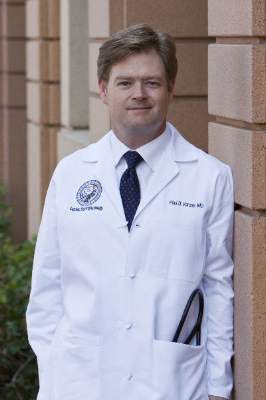
Economic incentives for placing Watchman into patients aside, paying for the device right now and for the procedure that’s involved is no easy matter. Several cardiologists active in Watchman programs scattered around the United States report substantial problems encountered since March with health insurance coverage for the device and placement procedure, and they add that uncertainties about coverage or denied coverage has significantly limited the number of patients who have received the device.
One of the more glaring examples is at the Mayo Clinic in Rochester, Minn., the program led by Dr. Holmes, who helped develop the Watchman technology. He and his associates have placed roughly 20 of the devices since March, but in August he said that his program had “about 40-50 patients” who had been fully screened for the device and looked like they were excellent candidates but were refused coverage by their health insurers. And after some of the 20 patients had already received a Watchman at Mayo, their insurers denied payment, cases that now are on appeal, Dr. Holmes said.
Other active programs report similar difficulties. Dr. Reddy said his program had placed Watchman into about 30-35 patients through the end of August, and while “a majority” of his candidate patients received authorization from their health insurers, others have not received authorization and are on appeal. Insurance coverage is “clearly a problem,” he said in an interview.
Dr. Kar said his Cedars-Sinai program in Los Angles has put Watchman into about 55 patients since last March, and the pace recently accelerated with his treating 13 patients during a 2-day period in August, but he has also seen “lots of problems with insurance,” with appeals usually needed on a case-by-case basis. “We’ve had several appropriate patients who have not received the device because they were not covered,” although most of those cases remain on appeal.
At the University of Kansas in Kansas City, “reimbursement issues have been a major hindrance to widespread use of the device,” and has so far limited placement to just a few patients, said Dr. Dhanunjaya R. Lakkireddy, professor of medicine and director of the University’s Center for Excellence in AF and Complex Arrhythmias. At the Intermountain Heart Institute in Salt Lake City, operators have done just 3 placements since the device’s approval, after doing 128 Watchman placements during the trials and continued access programs. One of the patients paid for the device and procedure completely out of pocket, said Dr. Weiss, a bill that Dr. Kar said runs more than $20,000. The second of the Intermountain patients received Medicare coverage, and in the third case “we met with CMS and are waiting to hear,” Dr. Weiss said. “We are being very cautious to do cases that are very well indicated” to help better ensure that they will receive medical insurance coverage, Dr. Weiss said in an interview.
In May, the CMS began a National Coverage Analysis for Watchman prompted by a request from the device’s manufacturer, Boston Scientific. The appeal for Medicare coverage received support in a June letter written by the presidents of the American College of Cardiology, the Heart Rhythm Society, and the Society for Cardiovascular Angiography and Interventions.
A national coverage determination by the CMS in favor of paying for Medicare patients who undergo Watchman placement “would be a huge benefit,” said Dr. Holmes, who predicted that private insurers would then follow the CMS’ lead and cover the procedure as well. The CMS set Nov. 21, 2015, as the deadline for its decision.
Patients with anticoagulant contraindications will take more time
Even if the CMS decides in favor of reimbursing Watchman placement, the request that it received from Boston Scientific specified coverage for the FDA-approved indication, which stipulates placement in patients able to undergo warfarin treatment. That means for patients who are unable to receive anticoagulant treatment, placement constitutes off-label use that will likely remain unreimbursed, yet these are the very patients that experts agree form an obvious target for Watchman intervention. Currently, these AF patients generally rely on chronic aspirin treatment as their only protection against ischemic stroke.
The only formal, reported experience using Watchman in AF patients who did not also receive warfarin during the first 6 weeks following placement came in a 150-patient, uncontrolled feasibility study, ASAP(ASA Plavix Feasibility Study With WATCHMAN Left Atrial Appendage Closure Technology) run at four centers in Europe (J Am Coll Cardiol. 2013 June 25;61[25]:2551-6). All of the enrolled patients were ineligible to receive warfarin, and instead following Watchman placement these patients received either clopidogrel or ticlopidine for 6 months and chronic treatment with aspirin (dual antiplatelet therapy [DAPT]). Follow-up averaged 14 months, and based on the patients’ average CHA2DS2-VASc score at entry the expected annualized rate of ischemic stroke in these patients was roughly 7%.
However, their observed rate was just 1.7%, and their rate of periprocedural and postprocedural complications roughly matched the rates seen in the first Watchman randomized trial. The researchers who ran the study concluded that the results showed that “Watchman can be safely implanted without a warfarin transition.”
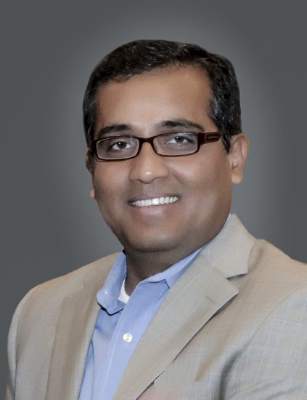
Although the ASAP results showed “Watchman is very effective for stroke prevention” without early anticoagulation following placement, “I’m not sure how one could use Watchman for patients contraindicated for oral anticoagulation,” said Dr. Lakkireddy. “This is a controversial area, and one has to be cautious about cavalier off-label use of the device.”
“I think we need to know more about the [ASAP] data before we’d feel comfortable offering the Watchman device” to patients contraindicated for oral anticoagulation, said Dr. Weiss.
Patients with a total contraindication against treatment with warfarin or a NOAC have the greatest need, said Dr. Reddy. “The problem is, we don’t have much safety data” for these patients, and while the results from the ASAP trial showed the device can be safely placed just using DAPT, the numbers were small and the device is not approved” for use in this setting, said Dr. Reddy, the lead investigator for the ASAP study.
The solution to the dilemma posed by this patient group may lie in the ASAP 2 study, a large, multicenter trial that will enroll AF patients with a contraindication to oral anticoagulation and will compare Watchman placement followed by several months of antiplatelet treatment with DAPT head-to-head with patients randomized to today’s standard treatment of aspirin only. The trial will be sponsored by Boston Scientific, and should start by the end of this year, Dr. Reddy said. He envisions enrolling many of the AF patients he sees with an absolute contraindication to oral anticoagulant treatment in the trial once it starts, though it will mean that only half the enrolled patients will receive a Watchman device.
Dr. Holmes sees registry data as another possible route for eventually expanding the labeled indication for Watchman to patients who can’t receive warfarin or another anticoagulant. He cited the precedent of the FDA broadening the labeled indication for transcatheter aortic-valve replacement in 2013 based in part on U.S. registry data as well as on data collected in Europe.
One potential source of U.S. patients who could wind up receiving only brief warfarin treatment after Watchman placement would be those who develop a major bleed soon after starting on anticoagulation, an event that would prompt most physicians to discontinue and not restart warfarin, Dr. Holmes said. He suggested that in these circumstances patients receive DAPT for 6 months using aspirin and clopidogrel, following the protocol tested in ASAP.
The likely source of registry data would be the database that will be created and maintained by the ACC according to an announcement from the ACC in August. This registry is seen by the ACC as addressing the need for a postapproval safety and efficacy assessment of 1,000 U.S. Watchman recipients that the FDA mandated as part of its device approval last March.
“The registry will function as the postapproval study mandated by the FDA,” said Dr. Varosy of Denver, who led the effort to develop and structure the ACC’s Watchman registry. One goal of the registry “will be to get a better understanding of how the device performs” in patients who can’t take an anticoagulant. “I think that’s where the strongest rationale is for having a device like this,” he said. “It would be great to do something for patients who can’t take warfarin, but until we have data for that group we’ll just have to wait.”
Recommendations detail appropriate Watchman rollout
A recent review of LAA occlusion-device options by the ACC, Heart Rhythm Society, and Society for Cardiovascular Angiography and Interventions was an attempt by these three U.S. professional societies with a stake in AF management and LAA closure to “address issues critical to the appropriate integration of new technologies into the care of patients with AF” (J Am Coll Cardiol. 2015. doi:10.1016/j.jacc.2015.06.028]). One of the review’s most notable features is a section that makes specific recommendations about the composition of the physician team that assesses prospective AF patients for LAA closure and performs the procedure. The document suggests the process involve a team of physicians with expertise in electrophysiology, cardiac catheterization, stroke prevention, echocardiography, x-ray imaging, and possibly anesthesiology if general anesthesia is planned. The panel also recommended having a cardiac surgeon on hand for surgical backup if needed. The review also made recommendations on the facilities needed to safely and effectively perform LAA occlusion, the training that should be in place for the operator who performs the procedure, the protocols that should exist to guide patient management before, during, and after occlusion, the methods used to select AF patients for LAA occlusion, and the need for a U.S.-based LAA registry.
Despite these recommendations, “it is currently too early to tell how Watchman will be introduced into practice with respect to facilities, training, etc.,” Dr. Frederick A. Masoudi, a cardiologist at the University of Colorado in Denver and chair of the review committee, said in an interview. The three professional societies “are separately releasing a statement that focuses in greater detail on recommended operator characteristics and training.” This statement is still pending, he said.
A spokeswoman for Boston Scientific said that the company “supports the recommendations [from Dr. Masoudi’s committee], which are very much in line with our established criteria for new implanting centers. We are committed to the rational dispersion of the technology through a disciplined and highly selective approach to center identification. We will ensure that all implanters and implanting centers meet specific prerequisites including appropriate facilities and a dedicated and experienced team to perform the procedure. In addition, we will require implanters and echocardiographers to complete a rigorous clinical training program.”
As of late August, Boston Scientific identified on its website 32 U.S. centers performing LAA closure using Watchman. The company anticipates that about 100 U.S. centers will be performing the procedure by the end of 2015.
The PREVENT AF and PREVAIL pivotal trials for Watchman and their subsequent continued-access programs were sponsored by Boston Scientific. Dr. Kowey has been a speaker for Boston Scientific and has consulted for several drug companies that market anticoagulants. Dr. Weiss has been a speaker for Boston Scientific and also for St. Jude, Biosense Webster, and Stereotaxis. Dr. Kar has received research grants from Boston Scientific and served as principal investigator for the two continued-access programs that followed the two Watchman pivotal trials. He has also received research grants from Abbott Vascular and St. Jude, and has an equity interest in Coherex. Dr. Holmes and the Mayo Clinic have a financial interest in technology related to Watchman and this technology was licensed to Boston Scientific. Dr. Reddy has been an adviser to and received research grants from Atritech/Boston Scientific. Dr. Lakkireddy, Dr. Varosy, Dr. Masoudi, and Dr. Tomaselli had no disclosures.
On Twitter@mitchelzoler
The Watchman device, approved for routine use by the Food and Drug Administration in March, gives U.S. atrial fibrillation patients their first alternative to chronic anticoagulant treatment for preventing ischemic stroke.
By closing off the sac-like left-atrial appendage (LAA) with Watchman – a plug-like device placed via percutaneous, transcatheter delivery – blood clots cannot form in the LAA, thereby eliminating the source for most of the thrombi that threaten to cause ischemic strokes in patients with atrial fibrillation (AF).
But while many cardiologists welcome this new option that, for the first time, gives AF patients a way to avoid years or even decades of daily treatment with an anticoagulant, U.S. rollout of the device out has not been seamless. In many regions, health insurers have been unwilling to cover payment for Watchman and its placement, say physicians. Medicare AF patients in particular have been in a state of limbo for receiving a Watchman device while the Centers for Medicare and Medicaid Services (CMS) makes a national coverage determination, a decision not expected until later this year.
In addition, the AF patients who arguably are the best candidates for receiving this device are technically ineligible based on Watchman’s labeling as well as a very limited evidence base. The FDA approved the device specifically for patients judged “suitable for warfarin,” a decision driven largely by the two Watchman trials that led to approval. Each of these trials randomized warfarin-eligible patients either to receive the device along with a 6-week course of warfarin following placement to ensure against acute thromboembolic complications, or to chronic warfarin treatment with no device.
Although this design allowed head-to-head comparison between Watchman and the traditional standard for anticoagulation in AF patients, it left unaddressed the question of how Watchman performs in the AF patient population with the most obvious indication for a mechanical solution to stroke risk: patients who are completely intolerant of anticoagulation treatment. By strict labeling criteria those patients, desperate for an effective means to reduce their stroke risk, are ineligible to receive Watchman.
“It’s approved for patients who can take warfarin, and that’s wrong,” said Dr. Peter R. Kowey, an AF specialist and professor and director of the Center for Clinical Cardiology at the Lankenau Institute for Medical Research in Wynnewood, Pa. “Most of us in clinical practice believe Watchman has the potential to help patients who would be difficult to anticoagulate long term. This is how it’s used around the world.”
Who should get Watchman right now?
With patients with contraindications for anticoagulants excluded by current labeling, who are the right patients to get this device, especially with long-term experience still relatively limited? Many AF experts say they currently see targeting it to AF patients who are clearly at high risk from both stroke and anticoagulation, as well as possibly also patients who face less of a risk from an anticoagulant treatment but express a strong dissatisfaction with having to remain on such therapy for the rest of their lives.
The Watchman-trial results “were quite compelling, and the device fills a large, unmet need for patients who are inappropriately treated or undertreated” with anticoagulation, said Dr. J. Peter Weiss, an electrophysiologist at the Intermountain Heart Institute in Salt Lake City. “The data show it’s as good as warfarin for preventing ischemic stroke, and the 5-year outcome data [from the PREVENT AF trial] showed a survival advantage largely based on a reduced rate of hemorrhagic stroke” compared with patients on warfarin. “The benefit from Watchman is not just in preventing ischemic strokes,” Dr. Weiss said in an interview.
Researchers presented the 5-year outcomes from PROTECT AF to the FDA in October 2014, and while those results remain unpublished, Dr. Shephal K. Doshi, director of cardiac electrophysiology at Saint Johns Health Center in Santa Monica, Calif., presented them at the Heart Rhythm Society annual meeting in Boston in May. The 5-year outcomes showed that compared with patients treated chronically with warfarin, those who had received a Watchman device had a 39% relative risk reduction for the study’s primary, combined endpoint, a 32% relative risk reduction in the incidence of all strokes, and a 56% statistically significant relative risk reduction in cardiovascular deaths plus unexplained deaths. The 4-year follow-up results from PROTECT AF, with a similar mortality advantage for Watchman over warfarin, were published last year (JAMA. 2014 Nov. 19; 312[19]:1988-98).
The patients who could benefit the most from receiving a Watchman device fall into two categories, Dr. Weiss said: AF patients at high risk for both stroke and bleeding, identified by their high scores on both the CHA2DS2-VASc and HAS-BLED formulas, and relatively young AF patients with a high CHA2DS2-VASc score who face the prospect of receiving warfarin or another anticoagulant for a long period of time, possibly several decades. An AF patient who is, for example, 66 years old may have a moderate risk for a serious bleeding event of about 0.5%/year on warfarin or a new oral anticoagulant (NOAC) such as apixaban (Eliquis), dabigatran (Pradaxa), edoxaban (Savaysa), or rivaroxaban (Xarelto), but if that patient were to live for 20 years, the cumulative risk for a major bleeding event could be about 10%, he noted.
Dr. Gordon F. Tomaselli, an electrophysiologist, professor of medicine, and chief of cardiology at Johns Hopkins University in Baltimore, envisions a similar target population: “People who cannot or will not take warfarin or a new oral anticoagulant,” he said. He cited AF patients with a CHA2DS2-VASc score of at least 2, but perhaps in most cases for serious Watchman consideration with an even higher CHA2DS2-VASc score and hence an even greater stroke risk, as well as an inability to received optimal anticoagulant-drug treatment.
“Right now Watchman fills a small but important niche. If a patient is eligible for an oral anticoagulant and not especially averse to taking one I’d go with that, especially if the patient does not closely resemble those enrolled in the trials, because our experience with NOACs is quite good. But once we get good at placing Watchman and our experience grows, you’ll start to see the indications expand,” he predicted.
Dr. Saibal Kar, director of interventional cardiology research at Cedars-Sinai Medical Center in Los Angeles and a lead collaborator on the Watchman pivotal trials, agreed that for the time being as well as the foreseeable future Watchman remains a “second-line” option for patients who clearly fail the first line of treatment with warfarin or a NOAC (although Dr. Kar still prefers warfarin). “I absolutely start patients on warfarin and see how they do” and then he offers Watchman to patients who “for various reasons cannot take warfarin or a NOAC,” which could mean serious bleeding episodes or a clear pattern of noncompliance, Dr. Kar said in an interview. Some patients also opt for Watchman because of lifestyle issues, such as a history of falls, or patients who engage in potentially bruising sports such as skiing, he said.
Dr. Kar highlighted the evidence that with longer follow-up, Watchman is not only comparable to warfarin for safety and efficacy, the endpoint specified in the pivotal trials, but also showed a strong signal for long-term superiority in the 4- and 5-year results from PROTECT AF. “For a lot of patients who have challenges [with bleeding complications] Watchman is a great option. When you prevent life-threatening bleeds, it translates into a mortality benefit.”
A cautionary view for the current role of Watchman came in a June editorial written by two physicians at Beth Israel Deaconess Hospital in Boston, who warned that in selected patients Watchman “may be safe, effective, and preferable to chronic warfarin thromboembolic prophylaxis in AF, but at this point many questions surrounding its safety and long-term efficacy remain unanswered” (J Am Coll Cardiol. 2015 June 23;65[24]:2624-7). Dr. Jonathan W. Waks and Dr. Warren J. Manning went on to say in their commentary that “at this point in time, it appears that patients treated with Watchman may pay early (procedural complications) and may also possibly pay later (late thromboembolism).”
In a reply to this critique, Dr. David R. Holmes Jr., professor of medicine and an electrophysiologist and interventional cardiologist at the Mayo Clinic in Rochester, Minn., and developer of the Watchman device, countered that while extremely long-term outcomes from Watchman, beyond 5 years, are not yet available, the long-term consequences of extremely prolonged chronic anticoagulation that continues for a similarly extended period also remain undocumented. He noted that hemorrhagic stroke poses the greatest stroke danger to patients maintained on anticoagulant therapy, but the meta-analysis of Watchman results that he and his associates published in June – the article that was the subject for the comment by Dr. Waks and Dr. Manning – showed a 78% relative risk reduction in hemorrhagic strokes among Watchman recipients compared with control AF patients who received warfarin (J Am Coll Cardiol. 2015 June 23;65[24]:2614-23).
Dr. Holmes acknowledged that patients treated with Watchman and no anticoagulant can develop ischemic strokes from causes aside from clot formation in the LAA. But he stressed that the meta-analysis he published in June showed a striking 52% relative decrease in cardiovascular or unexplained deaths during and average 2.7 years of follow-up compared with the control patients treated with warfarin.
“It is extraordinarily uncommon to have this magnitude of improved survival in a relatively small number of patients,” and the survival benefit was consistent across both randomized Watchman trials as well as in both continued access cohorts that followed each of the two trials, Dr. Holmes said in an interview.
“I fully accept that we don’t have data beyond 5 years, but the data from PROTECT AF out to 5 years showed no evidence of late strokes or other adverse events,” said Dr. Vivek Y. Reddy, professor of medicine and director of the cardiac arrhythmia service at Mount Sinai Hospital in New York. “In fact, the longer you follow these patients [who received Watchman], the more benefit you see, because these patients are not on an oral anticoagulant long term. Concern about long-term outcomes “is not borne out in the data,” said Dr. Reddy, another leader of the team of interventionalists and electrophysiologists who ran the Watchman trials.
“If a patient with AF comes to me and says ‘I don’t want to take the damn anticoagulants, I want a Watchman,’ and if the patient understands the risks and benefits of Watchman, then I’m 100% fine” facilitating placement of the device in such a patient, explained Dr. Kowey, someone who remains very skeptical of Watchman’s current track record and role. “But what should not happen is for physicians to try to sell Watchman to their patients. Physicians should not tell patients that you don’t need to worry about anticoagulation anymore because I can put in a Watchman and it’s the end of the story. We’re very short of having enough information right now to recommend it to patients” this way. Despite this information shortfall, “I know for a fact” that this sort of promotion of Watchman occurs right now from physicians with an economic incentive to place the device into patients, Dr. Kowey said in an interview.
While some physicians may excessively promote Watchman, they also likely have a receptive audience. “I don’t think it will be hard to find patients who are interested in the device. The challenge will be to figure out if a patient is a good candidate,” said Dr. Paul Varosy, director of electrophysiology at the Denver VA Medical Center. “I have patients and physicians who ask all the time when we will start making the device available. I care for many patients who absolutely despise warfarin and NOACs, and they would love to have a way to get off their medication that does not involve having a risk for a massive stroke,” he said. “What is striking to me is how many patients are interested in this device without being aware of what they would be getting.”
Paying for Watchman
Economic incentives for placing Watchman into patients aside, paying for the device right now and for the procedure that’s involved is no easy matter. Several cardiologists active in Watchman programs scattered around the United States report substantial problems encountered since March with health insurance coverage for the device and placement procedure, and they add that uncertainties about coverage or denied coverage has significantly limited the number of patients who have received the device.
One of the more glaring examples is at the Mayo Clinic in Rochester, Minn., the program led by Dr. Holmes, who helped develop the Watchman technology. He and his associates have placed roughly 20 of the devices since March, but in August he said that his program had “about 40-50 patients” who had been fully screened for the device and looked like they were excellent candidates but were refused coverage by their health insurers. And after some of the 20 patients had already received a Watchman at Mayo, their insurers denied payment, cases that now are on appeal, Dr. Holmes said.
Other active programs report similar difficulties. Dr. Reddy said his program had placed Watchman into about 30-35 patients through the end of August, and while “a majority” of his candidate patients received authorization from their health insurers, others have not received authorization and are on appeal. Insurance coverage is “clearly a problem,” he said in an interview.
Dr. Kar said his Cedars-Sinai program in Los Angles has put Watchman into about 55 patients since last March, and the pace recently accelerated with his treating 13 patients during a 2-day period in August, but he has also seen “lots of problems with insurance,” with appeals usually needed on a case-by-case basis. “We’ve had several appropriate patients who have not received the device because they were not covered,” although most of those cases remain on appeal.
At the University of Kansas in Kansas City, “reimbursement issues have been a major hindrance to widespread use of the device,” and has so far limited placement to just a few patients, said Dr. Dhanunjaya R. Lakkireddy, professor of medicine and director of the University’s Center for Excellence in AF and Complex Arrhythmias. At the Intermountain Heart Institute in Salt Lake City, operators have done just 3 placements since the device’s approval, after doing 128 Watchman placements during the trials and continued access programs. One of the patients paid for the device and procedure completely out of pocket, said Dr. Weiss, a bill that Dr. Kar said runs more than $20,000. The second of the Intermountain patients received Medicare coverage, and in the third case “we met with CMS and are waiting to hear,” Dr. Weiss said. “We are being very cautious to do cases that are very well indicated” to help better ensure that they will receive medical insurance coverage, Dr. Weiss said in an interview.
In May, the CMS began a National Coverage Analysis for Watchman prompted by a request from the device’s manufacturer, Boston Scientific. The appeal for Medicare coverage received support in a June letter written by the presidents of the American College of Cardiology, the Heart Rhythm Society, and the Society for Cardiovascular Angiography and Interventions.
A national coverage determination by the CMS in favor of paying for Medicare patients who undergo Watchman placement “would be a huge benefit,” said Dr. Holmes, who predicted that private insurers would then follow the CMS’ lead and cover the procedure as well. The CMS set Nov. 21, 2015, as the deadline for its decision.
Patients with anticoagulant contraindications will take more time
Even if the CMS decides in favor of reimbursing Watchman placement, the request that it received from Boston Scientific specified coverage for the FDA-approved indication, which stipulates placement in patients able to undergo warfarin treatment. That means for patients who are unable to receive anticoagulant treatment, placement constitutes off-label use that will likely remain unreimbursed, yet these are the very patients that experts agree form an obvious target for Watchman intervention. Currently, these AF patients generally rely on chronic aspirin treatment as their only protection against ischemic stroke.
The only formal, reported experience using Watchman in AF patients who did not also receive warfarin during the first 6 weeks following placement came in a 150-patient, uncontrolled feasibility study, ASAP(ASA Plavix Feasibility Study With WATCHMAN Left Atrial Appendage Closure Technology) run at four centers in Europe (J Am Coll Cardiol. 2013 June 25;61[25]:2551-6). All of the enrolled patients were ineligible to receive warfarin, and instead following Watchman placement these patients received either clopidogrel or ticlopidine for 6 months and chronic treatment with aspirin (dual antiplatelet therapy [DAPT]). Follow-up averaged 14 months, and based on the patients’ average CHA2DS2-VASc score at entry the expected annualized rate of ischemic stroke in these patients was roughly 7%.
However, their observed rate was just 1.7%, and their rate of periprocedural and postprocedural complications roughly matched the rates seen in the first Watchman randomized trial. The researchers who ran the study concluded that the results showed that “Watchman can be safely implanted without a warfarin transition.”
Although the ASAP results showed “Watchman is very effective for stroke prevention” without early anticoagulation following placement, “I’m not sure how one could use Watchman for patients contraindicated for oral anticoagulation,” said Dr. Lakkireddy. “This is a controversial area, and one has to be cautious about cavalier off-label use of the device.”
“I think we need to know more about the [ASAP] data before we’d feel comfortable offering the Watchman device” to patients contraindicated for oral anticoagulation, said Dr. Weiss.
Patients with a total contraindication against treatment with warfarin or a NOAC have the greatest need, said Dr. Reddy. “The problem is, we don’t have much safety data” for these patients, and while the results from the ASAP trial showed the device can be safely placed just using DAPT, the numbers were small and the device is not approved” for use in this setting, said Dr. Reddy, the lead investigator for the ASAP study.
The solution to the dilemma posed by this patient group may lie in the ASAP 2 study, a large, multicenter trial that will enroll AF patients with a contraindication to oral anticoagulation and will compare Watchman placement followed by several months of antiplatelet treatment with DAPT head-to-head with patients randomized to today’s standard treatment of aspirin only. The trial will be sponsored by Boston Scientific, and should start by the end of this year, Dr. Reddy said. He envisions enrolling many of the AF patients he sees with an absolute contraindication to oral anticoagulant treatment in the trial once it starts, though it will mean that only half the enrolled patients will receive a Watchman device.
Dr. Holmes sees registry data as another possible route for eventually expanding the labeled indication for Watchman to patients who can’t receive warfarin or another anticoagulant. He cited the precedent of the FDA broadening the labeled indication for transcatheter aortic-valve replacement in 2013 based in part on U.S. registry data as well as on data collected in Europe.
One potential source of U.S. patients who could wind up receiving only brief warfarin treatment after Watchman placement would be those who develop a major bleed soon after starting on anticoagulation, an event that would prompt most physicians to discontinue and not restart warfarin, Dr. Holmes said. He suggested that in these circumstances patients receive DAPT for 6 months using aspirin and clopidogrel, following the protocol tested in ASAP.
The likely source of registry data would be the database that will be created and maintained by the ACC according to an announcement from the ACC in August. This registry is seen by the ACC as addressing the need for a postapproval safety and efficacy assessment of 1,000 U.S. Watchman recipients that the FDA mandated as part of its device approval last March.
“The registry will function as the postapproval study mandated by the FDA,” said Dr. Varosy of Denver, who led the effort to develop and structure the ACC’s Watchman registry. One goal of the registry “will be to get a better understanding of how the device performs” in patients who can’t take an anticoagulant. “I think that’s where the strongest rationale is for having a device like this,” he said. “It would be great to do something for patients who can’t take warfarin, but until we have data for that group we’ll just have to wait.”
Recommendations detail appropriate Watchman rollout
A recent review of LAA occlusion-device options by the ACC, Heart Rhythm Society, and Society for Cardiovascular Angiography and Interventions was an attempt by these three U.S. professional societies with a stake in AF management and LAA closure to “address issues critical to the appropriate integration of new technologies into the care of patients with AF” (J Am Coll Cardiol. 2015. doi:10.1016/j.jacc.2015.06.028]). One of the review’s most notable features is a section that makes specific recommendations about the composition of the physician team that assesses prospective AF patients for LAA closure and performs the procedure. The document suggests the process involve a team of physicians with expertise in electrophysiology, cardiac catheterization, stroke prevention, echocardiography, x-ray imaging, and possibly anesthesiology if general anesthesia is planned. The panel also recommended having a cardiac surgeon on hand for surgical backup if needed. The review also made recommendations on the facilities needed to safely and effectively perform LAA occlusion, the training that should be in place for the operator who performs the procedure, the protocols that should exist to guide patient management before, during, and after occlusion, the methods used to select AF patients for LAA occlusion, and the need for a U.S.-based LAA registry.
Despite these recommendations, “it is currently too early to tell how Watchman will be introduced into practice with respect to facilities, training, etc.,” Dr. Frederick A. Masoudi, a cardiologist at the University of Colorado in Denver and chair of the review committee, said in an interview. The three professional societies “are separately releasing a statement that focuses in greater detail on recommended operator characteristics and training.” This statement is still pending, he said.
A spokeswoman for Boston Scientific said that the company “supports the recommendations [from Dr. Masoudi’s committee], which are very much in line with our established criteria for new implanting centers. We are committed to the rational dispersion of the technology through a disciplined and highly selective approach to center identification. We will ensure that all implanters and implanting centers meet specific prerequisites including appropriate facilities and a dedicated and experienced team to perform the procedure. In addition, we will require implanters and echocardiographers to complete a rigorous clinical training program.”
As of late August, Boston Scientific identified on its website 32 U.S. centers performing LAA closure using Watchman. The company anticipates that about 100 U.S. centers will be performing the procedure by the end of 2015.
The PREVENT AF and PREVAIL pivotal trials for Watchman and their subsequent continued-access programs were sponsored by Boston Scientific. Dr. Kowey has been a speaker for Boston Scientific and has consulted for several drug companies that market anticoagulants. Dr. Weiss has been a speaker for Boston Scientific and also for St. Jude, Biosense Webster, and Stereotaxis. Dr. Kar has received research grants from Boston Scientific and served as principal investigator for the two continued-access programs that followed the two Watchman pivotal trials. He has also received research grants from Abbott Vascular and St. Jude, and has an equity interest in Coherex. Dr. Holmes and the Mayo Clinic have a financial interest in technology related to Watchman and this technology was licensed to Boston Scientific. Dr. Reddy has been an adviser to and received research grants from Atritech/Boston Scientific. Dr. Lakkireddy, Dr. Varosy, Dr. Masoudi, and Dr. Tomaselli had no disclosures.
On Twitter@mitchelzoler
The Watchman device, approved for routine use by the Food and Drug Administration in March, gives U.S. atrial fibrillation patients their first alternative to chronic anticoagulant treatment for preventing ischemic stroke.
By closing off the sac-like left-atrial appendage (LAA) with Watchman – a plug-like device placed via percutaneous, transcatheter delivery – blood clots cannot form in the LAA, thereby eliminating the source for most of the thrombi that threaten to cause ischemic strokes in patients with atrial fibrillation (AF).
But while many cardiologists welcome this new option that, for the first time, gives AF patients a way to avoid years or even decades of daily treatment with an anticoagulant, U.S. rollout of the device out has not been seamless. In many regions, health insurers have been unwilling to cover payment for Watchman and its placement, say physicians. Medicare AF patients in particular have been in a state of limbo for receiving a Watchman device while the Centers for Medicare and Medicaid Services (CMS) makes a national coverage determination, a decision not expected until later this year.
In addition, the AF patients who arguably are the best candidates for receiving this device are technically ineligible based on Watchman’s labeling as well as a very limited evidence base. The FDA approved the device specifically for patients judged “suitable for warfarin,” a decision driven largely by the two Watchman trials that led to approval. Each of these trials randomized warfarin-eligible patients either to receive the device along with a 6-week course of warfarin following placement to ensure against acute thromboembolic complications, or to chronic warfarin treatment with no device.
Although this design allowed head-to-head comparison between Watchman and the traditional standard for anticoagulation in AF patients, it left unaddressed the question of how Watchman performs in the AF patient population with the most obvious indication for a mechanical solution to stroke risk: patients who are completely intolerant of anticoagulation treatment. By strict labeling criteria those patients, desperate for an effective means to reduce their stroke risk, are ineligible to receive Watchman.
“It’s approved for patients who can take warfarin, and that’s wrong,” said Dr. Peter R. Kowey, an AF specialist and professor and director of the Center for Clinical Cardiology at the Lankenau Institute for Medical Research in Wynnewood, Pa. “Most of us in clinical practice believe Watchman has the potential to help patients who would be difficult to anticoagulate long term. This is how it’s used around the world.”
Who should get Watchman right now?
With patients with contraindications for anticoagulants excluded by current labeling, who are the right patients to get this device, especially with long-term experience still relatively limited? Many AF experts say they currently see targeting it to AF patients who are clearly at high risk from both stroke and anticoagulation, as well as possibly also patients who face less of a risk from an anticoagulant treatment but express a strong dissatisfaction with having to remain on such therapy for the rest of their lives.
The Watchman-trial results “were quite compelling, and the device fills a large, unmet need for patients who are inappropriately treated or undertreated” with anticoagulation, said Dr. J. Peter Weiss, an electrophysiologist at the Intermountain Heart Institute in Salt Lake City. “The data show it’s as good as warfarin for preventing ischemic stroke, and the 5-year outcome data [from the PREVENT AF trial] showed a survival advantage largely based on a reduced rate of hemorrhagic stroke” compared with patients on warfarin. “The benefit from Watchman is not just in preventing ischemic strokes,” Dr. Weiss said in an interview.
Researchers presented the 5-year outcomes from PROTECT AF to the FDA in October 2014, and while those results remain unpublished, Dr. Shephal K. Doshi, director of cardiac electrophysiology at Saint Johns Health Center in Santa Monica, Calif., presented them at the Heart Rhythm Society annual meeting in Boston in May. The 5-year outcomes showed that compared with patients treated chronically with warfarin, those who had received a Watchman device had a 39% relative risk reduction for the study’s primary, combined endpoint, a 32% relative risk reduction in the incidence of all strokes, and a 56% statistically significant relative risk reduction in cardiovascular deaths plus unexplained deaths. The 4-year follow-up results from PROTECT AF, with a similar mortality advantage for Watchman over warfarin, were published last year (JAMA. 2014 Nov. 19; 312[19]:1988-98).
The patients who could benefit the most from receiving a Watchman device fall into two categories, Dr. Weiss said: AF patients at high risk for both stroke and bleeding, identified by their high scores on both the CHA2DS2-VASc and HAS-BLED formulas, and relatively young AF patients with a high CHA2DS2-VASc score who face the prospect of receiving warfarin or another anticoagulant for a long period of time, possibly several decades. An AF patient who is, for example, 66 years old may have a moderate risk for a serious bleeding event of about 0.5%/year on warfarin or a new oral anticoagulant (NOAC) such as apixaban (Eliquis), dabigatran (Pradaxa), edoxaban (Savaysa), or rivaroxaban (Xarelto), but if that patient were to live for 20 years, the cumulative risk for a major bleeding event could be about 10%, he noted.
Dr. Gordon F. Tomaselli, an electrophysiologist, professor of medicine, and chief of cardiology at Johns Hopkins University in Baltimore, envisions a similar target population: “People who cannot or will not take warfarin or a new oral anticoagulant,” he said. He cited AF patients with a CHA2DS2-VASc score of at least 2, but perhaps in most cases for serious Watchman consideration with an even higher CHA2DS2-VASc score and hence an even greater stroke risk, as well as an inability to received optimal anticoagulant-drug treatment.
“Right now Watchman fills a small but important niche. If a patient is eligible for an oral anticoagulant and not especially averse to taking one I’d go with that, especially if the patient does not closely resemble those enrolled in the trials, because our experience with NOACs is quite good. But once we get good at placing Watchman and our experience grows, you’ll start to see the indications expand,” he predicted.
Dr. Saibal Kar, director of interventional cardiology research at Cedars-Sinai Medical Center in Los Angeles and a lead collaborator on the Watchman pivotal trials, agreed that for the time being as well as the foreseeable future Watchman remains a “second-line” option for patients who clearly fail the first line of treatment with warfarin or a NOAC (although Dr. Kar still prefers warfarin). “I absolutely start patients on warfarin and see how they do” and then he offers Watchman to patients who “for various reasons cannot take warfarin or a NOAC,” which could mean serious bleeding episodes or a clear pattern of noncompliance, Dr. Kar said in an interview. Some patients also opt for Watchman because of lifestyle issues, such as a history of falls, or patients who engage in potentially bruising sports such as skiing, he said.
Dr. Kar highlighted the evidence that with longer follow-up, Watchman is not only comparable to warfarin for safety and efficacy, the endpoint specified in the pivotal trials, but also showed a strong signal for long-term superiority in the 4- and 5-year results from PROTECT AF. “For a lot of patients who have challenges [with bleeding complications] Watchman is a great option. When you prevent life-threatening bleeds, it translates into a mortality benefit.”
A cautionary view for the current role of Watchman came in a June editorial written by two physicians at Beth Israel Deaconess Hospital in Boston, who warned that in selected patients Watchman “may be safe, effective, and preferable to chronic warfarin thromboembolic prophylaxis in AF, but at this point many questions surrounding its safety and long-term efficacy remain unanswered” (J Am Coll Cardiol. 2015 June 23;65[24]:2624-7). Dr. Jonathan W. Waks and Dr. Warren J. Manning went on to say in their commentary that “at this point in time, it appears that patients treated with Watchman may pay early (procedural complications) and may also possibly pay later (late thromboembolism).”
In a reply to this critique, Dr. David R. Holmes Jr., professor of medicine and an electrophysiologist and interventional cardiologist at the Mayo Clinic in Rochester, Minn., and developer of the Watchman device, countered that while extremely long-term outcomes from Watchman, beyond 5 years, are not yet available, the long-term consequences of extremely prolonged chronic anticoagulation that continues for a similarly extended period also remain undocumented. He noted that hemorrhagic stroke poses the greatest stroke danger to patients maintained on anticoagulant therapy, but the meta-analysis of Watchman results that he and his associates published in June – the article that was the subject for the comment by Dr. Waks and Dr. Manning – showed a 78% relative risk reduction in hemorrhagic strokes among Watchman recipients compared with control AF patients who received warfarin (J Am Coll Cardiol. 2015 June 23;65[24]:2614-23).
Dr. Holmes acknowledged that patients treated with Watchman and no anticoagulant can develop ischemic strokes from causes aside from clot formation in the LAA. But he stressed that the meta-analysis he published in June showed a striking 52% relative decrease in cardiovascular or unexplained deaths during and average 2.7 years of follow-up compared with the control patients treated with warfarin.
“It is extraordinarily uncommon to have this magnitude of improved survival in a relatively small number of patients,” and the survival benefit was consistent across both randomized Watchman trials as well as in both continued access cohorts that followed each of the two trials, Dr. Holmes said in an interview.
“I fully accept that we don’t have data beyond 5 years, but the data from PROTECT AF out to 5 years showed no evidence of late strokes or other adverse events,” said Dr. Vivek Y. Reddy, professor of medicine and director of the cardiac arrhythmia service at Mount Sinai Hospital in New York. “In fact, the longer you follow these patients [who received Watchman], the more benefit you see, because these patients are not on an oral anticoagulant long term. Concern about long-term outcomes “is not borne out in the data,” said Dr. Reddy, another leader of the team of interventionalists and electrophysiologists who ran the Watchman trials.
“If a patient with AF comes to me and says ‘I don’t want to take the damn anticoagulants, I want a Watchman,’ and if the patient understands the risks and benefits of Watchman, then I’m 100% fine” facilitating placement of the device in such a patient, explained Dr. Kowey, someone who remains very skeptical of Watchman’s current track record and role. “But what should not happen is for physicians to try to sell Watchman to their patients. Physicians should not tell patients that you don’t need to worry about anticoagulation anymore because I can put in a Watchman and it’s the end of the story. We’re very short of having enough information right now to recommend it to patients” this way. Despite this information shortfall, “I know for a fact” that this sort of promotion of Watchman occurs right now from physicians with an economic incentive to place the device into patients, Dr. Kowey said in an interview.
While some physicians may excessively promote Watchman, they also likely have a receptive audience. “I don’t think it will be hard to find patients who are interested in the device. The challenge will be to figure out if a patient is a good candidate,” said Dr. Paul Varosy, director of electrophysiology at the Denver VA Medical Center. “I have patients and physicians who ask all the time when we will start making the device available. I care for many patients who absolutely despise warfarin and NOACs, and they would love to have a way to get off their medication that does not involve having a risk for a massive stroke,” he said. “What is striking to me is how many patients are interested in this device without being aware of what they would be getting.”
Paying for Watchman
Economic incentives for placing Watchman into patients aside, paying for the device right now and for the procedure that’s involved is no easy matter. Several cardiologists active in Watchman programs scattered around the United States report substantial problems encountered since March with health insurance coverage for the device and placement procedure, and they add that uncertainties about coverage or denied coverage has significantly limited the number of patients who have received the device.
One of the more glaring examples is at the Mayo Clinic in Rochester, Minn., the program led by Dr. Holmes, who helped develop the Watchman technology. He and his associates have placed roughly 20 of the devices since March, but in August he said that his program had “about 40-50 patients” who had been fully screened for the device and looked like they were excellent candidates but were refused coverage by their health insurers. And after some of the 20 patients had already received a Watchman at Mayo, their insurers denied payment, cases that now are on appeal, Dr. Holmes said.
Other active programs report similar difficulties. Dr. Reddy said his program had placed Watchman into about 30-35 patients through the end of August, and while “a majority” of his candidate patients received authorization from their health insurers, others have not received authorization and are on appeal. Insurance coverage is “clearly a problem,” he said in an interview.
Dr. Kar said his Cedars-Sinai program in Los Angles has put Watchman into about 55 patients since last March, and the pace recently accelerated with his treating 13 patients during a 2-day period in August, but he has also seen “lots of problems with insurance,” with appeals usually needed on a case-by-case basis. “We’ve had several appropriate patients who have not received the device because they were not covered,” although most of those cases remain on appeal.
At the University of Kansas in Kansas City, “reimbursement issues have been a major hindrance to widespread use of the device,” and has so far limited placement to just a few patients, said Dr. Dhanunjaya R. Lakkireddy, professor of medicine and director of the University’s Center for Excellence in AF and Complex Arrhythmias. At the Intermountain Heart Institute in Salt Lake City, operators have done just 3 placements since the device’s approval, after doing 128 Watchman placements during the trials and continued access programs. One of the patients paid for the device and procedure completely out of pocket, said Dr. Weiss, a bill that Dr. Kar said runs more than $20,000. The second of the Intermountain patients received Medicare coverage, and in the third case “we met with CMS and are waiting to hear,” Dr. Weiss said. “We are being very cautious to do cases that are very well indicated” to help better ensure that they will receive medical insurance coverage, Dr. Weiss said in an interview.
In May, the CMS began a National Coverage Analysis for Watchman prompted by a request from the device’s manufacturer, Boston Scientific. The appeal for Medicare coverage received support in a June letter written by the presidents of the American College of Cardiology, the Heart Rhythm Society, and the Society for Cardiovascular Angiography and Interventions.
A national coverage determination by the CMS in favor of paying for Medicare patients who undergo Watchman placement “would be a huge benefit,” said Dr. Holmes, who predicted that private insurers would then follow the CMS’ lead and cover the procedure as well. The CMS set Nov. 21, 2015, as the deadline for its decision.
Patients with anticoagulant contraindications will take more time
Even if the CMS decides in favor of reimbursing Watchman placement, the request that it received from Boston Scientific specified coverage for the FDA-approved indication, which stipulates placement in patients able to undergo warfarin treatment. That means for patients who are unable to receive anticoagulant treatment, placement constitutes off-label use that will likely remain unreimbursed, yet these are the very patients that experts agree form an obvious target for Watchman intervention. Currently, these AF patients generally rely on chronic aspirin treatment as their only protection against ischemic stroke.
The only formal, reported experience using Watchman in AF patients who did not also receive warfarin during the first 6 weeks following placement came in a 150-patient, uncontrolled feasibility study, ASAP(ASA Plavix Feasibility Study With WATCHMAN Left Atrial Appendage Closure Technology) run at four centers in Europe (J Am Coll Cardiol. 2013 June 25;61[25]:2551-6). All of the enrolled patients were ineligible to receive warfarin, and instead following Watchman placement these patients received either clopidogrel or ticlopidine for 6 months and chronic treatment with aspirin (dual antiplatelet therapy [DAPT]). Follow-up averaged 14 months, and based on the patients’ average CHA2DS2-VASc score at entry the expected annualized rate of ischemic stroke in these patients was roughly 7%.
However, their observed rate was just 1.7%, and their rate of periprocedural and postprocedural complications roughly matched the rates seen in the first Watchman randomized trial. The researchers who ran the study concluded that the results showed that “Watchman can be safely implanted without a warfarin transition.”
Although the ASAP results showed “Watchman is very effective for stroke prevention” without early anticoagulation following placement, “I’m not sure how one could use Watchman for patients contraindicated for oral anticoagulation,” said Dr. Lakkireddy. “This is a controversial area, and one has to be cautious about cavalier off-label use of the device.”
“I think we need to know more about the [ASAP] data before we’d feel comfortable offering the Watchman device” to patients contraindicated for oral anticoagulation, said Dr. Weiss.
Patients with a total contraindication against treatment with warfarin or a NOAC have the greatest need, said Dr. Reddy. “The problem is, we don’t have much safety data” for these patients, and while the results from the ASAP trial showed the device can be safely placed just using DAPT, the numbers were small and the device is not approved” for use in this setting, said Dr. Reddy, the lead investigator for the ASAP study.
The solution to the dilemma posed by this patient group may lie in the ASAP 2 study, a large, multicenter trial that will enroll AF patients with a contraindication to oral anticoagulation and will compare Watchman placement followed by several months of antiplatelet treatment with DAPT head-to-head with patients randomized to today’s standard treatment of aspirin only. The trial will be sponsored by Boston Scientific, and should start by the end of this year, Dr. Reddy said. He envisions enrolling many of the AF patients he sees with an absolute contraindication to oral anticoagulant treatment in the trial once it starts, though it will mean that only half the enrolled patients will receive a Watchman device.
Dr. Holmes sees registry data as another possible route for eventually expanding the labeled indication for Watchman to patients who can’t receive warfarin or another anticoagulant. He cited the precedent of the FDA broadening the labeled indication for transcatheter aortic-valve replacement in 2013 based in part on U.S. registry data as well as on data collected in Europe.
One potential source of U.S. patients who could wind up receiving only brief warfarin treatment after Watchman placement would be those who develop a major bleed soon after starting on anticoagulation, an event that would prompt most physicians to discontinue and not restart warfarin, Dr. Holmes said. He suggested that in these circumstances patients receive DAPT for 6 months using aspirin and clopidogrel, following the protocol tested in ASAP.
The likely source of registry data would be the database that will be created and maintained by the ACC according to an announcement from the ACC in August. This registry is seen by the ACC as addressing the need for a postapproval safety and efficacy assessment of 1,000 U.S. Watchman recipients that the FDA mandated as part of its device approval last March.
“The registry will function as the postapproval study mandated by the FDA,” said Dr. Varosy of Denver, who led the effort to develop and structure the ACC’s Watchman registry. One goal of the registry “will be to get a better understanding of how the device performs” in patients who can’t take an anticoagulant. “I think that’s where the strongest rationale is for having a device like this,” he said. “It would be great to do something for patients who can’t take warfarin, but until we have data for that group we’ll just have to wait.”
Recommendations detail appropriate Watchman rollout
A recent review of LAA occlusion-device options by the ACC, Heart Rhythm Society, and Society for Cardiovascular Angiography and Interventions was an attempt by these three U.S. professional societies with a stake in AF management and LAA closure to “address issues critical to the appropriate integration of new technologies into the care of patients with AF” (J Am Coll Cardiol. 2015. doi:10.1016/j.jacc.2015.06.028]). One of the review’s most notable features is a section that makes specific recommendations about the composition of the physician team that assesses prospective AF patients for LAA closure and performs the procedure. The document suggests the process involve a team of physicians with expertise in electrophysiology, cardiac catheterization, stroke prevention, echocardiography, x-ray imaging, and possibly anesthesiology if general anesthesia is planned. The panel also recommended having a cardiac surgeon on hand for surgical backup if needed. The review also made recommendations on the facilities needed to safely and effectively perform LAA occlusion, the training that should be in place for the operator who performs the procedure, the protocols that should exist to guide patient management before, during, and after occlusion, the methods used to select AF patients for LAA occlusion, and the need for a U.S.-based LAA registry.
Despite these recommendations, “it is currently too early to tell how Watchman will be introduced into practice with respect to facilities, training, etc.,” Dr. Frederick A. Masoudi, a cardiologist at the University of Colorado in Denver and chair of the review committee, said in an interview. The three professional societies “are separately releasing a statement that focuses in greater detail on recommended operator characteristics and training.” This statement is still pending, he said.
A spokeswoman for Boston Scientific said that the company “supports the recommendations [from Dr. Masoudi’s committee], which are very much in line with our established criteria for new implanting centers. We are committed to the rational dispersion of the technology through a disciplined and highly selective approach to center identification. We will ensure that all implanters and implanting centers meet specific prerequisites including appropriate facilities and a dedicated and experienced team to perform the procedure. In addition, we will require implanters and echocardiographers to complete a rigorous clinical training program.”
As of late August, Boston Scientific identified on its website 32 U.S. centers performing LAA closure using Watchman. The company anticipates that about 100 U.S. centers will be performing the procedure by the end of 2015.
The PREVENT AF and PREVAIL pivotal trials for Watchman and their subsequent continued-access programs were sponsored by Boston Scientific. Dr. Kowey has been a speaker for Boston Scientific and has consulted for several drug companies that market anticoagulants. Dr. Weiss has been a speaker for Boston Scientific and also for St. Jude, Biosense Webster, and Stereotaxis. Dr. Kar has received research grants from Boston Scientific and served as principal investigator for the two continued-access programs that followed the two Watchman pivotal trials. He has also received research grants from Abbott Vascular and St. Jude, and has an equity interest in Coherex. Dr. Holmes and the Mayo Clinic have a financial interest in technology related to Watchman and this technology was licensed to Boston Scientific. Dr. Reddy has been an adviser to and received research grants from Atritech/Boston Scientific. Dr. Lakkireddy, Dr. Varosy, Dr. Masoudi, and Dr. Tomaselli had no disclosures.
On Twitter@mitchelzoler
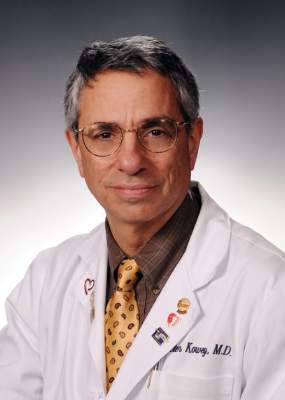
Sleeve gastrectomy cut biochemical cardiac risk factors
CHICAGO – Many traditional and novel biochemical cardiac risk markers show dramatic and stable improvements following sleeve gastrectomy, a prospective, observational study shows.
C-reactive protein (CRP) levels were elevated in 78% of patients preoperatively, but they fell early in the preoperative course at 3 months (median 6.6 mg/L vs. 4.5 mg/L; P less than .0001) and continued to decline throughout the 12-month follow-up (median 5.8 mg/L vs. 2.4 mg/L; P less than .0001).
“This gradual improvement and normalization of this inflammatory marker may reflect the slower resolution of the chronic inflammatory burden that obesity brings along with it,” Ms. Tara Mokhtari said at the American College of Surgeons Clinical Congress.
Though prior studies have shown that gastric bypass and adjustable gastric banding improved biochemical cardiac risk factors (BCRFs), this is the first prospective study to detail such improvements following sleeve gastrectomy.
The study evaluated 10 BCRFs (total cholesterol (TC), low-density lipoprotein cholesterol, high-density lipoprotein cholesterol, triglycerides (TG), TC/HDL ratio, hemoglobin A1c, TG/HDL ratio, homocysteine, lipoprotein A, and CRP) in 334 morbidly obese patients undergoing laparoscopic sleeve gastrectomy during 2006-2015. Their mean age was 45 years, 76.4% were women, 55% were hypertensive, 29.4% had diabetes, 9.6% had known coronary artery disease, and 26.4% were on a lipid-lowering medication.
Many patients had abnormal cardiac risk factors prior to surgery, the most striking being the 78% of patients with elevated CRP levels (at least 3 mg/L), according to Ms. Mokhtari of Stanford (Calif.) University.
One-third also had abnormal HDL levels, total cholesterol, and triglyceride/HDL ratio and 20% had LDL levels above the 130 mg/dL threshold. Statin use was discontinued in all patients following surgery, per hospital protocol.
After sleeve gastrectomy, body mass index declined from 43.5 preoperatively to 36.6 at 3 months, 34.3 at 6 months, and 33.1 at 12 months, according to the study authors, led by Dr. John M. Morton, also of Stanford.
Similar to the early changes observed in CRP, there were significant changes from baseline at 3 months in triglycerides (116.5 mg/dL vs. 98.5 mg/dL; P less than .0001) and HbA1c (5.8% vs. 5.5%; P less than .0001).
Six months after sleeve gastrectomy, significant improvements were seen in these same risk factors as well as HDL cholesterol (47 mg/dL vs. 51 mg/dL; P less than .0001), TG/HDL ratio, a surrogate marker for metabolic syndrome (2.5 vs. 1.9; P less than .0001), and lipoprotein A (8.9 mg/dL vs. 5.4 mg/dL; P = .016), Ms. Mokhtari said.
By 12 months, all cardiac risk factors except LDL cholesterol (median preop 101.5 mg/dL vs. 102.5 mg/dL; P = .062) were significantly improved. Notably, HDL increased to a median of 54 mg/dL, triglycerides continued to decline to 93 mg/dL, and HgA1c held steady at 5.5%.
“Triglycerides fell dramatically and remained stable, which in combination with the increase in HDL, reflects a much healthier overall lipid profile for our post-sleeve patients,” Ms. Mokhtari said. “It’s important to recall that all of these improvements were seen without the use of a statin drug.”
Improvement in these cardiac biomarkers may further represent improvements in other obesity-related diseases, as evidenced by improvements in the markers for type II diabetes and metabolic syndrome, she said.
“Such risk factors are useful in determining baseline risk for our sleeve patients and also can be followed very easily in the postoperative period,” Ms. Mokhtari added.
Discussant Dr. Aurora D. Pryor of State University of New York at Stony Brook, congratulated the authors on their research and asked how sleeve gastrectomy stacks up to gastric bypass or banding as a procedure for metabolic disease and whether the biomarker improvements will translate into improved mortality.
There are several published reports on cardiac risk factors and gastric banding and Roux-en-Y gastric bypass, but many do not include the newer biomarkers of lipoprotein A, homocysteine, or CRP, Ms. Mokhtari observed. A 2006 study by the Stanford investigators, however, suggests that “overall, Roux-en-Y allowed for a more significant improvement in these risk factors compared to sleeve,” she said.
Ms. Mokhtari went on to say that the SOS study reported a decrease in cardiovascular events after Roux-en-Y bypass, but that no such solid evidence exists for sleeve gastrectomy. However, studies have shown comparable improvements in Framingham risk scores at 1 year between sleeve and Roux-en-Y.
CHICAGO – Many traditional and novel biochemical cardiac risk markers show dramatic and stable improvements following sleeve gastrectomy, a prospective, observational study shows.
C-reactive protein (CRP) levels were elevated in 78% of patients preoperatively, but they fell early in the preoperative course at 3 months (median 6.6 mg/L vs. 4.5 mg/L; P less than .0001) and continued to decline throughout the 12-month follow-up (median 5.8 mg/L vs. 2.4 mg/L; P less than .0001).
“This gradual improvement and normalization of this inflammatory marker may reflect the slower resolution of the chronic inflammatory burden that obesity brings along with it,” Ms. Tara Mokhtari said at the American College of Surgeons Clinical Congress.
Though prior studies have shown that gastric bypass and adjustable gastric banding improved biochemical cardiac risk factors (BCRFs), this is the first prospective study to detail such improvements following sleeve gastrectomy.
The study evaluated 10 BCRFs (total cholesterol (TC), low-density lipoprotein cholesterol, high-density lipoprotein cholesterol, triglycerides (TG), TC/HDL ratio, hemoglobin A1c, TG/HDL ratio, homocysteine, lipoprotein A, and CRP) in 334 morbidly obese patients undergoing laparoscopic sleeve gastrectomy during 2006-2015. Their mean age was 45 years, 76.4% were women, 55% were hypertensive, 29.4% had diabetes, 9.6% had known coronary artery disease, and 26.4% were on a lipid-lowering medication.
Many patients had abnormal cardiac risk factors prior to surgery, the most striking being the 78% of patients with elevated CRP levels (at least 3 mg/L), according to Ms. Mokhtari of Stanford (Calif.) University.
One-third also had abnormal HDL levels, total cholesterol, and triglyceride/HDL ratio and 20% had LDL levels above the 130 mg/dL threshold. Statin use was discontinued in all patients following surgery, per hospital protocol.
After sleeve gastrectomy, body mass index declined from 43.5 preoperatively to 36.6 at 3 months, 34.3 at 6 months, and 33.1 at 12 months, according to the study authors, led by Dr. John M. Morton, also of Stanford.
Similar to the early changes observed in CRP, there were significant changes from baseline at 3 months in triglycerides (116.5 mg/dL vs. 98.5 mg/dL; P less than .0001) and HbA1c (5.8% vs. 5.5%; P less than .0001).
Six months after sleeve gastrectomy, significant improvements were seen in these same risk factors as well as HDL cholesterol (47 mg/dL vs. 51 mg/dL; P less than .0001), TG/HDL ratio, a surrogate marker for metabolic syndrome (2.5 vs. 1.9; P less than .0001), and lipoprotein A (8.9 mg/dL vs. 5.4 mg/dL; P = .016), Ms. Mokhtari said.
By 12 months, all cardiac risk factors except LDL cholesterol (median preop 101.5 mg/dL vs. 102.5 mg/dL; P = .062) were significantly improved. Notably, HDL increased to a median of 54 mg/dL, triglycerides continued to decline to 93 mg/dL, and HgA1c held steady at 5.5%.
“Triglycerides fell dramatically and remained stable, which in combination with the increase in HDL, reflects a much healthier overall lipid profile for our post-sleeve patients,” Ms. Mokhtari said. “It’s important to recall that all of these improvements were seen without the use of a statin drug.”
Improvement in these cardiac biomarkers may further represent improvements in other obesity-related diseases, as evidenced by improvements in the markers for type II diabetes and metabolic syndrome, she said.
“Such risk factors are useful in determining baseline risk for our sleeve patients and also can be followed very easily in the postoperative period,” Ms. Mokhtari added.
Discussant Dr. Aurora D. Pryor of State University of New York at Stony Brook, congratulated the authors on their research and asked how sleeve gastrectomy stacks up to gastric bypass or banding as a procedure for metabolic disease and whether the biomarker improvements will translate into improved mortality.
There are several published reports on cardiac risk factors and gastric banding and Roux-en-Y gastric bypass, but many do not include the newer biomarkers of lipoprotein A, homocysteine, or CRP, Ms. Mokhtari observed. A 2006 study by the Stanford investigators, however, suggests that “overall, Roux-en-Y allowed for a more significant improvement in these risk factors compared to sleeve,” she said.
Ms. Mokhtari went on to say that the SOS study reported a decrease in cardiovascular events after Roux-en-Y bypass, but that no such solid evidence exists for sleeve gastrectomy. However, studies have shown comparable improvements in Framingham risk scores at 1 year between sleeve and Roux-en-Y.
CHICAGO – Many traditional and novel biochemical cardiac risk markers show dramatic and stable improvements following sleeve gastrectomy, a prospective, observational study shows.
C-reactive protein (CRP) levels were elevated in 78% of patients preoperatively, but they fell early in the preoperative course at 3 months (median 6.6 mg/L vs. 4.5 mg/L; P less than .0001) and continued to decline throughout the 12-month follow-up (median 5.8 mg/L vs. 2.4 mg/L; P less than .0001).
“This gradual improvement and normalization of this inflammatory marker may reflect the slower resolution of the chronic inflammatory burden that obesity brings along with it,” Ms. Tara Mokhtari said at the American College of Surgeons Clinical Congress.
Though prior studies have shown that gastric bypass and adjustable gastric banding improved biochemical cardiac risk factors (BCRFs), this is the first prospective study to detail such improvements following sleeve gastrectomy.
The study evaluated 10 BCRFs (total cholesterol (TC), low-density lipoprotein cholesterol, high-density lipoprotein cholesterol, triglycerides (TG), TC/HDL ratio, hemoglobin A1c, TG/HDL ratio, homocysteine, lipoprotein A, and CRP) in 334 morbidly obese patients undergoing laparoscopic sleeve gastrectomy during 2006-2015. Their mean age was 45 years, 76.4% were women, 55% were hypertensive, 29.4% had diabetes, 9.6% had known coronary artery disease, and 26.4% were on a lipid-lowering medication.
Many patients had abnormal cardiac risk factors prior to surgery, the most striking being the 78% of patients with elevated CRP levels (at least 3 mg/L), according to Ms. Mokhtari of Stanford (Calif.) University.
One-third also had abnormal HDL levels, total cholesterol, and triglyceride/HDL ratio and 20% had LDL levels above the 130 mg/dL threshold. Statin use was discontinued in all patients following surgery, per hospital protocol.
After sleeve gastrectomy, body mass index declined from 43.5 preoperatively to 36.6 at 3 months, 34.3 at 6 months, and 33.1 at 12 months, according to the study authors, led by Dr. John M. Morton, also of Stanford.
Similar to the early changes observed in CRP, there were significant changes from baseline at 3 months in triglycerides (116.5 mg/dL vs. 98.5 mg/dL; P less than .0001) and HbA1c (5.8% vs. 5.5%; P less than .0001).
Six months after sleeve gastrectomy, significant improvements were seen in these same risk factors as well as HDL cholesterol (47 mg/dL vs. 51 mg/dL; P less than .0001), TG/HDL ratio, a surrogate marker for metabolic syndrome (2.5 vs. 1.9; P less than .0001), and lipoprotein A (8.9 mg/dL vs. 5.4 mg/dL; P = .016), Ms. Mokhtari said.
By 12 months, all cardiac risk factors except LDL cholesterol (median preop 101.5 mg/dL vs. 102.5 mg/dL; P = .062) were significantly improved. Notably, HDL increased to a median of 54 mg/dL, triglycerides continued to decline to 93 mg/dL, and HgA1c held steady at 5.5%.
“Triglycerides fell dramatically and remained stable, which in combination with the increase in HDL, reflects a much healthier overall lipid profile for our post-sleeve patients,” Ms. Mokhtari said. “It’s important to recall that all of these improvements were seen without the use of a statin drug.”
Improvement in these cardiac biomarkers may further represent improvements in other obesity-related diseases, as evidenced by improvements in the markers for type II diabetes and metabolic syndrome, she said.
“Such risk factors are useful in determining baseline risk for our sleeve patients and also can be followed very easily in the postoperative period,” Ms. Mokhtari added.
Discussant Dr. Aurora D. Pryor of State University of New York at Stony Brook, congratulated the authors on their research and asked how sleeve gastrectomy stacks up to gastric bypass or banding as a procedure for metabolic disease and whether the biomarker improvements will translate into improved mortality.
There are several published reports on cardiac risk factors and gastric banding and Roux-en-Y gastric bypass, but many do not include the newer biomarkers of lipoprotein A, homocysteine, or CRP, Ms. Mokhtari observed. A 2006 study by the Stanford investigators, however, suggests that “overall, Roux-en-Y allowed for a more significant improvement in these risk factors compared to sleeve,” she said.
Ms. Mokhtari went on to say that the SOS study reported a decrease in cardiovascular events after Roux-en-Y bypass, but that no such solid evidence exists for sleeve gastrectomy. However, studies have shown comparable improvements in Framingham risk scores at 1 year between sleeve and Roux-en-Y.
AT THE AMERICAN COLLEGE OF SURGEONS CLINICAL CONGRESS
Key clinical point: Sleeve gastrectomy provided 12-month improvements in biochemical cardiovascular risk factors as well as weight and diabetes.
Major finding: CRP showed significant improvement within 3 months (median, 6.6 mg/L vs. 4.5 mg/L; P less than .0001).
Data source: Prospective, observational study in 334 morbidly obese patients undergoing sleeve gastrectomy.
Disclosures: Dr. Morton reported serving as a consultant for Ethicon and Medtronic.

Multistate compact could ease telemedicine licensing woes
As telemedicine hospitalists, one of the biggest challenges for Dr. Dana Giarrizzi and her staff is learning and staying updated on the many different state licensing rules.
Renewal time and dates vary, along with state requirements to become licensed and remain current, said Dr. Giarrizzi, national medical director for telehospitalist services at Eagle Hospital Physicians, based in Atlanta.
“One state renews on your birthday,” she said. Another “renews when you first activated your license. This one is every 2 years. This one requires CME. It’s hard to keep up with all the rules, and it’s costly.”
Dr. Giarrizzi believes a federal licensure process would be ideal, but she is also hopeful about state legislation in the form of the Interstate Medical Licensure Compact. The model legislation was developed by the Federation of State Medical Boards (FSMB) and aims to make it easier for telemedicine physicians to gain licenses in multiple states.
Under the legislation, physicians designate a member state as the state of principal licensure and select the other states they wish to gain licenses within. The state of principal licensure then verifies the physician’s eligibility and provides credential information to the interstate commission, which collects applicable fees and transmits the doctor’s information to the other states. Upon receipt in the additional states, the physician would be granted a license.
As of early October 2015, 11 states had enacted the compact legislation, and at least 19 states had introduced the legislation. In July, the Health Resources and Services Administration awarded the FSMB a grant to support establishment of the commission and aid with the compact’s infrastructure.
Broad support by medical associations, patients, and state leaders have quickly propelled the compact forward, said Lisa Robin, FSMB chief advocacy officer.
“I think the boards recognize the potential for telemedicine and what that can bring as far as access to health care,” Ms. Robin said. “As technologies are here – and it’s changing every day – this is a mechanism that will allow for much more efficiency and less administrative burden on the process for licensure for physicians who want to practice in multiple states.”
There have been several misconceptions tied to the compact law, Ms. Robin noted.
The compact does not change a state’s medical practice act, she stressed, nor does it create a national licensure system. In addition, the legislation does not require a physician to participate in maintenance of certification at any stage. Under the compact, approved physicians would be under the jurisdiction of the state medical board in which the patient is located at the time of the medical interaction. State boards of medicine would retain their individual authority for discipline and oversight.

The compact hopefully will reduce physicians’ frustrations and lessen administrative hassles for doctors who wish to use telehealth technologies to bring their expertise to patients across multiple states, said Dr. Reed V. Tuckson, president of the American Telemedicine Association.
“There have been several models proposed to address both of these objectives, and it appears that the Federation of State Medical Boards’ licensure model compact has emerged as the most practical and implementable of the various approaches,” Dr. Tuckson explained. “We do hope that this compact model can function efficiently and cost effectively, so that physicians are not overburdened as well-meaning organizations attempt to ensure that the public’s interests are safeguarded.”
Dr. Giarrizzi of Eagle Hospital Physicians is also optimistic about the compact.
“I am hoping this helps streamline the information,” she said. “I know it will still take time, because it is not taking away the need to go through the process, but seems more like it is just sharing the information. It will make it easier for us to cross state lines if the states we want to work in agree with this process and participate.”
On Twitter @legal_med
As telemedicine hospitalists, one of the biggest challenges for Dr. Dana Giarrizzi and her staff is learning and staying updated on the many different state licensing rules.
Renewal time and dates vary, along with state requirements to become licensed and remain current, said Dr. Giarrizzi, national medical director for telehospitalist services at Eagle Hospital Physicians, based in Atlanta.
“One state renews on your birthday,” she said. Another “renews when you first activated your license. This one is every 2 years. This one requires CME. It’s hard to keep up with all the rules, and it’s costly.”
Dr. Giarrizzi believes a federal licensure process would be ideal, but she is also hopeful about state legislation in the form of the Interstate Medical Licensure Compact. The model legislation was developed by the Federation of State Medical Boards (FSMB) and aims to make it easier for telemedicine physicians to gain licenses in multiple states.
Under the legislation, physicians designate a member state as the state of principal licensure and select the other states they wish to gain licenses within. The state of principal licensure then verifies the physician’s eligibility and provides credential information to the interstate commission, which collects applicable fees and transmits the doctor’s information to the other states. Upon receipt in the additional states, the physician would be granted a license.
As of early October 2015, 11 states had enacted the compact legislation, and at least 19 states had introduced the legislation. In July, the Health Resources and Services Administration awarded the FSMB a grant to support establishment of the commission and aid with the compact’s infrastructure.
Broad support by medical associations, patients, and state leaders have quickly propelled the compact forward, said Lisa Robin, FSMB chief advocacy officer.
“I think the boards recognize the potential for telemedicine and what that can bring as far as access to health care,” Ms. Robin said. “As technologies are here – and it’s changing every day – this is a mechanism that will allow for much more efficiency and less administrative burden on the process for licensure for physicians who want to practice in multiple states.”
There have been several misconceptions tied to the compact law, Ms. Robin noted.
The compact does not change a state’s medical practice act, she stressed, nor does it create a national licensure system. In addition, the legislation does not require a physician to participate in maintenance of certification at any stage. Under the compact, approved physicians would be under the jurisdiction of the state medical board in which the patient is located at the time of the medical interaction. State boards of medicine would retain their individual authority for discipline and oversight.
The compact hopefully will reduce physicians’ frustrations and lessen administrative hassles for doctors who wish to use telehealth technologies to bring their expertise to patients across multiple states, said Dr. Reed V. Tuckson, president of the American Telemedicine Association.
“There have been several models proposed to address both of these objectives, and it appears that the Federation of State Medical Boards’ licensure model compact has emerged as the most practical and implementable of the various approaches,” Dr. Tuckson explained. “We do hope that this compact model can function efficiently and cost effectively, so that physicians are not overburdened as well-meaning organizations attempt to ensure that the public’s interests are safeguarded.”
Dr. Giarrizzi of Eagle Hospital Physicians is also optimistic about the compact.
“I am hoping this helps streamline the information,” she said. “I know it will still take time, because it is not taking away the need to go through the process, but seems more like it is just sharing the information. It will make it easier for us to cross state lines if the states we want to work in agree with this process and participate.”
On Twitter @legal_med
As telemedicine hospitalists, one of the biggest challenges for Dr. Dana Giarrizzi and her staff is learning and staying updated on the many different state licensing rules.
Renewal time and dates vary, along with state requirements to become licensed and remain current, said Dr. Giarrizzi, national medical director for telehospitalist services at Eagle Hospital Physicians, based in Atlanta.
“One state renews on your birthday,” she said. Another “renews when you first activated your license. This one is every 2 years. This one requires CME. It’s hard to keep up with all the rules, and it’s costly.”
Dr. Giarrizzi believes a federal licensure process would be ideal, but she is also hopeful about state legislation in the form of the Interstate Medical Licensure Compact. The model legislation was developed by the Federation of State Medical Boards (FSMB) and aims to make it easier for telemedicine physicians to gain licenses in multiple states.
Under the legislation, physicians designate a member state as the state of principal licensure and select the other states they wish to gain licenses within. The state of principal licensure then verifies the physician’s eligibility and provides credential information to the interstate commission, which collects applicable fees and transmits the doctor’s information to the other states. Upon receipt in the additional states, the physician would be granted a license.
As of early October 2015, 11 states had enacted the compact legislation, and at least 19 states had introduced the legislation. In July, the Health Resources and Services Administration awarded the FSMB a grant to support establishment of the commission and aid with the compact’s infrastructure.
Broad support by medical associations, patients, and state leaders have quickly propelled the compact forward, said Lisa Robin, FSMB chief advocacy officer.
“I think the boards recognize the potential for telemedicine and what that can bring as far as access to health care,” Ms. Robin said. “As technologies are here – and it’s changing every day – this is a mechanism that will allow for much more efficiency and less administrative burden on the process for licensure for physicians who want to practice in multiple states.”
There have been several misconceptions tied to the compact law, Ms. Robin noted.
The compact does not change a state’s medical practice act, she stressed, nor does it create a national licensure system. In addition, the legislation does not require a physician to participate in maintenance of certification at any stage. Under the compact, approved physicians would be under the jurisdiction of the state medical board in which the patient is located at the time of the medical interaction. State boards of medicine would retain their individual authority for discipline and oversight.
The compact hopefully will reduce physicians’ frustrations and lessen administrative hassles for doctors who wish to use telehealth technologies to bring their expertise to patients across multiple states, said Dr. Reed V. Tuckson, president of the American Telemedicine Association.
“There have been several models proposed to address both of these objectives, and it appears that the Federation of State Medical Boards’ licensure model compact has emerged as the most practical and implementable of the various approaches,” Dr. Tuckson explained. “We do hope that this compact model can function efficiently and cost effectively, so that physicians are not overburdened as well-meaning organizations attempt to ensure that the public’s interests are safeguarded.”
Dr. Giarrizzi of Eagle Hospital Physicians is also optimistic about the compact.
“I am hoping this helps streamline the information,” she said. “I know it will still take time, because it is not taking away the need to go through the process, but seems more like it is just sharing the information. It will make it easier for us to cross state lines if the states we want to work in agree with this process and participate.”
On Twitter @legal_med
VIDEO: Dialysis-dependent patients face rocky road after colorectal surgery
CHICAGO – The odds of emergency surgery were sevenfold higher in dialysis-dependent patients undergoing colorectal surgery than patients with renal insufficiency not on dialysis or those with normal renal function.
Dialysis patients were also far less likely to undergo laparoscopic surgery and to be rescued from death if they experienced a complication.
These are just some of the results of a retrospective study involving 156,645 elective colorectal surgery cases selected as a poster of exceptional merit here at the annual clinical congress of the American College of Surgeons.
Dialysis patients are known to be at high risk for postoperative complications, but few studies have evaluated outcomes after colorectal surgery in these patients or distinguished them from patients with non–dialysis dependent renal insufficiency (NDDRI) or normal renal function (NRF), observed study author Dr. Isibor Arhuidese of Johns Hopkins University in Baltimore.
Indeed, when the researchers compared these three groups, perioperative mortality and morbidity after elective colorectal surgery was the worst in dialysis patients.
Absolute perioperative mortality was highest for dialysis patients vs. NDDRI and NRF patients after open (13.4% vs. 4.8% vs. 2%; P less than .001) and laparoscopic (8% vs. 2% vs. 0.6%; P less than .001) surgery.
Three complications were significantly associated with death in dialysis patients: myocardial infarction (adjusted odds ratio, 48.6; P = .027), bleeding (aOR, 14.5; P = .025), and sepsis or septic shock (aOR, 8.7; P = .001).
It is not enough to simply identify dialysis dependence as a predictor of poor outcomes, but one must identify targets for improvement in surgical care, Dr. Arhuidese stressed.
Dr. Arhuidese reported having no relevant conflicts of interest.
The video associated with this article is no longer available on this site. Please view all of our videos on the MDedge YouTube channel
On Twitter @pwendl
CHICAGO – The odds of emergency surgery were sevenfold higher in dialysis-dependent patients undergoing colorectal surgery than patients with renal insufficiency not on dialysis or those with normal renal function.
Dialysis patients were also far less likely to undergo laparoscopic surgery and to be rescued from death if they experienced a complication.
These are just some of the results of a retrospective study involving 156,645 elective colorectal surgery cases selected as a poster of exceptional merit here at the annual clinical congress of the American College of Surgeons.
Dialysis patients are known to be at high risk for postoperative complications, but few studies have evaluated outcomes after colorectal surgery in these patients or distinguished them from patients with non–dialysis dependent renal insufficiency (NDDRI) or normal renal function (NRF), observed study author Dr. Isibor Arhuidese of Johns Hopkins University in Baltimore.
Indeed, when the researchers compared these three groups, perioperative mortality and morbidity after elective colorectal surgery was the worst in dialysis patients.
Absolute perioperative mortality was highest for dialysis patients vs. NDDRI and NRF patients after open (13.4% vs. 4.8% vs. 2%; P less than .001) and laparoscopic (8% vs. 2% vs. 0.6%; P less than .001) surgery.
Three complications were significantly associated with death in dialysis patients: myocardial infarction (adjusted odds ratio, 48.6; P = .027), bleeding (aOR, 14.5; P = .025), and sepsis or septic shock (aOR, 8.7; P = .001).
It is not enough to simply identify dialysis dependence as a predictor of poor outcomes, but one must identify targets for improvement in surgical care, Dr. Arhuidese stressed.
Dr. Arhuidese reported having no relevant conflicts of interest.
The video associated with this article is no longer available on this site. Please view all of our videos on the MDedge YouTube channel
On Twitter @pwendl
CHICAGO – The odds of emergency surgery were sevenfold higher in dialysis-dependent patients undergoing colorectal surgery than patients with renal insufficiency not on dialysis or those with normal renal function.
Dialysis patients were also far less likely to undergo laparoscopic surgery and to be rescued from death if they experienced a complication.
These are just some of the results of a retrospective study involving 156,645 elective colorectal surgery cases selected as a poster of exceptional merit here at the annual clinical congress of the American College of Surgeons.
Dialysis patients are known to be at high risk for postoperative complications, but few studies have evaluated outcomes after colorectal surgery in these patients or distinguished them from patients with non–dialysis dependent renal insufficiency (NDDRI) or normal renal function (NRF), observed study author Dr. Isibor Arhuidese of Johns Hopkins University in Baltimore.
Indeed, when the researchers compared these three groups, perioperative mortality and morbidity after elective colorectal surgery was the worst in dialysis patients.
Absolute perioperative mortality was highest for dialysis patients vs. NDDRI and NRF patients after open (13.4% vs. 4.8% vs. 2%; P less than .001) and laparoscopic (8% vs. 2% vs. 0.6%; P less than .001) surgery.
Three complications were significantly associated with death in dialysis patients: myocardial infarction (adjusted odds ratio, 48.6; P = .027), bleeding (aOR, 14.5; P = .025), and sepsis or septic shock (aOR, 8.7; P = .001).
It is not enough to simply identify dialysis dependence as a predictor of poor outcomes, but one must identify targets for improvement in surgical care, Dr. Arhuidese stressed.
Dr. Arhuidese reported having no relevant conflicts of interest.
The video associated with this article is no longer available on this site. Please view all of our videos on the MDedge YouTube channel
On Twitter @pwendl
AT THE ACS CLINICAL CONGRESS
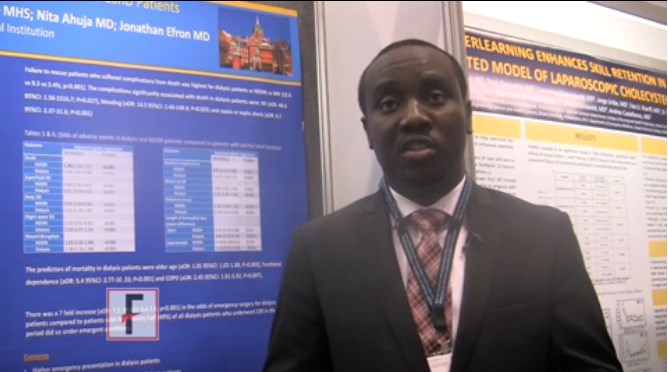
Better outcomes with open surgery vs. laparoscopic for rectal cancer
Two randomized studies of rectal cancer surgeries using highly qualified surgeons were not able to show that laparoscopic procedures produce results equal to open ones.
The studies, published online in JAMA, each enrolled slightly under 500 patients at multiple sites, randomized them to open pelvic dissection or laparoscopic dissection, and selected surgeons with exceptional skills.
Both studies found rates of pathologist-determined adequate surgical dissection to be slightly lower for patients undergoing the laparoscopic procedures.
The North American study was carried out under the American College of Surgeons Oncology Group and led by Dr. James Fleshman of Baylor University Medical Center, Dallas. The study, which took place at 35 surgical centers, enrolled 486 patients with stage II or III rectal cancer within 12 cm of the anal verge who were randomized after neoadjuvant therapy to minimally invasive (n = 240) or open proctectomy (n=222) (JAMA. 2015;314[13]:1346-55).
Success was measured by pathologic oncologic markers related to quality of the rectal specimen: a composite of circumferential radial margin greater than 1 mm, distal margin without tumor, and completeness of total mesorectal excision. A 6% noninferiority margin was chosen according to clinical relevance estimations for this patient group.
Successful resection occurred in 82% of laparoscopic resection cases (95% confidence interval, 76.8%-86.6%) and 87% of open cases (95% CI, 82.5%-91.4%). The results did not support noninferiority for laparoscopic procedures (P = .41).
The finding came as a surprise, Dr. Fleshman and colleagues wrote in their analysis, not least because of the skill level of the surgeons participating in the study. A group of “highly motivated, credentialed, expert laparoscopic rectal surgeons was ideal to test this hypothesis,” they wrote. Moreover, only 11% of patients assigned laparoscopy had to be converted to open procedures, “so the learning curve cannot be invoked to explain our results because conversion rates were reasonable.”
More likely, they wrote, “the technique itself, along with the current methodology available, must be questioned if motivated experts cannot produce a quality specimen defined by this novel combined metric.”
Proctectomy is always challenging, Dr. Fleshman and colleagues wrote, “and it can be even more difficult to work in the deep pelvis with in-line rigid instruments from angles that require complicated maneuvers to reach the extremes of the pelvis. It is possible that modification of instruments or a different platform such as robotics will improve efficacy of minimally invasive techniques.”
The Australian study, carried out by the Australasian Gastro-Intestinal Trials Group network and led by Dr. Andrew R. L. Stevenson of the University of Queensland and Royal Brisbane and Women’s Hospital, Brisbane, Australia, enrolled 475 patients with T1-3 rectal tumors less than 15 cm from the anal verge and randomized them to laparoscopic (n = 238) or open (n = 235) pelvic dissection. Half of patients had received radiotherapy before the operations. Some 26 surgeons operated at 24 sites in Australia and New Zealand. (JAMA. 2015;314[13]:1356-63).
For this trial, successful resection was defined as complete total mesorectal excision, a clear circumferential margin of at least 1 mm, and a clear distal resection margin of 1 mm or more. The prescribed noninferiority margin for this patient group was 8%. As in the North American study, pathologists were blinded to the method of surgery.
Successful resection occurred in 194 patients (82%) in the laparoscopic group and 208 (89%) in the open surgery group, not reaching noninferiority for the laparoscopic approach (P = 0.38 for noninferiority). Conversion to open dissection occurred in 9% of the laparoscopy-assigned patients.
“Even though our trial was not designed to demonstrate whether one method of rectal dissection was superior to the other, the inability to establish noninferiority suggests that surgeons should be cautious when considering the suitability of a laparoscopic approach for a patient with rectal cancer,” Dr. Stevenson and colleagues wrote in their analysis.
“Subgroup analyses raise the possibility that laparoscopic surgery might be less successful than open surgery in patients who have received neoadjuvant therapy, have larger T3 tumors, or have higher BMIs. However, our study was underpowered to show significant differences in proportions of lower success rates for laparoscopic surgery vs. open surgery.”
The North American trial was funded by the National Cancer Institute, the American Society of Colon and Rectal Surgeons, the Society of American Gastrointestinal and Endoscopic Surgeons, and the Covidien Company. Dr. Fleshman reported no conflicts, while several coauthors disclosed financial relationships with surgical device manufacturers, including Covidien.
The Australasian trial was funded by the Colorectal Surgical Society of Australia and New Zealand and the National Health and Medical Research Council. No conflicts of interest were reported.
The studies by Fleshman et al. and Stevenson et al. have set a standard for surgeons performing these complex operations and the surgical expertise that must be ensured when conducting randomized clinical trials. In both studies, only surgeons accredited after video review of relevant operations were allowed to participate, and the primary outcome was defined as the adequacy of surgical dissection as assessed by completeness of the total mesorectal excision, uninvolved CRM, and uninvolved distal resection margin. The technical quality of surgery in both trials was high as demonstrated by few laparoscopic conversions, high sphincter preservation rates, and low rates of anastomotic leakage and other complications in these study groups that included high-risk overweight patients, the majority of whom were male. Likewise, the composite pathologic success rate based on meeting all three surgical dissection criteria was very high. However, in both studies, the adequacy of surgical dissection tended to be lower in the minimally invasive group, compared with the open resection group despite comparable low rates of distal margin involvement. Although several nonrandomized studies with inherent selection bias have described the overall advantages of a minimally invasive approach for patients with rectal cancer or complicated diverticulitis, these large, randomized, multicenter trials substantiate recent findings from similar randomized trials. A laparoscopic resection may not be oncologically justified in many patients requiring proctectomy for rectal cancer. The studies do not signal a moratorium on laparoscopic approaches, but surgeons must proceed in a judicious manner to ensure that patients are informed about the benefits and risks associated with minimally invasive and open operations.
Dr. Scott A. Strong and Dr. Nathaniel J. Soper are with Northwestern University Feinberg School of Medicine, Chicago. Dr. Strong and Dr. Soper declared no conflicts of interest. These remarks were excerpted from an accompanying editorial (JAMA. 2015 Oct 6. doi: 10.1001/jama.2015.11454).
The studies by Fleshman et al. and Stevenson et al. have set a standard for surgeons performing these complex operations and the surgical expertise that must be ensured when conducting randomized clinical trials. In both studies, only surgeons accredited after video review of relevant operations were allowed to participate, and the primary outcome was defined as the adequacy of surgical dissection as assessed by completeness of the total mesorectal excision, uninvolved CRM, and uninvolved distal resection margin. The technical quality of surgery in both trials was high as demonstrated by few laparoscopic conversions, high sphincter preservation rates, and low rates of anastomotic leakage and other complications in these study groups that included high-risk overweight patients, the majority of whom were male. Likewise, the composite pathologic success rate based on meeting all three surgical dissection criteria was very high. However, in both studies, the adequacy of surgical dissection tended to be lower in the minimally invasive group, compared with the open resection group despite comparable low rates of distal margin involvement. Although several nonrandomized studies with inherent selection bias have described the overall advantages of a minimally invasive approach for patients with rectal cancer or complicated diverticulitis, these large, randomized, multicenter trials substantiate recent findings from similar randomized trials. A laparoscopic resection may not be oncologically justified in many patients requiring proctectomy for rectal cancer. The studies do not signal a moratorium on laparoscopic approaches, but surgeons must proceed in a judicious manner to ensure that patients are informed about the benefits and risks associated with minimally invasive and open operations.
Dr. Scott A. Strong and Dr. Nathaniel J. Soper are with Northwestern University Feinberg School of Medicine, Chicago. Dr. Strong and Dr. Soper declared no conflicts of interest. These remarks were excerpted from an accompanying editorial (JAMA. 2015 Oct 6. doi: 10.1001/jama.2015.11454).
The studies by Fleshman et al. and Stevenson et al. have set a standard for surgeons performing these complex operations and the surgical expertise that must be ensured when conducting randomized clinical trials. In both studies, only surgeons accredited after video review of relevant operations were allowed to participate, and the primary outcome was defined as the adequacy of surgical dissection as assessed by completeness of the total mesorectal excision, uninvolved CRM, and uninvolved distal resection margin. The technical quality of surgery in both trials was high as demonstrated by few laparoscopic conversions, high sphincter preservation rates, and low rates of anastomotic leakage and other complications in these study groups that included high-risk overweight patients, the majority of whom were male. Likewise, the composite pathologic success rate based on meeting all three surgical dissection criteria was very high. However, in both studies, the adequacy of surgical dissection tended to be lower in the minimally invasive group, compared with the open resection group despite comparable low rates of distal margin involvement. Although several nonrandomized studies with inherent selection bias have described the overall advantages of a minimally invasive approach for patients with rectal cancer or complicated diverticulitis, these large, randomized, multicenter trials substantiate recent findings from similar randomized trials. A laparoscopic resection may not be oncologically justified in many patients requiring proctectomy for rectal cancer. The studies do not signal a moratorium on laparoscopic approaches, but surgeons must proceed in a judicious manner to ensure that patients are informed about the benefits and risks associated with minimally invasive and open operations.
Dr. Scott A. Strong and Dr. Nathaniel J. Soper are with Northwestern University Feinberg School of Medicine, Chicago. Dr. Strong and Dr. Soper declared no conflicts of interest. These remarks were excerpted from an accompanying editorial (JAMA. 2015 Oct 6. doi: 10.1001/jama.2015.11454).
Two randomized studies of rectal cancer surgeries using highly qualified surgeons were not able to show that laparoscopic procedures produce results equal to open ones.
The studies, published online in JAMA, each enrolled slightly under 500 patients at multiple sites, randomized them to open pelvic dissection or laparoscopic dissection, and selected surgeons with exceptional skills.
Both studies found rates of pathologist-determined adequate surgical dissection to be slightly lower for patients undergoing the laparoscopic procedures.
The North American study was carried out under the American College of Surgeons Oncology Group and led by Dr. James Fleshman of Baylor University Medical Center, Dallas. The study, which took place at 35 surgical centers, enrolled 486 patients with stage II or III rectal cancer within 12 cm of the anal verge who were randomized after neoadjuvant therapy to minimally invasive (n = 240) or open proctectomy (n=222) (JAMA. 2015;314[13]:1346-55).
Success was measured by pathologic oncologic markers related to quality of the rectal specimen: a composite of circumferential radial margin greater than 1 mm, distal margin without tumor, and completeness of total mesorectal excision. A 6% noninferiority margin was chosen according to clinical relevance estimations for this patient group.
Successful resection occurred in 82% of laparoscopic resection cases (95% confidence interval, 76.8%-86.6%) and 87% of open cases (95% CI, 82.5%-91.4%). The results did not support noninferiority for laparoscopic procedures (P = .41).
The finding came as a surprise, Dr. Fleshman and colleagues wrote in their analysis, not least because of the skill level of the surgeons participating in the study. A group of “highly motivated, credentialed, expert laparoscopic rectal surgeons was ideal to test this hypothesis,” they wrote. Moreover, only 11% of patients assigned laparoscopy had to be converted to open procedures, “so the learning curve cannot be invoked to explain our results because conversion rates were reasonable.”
More likely, they wrote, “the technique itself, along with the current methodology available, must be questioned if motivated experts cannot produce a quality specimen defined by this novel combined metric.”
Proctectomy is always challenging, Dr. Fleshman and colleagues wrote, “and it can be even more difficult to work in the deep pelvis with in-line rigid instruments from angles that require complicated maneuvers to reach the extremes of the pelvis. It is possible that modification of instruments or a different platform such as robotics will improve efficacy of minimally invasive techniques.”
The Australian study, carried out by the Australasian Gastro-Intestinal Trials Group network and led by Dr. Andrew R. L. Stevenson of the University of Queensland and Royal Brisbane and Women’s Hospital, Brisbane, Australia, enrolled 475 patients with T1-3 rectal tumors less than 15 cm from the anal verge and randomized them to laparoscopic (n = 238) or open (n = 235) pelvic dissection. Half of patients had received radiotherapy before the operations. Some 26 surgeons operated at 24 sites in Australia and New Zealand. (JAMA. 2015;314[13]:1356-63).
For this trial, successful resection was defined as complete total mesorectal excision, a clear circumferential margin of at least 1 mm, and a clear distal resection margin of 1 mm or more. The prescribed noninferiority margin for this patient group was 8%. As in the North American study, pathologists were blinded to the method of surgery.
Successful resection occurred in 194 patients (82%) in the laparoscopic group and 208 (89%) in the open surgery group, not reaching noninferiority for the laparoscopic approach (P = 0.38 for noninferiority). Conversion to open dissection occurred in 9% of the laparoscopy-assigned patients.
“Even though our trial was not designed to demonstrate whether one method of rectal dissection was superior to the other, the inability to establish noninferiority suggests that surgeons should be cautious when considering the suitability of a laparoscopic approach for a patient with rectal cancer,” Dr. Stevenson and colleagues wrote in their analysis.
“Subgroup analyses raise the possibility that laparoscopic surgery might be less successful than open surgery in patients who have received neoadjuvant therapy, have larger T3 tumors, or have higher BMIs. However, our study was underpowered to show significant differences in proportions of lower success rates for laparoscopic surgery vs. open surgery.”
The North American trial was funded by the National Cancer Institute, the American Society of Colon and Rectal Surgeons, the Society of American Gastrointestinal and Endoscopic Surgeons, and the Covidien Company. Dr. Fleshman reported no conflicts, while several coauthors disclosed financial relationships with surgical device manufacturers, including Covidien.
The Australasian trial was funded by the Colorectal Surgical Society of Australia and New Zealand and the National Health and Medical Research Council. No conflicts of interest were reported.
Two randomized studies of rectal cancer surgeries using highly qualified surgeons were not able to show that laparoscopic procedures produce results equal to open ones.
The studies, published online in JAMA, each enrolled slightly under 500 patients at multiple sites, randomized them to open pelvic dissection or laparoscopic dissection, and selected surgeons with exceptional skills.
Both studies found rates of pathologist-determined adequate surgical dissection to be slightly lower for patients undergoing the laparoscopic procedures.
The North American study was carried out under the American College of Surgeons Oncology Group and led by Dr. James Fleshman of Baylor University Medical Center, Dallas. The study, which took place at 35 surgical centers, enrolled 486 patients with stage II or III rectal cancer within 12 cm of the anal verge who were randomized after neoadjuvant therapy to minimally invasive (n = 240) or open proctectomy (n=222) (JAMA. 2015;314[13]:1346-55).
Success was measured by pathologic oncologic markers related to quality of the rectal specimen: a composite of circumferential radial margin greater than 1 mm, distal margin without tumor, and completeness of total mesorectal excision. A 6% noninferiority margin was chosen according to clinical relevance estimations for this patient group.
Successful resection occurred in 82% of laparoscopic resection cases (95% confidence interval, 76.8%-86.6%) and 87% of open cases (95% CI, 82.5%-91.4%). The results did not support noninferiority for laparoscopic procedures (P = .41).
The finding came as a surprise, Dr. Fleshman and colleagues wrote in their analysis, not least because of the skill level of the surgeons participating in the study. A group of “highly motivated, credentialed, expert laparoscopic rectal surgeons was ideal to test this hypothesis,” they wrote. Moreover, only 11% of patients assigned laparoscopy had to be converted to open procedures, “so the learning curve cannot be invoked to explain our results because conversion rates were reasonable.”
More likely, they wrote, “the technique itself, along with the current methodology available, must be questioned if motivated experts cannot produce a quality specimen defined by this novel combined metric.”
Proctectomy is always challenging, Dr. Fleshman and colleagues wrote, “and it can be even more difficult to work in the deep pelvis with in-line rigid instruments from angles that require complicated maneuvers to reach the extremes of the pelvis. It is possible that modification of instruments or a different platform such as robotics will improve efficacy of minimally invasive techniques.”
The Australian study, carried out by the Australasian Gastro-Intestinal Trials Group network and led by Dr. Andrew R. L. Stevenson of the University of Queensland and Royal Brisbane and Women’s Hospital, Brisbane, Australia, enrolled 475 patients with T1-3 rectal tumors less than 15 cm from the anal verge and randomized them to laparoscopic (n = 238) or open (n = 235) pelvic dissection. Half of patients had received radiotherapy before the operations. Some 26 surgeons operated at 24 sites in Australia and New Zealand. (JAMA. 2015;314[13]:1356-63).
For this trial, successful resection was defined as complete total mesorectal excision, a clear circumferential margin of at least 1 mm, and a clear distal resection margin of 1 mm or more. The prescribed noninferiority margin for this patient group was 8%. As in the North American study, pathologists were blinded to the method of surgery.
Successful resection occurred in 194 patients (82%) in the laparoscopic group and 208 (89%) in the open surgery group, not reaching noninferiority for the laparoscopic approach (P = 0.38 for noninferiority). Conversion to open dissection occurred in 9% of the laparoscopy-assigned patients.
“Even though our trial was not designed to demonstrate whether one method of rectal dissection was superior to the other, the inability to establish noninferiority suggests that surgeons should be cautious when considering the suitability of a laparoscopic approach for a patient with rectal cancer,” Dr. Stevenson and colleagues wrote in their analysis.
“Subgroup analyses raise the possibility that laparoscopic surgery might be less successful than open surgery in patients who have received neoadjuvant therapy, have larger T3 tumors, or have higher BMIs. However, our study was underpowered to show significant differences in proportions of lower success rates for laparoscopic surgery vs. open surgery.”
The North American trial was funded by the National Cancer Institute, the American Society of Colon and Rectal Surgeons, the Society of American Gastrointestinal and Endoscopic Surgeons, and the Covidien Company. Dr. Fleshman reported no conflicts, while several coauthors disclosed financial relationships with surgical device manufacturers, including Covidien.
The Australasian trial was funded by the Colorectal Surgical Society of Australia and New Zealand and the National Health and Medical Research Council. No conflicts of interest were reported.
FROM JAMA
Key clinical point: Two studies evaluating resection results failed to show laparoscopic surgeries for colorectal cancer as noninferior to open procedures.
Major finding: Among patients with stage III or IV rectal cancers, successful resection occurred in 81.7% of laparoscopic resection cases (95% CI, 76.8%-86.6%) and 86.9% of open resection cases (95% CI, 82.5%-91.4%), not supporting noninferiority for laparoscopic procedures (P = .41 for noninferiority). Similarly, among patients with T1-3 rectal tumors, 82% assigned laparoscopic surgery and 89% in the open surgery group saw adequate resections (P = .38 for noninferiority).
Data source: Randomized trials of slightly under 500 patients each at multiple study sites in North America, Australia, and New Zealand.
Disclosures: Australian-led study was publicly and institutionally funded with no investigator disclosures; U.S.-led study had support from a device manufacturer and several coauthors disclosed support from this and other manufacturers.
VIDEO: When to use MRI in breast cancer
CHICAGO – For most women, there’s little role for MRI in screening for and treating breast cancer
However, there are important exceptions. In an interview at the American College of Surgeons Clinical Congress, Dr. Monica Morrow, chief of breast surgery at Memorial Sloan-Kettering Cancer Center in Manhattan, explained what those exceptions are, and how she uses MRI in her practice.
The video associated with this article is no longer available on this site. Please view all of our videos on the MDedge YouTube channel
CHICAGO – For most women, there’s little role for MRI in screening for and treating breast cancer
However, there are important exceptions. In an interview at the American College of Surgeons Clinical Congress, Dr. Monica Morrow, chief of breast surgery at Memorial Sloan-Kettering Cancer Center in Manhattan, explained what those exceptions are, and how she uses MRI in her practice.
The video associated with this article is no longer available on this site. Please view all of our videos on the MDedge YouTube channel
CHICAGO – For most women, there’s little role for MRI in screening for and treating breast cancer
However, there are important exceptions. In an interview at the American College of Surgeons Clinical Congress, Dr. Monica Morrow, chief of breast surgery at Memorial Sloan-Kettering Cancer Center in Manhattan, explained what those exceptions are, and how she uses MRI in her practice.
The video associated with this article is no longer available on this site. Please view all of our videos on the MDedge YouTube channel
EXPERT ANALYSIS FROM THE AMERICAN COLLEGE OF SURGEONS CLINICAL CONGRESS

California governor signs physician-assisted suicide bill into law
California Gov. Jerry Brown (D) has signed into law a controversial measure that allows physicians to help terminally ill patients legally end their lives, making California the fourth state to permit doctor-assisted suicide through its legislature.
Gov. Brown, a former seminary student, approved the End of Life Option Act Oct. 5, after state lawmakers passed the bill Sept. 11.
In a signing message, Gov. Brown said that he had considered all sides of the issue and carefully weighed religious and theological perspectives that shortening a patient’s life is sinful.
“In the end, I was left to reflect on what I would want in the face of my own death,” Gov. Brown said in the message. “I do not know what I would do if I were dying in prolonged and excruciating pain. I am certain, however, that it would be a comfort to be able to consider the options afforded by this bill. And I wouldn’t deny that right to others.”
Modeled after Oregon’s statute, California’s law requires two doctors to determine that a patient has 6 months or less to live before doctors could prescribe life-ending medication. Patients must have the mental capacity to make medical decisions and would physically have to be able to swallow the drugs.
In addition, patients seeking physician aid in dying must submit two oral requests, a minimum of 15 days apart, and a written request to their physician. The attending physician must receive all three requests directly from the patient and not through a designee. Before prescribing end-of-life drugs, the attending physician must refer the patient to a consulting physician for confirmation of the diagnosis and prognosis and of the patient’s capacity to make the decision.
Oregon, Vermont, and Washington each have laws permitting physician-assisted death. Court rulings in New Mexico and Montana have allowed for the practice, but litigation in those states is ongoing and the decisions have yet to be enforced.
The signing ends nearly a year of passionate debate in California that divided physicians, religious groups, lawmakers, and community members. In May, the California Medical Association (CMA) became the first state medical society to change its stance against physician-assisted suicide to that of being neutral.
“The decision to participate in the End of Life Option Act is a very personal one between a doctor and their patient, which is why CMA has removed policy that outright objects to physicians aiding terminally ill patients in end of life options,” Dr. Luther F. Cobb, CMA president, said in a statement. “We believe it is up to the individual physician and their patient to decide voluntarily whether the End of Life Option Act is something in which they want to engage. Protecting that physician-patient relationship is essential.”
The California law will take effect 90 days after the state legislature adjourns its special session on health care, which may not be until early next year. The earliest likely enactment would be spring 2016.
On Twitter @legal_med
California Gov. Jerry Brown (D) has signed into law a controversial measure that allows physicians to help terminally ill patients legally end their lives, making California the fourth state to permit doctor-assisted suicide through its legislature.
Gov. Brown, a former seminary student, approved the End of Life Option Act Oct. 5, after state lawmakers passed the bill Sept. 11.
In a signing message, Gov. Brown said that he had considered all sides of the issue and carefully weighed religious and theological perspectives that shortening a patient’s life is sinful.
“In the end, I was left to reflect on what I would want in the face of my own death,” Gov. Brown said in the message. “I do not know what I would do if I were dying in prolonged and excruciating pain. I am certain, however, that it would be a comfort to be able to consider the options afforded by this bill. And I wouldn’t deny that right to others.”
Modeled after Oregon’s statute, California’s law requires two doctors to determine that a patient has 6 months or less to live before doctors could prescribe life-ending medication. Patients must have the mental capacity to make medical decisions and would physically have to be able to swallow the drugs.
In addition, patients seeking physician aid in dying must submit two oral requests, a minimum of 15 days apart, and a written request to their physician. The attending physician must receive all three requests directly from the patient and not through a designee. Before prescribing end-of-life drugs, the attending physician must refer the patient to a consulting physician for confirmation of the diagnosis and prognosis and of the patient’s capacity to make the decision.
Oregon, Vermont, and Washington each have laws permitting physician-assisted death. Court rulings in New Mexico and Montana have allowed for the practice, but litigation in those states is ongoing and the decisions have yet to be enforced.
The signing ends nearly a year of passionate debate in California that divided physicians, religious groups, lawmakers, and community members. In May, the California Medical Association (CMA) became the first state medical society to change its stance against physician-assisted suicide to that of being neutral.
“The decision to participate in the End of Life Option Act is a very personal one between a doctor and their patient, which is why CMA has removed policy that outright objects to physicians aiding terminally ill patients in end of life options,” Dr. Luther F. Cobb, CMA president, said in a statement. “We believe it is up to the individual physician and their patient to decide voluntarily whether the End of Life Option Act is something in which they want to engage. Protecting that physician-patient relationship is essential.”
The California law will take effect 90 days after the state legislature adjourns its special session on health care, which may not be until early next year. The earliest likely enactment would be spring 2016.
On Twitter @legal_med
California Gov. Jerry Brown (D) has signed into law a controversial measure that allows physicians to help terminally ill patients legally end their lives, making California the fourth state to permit doctor-assisted suicide through its legislature.
Gov. Brown, a former seminary student, approved the End of Life Option Act Oct. 5, after state lawmakers passed the bill Sept. 11.
In a signing message, Gov. Brown said that he had considered all sides of the issue and carefully weighed religious and theological perspectives that shortening a patient’s life is sinful.
“In the end, I was left to reflect on what I would want in the face of my own death,” Gov. Brown said in the message. “I do not know what I would do if I were dying in prolonged and excruciating pain. I am certain, however, that it would be a comfort to be able to consider the options afforded by this bill. And I wouldn’t deny that right to others.”
Modeled after Oregon’s statute, California’s law requires two doctors to determine that a patient has 6 months or less to live before doctors could prescribe life-ending medication. Patients must have the mental capacity to make medical decisions and would physically have to be able to swallow the drugs.
In addition, patients seeking physician aid in dying must submit two oral requests, a minimum of 15 days apart, and a written request to their physician. The attending physician must receive all three requests directly from the patient and not through a designee. Before prescribing end-of-life drugs, the attending physician must refer the patient to a consulting physician for confirmation of the diagnosis and prognosis and of the patient’s capacity to make the decision.
Oregon, Vermont, and Washington each have laws permitting physician-assisted death. Court rulings in New Mexico and Montana have allowed for the practice, but litigation in those states is ongoing and the decisions have yet to be enforced.
The signing ends nearly a year of passionate debate in California that divided physicians, religious groups, lawmakers, and community members. In May, the California Medical Association (CMA) became the first state medical society to change its stance against physician-assisted suicide to that of being neutral.
“The decision to participate in the End of Life Option Act is a very personal one between a doctor and their patient, which is why CMA has removed policy that outright objects to physicians aiding terminally ill patients in end of life options,” Dr. Luther F. Cobb, CMA president, said in a statement. “We believe it is up to the individual physician and their patient to decide voluntarily whether the End of Life Option Act is something in which they want to engage. Protecting that physician-patient relationship is essential.”
The California law will take effect 90 days after the state legislature adjourns its special session on health care, which may not be until early next year. The earliest likely enactment would be spring 2016.
On Twitter @legal_med
Lavage does not reduce severe complications in perforated diverticulitis
Patients needing emergency surgery for perforated diverticulitis saw no decrease in serious complications when treated with laparoscopic lavage, a minimally invasive procedure, than with primary resection of the colon, according to results from a randomized multicenter trial in Scandinavia.
Likelihood of reoperation also was significantly higher among patients undergoing laparoscopic lavage, and more sigmoid carcinomas were missed.
For their research, published Oct. 6 in JAMA (2015;314:1364-75), a group led by Dr. Johannes Kurt Schultz of the Akershus University Hospital in Lørenskog, Norway, and the University of Oslo sought to eliminate the selection bias that may have contributed to more favorable outcomes associated with laparoscopic lavage in observational studies.
Dr. Schultz and colleagues randomized patients with suspected perforated diverticulitis from 21 centers in Sweden and Norway to laparoscopic peritoneal lavage (n = 101) or colon resection (n = 98), with the choice of open or laparoscopic approach used for resection, as well as the option of colorectal anastomosis, left to the surgeon.
The study did not use laparoscopic Hinchey staging to classify the severity of the perforation prior to treatment assignment as a way of reducing the selection bias that may have occurred in observational studies.
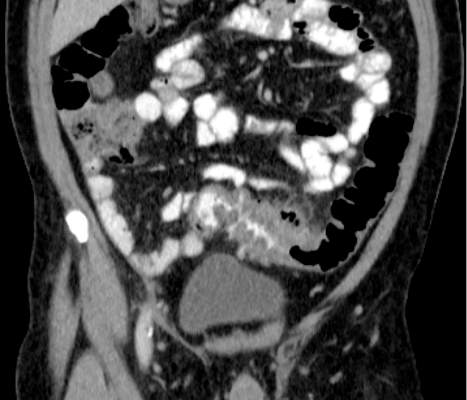
The preoperative randomization resulted in both groups having similar rates of feculent peritonitis and incorrect preoperative diagnoses. Patients assigned to laparoscopic lavage were treated instead with resection if they were found to have fecal peritonitis. Also, patients in both groups whose pathology required additional treatment were treated at surgeon discretion. This left 74 patients randomized to lavage who received it as assigned and 70 patients undergoing resection per assigned protocol. In the intention-to-treat analysis, 31% of patients in the lavage group and 26% of patients in the resection group saw severe postoperative complications within 90 days, a difference of 4.7% that did not reach statistical significance (95% confidence interval, −7.9% to 17%; P = .53). Severe postoperative complications were defined as any complications resulting in a reintervention requiring general anesthesia, a life-threatening organ dysfunction, or death.
Of the patients treated as assigned with lavage, about 20% (n = 15) required reoperation, compared with 6% (n = 4) in the resection arm, a difference of about 14.6% (95% CI, 3.5% to 25.6%; P =.01).
The main reasons for reoperation were secondary peritonitis in the lavage group and wound rupture in the resection group. Intra-abdominal infections were more frequent in the laparoscopic lavage group, Dr. Schultz and colleagues found.
Also in the lavage group, four carcinomas were missed, compared with two in the resection group. “Because of the relatively high rate of missed colon carcinomas in the lavage group, it was essential to perform a colonoscopy after a patient recovered from the perforation,” the researchers wrote in their analysis.
Although patients in the laparoscopic lavage group had significantly shorter operating times, less blood loss, and lower incidence of stoma at 3 months, the researchers concluded that, based on these results, laparoscopic lavage could not be supported in perforated diverticulitis.
Dr. Schultz and colleagues had planned to enroll about half of eligible patients at the study sites. They noted as a limitation of their study that those not enrolled had more severe disease and worse postoperative outcomes, raising the possibility that the results “may not pertain to patients with perforated diverticulitis who are very ill.”
The study was funded by the South-Eastern Norway Regional Health Authority and Akershus University Hospital. None of its authors reported conflicts of interest.
Dr. Schultz and associates detail findings from a randomized, multicenter clinical trial conducted in Scandinavia designed to assess the superiority of laparoscopic lavage plus drainage, compared with laparoscopic or open resection with or without anastomosis for diverticulitis (Hinchey grades I-III) requiring urgent surgery.
The primary outcome was the incidence of severe complications (Clavien-Dindo classification IIIb-V). Of 144 patients, 74 were randomized to receive laparoscopic lavage and 70 to resection. The two groups were similar in characteristics, although significantly fewer of the lavage procedures were performed by a specialty-trained surgeon. Severe complications occurred in 25.7% of patients in the lavage group and 14.3% in the resection group (difference, 11.4%; 95% CI, −1.8 to 24.1), and significantly more patients in the lavage group developed secondary peritonitis (12% vs. 0%) or returned to the operating room (20% vs. 6%). The hospital mortality rates and follow-up quality-of-life scores were comparable between the groups (3% vs. 4% and 0.75 vs. 0.73, respectively). Somewhat worrisome is that four colon cancers were initially missed in patients treated by laparoscopic lavage alone.
Performing laparoscopic lavage is more difficult than merely irrigating the abdomen and placing drains within the pelvis. Surgeons vary in their attitudes related to concomitant adhesiolysis or debridement, and consensus about these procedures is lacking. Furthermore, subjective signs and objective criteria that identify patients at risk for secondary peritonitis or reoperation must be studied, and risk models should be validated to determine which patients are best suited for this less invasive approach. The utility of less intrusive strategies and minimally invasive approaches will undoubtedly expand as technologies evolve, but they must be responsibly incorporated into surgical practice based on evidence rather than subjective reasons.
Dr. Scott A. Strong and Dr. Nathaniel J. Soper are with Northwestern University, Chicago. These comments were taken from an accompanying editorial (JAMA 2015;314[13]:1343-5). They declared no conflicts of interest.
Dr. Schultz and associates detail findings from a randomized, multicenter clinical trial conducted in Scandinavia designed to assess the superiority of laparoscopic lavage plus drainage, compared with laparoscopic or open resection with or without anastomosis for diverticulitis (Hinchey grades I-III) requiring urgent surgery.
The primary outcome was the incidence of severe complications (Clavien-Dindo classification IIIb-V). Of 144 patients, 74 were randomized to receive laparoscopic lavage and 70 to resection. The two groups were similar in characteristics, although significantly fewer of the lavage procedures were performed by a specialty-trained surgeon. Severe complications occurred in 25.7% of patients in the lavage group and 14.3% in the resection group (difference, 11.4%; 95% CI, −1.8 to 24.1), and significantly more patients in the lavage group developed secondary peritonitis (12% vs. 0%) or returned to the operating room (20% vs. 6%). The hospital mortality rates and follow-up quality-of-life scores were comparable between the groups (3% vs. 4% and 0.75 vs. 0.73, respectively). Somewhat worrisome is that four colon cancers were initially missed in patients treated by laparoscopic lavage alone.
Performing laparoscopic lavage is more difficult than merely irrigating the abdomen and placing drains within the pelvis. Surgeons vary in their attitudes related to concomitant adhesiolysis or debridement, and consensus about these procedures is lacking. Furthermore, subjective signs and objective criteria that identify patients at risk for secondary peritonitis or reoperation must be studied, and risk models should be validated to determine which patients are best suited for this less invasive approach. The utility of less intrusive strategies and minimally invasive approaches will undoubtedly expand as technologies evolve, but they must be responsibly incorporated into surgical practice based on evidence rather than subjective reasons.
Dr. Scott A. Strong and Dr. Nathaniel J. Soper are with Northwestern University, Chicago. These comments were taken from an accompanying editorial (JAMA 2015;314[13]:1343-5). They declared no conflicts of interest.
Dr. Schultz and associates detail findings from a randomized, multicenter clinical trial conducted in Scandinavia designed to assess the superiority of laparoscopic lavage plus drainage, compared with laparoscopic or open resection with or without anastomosis for diverticulitis (Hinchey grades I-III) requiring urgent surgery.
The primary outcome was the incidence of severe complications (Clavien-Dindo classification IIIb-V). Of 144 patients, 74 were randomized to receive laparoscopic lavage and 70 to resection. The two groups were similar in characteristics, although significantly fewer of the lavage procedures were performed by a specialty-trained surgeon. Severe complications occurred in 25.7% of patients in the lavage group and 14.3% in the resection group (difference, 11.4%; 95% CI, −1.8 to 24.1), and significantly more patients in the lavage group developed secondary peritonitis (12% vs. 0%) or returned to the operating room (20% vs. 6%). The hospital mortality rates and follow-up quality-of-life scores were comparable between the groups (3% vs. 4% and 0.75 vs. 0.73, respectively). Somewhat worrisome is that four colon cancers were initially missed in patients treated by laparoscopic lavage alone.
Performing laparoscopic lavage is more difficult than merely irrigating the abdomen and placing drains within the pelvis. Surgeons vary in their attitudes related to concomitant adhesiolysis or debridement, and consensus about these procedures is lacking. Furthermore, subjective signs and objective criteria that identify patients at risk for secondary peritonitis or reoperation must be studied, and risk models should be validated to determine which patients are best suited for this less invasive approach. The utility of less intrusive strategies and minimally invasive approaches will undoubtedly expand as technologies evolve, but they must be responsibly incorporated into surgical practice based on evidence rather than subjective reasons.
Dr. Scott A. Strong and Dr. Nathaniel J. Soper are with Northwestern University, Chicago. These comments were taken from an accompanying editorial (JAMA 2015;314[13]:1343-5). They declared no conflicts of interest.
Patients needing emergency surgery for perforated diverticulitis saw no decrease in serious complications when treated with laparoscopic lavage, a minimally invasive procedure, than with primary resection of the colon, according to results from a randomized multicenter trial in Scandinavia.
Likelihood of reoperation also was significantly higher among patients undergoing laparoscopic lavage, and more sigmoid carcinomas were missed.
For their research, published Oct. 6 in JAMA (2015;314:1364-75), a group led by Dr. Johannes Kurt Schultz of the Akershus University Hospital in Lørenskog, Norway, and the University of Oslo sought to eliminate the selection bias that may have contributed to more favorable outcomes associated with laparoscopic lavage in observational studies.
Dr. Schultz and colleagues randomized patients with suspected perforated diverticulitis from 21 centers in Sweden and Norway to laparoscopic peritoneal lavage (n = 101) or colon resection (n = 98), with the choice of open or laparoscopic approach used for resection, as well as the option of colorectal anastomosis, left to the surgeon.
The study did not use laparoscopic Hinchey staging to classify the severity of the perforation prior to treatment assignment as a way of reducing the selection bias that may have occurred in observational studies.
The preoperative randomization resulted in both groups having similar rates of feculent peritonitis and incorrect preoperative diagnoses. Patients assigned to laparoscopic lavage were treated instead with resection if they were found to have fecal peritonitis. Also, patients in both groups whose pathology required additional treatment were treated at surgeon discretion. This left 74 patients randomized to lavage who received it as assigned and 70 patients undergoing resection per assigned protocol. In the intention-to-treat analysis, 31% of patients in the lavage group and 26% of patients in the resection group saw severe postoperative complications within 90 days, a difference of 4.7% that did not reach statistical significance (95% confidence interval, −7.9% to 17%; P = .53). Severe postoperative complications were defined as any complications resulting in a reintervention requiring general anesthesia, a life-threatening organ dysfunction, or death.
Of the patients treated as assigned with lavage, about 20% (n = 15) required reoperation, compared with 6% (n = 4) in the resection arm, a difference of about 14.6% (95% CI, 3.5% to 25.6%; P =.01).
The main reasons for reoperation were secondary peritonitis in the lavage group and wound rupture in the resection group. Intra-abdominal infections were more frequent in the laparoscopic lavage group, Dr. Schultz and colleagues found.
Also in the lavage group, four carcinomas were missed, compared with two in the resection group. “Because of the relatively high rate of missed colon carcinomas in the lavage group, it was essential to perform a colonoscopy after a patient recovered from the perforation,” the researchers wrote in their analysis.
Although patients in the laparoscopic lavage group had significantly shorter operating times, less blood loss, and lower incidence of stoma at 3 months, the researchers concluded that, based on these results, laparoscopic lavage could not be supported in perforated diverticulitis.
Dr. Schultz and colleagues had planned to enroll about half of eligible patients at the study sites. They noted as a limitation of their study that those not enrolled had more severe disease and worse postoperative outcomes, raising the possibility that the results “may not pertain to patients with perforated diverticulitis who are very ill.”
The study was funded by the South-Eastern Norway Regional Health Authority and Akershus University Hospital. None of its authors reported conflicts of interest.
Patients needing emergency surgery for perforated diverticulitis saw no decrease in serious complications when treated with laparoscopic lavage, a minimally invasive procedure, than with primary resection of the colon, according to results from a randomized multicenter trial in Scandinavia.
Likelihood of reoperation also was significantly higher among patients undergoing laparoscopic lavage, and more sigmoid carcinomas were missed.
For their research, published Oct. 6 in JAMA (2015;314:1364-75), a group led by Dr. Johannes Kurt Schultz of the Akershus University Hospital in Lørenskog, Norway, and the University of Oslo sought to eliminate the selection bias that may have contributed to more favorable outcomes associated with laparoscopic lavage in observational studies.
Dr. Schultz and colleagues randomized patients with suspected perforated diverticulitis from 21 centers in Sweden and Norway to laparoscopic peritoneal lavage (n = 101) or colon resection (n = 98), with the choice of open or laparoscopic approach used for resection, as well as the option of colorectal anastomosis, left to the surgeon.
The study did not use laparoscopic Hinchey staging to classify the severity of the perforation prior to treatment assignment as a way of reducing the selection bias that may have occurred in observational studies.
The preoperative randomization resulted in both groups having similar rates of feculent peritonitis and incorrect preoperative diagnoses. Patients assigned to laparoscopic lavage were treated instead with resection if they were found to have fecal peritonitis. Also, patients in both groups whose pathology required additional treatment were treated at surgeon discretion. This left 74 patients randomized to lavage who received it as assigned and 70 patients undergoing resection per assigned protocol. In the intention-to-treat analysis, 31% of patients in the lavage group and 26% of patients in the resection group saw severe postoperative complications within 90 days, a difference of 4.7% that did not reach statistical significance (95% confidence interval, −7.9% to 17%; P = .53). Severe postoperative complications were defined as any complications resulting in a reintervention requiring general anesthesia, a life-threatening organ dysfunction, or death.
Of the patients treated as assigned with lavage, about 20% (n = 15) required reoperation, compared with 6% (n = 4) in the resection arm, a difference of about 14.6% (95% CI, 3.5% to 25.6%; P =.01).
The main reasons for reoperation were secondary peritonitis in the lavage group and wound rupture in the resection group. Intra-abdominal infections were more frequent in the laparoscopic lavage group, Dr. Schultz and colleagues found.
Also in the lavage group, four carcinomas were missed, compared with two in the resection group. “Because of the relatively high rate of missed colon carcinomas in the lavage group, it was essential to perform a colonoscopy after a patient recovered from the perforation,” the researchers wrote in their analysis.
Although patients in the laparoscopic lavage group had significantly shorter operating times, less blood loss, and lower incidence of stoma at 3 months, the researchers concluded that, based on these results, laparoscopic lavage could not be supported in perforated diverticulitis.
Dr. Schultz and colleagues had planned to enroll about half of eligible patients at the study sites. They noted as a limitation of their study that those not enrolled had more severe disease and worse postoperative outcomes, raising the possibility that the results “may not pertain to patients with perforated diverticulitis who are very ill.”
The study was funded by the South-Eastern Norway Regional Health Authority and Akershus University Hospital. None of its authors reported conflicts of interest.
FROM JAMA
Key clinical point: Laparoscopic lavage carries risks of severe postoperative complications similar to colon resection in people presenting with suspected perforated diverticulitis requiring emergency surgery.
Major finding: Mortality and severe complications did not differ significantly at 90 days postoperation between intention-to-treat groups, while reoperation was significantly higher among patients treated with lavage (5.7% for resection vs. 20.3% for lavage, P < .01).
Data source: A multicenter, open-label randomized trial in which patients presenting with likely perforated diverticulitis were randomized to lavage (n = 74) or resection (n = 70).
Disclosures: The study was sponsored by investigator institutions and Norwegian regional government grants. No conflicts of interest were reported.
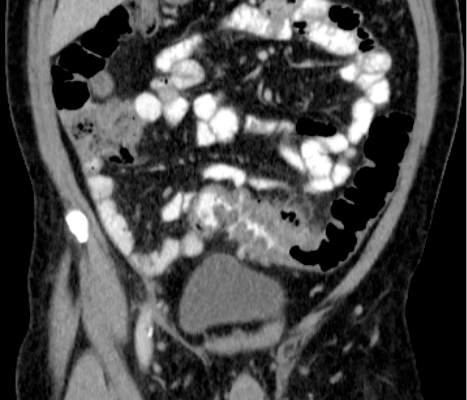
Reattaching intercostals fails to squelch spinal cord ischemia in TAAA repairs
CHICAGO – Intercostal artery reimplantation fails to significantly reduce spinal cord injury following thoracoabdominal aortic aneurysm surgery, results of a large retrospective study show.
“Although there was a small decrease in spinal cord ischemia with ICAR, reattaching the intercostals did not produce a statistically significant reduction in spinal cord ischemia, even in the highest risk patients,” Dr. Charles W. Acher of the University of Wisconsin–Madison, said at the annual meeting of the Midwestern Vascular Surgical Society.
Intercostal artery reimplantation (ICAR) is one of several strategies that have been used to prevent spinal cord ischemia (SCI), paraplegia, and paraparesis that occurs from the interruption of the blood supply to intercostal arteries (ICAs) during thoracoabdominal aortic aneurysm (TAAA) repair.
Surgeons at UW–Madison adopted the ICAR strategy in 2005and now reimplant open ICAs located at T7-L2 in all Type I, II, and III TAAAs, using a previously published technique (J Surg Res. 2009;154:99-104).
Using a prospectively maintained database, the current analysis sought to compare outcomes between 540 patients who had TAAA surgery during 1989-2004 when open ICAs were ligated and 265 patients who had surgery during 2005-2013 with ICAR.The surgical technique for both groups was cross clamp without assisted circulation. The anesthetic technique was also uniform during the study period and included moderate systemic hypothermia (32° - 33° C); spinal fluid drainage (spinal fluid pressure less than 5 mm Hg); naloxone 1 mcg/kg per hour; use of mannitol, methylprednisolone, and barbiturate burst suppression; goal-directed therapy for a mean arterial pressure of 90-100 mm Hg and cardiac index of 2.5 L per minute/meter2; and proactive component blood therapy to avoid anemia, hypovolemia, and hypertension.
Aneurysm extent, acuity, mortality, renal failure, and pulmonary failure were the same in both groups.
The incidence of SCI was similar in all TAAAs at 5.25% without ICAR and 3.4% with ICAR (P = .23) and in the subset of patients with Type I, II, and III aneurysms (8.8% vs. 5.1%; P = .152), Dr. Acher reported on behalf of lead author and his colleague, Dr. Martha M. Wynn.
Interestingly, ICAR patients had more dissections than did the open ICA ligation patients (18% vs. 15%; P = .0016), more previous aortic surgery (47% vs. 31%; P = .0004), and longer renal ischemia time (61 minutes vs. 53 minutes; P = .0001), but had a shorter length of stay (14 days vs. 22 days; P = .0001) and were younger (mean age, 66 years vs. 70 years; P = .0001).
In a multivariate model of all TAAAs, significant predictors of spinal cord ischemia/injury were type II TAAA (odds ratio, 7.59; P = .0001), dissection (OR, 4.25; P = .0015), age as a continuous variable (P = .0085), and acute TAAA (OR, 2.1; P = .0525), Dr. Acher said. Time period of surgery, and therefore ICAR, was not significant (OR, 0.78; P = .55).
ICAR also failed to achieve significance as an SCI predictor in a subanalysis restricted to the highest-risk patients, defined as those having Type II TAAA, dissection, and acute surgery (OR, 0.67; P = .3387).
“Interrupting blood supply to the spinal cord causes spinal cord ischemia that can be mitigated almost entirely by physiologic interventions that increase spinal cord ischemic tolerance and collateral network perfusion during and after surgery,” Dr. Acher said. “Although the cause of SCI in TAAA surgery is anatomic, prevention of the injury is largely physiologic.”
During a discussion of the study, Dr. Acher surprised the audience by saying the findings have not changed current practice at the university. He cited several reasons, observing that there were more dissections in the ICAR group, and most of the ischemia in the ICAR group was delayed, suggesting that more patients could be rescued. In addition, there was a slight downward trend in spinal cord injury and immediate paraplegia with ICAR, however, these were not statistically significant.
“Because of those things, I still think it’s valuable, particularly in patients that are at highest risk, which are the dissections, with lots of open intercostals, but the emphasis should still be on physiologic parameters,” he said. “If you want to salvage patients, that’s the most important thing.
“Even if ICAR were ever shown to be statistically significant in a larger patient population, any role it has in reducing spinal cord injury would be extremely small,” he added in an interview.
The authors reported having no conflicts of interest.
Spinal cord ischemia is a rare but devastating complication of thoracoabdominal aneurysm repair. Crawford and his colleagues documented in 1993 an incidence of spinal cord ischemia (SCI) as high as 30% for extensive thoracoabdominal repairs. Efforts to diminish the risk of SCI were concentrated in identifying and preserving the direct arterial perfusion to the spinal cord from segmental arteries but continued experimental and clinical experience have suggested that multiple factors contribute to SCI.

|
Dr. Luis A. Sanchez |
Some generally accepted principles for minimizing SCI include hypothermia, distal aortic perfusion with atriofemoral bypass or partial cardiopulmonary bypass, cerebrospinal fluid drainage, and avoidance of hemodynamic instability. Reimplantation of intercostal branches has been suggested as an adjunct to these techniques by some investigators with limited data to support its generalized application. More recently, a growing body of evidence supports the concept of a collateral network that can support the perfusion to the spinal cord after interruption of multiple intercostal arteries and the importance of the hypogastric and subclavian arteries as critical branches that perfuse the spinal collateral network.
The retrospective review of the extensive experience at the University of Wisconsin in Madison supports the concept that “physiologic interventions that increase spinal cord tolerance and collateral network perfusion during and after surgery” are more important than the reimplantation of intercostal vessels during this complex procedure, even in patients considered at the highest risk for SCI. Intercostal artery reimplantation failed to achieve significance as an SCI predictor when comparing two large cohorts of patients (540 vs. 265) treated with intercostal ligation vs. reimplantation. Increasingly, available data support the concept of a collateral network that maintains perfusion to the spinal cord after intercostal artery occlusion.
Additional new concepts and techniques including a two-stage approach for extensive thoracoabdominal repair, preliminary occlusion of some segmental arteries, and the use of hybrid and endovascular techniques may further decrease the incidence of SCI by taking advantage of the collateral network and allow some preconditioning of the spinal cord. Fortunately for these challenging patients, significant advances continue to be made to better understand and prevent spinal cord ischemia.
Dr. Luis A. Sanchez is Chief, Section of Vascular Surgery and the Gregorio A. Sicard Distinguished Professor of Surgery and Radiology, Department of Surgery, Washington University in St. Louis.
Spinal cord ischemia is a rare but devastating complication of thoracoabdominal aneurysm repair. Crawford and his colleagues documented in 1993 an incidence of spinal cord ischemia (SCI) as high as 30% for extensive thoracoabdominal repairs. Efforts to diminish the risk of SCI were concentrated in identifying and preserving the direct arterial perfusion to the spinal cord from segmental arteries but continued experimental and clinical experience have suggested that multiple factors contribute to SCI.
|
|
Dr. Luis A. Sanchez |
Some generally accepted principles for minimizing SCI include hypothermia, distal aortic perfusion with atriofemoral bypass or partial cardiopulmonary bypass, cerebrospinal fluid drainage, and avoidance of hemodynamic instability. Reimplantation of intercostal branches has been suggested as an adjunct to these techniques by some investigators with limited data to support its generalized application. More recently, a growing body of evidence supports the concept of a collateral network that can support the perfusion to the spinal cord after interruption of multiple intercostal arteries and the importance of the hypogastric and subclavian arteries as critical branches that perfuse the spinal collateral network.
The retrospective review of the extensive experience at the University of Wisconsin in Madison supports the concept that “physiologic interventions that increase spinal cord tolerance and collateral network perfusion during and after surgery” are more important than the reimplantation of intercostal vessels during this complex procedure, even in patients considered at the highest risk for SCI. Intercostal artery reimplantation failed to achieve significance as an SCI predictor when comparing two large cohorts of patients (540 vs. 265) treated with intercostal ligation vs. reimplantation. Increasingly, available data support the concept of a collateral network that maintains perfusion to the spinal cord after intercostal artery occlusion.
Additional new concepts and techniques including a two-stage approach for extensive thoracoabdominal repair, preliminary occlusion of some segmental arteries, and the use of hybrid and endovascular techniques may further decrease the incidence of SCI by taking advantage of the collateral network and allow some preconditioning of the spinal cord. Fortunately for these challenging patients, significant advances continue to be made to better understand and prevent spinal cord ischemia.
Dr. Luis A. Sanchez is Chief, Section of Vascular Surgery and the Gregorio A. Sicard Distinguished Professor of Surgery and Radiology, Department of Surgery, Washington University in St. Louis.
Spinal cord ischemia is a rare but devastating complication of thoracoabdominal aneurysm repair. Crawford and his colleagues documented in 1993 an incidence of spinal cord ischemia (SCI) as high as 30% for extensive thoracoabdominal repairs. Efforts to diminish the risk of SCI were concentrated in identifying and preserving the direct arterial perfusion to the spinal cord from segmental arteries but continued experimental and clinical experience have suggested that multiple factors contribute to SCI.
|
|
Dr. Luis A. Sanchez |
Some generally accepted principles for minimizing SCI include hypothermia, distal aortic perfusion with atriofemoral bypass or partial cardiopulmonary bypass, cerebrospinal fluid drainage, and avoidance of hemodynamic instability. Reimplantation of intercostal branches has been suggested as an adjunct to these techniques by some investigators with limited data to support its generalized application. More recently, a growing body of evidence supports the concept of a collateral network that can support the perfusion to the spinal cord after interruption of multiple intercostal arteries and the importance of the hypogastric and subclavian arteries as critical branches that perfuse the spinal collateral network.
The retrospective review of the extensive experience at the University of Wisconsin in Madison supports the concept that “physiologic interventions that increase spinal cord tolerance and collateral network perfusion during and after surgery” are more important than the reimplantation of intercostal vessels during this complex procedure, even in patients considered at the highest risk for SCI. Intercostal artery reimplantation failed to achieve significance as an SCI predictor when comparing two large cohorts of patients (540 vs. 265) treated with intercostal ligation vs. reimplantation. Increasingly, available data support the concept of a collateral network that maintains perfusion to the spinal cord after intercostal artery occlusion.
Additional new concepts and techniques including a two-stage approach for extensive thoracoabdominal repair, preliminary occlusion of some segmental arteries, and the use of hybrid and endovascular techniques may further decrease the incidence of SCI by taking advantage of the collateral network and allow some preconditioning of the spinal cord. Fortunately for these challenging patients, significant advances continue to be made to better understand and prevent spinal cord ischemia.
Dr. Luis A. Sanchez is Chief, Section of Vascular Surgery and the Gregorio A. Sicard Distinguished Professor of Surgery and Radiology, Department of Surgery, Washington University in St. Louis.
CHICAGO – Intercostal artery reimplantation fails to significantly reduce spinal cord injury following thoracoabdominal aortic aneurysm surgery, results of a large retrospective study show.
“Although there was a small decrease in spinal cord ischemia with ICAR, reattaching the intercostals did not produce a statistically significant reduction in spinal cord ischemia, even in the highest risk patients,” Dr. Charles W. Acher of the University of Wisconsin–Madison, said at the annual meeting of the Midwestern Vascular Surgical Society.
Intercostal artery reimplantation (ICAR) is one of several strategies that have been used to prevent spinal cord ischemia (SCI), paraplegia, and paraparesis that occurs from the interruption of the blood supply to intercostal arteries (ICAs) during thoracoabdominal aortic aneurysm (TAAA) repair.
Surgeons at UW–Madison adopted the ICAR strategy in 2005and now reimplant open ICAs located at T7-L2 in all Type I, II, and III TAAAs, using a previously published technique (J Surg Res. 2009;154:99-104).
Using a prospectively maintained database, the current analysis sought to compare outcomes between 540 patients who had TAAA surgery during 1989-2004 when open ICAs were ligated and 265 patients who had surgery during 2005-2013 with ICAR.The surgical technique for both groups was cross clamp without assisted circulation. The anesthetic technique was also uniform during the study period and included moderate systemic hypothermia (32° - 33° C); spinal fluid drainage (spinal fluid pressure less than 5 mm Hg); naloxone 1 mcg/kg per hour; use of mannitol, methylprednisolone, and barbiturate burst suppression; goal-directed therapy for a mean arterial pressure of 90-100 mm Hg and cardiac index of 2.5 L per minute/meter2; and proactive component blood therapy to avoid anemia, hypovolemia, and hypertension.
Aneurysm extent, acuity, mortality, renal failure, and pulmonary failure were the same in both groups.
The incidence of SCI was similar in all TAAAs at 5.25% without ICAR and 3.4% with ICAR (P = .23) and in the subset of patients with Type I, II, and III aneurysms (8.8% vs. 5.1%; P = .152), Dr. Acher reported on behalf of lead author and his colleague, Dr. Martha M. Wynn.
Interestingly, ICAR patients had more dissections than did the open ICA ligation patients (18% vs. 15%; P = .0016), more previous aortic surgery (47% vs. 31%; P = .0004), and longer renal ischemia time (61 minutes vs. 53 minutes; P = .0001), but had a shorter length of stay (14 days vs. 22 days; P = .0001) and were younger (mean age, 66 years vs. 70 years; P = .0001).
In a multivariate model of all TAAAs, significant predictors of spinal cord ischemia/injury were type II TAAA (odds ratio, 7.59; P = .0001), dissection (OR, 4.25; P = .0015), age as a continuous variable (P = .0085), and acute TAAA (OR, 2.1; P = .0525), Dr. Acher said. Time period of surgery, and therefore ICAR, was not significant (OR, 0.78; P = .55).
ICAR also failed to achieve significance as an SCI predictor in a subanalysis restricted to the highest-risk patients, defined as those having Type II TAAA, dissection, and acute surgery (OR, 0.67; P = .3387).
“Interrupting blood supply to the spinal cord causes spinal cord ischemia that can be mitigated almost entirely by physiologic interventions that increase spinal cord ischemic tolerance and collateral network perfusion during and after surgery,” Dr. Acher said. “Although the cause of SCI in TAAA surgery is anatomic, prevention of the injury is largely physiologic.”
During a discussion of the study, Dr. Acher surprised the audience by saying the findings have not changed current practice at the university. He cited several reasons, observing that there were more dissections in the ICAR group, and most of the ischemia in the ICAR group was delayed, suggesting that more patients could be rescued. In addition, there was a slight downward trend in spinal cord injury and immediate paraplegia with ICAR, however, these were not statistically significant.
“Because of those things, I still think it’s valuable, particularly in patients that are at highest risk, which are the dissections, with lots of open intercostals, but the emphasis should still be on physiologic parameters,” he said. “If you want to salvage patients, that’s the most important thing.
“Even if ICAR were ever shown to be statistically significant in a larger patient population, any role it has in reducing spinal cord injury would be extremely small,” he added in an interview.
The authors reported having no conflicts of interest.
CHICAGO – Intercostal artery reimplantation fails to significantly reduce spinal cord injury following thoracoabdominal aortic aneurysm surgery, results of a large retrospective study show.
“Although there was a small decrease in spinal cord ischemia with ICAR, reattaching the intercostals did not produce a statistically significant reduction in spinal cord ischemia, even in the highest risk patients,” Dr. Charles W. Acher of the University of Wisconsin–Madison, said at the annual meeting of the Midwestern Vascular Surgical Society.
Intercostal artery reimplantation (ICAR) is one of several strategies that have been used to prevent spinal cord ischemia (SCI), paraplegia, and paraparesis that occurs from the interruption of the blood supply to intercostal arteries (ICAs) during thoracoabdominal aortic aneurysm (TAAA) repair.
Surgeons at UW–Madison adopted the ICAR strategy in 2005and now reimplant open ICAs located at T7-L2 in all Type I, II, and III TAAAs, using a previously published technique (J Surg Res. 2009;154:99-104).
Using a prospectively maintained database, the current analysis sought to compare outcomes between 540 patients who had TAAA surgery during 1989-2004 when open ICAs were ligated and 265 patients who had surgery during 2005-2013 with ICAR.The surgical technique for both groups was cross clamp without assisted circulation. The anesthetic technique was also uniform during the study period and included moderate systemic hypothermia (32° - 33° C); spinal fluid drainage (spinal fluid pressure less than 5 mm Hg); naloxone 1 mcg/kg per hour; use of mannitol, methylprednisolone, and barbiturate burst suppression; goal-directed therapy for a mean arterial pressure of 90-100 mm Hg and cardiac index of 2.5 L per minute/meter2; and proactive component blood therapy to avoid anemia, hypovolemia, and hypertension.
Aneurysm extent, acuity, mortality, renal failure, and pulmonary failure were the same in both groups.
The incidence of SCI was similar in all TAAAs at 5.25% without ICAR and 3.4% with ICAR (P = .23) and in the subset of patients with Type I, II, and III aneurysms (8.8% vs. 5.1%; P = .152), Dr. Acher reported on behalf of lead author and his colleague, Dr. Martha M. Wynn.
Interestingly, ICAR patients had more dissections than did the open ICA ligation patients (18% vs. 15%; P = .0016), more previous aortic surgery (47% vs. 31%; P = .0004), and longer renal ischemia time (61 minutes vs. 53 minutes; P = .0001), but had a shorter length of stay (14 days vs. 22 days; P = .0001) and were younger (mean age, 66 years vs. 70 years; P = .0001).
In a multivariate model of all TAAAs, significant predictors of spinal cord ischemia/injury were type II TAAA (odds ratio, 7.59; P = .0001), dissection (OR, 4.25; P = .0015), age as a continuous variable (P = .0085), and acute TAAA (OR, 2.1; P = .0525), Dr. Acher said. Time period of surgery, and therefore ICAR, was not significant (OR, 0.78; P = .55).
ICAR also failed to achieve significance as an SCI predictor in a subanalysis restricted to the highest-risk patients, defined as those having Type II TAAA, dissection, and acute surgery (OR, 0.67; P = .3387).
“Interrupting blood supply to the spinal cord causes spinal cord ischemia that can be mitigated almost entirely by physiologic interventions that increase spinal cord ischemic tolerance and collateral network perfusion during and after surgery,” Dr. Acher said. “Although the cause of SCI in TAAA surgery is anatomic, prevention of the injury is largely physiologic.”
During a discussion of the study, Dr. Acher surprised the audience by saying the findings have not changed current practice at the university. He cited several reasons, observing that there were more dissections in the ICAR group, and most of the ischemia in the ICAR group was delayed, suggesting that more patients could be rescued. In addition, there was a slight downward trend in spinal cord injury and immediate paraplegia with ICAR, however, these were not statistically significant.
“Because of those things, I still think it’s valuable, particularly in patients that are at highest risk, which are the dissections, with lots of open intercostals, but the emphasis should still be on physiologic parameters,” he said. “If you want to salvage patients, that’s the most important thing.
“Even if ICAR were ever shown to be statistically significant in a larger patient population, any role it has in reducing spinal cord injury would be extremely small,” he added in an interview.
The authors reported having no conflicts of interest.
AT MIDWESTERN VASCULAR 2015
Key clinical point: Intercostal artery reimplantation (ICAR) did not produce a significant reduction in spinal cord ischemia following thoracoabdominal aortic aneurysm repair, even in the highest risk patients.
Major finding: ICAR was not a significant predictor of spinal cord ischemia (OR, 0.78; P = .55).
Data source: Retrospective analysis of 805 patients undergoing TAAA with or without ICAR.
Disclosures: The authors reported having no conflicts of interest.
GAO: Physicians, hospitals struggle to achieve EHR interoperability
Physicians and health care organizations are struggling to achieve interoperability, the exchange of data between their electronic health records systems, according to a U.S. Government Accountability Office report.
The report comes as more federal lawmakers press the Obama administration to slow the start of the third stage of Meaningful Use requirements for EHRs.

The GAO interviewed 18 private companies working to enhance the interoperability of electronic health records at the request of Sen. Lamar Alexander (R-Tenn.), chair of the Senate Committee on Health, Education, Labor & Pensions.
In its report, the GAO found five key challenges that are preventing EHR interoperability:
• Insufficiencies in standards for EHR interoperability.
• Variations in states’ privacy rules.
• Difficulties in accurately matching patients’ health records.
• The costs associated with interoperability.
• A need for governance and trust among the providers and organizations using EHRs.
Many of the organizations surveyed said that the Meaningful Use requirements, passed as part of the 2009 federal stimulus and being implemented in stages, focus more on rules than on the criteria necessary to test the various systems’ ability to interoperate.
Three of the industry representatives surveyed suggested that the Obama administration should at least amend the EHR incentives law to focus on testing systems’ interoperability, while five others called for suspending or scrapping the law altogether.
“We are glad to see the GAO shining a light on the problem,” Dan Haley, Athena Health senior vice president and general counsel, said in an interview. Athena Health was not among those surveyed for the report.
“Nobody who lives and works in the 21st century can possibly dispute the proposition that information technology has the potential to vastly improve the quality and efficiency of health care delivery,” Mr. Haley noted. “Unfortunately, the Meaningful Use program, while well intentioned, has become burdened by granular requirements that impede rather than enhance care providers’ ability to maximize that potential, and do nothing to improve the interoperability of disparate technology platforms.”
Meanwhile, 116 members of the U.S. House of Representatives have signed a letter addressed to both Office of Management and Budget Director Shaun Donovan and U.S. Department of Health & Human Services Secretary Sylvia M. Burwell, asking them to delay the third stage of the law’s implementation until there’s a clearer picture of what metrics will be in the recently passed Medicare Access and CHIP Reauthorization Act of 2015 (MACRA), which have just opened up for public comment.
“It’s time that we focus on interoperability instead of rulemaking to ensure that these products work for our nation’s providers,” Rep. Renee Ellmers (R-N.C.) said in a statement. “If the administration dives into Stage 3 prematurely, we only stand to aggravate providers and vendors who have already experienced ample challenges in meeting attestation deadlines.”
The Centers for Medicare & Medicaid Services sent the final rule for Stage 3 of Meaningful Use to the Office of Management and Budget in September. The next stage is set to take effect in 2017.
On Twitter @whitneymcknight
Physicians and health care organizations are struggling to achieve interoperability, the exchange of data between their electronic health records systems, according to a U.S. Government Accountability Office report.
The report comes as more federal lawmakers press the Obama administration to slow the start of the third stage of Meaningful Use requirements for EHRs.
The GAO interviewed 18 private companies working to enhance the interoperability of electronic health records at the request of Sen. Lamar Alexander (R-Tenn.), chair of the Senate Committee on Health, Education, Labor & Pensions.
In its report, the GAO found five key challenges that are preventing EHR interoperability:
• Insufficiencies in standards for EHR interoperability.
• Variations in states’ privacy rules.
• Difficulties in accurately matching patients’ health records.
• The costs associated with interoperability.
• A need for governance and trust among the providers and organizations using EHRs.
Many of the organizations surveyed said that the Meaningful Use requirements, passed as part of the 2009 federal stimulus and being implemented in stages, focus more on rules than on the criteria necessary to test the various systems’ ability to interoperate.
Three of the industry representatives surveyed suggested that the Obama administration should at least amend the EHR incentives law to focus on testing systems’ interoperability, while five others called for suspending or scrapping the law altogether.
“We are glad to see the GAO shining a light on the problem,” Dan Haley, Athena Health senior vice president and general counsel, said in an interview. Athena Health was not among those surveyed for the report.
“Nobody who lives and works in the 21st century can possibly dispute the proposition that information technology has the potential to vastly improve the quality and efficiency of health care delivery,” Mr. Haley noted. “Unfortunately, the Meaningful Use program, while well intentioned, has become burdened by granular requirements that impede rather than enhance care providers’ ability to maximize that potential, and do nothing to improve the interoperability of disparate technology platforms.”
Meanwhile, 116 members of the U.S. House of Representatives have signed a letter addressed to both Office of Management and Budget Director Shaun Donovan and U.S. Department of Health & Human Services Secretary Sylvia M. Burwell, asking them to delay the third stage of the law’s implementation until there’s a clearer picture of what metrics will be in the recently passed Medicare Access and CHIP Reauthorization Act of 2015 (MACRA), which have just opened up for public comment.
“It’s time that we focus on interoperability instead of rulemaking to ensure that these products work for our nation’s providers,” Rep. Renee Ellmers (R-N.C.) said in a statement. “If the administration dives into Stage 3 prematurely, we only stand to aggravate providers and vendors who have already experienced ample challenges in meeting attestation deadlines.”
The Centers for Medicare & Medicaid Services sent the final rule for Stage 3 of Meaningful Use to the Office of Management and Budget in September. The next stage is set to take effect in 2017.
On Twitter @whitneymcknight
Physicians and health care organizations are struggling to achieve interoperability, the exchange of data between their electronic health records systems, according to a U.S. Government Accountability Office report.
The report comes as more federal lawmakers press the Obama administration to slow the start of the third stage of Meaningful Use requirements for EHRs.
The GAO interviewed 18 private companies working to enhance the interoperability of electronic health records at the request of Sen. Lamar Alexander (R-Tenn.), chair of the Senate Committee on Health, Education, Labor & Pensions.
In its report, the GAO found five key challenges that are preventing EHR interoperability:
• Insufficiencies in standards for EHR interoperability.
• Variations in states’ privacy rules.
• Difficulties in accurately matching patients’ health records.
• The costs associated with interoperability.
• A need for governance and trust among the providers and organizations using EHRs.
Many of the organizations surveyed said that the Meaningful Use requirements, passed as part of the 2009 federal stimulus and being implemented in stages, focus more on rules than on the criteria necessary to test the various systems’ ability to interoperate.
Three of the industry representatives surveyed suggested that the Obama administration should at least amend the EHR incentives law to focus on testing systems’ interoperability, while five others called for suspending or scrapping the law altogether.
“We are glad to see the GAO shining a light on the problem,” Dan Haley, Athena Health senior vice president and general counsel, said in an interview. Athena Health was not among those surveyed for the report.
“Nobody who lives and works in the 21st century can possibly dispute the proposition that information technology has the potential to vastly improve the quality and efficiency of health care delivery,” Mr. Haley noted. “Unfortunately, the Meaningful Use program, while well intentioned, has become burdened by granular requirements that impede rather than enhance care providers’ ability to maximize that potential, and do nothing to improve the interoperability of disparate technology platforms.”
Meanwhile, 116 members of the U.S. House of Representatives have signed a letter addressed to both Office of Management and Budget Director Shaun Donovan and U.S. Department of Health & Human Services Secretary Sylvia M. Burwell, asking them to delay the third stage of the law’s implementation until there’s a clearer picture of what metrics will be in the recently passed Medicare Access and CHIP Reauthorization Act of 2015 (MACRA), which have just opened up for public comment.
“It’s time that we focus on interoperability instead of rulemaking to ensure that these products work for our nation’s providers,” Rep. Renee Ellmers (R-N.C.) said in a statement. “If the administration dives into Stage 3 prematurely, we only stand to aggravate providers and vendors who have already experienced ample challenges in meeting attestation deadlines.”
The Centers for Medicare & Medicaid Services sent the final rule for Stage 3 of Meaningful Use to the Office of Management and Budget in September. The next stage is set to take effect in 2017.
On Twitter @whitneymcknight