User login
Official Newspaper of the American College of Surgeons
Remote ischemic preconditioning does no good
Remote ischemic preconditioning failed to improve outcomes among higher-risk patients undergoing elective cardiac surgery in two separate large clinical trials reported online Oct. 5 in the New England Journal of Medicine.
Both studies clearly showed that the technique did not provide greater protection of the heart, brain, or kidneys than did a sham technique, failing to improve any of the numerous primary or secondary endpoints or to produce a benefit in any of several subgroups of patients.
Remote ischemic preconditioning involves protecting the heart and other organs against surgery-related acute ischemia/reperfusion injury by first applying brief cycles of ischemia and reperfusion to a remote organ or tissue. It is thought that this stimulus produces a blood-borne response that conveys a protective effect from the remote area to the target organs. This remote preconditioning can be accomplished noninvasively by inflating and deflating a standard blood pressure cuff on the upper arm or thigh for brief periods.
Some early studies indicated that using this technique during cardiovascular surgery improved serum cardiac and renal biomarkers, which implied protection of these organs against ischemia/reperfusion injury. But more recent prospective clinical trials have shown no such benefit. None of these studies were adequately powered to assess the effect on hard clinical endpoints, and most were single center, unblinded, and had no standardized anesthesia regimen.
RIPHeart study
To address these study limitations, the RIPHeart Study investigators performed a prospective double-blind controlled trial among 1,385 adults undergoing elective cardiovascular surgery requiring cardiopulmonary bypass at 14 university hospitals in Germany during a 3-year period. The participants had a mean EuroSCORE (European System for Cardiac Operative Risk Evaluation) of 6 or higher, indicating that most of them were at higher than average risk, and all received the same anesthetic, intravenous propofol. A total of 692 patients were randomly assigned to undergo four 5-minute cycles of upper-arm ischemia/reperfusion after being anesthetized and 693 to undergo sham ischemia/reperfusion on a dummy arm hidden by surgical drapes, said Dr. Patrick Meybohm of the department of anesthesiology, intensive care medicine, and pain therapy at University Hospital Frankfurt and his associates.
The primary endpoint – a composite of death from any cause, nonfatal MI, stroke, or acute renal failure before hospital discharge – occurred in 14.3% of the intervention group and 14.6% of the control group, a nonsignificant difference. Furthermore, no significant differences between the two study groups were seen in any of the individual components of this composite measure, or in any secondary endpoints such as duration of mechanical ventilation, ICU length of stay, hospital length of stay, troponin levels, creatinine levels, onset of atrial fibrillation, or incidence of postoperative delirium. All outcome measures remained similar between the two study groups at 30-day, 90-day, and 1-year follow-ups (N Engl J Med 2015 Oct 5. doi: 10.1056/NEJMoa1413579).
In addition, estimated event-free survival at 30 days was 85.2% with the true intervention and 85.0% with the sham intervention, another nonsignificant difference. These estimates remained similar between the two study groups at 90 days and 1 year. The findings of the primary analysis were confirmed in the “completely concordant” per-protocol analysis, Dr. Meybohm and his associates noted.
ERICCA trial
In the Effect of Remote Ischemic Preconditioning on Clinical Outcomes in Patients Undergoing CABG (ERICCA) study, investigators assessed 1,612 adults undergoing on-pump CABG (with or without valve surgery) using blood cardioplegia at 30 cardiac surgery centers in the United Kingdom during a 3-year period. These patients were randomly assigned to undergo remote ischemic preconditioning with a standard blood pressure cuff on the upper arm for four 5-minute cycles (801 participants) or a sham procedure using a deactivated blood pressure cuff (811 participants) before surgery but while anesthetized, said Dr. Derek J. Hausenloy of the Hatter Cardiovascular Institute, University College London, and his associates.
The primary endpoint – a composite of death from cardiovascular causes, nonfatal MI, coronary revascularization, or stroke within 1 year – was 26.5% with true preconditioning and 27.7% with the sham procedure, a nonsignificant difference. There were no significant differences between the two study groups in any of the individual components of this composite or according to type of anesthesia or the interval between preconditioning and surgical incision.
These findings remained strongly consistent across all subgroups of patients evaluated, regardless of troponin levels, inotrope score, presence or absence of kidney injury, degree of kidney injury, length of ICU stay, length of hospital stay, or performance on 6-minute walk test, Dr. Hausenloy and his associates said (N Engl J Med. 2015 Oct 5. doi: 10.1056/NEJMoa1413534).
In both trials, the rate of adverse effects from remote ischemic preconditioning was the same between the true and the sham procedures, and the only adverse effect considered to be related to preconditioning was an increased incidence of skin petechiae (4.4% vs. 0.2%) in the ERICCA study.
The investigators’ financial disclosures are available at NEJM.org.
The conclusions from the RIPHeart study and the ERRICA study are definitive: Remote ischemic preconditioning is ineffective in adults undergoing on-pump cardiac surgery.
We do not yet understand why. Cardiopulmonary bypass itself, as well as hypothermia and cardioplegia, are known to be cardioprotective, so it may be that further cardioprotection is simply not possible. It also might be that concomitant medications, particularly propofol and opioids, diminish or even block the cardioprotective effects of remote ischemic preconditioning.
The most obvious explanation for the negative results of these two large trials is that other cardioprotective measures may have masked the effect of remote ischemic preconditioning or rendered it redundant.
Dr. Michael Zaugg and Eliana Lucchinetti, Ph.D., of the departments of anesthesiology and pain medicine and in the Cardiovascular Research Centre at the University of Alberta, Edmonton, made these remarks in an editorial accompanying the two reports on remote ischemic preconditioning (N Engl J Med. 2015 Oct 5. doi: 10.1056/MEJMe1510338). Their financial disclosures are available at NEJM.org.
The conclusions from the RIPHeart study and the ERRICA study are definitive: Remote ischemic preconditioning is ineffective in adults undergoing on-pump cardiac surgery.
We do not yet understand why. Cardiopulmonary bypass itself, as well as hypothermia and cardioplegia, are known to be cardioprotective, so it may be that further cardioprotection is simply not possible. It also might be that concomitant medications, particularly propofol and opioids, diminish or even block the cardioprotective effects of remote ischemic preconditioning.
The most obvious explanation for the negative results of these two large trials is that other cardioprotective measures may have masked the effect of remote ischemic preconditioning or rendered it redundant.
Dr. Michael Zaugg and Eliana Lucchinetti, Ph.D., of the departments of anesthesiology and pain medicine and in the Cardiovascular Research Centre at the University of Alberta, Edmonton, made these remarks in an editorial accompanying the two reports on remote ischemic preconditioning (N Engl J Med. 2015 Oct 5. doi: 10.1056/MEJMe1510338). Their financial disclosures are available at NEJM.org.
The conclusions from the RIPHeart study and the ERRICA study are definitive: Remote ischemic preconditioning is ineffective in adults undergoing on-pump cardiac surgery.
We do not yet understand why. Cardiopulmonary bypass itself, as well as hypothermia and cardioplegia, are known to be cardioprotective, so it may be that further cardioprotection is simply not possible. It also might be that concomitant medications, particularly propofol and opioids, diminish or even block the cardioprotective effects of remote ischemic preconditioning.
The most obvious explanation for the negative results of these two large trials is that other cardioprotective measures may have masked the effect of remote ischemic preconditioning or rendered it redundant.
Dr. Michael Zaugg and Eliana Lucchinetti, Ph.D., of the departments of anesthesiology and pain medicine and in the Cardiovascular Research Centre at the University of Alberta, Edmonton, made these remarks in an editorial accompanying the two reports on remote ischemic preconditioning (N Engl J Med. 2015 Oct 5. doi: 10.1056/MEJMe1510338). Their financial disclosures are available at NEJM.org.
Remote ischemic preconditioning failed to improve outcomes among higher-risk patients undergoing elective cardiac surgery in two separate large clinical trials reported online Oct. 5 in the New England Journal of Medicine.
Both studies clearly showed that the technique did not provide greater protection of the heart, brain, or kidneys than did a sham technique, failing to improve any of the numerous primary or secondary endpoints or to produce a benefit in any of several subgroups of patients.
Remote ischemic preconditioning involves protecting the heart and other organs against surgery-related acute ischemia/reperfusion injury by first applying brief cycles of ischemia and reperfusion to a remote organ or tissue. It is thought that this stimulus produces a blood-borne response that conveys a protective effect from the remote area to the target organs. This remote preconditioning can be accomplished noninvasively by inflating and deflating a standard blood pressure cuff on the upper arm or thigh for brief periods.
Some early studies indicated that using this technique during cardiovascular surgery improved serum cardiac and renal biomarkers, which implied protection of these organs against ischemia/reperfusion injury. But more recent prospective clinical trials have shown no such benefit. None of these studies were adequately powered to assess the effect on hard clinical endpoints, and most were single center, unblinded, and had no standardized anesthesia regimen.
RIPHeart study
To address these study limitations, the RIPHeart Study investigators performed a prospective double-blind controlled trial among 1,385 adults undergoing elective cardiovascular surgery requiring cardiopulmonary bypass at 14 university hospitals in Germany during a 3-year period. The participants had a mean EuroSCORE (European System for Cardiac Operative Risk Evaluation) of 6 or higher, indicating that most of them were at higher than average risk, and all received the same anesthetic, intravenous propofol. A total of 692 patients were randomly assigned to undergo four 5-minute cycles of upper-arm ischemia/reperfusion after being anesthetized and 693 to undergo sham ischemia/reperfusion on a dummy arm hidden by surgical drapes, said Dr. Patrick Meybohm of the department of anesthesiology, intensive care medicine, and pain therapy at University Hospital Frankfurt and his associates.
The primary endpoint – a composite of death from any cause, nonfatal MI, stroke, or acute renal failure before hospital discharge – occurred in 14.3% of the intervention group and 14.6% of the control group, a nonsignificant difference. Furthermore, no significant differences between the two study groups were seen in any of the individual components of this composite measure, or in any secondary endpoints such as duration of mechanical ventilation, ICU length of stay, hospital length of stay, troponin levels, creatinine levels, onset of atrial fibrillation, or incidence of postoperative delirium. All outcome measures remained similar between the two study groups at 30-day, 90-day, and 1-year follow-ups (N Engl J Med 2015 Oct 5. doi: 10.1056/NEJMoa1413579).
In addition, estimated event-free survival at 30 days was 85.2% with the true intervention and 85.0% with the sham intervention, another nonsignificant difference. These estimates remained similar between the two study groups at 90 days and 1 year. The findings of the primary analysis were confirmed in the “completely concordant” per-protocol analysis, Dr. Meybohm and his associates noted.
ERICCA trial
In the Effect of Remote Ischemic Preconditioning on Clinical Outcomes in Patients Undergoing CABG (ERICCA) study, investigators assessed 1,612 adults undergoing on-pump CABG (with or without valve surgery) using blood cardioplegia at 30 cardiac surgery centers in the United Kingdom during a 3-year period. These patients were randomly assigned to undergo remote ischemic preconditioning with a standard blood pressure cuff on the upper arm for four 5-minute cycles (801 participants) or a sham procedure using a deactivated blood pressure cuff (811 participants) before surgery but while anesthetized, said Dr. Derek J. Hausenloy of the Hatter Cardiovascular Institute, University College London, and his associates.
The primary endpoint – a composite of death from cardiovascular causes, nonfatal MI, coronary revascularization, or stroke within 1 year – was 26.5% with true preconditioning and 27.7% with the sham procedure, a nonsignificant difference. There were no significant differences between the two study groups in any of the individual components of this composite or according to type of anesthesia or the interval between preconditioning and surgical incision.
These findings remained strongly consistent across all subgroups of patients evaluated, regardless of troponin levels, inotrope score, presence or absence of kidney injury, degree of kidney injury, length of ICU stay, length of hospital stay, or performance on 6-minute walk test, Dr. Hausenloy and his associates said (N Engl J Med. 2015 Oct 5. doi: 10.1056/NEJMoa1413534).
In both trials, the rate of adverse effects from remote ischemic preconditioning was the same between the true and the sham procedures, and the only adverse effect considered to be related to preconditioning was an increased incidence of skin petechiae (4.4% vs. 0.2%) in the ERICCA study.
The investigators’ financial disclosures are available at NEJM.org.
Remote ischemic preconditioning failed to improve outcomes among higher-risk patients undergoing elective cardiac surgery in two separate large clinical trials reported online Oct. 5 in the New England Journal of Medicine.
Both studies clearly showed that the technique did not provide greater protection of the heart, brain, or kidneys than did a sham technique, failing to improve any of the numerous primary or secondary endpoints or to produce a benefit in any of several subgroups of patients.
Remote ischemic preconditioning involves protecting the heart and other organs against surgery-related acute ischemia/reperfusion injury by first applying brief cycles of ischemia and reperfusion to a remote organ or tissue. It is thought that this stimulus produces a blood-borne response that conveys a protective effect from the remote area to the target organs. This remote preconditioning can be accomplished noninvasively by inflating and deflating a standard blood pressure cuff on the upper arm or thigh for brief periods.
Some early studies indicated that using this technique during cardiovascular surgery improved serum cardiac and renal biomarkers, which implied protection of these organs against ischemia/reperfusion injury. But more recent prospective clinical trials have shown no such benefit. None of these studies were adequately powered to assess the effect on hard clinical endpoints, and most were single center, unblinded, and had no standardized anesthesia regimen.
RIPHeart study
To address these study limitations, the RIPHeart Study investigators performed a prospective double-blind controlled trial among 1,385 adults undergoing elective cardiovascular surgery requiring cardiopulmonary bypass at 14 university hospitals in Germany during a 3-year period. The participants had a mean EuroSCORE (European System for Cardiac Operative Risk Evaluation) of 6 or higher, indicating that most of them were at higher than average risk, and all received the same anesthetic, intravenous propofol. A total of 692 patients were randomly assigned to undergo four 5-minute cycles of upper-arm ischemia/reperfusion after being anesthetized and 693 to undergo sham ischemia/reperfusion on a dummy arm hidden by surgical drapes, said Dr. Patrick Meybohm of the department of anesthesiology, intensive care medicine, and pain therapy at University Hospital Frankfurt and his associates.
The primary endpoint – a composite of death from any cause, nonfatal MI, stroke, or acute renal failure before hospital discharge – occurred in 14.3% of the intervention group and 14.6% of the control group, a nonsignificant difference. Furthermore, no significant differences between the two study groups were seen in any of the individual components of this composite measure, or in any secondary endpoints such as duration of mechanical ventilation, ICU length of stay, hospital length of stay, troponin levels, creatinine levels, onset of atrial fibrillation, or incidence of postoperative delirium. All outcome measures remained similar between the two study groups at 30-day, 90-day, and 1-year follow-ups (N Engl J Med 2015 Oct 5. doi: 10.1056/NEJMoa1413579).
In addition, estimated event-free survival at 30 days was 85.2% with the true intervention and 85.0% with the sham intervention, another nonsignificant difference. These estimates remained similar between the two study groups at 90 days and 1 year. The findings of the primary analysis were confirmed in the “completely concordant” per-protocol analysis, Dr. Meybohm and his associates noted.
ERICCA trial
In the Effect of Remote Ischemic Preconditioning on Clinical Outcomes in Patients Undergoing CABG (ERICCA) study, investigators assessed 1,612 adults undergoing on-pump CABG (with or without valve surgery) using blood cardioplegia at 30 cardiac surgery centers in the United Kingdom during a 3-year period. These patients were randomly assigned to undergo remote ischemic preconditioning with a standard blood pressure cuff on the upper arm for four 5-minute cycles (801 participants) or a sham procedure using a deactivated blood pressure cuff (811 participants) before surgery but while anesthetized, said Dr. Derek J. Hausenloy of the Hatter Cardiovascular Institute, University College London, and his associates.
The primary endpoint – a composite of death from cardiovascular causes, nonfatal MI, coronary revascularization, or stroke within 1 year – was 26.5% with true preconditioning and 27.7% with the sham procedure, a nonsignificant difference. There were no significant differences between the two study groups in any of the individual components of this composite or according to type of anesthesia or the interval between preconditioning and surgical incision.
These findings remained strongly consistent across all subgroups of patients evaluated, regardless of troponin levels, inotrope score, presence or absence of kidney injury, degree of kidney injury, length of ICU stay, length of hospital stay, or performance on 6-minute walk test, Dr. Hausenloy and his associates said (N Engl J Med. 2015 Oct 5. doi: 10.1056/NEJMoa1413534).
In both trials, the rate of adverse effects from remote ischemic preconditioning was the same between the true and the sham procedures, and the only adverse effect considered to be related to preconditioning was an increased incidence of skin petechiae (4.4% vs. 0.2%) in the ERICCA study.
The investigators’ financial disclosures are available at NEJM.org.
FROM THE NEW ENGLAND JOURNAL OF MEDICINE
Adverse cardiac events increased during surgery while on beta-blockers
For patients who underwent noncardiac surgery, a two-drug antihypertensive treatment regimen with a beta-blocker was associated with an increased risk of perioperative major adverse cardiovascular events (MACEs) and all-cause mortality, according to research published in JAMA Internal Medicine.
Mads E. JØrgensen of Copenhagen University Hospital and his associates examined data from 671,242 surgeries performed in Denmark from 2005-2011; ultimately, 14,644 patients treated with beta-blockers and the 40,676 patients treated with other antihypertensive drugs (or 55,320 hypertensive patients using at least two antihypertensive drugs) were included in the analysis.

The incidence of 30-day MACEs and mortality was 1.32% and 1.93%, respectively, in patients treated with beta-blockers, compared with 0.84% and 1.32%, respectively, in patients treated with other drugs only (both P less than .001).
The investigators also noted that patients over age 70, men, and patients undergoing acute surgery were at greater risk for MACEs.
“This observation may suggest that perioperative management of patients with hypertension should receive specific attention in clinical practice and future guidelines, but additional randomized clinical trials on this question may be warranted,” the investigators wrote.
Read the full article in JAMA Internal Medicine (doi:10.1001/jamainternmed.2015.5346.).
For patients who underwent noncardiac surgery, a two-drug antihypertensive treatment regimen with a beta-blocker was associated with an increased risk of perioperative major adverse cardiovascular events (MACEs) and all-cause mortality, according to research published in JAMA Internal Medicine.
Mads E. JØrgensen of Copenhagen University Hospital and his associates examined data from 671,242 surgeries performed in Denmark from 2005-2011; ultimately, 14,644 patients treated with beta-blockers and the 40,676 patients treated with other antihypertensive drugs (or 55,320 hypertensive patients using at least two antihypertensive drugs) were included in the analysis.
The incidence of 30-day MACEs and mortality was 1.32% and 1.93%, respectively, in patients treated with beta-blockers, compared with 0.84% and 1.32%, respectively, in patients treated with other drugs only (both P less than .001).
The investigators also noted that patients over age 70, men, and patients undergoing acute surgery were at greater risk for MACEs.
“This observation may suggest that perioperative management of patients with hypertension should receive specific attention in clinical practice and future guidelines, but additional randomized clinical trials on this question may be warranted,” the investigators wrote.
Read the full article in JAMA Internal Medicine (doi:10.1001/jamainternmed.2015.5346.).
For patients who underwent noncardiac surgery, a two-drug antihypertensive treatment regimen with a beta-blocker was associated with an increased risk of perioperative major adverse cardiovascular events (MACEs) and all-cause mortality, according to research published in JAMA Internal Medicine.
Mads E. JØrgensen of Copenhagen University Hospital and his associates examined data from 671,242 surgeries performed in Denmark from 2005-2011; ultimately, 14,644 patients treated with beta-blockers and the 40,676 patients treated with other antihypertensive drugs (or 55,320 hypertensive patients using at least two antihypertensive drugs) were included in the analysis.
The incidence of 30-day MACEs and mortality was 1.32% and 1.93%, respectively, in patients treated with beta-blockers, compared with 0.84% and 1.32%, respectively, in patients treated with other drugs only (both P less than .001).
The investigators also noted that patients over age 70, men, and patients undergoing acute surgery were at greater risk for MACEs.
“This observation may suggest that perioperative management of patients with hypertension should receive specific attention in clinical practice and future guidelines, but additional randomized clinical trials on this question may be warranted,” the investigators wrote.
Read the full article in JAMA Internal Medicine (doi:10.1001/jamainternmed.2015.5346.).
FROM JAMA INTERNAL MEDICINE

Progress in treating diabetic foot osteomyelitis
SAN DIEGO – The evidence-based treatment of diabetic foot osteomyelitis has jumped up to the next level as a result of two recent randomized clinical trials, the first-ever to address a couple of key contentious issues, experts agreed recently at the annual Interscience Conference on Antimicrobial Agents and Chemotherapy.
Dr. Eric Senneville presented highlights of the two randomized trials, one of which examined the optimal duration of antibiotic therapy in patients with nonsurgically treated diabetic foot osteomyelitis. The other study was the first-ever head-to-head randomized comparison of antibiotics versus conservative surgery.

He also touched on another new development in the treatment of diabetic foot osteomyelitis: surgically implanted topical antibiotics, which show promise in specific situations.
Dr. Senneville of Gustave Dron Hospital in Tourcoing, France, was senior investigator in the prospective, randomized, multicenter comparison of outcomes with 6 versus 12 weeks of open-label antibiotic therapy in 40 patients. All participants had bone biopsy–confirmed osteomyelitis with no ischemia, and none underwent any bone resection during the treatment period.
The 6-week regimen proved to be the winning strategy. It resulted in remission in 12 of 20 patients, a result not significantly different from the 14 of 20 remission rate with 12 weeks of treatment. Moreover, significant drug-related gastrointestinal side effects occurred in only three patients in the 6-week-treatment arm, compared with nine patients treated for 12 weeks. There was no difference between the two groups in rates of relapse, need for later bone resection, or spread of osteomyelitis (Diabetes Care. 2015 Feb;38[2]:302-7).
In the surgery-versus-antibiotics trial, investigators at the University of Madrid prospectively randomized 52 patients with diabetic foot osteomyelitis to 90 days of antibiotics with no surgery or to conservative surgery with 10 days of postoperative antibiotics. Dr. Senneville emphasized that this was a select patient population and at this point the results apply only to similar groups; that is, all participants had forefoot osteomyelitis without ischemia or necrosis. There were six dropouts: one in the medically treated arm and five in the surgical group.
The key finding: At 12 weeks of follow-up, main outcomes were similar in the two groups. Eighteen of 24 patients in the medically managed group achieved primary healing, for a 75% cure rate, not significantly different from the 86% rate – 19 of 22 patients cured – in the surgical group. Median time to healing was 7 weeks with antibiotics only and similar at 6 weeks with surgery. Four patients in the antibiotic group worsened and required surgery, while three in the surgery group required reoperation (Diabetes Care. 2014 Mar;37[3]:789-95).
Dr. Senneville noted that the reulceration rate was 10% in the medically treated group and twice that in the surgical group. A higher reulceration rate has also been seen in retrospective studies. It’s thought to result from what has been termed pressure transfer syndrome, which is particularly common among patients who undergo surgery on the first metatarsal head.
Dr. Edgar J. G. Peters of VU Academic Medical Center, Amsterdam, commented that the Spanish randomized trial of antibiotics versus surgery in diabetic osteomyelitis was sorely needed. All too often, he observed, earlier retrospective studies conducted by surgeons concluded that surgery was best, while those carried out by infectious disease specialists found the antiobiotics-only strategy to be superior. Skeptical unbiased physicians were left in the dark.
He noted that this important clinical trial as well as the major randomized trial of 6 versus 12 weeks of antibiotic therapy were published too late for inclusion in the recently released systematic review of treatments for diabetic foot infections conducted by the International Working Group on the Diabetic Foot (Diabetes Metab Res Rev. 2015 Sep 7. doi: 10.1002/dmrr.2706), for which both Dr. Peters and Dr. Senneville were coauthors.
Turning to the novel use of topical antibiotics in patients with diabetic foot osteomyelitis, Dr. Senneville described several potential advantages, including the attainment of optimal drug levels in the presence of peripheral vascular disease and in avascular spaces.
The idea is to place antibiotic-impregnated beads or bone cement in the space created by debridement and removal of infected bone. By filling the dead space, the antibiotic-impregnated cement may control the infection simmering in any areas of infected bone unintentionally left behind, while also reducing the risk of pressure transfer syndrome. The use of antibiotic-eluting bone cement has recently been shown to reduce the need for reoperation (J Foot Ankle Surg. 2015 Jul-Aug;54[4]:536-40).
Dr. Senneville reported serving on speakers’ bureaus for Novartis and Merck and as an advisor to Pfizer.
SAN DIEGO – The evidence-based treatment of diabetic foot osteomyelitis has jumped up to the next level as a result of two recent randomized clinical trials, the first-ever to address a couple of key contentious issues, experts agreed recently at the annual Interscience Conference on Antimicrobial Agents and Chemotherapy.
Dr. Eric Senneville presented highlights of the two randomized trials, one of which examined the optimal duration of antibiotic therapy in patients with nonsurgically treated diabetic foot osteomyelitis. The other study was the first-ever head-to-head randomized comparison of antibiotics versus conservative surgery.
He also touched on another new development in the treatment of diabetic foot osteomyelitis: surgically implanted topical antibiotics, which show promise in specific situations.
Dr. Senneville of Gustave Dron Hospital in Tourcoing, France, was senior investigator in the prospective, randomized, multicenter comparison of outcomes with 6 versus 12 weeks of open-label antibiotic therapy in 40 patients. All participants had bone biopsy–confirmed osteomyelitis with no ischemia, and none underwent any bone resection during the treatment period.
The 6-week regimen proved to be the winning strategy. It resulted in remission in 12 of 20 patients, a result not significantly different from the 14 of 20 remission rate with 12 weeks of treatment. Moreover, significant drug-related gastrointestinal side effects occurred in only three patients in the 6-week-treatment arm, compared with nine patients treated for 12 weeks. There was no difference between the two groups in rates of relapse, need for later bone resection, or spread of osteomyelitis (Diabetes Care. 2015 Feb;38[2]:302-7).
In the surgery-versus-antibiotics trial, investigators at the University of Madrid prospectively randomized 52 patients with diabetic foot osteomyelitis to 90 days of antibiotics with no surgery or to conservative surgery with 10 days of postoperative antibiotics. Dr. Senneville emphasized that this was a select patient population and at this point the results apply only to similar groups; that is, all participants had forefoot osteomyelitis without ischemia or necrosis. There were six dropouts: one in the medically treated arm and five in the surgical group.
The key finding: At 12 weeks of follow-up, main outcomes were similar in the two groups. Eighteen of 24 patients in the medically managed group achieved primary healing, for a 75% cure rate, not significantly different from the 86% rate – 19 of 22 patients cured – in the surgical group. Median time to healing was 7 weeks with antibiotics only and similar at 6 weeks with surgery. Four patients in the antibiotic group worsened and required surgery, while three in the surgery group required reoperation (Diabetes Care. 2014 Mar;37[3]:789-95).
Dr. Senneville noted that the reulceration rate was 10% in the medically treated group and twice that in the surgical group. A higher reulceration rate has also been seen in retrospective studies. It’s thought to result from what has been termed pressure transfer syndrome, which is particularly common among patients who undergo surgery on the first metatarsal head.
Dr. Edgar J. G. Peters of VU Academic Medical Center, Amsterdam, commented that the Spanish randomized trial of antibiotics versus surgery in diabetic osteomyelitis was sorely needed. All too often, he observed, earlier retrospective studies conducted by surgeons concluded that surgery was best, while those carried out by infectious disease specialists found the antiobiotics-only strategy to be superior. Skeptical unbiased physicians were left in the dark.
He noted that this important clinical trial as well as the major randomized trial of 6 versus 12 weeks of antibiotic therapy were published too late for inclusion in the recently released systematic review of treatments for diabetic foot infections conducted by the International Working Group on the Diabetic Foot (Diabetes Metab Res Rev. 2015 Sep 7. doi: 10.1002/dmrr.2706), for which both Dr. Peters and Dr. Senneville were coauthors.
Turning to the novel use of topical antibiotics in patients with diabetic foot osteomyelitis, Dr. Senneville described several potential advantages, including the attainment of optimal drug levels in the presence of peripheral vascular disease and in avascular spaces.
The idea is to place antibiotic-impregnated beads or bone cement in the space created by debridement and removal of infected bone. By filling the dead space, the antibiotic-impregnated cement may control the infection simmering in any areas of infected bone unintentionally left behind, while also reducing the risk of pressure transfer syndrome. The use of antibiotic-eluting bone cement has recently been shown to reduce the need for reoperation (J Foot Ankle Surg. 2015 Jul-Aug;54[4]:536-40).
Dr. Senneville reported serving on speakers’ bureaus for Novartis and Merck and as an advisor to Pfizer.
SAN DIEGO – The evidence-based treatment of diabetic foot osteomyelitis has jumped up to the next level as a result of two recent randomized clinical trials, the first-ever to address a couple of key contentious issues, experts agreed recently at the annual Interscience Conference on Antimicrobial Agents and Chemotherapy.
Dr. Eric Senneville presented highlights of the two randomized trials, one of which examined the optimal duration of antibiotic therapy in patients with nonsurgically treated diabetic foot osteomyelitis. The other study was the first-ever head-to-head randomized comparison of antibiotics versus conservative surgery.
He also touched on another new development in the treatment of diabetic foot osteomyelitis: surgically implanted topical antibiotics, which show promise in specific situations.
Dr. Senneville of Gustave Dron Hospital in Tourcoing, France, was senior investigator in the prospective, randomized, multicenter comparison of outcomes with 6 versus 12 weeks of open-label antibiotic therapy in 40 patients. All participants had bone biopsy–confirmed osteomyelitis with no ischemia, and none underwent any bone resection during the treatment period.
The 6-week regimen proved to be the winning strategy. It resulted in remission in 12 of 20 patients, a result not significantly different from the 14 of 20 remission rate with 12 weeks of treatment. Moreover, significant drug-related gastrointestinal side effects occurred in only three patients in the 6-week-treatment arm, compared with nine patients treated for 12 weeks. There was no difference between the two groups in rates of relapse, need for later bone resection, or spread of osteomyelitis (Diabetes Care. 2015 Feb;38[2]:302-7).
In the surgery-versus-antibiotics trial, investigators at the University of Madrid prospectively randomized 52 patients with diabetic foot osteomyelitis to 90 days of antibiotics with no surgery or to conservative surgery with 10 days of postoperative antibiotics. Dr. Senneville emphasized that this was a select patient population and at this point the results apply only to similar groups; that is, all participants had forefoot osteomyelitis without ischemia or necrosis. There were six dropouts: one in the medically treated arm and five in the surgical group.
The key finding: At 12 weeks of follow-up, main outcomes were similar in the two groups. Eighteen of 24 patients in the medically managed group achieved primary healing, for a 75% cure rate, not significantly different from the 86% rate – 19 of 22 patients cured – in the surgical group. Median time to healing was 7 weeks with antibiotics only and similar at 6 weeks with surgery. Four patients in the antibiotic group worsened and required surgery, while three in the surgery group required reoperation (Diabetes Care. 2014 Mar;37[3]:789-95).
Dr. Senneville noted that the reulceration rate was 10% in the medically treated group and twice that in the surgical group. A higher reulceration rate has also been seen in retrospective studies. It’s thought to result from what has been termed pressure transfer syndrome, which is particularly common among patients who undergo surgery on the first metatarsal head.
Dr. Edgar J. G. Peters of VU Academic Medical Center, Amsterdam, commented that the Spanish randomized trial of antibiotics versus surgery in diabetic osteomyelitis was sorely needed. All too often, he observed, earlier retrospective studies conducted by surgeons concluded that surgery was best, while those carried out by infectious disease specialists found the antiobiotics-only strategy to be superior. Skeptical unbiased physicians were left in the dark.
He noted that this important clinical trial as well as the major randomized trial of 6 versus 12 weeks of antibiotic therapy were published too late for inclusion in the recently released systematic review of treatments for diabetic foot infections conducted by the International Working Group on the Diabetic Foot (Diabetes Metab Res Rev. 2015 Sep 7. doi: 10.1002/dmrr.2706), for which both Dr. Peters and Dr. Senneville were coauthors.
Turning to the novel use of topical antibiotics in patients with diabetic foot osteomyelitis, Dr. Senneville described several potential advantages, including the attainment of optimal drug levels in the presence of peripheral vascular disease and in avascular spaces.
The idea is to place antibiotic-impregnated beads or bone cement in the space created by debridement and removal of infected bone. By filling the dead space, the antibiotic-impregnated cement may control the infection simmering in any areas of infected bone unintentionally left behind, while also reducing the risk of pressure transfer syndrome. The use of antibiotic-eluting bone cement has recently been shown to reduce the need for reoperation (J Foot Ankle Surg. 2015 Jul-Aug;54[4]:536-40).
Dr. Senneville reported serving on speakers’ bureaus for Novartis and Merck and as an advisor to Pfizer.
EXPERT ANALYSIS FROM ICAAC 2015

Embracing ICD-10: Physician documentation in a new era
Physicians’ fears of handling the transition to ICD-10 are likely not rooted in reality, especially in the hospital setting, industry experts say.
“There are just a few things physicians need to learn how to do that they’re not doing already, and they will learn pretty quickly,” said Dr. Anthony Oliva, vice president and chief medical officer of the health division of Nuance Communications, a Boston-based consulting firm, in an interview. Previously, Dr. Oliva was chief medical officer for the Borgess Health in Kalamazoo, Mich.
Dr. Oliva cites as an example a patient with a history of heart failure. In addition to noting that he has a history of cardiomyopathy secondary to ischemia and a history of decreased left ventricular function, a provider also must indicate that the patient has “chronic systolic failure,” according to Dr. Oliva, who says that failing to add these three words could mean not aligning with the diagnostic group logic being used in the ICD-10 code set, and thus not being reimbursed accordingly.
Although physicians might roll their eyes at this, Dr. Oliva, himself a family practice physician, says it’s better than having to memorize “a zillion” code combinations. “The majority of what we see is hypertension, diabetes, some kidney disease, and some GI disease, so you can just pare down what you have to know, and what you have to document. It becomes manageable. It’s more about documenting than it is about coding,” says Dr. Oliva. For specialists, it’s even easier he says, since they need only know a narrow swathe of the more than 70,000 ICD-10 codes. Dr. Oliva says that in time, health system coders likely will reveal to physicians the codes they must know for the documentation they are doing most often.

“In bigger practices with coding support, it will be the coders working with their providers to get the precision,” says Dr. Daniel Ari Mendelson, an associate chief of medicine at Highland Hospital in Rochester, N.Y. “In small and solo practices, the provider usually has all of the burden.”
Dr. Mendelson is not of the opinion that extra documentation will add value to the patient.
“It’s possible that this precision will better capture acuity and therefore risk of morbidity and mortality, so the provider gets a better expected to observed morbidity and mortality ratio, and thus better ratings on quality metrics” he concedes, but he has his doubts. “This has some potential for better reimbursement and thus an improved reputation, but can also backfire.”
The reason for this, Dr. Mendelson says, comes down to how motivated to excel physicians are at using the new codes.
“Most of us focus on adequate documentation to communicate with each other and provide good, safe, thoughtful care and not on compliance or reimbursement issues that don’t seem to provide better safety, quality, cost, or value to patients or us,” he noted.
Coding and physician reputation
The connection between precise coding and improved physician reimbursement cannot be the sole justification for a clinical documentation initiative, both Dr. Oliva and Dr. Mendelson agree.
“I really believe that with physicians, reputation matters more,”says Dr. Oliva. Or put another way, even if you hate ICD-10, administrators are banking that your ego will triumph over your disdain for the new codes.
Because billing is determined by how well coded – and documented – each patient visit is, if the costs associated with your patients don’t add up to what the codes on them indicate they should, your reputation could suffer – and not just with hospital bean counters, but with the public at large.
Online physician rating sites are powered by data on every patient treated by every physician in the Centers for Medicare & Medicaid Services system, purchased from CMS each November, says Dr. Oliva. The more disconnects between physician documentation and coding, the lower a physician’s ratings in the data shared with the public.
“We come from a culture of being very competitive our entire lives, and never having failed, and all of a sudden we’re talking about objective performance and score cards,” Dr. Oliva said. “Physicians don’t know where this is all coming from because it’s not something that’s been done before, and they don’t know how to impact it.” The solution, he says, is to just do what you were trained to do: Note something with specificity. “Take a breath. Relax. It’s manageable for you as a physician.”
Dr. Mendelson, also his institution’s palliative care director and geriatric fracture center codirector, is not quite as optimistic. “Coding the above scenario correctly does not change anything clinically,” he says. “The way the note is written and the care executed tells the story way more than the coding.”
Dr. Mendelson worries that hyperspecific documentation “might actually destroy some of the nuance and make it more difficult to clearly communicate to other providers, let alone be clear for our own purposes.”
Finding the middle ground between the needs of physicians and administrators might come down to how CMS deals with the ICD-10 transition. Talk of a government shutdown aside, the Obama Administration has assured the public that it is committed to helping physicians and other providers transition smoothly to the new system.
“There will be some early flexibility on ICD-10 from what I understand, and an attempt to make it softer for physicians,” says Dr. Mendelson.
Dr. Oliva is CMO and a consultant at Nuance Communications and Dr. Mendelson had no relevant conflicts of interest.
On Twitter @whitneymcknight
Physicians’ fears of handling the transition to ICD-10 are likely not rooted in reality, especially in the hospital setting, industry experts say.
“There are just a few things physicians need to learn how to do that they’re not doing already, and they will learn pretty quickly,” said Dr. Anthony Oliva, vice president and chief medical officer of the health division of Nuance Communications, a Boston-based consulting firm, in an interview. Previously, Dr. Oliva was chief medical officer for the Borgess Health in Kalamazoo, Mich.
Dr. Oliva cites as an example a patient with a history of heart failure. In addition to noting that he has a history of cardiomyopathy secondary to ischemia and a history of decreased left ventricular function, a provider also must indicate that the patient has “chronic systolic failure,” according to Dr. Oliva, who says that failing to add these three words could mean not aligning with the diagnostic group logic being used in the ICD-10 code set, and thus not being reimbursed accordingly.
Although physicians might roll their eyes at this, Dr. Oliva, himself a family practice physician, says it’s better than having to memorize “a zillion” code combinations. “The majority of what we see is hypertension, diabetes, some kidney disease, and some GI disease, so you can just pare down what you have to know, and what you have to document. It becomes manageable. It’s more about documenting than it is about coding,” says Dr. Oliva. For specialists, it’s even easier he says, since they need only know a narrow swathe of the more than 70,000 ICD-10 codes. Dr. Oliva says that in time, health system coders likely will reveal to physicians the codes they must know for the documentation they are doing most often.
“In bigger practices with coding support, it will be the coders working with their providers to get the precision,” says Dr. Daniel Ari Mendelson, an associate chief of medicine at Highland Hospital in Rochester, N.Y. “In small and solo practices, the provider usually has all of the burden.”
Dr. Mendelson is not of the opinion that extra documentation will add value to the patient.
“It’s possible that this precision will better capture acuity and therefore risk of morbidity and mortality, so the provider gets a better expected to observed morbidity and mortality ratio, and thus better ratings on quality metrics” he concedes, but he has his doubts. “This has some potential for better reimbursement and thus an improved reputation, but can also backfire.”
The reason for this, Dr. Mendelson says, comes down to how motivated to excel physicians are at using the new codes.
“Most of us focus on adequate documentation to communicate with each other and provide good, safe, thoughtful care and not on compliance or reimbursement issues that don’t seem to provide better safety, quality, cost, or value to patients or us,” he noted.
Coding and physician reputation
The connection between precise coding and improved physician reimbursement cannot be the sole justification for a clinical documentation initiative, both Dr. Oliva and Dr. Mendelson agree.
“I really believe that with physicians, reputation matters more,”says Dr. Oliva. Or put another way, even if you hate ICD-10, administrators are banking that your ego will triumph over your disdain for the new codes.
Because billing is determined by how well coded – and documented – each patient visit is, if the costs associated with your patients don’t add up to what the codes on them indicate they should, your reputation could suffer – and not just with hospital bean counters, but with the public at large.
Online physician rating sites are powered by data on every patient treated by every physician in the Centers for Medicare & Medicaid Services system, purchased from CMS each November, says Dr. Oliva. The more disconnects between physician documentation and coding, the lower a physician’s ratings in the data shared with the public.
“We come from a culture of being very competitive our entire lives, and never having failed, and all of a sudden we’re talking about objective performance and score cards,” Dr. Oliva said. “Physicians don’t know where this is all coming from because it’s not something that’s been done before, and they don’t know how to impact it.” The solution, he says, is to just do what you were trained to do: Note something with specificity. “Take a breath. Relax. It’s manageable for you as a physician.”
Dr. Mendelson, also his institution’s palliative care director and geriatric fracture center codirector, is not quite as optimistic. “Coding the above scenario correctly does not change anything clinically,” he says. “The way the note is written and the care executed tells the story way more than the coding.”
Dr. Mendelson worries that hyperspecific documentation “might actually destroy some of the nuance and make it more difficult to clearly communicate to other providers, let alone be clear for our own purposes.”
Finding the middle ground between the needs of physicians and administrators might come down to how CMS deals with the ICD-10 transition. Talk of a government shutdown aside, the Obama Administration has assured the public that it is committed to helping physicians and other providers transition smoothly to the new system.
“There will be some early flexibility on ICD-10 from what I understand, and an attempt to make it softer for physicians,” says Dr. Mendelson.
Dr. Oliva is CMO and a consultant at Nuance Communications and Dr. Mendelson had no relevant conflicts of interest.
On Twitter @whitneymcknight
Physicians’ fears of handling the transition to ICD-10 are likely not rooted in reality, especially in the hospital setting, industry experts say.
“There are just a few things physicians need to learn how to do that they’re not doing already, and they will learn pretty quickly,” said Dr. Anthony Oliva, vice president and chief medical officer of the health division of Nuance Communications, a Boston-based consulting firm, in an interview. Previously, Dr. Oliva was chief medical officer for the Borgess Health in Kalamazoo, Mich.
Dr. Oliva cites as an example a patient with a history of heart failure. In addition to noting that he has a history of cardiomyopathy secondary to ischemia and a history of decreased left ventricular function, a provider also must indicate that the patient has “chronic systolic failure,” according to Dr. Oliva, who says that failing to add these three words could mean not aligning with the diagnostic group logic being used in the ICD-10 code set, and thus not being reimbursed accordingly.
Although physicians might roll their eyes at this, Dr. Oliva, himself a family practice physician, says it’s better than having to memorize “a zillion” code combinations. “The majority of what we see is hypertension, diabetes, some kidney disease, and some GI disease, so you can just pare down what you have to know, and what you have to document. It becomes manageable. It’s more about documenting than it is about coding,” says Dr. Oliva. For specialists, it’s even easier he says, since they need only know a narrow swathe of the more than 70,000 ICD-10 codes. Dr. Oliva says that in time, health system coders likely will reveal to physicians the codes they must know for the documentation they are doing most often.
“In bigger practices with coding support, it will be the coders working with their providers to get the precision,” says Dr. Daniel Ari Mendelson, an associate chief of medicine at Highland Hospital in Rochester, N.Y. “In small and solo practices, the provider usually has all of the burden.”
Dr. Mendelson is not of the opinion that extra documentation will add value to the patient.
“It’s possible that this precision will better capture acuity and therefore risk of morbidity and mortality, so the provider gets a better expected to observed morbidity and mortality ratio, and thus better ratings on quality metrics” he concedes, but he has his doubts. “This has some potential for better reimbursement and thus an improved reputation, but can also backfire.”
The reason for this, Dr. Mendelson says, comes down to how motivated to excel physicians are at using the new codes.
“Most of us focus on adequate documentation to communicate with each other and provide good, safe, thoughtful care and not on compliance or reimbursement issues that don’t seem to provide better safety, quality, cost, or value to patients or us,” he noted.
Coding and physician reputation
The connection between precise coding and improved physician reimbursement cannot be the sole justification for a clinical documentation initiative, both Dr. Oliva and Dr. Mendelson agree.
“I really believe that with physicians, reputation matters more,”says Dr. Oliva. Or put another way, even if you hate ICD-10, administrators are banking that your ego will triumph over your disdain for the new codes.
Because billing is determined by how well coded – and documented – each patient visit is, if the costs associated with your patients don’t add up to what the codes on them indicate they should, your reputation could suffer – and not just with hospital bean counters, but with the public at large.
Online physician rating sites are powered by data on every patient treated by every physician in the Centers for Medicare & Medicaid Services system, purchased from CMS each November, says Dr. Oliva. The more disconnects between physician documentation and coding, the lower a physician’s ratings in the data shared with the public.
“We come from a culture of being very competitive our entire lives, and never having failed, and all of a sudden we’re talking about objective performance and score cards,” Dr. Oliva said. “Physicians don’t know where this is all coming from because it’s not something that’s been done before, and they don’t know how to impact it.” The solution, he says, is to just do what you were trained to do: Note something with specificity. “Take a breath. Relax. It’s manageable for you as a physician.”
Dr. Mendelson, also his institution’s palliative care director and geriatric fracture center codirector, is not quite as optimistic. “Coding the above scenario correctly does not change anything clinically,” he says. “The way the note is written and the care executed tells the story way more than the coding.”
Dr. Mendelson worries that hyperspecific documentation “might actually destroy some of the nuance and make it more difficult to clearly communicate to other providers, let alone be clear for our own purposes.”
Finding the middle ground between the needs of physicians and administrators might come down to how CMS deals with the ICD-10 transition. Talk of a government shutdown aside, the Obama Administration has assured the public that it is committed to helping physicians and other providers transition smoothly to the new system.
“There will be some early flexibility on ICD-10 from what I understand, and an attempt to make it softer for physicians,” says Dr. Mendelson.
Dr. Oliva is CMO and a consultant at Nuance Communications and Dr. Mendelson had no relevant conflicts of interest.
On Twitter @whitneymcknight

PD-L1 status of NSCLC consistent across primary, nodes, and metastases
DENVER – In patients with non–small cell lung cancer (NSCLC), the programmed death-ligand 1 (PD-L1) status of the primary tumor is generally a reliable predictor of the status of tumor elsewhere the body, suggest a pair of retrospective cohort studies presented at a world conference on lung cancer.
Results showed a high rate of concordance of PD-L1 immunohistochemical (IHC) staining, whether comparing primary with nodes (81%-89%) or primary with metastasis (77%), investigators reported.

These findings are relevant in that some studies have suggested that high PD-L1 expression is a biomarker for benefit from agents that inhibit the programmed cell death 1 (PD-1) signaling pathway. Thus, being able to use archival primary tumor to assess PD-L1 status might help guide decisions about treatment options in the metastatic setting.
“This is pretty good concordance, especially considering that our assays only have about 75% concordance [among them], depending on how you measure it and what cutpoints you use and which antibodies you use,” said invited discussant Dr. David Rimm, professor of pathology and of medicine, director of pathology tissue services, and director of translational pathology at Yale University in New Haven, Conn.
“The take-home message is, is the glass half full or is the glass half empty? And the real message is that maybe the glass is twice as big as it needs to be,” he said. “That is, what we really need to do is come up with a uniform assay here that’s standardized so that we can actually do studies like this a little more carefully.”
In the first study, Dr. Brandon S. Sheffield, of the pathology office at BC Cancer Agency, Vancouver, studied 78 patients who underwent resection of a primary nonsquamous NSCLC and were found to have nodal involvement.

For each patient, they compared PD-L1 staining between the primary tumor and the matched nodal tumor, simultaneously testing various antibodies; Bristol-Myers Squibb Canada performed some of the IHC. Tumors were considered positive if at least 1% of cells stained with any intensity.
Results showed an 81% rate of concordance of PD-L1 staining between the primary and node; in about 8% of cases, only the primary was positive, and in about 9%, only the node was positive.
Study results also showed good concordance across the three different antibodies: SP142 (Spring Bioscience), E1L3N (Cell Signaling Technology), and 28-8 (Dako). In 76% of cases, all three antibodies were in agreement.
In some cases, clusters of infiltrating macrophages stained for PD-L1. “This could represent a possible pitfall, especially using a cutoff as low as 1%, although with some practice, one can appreciate that the staining of macrophages is somewhat different than the crisp membranous staining seen in tumor cells,” Dr. Sheffield.
“PD-L1 IHC is feasible and it can be done in your laboratory. There are small but very relevant differences in testing primary tumor tissue and lymph node metastasis, and that will need to be explored with a bias toward testing more, not less, tissue,” he concluded. “Multiple methods for PD-L1 IHC appear to be equivalent, and we should be able to have some freedom in choosing the best PD-L1 IHC assay for our own laboratories.”

In the second study, Dr. Paul Mitchell of Austin Health, Melbourne, and colleagues assessed PD-L1 staining among 433 sequential patients who underwent resection of primary NSCLC between 1992 and 2010. Bristol-Myers Squibb performed the IHC staining and some of the scoring.
In one set of assays, the investigators used the 28.8 antibody and considered tumors to be positive if at least 5% of cells showed membranous staining of any intensity.
Results here showed that 28% of primaries were PD-L1 positive. The rate was similar for men and women, but higher in squamous tumors than in adenocarcinomas (39% vs. 18%). It was merely 14% in patients having an epidermal growth factor receptor (EGFR) mutation. The rate of positivity increased with the number of pack-years of smoking and, starting 5 years after cessation, decreased over time.
A total of 57 patients had paired primary tumor and metastatic tumor (most commonly from brain metastases). The median time from primary to metastasis was 1.3 years; in eight patients, metastasis was synchronous.
In this cohort, there was a 77% rate of concordance of PD-L1 staining between the primary and metastasis (r = 0.37, P = .0049); in 11% of cases, only the primary was positive, and in 12%, only the metastasis was positive. Also, among the eight patients having multiple metastases, all samples were concordant in six patients.
In another set of assays, the investigators used the E11340 XP antibody (Cell Signaling Technology) and considered tumors to be strongly positive if more than 50% of cells stained with intensity of 2 or higher (ASCO 2015, abstract 11051).
Here, 24% of primaries were strongly positive. In a multivariate analysis, patients with stage III disease who had high PD-L1 expression in both the primary and node had better disease-free survival (hazard ratio, 0.49; P = .031) and overall survival (HR, 0.46; P = .006).
Among the 53 patients who had paired primary and nodal tumor, PD-L1 staining was concordant in these sites in 89% of patients.
“These data do suggest that PD-L1 status in general in the primary NSCLC predicts the PD-L1 status in metastases as well as in the nodes,” Dr. Mitchell said. “However, if the PD-L1 expression status is critical in the decision to treat metastatic NSCLC with a PD-1 pathway inhibitor, then rebiopsy of a metastasis may be warranted,” he added.
Dr. Sheffield reported that he had no relevant disclosures; Bristol-Myers Squibb Canada performed some of the IHC staining. Dr. Mitchell disclosed ties with AstraZeneca, Roche, Boehringer-Ingelheim, Bristol-Myers Squibb, and MSD. Bristol-Myers Squibb performed IHC staining and some of the scoring.
The conference was sponsored by the International Association for the Study of Lung Cancer.
DENVER – In patients with non–small cell lung cancer (NSCLC), the programmed death-ligand 1 (PD-L1) status of the primary tumor is generally a reliable predictor of the status of tumor elsewhere the body, suggest a pair of retrospective cohort studies presented at a world conference on lung cancer.
Results showed a high rate of concordance of PD-L1 immunohistochemical (IHC) staining, whether comparing primary with nodes (81%-89%) or primary with metastasis (77%), investigators reported.
These findings are relevant in that some studies have suggested that high PD-L1 expression is a biomarker for benefit from agents that inhibit the programmed cell death 1 (PD-1) signaling pathway. Thus, being able to use archival primary tumor to assess PD-L1 status might help guide decisions about treatment options in the metastatic setting.
“This is pretty good concordance, especially considering that our assays only have about 75% concordance [among them], depending on how you measure it and what cutpoints you use and which antibodies you use,” said invited discussant Dr. David Rimm, professor of pathology and of medicine, director of pathology tissue services, and director of translational pathology at Yale University in New Haven, Conn.
“The take-home message is, is the glass half full or is the glass half empty? And the real message is that maybe the glass is twice as big as it needs to be,” he said. “That is, what we really need to do is come up with a uniform assay here that’s standardized so that we can actually do studies like this a little more carefully.”
In the first study, Dr. Brandon S. Sheffield, of the pathology office at BC Cancer Agency, Vancouver, studied 78 patients who underwent resection of a primary nonsquamous NSCLC and were found to have nodal involvement.
For each patient, they compared PD-L1 staining between the primary tumor and the matched nodal tumor, simultaneously testing various antibodies; Bristol-Myers Squibb Canada performed some of the IHC. Tumors were considered positive if at least 1% of cells stained with any intensity.
Results showed an 81% rate of concordance of PD-L1 staining between the primary and node; in about 8% of cases, only the primary was positive, and in about 9%, only the node was positive.
Study results also showed good concordance across the three different antibodies: SP142 (Spring Bioscience), E1L3N (Cell Signaling Technology), and 28-8 (Dako). In 76% of cases, all three antibodies were in agreement.
In some cases, clusters of infiltrating macrophages stained for PD-L1. “This could represent a possible pitfall, especially using a cutoff as low as 1%, although with some practice, one can appreciate that the staining of macrophages is somewhat different than the crisp membranous staining seen in tumor cells,” Dr. Sheffield.
“PD-L1 IHC is feasible and it can be done in your laboratory. There are small but very relevant differences in testing primary tumor tissue and lymph node metastasis, and that will need to be explored with a bias toward testing more, not less, tissue,” he concluded. “Multiple methods for PD-L1 IHC appear to be equivalent, and we should be able to have some freedom in choosing the best PD-L1 IHC assay for our own laboratories.”
In the second study, Dr. Paul Mitchell of Austin Health, Melbourne, and colleagues assessed PD-L1 staining among 433 sequential patients who underwent resection of primary NSCLC between 1992 and 2010. Bristol-Myers Squibb performed the IHC staining and some of the scoring.
In one set of assays, the investigators used the 28.8 antibody and considered tumors to be positive if at least 5% of cells showed membranous staining of any intensity.
Results here showed that 28% of primaries were PD-L1 positive. The rate was similar for men and women, but higher in squamous tumors than in adenocarcinomas (39% vs. 18%). It was merely 14% in patients having an epidermal growth factor receptor (EGFR) mutation. The rate of positivity increased with the number of pack-years of smoking and, starting 5 years after cessation, decreased over time.
A total of 57 patients had paired primary tumor and metastatic tumor (most commonly from brain metastases). The median time from primary to metastasis was 1.3 years; in eight patients, metastasis was synchronous.
In this cohort, there was a 77% rate of concordance of PD-L1 staining between the primary and metastasis (r = 0.37, P = .0049); in 11% of cases, only the primary was positive, and in 12%, only the metastasis was positive. Also, among the eight patients having multiple metastases, all samples were concordant in six patients.
In another set of assays, the investigators used the E11340 XP antibody (Cell Signaling Technology) and considered tumors to be strongly positive if more than 50% of cells stained with intensity of 2 or higher (ASCO 2015, abstract 11051).
Here, 24% of primaries were strongly positive. In a multivariate analysis, patients with stage III disease who had high PD-L1 expression in both the primary and node had better disease-free survival (hazard ratio, 0.49; P = .031) and overall survival (HR, 0.46; P = .006).
Among the 53 patients who had paired primary and nodal tumor, PD-L1 staining was concordant in these sites in 89% of patients.
“These data do suggest that PD-L1 status in general in the primary NSCLC predicts the PD-L1 status in metastases as well as in the nodes,” Dr. Mitchell said. “However, if the PD-L1 expression status is critical in the decision to treat metastatic NSCLC with a PD-1 pathway inhibitor, then rebiopsy of a metastasis may be warranted,” he added.
Dr. Sheffield reported that he had no relevant disclosures; Bristol-Myers Squibb Canada performed some of the IHC staining. Dr. Mitchell disclosed ties with AstraZeneca, Roche, Boehringer-Ingelheim, Bristol-Myers Squibb, and MSD. Bristol-Myers Squibb performed IHC staining and some of the scoring.
The conference was sponsored by the International Association for the Study of Lung Cancer.
DENVER – In patients with non–small cell lung cancer (NSCLC), the programmed death-ligand 1 (PD-L1) status of the primary tumor is generally a reliable predictor of the status of tumor elsewhere the body, suggest a pair of retrospective cohort studies presented at a world conference on lung cancer.
Results showed a high rate of concordance of PD-L1 immunohistochemical (IHC) staining, whether comparing primary with nodes (81%-89%) or primary with metastasis (77%), investigators reported.
These findings are relevant in that some studies have suggested that high PD-L1 expression is a biomarker for benefit from agents that inhibit the programmed cell death 1 (PD-1) signaling pathway. Thus, being able to use archival primary tumor to assess PD-L1 status might help guide decisions about treatment options in the metastatic setting.
“This is pretty good concordance, especially considering that our assays only have about 75% concordance [among them], depending on how you measure it and what cutpoints you use and which antibodies you use,” said invited discussant Dr. David Rimm, professor of pathology and of medicine, director of pathology tissue services, and director of translational pathology at Yale University in New Haven, Conn.
“The take-home message is, is the glass half full or is the glass half empty? And the real message is that maybe the glass is twice as big as it needs to be,” he said. “That is, what we really need to do is come up with a uniform assay here that’s standardized so that we can actually do studies like this a little more carefully.”
In the first study, Dr. Brandon S. Sheffield, of the pathology office at BC Cancer Agency, Vancouver, studied 78 patients who underwent resection of a primary nonsquamous NSCLC and were found to have nodal involvement.
For each patient, they compared PD-L1 staining between the primary tumor and the matched nodal tumor, simultaneously testing various antibodies; Bristol-Myers Squibb Canada performed some of the IHC. Tumors were considered positive if at least 1% of cells stained with any intensity.
Results showed an 81% rate of concordance of PD-L1 staining between the primary and node; in about 8% of cases, only the primary was positive, and in about 9%, only the node was positive.
Study results also showed good concordance across the three different antibodies: SP142 (Spring Bioscience), E1L3N (Cell Signaling Technology), and 28-8 (Dako). In 76% of cases, all three antibodies were in agreement.
In some cases, clusters of infiltrating macrophages stained for PD-L1. “This could represent a possible pitfall, especially using a cutoff as low as 1%, although with some practice, one can appreciate that the staining of macrophages is somewhat different than the crisp membranous staining seen in tumor cells,” Dr. Sheffield.
“PD-L1 IHC is feasible and it can be done in your laboratory. There are small but very relevant differences in testing primary tumor tissue and lymph node metastasis, and that will need to be explored with a bias toward testing more, not less, tissue,” he concluded. “Multiple methods for PD-L1 IHC appear to be equivalent, and we should be able to have some freedom in choosing the best PD-L1 IHC assay for our own laboratories.”
In the second study, Dr. Paul Mitchell of Austin Health, Melbourne, and colleagues assessed PD-L1 staining among 433 sequential patients who underwent resection of primary NSCLC between 1992 and 2010. Bristol-Myers Squibb performed the IHC staining and some of the scoring.
In one set of assays, the investigators used the 28.8 antibody and considered tumors to be positive if at least 5% of cells showed membranous staining of any intensity.
Results here showed that 28% of primaries were PD-L1 positive. The rate was similar for men and women, but higher in squamous tumors than in adenocarcinomas (39% vs. 18%). It was merely 14% in patients having an epidermal growth factor receptor (EGFR) mutation. The rate of positivity increased with the number of pack-years of smoking and, starting 5 years after cessation, decreased over time.
A total of 57 patients had paired primary tumor and metastatic tumor (most commonly from brain metastases). The median time from primary to metastasis was 1.3 years; in eight patients, metastasis was synchronous.
In this cohort, there was a 77% rate of concordance of PD-L1 staining between the primary and metastasis (r = 0.37, P = .0049); in 11% of cases, only the primary was positive, and in 12%, only the metastasis was positive. Also, among the eight patients having multiple metastases, all samples were concordant in six patients.
In another set of assays, the investigators used the E11340 XP antibody (Cell Signaling Technology) and considered tumors to be strongly positive if more than 50% of cells stained with intensity of 2 or higher (ASCO 2015, abstract 11051).
Here, 24% of primaries were strongly positive. In a multivariate analysis, patients with stage III disease who had high PD-L1 expression in both the primary and node had better disease-free survival (hazard ratio, 0.49; P = .031) and overall survival (HR, 0.46; P = .006).
Among the 53 patients who had paired primary and nodal tumor, PD-L1 staining was concordant in these sites in 89% of patients.
“These data do suggest that PD-L1 status in general in the primary NSCLC predicts the PD-L1 status in metastases as well as in the nodes,” Dr. Mitchell said. “However, if the PD-L1 expression status is critical in the decision to treat metastatic NSCLC with a PD-1 pathway inhibitor, then rebiopsy of a metastasis may be warranted,” he added.
Dr. Sheffield reported that he had no relevant disclosures; Bristol-Myers Squibb Canada performed some of the IHC staining. Dr. Mitchell disclosed ties with AstraZeneca, Roche, Boehringer-Ingelheim, Bristol-Myers Squibb, and MSD. Bristol-Myers Squibb performed IHC staining and some of the scoring.
The conference was sponsored by the International Association for the Study of Lung Cancer.
AT THE IASLC WORLD CONFERENCE
Key clinical point: PD-L1 status of the primary in NSCLC generally predicts that of nodal tumor and metastases.
Major finding: The rate of concordance for PD-L1 staining comparing primary with lymph nodes was 81%-89% and comparing primary with metastasis was 77%.
Data source: A pair of retrospective cohort studies of 78 patients with nonsquamous NSCLC and 433 patients with NSCLC.
Disclosures: Dr. Sheffield reported that he had no relevant disclosures; Bristol-Myers Squibb Canada performed some of the IHC staining. Dr. Mitchell disclosed ties with AstraZeneca, Roche, Boehringer-Ingelheim, Bristol-Myers Squibb, and MSD. Bristol-Myers Squibb performed IHC staining and some of the scoring.

Nipple-sparing mastectomy feasible in N+ early breast cancer
SAN FRANCISCO – Nipple-sparing mastectomy can be a safe surgical option for carefully selected patients with node-positive breast cancers, investigators reported at the 2015 ASCO Breast Cancer Symposium.
In a series of 226 patients with a total of 240 breast tumors, there was no significant difference between patients with node-positive or node-negative disease in the rate of conversion from a planned nipple-sparing procedure to a skin-sparing procedure, reported Dr. Brittany L. Murphy, a general surgery resident, and her colleagues at the Mayo Clinic in Rochester, Minn.
“Among women with node-positive breast cancer, nipple-sparing surgery may be appropriate for patients who do not have T4 or inflammatory carcinoma, patients that do not have multifocal disease, and who clinically and on imaging modalities do not appear to have nipple involvement,” Dr. Murphy said in an interview at the symposium.
In general, surgeons consider nipple-sparing mastectomies to be most appropriate for patients with early-stage disease; nodal involvement is often considered a contraindication, she said.
To see whether nipple-sparing surgery could be safely performed in patients with node-positive disease, the researchers took a retrospective look at data on 226 patients (14 with bilateral cancers) scheduled for nipple-sparing mastectomy at their center from 2009 through 2014.
In all, 182 of the cancers were lymph-node negative, and 58 were positive. Of the 58 node-positive cases, 27 (47%) were T2/T3 tumors, compared with 31 of 182 (17%) node-negative cases (P less than .0001). There were no significant differences between the groups in either estrogen receptor or HER2 receptor positivity, however.
Of the node-positive cases, 19 (33%) had cN1 (clinical) nodal involvement with pathology confirmed by fine-needle aspiration at the time of diagnosis, and 10 of these patients underwent neoadjuvant therapy followed by surgery. At the time of surgery, 6 of the 10 had pathologically confirmed positivity, and 4 were found to have ypN0 status. The remaining 9 patients in this group went on to primary surgery without neoadjuvant therapy.
Of the 39 patients who were clinically node negative, 4 had neoadjuvant therapy followed by surgery, and 35 went on to primary surgery.
The nipple-sparing procedure was successfully performed in 13 of the 14 node-positive patients who received neoadjuvant therapy and in 39 of 44 node-positive patients who went on to primary surgery. Six of the node-positive patients required conversion to a skin-sparing technique, either at the time of initial surgery based on frozen section pathology (five patients) or at a second procedure (one patient).
There were a total of seven locoregional recurrences among all patients treated with nipple-sparing mastectomy, including five in node-positive patients and two in node-negative patients. This difference was not significant.
Among the node-positive patients, three of the recurrences were in subcutaneous flaps away from the nipple at 13, 30, and 46 months of follow-up. In two cases, involved ipsilateral supraclavicular and mediastinal lymph nodes were detected at 24 and 32 months.
In the node-negative patients, one recurrence was in the nipple-areolar complex at 82 months, and one was in axillary nodes after negative sentinel lymph node biopsy at 20 months.
The 3-year locoregional disease-free estimates were 87% for lymph node positive patients compared with 99% for node negative patients (P = .007).
There were no differences between the groups regarding 3-year breast cancer–specific survival estimates, at 97% for lymph-node positive patients, and 99% for node-negative patients.
“Short-term oncologic outcomes were satisfactory. These data suggest that nipple-sparing mastectomy may be appropriate for carefully selected lymph node-positive breast cancer patients,” Dr, Murphy and colleagues wrote in a poster presented at the symposium.
SAN FRANCISCO – Nipple-sparing mastectomy can be a safe surgical option for carefully selected patients with node-positive breast cancers, investigators reported at the 2015 ASCO Breast Cancer Symposium.
In a series of 226 patients with a total of 240 breast tumors, there was no significant difference between patients with node-positive or node-negative disease in the rate of conversion from a planned nipple-sparing procedure to a skin-sparing procedure, reported Dr. Brittany L. Murphy, a general surgery resident, and her colleagues at the Mayo Clinic in Rochester, Minn.
“Among women with node-positive breast cancer, nipple-sparing surgery may be appropriate for patients who do not have T4 or inflammatory carcinoma, patients that do not have multifocal disease, and who clinically and on imaging modalities do not appear to have nipple involvement,” Dr. Murphy said in an interview at the symposium.
In general, surgeons consider nipple-sparing mastectomies to be most appropriate for patients with early-stage disease; nodal involvement is often considered a contraindication, she said.
To see whether nipple-sparing surgery could be safely performed in patients with node-positive disease, the researchers took a retrospective look at data on 226 patients (14 with bilateral cancers) scheduled for nipple-sparing mastectomy at their center from 2009 through 2014.
In all, 182 of the cancers were lymph-node negative, and 58 were positive. Of the 58 node-positive cases, 27 (47%) were T2/T3 tumors, compared with 31 of 182 (17%) node-negative cases (P less than .0001). There were no significant differences between the groups in either estrogen receptor or HER2 receptor positivity, however.
Of the node-positive cases, 19 (33%) had cN1 (clinical) nodal involvement with pathology confirmed by fine-needle aspiration at the time of diagnosis, and 10 of these patients underwent neoadjuvant therapy followed by surgery. At the time of surgery, 6 of the 10 had pathologically confirmed positivity, and 4 were found to have ypN0 status. The remaining 9 patients in this group went on to primary surgery without neoadjuvant therapy.
Of the 39 patients who were clinically node negative, 4 had neoadjuvant therapy followed by surgery, and 35 went on to primary surgery.
The nipple-sparing procedure was successfully performed in 13 of the 14 node-positive patients who received neoadjuvant therapy and in 39 of 44 node-positive patients who went on to primary surgery. Six of the node-positive patients required conversion to a skin-sparing technique, either at the time of initial surgery based on frozen section pathology (five patients) or at a second procedure (one patient).
There were a total of seven locoregional recurrences among all patients treated with nipple-sparing mastectomy, including five in node-positive patients and two in node-negative patients. This difference was not significant.
Among the node-positive patients, three of the recurrences were in subcutaneous flaps away from the nipple at 13, 30, and 46 months of follow-up. In two cases, involved ipsilateral supraclavicular and mediastinal lymph nodes were detected at 24 and 32 months.
In the node-negative patients, one recurrence was in the nipple-areolar complex at 82 months, and one was in axillary nodes after negative sentinel lymph node biopsy at 20 months.
The 3-year locoregional disease-free estimates were 87% for lymph node positive patients compared with 99% for node negative patients (P = .007).
There were no differences between the groups regarding 3-year breast cancer–specific survival estimates, at 97% for lymph-node positive patients, and 99% for node-negative patients.
“Short-term oncologic outcomes were satisfactory. These data suggest that nipple-sparing mastectomy may be appropriate for carefully selected lymph node-positive breast cancer patients,” Dr, Murphy and colleagues wrote in a poster presented at the symposium.
SAN FRANCISCO – Nipple-sparing mastectomy can be a safe surgical option for carefully selected patients with node-positive breast cancers, investigators reported at the 2015 ASCO Breast Cancer Symposium.
In a series of 226 patients with a total of 240 breast tumors, there was no significant difference between patients with node-positive or node-negative disease in the rate of conversion from a planned nipple-sparing procedure to a skin-sparing procedure, reported Dr. Brittany L. Murphy, a general surgery resident, and her colleagues at the Mayo Clinic in Rochester, Minn.
“Among women with node-positive breast cancer, nipple-sparing surgery may be appropriate for patients who do not have T4 or inflammatory carcinoma, patients that do not have multifocal disease, and who clinically and on imaging modalities do not appear to have nipple involvement,” Dr. Murphy said in an interview at the symposium.
In general, surgeons consider nipple-sparing mastectomies to be most appropriate for patients with early-stage disease; nodal involvement is often considered a contraindication, she said.
To see whether nipple-sparing surgery could be safely performed in patients with node-positive disease, the researchers took a retrospective look at data on 226 patients (14 with bilateral cancers) scheduled for nipple-sparing mastectomy at their center from 2009 through 2014.
In all, 182 of the cancers were lymph-node negative, and 58 were positive. Of the 58 node-positive cases, 27 (47%) were T2/T3 tumors, compared with 31 of 182 (17%) node-negative cases (P less than .0001). There were no significant differences between the groups in either estrogen receptor or HER2 receptor positivity, however.
Of the node-positive cases, 19 (33%) had cN1 (clinical) nodal involvement with pathology confirmed by fine-needle aspiration at the time of diagnosis, and 10 of these patients underwent neoadjuvant therapy followed by surgery. At the time of surgery, 6 of the 10 had pathologically confirmed positivity, and 4 were found to have ypN0 status. The remaining 9 patients in this group went on to primary surgery without neoadjuvant therapy.
Of the 39 patients who were clinically node negative, 4 had neoadjuvant therapy followed by surgery, and 35 went on to primary surgery.
The nipple-sparing procedure was successfully performed in 13 of the 14 node-positive patients who received neoadjuvant therapy and in 39 of 44 node-positive patients who went on to primary surgery. Six of the node-positive patients required conversion to a skin-sparing technique, either at the time of initial surgery based on frozen section pathology (five patients) or at a second procedure (one patient).
There were a total of seven locoregional recurrences among all patients treated with nipple-sparing mastectomy, including five in node-positive patients and two in node-negative patients. This difference was not significant.
Among the node-positive patients, three of the recurrences were in subcutaneous flaps away from the nipple at 13, 30, and 46 months of follow-up. In two cases, involved ipsilateral supraclavicular and mediastinal lymph nodes were detected at 24 and 32 months.
In the node-negative patients, one recurrence was in the nipple-areolar complex at 82 months, and one was in axillary nodes after negative sentinel lymph node biopsy at 20 months.
The 3-year locoregional disease-free estimates were 87% for lymph node positive patients compared with 99% for node negative patients (P = .007).
There were no differences between the groups regarding 3-year breast cancer–specific survival estimates, at 97% for lymph-node positive patients, and 99% for node-negative patients.
“Short-term oncologic outcomes were satisfactory. These data suggest that nipple-sparing mastectomy may be appropriate for carefully selected lymph node-positive breast cancer patients,” Dr, Murphy and colleagues wrote in a poster presented at the symposium.
AT THE 2015 ASCO BREAST CANCER SYMPOSIUM
Key clinical point: Some women with lymph-node positive early breast cancer may safely undergo nipple-sparing mastectomy.
Major finding: Three-year breast cancer-specific survival estimates were 97% for node positive patients and 99% for node-negative patients.
Data source: Retrospective review of data on 226 women with 240 early breast cancers.
Disclosures: The study was institutionally supported. Dr. Murphy reported no conflicts of interest.
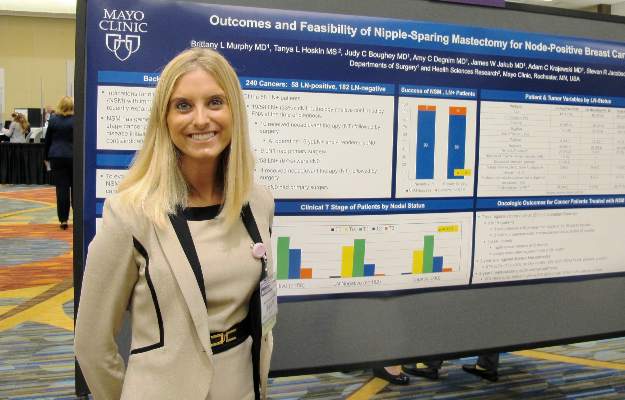
High death rates for IBD patients who underwent emergency resections
Patients with inflammatory bowel disease (IBD) were about five to eight times more likely to die after emergency intestinal resection as opposed to elective surgery, a large meta-analysis found.
Overall mortality rates after emergency intestinal resection were 5.3% for patients with ulcerative colitis (UC) and 3.6% for patients with Crohn’s disease (CD), said Dr. Sunny Singh and his associates at the University of Calgary in Alberta, Canada. In contrast, only 0.6%-0.7% of patients died after elective resection, the researchers reported in the October issue of Gastroenterology (2015 Jun 5. doi: 10.1053/j.gastro.2015.06.001).
Source: American Gastroenterological AssociationClinicians should optimize medical management to avoid emergency resection, seek ways to reduce associated mortality, and use the data when counseling patients and weighing medical and surgical management options, they added.
Intestinal resection is less common among patients with IBD than in decades past, but almost half of CD patients undergo the surgery within 10 years of diagnosis, as do 16% of UC patients, according to another meta-analysis (Gastroenterology 2013;145:996-1006). Past studies have reported divergent rates of death after these surgeries, the researchers noted. To better understand mortality rates and relevant risk factors, they reviewed 18 original research articles and three abstracts published between 1990 and 2015, all of which were indexed in Medline, EMBASE, or PubMed. The studies included 67,057 UC patients and 75,971 CD patients from 15 countries.
Rates of mortality after elective resection were significantly lower than after emergency resection, whether patients had CD (elective, 0.6%; 95% confidence interval, 0.2%-1.7%; emergency, 3.6%; 1.8%-6.9%) or UC (elective, 0.7%; 0.6%-0.9%; emergency, 5.3%; 3.8%-7.3%), the researchers found. Death rates did not significantly differ based on disease type. Postoperative mortality dropped significantly after the 1990s among CD patients only, perhaps because emergency surgery has become less common in Calgary since 1997, the researchers said. However, they were unable to compare changes in death rates over time by surgery type, they said.
Several factors could explain the high fatality rates after emergency intestinal resection, the researchers said. Patients tended to have worse disease activity and higher rates of intestinal obstruction, intra-abdominal abscess, toxic megacolon, preoperative clostridial diarrhea, venous thromboembolism, malnourishment, or prolonged treatment with intravenous corticosteroids, they said. General surgeons are more likely to perform emergency resections than elective cases, which are typically handled by more experienced colorectal surgeons, they added. Emergency resections also are less likely to be performed laparoscopically than are elective resections, they noted. “The low risk of death associated with elective intestinal resections for CD and UC could be used as a quality assurance benchmark to compare outcomes between hospitals and surgeons,” they added.
The research was funded by the Canadian Institute of Health Research, Alberta-Innovates Health-Solutions, the Alberta IBD Consortium. Dr. Singh reported no conflicts of interest. Senior author Dr. Gilaad Kaplan and four coauthors disclosed speaker, advisory board, and funding relationships with a number of pharmaceutical companies.
Patients with inflammatory bowel disease (IBD) were about five to eight times more likely to die after emergency intestinal resection as opposed to elective surgery, a large meta-analysis found.
Overall mortality rates after emergency intestinal resection were 5.3% for patients with ulcerative colitis (UC) and 3.6% for patients with Crohn’s disease (CD), said Dr. Sunny Singh and his associates at the University of Calgary in Alberta, Canada. In contrast, only 0.6%-0.7% of patients died after elective resection, the researchers reported in the October issue of Gastroenterology (2015 Jun 5. doi: 10.1053/j.gastro.2015.06.001).
Source: American Gastroenterological AssociationClinicians should optimize medical management to avoid emergency resection, seek ways to reduce associated mortality, and use the data when counseling patients and weighing medical and surgical management options, they added.
Intestinal resection is less common among patients with IBD than in decades past, but almost half of CD patients undergo the surgery within 10 years of diagnosis, as do 16% of UC patients, according to another meta-analysis (Gastroenterology 2013;145:996-1006). Past studies have reported divergent rates of death after these surgeries, the researchers noted. To better understand mortality rates and relevant risk factors, they reviewed 18 original research articles and three abstracts published between 1990 and 2015, all of which were indexed in Medline, EMBASE, or PubMed. The studies included 67,057 UC patients and 75,971 CD patients from 15 countries.
Rates of mortality after elective resection were significantly lower than after emergency resection, whether patients had CD (elective, 0.6%; 95% confidence interval, 0.2%-1.7%; emergency, 3.6%; 1.8%-6.9%) or UC (elective, 0.7%; 0.6%-0.9%; emergency, 5.3%; 3.8%-7.3%), the researchers found. Death rates did not significantly differ based on disease type. Postoperative mortality dropped significantly after the 1990s among CD patients only, perhaps because emergency surgery has become less common in Calgary since 1997, the researchers said. However, they were unable to compare changes in death rates over time by surgery type, they said.
Several factors could explain the high fatality rates after emergency intestinal resection, the researchers said. Patients tended to have worse disease activity and higher rates of intestinal obstruction, intra-abdominal abscess, toxic megacolon, preoperative clostridial diarrhea, venous thromboembolism, malnourishment, or prolonged treatment with intravenous corticosteroids, they said. General surgeons are more likely to perform emergency resections than elective cases, which are typically handled by more experienced colorectal surgeons, they added. Emergency resections also are less likely to be performed laparoscopically than are elective resections, they noted. “The low risk of death associated with elective intestinal resections for CD and UC could be used as a quality assurance benchmark to compare outcomes between hospitals and surgeons,” they added.
The research was funded by the Canadian Institute of Health Research, Alberta-Innovates Health-Solutions, the Alberta IBD Consortium. Dr. Singh reported no conflicts of interest. Senior author Dr. Gilaad Kaplan and four coauthors disclosed speaker, advisory board, and funding relationships with a number of pharmaceutical companies.
Patients with inflammatory bowel disease (IBD) were about five to eight times more likely to die after emergency intestinal resection as opposed to elective surgery, a large meta-analysis found.
Overall mortality rates after emergency intestinal resection were 5.3% for patients with ulcerative colitis (UC) and 3.6% for patients with Crohn’s disease (CD), said Dr. Sunny Singh and his associates at the University of Calgary in Alberta, Canada. In contrast, only 0.6%-0.7% of patients died after elective resection, the researchers reported in the October issue of Gastroenterology (2015 Jun 5. doi: 10.1053/j.gastro.2015.06.001).
Source: American Gastroenterological AssociationClinicians should optimize medical management to avoid emergency resection, seek ways to reduce associated mortality, and use the data when counseling patients and weighing medical and surgical management options, they added.
Intestinal resection is less common among patients with IBD than in decades past, but almost half of CD patients undergo the surgery within 10 years of diagnosis, as do 16% of UC patients, according to another meta-analysis (Gastroenterology 2013;145:996-1006). Past studies have reported divergent rates of death after these surgeries, the researchers noted. To better understand mortality rates and relevant risk factors, they reviewed 18 original research articles and three abstracts published between 1990 and 2015, all of which were indexed in Medline, EMBASE, or PubMed. The studies included 67,057 UC patients and 75,971 CD patients from 15 countries.
Rates of mortality after elective resection were significantly lower than after emergency resection, whether patients had CD (elective, 0.6%; 95% confidence interval, 0.2%-1.7%; emergency, 3.6%; 1.8%-6.9%) or UC (elective, 0.7%; 0.6%-0.9%; emergency, 5.3%; 3.8%-7.3%), the researchers found. Death rates did not significantly differ based on disease type. Postoperative mortality dropped significantly after the 1990s among CD patients only, perhaps because emergency surgery has become less common in Calgary since 1997, the researchers said. However, they were unable to compare changes in death rates over time by surgery type, they said.
Several factors could explain the high fatality rates after emergency intestinal resection, the researchers said. Patients tended to have worse disease activity and higher rates of intestinal obstruction, intra-abdominal abscess, toxic megacolon, preoperative clostridial diarrhea, venous thromboembolism, malnourishment, or prolonged treatment with intravenous corticosteroids, they said. General surgeons are more likely to perform emergency resections than elective cases, which are typically handled by more experienced colorectal surgeons, they added. Emergency resections also are less likely to be performed laparoscopically than are elective resections, they noted. “The low risk of death associated with elective intestinal resections for CD and UC could be used as a quality assurance benchmark to compare outcomes between hospitals and surgeons,” they added.
The research was funded by the Canadian Institute of Health Research, Alberta-Innovates Health-Solutions, the Alberta IBD Consortium. Dr. Singh reported no conflicts of interest. Senior author Dr. Gilaad Kaplan and four coauthors disclosed speaker, advisory board, and funding relationships with a number of pharmaceutical companies.
FROM GASTROENTEROLOGY
Key clinical point: Patients with IBD were about five to eight times more likely to die after emergency intestinal resection as opposed to elective surgery.
Major finding: Overall mortality rates after emergency intestinal resection were 5.3% for patients with ulcerative colitis and 3.6% for Crohn’s disease; mortality rates after elective surgery were 0.7% and 0.6%, respectively.
Data source: Meta-analysis of 18 original research studies and three abstracts published between 1990 and 2015.
Disclosures: The research was funded by the Canadian Institute of Health Research, Alberta-Innovates Health-Solutions, the Alberta IBD Consortium. Dr. Singh reported no conflicts of interest. Senior author Dr. Gilaad Kaplan and four coauthors disclosed speaker, advisory board, and funding relationships with a number of pharmaceutical companies.
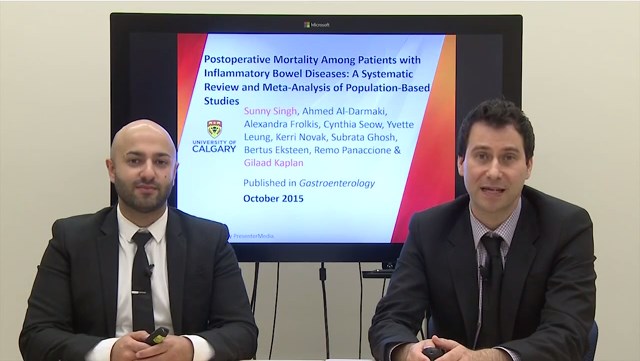
‘Minimalist’ TAVR has short learning curve
As a “minimalist” approach to transcatheter aortic valve replacement – known as MA-TAVR – gains in popularity at high-volume centers, questions persist about the surgeon’s learning curve. A small series of MA-TAVR cases at Emory University in Atlanta has shown that the leaning curve may be like the TAVR approach itself: minimal.
Dr. Hanna Jensen and her associates reported on 151 consecutive patients who had MA-TAVR in the October issue of the Journal of Thoracic and Cardiovascular Surgery (J Thorac Cardiovasc Surg. 2015. doi: 10.1016/j.jtcvs.2015.07.078). They previously reported their findings at the annual meeting of the American Association for Thoracic Surgery in April in Seattle.
This study builds on an Emory study last year that reported the minimalist approach to TAVR cost about $10,000 less per patient than the standard transfemoral approach (JACC Cardiovasc Interv. 2014;7:898-904).
The operation the study authors evaluated is performed in the catheterization laboratory rather than the operating room, as in traditional TAVR. Both approaches use a femoral approach, but where traditional TAVR requires general anesthesia and transesophageal echocardiography (TEE), MA-TAVR uses local anesthesia, minimal conscious sedation, and transthoracic echocardiography (TTE).
The study authors acknowledged concerns that TTE may underestimate the severity of paravalvular leak after the procedure when compared with TEE. Their protocol relies on preoperative TTE and CT scans, or three-dimensional TEE if the case warrants it, to ensure optimal sizing of the transcatheter valve before the operation. “If any concerns arise, our threshold is low to perform intraoperative balloon-sizing,” Dr. Jensen and her coauthors said. They also use TTE, along with a root-angiogram after valve deployment, and invasively measure the aortic regurgitation index before and after deployment.
Most study patients were high-risk surgical candidates with a median Society of Thoracic Surgeons Predicted Risk of Mortality (STS PROM) score of 10%. The overall major stroke rate was 3.3%, while major vascular complications occurred in 3% of patients and the greater-than-mild paravalvular leak rate was 7%.
The study retrospectively evaluated 151 consecutive patients who were divided into three groups at different time points: May 2012 to January 2013, February to August 2013, and September 2013 to July 2014. Complications were similar among all three groups, but the third group had shorter hospital stays and less time in the intensive care unit (ICU).
The first group received only the first-generation SAPIEN valve system; use of the second-generation SAPIEN XT valve increased in latter two groups. The SAPIEN XT valve is available in 23, 26, or 29 mm, but the 29-mm size was not available in the first-generation SAPIEN implant.
A subgroup analysis looked at patients who were discharged within 48 hours of the operation or more than 48 hours afterward. The early-discharge patients had lower STS PROM scores (8.3% vs. 10.3%) and lower rates of diabetes (31% vs. 49%). They also had less need for postoperative pacemakers and less frequent rehospitalization. “This implies that in selected MA-TAVR patients early discharge is feasible and safe, but larger studies are required to identify the optimal profile of patients who can be sent home within the first two postoperative days,” Dr. Jensen and her colleagues said.
Early in the MA-TAVR protocol all patients were sent to the ICU. As the care team gained more experience with the procedure, the protocol changed to send all patients to a regular telemetry floor after surgery unless they had vascular issues or potential need for a pacemaker. The decreasing need for ICU “was the only indication of an institutional learning curve that was discovered, and demonstrated improved resource utilization over time,” the investigators said.
They encouraged other centers to pursue MA-TAVR. “As experience grows, we believe that this procedure can be done with less or no ICU support leading to a shorter hospital stay and improved resource utilization,” Dr. Jensen and her coauthors concluded. They called for further studies to determine the characteristics that make a patient most suitable for a short-admission MA-TAVR procedure.
Study coauthors Dr. Vasilis Babaliaros, Dr. Vinod Thourani, Amy Simone, and Patricia Keegan are research consultants with Edwards Lifesciences. The rest of the authors had no disclosures.
Calling this report an “early milestone in the relentless simplification” of transcatheter aortic valve replacement (TAVR), Dr. Craig Smith of Columbia University Medical Center/New York Presbyterian Hospital, wrote in his invited commentary that it nonetheless leaves a few questions unanswered – and may leave surgeons seeing their role in TAVR marginalized as the procedure moves from the operating room to the catheterization lab (J Thorac Cardiovasc Surg. 2015. doi: 10.1016/j.jtcvs.2015.07.082). .

|
Dr. Craig Smith |
One unanswered question revolves around the use of conscious sedation and transthoracic echocardiography (TTE) for the minimalist approach (MA), rather than general anesthesia and transesophageal echocardiography (TEE) of the traditional transfemoral approach. “MA requires reliance on [TTE] for assessment of paravalvular leak, and since TTE can’t be compared to TEE in the same patients and still be MA, the merits of this trade-off cannot be assessed in this population,” he said.
Further, he said that the study data do not conclusively link MA to early discharge because the early discharge patients had lower Society of Thoracic Surgery scores.
Another important unanswered question is whether endocarditis is more frequent in TAVR when it’s performed outside the operating room.
“While I suspect the answer will be ‘yes,’ this question will be left dangling until large numbers have been done in hybrid cath labs, because the frequency will be low, and because the forces propelling a ‘cath lab’ alternative to surgical or transcatheter valve replacement done in an operating room will be too powerful to retard on a hunch,” Dr. Smith wrote. “What will the departure of TAVR from operating rooms mean for the role of the surgeon? That is for surgeons to determine. Stay involved, or say goodbye!”
Calling this report an “early milestone in the relentless simplification” of transcatheter aortic valve replacement (TAVR), Dr. Craig Smith of Columbia University Medical Center/New York Presbyterian Hospital, wrote in his invited commentary that it nonetheless leaves a few questions unanswered – and may leave surgeons seeing their role in TAVR marginalized as the procedure moves from the operating room to the catheterization lab (J Thorac Cardiovasc Surg. 2015. doi: 10.1016/j.jtcvs.2015.07.082). .
|
|
Dr. Craig Smith |
One unanswered question revolves around the use of conscious sedation and transthoracic echocardiography (TTE) for the minimalist approach (MA), rather than general anesthesia and transesophageal echocardiography (TEE) of the traditional transfemoral approach. “MA requires reliance on [TTE] for assessment of paravalvular leak, and since TTE can’t be compared to TEE in the same patients and still be MA, the merits of this trade-off cannot be assessed in this population,” he said.
Further, he said that the study data do not conclusively link MA to early discharge because the early discharge patients had lower Society of Thoracic Surgery scores.
Another important unanswered question is whether endocarditis is more frequent in TAVR when it’s performed outside the operating room.
“While I suspect the answer will be ‘yes,’ this question will be left dangling until large numbers have been done in hybrid cath labs, because the frequency will be low, and because the forces propelling a ‘cath lab’ alternative to surgical or transcatheter valve replacement done in an operating room will be too powerful to retard on a hunch,” Dr. Smith wrote. “What will the departure of TAVR from operating rooms mean for the role of the surgeon? That is for surgeons to determine. Stay involved, or say goodbye!”
Calling this report an “early milestone in the relentless simplification” of transcatheter aortic valve replacement (TAVR), Dr. Craig Smith of Columbia University Medical Center/New York Presbyterian Hospital, wrote in his invited commentary that it nonetheless leaves a few questions unanswered – and may leave surgeons seeing their role in TAVR marginalized as the procedure moves from the operating room to the catheterization lab (J Thorac Cardiovasc Surg. 2015. doi: 10.1016/j.jtcvs.2015.07.082). .
|
|
Dr. Craig Smith |
One unanswered question revolves around the use of conscious sedation and transthoracic echocardiography (TTE) for the minimalist approach (MA), rather than general anesthesia and transesophageal echocardiography (TEE) of the traditional transfemoral approach. “MA requires reliance on [TTE] for assessment of paravalvular leak, and since TTE can’t be compared to TEE in the same patients and still be MA, the merits of this trade-off cannot be assessed in this population,” he said.
Further, he said that the study data do not conclusively link MA to early discharge because the early discharge patients had lower Society of Thoracic Surgery scores.
Another important unanswered question is whether endocarditis is more frequent in TAVR when it’s performed outside the operating room.
“While I suspect the answer will be ‘yes,’ this question will be left dangling until large numbers have been done in hybrid cath labs, because the frequency will be low, and because the forces propelling a ‘cath lab’ alternative to surgical or transcatheter valve replacement done in an operating room will be too powerful to retard on a hunch,” Dr. Smith wrote. “What will the departure of TAVR from operating rooms mean for the role of the surgeon? That is for surgeons to determine. Stay involved, or say goodbye!”
As a “minimalist” approach to transcatheter aortic valve replacement – known as MA-TAVR – gains in popularity at high-volume centers, questions persist about the surgeon’s learning curve. A small series of MA-TAVR cases at Emory University in Atlanta has shown that the leaning curve may be like the TAVR approach itself: minimal.
Dr. Hanna Jensen and her associates reported on 151 consecutive patients who had MA-TAVR in the October issue of the Journal of Thoracic and Cardiovascular Surgery (J Thorac Cardiovasc Surg. 2015. doi: 10.1016/j.jtcvs.2015.07.078). They previously reported their findings at the annual meeting of the American Association for Thoracic Surgery in April in Seattle.
This study builds on an Emory study last year that reported the minimalist approach to TAVR cost about $10,000 less per patient than the standard transfemoral approach (JACC Cardiovasc Interv. 2014;7:898-904).
The operation the study authors evaluated is performed in the catheterization laboratory rather than the operating room, as in traditional TAVR. Both approaches use a femoral approach, but where traditional TAVR requires general anesthesia and transesophageal echocardiography (TEE), MA-TAVR uses local anesthesia, minimal conscious sedation, and transthoracic echocardiography (TTE).
The study authors acknowledged concerns that TTE may underestimate the severity of paravalvular leak after the procedure when compared with TEE. Their protocol relies on preoperative TTE and CT scans, or three-dimensional TEE if the case warrants it, to ensure optimal sizing of the transcatheter valve before the operation. “If any concerns arise, our threshold is low to perform intraoperative balloon-sizing,” Dr. Jensen and her coauthors said. They also use TTE, along with a root-angiogram after valve deployment, and invasively measure the aortic regurgitation index before and after deployment.
Most study patients were high-risk surgical candidates with a median Society of Thoracic Surgeons Predicted Risk of Mortality (STS PROM) score of 10%. The overall major stroke rate was 3.3%, while major vascular complications occurred in 3% of patients and the greater-than-mild paravalvular leak rate was 7%.
The study retrospectively evaluated 151 consecutive patients who were divided into three groups at different time points: May 2012 to January 2013, February to August 2013, and September 2013 to July 2014. Complications were similar among all three groups, but the third group had shorter hospital stays and less time in the intensive care unit (ICU).
The first group received only the first-generation SAPIEN valve system; use of the second-generation SAPIEN XT valve increased in latter two groups. The SAPIEN XT valve is available in 23, 26, or 29 mm, but the 29-mm size was not available in the first-generation SAPIEN implant.
A subgroup analysis looked at patients who were discharged within 48 hours of the operation or more than 48 hours afterward. The early-discharge patients had lower STS PROM scores (8.3% vs. 10.3%) and lower rates of diabetes (31% vs. 49%). They also had less need for postoperative pacemakers and less frequent rehospitalization. “This implies that in selected MA-TAVR patients early discharge is feasible and safe, but larger studies are required to identify the optimal profile of patients who can be sent home within the first two postoperative days,” Dr. Jensen and her colleagues said.
Early in the MA-TAVR protocol all patients were sent to the ICU. As the care team gained more experience with the procedure, the protocol changed to send all patients to a regular telemetry floor after surgery unless they had vascular issues or potential need for a pacemaker. The decreasing need for ICU “was the only indication of an institutional learning curve that was discovered, and demonstrated improved resource utilization over time,” the investigators said.
They encouraged other centers to pursue MA-TAVR. “As experience grows, we believe that this procedure can be done with less or no ICU support leading to a shorter hospital stay and improved resource utilization,” Dr. Jensen and her coauthors concluded. They called for further studies to determine the characteristics that make a patient most suitable for a short-admission MA-TAVR procedure.
Study coauthors Dr. Vasilis Babaliaros, Dr. Vinod Thourani, Amy Simone, and Patricia Keegan are research consultants with Edwards Lifesciences. The rest of the authors had no disclosures.
As a “minimalist” approach to transcatheter aortic valve replacement – known as MA-TAVR – gains in popularity at high-volume centers, questions persist about the surgeon’s learning curve. A small series of MA-TAVR cases at Emory University in Atlanta has shown that the leaning curve may be like the TAVR approach itself: minimal.
Dr. Hanna Jensen and her associates reported on 151 consecutive patients who had MA-TAVR in the October issue of the Journal of Thoracic and Cardiovascular Surgery (J Thorac Cardiovasc Surg. 2015. doi: 10.1016/j.jtcvs.2015.07.078). They previously reported their findings at the annual meeting of the American Association for Thoracic Surgery in April in Seattle.
This study builds on an Emory study last year that reported the minimalist approach to TAVR cost about $10,000 less per patient than the standard transfemoral approach (JACC Cardiovasc Interv. 2014;7:898-904).
The operation the study authors evaluated is performed in the catheterization laboratory rather than the operating room, as in traditional TAVR. Both approaches use a femoral approach, but where traditional TAVR requires general anesthesia and transesophageal echocardiography (TEE), MA-TAVR uses local anesthesia, minimal conscious sedation, and transthoracic echocardiography (TTE).
The study authors acknowledged concerns that TTE may underestimate the severity of paravalvular leak after the procedure when compared with TEE. Their protocol relies on preoperative TTE and CT scans, or three-dimensional TEE if the case warrants it, to ensure optimal sizing of the transcatheter valve before the operation. “If any concerns arise, our threshold is low to perform intraoperative balloon-sizing,” Dr. Jensen and her coauthors said. They also use TTE, along with a root-angiogram after valve deployment, and invasively measure the aortic regurgitation index before and after deployment.
Most study patients were high-risk surgical candidates with a median Society of Thoracic Surgeons Predicted Risk of Mortality (STS PROM) score of 10%. The overall major stroke rate was 3.3%, while major vascular complications occurred in 3% of patients and the greater-than-mild paravalvular leak rate was 7%.
The study retrospectively evaluated 151 consecutive patients who were divided into three groups at different time points: May 2012 to January 2013, February to August 2013, and September 2013 to July 2014. Complications were similar among all three groups, but the third group had shorter hospital stays and less time in the intensive care unit (ICU).
The first group received only the first-generation SAPIEN valve system; use of the second-generation SAPIEN XT valve increased in latter two groups. The SAPIEN XT valve is available in 23, 26, or 29 mm, but the 29-mm size was not available in the first-generation SAPIEN implant.
A subgroup analysis looked at patients who were discharged within 48 hours of the operation or more than 48 hours afterward. The early-discharge patients had lower STS PROM scores (8.3% vs. 10.3%) and lower rates of diabetes (31% vs. 49%). They also had less need for postoperative pacemakers and less frequent rehospitalization. “This implies that in selected MA-TAVR patients early discharge is feasible and safe, but larger studies are required to identify the optimal profile of patients who can be sent home within the first two postoperative days,” Dr. Jensen and her colleagues said.
Early in the MA-TAVR protocol all patients were sent to the ICU. As the care team gained more experience with the procedure, the protocol changed to send all patients to a regular telemetry floor after surgery unless they had vascular issues or potential need for a pacemaker. The decreasing need for ICU “was the only indication of an institutional learning curve that was discovered, and demonstrated improved resource utilization over time,” the investigators said.
They encouraged other centers to pursue MA-TAVR. “As experience grows, we believe that this procedure can be done with less or no ICU support leading to a shorter hospital stay and improved resource utilization,” Dr. Jensen and her coauthors concluded. They called for further studies to determine the characteristics that make a patient most suitable for a short-admission MA-TAVR procedure.
Study coauthors Dr. Vasilis Babaliaros, Dr. Vinod Thourani, Amy Simone, and Patricia Keegan are research consultants with Edwards Lifesciences. The rest of the authors had no disclosures.
FROM THE JOURNAL OF THORACIC AND CARDIOVASCULAR SURGERY
Key clinical point: A minimalist approach to transcatheter aortic valve replacement (MA-TAVR) is feasible with acceptable outcomes.
Major finding: Transition to MA-TAVR in a high-volume center had a relatively small learning curve.
Data source: A review of 151 consecutive patients who had MA-TAVR at Emory University between May 2012 and July 2014.
Disclosures: Study coauthors Dr. Vasilis Babaliaros, Dr. Vinod Thourani, Amy Simone, and Patricia Keegan are research consultants with Edwards Lifesciences. The rest of the authors had no disclosures.

ACS Surgery News September issue digital version is available
The September issue of ACS Surgery News is available online -- use the mobile app to download or view as a pdf.
This month's issue features news about intragastric balloons now approved by the FDA, commentary by Dr. Mark Weissler on the rich variety of learning and networking opportunities at the upcoming Clinical Congress, and an update on the implications of a recent court ruling on the number of lawsuits brought against doctors.
The September issue of ACS Surgery News is available online -- use the mobile app to download or view as a pdf.
This month's issue features news about intragastric balloons now approved by the FDA, commentary by Dr. Mark Weissler on the rich variety of learning and networking opportunities at the upcoming Clinical Congress, and an update on the implications of a recent court ruling on the number of lawsuits brought against doctors.
The September issue of ACS Surgery News is available online -- use the mobile app to download or view as a pdf.
This month's issue features news about intragastric balloons now approved by the FDA, commentary by Dr. Mark Weissler on the rich variety of learning and networking opportunities at the upcoming Clinical Congress, and an update on the implications of a recent court ruling on the number of lawsuits brought against doctors.
Positive lumpectomy margin risk rises with breast density
SAN FRANCISCO – Breast density is an independent risk factor for positive lumpectomy margins, pointing to a need for better methods of intraoperative margin assessment, researchers contend.
Data from a randomized clinical trial evaluating intraoperative tumor margin detection techniques indicate that for every increase in breast density category, the risk of positive margins on the main lumpectomy specimen increases by 46%, reported Dr. Tanir Allweis of Hebrew University Medical Center in Jerusalem, Israel.

“The use of newer technology and advanced techniques for intraoperative margin assessment, more extensive preop evaluation of these patients with MRI, or more liberal reshaving during the time of initial lumpectomy might be able to decrease the rate of reoperations in women with dense breasts,” Dr. Allweis said in an interview at the 2015 ASCO Breast Cancer Symposium.
She and colleague Dr. Freya Schnabel of New York University Langone Medical Center in New York City reviewed data on women enrolled in a clinical trial in which patients were randomized to lumpectomy with standard margin assessment or the use of an intraoperative radiofrequency spectroscopy device (MarginProbe). Of the 664 women enrolled in the trial, information on breast density was available for 450, and these women were included in the current study.The authors looked at data on breast density, patient and tumor characteristics, and the margin status of the primary lumpectomy specimen prior to randomization (that is, before the use of the device or the surgeon’s customary margin assessment technique).
They defined positive margins as ink on tumor. Breast density was rated on a scale of 1 (mostly fatty) to 4 (extremely dense) according to the American College of Radiology BI-RADS breast density descriptors.
Higher breast density was associated with younger age at diagnosis, lower body mass index, smaller breasts, and smaller specimen volume. Women with dense breasts were more likely to have had preoperative MRI (odds ratio [OR] 2. P less than .0001).
Each increase in breast density category was associated with an OR of 1.46 for positive margins in the main lumpectomy specimen. Thus, while women with mostly fatty breasts had a 14% risk for positive margins, women with extremely dense breasts had a 40% risk for positive margins.
The association between breast density and margin positivity remained significant after the researchers controlled for age, BMI, breast volume, and specimen volume (adjusted OR 1.39-1.52, P less than .036).
The investigators plan to explore whether the tumors in denser breasts may be larger than initially suspected because of the documented difficulties in imaging extremely dense tissues.
“These results suggest that the use of adjunctive methods for intraoperative margin assessment may be particularly helpful in this patient population. Further research will be important to clarify the benefit of various methods to decrease the rate for reexcision procedures in patients with increased breast density,” the investigators wrote in a poster presented at the symposium.
SAN FRANCISCO – Breast density is an independent risk factor for positive lumpectomy margins, pointing to a need for better methods of intraoperative margin assessment, researchers contend.
Data from a randomized clinical trial evaluating intraoperative tumor margin detection techniques indicate that for every increase in breast density category, the risk of positive margins on the main lumpectomy specimen increases by 46%, reported Dr. Tanir Allweis of Hebrew University Medical Center in Jerusalem, Israel.
“The use of newer technology and advanced techniques for intraoperative margin assessment, more extensive preop evaluation of these patients with MRI, or more liberal reshaving during the time of initial lumpectomy might be able to decrease the rate of reoperations in women with dense breasts,” Dr. Allweis said in an interview at the 2015 ASCO Breast Cancer Symposium.
She and colleague Dr. Freya Schnabel of New York University Langone Medical Center in New York City reviewed data on women enrolled in a clinical trial in which patients were randomized to lumpectomy with standard margin assessment or the use of an intraoperative radiofrequency spectroscopy device (MarginProbe). Of the 664 women enrolled in the trial, information on breast density was available for 450, and these women were included in the current study.The authors looked at data on breast density, patient and tumor characteristics, and the margin status of the primary lumpectomy specimen prior to randomization (that is, before the use of the device or the surgeon’s customary margin assessment technique).
They defined positive margins as ink on tumor. Breast density was rated on a scale of 1 (mostly fatty) to 4 (extremely dense) according to the American College of Radiology BI-RADS breast density descriptors.
Higher breast density was associated with younger age at diagnosis, lower body mass index, smaller breasts, and smaller specimen volume. Women with dense breasts were more likely to have had preoperative MRI (odds ratio [OR] 2. P less than .0001).
Each increase in breast density category was associated with an OR of 1.46 for positive margins in the main lumpectomy specimen. Thus, while women with mostly fatty breasts had a 14% risk for positive margins, women with extremely dense breasts had a 40% risk for positive margins.
The association between breast density and margin positivity remained significant after the researchers controlled for age, BMI, breast volume, and specimen volume (adjusted OR 1.39-1.52, P less than .036).
The investigators plan to explore whether the tumors in denser breasts may be larger than initially suspected because of the documented difficulties in imaging extremely dense tissues.
“These results suggest that the use of adjunctive methods for intraoperative margin assessment may be particularly helpful in this patient population. Further research will be important to clarify the benefit of various methods to decrease the rate for reexcision procedures in patients with increased breast density,” the investigators wrote in a poster presented at the symposium.
SAN FRANCISCO – Breast density is an independent risk factor for positive lumpectomy margins, pointing to a need for better methods of intraoperative margin assessment, researchers contend.
Data from a randomized clinical trial evaluating intraoperative tumor margin detection techniques indicate that for every increase in breast density category, the risk of positive margins on the main lumpectomy specimen increases by 46%, reported Dr. Tanir Allweis of Hebrew University Medical Center in Jerusalem, Israel.
“The use of newer technology and advanced techniques for intraoperative margin assessment, more extensive preop evaluation of these patients with MRI, or more liberal reshaving during the time of initial lumpectomy might be able to decrease the rate of reoperations in women with dense breasts,” Dr. Allweis said in an interview at the 2015 ASCO Breast Cancer Symposium.
She and colleague Dr. Freya Schnabel of New York University Langone Medical Center in New York City reviewed data on women enrolled in a clinical trial in which patients were randomized to lumpectomy with standard margin assessment or the use of an intraoperative radiofrequency spectroscopy device (MarginProbe). Of the 664 women enrolled in the trial, information on breast density was available for 450, and these women were included in the current study.The authors looked at data on breast density, patient and tumor characteristics, and the margin status of the primary lumpectomy specimen prior to randomization (that is, before the use of the device or the surgeon’s customary margin assessment technique).
They defined positive margins as ink on tumor. Breast density was rated on a scale of 1 (mostly fatty) to 4 (extremely dense) according to the American College of Radiology BI-RADS breast density descriptors.
Higher breast density was associated with younger age at diagnosis, lower body mass index, smaller breasts, and smaller specimen volume. Women with dense breasts were more likely to have had preoperative MRI (odds ratio [OR] 2. P less than .0001).
Each increase in breast density category was associated with an OR of 1.46 for positive margins in the main lumpectomy specimen. Thus, while women with mostly fatty breasts had a 14% risk for positive margins, women with extremely dense breasts had a 40% risk for positive margins.
The association between breast density and margin positivity remained significant after the researchers controlled for age, BMI, breast volume, and specimen volume (adjusted OR 1.39-1.52, P less than .036).
The investigators plan to explore whether the tumors in denser breasts may be larger than initially suspected because of the documented difficulties in imaging extremely dense tissues.
“These results suggest that the use of adjunctive methods for intraoperative margin assessment may be particularly helpful in this patient population. Further research will be important to clarify the benefit of various methods to decrease the rate for reexcision procedures in patients with increased breast density,” the investigators wrote in a poster presented at the symposium.
AT THE 2015 ASCO BREAST CANCER SYMPOSIUM
Key clinical point: The risk for positive lumpectomy margins rises as breast density increases.
Major finding: .Women with extremely dense breasts had a 40% risk for ink on tumor in the main lumpectomy specimen.
Data source: Review of data on 450 of 664 women enrolled in a randomized clinical trial.
Disclosures: Dune Medical Devices supported the trial. Dr. Allweis and Dr. Schnabel reported no conflicts of interest.