User login
With accountable care organizations becoming an almost-certainty, hospitalists would be wise to start determining how they will fit into the new model, according to Dr. Ron Greeno.
The ACO concept, which was part of the Affordable Care Act, has now been further fleshed out in a proposed regulation issued March 31 by the Centers for Medicare and Medicaid Services. But, said Dr. Greeno, "we were heading down this road even before the bill was passed."
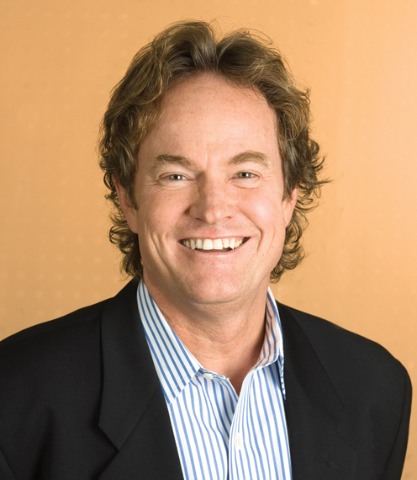
Dr. Greeno, chief medical officer and cofounder of Cogent Healthcare, said that although Republicans have talked about repealing certain sections – or all – of the Affordable Care Act, the ACO concept will not go away. "I’d advise every organization to get ready for it," he said. "There is no Plan B."
The proposed rule, however, has disappointed some hospitalists, said Dr. Greeno. There is a high cost to meeting all of the regulatory and financial requirements, and to creating the electronic health record infrastructure. But the government is "not offering a great deal of upside on the financial side," for those who do participate, he said.
Even so, hospitalists will have opportunities in the new world, he said. For an ACO to take on risk, it will have to do a good job of managing patients, especially on the inpatient side where at least a third of health care dollars are spent, said Dr. Greeno. Hospitalists can partner with hospitals, but that does not mean they have to become employees.
In California, hospitalists have been taking capitation for years – and that’s good preparation for the new delivery model, he said. One of the organizations that have done very well under the capitated model is HealthCare Partners, said Dr. Greeno. The independent physician association (IPA), based in Torrance, Calif., plans to participate in the new Medicare shared-savings program for ACOs, which will launch in January, said Dr. William Chin, the IPA’s executive medical director. The group has been preparing for the transition for awhile: It is currently also working with Anthem Blue Cross in California to test how an ACO would work in the commercial market as well as testing ACO accreditation standards that are being developed by the National Committee for Quality Assurance (NCQA).
Dr. Chin said that the IPA’s long-term capitation experience will help it transition to being an ACO.
"We have had the experience of improving outcomes and reducing costs, improving patient satisfaction, [and] improving the patient experience in our model," Dr. Chin said. "Some of the common goals of the ACO are things that we are doing today."
This year is likely to be a "learning year" for the IPA’s practices, Dr. Chin said, as they prepare to meet the various standards that are being developed for ACOs. One advantage they will have is that their practices have already adopted electronic health records. Without that investment in technology, it’s nearly impossible to become efficient and to improve quality, because paper charts are intractable to analysis, according to Dr. Chin.
But even with EHRs in place, all practices seeking to become ACOs will have to deal with significant culture changes and shifts in the delivery model, he said.
ACOs have been a hot topic in health care circles since they were written into the Affordable Care Act. The law includes the shared-savings program through Medicare, which will allow ACOs to earn additional payments if they can both save the government money and meet quality benchmarks. As the program goes forward, physicians also would assume some financial risk if they are unable to provide cost-effective care.
Under the new voluntary program, ACOs could include physicians in group practices, networks of individual practices, hospitals that employ physicians, and partnerships among these entities as well as other providers.
An ACO will be a partnership among both primary care and specialist physicians; however, only primary care providers will be able to form an ACO, according to the proposed regulation.
Providers working in an ACO would continue to receive regular payments under Medicare fee for service, but could qualify for additional payments if they save money for the program. The proposed regulation requires that ACOs meet quality standards and demonstrate that they have reduced costs in order to be eligible to share in savings. The proposal outlines 65 quality measures in five domains: patient experience, care coordination, patient safety, preventive health, and metrics for the care of at-risk and frail elderly populations.
The proposed regulation also creates two models for how an ACO can share in the potential Medicare savings, depending on its level of maturity. Under a one-sided risk model, a less-developed ACO can share in the savings they produce during the first 2 years and then assume financial risk in year 3, sharing in any potential financial losses.
More mature organizations can pursue the two-sided risk model and share in the potential savings and losses immediately. As an incentive to assume risk earlier, ACOs that pursue the two-side risk model will be eligible for a shared-savings percentage of 60%, compared with 50% for those in the one-side risk model.
One area in which physicians may need to make investments is in health information technology. Jonathan Blum, director of the Center for Medicare Management, said that the ACO proposal is closely aligned with the Health Information Technology for Economic and Clinical Health (HITECH) Act of 2009 and the EHR incentive programs. Coordinating the ACO quality measures with those in the EHR incentive programs reduces the burden on physicians and hospitals that are submitting data through the various programs, Mr. Blum said. It also offers the potential for physicians to offset some of their technology costs through the bonus payments they can earn by achieving meaningful use of their EHRs.
The move to ACOs will be a major shift, said Dr. Paul Grundy, director of health care transformation for IBM and president of the Patient-Centered Primary Care Collaborative. "You’ve got a $2.7 trillion stream going in the wrong direction," he said. "That’s a huge river to overcome."
But despite the financial and cultural barriers that have prevented these types of shifts from occurring in the past, Dr. Grundy said that the medical community is ready to make a change toward the patient-centered medical home concept and ACOs.
Many purchasers of health care, including Fortune 100 companies and the federal government, are already supporting the concept of the medical home, and physicians who have made the switch love it, he said. "I think it\'s really clear that this is where we’re going and where we have to go."
The trend is being driven by more than just the provisions in the Affordable Care Act, he said. The escalating cost of health care is pushing businesses and other health care purchasers to look for alternatives to keep costs down. At the same time, there are finally data to show how patients are being managed and what types of care are cost effective. Additionally, younger consumers want to access health care the same way they do their banking and shopping. "For them to be told by a practice that they can’t access their laboratory data online, they’ll just keep looking until they find someone who can," Dr. Grundy said.
Another player in the ACO field is the NCQA. The not-for-profit organization offers recognition programs for physicians, hospitals, and health plans in a number of areas. Starting this summer, the organization plans to unveil its standards for ACO accreditation. The first ACOs to go through the program could receive accreditation in 2012, according to Raena Grant Akin-Deko, assistant vice president for development at the NCQA.
The standards could be a "road map" for organizations to begin to build the capabilities to become an ACO, she said. "What we’ve done through these standards can help people understand what the important capabilities are and give them some direction about what are the things that they should be thinking about."
The NCQA recently concluded testing of its standards with 10 organizations that represent IPAs, multispecialty practice groups, and integrated delivery systems. One issue that came up during the testing is the importance of leadership within the ACO.
"We can define structural features that are important for [ACOs], but I think you cannot underestimate the importance of leadership and the cultural change toward patient centered care in forming these organizations," she said.
Mary Ellen Schneider and Naseem Miller contributed to this report.
With accountable care organizations becoming an almost-certainty, hospitalists would be wise to start determining how they will fit into the new model, according to Dr. Ron Greeno.
The ACO concept, which was part of the Affordable Care Act, has now been further fleshed out in a proposed regulation issued March 31 by the Centers for Medicare and Medicaid Services. But, said Dr. Greeno, "we were heading down this road even before the bill was passed."
Dr. Greeno, chief medical officer and cofounder of Cogent Healthcare, said that although Republicans have talked about repealing certain sections – or all – of the Affordable Care Act, the ACO concept will not go away. "I’d advise every organization to get ready for it," he said. "There is no Plan B."
The proposed rule, however, has disappointed some hospitalists, said Dr. Greeno. There is a high cost to meeting all of the regulatory and financial requirements, and to creating the electronic health record infrastructure. But the government is "not offering a great deal of upside on the financial side," for those who do participate, he said.
Even so, hospitalists will have opportunities in the new world, he said. For an ACO to take on risk, it will have to do a good job of managing patients, especially on the inpatient side where at least a third of health care dollars are spent, said Dr. Greeno. Hospitalists can partner with hospitals, but that does not mean they have to become employees.
In California, hospitalists have been taking capitation for years – and that’s good preparation for the new delivery model, he said. One of the organizations that have done very well under the capitated model is HealthCare Partners, said Dr. Greeno. The independent physician association (IPA), based in Torrance, Calif., plans to participate in the new Medicare shared-savings program for ACOs, which will launch in January, said Dr. William Chin, the IPA’s executive medical director. The group has been preparing for the transition for awhile: It is currently also working with Anthem Blue Cross in California to test how an ACO would work in the commercial market as well as testing ACO accreditation standards that are being developed by the National Committee for Quality Assurance (NCQA).
Dr. Chin said that the IPA’s long-term capitation experience will help it transition to being an ACO.
"We have had the experience of improving outcomes and reducing costs, improving patient satisfaction, [and] improving the patient experience in our model," Dr. Chin said. "Some of the common goals of the ACO are things that we are doing today."
This year is likely to be a "learning year" for the IPA’s practices, Dr. Chin said, as they prepare to meet the various standards that are being developed for ACOs. One advantage they will have is that their practices have already adopted electronic health records. Without that investment in technology, it’s nearly impossible to become efficient and to improve quality, because paper charts are intractable to analysis, according to Dr. Chin.
But even with EHRs in place, all practices seeking to become ACOs will have to deal with significant culture changes and shifts in the delivery model, he said.
ACOs have been a hot topic in health care circles since they were written into the Affordable Care Act. The law includes the shared-savings program through Medicare, which will allow ACOs to earn additional payments if they can both save the government money and meet quality benchmarks. As the program goes forward, physicians also would assume some financial risk if they are unable to provide cost-effective care.
Under the new voluntary program, ACOs could include physicians in group practices, networks of individual practices, hospitals that employ physicians, and partnerships among these entities as well as other providers.
An ACO will be a partnership among both primary care and specialist physicians; however, only primary care providers will be able to form an ACO, according to the proposed regulation.
Providers working in an ACO would continue to receive regular payments under Medicare fee for service, but could qualify for additional payments if they save money for the program. The proposed regulation requires that ACOs meet quality standards and demonstrate that they have reduced costs in order to be eligible to share in savings. The proposal outlines 65 quality measures in five domains: patient experience, care coordination, patient safety, preventive health, and metrics for the care of at-risk and frail elderly populations.
The proposed regulation also creates two models for how an ACO can share in the potential Medicare savings, depending on its level of maturity. Under a one-sided risk model, a less-developed ACO can share in the savings they produce during the first 2 years and then assume financial risk in year 3, sharing in any potential financial losses.
More mature organizations can pursue the two-sided risk model and share in the potential savings and losses immediately. As an incentive to assume risk earlier, ACOs that pursue the two-side risk model will be eligible for a shared-savings percentage of 60%, compared with 50% for those in the one-side risk model.
One area in which physicians may need to make investments is in health information technology. Jonathan Blum, director of the Center for Medicare Management, said that the ACO proposal is closely aligned with the Health Information Technology for Economic and Clinical Health (HITECH) Act of 2009 and the EHR incentive programs. Coordinating the ACO quality measures with those in the EHR incentive programs reduces the burden on physicians and hospitals that are submitting data through the various programs, Mr. Blum said. It also offers the potential for physicians to offset some of their technology costs through the bonus payments they can earn by achieving meaningful use of their EHRs.
The move to ACOs will be a major shift, said Dr. Paul Grundy, director of health care transformation for IBM and president of the Patient-Centered Primary Care Collaborative. "You’ve got a $2.7 trillion stream going in the wrong direction," he said. "That’s a huge river to overcome."
But despite the financial and cultural barriers that have prevented these types of shifts from occurring in the past, Dr. Grundy said that the medical community is ready to make a change toward the patient-centered medical home concept and ACOs.
Many purchasers of health care, including Fortune 100 companies and the federal government, are already supporting the concept of the medical home, and physicians who have made the switch love it, he said. "I think it\'s really clear that this is where we’re going and where we have to go."
The trend is being driven by more than just the provisions in the Affordable Care Act, he said. The escalating cost of health care is pushing businesses and other health care purchasers to look for alternatives to keep costs down. At the same time, there are finally data to show how patients are being managed and what types of care are cost effective. Additionally, younger consumers want to access health care the same way they do their banking and shopping. "For them to be told by a practice that they can’t access their laboratory data online, they’ll just keep looking until they find someone who can," Dr. Grundy said.
Another player in the ACO field is the NCQA. The not-for-profit organization offers recognition programs for physicians, hospitals, and health plans in a number of areas. Starting this summer, the organization plans to unveil its standards for ACO accreditation. The first ACOs to go through the program could receive accreditation in 2012, according to Raena Grant Akin-Deko, assistant vice president for development at the NCQA.
The standards could be a "road map" for organizations to begin to build the capabilities to become an ACO, she said. "What we’ve done through these standards can help people understand what the important capabilities are and give them some direction about what are the things that they should be thinking about."
The NCQA recently concluded testing of its standards with 10 organizations that represent IPAs, multispecialty practice groups, and integrated delivery systems. One issue that came up during the testing is the importance of leadership within the ACO.
"We can define structural features that are important for [ACOs], but I think you cannot underestimate the importance of leadership and the cultural change toward patient centered care in forming these organizations," she said.
Mary Ellen Schneider and Naseem Miller contributed to this report.
With accountable care organizations becoming an almost-certainty, hospitalists would be wise to start determining how they will fit into the new model, according to Dr. Ron Greeno.
The ACO concept, which was part of the Affordable Care Act, has now been further fleshed out in a proposed regulation issued March 31 by the Centers for Medicare and Medicaid Services. But, said Dr. Greeno, "we were heading down this road even before the bill was passed."
Dr. Greeno, chief medical officer and cofounder of Cogent Healthcare, said that although Republicans have talked about repealing certain sections – or all – of the Affordable Care Act, the ACO concept will not go away. "I’d advise every organization to get ready for it," he said. "There is no Plan B."
The proposed rule, however, has disappointed some hospitalists, said Dr. Greeno. There is a high cost to meeting all of the regulatory and financial requirements, and to creating the electronic health record infrastructure. But the government is "not offering a great deal of upside on the financial side," for those who do participate, he said.
Even so, hospitalists will have opportunities in the new world, he said. For an ACO to take on risk, it will have to do a good job of managing patients, especially on the inpatient side where at least a third of health care dollars are spent, said Dr. Greeno. Hospitalists can partner with hospitals, but that does not mean they have to become employees.
In California, hospitalists have been taking capitation for years – and that’s good preparation for the new delivery model, he said. One of the organizations that have done very well under the capitated model is HealthCare Partners, said Dr. Greeno. The independent physician association (IPA), based in Torrance, Calif., plans to participate in the new Medicare shared-savings program for ACOs, which will launch in January, said Dr. William Chin, the IPA’s executive medical director. The group has been preparing for the transition for awhile: It is currently also working with Anthem Blue Cross in California to test how an ACO would work in the commercial market as well as testing ACO accreditation standards that are being developed by the National Committee for Quality Assurance (NCQA).
Dr. Chin said that the IPA’s long-term capitation experience will help it transition to being an ACO.
"We have had the experience of improving outcomes and reducing costs, improving patient satisfaction, [and] improving the patient experience in our model," Dr. Chin said. "Some of the common goals of the ACO are things that we are doing today."
This year is likely to be a "learning year" for the IPA’s practices, Dr. Chin said, as they prepare to meet the various standards that are being developed for ACOs. One advantage they will have is that their practices have already adopted electronic health records. Without that investment in technology, it’s nearly impossible to become efficient and to improve quality, because paper charts are intractable to analysis, according to Dr. Chin.
But even with EHRs in place, all practices seeking to become ACOs will have to deal with significant culture changes and shifts in the delivery model, he said.
ACOs have been a hot topic in health care circles since they were written into the Affordable Care Act. The law includes the shared-savings program through Medicare, which will allow ACOs to earn additional payments if they can both save the government money and meet quality benchmarks. As the program goes forward, physicians also would assume some financial risk if they are unable to provide cost-effective care.
Under the new voluntary program, ACOs could include physicians in group practices, networks of individual practices, hospitals that employ physicians, and partnerships among these entities as well as other providers.
An ACO will be a partnership among both primary care and specialist physicians; however, only primary care providers will be able to form an ACO, according to the proposed regulation.
Providers working in an ACO would continue to receive regular payments under Medicare fee for service, but could qualify for additional payments if they save money for the program. The proposed regulation requires that ACOs meet quality standards and demonstrate that they have reduced costs in order to be eligible to share in savings. The proposal outlines 65 quality measures in five domains: patient experience, care coordination, patient safety, preventive health, and metrics for the care of at-risk and frail elderly populations.
The proposed regulation also creates two models for how an ACO can share in the potential Medicare savings, depending on its level of maturity. Under a one-sided risk model, a less-developed ACO can share in the savings they produce during the first 2 years and then assume financial risk in year 3, sharing in any potential financial losses.
More mature organizations can pursue the two-sided risk model and share in the potential savings and losses immediately. As an incentive to assume risk earlier, ACOs that pursue the two-side risk model will be eligible for a shared-savings percentage of 60%, compared with 50% for those in the one-side risk model.
One area in which physicians may need to make investments is in health information technology. Jonathan Blum, director of the Center for Medicare Management, said that the ACO proposal is closely aligned with the Health Information Technology for Economic and Clinical Health (HITECH) Act of 2009 and the EHR incentive programs. Coordinating the ACO quality measures with those in the EHR incentive programs reduces the burden on physicians and hospitals that are submitting data through the various programs, Mr. Blum said. It also offers the potential for physicians to offset some of their technology costs through the bonus payments they can earn by achieving meaningful use of their EHRs.
The move to ACOs will be a major shift, said Dr. Paul Grundy, director of health care transformation for IBM and president of the Patient-Centered Primary Care Collaborative. "You’ve got a $2.7 trillion stream going in the wrong direction," he said. "That’s a huge river to overcome."
But despite the financial and cultural barriers that have prevented these types of shifts from occurring in the past, Dr. Grundy said that the medical community is ready to make a change toward the patient-centered medical home concept and ACOs.
Many purchasers of health care, including Fortune 100 companies and the federal government, are already supporting the concept of the medical home, and physicians who have made the switch love it, he said. "I think it\'s really clear that this is where we’re going and where we have to go."
The trend is being driven by more than just the provisions in the Affordable Care Act, he said. The escalating cost of health care is pushing businesses and other health care purchasers to look for alternatives to keep costs down. At the same time, there are finally data to show how patients are being managed and what types of care are cost effective. Additionally, younger consumers want to access health care the same way they do their banking and shopping. "For them to be told by a practice that they can’t access their laboratory data online, they’ll just keep looking until they find someone who can," Dr. Grundy said.
Another player in the ACO field is the NCQA. The not-for-profit organization offers recognition programs for physicians, hospitals, and health plans in a number of areas. Starting this summer, the organization plans to unveil its standards for ACO accreditation. The first ACOs to go through the program could receive accreditation in 2012, according to Raena Grant Akin-Deko, assistant vice president for development at the NCQA.
The standards could be a "road map" for organizations to begin to build the capabilities to become an ACO, she said. "What we’ve done through these standards can help people understand what the important capabilities are and give them some direction about what are the things that they should be thinking about."
The NCQA recently concluded testing of its standards with 10 organizations that represent IPAs, multispecialty practice groups, and integrated delivery systems. One issue that came up during the testing is the importance of leadership within the ACO.
"We can define structural features that are important for [ACOs], but I think you cannot underestimate the importance of leadership and the cultural change toward patient centered care in forming these organizations," she said.
Mary Ellen Schneider and Naseem Miller contributed to this report.