User login
Sharon Worcester is an award-winning medical journalist for MDedge News. She has been with the company since 1996, first as the Southeast Bureau Chief (1996-2009) when the company was known as International Medical News Group, then as a freelance writer (2010-2015) before returning as a reporter in 2015. She previously worked as a daily newspaper reporter covering health and local government. Sharon currently reports primarily on oncology and hematology. She has a BA from Eckerd College and an MA in Mass Communication/Print Journalism from the University of Florida. Connect with her via LinkedIn and follow her on twitter @SW_MedReporter.
USPSTF supports mammography start at age 50
Women aged 50-74 years should undergo biennial screening mammography, and the decision to screen before age 50 should be individualized, according to a final recommendation from the U.S. Preventive Services Task Force.

The recommendation statement, published Jan. 11 in Annals of Internal Medicine, is based on a comprehensive review of data since 2009, when the USPSTF last released breast cancer screening recommendations, and follows a public comment period in early 2015.
“The task force continues to find that the benefit of mammography increases with age, and recommends biennial screening in women ages 50 to 74. Mammography can also be effective for women in their 40s, but the benefits are less and the harms potentially greater. The decision by women to start screening in their 40s should be an individual one, made in partnership with a doctor,” according to a statement from the USPSTF.
The new recommendations will not affect private insurance coverage of mammography without cost sharing as outlined in the Affordable Care Act. As part of a spending bill enacted in December 2015, Congress passed a provision placing a 2-year moratorium on the use of any new USPSTF recommendations related to breast cancer screening to determine coverage, effectively preserving mammography coverage without cost sharing for women aged 40 years and older.
Recommendations by age
The latest USPSTF recommendations by age state that women aged 40-49 years should base their screening decision on personal values, preferences, and health history; women with a family history of breast cancer may benefit more than average-risk women by beginning screening before age 50. This is a C recommendation, indicating “moderate certainty that net benefit is small.”
The recommendation for biennial screening of those aged 50-74 is a B recommendation indicating “high certainty that the net benefit is moderate or there is moderate certainty that the net benefit is moderate to substantial,” Dr. Albert L. Siu, task force chair, reported on behalf of the USPSTF (Ann Intern Med. 2016;164:279-96. doi: 10.7326/M15-2886).
The task force found inadequate evidence to recommend for or against screening those aged 75 and older.
Final evidence documents, including a systematic review of data on the harms associated with breast cancer screening and a modeling study of the benefits and harms associated with different screening strategies, are published along with the recommendation statement.
The USPSTF did not make a recommendations about the use of digital breast tomosynthesis as a primary screening method for breast cancer, noting that the current evidence is insufficient. Evidence also was insufficient to make a recommendation on the benefits and harms of adjunctive screening for breast cancer using breast ultrasonography, magnetic resonance imaging, digital breast tomosynthesis, or other methods in women with dense breasts who had a negative screening mammogram.
Dousing the ‘firestorm’
In an editorial penned by Annals of Internal Medicine Editor-in-Chief and Senior Vice President of the American College of Physicians Christine Laine and her colleagues, they urged a dousing of the “firestorm around breast cancer screening.”
That firestorm was ignited with the 2009 USPSTF breast cancer screening recommendation and was rekindled when the current recommendation was presented in draft form in 2015.
However, “the USPSTF did a difficult job well” and based its recommendations on an important understanding of the updated evidence, as well as potential harms and tradeoffs of different screening strategies, the authors wrote.
“When the USPSTF posted its draft recommendations for comment, it noted, ‘Women deserve to be aware of what the science says so they can make the best choice for themselves, together with their doctor.’ We could not agree more. Let’s douse the flames and clear the smoke so that we can clearly see what the evidence shows and where we need to focus efforts to fill gaps in our knowledge so that women, along with their health care providers, can make the best decision to reduce their risk for breast cancer–related morbidity and mortality,” they wrote (Ann Intern Med. 2016 Jan 11. doi:10.7326/M15-2978).
ACOG supports screening at 40
The American College of Obstetricians and Gynecologists is standing by its recommendation of annual mammograms beginning at age 40 and continues to support use of clinical breast examinations. In a Jan. 11 statement, Dr. Mark S. DeFrancesco, ACOG president, said that “evidence and experience have shown that early detection can lead to improved outcomes in women diagnosed with breast cancer.”
The organization similarly stood by its recommendation in October 2015, when the American Cancer Society released recommendations for annual screening mammography for asymptomatic women at average risk for breast cancer beginning at age 45 years, with a transition to biennial screening mammography beginning at age 55 (JAMA. 2015;314[15]:1599-1614. doi: 10.1001/jama.2015.12783).
ACOG also supports the omnibus legislation passed by Congress in December that provides 2 years of no-copay coverage of breast cancer screening after age 40 via a moratorium on new breast cancer screening recommendations to allow time for additional research, an ACOG spokesperson said in an interview.
“ACOG strongly supports shared decision-making between doctor and patient, and in the case of screening for breast cancer, it is essential,” Dr. DeFrancesco said. “Given the differences among current organizational recommendations on breast cancer screening, we recognize that there may be confusion among women about when they should begin screening for breast cancer. ACOG encourages women to discuss this with their doctor, including concerns such as family history of cancer, risk factors such as overweight, and their own personal experiences with breast cancer. Moreover, it is essential that physicians counsel women about the potential consequences of mammography, including false positives.”

ACOG will convene a consensus conference later in January “with the intent to develop a consistent set of uniform guidelines for breast cancer screening that can be implemented nationwide” in an effort to “avoid the confusion that currently exists among the women we treat,” according to the statement.
The issue of divergence – and convergence – among various guidelines was the topic of another editorial published in conjunction with the USPSTF recommendations. In that article, task force chair Dr. Siu and his colleagues acknowledged that disagreements exist but stressed that “it would be a disservice to women and their clinicians if these disagreements obscured a strong emerging convergence among groups who have recently issued evidence-based guidelines” (Ann Intern Med. 2016 Jan 11. doi:10.7326/M15-3065).
The operations of the USPSTF are supported by the Agency for Healthcare Research and Quality. One of the members of the USPSTF reported receiving past grants and contracts from the National Cancer Institute and the Centers for Disease Control and Prevention.
Women aged 50-74 years should undergo biennial screening mammography, and the decision to screen before age 50 should be individualized, according to a final recommendation from the U.S. Preventive Services Task Force.
The recommendation statement, published Jan. 11 in Annals of Internal Medicine, is based on a comprehensive review of data since 2009, when the USPSTF last released breast cancer screening recommendations, and follows a public comment period in early 2015.
“The task force continues to find that the benefit of mammography increases with age, and recommends biennial screening in women ages 50 to 74. Mammography can also be effective for women in their 40s, but the benefits are less and the harms potentially greater. The decision by women to start screening in their 40s should be an individual one, made in partnership with a doctor,” according to a statement from the USPSTF.
The new recommendations will not affect private insurance coverage of mammography without cost sharing as outlined in the Affordable Care Act. As part of a spending bill enacted in December 2015, Congress passed a provision placing a 2-year moratorium on the use of any new USPSTF recommendations related to breast cancer screening to determine coverage, effectively preserving mammography coverage without cost sharing for women aged 40 years and older.
Recommendations by age
The latest USPSTF recommendations by age state that women aged 40-49 years should base their screening decision on personal values, preferences, and health history; women with a family history of breast cancer may benefit more than average-risk women by beginning screening before age 50. This is a C recommendation, indicating “moderate certainty that net benefit is small.”
The recommendation for biennial screening of those aged 50-74 is a B recommendation indicating “high certainty that the net benefit is moderate or there is moderate certainty that the net benefit is moderate to substantial,” Dr. Albert L. Siu, task force chair, reported on behalf of the USPSTF (Ann Intern Med. 2016;164:279-96. doi: 10.7326/M15-2886).
The task force found inadequate evidence to recommend for or against screening those aged 75 and older.
Final evidence documents, including a systematic review of data on the harms associated with breast cancer screening and a modeling study of the benefits and harms associated with different screening strategies, are published along with the recommendation statement.
The USPSTF did not make a recommendations about the use of digital breast tomosynthesis as a primary screening method for breast cancer, noting that the current evidence is insufficient. Evidence also was insufficient to make a recommendation on the benefits and harms of adjunctive screening for breast cancer using breast ultrasonography, magnetic resonance imaging, digital breast tomosynthesis, or other methods in women with dense breasts who had a negative screening mammogram.
Dousing the ‘firestorm’
In an editorial penned by Annals of Internal Medicine Editor-in-Chief and Senior Vice President of the American College of Physicians Christine Laine and her colleagues, they urged a dousing of the “firestorm around breast cancer screening.”
That firestorm was ignited with the 2009 USPSTF breast cancer screening recommendation and was rekindled when the current recommendation was presented in draft form in 2015.
However, “the USPSTF did a difficult job well” and based its recommendations on an important understanding of the updated evidence, as well as potential harms and tradeoffs of different screening strategies, the authors wrote.
“When the USPSTF posted its draft recommendations for comment, it noted, ‘Women deserve to be aware of what the science says so they can make the best choice for themselves, together with their doctor.’ We could not agree more. Let’s douse the flames and clear the smoke so that we can clearly see what the evidence shows and where we need to focus efforts to fill gaps in our knowledge so that women, along with their health care providers, can make the best decision to reduce their risk for breast cancer–related morbidity and mortality,” they wrote (Ann Intern Med. 2016 Jan 11. doi:10.7326/M15-2978).
ACOG supports screening at 40
The American College of Obstetricians and Gynecologists is standing by its recommendation of annual mammograms beginning at age 40 and continues to support use of clinical breast examinations. In a Jan. 11 statement, Dr. Mark S. DeFrancesco, ACOG president, said that “evidence and experience have shown that early detection can lead to improved outcomes in women diagnosed with breast cancer.”
The organization similarly stood by its recommendation in October 2015, when the American Cancer Society released recommendations for annual screening mammography for asymptomatic women at average risk for breast cancer beginning at age 45 years, with a transition to biennial screening mammography beginning at age 55 (JAMA. 2015;314[15]:1599-1614. doi: 10.1001/jama.2015.12783).
ACOG also supports the omnibus legislation passed by Congress in December that provides 2 years of no-copay coverage of breast cancer screening after age 40 via a moratorium on new breast cancer screening recommendations to allow time for additional research, an ACOG spokesperson said in an interview.
“ACOG strongly supports shared decision-making between doctor and patient, and in the case of screening for breast cancer, it is essential,” Dr. DeFrancesco said. “Given the differences among current organizational recommendations on breast cancer screening, we recognize that there may be confusion among women about when they should begin screening for breast cancer. ACOG encourages women to discuss this with their doctor, including concerns such as family history of cancer, risk factors such as overweight, and their own personal experiences with breast cancer. Moreover, it is essential that physicians counsel women about the potential consequences of mammography, including false positives.”
ACOG will convene a consensus conference later in January “with the intent to develop a consistent set of uniform guidelines for breast cancer screening that can be implemented nationwide” in an effort to “avoid the confusion that currently exists among the women we treat,” according to the statement.
The issue of divergence – and convergence – among various guidelines was the topic of another editorial published in conjunction with the USPSTF recommendations. In that article, task force chair Dr. Siu and his colleagues acknowledged that disagreements exist but stressed that “it would be a disservice to women and their clinicians if these disagreements obscured a strong emerging convergence among groups who have recently issued evidence-based guidelines” (Ann Intern Med. 2016 Jan 11. doi:10.7326/M15-3065).
The operations of the USPSTF are supported by the Agency for Healthcare Research and Quality. One of the members of the USPSTF reported receiving past grants and contracts from the National Cancer Institute and the Centers for Disease Control and Prevention.
Women aged 50-74 years should undergo biennial screening mammography, and the decision to screen before age 50 should be individualized, according to a final recommendation from the U.S. Preventive Services Task Force.
The recommendation statement, published Jan. 11 in Annals of Internal Medicine, is based on a comprehensive review of data since 2009, when the USPSTF last released breast cancer screening recommendations, and follows a public comment period in early 2015.
“The task force continues to find that the benefit of mammography increases with age, and recommends biennial screening in women ages 50 to 74. Mammography can also be effective for women in their 40s, but the benefits are less and the harms potentially greater. The decision by women to start screening in their 40s should be an individual one, made in partnership with a doctor,” according to a statement from the USPSTF.
The new recommendations will not affect private insurance coverage of mammography without cost sharing as outlined in the Affordable Care Act. As part of a spending bill enacted in December 2015, Congress passed a provision placing a 2-year moratorium on the use of any new USPSTF recommendations related to breast cancer screening to determine coverage, effectively preserving mammography coverage without cost sharing for women aged 40 years and older.
Recommendations by age
The latest USPSTF recommendations by age state that women aged 40-49 years should base their screening decision on personal values, preferences, and health history; women with a family history of breast cancer may benefit more than average-risk women by beginning screening before age 50. This is a C recommendation, indicating “moderate certainty that net benefit is small.”
The recommendation for biennial screening of those aged 50-74 is a B recommendation indicating “high certainty that the net benefit is moderate or there is moderate certainty that the net benefit is moderate to substantial,” Dr. Albert L. Siu, task force chair, reported on behalf of the USPSTF (Ann Intern Med. 2016;164:279-96. doi: 10.7326/M15-2886).
The task force found inadequate evidence to recommend for or against screening those aged 75 and older.
Final evidence documents, including a systematic review of data on the harms associated with breast cancer screening and a modeling study of the benefits and harms associated with different screening strategies, are published along with the recommendation statement.
The USPSTF did not make a recommendations about the use of digital breast tomosynthesis as a primary screening method for breast cancer, noting that the current evidence is insufficient. Evidence also was insufficient to make a recommendation on the benefits and harms of adjunctive screening for breast cancer using breast ultrasonography, magnetic resonance imaging, digital breast tomosynthesis, or other methods in women with dense breasts who had a negative screening mammogram.
Dousing the ‘firestorm’
In an editorial penned by Annals of Internal Medicine Editor-in-Chief and Senior Vice President of the American College of Physicians Christine Laine and her colleagues, they urged a dousing of the “firestorm around breast cancer screening.”
That firestorm was ignited with the 2009 USPSTF breast cancer screening recommendation and was rekindled when the current recommendation was presented in draft form in 2015.
However, “the USPSTF did a difficult job well” and based its recommendations on an important understanding of the updated evidence, as well as potential harms and tradeoffs of different screening strategies, the authors wrote.
“When the USPSTF posted its draft recommendations for comment, it noted, ‘Women deserve to be aware of what the science says so they can make the best choice for themselves, together with their doctor.’ We could not agree more. Let’s douse the flames and clear the smoke so that we can clearly see what the evidence shows and where we need to focus efforts to fill gaps in our knowledge so that women, along with their health care providers, can make the best decision to reduce their risk for breast cancer–related morbidity and mortality,” they wrote (Ann Intern Med. 2016 Jan 11. doi:10.7326/M15-2978).
ACOG supports screening at 40
The American College of Obstetricians and Gynecologists is standing by its recommendation of annual mammograms beginning at age 40 and continues to support use of clinical breast examinations. In a Jan. 11 statement, Dr. Mark S. DeFrancesco, ACOG president, said that “evidence and experience have shown that early detection can lead to improved outcomes in women diagnosed with breast cancer.”
The organization similarly stood by its recommendation in October 2015, when the American Cancer Society released recommendations for annual screening mammography for asymptomatic women at average risk for breast cancer beginning at age 45 years, with a transition to biennial screening mammography beginning at age 55 (JAMA. 2015;314[15]:1599-1614. doi: 10.1001/jama.2015.12783).
ACOG also supports the omnibus legislation passed by Congress in December that provides 2 years of no-copay coverage of breast cancer screening after age 40 via a moratorium on new breast cancer screening recommendations to allow time for additional research, an ACOG spokesperson said in an interview.
“ACOG strongly supports shared decision-making between doctor and patient, and in the case of screening for breast cancer, it is essential,” Dr. DeFrancesco said. “Given the differences among current organizational recommendations on breast cancer screening, we recognize that there may be confusion among women about when they should begin screening for breast cancer. ACOG encourages women to discuss this with their doctor, including concerns such as family history of cancer, risk factors such as overweight, and their own personal experiences with breast cancer. Moreover, it is essential that physicians counsel women about the potential consequences of mammography, including false positives.”
ACOG will convene a consensus conference later in January “with the intent to develop a consistent set of uniform guidelines for breast cancer screening that can be implemented nationwide” in an effort to “avoid the confusion that currently exists among the women we treat,” according to the statement.
The issue of divergence – and convergence – among various guidelines was the topic of another editorial published in conjunction with the USPSTF recommendations. In that article, task force chair Dr. Siu and his colleagues acknowledged that disagreements exist but stressed that “it would be a disservice to women and their clinicians if these disagreements obscured a strong emerging convergence among groups who have recently issued evidence-based guidelines” (Ann Intern Med. 2016 Jan 11. doi:10.7326/M15-3065).
The operations of the USPSTF are supported by the Agency for Healthcare Research and Quality. One of the members of the USPSTF reported receiving past grants and contracts from the National Cancer Institute and the Centers for Disease Control and Prevention.
FROM ANNALS OF INTERNAL MEDICINE

Novel polio vaccine strains promise improved post-eradication safety
Newly developed polio vaccine strains could replace currently used risky inactivated vaccines, thereby allowing for safer vaccine production in a post-polio eradication environment, according to researchers at the National Institute for Biological Standards and Control (NIBSC).
Polio eradication is in sight, and these new strains are safer than the attenuated Sabin strain currently used for developing inactivated vaccine. The Sabin strain is unstable and thus could repopulate the environment, Sarah Knowlson and her colleagues from the NIBSC, Potters Bar, Hertfordshire, England, argue in an article published Dec. 31 in PLOS Pathogens.

“The Global Polio Eradication Initiative is ... very close to eliminating naturally occurring wild poliovirus from the planet. It has involved the extensive use of both the live attenuated vaccines that can revert to a wild type phenotype, and inactivated polio vaccines (IPV) whose production in the main currently requires the growth of very large amounts of virulent wild type poliovirus, ” they explain, noting that the vaccines are therefore a possible source for re-emergence of poliomyelitis following eradication. (PLoS Pathog. 2015 Dec 31;11. doi: 10.1371/journal.ppat.1005316).
To develop the new strains, the researchers started with the well-understood Sabin strain and modified a region of its viral RNA to promote greater genetic stability. The new strains were then compared with the original Sabin vaccine strain and the wild-type strain currently used to produce inactivated vaccine.
The new strains were “extremely attenuated and genetically stable in cell culture by rational design based on understanding of the attenuation of the Sabin vaccine strains of poliovirus. The viruses grow to titers acceptable for IPV production under appropriate conditions of temperature and cell substrate and have the same antigenic properties based on reactions with panels of monoclonal antibodies in ELISA as well as in regulatory assays for antigen and immunogen content as the strains from which their capsids were derived,” the investigators wrote.
The strains were tested in mice and primates and behaved as predicted in that they were “effective, suitable to mass production, and safer than the alternatives,” according to a press statement.
This work was supported by NIBSC. The investigators reported having no disclosures.
Newly developed polio vaccine strains could replace currently used risky inactivated vaccines, thereby allowing for safer vaccine production in a post-polio eradication environment, according to researchers at the National Institute for Biological Standards and Control (NIBSC).
Polio eradication is in sight, and these new strains are safer than the attenuated Sabin strain currently used for developing inactivated vaccine. The Sabin strain is unstable and thus could repopulate the environment, Sarah Knowlson and her colleagues from the NIBSC, Potters Bar, Hertfordshire, England, argue in an article published Dec. 31 in PLOS Pathogens.
“The Global Polio Eradication Initiative is ... very close to eliminating naturally occurring wild poliovirus from the planet. It has involved the extensive use of both the live attenuated vaccines that can revert to a wild type phenotype, and inactivated polio vaccines (IPV) whose production in the main currently requires the growth of very large amounts of virulent wild type poliovirus, ” they explain, noting that the vaccines are therefore a possible source for re-emergence of poliomyelitis following eradication. (PLoS Pathog. 2015 Dec 31;11. doi: 10.1371/journal.ppat.1005316).
To develop the new strains, the researchers started with the well-understood Sabin strain and modified a region of its viral RNA to promote greater genetic stability. The new strains were then compared with the original Sabin vaccine strain and the wild-type strain currently used to produce inactivated vaccine.
The new strains were “extremely attenuated and genetically stable in cell culture by rational design based on understanding of the attenuation of the Sabin vaccine strains of poliovirus. The viruses grow to titers acceptable for IPV production under appropriate conditions of temperature and cell substrate and have the same antigenic properties based on reactions with panels of monoclonal antibodies in ELISA as well as in regulatory assays for antigen and immunogen content as the strains from which their capsids were derived,” the investigators wrote.
The strains were tested in mice and primates and behaved as predicted in that they were “effective, suitable to mass production, and safer than the alternatives,” according to a press statement.
This work was supported by NIBSC. The investigators reported having no disclosures.
Newly developed polio vaccine strains could replace currently used risky inactivated vaccines, thereby allowing for safer vaccine production in a post-polio eradication environment, according to researchers at the National Institute for Biological Standards and Control (NIBSC).
Polio eradication is in sight, and these new strains are safer than the attenuated Sabin strain currently used for developing inactivated vaccine. The Sabin strain is unstable and thus could repopulate the environment, Sarah Knowlson and her colleagues from the NIBSC, Potters Bar, Hertfordshire, England, argue in an article published Dec. 31 in PLOS Pathogens.
“The Global Polio Eradication Initiative is ... very close to eliminating naturally occurring wild poliovirus from the planet. It has involved the extensive use of both the live attenuated vaccines that can revert to a wild type phenotype, and inactivated polio vaccines (IPV) whose production in the main currently requires the growth of very large amounts of virulent wild type poliovirus, ” they explain, noting that the vaccines are therefore a possible source for re-emergence of poliomyelitis following eradication. (PLoS Pathog. 2015 Dec 31;11. doi: 10.1371/journal.ppat.1005316).
To develop the new strains, the researchers started with the well-understood Sabin strain and modified a region of its viral RNA to promote greater genetic stability. The new strains were then compared with the original Sabin vaccine strain and the wild-type strain currently used to produce inactivated vaccine.
The new strains were “extremely attenuated and genetically stable in cell culture by rational design based on understanding of the attenuation of the Sabin vaccine strains of poliovirus. The viruses grow to titers acceptable for IPV production under appropriate conditions of temperature and cell substrate and have the same antigenic properties based on reactions with panels of monoclonal antibodies in ELISA as well as in regulatory assays for antigen and immunogen content as the strains from which their capsids were derived,” the investigators wrote.
The strains were tested in mice and primates and behaved as predicted in that they were “effective, suitable to mass production, and safer than the alternatives,” according to a press statement.
This work was supported by NIBSC. The investigators reported having no disclosures.
FROM PLOS PATHOGENS

High-dose vitamin D increases fall risk in study of 200 patients
Older adults treated with high-dose vitamin D as part of a double-blind, randomized clinical trial achieved target 25-hydroxyvitamin D levels at 6 and 12 months, but did not achieve the primary endpoint of improved lower extremity function.
In fact, the highest dose used in the study – 60,000 IU of vitamin D3 monthly – was associated with an increased risk of falls, according to Dr. Heike A. Bischoff-Ferrari of University Hospital Zurich, and her colleagues.
In the 200 home-dwelling adults aged older than 70 years who participated in the 1-year study, monthly doses of 60,000 IU of vitamin D3 and 24,000 IU of vitamin D3 plus 300 mcg of calcifediol were significantly more likely than a 24,000 IU dose of vitamin D3 alone to result in 25-hydroxyvitamin D levels of at least 30 ng/mL at 6 and 12 months, but lower extremity function did not differ among the groups, the investigators reported in a study published online Jan. 4 in JAMA Internal Medicine.
For example, the adjusted changes in Short Physical Performance Battery scores – a measure of walking speed, successive chair stands, and balance – were 0.17, 0.16, and 0.16 at 6 months in the 24,000 IU, 60,000 IU, and 24,000 IU plus calcifediol groups, respectively, and 0.38, 0.10, and 0.11 at 12 months (JAMA Intern Med. 2016 Jan 4. doi: 10.1001/jamainternmed.2015.7148).

However, the incidence of falls was 66.9%, 66.1%, and 47.9% in the groups, respectively, and the mean number of falls was higher in the 60,000 IU group (1.47) and 24,000 IU plus calcifediol group (1.24) than in the 24,000 IU group (0.94), they said, noting that a similar pattern was observed during study months 0-6 and months 7-12.
Study subjects had a mean age of 78 years, 58% were vitamin D deficient with levels of less than 20 ng/mL at baseline, and 13% were severely deficient (levels less than 10 ng/mL). All had experienced a low-trauma fall in the previous 12 months and were thus considered a high-risk group for vitamin D deficiency and functional decline. Vitamin D supplementation was given via one 5-mL drink solution each month that provided 24,000 IU of vitamin D3 – equivalent to the current recommendation of 800 IU/day – plus three placebo capsules; a 5-mL drink solution that provided 60,000 IU of vitamin D3 – the equivalent of 2,000 IU/day – plus three placebo capsules; or a 5-mL placebo drink, two capsules containing 12,000 IU of vitamin D3 each, and one capsule containing 300 mcg of calcifediol, which is a potent liver metabolite of vitamin D.
Although vitamin D supplementation has been proposed as a possible strategy for delaying functional decline because of its effects on muscle strength, the current findings, which are consistent with some prior studies, suggest that high-doses of vitamin D confer no benefit with respect to function decline, compared with a standard-of-care dose of 24,000 IU of D3, and that high doses may increase falls in those with a prior fall event. Further research is needed to confirm the findings for daily dosing regimens, as well as to explore the physiology behind a possible detrimental effect of a high monthly bolus dose of vitamin D on muscle function and falls, they concluded.
This study was funded by the Swiss National Science Foundation and the VELUX Foundations, as well as by investigator-initiated funds from Merck Sharp & Dohme AG, WILD, and DSM Nutritional Products. Dr. Bischoff-Ferrari reported receiving speaker fees from and serving on advisory boards for Merck Sharp & Dohme AG, Amgen, WILD, DSM Nutritional Products, Roche Diagnostics, Nestle, Pfizer, and Sanofi.
The vitamin D storyline may be similar to that of antioxidant vitamins, Dr. Steven R. Cummings and his colleagues wrote in an editorial.
“Enthusiasm for the health benefits of vitamin supplements is coupled with the belief that ‘vitamins’ are inherently safe and reinforced by observational studies showing, essentially, that healthy people have higher vitamin levels. Then [randomized, controlled trials] and meta-analyses proved that the supplements in fact increase mortality (beta carotene, vitamin E), or have no health benefits (vitamin A, vitamin C),” they wrote (JAMA Intern Med. 2016 Jan 4. doi: 10.1001/jamainternmed.2015.7568).
The strategy of supplementation with vitamin D to achieve serum levels of at least 30 ng/mL to reduce the risk of falls and fractures has not been established, and according to the findings by Bischoff-Ferrari et al., it may increase the risk of falling.
“Until that approach is supported by randomized trials with updated meta-analyses, it would be prudent to follow recommendation from the Institute of Medicine (IOM) that people 70 years or older have a total daily intake of 800 IU of vitamin D without routine measurement of serum 25(OH)D levels,” they wrote, adding that recommended intakes are best achieved through a balanced diet.
Dr. Cummings is with the California Pacific Medical Center Research Institute, San Francisco, and the University of California, San Francisco. He and his coauthors reported having no disclosures.
The vitamin D storyline may be similar to that of antioxidant vitamins, Dr. Steven R. Cummings and his colleagues wrote in an editorial.
“Enthusiasm for the health benefits of vitamin supplements is coupled with the belief that ‘vitamins’ are inherently safe and reinforced by observational studies showing, essentially, that healthy people have higher vitamin levels. Then [randomized, controlled trials] and meta-analyses proved that the supplements in fact increase mortality (beta carotene, vitamin E), or have no health benefits (vitamin A, vitamin C),” they wrote (JAMA Intern Med. 2016 Jan 4. doi: 10.1001/jamainternmed.2015.7568).
The strategy of supplementation with vitamin D to achieve serum levels of at least 30 ng/mL to reduce the risk of falls and fractures has not been established, and according to the findings by Bischoff-Ferrari et al., it may increase the risk of falling.
“Until that approach is supported by randomized trials with updated meta-analyses, it would be prudent to follow recommendation from the Institute of Medicine (IOM) that people 70 years or older have a total daily intake of 800 IU of vitamin D without routine measurement of serum 25(OH)D levels,” they wrote, adding that recommended intakes are best achieved through a balanced diet.
Dr. Cummings is with the California Pacific Medical Center Research Institute, San Francisco, and the University of California, San Francisco. He and his coauthors reported having no disclosures.
The vitamin D storyline may be similar to that of antioxidant vitamins, Dr. Steven R. Cummings and his colleagues wrote in an editorial.
“Enthusiasm for the health benefits of vitamin supplements is coupled with the belief that ‘vitamins’ are inherently safe and reinforced by observational studies showing, essentially, that healthy people have higher vitamin levels. Then [randomized, controlled trials] and meta-analyses proved that the supplements in fact increase mortality (beta carotene, vitamin E), or have no health benefits (vitamin A, vitamin C),” they wrote (JAMA Intern Med. 2016 Jan 4. doi: 10.1001/jamainternmed.2015.7568).
The strategy of supplementation with vitamin D to achieve serum levels of at least 30 ng/mL to reduce the risk of falls and fractures has not been established, and according to the findings by Bischoff-Ferrari et al., it may increase the risk of falling.
“Until that approach is supported by randomized trials with updated meta-analyses, it would be prudent to follow recommendation from the Institute of Medicine (IOM) that people 70 years or older have a total daily intake of 800 IU of vitamin D without routine measurement of serum 25(OH)D levels,” they wrote, adding that recommended intakes are best achieved through a balanced diet.
Dr. Cummings is with the California Pacific Medical Center Research Institute, San Francisco, and the University of California, San Francisco. He and his coauthors reported having no disclosures.
Older adults treated with high-dose vitamin D as part of a double-blind, randomized clinical trial achieved target 25-hydroxyvitamin D levels at 6 and 12 months, but did not achieve the primary endpoint of improved lower extremity function.
In fact, the highest dose used in the study – 60,000 IU of vitamin D3 monthly – was associated with an increased risk of falls, according to Dr. Heike A. Bischoff-Ferrari of University Hospital Zurich, and her colleagues.
In the 200 home-dwelling adults aged older than 70 years who participated in the 1-year study, monthly doses of 60,000 IU of vitamin D3 and 24,000 IU of vitamin D3 plus 300 mcg of calcifediol were significantly more likely than a 24,000 IU dose of vitamin D3 alone to result in 25-hydroxyvitamin D levels of at least 30 ng/mL at 6 and 12 months, but lower extremity function did not differ among the groups, the investigators reported in a study published online Jan. 4 in JAMA Internal Medicine.
For example, the adjusted changes in Short Physical Performance Battery scores – a measure of walking speed, successive chair stands, and balance – were 0.17, 0.16, and 0.16 at 6 months in the 24,000 IU, 60,000 IU, and 24,000 IU plus calcifediol groups, respectively, and 0.38, 0.10, and 0.11 at 12 months (JAMA Intern Med. 2016 Jan 4. doi: 10.1001/jamainternmed.2015.7148).
However, the incidence of falls was 66.9%, 66.1%, and 47.9% in the groups, respectively, and the mean number of falls was higher in the 60,000 IU group (1.47) and 24,000 IU plus calcifediol group (1.24) than in the 24,000 IU group (0.94), they said, noting that a similar pattern was observed during study months 0-6 and months 7-12.
Study subjects had a mean age of 78 years, 58% were vitamin D deficient with levels of less than 20 ng/mL at baseline, and 13% were severely deficient (levels less than 10 ng/mL). All had experienced a low-trauma fall in the previous 12 months and were thus considered a high-risk group for vitamin D deficiency and functional decline. Vitamin D supplementation was given via one 5-mL drink solution each month that provided 24,000 IU of vitamin D3 – equivalent to the current recommendation of 800 IU/day – plus three placebo capsules; a 5-mL drink solution that provided 60,000 IU of vitamin D3 – the equivalent of 2,000 IU/day – plus three placebo capsules; or a 5-mL placebo drink, two capsules containing 12,000 IU of vitamin D3 each, and one capsule containing 300 mcg of calcifediol, which is a potent liver metabolite of vitamin D.
Although vitamin D supplementation has been proposed as a possible strategy for delaying functional decline because of its effects on muscle strength, the current findings, which are consistent with some prior studies, suggest that high-doses of vitamin D confer no benefit with respect to function decline, compared with a standard-of-care dose of 24,000 IU of D3, and that high doses may increase falls in those with a prior fall event. Further research is needed to confirm the findings for daily dosing regimens, as well as to explore the physiology behind a possible detrimental effect of a high monthly bolus dose of vitamin D on muscle function and falls, they concluded.
This study was funded by the Swiss National Science Foundation and the VELUX Foundations, as well as by investigator-initiated funds from Merck Sharp & Dohme AG, WILD, and DSM Nutritional Products. Dr. Bischoff-Ferrari reported receiving speaker fees from and serving on advisory boards for Merck Sharp & Dohme AG, Amgen, WILD, DSM Nutritional Products, Roche Diagnostics, Nestle, Pfizer, and Sanofi.
Older adults treated with high-dose vitamin D as part of a double-blind, randomized clinical trial achieved target 25-hydroxyvitamin D levels at 6 and 12 months, but did not achieve the primary endpoint of improved lower extremity function.
In fact, the highest dose used in the study – 60,000 IU of vitamin D3 monthly – was associated with an increased risk of falls, according to Dr. Heike A. Bischoff-Ferrari of University Hospital Zurich, and her colleagues.
In the 200 home-dwelling adults aged older than 70 years who participated in the 1-year study, monthly doses of 60,000 IU of vitamin D3 and 24,000 IU of vitamin D3 plus 300 mcg of calcifediol were significantly more likely than a 24,000 IU dose of vitamin D3 alone to result in 25-hydroxyvitamin D levels of at least 30 ng/mL at 6 and 12 months, but lower extremity function did not differ among the groups, the investigators reported in a study published online Jan. 4 in JAMA Internal Medicine.
For example, the adjusted changes in Short Physical Performance Battery scores – a measure of walking speed, successive chair stands, and balance – were 0.17, 0.16, and 0.16 at 6 months in the 24,000 IU, 60,000 IU, and 24,000 IU plus calcifediol groups, respectively, and 0.38, 0.10, and 0.11 at 12 months (JAMA Intern Med. 2016 Jan 4. doi: 10.1001/jamainternmed.2015.7148).
However, the incidence of falls was 66.9%, 66.1%, and 47.9% in the groups, respectively, and the mean number of falls was higher in the 60,000 IU group (1.47) and 24,000 IU plus calcifediol group (1.24) than in the 24,000 IU group (0.94), they said, noting that a similar pattern was observed during study months 0-6 and months 7-12.
Study subjects had a mean age of 78 years, 58% were vitamin D deficient with levels of less than 20 ng/mL at baseline, and 13% were severely deficient (levels less than 10 ng/mL). All had experienced a low-trauma fall in the previous 12 months and were thus considered a high-risk group for vitamin D deficiency and functional decline. Vitamin D supplementation was given via one 5-mL drink solution each month that provided 24,000 IU of vitamin D3 – equivalent to the current recommendation of 800 IU/day – plus three placebo capsules; a 5-mL drink solution that provided 60,000 IU of vitamin D3 – the equivalent of 2,000 IU/day – plus three placebo capsules; or a 5-mL placebo drink, two capsules containing 12,000 IU of vitamin D3 each, and one capsule containing 300 mcg of calcifediol, which is a potent liver metabolite of vitamin D.
Although vitamin D supplementation has been proposed as a possible strategy for delaying functional decline because of its effects on muscle strength, the current findings, which are consistent with some prior studies, suggest that high-doses of vitamin D confer no benefit with respect to function decline, compared with a standard-of-care dose of 24,000 IU of D3, and that high doses may increase falls in those with a prior fall event. Further research is needed to confirm the findings for daily dosing regimens, as well as to explore the physiology behind a possible detrimental effect of a high monthly bolus dose of vitamin D on muscle function and falls, they concluded.
This study was funded by the Swiss National Science Foundation and the VELUX Foundations, as well as by investigator-initiated funds from Merck Sharp & Dohme AG, WILD, and DSM Nutritional Products. Dr. Bischoff-Ferrari reported receiving speaker fees from and serving on advisory boards for Merck Sharp & Dohme AG, Amgen, WILD, DSM Nutritional Products, Roche Diagnostics, Nestle, Pfizer, and Sanofi.
FROM JAMA INTERNAL MEDICINE
Key clinical point: Older adults treated with high-dose vitamin D as part of a double-blind, randomized clinical trial achieved target 25-hydroxyvitamin D levels at 6 and 12 months, but did not achieve the primary endpoint of improved lower extremity function.
Major finding: Fall incidence was 66.9%, 66.1%, and 47.9% with vitamin D3 at doses of 24,000 IU, 60,000 IU, and 24,000 IU, respectively, plus 300 mcg calcifediol.
Data source: A double-blind, randomized trial involving 200 patients.
Disclosures: This study was funded by the Swiss National Science Foundation and the VELUX Foundations, as well as by investigator-initiated funds from Merck Sharp & Dohme AG, WILD, and DSM Nutritional Products. Dr. Bischoff-Ferrari disclosed ties with Merck Sharp & Dohme AG, Amgen, WILD, DSM Nutritional Products, Roche Diagnostics, Nestle, Pfizer, and Sanofi.

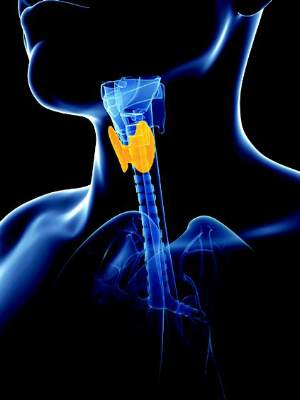
Core needle biopsy proves sensitive for first-line thyroid nodule diagnosis
LAKE BUENA VISTA, FLA. – The nondiagnostic result rate was significantly lower with core needle biopsy than with fine needle aspiration as a first-line biopsy method for newly detected thyroid nodules in a comparative study.
In 631 pairs of initially detected thyroid nodules that were matched based on propensity score analysis, the nondiagnostic result rate was 1.4% when core needle biopsy (CNB) was used, compared with 8.1% with ultrasound-guided fine-needle aspiration. The indeterminate result rate was 5.1% vs. 8.1% with the two approaches, respectively, and the differences between the groups were statistically significant, Dr. Hyun Kyung Lim of Soonchunhyang University Seoul Hospital, Korea, reported at the International Thyroid Congress.

The nondiagnostic rate with CNB was also significantly lower than with fine-needle aspiration for nodules with calcifications, posterior location, or diameter less than 1 cm, Dr. Lim said at the meeting at the meeting held by the American Thyroid Association, Asia-Oceania Thyroid Association, European Thyroid Association, and Latin American Thyroid Society.
No difference was seen between the groups with respect to diagnostic performance based on degree of clinician experience.
The complication rate was higher with CNB than with fine -needle aspiration (3.6% vs. 1.6%), but complications were minor, Dr. Lim said.
Core needle biopsy has been suggested as a complementary tool for the diagnosis of thyroid nodules when the results of fine-needle aspiration are inconclusive, and the approach has been shown to be both safe and accurate for biopsy. However, its role as a first-line approach for thyroid nodule biopsy has been controversial and few studies have evaluated it as a first-line tool, she noted.
The current findings suggest that CNB is a safe and highly sensitive first-line biopsy method for such nodules, she concluded.
Dr. Lim reported having no disclosures.
LAKE BUENA VISTA, FLA. – The nondiagnostic result rate was significantly lower with core needle biopsy than with fine needle aspiration as a first-line biopsy method for newly detected thyroid nodules in a comparative study.
In 631 pairs of initially detected thyroid nodules that were matched based on propensity score analysis, the nondiagnostic result rate was 1.4% when core needle biopsy (CNB) was used, compared with 8.1% with ultrasound-guided fine-needle aspiration. The indeterminate result rate was 5.1% vs. 8.1% with the two approaches, respectively, and the differences between the groups were statistically significant, Dr. Hyun Kyung Lim of Soonchunhyang University Seoul Hospital, Korea, reported at the International Thyroid Congress.
The nondiagnostic rate with CNB was also significantly lower than with fine-needle aspiration for nodules with calcifications, posterior location, or diameter less than 1 cm, Dr. Lim said at the meeting at the meeting held by the American Thyroid Association, Asia-Oceania Thyroid Association, European Thyroid Association, and Latin American Thyroid Society.
No difference was seen between the groups with respect to diagnostic performance based on degree of clinician experience.
The complication rate was higher with CNB than with fine -needle aspiration (3.6% vs. 1.6%), but complications were minor, Dr. Lim said.
Core needle biopsy has been suggested as a complementary tool for the diagnosis of thyroid nodules when the results of fine-needle aspiration are inconclusive, and the approach has been shown to be both safe and accurate for biopsy. However, its role as a first-line approach for thyroid nodule biopsy has been controversial and few studies have evaluated it as a first-line tool, she noted.
The current findings suggest that CNB is a safe and highly sensitive first-line biopsy method for such nodules, she concluded.
Dr. Lim reported having no disclosures.
LAKE BUENA VISTA, FLA. – The nondiagnostic result rate was significantly lower with core needle biopsy than with fine needle aspiration as a first-line biopsy method for newly detected thyroid nodules in a comparative study.
In 631 pairs of initially detected thyroid nodules that were matched based on propensity score analysis, the nondiagnostic result rate was 1.4% when core needle biopsy (CNB) was used, compared with 8.1% with ultrasound-guided fine-needle aspiration. The indeterminate result rate was 5.1% vs. 8.1% with the two approaches, respectively, and the differences between the groups were statistically significant, Dr. Hyun Kyung Lim of Soonchunhyang University Seoul Hospital, Korea, reported at the International Thyroid Congress.
The nondiagnostic rate with CNB was also significantly lower than with fine-needle aspiration for nodules with calcifications, posterior location, or diameter less than 1 cm, Dr. Lim said at the meeting at the meeting held by the American Thyroid Association, Asia-Oceania Thyroid Association, European Thyroid Association, and Latin American Thyroid Society.
No difference was seen between the groups with respect to diagnostic performance based on degree of clinician experience.
The complication rate was higher with CNB than with fine -needle aspiration (3.6% vs. 1.6%), but complications were minor, Dr. Lim said.
Core needle biopsy has been suggested as a complementary tool for the diagnosis of thyroid nodules when the results of fine-needle aspiration are inconclusive, and the approach has been shown to be both safe and accurate for biopsy. However, its role as a first-line approach for thyroid nodule biopsy has been controversial and few studies have evaluated it as a first-line tool, she noted.
The current findings suggest that CNB is a safe and highly sensitive first-line biopsy method for such nodules, she concluded.
Dr. Lim reported having no disclosures.
AT THE INTERNATIONAL THYROID CONGRESS
Key clinical point: The nondiagnostic result rate was significantly lower with core needle biopsy than with fine-needle aspiration as a first-line biopsy method for newly detected thyroid nodules in a comparative study.
Major finding: The nondiagnostic result rate was 1.4% with core needle biopsy vs. 8.1% with fine-needle aspiration.
Data source: A comparative study in 631 propensity score–matched pairs of thyroid nodules.
Disclosures: Dr. Lim reported having no disclosures.
Review group disputes FDA’s power morcellator warning
A November 2014 Food and Drug Administration warning against the use of laparoscopic power morcellators in most women undergoing minimally invasive treatment for uterine leiomyomas was based on a “misleading analysis,” according to a published commentary and a related open letter sent to the FDA.
The authors – the 46 members of the Leiomyoma Morcellation Review Group – are requesting that the FDA modify the current guidance to “empower each woman to consider the pertinent issues and have the freedom to undertake shared decision-making with her surgeon to select the procedure which is most appropriate for her.”
The FDA guidance “was prompted by concern that if a patient had an undiagnosed leiomyosarcoma the morcellator might inadvertently spread tumor cells within the peritoneal cavity. We disagree with the methodology the FDA used to determine the prevalence of leiomyosarcoma among women presumed to have benign leiomyomas and the subsequent restrictions placed on the use of the morcellator, which currently deny many women the benefits of minimally invasive surgery,” Dr. William H. Parker of the University of California, Los Angeles, and his colleagues wrote on behalf of the Review Group (Obstet Gynecol. 2016;127:18-22. doi: 10.1097/AOG.0000000000001157).

Based on a literature review, the FDA estimated that 1 of every 458 women having surgery for presumed leiomyomas would be found to have an occult leiomyosarcoma.
“We challenge the calculation,” the authors wrote, explaining that the FDA searched medical databases using the terms “uterine cancer” and “hysterectomy or myomectomy,” and that because the term “uterine cancer” was required, studies in which cancer was not found or discussed were not identified. The Review Group also noted that all but one of nine studies reviewed by the FDA were retrospective, one was a non–peer-reviewed letter to the editor, and one was an abstract from an unpublished study. In addition, three leiomyosarcoma cases identified by the FDA do not meet current pathologic criteria for cancer and would now be classified as benign atypical leiomyomas.
When the non–peer-reviewed data are excluded, the prevalence of leiomyosarcoma among 12,402 women having surgery for presumed leiomyomas is 1 in 1,550 (0.064%); other recently published data found prevalence rates of 0 to 0.051%, according to the review group’s analysis.
Further, a severe restriction of morcellation based on the FDA communication warning against the use of laparoscopic morcellators in most women undergoing myomectomy or hysterectomy for treatment of fibroids would limit women with symptomatic leiomyomas to one option: total abdominal hysterectomy, the group wrote.
A number of procedures, such as vaginal hysterectomy, mini-laparotomy, and laparoscopic myomectomy, to name just a few, would be eliminated for women with leiomyomas larger than a 10-week pregnancy size.

The concerns expressed in the commentary and the open letter have been brewing since before the FDA warning was issued, and it was felt that the voices of those opposed to the restrictions were not fully heard, Dr. Daniel Clarke-Pearson, one of the authors of the commentary, explained in an interview.
Leiomyosarcoma is bad no matter how it is treated; even when removed intact, survival is poor, he said, explaining that a decision analysis using hypothetical assumptions suggested that outcomes are worse when the complications of abdominal surgery for leiomyomas are considered.
“We’re asking for a balanced presentation and that the pros and cons and risks and benefits be considered by the FDA and explained to the public,” said Dr. Clarke-Pearson, professor and chair of clinical research for the Gynecologic Oncology Program at the University of North Carolina, Chapel Hill.
The review group does not contend that the prognosis is not worse in cases when a leiomyosarcoma is morcellated, he said, noting that the findings of decreased early survival in a study published in the same issue of Obstetrics and Gynecology are not surprising. That population-based cohort study of all uterine sarcomas from 2006 to 2013 in an integrated health care system showed a decrease in survival at 1 year among women who underwent morcellation compared with those who did not (adjusted risk ratio, 5.12), according to Dr. Tina Raine-Bennett of Kaiser Permanente Northern California, Oakland, and her colleagues (Obstet Gynecol. 2016;127:29-39. doi: 10.1097/AOG.0000000000001187).
Rather, the overall risks and benefits should be considered to allow for informed consent among women in the context of good clinical judgment on the part of the surgeon, based, for example, on the patient’s age and risk of leiomyosarcoma, Dr. Clarke-Pearson said.
Also, research should continue in an effort to improve the identification of sarcomas prior to surgery, and to better assess techniques, such as the use of containment bags during morcellation, to determine if they can reduce risk and improve outcomes, he said.
The review group asks that a number of clinical recommendations be considered. For example, the group suggests that caution be exercised prior to recommending morcellation procedures for postmenopausal women because of a higher risk of leiomyosarcoma in that population, and that careful inspection for tissue fragments be undertaken following morcellation, with “copious irrigation of the pelvic and abdominal cavities to minimize the risk of retained tissue.
“Respecting women who have leiomyosarcoma, we conclude that the FDA directive was based on a misleading analysis. Consequently, more accurate estimates regarding the prevalence of leiomyosarcoma among women having surgery for leiomyomas should be issued. Women have a right to self-determination,” they wrote in the commentary.

Dr. Charles E. Miller, a clinical associate professor at the University of Illinois, Chicago, and a past president of the AAGL, applauded the work by Dr. Parker and his colleagues in putting together the analysis, but noted that there have been some positive effects of the FDA warning, namely that it challenged physicians and industry to “think outside the box” in creating methods to reduce potential leiomyosarcoma spread.
“I strongly believe that risk can be further decreased at time of morcellation – electronic versus cold knife, via laparoscopy, minilaparotomy, or vaginal if the morcellation is performed in a contained system (i.e. bag),” Dr. Miller said in an interview.
The FDA will likely approve a containment system designed by Dr. Tony Shibley in cooperation with Olympus, according to Dr. Miller. Also, Dr. Miller recently received approval from the FDA to perform an Investigational Device Exemption study on a multiport containment system that his minimally invasive gynecologic surgery team developed in conjunction with Espiner Medical, Ltd.
“It is my opinion, along with many others, that not only can the risk of inadvertent spread of leiomyosarcoma be minimized with contained morcellation, but risk of leiomyomatosis and bowel injury be significantly reduced as well,” he said.
Dr. Hal C. Lawrence, executive vice president and chief executive officer of the American College of Obstetricians and Gynecologists, also weighed in on the morcellation controversy.
“The conclusions of the paper’s authors largely reflect positions that ACOG has reiterated during the ongoing discussion about potential safety concerns with morcellation as well as its value in facilitating minimally invasive gynecologic surgery,” he said in a statement. “Without question, morcellation of an undiagnosed sarcoma can disseminate malignant tissue. However, by allowing some women to avoid the higher morbidity and mortality associated with open abdominal surgery, morcellation can also save lives.”
As a result of the continuing conversation about morcellation, ob.gyns. are “better able to evaluate each individual woman’s risk of an undiagnosed sarcoma, and to counsel her to receive the right approach for her own unique medical needs,” he added.
In a statement, an FDA spokesperson said that the agency’s recommendations have not changed. “We continue to believe that inclusion of a boxed warning and contraindications to the use of power morcellation for uterine fibroid removal in the majority of women is both appropriate and necessary. We welcome the continued scientific dialogue concerning the available evidence about benefits and risks associated with power morcellation and will notify the public if our recommendations change.”
The authors of the commentary and open letter to the FDA, and Dr. Raine-Bennett and her colleagues, all reported having no conflicts of interest.
*This story was updated 12/9/2015
A November 2014 Food and Drug Administration warning against the use of laparoscopic power morcellators in most women undergoing minimally invasive treatment for uterine leiomyomas was based on a “misleading analysis,” according to a published commentary and a related open letter sent to the FDA.
The authors – the 46 members of the Leiomyoma Morcellation Review Group – are requesting that the FDA modify the current guidance to “empower each woman to consider the pertinent issues and have the freedom to undertake shared decision-making with her surgeon to select the procedure which is most appropriate for her.”
The FDA guidance “was prompted by concern that if a patient had an undiagnosed leiomyosarcoma the morcellator might inadvertently spread tumor cells within the peritoneal cavity. We disagree with the methodology the FDA used to determine the prevalence of leiomyosarcoma among women presumed to have benign leiomyomas and the subsequent restrictions placed on the use of the morcellator, which currently deny many women the benefits of minimally invasive surgery,” Dr. William H. Parker of the University of California, Los Angeles, and his colleagues wrote on behalf of the Review Group (Obstet Gynecol. 2016;127:18-22. doi: 10.1097/AOG.0000000000001157).
Based on a literature review, the FDA estimated that 1 of every 458 women having surgery for presumed leiomyomas would be found to have an occult leiomyosarcoma.
“We challenge the calculation,” the authors wrote, explaining that the FDA searched medical databases using the terms “uterine cancer” and “hysterectomy or myomectomy,” and that because the term “uterine cancer” was required, studies in which cancer was not found or discussed were not identified. The Review Group also noted that all but one of nine studies reviewed by the FDA were retrospective, one was a non–peer-reviewed letter to the editor, and one was an abstract from an unpublished study. In addition, three leiomyosarcoma cases identified by the FDA do not meet current pathologic criteria for cancer and would now be classified as benign atypical leiomyomas.
When the non–peer-reviewed data are excluded, the prevalence of leiomyosarcoma among 12,402 women having surgery for presumed leiomyomas is 1 in 1,550 (0.064%); other recently published data found prevalence rates of 0 to 0.051%, according to the review group’s analysis.
Further, a severe restriction of morcellation based on the FDA communication warning against the use of laparoscopic morcellators in most women undergoing myomectomy or hysterectomy for treatment of fibroids would limit women with symptomatic leiomyomas to one option: total abdominal hysterectomy, the group wrote.
A number of procedures, such as vaginal hysterectomy, mini-laparotomy, and laparoscopic myomectomy, to name just a few, would be eliminated for women with leiomyomas larger than a 10-week pregnancy size.
The concerns expressed in the commentary and the open letter have been brewing since before the FDA warning was issued, and it was felt that the voices of those opposed to the restrictions were not fully heard, Dr. Daniel Clarke-Pearson, one of the authors of the commentary, explained in an interview.
Leiomyosarcoma is bad no matter how it is treated; even when removed intact, survival is poor, he said, explaining that a decision analysis using hypothetical assumptions suggested that outcomes are worse when the complications of abdominal surgery for leiomyomas are considered.
“We’re asking for a balanced presentation and that the pros and cons and risks and benefits be considered by the FDA and explained to the public,” said Dr. Clarke-Pearson, professor and chair of clinical research for the Gynecologic Oncology Program at the University of North Carolina, Chapel Hill.
The review group does not contend that the prognosis is not worse in cases when a leiomyosarcoma is morcellated, he said, noting that the findings of decreased early survival in a study published in the same issue of Obstetrics and Gynecology are not surprising. That population-based cohort study of all uterine sarcomas from 2006 to 2013 in an integrated health care system showed a decrease in survival at 1 year among women who underwent morcellation compared with those who did not (adjusted risk ratio, 5.12), according to Dr. Tina Raine-Bennett of Kaiser Permanente Northern California, Oakland, and her colleagues (Obstet Gynecol. 2016;127:29-39. doi: 10.1097/AOG.0000000000001187).
Rather, the overall risks and benefits should be considered to allow for informed consent among women in the context of good clinical judgment on the part of the surgeon, based, for example, on the patient’s age and risk of leiomyosarcoma, Dr. Clarke-Pearson said.
Also, research should continue in an effort to improve the identification of sarcomas prior to surgery, and to better assess techniques, such as the use of containment bags during morcellation, to determine if they can reduce risk and improve outcomes, he said.
The review group asks that a number of clinical recommendations be considered. For example, the group suggests that caution be exercised prior to recommending morcellation procedures for postmenopausal women because of a higher risk of leiomyosarcoma in that population, and that careful inspection for tissue fragments be undertaken following morcellation, with “copious irrigation of the pelvic and abdominal cavities to minimize the risk of retained tissue.
“Respecting women who have leiomyosarcoma, we conclude that the FDA directive was based on a misleading analysis. Consequently, more accurate estimates regarding the prevalence of leiomyosarcoma among women having surgery for leiomyomas should be issued. Women have a right to self-determination,” they wrote in the commentary.
Dr. Charles E. Miller, a clinical associate professor at the University of Illinois, Chicago, and a past president of the AAGL, applauded the work by Dr. Parker and his colleagues in putting together the analysis, but noted that there have been some positive effects of the FDA warning, namely that it challenged physicians and industry to “think outside the box” in creating methods to reduce potential leiomyosarcoma spread.
“I strongly believe that risk can be further decreased at time of morcellation – electronic versus cold knife, via laparoscopy, minilaparotomy, or vaginal if the morcellation is performed in a contained system (i.e. bag),” Dr. Miller said in an interview.
The FDA will likely approve a containment system designed by Dr. Tony Shibley in cooperation with Olympus, according to Dr. Miller. Also, Dr. Miller recently received approval from the FDA to perform an Investigational Device Exemption study on a multiport containment system that his minimally invasive gynecologic surgery team developed in conjunction with Espiner Medical, Ltd.
“It is my opinion, along with many others, that not only can the risk of inadvertent spread of leiomyosarcoma be minimized with contained morcellation, but risk of leiomyomatosis and bowel injury be significantly reduced as well,” he said.
Dr. Hal C. Lawrence, executive vice president and chief executive officer of the American College of Obstetricians and Gynecologists, also weighed in on the morcellation controversy.
“The conclusions of the paper’s authors largely reflect positions that ACOG has reiterated during the ongoing discussion about potential safety concerns with morcellation as well as its value in facilitating minimally invasive gynecologic surgery,” he said in a statement. “Without question, morcellation of an undiagnosed sarcoma can disseminate malignant tissue. However, by allowing some women to avoid the higher morbidity and mortality associated with open abdominal surgery, morcellation can also save lives.”
As a result of the continuing conversation about morcellation, ob.gyns. are “better able to evaluate each individual woman’s risk of an undiagnosed sarcoma, and to counsel her to receive the right approach for her own unique medical needs,” he added.
In a statement, an FDA spokesperson said that the agency’s recommendations have not changed. “We continue to believe that inclusion of a boxed warning and contraindications to the use of power morcellation for uterine fibroid removal in the majority of women is both appropriate and necessary. We welcome the continued scientific dialogue concerning the available evidence about benefits and risks associated with power morcellation and will notify the public if our recommendations change.”
The authors of the commentary and open letter to the FDA, and Dr. Raine-Bennett and her colleagues, all reported having no conflicts of interest.
*This story was updated 12/9/2015
A November 2014 Food and Drug Administration warning against the use of laparoscopic power morcellators in most women undergoing minimally invasive treatment for uterine leiomyomas was based on a “misleading analysis,” according to a published commentary and a related open letter sent to the FDA.
The authors – the 46 members of the Leiomyoma Morcellation Review Group – are requesting that the FDA modify the current guidance to “empower each woman to consider the pertinent issues and have the freedom to undertake shared decision-making with her surgeon to select the procedure which is most appropriate for her.”
The FDA guidance “was prompted by concern that if a patient had an undiagnosed leiomyosarcoma the morcellator might inadvertently spread tumor cells within the peritoneal cavity. We disagree with the methodology the FDA used to determine the prevalence of leiomyosarcoma among women presumed to have benign leiomyomas and the subsequent restrictions placed on the use of the morcellator, which currently deny many women the benefits of minimally invasive surgery,” Dr. William H. Parker of the University of California, Los Angeles, and his colleagues wrote on behalf of the Review Group (Obstet Gynecol. 2016;127:18-22. doi: 10.1097/AOG.0000000000001157).
Based on a literature review, the FDA estimated that 1 of every 458 women having surgery for presumed leiomyomas would be found to have an occult leiomyosarcoma.
“We challenge the calculation,” the authors wrote, explaining that the FDA searched medical databases using the terms “uterine cancer” and “hysterectomy or myomectomy,” and that because the term “uterine cancer” was required, studies in which cancer was not found or discussed were not identified. The Review Group also noted that all but one of nine studies reviewed by the FDA were retrospective, one was a non–peer-reviewed letter to the editor, and one was an abstract from an unpublished study. In addition, three leiomyosarcoma cases identified by the FDA do not meet current pathologic criteria for cancer and would now be classified as benign atypical leiomyomas.
When the non–peer-reviewed data are excluded, the prevalence of leiomyosarcoma among 12,402 women having surgery for presumed leiomyomas is 1 in 1,550 (0.064%); other recently published data found prevalence rates of 0 to 0.051%, according to the review group’s analysis.
Further, a severe restriction of morcellation based on the FDA communication warning against the use of laparoscopic morcellators in most women undergoing myomectomy or hysterectomy for treatment of fibroids would limit women with symptomatic leiomyomas to one option: total abdominal hysterectomy, the group wrote.
A number of procedures, such as vaginal hysterectomy, mini-laparotomy, and laparoscopic myomectomy, to name just a few, would be eliminated for women with leiomyomas larger than a 10-week pregnancy size.
The concerns expressed in the commentary and the open letter have been brewing since before the FDA warning was issued, and it was felt that the voices of those opposed to the restrictions were not fully heard, Dr. Daniel Clarke-Pearson, one of the authors of the commentary, explained in an interview.
Leiomyosarcoma is bad no matter how it is treated; even when removed intact, survival is poor, he said, explaining that a decision analysis using hypothetical assumptions suggested that outcomes are worse when the complications of abdominal surgery for leiomyomas are considered.
“We’re asking for a balanced presentation and that the pros and cons and risks and benefits be considered by the FDA and explained to the public,” said Dr. Clarke-Pearson, professor and chair of clinical research for the Gynecologic Oncology Program at the University of North Carolina, Chapel Hill.
The review group does not contend that the prognosis is not worse in cases when a leiomyosarcoma is morcellated, he said, noting that the findings of decreased early survival in a study published in the same issue of Obstetrics and Gynecology are not surprising. That population-based cohort study of all uterine sarcomas from 2006 to 2013 in an integrated health care system showed a decrease in survival at 1 year among women who underwent morcellation compared with those who did not (adjusted risk ratio, 5.12), according to Dr. Tina Raine-Bennett of Kaiser Permanente Northern California, Oakland, and her colleagues (Obstet Gynecol. 2016;127:29-39. doi: 10.1097/AOG.0000000000001187).
Rather, the overall risks and benefits should be considered to allow for informed consent among women in the context of good clinical judgment on the part of the surgeon, based, for example, on the patient’s age and risk of leiomyosarcoma, Dr. Clarke-Pearson said.
Also, research should continue in an effort to improve the identification of sarcomas prior to surgery, and to better assess techniques, such as the use of containment bags during morcellation, to determine if they can reduce risk and improve outcomes, he said.
The review group asks that a number of clinical recommendations be considered. For example, the group suggests that caution be exercised prior to recommending morcellation procedures for postmenopausal women because of a higher risk of leiomyosarcoma in that population, and that careful inspection for tissue fragments be undertaken following morcellation, with “copious irrigation of the pelvic and abdominal cavities to minimize the risk of retained tissue.
“Respecting women who have leiomyosarcoma, we conclude that the FDA directive was based on a misleading analysis. Consequently, more accurate estimates regarding the prevalence of leiomyosarcoma among women having surgery for leiomyomas should be issued. Women have a right to self-determination,” they wrote in the commentary.
Dr. Charles E. Miller, a clinical associate professor at the University of Illinois, Chicago, and a past president of the AAGL, applauded the work by Dr. Parker and his colleagues in putting together the analysis, but noted that there have been some positive effects of the FDA warning, namely that it challenged physicians and industry to “think outside the box” in creating methods to reduce potential leiomyosarcoma spread.
“I strongly believe that risk can be further decreased at time of morcellation – electronic versus cold knife, via laparoscopy, minilaparotomy, or vaginal if the morcellation is performed in a contained system (i.e. bag),” Dr. Miller said in an interview.
The FDA will likely approve a containment system designed by Dr. Tony Shibley in cooperation with Olympus, according to Dr. Miller. Also, Dr. Miller recently received approval from the FDA to perform an Investigational Device Exemption study on a multiport containment system that his minimally invasive gynecologic surgery team developed in conjunction with Espiner Medical, Ltd.
“It is my opinion, along with many others, that not only can the risk of inadvertent spread of leiomyosarcoma be minimized with contained morcellation, but risk of leiomyomatosis and bowel injury be significantly reduced as well,” he said.
Dr. Hal C. Lawrence, executive vice president and chief executive officer of the American College of Obstetricians and Gynecologists, also weighed in on the morcellation controversy.
“The conclusions of the paper’s authors largely reflect positions that ACOG has reiterated during the ongoing discussion about potential safety concerns with morcellation as well as its value in facilitating minimally invasive gynecologic surgery,” he said in a statement. “Without question, morcellation of an undiagnosed sarcoma can disseminate malignant tissue. However, by allowing some women to avoid the higher morbidity and mortality associated with open abdominal surgery, morcellation can also save lives.”
As a result of the continuing conversation about morcellation, ob.gyns. are “better able to evaluate each individual woman’s risk of an undiagnosed sarcoma, and to counsel her to receive the right approach for her own unique medical needs,” he added.
In a statement, an FDA spokesperson said that the agency’s recommendations have not changed. “We continue to believe that inclusion of a boxed warning and contraindications to the use of power morcellation for uterine fibroid removal in the majority of women is both appropriate and necessary. We welcome the continued scientific dialogue concerning the available evidence about benefits and risks associated with power morcellation and will notify the public if our recommendations change.”
The authors of the commentary and open letter to the FDA, and Dr. Raine-Bennett and her colleagues, all reported having no conflicts of interest.
*This story was updated 12/9/2015
FROM OBSTETRICS AND GYNECOLOGY

Experts call for international cooperation on human gene editing
Human gene editing is no longer the stuff of science fiction, and the powerful new technologies that make it possible raise important scientific, ethical, and societal questions.
The organizing committee for a 3-day International Summit On Gene Editing that convened experts from around the world to discuss the issues associated with human gene-editing research, has called upon the international community to work together to establish norms for acceptable uses of human gene editing.

In a statement issued Dec. 3 at the close of the summit, the committee asked the summit cohosts – the U.S. National Academy of Sciences and U.S. National Academy of Medicine, the Royal Society (United Kingdom), and the Chinese Academy of Sciences – to take the lead in creating an ongoing international forum on gene editing and to work on formulating recommendations and guidelines.
“While each nation ultimately has the authority to regulate activities under its jurisdiction, the human genome is shared among all nations,” the committee wrote. “The international community should strive to establish norms concerning acceptable uses of human germline editing and to harmonize regulations, in order to discourage unacceptable activities while advancing human health and welfare.”
The committee also concluded that:
• Intensive basic and preclinical research is needed, with a specific research focus on technologies for editing genetic sequences in human cells, potential benefits and risks of proposed clinical uses for gene editing, and understanding of the biology of human embryos and germline cells. Any early human embryo or germline cells that undergo gene editing should not be used to establish a pregnancy, the committee wrote.
• Improved understanding of the risks of somatic cell editing – such as inaccurate editing – is needed, as is understanding of the potential benefits of each proposed genetic modification. Such uses of gene editing, which are intended to affect only the individual who receives them, can be “appropriately and rigorously evaluated within existing and evolving regulatory frameworks for gene therapy,” they noted.
• Germline editing poses particularly important issues, such as the challenges with predicting harmful effects of genetic changes, including interactions with other genetic variants and with the environment. Moral and ethical considerations, such as the possibility of permanent genetic enhancements that could exacerbate social inequalities or be used coercively, must also be considered. The committee said that “it would be irresponsible to proceed with any clinical use of germline editing” unless and until the safety and efficacy issues have been resolved, and there is broad consensus about the appropriateness of a proposed application.
“At present these criteria have not been met for any proposed clinical use,” the committee wrote, adding that safety issues have not been adequately explored, and the cases of most compelling benefit are limited.
As the science advances and social views evolve, the clinical use of germline editing should be regularly revisited, they wrote.
The presidents of each of the organizations that hosted the summit welcomed the call for ongoing global discussion on issues related to human gene editing.
In a written response they said that they “stand ready to establish a continuing forum for assessment of the many scientific, medical, and ethical questions surrounding the pursuit of human gene-editing applications,” and will coordinate with other academies around the world and other international scientific and medical institutions in that endeavor.
“This is an important moment in human history and we have a responsibility to provide all sections of society with an informed basis for making decisions about this technology, especially for uses that would affect generations to come,” they wrote.
Human gene editing is no longer the stuff of science fiction, and the powerful new technologies that make it possible raise important scientific, ethical, and societal questions.
The organizing committee for a 3-day International Summit On Gene Editing that convened experts from around the world to discuss the issues associated with human gene-editing research, has called upon the international community to work together to establish norms for acceptable uses of human gene editing.
In a statement issued Dec. 3 at the close of the summit, the committee asked the summit cohosts – the U.S. National Academy of Sciences and U.S. National Academy of Medicine, the Royal Society (United Kingdom), and the Chinese Academy of Sciences – to take the lead in creating an ongoing international forum on gene editing and to work on formulating recommendations and guidelines.
“While each nation ultimately has the authority to regulate activities under its jurisdiction, the human genome is shared among all nations,” the committee wrote. “The international community should strive to establish norms concerning acceptable uses of human germline editing and to harmonize regulations, in order to discourage unacceptable activities while advancing human health and welfare.”
The committee also concluded that:
• Intensive basic and preclinical research is needed, with a specific research focus on technologies for editing genetic sequences in human cells, potential benefits and risks of proposed clinical uses for gene editing, and understanding of the biology of human embryos and germline cells. Any early human embryo or germline cells that undergo gene editing should not be used to establish a pregnancy, the committee wrote.
• Improved understanding of the risks of somatic cell editing – such as inaccurate editing – is needed, as is understanding of the potential benefits of each proposed genetic modification. Such uses of gene editing, which are intended to affect only the individual who receives them, can be “appropriately and rigorously evaluated within existing and evolving regulatory frameworks for gene therapy,” they noted.
• Germline editing poses particularly important issues, such as the challenges with predicting harmful effects of genetic changes, including interactions with other genetic variants and with the environment. Moral and ethical considerations, such as the possibility of permanent genetic enhancements that could exacerbate social inequalities or be used coercively, must also be considered. The committee said that “it would be irresponsible to proceed with any clinical use of germline editing” unless and until the safety and efficacy issues have been resolved, and there is broad consensus about the appropriateness of a proposed application.
“At present these criteria have not been met for any proposed clinical use,” the committee wrote, adding that safety issues have not been adequately explored, and the cases of most compelling benefit are limited.
As the science advances and social views evolve, the clinical use of germline editing should be regularly revisited, they wrote.
The presidents of each of the organizations that hosted the summit welcomed the call for ongoing global discussion on issues related to human gene editing.
In a written response they said that they “stand ready to establish a continuing forum for assessment of the many scientific, medical, and ethical questions surrounding the pursuit of human gene-editing applications,” and will coordinate with other academies around the world and other international scientific and medical institutions in that endeavor.
“This is an important moment in human history and we have a responsibility to provide all sections of society with an informed basis for making decisions about this technology, especially for uses that would affect generations to come,” they wrote.
Human gene editing is no longer the stuff of science fiction, and the powerful new technologies that make it possible raise important scientific, ethical, and societal questions.
The organizing committee for a 3-day International Summit On Gene Editing that convened experts from around the world to discuss the issues associated with human gene-editing research, has called upon the international community to work together to establish norms for acceptable uses of human gene editing.
In a statement issued Dec. 3 at the close of the summit, the committee asked the summit cohosts – the U.S. National Academy of Sciences and U.S. National Academy of Medicine, the Royal Society (United Kingdom), and the Chinese Academy of Sciences – to take the lead in creating an ongoing international forum on gene editing and to work on formulating recommendations and guidelines.
“While each nation ultimately has the authority to regulate activities under its jurisdiction, the human genome is shared among all nations,” the committee wrote. “The international community should strive to establish norms concerning acceptable uses of human germline editing and to harmonize regulations, in order to discourage unacceptable activities while advancing human health and welfare.”
The committee also concluded that:
• Intensive basic and preclinical research is needed, with a specific research focus on technologies for editing genetic sequences in human cells, potential benefits and risks of proposed clinical uses for gene editing, and understanding of the biology of human embryos and germline cells. Any early human embryo or germline cells that undergo gene editing should not be used to establish a pregnancy, the committee wrote.
• Improved understanding of the risks of somatic cell editing – such as inaccurate editing – is needed, as is understanding of the potential benefits of each proposed genetic modification. Such uses of gene editing, which are intended to affect only the individual who receives them, can be “appropriately and rigorously evaluated within existing and evolving regulatory frameworks for gene therapy,” they noted.
• Germline editing poses particularly important issues, such as the challenges with predicting harmful effects of genetic changes, including interactions with other genetic variants and with the environment. Moral and ethical considerations, such as the possibility of permanent genetic enhancements that could exacerbate social inequalities or be used coercively, must also be considered. The committee said that “it would be irresponsible to proceed with any clinical use of germline editing” unless and until the safety and efficacy issues have been resolved, and there is broad consensus about the appropriateness of a proposed application.
“At present these criteria have not been met for any proposed clinical use,” the committee wrote, adding that safety issues have not been adequately explored, and the cases of most compelling benefit are limited.
As the science advances and social views evolve, the clinical use of germline editing should be regularly revisited, they wrote.
The presidents of each of the organizations that hosted the summit welcomed the call for ongoing global discussion on issues related to human gene editing.
In a written response they said that they “stand ready to establish a continuing forum for assessment of the many scientific, medical, and ethical questions surrounding the pursuit of human gene-editing applications,” and will coordinate with other academies around the world and other international scientific and medical institutions in that endeavor.
“This is an important moment in human history and we have a responsibility to provide all sections of society with an informed basis for making decisions about this technology, especially for uses that would affect generations to come,” they wrote.
FROM THE INTERNATIONAL SUMMIT ON HUMAN GENE EDITING

Roux-en-Y improves NASH in obese patients
SAN FRANCISCO – Bariatric surgery is an effective treatment for nonalcoholic steatohepatitis (NASH) in obese patients, a Markov model suggests.
Patients with all classes of obesity, including, mild, moderate, and severe, with all stages of fibrosis, experienced gains in life years following laparoscopic Roux-en-Y gastric bypass, compared with standard management and intensive lifestyle changes, based on the model, Dr. Kathleen Corey reported at the annual meeting of the American Association for the Study of Liver Diseases.

Surgery also increased quality-adjusted life years (QALY) in those with moderate and severe obesity with all fibrosis stages, those with mild obesity and F2-F3 fibrosis, and in overweight patients with F3 fibrosis, said Dr Corey of Massachusetts General Hospital, Boston.
The number of F3 patients needed to treat to prevent one liver-related death was favorable across all body mass indexes for those with stage F3 fibrosis. The number needed to treat to prevent one case of cirrhosis in these patients was six to seven, and to prevent one liver-related death was eight to 11, she said.
A cost-effectiveness analysis, with a willingness-to-pay threshold of less than $100,000, also showed that surgery was cost effective for all fibrosis stages for those with severe and moderate obesity.
“The [incremental cost-effectiveness ratio] for BMI of 35-39.9 [kg/m2] was $34,000, for those with a BMI of 40 or greater it was $26,000, and we found that with overweight patients with F3 fibrosis, the ratio was also favorable at $59,000,” she said.
More than 78 million American adults suffer from obesity, and the prevalence of obesity is rising nationwide, she said, adding that obesity results in annual medical costs exceeding $147 billion. Treatment options for obesity are limited, and weight regain after weight loss is frequent, Dr. Corey noted.
“However, bariatric surgery has been shown to be a very effective treatment for obesity. Surgery has been shown to significantly reduce mortality in patients, and reduces progression of many comorbidities, including diabetes,” she said.
Guidelines suggest that bariatric surgery is appropriate for patients with a body mass index of 40 or greater and for those with a BMI of 35 or greater if obesity-related comorbidities such as diabetes or obstructive sleep apnea are present, and data suggest that surgery is also of benefit in those with BMI below 35 with diabetes.
The question remains, though, whether nonalcoholic fatty liver disease (NAFLD) – the most common cause of liver disease in the United States – is an indication in itself for bariatric surgery.
NAFLD is strongly associated with obesity, and its progressive form – NASH – can lead to cirrhosis, hepatocellular carcinoma, and the need for liver transplantation.
“However, there are no FDA-approved therapies for NASH and no randomized controlled trials have been conducted to evaluate the role of bariatric surgery in NASH ... and appropriate BMI cutoffs in those with NASH have not been established,” Dr. Corey said.
Several nonrandomized prospective trials have, however, evaluated bariatric surgery in NASH patients with BMIs of 35 or greater with comorbidities, and in patients with BMIs of 40 or greater, and these have shown that NASH resolution can occur in up to 85% of patients at 1-5 years with fibrosis reduction seen in nearly a third, she said, adding that the risk-benefit ratio for surgery is unknown, as is the value of surgery in NASH patients with BMIs less than 35.
The current study looked at three treatment strategies, including standard management with lifestyle counseling; intensive lifestyle intervention based on a diabetes prevention program with lifestyle, nutrition, and exercise counseling; and bariatric Roux-en-Y gastric bypass in a hypothetical simulated cohort of 45-year-olds with NASH, F0-F3 fibrosis, and varying BMI values.
The findings, though limited by a lack of data on the impact of surgery on patients with a BMI of less than 35, and by evaluation of only one type of surgery, showed that bariatric surgery increased incremental life years at all weight and fibrosis stages vs. standard management and intensive lifestyle intervention, and that surgery increased QALY in those with moderate and severe obesity with all fibrosis stages, those with mild obesity and F2-F3 fibrosis, and in overweight patients with F3 fibrosis.
“We found that surgery was cost effective for F3 fibrosis in those with moderate and severe obesity and those with overweight. Randomized trials, though, are needed to assess the management of weight loss surgery for NASH before this can be recommended, certainly in patients with a BMI of less than 35,” she concluded.
Dr. Corey reported serving on an advisory committee or review panel for Gilead, and serving in a speaking or teaching role for Synageva.
SAN FRANCISCO – Bariatric surgery is an effective treatment for nonalcoholic steatohepatitis (NASH) in obese patients, a Markov model suggests.
Patients with all classes of obesity, including, mild, moderate, and severe, with all stages of fibrosis, experienced gains in life years following laparoscopic Roux-en-Y gastric bypass, compared with standard management and intensive lifestyle changes, based on the model, Dr. Kathleen Corey reported at the annual meeting of the American Association for the Study of Liver Diseases.
Surgery also increased quality-adjusted life years (QALY) in those with moderate and severe obesity with all fibrosis stages, those with mild obesity and F2-F3 fibrosis, and in overweight patients with F3 fibrosis, said Dr Corey of Massachusetts General Hospital, Boston.
The number of F3 patients needed to treat to prevent one liver-related death was favorable across all body mass indexes for those with stage F3 fibrosis. The number needed to treat to prevent one case of cirrhosis in these patients was six to seven, and to prevent one liver-related death was eight to 11, she said.
A cost-effectiveness analysis, with a willingness-to-pay threshold of less than $100,000, also showed that surgery was cost effective for all fibrosis stages for those with severe and moderate obesity.
“The [incremental cost-effectiveness ratio] for BMI of 35-39.9 [kg/m2] was $34,000, for those with a BMI of 40 or greater it was $26,000, and we found that with overweight patients with F3 fibrosis, the ratio was also favorable at $59,000,” she said.
More than 78 million American adults suffer from obesity, and the prevalence of obesity is rising nationwide, she said, adding that obesity results in annual medical costs exceeding $147 billion. Treatment options for obesity are limited, and weight regain after weight loss is frequent, Dr. Corey noted.
“However, bariatric surgery has been shown to be a very effective treatment for obesity. Surgery has been shown to significantly reduce mortality in patients, and reduces progression of many comorbidities, including diabetes,” she said.
Guidelines suggest that bariatric surgery is appropriate for patients with a body mass index of 40 or greater and for those with a BMI of 35 or greater if obesity-related comorbidities such as diabetes or obstructive sleep apnea are present, and data suggest that surgery is also of benefit in those with BMI below 35 with diabetes.
The question remains, though, whether nonalcoholic fatty liver disease (NAFLD) – the most common cause of liver disease in the United States – is an indication in itself for bariatric surgery.
NAFLD is strongly associated with obesity, and its progressive form – NASH – can lead to cirrhosis, hepatocellular carcinoma, and the need for liver transplantation.
“However, there are no FDA-approved therapies for NASH and no randomized controlled trials have been conducted to evaluate the role of bariatric surgery in NASH ... and appropriate BMI cutoffs in those with NASH have not been established,” Dr. Corey said.
Several nonrandomized prospective trials have, however, evaluated bariatric surgery in NASH patients with BMIs of 35 or greater with comorbidities, and in patients with BMIs of 40 or greater, and these have shown that NASH resolution can occur in up to 85% of patients at 1-5 years with fibrosis reduction seen in nearly a third, she said, adding that the risk-benefit ratio for surgery is unknown, as is the value of surgery in NASH patients with BMIs less than 35.
The current study looked at three treatment strategies, including standard management with lifestyle counseling; intensive lifestyle intervention based on a diabetes prevention program with lifestyle, nutrition, and exercise counseling; and bariatric Roux-en-Y gastric bypass in a hypothetical simulated cohort of 45-year-olds with NASH, F0-F3 fibrosis, and varying BMI values.
The findings, though limited by a lack of data on the impact of surgery on patients with a BMI of less than 35, and by evaluation of only one type of surgery, showed that bariatric surgery increased incremental life years at all weight and fibrosis stages vs. standard management and intensive lifestyle intervention, and that surgery increased QALY in those with moderate and severe obesity with all fibrosis stages, those with mild obesity and F2-F3 fibrosis, and in overweight patients with F3 fibrosis.
“We found that surgery was cost effective for F3 fibrosis in those with moderate and severe obesity and those with overweight. Randomized trials, though, are needed to assess the management of weight loss surgery for NASH before this can be recommended, certainly in patients with a BMI of less than 35,” she concluded.
Dr. Corey reported serving on an advisory committee or review panel for Gilead, and serving in a speaking or teaching role for Synageva.
SAN FRANCISCO – Bariatric surgery is an effective treatment for nonalcoholic steatohepatitis (NASH) in obese patients, a Markov model suggests.
Patients with all classes of obesity, including, mild, moderate, and severe, with all stages of fibrosis, experienced gains in life years following laparoscopic Roux-en-Y gastric bypass, compared with standard management and intensive lifestyle changes, based on the model, Dr. Kathleen Corey reported at the annual meeting of the American Association for the Study of Liver Diseases.
Surgery also increased quality-adjusted life years (QALY) in those with moderate and severe obesity with all fibrosis stages, those with mild obesity and F2-F3 fibrosis, and in overweight patients with F3 fibrosis, said Dr Corey of Massachusetts General Hospital, Boston.
The number of F3 patients needed to treat to prevent one liver-related death was favorable across all body mass indexes for those with stage F3 fibrosis. The number needed to treat to prevent one case of cirrhosis in these patients was six to seven, and to prevent one liver-related death was eight to 11, she said.
A cost-effectiveness analysis, with a willingness-to-pay threshold of less than $100,000, also showed that surgery was cost effective for all fibrosis stages for those with severe and moderate obesity.
“The [incremental cost-effectiveness ratio] for BMI of 35-39.9 [kg/m2] was $34,000, for those with a BMI of 40 or greater it was $26,000, and we found that with overweight patients with F3 fibrosis, the ratio was also favorable at $59,000,” she said.
More than 78 million American adults suffer from obesity, and the prevalence of obesity is rising nationwide, she said, adding that obesity results in annual medical costs exceeding $147 billion. Treatment options for obesity are limited, and weight regain after weight loss is frequent, Dr. Corey noted.
“However, bariatric surgery has been shown to be a very effective treatment for obesity. Surgery has been shown to significantly reduce mortality in patients, and reduces progression of many comorbidities, including diabetes,” she said.
Guidelines suggest that bariatric surgery is appropriate for patients with a body mass index of 40 or greater and for those with a BMI of 35 or greater if obesity-related comorbidities such as diabetes or obstructive sleep apnea are present, and data suggest that surgery is also of benefit in those with BMI below 35 with diabetes.
The question remains, though, whether nonalcoholic fatty liver disease (NAFLD) – the most common cause of liver disease in the United States – is an indication in itself for bariatric surgery.
NAFLD is strongly associated with obesity, and its progressive form – NASH – can lead to cirrhosis, hepatocellular carcinoma, and the need for liver transplantation.
“However, there are no FDA-approved therapies for NASH and no randomized controlled trials have been conducted to evaluate the role of bariatric surgery in NASH ... and appropriate BMI cutoffs in those with NASH have not been established,” Dr. Corey said.
Several nonrandomized prospective trials have, however, evaluated bariatric surgery in NASH patients with BMIs of 35 or greater with comorbidities, and in patients with BMIs of 40 or greater, and these have shown that NASH resolution can occur in up to 85% of patients at 1-5 years with fibrosis reduction seen in nearly a third, she said, adding that the risk-benefit ratio for surgery is unknown, as is the value of surgery in NASH patients with BMIs less than 35.
The current study looked at three treatment strategies, including standard management with lifestyle counseling; intensive lifestyle intervention based on a diabetes prevention program with lifestyle, nutrition, and exercise counseling; and bariatric Roux-en-Y gastric bypass in a hypothetical simulated cohort of 45-year-olds with NASH, F0-F3 fibrosis, and varying BMI values.
The findings, though limited by a lack of data on the impact of surgery on patients with a BMI of less than 35, and by evaluation of only one type of surgery, showed that bariatric surgery increased incremental life years at all weight and fibrosis stages vs. standard management and intensive lifestyle intervention, and that surgery increased QALY in those with moderate and severe obesity with all fibrosis stages, those with mild obesity and F2-F3 fibrosis, and in overweight patients with F3 fibrosis.
“We found that surgery was cost effective for F3 fibrosis in those with moderate and severe obesity and those with overweight. Randomized trials, though, are needed to assess the management of weight loss surgery for NASH before this can be recommended, certainly in patients with a BMI of less than 35,” she concluded.
Dr. Corey reported serving on an advisory committee or review panel for Gilead, and serving in a speaking or teaching role for Synageva.
AT THE LIVER MEETING 2015
Key clinical point: Bariatric surgery is an effective treatment for nonalcoholic steatohepatitis (NASH) in obese patients, a Markov model suggests.
Major finding: The number needed to treat to prevent 1 case of cirrhosis was 6-7; to prevent 1 liver-related death, it was 8-11.
Data source: A Markov modeling study involving a hypothetical simulated cohort of patients.
Disclosures: Dr. Corey reported serving on an advisory committee or review panel for Gilead, and serving in a speaking or teaching role for Synageva.

On-demand PrEP protects high-risk men against HIV
A landmark study in France has demonstrated that preexposure prophylaxis (PrEP) antiretroviral therapy offers protection against HIV-1 infection among HIV-negative men at high risk of infection.
Researchers in the IPERGAY trial, a double-blind, randomized, placebo-controlled study of 400 men who have sex with men (MSM), provided PrEP combination therapy to the study participants using tenofovir disoproxil fumarate (TDF) and emtricitabine (FTC) before and after unprotected anal sex. Two of 199 men without HIV infection who received the active prophylaxis contracted HIV during a median of 9.3 months follow-up (incidence, 0.91/100 person-years), compared with 14 of 201 who received placebo (incidence, 6.60/100 person-years; relative reduction, 86%), Dr. Jean-Michel Molina of Saint-Louis Hospital and the University of Paris, and his colleagues reported online Dec. 1 in the New England Journal of Medicine.

Trial subjects were men at high risk for HIV-infection because of self-reported, unprotected anal sex. They were randomized to receive active TDF-FTC treatment or placebo taken both before and after sexual activity. All study participants also received risk-reduction counseling and condoms (N Engl J Med. 2015 Dec. 1;373:2237-46. doi: 10.1056/NEJMoa1506723).
Subjects in both groups took a median of 15 pills per month. Active treatment was prescribed at a fixed dose of 300 mg TDF and 200 mg FTC per pill, given as a loading dose of two pills or placebo with food 2-24 hours before sex, followed by a third pill 24 hours later, and a fourth pill another 24 hours later. In the case of multiple consecutive episodes of sexual intercourse, one pill daily was prescribed until the last encounter, followed by two postexposure pills. Postexposure prophylaxis in the latter incidence was provided as a loading dose of two pills unless the last drug intake was less than a week prior, in which case only one pill was taken. Adherence was measured by pill count and plasma drug levels.
The rates of grades 3 and 4 serious adverse events were similar in the groups, although those in the TDF-FTC group experienced higher rates of gastrointestinal events (14% vs. 5%) and renal adverse events (18% vs. 10%).
Testing the value of PrEP
Preexposure prophylaxis has been considered a promising intervention for preventing HIV-1 infection, but findings from recent studies have been conflicting, possibly because of low adherence, the IPERGAY investigators said.
Another trial, the Preexposure Prophylaxis Initiative (iPrex) trial, showed a moderate relative reduction of 42% in HIV-1 incidence when TDF-FTC was used daily, they noted. (N Engl J Med. 2010 Dec. 30;363:2587-99. doi: 10.1056/NEJMoa1011205).

The IPERGAY trial (the Intervention Préventive de l’Exposition aux Risques avec et pour les Gays), assessed the efficacy and safety of sexual activity–dependent PrEP with TDF-FTC, based on a hypothesis that adherence – and thus efficacy – might be higher than with a daily regimen.
“The two participants in the TDF-FTC group in whom HIV-1 infection was diagnosed at scheduled visits returned 60 and 58 pills out of 60, respectively ... and were therefore deemed to be nonadherent to preexposure prophylaxis. Study drugs were not detected in plasma samples obtained from these two participants at the time of HIV-1 diagnosis,” the investigators wrote.
The findings of this study are among the highest-risk reductions that have been reported to date, but short follow-up “may have increased the likelihood of an exaggerated estimate of efficacy,” they noted.
Also, the results cannot be extrapolated to those who have less-frequent sexual intercourse, who would thus be taking TDF-FTC on a more intermittent regimen than was seen in this trial, they said.
The findings nonetheless suggest there is value in PrEP with TDF-FTC.
“While we wait for an effective vaccine against HIV, the use of such preexposure prophylaxis with TDF-FTC among high-risk men could contribute to a reduced incidence of HIV infection,” they concluded.
Time for action
In an accompanying editorial, Dr. Anthony S. Fauci and Dr. Hilary D. Marston of the National Institute of Allergy and Infectious Diseases, said the results of the IPERGAY trial, taken together with those of prior studies, “have shown definitively that the benefits of prompt initiation of [antiretroviral therapy] – regardless of the CD4+ T-cell count – outweigh the risks, for both the infected person and uninfected sexual partners and that PrEP can be implemented in a way that is both acceptable to patients and safe and effective in blocking HIV transmission” (N Engl J Med. 2015 Dec. 1;373:2197-99. doi: 10.1056/NEJMp1502020).
IPERGAY provides important new data that support the use of PrEP for preventing HIV infection in high-risk populations, and the existing data provide an “evidence-based blueprint for effective treatment and prevention of HIV infection and will serve as critical tools in the fight to end the HIV-AIDS pandemic,” Dr. Fauci and Dr. Marston wrote, adding that “the political will must be mobilized to match the scientific evidence and provide the financial and human resources necessary to dramatically scale up HIV testing and treatment around the world.”
“The science has spoken. There can now be no excuse for inaction,” they said.
This study was funded in part by the French National Agency of Research on AIDS and Viral Hepatitis (ANRS). Dr. Molina reports grant support from the ANRS during the conduct of the study, grant support and personal fees from Merck and Gilead, and personal fees from Bristol-Myers Squibb, ViiV, and Janssen outside the submitted work. Dr. Fauci and Dr. Marston reported having no disclosures. Detailed disclosure statements for all authors are available with the full text of the article at NEJM.com.
A landmark study in France has demonstrated that preexposure prophylaxis (PrEP) antiretroviral therapy offers protection against HIV-1 infection among HIV-negative men at high risk of infection.
Researchers in the IPERGAY trial, a double-blind, randomized, placebo-controlled study of 400 men who have sex with men (MSM), provided PrEP combination therapy to the study participants using tenofovir disoproxil fumarate (TDF) and emtricitabine (FTC) before and after unprotected anal sex. Two of 199 men without HIV infection who received the active prophylaxis contracted HIV during a median of 9.3 months follow-up (incidence, 0.91/100 person-years), compared with 14 of 201 who received placebo (incidence, 6.60/100 person-years; relative reduction, 86%), Dr. Jean-Michel Molina of Saint-Louis Hospital and the University of Paris, and his colleagues reported online Dec. 1 in the New England Journal of Medicine.
Trial subjects were men at high risk for HIV-infection because of self-reported, unprotected anal sex. They were randomized to receive active TDF-FTC treatment or placebo taken both before and after sexual activity. All study participants also received risk-reduction counseling and condoms (N Engl J Med. 2015 Dec. 1;373:2237-46. doi: 10.1056/NEJMoa1506723).
Subjects in both groups took a median of 15 pills per month. Active treatment was prescribed at a fixed dose of 300 mg TDF and 200 mg FTC per pill, given as a loading dose of two pills or placebo with food 2-24 hours before sex, followed by a third pill 24 hours later, and a fourth pill another 24 hours later. In the case of multiple consecutive episodes of sexual intercourse, one pill daily was prescribed until the last encounter, followed by two postexposure pills. Postexposure prophylaxis in the latter incidence was provided as a loading dose of two pills unless the last drug intake was less than a week prior, in which case only one pill was taken. Adherence was measured by pill count and plasma drug levels.
The rates of grades 3 and 4 serious adverse events were similar in the groups, although those in the TDF-FTC group experienced higher rates of gastrointestinal events (14% vs. 5%) and renal adverse events (18% vs. 10%).
Testing the value of PrEP
Preexposure prophylaxis has been considered a promising intervention for preventing HIV-1 infection, but findings from recent studies have been conflicting, possibly because of low adherence, the IPERGAY investigators said.
Another trial, the Preexposure Prophylaxis Initiative (iPrex) trial, showed a moderate relative reduction of 42% in HIV-1 incidence when TDF-FTC was used daily, they noted. (N Engl J Med. 2010 Dec. 30;363:2587-99. doi: 10.1056/NEJMoa1011205).
The IPERGAY trial (the Intervention Préventive de l’Exposition aux Risques avec et pour les Gays), assessed the efficacy and safety of sexual activity–dependent PrEP with TDF-FTC, based on a hypothesis that adherence – and thus efficacy – might be higher than with a daily regimen.
“The two participants in the TDF-FTC group in whom HIV-1 infection was diagnosed at scheduled visits returned 60 and 58 pills out of 60, respectively ... and were therefore deemed to be nonadherent to preexposure prophylaxis. Study drugs were not detected in plasma samples obtained from these two participants at the time of HIV-1 diagnosis,” the investigators wrote.
The findings of this study are among the highest-risk reductions that have been reported to date, but short follow-up “may have increased the likelihood of an exaggerated estimate of efficacy,” they noted.
Also, the results cannot be extrapolated to those who have less-frequent sexual intercourse, who would thus be taking TDF-FTC on a more intermittent regimen than was seen in this trial, they said.
The findings nonetheless suggest there is value in PrEP with TDF-FTC.
“While we wait for an effective vaccine against HIV, the use of such preexposure prophylaxis with TDF-FTC among high-risk men could contribute to a reduced incidence of HIV infection,” they concluded.
Time for action
In an accompanying editorial, Dr. Anthony S. Fauci and Dr. Hilary D. Marston of the National Institute of Allergy and Infectious Diseases, said the results of the IPERGAY trial, taken together with those of prior studies, “have shown definitively that the benefits of prompt initiation of [antiretroviral therapy] – regardless of the CD4+ T-cell count – outweigh the risks, for both the infected person and uninfected sexual partners and that PrEP can be implemented in a way that is both acceptable to patients and safe and effective in blocking HIV transmission” (N Engl J Med. 2015 Dec. 1;373:2197-99. doi: 10.1056/NEJMp1502020).
IPERGAY provides important new data that support the use of PrEP for preventing HIV infection in high-risk populations, and the existing data provide an “evidence-based blueprint for effective treatment and prevention of HIV infection and will serve as critical tools in the fight to end the HIV-AIDS pandemic,” Dr. Fauci and Dr. Marston wrote, adding that “the political will must be mobilized to match the scientific evidence and provide the financial and human resources necessary to dramatically scale up HIV testing and treatment around the world.”
“The science has spoken. There can now be no excuse for inaction,” they said.
This study was funded in part by the French National Agency of Research on AIDS and Viral Hepatitis (ANRS). Dr. Molina reports grant support from the ANRS during the conduct of the study, grant support and personal fees from Merck and Gilead, and personal fees from Bristol-Myers Squibb, ViiV, and Janssen outside the submitted work. Dr. Fauci and Dr. Marston reported having no disclosures. Detailed disclosure statements for all authors are available with the full text of the article at NEJM.com.
A landmark study in France has demonstrated that preexposure prophylaxis (PrEP) antiretroviral therapy offers protection against HIV-1 infection among HIV-negative men at high risk of infection.
Researchers in the IPERGAY trial, a double-blind, randomized, placebo-controlled study of 400 men who have sex with men (MSM), provided PrEP combination therapy to the study participants using tenofovir disoproxil fumarate (TDF) and emtricitabine (FTC) before and after unprotected anal sex. Two of 199 men without HIV infection who received the active prophylaxis contracted HIV during a median of 9.3 months follow-up (incidence, 0.91/100 person-years), compared with 14 of 201 who received placebo (incidence, 6.60/100 person-years; relative reduction, 86%), Dr. Jean-Michel Molina of Saint-Louis Hospital and the University of Paris, and his colleagues reported online Dec. 1 in the New England Journal of Medicine.
Trial subjects were men at high risk for HIV-infection because of self-reported, unprotected anal sex. They were randomized to receive active TDF-FTC treatment or placebo taken both before and after sexual activity. All study participants also received risk-reduction counseling and condoms (N Engl J Med. 2015 Dec. 1;373:2237-46. doi: 10.1056/NEJMoa1506723).
Subjects in both groups took a median of 15 pills per month. Active treatment was prescribed at a fixed dose of 300 mg TDF and 200 mg FTC per pill, given as a loading dose of two pills or placebo with food 2-24 hours before sex, followed by a third pill 24 hours later, and a fourth pill another 24 hours later. In the case of multiple consecutive episodes of sexual intercourse, one pill daily was prescribed until the last encounter, followed by two postexposure pills. Postexposure prophylaxis in the latter incidence was provided as a loading dose of two pills unless the last drug intake was less than a week prior, in which case only one pill was taken. Adherence was measured by pill count and plasma drug levels.
The rates of grades 3 and 4 serious adverse events were similar in the groups, although those in the TDF-FTC group experienced higher rates of gastrointestinal events (14% vs. 5%) and renal adverse events (18% vs. 10%).
Testing the value of PrEP
Preexposure prophylaxis has been considered a promising intervention for preventing HIV-1 infection, but findings from recent studies have been conflicting, possibly because of low adherence, the IPERGAY investigators said.
Another trial, the Preexposure Prophylaxis Initiative (iPrex) trial, showed a moderate relative reduction of 42% in HIV-1 incidence when TDF-FTC was used daily, they noted. (N Engl J Med. 2010 Dec. 30;363:2587-99. doi: 10.1056/NEJMoa1011205).
The IPERGAY trial (the Intervention Préventive de l’Exposition aux Risques avec et pour les Gays), assessed the efficacy and safety of sexual activity–dependent PrEP with TDF-FTC, based on a hypothesis that adherence – and thus efficacy – might be higher than with a daily regimen.
“The two participants in the TDF-FTC group in whom HIV-1 infection was diagnosed at scheduled visits returned 60 and 58 pills out of 60, respectively ... and were therefore deemed to be nonadherent to preexposure prophylaxis. Study drugs were not detected in plasma samples obtained from these two participants at the time of HIV-1 diagnosis,” the investigators wrote.
The findings of this study are among the highest-risk reductions that have been reported to date, but short follow-up “may have increased the likelihood of an exaggerated estimate of efficacy,” they noted.
Also, the results cannot be extrapolated to those who have less-frequent sexual intercourse, who would thus be taking TDF-FTC on a more intermittent regimen than was seen in this trial, they said.
The findings nonetheless suggest there is value in PrEP with TDF-FTC.
“While we wait for an effective vaccine against HIV, the use of such preexposure prophylaxis with TDF-FTC among high-risk men could contribute to a reduced incidence of HIV infection,” they concluded.
Time for action
In an accompanying editorial, Dr. Anthony S. Fauci and Dr. Hilary D. Marston of the National Institute of Allergy and Infectious Diseases, said the results of the IPERGAY trial, taken together with those of prior studies, “have shown definitively that the benefits of prompt initiation of [antiretroviral therapy] – regardless of the CD4+ T-cell count – outweigh the risks, for both the infected person and uninfected sexual partners and that PrEP can be implemented in a way that is both acceptable to patients and safe and effective in blocking HIV transmission” (N Engl J Med. 2015 Dec. 1;373:2197-99. doi: 10.1056/NEJMp1502020).
IPERGAY provides important new data that support the use of PrEP for preventing HIV infection in high-risk populations, and the existing data provide an “evidence-based blueprint for effective treatment and prevention of HIV infection and will serve as critical tools in the fight to end the HIV-AIDS pandemic,” Dr. Fauci and Dr. Marston wrote, adding that “the political will must be mobilized to match the scientific evidence and provide the financial and human resources necessary to dramatically scale up HIV testing and treatment around the world.”
“The science has spoken. There can now be no excuse for inaction,” they said.
This study was funded in part by the French National Agency of Research on AIDS and Viral Hepatitis (ANRS). Dr. Molina reports grant support from the ANRS during the conduct of the study, grant support and personal fees from Merck and Gilead, and personal fees from Bristol-Myers Squibb, ViiV, and Janssen outside the submitted work. Dr. Fauci and Dr. Marston reported having no disclosures. Detailed disclosure statements for all authors are available with the full text of the article at NEJM.com.
FROM THE NEW ENGLAND JOURNAL OF MEDICINE
Key clinical point: Combination therapy with tenofovir disoproxil fumarate and emtricitabine used before and after unprotected anal sex among men who have sex with men protected against HIV-1 infection in the double-blind, randomized, placebo-controlled IPERGAY trial.
Major finding: The HIV incidence was 0.91 vs. 6.60 per 100 person-years with active treatment vs. placebo (relative reduction of 86%).
Data source: The randomized, double-blind, placebo-controlled IPERGAY trial of 400 men who have sex with men.
Disclosures: This study was funded in part by the French National Agency of Research on AIDS and Viral Hepatitis (ANRS). Dr. Molina reports grant support from the ANRS during the conduct of the study, grant support and personal fees from Merck and Gilead, and personal fees from Bristol-Myers Squibb, ViiV, and Janssen outside the submitted work. Dr. Fauci and Dr. Marston reported having no disclosures.

Short-course DAA regimens for HCV provide limited cure rates
Shorter-course treatment with combinations of three or four different direct-acting antiviral agents achieved sustain viral response in 12 weeks (SVR12) in less than a third of patients with hepatitis C virus infection in an open-label, non-randomized, phase 2a proof-of-concept study.
SVR12 was achieved in 10 of 25 (40%) treatment-naive patients without cirrhosis who were treated with a 3-drug regimen consisting of ledipasvir and sofosbuvir plus GS-9451 (an NS3/4A protease inhibitor) for 4 weeks, and in 5 of 25 (20%) of 25 treatment-naive patients without cirrhosis treated with ledipasvir and sofosbuvir plus GS9451 and GS-9669 (a nonnucleoside NS5B polymerase inhibitor) for 4 weeks, Dr. Anita Kohli of the National Institutes of Health Clinical Center, Bethesda, Md. and her colleagues reported Nov. 23 in Annals of Internal Medicine.
“Given the high cost of DAAs, the medical care required, and the improvements in patient adherence with reductions in treatment duration, attempts to evaluate shorter courses of therapy could have important clinical and public health implications,” Dr. Kohli noted.

Lower baseline HCV viral load, younger age, and HCV genotype 1b were associated with SVR12 with this shortened (vs. the usual 6 weeks) course of direct-acting antiviral (DAA) therapy. Adverse events were mainly mild fatigue, diarrhea, and headaches occurring in 48% and 72% of patients in the 3- and 4-drug regimen groups, respectively, Dr. Kohli said (Ann Intern Med. 2015 Nov. 23[doi:10.7326/M15-0642).
“Sixty-eight percent (34 of 50) of patients had viral relapse, the majority (68%) by posttreatment week 4. Thus, a treatment duration of 4 weeks with 3 or 4 potent DAAs is not sufficient to cure HCV infection in most patients,” she wrote, noting, however, that “some patients are capable of achieving SVR with 4 weeks of therapy, which could be attributable to the presence of several favorable factors, such as early fibrosis, low viral burden, and absence of [resistance-associated variants].
This study was funded in part by the NIH and the German Research Foundation. Study medications were provided by Gilead Sciences. Dr. Kohli reported having no other disclosures. Multiple authors reported other disclosures, including employment and/or stock ownership with Gilead Sciences, research and other funding from Gilead Sciences, and/or stock ownership in Merck, Pfizer, and Johnson & Johnson.
Shorter-course treatment with combinations of three or four different direct-acting antiviral agents achieved sustain viral response in 12 weeks (SVR12) in less than a third of patients with hepatitis C virus infection in an open-label, non-randomized, phase 2a proof-of-concept study.
SVR12 was achieved in 10 of 25 (40%) treatment-naive patients without cirrhosis who were treated with a 3-drug regimen consisting of ledipasvir and sofosbuvir plus GS-9451 (an NS3/4A protease inhibitor) for 4 weeks, and in 5 of 25 (20%) of 25 treatment-naive patients without cirrhosis treated with ledipasvir and sofosbuvir plus GS9451 and GS-9669 (a nonnucleoside NS5B polymerase inhibitor) for 4 weeks, Dr. Anita Kohli of the National Institutes of Health Clinical Center, Bethesda, Md. and her colleagues reported Nov. 23 in Annals of Internal Medicine.
“Given the high cost of DAAs, the medical care required, and the improvements in patient adherence with reductions in treatment duration, attempts to evaluate shorter courses of therapy could have important clinical and public health implications,” Dr. Kohli noted.
Lower baseline HCV viral load, younger age, and HCV genotype 1b were associated with SVR12 with this shortened (vs. the usual 6 weeks) course of direct-acting antiviral (DAA) therapy. Adverse events were mainly mild fatigue, diarrhea, and headaches occurring in 48% and 72% of patients in the 3- and 4-drug regimen groups, respectively, Dr. Kohli said (Ann Intern Med. 2015 Nov. 23[doi:10.7326/M15-0642).
“Sixty-eight percent (34 of 50) of patients had viral relapse, the majority (68%) by posttreatment week 4. Thus, a treatment duration of 4 weeks with 3 or 4 potent DAAs is not sufficient to cure HCV infection in most patients,” she wrote, noting, however, that “some patients are capable of achieving SVR with 4 weeks of therapy, which could be attributable to the presence of several favorable factors, such as early fibrosis, low viral burden, and absence of [resistance-associated variants].
This study was funded in part by the NIH and the German Research Foundation. Study medications were provided by Gilead Sciences. Dr. Kohli reported having no other disclosures. Multiple authors reported other disclosures, including employment and/or stock ownership with Gilead Sciences, research and other funding from Gilead Sciences, and/or stock ownership in Merck, Pfizer, and Johnson & Johnson.
Shorter-course treatment with combinations of three or four different direct-acting antiviral agents achieved sustain viral response in 12 weeks (SVR12) in less than a third of patients with hepatitis C virus infection in an open-label, non-randomized, phase 2a proof-of-concept study.
SVR12 was achieved in 10 of 25 (40%) treatment-naive patients without cirrhosis who were treated with a 3-drug regimen consisting of ledipasvir and sofosbuvir plus GS-9451 (an NS3/4A protease inhibitor) for 4 weeks, and in 5 of 25 (20%) of 25 treatment-naive patients without cirrhosis treated with ledipasvir and sofosbuvir plus GS9451 and GS-9669 (a nonnucleoside NS5B polymerase inhibitor) for 4 weeks, Dr. Anita Kohli of the National Institutes of Health Clinical Center, Bethesda, Md. and her colleagues reported Nov. 23 in Annals of Internal Medicine.
“Given the high cost of DAAs, the medical care required, and the improvements in patient adherence with reductions in treatment duration, attempts to evaluate shorter courses of therapy could have important clinical and public health implications,” Dr. Kohli noted.
Lower baseline HCV viral load, younger age, and HCV genotype 1b were associated with SVR12 with this shortened (vs. the usual 6 weeks) course of direct-acting antiviral (DAA) therapy. Adverse events were mainly mild fatigue, diarrhea, and headaches occurring in 48% and 72% of patients in the 3- and 4-drug regimen groups, respectively, Dr. Kohli said (Ann Intern Med. 2015 Nov. 23[doi:10.7326/M15-0642).
“Sixty-eight percent (34 of 50) of patients had viral relapse, the majority (68%) by posttreatment week 4. Thus, a treatment duration of 4 weeks with 3 or 4 potent DAAs is not sufficient to cure HCV infection in most patients,” she wrote, noting, however, that “some patients are capable of achieving SVR with 4 weeks of therapy, which could be attributable to the presence of several favorable factors, such as early fibrosis, low viral burden, and absence of [resistance-associated variants].
This study was funded in part by the NIH and the German Research Foundation. Study medications were provided by Gilead Sciences. Dr. Kohli reported having no other disclosures. Multiple authors reported other disclosures, including employment and/or stock ownership with Gilead Sciences, research and other funding from Gilead Sciences, and/or stock ownership in Merck, Pfizer, and Johnson & Johnson.
FROM ANNALS OF INTERNAL MEDICINE
Key clinical point: Four weeks of three- or four-agent DAA therapy was well tolerated, but less than a third of non cirrhotic patients with hepatitis C virus genotype 1 infection achieved sustained virologic response at 12 weeks.
Major finding: Only 30% of study subjects achieved SVR12.
Data source: An open-label, non-randomized, phase 2a proof-of-concept study of 50 patients.
Disclosures: This study was funded in part by the NIH and the German Research Foundation. Study medications were provided by Gilead Sciences. Dr. Kohli reported having no other disclosures. Multiple authors reported other disclosures, including employment and/or stock ownership with Gilead Sciences, research and other funding from Gilead Sciences, and/or stock ownership in Merck, Pfizer, and Johnson & Johnson.

ARC-520 shows promise in chronic hepatitis B
SAN FRANCISCO – ARC-520, the first RNA interference–based drug to reach patients, produced deep and durable knockdown of viral antigens and DNA in chronic hepatitis B patients in a phase II study.
Of 58 patients with chronic hepatitis B (CHB) who were included in the study, 38 were hepatitis B e antigen negative (HBeAg-neg), and 20 were hepatitis B e antigen positive (HBeAg-pos). At enrollment, 32 of the 38 HBeAG-neg, and 14 of the 20 HBeAG-pos patients were treated with entecavir (mean duration, 5 years) and remained on that treatment throughout the study, and the remaining 6 patients in each group initiated entecavir treatment during the study, Dr. Man-Fung Yuen of the University of Hong Kong, China reported at the annual meeting of the American Association for the Study of Liver Diseases.

All subjects received either an intravenous dose of ARC (Arrowhead Research Corporation)-520 (48 patients) or placebo (10 patients). The dose was 1-4 mg/kg, divided and given 2 weeks apart in the HBeAg-neg patients, and was 4 mg/kg in the HBeAg-pos patients.
Knockdown of viral parameters was measured over 85 days.
Viral DNA measures showed levels below the threshold for quantification in all patients on entecavir at study entry. Those who were entecavir naive at entry had reduced viral DNA up to 4.3 log (mean, 2.2 log) after treatment with ARC and entecavir, he noted.
ARC reduced viral antigens with quantitative HBeAg (qHBeAg) with best knockdown of 1.7 log after a single 4 mg/kg dose. In treatment-naive patients, the best observed quantitative hepatitis B surface antigen (qHBsAg) knockdown was 1.9 log (99%) in HBeAg-pos patients, and 0.7 log in HBeAg-neg patients (mean max, 1.2 log and 1.1 log, respectively).
A dose-response was seen for quantitative hepatitis B core-related antigen (qHBcrAg) in HBeAg-neg patients, with best knockdown of 0.18 log at a dose of 1 mg/kg (mean max, 0.15 log), and best knockdown of 1.1 log at 4 mg/kg (mean max, 0.9 log). HbeAg-pos showed best knockdown of 1.1 log (mean max, 0.92 log).
The qHBsAg dose response was less deep in patients treated chronically with entecavir (best observed reduction of 0.3 log at 1 mg/kg (mean max, 0.2 log) vs. 0.5 log at 4 mg/kg (mean max, 0.4 log) in HBeAg-neg, and 0.7 log in HBeAg-pos patients (mean max, 0.3).
Divided doses at 4 mg/kg did not increase antigen knockdown, Dr. Yuen noted.
The duration of qHBsAG knockdown was typically 8 weeks, and two distinct knockdown patterns were noted, including an immediate, direct ARC antiviral effect in about 70% of patients, and a delayed response of several weeks after treatment in about 30% of patients, he said.
Chronic hepatitis B has become an important target for drug development, and ARC-520, which targets covalently close circular DNA (ccc-DNA)-derived messenger RNA, is of particular interest. The findings of the current study, which suggest more ccc-DNA–driven antigen production in HBeAg-pos disease, are consistent with those from studies in chimpanzees, as well as with previously reported chronic entecavir reductions in patients for ccc-DNA, Dr. Yuen said.
Studies are currently underway to evaluate the ability of chronic ARC therapy to produce HBsAG seroclearance, he noted.
Dr. Yuen reported advisory committee or review panel participation with GlaxoSmithKline, Bristol-Myers Squibb, and Pfizer, and grant or research support from Roche, Bristol-Myers Squibb, Pfizer, and Gilead Science.
SAN FRANCISCO – ARC-520, the first RNA interference–based drug to reach patients, produced deep and durable knockdown of viral antigens and DNA in chronic hepatitis B patients in a phase II study.
Of 58 patients with chronic hepatitis B (CHB) who were included in the study, 38 were hepatitis B e antigen negative (HBeAg-neg), and 20 were hepatitis B e antigen positive (HBeAg-pos). At enrollment, 32 of the 38 HBeAG-neg, and 14 of the 20 HBeAG-pos patients were treated with entecavir (mean duration, 5 years) and remained on that treatment throughout the study, and the remaining 6 patients in each group initiated entecavir treatment during the study, Dr. Man-Fung Yuen of the University of Hong Kong, China reported at the annual meeting of the American Association for the Study of Liver Diseases.
All subjects received either an intravenous dose of ARC (Arrowhead Research Corporation)-520 (48 patients) or placebo (10 patients). The dose was 1-4 mg/kg, divided and given 2 weeks apart in the HBeAg-neg patients, and was 4 mg/kg in the HBeAg-pos patients.
Knockdown of viral parameters was measured over 85 days.
Viral DNA measures showed levels below the threshold for quantification in all patients on entecavir at study entry. Those who were entecavir naive at entry had reduced viral DNA up to 4.3 log (mean, 2.2 log) after treatment with ARC and entecavir, he noted.
ARC reduced viral antigens with quantitative HBeAg (qHBeAg) with best knockdown of 1.7 log after a single 4 mg/kg dose. In treatment-naive patients, the best observed quantitative hepatitis B surface antigen (qHBsAg) knockdown was 1.9 log (99%) in HBeAg-pos patients, and 0.7 log in HBeAg-neg patients (mean max, 1.2 log and 1.1 log, respectively).
A dose-response was seen for quantitative hepatitis B core-related antigen (qHBcrAg) in HBeAg-neg patients, with best knockdown of 0.18 log at a dose of 1 mg/kg (mean max, 0.15 log), and best knockdown of 1.1 log at 4 mg/kg (mean max, 0.9 log). HbeAg-pos showed best knockdown of 1.1 log (mean max, 0.92 log).
The qHBsAg dose response was less deep in patients treated chronically with entecavir (best observed reduction of 0.3 log at 1 mg/kg (mean max, 0.2 log) vs. 0.5 log at 4 mg/kg (mean max, 0.4 log) in HBeAg-neg, and 0.7 log in HBeAg-pos patients (mean max, 0.3).
Divided doses at 4 mg/kg did not increase antigen knockdown, Dr. Yuen noted.
The duration of qHBsAG knockdown was typically 8 weeks, and two distinct knockdown patterns were noted, including an immediate, direct ARC antiviral effect in about 70% of patients, and a delayed response of several weeks after treatment in about 30% of patients, he said.
Chronic hepatitis B has become an important target for drug development, and ARC-520, which targets covalently close circular DNA (ccc-DNA)-derived messenger RNA, is of particular interest. The findings of the current study, which suggest more ccc-DNA–driven antigen production in HBeAg-pos disease, are consistent with those from studies in chimpanzees, as well as with previously reported chronic entecavir reductions in patients for ccc-DNA, Dr. Yuen said.
Studies are currently underway to evaluate the ability of chronic ARC therapy to produce HBsAG seroclearance, he noted.
Dr. Yuen reported advisory committee or review panel participation with GlaxoSmithKline, Bristol-Myers Squibb, and Pfizer, and grant or research support from Roche, Bristol-Myers Squibb, Pfizer, and Gilead Science.
SAN FRANCISCO – ARC-520, the first RNA interference–based drug to reach patients, produced deep and durable knockdown of viral antigens and DNA in chronic hepatitis B patients in a phase II study.
Of 58 patients with chronic hepatitis B (CHB) who were included in the study, 38 were hepatitis B e antigen negative (HBeAg-neg), and 20 were hepatitis B e antigen positive (HBeAg-pos). At enrollment, 32 of the 38 HBeAG-neg, and 14 of the 20 HBeAG-pos patients were treated with entecavir (mean duration, 5 years) and remained on that treatment throughout the study, and the remaining 6 patients in each group initiated entecavir treatment during the study, Dr. Man-Fung Yuen of the University of Hong Kong, China reported at the annual meeting of the American Association for the Study of Liver Diseases.
All subjects received either an intravenous dose of ARC (Arrowhead Research Corporation)-520 (48 patients) or placebo (10 patients). The dose was 1-4 mg/kg, divided and given 2 weeks apart in the HBeAg-neg patients, and was 4 mg/kg in the HBeAg-pos patients.
Knockdown of viral parameters was measured over 85 days.
Viral DNA measures showed levels below the threshold for quantification in all patients on entecavir at study entry. Those who were entecavir naive at entry had reduced viral DNA up to 4.3 log (mean, 2.2 log) after treatment with ARC and entecavir, he noted.
ARC reduced viral antigens with quantitative HBeAg (qHBeAg) with best knockdown of 1.7 log after a single 4 mg/kg dose. In treatment-naive patients, the best observed quantitative hepatitis B surface antigen (qHBsAg) knockdown was 1.9 log (99%) in HBeAg-pos patients, and 0.7 log in HBeAg-neg patients (mean max, 1.2 log and 1.1 log, respectively).
A dose-response was seen for quantitative hepatitis B core-related antigen (qHBcrAg) in HBeAg-neg patients, with best knockdown of 0.18 log at a dose of 1 mg/kg (mean max, 0.15 log), and best knockdown of 1.1 log at 4 mg/kg (mean max, 0.9 log). HbeAg-pos showed best knockdown of 1.1 log (mean max, 0.92 log).
The qHBsAg dose response was less deep in patients treated chronically with entecavir (best observed reduction of 0.3 log at 1 mg/kg (mean max, 0.2 log) vs. 0.5 log at 4 mg/kg (mean max, 0.4 log) in HBeAg-neg, and 0.7 log in HBeAg-pos patients (mean max, 0.3).
Divided doses at 4 mg/kg did not increase antigen knockdown, Dr. Yuen noted.
The duration of qHBsAG knockdown was typically 8 weeks, and two distinct knockdown patterns were noted, including an immediate, direct ARC antiviral effect in about 70% of patients, and a delayed response of several weeks after treatment in about 30% of patients, he said.
Chronic hepatitis B has become an important target for drug development, and ARC-520, which targets covalently close circular DNA (ccc-DNA)-derived messenger RNA, is of particular interest. The findings of the current study, which suggest more ccc-DNA–driven antigen production in HBeAg-pos disease, are consistent with those from studies in chimpanzees, as well as with previously reported chronic entecavir reductions in patients for ccc-DNA, Dr. Yuen said.
Studies are currently underway to evaluate the ability of chronic ARC therapy to produce HBsAG seroclearance, he noted.
Dr. Yuen reported advisory committee or review panel participation with GlaxoSmithKline, Bristol-Myers Squibb, and Pfizer, and grant or research support from Roche, Bristol-Myers Squibb, Pfizer, and Gilead Science.
AT THE LIVER MEETING 2015
Key clinical point: ARC-520, the first RNA interference–based drug to reach patients, produced deep and durable knockdown of viral antigens and DNA in chronic hepatitis B patients in a phase II study.
Major finding: In treatment-naive patients, the best observed quantitative hepatitis B surface antigen (qHBsAg) knockdown was 1.9 log (99%) in HBeAg-pos patients, and 0.7 log in HBeAg-neg patients (mean max, 1.2 log and 1.1 log, respectively).
Data source: A phase II study of 58 CHB patients.
Disclosures: Dr. Yuen reported advisory committee or review panel participation with GlaxoSmithKline, Bristol-Myers Squibb, and Pfizer, and grant or research support from Roche, Bristol-Myers Squibb, Pfizer, and Gilead Science.