User login
Sharon Worcester is an award-winning medical journalist for MDedge News. She has been with the company since 1996, first as the Southeast Bureau Chief (1996-2009) when the company was known as International Medical News Group, then as a freelance writer (2010-2015) before returning as a reporter in 2015. She previously worked as a daily newspaper reporter covering health and local government. Sharon currently reports primarily on oncology and hematology. She has a BA from Eckerd College and an MA in Mass Communication/Print Journalism from the University of Florida. Connect with her via LinkedIn and follow her on twitter @SW_MedReporter.
Adjuvant S-1 an option for patients with stage III colon cancer
The oral fluoropyrimidine S-1 is effective as adjuvant chemotherapy for stage III colon cancer, according to findings from the randomized, open-label, phase III noninferiority trial in Japan.
Disease-free survival was 75.5% at 3 years in 758 patients with curatively resected stage III colon cancer who were randomized to receive S-1, compared with 72.5% in 760 such patients who received tegafur-uracil plus leucovorin (stratified hazard ratio for disease-free survival, 0.85), Dr. M. Yoshida of Osaka Medical College Hospital, Osaka, Japan, and colleagues, reported online Aug. 14 in Annals of Oncology. The findings were reported on behalf of the Adjuvant Chemotherapy Trial of TS-1 for Colon Cancer (ACTS-CC) study group.
The stratified hazard ratio for disease-free survival was similar even after excluding 14 patients who did not receive the allocated treatment, and after adjusting for key baseline factors (Ann. Oncol. 2014 Aug. 14 [doi:10.1003/annonc/mdu232]).
The findings demonstrate the efficacy of S-1 by confirming its noninferiority to tegafur-uracil plus leucovorin (UFT/LV), the investigators said.
Postoperative adjuvant chemotherapy for patients with stage III colon cancer is the standard of care internationally, and Western guidelines call for first-line treatment with intravenous 5-fluorouracil (5-FU) and leucovorin (LV) or capecitabine combined with oxaliplatin (the FOLFOX or CapeOX regimens). Fluoropyrimidine monotherapy is also a treatment option.
"In Japan, oral fluoropyrimidine derivatives have been preferred because of their convenience, leading to the development of several oral fluoropyrimidine derivatives with different properties," the investigators explained, noting that UFT/LV (uracil and tegafur/leucovorin) has been shown in two trials to be noninferior to intravenous 5-FU/LV, and is commonly used for adjuvant chemotherapy for stage III colon cancer patients in Japan.
"S-1 is another oral fluoropyrimidine approved in Japan for various cancers, including colorectal cancer, and for gastric cancers in a total of 38 countries," they said.
S-1, which combines tegafur, gimeracil, and oteracil, has been shown in phase III studies to be noninferior to conventional 5-FU–based regimens when used in combination with other cytotoxic agents for the treatment of advanced gastric cancer and advanced colorectal cancer.
As adjuvant chemotherapy, postoperative S-1 treatment significantly improved survival in patients with gastric cancer and pancreatic cancer, but its efficacy for colon cancer had not been established, they noted.
Patients included in the current study were aged 20-80 years (median, 66 years), and 35.3% were aged 70 years or older. Those assigned to the S-1 group received 80-120 mg daily (depending on body surface area) on days 1-28, every 42 days for four courses; those assigned to the UFT/LV group received 300-600 mg of UFT daily (depending on body surface area) and 75 mg of LV daily on days 1-28, every 35 days for five courses.
No significant differences were noted between the S-1 and UFT/LV groups with respect to safety and feasibility.
The findings suggest that S-1 could be a new treatment option – with multiple potential advantages over UFT/LV – for adjuvant chemotherapy in patients with colon cancer, the investigators said.
Among the advantages are lower cost (in Japan, the cost is half that of UFT/LV), dosing convenience (twice daily after meals vs. every 8 hours but not within 1 hour of meals for UFT/LV), and dramatically reduced risk of hand-foot syndrome, compared with capecitabine (1.3% vs. 60%), they said, noting that studies are ongoing to assess the cost-effectiveness of S-1 and to compare S-1 and capecitabine as adjuvant chemotherapy for stage III colon cancer. An age subgroup analysis is also underway to assess the potential role of oral fluoropyrimidines in adjuvant chemotherapy for elderly patients.
This study was supported by the Foundation for Biomedical Research and Innovation, Translational Research Informatics Center, under a funding contract with Taiho Pharmaceutical, Japan. Dr. Yoshida reported receiving honoraria and/or research funding from Taiho Pharmaceutical, Takeda Pharmaceutical, Chugai Pharmaceutical, Bristol-Myers Squibb, Merck Serono, Bayer Yakuhin, Daiichi Sankyo, Sanofi, Kyowa Hakko Kirin, Nippon Kayaku, Ono Pharmaceutical, and Jansen Pharmaceutical.
The oral fluoropyrimidine S-1 is effective as adjuvant chemotherapy for stage III colon cancer, according to findings from the randomized, open-label, phase III noninferiority trial in Japan.
Disease-free survival was 75.5% at 3 years in 758 patients with curatively resected stage III colon cancer who were randomized to receive S-1, compared with 72.5% in 760 such patients who received tegafur-uracil plus leucovorin (stratified hazard ratio for disease-free survival, 0.85), Dr. M. Yoshida of Osaka Medical College Hospital, Osaka, Japan, and colleagues, reported online Aug. 14 in Annals of Oncology. The findings were reported on behalf of the Adjuvant Chemotherapy Trial of TS-1 for Colon Cancer (ACTS-CC) study group.
The stratified hazard ratio for disease-free survival was similar even after excluding 14 patients who did not receive the allocated treatment, and after adjusting for key baseline factors (Ann. Oncol. 2014 Aug. 14 [doi:10.1003/annonc/mdu232]).
The findings demonstrate the efficacy of S-1 by confirming its noninferiority to tegafur-uracil plus leucovorin (UFT/LV), the investigators said.
Postoperative adjuvant chemotherapy for patients with stage III colon cancer is the standard of care internationally, and Western guidelines call for first-line treatment with intravenous 5-fluorouracil (5-FU) and leucovorin (LV) or capecitabine combined with oxaliplatin (the FOLFOX or CapeOX regimens). Fluoropyrimidine monotherapy is also a treatment option.
"In Japan, oral fluoropyrimidine derivatives have been preferred because of their convenience, leading to the development of several oral fluoropyrimidine derivatives with different properties," the investigators explained, noting that UFT/LV (uracil and tegafur/leucovorin) has been shown in two trials to be noninferior to intravenous 5-FU/LV, and is commonly used for adjuvant chemotherapy for stage III colon cancer patients in Japan.
"S-1 is another oral fluoropyrimidine approved in Japan for various cancers, including colorectal cancer, and for gastric cancers in a total of 38 countries," they said.
S-1, which combines tegafur, gimeracil, and oteracil, has been shown in phase III studies to be noninferior to conventional 5-FU–based regimens when used in combination with other cytotoxic agents for the treatment of advanced gastric cancer and advanced colorectal cancer.
As adjuvant chemotherapy, postoperative S-1 treatment significantly improved survival in patients with gastric cancer and pancreatic cancer, but its efficacy for colon cancer had not been established, they noted.
Patients included in the current study were aged 20-80 years (median, 66 years), and 35.3% were aged 70 years or older. Those assigned to the S-1 group received 80-120 mg daily (depending on body surface area) on days 1-28, every 42 days for four courses; those assigned to the UFT/LV group received 300-600 mg of UFT daily (depending on body surface area) and 75 mg of LV daily on days 1-28, every 35 days for five courses.
No significant differences were noted between the S-1 and UFT/LV groups with respect to safety and feasibility.
The findings suggest that S-1 could be a new treatment option – with multiple potential advantages over UFT/LV – for adjuvant chemotherapy in patients with colon cancer, the investigators said.
Among the advantages are lower cost (in Japan, the cost is half that of UFT/LV), dosing convenience (twice daily after meals vs. every 8 hours but not within 1 hour of meals for UFT/LV), and dramatically reduced risk of hand-foot syndrome, compared with capecitabine (1.3% vs. 60%), they said, noting that studies are ongoing to assess the cost-effectiveness of S-1 and to compare S-1 and capecitabine as adjuvant chemotherapy for stage III colon cancer. An age subgroup analysis is also underway to assess the potential role of oral fluoropyrimidines in adjuvant chemotherapy for elderly patients.
This study was supported by the Foundation for Biomedical Research and Innovation, Translational Research Informatics Center, under a funding contract with Taiho Pharmaceutical, Japan. Dr. Yoshida reported receiving honoraria and/or research funding from Taiho Pharmaceutical, Takeda Pharmaceutical, Chugai Pharmaceutical, Bristol-Myers Squibb, Merck Serono, Bayer Yakuhin, Daiichi Sankyo, Sanofi, Kyowa Hakko Kirin, Nippon Kayaku, Ono Pharmaceutical, and Jansen Pharmaceutical.
The oral fluoropyrimidine S-1 is effective as adjuvant chemotherapy for stage III colon cancer, according to findings from the randomized, open-label, phase III noninferiority trial in Japan.
Disease-free survival was 75.5% at 3 years in 758 patients with curatively resected stage III colon cancer who were randomized to receive S-1, compared with 72.5% in 760 such patients who received tegafur-uracil plus leucovorin (stratified hazard ratio for disease-free survival, 0.85), Dr. M. Yoshida of Osaka Medical College Hospital, Osaka, Japan, and colleagues, reported online Aug. 14 in Annals of Oncology. The findings were reported on behalf of the Adjuvant Chemotherapy Trial of TS-1 for Colon Cancer (ACTS-CC) study group.
The stratified hazard ratio for disease-free survival was similar even after excluding 14 patients who did not receive the allocated treatment, and after adjusting for key baseline factors (Ann. Oncol. 2014 Aug. 14 [doi:10.1003/annonc/mdu232]).
The findings demonstrate the efficacy of S-1 by confirming its noninferiority to tegafur-uracil plus leucovorin (UFT/LV), the investigators said.
Postoperative adjuvant chemotherapy for patients with stage III colon cancer is the standard of care internationally, and Western guidelines call for first-line treatment with intravenous 5-fluorouracil (5-FU) and leucovorin (LV) or capecitabine combined with oxaliplatin (the FOLFOX or CapeOX regimens). Fluoropyrimidine monotherapy is also a treatment option.
"In Japan, oral fluoropyrimidine derivatives have been preferred because of their convenience, leading to the development of several oral fluoropyrimidine derivatives with different properties," the investigators explained, noting that UFT/LV (uracil and tegafur/leucovorin) has been shown in two trials to be noninferior to intravenous 5-FU/LV, and is commonly used for adjuvant chemotherapy for stage III colon cancer patients in Japan.
"S-1 is another oral fluoropyrimidine approved in Japan for various cancers, including colorectal cancer, and for gastric cancers in a total of 38 countries," they said.
S-1, which combines tegafur, gimeracil, and oteracil, has been shown in phase III studies to be noninferior to conventional 5-FU–based regimens when used in combination with other cytotoxic agents for the treatment of advanced gastric cancer and advanced colorectal cancer.
As adjuvant chemotherapy, postoperative S-1 treatment significantly improved survival in patients with gastric cancer and pancreatic cancer, but its efficacy for colon cancer had not been established, they noted.
Patients included in the current study were aged 20-80 years (median, 66 years), and 35.3% were aged 70 years or older. Those assigned to the S-1 group received 80-120 mg daily (depending on body surface area) on days 1-28, every 42 days for four courses; those assigned to the UFT/LV group received 300-600 mg of UFT daily (depending on body surface area) and 75 mg of LV daily on days 1-28, every 35 days for five courses.
No significant differences were noted between the S-1 and UFT/LV groups with respect to safety and feasibility.
The findings suggest that S-1 could be a new treatment option – with multiple potential advantages over UFT/LV – for adjuvant chemotherapy in patients with colon cancer, the investigators said.
Among the advantages are lower cost (in Japan, the cost is half that of UFT/LV), dosing convenience (twice daily after meals vs. every 8 hours but not within 1 hour of meals for UFT/LV), and dramatically reduced risk of hand-foot syndrome, compared with capecitabine (1.3% vs. 60%), they said, noting that studies are ongoing to assess the cost-effectiveness of S-1 and to compare S-1 and capecitabine as adjuvant chemotherapy for stage III colon cancer. An age subgroup analysis is also underway to assess the potential role of oral fluoropyrimidines in adjuvant chemotherapy for elderly patients.
This study was supported by the Foundation for Biomedical Research and Innovation, Translational Research Informatics Center, under a funding contract with Taiho Pharmaceutical, Japan. Dr. Yoshida reported receiving honoraria and/or research funding from Taiho Pharmaceutical, Takeda Pharmaceutical, Chugai Pharmaceutical, Bristol-Myers Squibb, Merck Serono, Bayer Yakuhin, Daiichi Sankyo, Sanofi, Kyowa Hakko Kirin, Nippon Kayaku, Ono Pharmaceutical, and Jansen Pharmaceutical.
FROM ANNALS OF ONCOLOGY
Key clinical point: Oral fluoropyrimidine S-1 is effective as adjuvant chemotherapy for stage III colon cancer.
Major finding: 3-year disease-free survival was 75.5% and 72.5% with S-1 and UFT/LV, respectively (hazard ratio, 0.85).
Data source: The phase III ACTS-CC trial involving 1,518 patients.
Disclosures: This study was supported by the Foundation for Biomedical Research and Innovation, Translational Research Informatics Center, under a funding contract with Taiho Pharmaceutical, Japan. Dr. Yoshida reported receiving honoraria and/or research funding from Taiho Pharmaceutical, Takeda Pharmaceutical, Chugai Pharmaceutical, Bristol-Myers Squibb, Merck Serono, Bayer Yakuhin, Daiichi Sankyo, Sanofi, Kyowa Hakko Kirin, Nippon Kayaku, Ono Pharmaceutical, and Jansen Pharmaceutical.
High-risk patients benefit from BP self-monitoring
Self-monitoring of blood pressure with self-titration of antihypertensive medication was more effective than was usual care for lowering blood pressure in patients with hypertension and high cardiovascular disease risk in the Targets and Self-Management for the Control of Blood Pressure in Stroke and at Risk Groups (TASMIN-SR) randomized clinical trial.
After 12 months, mean systolic blood pressure in 220 patients in the self-monitoring group and 230 patients in the usual care group was 128.2 mm Hg and 137.8 mm Hg, respectively (mean difference of 9.2 mm Hg after adjustment for baseline differences), and the mean diastolic blood pressure was 73.8 mm Hg vs. 76.3 mm Hg, respectively (mean difference of 3.4 mm Hg after adjustment for baseline differences), reported Dr. Richard J. McManus of the University of Oxford, England. The report was published online Aug. 26 in JAMA.
Patients in the study were at least 35 years old, had a baseline blood pressure of 130/80 mm Hg, and were at high risk for cardiovascular disease based on a history of cardiovascular disease, diabetes, stage 3 chronic kidney disease, or coronary heart disease. Patients in the self-monitoring group were trained to self-monitor blood pressure and were provided with an individualized self-titration algorithm, and had a home measurement target of 120/75 mm Hg. Control group patients saw their health care clinicians for blood pressure measurement and a medication review at baseline and as needed for medication adjustments (JAMA 2014;312:799-808 [doi:10.1001/jama.2014.10057]).
Self-titration of antihypertension drugs was the second part of this study. Patients who measured their own blood pressure also adjusted their dosage in response to the numbers. "Prescription of antihypertensive drugs increased in both groups but significantly more in the intervention group: The mean defined daily doses at 12 months for the intervention group was 3.34 (95%CI, 3.1, 3.7) vs 2.61 (95%CI, 2.4-2.9) for the control group (mean difference, 0.9; 95% CI, 0.7-1.2) ... Comparison with the number of drug classes prescribed shows that this represents both an increase in dose and in the number of medications. The main changes seen were in the prescription of calcium channel blockers, and thiazides, which significantly increased in the intervention group compared with the control group," the researchers wrote.
Self-monitoring is increasingly common, and has been shown to be associated with lower blood pressure in patients with hypertension; the current findings confirm that self monitoring is feasible and also results in clinically significant improvements in blood pressure – with no increase in adverse events – in high-risk patients with hypertension, the investigators concluded.
Dr. McManus reported receiving equipment for research from Omron and Lloyds Healthcare. Coauthor Dr. Bryan Williams works in academic collaboration with Healthstats, Singapore, in developing novel blood pressure monitoring approaches. Dr. Richard Hobbs has received research support from Microlife and BP TRU, and he is supported by the NIHR SPCR, the NIHR Oxford BRC, and the NIHR CLAHRC Oxford. The remaining authors reported having no disclosures.
The findings of McManus et al. are encouraging, given that hypertension is a common cause of premature mortality and that the improvements seen with home monitoring as compared with usual care would be expected to result in considerable reduction of cardiovascular risk, according to Dr. Peter M. Nilsson and Dr. Fredrik H. Nystrom.
"The findings ... represent an important gain in knowledge about efficacy and safety of self-titration of antihypertensive drugs based on home blood pressure recordings using fairly inexpensive oscillometric devices," they wrote in an editorial (JAMA. 2014;312:795-6).
The findings also suggest that a "bring it home" approach to blood pressure lowering is suitable for patients with hypertension and comorbidities, wrote Dr. Nilsson and Dr. Nystrom.
Although the TASMIN-SR study marks an important step toward modern patient-centered treatment of hypertension, questions remain with respect to appropriate timing of home blood pressure recordings and selection of medications for self-titration. Additional study to address these questions and to assess the effects of self-titration on cardiovascular events is needed, they said.
Dr. Nilsson is with Lund University, Skane University Hospital, Malmo, Sweden. Dr. Nystrom is with Linkoping University, Linkoping, Sweden. Both authors reported having no disclosures.
The findings of McManus et al. are encouraging, given that hypertension is a common cause of premature mortality and that the improvements seen with home monitoring as compared with usual care would be expected to result in considerable reduction of cardiovascular risk, according to Dr. Peter M. Nilsson and Dr. Fredrik H. Nystrom.
"The findings ... represent an important gain in knowledge about efficacy and safety of self-titration of antihypertensive drugs based on home blood pressure recordings using fairly inexpensive oscillometric devices," they wrote in an editorial (JAMA. 2014;312:795-6).
The findings also suggest that a "bring it home" approach to blood pressure lowering is suitable for patients with hypertension and comorbidities, wrote Dr. Nilsson and Dr. Nystrom.
Although the TASMIN-SR study marks an important step toward modern patient-centered treatment of hypertension, questions remain with respect to appropriate timing of home blood pressure recordings and selection of medications for self-titration. Additional study to address these questions and to assess the effects of self-titration on cardiovascular events is needed, they said.
Dr. Nilsson is with Lund University, Skane University Hospital, Malmo, Sweden. Dr. Nystrom is with Linkoping University, Linkoping, Sweden. Both authors reported having no disclosures.
The findings of McManus et al. are encouraging, given that hypertension is a common cause of premature mortality and that the improvements seen with home monitoring as compared with usual care would be expected to result in considerable reduction of cardiovascular risk, according to Dr. Peter M. Nilsson and Dr. Fredrik H. Nystrom.
"The findings ... represent an important gain in knowledge about efficacy and safety of self-titration of antihypertensive drugs based on home blood pressure recordings using fairly inexpensive oscillometric devices," they wrote in an editorial (JAMA. 2014;312:795-6).
The findings also suggest that a "bring it home" approach to blood pressure lowering is suitable for patients with hypertension and comorbidities, wrote Dr. Nilsson and Dr. Nystrom.
Although the TASMIN-SR study marks an important step toward modern patient-centered treatment of hypertension, questions remain with respect to appropriate timing of home blood pressure recordings and selection of medications for self-titration. Additional study to address these questions and to assess the effects of self-titration on cardiovascular events is needed, they said.
Dr. Nilsson is with Lund University, Skane University Hospital, Malmo, Sweden. Dr. Nystrom is with Linkoping University, Linkoping, Sweden. Both authors reported having no disclosures.
Self-monitoring of blood pressure with self-titration of antihypertensive medication was more effective than was usual care for lowering blood pressure in patients with hypertension and high cardiovascular disease risk in the Targets and Self-Management for the Control of Blood Pressure in Stroke and at Risk Groups (TASMIN-SR) randomized clinical trial.
After 12 months, mean systolic blood pressure in 220 patients in the self-monitoring group and 230 patients in the usual care group was 128.2 mm Hg and 137.8 mm Hg, respectively (mean difference of 9.2 mm Hg after adjustment for baseline differences), and the mean diastolic blood pressure was 73.8 mm Hg vs. 76.3 mm Hg, respectively (mean difference of 3.4 mm Hg after adjustment for baseline differences), reported Dr. Richard J. McManus of the University of Oxford, England. The report was published online Aug. 26 in JAMA.
Patients in the study were at least 35 years old, had a baseline blood pressure of 130/80 mm Hg, and were at high risk for cardiovascular disease based on a history of cardiovascular disease, diabetes, stage 3 chronic kidney disease, or coronary heart disease. Patients in the self-monitoring group were trained to self-monitor blood pressure and were provided with an individualized self-titration algorithm, and had a home measurement target of 120/75 mm Hg. Control group patients saw their health care clinicians for blood pressure measurement and a medication review at baseline and as needed for medication adjustments (JAMA 2014;312:799-808 [doi:10.1001/jama.2014.10057]).
Self-titration of antihypertension drugs was the second part of this study. Patients who measured their own blood pressure also adjusted their dosage in response to the numbers. "Prescription of antihypertensive drugs increased in both groups but significantly more in the intervention group: The mean defined daily doses at 12 months for the intervention group was 3.34 (95%CI, 3.1, 3.7) vs 2.61 (95%CI, 2.4-2.9) for the control group (mean difference, 0.9; 95% CI, 0.7-1.2) ... Comparison with the number of drug classes prescribed shows that this represents both an increase in dose and in the number of medications. The main changes seen were in the prescription of calcium channel blockers, and thiazides, which significantly increased in the intervention group compared with the control group," the researchers wrote.
Self-monitoring is increasingly common, and has been shown to be associated with lower blood pressure in patients with hypertension; the current findings confirm that self monitoring is feasible and also results in clinically significant improvements in blood pressure – with no increase in adverse events – in high-risk patients with hypertension, the investigators concluded.
Dr. McManus reported receiving equipment for research from Omron and Lloyds Healthcare. Coauthor Dr. Bryan Williams works in academic collaboration with Healthstats, Singapore, in developing novel blood pressure monitoring approaches. Dr. Richard Hobbs has received research support from Microlife and BP TRU, and he is supported by the NIHR SPCR, the NIHR Oxford BRC, and the NIHR CLAHRC Oxford. The remaining authors reported having no disclosures.
Self-monitoring of blood pressure with self-titration of antihypertensive medication was more effective than was usual care for lowering blood pressure in patients with hypertension and high cardiovascular disease risk in the Targets and Self-Management for the Control of Blood Pressure in Stroke and at Risk Groups (TASMIN-SR) randomized clinical trial.
After 12 months, mean systolic blood pressure in 220 patients in the self-monitoring group and 230 patients in the usual care group was 128.2 mm Hg and 137.8 mm Hg, respectively (mean difference of 9.2 mm Hg after adjustment for baseline differences), and the mean diastolic blood pressure was 73.8 mm Hg vs. 76.3 mm Hg, respectively (mean difference of 3.4 mm Hg after adjustment for baseline differences), reported Dr. Richard J. McManus of the University of Oxford, England. The report was published online Aug. 26 in JAMA.
Patients in the study were at least 35 years old, had a baseline blood pressure of 130/80 mm Hg, and were at high risk for cardiovascular disease based on a history of cardiovascular disease, diabetes, stage 3 chronic kidney disease, or coronary heart disease. Patients in the self-monitoring group were trained to self-monitor blood pressure and were provided with an individualized self-titration algorithm, and had a home measurement target of 120/75 mm Hg. Control group patients saw their health care clinicians for blood pressure measurement and a medication review at baseline and as needed for medication adjustments (JAMA 2014;312:799-808 [doi:10.1001/jama.2014.10057]).
Self-titration of antihypertension drugs was the second part of this study. Patients who measured their own blood pressure also adjusted their dosage in response to the numbers. "Prescription of antihypertensive drugs increased in both groups but significantly more in the intervention group: The mean defined daily doses at 12 months for the intervention group was 3.34 (95%CI, 3.1, 3.7) vs 2.61 (95%CI, 2.4-2.9) for the control group (mean difference, 0.9; 95% CI, 0.7-1.2) ... Comparison with the number of drug classes prescribed shows that this represents both an increase in dose and in the number of medications. The main changes seen were in the prescription of calcium channel blockers, and thiazides, which significantly increased in the intervention group compared with the control group," the researchers wrote.
Self-monitoring is increasingly common, and has been shown to be associated with lower blood pressure in patients with hypertension; the current findings confirm that self monitoring is feasible and also results in clinically significant improvements in blood pressure – with no increase in adverse events – in high-risk patients with hypertension, the investigators concluded.
Dr. McManus reported receiving equipment for research from Omron and Lloyds Healthcare. Coauthor Dr. Bryan Williams works in academic collaboration with Healthstats, Singapore, in developing novel blood pressure monitoring approaches. Dr. Richard Hobbs has received research support from Microlife and BP TRU, and he is supported by the NIHR SPCR, the NIHR Oxford BRC, and the NIHR CLAHRC Oxford. The remaining authors reported having no disclosures.
FROM JAMA
Key clinical point: Self monitoring of blood pressure results in clinically significant improvements in high-risk patients with hypertension.
Major finding: At 12 months, mean systolic blood pressure was 128.2 mm Hg vs. 137.8 mm Hg, and mean diastolic blood pressure was 73.8 mm Hg vs. 76.3 mm Hg in the self-monitoring and usual care groups, respectively.
Data source: A randomized clinical trial (TASMIN-SR) involving 450 patients.
Disclosures: Dr. McManus reported receiving equipment for research from Omron and Lloyds Healthcare. Coauthor Dr. Bryan Williams works in academic collaboration with Healthstats, Singapore, in developing novel blood pressure monitoring approaches. Dr. Richard Hobbs has received research support from Microlife and BP TRU, and he is supported by the NIHR SPCR, the NIHR Oxford BRC, and the NIHR CLAHRC Oxford. The remaining authors reported having no disclosures.
Mental health services can be integrated into adolescent primary care
A collaborative care intervention in a primary care setting was more effective than was usual care for the treatment of adolescents with depressive symptoms in the randomized, controlled Reaching Out to Adolescents in Distress study.
The findings support the integration of mental health services for adolescents into the primary care setting, noted Dr. Laura P. Richardson of the University of Washington, Seattle, and her colleagues. The report was published online Aug. 26 in JAMA.
The investigators recruited adolescents aged 13-17 from nine pediatric and family medicine clinics in Washington State. Seventy-two percent were female, and 31% were nonwhite.
After 12 months, 50 of the adolescents who screened positive for depression at baseline and who then received an initial in-person education and engagement session and regular follow-up by specially trained depression care managers had a significantly greater 9.4-point decrease in mean Child Depression Rating Scale–Revised scores than did 51 adolescents who received usual care (a decrease from 48.3 to 27.5 vs. from 46 to 34.6). Those in the intervention group also were more likely than were controls – who were screened for depression and encouraged to access depression care through their group health coverage – to achieve depression response (67.6% vs. 38.6%; odds ratio, 3.3) and remission (50.4% vs. 20.7%; OR, 3.9), the researchers noted (JAMA 2014 Aug. 26 [doi:10.1001/jama.2014.9259]).
Despite having good access to mental health services, few control group patients in this study received evidence-based psychotherapy or antidepressant medication, suggesting that screening alone is unlikely to result in increased mental health treatment even if benefits are available to cover the cost, the researchers wrote. "To increase receipt of evidence-based treatments, resources are needed to identify and engage youth," they added.
Dr. Richardson and her associates cited the relatively small sample size a study limitation. "In addition, the sample selection of English speakers who were mostly white and female from a single integrated care system in the Pacific Northwest may limit generalizability," they wrote.
The National Institute of Mental Health funded the study. Dr. Richardson disclosed ties with the Palo Alto Medical Foundation. Her coauthor, Elizabeth McCauley, Ph.D., reported ties with Do Education and the Washington State Psychological Association. Coauthor Dr. David Brent reported having received fees for continuing medical education events and royalties from Guilford Press, ERT, and UpToDate.
Approximately 11% of adolescents experience depression by age 18 years, and about 40% of those go untreated, but the findings by Dr. Richardson and her associates highlight the substantial potential that pediatric primary care clinicians have to improve identification and treatment of adolescent depression, according to Dr. Gloria M. Reeves and Dr. Mark A. Riddle.
"The high prevalence of adolescent depression and significant association of depression with other health concerns support the need to integrate depression screening and treatment in pediatric primary care settings," they wrote in an editorial (JAMA 2014;312:797-8).
The sizable proportion of adolescents (61%) whose parents refused to provide consent for screening suggests an area for future research to explore barriers to screening, and the study "provides an excellent foundation for future research on pediatric primary care clinician treatment of adolescent depression," they said. Collaborative care can be structured to promote evidence-based, personalized, and effective care, they added.
Dr. Reeves is with the University of Maryland, Baltimore. She reported having no disclosures. Dr. Riddle is with Johns Hopkins University, Baltimore. He reported receiving salary support from the Center for Mental Health Services in Pediatric Primary Care.
Approximately 11% of adolescents experience depression by age 18 years, and about 40% of those go untreated, but the findings by Dr. Richardson and her associates highlight the substantial potential that pediatric primary care clinicians have to improve identification and treatment of adolescent depression, according to Dr. Gloria M. Reeves and Dr. Mark A. Riddle.
"The high prevalence of adolescent depression and significant association of depression with other health concerns support the need to integrate depression screening and treatment in pediatric primary care settings," they wrote in an editorial (JAMA 2014;312:797-8).
The sizable proportion of adolescents (61%) whose parents refused to provide consent for screening suggests an area for future research to explore barriers to screening, and the study "provides an excellent foundation for future research on pediatric primary care clinician treatment of adolescent depression," they said. Collaborative care can be structured to promote evidence-based, personalized, and effective care, they added.
Dr. Reeves is with the University of Maryland, Baltimore. She reported having no disclosures. Dr. Riddle is with Johns Hopkins University, Baltimore. He reported receiving salary support from the Center for Mental Health Services in Pediatric Primary Care.
Approximately 11% of adolescents experience depression by age 18 years, and about 40% of those go untreated, but the findings by Dr. Richardson and her associates highlight the substantial potential that pediatric primary care clinicians have to improve identification and treatment of adolescent depression, according to Dr. Gloria M. Reeves and Dr. Mark A. Riddle.
"The high prevalence of adolescent depression and significant association of depression with other health concerns support the need to integrate depression screening and treatment in pediatric primary care settings," they wrote in an editorial (JAMA 2014;312:797-8).
The sizable proportion of adolescents (61%) whose parents refused to provide consent for screening suggests an area for future research to explore barriers to screening, and the study "provides an excellent foundation for future research on pediatric primary care clinician treatment of adolescent depression," they said. Collaborative care can be structured to promote evidence-based, personalized, and effective care, they added.
Dr. Reeves is with the University of Maryland, Baltimore. She reported having no disclosures. Dr. Riddle is with Johns Hopkins University, Baltimore. He reported receiving salary support from the Center for Mental Health Services in Pediatric Primary Care.
A collaborative care intervention in a primary care setting was more effective than was usual care for the treatment of adolescents with depressive symptoms in the randomized, controlled Reaching Out to Adolescents in Distress study.
The findings support the integration of mental health services for adolescents into the primary care setting, noted Dr. Laura P. Richardson of the University of Washington, Seattle, and her colleagues. The report was published online Aug. 26 in JAMA.
The investigators recruited adolescents aged 13-17 from nine pediatric and family medicine clinics in Washington State. Seventy-two percent were female, and 31% were nonwhite.
After 12 months, 50 of the adolescents who screened positive for depression at baseline and who then received an initial in-person education and engagement session and regular follow-up by specially trained depression care managers had a significantly greater 9.4-point decrease in mean Child Depression Rating Scale–Revised scores than did 51 adolescents who received usual care (a decrease from 48.3 to 27.5 vs. from 46 to 34.6). Those in the intervention group also were more likely than were controls – who were screened for depression and encouraged to access depression care through their group health coverage – to achieve depression response (67.6% vs. 38.6%; odds ratio, 3.3) and remission (50.4% vs. 20.7%; OR, 3.9), the researchers noted (JAMA 2014 Aug. 26 [doi:10.1001/jama.2014.9259]).
Despite having good access to mental health services, few control group patients in this study received evidence-based psychotherapy or antidepressant medication, suggesting that screening alone is unlikely to result in increased mental health treatment even if benefits are available to cover the cost, the researchers wrote. "To increase receipt of evidence-based treatments, resources are needed to identify and engage youth," they added.
Dr. Richardson and her associates cited the relatively small sample size a study limitation. "In addition, the sample selection of English speakers who were mostly white and female from a single integrated care system in the Pacific Northwest may limit generalizability," they wrote.
The National Institute of Mental Health funded the study. Dr. Richardson disclosed ties with the Palo Alto Medical Foundation. Her coauthor, Elizabeth McCauley, Ph.D., reported ties with Do Education and the Washington State Psychological Association. Coauthor Dr. David Brent reported having received fees for continuing medical education events and royalties from Guilford Press, ERT, and UpToDate.
A collaborative care intervention in a primary care setting was more effective than was usual care for the treatment of adolescents with depressive symptoms in the randomized, controlled Reaching Out to Adolescents in Distress study.
The findings support the integration of mental health services for adolescents into the primary care setting, noted Dr. Laura P. Richardson of the University of Washington, Seattle, and her colleagues. The report was published online Aug. 26 in JAMA.
The investigators recruited adolescents aged 13-17 from nine pediatric and family medicine clinics in Washington State. Seventy-two percent were female, and 31% were nonwhite.
After 12 months, 50 of the adolescents who screened positive for depression at baseline and who then received an initial in-person education and engagement session and regular follow-up by specially trained depression care managers had a significantly greater 9.4-point decrease in mean Child Depression Rating Scale–Revised scores than did 51 adolescents who received usual care (a decrease from 48.3 to 27.5 vs. from 46 to 34.6). Those in the intervention group also were more likely than were controls – who were screened for depression and encouraged to access depression care through their group health coverage – to achieve depression response (67.6% vs. 38.6%; odds ratio, 3.3) and remission (50.4% vs. 20.7%; OR, 3.9), the researchers noted (JAMA 2014 Aug. 26 [doi:10.1001/jama.2014.9259]).
Despite having good access to mental health services, few control group patients in this study received evidence-based psychotherapy or antidepressant medication, suggesting that screening alone is unlikely to result in increased mental health treatment even if benefits are available to cover the cost, the researchers wrote. "To increase receipt of evidence-based treatments, resources are needed to identify and engage youth," they added.
Dr. Richardson and her associates cited the relatively small sample size a study limitation. "In addition, the sample selection of English speakers who were mostly white and female from a single integrated care system in the Pacific Northwest may limit generalizability," they wrote.
The National Institute of Mental Health funded the study. Dr. Richardson disclosed ties with the Palo Alto Medical Foundation. Her coauthor, Elizabeth McCauley, Ph.D., reported ties with Do Education and the Washington State Psychological Association. Coauthor Dr. David Brent reported having received fees for continuing medical education events and royalties from Guilford Press, ERT, and UpToDate.
FROM JAMA
Key clinical point: Integrating depression screening into adolescent care makes sense in light of the prevalence of the illness in this population.
Major finding: Child Depression Rating Scale–Revised scores decreased by a mean of 9.4 points more in collaborative care patients than in usual care patients after 12 months.
Data source: The randomized, controlled ROAD study of 101 adolescents.
Disclosures: The National Institute of Mental Health funded the study. Dr. Richardson disclosed ties with the Palo Alto Medical Foundation. Her coauthor, Elizabeth McCauley, Ph.D., reported ties with Do Education and the Washington State Psychological Association. Coauthor Dr. David Brent reported having received fees for continuing medical education events and royalties from Guilford Press, ERT, and UpToDate.
Two possible biomarkers identified for interstitial cystitis
ORLANDO – Two potential biomarkers for interstitial cystitis have been identified, according to Jayoung Kim, Ph.D.
The metabolites tyramine and 2-oxoglutarate appeared to discriminate 45 interstitial cystitis patients from 19 age- and gender-matched controls. The findings set the stage for prospective clinical trials of these potential biomarkers, Dr. Kim of Cedars-Sinai Medical Center, Los Angeles, reported at the annual meeting of the American Urological Association.
Dr. Kim and her colleagues performed a nuclear magnetic resonance analysis of urine samples and identified 140 peaks that differed significantly between the two groups. Fifteen NMR peaks were identified as having the strongest signature for interstitial cystitis, she said.
Three of the peaks were annotated as the pain-related neuromodulator tyramine and two were 2-oxoglutarate. The findings suggest that levels of these two metabolites might be significantly upregulated in urine specimens from patients who have interstitial cystitis.
Patients with interstitial cystitis or painful bladder syndrome report variable symptoms, such as pelvic or perineal pain, discomfort, urinary frequency, and urinary urgency. A poor understanding of the mechanism of interstitial cystitis and the lack of convenient biomarkers have posed challenges to improving diagnosis and treatment. The findings elucidate clinically relevant disease indicators that could be important in the development of new treatments, Dr. Kim said.
This study was supported by grants from the National Institutes of Health, an ICA Pilot grant, the Fishbein Family IC Research Foundation/Interstitial Cystitis Association, the New York Academy of Medicine, and Children’s Hospital Boston Faculty Development.
ORLANDO – Two potential biomarkers for interstitial cystitis have been identified, according to Jayoung Kim, Ph.D.
The metabolites tyramine and 2-oxoglutarate appeared to discriminate 45 interstitial cystitis patients from 19 age- and gender-matched controls. The findings set the stage for prospective clinical trials of these potential biomarkers, Dr. Kim of Cedars-Sinai Medical Center, Los Angeles, reported at the annual meeting of the American Urological Association.
Dr. Kim and her colleagues performed a nuclear magnetic resonance analysis of urine samples and identified 140 peaks that differed significantly between the two groups. Fifteen NMR peaks were identified as having the strongest signature for interstitial cystitis, she said.
Three of the peaks were annotated as the pain-related neuromodulator tyramine and two were 2-oxoglutarate. The findings suggest that levels of these two metabolites might be significantly upregulated in urine specimens from patients who have interstitial cystitis.
Patients with interstitial cystitis or painful bladder syndrome report variable symptoms, such as pelvic or perineal pain, discomfort, urinary frequency, and urinary urgency. A poor understanding of the mechanism of interstitial cystitis and the lack of convenient biomarkers have posed challenges to improving diagnosis and treatment. The findings elucidate clinically relevant disease indicators that could be important in the development of new treatments, Dr. Kim said.
This study was supported by grants from the National Institutes of Health, an ICA Pilot grant, the Fishbein Family IC Research Foundation/Interstitial Cystitis Association, the New York Academy of Medicine, and Children’s Hospital Boston Faculty Development.
ORLANDO – Two potential biomarkers for interstitial cystitis have been identified, according to Jayoung Kim, Ph.D.
The metabolites tyramine and 2-oxoglutarate appeared to discriminate 45 interstitial cystitis patients from 19 age- and gender-matched controls. The findings set the stage for prospective clinical trials of these potential biomarkers, Dr. Kim of Cedars-Sinai Medical Center, Los Angeles, reported at the annual meeting of the American Urological Association.
Dr. Kim and her colleagues performed a nuclear magnetic resonance analysis of urine samples and identified 140 peaks that differed significantly between the two groups. Fifteen NMR peaks were identified as having the strongest signature for interstitial cystitis, she said.
Three of the peaks were annotated as the pain-related neuromodulator tyramine and two were 2-oxoglutarate. The findings suggest that levels of these two metabolites might be significantly upregulated in urine specimens from patients who have interstitial cystitis.
Patients with interstitial cystitis or painful bladder syndrome report variable symptoms, such as pelvic or perineal pain, discomfort, urinary frequency, and urinary urgency. A poor understanding of the mechanism of interstitial cystitis and the lack of convenient biomarkers have posed challenges to improving diagnosis and treatment. The findings elucidate clinically relevant disease indicators that could be important in the development of new treatments, Dr. Kim said.
This study was supported by grants from the National Institutes of Health, an ICA Pilot grant, the Fishbein Family IC Research Foundation/Interstitial Cystitis Association, the New York Academy of Medicine, and Children’s Hospital Boston Faculty Development.
AT THE AUA ANNUAL MEETING
Key clinical point: Biomarkers unique to urine samples from interstitial cystitis may guide research for new treatments.
Major finding: Tyramine and 2-oxoglutarate were upregulated in urine specimens from patients with interstitial cystitis.
Data source: Nuclear magnetic resonance analysis of urine samples from 45 patients and 19 controls.
Disclosures: This study was supported by grants from the National Institutes of Health, an ICA Pilot grant, the Fishbein Family IC Research Foundation/Interstitial Cystitis Association, the New York Academy of Medicine, and Children’s Hospital Boston Faculty Development.
Latent class analysis identifies STD risk groups
ATLANTA – A large proportion of minority men with early syphilis who have sex with men, as well as those who have sex with both men and women, acquired the infection through behaviors that are not likely to be detected during routine risk evaluations, according to an analysis of cases throughout Los Angeles County.
Latent class analysis – a statistical procedure for identifying clusters of individuals in a population – identified five relevant risk behavior subgroups among 4,178 cases of syphilis reported in men who have sex with men (MSM) and men who have sex with men and women (MSMW) between 2010 and 2012, Ryan Murphy, Ph.D., reported at a conference on STD prevention sponsored by the Centers for Disease Control and Prevention. The subgroups included individuals who:

• had no identified risk (33% of cases).
• were at risk for having sex with anonymous or many partners without substance use (48%).
• were at risk for being high or intoxicated during sex, as well as having sex with many partners (11%).
• were at risk for being high or intoxicated during sex and having sex with anonymous partners (7%).
• reported all of these risk factors as well as having sex in exchange for drugs or money or trading drugs or money for sex (2%).
Once the clusters were identified, additional analysis was performed to identify variables associated with each cluster, said Dr. Murphy of the Los Angeles Department of Public Health.
"We found quite a few associations," he said.
For example, compared with whites, blacks and hispanics were more likely to be in the "no identified risk" and "substance use during sex and having sex with anonymous partners" risk groups, Dr. Murphy said.
Also, MSMW with early syphilis were more likely than MSM with early syphilis to report trading sex for drugs or money.
Geographical differences were also identified, and were very highly correlated with race/ethnicity. Those living in the metro area of Los Angeles were less likely than those in other areas to be in the "no identified risk" group, Dr. Murphy noted.
Perhaps most surprising was the finding that a third of cases had no "identified" risk, he said.
"We put ‘identified’ in quotation marks, because these are all men with early syphilis, so we know everybody’s high risk. It’s just that in that first cluster, they aren’t reporting any of the risk behaviors," he said.
Cases analyzed for this study included all cases of early syphilis – meaning cases that were still in the infectious stages – that were reported to the Los Angeles Department of Public Health Division of HIV and STD Programs from 2010 through 2012.
The findings underscore the importance of recognizing the wide range of risk behaviors that can contribute to early syphilis, Dr. Murphy said.
Also, the finding that many MSM and MSMW – particularly those living outside the metro Los Angeles area – acquire syphilis through patterns of behavior that aren’t likely to be detected during routine screening emphasizes the need to recognize that some patients at risk won’t be easily identified and raises questions about whether that group is getting less screening, and whether there are infections going untreated, he said.
This point underscores the importance of "looking at messaging to providers and making sure we are really driving home the importance of routine syphilis screening for MSM, even in the absence of reported risk behaviors," he said.
The data also highlight the value of latent class analysis for identifying particular risk groups and suggest that targeted interventions based on the risk profiles might be useful in those groups, he said.
"So we could look at those clusters and see, for example, who was reporting drug use, and then maybe that’s part of your intervention for that group or geographic area," he said.
Dr. Murphy reported having no disclosures.
ATLANTA – A large proportion of minority men with early syphilis who have sex with men, as well as those who have sex with both men and women, acquired the infection through behaviors that are not likely to be detected during routine risk evaluations, according to an analysis of cases throughout Los Angeles County.
Latent class analysis – a statistical procedure for identifying clusters of individuals in a population – identified five relevant risk behavior subgroups among 4,178 cases of syphilis reported in men who have sex with men (MSM) and men who have sex with men and women (MSMW) between 2010 and 2012, Ryan Murphy, Ph.D., reported at a conference on STD prevention sponsored by the Centers for Disease Control and Prevention. The subgroups included individuals who:
• had no identified risk (33% of cases).
• were at risk for having sex with anonymous or many partners without substance use (48%).
• were at risk for being high or intoxicated during sex, as well as having sex with many partners (11%).
• were at risk for being high or intoxicated during sex and having sex with anonymous partners (7%).
• reported all of these risk factors as well as having sex in exchange for drugs or money or trading drugs or money for sex (2%).
Once the clusters were identified, additional analysis was performed to identify variables associated with each cluster, said Dr. Murphy of the Los Angeles Department of Public Health.
"We found quite a few associations," he said.
For example, compared with whites, blacks and hispanics were more likely to be in the "no identified risk" and "substance use during sex and having sex with anonymous partners" risk groups, Dr. Murphy said.
Also, MSMW with early syphilis were more likely than MSM with early syphilis to report trading sex for drugs or money.
Geographical differences were also identified, and were very highly correlated with race/ethnicity. Those living in the metro area of Los Angeles were less likely than those in other areas to be in the "no identified risk" group, Dr. Murphy noted.
Perhaps most surprising was the finding that a third of cases had no "identified" risk, he said.
"We put ‘identified’ in quotation marks, because these are all men with early syphilis, so we know everybody’s high risk. It’s just that in that first cluster, they aren’t reporting any of the risk behaviors," he said.
Cases analyzed for this study included all cases of early syphilis – meaning cases that were still in the infectious stages – that were reported to the Los Angeles Department of Public Health Division of HIV and STD Programs from 2010 through 2012.
The findings underscore the importance of recognizing the wide range of risk behaviors that can contribute to early syphilis, Dr. Murphy said.
Also, the finding that many MSM and MSMW – particularly those living outside the metro Los Angeles area – acquire syphilis through patterns of behavior that aren’t likely to be detected during routine screening emphasizes the need to recognize that some patients at risk won’t be easily identified and raises questions about whether that group is getting less screening, and whether there are infections going untreated, he said.
This point underscores the importance of "looking at messaging to providers and making sure we are really driving home the importance of routine syphilis screening for MSM, even in the absence of reported risk behaviors," he said.
The data also highlight the value of latent class analysis for identifying particular risk groups and suggest that targeted interventions based on the risk profiles might be useful in those groups, he said.
"So we could look at those clusters and see, for example, who was reporting drug use, and then maybe that’s part of your intervention for that group or geographic area," he said.
Dr. Murphy reported having no disclosures.
ATLANTA – A large proportion of minority men with early syphilis who have sex with men, as well as those who have sex with both men and women, acquired the infection through behaviors that are not likely to be detected during routine risk evaluations, according to an analysis of cases throughout Los Angeles County.
Latent class analysis – a statistical procedure for identifying clusters of individuals in a population – identified five relevant risk behavior subgroups among 4,178 cases of syphilis reported in men who have sex with men (MSM) and men who have sex with men and women (MSMW) between 2010 and 2012, Ryan Murphy, Ph.D., reported at a conference on STD prevention sponsored by the Centers for Disease Control and Prevention. The subgroups included individuals who:
• had no identified risk (33% of cases).
• were at risk for having sex with anonymous or many partners without substance use (48%).
• were at risk for being high or intoxicated during sex, as well as having sex with many partners (11%).
• were at risk for being high or intoxicated during sex and having sex with anonymous partners (7%).
• reported all of these risk factors as well as having sex in exchange for drugs or money or trading drugs or money for sex (2%).
Once the clusters were identified, additional analysis was performed to identify variables associated with each cluster, said Dr. Murphy of the Los Angeles Department of Public Health.
"We found quite a few associations," he said.
For example, compared with whites, blacks and hispanics were more likely to be in the "no identified risk" and "substance use during sex and having sex with anonymous partners" risk groups, Dr. Murphy said.
Also, MSMW with early syphilis were more likely than MSM with early syphilis to report trading sex for drugs or money.
Geographical differences were also identified, and were very highly correlated with race/ethnicity. Those living in the metro area of Los Angeles were less likely than those in other areas to be in the "no identified risk" group, Dr. Murphy noted.
Perhaps most surprising was the finding that a third of cases had no "identified" risk, he said.
"We put ‘identified’ in quotation marks, because these are all men with early syphilis, so we know everybody’s high risk. It’s just that in that first cluster, they aren’t reporting any of the risk behaviors," he said.
Cases analyzed for this study included all cases of early syphilis – meaning cases that were still in the infectious stages – that were reported to the Los Angeles Department of Public Health Division of HIV and STD Programs from 2010 through 2012.
The findings underscore the importance of recognizing the wide range of risk behaviors that can contribute to early syphilis, Dr. Murphy said.
Also, the finding that many MSM and MSMW – particularly those living outside the metro Los Angeles area – acquire syphilis through patterns of behavior that aren’t likely to be detected during routine screening emphasizes the need to recognize that some patients at risk won’t be easily identified and raises questions about whether that group is getting less screening, and whether there are infections going untreated, he said.
This point underscores the importance of "looking at messaging to providers and making sure we are really driving home the importance of routine syphilis screening for MSM, even in the absence of reported risk behaviors," he said.
The data also highlight the value of latent class analysis for identifying particular risk groups and suggest that targeted interventions based on the risk profiles might be useful in those groups, he said.
"So we could look at those clusters and see, for example, who was reporting drug use, and then maybe that’s part of your intervention for that group or geographic area," he said.
Dr. Murphy reported having no disclosures.
AT THE 2014 STD PREVENTION CONFERENCE
Key clinical point: Public health prevention messages on STDs should be targeted to reach groups beyond established at-risk populations.
Major finding: A third of cases were among men with "no identified risk" for syphilis.
Data source: A latent class analysis of 4,178 early syphilis cases reported in Los Angeles County.
Disclosures: Dr. Murphy reported having no disclosures.

PSA density predicts progression of low-risk prostate cancer during active surveillance
ORLANDO – Prostate-specific antigen density, total number of biopsies, and later year of diagnosis were significantly associated with disease progression in men under active surveillance for low-risk prostate cancer.
Of 808 study subjects, 554 met strict criteria for active surveillance based on the following criteria: stage less than cT3, prostate-specific antigen (PSA) level less than 10 ng/mL, Gleason score of 6 or less, less than a third of biopsies positive, and less than 50% single-core positive; 254 patients did not meet these strict criteria.
At 5 years after diagnosis, prostate cancer–specific survival was 100%, overall survival was 98%, metastasis-free survival was greater than 99%, and treatment-free survival was 60% Dr. Christopher J. Welty reported at the annual meeting of the American Urological Association.
On multivariate analysis, factors associated with disease progression were PSA density (hazard ratio, 2.06 for 0.1-0.15, and 2.83 for values exceeding 0.15), total number of biopsies (hazard ratio, 0.76), and later year of diagnosis (hazard ratio, 1.16), said Dr. Welty of the University of California, San Francisco. PSA density is based on PSA value per unit volume of prostate.
Study subjects were enrolled in active surveillance at UCSF between 1990 and 2012 and had a mean age of 62 years. Active surveillance consisted of quarterly PSA testing with risk-adapted use of serial prostate biopsy and reimaging. Participants underwent a median of three repeat biopsies during a median of 57 months.
"Of the clinical parameters tested, the likelihood of biopsy progression during active surveillance was most strongly associated with PSA density at diagnosis; the association was modified by prostate size," he said. A stronger association was seen in men with smaller prostates (less than 30 cc), and as expected, patients with larger prostates tended to have lower PSA density than the general cohort, which is a limitation of the study.
This study was supported in part by the U.S. Department of Defense Prostate Cancer Research Program. Dr. Welty reported having no disclosures.
ORLANDO – Prostate-specific antigen density, total number of biopsies, and later year of diagnosis were significantly associated with disease progression in men under active surveillance for low-risk prostate cancer.
Of 808 study subjects, 554 met strict criteria for active surveillance based on the following criteria: stage less than cT3, prostate-specific antigen (PSA) level less than 10 ng/mL, Gleason score of 6 or less, less than a third of biopsies positive, and less than 50% single-core positive; 254 patients did not meet these strict criteria.
At 5 years after diagnosis, prostate cancer–specific survival was 100%, overall survival was 98%, metastasis-free survival was greater than 99%, and treatment-free survival was 60% Dr. Christopher J. Welty reported at the annual meeting of the American Urological Association.
On multivariate analysis, factors associated with disease progression were PSA density (hazard ratio, 2.06 for 0.1-0.15, and 2.83 for values exceeding 0.15), total number of biopsies (hazard ratio, 0.76), and later year of diagnosis (hazard ratio, 1.16), said Dr. Welty of the University of California, San Francisco. PSA density is based on PSA value per unit volume of prostate.
Study subjects were enrolled in active surveillance at UCSF between 1990 and 2012 and had a mean age of 62 years. Active surveillance consisted of quarterly PSA testing with risk-adapted use of serial prostate biopsy and reimaging. Participants underwent a median of three repeat biopsies during a median of 57 months.
"Of the clinical parameters tested, the likelihood of biopsy progression during active surveillance was most strongly associated with PSA density at diagnosis; the association was modified by prostate size," he said. A stronger association was seen in men with smaller prostates (less than 30 cc), and as expected, patients with larger prostates tended to have lower PSA density than the general cohort, which is a limitation of the study.
This study was supported in part by the U.S. Department of Defense Prostate Cancer Research Program. Dr. Welty reported having no disclosures.
ORLANDO – Prostate-specific antigen density, total number of biopsies, and later year of diagnosis were significantly associated with disease progression in men under active surveillance for low-risk prostate cancer.
Of 808 study subjects, 554 met strict criteria for active surveillance based on the following criteria: stage less than cT3, prostate-specific antigen (PSA) level less than 10 ng/mL, Gleason score of 6 or less, less than a third of biopsies positive, and less than 50% single-core positive; 254 patients did not meet these strict criteria.
At 5 years after diagnosis, prostate cancer–specific survival was 100%, overall survival was 98%, metastasis-free survival was greater than 99%, and treatment-free survival was 60% Dr. Christopher J. Welty reported at the annual meeting of the American Urological Association.
On multivariate analysis, factors associated with disease progression were PSA density (hazard ratio, 2.06 for 0.1-0.15, and 2.83 for values exceeding 0.15), total number of biopsies (hazard ratio, 0.76), and later year of diagnosis (hazard ratio, 1.16), said Dr. Welty of the University of California, San Francisco. PSA density is based on PSA value per unit volume of prostate.
Study subjects were enrolled in active surveillance at UCSF between 1990 and 2012 and had a mean age of 62 years. Active surveillance consisted of quarterly PSA testing with risk-adapted use of serial prostate biopsy and reimaging. Participants underwent a median of three repeat biopsies during a median of 57 months.
"Of the clinical parameters tested, the likelihood of biopsy progression during active surveillance was most strongly associated with PSA density at diagnosis; the association was modified by prostate size," he said. A stronger association was seen in men with smaller prostates (less than 30 cc), and as expected, patients with larger prostates tended to have lower PSA density than the general cohort, which is a limitation of the study.
This study was supported in part by the U.S. Department of Defense Prostate Cancer Research Program. Dr. Welty reported having no disclosures.
AT THE AUA ANNUAL MEETING
Key clinical point: At 5 years after diagnosis of low-risk prostate cancer, most men who undergo active surveillance do not require treatment.
Major finding: PSA density was associated with disease progression during surveillance (hazard ratio, 2.06 for PSA density of 0.1-0.15, and 2.83 for PSA density over 0.15).
Data source: A retrospective analysis of prospectively collected data for 554 men who met strict criteria for active surveillance of low-risk prostate cancer.
Disclosures: This study was supported in part by the U.S. Department of Defense Prostate Cancer Research Program. Dr. Welty reported having no disclosures.
A Teen-focused STD Prevention Program Reduced Gonorrhea Incidence
ATLANTA – A communitywide condom distribution program is proving successful for expanding access to and awareness of free condoms, and for reducing the incidence of sexually transmitted diseases among teens in Philadelphia.
The program, which includes the Philadelphia Freedom Condom program and Take Control Philly, is a comprehensive, youth-targeted STD prevention initiative launched in April 2011 by the Philadelphia Department of Public Health (PDPH). A 2013 assessment, including interviews with 301 black/African American and/or Hispanic/Latino individuals aged 13-24 years showed that knowledge of at least one aspect of the campaign had almost doubled since 2011, when baseline data were collected from 300 individuals in that age group (97% vs. 52%), Matthew Prior of the PDPH reported in a poster at a conference on STD prevention sponsored by the Centers for Disease Control and Prevention.

Furthermore, 82% of respondents in 2013 vs. 18% in 2011 reported having seen information about the Freedom Condom program, 9% in 2013 vs. 1% in 2011 said they had received a free condom from a commercial business, and 70% in 2013 vs. 58% in 2011 knew where to get free condoms.
Although there was no significant change in reported condom use at last sexual encounter between 2011 and 2013, the overall number of gonorrhea cases declined significantly from approximately 1,600 cases in the first quarter of 2011 to approximately 1,400 cases in the first quarter of 2014; the greatest decline was among adolescents, who accounted for about 8% of cases in the first quarter of 2011 vs. about 5% in the first quarter of 2014, Mr. Prior found.
This followed a 38% increase in the number of gonorrhea cases among adolescents from 2009 to 2010, he noted.
The Freedom Condom program aimed to improve access to condoms, in part through a free condom mailing program, and Take Control Philly aimed to prevent STDs among adolescents through a sexual health awareness campaign and by addressing sexual risk-taking behaviors among a target population. Baseline data showed that 61% of adolescents surveyed had ever had sexual intercourse, 15% had sexual intercourse before the age of 13 years, 40.4% did not use a condom during their last sexual intercourse, and 27.2% had sexual intercourse with four or more persons during their lifetime.
"Multiple strategies were used to promote the Take Control Philly website and the Freedom Condom [program], including social media advertisement, traditional media advertisement, expanded condom distribution, community event outreach, and promotion in Philadelphia public high schools," Mr. Prior wrote.
Between April 2011 and 2014, more than 8.2 million condoms were distributed through the program. The success in promoting the program is due in part to the Philadelphia health commissioner and other city health leaders, whose support was pivotal to the planning and launch of the initiative, he noted.
Also, promotion of the program website through traditional media avenues and Facebook advertising was effective for increasing website traffic and condom mailing requests, he said.
"Communitywide condom distribution expansion is a promising approach for addressing STDs in youth," he concluded, adding that using multiple strategies for increasing program awareness is necessary for reaching youth.
Mr. Prior reported having no relevant financial disclosures.
ATLANTA – A communitywide condom distribution program is proving successful for expanding access to and awareness of free condoms, and for reducing the incidence of sexually transmitted diseases among teens in Philadelphia.
The program, which includes the Philadelphia Freedom Condom program and Take Control Philly, is a comprehensive, youth-targeted STD prevention initiative launched in April 2011 by the Philadelphia Department of Public Health (PDPH). A 2013 assessment, including interviews with 301 black/African American and/or Hispanic/Latino individuals aged 13-24 years showed that knowledge of at least one aspect of the campaign had almost doubled since 2011, when baseline data were collected from 300 individuals in that age group (97% vs. 52%), Matthew Prior of the PDPH reported in a poster at a conference on STD prevention sponsored by the Centers for Disease Control and Prevention.
Furthermore, 82% of respondents in 2013 vs. 18% in 2011 reported having seen information about the Freedom Condom program, 9% in 2013 vs. 1% in 2011 said they had received a free condom from a commercial business, and 70% in 2013 vs. 58% in 2011 knew where to get free condoms.
Although there was no significant change in reported condom use at last sexual encounter between 2011 and 2013, the overall number of gonorrhea cases declined significantly from approximately 1,600 cases in the first quarter of 2011 to approximately 1,400 cases in the first quarter of 2014; the greatest decline was among adolescents, who accounted for about 8% of cases in the first quarter of 2011 vs. about 5% in the first quarter of 2014, Mr. Prior found.
This followed a 38% increase in the number of gonorrhea cases among adolescents from 2009 to 2010, he noted.
The Freedom Condom program aimed to improve access to condoms, in part through a free condom mailing program, and Take Control Philly aimed to prevent STDs among adolescents through a sexual health awareness campaign and by addressing sexual risk-taking behaviors among a target population. Baseline data showed that 61% of adolescents surveyed had ever had sexual intercourse, 15% had sexual intercourse before the age of 13 years, 40.4% did not use a condom during their last sexual intercourse, and 27.2% had sexual intercourse with four or more persons during their lifetime.
"Multiple strategies were used to promote the Take Control Philly website and the Freedom Condom [program], including social media advertisement, traditional media advertisement, expanded condom distribution, community event outreach, and promotion in Philadelphia public high schools," Mr. Prior wrote.
Between April 2011 and 2014, more than 8.2 million condoms were distributed through the program. The success in promoting the program is due in part to the Philadelphia health commissioner and other city health leaders, whose support was pivotal to the planning and launch of the initiative, he noted.
Also, promotion of the program website through traditional media avenues and Facebook advertising was effective for increasing website traffic and condom mailing requests, he said.
"Communitywide condom distribution expansion is a promising approach for addressing STDs in youth," he concluded, adding that using multiple strategies for increasing program awareness is necessary for reaching youth.
Mr. Prior reported having no relevant financial disclosures.
ATLANTA – A communitywide condom distribution program is proving successful for expanding access to and awareness of free condoms, and for reducing the incidence of sexually transmitted diseases among teens in Philadelphia.
The program, which includes the Philadelphia Freedom Condom program and Take Control Philly, is a comprehensive, youth-targeted STD prevention initiative launched in April 2011 by the Philadelphia Department of Public Health (PDPH). A 2013 assessment, including interviews with 301 black/African American and/or Hispanic/Latino individuals aged 13-24 years showed that knowledge of at least one aspect of the campaign had almost doubled since 2011, when baseline data were collected from 300 individuals in that age group (97% vs. 52%), Matthew Prior of the PDPH reported in a poster at a conference on STD prevention sponsored by the Centers for Disease Control and Prevention.
Furthermore, 82% of respondents in 2013 vs. 18% in 2011 reported having seen information about the Freedom Condom program, 9% in 2013 vs. 1% in 2011 said they had received a free condom from a commercial business, and 70% in 2013 vs. 58% in 2011 knew where to get free condoms.
Although there was no significant change in reported condom use at last sexual encounter between 2011 and 2013, the overall number of gonorrhea cases declined significantly from approximately 1,600 cases in the first quarter of 2011 to approximately 1,400 cases in the first quarter of 2014; the greatest decline was among adolescents, who accounted for about 8% of cases in the first quarter of 2011 vs. about 5% in the first quarter of 2014, Mr. Prior found.
This followed a 38% increase in the number of gonorrhea cases among adolescents from 2009 to 2010, he noted.
The Freedom Condom program aimed to improve access to condoms, in part through a free condom mailing program, and Take Control Philly aimed to prevent STDs among adolescents through a sexual health awareness campaign and by addressing sexual risk-taking behaviors among a target population. Baseline data showed that 61% of adolescents surveyed had ever had sexual intercourse, 15% had sexual intercourse before the age of 13 years, 40.4% did not use a condom during their last sexual intercourse, and 27.2% had sexual intercourse with four or more persons during their lifetime.
"Multiple strategies were used to promote the Take Control Philly website and the Freedom Condom [program], including social media advertisement, traditional media advertisement, expanded condom distribution, community event outreach, and promotion in Philadelphia public high schools," Mr. Prior wrote.
Between April 2011 and 2014, more than 8.2 million condoms were distributed through the program. The success in promoting the program is due in part to the Philadelphia health commissioner and other city health leaders, whose support was pivotal to the planning and launch of the initiative, he noted.
Also, promotion of the program website through traditional media avenues and Facebook advertising was effective for increasing website traffic and condom mailing requests, he said.
"Communitywide condom distribution expansion is a promising approach for addressing STDs in youth," he concluded, adding that using multiple strategies for increasing program awareness is necessary for reaching youth.
Mr. Prior reported having no relevant financial disclosures.
AT THE 2014 STD PREVENTION CONFERENCE
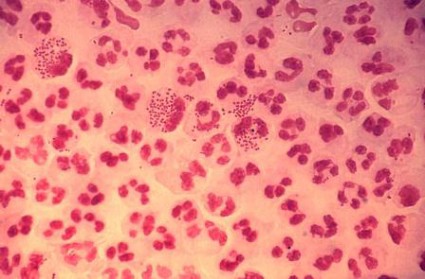
Predischarge preparation for diabetes management lowers recidivism
ORLANDO – Older hospitalized patients with diabetes who felt unprepared for discharge or who had coping difficulties after discharge had a significantly increased risk of readmission within 30 days in a prospective mixed-methods study.
The findings have important implications for diabetes educators, according to Jacqueline LaManna, Ph.D., of the University of Central Florida, Orlando.
Of 96 patients with a mean age of 75 years who were included in the qualitative and quantitative study, 30 experienced an event of recidivism, defined as an unplanned provider or emergency department visit, and 16 of those were readmitted within 30 days, Dr. LaManna reported at the annual meeting of the American Association of Diabetes Educators.
Perceived readiness for discharge was lower in those who experienced an event of 30-day recidivism. Other factors associated with 30-day recidivism included difficulty managing medications, difficulty controlling or managing diabetes, and difficulty managing other chronic health problems. All these associations were statistically significant and were interrelated, Dr. LaManna said.
Difficulty managing medications after discharge was also associated with lower perceptions of transition quality.
Scores on the 15-item Care Transition Measure (CTM-15) – a measure of perceived transition quality – were positively correlated, with high statistical significance, with readiness for discharge, quality of discharge content provided, and skill of the nurse in delivering discharge content. Greater reported difficulty in the early transition period was associated with lower CTM-15 scores.
Scores on the Post-Discharge Coping Difficulties Scale (PDCDS) were higher in subjects who reported unmet information needs, those who experienced 30-day recidivism, and those who experienced problems managing medications, controlling diabetes, and managing other chronic illness during the early and intermediate transition periods.
A model including three factors that were significant predictors of recidivism – 7-day PDCDS score, 30-day PDCDS score, and difficulty managing chronic illness – correctly classified 78% of cases of event recidivism within 30 days, Dr. LaManna said.
Factors that were not associated with recidivism – either in the early (within 7 days) or intermediate (within 30 days) stage after discharge – included age and sex, chronic disease dyad pattern, diabetes-related health status variables, use of hospitalist services, length of stay, quality of discharge teaching, availability of an in-home family care provider, and use of home health services.
Several major themes, with implications for diabetes educators, emerged from the following findings, Dr. LaManna said:
• The daily stuff is difficult. Study participants commonly reported having difficulty with personal care and household tasks, walking and mobility, transportation, and obtaining supplies and medicine.
• Engineering care at home is complex. Many participants reported feeling that they "come last," because they are the caretakers for grandchildren, elderly spouses, and/or elderly parents. Managing things on their own is also difficult, and while they were diligent in mobilizing resources for support in an effort to remain independent, support systems are very fragile. Also, the hospital-to-home transition is difficult on families and this increases patient stress.
• Life is stressful. Many subjects complained about having to deal with too many outside influences with respect to their care and decisions, and many struggled with grief and depression and/or anxiety and frustration.
• Managing numerous complex health problems is onerous. Maintaining diabetes control was difficult for many patients, as was managing other chronic health problems. Trying to keep track of multiple medications was a particular challenge, and many subjects said they needed more information to help them with self-management.
Of note, many of these factors were at least as much of an issue at 30 days as they were at 7 days. For example, personal care remained an issue over time, with an equal proportion (56%) of patients reporting have such difficulties at 7 and 30 days, respectively. Further, the overall percentage of patients reporting difficulty managing multiple health problems increased from 52% to 78%, and the percentage having difficulty controlling their diabetes, in particular, increased from 18% to 29%.
This latter finding is particularly concerning given that the cut-off for most case management programs is 30 days.
"They are setting up for the next [recidivism] event," Dr. La Manna said.
The findings show that the home recovery transition is dynamic, and that the needs of older adults and family caregivers change.
Adults with cognitive impairment were not included in this study, so the findings represent somewhat of a "best-case scenario."
Thus, the findings suggest that even in "ideal" cases, the transition may be difficult, Dr. LaManna said, noting that the obstacles patients face are numerous.
"We need to be considering, as diabetes educators, what’s going on – not just with diabetes, but with other chronic health conditions. Multimorbidity is a really important thing," Dr. LaManna said.
The findings also suggest a need for inclusion of discharge readiness assessment into transitional care practices to improve predischarge identification of patients at risk for recidivism, and a need for sequential postdischarge follow-up for a longer period of time.
In the ambulatory setting, it would be useful to include PDCDS assessment, which includes only 10 simple questions.
"It might help you to identify somebody who’s struggling at home who could benefit from referral right then and there – at least warranting some follow-up. That could absolutely very easily be done in ambulatory setting," she said, noting that inclusion of a family stress assessment into transition planning is also important.
The findings suggest that diabetes educators have the potential to positively affect the transition experiences of hospitalized older adults and their family caregivers (the hospital from which patients for this study were recruited had no diabetes educators on staff).
Dr. LaManna reported having no disclosures.
ORLANDO – Older hospitalized patients with diabetes who felt unprepared for discharge or who had coping difficulties after discharge had a significantly increased risk of readmission within 30 days in a prospective mixed-methods study.
The findings have important implications for diabetes educators, according to Jacqueline LaManna, Ph.D., of the University of Central Florida, Orlando.
Of 96 patients with a mean age of 75 years who were included in the qualitative and quantitative study, 30 experienced an event of recidivism, defined as an unplanned provider or emergency department visit, and 16 of those were readmitted within 30 days, Dr. LaManna reported at the annual meeting of the American Association of Diabetes Educators.
Perceived readiness for discharge was lower in those who experienced an event of 30-day recidivism. Other factors associated with 30-day recidivism included difficulty managing medications, difficulty controlling or managing diabetes, and difficulty managing other chronic health problems. All these associations were statistically significant and were interrelated, Dr. LaManna said.
Difficulty managing medications after discharge was also associated with lower perceptions of transition quality.
Scores on the 15-item Care Transition Measure (CTM-15) – a measure of perceived transition quality – were positively correlated, with high statistical significance, with readiness for discharge, quality of discharge content provided, and skill of the nurse in delivering discharge content. Greater reported difficulty in the early transition period was associated with lower CTM-15 scores.
Scores on the Post-Discharge Coping Difficulties Scale (PDCDS) were higher in subjects who reported unmet information needs, those who experienced 30-day recidivism, and those who experienced problems managing medications, controlling diabetes, and managing other chronic illness during the early and intermediate transition periods.
A model including three factors that were significant predictors of recidivism – 7-day PDCDS score, 30-day PDCDS score, and difficulty managing chronic illness – correctly classified 78% of cases of event recidivism within 30 days, Dr. LaManna said.
Factors that were not associated with recidivism – either in the early (within 7 days) or intermediate (within 30 days) stage after discharge – included age and sex, chronic disease dyad pattern, diabetes-related health status variables, use of hospitalist services, length of stay, quality of discharge teaching, availability of an in-home family care provider, and use of home health services.
Several major themes, with implications for diabetes educators, emerged from the following findings, Dr. LaManna said:
• The daily stuff is difficult. Study participants commonly reported having difficulty with personal care and household tasks, walking and mobility, transportation, and obtaining supplies and medicine.
• Engineering care at home is complex. Many participants reported feeling that they "come last," because they are the caretakers for grandchildren, elderly spouses, and/or elderly parents. Managing things on their own is also difficult, and while they were diligent in mobilizing resources for support in an effort to remain independent, support systems are very fragile. Also, the hospital-to-home transition is difficult on families and this increases patient stress.
• Life is stressful. Many subjects complained about having to deal with too many outside influences with respect to their care and decisions, and many struggled with grief and depression and/or anxiety and frustration.
• Managing numerous complex health problems is onerous. Maintaining diabetes control was difficult for many patients, as was managing other chronic health problems. Trying to keep track of multiple medications was a particular challenge, and many subjects said they needed more information to help them with self-management.
Of note, many of these factors were at least as much of an issue at 30 days as they were at 7 days. For example, personal care remained an issue over time, with an equal proportion (56%) of patients reporting have such difficulties at 7 and 30 days, respectively. Further, the overall percentage of patients reporting difficulty managing multiple health problems increased from 52% to 78%, and the percentage having difficulty controlling their diabetes, in particular, increased from 18% to 29%.
This latter finding is particularly concerning given that the cut-off for most case management programs is 30 days.
"They are setting up for the next [recidivism] event," Dr. La Manna said.
The findings show that the home recovery transition is dynamic, and that the needs of older adults and family caregivers change.
Adults with cognitive impairment were not included in this study, so the findings represent somewhat of a "best-case scenario."
Thus, the findings suggest that even in "ideal" cases, the transition may be difficult, Dr. LaManna said, noting that the obstacles patients face are numerous.
"We need to be considering, as diabetes educators, what’s going on – not just with diabetes, but with other chronic health conditions. Multimorbidity is a really important thing," Dr. LaManna said.
The findings also suggest a need for inclusion of discharge readiness assessment into transitional care practices to improve predischarge identification of patients at risk for recidivism, and a need for sequential postdischarge follow-up for a longer period of time.
In the ambulatory setting, it would be useful to include PDCDS assessment, which includes only 10 simple questions.
"It might help you to identify somebody who’s struggling at home who could benefit from referral right then and there – at least warranting some follow-up. That could absolutely very easily be done in ambulatory setting," she said, noting that inclusion of a family stress assessment into transition planning is also important.
The findings suggest that diabetes educators have the potential to positively affect the transition experiences of hospitalized older adults and their family caregivers (the hospital from which patients for this study were recruited had no diabetes educators on staff).
Dr. LaManna reported having no disclosures.
ORLANDO – Older hospitalized patients with diabetes who felt unprepared for discharge or who had coping difficulties after discharge had a significantly increased risk of readmission within 30 days in a prospective mixed-methods study.
The findings have important implications for diabetes educators, according to Jacqueline LaManna, Ph.D., of the University of Central Florida, Orlando.
Of 96 patients with a mean age of 75 years who were included in the qualitative and quantitative study, 30 experienced an event of recidivism, defined as an unplanned provider or emergency department visit, and 16 of those were readmitted within 30 days, Dr. LaManna reported at the annual meeting of the American Association of Diabetes Educators.
Perceived readiness for discharge was lower in those who experienced an event of 30-day recidivism. Other factors associated with 30-day recidivism included difficulty managing medications, difficulty controlling or managing diabetes, and difficulty managing other chronic health problems. All these associations were statistically significant and were interrelated, Dr. LaManna said.
Difficulty managing medications after discharge was also associated with lower perceptions of transition quality.
Scores on the 15-item Care Transition Measure (CTM-15) – a measure of perceived transition quality – were positively correlated, with high statistical significance, with readiness for discharge, quality of discharge content provided, and skill of the nurse in delivering discharge content. Greater reported difficulty in the early transition period was associated with lower CTM-15 scores.
Scores on the Post-Discharge Coping Difficulties Scale (PDCDS) were higher in subjects who reported unmet information needs, those who experienced 30-day recidivism, and those who experienced problems managing medications, controlling diabetes, and managing other chronic illness during the early and intermediate transition periods.
A model including three factors that were significant predictors of recidivism – 7-day PDCDS score, 30-day PDCDS score, and difficulty managing chronic illness – correctly classified 78% of cases of event recidivism within 30 days, Dr. LaManna said.
Factors that were not associated with recidivism – either in the early (within 7 days) or intermediate (within 30 days) stage after discharge – included age and sex, chronic disease dyad pattern, diabetes-related health status variables, use of hospitalist services, length of stay, quality of discharge teaching, availability of an in-home family care provider, and use of home health services.
Several major themes, with implications for diabetes educators, emerged from the following findings, Dr. LaManna said:
• The daily stuff is difficult. Study participants commonly reported having difficulty with personal care and household tasks, walking and mobility, transportation, and obtaining supplies and medicine.
• Engineering care at home is complex. Many participants reported feeling that they "come last," because they are the caretakers for grandchildren, elderly spouses, and/or elderly parents. Managing things on their own is also difficult, and while they were diligent in mobilizing resources for support in an effort to remain independent, support systems are very fragile. Also, the hospital-to-home transition is difficult on families and this increases patient stress.
• Life is stressful. Many subjects complained about having to deal with too many outside influences with respect to their care and decisions, and many struggled with grief and depression and/or anxiety and frustration.
• Managing numerous complex health problems is onerous. Maintaining diabetes control was difficult for many patients, as was managing other chronic health problems. Trying to keep track of multiple medications was a particular challenge, and many subjects said they needed more information to help them with self-management.
Of note, many of these factors were at least as much of an issue at 30 days as they were at 7 days. For example, personal care remained an issue over time, with an equal proportion (56%) of patients reporting have such difficulties at 7 and 30 days, respectively. Further, the overall percentage of patients reporting difficulty managing multiple health problems increased from 52% to 78%, and the percentage having difficulty controlling their diabetes, in particular, increased from 18% to 29%.
This latter finding is particularly concerning given that the cut-off for most case management programs is 30 days.
"They are setting up for the next [recidivism] event," Dr. La Manna said.
The findings show that the home recovery transition is dynamic, and that the needs of older adults and family caregivers change.
Adults with cognitive impairment were not included in this study, so the findings represent somewhat of a "best-case scenario."
Thus, the findings suggest that even in "ideal" cases, the transition may be difficult, Dr. LaManna said, noting that the obstacles patients face are numerous.
"We need to be considering, as diabetes educators, what’s going on – not just with diabetes, but with other chronic health conditions. Multimorbidity is a really important thing," Dr. LaManna said.
The findings also suggest a need for inclusion of discharge readiness assessment into transitional care practices to improve predischarge identification of patients at risk for recidivism, and a need for sequential postdischarge follow-up for a longer period of time.
In the ambulatory setting, it would be useful to include PDCDS assessment, which includes only 10 simple questions.
"It might help you to identify somebody who’s struggling at home who could benefit from referral right then and there – at least warranting some follow-up. That could absolutely very easily be done in ambulatory setting," she said, noting that inclusion of a family stress assessment into transition planning is also important.
The findings suggest that diabetes educators have the potential to positively affect the transition experiences of hospitalized older adults and their family caregivers (the hospital from which patients for this study were recruited had no diabetes educators on staff).
Dr. LaManna reported having no disclosures.
AT AADE 14
Key clinical point: Diabetes patients who leave the hospital feeling prepared to manage the disease have fewer unplanned visits.
Major finding: Thirty of 96 patients experienced recidivism; 16 of those were readmitted.
Data source: A prospective, mixed-methods study of diabetes patients discharged from a hospital without any diabetes educators on staff.
Disclosures: Dr. LaManna reported having no disclosures.
New protocol improves diabetic acidosis management in ED
ORLANDO – A new protocol for managing mild diabetic ketoacidosis in the emergency department led to a substantially improved discharge rate at a large teaching hospital.
Prior to development of the Emergency Valuable Approach and Diabetes Education (EVADE) protocol, almost all patients who presented with diabetic ketoacidosis (DKA) were admitted to the hospital, and most of those were admitted to the intensive care unit. However, in the most recent month for which outcomes data for the EVADE protocol are available, 24 of 106 patients (23%) managed according to the protocol were discharged from the ED and 82 were admitted, Marianne Chojnicki, a registered nurse and certified diabetes educator at the Joslin Diabetes Center, Boston, reported at the annual meeting of the American Association of Diabetes Educators.
The average length of stay in the ED for those who were discharged was 20 hours. The average length of stay in the hospital for 23 patients with a non-ICU admission was 136 hours, and the average length of stay in the ICU for 59 patients with an ICU admission was 33 hours, followed by 77 hours in the hospital after ICU discharge.
The findings have important implications for the care of patients presenting with DKA, which is documented in up to 9% of all hospital discharge summaries among patients with diabetes, and which is associated with mortality of up to 2%, Ms. Chojnicki noted.
"That’s a significant number of lives that are lost each year from a preventable event," she said.
In an effort to improve the discharge rate to at least 10%, Joslin Diabetes Center physicians, nurses, and diabetes educators worked together with Beth Israel Deaconess Medical Center in Boston to develop the EVADE protocol, which stemmed from a clinical approach used to manage DKA, and which is initiated in the ED based on clinical triggers.
They thought that a significant number of admissions were avoidable in a well-managed, coordinated system. The goal was to provide optimal cost-effective management for DKA, Ms. Chojnicki said.
From the outset, diabetes education was recognized as a key component of this protocol, she noted.
The education is individualized and covers multiple topics, such as identification of the circumstances leading up to DKA, a review of insulin action and technique of administration, and a review of ways to prevent DKA recurrence.
Evaluating the EVADE protocol
To evaluate the effectiveness of the protocol, a system was put in place to identify all patients who presented to the ED with blood glucose higher than 300 mg/dL and bicarbonate of 20 mEq/L or less. The patients were flagged for enrollment to be managed according to the EVADE protocol if their status was determined to be caused by DKA, and if they consented.
This process began in September 2013, and the first several months were spent refining management and defining quality indicators.
Month 8 results suggest that the protocol is effective for increasing discharge rates and reducing ICU admissions.
"Our initial goal was to discharge 10%, so we are above goal," Ms. Chojnicki said.
Overall, patients with mild to moderate DKA are going home from the ED, she said.
Typically, those with moderate DKA are admitted if they have a secondary diagnosis, and those patients are going to non-ICU beds.
"Only the sickest of the sick – basically those who are acidotic – are the patients going to the ICU," she said.
Preliminary data from an ongoing review of the results by a health economist show that despite the fact that the sickest patients are going to the ICU, the number of ICU days is decreasing in the wake of the EVADE protocol implementation.
This seems counterintuitive, but the latest data show that before EVADE, the average time spent in the ICU was 47.8 hours, and after EVADE the average time spent in the ICU was 31.6 hours.
"We shaved off 16.2 hours in one of the highest-cost areas of the hospital," Ms. Chojnicki said.
Notably, only one patient who was treated according to the EVADE protocol returned to the ED within 30 days, and that was a patient with issues related to alcohol abuse, she noted.
The findings suggest that mild DKA can be optimally managed in the setting of identification of the triggering factor, stabilization of glucose and electrolyte imbalances, patient education, and close follow-up, and that such management allows for more patients to be discharged from the ED, she said.
Ms. Chojnicki reported having no disclosures.
The EVADE protocol, step by step
The EVADE protocol for eligible patients begins with initiation of intravenous fluids but withholding insulin until initial labs are available. Once lab results confirm diabetic ketoacidosis, the staff initiates IV insulin.
A team including an attending endocrinologist, two nurse practitioners, and a certified diabetes educator are alerted when a patient is enrolled into the protocol.
Patients with all forms of DKA, including mild DKA without an anion gap, are managed on insulin drip with an endpoint goal of reaching a bicarbonate level of 21 mEq/L.
"The decision [to keep the patient in the ED for further observation and treatment or admit to the ICU] is based on the severity of the DKA and/or existing concurrent medical illness. If admitted to the ICU, the patient remains in the ICU arm of the DKA protocol, which involves frequent monitoring of glucose, electrolytes, venous blood gas, and urine output. Treatment is aimed at correcting the DKA and associated electrolyte disturbances," explained Maria Koen, a nurse practitioner and certified diabetes educator at Joslin Diabetes Center.
Regardless of whether the patient is admitted or remains in the ED, treatment involves the same IV insulin algorithm, which calls for no initial bolus; the starting rate is based on the initial finger stick, Ms. Koen noted.
Other features of the protocol include hourly finger sticks with adjustment of the dose with a goal of a target blood glucose of 100-180 mg/dL. Every 3 hours, someone on the team assesses venous blood gas and electrolytes.
IV fluid is run concurrently with IV insulin. Once the glucose drops to less than 250 mg/dL, fluid is changed to 5% dextrose in normal saline (D5NS). Once glucose increases again to 250 mg/dL, the protocol calls for discontinuation of D5NS with continuation of IV insulin infusion until the acidosis resolves.
If severe hypoglycemia occurs, D50 (50% dextrose) can be given as a bolus to reach the target of 100-180 mg/dL. The insulin drip is then resumed at 50% of the rate prior to the hypoglycemic event.
"Generally, we use normal saline or lactated Ringer’s as a first choice for IV fluid, at a rate of approximately 1 liter an hour for the first 4 hours, and this may be adjusted for patients who are at risk for volume overload, such as elders or patients with chronic kidney disease or congestive heart failure," she said.
After the first 4 hours, the IV solution may be changed to half of the normal saline, or half of the D5, if blood glucose drops below 250 mg/dL, at a rate of 125-250 cc per hour.
IV fluids may also be discontinued at this point if the patient is able to tolerate oral fluids.
The protocol also calls for electrolyte repletion as needed. Potassium may be added to each liter of IV fluid if the serum potassium reaches less than 5 mEq/L and the patient is voiding. The amount added is at the discretion of the attending physician, Ms. Koen said.
"Keep in mind that as the acidosis resolves, serum potassium will decrease. In such events, if severe hypokalemia occurs, it may be necessary to either decrease the insulin rate or temporarily hold the IV insulin drip," she said, noting that oral potassium and IV or oral phosphate can also be given once a patient can tolerate oral intake.
Insulin pumps should be removed to avoid overlap with the IV insulin, and the team should assess pump function and self-management.
Urine output and ability to tolerate oral intake should be assessed throughout the protocol, and patients should eat as soon as they are able to tolerate oral intake. The team should assess clinical status every 4 hours.
The patients’ care can move beyond the strictures of the protocol once they are either admitted to the ICU or stabilized in the ED. Those not admitted to the ICU can be discharged to home once their anion gap closes, their bicarbonate reaches more than 20 mEq/L, they can tolerate oral intake, and they successfully transition to a subcutaneous insulin regimen.
The transition to subcutaneous insulin requires that the basal dose be determined based on the patient’s home long-acting insulin dose or adjusted based on the nurse practitioner’s or doctor’s recommendations. Dosing for patients who are newly diagnosed or insulin naïve is calculated based on body weight in kilograms x 0.2.
When the patient is able to tolerate oral intake, prandial subcutaneous insulin based on the home prandial insulin dose should be initiated. Dosing in those who are insulin naïve should be based on body weight in kilograms x 0.2 and divided by 3 (but only with team recommendation).
"When transitioning from the IV insulin drip to subcutaneous insulin, if only basal insulin is given we recommend an overlap of the IV insulin drip for 2 hours. If both basal and prandial insulin are given at the same time, the recommendation is to overlap the insulin drip for at least 1 hour, and then the drip may be turned off," Ms. Koen said.
Insulin pumps may be restarted under the guidance of the certified diabetes educator. Electrolytes and glucose should be reassessed 2 hours after the insulin drip is stopped to ensure there is no return of the DKA.
Any patients with pH below 7.3, bicarbonate below 21 mEq/L, or an inability to tolerate oral intake will remain in the ED for continued observation and management. The patient is ready for discharge once pH is greater than 7.3, the anion gap closes, glucose reaches 250 mg/dL, and the patient can tolerate oral intake and has transitioned to subcutaneous insulin.
Following discharge, someone on the team should phone the patient, ideally within 24 hours, to ensure compliance with the postdischarge plan and schedule a follow-up clinic visit.
Ms. Koen reported having no disclosures.
ORLANDO – A new protocol for managing mild diabetic ketoacidosis in the emergency department led to a substantially improved discharge rate at a large teaching hospital.
Prior to development of the Emergency Valuable Approach and Diabetes Education (EVADE) protocol, almost all patients who presented with diabetic ketoacidosis (DKA) were admitted to the hospital, and most of those were admitted to the intensive care unit. However, in the most recent month for which outcomes data for the EVADE protocol are available, 24 of 106 patients (23%) managed according to the protocol were discharged from the ED and 82 were admitted, Marianne Chojnicki, a registered nurse and certified diabetes educator at the Joslin Diabetes Center, Boston, reported at the annual meeting of the American Association of Diabetes Educators.
The average length of stay in the ED for those who were discharged was 20 hours. The average length of stay in the hospital for 23 patients with a non-ICU admission was 136 hours, and the average length of stay in the ICU for 59 patients with an ICU admission was 33 hours, followed by 77 hours in the hospital after ICU discharge.
The findings have important implications for the care of patients presenting with DKA, which is documented in up to 9% of all hospital discharge summaries among patients with diabetes, and which is associated with mortality of up to 2%, Ms. Chojnicki noted.
"That’s a significant number of lives that are lost each year from a preventable event," she said.
In an effort to improve the discharge rate to at least 10%, Joslin Diabetes Center physicians, nurses, and diabetes educators worked together with Beth Israel Deaconess Medical Center in Boston to develop the EVADE protocol, which stemmed from a clinical approach used to manage DKA, and which is initiated in the ED based on clinical triggers.
They thought that a significant number of admissions were avoidable in a well-managed, coordinated system. The goal was to provide optimal cost-effective management for DKA, Ms. Chojnicki said.
From the outset, diabetes education was recognized as a key component of this protocol, she noted.
The education is individualized and covers multiple topics, such as identification of the circumstances leading up to DKA, a review of insulin action and technique of administration, and a review of ways to prevent DKA recurrence.
Evaluating the EVADE protocol
To evaluate the effectiveness of the protocol, a system was put in place to identify all patients who presented to the ED with blood glucose higher than 300 mg/dL and bicarbonate of 20 mEq/L or less. The patients were flagged for enrollment to be managed according to the EVADE protocol if their status was determined to be caused by DKA, and if they consented.
This process began in September 2013, and the first several months were spent refining management and defining quality indicators.
Month 8 results suggest that the protocol is effective for increasing discharge rates and reducing ICU admissions.
"Our initial goal was to discharge 10%, so we are above goal," Ms. Chojnicki said.
Overall, patients with mild to moderate DKA are going home from the ED, she said.
Typically, those with moderate DKA are admitted if they have a secondary diagnosis, and those patients are going to non-ICU beds.
"Only the sickest of the sick – basically those who are acidotic – are the patients going to the ICU," she said.
Preliminary data from an ongoing review of the results by a health economist show that despite the fact that the sickest patients are going to the ICU, the number of ICU days is decreasing in the wake of the EVADE protocol implementation.
This seems counterintuitive, but the latest data show that before EVADE, the average time spent in the ICU was 47.8 hours, and after EVADE the average time spent in the ICU was 31.6 hours.
"We shaved off 16.2 hours in one of the highest-cost areas of the hospital," Ms. Chojnicki said.
Notably, only one patient who was treated according to the EVADE protocol returned to the ED within 30 days, and that was a patient with issues related to alcohol abuse, she noted.
The findings suggest that mild DKA can be optimally managed in the setting of identification of the triggering factor, stabilization of glucose and electrolyte imbalances, patient education, and close follow-up, and that such management allows for more patients to be discharged from the ED, she said.
Ms. Chojnicki reported having no disclosures.
The EVADE protocol, step by step
The EVADE protocol for eligible patients begins with initiation of intravenous fluids but withholding insulin until initial labs are available. Once lab results confirm diabetic ketoacidosis, the staff initiates IV insulin.
A team including an attending endocrinologist, two nurse practitioners, and a certified diabetes educator are alerted when a patient is enrolled into the protocol.
Patients with all forms of DKA, including mild DKA without an anion gap, are managed on insulin drip with an endpoint goal of reaching a bicarbonate level of 21 mEq/L.
"The decision [to keep the patient in the ED for further observation and treatment or admit to the ICU] is based on the severity of the DKA and/or existing concurrent medical illness. If admitted to the ICU, the patient remains in the ICU arm of the DKA protocol, which involves frequent monitoring of glucose, electrolytes, venous blood gas, and urine output. Treatment is aimed at correcting the DKA and associated electrolyte disturbances," explained Maria Koen, a nurse practitioner and certified diabetes educator at Joslin Diabetes Center.
Regardless of whether the patient is admitted or remains in the ED, treatment involves the same IV insulin algorithm, which calls for no initial bolus; the starting rate is based on the initial finger stick, Ms. Koen noted.
Other features of the protocol include hourly finger sticks with adjustment of the dose with a goal of a target blood glucose of 100-180 mg/dL. Every 3 hours, someone on the team assesses venous blood gas and electrolytes.
IV fluid is run concurrently with IV insulin. Once the glucose drops to less than 250 mg/dL, fluid is changed to 5% dextrose in normal saline (D5NS). Once glucose increases again to 250 mg/dL, the protocol calls for discontinuation of D5NS with continuation of IV insulin infusion until the acidosis resolves.
If severe hypoglycemia occurs, D50 (50% dextrose) can be given as a bolus to reach the target of 100-180 mg/dL. The insulin drip is then resumed at 50% of the rate prior to the hypoglycemic event.
"Generally, we use normal saline or lactated Ringer’s as a first choice for IV fluid, at a rate of approximately 1 liter an hour for the first 4 hours, and this may be adjusted for patients who are at risk for volume overload, such as elders or patients with chronic kidney disease or congestive heart failure," she said.
After the first 4 hours, the IV solution may be changed to half of the normal saline, or half of the D5, if blood glucose drops below 250 mg/dL, at a rate of 125-250 cc per hour.
IV fluids may also be discontinued at this point if the patient is able to tolerate oral fluids.
The protocol also calls for electrolyte repletion as needed. Potassium may be added to each liter of IV fluid if the serum potassium reaches less than 5 mEq/L and the patient is voiding. The amount added is at the discretion of the attending physician, Ms. Koen said.
"Keep in mind that as the acidosis resolves, serum potassium will decrease. In such events, if severe hypokalemia occurs, it may be necessary to either decrease the insulin rate or temporarily hold the IV insulin drip," she said, noting that oral potassium and IV or oral phosphate can also be given once a patient can tolerate oral intake.
Insulin pumps should be removed to avoid overlap with the IV insulin, and the team should assess pump function and self-management.
Urine output and ability to tolerate oral intake should be assessed throughout the protocol, and patients should eat as soon as they are able to tolerate oral intake. The team should assess clinical status every 4 hours.
The patients’ care can move beyond the strictures of the protocol once they are either admitted to the ICU or stabilized in the ED. Those not admitted to the ICU can be discharged to home once their anion gap closes, their bicarbonate reaches more than 20 mEq/L, they can tolerate oral intake, and they successfully transition to a subcutaneous insulin regimen.
The transition to subcutaneous insulin requires that the basal dose be determined based on the patient’s home long-acting insulin dose or adjusted based on the nurse practitioner’s or doctor’s recommendations. Dosing for patients who are newly diagnosed or insulin naïve is calculated based on body weight in kilograms x 0.2.
When the patient is able to tolerate oral intake, prandial subcutaneous insulin based on the home prandial insulin dose should be initiated. Dosing in those who are insulin naïve should be based on body weight in kilograms x 0.2 and divided by 3 (but only with team recommendation).
"When transitioning from the IV insulin drip to subcutaneous insulin, if only basal insulin is given we recommend an overlap of the IV insulin drip for 2 hours. If both basal and prandial insulin are given at the same time, the recommendation is to overlap the insulin drip for at least 1 hour, and then the drip may be turned off," Ms. Koen said.
Insulin pumps may be restarted under the guidance of the certified diabetes educator. Electrolytes and glucose should be reassessed 2 hours after the insulin drip is stopped to ensure there is no return of the DKA.
Any patients with pH below 7.3, bicarbonate below 21 mEq/L, or an inability to tolerate oral intake will remain in the ED for continued observation and management. The patient is ready for discharge once pH is greater than 7.3, the anion gap closes, glucose reaches 250 mg/dL, and the patient can tolerate oral intake and has transitioned to subcutaneous insulin.
Following discharge, someone on the team should phone the patient, ideally within 24 hours, to ensure compliance with the postdischarge plan and schedule a follow-up clinic visit.
Ms. Koen reported having no disclosures.
ORLANDO – A new protocol for managing mild diabetic ketoacidosis in the emergency department led to a substantially improved discharge rate at a large teaching hospital.
Prior to development of the Emergency Valuable Approach and Diabetes Education (EVADE) protocol, almost all patients who presented with diabetic ketoacidosis (DKA) were admitted to the hospital, and most of those were admitted to the intensive care unit. However, in the most recent month for which outcomes data for the EVADE protocol are available, 24 of 106 patients (23%) managed according to the protocol were discharged from the ED and 82 were admitted, Marianne Chojnicki, a registered nurse and certified diabetes educator at the Joslin Diabetes Center, Boston, reported at the annual meeting of the American Association of Diabetes Educators.
The average length of stay in the ED for those who were discharged was 20 hours. The average length of stay in the hospital for 23 patients with a non-ICU admission was 136 hours, and the average length of stay in the ICU for 59 patients with an ICU admission was 33 hours, followed by 77 hours in the hospital after ICU discharge.
The findings have important implications for the care of patients presenting with DKA, which is documented in up to 9% of all hospital discharge summaries among patients with diabetes, and which is associated with mortality of up to 2%, Ms. Chojnicki noted.
"That’s a significant number of lives that are lost each year from a preventable event," she said.
In an effort to improve the discharge rate to at least 10%, Joslin Diabetes Center physicians, nurses, and diabetes educators worked together with Beth Israel Deaconess Medical Center in Boston to develop the EVADE protocol, which stemmed from a clinical approach used to manage DKA, and which is initiated in the ED based on clinical triggers.
They thought that a significant number of admissions were avoidable in a well-managed, coordinated system. The goal was to provide optimal cost-effective management for DKA, Ms. Chojnicki said.
From the outset, diabetes education was recognized as a key component of this protocol, she noted.
The education is individualized and covers multiple topics, such as identification of the circumstances leading up to DKA, a review of insulin action and technique of administration, and a review of ways to prevent DKA recurrence.
Evaluating the EVADE protocol
To evaluate the effectiveness of the protocol, a system was put in place to identify all patients who presented to the ED with blood glucose higher than 300 mg/dL and bicarbonate of 20 mEq/L or less. The patients were flagged for enrollment to be managed according to the EVADE protocol if their status was determined to be caused by DKA, and if they consented.
This process began in September 2013, and the first several months were spent refining management and defining quality indicators.
Month 8 results suggest that the protocol is effective for increasing discharge rates and reducing ICU admissions.
"Our initial goal was to discharge 10%, so we are above goal," Ms. Chojnicki said.
Overall, patients with mild to moderate DKA are going home from the ED, she said.
Typically, those with moderate DKA are admitted if they have a secondary diagnosis, and those patients are going to non-ICU beds.
"Only the sickest of the sick – basically those who are acidotic – are the patients going to the ICU," she said.
Preliminary data from an ongoing review of the results by a health economist show that despite the fact that the sickest patients are going to the ICU, the number of ICU days is decreasing in the wake of the EVADE protocol implementation.
This seems counterintuitive, but the latest data show that before EVADE, the average time spent in the ICU was 47.8 hours, and after EVADE the average time spent in the ICU was 31.6 hours.
"We shaved off 16.2 hours in one of the highest-cost areas of the hospital," Ms. Chojnicki said.
Notably, only one patient who was treated according to the EVADE protocol returned to the ED within 30 days, and that was a patient with issues related to alcohol abuse, she noted.
The findings suggest that mild DKA can be optimally managed in the setting of identification of the triggering factor, stabilization of glucose and electrolyte imbalances, patient education, and close follow-up, and that such management allows for more patients to be discharged from the ED, she said.
Ms. Chojnicki reported having no disclosures.
The EVADE protocol, step by step
The EVADE protocol for eligible patients begins with initiation of intravenous fluids but withholding insulin until initial labs are available. Once lab results confirm diabetic ketoacidosis, the staff initiates IV insulin.
A team including an attending endocrinologist, two nurse practitioners, and a certified diabetes educator are alerted when a patient is enrolled into the protocol.
Patients with all forms of DKA, including mild DKA without an anion gap, are managed on insulin drip with an endpoint goal of reaching a bicarbonate level of 21 mEq/L.
"The decision [to keep the patient in the ED for further observation and treatment or admit to the ICU] is based on the severity of the DKA and/or existing concurrent medical illness. If admitted to the ICU, the patient remains in the ICU arm of the DKA protocol, which involves frequent monitoring of glucose, electrolytes, venous blood gas, and urine output. Treatment is aimed at correcting the DKA and associated electrolyte disturbances," explained Maria Koen, a nurse practitioner and certified diabetes educator at Joslin Diabetes Center.
Regardless of whether the patient is admitted or remains in the ED, treatment involves the same IV insulin algorithm, which calls for no initial bolus; the starting rate is based on the initial finger stick, Ms. Koen noted.
Other features of the protocol include hourly finger sticks with adjustment of the dose with a goal of a target blood glucose of 100-180 mg/dL. Every 3 hours, someone on the team assesses venous blood gas and electrolytes.
IV fluid is run concurrently with IV insulin. Once the glucose drops to less than 250 mg/dL, fluid is changed to 5% dextrose in normal saline (D5NS). Once glucose increases again to 250 mg/dL, the protocol calls for discontinuation of D5NS with continuation of IV insulin infusion until the acidosis resolves.
If severe hypoglycemia occurs, D50 (50% dextrose) can be given as a bolus to reach the target of 100-180 mg/dL. The insulin drip is then resumed at 50% of the rate prior to the hypoglycemic event.
"Generally, we use normal saline or lactated Ringer’s as a first choice for IV fluid, at a rate of approximately 1 liter an hour for the first 4 hours, and this may be adjusted for patients who are at risk for volume overload, such as elders or patients with chronic kidney disease or congestive heart failure," she said.
After the first 4 hours, the IV solution may be changed to half of the normal saline, or half of the D5, if blood glucose drops below 250 mg/dL, at a rate of 125-250 cc per hour.
IV fluids may also be discontinued at this point if the patient is able to tolerate oral fluids.
The protocol also calls for electrolyte repletion as needed. Potassium may be added to each liter of IV fluid if the serum potassium reaches less than 5 mEq/L and the patient is voiding. The amount added is at the discretion of the attending physician, Ms. Koen said.
"Keep in mind that as the acidosis resolves, serum potassium will decrease. In such events, if severe hypokalemia occurs, it may be necessary to either decrease the insulin rate or temporarily hold the IV insulin drip," she said, noting that oral potassium and IV or oral phosphate can also be given once a patient can tolerate oral intake.
Insulin pumps should be removed to avoid overlap with the IV insulin, and the team should assess pump function and self-management.
Urine output and ability to tolerate oral intake should be assessed throughout the protocol, and patients should eat as soon as they are able to tolerate oral intake. The team should assess clinical status every 4 hours.
The patients’ care can move beyond the strictures of the protocol once they are either admitted to the ICU or stabilized in the ED. Those not admitted to the ICU can be discharged to home once their anion gap closes, their bicarbonate reaches more than 20 mEq/L, they can tolerate oral intake, and they successfully transition to a subcutaneous insulin regimen.
The transition to subcutaneous insulin requires that the basal dose be determined based on the patient’s home long-acting insulin dose or adjusted based on the nurse practitioner’s or doctor’s recommendations. Dosing for patients who are newly diagnosed or insulin naïve is calculated based on body weight in kilograms x 0.2.
When the patient is able to tolerate oral intake, prandial subcutaneous insulin based on the home prandial insulin dose should be initiated. Dosing in those who are insulin naïve should be based on body weight in kilograms x 0.2 and divided by 3 (but only with team recommendation).
"When transitioning from the IV insulin drip to subcutaneous insulin, if only basal insulin is given we recommend an overlap of the IV insulin drip for 2 hours. If both basal and prandial insulin are given at the same time, the recommendation is to overlap the insulin drip for at least 1 hour, and then the drip may be turned off," Ms. Koen said.
Insulin pumps may be restarted under the guidance of the certified diabetes educator. Electrolytes and glucose should be reassessed 2 hours after the insulin drip is stopped to ensure there is no return of the DKA.
Any patients with pH below 7.3, bicarbonate below 21 mEq/L, or an inability to tolerate oral intake will remain in the ED for continued observation and management. The patient is ready for discharge once pH is greater than 7.3, the anion gap closes, glucose reaches 250 mg/dL, and the patient can tolerate oral intake and has transitioned to subcutaneous insulin.
Following discharge, someone on the team should phone the patient, ideally within 24 hours, to ensure compliance with the postdischarge plan and schedule a follow-up clinic visit.
Ms. Koen reported having no disclosures.
AT AADE 14
Key clinical point: Use of the protocol increases the discharge rate of patients presenting with mild to moderate diabetic ketoacidosis.
Major finding: A total of 23% of patients were discharged from the ED.
Data source: A review of outcomes in 106 patients following protocol implementation.
Disclosures: Ms. Chojnicki reported having no disclosures.
Palliative care consultations linked to reduced hospitalization, ED care
LAKE BUENA VISTA, FLA. – Palliative care consultations were linked to decreases in hospitalizations and hospital days, as well as emergency department visits, among pediatric patients with life-threatening or terminal conditions, according to a retrospective chart review at a large children’s hospital.
The 36 patients in the study – patients at Rady Children’s Hospital–San Diego, ranged in age from 1 to 24 years; most had a neurological diagnosis and none had cancer. The Pediatric Advanced Care Team (PACT) services at the hospital include consultations with patients and their families to clarify goals of care, which are then used to determine treatment options and to define limits of therapy.
In 2009, the year prior to implementation of PACT, the 36 patients had 121 hospitalizations; in the year after their PACT consultations, the patients had 61 hospitalizations, Dr. Ami Doshi reported at the Pediatric Hospital Medicine 2014 annual meeting.
Emergency department visits decreased from 100 before PACT consultation to 84 after consultation. Total hospital days exceeded 1,100 days in the year before PACT consultation compared with 684 days after consultation. Length of stay decreased significantly from 31 days to 19 days, said Dr. Doshi, a pediatrician at Rady and a PACT member.
Because of the small sample size, the findings require replication in a larger study, she said. It would be worthwhile to redo the study with cost information included.
"We cannot directly attribute the decrease in utilization to PACT intervention as a direct cause-effect relationship. Doing the study again and comparing patients with the same diagnosis who did and did not receive palliative care would eliminate some potentially confounding variables," she added, noting that it would be useful to look at ambulatory and outpatient data to see if these offset any of the inpatient findings.
As hospitals will now be negotiating for a set payment to manage each patient regardless of the setting, hospitals will be motivated to move care, resources, and the associated dollars from the inpatient to the less costly outpatient setting, Dr. Doshi said. "These data suggest that palliative care can be a prime change agent in that shift. Most importantly, it’s great that palliative care can decrease utilization, but palliative care is really, truly unique in that it can do so while simultaneously improving quality of life and improving patient and family satisfaction."
Dr. Doshi reported having no disclosures. The meeting was sponsored by the Society of Hospital Medicine, the American Academy of Pediatrics, the AAP Section on Hospital Medicine, and the Academic Pediatric Association.
LAKE BUENA VISTA, FLA. – Palliative care consultations were linked to decreases in hospitalizations and hospital days, as well as emergency department visits, among pediatric patients with life-threatening or terminal conditions, according to a retrospective chart review at a large children’s hospital.
The 36 patients in the study – patients at Rady Children’s Hospital–San Diego, ranged in age from 1 to 24 years; most had a neurological diagnosis and none had cancer. The Pediatric Advanced Care Team (PACT) services at the hospital include consultations with patients and their families to clarify goals of care, which are then used to determine treatment options and to define limits of therapy.
In 2009, the year prior to implementation of PACT, the 36 patients had 121 hospitalizations; in the year after their PACT consultations, the patients had 61 hospitalizations, Dr. Ami Doshi reported at the Pediatric Hospital Medicine 2014 annual meeting.
Emergency department visits decreased from 100 before PACT consultation to 84 after consultation. Total hospital days exceeded 1,100 days in the year before PACT consultation compared with 684 days after consultation. Length of stay decreased significantly from 31 days to 19 days, said Dr. Doshi, a pediatrician at Rady and a PACT member.
Because of the small sample size, the findings require replication in a larger study, she said. It would be worthwhile to redo the study with cost information included.
"We cannot directly attribute the decrease in utilization to PACT intervention as a direct cause-effect relationship. Doing the study again and comparing patients with the same diagnosis who did and did not receive palliative care would eliminate some potentially confounding variables," she added, noting that it would be useful to look at ambulatory and outpatient data to see if these offset any of the inpatient findings.
As hospitals will now be negotiating for a set payment to manage each patient regardless of the setting, hospitals will be motivated to move care, resources, and the associated dollars from the inpatient to the less costly outpatient setting, Dr. Doshi said. "These data suggest that palliative care can be a prime change agent in that shift. Most importantly, it’s great that palliative care can decrease utilization, but palliative care is really, truly unique in that it can do so while simultaneously improving quality of life and improving patient and family satisfaction."
Dr. Doshi reported having no disclosures. The meeting was sponsored by the Society of Hospital Medicine, the American Academy of Pediatrics, the AAP Section on Hospital Medicine, and the Academic Pediatric Association.
LAKE BUENA VISTA, FLA. – Palliative care consultations were linked to decreases in hospitalizations and hospital days, as well as emergency department visits, among pediatric patients with life-threatening or terminal conditions, according to a retrospective chart review at a large children’s hospital.
The 36 patients in the study – patients at Rady Children’s Hospital–San Diego, ranged in age from 1 to 24 years; most had a neurological diagnosis and none had cancer. The Pediatric Advanced Care Team (PACT) services at the hospital include consultations with patients and their families to clarify goals of care, which are then used to determine treatment options and to define limits of therapy.
In 2009, the year prior to implementation of PACT, the 36 patients had 121 hospitalizations; in the year after their PACT consultations, the patients had 61 hospitalizations, Dr. Ami Doshi reported at the Pediatric Hospital Medicine 2014 annual meeting.
Emergency department visits decreased from 100 before PACT consultation to 84 after consultation. Total hospital days exceeded 1,100 days in the year before PACT consultation compared with 684 days after consultation. Length of stay decreased significantly from 31 days to 19 days, said Dr. Doshi, a pediatrician at Rady and a PACT member.
Because of the small sample size, the findings require replication in a larger study, she said. It would be worthwhile to redo the study with cost information included.
"We cannot directly attribute the decrease in utilization to PACT intervention as a direct cause-effect relationship. Doing the study again and comparing patients with the same diagnosis who did and did not receive palliative care would eliminate some potentially confounding variables," she added, noting that it would be useful to look at ambulatory and outpatient data to see if these offset any of the inpatient findings.
As hospitals will now be negotiating for a set payment to manage each patient regardless of the setting, hospitals will be motivated to move care, resources, and the associated dollars from the inpatient to the less costly outpatient setting, Dr. Doshi said. "These data suggest that palliative care can be a prime change agent in that shift. Most importantly, it’s great that palliative care can decrease utilization, but palliative care is really, truly unique in that it can do so while simultaneously improving quality of life and improving patient and family satisfaction."
Dr. Doshi reported having no disclosures. The meeting was sponsored by the Society of Hospital Medicine, the American Academy of Pediatrics, the AAP Section on Hospital Medicine, and the Academic Pediatric Association.
AT PEDIATRIC HOSPITAL MEDICINE 2014
Key clinical point: Palliative care consultations can reduce inpatient and emergency department care.
Major finding: Palliative care consultation was associated with a 50% decrease in hospitalizations.
Data source: A retrospective review of 36 patient charts.
Disclosures: Dr. Doshi reported having no disclosures.