User login
HCV testing stagnant among baby boomers
Despite the urging of the United States Preventive Services Task Force and other organizations in 2013, the percentage of baby boomers who underwent testing for hepatitis C (HCV) infection had barely changed 2 years later – from 12.3% in 2013 to 13.8% in 2015.
The numbers are particularly troubling because new and improved antiviral drugs offer cures that could forestall liver cancer, cirrhosis, and other potential complications, with shorter regimens and fewer side effects than older regimens.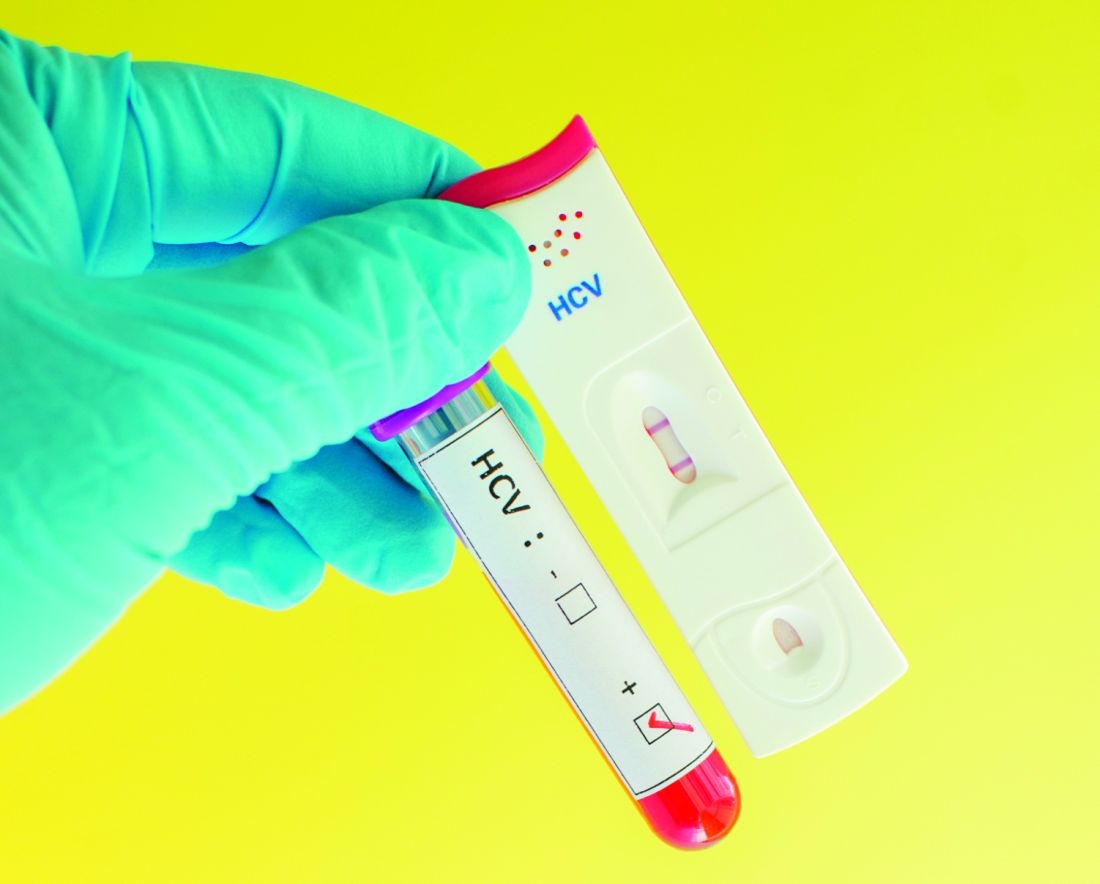
Other reactions were more forceful. “Kind of pathetic, isn’t it?” said John D. Scott, MD, assistant director of the Hepatitis and Liver Clinic at Harborview Medical Center, and an associate professor of medicine at the University of Washington, Seattle.
The researchers analyzed 2013 and 2015 data from the National Health Interview Survey, which included records for 21,827 baby boomers with HCV testing data.
The slight increase overall of 12.3% to 13.8% was small but also statistically significant (P = .013). Some populations fared better: Compared with the privately insured, those with Medicare plus Medicaid were more likely to have been tested (prevalence ratio, 1.83; 95% confidence interval, 1.32-2.53), as were those only on Medicaid (PR, 1.35; 95% CI, 1.04-1.76), and those with military insurance (PR, 1.62; 95% CI, 1.16-2.26).
The study could be subject to recall bias, since it relied on participants’ self-reports.
The authors speculate that the higher prevalence of testing in those with military insurance may reflect efforts by the Veterans Health Administration to reduce the high prevalence of HCV-associated disease among veterans.
It’s entirely possible to increase testing rates, according to Dr. Scott, who has a grant from the Centers for Disease Control and Prevention to study ways to increase uptake. “Probably the easiest thing to do is just incorporate this information into your electronic medical record and make it part of your alerts and standard preventative practices. Try to automate a lot of this rather than remind a very busy primary care doctor of all the things they have to do,” he said.
For example, one strategy that Seattle’s King County has employed is to automatically notify the testing laboratory if an antibody test is positive. “The lab knows to keep that blood and run a second (nucleic acid) test without the patient having to come back. That has helped to get our confirmatory rates up,” said Dr. Scott.
More broadly, the importance of testing needs to be emphasized, according to Paul J. Thuluvath, MD, medical director at the Institute of Digestive Health and Liver Disease at Mercy Medical Center, Baltimore, and a professor of medicine and surgery at the University of Maryland. “We need everybody to buy into this: the primary care physicians, internists, and gynecologists. If they are not convinced of the importance of this, it’s not going to happen. And I don’t think many primary care physicians and internists are convinced yet,” he said.
Despite the urging of the United States Preventive Services Task Force and other organizations in 2013, the percentage of baby boomers who underwent testing for hepatitis C (HCV) infection had barely changed 2 years later – from 12.3% in 2013 to 13.8% in 2015.
The numbers are particularly troubling because new and improved antiviral drugs offer cures that could forestall liver cancer, cirrhosis, and other potential complications, with shorter regimens and fewer side effects than older regimens.
Other reactions were more forceful. “Kind of pathetic, isn’t it?” said John D. Scott, MD, assistant director of the Hepatitis and Liver Clinic at Harborview Medical Center, and an associate professor of medicine at the University of Washington, Seattle.
The researchers analyzed 2013 and 2015 data from the National Health Interview Survey, which included records for 21,827 baby boomers with HCV testing data.
The slight increase overall of 12.3% to 13.8% was small but also statistically significant (P = .013). Some populations fared better: Compared with the privately insured, those with Medicare plus Medicaid were more likely to have been tested (prevalence ratio, 1.83; 95% confidence interval, 1.32-2.53), as were those only on Medicaid (PR, 1.35; 95% CI, 1.04-1.76), and those with military insurance (PR, 1.62; 95% CI, 1.16-2.26).
The study could be subject to recall bias, since it relied on participants’ self-reports.
The authors speculate that the higher prevalence of testing in those with military insurance may reflect efforts by the Veterans Health Administration to reduce the high prevalence of HCV-associated disease among veterans.
It’s entirely possible to increase testing rates, according to Dr. Scott, who has a grant from the Centers for Disease Control and Prevention to study ways to increase uptake. “Probably the easiest thing to do is just incorporate this information into your electronic medical record and make it part of your alerts and standard preventative practices. Try to automate a lot of this rather than remind a very busy primary care doctor of all the things they have to do,” he said.
For example, one strategy that Seattle’s King County has employed is to automatically notify the testing laboratory if an antibody test is positive. “The lab knows to keep that blood and run a second (nucleic acid) test without the patient having to come back. That has helped to get our confirmatory rates up,” said Dr. Scott.
More broadly, the importance of testing needs to be emphasized, according to Paul J. Thuluvath, MD, medical director at the Institute of Digestive Health and Liver Disease at Mercy Medical Center, Baltimore, and a professor of medicine and surgery at the University of Maryland. “We need everybody to buy into this: the primary care physicians, internists, and gynecologists. If they are not convinced of the importance of this, it’s not going to happen. And I don’t think many primary care physicians and internists are convinced yet,” he said.
Despite the urging of the United States Preventive Services Task Force and other organizations in 2013, the percentage of baby boomers who underwent testing for hepatitis C (HCV) infection had barely changed 2 years later – from 12.3% in 2013 to 13.8% in 2015.
The numbers are particularly troubling because new and improved antiviral drugs offer cures that could forestall liver cancer, cirrhosis, and other potential complications, with shorter regimens and fewer side effects than older regimens.
Other reactions were more forceful. “Kind of pathetic, isn’t it?” said John D. Scott, MD, assistant director of the Hepatitis and Liver Clinic at Harborview Medical Center, and an associate professor of medicine at the University of Washington, Seattle.
The researchers analyzed 2013 and 2015 data from the National Health Interview Survey, which included records for 21,827 baby boomers with HCV testing data.
The slight increase overall of 12.3% to 13.8% was small but also statistically significant (P = .013). Some populations fared better: Compared with the privately insured, those with Medicare plus Medicaid were more likely to have been tested (prevalence ratio, 1.83; 95% confidence interval, 1.32-2.53), as were those only on Medicaid (PR, 1.35; 95% CI, 1.04-1.76), and those with military insurance (PR, 1.62; 95% CI, 1.16-2.26).
The study could be subject to recall bias, since it relied on participants’ self-reports.
The authors speculate that the higher prevalence of testing in those with military insurance may reflect efforts by the Veterans Health Administration to reduce the high prevalence of HCV-associated disease among veterans.
It’s entirely possible to increase testing rates, according to Dr. Scott, who has a grant from the Centers for Disease Control and Prevention to study ways to increase uptake. “Probably the easiest thing to do is just incorporate this information into your electronic medical record and make it part of your alerts and standard preventative practices. Try to automate a lot of this rather than remind a very busy primary care doctor of all the things they have to do,” he said.
For example, one strategy that Seattle’s King County has employed is to automatically notify the testing laboratory if an antibody test is positive. “The lab knows to keep that blood and run a second (nucleic acid) test without the patient having to come back. That has helped to get our confirmatory rates up,” said Dr. Scott.
More broadly, the importance of testing needs to be emphasized, according to Paul J. Thuluvath, MD, medical director at the Institute of Digestive Health and Liver Disease at Mercy Medical Center, Baltimore, and a professor of medicine and surgery at the University of Maryland. “We need everybody to buy into this: the primary care physicians, internists, and gynecologists. If they are not convinced of the importance of this, it’s not going to happen. And I don’t think many primary care physicians and internists are convinced yet,” he said.
FROM AMERICAN JOURNAL OF PREVENTIVE MEDICINE
Key clinical point: Primary care physicians are not yet convinced of HCV test’s value.
Major finding: Between 2013 and 2015, HCV testing rates rose from 12.3% to 13.8%.
Data source: Retrospective analysis of 21,827 baby boomers who were part of the National Health Interview Survey.
Disclosures: The study was funded by the American Cancer Society. Dr. Fedewa reported having no financial disclosures. Dr. Scott has received research funding from Merck and serves on the data safety and monitoring board for Tacere Therapeutics. Dr. Thuluvath has received funding from Gilead and has received speaking fees from Gilead and AbbVie.
Colorectal tumors: ESD passes long-term test
Endoscopic submucosal dissection (ESD) of superficial colorectal tumors has a favorable long-term outcome, with 94.6% overall survival and 100% disease-specific survival at a median 79 months of follow-up, reported Kenjiro Shigita, MD, of the department of gastroenterology and metabolism, Hiroshima (Japan) University Hospital, and his associates.
The technique is more complicated than endoscopic mucosal resection, but continued advances in the technology and increasingly available training have made it safer than it was, Dr. Shigita and associates wrote (Gastrointest Endosc. 2017. doi: 10.1016/j.gie.2016.07.044).

The study “shows what is possible with an aggressive endoscopic approach,” Dr. Allen added.
Dr. Shigita and associates analyzed data from 222 patients (224 tumors) at their institution for a minimum of 5 years, or until death (median 79 months). Overall survival was 94.6%, and disease-specific survival was 100%.
Patients received follow-up colonoscopy at 1 year if they had a histologic complete resection, defined as horizontal margin negative and vertical margin negative. Those with a histologic positive margin underwent additional colonoscopies at 6 months and 1 year following the ESD procedure.
The en bloc resection rate was 89.7% (201/224), the histologic complete resection rate was 85.7% (192/224), and the R0 resection rate was 83.0% (186/224). R0 was defined as histologic complete resection and no risk of lymph node metastasis as determined by histologic examination.
Delayed bleeding occurred in 6.3% of cases (14/224) and perforation in 5.4% (12/224). All of the adverse events were successfully managed during the procedure.
In 201 tumors, no further surgical resection was performed. In this sample, the local recurrence rate was 1.5%, and none were metastatic. Of these procedures, 179 were en bloc, while 22 were piecemeal. Only one of the en bloc procedures had a recurrence (0.6%), compared with two of the piecemeal procedures (9.1%, P = .038), the authors wrote.
Dr. Allen noted the importance of management and follow-up care of patients. “The authors were careful in deciding which patients needed traditional surgery in addition to endoscopic resection. Also there was careful follow-up with endoscopic surveillance to be sure resection was complete,” he said.
The study is limited by the fact that it is retrospective and was performed at a single center, and the authors stressed the importance of surveillance. “The possibility of local recurrence should be taken into account after piecemeal resection or histologic incomplete resection, and the likelihood of metachronous tumors should be considered,” the authors wrote.
The study is intriguing and warrants further investigation. “This approach should be carefully evaluated with U.S.-based studies and advanced endoscopic training offered,” Dr. Allen said.
Endoscopic submucosal dissection (ESD) of superficial colorectal tumors has a favorable long-term outcome, with 94.6% overall survival and 100% disease-specific survival at a median 79 months of follow-up, reported Kenjiro Shigita, MD, of the department of gastroenterology and metabolism, Hiroshima (Japan) University Hospital, and his associates.
The technique is more complicated than endoscopic mucosal resection, but continued advances in the technology and increasingly available training have made it safer than it was, Dr. Shigita and associates wrote (Gastrointest Endosc. 2017. doi: 10.1016/j.gie.2016.07.044).
The study “shows what is possible with an aggressive endoscopic approach,” Dr. Allen added.
Dr. Shigita and associates analyzed data from 222 patients (224 tumors) at their institution for a minimum of 5 years, or until death (median 79 months). Overall survival was 94.6%, and disease-specific survival was 100%.
Patients received follow-up colonoscopy at 1 year if they had a histologic complete resection, defined as horizontal margin negative and vertical margin negative. Those with a histologic positive margin underwent additional colonoscopies at 6 months and 1 year following the ESD procedure.
The en bloc resection rate was 89.7% (201/224), the histologic complete resection rate was 85.7% (192/224), and the R0 resection rate was 83.0% (186/224). R0 was defined as histologic complete resection and no risk of lymph node metastasis as determined by histologic examination.
Delayed bleeding occurred in 6.3% of cases (14/224) and perforation in 5.4% (12/224). All of the adverse events were successfully managed during the procedure.
In 201 tumors, no further surgical resection was performed. In this sample, the local recurrence rate was 1.5%, and none were metastatic. Of these procedures, 179 were en bloc, while 22 were piecemeal. Only one of the en bloc procedures had a recurrence (0.6%), compared with two of the piecemeal procedures (9.1%, P = .038), the authors wrote.
Dr. Allen noted the importance of management and follow-up care of patients. “The authors were careful in deciding which patients needed traditional surgery in addition to endoscopic resection. Also there was careful follow-up with endoscopic surveillance to be sure resection was complete,” he said.
The study is limited by the fact that it is retrospective and was performed at a single center, and the authors stressed the importance of surveillance. “The possibility of local recurrence should be taken into account after piecemeal resection or histologic incomplete resection, and the likelihood of metachronous tumors should be considered,” the authors wrote.
The study is intriguing and warrants further investigation. “This approach should be carefully evaluated with U.S.-based studies and advanced endoscopic training offered,” Dr. Allen said.
Endoscopic submucosal dissection (ESD) of superficial colorectal tumors has a favorable long-term outcome, with 94.6% overall survival and 100% disease-specific survival at a median 79 months of follow-up, reported Kenjiro Shigita, MD, of the department of gastroenterology and metabolism, Hiroshima (Japan) University Hospital, and his associates.
The technique is more complicated than endoscopic mucosal resection, but continued advances in the technology and increasingly available training have made it safer than it was, Dr. Shigita and associates wrote (Gastrointest Endosc. 2017. doi: 10.1016/j.gie.2016.07.044).
The study “shows what is possible with an aggressive endoscopic approach,” Dr. Allen added.
Dr. Shigita and associates analyzed data from 222 patients (224 tumors) at their institution for a minimum of 5 years, or until death (median 79 months). Overall survival was 94.6%, and disease-specific survival was 100%.
Patients received follow-up colonoscopy at 1 year if they had a histologic complete resection, defined as horizontal margin negative and vertical margin negative. Those with a histologic positive margin underwent additional colonoscopies at 6 months and 1 year following the ESD procedure.
The en bloc resection rate was 89.7% (201/224), the histologic complete resection rate was 85.7% (192/224), and the R0 resection rate was 83.0% (186/224). R0 was defined as histologic complete resection and no risk of lymph node metastasis as determined by histologic examination.
Delayed bleeding occurred in 6.3% of cases (14/224) and perforation in 5.4% (12/224). All of the adverse events were successfully managed during the procedure.
In 201 tumors, no further surgical resection was performed. In this sample, the local recurrence rate was 1.5%, and none were metastatic. Of these procedures, 179 were en bloc, while 22 were piecemeal. Only one of the en bloc procedures had a recurrence (0.6%), compared with two of the piecemeal procedures (9.1%, P = .038), the authors wrote.
Dr. Allen noted the importance of management and follow-up care of patients. “The authors were careful in deciding which patients needed traditional surgery in addition to endoscopic resection. Also there was careful follow-up with endoscopic surveillance to be sure resection was complete,” he said.
The study is limited by the fact that it is retrospective and was performed at a single center, and the authors stressed the importance of surveillance. “The possibility of local recurrence should be taken into account after piecemeal resection or histologic incomplete resection, and the likelihood of metachronous tumors should be considered,” the authors wrote.
The study is intriguing and warrants further investigation. “This approach should be carefully evaluated with U.S.-based studies and advanced endoscopic training offered,” Dr. Allen said.
FROM GASTROINTESTINAL ENDOSCOPY
Key clinical point: Endoscopic submucosal dissection is safe and effective when done by well-trained endoscopists.
Major finding: After 5 or more years, disease-specific survival was 100%.
Data source: Retrospective study of 222 patients at a single center.
Disclosures: The study was funded by the Japan Agency for Medical Research and Development. The authors of the study reported having no financial disclosures. Dr Allen reported having no financial disclosures.

Pulmonary embolism common in patients with AE-COPD
About 16% of patients with unexplained chronic obstructive pulmonary disease (COPD) acute exacerbations (AE-COPD) had an accompanying pulmonary embolism (PE), usually in regions that could be targeted with anticoagulants, according to a new systematic review and meta-analysis.
About 70% of the time an AE is a response to infection, but about 30% of the time, an AE has no clear cause, the authors said in a report on their research (CHEST. 2017 March;151[3]:544-54). There is a known biological link between inflammation and coagulation, which suggests that patients experiencing AE-COPD may be at increased risk of PE.
The researchers reviewed and analyzed seven studies, comprising 880 patients. Among the authors’ reasons for conducting this research was to update the pooled prevalence of PE in AE-COPD from a previous systematic review published in CHEST in 2009.
The meta-analysis revealed that 16.1% of patients with AE-COPD were also diagnosed with PE (95% confidence interval 8.3%-25.8%). There was a wide range of variation between individual studies (prevalence 3.3%-29.1%). In six studies that reported on deep vein thrombosis, the pooled prevalence of DVT was 10.5% (95% CI 4.3%-19.0%).
Five of the studies identified the PE location. An analysis of those studies showed that 35.0% were in the main pulmonary artery, and 31.7% were in the lobar and inter-lobar arteries. Such findings “[suggest] that the majority of these embolisms have important clinical consequences,” the authors wrote.
The researchers also looked at clinical markers that accompanied AE-COPD and found a potential signal with respect to pleuritic chest pain. One study found a strong association between pleuritic chest pain and AE-COPD patients with PE (81.0% versus 40.0% in those without PE). A second study showed a similar association (24.0% in PE versus 11.5% in non-PE patients), and a third study found no significant difference.
The presence of PE was also linked to hypotension, syncope, and acute right failure on ultrasonography, suggesting that PE may be associated with heart failure.
Patients with PE were less likely to have symptoms consistent with a respiratory tract infection. They also tended to have higher mortality rates and longer hospitalization rates compared with those without PE.
The meta-analysis had some limitations, including the heterogeneity of findings in the included studies, as well as the potential for publication bias, since reports showing unusually low or high rates may be more likely to be published, the researchers noted. There was also a high proportion of male subjects in the included studies.
Overall, the researchers concluded that PE is more likely in patients with pleuritic chest pain and signs of heart failure, and less likely in patients with signs of a respiratory infection. That information “might add to the clinical decision-making in patients with an AE-COPD, because it would be undesirable to perform [computed tomography pulmonary angiography] in every patient with an AE-COPD,” the researchers wrote.
“Early identification of these noninfectious events is important as standard antiexacerbation therapies including systemic corticosteroids and antibiotics are unlikely to be clinically useful for these etiologies and, importantly, may result in delays in the diagnosis and treatment of noninfectious causes of exacerbation such as acute coronary syndromes or congestive heart failure, leading to poor clinical outcomes.
“There is a clear and compelling need for more high quality evidence to determine the value of detecting PEs in patients with acute COPD exacerbations. There is an urgent need to understand the risks as well as the benefits of using CTPA [computed tomography pulmonary angiography] in the evaluation of acute COPD exacerbations. A Spanish group is currently conducting a randomized clinical trial to examine the clinical benefits and the safety of “routinely” deploying CTPA in the evaluation of hospitalized COPD patients with acute exacerbations (NCT02238639).
“What should clinicians do until high quality data from these and other studies are available? We suggest that in patients with typical infectious symptoms (e.g. increased cough, change in sputum volume or colour), CTPA is probably not required. CTPA may be considered for those who present with ‘atypical’ exacerbation symptoms (e.g. pleuritic chest pain, signs of cardiac failure, no clear identification of infectious origin) and in those with a prior history of thromboembolic disease. While we agree with Aleva and colleagues that the prevalence of PE is common (approximately 20%-25%) in unexplained COPD exacerbations, we remain unconvinced that all of these events require active treatment with anticoagulant therapy. Until compelling data from well-conducted randomized controlled trials are available, we suggest a conservative [first, no harm] approach to the management of acute exacerbations of COPD and [using] CTPA judiciously.”
Seung Won Ra, MD, PhD is with the Centre for Heart Lung Innovation, St. Paul’s Hospital and the department of medicine (respiratory division) at the University of British Columbia, Vancouver, as well as Ulsan (South Korea) University Hospital, University of Ulsan College of Medicine. Don D. Sin, MD, PhD is with the Centre for Heart Lung Innovation, St. Paul’s Hospital and the department of medicine (respiratory division) at the University of British Columbia, Vancouver. They had no relevant disclosures and made these remarks in an editorial (Chest. 2017;151[3]:523-4) that accompanied the published study.
“Early identification of these noninfectious events is important as standard antiexacerbation therapies including systemic corticosteroids and antibiotics are unlikely to be clinically useful for these etiologies and, importantly, may result in delays in the diagnosis and treatment of noninfectious causes of exacerbation such as acute coronary syndromes or congestive heart failure, leading to poor clinical outcomes.
“There is a clear and compelling need for more high quality evidence to determine the value of detecting PEs in patients with acute COPD exacerbations. There is an urgent need to understand the risks as well as the benefits of using CTPA [computed tomography pulmonary angiography] in the evaluation of acute COPD exacerbations. A Spanish group is currently conducting a randomized clinical trial to examine the clinical benefits and the safety of “routinely” deploying CTPA in the evaluation of hospitalized COPD patients with acute exacerbations (NCT02238639).
“What should clinicians do until high quality data from these and other studies are available? We suggest that in patients with typical infectious symptoms (e.g. increased cough, change in sputum volume or colour), CTPA is probably not required. CTPA may be considered for those who present with ‘atypical’ exacerbation symptoms (e.g. pleuritic chest pain, signs of cardiac failure, no clear identification of infectious origin) and in those with a prior history of thromboembolic disease. While we agree with Aleva and colleagues that the prevalence of PE is common (approximately 20%-25%) in unexplained COPD exacerbations, we remain unconvinced that all of these events require active treatment with anticoagulant therapy. Until compelling data from well-conducted randomized controlled trials are available, we suggest a conservative [first, no harm] approach to the management of acute exacerbations of COPD and [using] CTPA judiciously.”
Seung Won Ra, MD, PhD is with the Centre for Heart Lung Innovation, St. Paul’s Hospital and the department of medicine (respiratory division) at the University of British Columbia, Vancouver, as well as Ulsan (South Korea) University Hospital, University of Ulsan College of Medicine. Don D. Sin, MD, PhD is with the Centre for Heart Lung Innovation, St. Paul’s Hospital and the department of medicine (respiratory division) at the University of British Columbia, Vancouver. They had no relevant disclosures and made these remarks in an editorial (Chest. 2017;151[3]:523-4) that accompanied the published study.
“Early identification of these noninfectious events is important as standard antiexacerbation therapies including systemic corticosteroids and antibiotics are unlikely to be clinically useful for these etiologies and, importantly, may result in delays in the diagnosis and treatment of noninfectious causes of exacerbation such as acute coronary syndromes or congestive heart failure, leading to poor clinical outcomes.
“There is a clear and compelling need for more high quality evidence to determine the value of detecting PEs in patients with acute COPD exacerbations. There is an urgent need to understand the risks as well as the benefits of using CTPA [computed tomography pulmonary angiography] in the evaluation of acute COPD exacerbations. A Spanish group is currently conducting a randomized clinical trial to examine the clinical benefits and the safety of “routinely” deploying CTPA in the evaluation of hospitalized COPD patients with acute exacerbations (NCT02238639).
“What should clinicians do until high quality data from these and other studies are available? We suggest that in patients with typical infectious symptoms (e.g. increased cough, change in sputum volume or colour), CTPA is probably not required. CTPA may be considered for those who present with ‘atypical’ exacerbation symptoms (e.g. pleuritic chest pain, signs of cardiac failure, no clear identification of infectious origin) and in those with a prior history of thromboembolic disease. While we agree with Aleva and colleagues that the prevalence of PE is common (approximately 20%-25%) in unexplained COPD exacerbations, we remain unconvinced that all of these events require active treatment with anticoagulant therapy. Until compelling data from well-conducted randomized controlled trials are available, we suggest a conservative [first, no harm] approach to the management of acute exacerbations of COPD and [using] CTPA judiciously.”
Seung Won Ra, MD, PhD is with the Centre for Heart Lung Innovation, St. Paul’s Hospital and the department of medicine (respiratory division) at the University of British Columbia, Vancouver, as well as Ulsan (South Korea) University Hospital, University of Ulsan College of Medicine. Don D. Sin, MD, PhD is with the Centre for Heart Lung Innovation, St. Paul’s Hospital and the department of medicine (respiratory division) at the University of British Columbia, Vancouver. They had no relevant disclosures and made these remarks in an editorial (Chest. 2017;151[3]:523-4) that accompanied the published study.
About 16% of patients with unexplained chronic obstructive pulmonary disease (COPD) acute exacerbations (AE-COPD) had an accompanying pulmonary embolism (PE), usually in regions that could be targeted with anticoagulants, according to a new systematic review and meta-analysis.
About 70% of the time an AE is a response to infection, but about 30% of the time, an AE has no clear cause, the authors said in a report on their research (CHEST. 2017 March;151[3]:544-54). There is a known biological link between inflammation and coagulation, which suggests that patients experiencing AE-COPD may be at increased risk of PE.
The researchers reviewed and analyzed seven studies, comprising 880 patients. Among the authors’ reasons for conducting this research was to update the pooled prevalence of PE in AE-COPD from a previous systematic review published in CHEST in 2009.
The meta-analysis revealed that 16.1% of patients with AE-COPD were also diagnosed with PE (95% confidence interval 8.3%-25.8%). There was a wide range of variation between individual studies (prevalence 3.3%-29.1%). In six studies that reported on deep vein thrombosis, the pooled prevalence of DVT was 10.5% (95% CI 4.3%-19.0%).
Five of the studies identified the PE location. An analysis of those studies showed that 35.0% were in the main pulmonary artery, and 31.7% were in the lobar and inter-lobar arteries. Such findings “[suggest] that the majority of these embolisms have important clinical consequences,” the authors wrote.
The researchers also looked at clinical markers that accompanied AE-COPD and found a potential signal with respect to pleuritic chest pain. One study found a strong association between pleuritic chest pain and AE-COPD patients with PE (81.0% versus 40.0% in those without PE). A second study showed a similar association (24.0% in PE versus 11.5% in non-PE patients), and a third study found no significant difference.
The presence of PE was also linked to hypotension, syncope, and acute right failure on ultrasonography, suggesting that PE may be associated with heart failure.
Patients with PE were less likely to have symptoms consistent with a respiratory tract infection. They also tended to have higher mortality rates and longer hospitalization rates compared with those without PE.
The meta-analysis had some limitations, including the heterogeneity of findings in the included studies, as well as the potential for publication bias, since reports showing unusually low or high rates may be more likely to be published, the researchers noted. There was also a high proportion of male subjects in the included studies.
Overall, the researchers concluded that PE is more likely in patients with pleuritic chest pain and signs of heart failure, and less likely in patients with signs of a respiratory infection. That information “might add to the clinical decision-making in patients with an AE-COPD, because it would be undesirable to perform [computed tomography pulmonary angiography] in every patient with an AE-COPD,” the researchers wrote.
About 16% of patients with unexplained chronic obstructive pulmonary disease (COPD) acute exacerbations (AE-COPD) had an accompanying pulmonary embolism (PE), usually in regions that could be targeted with anticoagulants, according to a new systematic review and meta-analysis.
About 70% of the time an AE is a response to infection, but about 30% of the time, an AE has no clear cause, the authors said in a report on their research (CHEST. 2017 March;151[3]:544-54). There is a known biological link between inflammation and coagulation, which suggests that patients experiencing AE-COPD may be at increased risk of PE.
The researchers reviewed and analyzed seven studies, comprising 880 patients. Among the authors’ reasons for conducting this research was to update the pooled prevalence of PE in AE-COPD from a previous systematic review published in CHEST in 2009.
The meta-analysis revealed that 16.1% of patients with AE-COPD were also diagnosed with PE (95% confidence interval 8.3%-25.8%). There was a wide range of variation between individual studies (prevalence 3.3%-29.1%). In six studies that reported on deep vein thrombosis, the pooled prevalence of DVT was 10.5% (95% CI 4.3%-19.0%).
Five of the studies identified the PE location. An analysis of those studies showed that 35.0% were in the main pulmonary artery, and 31.7% were in the lobar and inter-lobar arteries. Such findings “[suggest] that the majority of these embolisms have important clinical consequences,” the authors wrote.
The researchers also looked at clinical markers that accompanied AE-COPD and found a potential signal with respect to pleuritic chest pain. One study found a strong association between pleuritic chest pain and AE-COPD patients with PE (81.0% versus 40.0% in those without PE). A second study showed a similar association (24.0% in PE versus 11.5% in non-PE patients), and a third study found no significant difference.
The presence of PE was also linked to hypotension, syncope, and acute right failure on ultrasonography, suggesting that PE may be associated with heart failure.
Patients with PE were less likely to have symptoms consistent with a respiratory tract infection. They also tended to have higher mortality rates and longer hospitalization rates compared with those without PE.
The meta-analysis had some limitations, including the heterogeneity of findings in the included studies, as well as the potential for publication bias, since reports showing unusually low or high rates may be more likely to be published, the researchers noted. There was also a high proportion of male subjects in the included studies.
Overall, the researchers concluded that PE is more likely in patients with pleuritic chest pain and signs of heart failure, and less likely in patients with signs of a respiratory infection. That information “might add to the clinical decision-making in patients with an AE-COPD, because it would be undesirable to perform [computed tomography pulmonary angiography] in every patient with an AE-COPD,” the researchers wrote.
FROM CHEST
Key clinical point: Pulmonary embolisms are often present in unexplained acute exacerbations of COPD.
Major finding: About 16% of unexplained exacerbations occurred in patients who had a pulmonary embolism.
Data source: Systematic review and meta-analysis of seven studies (880 patients).
Disclosures: The study received no funding. The authors reported having no financial disclosures.
PrEP sexual health intervention improves adherence
SEATTLE – A behavioral intervention that takes a nontraditional approach to counseling for pre-exposure prophylaxis (PrEP) therapy boosted its adherence, according to a new study.
The New York City–based intervention program eschews the traditional approach that presents as a strategy to avoid risk. “We frame the choice of taking PrEP in terms of: Is PrEP something that’s going to help you have a safe and fulfilling sex life?” said Sarit A. Golub, PhD, MPH, a professor of psychology at Hunter College, N.Y., and the City University of New York, who presented a study examining its efficacy at a poster session at the Conference on Retroviruses & Opportunistic Infections in partnership with the International Antiviral Society.

Typically, HIV clinics focus on identifying people at high risk as PrEP candidates and encourage them to adopt the regimen, but Dr. Golub thinks that approach can be counterproductive. “They say to a patient: ‘You have been identified as being at risk.’ As a psychologist, I see that [this] is rife for a self-fulfilling prophecy. ‘My doctor thinks I’m so high risk that I’m going to get HIV’ ” for sure, Dr. Golub said.
The sexual health intervention, designed to encourage adoption of PrEP, begins with a simple query: What is your ideal sex life? “People are like, ‘Excuse me?’ We’ve actually had guys cry and say, ‘Nobody has ever asked me that,’ ” Dr. Golub said.
The adherence intervention, provided to subjects who have decided to adopt PrEP, helps patients understand what happens if they stop taking the drugs and encourages them to link taking the pills to an activity that they engage in every day.
“The language and the frame in both is about patient empowerment and patient agency,” Dr. Golub said.
To test the efficacy of the two interventions, the researchers recruited 300 men who have sex with men and transgender women (aged 18-63 years; 49% white) who had chosen to start PrEP. They were randomized to one of four groups: sexual health intervention only; adherence intervention only; both interventions; or neither intervention.
The researchers assessed adherence by measuring drug concentrations in dried blood spot testing at 3-month and 6-month follow-up visits.
Across all participants, adherence was high at 3 months: 90.3% had drug concentrations at a level suggesting they were taking their medication at least four times a week. Among participants receiving at least one of the interventions, adherence was 96.6%, compared with 84% (P = .002) among those who received neither intervention.
At 6 months, those who received at least one intervention continued to outperform those who received neither intervention (92.1% vs. 85.7%), but the difference did not reach statistical significance.
The study impressed K. Rivet Amico, PhD, a research associate professor at the University of Michigan, Ann Arbor. “I think it’s incredibly important. It focuses on really prioritizing sexual health, as opposed to just the dispensation of drug and medication monitoring. It’s a very comprehensive kind of approach, and it engages people more,” she said.
Many cities are rolling out programs similar to the one described by Dr. Golub, but the approach remained unproven. The study “is building the evidence base. We have a lot of anecdotal evidence, but it’s very nice to be collecting data,” Dr. Amico added.
The study was funded by the National Institutes of Health and Gilead. Dr. Golub reported having no financial disclosures. Dr. Amico has received an educational grant from Gilead.
SEATTLE – A behavioral intervention that takes a nontraditional approach to counseling for pre-exposure prophylaxis (PrEP) therapy boosted its adherence, according to a new study.
The New York City–based intervention program eschews the traditional approach that presents as a strategy to avoid risk. “We frame the choice of taking PrEP in terms of: Is PrEP something that’s going to help you have a safe and fulfilling sex life?” said Sarit A. Golub, PhD, MPH, a professor of psychology at Hunter College, N.Y., and the City University of New York, who presented a study examining its efficacy at a poster session at the Conference on Retroviruses & Opportunistic Infections in partnership with the International Antiviral Society.
Typically, HIV clinics focus on identifying people at high risk as PrEP candidates and encourage them to adopt the regimen, but Dr. Golub thinks that approach can be counterproductive. “They say to a patient: ‘You have been identified as being at risk.’ As a psychologist, I see that [this] is rife for a self-fulfilling prophecy. ‘My doctor thinks I’m so high risk that I’m going to get HIV’ ” for sure, Dr. Golub said.
The sexual health intervention, designed to encourage adoption of PrEP, begins with a simple query: What is your ideal sex life? “People are like, ‘Excuse me?’ We’ve actually had guys cry and say, ‘Nobody has ever asked me that,’ ” Dr. Golub said.
The adherence intervention, provided to subjects who have decided to adopt PrEP, helps patients understand what happens if they stop taking the drugs and encourages them to link taking the pills to an activity that they engage in every day.
“The language and the frame in both is about patient empowerment and patient agency,” Dr. Golub said.
To test the efficacy of the two interventions, the researchers recruited 300 men who have sex with men and transgender women (aged 18-63 years; 49% white) who had chosen to start PrEP. They were randomized to one of four groups: sexual health intervention only; adherence intervention only; both interventions; or neither intervention.
The researchers assessed adherence by measuring drug concentrations in dried blood spot testing at 3-month and 6-month follow-up visits.
Across all participants, adherence was high at 3 months: 90.3% had drug concentrations at a level suggesting they were taking their medication at least four times a week. Among participants receiving at least one of the interventions, adherence was 96.6%, compared with 84% (P = .002) among those who received neither intervention.
At 6 months, those who received at least one intervention continued to outperform those who received neither intervention (92.1% vs. 85.7%), but the difference did not reach statistical significance.
The study impressed K. Rivet Amico, PhD, a research associate professor at the University of Michigan, Ann Arbor. “I think it’s incredibly important. It focuses on really prioritizing sexual health, as opposed to just the dispensation of drug and medication monitoring. It’s a very comprehensive kind of approach, and it engages people more,” she said.
Many cities are rolling out programs similar to the one described by Dr. Golub, but the approach remained unproven. The study “is building the evidence base. We have a lot of anecdotal evidence, but it’s very nice to be collecting data,” Dr. Amico added.
The study was funded by the National Institutes of Health and Gilead. Dr. Golub reported having no financial disclosures. Dr. Amico has received an educational grant from Gilead.
SEATTLE – A behavioral intervention that takes a nontraditional approach to counseling for pre-exposure prophylaxis (PrEP) therapy boosted its adherence, according to a new study.
The New York City–based intervention program eschews the traditional approach that presents as a strategy to avoid risk. “We frame the choice of taking PrEP in terms of: Is PrEP something that’s going to help you have a safe and fulfilling sex life?” said Sarit A. Golub, PhD, MPH, a professor of psychology at Hunter College, N.Y., and the City University of New York, who presented a study examining its efficacy at a poster session at the Conference on Retroviruses & Opportunistic Infections in partnership with the International Antiviral Society.
Typically, HIV clinics focus on identifying people at high risk as PrEP candidates and encourage them to adopt the regimen, but Dr. Golub thinks that approach can be counterproductive. “They say to a patient: ‘You have been identified as being at risk.’ As a psychologist, I see that [this] is rife for a self-fulfilling prophecy. ‘My doctor thinks I’m so high risk that I’m going to get HIV’ ” for sure, Dr. Golub said.
The sexual health intervention, designed to encourage adoption of PrEP, begins with a simple query: What is your ideal sex life? “People are like, ‘Excuse me?’ We’ve actually had guys cry and say, ‘Nobody has ever asked me that,’ ” Dr. Golub said.
The adherence intervention, provided to subjects who have decided to adopt PrEP, helps patients understand what happens if they stop taking the drugs and encourages them to link taking the pills to an activity that they engage in every day.
“The language and the frame in both is about patient empowerment and patient agency,” Dr. Golub said.
To test the efficacy of the two interventions, the researchers recruited 300 men who have sex with men and transgender women (aged 18-63 years; 49% white) who had chosen to start PrEP. They were randomized to one of four groups: sexual health intervention only; adherence intervention only; both interventions; or neither intervention.
The researchers assessed adherence by measuring drug concentrations in dried blood spot testing at 3-month and 6-month follow-up visits.
Across all participants, adherence was high at 3 months: 90.3% had drug concentrations at a level suggesting they were taking their medication at least four times a week. Among participants receiving at least one of the interventions, adherence was 96.6%, compared with 84% (P = .002) among those who received neither intervention.
At 6 months, those who received at least one intervention continued to outperform those who received neither intervention (92.1% vs. 85.7%), but the difference did not reach statistical significance.
The study impressed K. Rivet Amico, PhD, a research associate professor at the University of Michigan, Ann Arbor. “I think it’s incredibly important. It focuses on really prioritizing sexual health, as opposed to just the dispensation of drug and medication monitoring. It’s a very comprehensive kind of approach, and it engages people more,” she said.
Many cities are rolling out programs similar to the one described by Dr. Golub, but the approach remained unproven. The study “is building the evidence base. We have a lot of anecdotal evidence, but it’s very nice to be collecting data,” Dr. Amico added.
The study was funded by the National Institutes of Health and Gilead. Dr. Golub reported having no financial disclosures. Dr. Amico has received an educational grant from Gilead.
AT CROI
Key clinical point:
Major finding: Recipients had an adherence of 96.6% at 3 months, compared with 84% in controls.
Data source: Randomized, controlled trial of 300 PrEP users.
Disclosures: The study was funded by the National Institutes of Health and Gilead. Dr. Golub reported having no financial disclosures. Dr. Amico has received an educational grant from Gilead.
PrEP appears to be safe in pregnancy
SEATTLE – Pre-exposure prophylaxis therapy combined with antiretroviral therapy (ART) appears to be safe in pregnant women, according to an open-label study of high-risk women in Kenya and Uganda who were part of HIV-serodiscordant couples.
The safety profile of the drugs has not been well studied in pregnant women because, in the registration trials of Truvada (emtricitabine and tenofovir disoproxil fumarate; Gilead), women were instructed to stop taking the drugs when they became pregnant. Current guidelines offer counseling and the choice to continue PrEP after a woman becomes pregnant.
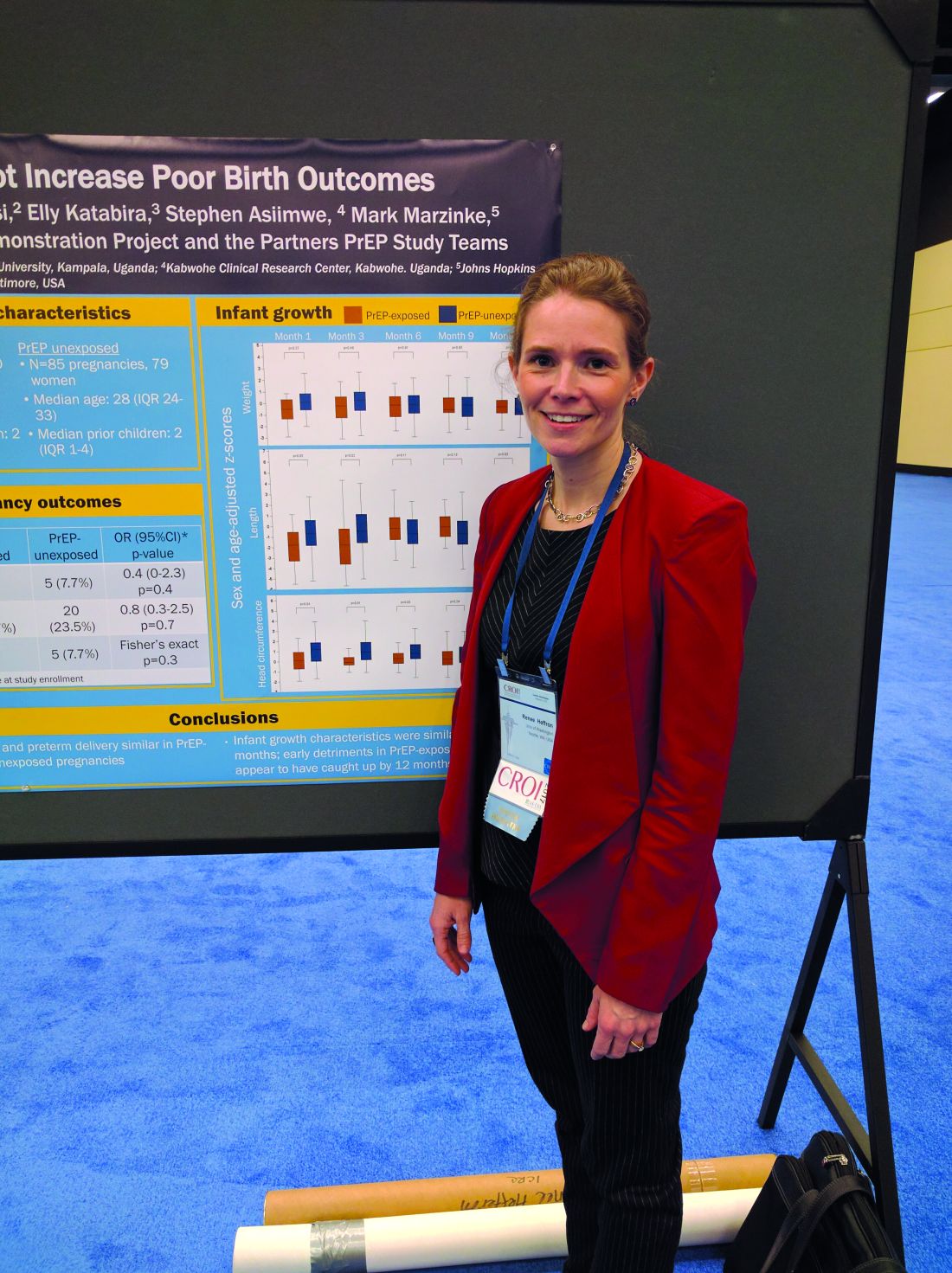
“We’ve been trying to gather as much data as we can. This is a small study, but I believe it’s the first study of women who used PrEP throughout their pregnancy,” said Dr Heffron.
The researchers analyzed data among women participating in a PrEP/ART study. Those who became pregnant during the study were counseled and offered the choice to continue PrEP, and the researchers tracked pregnancy and development outcomes in offspring out to 1 year.
The researchers studied 34 women who became pregnant during the Partners Demonstration Project, which evaluated HIV-prevention preference and adherence among more than 1,000 HIV-serodiscordant couples; 30 of the women (88%) opted to continue PrEP. The researchers compared their outcomes (30 women, 30 pregnancies) to the outcomes of the placebo arm of the Partners PrEP Study (79 women unexposed to PrEP, 88 pregnancies).
The researchers measured medication adherence by recording pill bottle openings via medication event monitoring system caps, which use microcircuits to record the date and time when a bottle is opened. The women opened a pill bottle on a median of 71% of days. A total of 74% of plasma samples showed detectable levels of tenofovir, and 35% had concentrations higher than 40 ng/mL.
The rate of pregnancy loss was similar between the two groups at 16.7% PrEP-exposed patients versus 23.5% PrEP-unexposed patients (adjusted odds ratio, 0.8; P = .7). The frequency of preterm delivery also was similar at 0% PrEP-exposed patients versus 7.7% PrEP unexposed patients (aOR, 0.4; P = .4). There were no congenital anomalies seen among PrEP-exposed babies.
The researchers also looked at growth outcomes out to 1 year, including standardized measures of head circumferences, height, and weight. In early measurements, PrEP-exposed babies were slightly smaller on average than were unexposed babies, but by 12 months, the two groups were indistinguishable. Dr. Heffron suspects the unexposed population may have been slightly larger than average.
The study was funded by the Bill & Melinda Gates Foundation, the National Institute of Mental Health, and the United States Agency for International Development. Dr Heffron reported having no financial disclosures.
SEATTLE – Pre-exposure prophylaxis therapy combined with antiretroviral therapy (ART) appears to be safe in pregnant women, according to an open-label study of high-risk women in Kenya and Uganda who were part of HIV-serodiscordant couples.
The safety profile of the drugs has not been well studied in pregnant women because, in the registration trials of Truvada (emtricitabine and tenofovir disoproxil fumarate; Gilead), women were instructed to stop taking the drugs when they became pregnant. Current guidelines offer counseling and the choice to continue PrEP after a woman becomes pregnant.
“We’ve been trying to gather as much data as we can. This is a small study, but I believe it’s the first study of women who used PrEP throughout their pregnancy,” said Dr Heffron.
The researchers analyzed data among women participating in a PrEP/ART study. Those who became pregnant during the study were counseled and offered the choice to continue PrEP, and the researchers tracked pregnancy and development outcomes in offspring out to 1 year.
The researchers studied 34 women who became pregnant during the Partners Demonstration Project, which evaluated HIV-prevention preference and adherence among more than 1,000 HIV-serodiscordant couples; 30 of the women (88%) opted to continue PrEP. The researchers compared their outcomes (30 women, 30 pregnancies) to the outcomes of the placebo arm of the Partners PrEP Study (79 women unexposed to PrEP, 88 pregnancies).
The researchers measured medication adherence by recording pill bottle openings via medication event monitoring system caps, which use microcircuits to record the date and time when a bottle is opened. The women opened a pill bottle on a median of 71% of days. A total of 74% of plasma samples showed detectable levels of tenofovir, and 35% had concentrations higher than 40 ng/mL.
The rate of pregnancy loss was similar between the two groups at 16.7% PrEP-exposed patients versus 23.5% PrEP-unexposed patients (adjusted odds ratio, 0.8; P = .7). The frequency of preterm delivery also was similar at 0% PrEP-exposed patients versus 7.7% PrEP unexposed patients (aOR, 0.4; P = .4). There were no congenital anomalies seen among PrEP-exposed babies.
The researchers also looked at growth outcomes out to 1 year, including standardized measures of head circumferences, height, and weight. In early measurements, PrEP-exposed babies were slightly smaller on average than were unexposed babies, but by 12 months, the two groups were indistinguishable. Dr. Heffron suspects the unexposed population may have been slightly larger than average.
The study was funded by the Bill & Melinda Gates Foundation, the National Institute of Mental Health, and the United States Agency for International Development. Dr Heffron reported having no financial disclosures.
SEATTLE – Pre-exposure prophylaxis therapy combined with antiretroviral therapy (ART) appears to be safe in pregnant women, according to an open-label study of high-risk women in Kenya and Uganda who were part of HIV-serodiscordant couples.
The safety profile of the drugs has not been well studied in pregnant women because, in the registration trials of Truvada (emtricitabine and tenofovir disoproxil fumarate; Gilead), women were instructed to stop taking the drugs when they became pregnant. Current guidelines offer counseling and the choice to continue PrEP after a woman becomes pregnant.
“We’ve been trying to gather as much data as we can. This is a small study, but I believe it’s the first study of women who used PrEP throughout their pregnancy,” said Dr Heffron.
The researchers analyzed data among women participating in a PrEP/ART study. Those who became pregnant during the study were counseled and offered the choice to continue PrEP, and the researchers tracked pregnancy and development outcomes in offspring out to 1 year.
The researchers studied 34 women who became pregnant during the Partners Demonstration Project, which evaluated HIV-prevention preference and adherence among more than 1,000 HIV-serodiscordant couples; 30 of the women (88%) opted to continue PrEP. The researchers compared their outcomes (30 women, 30 pregnancies) to the outcomes of the placebo arm of the Partners PrEP Study (79 women unexposed to PrEP, 88 pregnancies).
The researchers measured medication adherence by recording pill bottle openings via medication event monitoring system caps, which use microcircuits to record the date and time when a bottle is opened. The women opened a pill bottle on a median of 71% of days. A total of 74% of plasma samples showed detectable levels of tenofovir, and 35% had concentrations higher than 40 ng/mL.
The rate of pregnancy loss was similar between the two groups at 16.7% PrEP-exposed patients versus 23.5% PrEP-unexposed patients (adjusted odds ratio, 0.8; P = .7). The frequency of preterm delivery also was similar at 0% PrEP-exposed patients versus 7.7% PrEP unexposed patients (aOR, 0.4; P = .4). There were no congenital anomalies seen among PrEP-exposed babies.
The researchers also looked at growth outcomes out to 1 year, including standardized measures of head circumferences, height, and weight. In early measurements, PrEP-exposed babies were slightly smaller on average than were unexposed babies, but by 12 months, the two groups were indistinguishable. Dr. Heffron suspects the unexposed population may have been slightly larger than average.
The study was funded by the Bill & Melinda Gates Foundation, the National Institute of Mental Health, and the United States Agency for International Development. Dr Heffron reported having no financial disclosures.
Key clinical point: The study is the first to confirm safety of PrEP in pregnancy.
Major finding: In this study, 16.7% of PrEP-exposed women experienced pregnancy loss versus 23.5% of unexposed.
Data source: Open-label, case-controlled study of 30 PrEP-exposed women and 79 controls.
Disclosures: The study was funded by the Bill & Melinda Gates Foundation, the National Institute of Mental Health, and the United States Agency for International Development. Dr Heffron reported having no financial disclosures.
Antibody could replace conventional antiviral therapy in HIV
SEATTLE – In a phase II trial, an antibody that targets domain 1 of the CD4 receptor maintained viral suppression among patients who had been taking combination antiretroviral therapy (cART). The study lasted up to 16 weeks, and no viral rebound was seen.
In vitro studies showed that UB-421 can neutralize more than 850 strains of HIV-1, and it binds to the CD4 receptor with an affinity about 100 times greater than that of the gp120, essentially outcompeting the virus for access to T cells.
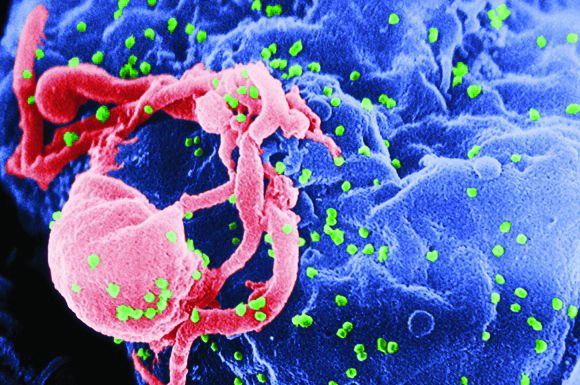
Most broadly neutralizing antibodies, which target the gp120 protein on the HIV virus, tend to allow viral breakthrough from the development of resistance. “Based on previous studies, in every viral isolate, we get 100% neutralization,” said Dr Liao.
The study included 29 males who had successfully suppressed viral loads on cART. They were assigned to cohort 1 (10 mg/kg weekly, 8-week interruption) or cohort 2 (25 mg/kg weekly, biweekly, 16-week interruption). 27 patients completed all doses.
After the interruption period, 22 of 27 patients who completed treatment restarted cART. There were no viral rebounds during the treatment periods or during the follow-up period among those who restarted cART. The five patients who discontinued cART experienced viral rebound, but all then restarted cART and achieved viral suppression.
During the periods of UB-421 therapy, proviral DNA count dropped (P = .014), suggesting that the antibody may deplete the HIV-1 reservoir and has potential to be curative.
There was no difference in CD4+ T-cell counts before treatment and after the study ended. That’s important, says Dr. Liao, because some researchers expressed concern that blocking CD4 could lead to immunosuppression.
Regulatory T-cell numbers dropped during UB-421 therapy (interquartile range 1.7-3.1; P less than .01), potentially boosting immunity. “Besides being an entry inhibitor, there is also a lot of immunomodulatory activity,” said Dr Liao.
She also believes that the injecting the drug is more convenient than taking daily oral medications, and in fact, some patients refused to go back to cART at the end of the trial, requesting ongoing therapy with UB-421 instead. The company also is working on intramuscular and subcutaneous formulations that could be dosed monthly.
The company is planning a phase III trial in Taiwan and plans to file an IND in the United States soon, she added.
SEATTLE – In a phase II trial, an antibody that targets domain 1 of the CD4 receptor maintained viral suppression among patients who had been taking combination antiretroviral therapy (cART). The study lasted up to 16 weeks, and no viral rebound was seen.
In vitro studies showed that UB-421 can neutralize more than 850 strains of HIV-1, and it binds to the CD4 receptor with an affinity about 100 times greater than that of the gp120, essentially outcompeting the virus for access to T cells.
Most broadly neutralizing antibodies, which target the gp120 protein on the HIV virus, tend to allow viral breakthrough from the development of resistance. “Based on previous studies, in every viral isolate, we get 100% neutralization,” said Dr Liao.
The study included 29 males who had successfully suppressed viral loads on cART. They were assigned to cohort 1 (10 mg/kg weekly, 8-week interruption) or cohort 2 (25 mg/kg weekly, biweekly, 16-week interruption). 27 patients completed all doses.
After the interruption period, 22 of 27 patients who completed treatment restarted cART. There were no viral rebounds during the treatment periods or during the follow-up period among those who restarted cART. The five patients who discontinued cART experienced viral rebound, but all then restarted cART and achieved viral suppression.
During the periods of UB-421 therapy, proviral DNA count dropped (P = .014), suggesting that the antibody may deplete the HIV-1 reservoir and has potential to be curative.
There was no difference in CD4+ T-cell counts before treatment and after the study ended. That’s important, says Dr. Liao, because some researchers expressed concern that blocking CD4 could lead to immunosuppression.
Regulatory T-cell numbers dropped during UB-421 therapy (interquartile range 1.7-3.1; P less than .01), potentially boosting immunity. “Besides being an entry inhibitor, there is also a lot of immunomodulatory activity,” said Dr Liao.
She also believes that the injecting the drug is more convenient than taking daily oral medications, and in fact, some patients refused to go back to cART at the end of the trial, requesting ongoing therapy with UB-421 instead. The company also is working on intramuscular and subcutaneous formulations that could be dosed monthly.
The company is planning a phase III trial in Taiwan and plans to file an IND in the United States soon, she added.
SEATTLE – In a phase II trial, an antibody that targets domain 1 of the CD4 receptor maintained viral suppression among patients who had been taking combination antiretroviral therapy (cART). The study lasted up to 16 weeks, and no viral rebound was seen.
In vitro studies showed that UB-421 can neutralize more than 850 strains of HIV-1, and it binds to the CD4 receptor with an affinity about 100 times greater than that of the gp120, essentially outcompeting the virus for access to T cells.
Most broadly neutralizing antibodies, which target the gp120 protein on the HIV virus, tend to allow viral breakthrough from the development of resistance. “Based on previous studies, in every viral isolate, we get 100% neutralization,” said Dr Liao.
The study included 29 males who had successfully suppressed viral loads on cART. They were assigned to cohort 1 (10 mg/kg weekly, 8-week interruption) or cohort 2 (25 mg/kg weekly, biweekly, 16-week interruption). 27 patients completed all doses.
After the interruption period, 22 of 27 patients who completed treatment restarted cART. There were no viral rebounds during the treatment periods or during the follow-up period among those who restarted cART. The five patients who discontinued cART experienced viral rebound, but all then restarted cART and achieved viral suppression.
During the periods of UB-421 therapy, proviral DNA count dropped (P = .014), suggesting that the antibody may deplete the HIV-1 reservoir and has potential to be curative.
There was no difference in CD4+ T-cell counts before treatment and after the study ended. That’s important, says Dr. Liao, because some researchers expressed concern that blocking CD4 could lead to immunosuppression.
Regulatory T-cell numbers dropped during UB-421 therapy (interquartile range 1.7-3.1; P less than .01), potentially boosting immunity. “Besides being an entry inhibitor, there is also a lot of immunomodulatory activity,” said Dr Liao.
She also believes that the injecting the drug is more convenient than taking daily oral medications, and in fact, some patients refused to go back to cART at the end of the trial, requesting ongoing therapy with UB-421 instead. The company also is working on intramuscular and subcutaneous formulations that could be dosed monthly.
The company is planning a phase III trial in Taiwan and plans to file an IND in the United States soon, she added.
Key clinical point: Antibody substitution for antiretroviral therapy maintained viral suppression for 16 weeks.
Major finding: No viral breakthroughs occurred during the antibody treatment period.
Data source: Phase II, open-label, randomized study in 29 patients.
Disclosures: United BioPharma sponsored the study. Dr. Liao is an employee of United BioPharma.
Ibalizumab suppressed HIV-1 in multidrug-resistant patients
Seattle – The antibody ibalizumab combined with an optimized background regimen maintained viral suppression out to 24 weeks, in an open-label extension study of patients with multidrug-resistant HIV-1 infections.
The researchers had previously shown that the drug achieved viral suppression after 7 days in many patients.
Ibalizumab works by blocking an epitope on the second extracellular domain of the CD4 receptor, preventing the HIV virus from entering the cell. The 40 patients in the study had failed on at least one drug in three different classes, though they had to have sensitivity to at least one antiretroviral drug, which was used to construct the optimized background regimen (OBR).
“These patients are the most vulnerable and most at risk in terms of needing a new class of drugs. This is the first new class of drug that will go for approval in a decade,” said Brinda Emu, MD, of the deparment of internal medicine at Yale University, New Haven, Conn., who presented the study in a poster session at the Conference on Retroviruses & Opportunistic Infections in partnership with the International Antiviral Society.
The average duration of HIV infection among patients was 21 years. Forty-three percent had to take the investigational agent fostemsavir as part of their OBR. After a 7-day monitoring period, patients received a 2,000-mg IV dose of ibalizumab. Seven days later, at day 14, 83% had achieved at least a 0.5 log10 reduction in viral load, compared with 3% during the monitoring period (P less than .0001); 60% achieved at least a 1 log10 reduction, compared with 0% during the monitoring period (P less than .0001).
The OBR was then started at week 14, and patients received an injection of 800 mg ibalizumab every 2 weeks beginning at day 21 and continuing until week 24.
The current research reports the results of the extension study. At week 24, the mean viral load had decreased 1.6 log10, compared with baseline – 55% of patients had a decrease of at least 1 log10, and 48% had a reduction of at least 2 log10; 43% of patients had undetectable levels of virus, and 50% had fewer than 200 copies/mL.
Nine patients reported a total of 17 serious adverse events, 1 of which led to drug discontinuation. Overall. there were nine discontinuations due to four deaths, three consent withdrawals, and two losses to follow-up.
“In an indication with very resistant virus and limited options, combining ibalizumab with at least one other active agent can provide a way to decrease viral load and increase CD4+ T cells. What I want to know is, What if we started this a little bit earlier as we do with many of our other drugs?” asked Dr. Emu.
She said that some providers had had concerns that adherence may be low with an injectable drug, but the results were reassuring. “I will say anecdotally that I’ve seen the complete opposite. One of the things we noticed is that seeing these patients every 2 weeks to give them their IV infusions has made them more adherent to the rest of their regimen. Perhaps it’s that ability to check in, and the relationship that builds up over time with your providers. Despite it being an infusional agent, or perhaps because of that, adherence has been pretty good.”
The study was funded by TaiMed Biologics. Dr. Emu has served on TaiMed’s advisory board.
Seattle – The antibody ibalizumab combined with an optimized background regimen maintained viral suppression out to 24 weeks, in an open-label extension study of patients with multidrug-resistant HIV-1 infections.
The researchers had previously shown that the drug achieved viral suppression after 7 days in many patients.
Ibalizumab works by blocking an epitope on the second extracellular domain of the CD4 receptor, preventing the HIV virus from entering the cell. The 40 patients in the study had failed on at least one drug in three different classes, though they had to have sensitivity to at least one antiretroviral drug, which was used to construct the optimized background regimen (OBR).
“These patients are the most vulnerable and most at risk in terms of needing a new class of drugs. This is the first new class of drug that will go for approval in a decade,” said Brinda Emu, MD, of the deparment of internal medicine at Yale University, New Haven, Conn., who presented the study in a poster session at the Conference on Retroviruses & Opportunistic Infections in partnership with the International Antiviral Society.
The average duration of HIV infection among patients was 21 years. Forty-three percent had to take the investigational agent fostemsavir as part of their OBR. After a 7-day monitoring period, patients received a 2,000-mg IV dose of ibalizumab. Seven days later, at day 14, 83% had achieved at least a 0.5 log10 reduction in viral load, compared with 3% during the monitoring period (P less than .0001); 60% achieved at least a 1 log10 reduction, compared with 0% during the monitoring period (P less than .0001).
The OBR was then started at week 14, and patients received an injection of 800 mg ibalizumab every 2 weeks beginning at day 21 and continuing until week 24.
The current research reports the results of the extension study. At week 24, the mean viral load had decreased 1.6 log10, compared with baseline – 55% of patients had a decrease of at least 1 log10, and 48% had a reduction of at least 2 log10; 43% of patients had undetectable levels of virus, and 50% had fewer than 200 copies/mL.
Nine patients reported a total of 17 serious adverse events, 1 of which led to drug discontinuation. Overall. there were nine discontinuations due to four deaths, three consent withdrawals, and two losses to follow-up.
“In an indication with very resistant virus and limited options, combining ibalizumab with at least one other active agent can provide a way to decrease viral load and increase CD4+ T cells. What I want to know is, What if we started this a little bit earlier as we do with many of our other drugs?” asked Dr. Emu.
She said that some providers had had concerns that adherence may be low with an injectable drug, but the results were reassuring. “I will say anecdotally that I’ve seen the complete opposite. One of the things we noticed is that seeing these patients every 2 weeks to give them their IV infusions has made them more adherent to the rest of their regimen. Perhaps it’s that ability to check in, and the relationship that builds up over time with your providers. Despite it being an infusional agent, or perhaps because of that, adherence has been pretty good.”
The study was funded by TaiMed Biologics. Dr. Emu has served on TaiMed’s advisory board.
Seattle – The antibody ibalizumab combined with an optimized background regimen maintained viral suppression out to 24 weeks, in an open-label extension study of patients with multidrug-resistant HIV-1 infections.
The researchers had previously shown that the drug achieved viral suppression after 7 days in many patients.
Ibalizumab works by blocking an epitope on the second extracellular domain of the CD4 receptor, preventing the HIV virus from entering the cell. The 40 patients in the study had failed on at least one drug in three different classes, though they had to have sensitivity to at least one antiretroviral drug, which was used to construct the optimized background regimen (OBR).
“These patients are the most vulnerable and most at risk in terms of needing a new class of drugs. This is the first new class of drug that will go for approval in a decade,” said Brinda Emu, MD, of the deparment of internal medicine at Yale University, New Haven, Conn., who presented the study in a poster session at the Conference on Retroviruses & Opportunistic Infections in partnership with the International Antiviral Society.
The average duration of HIV infection among patients was 21 years. Forty-three percent had to take the investigational agent fostemsavir as part of their OBR. After a 7-day monitoring period, patients received a 2,000-mg IV dose of ibalizumab. Seven days later, at day 14, 83% had achieved at least a 0.5 log10 reduction in viral load, compared with 3% during the monitoring period (P less than .0001); 60% achieved at least a 1 log10 reduction, compared with 0% during the monitoring period (P less than .0001).
The OBR was then started at week 14, and patients received an injection of 800 mg ibalizumab every 2 weeks beginning at day 21 and continuing until week 24.
The current research reports the results of the extension study. At week 24, the mean viral load had decreased 1.6 log10, compared with baseline – 55% of patients had a decrease of at least 1 log10, and 48% had a reduction of at least 2 log10; 43% of patients had undetectable levels of virus, and 50% had fewer than 200 copies/mL.
Nine patients reported a total of 17 serious adverse events, 1 of which led to drug discontinuation. Overall. there were nine discontinuations due to four deaths, three consent withdrawals, and two losses to follow-up.
“In an indication with very resistant virus and limited options, combining ibalizumab with at least one other active agent can provide a way to decrease viral load and increase CD4+ T cells. What I want to know is, What if we started this a little bit earlier as we do with many of our other drugs?” asked Dr. Emu.
She said that some providers had had concerns that adherence may be low with an injectable drug, but the results were reassuring. “I will say anecdotally that I’ve seen the complete opposite. One of the things we noticed is that seeing these patients every 2 weeks to give them their IV infusions has made them more adherent to the rest of their regimen. Perhaps it’s that ability to check in, and the relationship that builds up over time with your providers. Despite it being an infusional agent, or perhaps because of that, adherence has been pretty good.”
The study was funded by TaiMed Biologics. Dr. Emu has served on TaiMed’s advisory board.
Key clinical point: An extension study showed viral load suppression out to 24 weeks in multidrug-resistant HIV patients.
Major finding: 55% of patients with resistant HIV had viral reduction at week 24.
Data source: A single-arm, open-label study of 40 patients.
Disclosures: The study was funded by TaiMed Biologics. Dr. Emu has served on TaiMed’s advisory board.
Small study: Drug combo achieves negative bacterial culture in all TB patients
SEATTLE – An all-oral drug combination achieved negative bacterial culture in 100% of patients with extensively drug resistant (XDR) or multidrug resistant (MDR) tuberculosis at 4 months, according to a study.
The drugs used were bedaquiline (400 mg once daily for 2 weeks followed by 200 mg three times per week), pretomanid (200 mg once daily), and linezolid (600 mg twice daily). The study, Nix-TB, was an open-label, two-site trial that examined a simplified and shortened all-oral regimen. Pretomanid is an experimental drug, while bedaquiline and linezolid are both approved medications.
The mortality rate among study participants was less than 6%.
“I was surprised at how successful this study was. These are patients who are generally very ill, with a very poor prognosis,” noted Francesca Conradie, MD, deputy director of the clinical HIV unit at the University of Witwatersrand (Johannesburg, South Africa), who presented the results at a poster session at the Conference on Retroviruses & Opportunistic Infections in partnership with the International Antiviral Society.
To date, the trial has enrolled 72 subjects (51% HIV positive, 65% XDR-TB, 35% MDR-TB). HIV-infected subjects had to have CD4 counts of at least 50 cell/mcL. The researchers evaluated clinical, laboratory, and sputum liquid cultures at baseline and at weeks 1, 2, 4, 6, and 8, and then every 4-6 weeks throughout the 6-month treatment period.
Forty patients have finished 6 months of therapy and 31 have completed 6-months of posttherapy follow-up.
Four patients died during the first 8 weeks of therapy. Of the survivors, 74% were culture negative at 8 weeks, and all were culture negative at 4 months. Two patients experienced relapses or reinfections at 6 months following therapy.
Twenty-seven percent of patients experienced serious adverse events, but no patients withdrew from the trials for clinical adverse events or laboratory abnormalities.
Linezolid-associated peripheral neuropathy and myelosuppression occurred, with 71% of patients having experienced at least one dose interruption as a result. Seven patients experienced grade 3 or 4 transaminitis, but all such cases resolved and those patients continued the study regimen.
Some hepatic enzyme changes were seen among patients. A total of 14.1% developed alanine transaminase levels greater than 3 times the upper limit of normal (ULN), and 7.0% had levels greater than 5 x ULN. A total of 14.9% had aspartate transaminase (AST) enzymes at greater than 3 x ULN, and 2.8% had AST levels greater than 5 x ULN. A total of 4.2% had alkaline phosphatase levels reaching greater than 3 x ULN. In all cases, the values returned to normal with a pause in therapy.
Dr. Conradie characterized these results as reassuring, in light of the fact that the STAND study of pretomanid in combination with moxifloxacin and pyrazinamide was ended prematurely because of liver safety concerns.
The linezolid side effect profile is concerning, and the study will continue with modified linezolid doses, Dr. Conradie acknowledged. “We’re looking to see if we could do a study with a lower dose” of linezolid or a study that doesn’t involve giving linezolid for the entire period of the treatment, she noted.
Dr Conradie has served on advisory boards for ViiV, Janssen, Merck, GSK, Mylan, and Sanofi Aventis. The study was funded by the TB Foundation.
SEATTLE – An all-oral drug combination achieved negative bacterial culture in 100% of patients with extensively drug resistant (XDR) or multidrug resistant (MDR) tuberculosis at 4 months, according to a study.
The drugs used were bedaquiline (400 mg once daily for 2 weeks followed by 200 mg three times per week), pretomanid (200 mg once daily), and linezolid (600 mg twice daily). The study, Nix-TB, was an open-label, two-site trial that examined a simplified and shortened all-oral regimen. Pretomanid is an experimental drug, while bedaquiline and linezolid are both approved medications.
The mortality rate among study participants was less than 6%.
“I was surprised at how successful this study was. These are patients who are generally very ill, with a very poor prognosis,” noted Francesca Conradie, MD, deputy director of the clinical HIV unit at the University of Witwatersrand (Johannesburg, South Africa), who presented the results at a poster session at the Conference on Retroviruses & Opportunistic Infections in partnership with the International Antiviral Society.
To date, the trial has enrolled 72 subjects (51% HIV positive, 65% XDR-TB, 35% MDR-TB). HIV-infected subjects had to have CD4 counts of at least 50 cell/mcL. The researchers evaluated clinical, laboratory, and sputum liquid cultures at baseline and at weeks 1, 2, 4, 6, and 8, and then every 4-6 weeks throughout the 6-month treatment period.
Forty patients have finished 6 months of therapy and 31 have completed 6-months of posttherapy follow-up.
Four patients died during the first 8 weeks of therapy. Of the survivors, 74% were culture negative at 8 weeks, and all were culture negative at 4 months. Two patients experienced relapses or reinfections at 6 months following therapy.
Twenty-seven percent of patients experienced serious adverse events, but no patients withdrew from the trials for clinical adverse events or laboratory abnormalities.
Linezolid-associated peripheral neuropathy and myelosuppression occurred, with 71% of patients having experienced at least one dose interruption as a result. Seven patients experienced grade 3 or 4 transaminitis, but all such cases resolved and those patients continued the study regimen.
Some hepatic enzyme changes were seen among patients. A total of 14.1% developed alanine transaminase levels greater than 3 times the upper limit of normal (ULN), and 7.0% had levels greater than 5 x ULN. A total of 14.9% had aspartate transaminase (AST) enzymes at greater than 3 x ULN, and 2.8% had AST levels greater than 5 x ULN. A total of 4.2% had alkaline phosphatase levels reaching greater than 3 x ULN. In all cases, the values returned to normal with a pause in therapy.
Dr. Conradie characterized these results as reassuring, in light of the fact that the STAND study of pretomanid in combination with moxifloxacin and pyrazinamide was ended prematurely because of liver safety concerns.
The linezolid side effect profile is concerning, and the study will continue with modified linezolid doses, Dr. Conradie acknowledged. “We’re looking to see if we could do a study with a lower dose” of linezolid or a study that doesn’t involve giving linezolid for the entire period of the treatment, she noted.
Dr Conradie has served on advisory boards for ViiV, Janssen, Merck, GSK, Mylan, and Sanofi Aventis. The study was funded by the TB Foundation.
SEATTLE – An all-oral drug combination achieved negative bacterial culture in 100% of patients with extensively drug resistant (XDR) or multidrug resistant (MDR) tuberculosis at 4 months, according to a study.
The drugs used were bedaquiline (400 mg once daily for 2 weeks followed by 200 mg three times per week), pretomanid (200 mg once daily), and linezolid (600 mg twice daily). The study, Nix-TB, was an open-label, two-site trial that examined a simplified and shortened all-oral regimen. Pretomanid is an experimental drug, while bedaquiline and linezolid are both approved medications.
The mortality rate among study participants was less than 6%.
“I was surprised at how successful this study was. These are patients who are generally very ill, with a very poor prognosis,” noted Francesca Conradie, MD, deputy director of the clinical HIV unit at the University of Witwatersrand (Johannesburg, South Africa), who presented the results at a poster session at the Conference on Retroviruses & Opportunistic Infections in partnership with the International Antiviral Society.
To date, the trial has enrolled 72 subjects (51% HIV positive, 65% XDR-TB, 35% MDR-TB). HIV-infected subjects had to have CD4 counts of at least 50 cell/mcL. The researchers evaluated clinical, laboratory, and sputum liquid cultures at baseline and at weeks 1, 2, 4, 6, and 8, and then every 4-6 weeks throughout the 6-month treatment period.
Forty patients have finished 6 months of therapy and 31 have completed 6-months of posttherapy follow-up.
Four patients died during the first 8 weeks of therapy. Of the survivors, 74% were culture negative at 8 weeks, and all were culture negative at 4 months. Two patients experienced relapses or reinfections at 6 months following therapy.
Twenty-seven percent of patients experienced serious adverse events, but no patients withdrew from the trials for clinical adverse events or laboratory abnormalities.
Linezolid-associated peripheral neuropathy and myelosuppression occurred, with 71% of patients having experienced at least one dose interruption as a result. Seven patients experienced grade 3 or 4 transaminitis, but all such cases resolved and those patients continued the study regimen.
Some hepatic enzyme changes were seen among patients. A total of 14.1% developed alanine transaminase levels greater than 3 times the upper limit of normal (ULN), and 7.0% had levels greater than 5 x ULN. A total of 14.9% had aspartate transaminase (AST) enzymes at greater than 3 x ULN, and 2.8% had AST levels greater than 5 x ULN. A total of 4.2% had alkaline phosphatase levels reaching greater than 3 x ULN. In all cases, the values returned to normal with a pause in therapy.
Dr. Conradie characterized these results as reassuring, in light of the fact that the STAND study of pretomanid in combination with moxifloxacin and pyrazinamide was ended prematurely because of liver safety concerns.
The linezolid side effect profile is concerning, and the study will continue with modified linezolid doses, Dr. Conradie acknowledged. “We’re looking to see if we could do a study with a lower dose” of linezolid or a study that doesn’t involve giving linezolid for the entire period of the treatment, she noted.
Dr Conradie has served on advisory boards for ViiV, Janssen, Merck, GSK, Mylan, and Sanofi Aventis. The study was funded by the TB Foundation.
AT CROI
Key clinical point: An oral, three-drug combination led to undetectable bacteria levels.
Major finding: All of the patients in the study were culture negative at 4 months.
Data source: Open-label trial of 72 patients at two centers.
Disclosures: Dr. Conradie has served on advisory boards for ViiV, Janssen, Merck, GSK, Mylan, and Sanofi Aventis. The study was funded by the TB Foundation.
Two-drug combo looks good for HIV maintenance therapy
SEATTLE – In HIV patients with suppressed virus and no history of virologic failure, a two-drug combination of dolutegravir and rilpivirine (DTG+RPV) proved noninferior to three- and four-drug regimens in maintaining viral RNA counts at less than 50 copies/mL.
The results come from an integrated analysis of two open-label, multicenter phase III clinical trials – SWORD 1 and SWORD 2 – the results of which were presented at the Conference on Retroviruses & Opportunistic Infections in partnership with the International Antiviral Society.
The combined studies included 1,024 HIV-1 infected adults who had successful viral suppression on a three- or four-drug current antiretroviral (CAR) therapy. They were randomized to continue CAR or switch to the two-drug regimen.
At week 48, a pooled analysis showed that the percentage of patients with HIV-1 RNA less than 50 copies/mL was 95% in CAR patients and 96% in DTG+RPV patients (difference, –0.6%; 95% confidence interval, –4.3% to 3.0%) in SWORD 1. In SWORD 2, 94% of patients achieved those levels in both arms (difference, –0.2%; 95% CI, –3.9% to 4.2%).
Adverse events were reported in 77% of patients in the DTG+RPV group and 71% of patients in the CAR group, with the most common being nasopharyngitis, headache, upper respiratory tract infection, diarrhea, and back pain. Five percent of patients in the DTG+RPV group had serious adverse events, compared with 4% in the CAR group.
The rate of adverse events leading to study withdrawal was higher in the DTG+RPV group (4%) than the CAR group (less than 1%).
The switch to DTG+RPV had no significant effect on lipid levels, but was associated with improvements in bone biomarkers, including bone-specific alkaline phosphatase (baseline 15.9 mcg/L to 12.9 mcg/L in DTG+RPV versus 16.2 to 17.1 in CAR; P less than .001), osteocalcin (23.8 mcg/L to 19.0 mcg/L in DTG+RPV versus 24.0 to 23.1 in CAR; P less than .001), and procollagen 1 N-terminal propeptide (53.0 mcg/L to 45.6 mcg/L in DTG+RPV versus 55.3 to 54.7 in CAR; P less than .001).
ViiV and Janssen, who sponsored the two studies, have formed a partnership to formulate the two drugs as a single pill, according to Kimberly Smith, MD, MPH, vice president and head of global research and medical strategy at ViiV. “We’re hoping to have the tablet available to people by this time next year,” she said.
The two drugs were chosen for their potency and safety. “Dolutegravir has shown itself to be the most potent integrase inhibitor, it’s well tolerated, and it has a high barrier to resistance. That’s why we thought it would be a good lead drug for a two-drug regimen. We added rilpivirine to it because it’s also a well-tolerated drug. The two have small doses, so we thought we could make a very small pill,” said Dr. Smith.
Joseph Eron, MD, director of Clinical Core at the University of North Carolina, Chapel Hill, who chaired a press conference that discussed the results, noted that the regimen has the potential to have fewer drug interactions. “There are potential distinct advantages to this particular combination.”
SEATTLE – In HIV patients with suppressed virus and no history of virologic failure, a two-drug combination of dolutegravir and rilpivirine (DTG+RPV) proved noninferior to three- and four-drug regimens in maintaining viral RNA counts at less than 50 copies/mL.
The results come from an integrated analysis of two open-label, multicenter phase III clinical trials – SWORD 1 and SWORD 2 – the results of which were presented at the Conference on Retroviruses & Opportunistic Infections in partnership with the International Antiviral Society.
The combined studies included 1,024 HIV-1 infected adults who had successful viral suppression on a three- or four-drug current antiretroviral (CAR) therapy. They were randomized to continue CAR or switch to the two-drug regimen.
At week 48, a pooled analysis showed that the percentage of patients with HIV-1 RNA less than 50 copies/mL was 95% in CAR patients and 96% in DTG+RPV patients (difference, –0.6%; 95% confidence interval, –4.3% to 3.0%) in SWORD 1. In SWORD 2, 94% of patients achieved those levels in both arms (difference, –0.2%; 95% CI, –3.9% to 4.2%).
Adverse events were reported in 77% of patients in the DTG+RPV group and 71% of patients in the CAR group, with the most common being nasopharyngitis, headache, upper respiratory tract infection, diarrhea, and back pain. Five percent of patients in the DTG+RPV group had serious adverse events, compared with 4% in the CAR group.
The rate of adverse events leading to study withdrawal was higher in the DTG+RPV group (4%) than the CAR group (less than 1%).
The switch to DTG+RPV had no significant effect on lipid levels, but was associated with improvements in bone biomarkers, including bone-specific alkaline phosphatase (baseline 15.9 mcg/L to 12.9 mcg/L in DTG+RPV versus 16.2 to 17.1 in CAR; P less than .001), osteocalcin (23.8 mcg/L to 19.0 mcg/L in DTG+RPV versus 24.0 to 23.1 in CAR; P less than .001), and procollagen 1 N-terminal propeptide (53.0 mcg/L to 45.6 mcg/L in DTG+RPV versus 55.3 to 54.7 in CAR; P less than .001).
ViiV and Janssen, who sponsored the two studies, have formed a partnership to formulate the two drugs as a single pill, according to Kimberly Smith, MD, MPH, vice president and head of global research and medical strategy at ViiV. “We’re hoping to have the tablet available to people by this time next year,” she said.
The two drugs were chosen for their potency and safety. “Dolutegravir has shown itself to be the most potent integrase inhibitor, it’s well tolerated, and it has a high barrier to resistance. That’s why we thought it would be a good lead drug for a two-drug regimen. We added rilpivirine to it because it’s also a well-tolerated drug. The two have small doses, so we thought we could make a very small pill,” said Dr. Smith.
Joseph Eron, MD, director of Clinical Core at the University of North Carolina, Chapel Hill, who chaired a press conference that discussed the results, noted that the regimen has the potential to have fewer drug interactions. “There are potential distinct advantages to this particular combination.”
SEATTLE – In HIV patients with suppressed virus and no history of virologic failure, a two-drug combination of dolutegravir and rilpivirine (DTG+RPV) proved noninferior to three- and four-drug regimens in maintaining viral RNA counts at less than 50 copies/mL.
The results come from an integrated analysis of two open-label, multicenter phase III clinical trials – SWORD 1 and SWORD 2 – the results of which were presented at the Conference on Retroviruses & Opportunistic Infections in partnership with the International Antiviral Society.
The combined studies included 1,024 HIV-1 infected adults who had successful viral suppression on a three- or four-drug current antiretroviral (CAR) therapy. They were randomized to continue CAR or switch to the two-drug regimen.
At week 48, a pooled analysis showed that the percentage of patients with HIV-1 RNA less than 50 copies/mL was 95% in CAR patients and 96% in DTG+RPV patients (difference, –0.6%; 95% confidence interval, –4.3% to 3.0%) in SWORD 1. In SWORD 2, 94% of patients achieved those levels in both arms (difference, –0.2%; 95% CI, –3.9% to 4.2%).
Adverse events were reported in 77% of patients in the DTG+RPV group and 71% of patients in the CAR group, with the most common being nasopharyngitis, headache, upper respiratory tract infection, diarrhea, and back pain. Five percent of patients in the DTG+RPV group had serious adverse events, compared with 4% in the CAR group.
The rate of adverse events leading to study withdrawal was higher in the DTG+RPV group (4%) than the CAR group (less than 1%).
The switch to DTG+RPV had no significant effect on lipid levels, but was associated with improvements in bone biomarkers, including bone-specific alkaline phosphatase (baseline 15.9 mcg/L to 12.9 mcg/L in DTG+RPV versus 16.2 to 17.1 in CAR; P less than .001), osteocalcin (23.8 mcg/L to 19.0 mcg/L in DTG+RPV versus 24.0 to 23.1 in CAR; P less than .001), and procollagen 1 N-terminal propeptide (53.0 mcg/L to 45.6 mcg/L in DTG+RPV versus 55.3 to 54.7 in CAR; P less than .001).
ViiV and Janssen, who sponsored the two studies, have formed a partnership to formulate the two drugs as a single pill, according to Kimberly Smith, MD, MPH, vice president and head of global research and medical strategy at ViiV. “We’re hoping to have the tablet available to people by this time next year,” she said.
The two drugs were chosen for their potency and safety. “Dolutegravir has shown itself to be the most potent integrase inhibitor, it’s well tolerated, and it has a high barrier to resistance. That’s why we thought it would be a good lead drug for a two-drug regimen. We added rilpivirine to it because it’s also a well-tolerated drug. The two have small doses, so we thought we could make a very small pill,” said Dr. Smith.
Joseph Eron, MD, director of Clinical Core at the University of North Carolina, Chapel Hill, who chaired a press conference that discussed the results, noted that the regimen has the potential to have fewer drug interactions. “There are potential distinct advantages to this particular combination.”
Key clinical point: A two-drug combination could reduce cumulative drug exposure in HIV maintenance.
Major finding: Both two-drug and CAR regimens achieved viral suppression in about 95% of patients at week 48.
Data source: An integrated analysis of two open-label, multicenter phase III clinical trials, SWORD 1 and SWORD 2.
Disclosures: The study was sponsored by ViiV Healthcare and Janssen. Dr. Smith is an employee of Viiv. Dr. Llibre has consulted for ViiV and Janssen. Dr. Eron has received consulting fees from AbbVie, Bristol-Myers Squibb, Gilead Sciences, GlaxoSmithKline/ViiV, Merck, Tibotec/Janssen, and Tobira.
Prednisone reduces TB-IRIS risk
SEATTLE – In patients coinfected with HIV and tuberculosis, addition of prednisone to an antiretroviral therapy (ART)/TB regimen significantly reduced the incidence of tuberculosis-immune reconstitution inflammatory syndrome (TB-IRIS).
The study showed a reduction of incidence of TB-IRIS – a worsening of the inflammatory elements of tuberculosis that often occurs within a few weeks of starting ART – in the prednisone group, with no sign of adverse events associated with immunosuppression. That safety profile “gives us the reassurance that this is something that could be scaled up. It’s effective but it’s also safe,” said Graeme Meintjes, MD, PhD, professor of medicine at the University of Cape Town, South Africa.
TB-IRIS occurs in 18% of patients undergoing ART/TB regimens, and 25% of these patients wind up in the hospital (Future Microbiol. 2015;10[6]:1077-99).
Ironically, TB-IRIS is of increasing concern because of improved treatment strategies. Clinical trials have shown that, in patients with low CD4 counts, TB mortality is decreased by about 20% if ART is started within 2 weeks of initiation of TB treatment. But when ART is started so soon after TB therapy, patients with low CD4 counts are at about a twofold increased risk of TB-IRIS (Ann Intern Med. 2015;163[1]:32-9).
“That brought into focus the need for an intervention to prevent this complication,” said Dr. Meintjes, who presented the study at the Conference on Retroviruses & Opportunistic Infections in partnership with the International Antiviral Society.
There were concerns that prednisone could put HIV patients at greater risk of opportunistic infections such as Kaposi’s sarcoma, although Dr. Meintjes noted that those risks were seen in a context of patients who were not taking ART. His team also showed in a previous study (AIDS. 2010;24:2381-90) that prednisone reduced duration of symptoms and hospitalization in TB-IRIS, with no increase in serious infections.
The researchers randomized 240 patients to receive prednisone (40 mg/day for 2 weeks, then 20 mg/day for 2 weeks) within 48 hours of starting ART. All patients started ART within 30 days of starting TB treatment, and had a CD4 count of 100 or fewer cells/microL.
Excluded patients included those with rifampicin resistance, neurobiological tuberculosis, Kaposi’s sarcoma, or hepatitis B, and those who weren’t on the standard first line TB treatment because they couldn’t tolerate it. Patients were also excluded if they had a poor clinical response to TB treatment.
Most endpoints were followed for 12 weeks, but HIV-related cancers were monitored out to 1 year.
Forty-seven percent of patients in the placebo group experienced TB-IRIS within 12 weeks, compared with 33% of patients in the prednisone group (risk ratio, 0.70; 95% confidence interval 0.51-0.96). In an open-label extension study, the researchers noted that 28% of patients who started out in the placebo arm eventually received corticosteroids to treat TB-IRIS, compared with 13% of those who started out in the prednisone arm (RR 0.47, 95% CI 0.27-0.83).
Subjects in the prednisone arm had a lower rate of grade 3 adverse events (29% vs. 45%, P = .01).
There was a similar mortality rate in both arms, and no difference in the incidence of Kaposi’s sarcoma or new-onset AIDS-defining infections.
Dr. Meintjes pointed out that patient selection is important. The trial patients were seen in the clinical setting, not sicker, hospitalized patients, and they had to be improving with TB treatment; significant comorbidities were excluded. “In those patients, prednisone was safe.”
Dr. Meintjes reported having no relevant financial disclosures.
SEATTLE – In patients coinfected with HIV and tuberculosis, addition of prednisone to an antiretroviral therapy (ART)/TB regimen significantly reduced the incidence of tuberculosis-immune reconstitution inflammatory syndrome (TB-IRIS).
The study showed a reduction of incidence of TB-IRIS – a worsening of the inflammatory elements of tuberculosis that often occurs within a few weeks of starting ART – in the prednisone group, with no sign of adverse events associated with immunosuppression. That safety profile “gives us the reassurance that this is something that could be scaled up. It’s effective but it’s also safe,” said Graeme Meintjes, MD, PhD, professor of medicine at the University of Cape Town, South Africa.
TB-IRIS occurs in 18% of patients undergoing ART/TB regimens, and 25% of these patients wind up in the hospital (Future Microbiol. 2015;10[6]:1077-99).
Ironically, TB-IRIS is of increasing concern because of improved treatment strategies. Clinical trials have shown that, in patients with low CD4 counts, TB mortality is decreased by about 20% if ART is started within 2 weeks of initiation of TB treatment. But when ART is started so soon after TB therapy, patients with low CD4 counts are at about a twofold increased risk of TB-IRIS (Ann Intern Med. 2015;163[1]:32-9).
“That brought into focus the need for an intervention to prevent this complication,” said Dr. Meintjes, who presented the study at the Conference on Retroviruses & Opportunistic Infections in partnership with the International Antiviral Society.
There were concerns that prednisone could put HIV patients at greater risk of opportunistic infections such as Kaposi’s sarcoma, although Dr. Meintjes noted that those risks were seen in a context of patients who were not taking ART. His team also showed in a previous study (AIDS. 2010;24:2381-90) that prednisone reduced duration of symptoms and hospitalization in TB-IRIS, with no increase in serious infections.
The researchers randomized 240 patients to receive prednisone (40 mg/day for 2 weeks, then 20 mg/day for 2 weeks) within 48 hours of starting ART. All patients started ART within 30 days of starting TB treatment, and had a CD4 count of 100 or fewer cells/microL.
Excluded patients included those with rifampicin resistance, neurobiological tuberculosis, Kaposi’s sarcoma, or hepatitis B, and those who weren’t on the standard first line TB treatment because they couldn’t tolerate it. Patients were also excluded if they had a poor clinical response to TB treatment.
Most endpoints were followed for 12 weeks, but HIV-related cancers were monitored out to 1 year.
Forty-seven percent of patients in the placebo group experienced TB-IRIS within 12 weeks, compared with 33% of patients in the prednisone group (risk ratio, 0.70; 95% confidence interval 0.51-0.96). In an open-label extension study, the researchers noted that 28% of patients who started out in the placebo arm eventually received corticosteroids to treat TB-IRIS, compared with 13% of those who started out in the prednisone arm (RR 0.47, 95% CI 0.27-0.83).
Subjects in the prednisone arm had a lower rate of grade 3 adverse events (29% vs. 45%, P = .01).
There was a similar mortality rate in both arms, and no difference in the incidence of Kaposi’s sarcoma or new-onset AIDS-defining infections.
Dr. Meintjes pointed out that patient selection is important. The trial patients were seen in the clinical setting, not sicker, hospitalized patients, and they had to be improving with TB treatment; significant comorbidities were excluded. “In those patients, prednisone was safe.”
Dr. Meintjes reported having no relevant financial disclosures.
SEATTLE – In patients coinfected with HIV and tuberculosis, addition of prednisone to an antiretroviral therapy (ART)/TB regimen significantly reduced the incidence of tuberculosis-immune reconstitution inflammatory syndrome (TB-IRIS).
The study showed a reduction of incidence of TB-IRIS – a worsening of the inflammatory elements of tuberculosis that often occurs within a few weeks of starting ART – in the prednisone group, with no sign of adverse events associated with immunosuppression. That safety profile “gives us the reassurance that this is something that could be scaled up. It’s effective but it’s also safe,” said Graeme Meintjes, MD, PhD, professor of medicine at the University of Cape Town, South Africa.
TB-IRIS occurs in 18% of patients undergoing ART/TB regimens, and 25% of these patients wind up in the hospital (Future Microbiol. 2015;10[6]:1077-99).
Ironically, TB-IRIS is of increasing concern because of improved treatment strategies. Clinical trials have shown that, in patients with low CD4 counts, TB mortality is decreased by about 20% if ART is started within 2 weeks of initiation of TB treatment. But when ART is started so soon after TB therapy, patients with low CD4 counts are at about a twofold increased risk of TB-IRIS (Ann Intern Med. 2015;163[1]:32-9).
“That brought into focus the need for an intervention to prevent this complication,” said Dr. Meintjes, who presented the study at the Conference on Retroviruses & Opportunistic Infections in partnership with the International Antiviral Society.
There were concerns that prednisone could put HIV patients at greater risk of opportunistic infections such as Kaposi’s sarcoma, although Dr. Meintjes noted that those risks were seen in a context of patients who were not taking ART. His team also showed in a previous study (AIDS. 2010;24:2381-90) that prednisone reduced duration of symptoms and hospitalization in TB-IRIS, with no increase in serious infections.
The researchers randomized 240 patients to receive prednisone (40 mg/day for 2 weeks, then 20 mg/day for 2 weeks) within 48 hours of starting ART. All patients started ART within 30 days of starting TB treatment, and had a CD4 count of 100 or fewer cells/microL.
Excluded patients included those with rifampicin resistance, neurobiological tuberculosis, Kaposi’s sarcoma, or hepatitis B, and those who weren’t on the standard first line TB treatment because they couldn’t tolerate it. Patients were also excluded if they had a poor clinical response to TB treatment.
Most endpoints were followed for 12 weeks, but HIV-related cancers were monitored out to 1 year.
Forty-seven percent of patients in the placebo group experienced TB-IRIS within 12 weeks, compared with 33% of patients in the prednisone group (risk ratio, 0.70; 95% confidence interval 0.51-0.96). In an open-label extension study, the researchers noted that 28% of patients who started out in the placebo arm eventually received corticosteroids to treat TB-IRIS, compared with 13% of those who started out in the prednisone arm (RR 0.47, 95% CI 0.27-0.83).
Subjects in the prednisone arm had a lower rate of grade 3 adverse events (29% vs. 45%, P = .01).
There was a similar mortality rate in both arms, and no difference in the incidence of Kaposi’s sarcoma or new-onset AIDS-defining infections.
Dr. Meintjes pointed out that patient selection is important. The trial patients were seen in the clinical setting, not sicker, hospitalized patients, and they had to be improving with TB treatment; significant comorbidities were excluded. “In those patients, prednisone was safe.”
Dr. Meintjes reported having no relevant financial disclosures.
AT CROI
Key clinical point:
Major finding: Forty-seven percent of placebo patients experienced TB-IRIS within 12 weeks, compared with 33% of patients in the prednisone group.
Data source: Randomized, placebo-controlled trial of 240 patients.
Disclosures: Dr. Meintjes reported having no relevant financial disclosures.