User login
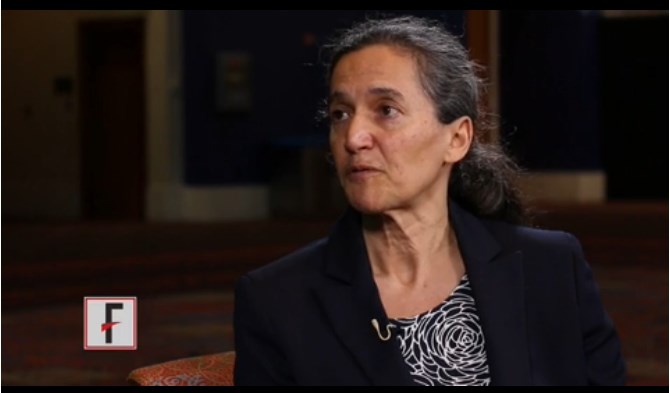
VIDEO: Dr. Prudence Francis describes how SOFT results will change practice
SAN ANTONIO – Adding ovarian suppression to 5 years of either tamoxifen or exemestane following chemotherapy, in women with hormone receptor-positive early breast cancer, provided a markedly greater reduction in breast cancer recurrence compared with standard therapy with tamoxifen alone, Dr. Prudence Francis reported at the San Antonio Breast Cancer Symposium.
However, not all premenopausal patients obtained benefit from ovarian suppression. Those who didn’t receive chemotherapy had excellent outcomes with 5 years of tamoxifen alone, with a 95.8% disease-free survival at 5 years. Dr. Francis, who is head of breast medical oncology at the Peter MacCallum Cancer Center, Melbourne, discusses in an interview how these key findings of SOFT (the Suppression of Ovarian Function Trial) should change practice in the clinic next week.
The video associated with this article is no longer available on this site. Please view all of our videos on the MDedge YouTube channel
SAN ANTONIO – Adding ovarian suppression to 5 years of either tamoxifen or exemestane following chemotherapy, in women with hormone receptor-positive early breast cancer, provided a markedly greater reduction in breast cancer recurrence compared with standard therapy with tamoxifen alone, Dr. Prudence Francis reported at the San Antonio Breast Cancer Symposium.
However, not all premenopausal patients obtained benefit from ovarian suppression. Those who didn’t receive chemotherapy had excellent outcomes with 5 years of tamoxifen alone, with a 95.8% disease-free survival at 5 years. Dr. Francis, who is head of breast medical oncology at the Peter MacCallum Cancer Center, Melbourne, discusses in an interview how these key findings of SOFT (the Suppression of Ovarian Function Trial) should change practice in the clinic next week.
The video associated with this article is no longer available on this site. Please view all of our videos on the MDedge YouTube channel
SAN ANTONIO – Adding ovarian suppression to 5 years of either tamoxifen or exemestane following chemotherapy, in women with hormone receptor-positive early breast cancer, provided a markedly greater reduction in breast cancer recurrence compared with standard therapy with tamoxifen alone, Dr. Prudence Francis reported at the San Antonio Breast Cancer Symposium.
However, not all premenopausal patients obtained benefit from ovarian suppression. Those who didn’t receive chemotherapy had excellent outcomes with 5 years of tamoxifen alone, with a 95.8% disease-free survival at 5 years. Dr. Francis, who is head of breast medical oncology at the Peter MacCallum Cancer Center, Melbourne, discusses in an interview how these key findings of SOFT (the Suppression of Ovarian Function Trial) should change practice in the clinic next week.
The video associated with this article is no longer available on this site. Please view all of our videos on the MDedge YouTube channel
AT SABCS 2014
SOFT trial endorses selective ovarian suppression in early breast cancer
SAN ANTONIO – Adding ovarian suppression to 5 years of tamoxifen in women with hormone receptor–positive early breast cancer who remain premenopausal following chemotherapy provides a markedly greater reduction in breast cancer recurrence, compared with standard adjuvant therapy with tamoxifen alone – and combining ovarian suppression with an aromatase inhibitor instead of tamoxifen further improves outcomes, Dr. Prudence Francis reported at the San Antonio Breast Cancer Symposium.
This was a key finding of SOFT (Suppression of Ovarian Function Trial), a randomized comparison of adjuvant tamoxifen or exemestane plus ovarian suppression versus tamoxifen alone in 3,047 patients in 25 countries, making this the largest randomized trial ever conducted in premenopausal women with hormone receptor–positive breast cancer.
The other key finding in SOFT was that not all premenopausal patients obtained benefit from ovarian suppression. Those who didn’t receive chemotherapy based upon a decision made with their physician had excellent outcomes with 5 years of tamoxifen alone, with a 95.8% disease-free survival at 5 years. In these patients, who were typically closer to the age of natural menopause onset and had cancers with a more favorable pathology than women who underwent chemotherapy, adding ovarian suppression offered no further advantage over tamoxifen alone, added Dr. Francis, who is head of breast medical oncology at the Peter MacCallum Cancer Center, Melbourne, Australia.
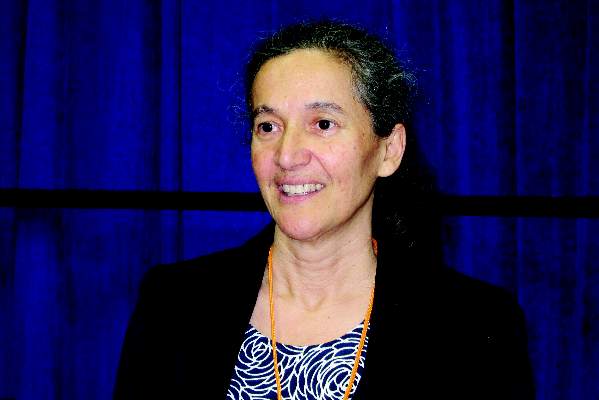
She called the SOFT results practice changing, and other experts agreed.
“For me, when I go back to my practice on Monday and I see a woman under age 35 with a hormone-sensitive breast cancer, I will now know what to advise that woman,” Dr. Francis said. “The strength of my recommendation for exemestane plus ovarian function suppression following chemotherapy will be greater in that woman; I’ll feel like maybe I should be recommending it rather than discussing it, because the advantage is so great. And when I see a premenopausal woman who is 48 and who’s got a small, screen-detected, nonaggressive breast cancer, I will feel very comfortable that she can do quite well with tamoxifen alone.”
The SOFT trial was unique in that it mandated that only women with documented recovery of ovarian function within 8 months of completing chemotherapy were eligible for enrollment.
At a median follow-up of 5.6 years, the 5-year disease-free survival rate was 84.7% in patients randomized to tamoxifen alone and not significantly different at 86.6% in those assigned to tamoxifen combined with ovarian function suppression. But the study design included two distinct populations – 53% who received chemotherapy and 47% who didn’t – and their outcomes were distinctly different.
The group who had undergone chemotherapy tended to have a higher baseline recurrence risk. They were younger – average age 40 – and typically had larger, higher-grade tumors and were more likely to be node positive. Their 5-year rate of freedom from breast cancer recurrence was 78% with tamoxifen alone, 82.5% with tamoxifen and ovarian suppression, and 85.7% with exemestane combined with ovarian suppression. That translates to a 22% decrease in the relative risk of recurrence in women on tamoxifen plus ovarian suppression. The absolute 7.7% difference in freedom from recurrent breast cancer at 5 years between women on exemestane plus ovarian suppression, compared with tamoxifen alone equated to a 35% relative risk reduction.
The advantage of ovarian suppression was most dramatic in the 350 study participants under age 35. Their 5-year rate of freedom from recurrent breast cancer was 67.7% with tamoxifen alone, 78.9% with tamoxifen combined with ovarian suppression, and 83.4% with exemestane and ovarian suppression, for a hefty absolute difference of 15.7%, compared with tamoxifen only.
Prior studies suggested that women diagnosed with hormone receptor–positive breast cancer before age 35 are at particularly high risk of disease recurrence. This was borne out in SOFT. One in three women under age 35 assigned to tamoxifen alone had further breast cancer within 5 years, compared with just one in six on exemestane plus ovarian suppression, Dr. Francis reported.
Systematic assessment of quality of life and treatment toxicities featured prominently in the SOFT trial. Add-on ovarian suppression was associated with increased rates of menopausal symptoms, insomnia, hypertension, diabetes, osteoporosis, and depression. The endocrine toxicities became less pronounced after 2 years. Patient reports of sexual dysfunction were more prominent and longer lasting in the exemestane group. Fifteen percent of women stopped ovarian suppression by 2 years, and 22% by 3 years.
Discussant Dr. Hope S. Rugo noted that while only 4.7% of breast cancers are diagnosed in women under age 40, that still adds up to roughly 11,000 new cases per year in the United States alone.
The SOFT results inspired Dr. Rugo to propose a new treatment algorithm for women with premenopausal hormone receptor–positive early-stage breast cancer. Patients who receive chemotherapy for high-risk disease – that is, women who are younger and especially those under age 35, with larger, grade 3 tumors, and/or node-positive disease – should subsequently undergo ovarian suppression combined with either exemestane or tamoxifen, with the choice being individualized based upon drug side effect profiles and tolerance. Those with low-risk disease not treated with adjuvant chemotherapy can be well treated with tamoxifen alone for at least 5 years.
The SOFT trial didn’t provide guidance regarding management of premenopausal women with intermediate-risk disease – those with low-grade but larger and/or node-positive tumors – but other evidence suggests ovarian suppression combined with exemestane or tamoxifen is a reasonable strategy there, too, said Dr. Rugo, professor of medicine at the University of California, San Francisco.
American Association for Cancer Research President Dr. Carlos L. Arteaga said he suspects a substantial number of premenopausal women who have undergone chemotherapy for high-risk hormone receptor–positive breast cancer and have embarked on a planned 10 years of adjuvant tamoxifen which they’re not looking forward to will be interested in the shorter SOFT alternative consisting of 5 years of exemestane plus ovarian suppression.
Simultaneous with Dr. Francis’ presentation in San Antonio, the SOFT results were published online in the New England Journal of Medicine (doi:10.1056/NEJMoa1412379).
The trial was conducted by the International Breast Cancer Study Group and funded by the National Cancer Institute and Pfizer. Dr. Francis reported having no financial conflicts.
SAN ANTONIO – Adding ovarian suppression to 5 years of tamoxifen in women with hormone receptor–positive early breast cancer who remain premenopausal following chemotherapy provides a markedly greater reduction in breast cancer recurrence, compared with standard adjuvant therapy with tamoxifen alone – and combining ovarian suppression with an aromatase inhibitor instead of tamoxifen further improves outcomes, Dr. Prudence Francis reported at the San Antonio Breast Cancer Symposium.
This was a key finding of SOFT (Suppression of Ovarian Function Trial), a randomized comparison of adjuvant tamoxifen or exemestane plus ovarian suppression versus tamoxifen alone in 3,047 patients in 25 countries, making this the largest randomized trial ever conducted in premenopausal women with hormone receptor–positive breast cancer.
The other key finding in SOFT was that not all premenopausal patients obtained benefit from ovarian suppression. Those who didn’t receive chemotherapy based upon a decision made with their physician had excellent outcomes with 5 years of tamoxifen alone, with a 95.8% disease-free survival at 5 years. In these patients, who were typically closer to the age of natural menopause onset and had cancers with a more favorable pathology than women who underwent chemotherapy, adding ovarian suppression offered no further advantage over tamoxifen alone, added Dr. Francis, who is head of breast medical oncology at the Peter MacCallum Cancer Center, Melbourne, Australia.
She called the SOFT results practice changing, and other experts agreed.
“For me, when I go back to my practice on Monday and I see a woman under age 35 with a hormone-sensitive breast cancer, I will now know what to advise that woman,” Dr. Francis said. “The strength of my recommendation for exemestane plus ovarian function suppression following chemotherapy will be greater in that woman; I’ll feel like maybe I should be recommending it rather than discussing it, because the advantage is so great. And when I see a premenopausal woman who is 48 and who’s got a small, screen-detected, nonaggressive breast cancer, I will feel very comfortable that she can do quite well with tamoxifen alone.”
The SOFT trial was unique in that it mandated that only women with documented recovery of ovarian function within 8 months of completing chemotherapy were eligible for enrollment.
At a median follow-up of 5.6 years, the 5-year disease-free survival rate was 84.7% in patients randomized to tamoxifen alone and not significantly different at 86.6% in those assigned to tamoxifen combined with ovarian function suppression. But the study design included two distinct populations – 53% who received chemotherapy and 47% who didn’t – and their outcomes were distinctly different.
The group who had undergone chemotherapy tended to have a higher baseline recurrence risk. They were younger – average age 40 – and typically had larger, higher-grade tumors and were more likely to be node positive. Their 5-year rate of freedom from breast cancer recurrence was 78% with tamoxifen alone, 82.5% with tamoxifen and ovarian suppression, and 85.7% with exemestane combined with ovarian suppression. That translates to a 22% decrease in the relative risk of recurrence in women on tamoxifen plus ovarian suppression. The absolute 7.7% difference in freedom from recurrent breast cancer at 5 years between women on exemestane plus ovarian suppression, compared with tamoxifen alone equated to a 35% relative risk reduction.
The advantage of ovarian suppression was most dramatic in the 350 study participants under age 35. Their 5-year rate of freedom from recurrent breast cancer was 67.7% with tamoxifen alone, 78.9% with tamoxifen combined with ovarian suppression, and 83.4% with exemestane and ovarian suppression, for a hefty absolute difference of 15.7%, compared with tamoxifen only.
Prior studies suggested that women diagnosed with hormone receptor–positive breast cancer before age 35 are at particularly high risk of disease recurrence. This was borne out in SOFT. One in three women under age 35 assigned to tamoxifen alone had further breast cancer within 5 years, compared with just one in six on exemestane plus ovarian suppression, Dr. Francis reported.
Systematic assessment of quality of life and treatment toxicities featured prominently in the SOFT trial. Add-on ovarian suppression was associated with increased rates of menopausal symptoms, insomnia, hypertension, diabetes, osteoporosis, and depression. The endocrine toxicities became less pronounced after 2 years. Patient reports of sexual dysfunction were more prominent and longer lasting in the exemestane group. Fifteen percent of women stopped ovarian suppression by 2 years, and 22% by 3 years.
Discussant Dr. Hope S. Rugo noted that while only 4.7% of breast cancers are diagnosed in women under age 40, that still adds up to roughly 11,000 new cases per year in the United States alone.
The SOFT results inspired Dr. Rugo to propose a new treatment algorithm for women with premenopausal hormone receptor–positive early-stage breast cancer. Patients who receive chemotherapy for high-risk disease – that is, women who are younger and especially those under age 35, with larger, grade 3 tumors, and/or node-positive disease – should subsequently undergo ovarian suppression combined with either exemestane or tamoxifen, with the choice being individualized based upon drug side effect profiles and tolerance. Those with low-risk disease not treated with adjuvant chemotherapy can be well treated with tamoxifen alone for at least 5 years.
The SOFT trial didn’t provide guidance regarding management of premenopausal women with intermediate-risk disease – those with low-grade but larger and/or node-positive tumors – but other evidence suggests ovarian suppression combined with exemestane or tamoxifen is a reasonable strategy there, too, said Dr. Rugo, professor of medicine at the University of California, San Francisco.
American Association for Cancer Research President Dr. Carlos L. Arteaga said he suspects a substantial number of premenopausal women who have undergone chemotherapy for high-risk hormone receptor–positive breast cancer and have embarked on a planned 10 years of adjuvant tamoxifen which they’re not looking forward to will be interested in the shorter SOFT alternative consisting of 5 years of exemestane plus ovarian suppression.
Simultaneous with Dr. Francis’ presentation in San Antonio, the SOFT results were published online in the New England Journal of Medicine (doi:10.1056/NEJMoa1412379).
The trial was conducted by the International Breast Cancer Study Group and funded by the National Cancer Institute and Pfizer. Dr. Francis reported having no financial conflicts.
SAN ANTONIO – Adding ovarian suppression to 5 years of tamoxifen in women with hormone receptor–positive early breast cancer who remain premenopausal following chemotherapy provides a markedly greater reduction in breast cancer recurrence, compared with standard adjuvant therapy with tamoxifen alone – and combining ovarian suppression with an aromatase inhibitor instead of tamoxifen further improves outcomes, Dr. Prudence Francis reported at the San Antonio Breast Cancer Symposium.
This was a key finding of SOFT (Suppression of Ovarian Function Trial), a randomized comparison of adjuvant tamoxifen or exemestane plus ovarian suppression versus tamoxifen alone in 3,047 patients in 25 countries, making this the largest randomized trial ever conducted in premenopausal women with hormone receptor–positive breast cancer.
The other key finding in SOFT was that not all premenopausal patients obtained benefit from ovarian suppression. Those who didn’t receive chemotherapy based upon a decision made with their physician had excellent outcomes with 5 years of tamoxifen alone, with a 95.8% disease-free survival at 5 years. In these patients, who were typically closer to the age of natural menopause onset and had cancers with a more favorable pathology than women who underwent chemotherapy, adding ovarian suppression offered no further advantage over tamoxifen alone, added Dr. Francis, who is head of breast medical oncology at the Peter MacCallum Cancer Center, Melbourne, Australia.
She called the SOFT results practice changing, and other experts agreed.
“For me, when I go back to my practice on Monday and I see a woman under age 35 with a hormone-sensitive breast cancer, I will now know what to advise that woman,” Dr. Francis said. “The strength of my recommendation for exemestane plus ovarian function suppression following chemotherapy will be greater in that woman; I’ll feel like maybe I should be recommending it rather than discussing it, because the advantage is so great. And when I see a premenopausal woman who is 48 and who’s got a small, screen-detected, nonaggressive breast cancer, I will feel very comfortable that she can do quite well with tamoxifen alone.”
The SOFT trial was unique in that it mandated that only women with documented recovery of ovarian function within 8 months of completing chemotherapy were eligible for enrollment.
At a median follow-up of 5.6 years, the 5-year disease-free survival rate was 84.7% in patients randomized to tamoxifen alone and not significantly different at 86.6% in those assigned to tamoxifen combined with ovarian function suppression. But the study design included two distinct populations – 53% who received chemotherapy and 47% who didn’t – and their outcomes were distinctly different.
The group who had undergone chemotherapy tended to have a higher baseline recurrence risk. They were younger – average age 40 – and typically had larger, higher-grade tumors and were more likely to be node positive. Their 5-year rate of freedom from breast cancer recurrence was 78% with tamoxifen alone, 82.5% with tamoxifen and ovarian suppression, and 85.7% with exemestane combined with ovarian suppression. That translates to a 22% decrease in the relative risk of recurrence in women on tamoxifen plus ovarian suppression. The absolute 7.7% difference in freedom from recurrent breast cancer at 5 years between women on exemestane plus ovarian suppression, compared with tamoxifen alone equated to a 35% relative risk reduction.
The advantage of ovarian suppression was most dramatic in the 350 study participants under age 35. Their 5-year rate of freedom from recurrent breast cancer was 67.7% with tamoxifen alone, 78.9% with tamoxifen combined with ovarian suppression, and 83.4% with exemestane and ovarian suppression, for a hefty absolute difference of 15.7%, compared with tamoxifen only.
Prior studies suggested that women diagnosed with hormone receptor–positive breast cancer before age 35 are at particularly high risk of disease recurrence. This was borne out in SOFT. One in three women under age 35 assigned to tamoxifen alone had further breast cancer within 5 years, compared with just one in six on exemestane plus ovarian suppression, Dr. Francis reported.
Systematic assessment of quality of life and treatment toxicities featured prominently in the SOFT trial. Add-on ovarian suppression was associated with increased rates of menopausal symptoms, insomnia, hypertension, diabetes, osteoporosis, and depression. The endocrine toxicities became less pronounced after 2 years. Patient reports of sexual dysfunction were more prominent and longer lasting in the exemestane group. Fifteen percent of women stopped ovarian suppression by 2 years, and 22% by 3 years.
Discussant Dr. Hope S. Rugo noted that while only 4.7% of breast cancers are diagnosed in women under age 40, that still adds up to roughly 11,000 new cases per year in the United States alone.
The SOFT results inspired Dr. Rugo to propose a new treatment algorithm for women with premenopausal hormone receptor–positive early-stage breast cancer. Patients who receive chemotherapy for high-risk disease – that is, women who are younger and especially those under age 35, with larger, grade 3 tumors, and/or node-positive disease – should subsequently undergo ovarian suppression combined with either exemestane or tamoxifen, with the choice being individualized based upon drug side effect profiles and tolerance. Those with low-risk disease not treated with adjuvant chemotherapy can be well treated with tamoxifen alone for at least 5 years.
The SOFT trial didn’t provide guidance regarding management of premenopausal women with intermediate-risk disease – those with low-grade but larger and/or node-positive tumors – but other evidence suggests ovarian suppression combined with exemestane or tamoxifen is a reasonable strategy there, too, said Dr. Rugo, professor of medicine at the University of California, San Francisco.
American Association for Cancer Research President Dr. Carlos L. Arteaga said he suspects a substantial number of premenopausal women who have undergone chemotherapy for high-risk hormone receptor–positive breast cancer and have embarked on a planned 10 years of adjuvant tamoxifen which they’re not looking forward to will be interested in the shorter SOFT alternative consisting of 5 years of exemestane plus ovarian suppression.
Simultaneous with Dr. Francis’ presentation in San Antonio, the SOFT results were published online in the New England Journal of Medicine (doi:10.1056/NEJMoa1412379).
The trial was conducted by the International Breast Cancer Study Group and funded by the National Cancer Institute and Pfizer. Dr. Francis reported having no financial conflicts.
Key clinical point: Ovarian function suppression plus adjuvant exemestane is the best therapy for women with hormone receptor–positive early breast cancer who are premenopausal after chemotherapy.
Major finding: There was an absolute 7.7% difference in the rate of freedom from recurrent breast cancer at 5 years between women managed in this way and those on standard therapy with tamoxifen only.
Data source: The SOFT study was a randomized, prospective trial involving 3,047 premenopausal women with hormone receptor–positive early-stage breast cancer in 25 countries.
Disclosures: The trial was conducted by the International Breast Cancer Study Group and funded by the National Cancer Institute and Pfizer. The presenter reported having no financial conflicts.
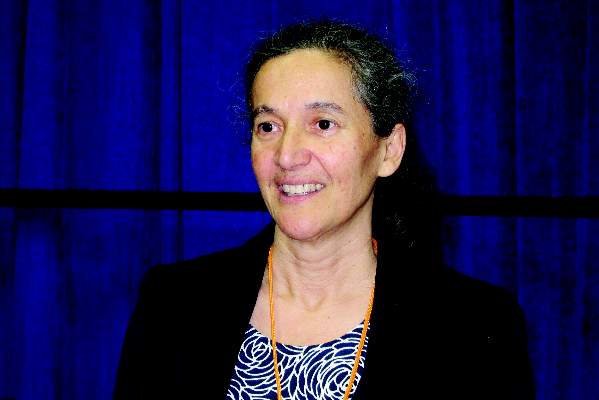
VIDEO: First report of immune checkpoint inhibitor treatment for breast cancer
SAN ANTONIO– Roughly one in five women with heavily pretreated, advanced triple-negative breast cancer experienced a response to monotherapy using the novel immune checkpoint inhibitor pembrolizumab in KEYNOTE-012, a small proof-of-concept study.
In a video interview at the San Antonio Breast Cancer Symposium, Dr. Rita Nanda, who presented the results, describes the long duration of that response, more than 40 weeks in most of the women, all of whom had received multiple lines of chemotherapy. Dr. Nanda of the University of Chicago also commented on the possible study of pembrolizumab against other subtypes of breast cancer and on possible combination regimens.
The video associated with this article is no longer available on this site. Please view all of our videos on the MDedge YouTube channel
SAN ANTONIO– Roughly one in five women with heavily pretreated, advanced triple-negative breast cancer experienced a response to monotherapy using the novel immune checkpoint inhibitor pembrolizumab in KEYNOTE-012, a small proof-of-concept study.
In a video interview at the San Antonio Breast Cancer Symposium, Dr. Rita Nanda, who presented the results, describes the long duration of that response, more than 40 weeks in most of the women, all of whom had received multiple lines of chemotherapy. Dr. Nanda of the University of Chicago also commented on the possible study of pembrolizumab against other subtypes of breast cancer and on possible combination regimens.
The video associated with this article is no longer available on this site. Please view all of our videos on the MDedge YouTube channel
SAN ANTONIO– Roughly one in five women with heavily pretreated, advanced triple-negative breast cancer experienced a response to monotherapy using the novel immune checkpoint inhibitor pembrolizumab in KEYNOTE-012, a small proof-of-concept study.
In a video interview at the San Antonio Breast Cancer Symposium, Dr. Rita Nanda, who presented the results, describes the long duration of that response, more than 40 weeks in most of the women, all of whom had received multiple lines of chemotherapy. Dr. Nanda of the University of Chicago also commented on the possible study of pembrolizumab against other subtypes of breast cancer and on possible combination regimens.
The video associated with this article is no longer available on this site. Please view all of our videos on the MDedge YouTube channel
AT SABCS 2014
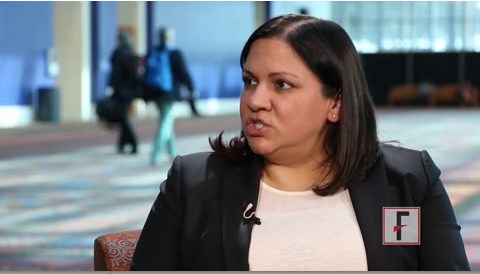
VIDEO: High TILs associated with less efficacy from trastuzumab
SAN ANTONIO – Know your patient’s number: Dr. Edith A. Perez of the Mayo Clinic in Jacksonville, Fla., explains in a video interview how the level of stromal tumor infiltrating lymphocytes (TILs) in women with early-stage, HER2+ breast cancer may be useful in identifying a subset who might potentially do quite well with chemotherapy alone.
The video associated with this article is no longer available on this site. Please view all of our videos on the MDedge YouTube channel
SAN ANTONIO – Know your patient’s number: Dr. Edith A. Perez of the Mayo Clinic in Jacksonville, Fla., explains in a video interview how the level of stromal tumor infiltrating lymphocytes (TILs) in women with early-stage, HER2+ breast cancer may be useful in identifying a subset who might potentially do quite well with chemotherapy alone.
The video associated with this article is no longer available on this site. Please view all of our videos on the MDedge YouTube channel
SAN ANTONIO – Know your patient’s number: Dr. Edith A. Perez of the Mayo Clinic in Jacksonville, Fla., explains in a video interview how the level of stromal tumor infiltrating lymphocytes (TILs) in women with early-stage, HER2+ breast cancer may be useful in identifying a subset who might potentially do quite well with chemotherapy alone.
The video associated with this article is no longer available on this site. Please view all of our videos on the MDedge YouTube channel
AT SABCS 2014

Pembrolizumab shows efficacy in advanced triple-negative breast cancer patients
SAN ANTONIO – Roughly one in five women with heavily pretreated, advanced triple-negative breast cancer experienced a durable response to monotherapy using the novel immune checkpoint inhibitor pembrolizumab in a small proof-of-concept study.
“The acceptable safety and tolerability profile coupled with the promising antitumor activity seen in this very early trial support the further development of pembrolizumab in patients with advanced triple-negative breast cancer,” Dr. Rita Nanda declared in presenting the findings of the KEYNOTE-012 study at the San Antonio Breast Cancer Symposium.
The phase Ib study comprised 32 women with advanced triple-negative breast cancer, all with PD-L1-positive tumors. They were placed on pembrolizumab (Keytruda) at a dose of 10 mg/kg administered intravenously every 2 weeks. Pembrolizumab is a humanized IgG4 monoclonal antibody that binds to the PD-1 receptor with high affinity, thereby switching off PD-1-mediated inhibition of the antitumor immune response.

This was a group of patients with disease progression despite extensive earlier treatments. Median survival is about 1 year from the time of diagnosis of metastatic triple-negative breast cancer, and since receiving that diagnosis nearly half of the study participants had received three or more lines of chemotherapy for metastatic disease. So their median life expectancy at enrollment in KEYNOTE-012 was just a few months, making the durability of the responses seen in the handful of pembrolizumab responders all the more impressive, said Dr. Nanda, a medical oncologist at the University of Chicago.
The overall response rate in the 27 evaluable patients was 18.5% using RECIST version 1.1 criteria with central review. One patient had a complete response, four others had a partial response. Another seven had stable disease. One-third of patients showed tumor shrinkage upon imaging.
The median time to response was 18 weeks. At a median 9.9 months of follow-up, the median duration of response had not yet been reached. Three of five responders remained on treatment for 48 weeks or longer, while the two who discontinued pembrolizumab did so at 40 weeks. Median progression-free survival was 1.9 months, with a progression-free survival rate at 6 months of 23%.
While 56% of patients experienced one or more treatment-related adverse events, the vast majority of these were mild and easily managed without treatment discontinuation. However, four patients experienced grade 3 anemia, aseptic meningitis, headache, or pyrexia, and a fifth who had rapidly progressive disease developed fatal disseminated intravascular coagulation.
A proprietary Merck assay for PD-L1 showed that 58% of patients with advanced triple-negative breast cancer screened as a prelude to the study were deemed to have PD-L1-positive tumors. But investigators saw no correlation between the degree of PD-L1 positivity and response to treatment, so it remains unclear how to identify beforehand the patient subgroup likely to respond to pembrolizumab.
A phase II study is planned for early 2015. Tumor biopsies will routinely be obtained in this and other future trials so investigators can search fresh tissue for useful biomarkers; this was not done in KEYNOTE-012.
Plans are afoot to study pembrolizumab in patients with other subtypes of advanced breast cancer. Pembrolizumab will be assessed in combination with standard therapies, albeit not with agents requiring concomitant corticosteroid therapy, which would likely inhibit pembrolizumab’s ability to stimulate the immune system, Dr. Nanda explained.
The pembrolizumab study results received an enthusiastic response.
“I think everyone continues to be quite excited about immunotherapy in breast cancer. This study shows what we’ve seen in several other studies in other tumor types: a small portion of patients may respond, and for those that do there tends to be a long-term response with durability that we don’t see often with other therapies,” said Dr. Jennifer Litton of MD Anderson Cancer Center, Houston, who chaired a press conference highlighting the KEYNOTE-012 results.
Dr. Edith A. Perez observed that the conventional wisdom has long been that breast cancer is not typically a disease amenable to targeting with immune-modulating therapy. But the conventional wisdom was wrong.
“I’m very grateful that now we have the first proof-of-principle study showing that in a group of patients with refractory advanced metastatic breast cancer there was a signal of activity in response to immune-modulating therapy,” said Dr. Perez, deputy director at large for the Mayo Clinic Cancer Center and professor of medicine at the Mayo Clinic in Jacksonville, Fla.
“These patients have so few options that to see this glimpse of activity provides me with a lot of enthusiasm,” she added.
Discussant Mary L. Disis offered a rousing argument for moving on quickly to mount studies evaluating pembrolizumab in combination regimens with standard therapies. Dr. Disis noted that when pembrolizumab has been studied as single-agent therapy for kidney, gastric, head and neck, and lung cancers as well as in melanoma, the overall response rates have been 20%-34%.

“We’re right in that ballpark with advanced triple-negative breast cancer. And in melanoma, where they’re using pembrolizumab in combination with standard therapies, including chemotherapy, they’re seeing response rates of 50%-60%. So let’s not wait. Let’s move this forward so we can benefit our breast cancer patients,” argued Dr. Disis, professor of medicine at the University of Washington, Seattle.
She noted that the 18-week time to response seen in KEYNOTE-012 is consistent with how long T cells take to propagate in vivo to create an antitumor response.
“We’ve got the biology, we’ve got the monotherapy response rates, and we’ve got the toxicities that are seen with other diseases. So I say, onward to the rational combinations, so we can drive that response rate up. I think everyone needs to know about immunotherapy in the treatment of breast cancer. The time is here for us to be able to drive our patients toward a better therapy that will cause long-lasting protective immunity,” she said.
The KEYNOTE-012 study was funded by Merck, which earlier in 2014 received Food and Drug Administration marketing approval for pembrolizumab in the treatment of metastatic and progressive melanoma. Dr. Nanda reported having no financial conflicts.
SAN ANTONIO – Roughly one in five women with heavily pretreated, advanced triple-negative breast cancer experienced a durable response to monotherapy using the novel immune checkpoint inhibitor pembrolizumab in a small proof-of-concept study.
“The acceptable safety and tolerability profile coupled with the promising antitumor activity seen in this very early trial support the further development of pembrolizumab in patients with advanced triple-negative breast cancer,” Dr. Rita Nanda declared in presenting the findings of the KEYNOTE-012 study at the San Antonio Breast Cancer Symposium.
The phase Ib study comprised 32 women with advanced triple-negative breast cancer, all with PD-L1-positive tumors. They were placed on pembrolizumab (Keytruda) at a dose of 10 mg/kg administered intravenously every 2 weeks. Pembrolizumab is a humanized IgG4 monoclonal antibody that binds to the PD-1 receptor with high affinity, thereby switching off PD-1-mediated inhibition of the antitumor immune response.
This was a group of patients with disease progression despite extensive earlier treatments. Median survival is about 1 year from the time of diagnosis of metastatic triple-negative breast cancer, and since receiving that diagnosis nearly half of the study participants had received three or more lines of chemotherapy for metastatic disease. So their median life expectancy at enrollment in KEYNOTE-012 was just a few months, making the durability of the responses seen in the handful of pembrolizumab responders all the more impressive, said Dr. Nanda, a medical oncologist at the University of Chicago.
The overall response rate in the 27 evaluable patients was 18.5% using RECIST version 1.1 criteria with central review. One patient had a complete response, four others had a partial response. Another seven had stable disease. One-third of patients showed tumor shrinkage upon imaging.
The median time to response was 18 weeks. At a median 9.9 months of follow-up, the median duration of response had not yet been reached. Three of five responders remained on treatment for 48 weeks or longer, while the two who discontinued pembrolizumab did so at 40 weeks. Median progression-free survival was 1.9 months, with a progression-free survival rate at 6 months of 23%.
While 56% of patients experienced one or more treatment-related adverse events, the vast majority of these were mild and easily managed without treatment discontinuation. However, four patients experienced grade 3 anemia, aseptic meningitis, headache, or pyrexia, and a fifth who had rapidly progressive disease developed fatal disseminated intravascular coagulation.
A proprietary Merck assay for PD-L1 showed that 58% of patients with advanced triple-negative breast cancer screened as a prelude to the study were deemed to have PD-L1-positive tumors. But investigators saw no correlation between the degree of PD-L1 positivity and response to treatment, so it remains unclear how to identify beforehand the patient subgroup likely to respond to pembrolizumab.
A phase II study is planned for early 2015. Tumor biopsies will routinely be obtained in this and other future trials so investigators can search fresh tissue for useful biomarkers; this was not done in KEYNOTE-012.
Plans are afoot to study pembrolizumab in patients with other subtypes of advanced breast cancer. Pembrolizumab will be assessed in combination with standard therapies, albeit not with agents requiring concomitant corticosteroid therapy, which would likely inhibit pembrolizumab’s ability to stimulate the immune system, Dr. Nanda explained.
The pembrolizumab study results received an enthusiastic response.
“I think everyone continues to be quite excited about immunotherapy in breast cancer. This study shows what we’ve seen in several other studies in other tumor types: a small portion of patients may respond, and for those that do there tends to be a long-term response with durability that we don’t see often with other therapies,” said Dr. Jennifer Litton of MD Anderson Cancer Center, Houston, who chaired a press conference highlighting the KEYNOTE-012 results.
Dr. Edith A. Perez observed that the conventional wisdom has long been that breast cancer is not typically a disease amenable to targeting with immune-modulating therapy. But the conventional wisdom was wrong.
“I’m very grateful that now we have the first proof-of-principle study showing that in a group of patients with refractory advanced metastatic breast cancer there was a signal of activity in response to immune-modulating therapy,” said Dr. Perez, deputy director at large for the Mayo Clinic Cancer Center and professor of medicine at the Mayo Clinic in Jacksonville, Fla.
“These patients have so few options that to see this glimpse of activity provides me with a lot of enthusiasm,” she added.
Discussant Mary L. Disis offered a rousing argument for moving on quickly to mount studies evaluating pembrolizumab in combination regimens with standard therapies. Dr. Disis noted that when pembrolizumab has been studied as single-agent therapy for kidney, gastric, head and neck, and lung cancers as well as in melanoma, the overall response rates have been 20%-34%.
“We’re right in that ballpark with advanced triple-negative breast cancer. And in melanoma, where they’re using pembrolizumab in combination with standard therapies, including chemotherapy, they’re seeing response rates of 50%-60%. So let’s not wait. Let’s move this forward so we can benefit our breast cancer patients,” argued Dr. Disis, professor of medicine at the University of Washington, Seattle.
She noted that the 18-week time to response seen in KEYNOTE-012 is consistent with how long T cells take to propagate in vivo to create an antitumor response.
“We’ve got the biology, we’ve got the monotherapy response rates, and we’ve got the toxicities that are seen with other diseases. So I say, onward to the rational combinations, so we can drive that response rate up. I think everyone needs to know about immunotherapy in the treatment of breast cancer. The time is here for us to be able to drive our patients toward a better therapy that will cause long-lasting protective immunity,” she said.
The KEYNOTE-012 study was funded by Merck, which earlier in 2014 received Food and Drug Administration marketing approval for pembrolizumab in the treatment of metastatic and progressive melanoma. Dr. Nanda reported having no financial conflicts.
SAN ANTONIO – Roughly one in five women with heavily pretreated, advanced triple-negative breast cancer experienced a durable response to monotherapy using the novel immune checkpoint inhibitor pembrolizumab in a small proof-of-concept study.
“The acceptable safety and tolerability profile coupled with the promising antitumor activity seen in this very early trial support the further development of pembrolizumab in patients with advanced triple-negative breast cancer,” Dr. Rita Nanda declared in presenting the findings of the KEYNOTE-012 study at the San Antonio Breast Cancer Symposium.
The phase Ib study comprised 32 women with advanced triple-negative breast cancer, all with PD-L1-positive tumors. They were placed on pembrolizumab (Keytruda) at a dose of 10 mg/kg administered intravenously every 2 weeks. Pembrolizumab is a humanized IgG4 monoclonal antibody that binds to the PD-1 receptor with high affinity, thereby switching off PD-1-mediated inhibition of the antitumor immune response.
This was a group of patients with disease progression despite extensive earlier treatments. Median survival is about 1 year from the time of diagnosis of metastatic triple-negative breast cancer, and since receiving that diagnosis nearly half of the study participants had received three or more lines of chemotherapy for metastatic disease. So their median life expectancy at enrollment in KEYNOTE-012 was just a few months, making the durability of the responses seen in the handful of pembrolizumab responders all the more impressive, said Dr. Nanda, a medical oncologist at the University of Chicago.
The overall response rate in the 27 evaluable patients was 18.5% using RECIST version 1.1 criteria with central review. One patient had a complete response, four others had a partial response. Another seven had stable disease. One-third of patients showed tumor shrinkage upon imaging.
The median time to response was 18 weeks. At a median 9.9 months of follow-up, the median duration of response had not yet been reached. Three of five responders remained on treatment for 48 weeks or longer, while the two who discontinued pembrolizumab did so at 40 weeks. Median progression-free survival was 1.9 months, with a progression-free survival rate at 6 months of 23%.
While 56% of patients experienced one or more treatment-related adverse events, the vast majority of these were mild and easily managed without treatment discontinuation. However, four patients experienced grade 3 anemia, aseptic meningitis, headache, or pyrexia, and a fifth who had rapidly progressive disease developed fatal disseminated intravascular coagulation.
A proprietary Merck assay for PD-L1 showed that 58% of patients with advanced triple-negative breast cancer screened as a prelude to the study were deemed to have PD-L1-positive tumors. But investigators saw no correlation between the degree of PD-L1 positivity and response to treatment, so it remains unclear how to identify beforehand the patient subgroup likely to respond to pembrolizumab.
A phase II study is planned for early 2015. Tumor biopsies will routinely be obtained in this and other future trials so investigators can search fresh tissue for useful biomarkers; this was not done in KEYNOTE-012.
Plans are afoot to study pembrolizumab in patients with other subtypes of advanced breast cancer. Pembrolizumab will be assessed in combination with standard therapies, albeit not with agents requiring concomitant corticosteroid therapy, which would likely inhibit pembrolizumab’s ability to stimulate the immune system, Dr. Nanda explained.
The pembrolizumab study results received an enthusiastic response.
“I think everyone continues to be quite excited about immunotherapy in breast cancer. This study shows what we’ve seen in several other studies in other tumor types: a small portion of patients may respond, and for those that do there tends to be a long-term response with durability that we don’t see often with other therapies,” said Dr. Jennifer Litton of MD Anderson Cancer Center, Houston, who chaired a press conference highlighting the KEYNOTE-012 results.
Dr. Edith A. Perez observed that the conventional wisdom has long been that breast cancer is not typically a disease amenable to targeting with immune-modulating therapy. But the conventional wisdom was wrong.
“I’m very grateful that now we have the first proof-of-principle study showing that in a group of patients with refractory advanced metastatic breast cancer there was a signal of activity in response to immune-modulating therapy,” said Dr. Perez, deputy director at large for the Mayo Clinic Cancer Center and professor of medicine at the Mayo Clinic in Jacksonville, Fla.
“These patients have so few options that to see this glimpse of activity provides me with a lot of enthusiasm,” she added.
Discussant Mary L. Disis offered a rousing argument for moving on quickly to mount studies evaluating pembrolizumab in combination regimens with standard therapies. Dr. Disis noted that when pembrolizumab has been studied as single-agent therapy for kidney, gastric, head and neck, and lung cancers as well as in melanoma, the overall response rates have been 20%-34%.
“We’re right in that ballpark with advanced triple-negative breast cancer. And in melanoma, where they’re using pembrolizumab in combination with standard therapies, including chemotherapy, they’re seeing response rates of 50%-60%. So let’s not wait. Let’s move this forward so we can benefit our breast cancer patients,” argued Dr. Disis, professor of medicine at the University of Washington, Seattle.
She noted that the 18-week time to response seen in KEYNOTE-012 is consistent with how long T cells take to propagate in vivo to create an antitumor response.
“We’ve got the biology, we’ve got the monotherapy response rates, and we’ve got the toxicities that are seen with other diseases. So I say, onward to the rational combinations, so we can drive that response rate up. I think everyone needs to know about immunotherapy in the treatment of breast cancer. The time is here for us to be able to drive our patients toward a better therapy that will cause long-lasting protective immunity,” she said.
The KEYNOTE-012 study was funded by Merck, which earlier in 2014 received Food and Drug Administration marketing approval for pembrolizumab in the treatment of metastatic and progressive melanoma. Dr. Nanda reported having no financial conflicts.
AT SABCS 2014
Key clinical point: Immunotherapy with pembrolizumab benefits a subset of patients with advanced, heavily pretreated triple-negative breast cancer.
Major finding: Five of 27 patients had a durable partial or complete response to pembrolizumab monotherapy.
Data source: A phase Ib study of 32 women with advanced, heavily pretreated triple-negative breast cancer who were placed on pembrolizumab at 10 mg/kg intravenously every 2 weeks.
Disclosures: The study was sponsored by Merck. The presenter reported having no conflicts of interest.

Implications of cholesterol guidelines for cardiology practices
CHICAGO – Cardiologists certainly have their work cut out in order to bring their patients into concordance with the 2013 American College of Cardiology/American Heart Association cholesterol guidelines, according to Dr. Thomas M. Maddox.
An analysis of nearly 1.2 million patients in U.S. outpatient cardiology practices showed that one in three who appeared to have an indication for statin therapy under the latest guidelines weren’t on a statin as of 2012. That constitutes a sizable “statin gap” that cardiologists need to address, he said at the American Heart Association scientific sessions.

Dr. Maddox presented an analysis of 1,174,535 adult patients under cardiologists’ care during 2008-2012 in more than 100 U.S. outpatient cardiology practices participating in the voluntary National Cardiovascular Data Registry’s Practice Innovation and Clinical Excellence Registry (NCDR PINNACLE). Under this national office-based quality improvement program sponsored by the ACC, patient electronic medical record (EMR) data gets uploaded to the registry nightly.
The 2013 ACC/AHA cholesterol guidelines in some ways greatly simplified patient management. The guidelines redefined the risk groups warranting treatment: basically, patients with known atherosclerotic cardiovascular disease (ASCVD), diabetes, an off-treatment LDL of 190 mg/dL or more, or a 10-year ASCVD risk of 7.5% or greater using the risk calculator incorporated in the guidelines (Circulation 2014; 129:S1-45). Also, physicians were advised to use fixed-dose statins and no longer to treat to an LDL target, thereby making repeated LDL testing unnecessary.
The purposes of this new NCDR PINNACLE study were to evaluate the potential impact of the new guidelines on current cardiology practice through an assessment of current treatment and testing patterns, and to make a determination of the scope of changes necessary under the 2013 guidelines, explained Dr. Maddox, a cardiologist at the Veterans Affairs Eastern Colorado Health Care System and the University of Colorado at Denver.
Under the new guidelines, 1,129,205 adult cardiology patients, or 96% of the study population, appeared to be candidates for statin therapy, most often because they had known ASCVD, as was the case in 88%, or diabetes without known ASCVD, accounting for another 6%.
Among the statin-eligible patients, 29% were not on any lipid-lowering therapy, and another 3% were on nonstatin lipid-lowering agents only, which is not recommended in the guidelines. Thus, 32% of the cardiologists’ patients for whom statin therapy appeared to be indicated under the 2013 guidelines weren’t on it.
In addition, 29% of statin-eligible patients were on combined lipid-lowering therapy with a statin plus a nonstatin, such as niacin, a fibrate, or ezetimibe. The guidelines don’t recommend the use of nonstatins because of the lack of evidence of clinical benefit, so cardiologists will want to reconsider their use of combination therapy in this sizable group. The major caveat here is that the guidelines are likely to be revised to embrace the selective use of a moderate-intensity statin plus ezetimibe on the basis of the positive findings of the IMPROVE-IT trial, also presented at the AHA meeting, Dr. Maddox noted.
The registry analysis also pointed to a need to reduce repeated LDL testing, which the guidelines characterize as costly, inconvenient, and unnecessary. Nearly 21% of subjects had at least two LDL assessments during the 4-year period, and 7% had more than four. And those figures probably underestimate the true rate of LDL testing, since many patients may have also had LDL measurements taken in primary care settings.
Several audience members rose to decry the one-in-three-patient statin gap as evidence of widespread substandard care by cardiologists, especially given that 28% of the patients with known ASCVD and 36% with diabetes were not receiving any lipid-lowering therapy, contrary to recommendations both in the current ACC/AHA guidelines and the guidelines in place in 2012. There is good evidence to show that putting such patients on statin therapy would result in roughly a 25% reduction in cardiovascular events.
But Dr. Maddox took a more sanguine view of the statin gap. Although it’s likely there is some heterogeneity in clinical practice that needs to be corrected, he cautioned that the limitations of an analysis based upon EMR data must be borne in mind. Some cardiologists probably didn’t record the use of statins at every visit, and they may not have always reliably documented patients’ intolerance of statins in the EMR.
The NCDR PINNACLE Registry is supported by the American College of Cardiology Foundation. Dr. Maddox reported having no relevant financial conflicts of interest.
CHICAGO – Cardiologists certainly have their work cut out in order to bring their patients into concordance with the 2013 American College of Cardiology/American Heart Association cholesterol guidelines, according to Dr. Thomas M. Maddox.
An analysis of nearly 1.2 million patients in U.S. outpatient cardiology practices showed that one in three who appeared to have an indication for statin therapy under the latest guidelines weren’t on a statin as of 2012. That constitutes a sizable “statin gap” that cardiologists need to address, he said at the American Heart Association scientific sessions.
Dr. Maddox presented an analysis of 1,174,535 adult patients under cardiologists’ care during 2008-2012 in more than 100 U.S. outpatient cardiology practices participating in the voluntary National Cardiovascular Data Registry’s Practice Innovation and Clinical Excellence Registry (NCDR PINNACLE). Under this national office-based quality improvement program sponsored by the ACC, patient electronic medical record (EMR) data gets uploaded to the registry nightly.
The 2013 ACC/AHA cholesterol guidelines in some ways greatly simplified patient management. The guidelines redefined the risk groups warranting treatment: basically, patients with known atherosclerotic cardiovascular disease (ASCVD), diabetes, an off-treatment LDL of 190 mg/dL or more, or a 10-year ASCVD risk of 7.5% or greater using the risk calculator incorporated in the guidelines (Circulation 2014; 129:S1-45). Also, physicians were advised to use fixed-dose statins and no longer to treat to an LDL target, thereby making repeated LDL testing unnecessary.
The purposes of this new NCDR PINNACLE study were to evaluate the potential impact of the new guidelines on current cardiology practice through an assessment of current treatment and testing patterns, and to make a determination of the scope of changes necessary under the 2013 guidelines, explained Dr. Maddox, a cardiologist at the Veterans Affairs Eastern Colorado Health Care System and the University of Colorado at Denver.
Under the new guidelines, 1,129,205 adult cardiology patients, or 96% of the study population, appeared to be candidates for statin therapy, most often because they had known ASCVD, as was the case in 88%, or diabetes without known ASCVD, accounting for another 6%.
Among the statin-eligible patients, 29% were not on any lipid-lowering therapy, and another 3% were on nonstatin lipid-lowering agents only, which is not recommended in the guidelines. Thus, 32% of the cardiologists’ patients for whom statin therapy appeared to be indicated under the 2013 guidelines weren’t on it.
In addition, 29% of statin-eligible patients were on combined lipid-lowering therapy with a statin plus a nonstatin, such as niacin, a fibrate, or ezetimibe. The guidelines don’t recommend the use of nonstatins because of the lack of evidence of clinical benefit, so cardiologists will want to reconsider their use of combination therapy in this sizable group. The major caveat here is that the guidelines are likely to be revised to embrace the selective use of a moderate-intensity statin plus ezetimibe on the basis of the positive findings of the IMPROVE-IT trial, also presented at the AHA meeting, Dr. Maddox noted.
The registry analysis also pointed to a need to reduce repeated LDL testing, which the guidelines characterize as costly, inconvenient, and unnecessary. Nearly 21% of subjects had at least two LDL assessments during the 4-year period, and 7% had more than four. And those figures probably underestimate the true rate of LDL testing, since many patients may have also had LDL measurements taken in primary care settings.
Several audience members rose to decry the one-in-three-patient statin gap as evidence of widespread substandard care by cardiologists, especially given that 28% of the patients with known ASCVD and 36% with diabetes were not receiving any lipid-lowering therapy, contrary to recommendations both in the current ACC/AHA guidelines and the guidelines in place in 2012. There is good evidence to show that putting such patients on statin therapy would result in roughly a 25% reduction in cardiovascular events.
But Dr. Maddox took a more sanguine view of the statin gap. Although it’s likely there is some heterogeneity in clinical practice that needs to be corrected, he cautioned that the limitations of an analysis based upon EMR data must be borne in mind. Some cardiologists probably didn’t record the use of statins at every visit, and they may not have always reliably documented patients’ intolerance of statins in the EMR.
The NCDR PINNACLE Registry is supported by the American College of Cardiology Foundation. Dr. Maddox reported having no relevant financial conflicts of interest.
CHICAGO – Cardiologists certainly have their work cut out in order to bring their patients into concordance with the 2013 American College of Cardiology/American Heart Association cholesterol guidelines, according to Dr. Thomas M. Maddox.
An analysis of nearly 1.2 million patients in U.S. outpatient cardiology practices showed that one in three who appeared to have an indication for statin therapy under the latest guidelines weren’t on a statin as of 2012. That constitutes a sizable “statin gap” that cardiologists need to address, he said at the American Heart Association scientific sessions.
Dr. Maddox presented an analysis of 1,174,535 adult patients under cardiologists’ care during 2008-2012 in more than 100 U.S. outpatient cardiology practices participating in the voluntary National Cardiovascular Data Registry’s Practice Innovation and Clinical Excellence Registry (NCDR PINNACLE). Under this national office-based quality improvement program sponsored by the ACC, patient electronic medical record (EMR) data gets uploaded to the registry nightly.
The 2013 ACC/AHA cholesterol guidelines in some ways greatly simplified patient management. The guidelines redefined the risk groups warranting treatment: basically, patients with known atherosclerotic cardiovascular disease (ASCVD), diabetes, an off-treatment LDL of 190 mg/dL or more, or a 10-year ASCVD risk of 7.5% or greater using the risk calculator incorporated in the guidelines (Circulation 2014; 129:S1-45). Also, physicians were advised to use fixed-dose statins and no longer to treat to an LDL target, thereby making repeated LDL testing unnecessary.
The purposes of this new NCDR PINNACLE study were to evaluate the potential impact of the new guidelines on current cardiology practice through an assessment of current treatment and testing patterns, and to make a determination of the scope of changes necessary under the 2013 guidelines, explained Dr. Maddox, a cardiologist at the Veterans Affairs Eastern Colorado Health Care System and the University of Colorado at Denver.
Under the new guidelines, 1,129,205 adult cardiology patients, or 96% of the study population, appeared to be candidates for statin therapy, most often because they had known ASCVD, as was the case in 88%, or diabetes without known ASCVD, accounting for another 6%.
Among the statin-eligible patients, 29% were not on any lipid-lowering therapy, and another 3% were on nonstatin lipid-lowering agents only, which is not recommended in the guidelines. Thus, 32% of the cardiologists’ patients for whom statin therapy appeared to be indicated under the 2013 guidelines weren’t on it.
In addition, 29% of statin-eligible patients were on combined lipid-lowering therapy with a statin plus a nonstatin, such as niacin, a fibrate, or ezetimibe. The guidelines don’t recommend the use of nonstatins because of the lack of evidence of clinical benefit, so cardiologists will want to reconsider their use of combination therapy in this sizable group. The major caveat here is that the guidelines are likely to be revised to embrace the selective use of a moderate-intensity statin plus ezetimibe on the basis of the positive findings of the IMPROVE-IT trial, also presented at the AHA meeting, Dr. Maddox noted.
The registry analysis also pointed to a need to reduce repeated LDL testing, which the guidelines characterize as costly, inconvenient, and unnecessary. Nearly 21% of subjects had at least two LDL assessments during the 4-year period, and 7% had more than four. And those figures probably underestimate the true rate of LDL testing, since many patients may have also had LDL measurements taken in primary care settings.
Several audience members rose to decry the one-in-three-patient statin gap as evidence of widespread substandard care by cardiologists, especially given that 28% of the patients with known ASCVD and 36% with diabetes were not receiving any lipid-lowering therapy, contrary to recommendations both in the current ACC/AHA guidelines and the guidelines in place in 2012. There is good evidence to show that putting such patients on statin therapy would result in roughly a 25% reduction in cardiovascular events.
But Dr. Maddox took a more sanguine view of the statin gap. Although it’s likely there is some heterogeneity in clinical practice that needs to be corrected, he cautioned that the limitations of an analysis based upon EMR data must be borne in mind. Some cardiologists probably didn’t record the use of statins at every visit, and they may not have always reliably documented patients’ intolerance of statins in the EMR.
The NCDR PINNACLE Registry is supported by the American College of Cardiology Foundation. Dr. Maddox reported having no relevant financial conflicts of interest.
AT THE AHA SCIENTIFIC SESSIONS
Key clinical point: As U.S. cardiologists increasingly “get with the guidelines” regarding cholesterol lowering, expect to see large increases in statin use, much less prescribing of nonstatin therapies, and a lot less repeat LDL testing.
Major finding: Nearly one in three U.S. patients under a cardiologist’s care who appear to have an indication for statin therapy under the 2013 ACC/AHA cholesterol guidelines weren’t on a statin as of 2012.
Data source: An analysis of nearly 1.2 million patients in an ongoing nationwide voluntary prospective registry aimed at improving the quality of cardiovascular care.
Disclosures: The NCDR PINNACLE Registry is supported by the American College of Cardiology Foundation. The presenter reported having no relevant financial conflicts.

Oral tofacitinib scores against psoriasis in phase III trial
AMSTERDAM – Oral tofacitinib for psoriasis proved as effective as – and in certain domains better than – subcutaneous etanercept in improving patient-reported quality of life endpoints in a phase III clinical trial.
The double-blind study included 1,101 patients with moderate to severe chronic plaque psoriasis who were randomized to 12 weeks of the oral Janus kinase inhibitor tofacitinib at 5 mg twice daily, 10 mg twice daily, subcutaneous etanercept (Enbrel) at 50 mg twice weekly, or placebo. The findings were presented by Dr. Fernando Valenzuela at the annual congress of the European Academy of Dermatology and Venereology.

Earlier in 2014, at the annual meeting of the American Academy of Dermatology in Denver, Dr. Valenzuela presented the phase III study’s primary results, in which the oral small molecule proved noninferior to the tumor necrosis factor inhibitor in improving PASI scores. At the EADV Congress in Amsterdam, he focused on the secondary outcomes, which arguably matter more to patients than do changes in PASI scores, namely, measures of quality of life and itchiness.
From a baseline Itch Severity Item score of 5, indicative of moderate to severe itching, week 12 scores fell by a mean of 3.2, 4.0, 3.5, and 0.4 points, respectively, in patients on low- or high-dose tofacitinib, etanercept, and placebo. The improvement in itch in patients randomized to tofacitinib at 10 mg twice daily was not only greater than with etanercept, it occurred faster as well, with significant reduction in itch scores documented on day 2 of therapy, reported Dr. Valenzuela, a dermatologist at the University of Chile in Santiago.
The median baseline Dermatology Life Quality Index (DLQI) score was 12. Significant improvement was seen from week 4 in all three active treatment study arms. By week 12, DLQI scores had dropped by an average of 7.3 points in patients on tofacitinib at 5 mg twice daily, 9.7 points in those on 10 mg twice daily, 9.0 points in etanercept-treated patients, and 1.9 points with placebo. Seventy-eight percent of patients on tofacitinib at 10 mg twice daily experienced a 5-point or larger drop in the DLQI by week 12, as did 75% of those on etanercept, 66% of those on low-dose tofacitinib, and 32% of those on placebo.
At baseline, 30% of patients rated their psoriasis as moderate and 70% rated their psoriasis as severe based on Patient Global Assessment. By week 12, more than 50% of patients on tofacitinib at 10 mg twice daily or etanercept rated their skin as clear or almost clear.
More than 70% of patients in all three active treatment arms indicated at week 12 that they were satisfied with their medication. Satisfaction scores were highest, and equally so, in those on high-dose tofacitinib and etanercept.
“Patients using tofacitinib at the low dose had not that good an improvement. It was better improvement than with placebo, but it doesn’t look like etanercept,” Dr. Valenzuela concluded.
Tofacitinib is approved as Xeljanz for the treatment of rheumatoid arthritis, but remains investigational for psoriasis. According to a company statement, Pfizer intends to submit a supplemental New Drug Application (sNDA) to the Food and Drug Administration by early 2015.
The study was funded by Pfizer. Dr. Valenzuela is an adviser to Pfizer, AbbVie, Eli Lilly, Janssen, Merck, and Novartis.
AMSTERDAM – Oral tofacitinib for psoriasis proved as effective as – and in certain domains better than – subcutaneous etanercept in improving patient-reported quality of life endpoints in a phase III clinical trial.
The double-blind study included 1,101 patients with moderate to severe chronic plaque psoriasis who were randomized to 12 weeks of the oral Janus kinase inhibitor tofacitinib at 5 mg twice daily, 10 mg twice daily, subcutaneous etanercept (Enbrel) at 50 mg twice weekly, or placebo. The findings were presented by Dr. Fernando Valenzuela at the annual congress of the European Academy of Dermatology and Venereology.
Earlier in 2014, at the annual meeting of the American Academy of Dermatology in Denver, Dr. Valenzuela presented the phase III study’s primary results, in which the oral small molecule proved noninferior to the tumor necrosis factor inhibitor in improving PASI scores. At the EADV Congress in Amsterdam, he focused on the secondary outcomes, which arguably matter more to patients than do changes in PASI scores, namely, measures of quality of life and itchiness.
From a baseline Itch Severity Item score of 5, indicative of moderate to severe itching, week 12 scores fell by a mean of 3.2, 4.0, 3.5, and 0.4 points, respectively, in patients on low- or high-dose tofacitinib, etanercept, and placebo. The improvement in itch in patients randomized to tofacitinib at 10 mg twice daily was not only greater than with etanercept, it occurred faster as well, with significant reduction in itch scores documented on day 2 of therapy, reported Dr. Valenzuela, a dermatologist at the University of Chile in Santiago.
The median baseline Dermatology Life Quality Index (DLQI) score was 12. Significant improvement was seen from week 4 in all three active treatment study arms. By week 12, DLQI scores had dropped by an average of 7.3 points in patients on tofacitinib at 5 mg twice daily, 9.7 points in those on 10 mg twice daily, 9.0 points in etanercept-treated patients, and 1.9 points with placebo. Seventy-eight percent of patients on tofacitinib at 10 mg twice daily experienced a 5-point or larger drop in the DLQI by week 12, as did 75% of those on etanercept, 66% of those on low-dose tofacitinib, and 32% of those on placebo.
At baseline, 30% of patients rated their psoriasis as moderate and 70% rated their psoriasis as severe based on Patient Global Assessment. By week 12, more than 50% of patients on tofacitinib at 10 mg twice daily or etanercept rated their skin as clear or almost clear.
More than 70% of patients in all three active treatment arms indicated at week 12 that they were satisfied with their medication. Satisfaction scores were highest, and equally so, in those on high-dose tofacitinib and etanercept.
“Patients using tofacitinib at the low dose had not that good an improvement. It was better improvement than with placebo, but it doesn’t look like etanercept,” Dr. Valenzuela concluded.
Tofacitinib is approved as Xeljanz for the treatment of rheumatoid arthritis, but remains investigational for psoriasis. According to a company statement, Pfizer intends to submit a supplemental New Drug Application (sNDA) to the Food and Drug Administration by early 2015.
The study was funded by Pfizer. Dr. Valenzuela is an adviser to Pfizer, AbbVie, Eli Lilly, Janssen, Merck, and Novartis.
AMSTERDAM – Oral tofacitinib for psoriasis proved as effective as – and in certain domains better than – subcutaneous etanercept in improving patient-reported quality of life endpoints in a phase III clinical trial.
The double-blind study included 1,101 patients with moderate to severe chronic plaque psoriasis who were randomized to 12 weeks of the oral Janus kinase inhibitor tofacitinib at 5 mg twice daily, 10 mg twice daily, subcutaneous etanercept (Enbrel) at 50 mg twice weekly, or placebo. The findings were presented by Dr. Fernando Valenzuela at the annual congress of the European Academy of Dermatology and Venereology.
Earlier in 2014, at the annual meeting of the American Academy of Dermatology in Denver, Dr. Valenzuela presented the phase III study’s primary results, in which the oral small molecule proved noninferior to the tumor necrosis factor inhibitor in improving PASI scores. At the EADV Congress in Amsterdam, he focused on the secondary outcomes, which arguably matter more to patients than do changes in PASI scores, namely, measures of quality of life and itchiness.
From a baseline Itch Severity Item score of 5, indicative of moderate to severe itching, week 12 scores fell by a mean of 3.2, 4.0, 3.5, and 0.4 points, respectively, in patients on low- or high-dose tofacitinib, etanercept, and placebo. The improvement in itch in patients randomized to tofacitinib at 10 mg twice daily was not only greater than with etanercept, it occurred faster as well, with significant reduction in itch scores documented on day 2 of therapy, reported Dr. Valenzuela, a dermatologist at the University of Chile in Santiago.
The median baseline Dermatology Life Quality Index (DLQI) score was 12. Significant improvement was seen from week 4 in all three active treatment study arms. By week 12, DLQI scores had dropped by an average of 7.3 points in patients on tofacitinib at 5 mg twice daily, 9.7 points in those on 10 mg twice daily, 9.0 points in etanercept-treated patients, and 1.9 points with placebo. Seventy-eight percent of patients on tofacitinib at 10 mg twice daily experienced a 5-point or larger drop in the DLQI by week 12, as did 75% of those on etanercept, 66% of those on low-dose tofacitinib, and 32% of those on placebo.
At baseline, 30% of patients rated their psoriasis as moderate and 70% rated their psoriasis as severe based on Patient Global Assessment. By week 12, more than 50% of patients on tofacitinib at 10 mg twice daily or etanercept rated their skin as clear or almost clear.
More than 70% of patients in all three active treatment arms indicated at week 12 that they were satisfied with their medication. Satisfaction scores were highest, and equally so, in those on high-dose tofacitinib and etanercept.
“Patients using tofacitinib at the low dose had not that good an improvement. It was better improvement than with placebo, but it doesn’t look like etanercept,” Dr. Valenzuela concluded.
Tofacitinib is approved as Xeljanz for the treatment of rheumatoid arthritis, but remains investigational for psoriasis. According to a company statement, Pfizer intends to submit a supplemental New Drug Application (sNDA) to the Food and Drug Administration by early 2015.
The study was funded by Pfizer. Dr. Valenzuela is an adviser to Pfizer, AbbVie, Eli Lilly, Janssen, Merck, and Novartis.
AT THE EADV CONGRESS
Key clinical point: Multiple measures of quality of life and disease burden improved similarly in psoriasis patients regardless of whether they were on subcutaneous etanercept or the oral Janus kinase inhibitor tofacitinib.
Major finding: From a median baseline Dermatology Life Quality Index score of 12, scores improved by an average of 7.3 points after 12 weeks of tofacitinib at 5 mg twice daily, 9.7 points with tofacitinib at 10 mg twice daily, 9.0 points with etanercept at 50 mg twice weekly, and 1.9 points with placebo.
Data source: A phase III randomized, double-blind prospective study involving 1,101 patients with moderate to severe chronic plaque psoriasis.
Disclosures: The presenter is an adviser to Pfizer, which sponsored the study, and other pharmaceutical companies.

Psoriasis Is Independently Associated With Advanced Liver Fibrosis
AMSTERDAM – Older psoriasis patients have an increased risk of advanced hepatic fibrosis even if they have mild skin disease that has never required systemic therapy.
This finding from the Rotterdam Study raises a red flag: “It could be suggested to screen for liver fibrosis ... before and during potentially hepatotoxic therapies in psoriasis patients, especially in those with metabolic syndrome,” Dr. Ella van der Voort said in presenting the study findings at the annual congress of the European Academy of Dermatology and Venereology.
The Rotterdam Study is an ongoing large, prospective, population-based cohort study which began in 1998. Routine liver screening by FibroScanwas incorporated into the study protocol in 2011. The proprietary FibroScan transient elastography device is noninvasive and yields results in 5 minutes, explained Dr. van der Voort, a dermatologist at Erasmus University, Rotterdam, the Netherlands.
In her analysis, Dr. van der Voort reported on 1,535 Rotterdam Study participants with FibroScan results, including 75 with psoriasis. The mean age was 71 years, both in the psoriasis patients and the 1,461 nonpsoriatic controls. The psoriasis patients had mild skin disease, with a mean Psoriasis Area and Severity Index score of 2.0. None of the psoriasis patients had ever received methotrexate or any other systemic therapy for their psoriasis.
The prevalence of advanced liver fibrosis was 3.6% in controls and 8.1% in the psoriasis patients. In a multivariate analysis adjusted for alcohol consumption, alanine aminotransferase levels, steatosis, metabolic syndrome, age, and gender, psoriasis was independently associated with a 2.6-fold increased risk of advanced liver fibrosis.
Among the subgroup of subjects with nonalcoholic fatty liver disease (NAFLD), psoriasis was associated with an even greater likelihood of advanced hepatic fibrosis. This liver finding was present in 15% of 20 patients with mild psoriasis and NAFLD, compared with 4% of 375 nonpsoriatic controls with NAFLD, for an adjusted 4.1-fold increased risk among the group with psoriasis.
Psoriasis patients with advanced liver fibrosis had a relatively high prevalence of the metabolic syndrome, so hepatic screening efforts could be focused on this subgroup, in Dr. van der Voort’s view.
In contrast, serum ALTs were generally within normal range in affected patients. “Using elevated ALTs to trigger screening for liver fibrosis in psoriasis patients is not good advice,” she cautioned.
Citing the advanced age of the Rotterdam Study cohort, Dr. van der Voort noted that her study findings may not be applicable to younger patients with mild psoriasis.
Dr. van der Voort presented another analysis from the Rotterdam Study at the 2013 EADV Congress in Istanbul. In that analysis, she reported that psoriasis was independently associated with a 70% increased risk of NAFLD. Since patients with NAFLD are at increased risk for progression to fibrosis and cirrhosis, the new finding of a 2.6-fold increased risk for advanced liver fibrosis in psoriasis patients doesn’t come as a total surprise. The biggest concern, of course, is that advanced liver fibrosis is, in turn, associated with an increased risk of hepatocellular carcinoma.
The Rotterdam Study is funded by Dutch governmental grants and foundations. Dr. van der Voort reported having no financial conflicts.
AMSTERDAM – Older psoriasis patients have an increased risk of advanced hepatic fibrosis even if they have mild skin disease that has never required systemic therapy.
This finding from the Rotterdam Study raises a red flag: “It could be suggested to screen for liver fibrosis ... before and during potentially hepatotoxic therapies in psoriasis patients, especially in those with metabolic syndrome,” Dr. Ella van der Voort said in presenting the study findings at the annual congress of the European Academy of Dermatology and Venereology.
The Rotterdam Study is an ongoing large, prospective, population-based cohort study which began in 1998. Routine liver screening by FibroScanwas incorporated into the study protocol in 2011. The proprietary FibroScan transient elastography device is noninvasive and yields results in 5 minutes, explained Dr. van der Voort, a dermatologist at Erasmus University, Rotterdam, the Netherlands.
In her analysis, Dr. van der Voort reported on 1,535 Rotterdam Study participants with FibroScan results, including 75 with psoriasis. The mean age was 71 years, both in the psoriasis patients and the 1,461 nonpsoriatic controls. The psoriasis patients had mild skin disease, with a mean Psoriasis Area and Severity Index score of 2.0. None of the psoriasis patients had ever received methotrexate or any other systemic therapy for their psoriasis.
The prevalence of advanced liver fibrosis was 3.6% in controls and 8.1% in the psoriasis patients. In a multivariate analysis adjusted for alcohol consumption, alanine aminotransferase levels, steatosis, metabolic syndrome, age, and gender, psoriasis was independently associated with a 2.6-fold increased risk of advanced liver fibrosis.
Among the subgroup of subjects with nonalcoholic fatty liver disease (NAFLD), psoriasis was associated with an even greater likelihood of advanced hepatic fibrosis. This liver finding was present in 15% of 20 patients with mild psoriasis and NAFLD, compared with 4% of 375 nonpsoriatic controls with NAFLD, for an adjusted 4.1-fold increased risk among the group with psoriasis.
Psoriasis patients with advanced liver fibrosis had a relatively high prevalence of the metabolic syndrome, so hepatic screening efforts could be focused on this subgroup, in Dr. van der Voort’s view.
In contrast, serum ALTs were generally within normal range in affected patients. “Using elevated ALTs to trigger screening for liver fibrosis in psoriasis patients is not good advice,” she cautioned.
Citing the advanced age of the Rotterdam Study cohort, Dr. van der Voort noted that her study findings may not be applicable to younger patients with mild psoriasis.
Dr. van der Voort presented another analysis from the Rotterdam Study at the 2013 EADV Congress in Istanbul. In that analysis, she reported that psoriasis was independently associated with a 70% increased risk of NAFLD. Since patients with NAFLD are at increased risk for progression to fibrosis and cirrhosis, the new finding of a 2.6-fold increased risk for advanced liver fibrosis in psoriasis patients doesn’t come as a total surprise. The biggest concern, of course, is that advanced liver fibrosis is, in turn, associated with an increased risk of hepatocellular carcinoma.
The Rotterdam Study is funded by Dutch governmental grants and foundations. Dr. van der Voort reported having no financial conflicts.
AMSTERDAM – Older psoriasis patients have an increased risk of advanced hepatic fibrosis even if they have mild skin disease that has never required systemic therapy.
This finding from the Rotterdam Study raises a red flag: “It could be suggested to screen for liver fibrosis ... before and during potentially hepatotoxic therapies in psoriasis patients, especially in those with metabolic syndrome,” Dr. Ella van der Voort said in presenting the study findings at the annual congress of the European Academy of Dermatology and Venereology.
The Rotterdam Study is an ongoing large, prospective, population-based cohort study which began in 1998. Routine liver screening by FibroScanwas incorporated into the study protocol in 2011. The proprietary FibroScan transient elastography device is noninvasive and yields results in 5 minutes, explained Dr. van der Voort, a dermatologist at Erasmus University, Rotterdam, the Netherlands.
In her analysis, Dr. van der Voort reported on 1,535 Rotterdam Study participants with FibroScan results, including 75 with psoriasis. The mean age was 71 years, both in the psoriasis patients and the 1,461 nonpsoriatic controls. The psoriasis patients had mild skin disease, with a mean Psoriasis Area and Severity Index score of 2.0. None of the psoriasis patients had ever received methotrexate or any other systemic therapy for their psoriasis.
The prevalence of advanced liver fibrosis was 3.6% in controls and 8.1% in the psoriasis patients. In a multivariate analysis adjusted for alcohol consumption, alanine aminotransferase levels, steatosis, metabolic syndrome, age, and gender, psoriasis was independently associated with a 2.6-fold increased risk of advanced liver fibrosis.
Among the subgroup of subjects with nonalcoholic fatty liver disease (NAFLD), psoriasis was associated with an even greater likelihood of advanced hepatic fibrosis. This liver finding was present in 15% of 20 patients with mild psoriasis and NAFLD, compared with 4% of 375 nonpsoriatic controls with NAFLD, for an adjusted 4.1-fold increased risk among the group with psoriasis.
Psoriasis patients with advanced liver fibrosis had a relatively high prevalence of the metabolic syndrome, so hepatic screening efforts could be focused on this subgroup, in Dr. van der Voort’s view.
In contrast, serum ALTs were generally within normal range in affected patients. “Using elevated ALTs to trigger screening for liver fibrosis in psoriasis patients is not good advice,” she cautioned.
Citing the advanced age of the Rotterdam Study cohort, Dr. van der Voort noted that her study findings may not be applicable to younger patients with mild psoriasis.
Dr. van der Voort presented another analysis from the Rotterdam Study at the 2013 EADV Congress in Istanbul. In that analysis, she reported that psoriasis was independently associated with a 70% increased risk of NAFLD. Since patients with NAFLD are at increased risk for progression to fibrosis and cirrhosis, the new finding of a 2.6-fold increased risk for advanced liver fibrosis in psoriasis patients doesn’t come as a total surprise. The biggest concern, of course, is that advanced liver fibrosis is, in turn, associated with an increased risk of hepatocellular carcinoma.
The Rotterdam Study is funded by Dutch governmental grants and foundations. Dr. van der Voort reported having no financial conflicts.
AT THE EADV CONGRESS

Psoriasis is independently associated with advanced liver fibrosis
AMSTERDAM – Older psoriasis patients have an increased risk of advanced hepatic fibrosis even if they have mild skin disease that has never required systemic therapy.
This finding from the Rotterdam Study raises a red flag: “It could be suggested to screen for liver fibrosis ... before and during potentially hepatotoxic therapies in psoriasis patients, especially in those with metabolic syndrome,” Dr. Ella van der Voort said in presenting the study findings at the annual congress of the European Academy of Dermatology and Venereology.
The Rotterdam Study is an ongoing large, prospective, population-based cohort study which began in 1998. Routine liver screening by FibroScan was incorporated into the study protocol in 2011. The proprietary FibroScan transient elastography device is noninvasive and yields results in 5 minutes, explained Dr. van der Voort, a dermatologist at Erasmus University, Rotterdam, the Netherlands.

In her analysis, Dr. van der Voort reported on 1,535 Rotterdam Study participants with FibroScan results, including 75 with psoriasis. The mean age was 71 years, both in the psoriasis patients and the 1,461 nonpsoriatic controls. The psoriasis patients had mild skin disease, with a mean Psoriasis Area and Severity Index score of 2.0. None of the psoriasis patients had ever received methotrexate or any other systemic therapy for their psoriasis.
The prevalence of advanced liver fibrosis was 3.6% in controls and 8.1% in the psoriasis patients. In a multivariate analysis adjusted for alcohol consumption, alanine aminotransferase levels, steatosis, metabolic syndrome, age, and gender, psoriasis was independently associated with a 2.6-fold increased risk of advanced liver fibrosis.
Among the subgroup of subjects with nonalcoholic fatty liver disease (NAFLD), psoriasis was associated with an even greater likelihood of advanced hepatic fibrosis. This liver finding was present in 15% of 20 patients with mild psoriasis and NAFLD, compared with 4% of 375 nonpsoriatic controls with NAFLD, for an adjusted 4.1-fold increased risk among the group with psoriasis.
Psoriasis patients with advanced liver fibrosis had a relatively high prevalence of the metabolic syndrome, so hepatic screening efforts could be focused on this subgroup, in Dr. van der Voort’s view.
In contrast, serum ALTs were generally within normal range in affected patients. “Using elevated ALTs to trigger screening for liver fibrosis in psoriasis patients is not good advice,” she cautioned.
Citing the advanced age of the Rotterdam Study cohort, Dr. van der Voort noted that her study findings may not be applicable to younger patients with mild psoriasis.
Dr. van der Voort presented another analysis from the Rotterdam Study at the 2013 EADV Congress in Istanbul. In that analysis, she reported that psoriasis was independently associated with a 70% increased risk of NAFLD. Since patients with NAFLD are at increased risk for progression to fibrosis and cirrhosis, the new finding of a 2.6-fold increased risk for advanced liver fibrosis in psoriasis patients doesn’t come as a total surprise. The biggest concern, of course, is that advanced liver fibrosis is, in turn, associated with an increased risk of hepatocellular carcinoma.
The Rotterdam Study is funded by Dutch governmental grants and foundations. Dr. van der Voort reported having no financial conflicts.
AMSTERDAM – Older psoriasis patients have an increased risk of advanced hepatic fibrosis even if they have mild skin disease that has never required systemic therapy.
This finding from the Rotterdam Study raises a red flag: “It could be suggested to screen for liver fibrosis ... before and during potentially hepatotoxic therapies in psoriasis patients, especially in those with metabolic syndrome,” Dr. Ella van der Voort said in presenting the study findings at the annual congress of the European Academy of Dermatology and Venereology.
The Rotterdam Study is an ongoing large, prospective, population-based cohort study which began in 1998. Routine liver screening by FibroScan was incorporated into the study protocol in 2011. The proprietary FibroScan transient elastography device is noninvasive and yields results in 5 minutes, explained Dr. van der Voort, a dermatologist at Erasmus University, Rotterdam, the Netherlands.
In her analysis, Dr. van der Voort reported on 1,535 Rotterdam Study participants with FibroScan results, including 75 with psoriasis. The mean age was 71 years, both in the psoriasis patients and the 1,461 nonpsoriatic controls. The psoriasis patients had mild skin disease, with a mean Psoriasis Area and Severity Index score of 2.0. None of the psoriasis patients had ever received methotrexate or any other systemic therapy for their psoriasis.
The prevalence of advanced liver fibrosis was 3.6% in controls and 8.1% in the psoriasis patients. In a multivariate analysis adjusted for alcohol consumption, alanine aminotransferase levels, steatosis, metabolic syndrome, age, and gender, psoriasis was independently associated with a 2.6-fold increased risk of advanced liver fibrosis.
Among the subgroup of subjects with nonalcoholic fatty liver disease (NAFLD), psoriasis was associated with an even greater likelihood of advanced hepatic fibrosis. This liver finding was present in 15% of 20 patients with mild psoriasis and NAFLD, compared with 4% of 375 nonpsoriatic controls with NAFLD, for an adjusted 4.1-fold increased risk among the group with psoriasis.
Psoriasis patients with advanced liver fibrosis had a relatively high prevalence of the metabolic syndrome, so hepatic screening efforts could be focused on this subgroup, in Dr. van der Voort’s view.
In contrast, serum ALTs were generally within normal range in affected patients. “Using elevated ALTs to trigger screening for liver fibrosis in psoriasis patients is not good advice,” she cautioned.
Citing the advanced age of the Rotterdam Study cohort, Dr. van der Voort noted that her study findings may not be applicable to younger patients with mild psoriasis.
Dr. van der Voort presented another analysis from the Rotterdam Study at the 2013 EADV Congress in Istanbul. In that analysis, she reported that psoriasis was independently associated with a 70% increased risk of NAFLD. Since patients with NAFLD are at increased risk for progression to fibrosis and cirrhosis, the new finding of a 2.6-fold increased risk for advanced liver fibrosis in psoriasis patients doesn’t come as a total surprise. The biggest concern, of course, is that advanced liver fibrosis is, in turn, associated with an increased risk of hepatocellular carcinoma.
The Rotterdam Study is funded by Dutch governmental grants and foundations. Dr. van der Voort reported having no financial conflicts.
AMSTERDAM – Older psoriasis patients have an increased risk of advanced hepatic fibrosis even if they have mild skin disease that has never required systemic therapy.
This finding from the Rotterdam Study raises a red flag: “It could be suggested to screen for liver fibrosis ... before and during potentially hepatotoxic therapies in psoriasis patients, especially in those with metabolic syndrome,” Dr. Ella van der Voort said in presenting the study findings at the annual congress of the European Academy of Dermatology and Venereology.
The Rotterdam Study is an ongoing large, prospective, population-based cohort study which began in 1998. Routine liver screening by FibroScan was incorporated into the study protocol in 2011. The proprietary FibroScan transient elastography device is noninvasive and yields results in 5 minutes, explained Dr. van der Voort, a dermatologist at Erasmus University, Rotterdam, the Netherlands.
In her analysis, Dr. van der Voort reported on 1,535 Rotterdam Study participants with FibroScan results, including 75 with psoriasis. The mean age was 71 years, both in the psoriasis patients and the 1,461 nonpsoriatic controls. The psoriasis patients had mild skin disease, with a mean Psoriasis Area and Severity Index score of 2.0. None of the psoriasis patients had ever received methotrexate or any other systemic therapy for their psoriasis.
The prevalence of advanced liver fibrosis was 3.6% in controls and 8.1% in the psoriasis patients. In a multivariate analysis adjusted for alcohol consumption, alanine aminotransferase levels, steatosis, metabolic syndrome, age, and gender, psoriasis was independently associated with a 2.6-fold increased risk of advanced liver fibrosis.
Among the subgroup of subjects with nonalcoholic fatty liver disease (NAFLD), psoriasis was associated with an even greater likelihood of advanced hepatic fibrosis. This liver finding was present in 15% of 20 patients with mild psoriasis and NAFLD, compared with 4% of 375 nonpsoriatic controls with NAFLD, for an adjusted 4.1-fold increased risk among the group with psoriasis.
Psoriasis patients with advanced liver fibrosis had a relatively high prevalence of the metabolic syndrome, so hepatic screening efforts could be focused on this subgroup, in Dr. van der Voort’s view.
In contrast, serum ALTs were generally within normal range in affected patients. “Using elevated ALTs to trigger screening for liver fibrosis in psoriasis patients is not good advice,” she cautioned.
Citing the advanced age of the Rotterdam Study cohort, Dr. van der Voort noted that her study findings may not be applicable to younger patients with mild psoriasis.
Dr. van der Voort presented another analysis from the Rotterdam Study at the 2013 EADV Congress in Istanbul. In that analysis, she reported that psoriasis was independently associated with a 70% increased risk of NAFLD. Since patients with NAFLD are at increased risk for progression to fibrosis and cirrhosis, the new finding of a 2.6-fold increased risk for advanced liver fibrosis in psoriasis patients doesn’t come as a total surprise. The biggest concern, of course, is that advanced liver fibrosis is, in turn, associated with an increased risk of hepatocellular carcinoma.
The Rotterdam Study is funded by Dutch governmental grants and foundations. Dr. van der Voort reported having no financial conflicts.
AT THE EADV CONGRESS
Key clinical point: Noninvasive screening for advanced hepatic fibrosis may be in order for older patients with mild psoriasis never treated systemically.
Major finding: In a multivariate analysis adjusted for alcohol consumption, alanine aminotransferase levels, steatosis, metabolic syndrome, age, and gender, psoriasis was independently associated with a 2.6-fold increased risk of advanced liver fibrosis.
Data source: This analysis involved noninvasive screening for hepatic fibrosis in 1,535 elderly participants in the Rotterdam Study, an ongoing prospective population-based cohort study.
Disclosures: The Rotterdam Study is funded by Dutch governmental research grants and foundations. The presenter reported having no financial conflicts.

Novel oral prophylaxis tames hereditary angioedema
AMSTERDAM – A targeted oral medication for the prevention of potentially life-threatening episodes of hereditary angioedema produced a clinically meaningful reduction in attack frequency in a double-blind, placebo-controlled phase II study.
“This is very exciting. Without exaggeration, this is one of the deadliest and most challenging diseases that we deal with as dermatologists. What these patients want is oral prophylaxis, and we’ve got proof of concept with this trial. This is a bright new future for patients with hereditary angioedema, ” Dr. Marcus Maurer said in presenting the results of the OPuS-1 (Oral Prophylaxis for Hereditary Angioedema) trial at the annual congress of the European Academy of Dermatology and Venereology.

The investigational agent BCX4161 is a potent oral inhibitor of plasma kallikrein, which plays a key role in hereditary angioedema (HAE) by inducing vasodilation, edema, and nonvascular smooth muscle contraction.
OPuS-1 was a double-blind, randomized crossover study in which 24 patients with severe HAE were assigned to 4 weeks of BCX4161 at 400 mg or placebo three times daily, then switched to 4 weeks of the other regimen after a washout period. Participants averaged 42 years of age with a mean 32-year duration of HAE. At enrollment, they averaged 1.5 attacks per week, and they had a mean of 1.2 emergency department visits for HAE during the previous year. Twenty of the 24 patients had a history of one or more laryngeal attacks, the most serious manifestation of HAE, which eventually results in death by strangulation in roughly 30% of affected individuals, explained Dr. Maurer, professor of dermatology and allergy at Charité University Hospital in Berlin.
The primary outcome was the adjudicated attack rate, which was 1.27 attacks per week with placebo and a significantly lower 0.82 per week while patients were on BCX4161. Attacks averaged 20-23 hours in duration. Three patients were attack free on BCX4161; none was attack free during the placebo phase.
The novel agent also resulted in significant improvement on the secondary endpoints of quality of life and disease activity. Quality of life, as measured by the Angioedema Quality of Life questionnaire, improved by 8.4 points from baseline during active treatment, compared with 0.5 points with placebo. Disease activity, as assessed by the Angioedema Activity Score, or AA28, decreased while patients were on BCX4161, with a mean score of 21.4 vs. 28.8 with placebo.
The tolerability and side effects of BCX4161 were the same as with placebo. The rate of treatment compliance was 98%.
HAE is a rare and debilitating genetic disease with an estimated prevalence of 1 in 50,000. The most common symptoms include asymmetric swelling of the hands, feet, face, genitals, airway, and GI tract. HAE is caused by a deficiency of the C1 inhibitor, with resultant accumulation of bradykinin. By inhibiting plasma kallikrein, BCX4161 curbs bradykinin production.
“This disease has nothing to do with histamine or mast cells. This is not allergy or urticaria,” Dr. Maurer noted.
OPuS-2, a larger 12-week trial, is planned.
AMSTERDAM – A targeted oral medication for the prevention of potentially life-threatening episodes of hereditary angioedema produced a clinically meaningful reduction in attack frequency in a double-blind, placebo-controlled phase II study.
“This is very exciting. Without exaggeration, this is one of the deadliest and most challenging diseases that we deal with as dermatologists. What these patients want is oral prophylaxis, and we’ve got proof of concept with this trial. This is a bright new future for patients with hereditary angioedema, ” Dr. Marcus Maurer said in presenting the results of the OPuS-1 (Oral Prophylaxis for Hereditary Angioedema) trial at the annual congress of the European Academy of Dermatology and Venereology.
The investigational agent BCX4161 is a potent oral inhibitor of plasma kallikrein, which plays a key role in hereditary angioedema (HAE) by inducing vasodilation, edema, and nonvascular smooth muscle contraction.
OPuS-1 was a double-blind, randomized crossover study in which 24 patients with severe HAE were assigned to 4 weeks of BCX4161 at 400 mg or placebo three times daily, then switched to 4 weeks of the other regimen after a washout period. Participants averaged 42 years of age with a mean 32-year duration of HAE. At enrollment, they averaged 1.5 attacks per week, and they had a mean of 1.2 emergency department visits for HAE during the previous year. Twenty of the 24 patients had a history of one or more laryngeal attacks, the most serious manifestation of HAE, which eventually results in death by strangulation in roughly 30% of affected individuals, explained Dr. Maurer, professor of dermatology and allergy at Charité University Hospital in Berlin.
The primary outcome was the adjudicated attack rate, which was 1.27 attacks per week with placebo and a significantly lower 0.82 per week while patients were on BCX4161. Attacks averaged 20-23 hours in duration. Three patients were attack free on BCX4161; none was attack free during the placebo phase.
The novel agent also resulted in significant improvement on the secondary endpoints of quality of life and disease activity. Quality of life, as measured by the Angioedema Quality of Life questionnaire, improved by 8.4 points from baseline during active treatment, compared with 0.5 points with placebo. Disease activity, as assessed by the Angioedema Activity Score, or AA28, decreased while patients were on BCX4161, with a mean score of 21.4 vs. 28.8 with placebo.
The tolerability and side effects of BCX4161 were the same as with placebo. The rate of treatment compliance was 98%.
HAE is a rare and debilitating genetic disease with an estimated prevalence of 1 in 50,000. The most common symptoms include asymmetric swelling of the hands, feet, face, genitals, airway, and GI tract. HAE is caused by a deficiency of the C1 inhibitor, with resultant accumulation of bradykinin. By inhibiting plasma kallikrein, BCX4161 curbs bradykinin production.
“This disease has nothing to do with histamine or mast cells. This is not allergy or urticaria,” Dr. Maurer noted.
OPuS-2, a larger 12-week trial, is planned.
AMSTERDAM – A targeted oral medication for the prevention of potentially life-threatening episodes of hereditary angioedema produced a clinically meaningful reduction in attack frequency in a double-blind, placebo-controlled phase II study.
“This is very exciting. Without exaggeration, this is one of the deadliest and most challenging diseases that we deal with as dermatologists. What these patients want is oral prophylaxis, and we’ve got proof of concept with this trial. This is a bright new future for patients with hereditary angioedema, ” Dr. Marcus Maurer said in presenting the results of the OPuS-1 (Oral Prophylaxis for Hereditary Angioedema) trial at the annual congress of the European Academy of Dermatology and Venereology.
The investigational agent BCX4161 is a potent oral inhibitor of plasma kallikrein, which plays a key role in hereditary angioedema (HAE) by inducing vasodilation, edema, and nonvascular smooth muscle contraction.
OPuS-1 was a double-blind, randomized crossover study in which 24 patients with severe HAE were assigned to 4 weeks of BCX4161 at 400 mg or placebo three times daily, then switched to 4 weeks of the other regimen after a washout period. Participants averaged 42 years of age with a mean 32-year duration of HAE. At enrollment, they averaged 1.5 attacks per week, and they had a mean of 1.2 emergency department visits for HAE during the previous year. Twenty of the 24 patients had a history of one or more laryngeal attacks, the most serious manifestation of HAE, which eventually results in death by strangulation in roughly 30% of affected individuals, explained Dr. Maurer, professor of dermatology and allergy at Charité University Hospital in Berlin.
The primary outcome was the adjudicated attack rate, which was 1.27 attacks per week with placebo and a significantly lower 0.82 per week while patients were on BCX4161. Attacks averaged 20-23 hours in duration. Three patients were attack free on BCX4161; none was attack free during the placebo phase.
The novel agent also resulted in significant improvement on the secondary endpoints of quality of life and disease activity. Quality of life, as measured by the Angioedema Quality of Life questionnaire, improved by 8.4 points from baseline during active treatment, compared with 0.5 points with placebo. Disease activity, as assessed by the Angioedema Activity Score, or AA28, decreased while patients were on BCX4161, with a mean score of 21.4 vs. 28.8 with placebo.
The tolerability and side effects of BCX4161 were the same as with placebo. The rate of treatment compliance was 98%.
HAE is a rare and debilitating genetic disease with an estimated prevalence of 1 in 50,000. The most common symptoms include asymmetric swelling of the hands, feet, face, genitals, airway, and GI tract. HAE is caused by a deficiency of the C1 inhibitor, with resultant accumulation of bradykinin. By inhibiting plasma kallikrein, BCX4161 curbs bradykinin production.
“This disease has nothing to do with histamine or mast cells. This is not allergy or urticaria,” Dr. Maurer noted.
OPuS-2, a larger 12-week trial, is planned.
AT THE EADV CONGRESS
Key clinical point: A safe and effective oral daily drug for reducing the frequency of hereditary angioedema attacks is in the works.
Major finding: The mean angioedema attack rate was 1.27 episodes per week while patients were on placebo and significantly less at 0.82 attacks per week while they were on BCX4161.
Data source: OPuS-1, a randomized, double-blind, placebo-controlled crossover study, including 24 patients with severe hereditary angioedema.
Disclosures: The study was sponsored by BioCryst Pharmaceuticals. Dr. Maurer is a consultant to the company.