User login
CMS Proposes 2012 Pay Cut for Hospitals
The Centers for Medicare and Medicaid Services has announced that it is proposing to reduce payments for hospitals by $498 million, or 0.55%, in fiscal 2012.
The proposals under the Inpatient Prospective Payment System and the Long-Term Care Hospital Prospective Payment System continue a flat-to-downward trend in Medicare reimbursement over the past few years. The agency is adjusting for overpayments made for coding errors in the previous fiscal years, according to Ira Loss and his colleagues at Washington Analysis, a company that monitors policy developments for investor clients.
The cuts will “will maintain pressure on makers and suppliers of certain device categories, like orthopedics, general surgery, routine lab tests, and medical supplies, for the foreseeable future,” said Mr. Loss.
Announced Apr. 19, the proposed rule also contains new quality improvement proposals that “reflect an underlying premise that we can improve the quality of and access to care while at the same time slowing the growth in health care spending,” CMS Administrator Donald Berwick said in a statement.
The rule will encourage support of the recently announced Partnerships for Patients, a joint effort by the Department of Health and Human Services and private entities to improve patient safety and quality.
Beginning in fiscal 2013, the agency is to start reducing payments to hospitals that have excess readmissions for certain conditions. The proposed rule lays the groundwork for that by publishing rates of readmissions for three conditions: acute myocardial infarction, heart failure, and pneumonia.
The proposal also would add one category to the list of hospital-acquired conditions that the CMS will not pay for at a higher rate, if the condition occurred during the hospital stay. That category is acute renal failure after contrast administration (known as contrast-induced acute kidney injury, or CI-AKI).
The new rule contains provisions that will support the hospital value-based purchasing regulation when that final rule is issued in “the near future.” One of those proposals is to adopt a Medicare Spending per Beneficiary Measure for the value-based purchasing program.
The CMS proposes to reduce the reporting burden for physicians and hospitals by retiring some quality measures, introducing others that will more closely align with measures collected for other purposes, and streamlining the submissions process.
Cardiac and orthopedic procedures will see an overall slight reduction in payment, according to Washington Analysis. Heart transplants and heart assist systems will have a 9% pay reduction. Defibrillator implantation will range from a decrease of 2.1% to an increase of 4.5%, depending on the patient's status, the analysts said. Deep brain stimulation, vagus nerve stimulation for epilepsy, and spinal cord stimulation will see a small increase.
The rule is open for comment until June 20. The final rule is scheduled to be issued by Aug. 1.
The Centers for Medicare and Medicaid Services has announced that it is proposing to reduce payments for hospitals by $498 million, or 0.55%, in fiscal 2012.
The proposals under the Inpatient Prospective Payment System and the Long-Term Care Hospital Prospective Payment System continue a flat-to-downward trend in Medicare reimbursement over the past few years. The agency is adjusting for overpayments made for coding errors in the previous fiscal years, according to Ira Loss and his colleagues at Washington Analysis, a company that monitors policy developments for investor clients.
The cuts will “will maintain pressure on makers and suppliers of certain device categories, like orthopedics, general surgery, routine lab tests, and medical supplies, for the foreseeable future,” said Mr. Loss.
Announced Apr. 19, the proposed rule also contains new quality improvement proposals that “reflect an underlying premise that we can improve the quality of and access to care while at the same time slowing the growth in health care spending,” CMS Administrator Donald Berwick said in a statement.
The rule will encourage support of the recently announced Partnerships for Patients, a joint effort by the Department of Health and Human Services and private entities to improve patient safety and quality.
Beginning in fiscal 2013, the agency is to start reducing payments to hospitals that have excess readmissions for certain conditions. The proposed rule lays the groundwork for that by publishing rates of readmissions for three conditions: acute myocardial infarction, heart failure, and pneumonia.
The proposal also would add one category to the list of hospital-acquired conditions that the CMS will not pay for at a higher rate, if the condition occurred during the hospital stay. That category is acute renal failure after contrast administration (known as contrast-induced acute kidney injury, or CI-AKI).
The new rule contains provisions that will support the hospital value-based purchasing regulation when that final rule is issued in “the near future.” One of those proposals is to adopt a Medicare Spending per Beneficiary Measure for the value-based purchasing program.
The CMS proposes to reduce the reporting burden for physicians and hospitals by retiring some quality measures, introducing others that will more closely align with measures collected for other purposes, and streamlining the submissions process.
Cardiac and orthopedic procedures will see an overall slight reduction in payment, according to Washington Analysis. Heart transplants and heart assist systems will have a 9% pay reduction. Defibrillator implantation will range from a decrease of 2.1% to an increase of 4.5%, depending on the patient's status, the analysts said. Deep brain stimulation, vagus nerve stimulation for epilepsy, and spinal cord stimulation will see a small increase.
The rule is open for comment until June 20. The final rule is scheduled to be issued by Aug. 1.
The Centers for Medicare and Medicaid Services has announced that it is proposing to reduce payments for hospitals by $498 million, or 0.55%, in fiscal 2012.
The proposals under the Inpatient Prospective Payment System and the Long-Term Care Hospital Prospective Payment System continue a flat-to-downward trend in Medicare reimbursement over the past few years. The agency is adjusting for overpayments made for coding errors in the previous fiscal years, according to Ira Loss and his colleagues at Washington Analysis, a company that monitors policy developments for investor clients.
The cuts will “will maintain pressure on makers and suppliers of certain device categories, like orthopedics, general surgery, routine lab tests, and medical supplies, for the foreseeable future,” said Mr. Loss.
Announced Apr. 19, the proposed rule also contains new quality improvement proposals that “reflect an underlying premise that we can improve the quality of and access to care while at the same time slowing the growth in health care spending,” CMS Administrator Donald Berwick said in a statement.
The rule will encourage support of the recently announced Partnerships for Patients, a joint effort by the Department of Health and Human Services and private entities to improve patient safety and quality.
Beginning in fiscal 2013, the agency is to start reducing payments to hospitals that have excess readmissions for certain conditions. The proposed rule lays the groundwork for that by publishing rates of readmissions for three conditions: acute myocardial infarction, heart failure, and pneumonia.
The proposal also would add one category to the list of hospital-acquired conditions that the CMS will not pay for at a higher rate, if the condition occurred during the hospital stay. That category is acute renal failure after contrast administration (known as contrast-induced acute kidney injury, or CI-AKI).
The new rule contains provisions that will support the hospital value-based purchasing regulation when that final rule is issued in “the near future.” One of those proposals is to adopt a Medicare Spending per Beneficiary Measure for the value-based purchasing program.
The CMS proposes to reduce the reporting burden for physicians and hospitals by retiring some quality measures, introducing others that will more closely align with measures collected for other purposes, and streamlining the submissions process.
Cardiac and orthopedic procedures will see an overall slight reduction in payment, according to Washington Analysis. Heart transplants and heart assist systems will have a 9% pay reduction. Defibrillator implantation will range from a decrease of 2.1% to an increase of 4.5%, depending on the patient's status, the analysts said. Deep brain stimulation, vagus nerve stimulation for epilepsy, and spinal cord stimulation will see a small increase.
The rule is open for comment until June 20. The final rule is scheduled to be issued by Aug. 1.
Malpractice Bill Divides House Committee
WASHINGTON – Republicans and Democrats found little consensus on reforming the medical malpractice system during a hearing on legislation to institute a federal torts policy.
The Help Efficient, Accessible, Low-Cost, Timely Healthcare (HEALTH) Act of 2011 (H.R. 5) was introduced in January by Rep. Phil Gingrey (R-Ga.), who is a physician. It has more than 100 cosponsors so far, as well as the backing of most major medical professional societies.
But at the hearing, Democrats said they could not support the bill for a number of reasons.
“This is a bill we've heard before, a bill on which we've disagreed before,” said Rep. Lois Capps (D-Calif.). She said that Democrats support the Republicans' goal of overhauling the malpractice system, but that “it is also clear that differences in our [approaches] remain.”
Rep. Frank Pallone (D-N.J.), the subcommittee's ranking minority member, said, “I can't support and never have supported H.R. 5.” He agreed that the malpractice issue needed attention, but said he objected to the bill's extension to cover drug and device companies, and also to the bill's cap on noneconomic damages. Rep. Pallone said it would be more important to control malpractice premiums directly.
Democrats also said the bill would preempt the states' ability to make policy and regulate the insurance business.
Rep. Henry Waxman (D-Calif.) released a letter from the National Conference of State Legislatures that was sent to the subcommittee expressing its opposition to H.R. 5.
It is the NCSL malpractice policy that federalism “contemplates diversity among the states in establishing rules,” said the letter. “The adoption of a one-size-fits-all approach to medical malpractice envisioned in H.R. 5 and other related measures would undermine that diversity and disregard factors unique to each particular state.”
Republicans, however, said that H.R. 5 is modeled on what they deemed successful state models in California and Texas. “I do not believe we need to study this anymore,” said Rep. Michael Burgess (R-Tex.).
“In Texas, we know what works,” he said, citing gains in the number of new physicians practicing in the state and reductions in malpractice litigation since a reform model was put into place in 2003.
Physicians who testified at the hearing said that the threat of malpractice suits drove up the cost of care by encouraging defensive medicine. And they testified that the litigious climate had contributed to increases in malpractice insurance premiums.
The environment is causing many ob.gyns. to change how they practice, testified Dr. Lisa Hollier of the University of Texas, Houston, who testified on behalf of the American Congress of Obstetricians and Gynecologists (ACOG).
She said that on average, ob.gyns. are sued 2.7 times over the course of their working career. A third of ob.gyns. are decreasing the number of high-risk patients they take, and an almost equal number are increasing the number of cesarean deliveries they perform or ceasing to offer vaginal birth after a cesarean, said Dr. Hollier.
Dr. Troy Tippett, a Florida neurosurgeon who spoke on behalf of the Health Coalition on Liability and Access, said that the group “believes there can be no real health care reform without meaningful medical liability reform.”
H.R. 5 would limit lawsuits to within 3 years after an injury, cap noneconomic damages at $250,000, limit attorneys' fees, and eliminate the concept of joint and several liability, which means that the plaintiff could not sue all the potential parties who may be responsible for the injury.
The bill would extend the protections to drug and device manufacturers, nursing homes, and other health care providers.
WASHINGTON – Republicans and Democrats found little consensus on reforming the medical malpractice system during a hearing on legislation to institute a federal torts policy.
The Help Efficient, Accessible, Low-Cost, Timely Healthcare (HEALTH) Act of 2011 (H.R. 5) was introduced in January by Rep. Phil Gingrey (R-Ga.), who is a physician. It has more than 100 cosponsors so far, as well as the backing of most major medical professional societies.
But at the hearing, Democrats said they could not support the bill for a number of reasons.
“This is a bill we've heard before, a bill on which we've disagreed before,” said Rep. Lois Capps (D-Calif.). She said that Democrats support the Republicans' goal of overhauling the malpractice system, but that “it is also clear that differences in our [approaches] remain.”
Rep. Frank Pallone (D-N.J.), the subcommittee's ranking minority member, said, “I can't support and never have supported H.R. 5.” He agreed that the malpractice issue needed attention, but said he objected to the bill's extension to cover drug and device companies, and also to the bill's cap on noneconomic damages. Rep. Pallone said it would be more important to control malpractice premiums directly.
Democrats also said the bill would preempt the states' ability to make policy and regulate the insurance business.
Rep. Henry Waxman (D-Calif.) released a letter from the National Conference of State Legislatures that was sent to the subcommittee expressing its opposition to H.R. 5.
It is the NCSL malpractice policy that federalism “contemplates diversity among the states in establishing rules,” said the letter. “The adoption of a one-size-fits-all approach to medical malpractice envisioned in H.R. 5 and other related measures would undermine that diversity and disregard factors unique to each particular state.”
Republicans, however, said that H.R. 5 is modeled on what they deemed successful state models in California and Texas. “I do not believe we need to study this anymore,” said Rep. Michael Burgess (R-Tex.).
“In Texas, we know what works,” he said, citing gains in the number of new physicians practicing in the state and reductions in malpractice litigation since a reform model was put into place in 2003.
Physicians who testified at the hearing said that the threat of malpractice suits drove up the cost of care by encouraging defensive medicine. And they testified that the litigious climate had contributed to increases in malpractice insurance premiums.
The environment is causing many ob.gyns. to change how they practice, testified Dr. Lisa Hollier of the University of Texas, Houston, who testified on behalf of the American Congress of Obstetricians and Gynecologists (ACOG).
She said that on average, ob.gyns. are sued 2.7 times over the course of their working career. A third of ob.gyns. are decreasing the number of high-risk patients they take, and an almost equal number are increasing the number of cesarean deliveries they perform or ceasing to offer vaginal birth after a cesarean, said Dr. Hollier.
Dr. Troy Tippett, a Florida neurosurgeon who spoke on behalf of the Health Coalition on Liability and Access, said that the group “believes there can be no real health care reform without meaningful medical liability reform.”
H.R. 5 would limit lawsuits to within 3 years after an injury, cap noneconomic damages at $250,000, limit attorneys' fees, and eliminate the concept of joint and several liability, which means that the plaintiff could not sue all the potential parties who may be responsible for the injury.
The bill would extend the protections to drug and device manufacturers, nursing homes, and other health care providers.
WASHINGTON – Republicans and Democrats found little consensus on reforming the medical malpractice system during a hearing on legislation to institute a federal torts policy.
The Help Efficient, Accessible, Low-Cost, Timely Healthcare (HEALTH) Act of 2011 (H.R. 5) was introduced in January by Rep. Phil Gingrey (R-Ga.), who is a physician. It has more than 100 cosponsors so far, as well as the backing of most major medical professional societies.
But at the hearing, Democrats said they could not support the bill for a number of reasons.
“This is a bill we've heard before, a bill on which we've disagreed before,” said Rep. Lois Capps (D-Calif.). She said that Democrats support the Republicans' goal of overhauling the malpractice system, but that “it is also clear that differences in our [approaches] remain.”
Rep. Frank Pallone (D-N.J.), the subcommittee's ranking minority member, said, “I can't support and never have supported H.R. 5.” He agreed that the malpractice issue needed attention, but said he objected to the bill's extension to cover drug and device companies, and also to the bill's cap on noneconomic damages. Rep. Pallone said it would be more important to control malpractice premiums directly.
Democrats also said the bill would preempt the states' ability to make policy and regulate the insurance business.
Rep. Henry Waxman (D-Calif.) released a letter from the National Conference of State Legislatures that was sent to the subcommittee expressing its opposition to H.R. 5.
It is the NCSL malpractice policy that federalism “contemplates diversity among the states in establishing rules,” said the letter. “The adoption of a one-size-fits-all approach to medical malpractice envisioned in H.R. 5 and other related measures would undermine that diversity and disregard factors unique to each particular state.”
Republicans, however, said that H.R. 5 is modeled on what they deemed successful state models in California and Texas. “I do not believe we need to study this anymore,” said Rep. Michael Burgess (R-Tex.).
“In Texas, we know what works,” he said, citing gains in the number of new physicians practicing in the state and reductions in malpractice litigation since a reform model was put into place in 2003.
Physicians who testified at the hearing said that the threat of malpractice suits drove up the cost of care by encouraging defensive medicine. And they testified that the litigious climate had contributed to increases in malpractice insurance premiums.
The environment is causing many ob.gyns. to change how they practice, testified Dr. Lisa Hollier of the University of Texas, Houston, who testified on behalf of the American Congress of Obstetricians and Gynecologists (ACOG).
She said that on average, ob.gyns. are sued 2.7 times over the course of their working career. A third of ob.gyns. are decreasing the number of high-risk patients they take, and an almost equal number are increasing the number of cesarean deliveries they perform or ceasing to offer vaginal birth after a cesarean, said Dr. Hollier.
Dr. Troy Tippett, a Florida neurosurgeon who spoke on behalf of the Health Coalition on Liability and Access, said that the group “believes there can be no real health care reform without meaningful medical liability reform.”
H.R. 5 would limit lawsuits to within 3 years after an injury, cap noneconomic damages at $250,000, limit attorneys' fees, and eliminate the concept of joint and several liability, which means that the plaintiff could not sue all the potential parties who may be responsible for the injury.
The bill would extend the protections to drug and device manufacturers, nursing homes, and other health care providers.
Policy & Practice : Want more health reform news? Subscribe to our podcast – search 'Policy & Practice' in the iTunes store
College Overhauls CME
The American College of Cardiology announced that it is abandoning its current model for continuing medical education at scientific sessions, essentially to segregate industry-sponsored symposia from other sessions. The college “was prompted in part by ongoing concerns about real and/or perceived bias in interactions with industry, specifically related to non-independence of certified satellite symposia,” said the group in a statement. There will be two educational tracks starting with next year's annual scientific session: One will have in-depth sessions developed by the ACC, and the other will be made up of uncertified satellite symposia. The latter can be industry sponsored and will be managed through the ACC's business development division. The policies guiding those seminars will be consistent with the Food and Drug Administration's and other regulatory agencies' rules governing industry-sponsored CME. “The move is important because it will allow for transparency in the two separate approaches and meet the educational needs of our members,” said Dr. Rick Nishimura, cochair of the college's 2012 annual scientific session next March.
Advocacy for Cardiology
The ACC's advocacy committee issued its five policy priorities for 2011. No. 1 is to overhaul the physician payment system by – among other efforts – repealing the Sustainable Growth Rate formula for Medicare payments. No. 2: Make sure cardiologists are part of new care-delivery plans stemming from health reform, such as Accountable Care Organizations. Third is tort reform, and the advocacy committee's fourth priority is to help ACC members get ready to meet meaningful use criteria for health information technology. Finally, the committee said that it would also stay on top of coding changes, imaging-accreditation requirements, and the FDA's device-safety initiatives.
FDA Device Review Questioned
The Government Accountability Office said that the FDA has not done enough to ensure the efficiency and effectiveness of its recall procedures for high-risk medical devices. Back in January 2009, the GAO found fault with the 510(k) device-approval process and recalls. The agency is again urging the FDA to quickly issue final rules to more strictly and clearly regulate 510(k) devices. Since the 2009 report, the FDA has published a strategic plan but issued a final rule on only one type of device, the GAO said. The agency is not collecting data that would let it identify risks posed by devices, even though 3,510 were voluntarily recalled for problems in 2005-2009, said the GAO. “Taken together, GAO's preliminary work suggests that the combined effect of these gaps [in the FDA's recall process] may increase the risk that unsafe medical devices could remain on the market,” said the new report.
FDA Sued Over Generic Lipitor
Generic drugmaker Mylan has sued to force the FDA to speed up the introduction of generic versions of Pfizer's blockbuster drug Lipitor (atorvastatin). Mylan and its Indian partner, Matrix Laboratories, said they could be ready to sell generic atorvastatin in late June. The companies claim the FDA must allow generic versions to enter the market then because Pfizer's key patent on Lipitor expires that month. Rival generic drugmaker Ranbaxy Laboratories has agreed in a patent settlement with Pfizer to wait until Nov. 30 to bring generic atorvastatin to market, when Ranbaxy expects to have exclusive rights to market the generic for 6 months. However, Ranbaxy may not be ready to market its product by November, pushing back Mylan's generic introduction even further, the company said in its lawsuit. In addition, Mylan claims that Ranbaxy may have violated FDA rules in submitting its application, making it ineligible for the 6-month, exclusive-rights period for atorvastatin.
Medicine Has Economic Power
Office-based physicians contributed $1.4 trillion in economic activity in 2009 and supported 4 million jobs nationwide, according to a report from the American Medical Association. The report, prepared by the Lewin Group, calculates the state-by-state impact of the 638,000 office-based physicians in the United States. In total, they provided $833 billion in wages and benefits and generated $63 billion in state and local tax revenues in 2009, the report said. On average, each office-based physician supported $2.2 million in economic output and 6.2 jobs, including his or her own.
Medical Boards Fail on Discipline
State medical boards failed to discipline more than half of doctors who either lost their clinical privileges or had them restricted by the hospitals where they worked, according to a report from advocacy group Public Citizen. In all, 10,672 physicians were listed in the National Practitioner Data Bank as having restricted or revoked clinical privileges, yet 5,887 (55%) of them did not see any licensing action from their states, the group reported. Of those escaping licensing actions, 1,119 had been otherwise disciplined for incompetence, negligence, or malpractice, and 605 were disciplined for substandard care, the report said. Hospital boards had identified 220 of the otherwise-unsanctioned doctors as “an immediate threat to health or safety,” according to Public Citizen.
College Overhauls CME
The American College of Cardiology announced that it is abandoning its current model for continuing medical education at scientific sessions, essentially to segregate industry-sponsored symposia from other sessions. The college “was prompted in part by ongoing concerns about real and/or perceived bias in interactions with industry, specifically related to non-independence of certified satellite symposia,” said the group in a statement. There will be two educational tracks starting with next year's annual scientific session: One will have in-depth sessions developed by the ACC, and the other will be made up of uncertified satellite symposia. The latter can be industry sponsored and will be managed through the ACC's business development division. The policies guiding those seminars will be consistent with the Food and Drug Administration's and other regulatory agencies' rules governing industry-sponsored CME. “The move is important because it will allow for transparency in the two separate approaches and meet the educational needs of our members,” said Dr. Rick Nishimura, cochair of the college's 2012 annual scientific session next March.
Advocacy for Cardiology
The ACC's advocacy committee issued its five policy priorities for 2011. No. 1 is to overhaul the physician payment system by – among other efforts – repealing the Sustainable Growth Rate formula for Medicare payments. No. 2: Make sure cardiologists are part of new care-delivery plans stemming from health reform, such as Accountable Care Organizations. Third is tort reform, and the advocacy committee's fourth priority is to help ACC members get ready to meet meaningful use criteria for health information technology. Finally, the committee said that it would also stay on top of coding changes, imaging-accreditation requirements, and the FDA's device-safety initiatives.
FDA Device Review Questioned
The Government Accountability Office said that the FDA has not done enough to ensure the efficiency and effectiveness of its recall procedures for high-risk medical devices. Back in January 2009, the GAO found fault with the 510(k) device-approval process and recalls. The agency is again urging the FDA to quickly issue final rules to more strictly and clearly regulate 510(k) devices. Since the 2009 report, the FDA has published a strategic plan but issued a final rule on only one type of device, the GAO said. The agency is not collecting data that would let it identify risks posed by devices, even though 3,510 were voluntarily recalled for problems in 2005-2009, said the GAO. “Taken together, GAO's preliminary work suggests that the combined effect of these gaps [in the FDA's recall process] may increase the risk that unsafe medical devices could remain on the market,” said the new report.
FDA Sued Over Generic Lipitor
Generic drugmaker Mylan has sued to force the FDA to speed up the introduction of generic versions of Pfizer's blockbuster drug Lipitor (atorvastatin). Mylan and its Indian partner, Matrix Laboratories, said they could be ready to sell generic atorvastatin in late June. The companies claim the FDA must allow generic versions to enter the market then because Pfizer's key patent on Lipitor expires that month. Rival generic drugmaker Ranbaxy Laboratories has agreed in a patent settlement with Pfizer to wait until Nov. 30 to bring generic atorvastatin to market, when Ranbaxy expects to have exclusive rights to market the generic for 6 months. However, Ranbaxy may not be ready to market its product by November, pushing back Mylan's generic introduction even further, the company said in its lawsuit. In addition, Mylan claims that Ranbaxy may have violated FDA rules in submitting its application, making it ineligible for the 6-month, exclusive-rights period for atorvastatin.
Medicine Has Economic Power
Office-based physicians contributed $1.4 trillion in economic activity in 2009 and supported 4 million jobs nationwide, according to a report from the American Medical Association. The report, prepared by the Lewin Group, calculates the state-by-state impact of the 638,000 office-based physicians in the United States. In total, they provided $833 billion in wages and benefits and generated $63 billion in state and local tax revenues in 2009, the report said. On average, each office-based physician supported $2.2 million in economic output and 6.2 jobs, including his or her own.
Medical Boards Fail on Discipline
State medical boards failed to discipline more than half of doctors who either lost their clinical privileges or had them restricted by the hospitals where they worked, according to a report from advocacy group Public Citizen. In all, 10,672 physicians were listed in the National Practitioner Data Bank as having restricted or revoked clinical privileges, yet 5,887 (55%) of them did not see any licensing action from their states, the group reported. Of those escaping licensing actions, 1,119 had been otherwise disciplined for incompetence, negligence, or malpractice, and 605 were disciplined for substandard care, the report said. Hospital boards had identified 220 of the otherwise-unsanctioned doctors as “an immediate threat to health or safety,” according to Public Citizen.
College Overhauls CME
The American College of Cardiology announced that it is abandoning its current model for continuing medical education at scientific sessions, essentially to segregate industry-sponsored symposia from other sessions. The college “was prompted in part by ongoing concerns about real and/or perceived bias in interactions with industry, specifically related to non-independence of certified satellite symposia,” said the group in a statement. There will be two educational tracks starting with next year's annual scientific session: One will have in-depth sessions developed by the ACC, and the other will be made up of uncertified satellite symposia. The latter can be industry sponsored and will be managed through the ACC's business development division. The policies guiding those seminars will be consistent with the Food and Drug Administration's and other regulatory agencies' rules governing industry-sponsored CME. “The move is important because it will allow for transparency in the two separate approaches and meet the educational needs of our members,” said Dr. Rick Nishimura, cochair of the college's 2012 annual scientific session next March.
Advocacy for Cardiology
The ACC's advocacy committee issued its five policy priorities for 2011. No. 1 is to overhaul the physician payment system by – among other efforts – repealing the Sustainable Growth Rate formula for Medicare payments. No. 2: Make sure cardiologists are part of new care-delivery plans stemming from health reform, such as Accountable Care Organizations. Third is tort reform, and the advocacy committee's fourth priority is to help ACC members get ready to meet meaningful use criteria for health information technology. Finally, the committee said that it would also stay on top of coding changes, imaging-accreditation requirements, and the FDA's device-safety initiatives.
FDA Device Review Questioned
The Government Accountability Office said that the FDA has not done enough to ensure the efficiency and effectiveness of its recall procedures for high-risk medical devices. Back in January 2009, the GAO found fault with the 510(k) device-approval process and recalls. The agency is again urging the FDA to quickly issue final rules to more strictly and clearly regulate 510(k) devices. Since the 2009 report, the FDA has published a strategic plan but issued a final rule on only one type of device, the GAO said. The agency is not collecting data that would let it identify risks posed by devices, even though 3,510 were voluntarily recalled for problems in 2005-2009, said the GAO. “Taken together, GAO's preliminary work suggests that the combined effect of these gaps [in the FDA's recall process] may increase the risk that unsafe medical devices could remain on the market,” said the new report.
FDA Sued Over Generic Lipitor
Generic drugmaker Mylan has sued to force the FDA to speed up the introduction of generic versions of Pfizer's blockbuster drug Lipitor (atorvastatin). Mylan and its Indian partner, Matrix Laboratories, said they could be ready to sell generic atorvastatin in late June. The companies claim the FDA must allow generic versions to enter the market then because Pfizer's key patent on Lipitor expires that month. Rival generic drugmaker Ranbaxy Laboratories has agreed in a patent settlement with Pfizer to wait until Nov. 30 to bring generic atorvastatin to market, when Ranbaxy expects to have exclusive rights to market the generic for 6 months. However, Ranbaxy may not be ready to market its product by November, pushing back Mylan's generic introduction even further, the company said in its lawsuit. In addition, Mylan claims that Ranbaxy may have violated FDA rules in submitting its application, making it ineligible for the 6-month, exclusive-rights period for atorvastatin.
Medicine Has Economic Power
Office-based physicians contributed $1.4 trillion in economic activity in 2009 and supported 4 million jobs nationwide, according to a report from the American Medical Association. The report, prepared by the Lewin Group, calculates the state-by-state impact of the 638,000 office-based physicians in the United States. In total, they provided $833 billion in wages and benefits and generated $63 billion in state and local tax revenues in 2009, the report said. On average, each office-based physician supported $2.2 million in economic output and 6.2 jobs, including his or her own.
Medical Boards Fail on Discipline
State medical boards failed to discipline more than half of doctors who either lost their clinical privileges or had them restricted by the hospitals where they worked, according to a report from advocacy group Public Citizen. In all, 10,672 physicians were listed in the National Practitioner Data Bank as having restricted or revoked clinical privileges, yet 5,887 (55%) of them did not see any licensing action from their states, the group reported. Of those escaping licensing actions, 1,119 had been otherwise disciplined for incompetence, negligence, or malpractice, and 605 were disciplined for substandard care, the report said. Hospital boards had identified 220 of the otherwise-unsanctioned doctors as “an immediate threat to health or safety,” according to Public Citizen.
Physicians, Health Care Industry Examine the Prospect, Promise of ACOs
With accountable care organizations becoming an almost-certainty, hospitalists would be wise to start determining how they will fit into the new model, according to Dr. Ron Greeno.
The ACO concept, which was part of the Affordable Care Act, has now been further fleshed out in a proposed regulation issued March 31 by the Centers for Medicare and Medicaid Services. But, said Dr. Greeno, "we were heading down this road even before the bill was passed."
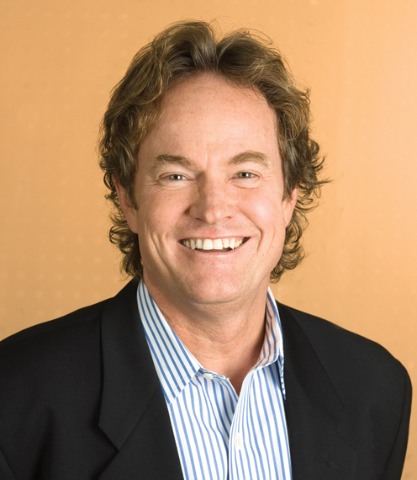
Dr. Greeno, chief medical officer and cofounder of Cogent Healthcare, said that although Republicans have talked about repealing certain sections – or all – of the Affordable Care Act, the ACO concept will not go away. "I’d advise every organization to get ready for it," he said. "There is no Plan B."
The proposed rule, however, has disappointed some hospitalists, said Dr. Greeno. There is a high cost to meeting all of the regulatory and financial requirements, and to creating the electronic health record infrastructure. But the government is "not offering a great deal of upside on the financial side," for those who do participate, he said.
Even so, hospitalists will have opportunities in the new world, he said. For an ACO to take on risk, it will have to do a good job of managing patients, especially on the inpatient side where at least a third of health care dollars are spent, said Dr. Greeno. Hospitalists can partner with hospitals, but that does not mean they have to become employees.
In California, hospitalists have been taking capitation for years – and that’s good preparation for the new delivery model, he said. One of the organizations that have done very well under the capitated model is HealthCare Partners, said Dr. Greeno. The independent physician association (IPA), based in Torrance, Calif., plans to participate in the new Medicare shared-savings program for ACOs, which will launch in January, said Dr. William Chin, the IPA’s executive medical director. The group has been preparing for the transition for awhile: It is currently also working with Anthem Blue Cross in California to test how an ACO would work in the commercial market as well as testing ACO accreditation standards that are being developed by the National Committee for Quality Assurance (NCQA).
Dr. Chin said that the IPA’s long-term capitation experience will help it transition to being an ACO.
"We have had the experience of improving outcomes and reducing costs, improving patient satisfaction, [and] improving the patient experience in our model," Dr. Chin said. "Some of the common goals of the ACO are things that we are doing today."
This year is likely to be a "learning year" for the IPA’s practices, Dr. Chin said, as they prepare to meet the various standards that are being developed for ACOs. One advantage they will have is that their practices have already adopted electronic health records. Without that investment in technology, it’s nearly impossible to become efficient and to improve quality, because paper charts are intractable to analysis, according to Dr. Chin.
But even with EHRs in place, all practices seeking to become ACOs will have to deal with significant culture changes and shifts in the delivery model, he said.
ACOs have been a hot topic in health care circles since they were written into the Affordable Care Act. The law includes the shared-savings program through Medicare, which will allow ACOs to earn additional payments if they can both save the government money and meet quality benchmarks. As the program goes forward, physicians also would assume some financial risk if they are unable to provide cost-effective care.
Under the new voluntary program, ACOs could include physicians in group practices, networks of individual practices, hospitals that employ physicians, and partnerships among these entities as well as other providers.
An ACO will be a partnership among both primary care and specialist physicians; however, only primary care providers will be able to form an ACO, according to the proposed regulation.
Providers working in an ACO would continue to receive regular payments under Medicare fee for service, but could qualify for additional payments if they save money for the program. The proposed regulation requires that ACOs meet quality standards and demonstrate that they have reduced costs in order to be eligible to share in savings. The proposal outlines 65 quality measures in five domains: patient experience, care coordination, patient safety, preventive health, and metrics for the care of at-risk and frail elderly populations.
The proposed regulation also creates two models for how an ACO can share in the potential Medicare savings, depending on its level of maturity. Under a one-sided risk model, a less-developed ACO can share in the savings they produce during the first 2 years and then assume financial risk in year 3, sharing in any potential financial losses.
More mature organizations can pursue the two-sided risk model and share in the potential savings and losses immediately. As an incentive to assume risk earlier, ACOs that pursue the two-side risk model will be eligible for a shared-savings percentage of 60%, compared with 50% for those in the one-side risk model.
One area in which physicians may need to make investments is in health information technology. Jonathan Blum, director of the Center for Medicare Management, said that the ACO proposal is closely aligned with the Health Information Technology for Economic and Clinical Health (HITECH) Act of 2009 and the EHR incentive programs. Coordinating the ACO quality measures with those in the EHR incentive programs reduces the burden on physicians and hospitals that are submitting data through the various programs, Mr. Blum said. It also offers the potential for physicians to offset some of their technology costs through the bonus payments they can earn by achieving meaningful use of their EHRs.
The move to ACOs will be a major shift, said Dr. Paul Grundy, director of health care transformation for IBM and president of the Patient-Centered Primary Care Collaborative. "You’ve got a $2.7 trillion stream going in the wrong direction," he said. "That’s a huge river to overcome."
But despite the financial and cultural barriers that have prevented these types of shifts from occurring in the past, Dr. Grundy said that the medical community is ready to make a change toward the patient-centered medical home concept and ACOs.
Many purchasers of health care, including Fortune 100 companies and the federal government, are already supporting the concept of the medical home, and physicians who have made the switch love it, he said. "I think it\'s really clear that this is where we’re going and where we have to go."
The trend is being driven by more than just the provisions in the Affordable Care Act, he said. The escalating cost of health care is pushing businesses and other health care purchasers to look for alternatives to keep costs down. At the same time, there are finally data to show how patients are being managed and what types of care are cost effective. Additionally, younger consumers want to access health care the same way they do their banking and shopping. "For them to be told by a practice that they can’t access their laboratory data online, they’ll just keep looking until they find someone who can," Dr. Grundy said.
Another player in the ACO field is the NCQA. The not-for-profit organization offers recognition programs for physicians, hospitals, and health plans in a number of areas. Starting this summer, the organization plans to unveil its standards for ACO accreditation. The first ACOs to go through the program could receive accreditation in 2012, according to Raena Grant Akin-Deko, assistant vice president for development at the NCQA.
The standards could be a "road map" for organizations to begin to build the capabilities to become an ACO, she said. "What we’ve done through these standards can help people understand what the important capabilities are and give them some direction about what are the things that they should be thinking about."
The NCQA recently concluded testing of its standards with 10 organizations that represent IPAs, multispecialty practice groups, and integrated delivery systems. One issue that came up during the testing is the importance of leadership within the ACO.
"We can define structural features that are important for [ACOs], but I think you cannot underestimate the importance of leadership and the cultural change toward patient centered care in forming these organizations," she said.
Mary Ellen Schneider and Naseem Miller contributed to this report.
With accountable care organizations becoming an almost-certainty, hospitalists would be wise to start determining how they will fit into the new model, according to Dr. Ron Greeno.
The ACO concept, which was part of the Affordable Care Act, has now been further fleshed out in a proposed regulation issued March 31 by the Centers for Medicare and Medicaid Services. But, said Dr. Greeno, "we were heading down this road even before the bill was passed."
Dr. Greeno, chief medical officer and cofounder of Cogent Healthcare, said that although Republicans have talked about repealing certain sections – or all – of the Affordable Care Act, the ACO concept will not go away. "I’d advise every organization to get ready for it," he said. "There is no Plan B."
The proposed rule, however, has disappointed some hospitalists, said Dr. Greeno. There is a high cost to meeting all of the regulatory and financial requirements, and to creating the electronic health record infrastructure. But the government is "not offering a great deal of upside on the financial side," for those who do participate, he said.
Even so, hospitalists will have opportunities in the new world, he said. For an ACO to take on risk, it will have to do a good job of managing patients, especially on the inpatient side where at least a third of health care dollars are spent, said Dr. Greeno. Hospitalists can partner with hospitals, but that does not mean they have to become employees.
In California, hospitalists have been taking capitation for years – and that’s good preparation for the new delivery model, he said. One of the organizations that have done very well under the capitated model is HealthCare Partners, said Dr. Greeno. The independent physician association (IPA), based in Torrance, Calif., plans to participate in the new Medicare shared-savings program for ACOs, which will launch in January, said Dr. William Chin, the IPA’s executive medical director. The group has been preparing for the transition for awhile: It is currently also working with Anthem Blue Cross in California to test how an ACO would work in the commercial market as well as testing ACO accreditation standards that are being developed by the National Committee for Quality Assurance (NCQA).
Dr. Chin said that the IPA’s long-term capitation experience will help it transition to being an ACO.
"We have had the experience of improving outcomes and reducing costs, improving patient satisfaction, [and] improving the patient experience in our model," Dr. Chin said. "Some of the common goals of the ACO are things that we are doing today."
This year is likely to be a "learning year" for the IPA’s practices, Dr. Chin said, as they prepare to meet the various standards that are being developed for ACOs. One advantage they will have is that their practices have already adopted electronic health records. Without that investment in technology, it’s nearly impossible to become efficient and to improve quality, because paper charts are intractable to analysis, according to Dr. Chin.
But even with EHRs in place, all practices seeking to become ACOs will have to deal with significant culture changes and shifts in the delivery model, he said.
ACOs have been a hot topic in health care circles since they were written into the Affordable Care Act. The law includes the shared-savings program through Medicare, which will allow ACOs to earn additional payments if they can both save the government money and meet quality benchmarks. As the program goes forward, physicians also would assume some financial risk if they are unable to provide cost-effective care.
Under the new voluntary program, ACOs could include physicians in group practices, networks of individual practices, hospitals that employ physicians, and partnerships among these entities as well as other providers.
An ACO will be a partnership among both primary care and specialist physicians; however, only primary care providers will be able to form an ACO, according to the proposed regulation.
Providers working in an ACO would continue to receive regular payments under Medicare fee for service, but could qualify for additional payments if they save money for the program. The proposed regulation requires that ACOs meet quality standards and demonstrate that they have reduced costs in order to be eligible to share in savings. The proposal outlines 65 quality measures in five domains: patient experience, care coordination, patient safety, preventive health, and metrics for the care of at-risk and frail elderly populations.
The proposed regulation also creates two models for how an ACO can share in the potential Medicare savings, depending on its level of maturity. Under a one-sided risk model, a less-developed ACO can share in the savings they produce during the first 2 years and then assume financial risk in year 3, sharing in any potential financial losses.
More mature organizations can pursue the two-sided risk model and share in the potential savings and losses immediately. As an incentive to assume risk earlier, ACOs that pursue the two-side risk model will be eligible for a shared-savings percentage of 60%, compared with 50% for those in the one-side risk model.
One area in which physicians may need to make investments is in health information technology. Jonathan Blum, director of the Center for Medicare Management, said that the ACO proposal is closely aligned with the Health Information Technology for Economic and Clinical Health (HITECH) Act of 2009 and the EHR incentive programs. Coordinating the ACO quality measures with those in the EHR incentive programs reduces the burden on physicians and hospitals that are submitting data through the various programs, Mr. Blum said. It also offers the potential for physicians to offset some of their technology costs through the bonus payments they can earn by achieving meaningful use of their EHRs.
The move to ACOs will be a major shift, said Dr. Paul Grundy, director of health care transformation for IBM and president of the Patient-Centered Primary Care Collaborative. "You’ve got a $2.7 trillion stream going in the wrong direction," he said. "That’s a huge river to overcome."
But despite the financial and cultural barriers that have prevented these types of shifts from occurring in the past, Dr. Grundy said that the medical community is ready to make a change toward the patient-centered medical home concept and ACOs.
Many purchasers of health care, including Fortune 100 companies and the federal government, are already supporting the concept of the medical home, and physicians who have made the switch love it, he said. "I think it\'s really clear that this is where we’re going and where we have to go."
The trend is being driven by more than just the provisions in the Affordable Care Act, he said. The escalating cost of health care is pushing businesses and other health care purchasers to look for alternatives to keep costs down. At the same time, there are finally data to show how patients are being managed and what types of care are cost effective. Additionally, younger consumers want to access health care the same way they do their banking and shopping. "For them to be told by a practice that they can’t access their laboratory data online, they’ll just keep looking until they find someone who can," Dr. Grundy said.
Another player in the ACO field is the NCQA. The not-for-profit organization offers recognition programs for physicians, hospitals, and health plans in a number of areas. Starting this summer, the organization plans to unveil its standards for ACO accreditation. The first ACOs to go through the program could receive accreditation in 2012, according to Raena Grant Akin-Deko, assistant vice president for development at the NCQA.
The standards could be a "road map" for organizations to begin to build the capabilities to become an ACO, she said. "What we’ve done through these standards can help people understand what the important capabilities are and give them some direction about what are the things that they should be thinking about."
The NCQA recently concluded testing of its standards with 10 organizations that represent IPAs, multispecialty practice groups, and integrated delivery systems. One issue that came up during the testing is the importance of leadership within the ACO.
"We can define structural features that are important for [ACOs], but I think you cannot underestimate the importance of leadership and the cultural change toward patient centered care in forming these organizations," she said.
Mary Ellen Schneider and Naseem Miller contributed to this report.
With accountable care organizations becoming an almost-certainty, hospitalists would be wise to start determining how they will fit into the new model, according to Dr. Ron Greeno.
The ACO concept, which was part of the Affordable Care Act, has now been further fleshed out in a proposed regulation issued March 31 by the Centers for Medicare and Medicaid Services. But, said Dr. Greeno, "we were heading down this road even before the bill was passed."
Dr. Greeno, chief medical officer and cofounder of Cogent Healthcare, said that although Republicans have talked about repealing certain sections – or all – of the Affordable Care Act, the ACO concept will not go away. "I’d advise every organization to get ready for it," he said. "There is no Plan B."
The proposed rule, however, has disappointed some hospitalists, said Dr. Greeno. There is a high cost to meeting all of the regulatory and financial requirements, and to creating the electronic health record infrastructure. But the government is "not offering a great deal of upside on the financial side," for those who do participate, he said.
Even so, hospitalists will have opportunities in the new world, he said. For an ACO to take on risk, it will have to do a good job of managing patients, especially on the inpatient side where at least a third of health care dollars are spent, said Dr. Greeno. Hospitalists can partner with hospitals, but that does not mean they have to become employees.
In California, hospitalists have been taking capitation for years – and that’s good preparation for the new delivery model, he said. One of the organizations that have done very well under the capitated model is HealthCare Partners, said Dr. Greeno. The independent physician association (IPA), based in Torrance, Calif., plans to participate in the new Medicare shared-savings program for ACOs, which will launch in January, said Dr. William Chin, the IPA’s executive medical director. The group has been preparing for the transition for awhile: It is currently also working with Anthem Blue Cross in California to test how an ACO would work in the commercial market as well as testing ACO accreditation standards that are being developed by the National Committee for Quality Assurance (NCQA).
Dr. Chin said that the IPA’s long-term capitation experience will help it transition to being an ACO.
"We have had the experience of improving outcomes and reducing costs, improving patient satisfaction, [and] improving the patient experience in our model," Dr. Chin said. "Some of the common goals of the ACO are things that we are doing today."
This year is likely to be a "learning year" for the IPA’s practices, Dr. Chin said, as they prepare to meet the various standards that are being developed for ACOs. One advantage they will have is that their practices have already adopted electronic health records. Without that investment in technology, it’s nearly impossible to become efficient and to improve quality, because paper charts are intractable to analysis, according to Dr. Chin.
But even with EHRs in place, all practices seeking to become ACOs will have to deal with significant culture changes and shifts in the delivery model, he said.
ACOs have been a hot topic in health care circles since they were written into the Affordable Care Act. The law includes the shared-savings program through Medicare, which will allow ACOs to earn additional payments if they can both save the government money and meet quality benchmarks. As the program goes forward, physicians also would assume some financial risk if they are unable to provide cost-effective care.
Under the new voluntary program, ACOs could include physicians in group practices, networks of individual practices, hospitals that employ physicians, and partnerships among these entities as well as other providers.
An ACO will be a partnership among both primary care and specialist physicians; however, only primary care providers will be able to form an ACO, according to the proposed regulation.
Providers working in an ACO would continue to receive regular payments under Medicare fee for service, but could qualify for additional payments if they save money for the program. The proposed regulation requires that ACOs meet quality standards and demonstrate that they have reduced costs in order to be eligible to share in savings. The proposal outlines 65 quality measures in five domains: patient experience, care coordination, patient safety, preventive health, and metrics for the care of at-risk and frail elderly populations.
The proposed regulation also creates two models for how an ACO can share in the potential Medicare savings, depending on its level of maturity. Under a one-sided risk model, a less-developed ACO can share in the savings they produce during the first 2 years and then assume financial risk in year 3, sharing in any potential financial losses.
More mature organizations can pursue the two-sided risk model and share in the potential savings and losses immediately. As an incentive to assume risk earlier, ACOs that pursue the two-side risk model will be eligible for a shared-savings percentage of 60%, compared with 50% for those in the one-side risk model.
One area in which physicians may need to make investments is in health information technology. Jonathan Blum, director of the Center for Medicare Management, said that the ACO proposal is closely aligned with the Health Information Technology for Economic and Clinical Health (HITECH) Act of 2009 and the EHR incentive programs. Coordinating the ACO quality measures with those in the EHR incentive programs reduces the burden on physicians and hospitals that are submitting data through the various programs, Mr. Blum said. It also offers the potential for physicians to offset some of their technology costs through the bonus payments they can earn by achieving meaningful use of their EHRs.
The move to ACOs will be a major shift, said Dr. Paul Grundy, director of health care transformation for IBM and president of the Patient-Centered Primary Care Collaborative. "You’ve got a $2.7 trillion stream going in the wrong direction," he said. "That’s a huge river to overcome."
But despite the financial and cultural barriers that have prevented these types of shifts from occurring in the past, Dr. Grundy said that the medical community is ready to make a change toward the patient-centered medical home concept and ACOs.
Many purchasers of health care, including Fortune 100 companies and the federal government, are already supporting the concept of the medical home, and physicians who have made the switch love it, he said. "I think it\'s really clear that this is where we’re going and where we have to go."
The trend is being driven by more than just the provisions in the Affordable Care Act, he said. The escalating cost of health care is pushing businesses and other health care purchasers to look for alternatives to keep costs down. At the same time, there are finally data to show how patients are being managed and what types of care are cost effective. Additionally, younger consumers want to access health care the same way they do their banking and shopping. "For them to be told by a practice that they can’t access their laboratory data online, they’ll just keep looking until they find someone who can," Dr. Grundy said.
Another player in the ACO field is the NCQA. The not-for-profit organization offers recognition programs for physicians, hospitals, and health plans in a number of areas. Starting this summer, the organization plans to unveil its standards for ACO accreditation. The first ACOs to go through the program could receive accreditation in 2012, according to Raena Grant Akin-Deko, assistant vice president for development at the NCQA.
The standards could be a "road map" for organizations to begin to build the capabilities to become an ACO, she said. "What we’ve done through these standards can help people understand what the important capabilities are and give them some direction about what are the things that they should be thinking about."
The NCQA recently concluded testing of its standards with 10 organizations that represent IPAs, multispecialty practice groups, and integrated delivery systems. One issue that came up during the testing is the importance of leadership within the ACO.
"We can define structural features that are important for [ACOs], but I think you cannot underestimate the importance of leadership and the cultural change toward patient centered care in forming these organizations," she said.
Mary Ellen Schneider and Naseem Miller contributed to this report.
Supreme Court Denies Health Reform Challenge
The United States Supreme Court on April 25 denied a petition by the Virginia Attorney General to expedite review of the Affordable Care Act.
In early February, Virginia Attorney General Kenneth Cuccinelli filed a writ of certiorari before judgment with the Supreme Court, with the goal of expediting a judicial review of the law. In the filing, Mr. Cuccinelli argued, "Given the importance of the issues at stake to the States and to the economy as a whole, this Court should grant certiorari to resolve a matter of imperative public importance."
The Supreme Court, however, declined to grant the petition. There was no comment accompanying the decision.
Mr. Cuccinelli’s filing on behalf of the Commonwealth of Virginia came after a December ruling that the state’s challenge of the ACA could stand. A federal government appeal is still pending in the U.S. Fourth Circuit Court of Appeals.
In response to the Supreme Court decision, Mr. Cuccinelli said in a statement, "We asked the [court] for expedited review of our lawsuit because Virginia and other states are already spending huge sums to implement their portions of the health care act, businesses are already making decisions about whether to cut or keep employee health plans, and citizens are in limbo until the Supreme Court rules.
The suit will be heard in the Fourth Circuit Court on May 10, Mr. Cuccinelli said.
The United States Supreme Court on April 25 denied a petition by the Virginia Attorney General to expedite review of the Affordable Care Act.
In early February, Virginia Attorney General Kenneth Cuccinelli filed a writ of certiorari before judgment with the Supreme Court, with the goal of expediting a judicial review of the law. In the filing, Mr. Cuccinelli argued, "Given the importance of the issues at stake to the States and to the economy as a whole, this Court should grant certiorari to resolve a matter of imperative public importance."
The Supreme Court, however, declined to grant the petition. There was no comment accompanying the decision.
Mr. Cuccinelli’s filing on behalf of the Commonwealth of Virginia came after a December ruling that the state’s challenge of the ACA could stand. A federal government appeal is still pending in the U.S. Fourth Circuit Court of Appeals.
In response to the Supreme Court decision, Mr. Cuccinelli said in a statement, "We asked the [court] for expedited review of our lawsuit because Virginia and other states are already spending huge sums to implement their portions of the health care act, businesses are already making decisions about whether to cut or keep employee health plans, and citizens are in limbo until the Supreme Court rules.
The suit will be heard in the Fourth Circuit Court on May 10, Mr. Cuccinelli said.
The United States Supreme Court on April 25 denied a petition by the Virginia Attorney General to expedite review of the Affordable Care Act.
In early February, Virginia Attorney General Kenneth Cuccinelli filed a writ of certiorari before judgment with the Supreme Court, with the goal of expediting a judicial review of the law. In the filing, Mr. Cuccinelli argued, "Given the importance of the issues at stake to the States and to the economy as a whole, this Court should grant certiorari to resolve a matter of imperative public importance."
The Supreme Court, however, declined to grant the petition. There was no comment accompanying the decision.
Mr. Cuccinelli’s filing on behalf of the Commonwealth of Virginia came after a December ruling that the state’s challenge of the ACA could stand. A federal government appeal is still pending in the U.S. Fourth Circuit Court of Appeals.
In response to the Supreme Court decision, Mr. Cuccinelli said in a statement, "We asked the [court] for expedited review of our lawsuit because Virginia and other states are already spending huge sums to implement their portions of the health care act, businesses are already making decisions about whether to cut or keep employee health plans, and citizens are in limbo until the Supreme Court rules.
The suit will be heard in the Fourth Circuit Court on May 10, Mr. Cuccinelli said.
Supreme Court Denies Health Reform Challenge
The United States Supreme Court on April 25 denied a petition by the Virginia Attorney General to expedite review of the Affordable Care Act.
In early February, Virginia Attorney General Kenneth Cuccinelli filed a writ of certiorari before judgment with the Supreme Court, with the goal of expediting a judicial review of the law. In the filing, Mr. Cuccinelli argued, "Given the importance of the issues at stake to the States and to the economy as a whole, this Court should grant certiorari to resolve a matter of imperative public importance."
The Supreme Court, however, declined to grant the petition. There was no comment accompanying the decision.
Mr. Cuccinelli’s filing on behalf of the Commonwealth of Virginia came after a December ruling that the state’s challenge of the ACA could stand. A federal government appeal is still pending in the U.S. Fourth Circuit Court of Appeals.
In response to the Supreme Court decision, Mr. Cuccinelli said in a statement, "We asked the [court] for expedited review of our lawsuit because Virginia and other states are already spending huge sums to implement their portions of the health care act, businesses are already making decisions about whether to cut or keep employee health plans, and citizens are in limbo until the Supreme Court rules.
The suit will be heard in the Fourth Circuit Court on May 10, Mr. Cuccinelli said.
The United States Supreme Court on April 25 denied a petition by the Virginia Attorney General to expedite review of the Affordable Care Act.
In early February, Virginia Attorney General Kenneth Cuccinelli filed a writ of certiorari before judgment with the Supreme Court, with the goal of expediting a judicial review of the law. In the filing, Mr. Cuccinelli argued, "Given the importance of the issues at stake to the States and to the economy as a whole, this Court should grant certiorari to resolve a matter of imperative public importance."
The Supreme Court, however, declined to grant the petition. There was no comment accompanying the decision.
Mr. Cuccinelli’s filing on behalf of the Commonwealth of Virginia came after a December ruling that the state’s challenge of the ACA could stand. A federal government appeal is still pending in the U.S. Fourth Circuit Court of Appeals.
In response to the Supreme Court decision, Mr. Cuccinelli said in a statement, "We asked the [court] for expedited review of our lawsuit because Virginia and other states are already spending huge sums to implement their portions of the health care act, businesses are already making decisions about whether to cut or keep employee health plans, and citizens are in limbo until the Supreme Court rules.
The suit will be heard in the Fourth Circuit Court on May 10, Mr. Cuccinelli said.
The United States Supreme Court on April 25 denied a petition by the Virginia Attorney General to expedite review of the Affordable Care Act.
In early February, Virginia Attorney General Kenneth Cuccinelli filed a writ of certiorari before judgment with the Supreme Court, with the goal of expediting a judicial review of the law. In the filing, Mr. Cuccinelli argued, "Given the importance of the issues at stake to the States and to the economy as a whole, this Court should grant certiorari to resolve a matter of imperative public importance."
The Supreme Court, however, declined to grant the petition. There was no comment accompanying the decision.
Mr. Cuccinelli’s filing on behalf of the Commonwealth of Virginia came after a December ruling that the state’s challenge of the ACA could stand. A federal government appeal is still pending in the U.S. Fourth Circuit Court of Appeals.
In response to the Supreme Court decision, Mr. Cuccinelli said in a statement, "We asked the [court] for expedited review of our lawsuit because Virginia and other states are already spending huge sums to implement their portions of the health care act, businesses are already making decisions about whether to cut or keep employee health plans, and citizens are in limbo until the Supreme Court rules.
The suit will be heard in the Fourth Circuit Court on May 10, Mr. Cuccinelli said.
Supreme Court Denies Health Reform Challenge
The United States Supreme Court on April 25 denied a petition by the Virginia Attorney General to expedite review of the Affordable Care Act.
In early February, Virginia Attorney General Kenneth Cuccinelli filed a writ of certiorari before judgment with the Supreme Court, with the goal of expediting a judicial review of the law. In the filing, Mr. Cuccinelli argued, "Given the importance of the issues at stake to the States and to the economy as a whole, this Court should grant certiorari to resolve a matter of imperative public importance."
The Supreme Court, however, declined to grant the petition. There was no comment accompanying the decision.
Mr. Cuccinelli’s filing on behalf of the Commonwealth of Virginia came after a December ruling that the state’s challenge of the ACA could stand. A federal government appeal is still pending in the U.S. Fourth Circuit Court of Appeals.
In response to the Supreme Court decision, Mr. Cuccinelli said in a statement, "We asked the [court] for expedited review of our lawsuit because Virginia and other states are already spending huge sums to implement their portions of the health care act, businesses are already making decisions about whether to cut or keep employee health plans, and citizens are in limbo until the Supreme Court rules.
The suit will be heard in the Fourth Circuit Court on May 10, Mr. Cuccinelli said.
The United States Supreme Court on April 25 denied a petition by the Virginia Attorney General to expedite review of the Affordable Care Act.
In early February, Virginia Attorney General Kenneth Cuccinelli filed a writ of certiorari before judgment with the Supreme Court, with the goal of expediting a judicial review of the law. In the filing, Mr. Cuccinelli argued, "Given the importance of the issues at stake to the States and to the economy as a whole, this Court should grant certiorari to resolve a matter of imperative public importance."
The Supreme Court, however, declined to grant the petition. There was no comment accompanying the decision.
Mr. Cuccinelli’s filing on behalf of the Commonwealth of Virginia came after a December ruling that the state’s challenge of the ACA could stand. A federal government appeal is still pending in the U.S. Fourth Circuit Court of Appeals.
In response to the Supreme Court decision, Mr. Cuccinelli said in a statement, "We asked the [court] for expedited review of our lawsuit because Virginia and other states are already spending huge sums to implement their portions of the health care act, businesses are already making decisions about whether to cut or keep employee health plans, and citizens are in limbo until the Supreme Court rules.
The suit will be heard in the Fourth Circuit Court on May 10, Mr. Cuccinelli said.
The United States Supreme Court on April 25 denied a petition by the Virginia Attorney General to expedite review of the Affordable Care Act.
In early February, Virginia Attorney General Kenneth Cuccinelli filed a writ of certiorari before judgment with the Supreme Court, with the goal of expediting a judicial review of the law. In the filing, Mr. Cuccinelli argued, "Given the importance of the issues at stake to the States and to the economy as a whole, this Court should grant certiorari to resolve a matter of imperative public importance."
The Supreme Court, however, declined to grant the petition. There was no comment accompanying the decision.
Mr. Cuccinelli’s filing on behalf of the Commonwealth of Virginia came after a December ruling that the state’s challenge of the ACA could stand. A federal government appeal is still pending in the U.S. Fourth Circuit Court of Appeals.
In response to the Supreme Court decision, Mr. Cuccinelli said in a statement, "We asked the [court] for expedited review of our lawsuit because Virginia and other states are already spending huge sums to implement their portions of the health care act, businesses are already making decisions about whether to cut or keep employee health plans, and citizens are in limbo until the Supreme Court rules.
The suit will be heard in the Fourth Circuit Court on May 10, Mr. Cuccinelli said.
Supreme Court Denies Health Reform Challenge
The United States Supreme Court on April 25 denied a petition by the Virginia Attorney General to expedite review of the Affordable Care Act.
In early February, Virginia Attorney General Kenneth Cuccinelli filed a writ of certiorari before judgment with the Supreme Court, with the goal of expediting a judicial review of the law. In the filing, Mr. Cuccinelli argued, "Given the importance of the issues at stake to the States and to the economy as a whole, this Court should grant certiorari to resolve a matter of imperative public importance."
The Supreme Court, however, declined to grant the petition. There was no comment accompanying the decision.
Mr. Cuccinelli’s filing on behalf of the Commonwealth of Virginia came after a December ruling that the state’s challenge of the ACA could stand. A federal government appeal is still pending in the U.S. Fourth Circuit Court of Appeals.
In response to the Supreme Court decision, Mr. Cuccinelli said in a statement, "We asked the [court] for expedited review of our lawsuit because Virginia and other states are already spending huge sums to implement their portions of the health care act, businesses are already making decisions about whether to cut or keep employee health plans, and citizens are in limbo until the Supreme Court rules.
The suit will be heard in the Fourth Circuit Court on May 10, Mr. Cuccinelli said.
The United States Supreme Court on April 25 denied a petition by the Virginia Attorney General to expedite review of the Affordable Care Act.
In early February, Virginia Attorney General Kenneth Cuccinelli filed a writ of certiorari before judgment with the Supreme Court, with the goal of expediting a judicial review of the law. In the filing, Mr. Cuccinelli argued, "Given the importance of the issues at stake to the States and to the economy as a whole, this Court should grant certiorari to resolve a matter of imperative public importance."
The Supreme Court, however, declined to grant the petition. There was no comment accompanying the decision.
Mr. Cuccinelli’s filing on behalf of the Commonwealth of Virginia came after a December ruling that the state’s challenge of the ACA could stand. A federal government appeal is still pending in the U.S. Fourth Circuit Court of Appeals.
In response to the Supreme Court decision, Mr. Cuccinelli said in a statement, "We asked the [court] for expedited review of our lawsuit because Virginia and other states are already spending huge sums to implement their portions of the health care act, businesses are already making decisions about whether to cut or keep employee health plans, and citizens are in limbo until the Supreme Court rules.
The suit will be heard in the Fourth Circuit Court on May 10, Mr. Cuccinelli said.
The United States Supreme Court on April 25 denied a petition by the Virginia Attorney General to expedite review of the Affordable Care Act.
In early February, Virginia Attorney General Kenneth Cuccinelli filed a writ of certiorari before judgment with the Supreme Court, with the goal of expediting a judicial review of the law. In the filing, Mr. Cuccinelli argued, "Given the importance of the issues at stake to the States and to the economy as a whole, this Court should grant certiorari to resolve a matter of imperative public importance."
The Supreme Court, however, declined to grant the petition. There was no comment accompanying the decision.
Mr. Cuccinelli’s filing on behalf of the Commonwealth of Virginia came after a December ruling that the state’s challenge of the ACA could stand. A federal government appeal is still pending in the U.S. Fourth Circuit Court of Appeals.
In response to the Supreme Court decision, Mr. Cuccinelli said in a statement, "We asked the [court] for expedited review of our lawsuit because Virginia and other states are already spending huge sums to implement their portions of the health care act, businesses are already making decisions about whether to cut or keep employee health plans, and citizens are in limbo until the Supreme Court rules.
The suit will be heard in the Fourth Circuit Court on May 10, Mr. Cuccinelli said.
Supreme Court Denies Health Reform Challenge
The United States Supreme Court on April 25 denied a petition by the Virginia Attorney General to expedite review of the Affordable Care Act.
In early February, Virginia Attorney General Kenneth Cuccinelli filed a writ of certiorari before judgment with the Supreme Court, with the goal of expediting a judicial review of the law. In the filing, Mr. Cuccinelli argued, "Given the importance of the issues at stake to the States and to the economy as a whole, this Court should grant certiorari to resolve a matter of imperative public importance."
The Supreme Court, however, declined to grant the petition. There was no comment accompanying the decision.
Mr. Cuccinelli’s filing on behalf of the Commonwealth of Virginia came after a December ruling that the state’s challenge of the ACA could stand. A federal government appeal is still pending in the U.S. Fourth Circuit Court of Appeals.
In response to the Supreme Court decision, Mr. Cuccinelli said in a statement, "We asked the [court] for expedited review of our lawsuit because Virginia and other states are already spending huge sums to implement their portions of the health care act, businesses are already making decisions about whether to cut or keep employee health plans, and citizens are in limbo until the Supreme Court rules.
The suit will be heard in the Fourth Circuit Court on May 10, Mr. Cuccinelli said.
The United States Supreme Court on April 25 denied a petition by the Virginia Attorney General to expedite review of the Affordable Care Act.
In early February, Virginia Attorney General Kenneth Cuccinelli filed a writ of certiorari before judgment with the Supreme Court, with the goal of expediting a judicial review of the law. In the filing, Mr. Cuccinelli argued, "Given the importance of the issues at stake to the States and to the economy as a whole, this Court should grant certiorari to resolve a matter of imperative public importance."
The Supreme Court, however, declined to grant the petition. There was no comment accompanying the decision.
Mr. Cuccinelli’s filing on behalf of the Commonwealth of Virginia came after a December ruling that the state’s challenge of the ACA could stand. A federal government appeal is still pending in the U.S. Fourth Circuit Court of Appeals.
In response to the Supreme Court decision, Mr. Cuccinelli said in a statement, "We asked the [court] for expedited review of our lawsuit because Virginia and other states are already spending huge sums to implement their portions of the health care act, businesses are already making decisions about whether to cut or keep employee health plans, and citizens are in limbo until the Supreme Court rules.
The suit will be heard in the Fourth Circuit Court on May 10, Mr. Cuccinelli said.
The United States Supreme Court on April 25 denied a petition by the Virginia Attorney General to expedite review of the Affordable Care Act.
In early February, Virginia Attorney General Kenneth Cuccinelli filed a writ of certiorari before judgment with the Supreme Court, with the goal of expediting a judicial review of the law. In the filing, Mr. Cuccinelli argued, "Given the importance of the issues at stake to the States and to the economy as a whole, this Court should grant certiorari to resolve a matter of imperative public importance."
The Supreme Court, however, declined to grant the petition. There was no comment accompanying the decision.
Mr. Cuccinelli’s filing on behalf of the Commonwealth of Virginia came after a December ruling that the state’s challenge of the ACA could stand. A federal government appeal is still pending in the U.S. Fourth Circuit Court of Appeals.
In response to the Supreme Court decision, Mr. Cuccinelli said in a statement, "We asked the [court] for expedited review of our lawsuit because Virginia and other states are already spending huge sums to implement their portions of the health care act, businesses are already making decisions about whether to cut or keep employee health plans, and citizens are in limbo until the Supreme Court rules.
The suit will be heard in the Fourth Circuit Court on May 10, Mr. Cuccinelli said.
Less-Frequent Call Is More Important Than Higher Pay
Physicians are more concerned about the burden of taking call than about how much they get paid for providing coverage at hospital emergency departments, according to a survey by the American Medical Group Association and a consulting firm.
About 50 medical groups participated, primarily from independently owned, large, multispecialty groups. Dr. Donald W. Fisher, president and CEO of the AMGA, said that most of the data on physicians’ opinions on call coverage have been anecdotal. The AMGA survey, conducted with ECG Management Consultants, quantifies better what’s actually happening, he said.
ECG senior manager Sean T. Hartzell said in a statement that "the survey confirmed what we are seeing in the market, which is that the lifestyle intrusion of call is being tolerated less and less by physicians, and they are seeking ways to decrease their call coverage burden."
According to the survey, when physicians were asked to choose between reduced call burden or payment, 58% of those surveyed said it was more important to reduce call burden. More than half the respondents said their call burden was high.
The survey also asked physicians for some potential solutions to reducing call burden.
Respondents said that the advent of hospitalists – which they regarded as favorable – was a potentially important way to reduce call burden. The majority of respondents said that use of nocturnists would be helpful. And 70% said that offering preferred scheduling on the day after call would be a good way to address call burden.
According to the AMGA, the survey shows that there is a big gulf between hospitals and physicians on call burden. Paying physicians may provide a short-term solution, but "does not address the more difficult, long-term problem of reducing call burden," said the group in its statement.
According to the AMGA, its members deliver health care to 110 million patients in 49 states.
The report is available online and is free to download to those registered at the AMGA website.
Physicians are more concerned about the burden of taking call than about how much they get paid for providing coverage at hospital emergency departments, according to a survey by the American Medical Group Association and a consulting firm.
About 50 medical groups participated, primarily from independently owned, large, multispecialty groups. Dr. Donald W. Fisher, president and CEO of the AMGA, said that most of the data on physicians’ opinions on call coverage have been anecdotal. The AMGA survey, conducted with ECG Management Consultants, quantifies better what’s actually happening, he said.
ECG senior manager Sean T. Hartzell said in a statement that "the survey confirmed what we are seeing in the market, which is that the lifestyle intrusion of call is being tolerated less and less by physicians, and they are seeking ways to decrease their call coverage burden."
According to the survey, when physicians were asked to choose between reduced call burden or payment, 58% of those surveyed said it was more important to reduce call burden. More than half the respondents said their call burden was high.
The survey also asked physicians for some potential solutions to reducing call burden.
Respondents said that the advent of hospitalists – which they regarded as favorable – was a potentially important way to reduce call burden. The majority of respondents said that use of nocturnists would be helpful. And 70% said that offering preferred scheduling on the day after call would be a good way to address call burden.
According to the AMGA, the survey shows that there is a big gulf between hospitals and physicians on call burden. Paying physicians may provide a short-term solution, but "does not address the more difficult, long-term problem of reducing call burden," said the group in its statement.
According to the AMGA, its members deliver health care to 110 million patients in 49 states.
The report is available online and is free to download to those registered at the AMGA website.
Physicians are more concerned about the burden of taking call than about how much they get paid for providing coverage at hospital emergency departments, according to a survey by the American Medical Group Association and a consulting firm.
About 50 medical groups participated, primarily from independently owned, large, multispecialty groups. Dr. Donald W. Fisher, president and CEO of the AMGA, said that most of the data on physicians’ opinions on call coverage have been anecdotal. The AMGA survey, conducted with ECG Management Consultants, quantifies better what’s actually happening, he said.
ECG senior manager Sean T. Hartzell said in a statement that "the survey confirmed what we are seeing in the market, which is that the lifestyle intrusion of call is being tolerated less and less by physicians, and they are seeking ways to decrease their call coverage burden."
According to the survey, when physicians were asked to choose between reduced call burden or payment, 58% of those surveyed said it was more important to reduce call burden. More than half the respondents said their call burden was high.
The survey also asked physicians for some potential solutions to reducing call burden.
Respondents said that the advent of hospitalists – which they regarded as favorable – was a potentially important way to reduce call burden. The majority of respondents said that use of nocturnists would be helpful. And 70% said that offering preferred scheduling on the day after call would be a good way to address call burden.
According to the AMGA, the survey shows that there is a big gulf between hospitals and physicians on call burden. Paying physicians may provide a short-term solution, but "does not address the more difficult, long-term problem of reducing call burden," said the group in its statement.
According to the AMGA, its members deliver health care to 110 million patients in 49 states.
The report is available online and is free to download to those registered at the AMGA website.
FROM A SURVEY BY THE AMERICAN MEDICAL GROUP ASSOCIATION