User login
Medicare Proposes 2012 Pay Cut for Hospitals
The Centers for Medicare and Medicaid Services is proposing to reduce payments for hospitals by $498 million, or 0.55%, in fiscal 2012.
The proposals under the Inpatient Prospective Payment System and the Long-Term Care Hospital Prospective Payment System continue a flat-to-downward trend in Medicare reimbursement over the past few years. A big reason for the reduction: The agency is adjusting for overpayments made for coding errors in the previous fiscal years, according to Ira Loss and his colleagues at Washington Analysis, a company that monitors policy developments for investor clients.
The cuts will “will maintain pressure on makers and suppliers of certain device categories, like orthopedics, general surgery, routine lab tests, and medical supplies, for the foreseeable future,” said Mr. Loss.
The April 19 announcement included new quality improvement proposals. “The proposals … reflect an underlying premise that we can improve the quality of and access to care while at the same time slowing the growth in health care spending,” CMS Administrator Donald Berwick said in a statement.
The rule will encourage support of Partnerships for Patients, a joint effort by the Department of Health and Human Services and private entities to improve patient safety and quality.
Beginning in fiscal 2013, the agency is to start reducing payments to hospitals that have excess readmissions for certain conditions. The proposed rule lays the groundwork for that by publishing rates of readmissions for three conditions: acute myocardial infarction, heart failure, and pneumonia.
The proposal also would add one category to the list of hospital-acquired conditions that the CMS will not pay for at a higher rate, if the condition occurred during the hospital stay. That category is acute renal failure after contrast administration (also known as contrast-induced acute kidney injury, or CI-AKI).
The new rule contains provisions that will support the hospital value-based purchasing regulation when that final rule is issued in “the near future.” One of those proposals is to adopt a Medicare Spending per Beneficiary Measure for the value-based purchasing program.
The CMS also proposes to reduce the reporting burden for physicians and hospitals by retiring some quality measures, introducing others that will more closely align with measures collected for other purposes, and streamlining the submissions process, said the agency.
On the reimbursement side, cardiac and orthopedic procedures will see an overall slight reduction in payment, according to Washington Analysis. Heart transplants and heart assist systems will have about a 9% pay reduction. Defibrillator implantation will range from a decrease of 2.1% to an increase of 4.5%, depending on the patient's status, the analysts said. Deep brain stimulation, vagus nerve stimulation for epilepsy, and spinal cord stimulation will see a small increase.
The rule is open for comment until June 20. The final rule is to be issued by Aug. 1.
The Centers for Medicare and Medicaid Services is proposing to reduce payments for hospitals by $498 million, or 0.55%, in fiscal 2012.
The proposals under the Inpatient Prospective Payment System and the Long-Term Care Hospital Prospective Payment System continue a flat-to-downward trend in Medicare reimbursement over the past few years. A big reason for the reduction: The agency is adjusting for overpayments made for coding errors in the previous fiscal years, according to Ira Loss and his colleagues at Washington Analysis, a company that monitors policy developments for investor clients.
The cuts will “will maintain pressure on makers and suppliers of certain device categories, like orthopedics, general surgery, routine lab tests, and medical supplies, for the foreseeable future,” said Mr. Loss.
The April 19 announcement included new quality improvement proposals. “The proposals … reflect an underlying premise that we can improve the quality of and access to care while at the same time slowing the growth in health care spending,” CMS Administrator Donald Berwick said in a statement.
The rule will encourage support of Partnerships for Patients, a joint effort by the Department of Health and Human Services and private entities to improve patient safety and quality.
Beginning in fiscal 2013, the agency is to start reducing payments to hospitals that have excess readmissions for certain conditions. The proposed rule lays the groundwork for that by publishing rates of readmissions for three conditions: acute myocardial infarction, heart failure, and pneumonia.
The proposal also would add one category to the list of hospital-acquired conditions that the CMS will not pay for at a higher rate, if the condition occurred during the hospital stay. That category is acute renal failure after contrast administration (also known as contrast-induced acute kidney injury, or CI-AKI).
The new rule contains provisions that will support the hospital value-based purchasing regulation when that final rule is issued in “the near future.” One of those proposals is to adopt a Medicare Spending per Beneficiary Measure for the value-based purchasing program.
The CMS also proposes to reduce the reporting burden for physicians and hospitals by retiring some quality measures, introducing others that will more closely align with measures collected for other purposes, and streamlining the submissions process, said the agency.
On the reimbursement side, cardiac and orthopedic procedures will see an overall slight reduction in payment, according to Washington Analysis. Heart transplants and heart assist systems will have about a 9% pay reduction. Defibrillator implantation will range from a decrease of 2.1% to an increase of 4.5%, depending on the patient's status, the analysts said. Deep brain stimulation, vagus nerve stimulation for epilepsy, and spinal cord stimulation will see a small increase.
The rule is open for comment until June 20. The final rule is to be issued by Aug. 1.
The Centers for Medicare and Medicaid Services is proposing to reduce payments for hospitals by $498 million, or 0.55%, in fiscal 2012.
The proposals under the Inpatient Prospective Payment System and the Long-Term Care Hospital Prospective Payment System continue a flat-to-downward trend in Medicare reimbursement over the past few years. A big reason for the reduction: The agency is adjusting for overpayments made for coding errors in the previous fiscal years, according to Ira Loss and his colleagues at Washington Analysis, a company that monitors policy developments for investor clients.
The cuts will “will maintain pressure on makers and suppliers of certain device categories, like orthopedics, general surgery, routine lab tests, and medical supplies, for the foreseeable future,” said Mr. Loss.
The April 19 announcement included new quality improvement proposals. “The proposals … reflect an underlying premise that we can improve the quality of and access to care while at the same time slowing the growth in health care spending,” CMS Administrator Donald Berwick said in a statement.
The rule will encourage support of Partnerships for Patients, a joint effort by the Department of Health and Human Services and private entities to improve patient safety and quality.
Beginning in fiscal 2013, the agency is to start reducing payments to hospitals that have excess readmissions for certain conditions. The proposed rule lays the groundwork for that by publishing rates of readmissions for three conditions: acute myocardial infarction, heart failure, and pneumonia.
The proposal also would add one category to the list of hospital-acquired conditions that the CMS will not pay for at a higher rate, if the condition occurred during the hospital stay. That category is acute renal failure after contrast administration (also known as contrast-induced acute kidney injury, or CI-AKI).
The new rule contains provisions that will support the hospital value-based purchasing regulation when that final rule is issued in “the near future.” One of those proposals is to adopt a Medicare Spending per Beneficiary Measure for the value-based purchasing program.
The CMS also proposes to reduce the reporting burden for physicians and hospitals by retiring some quality measures, introducing others that will more closely align with measures collected for other purposes, and streamlining the submissions process, said the agency.
On the reimbursement side, cardiac and orthopedic procedures will see an overall slight reduction in payment, according to Washington Analysis. Heart transplants and heart assist systems will have about a 9% pay reduction. Defibrillator implantation will range from a decrease of 2.1% to an increase of 4.5%, depending on the patient's status, the analysts said. Deep brain stimulation, vagus nerve stimulation for epilepsy, and spinal cord stimulation will see a small increase.
The rule is open for comment until June 20. The final rule is to be issued by Aug. 1.
HHS: More than $100 Million in EHR Incentives So Far
Physician incentives for the meaningful use of electronic health records total $75 million as of May 26, the Centers for Medicare and Medicaid Services (CMS) announced.
The payments were made to physicians who signed up for the incentive program in the first 2 weeks of eligibility. Beginning April 18, physicians could go to a secure CMS website and "attest" that they had complied with program requirements for a continuous 90-day reporting period during the first year of participation in the Medicare EHR incentive program. The program was created under the Health Information Technology Economic and Clinical Health Act (HITECH), which was part of the American Recovery and Reinvestment Act of 2009.
Physicians, hospitals, and other eligible providers in seven states have received an additional $83.3 million in incentive payments under Medicaid. Each state is launching a separate program; in January, programs began in Alaska, Iowa, Kentucky, Louisiana, Michigan, Mississippi, North Carolina, Oklahoma, South Carolina, Tennessee, and Texas. In April, Alabama and Missouri began programs, and Indiana and Ohio began programs in May.
CMS officials said that they expect incentive payments to grow, and that more professionals and hospitals will register for the Medicare and Medicaid incentives. As of April 30, 42,600 eligible physicians and hospitals had registered for the two programs.
"I’m looking forward to continued growth and greater adoption," said CMS Administrator Dr. Donald Berwick in a briefing with reporters.
Under Medicare, eligible providers can receive up to $44,000 over 5 years. Under the Medicaid program, eligible providers can get up to $63,750 over 6 years.
According to Dr. Jennifer Brull, the incentive program not only boosted her practice’s financial bottom line, but also improved the quality of care delivered to her patients. The Plainville, Kansas–based family physician said during the briefing that her practice began using health information technology in 2008. Initially, she said, she was skeptical that the meaningful use criteria would actually lead to better patient outcomes.
With meaningful use, the EHR system includes, among other things, alerts on drug interactions, clinical care reminders for patients, and assistance in tracking quality measures.
The physicians at Prairie Star Family Practice began tracking colon cancer screening under the program. Initially, only 43% of patients were getting appropriate screening, said Dr. Brull. But the EHR helped the practice improve to "a much more acceptable 82%. It is not perfect, but it is better," she said.
Dr. Brull said she’d tell her peers that meaningful use is not about the money, but "about making our care better, knowing what our care is doing, and making patients better in the long run."
Dr. Farzad Mostashari, National Coordinator for Health Information Technology, said that the meaningful use criteria under the Medicare EHR incentive program is "providing [a] model for a coordinated national transition to health information technology."
He applauded the providers who had already attested to the fact that they were compliant with meaningful use criteria.
"These are providers who are early adopters of health IT and who are promoting health IT to their peers," said Dr. Mostashari.
Physician incentives for the meaningful use of electronic health records total $75 million as of May 26, the Centers for Medicare and Medicaid Services (CMS) announced.
The payments were made to physicians who signed up for the incentive program in the first 2 weeks of eligibility. Beginning April 18, physicians could go to a secure CMS website and "attest" that they had complied with program requirements for a continuous 90-day reporting period during the first year of participation in the Medicare EHR incentive program. The program was created under the Health Information Technology Economic and Clinical Health Act (HITECH), which was part of the American Recovery and Reinvestment Act of 2009.
Physicians, hospitals, and other eligible providers in seven states have received an additional $83.3 million in incentive payments under Medicaid. Each state is launching a separate program; in January, programs began in Alaska, Iowa, Kentucky, Louisiana, Michigan, Mississippi, North Carolina, Oklahoma, South Carolina, Tennessee, and Texas. In April, Alabama and Missouri began programs, and Indiana and Ohio began programs in May.
CMS officials said that they expect incentive payments to grow, and that more professionals and hospitals will register for the Medicare and Medicaid incentives. As of April 30, 42,600 eligible physicians and hospitals had registered for the two programs.
"I’m looking forward to continued growth and greater adoption," said CMS Administrator Dr. Donald Berwick in a briefing with reporters.
Under Medicare, eligible providers can receive up to $44,000 over 5 years. Under the Medicaid program, eligible providers can get up to $63,750 over 6 years.
According to Dr. Jennifer Brull, the incentive program not only boosted her practice’s financial bottom line, but also improved the quality of care delivered to her patients. The Plainville, Kansas–based family physician said during the briefing that her practice began using health information technology in 2008. Initially, she said, she was skeptical that the meaningful use criteria would actually lead to better patient outcomes.
With meaningful use, the EHR system includes, among other things, alerts on drug interactions, clinical care reminders for patients, and assistance in tracking quality measures.
The physicians at Prairie Star Family Practice began tracking colon cancer screening under the program. Initially, only 43% of patients were getting appropriate screening, said Dr. Brull. But the EHR helped the practice improve to "a much more acceptable 82%. It is not perfect, but it is better," she said.
Dr. Brull said she’d tell her peers that meaningful use is not about the money, but "about making our care better, knowing what our care is doing, and making patients better in the long run."
Dr. Farzad Mostashari, National Coordinator for Health Information Technology, said that the meaningful use criteria under the Medicare EHR incentive program is "providing [a] model for a coordinated national transition to health information technology."
He applauded the providers who had already attested to the fact that they were compliant with meaningful use criteria.
"These are providers who are early adopters of health IT and who are promoting health IT to their peers," said Dr. Mostashari.
Physician incentives for the meaningful use of electronic health records total $75 million as of May 26, the Centers for Medicare and Medicaid Services (CMS) announced.
The payments were made to physicians who signed up for the incentive program in the first 2 weeks of eligibility. Beginning April 18, physicians could go to a secure CMS website and "attest" that they had complied with program requirements for a continuous 90-day reporting period during the first year of participation in the Medicare EHR incentive program. The program was created under the Health Information Technology Economic and Clinical Health Act (HITECH), which was part of the American Recovery and Reinvestment Act of 2009.
Physicians, hospitals, and other eligible providers in seven states have received an additional $83.3 million in incentive payments under Medicaid. Each state is launching a separate program; in January, programs began in Alaska, Iowa, Kentucky, Louisiana, Michigan, Mississippi, North Carolina, Oklahoma, South Carolina, Tennessee, and Texas. In April, Alabama and Missouri began programs, and Indiana and Ohio began programs in May.
CMS officials said that they expect incentive payments to grow, and that more professionals and hospitals will register for the Medicare and Medicaid incentives. As of April 30, 42,600 eligible physicians and hospitals had registered for the two programs.
"I’m looking forward to continued growth and greater adoption," said CMS Administrator Dr. Donald Berwick in a briefing with reporters.
Under Medicare, eligible providers can receive up to $44,000 over 5 years. Under the Medicaid program, eligible providers can get up to $63,750 over 6 years.
According to Dr. Jennifer Brull, the incentive program not only boosted her practice’s financial bottom line, but also improved the quality of care delivered to her patients. The Plainville, Kansas–based family physician said during the briefing that her practice began using health information technology in 2008. Initially, she said, she was skeptical that the meaningful use criteria would actually lead to better patient outcomes.
With meaningful use, the EHR system includes, among other things, alerts on drug interactions, clinical care reminders for patients, and assistance in tracking quality measures.
The physicians at Prairie Star Family Practice began tracking colon cancer screening under the program. Initially, only 43% of patients were getting appropriate screening, said Dr. Brull. But the EHR helped the practice improve to "a much more acceptable 82%. It is not perfect, but it is better," she said.
Dr. Brull said she’d tell her peers that meaningful use is not about the money, but "about making our care better, knowing what our care is doing, and making patients better in the long run."
Dr. Farzad Mostashari, National Coordinator for Health Information Technology, said that the meaningful use criteria under the Medicare EHR incentive program is "providing [a] model for a coordinated national transition to health information technology."
He applauded the providers who had already attested to the fact that they were compliant with meaningful use criteria.
"These are providers who are early adopters of health IT and who are promoting health IT to their peers," said Dr. Mostashari.
FROM A PRESS BRIEFING BY THE CENTERS FOR MEDICARE AND MEDICAID SERVICES
HHS: More than $100 Million in EHR Incentives So Far
Physician incentives for the meaningful use of electronic health records total $75 million as of May 26, the Centers for Medicare and Medicaid Services (CMS) announced.
The payments were made to physicians who signed up for the incentive program in the first 2 weeks of eligibility. Beginning April 18, physicians could go to a secure CMS website and "attest" that they had complied with program requirements for a continuous 90-day reporting period during the first year of participation in the Medicare EHR incentive program. The program was created under the Health Information Technology Economic and Clinical Health Act (HITECH), which was part of the American Recovery and Reinvestment Act of 2009.
Physicians, hospitals, and other eligible providers in seven states have received an additional $83.3 million in incentive payments under Medicaid. Each state is launching a separate program; in January, programs began in Alaska, Iowa, Kentucky, Louisiana, Michigan, Mississippi, North Carolina, Oklahoma, South Carolina, Tennessee, and Texas. In April, Alabama and Missouri began programs, and Indiana and Ohio began programs in May.
CMS officials said that they expect incentive payments to grow, and that more professionals and hospitals will register for the Medicare and Medicaid incentives. As of April 30, 42,600 eligible physicians and hospitals had registered for the two programs.
"I’m looking forward to continued growth and greater adoption," said CMS Administrator Dr. Donald Berwick in a briefing with reporters.
Under Medicare, eligible providers can receive up to $44,000 over 5 years. Under the Medicaid program, eligible providers can get up to $63,750 over 6 years.
According to Dr. Jennifer Brull, the incentive program not only boosted her practice’s financial bottom line, but also improved the quality of care delivered to her patients. The Plainville, Kansas–based family physician said during the briefing that her practice began using health information technology in 2008. Initially, she said, she was skeptical that the meaningful use criteria would actually lead to better patient outcomes.
With meaningful use, the EHR system includes, among other things, alerts on drug interactions, clinical care reminders for patients, and assistance in tracking quality measures.
The physicians at Prairie Star Family Practice began tracking colon cancer screening under the program. Initially, only 43% of patients were getting appropriate screening, said Dr. Brull. But the EHR helped the practice improve to "a much more acceptable 82%. It is not perfect, but it is better," she said.
Dr. Brull said she’d tell her peers that meaningful use is not about the money, but "about making our care better, knowing what our care is doing, and making patients better in the long run."
Dr. Farzad Mostashari, National Coordinator for Health Information Technology, said that the meaningful use criteria under the Medicare EHR incentive program is "providing [a] model for a coordinated national transition to health information technology."
He applauded the providers who had already attested to the fact that they were compliant with meaningful use criteria.
"These are providers who are early adopters of health IT and who are promoting health IT to their peers," said Dr. Mostashari.
Physician incentives for the meaningful use of electronic health records total $75 million as of May 26, the Centers for Medicare and Medicaid Services (CMS) announced.
The payments were made to physicians who signed up for the incentive program in the first 2 weeks of eligibility. Beginning April 18, physicians could go to a secure CMS website and "attest" that they had complied with program requirements for a continuous 90-day reporting period during the first year of participation in the Medicare EHR incentive program. The program was created under the Health Information Technology Economic and Clinical Health Act (HITECH), which was part of the American Recovery and Reinvestment Act of 2009.
Physicians, hospitals, and other eligible providers in seven states have received an additional $83.3 million in incentive payments under Medicaid. Each state is launching a separate program; in January, programs began in Alaska, Iowa, Kentucky, Louisiana, Michigan, Mississippi, North Carolina, Oklahoma, South Carolina, Tennessee, and Texas. In April, Alabama and Missouri began programs, and Indiana and Ohio began programs in May.
CMS officials said that they expect incentive payments to grow, and that more professionals and hospitals will register for the Medicare and Medicaid incentives. As of April 30, 42,600 eligible physicians and hospitals had registered for the two programs.
"I’m looking forward to continued growth and greater adoption," said CMS Administrator Dr. Donald Berwick in a briefing with reporters.
Under Medicare, eligible providers can receive up to $44,000 over 5 years. Under the Medicaid program, eligible providers can get up to $63,750 over 6 years.
According to Dr. Jennifer Brull, the incentive program not only boosted her practice’s financial bottom line, but also improved the quality of care delivered to her patients. The Plainville, Kansas–based family physician said during the briefing that her practice began using health information technology in 2008. Initially, she said, she was skeptical that the meaningful use criteria would actually lead to better patient outcomes.
With meaningful use, the EHR system includes, among other things, alerts on drug interactions, clinical care reminders for patients, and assistance in tracking quality measures.
The physicians at Prairie Star Family Practice began tracking colon cancer screening under the program. Initially, only 43% of patients were getting appropriate screening, said Dr. Brull. But the EHR helped the practice improve to "a much more acceptable 82%. It is not perfect, but it is better," she said.
Dr. Brull said she’d tell her peers that meaningful use is not about the money, but "about making our care better, knowing what our care is doing, and making patients better in the long run."
Dr. Farzad Mostashari, National Coordinator for Health Information Technology, said that the meaningful use criteria under the Medicare EHR incentive program is "providing [a] model for a coordinated national transition to health information technology."
He applauded the providers who had already attested to the fact that they were compliant with meaningful use criteria.
"These are providers who are early adopters of health IT and who are promoting health IT to their peers," said Dr. Mostashari.
Physician incentives for the meaningful use of electronic health records total $75 million as of May 26, the Centers for Medicare and Medicaid Services (CMS) announced.
The payments were made to physicians who signed up for the incentive program in the first 2 weeks of eligibility. Beginning April 18, physicians could go to a secure CMS website and "attest" that they had complied with program requirements for a continuous 90-day reporting period during the first year of participation in the Medicare EHR incentive program. The program was created under the Health Information Technology Economic and Clinical Health Act (HITECH), which was part of the American Recovery and Reinvestment Act of 2009.
Physicians, hospitals, and other eligible providers in seven states have received an additional $83.3 million in incentive payments under Medicaid. Each state is launching a separate program; in January, programs began in Alaska, Iowa, Kentucky, Louisiana, Michigan, Mississippi, North Carolina, Oklahoma, South Carolina, Tennessee, and Texas. In April, Alabama and Missouri began programs, and Indiana and Ohio began programs in May.
CMS officials said that they expect incentive payments to grow, and that more professionals and hospitals will register for the Medicare and Medicaid incentives. As of April 30, 42,600 eligible physicians and hospitals had registered for the two programs.
"I’m looking forward to continued growth and greater adoption," said CMS Administrator Dr. Donald Berwick in a briefing with reporters.
Under Medicare, eligible providers can receive up to $44,000 over 5 years. Under the Medicaid program, eligible providers can get up to $63,750 over 6 years.
According to Dr. Jennifer Brull, the incentive program not only boosted her practice’s financial bottom line, but also improved the quality of care delivered to her patients. The Plainville, Kansas–based family physician said during the briefing that her practice began using health information technology in 2008. Initially, she said, she was skeptical that the meaningful use criteria would actually lead to better patient outcomes.
With meaningful use, the EHR system includes, among other things, alerts on drug interactions, clinical care reminders for patients, and assistance in tracking quality measures.
The physicians at Prairie Star Family Practice began tracking colon cancer screening under the program. Initially, only 43% of patients were getting appropriate screening, said Dr. Brull. But the EHR helped the practice improve to "a much more acceptable 82%. It is not perfect, but it is better," she said.
Dr. Brull said she’d tell her peers that meaningful use is not about the money, but "about making our care better, knowing what our care is doing, and making patients better in the long run."
Dr. Farzad Mostashari, National Coordinator for Health Information Technology, said that the meaningful use criteria under the Medicare EHR incentive program is "providing [a] model for a coordinated national transition to health information technology."
He applauded the providers who had already attested to the fact that they were compliant with meaningful use criteria.
"These are providers who are early adopters of health IT and who are promoting health IT to their peers," said Dr. Mostashari.
FROM A PRESS BRIEFING BY THE CENTERS FOR MEDICARE AND MEDICAID SERVICES
HHS: More than $100 Million in EHR Incentives So Far
Physician incentives for the meaningful use of electronic health records total $75 million as of May 26, the Centers for Medicare and Medicaid Services (CMS) announced.
The payments were made to physicians who signed up for the incentive program in the first 2 weeks of eligibility. Beginning April 18, physicians could go to a secure CMS website and "attest" that they had complied with program requirements for a continuous 90-day reporting period during the first year of participation in the Medicare EHR incentive program. The program was created under the Health Information Technology Economic and Clinical Health Act (HITECH), which was part of the American Recovery and Reinvestment Act of 2009.
Physicians, hospitals, and other eligible providers in seven states have received an additional $83.3 million in incentive payments under Medicaid. Each state is launching a separate program; in January, programs began in Alaska, Iowa, Kentucky, Louisiana, Michigan, Mississippi, North Carolina, Oklahoma, South Carolina, Tennessee, and Texas. In April, Alabama and Missouri began programs, and Indiana and Ohio began programs in May.
CMS officials said that they expect incentive payments to grow, and that more professionals and hospitals will register for the Medicare and Medicaid incentives. As of April 30, 42,600 eligible physicians and hospitals had registered for the two programs.
"I’m looking forward to continued growth and greater adoption," said CMS Administrator Dr. Donald Berwick in a briefing with reporters.
Under Medicare, eligible providers can receive up to $44,000 over 5 years. Under the Medicaid program, eligible providers can get up to $63,750 over 6 years.
According to Dr. Jennifer Brull, the incentive program not only boosted her practice’s financial bottom line, but also improved the quality of care delivered to her patients. The Plainville, Kansas–based family physician said during the briefing that her practice began using health information technology in 2008. Initially, she said, she was skeptical that the meaningful use criteria would actually lead to better patient outcomes.
With meaningful use, the EHR system includes, among other things, alerts on drug interactions, clinical care reminders for patients, and assistance in tracking quality measures.
The physicians at Prairie Star Family Practice began tracking colon cancer screening under the program. Initially, only 43% of patients were getting appropriate screening, said Dr. Brull. But the EHR helped the practice improve to "a much more acceptable 82%. It is not perfect, but it is better," she said.
Dr. Brull said she’d tell her peers that meaningful use is not about the money, but "about making our care better, knowing what our care is doing, and making patients better in the long run."
Dr. Farzad Mostashari, National Coordinator for Health Information Technology, said that the meaningful use criteria under the Medicare EHR incentive program is "providing [a] model for a coordinated national transition to health information technology."
He applauded the providers who had already attested to the fact that they were compliant with meaningful use criteria.
"These are providers who are early adopters of health IT and who are promoting health IT to their peers," said Dr. Mostashari.
Physician incentives for the meaningful use of electronic health records total $75 million as of May 26, the Centers for Medicare and Medicaid Services (CMS) announced.
The payments were made to physicians who signed up for the incentive program in the first 2 weeks of eligibility. Beginning April 18, physicians could go to a secure CMS website and "attest" that they had complied with program requirements for a continuous 90-day reporting period during the first year of participation in the Medicare EHR incentive program. The program was created under the Health Information Technology Economic and Clinical Health Act (HITECH), which was part of the American Recovery and Reinvestment Act of 2009.
Physicians, hospitals, and other eligible providers in seven states have received an additional $83.3 million in incentive payments under Medicaid. Each state is launching a separate program; in January, programs began in Alaska, Iowa, Kentucky, Louisiana, Michigan, Mississippi, North Carolina, Oklahoma, South Carolina, Tennessee, and Texas. In April, Alabama and Missouri began programs, and Indiana and Ohio began programs in May.
CMS officials said that they expect incentive payments to grow, and that more professionals and hospitals will register for the Medicare and Medicaid incentives. As of April 30, 42,600 eligible physicians and hospitals had registered for the two programs.
"I’m looking forward to continued growth and greater adoption," said CMS Administrator Dr. Donald Berwick in a briefing with reporters.
Under Medicare, eligible providers can receive up to $44,000 over 5 years. Under the Medicaid program, eligible providers can get up to $63,750 over 6 years.
According to Dr. Jennifer Brull, the incentive program not only boosted her practice’s financial bottom line, but also improved the quality of care delivered to her patients. The Plainville, Kansas–based family physician said during the briefing that her practice began using health information technology in 2008. Initially, she said, she was skeptical that the meaningful use criteria would actually lead to better patient outcomes.
With meaningful use, the EHR system includes, among other things, alerts on drug interactions, clinical care reminders for patients, and assistance in tracking quality measures.
The physicians at Prairie Star Family Practice began tracking colon cancer screening under the program. Initially, only 43% of patients were getting appropriate screening, said Dr. Brull. But the EHR helped the practice improve to "a much more acceptable 82%. It is not perfect, but it is better," she said.
Dr. Brull said she’d tell her peers that meaningful use is not about the money, but "about making our care better, knowing what our care is doing, and making patients better in the long run."
Dr. Farzad Mostashari, National Coordinator for Health Information Technology, said that the meaningful use criteria under the Medicare EHR incentive program is "providing [a] model for a coordinated national transition to health information technology."
He applauded the providers who had already attested to the fact that they were compliant with meaningful use criteria.
"These are providers who are early adopters of health IT and who are promoting health IT to their peers," said Dr. Mostashari.
Physician incentives for the meaningful use of electronic health records total $75 million as of May 26, the Centers for Medicare and Medicaid Services (CMS) announced.
The payments were made to physicians who signed up for the incentive program in the first 2 weeks of eligibility. Beginning April 18, physicians could go to a secure CMS website and "attest" that they had complied with program requirements for a continuous 90-day reporting period during the first year of participation in the Medicare EHR incentive program. The program was created under the Health Information Technology Economic and Clinical Health Act (HITECH), which was part of the American Recovery and Reinvestment Act of 2009.
Physicians, hospitals, and other eligible providers in seven states have received an additional $83.3 million in incentive payments under Medicaid. Each state is launching a separate program; in January, programs began in Alaska, Iowa, Kentucky, Louisiana, Michigan, Mississippi, North Carolina, Oklahoma, South Carolina, Tennessee, and Texas. In April, Alabama and Missouri began programs, and Indiana and Ohio began programs in May.
CMS officials said that they expect incentive payments to grow, and that more professionals and hospitals will register for the Medicare and Medicaid incentives. As of April 30, 42,600 eligible physicians and hospitals had registered for the two programs.
"I’m looking forward to continued growth and greater adoption," said CMS Administrator Dr. Donald Berwick in a briefing with reporters.
Under Medicare, eligible providers can receive up to $44,000 over 5 years. Under the Medicaid program, eligible providers can get up to $63,750 over 6 years.
According to Dr. Jennifer Brull, the incentive program not only boosted her practice’s financial bottom line, but also improved the quality of care delivered to her patients. The Plainville, Kansas–based family physician said during the briefing that her practice began using health information technology in 2008. Initially, she said, she was skeptical that the meaningful use criteria would actually lead to better patient outcomes.
With meaningful use, the EHR system includes, among other things, alerts on drug interactions, clinical care reminders for patients, and assistance in tracking quality measures.
The physicians at Prairie Star Family Practice began tracking colon cancer screening under the program. Initially, only 43% of patients were getting appropriate screening, said Dr. Brull. But the EHR helped the practice improve to "a much more acceptable 82%. It is not perfect, but it is better," she said.
Dr. Brull said she’d tell her peers that meaningful use is not about the money, but "about making our care better, knowing what our care is doing, and making patients better in the long run."
Dr. Farzad Mostashari, National Coordinator for Health Information Technology, said that the meaningful use criteria under the Medicare EHR incentive program is "providing [a] model for a coordinated national transition to health information technology."
He applauded the providers who had already attested to the fact that they were compliant with meaningful use criteria.
"These are providers who are early adopters of health IT and who are promoting health IT to their peers," said Dr. Mostashari.
FROM A PRESS BRIEFING BY THE CENTERS FOR MEDICARE AND MEDICAID SERVICES
HHS: More than $100 Million in EHR Incentives So Far
Physician incentives for the meaningful use of electronic health records total $75 million as of May 26, the Centers for Medicare and Medicaid Services (CMS) announced.
The payments were made to physicians who signed up for the incentive program in the first 2 weeks of eligibility. Beginning April 18, physicians could go to a secure CMS website and "attest" that they had complied with program requirements for a continuous 90-day reporting period during the first year of participation in the Medicare EHR incentive program. The program was created under the Health Information Technology Economic and Clinical Health Act (HITECH), which was part of the American Recovery and Reinvestment Act of 2009.
Physicians, hospitals, and other eligible providers in seven states have received an additional $83.3 million in incentive payments under Medicaid. Each state is launching a separate program; in January, programs began in Alaska, Iowa, Kentucky, Louisiana, Michigan, Mississippi, North Carolina, Oklahoma, South Carolina, Tennessee, and Texas. In April, Alabama and Missouri began programs, and Indiana and Ohio began programs in May.
CMS officials said that they expect incentive payments to grow, and that more professionals and hospitals will register for the Medicare and Medicaid incentives. As of April 30, 42,600 eligible physicians and hospitals had registered for the two programs.
"I’m looking forward to continued growth and greater adoption," said CMS Administrator Dr. Donald Berwick in a briefing with reporters.
Under Medicare, eligible providers can receive up to $44,000 over 5 years. Under the Medicaid program, eligible providers can get up to $63,750 over 6 years.
According to Dr. Jennifer Brull, the incentive program not only boosted her practice’s financial bottom line, but also improved the quality of care delivered to her patients. The Plainville, Kansas–based family physician said during the briefing that her practice began using health information technology in 2008. Initially, she said, she was skeptical that the meaningful use criteria would actually lead to better patient outcomes.
With meaningful use, the EHR system includes, among other things, alerts on drug interactions, clinical care reminders for patients, and assistance in tracking quality measures.
The physicians at Prairie Star Family Practice began tracking colon cancer screening under the program. Initially, only 43% of patients were getting appropriate screening, said Dr. Brull. But the EHR helped the practice improve to "a much more acceptable 82%. It is not perfect, but it is better," she said.
Dr. Brull said she’d tell her peers that meaningful use is not about the money, but "about making our care better, knowing what our care is doing, and making patients better in the long run."
Dr. Farzad Mostashari, National Coordinator for Health Information Technology, said that the meaningful use criteria under the Medicare EHR incentive program is "providing [a] model for a coordinated national transition to health information technology."
He applauded the providers who had already attested to the fact that they were compliant with meaningful use criteria.
"These are providers who are early adopters of health IT and who are promoting health IT to their peers," said Dr. Mostashari.
Physician incentives for the meaningful use of electronic health records total $75 million as of May 26, the Centers for Medicare and Medicaid Services (CMS) announced.
The payments were made to physicians who signed up for the incentive program in the first 2 weeks of eligibility. Beginning April 18, physicians could go to a secure CMS website and "attest" that they had complied with program requirements for a continuous 90-day reporting period during the first year of participation in the Medicare EHR incentive program. The program was created under the Health Information Technology Economic and Clinical Health Act (HITECH), which was part of the American Recovery and Reinvestment Act of 2009.
Physicians, hospitals, and other eligible providers in seven states have received an additional $83.3 million in incentive payments under Medicaid. Each state is launching a separate program; in January, programs began in Alaska, Iowa, Kentucky, Louisiana, Michigan, Mississippi, North Carolina, Oklahoma, South Carolina, Tennessee, and Texas. In April, Alabama and Missouri began programs, and Indiana and Ohio began programs in May.
CMS officials said that they expect incentive payments to grow, and that more professionals and hospitals will register for the Medicare and Medicaid incentives. As of April 30, 42,600 eligible physicians and hospitals had registered for the two programs.
"I’m looking forward to continued growth and greater adoption," said CMS Administrator Dr. Donald Berwick in a briefing with reporters.
Under Medicare, eligible providers can receive up to $44,000 over 5 years. Under the Medicaid program, eligible providers can get up to $63,750 over 6 years.
According to Dr. Jennifer Brull, the incentive program not only boosted her practice’s financial bottom line, but also improved the quality of care delivered to her patients. The Plainville, Kansas–based family physician said during the briefing that her practice began using health information technology in 2008. Initially, she said, she was skeptical that the meaningful use criteria would actually lead to better patient outcomes.
With meaningful use, the EHR system includes, among other things, alerts on drug interactions, clinical care reminders for patients, and assistance in tracking quality measures.
The physicians at Prairie Star Family Practice began tracking colon cancer screening under the program. Initially, only 43% of patients were getting appropriate screening, said Dr. Brull. But the EHR helped the practice improve to "a much more acceptable 82%. It is not perfect, but it is better," she said.
Dr. Brull said she’d tell her peers that meaningful use is not about the money, but "about making our care better, knowing what our care is doing, and making patients better in the long run."
Dr. Farzad Mostashari, National Coordinator for Health Information Technology, said that the meaningful use criteria under the Medicare EHR incentive program is "providing [a] model for a coordinated national transition to health information technology."
He applauded the providers who had already attested to the fact that they were compliant with meaningful use criteria.
"These are providers who are early adopters of health IT and who are promoting health IT to their peers," said Dr. Mostashari.
Physician incentives for the meaningful use of electronic health records total $75 million as of May 26, the Centers for Medicare and Medicaid Services (CMS) announced.
The payments were made to physicians who signed up for the incentive program in the first 2 weeks of eligibility. Beginning April 18, physicians could go to a secure CMS website and "attest" that they had complied with program requirements for a continuous 90-day reporting period during the first year of participation in the Medicare EHR incentive program. The program was created under the Health Information Technology Economic and Clinical Health Act (HITECH), which was part of the American Recovery and Reinvestment Act of 2009.
Physicians, hospitals, and other eligible providers in seven states have received an additional $83.3 million in incentive payments under Medicaid. Each state is launching a separate program; in January, programs began in Alaska, Iowa, Kentucky, Louisiana, Michigan, Mississippi, North Carolina, Oklahoma, South Carolina, Tennessee, and Texas. In April, Alabama and Missouri began programs, and Indiana and Ohio began programs in May.
CMS officials said that they expect incentive payments to grow, and that more professionals and hospitals will register for the Medicare and Medicaid incentives. As of April 30, 42,600 eligible physicians and hospitals had registered for the two programs.
"I’m looking forward to continued growth and greater adoption," said CMS Administrator Dr. Donald Berwick in a briefing with reporters.
Under Medicare, eligible providers can receive up to $44,000 over 5 years. Under the Medicaid program, eligible providers can get up to $63,750 over 6 years.
According to Dr. Jennifer Brull, the incentive program not only boosted her practice’s financial bottom line, but also improved the quality of care delivered to her patients. The Plainville, Kansas–based family physician said during the briefing that her practice began using health information technology in 2008. Initially, she said, she was skeptical that the meaningful use criteria would actually lead to better patient outcomes.
With meaningful use, the EHR system includes, among other things, alerts on drug interactions, clinical care reminders for patients, and assistance in tracking quality measures.
The physicians at Prairie Star Family Practice began tracking colon cancer screening under the program. Initially, only 43% of patients were getting appropriate screening, said Dr. Brull. But the EHR helped the practice improve to "a much more acceptable 82%. It is not perfect, but it is better," she said.
Dr. Brull said she’d tell her peers that meaningful use is not about the money, but "about making our care better, knowing what our care is doing, and making patients better in the long run."
Dr. Farzad Mostashari, National Coordinator for Health Information Technology, said that the meaningful use criteria under the Medicare EHR incentive program is "providing [a] model for a coordinated national transition to health information technology."
He applauded the providers who had already attested to the fact that they were compliant with meaningful use criteria.
"These are providers who are early adopters of health IT and who are promoting health IT to their peers," said Dr. Mostashari.
FROM A PRESS BRIEFING BY THE CENTERS FOR MEDICARE AND MEDICAID SERVICES
HHS: More than $100 Million in EHR Incentives So Far
Physician incentives for the meaningful use of electronic health records total $75 million as of May 26, the Centers for Medicare and Medicaid Services (CMS) announced.
The payments were made to physicians who signed up for the incentive program in the first 2 weeks of eligibility. Beginning April 18, physicians could go to a secure CMS website and "attest" that they had complied with program requirements for a continuous 90-day reporting period during the first year of participation in the Medicare EHR incentive program. The program was created under the Health Information Technology Economic and Clinical Health Act (HITECH), which was part of the American Recovery and Reinvestment Act of 2009.
Physicians, hospitals, and other eligible providers in seven states have received an additional $83.3 million in incentive payments under Medicaid. Each state is launching a separate program; in January, programs began in Alaska, Iowa, Kentucky, Louisiana, Michigan, Mississippi, North Carolina, Oklahoma, South Carolina, Tennessee, and Texas. In April, Alabama and Missouri began programs, and Indiana and Ohio began programs in May.
CMS officials said that they expect incentive payments to grow, and that more professionals and hospitals will register for the Medicare and Medicaid incentives. As of April 30, 42,600 eligible physicians and hospitals had registered for the two programs.
"I’m looking forward to continued growth and greater adoption," said CMS Administrator Dr. Donald Berwick in a briefing with reporters.
Under Medicare, eligible providers can receive up to $44,000 over 5 years. Under the Medicaid program, eligible providers can get up to $63,750 over 6 years.
According to Dr. Jennifer Brull, the incentive program not only boosted her practice’s financial bottom line, but also improved the quality of care delivered to her patients. The Plainville, Kansas–based family physician said during the briefing that her practice began using health information technology in 2008. Initially, she said, she was skeptical that the meaningful use criteria would actually lead to better patient outcomes.
With meaningful use, the EHR system includes, among other things, alerts on drug interactions, clinical care reminders for patients, and assistance in tracking quality measures.
The physicians at Prairie Star Family Practice began tracking colon cancer screening under the program. Initially, only 43% of patients were getting appropriate screening, said Dr. Brull. But the EHR helped the practice improve to "a much more acceptable 82%. It is not perfect, but it is better," she said.
Dr. Brull said she’d tell her peers that meaningful use is not about the money, but "about making our care better, knowing what our care is doing, and making patients better in the long run."
Dr. Farzad Mostashari, National Coordinator for Health Information Technology, said that the meaningful use criteria under the Medicare EHR incentive program is "providing [a] model for a coordinated national transition to health information technology."
He applauded the providers who had already attested to the fact that they were compliant with meaningful use criteria.
"These are providers who are early adopters of health IT and who are promoting health IT to their peers," said Dr. Mostashari.
Physician incentives for the meaningful use of electronic health records total $75 million as of May 26, the Centers for Medicare and Medicaid Services (CMS) announced.
The payments were made to physicians who signed up for the incentive program in the first 2 weeks of eligibility. Beginning April 18, physicians could go to a secure CMS website and "attest" that they had complied with program requirements for a continuous 90-day reporting period during the first year of participation in the Medicare EHR incentive program. The program was created under the Health Information Technology Economic and Clinical Health Act (HITECH), which was part of the American Recovery and Reinvestment Act of 2009.
Physicians, hospitals, and other eligible providers in seven states have received an additional $83.3 million in incentive payments under Medicaid. Each state is launching a separate program; in January, programs began in Alaska, Iowa, Kentucky, Louisiana, Michigan, Mississippi, North Carolina, Oklahoma, South Carolina, Tennessee, and Texas. In April, Alabama and Missouri began programs, and Indiana and Ohio began programs in May.
CMS officials said that they expect incentive payments to grow, and that more professionals and hospitals will register for the Medicare and Medicaid incentives. As of April 30, 42,600 eligible physicians and hospitals had registered for the two programs.
"I’m looking forward to continued growth and greater adoption," said CMS Administrator Dr. Donald Berwick in a briefing with reporters.
Under Medicare, eligible providers can receive up to $44,000 over 5 years. Under the Medicaid program, eligible providers can get up to $63,750 over 6 years.
According to Dr. Jennifer Brull, the incentive program not only boosted her practice’s financial bottom line, but also improved the quality of care delivered to her patients. The Plainville, Kansas–based family physician said during the briefing that her practice began using health information technology in 2008. Initially, she said, she was skeptical that the meaningful use criteria would actually lead to better patient outcomes.
With meaningful use, the EHR system includes, among other things, alerts on drug interactions, clinical care reminders for patients, and assistance in tracking quality measures.
The physicians at Prairie Star Family Practice began tracking colon cancer screening under the program. Initially, only 43% of patients were getting appropriate screening, said Dr. Brull. But the EHR helped the practice improve to "a much more acceptable 82%. It is not perfect, but it is better," she said.
Dr. Brull said she’d tell her peers that meaningful use is not about the money, but "about making our care better, knowing what our care is doing, and making patients better in the long run."
Dr. Farzad Mostashari, National Coordinator for Health Information Technology, said that the meaningful use criteria under the Medicare EHR incentive program is "providing [a] model for a coordinated national transition to health information technology."
He applauded the providers who had already attested to the fact that they were compliant with meaningful use criteria.
"These are providers who are early adopters of health IT and who are promoting health IT to their peers," said Dr. Mostashari.
Physician incentives for the meaningful use of electronic health records total $75 million as of May 26, the Centers for Medicare and Medicaid Services (CMS) announced.
The payments were made to physicians who signed up for the incentive program in the first 2 weeks of eligibility. Beginning April 18, physicians could go to a secure CMS website and "attest" that they had complied with program requirements for a continuous 90-day reporting period during the first year of participation in the Medicare EHR incentive program. The program was created under the Health Information Technology Economic and Clinical Health Act (HITECH), which was part of the American Recovery and Reinvestment Act of 2009.
Physicians, hospitals, and other eligible providers in seven states have received an additional $83.3 million in incentive payments under Medicaid. Each state is launching a separate program; in January, programs began in Alaska, Iowa, Kentucky, Louisiana, Michigan, Mississippi, North Carolina, Oklahoma, South Carolina, Tennessee, and Texas. In April, Alabama and Missouri began programs, and Indiana and Ohio began programs in May.
CMS officials said that they expect incentive payments to grow, and that more professionals and hospitals will register for the Medicare and Medicaid incentives. As of April 30, 42,600 eligible physicians and hospitals had registered for the two programs.
"I’m looking forward to continued growth and greater adoption," said CMS Administrator Dr. Donald Berwick in a briefing with reporters.
Under Medicare, eligible providers can receive up to $44,000 over 5 years. Under the Medicaid program, eligible providers can get up to $63,750 over 6 years.
According to Dr. Jennifer Brull, the incentive program not only boosted her practice’s financial bottom line, but also improved the quality of care delivered to her patients. The Plainville, Kansas–based family physician said during the briefing that her practice began using health information technology in 2008. Initially, she said, she was skeptical that the meaningful use criteria would actually lead to better patient outcomes.
With meaningful use, the EHR system includes, among other things, alerts on drug interactions, clinical care reminders for patients, and assistance in tracking quality measures.
The physicians at Prairie Star Family Practice began tracking colon cancer screening under the program. Initially, only 43% of patients were getting appropriate screening, said Dr. Brull. But the EHR helped the practice improve to "a much more acceptable 82%. It is not perfect, but it is better," she said.
Dr. Brull said she’d tell her peers that meaningful use is not about the money, but "about making our care better, knowing what our care is doing, and making patients better in the long run."
Dr. Farzad Mostashari, National Coordinator for Health Information Technology, said that the meaningful use criteria under the Medicare EHR incentive program is "providing [a] model for a coordinated national transition to health information technology."
He applauded the providers who had already attested to the fact that they were compliant with meaningful use criteria.
"These are providers who are early adopters of health IT and who are promoting health IT to their peers," said Dr. Mostashari.
FROM A PRESS BRIEFING BY THE CENTERS FOR MEDICARE AND MEDICAID SERVICES
CMS Proposes Looser e-Prescribing Rules
The Centers for Medicare and Medicaid Services on May 26 proposed modifying the rules for e-prescribing so more physicians could claim exemptions from the criteria and therefore avoid being penalized in 2012.
In a conference call with reporters, agency officials said the change-up in the e-prescribing program was in response to indications from providers and professional societies that many prescribers might not be able to meet the requirements of the current incentive program.
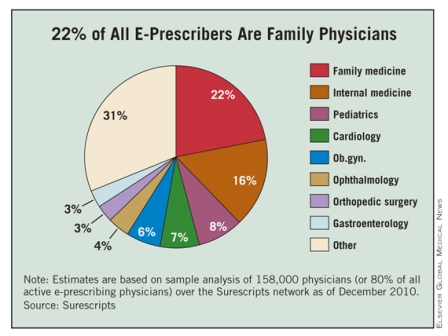
"Today’s rule demonstrates that CMS is willing to work cooperatively with the medical professional community to encourage participation in electronic prescribing," Dr. Patrick Conway, chief medical officer at CMS and director of the agency’s Office of Clinical Standards and Quality, said in a statement.
"These proposed changes will continue to encourage adoption of electronic prescribing while acknowledging circumstances that may keep health professionals from realizing the full potential of these systems right away," he said.
Under the current incentive program, which was established in the Medicare Improvements for Patients and Providers Act of 2008, eligible prescribers were due to get a 1% bonus payment for 2011 and 2012 and a 0.5% bonus in 2013. For prescribers who did not meet the criteria, there would be a penalty imposed in 2012. The penalty would escalate in 2013 and 2014.
The final Medicare Physician Fee Schedule for 2011 contains exceptions to the criteria, along with two hardship exemptions. Eligible professional practices are exempt if they are in a rural area without high-speed internet access or an area without enough available pharmacies for electronic prescribing.
The proposed rule would modify the criteria. For instance, prescribers who use certified electronic health records can now claim this as a "qualified" e-prescribing system. This move was designed to more closely align the e-prescribing program with the program that offers incentives for meaningful use of electronic health records.
In addition, the proposed rule would create four additional hardship exemption categories. Eligible professionals would have to demonstrate that they have:
- registered to participate in the Medicare or Medicaid EHR incentive program and have adopted certified EHR technology.
- an inability to electronically prescribe due to local, state, or federal law (this primarily applies to prescribing of narcotics).
- very limited prescribing activity.
- insufficient opportunities to report the electronic prescribing measure due to limitations on the measure’s denominator.
Prescribers also would be granted an extension of the deadline, until Oct. 1, 2011, to apply for the hardship exemption.
CMS officials said that this proposal is not the final word. "This is the proposed rule, so we’re looking for additional comments from stakeholders," Dr. Conway said during the briefing.
The comment period closes July 26. According to Dr. Michael Rapp, director of quality measurement at CMS, who also spoke to reporters, it will probably take until at least August to have a final rule published.
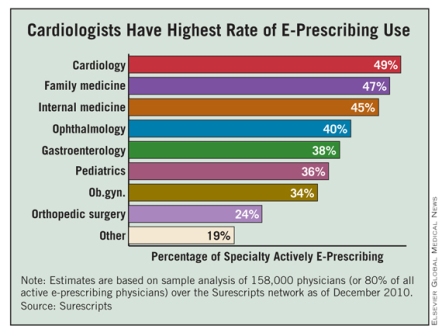
The Centers for Medicare and Medicaid Services on May 26 proposed modifying the rules for e-prescribing so more physicians could claim exemptions from the criteria and therefore avoid being penalized in 2012.
In a conference call with reporters, agency officials said the change-up in the e-prescribing program was in response to indications from providers and professional societies that many prescribers might not be able to meet the requirements of the current incentive program.
"Today’s rule demonstrates that CMS is willing to work cooperatively with the medical professional community to encourage participation in electronic prescribing," Dr. Patrick Conway, chief medical officer at CMS and director of the agency’s Office of Clinical Standards and Quality, said in a statement.
"These proposed changes will continue to encourage adoption of electronic prescribing while acknowledging circumstances that may keep health professionals from realizing the full potential of these systems right away," he said.
Under the current incentive program, which was established in the Medicare Improvements for Patients and Providers Act of 2008, eligible prescribers were due to get a 1% bonus payment for 2011 and 2012 and a 0.5% bonus in 2013. For prescribers who did not meet the criteria, there would be a penalty imposed in 2012. The penalty would escalate in 2013 and 2014.
The final Medicare Physician Fee Schedule for 2011 contains exceptions to the criteria, along with two hardship exemptions. Eligible professional practices are exempt if they are in a rural area without high-speed internet access or an area without enough available pharmacies for electronic prescribing.
The proposed rule would modify the criteria. For instance, prescribers who use certified electronic health records can now claim this as a "qualified" e-prescribing system. This move was designed to more closely align the e-prescribing program with the program that offers incentives for meaningful use of electronic health records.
In addition, the proposed rule would create four additional hardship exemption categories. Eligible professionals would have to demonstrate that they have:
- registered to participate in the Medicare or Medicaid EHR incentive program and have adopted certified EHR technology.
- an inability to electronically prescribe due to local, state, or federal law (this primarily applies to prescribing of narcotics).
- very limited prescribing activity.
- insufficient opportunities to report the electronic prescribing measure due to limitations on the measure’s denominator.
Prescribers also would be granted an extension of the deadline, until Oct. 1, 2011, to apply for the hardship exemption.
CMS officials said that this proposal is not the final word. "This is the proposed rule, so we’re looking for additional comments from stakeholders," Dr. Conway said during the briefing.
The comment period closes July 26. According to Dr. Michael Rapp, director of quality measurement at CMS, who also spoke to reporters, it will probably take until at least August to have a final rule published.
The Centers for Medicare and Medicaid Services on May 26 proposed modifying the rules for e-prescribing so more physicians could claim exemptions from the criteria and therefore avoid being penalized in 2012.
In a conference call with reporters, agency officials said the change-up in the e-prescribing program was in response to indications from providers and professional societies that many prescribers might not be able to meet the requirements of the current incentive program.
"Today’s rule demonstrates that CMS is willing to work cooperatively with the medical professional community to encourage participation in electronic prescribing," Dr. Patrick Conway, chief medical officer at CMS and director of the agency’s Office of Clinical Standards and Quality, said in a statement.
"These proposed changes will continue to encourage adoption of electronic prescribing while acknowledging circumstances that may keep health professionals from realizing the full potential of these systems right away," he said.
Under the current incentive program, which was established in the Medicare Improvements for Patients and Providers Act of 2008, eligible prescribers were due to get a 1% bonus payment for 2011 and 2012 and a 0.5% bonus in 2013. For prescribers who did not meet the criteria, there would be a penalty imposed in 2012. The penalty would escalate in 2013 and 2014.
The final Medicare Physician Fee Schedule for 2011 contains exceptions to the criteria, along with two hardship exemptions. Eligible professional practices are exempt if they are in a rural area without high-speed internet access or an area without enough available pharmacies for electronic prescribing.
The proposed rule would modify the criteria. For instance, prescribers who use certified electronic health records can now claim this as a "qualified" e-prescribing system. This move was designed to more closely align the e-prescribing program with the program that offers incentives for meaningful use of electronic health records.
In addition, the proposed rule would create four additional hardship exemption categories. Eligible professionals would have to demonstrate that they have:
- registered to participate in the Medicare or Medicaid EHR incentive program and have adopted certified EHR technology.
- an inability to electronically prescribe due to local, state, or federal law (this primarily applies to prescribing of narcotics).
- very limited prescribing activity.
- insufficient opportunities to report the electronic prescribing measure due to limitations on the measure’s denominator.
Prescribers also would be granted an extension of the deadline, until Oct. 1, 2011, to apply for the hardship exemption.
CMS officials said that this proposal is not the final word. "This is the proposed rule, so we’re looking for additional comments from stakeholders," Dr. Conway said during the briefing.
The comment period closes July 26. According to Dr. Michael Rapp, director of quality measurement at CMS, who also spoke to reporters, it will probably take until at least August to have a final rule published.
FROM THE CENTERS FOR MEDICARE AND MEDICAID SERVICES
CMS Proposes Looser E-Prescribing Rules
The Centers for Medicare and Medicaid Services on May 26 proposed modifying the rules for e-prescribing so more physicians could claim exemptions from the criteria and therefore avoid being penalized in 2012.
In a conference call with reporters, agency officials said the change-up in the e-prescribing program was in response to indications from providers and professional societies that many prescribers might not be able to meet the requirements of the current incentive program.
"Today’s rule demonstrates that CMS is willing to work cooperatively with the medical professional community to encourage participation in electronic prescribing," Dr. Patrick Conway, chief medical officer at CMS and director of the agency’s Office of Clinical Standards and Quality, said in a statement.
"These proposed changes will continue to encourage adoption of electronic prescribing while acknowledging circumstances that may keep health professionals from realizing the full potential of these systems right away," he said.
Under the current incentive program, which was established in the Medicare Improvements for Patients and Providers Act of 2008, eligible prescribers were due to get a 1% bonus payment for 2011 and 2012 and a 0.5% bonus in 2013. For prescribers who did not meet the criteria, there would be a penalty imposed in 2012. The penalty would escalate in 2013 and 2014.
The final Medicare Physician Fee Schedule for 2011 contains exceptions to the criteria, along with two hardship exemptions. Eligible professional practices are exempt if they are in a rural area without high-speed internet access or an area without enough available pharmacies for electronic prescribing.
The proposed rule would modify the criteria. For instance, prescribers who use certified electronic health records can now claim this as a "qualified" e-prescribing system. This move was designed to more closely align the e-prescribing program with the program that offers incentives for meaningful use of electronic health records.
In addition, the proposed rule would create four additional hardship exemption categories. Eligible professionals would have to demonstrate that they have:
- registered to participate in the Medicare or Medicaid EHR incentive program and have adopted certified EHR technology.
- an inability to electronically prescribe due to local, state, or federal law (this primarily applies to prescribing of narcotics).
- very limited prescribing activity.
- insufficient opportunities to report the electronic prescribing measure due to limitations on the measure’s denominator.
Prescribers also would be granted an extension of the deadline, until Oct. 1, 2011, to apply for the hardship exemption.
CMS officials said that this proposal is not the final word. "This is the proposed rule, so we’re looking for additional comments from stakeholders," Dr. Conway said during the briefing.
The comment period closes July 26. According to Dr. Michael Rapp, director of quality measurement at CMS, who also spoke to reporters, it will probably take until at least August to have a final rule published.
The Centers for Medicare and Medicaid Services on May 26 proposed modifying the rules for e-prescribing so more physicians could claim exemptions from the criteria and therefore avoid being penalized in 2012.
In a conference call with reporters, agency officials said the change-up in the e-prescribing program was in response to indications from providers and professional societies that many prescribers might not be able to meet the requirements of the current incentive program.
"Today’s rule demonstrates that CMS is willing to work cooperatively with the medical professional community to encourage participation in electronic prescribing," Dr. Patrick Conway, chief medical officer at CMS and director of the agency’s Office of Clinical Standards and Quality, said in a statement.
"These proposed changes will continue to encourage adoption of electronic prescribing while acknowledging circumstances that may keep health professionals from realizing the full potential of these systems right away," he said.
Under the current incentive program, which was established in the Medicare Improvements for Patients and Providers Act of 2008, eligible prescribers were due to get a 1% bonus payment for 2011 and 2012 and a 0.5% bonus in 2013. For prescribers who did not meet the criteria, there would be a penalty imposed in 2012. The penalty would escalate in 2013 and 2014.
The final Medicare Physician Fee Schedule for 2011 contains exceptions to the criteria, along with two hardship exemptions. Eligible professional practices are exempt if they are in a rural area without high-speed internet access or an area without enough available pharmacies for electronic prescribing.
The proposed rule would modify the criteria. For instance, prescribers who use certified electronic health records can now claim this as a "qualified" e-prescribing system. This move was designed to more closely align the e-prescribing program with the program that offers incentives for meaningful use of electronic health records.
In addition, the proposed rule would create four additional hardship exemption categories. Eligible professionals would have to demonstrate that they have:
- registered to participate in the Medicare or Medicaid EHR incentive program and have adopted certified EHR technology.
- an inability to electronically prescribe due to local, state, or federal law (this primarily applies to prescribing of narcotics).
- very limited prescribing activity.
- insufficient opportunities to report the electronic prescribing measure due to limitations on the measure’s denominator.
Prescribers also would be granted an extension of the deadline, until Oct. 1, 2011, to apply for the hardship exemption.
CMS officials said that this proposal is not the final word. "This is the proposed rule, so we’re looking for additional comments from stakeholders," Dr. Conway said during the briefing.
The comment period closes July 26. According to Dr. Michael Rapp, director of quality measurement at CMS, who also spoke to reporters, it will probably take until at least August to have a final rule published.
The Centers for Medicare and Medicaid Services on May 26 proposed modifying the rules for e-prescribing so more physicians could claim exemptions from the criteria and therefore avoid being penalized in 2012.
In a conference call with reporters, agency officials said the change-up in the e-prescribing program was in response to indications from providers and professional societies that many prescribers might not be able to meet the requirements of the current incentive program.
"Today’s rule demonstrates that CMS is willing to work cooperatively with the medical professional community to encourage participation in electronic prescribing," Dr. Patrick Conway, chief medical officer at CMS and director of the agency’s Office of Clinical Standards and Quality, said in a statement.
"These proposed changes will continue to encourage adoption of electronic prescribing while acknowledging circumstances that may keep health professionals from realizing the full potential of these systems right away," he said.
Under the current incentive program, which was established in the Medicare Improvements for Patients and Providers Act of 2008, eligible prescribers were due to get a 1% bonus payment for 2011 and 2012 and a 0.5% bonus in 2013. For prescribers who did not meet the criteria, there would be a penalty imposed in 2012. The penalty would escalate in 2013 and 2014.
The final Medicare Physician Fee Schedule for 2011 contains exceptions to the criteria, along with two hardship exemptions. Eligible professional practices are exempt if they are in a rural area without high-speed internet access or an area without enough available pharmacies for electronic prescribing.
The proposed rule would modify the criteria. For instance, prescribers who use certified electronic health records can now claim this as a "qualified" e-prescribing system. This move was designed to more closely align the e-prescribing program with the program that offers incentives for meaningful use of electronic health records.
In addition, the proposed rule would create four additional hardship exemption categories. Eligible professionals would have to demonstrate that they have:
- registered to participate in the Medicare or Medicaid EHR incentive program and have adopted certified EHR technology.
- an inability to electronically prescribe due to local, state, or federal law (this primarily applies to prescribing of narcotics).
- very limited prescribing activity.
- insufficient opportunities to report the electronic prescribing measure due to limitations on the measure’s denominator.
Prescribers also would be granted an extension of the deadline, until Oct. 1, 2011, to apply for the hardship exemption.
CMS officials said that this proposal is not the final word. "This is the proposed rule, so we’re looking for additional comments from stakeholders," Dr. Conway said during the briefing.
The comment period closes July 26. According to Dr. Michael Rapp, director of quality measurement at CMS, who also spoke to reporters, it will probably take until at least August to have a final rule published.
FROM THE CENTERS FOR MEDICARE AND MEDICAID SERVICES
CMS Proposes Looser E-Prescribing Rules
The Centers for Medicare and Medicaid Services on May 26 proposed modifying the rules for e-prescribing so more physicians could claim exemptions from the criteria and therefore avoid being penalized in 2012.
In a conference call with reporters, agency officials said the change-up in the e-prescribing program was in response to indications from providers and professional societies that many prescribers might not be able to meet the requirements of the current incentive program.
"Today’s rule demonstrates that CMS is willing to work cooperatively with the medical professional community to encourage participation in electronic prescribing," Dr. Patrick Conway, chief medical officer at CMS and director of the agency’s Office of Clinical Standards and Quality, said in a statement.
"These proposed changes will continue to encourage adoption of electronic prescribing while acknowledging circumstances that may keep health professionals from realizing the full potential of these systems right away," he said.
Under the current incentive program, which was established in the Medicare Improvements for Patients and Providers Act of 2008, eligible prescribers were due to get a 1% bonus payment for 2011 and 2012 and a 0.5% bonus in 2013. For prescribers who did not meet the criteria, there would be a penalty imposed in 2012. The penalty would escalate in 2013 and 2014.
The final Medicare Physician Fee Schedule for 2011 contains exceptions to the criteria, along with two hardship exemptions. Eligible professional practices are exempt if they are in a rural area without high-speed internet access or an area without enough available pharmacies for electronic prescribing.
The proposed rule would modify the criteria. For instance, prescribers who use certified electronic health records can now claim this as a "qualified" e-prescribing system. This move was designed to more closely align the e-prescribing program with the program that offers incentives for meaningful use of electronic health records.
In addition, the proposed rule would create four additional hardship exemption categories. Eligible professionals would have to demonstrate that they have:
- registered to participate in the Medicare or Medicaid EHR incentive program and have adopted certified EHR technology.
- an inability to electronically prescribe due to local, state, or federal law (this primarily applies to prescribing of narcotics).
- very limited prescribing activity.
- insufficient opportunities to report the electronic prescribing measure due to limitations on the measure’s denominator.
Prescribers also would be granted an extension of the deadline, until Oct. 1, 2011, to apply for the hardship exemption.
CMS officials said that this proposal is not the final word. "This is the proposed rule, so we’re looking for additional comments from stakeholders," Dr. Conway said during the briefing.
The comment period closes July 26. According to Dr. Michael Rapp, director of quality measurement at CMS, who also spoke to reporters, it will probably take until at least August to have a final rule published.
The Centers for Medicare and Medicaid Services on May 26 proposed modifying the rules for e-prescribing so more physicians could claim exemptions from the criteria and therefore avoid being penalized in 2012.
In a conference call with reporters, agency officials said the change-up in the e-prescribing program was in response to indications from providers and professional societies that many prescribers might not be able to meet the requirements of the current incentive program.
"Today’s rule demonstrates that CMS is willing to work cooperatively with the medical professional community to encourage participation in electronic prescribing," Dr. Patrick Conway, chief medical officer at CMS and director of the agency’s Office of Clinical Standards and Quality, said in a statement.
"These proposed changes will continue to encourage adoption of electronic prescribing while acknowledging circumstances that may keep health professionals from realizing the full potential of these systems right away," he said.
Under the current incentive program, which was established in the Medicare Improvements for Patients and Providers Act of 2008, eligible prescribers were due to get a 1% bonus payment for 2011 and 2012 and a 0.5% bonus in 2013. For prescribers who did not meet the criteria, there would be a penalty imposed in 2012. The penalty would escalate in 2013 and 2014.
The final Medicare Physician Fee Schedule for 2011 contains exceptions to the criteria, along with two hardship exemptions. Eligible professional practices are exempt if they are in a rural area without high-speed internet access or an area without enough available pharmacies for electronic prescribing.
The proposed rule would modify the criteria. For instance, prescribers who use certified electronic health records can now claim this as a "qualified" e-prescribing system. This move was designed to more closely align the e-prescribing program with the program that offers incentives for meaningful use of electronic health records.
In addition, the proposed rule would create four additional hardship exemption categories. Eligible professionals would have to demonstrate that they have:
- registered to participate in the Medicare or Medicaid EHR incentive program and have adopted certified EHR technology.
- an inability to electronically prescribe due to local, state, or federal law (this primarily applies to prescribing of narcotics).
- very limited prescribing activity.
- insufficient opportunities to report the electronic prescribing measure due to limitations on the measure’s denominator.
Prescribers also would be granted an extension of the deadline, until Oct. 1, 2011, to apply for the hardship exemption.
CMS officials said that this proposal is not the final word. "This is the proposed rule, so we’re looking for additional comments from stakeholders," Dr. Conway said during the briefing.
The comment period closes July 26. According to Dr. Michael Rapp, director of quality measurement at CMS, who also spoke to reporters, it will probably take until at least August to have a final rule published.
The Centers for Medicare and Medicaid Services on May 26 proposed modifying the rules for e-prescribing so more physicians could claim exemptions from the criteria and therefore avoid being penalized in 2012.
In a conference call with reporters, agency officials said the change-up in the e-prescribing program was in response to indications from providers and professional societies that many prescribers might not be able to meet the requirements of the current incentive program.
"Today’s rule demonstrates that CMS is willing to work cooperatively with the medical professional community to encourage participation in electronic prescribing," Dr. Patrick Conway, chief medical officer at CMS and director of the agency’s Office of Clinical Standards and Quality, said in a statement.
"These proposed changes will continue to encourage adoption of electronic prescribing while acknowledging circumstances that may keep health professionals from realizing the full potential of these systems right away," he said.
Under the current incentive program, which was established in the Medicare Improvements for Patients and Providers Act of 2008, eligible prescribers were due to get a 1% bonus payment for 2011 and 2012 and a 0.5% bonus in 2013. For prescribers who did not meet the criteria, there would be a penalty imposed in 2012. The penalty would escalate in 2013 and 2014.
The final Medicare Physician Fee Schedule for 2011 contains exceptions to the criteria, along with two hardship exemptions. Eligible professional practices are exempt if they are in a rural area without high-speed internet access or an area without enough available pharmacies for electronic prescribing.
The proposed rule would modify the criteria. For instance, prescribers who use certified electronic health records can now claim this as a "qualified" e-prescribing system. This move was designed to more closely align the e-prescribing program with the program that offers incentives for meaningful use of electronic health records.
In addition, the proposed rule would create four additional hardship exemption categories. Eligible professionals would have to demonstrate that they have:
- registered to participate in the Medicare or Medicaid EHR incentive program and have adopted certified EHR technology.
- an inability to electronically prescribe due to local, state, or federal law (this primarily applies to prescribing of narcotics).
- very limited prescribing activity.
- insufficient opportunities to report the electronic prescribing measure due to limitations on the measure’s denominator.
Prescribers also would be granted an extension of the deadline, until Oct. 1, 2011, to apply for the hardship exemption.
CMS officials said that this proposal is not the final word. "This is the proposed rule, so we’re looking for additional comments from stakeholders," Dr. Conway said during the briefing.
The comment period closes July 26. According to Dr. Michael Rapp, director of quality measurement at CMS, who also spoke to reporters, it will probably take until at least August to have a final rule published.
FROM THE CENTERS FOR MEDICARE AND MEDICAID SERVICES
CMS Proposes Looser E-Prescribing Rules
The Centers for Medicare and Medicaid Services on May 26 proposed modifying the rules for e-prescribing so more physicians could claim exemptions from the criteria and therefore avoid being penalized in 2012.
In a conference call with reporters, agency officials said the change-up in the e-prescribing program was in response to indications from providers and professional societies that many prescribers might not be able to meet the requirements of the current incentive program.
"Today’s rule demonstrates that CMS is willing to work cooperatively with the medical professional community to encourage participation in electronic prescribing," Dr. Patrick Conway, chief medical officer at CMS and director of the agency’s Office of Clinical Standards and Quality, said in a statement.
"These proposed changes will continue to encourage adoption of electronic prescribing while acknowledging circumstances that may keep health professionals from realizing the full potential of these systems right away," he said.
Under the current incentive program, which was established in the Medicare Improvements for Patients and Providers Act of 2008, eligible prescribers were due to get a 1% bonus payment for 2011 and 2012 and a 0.5% bonus in 2013. For prescribers who did not meet the criteria, there would be a penalty imposed in 2012. The penalty would escalate in 2013 and 2014.
The final Medicare Physician Fee Schedule for 2011 contains exceptions to the criteria, along with two hardship exemptions. Eligible professional practices are exempt if they are in a rural area without high-speed internet access or an area without enough available pharmacies for electronic prescribing.
The proposed rule would modify the criteria. For instance, prescribers who use certified electronic health records can now claim this as a "qualified" e-prescribing system. This move was designed to more closely align the e-prescribing program with the program that offers incentives for meaningful use of electronic health records.
In addition, the proposed rule would create four additional hardship exemption categories. Eligible professionals would have to demonstrate that they have:
- registered to participate in the Medicare or Medicaid EHR incentive program and have adopted certified EHR technology.
- an inability to electronically prescribe due to local, state, or federal law (this primarily applies to prescribing of narcotics).
- very limited prescribing activity.
- insufficient opportunities to report the electronic prescribing measure due to limitations on the measure’s denominator.
Prescribers also would be granted an extension of the deadline, until Oct. 1, 2011, to apply for the hardship exemption.
CMS officials said that this proposal is not the final word. "This is the proposed rule, so we’re looking for additional comments from stakeholders," Dr. Conway said during the briefing.
The comment period closes July 26. According to Dr. Michael Rapp, director of quality measurement at CMS, who also spoke to reporters, it will probably take until at least August to have a final rule published.
The Centers for Medicare and Medicaid Services on May 26 proposed modifying the rules for e-prescribing so more physicians could claim exemptions from the criteria and therefore avoid being penalized in 2012.
In a conference call with reporters, agency officials said the change-up in the e-prescribing program was in response to indications from providers and professional societies that many prescribers might not be able to meet the requirements of the current incentive program.
"Today’s rule demonstrates that CMS is willing to work cooperatively with the medical professional community to encourage participation in electronic prescribing," Dr. Patrick Conway, chief medical officer at CMS and director of the agency’s Office of Clinical Standards and Quality, said in a statement.
"These proposed changes will continue to encourage adoption of electronic prescribing while acknowledging circumstances that may keep health professionals from realizing the full potential of these systems right away," he said.
Under the current incentive program, which was established in the Medicare Improvements for Patients and Providers Act of 2008, eligible prescribers were due to get a 1% bonus payment for 2011 and 2012 and a 0.5% bonus in 2013. For prescribers who did not meet the criteria, there would be a penalty imposed in 2012. The penalty would escalate in 2013 and 2014.
The final Medicare Physician Fee Schedule for 2011 contains exceptions to the criteria, along with two hardship exemptions. Eligible professional practices are exempt if they are in a rural area without high-speed internet access or an area without enough available pharmacies for electronic prescribing.
The proposed rule would modify the criteria. For instance, prescribers who use certified electronic health records can now claim this as a "qualified" e-prescribing system. This move was designed to more closely align the e-prescribing program with the program that offers incentives for meaningful use of electronic health records.
In addition, the proposed rule would create four additional hardship exemption categories. Eligible professionals would have to demonstrate that they have:
- registered to participate in the Medicare or Medicaid EHR incentive program and have adopted certified EHR technology.
- an inability to electronically prescribe due to local, state, or federal law (this primarily applies to prescribing of narcotics).
- very limited prescribing activity.
- insufficient opportunities to report the electronic prescribing measure due to limitations on the measure’s denominator.
Prescribers also would be granted an extension of the deadline, until Oct. 1, 2011, to apply for the hardship exemption.
CMS officials said that this proposal is not the final word. "This is the proposed rule, so we’re looking for additional comments from stakeholders," Dr. Conway said during the briefing.
The comment period closes July 26. According to Dr. Michael Rapp, director of quality measurement at CMS, who also spoke to reporters, it will probably take until at least August to have a final rule published.
The Centers for Medicare and Medicaid Services on May 26 proposed modifying the rules for e-prescribing so more physicians could claim exemptions from the criteria and therefore avoid being penalized in 2012.
In a conference call with reporters, agency officials said the change-up in the e-prescribing program was in response to indications from providers and professional societies that many prescribers might not be able to meet the requirements of the current incentive program.
"Today’s rule demonstrates that CMS is willing to work cooperatively with the medical professional community to encourage participation in electronic prescribing," Dr. Patrick Conway, chief medical officer at CMS and director of the agency’s Office of Clinical Standards and Quality, said in a statement.
"These proposed changes will continue to encourage adoption of electronic prescribing while acknowledging circumstances that may keep health professionals from realizing the full potential of these systems right away," he said.
Under the current incentive program, which was established in the Medicare Improvements for Patients and Providers Act of 2008, eligible prescribers were due to get a 1% bonus payment for 2011 and 2012 and a 0.5% bonus in 2013. For prescribers who did not meet the criteria, there would be a penalty imposed in 2012. The penalty would escalate in 2013 and 2014.
The final Medicare Physician Fee Schedule for 2011 contains exceptions to the criteria, along with two hardship exemptions. Eligible professional practices are exempt if they are in a rural area without high-speed internet access or an area without enough available pharmacies for electronic prescribing.
The proposed rule would modify the criteria. For instance, prescribers who use certified electronic health records can now claim this as a "qualified" e-prescribing system. This move was designed to more closely align the e-prescribing program with the program that offers incentives for meaningful use of electronic health records.
In addition, the proposed rule would create four additional hardship exemption categories. Eligible professionals would have to demonstrate that they have:
- registered to participate in the Medicare or Medicaid EHR incentive program and have adopted certified EHR technology.
- an inability to electronically prescribe due to local, state, or federal law (this primarily applies to prescribing of narcotics).
- very limited prescribing activity.
- insufficient opportunities to report the electronic prescribing measure due to limitations on the measure’s denominator.
Prescribers also would be granted an extension of the deadline, until Oct. 1, 2011, to apply for the hardship exemption.
CMS officials said that this proposal is not the final word. "This is the proposed rule, so we’re looking for additional comments from stakeholders," Dr. Conway said during the briefing.
The comment period closes July 26. According to Dr. Michael Rapp, director of quality measurement at CMS, who also spoke to reporters, it will probably take until at least August to have a final rule published.
FROM THE CENTERS FOR MEDICARE AND MEDICAID SERVICES