User login
Insurers Paying More Quickly, but Accuracy Still an Issue
CHICAGO – A sampling of claims payments from some of the nation’s top insurers shows that although they are paying much more quickly, some 23% of claims were denied and almost a fifth were paid incorrectly.
The study was conducted for the American Medical Association and issued June 20 at the organization’s annual House of Delegates meeting.
The 2011 National Health Insurer Report Card showed that the error rate of 19.3% represented an extra $3.6 million in erroneous claims, a 2% increase from the previous year. The AMA estimated that these faulty payouts and the hassles associated with them added $1.5 billion in administrative costs to the health care system.
"This report card conveys that the current state of the health care claims process is untenable," AMA board member Dr. Barbara L. McAneny said at the annual meeting of the AMA’s House of Delegates.
She said that 10%-14% of a physician’s revenue goes to dealing with administrative issues. The AMA is working with insurers and physicians to get that down to 1% of revenue.
The report card tracked a number of performance measures at Medicare and seven private insurers: Aetna, Anthem Blue Cross/Blue Shield, Cigna, Health Care Services Corp., Humana, Regence, and UnitedHealthcare.
UnitedHealthcare was the only insurer that improved its claims-processing accuracy from 2010, paying 90% of claims in an accurate manner. Anthem, on the other hand, paid only 61% of claims accurately.
The outright denial rate (in which no payment is made) ranged from a low of 17% of claims at Regence to 25% at Anthem and Cigna.
Prior authorization is a growing problem for physicians and constitutes one of the top eight reasons for denial of claims, according to Mark Rieger, CEO of National Healthcare Exchange Services, the company that conducted the analysis for the AMA. Coping with prior authorization is the second-largest administrative task for physicians, consuming at least 20 hours a week of physician and staff time, he said at the meeting.
Cigna had highest rate (6%) of claims requiring prior authorization; Regence had the lowest (0.04%).
There were some bright spots in the report. The vast majority of claims are now being paid within the first 15 days, with the remainder coming largely within 16-30 days of submission. Humana and Medicare were the fastest, paying some 95% of claims within 15 days. Cigna and Health Care Services Corp. were close behind.
The data were compiled by National Healthcare Exchange Services. The company analyzed claims submitted between Feb. 1 and March 31, 2011. Claims came from 42 states and included 4 million services billed on 2.4 million claims made by 400 practices covering 80 specialties.
CHICAGO – A sampling of claims payments from some of the nation’s top insurers shows that although they are paying much more quickly, some 23% of claims were denied and almost a fifth were paid incorrectly.
The study was conducted for the American Medical Association and issued June 20 at the organization’s annual House of Delegates meeting.
The 2011 National Health Insurer Report Card showed that the error rate of 19.3% represented an extra $3.6 million in erroneous claims, a 2% increase from the previous year. The AMA estimated that these faulty payouts and the hassles associated with them added $1.5 billion in administrative costs to the health care system.
"This report card conveys that the current state of the health care claims process is untenable," AMA board member Dr. Barbara L. McAneny said at the annual meeting of the AMA’s House of Delegates.
She said that 10%-14% of a physician’s revenue goes to dealing with administrative issues. The AMA is working with insurers and physicians to get that down to 1% of revenue.
The report card tracked a number of performance measures at Medicare and seven private insurers: Aetna, Anthem Blue Cross/Blue Shield, Cigna, Health Care Services Corp., Humana, Regence, and UnitedHealthcare.
UnitedHealthcare was the only insurer that improved its claims-processing accuracy from 2010, paying 90% of claims in an accurate manner. Anthem, on the other hand, paid only 61% of claims accurately.
The outright denial rate (in which no payment is made) ranged from a low of 17% of claims at Regence to 25% at Anthem and Cigna.
Prior authorization is a growing problem for physicians and constitutes one of the top eight reasons for denial of claims, according to Mark Rieger, CEO of National Healthcare Exchange Services, the company that conducted the analysis for the AMA. Coping with prior authorization is the second-largest administrative task for physicians, consuming at least 20 hours a week of physician and staff time, he said at the meeting.
Cigna had highest rate (6%) of claims requiring prior authorization; Regence had the lowest (0.04%).
There were some bright spots in the report. The vast majority of claims are now being paid within the first 15 days, with the remainder coming largely within 16-30 days of submission. Humana and Medicare were the fastest, paying some 95% of claims within 15 days. Cigna and Health Care Services Corp. were close behind.
The data were compiled by National Healthcare Exchange Services. The company analyzed claims submitted between Feb. 1 and March 31, 2011. Claims came from 42 states and included 4 million services billed on 2.4 million claims made by 400 practices covering 80 specialties.
CHICAGO – A sampling of claims payments from some of the nation’s top insurers shows that although they are paying much more quickly, some 23% of claims were denied and almost a fifth were paid incorrectly.
The study was conducted for the American Medical Association and issued June 20 at the organization’s annual House of Delegates meeting.
The 2011 National Health Insurer Report Card showed that the error rate of 19.3% represented an extra $3.6 million in erroneous claims, a 2% increase from the previous year. The AMA estimated that these faulty payouts and the hassles associated with them added $1.5 billion in administrative costs to the health care system.
"This report card conveys that the current state of the health care claims process is untenable," AMA board member Dr. Barbara L. McAneny said at the annual meeting of the AMA’s House of Delegates.
She said that 10%-14% of a physician’s revenue goes to dealing with administrative issues. The AMA is working with insurers and physicians to get that down to 1% of revenue.
The report card tracked a number of performance measures at Medicare and seven private insurers: Aetna, Anthem Blue Cross/Blue Shield, Cigna, Health Care Services Corp., Humana, Regence, and UnitedHealthcare.
UnitedHealthcare was the only insurer that improved its claims-processing accuracy from 2010, paying 90% of claims in an accurate manner. Anthem, on the other hand, paid only 61% of claims accurately.
The outright denial rate (in which no payment is made) ranged from a low of 17% of claims at Regence to 25% at Anthem and Cigna.
Prior authorization is a growing problem for physicians and constitutes one of the top eight reasons for denial of claims, according to Mark Rieger, CEO of National Healthcare Exchange Services, the company that conducted the analysis for the AMA. Coping with prior authorization is the second-largest administrative task for physicians, consuming at least 20 hours a week of physician and staff time, he said at the meeting.
Cigna had highest rate (6%) of claims requiring prior authorization; Regence had the lowest (0.04%).
There were some bright spots in the report. The vast majority of claims are now being paid within the first 15 days, with the remainder coming largely within 16-30 days of submission. Humana and Medicare were the fastest, paying some 95% of claims within 15 days. Cigna and Health Care Services Corp. were close behind.
The data were compiled by National Healthcare Exchange Services. The company analyzed claims submitted between Feb. 1 and March 31, 2011. Claims came from 42 states and included 4 million services billed on 2.4 million claims made by 400 practices covering 80 specialties.
FROM THE ANNUAL MEETING OF THE AMERICAN MEDICAL ASSOCIATION'S HOUSE OF DELEGATES
Insurers Paying More Quickly, but Accuracy Still an Issue
CHICAGO – A sampling of claims payments from some of the nation’s top insurers shows that although they are paying much more quickly, some 23% of claims were denied and almost a fifth were paid incorrectly.
The study was conducted for the American Medical Association and issued June 20 at the organization’s annual House of Delegates meeting.
The 2011 National Health Insurer Report Card showed that the error rate of 19.3% represented an extra $3.6 million in erroneous claims, a 2% increase from the previous year. The AMA estimated that these faulty payouts and the hassles associated with them added $1.5 billion in administrative costs to the health care system.
"This report card conveys that the current state of the health care claims process is untenable," AMA board member Dr. Barbara L. McAneny said at the annual meeting of the AMA’s House of Delegates.
She said that 10%-14% of a physician’s revenue goes to dealing with administrative issues. The AMA is working with insurers and physicians to get that down to 1% of revenue.
The report card tracked a number of performance measures at Medicare and seven private insurers: Aetna, Anthem Blue Cross/Blue Shield, Cigna, Health Care Services Corp., Humana, Regence, and UnitedHealthcare.
UnitedHealthcare was the only insurer that improved its claims-processing accuracy from 2010, paying 90% of claims in an accurate manner. Anthem, on the other hand, paid only 61% of claims accurately.
The outright denial rate (in which no payment is made) ranged from a low of 17% of claims at Regence to 25% at Anthem and Cigna.
Prior authorization is a growing problem for physicians and constitutes one of the top eight reasons for denial of claims, according to Mark Rieger, CEO of National Healthcare Exchange Services, the company that conducted the analysis for the AMA. Coping with prior authorization is the second-largest administrative task for physicians, consuming at least 20 hours a week of physician and staff time, he said at the meeting.
Cigna had highest rate (6%) of claims requiring prior authorization; Regence had the lowest (0.04%).
There were some bright spots in the report. The vast majority of claims are now being paid within the first 15 days, with the remainder coming largely within 16-30 days of submission. Humana and Medicare were the fastest, paying some 95% of claims within 15 days. Cigna and Health Care Services Corp. were close behind.
The data were compiled by National Healthcare Exchange Services. The company analyzed claims submitted between Feb. 1 and March 31, 2011. Claims came from 42 states and included 4 million services billed on 2.4 million claims made by 400 practices covering 80 specialties.
CHICAGO – A sampling of claims payments from some of the nation’s top insurers shows that although they are paying much more quickly, some 23% of claims were denied and almost a fifth were paid incorrectly.
The study was conducted for the American Medical Association and issued June 20 at the organization’s annual House of Delegates meeting.
The 2011 National Health Insurer Report Card showed that the error rate of 19.3% represented an extra $3.6 million in erroneous claims, a 2% increase from the previous year. The AMA estimated that these faulty payouts and the hassles associated with them added $1.5 billion in administrative costs to the health care system.
"This report card conveys that the current state of the health care claims process is untenable," AMA board member Dr. Barbara L. McAneny said at the annual meeting of the AMA’s House of Delegates.
She said that 10%-14% of a physician’s revenue goes to dealing with administrative issues. The AMA is working with insurers and physicians to get that down to 1% of revenue.
The report card tracked a number of performance measures at Medicare and seven private insurers: Aetna, Anthem Blue Cross/Blue Shield, Cigna, Health Care Services Corp., Humana, Regence, and UnitedHealthcare.
UnitedHealthcare was the only insurer that improved its claims-processing accuracy from 2010, paying 90% of claims in an accurate manner. Anthem, on the other hand, paid only 61% of claims accurately.
The outright denial rate (in which no payment is made) ranged from a low of 17% of claims at Regence to 25% at Anthem and Cigna.
Prior authorization is a growing problem for physicians and constitutes one of the top eight reasons for denial of claims, according to Mark Rieger, CEO of National Healthcare Exchange Services, the company that conducted the analysis for the AMA. Coping with prior authorization is the second-largest administrative task for physicians, consuming at least 20 hours a week of physician and staff time, he said at the meeting.
Cigna had highest rate (6%) of claims requiring prior authorization; Regence had the lowest (0.04%).
There were some bright spots in the report. The vast majority of claims are now being paid within the first 15 days, with the remainder coming largely within 16-30 days of submission. Humana and Medicare were the fastest, paying some 95% of claims within 15 days. Cigna and Health Care Services Corp. were close behind.
The data were compiled by National Healthcare Exchange Services. The company analyzed claims submitted between Feb. 1 and March 31, 2011. Claims came from 42 states and included 4 million services billed on 2.4 million claims made by 400 practices covering 80 specialties.
CHICAGO – A sampling of claims payments from some of the nation’s top insurers shows that although they are paying much more quickly, some 23% of claims were denied and almost a fifth were paid incorrectly.
The study was conducted for the American Medical Association and issued June 20 at the organization’s annual House of Delegates meeting.
The 2011 National Health Insurer Report Card showed that the error rate of 19.3% represented an extra $3.6 million in erroneous claims, a 2% increase from the previous year. The AMA estimated that these faulty payouts and the hassles associated with them added $1.5 billion in administrative costs to the health care system.
"This report card conveys that the current state of the health care claims process is untenable," AMA board member Dr. Barbara L. McAneny said at the annual meeting of the AMA’s House of Delegates.
She said that 10%-14% of a physician’s revenue goes to dealing with administrative issues. The AMA is working with insurers and physicians to get that down to 1% of revenue.
The report card tracked a number of performance measures at Medicare and seven private insurers: Aetna, Anthem Blue Cross/Blue Shield, Cigna, Health Care Services Corp., Humana, Regence, and UnitedHealthcare.
UnitedHealthcare was the only insurer that improved its claims-processing accuracy from 2010, paying 90% of claims in an accurate manner. Anthem, on the other hand, paid only 61% of claims accurately.
The outright denial rate (in which no payment is made) ranged from a low of 17% of claims at Regence to 25% at Anthem and Cigna.
Prior authorization is a growing problem for physicians and constitutes one of the top eight reasons for denial of claims, according to Mark Rieger, CEO of National Healthcare Exchange Services, the company that conducted the analysis for the AMA. Coping with prior authorization is the second-largest administrative task for physicians, consuming at least 20 hours a week of physician and staff time, he said at the meeting.
Cigna had highest rate (6%) of claims requiring prior authorization; Regence had the lowest (0.04%).
There were some bright spots in the report. The vast majority of claims are now being paid within the first 15 days, with the remainder coming largely within 16-30 days of submission. Humana and Medicare were the fastest, paying some 95% of claims within 15 days. Cigna and Health Care Services Corp. were close behind.
The data were compiled by National Healthcare Exchange Services. The company analyzed claims submitted between Feb. 1 and March 31, 2011. Claims came from 42 states and included 4 million services billed on 2.4 million claims made by 400 practices covering 80 specialties.
FROM THE ANNUAL MEETING OF THE AMERICAN MEDICAL ASSOCIATION'S HOUSE OF DELEGATES
Insurers Paying More Quickly, but Accuracy Still an Issue
CHICAGO – A sampling of claims payments from some of the nation’s top insurers shows that although they are paying much more quickly, some 23% of claims were denied and almost a fifth were paid incorrectly.
The study was conducted for the American Medical Association and issued June 20 at the organization’s annual House of Delegates meeting.
The 2011 National Health Insurer Report Card showed that the error rate of 19.3% represented an extra $3.6 million in erroneous claims, a 2% increase from the previous year. The AMA estimated that these faulty payouts and the hassles associated with them added $1.5 billion in administrative costs to the health care system.
"This report card conveys that the current state of the health care claims process is untenable," AMA board member Dr. Barbara L. McAneny said at the annual meeting of the AMA’s House of Delegates.
She said that 10%-14% of a physician’s revenue goes to dealing with administrative issues. The AMA is working with insurers and physicians to get that down to 1% of revenue.
The report card tracked a number of performance measures at Medicare and seven private insurers: Aetna, Anthem Blue Cross/Blue Shield, Cigna, Health Care Services Corp., Humana, Regence, and UnitedHealthcare.
UnitedHealthcare was the only insurer that improved its claims-processing accuracy from 2010, paying 90% of claims in an accurate manner. Anthem, on the other hand, paid only 61% of claims accurately.
The outright denial rate (in which no payment is made) ranged from a low of 17% of claims at Regence to 25% at Anthem and Cigna.
Prior authorization is a growing problem for physicians and constitutes one of the top eight reasons for denial of claims, according to Mark Rieger, CEO of National Healthcare Exchange Services, the company that conducted the analysis for the AMA. Coping with prior authorization is the second-largest administrative task for physicians, consuming at least 20 hours a week of physician and staff time, he said at the meeting.
Cigna had highest rate (6%) of claims requiring prior authorization; Regence had the lowest (0.04%).
There were some bright spots in the report. The vast majority of claims are now being paid within the first 15 days, with the remainder coming largely within 16-30 days of submission. Humana and Medicare were the fastest, paying some 95% of claims within 15 days. Cigna and Health Care Services Corp. were close behind.
The data were compiled by National Healthcare Exchange Services. The company analyzed claims submitted between Feb. 1 and March 31, 2011. Claims came from 42 states and included 4 million services billed on 2.4 million claims made by 400 practices covering 80 specialties.
CHICAGO – A sampling of claims payments from some of the nation’s top insurers shows that although they are paying much more quickly, some 23% of claims were denied and almost a fifth were paid incorrectly.
The study was conducted for the American Medical Association and issued June 20 at the organization’s annual House of Delegates meeting.
The 2011 National Health Insurer Report Card showed that the error rate of 19.3% represented an extra $3.6 million in erroneous claims, a 2% increase from the previous year. The AMA estimated that these faulty payouts and the hassles associated with them added $1.5 billion in administrative costs to the health care system.
"This report card conveys that the current state of the health care claims process is untenable," AMA board member Dr. Barbara L. McAneny said at the annual meeting of the AMA’s House of Delegates.
She said that 10%-14% of a physician’s revenue goes to dealing with administrative issues. The AMA is working with insurers and physicians to get that down to 1% of revenue.
The report card tracked a number of performance measures at Medicare and seven private insurers: Aetna, Anthem Blue Cross/Blue Shield, Cigna, Health Care Services Corp., Humana, Regence, and UnitedHealthcare.
UnitedHealthcare was the only insurer that improved its claims-processing accuracy from 2010, paying 90% of claims in an accurate manner. Anthem, on the other hand, paid only 61% of claims accurately.
The outright denial rate (in which no payment is made) ranged from a low of 17% of claims at Regence to 25% at Anthem and Cigna.
Prior authorization is a growing problem for physicians and constitutes one of the top eight reasons for denial of claims, according to Mark Rieger, CEO of National Healthcare Exchange Services, the company that conducted the analysis for the AMA. Coping with prior authorization is the second-largest administrative task for physicians, consuming at least 20 hours a week of physician and staff time, he said at the meeting.
Cigna had highest rate (6%) of claims requiring prior authorization; Regence had the lowest (0.04%).
There were some bright spots in the report. The vast majority of claims are now being paid within the first 15 days, with the remainder coming largely within 16-30 days of submission. Humana and Medicare were the fastest, paying some 95% of claims within 15 days. Cigna and Health Care Services Corp. were close behind.
The data were compiled by National Healthcare Exchange Services. The company analyzed claims submitted between Feb. 1 and March 31, 2011. Claims came from 42 states and included 4 million services billed on 2.4 million claims made by 400 practices covering 80 specialties.
CHICAGO – A sampling of claims payments from some of the nation’s top insurers shows that although they are paying much more quickly, some 23% of claims were denied and almost a fifth were paid incorrectly.
The study was conducted for the American Medical Association and issued June 20 at the organization’s annual House of Delegates meeting.
The 2011 National Health Insurer Report Card showed that the error rate of 19.3% represented an extra $3.6 million in erroneous claims, a 2% increase from the previous year. The AMA estimated that these faulty payouts and the hassles associated with them added $1.5 billion in administrative costs to the health care system.
"This report card conveys that the current state of the health care claims process is untenable," AMA board member Dr. Barbara L. McAneny said at the annual meeting of the AMA’s House of Delegates.
She said that 10%-14% of a physician’s revenue goes to dealing with administrative issues. The AMA is working with insurers and physicians to get that down to 1% of revenue.
The report card tracked a number of performance measures at Medicare and seven private insurers: Aetna, Anthem Blue Cross/Blue Shield, Cigna, Health Care Services Corp., Humana, Regence, and UnitedHealthcare.
UnitedHealthcare was the only insurer that improved its claims-processing accuracy from 2010, paying 90% of claims in an accurate manner. Anthem, on the other hand, paid only 61% of claims accurately.
The outright denial rate (in which no payment is made) ranged from a low of 17% of claims at Regence to 25% at Anthem and Cigna.
Prior authorization is a growing problem for physicians and constitutes one of the top eight reasons for denial of claims, according to Mark Rieger, CEO of National Healthcare Exchange Services, the company that conducted the analysis for the AMA. Coping with prior authorization is the second-largest administrative task for physicians, consuming at least 20 hours a week of physician and staff time, he said at the meeting.
Cigna had highest rate (6%) of claims requiring prior authorization; Regence had the lowest (0.04%).
There were some bright spots in the report. The vast majority of claims are now being paid within the first 15 days, with the remainder coming largely within 16-30 days of submission. Humana and Medicare were the fastest, paying some 95% of claims within 15 days. Cigna and Health Care Services Corp. were close behind.
The data were compiled by National Healthcare Exchange Services. The company analyzed claims submitted between Feb. 1 and March 31, 2011. Claims came from 42 states and included 4 million services billed on 2.4 million claims made by 400 practices covering 80 specialties.
FROM THE ANNUAL MEETING OF THE AMERICAN MEDICAL ASSOCIATION'S HOUSE OF DELEGATES
Insurers Paying More Quickly, but Accuracy Still an Issue
CHICAGO – A sampling of claims payments from some of the nation’s top insurers shows that although they are paying much more quickly, some 23% of claims were denied and almost a fifth were paid incorrectly.
The study was conducted for the American Medical Association and issued June 20 at the organization’s annual House of Delegates meeting.
The 2011 National Health Insurer Report Card showed that the error rate of 19.3% represented an extra $3.6 million in erroneous claims, a 2% increase from the previous year. The AMA estimated that these faulty payouts and the hassles associated with them added $1.5 billion in administrative costs to the health care system.
"This report card conveys that the current state of the health care claims process is untenable," AMA board member Dr. Barbara L. McAneny said at the annual meeting of the AMA’s House of Delegates.
She said that 10%-14% of a physician’s revenue goes to dealing with administrative issues. The AMA is working with insurers and physicians to get that down to 1% of revenue.
The report card tracked a number of performance measures at Medicare and seven private insurers: Aetna, Anthem Blue Cross/Blue Shield, Cigna, Health Care Services Corp., Humana, Regence, and UnitedHealthcare.
UnitedHealthcare was the only insurer that improved its claims-processing accuracy from 2010, paying 90% of claims in an accurate manner. Anthem, on the other hand, paid only 61% of claims accurately.
The outright denial rate (in which no payment is made) ranged from a low of 17% of claims at Regence to 25% at Anthem and Cigna.
Prior authorization is a growing problem for physicians and constitutes one of the top eight reasons for denial of claims, according to Mark Rieger, CEO of National Healthcare Exchange Services, the company that conducted the analysis for the AMA. Coping with prior authorization is the second-largest administrative task for physicians, consuming at least 20 hours a week of physician and staff time, he said at the meeting.
Cigna had highest rate (6%) of claims requiring prior authorization; Regence had the lowest (0.04%).
There were some bright spots in the report. The vast majority of claims are now being paid within the first 15 days, with the remainder coming largely within 16-30 days of submission. Humana and Medicare were the fastest, paying some 95% of claims within 15 days. Cigna and Health Care Services Corp. were close behind.
The data were compiled by National Healthcare Exchange Services. The company analyzed claims submitted between Feb. 1 and March 31, 2011. Claims came from 42 states and included 4 million services billed on 2.4 million claims made by 400 practices covering 80 specialties.
CHICAGO – A sampling of claims payments from some of the nation’s top insurers shows that although they are paying much more quickly, some 23% of claims were denied and almost a fifth were paid incorrectly.
The study was conducted for the American Medical Association and issued June 20 at the organization’s annual House of Delegates meeting.
The 2011 National Health Insurer Report Card showed that the error rate of 19.3% represented an extra $3.6 million in erroneous claims, a 2% increase from the previous year. The AMA estimated that these faulty payouts and the hassles associated with them added $1.5 billion in administrative costs to the health care system.
"This report card conveys that the current state of the health care claims process is untenable," AMA board member Dr. Barbara L. McAneny said at the annual meeting of the AMA’s House of Delegates.
She said that 10%-14% of a physician’s revenue goes to dealing with administrative issues. The AMA is working with insurers and physicians to get that down to 1% of revenue.
The report card tracked a number of performance measures at Medicare and seven private insurers: Aetna, Anthem Blue Cross/Blue Shield, Cigna, Health Care Services Corp., Humana, Regence, and UnitedHealthcare.
UnitedHealthcare was the only insurer that improved its claims-processing accuracy from 2010, paying 90% of claims in an accurate manner. Anthem, on the other hand, paid only 61% of claims accurately.
The outright denial rate (in which no payment is made) ranged from a low of 17% of claims at Regence to 25% at Anthem and Cigna.
Prior authorization is a growing problem for physicians and constitutes one of the top eight reasons for denial of claims, according to Mark Rieger, CEO of National Healthcare Exchange Services, the company that conducted the analysis for the AMA. Coping with prior authorization is the second-largest administrative task for physicians, consuming at least 20 hours a week of physician and staff time, he said at the meeting.
Cigna had highest rate (6%) of claims requiring prior authorization; Regence had the lowest (0.04%).
There were some bright spots in the report. The vast majority of claims are now being paid within the first 15 days, with the remainder coming largely within 16-30 days of submission. Humana and Medicare were the fastest, paying some 95% of claims within 15 days. Cigna and Health Care Services Corp. were close behind.
The data were compiled by National Healthcare Exchange Services. The company analyzed claims submitted between Feb. 1 and March 31, 2011. Claims came from 42 states and included 4 million services billed on 2.4 million claims made by 400 practices covering 80 specialties.
CHICAGO – A sampling of claims payments from some of the nation’s top insurers shows that although they are paying much more quickly, some 23% of claims were denied and almost a fifth were paid incorrectly.
The study was conducted for the American Medical Association and issued June 20 at the organization’s annual House of Delegates meeting.
The 2011 National Health Insurer Report Card showed that the error rate of 19.3% represented an extra $3.6 million in erroneous claims, a 2% increase from the previous year. The AMA estimated that these faulty payouts and the hassles associated with them added $1.5 billion in administrative costs to the health care system.
"This report card conveys that the current state of the health care claims process is untenable," AMA board member Dr. Barbara L. McAneny said at the annual meeting of the AMA’s House of Delegates.
She said that 10%-14% of a physician’s revenue goes to dealing with administrative issues. The AMA is working with insurers and physicians to get that down to 1% of revenue.
The report card tracked a number of performance measures at Medicare and seven private insurers: Aetna, Anthem Blue Cross/Blue Shield, Cigna, Health Care Services Corp., Humana, Regence, and UnitedHealthcare.
UnitedHealthcare was the only insurer that improved its claims-processing accuracy from 2010, paying 90% of claims in an accurate manner. Anthem, on the other hand, paid only 61% of claims accurately.
The outright denial rate (in which no payment is made) ranged from a low of 17% of claims at Regence to 25% at Anthem and Cigna.
Prior authorization is a growing problem for physicians and constitutes one of the top eight reasons for denial of claims, according to Mark Rieger, CEO of National Healthcare Exchange Services, the company that conducted the analysis for the AMA. Coping with prior authorization is the second-largest administrative task for physicians, consuming at least 20 hours a week of physician and staff time, he said at the meeting.
Cigna had highest rate (6%) of claims requiring prior authorization; Regence had the lowest (0.04%).
There were some bright spots in the report. The vast majority of claims are now being paid within the first 15 days, with the remainder coming largely within 16-30 days of submission. Humana and Medicare were the fastest, paying some 95% of claims within 15 days. Cigna and Health Care Services Corp. were close behind.
The data were compiled by National Healthcare Exchange Services. The company analyzed claims submitted between Feb. 1 and March 31, 2011. Claims came from 42 states and included 4 million services billed on 2.4 million claims made by 400 practices covering 80 specialties.
FROM THE ANNUAL MEETING OF THE AMERICAN MEDICAL ASSOCIATION'S HOUSE OF DELEGATES
AMA Delegates Talk Mandate: The Policy & Practice Podcast
Physicians at the AMA House of Delegates meeting on June 19 spent almost 3 hours debating whether the AMA should continue to support the so-called individual mandate. That mandate, which is part of the Affordable Care Act, would require Americans to purchase health insurance coverage.

On the pro side, physicians argued that having health insurance had been shown to equate with longer and healthier lives. On the con side, many doctors said that the mandate would take away individual freedom and possibly result in the collapse of the insurance market.
Elsewhere at the meeting, physicians talked about gay marriage and civil unions, and whether Medicaid should be converted to a block grant program. They also discussed a physician's right to counsel patients about gun use.
For more, listen to a special edition of the Policy & Practice Podcast.
Physicians at the AMA House of Delegates meeting on June 19 spent almost 3 hours debating whether the AMA should continue to support the so-called individual mandate. That mandate, which is part of the Affordable Care Act, would require Americans to purchase health insurance coverage.
On the pro side, physicians argued that having health insurance had been shown to equate with longer and healthier lives. On the con side, many doctors said that the mandate would take away individual freedom and possibly result in the collapse of the insurance market.
Elsewhere at the meeting, physicians talked about gay marriage and civil unions, and whether Medicaid should be converted to a block grant program. They also discussed a physician's right to counsel patients about gun use.
For more, listen to a special edition of the Policy & Practice Podcast.
Physicians at the AMA House of Delegates meeting on June 19 spent almost 3 hours debating whether the AMA should continue to support the so-called individual mandate. That mandate, which is part of the Affordable Care Act, would require Americans to purchase health insurance coverage.
On the pro side, physicians argued that having health insurance had been shown to equate with longer and healthier lives. On the con side, many doctors said that the mandate would take away individual freedom and possibly result in the collapse of the insurance market.
Elsewhere at the meeting, physicians talked about gay marriage and civil unions, and whether Medicaid should be converted to a block grant program. They also discussed a physician's right to counsel patients about gun use.
For more, listen to a special edition of the Policy & Practice Podcast.
AMA Delegates Duke It Out Over Individual Mandate
CHICAGO – Delegates at the American Medical Association’s annual policymaking meeting spent nearly 3 hours on June 19 airing their opinions over whether individuals should be required to buy health insurance coverage.
The debate was a prelude to an expected vote in the next 2 days by the full House of Delegates. At issue: Whether the AMA should change the policy it adopted last year to support the so-called individual mandate, which is required in the Affordable Care Act.

With so much controversy over the mandate, including challenges making their way through the courts, several delegations put forward resolutions to revisit the AMA policy.
The AMA’s Council on Medical Service presented a report at the meeting that urged a continuation of the policy, saying that no viable alternative exists to ensure that most or all of Americans would some day be covered by health insurance.
Dr. Cecil Wilson, president of the AMA, reminded delegates that the organization’s decision to back a mandate was made in the mid-1990s, even before health reform was on the agenda. "During that intervening time there has been no additional evidence to suggest that we have another alternative," said Dr. Wilson, an internist from Winter Park, Fla. "I would suggest that our decision in the middle of the last decade was a good decision. I think the need to stay with it is even more so now," he said.
That viewed was echoed by delegations from the American College of Physicians and the American Academy of Family Physicians, which together led a group of 19 specialty and state medical societies in offering a resolution to affirm support of the individual mandate.
"Without a personal responsibility requirement, the most likely and plausible alternative to achieve coverage for everyone is government-run health care," said Dr. Yul Ejnes, chairman of the ACP Board of Regents.
Many of those speaking in front of the House of Delegates in favor of the individual mandate argued that without it the private health insurance market would collapse. And, they pointed out, the uninsured are sicker and die younger. Having insurance means better health care, said Dr. Roland Goertz, AAFP president. "As physicians, we should want better health care."
A resolution urging that purchase of health insurance be a personal responsibility, not a mandate, was offered by the American Academy of Facial Plastic and Reconstructive Surgery, the American Association of Neurological Surgeons, the American Society of General Surgeons, and state delegations from Kansas; Arkansas; Washington, D.C.; Florida; Georgia; and Oklahoma.
Those who supported that resolution said that the AMA should not be supporting a mandate of any kind. Some urged the AMA to stay neutral on the issue, at least until the court challenges were settled. Most said that a mandate took away individual freedom.
Dr. Jeff Terry of the Alabama delegation said that the AMA had always supported choice. "Mandates take away choice. A mandate takes away responsibility," said Dr. Terry. "Mandates dictate what type of insurance is appropriate. And mandates put more bureaucracy in the system because they must be enforced."
Dr. Joe Bailey, a member of the Georgia delegation said that having a mandate meant forcing someone to buy a product against their will.
"I’m truly ashamed with what we are trying to do with mandates in this country," he said.
Several opponents of the mandate suggested that states be allowed to experiment, as Massachusetts had, but that it not be a federal requirement.
Division over the AMA’s support of health reform has led to declining membership across the country. A representative of the Mississippi delegation said that AMA membership in the state dropped precipitously in the last 2 years, from 4,500 to about 600. He said most had left in protest over the AMA’s backing of the Affordable Care Act.
House of Delegates, AMA, mandate, Affordable Care Act, AMA policy, AMA’s Council on Medical Service, health insurance coverage, Dr. Cecil Wilson, Dr. Yul Ejnes
CHICAGO – Delegates at the American Medical Association’s annual policymaking meeting spent nearly 3 hours on June 19 airing their opinions over whether individuals should be required to buy health insurance coverage.
The debate was a prelude to an expected vote in the next 2 days by the full House of Delegates. At issue: Whether the AMA should change the policy it adopted last year to support the so-called individual mandate, which is required in the Affordable Care Act.
With so much controversy over the mandate, including challenges making their way through the courts, several delegations put forward resolutions to revisit the AMA policy.
The AMA’s Council on Medical Service presented a report at the meeting that urged a continuation of the policy, saying that no viable alternative exists to ensure that most or all of Americans would some day be covered by health insurance.
Dr. Cecil Wilson, president of the AMA, reminded delegates that the organization’s decision to back a mandate was made in the mid-1990s, even before health reform was on the agenda. "During that intervening time there has been no additional evidence to suggest that we have another alternative," said Dr. Wilson, an internist from Winter Park, Fla. "I would suggest that our decision in the middle of the last decade was a good decision. I think the need to stay with it is even more so now," he said.
That viewed was echoed by delegations from the American College of Physicians and the American Academy of Family Physicians, which together led a group of 19 specialty and state medical societies in offering a resolution to affirm support of the individual mandate.
"Without a personal responsibility requirement, the most likely and plausible alternative to achieve coverage for everyone is government-run health care," said Dr. Yul Ejnes, chairman of the ACP Board of Regents.
Many of those speaking in front of the House of Delegates in favor of the individual mandate argued that without it the private health insurance market would collapse. And, they pointed out, the uninsured are sicker and die younger. Having insurance means better health care, said Dr. Roland Goertz, AAFP president. "As physicians, we should want better health care."
A resolution urging that purchase of health insurance be a personal responsibility, not a mandate, was offered by the American Academy of Facial Plastic and Reconstructive Surgery, the American Association of Neurological Surgeons, the American Society of General Surgeons, and state delegations from Kansas; Arkansas; Washington, D.C.; Florida; Georgia; and Oklahoma.
Those who supported that resolution said that the AMA should not be supporting a mandate of any kind. Some urged the AMA to stay neutral on the issue, at least until the court challenges were settled. Most said that a mandate took away individual freedom.
Dr. Jeff Terry of the Alabama delegation said that the AMA had always supported choice. "Mandates take away choice. A mandate takes away responsibility," said Dr. Terry. "Mandates dictate what type of insurance is appropriate. And mandates put more bureaucracy in the system because they must be enforced."
Dr. Joe Bailey, a member of the Georgia delegation said that having a mandate meant forcing someone to buy a product against their will.
"I’m truly ashamed with what we are trying to do with mandates in this country," he said.
Several opponents of the mandate suggested that states be allowed to experiment, as Massachusetts had, but that it not be a federal requirement.
Division over the AMA’s support of health reform has led to declining membership across the country. A representative of the Mississippi delegation said that AMA membership in the state dropped precipitously in the last 2 years, from 4,500 to about 600. He said most had left in protest over the AMA’s backing of the Affordable Care Act.
CHICAGO – Delegates at the American Medical Association’s annual policymaking meeting spent nearly 3 hours on June 19 airing their opinions over whether individuals should be required to buy health insurance coverage.
The debate was a prelude to an expected vote in the next 2 days by the full House of Delegates. At issue: Whether the AMA should change the policy it adopted last year to support the so-called individual mandate, which is required in the Affordable Care Act.
With so much controversy over the mandate, including challenges making their way through the courts, several delegations put forward resolutions to revisit the AMA policy.
The AMA’s Council on Medical Service presented a report at the meeting that urged a continuation of the policy, saying that no viable alternative exists to ensure that most or all of Americans would some day be covered by health insurance.
Dr. Cecil Wilson, president of the AMA, reminded delegates that the organization’s decision to back a mandate was made in the mid-1990s, even before health reform was on the agenda. "During that intervening time there has been no additional evidence to suggest that we have another alternative," said Dr. Wilson, an internist from Winter Park, Fla. "I would suggest that our decision in the middle of the last decade was a good decision. I think the need to stay with it is even more so now," he said.
That viewed was echoed by delegations from the American College of Physicians and the American Academy of Family Physicians, which together led a group of 19 specialty and state medical societies in offering a resolution to affirm support of the individual mandate.
"Without a personal responsibility requirement, the most likely and plausible alternative to achieve coverage for everyone is government-run health care," said Dr. Yul Ejnes, chairman of the ACP Board of Regents.
Many of those speaking in front of the House of Delegates in favor of the individual mandate argued that without it the private health insurance market would collapse. And, they pointed out, the uninsured are sicker and die younger. Having insurance means better health care, said Dr. Roland Goertz, AAFP president. "As physicians, we should want better health care."
A resolution urging that purchase of health insurance be a personal responsibility, not a mandate, was offered by the American Academy of Facial Plastic and Reconstructive Surgery, the American Association of Neurological Surgeons, the American Society of General Surgeons, and state delegations from Kansas; Arkansas; Washington, D.C.; Florida; Georgia; and Oklahoma.
Those who supported that resolution said that the AMA should not be supporting a mandate of any kind. Some urged the AMA to stay neutral on the issue, at least until the court challenges were settled. Most said that a mandate took away individual freedom.
Dr. Jeff Terry of the Alabama delegation said that the AMA had always supported choice. "Mandates take away choice. A mandate takes away responsibility," said Dr. Terry. "Mandates dictate what type of insurance is appropriate. And mandates put more bureaucracy in the system because they must be enforced."
Dr. Joe Bailey, a member of the Georgia delegation said that having a mandate meant forcing someone to buy a product against their will.
"I’m truly ashamed with what we are trying to do with mandates in this country," he said.
Several opponents of the mandate suggested that states be allowed to experiment, as Massachusetts had, but that it not be a federal requirement.
Division over the AMA’s support of health reform has led to declining membership across the country. A representative of the Mississippi delegation said that AMA membership in the state dropped precipitously in the last 2 years, from 4,500 to about 600. He said most had left in protest over the AMA’s backing of the Affordable Care Act.
House of Delegates, AMA, mandate, Affordable Care Act, AMA policy, AMA’s Council on Medical Service, health insurance coverage, Dr. Cecil Wilson, Dr. Yul Ejnes
House of Delegates, AMA, mandate, Affordable Care Act, AMA policy, AMA’s Council on Medical Service, health insurance coverage, Dr. Cecil Wilson, Dr. Yul Ejnes
FROM THE AMERICAN MEDICAL ASSOCIATION ANNUAL HOUSE OF DELEGATES MEETING
AMA Delegates Duke It Out Over Individual Mandate
CHICAGO – Delegates at the American Medical Association’s annual policymaking meeting spent nearly 3 hours on June 19 airing their opinions over whether individuals should be required to buy health insurance coverage.
The debate was a prelude to an expected vote in the next 2 days by the full House of Delegates. At issue: Whether the AMA should change the policy it adopted last year to support the so-called individual mandate, which is required in the Affordable Care Act.
With so much controversy over the mandate, including challenges making their way through the courts, several delegations put forward resolutions to revisit the AMA policy.
The AMA’s Council on Medical Service presented a report at the meeting that urged a continuation of the policy, saying that no viable alternative exists to ensure that most or all of Americans would some day be covered by health insurance.
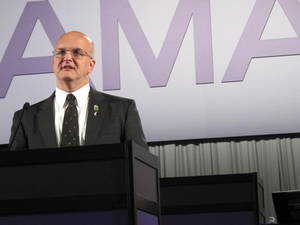
Dr. Cecil Wilson, president of the AMA, reminded delegates that the organization’s decision to back a mandate was made in the mid-1990s, even before health reform was on the agenda. "During that intervening time there has been no additional evidence to suggest that we have another alternative," said Dr. Wilson, an internist from Winter Park, Fla. "I would suggest that our decision in the middle of the last decade was a good decision. I think the need to stay with it is even more so now," he said.
That viewed was echoed by delegations from the American College of Physicians and the American Academy of Family Physicians, which together led a group of 19 specialty and state medical societies in offering a resolution to affirm support of the individual mandate.
"Without a personal responsibility requirement, the most likely and plausible alternative to achieve coverage for everyone is government-run health care," said Dr. Yul Ejnes, chairman of the ACP Board of Regents.
Many of those speaking in front of the House of Delegates in favor of the individual mandate argued that without it the private health insurance market would collapse. And, they pointed out, the uninsured are sicker and die younger. Having insurance means better health care, said Dr. Roland Goertz, AAFP president. "As physicians, we should want better health care."
A resolution urging that purchase of health insurance be a personal responsibility, not a mandate, was offered by the American Academy of Facial Plastic and Reconstructive Surgery, the American Association of Neurological Surgeons, the American Society of General Surgeons, and state delegations from Kansas; Arkansas; Washington, D.C.; Florida; Georgia; and Oklahoma.
Those who supported that resolution said that the AMA should not be supporting a mandate of any kind. Some urged the AMA to stay neutral on the issue, at least until the court challenges were settled. Most said that a mandate took away individual freedom.
Dr. Jeff Terry of the Alabama delegation said that the AMA had always supported choice. "Mandates take away choice. A mandate takes away responsibility," said Dr. Terry. "Mandates dictate what type of insurance is appropriate. And mandates put more bureaucracy in the system because they must be enforced."
Dr. Joe Bailey, a member of the Georgia delegation said that having a mandate meant forcing someone to buy a product against their will.
"I’m truly ashamed with what we are trying to do with mandates in this country," he said.
Several opponents of the mandate suggested that states be allowed to experiment, as Massachusetts had, but that it not be a federal requirement.
Division over the AMA’s support of health reform has led to declining membership across the country. A representative of the Mississippi delegation said that AMA membership in the state dropped precipitously in the last 2 years, from 4,500 to about 600. He said most had left in protest over the AMA’s backing of the Affordable Care Act.
House of Delegates, AMA, mandate, Affordable Care Act, AMA policy, AMA’s Council on Medical Service, health insurance coverage, Dr. Cecil Wilson, Dr. Yul Ejnes
CHICAGO – Delegates at the American Medical Association’s annual policymaking meeting spent nearly 3 hours on June 19 airing their opinions over whether individuals should be required to buy health insurance coverage.
The debate was a prelude to an expected vote in the next 2 days by the full House of Delegates. At issue: Whether the AMA should change the policy it adopted last year to support the so-called individual mandate, which is required in the Affordable Care Act.
With so much controversy over the mandate, including challenges making their way through the courts, several delegations put forward resolutions to revisit the AMA policy.
The AMA’s Council on Medical Service presented a report at the meeting that urged a continuation of the policy, saying that no viable alternative exists to ensure that most or all of Americans would some day be covered by health insurance.
Dr. Cecil Wilson, president of the AMA, reminded delegates that the organization’s decision to back a mandate was made in the mid-1990s, even before health reform was on the agenda. "During that intervening time there has been no additional evidence to suggest that we have another alternative," said Dr. Wilson, an internist from Winter Park, Fla. "I would suggest that our decision in the middle of the last decade was a good decision. I think the need to stay with it is even more so now," he said.
That viewed was echoed by delegations from the American College of Physicians and the American Academy of Family Physicians, which together led a group of 19 specialty and state medical societies in offering a resolution to affirm support of the individual mandate.
"Without a personal responsibility requirement, the most likely and plausible alternative to achieve coverage for everyone is government-run health care," said Dr. Yul Ejnes, chairman of the ACP Board of Regents.
Many of those speaking in front of the House of Delegates in favor of the individual mandate argued that without it the private health insurance market would collapse. And, they pointed out, the uninsured are sicker and die younger. Having insurance means better health care, said Dr. Roland Goertz, AAFP president. "As physicians, we should want better health care."
A resolution urging that purchase of health insurance be a personal responsibility, not a mandate, was offered by the American Academy of Facial Plastic and Reconstructive Surgery, the American Association of Neurological Surgeons, the American Society of General Surgeons, and state delegations from Kansas; Arkansas; Washington, D.C.; Florida; Georgia; and Oklahoma.
Those who supported that resolution said that the AMA should not be supporting a mandate of any kind. Some urged the AMA to stay neutral on the issue, at least until the court challenges were settled. Most said that a mandate took away individual freedom.
Dr. Jeff Terry of the Alabama delegation said that the AMA had always supported choice. "Mandates take away choice. A mandate takes away responsibility," said Dr. Terry. "Mandates dictate what type of insurance is appropriate. And mandates put more bureaucracy in the system because they must be enforced."
Dr. Joe Bailey, a member of the Georgia delegation said that having a mandate meant forcing someone to buy a product against their will.
"I’m truly ashamed with what we are trying to do with mandates in this country," he said.
Several opponents of the mandate suggested that states be allowed to experiment, as Massachusetts had, but that it not be a federal requirement.
Division over the AMA’s support of health reform has led to declining membership across the country. A representative of the Mississippi delegation said that AMA membership in the state dropped precipitously in the last 2 years, from 4,500 to about 600. He said most had left in protest over the AMA’s backing of the Affordable Care Act.
CHICAGO – Delegates at the American Medical Association’s annual policymaking meeting spent nearly 3 hours on June 19 airing their opinions over whether individuals should be required to buy health insurance coverage.
The debate was a prelude to an expected vote in the next 2 days by the full House of Delegates. At issue: Whether the AMA should change the policy it adopted last year to support the so-called individual mandate, which is required in the Affordable Care Act.
With so much controversy over the mandate, including challenges making their way through the courts, several delegations put forward resolutions to revisit the AMA policy.
The AMA’s Council on Medical Service presented a report at the meeting that urged a continuation of the policy, saying that no viable alternative exists to ensure that most or all of Americans would some day be covered by health insurance.
Dr. Cecil Wilson, president of the AMA, reminded delegates that the organization’s decision to back a mandate was made in the mid-1990s, even before health reform was on the agenda. "During that intervening time there has been no additional evidence to suggest that we have another alternative," said Dr. Wilson, an internist from Winter Park, Fla. "I would suggest that our decision in the middle of the last decade was a good decision. I think the need to stay with it is even more so now," he said.
That viewed was echoed by delegations from the American College of Physicians and the American Academy of Family Physicians, which together led a group of 19 specialty and state medical societies in offering a resolution to affirm support of the individual mandate.
"Without a personal responsibility requirement, the most likely and plausible alternative to achieve coverage for everyone is government-run health care," said Dr. Yul Ejnes, chairman of the ACP Board of Regents.
Many of those speaking in front of the House of Delegates in favor of the individual mandate argued that without it the private health insurance market would collapse. And, they pointed out, the uninsured are sicker and die younger. Having insurance means better health care, said Dr. Roland Goertz, AAFP president. "As physicians, we should want better health care."
A resolution urging that purchase of health insurance be a personal responsibility, not a mandate, was offered by the American Academy of Facial Plastic and Reconstructive Surgery, the American Association of Neurological Surgeons, the American Society of General Surgeons, and state delegations from Kansas; Arkansas; Washington, D.C.; Florida; Georgia; and Oklahoma.
Those who supported that resolution said that the AMA should not be supporting a mandate of any kind. Some urged the AMA to stay neutral on the issue, at least until the court challenges were settled. Most said that a mandate took away individual freedom.
Dr. Jeff Terry of the Alabama delegation said that the AMA had always supported choice. "Mandates take away choice. A mandate takes away responsibility," said Dr. Terry. "Mandates dictate what type of insurance is appropriate. And mandates put more bureaucracy in the system because they must be enforced."
Dr. Joe Bailey, a member of the Georgia delegation said that having a mandate meant forcing someone to buy a product against their will.
"I’m truly ashamed with what we are trying to do with mandates in this country," he said.
Several opponents of the mandate suggested that states be allowed to experiment, as Massachusetts had, but that it not be a federal requirement.
Division over the AMA’s support of health reform has led to declining membership across the country. A representative of the Mississippi delegation said that AMA membership in the state dropped precipitously in the last 2 years, from 4,500 to about 600. He said most had left in protest over the AMA’s backing of the Affordable Care Act.
House of Delegates, AMA, mandate, Affordable Care Act, AMA policy, AMA’s Council on Medical Service, health insurance coverage, Dr. Cecil Wilson, Dr. Yul Ejnes
House of Delegates, AMA, mandate, Affordable Care Act, AMA policy, AMA’s Council on Medical Service, health insurance coverage, Dr. Cecil Wilson, Dr. Yul Ejnes
FROM THE AMERICAN MEDICAL ASSOCIATION ANNUAL HOUSE OF DELEGATES MEETING
AMA Delegates Duke It Out Over Individual Mandate
CHICAGO – Delegates at the American Medical Association’s annual policymaking meeting spent nearly 3 hours on June 19 airing their opinions over whether individuals should be required to buy health insurance coverage.
The debate was a prelude to an expected vote in the next 2 days by the full House of Delegates. At issue: Whether the AMA should change the policy it adopted last year to support the so-called individual mandate, which is required in the Affordable Care Act.
With so much controversy over the mandate, including challenges making their way through the courts, several delegations put forward resolutions to revisit the AMA policy.
The AMA’s Council on Medical Service presented a report at the meeting that urged a continuation of the policy, saying that no viable alternative exists to ensure that most or all of Americans would some day be covered by health insurance.
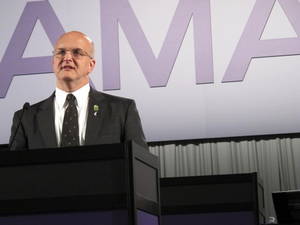
Dr. Cecil Wilson, president of the AMA, reminded delegates that the organization’s decision to back a mandate was made in the mid-1990s, even before health reform was on the agenda. "During that intervening time there has been no additional evidence to suggest that we have another alternative," said Dr. Wilson, an internist from Winter Park, Fla. "I would suggest that our decision in the middle of the last decade was a good decision. I think the need to stay with it is even more so now," he said.
That viewed was echoed by delegations from the American College of Physicians and the American Academy of Family Physicians, which together led a group of 19 specialty and state medical societies in offering a resolution to affirm support of the individual mandate.
"Without a personal responsibility requirement, the most likely and plausible alternative to achieve coverage for everyone is government-run health care," said Dr. Yul Ejnes, chairman of the ACP Board of Regents.
Many of those speaking in front of the House of Delegates in favor of the individual mandate argued that without it the private health insurance market would collapse. And, they pointed out, the uninsured are sicker and die younger. Having insurance means better health care, said Dr. Roland Goertz, AAFP president. "As physicians, we should want better health care."
A resolution urging that purchase of health insurance be a personal responsibility, not a mandate, was offered by the American Academy of Facial Plastic and Reconstructive Surgery, the American Association of Neurological Surgeons, the American Society of General Surgeons, and state delegations from Kansas; Arkansas; Washington, D.C.; Florida; Georgia; and Oklahoma.
Those who supported that resolution said that the AMA should not be supporting a mandate of any kind. Some urged the AMA to stay neutral on the issue, at least until the court challenges were settled. Most said that a mandate took away individual freedom.
Dr. Jeff Terry of the Alabama delegation said that the AMA had always supported choice. "Mandates take away choice. A mandate takes away responsibility," said Dr. Terry. "Mandates dictate what type of insurance is appropriate. And mandates put more bureaucracy in the system because they must be enforced."
Dr. Joe Bailey, a member of the Georgia delegation, said that having a mandate meant forcing someone to buy a product against their will.
"I’m truly ashamed with what we are trying to do with mandates in this country," he said.
Several opponents of the mandate suggested that states be allowed to experiment, as Massachusetts had, but that it not be a federal requirement.
Division over the AMA’s support of health reform has led to declining membership across the country. A representative of the Mississippi delegation said that AMA membership in the state dropped precipitously in the last 2 years, from 4,500 to about 600. He said most had left in protest over the AMA’s backing of the Affordable Care Act.
House of Delegates, AMA, mandate, Affordable Care Act, AMA policy, AMA’s Council on Medical Service, health insurance coverage, Dr. Cecil Wilson, Dr. Yul Ejnes
CHICAGO – Delegates at the American Medical Association’s annual policymaking meeting spent nearly 3 hours on June 19 airing their opinions over whether individuals should be required to buy health insurance coverage.
The debate was a prelude to an expected vote in the next 2 days by the full House of Delegates. At issue: Whether the AMA should change the policy it adopted last year to support the so-called individual mandate, which is required in the Affordable Care Act.
With so much controversy over the mandate, including challenges making their way through the courts, several delegations put forward resolutions to revisit the AMA policy.
The AMA’s Council on Medical Service presented a report at the meeting that urged a continuation of the policy, saying that no viable alternative exists to ensure that most or all of Americans would some day be covered by health insurance.
Dr. Cecil Wilson, president of the AMA, reminded delegates that the organization’s decision to back a mandate was made in the mid-1990s, even before health reform was on the agenda. "During that intervening time there has been no additional evidence to suggest that we have another alternative," said Dr. Wilson, an internist from Winter Park, Fla. "I would suggest that our decision in the middle of the last decade was a good decision. I think the need to stay with it is even more so now," he said.
That viewed was echoed by delegations from the American College of Physicians and the American Academy of Family Physicians, which together led a group of 19 specialty and state medical societies in offering a resolution to affirm support of the individual mandate.
"Without a personal responsibility requirement, the most likely and plausible alternative to achieve coverage for everyone is government-run health care," said Dr. Yul Ejnes, chairman of the ACP Board of Regents.
Many of those speaking in front of the House of Delegates in favor of the individual mandate argued that without it the private health insurance market would collapse. And, they pointed out, the uninsured are sicker and die younger. Having insurance means better health care, said Dr. Roland Goertz, AAFP president. "As physicians, we should want better health care."
A resolution urging that purchase of health insurance be a personal responsibility, not a mandate, was offered by the American Academy of Facial Plastic and Reconstructive Surgery, the American Association of Neurological Surgeons, the American Society of General Surgeons, and state delegations from Kansas; Arkansas; Washington, D.C.; Florida; Georgia; and Oklahoma.
Those who supported that resolution said that the AMA should not be supporting a mandate of any kind. Some urged the AMA to stay neutral on the issue, at least until the court challenges were settled. Most said that a mandate took away individual freedom.
Dr. Jeff Terry of the Alabama delegation said that the AMA had always supported choice. "Mandates take away choice. A mandate takes away responsibility," said Dr. Terry. "Mandates dictate what type of insurance is appropriate. And mandates put more bureaucracy in the system because they must be enforced."
Dr. Joe Bailey, a member of the Georgia delegation, said that having a mandate meant forcing someone to buy a product against their will.
"I’m truly ashamed with what we are trying to do with mandates in this country," he said.
Several opponents of the mandate suggested that states be allowed to experiment, as Massachusetts had, but that it not be a federal requirement.
Division over the AMA’s support of health reform has led to declining membership across the country. A representative of the Mississippi delegation said that AMA membership in the state dropped precipitously in the last 2 years, from 4,500 to about 600. He said most had left in protest over the AMA’s backing of the Affordable Care Act.
CHICAGO – Delegates at the American Medical Association’s annual policymaking meeting spent nearly 3 hours on June 19 airing their opinions over whether individuals should be required to buy health insurance coverage.
The debate was a prelude to an expected vote in the next 2 days by the full House of Delegates. At issue: Whether the AMA should change the policy it adopted last year to support the so-called individual mandate, which is required in the Affordable Care Act.
With so much controversy over the mandate, including challenges making their way through the courts, several delegations put forward resolutions to revisit the AMA policy.
The AMA’s Council on Medical Service presented a report at the meeting that urged a continuation of the policy, saying that no viable alternative exists to ensure that most or all of Americans would some day be covered by health insurance.
Dr. Cecil Wilson, president of the AMA, reminded delegates that the organization’s decision to back a mandate was made in the mid-1990s, even before health reform was on the agenda. "During that intervening time there has been no additional evidence to suggest that we have another alternative," said Dr. Wilson, an internist from Winter Park, Fla. "I would suggest that our decision in the middle of the last decade was a good decision. I think the need to stay with it is even more so now," he said.
That viewed was echoed by delegations from the American College of Physicians and the American Academy of Family Physicians, which together led a group of 19 specialty and state medical societies in offering a resolution to affirm support of the individual mandate.
"Without a personal responsibility requirement, the most likely and plausible alternative to achieve coverage for everyone is government-run health care," said Dr. Yul Ejnes, chairman of the ACP Board of Regents.
Many of those speaking in front of the House of Delegates in favor of the individual mandate argued that without it the private health insurance market would collapse. And, they pointed out, the uninsured are sicker and die younger. Having insurance means better health care, said Dr. Roland Goertz, AAFP president. "As physicians, we should want better health care."
A resolution urging that purchase of health insurance be a personal responsibility, not a mandate, was offered by the American Academy of Facial Plastic and Reconstructive Surgery, the American Association of Neurological Surgeons, the American Society of General Surgeons, and state delegations from Kansas; Arkansas; Washington, D.C.; Florida; Georgia; and Oklahoma.
Those who supported that resolution said that the AMA should not be supporting a mandate of any kind. Some urged the AMA to stay neutral on the issue, at least until the court challenges were settled. Most said that a mandate took away individual freedom.
Dr. Jeff Terry of the Alabama delegation said that the AMA had always supported choice. "Mandates take away choice. A mandate takes away responsibility," said Dr. Terry. "Mandates dictate what type of insurance is appropriate. And mandates put more bureaucracy in the system because they must be enforced."
Dr. Joe Bailey, a member of the Georgia delegation, said that having a mandate meant forcing someone to buy a product against their will.
"I’m truly ashamed with what we are trying to do with mandates in this country," he said.
Several opponents of the mandate suggested that states be allowed to experiment, as Massachusetts had, but that it not be a federal requirement.
Division over the AMA’s support of health reform has led to declining membership across the country. A representative of the Mississippi delegation said that AMA membership in the state dropped precipitously in the last 2 years, from 4,500 to about 600. He said most had left in protest over the AMA’s backing of the Affordable Care Act.
House of Delegates, AMA, mandate, Affordable Care Act, AMA policy, AMA’s Council on Medical Service, health insurance coverage, Dr. Cecil Wilson, Dr. Yul Ejnes
House of Delegates, AMA, mandate, Affordable Care Act, AMA policy, AMA’s Council on Medical Service, health insurance coverage, Dr. Cecil Wilson, Dr. Yul Ejnes
FROM THE AMERICAN MEDICAL ASSOCIATION ANNUAL HOUSE OF DELEGATES MEETING
AMA Delegates Duke It Out Over Individual Mandate
CHICAGO – Delegates at the American Medical Association’s annual policymaking meeting spent nearly 3 hours on June 19 airing their opinions over whether individuals should be required to buy health insurance coverage.
The debate was a prelude to an expected vote in the next 2 days by the full House of Delegates. At issue: Whether the AMA should change the policy it adopted last year to support the so-called individual mandate, which is required in the Affordable Care Act.
With so much controversy over the mandate, including challenges making their way through the courts, several delegations put forward resolutions to revisit the AMA policy.
The AMA’s Council on Medical Service presented a report at the meeting that urged a continuation of the policy, saying that no viable alternative exists to ensure that most or all of Americans would some day be covered by health insurance.
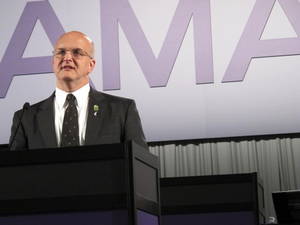
Dr. Cecil Wilson, president of the AMA, reminded delegates that the organization’s decision to back a mandate was made in the mid-1990s, even before health reform was on the agenda. "During that intervening time there has been no additional evidence to suggest that we have another alternative," said Dr. Wilson, an internist from Winter Park, Fla. "I would suggest that our decision in the middle of the last decade was a good decision. I think the need to stay with it is even more so now," he said.
That viewed was echoed by delegations from the American College of Physicians and the American Academy of Family Physicians, which together led a group of 19 specialty and state medical societies in offering a resolution to affirm support of the individual mandate.
"Without a personal responsibility requirement, the most likely and plausible alternative to achieve coverage for everyone is government-run health care," said Dr. Yul Ejnes, chairman of the ACP Board of Regents.
Many of those speaking in front of the House of Delegates in favor of the individual mandate argued that without it the private health insurance market would collapse. And, they pointed out, the uninsured are sicker and die younger. Having insurance means better health care, said Dr. Roland Goertz, AAFP president. "As physicians, we should want better health care."
A resolution urging that purchase of health insurance be a personal responsibility, not a mandate, was offered by the American Academy of Facial Plastic and Reconstructive Surgery, the American Association of Neurological Surgeons, the American Society of General Surgeons, and state delegations from Kansas; Arkansas; Washington, D.C.; Florida; Georgia; and Oklahoma.
Those who supported that resolution said that the AMA should not be supporting a mandate of any kind. Some urged the AMA to stay neutral on the issue, at least until the court challenges were settled. Most said that a mandate took away individual freedom.
Dr. Jeff Terry of the Alabama delegation said that the AMA had always supported choice. "Mandates take away choice. A mandate takes away responsibility," said Dr. Terry. "Mandates dictate what type of insurance is appropriate. And mandates put more bureaucracy in the system because they must be enforced."
Dr. Joe Bailey, a member of the Georgia delegation said that having a mandate meant forcing someone to buy a product against their will.
"I’m truly ashamed with what we are trying to do with mandates in this country," he said.
Several opponents of the mandate suggested that states be allowed to experiment, as Massachusetts had, but that it not be a federal requirement.
Division over the AMA’s support of health reform has led to declining membership across the country. A representative of the Mississippi delegation said that AMA membership in the state dropped precipitously in the last 2 years, from 4,500 to about 600. He said most had left in protest over the AMA’s backing of the Affordable Care Act.
House of Delegates, AMA, mandate, Affordable Care Act, AMA policy, AMA’s Council on Medical Service, health insurance coverage, Dr. Cecil Wilson, Dr. Yul Ejnes
CHICAGO – Delegates at the American Medical Association’s annual policymaking meeting spent nearly 3 hours on June 19 airing their opinions over whether individuals should be required to buy health insurance coverage.
The debate was a prelude to an expected vote in the next 2 days by the full House of Delegates. At issue: Whether the AMA should change the policy it adopted last year to support the so-called individual mandate, which is required in the Affordable Care Act.
With so much controversy over the mandate, including challenges making their way through the courts, several delegations put forward resolutions to revisit the AMA policy.
The AMA’s Council on Medical Service presented a report at the meeting that urged a continuation of the policy, saying that no viable alternative exists to ensure that most or all of Americans would some day be covered by health insurance.
Dr. Cecil Wilson, president of the AMA, reminded delegates that the organization’s decision to back a mandate was made in the mid-1990s, even before health reform was on the agenda. "During that intervening time there has been no additional evidence to suggest that we have another alternative," said Dr. Wilson, an internist from Winter Park, Fla. "I would suggest that our decision in the middle of the last decade was a good decision. I think the need to stay with it is even more so now," he said.
That viewed was echoed by delegations from the American College of Physicians and the American Academy of Family Physicians, which together led a group of 19 specialty and state medical societies in offering a resolution to affirm support of the individual mandate.
"Without a personal responsibility requirement, the most likely and plausible alternative to achieve coverage for everyone is government-run health care," said Dr. Yul Ejnes, chairman of the ACP Board of Regents.
Many of those speaking in front of the House of Delegates in favor of the individual mandate argued that without it the private health insurance market would collapse. And, they pointed out, the uninsured are sicker and die younger. Having insurance means better health care, said Dr. Roland Goertz, AAFP president. "As physicians, we should want better health care."
A resolution urging that purchase of health insurance be a personal responsibility, not a mandate, was offered by the American Academy of Facial Plastic and Reconstructive Surgery, the American Association of Neurological Surgeons, the American Society of General Surgeons, and state delegations from Kansas; Arkansas; Washington, D.C.; Florida; Georgia; and Oklahoma.
Those who supported that resolution said that the AMA should not be supporting a mandate of any kind. Some urged the AMA to stay neutral on the issue, at least until the court challenges were settled. Most said that a mandate took away individual freedom.
Dr. Jeff Terry of the Alabama delegation said that the AMA had always supported choice. "Mandates take away choice. A mandate takes away responsibility," said Dr. Terry. "Mandates dictate what type of insurance is appropriate. And mandates put more bureaucracy in the system because they must be enforced."
Dr. Joe Bailey, a member of the Georgia delegation said that having a mandate meant forcing someone to buy a product against their will.
"I’m truly ashamed with what we are trying to do with mandates in this country," he said.
Several opponents of the mandate suggested that states be allowed to experiment, as Massachusetts had, but that it not be a federal requirement.
Division over the AMA’s support of health reform has led to declining membership across the country. A representative of the Mississippi delegation said that AMA membership in the state dropped precipitously in the last 2 years, from 4,500 to about 600. He said most had left in protest over the AMA’s backing of the Affordable Care Act.
CHICAGO – Delegates at the American Medical Association’s annual policymaking meeting spent nearly 3 hours on June 19 airing their opinions over whether individuals should be required to buy health insurance coverage.
The debate was a prelude to an expected vote in the next 2 days by the full House of Delegates. At issue: Whether the AMA should change the policy it adopted last year to support the so-called individual mandate, which is required in the Affordable Care Act.
With so much controversy over the mandate, including challenges making their way through the courts, several delegations put forward resolutions to revisit the AMA policy.
The AMA’s Council on Medical Service presented a report at the meeting that urged a continuation of the policy, saying that no viable alternative exists to ensure that most or all of Americans would some day be covered by health insurance.
Dr. Cecil Wilson, president of the AMA, reminded delegates that the organization’s decision to back a mandate was made in the mid-1990s, even before health reform was on the agenda. "During that intervening time there has been no additional evidence to suggest that we have another alternative," said Dr. Wilson, an internist from Winter Park, Fla. "I would suggest that our decision in the middle of the last decade was a good decision. I think the need to stay with it is even more so now," he said.
That viewed was echoed by delegations from the American College of Physicians and the American Academy of Family Physicians, which together led a group of 19 specialty and state medical societies in offering a resolution to affirm support of the individual mandate.
"Without a personal responsibility requirement, the most likely and plausible alternative to achieve coverage for everyone is government-run health care," said Dr. Yul Ejnes, chairman of the ACP Board of Regents.
Many of those speaking in front of the House of Delegates in favor of the individual mandate argued that without it the private health insurance market would collapse. And, they pointed out, the uninsured are sicker and die younger. Having insurance means better health care, said Dr. Roland Goertz, AAFP president. "As physicians, we should want better health care."
A resolution urging that purchase of health insurance be a personal responsibility, not a mandate, was offered by the American Academy of Facial Plastic and Reconstructive Surgery, the American Association of Neurological Surgeons, the American Society of General Surgeons, and state delegations from Kansas; Arkansas; Washington, D.C.; Florida; Georgia; and Oklahoma.
Those who supported that resolution said that the AMA should not be supporting a mandate of any kind. Some urged the AMA to stay neutral on the issue, at least until the court challenges were settled. Most said that a mandate took away individual freedom.
Dr. Jeff Terry of the Alabama delegation said that the AMA had always supported choice. "Mandates take away choice. A mandate takes away responsibility," said Dr. Terry. "Mandates dictate what type of insurance is appropriate. And mandates put more bureaucracy in the system because they must be enforced."
Dr. Joe Bailey, a member of the Georgia delegation said that having a mandate meant forcing someone to buy a product against their will.
"I’m truly ashamed with what we are trying to do with mandates in this country," he said.
Several opponents of the mandate suggested that states be allowed to experiment, as Massachusetts had, but that it not be a federal requirement.
Division over the AMA’s support of health reform has led to declining membership across the country. A representative of the Mississippi delegation said that AMA membership in the state dropped precipitously in the last 2 years, from 4,500 to about 600. He said most had left in protest over the AMA’s backing of the Affordable Care Act.
House of Delegates, AMA, mandate, Affordable Care Act, AMA policy, AMA’s Council on Medical Service, health insurance coverage, Dr. Cecil Wilson, Dr. Yul Ejnes
House of Delegates, AMA, mandate, Affordable Care Act, AMA policy, AMA’s Council on Medical Service, health insurance coverage, Dr. Cecil Wilson, Dr. Yul Ejnes
FROM THE AMERICAN MEDICAL ASSOCIATION ANNUAL HOUSE OF DELEGATES MEETING
AMA Delegates Duke It Out Over Individual Mandate
CHICAGO – Delegates at the American Medical Association’s annual policymaking meeting spent nearly 3 hours on June 19 airing their opinions over whether individuals should be required to buy health insurance coverage.
The debate was a prelude to an expected vote in the next 2 days by the full House of Delegates. At issue: Whether the AMA should change the policy it adopted last year to support the so-called individual mandate, which is required in the Affordable Care Act.
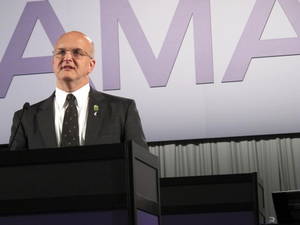
With so much controversy over the mandate, including challenges making their way through the courts, several delegations put forward resolutions to revisit the AMA policy.
The AMA’s Council on Medical Service presented a report at the meeting that urged a continuation of the policy, saying that no viable alternative exists to ensure that most or all of Americans would some day be covered by health insurance.
Dr. Cecil Wilson, president of the AMA, reminded delegates that the organization’s decision to back a mandate was made in the mid-1990s, even before health reform was on the agenda. "During that intervening time there has been no additional evidence to suggest that we have another alternative," said Dr. Wilson, an internist from Winter Park, Fla. "I would suggest that our decision in the middle of the last decade was a good decision. I think the need to stay with it is even more so now," he said.
That viewed was echoed by delegations from the American College of Physicians and the American Academy of Family Physicians, which together led a group of 19 specialty and state medical societies in offering a resolution to affirm support of the individual mandate.
"Without a personal responsibility requirement, the most likely and plausible alternative to achieve coverage for everyone is government-run health care," said Dr. Yul Ejnes, chairman of the ACP Board of Regents.
Many of those speaking in front of the House of Delegates in favor of the individual mandate argued that without it the private health insurance market would collapse. And, they pointed out, the uninsured are sicker and die younger. Having insurance means better health care, said Dr. Roland Goertz, AAFP president. "As physicians, we should want better health care."
A resolution urging that purchase of health insurance be a personal responsibility, not a mandate, was offered by the American Academy of Facial Plastic and Reconstructive Surgery, the American Association of Neurological Surgeons, the American Society of General Surgeons, and state delegations from Kansas; Arkansas; Washington, D.C.; Florida; Georgia; and Oklahoma.
Those who supported that resolution said that the AMA should not be supporting a mandate of any kind. Some urged the AMA to stay neutral on the issue, at least until the court challenges were settled. Most said that a mandate took away individual freedom.
Dr. Jeff Terry of the Alabama delegation said that the AMA had always supported choice. "Mandates take away choice. A mandate takes away responsibility," said Dr. Terry. "Mandates dictate what type of insurance is appropriate. And mandates put more bureaucracy in the system because they must be enforced."
Dr. Joe Bailey, a member of the Georgia delegation said that having a mandate meant forcing someone to buy a product against their will.
"I’m truly ashamed with what we are trying to do with mandates in this country," he said.
Several opponents of the mandate suggested that states be allowed to experiment, as Massachusetts had, but that it not be a federal requirement.
Division over the AMA’s support of health reform has led to declining membership across the country. A representative of the Mississippi delegation said that AMA membership in the state dropped precipitously in the last 2 years, from 4,500 to about 600. He said most had left in protest over the AMA’s backing of the Affordable Care Act.
House of Delegates, AMA, mandate, Affordable Care Act, AMA policy, AMA’s Council on Medical Service, health insurance coverage, Dr. Cecil Wilson, Dr. Yul Ejnes
CHICAGO – Delegates at the American Medical Association’s annual policymaking meeting spent nearly 3 hours on June 19 airing their opinions over whether individuals should be required to buy health insurance coverage.
The debate was a prelude to an expected vote in the next 2 days by the full House of Delegates. At issue: Whether the AMA should change the policy it adopted last year to support the so-called individual mandate, which is required in the Affordable Care Act.
With so much controversy over the mandate, including challenges making their way through the courts, several delegations put forward resolutions to revisit the AMA policy.
The AMA’s Council on Medical Service presented a report at the meeting that urged a continuation of the policy, saying that no viable alternative exists to ensure that most or all of Americans would some day be covered by health insurance.
Dr. Cecil Wilson, president of the AMA, reminded delegates that the organization’s decision to back a mandate was made in the mid-1990s, even before health reform was on the agenda. "During that intervening time there has been no additional evidence to suggest that we have another alternative," said Dr. Wilson, an internist from Winter Park, Fla. "I would suggest that our decision in the middle of the last decade was a good decision. I think the need to stay with it is even more so now," he said.
That viewed was echoed by delegations from the American College of Physicians and the American Academy of Family Physicians, which together led a group of 19 specialty and state medical societies in offering a resolution to affirm support of the individual mandate.
"Without a personal responsibility requirement, the most likely and plausible alternative to achieve coverage for everyone is government-run health care," said Dr. Yul Ejnes, chairman of the ACP Board of Regents.
Many of those speaking in front of the House of Delegates in favor of the individual mandate argued that without it the private health insurance market would collapse. And, they pointed out, the uninsured are sicker and die younger. Having insurance means better health care, said Dr. Roland Goertz, AAFP president. "As physicians, we should want better health care."
A resolution urging that purchase of health insurance be a personal responsibility, not a mandate, was offered by the American Academy of Facial Plastic and Reconstructive Surgery, the American Association of Neurological Surgeons, the American Society of General Surgeons, and state delegations from Kansas; Arkansas; Washington, D.C.; Florida; Georgia; and Oklahoma.
Those who supported that resolution said that the AMA should not be supporting a mandate of any kind. Some urged the AMA to stay neutral on the issue, at least until the court challenges were settled. Most said that a mandate took away individual freedom.
Dr. Jeff Terry of the Alabama delegation said that the AMA had always supported choice. "Mandates take away choice. A mandate takes away responsibility," said Dr. Terry. "Mandates dictate what type of insurance is appropriate. And mandates put more bureaucracy in the system because they must be enforced."
Dr. Joe Bailey, a member of the Georgia delegation said that having a mandate meant forcing someone to buy a product against their will.
"I’m truly ashamed with what we are trying to do with mandates in this country," he said.
Several opponents of the mandate suggested that states be allowed to experiment, as Massachusetts had, but that it not be a federal requirement.
Division over the AMA’s support of health reform has led to declining membership across the country. A representative of the Mississippi delegation said that AMA membership in the state dropped precipitously in the last 2 years, from 4,500 to about 600. He said most had left in protest over the AMA’s backing of the Affordable Care Act.
CHICAGO – Delegates at the American Medical Association’s annual policymaking meeting spent nearly 3 hours on June 19 airing their opinions over whether individuals should be required to buy health insurance coverage.
The debate was a prelude to an expected vote in the next 2 days by the full House of Delegates. At issue: Whether the AMA should change the policy it adopted last year to support the so-called individual mandate, which is required in the Affordable Care Act.
With so much controversy over the mandate, including challenges making their way through the courts, several delegations put forward resolutions to revisit the AMA policy.
The AMA’s Council on Medical Service presented a report at the meeting that urged a continuation of the policy, saying that no viable alternative exists to ensure that most or all of Americans would some day be covered by health insurance.
Dr. Cecil Wilson, president of the AMA, reminded delegates that the organization’s decision to back a mandate was made in the mid-1990s, even before health reform was on the agenda. "During that intervening time there has been no additional evidence to suggest that we have another alternative," said Dr. Wilson, an internist from Winter Park, Fla. "I would suggest that our decision in the middle of the last decade was a good decision. I think the need to stay with it is even more so now," he said.
That viewed was echoed by delegations from the American College of Physicians and the American Academy of Family Physicians, which together led a group of 19 specialty and state medical societies in offering a resolution to affirm support of the individual mandate.
"Without a personal responsibility requirement, the most likely and plausible alternative to achieve coverage for everyone is government-run health care," said Dr. Yul Ejnes, chairman of the ACP Board of Regents.
Many of those speaking in front of the House of Delegates in favor of the individual mandate argued that without it the private health insurance market would collapse. And, they pointed out, the uninsured are sicker and die younger. Having insurance means better health care, said Dr. Roland Goertz, AAFP president. "As physicians, we should want better health care."
A resolution urging that purchase of health insurance be a personal responsibility, not a mandate, was offered by the American Academy of Facial Plastic and Reconstructive Surgery, the American Association of Neurological Surgeons, the American Society of General Surgeons, and state delegations from Kansas; Arkansas; Washington, D.C.; Florida; Georgia; and Oklahoma.
Those who supported that resolution said that the AMA should not be supporting a mandate of any kind. Some urged the AMA to stay neutral on the issue, at least until the court challenges were settled. Most said that a mandate took away individual freedom.
Dr. Jeff Terry of the Alabama delegation said that the AMA had always supported choice. "Mandates take away choice. A mandate takes away responsibility," said Dr. Terry. "Mandates dictate what type of insurance is appropriate. And mandates put more bureaucracy in the system because they must be enforced."
Dr. Joe Bailey, a member of the Georgia delegation said that having a mandate meant forcing someone to buy a product against their will.
"I’m truly ashamed with what we are trying to do with mandates in this country," he said.
Several opponents of the mandate suggested that states be allowed to experiment, as Massachusetts had, but that it not be a federal requirement.
Division over the AMA’s support of health reform has led to declining membership across the country. A representative of the Mississippi delegation said that AMA membership in the state dropped precipitously in the last 2 years, from 4,500 to about 600. He said most had left in protest over the AMA’s backing of the Affordable Care Act.
House of Delegates, AMA, mandate, Affordable Care Act, AMA policy, AMA’s Council on Medical Service, health insurance coverage, Dr. Cecil Wilson, Dr. Yul Ejnes
House of Delegates, AMA, mandate, Affordable Care Act, AMA policy, AMA’s Council on Medical Service, health insurance coverage, Dr. Cecil Wilson, Dr. Yul Ejnes
FROM THE AMERICAN MEDICAL ASSOCIATION ANNUAL HOUSE OF DELEGATES MEETING