User login
VIDEO: Registry studies reflect real patients in the real world
MIAMI BEACH – Randomized clinical trials are the gold standard for evidence-based medicine, but only about 5% of patients are enrolled. The majority of patients who are being treated for diseases such as breast cancer are ineligible for trials due to advanced age, poor performance, comorbidities, or other factors, noted Mohammad Jahanzeb, MD, professor of hematology/oncology at the University of Miami.
In contrast, studies using data from prospective registries provide valuable insights for investigators into diseases of real patients in real-world settings. Registry studies serve as a “living laboratory” that can help inform clinical practice, generate new clinical questions, and optimize clinical trial designs, he said at the annual Miami Breast Cancer Conference, held by Physicians’ Education Resource.
In a video interview, Dr. Jahanzeb described the benefits of large patient registries and studies based on their data, including the registerHER and SystHERs observational registries of women with human epidermal growth factor receptor 2 (HER2)-positive metastatic breast cancer.
The video associated with this article is no longer available on this site. Please view all of our videos on the MDedge YouTube channel
The two registries are just a few years apart, but the data derived from them reflect the substantial changes that have occurred in breast cancer therapy over the last decade, he said.
The registerHER and SystHERs registries are sponsored by Genentech. Dr. Jahanzeb disclosed grant/research support from Lilly, AbbVie, Genentech, and Novartis, and consulting with Novartis and Genentech.
MIAMI BEACH – Randomized clinical trials are the gold standard for evidence-based medicine, but only about 5% of patients are enrolled. The majority of patients who are being treated for diseases such as breast cancer are ineligible for trials due to advanced age, poor performance, comorbidities, or other factors, noted Mohammad Jahanzeb, MD, professor of hematology/oncology at the University of Miami.
In contrast, studies using data from prospective registries provide valuable insights for investigators into diseases of real patients in real-world settings. Registry studies serve as a “living laboratory” that can help inform clinical practice, generate new clinical questions, and optimize clinical trial designs, he said at the annual Miami Breast Cancer Conference, held by Physicians’ Education Resource.
In a video interview, Dr. Jahanzeb described the benefits of large patient registries and studies based on their data, including the registerHER and SystHERs observational registries of women with human epidermal growth factor receptor 2 (HER2)-positive metastatic breast cancer.
The video associated with this article is no longer available on this site. Please view all of our videos on the MDedge YouTube channel
The two registries are just a few years apart, but the data derived from them reflect the substantial changes that have occurred in breast cancer therapy over the last decade, he said.
The registerHER and SystHERs registries are sponsored by Genentech. Dr. Jahanzeb disclosed grant/research support from Lilly, AbbVie, Genentech, and Novartis, and consulting with Novartis and Genentech.
MIAMI BEACH – Randomized clinical trials are the gold standard for evidence-based medicine, but only about 5% of patients are enrolled. The majority of patients who are being treated for diseases such as breast cancer are ineligible for trials due to advanced age, poor performance, comorbidities, or other factors, noted Mohammad Jahanzeb, MD, professor of hematology/oncology at the University of Miami.
In contrast, studies using data from prospective registries provide valuable insights for investigators into diseases of real patients in real-world settings. Registry studies serve as a “living laboratory” that can help inform clinical practice, generate new clinical questions, and optimize clinical trial designs, he said at the annual Miami Breast Cancer Conference, held by Physicians’ Education Resource.
In a video interview, Dr. Jahanzeb described the benefits of large patient registries and studies based on their data, including the registerHER and SystHERs observational registries of women with human epidermal growth factor receptor 2 (HER2)-positive metastatic breast cancer.
The video associated with this article is no longer available on this site. Please view all of our videos on the MDedge YouTube channel
The two registries are just a few years apart, but the data derived from them reflect the substantial changes that have occurred in breast cancer therapy over the last decade, he said.
The registerHER and SystHERs registries are sponsored by Genentech. Dr. Jahanzeb disclosed grant/research support from Lilly, AbbVie, Genentech, and Novartis, and consulting with Novartis and Genentech.
AT MBCC

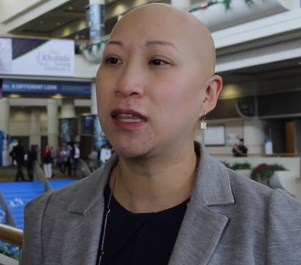
VIDEO: HER2+ patients may do fine with local therapies alone
MIAMI BEACH – Unquestionably, the advent of human epidermal growth factor receptor-2 (HER2) inhibitors has dramatically improved long-term outcomes in patients with HER2-positive breast cancer.
But the benefits of therapy with the HER2-inhibitor trastuzumab (Herceptin) must be weighed against its potential for causing or exacerbating cardiomyopathy, especially when combined with anthracyclines such as doxorubicin that are associated with increased risk for late cardiotoxicity, said Sara Hurvitz, MD, director of the Breast Cancer Clinical Research Program at the David Geffen School of Medicine at UCLA in Santa Monica, Calif.
The video associated with this article is no longer available on this site. Please view all of our videos on the MDedge YouTube channel
Many patients with HER2-positive disease can be safely and effectively treated with local therapy alone, but clinicians at present have no reliable way of knowing which patients are likely to have excellent outcomes without adjuvant systemic therapies or which are at high risk for recurrence and might benefit from HER2 with or without an anthracycline, leading to overtreatment of some patients out of an abundance of caution, she said at the annual Miami Breast Cancer Conference, held by Physicians’ Education Resource.
In a video interview, Dr. Hurvitz discussed strategies under development for identifying and evaluating biomarkers and cardiac imaging studies that could help to identify patients at highest risk for long-term cardiotoxicity, as well as alternative therapeutic regimens that eliminate the need for anthracyclines.
Dr. Hurvitz disclosed grants/research support from Amgen, Bayer, Boehringer Ingelheim, Genentech, GlaxoSmithKline, Pfizer, Roche, Biomarin, Merrimack, OBI Pharma, Puma Biotechnology, Dignitana, Medivation, Lilly and Novartis, and travel reimbursement from Lilly, Novartis, and OBI Pharma.
MIAMI BEACH – Unquestionably, the advent of human epidermal growth factor receptor-2 (HER2) inhibitors has dramatically improved long-term outcomes in patients with HER2-positive breast cancer.
But the benefits of therapy with the HER2-inhibitor trastuzumab (Herceptin) must be weighed against its potential for causing or exacerbating cardiomyopathy, especially when combined with anthracyclines such as doxorubicin that are associated with increased risk for late cardiotoxicity, said Sara Hurvitz, MD, director of the Breast Cancer Clinical Research Program at the David Geffen School of Medicine at UCLA in Santa Monica, Calif.
The video associated with this article is no longer available on this site. Please view all of our videos on the MDedge YouTube channel
Many patients with HER2-positive disease can be safely and effectively treated with local therapy alone, but clinicians at present have no reliable way of knowing which patients are likely to have excellent outcomes without adjuvant systemic therapies or which are at high risk for recurrence and might benefit from HER2 with or without an anthracycline, leading to overtreatment of some patients out of an abundance of caution, she said at the annual Miami Breast Cancer Conference, held by Physicians’ Education Resource.
In a video interview, Dr. Hurvitz discussed strategies under development for identifying and evaluating biomarkers and cardiac imaging studies that could help to identify patients at highest risk for long-term cardiotoxicity, as well as alternative therapeutic regimens that eliminate the need for anthracyclines.
Dr. Hurvitz disclosed grants/research support from Amgen, Bayer, Boehringer Ingelheim, Genentech, GlaxoSmithKline, Pfizer, Roche, Biomarin, Merrimack, OBI Pharma, Puma Biotechnology, Dignitana, Medivation, Lilly and Novartis, and travel reimbursement from Lilly, Novartis, and OBI Pharma.
MIAMI BEACH – Unquestionably, the advent of human epidermal growth factor receptor-2 (HER2) inhibitors has dramatically improved long-term outcomes in patients with HER2-positive breast cancer.
But the benefits of therapy with the HER2-inhibitor trastuzumab (Herceptin) must be weighed against its potential for causing or exacerbating cardiomyopathy, especially when combined with anthracyclines such as doxorubicin that are associated with increased risk for late cardiotoxicity, said Sara Hurvitz, MD, director of the Breast Cancer Clinical Research Program at the David Geffen School of Medicine at UCLA in Santa Monica, Calif.
The video associated with this article is no longer available on this site. Please view all of our videos on the MDedge YouTube channel
Many patients with HER2-positive disease can be safely and effectively treated with local therapy alone, but clinicians at present have no reliable way of knowing which patients are likely to have excellent outcomes without adjuvant systemic therapies or which are at high risk for recurrence and might benefit from HER2 with or without an anthracycline, leading to overtreatment of some patients out of an abundance of caution, she said at the annual Miami Breast Cancer Conference, held by Physicians’ Education Resource.
In a video interview, Dr. Hurvitz discussed strategies under development for identifying and evaluating biomarkers and cardiac imaging studies that could help to identify patients at highest risk for long-term cardiotoxicity, as well as alternative therapeutic regimens that eliminate the need for anthracyclines.
Dr. Hurvitz disclosed grants/research support from Amgen, Bayer, Boehringer Ingelheim, Genentech, GlaxoSmithKline, Pfizer, Roche, Biomarin, Merrimack, OBI Pharma, Puma Biotechnology, Dignitana, Medivation, Lilly and Novartis, and travel reimbursement from Lilly, Novartis, and OBI Pharma.
AT MBCC
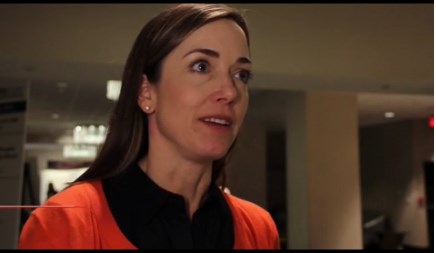
VIDEO: Future therapies look promising for HER2 treatment-resistant breast cancer patients
MIAMI BEACH – Recent scientific discoveries about the myriad of ways a women with HER2 receptor–positive breast cancer can develop treatment resistance is spurring the development of some promising agents, Mark D. Pegram, MD, said at the annual Miami Breast Cancer Conference, held by Physicians’ Education Resource.
The antibody-drug conjugate T-DM1 holds significant potential, for example, because it seems to confer benefit regardless of a patients’ PIK3CA mutation status, said Dr. Pegram, director of the breast cancer oncology program at Stanford Women’s Cancer Center in California. Other antibody-drug conjugates and additional types of agents are showing enough promise overall that Dr. Pegram is predicting a bright future for improving treatment of this patient population.
Creating a number of new agents is a good thing, Dr. Pegram said in a video interview, because it’s unlikely any one therapy will work for everyone with HER2 treatment-resistant breast cancer. Therefore, precision medicine is expected to guide individual therapeutic choices in the future.
Dr. Pegram disclosed that he is a consultant for Genetech, Novartis, Oncothyreon, and Pfizer.
The video associated with this article is no longer available on this site. Please view all of our videos on the MDedge YouTube channel
MIAMI BEACH – Recent scientific discoveries about the myriad of ways a women with HER2 receptor–positive breast cancer can develop treatment resistance is spurring the development of some promising agents, Mark D. Pegram, MD, said at the annual Miami Breast Cancer Conference, held by Physicians’ Education Resource.
The antibody-drug conjugate T-DM1 holds significant potential, for example, because it seems to confer benefit regardless of a patients’ PIK3CA mutation status, said Dr. Pegram, director of the breast cancer oncology program at Stanford Women’s Cancer Center in California. Other antibody-drug conjugates and additional types of agents are showing enough promise overall that Dr. Pegram is predicting a bright future for improving treatment of this patient population.
Creating a number of new agents is a good thing, Dr. Pegram said in a video interview, because it’s unlikely any one therapy will work for everyone with HER2 treatment-resistant breast cancer. Therefore, precision medicine is expected to guide individual therapeutic choices in the future.
Dr. Pegram disclosed that he is a consultant for Genetech, Novartis, Oncothyreon, and Pfizer.
The video associated with this article is no longer available on this site. Please view all of our videos on the MDedge YouTube channel
MIAMI BEACH – Recent scientific discoveries about the myriad of ways a women with HER2 receptor–positive breast cancer can develop treatment resistance is spurring the development of some promising agents, Mark D. Pegram, MD, said at the annual Miami Breast Cancer Conference, held by Physicians’ Education Resource.
The antibody-drug conjugate T-DM1 holds significant potential, for example, because it seems to confer benefit regardless of a patients’ PIK3CA mutation status, said Dr. Pegram, director of the breast cancer oncology program at Stanford Women’s Cancer Center in California. Other antibody-drug conjugates and additional types of agents are showing enough promise overall that Dr. Pegram is predicting a bright future for improving treatment of this patient population.
Creating a number of new agents is a good thing, Dr. Pegram said in a video interview, because it’s unlikely any one therapy will work for everyone with HER2 treatment-resistant breast cancer. Therefore, precision medicine is expected to guide individual therapeutic choices in the future.
Dr. Pegram disclosed that he is a consultant for Genetech, Novartis, Oncothyreon, and Pfizer.
The video associated with this article is no longer available on this site. Please view all of our videos on the MDedge YouTube channel

VIDEO: Breast surgeons can and do provide genetic counseling to cancer patients
MIAMI BEACH – Breast surgeons can help relieve a “medical education crisis” by advising breast cancer patients about the implications of genetic testing results. The crisis continues to worsen given the remarkable rise in precision medicine and the limited number of genetic counselors in the United States, Patrick W. Whitworth, MD, said at the annual Miami Breast Cancer Conference, held by Physicians’ Education Resource.
Breast surgeons are qualified to help counsel patients, and, in fact, already order more than half of breast cancer genetic sequencing, a specialist survey reveals, said Dr. Whitworth, director of the Nashville (Tenn.) Breast Center, in a video interview.
At the same time, the one genotype–one phenotype paradigm for cancer genetics is rapidly shifting to testing patients for a whole panel of mutations simultaneously. Breast surgeons can partner with genetic counselors to support and expand the reach of this vital medical testing and counseling to more patients, he added.
Dr. Whitworth receives research grant support from and is a shareholder in Targeted Medical Education. He is also a shareholder in Advantage Consulting and Education.
The video associated with this article is no longer available on this site. Please view all of our videos on the MDedge YouTube channel
MIAMI BEACH – Breast surgeons can help relieve a “medical education crisis” by advising breast cancer patients about the implications of genetic testing results. The crisis continues to worsen given the remarkable rise in precision medicine and the limited number of genetic counselors in the United States, Patrick W. Whitworth, MD, said at the annual Miami Breast Cancer Conference, held by Physicians’ Education Resource.
Breast surgeons are qualified to help counsel patients, and, in fact, already order more than half of breast cancer genetic sequencing, a specialist survey reveals, said Dr. Whitworth, director of the Nashville (Tenn.) Breast Center, in a video interview.
At the same time, the one genotype–one phenotype paradigm for cancer genetics is rapidly shifting to testing patients for a whole panel of mutations simultaneously. Breast surgeons can partner with genetic counselors to support and expand the reach of this vital medical testing and counseling to more patients, he added.
Dr. Whitworth receives research grant support from and is a shareholder in Targeted Medical Education. He is also a shareholder in Advantage Consulting and Education.
The video associated with this article is no longer available on this site. Please view all of our videos on the MDedge YouTube channel
MIAMI BEACH – Breast surgeons can help relieve a “medical education crisis” by advising breast cancer patients about the implications of genetic testing results. The crisis continues to worsen given the remarkable rise in precision medicine and the limited number of genetic counselors in the United States, Patrick W. Whitworth, MD, said at the annual Miami Breast Cancer Conference, held by Physicians’ Education Resource.
Breast surgeons are qualified to help counsel patients, and, in fact, already order more than half of breast cancer genetic sequencing, a specialist survey reveals, said Dr. Whitworth, director of the Nashville (Tenn.) Breast Center, in a video interview.
At the same time, the one genotype–one phenotype paradigm for cancer genetics is rapidly shifting to testing patients for a whole panel of mutations simultaneously. Breast surgeons can partner with genetic counselors to support and expand the reach of this vital medical testing and counseling to more patients, he added.
Dr. Whitworth receives research grant support from and is a shareholder in Targeted Medical Education. He is also a shareholder in Advantage Consulting and Education.
The video associated with this article is no longer available on this site. Please view all of our videos on the MDedge YouTube channel
AT MBCC

VIDEO: Resistance to endocrine therapy a moving target
MIAMI BEACH – Hormonal ablation is a mainstay of therapy for women with hormone receptor–positive breast cancer. A significant proportion of patients, however, are either initially refractory to hormonal therapy or acquire resistance to it over time.
The difficulty for patients with breast cancer and for the physicians who treat them is that there are no simple answers to the question of which patients can continue to benefit from endocrine monotherapy. Are there adequate biomarkers for optimal follow-on therapy when a patient experiences disease progression, and what is the optimal sequence of targeted therapy with endocrine inhibitors, disrupters, or other agents?
In a video interview at the annual Miami Breast Cancer Conference, held by Physicians’ Education Resource, William J. Gradishar, MD, of Northwestern University, Chicago, discusses strategies for combating resistance to endocrine ablative therapy, and describes how new therapies and new treatment strategies are being incorporated into National Comprehensive Cancer Network breast cancer guidelines.
Dr. Gradishar reported having no clinical disclosures.
The video associated with this article is no longer available on this site. Please view all of our videos on the MDedge YouTube channel
MIAMI BEACH – Hormonal ablation is a mainstay of therapy for women with hormone receptor–positive breast cancer. A significant proportion of patients, however, are either initially refractory to hormonal therapy or acquire resistance to it over time.
The difficulty for patients with breast cancer and for the physicians who treat them is that there are no simple answers to the question of which patients can continue to benefit from endocrine monotherapy. Are there adequate biomarkers for optimal follow-on therapy when a patient experiences disease progression, and what is the optimal sequence of targeted therapy with endocrine inhibitors, disrupters, or other agents?
In a video interview at the annual Miami Breast Cancer Conference, held by Physicians’ Education Resource, William J. Gradishar, MD, of Northwestern University, Chicago, discusses strategies for combating resistance to endocrine ablative therapy, and describes how new therapies and new treatment strategies are being incorporated into National Comprehensive Cancer Network breast cancer guidelines.
Dr. Gradishar reported having no clinical disclosures.
The video associated with this article is no longer available on this site. Please view all of our videos on the MDedge YouTube channel
MIAMI BEACH – Hormonal ablation is a mainstay of therapy for women with hormone receptor–positive breast cancer. A significant proportion of patients, however, are either initially refractory to hormonal therapy or acquire resistance to it over time.
The difficulty for patients with breast cancer and for the physicians who treat them is that there are no simple answers to the question of which patients can continue to benefit from endocrine monotherapy. Are there adequate biomarkers for optimal follow-on therapy when a patient experiences disease progression, and what is the optimal sequence of targeted therapy with endocrine inhibitors, disrupters, or other agents?
In a video interview at the annual Miami Breast Cancer Conference, held by Physicians’ Education Resource, William J. Gradishar, MD, of Northwestern University, Chicago, discusses strategies for combating resistance to endocrine ablative therapy, and describes how new therapies and new treatment strategies are being incorporated into National Comprehensive Cancer Network breast cancer guidelines.
Dr. Gradishar reported having no clinical disclosures.
The video associated with this article is no longer available on this site. Please view all of our videos on the MDedge YouTube channel
AT MBCC

Cosmetic Treatments for Skin of Color: Report From the AAD Meeting
The video associated with this article is no longer available on this site. Please view all of our videos on the MDedge YouTube channel
The video associated with this article is no longer available on this site. Please view all of our videos on the MDedge YouTube channel
The video associated with this article is no longer available on this site. Please view all of our videos on the MDedge YouTube channel

Update on Confocal Microscopy and Skin Cancer Imaging: Report from the AAD Meeting
The video associated with this article is no longer available on this site. Please view all of our videos on the MDedge YouTube channel
The video associated with this article is no longer available on this site. Please view all of our videos on the MDedge YouTube channel
The video associated with this article is no longer available on this site. Please view all of our videos on the MDedge YouTube channel

VIDEO: Consider alopecia ‘camouflage kits’ to boost patients’ self-esteem
ORLANDO – The hair loss encounter – which can be challenging for both physicians and patients – should address the negative psychological effects of hair loss, including ways to camouflage hair loss, advised Adriana N. Schmidt, MD, a dermatologist in Santa Monica, Calif.
Dermatologists may spend so much time on the work-up – reviewing history regarding medication, lab values, and hair care practices – that they do not spend time to simply say to patients, “I want to help you feel better about yourself, and here’s how,” she said in a video interview at the annual meeting of the American Academy of Dermatology.
“What we can do is offer them a way to camouflage the hair loss,” Dr. Schmidt said. She shared tips that include creating a kit to keep in the office filled with lists of reputable hairpiece vendors and tattoo specialists in the community, as well as sample wigs, cosmetic powders, and other items to show to patients during hair loss consultations. She also offers thoughts on working with new hair styles and stylists to help improve the self-esteem of alopecia patients.
The video associated with this article is no longer available on this site. Please view all of our videos on the MDedge YouTube channel
Dr. Schmidt had no relevant disclosures.
ORLANDO – The hair loss encounter – which can be challenging for both physicians and patients – should address the negative psychological effects of hair loss, including ways to camouflage hair loss, advised Adriana N. Schmidt, MD, a dermatologist in Santa Monica, Calif.
Dermatologists may spend so much time on the work-up – reviewing history regarding medication, lab values, and hair care practices – that they do not spend time to simply say to patients, “I want to help you feel better about yourself, and here’s how,” she said in a video interview at the annual meeting of the American Academy of Dermatology.
“What we can do is offer them a way to camouflage the hair loss,” Dr. Schmidt said. She shared tips that include creating a kit to keep in the office filled with lists of reputable hairpiece vendors and tattoo specialists in the community, as well as sample wigs, cosmetic powders, and other items to show to patients during hair loss consultations. She also offers thoughts on working with new hair styles and stylists to help improve the self-esteem of alopecia patients.
The video associated with this article is no longer available on this site. Please view all of our videos on the MDedge YouTube channel
Dr. Schmidt had no relevant disclosures.
ORLANDO – The hair loss encounter – which can be challenging for both physicians and patients – should address the negative psychological effects of hair loss, including ways to camouflage hair loss, advised Adriana N. Schmidt, MD, a dermatologist in Santa Monica, Calif.
Dermatologists may spend so much time on the work-up – reviewing history regarding medication, lab values, and hair care practices – that they do not spend time to simply say to patients, “I want to help you feel better about yourself, and here’s how,” she said in a video interview at the annual meeting of the American Academy of Dermatology.
“What we can do is offer them a way to camouflage the hair loss,” Dr. Schmidt said. She shared tips that include creating a kit to keep in the office filled with lists of reputable hairpiece vendors and tattoo specialists in the community, as well as sample wigs, cosmetic powders, and other items to show to patients during hair loss consultations. She also offers thoughts on working with new hair styles and stylists to help improve the self-esteem of alopecia patients.
The video associated with this article is no longer available on this site. Please view all of our videos on the MDedge YouTube channel
Dr. Schmidt had no relevant disclosures.
AT AAD 2017

VIDEO: Tips, tricks, and pearls for keloid scar steroid injections
ORLANDO – What are the best ways to avoid atrophy when treating keloid scars with steroid injections? When should a keloid be treated with smaller amounts, but with a stronger steroid concentration? What is the most effective way to avoid precipitation in the syringe?
The answers to these questions – along with other tips, tricks, and pearls for treating keloids, both in patients with skin of color and those with white skin – are provided by Temitayo Ogunleye, MD, of the department of dermatology, University of Pennsylvania, Philadelphia, in a video interview at the annual meeting of the American Academy of Dermatology.
Dr. Ogunleye had no relevant disclosures.
ORLANDO – What are the best ways to avoid atrophy when treating keloid scars with steroid injections? When should a keloid be treated with smaller amounts, but with a stronger steroid concentration? What is the most effective way to avoid precipitation in the syringe?
The answers to these questions – along with other tips, tricks, and pearls for treating keloids, both in patients with skin of color and those with white skin – are provided by Temitayo Ogunleye, MD, of the department of dermatology, University of Pennsylvania, Philadelphia, in a video interview at the annual meeting of the American Academy of Dermatology.
Dr. Ogunleye had no relevant disclosures.
ORLANDO – What are the best ways to avoid atrophy when treating keloid scars with steroid injections? When should a keloid be treated with smaller amounts, but with a stronger steroid concentration? What is the most effective way to avoid precipitation in the syringe?
The answers to these questions – along with other tips, tricks, and pearls for treating keloids, both in patients with skin of color and those with white skin – are provided by Temitayo Ogunleye, MD, of the department of dermatology, University of Pennsylvania, Philadelphia, in a video interview at the annual meeting of the American Academy of Dermatology.
Dr. Ogunleye had no relevant disclosures.
AT AAD 17

VIDEO: Working with alopecia patients’ insurers when using novel therapies
ORLANDO – Janus kinase inhibitors are “currently the most promising treatments” for alopecia areata, but they are expensive, are not approved for this indication, and so getting insurance coverage for these treatments can be difficult, Carolyn Goh, MD, said at the annual meeting of the American Academy of Dermatology.
In a video interview at the meeting, Dr. Goh of the department of dermatology, University of California, Los Angeles, shares the latest treatment algorithms that include these novel therapies, and thoughts on how to work with patients to increase their likelihood of getting insurance coverage for these treatments. Referring to the Janus kinase inhibitors, also known as JAK inhibitors, she said, “I think they would be very helpful for all patients with alopecia areata, but really given their side effect profile and risks involved, they should be reserved for more extensive disease.”
In the interview, Dr. Goh also discusses screening for thyroid disease in this patient population.
She had no disclosures.
The video associated with this article is no longer available on this site. Please view all of our videos on the MDedge YouTube channel
ORLANDO – Janus kinase inhibitors are “currently the most promising treatments” for alopecia areata, but they are expensive, are not approved for this indication, and so getting insurance coverage for these treatments can be difficult, Carolyn Goh, MD, said at the annual meeting of the American Academy of Dermatology.
In a video interview at the meeting, Dr. Goh of the department of dermatology, University of California, Los Angeles, shares the latest treatment algorithms that include these novel therapies, and thoughts on how to work with patients to increase their likelihood of getting insurance coverage for these treatments. Referring to the Janus kinase inhibitors, also known as JAK inhibitors, she said, “I think they would be very helpful for all patients with alopecia areata, but really given their side effect profile and risks involved, they should be reserved for more extensive disease.”
In the interview, Dr. Goh also discusses screening for thyroid disease in this patient population.
She had no disclosures.
The video associated with this article is no longer available on this site. Please view all of our videos on the MDedge YouTube channel
ORLANDO – Janus kinase inhibitors are “currently the most promising treatments” for alopecia areata, but they are expensive, are not approved for this indication, and so getting insurance coverage for these treatments can be difficult, Carolyn Goh, MD, said at the annual meeting of the American Academy of Dermatology.
In a video interview at the meeting, Dr. Goh of the department of dermatology, University of California, Los Angeles, shares the latest treatment algorithms that include these novel therapies, and thoughts on how to work with patients to increase their likelihood of getting insurance coverage for these treatments. Referring to the Janus kinase inhibitors, also known as JAK inhibitors, she said, “I think they would be very helpful for all patients with alopecia areata, but really given their side effect profile and risks involved, they should be reserved for more extensive disease.”
In the interview, Dr. Goh also discusses screening for thyroid disease in this patient population.
She had no disclosures.
The video associated with this article is no longer available on this site. Please view all of our videos on the MDedge YouTube channel
AT AAD 17