User login
PACIFIC: Patient-reported outcomes unaffected by PD-L1 expression
GENEVA – Level of programmed death-ligand 1 (PD-L1) expression does not impact patient-reported outcomes (PROs) among those receiving durvalumab for stage III non–small cell lung cancer (NSCLC), according to a retrospective analysis of the phase III PACIFIC trial.
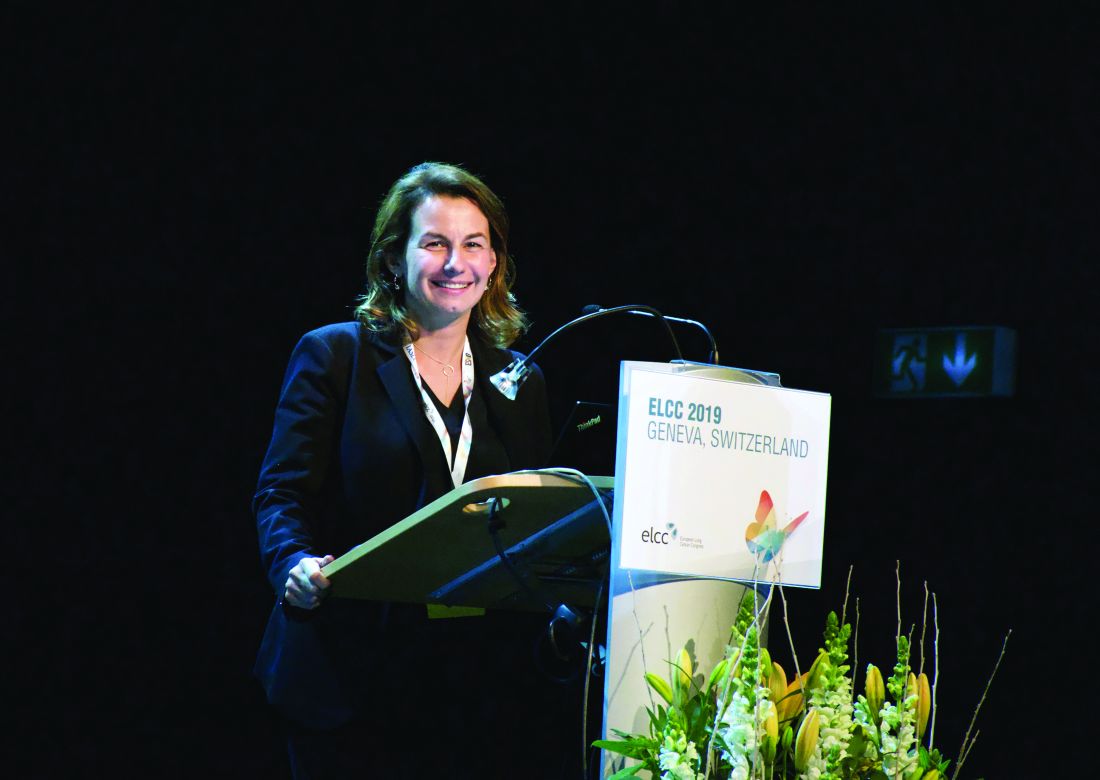
The findings support durvalumab for all comers regardless of PD-L1 expression, reported lead author Marina Garassino, MD, of Fondazione IRCCS – Instituto Nazionale dei Tumori in Milan, who presented findings at the European Lung Cancer Congress.
The PACIFIC trial involved 713 patients with stage III NSCLC who did not progress after platinum-based concurrent chemoradiotherapy, demonstrating both improved progression-free and overall survival. Patients were randomized 2:1 to receive either durvalumab (10 mg/kg) or placebo IV every 2 weeks for up to 1 year. Out of 713 patients involved in the trial, 63% had PD-L1 tumor expression level data available for the present analysis, allowing for subgrouping into five categories: expression level of at least 25%, less than 25%, at least 1%, less than 1%, or unknown. The investigators compared PROs from these cohorts using the European Organisation for Research and Treatment of Cancer core quality of life questionnaire and lung cancer module (EORTC QLQ-C30 and -LC13). With scores ranging from 1 to 100 points, clinically meaningful differences were defined by score changes exceeding 10 points. Changes during treatment, from baseline to week 48, were analyzed by a mixed model for repeated measures, overall responses for improvement rates by logistic regression, and hazard ratios for time to deterioration (TTD) by a stratified Cox proportional-hazards model.
The investigators found that most PROs remained consistent over time, without clinically meaningful variations between PD-L1 expression levels. However, as with the entire PACIFIC treatment population, patients in the present analysis showed changes in some PROs. At the meeting presented by the European Society for Medical Oncology, Dr. Garassino noted that it would be unrealistic to describe all PRO comparisons; instead, she presented several examples. For one, in patients receiving durvalumab, dysphagia and alopecia improved in four out of five PD-L1 subgroups and all subgroups, respectively, while patients in the placebo arm reported improvements in both measures regardless of PD-L1 expression. Other improvements tended to favor the durvalumab group; for instance, compared with other subgroups, patients with PD-L1 expression of at least 25% were more likely to report improved chest pain, physical functioning, pain, emotional functioning, and hemoptysis. In contrast, patients receiving placebo with PD-L1 expression less than 25% were more likely to report improved cough. Still, the investigators concluded that the overall picture did not suggest major differences in PROs by PD-L1 expression level, noting that global quality of life did not differ, and symptom improvement rates and time-to-deterioration measures generally aligned with the intent-to-treat population, judging by overlapping 95% confidence intervals and hazard ratios.
“These data support the PACIFIC regimen for the standard of care for stage III unresectable non–small cell lung cancer patients,” Dr. Garassino concluded.
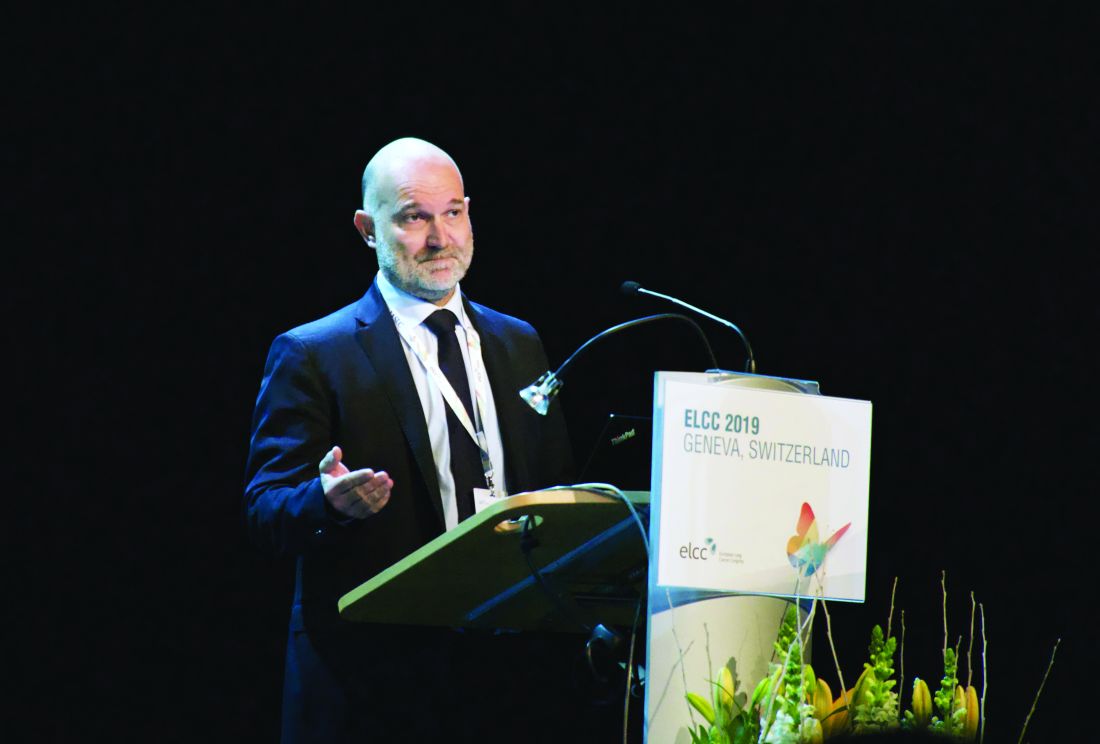
Invited discussant Fabrice Barlesi, MD, PhD, of Aix-Marseille University, said that studies such as this one are important to ensure that investigator-implemented measures of response are calibrated to patient experiences. As an example, Dr. Barlesi noted that many clinicians would say that grade 2 diarrhea is a completely manageable adverse event, but not all patients would agree.
In this light, Dr. Barlesi said that the present findings are valuable, but they are not without flaws. He noted that 11 out of 13 symptoms from the quality of life lung cancer module were not reported, and that one-third of patients in the PACIFIC trial lacked PD-L1 expression level data.
Considering these shortcomings, and more broadly, difficulties comparing patient-reported outcome studies because of various measurement techniques, Dr. Barlesi called for standardization.
“We need to standardize the analysis of quality of life data,” Dr. Barlesi said. “We should correct for the multiplicity of tests. … we should identify some specific quality of life outcomes that we want to look at in the protocol.” He continued to suggest a variety of ideal characteristics for studies evaluating patient-reported outcomes, including defined statistical measures and protocols for missing data.
Without a standardized approach, “cross trial comparison will be a nightmare for all of us,” Dr. Barlesi said.
The study was funded by AstraZeneca. The investigators reported financial relationships with Roche, BMS, Lilly, and others.
SOURCE: Garassino et al. ELCC 2019. Abstract LBA2.
GENEVA – Level of programmed death-ligand 1 (PD-L1) expression does not impact patient-reported outcomes (PROs) among those receiving durvalumab for stage III non–small cell lung cancer (NSCLC), according to a retrospective analysis of the phase III PACIFIC trial.
The findings support durvalumab for all comers regardless of PD-L1 expression, reported lead author Marina Garassino, MD, of Fondazione IRCCS – Instituto Nazionale dei Tumori in Milan, who presented findings at the European Lung Cancer Congress.
The PACIFIC trial involved 713 patients with stage III NSCLC who did not progress after platinum-based concurrent chemoradiotherapy, demonstrating both improved progression-free and overall survival. Patients were randomized 2:1 to receive either durvalumab (10 mg/kg) or placebo IV every 2 weeks for up to 1 year. Out of 713 patients involved in the trial, 63% had PD-L1 tumor expression level data available for the present analysis, allowing for subgrouping into five categories: expression level of at least 25%, less than 25%, at least 1%, less than 1%, or unknown. The investigators compared PROs from these cohorts using the European Organisation for Research and Treatment of Cancer core quality of life questionnaire and lung cancer module (EORTC QLQ-C30 and -LC13). With scores ranging from 1 to 100 points, clinically meaningful differences were defined by score changes exceeding 10 points. Changes during treatment, from baseline to week 48, were analyzed by a mixed model for repeated measures, overall responses for improvement rates by logistic regression, and hazard ratios for time to deterioration (TTD) by a stratified Cox proportional-hazards model.
The investigators found that most PROs remained consistent over time, without clinically meaningful variations between PD-L1 expression levels. However, as with the entire PACIFIC treatment population, patients in the present analysis showed changes in some PROs. At the meeting presented by the European Society for Medical Oncology, Dr. Garassino noted that it would be unrealistic to describe all PRO comparisons; instead, she presented several examples. For one, in patients receiving durvalumab, dysphagia and alopecia improved in four out of five PD-L1 subgroups and all subgroups, respectively, while patients in the placebo arm reported improvements in both measures regardless of PD-L1 expression. Other improvements tended to favor the durvalumab group; for instance, compared with other subgroups, patients with PD-L1 expression of at least 25% were more likely to report improved chest pain, physical functioning, pain, emotional functioning, and hemoptysis. In contrast, patients receiving placebo with PD-L1 expression less than 25% were more likely to report improved cough. Still, the investigators concluded that the overall picture did not suggest major differences in PROs by PD-L1 expression level, noting that global quality of life did not differ, and symptom improvement rates and time-to-deterioration measures generally aligned with the intent-to-treat population, judging by overlapping 95% confidence intervals and hazard ratios.
“These data support the PACIFIC regimen for the standard of care for stage III unresectable non–small cell lung cancer patients,” Dr. Garassino concluded.
Invited discussant Fabrice Barlesi, MD, PhD, of Aix-Marseille University, said that studies such as this one are important to ensure that investigator-implemented measures of response are calibrated to patient experiences. As an example, Dr. Barlesi noted that many clinicians would say that grade 2 diarrhea is a completely manageable adverse event, but not all patients would agree.
In this light, Dr. Barlesi said that the present findings are valuable, but they are not without flaws. He noted that 11 out of 13 symptoms from the quality of life lung cancer module were not reported, and that one-third of patients in the PACIFIC trial lacked PD-L1 expression level data.
Considering these shortcomings, and more broadly, difficulties comparing patient-reported outcome studies because of various measurement techniques, Dr. Barlesi called for standardization.
“We need to standardize the analysis of quality of life data,” Dr. Barlesi said. “We should correct for the multiplicity of tests. … we should identify some specific quality of life outcomes that we want to look at in the protocol.” He continued to suggest a variety of ideal characteristics for studies evaluating patient-reported outcomes, including defined statistical measures and protocols for missing data.
Without a standardized approach, “cross trial comparison will be a nightmare for all of us,” Dr. Barlesi said.
The study was funded by AstraZeneca. The investigators reported financial relationships with Roche, BMS, Lilly, and others.
SOURCE: Garassino et al. ELCC 2019. Abstract LBA2.
GENEVA – Level of programmed death-ligand 1 (PD-L1) expression does not impact patient-reported outcomes (PROs) among those receiving durvalumab for stage III non–small cell lung cancer (NSCLC), according to a retrospective analysis of the phase III PACIFIC trial.
The findings support durvalumab for all comers regardless of PD-L1 expression, reported lead author Marina Garassino, MD, of Fondazione IRCCS – Instituto Nazionale dei Tumori in Milan, who presented findings at the European Lung Cancer Congress.
The PACIFIC trial involved 713 patients with stage III NSCLC who did not progress after platinum-based concurrent chemoradiotherapy, demonstrating both improved progression-free and overall survival. Patients were randomized 2:1 to receive either durvalumab (10 mg/kg) or placebo IV every 2 weeks for up to 1 year. Out of 713 patients involved in the trial, 63% had PD-L1 tumor expression level data available for the present analysis, allowing for subgrouping into five categories: expression level of at least 25%, less than 25%, at least 1%, less than 1%, or unknown. The investigators compared PROs from these cohorts using the European Organisation for Research and Treatment of Cancer core quality of life questionnaire and lung cancer module (EORTC QLQ-C30 and -LC13). With scores ranging from 1 to 100 points, clinically meaningful differences were defined by score changes exceeding 10 points. Changes during treatment, from baseline to week 48, were analyzed by a mixed model for repeated measures, overall responses for improvement rates by logistic regression, and hazard ratios for time to deterioration (TTD) by a stratified Cox proportional-hazards model.
The investigators found that most PROs remained consistent over time, without clinically meaningful variations between PD-L1 expression levels. However, as with the entire PACIFIC treatment population, patients in the present analysis showed changes in some PROs. At the meeting presented by the European Society for Medical Oncology, Dr. Garassino noted that it would be unrealistic to describe all PRO comparisons; instead, she presented several examples. For one, in patients receiving durvalumab, dysphagia and alopecia improved in four out of five PD-L1 subgroups and all subgroups, respectively, while patients in the placebo arm reported improvements in both measures regardless of PD-L1 expression. Other improvements tended to favor the durvalumab group; for instance, compared with other subgroups, patients with PD-L1 expression of at least 25% were more likely to report improved chest pain, physical functioning, pain, emotional functioning, and hemoptysis. In contrast, patients receiving placebo with PD-L1 expression less than 25% were more likely to report improved cough. Still, the investigators concluded that the overall picture did not suggest major differences in PROs by PD-L1 expression level, noting that global quality of life did not differ, and symptom improvement rates and time-to-deterioration measures generally aligned with the intent-to-treat population, judging by overlapping 95% confidence intervals and hazard ratios.
“These data support the PACIFIC regimen for the standard of care for stage III unresectable non–small cell lung cancer patients,” Dr. Garassino concluded.
Invited discussant Fabrice Barlesi, MD, PhD, of Aix-Marseille University, said that studies such as this one are important to ensure that investigator-implemented measures of response are calibrated to patient experiences. As an example, Dr. Barlesi noted that many clinicians would say that grade 2 diarrhea is a completely manageable adverse event, but not all patients would agree.
In this light, Dr. Barlesi said that the present findings are valuable, but they are not without flaws. He noted that 11 out of 13 symptoms from the quality of life lung cancer module were not reported, and that one-third of patients in the PACIFIC trial lacked PD-L1 expression level data.
Considering these shortcomings, and more broadly, difficulties comparing patient-reported outcome studies because of various measurement techniques, Dr. Barlesi called for standardization.
“We need to standardize the analysis of quality of life data,” Dr. Barlesi said. “We should correct for the multiplicity of tests. … we should identify some specific quality of life outcomes that we want to look at in the protocol.” He continued to suggest a variety of ideal characteristics for studies evaluating patient-reported outcomes, including defined statistical measures and protocols for missing data.
Without a standardized approach, “cross trial comparison will be a nightmare for all of us,” Dr. Barlesi said.
The study was funded by AstraZeneca. The investigators reported financial relationships with Roche, BMS, Lilly, and others.
SOURCE: Garassino et al. ELCC 2019. Abstract LBA2.
REPORTING FROM ELCC 2019
Osimertinib again shows strength in NSCLC with leptomeningeal metastases
GENEVA – Treatment with osimertinib leads to clinically meaningful responses in about half of patients with epidermal growth factor receptor (EGFR) T790M–positive non–small cell lung cancer (NSCLC) who have asymptomatic leptomeningeal metastases, according to a post hoc analysis of patients from multiple AURA studies.
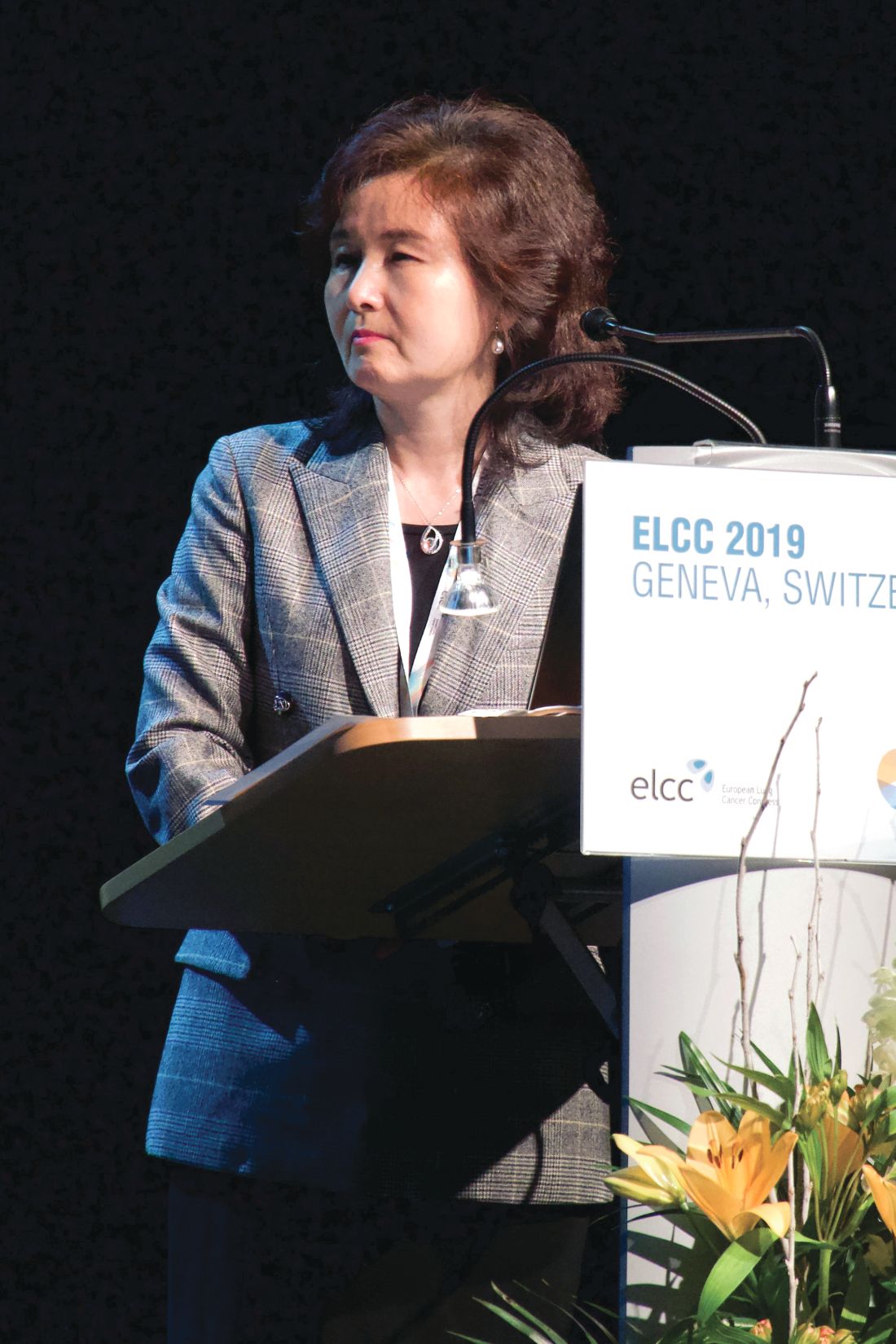
This conclusion aligns with previous encouraging findings delivered by the BLOOM trial, with the notable caveat that AURA patients received the Food and Drug Administration–approved dose of 80 mg osimertinib daily, instead of 160 mg, as given to BLOOM patients, reported lead author Myung Ju Ahn, MD, PhD, of Samsung Medical Center in Seoul, South Korea, and her colleagues.
At the European Lung Cancer Congress, invited discussant Pasi A. Jänne, MD, PhD of the Dana-Farber Cancer Institute in Boston, provided additional background for the study. “Leptomeningeal disease is really a devastating complication for our patients with lung cancer,” Dr. Jänne said, noting that effective treatments have been historically lacking; apart from osimertinib, other treatment strategies have included whole brain radiation therapy, high-dose pemetrexed, and pulsatile erlotinib, which were largely based on anecdotal evidence. Like other next-generation tyrosine kinase inhibitors, osimertinib stands apart from older agents because of its greater ability to penetrate the blood-brain barrier.
The present, retrospective analysis involved 22 patients with advanced, EGFR T790M–positive NSCLC with asymptomatic leptomeningeal metastases (LM) that was radiographically detected by blinded independent review. Patients received 80 mg osimertinib daily after progressing on another EGFR tyrosine kinase inhibitor. Follow-up brain scans were evaluated using Response Assessment in Neuro-Oncology LM criteria. Median overall survival was determined, as were progression-free survival, duration of response, and objective response rate, with these latter parameters analyzed specifically for LM disease.
Demographically, the patient population was consistent with previous AURA trials, with a predominance of Asian (82%) and female (59%) patients. Patients received treatment for a median of 7.3 months. Analysis showed that slightly more than half of patients (55%) responded to therapy, with an even split between partial (27%) and complete responders (27%). Median progression-free survival reached almost 1 year (11.1 months), while overall survival exceeded a year and a half (18.8 months), with a 1-year overall survival rate of 65%. Duration of response data are still immature. Graphical longitudinal analysis showed comparable responses between the AURA and BLOOM trials, suggesting that an 80-mg dose is likely to provide a similar efficacy to a 160-mg dose, Dr. Ahn said, although she also urged a cautionary interpretation because of study design.
Dr. Ahn described the survival statistics as “encouraging” at the meeting presented by the European Society for Medical Oncology, as the outcomes were better than those typically seen in historical controls.
Discussing these findings, Dr. Jänne suggested that the patient assessment criteria were “pretty subjective in nature.”
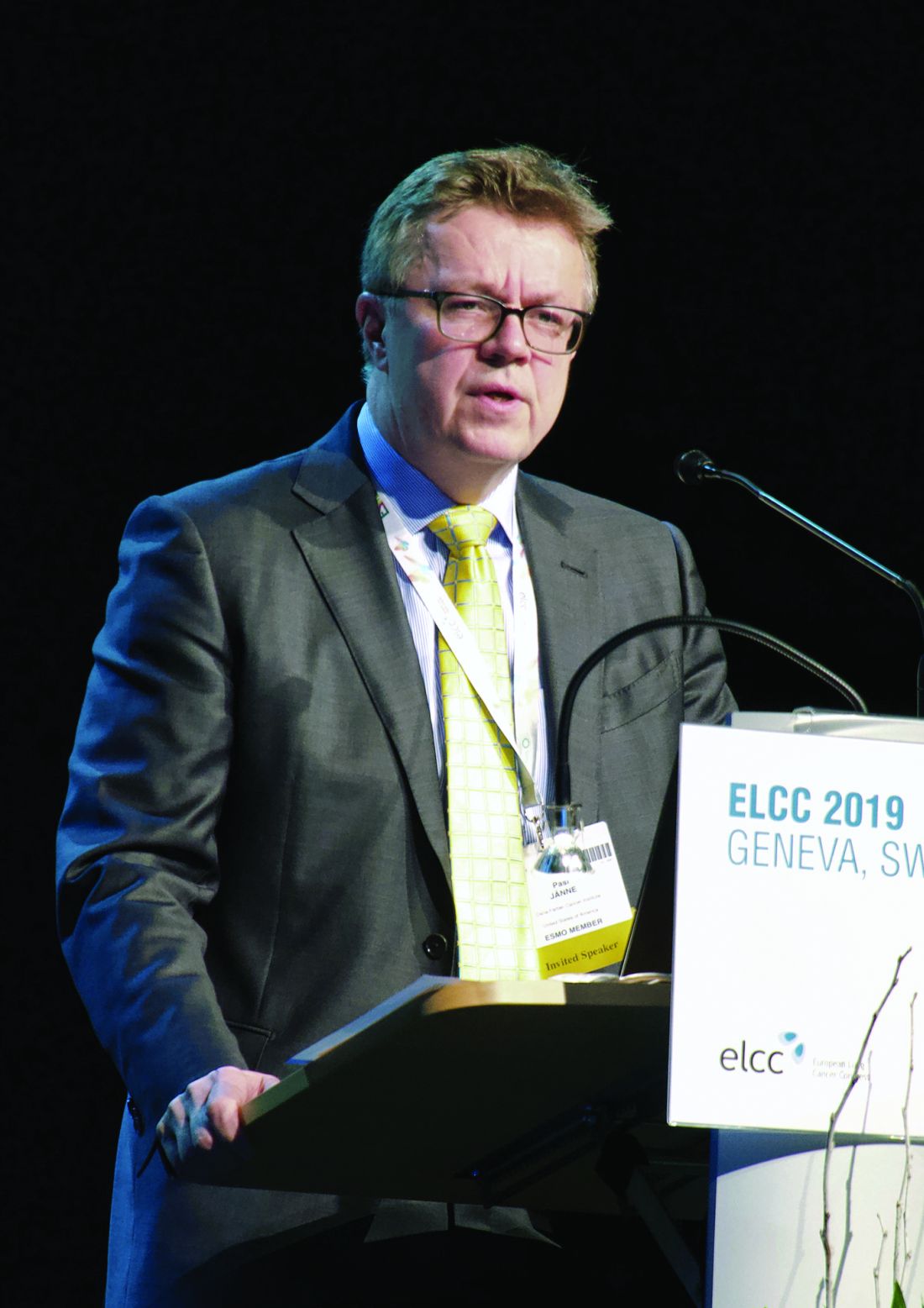
“You could get a score of plus one or minus one if the scans are kind of better or kind of worse,” Dr. Jänne said. “There’s really no objective criteria there.” He noted that imaging results may not reflect clinical impact of LM disease, and suggested that additional assessment criteria would have been welcome, such as assessments involving neurologic status or cerebrospinal fluid characteristics, both of which were included in the BLOOM trial.
“The real question comes, when we’re facing someone with leptomeningeal disease, is 80 milligrams as effective as 160 milligrams?” Dr. Jänne asked. “I don’t think we have the answer to that because the [AURA and BLOOM] studies are different, including different endpoints, and they’re not comparative.” He also noted that, in the United States, when met with LM disease progression, clinicians commonly increase the osimertinib dose from 80 mg to 160 mg; however, “it is without any data,” and warrants an actual clinical study.
The study was funded by AstraZeneca. The investigators reported financial relationships with Novartis, Pfizer, Roche, and others.
SOURCE: Ahn MJ et al. ELCC 2019, Abstract 105O.
GENEVA – Treatment with osimertinib leads to clinically meaningful responses in about half of patients with epidermal growth factor receptor (EGFR) T790M–positive non–small cell lung cancer (NSCLC) who have asymptomatic leptomeningeal metastases, according to a post hoc analysis of patients from multiple AURA studies.
This conclusion aligns with previous encouraging findings delivered by the BLOOM trial, with the notable caveat that AURA patients received the Food and Drug Administration–approved dose of 80 mg osimertinib daily, instead of 160 mg, as given to BLOOM patients, reported lead author Myung Ju Ahn, MD, PhD, of Samsung Medical Center in Seoul, South Korea, and her colleagues.
At the European Lung Cancer Congress, invited discussant Pasi A. Jänne, MD, PhD of the Dana-Farber Cancer Institute in Boston, provided additional background for the study. “Leptomeningeal disease is really a devastating complication for our patients with lung cancer,” Dr. Jänne said, noting that effective treatments have been historically lacking; apart from osimertinib, other treatment strategies have included whole brain radiation therapy, high-dose pemetrexed, and pulsatile erlotinib, which were largely based on anecdotal evidence. Like other next-generation tyrosine kinase inhibitors, osimertinib stands apart from older agents because of its greater ability to penetrate the blood-brain barrier.
The present, retrospective analysis involved 22 patients with advanced, EGFR T790M–positive NSCLC with asymptomatic leptomeningeal metastases (LM) that was radiographically detected by blinded independent review. Patients received 80 mg osimertinib daily after progressing on another EGFR tyrosine kinase inhibitor. Follow-up brain scans were evaluated using Response Assessment in Neuro-Oncology LM criteria. Median overall survival was determined, as were progression-free survival, duration of response, and objective response rate, with these latter parameters analyzed specifically for LM disease.
Demographically, the patient population was consistent with previous AURA trials, with a predominance of Asian (82%) and female (59%) patients. Patients received treatment for a median of 7.3 months. Analysis showed that slightly more than half of patients (55%) responded to therapy, with an even split between partial (27%) and complete responders (27%). Median progression-free survival reached almost 1 year (11.1 months), while overall survival exceeded a year and a half (18.8 months), with a 1-year overall survival rate of 65%. Duration of response data are still immature. Graphical longitudinal analysis showed comparable responses between the AURA and BLOOM trials, suggesting that an 80-mg dose is likely to provide a similar efficacy to a 160-mg dose, Dr. Ahn said, although she also urged a cautionary interpretation because of study design.
Dr. Ahn described the survival statistics as “encouraging” at the meeting presented by the European Society for Medical Oncology, as the outcomes were better than those typically seen in historical controls.
Discussing these findings, Dr. Jänne suggested that the patient assessment criteria were “pretty subjective in nature.”
“You could get a score of plus one or minus one if the scans are kind of better or kind of worse,” Dr. Jänne said. “There’s really no objective criteria there.” He noted that imaging results may not reflect clinical impact of LM disease, and suggested that additional assessment criteria would have been welcome, such as assessments involving neurologic status or cerebrospinal fluid characteristics, both of which were included in the BLOOM trial.
“The real question comes, when we’re facing someone with leptomeningeal disease, is 80 milligrams as effective as 160 milligrams?” Dr. Jänne asked. “I don’t think we have the answer to that because the [AURA and BLOOM] studies are different, including different endpoints, and they’re not comparative.” He also noted that, in the United States, when met with LM disease progression, clinicians commonly increase the osimertinib dose from 80 mg to 160 mg; however, “it is without any data,” and warrants an actual clinical study.
The study was funded by AstraZeneca. The investigators reported financial relationships with Novartis, Pfizer, Roche, and others.
SOURCE: Ahn MJ et al. ELCC 2019, Abstract 105O.
GENEVA – Treatment with osimertinib leads to clinically meaningful responses in about half of patients with epidermal growth factor receptor (EGFR) T790M–positive non–small cell lung cancer (NSCLC) who have asymptomatic leptomeningeal metastases, according to a post hoc analysis of patients from multiple AURA studies.
This conclusion aligns with previous encouraging findings delivered by the BLOOM trial, with the notable caveat that AURA patients received the Food and Drug Administration–approved dose of 80 mg osimertinib daily, instead of 160 mg, as given to BLOOM patients, reported lead author Myung Ju Ahn, MD, PhD, of Samsung Medical Center in Seoul, South Korea, and her colleagues.
At the European Lung Cancer Congress, invited discussant Pasi A. Jänne, MD, PhD of the Dana-Farber Cancer Institute in Boston, provided additional background for the study. “Leptomeningeal disease is really a devastating complication for our patients with lung cancer,” Dr. Jänne said, noting that effective treatments have been historically lacking; apart from osimertinib, other treatment strategies have included whole brain radiation therapy, high-dose pemetrexed, and pulsatile erlotinib, which were largely based on anecdotal evidence. Like other next-generation tyrosine kinase inhibitors, osimertinib stands apart from older agents because of its greater ability to penetrate the blood-brain barrier.
The present, retrospective analysis involved 22 patients with advanced, EGFR T790M–positive NSCLC with asymptomatic leptomeningeal metastases (LM) that was radiographically detected by blinded independent review. Patients received 80 mg osimertinib daily after progressing on another EGFR tyrosine kinase inhibitor. Follow-up brain scans were evaluated using Response Assessment in Neuro-Oncology LM criteria. Median overall survival was determined, as were progression-free survival, duration of response, and objective response rate, with these latter parameters analyzed specifically for LM disease.
Demographically, the patient population was consistent with previous AURA trials, with a predominance of Asian (82%) and female (59%) patients. Patients received treatment for a median of 7.3 months. Analysis showed that slightly more than half of patients (55%) responded to therapy, with an even split between partial (27%) and complete responders (27%). Median progression-free survival reached almost 1 year (11.1 months), while overall survival exceeded a year and a half (18.8 months), with a 1-year overall survival rate of 65%. Duration of response data are still immature. Graphical longitudinal analysis showed comparable responses between the AURA and BLOOM trials, suggesting that an 80-mg dose is likely to provide a similar efficacy to a 160-mg dose, Dr. Ahn said, although she also urged a cautionary interpretation because of study design.
Dr. Ahn described the survival statistics as “encouraging” at the meeting presented by the European Society for Medical Oncology, as the outcomes were better than those typically seen in historical controls.
Discussing these findings, Dr. Jänne suggested that the patient assessment criteria were “pretty subjective in nature.”
“You could get a score of plus one or minus one if the scans are kind of better or kind of worse,” Dr. Jänne said. “There’s really no objective criteria there.” He noted that imaging results may not reflect clinical impact of LM disease, and suggested that additional assessment criteria would have been welcome, such as assessments involving neurologic status or cerebrospinal fluid characteristics, both of which were included in the BLOOM trial.
“The real question comes, when we’re facing someone with leptomeningeal disease, is 80 milligrams as effective as 160 milligrams?” Dr. Jänne asked. “I don’t think we have the answer to that because the [AURA and BLOOM] studies are different, including different endpoints, and they’re not comparative.” He also noted that, in the United States, when met with LM disease progression, clinicians commonly increase the osimertinib dose from 80 mg to 160 mg; however, “it is without any data,” and warrants an actual clinical study.
The study was funded by AstraZeneca. The investigators reported financial relationships with Novartis, Pfizer, Roche, and others.
SOURCE: Ahn MJ et al. ELCC 2019, Abstract 105O.
REPORTING FROM ELCC 2019
Dr. Douglas Paauw gives updates on antihypertensives, statins, SGLT2 inhibitors
PHILADELPHIA – in a video interview at the annual meeting of the American College of Physicians.
Dr. Paauw, professor of medicine at the University of Washington, Seattle, began by discussing some of the issues that occurred with antihypertensive drugs in the past year. These included the link between hydrochlorothiazide use and the increased risk of nonmelanoma skin cancers, the recalls of many drug lots of angiotensin II receptor blockers, and a study that found an increased risk of lung cancer in people who were taking ACE inhibitors.
He then described the findings of studies that examined the links between statins and muscle pain and other new research on these drugs.
He also warned physicians to be particularity cautious about prescribing sodium-glucose cotransporter 2 inhibitors to certain kinds of patients.
Dr. Paauw concluded by explaining why clarithromycin is his most hated drug.
Dr. Paauw is also the Rathmann Family Foundation Endowed Chair for Patient-Centered Clinical Education and the medicine clerkship director at the University of Washington.
klennon@mdedge.com
PHILADELPHIA – in a video interview at the annual meeting of the American College of Physicians.
Dr. Paauw, professor of medicine at the University of Washington, Seattle, began by discussing some of the issues that occurred with antihypertensive drugs in the past year. These included the link between hydrochlorothiazide use and the increased risk of nonmelanoma skin cancers, the recalls of many drug lots of angiotensin II receptor blockers, and a study that found an increased risk of lung cancer in people who were taking ACE inhibitors.
He then described the findings of studies that examined the links between statins and muscle pain and other new research on these drugs.
He also warned physicians to be particularity cautious about prescribing sodium-glucose cotransporter 2 inhibitors to certain kinds of patients.
Dr. Paauw concluded by explaining why clarithromycin is his most hated drug.
Dr. Paauw is also the Rathmann Family Foundation Endowed Chair for Patient-Centered Clinical Education and the medicine clerkship director at the University of Washington.
klennon@mdedge.com
PHILADELPHIA – in a video interview at the annual meeting of the American College of Physicians.
Dr. Paauw, professor of medicine at the University of Washington, Seattle, began by discussing some of the issues that occurred with antihypertensive drugs in the past year. These included the link between hydrochlorothiazide use and the increased risk of nonmelanoma skin cancers, the recalls of many drug lots of angiotensin II receptor blockers, and a study that found an increased risk of lung cancer in people who were taking ACE inhibitors.
He then described the findings of studies that examined the links between statins and muscle pain and other new research on these drugs.
He also warned physicians to be particularity cautious about prescribing sodium-glucose cotransporter 2 inhibitors to certain kinds of patients.
Dr. Paauw concluded by explaining why clarithromycin is his most hated drug.
Dr. Paauw is also the Rathmann Family Foundation Endowed Chair for Patient-Centered Clinical Education and the medicine clerkship director at the University of Washington.
klennon@mdedge.com
REPORTING FROM INTERNAL MEDICINE 2019
First-line afatinib responses encouraging across diverse population of EGFR TKI-naive patients
GENEVA – For EGFR TKI-naive patients with EGFR-positive non–small cell lung cancer (NSCLC), afatinib appears safe and effective in a “real-world” setting, based on results of a phase 3b study.
Across a diverse population of patients, including those with brain metastases, uncommon mutations, multiple lines of prior therapy, and/or an Eastern Cooperative Oncology Group (ECOG) performance status of 2, afatinib delivered “encouraging” responses, reported lead author Antonio Passaro, MD, PhD, of the European Institute of Oncology in Milan. During his presentation at the European Lung Cancer Conference, Dr. Passaro described the safety profile as “predictable and manageable.”
The findings follow on the heels of the LUX-Lung trials, which showed that afatinib could match the progression-free survival (PFS) achieved with gefitinib, at about 11 months, while beating chemotherapy, which was associated with a PFS of approximately 5-7 months.
“However,” the investigators noted in their abstract, “in real-world practice chemotherapy remains a first-line choice.”
The present study aimed to demonstrate the real-world potential of afatinib across treatment lines, Dr. Passaro said at the meeting, presented by the European Society for Medical Oncology.
The patient population was diverse, with multiple treatment lines represented. The majority of patients (78%) received afatinib as first-line treatment, while smaller groups received the treatment as second-line (17%), or third-line or greater (5%). About one-third of the patients (36%) had an ECOG score of 0, about half (57%) had a score of 1, and a small group (8%) had a score of 2. A minority of patients had brain metastases (17%) and/or uncommon mutations (13%). Patients received 40 mg of afatinib daily; dose reduction to 20 mg was allowed if necessary.
Analysis showed that patients received afatinib for a median of almost 1 year (359 days). Slightly more than half of the patients (54%) got reduced doses because of adverse events, most commonly, diarrhea (25%) and rash (11%). About one out of five patients (22%) discontinued treatment entirely.
Secondarily, the investigators analyzed efficacy, reporting that the objective response rate was 46% and the disease control rate was 86%. During his presentation, Dr. Passaro focused on median time to symptomatic progression (TTSP) and median progression-free survival (PFS), describing these outcomes in relation to patient subgroups. Across all patients, TTSP was 14.9 months and PFS was 13.4 months. Among subgroups, patients receiving afatinib as first-line therapy had the best median PFS, at 13.8 months, which was comparable with those who received the treatment second-line (13.2 months). In contrast, patients receiving afatinib as a third-line treatment or later had noticeably shorter PFS, at 6.6 months. Baseline ECOG performance status showed a similar trend; patients with scores of 0 had a median PFS of 15.4 months, compared with 12.9 months for those with a score of 1, and 6.2 months with a score of 2. Patients with brain metastases fared worse than did those without (PFS 10.1 months vs. 13.9 months), and patients with uncommon mutations had shorter PFS than that of those with common mutations (6.0 months vs. 14.1 months). TTSP durations paralleled the above PFS trends.Boehringer Ingelheim funded the study. The investigators reported financial relationships with Roche, MSD, Bristol-Myers Squibb, AstraZeneca, and others.
SOURCE: Passaro et al. ELCC 2019. Abstract 115O.
GENEVA – For EGFR TKI-naive patients with EGFR-positive non–small cell lung cancer (NSCLC), afatinib appears safe and effective in a “real-world” setting, based on results of a phase 3b study.
Across a diverse population of patients, including those with brain metastases, uncommon mutations, multiple lines of prior therapy, and/or an Eastern Cooperative Oncology Group (ECOG) performance status of 2, afatinib delivered “encouraging” responses, reported lead author Antonio Passaro, MD, PhD, of the European Institute of Oncology in Milan. During his presentation at the European Lung Cancer Conference, Dr. Passaro described the safety profile as “predictable and manageable.”
The findings follow on the heels of the LUX-Lung trials, which showed that afatinib could match the progression-free survival (PFS) achieved with gefitinib, at about 11 months, while beating chemotherapy, which was associated with a PFS of approximately 5-7 months.
“However,” the investigators noted in their abstract, “in real-world practice chemotherapy remains a first-line choice.”
The present study aimed to demonstrate the real-world potential of afatinib across treatment lines, Dr. Passaro said at the meeting, presented by the European Society for Medical Oncology.
The patient population was diverse, with multiple treatment lines represented. The majority of patients (78%) received afatinib as first-line treatment, while smaller groups received the treatment as second-line (17%), or third-line or greater (5%). About one-third of the patients (36%) had an ECOG score of 0, about half (57%) had a score of 1, and a small group (8%) had a score of 2. A minority of patients had brain metastases (17%) and/or uncommon mutations (13%). Patients received 40 mg of afatinib daily; dose reduction to 20 mg was allowed if necessary.
Analysis showed that patients received afatinib for a median of almost 1 year (359 days). Slightly more than half of the patients (54%) got reduced doses because of adverse events, most commonly, diarrhea (25%) and rash (11%). About one out of five patients (22%) discontinued treatment entirely.
Secondarily, the investigators analyzed efficacy, reporting that the objective response rate was 46% and the disease control rate was 86%. During his presentation, Dr. Passaro focused on median time to symptomatic progression (TTSP) and median progression-free survival (PFS), describing these outcomes in relation to patient subgroups. Across all patients, TTSP was 14.9 months and PFS was 13.4 months. Among subgroups, patients receiving afatinib as first-line therapy had the best median PFS, at 13.8 months, which was comparable with those who received the treatment second-line (13.2 months). In contrast, patients receiving afatinib as a third-line treatment or later had noticeably shorter PFS, at 6.6 months. Baseline ECOG performance status showed a similar trend; patients with scores of 0 had a median PFS of 15.4 months, compared with 12.9 months for those with a score of 1, and 6.2 months with a score of 2. Patients with brain metastases fared worse than did those without (PFS 10.1 months vs. 13.9 months), and patients with uncommon mutations had shorter PFS than that of those with common mutations (6.0 months vs. 14.1 months). TTSP durations paralleled the above PFS trends.Boehringer Ingelheim funded the study. The investigators reported financial relationships with Roche, MSD, Bristol-Myers Squibb, AstraZeneca, and others.
SOURCE: Passaro et al. ELCC 2019. Abstract 115O.
GENEVA – For EGFR TKI-naive patients with EGFR-positive non–small cell lung cancer (NSCLC), afatinib appears safe and effective in a “real-world” setting, based on results of a phase 3b study.
Across a diverse population of patients, including those with brain metastases, uncommon mutations, multiple lines of prior therapy, and/or an Eastern Cooperative Oncology Group (ECOG) performance status of 2, afatinib delivered “encouraging” responses, reported lead author Antonio Passaro, MD, PhD, of the European Institute of Oncology in Milan. During his presentation at the European Lung Cancer Conference, Dr. Passaro described the safety profile as “predictable and manageable.”
The findings follow on the heels of the LUX-Lung trials, which showed that afatinib could match the progression-free survival (PFS) achieved with gefitinib, at about 11 months, while beating chemotherapy, which was associated with a PFS of approximately 5-7 months.
“However,” the investigators noted in their abstract, “in real-world practice chemotherapy remains a first-line choice.”
The present study aimed to demonstrate the real-world potential of afatinib across treatment lines, Dr. Passaro said at the meeting, presented by the European Society for Medical Oncology.
The patient population was diverse, with multiple treatment lines represented. The majority of patients (78%) received afatinib as first-line treatment, while smaller groups received the treatment as second-line (17%), or third-line or greater (5%). About one-third of the patients (36%) had an ECOG score of 0, about half (57%) had a score of 1, and a small group (8%) had a score of 2. A minority of patients had brain metastases (17%) and/or uncommon mutations (13%). Patients received 40 mg of afatinib daily; dose reduction to 20 mg was allowed if necessary.
Analysis showed that patients received afatinib for a median of almost 1 year (359 days). Slightly more than half of the patients (54%) got reduced doses because of adverse events, most commonly, diarrhea (25%) and rash (11%). About one out of five patients (22%) discontinued treatment entirely.
Secondarily, the investigators analyzed efficacy, reporting that the objective response rate was 46% and the disease control rate was 86%. During his presentation, Dr. Passaro focused on median time to symptomatic progression (TTSP) and median progression-free survival (PFS), describing these outcomes in relation to patient subgroups. Across all patients, TTSP was 14.9 months and PFS was 13.4 months. Among subgroups, patients receiving afatinib as first-line therapy had the best median PFS, at 13.8 months, which was comparable with those who received the treatment second-line (13.2 months). In contrast, patients receiving afatinib as a third-line treatment or later had noticeably shorter PFS, at 6.6 months. Baseline ECOG performance status showed a similar trend; patients with scores of 0 had a median PFS of 15.4 months, compared with 12.9 months for those with a score of 1, and 6.2 months with a score of 2. Patients with brain metastases fared worse than did those without (PFS 10.1 months vs. 13.9 months), and patients with uncommon mutations had shorter PFS than that of those with common mutations (6.0 months vs. 14.1 months). TTSP durations paralleled the above PFS trends.Boehringer Ingelheim funded the study. The investigators reported financial relationships with Roche, MSD, Bristol-Myers Squibb, AstraZeneca, and others.
SOURCE: Passaro et al. ELCC 2019. Abstract 115O.
REPORTING FROM ELCC 2019
Liquid biopsy falls short for isolated brain lesions in lung cancer
GENEVA – Liquid biopsy appears inadequate to detect molecular aberrations in patients with non–small cell lung cancer (NSCLC) who have isolated central nervous system (CNS) progression, according to investigators.
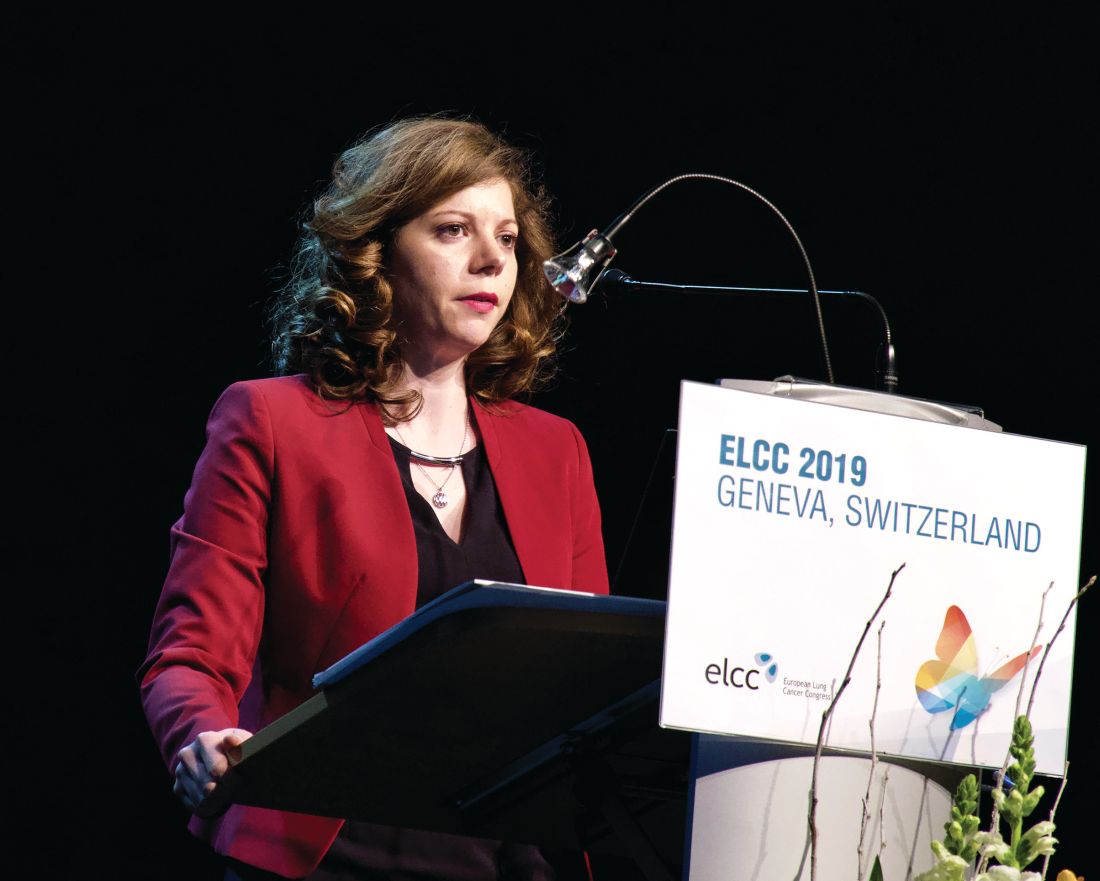
Plasma circulating tumor DNA (ctDNA) analysis detected molecular abnormalities in almost all patients with systemic disease progression, compared with just two out of five patients with isolated brain lesions, reported lead author Mihaela Aldea, MD, who presented findings at the European Lung Cancer Conference.
Dr. Aldea, of Gustave Roussy Institute in Villejuif, France, said that “central nervous system progression is an example of hard-to-biopsy disease and is common in oncogene addicted non–small cell lung cancer, making it a potential setting to employ ctDNA analysis.” However, Dr. Aldea noted that the blood-brain barrier limits passage of molecules such as ctDNA into systemic circulation, leading to hypothetical skepticism within the medical community, despite “very limited” data.
“Currently, the actual performance of ctDNA in patients with lung cancer and isolated CNS progression remains largely unknown,” Dr. Aldea said, “so this is the question that we put in our study.”
Dr. Aldea and her colleagues screened 959 patients with NSCLC who were involved in prospective trials at Gustave Roussy between 2016 and 2018. Study inclusion required that patients have a molecular alteration detected via tissue sample and at least 1 ctDNA sample available from the time of CNS progression. Molecular alterations included ALK, EGFR, KRAS, ROS1, HER2, BRAF, TP53, and MET. Through these criteria, the study population was narrowed to 58 patients and 66 ctDNA samples, of which 21 were from patients with isolated CNS (I-CNS) progression and 45 were from patients with systemic disease progression (S-CNS). CtDNA was conducted with next generation sequencing and compared with imaging, molecular, and clinical patient data.
Most patients in the I-CNS group were female (94%), compared with about half of the S-CNS group (59%). Rates of adenocarcinoma and smoking history were relatively similar between I-CNS and S-CNS patients; in contrast, S-CNS patients had a median of two metastatic sites, compared with one in the I-CNS group. Rates of ALK, KRAS, and EGFR aberrations were slightly higher in the I-CNS group, whereas HER2, TP53, MET, and BRAF abnormalities were found only in the S-CNS group. Relating to the central hypothesis, 98% of S-CNS patients tested positive for at least one actionable driver via ctDNA analysis, compared with just 38% of I-CNS patients (P less than .0001). Resistance mutations were detected more commonly in the S-CNS group, although not significantly, which Dr. Aldea attributed to small population size.
“Plasma liquid biopsy is not a reliable marker for analyzing the molecular landscape of CNS progression,” Dr. Aldea concluded, adding that patients with isolated brain lesions may need to be treated with “more potent drugs” even when resistance mutations are not detected.
The investigators disclosed financial relationships with Celgene, Daiichi Sankyo, Eli Lilly, and others.
SOURCE: Aldea et al. ELCC 2019. Abstract 110O.
GENEVA – Liquid biopsy appears inadequate to detect molecular aberrations in patients with non–small cell lung cancer (NSCLC) who have isolated central nervous system (CNS) progression, according to investigators.
Plasma circulating tumor DNA (ctDNA) analysis detected molecular abnormalities in almost all patients with systemic disease progression, compared with just two out of five patients with isolated brain lesions, reported lead author Mihaela Aldea, MD, who presented findings at the European Lung Cancer Conference.
Dr. Aldea, of Gustave Roussy Institute in Villejuif, France, said that “central nervous system progression is an example of hard-to-biopsy disease and is common in oncogene addicted non–small cell lung cancer, making it a potential setting to employ ctDNA analysis.” However, Dr. Aldea noted that the blood-brain barrier limits passage of molecules such as ctDNA into systemic circulation, leading to hypothetical skepticism within the medical community, despite “very limited” data.
“Currently, the actual performance of ctDNA in patients with lung cancer and isolated CNS progression remains largely unknown,” Dr. Aldea said, “so this is the question that we put in our study.”
Dr. Aldea and her colleagues screened 959 patients with NSCLC who were involved in prospective trials at Gustave Roussy between 2016 and 2018. Study inclusion required that patients have a molecular alteration detected via tissue sample and at least 1 ctDNA sample available from the time of CNS progression. Molecular alterations included ALK, EGFR, KRAS, ROS1, HER2, BRAF, TP53, and MET. Through these criteria, the study population was narrowed to 58 patients and 66 ctDNA samples, of which 21 were from patients with isolated CNS (I-CNS) progression and 45 were from patients with systemic disease progression (S-CNS). CtDNA was conducted with next generation sequencing and compared with imaging, molecular, and clinical patient data.
Most patients in the I-CNS group were female (94%), compared with about half of the S-CNS group (59%). Rates of adenocarcinoma and smoking history were relatively similar between I-CNS and S-CNS patients; in contrast, S-CNS patients had a median of two metastatic sites, compared with one in the I-CNS group. Rates of ALK, KRAS, and EGFR aberrations were slightly higher in the I-CNS group, whereas HER2, TP53, MET, and BRAF abnormalities were found only in the S-CNS group. Relating to the central hypothesis, 98% of S-CNS patients tested positive for at least one actionable driver via ctDNA analysis, compared with just 38% of I-CNS patients (P less than .0001). Resistance mutations were detected more commonly in the S-CNS group, although not significantly, which Dr. Aldea attributed to small population size.
“Plasma liquid biopsy is not a reliable marker for analyzing the molecular landscape of CNS progression,” Dr. Aldea concluded, adding that patients with isolated brain lesions may need to be treated with “more potent drugs” even when resistance mutations are not detected.
The investigators disclosed financial relationships with Celgene, Daiichi Sankyo, Eli Lilly, and others.
SOURCE: Aldea et al. ELCC 2019. Abstract 110O.
GENEVA – Liquid biopsy appears inadequate to detect molecular aberrations in patients with non–small cell lung cancer (NSCLC) who have isolated central nervous system (CNS) progression, according to investigators.
Plasma circulating tumor DNA (ctDNA) analysis detected molecular abnormalities in almost all patients with systemic disease progression, compared with just two out of five patients with isolated brain lesions, reported lead author Mihaela Aldea, MD, who presented findings at the European Lung Cancer Conference.
Dr. Aldea, of Gustave Roussy Institute in Villejuif, France, said that “central nervous system progression is an example of hard-to-biopsy disease and is common in oncogene addicted non–small cell lung cancer, making it a potential setting to employ ctDNA analysis.” However, Dr. Aldea noted that the blood-brain barrier limits passage of molecules such as ctDNA into systemic circulation, leading to hypothetical skepticism within the medical community, despite “very limited” data.
“Currently, the actual performance of ctDNA in patients with lung cancer and isolated CNS progression remains largely unknown,” Dr. Aldea said, “so this is the question that we put in our study.”
Dr. Aldea and her colleagues screened 959 patients with NSCLC who were involved in prospective trials at Gustave Roussy between 2016 and 2018. Study inclusion required that patients have a molecular alteration detected via tissue sample and at least 1 ctDNA sample available from the time of CNS progression. Molecular alterations included ALK, EGFR, KRAS, ROS1, HER2, BRAF, TP53, and MET. Through these criteria, the study population was narrowed to 58 patients and 66 ctDNA samples, of which 21 were from patients with isolated CNS (I-CNS) progression and 45 were from patients with systemic disease progression (S-CNS). CtDNA was conducted with next generation sequencing and compared with imaging, molecular, and clinical patient data.
Most patients in the I-CNS group were female (94%), compared with about half of the S-CNS group (59%). Rates of adenocarcinoma and smoking history were relatively similar between I-CNS and S-CNS patients; in contrast, S-CNS patients had a median of two metastatic sites, compared with one in the I-CNS group. Rates of ALK, KRAS, and EGFR aberrations were slightly higher in the I-CNS group, whereas HER2, TP53, MET, and BRAF abnormalities were found only in the S-CNS group. Relating to the central hypothesis, 98% of S-CNS patients tested positive for at least one actionable driver via ctDNA analysis, compared with just 38% of I-CNS patients (P less than .0001). Resistance mutations were detected more commonly in the S-CNS group, although not significantly, which Dr. Aldea attributed to small population size.
“Plasma liquid biopsy is not a reliable marker for analyzing the molecular landscape of CNS progression,” Dr. Aldea concluded, adding that patients with isolated brain lesions may need to be treated with “more potent drugs” even when resistance mutations are not detected.
The investigators disclosed financial relationships with Celgene, Daiichi Sankyo, Eli Lilly, and others.
SOURCE: Aldea et al. ELCC 2019. Abstract 110O.
REPORTING FROM ELCC 2019
Key clinical point: Plasma circulating tumor DNA (ctDNA) analysis appears inadequate to detect molecular aberrations in patients with non–small cell lung cancer (NSCLC) who have isolated central nervous system (CNS) progression.
Major finding: In patients with at least 1 known NSCLC molecular alteration, ctDNA analysis was positive in 38% of those with isolated CNS disease, compared with 98% of those with systemic disease progression (P less than .0001).
Study details: A retrospective analysis of 66 patients with NSCLC, drawn from a screened population of 959 patients.
Disclosures: The investigators disclosed financial relationships with Celgene, Daiichi Sankyo, Eli Lilly, and others.
Source: Aldea et al. ELCC 2019. Abstract 110O.
Novel CAR T, anti-PD-1 combo shows promise in MPD
ATLANTA – Intrapleurally administered, mesothelin-targeted chimeric antigen receptor (CAR) T cells combined with programmed death 1 (PD-1) inhibition showed CAR T-cell antitumor activity without toxicity in a phase 1 clinical trial of patients with malignant pleural disease.
The findings are encouraging, particularly given the aggressive nature of such tumors and the poor prognosis associated with mesothelin – a cell-surface antigen expressed on them, Prasad S. Adusumilli, MD, reported during a press briefing at the annual meeting of the American Association for Cancer Research.
In 21 patients, including 19 with malignant pleural mesothelioma and 1 each with metastatic lung cancer and metastatic breast cancer, a single dose of a second-generation, CD28-costimulated mesothelin CAR T-cell therapy (iCasM28z) was administered intrapleurally either with or without cyclophosphamide preconditioning.
Antitumor activity, as evidenced by the presence of CAR T cells in the blood for several months, was noted in 13 patients, and the presence of the cells was associated with a reduction in a mesothelin-related peptide in the blood, as well as with evidence of tumor regression on imaging studies, said Dr. Adusumilli, deputy chief of the thoracic service at Memorial Sloan Kettering Cancer Center, New York, and lead study author.
Intense clinical, laboratory, and radiological monitoring along with electrocardiography showed no evidence of toxicity.
“Most importantly, the neurotoxicity, serious cytokine release syndrome, and on-target off-target tumor toxicity that has been seen in other CAR T-cell trials, we did not notice in our trial,” he said.
Additionally, one patient successfully underwent curative-intent surgical resection 6 weeks after CAR T-cell infusion, followed by radiation therapy to the chest, said Dr. Adusumilli, who also is director of the mesothelioma program and head of solid tumor cell therapy at the at Memorial Sloan Kettering Cellular Therapeutic Center.
That patient is doing well at 20 months without further treatment, he noted.
Of a subset of 14 patients who received off-protocol anti-PD-1 checkpoint blockade once lack of toxicity was established for the CAR T-cell therapy, 2 achieved a complete metabolic response at 38 and 60 weeks following checkpoint blockade, 5 had a partial response, and 4 had stable disease.
The anti-PD-1 therapy was initiated in those patients based on prior preclinical data, showing that CAR T cells can become functionally exhausted in large tumors and that anti-PD-1 therapy can reactivate the exhausted cells and eradicate the tumors, he explained.
The findings are notable because malignant pleural disease from primary malignant pleural mesothelioma or secondary metastatic disease affects more than 150,000 patients a year in the United States alone, and effective therapies are lacking.
“[Our finding] strongly supports pursuing a CAR T-cell therapy combined with anti-PD-1 strategies is in solid tumors,” Dr. Adusumilli said, adding that such a trial is being planned for 2019, and another, with CAR T-cell intrinsic PD-1 dominant negative receptor (a decoy receptor) is planned for 2020.
Press briefing moderator Nilofer S. Azad, MD, of the Sidney Kimmel Comprehensive Cancer Center at Johns Hopkins University, Baltimore, said the findings represent “potentially the most compelling CAR T data that we’ve ever seen in solid tumors at this point,” and noted that a “vast number of patients” could potentially benefit from the approach.
Dr. Adusumilli agreed, suggesting that, with a system of regional factories and distribution centers and development of “some clever strategies,” it is possible the technology and treatment approach could be scaled up to the level necessary to help increasing numbers of patients.
Dr. Adusumilli reported receiving federal grant support from the National Cancer Institute and Department of Defense; peer-reviewed grant support from the Mesothelioma Applied Research Foundation, Experimental Therapeutics Center, Baker Street Foundation, Batishwa Fellowship, Dallepezze Foundation, Derfner Foundation, Emerson Collective Foundation, and MSK Technology Development Fund; and research grant support from OSE Immunotherapeutics, ACEA Biosciences, and Atara Biotherapeutics. He also has a licensing/royalty agreement for Mesothelin CAR and PD-1 DNR (licensed to Atara Biotherapeutics).
SOURCE: Adusumilli PS et al. AACR 2019, Abstract CT036.
ATLANTA – Intrapleurally administered, mesothelin-targeted chimeric antigen receptor (CAR) T cells combined with programmed death 1 (PD-1) inhibition showed CAR T-cell antitumor activity without toxicity in a phase 1 clinical trial of patients with malignant pleural disease.
The findings are encouraging, particularly given the aggressive nature of such tumors and the poor prognosis associated with mesothelin – a cell-surface antigen expressed on them, Prasad S. Adusumilli, MD, reported during a press briefing at the annual meeting of the American Association for Cancer Research.
In 21 patients, including 19 with malignant pleural mesothelioma and 1 each with metastatic lung cancer and metastatic breast cancer, a single dose of a second-generation, CD28-costimulated mesothelin CAR T-cell therapy (iCasM28z) was administered intrapleurally either with or without cyclophosphamide preconditioning.
Antitumor activity, as evidenced by the presence of CAR T cells in the blood for several months, was noted in 13 patients, and the presence of the cells was associated with a reduction in a mesothelin-related peptide in the blood, as well as with evidence of tumor regression on imaging studies, said Dr. Adusumilli, deputy chief of the thoracic service at Memorial Sloan Kettering Cancer Center, New York, and lead study author.
Intense clinical, laboratory, and radiological monitoring along with electrocardiography showed no evidence of toxicity.
“Most importantly, the neurotoxicity, serious cytokine release syndrome, and on-target off-target tumor toxicity that has been seen in other CAR T-cell trials, we did not notice in our trial,” he said.
Additionally, one patient successfully underwent curative-intent surgical resection 6 weeks after CAR T-cell infusion, followed by radiation therapy to the chest, said Dr. Adusumilli, who also is director of the mesothelioma program and head of solid tumor cell therapy at the at Memorial Sloan Kettering Cellular Therapeutic Center.
That patient is doing well at 20 months without further treatment, he noted.
Of a subset of 14 patients who received off-protocol anti-PD-1 checkpoint blockade once lack of toxicity was established for the CAR T-cell therapy, 2 achieved a complete metabolic response at 38 and 60 weeks following checkpoint blockade, 5 had a partial response, and 4 had stable disease.
The anti-PD-1 therapy was initiated in those patients based on prior preclinical data, showing that CAR T cells can become functionally exhausted in large tumors and that anti-PD-1 therapy can reactivate the exhausted cells and eradicate the tumors, he explained.
The findings are notable because malignant pleural disease from primary malignant pleural mesothelioma or secondary metastatic disease affects more than 150,000 patients a year in the United States alone, and effective therapies are lacking.
“[Our finding] strongly supports pursuing a CAR T-cell therapy combined with anti-PD-1 strategies is in solid tumors,” Dr. Adusumilli said, adding that such a trial is being planned for 2019, and another, with CAR T-cell intrinsic PD-1 dominant negative receptor (a decoy receptor) is planned for 2020.
Press briefing moderator Nilofer S. Azad, MD, of the Sidney Kimmel Comprehensive Cancer Center at Johns Hopkins University, Baltimore, said the findings represent “potentially the most compelling CAR T data that we’ve ever seen in solid tumors at this point,” and noted that a “vast number of patients” could potentially benefit from the approach.
Dr. Adusumilli agreed, suggesting that, with a system of regional factories and distribution centers and development of “some clever strategies,” it is possible the technology and treatment approach could be scaled up to the level necessary to help increasing numbers of patients.
Dr. Adusumilli reported receiving federal grant support from the National Cancer Institute and Department of Defense; peer-reviewed grant support from the Mesothelioma Applied Research Foundation, Experimental Therapeutics Center, Baker Street Foundation, Batishwa Fellowship, Dallepezze Foundation, Derfner Foundation, Emerson Collective Foundation, and MSK Technology Development Fund; and research grant support from OSE Immunotherapeutics, ACEA Biosciences, and Atara Biotherapeutics. He also has a licensing/royalty agreement for Mesothelin CAR and PD-1 DNR (licensed to Atara Biotherapeutics).
SOURCE: Adusumilli PS et al. AACR 2019, Abstract CT036.
ATLANTA – Intrapleurally administered, mesothelin-targeted chimeric antigen receptor (CAR) T cells combined with programmed death 1 (PD-1) inhibition showed CAR T-cell antitumor activity without toxicity in a phase 1 clinical trial of patients with malignant pleural disease.
The findings are encouraging, particularly given the aggressive nature of such tumors and the poor prognosis associated with mesothelin – a cell-surface antigen expressed on them, Prasad S. Adusumilli, MD, reported during a press briefing at the annual meeting of the American Association for Cancer Research.
In 21 patients, including 19 with malignant pleural mesothelioma and 1 each with metastatic lung cancer and metastatic breast cancer, a single dose of a second-generation, CD28-costimulated mesothelin CAR T-cell therapy (iCasM28z) was administered intrapleurally either with or without cyclophosphamide preconditioning.
Antitumor activity, as evidenced by the presence of CAR T cells in the blood for several months, was noted in 13 patients, and the presence of the cells was associated with a reduction in a mesothelin-related peptide in the blood, as well as with evidence of tumor regression on imaging studies, said Dr. Adusumilli, deputy chief of the thoracic service at Memorial Sloan Kettering Cancer Center, New York, and lead study author.
Intense clinical, laboratory, and radiological monitoring along with electrocardiography showed no evidence of toxicity.
“Most importantly, the neurotoxicity, serious cytokine release syndrome, and on-target off-target tumor toxicity that has been seen in other CAR T-cell trials, we did not notice in our trial,” he said.
Additionally, one patient successfully underwent curative-intent surgical resection 6 weeks after CAR T-cell infusion, followed by radiation therapy to the chest, said Dr. Adusumilli, who also is director of the mesothelioma program and head of solid tumor cell therapy at the at Memorial Sloan Kettering Cellular Therapeutic Center.
That patient is doing well at 20 months without further treatment, he noted.
Of a subset of 14 patients who received off-protocol anti-PD-1 checkpoint blockade once lack of toxicity was established for the CAR T-cell therapy, 2 achieved a complete metabolic response at 38 and 60 weeks following checkpoint blockade, 5 had a partial response, and 4 had stable disease.
The anti-PD-1 therapy was initiated in those patients based on prior preclinical data, showing that CAR T cells can become functionally exhausted in large tumors and that anti-PD-1 therapy can reactivate the exhausted cells and eradicate the tumors, he explained.
The findings are notable because malignant pleural disease from primary malignant pleural mesothelioma or secondary metastatic disease affects more than 150,000 patients a year in the United States alone, and effective therapies are lacking.
“[Our finding] strongly supports pursuing a CAR T-cell therapy combined with anti-PD-1 strategies is in solid tumors,” Dr. Adusumilli said, adding that such a trial is being planned for 2019, and another, with CAR T-cell intrinsic PD-1 dominant negative receptor (a decoy receptor) is planned for 2020.
Press briefing moderator Nilofer S. Azad, MD, of the Sidney Kimmel Comprehensive Cancer Center at Johns Hopkins University, Baltimore, said the findings represent “potentially the most compelling CAR T data that we’ve ever seen in solid tumors at this point,” and noted that a “vast number of patients” could potentially benefit from the approach.
Dr. Adusumilli agreed, suggesting that, with a system of regional factories and distribution centers and development of “some clever strategies,” it is possible the technology and treatment approach could be scaled up to the level necessary to help increasing numbers of patients.
Dr. Adusumilli reported receiving federal grant support from the National Cancer Institute and Department of Defense; peer-reviewed grant support from the Mesothelioma Applied Research Foundation, Experimental Therapeutics Center, Baker Street Foundation, Batishwa Fellowship, Dallepezze Foundation, Derfner Foundation, Emerson Collective Foundation, and MSK Technology Development Fund; and research grant support from OSE Immunotherapeutics, ACEA Biosciences, and Atara Biotherapeutics. He also has a licensing/royalty agreement for Mesothelin CAR and PD-1 DNR (licensed to Atara Biotherapeutics).
SOURCE: Adusumilli PS et al. AACR 2019, Abstract CT036.
REPORTING FROM AACR 2019
Adding MET TKI may overcome NSCLC resistance
ATLANTA – A combination of the epidermal growth factor receptor (EGFR)–targeted agent osimertinib (Tagrisso) with savolitinib, an investigational MET inhibitor, showed activity against MET-driven non–small cell lung cancer (NSCLC) in patients for whom prior lines of EGFR-targeted therapy had failed.
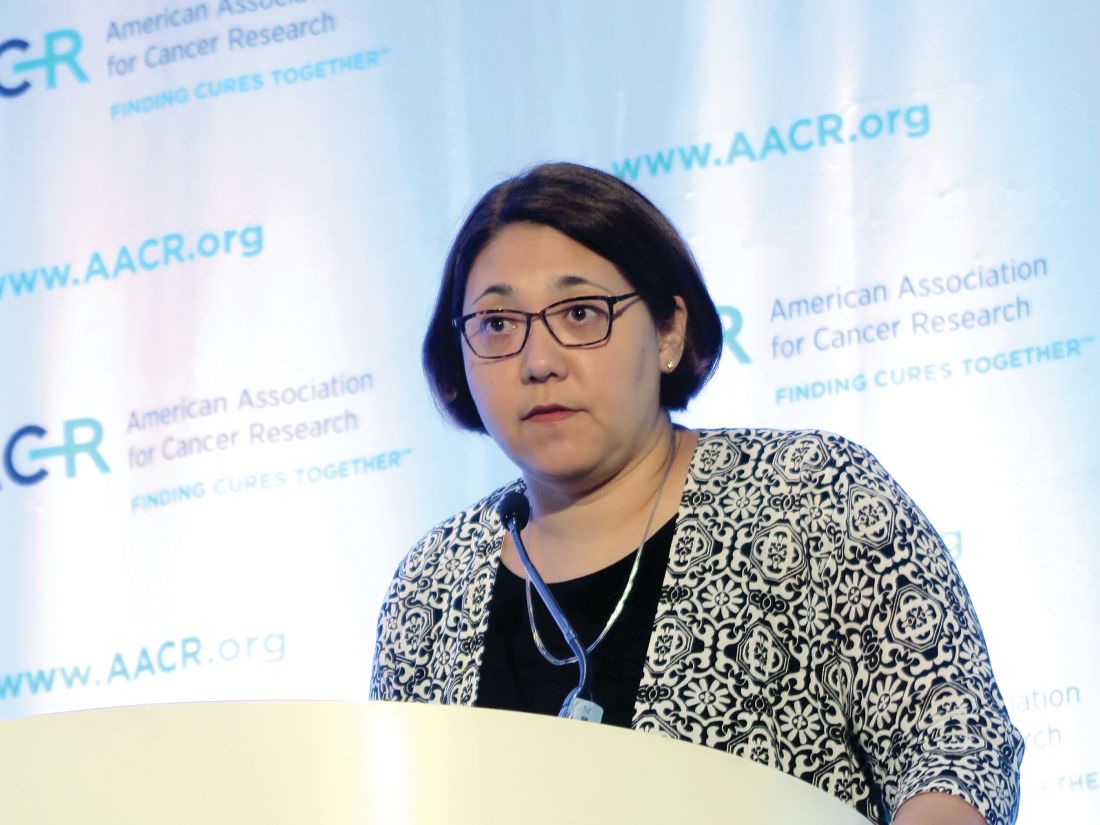
Results of the phase 1b TATTON trial suggest that it may be possible to overcome MET-driven drug resistance to tyrosine kinase inhibitors (TKIs) by targeting MET amplification, said Lecia V. Sequist, MD, from the Massachusetts General Hospital Cancer Center in Boston.
“We’ve seen that up to 10% of patients at the time of acquired resistance progressing on first- or second-generation EGFR TKIs and up to 25% of patients progressing on third-generation TKIs will have resistance driven by MET amplification,” she said at a briefing at the annual meeting of the American Association for Cancer Research.
Preliminary analysis of next-generation sequencing of circulating tumor DNA showed that MET amplification was the most common resistance mechanism, occurring in 15% of patients treated for NSCLC with first-line osimertinib in the FLAURA trial. In the AURA3 trial, MET amplification was the mechanism of resistance to second-line osimertinib in 19% of patients, she said.
Savolitinib is a selective oral MET-targeted TKI that has shown preliminary antitumor activity in patients with resistance to EGFR TKIs caused by MET amplification.
Dr. Sequist presented updated interim data on two cohorts of patients enrolled in the phase 1b trial evaluating osimertinib and savolitinib in patients with advanced or metastatic NSCLC bearing EGFR mutations following failure of one or more prior EGFR-targeted TKIs. A separate cohort of patients was treated with osimertinib and selumetinib, an investigational inhibitor of MEK1/2.
In the dose-expansion phase of the trial, enrolled patients with EGFR mutation–positive and MET-positive NSCLC, and divided them into two groups: patients who received prior therapy with a first- and/or second-generation EGFR-targeted TKI who were negative for the T790M resistance mutation and patients who had received prior treatment with a third-generation EGFR TKI, regardless of mutational status.
Of 46 patients treated with first- and/or second-generation agents, 24 had partial responses for an overall response rate of 52%. Of the remaining 22 patients, 16 (35%) had stable disease for at least 6 weeks, 3 had disease progression, and 3 were not evaluable. The median time to response was 43 days.
The most common adverse events of grade 3 or greater in this cohort were nausea (4%), fatigue (7%), vomiting (4%), peripheral edema (2%), decreased white blood cell count (2%), pain (7%), AST increase (8%), rash (4%), and decreased neutrophil count (8%).
Among 48 patients treated with the combination after disease progression on a third-generation EGFR TKI, 12 had a partial response, for an overall response rate of 25%. In addition, 21 of the 36 patients without objective responses had stable disease for at least 6 weeks, 6 had disease progression, and 9 were not evaluable. The median time to response was 46 days.
In this cohort, the most common adverse events, independent of causality, included nausea (2%), vomiting (4%), diarrhea (2%), fatigue (4%), decreased appetite (6%), and myalgia (1%). “Our data suggest that the combination of osimertinib and savolitinib could overcome MET-driven resistance, but certainly further research is needed to determine the final effectiveness of these therapies,” Dr. Sequist said.
The combination is being explored in two studies: the ongoing single-arm, phase 2 SAVANNAH trial in patients with advanced EGFR-mutant, MET-positive NSCLC who had disease progression on a prior course of osimertinib; and ORCHARD, currently in the planning stages as a phase 2 trial in patients with advanced NSCLC who had disease progression on first-line osimertinib.
The ORCHARD trial will have multiple biomarker-matched and nonmatched treatment arms to examine both targeted and nontargeted combinations.
“I would say this is impressive early data,” said Roy S. Herbst, MD, PhD, chief of medical oncology at Yale Cancer Center and Smilow Cancer Hospital in New Haven, Conn., the invited discussant in the session where Dr. Sequist presented the data.
“We need randomized trials to confirm the results, need to better define MET-selection criteria, and this could in the future be a very useful refractory EGFR therapy,” he said.
The TATTON trial is sponsored by AstraZeneca. Dr. Sequist reported serving as an advisory board member and receiving research support and honoraria from the company. Dr. Herbst reported receiving research support from AstraZeneca, Eli Lilly, and Merck, and has served as a consultant for AstraZeneca, Eli Lilly, Genentech/Roche, Merck, NextCure, and Pfizer.
SOURCES: Yu H et al. AACR 2019, Abstract CT032; Sequist LV et al. AACR 2019, Abstract CT033.
ATLANTA – A combination of the epidermal growth factor receptor (EGFR)–targeted agent osimertinib (Tagrisso) with savolitinib, an investigational MET inhibitor, showed activity against MET-driven non–small cell lung cancer (NSCLC) in patients for whom prior lines of EGFR-targeted therapy had failed.
Results of the phase 1b TATTON trial suggest that it may be possible to overcome MET-driven drug resistance to tyrosine kinase inhibitors (TKIs) by targeting MET amplification, said Lecia V. Sequist, MD, from the Massachusetts General Hospital Cancer Center in Boston.
“We’ve seen that up to 10% of patients at the time of acquired resistance progressing on first- or second-generation EGFR TKIs and up to 25% of patients progressing on third-generation TKIs will have resistance driven by MET amplification,” she said at a briefing at the annual meeting of the American Association for Cancer Research.
Preliminary analysis of next-generation sequencing of circulating tumor DNA showed that MET amplification was the most common resistance mechanism, occurring in 15% of patients treated for NSCLC with first-line osimertinib in the FLAURA trial. In the AURA3 trial, MET amplification was the mechanism of resistance to second-line osimertinib in 19% of patients, she said.
Savolitinib is a selective oral MET-targeted TKI that has shown preliminary antitumor activity in patients with resistance to EGFR TKIs caused by MET amplification.
Dr. Sequist presented updated interim data on two cohorts of patients enrolled in the phase 1b trial evaluating osimertinib and savolitinib in patients with advanced or metastatic NSCLC bearing EGFR mutations following failure of one or more prior EGFR-targeted TKIs. A separate cohort of patients was treated with osimertinib and selumetinib, an investigational inhibitor of MEK1/2.
In the dose-expansion phase of the trial, enrolled patients with EGFR mutation–positive and MET-positive NSCLC, and divided them into two groups: patients who received prior therapy with a first- and/or second-generation EGFR-targeted TKI who were negative for the T790M resistance mutation and patients who had received prior treatment with a third-generation EGFR TKI, regardless of mutational status.
Of 46 patients treated with first- and/or second-generation agents, 24 had partial responses for an overall response rate of 52%. Of the remaining 22 patients, 16 (35%) had stable disease for at least 6 weeks, 3 had disease progression, and 3 were not evaluable. The median time to response was 43 days.
The most common adverse events of grade 3 or greater in this cohort were nausea (4%), fatigue (7%), vomiting (4%), peripheral edema (2%), decreased white blood cell count (2%), pain (7%), AST increase (8%), rash (4%), and decreased neutrophil count (8%).
Among 48 patients treated with the combination after disease progression on a third-generation EGFR TKI, 12 had a partial response, for an overall response rate of 25%. In addition, 21 of the 36 patients without objective responses had stable disease for at least 6 weeks, 6 had disease progression, and 9 were not evaluable. The median time to response was 46 days.
In this cohort, the most common adverse events, independent of causality, included nausea (2%), vomiting (4%), diarrhea (2%), fatigue (4%), decreased appetite (6%), and myalgia (1%). “Our data suggest that the combination of osimertinib and savolitinib could overcome MET-driven resistance, but certainly further research is needed to determine the final effectiveness of these therapies,” Dr. Sequist said.
The combination is being explored in two studies: the ongoing single-arm, phase 2 SAVANNAH trial in patients with advanced EGFR-mutant, MET-positive NSCLC who had disease progression on a prior course of osimertinib; and ORCHARD, currently in the planning stages as a phase 2 trial in patients with advanced NSCLC who had disease progression on first-line osimertinib.
The ORCHARD trial will have multiple biomarker-matched and nonmatched treatment arms to examine both targeted and nontargeted combinations.
“I would say this is impressive early data,” said Roy S. Herbst, MD, PhD, chief of medical oncology at Yale Cancer Center and Smilow Cancer Hospital in New Haven, Conn., the invited discussant in the session where Dr. Sequist presented the data.
“We need randomized trials to confirm the results, need to better define MET-selection criteria, and this could in the future be a very useful refractory EGFR therapy,” he said.
The TATTON trial is sponsored by AstraZeneca. Dr. Sequist reported serving as an advisory board member and receiving research support and honoraria from the company. Dr. Herbst reported receiving research support from AstraZeneca, Eli Lilly, and Merck, and has served as a consultant for AstraZeneca, Eli Lilly, Genentech/Roche, Merck, NextCure, and Pfizer.
SOURCES: Yu H et al. AACR 2019, Abstract CT032; Sequist LV et al. AACR 2019, Abstract CT033.
ATLANTA – A combination of the epidermal growth factor receptor (EGFR)–targeted agent osimertinib (Tagrisso) with savolitinib, an investigational MET inhibitor, showed activity against MET-driven non–small cell lung cancer (NSCLC) in patients for whom prior lines of EGFR-targeted therapy had failed.
Results of the phase 1b TATTON trial suggest that it may be possible to overcome MET-driven drug resistance to tyrosine kinase inhibitors (TKIs) by targeting MET amplification, said Lecia V. Sequist, MD, from the Massachusetts General Hospital Cancer Center in Boston.
“We’ve seen that up to 10% of patients at the time of acquired resistance progressing on first- or second-generation EGFR TKIs and up to 25% of patients progressing on third-generation TKIs will have resistance driven by MET amplification,” she said at a briefing at the annual meeting of the American Association for Cancer Research.
Preliminary analysis of next-generation sequencing of circulating tumor DNA showed that MET amplification was the most common resistance mechanism, occurring in 15% of patients treated for NSCLC with first-line osimertinib in the FLAURA trial. In the AURA3 trial, MET amplification was the mechanism of resistance to second-line osimertinib in 19% of patients, she said.
Savolitinib is a selective oral MET-targeted TKI that has shown preliminary antitumor activity in patients with resistance to EGFR TKIs caused by MET amplification.
Dr. Sequist presented updated interim data on two cohorts of patients enrolled in the phase 1b trial evaluating osimertinib and savolitinib in patients with advanced or metastatic NSCLC bearing EGFR mutations following failure of one or more prior EGFR-targeted TKIs. A separate cohort of patients was treated with osimertinib and selumetinib, an investigational inhibitor of MEK1/2.
In the dose-expansion phase of the trial, enrolled patients with EGFR mutation–positive and MET-positive NSCLC, and divided them into two groups: patients who received prior therapy with a first- and/or second-generation EGFR-targeted TKI who were negative for the T790M resistance mutation and patients who had received prior treatment with a third-generation EGFR TKI, regardless of mutational status.
Of 46 patients treated with first- and/or second-generation agents, 24 had partial responses for an overall response rate of 52%. Of the remaining 22 patients, 16 (35%) had stable disease for at least 6 weeks, 3 had disease progression, and 3 were not evaluable. The median time to response was 43 days.
The most common adverse events of grade 3 or greater in this cohort were nausea (4%), fatigue (7%), vomiting (4%), peripheral edema (2%), decreased white blood cell count (2%), pain (7%), AST increase (8%), rash (4%), and decreased neutrophil count (8%).
Among 48 patients treated with the combination after disease progression on a third-generation EGFR TKI, 12 had a partial response, for an overall response rate of 25%. In addition, 21 of the 36 patients without objective responses had stable disease for at least 6 weeks, 6 had disease progression, and 9 were not evaluable. The median time to response was 46 days.
In this cohort, the most common adverse events, independent of causality, included nausea (2%), vomiting (4%), diarrhea (2%), fatigue (4%), decreased appetite (6%), and myalgia (1%). “Our data suggest that the combination of osimertinib and savolitinib could overcome MET-driven resistance, but certainly further research is needed to determine the final effectiveness of these therapies,” Dr. Sequist said.
The combination is being explored in two studies: the ongoing single-arm, phase 2 SAVANNAH trial in patients with advanced EGFR-mutant, MET-positive NSCLC who had disease progression on a prior course of osimertinib; and ORCHARD, currently in the planning stages as a phase 2 trial in patients with advanced NSCLC who had disease progression on first-line osimertinib.
The ORCHARD trial will have multiple biomarker-matched and nonmatched treatment arms to examine both targeted and nontargeted combinations.
“I would say this is impressive early data,” said Roy S. Herbst, MD, PhD, chief of medical oncology at Yale Cancer Center and Smilow Cancer Hospital in New Haven, Conn., the invited discussant in the session where Dr. Sequist presented the data.
“We need randomized trials to confirm the results, need to better define MET-selection criteria, and this could in the future be a very useful refractory EGFR therapy,” he said.
The TATTON trial is sponsored by AstraZeneca. Dr. Sequist reported serving as an advisory board member and receiving research support and honoraria from the company. Dr. Herbst reported receiving research support from AstraZeneca, Eli Lilly, and Merck, and has served as a consultant for AstraZeneca, Eli Lilly, Genentech/Roche, Merck, NextCure, and Pfizer.
SOURCES: Yu H et al. AACR 2019, Abstract CT032; Sequist LV et al. AACR 2019, Abstract CT033.
REPORTING FROM AACR 2019
Data from routine lung cancer visits yield research insights
A continuously updating database of clinical and genomic details on patients with non–small cell lung cancer accurately represented correlations between genomics and outcomes, based on an analysis of more than 4,000 patients.
“Most efforts to identify clinicogenomic associations currently rely on clinical trials, single-institution series, or national registries,” wrote Gaurav Singal, MD, of Foundation Medicine in Cambridge, Mass., and colleagues in JAMA.
To explore the feasibility of a clinicogenomic database, the researchers combined clinical data from electronic health records with comprehensive genetic profiling data from 28,889 patients; 4,064 adults with non–small cell lung cancer were included in the analysis of associations among tumor genomics, patient characteristics, and clinical outcomes. The data were collected between Jan. 1, 2011, and Jan. 1, 2018, from 275 U.S. oncology practices.
The researchers examined implications of clinical and genomic features for 3,522 patients with advanced disease. Among these, the median overall survival was 10.3 months and the 5-year survival rate was 3.8%. Factors influencing a longer overall survival included never smoking and having nonsquamous pathology; the presence of mutations in genes TP53 and RB1 were associated with shorter survival.
For each patient, researchers calculated the tumor mutational burden (TMB), defined as “a measure of the number of somatic mutations identified per megabase of DNA sequenced.” TMB was significantly higher among smokers, compared with nonsmokers, and “alterations in EGFR, ALK, ROS1, and RET were associated with significantly lower TMB than wild-type cases,” the researchers wrote.
Overall, the results “replicated previously described associations between clinical and genomic characteristics, driver mutations and response to targeted therapy, and TMB and response to immunotherapy,” the researchers wrote.
The findings were limited by several factors, notably the quality and completeness of mortality data, as well as potential biases from the inclusion of comprehensive genetic profiling results and analysis of therapeutic exposures in an unrandomized trial, as well as a study population limited to patients with advanced stage disease, the researchers noted.
However, the results support data from similar studies and further show that clinicogenomic databases can be used in research to augment drug development and improve the design of clinical trials, they wrote.
The study was supported by Flatiron Health and Foundation Medicine, which are both owned by the Roche Group. Dr. Singal and several coauthors are employees of Foundation Medicine.
SOURCE: Singal G et al. JAMA. 2019;321:1391-9.
A continuously updating database of clinical and genomic details on patients with non–small cell lung cancer accurately represented correlations between genomics and outcomes, based on an analysis of more than 4,000 patients.
“Most efforts to identify clinicogenomic associations currently rely on clinical trials, single-institution series, or national registries,” wrote Gaurav Singal, MD, of Foundation Medicine in Cambridge, Mass., and colleagues in JAMA.
To explore the feasibility of a clinicogenomic database, the researchers combined clinical data from electronic health records with comprehensive genetic profiling data from 28,889 patients; 4,064 adults with non–small cell lung cancer were included in the analysis of associations among tumor genomics, patient characteristics, and clinical outcomes. The data were collected between Jan. 1, 2011, and Jan. 1, 2018, from 275 U.S. oncology practices.
The researchers examined implications of clinical and genomic features for 3,522 patients with advanced disease. Among these, the median overall survival was 10.3 months and the 5-year survival rate was 3.8%. Factors influencing a longer overall survival included never smoking and having nonsquamous pathology; the presence of mutations in genes TP53 and RB1 were associated with shorter survival.
For each patient, researchers calculated the tumor mutational burden (TMB), defined as “a measure of the number of somatic mutations identified per megabase of DNA sequenced.” TMB was significantly higher among smokers, compared with nonsmokers, and “alterations in EGFR, ALK, ROS1, and RET were associated with significantly lower TMB than wild-type cases,” the researchers wrote.
Overall, the results “replicated previously described associations between clinical and genomic characteristics, driver mutations and response to targeted therapy, and TMB and response to immunotherapy,” the researchers wrote.
The findings were limited by several factors, notably the quality and completeness of mortality data, as well as potential biases from the inclusion of comprehensive genetic profiling results and analysis of therapeutic exposures in an unrandomized trial, as well as a study population limited to patients with advanced stage disease, the researchers noted.
However, the results support data from similar studies and further show that clinicogenomic databases can be used in research to augment drug development and improve the design of clinical trials, they wrote.
The study was supported by Flatiron Health and Foundation Medicine, which are both owned by the Roche Group. Dr. Singal and several coauthors are employees of Foundation Medicine.
SOURCE: Singal G et al. JAMA. 2019;321:1391-9.
A continuously updating database of clinical and genomic details on patients with non–small cell lung cancer accurately represented correlations between genomics and outcomes, based on an analysis of more than 4,000 patients.
“Most efforts to identify clinicogenomic associations currently rely on clinical trials, single-institution series, or national registries,” wrote Gaurav Singal, MD, of Foundation Medicine in Cambridge, Mass., and colleagues in JAMA.
To explore the feasibility of a clinicogenomic database, the researchers combined clinical data from electronic health records with comprehensive genetic profiling data from 28,889 patients; 4,064 adults with non–small cell lung cancer were included in the analysis of associations among tumor genomics, patient characteristics, and clinical outcomes. The data were collected between Jan. 1, 2011, and Jan. 1, 2018, from 275 U.S. oncology practices.
The researchers examined implications of clinical and genomic features for 3,522 patients with advanced disease. Among these, the median overall survival was 10.3 months and the 5-year survival rate was 3.8%. Factors influencing a longer overall survival included never smoking and having nonsquamous pathology; the presence of mutations in genes TP53 and RB1 were associated with shorter survival.
For each patient, researchers calculated the tumor mutational burden (TMB), defined as “a measure of the number of somatic mutations identified per megabase of DNA sequenced.” TMB was significantly higher among smokers, compared with nonsmokers, and “alterations in EGFR, ALK, ROS1, and RET were associated with significantly lower TMB than wild-type cases,” the researchers wrote.
Overall, the results “replicated previously described associations between clinical and genomic characteristics, driver mutations and response to targeted therapy, and TMB and response to immunotherapy,” the researchers wrote.
The findings were limited by several factors, notably the quality and completeness of mortality data, as well as potential biases from the inclusion of comprehensive genetic profiling results and analysis of therapeutic exposures in an unrandomized trial, as well as a study population limited to patients with advanced stage disease, the researchers noted.
However, the results support data from similar studies and further show that clinicogenomic databases can be used in research to augment drug development and improve the design of clinical trials, they wrote.
The study was supported by Flatiron Health and Foundation Medicine, which are both owned by the Roche Group. Dr. Singal and several coauthors are employees of Foundation Medicine.
SOURCE: Singal G et al. JAMA. 2019;321:1391-9.
FROM JAMA
Afatinib shows safety and efficacy among elderly
GENEVA – Afatinib appears safe and effective for elderly patients with EGFR-positive non–small cell lung cancer (NSCLC), according to investigators.
A retrospective analysis of the phase 3 GIDEON trial showed similar objective responses, disease control rates, and progression-free survival rates among elderly patients, compared with younger patients, reported lead author Wolfgang M. Brückl, MD, of Universitätsklinik der Paracelsus Medizinischen Privatuniversität in Nürnberg, Germany, and his colleagues. These findings were presented in a poster at the European Lung Cancer Congress.
“Elderly patients are often underrepresented in clinical trials,” the investigators wrote, “which can lead to uncertainties regarding optimal treatment of such patients in routine clinical practice. The GIDEON noninterventional study enrolled a high proportion of patients aged 70 years or older, providing an opportunity to study the real-world use of afatinib in older individuals.”
The GIDEON study involved 160 patients with EGFR-positive NSCLC who were treated at 49 centers in Germany between 2014 and 2016. From this total, 151 patients were available for interim analysis, and 67 patients (44%) were at least 70-years old. Among this elderly group, about one out of five patients (22%) had brain metastases and Eastern Cooperative Oncology Group (ECOG) performance status scores were typically 1 (45%) or 0 (42%).
Compared with younger patients, elderly patients were more likely to receive a lower starting dose of afatinib (62% vs. 83%), which usually entailed a decrease from 40 mg to 30 mg. Thereafter, dose reduction rates were similar between age groups, with 58% of younger patients requiring lower doses and 55% of elderly patients requiring reduced doses. Adverse events were comparable across age groups, although a fraction more of the patients 70 years or older discontinued treatment because of serious adverse drug reactions (12% vs. 7%).
Efficacy results were also comparable between age groups. Overall response rates were slightly higher among elderly patients than younger patients, with a 70-year age threshold (78% vs. 70%); disease control rate was marginally higher among the elderly (93% vs. 89%); and elderly patients had a slightly better 12-month PFS rate (62.2% vs. 49.1%).
“Data from the GIDEON noninterventional study provide important information on the routine clinical use of afatinib in elderly patients,” the investigators concluded.
The study was funded by Boehringer Ingelheim. The investigators did not report conflicts of interest.
SOURCE: Brückl WM et al. ELCC 2019. Abstract 125P.
GENEVA – Afatinib appears safe and effective for elderly patients with EGFR-positive non–small cell lung cancer (NSCLC), according to investigators.
A retrospective analysis of the phase 3 GIDEON trial showed similar objective responses, disease control rates, and progression-free survival rates among elderly patients, compared with younger patients, reported lead author Wolfgang M. Brückl, MD, of Universitätsklinik der Paracelsus Medizinischen Privatuniversität in Nürnberg, Germany, and his colleagues. These findings were presented in a poster at the European Lung Cancer Congress.
“Elderly patients are often underrepresented in clinical trials,” the investigators wrote, “which can lead to uncertainties regarding optimal treatment of such patients in routine clinical practice. The GIDEON noninterventional study enrolled a high proportion of patients aged 70 years or older, providing an opportunity to study the real-world use of afatinib in older individuals.”
The GIDEON study involved 160 patients with EGFR-positive NSCLC who were treated at 49 centers in Germany between 2014 and 2016. From this total, 151 patients were available for interim analysis, and 67 patients (44%) were at least 70-years old. Among this elderly group, about one out of five patients (22%) had brain metastases and Eastern Cooperative Oncology Group (ECOG) performance status scores were typically 1 (45%) or 0 (42%).
Compared with younger patients, elderly patients were more likely to receive a lower starting dose of afatinib (62% vs. 83%), which usually entailed a decrease from 40 mg to 30 mg. Thereafter, dose reduction rates were similar between age groups, with 58% of younger patients requiring lower doses and 55% of elderly patients requiring reduced doses. Adverse events were comparable across age groups, although a fraction more of the patients 70 years or older discontinued treatment because of serious adverse drug reactions (12% vs. 7%).
Efficacy results were also comparable between age groups. Overall response rates were slightly higher among elderly patients than younger patients, with a 70-year age threshold (78% vs. 70%); disease control rate was marginally higher among the elderly (93% vs. 89%); and elderly patients had a slightly better 12-month PFS rate (62.2% vs. 49.1%).
“Data from the GIDEON noninterventional study provide important information on the routine clinical use of afatinib in elderly patients,” the investigators concluded.
The study was funded by Boehringer Ingelheim. The investigators did not report conflicts of interest.
SOURCE: Brückl WM et al. ELCC 2019. Abstract 125P.
GENEVA – Afatinib appears safe and effective for elderly patients with EGFR-positive non–small cell lung cancer (NSCLC), according to investigators.
A retrospective analysis of the phase 3 GIDEON trial showed similar objective responses, disease control rates, and progression-free survival rates among elderly patients, compared with younger patients, reported lead author Wolfgang M. Brückl, MD, of Universitätsklinik der Paracelsus Medizinischen Privatuniversität in Nürnberg, Germany, and his colleagues. These findings were presented in a poster at the European Lung Cancer Congress.
“Elderly patients are often underrepresented in clinical trials,” the investigators wrote, “which can lead to uncertainties regarding optimal treatment of such patients in routine clinical practice. The GIDEON noninterventional study enrolled a high proportion of patients aged 70 years or older, providing an opportunity to study the real-world use of afatinib in older individuals.”
The GIDEON study involved 160 patients with EGFR-positive NSCLC who were treated at 49 centers in Germany between 2014 and 2016. From this total, 151 patients were available for interim analysis, and 67 patients (44%) were at least 70-years old. Among this elderly group, about one out of five patients (22%) had brain metastases and Eastern Cooperative Oncology Group (ECOG) performance status scores were typically 1 (45%) or 0 (42%).
Compared with younger patients, elderly patients were more likely to receive a lower starting dose of afatinib (62% vs. 83%), which usually entailed a decrease from 40 mg to 30 mg. Thereafter, dose reduction rates were similar between age groups, with 58% of younger patients requiring lower doses and 55% of elderly patients requiring reduced doses. Adverse events were comparable across age groups, although a fraction more of the patients 70 years or older discontinued treatment because of serious adverse drug reactions (12% vs. 7%).
Efficacy results were also comparable between age groups. Overall response rates were slightly higher among elderly patients than younger patients, with a 70-year age threshold (78% vs. 70%); disease control rate was marginally higher among the elderly (93% vs. 89%); and elderly patients had a slightly better 12-month PFS rate (62.2% vs. 49.1%).
“Data from the GIDEON noninterventional study provide important information on the routine clinical use of afatinib in elderly patients,” the investigators concluded.
The study was funded by Boehringer Ingelheim. The investigators did not report conflicts of interest.
SOURCE: Brückl WM et al. ELCC 2019. Abstract 125P.
REPORTING FROM ELCC 2019
Larotrectinib responses support routine NTRK gene fusion testing for lung cancer
GENEVA – The TRK inhibitor larotrectinib is highly active in lung cancer patients with NTRK gene fusions, supporting routine screening for such fusions in cases of lung cancer, according to investigators.

Although NTRK fusions are relatively infrequent in lung cancer, lead author Alexander Drilon, MD, of Memorial Sloan Kettering Cancer Center, New York, suggested that their low frequency should not preclude testing in the current diagnostic setting.
“The frequency of TRK fusions in lung cancers in a prospective series that we put together was at the order of 0.23%, recognizing that the paradigm now for molecular profiling in lung cancer screens for many different drivers together, and not just single-gene testing,” Dr. Drilon said at the European Lung Cancer Conference. Dr. Drilon noted that larotrectinib is now approved by the Food and Drug Administration for the treatment of adult and pediatric patients with TRK fusion-positive cancers.
The present analysis involved 11 patients with metastatic lung adenocarcinoma and NTRK gene fusions from two previous clinical trials (NCT02122913 and NCT02576431); of these patients, 8 had NTRK1 fusions and 3 had NTRK3 fusions. Patients were given larotrectinib 100 mg twice daily on a continuous 28-day schedule until disease progression, unacceptable toxicity, or withdrawal. Almost all patients (10 out of 11) had a prior systemic therapy, and 5 patients had three or more prior therapies. The best response to previous therapies included four stable disease and one partial response. Out of 11 patients, 4 were ineligible for response analysis because of a treatment period of less than 1 month, leaving 7 evaluable patients; of these, 2 patients had stable disease, 4 had a partial response, and 1 had a complete response, translating to an overall response rate of 71%. On average, patients responded in just 1.8 months, with responses ranging from 7.4 months to 17.6 months, with the caveat that median duration of response has yet to be met. Treatment was generally well tolerated, with most adverse events being grade 1 or 2. Dr. Drilon cited a historical dose reduction rate of 9% and a discontinuation rate of less than 1% (out of 122 patients across cancer types).
Although most patients were heavily pretreated, Dr. Drilon highlighted one patient, a 76-year-old woman with non–small cell lung cancer, who had an NTRK1 gene fusion and multiple metastases to the brain and contralateral lung. This patient received larotrectinib as first-line therapy after refusing standard platinum doublet chemotherapy. The woman had a partial response, including “a near complete intracranial response with 95% volumetric shrinkage,” Dr. Drilon said at the meeting, presented by the European Society for Medical Oncology. “She remains on therapy as of six and a half months per the last data cutoff and is still doing well without any substantial toxicities from this drug.”
“In conclusion, larotrectinib is active in advanced lung cancers that harbor a TRK fusion,” Dr. Drilon said. “Of course, these [findings] underscore the utility of molecular profiling for TRK fusions when we look for drivers in patients with non–small cell lung cancer.”
When asked by the invited discussant if NTRK fusions should be tested up-front in all cases of non–small cell lung cancer, Dr. Drilon said, “I think the answer is absolutely yes.” He highlighted the fact that this study and other existing research has shown an overall response rate of about 70%, “which certainly beats the outcomes that we see with other systemic therapies, including, arguably, chemoimmunotherapy for this population. So I think that the paradigm here should be similar to the paradigm for EGFR and ALK, where we have an active target therapeutic that we can use up front, which would likely really improve outcomes for patients.”
Loxo Oncology Inc. and Bayer AG funded the study. The investigators reported financial relationships with Ignyta, Loxo, TP Therapeutics, AstraZeneca, Pfizer, and others.
SOURCE: Drilon et al. ELCC 2019. Abstract 111O.
GENEVA – The TRK inhibitor larotrectinib is highly active in lung cancer patients with NTRK gene fusions, supporting routine screening for such fusions in cases of lung cancer, according to investigators.
Although NTRK fusions are relatively infrequent in lung cancer, lead author Alexander Drilon, MD, of Memorial Sloan Kettering Cancer Center, New York, suggested that their low frequency should not preclude testing in the current diagnostic setting.
“The frequency of TRK fusions in lung cancers in a prospective series that we put together was at the order of 0.23%, recognizing that the paradigm now for molecular profiling in lung cancer screens for many different drivers together, and not just single-gene testing,” Dr. Drilon said at the European Lung Cancer Conference. Dr. Drilon noted that larotrectinib is now approved by the Food and Drug Administration for the treatment of adult and pediatric patients with TRK fusion-positive cancers.
The present analysis involved 11 patients with metastatic lung adenocarcinoma and NTRK gene fusions from two previous clinical trials (NCT02122913 and NCT02576431); of these patients, 8 had NTRK1 fusions and 3 had NTRK3 fusions. Patients were given larotrectinib 100 mg twice daily on a continuous 28-day schedule until disease progression, unacceptable toxicity, or withdrawal. Almost all patients (10 out of 11) had a prior systemic therapy, and 5 patients had three or more prior therapies. The best response to previous therapies included four stable disease and one partial response. Out of 11 patients, 4 were ineligible for response analysis because of a treatment period of less than 1 month, leaving 7 evaluable patients; of these, 2 patients had stable disease, 4 had a partial response, and 1 had a complete response, translating to an overall response rate of 71%. On average, patients responded in just 1.8 months, with responses ranging from 7.4 months to 17.6 months, with the caveat that median duration of response has yet to be met. Treatment was generally well tolerated, with most adverse events being grade 1 or 2. Dr. Drilon cited a historical dose reduction rate of 9% and a discontinuation rate of less than 1% (out of 122 patients across cancer types).
Although most patients were heavily pretreated, Dr. Drilon highlighted one patient, a 76-year-old woman with non–small cell lung cancer, who had an NTRK1 gene fusion and multiple metastases to the brain and contralateral lung. This patient received larotrectinib as first-line therapy after refusing standard platinum doublet chemotherapy. The woman had a partial response, including “a near complete intracranial response with 95% volumetric shrinkage,” Dr. Drilon said at the meeting, presented by the European Society for Medical Oncology. “She remains on therapy as of six and a half months per the last data cutoff and is still doing well without any substantial toxicities from this drug.”
“In conclusion, larotrectinib is active in advanced lung cancers that harbor a TRK fusion,” Dr. Drilon said. “Of course, these [findings] underscore the utility of molecular profiling for TRK fusions when we look for drivers in patients with non–small cell lung cancer.”
When asked by the invited discussant if NTRK fusions should be tested up-front in all cases of non–small cell lung cancer, Dr. Drilon said, “I think the answer is absolutely yes.” He highlighted the fact that this study and other existing research has shown an overall response rate of about 70%, “which certainly beats the outcomes that we see with other systemic therapies, including, arguably, chemoimmunotherapy for this population. So I think that the paradigm here should be similar to the paradigm for EGFR and ALK, where we have an active target therapeutic that we can use up front, which would likely really improve outcomes for patients.”
Loxo Oncology Inc. and Bayer AG funded the study. The investigators reported financial relationships with Ignyta, Loxo, TP Therapeutics, AstraZeneca, Pfizer, and others.
SOURCE: Drilon et al. ELCC 2019. Abstract 111O.
GENEVA – The TRK inhibitor larotrectinib is highly active in lung cancer patients with NTRK gene fusions, supporting routine screening for such fusions in cases of lung cancer, according to investigators.
Although NTRK fusions are relatively infrequent in lung cancer, lead author Alexander Drilon, MD, of Memorial Sloan Kettering Cancer Center, New York, suggested that their low frequency should not preclude testing in the current diagnostic setting.
“The frequency of TRK fusions in lung cancers in a prospective series that we put together was at the order of 0.23%, recognizing that the paradigm now for molecular profiling in lung cancer screens for many different drivers together, and not just single-gene testing,” Dr. Drilon said at the European Lung Cancer Conference. Dr. Drilon noted that larotrectinib is now approved by the Food and Drug Administration for the treatment of adult and pediatric patients with TRK fusion-positive cancers.
The present analysis involved 11 patients with metastatic lung adenocarcinoma and NTRK gene fusions from two previous clinical trials (NCT02122913 and NCT02576431); of these patients, 8 had NTRK1 fusions and 3 had NTRK3 fusions. Patients were given larotrectinib 100 mg twice daily on a continuous 28-day schedule until disease progression, unacceptable toxicity, or withdrawal. Almost all patients (10 out of 11) had a prior systemic therapy, and 5 patients had three or more prior therapies. The best response to previous therapies included four stable disease and one partial response. Out of 11 patients, 4 were ineligible for response analysis because of a treatment period of less than 1 month, leaving 7 evaluable patients; of these, 2 patients had stable disease, 4 had a partial response, and 1 had a complete response, translating to an overall response rate of 71%. On average, patients responded in just 1.8 months, with responses ranging from 7.4 months to 17.6 months, with the caveat that median duration of response has yet to be met. Treatment was generally well tolerated, with most adverse events being grade 1 or 2. Dr. Drilon cited a historical dose reduction rate of 9% and a discontinuation rate of less than 1% (out of 122 patients across cancer types).
Although most patients were heavily pretreated, Dr. Drilon highlighted one patient, a 76-year-old woman with non–small cell lung cancer, who had an NTRK1 gene fusion and multiple metastases to the brain and contralateral lung. This patient received larotrectinib as first-line therapy after refusing standard platinum doublet chemotherapy. The woman had a partial response, including “a near complete intracranial response with 95% volumetric shrinkage,” Dr. Drilon said at the meeting, presented by the European Society for Medical Oncology. “She remains on therapy as of six and a half months per the last data cutoff and is still doing well without any substantial toxicities from this drug.”
“In conclusion, larotrectinib is active in advanced lung cancers that harbor a TRK fusion,” Dr. Drilon said. “Of course, these [findings] underscore the utility of molecular profiling for TRK fusions when we look for drivers in patients with non–small cell lung cancer.”
When asked by the invited discussant if NTRK fusions should be tested up-front in all cases of non–small cell lung cancer, Dr. Drilon said, “I think the answer is absolutely yes.” He highlighted the fact that this study and other existing research has shown an overall response rate of about 70%, “which certainly beats the outcomes that we see with other systemic therapies, including, arguably, chemoimmunotherapy for this population. So I think that the paradigm here should be similar to the paradigm for EGFR and ALK, where we have an active target therapeutic that we can use up front, which would likely really improve outcomes for patients.”
Loxo Oncology Inc. and Bayer AG funded the study. The investigators reported financial relationships with Ignyta, Loxo, TP Therapeutics, AstraZeneca, Pfizer, and others.
SOURCE: Drilon et al. ELCC 2019. Abstract 111O.
At ELCC 2019