User login
Alvimopan reduces ileus, cuts hospital time in bowel surgery
WASHINGTON – The nonopioid pain reliever alvimopan significantly decreased the incidence of postoperative ileus and shortened hospital stay among bowel surgery patients who took the drug as part of an existing accelerated recovery program.
Compared with patients who took placebo, those who took alvimopan left the hospital about 1 day sooner. In addition to the decrease in ileus, patients experienced a quicker return to normal bowel function, including time to first flatus and first bowel movement, Dr. Robert Moesinger said at the annual clinical congress of the American College of Surgeons.
"Alvimopan augmented the already improved outcomes we had seen with our validated recovery pathway, in both laparoscopic- and open-surgery patients," said Dr. Moesinger of Intermountain Healthcare, Salt Lake City. "Given the very diverse nature of our health care system, with multiple types of hospitals and surgeons, we feel these data are widely applicable and we are very comfortable recommending its routine use for patients having elective bowel surgery."

Dr. Moesinger and his colleagues conducted a randomized, placebo-controlled trial of alvimopan in 248 such patients. Those taking the study drug received 12 mg before surgery; after surgery, they received 12 mg twice a day until discharge.
The primary endpoint was postoperative length of stay. Secondary endpoints included the incidence of postoperative ileus, time to first flatus and first bowel movement, tolerance of solid food, total hospital and pharmacy costs, nasogastric tube reinsertion, 30-day readmission rates, and anastomotic leak.
The patients’ mean age was 61 years. There were no significant differences in any of their baseline demographics or clinical characteristics. Because of a statistical fluke, the placebo group did contain significantly more open-surgery patients than the alvimopan group (34% vs. 20%). The rest of the patients had laparoscopic surgery. Patients had an average of nine doses of the study drug.
The mean length of stay was 4 days in the alvimopan group and 5 in the placebo group – a significant difference.
There was significantly less postoperative ileus in the alvimopan group (2% vs. 10%). Significantly fewer of those taking the study drug needed a nasogastric tube reinserted (2% vs. 9%). The rates of 30-day readmission, reoperation, and anastomotic leak were similar in both groups. The mean time to first bowel movement was about 1 day sooner in the alvimopan group.
The median hospital cost was $10,832 for the alvimopan group and $11,924 for the placebo group – a significant difference. The median total pharmacy cost was $476 vs. $501; this difference was not significant.
Because Cubist Pharmaceuticals, which makes alvimopan, provided the study drug at no cost, the overall cost analysis cannot be considered complete, Dr. Moesinger noted. However, the pharmacy cost for a similar course of the drug would be $84. Figuring that cost into the total saved for each admission ($1,686) still yielded a net financial benefit of $930 per patient, he said.
Dr. Moesinger had no financial disclosures.
Alvimopan (Entereg, Cubist Pharmaceuticals) is an orally administered, peripherally acting mu-opioid receptor antagonist that does not cross the blood-brain barrier. It is designed to reverse opioid-induced changes in the gastrointestinal tract without adversely affecting opioid-induced analgesia.

|
| Dr. Brian E. Lacy |
Alvimopan, the first FDA-approved medication for the treatment of postoperative ileus (POI), was approved in May 2008 with a Risk Evaluation and Mitigation Strategy in place, due to concerns over an increased number of myocardial infarctions in one research study.
Postoperative ileus is the impairment of gastrointestinal motility after abdominal or pelvic surgery, and is an expected complication of major abdominal surgery. It can affect all segments of the gastrointestinal tract and may lead to symptoms of nausea, vomiting, bloating, distention, constipation, and inability to evacuate flatus. Several studies have demonstrated that POI delays hospital discharges, increases the rate of hospital readmission after abdominal surgery, and increases the risk of postoperative complications. As such, POI imposes a significant economic impact on the health care system.
The current study confirms earlier studies involving over 2,000 patients that led to the approval of alvimopan. The current study was a single-center, randomized, double-blind study comparing placebo to alvimopan. Patients randomized to alvimopan (12 mg preoperatively; 12 mg twice daily until discharge) were discharged from the hospital 1 day earlier, were less likely to have a nasogastric tube reinserted, and had a bowel movement 1 day earlier, compared with those patients receiving placebo. The authors reported a significant cost savings per patient.*
These findings are important given the absence of other FDA-approved medications for the treatment of POI and the lack of other effective treatments. Alvimopan is available only to patients who are in hospitals that are registered to use this medication under the EASE (Entereg Access Support and Education) program. This recent study should prompt nonparticipating hospitals to consider routine use of alvimopan in all patients undergoing elective and emergent surgeries at risk for development of POI.
Dr. Brian E. Lacy is a professor of medicine at the Geisel School of Medicine at Dartmouth, Hanover, N.H., and chief of the section of gastroenterology and hepatology at Dartmouth-Hitchcock Medical Center. He has no relevant conflicts of interest.
*CORRECTION 11/21/13: The original version of this story misstated the cost savings per patient.
Alvimopan (Entereg, Cubist Pharmaceuticals) is an orally administered, peripherally acting mu-opioid receptor antagonist that does not cross the blood-brain barrier. It is designed to reverse opioid-induced changes in the gastrointestinal tract without adversely affecting opioid-induced analgesia.
|
|
| Dr. Brian E. Lacy |
Alvimopan, the first FDA-approved medication for the treatment of postoperative ileus (POI), was approved in May 2008 with a Risk Evaluation and Mitigation Strategy in place, due to concerns over an increased number of myocardial infarctions in one research study.
Postoperative ileus is the impairment of gastrointestinal motility after abdominal or pelvic surgery, and is an expected complication of major abdominal surgery. It can affect all segments of the gastrointestinal tract and may lead to symptoms of nausea, vomiting, bloating, distention, constipation, and inability to evacuate flatus. Several studies have demonstrated that POI delays hospital discharges, increases the rate of hospital readmission after abdominal surgery, and increases the risk of postoperative complications. As such, POI imposes a significant economic impact on the health care system.
The current study confirms earlier studies involving over 2,000 patients that led to the approval of alvimopan. The current study was a single-center, randomized, double-blind study comparing placebo to alvimopan. Patients randomized to alvimopan (12 mg preoperatively; 12 mg twice daily until discharge) were discharged from the hospital 1 day earlier, were less likely to have a nasogastric tube reinserted, and had a bowel movement 1 day earlier, compared with those patients receiving placebo. The authors reported a significant cost savings per patient.*
These findings are important given the absence of other FDA-approved medications for the treatment of POI and the lack of other effective treatments. Alvimopan is available only to patients who are in hospitals that are registered to use this medication under the EASE (Entereg Access Support and Education) program. This recent study should prompt nonparticipating hospitals to consider routine use of alvimopan in all patients undergoing elective and emergent surgeries at risk for development of POI.
Dr. Brian E. Lacy is a professor of medicine at the Geisel School of Medicine at Dartmouth, Hanover, N.H., and chief of the section of gastroenterology and hepatology at Dartmouth-Hitchcock Medical Center. He has no relevant conflicts of interest.
*CORRECTION 11/21/13: The original version of this story misstated the cost savings per patient.
Alvimopan (Entereg, Cubist Pharmaceuticals) is an orally administered, peripherally acting mu-opioid receptor antagonist that does not cross the blood-brain barrier. It is designed to reverse opioid-induced changes in the gastrointestinal tract without adversely affecting opioid-induced analgesia.
|
|
| Dr. Brian E. Lacy |
Alvimopan, the first FDA-approved medication for the treatment of postoperative ileus (POI), was approved in May 2008 with a Risk Evaluation and Mitigation Strategy in place, due to concerns over an increased number of myocardial infarctions in one research study.
Postoperative ileus is the impairment of gastrointestinal motility after abdominal or pelvic surgery, and is an expected complication of major abdominal surgery. It can affect all segments of the gastrointestinal tract and may lead to symptoms of nausea, vomiting, bloating, distention, constipation, and inability to evacuate flatus. Several studies have demonstrated that POI delays hospital discharges, increases the rate of hospital readmission after abdominal surgery, and increases the risk of postoperative complications. As such, POI imposes a significant economic impact on the health care system.
The current study confirms earlier studies involving over 2,000 patients that led to the approval of alvimopan. The current study was a single-center, randomized, double-blind study comparing placebo to alvimopan. Patients randomized to alvimopan (12 mg preoperatively; 12 mg twice daily until discharge) were discharged from the hospital 1 day earlier, were less likely to have a nasogastric tube reinserted, and had a bowel movement 1 day earlier, compared with those patients receiving placebo. The authors reported a significant cost savings per patient.*
These findings are important given the absence of other FDA-approved medications for the treatment of POI and the lack of other effective treatments. Alvimopan is available only to patients who are in hospitals that are registered to use this medication under the EASE (Entereg Access Support and Education) program. This recent study should prompt nonparticipating hospitals to consider routine use of alvimopan in all patients undergoing elective and emergent surgeries at risk for development of POI.
Dr. Brian E. Lacy is a professor of medicine at the Geisel School of Medicine at Dartmouth, Hanover, N.H., and chief of the section of gastroenterology and hepatology at Dartmouth-Hitchcock Medical Center. He has no relevant conflicts of interest.
*CORRECTION 11/21/13: The original version of this story misstated the cost savings per patient.
WASHINGTON – The nonopioid pain reliever alvimopan significantly decreased the incidence of postoperative ileus and shortened hospital stay among bowel surgery patients who took the drug as part of an existing accelerated recovery program.
Compared with patients who took placebo, those who took alvimopan left the hospital about 1 day sooner. In addition to the decrease in ileus, patients experienced a quicker return to normal bowel function, including time to first flatus and first bowel movement, Dr. Robert Moesinger said at the annual clinical congress of the American College of Surgeons.
"Alvimopan augmented the already improved outcomes we had seen with our validated recovery pathway, in both laparoscopic- and open-surgery patients," said Dr. Moesinger of Intermountain Healthcare, Salt Lake City. "Given the very diverse nature of our health care system, with multiple types of hospitals and surgeons, we feel these data are widely applicable and we are very comfortable recommending its routine use for patients having elective bowel surgery."
Dr. Moesinger and his colleagues conducted a randomized, placebo-controlled trial of alvimopan in 248 such patients. Those taking the study drug received 12 mg before surgery; after surgery, they received 12 mg twice a day until discharge.
The primary endpoint was postoperative length of stay. Secondary endpoints included the incidence of postoperative ileus, time to first flatus and first bowel movement, tolerance of solid food, total hospital and pharmacy costs, nasogastric tube reinsertion, 30-day readmission rates, and anastomotic leak.
The patients’ mean age was 61 years. There were no significant differences in any of their baseline demographics or clinical characteristics. Because of a statistical fluke, the placebo group did contain significantly more open-surgery patients than the alvimopan group (34% vs. 20%). The rest of the patients had laparoscopic surgery. Patients had an average of nine doses of the study drug.
The mean length of stay was 4 days in the alvimopan group and 5 in the placebo group – a significant difference.
There was significantly less postoperative ileus in the alvimopan group (2% vs. 10%). Significantly fewer of those taking the study drug needed a nasogastric tube reinserted (2% vs. 9%). The rates of 30-day readmission, reoperation, and anastomotic leak were similar in both groups. The mean time to first bowel movement was about 1 day sooner in the alvimopan group.
The median hospital cost was $10,832 for the alvimopan group and $11,924 for the placebo group – a significant difference. The median total pharmacy cost was $476 vs. $501; this difference was not significant.
Because Cubist Pharmaceuticals, which makes alvimopan, provided the study drug at no cost, the overall cost analysis cannot be considered complete, Dr. Moesinger noted. However, the pharmacy cost for a similar course of the drug would be $84. Figuring that cost into the total saved for each admission ($1,686) still yielded a net financial benefit of $930 per patient, he said.
Dr. Moesinger had no financial disclosures.
WASHINGTON – The nonopioid pain reliever alvimopan significantly decreased the incidence of postoperative ileus and shortened hospital stay among bowel surgery patients who took the drug as part of an existing accelerated recovery program.
Compared with patients who took placebo, those who took alvimopan left the hospital about 1 day sooner. In addition to the decrease in ileus, patients experienced a quicker return to normal bowel function, including time to first flatus and first bowel movement, Dr. Robert Moesinger said at the annual clinical congress of the American College of Surgeons.
"Alvimopan augmented the already improved outcomes we had seen with our validated recovery pathway, in both laparoscopic- and open-surgery patients," said Dr. Moesinger of Intermountain Healthcare, Salt Lake City. "Given the very diverse nature of our health care system, with multiple types of hospitals and surgeons, we feel these data are widely applicable and we are very comfortable recommending its routine use for patients having elective bowel surgery."
Dr. Moesinger and his colleagues conducted a randomized, placebo-controlled trial of alvimopan in 248 such patients. Those taking the study drug received 12 mg before surgery; after surgery, they received 12 mg twice a day until discharge.
The primary endpoint was postoperative length of stay. Secondary endpoints included the incidence of postoperative ileus, time to first flatus and first bowel movement, tolerance of solid food, total hospital and pharmacy costs, nasogastric tube reinsertion, 30-day readmission rates, and anastomotic leak.
The patients’ mean age was 61 years. There were no significant differences in any of their baseline demographics or clinical characteristics. Because of a statistical fluke, the placebo group did contain significantly more open-surgery patients than the alvimopan group (34% vs. 20%). The rest of the patients had laparoscopic surgery. Patients had an average of nine doses of the study drug.
The mean length of stay was 4 days in the alvimopan group and 5 in the placebo group – a significant difference.
There was significantly less postoperative ileus in the alvimopan group (2% vs. 10%). Significantly fewer of those taking the study drug needed a nasogastric tube reinserted (2% vs. 9%). The rates of 30-day readmission, reoperation, and anastomotic leak were similar in both groups. The mean time to first bowel movement was about 1 day sooner in the alvimopan group.
The median hospital cost was $10,832 for the alvimopan group and $11,924 for the placebo group – a significant difference. The median total pharmacy cost was $476 vs. $501; this difference was not significant.
Because Cubist Pharmaceuticals, which makes alvimopan, provided the study drug at no cost, the overall cost analysis cannot be considered complete, Dr. Moesinger noted. However, the pharmacy cost for a similar course of the drug would be $84. Figuring that cost into the total saved for each admission ($1,686) still yielded a net financial benefit of $930 per patient, he said.
Dr. Moesinger had no financial disclosures.
AT THE ACS CLINICAL CONGRESS
Major finding: Compared with placebo, alvimopan given before and after elective bowel surgery reduced the length of stay by 1 day and significantly decreased the incidence of postoperative ileus (2% vs. 10%).
Data source: The randomized placebo-controlled trial comprised 248 patients.
Disclosures: Dr. Moesinger had no financial disclosures.

Investigational norovirus vaccine reduces GI symptoms
SAN FRANCISCO – An investigational norovirus vaccine safely reduced the vomiting and diarrhea associated with norovirus genotype GII.4, the most common strain of the disease, in a randomized, double-blind, placebo-controlled trial.
Study subjects were randomized to receive either placebo or the bivalent vaccine, which also targets norovirus genotype GI.1 (the Norwalk strain), and they subsequently drank water containing a significant amount of the GII.4 strain of the virus. Infection with the challenge virus occurred in 52% of 56 subjects in the vaccine group and 60.4% of 53 subjects in the placebo group. Significantly fewer patients with infection in the vaccine group, compared with the placebo group, reported severe vomiting and/or diarrhea (0% vs. 8.3%), moderate or severe diarrhea or vomiting (6.0% vs. 18.8%), and vomiting and/or diarrhea of any severity (20.0% vs. 41.7%), Dr. David I. Bernstein reported during a press conference at an annual scientific meeting on infectious diseases.
Also, fewer subjects in the vaccine group shed norovirus at day 10 after the challenge (22.4% vs. 36.2%), according to Dr. Bernstein of Cincinnati Children’s Hospital Medical Center and the University of Cincinnati.
Participants in this multicenter trial were adults aged 18-50 years who were injected twice, 28 days apart, with either placebo or the vaccine – a virus-like particle vaccine adjuvanted with monophosphoryl lipid A (MPL) and alum. The virus challenge included 4,000 real-time polymerase chain reaction genome equivalents of a heterologous GII.4 norovirus. Subjects were isolated for 4 days as inpatients following the challenge, during which time they were monitored for infection.
"We are excited about the results," Dr. Bernstein said, noting that the findings with respect to the effect on severe symptoms are particularly encouraging because it is severe disease that is of the most concern.
Larger trials in a real-world setting are planned, he said.
Norovirus is the leading cause of acute gastroenteritis among both adults and children, and it is highly contagious. Significant outbreaks occur in many settings where people are in close quarters, including health care facilities, child care centers, cruise ships, and in the military, he said.
In fact, 19-21 million Americans are infected each year, and as many as 800 die from the infection. Children and older adults are particularly vulnerable to developing more serious illness.
"Until recently we accepted [norovirus] as a part of life, but this research gives us a glimmer as to a very different future," said Dr. Andrew T. Pavia of the University of Utah, Salt Lake City, the press conference moderator.
Indeed, one could envision a scenario in which this vaccine, if ultimately approved, could be used to help prevent norovirus among nursing home residents, members of the military, cruise ship passengers, and children in school settings, Dr. Bernstein said at the combined annual meetings of the Infectious Diseases Society of America, the Society for Healthcare Epidemiology of America, the HIV Medicine Association, and the Pediatric Infectious Diseases Society.
"This [research] is a good start," he said, adding that there is still a long way to go.
If this vaccine proves as safe and effective in the real world as in the challenge setting used in this trial, it would be a minimum of 5 years before a commercial vaccine was available, he estimated.
Dr. Bernstein reporting serving as an investigator for and receiving research support from LigoCyte Inc., the maker of the investigational vaccine. He also receives royalties for a different norovirus vaccine.
SAN FRANCISCO – An investigational norovirus vaccine safely reduced the vomiting and diarrhea associated with norovirus genotype GII.4, the most common strain of the disease, in a randomized, double-blind, placebo-controlled trial.
Study subjects were randomized to receive either placebo or the bivalent vaccine, which also targets norovirus genotype GI.1 (the Norwalk strain), and they subsequently drank water containing a significant amount of the GII.4 strain of the virus. Infection with the challenge virus occurred in 52% of 56 subjects in the vaccine group and 60.4% of 53 subjects in the placebo group. Significantly fewer patients with infection in the vaccine group, compared with the placebo group, reported severe vomiting and/or diarrhea (0% vs. 8.3%), moderate or severe diarrhea or vomiting (6.0% vs. 18.8%), and vomiting and/or diarrhea of any severity (20.0% vs. 41.7%), Dr. David I. Bernstein reported during a press conference at an annual scientific meeting on infectious diseases.
Also, fewer subjects in the vaccine group shed norovirus at day 10 after the challenge (22.4% vs. 36.2%), according to Dr. Bernstein of Cincinnati Children’s Hospital Medical Center and the University of Cincinnati.
Participants in this multicenter trial were adults aged 18-50 years who were injected twice, 28 days apart, with either placebo or the vaccine – a virus-like particle vaccine adjuvanted with monophosphoryl lipid A (MPL) and alum. The virus challenge included 4,000 real-time polymerase chain reaction genome equivalents of a heterologous GII.4 norovirus. Subjects were isolated for 4 days as inpatients following the challenge, during which time they were monitored for infection.
"We are excited about the results," Dr. Bernstein said, noting that the findings with respect to the effect on severe symptoms are particularly encouraging because it is severe disease that is of the most concern.
Larger trials in a real-world setting are planned, he said.
Norovirus is the leading cause of acute gastroenteritis among both adults and children, and it is highly contagious. Significant outbreaks occur in many settings where people are in close quarters, including health care facilities, child care centers, cruise ships, and in the military, he said.
In fact, 19-21 million Americans are infected each year, and as many as 800 die from the infection. Children and older adults are particularly vulnerable to developing more serious illness.
"Until recently we accepted [norovirus] as a part of life, but this research gives us a glimmer as to a very different future," said Dr. Andrew T. Pavia of the University of Utah, Salt Lake City, the press conference moderator.
Indeed, one could envision a scenario in which this vaccine, if ultimately approved, could be used to help prevent norovirus among nursing home residents, members of the military, cruise ship passengers, and children in school settings, Dr. Bernstein said at the combined annual meetings of the Infectious Diseases Society of America, the Society for Healthcare Epidemiology of America, the HIV Medicine Association, and the Pediatric Infectious Diseases Society.
"This [research] is a good start," he said, adding that there is still a long way to go.
If this vaccine proves as safe and effective in the real world as in the challenge setting used in this trial, it would be a minimum of 5 years before a commercial vaccine was available, he estimated.
Dr. Bernstein reporting serving as an investigator for and receiving research support from LigoCyte Inc., the maker of the investigational vaccine. He also receives royalties for a different norovirus vaccine.
SAN FRANCISCO – An investigational norovirus vaccine safely reduced the vomiting and diarrhea associated with norovirus genotype GII.4, the most common strain of the disease, in a randomized, double-blind, placebo-controlled trial.
Study subjects were randomized to receive either placebo or the bivalent vaccine, which also targets norovirus genotype GI.1 (the Norwalk strain), and they subsequently drank water containing a significant amount of the GII.4 strain of the virus. Infection with the challenge virus occurred in 52% of 56 subjects in the vaccine group and 60.4% of 53 subjects in the placebo group. Significantly fewer patients with infection in the vaccine group, compared with the placebo group, reported severe vomiting and/or diarrhea (0% vs. 8.3%), moderate or severe diarrhea or vomiting (6.0% vs. 18.8%), and vomiting and/or diarrhea of any severity (20.0% vs. 41.7%), Dr. David I. Bernstein reported during a press conference at an annual scientific meeting on infectious diseases.
Also, fewer subjects in the vaccine group shed norovirus at day 10 after the challenge (22.4% vs. 36.2%), according to Dr. Bernstein of Cincinnati Children’s Hospital Medical Center and the University of Cincinnati.
Participants in this multicenter trial were adults aged 18-50 years who were injected twice, 28 days apart, with either placebo or the vaccine – a virus-like particle vaccine adjuvanted with monophosphoryl lipid A (MPL) and alum. The virus challenge included 4,000 real-time polymerase chain reaction genome equivalents of a heterologous GII.4 norovirus. Subjects were isolated for 4 days as inpatients following the challenge, during which time they were monitored for infection.
"We are excited about the results," Dr. Bernstein said, noting that the findings with respect to the effect on severe symptoms are particularly encouraging because it is severe disease that is of the most concern.
Larger trials in a real-world setting are planned, he said.
Norovirus is the leading cause of acute gastroenteritis among both adults and children, and it is highly contagious. Significant outbreaks occur in many settings where people are in close quarters, including health care facilities, child care centers, cruise ships, and in the military, he said.
In fact, 19-21 million Americans are infected each year, and as many as 800 die from the infection. Children and older adults are particularly vulnerable to developing more serious illness.
"Until recently we accepted [norovirus] as a part of life, but this research gives us a glimmer as to a very different future," said Dr. Andrew T. Pavia of the University of Utah, Salt Lake City, the press conference moderator.
Indeed, one could envision a scenario in which this vaccine, if ultimately approved, could be used to help prevent norovirus among nursing home residents, members of the military, cruise ship passengers, and children in school settings, Dr. Bernstein said at the combined annual meetings of the Infectious Diseases Society of America, the Society for Healthcare Epidemiology of America, the HIV Medicine Association, and the Pediatric Infectious Diseases Society.
"This [research] is a good start," he said, adding that there is still a long way to go.
If this vaccine proves as safe and effective in the real world as in the challenge setting used in this trial, it would be a minimum of 5 years before a commercial vaccine was available, he estimated.
Dr. Bernstein reporting serving as an investigator for and receiving research support from LigoCyte Inc., the maker of the investigational vaccine. He also receives royalties for a different norovirus vaccine.
AT IDWEEK 2013
Major finding: Vaccination reduced vomiting and diarrhea by 52% versus placebo.
Data source: A randomized, double-blind, placebo-controlled study of 109 subjects.
Disclosures: Dr. Bernstein reporting serving as an investigator for and receiving research support from LigoCyte, the maker of the investigational vaccine. He also receives royalties for a different norovirus vaccine.
Fecal transplant pill targets C. difficile infection
SAN FRANCISCO – Fecal microbiota transplantation via a pill appears to be as effective as other delivery methods, according to Dr. Thomas Louie.
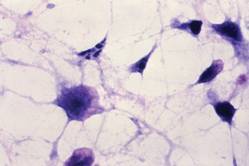
Typically, fecal microbiota transplantation (FMT) using feces from healthy donors is delivered by enema, colonoscopy, or nasogastric tube to rebalance the bacteria in the gastrointestinal system of patients with recurrent Clostridium difficile infection, but Dr. Louie of the University of Calgary (Alta.) has developed a pill formulation that had 100% efficacy at 3-months’ follow-up in the first 32 patients he treated. Some of those patients have been followed for up to 3 years, and they remain C. difficile free.
The findings were reported at an annual scientific meeting on infectious diseases.
"I’m happy to report that we’ve basically had no recurrences in any of [the 32 patients]," Dr. Louie said during a press conference, noting that one patient who required treatment with antibiotics after FMT developed what Dr. Louie said may be a mild recurrence associated with the antibiotic use.
He has been performing FMT via the enema route since 1996and has treated numerous patients with a very high success rate. He said he came up with the idea for a pill formulation when he encountered a patient who failed to respond to FMT enema on two occasions because of an inability to retain the high-volume treatment for her C. difficile infection, and who was unable to undergo nasogastric delivery because of esophageal varices.
Using freshly passed fecal matter donated, in most cases, by patients’ family members, Dr. Louie said he concentrates the fecal bacteria using a serial centrifugation process that results in pelleted fecal microbes in the sediment of the last centrifugation, and encapsulates the product inside three layers of gelatin capsule to ensure delivery into the small intestine.
The first few patients took 10 pills daily over a period of 4 days with a successful outcome, but the technique has been refined to the ingestion of a "one-shot deal" involving ingestion of 12-34 freshly prepared pills at a single visit.
Patients come in on an empty stomach, take their pills, go home, and wait about an hour and a half, and have some lunch.
"And that’s the end of their C. diff.," he said.
While the dosing isn’t an exact science, it does appear that some patients require fewer pills. For example, a 6-year-old heart transplant patient who had had multiple C. difficile recurrences over a 9-month period was successfully treated with 12 pills, Dr. Louie said.
An analysis of stool following FMT in the treated patients demonstrated that healthy bacteria were significantly increased, while Enterobacteriaceae and Veillonella bacteria were significantly decreased.
Dr. Tom Moore of the University of Kansas in Wichita who moderated the press conference, said in an interview that while none of the methods for delivering FMT have been compared in head-to-head studies, the available evidence suggests they all are highly effective, and the choice depends on patient and physician preference.
Certainly there is a "yuck factor" involved in this treatment for both patients and clinicians. For patients, the pill formulation may seem more palatable; clinicians charged with assembling the capsules may feel otherwise, he said.
But he, along with Dr. Ravi Kamepalli, an infectious disease specialist in group practice in Lima, Ohio, who presented patient satisfaction data for FMT via nasogastric delivery, said clinicians just "need to get over it."
FMT is a life-altering, if not lifesaving procedure for many patients, Dr. Kamepalli said.
In a survey, 28 patients who underwent FMT via nasogastric delivery rated overall satisfaction at 9.6 on a 1-10 scale, and rated ease and likelihood of recommending the procedure to a family member or friend at 9.9 each.
The patients, who had a mean age of 67 years, were surveyed 3 months after the procedure.
To date, Dr. Kamepalli has treated 40 patients with a 98% success rate, he said.
IDWeek is the combined annual meetings of the Infectious Diseases Society of America, the Society for Healthcare Epidemiology of America, the HIV Medicine Association, and the Pediatric Infectious Diseases Society.
The investigators reported having no relevant financial disclosures.
SAN FRANCISCO – Fecal microbiota transplantation via a pill appears to be as effective as other delivery methods, according to Dr. Thomas Louie.
Typically, fecal microbiota transplantation (FMT) using feces from healthy donors is delivered by enema, colonoscopy, or nasogastric tube to rebalance the bacteria in the gastrointestinal system of patients with recurrent Clostridium difficile infection, but Dr. Louie of the University of Calgary (Alta.) has developed a pill formulation that had 100% efficacy at 3-months’ follow-up in the first 32 patients he treated. Some of those patients have been followed for up to 3 years, and they remain C. difficile free.
The findings were reported at an annual scientific meeting on infectious diseases.
"I’m happy to report that we’ve basically had no recurrences in any of [the 32 patients]," Dr. Louie said during a press conference, noting that one patient who required treatment with antibiotics after FMT developed what Dr. Louie said may be a mild recurrence associated with the antibiotic use.
He has been performing FMT via the enema route since 1996and has treated numerous patients with a very high success rate. He said he came up with the idea for a pill formulation when he encountered a patient who failed to respond to FMT enema on two occasions because of an inability to retain the high-volume treatment for her C. difficile infection, and who was unable to undergo nasogastric delivery because of esophageal varices.
Using freshly passed fecal matter donated, in most cases, by patients’ family members, Dr. Louie said he concentrates the fecal bacteria using a serial centrifugation process that results in pelleted fecal microbes in the sediment of the last centrifugation, and encapsulates the product inside three layers of gelatin capsule to ensure delivery into the small intestine.
The first few patients took 10 pills daily over a period of 4 days with a successful outcome, but the technique has been refined to the ingestion of a "one-shot deal" involving ingestion of 12-34 freshly prepared pills at a single visit.
Patients come in on an empty stomach, take their pills, go home, and wait about an hour and a half, and have some lunch.
"And that’s the end of their C. diff.," he said.
While the dosing isn’t an exact science, it does appear that some patients require fewer pills. For example, a 6-year-old heart transplant patient who had had multiple C. difficile recurrences over a 9-month period was successfully treated with 12 pills, Dr. Louie said.
An analysis of stool following FMT in the treated patients demonstrated that healthy bacteria were significantly increased, while Enterobacteriaceae and Veillonella bacteria were significantly decreased.
Dr. Tom Moore of the University of Kansas in Wichita who moderated the press conference, said in an interview that while none of the methods for delivering FMT have been compared in head-to-head studies, the available evidence suggests they all are highly effective, and the choice depends on patient and physician preference.
Certainly there is a "yuck factor" involved in this treatment for both patients and clinicians. For patients, the pill formulation may seem more palatable; clinicians charged with assembling the capsules may feel otherwise, he said.
But he, along with Dr. Ravi Kamepalli, an infectious disease specialist in group practice in Lima, Ohio, who presented patient satisfaction data for FMT via nasogastric delivery, said clinicians just "need to get over it."
FMT is a life-altering, if not lifesaving procedure for many patients, Dr. Kamepalli said.
In a survey, 28 patients who underwent FMT via nasogastric delivery rated overall satisfaction at 9.6 on a 1-10 scale, and rated ease and likelihood of recommending the procedure to a family member or friend at 9.9 each.
The patients, who had a mean age of 67 years, were surveyed 3 months after the procedure.
To date, Dr. Kamepalli has treated 40 patients with a 98% success rate, he said.
IDWeek is the combined annual meetings of the Infectious Diseases Society of America, the Society for Healthcare Epidemiology of America, the HIV Medicine Association, and the Pediatric Infectious Diseases Society.
The investigators reported having no relevant financial disclosures.
SAN FRANCISCO – Fecal microbiota transplantation via a pill appears to be as effective as other delivery methods, according to Dr. Thomas Louie.
Typically, fecal microbiota transplantation (FMT) using feces from healthy donors is delivered by enema, colonoscopy, or nasogastric tube to rebalance the bacteria in the gastrointestinal system of patients with recurrent Clostridium difficile infection, but Dr. Louie of the University of Calgary (Alta.) has developed a pill formulation that had 100% efficacy at 3-months’ follow-up in the first 32 patients he treated. Some of those patients have been followed for up to 3 years, and they remain C. difficile free.
The findings were reported at an annual scientific meeting on infectious diseases.
"I’m happy to report that we’ve basically had no recurrences in any of [the 32 patients]," Dr. Louie said during a press conference, noting that one patient who required treatment with antibiotics after FMT developed what Dr. Louie said may be a mild recurrence associated with the antibiotic use.
He has been performing FMT via the enema route since 1996and has treated numerous patients with a very high success rate. He said he came up with the idea for a pill formulation when he encountered a patient who failed to respond to FMT enema on two occasions because of an inability to retain the high-volume treatment for her C. difficile infection, and who was unable to undergo nasogastric delivery because of esophageal varices.
Using freshly passed fecal matter donated, in most cases, by patients’ family members, Dr. Louie said he concentrates the fecal bacteria using a serial centrifugation process that results in pelleted fecal microbes in the sediment of the last centrifugation, and encapsulates the product inside three layers of gelatin capsule to ensure delivery into the small intestine.
The first few patients took 10 pills daily over a period of 4 days with a successful outcome, but the technique has been refined to the ingestion of a "one-shot deal" involving ingestion of 12-34 freshly prepared pills at a single visit.
Patients come in on an empty stomach, take their pills, go home, and wait about an hour and a half, and have some lunch.
"And that’s the end of their C. diff.," he said.
While the dosing isn’t an exact science, it does appear that some patients require fewer pills. For example, a 6-year-old heart transplant patient who had had multiple C. difficile recurrences over a 9-month period was successfully treated with 12 pills, Dr. Louie said.
An analysis of stool following FMT in the treated patients demonstrated that healthy bacteria were significantly increased, while Enterobacteriaceae and Veillonella bacteria were significantly decreased.
Dr. Tom Moore of the University of Kansas in Wichita who moderated the press conference, said in an interview that while none of the methods for delivering FMT have been compared in head-to-head studies, the available evidence suggests they all are highly effective, and the choice depends on patient and physician preference.
Certainly there is a "yuck factor" involved in this treatment for both patients and clinicians. For patients, the pill formulation may seem more palatable; clinicians charged with assembling the capsules may feel otherwise, he said.
But he, along with Dr. Ravi Kamepalli, an infectious disease specialist in group practice in Lima, Ohio, who presented patient satisfaction data for FMT via nasogastric delivery, said clinicians just "need to get over it."
FMT is a life-altering, if not lifesaving procedure for many patients, Dr. Kamepalli said.
In a survey, 28 patients who underwent FMT via nasogastric delivery rated overall satisfaction at 9.6 on a 1-10 scale, and rated ease and likelihood of recommending the procedure to a family member or friend at 9.9 each.
The patients, who had a mean age of 67 years, were surveyed 3 months after the procedure.
To date, Dr. Kamepalli has treated 40 patients with a 98% success rate, he said.
IDWeek is the combined annual meetings of the Infectious Diseases Society of America, the Society for Healthcare Epidemiology of America, the HIV Medicine Association, and the Pediatric Infectious Diseases Society.
The investigators reported having no relevant financial disclosures.
AT IDWEEK 2013
Major finding: 100% efficacy was seen at 3-months’ follow-up in 32 patients who had FMT via a pill, and patient satisfaction scores were high in 28 patients who had FMT via nasogastric tube.
Data source: A case series and a survey.
Disclosures: The investigators reported having no relevant financial disclosures.
Early azathioprine no benefit in Crohn’s
Two new studies of azathioprine use in early Crohn’s disease challenge the notions that the drug has utility in achieving and prolonging remission, respectively.
However, the drug may have efficacy in subsets of patients with severe disease and with perianal disease, the authors reported in the October issue of Gastroenterology.
In the first study, led by Dr. Julián Panés, of the Hospital Clínic/IDIBAPS in Barcelona, 131 patients were randomized to receive either azathioprine or placebo. In total, 37 patients in the azathioprine group and 32 in the placebo group completed the 18-month trial.
Patients ranged in age from 18 to 70 years and had been diagnosed with Crohn’s disease within 8 weeks of screening.
Dr. Panés and his colleagues found that overall, the proportion of patients with sustained corticosteroid-free remission was similar for both treatment groups: 44.1% of azathioprine patients and 36.5% of placebo patients (P = .48) (Gastroenterol. 2013 [doi: 10.1053/j.gastro.2013.06.009]).
Nor was there any marked difference in the proportions of patients who achieved sustained corticosteroid-free remission at earlier time points, or who achieved relapse-free survival.
One area in which the drug did show benefit, however, was found in a post hoc analysis, wherein the definition of relapse was refined from a Crohn’s Disease Activity Index (CDAI) score of 175 or greater to a score in excess of 220.
By this measure, azathioprine patients showed lower relapse rates than placebo patients (11.8% vs. 30.2%; P = .01), leading Dr. Panés to conclude that there may be a "potential benefit of the drug in patients with more severe disease."
The second study, by Dr. Jacques Cosnes, of the Hôpital Saint-Antoine and Université Pierre et Marie Curie, both in Paris, also looked at adults with newly diagnosed Crohn’s disease (less than 6 months).
He and his colleagues randomly assigned 147 patients to initial azathioprine or to "conventional management," which included azathioprine only in cases of corticosteroid dependency, chronic active disease with frequent flares, poor response to corticosteroids, or development of severe perianal disease. A total of 132 patients completed the study.
The primary endpoint in this study was the proportion of trimesters spent in corticosteroid-free and anti–tumor necrosis factor–free remission over the 3 years of the study period.
Dr. Cosnes and his colleagues found that 67% of trimesters were spent in remission among the 65 patients in the early azathioprine group, compared with 56% among the 67 patients in the conventional management group (P = .69), with clinical remission in this case defined as a CDAI score of less than 150 (Gastroenterol. 2013 [doi: 10.1053/j.gastro.2013.04.048]).
Additionally, "Overall, patients in the early azathioprine group had a similar proportion of trimesters with flare, hospitalization, intestinal surgery, and use of anti-TNF therapy compared with patients in the conventional management group, but had less active perianal lesions," the researchers wrote.
Indeed, while only two patients in the azathioprine group required perianal surgery, nine underwent the procedure in the conventional management group, although there was no difference in patients remaining free of intestinal surgery between the two groups, they added.
"The efficacy of azathioprine for maintenance of remission in patients with Crohn’s disease, albeit modest ... is well established when used at the appropriate dosage and duration," Dr. Cosnes and his colleagues wrote.
"However, it has been claimed that this effect may be jeopardized if azathioprine is prescribed too late, at a time when irreversible damage has already occurred."
And while this study showed no benefit of early induction of azathioprine, except in cases of perianal disease, this "beneficial effect ... needs to be confirmed by another study before recommending early initiation of azathioprine therapy in patients with rectal involvement and/or perianal lesions at diagnosis."
Dr. Panés and his fellow investigators disclosed no personal conflicts of interest relating to this study; their work was sponsored by the Grupo Español de Trabajo en Enfermedad de Crohn y Colitis Ulcerosa. Dr. Cosnes and his fellow investigators reported financial ties to numerous pharmaceutical makers, including the makers of azathioprine. Their work was supported by the Association François Aupetit and the Société Nationale Française de Gastroentérologie.
Two new studies of azathioprine use in early Crohn’s disease challenge the notions that the drug has utility in achieving and prolonging remission, respectively.
However, the drug may have efficacy in subsets of patients with severe disease and with perianal disease, the authors reported in the October issue of Gastroenterology.
In the first study, led by Dr. Julián Panés, of the Hospital Clínic/IDIBAPS in Barcelona, 131 patients were randomized to receive either azathioprine or placebo. In total, 37 patients in the azathioprine group and 32 in the placebo group completed the 18-month trial.
Patients ranged in age from 18 to 70 years and had been diagnosed with Crohn’s disease within 8 weeks of screening.
Dr. Panés and his colleagues found that overall, the proportion of patients with sustained corticosteroid-free remission was similar for both treatment groups: 44.1% of azathioprine patients and 36.5% of placebo patients (P = .48) (Gastroenterol. 2013 [doi: 10.1053/j.gastro.2013.06.009]).
Nor was there any marked difference in the proportions of patients who achieved sustained corticosteroid-free remission at earlier time points, or who achieved relapse-free survival.
One area in which the drug did show benefit, however, was found in a post hoc analysis, wherein the definition of relapse was refined from a Crohn’s Disease Activity Index (CDAI) score of 175 or greater to a score in excess of 220.
By this measure, azathioprine patients showed lower relapse rates than placebo patients (11.8% vs. 30.2%; P = .01), leading Dr. Panés to conclude that there may be a "potential benefit of the drug in patients with more severe disease."
The second study, by Dr. Jacques Cosnes, of the Hôpital Saint-Antoine and Université Pierre et Marie Curie, both in Paris, also looked at adults with newly diagnosed Crohn’s disease (less than 6 months).
He and his colleagues randomly assigned 147 patients to initial azathioprine or to "conventional management," which included azathioprine only in cases of corticosteroid dependency, chronic active disease with frequent flares, poor response to corticosteroids, or development of severe perianal disease. A total of 132 patients completed the study.
The primary endpoint in this study was the proportion of trimesters spent in corticosteroid-free and anti–tumor necrosis factor–free remission over the 3 years of the study period.
Dr. Cosnes and his colleagues found that 67% of trimesters were spent in remission among the 65 patients in the early azathioprine group, compared with 56% among the 67 patients in the conventional management group (P = .69), with clinical remission in this case defined as a CDAI score of less than 150 (Gastroenterol. 2013 [doi: 10.1053/j.gastro.2013.04.048]).
Additionally, "Overall, patients in the early azathioprine group had a similar proportion of trimesters with flare, hospitalization, intestinal surgery, and use of anti-TNF therapy compared with patients in the conventional management group, but had less active perianal lesions," the researchers wrote.
Indeed, while only two patients in the azathioprine group required perianal surgery, nine underwent the procedure in the conventional management group, although there was no difference in patients remaining free of intestinal surgery between the two groups, they added.
"The efficacy of azathioprine for maintenance of remission in patients with Crohn’s disease, albeit modest ... is well established when used at the appropriate dosage and duration," Dr. Cosnes and his colleagues wrote.
"However, it has been claimed that this effect may be jeopardized if azathioprine is prescribed too late, at a time when irreversible damage has already occurred."
And while this study showed no benefit of early induction of azathioprine, except in cases of perianal disease, this "beneficial effect ... needs to be confirmed by another study before recommending early initiation of azathioprine therapy in patients with rectal involvement and/or perianal lesions at diagnosis."
Dr. Panés and his fellow investigators disclosed no personal conflicts of interest relating to this study; their work was sponsored by the Grupo Español de Trabajo en Enfermedad de Crohn y Colitis Ulcerosa. Dr. Cosnes and his fellow investigators reported financial ties to numerous pharmaceutical makers, including the makers of azathioprine. Their work was supported by the Association François Aupetit and the Société Nationale Française de Gastroentérologie.
Two new studies of azathioprine use in early Crohn’s disease challenge the notions that the drug has utility in achieving and prolonging remission, respectively.
However, the drug may have efficacy in subsets of patients with severe disease and with perianal disease, the authors reported in the October issue of Gastroenterology.
In the first study, led by Dr. Julián Panés, of the Hospital Clínic/IDIBAPS in Barcelona, 131 patients were randomized to receive either azathioprine or placebo. In total, 37 patients in the azathioprine group and 32 in the placebo group completed the 18-month trial.
Patients ranged in age from 18 to 70 years and had been diagnosed with Crohn’s disease within 8 weeks of screening.
Dr. Panés and his colleagues found that overall, the proportion of patients with sustained corticosteroid-free remission was similar for both treatment groups: 44.1% of azathioprine patients and 36.5% of placebo patients (P = .48) (Gastroenterol. 2013 [doi: 10.1053/j.gastro.2013.06.009]).
Nor was there any marked difference in the proportions of patients who achieved sustained corticosteroid-free remission at earlier time points, or who achieved relapse-free survival.
One area in which the drug did show benefit, however, was found in a post hoc analysis, wherein the definition of relapse was refined from a Crohn’s Disease Activity Index (CDAI) score of 175 or greater to a score in excess of 220.
By this measure, azathioprine patients showed lower relapse rates than placebo patients (11.8% vs. 30.2%; P = .01), leading Dr. Panés to conclude that there may be a "potential benefit of the drug in patients with more severe disease."
The second study, by Dr. Jacques Cosnes, of the Hôpital Saint-Antoine and Université Pierre et Marie Curie, both in Paris, also looked at adults with newly diagnosed Crohn’s disease (less than 6 months).
He and his colleagues randomly assigned 147 patients to initial azathioprine or to "conventional management," which included azathioprine only in cases of corticosteroid dependency, chronic active disease with frequent flares, poor response to corticosteroids, or development of severe perianal disease. A total of 132 patients completed the study.
The primary endpoint in this study was the proportion of trimesters spent in corticosteroid-free and anti–tumor necrosis factor–free remission over the 3 years of the study period.
Dr. Cosnes and his colleagues found that 67% of trimesters were spent in remission among the 65 patients in the early azathioprine group, compared with 56% among the 67 patients in the conventional management group (P = .69), with clinical remission in this case defined as a CDAI score of less than 150 (Gastroenterol. 2013 [doi: 10.1053/j.gastro.2013.04.048]).
Additionally, "Overall, patients in the early azathioprine group had a similar proportion of trimesters with flare, hospitalization, intestinal surgery, and use of anti-TNF therapy compared with patients in the conventional management group, but had less active perianal lesions," the researchers wrote.
Indeed, while only two patients in the azathioprine group required perianal surgery, nine underwent the procedure in the conventional management group, although there was no difference in patients remaining free of intestinal surgery between the two groups, they added.
"The efficacy of azathioprine for maintenance of remission in patients with Crohn’s disease, albeit modest ... is well established when used at the appropriate dosage and duration," Dr. Cosnes and his colleagues wrote.
"However, it has been claimed that this effect may be jeopardized if azathioprine is prescribed too late, at a time when irreversible damage has already occurred."
And while this study showed no benefit of early induction of azathioprine, except in cases of perianal disease, this "beneficial effect ... needs to be confirmed by another study before recommending early initiation of azathioprine therapy in patients with rectal involvement and/or perianal lesions at diagnosis."
Dr. Panés and his fellow investigators disclosed no personal conflicts of interest relating to this study; their work was sponsored by the Grupo Español de Trabajo en Enfermedad de Crohn y Colitis Ulcerosa. Dr. Cosnes and his fellow investigators reported financial ties to numerous pharmaceutical makers, including the makers of azathioprine. Their work was supported by the Association François Aupetit and the Société Nationale Française de Gastroentérologie.
FROM GASTROENTEROLOGY
Major finding: Early azathioprine therapy did not increase the proportion of patients with sustained relapse in Crohn’s compared with placebo, and did not increase the amount of time in relapse compared with conventional therapy.
Data source: Two studies of adult patients with diagnosed Crohn’s who started azathioprine within 8 weeks and within 6 months of screening, respectively.
Disclosures: Dr. Panés and his fellow investigators disclosed no personal conflicts of interest relating to this study; their work was sponsored by the Grupo Español de Trabajo en Enfermedad de Crohn y Colitis Ulcerosa. Dr. Cosnes and his fellow investigators reported financial ties to numerous pharmaceutical makers, including the makers of azathioprine. Their work was supported by the Association François Aupetit and the Société Nationale Française de Gastroentérologie.
No in vitro changes in nonceliac gluten sensitivity
The in vitro gliadin challenge is not useful in diagnosing nonceliac gluten sensitivity, reported Dr. Cristina Bucci and her colleagues in the October issue of Clinical Gastroenterology and Hepatology.
"Even if a clinical form of gluten intolerance other than celiac disease [CD] seems to be recognized both by patients and clinicians, there is no clear evidence of a mucosal or serologic modification that can be used as stigmata of the disease in those individuals," the authors wrote.
Dr. Bucci of the University of Salerno (Italy) and her colleagues looked at 119 adult patients who were negative for wheat allergy by a skin prick test.
They were divided into four cohorts.
The first cohort was the nonceliac gluten-sensitive (NCGS) group, who had negative serology and histology for CD but reported irritable bowel symptoms after ingesting gluten (n = 16).
The second group comprised untreated celiac patients at the moment of diagnosis, who had not been on a gluten-free diet (n = 35).
The third group included treated celiac patients on a gluten-free diet (n = 34), and the fourth group was made up of healthy controls who were being worked up for reasons other than suspicion of CD (n = 34).
All participants underwent upper endoscopy for duodenal biopsies, and the investigators also assessed patients’ serum anti–tissue transglutaminase antibodies, antiendomysium antibodies, and total IgA, plus human leukocyte antigen (HLA), where appropriate.
Next, the researchers assembled duodenal biopsy specimens from each patient, and a blinded biologist challenged these specimens to a gliadin digest (1 mg/mL).
They then assessed both early markers of inflammation in these specimens, including PY99 (antiphosphotyrosine monoclonal antibody), HLA-DR (the major histocompatibility complex, class II, DR), as well as later markers, like CD3 (a marker of mature T lymphocytes), CD25 (the inducible interleukin-2 receptor in both lymphoid and myeloid cells), and CD69 (a marker of T-cell activation).
Two biopsy specimens from each patient were left untouched by gliadin, for comparison.
The authors found that the specimens from all CD patients, regardless of current diet, showed increased immunofluorescence intensity when stimulated with gliadin, both for early and late inflammation markers.
On the other hand, reported Dr. Bucci, "only three healthy controls and three NCGS patients showed a weak, inconsistent response to the gliadin challenge for some, but not all, inflammation markers, and the mucosa of the majority of them did not seem to be activated by those stimuli."
Furthermore, one of these NCGS patients and one control were positive for Helicobacter pylori.
In addition, the authors wrote that tissue transglutaminase deposits were present at variable intensity in CD patients, but were not seen in NCGS patients and healthy controls.
According to Dr. Bucci, "A few years ago, only one type of gluten intolerance, CD and its skin form, dermatitis herpetiformis, was recognized by the scientific community."
Now that clinical practice has identified gluten-sensitive individuals who are not celiac positive, however, "wheat components other than proteins, for example, carbohydrates that already had been associated with the appearance of gastrointestinal symptoms in patients with IBS, also should be investigated for their role in the pathogenesis of NCGS."
The authors disclosed no financial conflicts. They wrote that the study was funded by the regional public health department.
Gluten sensitivity is now an everyday term, but exactly what is meant by these two words varies substantially. Nonceliac gluten sensitivity is broadly defined as a symptomatic, morphologic, or immunologic response to the ingestion of gluten-containing foods in individuals in whom celiac disease and wheat allergy have been excluded. However, other products found in gluten-containing grains such as wheat starch and wheat amylase trypsin inhibitors may also play a role in symptom generation and the reported pathophysiologic abnormalities associated with so-called NCGS. In the past decade a variety of potential mechanisms of pathogenesis of NCGS and associated laboratory abnormalities have been described. These range from elevated serum levels of antigliadin IgG to changes in the mucosa (enhanced permeability, changes in the microvillus border), increased and/or activated inflammatory cells (basophils, eosinophils, intraepithelial lymphocytes), increased cytokines (interleukin-8, interferon-gamma), elevated toll-like receptor 2,IgA deposits, and an increase in secreted antibodies directed against gliadin.
These findings are not consistently demonstrated from study to study, which likely reflects the difficulty in defining NCGS and the heterogeneity of the condition. Since no proven mechanism or established diagnostic criteria for the disorder of NCGS exist, it is likely that the patients being studied in each report represent divergent populations. In essence, the studies can only differentiate subjects with celiac disease, wheat allergy, and true healthy controls, leaving patients with NCGS and other food sensitivities, intestinal bacterial overgrowth, and/or functional GI disorders as a rather ill-defined cohort.
The study by Dr. Bucci and colleagues aims to evaluate the immunologic response to a gliadin challenge in duodenal mucosa in patients with NCGS compared with responses in patients with CD and healthy controls. All 69 subjects with CD (treated or newly diagnosed) exhibited duodenal activation after in vitro gliadin stimulation while no significant responses were observed with gliadin challenge in duodenal mucosa from 16 NCGS subjects. This study adds to the body of literature that demonstrates differences between CD and NCGS with the goal of better defining NCGS and understanding the underlying mechanisms, but much more research is needed to advance the field.
Dr. Sheila Crowe is a professor of medicine and director of research in the division of gastroenterology at the University of California at San Diego. She said she had no relevant financial disclosures.
Gluten sensitivity is now an everyday term, but exactly what is meant by these two words varies substantially. Nonceliac gluten sensitivity is broadly defined as a symptomatic, morphologic, or immunologic response to the ingestion of gluten-containing foods in individuals in whom celiac disease and wheat allergy have been excluded. However, other products found in gluten-containing grains such as wheat starch and wheat amylase trypsin inhibitors may also play a role in symptom generation and the reported pathophysiologic abnormalities associated with so-called NCGS. In the past decade a variety of potential mechanisms of pathogenesis of NCGS and associated laboratory abnormalities have been described. These range from elevated serum levels of antigliadin IgG to changes in the mucosa (enhanced permeability, changes in the microvillus border), increased and/or activated inflammatory cells (basophils, eosinophils, intraepithelial lymphocytes), increased cytokines (interleukin-8, interferon-gamma), elevated toll-like receptor 2,IgA deposits, and an increase in secreted antibodies directed against gliadin.
These findings are not consistently demonstrated from study to study, which likely reflects the difficulty in defining NCGS and the heterogeneity of the condition. Since no proven mechanism or established diagnostic criteria for the disorder of NCGS exist, it is likely that the patients being studied in each report represent divergent populations. In essence, the studies can only differentiate subjects with celiac disease, wheat allergy, and true healthy controls, leaving patients with NCGS and other food sensitivities, intestinal bacterial overgrowth, and/or functional GI disorders as a rather ill-defined cohort.
The study by Dr. Bucci and colleagues aims to evaluate the immunologic response to a gliadin challenge in duodenal mucosa in patients with NCGS compared with responses in patients with CD and healthy controls. All 69 subjects with CD (treated or newly diagnosed) exhibited duodenal activation after in vitro gliadin stimulation while no significant responses were observed with gliadin challenge in duodenal mucosa from 16 NCGS subjects. This study adds to the body of literature that demonstrates differences between CD and NCGS with the goal of better defining NCGS and understanding the underlying mechanisms, but much more research is needed to advance the field.
Dr. Sheila Crowe is a professor of medicine and director of research in the division of gastroenterology at the University of California at San Diego. She said she had no relevant financial disclosures.
Gluten sensitivity is now an everyday term, but exactly what is meant by these two words varies substantially. Nonceliac gluten sensitivity is broadly defined as a symptomatic, morphologic, or immunologic response to the ingestion of gluten-containing foods in individuals in whom celiac disease and wheat allergy have been excluded. However, other products found in gluten-containing grains such as wheat starch and wheat amylase trypsin inhibitors may also play a role in symptom generation and the reported pathophysiologic abnormalities associated with so-called NCGS. In the past decade a variety of potential mechanisms of pathogenesis of NCGS and associated laboratory abnormalities have been described. These range from elevated serum levels of antigliadin IgG to changes in the mucosa (enhanced permeability, changes in the microvillus border), increased and/or activated inflammatory cells (basophils, eosinophils, intraepithelial lymphocytes), increased cytokines (interleukin-8, interferon-gamma), elevated toll-like receptor 2,IgA deposits, and an increase in secreted antibodies directed against gliadin.
These findings are not consistently demonstrated from study to study, which likely reflects the difficulty in defining NCGS and the heterogeneity of the condition. Since no proven mechanism or established diagnostic criteria for the disorder of NCGS exist, it is likely that the patients being studied in each report represent divergent populations. In essence, the studies can only differentiate subjects with celiac disease, wheat allergy, and true healthy controls, leaving patients with NCGS and other food sensitivities, intestinal bacterial overgrowth, and/or functional GI disorders as a rather ill-defined cohort.
The study by Dr. Bucci and colleagues aims to evaluate the immunologic response to a gliadin challenge in duodenal mucosa in patients with NCGS compared with responses in patients with CD and healthy controls. All 69 subjects with CD (treated or newly diagnosed) exhibited duodenal activation after in vitro gliadin stimulation while no significant responses were observed with gliadin challenge in duodenal mucosa from 16 NCGS subjects. This study adds to the body of literature that demonstrates differences between CD and NCGS with the goal of better defining NCGS and understanding the underlying mechanisms, but much more research is needed to advance the field.
Dr. Sheila Crowe is a professor of medicine and director of research in the division of gastroenterology at the University of California at San Diego. She said she had no relevant financial disclosures.
The in vitro gliadin challenge is not useful in diagnosing nonceliac gluten sensitivity, reported Dr. Cristina Bucci and her colleagues in the October issue of Clinical Gastroenterology and Hepatology.
"Even if a clinical form of gluten intolerance other than celiac disease [CD] seems to be recognized both by patients and clinicians, there is no clear evidence of a mucosal or serologic modification that can be used as stigmata of the disease in those individuals," the authors wrote.
Dr. Bucci of the University of Salerno (Italy) and her colleagues looked at 119 adult patients who were negative for wheat allergy by a skin prick test.
They were divided into four cohorts.
The first cohort was the nonceliac gluten-sensitive (NCGS) group, who had negative serology and histology for CD but reported irritable bowel symptoms after ingesting gluten (n = 16).
The second group comprised untreated celiac patients at the moment of diagnosis, who had not been on a gluten-free diet (n = 35).
The third group included treated celiac patients on a gluten-free diet (n = 34), and the fourth group was made up of healthy controls who were being worked up for reasons other than suspicion of CD (n = 34).
All participants underwent upper endoscopy for duodenal biopsies, and the investigators also assessed patients’ serum anti–tissue transglutaminase antibodies, antiendomysium antibodies, and total IgA, plus human leukocyte antigen (HLA), where appropriate.
Next, the researchers assembled duodenal biopsy specimens from each patient, and a blinded biologist challenged these specimens to a gliadin digest (1 mg/mL).
They then assessed both early markers of inflammation in these specimens, including PY99 (antiphosphotyrosine monoclonal antibody), HLA-DR (the major histocompatibility complex, class II, DR), as well as later markers, like CD3 (a marker of mature T lymphocytes), CD25 (the inducible interleukin-2 receptor in both lymphoid and myeloid cells), and CD69 (a marker of T-cell activation).
Two biopsy specimens from each patient were left untouched by gliadin, for comparison.
The authors found that the specimens from all CD patients, regardless of current diet, showed increased immunofluorescence intensity when stimulated with gliadin, both for early and late inflammation markers.
On the other hand, reported Dr. Bucci, "only three healthy controls and three NCGS patients showed a weak, inconsistent response to the gliadin challenge for some, but not all, inflammation markers, and the mucosa of the majority of them did not seem to be activated by those stimuli."
Furthermore, one of these NCGS patients and one control were positive for Helicobacter pylori.
In addition, the authors wrote that tissue transglutaminase deposits were present at variable intensity in CD patients, but were not seen in NCGS patients and healthy controls.
According to Dr. Bucci, "A few years ago, only one type of gluten intolerance, CD and its skin form, dermatitis herpetiformis, was recognized by the scientific community."
Now that clinical practice has identified gluten-sensitive individuals who are not celiac positive, however, "wheat components other than proteins, for example, carbohydrates that already had been associated with the appearance of gastrointestinal symptoms in patients with IBS, also should be investigated for their role in the pathogenesis of NCGS."
The authors disclosed no financial conflicts. They wrote that the study was funded by the regional public health department.
The in vitro gliadin challenge is not useful in diagnosing nonceliac gluten sensitivity, reported Dr. Cristina Bucci and her colleagues in the October issue of Clinical Gastroenterology and Hepatology.
"Even if a clinical form of gluten intolerance other than celiac disease [CD] seems to be recognized both by patients and clinicians, there is no clear evidence of a mucosal or serologic modification that can be used as stigmata of the disease in those individuals," the authors wrote.
Dr. Bucci of the University of Salerno (Italy) and her colleagues looked at 119 adult patients who were negative for wheat allergy by a skin prick test.
They were divided into four cohorts.
The first cohort was the nonceliac gluten-sensitive (NCGS) group, who had negative serology and histology for CD but reported irritable bowel symptoms after ingesting gluten (n = 16).
The second group comprised untreated celiac patients at the moment of diagnosis, who had not been on a gluten-free diet (n = 35).
The third group included treated celiac patients on a gluten-free diet (n = 34), and the fourth group was made up of healthy controls who were being worked up for reasons other than suspicion of CD (n = 34).
All participants underwent upper endoscopy for duodenal biopsies, and the investigators also assessed patients’ serum anti–tissue transglutaminase antibodies, antiendomysium antibodies, and total IgA, plus human leukocyte antigen (HLA), where appropriate.
Next, the researchers assembled duodenal biopsy specimens from each patient, and a blinded biologist challenged these specimens to a gliadin digest (1 mg/mL).
They then assessed both early markers of inflammation in these specimens, including PY99 (antiphosphotyrosine monoclonal antibody), HLA-DR (the major histocompatibility complex, class II, DR), as well as later markers, like CD3 (a marker of mature T lymphocytes), CD25 (the inducible interleukin-2 receptor in both lymphoid and myeloid cells), and CD69 (a marker of T-cell activation).
Two biopsy specimens from each patient were left untouched by gliadin, for comparison.
The authors found that the specimens from all CD patients, regardless of current diet, showed increased immunofluorescence intensity when stimulated with gliadin, both for early and late inflammation markers.
On the other hand, reported Dr. Bucci, "only three healthy controls and three NCGS patients showed a weak, inconsistent response to the gliadin challenge for some, but not all, inflammation markers, and the mucosa of the majority of them did not seem to be activated by those stimuli."
Furthermore, one of these NCGS patients and one control were positive for Helicobacter pylori.
In addition, the authors wrote that tissue transglutaminase deposits were present at variable intensity in CD patients, but were not seen in NCGS patients and healthy controls.
According to Dr. Bucci, "A few years ago, only one type of gluten intolerance, CD and its skin form, dermatitis herpetiformis, was recognized by the scientific community."
Now that clinical practice has identified gluten-sensitive individuals who are not celiac positive, however, "wheat components other than proteins, for example, carbohydrates that already had been associated with the appearance of gastrointestinal symptoms in patients with IBS, also should be investigated for their role in the pathogenesis of NCGS."
The authors disclosed no financial conflicts. They wrote that the study was funded by the regional public health department.
FROM CLINICAL GASTROENTEROLOGY AND HEPATOLOGY
Major finding: Challenging duodenal biopsy specimens with gliadin in gluten-sensitive patients without celiac disease is nondiagnostic for this condition.
Data source: A blinded study of the serology and histology of 119 patients with and without gluten sensitivity.
Disclosures: The authors disclosed no financial conflicts. They wrote that the study was funded by the regional public health department.
Nearly half of C. difficile cases are genetically distinct from previous cases
Of 1,250 cases of Clostridium difficile infection that occurred during a 3.6-year period in one British community, fully 45% were genetically unrelated to all other cases and must have been acquired from sources other than symptomatic patients, according to a report published online Sept. 25 in the New England Journal of Medicine.
Only 35% of these C. difficile cases were genetically related to previous cases and involved patient contact with a hospital ward where other patients were being treated, and only 19% were genetically related and involved "some sort of hospital contact," said Dr. David W. Eyre of the National Institute for Health Research Oxford (U.K.) Biomedical Research Centre and his associates.
This indicates that hospitals and medical contacts are not the major source of transmission of this organism, and that other reservoirs – possibly asymptomatic carriers of C. difficile, colonized infants, farm animals or pets, food, and water – must be targeted to minimize exposure, they noted.
Until now, most episodes of C. difficile infection were believed to be acquired in health care settings, so prevention efforts have focused on symptomatic patients and their immediate environment. "The contribution of cases acquired from [other] sources to the overall burden of disease [has been] unclear," the researchers said.
Dr. Eyre and his colleagues quantified how much transmission is caused by symptomatic patients and how much by other environmental sources when they examined whole-genome sequences in isolates taken from all patients who had C. difficile infection in a defined geographic area. This region had a typical incidence of the infection and standard infection-control practices in place.
During the 3.6-year study period, 40,924 fecal samples were submitted for C. difficile–testing from symptomatic inpatients at four university hospitals, outpatients at these hospitals, outpatients at general medical practices, and outpatients at other hospitals in Oxfordshire.
A total of 2,377 of these samples tested positive for the organism on immunoassay, and 1,714 of these were culture positive. Of these, 957 were successfully sequenced.
The median age of these patients was 78 years (range, 66-86 years).
A total of 428 of the sequenced isolates (45%) were found to be genetically unrelated to all previous cases, indicating that the organisms were acquired from numerous diverse sources rather than by a few health-care-related transmissions, the investigators said (N. Engl. J. Med. 2013 Sept. 25;369:1195-205 [doi:10.1056/NEJMoa1216064]).
"It is striking that we observed diverse subtypes in patients with C. difficile infection, each representing a separate transmission event from a reservoir or asymptomatic carrier. Typically, one or very few cases arose from each exposure, reflecting both limited secondary transmission and the absence of widespread transmission from a few point sources," they noted.
A total of 333 sequenced isolates (35%) were found to be genetically related to at least one other isolate obtained from a previous case, closely enough to indicate transmission had occurred. Of these, 126 (38%) patients were treated on the same medical ward in which the related case was being treated, 5 (2%) were treated on the same medical ward after the discharge or recovery of the patient with the related case, 29 (9%) were in the same hospital but never on the same ward as the related case, and 21 (6%) had both ward contact and hospital-wide contact with the related case.
No hospital-based contact could be established for the remaining 152 of these 333 patients (46%). However, 15 of these patients attended the same general medical practice as a patient with a related case, and 17 lived in the same postal-code district.
"Overall, 120 patients (36%) had no record of any hospital or community contact with a previous genetically related case," which "may represent exposure to at least one intermediate host or source rather than direct contact," Dr. Eyre and his associates noted.
Some genetically related cases were clustered in time, but many others were separated by periods as long as 1 year. "Distinct subtypes were identified consistently throughout the study, suggesting that the cases arose from a considerable reservoir," the investigators said.
They added that further, detailed study of these patients will shed light on the location and nature of such sources, which have yet to be identified.
This study was supported by the U.K. National Institute for Health Research, United Kingdom Clinical Research Collaboration, Medical Research Council, Biotechnology and Biological Sciences Research Council, Department of Health, and Wellcome Trust. Dr. Eyre reported no financial conflicts of interest; his associates reported ties to numerous industry sources.
The remarkable finding that 45% of C. difficile isolates were genetically distinct from all others and must therefore represent diverse sources of acquisition "challenges the traditional concept that symptomatic patients in hospitals account for most" transmission of the organism, said Dr. Curtis J. Donskey.
However, this will not alter basic infection control measures already in place, which remain essential. "The major implication of the study is that control of C. difficile will require that we move beyond the usual suspects" to identify and mitigate these other sources. Eyre et al have pointed the way toward genotyping methods that will certainly help in these efforts, as well as in understanding the transmission of other health-care-associated pathogens, he said.
Dr. Donskey is at the Geriatric Research, Education, and Clinical Center at Cleveland Veterans Affairs Medical Center and at Case Western Reserve University. He reported ties to 3M, Merck, Ecolab, GOJO, Cubist, ViroPharma, Clorox, and the Sperry Group. These remarks were taken from his editorial accompanying Dr. Eyre’s report (N. Engl. J. Med. 2013 Sept. 25;369:1263-4 [doi:10.1056/NEJMe1310454]).
The remarkable finding that 45% of C. difficile isolates were genetically distinct from all others and must therefore represent diverse sources of acquisition "challenges the traditional concept that symptomatic patients in hospitals account for most" transmission of the organism, said Dr. Curtis J. Donskey.
However, this will not alter basic infection control measures already in place, which remain essential. "The major implication of the study is that control of C. difficile will require that we move beyond the usual suspects" to identify and mitigate these other sources. Eyre et al have pointed the way toward genotyping methods that will certainly help in these efforts, as well as in understanding the transmission of other health-care-associated pathogens, he said.
Dr. Donskey is at the Geriatric Research, Education, and Clinical Center at Cleveland Veterans Affairs Medical Center and at Case Western Reserve University. He reported ties to 3M, Merck, Ecolab, GOJO, Cubist, ViroPharma, Clorox, and the Sperry Group. These remarks were taken from his editorial accompanying Dr. Eyre’s report (N. Engl. J. Med. 2013 Sept. 25;369:1263-4 [doi:10.1056/NEJMe1310454]).
The remarkable finding that 45% of C. difficile isolates were genetically distinct from all others and must therefore represent diverse sources of acquisition "challenges the traditional concept that symptomatic patients in hospitals account for most" transmission of the organism, said Dr. Curtis J. Donskey.
However, this will not alter basic infection control measures already in place, which remain essential. "The major implication of the study is that control of C. difficile will require that we move beyond the usual suspects" to identify and mitigate these other sources. Eyre et al have pointed the way toward genotyping methods that will certainly help in these efforts, as well as in understanding the transmission of other health-care-associated pathogens, he said.
Dr. Donskey is at the Geriatric Research, Education, and Clinical Center at Cleveland Veterans Affairs Medical Center and at Case Western Reserve University. He reported ties to 3M, Merck, Ecolab, GOJO, Cubist, ViroPharma, Clorox, and the Sperry Group. These remarks were taken from his editorial accompanying Dr. Eyre’s report (N. Engl. J. Med. 2013 Sept. 25;369:1263-4 [doi:10.1056/NEJMe1310454]).
Of 1,250 cases of Clostridium difficile infection that occurred during a 3.6-year period in one British community, fully 45% were genetically unrelated to all other cases and must have been acquired from sources other than symptomatic patients, according to a report published online Sept. 25 in the New England Journal of Medicine.
Only 35% of these C. difficile cases were genetically related to previous cases and involved patient contact with a hospital ward where other patients were being treated, and only 19% were genetically related and involved "some sort of hospital contact," said Dr. David W. Eyre of the National Institute for Health Research Oxford (U.K.) Biomedical Research Centre and his associates.
This indicates that hospitals and medical contacts are not the major source of transmission of this organism, and that other reservoirs – possibly asymptomatic carriers of C. difficile, colonized infants, farm animals or pets, food, and water – must be targeted to minimize exposure, they noted.
Until now, most episodes of C. difficile infection were believed to be acquired in health care settings, so prevention efforts have focused on symptomatic patients and their immediate environment. "The contribution of cases acquired from [other] sources to the overall burden of disease [has been] unclear," the researchers said.
Dr. Eyre and his colleagues quantified how much transmission is caused by symptomatic patients and how much by other environmental sources when they examined whole-genome sequences in isolates taken from all patients who had C. difficile infection in a defined geographic area. This region had a typical incidence of the infection and standard infection-control practices in place.
During the 3.6-year study period, 40,924 fecal samples were submitted for C. difficile–testing from symptomatic inpatients at four university hospitals, outpatients at these hospitals, outpatients at general medical practices, and outpatients at other hospitals in Oxfordshire.
A total of 2,377 of these samples tested positive for the organism on immunoassay, and 1,714 of these were culture positive. Of these, 957 were successfully sequenced.
The median age of these patients was 78 years (range, 66-86 years).
A total of 428 of the sequenced isolates (45%) were found to be genetically unrelated to all previous cases, indicating that the organisms were acquired from numerous diverse sources rather than by a few health-care-related transmissions, the investigators said (N. Engl. J. Med. 2013 Sept. 25;369:1195-205 [doi:10.1056/NEJMoa1216064]).
"It is striking that we observed diverse subtypes in patients with C. difficile infection, each representing a separate transmission event from a reservoir or asymptomatic carrier. Typically, one or very few cases arose from each exposure, reflecting both limited secondary transmission and the absence of widespread transmission from a few point sources," they noted.
A total of 333 sequenced isolates (35%) were found to be genetically related to at least one other isolate obtained from a previous case, closely enough to indicate transmission had occurred. Of these, 126 (38%) patients were treated on the same medical ward in which the related case was being treated, 5 (2%) were treated on the same medical ward after the discharge or recovery of the patient with the related case, 29 (9%) were in the same hospital but never on the same ward as the related case, and 21 (6%) had both ward contact and hospital-wide contact with the related case.
No hospital-based contact could be established for the remaining 152 of these 333 patients (46%). However, 15 of these patients attended the same general medical practice as a patient with a related case, and 17 lived in the same postal-code district.
"Overall, 120 patients (36%) had no record of any hospital or community contact with a previous genetically related case," which "may represent exposure to at least one intermediate host or source rather than direct contact," Dr. Eyre and his associates noted.
Some genetically related cases were clustered in time, but many others were separated by periods as long as 1 year. "Distinct subtypes were identified consistently throughout the study, suggesting that the cases arose from a considerable reservoir," the investigators said.
They added that further, detailed study of these patients will shed light on the location and nature of such sources, which have yet to be identified.
This study was supported by the U.K. National Institute for Health Research, United Kingdom Clinical Research Collaboration, Medical Research Council, Biotechnology and Biological Sciences Research Council, Department of Health, and Wellcome Trust. Dr. Eyre reported no financial conflicts of interest; his associates reported ties to numerous industry sources.
Of 1,250 cases of Clostridium difficile infection that occurred during a 3.6-year period in one British community, fully 45% were genetically unrelated to all other cases and must have been acquired from sources other than symptomatic patients, according to a report published online Sept. 25 in the New England Journal of Medicine.
Only 35% of these C. difficile cases were genetically related to previous cases and involved patient contact with a hospital ward where other patients were being treated, and only 19% were genetically related and involved "some sort of hospital contact," said Dr. David W. Eyre of the National Institute for Health Research Oxford (U.K.) Biomedical Research Centre and his associates.
This indicates that hospitals and medical contacts are not the major source of transmission of this organism, and that other reservoirs – possibly asymptomatic carriers of C. difficile, colonized infants, farm animals or pets, food, and water – must be targeted to minimize exposure, they noted.
Until now, most episodes of C. difficile infection were believed to be acquired in health care settings, so prevention efforts have focused on symptomatic patients and their immediate environment. "The contribution of cases acquired from [other] sources to the overall burden of disease [has been] unclear," the researchers said.
Dr. Eyre and his colleagues quantified how much transmission is caused by symptomatic patients and how much by other environmental sources when they examined whole-genome sequences in isolates taken from all patients who had C. difficile infection in a defined geographic area. This region had a typical incidence of the infection and standard infection-control practices in place.
During the 3.6-year study period, 40,924 fecal samples were submitted for C. difficile–testing from symptomatic inpatients at four university hospitals, outpatients at these hospitals, outpatients at general medical practices, and outpatients at other hospitals in Oxfordshire.
A total of 2,377 of these samples tested positive for the organism on immunoassay, and 1,714 of these were culture positive. Of these, 957 were successfully sequenced.
The median age of these patients was 78 years (range, 66-86 years).
A total of 428 of the sequenced isolates (45%) were found to be genetically unrelated to all previous cases, indicating that the organisms were acquired from numerous diverse sources rather than by a few health-care-related transmissions, the investigators said (N. Engl. J. Med. 2013 Sept. 25;369:1195-205 [doi:10.1056/NEJMoa1216064]).
"It is striking that we observed diverse subtypes in patients with C. difficile infection, each representing a separate transmission event from a reservoir or asymptomatic carrier. Typically, one or very few cases arose from each exposure, reflecting both limited secondary transmission and the absence of widespread transmission from a few point sources," they noted.
A total of 333 sequenced isolates (35%) were found to be genetically related to at least one other isolate obtained from a previous case, closely enough to indicate transmission had occurred. Of these, 126 (38%) patients were treated on the same medical ward in which the related case was being treated, 5 (2%) were treated on the same medical ward after the discharge or recovery of the patient with the related case, 29 (9%) were in the same hospital but never on the same ward as the related case, and 21 (6%) had both ward contact and hospital-wide contact with the related case.
No hospital-based contact could be established for the remaining 152 of these 333 patients (46%). However, 15 of these patients attended the same general medical practice as a patient with a related case, and 17 lived in the same postal-code district.
"Overall, 120 patients (36%) had no record of any hospital or community contact with a previous genetically related case," which "may represent exposure to at least one intermediate host or source rather than direct contact," Dr. Eyre and his associates noted.
Some genetically related cases were clustered in time, but many others were separated by periods as long as 1 year. "Distinct subtypes were identified consistently throughout the study, suggesting that the cases arose from a considerable reservoir," the investigators said.
They added that further, detailed study of these patients will shed light on the location and nature of such sources, which have yet to be identified.
This study was supported by the U.K. National Institute for Health Research, United Kingdom Clinical Research Collaboration, Medical Research Council, Biotechnology and Biological Sciences Research Council, Department of Health, and Wellcome Trust. Dr. Eyre reported no financial conflicts of interest; his associates reported ties to numerous industry sources.
FROM THE NEW ENGLAND JOURNAL OF MEDICINE
Major Finding: In a review of 957 isolates from C. difficile cases, 428 (45%) were genetically unrelated to any other cases, indicating that health-care contacts were not the primary source of transmission.
Data Source: A whole-genome sequencing study of 957 isolates from symptomatic patients diagnosed as having C. difficile infection in one English community during a 3-year period.
Disclosures: This study was supported by the National Institute for Health Research, United Kingdom Clinical Research Collaboration, Medical Research Council, Biotechnology and Biological Sciences Research Council, Department of Health, and Wellcome Trust. Dr. Eyre reported no financial conflicts of interest; his associates reported ties to numerous industry sources.
Evolving IBD therapy: Optimize and prepare
The Inflammatory Bowel Disease (IBD) session was hosted by Dr. Miguel Regueiro during the 2013 AGA Spring Postgraduate Course. The topics covered practical and hot issues that arise regularly in daily practice.
Dr. Bruce Sands set the tone in "Breaking Through: The most likely next available IBD treatments." He reviewed the state of the art of new therapeutic options that are recently available or likely to soon be available for IBD patients. For ulcerative colitis (UC), Dr. Sands highlighted budesonide MMX, a new oral steroid formulation similar to the budesonide formulation available for Crohn’s disease, but with consistently colonic delivery. This medication was recently approved by the Food Drug Administration and is now available in the United States for patients with UC.

Also recently approved for UC is golimumab, the newest anti-TNF therapy available in IBD. Golimumab is an injectable anti-TNF agent that showed efficacy for both clinical response and remission through 54 weeks. Vedolizumab targets alpha4beta7 and blocks lymphocyte trafficking to the gut. Dr. Sands identified this molecule as the most likely next drug approved for ulcerative colitis, and hopefully Crohn’s disease as well. Another promising agent with a different mechanism is tofacitinib, a JAK inhibitor. Tofacitinib is an oral agent, and appears to have activity in both Crohn’s disease and ulcerative colitis. Finally, ustekinumab, an IL12/23 antagonist, has efficacy in Crohn’s disease, and will hopefully be available to our patients in the near future.
Dr. Gert Van Assche discussed optimizing anti-TNF therapy, with the theme that immunogenicity and loss of response are intrinsic shortcomings of all biologic therapies. He stressed the importance of objectively assessing inflammation before changing agents, and using anti-TNF drug and antibody levels to guide changes in dose versus a change in therapeutic mechanism of action.
Dr. Corey Siegel taught how to assess Crohn’s disease patients on an individual level to risk stratify them into high risk versus a low risk of future disease complications. He presented a case for risk stratifying early to identify the patients who should receive early intensive combination therapy as opposed to lower risk patients who can follow a more classic "step-up" approach. Dr. Jim Lewis reviewed data regarding the association between cancer and IBD therapy, and suggested that other than lymphoma and skin cancer, there are no clear signals of immune suppressive therapy leading to cancer in IBD patients.
The final two IBD talks included Dr. Uma Mahadevan giving an update on the safety of IBD therapy during pregnancy, and Dr. David Rubin sharing evolving strategies for endoscopic colorectal cancer and dysplasia surveillance in IBD.
Overall, the IBD session reviewed how to use the currently available medications in the safest and most optimal way, and gave hope that multiple new agents with new mechanisms of action will be available soon.
Dr. Corey A. Siegel is an associate professor of medicine at the Geisel School of Medicine at Dartmouth, and Director, Dartmouth-Hitchcock IBD Center.
The Inflammatory Bowel Disease (IBD) session was hosted by Dr. Miguel Regueiro during the 2013 AGA Spring Postgraduate Course. The topics covered practical and hot issues that arise regularly in daily practice.
Dr. Bruce Sands set the tone in "Breaking Through: The most likely next available IBD treatments." He reviewed the state of the art of new therapeutic options that are recently available or likely to soon be available for IBD patients. For ulcerative colitis (UC), Dr. Sands highlighted budesonide MMX, a new oral steroid formulation similar to the budesonide formulation available for Crohn’s disease, but with consistently colonic delivery. This medication was recently approved by the Food Drug Administration and is now available in the United States for patients with UC.
Also recently approved for UC is golimumab, the newest anti-TNF therapy available in IBD. Golimumab is an injectable anti-TNF agent that showed efficacy for both clinical response and remission through 54 weeks. Vedolizumab targets alpha4beta7 and blocks lymphocyte trafficking to the gut. Dr. Sands identified this molecule as the most likely next drug approved for ulcerative colitis, and hopefully Crohn’s disease as well. Another promising agent with a different mechanism is tofacitinib, a JAK inhibitor. Tofacitinib is an oral agent, and appears to have activity in both Crohn’s disease and ulcerative colitis. Finally, ustekinumab, an IL12/23 antagonist, has efficacy in Crohn’s disease, and will hopefully be available to our patients in the near future.
Dr. Gert Van Assche discussed optimizing anti-TNF therapy, with the theme that immunogenicity and loss of response are intrinsic shortcomings of all biologic therapies. He stressed the importance of objectively assessing inflammation before changing agents, and using anti-TNF drug and antibody levels to guide changes in dose versus a change in therapeutic mechanism of action.
Dr. Corey Siegel taught how to assess Crohn’s disease patients on an individual level to risk stratify them into high risk versus a low risk of future disease complications. He presented a case for risk stratifying early to identify the patients who should receive early intensive combination therapy as opposed to lower risk patients who can follow a more classic "step-up" approach. Dr. Jim Lewis reviewed data regarding the association between cancer and IBD therapy, and suggested that other than lymphoma and skin cancer, there are no clear signals of immune suppressive therapy leading to cancer in IBD patients.
The final two IBD talks included Dr. Uma Mahadevan giving an update on the safety of IBD therapy during pregnancy, and Dr. David Rubin sharing evolving strategies for endoscopic colorectal cancer and dysplasia surveillance in IBD.
Overall, the IBD session reviewed how to use the currently available medications in the safest and most optimal way, and gave hope that multiple new agents with new mechanisms of action will be available soon.
Dr. Corey A. Siegel is an associate professor of medicine at the Geisel School of Medicine at Dartmouth, and Director, Dartmouth-Hitchcock IBD Center.
The Inflammatory Bowel Disease (IBD) session was hosted by Dr. Miguel Regueiro during the 2013 AGA Spring Postgraduate Course. The topics covered practical and hot issues that arise regularly in daily practice.
Dr. Bruce Sands set the tone in "Breaking Through: The most likely next available IBD treatments." He reviewed the state of the art of new therapeutic options that are recently available or likely to soon be available for IBD patients. For ulcerative colitis (UC), Dr. Sands highlighted budesonide MMX, a new oral steroid formulation similar to the budesonide formulation available for Crohn’s disease, but with consistently colonic delivery. This medication was recently approved by the Food Drug Administration and is now available in the United States for patients with UC.
Also recently approved for UC is golimumab, the newest anti-TNF therapy available in IBD. Golimumab is an injectable anti-TNF agent that showed efficacy for both clinical response and remission through 54 weeks. Vedolizumab targets alpha4beta7 and blocks lymphocyte trafficking to the gut. Dr. Sands identified this molecule as the most likely next drug approved for ulcerative colitis, and hopefully Crohn’s disease as well. Another promising agent with a different mechanism is tofacitinib, a JAK inhibitor. Tofacitinib is an oral agent, and appears to have activity in both Crohn’s disease and ulcerative colitis. Finally, ustekinumab, an IL12/23 antagonist, has efficacy in Crohn’s disease, and will hopefully be available to our patients in the near future.
Dr. Gert Van Assche discussed optimizing anti-TNF therapy, with the theme that immunogenicity and loss of response are intrinsic shortcomings of all biologic therapies. He stressed the importance of objectively assessing inflammation before changing agents, and using anti-TNF drug and antibody levels to guide changes in dose versus a change in therapeutic mechanism of action.
Dr. Corey Siegel taught how to assess Crohn’s disease patients on an individual level to risk stratify them into high risk versus a low risk of future disease complications. He presented a case for risk stratifying early to identify the patients who should receive early intensive combination therapy as opposed to lower risk patients who can follow a more classic "step-up" approach. Dr. Jim Lewis reviewed data regarding the association between cancer and IBD therapy, and suggested that other than lymphoma and skin cancer, there are no clear signals of immune suppressive therapy leading to cancer in IBD patients.
The final two IBD talks included Dr. Uma Mahadevan giving an update on the safety of IBD therapy during pregnancy, and Dr. David Rubin sharing evolving strategies for endoscopic colorectal cancer and dysplasia surveillance in IBD.
Overall, the IBD session reviewed how to use the currently available medications in the safest and most optimal way, and gave hope that multiple new agents with new mechanisms of action will be available soon.
Dr. Corey A. Siegel is an associate professor of medicine at the Geisel School of Medicine at Dartmouth, and Director, Dartmouth-Hitchcock IBD Center.

Colon section: C. diff and colorectal screening
The Colon Section of the 2013 AGA Spring Post Graduate Course reviewed the state of the art for the management of Clostridium difficile infection, as well as several hot topics in colonoscopy and colorectal cancer screening. Dr. Ciaran Kelly started off the session with a talk entitled "Not Your Grandmother’s C. Diff Infection," describing the recent increases in the incidence, morbidity, and mortality of C. difficile infection as well as improvements in diagnostic testing and treatment approaches. The latest studies regarding new antibiotics (e.g. fidaxomicin) and fecal microbiota transplantation were reviewed.
The session’s other speakers focused on colorectal cancer screening and colonoscopy. Dr. Douglas Robertson described the currently recommended screening strategies, including annual high-sensitivity fecal occult blood testing (FOBT), sigmoidoscopy, and colonoscopy, as well as CT colonoscopy and fecal DNA tests and serology. In addition to a thorough review of the available screening tests, he also examined the overall approach to screening and encouraged the audience to consider tailored approaches based upon risk, and those that consider patient preference.

Dr. Brooks Cash provided strategies to optimize bowel preparation quality, given the importance of bowel preparation with respect to identification of colonic neoplasia. Keys to achieving a clean colon include patient education, as well as appropriate timing of the preparation. Studies have demonstrated that the time since last ingestion of the prep is strongly associated with quality, resulting in a recommendation for split-dosing and a goal of beginning colonoscopy within 8 hours of completing the prep.
Now that the patient has a clean colon, Dr. Douglas Rex reviewed the latest approaches for removing polyps. With the recent focus on improving colonoscopy quality in light of studies demonstrating a higher than anticipated risk of cancer after colonoscopy, researchers are now investigating the best way to assure complete resection of polyps. Dr. Rex provided practical tips, such as when to use snares versus cold biopsy forceps and how to use submucosal injection of a contrast agent to highlight the edges of subtle polyps.
When patients are found to have a polyposis syndrome, many questions arise about management of that individual, as well as their family members. Dr. Carol Burke provided a detailed discussion on how to recognize and manage a variety of hereditary colorectal cancer syndromes, including familial adenomatous polyposis (FAP) and MYH-Associated Polyposis (MAP).
Given that colorectal cancer is the second leading cause of cancer death in the United States, these talks provided practical and crucial advice on how to screen for colorectal cancer, and when that screening is done with colonoscopy, how best to assure a high quality exam.
Dr. Dominitz is a professor and the National Program Director for Gastroenterology in the Department of Veterans Affairs, co-chair of VA CSP CONFIRM, and Acting GI Section Chief of the VA Puget Sound Health Care System, Seattle.
The Colon Section of the 2013 AGA Spring Post Graduate Course reviewed the state of the art for the management of Clostridium difficile infection, as well as several hot topics in colonoscopy and colorectal cancer screening. Dr. Ciaran Kelly started off the session with a talk entitled "Not Your Grandmother’s C. Diff Infection," describing the recent increases in the incidence, morbidity, and mortality of C. difficile infection as well as improvements in diagnostic testing and treatment approaches. The latest studies regarding new antibiotics (e.g. fidaxomicin) and fecal microbiota transplantation were reviewed.
The session’s other speakers focused on colorectal cancer screening and colonoscopy. Dr. Douglas Robertson described the currently recommended screening strategies, including annual high-sensitivity fecal occult blood testing (FOBT), sigmoidoscopy, and colonoscopy, as well as CT colonoscopy and fecal DNA tests and serology. In addition to a thorough review of the available screening tests, he also examined the overall approach to screening and encouraged the audience to consider tailored approaches based upon risk, and those that consider patient preference.
Dr. Brooks Cash provided strategies to optimize bowel preparation quality, given the importance of bowel preparation with respect to identification of colonic neoplasia. Keys to achieving a clean colon include patient education, as well as appropriate timing of the preparation. Studies have demonstrated that the time since last ingestion of the prep is strongly associated with quality, resulting in a recommendation for split-dosing and a goal of beginning colonoscopy within 8 hours of completing the prep.
Now that the patient has a clean colon, Dr. Douglas Rex reviewed the latest approaches for removing polyps. With the recent focus on improving colonoscopy quality in light of studies demonstrating a higher than anticipated risk of cancer after colonoscopy, researchers are now investigating the best way to assure complete resection of polyps. Dr. Rex provided practical tips, such as when to use snares versus cold biopsy forceps and how to use submucosal injection of a contrast agent to highlight the edges of subtle polyps.
When patients are found to have a polyposis syndrome, many questions arise about management of that individual, as well as their family members. Dr. Carol Burke provided a detailed discussion on how to recognize and manage a variety of hereditary colorectal cancer syndromes, including familial adenomatous polyposis (FAP) and MYH-Associated Polyposis (MAP).
Given that colorectal cancer is the second leading cause of cancer death in the United States, these talks provided practical and crucial advice on how to screen for colorectal cancer, and when that screening is done with colonoscopy, how best to assure a high quality exam.
Dr. Dominitz is a professor and the National Program Director for Gastroenterology in the Department of Veterans Affairs, co-chair of VA CSP CONFIRM, and Acting GI Section Chief of the VA Puget Sound Health Care System, Seattle.
The Colon Section of the 2013 AGA Spring Post Graduate Course reviewed the state of the art for the management of Clostridium difficile infection, as well as several hot topics in colonoscopy and colorectal cancer screening. Dr. Ciaran Kelly started off the session with a talk entitled "Not Your Grandmother’s C. Diff Infection," describing the recent increases in the incidence, morbidity, and mortality of C. difficile infection as well as improvements in diagnostic testing and treatment approaches. The latest studies regarding new antibiotics (e.g. fidaxomicin) and fecal microbiota transplantation were reviewed.
The session’s other speakers focused on colorectal cancer screening and colonoscopy. Dr. Douglas Robertson described the currently recommended screening strategies, including annual high-sensitivity fecal occult blood testing (FOBT), sigmoidoscopy, and colonoscopy, as well as CT colonoscopy and fecal DNA tests and serology. In addition to a thorough review of the available screening tests, he also examined the overall approach to screening and encouraged the audience to consider tailored approaches based upon risk, and those that consider patient preference.
Dr. Brooks Cash provided strategies to optimize bowel preparation quality, given the importance of bowel preparation with respect to identification of colonic neoplasia. Keys to achieving a clean colon include patient education, as well as appropriate timing of the preparation. Studies have demonstrated that the time since last ingestion of the prep is strongly associated with quality, resulting in a recommendation for split-dosing and a goal of beginning colonoscopy within 8 hours of completing the prep.
Now that the patient has a clean colon, Dr. Douglas Rex reviewed the latest approaches for removing polyps. With the recent focus on improving colonoscopy quality in light of studies demonstrating a higher than anticipated risk of cancer after colonoscopy, researchers are now investigating the best way to assure complete resection of polyps. Dr. Rex provided practical tips, such as when to use snares versus cold biopsy forceps and how to use submucosal injection of a contrast agent to highlight the edges of subtle polyps.
When patients are found to have a polyposis syndrome, many questions arise about management of that individual, as well as their family members. Dr. Carol Burke provided a detailed discussion on how to recognize and manage a variety of hereditary colorectal cancer syndromes, including familial adenomatous polyposis (FAP) and MYH-Associated Polyposis (MAP).
Given that colorectal cancer is the second leading cause of cancer death in the United States, these talks provided practical and crucial advice on how to screen for colorectal cancer, and when that screening is done with colonoscopy, how best to assure a high quality exam.
Dr. Dominitz is a professor and the National Program Director for Gastroenterology in the Department of Veterans Affairs, co-chair of VA CSP CONFIRM, and Acting GI Section Chief of the VA Puget Sound Health Care System, Seattle.

Antibiotic-related illness in U.S. tops 2 million annually
Each year in the United States, more than 2 million people contract drug-resistant infections and 23,000 die, primarily in a hospital setting. The figures are part of a first-of-its-kind report from the Centers for Disease Control and Prevention, detailing in actual numbers the extent of the nation’s growing antibiotic crisis.
"One of the reasons we’re issuing the report now is that it is not too late. If we’re not careful, the medicine chest will be empty when we go there to look for a life-saving antibiotic for a deadly infection. But if we act now, we can preserve these medications, while we work on the development of new medications," Dr. Thomas R. Frieden, the CDC’s director, said in a media briefing.

Noting that the numbers are only "bare minimum, very conservative estimates," Dr. Frieden said that many infections are resistant to more than just one medication and that for health care-associated infections, some cases are still unaccounted for in nonhospital settings such as nursing homes and dialysis facilities.
Of particular concern, according to the report, is Clostridium difficile, because its annual death toll of an estimated 14,000, accounts for more than half of all deaths from drug-resistant infection. This is the case even though C. difficile is a bacterium that – although it is not particularly resistant to treatment – is made stronger when antibiotics are used to treat other infections.
The public health threat, as delineated in the report, is tertiary. The first level is "urgent" and includes C. difficile, carbapenem-resistant Enterobacteriaceae, and drug-resistant Neisseria gonorrhoeae for fear of it developing cephalosporin resistance. "These threats may not be currently widespread but have the potential to become so and require urgent public health attention to identify infections and to limit transmission," the report states.
Second most threatening are "serious" infections and include multidrug-resistant Acinetobacter; drug-resistant Campylobacter; fluconazole-resistant Candida; extended spectrum beta-lactamase producing Enterobacteriaceae; vancomycin-resistant Enterococcus; multidrug-resistant Pseudomonas aeruginosa; drug-resistant, nontyphoidal Salmonella; drug-resistant S. typhi; drug-resistant Shigella; methicillin-resistant Staphylococcus aureus; drug-resistant Streptococcus pneumoniae; and drug-resistant tuberculosis.
The CDC considers these "significant" threats that "will worsen and may become urgent without ongoing public health monitoring and prevention activities."
The third level is "concerning," characterized by currently low threat of antibiotic resistance with several antibiotic therapies available. Vancomycin-resistant S. aureus, erythromycin-resistant Streptococcus group A and clindamycin-resistant Streptococcus group B are in this category.
Seven criteria were used in the assessment of threat: the clinical and economic impact of each, the combined numbers of infection, the incidence rate, the 10-year projection of incidence, transmissibility, availability of effective antibiotics, and barriers to prevention. Dr. Frieden outlined what he said the CDC believed were four important measures for turning the tide in the public’s favor, including infection prevention (safe food handling, hand washing, etc.) and using state-of-the-art surveillance to track the occurrence of drug-resistant infections nationally. But antibiotic stewardship, and research and development received the most discussion during the briefing.
Dr. Michael Bell, deputy director of the CDC’s division of health care quality promotion, said that since the advent of penicillin: "We’ve seen every last antibiotic end up having substantial resistance. Just having a new drug is not going to be enough.
"We applaud FDA’s efforts to make new drug development less burdensome and more rapid, but at the same time, we are reassured to know they are proven and safe. We need to make sure we intensely maintain stewardship and that we don’t waste yet another precious drug."
Dr. Frieden pointed to collaboration with the Center for Medicare and Medicaid Services, which he said has begun "incentivizing" hospitals to track infection rates and use good stewardship practices. He also stated that patients who insist their doctors prescribe antibiotics need to understand that getting "more medication" isn’t the solution, but the "right medication" is.
Although drug-resistance–related mortality occurs in the community at large, both Dr. Frieden and Dr. Bell stressed that the first line of action was to curb infection rates in the health care setting and pointed to several recent CDC initiatives, such as the National Healthcare Safety Network, a surveillance database that allows health care facilities and departments of health across the country to share data about outbreaks in their communities, among other information.
When asked about environmental factors contributing to the rising levels of drug-resistance, such as the use of antibiotics in agricultural livestock production, Dr. Bell responded: "We support appropriate antibiotic use across the board. There is always going to be bleed-over in the environment and the ecosystem. Where some of these bacteria are making people sick, there is an overlap with intensive care units, so we do continue to focus a great deal on the health care system. That’s the priority."
In June, Sen. Dianne Feinstein, (D-Calif.) sponsored the Preventing Antibiotic Resistance Act, which is aimed at tightening the way in which antibiotics are dispensed to animals. The bill was written in response to a March statement from Dr. Frieden calling CRE "a nightmare bacteria" for which there is no treatment and issuing an "urgent warning" to leaders to take action. In the briefing about the report ranking the level of threat, Dr. Frieden said that there had been a "cross-government focus" in response to the CDC’s warnings and that he could see "a ray of hope."
Neither Dr. Frieden nor Dr. Bell had relevant disclosures to report.
Each year in the United States, more than 2 million people contract drug-resistant infections and 23,000 die, primarily in a hospital setting. The figures are part of a first-of-its-kind report from the Centers for Disease Control and Prevention, detailing in actual numbers the extent of the nation’s growing antibiotic crisis.
"One of the reasons we’re issuing the report now is that it is not too late. If we’re not careful, the medicine chest will be empty when we go there to look for a life-saving antibiotic for a deadly infection. But if we act now, we can preserve these medications, while we work on the development of new medications," Dr. Thomas R. Frieden, the CDC’s director, said in a media briefing.
Noting that the numbers are only "bare minimum, very conservative estimates," Dr. Frieden said that many infections are resistant to more than just one medication and that for health care-associated infections, some cases are still unaccounted for in nonhospital settings such as nursing homes and dialysis facilities.
Of particular concern, according to the report, is Clostridium difficile, because its annual death toll of an estimated 14,000, accounts for more than half of all deaths from drug-resistant infection. This is the case even though C. difficile is a bacterium that – although it is not particularly resistant to treatment – is made stronger when antibiotics are used to treat other infections.
The public health threat, as delineated in the report, is tertiary. The first level is "urgent" and includes C. difficile, carbapenem-resistant Enterobacteriaceae, and drug-resistant Neisseria gonorrhoeae for fear of it developing cephalosporin resistance. "These threats may not be currently widespread but have the potential to become so and require urgent public health attention to identify infections and to limit transmission," the report states.
Second most threatening are "serious" infections and include multidrug-resistant Acinetobacter; drug-resistant Campylobacter; fluconazole-resistant Candida; extended spectrum beta-lactamase producing Enterobacteriaceae; vancomycin-resistant Enterococcus; multidrug-resistant Pseudomonas aeruginosa; drug-resistant, nontyphoidal Salmonella; drug-resistant S. typhi; drug-resistant Shigella; methicillin-resistant Staphylococcus aureus; drug-resistant Streptococcus pneumoniae; and drug-resistant tuberculosis.
The CDC considers these "significant" threats that "will worsen and may become urgent without ongoing public health monitoring and prevention activities."
The third level is "concerning," characterized by currently low threat of antibiotic resistance with several antibiotic therapies available. Vancomycin-resistant S. aureus, erythromycin-resistant Streptococcus group A and clindamycin-resistant Streptococcus group B are in this category.
Seven criteria were used in the assessment of threat: the clinical and economic impact of each, the combined numbers of infection, the incidence rate, the 10-year projection of incidence, transmissibility, availability of effective antibiotics, and barriers to prevention. Dr. Frieden outlined what he said the CDC believed were four important measures for turning the tide in the public’s favor, including infection prevention (safe food handling, hand washing, etc.) and using state-of-the-art surveillance to track the occurrence of drug-resistant infections nationally. But antibiotic stewardship, and research and development received the most discussion during the briefing.
Dr. Michael Bell, deputy director of the CDC’s division of health care quality promotion, said that since the advent of penicillin: "We’ve seen every last antibiotic end up having substantial resistance. Just having a new drug is not going to be enough.
"We applaud FDA’s efforts to make new drug development less burdensome and more rapid, but at the same time, we are reassured to know they are proven and safe. We need to make sure we intensely maintain stewardship and that we don’t waste yet another precious drug."
Dr. Frieden pointed to collaboration with the Center for Medicare and Medicaid Services, which he said has begun "incentivizing" hospitals to track infection rates and use good stewardship practices. He also stated that patients who insist their doctors prescribe antibiotics need to understand that getting "more medication" isn’t the solution, but the "right medication" is.
Although drug-resistance–related mortality occurs in the community at large, both Dr. Frieden and Dr. Bell stressed that the first line of action was to curb infection rates in the health care setting and pointed to several recent CDC initiatives, such as the National Healthcare Safety Network, a surveillance database that allows health care facilities and departments of health across the country to share data about outbreaks in their communities, among other information.
When asked about environmental factors contributing to the rising levels of drug-resistance, such as the use of antibiotics in agricultural livestock production, Dr. Bell responded: "We support appropriate antibiotic use across the board. There is always going to be bleed-over in the environment and the ecosystem. Where some of these bacteria are making people sick, there is an overlap with intensive care units, so we do continue to focus a great deal on the health care system. That’s the priority."
In June, Sen. Dianne Feinstein, (D-Calif.) sponsored the Preventing Antibiotic Resistance Act, which is aimed at tightening the way in which antibiotics are dispensed to animals. The bill was written in response to a March statement from Dr. Frieden calling CRE "a nightmare bacteria" for which there is no treatment and issuing an "urgent warning" to leaders to take action. In the briefing about the report ranking the level of threat, Dr. Frieden said that there had been a "cross-government focus" in response to the CDC’s warnings and that he could see "a ray of hope."
Neither Dr. Frieden nor Dr. Bell had relevant disclosures to report.
Each year in the United States, more than 2 million people contract drug-resistant infections and 23,000 die, primarily in a hospital setting. The figures are part of a first-of-its-kind report from the Centers for Disease Control and Prevention, detailing in actual numbers the extent of the nation’s growing antibiotic crisis.
"One of the reasons we’re issuing the report now is that it is not too late. If we’re not careful, the medicine chest will be empty when we go there to look for a life-saving antibiotic for a deadly infection. But if we act now, we can preserve these medications, while we work on the development of new medications," Dr. Thomas R. Frieden, the CDC’s director, said in a media briefing.
Noting that the numbers are only "bare minimum, very conservative estimates," Dr. Frieden said that many infections are resistant to more than just one medication and that for health care-associated infections, some cases are still unaccounted for in nonhospital settings such as nursing homes and dialysis facilities.
Of particular concern, according to the report, is Clostridium difficile, because its annual death toll of an estimated 14,000, accounts for more than half of all deaths from drug-resistant infection. This is the case even though C. difficile is a bacterium that – although it is not particularly resistant to treatment – is made stronger when antibiotics are used to treat other infections.
The public health threat, as delineated in the report, is tertiary. The first level is "urgent" and includes C. difficile, carbapenem-resistant Enterobacteriaceae, and drug-resistant Neisseria gonorrhoeae for fear of it developing cephalosporin resistance. "These threats may not be currently widespread but have the potential to become so and require urgent public health attention to identify infections and to limit transmission," the report states.
Second most threatening are "serious" infections and include multidrug-resistant Acinetobacter; drug-resistant Campylobacter; fluconazole-resistant Candida; extended spectrum beta-lactamase producing Enterobacteriaceae; vancomycin-resistant Enterococcus; multidrug-resistant Pseudomonas aeruginosa; drug-resistant, nontyphoidal Salmonella; drug-resistant S. typhi; drug-resistant Shigella; methicillin-resistant Staphylococcus aureus; drug-resistant Streptococcus pneumoniae; and drug-resistant tuberculosis.
The CDC considers these "significant" threats that "will worsen and may become urgent without ongoing public health monitoring and prevention activities."
The third level is "concerning," characterized by currently low threat of antibiotic resistance with several antibiotic therapies available. Vancomycin-resistant S. aureus, erythromycin-resistant Streptococcus group A and clindamycin-resistant Streptococcus group B are in this category.
Seven criteria were used in the assessment of threat: the clinical and economic impact of each, the combined numbers of infection, the incidence rate, the 10-year projection of incidence, transmissibility, availability of effective antibiotics, and barriers to prevention. Dr. Frieden outlined what he said the CDC believed were four important measures for turning the tide in the public’s favor, including infection prevention (safe food handling, hand washing, etc.) and using state-of-the-art surveillance to track the occurrence of drug-resistant infections nationally. But antibiotic stewardship, and research and development received the most discussion during the briefing.
Dr. Michael Bell, deputy director of the CDC’s division of health care quality promotion, said that since the advent of penicillin: "We’ve seen every last antibiotic end up having substantial resistance. Just having a new drug is not going to be enough.
"We applaud FDA’s efforts to make new drug development less burdensome and more rapid, but at the same time, we are reassured to know they are proven and safe. We need to make sure we intensely maintain stewardship and that we don’t waste yet another precious drug."
Dr. Frieden pointed to collaboration with the Center for Medicare and Medicaid Services, which he said has begun "incentivizing" hospitals to track infection rates and use good stewardship practices. He also stated that patients who insist their doctors prescribe antibiotics need to understand that getting "more medication" isn’t the solution, but the "right medication" is.
Although drug-resistance–related mortality occurs in the community at large, both Dr. Frieden and Dr. Bell stressed that the first line of action was to curb infection rates in the health care setting and pointed to several recent CDC initiatives, such as the National Healthcare Safety Network, a surveillance database that allows health care facilities and departments of health across the country to share data about outbreaks in their communities, among other information.
When asked about environmental factors contributing to the rising levels of drug-resistance, such as the use of antibiotics in agricultural livestock production, Dr. Bell responded: "We support appropriate antibiotic use across the board. There is always going to be bleed-over in the environment and the ecosystem. Where some of these bacteria are making people sick, there is an overlap with intensive care units, so we do continue to focus a great deal on the health care system. That’s the priority."
In June, Sen. Dianne Feinstein, (D-Calif.) sponsored the Preventing Antibiotic Resistance Act, which is aimed at tightening the way in which antibiotics are dispensed to animals. The bill was written in response to a March statement from Dr. Frieden calling CRE "a nightmare bacteria" for which there is no treatment and issuing an "urgent warning" to leaders to take action. In the briefing about the report ranking the level of threat, Dr. Frieden said that there had been a "cross-government focus" in response to the CDC’s warnings and that he could see "a ray of hope."
Neither Dr. Frieden nor Dr. Bell had relevant disclosures to report.
Major finding: Annually, 23,000 Americans die after contracting antibiotic-resistant infections.
Data source: U.S. Centers for Disease Control and Prevention report ranking threat levels of drug-resistant microbes.
Disclosures: Neither Dr. Frieden nor Dr. Bell had relevant disclosures to report.

Hospital Clostridium difficile cases nearly doubled during 2000s
DENVER – The incidence of Clostridium difficile infections in United States hospitals nearly doubled between 2001 and 2010, with little evidence of recent decline. In addition, there does not appear to be a significant decline in mortality or hospital length of stay among patients with the infection, an analysis of national data showed.
"These data underscore the importance of directing resources to the prevention of [C. difficile infection], as well as developing public policy for reducing the incidence of these infections in U.S. hospitals," Kelly R. Daniels, Pharm.D., said in an interview prior to the annual Interscience Conference on Antimicrobial Agents and Chemotherapy, where the study was presented.
"Judicious use of antibiotics is essential to reducing these infections, as antibiotics are the main risk factor for the development of CDI," she noted. "Compliance with other infection control measures, such as hand washing, is also key. Further research is needed to identify effective measures for preventing CDI and improving outcomes in patients with CDI."
Dr. Daniels, a graduate student in the translational science PhD program at the University of Texas, Austin, and her associates retrospectively reviewed U.S. National Hospital Discharge Surveys from 2001 to 2010. They included patients aged 18 years and older who were discharged from the hospital with an ICD-9-CM diagnosis code for CDI (008.45) and used data weights to determine national estimates. They presented incidence rates as CDI cases per 1,000 hospitalizations, and they used multivariable logistic and linear regression models to compare mortality and hospital length of stay between primary and secondary CDI.
Over the 10-year study period, 2.2 million patients were discharged from the hospital with CDI. Their median age was 75 years, most (86%) were white, and more than half (59%) were female. One-third of cases (33%) were primary CDI, while the remainder were secondary CDI. The three most common concomitant infectious diagnoses were urinary tract infection (21%), pneumonia (14%), and sepsis/septicemia (12%).
Dr. Daniels reported that the incidence of CDI increased from 4.5 cases/1,000 hospitalizations in 2001 to 8.2 cases/1,000 hospitalizations in 2010. Similar trends were observed in patients with primary and secondary CDI.
The overall mortality rate was 7.1% for the study period and was significantly higher among patients with secondary CDI, compared with those who had primary CDI (8.8% vs. 3.3%, respectively; relative risk, 1.8). The median hospital length of stay was 8 days and was significantly higher among patients with secondary CDI, compared with those who had primary CDI (9 days vs. 5 days, respectively; RR, 13.3).
"We found that in-hospital mortality among patients with primary CDI is decreasing, while mortality among patients with secondary CDI is increasing," Dr. Daniels said. "This trend is different from prior studies, which demonstrated increases in CDI-related mortality from the 1990s to the early 2000s."
The decline in in-hospital mortality among patients with primary CDI might reflect improvements in care in recent years, she explained. In contrast, the increase in mortality among those with secondary CDI may be caused by changes in the frequency or severity of other comorbid illnesses. However, "this was not specifically examined as part of our study," Dr. Daniels added.
She acknowledged certain limitations of the analysis, including the fact that it relied on administrative codes to identify cases of CDI. "Although CDI codes have high accuracy for identifying CDI, they cannot be considered equivalent to medical chart reviews," Dr. Daniels explained. Also, "the use of administrative codes precludes our ability to confirm the CDI diagnosis using laboratory methods or to identify the causative strain of C. difficile." In addition, the National Hospital Discharge Surveys don’t include federal hospitals and long-term care hospitals. "Therefore, our estimates may not be generalizable to those settings and may underestimate the true burden of CDI in the United States," Dr. Daniels explained.
No outside funding was obtained for the conduct of this study. Dr. Daniels disclosed that she is supported by the National Institutes of Health National Center for Advancing Translational Sciences Loan Repayment Program.
DENVER – The incidence of Clostridium difficile infections in United States hospitals nearly doubled between 2001 and 2010, with little evidence of recent decline. In addition, there does not appear to be a significant decline in mortality or hospital length of stay among patients with the infection, an analysis of national data showed.
"These data underscore the importance of directing resources to the prevention of [C. difficile infection], as well as developing public policy for reducing the incidence of these infections in U.S. hospitals," Kelly R. Daniels, Pharm.D., said in an interview prior to the annual Interscience Conference on Antimicrobial Agents and Chemotherapy, where the study was presented.
"Judicious use of antibiotics is essential to reducing these infections, as antibiotics are the main risk factor for the development of CDI," she noted. "Compliance with other infection control measures, such as hand washing, is also key. Further research is needed to identify effective measures for preventing CDI and improving outcomes in patients with CDI."
Dr. Daniels, a graduate student in the translational science PhD program at the University of Texas, Austin, and her associates retrospectively reviewed U.S. National Hospital Discharge Surveys from 2001 to 2010. They included patients aged 18 years and older who were discharged from the hospital with an ICD-9-CM diagnosis code for CDI (008.45) and used data weights to determine national estimates. They presented incidence rates as CDI cases per 1,000 hospitalizations, and they used multivariable logistic and linear regression models to compare mortality and hospital length of stay between primary and secondary CDI.
Over the 10-year study period, 2.2 million patients were discharged from the hospital with CDI. Their median age was 75 years, most (86%) were white, and more than half (59%) were female. One-third of cases (33%) were primary CDI, while the remainder were secondary CDI. The three most common concomitant infectious diagnoses were urinary tract infection (21%), pneumonia (14%), and sepsis/septicemia (12%).
Dr. Daniels reported that the incidence of CDI increased from 4.5 cases/1,000 hospitalizations in 2001 to 8.2 cases/1,000 hospitalizations in 2010. Similar trends were observed in patients with primary and secondary CDI.
The overall mortality rate was 7.1% for the study period and was significantly higher among patients with secondary CDI, compared with those who had primary CDI (8.8% vs. 3.3%, respectively; relative risk, 1.8). The median hospital length of stay was 8 days and was significantly higher among patients with secondary CDI, compared with those who had primary CDI (9 days vs. 5 days, respectively; RR, 13.3).
"We found that in-hospital mortality among patients with primary CDI is decreasing, while mortality among patients with secondary CDI is increasing," Dr. Daniels said. "This trend is different from prior studies, which demonstrated increases in CDI-related mortality from the 1990s to the early 2000s."
The decline in in-hospital mortality among patients with primary CDI might reflect improvements in care in recent years, she explained. In contrast, the increase in mortality among those with secondary CDI may be caused by changes in the frequency or severity of other comorbid illnesses. However, "this was not specifically examined as part of our study," Dr. Daniels added.
She acknowledged certain limitations of the analysis, including the fact that it relied on administrative codes to identify cases of CDI. "Although CDI codes have high accuracy for identifying CDI, they cannot be considered equivalent to medical chart reviews," Dr. Daniels explained. Also, "the use of administrative codes precludes our ability to confirm the CDI diagnosis using laboratory methods or to identify the causative strain of C. difficile." In addition, the National Hospital Discharge Surveys don’t include federal hospitals and long-term care hospitals. "Therefore, our estimates may not be generalizable to those settings and may underestimate the true burden of CDI in the United States," Dr. Daniels explained.
No outside funding was obtained for the conduct of this study. Dr. Daniels disclosed that she is supported by the National Institutes of Health National Center for Advancing Translational Sciences Loan Repayment Program.
DENVER – The incidence of Clostridium difficile infections in United States hospitals nearly doubled between 2001 and 2010, with little evidence of recent decline. In addition, there does not appear to be a significant decline in mortality or hospital length of stay among patients with the infection, an analysis of national data showed.
"These data underscore the importance of directing resources to the prevention of [C. difficile infection], as well as developing public policy for reducing the incidence of these infections in U.S. hospitals," Kelly R. Daniels, Pharm.D., said in an interview prior to the annual Interscience Conference on Antimicrobial Agents and Chemotherapy, where the study was presented.
"Judicious use of antibiotics is essential to reducing these infections, as antibiotics are the main risk factor for the development of CDI," she noted. "Compliance with other infection control measures, such as hand washing, is also key. Further research is needed to identify effective measures for preventing CDI and improving outcomes in patients with CDI."
Dr. Daniels, a graduate student in the translational science PhD program at the University of Texas, Austin, and her associates retrospectively reviewed U.S. National Hospital Discharge Surveys from 2001 to 2010. They included patients aged 18 years and older who were discharged from the hospital with an ICD-9-CM diagnosis code for CDI (008.45) and used data weights to determine national estimates. They presented incidence rates as CDI cases per 1,000 hospitalizations, and they used multivariable logistic and linear regression models to compare mortality and hospital length of stay between primary and secondary CDI.
Over the 10-year study period, 2.2 million patients were discharged from the hospital with CDI. Their median age was 75 years, most (86%) were white, and more than half (59%) were female. One-third of cases (33%) were primary CDI, while the remainder were secondary CDI. The three most common concomitant infectious diagnoses were urinary tract infection (21%), pneumonia (14%), and sepsis/septicemia (12%).
Dr. Daniels reported that the incidence of CDI increased from 4.5 cases/1,000 hospitalizations in 2001 to 8.2 cases/1,000 hospitalizations in 2010. Similar trends were observed in patients with primary and secondary CDI.
The overall mortality rate was 7.1% for the study period and was significantly higher among patients with secondary CDI, compared with those who had primary CDI (8.8% vs. 3.3%, respectively; relative risk, 1.8). The median hospital length of stay was 8 days and was significantly higher among patients with secondary CDI, compared with those who had primary CDI (9 days vs. 5 days, respectively; RR, 13.3).
"We found that in-hospital mortality among patients with primary CDI is decreasing, while mortality among patients with secondary CDI is increasing," Dr. Daniels said. "This trend is different from prior studies, which demonstrated increases in CDI-related mortality from the 1990s to the early 2000s."
The decline in in-hospital mortality among patients with primary CDI might reflect improvements in care in recent years, she explained. In contrast, the increase in mortality among those with secondary CDI may be caused by changes in the frequency or severity of other comorbid illnesses. However, "this was not specifically examined as part of our study," Dr. Daniels added.
She acknowledged certain limitations of the analysis, including the fact that it relied on administrative codes to identify cases of CDI. "Although CDI codes have high accuracy for identifying CDI, they cannot be considered equivalent to medical chart reviews," Dr. Daniels explained. Also, "the use of administrative codes precludes our ability to confirm the CDI diagnosis using laboratory methods or to identify the causative strain of C. difficile." In addition, the National Hospital Discharge Surveys don’t include federal hospitals and long-term care hospitals. "Therefore, our estimates may not be generalizable to those settings and may underestimate the true burden of CDI in the United States," Dr. Daniels explained.
No outside funding was obtained for the conduct of this study. Dr. Daniels disclosed that she is supported by the National Institutes of Health National Center for Advancing Translational Sciences Loan Repayment Program.
AT ICAAC 2013
Major finding: The incidence of C. difficile infection in U.S. hospitals increased from 4.5 cases/1,000 hospitalizations in 2001 to 8.2 cases/1,000 hospitalizations in 2010.
Data source: A retrospective review of U.S. National Hospital Discharge Surveys from 2001 to 2010. The review included 2.2 million patients aged 18 years and older who were discharged from the hospital with an ICD-9-CM diagnosis code for CDI.
Disclosures: No outside funding was obtained for the conduct of this study. Dr. Daniels disclosed that she is supported by the National Institutes of Health National Center for Advancing Translational Sciences Loan Repayment Program.