User login
Evolving IBD therapy: Optimize and prepare
The Inflammatory Bowel Disease (IBD) session was hosted by Dr. Miguel Regueiro during the 2013 AGA Spring Postgraduate Course. The topics covered practical and hot issues that arise regularly in daily practice.
Dr. Bruce Sands set the tone in "Breaking Through: The most likely next available IBD treatments." He reviewed the state of the art of new therapeutic options that are recently available or likely to soon be available for IBD patients. For ulcerative colitis (UC), Dr. Sands highlighted budesonide MMX, a new oral steroid formulation similar to the budesonide formulation available for Crohn’s disease, but with consistently colonic delivery. This medication was recently approved by the Food Drug Administration and is now available in the United States for patients with UC.
Also recently approved for UC is golimumab, the newest anti-TNF therapy available in IBD. Golimumab is an injectable anti-TNF agent that showed efficacy for both clinical response and remission through 54 weeks. Vedolizumab targets alpha4beta7 and blocks lymphocyte trafficking to the gut. Dr. Sands identified this molecule as the most likely next drug approved for ulcerative colitis, and hopefully Crohn’s disease as well. Another promising agent with a different mechanism is tofacitinib, a JAK inhibitor. Tofacitinib is an oral agent, and appears to have activity in both Crohn’s disease and ulcerative colitis. Finally, ustekinumab, an IL12/23 antagonist, has efficacy in Crohn’s disease, and will hopefully be available to our patients in the near future.
Dr. Gert Van Assche discussed optimizing anti-TNF therapy, with the theme that immunogenicity and loss of response are intrinsic shortcomings of all biologic therapies. He stressed the importance of objectively assessing inflammation before changing agents, and using anti-TNF drug and antibody levels to guide changes in dose versus a change in therapeutic mechanism of action.
Dr. Corey Siegel taught how to assess Crohn’s disease patients on an individual level to risk stratify them into high risk versus a low risk of future disease complications. He presented a case for risk stratifying early to identify the patients who should receive early intensive combination therapy as opposed to lower risk patients who can follow a more classic "step-up" approach. Dr. Jim Lewis reviewed data regarding the association between cancer and IBD therapy, and suggested that other than lymphoma and skin cancer, there are no clear signals of immune suppressive therapy leading to cancer in IBD patients.
The final two IBD talks included Dr. Uma Mahadevan giving an update on the safety of IBD therapy during pregnancy, and Dr. David Rubin sharing evolving strategies for endoscopic colorectal cancer and dysplasia surveillance in IBD.
Overall, the IBD session reviewed how to use the currently available medications in the safest and most optimal way, and gave hope that multiple new agents with new mechanisms of action will be available soon.
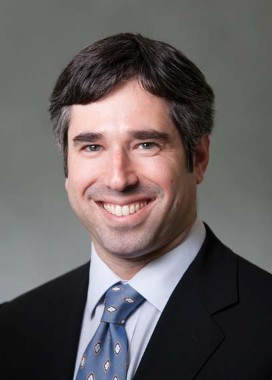
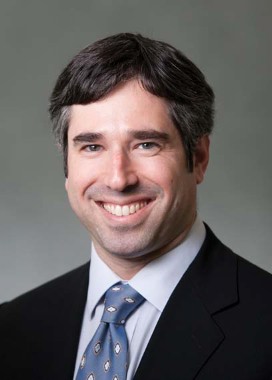
Dr. Corey A. Siegel is an associate professor of medicine at the Geisel School of Medicine at Dartmouth, and Director, Dartmouth-Hitchcock IBD Center.
The Inflammatory Bowel Disease (IBD) session was hosted by Dr. Miguel Regueiro during the 2013 AGA Spring Postgraduate Course. The topics covered practical and hot issues that arise regularly in daily practice.
Dr. Bruce Sands set the tone in "Breaking Through: The most likely next available IBD treatments." He reviewed the state of the art of new therapeutic options that are recently available or likely to soon be available for IBD patients. For ulcerative colitis (UC), Dr. Sands highlighted budesonide MMX, a new oral steroid formulation similar to the budesonide formulation available for Crohn’s disease, but with consistently colonic delivery. This medication was recently approved by the Food Drug Administration and is now available in the United States for patients with UC.
Also recently approved for UC is golimumab, the newest anti-TNF therapy available in IBD. Golimumab is an injectable anti-TNF agent that showed efficacy for both clinical response and remission through 54 weeks. Vedolizumab targets alpha4beta7 and blocks lymphocyte trafficking to the gut. Dr. Sands identified this molecule as the most likely next drug approved for ulcerative colitis, and hopefully Crohn’s disease as well. Another promising agent with a different mechanism is tofacitinib, a JAK inhibitor. Tofacitinib is an oral agent, and appears to have activity in both Crohn’s disease and ulcerative colitis. Finally, ustekinumab, an IL12/23 antagonist, has efficacy in Crohn’s disease, and will hopefully be available to our patients in the near future.
Dr. Gert Van Assche discussed optimizing anti-TNF therapy, with the theme that immunogenicity and loss of response are intrinsic shortcomings of all biologic therapies. He stressed the importance of objectively assessing inflammation before changing agents, and using anti-TNF drug and antibody levels to guide changes in dose versus a change in therapeutic mechanism of action.
Dr. Corey Siegel taught how to assess Crohn’s disease patients on an individual level to risk stratify them into high risk versus a low risk of future disease complications. He presented a case for risk stratifying early to identify the patients who should receive early intensive combination therapy as opposed to lower risk patients who can follow a more classic "step-up" approach. Dr. Jim Lewis reviewed data regarding the association between cancer and IBD therapy, and suggested that other than lymphoma and skin cancer, there are no clear signals of immune suppressive therapy leading to cancer in IBD patients.
The final two IBD talks included Dr. Uma Mahadevan giving an update on the safety of IBD therapy during pregnancy, and Dr. David Rubin sharing evolving strategies for endoscopic colorectal cancer and dysplasia surveillance in IBD.
Overall, the IBD session reviewed how to use the currently available medications in the safest and most optimal way, and gave hope that multiple new agents with new mechanisms of action will be available soon.
Dr. Corey A. Siegel is an associate professor of medicine at the Geisel School of Medicine at Dartmouth, and Director, Dartmouth-Hitchcock IBD Center.
The Inflammatory Bowel Disease (IBD) session was hosted by Dr. Miguel Regueiro during the 2013 AGA Spring Postgraduate Course. The topics covered practical and hot issues that arise regularly in daily practice.
Dr. Bruce Sands set the tone in "Breaking Through: The most likely next available IBD treatments." He reviewed the state of the art of new therapeutic options that are recently available or likely to soon be available for IBD patients. For ulcerative colitis (UC), Dr. Sands highlighted budesonide MMX, a new oral steroid formulation similar to the budesonide formulation available for Crohn’s disease, but with consistently colonic delivery. This medication was recently approved by the Food Drug Administration and is now available in the United States for patients with UC.
Also recently approved for UC is golimumab, the newest anti-TNF therapy available in IBD. Golimumab is an injectable anti-TNF agent that showed efficacy for both clinical response and remission through 54 weeks. Vedolizumab targets alpha4beta7 and blocks lymphocyte trafficking to the gut. Dr. Sands identified this molecule as the most likely next drug approved for ulcerative colitis, and hopefully Crohn’s disease as well. Another promising agent with a different mechanism is tofacitinib, a JAK inhibitor. Tofacitinib is an oral agent, and appears to have activity in both Crohn’s disease and ulcerative colitis. Finally, ustekinumab, an IL12/23 antagonist, has efficacy in Crohn’s disease, and will hopefully be available to our patients in the near future.
Dr. Gert Van Assche discussed optimizing anti-TNF therapy, with the theme that immunogenicity and loss of response are intrinsic shortcomings of all biologic therapies. He stressed the importance of objectively assessing inflammation before changing agents, and using anti-TNF drug and antibody levels to guide changes in dose versus a change in therapeutic mechanism of action.
Dr. Corey Siegel taught how to assess Crohn’s disease patients on an individual level to risk stratify them into high risk versus a low risk of future disease complications. He presented a case for risk stratifying early to identify the patients who should receive early intensive combination therapy as opposed to lower risk patients who can follow a more classic "step-up" approach. Dr. Jim Lewis reviewed data regarding the association between cancer and IBD therapy, and suggested that other than lymphoma and skin cancer, there are no clear signals of immune suppressive therapy leading to cancer in IBD patients.
The final two IBD talks included Dr. Uma Mahadevan giving an update on the safety of IBD therapy during pregnancy, and Dr. David Rubin sharing evolving strategies for endoscopic colorectal cancer and dysplasia surveillance in IBD.
Overall, the IBD session reviewed how to use the currently available medications in the safest and most optimal way, and gave hope that multiple new agents with new mechanisms of action will be available soon.
Dr. Corey A. Siegel is an associate professor of medicine at the Geisel School of Medicine at Dartmouth, and Director, Dartmouth-Hitchcock IBD Center.