User login
Adjuvant Chemotherapy Boosts Survival in Locoregional Recurrent Breast Cancer
SAN ANTONIO – Adjuvant chemotherapy in women with completely resected locoregional recurrence of breast cancer improved disease-free and overall survival in the randomized CALOR trial.
Indeed, adjuvant chemotherapy reduced the risk of recurrent disease by 41% during 5 years of follow-up in CALOR (Chemotherapy as Adjuvant for Locally Recurrent Breast Cancer) while cutting the risk of all-cause mortality by 59%, Dr. Stefan Aebi reported at the annual San Antonio Breast Cancer Symposium.

Thus, CALOR helps resolve a longstanding controversy regarding the appropriate treatment of patients with isolated local or regional recurrence of breast cancer. But the trial provides only a partial resolution. That’s because while adjuvant chemotherapy had a huge benefit in patients with estrogen receptor–negative locoregional recurrences, in estrogen receptor–positive recurrences it had no significant effect.
"Decisions regarding ER-positive recurrent tumors remain a struggle. But events are very few so far. We consider this analysis premature. We will need longer follow-up for patients with ER-positive recurrences to see if there is a benefit for chemotherapy," said Dr. Aebi, head of the division of medical oncology at Lucerne Canton Hospital in Switzerland.
CALOR included 162 patients with isolated local and/or regional recurrence of breast cancer. After complete excisional surgery, they were randomized to chemotherapy or no chemotherapy. The choice of chemotherapy regimen was left to the patient’s oncologists, with a recommendation from CALOR investigators to use at least two drugs for 3-6 months. Radiation therapy was recommended for all patients, but only about 40% received it.
The 5-year disease-free survival rate – the primary endpoint – was 69% in the chemotherapy group compared with 57% with no adjuvant chemotherapy. This translates to a 41% relative risk reduction (P = .045). The 5-year overall survival rate was 88% in the chemotherapy group vs. 76% in controls, for a 59% reduction in risk (P = .02).
These benefits were driven by the outstanding effectiveness of chemotherapy in patients with ER-negative recurrences. Their 5-year disease-free survival rate was 67% with adjuvant chemotherapy compared with 35% without it, for a 68% reduction in risk (P = .007). Overall survival in the ER-negative recurrence subgroup was 79% with chemotherapy and 69% without. In contrast, the 5-year disease-free survival rate in the ER-positive group was 70% with chemotherapy and 69% without.
In a multivariate analysis controlling for ER status, location of the isolated recurrence, and prior chemotherapy, adjunctive chemotherapy was associated with a 50% reduction in recurrent disease during 5 years of follow-up (P = .01). The only other independent predictor of disease-free survival was time since primary surgery: The risk of recurrent disease during 5 years of follow-up dropped by 9% for each year since primary surgery.
This was a difficult study to conduct. The original plans called for recruitment of nearly 1,000 patients, but enrollment was so slow that Dr. Aebi and coinvestigators had to scale back their ambitions, eventually closing the trial with 162 participants.
"There were many colleagues with preconceived ideas. We had colleagues who just knew that chemotherapy was not needed and others who just knew that it was needed. And if you know, why should you randomize your patients?" he explained.
Dr. Carlos L. Arteaga called CALOR "a very important contribution to what has been an ongoing controversy in this field."
"Some surgeons feel very strongly that resection is enough in treating local recurrences, while many of our medical oncologists feel chemotherapy is also required. I have a lot more impetus to give adjuvant chemotherapy based on the CALOR findings," said Dr. Arteaga, director of the breast cancer program at Vanderbilt-Ingram Cancer Center, Nashville, Tenn.
The CALOR trial was sponsored by several major cancer research organizations. Dr. Aebi reported having no financial conflicts.
SAN ANTONIO – Adjuvant chemotherapy in women with completely resected locoregional recurrence of breast cancer improved disease-free and overall survival in the randomized CALOR trial.
Indeed, adjuvant chemotherapy reduced the risk of recurrent disease by 41% during 5 years of follow-up in CALOR (Chemotherapy as Adjuvant for Locally Recurrent Breast Cancer) while cutting the risk of all-cause mortality by 59%, Dr. Stefan Aebi reported at the annual San Antonio Breast Cancer Symposium.
Thus, CALOR helps resolve a longstanding controversy regarding the appropriate treatment of patients with isolated local or regional recurrence of breast cancer. But the trial provides only a partial resolution. That’s because while adjuvant chemotherapy had a huge benefit in patients with estrogen receptor–negative locoregional recurrences, in estrogen receptor–positive recurrences it had no significant effect.
"Decisions regarding ER-positive recurrent tumors remain a struggle. But events are very few so far. We consider this analysis premature. We will need longer follow-up for patients with ER-positive recurrences to see if there is a benefit for chemotherapy," said Dr. Aebi, head of the division of medical oncology at Lucerne Canton Hospital in Switzerland.
CALOR included 162 patients with isolated local and/or regional recurrence of breast cancer. After complete excisional surgery, they were randomized to chemotherapy or no chemotherapy. The choice of chemotherapy regimen was left to the patient’s oncologists, with a recommendation from CALOR investigators to use at least two drugs for 3-6 months. Radiation therapy was recommended for all patients, but only about 40% received it.
The 5-year disease-free survival rate – the primary endpoint – was 69% in the chemotherapy group compared with 57% with no adjuvant chemotherapy. This translates to a 41% relative risk reduction (P = .045). The 5-year overall survival rate was 88% in the chemotherapy group vs. 76% in controls, for a 59% reduction in risk (P = .02).
These benefits were driven by the outstanding effectiveness of chemotherapy in patients with ER-negative recurrences. Their 5-year disease-free survival rate was 67% with adjuvant chemotherapy compared with 35% without it, for a 68% reduction in risk (P = .007). Overall survival in the ER-negative recurrence subgroup was 79% with chemotherapy and 69% without. In contrast, the 5-year disease-free survival rate in the ER-positive group was 70% with chemotherapy and 69% without.
In a multivariate analysis controlling for ER status, location of the isolated recurrence, and prior chemotherapy, adjunctive chemotherapy was associated with a 50% reduction in recurrent disease during 5 years of follow-up (P = .01). The only other independent predictor of disease-free survival was time since primary surgery: The risk of recurrent disease during 5 years of follow-up dropped by 9% for each year since primary surgery.
This was a difficult study to conduct. The original plans called for recruitment of nearly 1,000 patients, but enrollment was so slow that Dr. Aebi and coinvestigators had to scale back their ambitions, eventually closing the trial with 162 participants.
"There were many colleagues with preconceived ideas. We had colleagues who just knew that chemotherapy was not needed and others who just knew that it was needed. And if you know, why should you randomize your patients?" he explained.
Dr. Carlos L. Arteaga called CALOR "a very important contribution to what has been an ongoing controversy in this field."
"Some surgeons feel very strongly that resection is enough in treating local recurrences, while many of our medical oncologists feel chemotherapy is also required. I have a lot more impetus to give adjuvant chemotherapy based on the CALOR findings," said Dr. Arteaga, director of the breast cancer program at Vanderbilt-Ingram Cancer Center, Nashville, Tenn.
The CALOR trial was sponsored by several major cancer research organizations. Dr. Aebi reported having no financial conflicts.
SAN ANTONIO – Adjuvant chemotherapy in women with completely resected locoregional recurrence of breast cancer improved disease-free and overall survival in the randomized CALOR trial.
Indeed, adjuvant chemotherapy reduced the risk of recurrent disease by 41% during 5 years of follow-up in CALOR (Chemotherapy as Adjuvant for Locally Recurrent Breast Cancer) while cutting the risk of all-cause mortality by 59%, Dr. Stefan Aebi reported at the annual San Antonio Breast Cancer Symposium.
Thus, CALOR helps resolve a longstanding controversy regarding the appropriate treatment of patients with isolated local or regional recurrence of breast cancer. But the trial provides only a partial resolution. That’s because while adjuvant chemotherapy had a huge benefit in patients with estrogen receptor–negative locoregional recurrences, in estrogen receptor–positive recurrences it had no significant effect.
"Decisions regarding ER-positive recurrent tumors remain a struggle. But events are very few so far. We consider this analysis premature. We will need longer follow-up for patients with ER-positive recurrences to see if there is a benefit for chemotherapy," said Dr. Aebi, head of the division of medical oncology at Lucerne Canton Hospital in Switzerland.
CALOR included 162 patients with isolated local and/or regional recurrence of breast cancer. After complete excisional surgery, they were randomized to chemotherapy or no chemotherapy. The choice of chemotherapy regimen was left to the patient’s oncologists, with a recommendation from CALOR investigators to use at least two drugs for 3-6 months. Radiation therapy was recommended for all patients, but only about 40% received it.
The 5-year disease-free survival rate – the primary endpoint – was 69% in the chemotherapy group compared with 57% with no adjuvant chemotherapy. This translates to a 41% relative risk reduction (P = .045). The 5-year overall survival rate was 88% in the chemotherapy group vs. 76% in controls, for a 59% reduction in risk (P = .02).
These benefits were driven by the outstanding effectiveness of chemotherapy in patients with ER-negative recurrences. Their 5-year disease-free survival rate was 67% with adjuvant chemotherapy compared with 35% without it, for a 68% reduction in risk (P = .007). Overall survival in the ER-negative recurrence subgroup was 79% with chemotherapy and 69% without. In contrast, the 5-year disease-free survival rate in the ER-positive group was 70% with chemotherapy and 69% without.
In a multivariate analysis controlling for ER status, location of the isolated recurrence, and prior chemotherapy, adjunctive chemotherapy was associated with a 50% reduction in recurrent disease during 5 years of follow-up (P = .01). The only other independent predictor of disease-free survival was time since primary surgery: The risk of recurrent disease during 5 years of follow-up dropped by 9% for each year since primary surgery.
This was a difficult study to conduct. The original plans called for recruitment of nearly 1,000 patients, but enrollment was so slow that Dr. Aebi and coinvestigators had to scale back their ambitions, eventually closing the trial with 162 participants.
"There were many colleagues with preconceived ideas. We had colleagues who just knew that chemotherapy was not needed and others who just knew that it was needed. And if you know, why should you randomize your patients?" he explained.
Dr. Carlos L. Arteaga called CALOR "a very important contribution to what has been an ongoing controversy in this field."
"Some surgeons feel very strongly that resection is enough in treating local recurrences, while many of our medical oncologists feel chemotherapy is also required. I have a lot more impetus to give adjuvant chemotherapy based on the CALOR findings," said Dr. Arteaga, director of the breast cancer program at Vanderbilt-Ingram Cancer Center, Nashville, Tenn.
The CALOR trial was sponsored by several major cancer research organizations. Dr. Aebi reported having no financial conflicts.
AT THE SAN ANTONIO BREAST CANCER SYMPOSIUM
Major Finding: The 5-year disease-free survival rate after complete surgical removal of isolated local or regional recurrence of breast cancer was 69% in patients randomized to adjuvant chemotherapy compared with 57% in no-chemotherapy controls.
Data Source: The CALOR trial was an international randomized trial involving 162 patients.
Disclosures: The study was sponsored by several major cancer research organizations. The presenter reported having no financial conflicts.

ONC-CHAT: What Did You Learn this Week that Will Change the Way You Work?
Our reporter Michele Sullivan closes out the San Antonio Breast Cancer Symposium by asking attendees what they learned at the meeting that will change the way they work.
Our reporter Michele Sullivan closes out the San Antonio Breast Cancer Symposium by asking attendees what they learned at the meeting that will change the way they work.
Our reporter Michele Sullivan closes out the San Antonio Breast Cancer Symposium by asking attendees what they learned at the meeting that will change the way they work.
AT THE SAN ANTONIO BREAST CANCER SYMPOSIUM

San Antonio Roundtable, Part 4: Everolimus in Clinical Practice, a New CDK Inhibitor
Dr. Howard A. "Skip" Burris III, editor-in-chief of The Oncology Report, and associate editors Dr. William J. Gradishar and Dr. Hope S. Rugo wrap up their review of the 2012 San Antonio Breast Cancer Symposium with a discussion of everolimus use and anthracycline intensification in their practices. They also comment on a new CDK inhibitor, a trial comparing capecitabine and eribulin, and a study of neurocognitive effects after chemotherapy.
Dr. Howard A. "Skip" Burris III, editor-in-chief of The Oncology Report, and associate editors Dr. William J. Gradishar and Dr. Hope S. Rugo wrap up their review of the 2012 San Antonio Breast Cancer Symposium with a discussion of everolimus use and anthracycline intensification in their practices. They also comment on a new CDK inhibitor, a trial comparing capecitabine and eribulin, and a study of neurocognitive effects after chemotherapy.
Dr. Howard A. "Skip" Burris III, editor-in-chief of The Oncology Report, and associate editors Dr. William J. Gradishar and Dr. Hope S. Rugo wrap up their review of the 2012 San Antonio Breast Cancer Symposium with a discussion of everolimus use and anthracycline intensification in their practices. They also comment on a new CDK inhibitor, a trial comparing capecitabine and eribulin, and a study of neurocognitive effects after chemotherapy.

Late Leukemia Risk Rises after Breast Cancer Therapy
SAN ANTONIO – The 10-year incidence of leukemia after adjuvant chemotherapy for breast cancer appears to hover around 0.5%, twice as high as previously reported.
A review of more than 20,000 patient records included in the National Comprehensive Cancer Network (NCCN) database found 51 cases of leukemia that developed within 10 years of treatment. Women who had only chemotherapy were at the greatest risk – almost six times more likely to develop the disease than the surgery-only control group, Dr. Antonio Wolff said at that annual San Antonio Breast Cancer Symposium.

"We know that the observed survival benefit with adjuvant therapy does take into account the potential mortality associated with leukemia," said Dr. Wolff of Johns Hopkins Sidney Kimmel Comprehensive Cancer Center, Baltimore. "But often we are in the situation where we make the decision to give chemotherapy ‘just because.’ We need to be very careful here, because some of those patients will potentially derive none of the benefits of chemo, and be at risk of its toxicities."
Dr. Wolff and colleagues examined the 1997-2008 data from eight facilities in the NCCN database – a total of 20,533 women with a first diagnosis of breast cancer. The median follow-up was 5 years, but some data were available for up to 15 years after treatment.
About half of the cohort had stage I disease; in most, the cancer was invasive ductal. Slightly more than half had hormone receptor–positive/HER2 negative disease.
The only baseline characteristic significantly different between the groups was age. Women who developed leukemia were significantly older at the time of their cancer treatment (60 vs. 54 years; P = .02); 78% of those with leukemia were older than 50 years.
Of the 51 cases, 44 were acute myeloid leukemia (AML), with a median onset time of 3.5 years after treatment. One-third of these occurred in women with a family history of breast or ovarian cancer. The median time to onset in the AML cases was 2 years.
None of the tumor characteristics were significantly associated with the development of leukemia. There were no significant differences among those who had breast-conserving surgery, mastectomy, or no surgery; or between those who had no radiation therapy, radiation without surgery, radiation after breast-conserving surgery, or radiation after mastectomy, though larger numbers of patients are needed for some of these smaller subset analyses.
The overall rate of leukemia per 1,000 patient/years was 0.46; in the surgery-only group, the rate was 0.16 per 1,000 patient-years. "Of interest is that the rates in each of the treatment groups were similar to the overall rate," – 0.43 in the radiation-only group, 0.52 in the chemotherapy-only group, and 0.54 in the combination therapy group.
At 5 years, the cumulative incidence of leukemia was 0.05% in the surgery-only group; 0.19% in the radiation-only group; 0.30% in the chemotherapy-only group; and 0.32% in the combination therapy group.
But the onset accelerated over the study period, Dr. Wolff noted, with the bulk of cases developing from years 6 to 10. .By the end of the 10-year period, the incidence was 0.2% in the surgery-only group; 0.44% in the radiation-only group; 0.52% in the chemotherapy group; and 0.51% in the combination group.
In a risk analysis using surgery as the control, the overall hazard ratio of leukemia was 2.7 in the radiation-only group; 5.68 in the chemotherapy only group; and 5.64 in the combination group.
Radiation appeared to confer no significant additional risk when it was combined with chemotherapy, Dr. Wolff added.
The findings are strikingly different than previously identified. The largest study of the association was published in 2003, when researchers from the National Surgical Adjuvant Breast and Bowel Project Operations Center reviewed six trials that examined rates of acute myeloid leukemia and myelodysplastic syndrome after doxorubicin and cyclophosphamide therapy (Clin. Breast Cancer 2003;4:273-9).
The subgroup that received anthracycline/cyclophosphamide in that review had a cumulative 8-year incidence of 0.24%. In Dr. Wolff’s chemotherapy subgroup, the cumulative 8-year incidence was 0.52%.
"It’s very important to keep in mind that the known leukemia latency period for anthracycline is 1-3 years, but that of alkylating drugs like cyclophosphamide is 4-6 years and there are case reports of it developing after 10 years," he said. "We need to be very careful when we talk about survival at 5 years vs. 10 years in exposed patients, because they could be at risk for a decade and, potentially, even longer."
SAN ANTONIO – The 10-year incidence of leukemia after adjuvant chemotherapy for breast cancer appears to hover around 0.5%, twice as high as previously reported.
A review of more than 20,000 patient records included in the National Comprehensive Cancer Network (NCCN) database found 51 cases of leukemia that developed within 10 years of treatment. Women who had only chemotherapy were at the greatest risk – almost six times more likely to develop the disease than the surgery-only control group, Dr. Antonio Wolff said at that annual San Antonio Breast Cancer Symposium.
"We know that the observed survival benefit with adjuvant therapy does take into account the potential mortality associated with leukemia," said Dr. Wolff of Johns Hopkins Sidney Kimmel Comprehensive Cancer Center, Baltimore. "But often we are in the situation where we make the decision to give chemotherapy ‘just because.’ We need to be very careful here, because some of those patients will potentially derive none of the benefits of chemo, and be at risk of its toxicities."
Dr. Wolff and colleagues examined the 1997-2008 data from eight facilities in the NCCN database – a total of 20,533 women with a first diagnosis of breast cancer. The median follow-up was 5 years, but some data were available for up to 15 years after treatment.
About half of the cohort had stage I disease; in most, the cancer was invasive ductal. Slightly more than half had hormone receptor–positive/HER2 negative disease.
The only baseline characteristic significantly different between the groups was age. Women who developed leukemia were significantly older at the time of their cancer treatment (60 vs. 54 years; P = .02); 78% of those with leukemia were older than 50 years.
Of the 51 cases, 44 were acute myeloid leukemia (AML), with a median onset time of 3.5 years after treatment. One-third of these occurred in women with a family history of breast or ovarian cancer. The median time to onset in the AML cases was 2 years.
None of the tumor characteristics were significantly associated with the development of leukemia. There were no significant differences among those who had breast-conserving surgery, mastectomy, or no surgery; or between those who had no radiation therapy, radiation without surgery, radiation after breast-conserving surgery, or radiation after mastectomy, though larger numbers of patients are needed for some of these smaller subset analyses.
The overall rate of leukemia per 1,000 patient/years was 0.46; in the surgery-only group, the rate was 0.16 per 1,000 patient-years. "Of interest is that the rates in each of the treatment groups were similar to the overall rate," – 0.43 in the radiation-only group, 0.52 in the chemotherapy-only group, and 0.54 in the combination therapy group.
At 5 years, the cumulative incidence of leukemia was 0.05% in the surgery-only group; 0.19% in the radiation-only group; 0.30% in the chemotherapy-only group; and 0.32% in the combination therapy group.
But the onset accelerated over the study period, Dr. Wolff noted, with the bulk of cases developing from years 6 to 10. .By the end of the 10-year period, the incidence was 0.2% in the surgery-only group; 0.44% in the radiation-only group; 0.52% in the chemotherapy group; and 0.51% in the combination group.
In a risk analysis using surgery as the control, the overall hazard ratio of leukemia was 2.7 in the radiation-only group; 5.68 in the chemotherapy only group; and 5.64 in the combination group.
Radiation appeared to confer no significant additional risk when it was combined with chemotherapy, Dr. Wolff added.
The findings are strikingly different than previously identified. The largest study of the association was published in 2003, when researchers from the National Surgical Adjuvant Breast and Bowel Project Operations Center reviewed six trials that examined rates of acute myeloid leukemia and myelodysplastic syndrome after doxorubicin and cyclophosphamide therapy (Clin. Breast Cancer 2003;4:273-9).
The subgroup that received anthracycline/cyclophosphamide in that review had a cumulative 8-year incidence of 0.24%. In Dr. Wolff’s chemotherapy subgroup, the cumulative 8-year incidence was 0.52%.
"It’s very important to keep in mind that the known leukemia latency period for anthracycline is 1-3 years, but that of alkylating drugs like cyclophosphamide is 4-6 years and there are case reports of it developing after 10 years," he said. "We need to be very careful when we talk about survival at 5 years vs. 10 years in exposed patients, because they could be at risk for a decade and, potentially, even longer."
SAN ANTONIO – The 10-year incidence of leukemia after adjuvant chemotherapy for breast cancer appears to hover around 0.5%, twice as high as previously reported.
A review of more than 20,000 patient records included in the National Comprehensive Cancer Network (NCCN) database found 51 cases of leukemia that developed within 10 years of treatment. Women who had only chemotherapy were at the greatest risk – almost six times more likely to develop the disease than the surgery-only control group, Dr. Antonio Wolff said at that annual San Antonio Breast Cancer Symposium.
"We know that the observed survival benefit with adjuvant therapy does take into account the potential mortality associated with leukemia," said Dr. Wolff of Johns Hopkins Sidney Kimmel Comprehensive Cancer Center, Baltimore. "But often we are in the situation where we make the decision to give chemotherapy ‘just because.’ We need to be very careful here, because some of those patients will potentially derive none of the benefits of chemo, and be at risk of its toxicities."
Dr. Wolff and colleagues examined the 1997-2008 data from eight facilities in the NCCN database – a total of 20,533 women with a first diagnosis of breast cancer. The median follow-up was 5 years, but some data were available for up to 15 years after treatment.
About half of the cohort had stage I disease; in most, the cancer was invasive ductal. Slightly more than half had hormone receptor–positive/HER2 negative disease.
The only baseline characteristic significantly different between the groups was age. Women who developed leukemia were significantly older at the time of their cancer treatment (60 vs. 54 years; P = .02); 78% of those with leukemia were older than 50 years.
Of the 51 cases, 44 were acute myeloid leukemia (AML), with a median onset time of 3.5 years after treatment. One-third of these occurred in women with a family history of breast or ovarian cancer. The median time to onset in the AML cases was 2 years.
None of the tumor characteristics were significantly associated with the development of leukemia. There were no significant differences among those who had breast-conserving surgery, mastectomy, or no surgery; or between those who had no radiation therapy, radiation without surgery, radiation after breast-conserving surgery, or radiation after mastectomy, though larger numbers of patients are needed for some of these smaller subset analyses.
The overall rate of leukemia per 1,000 patient/years was 0.46; in the surgery-only group, the rate was 0.16 per 1,000 patient-years. "Of interest is that the rates in each of the treatment groups were similar to the overall rate," – 0.43 in the radiation-only group, 0.52 in the chemotherapy-only group, and 0.54 in the combination therapy group.
At 5 years, the cumulative incidence of leukemia was 0.05% in the surgery-only group; 0.19% in the radiation-only group; 0.30% in the chemotherapy-only group; and 0.32% in the combination therapy group.
But the onset accelerated over the study period, Dr. Wolff noted, with the bulk of cases developing from years 6 to 10. .By the end of the 10-year period, the incidence was 0.2% in the surgery-only group; 0.44% in the radiation-only group; 0.52% in the chemotherapy group; and 0.51% in the combination group.
In a risk analysis using surgery as the control, the overall hazard ratio of leukemia was 2.7 in the radiation-only group; 5.68 in the chemotherapy only group; and 5.64 in the combination group.
Radiation appeared to confer no significant additional risk when it was combined with chemotherapy, Dr. Wolff added.
The findings are strikingly different than previously identified. The largest study of the association was published in 2003, when researchers from the National Surgical Adjuvant Breast and Bowel Project Operations Center reviewed six trials that examined rates of acute myeloid leukemia and myelodysplastic syndrome after doxorubicin and cyclophosphamide therapy (Clin. Breast Cancer 2003;4:273-9).
The subgroup that received anthracycline/cyclophosphamide in that review had a cumulative 8-year incidence of 0.24%. In Dr. Wolff’s chemotherapy subgroup, the cumulative 8-year incidence was 0.52%.
"It’s very important to keep in mind that the known leukemia latency period for anthracycline is 1-3 years, but that of alkylating drugs like cyclophosphamide is 4-6 years and there are case reports of it developing after 10 years," he said. "We need to be very careful when we talk about survival at 5 years vs. 10 years in exposed patients, because they could be at risk for a decade and, potentially, even longer."
AT THE ANNUAL SAN ANTONIO BREAST CANCER SYMPOSIUM
Major Finding: The 10-year incidence of leukemia after adjuvant chemotherapy for breast cancer appears to hover around 0.5%, twice as high as previously reported
Data Source: Investigators examined the 1997-2008 data from eight facilities in the NCCN database – a total of 20,533 women with a first diagnosis of breast cancer.
Disclosures: Dr. Wolff had no disclosures.

Genetic Vulnerabilities Identified in Residual TNBC After Neoadjuvant Chemo
SAN ANTONIO – In the not-too-distant future, triple-negative breast cancer that persists after neoadjuvant chemotherapy could potentially be treated with targeted therapies, new data suggest.
At the time of resection performed after neoadjuvant chemotherapy, about 90% of residual tumors have alterations in pathways that could potentially be targeted by agents that are already on the market or in the pipeline, researchers reported at the San Antonio Breast Cancer Symposium. Thus, targeted adjuvant treatment might ultimately reduce the risk of recurrence.
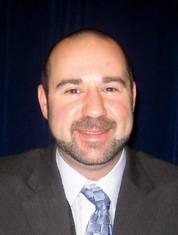
"We believe (these cells) likely mirror the molecular profiles present in the clinically silent micrometastases that are ultimately destined to recur in such patients. If we had knowledge of these molecular alterations, it could provide us some therapeutic impetus to treat patients after surgical resection," according to lead investigator Justin M. Balko, Pharm.D., Ph.D., a research faculty member at the Vanderbilt-Ingram Cancer Center in Nashville, Tenn.
Additional study results suggested that some residual triple-negative breast cancers might be treated effectively with two emerging classes of agents, inhibitors of janus kinase 2 (JAK2) and MEK. Both proteins are involved in cell growth and proliferation.

"These data provide a targetable catalogue of the alterations present in the residual disease of triple-negative breast cancer after neoadjuvant chemotherapy, and we believe that they support genomically driven adjuvant trials in this patient population," Dr. Balko maintained.
"This study is a discovery exercise that to me suggests nothing has changed in clinical care, but it is a strong direction for discovery and research," commented Dr. Carlos Arteaga, moderator of a related press briefing and associate director for clinical research and director of the breast cancer program at Vanderbilt-Ingram Cancer Center.
"If you have patients who have residual disease in the breast after chemotherapy, the standard of care is just to observe those patients. But many of them are going to recur and die from their metastases," noted Dr. Arteaga, who was also a researcher on the study. "The reason we don’t treat them is because we don’t know how to treat them. So this study suggests that there are actionable molecular lesions that we may one day be able to act upon early and potentially change the natural history of that micrometastatic disease that is waiting there to recur in a few months or years."
The investigators obtained residual tumor samples from 114 patients who had completed neoadjuvant chemotherapy for triple-negative breast cancer. They measured immunohistochemical protein expression in 112 tumors and nanostring gene expression in 89 tumors, and performed next-generation sequencing in 81 tumors.
The patients were 48 years old, on average, and most had stage III disease. About half of them had received a taxane as part of their neoadjuvant chemotherapy and were postmenopausal.
The genes most commonly showing amplifications, deletions, or mutations of known or implied functional significance were p53 (altered in about 90% of tumors), MCL1 (an antiapoptotic gene, altered in 55%), and MYC (altered in 30%). But alterations were found, albeit less commonly, in more than 15 other genes as well.
"This heterogeneity highlights a need for personalized medicine in this subgroup" of patients, Dr. Balko commented.
When the altered genes were grouped into pathways, 90% of patients had tumors with at least one affected pathway that could potentially be targeted by agents that are already available or in clinical trials.
The most commonly affected pathways were the PI3 kinase and mammalian target of rapamycin (PI3K/mTOR) pathway (potentially targeted by PI3K/mTOR inhibitors) and the cell cycle pathways (potentially targeted by cell cycle or mitotic spindle inhibitors).
Additionally, alterations were found in the DNA repair pathway (potentially targeted by DNA repair–targeting agents), the Ras/MAPK pathway (potentially targeted by RAF/MEK inhibitors), and growth factor receptor pathways (potentially targeted with receptor tyrosine kinase inhibitors).
Patients whose tumors had high MEK activation and MYC amplification had poorer recurrence-free survival than others (P = .03). In vitro treatment of MYC-overexpressing cells with two MEK inhibitors in clinical trials – selumetinib and trametinib – indeed reduced colony formation.
"This may provide some justification for exploring MEK inhibition within MYC-amplified tumors," Dr. Balko proposed.
In a novel finding, 11% of tumors had amplification of JAK2, which is thought to contribute to cancer cells’ stem cell–like behavior. Compared to others, patients with these tumors also had poorer recurrence-free survival (P = .005) and overall survival (P = .002). They also had higher levels of gene expression of interleukin 6, one of the main cytokines activating this pathway.
"We would like to propose that these JAK2 amplifications may represent a biomarker for clinical trials exploring JAK2 inhibitors that are currently in clinical trials for inflammatory diseases," Dr. Balko said.
As for future research, "efforts to determine whether lesions present in the residual disease mirror those in the recurrence and whether they are selected during neoadjuvant treatment are under way," he concluded.
The research was funded by the Susan G. Komen for the Cure Foundation, the National Institutes of Health, and the Lee Jeans/Entertainment Industry Foundation Translational Breast Cancer Research Program. Dr. Balko disclosed no relevant conflicts of interest. Dr. Arteaga disclosed he is a consultant/adviser for Roche, Monogram Biosciences, AstraZeneca, GlaxoSmithKline, and Genentech, and that he receives research grants from Amgen, AstraZeneca, and Exelixis.
SAN ANTONIO – In the not-too-distant future, triple-negative breast cancer that persists after neoadjuvant chemotherapy could potentially be treated with targeted therapies, new data suggest.
At the time of resection performed after neoadjuvant chemotherapy, about 90% of residual tumors have alterations in pathways that could potentially be targeted by agents that are already on the market or in the pipeline, researchers reported at the San Antonio Breast Cancer Symposium. Thus, targeted adjuvant treatment might ultimately reduce the risk of recurrence.
"We believe (these cells) likely mirror the molecular profiles present in the clinically silent micrometastases that are ultimately destined to recur in such patients. If we had knowledge of these molecular alterations, it could provide us some therapeutic impetus to treat patients after surgical resection," according to lead investigator Justin M. Balko, Pharm.D., Ph.D., a research faculty member at the Vanderbilt-Ingram Cancer Center in Nashville, Tenn.
Additional study results suggested that some residual triple-negative breast cancers might be treated effectively with two emerging classes of agents, inhibitors of janus kinase 2 (JAK2) and MEK. Both proteins are involved in cell growth and proliferation.
"These data provide a targetable catalogue of the alterations present in the residual disease of triple-negative breast cancer after neoadjuvant chemotherapy, and we believe that they support genomically driven adjuvant trials in this patient population," Dr. Balko maintained.
"This study is a discovery exercise that to me suggests nothing has changed in clinical care, but it is a strong direction for discovery and research," commented Dr. Carlos Arteaga, moderator of a related press briefing and associate director for clinical research and director of the breast cancer program at Vanderbilt-Ingram Cancer Center.
"If you have patients who have residual disease in the breast after chemotherapy, the standard of care is just to observe those patients. But many of them are going to recur and die from their metastases," noted Dr. Arteaga, who was also a researcher on the study. "The reason we don’t treat them is because we don’t know how to treat them. So this study suggests that there are actionable molecular lesions that we may one day be able to act upon early and potentially change the natural history of that micrometastatic disease that is waiting there to recur in a few months or years."
The investigators obtained residual tumor samples from 114 patients who had completed neoadjuvant chemotherapy for triple-negative breast cancer. They measured immunohistochemical protein expression in 112 tumors and nanostring gene expression in 89 tumors, and performed next-generation sequencing in 81 tumors.
The patients were 48 years old, on average, and most had stage III disease. About half of them had received a taxane as part of their neoadjuvant chemotherapy and were postmenopausal.
The genes most commonly showing amplifications, deletions, or mutations of known or implied functional significance were p53 (altered in about 90% of tumors), MCL1 (an antiapoptotic gene, altered in 55%), and MYC (altered in 30%). But alterations were found, albeit less commonly, in more than 15 other genes as well.
"This heterogeneity highlights a need for personalized medicine in this subgroup" of patients, Dr. Balko commented.
When the altered genes were grouped into pathways, 90% of patients had tumors with at least one affected pathway that could potentially be targeted by agents that are already available or in clinical trials.
The most commonly affected pathways were the PI3 kinase and mammalian target of rapamycin (PI3K/mTOR) pathway (potentially targeted by PI3K/mTOR inhibitors) and the cell cycle pathways (potentially targeted by cell cycle or mitotic spindle inhibitors).
Additionally, alterations were found in the DNA repair pathway (potentially targeted by DNA repair–targeting agents), the Ras/MAPK pathway (potentially targeted by RAF/MEK inhibitors), and growth factor receptor pathways (potentially targeted with receptor tyrosine kinase inhibitors).
Patients whose tumors had high MEK activation and MYC amplification had poorer recurrence-free survival than others (P = .03). In vitro treatment of MYC-overexpressing cells with two MEK inhibitors in clinical trials – selumetinib and trametinib – indeed reduced colony formation.
"This may provide some justification for exploring MEK inhibition within MYC-amplified tumors," Dr. Balko proposed.
In a novel finding, 11% of tumors had amplification of JAK2, which is thought to contribute to cancer cells’ stem cell–like behavior. Compared to others, patients with these tumors also had poorer recurrence-free survival (P = .005) and overall survival (P = .002). They also had higher levels of gene expression of interleukin 6, one of the main cytokines activating this pathway.
"We would like to propose that these JAK2 amplifications may represent a biomarker for clinical trials exploring JAK2 inhibitors that are currently in clinical trials for inflammatory diseases," Dr. Balko said.
As for future research, "efforts to determine whether lesions present in the residual disease mirror those in the recurrence and whether they are selected during neoadjuvant treatment are under way," he concluded.
The research was funded by the Susan G. Komen for the Cure Foundation, the National Institutes of Health, and the Lee Jeans/Entertainment Industry Foundation Translational Breast Cancer Research Program. Dr. Balko disclosed no relevant conflicts of interest. Dr. Arteaga disclosed he is a consultant/adviser for Roche, Monogram Biosciences, AstraZeneca, GlaxoSmithKline, and Genentech, and that he receives research grants from Amgen, AstraZeneca, and Exelixis.
SAN ANTONIO – In the not-too-distant future, triple-negative breast cancer that persists after neoadjuvant chemotherapy could potentially be treated with targeted therapies, new data suggest.
At the time of resection performed after neoadjuvant chemotherapy, about 90% of residual tumors have alterations in pathways that could potentially be targeted by agents that are already on the market or in the pipeline, researchers reported at the San Antonio Breast Cancer Symposium. Thus, targeted adjuvant treatment might ultimately reduce the risk of recurrence.
"We believe (these cells) likely mirror the molecular profiles present in the clinically silent micrometastases that are ultimately destined to recur in such patients. If we had knowledge of these molecular alterations, it could provide us some therapeutic impetus to treat patients after surgical resection," according to lead investigator Justin M. Balko, Pharm.D., Ph.D., a research faculty member at the Vanderbilt-Ingram Cancer Center in Nashville, Tenn.
Additional study results suggested that some residual triple-negative breast cancers might be treated effectively with two emerging classes of agents, inhibitors of janus kinase 2 (JAK2) and MEK. Both proteins are involved in cell growth and proliferation.
"These data provide a targetable catalogue of the alterations present in the residual disease of triple-negative breast cancer after neoadjuvant chemotherapy, and we believe that they support genomically driven adjuvant trials in this patient population," Dr. Balko maintained.
"This study is a discovery exercise that to me suggests nothing has changed in clinical care, but it is a strong direction for discovery and research," commented Dr. Carlos Arteaga, moderator of a related press briefing and associate director for clinical research and director of the breast cancer program at Vanderbilt-Ingram Cancer Center.
"If you have patients who have residual disease in the breast after chemotherapy, the standard of care is just to observe those patients. But many of them are going to recur and die from their metastases," noted Dr. Arteaga, who was also a researcher on the study. "The reason we don’t treat them is because we don’t know how to treat them. So this study suggests that there are actionable molecular lesions that we may one day be able to act upon early and potentially change the natural history of that micrometastatic disease that is waiting there to recur in a few months or years."
The investigators obtained residual tumor samples from 114 patients who had completed neoadjuvant chemotherapy for triple-negative breast cancer. They measured immunohistochemical protein expression in 112 tumors and nanostring gene expression in 89 tumors, and performed next-generation sequencing in 81 tumors.
The patients were 48 years old, on average, and most had stage III disease. About half of them had received a taxane as part of their neoadjuvant chemotherapy and were postmenopausal.
The genes most commonly showing amplifications, deletions, or mutations of known or implied functional significance were p53 (altered in about 90% of tumors), MCL1 (an antiapoptotic gene, altered in 55%), and MYC (altered in 30%). But alterations were found, albeit less commonly, in more than 15 other genes as well.
"This heterogeneity highlights a need for personalized medicine in this subgroup" of patients, Dr. Balko commented.
When the altered genes were grouped into pathways, 90% of patients had tumors with at least one affected pathway that could potentially be targeted by agents that are already available or in clinical trials.
The most commonly affected pathways were the PI3 kinase and mammalian target of rapamycin (PI3K/mTOR) pathway (potentially targeted by PI3K/mTOR inhibitors) and the cell cycle pathways (potentially targeted by cell cycle or mitotic spindle inhibitors).
Additionally, alterations were found in the DNA repair pathway (potentially targeted by DNA repair–targeting agents), the Ras/MAPK pathway (potentially targeted by RAF/MEK inhibitors), and growth factor receptor pathways (potentially targeted with receptor tyrosine kinase inhibitors).
Patients whose tumors had high MEK activation and MYC amplification had poorer recurrence-free survival than others (P = .03). In vitro treatment of MYC-overexpressing cells with two MEK inhibitors in clinical trials – selumetinib and trametinib – indeed reduced colony formation.
"This may provide some justification for exploring MEK inhibition within MYC-amplified tumors," Dr. Balko proposed.
In a novel finding, 11% of tumors had amplification of JAK2, which is thought to contribute to cancer cells’ stem cell–like behavior. Compared to others, patients with these tumors also had poorer recurrence-free survival (P = .005) and overall survival (P = .002). They also had higher levels of gene expression of interleukin 6, one of the main cytokines activating this pathway.
"We would like to propose that these JAK2 amplifications may represent a biomarker for clinical trials exploring JAK2 inhibitors that are currently in clinical trials for inflammatory diseases," Dr. Balko said.
As for future research, "efforts to determine whether lesions present in the residual disease mirror those in the recurrence and whether they are selected during neoadjuvant treatment are under way," he concluded.
The research was funded by the Susan G. Komen for the Cure Foundation, the National Institutes of Health, and the Lee Jeans/Entertainment Industry Foundation Translational Breast Cancer Research Program. Dr. Balko disclosed no relevant conflicts of interest. Dr. Arteaga disclosed he is a consultant/adviser for Roche, Monogram Biosciences, AstraZeneca, GlaxoSmithKline, and Genentech, and that he receives research grants from Amgen, AstraZeneca, and Exelixis.
AT THE SAN ANTONIO BREAST CANCER SYMPOSIUM
Major Finding: About 90% of patients had tumors harboring genetic alterations in clinical pathways that could be potentially targeted, such as the PI3K/mTOR pathway and the DNA repair pathway.
Data Source: Results were taken from molecular profiling study of residual tumors from 114 patients who had undergone neoadjuvant chemotherapy for triple-negative breast cancer
Disclosures: The research was funded by the Susan G. Komen for the Cure Foundation, the National Institutes of Health, and the Lee Jeans/Entertainment Industry Foundation Translational Breast Cancer Research Program. Dr. Balko disclosed no relevant conflicts of interest. Dr. Arteaga disclosed he is a consultant/adviser for Roche, Monogram Biosciences, AstraZeneca, GlaxoSmithKline, and Genentech, and that he receives research grants from Amgen, AstraZeneca, and Exelixis.
ONC-CHAT: What Captured Your Imagination?
IMNG Medical News reporter Michele Sullivan asks attendees of the San Antonio Breast Cancer Symposium what captured their imagination at the meeting today.
IMNG Medical News reporter Michele Sullivan asks attendees of the San Antonio Breast Cancer Symposium what captured their imagination at the meeting today.
IMNG Medical News reporter Michele Sullivan asks attendees of the San Antonio Breast Cancer Symposium what captured their imagination at the meeting today.
SAN ANTONIO BREAST CANCER SYMPOSIUM
San Antonio Roundtable, Part 3: Trastuzumab, Bevacizumab, and Angiogenesis Inhibitors
Dr. Howard A. "Skip" Burris III, editor-in-chief of The Oncology Report, and associate editors Dr. William J. Gradishar and Dr. Hope S. Rugo discuss research highlights at Friday's sessions of the 2012 San Antonio Breast Cancer Symposium, including the HERA and PHARE trials of trastuzumab (Herceptin); bevacizumab's (Avastin) failure to move the needle in new data from the LEA and BEATRICE trials; and what the CLEOPATRA trial will mean for biomarker studies in clinical practice.
Dr. Howard A. "Skip" Burris III, editor-in-chief of The Oncology Report, and associate editors Dr. William J. Gradishar and Dr. Hope S. Rugo discuss research highlights at Friday's sessions of the 2012 San Antonio Breast Cancer Symposium, including the HERA and PHARE trials of trastuzumab (Herceptin); bevacizumab's (Avastin) failure to move the needle in new data from the LEA and BEATRICE trials; and what the CLEOPATRA trial will mean for biomarker studies in clinical practice.
Dr. Howard A. "Skip" Burris III, editor-in-chief of The Oncology Report, and associate editors Dr. William J. Gradishar and Dr. Hope S. Rugo discuss research highlights at Friday's sessions of the 2012 San Antonio Breast Cancer Symposium, including the HERA and PHARE trials of trastuzumab (Herceptin); bevacizumab's (Avastin) failure to move the needle in new data from the LEA and BEATRICE trials; and what the CLEOPATRA trial will mean for biomarker studies in clinical practice.

ONC-CHAT: 'VOGL, NEW YORK' on 10 Years of Tamoxifen
"VOGL, NEW YORK" is how Dr. Steven Vogl identifies himself when he stands up at major oncology meetings. He is by now well known for his pointed questions, and received a plaque at the 2010 San Antonio Breast Cancer Symposium in recognition of his unique contribution. Here is his take on a major study presented in 2012.
"VOGL, NEW YORK" is how Dr. Steven Vogl identifies himself when he stands up at major oncology meetings. He is by now well known for his pointed questions, and received a plaque at the 2010 San Antonio Breast Cancer Symposium in recognition of his unique contribution. Here is his take on a major study presented in 2012.
"VOGL, NEW YORK" is how Dr. Steven Vogl identifies himself when he stands up at major oncology meetings. He is by now well known for his pointed questions, and received a plaque at the 2010 San Antonio Breast Cancer Symposium in recognition of his unique contribution. Here is his take on a major study presented in 2012.

PET/CT Pinpoints Physiological Evidence of Chemo Brain
CHICAGO – PET/CT scans routinely used in the care of oncology patients may prove useful in pinpointing physiological changes associated with chemo brain.
An analysis of 18F-fluorodeoxyglucose (18F-FDG) PET/CT images taken before and after chemotherapy in breast cancer patients revealed significant declines in glucose metabolism in two key regions of the brain. The affected areas were the superior medial frontal gyrus and temporal operculum, which are responsible for mental agility, problem solving, daily decision making, sequencing, and long-term memory, Dr. Rachel Lagos reported at the annual meeting of the Radiological Society of North America.

Interestingly, no changes in metabolism were observed in 61 other regions of the brain studied.
"If we can come up with an answer to explain why that is, or to reverse this, then we can solve the problem," Dr. Lagos said in an interview. "The good news is that we already know what these two areas do, so we know at a social level what to prepare women and their families for. We can give them some tools for coping, rather than just a pat on the hand."
Although many cancer patients complain of a mental fog or loss of coping skills, some clinicians remain skeptical without definitive scientific evidence. Previous studies have used magnetic resonance imaging, but this modality only allows clinicians to see anatomic details such as small losses in brain volume. With PET/CT, one can see the effects of chemotherapy on brain function over time, explained Dr. Lagos, a diagnostic radiology resident at West Virginia University in Morgantown.
The retrospective analysis involved PET/CT scans taken at the time of initial cancer staging and 12 months after chemotherapy from 116 women with advanced breast cancer, all of whom also received tamoxifen (Nolvadex, Soltamox). The investigators compared the scans to identify areas of reduced 18F-FDG uptake, representing lower glucose metabolism, and then plotted the changes as Z-score values. One patient with brain metastases was excluded from the analysis.
Statistically significant declines in glucose metabolism were observed post chemotherapy in the superior medial frontal gyrus as a whole (P = .025), when it was evaluated from left to right (P = .023), and in the temporal operculum (P = .036), Dr. Lagos said.
The investigators did not calculate an average value for the change in Z scores, but the decline in values ranged from 2.5 to 8.0 points, she said.
In 21 patients, the affected regions of the brain regained their metabolism, which corresponds to anecdotal information from patients that chemo brain lifts about 1-2 years after treatment.

"With the small data I’ve been able to accumulate so far, it’s hopeful that this kind of brain phenomenon is temporary," Dr. Lagos said.
The next step is to prospectively assess brain function starting at the time of cancer diagnosis and continuing throughout long-term follow-up, which potentially could lead to improved treatments or prevention, she said. In the meantime, the results provide physiologic evidence for chemo brain, and may prompt peers and counselors to use simple interventions such as creating lists for patients of their daily activities or meal plans to compensate for the mental fog.
Dr. Patrick J. Peller, a radiologist with the Mayo Clinic in Rochester, Minn., who hosted the poster session, said the study provides an understanding of the substrate for the often frustrating symptoms that patients experience, and could facilitate interventions to prevent chemo brain.
"Once you have a way to measure something, it sometimes drives your ability to treat it," he said in an interview. "We don’t have that treatment right now, just like we don’t have treatment for Alzheimer’s disease, but my sense is that it’s possible that our treatment for Alzheimer’s might work in some of these patients because it helps in compensation and not actually changing the underlying disease.
"If it improves the patient’s memory function, it might work in this situation, and you might be able to measure if it’s working with this technique."
Dr. Lagos and Dr. Peller reported no relevant financial disclosures.
CHICAGO – PET/CT scans routinely used in the care of oncology patients may prove useful in pinpointing physiological changes associated with chemo brain.
An analysis of 18F-fluorodeoxyglucose (18F-FDG) PET/CT images taken before and after chemotherapy in breast cancer patients revealed significant declines in glucose metabolism in two key regions of the brain. The affected areas were the superior medial frontal gyrus and temporal operculum, which are responsible for mental agility, problem solving, daily decision making, sequencing, and long-term memory, Dr. Rachel Lagos reported at the annual meeting of the Radiological Society of North America.
Interestingly, no changes in metabolism were observed in 61 other regions of the brain studied.
"If we can come up with an answer to explain why that is, or to reverse this, then we can solve the problem," Dr. Lagos said in an interview. "The good news is that we already know what these two areas do, so we know at a social level what to prepare women and their families for. We can give them some tools for coping, rather than just a pat on the hand."
Although many cancer patients complain of a mental fog or loss of coping skills, some clinicians remain skeptical without definitive scientific evidence. Previous studies have used magnetic resonance imaging, but this modality only allows clinicians to see anatomic details such as small losses in brain volume. With PET/CT, one can see the effects of chemotherapy on brain function over time, explained Dr. Lagos, a diagnostic radiology resident at West Virginia University in Morgantown.
The retrospective analysis involved PET/CT scans taken at the time of initial cancer staging and 12 months after chemotherapy from 116 women with advanced breast cancer, all of whom also received tamoxifen (Nolvadex, Soltamox). The investigators compared the scans to identify areas of reduced 18F-FDG uptake, representing lower glucose metabolism, and then plotted the changes as Z-score values. One patient with brain metastases was excluded from the analysis.
Statistically significant declines in glucose metabolism were observed post chemotherapy in the superior medial frontal gyrus as a whole (P = .025), when it was evaluated from left to right (P = .023), and in the temporal operculum (P = .036), Dr. Lagos said.
The investigators did not calculate an average value for the change in Z scores, but the decline in values ranged from 2.5 to 8.0 points, she said.
In 21 patients, the affected regions of the brain regained their metabolism, which corresponds to anecdotal information from patients that chemo brain lifts about 1-2 years after treatment.
"With the small data I’ve been able to accumulate so far, it’s hopeful that this kind of brain phenomenon is temporary," Dr. Lagos said.
The next step is to prospectively assess brain function starting at the time of cancer diagnosis and continuing throughout long-term follow-up, which potentially could lead to improved treatments or prevention, she said. In the meantime, the results provide physiologic evidence for chemo brain, and may prompt peers and counselors to use simple interventions such as creating lists for patients of their daily activities or meal plans to compensate for the mental fog.
Dr. Patrick J. Peller, a radiologist with the Mayo Clinic in Rochester, Minn., who hosted the poster session, said the study provides an understanding of the substrate for the often frustrating symptoms that patients experience, and could facilitate interventions to prevent chemo brain.
"Once you have a way to measure something, it sometimes drives your ability to treat it," he said in an interview. "We don’t have that treatment right now, just like we don’t have treatment for Alzheimer’s disease, but my sense is that it’s possible that our treatment for Alzheimer’s might work in some of these patients because it helps in compensation and not actually changing the underlying disease.
"If it improves the patient’s memory function, it might work in this situation, and you might be able to measure if it’s working with this technique."
Dr. Lagos and Dr. Peller reported no relevant financial disclosures.
CHICAGO – PET/CT scans routinely used in the care of oncology patients may prove useful in pinpointing physiological changes associated with chemo brain.
An analysis of 18F-fluorodeoxyglucose (18F-FDG) PET/CT images taken before and after chemotherapy in breast cancer patients revealed significant declines in glucose metabolism in two key regions of the brain. The affected areas were the superior medial frontal gyrus and temporal operculum, which are responsible for mental agility, problem solving, daily decision making, sequencing, and long-term memory, Dr. Rachel Lagos reported at the annual meeting of the Radiological Society of North America.
Interestingly, no changes in metabolism were observed in 61 other regions of the brain studied.
"If we can come up with an answer to explain why that is, or to reverse this, then we can solve the problem," Dr. Lagos said in an interview. "The good news is that we already know what these two areas do, so we know at a social level what to prepare women and their families for. We can give them some tools for coping, rather than just a pat on the hand."
Although many cancer patients complain of a mental fog or loss of coping skills, some clinicians remain skeptical without definitive scientific evidence. Previous studies have used magnetic resonance imaging, but this modality only allows clinicians to see anatomic details such as small losses in brain volume. With PET/CT, one can see the effects of chemotherapy on brain function over time, explained Dr. Lagos, a diagnostic radiology resident at West Virginia University in Morgantown.
The retrospective analysis involved PET/CT scans taken at the time of initial cancer staging and 12 months after chemotherapy from 116 women with advanced breast cancer, all of whom also received tamoxifen (Nolvadex, Soltamox). The investigators compared the scans to identify areas of reduced 18F-FDG uptake, representing lower glucose metabolism, and then plotted the changes as Z-score values. One patient with brain metastases was excluded from the analysis.
Statistically significant declines in glucose metabolism were observed post chemotherapy in the superior medial frontal gyrus as a whole (P = .025), when it was evaluated from left to right (P = .023), and in the temporal operculum (P = .036), Dr. Lagos said.
The investigators did not calculate an average value for the change in Z scores, but the decline in values ranged from 2.5 to 8.0 points, she said.
In 21 patients, the affected regions of the brain regained their metabolism, which corresponds to anecdotal information from patients that chemo brain lifts about 1-2 years after treatment.
"With the small data I’ve been able to accumulate so far, it’s hopeful that this kind of brain phenomenon is temporary," Dr. Lagos said.
The next step is to prospectively assess brain function starting at the time of cancer diagnosis and continuing throughout long-term follow-up, which potentially could lead to improved treatments or prevention, she said. In the meantime, the results provide physiologic evidence for chemo brain, and may prompt peers and counselors to use simple interventions such as creating lists for patients of their daily activities or meal plans to compensate for the mental fog.
Dr. Patrick J. Peller, a radiologist with the Mayo Clinic in Rochester, Minn., who hosted the poster session, said the study provides an understanding of the substrate for the often frustrating symptoms that patients experience, and could facilitate interventions to prevent chemo brain.
"Once you have a way to measure something, it sometimes drives your ability to treat it," he said in an interview. "We don’t have that treatment right now, just like we don’t have treatment for Alzheimer’s disease, but my sense is that it’s possible that our treatment for Alzheimer’s might work in some of these patients because it helps in compensation and not actually changing the underlying disease.
"If it improves the patient’s memory function, it might work in this situation, and you might be able to measure if it’s working with this technique."
Dr. Lagos and Dr. Peller reported no relevant financial disclosures.
AT THE ANNUAL MEETING OF THE RADIOLOGICAL SOCIETY OF NORTH AMERICA
Major Finding: Statistically significant declines in glucose metabolism were observed post chemotherapy in the superior medial frontal gyrus as a whole (P = .025), when it was evaluated from left to right (P = .023), and in the temporal operculum (P = .036).
Data Source: This was a retrospective analysis of PET/CT scans from 115 patients with advanced breast cancer.
Disclosures: Dr. Lagos and Dr. Peller reported no relevant financial disclosures.

San Antonio Roundtable, Part 2: CALOR Trial, Triple-Negative Breast Cancer
Dr. Howard A. "Skip" Burris III, editor-in-chief of The Oncology Report, and associate editors Dr. William J. Gradishar and Dr. Hope S. Rugo discuss research highlights at Thursday's sessions of 2012 San Antonio Breast Cancer Symposium, including the CALOR trial, in which chemotherapy prolonged survival for isolated local or regional recurrence of breast cancer; use of neoadjuvant chemotherapy in patients 35 years of age or younger; and profiling triple-negative breast cancers.
Dr. Howard A. "Skip" Burris III, editor-in-chief of The Oncology Report, and associate editors Dr. William J. Gradishar and Dr. Hope S. Rugo discuss research highlights at Thursday's sessions of 2012 San Antonio Breast Cancer Symposium, including the CALOR trial, in which chemotherapy prolonged survival for isolated local or regional recurrence of breast cancer; use of neoadjuvant chemotherapy in patients 35 years of age or younger; and profiling triple-negative breast cancers.
Dr. Howard A. "Skip" Burris III, editor-in-chief of The Oncology Report, and associate editors Dr. William J. Gradishar and Dr. Hope S. Rugo discuss research highlights at Thursday's sessions of 2012 San Antonio Breast Cancer Symposium, including the CALOR trial, in which chemotherapy prolonged survival for isolated local or regional recurrence of breast cancer; use of neoadjuvant chemotherapy in patients 35 years of age or younger; and profiling triple-negative breast cancers.