User login
MDedge conference coverage features onsite reporting of the latest study results and expert perspectives from leading researchers.
COVID-19: Telemedicine boosting access but is not a panacea
The recent surge in telemedicine services fueled by the COVID-19 pandemic has improved access to psychiatry care and may have set the stage for even more dramatic forays into virtual care in the future. However, not all patients want video visits, and it is not clear that the way telepsychiatry is practiced right now will be the best model for clinical practice once the crisis abates, speakers said at the annual meeting of the American Psychiatric Association, which was held as a virtual live event.
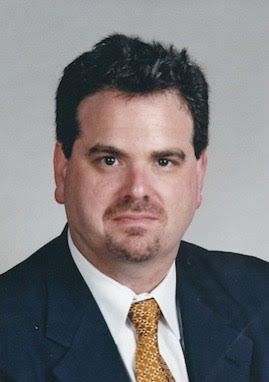
The COVID-19 pandemic has effectively “democratized” telepsychiatry, a mode of health care delivery that previously was thought of as “overly complex” and limited to a few specialists, said Avrim Fishkind, MD, CEO/consultant in emergency psychiatry and psychiatric emergency services design at Empathic Soul Health in Houston.
“In a blink of an eye, every psychiatrist and every mental health professional now can see themselves – and many have been forced into – becoming telepsychiatrists,” Dr. Fishkind said in a presentation at the meeting.
“Access to you is fantastic ... and your no-show rates decrease dramatically when people have flexibility to talk to you when they want to schedule and where they want to schedule.”
On the other hand, telepsychiatry should not be viewed as a panacea, cautioned Patrice A. Harris, MD, a child and adolescent psychiatrist and current president of the American Medical Association. The AMA has advocated for the more flexible federal regulations and payment policies that have helped boost telemedicine adoption during the crisis.
“Not every regulation that was relaxed, and not everything we are doing now in the midst of this pandemic, should be continued,” Dr. Harris said in a question-and-answer session earlier in the conference.
“I don’t want us all to say, ‘Wow, we had this experience, and it worked,’ and then continue to do it in the exact same way,” she added. “I know that we, the APA, and AMA, will be there to have a thoughtful, science-based, data-driven conversation about the next move regarding telemedicine and telehealth after we get through this pandemic.”
Telepsychiatry has nevertheless proven very versatile and applicable to a broad swath of patients during the COVID-19 pandemic, according to Dr. Fishkind. “I start from the position that I can see every patient this way, and I have to find a reason why I can’t,” said Dr. Fishkind, who also is lead telepsychiatrist at the Harris Center in Houston and a past president of the American Association for Emergency Psychiatry.
Telemedicine services can be as good as office visits, if not better, he told attendees at the virtual meeting. For example, a virtual visit can obviate the need for an in-person evaluation of a child with autism for whom an in-person visit would be challenging for the patient and parent alike.
However, Dr. Fishkind acknowledged that telepsychiatry is not for everyone: “I don’t want to say it’s heaven on earth. There are some patients who do refuse to be seen this way.”
What happens next in telepsychiatry is anyone’s guess, though Dr. Fishkind said he envisions an online “wheel of access” model of psychiatric services delivery.
In this portal-style model, the psychiatric patient might log in, answer a few automated questions, and then, based on their responses, they would be routed to a social worker or nurse navigator at the center of that services wheel.
In turn, the navigator might route the patient to one of the services on the spokes of the wheel, such as a psychiatrist consult, video-based or online cognitive-behavioral therapy, peer forums, group therapy, a pharmacist, or to other clinicians and interventions.
“Patients would have instant access to all of the things that we always want them to have access to – but now, by using virtual technologies, they could actually get them,” said Dr. Fishkind.
Dr. Fishkind reported no financial conflicts.
SOURCE: Fishkind A. APA 2020, Abstract.
The recent surge in telemedicine services fueled by the COVID-19 pandemic has improved access to psychiatry care and may have set the stage for even more dramatic forays into virtual care in the future. However, not all patients want video visits, and it is not clear that the way telepsychiatry is practiced right now will be the best model for clinical practice once the crisis abates, speakers said at the annual meeting of the American Psychiatric Association, which was held as a virtual live event.
The COVID-19 pandemic has effectively “democratized” telepsychiatry, a mode of health care delivery that previously was thought of as “overly complex” and limited to a few specialists, said Avrim Fishkind, MD, CEO/consultant in emergency psychiatry and psychiatric emergency services design at Empathic Soul Health in Houston.
“In a blink of an eye, every psychiatrist and every mental health professional now can see themselves – and many have been forced into – becoming telepsychiatrists,” Dr. Fishkind said in a presentation at the meeting.
“Access to you is fantastic ... and your no-show rates decrease dramatically when people have flexibility to talk to you when they want to schedule and where they want to schedule.”
On the other hand, telepsychiatry should not be viewed as a panacea, cautioned Patrice A. Harris, MD, a child and adolescent psychiatrist and current president of the American Medical Association. The AMA has advocated for the more flexible federal regulations and payment policies that have helped boost telemedicine adoption during the crisis.
“Not every regulation that was relaxed, and not everything we are doing now in the midst of this pandemic, should be continued,” Dr. Harris said in a question-and-answer session earlier in the conference.
“I don’t want us all to say, ‘Wow, we had this experience, and it worked,’ and then continue to do it in the exact same way,” she added. “I know that we, the APA, and AMA, will be there to have a thoughtful, science-based, data-driven conversation about the next move regarding telemedicine and telehealth after we get through this pandemic.”
Telepsychiatry has nevertheless proven very versatile and applicable to a broad swath of patients during the COVID-19 pandemic, according to Dr. Fishkind. “I start from the position that I can see every patient this way, and I have to find a reason why I can’t,” said Dr. Fishkind, who also is lead telepsychiatrist at the Harris Center in Houston and a past president of the American Association for Emergency Psychiatry.
Telemedicine services can be as good as office visits, if not better, he told attendees at the virtual meeting. For example, a virtual visit can obviate the need for an in-person evaluation of a child with autism for whom an in-person visit would be challenging for the patient and parent alike.
However, Dr. Fishkind acknowledged that telepsychiatry is not for everyone: “I don’t want to say it’s heaven on earth. There are some patients who do refuse to be seen this way.”
What happens next in telepsychiatry is anyone’s guess, though Dr. Fishkind said he envisions an online “wheel of access” model of psychiatric services delivery.
In this portal-style model, the psychiatric patient might log in, answer a few automated questions, and then, based on their responses, they would be routed to a social worker or nurse navigator at the center of that services wheel.
In turn, the navigator might route the patient to one of the services on the spokes of the wheel, such as a psychiatrist consult, video-based or online cognitive-behavioral therapy, peer forums, group therapy, a pharmacist, or to other clinicians and interventions.
“Patients would have instant access to all of the things that we always want them to have access to – but now, by using virtual technologies, they could actually get them,” said Dr. Fishkind.
Dr. Fishkind reported no financial conflicts.
SOURCE: Fishkind A. APA 2020, Abstract.
The recent surge in telemedicine services fueled by the COVID-19 pandemic has improved access to psychiatry care and may have set the stage for even more dramatic forays into virtual care in the future. However, not all patients want video visits, and it is not clear that the way telepsychiatry is practiced right now will be the best model for clinical practice once the crisis abates, speakers said at the annual meeting of the American Psychiatric Association, which was held as a virtual live event.
The COVID-19 pandemic has effectively “democratized” telepsychiatry, a mode of health care delivery that previously was thought of as “overly complex” and limited to a few specialists, said Avrim Fishkind, MD, CEO/consultant in emergency psychiatry and psychiatric emergency services design at Empathic Soul Health in Houston.
“In a blink of an eye, every psychiatrist and every mental health professional now can see themselves – and many have been forced into – becoming telepsychiatrists,” Dr. Fishkind said in a presentation at the meeting.
“Access to you is fantastic ... and your no-show rates decrease dramatically when people have flexibility to talk to you when they want to schedule and where they want to schedule.”
On the other hand, telepsychiatry should not be viewed as a panacea, cautioned Patrice A. Harris, MD, a child and adolescent psychiatrist and current president of the American Medical Association. The AMA has advocated for the more flexible federal regulations and payment policies that have helped boost telemedicine adoption during the crisis.
“Not every regulation that was relaxed, and not everything we are doing now in the midst of this pandemic, should be continued,” Dr. Harris said in a question-and-answer session earlier in the conference.
“I don’t want us all to say, ‘Wow, we had this experience, and it worked,’ and then continue to do it in the exact same way,” she added. “I know that we, the APA, and AMA, will be there to have a thoughtful, science-based, data-driven conversation about the next move regarding telemedicine and telehealth after we get through this pandemic.”
Telepsychiatry has nevertheless proven very versatile and applicable to a broad swath of patients during the COVID-19 pandemic, according to Dr. Fishkind. “I start from the position that I can see every patient this way, and I have to find a reason why I can’t,” said Dr. Fishkind, who also is lead telepsychiatrist at the Harris Center in Houston and a past president of the American Association for Emergency Psychiatry.
Telemedicine services can be as good as office visits, if not better, he told attendees at the virtual meeting. For example, a virtual visit can obviate the need for an in-person evaluation of a child with autism for whom an in-person visit would be challenging for the patient and parent alike.
However, Dr. Fishkind acknowledged that telepsychiatry is not for everyone: “I don’t want to say it’s heaven on earth. There are some patients who do refuse to be seen this way.”
What happens next in telepsychiatry is anyone’s guess, though Dr. Fishkind said he envisions an online “wheel of access” model of psychiatric services delivery.
In this portal-style model, the psychiatric patient might log in, answer a few automated questions, and then, based on their responses, they would be routed to a social worker or nurse navigator at the center of that services wheel.
In turn, the navigator might route the patient to one of the services on the spokes of the wheel, such as a psychiatrist consult, video-based or online cognitive-behavioral therapy, peer forums, group therapy, a pharmacist, or to other clinicians and interventions.
“Patients would have instant access to all of the things that we always want them to have access to – but now, by using virtual technologies, they could actually get them,” said Dr. Fishkind.
Dr. Fishkind reported no financial conflicts.
SOURCE: Fishkind A. APA 2020, Abstract.
FROM APA 2020
COVID-19: Psychiatrists ‘more than a match’ for crisis moment
Tackling the COVID-19 crisis will require psychiatrists to muster the courage to lead, establish trust, and ultimately provide psychiatric care with competence, honesty, and compassion, said Patrice A. Harris, MD, an Atlanta-based psychiatrist who is president of the American Medical Association.

Leaders in psychiatry are uniquely positioned to combat a wave of disease misinformation, address inequities in care, and meet the logistical challenges of safely meeting patient needs as the outbreak continues, Dr. Harris said at the American Psychiatric Association annual meeting, which was held as a virtual live event.
“I believe you, we, are more than a match for this moment – a moment that requires our leadership and requires us to hold other leaders accountable as we fight this pandemic,” she said in remarks to online attendees.
Using trust to fight myths
Misinformation about COVID-19 has been “spreading rapidly, even intentionally, due to fear or political agendas,” said Dr. Harris, who became the 174th president of the AMA in June 2019.
Others believe the coronavirus crisis is a new way to force vaccinations on people who don’t want them, added Dr. Harris.
Myths, rumors, and conspiracy theories lead to “more illness and death,” she said, at a time when most Americans say they’ve lost trust in the federal government and even in other American citizens.
“Fortunately, people still trust us – their doctors,” she added. “We fight for science, we call out quackery and snake oil when we see it, [and] we are willing to counter the propaganda of the antiscience voice.”
Physicians are ranked among the most trusted professions because they are committed to seeing, acknowledging, and sharing patients’ human experience, “and of course, I believe we do that as psychiatrists more than most,” Dr. Harris said.
Fighting COVID-19 at the AMA level
During the pandemic, the AMA has advocated for adequate testing and supplies, adequate insurance coverage, and changes to current procedural technology (CPT) codes to streamline novel coronavirus testing. The AMA has also developed a free COVID-19 resource center on the JAMA Network website, Dr. Harris said, as well as guidance on protecting medical students responding to the pandemic.
The safety of health care clinicians remains a central issue for the AMA at a time when masks and other personal protective equipment (PPE) remain in short supply.
In a recent letter to Vice President Mike Pence, who is leading the White House’s coronavirus task force, AMA Executive Vice President and CEO James L. Madara, MD, urged the Trump administration to undertake a Manhattan Project–like effort to expand capacity for needed supplies.
“We will continue to call on the White House, and APA has as well, to make sure these needs are met,” Dr. Harris said.
COVID-19 and inequities in care
Because the pandemic has had dramatic effects on African American communities across the United States, AMA Chief Health Equity Officer Aletha Maybank, MD, has made recent media appearances to highlight care inequities and what can be done about them.
Meanwhile, the AMA and other physician associations have urged the Trump Administration to collect, analyze, and make available COVID-19 data by race and ethnicity: “We can’t fix a problem until we identify a problem,” Dr. Harris said in her address to the APA.
Relying on science
In a virtual address hosted by the National Press Club earlier in April, Dr. Harris made an appeal for “relying on the science and evidence” to inform COVID-19–related decisions.
Elected officials need to “affirm science, evidence, and fact in their words and actions,” while media need to be vigilant in citing credible sources and challenging those who “chose to trade in misinformation,” she said in that address.
Speaking at the APA virtual meeting, Dr. Harris spoke of an “assault on science for several years” that inspired the National Press Club address. “We wanted to remind the public of its responsibility to focus on science and the evidence, for us to turn the tide against COVID-19,” she explained.
Physician care and self-care
While the AMA urges social distancing, Dr. Harris used the term “physical distancing” in her APA address. Physical distancing emphasizes the need for stay-at-home and shelter-in-place restrictions, while recognizing the need for maintaining meaningful social interactions, she explained.
Social media use represents one “opportunity” to bridge that gap when physical proximity is not an option, she added.
Dr. Harris also stressed the need for physicians to “take time out and practice self-care” to ensure that they are recharged and able to provide optimal patient care.
“We need to be there for others, but we have to put our own masks on first,” she said.
Dr. Harris reported no financial relationships with commercial interests.
SOURCE: Harris PA. APA 2020 Virtual Meeting.
Tackling the COVID-19 crisis will require psychiatrists to muster the courage to lead, establish trust, and ultimately provide psychiatric care with competence, honesty, and compassion, said Patrice A. Harris, MD, an Atlanta-based psychiatrist who is president of the American Medical Association.
Leaders in psychiatry are uniquely positioned to combat a wave of disease misinformation, address inequities in care, and meet the logistical challenges of safely meeting patient needs as the outbreak continues, Dr. Harris said at the American Psychiatric Association annual meeting, which was held as a virtual live event.
“I believe you, we, are more than a match for this moment – a moment that requires our leadership and requires us to hold other leaders accountable as we fight this pandemic,” she said in remarks to online attendees.
Using trust to fight myths
Misinformation about COVID-19 has been “spreading rapidly, even intentionally, due to fear or political agendas,” said Dr. Harris, who became the 174th president of the AMA in June 2019.
Others believe the coronavirus crisis is a new way to force vaccinations on people who don’t want them, added Dr. Harris.
Myths, rumors, and conspiracy theories lead to “more illness and death,” she said, at a time when most Americans say they’ve lost trust in the federal government and even in other American citizens.
“Fortunately, people still trust us – their doctors,” she added. “We fight for science, we call out quackery and snake oil when we see it, [and] we are willing to counter the propaganda of the antiscience voice.”
Physicians are ranked among the most trusted professions because they are committed to seeing, acknowledging, and sharing patients’ human experience, “and of course, I believe we do that as psychiatrists more than most,” Dr. Harris said.
Fighting COVID-19 at the AMA level
During the pandemic, the AMA has advocated for adequate testing and supplies, adequate insurance coverage, and changes to current procedural technology (CPT) codes to streamline novel coronavirus testing. The AMA has also developed a free COVID-19 resource center on the JAMA Network website, Dr. Harris said, as well as guidance on protecting medical students responding to the pandemic.
The safety of health care clinicians remains a central issue for the AMA at a time when masks and other personal protective equipment (PPE) remain in short supply.
In a recent letter to Vice President Mike Pence, who is leading the White House’s coronavirus task force, AMA Executive Vice President and CEO James L. Madara, MD, urged the Trump administration to undertake a Manhattan Project–like effort to expand capacity for needed supplies.
“We will continue to call on the White House, and APA has as well, to make sure these needs are met,” Dr. Harris said.
COVID-19 and inequities in care
Because the pandemic has had dramatic effects on African American communities across the United States, AMA Chief Health Equity Officer Aletha Maybank, MD, has made recent media appearances to highlight care inequities and what can be done about them.
Meanwhile, the AMA and other physician associations have urged the Trump Administration to collect, analyze, and make available COVID-19 data by race and ethnicity: “We can’t fix a problem until we identify a problem,” Dr. Harris said in her address to the APA.
Relying on science
In a virtual address hosted by the National Press Club earlier in April, Dr. Harris made an appeal for “relying on the science and evidence” to inform COVID-19–related decisions.
Elected officials need to “affirm science, evidence, and fact in their words and actions,” while media need to be vigilant in citing credible sources and challenging those who “chose to trade in misinformation,” she said in that address.
Speaking at the APA virtual meeting, Dr. Harris spoke of an “assault on science for several years” that inspired the National Press Club address. “We wanted to remind the public of its responsibility to focus on science and the evidence, for us to turn the tide against COVID-19,” she explained.
Physician care and self-care
While the AMA urges social distancing, Dr. Harris used the term “physical distancing” in her APA address. Physical distancing emphasizes the need for stay-at-home and shelter-in-place restrictions, while recognizing the need for maintaining meaningful social interactions, she explained.
Social media use represents one “opportunity” to bridge that gap when physical proximity is not an option, she added.
Dr. Harris also stressed the need for physicians to “take time out and practice self-care” to ensure that they are recharged and able to provide optimal patient care.
“We need to be there for others, but we have to put our own masks on first,” she said.
Dr. Harris reported no financial relationships with commercial interests.
SOURCE: Harris PA. APA 2020 Virtual Meeting.
Tackling the COVID-19 crisis will require psychiatrists to muster the courage to lead, establish trust, and ultimately provide psychiatric care with competence, honesty, and compassion, said Patrice A. Harris, MD, an Atlanta-based psychiatrist who is president of the American Medical Association.
Leaders in psychiatry are uniquely positioned to combat a wave of disease misinformation, address inequities in care, and meet the logistical challenges of safely meeting patient needs as the outbreak continues, Dr. Harris said at the American Psychiatric Association annual meeting, which was held as a virtual live event.
“I believe you, we, are more than a match for this moment – a moment that requires our leadership and requires us to hold other leaders accountable as we fight this pandemic,” she said in remarks to online attendees.
Using trust to fight myths
Misinformation about COVID-19 has been “spreading rapidly, even intentionally, due to fear or political agendas,” said Dr. Harris, who became the 174th president of the AMA in June 2019.
Others believe the coronavirus crisis is a new way to force vaccinations on people who don’t want them, added Dr. Harris.
Myths, rumors, and conspiracy theories lead to “more illness and death,” she said, at a time when most Americans say they’ve lost trust in the federal government and even in other American citizens.
“Fortunately, people still trust us – their doctors,” she added. “We fight for science, we call out quackery and snake oil when we see it, [and] we are willing to counter the propaganda of the antiscience voice.”
Physicians are ranked among the most trusted professions because they are committed to seeing, acknowledging, and sharing patients’ human experience, “and of course, I believe we do that as psychiatrists more than most,” Dr. Harris said.
Fighting COVID-19 at the AMA level
During the pandemic, the AMA has advocated for adequate testing and supplies, adequate insurance coverage, and changes to current procedural technology (CPT) codes to streamline novel coronavirus testing. The AMA has also developed a free COVID-19 resource center on the JAMA Network website, Dr. Harris said, as well as guidance on protecting medical students responding to the pandemic.
The safety of health care clinicians remains a central issue for the AMA at a time when masks and other personal protective equipment (PPE) remain in short supply.
In a recent letter to Vice President Mike Pence, who is leading the White House’s coronavirus task force, AMA Executive Vice President and CEO James L. Madara, MD, urged the Trump administration to undertake a Manhattan Project–like effort to expand capacity for needed supplies.
“We will continue to call on the White House, and APA has as well, to make sure these needs are met,” Dr. Harris said.
COVID-19 and inequities in care
Because the pandemic has had dramatic effects on African American communities across the United States, AMA Chief Health Equity Officer Aletha Maybank, MD, has made recent media appearances to highlight care inequities and what can be done about them.
Meanwhile, the AMA and other physician associations have urged the Trump Administration to collect, analyze, and make available COVID-19 data by race and ethnicity: “We can’t fix a problem until we identify a problem,” Dr. Harris said in her address to the APA.
Relying on science
In a virtual address hosted by the National Press Club earlier in April, Dr. Harris made an appeal for “relying on the science and evidence” to inform COVID-19–related decisions.
Elected officials need to “affirm science, evidence, and fact in their words and actions,” while media need to be vigilant in citing credible sources and challenging those who “chose to trade in misinformation,” she said in that address.
Speaking at the APA virtual meeting, Dr. Harris spoke of an “assault on science for several years” that inspired the National Press Club address. “We wanted to remind the public of its responsibility to focus on science and the evidence, for us to turn the tide against COVID-19,” she explained.
Physician care and self-care
While the AMA urges social distancing, Dr. Harris used the term “physical distancing” in her APA address. Physical distancing emphasizes the need for stay-at-home and shelter-in-place restrictions, while recognizing the need for maintaining meaningful social interactions, she explained.
Social media use represents one “opportunity” to bridge that gap when physical proximity is not an option, she added.
Dr. Harris also stressed the need for physicians to “take time out and practice self-care” to ensure that they are recharged and able to provide optimal patient care.
“We need to be there for others, but we have to put our own masks on first,” she said.
Dr. Harris reported no financial relationships with commercial interests.
SOURCE: Harris PA. APA 2020 Virtual Meeting.
FROM APA 2020
Teprotumumab eases thyroid eye disease in all, including smokers
Teprotumumab (Tepezza, Horizon Therapeutics), the first-ever medication approved specifically to treat thyroid eye disease, works in patients regardless of age, gender, and smoking status, new research finds.
The data were presented on March 31 by Raymond S. Douglas, MD, director of the thyroid eye disease program at Cedars-Sinai Medical Center, Los Angeles, during a virtual news conference held by the Endocrine Society. The study had been slated for presentation during ENDO 2020, the society’s annual meeting, which was canceled because of the COVID-19 pandemic.
Thyroid eye disease occurs in up to 50% of people with Graves disease, causing a variety of symptoms, such as eye pain, double vision, light sensitivity or difficulty closing the eye, as well as proptosis, or bulging of the eye, and vision-threatening complications. It affects more women than men, and the symptoms can lead to the progressive inability to perform important daily activities, such as driving or working.
Teprotumumab is a fully human monoclonal antibody inhibitor of the insulin-like growth factor-1 (IGF-1) receptor and was approved by the US Food and Drug Administration in January 2020. Prior to that, therapy typically involved steroids or, in severe cases, surgery.
Blocking the IGF-1 receptor leads to reduced inflammation and reversal of retro-orbital tissue expansion and hyaluronan production in the eye orbit. Teprotumumab is given as an infusion once every 3 weeks for a total of eight infusions.
“Exciting to have an agent” that reduces proptosis to this degree
Previously reported pooled phase 2 and phase 3 data from the randomized, placebo-controlled OPTIC trial involving 171 patients showed significantly greater reductions in proptosis, as well as diplopia, and clinical symptoms of inflammation with teprotumumab versus placebo.
“This has really been unheralded in comparison to other medical therapies previously offered,” Dr. Douglas said during the briefing.
Now, the new analysis shows that the drug works across patient subgroups, he added, highlighting in particular the fact that the agent seems to work equally well in smokers and nonsmokers. Smoking leads to a worse prognosis in thyroid eye disease.
Asked to comment, endocrinologist David C. Lieb, MD, of Eastern Virginia Medical School, Norfolk, said in an interview, “It’s reassuring that this drug appears to have benefits in reducing proptosis across multiple age groups, in both genders, and that there are also benefits seen in patients who smoke and who don’t.”
So far Dr. Lieb has two patients who have been prescribed teprotumumab by their ophthalmologists, but it’s too soon to know how they’ll respond.
“I have no first-hand experience yet, but it’s very exciting to have something to offer patients with active Graves eye disease, which causes a lot of disability for people. It makes work difficult and driving difficult. It’s exciting to have an agent that reduces proptosis to the degree that this one does because we haven’t had anything like this before,” he said.
All patient subgroups benefited in combined analysis
A total of 79 patients completed phase 2 and 76 patients completed phase 3 of the OPTIC trial.
Overall, the proportions achieving proptosis reductions of at least 2 mm without deterioration in the fellow eye at week 24 were 77.4% with teprotumumab versus 14.9% with placebo in the intention-to-treat analysis (P < .001), respectively, and 84.8% versus 17.1% in the per-protocol analysis (P < .001). The number needed to treat was 1.6.
Similar results were achieved across all subgroups of patients: those aged 65 and older versus younger than aged 65 years; male versus female; tobacco user versus nonuser; and U.S. versus E.U. study centers (all P < .001).
Overall, the average decrease in proptosis was 3.1 mm, compared to just 0.4 mm with placebo (P < .001). By subgroup, those reductions ranged from 3.55 mm for those aged 65 and older to 2.93 mm for the U.S. group.
The average proptosis reductions with teprotumumab were 2.99 mm among smokers versus 3.20 mm in nonsmokers, but responses in both groups were significant when compared with placebo.
Smoking contributes to the severity of thyroid eye disease and is associated with more optic neuropathy, poorer response to anti-inflammatory treatment, and worse outcomes, Dr. Douglas said. “Smoking appears to preferentially cause fibroblasts in the orbit to increase proinflammatory cytokines. ... It’s reassuring that this medicine does work in smokers since most other medications are much less effective in reducing inflammatory signs in smoking versus nonsmoking patients.”
Most adverse reactions disappeared after infusion stopped
In the pooled studies overall there were no deaths, but there were seven severe adverse events in the teprotumumab group versus one in the placebo group. Two adverse events in the teprotumumab group – diarrhea and infusion-related reaction – were considered treatment-related and led to drug discontinuation. Another adverse event, Hashimoto’s encephalopathy, was deemed possibly related to the drug and also led to discontinuation.
Treatment-emergent adverse events occurred in 79.8% of patients treated with teprotumumab versus 69.8% with placebo. Those occurring in 5% or more of patients included muscle spasms (25% vs. 7%), nausea (17% vs. 9%), alopecia (13% vs. 8%), and diarrhea (12% vs. 8%). Most were well tolerated and tended to resolve after the infusions ended, Dr. Douglas noted, adding muscle spasms tended to occur at night, improved with massage, and were not accompanied by electrolyte abnormalities.
Antidrug antibodies were detected in two teprotumumab-treated patients, one at study day 1 and another at week 3 during the 24-week treatment period. The patient with antibodies at day 1 also tested positive at week 72. “[Antidrug] antibodies appeared to be very uncommon,” Dr. Douglas noted.
The trial was sponsored by Horizon Therapeutics. Dr. Douglas is a consultant for Horizon Therapeutics and Immunovant. Dr. Lieb has reported no relevant financial relationships. The research will be published in a special supplemental issue of the Journal of the Endocrine Society. In addition to a series of news conferences on March 30-31, the society will host ENDO Online 2020 during June 8-22, which will present programming for clinicians and researchers.
This article first appeared on Medscape.com.
Teprotumumab (Tepezza, Horizon Therapeutics), the first-ever medication approved specifically to treat thyroid eye disease, works in patients regardless of age, gender, and smoking status, new research finds.
The data were presented on March 31 by Raymond S. Douglas, MD, director of the thyroid eye disease program at Cedars-Sinai Medical Center, Los Angeles, during a virtual news conference held by the Endocrine Society. The study had been slated for presentation during ENDO 2020, the society’s annual meeting, which was canceled because of the COVID-19 pandemic.
Thyroid eye disease occurs in up to 50% of people with Graves disease, causing a variety of symptoms, such as eye pain, double vision, light sensitivity or difficulty closing the eye, as well as proptosis, or bulging of the eye, and vision-threatening complications. It affects more women than men, and the symptoms can lead to the progressive inability to perform important daily activities, such as driving or working.
Teprotumumab is a fully human monoclonal antibody inhibitor of the insulin-like growth factor-1 (IGF-1) receptor and was approved by the US Food and Drug Administration in January 2020. Prior to that, therapy typically involved steroids or, in severe cases, surgery.
Blocking the IGF-1 receptor leads to reduced inflammation and reversal of retro-orbital tissue expansion and hyaluronan production in the eye orbit. Teprotumumab is given as an infusion once every 3 weeks for a total of eight infusions.
“Exciting to have an agent” that reduces proptosis to this degree
Previously reported pooled phase 2 and phase 3 data from the randomized, placebo-controlled OPTIC trial involving 171 patients showed significantly greater reductions in proptosis, as well as diplopia, and clinical symptoms of inflammation with teprotumumab versus placebo.
“This has really been unheralded in comparison to other medical therapies previously offered,” Dr. Douglas said during the briefing.
Now, the new analysis shows that the drug works across patient subgroups, he added, highlighting in particular the fact that the agent seems to work equally well in smokers and nonsmokers. Smoking leads to a worse prognosis in thyroid eye disease.
Asked to comment, endocrinologist David C. Lieb, MD, of Eastern Virginia Medical School, Norfolk, said in an interview, “It’s reassuring that this drug appears to have benefits in reducing proptosis across multiple age groups, in both genders, and that there are also benefits seen in patients who smoke and who don’t.”
So far Dr. Lieb has two patients who have been prescribed teprotumumab by their ophthalmologists, but it’s too soon to know how they’ll respond.
“I have no first-hand experience yet, but it’s very exciting to have something to offer patients with active Graves eye disease, which causes a lot of disability for people. It makes work difficult and driving difficult. It’s exciting to have an agent that reduces proptosis to the degree that this one does because we haven’t had anything like this before,” he said.
All patient subgroups benefited in combined analysis
A total of 79 patients completed phase 2 and 76 patients completed phase 3 of the OPTIC trial.
Overall, the proportions achieving proptosis reductions of at least 2 mm without deterioration in the fellow eye at week 24 were 77.4% with teprotumumab versus 14.9% with placebo in the intention-to-treat analysis (P < .001), respectively, and 84.8% versus 17.1% in the per-protocol analysis (P < .001). The number needed to treat was 1.6.
Similar results were achieved across all subgroups of patients: those aged 65 and older versus younger than aged 65 years; male versus female; tobacco user versus nonuser; and U.S. versus E.U. study centers (all P < .001).
Overall, the average decrease in proptosis was 3.1 mm, compared to just 0.4 mm with placebo (P < .001). By subgroup, those reductions ranged from 3.55 mm for those aged 65 and older to 2.93 mm for the U.S. group.
The average proptosis reductions with teprotumumab were 2.99 mm among smokers versus 3.20 mm in nonsmokers, but responses in both groups were significant when compared with placebo.
Smoking contributes to the severity of thyroid eye disease and is associated with more optic neuropathy, poorer response to anti-inflammatory treatment, and worse outcomes, Dr. Douglas said. “Smoking appears to preferentially cause fibroblasts in the orbit to increase proinflammatory cytokines. ... It’s reassuring that this medicine does work in smokers since most other medications are much less effective in reducing inflammatory signs in smoking versus nonsmoking patients.”
Most adverse reactions disappeared after infusion stopped
In the pooled studies overall there were no deaths, but there were seven severe adverse events in the teprotumumab group versus one in the placebo group. Two adverse events in the teprotumumab group – diarrhea and infusion-related reaction – were considered treatment-related and led to drug discontinuation. Another adverse event, Hashimoto’s encephalopathy, was deemed possibly related to the drug and also led to discontinuation.
Treatment-emergent adverse events occurred in 79.8% of patients treated with teprotumumab versus 69.8% with placebo. Those occurring in 5% or more of patients included muscle spasms (25% vs. 7%), nausea (17% vs. 9%), alopecia (13% vs. 8%), and diarrhea (12% vs. 8%). Most were well tolerated and tended to resolve after the infusions ended, Dr. Douglas noted, adding muscle spasms tended to occur at night, improved with massage, and were not accompanied by electrolyte abnormalities.
Antidrug antibodies were detected in two teprotumumab-treated patients, one at study day 1 and another at week 3 during the 24-week treatment period. The patient with antibodies at day 1 also tested positive at week 72. “[Antidrug] antibodies appeared to be very uncommon,” Dr. Douglas noted.
The trial was sponsored by Horizon Therapeutics. Dr. Douglas is a consultant for Horizon Therapeutics and Immunovant. Dr. Lieb has reported no relevant financial relationships. The research will be published in a special supplemental issue of the Journal of the Endocrine Society. In addition to a series of news conferences on March 30-31, the society will host ENDO Online 2020 during June 8-22, which will present programming for clinicians and researchers.
This article first appeared on Medscape.com.
Teprotumumab (Tepezza, Horizon Therapeutics), the first-ever medication approved specifically to treat thyroid eye disease, works in patients regardless of age, gender, and smoking status, new research finds.
The data were presented on March 31 by Raymond S. Douglas, MD, director of the thyroid eye disease program at Cedars-Sinai Medical Center, Los Angeles, during a virtual news conference held by the Endocrine Society. The study had been slated for presentation during ENDO 2020, the society’s annual meeting, which was canceled because of the COVID-19 pandemic.
Thyroid eye disease occurs in up to 50% of people with Graves disease, causing a variety of symptoms, such as eye pain, double vision, light sensitivity or difficulty closing the eye, as well as proptosis, or bulging of the eye, and vision-threatening complications. It affects more women than men, and the symptoms can lead to the progressive inability to perform important daily activities, such as driving or working.
Teprotumumab is a fully human monoclonal antibody inhibitor of the insulin-like growth factor-1 (IGF-1) receptor and was approved by the US Food and Drug Administration in January 2020. Prior to that, therapy typically involved steroids or, in severe cases, surgery.
Blocking the IGF-1 receptor leads to reduced inflammation and reversal of retro-orbital tissue expansion and hyaluronan production in the eye orbit. Teprotumumab is given as an infusion once every 3 weeks for a total of eight infusions.
“Exciting to have an agent” that reduces proptosis to this degree
Previously reported pooled phase 2 and phase 3 data from the randomized, placebo-controlled OPTIC trial involving 171 patients showed significantly greater reductions in proptosis, as well as diplopia, and clinical symptoms of inflammation with teprotumumab versus placebo.
“This has really been unheralded in comparison to other medical therapies previously offered,” Dr. Douglas said during the briefing.
Now, the new analysis shows that the drug works across patient subgroups, he added, highlighting in particular the fact that the agent seems to work equally well in smokers and nonsmokers. Smoking leads to a worse prognosis in thyroid eye disease.
Asked to comment, endocrinologist David C. Lieb, MD, of Eastern Virginia Medical School, Norfolk, said in an interview, “It’s reassuring that this drug appears to have benefits in reducing proptosis across multiple age groups, in both genders, and that there are also benefits seen in patients who smoke and who don’t.”
So far Dr. Lieb has two patients who have been prescribed teprotumumab by their ophthalmologists, but it’s too soon to know how they’ll respond.
“I have no first-hand experience yet, but it’s very exciting to have something to offer patients with active Graves eye disease, which causes a lot of disability for people. It makes work difficult and driving difficult. It’s exciting to have an agent that reduces proptosis to the degree that this one does because we haven’t had anything like this before,” he said.
All patient subgroups benefited in combined analysis
A total of 79 patients completed phase 2 and 76 patients completed phase 3 of the OPTIC trial.
Overall, the proportions achieving proptosis reductions of at least 2 mm without deterioration in the fellow eye at week 24 were 77.4% with teprotumumab versus 14.9% with placebo in the intention-to-treat analysis (P < .001), respectively, and 84.8% versus 17.1% in the per-protocol analysis (P < .001). The number needed to treat was 1.6.
Similar results were achieved across all subgroups of patients: those aged 65 and older versus younger than aged 65 years; male versus female; tobacco user versus nonuser; and U.S. versus E.U. study centers (all P < .001).
Overall, the average decrease in proptosis was 3.1 mm, compared to just 0.4 mm with placebo (P < .001). By subgroup, those reductions ranged from 3.55 mm for those aged 65 and older to 2.93 mm for the U.S. group.
The average proptosis reductions with teprotumumab were 2.99 mm among smokers versus 3.20 mm in nonsmokers, but responses in both groups were significant when compared with placebo.
Smoking contributes to the severity of thyroid eye disease and is associated with more optic neuropathy, poorer response to anti-inflammatory treatment, and worse outcomes, Dr. Douglas said. “Smoking appears to preferentially cause fibroblasts in the orbit to increase proinflammatory cytokines. ... It’s reassuring that this medicine does work in smokers since most other medications are much less effective in reducing inflammatory signs in smoking versus nonsmoking patients.”
Most adverse reactions disappeared after infusion stopped
In the pooled studies overall there were no deaths, but there were seven severe adverse events in the teprotumumab group versus one in the placebo group. Two adverse events in the teprotumumab group – diarrhea and infusion-related reaction – were considered treatment-related and led to drug discontinuation. Another adverse event, Hashimoto’s encephalopathy, was deemed possibly related to the drug and also led to discontinuation.
Treatment-emergent adverse events occurred in 79.8% of patients treated with teprotumumab versus 69.8% with placebo. Those occurring in 5% or more of patients included muscle spasms (25% vs. 7%), nausea (17% vs. 9%), alopecia (13% vs. 8%), and diarrhea (12% vs. 8%). Most were well tolerated and tended to resolve after the infusions ended, Dr. Douglas noted, adding muscle spasms tended to occur at night, improved with massage, and were not accompanied by electrolyte abnormalities.
Antidrug antibodies were detected in two teprotumumab-treated patients, one at study day 1 and another at week 3 during the 24-week treatment period. The patient with antibodies at day 1 also tested positive at week 72. “[Antidrug] antibodies appeared to be very uncommon,” Dr. Douglas noted.
The trial was sponsored by Horizon Therapeutics. Dr. Douglas is a consultant for Horizon Therapeutics and Immunovant. Dr. Lieb has reported no relevant financial relationships. The research will be published in a special supplemental issue of the Journal of the Endocrine Society. In addition to a series of news conferences on March 30-31, the society will host ENDO Online 2020 during June 8-22, which will present programming for clinicians and researchers.
This article first appeared on Medscape.com.
AUGUSTUS: After ACS or PCI, aspirin gives AFib patients scant benefit
When patients with atrial fibrillation have an acute coronary syndrome event or undergo percutaneous coronary intervention, their window of opportunity for benefiting from a triple antithrombotic regimen was, at best, about 30 days, according to a post hoc analysis of AUGUSTUS, a multicenter, randomized trial with more than 4,600 patients.

Beyond 30 days out to 180 days, the incremental benefit from reduced ischemic events fell to essentially zero, giving it a clear back seat to the ongoing, increased bleeding risk from adding a third antithrombotic drug.
Patients randomized to receive aspirin in addition to an anticoagulant, either apixaban or a vitamin K antagonist such as warfarin, and a P2Y12 inhibitor such as clopidogrel “for up to approximately 30 days” had a roughly similar decrease in severe ischemic events and increase in severe bleeding events, suggesting that even acutely the overall impact of adding aspirin on top of the other two antithrombotics was a wash, John H. Alexander, MD, said in a presentation of research during the joint scientific sessions of the American College of Cardiology and the World Heart Federation, which was presented online this year. ACC organizers chose to present parts of the meeting virtually after COVID-19 concerns caused them to cancel the meeting.
Using aspirin as a third antithrombotic in patients with atrial fibrillation (AFib) who have also recently had either an acute coronary syndrome event (ACS) or underwent percutaneous coronary intervention (PCI), “may be reasonable,” for selected patients, but is a decision that requires careful individualization, cautioned Dr. Alexander, professor of medicine and director of Cardiovascular Research at the Duke Clinical Research Institute of Duke University, Durham, N.C.
“This is a superb secondary analysis looking at the time course of potential benefit and harm with aspirin, and they found that aspirin was beneficial only in the first 30 days. After 30 days, it’s startling and remarkable that the ischemic event curves were completely on top of each other,” commented Julia H. Indik, MD, a cardiac electrophysiologist at Banner–University Medical Center Tuscon and designated discussant for the report. “This substudy will be essential for updating the guidelines,” she predicted. “When a treatment’s benefit equals its risks,” which happened when aspirin was part of the regimen during the first 30 days, “then it’s not even a class IIb recommendation; it’s class III,” the classification used by the ACC and collaborating groups to identify treatments where net benefit and net risk are similar and hence the treatment is considered not recommended.
A key element in the analysis Dr. Alexander presented was to define a spectrum of clinical events as representing broad, intermediate, or severe ischemic or bleeding events. The severe category for bleeding events included fatal, intracranial, and any bleed rated as major by the International Society on Thrombosis and Haemostasis (ISTH) criteria, while the broad bleeding definition included all of these plus bleeds that directly resulted in hospitalization and clinically relevant nonmajor bleeds. For ischemic events, the severe group consisted of cardiovascular death, MI, stent thrombosis, and ischemic stroke, while the broad category also tallied urgent revascularizations and cardiovascular hospitalizations.
“I believe the severe bleeds and severe ischemic events we identified are roughly equal in severity,” Dr. Alexander noted. “Where I think we need more analysis is which patients have more bleeding risk and which have more ischemia risk. We need a more tailored approach to identify patient subgroups, perhaps based on angiographic characteristics, or something else,” that modifies the trade-off that, on a population level, seems very evenly balanced.
Applying this approach to scoring the severity of adverse outcomes, Dr. Alexander reported that, during the first 30 days on treatment, patients on aspirin had a net absolute gain of 1.0% in severe bleeding events, compared with placebo, and a 3.4% gain in broad bleeds, while showing a 0.9% drop in severe ischemic events but no between-group difference in the rate of broadly defined ischemic events. During days 31-180, the addition of aspirin resulted in virtually no reductions in ischemic events regardless of whether they were severe, intermediate, or broad, but adding aspirin continued to produce an excess of bleeding episodes in all three categories. The results also appeared in an article published online (Circulation. 2020 Mar 29. doi: 10.1161/CIRCULATIONAHA.120.046534).
“We did not see a time window when the ischemia risk was greater than the bleeding risk,” Dr. Alexander noted, and he also highlighted that the one option the analysis could not explore is never giving these patients any aspirin. “Patients received aspirin for some number of days before randomization,” a median of 6 days from the time of their ACS or PCI event until randomization, “so we don’t have great insight into whether no aspirin” is an reasonable option.
The AUGUSTUS trial randomized 4,614 patients with AFib and a recent ACS or PCI event at any of 492 sites in 33 countries during 2015-2018. The study’s primary endpoint was the rate of major or clinically relevant nonmajor bleeding by the ISTH criteria during 6 months on treatment, while composites of death or hospitalization, and death plus ischemic events served as secondary outcomes. All patients received an antiplatelet P2Y12 inhibitor, with 93% of patients receiving clopidogrel, and were randomized in a 2 x 2 factorial design to one of four regimens: either apixaban or a vitamin K antagonist (such as warfarin), and to aspirin or placebo. The study’s primary findings showed that using apixaban instead of a vitamin K antagonist significantly reduced bleeding events as well as the rate of death or hospitalization, but the rate of death and ischemic events was similar in the two arms. The primary AUGUSTUS finding for the aspirin versus placebo randomization was that overall throughout the study ischemic events were balanced in the these two treatment arms while aspirin boosted bleeding (N Engl J Med. 2019 Apr 18;380[16]:1509-24).
AUGUSTUS was sponsored by Bristol-Myers Squibb and Pfizer, the companies that market apixaban. Dr. Alexander has been a consultant to and received research funding from Bristol-Myers Squibb and Pfizer; has been a consultant to AbbVie, Bayer, CryoLife, CSL Behring, Novo Nordisk, Portola, Quantum Genomics, XaTek, and Zafgen; and has received research funding from Boehringer Ingelheim, CryoLife, CSL Behring, GlaxoSmithKline, and XaTek. Dr. Indik had no disclosures.
SOURCE: Alexander JH et al. ACC 2020, Abstract 409-08.
When patients with atrial fibrillation have an acute coronary syndrome event or undergo percutaneous coronary intervention, their window of opportunity for benefiting from a triple antithrombotic regimen was, at best, about 30 days, according to a post hoc analysis of AUGUSTUS, a multicenter, randomized trial with more than 4,600 patients.
Beyond 30 days out to 180 days, the incremental benefit from reduced ischemic events fell to essentially zero, giving it a clear back seat to the ongoing, increased bleeding risk from adding a third antithrombotic drug.
Patients randomized to receive aspirin in addition to an anticoagulant, either apixaban or a vitamin K antagonist such as warfarin, and a P2Y12 inhibitor such as clopidogrel “for up to approximately 30 days” had a roughly similar decrease in severe ischemic events and increase in severe bleeding events, suggesting that even acutely the overall impact of adding aspirin on top of the other two antithrombotics was a wash, John H. Alexander, MD, said in a presentation of research during the joint scientific sessions of the American College of Cardiology and the World Heart Federation, which was presented online this year. ACC organizers chose to present parts of the meeting virtually after COVID-19 concerns caused them to cancel the meeting.
Using aspirin as a third antithrombotic in patients with atrial fibrillation (AFib) who have also recently had either an acute coronary syndrome event (ACS) or underwent percutaneous coronary intervention (PCI), “may be reasonable,” for selected patients, but is a decision that requires careful individualization, cautioned Dr. Alexander, professor of medicine and director of Cardiovascular Research at the Duke Clinical Research Institute of Duke University, Durham, N.C.
“This is a superb secondary analysis looking at the time course of potential benefit and harm with aspirin, and they found that aspirin was beneficial only in the first 30 days. After 30 days, it’s startling and remarkable that the ischemic event curves were completely on top of each other,” commented Julia H. Indik, MD, a cardiac electrophysiologist at Banner–University Medical Center Tuscon and designated discussant for the report. “This substudy will be essential for updating the guidelines,” she predicted. “When a treatment’s benefit equals its risks,” which happened when aspirin was part of the regimen during the first 30 days, “then it’s not even a class IIb recommendation; it’s class III,” the classification used by the ACC and collaborating groups to identify treatments where net benefit and net risk are similar and hence the treatment is considered not recommended.
A key element in the analysis Dr. Alexander presented was to define a spectrum of clinical events as representing broad, intermediate, or severe ischemic or bleeding events. The severe category for bleeding events included fatal, intracranial, and any bleed rated as major by the International Society on Thrombosis and Haemostasis (ISTH) criteria, while the broad bleeding definition included all of these plus bleeds that directly resulted in hospitalization and clinically relevant nonmajor bleeds. For ischemic events, the severe group consisted of cardiovascular death, MI, stent thrombosis, and ischemic stroke, while the broad category also tallied urgent revascularizations and cardiovascular hospitalizations.
“I believe the severe bleeds and severe ischemic events we identified are roughly equal in severity,” Dr. Alexander noted. “Where I think we need more analysis is which patients have more bleeding risk and which have more ischemia risk. We need a more tailored approach to identify patient subgroups, perhaps based on angiographic characteristics, or something else,” that modifies the trade-off that, on a population level, seems very evenly balanced.
Applying this approach to scoring the severity of adverse outcomes, Dr. Alexander reported that, during the first 30 days on treatment, patients on aspirin had a net absolute gain of 1.0% in severe bleeding events, compared with placebo, and a 3.4% gain in broad bleeds, while showing a 0.9% drop in severe ischemic events but no between-group difference in the rate of broadly defined ischemic events. During days 31-180, the addition of aspirin resulted in virtually no reductions in ischemic events regardless of whether they were severe, intermediate, or broad, but adding aspirin continued to produce an excess of bleeding episodes in all three categories. The results also appeared in an article published online (Circulation. 2020 Mar 29. doi: 10.1161/CIRCULATIONAHA.120.046534).
“We did not see a time window when the ischemia risk was greater than the bleeding risk,” Dr. Alexander noted, and he also highlighted that the one option the analysis could not explore is never giving these patients any aspirin. “Patients received aspirin for some number of days before randomization,” a median of 6 days from the time of their ACS or PCI event until randomization, “so we don’t have great insight into whether no aspirin” is an reasonable option.
The AUGUSTUS trial randomized 4,614 patients with AFib and a recent ACS or PCI event at any of 492 sites in 33 countries during 2015-2018. The study’s primary endpoint was the rate of major or clinically relevant nonmajor bleeding by the ISTH criteria during 6 months on treatment, while composites of death or hospitalization, and death plus ischemic events served as secondary outcomes. All patients received an antiplatelet P2Y12 inhibitor, with 93% of patients receiving clopidogrel, and were randomized in a 2 x 2 factorial design to one of four regimens: either apixaban or a vitamin K antagonist (such as warfarin), and to aspirin or placebo. The study’s primary findings showed that using apixaban instead of a vitamin K antagonist significantly reduced bleeding events as well as the rate of death or hospitalization, but the rate of death and ischemic events was similar in the two arms. The primary AUGUSTUS finding for the aspirin versus placebo randomization was that overall throughout the study ischemic events were balanced in the these two treatment arms while aspirin boosted bleeding (N Engl J Med. 2019 Apr 18;380[16]:1509-24).
AUGUSTUS was sponsored by Bristol-Myers Squibb and Pfizer, the companies that market apixaban. Dr. Alexander has been a consultant to and received research funding from Bristol-Myers Squibb and Pfizer; has been a consultant to AbbVie, Bayer, CryoLife, CSL Behring, Novo Nordisk, Portola, Quantum Genomics, XaTek, and Zafgen; and has received research funding from Boehringer Ingelheim, CryoLife, CSL Behring, GlaxoSmithKline, and XaTek. Dr. Indik had no disclosures.
SOURCE: Alexander JH et al. ACC 2020, Abstract 409-08.
When patients with atrial fibrillation have an acute coronary syndrome event or undergo percutaneous coronary intervention, their window of opportunity for benefiting from a triple antithrombotic regimen was, at best, about 30 days, according to a post hoc analysis of AUGUSTUS, a multicenter, randomized trial with more than 4,600 patients.
Beyond 30 days out to 180 days, the incremental benefit from reduced ischemic events fell to essentially zero, giving it a clear back seat to the ongoing, increased bleeding risk from adding a third antithrombotic drug.
Patients randomized to receive aspirin in addition to an anticoagulant, either apixaban or a vitamin K antagonist such as warfarin, and a P2Y12 inhibitor such as clopidogrel “for up to approximately 30 days” had a roughly similar decrease in severe ischemic events and increase in severe bleeding events, suggesting that even acutely the overall impact of adding aspirin on top of the other two antithrombotics was a wash, John H. Alexander, MD, said in a presentation of research during the joint scientific sessions of the American College of Cardiology and the World Heart Federation, which was presented online this year. ACC organizers chose to present parts of the meeting virtually after COVID-19 concerns caused them to cancel the meeting.
Using aspirin as a third antithrombotic in patients with atrial fibrillation (AFib) who have also recently had either an acute coronary syndrome event (ACS) or underwent percutaneous coronary intervention (PCI), “may be reasonable,” for selected patients, but is a decision that requires careful individualization, cautioned Dr. Alexander, professor of medicine and director of Cardiovascular Research at the Duke Clinical Research Institute of Duke University, Durham, N.C.
“This is a superb secondary analysis looking at the time course of potential benefit and harm with aspirin, and they found that aspirin was beneficial only in the first 30 days. After 30 days, it’s startling and remarkable that the ischemic event curves were completely on top of each other,” commented Julia H. Indik, MD, a cardiac electrophysiologist at Banner–University Medical Center Tuscon and designated discussant for the report. “This substudy will be essential for updating the guidelines,” she predicted. “When a treatment’s benefit equals its risks,” which happened when aspirin was part of the regimen during the first 30 days, “then it’s not even a class IIb recommendation; it’s class III,” the classification used by the ACC and collaborating groups to identify treatments where net benefit and net risk are similar and hence the treatment is considered not recommended.
A key element in the analysis Dr. Alexander presented was to define a spectrum of clinical events as representing broad, intermediate, or severe ischemic or bleeding events. The severe category for bleeding events included fatal, intracranial, and any bleed rated as major by the International Society on Thrombosis and Haemostasis (ISTH) criteria, while the broad bleeding definition included all of these plus bleeds that directly resulted in hospitalization and clinically relevant nonmajor bleeds. For ischemic events, the severe group consisted of cardiovascular death, MI, stent thrombosis, and ischemic stroke, while the broad category also tallied urgent revascularizations and cardiovascular hospitalizations.
“I believe the severe bleeds and severe ischemic events we identified are roughly equal in severity,” Dr. Alexander noted. “Where I think we need more analysis is which patients have more bleeding risk and which have more ischemia risk. We need a more tailored approach to identify patient subgroups, perhaps based on angiographic characteristics, or something else,” that modifies the trade-off that, on a population level, seems very evenly balanced.
Applying this approach to scoring the severity of adverse outcomes, Dr. Alexander reported that, during the first 30 days on treatment, patients on aspirin had a net absolute gain of 1.0% in severe bleeding events, compared with placebo, and a 3.4% gain in broad bleeds, while showing a 0.9% drop in severe ischemic events but no between-group difference in the rate of broadly defined ischemic events. During days 31-180, the addition of aspirin resulted in virtually no reductions in ischemic events regardless of whether they were severe, intermediate, or broad, but adding aspirin continued to produce an excess of bleeding episodes in all three categories. The results also appeared in an article published online (Circulation. 2020 Mar 29. doi: 10.1161/CIRCULATIONAHA.120.046534).
“We did not see a time window when the ischemia risk was greater than the bleeding risk,” Dr. Alexander noted, and he also highlighted that the one option the analysis could not explore is never giving these patients any aspirin. “Patients received aspirin for some number of days before randomization,” a median of 6 days from the time of their ACS or PCI event until randomization, “so we don’t have great insight into whether no aspirin” is an reasonable option.
The AUGUSTUS trial randomized 4,614 patients with AFib and a recent ACS or PCI event at any of 492 sites in 33 countries during 2015-2018. The study’s primary endpoint was the rate of major or clinically relevant nonmajor bleeding by the ISTH criteria during 6 months on treatment, while composites of death or hospitalization, and death plus ischemic events served as secondary outcomes. All patients received an antiplatelet P2Y12 inhibitor, with 93% of patients receiving clopidogrel, and were randomized in a 2 x 2 factorial design to one of four regimens: either apixaban or a vitamin K antagonist (such as warfarin), and to aspirin or placebo. The study’s primary findings showed that using apixaban instead of a vitamin K antagonist significantly reduced bleeding events as well as the rate of death or hospitalization, but the rate of death and ischemic events was similar in the two arms. The primary AUGUSTUS finding for the aspirin versus placebo randomization was that overall throughout the study ischemic events were balanced in the these two treatment arms while aspirin boosted bleeding (N Engl J Med. 2019 Apr 18;380[16]:1509-24).
AUGUSTUS was sponsored by Bristol-Myers Squibb and Pfizer, the companies that market apixaban. Dr. Alexander has been a consultant to and received research funding from Bristol-Myers Squibb and Pfizer; has been a consultant to AbbVie, Bayer, CryoLife, CSL Behring, Novo Nordisk, Portola, Quantum Genomics, XaTek, and Zafgen; and has received research funding from Boehringer Ingelheim, CryoLife, CSL Behring, GlaxoSmithKline, and XaTek. Dr. Indik had no disclosures.
SOURCE: Alexander JH et al. ACC 2020, Abstract 409-08.
FROM ACC 2020
Hip hemiarthroplasty outcomes found better with cement vs. no cement
In older patients undergoing hemiarthroplasty for repair of a hip fracture, cemented fixation reduces the risk of aseptic revisions, according to a large retrospective cohort analysis reported in an abstract scheduled for release at the annual meeting of the American Academy of Orthopaedic Surgeons. The meeting was canceled due to COVID-19.
“These data suggest surgeons should consider cemented over uncemented femoral stem fixation in the absence of contraindications,” reported Kanu M. Okike, MD, an orthopedic surgeon with the Hawaii Permanente Medical Group, Kaiser Moanalua Medical Center, Honolulu.
The finding was drawn from a cohort analysis conducted in the United States. Several studies conducted in Europe and elsewhere, including randomized trials, have also favored cement.
“Cemented fixation is becoming a standard of care for elderly individuals outside of the U.S., but this study was conducted to evaluate the U.S. experience,” explained Dr. Okike in an interview.
Citing 2018 American Joint Replacement Registry data, Dr. Okike reported that more than half of hemiarthroplasties in the United States are still being fixed without cement.
The retrospective cohort analysis was undertaken with the Kaiser Permanente Hip Fracture Registry, selecting patients age 60 years or older who underwent hemiarthroplasty for hip fracture between 2009 and 2017. Of the 12,491 patients, 6,449 (51.6%) included cement fixation, and the remaining were uncemented.
After controlling for confounders, including age, sex, body mass index, and comorbidities, the incidence of aseptic revision 1 year after repair was 3.0% in the uncemented group and 1.3% in the cemented group. By hazard ratio (HR), the risk of aseptic revision, which was the primary endpoint, was increased by more than 75% (HR 1.77; 95% confidence interval, 1.43-2.19; P < .001).
Of the secondary outcomes evaluated, such as medical complications at 90 days or mortality at 1 year, none were significantly different between the two arms.
A post hoc analysis suggested that a higher risk of periprosthetic fracture explained the higher rates of aseptic revision in the uncemented group, according to Dr. Okike, whose data have now been published (JAMA. 2020;323:1077-84).
Surgeon preference was also evaluated in this study as an instrumental variable. When patients treated by a surgeon with a preference for cemented fixation were compared with those treated by a surgeon with a preference for cementless repair, the relative advantage of cement for the primary outcome was similar (HR, 1.74; P = .02).
These data are consistent with trials outside of the United States. For example, a randomized trial with 160 patients conducted in New Zealand associated cemented fixation with a lower risk of periprosthetic fracture (1 vs. 18) and superior Oxford hip scores (J Bone Joint Surg Am. 2012;94:577-83). Similarly, a randomized trial of 141 patients conducted in Sweden associated cemented fixation with lower rate of periprosthetic fracture (0 vs. 9) and improved outcomes on several instruments, including the Harris Hip Scale (Bone Joint J. 2015;97-B:1475-80).
Cemented fixation generally requires a slightly longer operating time, but it is not otherwise more difficult or more expensive, according to Dr. Okike. He believes these results encourage cemented fixation in older patients without contraindications. This is already specifically recommended in AAOS guidelines for the management of hip fractures in elderly patients.
An orthopedic surgeon who has published frequently on total hip arthroplasty, Emil van Haaren, MD, of Zuyderland Medical Center, Heerlen, the Netherlands, confirmed that cemented hemiarthroplasty is considered “the golden standard of care” at his institution. In one study for which he served as the senior author, survival was characterized as excellent in older patients receiving cemented hip arthroplasty that were followed for more than 10 years (J Arthroplasty. 2016;31:194-8).
“We routinely use cemented prosthesis in hip fracture management when an arthroplasty is indicated,” he reported, echoing the contention by Dr. Okike that this approach is dominant in many centers outside of the United States.
Dr. Okike reports no potential conflicts of interest.
SOURCE: Okiki KM et al. JAMA. 2020;323:1077-84.
In older patients undergoing hemiarthroplasty for repair of a hip fracture, cemented fixation reduces the risk of aseptic revisions, according to a large retrospective cohort analysis reported in an abstract scheduled for release at the annual meeting of the American Academy of Orthopaedic Surgeons. The meeting was canceled due to COVID-19.
“These data suggest surgeons should consider cemented over uncemented femoral stem fixation in the absence of contraindications,” reported Kanu M. Okike, MD, an orthopedic surgeon with the Hawaii Permanente Medical Group, Kaiser Moanalua Medical Center, Honolulu.
The finding was drawn from a cohort analysis conducted in the United States. Several studies conducted in Europe and elsewhere, including randomized trials, have also favored cement.
“Cemented fixation is becoming a standard of care for elderly individuals outside of the U.S., but this study was conducted to evaluate the U.S. experience,” explained Dr. Okike in an interview.
Citing 2018 American Joint Replacement Registry data, Dr. Okike reported that more than half of hemiarthroplasties in the United States are still being fixed without cement.
The retrospective cohort analysis was undertaken with the Kaiser Permanente Hip Fracture Registry, selecting patients age 60 years or older who underwent hemiarthroplasty for hip fracture between 2009 and 2017. Of the 12,491 patients, 6,449 (51.6%) included cement fixation, and the remaining were uncemented.
After controlling for confounders, including age, sex, body mass index, and comorbidities, the incidence of aseptic revision 1 year after repair was 3.0% in the uncemented group and 1.3% in the cemented group. By hazard ratio (HR), the risk of aseptic revision, which was the primary endpoint, was increased by more than 75% (HR 1.77; 95% confidence interval, 1.43-2.19; P < .001).
Of the secondary outcomes evaluated, such as medical complications at 90 days or mortality at 1 year, none were significantly different between the two arms.
A post hoc analysis suggested that a higher risk of periprosthetic fracture explained the higher rates of aseptic revision in the uncemented group, according to Dr. Okike, whose data have now been published (JAMA. 2020;323:1077-84).
Surgeon preference was also evaluated in this study as an instrumental variable. When patients treated by a surgeon with a preference for cemented fixation were compared with those treated by a surgeon with a preference for cementless repair, the relative advantage of cement for the primary outcome was similar (HR, 1.74; P = .02).
These data are consistent with trials outside of the United States. For example, a randomized trial with 160 patients conducted in New Zealand associated cemented fixation with a lower risk of periprosthetic fracture (1 vs. 18) and superior Oxford hip scores (J Bone Joint Surg Am. 2012;94:577-83). Similarly, a randomized trial of 141 patients conducted in Sweden associated cemented fixation with lower rate of periprosthetic fracture (0 vs. 9) and improved outcomes on several instruments, including the Harris Hip Scale (Bone Joint J. 2015;97-B:1475-80).
Cemented fixation generally requires a slightly longer operating time, but it is not otherwise more difficult or more expensive, according to Dr. Okike. He believes these results encourage cemented fixation in older patients without contraindications. This is already specifically recommended in AAOS guidelines for the management of hip fractures in elderly patients.
An orthopedic surgeon who has published frequently on total hip arthroplasty, Emil van Haaren, MD, of Zuyderland Medical Center, Heerlen, the Netherlands, confirmed that cemented hemiarthroplasty is considered “the golden standard of care” at his institution. In one study for which he served as the senior author, survival was characterized as excellent in older patients receiving cemented hip arthroplasty that were followed for more than 10 years (J Arthroplasty. 2016;31:194-8).
“We routinely use cemented prosthesis in hip fracture management when an arthroplasty is indicated,” he reported, echoing the contention by Dr. Okike that this approach is dominant in many centers outside of the United States.
Dr. Okike reports no potential conflicts of interest.
SOURCE: Okiki KM et al. JAMA. 2020;323:1077-84.
In older patients undergoing hemiarthroplasty for repair of a hip fracture, cemented fixation reduces the risk of aseptic revisions, according to a large retrospective cohort analysis reported in an abstract scheduled for release at the annual meeting of the American Academy of Orthopaedic Surgeons. The meeting was canceled due to COVID-19.
“These data suggest surgeons should consider cemented over uncemented femoral stem fixation in the absence of contraindications,” reported Kanu M. Okike, MD, an orthopedic surgeon with the Hawaii Permanente Medical Group, Kaiser Moanalua Medical Center, Honolulu.
The finding was drawn from a cohort analysis conducted in the United States. Several studies conducted in Europe and elsewhere, including randomized trials, have also favored cement.
“Cemented fixation is becoming a standard of care for elderly individuals outside of the U.S., but this study was conducted to evaluate the U.S. experience,” explained Dr. Okike in an interview.
Citing 2018 American Joint Replacement Registry data, Dr. Okike reported that more than half of hemiarthroplasties in the United States are still being fixed without cement.
The retrospective cohort analysis was undertaken with the Kaiser Permanente Hip Fracture Registry, selecting patients age 60 years or older who underwent hemiarthroplasty for hip fracture between 2009 and 2017. Of the 12,491 patients, 6,449 (51.6%) included cement fixation, and the remaining were uncemented.
After controlling for confounders, including age, sex, body mass index, and comorbidities, the incidence of aseptic revision 1 year after repair was 3.0% in the uncemented group and 1.3% in the cemented group. By hazard ratio (HR), the risk of aseptic revision, which was the primary endpoint, was increased by more than 75% (HR 1.77; 95% confidence interval, 1.43-2.19; P < .001).
Of the secondary outcomes evaluated, such as medical complications at 90 days or mortality at 1 year, none were significantly different between the two arms.
A post hoc analysis suggested that a higher risk of periprosthetic fracture explained the higher rates of aseptic revision in the uncemented group, according to Dr. Okike, whose data have now been published (JAMA. 2020;323:1077-84).
Surgeon preference was also evaluated in this study as an instrumental variable. When patients treated by a surgeon with a preference for cemented fixation were compared with those treated by a surgeon with a preference for cementless repair, the relative advantage of cement for the primary outcome was similar (HR, 1.74; P = .02).
These data are consistent with trials outside of the United States. For example, a randomized trial with 160 patients conducted in New Zealand associated cemented fixation with a lower risk of periprosthetic fracture (1 vs. 18) and superior Oxford hip scores (J Bone Joint Surg Am. 2012;94:577-83). Similarly, a randomized trial of 141 patients conducted in Sweden associated cemented fixation with lower rate of periprosthetic fracture (0 vs. 9) and improved outcomes on several instruments, including the Harris Hip Scale (Bone Joint J. 2015;97-B:1475-80).
Cemented fixation generally requires a slightly longer operating time, but it is not otherwise more difficult or more expensive, according to Dr. Okike. He believes these results encourage cemented fixation in older patients without contraindications. This is already specifically recommended in AAOS guidelines for the management of hip fractures in elderly patients.
An orthopedic surgeon who has published frequently on total hip arthroplasty, Emil van Haaren, MD, of Zuyderland Medical Center, Heerlen, the Netherlands, confirmed that cemented hemiarthroplasty is considered “the golden standard of care” at his institution. In one study for which he served as the senior author, survival was characterized as excellent in older patients receiving cemented hip arthroplasty that were followed for more than 10 years (J Arthroplasty. 2016;31:194-8).
“We routinely use cemented prosthesis in hip fracture management when an arthroplasty is indicated,” he reported, echoing the contention by Dr. Okike that this approach is dominant in many centers outside of the United States.
Dr. Okike reports no potential conflicts of interest.
SOURCE: Okiki KM et al. JAMA. 2020;323:1077-84.
FROM AAOS 2020
Methotrexate adherence: It’s worse than you think
MAUI, HAWAII – Results of a carefully conducted real-world study of adherence to oral methotrexate in patients with RA were “kind of scary,” Arthur Kavanaugh, MD, said at the 2020 Rheumatology Winter Clinical Symposium.
“At 24 weeks, adherence was only 75%. And these were people who knew they were being monitored, so this is the best of the best. And yet less than 20% took the drug perfectly, meaning they took every dose as it was supposed to be,” noted Dr. Kavanaugh, professor of medicine at the University of California, San Diego, and RWCS program director.
“Adherence to methotrexate is really not very good. This is our cornerstone drug – methotrexate – and I think it certainly applies to other medications that we’re using,” he added.
He and his fellow panelist John J. Cush, MD, discussed the implications of this recent study, led by Kaleb Michaud, PhD, of the University of Nebraska Medical Center, Omaha.
The methotrexate adherence study included 60 patients with RA whose use of the disease-modifying antirheumatic drug (DMARD) over 24 weeks was monitored via the electronic Medication Event Monitoring System. These were motivated patients seen in routine clinical practice: They were participants in Forward, the National Databank for Rheumatic Diseases, and they understood that their use of methotrexate was being monitored.
Among the key findings: Patients on average took their weekly dose as directed for a total of 18 of the 24 weeks, although adherence decreased over time. Overall, 13% of participants missed 1 week, and 68% skipped 2 or more weeks. There was no significant difference in methotrexate adherence between biologic-naive and -experienced patients, nor between those on methotrexate monotherapy versus those on additional medication. Patient demographics and RA severity were similar between patients who missed taking their methotrexate for 2 weeks or more and those who missed fewer or no doses.
Higher Patient Global Assessment of Disease Activity scores were associated with correct dosing. So was being unemployed, having no prior conventional DMARD experience, and having less disability. A higher baseline score on the Beliefs about Medicines Questionnaire Specific-Necessity subscale, which indicates stronger belief in the necessity of the medication, were associated with greater likelihood of appropriate dosing, while lower scores were linked with more weeks of early dosing. However, the other elements of the Beliefs about Medicines Questionnaire weren’t significantly associated with adherence.
“This is a big problem. A lot of factors go into medication nonadherence. The solution has to begin with your relationship with the patient. If you want people to trust you, you’re going to have to work at that,” observed Dr. Cush, who is professor of medicine and rheumatology at Baylor University Medical Center, Dallas, and director of clinical rheumatology at the Baylor Research Institute.
Roy Fleischmann, MD, a rheumatologist and medical director of the Metroplex Clinical Research Center, Dallas, said that widespread suboptimal adherence to oral methotrexate has important implications for clinical trials. Often the placebo response rate in a randomized trial where the control group is on background methotrexate is so unexpectedly high that the potential efficacy of the active drug is masked; in such situations, it’s quite possible that patients who previously weren’t taking their methotrexate consistently start doing so when they join a closely supervised study, with a resultant inflated placebo response rate, he said.
One audience member who sees lots of medication adherence issues in his practice suggested that it might be time to become more aggressive in using intravenous infusion therapy instead of subcutaneously administered agents in patients with active RA and adherence problems.
“Maybe that’s why rituximab does so well in the clinical trials,” he said.
Dr. Cush and Dr. Kavanaugh reported receiving research funding from and/or serving as consultants to numerous pharmaceutical companies.
MAUI, HAWAII – Results of a carefully conducted real-world study of adherence to oral methotrexate in patients with RA were “kind of scary,” Arthur Kavanaugh, MD, said at the 2020 Rheumatology Winter Clinical Symposium.
“At 24 weeks, adherence was only 75%. And these were people who knew they were being monitored, so this is the best of the best. And yet less than 20% took the drug perfectly, meaning they took every dose as it was supposed to be,” noted Dr. Kavanaugh, professor of medicine at the University of California, San Diego, and RWCS program director.
“Adherence to methotrexate is really not very good. This is our cornerstone drug – methotrexate – and I think it certainly applies to other medications that we’re using,” he added.
He and his fellow panelist John J. Cush, MD, discussed the implications of this recent study, led by Kaleb Michaud, PhD, of the University of Nebraska Medical Center, Omaha.
The methotrexate adherence study included 60 patients with RA whose use of the disease-modifying antirheumatic drug (DMARD) over 24 weeks was monitored via the electronic Medication Event Monitoring System. These were motivated patients seen in routine clinical practice: They were participants in Forward, the National Databank for Rheumatic Diseases, and they understood that their use of methotrexate was being monitored.
Among the key findings: Patients on average took their weekly dose as directed for a total of 18 of the 24 weeks, although adherence decreased over time. Overall, 13% of participants missed 1 week, and 68% skipped 2 or more weeks. There was no significant difference in methotrexate adherence between biologic-naive and -experienced patients, nor between those on methotrexate monotherapy versus those on additional medication. Patient demographics and RA severity were similar between patients who missed taking their methotrexate for 2 weeks or more and those who missed fewer or no doses.
Higher Patient Global Assessment of Disease Activity scores were associated with correct dosing. So was being unemployed, having no prior conventional DMARD experience, and having less disability. A higher baseline score on the Beliefs about Medicines Questionnaire Specific-Necessity subscale, which indicates stronger belief in the necessity of the medication, were associated with greater likelihood of appropriate dosing, while lower scores were linked with more weeks of early dosing. However, the other elements of the Beliefs about Medicines Questionnaire weren’t significantly associated with adherence.
“This is a big problem. A lot of factors go into medication nonadherence. The solution has to begin with your relationship with the patient. If you want people to trust you, you’re going to have to work at that,” observed Dr. Cush, who is professor of medicine and rheumatology at Baylor University Medical Center, Dallas, and director of clinical rheumatology at the Baylor Research Institute.
Roy Fleischmann, MD, a rheumatologist and medical director of the Metroplex Clinical Research Center, Dallas, said that widespread suboptimal adherence to oral methotrexate has important implications for clinical trials. Often the placebo response rate in a randomized trial where the control group is on background methotrexate is so unexpectedly high that the potential efficacy of the active drug is masked; in such situations, it’s quite possible that patients who previously weren’t taking their methotrexate consistently start doing so when they join a closely supervised study, with a resultant inflated placebo response rate, he said.
One audience member who sees lots of medication adherence issues in his practice suggested that it might be time to become more aggressive in using intravenous infusion therapy instead of subcutaneously administered agents in patients with active RA and adherence problems.
“Maybe that’s why rituximab does so well in the clinical trials,” he said.
Dr. Cush and Dr. Kavanaugh reported receiving research funding from and/or serving as consultants to numerous pharmaceutical companies.
MAUI, HAWAII – Results of a carefully conducted real-world study of adherence to oral methotrexate in patients with RA were “kind of scary,” Arthur Kavanaugh, MD, said at the 2020 Rheumatology Winter Clinical Symposium.
“At 24 weeks, adherence was only 75%. And these were people who knew they were being monitored, so this is the best of the best. And yet less than 20% took the drug perfectly, meaning they took every dose as it was supposed to be,” noted Dr. Kavanaugh, professor of medicine at the University of California, San Diego, and RWCS program director.
“Adherence to methotrexate is really not very good. This is our cornerstone drug – methotrexate – and I think it certainly applies to other medications that we’re using,” he added.
He and his fellow panelist John J. Cush, MD, discussed the implications of this recent study, led by Kaleb Michaud, PhD, of the University of Nebraska Medical Center, Omaha.
The methotrexate adherence study included 60 patients with RA whose use of the disease-modifying antirheumatic drug (DMARD) over 24 weeks was monitored via the electronic Medication Event Monitoring System. These were motivated patients seen in routine clinical practice: They were participants in Forward, the National Databank for Rheumatic Diseases, and they understood that their use of methotrexate was being monitored.
Among the key findings: Patients on average took their weekly dose as directed for a total of 18 of the 24 weeks, although adherence decreased over time. Overall, 13% of participants missed 1 week, and 68% skipped 2 or more weeks. There was no significant difference in methotrexate adherence between biologic-naive and -experienced patients, nor between those on methotrexate monotherapy versus those on additional medication. Patient demographics and RA severity were similar between patients who missed taking their methotrexate for 2 weeks or more and those who missed fewer or no doses.
Higher Patient Global Assessment of Disease Activity scores were associated with correct dosing. So was being unemployed, having no prior conventional DMARD experience, and having less disability. A higher baseline score on the Beliefs about Medicines Questionnaire Specific-Necessity subscale, which indicates stronger belief in the necessity of the medication, were associated with greater likelihood of appropriate dosing, while lower scores were linked with more weeks of early dosing. However, the other elements of the Beliefs about Medicines Questionnaire weren’t significantly associated with adherence.
“This is a big problem. A lot of factors go into medication nonadherence. The solution has to begin with your relationship with the patient. If you want people to trust you, you’re going to have to work at that,” observed Dr. Cush, who is professor of medicine and rheumatology at Baylor University Medical Center, Dallas, and director of clinical rheumatology at the Baylor Research Institute.
Roy Fleischmann, MD, a rheumatologist and medical director of the Metroplex Clinical Research Center, Dallas, said that widespread suboptimal adherence to oral methotrexate has important implications for clinical trials. Often the placebo response rate in a randomized trial where the control group is on background methotrexate is so unexpectedly high that the potential efficacy of the active drug is masked; in such situations, it’s quite possible that patients who previously weren’t taking their methotrexate consistently start doing so when they join a closely supervised study, with a resultant inflated placebo response rate, he said.
One audience member who sees lots of medication adherence issues in his practice suggested that it might be time to become more aggressive in using intravenous infusion therapy instead of subcutaneously administered agents in patients with active RA and adherence problems.
“Maybe that’s why rituximab does so well in the clinical trials,” he said.
Dr. Cush and Dr. Kavanaugh reported receiving research funding from and/or serving as consultants to numerous pharmaceutical companies.
REPORTING FROM RWCS 2020
Artisanal CBD may provide less seizure control than pharmaceutical CBD
preliminary results of a small study indicate.
Given the widespread use of artisanal CBD products, Nathan T. Cohen, MD, pediatric epilepsy fellow, Children’s National Hospital, Washington, DC, and his colleagues wanted to know how these products differ from pharmaceutical grade CBD with respect to seizure control.
“One of the challenges or questions we have is whether there is any information that would guide us and suggest patients transition from artisanal to pharmaceutical grade CBD,” Dr. Cohen, who is lead author of the study, told Medscape Medical News.
The findings were released February 27 ahead of the study’s scheduled presentation at the annual meeting of the American Academy of Neurology. The AAN canceled the meeting and released abstracts and access to presenters for press coverage. The study received no outside funding.
In addition to helping relieve anxiety and stress, CBD, one of many constituents of Cannabis sativa, has antiseizure properties. The US Food and Drug Administration (FDA) has approved a pharmaceutical CBD (Epidiolex, GW Pharmaceuticals) for the management of seizures associated with Lennox-Gastaut syndrome (LGS) and Dravet syndrome.
This purified oral CBD prescription product does not contain tetrahydrocannabinol (THC), the component of marijuana that produces a “high.”
Popular products
Artisanal CBD, which has been around since the late 1970s, is manufactured using variable amounts of CBD and THC. Artisanal products, which typically come in the form of oils that are swallowed, are available in dispensaries and elsewhere, depending on the legal status in individual states.
These artisanal formulations are popular among patients with epilepsy and their families. On the basis of the advertising he sees, Dr. Cohen estimates there are at least 100 artisanal CBD products, but he was quick to stress he’s not an expert on artisanal CBD.
He noted that some families are “searching for an alternative treatment” to help control their child’s seizures, and if the seizure syndrome isn’t LGS or Dravet, “then technically, they don’t qualify for prescription-strength CBD,” said Dr. Cohen.
The current study was a retrospective chart review and included patients with epilepsy who underwent treatment with artisanal or pharmaceutical CBD for whom serum CBD levels were available.
In addition to CBD levels, the researchers had information on patients’ date of birth, gender, epilepsy diagnosis, artisanal or pharmaceutical CBD dose, seizure history, and side effects, among other things.
The analysis included 31 patients (48% female; mean age, about 10 years). Of these, 32% had LGS, 6% had Dravet, and the rest had other epilepsy syndromes.
Of the total, 22 patients participated in a pharmaceutical CBD expanded-access program. The remaining nine patients received artisanal CBD.
The mean serum CBD level was 30.1 ng/mL in the artisanal group and 124 ng/mL in the pharmaceutical group.
Dr. Cohen noted that artisanal products contain lower amounts of CBD because they’re not purified, and they may contain other compounds derived from marijuana.
At the last follow-up, which was a median of 11.8 months, patients who took artisanal CBD had a 70% increase in overall seizures. Dr. Cohen pointed out that some of the hundreds of compounds in marijuana could be “pro-convulsant.”
Some seizure free
The prescription CBD group experienced a 39% reduction in seizures. “Some of these kids had up to hundreds of seizures a day and went down to tens, and some kids became seizure free,” said Dr. Cohen.
Because the study was “looking back in time,” the investigators couldn’t determine whether age, type of epilepsy, or other factors affected seizure control in the two groups, said Dr. Cohen. “One of the limitations of a retrospective study is that we’re not able to control for those factors,” he said.
Eleven patients—all in the prescription CBD group—reported adverse effects, including somnolence, emesis, diarrhea, and diminished appetite; six discontinued CBD because of side effects.
Dr. Cohen said he’s not aware of any study that has compared artisanal products “head to head” with pharmaceutical grade CBD. “The whole point of this study was to ask the question, Is there a difference between the groups?, and these new data would suggest that there may be.”
The results appear to support giving encouragement to patients to transition from artisanal to pharmaceutical CBD if appropriate. “Anytime you’re giving your child a medication that has not been produced under the stringent guidelines that all pharmaceutical FDA-approved medications undergo, you don’t know exactly what’s in the product, and not knowing is a potential issue,” said Dr. Cohen.
The findings need to be studied in a more controlled setting “to make sure they’re valid,” said Dr. Cohen. Because this is “a very hot topic,” he’s keen to see what further research his colleagues would be interested in pursuing.
Commenting on the research, Joseph Sirven, MD, a neurologist in Scottsdale, Arizona, said this is an important study.
“It highlights one of the most common questions that I receive almost on a daily basis in my neurology practice,” he said.
Most people think that dispensary-based CBD is the same as prescription-based CBD, said Dr. Sirven. “Technically and theoretically, they certainly could be; however, what this study highlights is that in practice, they are not the same.”
He stressed that prescription CBD has to meet certain quality standards. “That means that whatever the ingredient list states about the concentration of CBD in the product has to be within the product, which is why the FDA approved it. It is, in essence, a quality control issue.”
A dispensary-based product does not need to meet such stringent standards and so “is subject to whatever the manufacturer chooses to put in the product,” said Dr. Sirven.
The study received no outside funding. Drs. Cohen and Sirven reported no relevant financial relationships.
This article first appeared on Medscape.com.
preliminary results of a small study indicate.
Given the widespread use of artisanal CBD products, Nathan T. Cohen, MD, pediatric epilepsy fellow, Children’s National Hospital, Washington, DC, and his colleagues wanted to know how these products differ from pharmaceutical grade CBD with respect to seizure control.
“One of the challenges or questions we have is whether there is any information that would guide us and suggest patients transition from artisanal to pharmaceutical grade CBD,” Dr. Cohen, who is lead author of the study, told Medscape Medical News.
The findings were released February 27 ahead of the study’s scheduled presentation at the annual meeting of the American Academy of Neurology. The AAN canceled the meeting and released abstracts and access to presenters for press coverage. The study received no outside funding.
In addition to helping relieve anxiety and stress, CBD, one of many constituents of Cannabis sativa, has antiseizure properties. The US Food and Drug Administration (FDA) has approved a pharmaceutical CBD (Epidiolex, GW Pharmaceuticals) for the management of seizures associated with Lennox-Gastaut syndrome (LGS) and Dravet syndrome.
This purified oral CBD prescription product does not contain tetrahydrocannabinol (THC), the component of marijuana that produces a “high.”
Popular products
Artisanal CBD, which has been around since the late 1970s, is manufactured using variable amounts of CBD and THC. Artisanal products, which typically come in the form of oils that are swallowed, are available in dispensaries and elsewhere, depending on the legal status in individual states.
These artisanal formulations are popular among patients with epilepsy and their families. On the basis of the advertising he sees, Dr. Cohen estimates there are at least 100 artisanal CBD products, but he was quick to stress he’s not an expert on artisanal CBD.
He noted that some families are “searching for an alternative treatment” to help control their child’s seizures, and if the seizure syndrome isn’t LGS or Dravet, “then technically, they don’t qualify for prescription-strength CBD,” said Dr. Cohen.
The current study was a retrospective chart review and included patients with epilepsy who underwent treatment with artisanal or pharmaceutical CBD for whom serum CBD levels were available.
In addition to CBD levels, the researchers had information on patients’ date of birth, gender, epilepsy diagnosis, artisanal or pharmaceutical CBD dose, seizure history, and side effects, among other things.
The analysis included 31 patients (48% female; mean age, about 10 years). Of these, 32% had LGS, 6% had Dravet, and the rest had other epilepsy syndromes.
Of the total, 22 patients participated in a pharmaceutical CBD expanded-access program. The remaining nine patients received artisanal CBD.
The mean serum CBD level was 30.1 ng/mL in the artisanal group and 124 ng/mL in the pharmaceutical group.
Dr. Cohen noted that artisanal products contain lower amounts of CBD because they’re not purified, and they may contain other compounds derived from marijuana.
At the last follow-up, which was a median of 11.8 months, patients who took artisanal CBD had a 70% increase in overall seizures. Dr. Cohen pointed out that some of the hundreds of compounds in marijuana could be “pro-convulsant.”
Some seizure free
The prescription CBD group experienced a 39% reduction in seizures. “Some of these kids had up to hundreds of seizures a day and went down to tens, and some kids became seizure free,” said Dr. Cohen.
Because the study was “looking back in time,” the investigators couldn’t determine whether age, type of epilepsy, or other factors affected seizure control in the two groups, said Dr. Cohen. “One of the limitations of a retrospective study is that we’re not able to control for those factors,” he said.
Eleven patients—all in the prescription CBD group—reported adverse effects, including somnolence, emesis, diarrhea, and diminished appetite; six discontinued CBD because of side effects.
Dr. Cohen said he’s not aware of any study that has compared artisanal products “head to head” with pharmaceutical grade CBD. “The whole point of this study was to ask the question, Is there a difference between the groups?, and these new data would suggest that there may be.”
The results appear to support giving encouragement to patients to transition from artisanal to pharmaceutical CBD if appropriate. “Anytime you’re giving your child a medication that has not been produced under the stringent guidelines that all pharmaceutical FDA-approved medications undergo, you don’t know exactly what’s in the product, and not knowing is a potential issue,” said Dr. Cohen.
The findings need to be studied in a more controlled setting “to make sure they’re valid,” said Dr. Cohen. Because this is “a very hot topic,” he’s keen to see what further research his colleagues would be interested in pursuing.
Commenting on the research, Joseph Sirven, MD, a neurologist in Scottsdale, Arizona, said this is an important study.
“It highlights one of the most common questions that I receive almost on a daily basis in my neurology practice,” he said.
Most people think that dispensary-based CBD is the same as prescription-based CBD, said Dr. Sirven. “Technically and theoretically, they certainly could be; however, what this study highlights is that in practice, they are not the same.”
He stressed that prescription CBD has to meet certain quality standards. “That means that whatever the ingredient list states about the concentration of CBD in the product has to be within the product, which is why the FDA approved it. It is, in essence, a quality control issue.”
A dispensary-based product does not need to meet such stringent standards and so “is subject to whatever the manufacturer chooses to put in the product,” said Dr. Sirven.
The study received no outside funding. Drs. Cohen and Sirven reported no relevant financial relationships.
This article first appeared on Medscape.com.
preliminary results of a small study indicate.
Given the widespread use of artisanal CBD products, Nathan T. Cohen, MD, pediatric epilepsy fellow, Children’s National Hospital, Washington, DC, and his colleagues wanted to know how these products differ from pharmaceutical grade CBD with respect to seizure control.
“One of the challenges or questions we have is whether there is any information that would guide us and suggest patients transition from artisanal to pharmaceutical grade CBD,” Dr. Cohen, who is lead author of the study, told Medscape Medical News.
The findings were released February 27 ahead of the study’s scheduled presentation at the annual meeting of the American Academy of Neurology. The AAN canceled the meeting and released abstracts and access to presenters for press coverage. The study received no outside funding.
In addition to helping relieve anxiety and stress, CBD, one of many constituents of Cannabis sativa, has antiseizure properties. The US Food and Drug Administration (FDA) has approved a pharmaceutical CBD (Epidiolex, GW Pharmaceuticals) for the management of seizures associated with Lennox-Gastaut syndrome (LGS) and Dravet syndrome.
This purified oral CBD prescription product does not contain tetrahydrocannabinol (THC), the component of marijuana that produces a “high.”
Popular products
Artisanal CBD, which has been around since the late 1970s, is manufactured using variable amounts of CBD and THC. Artisanal products, which typically come in the form of oils that are swallowed, are available in dispensaries and elsewhere, depending on the legal status in individual states.
These artisanal formulations are popular among patients with epilepsy and their families. On the basis of the advertising he sees, Dr. Cohen estimates there are at least 100 artisanal CBD products, but he was quick to stress he’s not an expert on artisanal CBD.
He noted that some families are “searching for an alternative treatment” to help control their child’s seizures, and if the seizure syndrome isn’t LGS or Dravet, “then technically, they don’t qualify for prescription-strength CBD,” said Dr. Cohen.
The current study was a retrospective chart review and included patients with epilepsy who underwent treatment with artisanal or pharmaceutical CBD for whom serum CBD levels were available.
In addition to CBD levels, the researchers had information on patients’ date of birth, gender, epilepsy diagnosis, artisanal or pharmaceutical CBD dose, seizure history, and side effects, among other things.
The analysis included 31 patients (48% female; mean age, about 10 years). Of these, 32% had LGS, 6% had Dravet, and the rest had other epilepsy syndromes.
Of the total, 22 patients participated in a pharmaceutical CBD expanded-access program. The remaining nine patients received artisanal CBD.
The mean serum CBD level was 30.1 ng/mL in the artisanal group and 124 ng/mL in the pharmaceutical group.
Dr. Cohen noted that artisanal products contain lower amounts of CBD because they’re not purified, and they may contain other compounds derived from marijuana.
At the last follow-up, which was a median of 11.8 months, patients who took artisanal CBD had a 70% increase in overall seizures. Dr. Cohen pointed out that some of the hundreds of compounds in marijuana could be “pro-convulsant.”
Some seizure free
The prescription CBD group experienced a 39% reduction in seizures. “Some of these kids had up to hundreds of seizures a day and went down to tens, and some kids became seizure free,” said Dr. Cohen.
Because the study was “looking back in time,” the investigators couldn’t determine whether age, type of epilepsy, or other factors affected seizure control in the two groups, said Dr. Cohen. “One of the limitations of a retrospective study is that we’re not able to control for those factors,” he said.
Eleven patients—all in the prescription CBD group—reported adverse effects, including somnolence, emesis, diarrhea, and diminished appetite; six discontinued CBD because of side effects.
Dr. Cohen said he’s not aware of any study that has compared artisanal products “head to head” with pharmaceutical grade CBD. “The whole point of this study was to ask the question, Is there a difference between the groups?, and these new data would suggest that there may be.”
The results appear to support giving encouragement to patients to transition from artisanal to pharmaceutical CBD if appropriate. “Anytime you’re giving your child a medication that has not been produced under the stringent guidelines that all pharmaceutical FDA-approved medications undergo, you don’t know exactly what’s in the product, and not knowing is a potential issue,” said Dr. Cohen.
The findings need to be studied in a more controlled setting “to make sure they’re valid,” said Dr. Cohen. Because this is “a very hot topic,” he’s keen to see what further research his colleagues would be interested in pursuing.
Commenting on the research, Joseph Sirven, MD, a neurologist in Scottsdale, Arizona, said this is an important study.
“It highlights one of the most common questions that I receive almost on a daily basis in my neurology practice,” he said.
Most people think that dispensary-based CBD is the same as prescription-based CBD, said Dr. Sirven. “Technically and theoretically, they certainly could be; however, what this study highlights is that in practice, they are not the same.”
He stressed that prescription CBD has to meet certain quality standards. “That means that whatever the ingredient list states about the concentration of CBD in the product has to be within the product, which is why the FDA approved it. It is, in essence, a quality control issue.”
A dispensary-based product does not need to meet such stringent standards and so “is subject to whatever the manufacturer chooses to put in the product,” said Dr. Sirven.
The study received no outside funding. Drs. Cohen and Sirven reported no relevant financial relationships.
This article first appeared on Medscape.com.
Expert outlines strategies for managing migraine in women
Understanding the hormonal changes women go through over their lives can help physicians refine migraine treatment approaches.
“It’s so critical that you know what’s going on hormonally, both endogenously and exogenously, to better evaluate treatment,” according to Susan Hutchinson, MD, director of the Orange County Migraine & Headache Center in Irvine, Calif.
In an interview, Alan M. Rapoport, MD, clinical professor of neurology at the University of California, Los Angeles, talks with Dr. Hutchinson about estrogen treatment for menstrual migraine, the safety of new medications during pregnancy and breastfeeding, and the importance of a collaborative approach between a patient’s primary care, neurology, and ob.gyn. providers.

Understanding the hormonal changes women go through over their lives can help physicians refine migraine treatment approaches.
“It’s so critical that you know what’s going on hormonally, both endogenously and exogenously, to better evaluate treatment,” according to Susan Hutchinson, MD, director of the Orange County Migraine & Headache Center in Irvine, Calif.
In an interview, Alan M. Rapoport, MD, clinical professor of neurology at the University of California, Los Angeles, talks with Dr. Hutchinson about estrogen treatment for menstrual migraine, the safety of new medications during pregnancy and breastfeeding, and the importance of a collaborative approach between a patient’s primary care, neurology, and ob.gyn. providers.
Understanding the hormonal changes women go through over their lives can help physicians refine migraine treatment approaches.
“It’s so critical that you know what’s going on hormonally, both endogenously and exogenously, to better evaluate treatment,” according to Susan Hutchinson, MD, director of the Orange County Migraine & Headache Center in Irvine, Calif.
In an interview, Alan M. Rapoport, MD, clinical professor of neurology at the University of California, Los Angeles, talks with Dr. Hutchinson about estrogen treatment for menstrual migraine, the safety of new medications during pregnancy and breastfeeding, and the importance of a collaborative approach between a patient’s primary care, neurology, and ob.gyn. providers.
Boxing helps knock out nonmotor symptoms of Parkinson’s disease
new research suggests. In the study, patients with Parkinson’s disease who participated in a noncontact boxing program experienced improvement in nonmotor symptoms such as fatigue, depression, and anxiety, and had significantly better quality of life compared with their counterparts who did not engage in this type of exercise.
“We know we should be prescribing exercise for our Parkinson’s disease patients because more and more research shows it can delay the progression of the disease, but it can be overwhelming to know what type of exercise to prescribe to patients,” study investigator Danielle Larson, MD, a neurologist and movement disorders fellow at Northwestern University, Chicago, Illinois, told Medscape Medical News.
On a daily basis, patients at Dr. Larson’s clinic who have taken Rock Steady Boxing (RSB) classes “really endorse” this exercise, she said.
The findings were released March 4 ahead of the study’s scheduled presentation at the annual meeting of the American Academy of Neurology. The AAN canceled the meeting and released abstracts and access to presenters for press coverage.
Global program
A form of noncontact boxing, RSB was created in 2006 for patients with Parkinson’s disease. A typical 90-minute class starts with stretching and cardiovascular exercises, then foot movements and stepping over obstacles.
“Parkinson’s disease patients are slowed down and have difficulty navigating around obstacles,” Dr. Larson noted.
The class also includes “speed training,” such as fast walking or running. In the boxing part of the class, participants use suspended punching bags.
Dr. Larson said the RSB program caters to all patients with Parkinson’s disease, “even those who need a walker for assistance.” Most RSB sites require a release from a physician to ensure patient safety, she said.
There are now about 43,500 participants at 871 RSB sites around the world.
Adults with Parkinson’s disease who were aware of RSB completed a 20-minute anonymous survey, distributed via email and social media by RSB Inc and the Parkinson Foundation.
Of 2,054 survey respondents, 1,709 were eligible for analysis. Of these, 1,333 were currently participating in RSB, 166 had previously participated, and 210 had never participated in the program.
For all three groups, researchers gathered demographic information, such as age, gender, and income, and asked respondents how long they had the condition, who takes care of their illness, etc.
Current and previous RSB participants were asked about the exercise. For example, they were asked how many classes on average they would take per week and whether specific symptoms had improved or not changed with their participation.
RSB participants had a mean age of 69 years, 59% were male, and 96% were white. Demographics were similar for the other groups, although Dr. Larson noted that the group that had never participated was relatively small.
There was no difference between the groups in terms of years since Parkinson’ disease diagnosis or use of a movement disorders specialist.
Less fatigue
Compared with nonparticipants, a higher percentage of participants were retired (76% vs. 65%, P < .01) and married/had a partner (85% vs. 80%, P = .03).
The symptoms for which participants reported at least a 50% improvement were mostly nonmotor symptoms. For example, participants had improvements in social life (70%), fatigue (63%), fear of falling (62%), depression (60%), and anxiety (59%).
More than 50% of respondents in the previous participant group also reported improvement in these symptoms, “just not to the same degree as the current participants,” Dr. Larson said.
“Those symptoms are difficult to treat in Parkinson’s disease,” she noted. “We really don’t have any good medications for those symptoms; so to report, for example, a 63% improvement in fatigue is pretty substantial.”
The survey included the Parkinson’s Disease Questionnaire–39 (PDQ-39). The questionnaire assesses factors associated with daily living, including relationships and the impact of Parkinson’s disease on functioning and well-being.
Compared with nonparticipants, current participants had better mean scores on the PDQ-39 (25 vs. 32, P < .01), which indicates better quality of life, Dr. Larson said. Previous participants had a higher (or worse) score than current participants, she added.
Largest study to date
Researchers also examined likelihood of exercising even with certain barriers, such as distance to the gym, bad weather, or fatigue using the Self Efficacy for Exercise (SEE) Scale. Current participants had better SEE scores compared with nonparticipants (54 vs. 48, P < .01).
“We can’t prove causality. We can’t say it was the RSB that improved their quality of life or their exercise self-efficacy, but at least there’s a correlation,” Dr. Larson said.
For the SEE, again, the previous participants had lower scores than current participants, she noted.
“An interpretation of this is that individuals who previously participated but stopped did so because they had lower exercise self-efficacy – which is the ability to self-motivate and stick with an exercise – to begin with,” she said.
As for Parkinson’s disease–related motor symptoms, the survey found some improvements. “People did report between 20% and 40% improvement on various motor symptoms,” but not more than 50% of respondents.
Dr. Larson noted that some motor symptoms such as tremor would not be expected to improve with exercise.
This study, the largest to date of RSB in patients with Parkinson’s disease, illustrates the benefits of this type of exercise intervention for these patients, she said.
“It’s a step in the right direction in showing that RSB, or noncontact boxing classes, can be a really good option for patients who have previously not been motivated to exercise, or maybe haven’t stuck with an exercise class, or maybe fatigue or anxiety or depression is a barrier for them to exercise.”
Patients who have experienced RSB praise its unique approach, in addition to generating friendships and promoting a sense of camaraderie and team spirit, Dr. Larson said.
“It’s almost like a support group inside an exercise class,” she noted. “We also see that people are really committed to the classes, whereas with other exercises it can be hard to get people to be motivated.”
Some 99% of current and 94% of previous participants indicated they would recommend RSB to others with Parkinson’s disease.
Interpret with caution
Commenting on the research, Michael S. Okun, MD, professor and chair of neurology, University of Florida Health, Gainesville, and medical director at the Parkinson’s Foundation, said many patients with Parkinson’s disease attend RSB classes and report that the regimen has a beneficial effect on symptoms and quality of life.
“The data from this study support these types of observations,” he said.
But Dr. Okun noted that caution is in order. “We should be careful not to overinterpret the results given that the methodology was survey-based,” he said.
To some extent, the results aren’t surprising, as multiple studies have already shown that exercise improves Parkinson’s disease symptoms and quality of life, Dr. Okun said. “We have no reason to believe that Rock Steady Boxing would not result in similar improvements.”
He stressed that a follow-up study will be necessary to better understand the potential benefits, both nonmotor and motor.
Also commenting, movement disorders specialist Anna DePold Hohler, MD, professor of neurology at Tufts University School of Medicine, Boston, and chair of neurology at St. Elizabeth’s Medical Center in Brighton, Massachusetts, said the new results “provide an added incentive” for patients to participate in RSB programs.
Such programs “should be started early and maintained,” Dr. Hohler added.
The study received no outside funding. The study authors have disclosed no relevant financial relationships. Drs. Okun and Hohler have disclosed no relevant financial relationships.
This article first appeared on Medscape.com.
new research suggests. In the study, patients with Parkinson’s disease who participated in a noncontact boxing program experienced improvement in nonmotor symptoms such as fatigue, depression, and anxiety, and had significantly better quality of life compared with their counterparts who did not engage in this type of exercise.
“We know we should be prescribing exercise for our Parkinson’s disease patients because more and more research shows it can delay the progression of the disease, but it can be overwhelming to know what type of exercise to prescribe to patients,” study investigator Danielle Larson, MD, a neurologist and movement disorders fellow at Northwestern University, Chicago, Illinois, told Medscape Medical News.
On a daily basis, patients at Dr. Larson’s clinic who have taken Rock Steady Boxing (RSB) classes “really endorse” this exercise, she said.
The findings were released March 4 ahead of the study’s scheduled presentation at the annual meeting of the American Academy of Neurology. The AAN canceled the meeting and released abstracts and access to presenters for press coverage.
Global program
A form of noncontact boxing, RSB was created in 2006 for patients with Parkinson’s disease. A typical 90-minute class starts with stretching and cardiovascular exercises, then foot movements and stepping over obstacles.
“Parkinson’s disease patients are slowed down and have difficulty navigating around obstacles,” Dr. Larson noted.
The class also includes “speed training,” such as fast walking or running. In the boxing part of the class, participants use suspended punching bags.
Dr. Larson said the RSB program caters to all patients with Parkinson’s disease, “even those who need a walker for assistance.” Most RSB sites require a release from a physician to ensure patient safety, she said.
There are now about 43,500 participants at 871 RSB sites around the world.
Adults with Parkinson’s disease who were aware of RSB completed a 20-minute anonymous survey, distributed via email and social media by RSB Inc and the Parkinson Foundation.
Of 2,054 survey respondents, 1,709 were eligible for analysis. Of these, 1,333 were currently participating in RSB, 166 had previously participated, and 210 had never participated in the program.
For all three groups, researchers gathered demographic information, such as age, gender, and income, and asked respondents how long they had the condition, who takes care of their illness, etc.
Current and previous RSB participants were asked about the exercise. For example, they were asked how many classes on average they would take per week and whether specific symptoms had improved or not changed with their participation.
RSB participants had a mean age of 69 years, 59% were male, and 96% were white. Demographics were similar for the other groups, although Dr. Larson noted that the group that had never participated was relatively small.
There was no difference between the groups in terms of years since Parkinson’ disease diagnosis or use of a movement disorders specialist.
Less fatigue
Compared with nonparticipants, a higher percentage of participants were retired (76% vs. 65%, P < .01) and married/had a partner (85% vs. 80%, P = .03).
The symptoms for which participants reported at least a 50% improvement were mostly nonmotor symptoms. For example, participants had improvements in social life (70%), fatigue (63%), fear of falling (62%), depression (60%), and anxiety (59%).
More than 50% of respondents in the previous participant group also reported improvement in these symptoms, “just not to the same degree as the current participants,” Dr. Larson said.
“Those symptoms are difficult to treat in Parkinson’s disease,” she noted. “We really don’t have any good medications for those symptoms; so to report, for example, a 63% improvement in fatigue is pretty substantial.”
The survey included the Parkinson’s Disease Questionnaire–39 (PDQ-39). The questionnaire assesses factors associated with daily living, including relationships and the impact of Parkinson’s disease on functioning and well-being.
Compared with nonparticipants, current participants had better mean scores on the PDQ-39 (25 vs. 32, P < .01), which indicates better quality of life, Dr. Larson said. Previous participants had a higher (or worse) score than current participants, she added.
Largest study to date
Researchers also examined likelihood of exercising even with certain barriers, such as distance to the gym, bad weather, or fatigue using the Self Efficacy for Exercise (SEE) Scale. Current participants had better SEE scores compared with nonparticipants (54 vs. 48, P < .01).
“We can’t prove causality. We can’t say it was the RSB that improved their quality of life or their exercise self-efficacy, but at least there’s a correlation,” Dr. Larson said.
For the SEE, again, the previous participants had lower scores than current participants, she noted.
“An interpretation of this is that individuals who previously participated but stopped did so because they had lower exercise self-efficacy – which is the ability to self-motivate and stick with an exercise – to begin with,” she said.
As for Parkinson’s disease–related motor symptoms, the survey found some improvements. “People did report between 20% and 40% improvement on various motor symptoms,” but not more than 50% of respondents.
Dr. Larson noted that some motor symptoms such as tremor would not be expected to improve with exercise.
This study, the largest to date of RSB in patients with Parkinson’s disease, illustrates the benefits of this type of exercise intervention for these patients, she said.
“It’s a step in the right direction in showing that RSB, or noncontact boxing classes, can be a really good option for patients who have previously not been motivated to exercise, or maybe haven’t stuck with an exercise class, or maybe fatigue or anxiety or depression is a barrier for them to exercise.”
Patients who have experienced RSB praise its unique approach, in addition to generating friendships and promoting a sense of camaraderie and team spirit, Dr. Larson said.
“It’s almost like a support group inside an exercise class,” she noted. “We also see that people are really committed to the classes, whereas with other exercises it can be hard to get people to be motivated.”
Some 99% of current and 94% of previous participants indicated they would recommend RSB to others with Parkinson’s disease.
Interpret with caution
Commenting on the research, Michael S. Okun, MD, professor and chair of neurology, University of Florida Health, Gainesville, and medical director at the Parkinson’s Foundation, said many patients with Parkinson’s disease attend RSB classes and report that the regimen has a beneficial effect on symptoms and quality of life.
“The data from this study support these types of observations,” he said.
But Dr. Okun noted that caution is in order. “We should be careful not to overinterpret the results given that the methodology was survey-based,” he said.
To some extent, the results aren’t surprising, as multiple studies have already shown that exercise improves Parkinson’s disease symptoms and quality of life, Dr. Okun said. “We have no reason to believe that Rock Steady Boxing would not result in similar improvements.”
He stressed that a follow-up study will be necessary to better understand the potential benefits, both nonmotor and motor.
Also commenting, movement disorders specialist Anna DePold Hohler, MD, professor of neurology at Tufts University School of Medicine, Boston, and chair of neurology at St. Elizabeth’s Medical Center in Brighton, Massachusetts, said the new results “provide an added incentive” for patients to participate in RSB programs.
Such programs “should be started early and maintained,” Dr. Hohler added.
The study received no outside funding. The study authors have disclosed no relevant financial relationships. Drs. Okun and Hohler have disclosed no relevant financial relationships.
This article first appeared on Medscape.com.
new research suggests. In the study, patients with Parkinson’s disease who participated in a noncontact boxing program experienced improvement in nonmotor symptoms such as fatigue, depression, and anxiety, and had significantly better quality of life compared with their counterparts who did not engage in this type of exercise.
“We know we should be prescribing exercise for our Parkinson’s disease patients because more and more research shows it can delay the progression of the disease, but it can be overwhelming to know what type of exercise to prescribe to patients,” study investigator Danielle Larson, MD, a neurologist and movement disorders fellow at Northwestern University, Chicago, Illinois, told Medscape Medical News.
On a daily basis, patients at Dr. Larson’s clinic who have taken Rock Steady Boxing (RSB) classes “really endorse” this exercise, she said.
The findings were released March 4 ahead of the study’s scheduled presentation at the annual meeting of the American Academy of Neurology. The AAN canceled the meeting and released abstracts and access to presenters for press coverage.
Global program
A form of noncontact boxing, RSB was created in 2006 for patients with Parkinson’s disease. A typical 90-minute class starts with stretching and cardiovascular exercises, then foot movements and stepping over obstacles.
“Parkinson’s disease patients are slowed down and have difficulty navigating around obstacles,” Dr. Larson noted.
The class also includes “speed training,” such as fast walking or running. In the boxing part of the class, participants use suspended punching bags.
Dr. Larson said the RSB program caters to all patients with Parkinson’s disease, “even those who need a walker for assistance.” Most RSB sites require a release from a physician to ensure patient safety, she said.
There are now about 43,500 participants at 871 RSB sites around the world.
Adults with Parkinson’s disease who were aware of RSB completed a 20-minute anonymous survey, distributed via email and social media by RSB Inc and the Parkinson Foundation.
Of 2,054 survey respondents, 1,709 were eligible for analysis. Of these, 1,333 were currently participating in RSB, 166 had previously participated, and 210 had never participated in the program.
For all three groups, researchers gathered demographic information, such as age, gender, and income, and asked respondents how long they had the condition, who takes care of their illness, etc.
Current and previous RSB participants were asked about the exercise. For example, they were asked how many classes on average they would take per week and whether specific symptoms had improved or not changed with their participation.
RSB participants had a mean age of 69 years, 59% were male, and 96% were white. Demographics were similar for the other groups, although Dr. Larson noted that the group that had never participated was relatively small.
There was no difference between the groups in terms of years since Parkinson’ disease diagnosis or use of a movement disorders specialist.
Less fatigue
Compared with nonparticipants, a higher percentage of participants were retired (76% vs. 65%, P < .01) and married/had a partner (85% vs. 80%, P = .03).
The symptoms for which participants reported at least a 50% improvement were mostly nonmotor symptoms. For example, participants had improvements in social life (70%), fatigue (63%), fear of falling (62%), depression (60%), and anxiety (59%).
More than 50% of respondents in the previous participant group also reported improvement in these symptoms, “just not to the same degree as the current participants,” Dr. Larson said.
“Those symptoms are difficult to treat in Parkinson’s disease,” she noted. “We really don’t have any good medications for those symptoms; so to report, for example, a 63% improvement in fatigue is pretty substantial.”
The survey included the Parkinson’s Disease Questionnaire–39 (PDQ-39). The questionnaire assesses factors associated with daily living, including relationships and the impact of Parkinson’s disease on functioning and well-being.
Compared with nonparticipants, current participants had better mean scores on the PDQ-39 (25 vs. 32, P < .01), which indicates better quality of life, Dr. Larson said. Previous participants had a higher (or worse) score than current participants, she added.
Largest study to date
Researchers also examined likelihood of exercising even with certain barriers, such as distance to the gym, bad weather, or fatigue using the Self Efficacy for Exercise (SEE) Scale. Current participants had better SEE scores compared with nonparticipants (54 vs. 48, P < .01).
“We can’t prove causality. We can’t say it was the RSB that improved their quality of life or their exercise self-efficacy, but at least there’s a correlation,” Dr. Larson said.
For the SEE, again, the previous participants had lower scores than current participants, she noted.
“An interpretation of this is that individuals who previously participated but stopped did so because they had lower exercise self-efficacy – which is the ability to self-motivate and stick with an exercise – to begin with,” she said.
As for Parkinson’s disease–related motor symptoms, the survey found some improvements. “People did report between 20% and 40% improvement on various motor symptoms,” but not more than 50% of respondents.
Dr. Larson noted that some motor symptoms such as tremor would not be expected to improve with exercise.
This study, the largest to date of RSB in patients with Parkinson’s disease, illustrates the benefits of this type of exercise intervention for these patients, she said.
“It’s a step in the right direction in showing that RSB, or noncontact boxing classes, can be a really good option for patients who have previously not been motivated to exercise, or maybe haven’t stuck with an exercise class, or maybe fatigue or anxiety or depression is a barrier for them to exercise.”
Patients who have experienced RSB praise its unique approach, in addition to generating friendships and promoting a sense of camaraderie and team spirit, Dr. Larson said.
“It’s almost like a support group inside an exercise class,” she noted. “We also see that people are really committed to the classes, whereas with other exercises it can be hard to get people to be motivated.”
Some 99% of current and 94% of previous participants indicated they would recommend RSB to others with Parkinson’s disease.
Interpret with caution
Commenting on the research, Michael S. Okun, MD, professor and chair of neurology, University of Florida Health, Gainesville, and medical director at the Parkinson’s Foundation, said many patients with Parkinson’s disease attend RSB classes and report that the regimen has a beneficial effect on symptoms and quality of life.
“The data from this study support these types of observations,” he said.
But Dr. Okun noted that caution is in order. “We should be careful not to overinterpret the results given that the methodology was survey-based,” he said.
To some extent, the results aren’t surprising, as multiple studies have already shown that exercise improves Parkinson’s disease symptoms and quality of life, Dr. Okun said. “We have no reason to believe that Rock Steady Boxing would not result in similar improvements.”
He stressed that a follow-up study will be necessary to better understand the potential benefits, both nonmotor and motor.
Also commenting, movement disorders specialist Anna DePold Hohler, MD, professor of neurology at Tufts University School of Medicine, Boston, and chair of neurology at St. Elizabeth’s Medical Center in Brighton, Massachusetts, said the new results “provide an added incentive” for patients to participate in RSB programs.
Such programs “should be started early and maintained,” Dr. Hohler added.
The study received no outside funding. The study authors have disclosed no relevant financial relationships. Drs. Okun and Hohler have disclosed no relevant financial relationships.
This article first appeared on Medscape.com.
Ping-pong may improve motor symptoms in patients with Parkinson’s disease
new research suggests. The results of a small pilot study show that table ping-pong is a safe and effective rehabilitative intervention for patients with Parkinson’s disease that can be easily introduced, study investigator Shinsuke Fujioka, MD, Department of Neurology, Fukuoka University, Japan, told Medscape Medical News.
He emphasized that any rehabilitation for patients with Parkinson’s disease could be beneficial, especially during the early stages of their illness. “The most important thing is that patients have fun when doing rehabilitation.”
The findings were released February 25 ahead of the study’s scheduled presentation at the annual meeting of the American Academy of Neurology. The AAN canceled the meeting and released abstracts and access to presenters for press coverage.
All exercise beneficial
The idea of studying ping-pong as a therapy for patients with Parkinson’s disease originated when Dr. Fujioka heard about a patient who used a cane but no longer needed it after taking up the exercise as a weekly rehabilitation therapy.
“It’s apparent that the exercise can improve motor function of Parkinson’s disease. However, to date, the effects of the sport have not been well investigated for this patient population, so our study aimed to disclose the effects that table tennis can bring to patients with Parkinson’s disease,” said Dr. Fujioka.
The study included 12 patients with Parkinson’s disease – 10 women and two men. Mean age at disease onset was 67 years, and mean disease duration was 7 years. Mean stage on the Hoehn & Yahr scale, which assesses severity of Parkinson’s disease symptoms, was three, so most patients had balance problems.
Study participants played ping-pong at once-weekly 5-hour sessions that included rest breaks whenever they felt it was necessary.
Researchers assessed participants using the Unified Parkinson’s Disease Rating Scale (UPDRS) part I-IV. Parts II and III assess motor function whereas parts I and IV evaluate nonmotor function and motor complications, respectively.
The main motor symptoms of Parkinson’s disease include bradykinesia and muscle rigidity, tremor, and postural instability.
Researchers also assessed participants using the Montreal Cognitive Assessment (MoCA), Frontal Assessment Battery (FAB), Self-Rating Depression Scale (SDS), and Apathy scale.
Results showed that UPDRS part II significantly improved at 3 and 6 months (both P < 0.001), as did UPDRS part III (P = 0.002 at 3 months; P < 0.001 at 6 months).
Dr. Fujioka speculated, “twisting axial muscles when hitting a ping-pong ball may be the most efficacious for patients, especially for bradykinesia and balance problems.”
Significant improvement
Such findings may not be that surprising. Dr. Fujioka pointed to other rehabilitation therapies such as tai chi or tango that may also improve Parkinson’s disease motor symptoms.
For UPDRS part II, subscores of speech, saliva and drooling, dressing, handwriting, doing hobbies and other activities, getting out of bed, a car, or a deep chair, and walking and balance, significantly improved.
In addition, for UPDRS part III, subscores of facial expression, rigidity, postural stability, posture, bradykinesia, and kinetic tremor of the hands also significantly improved.
As for nonmotor symptoms such as mood, anxiety, depression, and apathy assessed in UPDRS part I, scores did not significantly change, which was also the case for part IV.
However, Dr. Fujioka pointed out that patient scores didn’t worsen. “Given the nature of disease, not worsening of nonmotor features can potentially be a good effect of the sport.” MoCA, FAB, SDS, and Apathy scale scores also did not change.
Dr. Fujioka noted that all participants enjoyed the table tennis rehabilitation, and “gradually smiled more during the study period.” All study participants continued the table tennis rehabilitation after the 6-month program.
Dr. Fujioka noted that although patients with Parkinson’s disease often have difficulty moving in a front-to-back direction, they can move relatively easily in a lateral direction.
“In that sense, table tennis is suitable for them,” he said. However, he added, court tennis, handball, and badminton may not be suitable for most patients with Parkinson’s disease.
One patient suffered a fall and another backache. Dr. Fujioka cautioned that more frequent ping-pong playing might increase the risk of adverse events.
He also suggests patients with Parkinson’s disease have their bone density checked before starting regular rehabilitation exercise as they are at increased risk for osteoporosis.
The investigators are currently organizing a prospective, multicenter randomized study to compare the effectiveness of table tennis with conventional rehabilitation and the Lee Silverman Voice Treatment, which is designed to increase vocal intensity in patients with Parkinson’s disease.
Fun, engaging
Commenting on the findings, Cynthia Comella, MD, professor emeritus, Neurological Sciences, Rush University Medical Center, New Philadelphia, Ohio, said ping-pong is a “fun and engaging” exercise for patients with Parkinson’s disease. Dr. Comella noted prior studies have shown many types of exercise are beneficial for patients with Parkinson’s disease “provided that they continue” with it.
In that regard, these new results are “promising,” she said. “It may be that this type of community generating, fun exercise would lead to a continuation of the exercise after a study is completed.”
A controlled trial that includes a post-study follow-up to evaluate compliance and continued benefit is needed, she said.
Purchase of equipment, including tables, rackets, and balls, was possible through funds donated by Hisako Kobayashi-Levin, which provides Murakami Karindoh Hospital with an annual fund to improve the quality of their rehabilitation program. The authors reported no relevant financial relationships.
This article first appeared on Medscape.com.
new research suggests. The results of a small pilot study show that table ping-pong is a safe and effective rehabilitative intervention for patients with Parkinson’s disease that can be easily introduced, study investigator Shinsuke Fujioka, MD, Department of Neurology, Fukuoka University, Japan, told Medscape Medical News.
He emphasized that any rehabilitation for patients with Parkinson’s disease could be beneficial, especially during the early stages of their illness. “The most important thing is that patients have fun when doing rehabilitation.”
The findings were released February 25 ahead of the study’s scheduled presentation at the annual meeting of the American Academy of Neurology. The AAN canceled the meeting and released abstracts and access to presenters for press coverage.
All exercise beneficial
The idea of studying ping-pong as a therapy for patients with Parkinson’s disease originated when Dr. Fujioka heard about a patient who used a cane but no longer needed it after taking up the exercise as a weekly rehabilitation therapy.
“It’s apparent that the exercise can improve motor function of Parkinson’s disease. However, to date, the effects of the sport have not been well investigated for this patient population, so our study aimed to disclose the effects that table tennis can bring to patients with Parkinson’s disease,” said Dr. Fujioka.
The study included 12 patients with Parkinson’s disease – 10 women and two men. Mean age at disease onset was 67 years, and mean disease duration was 7 years. Mean stage on the Hoehn & Yahr scale, which assesses severity of Parkinson’s disease symptoms, was three, so most patients had balance problems.
Study participants played ping-pong at once-weekly 5-hour sessions that included rest breaks whenever they felt it was necessary.
Researchers assessed participants using the Unified Parkinson’s Disease Rating Scale (UPDRS) part I-IV. Parts II and III assess motor function whereas parts I and IV evaluate nonmotor function and motor complications, respectively.
The main motor symptoms of Parkinson’s disease include bradykinesia and muscle rigidity, tremor, and postural instability.
Researchers also assessed participants using the Montreal Cognitive Assessment (MoCA), Frontal Assessment Battery (FAB), Self-Rating Depression Scale (SDS), and Apathy scale.
Results showed that UPDRS part II significantly improved at 3 and 6 months (both P < 0.001), as did UPDRS part III (P = 0.002 at 3 months; P < 0.001 at 6 months).
Dr. Fujioka speculated, “twisting axial muscles when hitting a ping-pong ball may be the most efficacious for patients, especially for bradykinesia and balance problems.”
Significant improvement
Such findings may not be that surprising. Dr. Fujioka pointed to other rehabilitation therapies such as tai chi or tango that may also improve Parkinson’s disease motor symptoms.
For UPDRS part II, subscores of speech, saliva and drooling, dressing, handwriting, doing hobbies and other activities, getting out of bed, a car, or a deep chair, and walking and balance, significantly improved.
In addition, for UPDRS part III, subscores of facial expression, rigidity, postural stability, posture, bradykinesia, and kinetic tremor of the hands also significantly improved.
As for nonmotor symptoms such as mood, anxiety, depression, and apathy assessed in UPDRS part I, scores did not significantly change, which was also the case for part IV.
However, Dr. Fujioka pointed out that patient scores didn’t worsen. “Given the nature of disease, not worsening of nonmotor features can potentially be a good effect of the sport.” MoCA, FAB, SDS, and Apathy scale scores also did not change.
Dr. Fujioka noted that all participants enjoyed the table tennis rehabilitation, and “gradually smiled more during the study period.” All study participants continued the table tennis rehabilitation after the 6-month program.
Dr. Fujioka noted that although patients with Parkinson’s disease often have difficulty moving in a front-to-back direction, they can move relatively easily in a lateral direction.
“In that sense, table tennis is suitable for them,” he said. However, he added, court tennis, handball, and badminton may not be suitable for most patients with Parkinson’s disease.
One patient suffered a fall and another backache. Dr. Fujioka cautioned that more frequent ping-pong playing might increase the risk of adverse events.
He also suggests patients with Parkinson’s disease have their bone density checked before starting regular rehabilitation exercise as they are at increased risk for osteoporosis.
The investigators are currently organizing a prospective, multicenter randomized study to compare the effectiveness of table tennis with conventional rehabilitation and the Lee Silverman Voice Treatment, which is designed to increase vocal intensity in patients with Parkinson’s disease.
Fun, engaging
Commenting on the findings, Cynthia Comella, MD, professor emeritus, Neurological Sciences, Rush University Medical Center, New Philadelphia, Ohio, said ping-pong is a “fun and engaging” exercise for patients with Parkinson’s disease. Dr. Comella noted prior studies have shown many types of exercise are beneficial for patients with Parkinson’s disease “provided that they continue” with it.
In that regard, these new results are “promising,” she said. “It may be that this type of community generating, fun exercise would lead to a continuation of the exercise after a study is completed.”
A controlled trial that includes a post-study follow-up to evaluate compliance and continued benefit is needed, she said.
Purchase of equipment, including tables, rackets, and balls, was possible through funds donated by Hisako Kobayashi-Levin, which provides Murakami Karindoh Hospital with an annual fund to improve the quality of their rehabilitation program. The authors reported no relevant financial relationships.
This article first appeared on Medscape.com.
new research suggests. The results of a small pilot study show that table ping-pong is a safe and effective rehabilitative intervention for patients with Parkinson’s disease that can be easily introduced, study investigator Shinsuke Fujioka, MD, Department of Neurology, Fukuoka University, Japan, told Medscape Medical News.
He emphasized that any rehabilitation for patients with Parkinson’s disease could be beneficial, especially during the early stages of their illness. “The most important thing is that patients have fun when doing rehabilitation.”
The findings were released February 25 ahead of the study’s scheduled presentation at the annual meeting of the American Academy of Neurology. The AAN canceled the meeting and released abstracts and access to presenters for press coverage.
All exercise beneficial
The idea of studying ping-pong as a therapy for patients with Parkinson’s disease originated when Dr. Fujioka heard about a patient who used a cane but no longer needed it after taking up the exercise as a weekly rehabilitation therapy.
“It’s apparent that the exercise can improve motor function of Parkinson’s disease. However, to date, the effects of the sport have not been well investigated for this patient population, so our study aimed to disclose the effects that table tennis can bring to patients with Parkinson’s disease,” said Dr. Fujioka.
The study included 12 patients with Parkinson’s disease – 10 women and two men. Mean age at disease onset was 67 years, and mean disease duration was 7 years. Mean stage on the Hoehn & Yahr scale, which assesses severity of Parkinson’s disease symptoms, was three, so most patients had balance problems.
Study participants played ping-pong at once-weekly 5-hour sessions that included rest breaks whenever they felt it was necessary.
Researchers assessed participants using the Unified Parkinson’s Disease Rating Scale (UPDRS) part I-IV. Parts II and III assess motor function whereas parts I and IV evaluate nonmotor function and motor complications, respectively.
The main motor symptoms of Parkinson’s disease include bradykinesia and muscle rigidity, tremor, and postural instability.
Researchers also assessed participants using the Montreal Cognitive Assessment (MoCA), Frontal Assessment Battery (FAB), Self-Rating Depression Scale (SDS), and Apathy scale.
Results showed that UPDRS part II significantly improved at 3 and 6 months (both P < 0.001), as did UPDRS part III (P = 0.002 at 3 months; P < 0.001 at 6 months).
Dr. Fujioka speculated, “twisting axial muscles when hitting a ping-pong ball may be the most efficacious for patients, especially for bradykinesia and balance problems.”
Significant improvement
Such findings may not be that surprising. Dr. Fujioka pointed to other rehabilitation therapies such as tai chi or tango that may also improve Parkinson’s disease motor symptoms.
For UPDRS part II, subscores of speech, saliva and drooling, dressing, handwriting, doing hobbies and other activities, getting out of bed, a car, or a deep chair, and walking and balance, significantly improved.
In addition, for UPDRS part III, subscores of facial expression, rigidity, postural stability, posture, bradykinesia, and kinetic tremor of the hands also significantly improved.
As for nonmotor symptoms such as mood, anxiety, depression, and apathy assessed in UPDRS part I, scores did not significantly change, which was also the case for part IV.
However, Dr. Fujioka pointed out that patient scores didn’t worsen. “Given the nature of disease, not worsening of nonmotor features can potentially be a good effect of the sport.” MoCA, FAB, SDS, and Apathy scale scores also did not change.
Dr. Fujioka noted that all participants enjoyed the table tennis rehabilitation, and “gradually smiled more during the study period.” All study participants continued the table tennis rehabilitation after the 6-month program.
Dr. Fujioka noted that although patients with Parkinson’s disease often have difficulty moving in a front-to-back direction, they can move relatively easily in a lateral direction.
“In that sense, table tennis is suitable for them,” he said. However, he added, court tennis, handball, and badminton may not be suitable for most patients with Parkinson’s disease.
One patient suffered a fall and another backache. Dr. Fujioka cautioned that more frequent ping-pong playing might increase the risk of adverse events.
He also suggests patients with Parkinson’s disease have their bone density checked before starting regular rehabilitation exercise as they are at increased risk for osteoporosis.
The investigators are currently organizing a prospective, multicenter randomized study to compare the effectiveness of table tennis with conventional rehabilitation and the Lee Silverman Voice Treatment, which is designed to increase vocal intensity in patients with Parkinson’s disease.
Fun, engaging
Commenting on the findings, Cynthia Comella, MD, professor emeritus, Neurological Sciences, Rush University Medical Center, New Philadelphia, Ohio, said ping-pong is a “fun and engaging” exercise for patients with Parkinson’s disease. Dr. Comella noted prior studies have shown many types of exercise are beneficial for patients with Parkinson’s disease “provided that they continue” with it.
In that regard, these new results are “promising,” she said. “It may be that this type of community generating, fun exercise would lead to a continuation of the exercise after a study is completed.”
A controlled trial that includes a post-study follow-up to evaluate compliance and continued benefit is needed, she said.
Purchase of equipment, including tables, rackets, and balls, was possible through funds donated by Hisako Kobayashi-Levin, which provides Murakami Karindoh Hospital with an annual fund to improve the quality of their rehabilitation program. The authors reported no relevant financial relationships.
This article first appeared on Medscape.com.