User login
MDedge conference coverage features onsite reporting of the latest study results and expert perspectives from leading researchers.
Expert picks top pediatric dermatology studies of 2020
Lawrence F. Eichenfield, MD, said at the annual Coastal Dermatology Symposium, held virtually.

Dr. Eichenfield, professor of dermatology and pediatrics, at the University of California, San Diego, presented a list of studies, some of which resulted in approvals of pediatric indications in 2020, that he believes deserve attention.
Crisaborole
Crisaborole ointment, 2% is now approved for topical treatment of children aged as young as 3 months, based on the results of the CrisADe CARE1 phase 4 study. In this open-label study of infants aged from 3 months to under 2 years with mild to moderate AD, treated with crisaborole twice a day for 28 days, the mean reduction from baseline in the Eczema Area and Severity Index (EASI) score was 49.6% on day 15 and 57.5% on day 29. The most common side effects were erythema and application-site pain, but neither occurred in more than 4% of patients. The discontinuation rate was less than 3%.
When the indication for treatment of young children down to age 3 months (from 24 months) was granted by the Food and Drug Administration in March 2020, crisaborole, a phosphodiesterase-4 inhibitor, became the only nonsteroidal approved for treatment of AD in children aged younger than 2 years, Dr. Eichenfield pointed out.
Tacrolimus
The topical calcineurin inhibitor tacrolimus (Protopic) poses no detectable risk of cancer in children treated for AD, according to a prospective, multinational study that followed nearly 8,000 children with AD who used topical tacrolimus for at least 6 weeks over 10 years. With 44,469 person-years of follow-up in a population with at least 6 weeks of exposure to tacrolimus, there were six confirmed cancers, a rate not different than background rates, and no lymphomas.
“I have always tried to educate my patients about the potential use of the topical calcineurin inhibitors while reassuring them that the data did not support significant risk,” Dr. Eichenfield said. However, a large set of data reconfirming a low risk of cancer, although not definitive, “are really nice to have.”
Ruxolitinib
For treatment of AD in children aged as young as 12 years, a cream formulation of ruxolitinib, a Janus kinase 1/JAK2 inhibitor, met its primary outcomes in the phase 3 TRuE AD1 and TRuE AD2 trials. (These data are not yet published but were presented at the Revolutionizing Atopic Dermatitis virtual symposium in April 2020.) The primary endpoint of 75% EASI clearance (EASI-75) was achieved in approximately 62% of patients treated with the 1.5% dose of ruxolitinib twice daily. This was a highly significant advantage over vehicle in both studies (P < .0001).
The EASI-75 rates at 8 weeks for the 0.75% formulation, at 56% and 51.5% for the TRuE AD1 and TRuE AD2 trials, respectively, were lower but also superior (P < .0001) to the 24.6% and 14.4% response rates on vehicle, respectively.
Emphasizing a consistent benefit on multiple secondary endpoints, including the “really early itch decrease,” Dr. Eichenfield described the phase 3 data as “really excellent results.” The data have not yet led to FDA approval of ruxolitinib for AD, but approval seems likely. Dr. Eichenfield noted that other drugs in the same class, such as abrocitinib and upadacitinib, have also demonstrated promising efficacy in children aged 12 years or older.
Dupilumab
Dupilumab, an interleukin-4 receptor alpha antagonist, was approved in May, 2020, for the treatment of AD in children ages 6-11 years, on the basis of a recently published phase 3, randomized, placebo-controlled trial that enrolled children aged between 6 and 11 years, comparing dupilumab and topical corticosteroids and placebo plus topical corticosteroids. Severe involvement was an entry criterion.
At 16 weeks, an EASI-75 response was achieved by 67% of the group randomized to 200 mg of dupilumab administered every 2 weeks and 70% of the group randomized to 300 mg every 4 weeks versus 27% of those randomized to placebo. More patients in the dupilumab arms developed conjunctivitis (10.8% vs. 4.7%) and had injection-site reactions (8.5% vs. 3.5%), but the monoclonal antibody was otherwise well tolerated and safe.
These data suggest that younger patients with severe disease “do, if anything, better than adults,” Dr. Eichenfield said at the meeting, jointly presented by the University of Louisville and Global Academy for Medical Education. He cautioned that avoiding live vaccines, which is recommended in patients on dupilumab, “is likely more of an issue in children.”
Ixekizumab
Ixekizumab has been approved for pediatric patients aged as young as 6 years who are eligible for systemic therapy on the basis of a phase 3 trial. For the primary endpoint of 75% clearance on the Psoriasis Area and Severity Index, the response rates were 89% for the IL-17 inhibitor administered every 4 weeks and 25% for placebo. The study also associated ixekizumab with a significant improvement in quality of life.
The availability of more targeted therapies for children are likely. In Europe, secukinumab, another IL-17 inhibitor, was approved for treatment in pediatric patients this past summer, Dr. Eichenfield noted. These data are not yet published, but he expects targeted therapies to join a growing list of biologics already approved in children.
For drugs with established efficacy and safety, he advised, “look at your pediatric psoriasis patients and don’t be wimpy.” In children with poorly controlled psoriasis, he concluded these drugs have been associated with improved quality of life.
In November 2019, the American Academy of Dermatology and National Psoriasis Foundation published psoriasis management guidelines for children. Not all of the most recently approved therapies are included in these guidelines, which are the first to provide specific recommendations for children, but Dr. Eichenfield also included this publication among his top picks for important contributions to the pediatric dermatology literature in 2020.
Dr. Eichenfield reported financial relationships with 20 pharmaceutical companies that manufacture dermatologic products, including those for the diseases he discussed.
This publication and Global Academy for Medical Education are owned by the same parent company.
Lawrence F. Eichenfield, MD, said at the annual Coastal Dermatology Symposium, held virtually.
Dr. Eichenfield, professor of dermatology and pediatrics, at the University of California, San Diego, presented a list of studies, some of which resulted in approvals of pediatric indications in 2020, that he believes deserve attention.
Crisaborole
Crisaborole ointment, 2% is now approved for topical treatment of children aged as young as 3 months, based on the results of the CrisADe CARE1 phase 4 study. In this open-label study of infants aged from 3 months to under 2 years with mild to moderate AD, treated with crisaborole twice a day for 28 days, the mean reduction from baseline in the Eczema Area and Severity Index (EASI) score was 49.6% on day 15 and 57.5% on day 29. The most common side effects were erythema and application-site pain, but neither occurred in more than 4% of patients. The discontinuation rate was less than 3%.
When the indication for treatment of young children down to age 3 months (from 24 months) was granted by the Food and Drug Administration in March 2020, crisaborole, a phosphodiesterase-4 inhibitor, became the only nonsteroidal approved for treatment of AD in children aged younger than 2 years, Dr. Eichenfield pointed out.
Tacrolimus
The topical calcineurin inhibitor tacrolimus (Protopic) poses no detectable risk of cancer in children treated for AD, according to a prospective, multinational study that followed nearly 8,000 children with AD who used topical tacrolimus for at least 6 weeks over 10 years. With 44,469 person-years of follow-up in a population with at least 6 weeks of exposure to tacrolimus, there were six confirmed cancers, a rate not different than background rates, and no lymphomas.
“I have always tried to educate my patients about the potential use of the topical calcineurin inhibitors while reassuring them that the data did not support significant risk,” Dr. Eichenfield said. However, a large set of data reconfirming a low risk of cancer, although not definitive, “are really nice to have.”
Ruxolitinib
For treatment of AD in children aged as young as 12 years, a cream formulation of ruxolitinib, a Janus kinase 1/JAK2 inhibitor, met its primary outcomes in the phase 3 TRuE AD1 and TRuE AD2 trials. (These data are not yet published but were presented at the Revolutionizing Atopic Dermatitis virtual symposium in April 2020.) The primary endpoint of 75% EASI clearance (EASI-75) was achieved in approximately 62% of patients treated with the 1.5% dose of ruxolitinib twice daily. This was a highly significant advantage over vehicle in both studies (P < .0001).
The EASI-75 rates at 8 weeks for the 0.75% formulation, at 56% and 51.5% for the TRuE AD1 and TRuE AD2 trials, respectively, were lower but also superior (P < .0001) to the 24.6% and 14.4% response rates on vehicle, respectively.
Emphasizing a consistent benefit on multiple secondary endpoints, including the “really early itch decrease,” Dr. Eichenfield described the phase 3 data as “really excellent results.” The data have not yet led to FDA approval of ruxolitinib for AD, but approval seems likely. Dr. Eichenfield noted that other drugs in the same class, such as abrocitinib and upadacitinib, have also demonstrated promising efficacy in children aged 12 years or older.
Dupilumab
Dupilumab, an interleukin-4 receptor alpha antagonist, was approved in May, 2020, for the treatment of AD in children ages 6-11 years, on the basis of a recently published phase 3, randomized, placebo-controlled trial that enrolled children aged between 6 and 11 years, comparing dupilumab and topical corticosteroids and placebo plus topical corticosteroids. Severe involvement was an entry criterion.
At 16 weeks, an EASI-75 response was achieved by 67% of the group randomized to 200 mg of dupilumab administered every 2 weeks and 70% of the group randomized to 300 mg every 4 weeks versus 27% of those randomized to placebo. More patients in the dupilumab arms developed conjunctivitis (10.8% vs. 4.7%) and had injection-site reactions (8.5% vs. 3.5%), but the monoclonal antibody was otherwise well tolerated and safe.
These data suggest that younger patients with severe disease “do, if anything, better than adults,” Dr. Eichenfield said at the meeting, jointly presented by the University of Louisville and Global Academy for Medical Education. He cautioned that avoiding live vaccines, which is recommended in patients on dupilumab, “is likely more of an issue in children.”
Ixekizumab
Ixekizumab has been approved for pediatric patients aged as young as 6 years who are eligible for systemic therapy on the basis of a phase 3 trial. For the primary endpoint of 75% clearance on the Psoriasis Area and Severity Index, the response rates were 89% for the IL-17 inhibitor administered every 4 weeks and 25% for placebo. The study also associated ixekizumab with a significant improvement in quality of life.
The availability of more targeted therapies for children are likely. In Europe, secukinumab, another IL-17 inhibitor, was approved for treatment in pediatric patients this past summer, Dr. Eichenfield noted. These data are not yet published, but he expects targeted therapies to join a growing list of biologics already approved in children.
For drugs with established efficacy and safety, he advised, “look at your pediatric psoriasis patients and don’t be wimpy.” In children with poorly controlled psoriasis, he concluded these drugs have been associated with improved quality of life.
In November 2019, the American Academy of Dermatology and National Psoriasis Foundation published psoriasis management guidelines for children. Not all of the most recently approved therapies are included in these guidelines, which are the first to provide specific recommendations for children, but Dr. Eichenfield also included this publication among his top picks for important contributions to the pediatric dermatology literature in 2020.
Dr. Eichenfield reported financial relationships with 20 pharmaceutical companies that manufacture dermatologic products, including those for the diseases he discussed.
This publication and Global Academy for Medical Education are owned by the same parent company.
Lawrence F. Eichenfield, MD, said at the annual Coastal Dermatology Symposium, held virtually.
Dr. Eichenfield, professor of dermatology and pediatrics, at the University of California, San Diego, presented a list of studies, some of which resulted in approvals of pediatric indications in 2020, that he believes deserve attention.
Crisaborole
Crisaborole ointment, 2% is now approved for topical treatment of children aged as young as 3 months, based on the results of the CrisADe CARE1 phase 4 study. In this open-label study of infants aged from 3 months to under 2 years with mild to moderate AD, treated with crisaborole twice a day for 28 days, the mean reduction from baseline in the Eczema Area and Severity Index (EASI) score was 49.6% on day 15 and 57.5% on day 29. The most common side effects were erythema and application-site pain, but neither occurred in more than 4% of patients. The discontinuation rate was less than 3%.
When the indication for treatment of young children down to age 3 months (from 24 months) was granted by the Food and Drug Administration in March 2020, crisaborole, a phosphodiesterase-4 inhibitor, became the only nonsteroidal approved for treatment of AD in children aged younger than 2 years, Dr. Eichenfield pointed out.
Tacrolimus
The topical calcineurin inhibitor tacrolimus (Protopic) poses no detectable risk of cancer in children treated for AD, according to a prospective, multinational study that followed nearly 8,000 children with AD who used topical tacrolimus for at least 6 weeks over 10 years. With 44,469 person-years of follow-up in a population with at least 6 weeks of exposure to tacrolimus, there were six confirmed cancers, a rate not different than background rates, and no lymphomas.
“I have always tried to educate my patients about the potential use of the topical calcineurin inhibitors while reassuring them that the data did not support significant risk,” Dr. Eichenfield said. However, a large set of data reconfirming a low risk of cancer, although not definitive, “are really nice to have.”
Ruxolitinib
For treatment of AD in children aged as young as 12 years, a cream formulation of ruxolitinib, a Janus kinase 1/JAK2 inhibitor, met its primary outcomes in the phase 3 TRuE AD1 and TRuE AD2 trials. (These data are not yet published but were presented at the Revolutionizing Atopic Dermatitis virtual symposium in April 2020.) The primary endpoint of 75% EASI clearance (EASI-75) was achieved in approximately 62% of patients treated with the 1.5% dose of ruxolitinib twice daily. This was a highly significant advantage over vehicle in both studies (P < .0001).
The EASI-75 rates at 8 weeks for the 0.75% formulation, at 56% and 51.5% for the TRuE AD1 and TRuE AD2 trials, respectively, were lower but also superior (P < .0001) to the 24.6% and 14.4% response rates on vehicle, respectively.
Emphasizing a consistent benefit on multiple secondary endpoints, including the “really early itch decrease,” Dr. Eichenfield described the phase 3 data as “really excellent results.” The data have not yet led to FDA approval of ruxolitinib for AD, but approval seems likely. Dr. Eichenfield noted that other drugs in the same class, such as abrocitinib and upadacitinib, have also demonstrated promising efficacy in children aged 12 years or older.
Dupilumab
Dupilumab, an interleukin-4 receptor alpha antagonist, was approved in May, 2020, for the treatment of AD in children ages 6-11 years, on the basis of a recently published phase 3, randomized, placebo-controlled trial that enrolled children aged between 6 and 11 years, comparing dupilumab and topical corticosteroids and placebo plus topical corticosteroids. Severe involvement was an entry criterion.
At 16 weeks, an EASI-75 response was achieved by 67% of the group randomized to 200 mg of dupilumab administered every 2 weeks and 70% of the group randomized to 300 mg every 4 weeks versus 27% of those randomized to placebo. More patients in the dupilumab arms developed conjunctivitis (10.8% vs. 4.7%) and had injection-site reactions (8.5% vs. 3.5%), but the monoclonal antibody was otherwise well tolerated and safe.
These data suggest that younger patients with severe disease “do, if anything, better than adults,” Dr. Eichenfield said at the meeting, jointly presented by the University of Louisville and Global Academy for Medical Education. He cautioned that avoiding live vaccines, which is recommended in patients on dupilumab, “is likely more of an issue in children.”
Ixekizumab
Ixekizumab has been approved for pediatric patients aged as young as 6 years who are eligible for systemic therapy on the basis of a phase 3 trial. For the primary endpoint of 75% clearance on the Psoriasis Area and Severity Index, the response rates were 89% for the IL-17 inhibitor administered every 4 weeks and 25% for placebo. The study also associated ixekizumab with a significant improvement in quality of life.
The availability of more targeted therapies for children are likely. In Europe, secukinumab, another IL-17 inhibitor, was approved for treatment in pediatric patients this past summer, Dr. Eichenfield noted. These data are not yet published, but he expects targeted therapies to join a growing list of biologics already approved in children.
For drugs with established efficacy and safety, he advised, “look at your pediatric psoriasis patients and don’t be wimpy.” In children with poorly controlled psoriasis, he concluded these drugs have been associated with improved quality of life.
In November 2019, the American Academy of Dermatology and National Psoriasis Foundation published psoriasis management guidelines for children. Not all of the most recently approved therapies are included in these guidelines, which are the first to provide specific recommendations for children, but Dr. Eichenfield also included this publication among his top picks for important contributions to the pediatric dermatology literature in 2020.
Dr. Eichenfield reported financial relationships with 20 pharmaceutical companies that manufacture dermatologic products, including those for the diseases he discussed.
This publication and Global Academy for Medical Education are owned by the same parent company.
FROM COASTAL DERM
Getting closer to a lifesaving RSV vaccine

Louis Bont, MD, PhD, provided an overview of the most recent developments in the complex respiratory syncytial virus (RSV) vaccine landscape at the annual meeting of the European Society for Paediatric Infectious Diseases, held virtually this year.
RSV imposes significant burden worldwide, with 33 million patients, 3 million hospitalizations, and at least 120,000 deaths, reported Dr. Bont of the Wilhelmina Children’s Hospital, University Medical Centre, Utrecht, the Netherlands. Of those deaths, more than 50% are in infants younger than 5 months, and “about 99% of the children dying from RSV live in low- and middle-income countries.”
“There are high-risk populations, such as children with prematurity, congenital heart disease, lung disease, and Down syndrome, but about 73% of all children who are hospitalized for RSV infection were previously healthy children,” Dr. Bont explained. “So, we need to find a solution for all children to prevent RSV infection.”
As observed by Nienke Scheltema in a Lancet Global Health article, population distributions of RSV infection mortality show that, regardless of whether children have comorbidities or they are previously healthy, most children die at a very young age, Dr. Bont explained. These data suggest “that a maternal vaccine or an antibody prophylaxis approach from birth onwards or during the first RSV season is the solution for the problem.”
The path to developing an RSV vaccine has now narrowed its focus onto a structural element of RSV, the prefusion F protein. This shift started with the discovery by Jason McLellan (Science, 2013 [two papers]) that there are two variants of the RSV F-fusion protein: the very stable postfusion conformation and the prefusion active conformation, a metastable protein that exists for a “fraction of a second,” Dr. Bont said.
“The interesting thing is that epitopes that are visible at the prefusion, metastable state … induce highly neutralizing antibodies, whereas epitopes at the postfusion conformation do not,” Dr. Bont explained. “So, by stabilizing the prefusion state, we start inducing neutralizing antibodies that will protect against severe RSV infection, and this is the basic concept of all the vaccine developments currently ongoing.”
These RSV vaccine developments fall into five approach types: live-attenuated or chimeric vaccines, vector-based vaccines, monoclonal antibodies, particle-based vaccines, and subunit or protein-based vaccines.

One breakthrough, which was presented at last year’s ESPID meeting, is the monoclonal antibody nirsevimab. In addition to being nine times more potent than the broadly used antibody palivizumab, it is also more stable; whereas many antibodies have a half-life of 3 weeks, nirsevimab has a half-life of 100 days. “The idea is that a single injection at the start of the RSV season protects children in the first RSV season of their life, a dangerous episode for them.” Dr. Bont explained. The originators, AstraZeneca and Sanofi Pasteur, have “the vision that every child on this planet should receive a single injection with this antibody in the first season,” he explained.
Studies of nanoparticle-based maternal vaccines have also revealed interesting results: Although a phase 3 trial investigating such vaccines didn’t achieve its primary endpoint, “interestingly, 15% of all RSV infections were mild, and only 2% were very severe and leading to hypoxemia,” Dr. Bont noted. “But if we look at vaccine efficacy, we see the opposite – the vaccine was not very efficacious to prevent mild disease, but very efficacious to prevent severe hypoxemia; actually, this is exactly what you would like to see in a vaccine.”
Investigations into live-attenuated and vector-based vaccines have been promising as well, Dr. Bont shared. Studies of live-attenuated vaccines suggest they have a future and that we can move onto their next phase of clinical development, and a study investigating adenoviral vector-based vaccines has demonstrated safety, efficacy, and immunogenicity, though it has also shown that we should anticipate some side effects when using them.
Simple subunit vaccines for RSV are also being explored – a study of DS-Cav1, a stabilized prefusion F subunit protein candidate vaccine, has shown that it has a superior functional profile, compared with previous pre-F subunit vaccines. However, it seemed to be more efficacious against strains of RSV A than strains of RSV B, the dominant strain.
Dr. Bont also discussed exciting work by Sesterhenn et al., in which they used a computer-based program to develop their own vaccine. Using their in-depth knowledge of the RSV prefusion F protein and a computer program, Sesterhenn et al. developed a trivalent vaccine, produced it, and showed – both in vitro and in monkeys – that such vaccines can work up to the level of preclinical in vivo experiments.
“We can now make vaccines behind our computer,” Dr. Bont declared. “And the system doesn’t only work for RSV vaccines, but also for other pathogens – as long as you have an in-depth molecular knowledge of the target epitope,” he added.
Joanne Wildenbeest, MD, PhD, at the Utrecht University, the Netherlands commented: “Lower respiratory tract infections due to RSV are among the leading causes of death worldwide in children under the age of 5, especially young infants. The recent advances in the development of a vaccine and passive immunization are important steps towards the goal to reduce childhood mortality due to RSV worldwide. Since RSV-related mortality is mainly seen in developing countries it is important that, once a vaccine has been approved, it will also be made easily available to these countries.”
Dr. Bont reported the following disclosures: ReSViNET (a nonprofit foundation); investigator-initiated studies with the Bill & Melinda Gates Foundation, AbbVie, MedImmune, and MeMed; participation with Pfizer, Regeneron, and Janssen; and consultancy with GlaxoSmithKline, Ablynx, Novavax, and Janssen.
Louis Bont, MD, PhD, provided an overview of the most recent developments in the complex respiratory syncytial virus (RSV) vaccine landscape at the annual meeting of the European Society for Paediatric Infectious Diseases, held virtually this year.
RSV imposes significant burden worldwide, with 33 million patients, 3 million hospitalizations, and at least 120,000 deaths, reported Dr. Bont of the Wilhelmina Children’s Hospital, University Medical Centre, Utrecht, the Netherlands. Of those deaths, more than 50% are in infants younger than 5 months, and “about 99% of the children dying from RSV live in low- and middle-income countries.”
“There are high-risk populations, such as children with prematurity, congenital heart disease, lung disease, and Down syndrome, but about 73% of all children who are hospitalized for RSV infection were previously healthy children,” Dr. Bont explained. “So, we need to find a solution for all children to prevent RSV infection.”
As observed by Nienke Scheltema in a Lancet Global Health article, population distributions of RSV infection mortality show that, regardless of whether children have comorbidities or they are previously healthy, most children die at a very young age, Dr. Bont explained. These data suggest “that a maternal vaccine or an antibody prophylaxis approach from birth onwards or during the first RSV season is the solution for the problem.”
The path to developing an RSV vaccine has now narrowed its focus onto a structural element of RSV, the prefusion F protein. This shift started with the discovery by Jason McLellan (Science, 2013 [two papers]) that there are two variants of the RSV F-fusion protein: the very stable postfusion conformation and the prefusion active conformation, a metastable protein that exists for a “fraction of a second,” Dr. Bont said.
“The interesting thing is that epitopes that are visible at the prefusion, metastable state … induce highly neutralizing antibodies, whereas epitopes at the postfusion conformation do not,” Dr. Bont explained. “So, by stabilizing the prefusion state, we start inducing neutralizing antibodies that will protect against severe RSV infection, and this is the basic concept of all the vaccine developments currently ongoing.”
These RSV vaccine developments fall into five approach types: live-attenuated or chimeric vaccines, vector-based vaccines, monoclonal antibodies, particle-based vaccines, and subunit or protein-based vaccines.
One breakthrough, which was presented at last year’s ESPID meeting, is the monoclonal antibody nirsevimab. In addition to being nine times more potent than the broadly used antibody palivizumab, it is also more stable; whereas many antibodies have a half-life of 3 weeks, nirsevimab has a half-life of 100 days. “The idea is that a single injection at the start of the RSV season protects children in the first RSV season of their life, a dangerous episode for them.” Dr. Bont explained. The originators, AstraZeneca and Sanofi Pasteur, have “the vision that every child on this planet should receive a single injection with this antibody in the first season,” he explained.
Studies of nanoparticle-based maternal vaccines have also revealed interesting results: Although a phase 3 trial investigating such vaccines didn’t achieve its primary endpoint, “interestingly, 15% of all RSV infections were mild, and only 2% were very severe and leading to hypoxemia,” Dr. Bont noted. “But if we look at vaccine efficacy, we see the opposite – the vaccine was not very efficacious to prevent mild disease, but very efficacious to prevent severe hypoxemia; actually, this is exactly what you would like to see in a vaccine.”
Investigations into live-attenuated and vector-based vaccines have been promising as well, Dr. Bont shared. Studies of live-attenuated vaccines suggest they have a future and that we can move onto their next phase of clinical development, and a study investigating adenoviral vector-based vaccines has demonstrated safety, efficacy, and immunogenicity, though it has also shown that we should anticipate some side effects when using them.
Simple subunit vaccines for RSV are also being explored – a study of DS-Cav1, a stabilized prefusion F subunit protein candidate vaccine, has shown that it has a superior functional profile, compared with previous pre-F subunit vaccines. However, it seemed to be more efficacious against strains of RSV A than strains of RSV B, the dominant strain.
Dr. Bont also discussed exciting work by Sesterhenn et al., in which they used a computer-based program to develop their own vaccine. Using their in-depth knowledge of the RSV prefusion F protein and a computer program, Sesterhenn et al. developed a trivalent vaccine, produced it, and showed – both in vitro and in monkeys – that such vaccines can work up to the level of preclinical in vivo experiments.
“We can now make vaccines behind our computer,” Dr. Bont declared. “And the system doesn’t only work for RSV vaccines, but also for other pathogens – as long as you have an in-depth molecular knowledge of the target epitope,” he added.
Joanne Wildenbeest, MD, PhD, at the Utrecht University, the Netherlands commented: “Lower respiratory tract infections due to RSV are among the leading causes of death worldwide in children under the age of 5, especially young infants. The recent advances in the development of a vaccine and passive immunization are important steps towards the goal to reduce childhood mortality due to RSV worldwide. Since RSV-related mortality is mainly seen in developing countries it is important that, once a vaccine has been approved, it will also be made easily available to these countries.”
Dr. Bont reported the following disclosures: ReSViNET (a nonprofit foundation); investigator-initiated studies with the Bill & Melinda Gates Foundation, AbbVie, MedImmune, and MeMed; participation with Pfizer, Regeneron, and Janssen; and consultancy with GlaxoSmithKline, Ablynx, Novavax, and Janssen.
Louis Bont, MD, PhD, provided an overview of the most recent developments in the complex respiratory syncytial virus (RSV) vaccine landscape at the annual meeting of the European Society for Paediatric Infectious Diseases, held virtually this year.
RSV imposes significant burden worldwide, with 33 million patients, 3 million hospitalizations, and at least 120,000 deaths, reported Dr. Bont of the Wilhelmina Children’s Hospital, University Medical Centre, Utrecht, the Netherlands. Of those deaths, more than 50% are in infants younger than 5 months, and “about 99% of the children dying from RSV live in low- and middle-income countries.”
“There are high-risk populations, such as children with prematurity, congenital heart disease, lung disease, and Down syndrome, but about 73% of all children who are hospitalized for RSV infection were previously healthy children,” Dr. Bont explained. “So, we need to find a solution for all children to prevent RSV infection.”
As observed by Nienke Scheltema in a Lancet Global Health article, population distributions of RSV infection mortality show that, regardless of whether children have comorbidities or they are previously healthy, most children die at a very young age, Dr. Bont explained. These data suggest “that a maternal vaccine or an antibody prophylaxis approach from birth onwards or during the first RSV season is the solution for the problem.”
The path to developing an RSV vaccine has now narrowed its focus onto a structural element of RSV, the prefusion F protein. This shift started with the discovery by Jason McLellan (Science, 2013 [two papers]) that there are two variants of the RSV F-fusion protein: the very stable postfusion conformation and the prefusion active conformation, a metastable protein that exists for a “fraction of a second,” Dr. Bont said.
“The interesting thing is that epitopes that are visible at the prefusion, metastable state … induce highly neutralizing antibodies, whereas epitopes at the postfusion conformation do not,” Dr. Bont explained. “So, by stabilizing the prefusion state, we start inducing neutralizing antibodies that will protect against severe RSV infection, and this is the basic concept of all the vaccine developments currently ongoing.”
These RSV vaccine developments fall into five approach types: live-attenuated or chimeric vaccines, vector-based vaccines, monoclonal antibodies, particle-based vaccines, and subunit or protein-based vaccines.
One breakthrough, which was presented at last year’s ESPID meeting, is the monoclonal antibody nirsevimab. In addition to being nine times more potent than the broadly used antibody palivizumab, it is also more stable; whereas many antibodies have a half-life of 3 weeks, nirsevimab has a half-life of 100 days. “The idea is that a single injection at the start of the RSV season protects children in the first RSV season of their life, a dangerous episode for them.” Dr. Bont explained. The originators, AstraZeneca and Sanofi Pasteur, have “the vision that every child on this planet should receive a single injection with this antibody in the first season,” he explained.
Studies of nanoparticle-based maternal vaccines have also revealed interesting results: Although a phase 3 trial investigating such vaccines didn’t achieve its primary endpoint, “interestingly, 15% of all RSV infections were mild, and only 2% were very severe and leading to hypoxemia,” Dr. Bont noted. “But if we look at vaccine efficacy, we see the opposite – the vaccine was not very efficacious to prevent mild disease, but very efficacious to prevent severe hypoxemia; actually, this is exactly what you would like to see in a vaccine.”
Investigations into live-attenuated and vector-based vaccines have been promising as well, Dr. Bont shared. Studies of live-attenuated vaccines suggest they have a future and that we can move onto their next phase of clinical development, and a study investigating adenoviral vector-based vaccines has demonstrated safety, efficacy, and immunogenicity, though it has also shown that we should anticipate some side effects when using them.
Simple subunit vaccines for RSV are also being explored – a study of DS-Cav1, a stabilized prefusion F subunit protein candidate vaccine, has shown that it has a superior functional profile, compared with previous pre-F subunit vaccines. However, it seemed to be more efficacious against strains of RSV A than strains of RSV B, the dominant strain.
Dr. Bont also discussed exciting work by Sesterhenn et al., in which they used a computer-based program to develop their own vaccine. Using their in-depth knowledge of the RSV prefusion F protein and a computer program, Sesterhenn et al. developed a trivalent vaccine, produced it, and showed – both in vitro and in monkeys – that such vaccines can work up to the level of preclinical in vivo experiments.
“We can now make vaccines behind our computer,” Dr. Bont declared. “And the system doesn’t only work for RSV vaccines, but also for other pathogens – as long as you have an in-depth molecular knowledge of the target epitope,” he added.
Joanne Wildenbeest, MD, PhD, at the Utrecht University, the Netherlands commented: “Lower respiratory tract infections due to RSV are among the leading causes of death worldwide in children under the age of 5, especially young infants. The recent advances in the development of a vaccine and passive immunization are important steps towards the goal to reduce childhood mortality due to RSV worldwide. Since RSV-related mortality is mainly seen in developing countries it is important that, once a vaccine has been approved, it will also be made easily available to these countries.”
Dr. Bont reported the following disclosures: ReSViNET (a nonprofit foundation); investigator-initiated studies with the Bill & Melinda Gates Foundation, AbbVie, MedImmune, and MeMed; participation with Pfizer, Regeneron, and Janssen; and consultancy with GlaxoSmithKline, Ablynx, Novavax, and Janssen.
FROM ESPID 2020
Two different radiation boost strategies reduce local failures in NSCLC
The European PET-Boost trial finds that both of two strategies for delivering a radiation boost to locally advanced non–small cell lung cancer (NSCLC) tumors improve local control relative to that seen historically. Results were reported at the European Society for Radiology and Oncology 2020 Online Congress.

“From previous studies, we know that local recurrences have an important negative impact on survival,” said presenting author Saskia A. Cooke, an MD, PhD candidate in the department of Radiation Oncology Research, the Netherlands Cancer Institute, Amsterdam.
In addition, research shows that, despite advances in drug therapy, the most common site of progression in this population is intrathoracic.
“These results further underline the need to develop treatment strategies which effectively prevent intrathoracic and local recurrences,” Ms. Cooke said.
PET-Boost is a multicenter, randomized trial that enrolled patients with inoperable stage II or III NSCLC and a primary tumor measuring 4 cm or greater.
“The study was a phase 2 ‘pick the winner’ trial, which, by design, does not compare the two arms to one another but to a historic rate of outcome,” Ms. Cooke explained.
The patients were randomized evenly to receive the standard 66 Gy of radiotherapy given in 24 fractions of 2.75 Gy with one of two dose-escalation strategies: a boost to the whole primary tumor or a boost to only the tumor area having high metabolic activity, with a maximum standard uptake value (SUVmax) of at least 50% on the pretreatment FDG-PET scan.
For each patient, both plans were created before randomization, with the dose escalated as high as possible up to an organ-at-risk constraint, Ms. Cooke noted.
“A key element is that the two plans were made isotoxic by equaling the mean lung dose, and in both arms, the dose was delivered integrated into the 24 fractions, so without prolongation of the overall treatment time,” she said.
The trial’s goal was to improve the 1-year rate of freedom from local failure from the 70% seen historically with conventional chemoradiotherapy to 85%.
The trial was stopped early because of slow accrual, after enrollment of 107 patients, Ms. Cooke reported. The large majority received concurrent or sequential chemotherapy with their radiotherapy.
With a median follow-up of 12.6 months for the endpoint, the 1-year rate of freedom from local failure as determined on centrally reviewed CT scans was 97% with the whole-tumor boost and 91% with the PET-directed boost. The 2-year rates were 89% and 82%, respectively.
With a median follow-up of 61 months for the endpoint, the 1-year rate of overall survival was 77% with the whole-tumor boost and 62% with the PET-directed boost. The 2-year rates were 46% and 43%, respectively.
The two boost strategies increased acute and late toxicity over that seen historically, but not to unacceptable levels, as reported previously (Radiother Oncol. 2019;131:166-73).
“In this PET-Boost trial, using hypofractionated personalized dose escalation led to a very good local control rate, which, in both arms, was more than 90% at 1 year,” Ms. Cooke summarized.
In fact, values compare favorably with those seen in the phase 3 RTOG 0617 trial using conventional chemoradiotherapy and dose escalation, even though patients in that trial had smaller tumors.
“Survival, especially in the group treated with the homogeneous boost, was actually similar to the RTOG 0617 high-dose arm and also quite similar to the 1-year survival in the placebo arm of the PACIFIC trial,” she added. The somewhat poorer survival at 2 years in PET-Boost was likely related, in part, to the large tumor volumes and the mediastinal radiation dose, she speculated.
The investigators are now evaluating specific sites of failure and extrathoracic recurrences, as well as assessing associations of toxicity with organ-at-risk doses and quality of life.
“While further results of the trial are awaited, so far, we do believe that in selected patients with locally advanced NSCLC, hypofractionated dose escalation to the tumor is a very important subject for future research,” Ms. Cooke said.
The investigators plan to carry the whole-tumor boost strategy forward because it yields similar efficacy but is easier to plan.
Not ready for prime time
“Overall, this study conceptually is well designed as it is forward thinking and uses imaging to personalize radiation treatment, going to higher doses to active areas of disease based on FDG-PET imaging,” Arya Amini, MD, assistant clinical professor in the department of radiation oncology, City of Hope Comprehensive Cancer Center, Duarte, Calif., said in an interview.

However, he cautioned, local failure is challenging to assess at 1 year because of radiation-induced changes. In fact, more than a quarter of study patients had scans that were not evaluable for this reason. Furthermore, rates of late cardiac toxicity and esophageal stenosis are unknown.
“Longer-term follow-up is needed as the current data does not support dose escalation in unresectable lung cancer, specifically stage III NSCLC, based on RTOG 0617,” Dr. Amini said. “However, the overall survival detriment from dose escalation in RTOG 0617 could have been due to poor radiation techniques and toxicities including cardiac side effects, which we now better understand. The PET-Boost trial focuses on delivering higher doses of hypofractionated radiation based on PET, which essentially leads to a smaller area getting a radiation boost, which, in turn, should have less side effects.”
“This area of work will continue to be more exciting as more tumor-targeting radiotracers can be utilized with PET,” he predicted. “One of the future avenues in radiation oncology is incorporating novel imaging modalities including tumor-specific radiotracers with PET scans, for example, to dose-paint disease, delivering higher doses to more active parts of the primary and lymph nodes, while reducing doses to less active areas, which potentially could lead to higher rates of local control with minimal side effects.”
The trial was sponsored by The Netherlands Cancer Institute. Ms. Cooke and Dr. Amini disclosed no conflicts of interest.
SOURCE: Lalezari F et al. ESTRO 2020. Abstract OC-0609.
The European PET-Boost trial finds that both of two strategies for delivering a radiation boost to locally advanced non–small cell lung cancer (NSCLC) tumors improve local control relative to that seen historically. Results were reported at the European Society for Radiology and Oncology 2020 Online Congress.
“From previous studies, we know that local recurrences have an important negative impact on survival,” said presenting author Saskia A. Cooke, an MD, PhD candidate in the department of Radiation Oncology Research, the Netherlands Cancer Institute, Amsterdam.
In addition, research shows that, despite advances in drug therapy, the most common site of progression in this population is intrathoracic.
“These results further underline the need to develop treatment strategies which effectively prevent intrathoracic and local recurrences,” Ms. Cooke said.
PET-Boost is a multicenter, randomized trial that enrolled patients with inoperable stage II or III NSCLC and a primary tumor measuring 4 cm or greater.
“The study was a phase 2 ‘pick the winner’ trial, which, by design, does not compare the two arms to one another but to a historic rate of outcome,” Ms. Cooke explained.
The patients were randomized evenly to receive the standard 66 Gy of radiotherapy given in 24 fractions of 2.75 Gy with one of two dose-escalation strategies: a boost to the whole primary tumor or a boost to only the tumor area having high metabolic activity, with a maximum standard uptake value (SUVmax) of at least 50% on the pretreatment FDG-PET scan.
For each patient, both plans were created before randomization, with the dose escalated as high as possible up to an organ-at-risk constraint, Ms. Cooke noted.
“A key element is that the two plans were made isotoxic by equaling the mean lung dose, and in both arms, the dose was delivered integrated into the 24 fractions, so without prolongation of the overall treatment time,” she said.
The trial’s goal was to improve the 1-year rate of freedom from local failure from the 70% seen historically with conventional chemoradiotherapy to 85%.
The trial was stopped early because of slow accrual, after enrollment of 107 patients, Ms. Cooke reported. The large majority received concurrent or sequential chemotherapy with their radiotherapy.
With a median follow-up of 12.6 months for the endpoint, the 1-year rate of freedom from local failure as determined on centrally reviewed CT scans was 97% with the whole-tumor boost and 91% with the PET-directed boost. The 2-year rates were 89% and 82%, respectively.
With a median follow-up of 61 months for the endpoint, the 1-year rate of overall survival was 77% with the whole-tumor boost and 62% with the PET-directed boost. The 2-year rates were 46% and 43%, respectively.
The two boost strategies increased acute and late toxicity over that seen historically, but not to unacceptable levels, as reported previously (Radiother Oncol. 2019;131:166-73).
“In this PET-Boost trial, using hypofractionated personalized dose escalation led to a very good local control rate, which, in both arms, was more than 90% at 1 year,” Ms. Cooke summarized.
In fact, values compare favorably with those seen in the phase 3 RTOG 0617 trial using conventional chemoradiotherapy and dose escalation, even though patients in that trial had smaller tumors.
“Survival, especially in the group treated with the homogeneous boost, was actually similar to the RTOG 0617 high-dose arm and also quite similar to the 1-year survival in the placebo arm of the PACIFIC trial,” she added. The somewhat poorer survival at 2 years in PET-Boost was likely related, in part, to the large tumor volumes and the mediastinal radiation dose, she speculated.
The investigators are now evaluating specific sites of failure and extrathoracic recurrences, as well as assessing associations of toxicity with organ-at-risk doses and quality of life.
“While further results of the trial are awaited, so far, we do believe that in selected patients with locally advanced NSCLC, hypofractionated dose escalation to the tumor is a very important subject for future research,” Ms. Cooke said.
The investigators plan to carry the whole-tumor boost strategy forward because it yields similar efficacy but is easier to plan.
Not ready for prime time
“Overall, this study conceptually is well designed as it is forward thinking and uses imaging to personalize radiation treatment, going to higher doses to active areas of disease based on FDG-PET imaging,” Arya Amini, MD, assistant clinical professor in the department of radiation oncology, City of Hope Comprehensive Cancer Center, Duarte, Calif., said in an interview.
However, he cautioned, local failure is challenging to assess at 1 year because of radiation-induced changes. In fact, more than a quarter of study patients had scans that were not evaluable for this reason. Furthermore, rates of late cardiac toxicity and esophageal stenosis are unknown.
“Longer-term follow-up is needed as the current data does not support dose escalation in unresectable lung cancer, specifically stage III NSCLC, based on RTOG 0617,” Dr. Amini said. “However, the overall survival detriment from dose escalation in RTOG 0617 could have been due to poor radiation techniques and toxicities including cardiac side effects, which we now better understand. The PET-Boost trial focuses on delivering higher doses of hypofractionated radiation based on PET, which essentially leads to a smaller area getting a radiation boost, which, in turn, should have less side effects.”
“This area of work will continue to be more exciting as more tumor-targeting radiotracers can be utilized with PET,” he predicted. “One of the future avenues in radiation oncology is incorporating novel imaging modalities including tumor-specific radiotracers with PET scans, for example, to dose-paint disease, delivering higher doses to more active parts of the primary and lymph nodes, while reducing doses to less active areas, which potentially could lead to higher rates of local control with minimal side effects.”
The trial was sponsored by The Netherlands Cancer Institute. Ms. Cooke and Dr. Amini disclosed no conflicts of interest.
SOURCE: Lalezari F et al. ESTRO 2020. Abstract OC-0609.
The European PET-Boost trial finds that both of two strategies for delivering a radiation boost to locally advanced non–small cell lung cancer (NSCLC) tumors improve local control relative to that seen historically. Results were reported at the European Society for Radiology and Oncology 2020 Online Congress.
“From previous studies, we know that local recurrences have an important negative impact on survival,” said presenting author Saskia A. Cooke, an MD, PhD candidate in the department of Radiation Oncology Research, the Netherlands Cancer Institute, Amsterdam.
In addition, research shows that, despite advances in drug therapy, the most common site of progression in this population is intrathoracic.
“These results further underline the need to develop treatment strategies which effectively prevent intrathoracic and local recurrences,” Ms. Cooke said.
PET-Boost is a multicenter, randomized trial that enrolled patients with inoperable stage II or III NSCLC and a primary tumor measuring 4 cm or greater.
“The study was a phase 2 ‘pick the winner’ trial, which, by design, does not compare the two arms to one another but to a historic rate of outcome,” Ms. Cooke explained.
The patients were randomized evenly to receive the standard 66 Gy of radiotherapy given in 24 fractions of 2.75 Gy with one of two dose-escalation strategies: a boost to the whole primary tumor or a boost to only the tumor area having high metabolic activity, with a maximum standard uptake value (SUVmax) of at least 50% on the pretreatment FDG-PET scan.
For each patient, both plans were created before randomization, with the dose escalated as high as possible up to an organ-at-risk constraint, Ms. Cooke noted.
“A key element is that the two plans were made isotoxic by equaling the mean lung dose, and in both arms, the dose was delivered integrated into the 24 fractions, so without prolongation of the overall treatment time,” she said.
The trial’s goal was to improve the 1-year rate of freedom from local failure from the 70% seen historically with conventional chemoradiotherapy to 85%.
The trial was stopped early because of slow accrual, after enrollment of 107 patients, Ms. Cooke reported. The large majority received concurrent or sequential chemotherapy with their radiotherapy.
With a median follow-up of 12.6 months for the endpoint, the 1-year rate of freedom from local failure as determined on centrally reviewed CT scans was 97% with the whole-tumor boost and 91% with the PET-directed boost. The 2-year rates were 89% and 82%, respectively.
With a median follow-up of 61 months for the endpoint, the 1-year rate of overall survival was 77% with the whole-tumor boost and 62% with the PET-directed boost. The 2-year rates were 46% and 43%, respectively.
The two boost strategies increased acute and late toxicity over that seen historically, but not to unacceptable levels, as reported previously (Radiother Oncol. 2019;131:166-73).
“In this PET-Boost trial, using hypofractionated personalized dose escalation led to a very good local control rate, which, in both arms, was more than 90% at 1 year,” Ms. Cooke summarized.
In fact, values compare favorably with those seen in the phase 3 RTOG 0617 trial using conventional chemoradiotherapy and dose escalation, even though patients in that trial had smaller tumors.
“Survival, especially in the group treated with the homogeneous boost, was actually similar to the RTOG 0617 high-dose arm and also quite similar to the 1-year survival in the placebo arm of the PACIFIC trial,” she added. The somewhat poorer survival at 2 years in PET-Boost was likely related, in part, to the large tumor volumes and the mediastinal radiation dose, she speculated.
The investigators are now evaluating specific sites of failure and extrathoracic recurrences, as well as assessing associations of toxicity with organ-at-risk doses and quality of life.
“While further results of the trial are awaited, so far, we do believe that in selected patients with locally advanced NSCLC, hypofractionated dose escalation to the tumor is a very important subject for future research,” Ms. Cooke said.
The investigators plan to carry the whole-tumor boost strategy forward because it yields similar efficacy but is easier to plan.
Not ready for prime time
“Overall, this study conceptually is well designed as it is forward thinking and uses imaging to personalize radiation treatment, going to higher doses to active areas of disease based on FDG-PET imaging,” Arya Amini, MD, assistant clinical professor in the department of radiation oncology, City of Hope Comprehensive Cancer Center, Duarte, Calif., said in an interview.
However, he cautioned, local failure is challenging to assess at 1 year because of radiation-induced changes. In fact, more than a quarter of study patients had scans that were not evaluable for this reason. Furthermore, rates of late cardiac toxicity and esophageal stenosis are unknown.
“Longer-term follow-up is needed as the current data does not support dose escalation in unresectable lung cancer, specifically stage III NSCLC, based on RTOG 0617,” Dr. Amini said. “However, the overall survival detriment from dose escalation in RTOG 0617 could have been due to poor radiation techniques and toxicities including cardiac side effects, which we now better understand. The PET-Boost trial focuses on delivering higher doses of hypofractionated radiation based on PET, which essentially leads to a smaller area getting a radiation boost, which, in turn, should have less side effects.”
“This area of work will continue to be more exciting as more tumor-targeting radiotracers can be utilized with PET,” he predicted. “One of the future avenues in radiation oncology is incorporating novel imaging modalities including tumor-specific radiotracers with PET scans, for example, to dose-paint disease, delivering higher doses to more active parts of the primary and lymph nodes, while reducing doses to less active areas, which potentially could lead to higher rates of local control with minimal side effects.”
The trial was sponsored by The Netherlands Cancer Institute. Ms. Cooke and Dr. Amini disclosed no conflicts of interest.
SOURCE: Lalezari F et al. ESTRO 2020. Abstract OC-0609.
FROM ESTRO 2020
Disparities in child abuse evaluation arise from implicit bias
according to research discussed by Tiffani J. Johnson, MD, an assistant professor of emergency medicine at the University of California, Davis.

“These disparities in child abuse evaluation and reporting are bidirectional,” she said. “We also recognize that abuse is more likely to be unrecognized in White children.”
Dr. Johnson presented data on the health disparities in child abuse reporting in a session at the annual meeting of the American Academy of Pediatrics, held virtually this year. Health care disparities, as defined by the National Academy of Sciences, refers to differences in the quality of care between minority and nonminority populations that are not caused by clinical appropriateness, access, need, or patient preference, she explained. Instead, they result from discrimination, bias, stereotyping, and uncertainty.
Disparities lead to harm in all children
For example, a 2018 systematic review found that Black and other non-White children were significantly more likely than White children to be evaluated with a skeletal survey. In one of the studies included, at a large urban academic center, Black and Latinx children with accidental fractures were 8.75 times more likely to undergo a skeletal survey than White children and 4.3 times more likely to be reported to child protective services.
“And let me emphasize that these are children who were ultimately found to have accidental fractures,” Dr. Johnson said.
Meanwhile, in an analysis of known cases of head trauma, researchers found that abuse was missed in 37% of White children, compared with 19% of non-White children.
“These only represent the tip of the iceberg as a true number of cases of abuse may never really be detected because some cases are still unknown,” Dr. Johnson told attendees. And the harm of these disparities runs in both directions.
“Failing to diagnose abuse in White children clearly puts them at increased risk for return visits and return evaluations for repeated abuse by the perpetrators,” she said. But harm also can result from overreporting and investigation, including psychological trauma and a waste of limited resources. Overinvestigation also can erode family-physician relationships and perpetuate distrust of medical care in communities of color.
Yet at the same time, it’s clear that Black children, adolescents, and young adults are not protected from harm in society more generally, when at home, where they learn, or where they play, Dr. Johnson said, referencing the deaths of Breonna Taylor and Tamir Rice as examples.
“And now we’re seeing increased evidence that children are not protected in the health care center when we think about the many disparities that have been identified in the care and outcomes of children, including the disproportionality in terms of child abuse evaluation and referrals,” Dr. Johnson said.
Racism is a root cause of that harm to Black children, she said, as the systemic structure of opportunities unfairly disadvantages some individuals and communities while unfairly advantaging others, thereby “sapping the strength of the whole society through the waste of human resources.”
Tonya Chaffee, MD, MPH, a clinical professor of health sciences at the University of California, San Francisco, who attended the session, said she particularly appreciated “seeing data on which racial/ethnic populations have child abuse reports made and the disparities that exist that are similar to what we are noticing in our own institution.”
Role of individual-level implicit bias and racism
While institutional and structural racism play a substantial role in health care disparities, Dr. Johnson focused primarily on the impact of personal racism when it comes to child abuse evaluations, through overt discrimination, explicit bias, implicit bias, and stigmatization. The most challenging of these to identify and acknowledge is often implicit bias, a tendency to believe, even unconsciously, that some people or ideas are better than others, which results in unfair treatment.
For example, a 2016 study found that half of medical students and residents held at least one biological belief about differences between Black and White individuals that was actually false, such as Black people having more pain tolerance or stronger bones than White people, which then affected treatment recommendations.
“Implicit bias refers to our attitudes that lie below the surface, but they can still influence our behaviors,” Dr. Johnson explained. She encouraged providers to take the implicit bias test online to learn about their own unrecognized implicit biases. These biases have a hand in influencing decisions particularly in fast-paced environments where cognitive load is high – such as EDs, where many child abuse evaluations occur.
For example, in one study Dr. Johnson led, the researchers measured implicit bias in participants before and after an ED shift to assess how cognitive load affected bias. They found that participants who care for more than 10 patients, the average score for implicit bias increased.
Similarly, “when the ED was more overcrowded, there was also increased bias at the end of the shift, compared to the beginning of the shift,” Dr. Johnson said. She asked clinicians to take into consideration that at the start of the shift, they may feel well rested and freshly caffeinated, able to suppress or overcome the biases that they know they have.
“But our biases [are] more likely to come into play with every subsequent decision that we make throughout the day when we’re engaged in clinical encounters,” such as who does and does not receive a skeletal survey or get referred to child protective services, she said.
In another study where she hypothesized that resident physicians would have less bias on the child race implicit bias test than on the adult race one, Dr. Johnson reported that 85% of 91 residents working in an ED had an implicit pro-White/anti-Black bias in the test on adult race, but an even higher bias score – 91% – with child race.
Research has found that even children’s names can conjure implicit bias when it comes to stereotypically “White-sounding” names versus stereotypically “Black-sounding names.”
The implicit bias among clinicians extends beyond care of different children. Research has also identified association between higher implicit bias scores and less interpersonal treatment, less supportive communication, less patient-centered communication, poorer patient ratings of satisfaction, and greater patient-reported difficulty with following recommendations, Dr. Johnson said.
“I want you to think about that because I know that when we’re engaging with parents and making decisions about whether or not we’re going to do a skeletal survey or report someone for it, there is a lot of subjectivity that comes into play with how you’re interacting with families,” Dr. Johnson said. Those verbal and nonverbal cues may be triggering to parents, which then affects your interaction with them. Further, research shows that these biases may impact treatment decisions as well.
Personal-mediated racism also shows up in the use of stigmatizing language, Dr. Johnson said.
“When providers read stigmatizing language in the patient’s medical records, it was associated with them having more negative attitudes about that patient,” which then influenced their clinical decision-making, she said. “So when providers got primed with stigmatizing language, they subsequently had less aggressive pain management for those patients.”
Clinical implications for patient care
Dr. Johnson encouraged attendees to be careful about the language and tone they use in communicating with other health care providers and during documentation in medical records. Disparities in child abuse evaluation and reporting tend to be greater in EDs with more subjective conditions, whereas disparities are lower in departments with more established protocols.
She recommended several changes to practice that can reduce the impact of implicit bias. Universal screening for child abuse can increase how many injuries are found, but usually at the cost of increased resources and radiation. Another option is use of validated clinical decision support rules to identify who is at high or low risk for maltreatment, something Dr. Johnson is working on in her research.
But it’s also important for individual providers to confront their personal biases. Evidence-based strategies for reducing bias include perspective taking, focusing on common identities with patients, using counter-stereotypical imaging, seeking increased opportunity for cross-cultural contact, and mindfulness meditation.
“When you interact with people of different backgrounds, it helps to reduce the impact of stereotypes in society about those individuals,” Dr. Johnson told attendees. It’s also important to recognize how diversity in your clinical team can reduce bias.
“We need to work with our institutions to confront racial biases in child abuse reporting and develop quality improvement projects to ensure reporting is done objectively,” Dr. Chaffee said in an interview after attending the session. “This will require training and likely policy changes, including how reports are made to child welfare and/or the police moving forward.”
according to research discussed by Tiffani J. Johnson, MD, an assistant professor of emergency medicine at the University of California, Davis.
“These disparities in child abuse evaluation and reporting are bidirectional,” she said. “We also recognize that abuse is more likely to be unrecognized in White children.”
Dr. Johnson presented data on the health disparities in child abuse reporting in a session at the annual meeting of the American Academy of Pediatrics, held virtually this year. Health care disparities, as defined by the National Academy of Sciences, refers to differences in the quality of care between minority and nonminority populations that are not caused by clinical appropriateness, access, need, or patient preference, she explained. Instead, they result from discrimination, bias, stereotyping, and uncertainty.
Disparities lead to harm in all children
For example, a 2018 systematic review found that Black and other non-White children were significantly more likely than White children to be evaluated with a skeletal survey. In one of the studies included, at a large urban academic center, Black and Latinx children with accidental fractures were 8.75 times more likely to undergo a skeletal survey than White children and 4.3 times more likely to be reported to child protective services.
“And let me emphasize that these are children who were ultimately found to have accidental fractures,” Dr. Johnson said.
Meanwhile, in an analysis of known cases of head trauma, researchers found that abuse was missed in 37% of White children, compared with 19% of non-White children.
“These only represent the tip of the iceberg as a true number of cases of abuse may never really be detected because some cases are still unknown,” Dr. Johnson told attendees. And the harm of these disparities runs in both directions.
“Failing to diagnose abuse in White children clearly puts them at increased risk for return visits and return evaluations for repeated abuse by the perpetrators,” she said. But harm also can result from overreporting and investigation, including psychological trauma and a waste of limited resources. Overinvestigation also can erode family-physician relationships and perpetuate distrust of medical care in communities of color.
Yet at the same time, it’s clear that Black children, adolescents, and young adults are not protected from harm in society more generally, when at home, where they learn, or where they play, Dr. Johnson said, referencing the deaths of Breonna Taylor and Tamir Rice as examples.
“And now we’re seeing increased evidence that children are not protected in the health care center when we think about the many disparities that have been identified in the care and outcomes of children, including the disproportionality in terms of child abuse evaluation and referrals,” Dr. Johnson said.
Racism is a root cause of that harm to Black children, she said, as the systemic structure of opportunities unfairly disadvantages some individuals and communities while unfairly advantaging others, thereby “sapping the strength of the whole society through the waste of human resources.”
Tonya Chaffee, MD, MPH, a clinical professor of health sciences at the University of California, San Francisco, who attended the session, said she particularly appreciated “seeing data on which racial/ethnic populations have child abuse reports made and the disparities that exist that are similar to what we are noticing in our own institution.”
Role of individual-level implicit bias and racism
While institutional and structural racism play a substantial role in health care disparities, Dr. Johnson focused primarily on the impact of personal racism when it comes to child abuse evaluations, through overt discrimination, explicit bias, implicit bias, and stigmatization. The most challenging of these to identify and acknowledge is often implicit bias, a tendency to believe, even unconsciously, that some people or ideas are better than others, which results in unfair treatment.
For example, a 2016 study found that half of medical students and residents held at least one biological belief about differences between Black and White individuals that was actually false, such as Black people having more pain tolerance or stronger bones than White people, which then affected treatment recommendations.
“Implicit bias refers to our attitudes that lie below the surface, but they can still influence our behaviors,” Dr. Johnson explained. She encouraged providers to take the implicit bias test online to learn about their own unrecognized implicit biases. These biases have a hand in influencing decisions particularly in fast-paced environments where cognitive load is high – such as EDs, where many child abuse evaluations occur.
For example, in one study Dr. Johnson led, the researchers measured implicit bias in participants before and after an ED shift to assess how cognitive load affected bias. They found that participants who care for more than 10 patients, the average score for implicit bias increased.
Similarly, “when the ED was more overcrowded, there was also increased bias at the end of the shift, compared to the beginning of the shift,” Dr. Johnson said. She asked clinicians to take into consideration that at the start of the shift, they may feel well rested and freshly caffeinated, able to suppress or overcome the biases that they know they have.
“But our biases [are] more likely to come into play with every subsequent decision that we make throughout the day when we’re engaged in clinical encounters,” such as who does and does not receive a skeletal survey or get referred to child protective services, she said.
In another study where she hypothesized that resident physicians would have less bias on the child race implicit bias test than on the adult race one, Dr. Johnson reported that 85% of 91 residents working in an ED had an implicit pro-White/anti-Black bias in the test on adult race, but an even higher bias score – 91% – with child race.
Research has found that even children’s names can conjure implicit bias when it comes to stereotypically “White-sounding” names versus stereotypically “Black-sounding names.”
The implicit bias among clinicians extends beyond care of different children. Research has also identified association between higher implicit bias scores and less interpersonal treatment, less supportive communication, less patient-centered communication, poorer patient ratings of satisfaction, and greater patient-reported difficulty with following recommendations, Dr. Johnson said.
“I want you to think about that because I know that when we’re engaging with parents and making decisions about whether or not we’re going to do a skeletal survey or report someone for it, there is a lot of subjectivity that comes into play with how you’re interacting with families,” Dr. Johnson said. Those verbal and nonverbal cues may be triggering to parents, which then affects your interaction with them. Further, research shows that these biases may impact treatment decisions as well.
Personal-mediated racism also shows up in the use of stigmatizing language, Dr. Johnson said.
“When providers read stigmatizing language in the patient’s medical records, it was associated with them having more negative attitudes about that patient,” which then influenced their clinical decision-making, she said. “So when providers got primed with stigmatizing language, they subsequently had less aggressive pain management for those patients.”
Clinical implications for patient care
Dr. Johnson encouraged attendees to be careful about the language and tone they use in communicating with other health care providers and during documentation in medical records. Disparities in child abuse evaluation and reporting tend to be greater in EDs with more subjective conditions, whereas disparities are lower in departments with more established protocols.
She recommended several changes to practice that can reduce the impact of implicit bias. Universal screening for child abuse can increase how many injuries are found, but usually at the cost of increased resources and radiation. Another option is use of validated clinical decision support rules to identify who is at high or low risk for maltreatment, something Dr. Johnson is working on in her research.
But it’s also important for individual providers to confront their personal biases. Evidence-based strategies for reducing bias include perspective taking, focusing on common identities with patients, using counter-stereotypical imaging, seeking increased opportunity for cross-cultural contact, and mindfulness meditation.
“When you interact with people of different backgrounds, it helps to reduce the impact of stereotypes in society about those individuals,” Dr. Johnson told attendees. It’s also important to recognize how diversity in your clinical team can reduce bias.
“We need to work with our institutions to confront racial biases in child abuse reporting and develop quality improvement projects to ensure reporting is done objectively,” Dr. Chaffee said in an interview after attending the session. “This will require training and likely policy changes, including how reports are made to child welfare and/or the police moving forward.”
according to research discussed by Tiffani J. Johnson, MD, an assistant professor of emergency medicine at the University of California, Davis.
“These disparities in child abuse evaluation and reporting are bidirectional,” she said. “We also recognize that abuse is more likely to be unrecognized in White children.”
Dr. Johnson presented data on the health disparities in child abuse reporting in a session at the annual meeting of the American Academy of Pediatrics, held virtually this year. Health care disparities, as defined by the National Academy of Sciences, refers to differences in the quality of care between minority and nonminority populations that are not caused by clinical appropriateness, access, need, or patient preference, she explained. Instead, they result from discrimination, bias, stereotyping, and uncertainty.
Disparities lead to harm in all children
For example, a 2018 systematic review found that Black and other non-White children were significantly more likely than White children to be evaluated with a skeletal survey. In one of the studies included, at a large urban academic center, Black and Latinx children with accidental fractures were 8.75 times more likely to undergo a skeletal survey than White children and 4.3 times more likely to be reported to child protective services.
“And let me emphasize that these are children who were ultimately found to have accidental fractures,” Dr. Johnson said.
Meanwhile, in an analysis of known cases of head trauma, researchers found that abuse was missed in 37% of White children, compared with 19% of non-White children.
“These only represent the tip of the iceberg as a true number of cases of abuse may never really be detected because some cases are still unknown,” Dr. Johnson told attendees. And the harm of these disparities runs in both directions.
“Failing to diagnose abuse in White children clearly puts them at increased risk for return visits and return evaluations for repeated abuse by the perpetrators,” she said. But harm also can result from overreporting and investigation, including psychological trauma and a waste of limited resources. Overinvestigation also can erode family-physician relationships and perpetuate distrust of medical care in communities of color.
Yet at the same time, it’s clear that Black children, adolescents, and young adults are not protected from harm in society more generally, when at home, where they learn, or where they play, Dr. Johnson said, referencing the deaths of Breonna Taylor and Tamir Rice as examples.
“And now we’re seeing increased evidence that children are not protected in the health care center when we think about the many disparities that have been identified in the care and outcomes of children, including the disproportionality in terms of child abuse evaluation and referrals,” Dr. Johnson said.
Racism is a root cause of that harm to Black children, she said, as the systemic structure of opportunities unfairly disadvantages some individuals and communities while unfairly advantaging others, thereby “sapping the strength of the whole society through the waste of human resources.”
Tonya Chaffee, MD, MPH, a clinical professor of health sciences at the University of California, San Francisco, who attended the session, said she particularly appreciated “seeing data on which racial/ethnic populations have child abuse reports made and the disparities that exist that are similar to what we are noticing in our own institution.”
Role of individual-level implicit bias and racism
While institutional and structural racism play a substantial role in health care disparities, Dr. Johnson focused primarily on the impact of personal racism when it comes to child abuse evaluations, through overt discrimination, explicit bias, implicit bias, and stigmatization. The most challenging of these to identify and acknowledge is often implicit bias, a tendency to believe, even unconsciously, that some people or ideas are better than others, which results in unfair treatment.
For example, a 2016 study found that half of medical students and residents held at least one biological belief about differences between Black and White individuals that was actually false, such as Black people having more pain tolerance or stronger bones than White people, which then affected treatment recommendations.
“Implicit bias refers to our attitudes that lie below the surface, but they can still influence our behaviors,” Dr. Johnson explained. She encouraged providers to take the implicit bias test online to learn about their own unrecognized implicit biases. These biases have a hand in influencing decisions particularly in fast-paced environments where cognitive load is high – such as EDs, where many child abuse evaluations occur.
For example, in one study Dr. Johnson led, the researchers measured implicit bias in participants before and after an ED shift to assess how cognitive load affected bias. They found that participants who care for more than 10 patients, the average score for implicit bias increased.
Similarly, “when the ED was more overcrowded, there was also increased bias at the end of the shift, compared to the beginning of the shift,” Dr. Johnson said. She asked clinicians to take into consideration that at the start of the shift, they may feel well rested and freshly caffeinated, able to suppress or overcome the biases that they know they have.
“But our biases [are] more likely to come into play with every subsequent decision that we make throughout the day when we’re engaged in clinical encounters,” such as who does and does not receive a skeletal survey or get referred to child protective services, she said.
In another study where she hypothesized that resident physicians would have less bias on the child race implicit bias test than on the adult race one, Dr. Johnson reported that 85% of 91 residents working in an ED had an implicit pro-White/anti-Black bias in the test on adult race, but an even higher bias score – 91% – with child race.
Research has found that even children’s names can conjure implicit bias when it comes to stereotypically “White-sounding” names versus stereotypically “Black-sounding names.”
The implicit bias among clinicians extends beyond care of different children. Research has also identified association between higher implicit bias scores and less interpersonal treatment, less supportive communication, less patient-centered communication, poorer patient ratings of satisfaction, and greater patient-reported difficulty with following recommendations, Dr. Johnson said.
“I want you to think about that because I know that when we’re engaging with parents and making decisions about whether or not we’re going to do a skeletal survey or report someone for it, there is a lot of subjectivity that comes into play with how you’re interacting with families,” Dr. Johnson said. Those verbal and nonverbal cues may be triggering to parents, which then affects your interaction with them. Further, research shows that these biases may impact treatment decisions as well.
Personal-mediated racism also shows up in the use of stigmatizing language, Dr. Johnson said.
“When providers read stigmatizing language in the patient’s medical records, it was associated with them having more negative attitudes about that patient,” which then influenced their clinical decision-making, she said. “So when providers got primed with stigmatizing language, they subsequently had less aggressive pain management for those patients.”
Clinical implications for patient care
Dr. Johnson encouraged attendees to be careful about the language and tone they use in communicating with other health care providers and during documentation in medical records. Disparities in child abuse evaluation and reporting tend to be greater in EDs with more subjective conditions, whereas disparities are lower in departments with more established protocols.
She recommended several changes to practice that can reduce the impact of implicit bias. Universal screening for child abuse can increase how many injuries are found, but usually at the cost of increased resources and radiation. Another option is use of validated clinical decision support rules to identify who is at high or low risk for maltreatment, something Dr. Johnson is working on in her research.
But it’s also important for individual providers to confront their personal biases. Evidence-based strategies for reducing bias include perspective taking, focusing on common identities with patients, using counter-stereotypical imaging, seeking increased opportunity for cross-cultural contact, and mindfulness meditation.
“When you interact with people of different backgrounds, it helps to reduce the impact of stereotypes in society about those individuals,” Dr. Johnson told attendees. It’s also important to recognize how diversity in your clinical team can reduce bias.
“We need to work with our institutions to confront racial biases in child abuse reporting and develop quality improvement projects to ensure reporting is done objectively,” Dr. Chaffee said in an interview after attending the session. “This will require training and likely policy changes, including how reports are made to child welfare and/or the police moving forward.”
FROM AAP 2020
Light-based technologies emerging as promising acne treatments
such as Fernanda H. Sakamoto, MD, PhD.

“I love treating acne, because it can have a huge impact on our patients’ lives,” Dr. Sakamoto, a dermatologist at the Wellman Center for Photomedicine at Massachusetts General Hospital, Boston, said during a virtual course on laser and aesthetic skin therapy. “Acne is the most common disease in dermatology, affecting about 80% of our patients. Eleven percent of these patients have difficult-to-treat acne, and it is also the No. 1 cause of depression and suicide among teenagers and young adults. And, even though there’s no strong evidence that optical treatments work better than conventional acne treatments, people still spend a lot on those treatments: more than 220 million in 2019.”
Early results from a pilot study suggest that use of a novel laser system known as Accure in patients with mild to moderate acne resulted in an 80% reduction in acne lesions at 12 weeks. The laser prototype, which uses a 1,726 nm wavelength and is being developed by researchers at the Wellman Center for Photomedicine, features a built-in thermal camera in the handpiece that allows the user to monitor the skin’s temperature during treatment.
In initial pilot studies of the device, Dr. Sakamoto and colleagues observed consistent damage of the sebaceous glands, with no damage to the epidermis, surrounding dermis, or other follicular structures. “But because the contrast of absorption of lipids and water is not very high, we needed to create a laser with features that we have never seen before,” she said. “One of them is a robust cooling system. The second prototype features a built-in thermal camera within the handpiece that allows us to see the temperature while we’re treating the patient. It also has built-in software that would shut down the laser if the temperature is too high. “This is the first laser with some safety features that will give the user direct feedback while treating the patient,” she said, noting that its “unique cooling system and real-time monitoring ... makes it different from any of the lasers we see on the market right now.”
Dr. Sakamoto and colleagues (Emil Tanghetti, MD, in San Diego, Roy Geronemus, MD, in New York, and Joel L. Cohen, MD, in Colorado) are conducting a clinical trial of the device, to evaluate whether Accure can selectively target sebaceous glands. As of Oct. 23, 2020, the study enrolled more than 50 patients, who are followed at 4, 8, 12, and 24 weeks post treatment, she said.
To date, 16 patients have completed the study, and the researchers have observed an average lesion reduction of 80% at 12 weeks post treatment, after four treatment sessions. This amounted to more than 12,000 trigger pulls of the device, with no unexpected adverse events. Average visual analogue scale pain scores immediately after treatment have been 1.09 out of 10.
Histologic assessment of skin samples collected from the study participants have revealed selective damage of the sebaceous glands with a normal epidermis and surrounding dermis. “Because this laser is near infrared, it is not absorbed by melanin, making it possible for a safe treatment in darker skin tones,” Dr. Sakamoto said during the meeting, which was sponsored by Harvard Medical School, Massachusetts General Hospital, and the Wellman Center for Photomedicine.
“We have shown that it is possible to create a selective laser for acne treatment at 1,726 nm. We have proven it mathematically as well as with histological samples,” she said. “Now we are moving on to a larger clinical trial for the FDA clearance.”
Another strategy being developed for acne treatment is to make nonselective lasers selective by adding gold microparticles into the hair follicle and sebaceous glands, to allow the lasers to be absorbed. In a study that used a free electron laser, Dr. Sakamoto and colleagues demonstrated that these microparticles can stay within the sebaceous glands for selective damage of the sebaceous glands. In a subsequent pilot clinical trial they showed that the addition of the gold microparticles followed by a diode laser treatment made it possible to reduce both inflammatory and noninflammatory lesions.
More recently, an open-label European study of acne treatment with light absorbing gold microparticles and optical pulses demonstrated that the treatment led to an 80%-90% reduction of inflammatory lesions at 12 weeks, with a reduction of Investigator’s Global Assessment scale from 2 to 4.
The Food and Drug Administration cleared the treatment, Sebacia Microparticles, for the treatment of mild to moderate acne in September of 2018, but according to Dr. Sakamoto, “the company has struggled, as they were only commercializing the device in California and Washington, DC.”
Photodynamic therapy (PDT) is also being studied as an acne treatment. “PDT uses a photosensitizer that needs to be activated by a light source,” she noted. “The combination of red light and aminolevulinic acid (ALA) or methyl ester ALA has been shown to damage the sebaceous glands”.
In a recent randomized controlled trial that compared PDT to adapalene gel plus oral doxycycline, PDT showed superiority. “Because PDT induces apoptosis of the sebaceous glands, it causes a lot of pain and side effects after treatment,” Dr. Sakamoto said. “However, it can clear 80%-90% of acne in 80%-90% of patients. But because of the side effects, PDT should be limited to those patients who cannot take conventional treatments.”
Dr. Sakamoto reported having received research funding and/or consulting fees from numerous device and pharmaceutical companies.
such as Fernanda H. Sakamoto, MD, PhD.
“I love treating acne, because it can have a huge impact on our patients’ lives,” Dr. Sakamoto, a dermatologist at the Wellman Center for Photomedicine at Massachusetts General Hospital, Boston, said during a virtual course on laser and aesthetic skin therapy. “Acne is the most common disease in dermatology, affecting about 80% of our patients. Eleven percent of these patients have difficult-to-treat acne, and it is also the No. 1 cause of depression and suicide among teenagers and young adults. And, even though there’s no strong evidence that optical treatments work better than conventional acne treatments, people still spend a lot on those treatments: more than 220 million in 2019.”
Early results from a pilot study suggest that use of a novel laser system known as Accure in patients with mild to moderate acne resulted in an 80% reduction in acne lesions at 12 weeks. The laser prototype, which uses a 1,726 nm wavelength and is being developed by researchers at the Wellman Center for Photomedicine, features a built-in thermal camera in the handpiece that allows the user to monitor the skin’s temperature during treatment.
In initial pilot studies of the device, Dr. Sakamoto and colleagues observed consistent damage of the sebaceous glands, with no damage to the epidermis, surrounding dermis, or other follicular structures. “But because the contrast of absorption of lipids and water is not very high, we needed to create a laser with features that we have never seen before,” she said. “One of them is a robust cooling system. The second prototype features a built-in thermal camera within the handpiece that allows us to see the temperature while we’re treating the patient. It also has built-in software that would shut down the laser if the temperature is too high. “This is the first laser with some safety features that will give the user direct feedback while treating the patient,” she said, noting that its “unique cooling system and real-time monitoring ... makes it different from any of the lasers we see on the market right now.”
Dr. Sakamoto and colleagues (Emil Tanghetti, MD, in San Diego, Roy Geronemus, MD, in New York, and Joel L. Cohen, MD, in Colorado) are conducting a clinical trial of the device, to evaluate whether Accure can selectively target sebaceous glands. As of Oct. 23, 2020, the study enrolled more than 50 patients, who are followed at 4, 8, 12, and 24 weeks post treatment, she said.
To date, 16 patients have completed the study, and the researchers have observed an average lesion reduction of 80% at 12 weeks post treatment, after four treatment sessions. This amounted to more than 12,000 trigger pulls of the device, with no unexpected adverse events. Average visual analogue scale pain scores immediately after treatment have been 1.09 out of 10.
Histologic assessment of skin samples collected from the study participants have revealed selective damage of the sebaceous glands with a normal epidermis and surrounding dermis. “Because this laser is near infrared, it is not absorbed by melanin, making it possible for a safe treatment in darker skin tones,” Dr. Sakamoto said during the meeting, which was sponsored by Harvard Medical School, Massachusetts General Hospital, and the Wellman Center for Photomedicine.
“We have shown that it is possible to create a selective laser for acne treatment at 1,726 nm. We have proven it mathematically as well as with histological samples,” she said. “Now we are moving on to a larger clinical trial for the FDA clearance.”
Another strategy being developed for acne treatment is to make nonselective lasers selective by adding gold microparticles into the hair follicle and sebaceous glands, to allow the lasers to be absorbed. In a study that used a free electron laser, Dr. Sakamoto and colleagues demonstrated that these microparticles can stay within the sebaceous glands for selective damage of the sebaceous glands. In a subsequent pilot clinical trial they showed that the addition of the gold microparticles followed by a diode laser treatment made it possible to reduce both inflammatory and noninflammatory lesions.
More recently, an open-label European study of acne treatment with light absorbing gold microparticles and optical pulses demonstrated that the treatment led to an 80%-90% reduction of inflammatory lesions at 12 weeks, with a reduction of Investigator’s Global Assessment scale from 2 to 4.
The Food and Drug Administration cleared the treatment, Sebacia Microparticles, for the treatment of mild to moderate acne in September of 2018, but according to Dr. Sakamoto, “the company has struggled, as they were only commercializing the device in California and Washington, DC.”
Photodynamic therapy (PDT) is also being studied as an acne treatment. “PDT uses a photosensitizer that needs to be activated by a light source,” she noted. “The combination of red light and aminolevulinic acid (ALA) or methyl ester ALA has been shown to damage the sebaceous glands”.
In a recent randomized controlled trial that compared PDT to adapalene gel plus oral doxycycline, PDT showed superiority. “Because PDT induces apoptosis of the sebaceous glands, it causes a lot of pain and side effects after treatment,” Dr. Sakamoto said. “However, it can clear 80%-90% of acne in 80%-90% of patients. But because of the side effects, PDT should be limited to those patients who cannot take conventional treatments.”
Dr. Sakamoto reported having received research funding and/or consulting fees from numerous device and pharmaceutical companies.
such as Fernanda H. Sakamoto, MD, PhD.
“I love treating acne, because it can have a huge impact on our patients’ lives,” Dr. Sakamoto, a dermatologist at the Wellman Center for Photomedicine at Massachusetts General Hospital, Boston, said during a virtual course on laser and aesthetic skin therapy. “Acne is the most common disease in dermatology, affecting about 80% of our patients. Eleven percent of these patients have difficult-to-treat acne, and it is also the No. 1 cause of depression and suicide among teenagers and young adults. And, even though there’s no strong evidence that optical treatments work better than conventional acne treatments, people still spend a lot on those treatments: more than 220 million in 2019.”
Early results from a pilot study suggest that use of a novel laser system known as Accure in patients with mild to moderate acne resulted in an 80% reduction in acne lesions at 12 weeks. The laser prototype, which uses a 1,726 nm wavelength and is being developed by researchers at the Wellman Center for Photomedicine, features a built-in thermal camera in the handpiece that allows the user to monitor the skin’s temperature during treatment.
In initial pilot studies of the device, Dr. Sakamoto and colleagues observed consistent damage of the sebaceous glands, with no damage to the epidermis, surrounding dermis, or other follicular structures. “But because the contrast of absorption of lipids and water is not very high, we needed to create a laser with features that we have never seen before,” she said. “One of them is a robust cooling system. The second prototype features a built-in thermal camera within the handpiece that allows us to see the temperature while we’re treating the patient. It also has built-in software that would shut down the laser if the temperature is too high. “This is the first laser with some safety features that will give the user direct feedback while treating the patient,” she said, noting that its “unique cooling system and real-time monitoring ... makes it different from any of the lasers we see on the market right now.”
Dr. Sakamoto and colleagues (Emil Tanghetti, MD, in San Diego, Roy Geronemus, MD, in New York, and Joel L. Cohen, MD, in Colorado) are conducting a clinical trial of the device, to evaluate whether Accure can selectively target sebaceous glands. As of Oct. 23, 2020, the study enrolled more than 50 patients, who are followed at 4, 8, 12, and 24 weeks post treatment, she said.
To date, 16 patients have completed the study, and the researchers have observed an average lesion reduction of 80% at 12 weeks post treatment, after four treatment sessions. This amounted to more than 12,000 trigger pulls of the device, with no unexpected adverse events. Average visual analogue scale pain scores immediately after treatment have been 1.09 out of 10.
Histologic assessment of skin samples collected from the study participants have revealed selective damage of the sebaceous glands with a normal epidermis and surrounding dermis. “Because this laser is near infrared, it is not absorbed by melanin, making it possible for a safe treatment in darker skin tones,” Dr. Sakamoto said during the meeting, which was sponsored by Harvard Medical School, Massachusetts General Hospital, and the Wellman Center for Photomedicine.
“We have shown that it is possible to create a selective laser for acne treatment at 1,726 nm. We have proven it mathematically as well as with histological samples,” she said. “Now we are moving on to a larger clinical trial for the FDA clearance.”
Another strategy being developed for acne treatment is to make nonselective lasers selective by adding gold microparticles into the hair follicle and sebaceous glands, to allow the lasers to be absorbed. In a study that used a free electron laser, Dr. Sakamoto and colleagues demonstrated that these microparticles can stay within the sebaceous glands for selective damage of the sebaceous glands. In a subsequent pilot clinical trial they showed that the addition of the gold microparticles followed by a diode laser treatment made it possible to reduce both inflammatory and noninflammatory lesions.
More recently, an open-label European study of acne treatment with light absorbing gold microparticles and optical pulses demonstrated that the treatment led to an 80%-90% reduction of inflammatory lesions at 12 weeks, with a reduction of Investigator’s Global Assessment scale from 2 to 4.
The Food and Drug Administration cleared the treatment, Sebacia Microparticles, for the treatment of mild to moderate acne in September of 2018, but according to Dr. Sakamoto, “the company has struggled, as they were only commercializing the device in California and Washington, DC.”
Photodynamic therapy (PDT) is also being studied as an acne treatment. “PDT uses a photosensitizer that needs to be activated by a light source,” she noted. “The combination of red light and aminolevulinic acid (ALA) or methyl ester ALA has been shown to damage the sebaceous glands”.
In a recent randomized controlled trial that compared PDT to adapalene gel plus oral doxycycline, PDT showed superiority. “Because PDT induces apoptosis of the sebaceous glands, it causes a lot of pain and side effects after treatment,” Dr. Sakamoto said. “However, it can clear 80%-90% of acne in 80%-90% of patients. But because of the side effects, PDT should be limited to those patients who cannot take conventional treatments.”
Dr. Sakamoto reported having received research funding and/or consulting fees from numerous device and pharmaceutical companies.
EXPERT ANALYSIS FROM A LASER & AESTHETIC SKIN THERAPY COURSE
More severe AD correlates with worse sleep health and attention problems in children
, results from a national survey demonstrated.

“We think it’s important for dermatologists and pediatricians to be monitoring children with AD for sleep and attention dysregulation,” Nina Y. Zhou said during a late-breaking research session at the Revolutionizing Atopic Dermatitis virtual symposium. “It’s also important to highlight sleep hygiene habits to improve sleep health overall.”
In an effort to determine the impact of AD severity on these symptoms in young children with AD and characterize sleep health and attention regulation behaviors, Ms. Zhou, a medical student at Northwestern University, Chicago, and colleagues drew from a national survey distributed via panel company OP4G and the National Eczema Association that was conducted with parents of 60 children with AD aged 1-5 years. Questionnaires included the Patient Reported Outcomes Measurement Information System (PROMIS) Early Childhood Sleep Health Measures to assess sleep health, the Peak Pruritus NRS to measure itch severity, and the Multidimensional Assessment Profile of Attention Regulation (MAPS-AR) to measure attention dysregulation related to inattention and hyperactivity. The researchers performed linear regression to determine the predictors of sleep health and attention dysregulation.
The mean age of 60 children was 3 years, 55% were male, 32% were black, 42% had severe disease, 42% had moderate disease, and 16% had mild disease. Children with more extensive AD were significantly more likely to report worse sleep disturbance. The proportion of children who reported sleep disturbance on at least 5 nights per week was 67% among those with severe AD, 24% among those with moderate AD, and 0% among those with mild AD.
In addition, 72% of parents of children with severe AD reported trouble paying attention at least 3 times per week “no matter what was going on,” compared with 24% of those with moderate AD and none of those with mild AD.
Parents of children with more severe AD reported more itch-related burden and significantly decreased quality of life for their children. For example, 76% of parents with children who had severe AD reported “because of itch, their child was frustrated,” compared to 44% of those with moderate AD and 10% with mild AD.
In fully adjusted linear regression analysis, the strongest predictors of sleep disturbance were AD severity (unstandardized beta value = 0.79, P less than .01) and being Black (unstandardized beta value = 3.89, P = .03). AD severity (unstandardized beta value = 1.22, P less than .01) and being Black (unstandardized beta value = 7.79, P less than .01) also predicted more attention dysregulation.
Household income appeared to differ significantly based on AD severity groups. “If you have mild AD, you are more likely to come from a higher income household,” Ms. Zhou said.
She concluded her presentation by calling for future studies with larger samples sizes to establish causality and directional effects between AD severity, itch, sleep, race, and attention.
The study was funded by the Agency for Healthcare Research and Quality. Ms. Zhou reported having no financial disclosures.
, results from a national survey demonstrated.
“We think it’s important for dermatologists and pediatricians to be monitoring children with AD for sleep and attention dysregulation,” Nina Y. Zhou said during a late-breaking research session at the Revolutionizing Atopic Dermatitis virtual symposium. “It’s also important to highlight sleep hygiene habits to improve sleep health overall.”
In an effort to determine the impact of AD severity on these symptoms in young children with AD and characterize sleep health and attention regulation behaviors, Ms. Zhou, a medical student at Northwestern University, Chicago, and colleagues drew from a national survey distributed via panel company OP4G and the National Eczema Association that was conducted with parents of 60 children with AD aged 1-5 years. Questionnaires included the Patient Reported Outcomes Measurement Information System (PROMIS) Early Childhood Sleep Health Measures to assess sleep health, the Peak Pruritus NRS to measure itch severity, and the Multidimensional Assessment Profile of Attention Regulation (MAPS-AR) to measure attention dysregulation related to inattention and hyperactivity. The researchers performed linear regression to determine the predictors of sleep health and attention dysregulation.
The mean age of 60 children was 3 years, 55% were male, 32% were black, 42% had severe disease, 42% had moderate disease, and 16% had mild disease. Children with more extensive AD were significantly more likely to report worse sleep disturbance. The proportion of children who reported sleep disturbance on at least 5 nights per week was 67% among those with severe AD, 24% among those with moderate AD, and 0% among those with mild AD.
In addition, 72% of parents of children with severe AD reported trouble paying attention at least 3 times per week “no matter what was going on,” compared with 24% of those with moderate AD and none of those with mild AD.
Parents of children with more severe AD reported more itch-related burden and significantly decreased quality of life for their children. For example, 76% of parents with children who had severe AD reported “because of itch, their child was frustrated,” compared to 44% of those with moderate AD and 10% with mild AD.
In fully adjusted linear regression analysis, the strongest predictors of sleep disturbance were AD severity (unstandardized beta value = 0.79, P less than .01) and being Black (unstandardized beta value = 3.89, P = .03). AD severity (unstandardized beta value = 1.22, P less than .01) and being Black (unstandardized beta value = 7.79, P less than .01) also predicted more attention dysregulation.
Household income appeared to differ significantly based on AD severity groups. “If you have mild AD, you are more likely to come from a higher income household,” Ms. Zhou said.
She concluded her presentation by calling for future studies with larger samples sizes to establish causality and directional effects between AD severity, itch, sleep, race, and attention.
The study was funded by the Agency for Healthcare Research and Quality. Ms. Zhou reported having no financial disclosures.
, results from a national survey demonstrated.
“We think it’s important for dermatologists and pediatricians to be monitoring children with AD for sleep and attention dysregulation,” Nina Y. Zhou said during a late-breaking research session at the Revolutionizing Atopic Dermatitis virtual symposium. “It’s also important to highlight sleep hygiene habits to improve sleep health overall.”
In an effort to determine the impact of AD severity on these symptoms in young children with AD and characterize sleep health and attention regulation behaviors, Ms. Zhou, a medical student at Northwestern University, Chicago, and colleagues drew from a national survey distributed via panel company OP4G and the National Eczema Association that was conducted with parents of 60 children with AD aged 1-5 years. Questionnaires included the Patient Reported Outcomes Measurement Information System (PROMIS) Early Childhood Sleep Health Measures to assess sleep health, the Peak Pruritus NRS to measure itch severity, and the Multidimensional Assessment Profile of Attention Regulation (MAPS-AR) to measure attention dysregulation related to inattention and hyperactivity. The researchers performed linear regression to determine the predictors of sleep health and attention dysregulation.
The mean age of 60 children was 3 years, 55% were male, 32% were black, 42% had severe disease, 42% had moderate disease, and 16% had mild disease. Children with more extensive AD were significantly more likely to report worse sleep disturbance. The proportion of children who reported sleep disturbance on at least 5 nights per week was 67% among those with severe AD, 24% among those with moderate AD, and 0% among those with mild AD.
In addition, 72% of parents of children with severe AD reported trouble paying attention at least 3 times per week “no matter what was going on,” compared with 24% of those with moderate AD and none of those with mild AD.
Parents of children with more severe AD reported more itch-related burden and significantly decreased quality of life for their children. For example, 76% of parents with children who had severe AD reported “because of itch, their child was frustrated,” compared to 44% of those with moderate AD and 10% with mild AD.
In fully adjusted linear regression analysis, the strongest predictors of sleep disturbance were AD severity (unstandardized beta value = 0.79, P less than .01) and being Black (unstandardized beta value = 3.89, P = .03). AD severity (unstandardized beta value = 1.22, P less than .01) and being Black (unstandardized beta value = 7.79, P less than .01) also predicted more attention dysregulation.
Household income appeared to differ significantly based on AD severity groups. “If you have mild AD, you are more likely to come from a higher income household,” Ms. Zhou said.
She concluded her presentation by calling for future studies with larger samples sizes to establish causality and directional effects between AD severity, itch, sleep, race, and attention.
The study was funded by the Agency for Healthcare Research and Quality. Ms. Zhou reported having no financial disclosures.
FROM REVOLUTIONIZING AD 2020
No edge for anastrozole over tamoxifen in DCIS
“Our analysis shows that there was really no significant difference in recurrences,” said investigator Ivana Sestak, PhD, of Queen Mary University of London.
Similarly, there were no significant differences in overall deaths or breast cancer deaths. On the other hand, there were “clear differences” in adverse events with the two treatments, Dr. Sestak said.
“[W]e observed an excess of endometrial cancer and ovarian cancers in women who were randomized to tamoxifen and an excess of fractures, strokes, and transient ischemic attacks for women who were randomized to anastrozole,” Dr. Sestak said.
She presented these results at the 2020 San Antonio Breast Cancer Symposium.
Comparing IBIS-II DCIS with prior results
“The long-term results of the IBIS-II [DCIS] trial are consistent with previous results,” said Halle Moore, MD, of the Cleveland Clinic, who was not involved in this study.
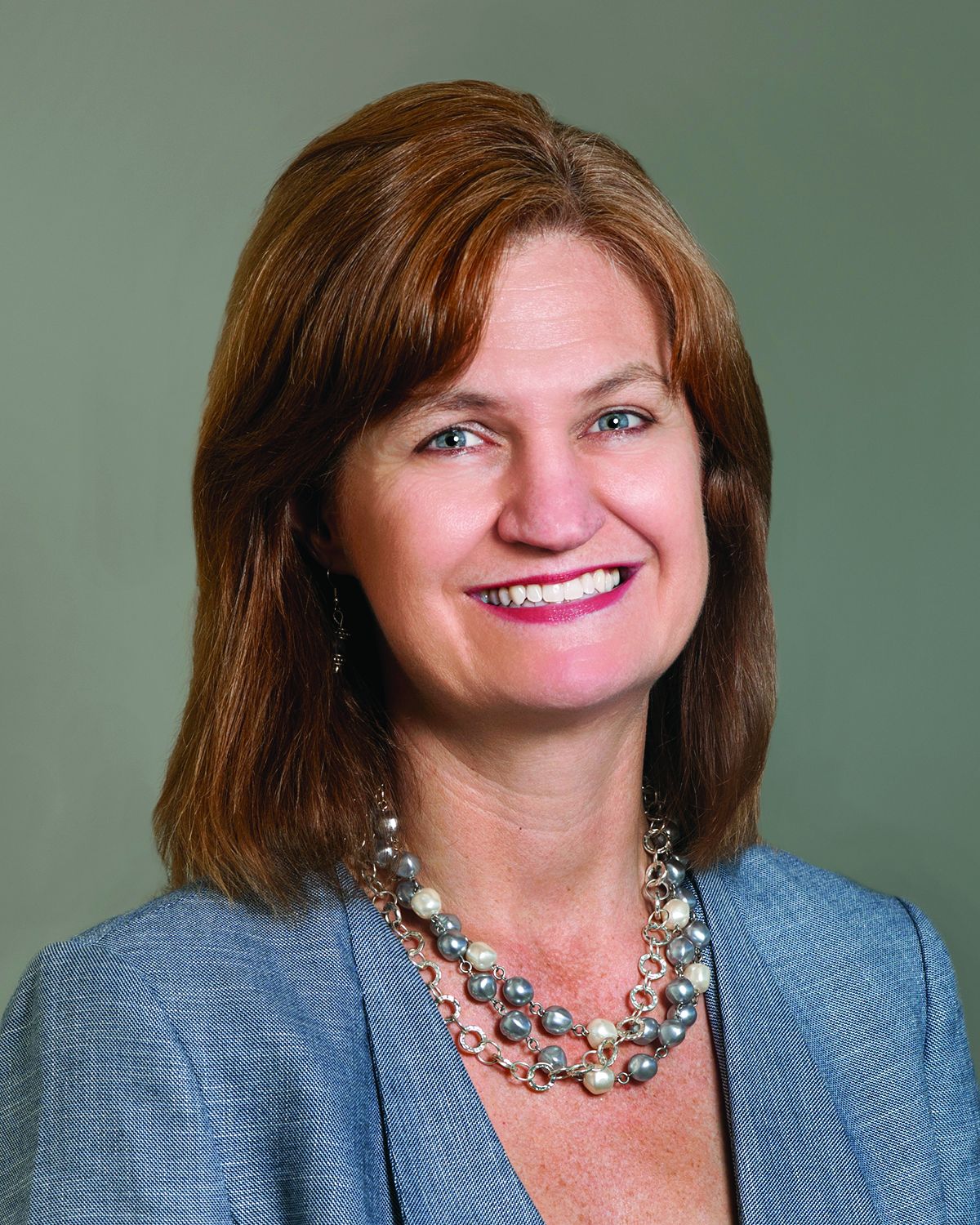
However, the results do contrast with the findings of the NSABP-B35 study, “which demonstrated a very modest advantage to anastrozole that was mostly limited to younger postmenopausal women,” she said.
Indeed, a significant 27% reduction in recurrence was seen with anastrozole, compared with tamoxifen at a median of 9 years of follow-up in the NSABP-B35 study. But, as Dr. Sestak pointed out, that reduction “was mainly observed during the posttreatment follow-up period and not during the active treatment period.”
In the IBIS-II DCIS study, there was a nonsignificant 11% reduction in breast cancer recurrence with anastrozole.
The investigators did examine the potential effect of age on the rate of breast cancer recurrence, but no significant differences were found. They also looked at the active and post–endocrine therapy treatment periods, all showing no benefit of one drug over the other.
“So we clearly cannot replicate the findings of the NSABP-B35 study,” Dr. Sestak acknowledged.
IBIS-II DCIS details and results
Aromatase inhibitors such as anastrozole have been shown to be more effective than tamoxifen for preventing recurrence in postmenopausal HR+ women with invasive breast cancer, but it wasn’t previously known if this included women with HR-positive DCIS.
The IBIS-II DCIS study was therefore designed to determine if there was any advantage of anastrazole over tamoxifen. The phase 3 trial enrolled 2,980 postmenopausal women with HR-positive DCIS. They were randomized to 5 years of anastrozole or 5 years of tamoxifen.
“Women were followed up during this active period of treatment by clinic visits,” explained Dr. Sestak. “Thereafter, we collected data via questionnaire, registry data sets, and clinic visits.”
Baseline characteristics were similar between the treatment arms. The median age was about 60 years in both arms. Similar proportions of patients had received hormone replacement therapy (44.2% in the tamoxifen arm and 46.8% in the anastrozole arm) or undergone radiotherapy (71.5% and 70.9%, respectively).
Results showed little difference in breast cancer recurrence rates. At a median follow-up of 11.6 years, the rate of recurrence was 9.7% with tamoxifen and 8.5% with anastrozole (hazard ratio, 0.89; P = .401).
Trends were seen favoring anastrozole in estrogen receptor–positive and HER2-negative women, but this was only while women were being actively treated.
Death rates were similar – 4.2% with anastrozole and 4.5% with tamoxifen (odds ratio, 0.93). There were three breast cancer deaths in each treatment arm.
Adverse events could be the deciding factor
“The main take-away from this presentation is that choice of adjuvant endocrine therapy for DCIS should be individualized based primarily on the different side effect profiles of the two medications,” Dr. Moore said.
During the trial, “a significant 34% increase in fractures was observed in women who received anastrozole, compared to tamoxifen [HR, 1.34; P = .013],” Dr. Sestak said.
“We also observed a threefold increase in strokes and transient ischemic attacks with anastrozole, compared to tamoxifen [HR, 3.10; P = .021 for both strokes and transient ischemic attacks],” Dr. Sestak added.
She acknowledged that this finding is inconsistent with what is known about aromatase inhibitors in general. It could be that, rather than anastrozole raising the risk of strokes and transient ischemic attacks, tamoxifen was having a beneficial effect. This could be a result of tamoxifen improving endothelial function by increasing vasodilation, “but it is really not clear what the mechanism is,” Dr. Sestak said.
Also contrary to what is known about tamoxifen was an excess of deaths because of endometrial cancer or ovarian cancers. Wherever possible, the pathology reports had been requested to confirm the cause of death, “so we are pretty sure that they are true ovarian cancers and not some other abdominal tumors,” Dr. Sestak said.
“We did observe very clear differences in terms of adverse events,” she said, adding that “improved understanding of adverse event profiles will help patients with HR-positive DCIS to make an informed decision regarding their treatment.”
The IBIS-II DCIS trial was funded by Cancer Research UK, the National Health and Medical Research Council Australia, Breast Cancer Research Foundation, AstraZeneca, and Sanofi Aventis. Two investigators disclosed relationships with AstraZeneca, and one disclosed a relationship with Cancer Research UK. Dr. Sestak and Dr. Moore had no relevant disclosures.
SOURCE: Sestak I et al. SABCS 2020, Abstract GS2-02.
“Our analysis shows that there was really no significant difference in recurrences,” said investigator Ivana Sestak, PhD, of Queen Mary University of London.
Similarly, there were no significant differences in overall deaths or breast cancer deaths. On the other hand, there were “clear differences” in adverse events with the two treatments, Dr. Sestak said.
“[W]e observed an excess of endometrial cancer and ovarian cancers in women who were randomized to tamoxifen and an excess of fractures, strokes, and transient ischemic attacks for women who were randomized to anastrozole,” Dr. Sestak said.
She presented these results at the 2020 San Antonio Breast Cancer Symposium.
Comparing IBIS-II DCIS with prior results
“The long-term results of the IBIS-II [DCIS] trial are consistent with previous results,” said Halle Moore, MD, of the Cleveland Clinic, who was not involved in this study.
However, the results do contrast with the findings of the NSABP-B35 study, “which demonstrated a very modest advantage to anastrozole that was mostly limited to younger postmenopausal women,” she said.
Indeed, a significant 27% reduction in recurrence was seen with anastrozole, compared with tamoxifen at a median of 9 years of follow-up in the NSABP-B35 study. But, as Dr. Sestak pointed out, that reduction “was mainly observed during the posttreatment follow-up period and not during the active treatment period.”
In the IBIS-II DCIS study, there was a nonsignificant 11% reduction in breast cancer recurrence with anastrozole.
The investigators did examine the potential effect of age on the rate of breast cancer recurrence, but no significant differences were found. They also looked at the active and post–endocrine therapy treatment periods, all showing no benefit of one drug over the other.
“So we clearly cannot replicate the findings of the NSABP-B35 study,” Dr. Sestak acknowledged.
IBIS-II DCIS details and results
Aromatase inhibitors such as anastrozole have been shown to be more effective than tamoxifen for preventing recurrence in postmenopausal HR+ women with invasive breast cancer, but it wasn’t previously known if this included women with HR-positive DCIS.
The IBIS-II DCIS study was therefore designed to determine if there was any advantage of anastrazole over tamoxifen. The phase 3 trial enrolled 2,980 postmenopausal women with HR-positive DCIS. They were randomized to 5 years of anastrozole or 5 years of tamoxifen.
“Women were followed up during this active period of treatment by clinic visits,” explained Dr. Sestak. “Thereafter, we collected data via questionnaire, registry data sets, and clinic visits.”
Baseline characteristics were similar between the treatment arms. The median age was about 60 years in both arms. Similar proportions of patients had received hormone replacement therapy (44.2% in the tamoxifen arm and 46.8% in the anastrozole arm) or undergone radiotherapy (71.5% and 70.9%, respectively).
Results showed little difference in breast cancer recurrence rates. At a median follow-up of 11.6 years, the rate of recurrence was 9.7% with tamoxifen and 8.5% with anastrozole (hazard ratio, 0.89; P = .401).
Trends were seen favoring anastrozole in estrogen receptor–positive and HER2-negative women, but this was only while women were being actively treated.
Death rates were similar – 4.2% with anastrozole and 4.5% with tamoxifen (odds ratio, 0.93). There were three breast cancer deaths in each treatment arm.
Adverse events could be the deciding factor
“The main take-away from this presentation is that choice of adjuvant endocrine therapy for DCIS should be individualized based primarily on the different side effect profiles of the two medications,” Dr. Moore said.
During the trial, “a significant 34% increase in fractures was observed in women who received anastrozole, compared to tamoxifen [HR, 1.34; P = .013],” Dr. Sestak said.
“We also observed a threefold increase in strokes and transient ischemic attacks with anastrozole, compared to tamoxifen [HR, 3.10; P = .021 for both strokes and transient ischemic attacks],” Dr. Sestak added.
She acknowledged that this finding is inconsistent with what is known about aromatase inhibitors in general. It could be that, rather than anastrozole raising the risk of strokes and transient ischemic attacks, tamoxifen was having a beneficial effect. This could be a result of tamoxifen improving endothelial function by increasing vasodilation, “but it is really not clear what the mechanism is,” Dr. Sestak said.
Also contrary to what is known about tamoxifen was an excess of deaths because of endometrial cancer or ovarian cancers. Wherever possible, the pathology reports had been requested to confirm the cause of death, “so we are pretty sure that they are true ovarian cancers and not some other abdominal tumors,” Dr. Sestak said.
“We did observe very clear differences in terms of adverse events,” she said, adding that “improved understanding of adverse event profiles will help patients with HR-positive DCIS to make an informed decision regarding their treatment.”
The IBIS-II DCIS trial was funded by Cancer Research UK, the National Health and Medical Research Council Australia, Breast Cancer Research Foundation, AstraZeneca, and Sanofi Aventis. Two investigators disclosed relationships with AstraZeneca, and one disclosed a relationship with Cancer Research UK. Dr. Sestak and Dr. Moore had no relevant disclosures.
SOURCE: Sestak I et al. SABCS 2020, Abstract GS2-02.
“Our analysis shows that there was really no significant difference in recurrences,” said investigator Ivana Sestak, PhD, of Queen Mary University of London.
Similarly, there were no significant differences in overall deaths or breast cancer deaths. On the other hand, there were “clear differences” in adverse events with the two treatments, Dr. Sestak said.
“[W]e observed an excess of endometrial cancer and ovarian cancers in women who were randomized to tamoxifen and an excess of fractures, strokes, and transient ischemic attacks for women who were randomized to anastrozole,” Dr. Sestak said.
She presented these results at the 2020 San Antonio Breast Cancer Symposium.
Comparing IBIS-II DCIS with prior results
“The long-term results of the IBIS-II [DCIS] trial are consistent with previous results,” said Halle Moore, MD, of the Cleveland Clinic, who was not involved in this study.
However, the results do contrast with the findings of the NSABP-B35 study, “which demonstrated a very modest advantage to anastrozole that was mostly limited to younger postmenopausal women,” she said.
Indeed, a significant 27% reduction in recurrence was seen with anastrozole, compared with tamoxifen at a median of 9 years of follow-up in the NSABP-B35 study. But, as Dr. Sestak pointed out, that reduction “was mainly observed during the posttreatment follow-up period and not during the active treatment period.”
In the IBIS-II DCIS study, there was a nonsignificant 11% reduction in breast cancer recurrence with anastrozole.
The investigators did examine the potential effect of age on the rate of breast cancer recurrence, but no significant differences were found. They also looked at the active and post–endocrine therapy treatment periods, all showing no benefit of one drug over the other.
“So we clearly cannot replicate the findings of the NSABP-B35 study,” Dr. Sestak acknowledged.
IBIS-II DCIS details and results
Aromatase inhibitors such as anastrozole have been shown to be more effective than tamoxifen for preventing recurrence in postmenopausal HR+ women with invasive breast cancer, but it wasn’t previously known if this included women with HR-positive DCIS.
The IBIS-II DCIS study was therefore designed to determine if there was any advantage of anastrazole over tamoxifen. The phase 3 trial enrolled 2,980 postmenopausal women with HR-positive DCIS. They were randomized to 5 years of anastrozole or 5 years of tamoxifen.
“Women were followed up during this active period of treatment by clinic visits,” explained Dr. Sestak. “Thereafter, we collected data via questionnaire, registry data sets, and clinic visits.”
Baseline characteristics were similar between the treatment arms. The median age was about 60 years in both arms. Similar proportions of patients had received hormone replacement therapy (44.2% in the tamoxifen arm and 46.8% in the anastrozole arm) or undergone radiotherapy (71.5% and 70.9%, respectively).
Results showed little difference in breast cancer recurrence rates. At a median follow-up of 11.6 years, the rate of recurrence was 9.7% with tamoxifen and 8.5% with anastrozole (hazard ratio, 0.89; P = .401).
Trends were seen favoring anastrozole in estrogen receptor–positive and HER2-negative women, but this was only while women were being actively treated.
Death rates were similar – 4.2% with anastrozole and 4.5% with tamoxifen (odds ratio, 0.93). There were three breast cancer deaths in each treatment arm.
Adverse events could be the deciding factor
“The main take-away from this presentation is that choice of adjuvant endocrine therapy for DCIS should be individualized based primarily on the different side effect profiles of the two medications,” Dr. Moore said.
During the trial, “a significant 34% increase in fractures was observed in women who received anastrozole, compared to tamoxifen [HR, 1.34; P = .013],” Dr. Sestak said.
“We also observed a threefold increase in strokes and transient ischemic attacks with anastrozole, compared to tamoxifen [HR, 3.10; P = .021 for both strokes and transient ischemic attacks],” Dr. Sestak added.
She acknowledged that this finding is inconsistent with what is known about aromatase inhibitors in general. It could be that, rather than anastrozole raising the risk of strokes and transient ischemic attacks, tamoxifen was having a beneficial effect. This could be a result of tamoxifen improving endothelial function by increasing vasodilation, “but it is really not clear what the mechanism is,” Dr. Sestak said.
Also contrary to what is known about tamoxifen was an excess of deaths because of endometrial cancer or ovarian cancers. Wherever possible, the pathology reports had been requested to confirm the cause of death, “so we are pretty sure that they are true ovarian cancers and not some other abdominal tumors,” Dr. Sestak said.
“We did observe very clear differences in terms of adverse events,” she said, adding that “improved understanding of adverse event profiles will help patients with HR-positive DCIS to make an informed decision regarding their treatment.”
The IBIS-II DCIS trial was funded by Cancer Research UK, the National Health and Medical Research Council Australia, Breast Cancer Research Foundation, AstraZeneca, and Sanofi Aventis. Two investigators disclosed relationships with AstraZeneca, and one disclosed a relationship with Cancer Research UK. Dr. Sestak and Dr. Moore had no relevant disclosures.
SOURCE: Sestak I et al. SABCS 2020, Abstract GS2-02.
FROM SABCS 2020
Shared medical appointments may bridge the opioid treatment gap
Shared medical appointments (SMAs) are an acceptable way to receive treatment for opioid use disorder (OUD), new research suggests.
In a survey study, participants attending an urban outpatient buprenorphine clinic reported a high degree of satisfaction with SMAs. However, the majority also reported they preferred individual appointments.
Still, SMAs may serve a role in providing comprehensive care for certain subpopulations with OUD who are prone to isolation and may also increase capacity to treat more patients with a substance use disorder (SUD), said coinvestigator Serra Akyar, MD, Northwell Health Staten Island University Hospital, New York.
“By providing education and a forum for sharing, SMAs can lead to changes in behavior and enhance and reinforce coping and problem-solving skills,” Dr. Akyar said in an interview.
The findings were presented at the virtual American Academy of Addiction Psychiatry 31st Annual Meeting.
SMA vs. group therapy
SMA is not a form of group therapy, Dr. Akyar noted. Group therapy has a psychotherapy component and is led by a therapist. SMAs do not have a psychotherapeutic or a behavioral therapy component but provide education and an opportunity for sharing personal experiences of recovery.
“For example, the doctor participating in the group describes what happens in the brain to drive addiction and fellow participants share their personal anecdotes of recovery, including their struggles and successes,” Dr. Akyar said.
“ given the differences in the type of care each group provides,” she added.
Recent research on SMAs for OUD is limited. Although previous studies have shown that the practice is highly acceptable and has comparable or better retention in care rates with buprenorphine versus individual appointments, these studies have been conducted in predominantly White populations and in suburban settings.
For the new study, the investigators wanted to examine how acceptable SMAs for OUD would be in an urban setting involving predominantly racial and ethnic minorities.
They administered a 15-minute survey to patients with OUD who were attending the Comprehensive Addiction Resources and Education Center, an outpatient psychiatry clinic located at New Jersey Medical School, from December 2019 to February 2020.
Of the 42 participants who initially consented, 39 completed the survey. The majority of the responders were Black (64.1%), had an annual income that was less than $20,000 (61.5%), and/or were unemployed or disabled (69.3%).
Most of the participants agreed or strongly agreed with the following statements:
- Scheduling appointments for SMAs is easy.
- I gain valuable information from the responses to other patients’ questions in SMAs.
- There is enough time for questions during SMAs.
- I gain valuable information from the doctor and social worker in SMAs.
- My medical needs are met during SMAs.
- I would recommend an SMA to other patients.
- Since starting SMAs, I find it easier to stick to my treatment plan.
- I have a lot of support outside of SMAs.
- People in SMAs give me the support I need to stick to my treatment plan.
Interestingly, despite the overall high satisfaction with SMAs, just 33% of participants said they preferred them to one-on-one visits, Dr. Akyar noted.
Further analyses showed that total satisfaction scores were positively associated with older age, being on disability, or being in retirement.
Bridging the gap
In a comment, Philip Wong, MD, New Jersey Medical School, Newark, noted that a more widespread use of SMAs could potentially bridge the treatment gap that currently exists in the United States.
“For providers, SMAs help reduce costs, improve productivity, prevent repeating of common advice, and increase outreach. These are all important at a time when the need for OUD treatment is increasing. This is especially true for places like Newark, which is one of the prime epicenters of the opioid epidemic,” said Dr. Wong.
Although he was not involved with this research, he and his colleagues recently conducted a literature review of publications relating to SMAs and found seven peer-reviewed articles. However, none was appropriately designed to compare SMAs with traditional one-on-one recovery treatment.
“We definitely need more clinical studies to further our understanding of SMAs as a tool for the medication-assisted treatment of opioid use disorder,” Dr. Wong said.
“There are currently a very limited number of physicians who can prescribe medication-assisted treatment in the first place. So, if that one provider can reach a larger community by doing these SMAs, then the potential is very great in terms of addressing the opioid epidemic,” he said.
David Kan, MD, chief medical officer of Bright Heart Health, San Ramon, Calif., agreed.
“SMAs are promising because they are efficient and allow more people to access treatment,” Dr. Kan said in an interview.
“Although the mechanism of SMA satisfaction is unclear, other research shows peer support and groups helpful for SUD treatment as a whole. SMA takes the best of many worlds and increases the potential number of patients treated for SUD,” he said.
Also asked to comment, Lewei (Allison) Lin, MD, University of Michigan, Ann Arbor, said SMAs “are one of a number of important interventions that should be considered” in order to increase availability and access to medication providers for OUD.
However, more research is needed “to examine the impact on treatment uptake and patient and provider experiences,” said Dr. Lin.
Dr. Akyar, Dr. Wong, Dr. Kan, and Dr. Lin disclosed no relevant financial relationships.
A version of this article first appeared on Medscape.com.
Shared medical appointments (SMAs) are an acceptable way to receive treatment for opioid use disorder (OUD), new research suggests.
In a survey study, participants attending an urban outpatient buprenorphine clinic reported a high degree of satisfaction with SMAs. However, the majority also reported they preferred individual appointments.
Still, SMAs may serve a role in providing comprehensive care for certain subpopulations with OUD who are prone to isolation and may also increase capacity to treat more patients with a substance use disorder (SUD), said coinvestigator Serra Akyar, MD, Northwell Health Staten Island University Hospital, New York.
“By providing education and a forum for sharing, SMAs can lead to changes in behavior and enhance and reinforce coping and problem-solving skills,” Dr. Akyar said in an interview.
The findings were presented at the virtual American Academy of Addiction Psychiatry 31st Annual Meeting.
SMA vs. group therapy
SMA is not a form of group therapy, Dr. Akyar noted. Group therapy has a psychotherapy component and is led by a therapist. SMAs do not have a psychotherapeutic or a behavioral therapy component but provide education and an opportunity for sharing personal experiences of recovery.
“For example, the doctor participating in the group describes what happens in the brain to drive addiction and fellow participants share their personal anecdotes of recovery, including their struggles and successes,” Dr. Akyar said.
“ given the differences in the type of care each group provides,” she added.
Recent research on SMAs for OUD is limited. Although previous studies have shown that the practice is highly acceptable and has comparable or better retention in care rates with buprenorphine versus individual appointments, these studies have been conducted in predominantly White populations and in suburban settings.
For the new study, the investigators wanted to examine how acceptable SMAs for OUD would be in an urban setting involving predominantly racial and ethnic minorities.
They administered a 15-minute survey to patients with OUD who were attending the Comprehensive Addiction Resources and Education Center, an outpatient psychiatry clinic located at New Jersey Medical School, from December 2019 to February 2020.
Of the 42 participants who initially consented, 39 completed the survey. The majority of the responders were Black (64.1%), had an annual income that was less than $20,000 (61.5%), and/or were unemployed or disabled (69.3%).
Most of the participants agreed or strongly agreed with the following statements:
- Scheduling appointments for SMAs is easy.
- I gain valuable information from the responses to other patients’ questions in SMAs.
- There is enough time for questions during SMAs.
- I gain valuable information from the doctor and social worker in SMAs.
- My medical needs are met during SMAs.
- I would recommend an SMA to other patients.
- Since starting SMAs, I find it easier to stick to my treatment plan.
- I have a lot of support outside of SMAs.
- People in SMAs give me the support I need to stick to my treatment plan.
Interestingly, despite the overall high satisfaction with SMAs, just 33% of participants said they preferred them to one-on-one visits, Dr. Akyar noted.
Further analyses showed that total satisfaction scores were positively associated with older age, being on disability, or being in retirement.
Bridging the gap
In a comment, Philip Wong, MD, New Jersey Medical School, Newark, noted that a more widespread use of SMAs could potentially bridge the treatment gap that currently exists in the United States.
“For providers, SMAs help reduce costs, improve productivity, prevent repeating of common advice, and increase outreach. These are all important at a time when the need for OUD treatment is increasing. This is especially true for places like Newark, which is one of the prime epicenters of the opioid epidemic,” said Dr. Wong.
Although he was not involved with this research, he and his colleagues recently conducted a literature review of publications relating to SMAs and found seven peer-reviewed articles. However, none was appropriately designed to compare SMAs with traditional one-on-one recovery treatment.
“We definitely need more clinical studies to further our understanding of SMAs as a tool for the medication-assisted treatment of opioid use disorder,” Dr. Wong said.
“There are currently a very limited number of physicians who can prescribe medication-assisted treatment in the first place. So, if that one provider can reach a larger community by doing these SMAs, then the potential is very great in terms of addressing the opioid epidemic,” he said.
David Kan, MD, chief medical officer of Bright Heart Health, San Ramon, Calif., agreed.
“SMAs are promising because they are efficient and allow more people to access treatment,” Dr. Kan said in an interview.
“Although the mechanism of SMA satisfaction is unclear, other research shows peer support and groups helpful for SUD treatment as a whole. SMA takes the best of many worlds and increases the potential number of patients treated for SUD,” he said.
Also asked to comment, Lewei (Allison) Lin, MD, University of Michigan, Ann Arbor, said SMAs “are one of a number of important interventions that should be considered” in order to increase availability and access to medication providers for OUD.
However, more research is needed “to examine the impact on treatment uptake and patient and provider experiences,” said Dr. Lin.
Dr. Akyar, Dr. Wong, Dr. Kan, and Dr. Lin disclosed no relevant financial relationships.
A version of this article first appeared on Medscape.com.
Shared medical appointments (SMAs) are an acceptable way to receive treatment for opioid use disorder (OUD), new research suggests.
In a survey study, participants attending an urban outpatient buprenorphine clinic reported a high degree of satisfaction with SMAs. However, the majority also reported they preferred individual appointments.
Still, SMAs may serve a role in providing comprehensive care for certain subpopulations with OUD who are prone to isolation and may also increase capacity to treat more patients with a substance use disorder (SUD), said coinvestigator Serra Akyar, MD, Northwell Health Staten Island University Hospital, New York.
“By providing education and a forum for sharing, SMAs can lead to changes in behavior and enhance and reinforce coping and problem-solving skills,” Dr. Akyar said in an interview.
The findings were presented at the virtual American Academy of Addiction Psychiatry 31st Annual Meeting.
SMA vs. group therapy
SMA is not a form of group therapy, Dr. Akyar noted. Group therapy has a psychotherapy component and is led by a therapist. SMAs do not have a psychotherapeutic or a behavioral therapy component but provide education and an opportunity for sharing personal experiences of recovery.
“For example, the doctor participating in the group describes what happens in the brain to drive addiction and fellow participants share their personal anecdotes of recovery, including their struggles and successes,” Dr. Akyar said.
“ given the differences in the type of care each group provides,” she added.
Recent research on SMAs for OUD is limited. Although previous studies have shown that the practice is highly acceptable and has comparable or better retention in care rates with buprenorphine versus individual appointments, these studies have been conducted in predominantly White populations and in suburban settings.
For the new study, the investigators wanted to examine how acceptable SMAs for OUD would be in an urban setting involving predominantly racial and ethnic minorities.
They administered a 15-minute survey to patients with OUD who were attending the Comprehensive Addiction Resources and Education Center, an outpatient psychiatry clinic located at New Jersey Medical School, from December 2019 to February 2020.
Of the 42 participants who initially consented, 39 completed the survey. The majority of the responders were Black (64.1%), had an annual income that was less than $20,000 (61.5%), and/or were unemployed or disabled (69.3%).
Most of the participants agreed or strongly agreed with the following statements:
- Scheduling appointments for SMAs is easy.
- I gain valuable information from the responses to other patients’ questions in SMAs.
- There is enough time for questions during SMAs.
- I gain valuable information from the doctor and social worker in SMAs.
- My medical needs are met during SMAs.
- I would recommend an SMA to other patients.
- Since starting SMAs, I find it easier to stick to my treatment plan.
- I have a lot of support outside of SMAs.
- People in SMAs give me the support I need to stick to my treatment plan.
Interestingly, despite the overall high satisfaction with SMAs, just 33% of participants said they preferred them to one-on-one visits, Dr. Akyar noted.
Further analyses showed that total satisfaction scores were positively associated with older age, being on disability, or being in retirement.
Bridging the gap
In a comment, Philip Wong, MD, New Jersey Medical School, Newark, noted that a more widespread use of SMAs could potentially bridge the treatment gap that currently exists in the United States.
“For providers, SMAs help reduce costs, improve productivity, prevent repeating of common advice, and increase outreach. These are all important at a time when the need for OUD treatment is increasing. This is especially true for places like Newark, which is one of the prime epicenters of the opioid epidemic,” said Dr. Wong.
Although he was not involved with this research, he and his colleagues recently conducted a literature review of publications relating to SMAs and found seven peer-reviewed articles. However, none was appropriately designed to compare SMAs with traditional one-on-one recovery treatment.
“We definitely need more clinical studies to further our understanding of SMAs as a tool for the medication-assisted treatment of opioid use disorder,” Dr. Wong said.
“There are currently a very limited number of physicians who can prescribe medication-assisted treatment in the first place. So, if that one provider can reach a larger community by doing these SMAs, then the potential is very great in terms of addressing the opioid epidemic,” he said.
David Kan, MD, chief medical officer of Bright Heart Health, San Ramon, Calif., agreed.
“SMAs are promising because they are efficient and allow more people to access treatment,” Dr. Kan said in an interview.
“Although the mechanism of SMA satisfaction is unclear, other research shows peer support and groups helpful for SUD treatment as a whole. SMA takes the best of many worlds and increases the potential number of patients treated for SUD,” he said.
Also asked to comment, Lewei (Allison) Lin, MD, University of Michigan, Ann Arbor, said SMAs “are one of a number of important interventions that should be considered” in order to increase availability and access to medication providers for OUD.
However, more research is needed “to examine the impact on treatment uptake and patient and provider experiences,” said Dr. Lin.
Dr. Akyar, Dr. Wong, Dr. Kan, and Dr. Lin disclosed no relevant financial relationships.
A version of this article first appeared on Medscape.com.
LGBTQ+ youth issues include fertility counseling and foster care
Caring for LGBTQ+ pediatric patients often requires physicians to consider issues – such as preservation of fertility for transgender youth and resource allocation to sexual-minority youth in the foster-care system – that they may not think about as frequently with their other patients.

“It’s important to engage transgender and gender-diverse youth and families in fertility counseling early in their gender affirmation process,” but it does not happen as often as it should, said Jason Rafferty, MD (he/him/his), a clinical assistant professor of psychiatry and human behavior at the Warren Alpert Medical School of Brown University, Providence, R.I. Dr. Rafferty discussed two studies at the annual meeting of the American Academy of Pediatrics, held virtually this year: one on fertility outcomes among a small transgender sample and another finding that sexual-minority youth are 2.5 times more likely to be involved in the foster-care system.
“We need to recognize and address disparities in health that place sexual-minority youth at increased risk for child welfare involvement,” he told attendees.
Fertility preservation and counseling for transgender patients
Evidence suggests gender-affirming hormone treatment affects gonadal structures and functions in ways that may decrease fertility potential, Dr. Rafferty said. “Yet, there’s very little [research] into the reversibility or thresholds above which fertility potential is affected.”
The World Professional Association for Transgender Health (WPATH) recommends that doctors discuss the possible adverse health effects of feminizing or masculinizing treatments and the patient’s reproductive options before starting hormone therapy, although the extent to which this therapy may impair fertility isn’t known.
The first study Dr. Rafferty discussed was an assessment of semen cryopreservation outcomes among youth asserting a female identity. The researchers conducted a retrospective chart review on a convenience sample of 11 transgender and gender-diverse adolescents and young adults who had been referred for fertility preservation between January 2015 and September 2018 at the University of Pittsburgh Medical Center Children’s Hospital and the UPMC Magee-Womens Hospital in Pittsburgh.
Of the 11, 1 did not provide a sample, and another discarded their sample after 4 months. The seven patients without prior gender-affirming hormone treatment (average age 19 at time of fertility consultation) were all able to produce a semen sample, which showed normal parameters, except for some abnormal morphology. The significance of that one abnormal finding was unclear without a control group, Dr. Rafferty said. All seven began gonadotropin-releasing hormone (GnRH) agonist therapy, and four also began estradiol therapy, although Dr. Rafferty questioned why GnRH agonist therapy was started at such late ages.
Regardless, he said, the takeaway from this first group was the efficiency and effectiveness of getting a semen sample before beginning gender-affirming hormone therapy. The second group offered a different takeaway.
“What I think is probably the most unique aspect of this study is this second group of two individuals who had previously received hormones or blockers,” Dr. Rafferty told attendees. The first patient was 13 years of age at gender dysphoria onset and 18 years at the time of their fertility consultation. They had been on GnRH agonists for 6 months before semen collection. Their first sample, at 3 months after discontinuing hormones, was low-quality, but they did produce a viable sample 2 months later.
The other patient, who underwent fertility consultation at age 19, had taken estrogen and spironolactone for 26 months before semen collection and were not able to produce sperm 4 months after stopping the treatment. They did not try again because they underwent an orchiectomy.
Despite the small sample size and lack of confounding data, such as smoking and stress, the study remains the first to show successful sampling after gender-affirming hormone therapy in a teen, Dr. Rafferty said. It also shows that sampling after beginning hormone therapy may require discontinuation for several months before a successful sample is possible, thereby supporting WPATH’s recommendation for early fertility counseling.
“However, the standard of providing fertility counseling before intervention does not always occur,” Dr. Rafferty said, citing research that found low percentages of teens had received fertility counseling or discussed negative effects of therapy on fertility prior to starting it. These low numbers may result from changes in youths’ interest in fertility throughout development, but they could also relate to youths’ reluctance to discuss family planning while they feel uncomfortable in their bodies.
“My experience, and there is some empirical evidence for this, is that many transgender and gender-diverse youth feel more comfortable conceptualizing and pursuing intimate partner relationships and family planning after they start gender affirmation interventions,” Dr. Rafferty said. The stress associated with gender dysphoria can further complicate fertility discussions, and providers have to consider whether it’s more stressful to hold off on gender-affirming hormone therapy until the patient gets a successful semen sample or to start therapy and then discontinue for several months to get a sample later.
While decisions about fertility services should be fully up to the patient, in reality, multiple barriers – such as high cost, low insurance coverage, a dearth of specialists who can do the procedures, and inaccurate assumptions about transgender people’s interest in family planning – complicate the decision,.
“Systemically denying a marginalized population the ability to reproduce, or at least the ability to make a free choice about reproduction and family planning, is a reproductive justice issue that’s not getting the attention it deserves,” Dr. Rafferty said.
Clair Kronk, BSc, a session attendee from the University of Cincinnati College of Medicine and Cincinnati Children’s Hospital and Medical Center, said in an interview that she appreciated the session even while she lamented the lack of adequate evidence on transgender and gender-diverse care.
“I do feel like there are a lot of provider-based questions with no sufficient guidelines right now when it comes to transgender care,” Ms. Kronk said. “Despite being nearly a century old, treatment of trans patients is somehow still a ‘Wild West’ of medical care, which is sad to see.” She is grateful to see attention finally reaching this population.
“It is imperative that medical institutions focus on real, advanceable diversity, equity, and inclusion initiatives which center marginalized groups,” she said. “Centering minoritized and marginalized peoples in improving care is the only way lasting change will happen.”
Sexual-minority youth in foster care
The second study Dr. Rafferty discussed was the first nationally representative systemic assessment of the prevalence of sexual-minority youth in foster care, child welfare, and out-of-home placement. Anecdotal evidence and community samples already suggest that a disproportionately higher number of sexual-minority youth enter foster care, he said, possibly resulting in part from family conflict about sexual orientation. In addition, LGBTQ+ youth already experience higher rates of psychological and physical abuse at home – a top reason for entry into child welfare – and this population has high rates of running away, particularly around the time of coming out.
Past research has found that sexual-minority youth experience higher rates of maltreatment and discrimination than do their peers from foster parents, siblings, and agency staff, which translates to fewer support services and lower levels of reunification or adoption.
In the National Longitudinal Study of Adolescent to Adult Health involving 14,154 respondents, 6.3% reported any same-sex attraction, and 2.1% were involved in the foster-care system. The researchers determined that 4.3% of sexual-minority youth were involved in foster care, compared with just 1.9% of heterosexual youth (P = .002) – a 2.5 times greater rate – with a stronger effect among those with exclusively same-sex attraction.
In the second part of the study, the researchers looked at 1,014 youths in the foster-care system, of whom 80% had experienced an out-of-home placement. The 16% of youth in foster care reporting same sex attraction did not have a higher rate of out-of-home placement than did heterosexual youth within the system. However, there were twice as many sexual-minority youth in child welfare and four times as many in out-of-home placement, compared with their heterosexual peers, possibly suggesting that sexual-minority youth are less likely to exit the system, Dr. Rafferty said.
“Many studies have shown that family acceptance is a critical factor in building resiliency, while rejection is tied to poor physical and emotional outcomes,” he said. “It would follow that we’re identifying a critical at-risk group of sexual-minority youth lacking in fundamental and essential family support.”
This population “experiences the intersection of multiple forces of marginalization, including out-of-home placement, socioeconomic stress, sexual minority status, and likely, race,” Dr. Rafferty said.
Ms. Kronk commented during the session that fertility services and collection are extremely expensive, often forcing trans people into the absurd situation of having to choose between paying for hormone therapy or paying for fertility treatment.
“This makes a really strong argument for resource allocation based on risk” and has ramifications for the higher proportions of sexual-minority youth facing transition without adequate support services, Dr. Rafferty said.
It also suggests the need for providers to help patients feel comfortable and safe talking about their needs, Ms. Kronk said.
“Unfortunately, LGBTQIA+ health care is not taught very comprehensively in the United States [and most other countries],” she said. “Oftentimes, this leads to awkward situations where patients are more knowledgeable than their providers. Listening, learning, supporting, and being open to change are what every provider should take to heart.”
Dr. Rafferty and Ms. Kronk had no relevant financial disclosures.
Caring for LGBTQ+ pediatric patients often requires physicians to consider issues – such as preservation of fertility for transgender youth and resource allocation to sexual-minority youth in the foster-care system – that they may not think about as frequently with their other patients.
“It’s important to engage transgender and gender-diverse youth and families in fertility counseling early in their gender affirmation process,” but it does not happen as often as it should, said Jason Rafferty, MD (he/him/his), a clinical assistant professor of psychiatry and human behavior at the Warren Alpert Medical School of Brown University, Providence, R.I. Dr. Rafferty discussed two studies at the annual meeting of the American Academy of Pediatrics, held virtually this year: one on fertility outcomes among a small transgender sample and another finding that sexual-minority youth are 2.5 times more likely to be involved in the foster-care system.
“We need to recognize and address disparities in health that place sexual-minority youth at increased risk for child welfare involvement,” he told attendees.
Fertility preservation and counseling for transgender patients
Evidence suggests gender-affirming hormone treatment affects gonadal structures and functions in ways that may decrease fertility potential, Dr. Rafferty said. “Yet, there’s very little [research] into the reversibility or thresholds above which fertility potential is affected.”
The World Professional Association for Transgender Health (WPATH) recommends that doctors discuss the possible adverse health effects of feminizing or masculinizing treatments and the patient’s reproductive options before starting hormone therapy, although the extent to which this therapy may impair fertility isn’t known.
The first study Dr. Rafferty discussed was an assessment of semen cryopreservation outcomes among youth asserting a female identity. The researchers conducted a retrospective chart review on a convenience sample of 11 transgender and gender-diverse adolescents and young adults who had been referred for fertility preservation between January 2015 and September 2018 at the University of Pittsburgh Medical Center Children’s Hospital and the UPMC Magee-Womens Hospital in Pittsburgh.
Of the 11, 1 did not provide a sample, and another discarded their sample after 4 months. The seven patients without prior gender-affirming hormone treatment (average age 19 at time of fertility consultation) were all able to produce a semen sample, which showed normal parameters, except for some abnormal morphology. The significance of that one abnormal finding was unclear without a control group, Dr. Rafferty said. All seven began gonadotropin-releasing hormone (GnRH) agonist therapy, and four also began estradiol therapy, although Dr. Rafferty questioned why GnRH agonist therapy was started at such late ages.
Regardless, he said, the takeaway from this first group was the efficiency and effectiveness of getting a semen sample before beginning gender-affirming hormone therapy. The second group offered a different takeaway.
“What I think is probably the most unique aspect of this study is this second group of two individuals who had previously received hormones or blockers,” Dr. Rafferty told attendees. The first patient was 13 years of age at gender dysphoria onset and 18 years at the time of their fertility consultation. They had been on GnRH agonists for 6 months before semen collection. Their first sample, at 3 months after discontinuing hormones, was low-quality, but they did produce a viable sample 2 months later.
The other patient, who underwent fertility consultation at age 19, had taken estrogen and spironolactone for 26 months before semen collection and were not able to produce sperm 4 months after stopping the treatment. They did not try again because they underwent an orchiectomy.
Despite the small sample size and lack of confounding data, such as smoking and stress, the study remains the first to show successful sampling after gender-affirming hormone therapy in a teen, Dr. Rafferty said. It also shows that sampling after beginning hormone therapy may require discontinuation for several months before a successful sample is possible, thereby supporting WPATH’s recommendation for early fertility counseling.
“However, the standard of providing fertility counseling before intervention does not always occur,” Dr. Rafferty said, citing research that found low percentages of teens had received fertility counseling or discussed negative effects of therapy on fertility prior to starting it. These low numbers may result from changes in youths’ interest in fertility throughout development, but they could also relate to youths’ reluctance to discuss family planning while they feel uncomfortable in their bodies.
“My experience, and there is some empirical evidence for this, is that many transgender and gender-diverse youth feel more comfortable conceptualizing and pursuing intimate partner relationships and family planning after they start gender affirmation interventions,” Dr. Rafferty said. The stress associated with gender dysphoria can further complicate fertility discussions, and providers have to consider whether it’s more stressful to hold off on gender-affirming hormone therapy until the patient gets a successful semen sample or to start therapy and then discontinue for several months to get a sample later.
While decisions about fertility services should be fully up to the patient, in reality, multiple barriers – such as high cost, low insurance coverage, a dearth of specialists who can do the procedures, and inaccurate assumptions about transgender people’s interest in family planning – complicate the decision,.
“Systemically denying a marginalized population the ability to reproduce, or at least the ability to make a free choice about reproduction and family planning, is a reproductive justice issue that’s not getting the attention it deserves,” Dr. Rafferty said.
Clair Kronk, BSc, a session attendee from the University of Cincinnati College of Medicine and Cincinnati Children’s Hospital and Medical Center, said in an interview that she appreciated the session even while she lamented the lack of adequate evidence on transgender and gender-diverse care.
“I do feel like there are a lot of provider-based questions with no sufficient guidelines right now when it comes to transgender care,” Ms. Kronk said. “Despite being nearly a century old, treatment of trans patients is somehow still a ‘Wild West’ of medical care, which is sad to see.” She is grateful to see attention finally reaching this population.
“It is imperative that medical institutions focus on real, advanceable diversity, equity, and inclusion initiatives which center marginalized groups,” she said. “Centering minoritized and marginalized peoples in improving care is the only way lasting change will happen.”
Sexual-minority youth in foster care
The second study Dr. Rafferty discussed was the first nationally representative systemic assessment of the prevalence of sexual-minority youth in foster care, child welfare, and out-of-home placement. Anecdotal evidence and community samples already suggest that a disproportionately higher number of sexual-minority youth enter foster care, he said, possibly resulting in part from family conflict about sexual orientation. In addition, LGBTQ+ youth already experience higher rates of psychological and physical abuse at home – a top reason for entry into child welfare – and this population has high rates of running away, particularly around the time of coming out.
Past research has found that sexual-minority youth experience higher rates of maltreatment and discrimination than do their peers from foster parents, siblings, and agency staff, which translates to fewer support services and lower levels of reunification or adoption.
In the National Longitudinal Study of Adolescent to Adult Health involving 14,154 respondents, 6.3% reported any same-sex attraction, and 2.1% were involved in the foster-care system. The researchers determined that 4.3% of sexual-minority youth were involved in foster care, compared with just 1.9% of heterosexual youth (P = .002) – a 2.5 times greater rate – with a stronger effect among those with exclusively same-sex attraction.
In the second part of the study, the researchers looked at 1,014 youths in the foster-care system, of whom 80% had experienced an out-of-home placement. The 16% of youth in foster care reporting same sex attraction did not have a higher rate of out-of-home placement than did heterosexual youth within the system. However, there were twice as many sexual-minority youth in child welfare and four times as many in out-of-home placement, compared with their heterosexual peers, possibly suggesting that sexual-minority youth are less likely to exit the system, Dr. Rafferty said.
“Many studies have shown that family acceptance is a critical factor in building resiliency, while rejection is tied to poor physical and emotional outcomes,” he said. “It would follow that we’re identifying a critical at-risk group of sexual-minority youth lacking in fundamental and essential family support.”
This population “experiences the intersection of multiple forces of marginalization, including out-of-home placement, socioeconomic stress, sexual minority status, and likely, race,” Dr. Rafferty said.
Ms. Kronk commented during the session that fertility services and collection are extremely expensive, often forcing trans people into the absurd situation of having to choose between paying for hormone therapy or paying for fertility treatment.
“This makes a really strong argument for resource allocation based on risk” and has ramifications for the higher proportions of sexual-minority youth facing transition without adequate support services, Dr. Rafferty said.
It also suggests the need for providers to help patients feel comfortable and safe talking about their needs, Ms. Kronk said.
“Unfortunately, LGBTQIA+ health care is not taught very comprehensively in the United States [and most other countries],” she said. “Oftentimes, this leads to awkward situations where patients are more knowledgeable than their providers. Listening, learning, supporting, and being open to change are what every provider should take to heart.”
Dr. Rafferty and Ms. Kronk had no relevant financial disclosures.
Caring for LGBTQ+ pediatric patients often requires physicians to consider issues – such as preservation of fertility for transgender youth and resource allocation to sexual-minority youth in the foster-care system – that they may not think about as frequently with their other patients.
“It’s important to engage transgender and gender-diverse youth and families in fertility counseling early in their gender affirmation process,” but it does not happen as often as it should, said Jason Rafferty, MD (he/him/his), a clinical assistant professor of psychiatry and human behavior at the Warren Alpert Medical School of Brown University, Providence, R.I. Dr. Rafferty discussed two studies at the annual meeting of the American Academy of Pediatrics, held virtually this year: one on fertility outcomes among a small transgender sample and another finding that sexual-minority youth are 2.5 times more likely to be involved in the foster-care system.
“We need to recognize and address disparities in health that place sexual-minority youth at increased risk for child welfare involvement,” he told attendees.
Fertility preservation and counseling for transgender patients
Evidence suggests gender-affirming hormone treatment affects gonadal structures and functions in ways that may decrease fertility potential, Dr. Rafferty said. “Yet, there’s very little [research] into the reversibility or thresholds above which fertility potential is affected.”
The World Professional Association for Transgender Health (WPATH) recommends that doctors discuss the possible adverse health effects of feminizing or masculinizing treatments and the patient’s reproductive options before starting hormone therapy, although the extent to which this therapy may impair fertility isn’t known.
The first study Dr. Rafferty discussed was an assessment of semen cryopreservation outcomes among youth asserting a female identity. The researchers conducted a retrospective chart review on a convenience sample of 11 transgender and gender-diverse adolescents and young adults who had been referred for fertility preservation between January 2015 and September 2018 at the University of Pittsburgh Medical Center Children’s Hospital and the UPMC Magee-Womens Hospital in Pittsburgh.
Of the 11, 1 did not provide a sample, and another discarded their sample after 4 months. The seven patients without prior gender-affirming hormone treatment (average age 19 at time of fertility consultation) were all able to produce a semen sample, which showed normal parameters, except for some abnormal morphology. The significance of that one abnormal finding was unclear without a control group, Dr. Rafferty said. All seven began gonadotropin-releasing hormone (GnRH) agonist therapy, and four also began estradiol therapy, although Dr. Rafferty questioned why GnRH agonist therapy was started at such late ages.
Regardless, he said, the takeaway from this first group was the efficiency and effectiveness of getting a semen sample before beginning gender-affirming hormone therapy. The second group offered a different takeaway.
“What I think is probably the most unique aspect of this study is this second group of two individuals who had previously received hormones or blockers,” Dr. Rafferty told attendees. The first patient was 13 years of age at gender dysphoria onset and 18 years at the time of their fertility consultation. They had been on GnRH agonists for 6 months before semen collection. Their first sample, at 3 months after discontinuing hormones, was low-quality, but they did produce a viable sample 2 months later.
The other patient, who underwent fertility consultation at age 19, had taken estrogen and spironolactone for 26 months before semen collection and were not able to produce sperm 4 months after stopping the treatment. They did not try again because they underwent an orchiectomy.
Despite the small sample size and lack of confounding data, such as smoking and stress, the study remains the first to show successful sampling after gender-affirming hormone therapy in a teen, Dr. Rafferty said. It also shows that sampling after beginning hormone therapy may require discontinuation for several months before a successful sample is possible, thereby supporting WPATH’s recommendation for early fertility counseling.
“However, the standard of providing fertility counseling before intervention does not always occur,” Dr. Rafferty said, citing research that found low percentages of teens had received fertility counseling or discussed negative effects of therapy on fertility prior to starting it. These low numbers may result from changes in youths’ interest in fertility throughout development, but they could also relate to youths’ reluctance to discuss family planning while they feel uncomfortable in their bodies.
“My experience, and there is some empirical evidence for this, is that many transgender and gender-diverse youth feel more comfortable conceptualizing and pursuing intimate partner relationships and family planning after they start gender affirmation interventions,” Dr. Rafferty said. The stress associated with gender dysphoria can further complicate fertility discussions, and providers have to consider whether it’s more stressful to hold off on gender-affirming hormone therapy until the patient gets a successful semen sample or to start therapy and then discontinue for several months to get a sample later.
While decisions about fertility services should be fully up to the patient, in reality, multiple barriers – such as high cost, low insurance coverage, a dearth of specialists who can do the procedures, and inaccurate assumptions about transgender people’s interest in family planning – complicate the decision,.
“Systemically denying a marginalized population the ability to reproduce, or at least the ability to make a free choice about reproduction and family planning, is a reproductive justice issue that’s not getting the attention it deserves,” Dr. Rafferty said.
Clair Kronk, BSc, a session attendee from the University of Cincinnati College of Medicine and Cincinnati Children’s Hospital and Medical Center, said in an interview that she appreciated the session even while she lamented the lack of adequate evidence on transgender and gender-diverse care.
“I do feel like there are a lot of provider-based questions with no sufficient guidelines right now when it comes to transgender care,” Ms. Kronk said. “Despite being nearly a century old, treatment of trans patients is somehow still a ‘Wild West’ of medical care, which is sad to see.” She is grateful to see attention finally reaching this population.
“It is imperative that medical institutions focus on real, advanceable diversity, equity, and inclusion initiatives which center marginalized groups,” she said. “Centering minoritized and marginalized peoples in improving care is the only way lasting change will happen.”
Sexual-minority youth in foster care
The second study Dr. Rafferty discussed was the first nationally representative systemic assessment of the prevalence of sexual-minority youth in foster care, child welfare, and out-of-home placement. Anecdotal evidence and community samples already suggest that a disproportionately higher number of sexual-minority youth enter foster care, he said, possibly resulting in part from family conflict about sexual orientation. In addition, LGBTQ+ youth already experience higher rates of psychological and physical abuse at home – a top reason for entry into child welfare – and this population has high rates of running away, particularly around the time of coming out.
Past research has found that sexual-minority youth experience higher rates of maltreatment and discrimination than do their peers from foster parents, siblings, and agency staff, which translates to fewer support services and lower levels of reunification or adoption.
In the National Longitudinal Study of Adolescent to Adult Health involving 14,154 respondents, 6.3% reported any same-sex attraction, and 2.1% were involved in the foster-care system. The researchers determined that 4.3% of sexual-minority youth were involved in foster care, compared with just 1.9% of heterosexual youth (P = .002) – a 2.5 times greater rate – with a stronger effect among those with exclusively same-sex attraction.
In the second part of the study, the researchers looked at 1,014 youths in the foster-care system, of whom 80% had experienced an out-of-home placement. The 16% of youth in foster care reporting same sex attraction did not have a higher rate of out-of-home placement than did heterosexual youth within the system. However, there were twice as many sexual-minority youth in child welfare and four times as many in out-of-home placement, compared with their heterosexual peers, possibly suggesting that sexual-minority youth are less likely to exit the system, Dr. Rafferty said.
“Many studies have shown that family acceptance is a critical factor in building resiliency, while rejection is tied to poor physical and emotional outcomes,” he said. “It would follow that we’re identifying a critical at-risk group of sexual-minority youth lacking in fundamental and essential family support.”
This population “experiences the intersection of multiple forces of marginalization, including out-of-home placement, socioeconomic stress, sexual minority status, and likely, race,” Dr. Rafferty said.
Ms. Kronk commented during the session that fertility services and collection are extremely expensive, often forcing trans people into the absurd situation of having to choose between paying for hormone therapy or paying for fertility treatment.
“This makes a really strong argument for resource allocation based on risk” and has ramifications for the higher proportions of sexual-minority youth facing transition without adequate support services, Dr. Rafferty said.
It also suggests the need for providers to help patients feel comfortable and safe talking about their needs, Ms. Kronk said.
“Unfortunately, LGBTQIA+ health care is not taught very comprehensively in the United States [and most other countries],” she said. “Oftentimes, this leads to awkward situations where patients are more knowledgeable than their providers. Listening, learning, supporting, and being open to change are what every provider should take to heart.”
Dr. Rafferty and Ms. Kronk had no relevant financial disclosures.
EXPERT ANALYSIS FROM AAP 2020
Seeking new vaccines against whooping cough: The PERISCOPE project
Although there is an effective vaccine against Bordetella pertussis, whooping cough remains a leading cause of death. Cases are increasing, and scientists face challenges in developing new vaccines.

In a key research session at the start of the annual meeting of the European Society for Paediatric Infectious Diseases, held virtually this year, Dimitri Diavatopoulos, PhD, associate professor at the Radboud University Medical Centre Nijmegen, the Netherlands, summarized the pertussis vaccination problem and what the Pertussis Correlates of Protection Europe (PERISCOPE) project seeks to achieve. Dr. Diavatopoulos has a longstanding interest in pertussis and immunity and will soon take over as the scientific coordinator of PERISCOPE.
Pertussis is a highly contagious infectious disease that causes uncontrollable coughing. The disease begins with an atypical cough and rhinorrhea before entering a paroxysmal stage characterized by cyanosis, lymphocytosis, vomiting, and whoops. Generally, fever is absent and coughing increases at night. Finally, after weeks to months, the patient enters a convalescent stage. The World Health Organization estimates that there are 16 million pertussis cases annually and approximately 195,000 deaths in children. Most cases are caused by Bordetella pertussis and are preventable by vaccination.
In the United States, following the introduction of a national immunization program using a whole-cell vaccine in the 1950s, cases fell significantly. After a lag phase, the adoption of an acellular vaccine in the United States in 1997 and the Netherlands in 2005 – usually in combination with diphtheria and tetanus via DTaP – saw an increase in case numbers. Dr. Diavatopoulos stated that control is no longer as good, compared with other infectious diseases prevented by the MMR vaccine, such as mumps, measles, and rubella.
In the face of increasing numbers, how do we move to the next generation of vaccines to improve control? There are several barriers to licensure, including the following:
• Universal recommendation for pertussis prevention means that more than 90% of the population will have received DTaP (usually in combination with polio and Haemophilus influenzae B) and be protected for several years after vaccination.
• Because DTaP vaccines are only efficacious for a limited time, the problem is not immediately apparent.
• Pertussis epidemics are cyclical, occurring every 3-5 years. These peaks and troughs complicate the development of epidemiological studies.
What this means is that large-scale Phase III efficacy studies, in which disease is used as the endpoint, are not feasible. Also, formal correlates of protection have not been identified.
The PERISCOPE Project started in March 2016 and is designed to respond to some of these issues. Funding is made available by a public private consortium involving the Bill & Melinda Gates foundation, the European Union, and European Federation of Pharmaceutical Industries and Associations (EFPIA) partners, and in this case, GlaxoSmithKline and Sanofi Pasteur. In total, there are 22 partners in this project.
The strategic objectives of this partnership include the following:
• Foster expertise and increase capacity in Europe to evaluate new pertussis vaccines both in clinical and preclinical models.
• Identify early biomarkers of long-lasting protective immunity to pertussis in humans. (This step will accelerate and de-risk clinical development of next generation pertussis vaccines.)
• Investigate the impact of maternal vaccination on infant response to pertussis vaccination.
The problem is that there is no one single study design that addresses all questions about the pertussis vaccine. For example, in PERISCOPE, the results of preclinical studies using the baboon or mouse models and addressing disease and colonization endpoints or immunogenicity do not perfectly model human infection and disease.
By comparison, controlled human infection studies provide information on colonization but not disease endpoints. Such studies, however, do provide information on immunogenicity endpoints. Also available are booster vaccination studies and infant vaccination studies providing data on immunogenicity, as well as safety information.
Finally, there are patient studies, such as household contact studies where immunogenicity can be correlated to disease endpoints. From these studies, it will be seen that what is needed is integration of evidence from clinical and preclinical studies to support a new vaccine registration.
PERISCOPE addresses these issues by developing novel, functional antibody and cellular assays and employing cutting-edge methods to characterize innate immune responses and cell-mediated systemic and mucosal immunity. PERISCOPE combines two major industrial partners with public researchers from academic and public health institutes and small and medium-sized enterprises with expertise in clinical trials, vaccinology, immunology, molecular microbiology, challenge models, and bioinformatics.
Andrew Gorringe, PhD, from Public Health England and the Research and Development Institute at Porton Down, Wiltshire, England, said, “Vaccines have greatly reduced the incidence of pertussis, but it remains the most prevalent ‘vaccine preventable’ disease. This is an exciting period for pertussis vaccine research as we find new ways to understand the immunity that protects from both infection and disease. The PERISCOPE project provides a collaborative environment that combines expertise across Europe to provide a route to the development of new, more effective vaccines.”
GSK and Sanofi Pasteur have cofunded the PERISCOPE Project. Dr. Diavatopoulos made no other financial disclosures.
Although there is an effective vaccine against Bordetella pertussis, whooping cough remains a leading cause of death. Cases are increasing, and scientists face challenges in developing new vaccines.
In a key research session at the start of the annual meeting of the European Society for Paediatric Infectious Diseases, held virtually this year, Dimitri Diavatopoulos, PhD, associate professor at the Radboud University Medical Centre Nijmegen, the Netherlands, summarized the pertussis vaccination problem and what the Pertussis Correlates of Protection Europe (PERISCOPE) project seeks to achieve. Dr. Diavatopoulos has a longstanding interest in pertussis and immunity and will soon take over as the scientific coordinator of PERISCOPE.
Pertussis is a highly contagious infectious disease that causes uncontrollable coughing. The disease begins with an atypical cough and rhinorrhea before entering a paroxysmal stage characterized by cyanosis, lymphocytosis, vomiting, and whoops. Generally, fever is absent and coughing increases at night. Finally, after weeks to months, the patient enters a convalescent stage. The World Health Organization estimates that there are 16 million pertussis cases annually and approximately 195,000 deaths in children. Most cases are caused by Bordetella pertussis and are preventable by vaccination.
In the United States, following the introduction of a national immunization program using a whole-cell vaccine in the 1950s, cases fell significantly. After a lag phase, the adoption of an acellular vaccine in the United States in 1997 and the Netherlands in 2005 – usually in combination with diphtheria and tetanus via DTaP – saw an increase in case numbers. Dr. Diavatopoulos stated that control is no longer as good, compared with other infectious diseases prevented by the MMR vaccine, such as mumps, measles, and rubella.
In the face of increasing numbers, how do we move to the next generation of vaccines to improve control? There are several barriers to licensure, including the following:
• Universal recommendation for pertussis prevention means that more than 90% of the population will have received DTaP (usually in combination with polio and Haemophilus influenzae B) and be protected for several years after vaccination.
• Because DTaP vaccines are only efficacious for a limited time, the problem is not immediately apparent.
• Pertussis epidemics are cyclical, occurring every 3-5 years. These peaks and troughs complicate the development of epidemiological studies.
What this means is that large-scale Phase III efficacy studies, in which disease is used as the endpoint, are not feasible. Also, formal correlates of protection have not been identified.
The PERISCOPE Project started in March 2016 and is designed to respond to some of these issues. Funding is made available by a public private consortium involving the Bill & Melinda Gates foundation, the European Union, and European Federation of Pharmaceutical Industries and Associations (EFPIA) partners, and in this case, GlaxoSmithKline and Sanofi Pasteur. In total, there are 22 partners in this project.
The strategic objectives of this partnership include the following:
• Foster expertise and increase capacity in Europe to evaluate new pertussis vaccines both in clinical and preclinical models.
• Identify early biomarkers of long-lasting protective immunity to pertussis in humans. (This step will accelerate and de-risk clinical development of next generation pertussis vaccines.)
• Investigate the impact of maternal vaccination on infant response to pertussis vaccination.
The problem is that there is no one single study design that addresses all questions about the pertussis vaccine. For example, in PERISCOPE, the results of preclinical studies using the baboon or mouse models and addressing disease and colonization endpoints or immunogenicity do not perfectly model human infection and disease.
By comparison, controlled human infection studies provide information on colonization but not disease endpoints. Such studies, however, do provide information on immunogenicity endpoints. Also available are booster vaccination studies and infant vaccination studies providing data on immunogenicity, as well as safety information.
Finally, there are patient studies, such as household contact studies where immunogenicity can be correlated to disease endpoints. From these studies, it will be seen that what is needed is integration of evidence from clinical and preclinical studies to support a new vaccine registration.
PERISCOPE addresses these issues by developing novel, functional antibody and cellular assays and employing cutting-edge methods to characterize innate immune responses and cell-mediated systemic and mucosal immunity. PERISCOPE combines two major industrial partners with public researchers from academic and public health institutes and small and medium-sized enterprises with expertise in clinical trials, vaccinology, immunology, molecular microbiology, challenge models, and bioinformatics.
Andrew Gorringe, PhD, from Public Health England and the Research and Development Institute at Porton Down, Wiltshire, England, said, “Vaccines have greatly reduced the incidence of pertussis, but it remains the most prevalent ‘vaccine preventable’ disease. This is an exciting period for pertussis vaccine research as we find new ways to understand the immunity that protects from both infection and disease. The PERISCOPE project provides a collaborative environment that combines expertise across Europe to provide a route to the development of new, more effective vaccines.”
GSK and Sanofi Pasteur have cofunded the PERISCOPE Project. Dr. Diavatopoulos made no other financial disclosures.
Although there is an effective vaccine against Bordetella pertussis, whooping cough remains a leading cause of death. Cases are increasing, and scientists face challenges in developing new vaccines.
In a key research session at the start of the annual meeting of the European Society for Paediatric Infectious Diseases, held virtually this year, Dimitri Diavatopoulos, PhD, associate professor at the Radboud University Medical Centre Nijmegen, the Netherlands, summarized the pertussis vaccination problem and what the Pertussis Correlates of Protection Europe (PERISCOPE) project seeks to achieve. Dr. Diavatopoulos has a longstanding interest in pertussis and immunity and will soon take over as the scientific coordinator of PERISCOPE.
Pertussis is a highly contagious infectious disease that causes uncontrollable coughing. The disease begins with an atypical cough and rhinorrhea before entering a paroxysmal stage characterized by cyanosis, lymphocytosis, vomiting, and whoops. Generally, fever is absent and coughing increases at night. Finally, after weeks to months, the patient enters a convalescent stage. The World Health Organization estimates that there are 16 million pertussis cases annually and approximately 195,000 deaths in children. Most cases are caused by Bordetella pertussis and are preventable by vaccination.
In the United States, following the introduction of a national immunization program using a whole-cell vaccine in the 1950s, cases fell significantly. After a lag phase, the adoption of an acellular vaccine in the United States in 1997 and the Netherlands in 2005 – usually in combination with diphtheria and tetanus via DTaP – saw an increase in case numbers. Dr. Diavatopoulos stated that control is no longer as good, compared with other infectious diseases prevented by the MMR vaccine, such as mumps, measles, and rubella.
In the face of increasing numbers, how do we move to the next generation of vaccines to improve control? There are several barriers to licensure, including the following:
• Universal recommendation for pertussis prevention means that more than 90% of the population will have received DTaP (usually in combination with polio and Haemophilus influenzae B) and be protected for several years after vaccination.
• Because DTaP vaccines are only efficacious for a limited time, the problem is not immediately apparent.
• Pertussis epidemics are cyclical, occurring every 3-5 years. These peaks and troughs complicate the development of epidemiological studies.
What this means is that large-scale Phase III efficacy studies, in which disease is used as the endpoint, are not feasible. Also, formal correlates of protection have not been identified.
The PERISCOPE Project started in March 2016 and is designed to respond to some of these issues. Funding is made available by a public private consortium involving the Bill & Melinda Gates foundation, the European Union, and European Federation of Pharmaceutical Industries and Associations (EFPIA) partners, and in this case, GlaxoSmithKline and Sanofi Pasteur. In total, there are 22 partners in this project.
The strategic objectives of this partnership include the following:
• Foster expertise and increase capacity in Europe to evaluate new pertussis vaccines both in clinical and preclinical models.
• Identify early biomarkers of long-lasting protective immunity to pertussis in humans. (This step will accelerate and de-risk clinical development of next generation pertussis vaccines.)
• Investigate the impact of maternal vaccination on infant response to pertussis vaccination.
The problem is that there is no one single study design that addresses all questions about the pertussis vaccine. For example, in PERISCOPE, the results of preclinical studies using the baboon or mouse models and addressing disease and colonization endpoints or immunogenicity do not perfectly model human infection and disease.
By comparison, controlled human infection studies provide information on colonization but not disease endpoints. Such studies, however, do provide information on immunogenicity endpoints. Also available are booster vaccination studies and infant vaccination studies providing data on immunogenicity, as well as safety information.
Finally, there are patient studies, such as household contact studies where immunogenicity can be correlated to disease endpoints. From these studies, it will be seen that what is needed is integration of evidence from clinical and preclinical studies to support a new vaccine registration.
PERISCOPE addresses these issues by developing novel, functional antibody and cellular assays and employing cutting-edge methods to characterize innate immune responses and cell-mediated systemic and mucosal immunity. PERISCOPE combines two major industrial partners with public researchers from academic and public health institutes and small and medium-sized enterprises with expertise in clinical trials, vaccinology, immunology, molecular microbiology, challenge models, and bioinformatics.
Andrew Gorringe, PhD, from Public Health England and the Research and Development Institute at Porton Down, Wiltshire, England, said, “Vaccines have greatly reduced the incidence of pertussis, but it remains the most prevalent ‘vaccine preventable’ disease. This is an exciting period for pertussis vaccine research as we find new ways to understand the immunity that protects from both infection and disease. The PERISCOPE project provides a collaborative environment that combines expertise across Europe to provide a route to the development of new, more effective vaccines.”
GSK and Sanofi Pasteur have cofunded the PERISCOPE Project. Dr. Diavatopoulos made no other financial disclosures.
FROM ESPID 2020