User login
MDedge conference coverage features onsite reporting of the latest study results and expert perspectives from leading researchers.
Achieving diversity, equity and inclusion: Invite everyone and build a team
What you really don’t want to do, if you want to improve diversity, equity, and inclusion (DEI) at your academic institution, is to recruit diverse people to your program and then have them come and feel not included, said Vivian Asare, MD. “That can work against your efforts,” she stated in an oral presentation at the annual meeting of the American College of Chest Physicians (CHEST). Dr. Asare is assistant professor and vice chief of DEI for Yale Pulmonary, Critical Care, and Sleep Medicine, and associate medical director of Yale Centers for Sleep Medicine, New Haven, Conn.
In offering a path to successful DEI, Dr. Asare said: “The first step is to build a team and discuss your mission. Invite everyone to participate and include your leadership because they’re the ones who set the stage, ensure sustainability, and can be a liaison with faculty.” Then a DEI leader should be elected, she added.
The next and very important step is to survey the current institutional climate. That entails speaking directly with the stakeholders (faculty, staff, trainees) and identifying their specific concerns and what they think is lacking. Retreats, serious group discussions, and self-reflecting (asking “what initiatives would be good for us?”), and meeting one-on-one with individuals for a truly personalized approach are among potentially productive strategies for identifying the priorities and DEI-related topics specific to a particular academic sleep program.
Dr. Asare offered up a sample DEI survey (Am J Obstet Gynecol. 2020 Nov;223[5]:715.e1-715.e7), that made direct statements inviting the respondent to check off one of the following responses: Yes, No, Somewhat, Do not know, and Not applicable. Among sample statements:
- Our department is actively committed to issues of diversity, equity, and inclusion.
- Faculty searches in the department regularly attract a diverse pool of highly qualified candidates and/or attract a pool that represents the availability of MDs in this field.
- Our outreach and recruitment processes employ targeted practices for attracting diverse populations.
Dr. Asare said that a survey can be a simple approach for garnering information that can be useful for prioritizing DEI topics of concern and igniting interest in them. Engagement requires regular DEI committee meetings with minutes or a newsletter and with updates and topics brought to faculty meetings.
Key DEI areas of focus
Dr. Asare listed several key DEI areas: Recruitment/retention, mentorship, scholarship, and inclusion and community engagement. Under scholarship, for example, she cited topics for potential inclusion in a DEI curriculum: Unconscious bias and anti-racism training, racism, discrimination and microaggression education (bystander/deescalation training), cultural competency and awareness, workplace civility, and health disparities. “We all know that implicit bias in providers is a reality, unfortunately,” Dr. Asare said. Being aware of these implicit biases is a start, but instruction on how to actively overcome them has to be provided. Tools may include perspective-taking, exploring common identity, and self-reflection.
To create an inclusive environment for all faculty, trainees, and staff may involve establishing a “welcome committee” for new faculty, perhaps with designating a “peer buddy,” creating social events and other opportunities for all opinions and ideas to be heard and valued. Particularly for underserved and disadvantaged patient populations, patient advocacy and community service need to be fostered through support groups and provision of resources.
Summarizing, Dr. Asare reiterated several key elements for a successful DEI program: Build a team and discuss the mission, survey the current climate allowing open communication and dialogue, plan and engage, organize, and form areas of DEI focus. Find out where you are and where you want to be with respect to DEI, she concluded.
Dr. Asare declared that she had no conflicts of interest.
What you really don’t want to do, if you want to improve diversity, equity, and inclusion (DEI) at your academic institution, is to recruit diverse people to your program and then have them come and feel not included, said Vivian Asare, MD. “That can work against your efforts,” she stated in an oral presentation at the annual meeting of the American College of Chest Physicians (CHEST). Dr. Asare is assistant professor and vice chief of DEI for Yale Pulmonary, Critical Care, and Sleep Medicine, and associate medical director of Yale Centers for Sleep Medicine, New Haven, Conn.
In offering a path to successful DEI, Dr. Asare said: “The first step is to build a team and discuss your mission. Invite everyone to participate and include your leadership because they’re the ones who set the stage, ensure sustainability, and can be a liaison with faculty.” Then a DEI leader should be elected, she added.
The next and very important step is to survey the current institutional climate. That entails speaking directly with the stakeholders (faculty, staff, trainees) and identifying their specific concerns and what they think is lacking. Retreats, serious group discussions, and self-reflecting (asking “what initiatives would be good for us?”), and meeting one-on-one with individuals for a truly personalized approach are among potentially productive strategies for identifying the priorities and DEI-related topics specific to a particular academic sleep program.
Dr. Asare offered up a sample DEI survey (Am J Obstet Gynecol. 2020 Nov;223[5]:715.e1-715.e7), that made direct statements inviting the respondent to check off one of the following responses: Yes, No, Somewhat, Do not know, and Not applicable. Among sample statements:
- Our department is actively committed to issues of diversity, equity, and inclusion.
- Faculty searches in the department regularly attract a diverse pool of highly qualified candidates and/or attract a pool that represents the availability of MDs in this field.
- Our outreach and recruitment processes employ targeted practices for attracting diverse populations.
Dr. Asare said that a survey can be a simple approach for garnering information that can be useful for prioritizing DEI topics of concern and igniting interest in them. Engagement requires regular DEI committee meetings with minutes or a newsletter and with updates and topics brought to faculty meetings.
Key DEI areas of focus
Dr. Asare listed several key DEI areas: Recruitment/retention, mentorship, scholarship, and inclusion and community engagement. Under scholarship, for example, she cited topics for potential inclusion in a DEI curriculum: Unconscious bias and anti-racism training, racism, discrimination and microaggression education (bystander/deescalation training), cultural competency and awareness, workplace civility, and health disparities. “We all know that implicit bias in providers is a reality, unfortunately,” Dr. Asare said. Being aware of these implicit biases is a start, but instruction on how to actively overcome them has to be provided. Tools may include perspective-taking, exploring common identity, and self-reflection.
To create an inclusive environment for all faculty, trainees, and staff may involve establishing a “welcome committee” for new faculty, perhaps with designating a “peer buddy,” creating social events and other opportunities for all opinions and ideas to be heard and valued. Particularly for underserved and disadvantaged patient populations, patient advocacy and community service need to be fostered through support groups and provision of resources.
Summarizing, Dr. Asare reiterated several key elements for a successful DEI program: Build a team and discuss the mission, survey the current climate allowing open communication and dialogue, plan and engage, organize, and form areas of DEI focus. Find out where you are and where you want to be with respect to DEI, she concluded.
Dr. Asare declared that she had no conflicts of interest.
What you really don’t want to do, if you want to improve diversity, equity, and inclusion (DEI) at your academic institution, is to recruit diverse people to your program and then have them come and feel not included, said Vivian Asare, MD. “That can work against your efforts,” she stated in an oral presentation at the annual meeting of the American College of Chest Physicians (CHEST). Dr. Asare is assistant professor and vice chief of DEI for Yale Pulmonary, Critical Care, and Sleep Medicine, and associate medical director of Yale Centers for Sleep Medicine, New Haven, Conn.
In offering a path to successful DEI, Dr. Asare said: “The first step is to build a team and discuss your mission. Invite everyone to participate and include your leadership because they’re the ones who set the stage, ensure sustainability, and can be a liaison with faculty.” Then a DEI leader should be elected, she added.
The next and very important step is to survey the current institutional climate. That entails speaking directly with the stakeholders (faculty, staff, trainees) and identifying their specific concerns and what they think is lacking. Retreats, serious group discussions, and self-reflecting (asking “what initiatives would be good for us?”), and meeting one-on-one with individuals for a truly personalized approach are among potentially productive strategies for identifying the priorities and DEI-related topics specific to a particular academic sleep program.
Dr. Asare offered up a sample DEI survey (Am J Obstet Gynecol. 2020 Nov;223[5]:715.e1-715.e7), that made direct statements inviting the respondent to check off one of the following responses: Yes, No, Somewhat, Do not know, and Not applicable. Among sample statements:
- Our department is actively committed to issues of diversity, equity, and inclusion.
- Faculty searches in the department regularly attract a diverse pool of highly qualified candidates and/or attract a pool that represents the availability of MDs in this field.
- Our outreach and recruitment processes employ targeted practices for attracting diverse populations.
Dr. Asare said that a survey can be a simple approach for garnering information that can be useful for prioritizing DEI topics of concern and igniting interest in them. Engagement requires regular DEI committee meetings with minutes or a newsletter and with updates and topics brought to faculty meetings.
Key DEI areas of focus
Dr. Asare listed several key DEI areas: Recruitment/retention, mentorship, scholarship, and inclusion and community engagement. Under scholarship, for example, she cited topics for potential inclusion in a DEI curriculum: Unconscious bias and anti-racism training, racism, discrimination and microaggression education (bystander/deescalation training), cultural competency and awareness, workplace civility, and health disparities. “We all know that implicit bias in providers is a reality, unfortunately,” Dr. Asare said. Being aware of these implicit biases is a start, but instruction on how to actively overcome them has to be provided. Tools may include perspective-taking, exploring common identity, and self-reflection.
To create an inclusive environment for all faculty, trainees, and staff may involve establishing a “welcome committee” for new faculty, perhaps with designating a “peer buddy,” creating social events and other opportunities for all opinions and ideas to be heard and valued. Particularly for underserved and disadvantaged patient populations, patient advocacy and community service need to be fostered through support groups and provision of resources.
Summarizing, Dr. Asare reiterated several key elements for a successful DEI program: Build a team and discuss the mission, survey the current climate allowing open communication and dialogue, plan and engage, organize, and form areas of DEI focus. Find out where you are and where you want to be with respect to DEI, she concluded.
Dr. Asare declared that she had no conflicts of interest.
FROM CHEST 2022
Ready or not, hands-free devices are coming
Denver – When Anne Chapas, MD, was asked to help conduct a clinical trial of a wearable, hands-free device for remodeling of the face and submental area, she responded with a healthy dose of skepticism.
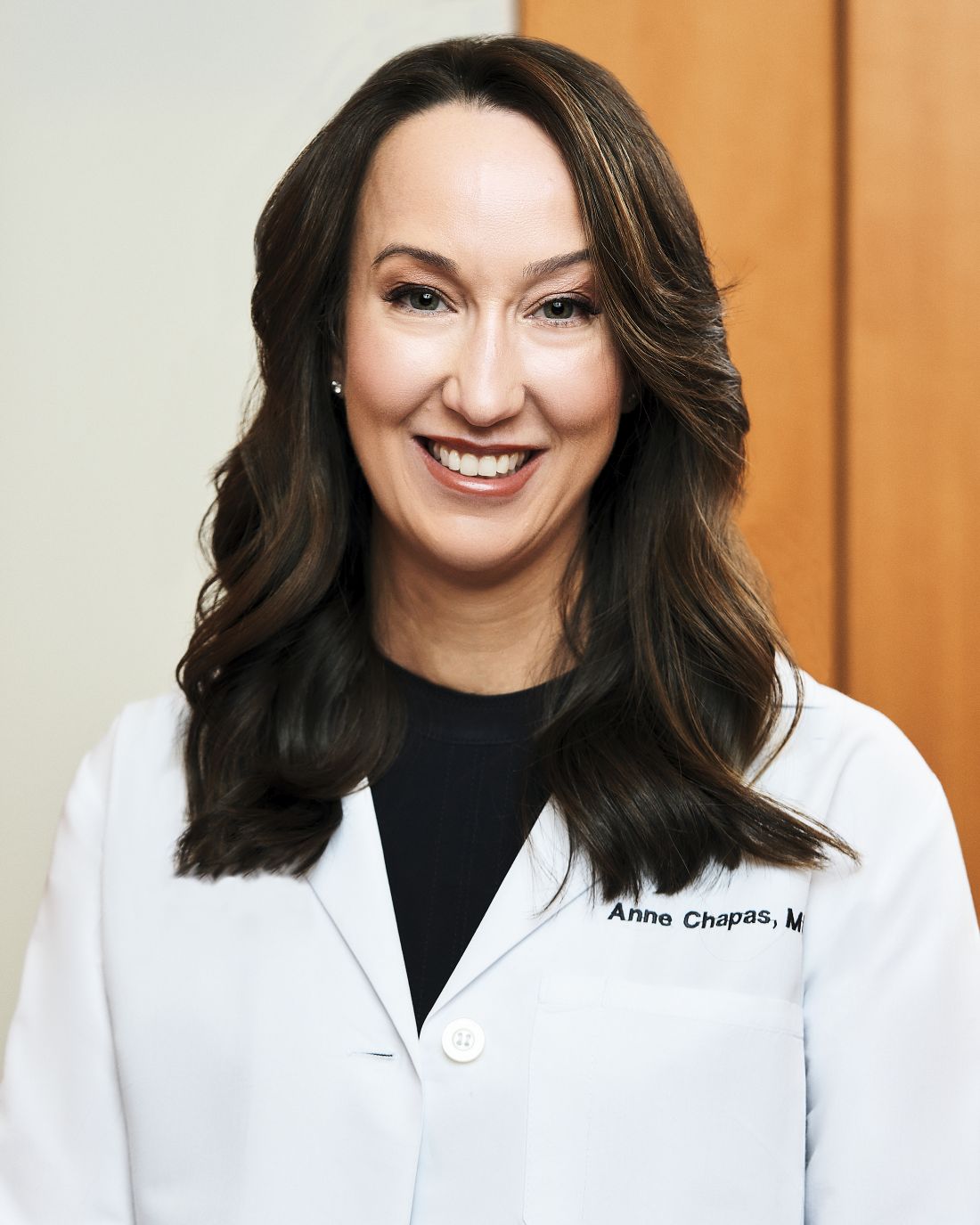
“My first thought was, ‘this is crazy. It looks like a Storm Trooper helmet,’ ” Dr. Chapas, founder and medical director of UnionDerm, New York, said at the annual meeting of the American Society for Dermatologic Surgery. “But it’s the first FDA-cleared device that uses bipolar radiofrequency to target the lower third of the face and the submental area of the face. We wanted to see how it works.”
Its bipolar radiofrequency (RF) component reaches 4 mm in depth and travels from central to outer electrodes. The device features real-time temperature monitoring and the ability to delivery energy at lower temps for longer periods of time compared with hands-on approaches. No cooling is required.
“It is able to treat a large surface area simultaneously to achieve maximal tissue contraction,” Dr. Chapas said. “What we’ve learned in decades of RF technology is that it’s not just about heat. It has to be the right amount of heat for the right amount of time. That’s what’s difficult when we’re doing our own individual treatments. How many pulses do we need? How is that heat dissipating? Are we getting the amount of heat we need? Is the patient in pain? We need to take that data from the individual provider and come up with an automated system. That’s what this device is trying to accomplish.”
In a prospective trial, she and her colleagues enrolled 40 patients between the ages of 36 and 75 years with visible signs of facial aging who were seeking skin tightening treatments at one of three centers in the United States. They underwent three biweekly treatments with the Evoke device to the lower face and submental area where a target temperature of 42°-43° C was maintained for 41 minutes, or about 20 minutes for each site.
For the primary safety endpoint, investigators and blinded evaluators used a 4-point Likert scale before treatment, and 1, 3, and 6 months post-treatment. Follow-up visit satisfaction metrics were the patient’s skin appearance evaluation and overall satisfaction, and the investigator improvement rating based on an analysis of volumetric data from 3D imaging software. Chin and cheek discomfort metrics were assessed at all treatments. The subject satisfaction metrics were measured on an 11-point scale where 0 is most comfortable and 10 is most uncomfortable.
In terms of safety, patients tolerated the treatments well and rated their average discomfort from 0.643 to 1.45 on the 11-point Likert scale. “The subject satisfaction rate was about 80%, which is in line with other devices, such as microfocused ultrasound,” said Dr. Chapas, who is also a clinical instructor of dermatology at the Mount Sinai Medical Center, New York.
“The physicians were a little tougher on their assessments. We felt there was about a 65%-70% success rate after the three treatment timepoints.” One possible reason for the disparity between the patient and physician assessments is that patients “may be more accepting of meager results from a hands-free treatment.”
Expect to see more hands-free devices hit the dermatology market in the coming months and years ahead, Dr. Chapas said. Before clinicians incorporate such systems into their practices, she advises them to review existing evidence for the technology, including published data and asking for demonstrations. “If it’s not efficacious, you’ve just wasted everybody’s time,” she said. “Also, is it practical for your office? Do you have the space for it? What staff training is involved? Is it truly automated?”
She added, “If you have a device that’s hands-free but someone must stay in the room with the patient for an hour, does that really help the flow of your practice? And finally, what do your patients want? Do they want to come back multiple times, or do they prefer one-and-done treatments?”
Other questions to consider, she said, include, who benefits from these treatments. Does it fill an unmet need for patients, and for clinicians? Does it help with operator fatigue? How are more consistent treatments achieved? Can the technology be applied to broad body areas?
“The hands-free revolution has been building,” Dr. Chapas commented. “The next generation of lasers and energy devices are going to be coming into our offices, so we should think carefully about how to incorporate them.”
Dr. Chapas disclosed that she is an investigator for InMode (the manufacturer of Evoke), Cutera, and Galderma, and a speaker for Allergan.
Denver – When Anne Chapas, MD, was asked to help conduct a clinical trial of a wearable, hands-free device for remodeling of the face and submental area, she responded with a healthy dose of skepticism.
“My first thought was, ‘this is crazy. It looks like a Storm Trooper helmet,’ ” Dr. Chapas, founder and medical director of UnionDerm, New York, said at the annual meeting of the American Society for Dermatologic Surgery. “But it’s the first FDA-cleared device that uses bipolar radiofrequency to target the lower third of the face and the submental area of the face. We wanted to see how it works.”
Its bipolar radiofrequency (RF) component reaches 4 mm in depth and travels from central to outer electrodes. The device features real-time temperature monitoring and the ability to delivery energy at lower temps for longer periods of time compared with hands-on approaches. No cooling is required.
“It is able to treat a large surface area simultaneously to achieve maximal tissue contraction,” Dr. Chapas said. “What we’ve learned in decades of RF technology is that it’s not just about heat. It has to be the right amount of heat for the right amount of time. That’s what’s difficult when we’re doing our own individual treatments. How many pulses do we need? How is that heat dissipating? Are we getting the amount of heat we need? Is the patient in pain? We need to take that data from the individual provider and come up with an automated system. That’s what this device is trying to accomplish.”
In a prospective trial, she and her colleagues enrolled 40 patients between the ages of 36 and 75 years with visible signs of facial aging who were seeking skin tightening treatments at one of three centers in the United States. They underwent three biweekly treatments with the Evoke device to the lower face and submental area where a target temperature of 42°-43° C was maintained for 41 minutes, or about 20 minutes for each site.
For the primary safety endpoint, investigators and blinded evaluators used a 4-point Likert scale before treatment, and 1, 3, and 6 months post-treatment. Follow-up visit satisfaction metrics were the patient’s skin appearance evaluation and overall satisfaction, and the investigator improvement rating based on an analysis of volumetric data from 3D imaging software. Chin and cheek discomfort metrics were assessed at all treatments. The subject satisfaction metrics were measured on an 11-point scale where 0 is most comfortable and 10 is most uncomfortable.
In terms of safety, patients tolerated the treatments well and rated their average discomfort from 0.643 to 1.45 on the 11-point Likert scale. “The subject satisfaction rate was about 80%, which is in line with other devices, such as microfocused ultrasound,” said Dr. Chapas, who is also a clinical instructor of dermatology at the Mount Sinai Medical Center, New York.
“The physicians were a little tougher on their assessments. We felt there was about a 65%-70% success rate after the three treatment timepoints.” One possible reason for the disparity between the patient and physician assessments is that patients “may be more accepting of meager results from a hands-free treatment.”
Expect to see more hands-free devices hit the dermatology market in the coming months and years ahead, Dr. Chapas said. Before clinicians incorporate such systems into their practices, she advises them to review existing evidence for the technology, including published data and asking for demonstrations. “If it’s not efficacious, you’ve just wasted everybody’s time,” she said. “Also, is it practical for your office? Do you have the space for it? What staff training is involved? Is it truly automated?”
She added, “If you have a device that’s hands-free but someone must stay in the room with the patient for an hour, does that really help the flow of your practice? And finally, what do your patients want? Do they want to come back multiple times, or do they prefer one-and-done treatments?”
Other questions to consider, she said, include, who benefits from these treatments. Does it fill an unmet need for patients, and for clinicians? Does it help with operator fatigue? How are more consistent treatments achieved? Can the technology be applied to broad body areas?
“The hands-free revolution has been building,” Dr. Chapas commented. “The next generation of lasers and energy devices are going to be coming into our offices, so we should think carefully about how to incorporate them.”
Dr. Chapas disclosed that she is an investigator for InMode (the manufacturer of Evoke), Cutera, and Galderma, and a speaker for Allergan.
Denver – When Anne Chapas, MD, was asked to help conduct a clinical trial of a wearable, hands-free device for remodeling of the face and submental area, she responded with a healthy dose of skepticism.
“My first thought was, ‘this is crazy. It looks like a Storm Trooper helmet,’ ” Dr. Chapas, founder and medical director of UnionDerm, New York, said at the annual meeting of the American Society for Dermatologic Surgery. “But it’s the first FDA-cleared device that uses bipolar radiofrequency to target the lower third of the face and the submental area of the face. We wanted to see how it works.”
Its bipolar radiofrequency (RF) component reaches 4 mm in depth and travels from central to outer electrodes. The device features real-time temperature monitoring and the ability to delivery energy at lower temps for longer periods of time compared with hands-on approaches. No cooling is required.
“It is able to treat a large surface area simultaneously to achieve maximal tissue contraction,” Dr. Chapas said. “What we’ve learned in decades of RF technology is that it’s not just about heat. It has to be the right amount of heat for the right amount of time. That’s what’s difficult when we’re doing our own individual treatments. How many pulses do we need? How is that heat dissipating? Are we getting the amount of heat we need? Is the patient in pain? We need to take that data from the individual provider and come up with an automated system. That’s what this device is trying to accomplish.”
In a prospective trial, she and her colleagues enrolled 40 patients between the ages of 36 and 75 years with visible signs of facial aging who were seeking skin tightening treatments at one of three centers in the United States. They underwent three biweekly treatments with the Evoke device to the lower face and submental area where a target temperature of 42°-43° C was maintained for 41 minutes, or about 20 minutes for each site.
For the primary safety endpoint, investigators and blinded evaluators used a 4-point Likert scale before treatment, and 1, 3, and 6 months post-treatment. Follow-up visit satisfaction metrics were the patient’s skin appearance evaluation and overall satisfaction, and the investigator improvement rating based on an analysis of volumetric data from 3D imaging software. Chin and cheek discomfort metrics were assessed at all treatments. The subject satisfaction metrics were measured on an 11-point scale where 0 is most comfortable and 10 is most uncomfortable.
In terms of safety, patients tolerated the treatments well and rated their average discomfort from 0.643 to 1.45 on the 11-point Likert scale. “The subject satisfaction rate was about 80%, which is in line with other devices, such as microfocused ultrasound,” said Dr. Chapas, who is also a clinical instructor of dermatology at the Mount Sinai Medical Center, New York.
“The physicians were a little tougher on their assessments. We felt there was about a 65%-70% success rate after the three treatment timepoints.” One possible reason for the disparity between the patient and physician assessments is that patients “may be more accepting of meager results from a hands-free treatment.”
Expect to see more hands-free devices hit the dermatology market in the coming months and years ahead, Dr. Chapas said. Before clinicians incorporate such systems into their practices, she advises them to review existing evidence for the technology, including published data and asking for demonstrations. “If it’s not efficacious, you’ve just wasted everybody’s time,” she said. “Also, is it practical for your office? Do you have the space for it? What staff training is involved? Is it truly automated?”
She added, “If you have a device that’s hands-free but someone must stay in the room with the patient for an hour, does that really help the flow of your practice? And finally, what do your patients want? Do they want to come back multiple times, or do they prefer one-and-done treatments?”
Other questions to consider, she said, include, who benefits from these treatments. Does it fill an unmet need for patients, and for clinicians? Does it help with operator fatigue? How are more consistent treatments achieved? Can the technology be applied to broad body areas?
“The hands-free revolution has been building,” Dr. Chapas commented. “The next generation of lasers and energy devices are going to be coming into our offices, so we should think carefully about how to incorporate them.”
Dr. Chapas disclosed that she is an investigator for InMode (the manufacturer of Evoke), Cutera, and Galderma, and a speaker for Allergan.
AT ASDS 2022
Diazepam nasal spray effective in Lennox-Gastaut syndrome
CINCINNATI – A new analysis of data from a phase 3 clinical trial suggests that
LGS is a severe form of epilepsy that generally begins in early childhood and has a poor prognosis and seizures that are often treatment refractory. The findings of the analysis should be encouraging to physicians who may view patients with LGS as not benefiting from treatment, said Daniel C. Tarquinio, DO, who presented the results at the 2022 annual meeting of the Child Neurology Society.
“Their response to their first appropriate weight-based rescue dose of Valtoco was essentially no different. They were subtly different, but they’re not really meaningful differences. Very few needed a second dose. In practice this is helpful because we know that kids with LGS, we think of them as having worse epilepsy, if you will. But if they need rescue, if we prescribe an appropriate rescue dose based on their weight, that the same rescue will work for them as it will for a kid that doesn’t have – quote unquote – as bad epilepsy that needs rescue,” said Dr. Tarquinio, a child neurologist and epileptologist and founder of the Center for Rare Neurological Diseases.
During the Q&A, Dr. Tarquinio was asked if there is something about the biology of LGS that would suggest it might respond differently to the drug. Dr. Tarquinio said no. “The reason we even looked at this is because many clinicians told us that their sense was [that patients with LGS] did not respond as well to rescue in general no matter what they use. This allowed us to go back and look at a controlled data set and say, at least in our controlled dataset, they respond the same,” he said.
Grace Gombolay, MD, who moderated the session, agreed that the results should be encouraging. “It seems like a lot of clinicians have the sense that Lennox-Gastaut Syndrome is a very terrible refractory epilepsy syndrome, and so doing rescue doesn’t seem to make sense if they don’t really respond. I think it’s helpful to know because there are actually studies showing that Valtoco seems to actually work in those patients, so it’s actually useful clinically to prescribe those patients and give it a shot,” said Dr. Gombolay, director of the Pediatric Neuroimmunology and Multiple Sclerosis Clinic at Emory University, Atlanta.
LGS patients may experience hundreds of seizures per day. “It’s really hard for parents to quantify, did they get better? Did the rescue help or not, because they’re still having some seizures. I think the sense is, ‘oh, this isn’t working.’ That’s probably the bias. I think this is good data that if you are able to get Valtoco for your patients, I think it’s worth a shot even in Lennox-Gastaut,” said Dr. Gombolay.
The researchers conducted a post hoc analysis of the phase 3, open-label, repeat-dose safety study of Valtoco. The study included a 12-month treatment period with visits at day 30 and every 60 days following. Patients had the option of staying on the drug following the end of the treatment period. Seizure and dosing information were obtained from a diary. The study enrolled 163 patients whose physicians believed they would need to be treated with a benzodiazepine at least once every other month to achieve seizure control. Dosing was determined by a combination of age and weight. If a second dose was required, caregivers were instructed to provide it 4-12 hours after the first dose.
In the study cohort, 47.9% of patients were aged 6-17 years. The researchers looked specifically at 73 cases of seizure clusters. In nine cases, the patient had LGS (five male, four female). Nearly all (95.9%) of LGS cluster cases were treated with a single dose and 4.1% were exposed to a second dose. Among 64 cases involving a patient with pediatric epileptic encephalopathies, 89.4% were treated with a single dose and 10.6% received a second. The safety profile was similar between patients with LGS and those with pediatric encephalopathies.
Dr. Gombolay has no relevant financial disclosures.
CINCINNATI – A new analysis of data from a phase 3 clinical trial suggests that
LGS is a severe form of epilepsy that generally begins in early childhood and has a poor prognosis and seizures that are often treatment refractory. The findings of the analysis should be encouraging to physicians who may view patients with LGS as not benefiting from treatment, said Daniel C. Tarquinio, DO, who presented the results at the 2022 annual meeting of the Child Neurology Society.
“Their response to their first appropriate weight-based rescue dose of Valtoco was essentially no different. They were subtly different, but they’re not really meaningful differences. Very few needed a second dose. In practice this is helpful because we know that kids with LGS, we think of them as having worse epilepsy, if you will. But if they need rescue, if we prescribe an appropriate rescue dose based on their weight, that the same rescue will work for them as it will for a kid that doesn’t have – quote unquote – as bad epilepsy that needs rescue,” said Dr. Tarquinio, a child neurologist and epileptologist and founder of the Center for Rare Neurological Diseases.
During the Q&A, Dr. Tarquinio was asked if there is something about the biology of LGS that would suggest it might respond differently to the drug. Dr. Tarquinio said no. “The reason we even looked at this is because many clinicians told us that their sense was [that patients with LGS] did not respond as well to rescue in general no matter what they use. This allowed us to go back and look at a controlled data set and say, at least in our controlled dataset, they respond the same,” he said.
Grace Gombolay, MD, who moderated the session, agreed that the results should be encouraging. “It seems like a lot of clinicians have the sense that Lennox-Gastaut Syndrome is a very terrible refractory epilepsy syndrome, and so doing rescue doesn’t seem to make sense if they don’t really respond. I think it’s helpful to know because there are actually studies showing that Valtoco seems to actually work in those patients, so it’s actually useful clinically to prescribe those patients and give it a shot,” said Dr. Gombolay, director of the Pediatric Neuroimmunology and Multiple Sclerosis Clinic at Emory University, Atlanta.
LGS patients may experience hundreds of seizures per day. “It’s really hard for parents to quantify, did they get better? Did the rescue help or not, because they’re still having some seizures. I think the sense is, ‘oh, this isn’t working.’ That’s probably the bias. I think this is good data that if you are able to get Valtoco for your patients, I think it’s worth a shot even in Lennox-Gastaut,” said Dr. Gombolay.
The researchers conducted a post hoc analysis of the phase 3, open-label, repeat-dose safety study of Valtoco. The study included a 12-month treatment period with visits at day 30 and every 60 days following. Patients had the option of staying on the drug following the end of the treatment period. Seizure and dosing information were obtained from a diary. The study enrolled 163 patients whose physicians believed they would need to be treated with a benzodiazepine at least once every other month to achieve seizure control. Dosing was determined by a combination of age and weight. If a second dose was required, caregivers were instructed to provide it 4-12 hours after the first dose.
In the study cohort, 47.9% of patients were aged 6-17 years. The researchers looked specifically at 73 cases of seizure clusters. In nine cases, the patient had LGS (five male, four female). Nearly all (95.9%) of LGS cluster cases were treated with a single dose and 4.1% were exposed to a second dose. Among 64 cases involving a patient with pediatric epileptic encephalopathies, 89.4% were treated with a single dose and 10.6% received a second. The safety profile was similar between patients with LGS and those with pediatric encephalopathies.
Dr. Gombolay has no relevant financial disclosures.
CINCINNATI – A new analysis of data from a phase 3 clinical trial suggests that
LGS is a severe form of epilepsy that generally begins in early childhood and has a poor prognosis and seizures that are often treatment refractory. The findings of the analysis should be encouraging to physicians who may view patients with LGS as not benefiting from treatment, said Daniel C. Tarquinio, DO, who presented the results at the 2022 annual meeting of the Child Neurology Society.
“Their response to their first appropriate weight-based rescue dose of Valtoco was essentially no different. They were subtly different, but they’re not really meaningful differences. Very few needed a second dose. In practice this is helpful because we know that kids with LGS, we think of them as having worse epilepsy, if you will. But if they need rescue, if we prescribe an appropriate rescue dose based on their weight, that the same rescue will work for them as it will for a kid that doesn’t have – quote unquote – as bad epilepsy that needs rescue,” said Dr. Tarquinio, a child neurologist and epileptologist and founder of the Center for Rare Neurological Diseases.
During the Q&A, Dr. Tarquinio was asked if there is something about the biology of LGS that would suggest it might respond differently to the drug. Dr. Tarquinio said no. “The reason we even looked at this is because many clinicians told us that their sense was [that patients with LGS] did not respond as well to rescue in general no matter what they use. This allowed us to go back and look at a controlled data set and say, at least in our controlled dataset, they respond the same,” he said.
Grace Gombolay, MD, who moderated the session, agreed that the results should be encouraging. “It seems like a lot of clinicians have the sense that Lennox-Gastaut Syndrome is a very terrible refractory epilepsy syndrome, and so doing rescue doesn’t seem to make sense if they don’t really respond. I think it’s helpful to know because there are actually studies showing that Valtoco seems to actually work in those patients, so it’s actually useful clinically to prescribe those patients and give it a shot,” said Dr. Gombolay, director of the Pediatric Neuroimmunology and Multiple Sclerosis Clinic at Emory University, Atlanta.
LGS patients may experience hundreds of seizures per day. “It’s really hard for parents to quantify, did they get better? Did the rescue help or not, because they’re still having some seizures. I think the sense is, ‘oh, this isn’t working.’ That’s probably the bias. I think this is good data that if you are able to get Valtoco for your patients, I think it’s worth a shot even in Lennox-Gastaut,” said Dr. Gombolay.
The researchers conducted a post hoc analysis of the phase 3, open-label, repeat-dose safety study of Valtoco. The study included a 12-month treatment period with visits at day 30 and every 60 days following. Patients had the option of staying on the drug following the end of the treatment period. Seizure and dosing information were obtained from a diary. The study enrolled 163 patients whose physicians believed they would need to be treated with a benzodiazepine at least once every other month to achieve seizure control. Dosing was determined by a combination of age and weight. If a second dose was required, caregivers were instructed to provide it 4-12 hours after the first dose.
In the study cohort, 47.9% of patients were aged 6-17 years. The researchers looked specifically at 73 cases of seizure clusters. In nine cases, the patient had LGS (five male, four female). Nearly all (95.9%) of LGS cluster cases were treated with a single dose and 4.1% were exposed to a second dose. Among 64 cases involving a patient with pediatric epileptic encephalopathies, 89.4% were treated with a single dose and 10.6% received a second. The safety profile was similar between patients with LGS and those with pediatric encephalopathies.
Dr. Gombolay has no relevant financial disclosures.
AT CNS 2022
Cognition-boosting ‘smart drugs’ not so smart for healthy people
VIENNA – , new research suggests.
In a randomized controlled trial, 40 healthy adults were given the attention-deficit/hyperactivity disorder (ADHD) treatments methylphenidate or dexamphetamine or the wakefulness-promoting drug modafinil vs. placebo.
While receiving the so-called “smart drugs,” participants spent more time and made more moves more quickly while solving each problem on a complex cognitive task than when given the placebo. But with no significant improvement in overall performance, all drugs were associated with a significant reduction in efficiency.
The findings “reinforce the idea that, while the drugs administered were motivational, the resulting increase in effort came at a cost in the loss of productivity,” said study presenter David Coghill, MD, PhD, chair of developmental mental health, the University of Melbourne.
This was especially true for individuals who scored high when receiving placebo, “who ended up producing below average productivity when on the drugs,” he noted.
“Overall, these drugs don’t increase the performance. Instead, they cause a regression to the mean, and appear to have a more negative effect on those who performed best at baseline,” Dr. Coghill added.
He presented the findings at the 35th European College of Neuropsychopharmacology (ECNP) Congress.
Past evidence ambiguous
Dr. Coghill noted that prescription-only stimulant drugs are increasingly used by employees and students as “smart drugs” to enhance workplace or academic productivity.
He conducted the study with colleagues from the department of economics at his institution, because of “their interest in people using cognitive enhancers within the financial industry, in the hope that that would increase their productivity in what is a very competitive industry on the floor of the trading rooms.”
However, while “there’s a subjective belief” that these drugs are effective as cognitive enhancers, the evidence to actually demonstrate that in healthy individuals “is, at best, ambiguous,” he told meeting attendees.
Improvements in cognitive capacities, such as working memory and improved planning, are most evident in clinical populations such as those with ADHD, which could be due to a “ceiling effect” of the cognitive tasks in healthy individuals, Dr. Coghill noted.
To investigate further, the researchers conducted a randomized, double-blinded trial of standard adult doses of methylphenidate (30 mg), dexamphetamine (15 mg), and modafinil (200 mg) vs. placebo. The healthy participants (n = 40), all of whom were aged 18-35 years, crossed to each of the other treatment groups over the course of four intervention sessions.
All were asked to solve eight instances of the knapsack task, the aim of which is to place theoretical objects in a knapsack to achieve the maximum value within a certain weight limit.
“This looks very simple but as the number of items increases, it becomes incredibly complex to compute, and actually is not computable using standard approaches. You have to deal with trial and error,” Dr. Coghill said.
The participants also completed several CANTAB cognitive tasks.
‘Surprising’ findings
Results showed that, overall, the drugs did not have a significant effect on task performance (slope = –0.16; P = .011).
Moreover, the drugs, both individually and collectively, had a significant negative effect on the value attained during any one attempt at the knapsack task (slope = –0.003; P = .02), an effect that extended “across the whole range” of task complexity, Dr. Coghill reported.
He went on to show that “participants actually looked as if they were working harder” when they took the three active drugs than when they were given a placebo. They also “spent more time solving each problem,” he added.
When taking the active drugs, participants made more moves during each task than when taking placebo, and made their moves more quickly.
“So these medications increased motivation,” Dr. Coghill said. “If you were sitting [and] watching this person, you would think that they were working harder.”
Yet their productivity, defined as the average gain in value per move on the knapsack task, was lower. Regression analysis identified a “significant and sizable drop in productivity” vs. placebo, Dr. Coghill noted.
This was the case for methylphenidate (P < .001), dexamphetamine (P < .001), and modafinil (P < .05), “whether you looked at the mean or median performance,” he said.
“Breaking it down a little bit more, when you looked at the individual participant level, you find substantial heterogeneity across participants,” noted Dr. Coghill.
“More than that, we found a significant negative correlation between productivity under methylphenidate compared to productivity under placebo, and this suggests a regression to the mean,” with participants who performed better under placebo performing worse with methylphenidate, he explained.
While the relationship was “exactly the same with modafinil,” it was not found with dexamphetamine, with a strong negative correlation between the productivity effects between dexamphetamine and methylphenidate (slope = –0.29; P < .0001).
“This is surprising because we assume that methylphenidate and dexamphetamine are working in very similar ways,” Dr. Coghill said.
Time to rethink, rewind?
Commenting for this article, session chair John F. Cryan, PhD, department of anatomy and neuroscience, University College Cork, Ireland, said that, based on the current data, “we might need to rethink [how] ‘smart’ psychopharmacological agents are.”
Dr. Cryan, chair of the ECNP Scientific Program Committee, added that there may be a need to revisit the difficulty of different types of cognitive tasks used in studies assessing the abilities of cognitive enhancing drugs and to “rewind conventional wisdom” around them.
Also commenting, Andrew Westbrook, PhD, of the department of cognitive linguistics and psychological sciences, Brown University, Providence, R.I., said the results seem “reasonable” and are “consistent with my own perspective.”
However, he told this news organization, “some caveats are warranted,” not least that the context of the task can have an impact on the results it obtains.
“We have hypothesized that pharmacologically-enhanced striatal dopamine signaling can boost a kind of cognitive impulsivity, leading to errors and diminished performance, especially for people who already have high striatal dopamine functioning.”
He added that this impulsivity can also lead to errors “in situations where there are highly likely actions, thoughts, or behaviors” in a task, “which they would have to override to be successful” in performing it.
Dr. Westbrook gave the example of the “Stroop task where you are presented with words presented in some color ink and your job is to name the color of the ink but not read the word.”
If the word “green,” for example, was presented in green ink, “you may have no trouble naming the ink color,” but if it was presented in red ink “then you may impulsively read the word, because that is what we normally do with words.
“Overriding this kind of habitual action can be particularly slippery business when striatal dopamine signaling is pharmacologically enhanced,” Dr. Westbrook said.
No funding for the study was reported. Dr. Coghill reported relationships with Medice, Novartis, Servier, Takeda/Shire Cambridge University Press, and Oxford University Press.
A version of this article first appeared on Medscape.com.
VIENNA – , new research suggests.
In a randomized controlled trial, 40 healthy adults were given the attention-deficit/hyperactivity disorder (ADHD) treatments methylphenidate or dexamphetamine or the wakefulness-promoting drug modafinil vs. placebo.
While receiving the so-called “smart drugs,” participants spent more time and made more moves more quickly while solving each problem on a complex cognitive task than when given the placebo. But with no significant improvement in overall performance, all drugs were associated with a significant reduction in efficiency.
The findings “reinforce the idea that, while the drugs administered were motivational, the resulting increase in effort came at a cost in the loss of productivity,” said study presenter David Coghill, MD, PhD, chair of developmental mental health, the University of Melbourne.
This was especially true for individuals who scored high when receiving placebo, “who ended up producing below average productivity when on the drugs,” he noted.
“Overall, these drugs don’t increase the performance. Instead, they cause a regression to the mean, and appear to have a more negative effect on those who performed best at baseline,” Dr. Coghill added.
He presented the findings at the 35th European College of Neuropsychopharmacology (ECNP) Congress.
Past evidence ambiguous
Dr. Coghill noted that prescription-only stimulant drugs are increasingly used by employees and students as “smart drugs” to enhance workplace or academic productivity.
He conducted the study with colleagues from the department of economics at his institution, because of “their interest in people using cognitive enhancers within the financial industry, in the hope that that would increase their productivity in what is a very competitive industry on the floor of the trading rooms.”
However, while “there’s a subjective belief” that these drugs are effective as cognitive enhancers, the evidence to actually demonstrate that in healthy individuals “is, at best, ambiguous,” he told meeting attendees.
Improvements in cognitive capacities, such as working memory and improved planning, are most evident in clinical populations such as those with ADHD, which could be due to a “ceiling effect” of the cognitive tasks in healthy individuals, Dr. Coghill noted.
To investigate further, the researchers conducted a randomized, double-blinded trial of standard adult doses of methylphenidate (30 mg), dexamphetamine (15 mg), and modafinil (200 mg) vs. placebo. The healthy participants (n = 40), all of whom were aged 18-35 years, crossed to each of the other treatment groups over the course of four intervention sessions.
All were asked to solve eight instances of the knapsack task, the aim of which is to place theoretical objects in a knapsack to achieve the maximum value within a certain weight limit.
“This looks very simple but as the number of items increases, it becomes incredibly complex to compute, and actually is not computable using standard approaches. You have to deal with trial and error,” Dr. Coghill said.
The participants also completed several CANTAB cognitive tasks.
‘Surprising’ findings
Results showed that, overall, the drugs did not have a significant effect on task performance (slope = –0.16; P = .011).
Moreover, the drugs, both individually and collectively, had a significant negative effect on the value attained during any one attempt at the knapsack task (slope = –0.003; P = .02), an effect that extended “across the whole range” of task complexity, Dr. Coghill reported.
He went on to show that “participants actually looked as if they were working harder” when they took the three active drugs than when they were given a placebo. They also “spent more time solving each problem,” he added.
When taking the active drugs, participants made more moves during each task than when taking placebo, and made their moves more quickly.
“So these medications increased motivation,” Dr. Coghill said. “If you were sitting [and] watching this person, you would think that they were working harder.”
Yet their productivity, defined as the average gain in value per move on the knapsack task, was lower. Regression analysis identified a “significant and sizable drop in productivity” vs. placebo, Dr. Coghill noted.
This was the case for methylphenidate (P < .001), dexamphetamine (P < .001), and modafinil (P < .05), “whether you looked at the mean or median performance,” he said.
“Breaking it down a little bit more, when you looked at the individual participant level, you find substantial heterogeneity across participants,” noted Dr. Coghill.
“More than that, we found a significant negative correlation between productivity under methylphenidate compared to productivity under placebo, and this suggests a regression to the mean,” with participants who performed better under placebo performing worse with methylphenidate, he explained.
While the relationship was “exactly the same with modafinil,” it was not found with dexamphetamine, with a strong negative correlation between the productivity effects between dexamphetamine and methylphenidate (slope = –0.29; P < .0001).
“This is surprising because we assume that methylphenidate and dexamphetamine are working in very similar ways,” Dr. Coghill said.
Time to rethink, rewind?
Commenting for this article, session chair John F. Cryan, PhD, department of anatomy and neuroscience, University College Cork, Ireland, said that, based on the current data, “we might need to rethink [how] ‘smart’ psychopharmacological agents are.”
Dr. Cryan, chair of the ECNP Scientific Program Committee, added that there may be a need to revisit the difficulty of different types of cognitive tasks used in studies assessing the abilities of cognitive enhancing drugs and to “rewind conventional wisdom” around them.
Also commenting, Andrew Westbrook, PhD, of the department of cognitive linguistics and psychological sciences, Brown University, Providence, R.I., said the results seem “reasonable” and are “consistent with my own perspective.”
However, he told this news organization, “some caveats are warranted,” not least that the context of the task can have an impact on the results it obtains.
“We have hypothesized that pharmacologically-enhanced striatal dopamine signaling can boost a kind of cognitive impulsivity, leading to errors and diminished performance, especially for people who already have high striatal dopamine functioning.”
He added that this impulsivity can also lead to errors “in situations where there are highly likely actions, thoughts, or behaviors” in a task, “which they would have to override to be successful” in performing it.
Dr. Westbrook gave the example of the “Stroop task where you are presented with words presented in some color ink and your job is to name the color of the ink but not read the word.”
If the word “green,” for example, was presented in green ink, “you may have no trouble naming the ink color,” but if it was presented in red ink “then you may impulsively read the word, because that is what we normally do with words.
“Overriding this kind of habitual action can be particularly slippery business when striatal dopamine signaling is pharmacologically enhanced,” Dr. Westbrook said.
No funding for the study was reported. Dr. Coghill reported relationships with Medice, Novartis, Servier, Takeda/Shire Cambridge University Press, and Oxford University Press.
A version of this article first appeared on Medscape.com.
VIENNA – , new research suggests.
In a randomized controlled trial, 40 healthy adults were given the attention-deficit/hyperactivity disorder (ADHD) treatments methylphenidate or dexamphetamine or the wakefulness-promoting drug modafinil vs. placebo.
While receiving the so-called “smart drugs,” participants spent more time and made more moves more quickly while solving each problem on a complex cognitive task than when given the placebo. But with no significant improvement in overall performance, all drugs were associated with a significant reduction in efficiency.
The findings “reinforce the idea that, while the drugs administered were motivational, the resulting increase in effort came at a cost in the loss of productivity,” said study presenter David Coghill, MD, PhD, chair of developmental mental health, the University of Melbourne.
This was especially true for individuals who scored high when receiving placebo, “who ended up producing below average productivity when on the drugs,” he noted.
“Overall, these drugs don’t increase the performance. Instead, they cause a regression to the mean, and appear to have a more negative effect on those who performed best at baseline,” Dr. Coghill added.
He presented the findings at the 35th European College of Neuropsychopharmacology (ECNP) Congress.
Past evidence ambiguous
Dr. Coghill noted that prescription-only stimulant drugs are increasingly used by employees and students as “smart drugs” to enhance workplace or academic productivity.
He conducted the study with colleagues from the department of economics at his institution, because of “their interest in people using cognitive enhancers within the financial industry, in the hope that that would increase their productivity in what is a very competitive industry on the floor of the trading rooms.”
However, while “there’s a subjective belief” that these drugs are effective as cognitive enhancers, the evidence to actually demonstrate that in healthy individuals “is, at best, ambiguous,” he told meeting attendees.
Improvements in cognitive capacities, such as working memory and improved planning, are most evident in clinical populations such as those with ADHD, which could be due to a “ceiling effect” of the cognitive tasks in healthy individuals, Dr. Coghill noted.
To investigate further, the researchers conducted a randomized, double-blinded trial of standard adult doses of methylphenidate (30 mg), dexamphetamine (15 mg), and modafinil (200 mg) vs. placebo. The healthy participants (n = 40), all of whom were aged 18-35 years, crossed to each of the other treatment groups over the course of four intervention sessions.
All were asked to solve eight instances of the knapsack task, the aim of which is to place theoretical objects in a knapsack to achieve the maximum value within a certain weight limit.
“This looks very simple but as the number of items increases, it becomes incredibly complex to compute, and actually is not computable using standard approaches. You have to deal with trial and error,” Dr. Coghill said.
The participants also completed several CANTAB cognitive tasks.
‘Surprising’ findings
Results showed that, overall, the drugs did not have a significant effect on task performance (slope = –0.16; P = .011).
Moreover, the drugs, both individually and collectively, had a significant negative effect on the value attained during any one attempt at the knapsack task (slope = –0.003; P = .02), an effect that extended “across the whole range” of task complexity, Dr. Coghill reported.
He went on to show that “participants actually looked as if they were working harder” when they took the three active drugs than when they were given a placebo. They also “spent more time solving each problem,” he added.
When taking the active drugs, participants made more moves during each task than when taking placebo, and made their moves more quickly.
“So these medications increased motivation,” Dr. Coghill said. “If you were sitting [and] watching this person, you would think that they were working harder.”
Yet their productivity, defined as the average gain in value per move on the knapsack task, was lower. Regression analysis identified a “significant and sizable drop in productivity” vs. placebo, Dr. Coghill noted.
This was the case for methylphenidate (P < .001), dexamphetamine (P < .001), and modafinil (P < .05), “whether you looked at the mean or median performance,” he said.
“Breaking it down a little bit more, when you looked at the individual participant level, you find substantial heterogeneity across participants,” noted Dr. Coghill.
“More than that, we found a significant negative correlation between productivity under methylphenidate compared to productivity under placebo, and this suggests a regression to the mean,” with participants who performed better under placebo performing worse with methylphenidate, he explained.
While the relationship was “exactly the same with modafinil,” it was not found with dexamphetamine, with a strong negative correlation between the productivity effects between dexamphetamine and methylphenidate (slope = –0.29; P < .0001).
“This is surprising because we assume that methylphenidate and dexamphetamine are working in very similar ways,” Dr. Coghill said.
Time to rethink, rewind?
Commenting for this article, session chair John F. Cryan, PhD, department of anatomy and neuroscience, University College Cork, Ireland, said that, based on the current data, “we might need to rethink [how] ‘smart’ psychopharmacological agents are.”
Dr. Cryan, chair of the ECNP Scientific Program Committee, added that there may be a need to revisit the difficulty of different types of cognitive tasks used in studies assessing the abilities of cognitive enhancing drugs and to “rewind conventional wisdom” around them.
Also commenting, Andrew Westbrook, PhD, of the department of cognitive linguistics and psychological sciences, Brown University, Providence, R.I., said the results seem “reasonable” and are “consistent with my own perspective.”
However, he told this news organization, “some caveats are warranted,” not least that the context of the task can have an impact on the results it obtains.
“We have hypothesized that pharmacologically-enhanced striatal dopamine signaling can boost a kind of cognitive impulsivity, leading to errors and diminished performance, especially for people who already have high striatal dopamine functioning.”
He added that this impulsivity can also lead to errors “in situations where there are highly likely actions, thoughts, or behaviors” in a task, “which they would have to override to be successful” in performing it.
Dr. Westbrook gave the example of the “Stroop task where you are presented with words presented in some color ink and your job is to name the color of the ink but not read the word.”
If the word “green,” for example, was presented in green ink, “you may have no trouble naming the ink color,” but if it was presented in red ink “then you may impulsively read the word, because that is what we normally do with words.
“Overriding this kind of habitual action can be particularly slippery business when striatal dopamine signaling is pharmacologically enhanced,” Dr. Westbrook said.
No funding for the study was reported. Dr. Coghill reported relationships with Medice, Novartis, Servier, Takeda/Shire Cambridge University Press, and Oxford University Press.
A version of this article first appeared on Medscape.com.
AT ECNP 2022
Evidence mounting that full-body emollients don’t prevent AD in at-risk babies
MONTREAL – , according to 5-year results of the BEEP randomized trial, reported at the annual meeting of the International Society of Atopic Dermatitis.
“So far, the science does not look convincing, and I am concerned about the possible harms,” commented senior investigator Hywel C. Williams, DSc, from the Centre of Evidence Based Dermatology, University of Nottingham (England).
The rate of AD at 2 years – the primary outcome of the BEEP trial – have already shown no benefit of either Diprobase cream or DoubleBase gel plus standard skin-care advice versus standard skin-care advice alone among 1,394 infants at high risk for developing AD. “These are children born to parents with a first-degree relative with eczema,” Dr. Williams explained.
At 2 years, 23% of the emollient group versus 25% of the control group developed eczema (adjusted relative risk, 0.95), and the parent-reported clinical skin infection rate was statistically increased (incidence rate ratio, 1.55). Despite these results, follow-up of BEEP was extended to 5 years to determine if there was a delayed benefit of emollients, both in AD prevention but also with other related disorders, he explained.
“Prevention is so much more logical than treating sick individuals with severe disease who present after a long chain of pathological events with expensive drugs. And even if you can’t primarily prevent eczema, even a small shift in the severity of distribution to the left has major public health implications,” Dr. Williams added. “And if you believe in the atopic march, then if you could prevent eczema, you might be able to prevent subsequent food allergy, asthma, and allergic rhinitis.”
The extension data was based on questionnaires at 3, 4, and 5 years documenting parental reports of doctor-diagnosed eczema and eczema severity, wheezing, allergic rhinitis, food allergy symptoms, and clinical diagnosis, as well as 5-year clinical diagnoses of asthma or allergic rhinitis. About 70% of parents returned their questionnaires at each point, showing no significant difference at 5 years for a clinical diagnosis of eczema (31% in the emollient group vs. 28% in controls), clinical diagnosis of food allergy (15% vs. 14%, respectively), or other outcomes.
“It’s a lovely hypothesis, but did we use the wrong emollients, or did we start it too late? Or should we start facing the possibility that maybe emollients really do not prevent eczema?” Dr. Williams commented, adding that he does not recommend use of emollients for AD prevention.
“There’s more research needed,” agreed panelist Eric Simpson, MD, professor of dermatology at Oregon Health & Science University, Portland, whose AD primary prevention CASCADE trial is expected to shed more light on the role of emollients in the near future. “And we can’t just ignore [another] randomized controlled trial that was done really well ... showing a positive effect,” he added, referring to the small, single-center STOP-AD trial.
“We’re always hoping, and it’s scientifically incredibly frustrating that none of this has borne out,” Aaron Drucker, MD, a dermatologist at Women’s College Hospital and associate professor at the University of Toronto, told this news organization. “It’s so appealing that emollients early in life would improve the skin barrier and then decrease likelihood of getting eczema. It’s great that there’s a new, large study from Dr. Simpson that is going to be coming out soon, so we’ll have another piece of this puzzle.”
Dr. Drucker said that although it sounds simple, there is much nuance in the question of emollients and skin barrier protection: “Who is the population that you ought to use the emollients in? What kind of emollient? How often and where? All of these things can influence potentially what the results of a trial might be. That’s where there’s still hope. I think the hope fades more and more as more evidence piles up.”
He added that although there currently is not enough evidence to recommend emollients for AD prevention, there is also not enough evidence of harm. “It’s nothing we should be afraid of,” Dr. Drucker advised.
Dr. Williams and Dr. Drucker report no relevant financial relationships.
A version of this article first appeared on Medscape.com.
MONTREAL – , according to 5-year results of the BEEP randomized trial, reported at the annual meeting of the International Society of Atopic Dermatitis.
“So far, the science does not look convincing, and I am concerned about the possible harms,” commented senior investigator Hywel C. Williams, DSc, from the Centre of Evidence Based Dermatology, University of Nottingham (England).
The rate of AD at 2 years – the primary outcome of the BEEP trial – have already shown no benefit of either Diprobase cream or DoubleBase gel plus standard skin-care advice versus standard skin-care advice alone among 1,394 infants at high risk for developing AD. “These are children born to parents with a first-degree relative with eczema,” Dr. Williams explained.
At 2 years, 23% of the emollient group versus 25% of the control group developed eczema (adjusted relative risk, 0.95), and the parent-reported clinical skin infection rate was statistically increased (incidence rate ratio, 1.55). Despite these results, follow-up of BEEP was extended to 5 years to determine if there was a delayed benefit of emollients, both in AD prevention but also with other related disorders, he explained.
“Prevention is so much more logical than treating sick individuals with severe disease who present after a long chain of pathological events with expensive drugs. And even if you can’t primarily prevent eczema, even a small shift in the severity of distribution to the left has major public health implications,” Dr. Williams added. “And if you believe in the atopic march, then if you could prevent eczema, you might be able to prevent subsequent food allergy, asthma, and allergic rhinitis.”
The extension data was based on questionnaires at 3, 4, and 5 years documenting parental reports of doctor-diagnosed eczema and eczema severity, wheezing, allergic rhinitis, food allergy symptoms, and clinical diagnosis, as well as 5-year clinical diagnoses of asthma or allergic rhinitis. About 70% of parents returned their questionnaires at each point, showing no significant difference at 5 years for a clinical diagnosis of eczema (31% in the emollient group vs. 28% in controls), clinical diagnosis of food allergy (15% vs. 14%, respectively), or other outcomes.
“It’s a lovely hypothesis, but did we use the wrong emollients, or did we start it too late? Or should we start facing the possibility that maybe emollients really do not prevent eczema?” Dr. Williams commented, adding that he does not recommend use of emollients for AD prevention.
“There’s more research needed,” agreed panelist Eric Simpson, MD, professor of dermatology at Oregon Health & Science University, Portland, whose AD primary prevention CASCADE trial is expected to shed more light on the role of emollients in the near future. “And we can’t just ignore [another] randomized controlled trial that was done really well ... showing a positive effect,” he added, referring to the small, single-center STOP-AD trial.
“We’re always hoping, and it’s scientifically incredibly frustrating that none of this has borne out,” Aaron Drucker, MD, a dermatologist at Women’s College Hospital and associate professor at the University of Toronto, told this news organization. “It’s so appealing that emollients early in life would improve the skin barrier and then decrease likelihood of getting eczema. It’s great that there’s a new, large study from Dr. Simpson that is going to be coming out soon, so we’ll have another piece of this puzzle.”
Dr. Drucker said that although it sounds simple, there is much nuance in the question of emollients and skin barrier protection: “Who is the population that you ought to use the emollients in? What kind of emollient? How often and where? All of these things can influence potentially what the results of a trial might be. That’s where there’s still hope. I think the hope fades more and more as more evidence piles up.”
He added that although there currently is not enough evidence to recommend emollients for AD prevention, there is also not enough evidence of harm. “It’s nothing we should be afraid of,” Dr. Drucker advised.
Dr. Williams and Dr. Drucker report no relevant financial relationships.
A version of this article first appeared on Medscape.com.
MONTREAL – , according to 5-year results of the BEEP randomized trial, reported at the annual meeting of the International Society of Atopic Dermatitis.
“So far, the science does not look convincing, and I am concerned about the possible harms,” commented senior investigator Hywel C. Williams, DSc, from the Centre of Evidence Based Dermatology, University of Nottingham (England).
The rate of AD at 2 years – the primary outcome of the BEEP trial – have already shown no benefit of either Diprobase cream or DoubleBase gel plus standard skin-care advice versus standard skin-care advice alone among 1,394 infants at high risk for developing AD. “These are children born to parents with a first-degree relative with eczema,” Dr. Williams explained.
At 2 years, 23% of the emollient group versus 25% of the control group developed eczema (adjusted relative risk, 0.95), and the parent-reported clinical skin infection rate was statistically increased (incidence rate ratio, 1.55). Despite these results, follow-up of BEEP was extended to 5 years to determine if there was a delayed benefit of emollients, both in AD prevention but also with other related disorders, he explained.
“Prevention is so much more logical than treating sick individuals with severe disease who present after a long chain of pathological events with expensive drugs. And even if you can’t primarily prevent eczema, even a small shift in the severity of distribution to the left has major public health implications,” Dr. Williams added. “And if you believe in the atopic march, then if you could prevent eczema, you might be able to prevent subsequent food allergy, asthma, and allergic rhinitis.”
The extension data was based on questionnaires at 3, 4, and 5 years documenting parental reports of doctor-diagnosed eczema and eczema severity, wheezing, allergic rhinitis, food allergy symptoms, and clinical diagnosis, as well as 5-year clinical diagnoses of asthma or allergic rhinitis. About 70% of parents returned their questionnaires at each point, showing no significant difference at 5 years for a clinical diagnosis of eczema (31% in the emollient group vs. 28% in controls), clinical diagnosis of food allergy (15% vs. 14%, respectively), or other outcomes.
“It’s a lovely hypothesis, but did we use the wrong emollients, or did we start it too late? Or should we start facing the possibility that maybe emollients really do not prevent eczema?” Dr. Williams commented, adding that he does not recommend use of emollients for AD prevention.
“There’s more research needed,” agreed panelist Eric Simpson, MD, professor of dermatology at Oregon Health & Science University, Portland, whose AD primary prevention CASCADE trial is expected to shed more light on the role of emollients in the near future. “And we can’t just ignore [another] randomized controlled trial that was done really well ... showing a positive effect,” he added, referring to the small, single-center STOP-AD trial.
“We’re always hoping, and it’s scientifically incredibly frustrating that none of this has borne out,” Aaron Drucker, MD, a dermatologist at Women’s College Hospital and associate professor at the University of Toronto, told this news organization. “It’s so appealing that emollients early in life would improve the skin barrier and then decrease likelihood of getting eczema. It’s great that there’s a new, large study from Dr. Simpson that is going to be coming out soon, so we’ll have another piece of this puzzle.”
Dr. Drucker said that although it sounds simple, there is much nuance in the question of emollients and skin barrier protection: “Who is the population that you ought to use the emollients in? What kind of emollient? How often and where? All of these things can influence potentially what the results of a trial might be. That’s where there’s still hope. I think the hope fades more and more as more evidence piles up.”
He added that although there currently is not enough evidence to recommend emollients for AD prevention, there is also not enough evidence of harm. “It’s nothing we should be afraid of,” Dr. Drucker advised.
Dr. Williams and Dr. Drucker report no relevant financial relationships.
A version of this article first appeared on Medscape.com.
AT ISAD 2022
Don’t be afraid of weight gain with hyperthyroid treatment
MONTREAL – Amid common patient concerns about weight gain in the treatment of hyperthyroidism, findings from a large study suggest the therapy with the most favorable survival rate – radioiodine – is not associated with an increased risk of weight gain or obesity.
“EGRET is the first large study using population-based linked community and hospital data to elucidate the long-term consequences of treatment modalities for hyperthyroidism,” said co-author Kristien Boelaert, MD, PhD, while presenting the research at the American Thyroid Association annual meeting.
“The administration of [radioiodine] for hyperthyroidism is associated with a survival benefit for patients with hyperthyroidism and is not associated with increased risks of becoming obese,” Dr. Boelaert, a professor of endocrinology and consultant endocrinologist with the Institute of Applied Health Research, University of Birmingham, England, told this news organization.
However, “overall, there was a nearly 10% risk of major adverse cardiac events [MACE] in patients with hyperthyroidism regardless of the treatment modality used,” she noted.
Commenting on the findings, Jonathon O. Russell, MD, said the study offers surprising – but encouraging – results.
The discovery that radioiodine shows no increase in weight gain “contradicts numerous previous studies which have consistently demonstrated weight gain following definitive radioiodine,” Dr. Russell told this news organization.
Overall, however, “these findings reinforce our knowledge that definitive treatment of an overactive thyroid leads to a longer life – even if there is some weight gain,” added Dr. Russell, who is chief of the Division of Head and Neck Endocrine Surgery at Johns Hopkins, Baltimore.
Hyperthyroidism associated with serious long-term cardiometabolic issues
Hyperthyroidism is associated with serious long-term cardiovascular and metabolic morbidity and mortality, and treatment is therefore essential. However, the swing to hypothyroidism that often occurs afterward commonly results in regaining the weight lost due to the hyperthyroidism, if not more, potentially leading to obesity and its attendant health risks.
To investigate those risks in relation to the three key hyperthyroidism treatments, the authors conducted the EGRET trial. They identified 62,474 patients in the United Kingdom population-based electronic health record database who had newly diagnosed hyperthyroidism and were treated with antithyroid drugs (73.4%), radioiodine (19.5%), or thyroidectomy (7.1%) between April 1997 and December 2015.
Exclusion criteria included those with less than 6 months of antithyroid drugs as the only form of treatment, thyroid cancer, or pregnancy during the first episode.
With a median follow-up of about 8 years, those who were treated with thyroidectomy had a significantly increased risk of gaining weight, compared with the general population (P < .001), and of developing obesity (body mass index > 30 kg/m2; P = .003), while the corresponding increases with antithyroid drugs and radioiodine were not significantly different, compared with the general population over the same period.
In terms of survival, with an average follow-up of about 11 years per person, about 14% of the cohort died, with rates of 14.4% in the antithyroid drug group, 15.8% in the radioiodine group, and 9.2% in the thyroidectomy group.
Mortality rates were further assessed based on an average treatment effects analysis in which the average change was estimated, compared with the index of antithyroid drugs – for instance, if all were treated instead with radioiodine. In that extension of life analysis, those treated with radioiodine could be expected to die, on average, 1.2 years later than those taking antithyroid drugs (P < .001), while those treated with thyroidectomy would be expected to die 0.6 years later, which was not statistically significant.
Using the same average treatment effects analysis, Dr. Boelaert noted, “we found a slightly increased risk of major adverse cardiovascular events following radioiodine, compared with antithyroid drugs; [however], the risk was very small and may not be clinically relevant.”
“Previous data from our and other groups have shown reduced risks of mortality and cardiovascular death following radioiodine-induced hypothyroidism, although this is not confirmed in all studies.”
Weight gain after hyperthyroid treatment drives concerns
The findings are important because weight gain associated with hyperthyroidism treatment is no small matter for many patients, even prompting a lack of adherence to therapy for some, despite its importance, Dr. Boelaert noted.
“Since the majority of patients lose weight as a consequence of being hyperthyroid, it can be expected that they will at least regain the lost weight and possibly even have a weight overshoot,” she explained. “Indeed, many patients are reluctant to accept definitive treatment with surgery or radioiodine out of fear of weight gain.”
“This may cause difficulties to some patients who occasionally may even stop taking antithyroid drugs to prevent this weight regain. Such lack of adherence may have dire consequences and is likely a contributing factor to the increased mortality in these patients,” she observed.
In a previous study of 1,373 patients, Dr. Boelaert and colleagues found that men treated for hyperthyroidism gained an average of 8.0 kg (17.6 lb), and women gained an average of 5.5 kg (12.1 lb).
Compared with the background population, men were significantly more likely to gain weight over the study period (odds ratio, 1.7; P < .001) as were women (OR, 1.3; P < .001). Also in that study, radioiodine was associated with greater weight gain (0.6 kg; P < .001), compared with antithyroid drug treatment alone.
Dr. Russell added that even when weight gain does occur, the payoff of having treated the potentially serious state of hyperthyroidism is a highly beneficial trade-off.
Ultimately, “the goal of treating any patient with Graves’ should be to get them to become hypothyroid as quickly as possible,” he said. “Patients have options, and all of these options can be safe in the right situation.”
“It is unrealistic to think that going from a hyperthyroid state to a low thyroid state will not result in weight gain for many patients,” Dr. Russell added. “But the key point is that overall health is better despite this weight gain.”
Dr. Boelaert has disclosed consulting fees paid to the University of Birmingham by Lilly and Eisai. Dr. Russell has reported no relevant financial relationships.
A version of this article first appeared on Medscape.com.
MONTREAL – Amid common patient concerns about weight gain in the treatment of hyperthyroidism, findings from a large study suggest the therapy with the most favorable survival rate – radioiodine – is not associated with an increased risk of weight gain or obesity.
“EGRET is the first large study using population-based linked community and hospital data to elucidate the long-term consequences of treatment modalities for hyperthyroidism,” said co-author Kristien Boelaert, MD, PhD, while presenting the research at the American Thyroid Association annual meeting.
“The administration of [radioiodine] for hyperthyroidism is associated with a survival benefit for patients with hyperthyroidism and is not associated with increased risks of becoming obese,” Dr. Boelaert, a professor of endocrinology and consultant endocrinologist with the Institute of Applied Health Research, University of Birmingham, England, told this news organization.
However, “overall, there was a nearly 10% risk of major adverse cardiac events [MACE] in patients with hyperthyroidism regardless of the treatment modality used,” she noted.
Commenting on the findings, Jonathon O. Russell, MD, said the study offers surprising – but encouraging – results.
The discovery that radioiodine shows no increase in weight gain “contradicts numerous previous studies which have consistently demonstrated weight gain following definitive radioiodine,” Dr. Russell told this news organization.
Overall, however, “these findings reinforce our knowledge that definitive treatment of an overactive thyroid leads to a longer life – even if there is some weight gain,” added Dr. Russell, who is chief of the Division of Head and Neck Endocrine Surgery at Johns Hopkins, Baltimore.
Hyperthyroidism associated with serious long-term cardiometabolic issues
Hyperthyroidism is associated with serious long-term cardiovascular and metabolic morbidity and mortality, and treatment is therefore essential. However, the swing to hypothyroidism that often occurs afterward commonly results in regaining the weight lost due to the hyperthyroidism, if not more, potentially leading to obesity and its attendant health risks.
To investigate those risks in relation to the three key hyperthyroidism treatments, the authors conducted the EGRET trial. They identified 62,474 patients in the United Kingdom population-based electronic health record database who had newly diagnosed hyperthyroidism and were treated with antithyroid drugs (73.4%), radioiodine (19.5%), or thyroidectomy (7.1%) between April 1997 and December 2015.
Exclusion criteria included those with less than 6 months of antithyroid drugs as the only form of treatment, thyroid cancer, or pregnancy during the first episode.
With a median follow-up of about 8 years, those who were treated with thyroidectomy had a significantly increased risk of gaining weight, compared with the general population (P < .001), and of developing obesity (body mass index > 30 kg/m2; P = .003), while the corresponding increases with antithyroid drugs and radioiodine were not significantly different, compared with the general population over the same period.
In terms of survival, with an average follow-up of about 11 years per person, about 14% of the cohort died, with rates of 14.4% in the antithyroid drug group, 15.8% in the radioiodine group, and 9.2% in the thyroidectomy group.
Mortality rates were further assessed based on an average treatment effects analysis in which the average change was estimated, compared with the index of antithyroid drugs – for instance, if all were treated instead with radioiodine. In that extension of life analysis, those treated with radioiodine could be expected to die, on average, 1.2 years later than those taking antithyroid drugs (P < .001), while those treated with thyroidectomy would be expected to die 0.6 years later, which was not statistically significant.
Using the same average treatment effects analysis, Dr. Boelaert noted, “we found a slightly increased risk of major adverse cardiovascular events following radioiodine, compared with antithyroid drugs; [however], the risk was very small and may not be clinically relevant.”
“Previous data from our and other groups have shown reduced risks of mortality and cardiovascular death following radioiodine-induced hypothyroidism, although this is not confirmed in all studies.”
Weight gain after hyperthyroid treatment drives concerns
The findings are important because weight gain associated with hyperthyroidism treatment is no small matter for many patients, even prompting a lack of adherence to therapy for some, despite its importance, Dr. Boelaert noted.
“Since the majority of patients lose weight as a consequence of being hyperthyroid, it can be expected that they will at least regain the lost weight and possibly even have a weight overshoot,” she explained. “Indeed, many patients are reluctant to accept definitive treatment with surgery or radioiodine out of fear of weight gain.”
“This may cause difficulties to some patients who occasionally may even stop taking antithyroid drugs to prevent this weight regain. Such lack of adherence may have dire consequences and is likely a contributing factor to the increased mortality in these patients,” she observed.
In a previous study of 1,373 patients, Dr. Boelaert and colleagues found that men treated for hyperthyroidism gained an average of 8.0 kg (17.6 lb), and women gained an average of 5.5 kg (12.1 lb).
Compared with the background population, men were significantly more likely to gain weight over the study period (odds ratio, 1.7; P < .001) as were women (OR, 1.3; P < .001). Also in that study, radioiodine was associated with greater weight gain (0.6 kg; P < .001), compared with antithyroid drug treatment alone.
Dr. Russell added that even when weight gain does occur, the payoff of having treated the potentially serious state of hyperthyroidism is a highly beneficial trade-off.
Ultimately, “the goal of treating any patient with Graves’ should be to get them to become hypothyroid as quickly as possible,” he said. “Patients have options, and all of these options can be safe in the right situation.”
“It is unrealistic to think that going from a hyperthyroid state to a low thyroid state will not result in weight gain for many patients,” Dr. Russell added. “But the key point is that overall health is better despite this weight gain.”
Dr. Boelaert has disclosed consulting fees paid to the University of Birmingham by Lilly and Eisai. Dr. Russell has reported no relevant financial relationships.
A version of this article first appeared on Medscape.com.
MONTREAL – Amid common patient concerns about weight gain in the treatment of hyperthyroidism, findings from a large study suggest the therapy with the most favorable survival rate – radioiodine – is not associated with an increased risk of weight gain or obesity.
“EGRET is the first large study using population-based linked community and hospital data to elucidate the long-term consequences of treatment modalities for hyperthyroidism,” said co-author Kristien Boelaert, MD, PhD, while presenting the research at the American Thyroid Association annual meeting.
“The administration of [radioiodine] for hyperthyroidism is associated with a survival benefit for patients with hyperthyroidism and is not associated with increased risks of becoming obese,” Dr. Boelaert, a professor of endocrinology and consultant endocrinologist with the Institute of Applied Health Research, University of Birmingham, England, told this news organization.
However, “overall, there was a nearly 10% risk of major adverse cardiac events [MACE] in patients with hyperthyroidism regardless of the treatment modality used,” she noted.
Commenting on the findings, Jonathon O. Russell, MD, said the study offers surprising – but encouraging – results.
The discovery that radioiodine shows no increase in weight gain “contradicts numerous previous studies which have consistently demonstrated weight gain following definitive radioiodine,” Dr. Russell told this news organization.
Overall, however, “these findings reinforce our knowledge that definitive treatment of an overactive thyroid leads to a longer life – even if there is some weight gain,” added Dr. Russell, who is chief of the Division of Head and Neck Endocrine Surgery at Johns Hopkins, Baltimore.
Hyperthyroidism associated with serious long-term cardiometabolic issues
Hyperthyroidism is associated with serious long-term cardiovascular and metabolic morbidity and mortality, and treatment is therefore essential. However, the swing to hypothyroidism that often occurs afterward commonly results in regaining the weight lost due to the hyperthyroidism, if not more, potentially leading to obesity and its attendant health risks.
To investigate those risks in relation to the three key hyperthyroidism treatments, the authors conducted the EGRET trial. They identified 62,474 patients in the United Kingdom population-based electronic health record database who had newly diagnosed hyperthyroidism and were treated with antithyroid drugs (73.4%), radioiodine (19.5%), or thyroidectomy (7.1%) between April 1997 and December 2015.
Exclusion criteria included those with less than 6 months of antithyroid drugs as the only form of treatment, thyroid cancer, or pregnancy during the first episode.
With a median follow-up of about 8 years, those who were treated with thyroidectomy had a significantly increased risk of gaining weight, compared with the general population (P < .001), and of developing obesity (body mass index > 30 kg/m2; P = .003), while the corresponding increases with antithyroid drugs and radioiodine were not significantly different, compared with the general population over the same period.
In terms of survival, with an average follow-up of about 11 years per person, about 14% of the cohort died, with rates of 14.4% in the antithyroid drug group, 15.8% in the radioiodine group, and 9.2% in the thyroidectomy group.
Mortality rates were further assessed based on an average treatment effects analysis in which the average change was estimated, compared with the index of antithyroid drugs – for instance, if all were treated instead with radioiodine. In that extension of life analysis, those treated with radioiodine could be expected to die, on average, 1.2 years later than those taking antithyroid drugs (P < .001), while those treated with thyroidectomy would be expected to die 0.6 years later, which was not statistically significant.
Using the same average treatment effects analysis, Dr. Boelaert noted, “we found a slightly increased risk of major adverse cardiovascular events following radioiodine, compared with antithyroid drugs; [however], the risk was very small and may not be clinically relevant.”
“Previous data from our and other groups have shown reduced risks of mortality and cardiovascular death following radioiodine-induced hypothyroidism, although this is not confirmed in all studies.”
Weight gain after hyperthyroid treatment drives concerns
The findings are important because weight gain associated with hyperthyroidism treatment is no small matter for many patients, even prompting a lack of adherence to therapy for some, despite its importance, Dr. Boelaert noted.
“Since the majority of patients lose weight as a consequence of being hyperthyroid, it can be expected that they will at least regain the lost weight and possibly even have a weight overshoot,” she explained. “Indeed, many patients are reluctant to accept definitive treatment with surgery or radioiodine out of fear of weight gain.”
“This may cause difficulties to some patients who occasionally may even stop taking antithyroid drugs to prevent this weight regain. Such lack of adherence may have dire consequences and is likely a contributing factor to the increased mortality in these patients,” she observed.
In a previous study of 1,373 patients, Dr. Boelaert and colleagues found that men treated for hyperthyroidism gained an average of 8.0 kg (17.6 lb), and women gained an average of 5.5 kg (12.1 lb).
Compared with the background population, men were significantly more likely to gain weight over the study period (odds ratio, 1.7; P < .001) as were women (OR, 1.3; P < .001). Also in that study, radioiodine was associated with greater weight gain (0.6 kg; P < .001), compared with antithyroid drug treatment alone.
Dr. Russell added that even when weight gain does occur, the payoff of having treated the potentially serious state of hyperthyroidism is a highly beneficial trade-off.
Ultimately, “the goal of treating any patient with Graves’ should be to get them to become hypothyroid as quickly as possible,” he said. “Patients have options, and all of these options can be safe in the right situation.”
“It is unrealistic to think that going from a hyperthyroid state to a low thyroid state will not result in weight gain for many patients,” Dr. Russell added. “But the key point is that overall health is better despite this weight gain.”
Dr. Boelaert has disclosed consulting fees paid to the University of Birmingham by Lilly and Eisai. Dr. Russell has reported no relevant financial relationships.
A version of this article first appeared on Medscape.com.
AT ATA 2022
Updated Moderna booster shows greater activity against COVID in adults
WASHINGTON –
The bivalent booster was superior regardless of age and whether a person had previously been infected with SARS-CoV-2.
Additionally, no new safety concerns emerged.
Spyros Chalkias, MD, senior medical director of clinical development at Moderna, presented the data during an annual scientific meeting on infectious diseases.
In the phase 2/3 trial, participants received either 50 mcg of the bivalent vaccine mRNA-1273.214 (25 mcg each of the original Wuhan-Hu-1 and Omicron BA.1 spike mRNAs) or 50 mcg of the standard authorized mRNA-1273. The doses were given as second boosters in adults who had previously received a two-dose primary series and a first booster at least 3 months before.
The model-based geometric mean titers (GMTs) ratio of the enhanced booster compared with the standard booster was 1.74 (1.49-2.04), meeting the prespecified bar for superiority against Omicron BA.1.
In participants without prior SARS-CoV-2 infection who received updated booster doses and those who received standard boosters, the neutralizing antibody GMTs against Omicron BA.1 were 2372.4 and 1473.5, respectively.
Additionally, the updated booster elicited higher GMTs (727.4) than the standard booster (492.1) against Omicron subvariants BA.4/BA.5. Safety and reactogenicity were similar for both vaccine groups.
“By the end of this year, we expect to also have clinical trial data from our BA.4/BA.5 bivalent booster,” Dr. Chalkias said.
In the interim, the U.S. Food and Drug Administration recently granted emergency use authorization for Moderna’s BA.4/BA.5 Omicron-targeting bivalent COVID-19 booster vaccine in children and adolescents aged 6-17 years.
Pfizer/BioNTech also has recently issued an announcement that their COVID-19 booster, adapted for the BA.4 and the BA.5 Omicron subvariants, generated a strong immune response and was well tolerated in human tests.
Pfizer/BioNTech said data from roughly 80 adult patients showed that the booster led to a substantial increase in neutralizing antibody levels against the BA.4/BA.5 variants after 1 week.
Separate study of causes of severe breakthrough infections in early vaccine formulations
Though COVID vaccines reduce the incidence of severe outcomes, there are reports of breakthrough infections in persons who received the original vaccines, and some of these have been serious.
In a separate study, also presented at the meeting, researchers led by first author Austin D. Vo, BS, with the VA Boston Healthcare System, used data collected from Dec. 15, 2020, through Feb. 28, 2022, in a U.S. veteran population to assess those at highest risk for severe disease despite vaccination.
Results of the large, nationwide retrospective study were simultaneously published in JAMA Network Open.
The primary outcome was development of severe COVID, defined as a hospitalization within 14 days of a confirmed positive SARS-CoV-2 test, receipt of supplemental oxygen, mechanical ventilation, or death within 28 days.
Among 110,760 participants with severe disease after primary vaccination, 13% (14,690) were hospitalized with severe COVID-19 or died.
The strongest risk factor for severe disease despite vaccination was age, the researchers found.
Presenting author Westyn Branch-Elliman, MD, associate professor of medicine with VA Boston Healthcare System, said, “We found that age greater than 50 was associated with an adjusted odds ratio of 1.42 for every 5-year increase.”
To put that in perspective, she said, “compared to patients who are 45 to 50, those over 80 had an adjusted odds ratio of 16 for hospitalization or death following breakthrough infection.”
Priya Nori, MD, an infectious disease specialist at Montefiore Medical Center in New York, said in an interview that the evidence that age is a strong risk factor for severe disease – even after vaccination – confirms that attention should be focused on those in the highest age groups, particularly those 80 years and older.
Other top risk factors included having immunocompromising conditions; having received cytotoxic chemotherapy within 6 months (adjusted odds ratio, 2.69; 95% confidence interval, 2.25-3.21); having leukemias/lymphomas (aOR, 1.84; 95% CI, 1.59-2.14); and having chronic conditions associated with end-organ disease.
“We also found that receipt of an additional booster dose of vaccine was associated with a 50% reduction in adjusted odds of severe disease,” noted Dr. Branch-Elliman.
Dr. Nori emphasized that, given these data, emphatic messaging is needed to encourage uptake of the updated Omicron-targeted vaccines for these high-risk age groups.
The study by Dr. Chalkias and colleagues was funded by Moderna. Dr. Chalkias and several coauthors are employed by Moderna. One coauthor has relationships with DLA Piper/Medtronic, and Gilead Pharmaceuticals, and one has relationships with Celgene/Bristol-Myers Squibb, ChemoCentryx, Gilead, and Kiniksa. Dr. Nori has disclosed no relevant financial relationships.
A version of this article first appeared on Medscape.com.
WASHINGTON –
The bivalent booster was superior regardless of age and whether a person had previously been infected with SARS-CoV-2.
Additionally, no new safety concerns emerged.
Spyros Chalkias, MD, senior medical director of clinical development at Moderna, presented the data during an annual scientific meeting on infectious diseases.
In the phase 2/3 trial, participants received either 50 mcg of the bivalent vaccine mRNA-1273.214 (25 mcg each of the original Wuhan-Hu-1 and Omicron BA.1 spike mRNAs) or 50 mcg of the standard authorized mRNA-1273. The doses were given as second boosters in adults who had previously received a two-dose primary series and a first booster at least 3 months before.
The model-based geometric mean titers (GMTs) ratio of the enhanced booster compared with the standard booster was 1.74 (1.49-2.04), meeting the prespecified bar for superiority against Omicron BA.1.
In participants without prior SARS-CoV-2 infection who received updated booster doses and those who received standard boosters, the neutralizing antibody GMTs against Omicron BA.1 were 2372.4 and 1473.5, respectively.
Additionally, the updated booster elicited higher GMTs (727.4) than the standard booster (492.1) against Omicron subvariants BA.4/BA.5. Safety and reactogenicity were similar for both vaccine groups.
“By the end of this year, we expect to also have clinical trial data from our BA.4/BA.5 bivalent booster,” Dr. Chalkias said.
In the interim, the U.S. Food and Drug Administration recently granted emergency use authorization for Moderna’s BA.4/BA.5 Omicron-targeting bivalent COVID-19 booster vaccine in children and adolescents aged 6-17 years.
Pfizer/BioNTech also has recently issued an announcement that their COVID-19 booster, adapted for the BA.4 and the BA.5 Omicron subvariants, generated a strong immune response and was well tolerated in human tests.
Pfizer/BioNTech said data from roughly 80 adult patients showed that the booster led to a substantial increase in neutralizing antibody levels against the BA.4/BA.5 variants after 1 week.
Separate study of causes of severe breakthrough infections in early vaccine formulations
Though COVID vaccines reduce the incidence of severe outcomes, there are reports of breakthrough infections in persons who received the original vaccines, and some of these have been serious.
In a separate study, also presented at the meeting, researchers led by first author Austin D. Vo, BS, with the VA Boston Healthcare System, used data collected from Dec. 15, 2020, through Feb. 28, 2022, in a U.S. veteran population to assess those at highest risk for severe disease despite vaccination.
Results of the large, nationwide retrospective study were simultaneously published in JAMA Network Open.
The primary outcome was development of severe COVID, defined as a hospitalization within 14 days of a confirmed positive SARS-CoV-2 test, receipt of supplemental oxygen, mechanical ventilation, or death within 28 days.
Among 110,760 participants with severe disease after primary vaccination, 13% (14,690) were hospitalized with severe COVID-19 or died.
The strongest risk factor for severe disease despite vaccination was age, the researchers found.
Presenting author Westyn Branch-Elliman, MD, associate professor of medicine with VA Boston Healthcare System, said, “We found that age greater than 50 was associated with an adjusted odds ratio of 1.42 for every 5-year increase.”
To put that in perspective, she said, “compared to patients who are 45 to 50, those over 80 had an adjusted odds ratio of 16 for hospitalization or death following breakthrough infection.”
Priya Nori, MD, an infectious disease specialist at Montefiore Medical Center in New York, said in an interview that the evidence that age is a strong risk factor for severe disease – even after vaccination – confirms that attention should be focused on those in the highest age groups, particularly those 80 years and older.
Other top risk factors included having immunocompromising conditions; having received cytotoxic chemotherapy within 6 months (adjusted odds ratio, 2.69; 95% confidence interval, 2.25-3.21); having leukemias/lymphomas (aOR, 1.84; 95% CI, 1.59-2.14); and having chronic conditions associated with end-organ disease.
“We also found that receipt of an additional booster dose of vaccine was associated with a 50% reduction in adjusted odds of severe disease,” noted Dr. Branch-Elliman.
Dr. Nori emphasized that, given these data, emphatic messaging is needed to encourage uptake of the updated Omicron-targeted vaccines for these high-risk age groups.
The study by Dr. Chalkias and colleagues was funded by Moderna. Dr. Chalkias and several coauthors are employed by Moderna. One coauthor has relationships with DLA Piper/Medtronic, and Gilead Pharmaceuticals, and one has relationships with Celgene/Bristol-Myers Squibb, ChemoCentryx, Gilead, and Kiniksa. Dr. Nori has disclosed no relevant financial relationships.
A version of this article first appeared on Medscape.com.
WASHINGTON –
The bivalent booster was superior regardless of age and whether a person had previously been infected with SARS-CoV-2.
Additionally, no new safety concerns emerged.
Spyros Chalkias, MD, senior medical director of clinical development at Moderna, presented the data during an annual scientific meeting on infectious diseases.
In the phase 2/3 trial, participants received either 50 mcg of the bivalent vaccine mRNA-1273.214 (25 mcg each of the original Wuhan-Hu-1 and Omicron BA.1 spike mRNAs) or 50 mcg of the standard authorized mRNA-1273. The doses were given as second boosters in adults who had previously received a two-dose primary series and a first booster at least 3 months before.
The model-based geometric mean titers (GMTs) ratio of the enhanced booster compared with the standard booster was 1.74 (1.49-2.04), meeting the prespecified bar for superiority against Omicron BA.1.
In participants without prior SARS-CoV-2 infection who received updated booster doses and those who received standard boosters, the neutralizing antibody GMTs against Omicron BA.1 were 2372.4 and 1473.5, respectively.
Additionally, the updated booster elicited higher GMTs (727.4) than the standard booster (492.1) against Omicron subvariants BA.4/BA.5. Safety and reactogenicity were similar for both vaccine groups.
“By the end of this year, we expect to also have clinical trial data from our BA.4/BA.5 bivalent booster,” Dr. Chalkias said.
In the interim, the U.S. Food and Drug Administration recently granted emergency use authorization for Moderna’s BA.4/BA.5 Omicron-targeting bivalent COVID-19 booster vaccine in children and adolescents aged 6-17 years.
Pfizer/BioNTech also has recently issued an announcement that their COVID-19 booster, adapted for the BA.4 and the BA.5 Omicron subvariants, generated a strong immune response and was well tolerated in human tests.
Pfizer/BioNTech said data from roughly 80 adult patients showed that the booster led to a substantial increase in neutralizing antibody levels against the BA.4/BA.5 variants after 1 week.
Separate study of causes of severe breakthrough infections in early vaccine formulations
Though COVID vaccines reduce the incidence of severe outcomes, there are reports of breakthrough infections in persons who received the original vaccines, and some of these have been serious.
In a separate study, also presented at the meeting, researchers led by first author Austin D. Vo, BS, with the VA Boston Healthcare System, used data collected from Dec. 15, 2020, through Feb. 28, 2022, in a U.S. veteran population to assess those at highest risk for severe disease despite vaccination.
Results of the large, nationwide retrospective study were simultaneously published in JAMA Network Open.
The primary outcome was development of severe COVID, defined as a hospitalization within 14 days of a confirmed positive SARS-CoV-2 test, receipt of supplemental oxygen, mechanical ventilation, or death within 28 days.
Among 110,760 participants with severe disease after primary vaccination, 13% (14,690) were hospitalized with severe COVID-19 or died.
The strongest risk factor for severe disease despite vaccination was age, the researchers found.
Presenting author Westyn Branch-Elliman, MD, associate professor of medicine with VA Boston Healthcare System, said, “We found that age greater than 50 was associated with an adjusted odds ratio of 1.42 for every 5-year increase.”
To put that in perspective, she said, “compared to patients who are 45 to 50, those over 80 had an adjusted odds ratio of 16 for hospitalization or death following breakthrough infection.”
Priya Nori, MD, an infectious disease specialist at Montefiore Medical Center in New York, said in an interview that the evidence that age is a strong risk factor for severe disease – even after vaccination – confirms that attention should be focused on those in the highest age groups, particularly those 80 years and older.
Other top risk factors included having immunocompromising conditions; having received cytotoxic chemotherapy within 6 months (adjusted odds ratio, 2.69; 95% confidence interval, 2.25-3.21); having leukemias/lymphomas (aOR, 1.84; 95% CI, 1.59-2.14); and having chronic conditions associated with end-organ disease.
“We also found that receipt of an additional booster dose of vaccine was associated with a 50% reduction in adjusted odds of severe disease,” noted Dr. Branch-Elliman.
Dr. Nori emphasized that, given these data, emphatic messaging is needed to encourage uptake of the updated Omicron-targeted vaccines for these high-risk age groups.
The study by Dr. Chalkias and colleagues was funded by Moderna. Dr. Chalkias and several coauthors are employed by Moderna. One coauthor has relationships with DLA Piper/Medtronic, and Gilead Pharmaceuticals, and one has relationships with Celgene/Bristol-Myers Squibb, ChemoCentryx, Gilead, and Kiniksa. Dr. Nori has disclosed no relevant financial relationships.
A version of this article first appeared on Medscape.com.
AT IDWEEK 2022
25 years of chickenpox vaccine: 91 million cases prevented
WASHINGTON – In the 25 years since the United States first launched its universal vaccinations program to protect children against chickenpox (varicella), the program has seen dramatic results, a data analysis indicates.
Results from 1995 – when universal vaccinations began – through 2019 were presented an annual scientific meeting on infectious diseases by Mona Marin, MD, a medical epidemiologist at the Centers for Disease Control and Prevention. Researchers analyzed published data and surveillance data reported to the CDC.
Deaths in under-20 group all but eliminated
Immunocompromised people or pregnant women and infants too young to be vaccinated also benefited from the children’s immunizations.
Each year, about 3.8 million cases, 10,500 hospitalizations, and 100 deaths from chickenpox are prevented in the United States thanks to the vaccination program, Dr. Marin said.
Over 25 years, 91 million cases, 238,000 hospitalizations, and 1,933 – 2,446 deaths have been prevented.
However, chickenpox is still widespread in most of the world.
U.S. first with universal program
The disease was thought to be of little consequence, Dr. Marin said, until the mid-1950s after the first cases of fatal varicella in immunocompromised children revealed the virus’ lethal potential.
The United States was the first country to introduce a universal vaccination program, Dr. Marin said. At the time, it was a one-dose vaccine. Within the first 10 years of the one-dose program, declines in chickenpox cases, hospitalization, and death rates went from 71% to 90% in comparison with previous years. But health care leaders wanted to close the remaining gap and target transmission in schools.
“It was a burden the United States considered unacceptable,” Dr. Marin said.
The leaders had seen the control of measles and polio and wanted the same for chickenpox.
Two-dose vaccines started in 2007
In 2007, the current two-dose policy was introduced. Administration of the first dose is recommended at age 12–15 months, and the second at age 4–6 years. Vaccination is required before the children enter kindergarten.
Coverage was high – at least 90% – the study authors reported; the two-dose program further reduced the number, size, and duration of outbreaks. Over the 25 years, the proportion of outbreaks with fewer than 10 cases increased from 28% to 73%.
By 2019, incidence had dropped by 97%, hospitalizations were down by 94%, and deaths had dropped by 97%.
The biggest decline was seen in those younger than 20, who were born during the vaccination program. That group saw declines of 97% to 99% in cases, hospitalizations, and incidence compared with rates before vaccinations.
Dr. Marin says one dose of the vaccine is moderately effective in preventing all varicella (82%) and is highly effective in preventing severe varicella (more than 97%).
“The second dose adds 10% or more improved protection against all varicella,” she said.
But there have been gains beyond medical advances.
Researchers calculated the economic benefit and found a net savings of $23 billion in medical costs (which also factored in lost wages from parents staying home to care for sick children).
Jaw-dropping results
Jeanne Marrazzo, MD, director of the division of infectious diseases at the University of Alabama at Birmingham, said in an interview that “as someone who is not a vaccinologist, the declines in deaths, let alone hospitalizations, were jaw-dropping. I hadn’t really seen a synthesis of the impact of one and two doses.”
She said the declines in zoster among young people were interesting. The big question, she said, is what impact this may have for shingles infections in middle-aged adults over time, since chickenpox and shingles are caused by the same virus.
Dr. Marrazzo also noted the economic savings calculations.
“It’s such a cheap intervention. It’s one of the best examples of how a simple vaccine can affect a cascade of events that are a result of chronic viral infection,” she said.
There are also messages for the current debates over COVID-19 vaccinations.
“For me, it is further evidence of the profound population-level effect safe vaccines can have,” Dr. Marrazzo said.
The authors and Dr. Marrazzo report no relevant financial relationships.
A version of this article first appeared on Medscape.com.
WASHINGTON – In the 25 years since the United States first launched its universal vaccinations program to protect children against chickenpox (varicella), the program has seen dramatic results, a data analysis indicates.
Results from 1995 – when universal vaccinations began – through 2019 were presented an annual scientific meeting on infectious diseases by Mona Marin, MD, a medical epidemiologist at the Centers for Disease Control and Prevention. Researchers analyzed published data and surveillance data reported to the CDC.
Deaths in under-20 group all but eliminated
Immunocompromised people or pregnant women and infants too young to be vaccinated also benefited from the children’s immunizations.
Each year, about 3.8 million cases, 10,500 hospitalizations, and 100 deaths from chickenpox are prevented in the United States thanks to the vaccination program, Dr. Marin said.
Over 25 years, 91 million cases, 238,000 hospitalizations, and 1,933 – 2,446 deaths have been prevented.
However, chickenpox is still widespread in most of the world.
U.S. first with universal program
The disease was thought to be of little consequence, Dr. Marin said, until the mid-1950s after the first cases of fatal varicella in immunocompromised children revealed the virus’ lethal potential.
The United States was the first country to introduce a universal vaccination program, Dr. Marin said. At the time, it was a one-dose vaccine. Within the first 10 years of the one-dose program, declines in chickenpox cases, hospitalization, and death rates went from 71% to 90% in comparison with previous years. But health care leaders wanted to close the remaining gap and target transmission in schools.
“It was a burden the United States considered unacceptable,” Dr. Marin said.
The leaders had seen the control of measles and polio and wanted the same for chickenpox.
Two-dose vaccines started in 2007
In 2007, the current two-dose policy was introduced. Administration of the first dose is recommended at age 12–15 months, and the second at age 4–6 years. Vaccination is required before the children enter kindergarten.
Coverage was high – at least 90% – the study authors reported; the two-dose program further reduced the number, size, and duration of outbreaks. Over the 25 years, the proportion of outbreaks with fewer than 10 cases increased from 28% to 73%.
By 2019, incidence had dropped by 97%, hospitalizations were down by 94%, and deaths had dropped by 97%.
The biggest decline was seen in those younger than 20, who were born during the vaccination program. That group saw declines of 97% to 99% in cases, hospitalizations, and incidence compared with rates before vaccinations.
Dr. Marin says one dose of the vaccine is moderately effective in preventing all varicella (82%) and is highly effective in preventing severe varicella (more than 97%).
“The second dose adds 10% or more improved protection against all varicella,” she said.
But there have been gains beyond medical advances.
Researchers calculated the economic benefit and found a net savings of $23 billion in medical costs (which also factored in lost wages from parents staying home to care for sick children).
Jaw-dropping results
Jeanne Marrazzo, MD, director of the division of infectious diseases at the University of Alabama at Birmingham, said in an interview that “as someone who is not a vaccinologist, the declines in deaths, let alone hospitalizations, were jaw-dropping. I hadn’t really seen a synthesis of the impact of one and two doses.”
She said the declines in zoster among young people were interesting. The big question, she said, is what impact this may have for shingles infections in middle-aged adults over time, since chickenpox and shingles are caused by the same virus.
Dr. Marrazzo also noted the economic savings calculations.
“It’s such a cheap intervention. It’s one of the best examples of how a simple vaccine can affect a cascade of events that are a result of chronic viral infection,” she said.
There are also messages for the current debates over COVID-19 vaccinations.
“For me, it is further evidence of the profound population-level effect safe vaccines can have,” Dr. Marrazzo said.
The authors and Dr. Marrazzo report no relevant financial relationships.
A version of this article first appeared on Medscape.com.
WASHINGTON – In the 25 years since the United States first launched its universal vaccinations program to protect children against chickenpox (varicella), the program has seen dramatic results, a data analysis indicates.
Results from 1995 – when universal vaccinations began – through 2019 were presented an annual scientific meeting on infectious diseases by Mona Marin, MD, a medical epidemiologist at the Centers for Disease Control and Prevention. Researchers analyzed published data and surveillance data reported to the CDC.
Deaths in under-20 group all but eliminated
Immunocompromised people or pregnant women and infants too young to be vaccinated also benefited from the children’s immunizations.
Each year, about 3.8 million cases, 10,500 hospitalizations, and 100 deaths from chickenpox are prevented in the United States thanks to the vaccination program, Dr. Marin said.
Over 25 years, 91 million cases, 238,000 hospitalizations, and 1,933 – 2,446 deaths have been prevented.
However, chickenpox is still widespread in most of the world.
U.S. first with universal program
The disease was thought to be of little consequence, Dr. Marin said, until the mid-1950s after the first cases of fatal varicella in immunocompromised children revealed the virus’ lethal potential.
The United States was the first country to introduce a universal vaccination program, Dr. Marin said. At the time, it was a one-dose vaccine. Within the first 10 years of the one-dose program, declines in chickenpox cases, hospitalization, and death rates went from 71% to 90% in comparison with previous years. But health care leaders wanted to close the remaining gap and target transmission in schools.
“It was a burden the United States considered unacceptable,” Dr. Marin said.
The leaders had seen the control of measles and polio and wanted the same for chickenpox.
Two-dose vaccines started in 2007
In 2007, the current two-dose policy was introduced. Administration of the first dose is recommended at age 12–15 months, and the second at age 4–6 years. Vaccination is required before the children enter kindergarten.
Coverage was high – at least 90% – the study authors reported; the two-dose program further reduced the number, size, and duration of outbreaks. Over the 25 years, the proportion of outbreaks with fewer than 10 cases increased from 28% to 73%.
By 2019, incidence had dropped by 97%, hospitalizations were down by 94%, and deaths had dropped by 97%.
The biggest decline was seen in those younger than 20, who were born during the vaccination program. That group saw declines of 97% to 99% in cases, hospitalizations, and incidence compared with rates before vaccinations.
Dr. Marin says one dose of the vaccine is moderately effective in preventing all varicella (82%) and is highly effective in preventing severe varicella (more than 97%).
“The second dose adds 10% or more improved protection against all varicella,” she said.
But there have been gains beyond medical advances.
Researchers calculated the economic benefit and found a net savings of $23 billion in medical costs (which also factored in lost wages from parents staying home to care for sick children).
Jaw-dropping results
Jeanne Marrazzo, MD, director of the division of infectious diseases at the University of Alabama at Birmingham, said in an interview that “as someone who is not a vaccinologist, the declines in deaths, let alone hospitalizations, were jaw-dropping. I hadn’t really seen a synthesis of the impact of one and two doses.”
She said the declines in zoster among young people were interesting. The big question, she said, is what impact this may have for shingles infections in middle-aged adults over time, since chickenpox and shingles are caused by the same virus.
Dr. Marrazzo also noted the economic savings calculations.
“It’s such a cheap intervention. It’s one of the best examples of how a simple vaccine can affect a cascade of events that are a result of chronic viral infection,” she said.
There are also messages for the current debates over COVID-19 vaccinations.
“For me, it is further evidence of the profound population-level effect safe vaccines can have,” Dr. Marrazzo said.
The authors and Dr. Marrazzo report no relevant financial relationships.
A version of this article first appeared on Medscape.com.
AT IDWEEK 2022
Monkeypox presentations, prevention strategies shifting
New areas of concern include transmissions among people experiencing homelessness and severe cases in immunocompromised persons.
Agam K. Rao, MD, with the Poxvirus and Rabies Branch of the Centers for Disease Control and Prevention, updated the global picture during an annual scientific meeting on infectious diseases: As of Oct. 14, the confirmed worldwide cases number 73,288, with more than one-third of them (27,317) in the United States. Case counts in the United States, however, have been decreasing since early August.
Cases have been most commonly found in men who have sex with men (MSM), though monkeypox has also been diagnosed in cisgender and transgender women, children, and men who do not report recent sex with other men.
Shift away from White men
Dr. Rao described a demographic shift in infections from White, non-Hispanic men early on to non-Hispanic Black and Hispanic men.
“There’s a lot of emphasis right now at CDC to try to understand these spreads, whether they are household [transmission] or another contact. We know that some of the women have had sexual contact with men who were diagnosed with monkeypox,” Dr. Rao said.
In children under age 12, direct skin-to-skin contact with household members seems to be the source, she said. In adolescents, as in adults, the main source seems to be male-male consensual sex.
“And just as in adults, Black and Hispanic children have been disproportionately affected,” she said.
No sustained spread outside MSM
Dr. Rao said that so far there has been no sustained spread detected beyond the MSM community. A CDC study of inmates in Cook County Jail in Chicago at the end of September, she noted, found no secondary cases.
However, health care workers are another group that was suspected to be at higher risk given close contact with patients, although there have been only three confirmed exposures. Sharps injuries from unroofed lesions are tied to some of those confirmed or suspected cases.
“We do not recommend unroofing lesions,” she said. “We’re getting very good samples from just rigorous swabbing of the lesions.”
She said that the CDC is also monitoring “a few hundred” cases, some of them severe, among people experiencing homelessness.
“We are working to try to understand the exposures that have occurred to those individuals and whether transmission has occurred person-to-person,” Dr. Rao said.
Severe cases among immunocompromised
Also of concern are people with compromised immune systems owing to advanced HIV or organ or stem cell transplants.
Among immunocompromised persons, Dr. Rao said, “we’re seeing large necrotic lesions affecting a large percentage of body surface, lesions that continue to develop over weeks.”
Boghuma Titanji, MD, PhD, MSc, a physician-scientist at Emory University in Atlanta, and an emerging-disease specialist, addressed the difference in presentations between immunocompromised and immunocompetent patients.
She said the main distinction is the extent of the lesions. Patients with AIDS and very low CD4 counts, for instance, are presenting with more lesions and have a longer course of illness.
Dr. Rao said in an interview, “It’s really important to understand someone’s immune status and understand whether they are severely immunocompromised. If there is a concern that a person has monkeypox, also testing for HIV concurrently may be important. It could be a missed opportunity to evaluate for it, especially given the fact that these can occur together.”
Assessing the size and appearance of the lesions is important to understanding whether patients could develop severe infection, she said.
Differences from past epidemics
Dr. Titanji said the current outbreak has some differences from historic outbreaks.
The incubation period, for instance, has tended to be shorter than in previous outbreaks – now 7-10 days, with a range of 5-14 days instead of a range of up to 21 days in previous outbreaks.
There are also more cases of presentations with only single lesions, which were infrequent in past epidemics, she said.
The scope of suspected cases has also broadened, with changing clinical features.
“We have expanded the clinical descriptions to include presentations that involve isolated rectal presentation – individuals presenting solely with rectal pain as the primary manifestation of monkeypox – or presenting with a sore throat as the only manifestation,” she said.
Expanding the case definition will help identify who should be tested.
“Monkeypox is an incredible clinical mimic,” Dr. Titanji said. “The rash can really take the form of a lot of the things we encounter on a regular basis in ID. It’s important to always have a low index of suspicion to test patients when they fit the right epidemiological profile.”
Vaccine strategy has evolved
Brett Petersen, MD, MPH, captain of the U.S. Public Health Service with the CDC, said that Jynneos, licensed by the U.S. Food and Drug Administration, continues to be the primary vaccine for monkeypox. However, the strategy has changed.
Whereas the initial vaccine strategy was to administer the vaccine after known exposure, the guidance now includes vaccinating after “both known and presumed exposures, as described in the eligible populations.”
It’s now been expanded even further to include preexposure inoculations for a wide group of people at greater risk, he explained.
Early data from the CDC indicate that the Jynneos vaccine is effective.
In a report updated in September, the CDC found that among 32 U.S. jurisdictions, monkeypox incidence was much higher among at-risk, unvaccinated people for whom vaccination is recommended than among those who got the Jynneos vaccine.
“Unvaccinated people had 14 times the risk of monkeypox disease compared to people who were vaccinated,” the CDC reported.
Asked about the end goal for monkeypox, Dr. Petersen said, “Our goal should be elimination. I think that is an achievable goal, but it will depend on a lot of factors and a lot of continued public health efforts.”
Dr. Rao, Dr. Titanji, and Dr. Petersen declared no relevant financial relationships.
A version of this article first appeared on Medscape.com.
New areas of concern include transmissions among people experiencing homelessness and severe cases in immunocompromised persons.
Agam K. Rao, MD, with the Poxvirus and Rabies Branch of the Centers for Disease Control and Prevention, updated the global picture during an annual scientific meeting on infectious diseases: As of Oct. 14, the confirmed worldwide cases number 73,288, with more than one-third of them (27,317) in the United States. Case counts in the United States, however, have been decreasing since early August.
Cases have been most commonly found in men who have sex with men (MSM), though monkeypox has also been diagnosed in cisgender and transgender women, children, and men who do not report recent sex with other men.
Shift away from White men
Dr. Rao described a demographic shift in infections from White, non-Hispanic men early on to non-Hispanic Black and Hispanic men.
“There’s a lot of emphasis right now at CDC to try to understand these spreads, whether they are household [transmission] or another contact. We know that some of the women have had sexual contact with men who were diagnosed with monkeypox,” Dr. Rao said.
In children under age 12, direct skin-to-skin contact with household members seems to be the source, she said. In adolescents, as in adults, the main source seems to be male-male consensual sex.
“And just as in adults, Black and Hispanic children have been disproportionately affected,” she said.
No sustained spread outside MSM
Dr. Rao said that so far there has been no sustained spread detected beyond the MSM community. A CDC study of inmates in Cook County Jail in Chicago at the end of September, she noted, found no secondary cases.
However, health care workers are another group that was suspected to be at higher risk given close contact with patients, although there have been only three confirmed exposures. Sharps injuries from unroofed lesions are tied to some of those confirmed or suspected cases.
“We do not recommend unroofing lesions,” she said. “We’re getting very good samples from just rigorous swabbing of the lesions.”
She said that the CDC is also monitoring “a few hundred” cases, some of them severe, among people experiencing homelessness.
“We are working to try to understand the exposures that have occurred to those individuals and whether transmission has occurred person-to-person,” Dr. Rao said.
Severe cases among immunocompromised
Also of concern are people with compromised immune systems owing to advanced HIV or organ or stem cell transplants.
Among immunocompromised persons, Dr. Rao said, “we’re seeing large necrotic lesions affecting a large percentage of body surface, lesions that continue to develop over weeks.”
Boghuma Titanji, MD, PhD, MSc, a physician-scientist at Emory University in Atlanta, and an emerging-disease specialist, addressed the difference in presentations between immunocompromised and immunocompetent patients.
She said the main distinction is the extent of the lesions. Patients with AIDS and very low CD4 counts, for instance, are presenting with more lesions and have a longer course of illness.
Dr. Rao said in an interview, “It’s really important to understand someone’s immune status and understand whether they are severely immunocompromised. If there is a concern that a person has monkeypox, also testing for HIV concurrently may be important. It could be a missed opportunity to evaluate for it, especially given the fact that these can occur together.”
Assessing the size and appearance of the lesions is important to understanding whether patients could develop severe infection, she said.
Differences from past epidemics
Dr. Titanji said the current outbreak has some differences from historic outbreaks.
The incubation period, for instance, has tended to be shorter than in previous outbreaks – now 7-10 days, with a range of 5-14 days instead of a range of up to 21 days in previous outbreaks.
There are also more cases of presentations with only single lesions, which were infrequent in past epidemics, she said.
The scope of suspected cases has also broadened, with changing clinical features.
“We have expanded the clinical descriptions to include presentations that involve isolated rectal presentation – individuals presenting solely with rectal pain as the primary manifestation of monkeypox – or presenting with a sore throat as the only manifestation,” she said.
Expanding the case definition will help identify who should be tested.
“Monkeypox is an incredible clinical mimic,” Dr. Titanji said. “The rash can really take the form of a lot of the things we encounter on a regular basis in ID. It’s important to always have a low index of suspicion to test patients when they fit the right epidemiological profile.”
Vaccine strategy has evolved
Brett Petersen, MD, MPH, captain of the U.S. Public Health Service with the CDC, said that Jynneos, licensed by the U.S. Food and Drug Administration, continues to be the primary vaccine for monkeypox. However, the strategy has changed.
Whereas the initial vaccine strategy was to administer the vaccine after known exposure, the guidance now includes vaccinating after “both known and presumed exposures, as described in the eligible populations.”
It’s now been expanded even further to include preexposure inoculations for a wide group of people at greater risk, he explained.
Early data from the CDC indicate that the Jynneos vaccine is effective.
In a report updated in September, the CDC found that among 32 U.S. jurisdictions, monkeypox incidence was much higher among at-risk, unvaccinated people for whom vaccination is recommended than among those who got the Jynneos vaccine.
“Unvaccinated people had 14 times the risk of monkeypox disease compared to people who were vaccinated,” the CDC reported.
Asked about the end goal for monkeypox, Dr. Petersen said, “Our goal should be elimination. I think that is an achievable goal, but it will depend on a lot of factors and a lot of continued public health efforts.”
Dr. Rao, Dr. Titanji, and Dr. Petersen declared no relevant financial relationships.
A version of this article first appeared on Medscape.com.
New areas of concern include transmissions among people experiencing homelessness and severe cases in immunocompromised persons.
Agam K. Rao, MD, with the Poxvirus and Rabies Branch of the Centers for Disease Control and Prevention, updated the global picture during an annual scientific meeting on infectious diseases: As of Oct. 14, the confirmed worldwide cases number 73,288, with more than one-third of them (27,317) in the United States. Case counts in the United States, however, have been decreasing since early August.
Cases have been most commonly found in men who have sex with men (MSM), though monkeypox has also been diagnosed in cisgender and transgender women, children, and men who do not report recent sex with other men.
Shift away from White men
Dr. Rao described a demographic shift in infections from White, non-Hispanic men early on to non-Hispanic Black and Hispanic men.
“There’s a lot of emphasis right now at CDC to try to understand these spreads, whether they are household [transmission] or another contact. We know that some of the women have had sexual contact with men who were diagnosed with monkeypox,” Dr. Rao said.
In children under age 12, direct skin-to-skin contact with household members seems to be the source, she said. In adolescents, as in adults, the main source seems to be male-male consensual sex.
“And just as in adults, Black and Hispanic children have been disproportionately affected,” she said.
No sustained spread outside MSM
Dr. Rao said that so far there has been no sustained spread detected beyond the MSM community. A CDC study of inmates in Cook County Jail in Chicago at the end of September, she noted, found no secondary cases.
However, health care workers are another group that was suspected to be at higher risk given close contact with patients, although there have been only three confirmed exposures. Sharps injuries from unroofed lesions are tied to some of those confirmed or suspected cases.
“We do not recommend unroofing lesions,” she said. “We’re getting very good samples from just rigorous swabbing of the lesions.”
She said that the CDC is also monitoring “a few hundred” cases, some of them severe, among people experiencing homelessness.
“We are working to try to understand the exposures that have occurred to those individuals and whether transmission has occurred person-to-person,” Dr. Rao said.
Severe cases among immunocompromised
Also of concern are people with compromised immune systems owing to advanced HIV or organ or stem cell transplants.
Among immunocompromised persons, Dr. Rao said, “we’re seeing large necrotic lesions affecting a large percentage of body surface, lesions that continue to develop over weeks.”
Boghuma Titanji, MD, PhD, MSc, a physician-scientist at Emory University in Atlanta, and an emerging-disease specialist, addressed the difference in presentations between immunocompromised and immunocompetent patients.
She said the main distinction is the extent of the lesions. Patients with AIDS and very low CD4 counts, for instance, are presenting with more lesions and have a longer course of illness.
Dr. Rao said in an interview, “It’s really important to understand someone’s immune status and understand whether they are severely immunocompromised. If there is a concern that a person has monkeypox, also testing for HIV concurrently may be important. It could be a missed opportunity to evaluate for it, especially given the fact that these can occur together.”
Assessing the size and appearance of the lesions is important to understanding whether patients could develop severe infection, she said.
Differences from past epidemics
Dr. Titanji said the current outbreak has some differences from historic outbreaks.
The incubation period, for instance, has tended to be shorter than in previous outbreaks – now 7-10 days, with a range of 5-14 days instead of a range of up to 21 days in previous outbreaks.
There are also more cases of presentations with only single lesions, which were infrequent in past epidemics, she said.
The scope of suspected cases has also broadened, with changing clinical features.
“We have expanded the clinical descriptions to include presentations that involve isolated rectal presentation – individuals presenting solely with rectal pain as the primary manifestation of monkeypox – or presenting with a sore throat as the only manifestation,” she said.
Expanding the case definition will help identify who should be tested.
“Monkeypox is an incredible clinical mimic,” Dr. Titanji said. “The rash can really take the form of a lot of the things we encounter on a regular basis in ID. It’s important to always have a low index of suspicion to test patients when they fit the right epidemiological profile.”
Vaccine strategy has evolved
Brett Petersen, MD, MPH, captain of the U.S. Public Health Service with the CDC, said that Jynneos, licensed by the U.S. Food and Drug Administration, continues to be the primary vaccine for monkeypox. However, the strategy has changed.
Whereas the initial vaccine strategy was to administer the vaccine after known exposure, the guidance now includes vaccinating after “both known and presumed exposures, as described in the eligible populations.”
It’s now been expanded even further to include preexposure inoculations for a wide group of people at greater risk, he explained.
Early data from the CDC indicate that the Jynneos vaccine is effective.
In a report updated in September, the CDC found that among 32 U.S. jurisdictions, monkeypox incidence was much higher among at-risk, unvaccinated people for whom vaccination is recommended than among those who got the Jynneos vaccine.
“Unvaccinated people had 14 times the risk of monkeypox disease compared to people who were vaccinated,” the CDC reported.
Asked about the end goal for monkeypox, Dr. Petersen said, “Our goal should be elimination. I think that is an achievable goal, but it will depend on a lot of factors and a lot of continued public health efforts.”
Dr. Rao, Dr. Titanji, and Dr. Petersen declared no relevant financial relationships.
A version of this article first appeared on Medscape.com.
FROM IDWEEK 2022
More data suggest preexisting statin use improves COVID outcomes
Compared with patients who didn’t take statins, statin users had better health outcomes. For those who used these medications, the researchers saw lower mortality, lower clinical severity, and shorter hospital stays, aligning with previous observational studies, said lead author Ettore Crimi, MD, of the University of Central Florida, Orlando, and colleagues in their abstract, which was part of the agenda for the Anesthesiology annual meeting.
They attributed these clinical improvements to the pleiotropic – non–cholesterol lowering – effects of statins.
“[These] benefits of statins have been reported since the 1990s,” Dr. Crimi said in an interview. “Statin treatment has been associated with a marked reduction of markers of inflammation, such as erythrocyte sedimentation rate (ESR) and C-reactive protein (CRP), interleukin-6 (IL-6), ferritin, and white blood cell count, among others.”
He noted that these effects have been studied in an array of conditions, including cancer, autoimmune diseases, chronic inflammatory disease, and in the perioperative setting, and with infectious diseases, including COVID-19.
In those previous studies, “preexisting statin use was protective among hospitalized COVID-19 patients, but a large, multicenter cohort study has not been reported in the United States,” Dr. Crimi and his colleagues wrote in their abstract.
To address this knowledge gap, they turned to electronic medical records from 38,875 patients hospitalized with COVID-19 from January to September 2020. Almost one-third of the population (n = 11,533) were using statins prior to hospitalization, while the remainder (n = 27,342) were nonusers.
The primary outcome was all-cause mortality. Secondary outcomes included death from COVID-19, along with a variety of severe complications. While the analysis did account for a range of potentially confounding variables, the effects of different SARS-CoV-2 variants and new therapeutics were not considered. Vaccines were not yet available at the time the data were collected.
Statin users had a 31% lower rate of all-cause mortality (odds ratio, 0.69; 95% confidence interval, 0.64-0.75; P = .001) and a 37% reduced rate of death from COVID-19 (OR, 0.63; 95% CI, 0.58-0.69; P = .001).
A litany of other secondary variables also favored statin users, including reduced rates of discharge to hospice (OR, 0.79), ICU admission (OR, 0.69), severe acute respiratory distress syndrome (ARDs; OR, 0.72), critical ARDs (OR, 0.57), mechanical ventilation (OR, 0.60), severe sepsis with septic shock (OR, 0.66), and thrombosis (OR, 0.46). Statin users also had, on average, shorter hospital stays and briefer mechanical ventilation.
“Our study showed a strong association between preexisting statin use and reduced mortality and morbidity rates in hospitalized COVID-19 patients,” the investigators concluded. “Pleiotropic benefits of statins could be repurposed for COVID-19 illness.”
Prospective studies needed before practice changes
How to best use statins against COVID-19, if at all, remains unclear, Dr. Crimi said, as initiation upon infection has generated mixed results in other studies, possibly because of statin pharmacodynamics. Cholesterol normalization can take about 6 weeks, so other benefits may track a similar timeline.
“The delayed onset of statins’ pleiotropic effects may likely fail to keep pace with the rapidly progressive, devastating COVID-19 disease,” Dr. Crimi said. “Therefore, initiating statins for an acute disease may not be an ideal first-line treatment.”
Stronger data are on the horizon, he added, noting that 19 federally funded prospective trials are underway to better understand the relationship between statins and COVID-19.
Daniel Rader, MD, of the University of Pennsylvania, Philadelphia, said the present findings are “not especially notable” because they “mostly confirm previous studies, but in a large U.S. cohort.”
Dr. Rader, who wrote about the potential repurposing of statins for COVID-19 back in the first year of the pandemic (Cell Metab. 2020 Aug 4;32[2]:145-7), agreed with the investigators that recommending changes to clinical practice would be imprudent until randomized controlled data confirm the benefits of initiating statins in patients with active COVID-19.
“More research on the impact of cellular cholesterol metabolism on SARS-CoV-2 infection of cells and generation of inflammation would also be of interest,” he added.
The investigators disclosed no competing interests. Dr. Rader disclosed relationships with Novartis, Pfizer, Verve, and others.
Compared with patients who didn’t take statins, statin users had better health outcomes. For those who used these medications, the researchers saw lower mortality, lower clinical severity, and shorter hospital stays, aligning with previous observational studies, said lead author Ettore Crimi, MD, of the University of Central Florida, Orlando, and colleagues in their abstract, which was part of the agenda for the Anesthesiology annual meeting.
They attributed these clinical improvements to the pleiotropic – non–cholesterol lowering – effects of statins.
“[These] benefits of statins have been reported since the 1990s,” Dr. Crimi said in an interview. “Statin treatment has been associated with a marked reduction of markers of inflammation, such as erythrocyte sedimentation rate (ESR) and C-reactive protein (CRP), interleukin-6 (IL-6), ferritin, and white blood cell count, among others.”
He noted that these effects have been studied in an array of conditions, including cancer, autoimmune diseases, chronic inflammatory disease, and in the perioperative setting, and with infectious diseases, including COVID-19.
In those previous studies, “preexisting statin use was protective among hospitalized COVID-19 patients, but a large, multicenter cohort study has not been reported in the United States,” Dr. Crimi and his colleagues wrote in their abstract.
To address this knowledge gap, they turned to electronic medical records from 38,875 patients hospitalized with COVID-19 from January to September 2020. Almost one-third of the population (n = 11,533) were using statins prior to hospitalization, while the remainder (n = 27,342) were nonusers.
The primary outcome was all-cause mortality. Secondary outcomes included death from COVID-19, along with a variety of severe complications. While the analysis did account for a range of potentially confounding variables, the effects of different SARS-CoV-2 variants and new therapeutics were not considered. Vaccines were not yet available at the time the data were collected.
Statin users had a 31% lower rate of all-cause mortality (odds ratio, 0.69; 95% confidence interval, 0.64-0.75; P = .001) and a 37% reduced rate of death from COVID-19 (OR, 0.63; 95% CI, 0.58-0.69; P = .001).
A litany of other secondary variables also favored statin users, including reduced rates of discharge to hospice (OR, 0.79), ICU admission (OR, 0.69), severe acute respiratory distress syndrome (ARDs; OR, 0.72), critical ARDs (OR, 0.57), mechanical ventilation (OR, 0.60), severe sepsis with septic shock (OR, 0.66), and thrombosis (OR, 0.46). Statin users also had, on average, shorter hospital stays and briefer mechanical ventilation.
“Our study showed a strong association between preexisting statin use and reduced mortality and morbidity rates in hospitalized COVID-19 patients,” the investigators concluded. “Pleiotropic benefits of statins could be repurposed for COVID-19 illness.”
Prospective studies needed before practice changes
How to best use statins against COVID-19, if at all, remains unclear, Dr. Crimi said, as initiation upon infection has generated mixed results in other studies, possibly because of statin pharmacodynamics. Cholesterol normalization can take about 6 weeks, so other benefits may track a similar timeline.
“The delayed onset of statins’ pleiotropic effects may likely fail to keep pace with the rapidly progressive, devastating COVID-19 disease,” Dr. Crimi said. “Therefore, initiating statins for an acute disease may not be an ideal first-line treatment.”
Stronger data are on the horizon, he added, noting that 19 federally funded prospective trials are underway to better understand the relationship between statins and COVID-19.
Daniel Rader, MD, of the University of Pennsylvania, Philadelphia, said the present findings are “not especially notable” because they “mostly confirm previous studies, but in a large U.S. cohort.”
Dr. Rader, who wrote about the potential repurposing of statins for COVID-19 back in the first year of the pandemic (Cell Metab. 2020 Aug 4;32[2]:145-7), agreed with the investigators that recommending changes to clinical practice would be imprudent until randomized controlled data confirm the benefits of initiating statins in patients with active COVID-19.
“More research on the impact of cellular cholesterol metabolism on SARS-CoV-2 infection of cells and generation of inflammation would also be of interest,” he added.
The investigators disclosed no competing interests. Dr. Rader disclosed relationships with Novartis, Pfizer, Verve, and others.
Compared with patients who didn’t take statins, statin users had better health outcomes. For those who used these medications, the researchers saw lower mortality, lower clinical severity, and shorter hospital stays, aligning with previous observational studies, said lead author Ettore Crimi, MD, of the University of Central Florida, Orlando, and colleagues in their abstract, which was part of the agenda for the Anesthesiology annual meeting.
They attributed these clinical improvements to the pleiotropic – non–cholesterol lowering – effects of statins.
“[These] benefits of statins have been reported since the 1990s,” Dr. Crimi said in an interview. “Statin treatment has been associated with a marked reduction of markers of inflammation, such as erythrocyte sedimentation rate (ESR) and C-reactive protein (CRP), interleukin-6 (IL-6), ferritin, and white blood cell count, among others.”
He noted that these effects have been studied in an array of conditions, including cancer, autoimmune diseases, chronic inflammatory disease, and in the perioperative setting, and with infectious diseases, including COVID-19.
In those previous studies, “preexisting statin use was protective among hospitalized COVID-19 patients, but a large, multicenter cohort study has not been reported in the United States,” Dr. Crimi and his colleagues wrote in their abstract.
To address this knowledge gap, they turned to electronic medical records from 38,875 patients hospitalized with COVID-19 from January to September 2020. Almost one-third of the population (n = 11,533) were using statins prior to hospitalization, while the remainder (n = 27,342) were nonusers.
The primary outcome was all-cause mortality. Secondary outcomes included death from COVID-19, along with a variety of severe complications. While the analysis did account for a range of potentially confounding variables, the effects of different SARS-CoV-2 variants and new therapeutics were not considered. Vaccines were not yet available at the time the data were collected.
Statin users had a 31% lower rate of all-cause mortality (odds ratio, 0.69; 95% confidence interval, 0.64-0.75; P = .001) and a 37% reduced rate of death from COVID-19 (OR, 0.63; 95% CI, 0.58-0.69; P = .001).
A litany of other secondary variables also favored statin users, including reduced rates of discharge to hospice (OR, 0.79), ICU admission (OR, 0.69), severe acute respiratory distress syndrome (ARDs; OR, 0.72), critical ARDs (OR, 0.57), mechanical ventilation (OR, 0.60), severe sepsis with septic shock (OR, 0.66), and thrombosis (OR, 0.46). Statin users also had, on average, shorter hospital stays and briefer mechanical ventilation.
“Our study showed a strong association between preexisting statin use and reduced mortality and morbidity rates in hospitalized COVID-19 patients,” the investigators concluded. “Pleiotropic benefits of statins could be repurposed for COVID-19 illness.”
Prospective studies needed before practice changes
How to best use statins against COVID-19, if at all, remains unclear, Dr. Crimi said, as initiation upon infection has generated mixed results in other studies, possibly because of statin pharmacodynamics. Cholesterol normalization can take about 6 weeks, so other benefits may track a similar timeline.
“The delayed onset of statins’ pleiotropic effects may likely fail to keep pace with the rapidly progressive, devastating COVID-19 disease,” Dr. Crimi said. “Therefore, initiating statins for an acute disease may not be an ideal first-line treatment.”
Stronger data are on the horizon, he added, noting that 19 federally funded prospective trials are underway to better understand the relationship between statins and COVID-19.
Daniel Rader, MD, of the University of Pennsylvania, Philadelphia, said the present findings are “not especially notable” because they “mostly confirm previous studies, but in a large U.S. cohort.”
Dr. Rader, who wrote about the potential repurposing of statins for COVID-19 back in the first year of the pandemic (Cell Metab. 2020 Aug 4;32[2]:145-7), agreed with the investigators that recommending changes to clinical practice would be imprudent until randomized controlled data confirm the benefits of initiating statins in patients with active COVID-19.
“More research on the impact of cellular cholesterol metabolism on SARS-CoV-2 infection of cells and generation of inflammation would also be of interest,” he added.
The investigators disclosed no competing interests. Dr. Rader disclosed relationships with Novartis, Pfizer, Verve, and others.
FROM ANESTHESIOLOGY 2022