User login
MDedge conference coverage features onsite reporting of the latest study results and expert perspectives from leading researchers.
Terlipressin decreases need for renal replacement therapy in liver transplant recipients
In a subgroup of patients with hepatorenal syndrome type 1 (HRS) who received a liver transplant, terlipressin treatment appears to reduce the need for renal replacement therapy (RRT) through 12 months of follow-up, according to a study presented at the annual meeting of the American College of Gastroenterology.
Among transplant recipients, overall 12-month survival was 11% higher for those treated with terlipressin compared with placebo, said K. Rajender Reddy, MD, director of hepatology and medical director of liver transplantation at the University of Pennsylvania, Philadelphia.
“Hepatorenal syndrome type 1 is a potentially reversible form of acute kidney injury that occurs in the setting of end-stage liver disease,” he said.
Liver transplantation, which eliminates end-stage liver disease, is the only definitive treatment for HRS. However, renal replacement therapy is common and associated with poor clinical outcomes and low patient survival rates in both the pretransplant and posttransplant settings, he noted.
Terlipressin, an injectable synthetic vasopressin analogue, restores renal blood flow and reverses HRS in 20%-40% of patients, Dr. Reddy said. In September, the U.S. Food and Drug Administration approved terlipressin (Terlivaz) for patients with HRS type 1. The label has a boxed warning for serious or fatal respiratory failure.
The safety and efficacy were assessed in the phase 3 CONFIRM trial, which Dr. Reddy and colleagues previously published. The randomized, placebo-controlled study demonstrated that terlipressin reversed HRS and reduced the need for RRT through day 30. The reversal of HRS with terlipressin did not improve 90-day survival as compared with placebo, which researchers attributed to a higher death rate within 90 days after the first dose despite improved kidney function.
A closer look at the liver transplant patients
In the subgroup analysis of the CONFIRM study, Dr. Reddy and colleagues analyzed the clinical outcomes through 12 months of follow-up in patients with HRS who received a liver transplant. They looked at the incidence of verified HRS reversal, HRS reversal, need for RRT, and overall survival.
Verified HRS reversal was defined as two consecutive serum creatinine measurements of 1.5 mg/dL or less at least 2 hours apart up to day 14 and survival without RRT for at least 10 days. HRS reversal was defined as a serum creatinine level of 1.5 mg/dL or less while on treatment. In addition, the need for RRT and overall survival were assessed at days 30, 60, 90, 180, and 365.
RRT was defined as any procedure that replaced nonendocrine kidney function, including continuous hemofiltration and hemodialysis, intermittent hemodialysis, peritoneal dialysis, ultrafiltration, or other dialysis and filtration techniques.
In the CONFIRM study, 199 patients with HRS were treated with terlipressin plus albumin, and 101 patients were treated with placebo plus albumin for up to 14 days. In the terlipressin group, 46 patients received liver transplants within the first 2 months of the study, as did 29 in the placebo group. Two patients in the terlipressin group and one in the placebo group received a simultaneous liver-kidney transplant.
Meaningful clinical outcomes
In the 12-month follow-up subgroup analysis, verified HRS reversal was statistically comparable between the groups, with a 30% decrease in the terlipressin group and 17% decrease in the placebo group, Dr. Reddy reported.
HRS reversal was higher in the terlipressin group, at 37%, as compared with 14% in the placebo group.
The pretransplant need for RRT was lower in the terlipressin group, at 30%, as compared with 62% in the placebo group. The posttransplant need for RRT remained numerically lower in the terlipressin group at all time points and was significantly lower at day 180 and day 365.
Overall survival for transplant recipients in the terlipressin group was 94%, as compared with 83% in the placebo group. Posttreatment adverse events and severe adverse events were similar between the groups.
“Collectively, these data indicate that terlipressin treatment in patients with HRS led to better long-term clinical outcomes in those who received a liver transplant,” Dr. Reddy said.
The study was funded by Mallinckrodt Pharmaceuticals, which manufactures terlipressin. One author is an employee of Mallinckrodt, and the other authors have served in an advisory role or received grant support from Mallinckrodt. The authors also disclosed consultant roles and research support from several other pharmaceutical companies.
In a subgroup of patients with hepatorenal syndrome type 1 (HRS) who received a liver transplant, terlipressin treatment appears to reduce the need for renal replacement therapy (RRT) through 12 months of follow-up, according to a study presented at the annual meeting of the American College of Gastroenterology.
Among transplant recipients, overall 12-month survival was 11% higher for those treated with terlipressin compared with placebo, said K. Rajender Reddy, MD, director of hepatology and medical director of liver transplantation at the University of Pennsylvania, Philadelphia.
“Hepatorenal syndrome type 1 is a potentially reversible form of acute kidney injury that occurs in the setting of end-stage liver disease,” he said.
Liver transplantation, which eliminates end-stage liver disease, is the only definitive treatment for HRS. However, renal replacement therapy is common and associated with poor clinical outcomes and low patient survival rates in both the pretransplant and posttransplant settings, he noted.
Terlipressin, an injectable synthetic vasopressin analogue, restores renal blood flow and reverses HRS in 20%-40% of patients, Dr. Reddy said. In September, the U.S. Food and Drug Administration approved terlipressin (Terlivaz) for patients with HRS type 1. The label has a boxed warning for serious or fatal respiratory failure.
The safety and efficacy were assessed in the phase 3 CONFIRM trial, which Dr. Reddy and colleagues previously published. The randomized, placebo-controlled study demonstrated that terlipressin reversed HRS and reduced the need for RRT through day 30. The reversal of HRS with terlipressin did not improve 90-day survival as compared with placebo, which researchers attributed to a higher death rate within 90 days after the first dose despite improved kidney function.
A closer look at the liver transplant patients
In the subgroup analysis of the CONFIRM study, Dr. Reddy and colleagues analyzed the clinical outcomes through 12 months of follow-up in patients with HRS who received a liver transplant. They looked at the incidence of verified HRS reversal, HRS reversal, need for RRT, and overall survival.
Verified HRS reversal was defined as two consecutive serum creatinine measurements of 1.5 mg/dL or less at least 2 hours apart up to day 14 and survival without RRT for at least 10 days. HRS reversal was defined as a serum creatinine level of 1.5 mg/dL or less while on treatment. In addition, the need for RRT and overall survival were assessed at days 30, 60, 90, 180, and 365.
RRT was defined as any procedure that replaced nonendocrine kidney function, including continuous hemofiltration and hemodialysis, intermittent hemodialysis, peritoneal dialysis, ultrafiltration, or other dialysis and filtration techniques.
In the CONFIRM study, 199 patients with HRS were treated with terlipressin plus albumin, and 101 patients were treated with placebo plus albumin for up to 14 days. In the terlipressin group, 46 patients received liver transplants within the first 2 months of the study, as did 29 in the placebo group. Two patients in the terlipressin group and one in the placebo group received a simultaneous liver-kidney transplant.
Meaningful clinical outcomes
In the 12-month follow-up subgroup analysis, verified HRS reversal was statistically comparable between the groups, with a 30% decrease in the terlipressin group and 17% decrease in the placebo group, Dr. Reddy reported.
HRS reversal was higher in the terlipressin group, at 37%, as compared with 14% in the placebo group.
The pretransplant need for RRT was lower in the terlipressin group, at 30%, as compared with 62% in the placebo group. The posttransplant need for RRT remained numerically lower in the terlipressin group at all time points and was significantly lower at day 180 and day 365.
Overall survival for transplant recipients in the terlipressin group was 94%, as compared with 83% in the placebo group. Posttreatment adverse events and severe adverse events were similar between the groups.
“Collectively, these data indicate that terlipressin treatment in patients with HRS led to better long-term clinical outcomes in those who received a liver transplant,” Dr. Reddy said.
The study was funded by Mallinckrodt Pharmaceuticals, which manufactures terlipressin. One author is an employee of Mallinckrodt, and the other authors have served in an advisory role or received grant support from Mallinckrodt. The authors also disclosed consultant roles and research support from several other pharmaceutical companies.
In a subgroup of patients with hepatorenal syndrome type 1 (HRS) who received a liver transplant, terlipressin treatment appears to reduce the need for renal replacement therapy (RRT) through 12 months of follow-up, according to a study presented at the annual meeting of the American College of Gastroenterology.
Among transplant recipients, overall 12-month survival was 11% higher for those treated with terlipressin compared with placebo, said K. Rajender Reddy, MD, director of hepatology and medical director of liver transplantation at the University of Pennsylvania, Philadelphia.
“Hepatorenal syndrome type 1 is a potentially reversible form of acute kidney injury that occurs in the setting of end-stage liver disease,” he said.
Liver transplantation, which eliminates end-stage liver disease, is the only definitive treatment for HRS. However, renal replacement therapy is common and associated with poor clinical outcomes and low patient survival rates in both the pretransplant and posttransplant settings, he noted.
Terlipressin, an injectable synthetic vasopressin analogue, restores renal blood flow and reverses HRS in 20%-40% of patients, Dr. Reddy said. In September, the U.S. Food and Drug Administration approved terlipressin (Terlivaz) for patients with HRS type 1. The label has a boxed warning for serious or fatal respiratory failure.
The safety and efficacy were assessed in the phase 3 CONFIRM trial, which Dr. Reddy and colleagues previously published. The randomized, placebo-controlled study demonstrated that terlipressin reversed HRS and reduced the need for RRT through day 30. The reversal of HRS with terlipressin did not improve 90-day survival as compared with placebo, which researchers attributed to a higher death rate within 90 days after the first dose despite improved kidney function.
A closer look at the liver transplant patients
In the subgroup analysis of the CONFIRM study, Dr. Reddy and colleagues analyzed the clinical outcomes through 12 months of follow-up in patients with HRS who received a liver transplant. They looked at the incidence of verified HRS reversal, HRS reversal, need for RRT, and overall survival.
Verified HRS reversal was defined as two consecutive serum creatinine measurements of 1.5 mg/dL or less at least 2 hours apart up to day 14 and survival without RRT for at least 10 days. HRS reversal was defined as a serum creatinine level of 1.5 mg/dL or less while on treatment. In addition, the need for RRT and overall survival were assessed at days 30, 60, 90, 180, and 365.
RRT was defined as any procedure that replaced nonendocrine kidney function, including continuous hemofiltration and hemodialysis, intermittent hemodialysis, peritoneal dialysis, ultrafiltration, or other dialysis and filtration techniques.
In the CONFIRM study, 199 patients with HRS were treated with terlipressin plus albumin, and 101 patients were treated with placebo plus albumin for up to 14 days. In the terlipressin group, 46 patients received liver transplants within the first 2 months of the study, as did 29 in the placebo group. Two patients in the terlipressin group and one in the placebo group received a simultaneous liver-kidney transplant.
Meaningful clinical outcomes
In the 12-month follow-up subgroup analysis, verified HRS reversal was statistically comparable between the groups, with a 30% decrease in the terlipressin group and 17% decrease in the placebo group, Dr. Reddy reported.
HRS reversal was higher in the terlipressin group, at 37%, as compared with 14% in the placebo group.
The pretransplant need for RRT was lower in the terlipressin group, at 30%, as compared with 62% in the placebo group. The posttransplant need for RRT remained numerically lower in the terlipressin group at all time points and was significantly lower at day 180 and day 365.
Overall survival for transplant recipients in the terlipressin group was 94%, as compared with 83% in the placebo group. Posttreatment adverse events and severe adverse events were similar between the groups.
“Collectively, these data indicate that terlipressin treatment in patients with HRS led to better long-term clinical outcomes in those who received a liver transplant,” Dr. Reddy said.
The study was funded by Mallinckrodt Pharmaceuticals, which manufactures terlipressin. One author is an employee of Mallinckrodt, and the other authors have served in an advisory role or received grant support from Mallinckrodt. The authors also disclosed consultant roles and research support from several other pharmaceutical companies.
FROM ACG 2022
RBX2660 shows promise in breaking the cycle of recurrent C. difficile
CHARLOTTE, N.C. –
Following a standard course of antibiotics, a one-time treatment with RBX2660 was successful for three quarters of participants at 8 weeks, according to a new study. It also prevented additional bouts, with 84% of these initial responders remaining free of C. difficile infection at 6 months.
The ongoing phase 3, open-label PUNCH CD3-OLS study expands on clinical trial experience by treating more “real-world” patients. People who might have been excluded from previous research because of comorbidities, such as irritable bowel syndrome, inflammatory bowel disease, and immunosuppression, were included.
The study also placed no limit on the number of previous rounds of C. difficile infections.
“Even when you expand the patient population to make it more generalizable, we’re still seeing both a high cure rate and a high success rate,” Sahil Khanna, MBBS, a gastroenterologist and hepatologist at the Mayo Clinic in Rochester, Minn., said in an interview.
“We also are not seeing any kind of safety signals that can be attributed to this particular product,” he said.
Dr. Khanna presented the findings during the annual meeting of the American College of Gastroenterology, which were also published simultaneously in the journal Drugs. The research by Dr. Khanna and associates received an ACG Outstanding Research Award in the colon category.
Study design and results
RBX2660 (Rebyota) is a microbiota-based live biotherapeutic in development from Ferring Pharmaceuticals. The treatment contains human stool collected from prescreened, qualified donors and is prepared according to good manufacturing standards.
After standard-of-care antibiotics and a 72-hour washout period, participants received a single 150-mL dose rectally by enema. RBX2660 is administered by a health care professional.
The median age of study participants was 63 years, with 45% aged 65 years or older, and 70% were women. Overall, 37% of participants had Crohn’s disease and 4% had ulcerative colitis.
At the time of screening, about half of participants had a history of one or two infections with C. difficile, and the remaining half reported three or more episodes.
Of the 402 participants whose outcomes could be analyzed, 75% reported treatment success, meaning no further C. difficile infections at 8 weeks. This was consistent with the 75% of 60 participants free of C. difficile in the interim analysis reported in 2021. Efficacy results were based on a modified intent-to-treat analysis.
Of the 300 participants who responded to RBX2660 at 8 weeks, 262 were followed up to 6 months, with 84% of these reporting no C. difficile recurrence.
“If you succeeded to 8 weeks, there was a high likelihood that you would succeed up to 6 months,” Dr. Khanna said.
For the subset of participants with inflammatory bowel disease, Dr. Khanna noted that the success rates were in the 80% range, which is higher than what is seen in clinic fecal microbiota transplantation programs.
Adverse events
Of the participants, 63% reported treatment-emergent adverse events. Most events were mild to moderate in severity, the researchers reported, with diarrhea and abdominal pain being the most common.
“When you look at the treatment-emergent adverse events, it’s important to put them into context in terms of this patient population,” Dr. Khanna said. “This recurrent population has developed underlying gastrointestinal symptoms like abdominal pain, diarrhea, nausea, vomiting, and weight loss.”
Some of these adverse events persist beyond resolution of the C. difficile infection, and the adverse-event profile with RBX2660 is consistent with what is seen following fecal microbiota transplantation, he added.
The serious adverse events “were very, very few,” Dr. Khanna said.
Overall, 11% of participants reported a serious adverse event. The majority were related to the C. difficile infection or an underlying comorbidity, he noted.
“Excruciating for patients to deal with”
Traditionally, there could be “some hesitation on the patient’s part [to undergo therapy] just because it’s delivered rectally,” session comoderator Lisa Malter, MD, said in an interview.
However, C. difficile can be “excruciating for patients to deal with,” said Dr. Malter, a gastroenterologist and professor of medicine at New York University Langone Health. They “may be more than willing to take [this agent] because it gets them feeling better.”
“This is a positive adjunct to our current therapies for C. diff in terms of trying to knock it out once a standard course of antibiotics has been administered,” she added.
Currently, people with recurrent C. difficile seek fecal microbiota material from a biobank or from a close friend or loved one.
But Dr. Malter noted that asking someone you know to donate fecal matter for transplantation requires several steps. Donors are screened to make sure they are free of gastrointestinal illness, are not taking any contraindicated medications, and do not have active infection.
Fecal microbiota samples from a biobank are more standardized, but there have been intermittent shutdowns and availability has been limited during the pandemic, she said.
Dr. Malter added that one unanswered question is how much of the colon is covered by therapy delivery via enema compared with colonoscope delivery during fecal microbiota transplantation.
“If it’s delivered colonoscopically, you get the entire colon. In contrast with an enema, you really only hit the left side of the colon,” she said.
FDA advisory committee nod
On Sept. 26, the Food and Drug Administration’s Vaccines and Related Biological Products Advisory Committee reviewed evidence for RBX2660. The committee voted 13 to 4 that data were adequate to support the effectiveness of RBX2660 to reduce the recurrence of C. difficile infection in adults following antibiotic treatment for recurrent infections.
Members also voted 12 to 4, with one abstention, that the data were adequate to support the product’s safety.
The FDA often follows its advisory committee recommendations but is not required to do so.
“The hope would be that this would get through the usual FDA pipeline of an approval in the near future,” Dr. Khanna said.
The study was funded by Ferring Pharmaceuticals. Dr. Khanna reported receiving grant and research funding from Ferring. Dr. Malter reported no relevant financial relationships.
A version of this article first appeared on Medscape.com.
CHARLOTTE, N.C. –
Following a standard course of antibiotics, a one-time treatment with RBX2660 was successful for three quarters of participants at 8 weeks, according to a new study. It also prevented additional bouts, with 84% of these initial responders remaining free of C. difficile infection at 6 months.
The ongoing phase 3, open-label PUNCH CD3-OLS study expands on clinical trial experience by treating more “real-world” patients. People who might have been excluded from previous research because of comorbidities, such as irritable bowel syndrome, inflammatory bowel disease, and immunosuppression, were included.
The study also placed no limit on the number of previous rounds of C. difficile infections.
“Even when you expand the patient population to make it more generalizable, we’re still seeing both a high cure rate and a high success rate,” Sahil Khanna, MBBS, a gastroenterologist and hepatologist at the Mayo Clinic in Rochester, Minn., said in an interview.
“We also are not seeing any kind of safety signals that can be attributed to this particular product,” he said.
Dr. Khanna presented the findings during the annual meeting of the American College of Gastroenterology, which were also published simultaneously in the journal Drugs. The research by Dr. Khanna and associates received an ACG Outstanding Research Award in the colon category.
Study design and results
RBX2660 (Rebyota) is a microbiota-based live biotherapeutic in development from Ferring Pharmaceuticals. The treatment contains human stool collected from prescreened, qualified donors and is prepared according to good manufacturing standards.
After standard-of-care antibiotics and a 72-hour washout period, participants received a single 150-mL dose rectally by enema. RBX2660 is administered by a health care professional.
The median age of study participants was 63 years, with 45% aged 65 years or older, and 70% were women. Overall, 37% of participants had Crohn’s disease and 4% had ulcerative colitis.
At the time of screening, about half of participants had a history of one or two infections with C. difficile, and the remaining half reported three or more episodes.
Of the 402 participants whose outcomes could be analyzed, 75% reported treatment success, meaning no further C. difficile infections at 8 weeks. This was consistent with the 75% of 60 participants free of C. difficile in the interim analysis reported in 2021. Efficacy results were based on a modified intent-to-treat analysis.
Of the 300 participants who responded to RBX2660 at 8 weeks, 262 were followed up to 6 months, with 84% of these reporting no C. difficile recurrence.
“If you succeeded to 8 weeks, there was a high likelihood that you would succeed up to 6 months,” Dr. Khanna said.
For the subset of participants with inflammatory bowel disease, Dr. Khanna noted that the success rates were in the 80% range, which is higher than what is seen in clinic fecal microbiota transplantation programs.
Adverse events
Of the participants, 63% reported treatment-emergent adverse events. Most events were mild to moderate in severity, the researchers reported, with diarrhea and abdominal pain being the most common.
“When you look at the treatment-emergent adverse events, it’s important to put them into context in terms of this patient population,” Dr. Khanna said. “This recurrent population has developed underlying gastrointestinal symptoms like abdominal pain, diarrhea, nausea, vomiting, and weight loss.”
Some of these adverse events persist beyond resolution of the C. difficile infection, and the adverse-event profile with RBX2660 is consistent with what is seen following fecal microbiota transplantation, he added.
The serious adverse events “were very, very few,” Dr. Khanna said.
Overall, 11% of participants reported a serious adverse event. The majority were related to the C. difficile infection or an underlying comorbidity, he noted.
“Excruciating for patients to deal with”
Traditionally, there could be “some hesitation on the patient’s part [to undergo therapy] just because it’s delivered rectally,” session comoderator Lisa Malter, MD, said in an interview.
However, C. difficile can be “excruciating for patients to deal with,” said Dr. Malter, a gastroenterologist and professor of medicine at New York University Langone Health. They “may be more than willing to take [this agent] because it gets them feeling better.”
“This is a positive adjunct to our current therapies for C. diff in terms of trying to knock it out once a standard course of antibiotics has been administered,” she added.
Currently, people with recurrent C. difficile seek fecal microbiota material from a biobank or from a close friend or loved one.
But Dr. Malter noted that asking someone you know to donate fecal matter for transplantation requires several steps. Donors are screened to make sure they are free of gastrointestinal illness, are not taking any contraindicated medications, and do not have active infection.
Fecal microbiota samples from a biobank are more standardized, but there have been intermittent shutdowns and availability has been limited during the pandemic, she said.
Dr. Malter added that one unanswered question is how much of the colon is covered by therapy delivery via enema compared with colonoscope delivery during fecal microbiota transplantation.
“If it’s delivered colonoscopically, you get the entire colon. In contrast with an enema, you really only hit the left side of the colon,” she said.
FDA advisory committee nod
On Sept. 26, the Food and Drug Administration’s Vaccines and Related Biological Products Advisory Committee reviewed evidence for RBX2660. The committee voted 13 to 4 that data were adequate to support the effectiveness of RBX2660 to reduce the recurrence of C. difficile infection in adults following antibiotic treatment for recurrent infections.
Members also voted 12 to 4, with one abstention, that the data were adequate to support the product’s safety.
The FDA often follows its advisory committee recommendations but is not required to do so.
“The hope would be that this would get through the usual FDA pipeline of an approval in the near future,” Dr. Khanna said.
The study was funded by Ferring Pharmaceuticals. Dr. Khanna reported receiving grant and research funding from Ferring. Dr. Malter reported no relevant financial relationships.
A version of this article first appeared on Medscape.com.
CHARLOTTE, N.C. –
Following a standard course of antibiotics, a one-time treatment with RBX2660 was successful for three quarters of participants at 8 weeks, according to a new study. It also prevented additional bouts, with 84% of these initial responders remaining free of C. difficile infection at 6 months.
The ongoing phase 3, open-label PUNCH CD3-OLS study expands on clinical trial experience by treating more “real-world” patients. People who might have been excluded from previous research because of comorbidities, such as irritable bowel syndrome, inflammatory bowel disease, and immunosuppression, were included.
The study also placed no limit on the number of previous rounds of C. difficile infections.
“Even when you expand the patient population to make it more generalizable, we’re still seeing both a high cure rate and a high success rate,” Sahil Khanna, MBBS, a gastroenterologist and hepatologist at the Mayo Clinic in Rochester, Minn., said in an interview.
“We also are not seeing any kind of safety signals that can be attributed to this particular product,” he said.
Dr. Khanna presented the findings during the annual meeting of the American College of Gastroenterology, which were also published simultaneously in the journal Drugs. The research by Dr. Khanna and associates received an ACG Outstanding Research Award in the colon category.
Study design and results
RBX2660 (Rebyota) is a microbiota-based live biotherapeutic in development from Ferring Pharmaceuticals. The treatment contains human stool collected from prescreened, qualified donors and is prepared according to good manufacturing standards.
After standard-of-care antibiotics and a 72-hour washout period, participants received a single 150-mL dose rectally by enema. RBX2660 is administered by a health care professional.
The median age of study participants was 63 years, with 45% aged 65 years or older, and 70% were women. Overall, 37% of participants had Crohn’s disease and 4% had ulcerative colitis.
At the time of screening, about half of participants had a history of one or two infections with C. difficile, and the remaining half reported three or more episodes.
Of the 402 participants whose outcomes could be analyzed, 75% reported treatment success, meaning no further C. difficile infections at 8 weeks. This was consistent with the 75% of 60 participants free of C. difficile in the interim analysis reported in 2021. Efficacy results were based on a modified intent-to-treat analysis.
Of the 300 participants who responded to RBX2660 at 8 weeks, 262 were followed up to 6 months, with 84% of these reporting no C. difficile recurrence.
“If you succeeded to 8 weeks, there was a high likelihood that you would succeed up to 6 months,” Dr. Khanna said.
For the subset of participants with inflammatory bowel disease, Dr. Khanna noted that the success rates were in the 80% range, which is higher than what is seen in clinic fecal microbiota transplantation programs.
Adverse events
Of the participants, 63% reported treatment-emergent adverse events. Most events were mild to moderate in severity, the researchers reported, with diarrhea and abdominal pain being the most common.
“When you look at the treatment-emergent adverse events, it’s important to put them into context in terms of this patient population,” Dr. Khanna said. “This recurrent population has developed underlying gastrointestinal symptoms like abdominal pain, diarrhea, nausea, vomiting, and weight loss.”
Some of these adverse events persist beyond resolution of the C. difficile infection, and the adverse-event profile with RBX2660 is consistent with what is seen following fecal microbiota transplantation, he added.
The serious adverse events “were very, very few,” Dr. Khanna said.
Overall, 11% of participants reported a serious adverse event. The majority were related to the C. difficile infection or an underlying comorbidity, he noted.
“Excruciating for patients to deal with”
Traditionally, there could be “some hesitation on the patient’s part [to undergo therapy] just because it’s delivered rectally,” session comoderator Lisa Malter, MD, said in an interview.
However, C. difficile can be “excruciating for patients to deal with,” said Dr. Malter, a gastroenterologist and professor of medicine at New York University Langone Health. They “may be more than willing to take [this agent] because it gets them feeling better.”
“This is a positive adjunct to our current therapies for C. diff in terms of trying to knock it out once a standard course of antibiotics has been administered,” she added.
Currently, people with recurrent C. difficile seek fecal microbiota material from a biobank or from a close friend or loved one.
But Dr. Malter noted that asking someone you know to donate fecal matter for transplantation requires several steps. Donors are screened to make sure they are free of gastrointestinal illness, are not taking any contraindicated medications, and do not have active infection.
Fecal microbiota samples from a biobank are more standardized, but there have been intermittent shutdowns and availability has been limited during the pandemic, she said.
Dr. Malter added that one unanswered question is how much of the colon is covered by therapy delivery via enema compared with colonoscope delivery during fecal microbiota transplantation.
“If it’s delivered colonoscopically, you get the entire colon. In contrast with an enema, you really only hit the left side of the colon,” she said.
FDA advisory committee nod
On Sept. 26, the Food and Drug Administration’s Vaccines and Related Biological Products Advisory Committee reviewed evidence for RBX2660. The committee voted 13 to 4 that data were adequate to support the effectiveness of RBX2660 to reduce the recurrence of C. difficile infection in adults following antibiotic treatment for recurrent infections.
Members also voted 12 to 4, with one abstention, that the data were adequate to support the product’s safety.
The FDA often follows its advisory committee recommendations but is not required to do so.
“The hope would be that this would get through the usual FDA pipeline of an approval in the near future,” Dr. Khanna said.
The study was funded by Ferring Pharmaceuticals. Dr. Khanna reported receiving grant and research funding from Ferring. Dr. Malter reported no relevant financial relationships.
A version of this article first appeared on Medscape.com.
AT ACG 2022
Stem cell transplantation ‘substantially’ superior to fingolimod in cutting MS relapse risk
, a new study suggests.
The multicenter observational study showed that AHSCT was associated with a better overall annual relapse rate and significantly greater disability improvement versus fingolimod. Stem cell transplantation also offered a slight advantage compared with natalizumab but showed no benefit over ocrelizumab.
“Based on these results, we can conclude that in this observational study AHSCT is substantially superior to fingolimod and marginally superior to natalizumab in reducing the risk of posttreatment relapses,” study investigator Tomas Kalincik, MD, PhD, said at the annual meeting of the European Committee for Treatment and Research in Multiple Sclerosis (ECTRIMS).
Research gap
Prior studies have suggested that AHSCT is associated with better disability outcomes than other immunotherapies in patients with active secondary progressive MS. Findings from another study on long-term efficacy in relapse prevention are also promising.
“The information that we are still lacking is the head-to-head comparison of the effectiveness of AHSCT in relapsing-remitting disease to concrete, highly effective therapies, which is the aim of this current study,” said Dr. Kalincik, professor of neurology at the University of Melbourne and head of the Multiple Sclerosis and Neuroimmunology Service at the Royal Melbourne Hospital, Australia.
The study included 167 patients with relapsing-remitting MS from six centers in Ottawa, Uppsala, Sheffield, Bergen, Sydney, and Melbourne, combined with 1,675 patients from MSBase. Patients were included if they were treated with AHSCT or fingolimod (n = 769), natalizumab (n = 730) or ocrelizumab (n = 343).
Researchers used propensity matching to ensure the AHSCT and disease-modifying therapy (DMT) groups had similar relapse rates and disability scores at baseline. At 1 year, patients who underwent AHSCT were 74% more likely than were those on fingolimod to be relapse free (hazard ratio [HR], 0.26; P < .0001).
The AHSCT group had a lower overall annualized relapse rate (0.09 vs. 0.19, respectively; P < .0001) and a higher cumulative probability of remaining relapse free at 2 years (90% vs. 68%, respectively) and 5 years (85% vs. 54%, respectively). AHSCT was associated with significantly better confirmed disability improvement at 6 months compared with fingolimod (HR, 2.70; P < .0001).
The researchers found better outcomes with AHSCT compared with natalizumab, but the results weren’t as promising. The annual relapse rate with AHSCT was statistically significant (P = .03) but the clinical benefit was marginal, Dr. Kalincik said. However, the confirmed disability improvement was significantly better with AHSCT (HR, 2.68; P < .0001).
There was no significant difference in outcomes with AHSCT compared to ocrelizumab.
Adverse events were common with stem cell transplantation, a sticking point for at least one conference attendee who raised safety concerns. Among those treated with AHSCT, 23% had febrile neutropenia, 11% had serum sickness, and 36% experienced complications after discharge, mostly infection. There was one AHSCT treatment-related death.
“We’re showing that AHSCT is a highly potent therapy that definitely is competitive vis a vis the most potent standard conventional disease modifying therapies,” said Dr. Kalincik, who noted the high rate of adverse events. Still, treatment-related mortality from AHSCT has improved since the therapy was first used in MS patients, he added.
“I’m hoping the data provides some evidence to convince you that this treatment still has a place in our armamentarium,” Dr. Kalincik said.
Questions remain
Eva Kubala Havrdová, MD, PhD, professor of neurology in the Multiple Sclerosis Center at Charles University in Prague, Czech Republic, said the results add to a growing body of data on the efficacy of AHSCT in patients with highly active relapsing-remitting MS, but questions remain.
“It is important to understand that AHSCT provides advantage in terms of effectiveness compared with most of the DMTs,” Dr. Kubala Havrdová said. “However, it is a therapy associated with high risk of adverse events and this needs to be considered when one decides whether other, less invasive options have been exploited.”
Study funding was not reported. Dr. Kalincik disclosed ties with BioCSL, Biogen, BMS, Celgene, Eisai, Janssen, Merck, Novartis, Roche, Sanofi Genzyme, Teva, and WebMD Global. Dr. Kubala Havrdová reported no relevant financial relationships.
A version of this article first appeared on Medscape.com.
, a new study suggests.
The multicenter observational study showed that AHSCT was associated with a better overall annual relapse rate and significantly greater disability improvement versus fingolimod. Stem cell transplantation also offered a slight advantage compared with natalizumab but showed no benefit over ocrelizumab.
“Based on these results, we can conclude that in this observational study AHSCT is substantially superior to fingolimod and marginally superior to natalizumab in reducing the risk of posttreatment relapses,” study investigator Tomas Kalincik, MD, PhD, said at the annual meeting of the European Committee for Treatment and Research in Multiple Sclerosis (ECTRIMS).
Research gap
Prior studies have suggested that AHSCT is associated with better disability outcomes than other immunotherapies in patients with active secondary progressive MS. Findings from another study on long-term efficacy in relapse prevention are also promising.
“The information that we are still lacking is the head-to-head comparison of the effectiveness of AHSCT in relapsing-remitting disease to concrete, highly effective therapies, which is the aim of this current study,” said Dr. Kalincik, professor of neurology at the University of Melbourne and head of the Multiple Sclerosis and Neuroimmunology Service at the Royal Melbourne Hospital, Australia.
The study included 167 patients with relapsing-remitting MS from six centers in Ottawa, Uppsala, Sheffield, Bergen, Sydney, and Melbourne, combined with 1,675 patients from MSBase. Patients were included if they were treated with AHSCT or fingolimod (n = 769), natalizumab (n = 730) or ocrelizumab (n = 343).
Researchers used propensity matching to ensure the AHSCT and disease-modifying therapy (DMT) groups had similar relapse rates and disability scores at baseline. At 1 year, patients who underwent AHSCT were 74% more likely than were those on fingolimod to be relapse free (hazard ratio [HR], 0.26; P < .0001).
The AHSCT group had a lower overall annualized relapse rate (0.09 vs. 0.19, respectively; P < .0001) and a higher cumulative probability of remaining relapse free at 2 years (90% vs. 68%, respectively) and 5 years (85% vs. 54%, respectively). AHSCT was associated with significantly better confirmed disability improvement at 6 months compared with fingolimod (HR, 2.70; P < .0001).
The researchers found better outcomes with AHSCT compared with natalizumab, but the results weren’t as promising. The annual relapse rate with AHSCT was statistically significant (P = .03) but the clinical benefit was marginal, Dr. Kalincik said. However, the confirmed disability improvement was significantly better with AHSCT (HR, 2.68; P < .0001).
There was no significant difference in outcomes with AHSCT compared to ocrelizumab.
Adverse events were common with stem cell transplantation, a sticking point for at least one conference attendee who raised safety concerns. Among those treated with AHSCT, 23% had febrile neutropenia, 11% had serum sickness, and 36% experienced complications after discharge, mostly infection. There was one AHSCT treatment-related death.
“We’re showing that AHSCT is a highly potent therapy that definitely is competitive vis a vis the most potent standard conventional disease modifying therapies,” said Dr. Kalincik, who noted the high rate of adverse events. Still, treatment-related mortality from AHSCT has improved since the therapy was first used in MS patients, he added.
“I’m hoping the data provides some evidence to convince you that this treatment still has a place in our armamentarium,” Dr. Kalincik said.
Questions remain
Eva Kubala Havrdová, MD, PhD, professor of neurology in the Multiple Sclerosis Center at Charles University in Prague, Czech Republic, said the results add to a growing body of data on the efficacy of AHSCT in patients with highly active relapsing-remitting MS, but questions remain.
“It is important to understand that AHSCT provides advantage in terms of effectiveness compared with most of the DMTs,” Dr. Kubala Havrdová said. “However, it is a therapy associated with high risk of adverse events and this needs to be considered when one decides whether other, less invasive options have been exploited.”
Study funding was not reported. Dr. Kalincik disclosed ties with BioCSL, Biogen, BMS, Celgene, Eisai, Janssen, Merck, Novartis, Roche, Sanofi Genzyme, Teva, and WebMD Global. Dr. Kubala Havrdová reported no relevant financial relationships.
A version of this article first appeared on Medscape.com.
, a new study suggests.
The multicenter observational study showed that AHSCT was associated with a better overall annual relapse rate and significantly greater disability improvement versus fingolimod. Stem cell transplantation also offered a slight advantage compared with natalizumab but showed no benefit over ocrelizumab.
“Based on these results, we can conclude that in this observational study AHSCT is substantially superior to fingolimod and marginally superior to natalizumab in reducing the risk of posttreatment relapses,” study investigator Tomas Kalincik, MD, PhD, said at the annual meeting of the European Committee for Treatment and Research in Multiple Sclerosis (ECTRIMS).
Research gap
Prior studies have suggested that AHSCT is associated with better disability outcomes than other immunotherapies in patients with active secondary progressive MS. Findings from another study on long-term efficacy in relapse prevention are also promising.
“The information that we are still lacking is the head-to-head comparison of the effectiveness of AHSCT in relapsing-remitting disease to concrete, highly effective therapies, which is the aim of this current study,” said Dr. Kalincik, professor of neurology at the University of Melbourne and head of the Multiple Sclerosis and Neuroimmunology Service at the Royal Melbourne Hospital, Australia.
The study included 167 patients with relapsing-remitting MS from six centers in Ottawa, Uppsala, Sheffield, Bergen, Sydney, and Melbourne, combined with 1,675 patients from MSBase. Patients were included if they were treated with AHSCT or fingolimod (n = 769), natalizumab (n = 730) or ocrelizumab (n = 343).
Researchers used propensity matching to ensure the AHSCT and disease-modifying therapy (DMT) groups had similar relapse rates and disability scores at baseline. At 1 year, patients who underwent AHSCT were 74% more likely than were those on fingolimod to be relapse free (hazard ratio [HR], 0.26; P < .0001).
The AHSCT group had a lower overall annualized relapse rate (0.09 vs. 0.19, respectively; P < .0001) and a higher cumulative probability of remaining relapse free at 2 years (90% vs. 68%, respectively) and 5 years (85% vs. 54%, respectively). AHSCT was associated with significantly better confirmed disability improvement at 6 months compared with fingolimod (HR, 2.70; P < .0001).
The researchers found better outcomes with AHSCT compared with natalizumab, but the results weren’t as promising. The annual relapse rate with AHSCT was statistically significant (P = .03) but the clinical benefit was marginal, Dr. Kalincik said. However, the confirmed disability improvement was significantly better with AHSCT (HR, 2.68; P < .0001).
There was no significant difference in outcomes with AHSCT compared to ocrelizumab.
Adverse events were common with stem cell transplantation, a sticking point for at least one conference attendee who raised safety concerns. Among those treated with AHSCT, 23% had febrile neutropenia, 11% had serum sickness, and 36% experienced complications after discharge, mostly infection. There was one AHSCT treatment-related death.
“We’re showing that AHSCT is a highly potent therapy that definitely is competitive vis a vis the most potent standard conventional disease modifying therapies,” said Dr. Kalincik, who noted the high rate of adverse events. Still, treatment-related mortality from AHSCT has improved since the therapy was first used in MS patients, he added.
“I’m hoping the data provides some evidence to convince you that this treatment still has a place in our armamentarium,” Dr. Kalincik said.
Questions remain
Eva Kubala Havrdová, MD, PhD, professor of neurology in the Multiple Sclerosis Center at Charles University in Prague, Czech Republic, said the results add to a growing body of data on the efficacy of AHSCT in patients with highly active relapsing-remitting MS, but questions remain.
“It is important to understand that AHSCT provides advantage in terms of effectiveness compared with most of the DMTs,” Dr. Kubala Havrdová said. “However, it is a therapy associated with high risk of adverse events and this needs to be considered when one decides whether other, less invasive options have been exploited.”
Study funding was not reported. Dr. Kalincik disclosed ties with BioCSL, Biogen, BMS, Celgene, Eisai, Janssen, Merck, Novartis, Roche, Sanofi Genzyme, Teva, and WebMD Global. Dr. Kubala Havrdová reported no relevant financial relationships.
A version of this article first appeared on Medscape.com.
FROM ECTRIMS 2022
Combining treatment options for scar revision often a useful approach
DENVER –
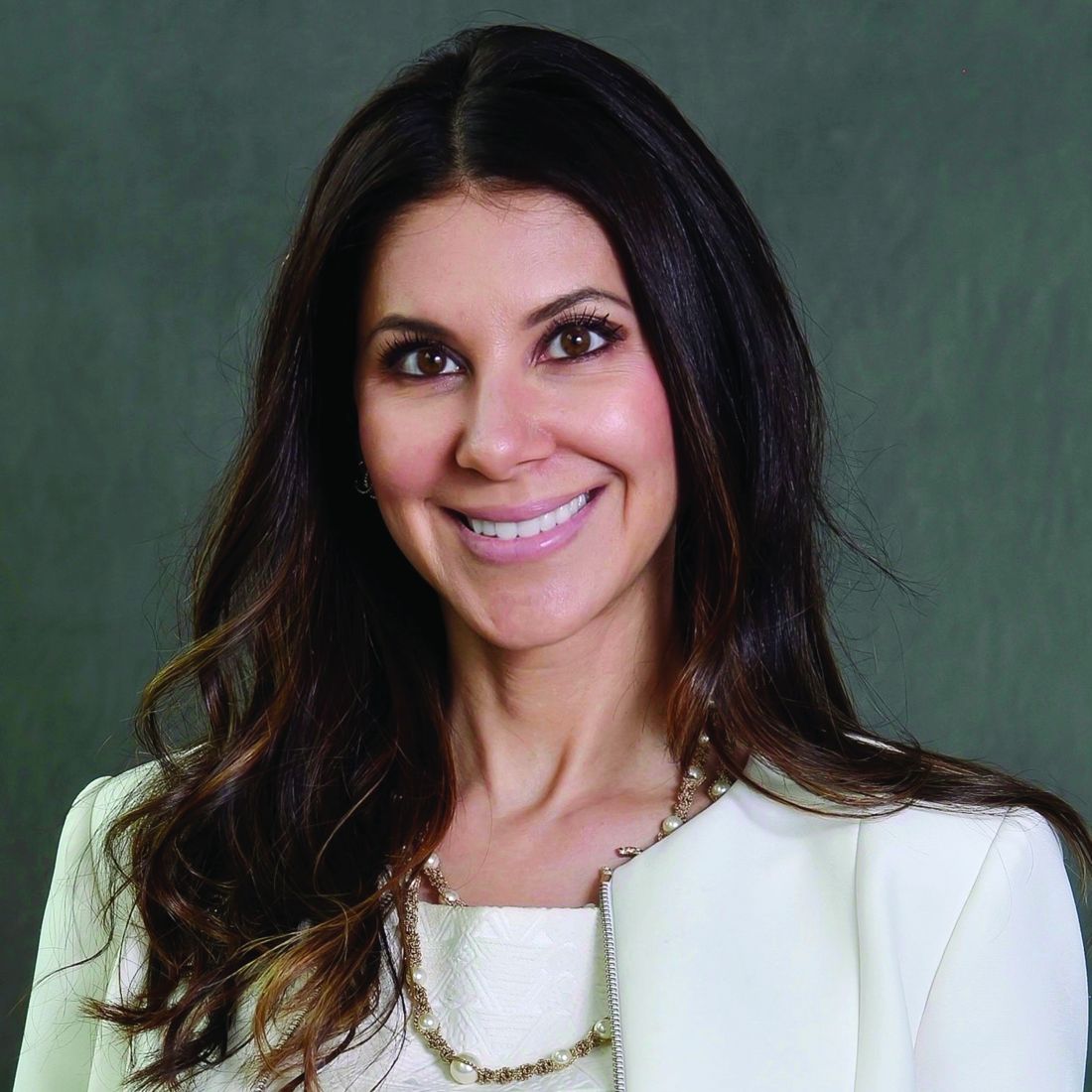
“It’s important to manage expectations,” Dr. Ortiz, director of laser and cosmetic dermatology at the University of California, San Diego, said at the annual meeting of the American Society for Dermatologic Surgery. “I tell them I can improve their scar and make it look less noticeable, but I can’t make it look like normal skin. It’s going to require multiple treatments. It’s not a one-time thing; it’s going to take several months to see the full benefit. And, it’s an investment of time and money.”
Nonablative, ablative, and fractional resurfacing stimulates dermal fibroblasts to replace lost collagen and elastin. Traditional lasers offer impressive clinical results for scars but are associated with significant preprocedural discomfort, prolonged recovery, and a significant risk of side effects, Dr. Ortiz said, while nonablative lasers are more tolerable with shorter recovery times.
Multiple sessions are required, and results are often less clinically impressive. “It’s often difficult for patients to have a lot of downtime with each treatment so often I prefer to use the nonablative laser, especially for acne scarring,” she said.
Mounting evidence suggests that the sooner scars are treated after they are formed, the better. That may not be feasible for patients with a long history of acne scars, but for surgical scars, Dr. Ortiz prefers to start treatment on the day of suture removal. “Whenever I do that, I always get better results,” she said.
Outcomes may also improve by combining different treatment options, but the type of scar drives the type of modality to consider. There are red scars from postinflammatory erythema, hyperpigmented scars, hypopigmented scars, atrophic scars, hypertrophic scars, spread scars, pin cushion scars, and keloid scars, “which are the most difficult to treat,” she said. “When I’m using a combination approach, I start with the redness component of the scar, because you don’t want to exacerbate nonspecific erythema, or it’ll be difficult to see where the redness is. So, I always use vascular laser first, then a pigment-specific laser, followed by resurfacing, and augmentation with filler if needed.”
Red scars generally fade with time, but that can take several months to more than a year. “If you use a laser, that can speed up the recovery,” said Dr. Ortiz, who is the vice president of the American Society for Laser Medicine and Surgery. “A vascular laser will work, such as KTP, or intense pulsed light. Studies favor a low fluence and a short pulse duration. Pulsed dye laser (PDL) penetrates deeper than KTP, so theoretically you get a bit of collagen remodeling because it can increase TGF-beta [transforming growth factor–beta], so theoretically, PDL is a little bit better than KTP for red scars, but both will work.”
In a comparative study, researchers used purpuric and nonpurpuric parameters to treat surgical scars but found no significant differences between the two treatment settings. “I tend to stick to short pulse duration and low fluence settings,” said Dr. Ortiz, who was not affiliated with the study.
A separate, single-blinded, split scar study, which compared the efficacy of KTP to 595 nm PDL in reduction of erythema in surgical scars, found no significant difference between the two approaches. A review of available therapeutic lasers for acne scarring found that the thermal energy delivered by KTP extends only to the papillary dermis, making it useful for postinflammatory erythema without significant effects on collagen remodeling.
Hyperpigmentation
Use of concomitant bleaching cream can also help as a preventive strategy for hyperpigmentation. But one study of 100 patients found that pretreatment with a bleaching regimen prior to undergoing CO2 laser resurfacing made no significant difference in hyperpigmentation compared with those who received no pretreatment regimen.
When Dr. Ortiz is concerned about hyperpigmentation after laser treatment, she prescribes post-treatment tranexamic acid 325 mg twice daily for 6 months or longer. “I don’t do any kind of workup or labs, but I do not prescribe it if a patient has increased risk of clotting,” she said. Those at increased risk include smokers, those on birth control pills, those on hormonal supplementation, those with a current malignancy, and those with a history of a cerebrovascular accident or deep vein thrombosis.
Hypopigmented, atrophic scars
In Dr. Ortiz’s clinical experience, hypopigmented scars respond well to treatment with the 1550 nonablative laser. “The idea is that you’re removing some of the scarred collagen and it allows the melanocytes to migrate in and repigment,” she said. Following laser treatment, consider applying topical bimatoprost 0.03% twice daily for at least 3 months to optimize results, she added.
For atrophic scars, options include subcision, laser treatment, radiofrequency microneedling, fillers, or biostimulators. “I caution against using permanent fillers because there is a higher risk of granuloma formation,” Dr. Ortiz said. “I tend to use hyaluronic acid fillers, which have a low G prime. I inject superficially.”
She shared a technique she learned from Mathew Avram, MD, JD, director of laser, cosmetics, and dermatologic surgery at Massachusetts General Hospital, Boston. It entails spreading the skin with one’s fingers for a scar, especially an acne scar. “If it improves when you spread the skin, then you know it’s amenable to laser treatment,” Dr. Ortiz said. “But if it doesn’t improve when you spread the skin, it probably needs a little subcision. Insert an 18- or 20-gauge tribeveled hypodermic needle or an 18-gauge Nokor under the scar to sever the fibrous components that anchor the scar. This can take more than one treatment. I’ll often do this immediately before resurfacing.”
For hypertrophic scars, consider laser-assisted drug delivery, which creates vertical channels that assist the delivery of topically applied drugs into the skin. “You never want to use something that isn’t meant to be injected into the skin because you can get a granulomatous reaction,” she warned. “I often use topical triamcinolone acetonide, 5-FU, or poly-l-lactic acid.”
Dr. Ortiz noted that botulinum toxin type A may be helpful for scars, despite the paucity of evidence regarding specific mechanisms of action. “There is some thought that it can modulate TGF-beta,” she said. “It also may modulate collagen deposition. Currently we’re looking into Botox alone for keloid scars. The initial results look just okay.”
Dr. Ortiz disclosed that she has received consulting fees from Alastin, Cutera, and Sciton, and honoraria from BTL and Procter & Gamble. She is also a member of the advisory board for Aerolase, Allergan, Bausch Health, Endo, Galderma, Rodan + Fields, and Sciton, and has received equipment from BTL, Sciton, and SmartGraft.
DENVER –
“It’s important to manage expectations,” Dr. Ortiz, director of laser and cosmetic dermatology at the University of California, San Diego, said at the annual meeting of the American Society for Dermatologic Surgery. “I tell them I can improve their scar and make it look less noticeable, but I can’t make it look like normal skin. It’s going to require multiple treatments. It’s not a one-time thing; it’s going to take several months to see the full benefit. And, it’s an investment of time and money.”
Nonablative, ablative, and fractional resurfacing stimulates dermal fibroblasts to replace lost collagen and elastin. Traditional lasers offer impressive clinical results for scars but are associated with significant preprocedural discomfort, prolonged recovery, and a significant risk of side effects, Dr. Ortiz said, while nonablative lasers are more tolerable with shorter recovery times.
Multiple sessions are required, and results are often less clinically impressive. “It’s often difficult for patients to have a lot of downtime with each treatment so often I prefer to use the nonablative laser, especially for acne scarring,” she said.
Mounting evidence suggests that the sooner scars are treated after they are formed, the better. That may not be feasible for patients with a long history of acne scars, but for surgical scars, Dr. Ortiz prefers to start treatment on the day of suture removal. “Whenever I do that, I always get better results,” she said.
Outcomes may also improve by combining different treatment options, but the type of scar drives the type of modality to consider. There are red scars from postinflammatory erythema, hyperpigmented scars, hypopigmented scars, atrophic scars, hypertrophic scars, spread scars, pin cushion scars, and keloid scars, “which are the most difficult to treat,” she said. “When I’m using a combination approach, I start with the redness component of the scar, because you don’t want to exacerbate nonspecific erythema, or it’ll be difficult to see where the redness is. So, I always use vascular laser first, then a pigment-specific laser, followed by resurfacing, and augmentation with filler if needed.”
Red scars generally fade with time, but that can take several months to more than a year. “If you use a laser, that can speed up the recovery,” said Dr. Ortiz, who is the vice president of the American Society for Laser Medicine and Surgery. “A vascular laser will work, such as KTP, or intense pulsed light. Studies favor a low fluence and a short pulse duration. Pulsed dye laser (PDL) penetrates deeper than KTP, so theoretically you get a bit of collagen remodeling because it can increase TGF-beta [transforming growth factor–beta], so theoretically, PDL is a little bit better than KTP for red scars, but both will work.”
In a comparative study, researchers used purpuric and nonpurpuric parameters to treat surgical scars but found no significant differences between the two treatment settings. “I tend to stick to short pulse duration and low fluence settings,” said Dr. Ortiz, who was not affiliated with the study.
A separate, single-blinded, split scar study, which compared the efficacy of KTP to 595 nm PDL in reduction of erythema in surgical scars, found no significant difference between the two approaches. A review of available therapeutic lasers for acne scarring found that the thermal energy delivered by KTP extends only to the papillary dermis, making it useful for postinflammatory erythema without significant effects on collagen remodeling.
Hyperpigmentation
Use of concomitant bleaching cream can also help as a preventive strategy for hyperpigmentation. But one study of 100 patients found that pretreatment with a bleaching regimen prior to undergoing CO2 laser resurfacing made no significant difference in hyperpigmentation compared with those who received no pretreatment regimen.
When Dr. Ortiz is concerned about hyperpigmentation after laser treatment, she prescribes post-treatment tranexamic acid 325 mg twice daily for 6 months or longer. “I don’t do any kind of workup or labs, but I do not prescribe it if a patient has increased risk of clotting,” she said. Those at increased risk include smokers, those on birth control pills, those on hormonal supplementation, those with a current malignancy, and those with a history of a cerebrovascular accident or deep vein thrombosis.
Hypopigmented, atrophic scars
In Dr. Ortiz’s clinical experience, hypopigmented scars respond well to treatment with the 1550 nonablative laser. “The idea is that you’re removing some of the scarred collagen and it allows the melanocytes to migrate in and repigment,” she said. Following laser treatment, consider applying topical bimatoprost 0.03% twice daily for at least 3 months to optimize results, she added.
For atrophic scars, options include subcision, laser treatment, radiofrequency microneedling, fillers, or biostimulators. “I caution against using permanent fillers because there is a higher risk of granuloma formation,” Dr. Ortiz said. “I tend to use hyaluronic acid fillers, which have a low G prime. I inject superficially.”
She shared a technique she learned from Mathew Avram, MD, JD, director of laser, cosmetics, and dermatologic surgery at Massachusetts General Hospital, Boston. It entails spreading the skin with one’s fingers for a scar, especially an acne scar. “If it improves when you spread the skin, then you know it’s amenable to laser treatment,” Dr. Ortiz said. “But if it doesn’t improve when you spread the skin, it probably needs a little subcision. Insert an 18- or 20-gauge tribeveled hypodermic needle or an 18-gauge Nokor under the scar to sever the fibrous components that anchor the scar. This can take more than one treatment. I’ll often do this immediately before resurfacing.”
For hypertrophic scars, consider laser-assisted drug delivery, which creates vertical channels that assist the delivery of topically applied drugs into the skin. “You never want to use something that isn’t meant to be injected into the skin because you can get a granulomatous reaction,” she warned. “I often use topical triamcinolone acetonide, 5-FU, or poly-l-lactic acid.”
Dr. Ortiz noted that botulinum toxin type A may be helpful for scars, despite the paucity of evidence regarding specific mechanisms of action. “There is some thought that it can modulate TGF-beta,” she said. “It also may modulate collagen deposition. Currently we’re looking into Botox alone for keloid scars. The initial results look just okay.”
Dr. Ortiz disclosed that she has received consulting fees from Alastin, Cutera, and Sciton, and honoraria from BTL and Procter & Gamble. She is also a member of the advisory board for Aerolase, Allergan, Bausch Health, Endo, Galderma, Rodan + Fields, and Sciton, and has received equipment from BTL, Sciton, and SmartGraft.
DENVER –
“It’s important to manage expectations,” Dr. Ortiz, director of laser and cosmetic dermatology at the University of California, San Diego, said at the annual meeting of the American Society for Dermatologic Surgery. “I tell them I can improve their scar and make it look less noticeable, but I can’t make it look like normal skin. It’s going to require multiple treatments. It’s not a one-time thing; it’s going to take several months to see the full benefit. And, it’s an investment of time and money.”
Nonablative, ablative, and fractional resurfacing stimulates dermal fibroblasts to replace lost collagen and elastin. Traditional lasers offer impressive clinical results for scars but are associated with significant preprocedural discomfort, prolonged recovery, and a significant risk of side effects, Dr. Ortiz said, while nonablative lasers are more tolerable with shorter recovery times.
Multiple sessions are required, and results are often less clinically impressive. “It’s often difficult for patients to have a lot of downtime with each treatment so often I prefer to use the nonablative laser, especially for acne scarring,” she said.
Mounting evidence suggests that the sooner scars are treated after they are formed, the better. That may not be feasible for patients with a long history of acne scars, but for surgical scars, Dr. Ortiz prefers to start treatment on the day of suture removal. “Whenever I do that, I always get better results,” she said.
Outcomes may also improve by combining different treatment options, but the type of scar drives the type of modality to consider. There are red scars from postinflammatory erythema, hyperpigmented scars, hypopigmented scars, atrophic scars, hypertrophic scars, spread scars, pin cushion scars, and keloid scars, “which are the most difficult to treat,” she said. “When I’m using a combination approach, I start with the redness component of the scar, because you don’t want to exacerbate nonspecific erythema, or it’ll be difficult to see where the redness is. So, I always use vascular laser first, then a pigment-specific laser, followed by resurfacing, and augmentation with filler if needed.”
Red scars generally fade with time, but that can take several months to more than a year. “If you use a laser, that can speed up the recovery,” said Dr. Ortiz, who is the vice president of the American Society for Laser Medicine and Surgery. “A vascular laser will work, such as KTP, or intense pulsed light. Studies favor a low fluence and a short pulse duration. Pulsed dye laser (PDL) penetrates deeper than KTP, so theoretically you get a bit of collagen remodeling because it can increase TGF-beta [transforming growth factor–beta], so theoretically, PDL is a little bit better than KTP for red scars, but both will work.”
In a comparative study, researchers used purpuric and nonpurpuric parameters to treat surgical scars but found no significant differences between the two treatment settings. “I tend to stick to short pulse duration and low fluence settings,” said Dr. Ortiz, who was not affiliated with the study.
A separate, single-blinded, split scar study, which compared the efficacy of KTP to 595 nm PDL in reduction of erythema in surgical scars, found no significant difference between the two approaches. A review of available therapeutic lasers for acne scarring found that the thermal energy delivered by KTP extends only to the papillary dermis, making it useful for postinflammatory erythema without significant effects on collagen remodeling.
Hyperpigmentation
Use of concomitant bleaching cream can also help as a preventive strategy for hyperpigmentation. But one study of 100 patients found that pretreatment with a bleaching regimen prior to undergoing CO2 laser resurfacing made no significant difference in hyperpigmentation compared with those who received no pretreatment regimen.
When Dr. Ortiz is concerned about hyperpigmentation after laser treatment, she prescribes post-treatment tranexamic acid 325 mg twice daily for 6 months or longer. “I don’t do any kind of workup or labs, but I do not prescribe it if a patient has increased risk of clotting,” she said. Those at increased risk include smokers, those on birth control pills, those on hormonal supplementation, those with a current malignancy, and those with a history of a cerebrovascular accident or deep vein thrombosis.
Hypopigmented, atrophic scars
In Dr. Ortiz’s clinical experience, hypopigmented scars respond well to treatment with the 1550 nonablative laser. “The idea is that you’re removing some of the scarred collagen and it allows the melanocytes to migrate in and repigment,” she said. Following laser treatment, consider applying topical bimatoprost 0.03% twice daily for at least 3 months to optimize results, she added.
For atrophic scars, options include subcision, laser treatment, radiofrequency microneedling, fillers, or biostimulators. “I caution against using permanent fillers because there is a higher risk of granuloma formation,” Dr. Ortiz said. “I tend to use hyaluronic acid fillers, which have a low G prime. I inject superficially.”
She shared a technique she learned from Mathew Avram, MD, JD, director of laser, cosmetics, and dermatologic surgery at Massachusetts General Hospital, Boston. It entails spreading the skin with one’s fingers for a scar, especially an acne scar. “If it improves when you spread the skin, then you know it’s amenable to laser treatment,” Dr. Ortiz said. “But if it doesn’t improve when you spread the skin, it probably needs a little subcision. Insert an 18- or 20-gauge tribeveled hypodermic needle or an 18-gauge Nokor under the scar to sever the fibrous components that anchor the scar. This can take more than one treatment. I’ll often do this immediately before resurfacing.”
For hypertrophic scars, consider laser-assisted drug delivery, which creates vertical channels that assist the delivery of topically applied drugs into the skin. “You never want to use something that isn’t meant to be injected into the skin because you can get a granulomatous reaction,” she warned. “I often use topical triamcinolone acetonide, 5-FU, or poly-l-lactic acid.”
Dr. Ortiz noted that botulinum toxin type A may be helpful for scars, despite the paucity of evidence regarding specific mechanisms of action. “There is some thought that it can modulate TGF-beta,” she said. “It also may modulate collagen deposition. Currently we’re looking into Botox alone for keloid scars. The initial results look just okay.”
Dr. Ortiz disclosed that she has received consulting fees from Alastin, Cutera, and Sciton, and honoraria from BTL and Procter & Gamble. She is also a member of the advisory board for Aerolase, Allergan, Bausch Health, Endo, Galderma, Rodan + Fields, and Sciton, and has received equipment from BTL, Sciton, and SmartGraft.
AT ASDS 2022
Study addresses whether cosmetic treatments make patients happier
DENVER – compared with the general population, according to a study of 42 individuals. However, these treatments did not improve their baseline happiness or life satisfaction scores at follow-up.
Those are key findings from the study that lead author Rishi Chopra, MD, MS, presented during an oral abstract session at the annual meeting of the American Society for Dermatologic Surgery.

“These are interesting and surprising results,” said Dr. Chopra, a dermatologist and laser and cosmetic dermatologic surgery fellow at Harvard Medical School and Massachusetts General Hospital in Boston. “Patients are seeking consultations with us with the hope that the treatments we offer may potentially help them feel happier, but are we really delivering on that?”
In a pivotal 2018 study that examined patient motivations for undergoing cosmetic dermatology procedures, investigators found that 67.2% did so to “feel happier and more confident or improve total quality of life”. Moreover, 38.5% cited the desire to “feel happier, better overall, or improve total quality of life” as the key reason for pursuing cosmetic procedures.
Prior published evidence validates this benefit of procedures, as neuromodulators have repeatedly demonstrated to improve mood and depression, including a 2020 randomized, single-blind crossover study that examined the impact of neuromodulators on mood and appearance during the COVID-19 pandemic. It found that patients who received treatment with neuromodulators prior to the pandemic, stopped during the pandemic, and restarted again, reported increased happiness, self-satisfaction with appearance, and overall treatment satisfaction.
“However, studies evaluating the effect of filler on happiness have failed to demonstrate an impact,” Dr. Chopra said. “Thus, the jury is still out.”
Study evaluated 42 patients
In what he said is the first study of its kind, he and his colleagues evaluated the impact of minimally invasive cosmetic procedures on the happiness of 42 treatment non-naive patients (those who regularly undergo cosmetic procedures) with a mean age of 47 years who were surveyed in November and December of 2021 during the COVID-19 Omicron subvariant outbreak at the cosmetic dermatology practices of Sabrina G. Fabi, MD, in San Diego, and Nicole Kanaris, MBBCh, in Johannesburg, South Africa.
“On average, these patients were undergoing six treatments per year during four visits per year, so these were frequent flyers,” Dr. Chopra said. “We set out to assess: Are patients who seek cosmetic procedures happy at baseline? And, do cosmetic procedures make us happier or more satisfied with life?”
Prior to treatment, patients completed the Subjective Happiness Scale (SHS) and Satisfaction With Life Scale (SWLS). Three weeks later, patients completed the SHS, SWLS, the Global Aesthetic Improvement Scale (GAIS) and a 5-point satisfaction score. The researchers used paired and unpaired t-tests, independent sample t-tests, and Spearman rank correlations to conduct statistical analyses.
The baseline SHS score of study participants was an average of 5.87, which Dr. Chopra said is higher than the worldwide population range between 4.57 and 5.33, and 5.05 in the U.S. population. “The patients in our study were very happy to begin with,” an important point to consider, he said. Following their treatments, respondents felt “improved” or “much improved” on the GAIS (a mean score of 3.64) and “somewhat satisfied” or “very satisfied” based on the SWLS (a mean score of 4.4). “So overall, they viewed their treatments as a success,” Dr. Chopra said.
In terms of happiness, however, the researchers observed no significant differences between pre- and posttreatment scores on the SHS (a mean of 5.87 vs. 6.61, respectively; P = .634) nor on the SWLS (a mean of 29.62 vs. 29.1; P = .709). On stratified analysis, no significant differences in the SHS, SWLS, and the GAIS were observed when the researchers accounted for the aggressiveness of the procedure, the number of treatments, the number of sites treated, the type of treatment, and whether the respondents were happier or sadder at baseline. “Surprisingly, this had no effect whatsoever on happiness,” he said. “Not only that, these factors didn’t improve a patient’s perception of the efficacy or satisfaction with a treatment either.”
According to Dr. Chopra, this is the first study to evaluate the impact of a broad spectrum of minimally invasive cosmetic procedures, including injectables and lasers, on the happiness and life satisfaction of treatment non-naive patients.
“Surprisingly, we found these patients were no happier after treatment,” he told this news organization. “However, before rushing to declare that cosmetic procedures don’t make us happier, it is critical to evaluate these results in the context of our study population. We believe there to be a distinction between treatment naive and non-naive patients. All the patients in our study were treatment non-naive, routinely and frequently undergoing cosmetic procedures. Moreover, our treatment non-naive patients were very happy at baseline prior to treatment.”
He and his colleagues hypothesize that there is a “ceiling effect” to the happiness one can attain via these procedures. “Our treatment non-naive patients had already reached this ceiling-peak happiness of their treatment journey, and at this point were only pursuing procedures to maintain their results and happiness,” he said. “Thus, we were unable to measure any effect this late in the ‘maintenance-phase’ of their journey via our study. On the other hand, treatment naive patients (those who have never undergone a cosmetic procedure) were not included. We hypothesize that evaluating patients at the start of their journey after their first round of treatments will demonstrate an impact on happiness, prior to reaching the ceiling and subsequent ‘maintenance phase.’ ”
Lawrence J. Green, MD, clinical professor of dermatology at George Washington University, Washington, who was asked to comment on the study results, said that it was not clear which specific cosmetic treatments the study participants received. “I would like to see if different injectable or device treatments would give different happiness scale results,” Dr. Green said.
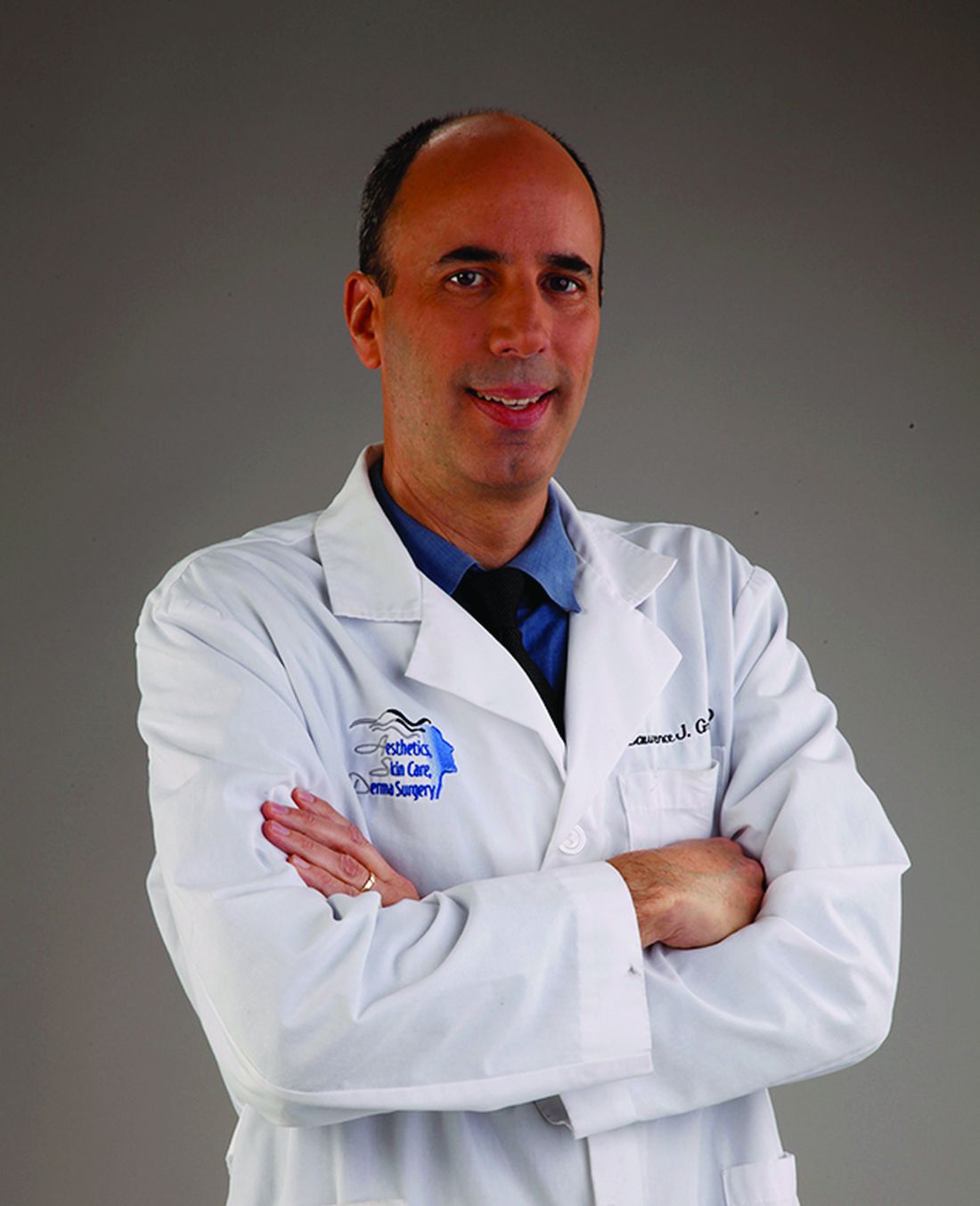
“In addition, only two locations were surveyed, so the results could have location bias. I think it would be a great idea to replicate this survey of experienced cosmetic treatment patients with many locations and to include survey responses based on the procedure that was done. That said, it is interesting that overall, investigator satisfaction did not correlate with patient happiness from the treatments.”
Dr. Chopra reported having no financial disclosures. Dr. Green disclosed that he is a speaker, consultant, or investigator for numerous pharmaceutical companies.
DENVER – compared with the general population, according to a study of 42 individuals. However, these treatments did not improve their baseline happiness or life satisfaction scores at follow-up.
Those are key findings from the study that lead author Rishi Chopra, MD, MS, presented during an oral abstract session at the annual meeting of the American Society for Dermatologic Surgery.
“These are interesting and surprising results,” said Dr. Chopra, a dermatologist and laser and cosmetic dermatologic surgery fellow at Harvard Medical School and Massachusetts General Hospital in Boston. “Patients are seeking consultations with us with the hope that the treatments we offer may potentially help them feel happier, but are we really delivering on that?”
In a pivotal 2018 study that examined patient motivations for undergoing cosmetic dermatology procedures, investigators found that 67.2% did so to “feel happier and more confident or improve total quality of life”. Moreover, 38.5% cited the desire to “feel happier, better overall, or improve total quality of life” as the key reason for pursuing cosmetic procedures.
Prior published evidence validates this benefit of procedures, as neuromodulators have repeatedly demonstrated to improve mood and depression, including a 2020 randomized, single-blind crossover study that examined the impact of neuromodulators on mood and appearance during the COVID-19 pandemic. It found that patients who received treatment with neuromodulators prior to the pandemic, stopped during the pandemic, and restarted again, reported increased happiness, self-satisfaction with appearance, and overall treatment satisfaction.
“However, studies evaluating the effect of filler on happiness have failed to demonstrate an impact,” Dr. Chopra said. “Thus, the jury is still out.”
Study evaluated 42 patients
In what he said is the first study of its kind, he and his colleagues evaluated the impact of minimally invasive cosmetic procedures on the happiness of 42 treatment non-naive patients (those who regularly undergo cosmetic procedures) with a mean age of 47 years who were surveyed in November and December of 2021 during the COVID-19 Omicron subvariant outbreak at the cosmetic dermatology practices of Sabrina G. Fabi, MD, in San Diego, and Nicole Kanaris, MBBCh, in Johannesburg, South Africa.
“On average, these patients were undergoing six treatments per year during four visits per year, so these were frequent flyers,” Dr. Chopra said. “We set out to assess: Are patients who seek cosmetic procedures happy at baseline? And, do cosmetic procedures make us happier or more satisfied with life?”
Prior to treatment, patients completed the Subjective Happiness Scale (SHS) and Satisfaction With Life Scale (SWLS). Three weeks later, patients completed the SHS, SWLS, the Global Aesthetic Improvement Scale (GAIS) and a 5-point satisfaction score. The researchers used paired and unpaired t-tests, independent sample t-tests, and Spearman rank correlations to conduct statistical analyses.
The baseline SHS score of study participants was an average of 5.87, which Dr. Chopra said is higher than the worldwide population range between 4.57 and 5.33, and 5.05 in the U.S. population. “The patients in our study were very happy to begin with,” an important point to consider, he said. Following their treatments, respondents felt “improved” or “much improved” on the GAIS (a mean score of 3.64) and “somewhat satisfied” or “very satisfied” based on the SWLS (a mean score of 4.4). “So overall, they viewed their treatments as a success,” Dr. Chopra said.
In terms of happiness, however, the researchers observed no significant differences between pre- and posttreatment scores on the SHS (a mean of 5.87 vs. 6.61, respectively; P = .634) nor on the SWLS (a mean of 29.62 vs. 29.1; P = .709). On stratified analysis, no significant differences in the SHS, SWLS, and the GAIS were observed when the researchers accounted for the aggressiveness of the procedure, the number of treatments, the number of sites treated, the type of treatment, and whether the respondents were happier or sadder at baseline. “Surprisingly, this had no effect whatsoever on happiness,” he said. “Not only that, these factors didn’t improve a patient’s perception of the efficacy or satisfaction with a treatment either.”
According to Dr. Chopra, this is the first study to evaluate the impact of a broad spectrum of minimally invasive cosmetic procedures, including injectables and lasers, on the happiness and life satisfaction of treatment non-naive patients.
“Surprisingly, we found these patients were no happier after treatment,” he told this news organization. “However, before rushing to declare that cosmetic procedures don’t make us happier, it is critical to evaluate these results in the context of our study population. We believe there to be a distinction between treatment naive and non-naive patients. All the patients in our study were treatment non-naive, routinely and frequently undergoing cosmetic procedures. Moreover, our treatment non-naive patients were very happy at baseline prior to treatment.”
He and his colleagues hypothesize that there is a “ceiling effect” to the happiness one can attain via these procedures. “Our treatment non-naive patients had already reached this ceiling-peak happiness of their treatment journey, and at this point were only pursuing procedures to maintain their results and happiness,” he said. “Thus, we were unable to measure any effect this late in the ‘maintenance-phase’ of their journey via our study. On the other hand, treatment naive patients (those who have never undergone a cosmetic procedure) were not included. We hypothesize that evaluating patients at the start of their journey after their first round of treatments will demonstrate an impact on happiness, prior to reaching the ceiling and subsequent ‘maintenance phase.’ ”
Lawrence J. Green, MD, clinical professor of dermatology at George Washington University, Washington, who was asked to comment on the study results, said that it was not clear which specific cosmetic treatments the study participants received. “I would like to see if different injectable or device treatments would give different happiness scale results,” Dr. Green said.
“In addition, only two locations were surveyed, so the results could have location bias. I think it would be a great idea to replicate this survey of experienced cosmetic treatment patients with many locations and to include survey responses based on the procedure that was done. That said, it is interesting that overall, investigator satisfaction did not correlate with patient happiness from the treatments.”
Dr. Chopra reported having no financial disclosures. Dr. Green disclosed that he is a speaker, consultant, or investigator for numerous pharmaceutical companies.
DENVER – compared with the general population, according to a study of 42 individuals. However, these treatments did not improve their baseline happiness or life satisfaction scores at follow-up.
Those are key findings from the study that lead author Rishi Chopra, MD, MS, presented during an oral abstract session at the annual meeting of the American Society for Dermatologic Surgery.
“These are interesting and surprising results,” said Dr. Chopra, a dermatologist and laser and cosmetic dermatologic surgery fellow at Harvard Medical School and Massachusetts General Hospital in Boston. “Patients are seeking consultations with us with the hope that the treatments we offer may potentially help them feel happier, but are we really delivering on that?”
In a pivotal 2018 study that examined patient motivations for undergoing cosmetic dermatology procedures, investigators found that 67.2% did so to “feel happier and more confident or improve total quality of life”. Moreover, 38.5% cited the desire to “feel happier, better overall, or improve total quality of life” as the key reason for pursuing cosmetic procedures.
Prior published evidence validates this benefit of procedures, as neuromodulators have repeatedly demonstrated to improve mood and depression, including a 2020 randomized, single-blind crossover study that examined the impact of neuromodulators on mood and appearance during the COVID-19 pandemic. It found that patients who received treatment with neuromodulators prior to the pandemic, stopped during the pandemic, and restarted again, reported increased happiness, self-satisfaction with appearance, and overall treatment satisfaction.
“However, studies evaluating the effect of filler on happiness have failed to demonstrate an impact,” Dr. Chopra said. “Thus, the jury is still out.”
Study evaluated 42 patients
In what he said is the first study of its kind, he and his colleagues evaluated the impact of minimally invasive cosmetic procedures on the happiness of 42 treatment non-naive patients (those who regularly undergo cosmetic procedures) with a mean age of 47 years who were surveyed in November and December of 2021 during the COVID-19 Omicron subvariant outbreak at the cosmetic dermatology practices of Sabrina G. Fabi, MD, in San Diego, and Nicole Kanaris, MBBCh, in Johannesburg, South Africa.
“On average, these patients were undergoing six treatments per year during four visits per year, so these were frequent flyers,” Dr. Chopra said. “We set out to assess: Are patients who seek cosmetic procedures happy at baseline? And, do cosmetic procedures make us happier or more satisfied with life?”
Prior to treatment, patients completed the Subjective Happiness Scale (SHS) and Satisfaction With Life Scale (SWLS). Three weeks later, patients completed the SHS, SWLS, the Global Aesthetic Improvement Scale (GAIS) and a 5-point satisfaction score. The researchers used paired and unpaired t-tests, independent sample t-tests, and Spearman rank correlations to conduct statistical analyses.
The baseline SHS score of study participants was an average of 5.87, which Dr. Chopra said is higher than the worldwide population range between 4.57 and 5.33, and 5.05 in the U.S. population. “The patients in our study were very happy to begin with,” an important point to consider, he said. Following their treatments, respondents felt “improved” or “much improved” on the GAIS (a mean score of 3.64) and “somewhat satisfied” or “very satisfied” based on the SWLS (a mean score of 4.4). “So overall, they viewed their treatments as a success,” Dr. Chopra said.
In terms of happiness, however, the researchers observed no significant differences between pre- and posttreatment scores on the SHS (a mean of 5.87 vs. 6.61, respectively; P = .634) nor on the SWLS (a mean of 29.62 vs. 29.1; P = .709). On stratified analysis, no significant differences in the SHS, SWLS, and the GAIS were observed when the researchers accounted for the aggressiveness of the procedure, the number of treatments, the number of sites treated, the type of treatment, and whether the respondents were happier or sadder at baseline. “Surprisingly, this had no effect whatsoever on happiness,” he said. “Not only that, these factors didn’t improve a patient’s perception of the efficacy or satisfaction with a treatment either.”
According to Dr. Chopra, this is the first study to evaluate the impact of a broad spectrum of minimally invasive cosmetic procedures, including injectables and lasers, on the happiness and life satisfaction of treatment non-naive patients.
“Surprisingly, we found these patients were no happier after treatment,” he told this news organization. “However, before rushing to declare that cosmetic procedures don’t make us happier, it is critical to evaluate these results in the context of our study population. We believe there to be a distinction between treatment naive and non-naive patients. All the patients in our study were treatment non-naive, routinely and frequently undergoing cosmetic procedures. Moreover, our treatment non-naive patients were very happy at baseline prior to treatment.”
He and his colleagues hypothesize that there is a “ceiling effect” to the happiness one can attain via these procedures. “Our treatment non-naive patients had already reached this ceiling-peak happiness of their treatment journey, and at this point were only pursuing procedures to maintain their results and happiness,” he said. “Thus, we were unable to measure any effect this late in the ‘maintenance-phase’ of their journey via our study. On the other hand, treatment naive patients (those who have never undergone a cosmetic procedure) were not included. We hypothesize that evaluating patients at the start of their journey after their first round of treatments will demonstrate an impact on happiness, prior to reaching the ceiling and subsequent ‘maintenance phase.’ ”
Lawrence J. Green, MD, clinical professor of dermatology at George Washington University, Washington, who was asked to comment on the study results, said that it was not clear which specific cosmetic treatments the study participants received. “I would like to see if different injectable or device treatments would give different happiness scale results,” Dr. Green said.
“In addition, only two locations were surveyed, so the results could have location bias. I think it would be a great idea to replicate this survey of experienced cosmetic treatment patients with many locations and to include survey responses based on the procedure that was done. That said, it is interesting that overall, investigator satisfaction did not correlate with patient happiness from the treatments.”
Dr. Chopra reported having no financial disclosures. Dr. Green disclosed that he is a speaker, consultant, or investigator for numerous pharmaceutical companies.
AT ASDS 2022
High-quality index colonoscopies pay off down the road for low-risk patients
CHARLOTTE, N.C.– Performing high-quality index colonoscopies may pay off later in your patients’ reduced risk for advanced neoplasia, investigators report.
A study of registry data on more than 2,200 patients who had an index colonoscopy showing no evidence of neoplasia found that, on repeat colonoscopy 10 years later, the absolute risk for advanced neoplasia outcomes was lower for those with a high-quality index exam, compared with those who had a lesser-quality index colonoscopy.
The adjusted odds ratio for patients who underwent high-quality index exams was 0.59%, reported Joseph Anderson, MD, from the Geisel School of Medicine at Dartmouth, Hanover, N.H.
“These data demonstrate that high-quality index colonoscopy provides better protection from interval lesions than low-quality exams with no polyps detected at that index exam,” he said in an oral abstract presentation at the annual meeting of the American College of Gastroenterology.
“These data support the importance of high-quality index exams in the prevention of interval colorectal cancer, and support the 10-year interval for normal exams,” Dr. Anderson added.
He recommended that endoscopists focus on the quality of their exams by using adequate scope withdrawal time – 8-10 minutes – to ensure optimal adenoma detection, and by ensuring the use of optimal bowel preparation in their practices.
Registry study
Dr. Anderson and colleagues studied how the quality of index colonoscopies could affect the risk of advanced outcomes in low-risk patients at the 10-year or later follow-up. They used records from the New Hampshire Colonoscopy Registry, which includes data from 2004 to the present on more than 250,000 exams performed by more than 150 endoscopists in more than 30 Granite State practices.
The investigators also looked at data on patients with less than 5 years of follow-up, and those with follow-up from 5 to less than 10 years.
The study sample included patients with no adenoma or significant serrated polyps on their index exams who had at least one follow-up exam 12 months or more after the index exams. Patients with inflammatory bowel disease or familial colon cancer syndromes were excluded.
They defined a high-quality colonoscopy as an exam complete to cecum, with adequate bowel preparation, and performed by an endoscopist with an adenoma detection rate of 25 or higher.
The adenoma detection rate is calculated as the number of screening colonoscopies with at least one adenoma divided by the total number of screening colonoscopies.
The definition of advanced outcomes included advanced adenomas, colorectal cancer, and/or large serrated polyps (1 cm or greater).
Of the 14,011 patients in the sample, 2,283 had a follow-up exam at 10 years. The absolute risk for advanced outcomes among patients who had a high quality index exam was 4.0% vs. 6.7% for those with lower quality exams.
Among patients with low-quality index exams – but not patients with high quality exams – there was a statistically significant increase in the absolute risk for advanced outcomes at all time periods, from 5.1% in the less than 5-year follow-up group, to 6.7% in the 10-years or more follow-up group.
Patients with initial high-quality exams also had a lower risk for postcolonoscopy colorectal cancer, compared with patients who had low-quality index exams: 0.4% vs. 0.8%. This difference translated into an adjusted hazard ratio for colorectal cancer after a high-quality exam of 0.53.
It’s getting better all the time
In an interview, Daniel J. Pambianco, MD, FACG from Charlottesville (Va.) Gastroenterology Associates, who was not involved in the study, commented that Dr. Anderson and colleagues highlighted the importance of the quality of the bowel prep and the quality of the examination itself.
He noted that the use of devices such as colonoscopy caps can help further improve adenoma detection rates and pointed to up-and-coming developments such as the use of artificial intelligence algorithms to aid human endoscopists.
Dr. Pambianco comoderated the session where the data were presented.
The investigators did not report a study funding source. Dr. Anderson and Dr. Pambianco reported having no relevant financial disclosures.
CHARLOTTE, N.C.– Performing high-quality index colonoscopies may pay off later in your patients’ reduced risk for advanced neoplasia, investigators report.
A study of registry data on more than 2,200 patients who had an index colonoscopy showing no evidence of neoplasia found that, on repeat colonoscopy 10 years later, the absolute risk for advanced neoplasia outcomes was lower for those with a high-quality index exam, compared with those who had a lesser-quality index colonoscopy.
The adjusted odds ratio for patients who underwent high-quality index exams was 0.59%, reported Joseph Anderson, MD, from the Geisel School of Medicine at Dartmouth, Hanover, N.H.
“These data demonstrate that high-quality index colonoscopy provides better protection from interval lesions than low-quality exams with no polyps detected at that index exam,” he said in an oral abstract presentation at the annual meeting of the American College of Gastroenterology.
“These data support the importance of high-quality index exams in the prevention of interval colorectal cancer, and support the 10-year interval for normal exams,” Dr. Anderson added.
He recommended that endoscopists focus on the quality of their exams by using adequate scope withdrawal time – 8-10 minutes – to ensure optimal adenoma detection, and by ensuring the use of optimal bowel preparation in their practices.
Registry study
Dr. Anderson and colleagues studied how the quality of index colonoscopies could affect the risk of advanced outcomes in low-risk patients at the 10-year or later follow-up. They used records from the New Hampshire Colonoscopy Registry, which includes data from 2004 to the present on more than 250,000 exams performed by more than 150 endoscopists in more than 30 Granite State practices.
The investigators also looked at data on patients with less than 5 years of follow-up, and those with follow-up from 5 to less than 10 years.
The study sample included patients with no adenoma or significant serrated polyps on their index exams who had at least one follow-up exam 12 months or more after the index exams. Patients with inflammatory bowel disease or familial colon cancer syndromes were excluded.
They defined a high-quality colonoscopy as an exam complete to cecum, with adequate bowel preparation, and performed by an endoscopist with an adenoma detection rate of 25 or higher.
The adenoma detection rate is calculated as the number of screening colonoscopies with at least one adenoma divided by the total number of screening colonoscopies.
The definition of advanced outcomes included advanced adenomas, colorectal cancer, and/or large serrated polyps (1 cm or greater).
Of the 14,011 patients in the sample, 2,283 had a follow-up exam at 10 years. The absolute risk for advanced outcomes among patients who had a high quality index exam was 4.0% vs. 6.7% for those with lower quality exams.
Among patients with low-quality index exams – but not patients with high quality exams – there was a statistically significant increase in the absolute risk for advanced outcomes at all time periods, from 5.1% in the less than 5-year follow-up group, to 6.7% in the 10-years or more follow-up group.
Patients with initial high-quality exams also had a lower risk for postcolonoscopy colorectal cancer, compared with patients who had low-quality index exams: 0.4% vs. 0.8%. This difference translated into an adjusted hazard ratio for colorectal cancer after a high-quality exam of 0.53.
It’s getting better all the time
In an interview, Daniel J. Pambianco, MD, FACG from Charlottesville (Va.) Gastroenterology Associates, who was not involved in the study, commented that Dr. Anderson and colleagues highlighted the importance of the quality of the bowel prep and the quality of the examination itself.
He noted that the use of devices such as colonoscopy caps can help further improve adenoma detection rates and pointed to up-and-coming developments such as the use of artificial intelligence algorithms to aid human endoscopists.
Dr. Pambianco comoderated the session where the data were presented.
The investigators did not report a study funding source. Dr. Anderson and Dr. Pambianco reported having no relevant financial disclosures.
CHARLOTTE, N.C.– Performing high-quality index colonoscopies may pay off later in your patients’ reduced risk for advanced neoplasia, investigators report.
A study of registry data on more than 2,200 patients who had an index colonoscopy showing no evidence of neoplasia found that, on repeat colonoscopy 10 years later, the absolute risk for advanced neoplasia outcomes was lower for those with a high-quality index exam, compared with those who had a lesser-quality index colonoscopy.
The adjusted odds ratio for patients who underwent high-quality index exams was 0.59%, reported Joseph Anderson, MD, from the Geisel School of Medicine at Dartmouth, Hanover, N.H.
“These data demonstrate that high-quality index colonoscopy provides better protection from interval lesions than low-quality exams with no polyps detected at that index exam,” he said in an oral abstract presentation at the annual meeting of the American College of Gastroenterology.
“These data support the importance of high-quality index exams in the prevention of interval colorectal cancer, and support the 10-year interval for normal exams,” Dr. Anderson added.
He recommended that endoscopists focus on the quality of their exams by using adequate scope withdrawal time – 8-10 minutes – to ensure optimal adenoma detection, and by ensuring the use of optimal bowel preparation in their practices.
Registry study
Dr. Anderson and colleagues studied how the quality of index colonoscopies could affect the risk of advanced outcomes in low-risk patients at the 10-year or later follow-up. They used records from the New Hampshire Colonoscopy Registry, which includes data from 2004 to the present on more than 250,000 exams performed by more than 150 endoscopists in more than 30 Granite State practices.
The investigators also looked at data on patients with less than 5 years of follow-up, and those with follow-up from 5 to less than 10 years.
The study sample included patients with no adenoma or significant serrated polyps on their index exams who had at least one follow-up exam 12 months or more after the index exams. Patients with inflammatory bowel disease or familial colon cancer syndromes were excluded.
They defined a high-quality colonoscopy as an exam complete to cecum, with adequate bowel preparation, and performed by an endoscopist with an adenoma detection rate of 25 or higher.
The adenoma detection rate is calculated as the number of screening colonoscopies with at least one adenoma divided by the total number of screening colonoscopies.
The definition of advanced outcomes included advanced adenomas, colorectal cancer, and/or large serrated polyps (1 cm or greater).
Of the 14,011 patients in the sample, 2,283 had a follow-up exam at 10 years. The absolute risk for advanced outcomes among patients who had a high quality index exam was 4.0% vs. 6.7% for those with lower quality exams.
Among patients with low-quality index exams – but not patients with high quality exams – there was a statistically significant increase in the absolute risk for advanced outcomes at all time periods, from 5.1% in the less than 5-year follow-up group, to 6.7% in the 10-years or more follow-up group.
Patients with initial high-quality exams also had a lower risk for postcolonoscopy colorectal cancer, compared with patients who had low-quality index exams: 0.4% vs. 0.8%. This difference translated into an adjusted hazard ratio for colorectal cancer after a high-quality exam of 0.53.
It’s getting better all the time
In an interview, Daniel J. Pambianco, MD, FACG from Charlottesville (Va.) Gastroenterology Associates, who was not involved in the study, commented that Dr. Anderson and colleagues highlighted the importance of the quality of the bowel prep and the quality of the examination itself.
He noted that the use of devices such as colonoscopy caps can help further improve adenoma detection rates and pointed to up-and-coming developments such as the use of artificial intelligence algorithms to aid human endoscopists.
Dr. Pambianco comoderated the session where the data were presented.
The investigators did not report a study funding source. Dr. Anderson and Dr. Pambianco reported having no relevant financial disclosures.
AT ACG 2022
Easier bowel prep recipe yields real-world results
CHARLOTTE, N.C. – In a real-world setting, a 1-liter polyethylene glycol and ascorbic acid combination produced a high level of adequate or better bowel cleansing for colonoscopy.
Among more than 13,000 patients who used the combination, abbreviated as 1L PEG+ASC (Plenvu), the overall rate of adequate quality bowel prep was 89.3%, reported Cátia Arieira, MD, from the Hospital da Senhora da Oliveira in Guimarães, Portugal.
The rate of adequate prep was significantly higher with a split-dose regimen (evening-morning) than with a same-day regimen, at 94.7% versus 86.7%, respectively.
“Results from this large study confirm the high cleansing effectiveness and good tolerability of 1 liter of polyethylene glycol and ascorbic acid in real-world settings,” she said in an oral abstract session during the annual meeting of the American College of Gastroenterology.
Designed for tolerability
The 1L PEG+ASC regimen is intended to make precolonoscopy bowel prep a little easier both to take, by reducing the volume of liquid patients need to ingest, and to reduce indigestion with two asymmetric doses, with the second dose having a high ascorbate content.
The 1-liter regimen has been shown to be safe and effective both in clinical trials and in smaller practice-based studies, Dr. Arieira said.
To see how well 1L PEG+ASC performs on a larger scale, the investigators conducted a retrospective observational study of patients underwent a colonoscopy from June 2019 to September 2021 at 12 centers in Spain and Portugal.
The sample included patients who had either a screening, diagnostic, or surveillance colonoscopy and used 1L PEG+ASC in either a split or same-day dose.
The investigators used the Boston Bowel Preparation Scale (BBPS) to evaluate the quality of cleansing. They defined an adequate cleansing as a total BBPS score of 6 or greater, with all segmental scores 2 or greater, and a high-quality cleansing as segmental scores of 3.
They enrolled a total of 13,169 patients, 6,406 men and 6,763 women. The same-day regimen was used by two-thirds of patients, and the split-dose regimen by one-third.
In all, 41.9% of procedures were for screening, 29.4% for diagnosis, 26.2% for surveillance, and 2.6% for other, unspecified reasons.
Results
As noted, the overall rate of adequate prep was 89.3%, with rates of 94.7% and 86.7% for the split and same-day doses, respectively.
A breakdown of cleansing by bowel segment showed that, for each segment, the split-dose regimen was numerically superior to the same-day regimen, with rates of 95.6% versus 89.5% for the right colon, 97.1% versus 91.9% for the left colon, and 97.8% versus 93.1% for the transverse colon, respectively.
Mean BBPS scores were significantly better with split dosing, at 8.02 versus 6.96. Higher scores were seen with split-dosing for each colon segment.
The incidence of adverse events was low, at 2.3% overall, 1.4% for same-day dosing, and 3.9% for split dosing, with nausea the most common.
Tolerability is key
Renee L. Williams, MD, MHPE, FACG, from New York University, who moderated the session but was not involved in the study, commented that the more convenient 1L PEG+ASC regimen may be helpful with improving compliance with bowel prep in underserved populations.
“My population of patients is very different from the one in this study,” she said in an interview. “Normally, if you’re looking at people who are not prepped, at least in the United States, people who have a lot of comorbidities, who are underserved, or have insurance uncertainty tend to have a lower level of bowel prep. So I’d be curious to see whether this would work in that population.”
Dr. Williams noted that she prefers split dosing for bowel prep because it offers better tolerability for patients, adding that when her center introduced split-dose prep, the percentage of adequate prep rose from around 60% to more than 90%.
Comoderator John R. Saltzman, MD, FACG, from Harvard Medical School and Brigham & Women’s Hospital, both in Boston, said that while he’s not familiar with this specific bowel prep formulation, “I’m looking for whatever is most palatable to patients and most effective in practice. Still, most of our patients tolerate these 2-liter overnight preps very well.”
The 1L-PEG+ASC regimen may be a suitable option for patients whose colonoscopies are scheduled for later in the day, Dr. Saltzman added.
The study was supported by Norgine and Xolomon Tree. Dr. Arieira, Dr. Williams, and Dr. Saltzman reported no relevant conflicts of interest.
CHARLOTTE, N.C. – In a real-world setting, a 1-liter polyethylene glycol and ascorbic acid combination produced a high level of adequate or better bowel cleansing for colonoscopy.
Among more than 13,000 patients who used the combination, abbreviated as 1L PEG+ASC (Plenvu), the overall rate of adequate quality bowel prep was 89.3%, reported Cátia Arieira, MD, from the Hospital da Senhora da Oliveira in Guimarães, Portugal.
The rate of adequate prep was significantly higher with a split-dose regimen (evening-morning) than with a same-day regimen, at 94.7% versus 86.7%, respectively.
“Results from this large study confirm the high cleansing effectiveness and good tolerability of 1 liter of polyethylene glycol and ascorbic acid in real-world settings,” she said in an oral abstract session during the annual meeting of the American College of Gastroenterology.
Designed for tolerability
The 1L PEG+ASC regimen is intended to make precolonoscopy bowel prep a little easier both to take, by reducing the volume of liquid patients need to ingest, and to reduce indigestion with two asymmetric doses, with the second dose having a high ascorbate content.
The 1-liter regimen has been shown to be safe and effective both in clinical trials and in smaller practice-based studies, Dr. Arieira said.
To see how well 1L PEG+ASC performs on a larger scale, the investigators conducted a retrospective observational study of patients underwent a colonoscopy from June 2019 to September 2021 at 12 centers in Spain and Portugal.
The sample included patients who had either a screening, diagnostic, or surveillance colonoscopy and used 1L PEG+ASC in either a split or same-day dose.
The investigators used the Boston Bowel Preparation Scale (BBPS) to evaluate the quality of cleansing. They defined an adequate cleansing as a total BBPS score of 6 or greater, with all segmental scores 2 or greater, and a high-quality cleansing as segmental scores of 3.
They enrolled a total of 13,169 patients, 6,406 men and 6,763 women. The same-day regimen was used by two-thirds of patients, and the split-dose regimen by one-third.
In all, 41.9% of procedures were for screening, 29.4% for diagnosis, 26.2% for surveillance, and 2.6% for other, unspecified reasons.
Results
As noted, the overall rate of adequate prep was 89.3%, with rates of 94.7% and 86.7% for the split and same-day doses, respectively.
A breakdown of cleansing by bowel segment showed that, for each segment, the split-dose regimen was numerically superior to the same-day regimen, with rates of 95.6% versus 89.5% for the right colon, 97.1% versus 91.9% for the left colon, and 97.8% versus 93.1% for the transverse colon, respectively.
Mean BBPS scores were significantly better with split dosing, at 8.02 versus 6.96. Higher scores were seen with split-dosing for each colon segment.
The incidence of adverse events was low, at 2.3% overall, 1.4% for same-day dosing, and 3.9% for split dosing, with nausea the most common.
Tolerability is key
Renee L. Williams, MD, MHPE, FACG, from New York University, who moderated the session but was not involved in the study, commented that the more convenient 1L PEG+ASC regimen may be helpful with improving compliance with bowel prep in underserved populations.
“My population of patients is very different from the one in this study,” she said in an interview. “Normally, if you’re looking at people who are not prepped, at least in the United States, people who have a lot of comorbidities, who are underserved, or have insurance uncertainty tend to have a lower level of bowel prep. So I’d be curious to see whether this would work in that population.”
Dr. Williams noted that she prefers split dosing for bowel prep because it offers better tolerability for patients, adding that when her center introduced split-dose prep, the percentage of adequate prep rose from around 60% to more than 90%.
Comoderator John R. Saltzman, MD, FACG, from Harvard Medical School and Brigham & Women’s Hospital, both in Boston, said that while he’s not familiar with this specific bowel prep formulation, “I’m looking for whatever is most palatable to patients and most effective in practice. Still, most of our patients tolerate these 2-liter overnight preps very well.”
The 1L-PEG+ASC regimen may be a suitable option for patients whose colonoscopies are scheduled for later in the day, Dr. Saltzman added.
The study was supported by Norgine and Xolomon Tree. Dr. Arieira, Dr. Williams, and Dr. Saltzman reported no relevant conflicts of interest.
CHARLOTTE, N.C. – In a real-world setting, a 1-liter polyethylene glycol and ascorbic acid combination produced a high level of adequate or better bowel cleansing for colonoscopy.
Among more than 13,000 patients who used the combination, abbreviated as 1L PEG+ASC (Plenvu), the overall rate of adequate quality bowel prep was 89.3%, reported Cátia Arieira, MD, from the Hospital da Senhora da Oliveira in Guimarães, Portugal.
The rate of adequate prep was significantly higher with a split-dose regimen (evening-morning) than with a same-day regimen, at 94.7% versus 86.7%, respectively.
“Results from this large study confirm the high cleansing effectiveness and good tolerability of 1 liter of polyethylene glycol and ascorbic acid in real-world settings,” she said in an oral abstract session during the annual meeting of the American College of Gastroenterology.
Designed for tolerability
The 1L PEG+ASC regimen is intended to make precolonoscopy bowel prep a little easier both to take, by reducing the volume of liquid patients need to ingest, and to reduce indigestion with two asymmetric doses, with the second dose having a high ascorbate content.
The 1-liter regimen has been shown to be safe and effective both in clinical trials and in smaller practice-based studies, Dr. Arieira said.
To see how well 1L PEG+ASC performs on a larger scale, the investigators conducted a retrospective observational study of patients underwent a colonoscopy from June 2019 to September 2021 at 12 centers in Spain and Portugal.
The sample included patients who had either a screening, diagnostic, or surveillance colonoscopy and used 1L PEG+ASC in either a split or same-day dose.
The investigators used the Boston Bowel Preparation Scale (BBPS) to evaluate the quality of cleansing. They defined an adequate cleansing as a total BBPS score of 6 or greater, with all segmental scores 2 or greater, and a high-quality cleansing as segmental scores of 3.
They enrolled a total of 13,169 patients, 6,406 men and 6,763 women. The same-day regimen was used by two-thirds of patients, and the split-dose regimen by one-third.
In all, 41.9% of procedures were for screening, 29.4% for diagnosis, 26.2% for surveillance, and 2.6% for other, unspecified reasons.
Results
As noted, the overall rate of adequate prep was 89.3%, with rates of 94.7% and 86.7% for the split and same-day doses, respectively.
A breakdown of cleansing by bowel segment showed that, for each segment, the split-dose regimen was numerically superior to the same-day regimen, with rates of 95.6% versus 89.5% for the right colon, 97.1% versus 91.9% for the left colon, and 97.8% versus 93.1% for the transverse colon, respectively.
Mean BBPS scores were significantly better with split dosing, at 8.02 versus 6.96. Higher scores were seen with split-dosing for each colon segment.
The incidence of adverse events was low, at 2.3% overall, 1.4% for same-day dosing, and 3.9% for split dosing, with nausea the most common.
Tolerability is key
Renee L. Williams, MD, MHPE, FACG, from New York University, who moderated the session but was not involved in the study, commented that the more convenient 1L PEG+ASC regimen may be helpful with improving compliance with bowel prep in underserved populations.
“My population of patients is very different from the one in this study,” she said in an interview. “Normally, if you’re looking at people who are not prepped, at least in the United States, people who have a lot of comorbidities, who are underserved, or have insurance uncertainty tend to have a lower level of bowel prep. So I’d be curious to see whether this would work in that population.”
Dr. Williams noted that she prefers split dosing for bowel prep because it offers better tolerability for patients, adding that when her center introduced split-dose prep, the percentage of adequate prep rose from around 60% to more than 90%.
Comoderator John R. Saltzman, MD, FACG, from Harvard Medical School and Brigham & Women’s Hospital, both in Boston, said that while he’s not familiar with this specific bowel prep formulation, “I’m looking for whatever is most palatable to patients and most effective in practice. Still, most of our patients tolerate these 2-liter overnight preps very well.”
The 1L-PEG+ASC regimen may be a suitable option for patients whose colonoscopies are scheduled for later in the day, Dr. Saltzman added.
The study was supported by Norgine and Xolomon Tree. Dr. Arieira, Dr. Williams, and Dr. Saltzman reported no relevant conflicts of interest.
AT ACG 2022
Higher cardiovascular fitness may help preserve mobility in MS
Investigators found that over time, lower cardiorespiratory fitness predicts increased variability in stride time and could represent a biomarker for subtle neuromuscular decline in patients with MS.
Cardiorespiratory fitness “may exert neuroprotective effects on the central nervous system,” study investigator Syamala Buragadda, neurophysical therapist and PhD candidate, Memorial University, St. John’s, Nfld..
She reported her research at the annual meeting of the European Committee for Treatment and Research in Multiple Sclerosis (ECTRIMS).
Gait changes
Gait is a complicated process involving coordination of multiple systems, but steps are almost always consistent and symmetric, said Ms. Buragadda. Patients with MS can experience subtle declines in gait quality even without relapses. Considering the neuroprotective properties of exercise, having higher fitness levels could prevent brain atrophy and protect against subtle gait changes.
Calculating stride time variability is a sensitive method to map changes in gait quality.
Ms. Buragadda, with co-investigator Michelle Ploughman, PhD, also with Memorial University, evaluated stride time variability over time in people with MS and explored whether cardiorespiratory fitness predicts stride time variability.
They recruited 49 adults with relapsing-remitting MS (63% women) and mild disability (Expanded Disability Status Scale [EDSS] score < 4; median, 2.0) from MS clinics in Canada. None required walking aids, and none had experienced relapses in the prior 3 months.
Gait quality was assessed on an instrumented walkway, and variability was measured as the coefficient of variation of stride time. Cardiorespiratory fitness was measured as maximal oxygen uptake (VO2max) during a graded exercise test using recumbent stepper. Tests were conducted 2 years apart.
There were no significant changes in EDSS scores over the study period. However, stride time variability increased from 7.3% at baseline to 8.3% at 2 years.
Cardiorespiratory fitness at baseline significantly correlated with stride time variability 2 years later (P = .016) and was a significant predictor of stride time variability at 2 years, accounting for 10% of its variance, Ms. Buragadda reported.
Stride time variability, measured on an instrumented walkway, could be a biomarker for subtle changes to walking and balance, she said.
Limitations of the study include a convenience sample that may not represent the diversity of MS. Also, assessments were made at only two time points, and more time points would likely yield better predictive power. In addition, the lack of MRI images limits correlating structural changes with clinical observations of gait changes.
A buffer against disability?
In a comment, Valerie Block, physical therapist and adjunct instructor, department of physical therapy and rehabilitation science, University of California, San Francisco, and UCSF Weill Institute for Neuroscience, said the findings in this study are not surprising and align with what she has observed, subjectively, in her work.
“In the general population, cardiovascular fitness has a wide array of benefits. Depending on what means the person uses to maintain or improve cardiovascular fitness (that is, running, walking, swimming, etc.), this would have the potential for neuroplastic effects on gait – even in MS and other neurological disorders,” Ms. Block said.
Also offering perspective, Brain Sandroff, PhD, senior research scientist, Kessler Foundation, West Orange, N.J., said the study provides “more evidence on the multisystemic benefits of exercise training and having better physical fitness in persons with MS. The evidence seems to be converging more and more on this, as research groups across countries and continents are reporting on similar themes,” said Dr. Sandroff.
He noted that the findings from this study coincide with some other data that showed that premorbid physical activity is associated with reduced mobility decline over time in persons with MS.
“Collectively, the data suggest that perhaps engaging in exercise training early in the disease (or having better cardiorespiratory fitness at diagnosis) provides a buffer against disability progression over time,” Dr. Sandroff said.
He said it would be interesting to see whether “physical fitness/premorbid physical activity provides such a buffer in those who already demonstrate mobility problems.”
The study had no specific funding. Ms. Buragadda, Dr. Ploughman, Ms. Block, and Dr. Sandroff have disclosed no relevant financial relationships.
A version of this article first appeared on Medscape.com.
Investigators found that over time, lower cardiorespiratory fitness predicts increased variability in stride time and could represent a biomarker for subtle neuromuscular decline in patients with MS.
Cardiorespiratory fitness “may exert neuroprotective effects on the central nervous system,” study investigator Syamala Buragadda, neurophysical therapist and PhD candidate, Memorial University, St. John’s, Nfld..
She reported her research at the annual meeting of the European Committee for Treatment and Research in Multiple Sclerosis (ECTRIMS).
Gait changes
Gait is a complicated process involving coordination of multiple systems, but steps are almost always consistent and symmetric, said Ms. Buragadda. Patients with MS can experience subtle declines in gait quality even without relapses. Considering the neuroprotective properties of exercise, having higher fitness levels could prevent brain atrophy and protect against subtle gait changes.
Calculating stride time variability is a sensitive method to map changes in gait quality.
Ms. Buragadda, with co-investigator Michelle Ploughman, PhD, also with Memorial University, evaluated stride time variability over time in people with MS and explored whether cardiorespiratory fitness predicts stride time variability.
They recruited 49 adults with relapsing-remitting MS (63% women) and mild disability (Expanded Disability Status Scale [EDSS] score < 4; median, 2.0) from MS clinics in Canada. None required walking aids, and none had experienced relapses in the prior 3 months.
Gait quality was assessed on an instrumented walkway, and variability was measured as the coefficient of variation of stride time. Cardiorespiratory fitness was measured as maximal oxygen uptake (VO2max) during a graded exercise test using recumbent stepper. Tests were conducted 2 years apart.
There were no significant changes in EDSS scores over the study period. However, stride time variability increased from 7.3% at baseline to 8.3% at 2 years.
Cardiorespiratory fitness at baseline significantly correlated with stride time variability 2 years later (P = .016) and was a significant predictor of stride time variability at 2 years, accounting for 10% of its variance, Ms. Buragadda reported.
Stride time variability, measured on an instrumented walkway, could be a biomarker for subtle changes to walking and balance, she said.
Limitations of the study include a convenience sample that may not represent the diversity of MS. Also, assessments were made at only two time points, and more time points would likely yield better predictive power. In addition, the lack of MRI images limits correlating structural changes with clinical observations of gait changes.
A buffer against disability?
In a comment, Valerie Block, physical therapist and adjunct instructor, department of physical therapy and rehabilitation science, University of California, San Francisco, and UCSF Weill Institute for Neuroscience, said the findings in this study are not surprising and align with what she has observed, subjectively, in her work.
“In the general population, cardiovascular fitness has a wide array of benefits. Depending on what means the person uses to maintain or improve cardiovascular fitness (that is, running, walking, swimming, etc.), this would have the potential for neuroplastic effects on gait – even in MS and other neurological disorders,” Ms. Block said.
Also offering perspective, Brain Sandroff, PhD, senior research scientist, Kessler Foundation, West Orange, N.J., said the study provides “more evidence on the multisystemic benefits of exercise training and having better physical fitness in persons with MS. The evidence seems to be converging more and more on this, as research groups across countries and continents are reporting on similar themes,” said Dr. Sandroff.
He noted that the findings from this study coincide with some other data that showed that premorbid physical activity is associated with reduced mobility decline over time in persons with MS.
“Collectively, the data suggest that perhaps engaging in exercise training early in the disease (or having better cardiorespiratory fitness at diagnosis) provides a buffer against disability progression over time,” Dr. Sandroff said.
He said it would be interesting to see whether “physical fitness/premorbid physical activity provides such a buffer in those who already demonstrate mobility problems.”
The study had no specific funding. Ms. Buragadda, Dr. Ploughman, Ms. Block, and Dr. Sandroff have disclosed no relevant financial relationships.
A version of this article first appeared on Medscape.com.
Investigators found that over time, lower cardiorespiratory fitness predicts increased variability in stride time and could represent a biomarker for subtle neuromuscular decline in patients with MS.
Cardiorespiratory fitness “may exert neuroprotective effects on the central nervous system,” study investigator Syamala Buragadda, neurophysical therapist and PhD candidate, Memorial University, St. John’s, Nfld..
She reported her research at the annual meeting of the European Committee for Treatment and Research in Multiple Sclerosis (ECTRIMS).
Gait changes
Gait is a complicated process involving coordination of multiple systems, but steps are almost always consistent and symmetric, said Ms. Buragadda. Patients with MS can experience subtle declines in gait quality even without relapses. Considering the neuroprotective properties of exercise, having higher fitness levels could prevent brain atrophy and protect against subtle gait changes.
Calculating stride time variability is a sensitive method to map changes in gait quality.
Ms. Buragadda, with co-investigator Michelle Ploughman, PhD, also with Memorial University, evaluated stride time variability over time in people with MS and explored whether cardiorespiratory fitness predicts stride time variability.
They recruited 49 adults with relapsing-remitting MS (63% women) and mild disability (Expanded Disability Status Scale [EDSS] score < 4; median, 2.0) from MS clinics in Canada. None required walking aids, and none had experienced relapses in the prior 3 months.
Gait quality was assessed on an instrumented walkway, and variability was measured as the coefficient of variation of stride time. Cardiorespiratory fitness was measured as maximal oxygen uptake (VO2max) during a graded exercise test using recumbent stepper. Tests were conducted 2 years apart.
There were no significant changes in EDSS scores over the study period. However, stride time variability increased from 7.3% at baseline to 8.3% at 2 years.
Cardiorespiratory fitness at baseline significantly correlated with stride time variability 2 years later (P = .016) and was a significant predictor of stride time variability at 2 years, accounting for 10% of its variance, Ms. Buragadda reported.
Stride time variability, measured on an instrumented walkway, could be a biomarker for subtle changes to walking and balance, she said.
Limitations of the study include a convenience sample that may not represent the diversity of MS. Also, assessments were made at only two time points, and more time points would likely yield better predictive power. In addition, the lack of MRI images limits correlating structural changes with clinical observations of gait changes.
A buffer against disability?
In a comment, Valerie Block, physical therapist and adjunct instructor, department of physical therapy and rehabilitation science, University of California, San Francisco, and UCSF Weill Institute for Neuroscience, said the findings in this study are not surprising and align with what she has observed, subjectively, in her work.
“In the general population, cardiovascular fitness has a wide array of benefits. Depending on what means the person uses to maintain or improve cardiovascular fitness (that is, running, walking, swimming, etc.), this would have the potential for neuroplastic effects on gait – even in MS and other neurological disorders,” Ms. Block said.
Also offering perspective, Brain Sandroff, PhD, senior research scientist, Kessler Foundation, West Orange, N.J., said the study provides “more evidence on the multisystemic benefits of exercise training and having better physical fitness in persons with MS. The evidence seems to be converging more and more on this, as research groups across countries and continents are reporting on similar themes,” said Dr. Sandroff.
He noted that the findings from this study coincide with some other data that showed that premorbid physical activity is associated with reduced mobility decline over time in persons with MS.
“Collectively, the data suggest that perhaps engaging in exercise training early in the disease (or having better cardiorespiratory fitness at diagnosis) provides a buffer against disability progression over time,” Dr. Sandroff said.
He said it would be interesting to see whether “physical fitness/premorbid physical activity provides such a buffer in those who already demonstrate mobility problems.”
The study had no specific funding. Ms. Buragadda, Dr. Ploughman, Ms. Block, and Dr. Sandroff have disclosed no relevant financial relationships.
A version of this article first appeared on Medscape.com.
FROM ECTRIMS 2022
Children with low-risk thyroid cancer can skip radioactive iodine
MONTREAL – Pediatric patients with low-risk differentiated thyroid cancer (DTC) who are spared radioactive iodine (RAI) therapy show no increases in the risk of remission, compared with those who do receive it, supporting guidelines that recommend against use of RAI in such patients.
“In 2015, when the American Thyroid Association [ATA] created their pediatric guidelines [on RAI therapy in DTC], they were taking a leap of faith that these [pediatric DTC] patients would be able to achieve remission without RAI,” said first author Mya Bojarsky, Children’s Hospital of Philadelphia (CHOP), when presenting the findings at the American Thyroid Association annual meeting.
“This is the first study to validate those guidelines and support the sentiment that for ATA low-risk pediatric thyroid cancer patients, withholding RAI therapy is clinically beneficial as it reduces exposure to radiation while having no negative impact on remission,” she said.
Prior to 2015, thyroidectomy in combination with RAI was the standard treatment for DTC in pediatric patients. However, data showing that radiation exposure in children increases the risk of secondary hematologic malignancies by 51% and solid malignancies by 23% over a lifetime raised concerns and led to a push to change the treatment approach.
In response, the 2015 ATA pediatric guidelines recommended that patients not receive RAI for the treatment of DTC that was mostly confined to the thyroid (N0 or minimal N1a disease).
Senior author Andrew J. Bauer, MD, noted that, in addition to being the first study to confirm that withholding RAI in low-risk patients is associated with the same rate of achieving remission as patients treated with RAI, the study also endorses that assessments at 1 year can be reliable predictors of remission.
“For these patients, the 1-year mark post-initial treatment (thyroidectomy) is an early and accurate time point for initial assessment of remission, with increasing rates of remission with continued surveillance (at last clinical follow-up) of approximately 90% 2 years post initial treatment,” said Dr. Bauer, medical director, CHOP, and professor of pediatrics, Perelman School of Medicine, University of Pennsylvania, Philadelphia.
“This approach has recently been validated through a prospective study in adult patients,” he added. A large recent study of 730 patients, published in the New England Journal of Medicine, supported the omission of RAI in low-risk DTC in adults, showing that, compared with those who received RAI, the no-RAI group was noninferior in the occurrence of functional, structural, and biologic events at 3 years.
Safe to eliminate RAI therapy in low-risk DTC in children
With limited data on how or if the change in treatment had an impact on rates of remission in pediatric patients, Ms. Bojarsky and colleagues conducted a retrospective cohort study of patients under the age of 19 years with ATA low-risk DTC who had undergone a total thyroidectomy at CHOP between 2010 and 2020.
Overall, they identified 95 patients, including 50 who had been treated with RAI in addition to thyroidectomy and 45 who did not receive RAI. Among those who did receive RAI, 31 were treated prior to 2015, and 19 were treated after 2019.
For the study, remission was defined as having undetectable thyroglobulin levels as well as no evidence of disease by ultrasound, Ms. Bojarsky said.
“This is important to show, because we want to ensure that as we are reducing our RAI use in the pediatric population, we were not negatively impacting their ability to achieve remission,” she explained.
The percentage of low-risk pediatric patients with DTC treated with RAI had already dropped from 100% in 2010 down to 38% by 2015 when the guidelines were issued, and after a slight rise to 50% by 2018, the practice plummeted to 0% by 2020, the study shows.
In terms of remission, at 1 year post-treatment, 80% of patients who received RAI were in remission, and the rate was even slightly higher, at 84%, among those who did not receive RAI, for a difference that was not significant.
Further looking at disease status as of the last clinical evaluation, 90% in the group treated with RAI had no evidence of disease at a median of 4.9 years of follow-up, and the rate was 87% in the group not receiving RAI, which had a median of 2.7 years of follow-up.
“In ATA low-risk patients, there is no detriment in achieving remission if RAI therapy is withheld,” say investigators.
The median tumor size in the RAI group was larger (19.5 mm vs. 12.0 mm; P < .001), and the primary tumor was T1 in 44% of the RAI group but 82% in the no-RAI group (P < .001).
The lymph node status was N0 in 72% of those receiving RAI and 76% in the no RAI group, which was not significantly different.
The leading risk factors associated with treatment with RAI included larger primary tumor size (OR, 1.07; P = .003), lymph node metastasis (OR, 3.72; P = .036), and surgery pre-2015 (OR, 9.83; P < .001).
RAI administration, N1a disease, and surgery prior to 2015 were not independent risk factors for evidence of persistent disease or indeterminate status.
Ms. Bojarsky has reported no relevant financial relationships.
A version of this article first appeared on Medscape.com.
MONTREAL – Pediatric patients with low-risk differentiated thyroid cancer (DTC) who are spared radioactive iodine (RAI) therapy show no increases in the risk of remission, compared with those who do receive it, supporting guidelines that recommend against use of RAI in such patients.
“In 2015, when the American Thyroid Association [ATA] created their pediatric guidelines [on RAI therapy in DTC], they were taking a leap of faith that these [pediatric DTC] patients would be able to achieve remission without RAI,” said first author Mya Bojarsky, Children’s Hospital of Philadelphia (CHOP), when presenting the findings at the American Thyroid Association annual meeting.
“This is the first study to validate those guidelines and support the sentiment that for ATA low-risk pediatric thyroid cancer patients, withholding RAI therapy is clinically beneficial as it reduces exposure to radiation while having no negative impact on remission,” she said.
Prior to 2015, thyroidectomy in combination with RAI was the standard treatment for DTC in pediatric patients. However, data showing that radiation exposure in children increases the risk of secondary hematologic malignancies by 51% and solid malignancies by 23% over a lifetime raised concerns and led to a push to change the treatment approach.
In response, the 2015 ATA pediatric guidelines recommended that patients not receive RAI for the treatment of DTC that was mostly confined to the thyroid (N0 or minimal N1a disease).
Senior author Andrew J. Bauer, MD, noted that, in addition to being the first study to confirm that withholding RAI in low-risk patients is associated with the same rate of achieving remission as patients treated with RAI, the study also endorses that assessments at 1 year can be reliable predictors of remission.
“For these patients, the 1-year mark post-initial treatment (thyroidectomy) is an early and accurate time point for initial assessment of remission, with increasing rates of remission with continued surveillance (at last clinical follow-up) of approximately 90% 2 years post initial treatment,” said Dr. Bauer, medical director, CHOP, and professor of pediatrics, Perelman School of Medicine, University of Pennsylvania, Philadelphia.
“This approach has recently been validated through a prospective study in adult patients,” he added. A large recent study of 730 patients, published in the New England Journal of Medicine, supported the omission of RAI in low-risk DTC in adults, showing that, compared with those who received RAI, the no-RAI group was noninferior in the occurrence of functional, structural, and biologic events at 3 years.
Safe to eliminate RAI therapy in low-risk DTC in children
With limited data on how or if the change in treatment had an impact on rates of remission in pediatric patients, Ms. Bojarsky and colleagues conducted a retrospective cohort study of patients under the age of 19 years with ATA low-risk DTC who had undergone a total thyroidectomy at CHOP between 2010 and 2020.
Overall, they identified 95 patients, including 50 who had been treated with RAI in addition to thyroidectomy and 45 who did not receive RAI. Among those who did receive RAI, 31 were treated prior to 2015, and 19 were treated after 2019.
For the study, remission was defined as having undetectable thyroglobulin levels as well as no evidence of disease by ultrasound, Ms. Bojarsky said.
“This is important to show, because we want to ensure that as we are reducing our RAI use in the pediatric population, we were not negatively impacting their ability to achieve remission,” she explained.
The percentage of low-risk pediatric patients with DTC treated with RAI had already dropped from 100% in 2010 down to 38% by 2015 when the guidelines were issued, and after a slight rise to 50% by 2018, the practice plummeted to 0% by 2020, the study shows.
In terms of remission, at 1 year post-treatment, 80% of patients who received RAI were in remission, and the rate was even slightly higher, at 84%, among those who did not receive RAI, for a difference that was not significant.
Further looking at disease status as of the last clinical evaluation, 90% in the group treated with RAI had no evidence of disease at a median of 4.9 years of follow-up, and the rate was 87% in the group not receiving RAI, which had a median of 2.7 years of follow-up.
“In ATA low-risk patients, there is no detriment in achieving remission if RAI therapy is withheld,” say investigators.
The median tumor size in the RAI group was larger (19.5 mm vs. 12.0 mm; P < .001), and the primary tumor was T1 in 44% of the RAI group but 82% in the no-RAI group (P < .001).
The lymph node status was N0 in 72% of those receiving RAI and 76% in the no RAI group, which was not significantly different.
The leading risk factors associated with treatment with RAI included larger primary tumor size (OR, 1.07; P = .003), lymph node metastasis (OR, 3.72; P = .036), and surgery pre-2015 (OR, 9.83; P < .001).
RAI administration, N1a disease, and surgery prior to 2015 were not independent risk factors for evidence of persistent disease or indeterminate status.
Ms. Bojarsky has reported no relevant financial relationships.
A version of this article first appeared on Medscape.com.
MONTREAL – Pediatric patients with low-risk differentiated thyroid cancer (DTC) who are spared radioactive iodine (RAI) therapy show no increases in the risk of remission, compared with those who do receive it, supporting guidelines that recommend against use of RAI in such patients.
“In 2015, when the American Thyroid Association [ATA] created their pediatric guidelines [on RAI therapy in DTC], they were taking a leap of faith that these [pediatric DTC] patients would be able to achieve remission without RAI,” said first author Mya Bojarsky, Children’s Hospital of Philadelphia (CHOP), when presenting the findings at the American Thyroid Association annual meeting.
“This is the first study to validate those guidelines and support the sentiment that for ATA low-risk pediatric thyroid cancer patients, withholding RAI therapy is clinically beneficial as it reduces exposure to radiation while having no negative impact on remission,” she said.
Prior to 2015, thyroidectomy in combination with RAI was the standard treatment for DTC in pediatric patients. However, data showing that radiation exposure in children increases the risk of secondary hematologic malignancies by 51% and solid malignancies by 23% over a lifetime raised concerns and led to a push to change the treatment approach.
In response, the 2015 ATA pediatric guidelines recommended that patients not receive RAI for the treatment of DTC that was mostly confined to the thyroid (N0 or minimal N1a disease).
Senior author Andrew J. Bauer, MD, noted that, in addition to being the first study to confirm that withholding RAI in low-risk patients is associated with the same rate of achieving remission as patients treated with RAI, the study also endorses that assessments at 1 year can be reliable predictors of remission.
“For these patients, the 1-year mark post-initial treatment (thyroidectomy) is an early and accurate time point for initial assessment of remission, with increasing rates of remission with continued surveillance (at last clinical follow-up) of approximately 90% 2 years post initial treatment,” said Dr. Bauer, medical director, CHOP, and professor of pediatrics, Perelman School of Medicine, University of Pennsylvania, Philadelphia.
“This approach has recently been validated through a prospective study in adult patients,” he added. A large recent study of 730 patients, published in the New England Journal of Medicine, supported the omission of RAI in low-risk DTC in adults, showing that, compared with those who received RAI, the no-RAI group was noninferior in the occurrence of functional, structural, and biologic events at 3 years.
Safe to eliminate RAI therapy in low-risk DTC in children
With limited data on how or if the change in treatment had an impact on rates of remission in pediatric patients, Ms. Bojarsky and colleagues conducted a retrospective cohort study of patients under the age of 19 years with ATA low-risk DTC who had undergone a total thyroidectomy at CHOP between 2010 and 2020.
Overall, they identified 95 patients, including 50 who had been treated with RAI in addition to thyroidectomy and 45 who did not receive RAI. Among those who did receive RAI, 31 were treated prior to 2015, and 19 were treated after 2019.
For the study, remission was defined as having undetectable thyroglobulin levels as well as no evidence of disease by ultrasound, Ms. Bojarsky said.
“This is important to show, because we want to ensure that as we are reducing our RAI use in the pediatric population, we were not negatively impacting their ability to achieve remission,” she explained.
The percentage of low-risk pediatric patients with DTC treated with RAI had already dropped from 100% in 2010 down to 38% by 2015 when the guidelines were issued, and after a slight rise to 50% by 2018, the practice plummeted to 0% by 2020, the study shows.
In terms of remission, at 1 year post-treatment, 80% of patients who received RAI were in remission, and the rate was even slightly higher, at 84%, among those who did not receive RAI, for a difference that was not significant.
Further looking at disease status as of the last clinical evaluation, 90% in the group treated with RAI had no evidence of disease at a median of 4.9 years of follow-up, and the rate was 87% in the group not receiving RAI, which had a median of 2.7 years of follow-up.
“In ATA low-risk patients, there is no detriment in achieving remission if RAI therapy is withheld,” say investigators.
The median tumor size in the RAI group was larger (19.5 mm vs. 12.0 mm; P < .001), and the primary tumor was T1 in 44% of the RAI group but 82% in the no-RAI group (P < .001).
The lymph node status was N0 in 72% of those receiving RAI and 76% in the no RAI group, which was not significantly different.
The leading risk factors associated with treatment with RAI included larger primary tumor size (OR, 1.07; P = .003), lymph node metastasis (OR, 3.72; P = .036), and surgery pre-2015 (OR, 9.83; P < .001).
RAI administration, N1a disease, and surgery prior to 2015 were not independent risk factors for evidence of persistent disease or indeterminate status.
Ms. Bojarsky has reported no relevant financial relationships.
A version of this article first appeared on Medscape.com.
AT ATA 2022
Fertility physicians say they lack access to miscarriage drugs
In a survey taken before the Supreme Court’s Dobbs ruling regarding abortion rights, two-thirds of assisted reproduction technology (ART) physicians who don’t offer mifepristone/misoprostol to patients with early pregnancy loss (EPL) reported that they lack access to the drugs.
The numbers are likely higher now. In the wake of the court ruling, some physicians in states with new abortion restrictions fear they won’t be able to properly treat women with miscarriages. Access to mifepristone, a component of medication abortions along with misoprostol, is at the center of their concerns.
“These restrictions that were put in place to restrict abortion care have far-reaching implications regarding miscarriages and early pregnancy loss and the assisted reproduction community is not immune,” obstetrics and gynecology specialist Zachary Anderson, MD, a resident physician at the University of Southern California, Los Angeles, said in an interview. He presented the findings at the American Society for Reproductive Medicine’s 2022 meeting.
Early pregnancy loss – defined as a miscarriage within 12 weeks and 6 days of conception – is common in all pregnancies and affects an estimated 15% of those who rely on in vitro fertilization (IVF). In women who conceive through intrauterine insemination or IVF, “an abnormal karyotype embryo/fetus is the cause of miscarriage in more than two-thirds of cases,” Mark P. Trolice, MD, director of the IVF Center and professor of obstetrics and gynecology at the University of Central Florida, Orlando, said in an interview. “The options of management are observation – with no ability to determine when passage of the products of conception will occur – vs. mifepristone/misoprostol or suction D&C.”
Dr. Trolice added that “most woman select the medical treatment protocol, which is 200 mg mifepristone orally followed by 800 mcg misoprostol vaginally 24 hours later. If no signs of heavy bleeding occur after 3 hours following misoprostol, the patient should repeat the dose of 800 micrograms vaginally.”
According to the Reuters news service, some abortion bans target mifepristone. In October 2022, the American College of Obstetricians and Gynecologists asked the Food and Drug Administration to approve mifepristone for use in miscarriage management; such use is now off label, although it is approved to end early pregnancies in conjunction with misoprostol.
For the new study, researchers sent anonymous surveys to 826 members of the Society of Reproductive Endocrinology and Infertility and received 101 responses (12% response rate, 51% women, 86% non-Hispanic White, average age 52, 52% urban, and 51% in private practice).
More than two-thirds (70%) said they diagnosed early pregnancy loss at least once a week; 47% prefer treatment with misoprostol alone, 18% surgery in an operating room, 15% expectant management (monitoring a miscarriage as it occurs without medical intervention), 10% surgery in the office, and 3% mifepristone-misoprostol.
Of those who don’t offer mifepristone-misoprostol, 68% said they lack access, and 26% said they lack familiarity with the treatment.
Study coauthor Brian T. Nguyen, MD, MSc, assistant professor of obstetrics and gynecology at USC, said in an interview that mifepristone, a highly effective drug, is treated differently from other medications “for no good reason.”
Dr. Anderson, who led the study, urged colleagues to get the appropriate certification to prescribe mifepristone. “Providers overestimate how difficult it is to become certified to prescribe it,” he said.
Dr. Trolice, who is familiar with the study findings, said the response rate is low, and the results might be biased because those with preconceived opinions may be more likely to respond.
However, he said, “The results are not surprising in that medication is more commonly preferred (nearly 50%) given the devastation of a miscarriage and the desire to expedite resolution. Approximately one-third prefer surgical management, which would allow for genetic testing of the embryo/fetus to potentially determine a cause of the pregnancy loss.”
As for the medications used to treat early pregnancy loss, many ART physicians “treat pregnancy loss with misoprostol both pre- and post Dobbs,” he said. “The difficulty in obtaining mifepristone remains.”
The study authors and Dr. Trolice report no disclosures.
In a survey taken before the Supreme Court’s Dobbs ruling regarding abortion rights, two-thirds of assisted reproduction technology (ART) physicians who don’t offer mifepristone/misoprostol to patients with early pregnancy loss (EPL) reported that they lack access to the drugs.
The numbers are likely higher now. In the wake of the court ruling, some physicians in states with new abortion restrictions fear they won’t be able to properly treat women with miscarriages. Access to mifepristone, a component of medication abortions along with misoprostol, is at the center of their concerns.
“These restrictions that were put in place to restrict abortion care have far-reaching implications regarding miscarriages and early pregnancy loss and the assisted reproduction community is not immune,” obstetrics and gynecology specialist Zachary Anderson, MD, a resident physician at the University of Southern California, Los Angeles, said in an interview. He presented the findings at the American Society for Reproductive Medicine’s 2022 meeting.
Early pregnancy loss – defined as a miscarriage within 12 weeks and 6 days of conception – is common in all pregnancies and affects an estimated 15% of those who rely on in vitro fertilization (IVF). In women who conceive through intrauterine insemination or IVF, “an abnormal karyotype embryo/fetus is the cause of miscarriage in more than two-thirds of cases,” Mark P. Trolice, MD, director of the IVF Center and professor of obstetrics and gynecology at the University of Central Florida, Orlando, said in an interview. “The options of management are observation – with no ability to determine when passage of the products of conception will occur – vs. mifepristone/misoprostol or suction D&C.”
Dr. Trolice added that “most woman select the medical treatment protocol, which is 200 mg mifepristone orally followed by 800 mcg misoprostol vaginally 24 hours later. If no signs of heavy bleeding occur after 3 hours following misoprostol, the patient should repeat the dose of 800 micrograms vaginally.”
According to the Reuters news service, some abortion bans target mifepristone. In October 2022, the American College of Obstetricians and Gynecologists asked the Food and Drug Administration to approve mifepristone for use in miscarriage management; such use is now off label, although it is approved to end early pregnancies in conjunction with misoprostol.
For the new study, researchers sent anonymous surveys to 826 members of the Society of Reproductive Endocrinology and Infertility and received 101 responses (12% response rate, 51% women, 86% non-Hispanic White, average age 52, 52% urban, and 51% in private practice).
More than two-thirds (70%) said they diagnosed early pregnancy loss at least once a week; 47% prefer treatment with misoprostol alone, 18% surgery in an operating room, 15% expectant management (monitoring a miscarriage as it occurs without medical intervention), 10% surgery in the office, and 3% mifepristone-misoprostol.
Of those who don’t offer mifepristone-misoprostol, 68% said they lack access, and 26% said they lack familiarity with the treatment.
Study coauthor Brian T. Nguyen, MD, MSc, assistant professor of obstetrics and gynecology at USC, said in an interview that mifepristone, a highly effective drug, is treated differently from other medications “for no good reason.”
Dr. Anderson, who led the study, urged colleagues to get the appropriate certification to prescribe mifepristone. “Providers overestimate how difficult it is to become certified to prescribe it,” he said.
Dr. Trolice, who is familiar with the study findings, said the response rate is low, and the results might be biased because those with preconceived opinions may be more likely to respond.
However, he said, “The results are not surprising in that medication is more commonly preferred (nearly 50%) given the devastation of a miscarriage and the desire to expedite resolution. Approximately one-third prefer surgical management, which would allow for genetic testing of the embryo/fetus to potentially determine a cause of the pregnancy loss.”
As for the medications used to treat early pregnancy loss, many ART physicians “treat pregnancy loss with misoprostol both pre- and post Dobbs,” he said. “The difficulty in obtaining mifepristone remains.”
The study authors and Dr. Trolice report no disclosures.
In a survey taken before the Supreme Court’s Dobbs ruling regarding abortion rights, two-thirds of assisted reproduction technology (ART) physicians who don’t offer mifepristone/misoprostol to patients with early pregnancy loss (EPL) reported that they lack access to the drugs.
The numbers are likely higher now. In the wake of the court ruling, some physicians in states with new abortion restrictions fear they won’t be able to properly treat women with miscarriages. Access to mifepristone, a component of medication abortions along with misoprostol, is at the center of their concerns.
“These restrictions that were put in place to restrict abortion care have far-reaching implications regarding miscarriages and early pregnancy loss and the assisted reproduction community is not immune,” obstetrics and gynecology specialist Zachary Anderson, MD, a resident physician at the University of Southern California, Los Angeles, said in an interview. He presented the findings at the American Society for Reproductive Medicine’s 2022 meeting.
Early pregnancy loss – defined as a miscarriage within 12 weeks and 6 days of conception – is common in all pregnancies and affects an estimated 15% of those who rely on in vitro fertilization (IVF). In women who conceive through intrauterine insemination or IVF, “an abnormal karyotype embryo/fetus is the cause of miscarriage in more than two-thirds of cases,” Mark P. Trolice, MD, director of the IVF Center and professor of obstetrics and gynecology at the University of Central Florida, Orlando, said in an interview. “The options of management are observation – with no ability to determine when passage of the products of conception will occur – vs. mifepristone/misoprostol or suction D&C.”
Dr. Trolice added that “most woman select the medical treatment protocol, which is 200 mg mifepristone orally followed by 800 mcg misoprostol vaginally 24 hours later. If no signs of heavy bleeding occur after 3 hours following misoprostol, the patient should repeat the dose of 800 micrograms vaginally.”
According to the Reuters news service, some abortion bans target mifepristone. In October 2022, the American College of Obstetricians and Gynecologists asked the Food and Drug Administration to approve mifepristone for use in miscarriage management; such use is now off label, although it is approved to end early pregnancies in conjunction with misoprostol.
For the new study, researchers sent anonymous surveys to 826 members of the Society of Reproductive Endocrinology and Infertility and received 101 responses (12% response rate, 51% women, 86% non-Hispanic White, average age 52, 52% urban, and 51% in private practice).
More than two-thirds (70%) said they diagnosed early pregnancy loss at least once a week; 47% prefer treatment with misoprostol alone, 18% surgery in an operating room, 15% expectant management (monitoring a miscarriage as it occurs without medical intervention), 10% surgery in the office, and 3% mifepristone-misoprostol.
Of those who don’t offer mifepristone-misoprostol, 68% said they lack access, and 26% said they lack familiarity with the treatment.
Study coauthor Brian T. Nguyen, MD, MSc, assistant professor of obstetrics and gynecology at USC, said in an interview that mifepristone, a highly effective drug, is treated differently from other medications “for no good reason.”
Dr. Anderson, who led the study, urged colleagues to get the appropriate certification to prescribe mifepristone. “Providers overestimate how difficult it is to become certified to prescribe it,” he said.
Dr. Trolice, who is familiar with the study findings, said the response rate is low, and the results might be biased because those with preconceived opinions may be more likely to respond.
However, he said, “The results are not surprising in that medication is more commonly preferred (nearly 50%) given the devastation of a miscarriage and the desire to expedite resolution. Approximately one-third prefer surgical management, which would allow for genetic testing of the embryo/fetus to potentially determine a cause of the pregnancy loss.”
As for the medications used to treat early pregnancy loss, many ART physicians “treat pregnancy loss with misoprostol both pre- and post Dobbs,” he said. “The difficulty in obtaining mifepristone remains.”
The study authors and Dr. Trolice report no disclosures.
FROM ASRM 2022