User login
MDedge conference coverage features onsite reporting of the latest study results and expert perspectives from leading researchers.
Can you spot hypermobility spectrum disorder?
Joint hypermobility syndrome, popularly known as being double-jointed, may be a common but underrecognized disorder in adults that is difficult to diagnose and often mistaken for fibromyalgia or other conditions.
So said Matthew B. Carroll, MD, a board-certified rheumatologist with Singing River Health System, Ocean Springs, Miss., during a presentation about hypermobility at the annual meeting of the American College of Physicians.
According to Dr. Carroll, the concept of a hypermobility spectrum disorder (HSD) associated with double-jointedness is relatively new and not part of the conventional nomenclature.
“One of the frustrations about HSD is that there really aren’t any good theories,” as to why some with hypermobility suffer from the syndrome while others do not, Dr. Carroll said.
Hypermobility is defined as having joints that are looser than normal. Examples of this include hyperextending the forearm at the elbow or pressing the thumb against the surface of the forearm.
Approximately 20% of the adult population has hypermobility, which affects women more than men and is more common in younger people. In children ages 3-19 years, 32% of girls and 18% of boys are hypermobile.
But the condition is not a diagnosis, “it’s a descriptor of a finding that you notice on a physical exam,” Dr. Carroll said.
When flexibility is a problem
Although hypermobility often is benign and rarely progresses to more serious health issues, HSD can cause symptoms such as recurrent dislocations, joint pain, and other degenerative changes. Recent evidence suggests that abnormal bleeding may also accompany hypermobility.
A 2013 survey in the United Kingdom found that about 3% of respondents reported pain as a consequence of their hypermobility. Dr. Carroll hypothesized that up to a quarter of those diagnosed with hypermobility have some associated pain.
“We kind of think of hypermobility as either being benign, or you kind of have it as a kid and grow out of it,” Dr. Carroll said. “But the reality is a lot of our patients keep that into adulthood and can have problems as a consequence.”
Because some of the symptoms of HSD, such as abdominal pain and fatigue, mimic other whole-body pain conditions, specifically fibromyalgia, Dr. Carroll said it likely is widely undiagnosed.
“I think a lot of these patients were diagnosed with fibromyalgia,” Dr. Carroll said. “It’s incumbent upon us to be able to start teasing some of those nuances out, or at least have rheumatology help you and other specialists figure out where you can go with these patients and their health.”
Causes of HSD
HSD can be both genetic and environmental in nature; sports injuries, spontaneous dislocations, and a fear of injury leading to a sedentary lifestyle should also be considered. The condition can overlap with Ehlers-Danlos syndromes, a rare group of inherited conditions that affect connectivity tissue.
Treating patients with HSD requires a multidisciplinary approach, including primary care, rheumatologists, geneticists, and orthopedists. If primary care physicians suspect their patient has hypermobility, they should explore this possibility before moving on to another diagnosis. Whether an adult has or had joint mobility can be determined through a series of simple questions:
- Can you bend your thumb to touch your forearm?
- As a child, did you amuse your friends by contorting your body into strange shapes?
- Do you consider yourself double-jointed?
“It gets really kind of muddy and really difficult to tease out, but I think it’s something that takes time in an iterative process to figure out,” Dr. Carroll said.
Treatment options for HSD are limited. No disease-directed pharmacologic agents exist, and interventions in general lack rigorous studies to support their use. Dr. Carroll recommends anti-inflammatory drugs and physical therapy as first-line approaches. He also stressed that lifestyle interventions – particularly exercise and weight loss – are essential. The role of surgery at this time is unclear and only used in highly selected cases. An appointment with a geneticist could also be necessary to explore family history and look for Ehlers‐Danlos syndromes.
“You’re going to need several different specialists to try to really help our patients get back up and running,” he said.
Dr. Carroll reported no relevant financial relationships.
A version of this article first appeared on Medscape.com.
Joint hypermobility syndrome, popularly known as being double-jointed, may be a common but underrecognized disorder in adults that is difficult to diagnose and often mistaken for fibromyalgia or other conditions.
So said Matthew B. Carroll, MD, a board-certified rheumatologist with Singing River Health System, Ocean Springs, Miss., during a presentation about hypermobility at the annual meeting of the American College of Physicians.
According to Dr. Carroll, the concept of a hypermobility spectrum disorder (HSD) associated with double-jointedness is relatively new and not part of the conventional nomenclature.
“One of the frustrations about HSD is that there really aren’t any good theories,” as to why some with hypermobility suffer from the syndrome while others do not, Dr. Carroll said.
Hypermobility is defined as having joints that are looser than normal. Examples of this include hyperextending the forearm at the elbow or pressing the thumb against the surface of the forearm.
Approximately 20% of the adult population has hypermobility, which affects women more than men and is more common in younger people. In children ages 3-19 years, 32% of girls and 18% of boys are hypermobile.
But the condition is not a diagnosis, “it’s a descriptor of a finding that you notice on a physical exam,” Dr. Carroll said.
When flexibility is a problem
Although hypermobility often is benign and rarely progresses to more serious health issues, HSD can cause symptoms such as recurrent dislocations, joint pain, and other degenerative changes. Recent evidence suggests that abnormal bleeding may also accompany hypermobility.
A 2013 survey in the United Kingdom found that about 3% of respondents reported pain as a consequence of their hypermobility. Dr. Carroll hypothesized that up to a quarter of those diagnosed with hypermobility have some associated pain.
“We kind of think of hypermobility as either being benign, or you kind of have it as a kid and grow out of it,” Dr. Carroll said. “But the reality is a lot of our patients keep that into adulthood and can have problems as a consequence.”
Because some of the symptoms of HSD, such as abdominal pain and fatigue, mimic other whole-body pain conditions, specifically fibromyalgia, Dr. Carroll said it likely is widely undiagnosed.
“I think a lot of these patients were diagnosed with fibromyalgia,” Dr. Carroll said. “It’s incumbent upon us to be able to start teasing some of those nuances out, or at least have rheumatology help you and other specialists figure out where you can go with these patients and their health.”
Causes of HSD
HSD can be both genetic and environmental in nature; sports injuries, spontaneous dislocations, and a fear of injury leading to a sedentary lifestyle should also be considered. The condition can overlap with Ehlers-Danlos syndromes, a rare group of inherited conditions that affect connectivity tissue.
Treating patients with HSD requires a multidisciplinary approach, including primary care, rheumatologists, geneticists, and orthopedists. If primary care physicians suspect their patient has hypermobility, they should explore this possibility before moving on to another diagnosis. Whether an adult has or had joint mobility can be determined through a series of simple questions:
- Can you bend your thumb to touch your forearm?
- As a child, did you amuse your friends by contorting your body into strange shapes?
- Do you consider yourself double-jointed?
“It gets really kind of muddy and really difficult to tease out, but I think it’s something that takes time in an iterative process to figure out,” Dr. Carroll said.
Treatment options for HSD are limited. No disease-directed pharmacologic agents exist, and interventions in general lack rigorous studies to support their use. Dr. Carroll recommends anti-inflammatory drugs and physical therapy as first-line approaches. He also stressed that lifestyle interventions – particularly exercise and weight loss – are essential. The role of surgery at this time is unclear and only used in highly selected cases. An appointment with a geneticist could also be necessary to explore family history and look for Ehlers‐Danlos syndromes.
“You’re going to need several different specialists to try to really help our patients get back up and running,” he said.
Dr. Carroll reported no relevant financial relationships.
A version of this article first appeared on Medscape.com.
Joint hypermobility syndrome, popularly known as being double-jointed, may be a common but underrecognized disorder in adults that is difficult to diagnose and often mistaken for fibromyalgia or other conditions.
So said Matthew B. Carroll, MD, a board-certified rheumatologist with Singing River Health System, Ocean Springs, Miss., during a presentation about hypermobility at the annual meeting of the American College of Physicians.
According to Dr. Carroll, the concept of a hypermobility spectrum disorder (HSD) associated with double-jointedness is relatively new and not part of the conventional nomenclature.
“One of the frustrations about HSD is that there really aren’t any good theories,” as to why some with hypermobility suffer from the syndrome while others do not, Dr. Carroll said.
Hypermobility is defined as having joints that are looser than normal. Examples of this include hyperextending the forearm at the elbow or pressing the thumb against the surface of the forearm.
Approximately 20% of the adult population has hypermobility, which affects women more than men and is more common in younger people. In children ages 3-19 years, 32% of girls and 18% of boys are hypermobile.
But the condition is not a diagnosis, “it’s a descriptor of a finding that you notice on a physical exam,” Dr. Carroll said.
When flexibility is a problem
Although hypermobility often is benign and rarely progresses to more serious health issues, HSD can cause symptoms such as recurrent dislocations, joint pain, and other degenerative changes. Recent evidence suggests that abnormal bleeding may also accompany hypermobility.
A 2013 survey in the United Kingdom found that about 3% of respondents reported pain as a consequence of their hypermobility. Dr. Carroll hypothesized that up to a quarter of those diagnosed with hypermobility have some associated pain.
“We kind of think of hypermobility as either being benign, or you kind of have it as a kid and grow out of it,” Dr. Carroll said. “But the reality is a lot of our patients keep that into adulthood and can have problems as a consequence.”
Because some of the symptoms of HSD, such as abdominal pain and fatigue, mimic other whole-body pain conditions, specifically fibromyalgia, Dr. Carroll said it likely is widely undiagnosed.
“I think a lot of these patients were diagnosed with fibromyalgia,” Dr. Carroll said. “It’s incumbent upon us to be able to start teasing some of those nuances out, or at least have rheumatology help you and other specialists figure out where you can go with these patients and their health.”
Causes of HSD
HSD can be both genetic and environmental in nature; sports injuries, spontaneous dislocations, and a fear of injury leading to a sedentary lifestyle should also be considered. The condition can overlap with Ehlers-Danlos syndromes, a rare group of inherited conditions that affect connectivity tissue.
Treating patients with HSD requires a multidisciplinary approach, including primary care, rheumatologists, geneticists, and orthopedists. If primary care physicians suspect their patient has hypermobility, they should explore this possibility before moving on to another diagnosis. Whether an adult has or had joint mobility can be determined through a series of simple questions:
- Can you bend your thumb to touch your forearm?
- As a child, did you amuse your friends by contorting your body into strange shapes?
- Do you consider yourself double-jointed?
“It gets really kind of muddy and really difficult to tease out, but I think it’s something that takes time in an iterative process to figure out,” Dr. Carroll said.
Treatment options for HSD are limited. No disease-directed pharmacologic agents exist, and interventions in general lack rigorous studies to support their use. Dr. Carroll recommends anti-inflammatory drugs and physical therapy as first-line approaches. He also stressed that lifestyle interventions – particularly exercise and weight loss – are essential. The role of surgery at this time is unclear and only used in highly selected cases. An appointment with a geneticist could also be necessary to explore family history and look for Ehlers‐Danlos syndromes.
“You’re going to need several different specialists to try to really help our patients get back up and running,” he said.
Dr. Carroll reported no relevant financial relationships.
A version of this article first appeared on Medscape.com.
FROM INTERNAL MEDICINE 2023
Donanemab bests aducanumab in head-to-head Alzheimer’s trial
BOSTON –
Nearly 40% of patients treated with donanemab had amyloid clearance at 6 months compared with less than 2% of those who received aducanumab, which was approved in 2021 amid a great deal of controversy.
Titration for donanemab progressed more quickly, with participants receiving a maximum dose twice as early as those on aducanumab, without any increase in rates of amyloid-related imaging abnormalities (ARIA) – the most common side effect of amyloid drugs.
Early results from the randomized phase 3 TRAILBLAZER-ALZ 4 trial of donanemab come just 3 months after the Food and Drug Administration denied manufacturer Eli Lilly’s request for accelerated approval for the drug.
“This study shows that the drug with the quicker titration scheme, donanemab, produced more amyloid lowering and did it without having more ARIA,” said lead investigator Stephen P. Salloway, MD, director of the Memory and Aging Program at Butler Hospital in Providence, R.I., and a professor of neurology at Brown University.
The findings were presented at the 2023 annual meeting of the American Academy of Neurology.
Multicenter, head-to-head trial
Donanemab received breakthrough therapy designation in 2021. The drug works similarly to aducanumab and lecanemab, which was approved earlier this year. All three bind to different parts of the amyloid molecule and stimulate an immune response to help clear amyloid plaques, although they each have a distinctive binding component.
TRAILBLAZER-ALZ 4 was conducted at 31 sites across the United States, enrolling 140 patients aged 50-85 years with early and symptomatic Alzheimer’s disease. Study participants received donanemab or aducanumab at escalating doses for 18 months.
Donanemab was titrated more quickly, with participants receiving 700 mg via IV infusion once a month for 3 months before reaching the maximum dose of 1,400 mg in the fourth month of the study.
Aducanumab titration was slower, beginning at 1 mg/kg via IV monthly for 2 months, then 3 mg/kg for another 2 months, and 6 mg/kg for 2 more months before reaching the maximum dose of 10 mg/kg in the seventh month.
After 6 months of treatment, PET scan analysis revealed that 37.9% of donanemab-treated patients achieved amyloid clearance compared with just 1.6% of those who received aducanumab (P < .001).
Among patients with intermediate tau levels (n = 27 for donanemab and n = 28 for aducanumab), 38.5% of those who received donanemab achieved amyloid clearance compared with 3.8% of patients in the aducanumab group (P = .008).
Amyloid levels were 65.2% lower in donanemab patients, while levels in those receiving aducanumab were reduced by 17.0% (P < .001). Among those with intermediate tau, amyloid levels decreased with donanemab by 63.9% and 25.4% with aducanumab (P ≤ .001).
Investigators also noted a greater reduction in plasma ptau217 with donanemab.
Adverse events were similar between groups, with 62.0% of the donanemab group and 66.7% of aducanumab-treated participants reporting an adverse event.
There were no serious adverse events due to ARIA with donanemab, but one participant in the aducanumab group had a serious adverse event linked to ARIA.
“Even though the amyloid lowering was greater with donanemab, the rate of ARIA was similar, which suggests that the speed and depth of amyloid removal is not driving ARIA,” Dr. Salloway said.
There are three other Trailblazer trials of donanemab. Unlike in similar trials, participants in all three of these studies who received the trial drug could discontinue treatment once criteria for amyloid clearance were met.
That’s precisely what happened with Trailblazer 2, the study on which Lilly based its request for accelerated approval. Ironically, that trial design also contributed to the FDA’s decision to reject that request.
The FDA required data from at least 100 patients who had received donanemab for a minimum of 1 year. While the trial included more than 100 patients, many patients discontinued treatment early after achieving the targeted amount of amyloid clearance.
“They had success, and they got punished for it, in my opinion,” Dr. Salloway said.
Final data from Trailblazer 2 is due in the next month, and if results are positive, Lilly is expected to file for full approval.
Questions remain
“This is an interesting study that suggests donanemab may remove amyloid faster in more people than aducanumab,” said Heather Snyder, PhD, Alzheimer’s Association vice president of medical and scientific relations, who commented on the findings.
Howard Fillit, MD, cofounder and chief science officer at the Alzheimer’s Drug Discovery Foundation, also commented on the findings. He noted that faster amyloid clearance “means less time for requiring sometimes burdensome and expensive infusions.”
Both Dr. Snyder and Dr. Fillit noted that longer-term results are needed, along with studies of whether amyloid clearance offers a protective benefit against Alzheimer’s dementia. More results from Trailblazer 4 will be reported after 12 months and again at 18 months.
“There are obviously still a lot of questions about these drugs and whether reducing amyloid plaque will actually preserve cognitive function or at least slow decline,” Dr. Fillit said.
It will also be important to understand the timing of treatment, including when anti-amyloid therapies should be administered and for how long.
“It will be important to understand how these results translate to patient care and treatment plans, should this drug receive FDA approval,” Dr. Snyder said. “Patients should have the opportunity to make a decision, alongside their physician, on a treatment path that is right for them.”
The study was funded by Eli Lilly. Dr. Salloway has been a consultant for Biogen, EISAI, Lilly, Genentech, Novo Nordisk, Prothena, and others. Dr. Snyder and Dr. Fillit have disclosed no relevant financial relationships.
A version of this article originally appeared on Medscape.com.
BOSTON –
Nearly 40% of patients treated with donanemab had amyloid clearance at 6 months compared with less than 2% of those who received aducanumab, which was approved in 2021 amid a great deal of controversy.
Titration for donanemab progressed more quickly, with participants receiving a maximum dose twice as early as those on aducanumab, without any increase in rates of amyloid-related imaging abnormalities (ARIA) – the most common side effect of amyloid drugs.
Early results from the randomized phase 3 TRAILBLAZER-ALZ 4 trial of donanemab come just 3 months after the Food and Drug Administration denied manufacturer Eli Lilly’s request for accelerated approval for the drug.
“This study shows that the drug with the quicker titration scheme, donanemab, produced more amyloid lowering and did it without having more ARIA,” said lead investigator Stephen P. Salloway, MD, director of the Memory and Aging Program at Butler Hospital in Providence, R.I., and a professor of neurology at Brown University.
The findings were presented at the 2023 annual meeting of the American Academy of Neurology.
Multicenter, head-to-head trial
Donanemab received breakthrough therapy designation in 2021. The drug works similarly to aducanumab and lecanemab, which was approved earlier this year. All three bind to different parts of the amyloid molecule and stimulate an immune response to help clear amyloid plaques, although they each have a distinctive binding component.
TRAILBLAZER-ALZ 4 was conducted at 31 sites across the United States, enrolling 140 patients aged 50-85 years with early and symptomatic Alzheimer’s disease. Study participants received donanemab or aducanumab at escalating doses for 18 months.
Donanemab was titrated more quickly, with participants receiving 700 mg via IV infusion once a month for 3 months before reaching the maximum dose of 1,400 mg in the fourth month of the study.
Aducanumab titration was slower, beginning at 1 mg/kg via IV monthly for 2 months, then 3 mg/kg for another 2 months, and 6 mg/kg for 2 more months before reaching the maximum dose of 10 mg/kg in the seventh month.
After 6 months of treatment, PET scan analysis revealed that 37.9% of donanemab-treated patients achieved amyloid clearance compared with just 1.6% of those who received aducanumab (P < .001).
Among patients with intermediate tau levels (n = 27 for donanemab and n = 28 for aducanumab), 38.5% of those who received donanemab achieved amyloid clearance compared with 3.8% of patients in the aducanumab group (P = .008).
Amyloid levels were 65.2% lower in donanemab patients, while levels in those receiving aducanumab were reduced by 17.0% (P < .001). Among those with intermediate tau, amyloid levels decreased with donanemab by 63.9% and 25.4% with aducanumab (P ≤ .001).
Investigators also noted a greater reduction in plasma ptau217 with donanemab.
Adverse events were similar between groups, with 62.0% of the donanemab group and 66.7% of aducanumab-treated participants reporting an adverse event.
There were no serious adverse events due to ARIA with donanemab, but one participant in the aducanumab group had a serious adverse event linked to ARIA.
“Even though the amyloid lowering was greater with donanemab, the rate of ARIA was similar, which suggests that the speed and depth of amyloid removal is not driving ARIA,” Dr. Salloway said.
There are three other Trailblazer trials of donanemab. Unlike in similar trials, participants in all three of these studies who received the trial drug could discontinue treatment once criteria for amyloid clearance were met.
That’s precisely what happened with Trailblazer 2, the study on which Lilly based its request for accelerated approval. Ironically, that trial design also contributed to the FDA’s decision to reject that request.
The FDA required data from at least 100 patients who had received donanemab for a minimum of 1 year. While the trial included more than 100 patients, many patients discontinued treatment early after achieving the targeted amount of amyloid clearance.
“They had success, and they got punished for it, in my opinion,” Dr. Salloway said.
Final data from Trailblazer 2 is due in the next month, and if results are positive, Lilly is expected to file for full approval.
Questions remain
“This is an interesting study that suggests donanemab may remove amyloid faster in more people than aducanumab,” said Heather Snyder, PhD, Alzheimer’s Association vice president of medical and scientific relations, who commented on the findings.
Howard Fillit, MD, cofounder and chief science officer at the Alzheimer’s Drug Discovery Foundation, also commented on the findings. He noted that faster amyloid clearance “means less time for requiring sometimes burdensome and expensive infusions.”
Both Dr. Snyder and Dr. Fillit noted that longer-term results are needed, along with studies of whether amyloid clearance offers a protective benefit against Alzheimer’s dementia. More results from Trailblazer 4 will be reported after 12 months and again at 18 months.
“There are obviously still a lot of questions about these drugs and whether reducing amyloid plaque will actually preserve cognitive function or at least slow decline,” Dr. Fillit said.
It will also be important to understand the timing of treatment, including when anti-amyloid therapies should be administered and for how long.
“It will be important to understand how these results translate to patient care and treatment plans, should this drug receive FDA approval,” Dr. Snyder said. “Patients should have the opportunity to make a decision, alongside their physician, on a treatment path that is right for them.”
The study was funded by Eli Lilly. Dr. Salloway has been a consultant for Biogen, EISAI, Lilly, Genentech, Novo Nordisk, Prothena, and others. Dr. Snyder and Dr. Fillit have disclosed no relevant financial relationships.
A version of this article originally appeared on Medscape.com.
BOSTON –
Nearly 40% of patients treated with donanemab had amyloid clearance at 6 months compared with less than 2% of those who received aducanumab, which was approved in 2021 amid a great deal of controversy.
Titration for donanemab progressed more quickly, with participants receiving a maximum dose twice as early as those on aducanumab, without any increase in rates of amyloid-related imaging abnormalities (ARIA) – the most common side effect of amyloid drugs.
Early results from the randomized phase 3 TRAILBLAZER-ALZ 4 trial of donanemab come just 3 months after the Food and Drug Administration denied manufacturer Eli Lilly’s request for accelerated approval for the drug.
“This study shows that the drug with the quicker titration scheme, donanemab, produced more amyloid lowering and did it without having more ARIA,” said lead investigator Stephen P. Salloway, MD, director of the Memory and Aging Program at Butler Hospital in Providence, R.I., and a professor of neurology at Brown University.
The findings were presented at the 2023 annual meeting of the American Academy of Neurology.
Multicenter, head-to-head trial
Donanemab received breakthrough therapy designation in 2021. The drug works similarly to aducanumab and lecanemab, which was approved earlier this year. All three bind to different parts of the amyloid molecule and stimulate an immune response to help clear amyloid plaques, although they each have a distinctive binding component.
TRAILBLAZER-ALZ 4 was conducted at 31 sites across the United States, enrolling 140 patients aged 50-85 years with early and symptomatic Alzheimer’s disease. Study participants received donanemab or aducanumab at escalating doses for 18 months.
Donanemab was titrated more quickly, with participants receiving 700 mg via IV infusion once a month for 3 months before reaching the maximum dose of 1,400 mg in the fourth month of the study.
Aducanumab titration was slower, beginning at 1 mg/kg via IV monthly for 2 months, then 3 mg/kg for another 2 months, and 6 mg/kg for 2 more months before reaching the maximum dose of 10 mg/kg in the seventh month.
After 6 months of treatment, PET scan analysis revealed that 37.9% of donanemab-treated patients achieved amyloid clearance compared with just 1.6% of those who received aducanumab (P < .001).
Among patients with intermediate tau levels (n = 27 for donanemab and n = 28 for aducanumab), 38.5% of those who received donanemab achieved amyloid clearance compared with 3.8% of patients in the aducanumab group (P = .008).
Amyloid levels were 65.2% lower in donanemab patients, while levels in those receiving aducanumab were reduced by 17.0% (P < .001). Among those with intermediate tau, amyloid levels decreased with donanemab by 63.9% and 25.4% with aducanumab (P ≤ .001).
Investigators also noted a greater reduction in plasma ptau217 with donanemab.
Adverse events were similar between groups, with 62.0% of the donanemab group and 66.7% of aducanumab-treated participants reporting an adverse event.
There were no serious adverse events due to ARIA with donanemab, but one participant in the aducanumab group had a serious adverse event linked to ARIA.
“Even though the amyloid lowering was greater with donanemab, the rate of ARIA was similar, which suggests that the speed and depth of amyloid removal is not driving ARIA,” Dr. Salloway said.
There are three other Trailblazer trials of donanemab. Unlike in similar trials, participants in all three of these studies who received the trial drug could discontinue treatment once criteria for amyloid clearance were met.
That’s precisely what happened with Trailblazer 2, the study on which Lilly based its request for accelerated approval. Ironically, that trial design also contributed to the FDA’s decision to reject that request.
The FDA required data from at least 100 patients who had received donanemab for a minimum of 1 year. While the trial included more than 100 patients, many patients discontinued treatment early after achieving the targeted amount of amyloid clearance.
“They had success, and they got punished for it, in my opinion,” Dr. Salloway said.
Final data from Trailblazer 2 is due in the next month, and if results are positive, Lilly is expected to file for full approval.
Questions remain
“This is an interesting study that suggests donanemab may remove amyloid faster in more people than aducanumab,” said Heather Snyder, PhD, Alzheimer’s Association vice president of medical and scientific relations, who commented on the findings.
Howard Fillit, MD, cofounder and chief science officer at the Alzheimer’s Drug Discovery Foundation, also commented on the findings. He noted that faster amyloid clearance “means less time for requiring sometimes burdensome and expensive infusions.”
Both Dr. Snyder and Dr. Fillit noted that longer-term results are needed, along with studies of whether amyloid clearance offers a protective benefit against Alzheimer’s dementia. More results from Trailblazer 4 will be reported after 12 months and again at 18 months.
“There are obviously still a lot of questions about these drugs and whether reducing amyloid plaque will actually preserve cognitive function or at least slow decline,” Dr. Fillit said.
It will also be important to understand the timing of treatment, including when anti-amyloid therapies should be administered and for how long.
“It will be important to understand how these results translate to patient care and treatment plans, should this drug receive FDA approval,” Dr. Snyder said. “Patients should have the opportunity to make a decision, alongside their physician, on a treatment path that is right for them.”
The study was funded by Eli Lilly. Dr. Salloway has been a consultant for Biogen, EISAI, Lilly, Genentech, Novo Nordisk, Prothena, and others. Dr. Snyder and Dr. Fillit have disclosed no relevant financial relationships.
A version of this article originally appeared on Medscape.com.
FROM AAN 2023
New hope for adult children with ‘failure to launch’ syndrome
WASHINGTON – , a new pilot study shows.
Known as failure to launch (FTL) syndrome, the criteria for this condition include the absence of a neurodevelopmental, mental, or intellectual condition, difficulty adapting to the challenges of adulthood, and living with or at the expense of parents.
Results suggest that the program benefits families dealing with FTL, said study investigator Uri Berger, PhD, postdoctoral associate, Yale Child Study Center Anxiety and Mood Disorders Program, New Haven, Conn.
“If you encounter parents who are say 50-60 years old who have a child with FTL, you can tell them there’s something they can do; there’s work they can do even if their child is refusing to go to therapy,” he said.
The findings were presented as part of the Anxiety and Depression Association of America Anxiety & Depression conference.
Anxious, isolated
Estimates suggest that there are 3.3 million physically able adults with FTL and that the disorder may be on the rise. These individuals often present with mental health symptoms including anxiety, depression, and suicidality, and tend to be socially isolated.
The investigators noted that intervening is often challenging because individuals with the syndrome are frequently noncompliant with therapy, and currently there is no standard of care.
“The longer you’re isolated, the harder it is getting out of your cocoon, and when these adult children get to the point where they seek help, they’re less likely to comply,” he said. However, he noted, this is not because they are lazy; it’s that they’re “very, very anxious.”
Parents and other family members are also negatively affected. Dr. Berger noted that 15% of parents of a child with FTL equate their caregiver burden with having a family member with a chronic physical illness. “It’s huge; parents go through hell and it’s very hard on them. Many believe it is their fault and they feel a lot of shame.”
Supportive Parenting for Anxious Childhood Emotions (SPACE) is a manualized, parent-based program for childhood anxiety and obsessive-compulsive disorder. It has been tested in clinical trials and found to be noninferior to cognitive behavioral therapy for childhood anxiety.
The research adapted it to treat FTL. SPACE-FTL focuses on reducing parents’ family accommodation (FA), a descriptor for a child’s excessive dependence on their parents to help them avoid anxiety-provoking situations.
The study examined the feasibility, acceptability, and treatment satisfaction and its effect on adult child psychopathology symptoms, parents’ FA, and the paternal burden of caring for adult children.
The study included parents (mean age, 59.46 years; 85% female) of 40 adult children with FTL (mean age, 23.51 years; 20% female) from across the United States.
Parents were randomized to a 13-week wait-list or the SPACE-FTL program, which involves 13-20 therapy sessions, depending on the need. The average number of sessions in the study was 15. The program has five key components:
- Providing information emphasizing FTL as not a character flaw but a problem with anxiety.
- Helping parents identify how they accommodate their child’s behavior, and facilitating an environment that encourages independence.
- Getting parents to show acceptance and confidence in their child who’s trying to overcome anxiety when, for example, they seek employment, instead of being overprotective and demanding.
- Focusing on change nonconfrontationally.
- Involving other family, community members, and professionals who can support the parent, child, or both.
The recruitment, treatment sessions, and assessments were all done online. Most participants rated the intervention as highly satisfactory on the Client Satisfaction Questionnaire (CSQ-8; mean score, 27.7 out of a maximum of 32). About 60% of the offspring no longer met full criteria for FTL (P < .001; Cohen’s D = 1.76).
All children of the wait-listed parents still met criteria for FTL.
FTL symptoms decreased significantly in the offspring of the intervention group, as seen in both in the Adult Entitled Dependence Scale (AED; P < .05; Cohen’s D = 0.84); and the Adaptive Behaviors Scale (ABS; P < .05; Cohen’s D = 0.70).
There was no change in anxiety as assessed by the Adult Behavior Checklist (ABCL). But Dr. Berger noted that child anxiety is difficult to assess through parental report.
“This population is self-isolating and parents sometimes don’t know what’s going on,” and ABCL measures may not be “as sensitive as we would have liked them to be,” Dr. Berger said.
Parental burden was significantly decreased as measured by the Zarit Burden Interview (ZBI; P < .05; Cohen’s D = 0.70). In addition, family accommodation decreased significantly as determined by the Family Accommodation Scale–Anxiety (FASA; P < .05; Cohen’s D = 0.70).
Innovative work
In a comment, Jonathan E. Alpert, MD, PhD, chair, department of psychiatry and behavioral sciences, and professor of psychiatry, neuroscience, and pediatrics, Albert Einstein College of Medicine, New York, described the program as “innovative.”
He noted that the SPACE-FTL approach provides parents with education and skills to reduce behaviors that reinforce their child’s avoidance of independent activities. Such behaviors “may inadvertently contribute to the adult child remaining stuck,” he said.
“Through its involvement of parents and use of a structured approach, SPACE-FTL is a very interesting step toward more evidence-based therapies.”
However, he noted that the number of study participants is still “very low” and further work is needed to better characterize this condition and develop effective therapies.
He noted that parents of adult children with FTL should not be judged or blamed. “They have been living with a worrisome problem for years and are simply doing their best to cope as any of us would do.”
In addition, he noted that some adult children aren’t capable of launching because of a serious mental illness or substance use disorder that needs treatment.
It’s unclear just how many adult children have FTL, as the condition lacks formal, agreed-upon clinical and research criteria and a reliable evidence base for treatment, Dr. Alpert said.
“Whatever the actual numbers of FTL, my anecdotal clinical experience suggests that it is a very common problem which is understudied.”
He added that the definitions of FTL should include cultural context. In some groups, it’s quite normal for adults in their 20s, 30s, or even older to live with their parents, Dr. Alpert said.
Dr. Berger and Dr. Albert report no relevant financial relationships.
A version of this article first appeared on Medscape.com.
WASHINGTON – , a new pilot study shows.
Known as failure to launch (FTL) syndrome, the criteria for this condition include the absence of a neurodevelopmental, mental, or intellectual condition, difficulty adapting to the challenges of adulthood, and living with or at the expense of parents.
Results suggest that the program benefits families dealing with FTL, said study investigator Uri Berger, PhD, postdoctoral associate, Yale Child Study Center Anxiety and Mood Disorders Program, New Haven, Conn.
“If you encounter parents who are say 50-60 years old who have a child with FTL, you can tell them there’s something they can do; there’s work they can do even if their child is refusing to go to therapy,” he said.
The findings were presented as part of the Anxiety and Depression Association of America Anxiety & Depression conference.
Anxious, isolated
Estimates suggest that there are 3.3 million physically able adults with FTL and that the disorder may be on the rise. These individuals often present with mental health symptoms including anxiety, depression, and suicidality, and tend to be socially isolated.
The investigators noted that intervening is often challenging because individuals with the syndrome are frequently noncompliant with therapy, and currently there is no standard of care.
“The longer you’re isolated, the harder it is getting out of your cocoon, and when these adult children get to the point where they seek help, they’re less likely to comply,” he said. However, he noted, this is not because they are lazy; it’s that they’re “very, very anxious.”
Parents and other family members are also negatively affected. Dr. Berger noted that 15% of parents of a child with FTL equate their caregiver burden with having a family member with a chronic physical illness. “It’s huge; parents go through hell and it’s very hard on them. Many believe it is their fault and they feel a lot of shame.”
Supportive Parenting for Anxious Childhood Emotions (SPACE) is a manualized, parent-based program for childhood anxiety and obsessive-compulsive disorder. It has been tested in clinical trials and found to be noninferior to cognitive behavioral therapy for childhood anxiety.
The research adapted it to treat FTL. SPACE-FTL focuses on reducing parents’ family accommodation (FA), a descriptor for a child’s excessive dependence on their parents to help them avoid anxiety-provoking situations.
The study examined the feasibility, acceptability, and treatment satisfaction and its effect on adult child psychopathology symptoms, parents’ FA, and the paternal burden of caring for adult children.
The study included parents (mean age, 59.46 years; 85% female) of 40 adult children with FTL (mean age, 23.51 years; 20% female) from across the United States.
Parents were randomized to a 13-week wait-list or the SPACE-FTL program, which involves 13-20 therapy sessions, depending on the need. The average number of sessions in the study was 15. The program has five key components:
- Providing information emphasizing FTL as not a character flaw but a problem with anxiety.
- Helping parents identify how they accommodate their child’s behavior, and facilitating an environment that encourages independence.
- Getting parents to show acceptance and confidence in their child who’s trying to overcome anxiety when, for example, they seek employment, instead of being overprotective and demanding.
- Focusing on change nonconfrontationally.
- Involving other family, community members, and professionals who can support the parent, child, or both.
The recruitment, treatment sessions, and assessments were all done online. Most participants rated the intervention as highly satisfactory on the Client Satisfaction Questionnaire (CSQ-8; mean score, 27.7 out of a maximum of 32). About 60% of the offspring no longer met full criteria for FTL (P < .001; Cohen’s D = 1.76).
All children of the wait-listed parents still met criteria for FTL.
FTL symptoms decreased significantly in the offspring of the intervention group, as seen in both in the Adult Entitled Dependence Scale (AED; P < .05; Cohen’s D = 0.84); and the Adaptive Behaviors Scale (ABS; P < .05; Cohen’s D = 0.70).
There was no change in anxiety as assessed by the Adult Behavior Checklist (ABCL). But Dr. Berger noted that child anxiety is difficult to assess through parental report.
“This population is self-isolating and parents sometimes don’t know what’s going on,” and ABCL measures may not be “as sensitive as we would have liked them to be,” Dr. Berger said.
Parental burden was significantly decreased as measured by the Zarit Burden Interview (ZBI; P < .05; Cohen’s D = 0.70). In addition, family accommodation decreased significantly as determined by the Family Accommodation Scale–Anxiety (FASA; P < .05; Cohen’s D = 0.70).
Innovative work
In a comment, Jonathan E. Alpert, MD, PhD, chair, department of psychiatry and behavioral sciences, and professor of psychiatry, neuroscience, and pediatrics, Albert Einstein College of Medicine, New York, described the program as “innovative.”
He noted that the SPACE-FTL approach provides parents with education and skills to reduce behaviors that reinforce their child’s avoidance of independent activities. Such behaviors “may inadvertently contribute to the adult child remaining stuck,” he said.
“Through its involvement of parents and use of a structured approach, SPACE-FTL is a very interesting step toward more evidence-based therapies.”
However, he noted that the number of study participants is still “very low” and further work is needed to better characterize this condition and develop effective therapies.
He noted that parents of adult children with FTL should not be judged or blamed. “They have been living with a worrisome problem for years and are simply doing their best to cope as any of us would do.”
In addition, he noted that some adult children aren’t capable of launching because of a serious mental illness or substance use disorder that needs treatment.
It’s unclear just how many adult children have FTL, as the condition lacks formal, agreed-upon clinical and research criteria and a reliable evidence base for treatment, Dr. Alpert said.
“Whatever the actual numbers of FTL, my anecdotal clinical experience suggests that it is a very common problem which is understudied.”
He added that the definitions of FTL should include cultural context. In some groups, it’s quite normal for adults in their 20s, 30s, or even older to live with their parents, Dr. Alpert said.
Dr. Berger and Dr. Albert report no relevant financial relationships.
A version of this article first appeared on Medscape.com.
WASHINGTON – , a new pilot study shows.
Known as failure to launch (FTL) syndrome, the criteria for this condition include the absence of a neurodevelopmental, mental, or intellectual condition, difficulty adapting to the challenges of adulthood, and living with or at the expense of parents.
Results suggest that the program benefits families dealing with FTL, said study investigator Uri Berger, PhD, postdoctoral associate, Yale Child Study Center Anxiety and Mood Disorders Program, New Haven, Conn.
“If you encounter parents who are say 50-60 years old who have a child with FTL, you can tell them there’s something they can do; there’s work they can do even if their child is refusing to go to therapy,” he said.
The findings were presented as part of the Anxiety and Depression Association of America Anxiety & Depression conference.
Anxious, isolated
Estimates suggest that there are 3.3 million physically able adults with FTL and that the disorder may be on the rise. These individuals often present with mental health symptoms including anxiety, depression, and suicidality, and tend to be socially isolated.
The investigators noted that intervening is often challenging because individuals with the syndrome are frequently noncompliant with therapy, and currently there is no standard of care.
“The longer you’re isolated, the harder it is getting out of your cocoon, and when these adult children get to the point where they seek help, they’re less likely to comply,” he said. However, he noted, this is not because they are lazy; it’s that they’re “very, very anxious.”
Parents and other family members are also negatively affected. Dr. Berger noted that 15% of parents of a child with FTL equate their caregiver burden with having a family member with a chronic physical illness. “It’s huge; parents go through hell and it’s very hard on them. Many believe it is their fault and they feel a lot of shame.”
Supportive Parenting for Anxious Childhood Emotions (SPACE) is a manualized, parent-based program for childhood anxiety and obsessive-compulsive disorder. It has been tested in clinical trials and found to be noninferior to cognitive behavioral therapy for childhood anxiety.
The research adapted it to treat FTL. SPACE-FTL focuses on reducing parents’ family accommodation (FA), a descriptor for a child’s excessive dependence on their parents to help them avoid anxiety-provoking situations.
The study examined the feasibility, acceptability, and treatment satisfaction and its effect on adult child psychopathology symptoms, parents’ FA, and the paternal burden of caring for adult children.
The study included parents (mean age, 59.46 years; 85% female) of 40 adult children with FTL (mean age, 23.51 years; 20% female) from across the United States.
Parents were randomized to a 13-week wait-list or the SPACE-FTL program, which involves 13-20 therapy sessions, depending on the need. The average number of sessions in the study was 15. The program has five key components:
- Providing information emphasizing FTL as not a character flaw but a problem with anxiety.
- Helping parents identify how they accommodate their child’s behavior, and facilitating an environment that encourages independence.
- Getting parents to show acceptance and confidence in their child who’s trying to overcome anxiety when, for example, they seek employment, instead of being overprotective and demanding.
- Focusing on change nonconfrontationally.
- Involving other family, community members, and professionals who can support the parent, child, or both.
The recruitment, treatment sessions, and assessments were all done online. Most participants rated the intervention as highly satisfactory on the Client Satisfaction Questionnaire (CSQ-8; mean score, 27.7 out of a maximum of 32). About 60% of the offspring no longer met full criteria for FTL (P < .001; Cohen’s D = 1.76).
All children of the wait-listed parents still met criteria for FTL.
FTL symptoms decreased significantly in the offspring of the intervention group, as seen in both in the Adult Entitled Dependence Scale (AED; P < .05; Cohen’s D = 0.84); and the Adaptive Behaviors Scale (ABS; P < .05; Cohen’s D = 0.70).
There was no change in anxiety as assessed by the Adult Behavior Checklist (ABCL). But Dr. Berger noted that child anxiety is difficult to assess through parental report.
“This population is self-isolating and parents sometimes don’t know what’s going on,” and ABCL measures may not be “as sensitive as we would have liked them to be,” Dr. Berger said.
Parental burden was significantly decreased as measured by the Zarit Burden Interview (ZBI; P < .05; Cohen’s D = 0.70). In addition, family accommodation decreased significantly as determined by the Family Accommodation Scale–Anxiety (FASA; P < .05; Cohen’s D = 0.70).
Innovative work
In a comment, Jonathan E. Alpert, MD, PhD, chair, department of psychiatry and behavioral sciences, and professor of psychiatry, neuroscience, and pediatrics, Albert Einstein College of Medicine, New York, described the program as “innovative.”
He noted that the SPACE-FTL approach provides parents with education and skills to reduce behaviors that reinforce their child’s avoidance of independent activities. Such behaviors “may inadvertently contribute to the adult child remaining stuck,” he said.
“Through its involvement of parents and use of a structured approach, SPACE-FTL is a very interesting step toward more evidence-based therapies.”
However, he noted that the number of study participants is still “very low” and further work is needed to better characterize this condition and develop effective therapies.
He noted that parents of adult children with FTL should not be judged or blamed. “They have been living with a worrisome problem for years and are simply doing their best to cope as any of us would do.”
In addition, he noted that some adult children aren’t capable of launching because of a serious mental illness or substance use disorder that needs treatment.
It’s unclear just how many adult children have FTL, as the condition lacks formal, agreed-upon clinical and research criteria and a reliable evidence base for treatment, Dr. Alpert said.
“Whatever the actual numbers of FTL, my anecdotal clinical experience suggests that it is a very common problem which is understudied.”
He added that the definitions of FTL should include cultural context. In some groups, it’s quite normal for adults in their 20s, 30s, or even older to live with their parents, Dr. Alpert said.
Dr. Berger and Dr. Albert report no relevant financial relationships.
A version of this article first appeared on Medscape.com.
AT ADAA 2023
Cautious optimism for new Alzheimer’s disease biomarkers and treatments, expert says
SAN DIEGO – said a presenter at the annual meeting of the American College of Physicians.
Dementia prevalence is increasing as the proportion of the U.S. population older than 65 rises, said Zaldy Tan, MD, professor of neurology at Cedars-Sinai Medical Center, Los Angeles. AD deaths more than doubled between 2000 and 2018, he noted, while deaths from HIV infection, stroke, and heart disease decreased.
Most people in the United States who have AD are White, but studies suggest that, compared with Whites, the risk of AD is two times higher in Blacks and 1.5 times higher in Hispanics . “These data suggest that both genes and social determinants of health are at play,” Dr. Tan said.
Diagnosis of Alzheimer’s disease
The different types of dementia make it challenging for primary care physicians to identify the cause of cognitive impairment. “Even though AD is the most common type, clinicians should keep in mind that another type of dementia may be the cause of cognitive impairment,” Dr. Tan cautioned. Other dementia diagnoses include vascular, Lewy body, and frontotemporal.
Diagnostic criteria for AD include evidence of significant cognitive decline in at least one cognitive domain that interferes with independence in everyday activities, as well as the absence of another mental disorder or delirium that would explain the cognitive deficits.
“We see many patients with depressive symptoms and mild cognitive impairment, and it is not always easy to tell which of them have dementia because of the overlap in the symptoms of depression and AD,” said internist Roderick Kim, MD, of Grand Rapids, Mich., who attended the session.
It can be challenging to convince patients to undergo the appropriate diagnostic workup, Dr. Kim said. “This can delay treatment, so it is important to explain to patients that cognitive decline can progress quickly and that there are treatment options to slow it down.”
Why do we need biomarkers for Alzheimer’s disease?
AD is characterized by a long preclinical phase with no specific symptoms other than the typical signs and symptoms of aging, Dr. Tan said. That means cognitive impairment progresses rapidly after diagnosis in most patients with AD.
“In most cases, an accurate history, physical and neurologic examinations, basic labs, and neuroimaging are sufficient for memory loss evaluation. However, as more disease-modifying therapies come to market, biomarkers will rise in importance in primary care,” he said.
This long asymptomatic phase of AD creates the need for diagnostic biomarkers for an earlier diagnosis, he said. Amyloid-beta and tau deposits in PET images and the levels of amyloid-beta seeds, phosphorylated tau, and neurofilament light chain in the cerebrospinal fluid can be used as diagnostic biomarkers in patients with suspected AD. Emerging blood biomarkers for earlier detection include the levels of amyloid-beta1–42, phosphorylated tau, and neurofilament light chain.
With biomarkers and other new tools for the diagnosis of dementia in primary care, Dr. Tan said: “The greatest challenge is cost, as blood-based biomarkers are not currently covered by insurance and still rather costly. In addition, blood-based biomarkers will need to receive [Food and Drug Administration] approval in order to have more widespread availability.”
New and emerging therapies for Alzheimer’s disease
There are two classes of FDA-approved medications to manage cognitive symptoms of dementia: acetylcholinesterase inhibitors and N-methyl-D-aspartate receptor antagonists. The selections may be trial and error for each patient, Dr. Tan said.
“The approved medications can exert subtle benefits that are clinically observable. Thus, barring any contraindications or intolerance, most patients with AD would benefit from a trial of one or both of these medication classes,” said Dr. Tan. He added that it is equally important to wean off and discontinue these medications if there is intolerance or lack of a subjective or objective beneficial response.
Other medications are available for some of the most common behavioral problems associated with dementia, such as agitation, depression, and disorientation. Dr. Tan advised not to prescribe behavioral medications until nonpharmacologic interventions prove to be ineffective or impractical. Behavioral medications have many side effects, some of which are potentially serious, he said, so the risk-benefit ratio should be considered.
In his own practice, when nonpharmacologic strategies do not improve the behavioral symptoms of dementia, Dr. Tan said that, “in cases where a person is at risk of harm to themselves or others, a discussion with the patient and their caregivers about the pros and cons of medications to treat the behavior need to be had. Careful monitoring of the response and dose escalation or deprescribing when appropriate is important to keep in mind.”
Disease-modifying agents have recently provided new hope for AD treatment. Aducanumab and lecanemab, both monoclonal antibodies that target amyloids, are the first two drugs that received accelerated FDA approval for AD.
Although these monoclonal antibodies can help clear deposited amyloid plaques and show some benefit in slowing cognitive impairment in clinical trials, the real-world benefits were unclear enough for Medicare to limit coverage to people enrolled in approved studies to gather more data. Additionally, these agents can cause potentially amyloid-related imaging abnormalities, which may indicate edema, effusion, or microhemorrhage. Therefore, clinicians need to have a clear conversation of risks and benefits with patients and caregivers about these treatments.
Looking ahead
When asked about the most promising emerging technologies or techniques related to dementia diagnosis and management, Dr. Tan noted that multiple technology companies and start-ups are looking for new ways to detect dementia earlier or keep persons with dementia safe at home. Some devices deliver brain waves, computerized brain games or tests, automated pill dispensers, and fall monitors.
“Some of these are potentially helpful, but not every person with dementia will benefit. In addition, most of these technologies are out-of-pocket expenses for the patients and their families. It is important to know what is out there but also be cautious about outrageous claims,” he added.
Dr. Tan reported no relationships with entities whose primary business is producing, marketing, selling, reselling, or distributing health care products used by or on patients.
SAN DIEGO – said a presenter at the annual meeting of the American College of Physicians.
Dementia prevalence is increasing as the proportion of the U.S. population older than 65 rises, said Zaldy Tan, MD, professor of neurology at Cedars-Sinai Medical Center, Los Angeles. AD deaths more than doubled between 2000 and 2018, he noted, while deaths from HIV infection, stroke, and heart disease decreased.
Most people in the United States who have AD are White, but studies suggest that, compared with Whites, the risk of AD is two times higher in Blacks and 1.5 times higher in Hispanics . “These data suggest that both genes and social determinants of health are at play,” Dr. Tan said.
Diagnosis of Alzheimer’s disease
The different types of dementia make it challenging for primary care physicians to identify the cause of cognitive impairment. “Even though AD is the most common type, clinicians should keep in mind that another type of dementia may be the cause of cognitive impairment,” Dr. Tan cautioned. Other dementia diagnoses include vascular, Lewy body, and frontotemporal.
Diagnostic criteria for AD include evidence of significant cognitive decline in at least one cognitive domain that interferes with independence in everyday activities, as well as the absence of another mental disorder or delirium that would explain the cognitive deficits.
“We see many patients with depressive symptoms and mild cognitive impairment, and it is not always easy to tell which of them have dementia because of the overlap in the symptoms of depression and AD,” said internist Roderick Kim, MD, of Grand Rapids, Mich., who attended the session.
It can be challenging to convince patients to undergo the appropriate diagnostic workup, Dr. Kim said. “This can delay treatment, so it is important to explain to patients that cognitive decline can progress quickly and that there are treatment options to slow it down.”
Why do we need biomarkers for Alzheimer’s disease?
AD is characterized by a long preclinical phase with no specific symptoms other than the typical signs and symptoms of aging, Dr. Tan said. That means cognitive impairment progresses rapidly after diagnosis in most patients with AD.
“In most cases, an accurate history, physical and neurologic examinations, basic labs, and neuroimaging are sufficient for memory loss evaluation. However, as more disease-modifying therapies come to market, biomarkers will rise in importance in primary care,” he said.
This long asymptomatic phase of AD creates the need for diagnostic biomarkers for an earlier diagnosis, he said. Amyloid-beta and tau deposits in PET images and the levels of amyloid-beta seeds, phosphorylated tau, and neurofilament light chain in the cerebrospinal fluid can be used as diagnostic biomarkers in patients with suspected AD. Emerging blood biomarkers for earlier detection include the levels of amyloid-beta1–42, phosphorylated tau, and neurofilament light chain.
With biomarkers and other new tools for the diagnosis of dementia in primary care, Dr. Tan said: “The greatest challenge is cost, as blood-based biomarkers are not currently covered by insurance and still rather costly. In addition, blood-based biomarkers will need to receive [Food and Drug Administration] approval in order to have more widespread availability.”
New and emerging therapies for Alzheimer’s disease
There are two classes of FDA-approved medications to manage cognitive symptoms of dementia: acetylcholinesterase inhibitors and N-methyl-D-aspartate receptor antagonists. The selections may be trial and error for each patient, Dr. Tan said.
“The approved medications can exert subtle benefits that are clinically observable. Thus, barring any contraindications or intolerance, most patients with AD would benefit from a trial of one or both of these medication classes,” said Dr. Tan. He added that it is equally important to wean off and discontinue these medications if there is intolerance or lack of a subjective or objective beneficial response.
Other medications are available for some of the most common behavioral problems associated with dementia, such as agitation, depression, and disorientation. Dr. Tan advised not to prescribe behavioral medications until nonpharmacologic interventions prove to be ineffective or impractical. Behavioral medications have many side effects, some of which are potentially serious, he said, so the risk-benefit ratio should be considered.
In his own practice, when nonpharmacologic strategies do not improve the behavioral symptoms of dementia, Dr. Tan said that, “in cases where a person is at risk of harm to themselves or others, a discussion with the patient and their caregivers about the pros and cons of medications to treat the behavior need to be had. Careful monitoring of the response and dose escalation or deprescribing when appropriate is important to keep in mind.”
Disease-modifying agents have recently provided new hope for AD treatment. Aducanumab and lecanemab, both monoclonal antibodies that target amyloids, are the first two drugs that received accelerated FDA approval for AD.
Although these monoclonal antibodies can help clear deposited amyloid plaques and show some benefit in slowing cognitive impairment in clinical trials, the real-world benefits were unclear enough for Medicare to limit coverage to people enrolled in approved studies to gather more data. Additionally, these agents can cause potentially amyloid-related imaging abnormalities, which may indicate edema, effusion, or microhemorrhage. Therefore, clinicians need to have a clear conversation of risks and benefits with patients and caregivers about these treatments.
Looking ahead
When asked about the most promising emerging technologies or techniques related to dementia diagnosis and management, Dr. Tan noted that multiple technology companies and start-ups are looking for new ways to detect dementia earlier or keep persons with dementia safe at home. Some devices deliver brain waves, computerized brain games or tests, automated pill dispensers, and fall monitors.
“Some of these are potentially helpful, but not every person with dementia will benefit. In addition, most of these technologies are out-of-pocket expenses for the patients and their families. It is important to know what is out there but also be cautious about outrageous claims,” he added.
Dr. Tan reported no relationships with entities whose primary business is producing, marketing, selling, reselling, or distributing health care products used by or on patients.
SAN DIEGO – said a presenter at the annual meeting of the American College of Physicians.
Dementia prevalence is increasing as the proportion of the U.S. population older than 65 rises, said Zaldy Tan, MD, professor of neurology at Cedars-Sinai Medical Center, Los Angeles. AD deaths more than doubled between 2000 and 2018, he noted, while deaths from HIV infection, stroke, and heart disease decreased.
Most people in the United States who have AD are White, but studies suggest that, compared with Whites, the risk of AD is two times higher in Blacks and 1.5 times higher in Hispanics . “These data suggest that both genes and social determinants of health are at play,” Dr. Tan said.
Diagnosis of Alzheimer’s disease
The different types of dementia make it challenging for primary care physicians to identify the cause of cognitive impairment. “Even though AD is the most common type, clinicians should keep in mind that another type of dementia may be the cause of cognitive impairment,” Dr. Tan cautioned. Other dementia diagnoses include vascular, Lewy body, and frontotemporal.
Diagnostic criteria for AD include evidence of significant cognitive decline in at least one cognitive domain that interferes with independence in everyday activities, as well as the absence of another mental disorder or delirium that would explain the cognitive deficits.
“We see many patients with depressive symptoms and mild cognitive impairment, and it is not always easy to tell which of them have dementia because of the overlap in the symptoms of depression and AD,” said internist Roderick Kim, MD, of Grand Rapids, Mich., who attended the session.
It can be challenging to convince patients to undergo the appropriate diagnostic workup, Dr. Kim said. “This can delay treatment, so it is important to explain to patients that cognitive decline can progress quickly and that there are treatment options to slow it down.”
Why do we need biomarkers for Alzheimer’s disease?
AD is characterized by a long preclinical phase with no specific symptoms other than the typical signs and symptoms of aging, Dr. Tan said. That means cognitive impairment progresses rapidly after diagnosis in most patients with AD.
“In most cases, an accurate history, physical and neurologic examinations, basic labs, and neuroimaging are sufficient for memory loss evaluation. However, as more disease-modifying therapies come to market, biomarkers will rise in importance in primary care,” he said.
This long asymptomatic phase of AD creates the need for diagnostic biomarkers for an earlier diagnosis, he said. Amyloid-beta and tau deposits in PET images and the levels of amyloid-beta seeds, phosphorylated tau, and neurofilament light chain in the cerebrospinal fluid can be used as diagnostic biomarkers in patients with suspected AD. Emerging blood biomarkers for earlier detection include the levels of amyloid-beta1–42, phosphorylated tau, and neurofilament light chain.
With biomarkers and other new tools for the diagnosis of dementia in primary care, Dr. Tan said: “The greatest challenge is cost, as blood-based biomarkers are not currently covered by insurance and still rather costly. In addition, blood-based biomarkers will need to receive [Food and Drug Administration] approval in order to have more widespread availability.”
New and emerging therapies for Alzheimer’s disease
There are two classes of FDA-approved medications to manage cognitive symptoms of dementia: acetylcholinesterase inhibitors and N-methyl-D-aspartate receptor antagonists. The selections may be trial and error for each patient, Dr. Tan said.
“The approved medications can exert subtle benefits that are clinically observable. Thus, barring any contraindications or intolerance, most patients with AD would benefit from a trial of one or both of these medication classes,” said Dr. Tan. He added that it is equally important to wean off and discontinue these medications if there is intolerance or lack of a subjective or objective beneficial response.
Other medications are available for some of the most common behavioral problems associated with dementia, such as agitation, depression, and disorientation. Dr. Tan advised not to prescribe behavioral medications until nonpharmacologic interventions prove to be ineffective or impractical. Behavioral medications have many side effects, some of which are potentially serious, he said, so the risk-benefit ratio should be considered.
In his own practice, when nonpharmacologic strategies do not improve the behavioral symptoms of dementia, Dr. Tan said that, “in cases where a person is at risk of harm to themselves or others, a discussion with the patient and their caregivers about the pros and cons of medications to treat the behavior need to be had. Careful monitoring of the response and dose escalation or deprescribing when appropriate is important to keep in mind.”
Disease-modifying agents have recently provided new hope for AD treatment. Aducanumab and lecanemab, both monoclonal antibodies that target amyloids, are the first two drugs that received accelerated FDA approval for AD.
Although these monoclonal antibodies can help clear deposited amyloid plaques and show some benefit in slowing cognitive impairment in clinical trials, the real-world benefits were unclear enough for Medicare to limit coverage to people enrolled in approved studies to gather more data. Additionally, these agents can cause potentially amyloid-related imaging abnormalities, which may indicate edema, effusion, or microhemorrhage. Therefore, clinicians need to have a clear conversation of risks and benefits with patients and caregivers about these treatments.
Looking ahead
When asked about the most promising emerging technologies or techniques related to dementia diagnosis and management, Dr. Tan noted that multiple technology companies and start-ups are looking for new ways to detect dementia earlier or keep persons with dementia safe at home. Some devices deliver brain waves, computerized brain games or tests, automated pill dispensers, and fall monitors.
“Some of these are potentially helpful, but not every person with dementia will benefit. In addition, most of these technologies are out-of-pocket expenses for the patients and their families. It is important to know what is out there but also be cautious about outrageous claims,” he added.
Dr. Tan reported no relationships with entities whose primary business is producing, marketing, selling, reselling, or distributing health care products used by or on patients.
AT INTERNAL MEDICINE 2023
High-dose vitamin D and MS relapse: New phase 3 data
, results from a randomized control trial show. However, at least one expert believes the study’s exclusion criteria may have been too broad.
The investigation of vitamin D to prevent relapse of MS is based on older observational studies of people who already had higher blood levels of vitamin D and were less likely to develop MS, said study investigator Ellen Mowry, MD, Richard T. and Frances W. Johnson professor of neurology, Johns Hopkins University, Baltimore.
Later research where participants were given vitamin D as a therapeutic option for MS “were disappointing as the vitamin D had minimal effect,” she said.
“While we were excited by early data suggesting that vitamin D may have an important impact on MS, it’s essential to follow those linkage studies with the gold standard clinical evidence, which we have here,” Dr. Mowry added.
The findings were published online in eClinicalMedicine.
No difference in relapse risk
The multisite, phase 3 Vitamin D to Ameliorate MS (VIDAMS) clinical trial included 172 participants aged 18-50 years with RRMS from 16 neurology clinics between 2012 and 2019.
Inclusion criteria were having one or more clinical episodes of MS in the past year and at least one brain lesion on MRI in the past year or having two or more clinical episodes in the past year. Eligible participants also had to have a score of 4 or less on the Kurtzke Expanded Disability Status Scale.
A total of 83 participants were randomly assigned to receive low-dose vitamin D3 (600 IU/day) and 89 to receive high-dose vitamin D3 (5,000 IU/day). Each participant took the vitamin tablet with glatiramer acetate, a synthetic protein that simulates myelin.
Participants were assessed every 12 weeks to measure serum 25(OH)D levels and every 24 weeks for a number of movement and coordination tests, as well as two 3T clinical brain MRIs to check for lesions.
By the trial’s end at 96 weeks, the researchers found no differences in relapse risk between the high- and low-dose groups (P = .57). In addition, there were no differences in MRI outcomes between the two groups.
Dr. Mowry said that more than a few people have asked her if she is disappointed by the results of the VIDAMS trial. “I tell them that no, I’m not – that we are scientists and clinicians, and it is our job to understand what they can do to fight their disease. And if the answer is not vitamin D, that’s OK – we have many other ideas.”
These include helping patients minimize cardiometabolic comorbidities, such as heart disease and blood pressure, she said.
Exclusion criteria too broad?
Commenting on the findings, Alberto Ascherio, MD, professor of epidemiology and nutrition at Harvard School of Public Health, Boston, said a key principle of recommending vitamin supplements is that they are, generally speaking, only beneficial for individuals with vitamin deficiencies.
He noted that “patients with vitamin D deficiency (25(OH)D < 15 ng/mL, which corresponds to 37.5 nmol/L) were excluded from this study. Most importantly, the baseline mean 25(OH)D levels were about 30 ng/mL (75 nmol/L), which is considered a sufficient level (the IOM considers 20 ng/mL = 50 nmol/L as an adequate level),” with the level further increasing during the trial due to the supplementation.
“It would be a serious mistake to conclude from this trial (or any of the previous trials) that vitamin D supplementation is not important in MS patients,” Dr. Ascherio said.
He added that many individuals with MS have serum vitamin D levels below 20 ng/mL (50 nmol/L) and that this was the median serum value in studies among individuals with MS in Europe.
“These patients would almost certainly benefit from moderate doses of vitamin D supplements or judicious UV light exposure. Most likely even patients with sufficient but suboptimal 25(OH)D levels (between 20 and 30 ng/mL, or 50 and 75 nmol/L) would benefit from an increase,” he said.
The study was funded by the National Multiple Sclerosis Society, Teva Neuroscience, and the National Institute of Health. Dr. Mowry reported grant support from the National MS Society, Biogen, Genentech, and Teva Neuroscience; honoraria from UpToDate; and consulting fees from BeCare Link.
A version of this article first appeared on Medscape.com.
, results from a randomized control trial show. However, at least one expert believes the study’s exclusion criteria may have been too broad.
The investigation of vitamin D to prevent relapse of MS is based on older observational studies of people who already had higher blood levels of vitamin D and were less likely to develop MS, said study investigator Ellen Mowry, MD, Richard T. and Frances W. Johnson professor of neurology, Johns Hopkins University, Baltimore.
Later research where participants were given vitamin D as a therapeutic option for MS “were disappointing as the vitamin D had minimal effect,” she said.
“While we were excited by early data suggesting that vitamin D may have an important impact on MS, it’s essential to follow those linkage studies with the gold standard clinical evidence, which we have here,” Dr. Mowry added.
The findings were published online in eClinicalMedicine.
No difference in relapse risk
The multisite, phase 3 Vitamin D to Ameliorate MS (VIDAMS) clinical trial included 172 participants aged 18-50 years with RRMS from 16 neurology clinics between 2012 and 2019.
Inclusion criteria were having one or more clinical episodes of MS in the past year and at least one brain lesion on MRI in the past year or having two or more clinical episodes in the past year. Eligible participants also had to have a score of 4 or less on the Kurtzke Expanded Disability Status Scale.
A total of 83 participants were randomly assigned to receive low-dose vitamin D3 (600 IU/day) and 89 to receive high-dose vitamin D3 (5,000 IU/day). Each participant took the vitamin tablet with glatiramer acetate, a synthetic protein that simulates myelin.
Participants were assessed every 12 weeks to measure serum 25(OH)D levels and every 24 weeks for a number of movement and coordination tests, as well as two 3T clinical brain MRIs to check for lesions.
By the trial’s end at 96 weeks, the researchers found no differences in relapse risk between the high- and low-dose groups (P = .57). In addition, there were no differences in MRI outcomes between the two groups.
Dr. Mowry said that more than a few people have asked her if she is disappointed by the results of the VIDAMS trial. “I tell them that no, I’m not – that we are scientists and clinicians, and it is our job to understand what they can do to fight their disease. And if the answer is not vitamin D, that’s OK – we have many other ideas.”
These include helping patients minimize cardiometabolic comorbidities, such as heart disease and blood pressure, she said.
Exclusion criteria too broad?
Commenting on the findings, Alberto Ascherio, MD, professor of epidemiology and nutrition at Harvard School of Public Health, Boston, said a key principle of recommending vitamin supplements is that they are, generally speaking, only beneficial for individuals with vitamin deficiencies.
He noted that “patients with vitamin D deficiency (25(OH)D < 15 ng/mL, which corresponds to 37.5 nmol/L) were excluded from this study. Most importantly, the baseline mean 25(OH)D levels were about 30 ng/mL (75 nmol/L), which is considered a sufficient level (the IOM considers 20 ng/mL = 50 nmol/L as an adequate level),” with the level further increasing during the trial due to the supplementation.
“It would be a serious mistake to conclude from this trial (or any of the previous trials) that vitamin D supplementation is not important in MS patients,” Dr. Ascherio said.
He added that many individuals with MS have serum vitamin D levels below 20 ng/mL (50 nmol/L) and that this was the median serum value in studies among individuals with MS in Europe.
“These patients would almost certainly benefit from moderate doses of vitamin D supplements or judicious UV light exposure. Most likely even patients with sufficient but suboptimal 25(OH)D levels (between 20 and 30 ng/mL, or 50 and 75 nmol/L) would benefit from an increase,” he said.
The study was funded by the National Multiple Sclerosis Society, Teva Neuroscience, and the National Institute of Health. Dr. Mowry reported grant support from the National MS Society, Biogen, Genentech, and Teva Neuroscience; honoraria from UpToDate; and consulting fees from BeCare Link.
A version of this article first appeared on Medscape.com.
, results from a randomized control trial show. However, at least one expert believes the study’s exclusion criteria may have been too broad.
The investigation of vitamin D to prevent relapse of MS is based on older observational studies of people who already had higher blood levels of vitamin D and were less likely to develop MS, said study investigator Ellen Mowry, MD, Richard T. and Frances W. Johnson professor of neurology, Johns Hopkins University, Baltimore.
Later research where participants were given vitamin D as a therapeutic option for MS “were disappointing as the vitamin D had minimal effect,” she said.
“While we were excited by early data suggesting that vitamin D may have an important impact on MS, it’s essential to follow those linkage studies with the gold standard clinical evidence, which we have here,” Dr. Mowry added.
The findings were published online in eClinicalMedicine.
No difference in relapse risk
The multisite, phase 3 Vitamin D to Ameliorate MS (VIDAMS) clinical trial included 172 participants aged 18-50 years with RRMS from 16 neurology clinics between 2012 and 2019.
Inclusion criteria were having one or more clinical episodes of MS in the past year and at least one brain lesion on MRI in the past year or having two or more clinical episodes in the past year. Eligible participants also had to have a score of 4 or less on the Kurtzke Expanded Disability Status Scale.
A total of 83 participants were randomly assigned to receive low-dose vitamin D3 (600 IU/day) and 89 to receive high-dose vitamin D3 (5,000 IU/day). Each participant took the vitamin tablet with glatiramer acetate, a synthetic protein that simulates myelin.
Participants were assessed every 12 weeks to measure serum 25(OH)D levels and every 24 weeks for a number of movement and coordination tests, as well as two 3T clinical brain MRIs to check for lesions.
By the trial’s end at 96 weeks, the researchers found no differences in relapse risk between the high- and low-dose groups (P = .57). In addition, there were no differences in MRI outcomes between the two groups.
Dr. Mowry said that more than a few people have asked her if she is disappointed by the results of the VIDAMS trial. “I tell them that no, I’m not – that we are scientists and clinicians, and it is our job to understand what they can do to fight their disease. And if the answer is not vitamin D, that’s OK – we have many other ideas.”
These include helping patients minimize cardiometabolic comorbidities, such as heart disease and blood pressure, she said.
Exclusion criteria too broad?
Commenting on the findings, Alberto Ascherio, MD, professor of epidemiology and nutrition at Harvard School of Public Health, Boston, said a key principle of recommending vitamin supplements is that they are, generally speaking, only beneficial for individuals with vitamin deficiencies.
He noted that “patients with vitamin D deficiency (25(OH)D < 15 ng/mL, which corresponds to 37.5 nmol/L) were excluded from this study. Most importantly, the baseline mean 25(OH)D levels were about 30 ng/mL (75 nmol/L), which is considered a sufficient level (the IOM considers 20 ng/mL = 50 nmol/L as an adequate level),” with the level further increasing during the trial due to the supplementation.
“It would be a serious mistake to conclude from this trial (or any of the previous trials) that vitamin D supplementation is not important in MS patients,” Dr. Ascherio said.
He added that many individuals with MS have serum vitamin D levels below 20 ng/mL (50 nmol/L) and that this was the median serum value in studies among individuals with MS in Europe.
“These patients would almost certainly benefit from moderate doses of vitamin D supplements or judicious UV light exposure. Most likely even patients with sufficient but suboptimal 25(OH)D levels (between 20 and 30 ng/mL, or 50 and 75 nmol/L) would benefit from an increase,” he said.
The study was funded by the National Multiple Sclerosis Society, Teva Neuroscience, and the National Institute of Health. Dr. Mowry reported grant support from the National MS Society, Biogen, Genentech, and Teva Neuroscience; honoraria from UpToDate; and consulting fees from BeCare Link.
A version of this article first appeared on Medscape.com.
FROM ECLINICALMEDICINE
Bariatric surgery cuts risk for obesity-related cancers in half: Study
For years evidence has pointed to multiple health benefits associated with bariatric surgery, including improvements in diabetes, sleep apnea, and blood pressure. Now researchers are adding cutting cancer risk by more than half to the list.
compared with 8.9% of their peers who did not undergo such surgery.
“We did see a difference in breast cancer, colon cancer, liver cancer, and ovarian cancer incidence. ... with patients in the bariatric surgery group having lower incidence of these four types of cancers when compared to the nonsurgical control group,” said Vibhu Chittajallu, MD, lead author and a gastroenterology fellow at Case Western Reserve University and University Hospitals in Cleveland.
The obesity epidemic is “one of the most serious health challenges in the United States today,” Dr. Chittajallu added at an April 27 media briefing during which select research was previewed for the annual Digestive Disease Week®. Obesity has been associated with multiple serious illnesses, including type 2 diabetes, heart disease, and cancer.
Obesity is also common. The Centers for Disease Control and Prevention reports that nearly 42% of American adults have obesity, and rates continue to rise.
Dr. Chittajallu and colleagues used billing codes in a national database to identify 55,789 patients with obesity who underwent bariatric surgery (sleeve gastrectomy, gastric bypass, or gastric band procedures) and a control group of the same size who did not have surgery.
Investigators controlled for risk factors that contribute to cancer development, including smoking history, alcohol use, heart disease, and hormone therapies.
Key findings
In 10 years of follow-up, 2,206 patients who underwent bariatric surgery developed an obesity-associated cancer, compared with 4,960 patients who did not have bariatric surgery.
The bariatric surgery group had lower numbers of new cases for six types of cancers (Table 1).

The differences were significant in four cancer types associated with obesity: breast cancer (P = .001), colon cancer (P < .01), liver cancer (P < .01), and ovarian cancer (P = .002).
The incidence of several other cancers, including renal carcinoma, and rectal and endometrial cancers, was not significantly different between the groups.
The mechanisms underlying excess cancer cases in patients with obesity are not completely understood, Dr. Chittajallu said. Bariatric surgery has been shown to decrease excess inflammation, elevate insulin, and moderate hormone levels.
‘Fascinating’ study but questions remain
The study is “fascinating,” said Loren Laine, MD, moderator of the media briefing. “Obesity is clearly associated with a number of different cancers, and that’s very important. So, it makes logical sense that if you lose weight, you will reduce that risk.”
Although investigators controlled for several known cancer risk factors, there are some they couldn’t control for because they were not included in the database, and there could be unknowns that also affected the results, noted Dr. Laine, who is professor of medicine (digestive diseases) and chief of digestive health at Yale University in New Haven, Conn.
“You have to be circumspect when you look at retrospective observational studies,” he added.
It would be helpful to know when most cancers developed over the 10 years, Dr. Laine said. Dr. Chittajallu responded that the research team did not include cancers that developed in the first year after bariatric surgery to minimize incidental findings, but he did not provide a timeline for the cancers that developed.
Another unanswered question, Dr. Laine said, is whether a dose-response relationship exists. If future research shows that the more weight a person loses, the more likely they are to have a reduction in cancer risk, “that would be fascinating,” he said. Also, it would be interesting to know if endoscopic interventions and weight-loss medications decrease cancer risks in people with obesity.
More research is needed to understand how bariatric surgery affects cancer risk, Dr. Chittajallu said. “But the significant findings from this study suggest it’s an exciting avenue for further study.”
DDW 2023 will be held May 6-9 in Chicago and virtually.
The study was independently supported. Dr. Chittajallu and Dr. Laine have reported no relevant financial relationships.
The meeting is sponsored by the American Gastroenterological Association, the American Association for the Study of Liver Diseases, the American Society for Gastrointestinal Endoscopy, and the Society for Surgery of the Alimentary Tract.
A version of this article first appeared on Medscape.com.
For years evidence has pointed to multiple health benefits associated with bariatric surgery, including improvements in diabetes, sleep apnea, and blood pressure. Now researchers are adding cutting cancer risk by more than half to the list.
compared with 8.9% of their peers who did not undergo such surgery.
“We did see a difference in breast cancer, colon cancer, liver cancer, and ovarian cancer incidence. ... with patients in the bariatric surgery group having lower incidence of these four types of cancers when compared to the nonsurgical control group,” said Vibhu Chittajallu, MD, lead author and a gastroenterology fellow at Case Western Reserve University and University Hospitals in Cleveland.
The obesity epidemic is “one of the most serious health challenges in the United States today,” Dr. Chittajallu added at an April 27 media briefing during which select research was previewed for the annual Digestive Disease Week®. Obesity has been associated with multiple serious illnesses, including type 2 diabetes, heart disease, and cancer.
Obesity is also common. The Centers for Disease Control and Prevention reports that nearly 42% of American adults have obesity, and rates continue to rise.
Dr. Chittajallu and colleagues used billing codes in a national database to identify 55,789 patients with obesity who underwent bariatric surgery (sleeve gastrectomy, gastric bypass, or gastric band procedures) and a control group of the same size who did not have surgery.
Investigators controlled for risk factors that contribute to cancer development, including smoking history, alcohol use, heart disease, and hormone therapies.
Key findings
In 10 years of follow-up, 2,206 patients who underwent bariatric surgery developed an obesity-associated cancer, compared with 4,960 patients who did not have bariatric surgery.
The bariatric surgery group had lower numbers of new cases for six types of cancers (Table 1).
The differences were significant in four cancer types associated with obesity: breast cancer (P = .001), colon cancer (P < .01), liver cancer (P < .01), and ovarian cancer (P = .002).
The incidence of several other cancers, including renal carcinoma, and rectal and endometrial cancers, was not significantly different between the groups.
The mechanisms underlying excess cancer cases in patients with obesity are not completely understood, Dr. Chittajallu said. Bariatric surgery has been shown to decrease excess inflammation, elevate insulin, and moderate hormone levels.
‘Fascinating’ study but questions remain
The study is “fascinating,” said Loren Laine, MD, moderator of the media briefing. “Obesity is clearly associated with a number of different cancers, and that’s very important. So, it makes logical sense that if you lose weight, you will reduce that risk.”
Although investigators controlled for several known cancer risk factors, there are some they couldn’t control for because they were not included in the database, and there could be unknowns that also affected the results, noted Dr. Laine, who is professor of medicine (digestive diseases) and chief of digestive health at Yale University in New Haven, Conn.
“You have to be circumspect when you look at retrospective observational studies,” he added.
It would be helpful to know when most cancers developed over the 10 years, Dr. Laine said. Dr. Chittajallu responded that the research team did not include cancers that developed in the first year after bariatric surgery to minimize incidental findings, but he did not provide a timeline for the cancers that developed.
Another unanswered question, Dr. Laine said, is whether a dose-response relationship exists. If future research shows that the more weight a person loses, the more likely they are to have a reduction in cancer risk, “that would be fascinating,” he said. Also, it would be interesting to know if endoscopic interventions and weight-loss medications decrease cancer risks in people with obesity.
More research is needed to understand how bariatric surgery affects cancer risk, Dr. Chittajallu said. “But the significant findings from this study suggest it’s an exciting avenue for further study.”
DDW 2023 will be held May 6-9 in Chicago and virtually.
The study was independently supported. Dr. Chittajallu and Dr. Laine have reported no relevant financial relationships.
The meeting is sponsored by the American Gastroenterological Association, the American Association for the Study of Liver Diseases, the American Society for Gastrointestinal Endoscopy, and the Society for Surgery of the Alimentary Tract.
A version of this article first appeared on Medscape.com.
For years evidence has pointed to multiple health benefits associated with bariatric surgery, including improvements in diabetes, sleep apnea, and blood pressure. Now researchers are adding cutting cancer risk by more than half to the list.
compared with 8.9% of their peers who did not undergo such surgery.
“We did see a difference in breast cancer, colon cancer, liver cancer, and ovarian cancer incidence. ... with patients in the bariatric surgery group having lower incidence of these four types of cancers when compared to the nonsurgical control group,” said Vibhu Chittajallu, MD, lead author and a gastroenterology fellow at Case Western Reserve University and University Hospitals in Cleveland.
The obesity epidemic is “one of the most serious health challenges in the United States today,” Dr. Chittajallu added at an April 27 media briefing during which select research was previewed for the annual Digestive Disease Week®. Obesity has been associated with multiple serious illnesses, including type 2 diabetes, heart disease, and cancer.
Obesity is also common. The Centers for Disease Control and Prevention reports that nearly 42% of American adults have obesity, and rates continue to rise.
Dr. Chittajallu and colleagues used billing codes in a national database to identify 55,789 patients with obesity who underwent bariatric surgery (sleeve gastrectomy, gastric bypass, or gastric band procedures) and a control group of the same size who did not have surgery.
Investigators controlled for risk factors that contribute to cancer development, including smoking history, alcohol use, heart disease, and hormone therapies.
Key findings
In 10 years of follow-up, 2,206 patients who underwent bariatric surgery developed an obesity-associated cancer, compared with 4,960 patients who did not have bariatric surgery.
The bariatric surgery group had lower numbers of new cases for six types of cancers (Table 1).
The differences were significant in four cancer types associated with obesity: breast cancer (P = .001), colon cancer (P < .01), liver cancer (P < .01), and ovarian cancer (P = .002).
The incidence of several other cancers, including renal carcinoma, and rectal and endometrial cancers, was not significantly different between the groups.
The mechanisms underlying excess cancer cases in patients with obesity are not completely understood, Dr. Chittajallu said. Bariatric surgery has been shown to decrease excess inflammation, elevate insulin, and moderate hormone levels.
‘Fascinating’ study but questions remain
The study is “fascinating,” said Loren Laine, MD, moderator of the media briefing. “Obesity is clearly associated with a number of different cancers, and that’s very important. So, it makes logical sense that if you lose weight, you will reduce that risk.”
Although investigators controlled for several known cancer risk factors, there are some they couldn’t control for because they were not included in the database, and there could be unknowns that also affected the results, noted Dr. Laine, who is professor of medicine (digestive diseases) and chief of digestive health at Yale University in New Haven, Conn.
“You have to be circumspect when you look at retrospective observational studies,” he added.
It would be helpful to know when most cancers developed over the 10 years, Dr. Laine said. Dr. Chittajallu responded that the research team did not include cancers that developed in the first year after bariatric surgery to minimize incidental findings, but he did not provide a timeline for the cancers that developed.
Another unanswered question, Dr. Laine said, is whether a dose-response relationship exists. If future research shows that the more weight a person loses, the more likely they are to have a reduction in cancer risk, “that would be fascinating,” he said. Also, it would be interesting to know if endoscopic interventions and weight-loss medications decrease cancer risks in people with obesity.
More research is needed to understand how bariatric surgery affects cancer risk, Dr. Chittajallu said. “But the significant findings from this study suggest it’s an exciting avenue for further study.”
DDW 2023 will be held May 6-9 in Chicago and virtually.
The study was independently supported. Dr. Chittajallu and Dr. Laine have reported no relevant financial relationships.
The meeting is sponsored by the American Gastroenterological Association, the American Association for the Study of Liver Diseases, the American Society for Gastrointestinal Endoscopy, and the Society for Surgery of the Alimentary Tract.
A version of this article first appeared on Medscape.com.
AT DDW 2023
New blood pressure thresholds: How do they affect the evaluation and treatment of hypertension?
In a major shift in the definition of hypertension, guidelines published in 2017 reclassified 130/80 mm Hg as high blood pressure, or stage 1 hypertension. Previous guidelines classified 130/80 mm Hg as elevated, and 140/90 mm Hg used to be the threshold for stage 1 hypertension.
“This shift in classification criteria may cause confusion among clinicians caring for patients with hypertension and has a significant impact on how we diagnose and manage hypertension in our practice,” said Shawna D. Nesbitt, MD, professor of internal medicine at the University of Texas Southwestern Medical Center and medical director at Parkland Hypertension Clinic in Dallas. Dr. Nesbitt is an expert in the diagnosis and treatment of hypertension, particularly complex and refractory cases.
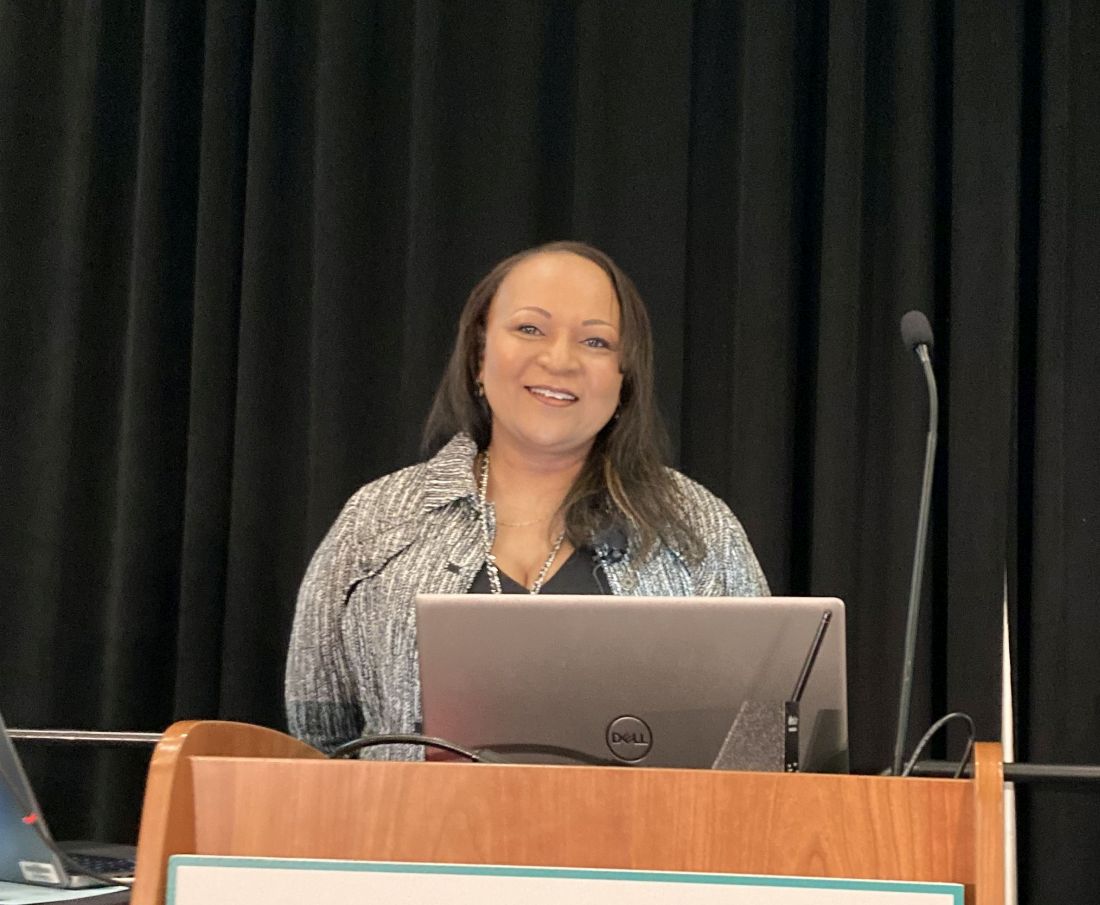
Cardiovascular disease (CVD) is the leading cause of death in the United States, accounting for nearly one-quarter of all deaths in men and in women. Hypertension is a key factor contributing to CVD. The hypertension‐related CVD mortality is currently on the rise in many U.S. demographic groups, including younger individuals (35-64 years old), she said.
When asked about the potential causes of this trend, Dr. Nesbitt explained that the epidemics of obesity and overweight are critical contributors to the high prevalence of hypertension.
The new definition means a wider gap in the prevalence of hypertension between men and women, as well as between Black and White people in the United States. The U.S. rates of hypertension and hypertension‐related CVD mortality are much higher in Black than in White people in this country. Hypertension control rates are the lowest in Black, Hispanic, and Asian males, Dr. Nesbitt said.
Accurate measurement of blood pressure is crucial
The changes in classification criteria for hypertension have made accurate measurements of blood pressure important. A key challenge in the evaluation of hypertension in the clinic is the difference in the methods used to measure blood pressure between trials and real-world clinical practice.
“We can’t easily translate data collected in clinical trials into real-life scenarios, and this can have important implications in our expectations of treatment outcome,” Dr. Nesbitt cautioned.
Commenting on the best practices in blood pressure measurements in the office, Dr. Nesbitt said that patients need to be seated with their feet on the floor and their backs and arms supported. In addition, patients need to have at least 5 minutes of rest without talking.
“It is very important to help patients understand what triggers their blood pressure to be elevated and teach them how and when to measure their blood pressure at home using their own devices,” she added.
Another critical question is how to translate the new guidelines into changes in clinical care, she said.
Current treatment landscape of hypertension
Ensuring a healthy diet, weight, and sleep, participating in physical activity, avoiding nicotine, and managing blood pressure, cholesterol, and sugar levels are the new “Life’s Essential 8” strategies proposed by the American Heart Association (AHA) to reduce CVD risk.
“Sleep has recently been added to the AHA guidelines because it modulates many factors contributing to hypertension,” Dr. Nesbitt pointed out. She advised that clinicians should ask patients about their sleep and educate them on healthy sleeping habits.
Some of the evidence used to develop the new AHA guidelines is derived from the SPRINT trial, which showed that controlling blood pressure reduces the risk of major adverse cardiovascular events. “This is our ultimate goal for our patients with hypertension,” Dr. Nesbitt noted.
Regarding the best practice in hypertension management, Dr. Nesbitt explained that with the new blood pressure thresholds, more patients will be diagnosed with stage 1 hypertension and need the nonpharmacological therapy suggested by the AHA. But patients with stage 1 hypertension and with a high CVD risk (at least 10%) also should receive blood pressure-lowering medications, so an accurate assessment of the risk of clinical atherosclerotic cardiovascular disease (ASCVD) or the estimated 10-year CVD risk is crucial. “If we are not careful, we might miss some patients who need to be treated,” she said.
Calcium channel blockers, thiazide diuretics, and ACE inhibitors or angiotensin receptor blockers (ARBs) are the treatment of choice for patients with newly diagnosed hypertension. Although extensively used in the past, beta-blockers are no longer a first-line treatment for hypertension.
When asked why beta-blockers are no longer suitable for routine initial treatment of hypertension, Dr. Nesbitt said that they are effective in controlling palpitations but “other antihypertensive drugs have proven far better in controlling blood pressure.”
Hypertension is multifactorial and often occurs in combination with other conditions, including diabetes and chronic kidney disease. When developing a treatment plan for patients with hypertension, comorbidities need to be considered, because their management may also help control blood pressure, especially for conditions that may contribute to the development of hypertension.
Common conditions that contribute to and often coexist with hypertension include sleep apnea, obesity, anxiety, and depression. However, convincing people to seek mental health support can be very challenging, Dr. Nesbitt said.
She added that hypertension is a complex disease with a strong social component. Understanding its pathophysiology and social determinants is paramount for successfully managing hypertension at the individual level, as well as at the community level.
Identification and management of side effects is key
Dr. Nesbitt also discussed the importance of the identification and management of side effects associated with blood pressure-lowering drugs. She cautioned that, if not managed, side effects can lead to treatment nonadherence and pseudo‐resistance, both of which can jeopardize the successful management of hypertension.
When asked about her approach to managing side effects and convincing patients to continue taking their medications, Dr. Nesbitt noted that “setting realistic expectations and goals is key.”
In an interview after Dr. Nesbitt’s presentation, Jesica Naanous, MD, agreed that having an honest conversation with the patients is the best way to convince them to keep taking their medications. She also explains to patients that the complications of uncontrolled blood pressure are worse than the side effects of the drugs.
“As a last resort, I change a blood pressure-lowering agent to another,” added Dr. Naanous, an internist at the American British Cowdray (ABC) Medical Center in Mexico City. She explained that many antihypertensive drugs have different toxicity profiles, and simply changing to another agent can make treatment more tolerable for the patient.
Dr. Nesbitt reported no relationships with entities whose primary business is producing, marketing, selling, reselling, or distributing health care products used by or on patients.
In a major shift in the definition of hypertension, guidelines published in 2017 reclassified 130/80 mm Hg as high blood pressure, or stage 1 hypertension. Previous guidelines classified 130/80 mm Hg as elevated, and 140/90 mm Hg used to be the threshold for stage 1 hypertension.
“This shift in classification criteria may cause confusion among clinicians caring for patients with hypertension and has a significant impact on how we diagnose and manage hypertension in our practice,” said Shawna D. Nesbitt, MD, professor of internal medicine at the University of Texas Southwestern Medical Center and medical director at Parkland Hypertension Clinic in Dallas. Dr. Nesbitt is an expert in the diagnosis and treatment of hypertension, particularly complex and refractory cases.
Cardiovascular disease (CVD) is the leading cause of death in the United States, accounting for nearly one-quarter of all deaths in men and in women. Hypertension is a key factor contributing to CVD. The hypertension‐related CVD mortality is currently on the rise in many U.S. demographic groups, including younger individuals (35-64 years old), she said.
When asked about the potential causes of this trend, Dr. Nesbitt explained that the epidemics of obesity and overweight are critical contributors to the high prevalence of hypertension.
The new definition means a wider gap in the prevalence of hypertension between men and women, as well as between Black and White people in the United States. The U.S. rates of hypertension and hypertension‐related CVD mortality are much higher in Black than in White people in this country. Hypertension control rates are the lowest in Black, Hispanic, and Asian males, Dr. Nesbitt said.
Accurate measurement of blood pressure is crucial
The changes in classification criteria for hypertension have made accurate measurements of blood pressure important. A key challenge in the evaluation of hypertension in the clinic is the difference in the methods used to measure blood pressure between trials and real-world clinical practice.
“We can’t easily translate data collected in clinical trials into real-life scenarios, and this can have important implications in our expectations of treatment outcome,” Dr. Nesbitt cautioned.
Commenting on the best practices in blood pressure measurements in the office, Dr. Nesbitt said that patients need to be seated with their feet on the floor and their backs and arms supported. In addition, patients need to have at least 5 minutes of rest without talking.
“It is very important to help patients understand what triggers their blood pressure to be elevated and teach them how and when to measure their blood pressure at home using their own devices,” she added.
Another critical question is how to translate the new guidelines into changes in clinical care, she said.
Current treatment landscape of hypertension
Ensuring a healthy diet, weight, and sleep, participating in physical activity, avoiding nicotine, and managing blood pressure, cholesterol, and sugar levels are the new “Life’s Essential 8” strategies proposed by the American Heart Association (AHA) to reduce CVD risk.
“Sleep has recently been added to the AHA guidelines because it modulates many factors contributing to hypertension,” Dr. Nesbitt pointed out. She advised that clinicians should ask patients about their sleep and educate them on healthy sleeping habits.
Some of the evidence used to develop the new AHA guidelines is derived from the SPRINT trial, which showed that controlling blood pressure reduces the risk of major adverse cardiovascular events. “This is our ultimate goal for our patients with hypertension,” Dr. Nesbitt noted.
Regarding the best practice in hypertension management, Dr. Nesbitt explained that with the new blood pressure thresholds, more patients will be diagnosed with stage 1 hypertension and need the nonpharmacological therapy suggested by the AHA. But patients with stage 1 hypertension and with a high CVD risk (at least 10%) also should receive blood pressure-lowering medications, so an accurate assessment of the risk of clinical atherosclerotic cardiovascular disease (ASCVD) or the estimated 10-year CVD risk is crucial. “If we are not careful, we might miss some patients who need to be treated,” she said.
Calcium channel blockers, thiazide diuretics, and ACE inhibitors or angiotensin receptor blockers (ARBs) are the treatment of choice for patients with newly diagnosed hypertension. Although extensively used in the past, beta-blockers are no longer a first-line treatment for hypertension.
When asked why beta-blockers are no longer suitable for routine initial treatment of hypertension, Dr. Nesbitt said that they are effective in controlling palpitations but “other antihypertensive drugs have proven far better in controlling blood pressure.”
Hypertension is multifactorial and often occurs in combination with other conditions, including diabetes and chronic kidney disease. When developing a treatment plan for patients with hypertension, comorbidities need to be considered, because their management may also help control blood pressure, especially for conditions that may contribute to the development of hypertension.
Common conditions that contribute to and often coexist with hypertension include sleep apnea, obesity, anxiety, and depression. However, convincing people to seek mental health support can be very challenging, Dr. Nesbitt said.
She added that hypertension is a complex disease with a strong social component. Understanding its pathophysiology and social determinants is paramount for successfully managing hypertension at the individual level, as well as at the community level.
Identification and management of side effects is key
Dr. Nesbitt also discussed the importance of the identification and management of side effects associated with blood pressure-lowering drugs. She cautioned that, if not managed, side effects can lead to treatment nonadherence and pseudo‐resistance, both of which can jeopardize the successful management of hypertension.
When asked about her approach to managing side effects and convincing patients to continue taking their medications, Dr. Nesbitt noted that “setting realistic expectations and goals is key.”
In an interview after Dr. Nesbitt’s presentation, Jesica Naanous, MD, agreed that having an honest conversation with the patients is the best way to convince them to keep taking their medications. She also explains to patients that the complications of uncontrolled blood pressure are worse than the side effects of the drugs.
“As a last resort, I change a blood pressure-lowering agent to another,” added Dr. Naanous, an internist at the American British Cowdray (ABC) Medical Center in Mexico City. She explained that many antihypertensive drugs have different toxicity profiles, and simply changing to another agent can make treatment more tolerable for the patient.
Dr. Nesbitt reported no relationships with entities whose primary business is producing, marketing, selling, reselling, or distributing health care products used by or on patients.
In a major shift in the definition of hypertension, guidelines published in 2017 reclassified 130/80 mm Hg as high blood pressure, or stage 1 hypertension. Previous guidelines classified 130/80 mm Hg as elevated, and 140/90 mm Hg used to be the threshold for stage 1 hypertension.
“This shift in classification criteria may cause confusion among clinicians caring for patients with hypertension and has a significant impact on how we diagnose and manage hypertension in our practice,” said Shawna D. Nesbitt, MD, professor of internal medicine at the University of Texas Southwestern Medical Center and medical director at Parkland Hypertension Clinic in Dallas. Dr. Nesbitt is an expert in the diagnosis and treatment of hypertension, particularly complex and refractory cases.
Cardiovascular disease (CVD) is the leading cause of death in the United States, accounting for nearly one-quarter of all deaths in men and in women. Hypertension is a key factor contributing to CVD. The hypertension‐related CVD mortality is currently on the rise in many U.S. demographic groups, including younger individuals (35-64 years old), she said.
When asked about the potential causes of this trend, Dr. Nesbitt explained that the epidemics of obesity and overweight are critical contributors to the high prevalence of hypertension.
The new definition means a wider gap in the prevalence of hypertension between men and women, as well as between Black and White people in the United States. The U.S. rates of hypertension and hypertension‐related CVD mortality are much higher in Black than in White people in this country. Hypertension control rates are the lowest in Black, Hispanic, and Asian males, Dr. Nesbitt said.
Accurate measurement of blood pressure is crucial
The changes in classification criteria for hypertension have made accurate measurements of blood pressure important. A key challenge in the evaluation of hypertension in the clinic is the difference in the methods used to measure blood pressure between trials and real-world clinical practice.
“We can’t easily translate data collected in clinical trials into real-life scenarios, and this can have important implications in our expectations of treatment outcome,” Dr. Nesbitt cautioned.
Commenting on the best practices in blood pressure measurements in the office, Dr. Nesbitt said that patients need to be seated with their feet on the floor and their backs and arms supported. In addition, patients need to have at least 5 minutes of rest without talking.
“It is very important to help patients understand what triggers their blood pressure to be elevated and teach them how and when to measure their blood pressure at home using their own devices,” she added.
Another critical question is how to translate the new guidelines into changes in clinical care, she said.
Current treatment landscape of hypertension
Ensuring a healthy diet, weight, and sleep, participating in physical activity, avoiding nicotine, and managing blood pressure, cholesterol, and sugar levels are the new “Life’s Essential 8” strategies proposed by the American Heart Association (AHA) to reduce CVD risk.
“Sleep has recently been added to the AHA guidelines because it modulates many factors contributing to hypertension,” Dr. Nesbitt pointed out. She advised that clinicians should ask patients about their sleep and educate them on healthy sleeping habits.
Some of the evidence used to develop the new AHA guidelines is derived from the SPRINT trial, which showed that controlling blood pressure reduces the risk of major adverse cardiovascular events. “This is our ultimate goal for our patients with hypertension,” Dr. Nesbitt noted.
Regarding the best practice in hypertension management, Dr. Nesbitt explained that with the new blood pressure thresholds, more patients will be diagnosed with stage 1 hypertension and need the nonpharmacological therapy suggested by the AHA. But patients with stage 1 hypertension and with a high CVD risk (at least 10%) also should receive blood pressure-lowering medications, so an accurate assessment of the risk of clinical atherosclerotic cardiovascular disease (ASCVD) or the estimated 10-year CVD risk is crucial. “If we are not careful, we might miss some patients who need to be treated,” she said.
Calcium channel blockers, thiazide diuretics, and ACE inhibitors or angiotensin receptor blockers (ARBs) are the treatment of choice for patients with newly diagnosed hypertension. Although extensively used in the past, beta-blockers are no longer a first-line treatment for hypertension.
When asked why beta-blockers are no longer suitable for routine initial treatment of hypertension, Dr. Nesbitt said that they are effective in controlling palpitations but “other antihypertensive drugs have proven far better in controlling blood pressure.”
Hypertension is multifactorial and often occurs in combination with other conditions, including diabetes and chronic kidney disease. When developing a treatment plan for patients with hypertension, comorbidities need to be considered, because their management may also help control blood pressure, especially for conditions that may contribute to the development of hypertension.
Common conditions that contribute to and often coexist with hypertension include sleep apnea, obesity, anxiety, and depression. However, convincing people to seek mental health support can be very challenging, Dr. Nesbitt said.
She added that hypertension is a complex disease with a strong social component. Understanding its pathophysiology and social determinants is paramount for successfully managing hypertension at the individual level, as well as at the community level.
Identification and management of side effects is key
Dr. Nesbitt also discussed the importance of the identification and management of side effects associated with blood pressure-lowering drugs. She cautioned that, if not managed, side effects can lead to treatment nonadherence and pseudo‐resistance, both of which can jeopardize the successful management of hypertension.
When asked about her approach to managing side effects and convincing patients to continue taking their medications, Dr. Nesbitt noted that “setting realistic expectations and goals is key.”
In an interview after Dr. Nesbitt’s presentation, Jesica Naanous, MD, agreed that having an honest conversation with the patients is the best way to convince them to keep taking their medications. She also explains to patients that the complications of uncontrolled blood pressure are worse than the side effects of the drugs.
“As a last resort, I change a blood pressure-lowering agent to another,” added Dr. Naanous, an internist at the American British Cowdray (ABC) Medical Center in Mexico City. She explained that many antihypertensive drugs have different toxicity profiles, and simply changing to another agent can make treatment more tolerable for the patient.
Dr. Nesbitt reported no relationships with entities whose primary business is producing, marketing, selling, reselling, or distributing health care products used by or on patients.
AT INTERNAL MEDICINE 2023
Remote weight monitoring minimizes office visits for newborns
WASHINGTON, D.C. – according to a new study presented at the Pediatric Academic Societies annual meeting.
The pilot trial compared the frequency of office visits for healthy babies born at 37 weeks’ gestation or later. One group of 20 infants had their weight monitored at home by parents, and another group of 20 infants received usual care, which included two in-person office visits over the first 6 weeks of life.
Researchers found that visits for infants in the intervention group decreased by 25% after the first week of life and by 23% after the second week.
The remote method can help alert physicians earlier to insufficient weight because parents report gains or losses three times a week over the 6 weeks, resulting in more data for providers.
“You’re going to see fewer visits with people who have scales because the docs are getting the information they need, which is: ‘Is this baby doing okay or not?’ ” said Diane DiTomasso, PhD, RN, a professor at the University of Rhode Island, South Kingstown, who was not involved with the study. “I think it’s a very necessary study because, to my knowledge, nobody has done a randomized controlled trial on this topic.”
Keeping infants at home can also protect babies from infections they might catch in the clinic.
“There are a lot of other kids in an office setting, and kids like touching things,” said Anirudha Das, MD, MPH, a neonatologist at Cleveland Clinic Children’s and the lead author of the study. “When there are a lot of other kids, there are a lot of viruses. It’s a very dangerous environment.”
Parents in the intervention group were given scales and asked to enter their infant’s weight into a patient portal app three times per week for 6 weeks. Physicians then determined if in-office visits were necessary.
The benefits of home weight checks can include helping to allow for breastfeeding for a longer duration.
Weight is more closely monitored for breastfed infants. Waiting weeks for office checks can heighten parental anxiety and lead to prematurely stopping breastfeeding. With regular at-home checks, parents receive up-to-date information from physicians that can alleviate concerns and empower them with more control over the process, according to Dr. DiTomasso.
Breastfeeding is associated with a lower risk for cardiovascular disease, diabetes, obesity, cancer in later life, and a lower risk of breast cancer for breastfeeding parents.
Office weight checks can also alleviate a significant and unnecessary burden for parents, Dr. Das said.
“You shouldn’t have to put your baby in a car, possibly in freezing temperatures, hire someone to take care of your other kids, drive to the hospital, pay for parking, and walk to the office for a weight check,” Dr. Das said.
Dr. Das noted that, because of technical errors, parents weren’t able to use remote monitoring and had in-person visits during the first 5 days of life. The intervention group had more visits during that period than the usual-care group.
The study was funded by the American Academy of Pediatrics. The authors and Dr. Das reported no relevant financial relationships.
A version of this article originally appeared on Medscape.com.
WASHINGTON, D.C. – according to a new study presented at the Pediatric Academic Societies annual meeting.
The pilot trial compared the frequency of office visits for healthy babies born at 37 weeks’ gestation or later. One group of 20 infants had their weight monitored at home by parents, and another group of 20 infants received usual care, which included two in-person office visits over the first 6 weeks of life.
Researchers found that visits for infants in the intervention group decreased by 25% after the first week of life and by 23% after the second week.
The remote method can help alert physicians earlier to insufficient weight because parents report gains or losses three times a week over the 6 weeks, resulting in more data for providers.
“You’re going to see fewer visits with people who have scales because the docs are getting the information they need, which is: ‘Is this baby doing okay or not?’ ” said Diane DiTomasso, PhD, RN, a professor at the University of Rhode Island, South Kingstown, who was not involved with the study. “I think it’s a very necessary study because, to my knowledge, nobody has done a randomized controlled trial on this topic.”
Keeping infants at home can also protect babies from infections they might catch in the clinic.
“There are a lot of other kids in an office setting, and kids like touching things,” said Anirudha Das, MD, MPH, a neonatologist at Cleveland Clinic Children’s and the lead author of the study. “When there are a lot of other kids, there are a lot of viruses. It’s a very dangerous environment.”
Parents in the intervention group were given scales and asked to enter their infant’s weight into a patient portal app three times per week for 6 weeks. Physicians then determined if in-office visits were necessary.
The benefits of home weight checks can include helping to allow for breastfeeding for a longer duration.
Weight is more closely monitored for breastfed infants. Waiting weeks for office checks can heighten parental anxiety and lead to prematurely stopping breastfeeding. With regular at-home checks, parents receive up-to-date information from physicians that can alleviate concerns and empower them with more control over the process, according to Dr. DiTomasso.
Breastfeeding is associated with a lower risk for cardiovascular disease, diabetes, obesity, cancer in later life, and a lower risk of breast cancer for breastfeeding parents.
Office weight checks can also alleviate a significant and unnecessary burden for parents, Dr. Das said.
“You shouldn’t have to put your baby in a car, possibly in freezing temperatures, hire someone to take care of your other kids, drive to the hospital, pay for parking, and walk to the office for a weight check,” Dr. Das said.
Dr. Das noted that, because of technical errors, parents weren’t able to use remote monitoring and had in-person visits during the first 5 days of life. The intervention group had more visits during that period than the usual-care group.
The study was funded by the American Academy of Pediatrics. The authors and Dr. Das reported no relevant financial relationships.
A version of this article originally appeared on Medscape.com.
WASHINGTON, D.C. – according to a new study presented at the Pediatric Academic Societies annual meeting.
The pilot trial compared the frequency of office visits for healthy babies born at 37 weeks’ gestation or later. One group of 20 infants had their weight monitored at home by parents, and another group of 20 infants received usual care, which included two in-person office visits over the first 6 weeks of life.
Researchers found that visits for infants in the intervention group decreased by 25% after the first week of life and by 23% after the second week.
The remote method can help alert physicians earlier to insufficient weight because parents report gains or losses three times a week over the 6 weeks, resulting in more data for providers.
“You’re going to see fewer visits with people who have scales because the docs are getting the information they need, which is: ‘Is this baby doing okay or not?’ ” said Diane DiTomasso, PhD, RN, a professor at the University of Rhode Island, South Kingstown, who was not involved with the study. “I think it’s a very necessary study because, to my knowledge, nobody has done a randomized controlled trial on this topic.”
Keeping infants at home can also protect babies from infections they might catch in the clinic.
“There are a lot of other kids in an office setting, and kids like touching things,” said Anirudha Das, MD, MPH, a neonatologist at Cleveland Clinic Children’s and the lead author of the study. “When there are a lot of other kids, there are a lot of viruses. It’s a very dangerous environment.”
Parents in the intervention group were given scales and asked to enter their infant’s weight into a patient portal app three times per week for 6 weeks. Physicians then determined if in-office visits were necessary.
The benefits of home weight checks can include helping to allow for breastfeeding for a longer duration.
Weight is more closely monitored for breastfed infants. Waiting weeks for office checks can heighten parental anxiety and lead to prematurely stopping breastfeeding. With regular at-home checks, parents receive up-to-date information from physicians that can alleviate concerns and empower them with more control over the process, according to Dr. DiTomasso.
Breastfeeding is associated with a lower risk for cardiovascular disease, diabetes, obesity, cancer in later life, and a lower risk of breast cancer for breastfeeding parents.
Office weight checks can also alleviate a significant and unnecessary burden for parents, Dr. Das said.
“You shouldn’t have to put your baby in a car, possibly in freezing temperatures, hire someone to take care of your other kids, drive to the hospital, pay for parking, and walk to the office for a weight check,” Dr. Das said.
Dr. Das noted that, because of technical errors, parents weren’t able to use remote monitoring and had in-person visits during the first 5 days of life. The intervention group had more visits during that period than the usual-care group.
The study was funded by the American Academy of Pediatrics. The authors and Dr. Das reported no relevant financial relationships.
A version of this article originally appeared on Medscape.com.
AT PAS 2023
NSAID use may mask MRI findings in a quarter of spondyloarthritis cases
MANCHESTER, ENGLAND – The use of NSAIDs may mask the true level of inflammation of the sacroiliac joint (SIJ), as seen on MRI, among people with axial spondyloarthritis (axSpA), according to results of the DyNAMISM study.
“We’ve found that in about one in four patients, NSAIDs make a difference to the scan results,” Gareth T. Jones, PhD, said at the annual meeting of the British Society for Rheumatology.
A total of 23% of patients whose MRI results were positive for sacroiliitis when no NSAIDs had been used for a couple of weeks received negative MRI results 6 weeks after the NSAIDs were reinstated.
“This is important in terms of diagnosis, in terms of disease classification, and may be important in terms of future treatment decisions,” added Dr. Jones, professor of epidemiology at the Aberdeen Centre for Arthritis and Musculoskeletal Health at the University of Aberdeen, (Scotland).
“Our recommendation from these results is that if a patient is willing to attempt to wash out [NSAIDs] prior to an MRI, we would recommend that they do so,” Dr. Jones said.
NSAIDs and AxSpA inflammation
“NSAIDs are often used as the first-line treatment for axial spondyloarthritis due to their ability to effectively reduce pain and stiffness associated with the condition,” Denis Poddubnyy, MD, who was not involved in the research, told this news organization.
“However, there is still a question as to whether NSAIDs have a true anti-inflammatory effect on the axial inflammation, as detected by MRI,” added Dr. Poddubnyy, head of rheumatology at Charité–Universitätsmedizin Berlin in Germany.

With an absence of randomized, controlled trials, it remains “uncertain how much of the observed reduction in inflammation is attributable to the natural course of the disease and spontaneous resolution of inflammation rather than the effect of NSAIDs,” Dr. Poddubnyy said.
The DyNAMISM Study
“Sacroiliitis is a painful inflammatory condition. This is investigated looking for the evidence of inflammation on MRI, but many patients are taking anti-inflammatory medication,” Dr. Jones said at the meeting.
“So perhaps patients are taking drugs [that are] hiding the very thing that we’re looking for,” he added. Hence, the DyNAMISM study (Do Nonsteroidal Anti-inflammatory Drugs Mask Inflammation in Spondyloarthritis on MRI) was conceived.
The researchers recruited 311 adults with suspected or established axSpA who were taking daily NSAIDs such as ibuprofen or diclofenac across 34 centers in England and Scotland. Patients taking other anti-inflammatory medications that could not be stopped were excluded, as were patients who were currently taking or had recently taken tumor necrosis factor inhibitors.
The study used a standardized MRI protocol. Two independent readers experienced in scoring SIJ scans were employed; a third was used when the two disagreed. The primary outcome was meeting the Assessment of Spondyloarthritis international Society criteria for a positive result on MRI.
The average age of the study subjects was 42 years, 62% were men, and 87% were White. The median duration of symptoms was 9 years, and the median time since diagnosis was 1 year.
The study design required that patients stop NSAID use over a period of 1-2 weeks before undergoing an MRI scan, which 286 did. Of these, 146 received MRI results that were positive for SIJ inflammation; those patients continued in the study. The 140 patients with negative scans were excluded. Patients could then resume taking NSAIDs before being scanned again around 6 weeks later. In all, 129 patients underwent both MRI scans.
How much might fluctuating inflammation matter?
‘It’s a shame you didn’t scan the negative people, because the natural history is a fluctuating inflammation,” Fraser Birrell, MBChB, PhD, of Newcastle University, Newcastle upon Tyne, England, pointed out in discussion.
“Nonsteroidals are modestly effective and probably made no difference,” he argued. “I would have expected a certain proportion of the negatives are positive.”
The study had a pragmatic design, Dr. Jones countered. “We had enormous debate before the study; it would have been nice to do a sort of a randomized, crossover design, but it would have resulted in a lot of inefficiency.”
Regarding the duration of the NSAID washout period, Dr. Jones noted that they saw little difference between shorter or longer washout periods and that the data showed that “a 2-week washout is a reasonable target.”
Performing the second scan 6 weeks after NSAIDs were reinstated “exceeds the period where clinical benefits should be expected. It may be that if we’d waited longer, the proportion would have gone up. So, we would argue that actually, if anything, that 23% may be an underestimate of the real effect.”
Although some patients may have declined to participate in the study because they did not want to stop taking NSAIDs, Dr. Jones noted that a good proportion did stop taking them, and so the study shows that patients can tolerate washout. Around 45% of patients reported experiencing disease flares during this time, but this did not have any significant effect on validated disease activity or pain measures, Dr. Jones reported.
So, if patients are willing to stop NSAIDs before a scan, “they should be counseled that they may experience a small increase in disease activity and spinal pain, but also to be counseled that the majority of patients can tolerate this,” Dr. Jones suggested.
Trials are needed, Dr. Poddubnyy said: “Future randomized, controlled studies are needed to conclusively determine the efficacy of NSAIDs in reducing inflammation in the axial skeleton of axSpA patients.”
Dr. Poddubnyy added: “It would also be valuable to assess in a randomized setting whether the use of NSAIDs impacts the diagnostic performance of MRI, which takes into account not only inflammatory but also structural changes, which are not influenced by NSAIDs.”
The DyNAMISM study was funded by Arthritis Research UK and was run by the University of Aberdeen in conjunction with NHS Grampian, Scotland. Dr. Jones has disclosed no relevant financial relationships. Dr. Poddubnyy disclosed ties with AbbVie, Biocad, Bristol-Myers Squibb, Eli Lilly, Galapagos, Gilead, GlaxoSmithKline, Janssen, Medscape, Merck Sharp & Dohme, Moonlake, Novartis, PeerVoice, Pfizer, Samsung Bioepis, and UCB.
A version of this article originally appeared on Medscape.com.
MANCHESTER, ENGLAND – The use of NSAIDs may mask the true level of inflammation of the sacroiliac joint (SIJ), as seen on MRI, among people with axial spondyloarthritis (axSpA), according to results of the DyNAMISM study.
“We’ve found that in about one in four patients, NSAIDs make a difference to the scan results,” Gareth T. Jones, PhD, said at the annual meeting of the British Society for Rheumatology.
A total of 23% of patients whose MRI results were positive for sacroiliitis when no NSAIDs had been used for a couple of weeks received negative MRI results 6 weeks after the NSAIDs were reinstated.
“This is important in terms of diagnosis, in terms of disease classification, and may be important in terms of future treatment decisions,” added Dr. Jones, professor of epidemiology at the Aberdeen Centre for Arthritis and Musculoskeletal Health at the University of Aberdeen, (Scotland).
“Our recommendation from these results is that if a patient is willing to attempt to wash out [NSAIDs] prior to an MRI, we would recommend that they do so,” Dr. Jones said.
NSAIDs and AxSpA inflammation
“NSAIDs are often used as the first-line treatment for axial spondyloarthritis due to their ability to effectively reduce pain and stiffness associated with the condition,” Denis Poddubnyy, MD, who was not involved in the research, told this news organization.
“However, there is still a question as to whether NSAIDs have a true anti-inflammatory effect on the axial inflammation, as detected by MRI,” added Dr. Poddubnyy, head of rheumatology at Charité–Universitätsmedizin Berlin in Germany.
With an absence of randomized, controlled trials, it remains “uncertain how much of the observed reduction in inflammation is attributable to the natural course of the disease and spontaneous resolution of inflammation rather than the effect of NSAIDs,” Dr. Poddubnyy said.
The DyNAMISM Study
“Sacroiliitis is a painful inflammatory condition. This is investigated looking for the evidence of inflammation on MRI, but many patients are taking anti-inflammatory medication,” Dr. Jones said at the meeting.
“So perhaps patients are taking drugs [that are] hiding the very thing that we’re looking for,” he added. Hence, the DyNAMISM study (Do Nonsteroidal Anti-inflammatory Drugs Mask Inflammation in Spondyloarthritis on MRI) was conceived.
The researchers recruited 311 adults with suspected or established axSpA who were taking daily NSAIDs such as ibuprofen or diclofenac across 34 centers in England and Scotland. Patients taking other anti-inflammatory medications that could not be stopped were excluded, as were patients who were currently taking or had recently taken tumor necrosis factor inhibitors.
The study used a standardized MRI protocol. Two independent readers experienced in scoring SIJ scans were employed; a third was used when the two disagreed. The primary outcome was meeting the Assessment of Spondyloarthritis international Society criteria for a positive result on MRI.
The average age of the study subjects was 42 years, 62% were men, and 87% were White. The median duration of symptoms was 9 years, and the median time since diagnosis was 1 year.
The study design required that patients stop NSAID use over a period of 1-2 weeks before undergoing an MRI scan, which 286 did. Of these, 146 received MRI results that were positive for SIJ inflammation; those patients continued in the study. The 140 patients with negative scans were excluded. Patients could then resume taking NSAIDs before being scanned again around 6 weeks later. In all, 129 patients underwent both MRI scans.
How much might fluctuating inflammation matter?
‘It’s a shame you didn’t scan the negative people, because the natural history is a fluctuating inflammation,” Fraser Birrell, MBChB, PhD, of Newcastle University, Newcastle upon Tyne, England, pointed out in discussion.
“Nonsteroidals are modestly effective and probably made no difference,” he argued. “I would have expected a certain proportion of the negatives are positive.”
The study had a pragmatic design, Dr. Jones countered. “We had enormous debate before the study; it would have been nice to do a sort of a randomized, crossover design, but it would have resulted in a lot of inefficiency.”
Regarding the duration of the NSAID washout period, Dr. Jones noted that they saw little difference between shorter or longer washout periods and that the data showed that “a 2-week washout is a reasonable target.”
Performing the second scan 6 weeks after NSAIDs were reinstated “exceeds the period where clinical benefits should be expected. It may be that if we’d waited longer, the proportion would have gone up. So, we would argue that actually, if anything, that 23% may be an underestimate of the real effect.”
Although some patients may have declined to participate in the study because they did not want to stop taking NSAIDs, Dr. Jones noted that a good proportion did stop taking them, and so the study shows that patients can tolerate washout. Around 45% of patients reported experiencing disease flares during this time, but this did not have any significant effect on validated disease activity or pain measures, Dr. Jones reported.
So, if patients are willing to stop NSAIDs before a scan, “they should be counseled that they may experience a small increase in disease activity and spinal pain, but also to be counseled that the majority of patients can tolerate this,” Dr. Jones suggested.
Trials are needed, Dr. Poddubnyy said: “Future randomized, controlled studies are needed to conclusively determine the efficacy of NSAIDs in reducing inflammation in the axial skeleton of axSpA patients.”
Dr. Poddubnyy added: “It would also be valuable to assess in a randomized setting whether the use of NSAIDs impacts the diagnostic performance of MRI, which takes into account not only inflammatory but also structural changes, which are not influenced by NSAIDs.”
The DyNAMISM study was funded by Arthritis Research UK and was run by the University of Aberdeen in conjunction with NHS Grampian, Scotland. Dr. Jones has disclosed no relevant financial relationships. Dr. Poddubnyy disclosed ties with AbbVie, Biocad, Bristol-Myers Squibb, Eli Lilly, Galapagos, Gilead, GlaxoSmithKline, Janssen, Medscape, Merck Sharp & Dohme, Moonlake, Novartis, PeerVoice, Pfizer, Samsung Bioepis, and UCB.
A version of this article originally appeared on Medscape.com.
MANCHESTER, ENGLAND – The use of NSAIDs may mask the true level of inflammation of the sacroiliac joint (SIJ), as seen on MRI, among people with axial spondyloarthritis (axSpA), according to results of the DyNAMISM study.
“We’ve found that in about one in four patients, NSAIDs make a difference to the scan results,” Gareth T. Jones, PhD, said at the annual meeting of the British Society for Rheumatology.
A total of 23% of patients whose MRI results were positive for sacroiliitis when no NSAIDs had been used for a couple of weeks received negative MRI results 6 weeks after the NSAIDs were reinstated.
“This is important in terms of diagnosis, in terms of disease classification, and may be important in terms of future treatment decisions,” added Dr. Jones, professor of epidemiology at the Aberdeen Centre for Arthritis and Musculoskeletal Health at the University of Aberdeen, (Scotland).
“Our recommendation from these results is that if a patient is willing to attempt to wash out [NSAIDs] prior to an MRI, we would recommend that they do so,” Dr. Jones said.
NSAIDs and AxSpA inflammation
“NSAIDs are often used as the first-line treatment for axial spondyloarthritis due to their ability to effectively reduce pain and stiffness associated with the condition,” Denis Poddubnyy, MD, who was not involved in the research, told this news organization.
“However, there is still a question as to whether NSAIDs have a true anti-inflammatory effect on the axial inflammation, as detected by MRI,” added Dr. Poddubnyy, head of rheumatology at Charité–Universitätsmedizin Berlin in Germany.
With an absence of randomized, controlled trials, it remains “uncertain how much of the observed reduction in inflammation is attributable to the natural course of the disease and spontaneous resolution of inflammation rather than the effect of NSAIDs,” Dr. Poddubnyy said.
The DyNAMISM Study
“Sacroiliitis is a painful inflammatory condition. This is investigated looking for the evidence of inflammation on MRI, but many patients are taking anti-inflammatory medication,” Dr. Jones said at the meeting.
“So perhaps patients are taking drugs [that are] hiding the very thing that we’re looking for,” he added. Hence, the DyNAMISM study (Do Nonsteroidal Anti-inflammatory Drugs Mask Inflammation in Spondyloarthritis on MRI) was conceived.
The researchers recruited 311 adults with suspected or established axSpA who were taking daily NSAIDs such as ibuprofen or diclofenac across 34 centers in England and Scotland. Patients taking other anti-inflammatory medications that could not be stopped were excluded, as were patients who were currently taking or had recently taken tumor necrosis factor inhibitors.
The study used a standardized MRI protocol. Two independent readers experienced in scoring SIJ scans were employed; a third was used when the two disagreed. The primary outcome was meeting the Assessment of Spondyloarthritis international Society criteria for a positive result on MRI.
The average age of the study subjects was 42 years, 62% were men, and 87% were White. The median duration of symptoms was 9 years, and the median time since diagnosis was 1 year.
The study design required that patients stop NSAID use over a period of 1-2 weeks before undergoing an MRI scan, which 286 did. Of these, 146 received MRI results that were positive for SIJ inflammation; those patients continued in the study. The 140 patients with negative scans were excluded. Patients could then resume taking NSAIDs before being scanned again around 6 weeks later. In all, 129 patients underwent both MRI scans.
How much might fluctuating inflammation matter?
‘It’s a shame you didn’t scan the negative people, because the natural history is a fluctuating inflammation,” Fraser Birrell, MBChB, PhD, of Newcastle University, Newcastle upon Tyne, England, pointed out in discussion.
“Nonsteroidals are modestly effective and probably made no difference,” he argued. “I would have expected a certain proportion of the negatives are positive.”
The study had a pragmatic design, Dr. Jones countered. “We had enormous debate before the study; it would have been nice to do a sort of a randomized, crossover design, but it would have resulted in a lot of inefficiency.”
Regarding the duration of the NSAID washout period, Dr. Jones noted that they saw little difference between shorter or longer washout periods and that the data showed that “a 2-week washout is a reasonable target.”
Performing the second scan 6 weeks after NSAIDs were reinstated “exceeds the period where clinical benefits should be expected. It may be that if we’d waited longer, the proportion would have gone up. So, we would argue that actually, if anything, that 23% may be an underestimate of the real effect.”
Although some patients may have declined to participate in the study because they did not want to stop taking NSAIDs, Dr. Jones noted that a good proportion did stop taking them, and so the study shows that patients can tolerate washout. Around 45% of patients reported experiencing disease flares during this time, but this did not have any significant effect on validated disease activity or pain measures, Dr. Jones reported.
So, if patients are willing to stop NSAIDs before a scan, “they should be counseled that they may experience a small increase in disease activity and spinal pain, but also to be counseled that the majority of patients can tolerate this,” Dr. Jones suggested.
Trials are needed, Dr. Poddubnyy said: “Future randomized, controlled studies are needed to conclusively determine the efficacy of NSAIDs in reducing inflammation in the axial skeleton of axSpA patients.”
Dr. Poddubnyy added: “It would also be valuable to assess in a randomized setting whether the use of NSAIDs impacts the diagnostic performance of MRI, which takes into account not only inflammatory but also structural changes, which are not influenced by NSAIDs.”
The DyNAMISM study was funded by Arthritis Research UK and was run by the University of Aberdeen in conjunction with NHS Grampian, Scotland. Dr. Jones has disclosed no relevant financial relationships. Dr. Poddubnyy disclosed ties with AbbVie, Biocad, Bristol-Myers Squibb, Eli Lilly, Galapagos, Gilead, GlaxoSmithKline, Janssen, Medscape, Merck Sharp & Dohme, Moonlake, Novartis, PeerVoice, Pfizer, Samsung Bioepis, and UCB.
A version of this article originally appeared on Medscape.com.
AT BSR 2023
Can an endoscopic procedure treat type 2 diabetes?
Called recellularization via electroporation therapy (ReCET), the technology, manufactured by Endogenex, uses a specialized catheter to deliver alternating electric pulses to the duodenum to induce cellular regeneration. This process is thought to improve insulin sensitivity, in part, by altering gut hormones and nutritional sensing, principal investigator Jacques Bergman, MD, PhD, said in a press briefing held in conjunction with the annual Digestive Disease Week® (DDW), where he will present the data on May 9.

In the first-in-human study of ReCET, 12 of 14 patients were able to come off insulin for up to a year following the procedure when combined with the use of the glucagonlike peptide–1 agonist semaglutide.
“This might be a game changer in the management of type 2 diabetes because a single outpatient endoscopic intervention was suggested to have a pretty long therapeutic effect, which is compliance-free, as opposed to drug therapy that relies on patients taking the drugs on a daily basis,” said Dr. Bergman, professor of gastrointestinal endoscopy at Amsterdam University Medical Center.
Moreover, he added, “this technique is disease-modifying, so it goes to the root cause of type 2 diabetes and tackles the insulin resistance, as opposed to drug therapy, which at best, is disease-controlling, and the effect is immediately gone if you stop the medication.”
ReCET is similar to another product, Fractyl’s Revita DMR, for which Dr. Bergman was involved in a randomized clinical trial. He said in an interview that the two technologies differ in that the Revita uses heat with submucosal lifting to avoid deeper heat penetration, whereas ReCET is nonthermal. He is also involved in a second randomized trial of the Revita.
Is semaglutide muddying the findings?
Asked to comment about the current study with ReCET, Ali Aminian, MD, professor of surgery and director of the Bariatric and Metabolic Institute at the Cleveland Clinic, said that the treatment effect is certainly plausible.

“The observation that hyperglycemia rapidly and substantially improves after bariatric surgery has prompted innovators to search for novel endoscopic procedures targeting the GI tract to improve diabetes and metabolic disease. Over the years, we learned that in addition to its role in digestion and absorption, the GI tract is actually a large endocrine organ which contributes to development of diabetes and metabolic disease.”
However, Dr. Aminian said that, “while these preliminary findings on a very small number of patients with a very short follow-up time are interesting,” he faulted the study design for including semaglutide. “When patients are treated with a combination of therapies, it will be hard to understand the true effect of each therapy,” and particularly, “when we add a strong diabetes medication like semaglutide.”
Dr. Bergman said semaglutide was used to “boost the insulin-resistant effect of the endoscopic treatment,” and that a planned double-blind, randomized trial will “show how much semaglutide actually contributed to the effect.” The ultimate goal, he noted, is to eliminate the need for all medications.
Moreover, when people with type 2 diabetes add semaglutide to insulin treatment, only about 20% typically are able to quit taking the insulin, in contrast to the 86% seen in this study, lead author Celine Busch, MBBS, a PhD candidate in gastroenterology at Amsterdam University, said in a DDW statement.
Dr. Aminian said, “I’m looking forward to better quality data ... from studies with a stronger design to prove safety, efficacy, and durability of this endoscopic intervention in patients with diabetes.”
But, he also cautioned, “in the past few years, other endoscopic procedures targeting the duodenum were introduced with exciting initial findings based on a small series [with a] short-term follow-up time. However, their safety, efficacy, and durability were not proven in subsequent studies.”
All patients stopped insulin, most for a year
The single-arm, single-center study involved 14 patients with type 2 diabetes taking basal but not premeal insulin. All underwent the 1-hour outpatient ReCET procedure, which involved placing a catheter into the first part of the small bowel and delivering electrical pulses to the duodenum.
Patients adhered to a calorie-controlled liquid diet for 2 weeks, after which they were initiated on semaglutide. All 14 patients were able to come off insulin for 3 months while maintaining glycemic control, and 12 were able to come off insulin for 12 months. They also experienced a 50% reduction in liver fat.
Dr. Bergman said a randomized, double-blind study using a sham procedure for controls is expected to start in about 2 months. “But for now, we are very encouraged by the potential for controlling type 2 diabetes with a single endoscopic treatment.”
Dr. Bergman has reported serving on the advisory board for Endogenex. Dr. Aminian has reported receiving research support and honorarium from Medtronic and Ethicon.
The meeting is sponsored by the American Gastroenterological Association, the American Association for the Study of Liver Diseases, the American Society for Gastrointestinal Endoscopy, and the Society for Surgery of the Alimentary Tract.
A version of this article first appeared on Medscape.com.
Called recellularization via electroporation therapy (ReCET), the technology, manufactured by Endogenex, uses a specialized catheter to deliver alternating electric pulses to the duodenum to induce cellular regeneration. This process is thought to improve insulin sensitivity, in part, by altering gut hormones and nutritional sensing, principal investigator Jacques Bergman, MD, PhD, said in a press briefing held in conjunction with the annual Digestive Disease Week® (DDW), where he will present the data on May 9.
In the first-in-human study of ReCET, 12 of 14 patients were able to come off insulin for up to a year following the procedure when combined with the use of the glucagonlike peptide–1 agonist semaglutide.
“This might be a game changer in the management of type 2 diabetes because a single outpatient endoscopic intervention was suggested to have a pretty long therapeutic effect, which is compliance-free, as opposed to drug therapy that relies on patients taking the drugs on a daily basis,” said Dr. Bergman, professor of gastrointestinal endoscopy at Amsterdam University Medical Center.
Moreover, he added, “this technique is disease-modifying, so it goes to the root cause of type 2 diabetes and tackles the insulin resistance, as opposed to drug therapy, which at best, is disease-controlling, and the effect is immediately gone if you stop the medication.”
ReCET is similar to another product, Fractyl’s Revita DMR, for which Dr. Bergman was involved in a randomized clinical trial. He said in an interview that the two technologies differ in that the Revita uses heat with submucosal lifting to avoid deeper heat penetration, whereas ReCET is nonthermal. He is also involved in a second randomized trial of the Revita.
Is semaglutide muddying the findings?
Asked to comment about the current study with ReCET, Ali Aminian, MD, professor of surgery and director of the Bariatric and Metabolic Institute at the Cleveland Clinic, said that the treatment effect is certainly plausible.
“The observation that hyperglycemia rapidly and substantially improves after bariatric surgery has prompted innovators to search for novel endoscopic procedures targeting the GI tract to improve diabetes and metabolic disease. Over the years, we learned that in addition to its role in digestion and absorption, the GI tract is actually a large endocrine organ which contributes to development of diabetes and metabolic disease.”
However, Dr. Aminian said that, “while these preliminary findings on a very small number of patients with a very short follow-up time are interesting,” he faulted the study design for including semaglutide. “When patients are treated with a combination of therapies, it will be hard to understand the true effect of each therapy,” and particularly, “when we add a strong diabetes medication like semaglutide.”
Dr. Bergman said semaglutide was used to “boost the insulin-resistant effect of the endoscopic treatment,” and that a planned double-blind, randomized trial will “show how much semaglutide actually contributed to the effect.” The ultimate goal, he noted, is to eliminate the need for all medications.
Moreover, when people with type 2 diabetes add semaglutide to insulin treatment, only about 20% typically are able to quit taking the insulin, in contrast to the 86% seen in this study, lead author Celine Busch, MBBS, a PhD candidate in gastroenterology at Amsterdam University, said in a DDW statement.
Dr. Aminian said, “I’m looking forward to better quality data ... from studies with a stronger design to prove safety, efficacy, and durability of this endoscopic intervention in patients with diabetes.”
But, he also cautioned, “in the past few years, other endoscopic procedures targeting the duodenum were introduced with exciting initial findings based on a small series [with a] short-term follow-up time. However, their safety, efficacy, and durability were not proven in subsequent studies.”
All patients stopped insulin, most for a year
The single-arm, single-center study involved 14 patients with type 2 diabetes taking basal but not premeal insulin. All underwent the 1-hour outpatient ReCET procedure, which involved placing a catheter into the first part of the small bowel and delivering electrical pulses to the duodenum.
Patients adhered to a calorie-controlled liquid diet for 2 weeks, after which they were initiated on semaglutide. All 14 patients were able to come off insulin for 3 months while maintaining glycemic control, and 12 were able to come off insulin for 12 months. They also experienced a 50% reduction in liver fat.
Dr. Bergman said a randomized, double-blind study using a sham procedure for controls is expected to start in about 2 months. “But for now, we are very encouraged by the potential for controlling type 2 diabetes with a single endoscopic treatment.”
Dr. Bergman has reported serving on the advisory board for Endogenex. Dr. Aminian has reported receiving research support and honorarium from Medtronic and Ethicon.
The meeting is sponsored by the American Gastroenterological Association, the American Association for the Study of Liver Diseases, the American Society for Gastrointestinal Endoscopy, and the Society for Surgery of the Alimentary Tract.
A version of this article first appeared on Medscape.com.
Called recellularization via electroporation therapy (ReCET), the technology, manufactured by Endogenex, uses a specialized catheter to deliver alternating electric pulses to the duodenum to induce cellular regeneration. This process is thought to improve insulin sensitivity, in part, by altering gut hormones and nutritional sensing, principal investigator Jacques Bergman, MD, PhD, said in a press briefing held in conjunction with the annual Digestive Disease Week® (DDW), where he will present the data on May 9.
In the first-in-human study of ReCET, 12 of 14 patients were able to come off insulin for up to a year following the procedure when combined with the use of the glucagonlike peptide–1 agonist semaglutide.
“This might be a game changer in the management of type 2 diabetes because a single outpatient endoscopic intervention was suggested to have a pretty long therapeutic effect, which is compliance-free, as opposed to drug therapy that relies on patients taking the drugs on a daily basis,” said Dr. Bergman, professor of gastrointestinal endoscopy at Amsterdam University Medical Center.
Moreover, he added, “this technique is disease-modifying, so it goes to the root cause of type 2 diabetes and tackles the insulin resistance, as opposed to drug therapy, which at best, is disease-controlling, and the effect is immediately gone if you stop the medication.”
ReCET is similar to another product, Fractyl’s Revita DMR, for which Dr. Bergman was involved in a randomized clinical trial. He said in an interview that the two technologies differ in that the Revita uses heat with submucosal lifting to avoid deeper heat penetration, whereas ReCET is nonthermal. He is also involved in a second randomized trial of the Revita.
Is semaglutide muddying the findings?
Asked to comment about the current study with ReCET, Ali Aminian, MD, professor of surgery and director of the Bariatric and Metabolic Institute at the Cleveland Clinic, said that the treatment effect is certainly plausible.
“The observation that hyperglycemia rapidly and substantially improves after bariatric surgery has prompted innovators to search for novel endoscopic procedures targeting the GI tract to improve diabetes and metabolic disease. Over the years, we learned that in addition to its role in digestion and absorption, the GI tract is actually a large endocrine organ which contributes to development of diabetes and metabolic disease.”
However, Dr. Aminian said that, “while these preliminary findings on a very small number of patients with a very short follow-up time are interesting,” he faulted the study design for including semaglutide. “When patients are treated with a combination of therapies, it will be hard to understand the true effect of each therapy,” and particularly, “when we add a strong diabetes medication like semaglutide.”
Dr. Bergman said semaglutide was used to “boost the insulin-resistant effect of the endoscopic treatment,” and that a planned double-blind, randomized trial will “show how much semaglutide actually contributed to the effect.” The ultimate goal, he noted, is to eliminate the need for all medications.
Moreover, when people with type 2 diabetes add semaglutide to insulin treatment, only about 20% typically are able to quit taking the insulin, in contrast to the 86% seen in this study, lead author Celine Busch, MBBS, a PhD candidate in gastroenterology at Amsterdam University, said in a DDW statement.
Dr. Aminian said, “I’m looking forward to better quality data ... from studies with a stronger design to prove safety, efficacy, and durability of this endoscopic intervention in patients with diabetes.”
But, he also cautioned, “in the past few years, other endoscopic procedures targeting the duodenum were introduced with exciting initial findings based on a small series [with a] short-term follow-up time. However, their safety, efficacy, and durability were not proven in subsequent studies.”
All patients stopped insulin, most for a year
The single-arm, single-center study involved 14 patients with type 2 diabetes taking basal but not premeal insulin. All underwent the 1-hour outpatient ReCET procedure, which involved placing a catheter into the first part of the small bowel and delivering electrical pulses to the duodenum.
Patients adhered to a calorie-controlled liquid diet for 2 weeks, after which they were initiated on semaglutide. All 14 patients were able to come off insulin for 3 months while maintaining glycemic control, and 12 were able to come off insulin for 12 months. They also experienced a 50% reduction in liver fat.
Dr. Bergman said a randomized, double-blind study using a sham procedure for controls is expected to start in about 2 months. “But for now, we are very encouraged by the potential for controlling type 2 diabetes with a single endoscopic treatment.”
Dr. Bergman has reported serving on the advisory board for Endogenex. Dr. Aminian has reported receiving research support and honorarium from Medtronic and Ethicon.
The meeting is sponsored by the American Gastroenterological Association, the American Association for the Study of Liver Diseases, the American Society for Gastrointestinal Endoscopy, and the Society for Surgery of the Alimentary Tract.
A version of this article first appeared on Medscape.com.
FROM DDW 2023