User login
Cosmetic procedures in pregnancy
Cosmetic procedures in general should be postponed until after pregnancy. Factors to consider in a pregnant patient include the hormonal and physiologic changes of the patient during pregnancy, as well as the risk to the fetus.
Many dermatologic changes occur during a pregnancy. Pregnant women may develop hyperpigmentation, formation of vascular lesions and varicose veins, hirsutism, striae, acne, and increased skin growths. These changes may lead pregnant women to seek cosmetic treatments.
However, physiologic changes such as increased blood volume, decreased hematocrit, increased flushing, increased melanocyte stimulation, and decreased wound healing should prompt a delay of cosmetic procedures until 3-6 months after the postpartum period, when these factors return to normal and the risk of complications is reduced.
The safety of many cosmetic treatments during pregnancy remains unknown. This includes microdermabrasion, chemical peels, and laser treatments. Given the increased risk of postinflammatory hyperpigmentation, as well as poor wound healing and increased risk of hypertrophic and keloidal scarring in pregnancy, these procedures are often avoided.
The safety of injectable treatments during pregnancy, such as liquid sclerosants and fillers, has not been evaluated. However, the manufacturers list pregnancy and breastfeeding as contraindications to treatment. Neurotoxins are also avoided during pregnancy and breastfeeding, based on teratogenicity in animal studies. There have been no controlled trials in humans.
Though there have been incidental exposures of botulinum toxin in women who did not know they were pregnant, no documented reports of fetal anomaly during these incidental exposures has been reported. In addition, no studies have been conducted to evaluate whether the toxin is excreted in breast milk, or when it is safe to use neurotoxins, fillers, or liquid sclerosants prior to conception.
The 10 months of pregnancy and many months of nursing can be a long stretch to wait for women who get regular cosmetic treatments. The skin changes of pregnancy can be bothersome; however, the risks of complications to the mother and the fetus outweigh the transient benefits of cosmetic procedures. The hormonal and physiologic changes of pregnancy are widely different in each woman, and sometimes the long-term side effects and complications can be completely unpredictable. Thus, patience and thorough counseling are the best strategies for treating our pregnant and nursing moms.
References
Nussbaum, R. and Benedetto, A.V. Cosmetic aspects of pregnancy. Clinics in Dermatology 2006;24:133-41.
Morgan, J.C. et al. Botulinum Toxin and Pregnancy Skinmed 2006;5:308.
Monteiro, E. Botulinum toxin A during pregnancy: a survey of treating physicians. J. Neurol. Neurosurg. Psychiatry 2006;77:117-9.
Lee, K.C., et al. Safety of cosmetic dermatologic procedures during pregnancy. Dermatol. Surg. 2013;39:1573-86.
Goldberg, D. and Maloney, M. Dermatologic surgery and cosmetic procedures during pregnancy and the postpartum period. Dermatologic Therapy 2013;26:321-30.
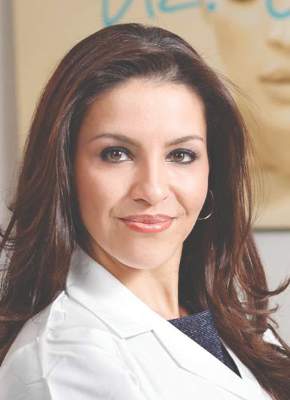
Dr. Talakoub and Dr. Wesley are co-contributors to a monthly Aesthetic Dermatology column in Dermatology News. Dr. Talakoub is in private practice in McLean, Va. Dr. Wesley practices dermatology in Beverly Hills, Calif. This month’s column is by Dr. Talakoub.
Cosmetic procedures in general should be postponed until after pregnancy. Factors to consider in a pregnant patient include the hormonal and physiologic changes of the patient during pregnancy, as well as the risk to the fetus.
Many dermatologic changes occur during a pregnancy. Pregnant women may develop hyperpigmentation, formation of vascular lesions and varicose veins, hirsutism, striae, acne, and increased skin growths. These changes may lead pregnant women to seek cosmetic treatments.
However, physiologic changes such as increased blood volume, decreased hematocrit, increased flushing, increased melanocyte stimulation, and decreased wound healing should prompt a delay of cosmetic procedures until 3-6 months after the postpartum period, when these factors return to normal and the risk of complications is reduced.
The safety of many cosmetic treatments during pregnancy remains unknown. This includes microdermabrasion, chemical peels, and laser treatments. Given the increased risk of postinflammatory hyperpigmentation, as well as poor wound healing and increased risk of hypertrophic and keloidal scarring in pregnancy, these procedures are often avoided.
The safety of injectable treatments during pregnancy, such as liquid sclerosants and fillers, has not been evaluated. However, the manufacturers list pregnancy and breastfeeding as contraindications to treatment. Neurotoxins are also avoided during pregnancy and breastfeeding, based on teratogenicity in animal studies. There have been no controlled trials in humans.
Though there have been incidental exposures of botulinum toxin in women who did not know they were pregnant, no documented reports of fetal anomaly during these incidental exposures has been reported. In addition, no studies have been conducted to evaluate whether the toxin is excreted in breast milk, or when it is safe to use neurotoxins, fillers, or liquid sclerosants prior to conception.
The 10 months of pregnancy and many months of nursing can be a long stretch to wait for women who get regular cosmetic treatments. The skin changes of pregnancy can be bothersome; however, the risks of complications to the mother and the fetus outweigh the transient benefits of cosmetic procedures. The hormonal and physiologic changes of pregnancy are widely different in each woman, and sometimes the long-term side effects and complications can be completely unpredictable. Thus, patience and thorough counseling are the best strategies for treating our pregnant and nursing moms.
References
Nussbaum, R. and Benedetto, A.V. Cosmetic aspects of pregnancy. Clinics in Dermatology 2006;24:133-41.
Morgan, J.C. et al. Botulinum Toxin and Pregnancy Skinmed 2006;5:308.
Monteiro, E. Botulinum toxin A during pregnancy: a survey of treating physicians. J. Neurol. Neurosurg. Psychiatry 2006;77:117-9.
Lee, K.C., et al. Safety of cosmetic dermatologic procedures during pregnancy. Dermatol. Surg. 2013;39:1573-86.
Goldberg, D. and Maloney, M. Dermatologic surgery and cosmetic procedures during pregnancy and the postpartum period. Dermatologic Therapy 2013;26:321-30.
Dr. Talakoub and Dr. Wesley are co-contributors to a monthly Aesthetic Dermatology column in Dermatology News. Dr. Talakoub is in private practice in McLean, Va. Dr. Wesley practices dermatology in Beverly Hills, Calif. This month’s column is by Dr. Talakoub.
Cosmetic procedures in general should be postponed until after pregnancy. Factors to consider in a pregnant patient include the hormonal and physiologic changes of the patient during pregnancy, as well as the risk to the fetus.
Many dermatologic changes occur during a pregnancy. Pregnant women may develop hyperpigmentation, formation of vascular lesions and varicose veins, hirsutism, striae, acne, and increased skin growths. These changes may lead pregnant women to seek cosmetic treatments.
However, physiologic changes such as increased blood volume, decreased hematocrit, increased flushing, increased melanocyte stimulation, and decreased wound healing should prompt a delay of cosmetic procedures until 3-6 months after the postpartum period, when these factors return to normal and the risk of complications is reduced.
The safety of many cosmetic treatments during pregnancy remains unknown. This includes microdermabrasion, chemical peels, and laser treatments. Given the increased risk of postinflammatory hyperpigmentation, as well as poor wound healing and increased risk of hypertrophic and keloidal scarring in pregnancy, these procedures are often avoided.
The safety of injectable treatments during pregnancy, such as liquid sclerosants and fillers, has not been evaluated. However, the manufacturers list pregnancy and breastfeeding as contraindications to treatment. Neurotoxins are also avoided during pregnancy and breastfeeding, based on teratogenicity in animal studies. There have been no controlled trials in humans.
Though there have been incidental exposures of botulinum toxin in women who did not know they were pregnant, no documented reports of fetal anomaly during these incidental exposures has been reported. In addition, no studies have been conducted to evaluate whether the toxin is excreted in breast milk, or when it is safe to use neurotoxins, fillers, or liquid sclerosants prior to conception.
The 10 months of pregnancy and many months of nursing can be a long stretch to wait for women who get regular cosmetic treatments. The skin changes of pregnancy can be bothersome; however, the risks of complications to the mother and the fetus outweigh the transient benefits of cosmetic procedures. The hormonal and physiologic changes of pregnancy are widely different in each woman, and sometimes the long-term side effects and complications can be completely unpredictable. Thus, patience and thorough counseling are the best strategies for treating our pregnant and nursing moms.
References
Nussbaum, R. and Benedetto, A.V. Cosmetic aspects of pregnancy. Clinics in Dermatology 2006;24:133-41.
Morgan, J.C. et al. Botulinum Toxin and Pregnancy Skinmed 2006;5:308.
Monteiro, E. Botulinum toxin A during pregnancy: a survey of treating physicians. J. Neurol. Neurosurg. Psychiatry 2006;77:117-9.
Lee, K.C., et al. Safety of cosmetic dermatologic procedures during pregnancy. Dermatol. Surg. 2013;39:1573-86.
Goldberg, D. and Maloney, M. Dermatologic surgery and cosmetic procedures during pregnancy and the postpartum period. Dermatologic Therapy 2013;26:321-30.
Dr. Talakoub and Dr. Wesley are co-contributors to a monthly Aesthetic Dermatology column in Dermatology News. Dr. Talakoub is in private practice in McLean, Va. Dr. Wesley practices dermatology in Beverly Hills, Calif. This month’s column is by Dr. Talakoub.

Are you a victim of the cognitive load theory?
My job recently changed to include some administrative responsibilities, so having done purely clinical work for my entire career as a physician, I thought it wise to begin broadening my horizons to learn how to best meet the new challenges ahead of me. Fortunately, not only was the Hospital Medicine 2015 conference just an hour’s drive away, it occurred just when I needed it most, within days of my taking on a new role.
Naturally, I opted for the Practice Management track this year since I will need a different skill set than I currently have. In the first session, called Case Studies in Improving Patient Experience, I learned about a patient named John, who had developed typical ischemic chest pain during a weekly tennis game with his wife. His doctors did everything right, or so they thought. They exceeded the national guidelines for each quality measure, including the time it took them to revascularize his blocked artery. John had no significant residual damage and within 2 weeks was back on the tennis courts.

But there had been a huge disconnect. His doctors practiced excellent medicine, yet John was displeased with his care. The hospital team had not communicated well with John during his hospital stay. A great success story seen through the eyes of his medical team was a great failure as seen through the eyes of John and his wife. The hospital team’s lack of communication trumped the fact that they had played a huge role in saving John’s life.
As a matter of fact, John and his wife were so distraught over their experience that they went to the hospital administration to express their concerns about how poorly they had been treated.
This story also was aired as part of a segment on National Public Radio. Some of the comments of listeners echoed the sentiments we hear often, such as “doctors don’t know how to communicate with patients” and “doctors don’t care.” While the former statement may be true in many cases, the latter couldn’t be further from the truth. We do care. Why else would we sacrifice so much of our lives to help others? There are certainly other careers that pay more than medicine, especially considering all the time and financial investment that go into becoming a physician.
So why is it that as intelligent as we are as a group, we often fall short of meeting the communication goals that are so important to our patients? Some believe – and I am one of them – that most physicians are examples of the cognitive load theory. Our brains are simply overloaded. This theory, developed by psychologist John Sweller in the 1980s, refers to the total amount of mental effort used in one’s working memory.
There are three types of cognitive load: intrinsic, extraneous, and germane. Intrinsic cognitive load refers to how much effort goes into a particular topic, and in the field of medicine, the complexity of the information we deal with is very high, as is our intrinsic load.
Extraneous cognitive load refers to how this information is presented to us. When the pager is incessantly beeping, a line of nurses is waiting to ask a question, you desperately need to get to the ED to admit a potential stroke patient, and you eye a family member anxiously pacing the hallway and waiting for a chance to speak with you, your brain is bombarded with a variety of complex issues coming in all directions. In short, your extraneous load is through the roof.
The germane cognitive load refers to the work you put into processing information and creating a permanent store of that knowledge, creating a schema, so to speak. For instance, after much experience, it has become relatively simple to classify a patient as having heart failure if he presents with bilateral leg edema, progressive shortness of breath, and crackles on exam.
Experience helps us with our germane cognitive load and sometimes we have little control over our intrinisic load, but there are many potential opportunities to organize our extraneous cognitive load into chunks that flow more seamlessly, make our workday run more smoothly, and free up mental energy and time to deal effectively with other important issues. We all have our personal preferences for how we like our workday to flow. Chances are, with a little creativity, we can have a significant impact on our own extraneous loads.
Getting back to John, he is just one of many patients who feel emotionally neglected, not respected, or not kept up to date regarding their statuses. Considering his doctors, they were probably overwhelmed with the load they were carrying; the responsibility for a life is something only medical professionals can fully grasp. I know there have been times when I too felt simply overwhelmed and unable to do every single thing that would have been good, but not crucial, to the goal of curing the patient. Had I managed my intrinisic load better, perhaps I would have been better equipped to spend more time talking to patients and their family members. I suspect I am not alone.
My job recently changed to include some administrative responsibilities, so having done purely clinical work for my entire career as a physician, I thought it wise to begin broadening my horizons to learn how to best meet the new challenges ahead of me. Fortunately, not only was the Hospital Medicine 2015 conference just an hour’s drive away, it occurred just when I needed it most, within days of my taking on a new role.
Naturally, I opted for the Practice Management track this year since I will need a different skill set than I currently have. In the first session, called Case Studies in Improving Patient Experience, I learned about a patient named John, who had developed typical ischemic chest pain during a weekly tennis game with his wife. His doctors did everything right, or so they thought. They exceeded the national guidelines for each quality measure, including the time it took them to revascularize his blocked artery. John had no significant residual damage and within 2 weeks was back on the tennis courts.
But there had been a huge disconnect. His doctors practiced excellent medicine, yet John was displeased with his care. The hospital team had not communicated well with John during his hospital stay. A great success story seen through the eyes of his medical team was a great failure as seen through the eyes of John and his wife. The hospital team’s lack of communication trumped the fact that they had played a huge role in saving John’s life.
As a matter of fact, John and his wife were so distraught over their experience that they went to the hospital administration to express their concerns about how poorly they had been treated.
This story also was aired as part of a segment on National Public Radio. Some of the comments of listeners echoed the sentiments we hear often, such as “doctors don’t know how to communicate with patients” and “doctors don’t care.” While the former statement may be true in many cases, the latter couldn’t be further from the truth. We do care. Why else would we sacrifice so much of our lives to help others? There are certainly other careers that pay more than medicine, especially considering all the time and financial investment that go into becoming a physician.
So why is it that as intelligent as we are as a group, we often fall short of meeting the communication goals that are so important to our patients? Some believe – and I am one of them – that most physicians are examples of the cognitive load theory. Our brains are simply overloaded. This theory, developed by psychologist John Sweller in the 1980s, refers to the total amount of mental effort used in one’s working memory.
There are three types of cognitive load: intrinsic, extraneous, and germane. Intrinsic cognitive load refers to how much effort goes into a particular topic, and in the field of medicine, the complexity of the information we deal with is very high, as is our intrinsic load.
Extraneous cognitive load refers to how this information is presented to us. When the pager is incessantly beeping, a line of nurses is waiting to ask a question, you desperately need to get to the ED to admit a potential stroke patient, and you eye a family member anxiously pacing the hallway and waiting for a chance to speak with you, your brain is bombarded with a variety of complex issues coming in all directions. In short, your extraneous load is through the roof.
The germane cognitive load refers to the work you put into processing information and creating a permanent store of that knowledge, creating a schema, so to speak. For instance, after much experience, it has become relatively simple to classify a patient as having heart failure if he presents with bilateral leg edema, progressive shortness of breath, and crackles on exam.
Experience helps us with our germane cognitive load and sometimes we have little control over our intrinisic load, but there are many potential opportunities to organize our extraneous cognitive load into chunks that flow more seamlessly, make our workday run more smoothly, and free up mental energy and time to deal effectively with other important issues. We all have our personal preferences for how we like our workday to flow. Chances are, with a little creativity, we can have a significant impact on our own extraneous loads.
Getting back to John, he is just one of many patients who feel emotionally neglected, not respected, or not kept up to date regarding their statuses. Considering his doctors, they were probably overwhelmed with the load they were carrying; the responsibility for a life is something only medical professionals can fully grasp. I know there have been times when I too felt simply overwhelmed and unable to do every single thing that would have been good, but not crucial, to the goal of curing the patient. Had I managed my intrinisic load better, perhaps I would have been better equipped to spend more time talking to patients and their family members. I suspect I am not alone.
My job recently changed to include some administrative responsibilities, so having done purely clinical work for my entire career as a physician, I thought it wise to begin broadening my horizons to learn how to best meet the new challenges ahead of me. Fortunately, not only was the Hospital Medicine 2015 conference just an hour’s drive away, it occurred just when I needed it most, within days of my taking on a new role.
Naturally, I opted for the Practice Management track this year since I will need a different skill set than I currently have. In the first session, called Case Studies in Improving Patient Experience, I learned about a patient named John, who had developed typical ischemic chest pain during a weekly tennis game with his wife. His doctors did everything right, or so they thought. They exceeded the national guidelines for each quality measure, including the time it took them to revascularize his blocked artery. John had no significant residual damage and within 2 weeks was back on the tennis courts.
But there had been a huge disconnect. His doctors practiced excellent medicine, yet John was displeased with his care. The hospital team had not communicated well with John during his hospital stay. A great success story seen through the eyes of his medical team was a great failure as seen through the eyes of John and his wife. The hospital team’s lack of communication trumped the fact that they had played a huge role in saving John’s life.
As a matter of fact, John and his wife were so distraught over their experience that they went to the hospital administration to express their concerns about how poorly they had been treated.
This story also was aired as part of a segment on National Public Radio. Some of the comments of listeners echoed the sentiments we hear often, such as “doctors don’t know how to communicate with patients” and “doctors don’t care.” While the former statement may be true in many cases, the latter couldn’t be further from the truth. We do care. Why else would we sacrifice so much of our lives to help others? There are certainly other careers that pay more than medicine, especially considering all the time and financial investment that go into becoming a physician.
So why is it that as intelligent as we are as a group, we often fall short of meeting the communication goals that are so important to our patients? Some believe – and I am one of them – that most physicians are examples of the cognitive load theory. Our brains are simply overloaded. This theory, developed by psychologist John Sweller in the 1980s, refers to the total amount of mental effort used in one’s working memory.
There are three types of cognitive load: intrinsic, extraneous, and germane. Intrinsic cognitive load refers to how much effort goes into a particular topic, and in the field of medicine, the complexity of the information we deal with is very high, as is our intrinsic load.
Extraneous cognitive load refers to how this information is presented to us. When the pager is incessantly beeping, a line of nurses is waiting to ask a question, you desperately need to get to the ED to admit a potential stroke patient, and you eye a family member anxiously pacing the hallway and waiting for a chance to speak with you, your brain is bombarded with a variety of complex issues coming in all directions. In short, your extraneous load is through the roof.
The germane cognitive load refers to the work you put into processing information and creating a permanent store of that knowledge, creating a schema, so to speak. For instance, after much experience, it has become relatively simple to classify a patient as having heart failure if he presents with bilateral leg edema, progressive shortness of breath, and crackles on exam.
Experience helps us with our germane cognitive load and sometimes we have little control over our intrinisic load, but there are many potential opportunities to organize our extraneous cognitive load into chunks that flow more seamlessly, make our workday run more smoothly, and free up mental energy and time to deal effectively with other important issues. We all have our personal preferences for how we like our workday to flow. Chances are, with a little creativity, we can have a significant impact on our own extraneous loads.
Getting back to John, he is just one of many patients who feel emotionally neglected, not respected, or not kept up to date regarding their statuses. Considering his doctors, they were probably overwhelmed with the load they were carrying; the responsibility for a life is something only medical professionals can fully grasp. I know there have been times when I too felt simply overwhelmed and unable to do every single thing that would have been good, but not crucial, to the goal of curing the patient. Had I managed my intrinisic load better, perhaps I would have been better equipped to spend more time talking to patients and their family members. I suspect I am not alone.

Letters from Maine: Defining quality
If you decided to read past the title of this column because you were expecting to hear me launch into a rant questioning how third-party payers or any credentialing group can honestly and fairly judge the quality of an individual physician by measuring the outcomes of his or her patients, I apologize. This column is about the quality of time, specifically the quality of time a parent spends with his or her child.
From an article in the Washington Post (“Making time for kids? Study says quality trumps quantity,” by Brigid Schulte, March 28, 2015), I learned of a study by Milkie et al. published in the Journal of Marriage and Family (“Does the Amount of Time Mothers Spend with Children or Adolescents Matter?” J. Marriage Family 2015;77:355-72) in which the researchers found that the amount of time a mother spent with her child was unrelated to the child’s behaviors, emotions, or academics. The only exception was during adolescence when more engaged maternal time was associated with better outcomes and fewer delinquent behaviors.

The sociologists who performed the study had observed in their previous research that working mothers today spend as much time with their children as did at-home mothers in the 1970s. This observation surprised them, but clearly fits with their current data that suggest that quantity doesn’t matter.
What did matter was quality. In fact, the authors found that if a mother was sleep deprived or felt guilty, anxious, or stressed, her time with her child could actually be “detrimental” to the child. The only factors that consistently had a positive impact on the child were maternal income and educational level.
Measuring the quantity of time a parent spends with his or her child is relatively easy. Assessing the quality of that time is much more difficult. The findings in this study won’t be of much help to a parent who wants to enhance the quality of time he or she spends with her child. Meeting the criteria of being mentally healthy, unstressed, well-slept, and economically stable is easier said than done. However, let’s say that you are a parent who is fortunate enough to be able to pull it off. Does this mean that just because you have your act together that your child is automatically going to get quality time?
I would answer, “No!” Because if we really want to know, let’s ask the child, because it is the child who should be defining the quality of time he spends with his parent. Unfortunately, many parents lose track of the child’s perspective when they are evaluating the time they spend together.
For example, you come home from a tough day at work and find that your 3½-year-old has been cooped up inside because the daycare provider didn’t want to take the kids out in the rain. It’s 40 degrees. It’s more than a light rain, but not a torrential downpour. Your son wants to go out and play in the puddles. Your plan for quality time had been to read one his favorite books to him for the umpteenth time before you start to fix dinner.
If we let the child define the quality of your time together, it means that both of you are going to get wet. Clothes will have to be changed, and the dinner that he wasn’t going to eat very much of anyway is going to be delayed a few minutes. But let’s face it – a few minutes out in the cold rain has the potential of being an event that one or both of you will remember for a long time. Is it going to have the educational value equivalent to the language skills your son will acquire from hearing multiple repetitions of the spoken word? Will it enhance his chances of being a competent reader? Probably not. But your son may learn that there is fun to be had outside on a rainy day. Or he may learn that 40 degrees is a little too cold be outside if it is raining. But he will certainly learn that you are someone who likes to share experiences with him and someone who is will to give him some say in what those experiences are.
A parent might argue that if I let my child choose the things we do together, it means we will always be watching cartoons. My response to that observation would be, “You’ve already made one mistake by letting him watch cartoons in the first place; let’s not make a second one. Give him healthier choices, and don’t impose your notion of quality on your time together.” Sometimes just standing by and watching your child enjoy himself is quality time for both of you.
Dr. Wilkoff practiced primary care pediatrics in Brunswick, Maine, for nearly 40 years. He has authored several books on behavioral pediatrics, including “Coping with a Picky Eater.”
If you decided to read past the title of this column because you were expecting to hear me launch into a rant questioning how third-party payers or any credentialing group can honestly and fairly judge the quality of an individual physician by measuring the outcomes of his or her patients, I apologize. This column is about the quality of time, specifically the quality of time a parent spends with his or her child.
From an article in the Washington Post (“Making time for kids? Study says quality trumps quantity,” by Brigid Schulte, March 28, 2015), I learned of a study by Milkie et al. published in the Journal of Marriage and Family (“Does the Amount of Time Mothers Spend with Children or Adolescents Matter?” J. Marriage Family 2015;77:355-72) in which the researchers found that the amount of time a mother spent with her child was unrelated to the child’s behaviors, emotions, or academics. The only exception was during adolescence when more engaged maternal time was associated with better outcomes and fewer delinquent behaviors.
The sociologists who performed the study had observed in their previous research that working mothers today spend as much time with their children as did at-home mothers in the 1970s. This observation surprised them, but clearly fits with their current data that suggest that quantity doesn’t matter.
What did matter was quality. In fact, the authors found that if a mother was sleep deprived or felt guilty, anxious, or stressed, her time with her child could actually be “detrimental” to the child. The only factors that consistently had a positive impact on the child were maternal income and educational level.
Measuring the quantity of time a parent spends with his or her child is relatively easy. Assessing the quality of that time is much more difficult. The findings in this study won’t be of much help to a parent who wants to enhance the quality of time he or she spends with her child. Meeting the criteria of being mentally healthy, unstressed, well-slept, and economically stable is easier said than done. However, let’s say that you are a parent who is fortunate enough to be able to pull it off. Does this mean that just because you have your act together that your child is automatically going to get quality time?
I would answer, “No!” Because if we really want to know, let’s ask the child, because it is the child who should be defining the quality of time he spends with his parent. Unfortunately, many parents lose track of the child’s perspective when they are evaluating the time they spend together.
For example, you come home from a tough day at work and find that your 3½-year-old has been cooped up inside because the daycare provider didn’t want to take the kids out in the rain. It’s 40 degrees. It’s more than a light rain, but not a torrential downpour. Your son wants to go out and play in the puddles. Your plan for quality time had been to read one his favorite books to him for the umpteenth time before you start to fix dinner.
If we let the child define the quality of your time together, it means that both of you are going to get wet. Clothes will have to be changed, and the dinner that he wasn’t going to eat very much of anyway is going to be delayed a few minutes. But let’s face it – a few minutes out in the cold rain has the potential of being an event that one or both of you will remember for a long time. Is it going to have the educational value equivalent to the language skills your son will acquire from hearing multiple repetitions of the spoken word? Will it enhance his chances of being a competent reader? Probably not. But your son may learn that there is fun to be had outside on a rainy day. Or he may learn that 40 degrees is a little too cold be outside if it is raining. But he will certainly learn that you are someone who likes to share experiences with him and someone who is will to give him some say in what those experiences are.
A parent might argue that if I let my child choose the things we do together, it means we will always be watching cartoons. My response to that observation would be, “You’ve already made one mistake by letting him watch cartoons in the first place; let’s not make a second one. Give him healthier choices, and don’t impose your notion of quality on your time together.” Sometimes just standing by and watching your child enjoy himself is quality time for both of you.
Dr. Wilkoff practiced primary care pediatrics in Brunswick, Maine, for nearly 40 years. He has authored several books on behavioral pediatrics, including “Coping with a Picky Eater.”
If you decided to read past the title of this column because you were expecting to hear me launch into a rant questioning how third-party payers or any credentialing group can honestly and fairly judge the quality of an individual physician by measuring the outcomes of his or her patients, I apologize. This column is about the quality of time, specifically the quality of time a parent spends with his or her child.
From an article in the Washington Post (“Making time for kids? Study says quality trumps quantity,” by Brigid Schulte, March 28, 2015), I learned of a study by Milkie et al. published in the Journal of Marriage and Family (“Does the Amount of Time Mothers Spend with Children or Adolescents Matter?” J. Marriage Family 2015;77:355-72) in which the researchers found that the amount of time a mother spent with her child was unrelated to the child’s behaviors, emotions, or academics. The only exception was during adolescence when more engaged maternal time was associated with better outcomes and fewer delinquent behaviors.
The sociologists who performed the study had observed in their previous research that working mothers today spend as much time with their children as did at-home mothers in the 1970s. This observation surprised them, but clearly fits with their current data that suggest that quantity doesn’t matter.
What did matter was quality. In fact, the authors found that if a mother was sleep deprived or felt guilty, anxious, or stressed, her time with her child could actually be “detrimental” to the child. The only factors that consistently had a positive impact on the child were maternal income and educational level.
Measuring the quantity of time a parent spends with his or her child is relatively easy. Assessing the quality of that time is much more difficult. The findings in this study won’t be of much help to a parent who wants to enhance the quality of time he or she spends with her child. Meeting the criteria of being mentally healthy, unstressed, well-slept, and economically stable is easier said than done. However, let’s say that you are a parent who is fortunate enough to be able to pull it off. Does this mean that just because you have your act together that your child is automatically going to get quality time?
I would answer, “No!” Because if we really want to know, let’s ask the child, because it is the child who should be defining the quality of time he spends with his parent. Unfortunately, many parents lose track of the child’s perspective when they are evaluating the time they spend together.
For example, you come home from a tough day at work and find that your 3½-year-old has been cooped up inside because the daycare provider didn’t want to take the kids out in the rain. It’s 40 degrees. It’s more than a light rain, but not a torrential downpour. Your son wants to go out and play in the puddles. Your plan for quality time had been to read one his favorite books to him for the umpteenth time before you start to fix dinner.
If we let the child define the quality of your time together, it means that both of you are going to get wet. Clothes will have to be changed, and the dinner that he wasn’t going to eat very much of anyway is going to be delayed a few minutes. But let’s face it – a few minutes out in the cold rain has the potential of being an event that one or both of you will remember for a long time. Is it going to have the educational value equivalent to the language skills your son will acquire from hearing multiple repetitions of the spoken word? Will it enhance his chances of being a competent reader? Probably not. But your son may learn that there is fun to be had outside on a rainy day. Or he may learn that 40 degrees is a little too cold be outside if it is raining. But he will certainly learn that you are someone who likes to share experiences with him and someone who is will to give him some say in what those experiences are.
A parent might argue that if I let my child choose the things we do together, it means we will always be watching cartoons. My response to that observation would be, “You’ve already made one mistake by letting him watch cartoons in the first place; let’s not make a second one. Give him healthier choices, and don’t impose your notion of quality on your time together.” Sometimes just standing by and watching your child enjoy himself is quality time for both of you.
Dr. Wilkoff practiced primary care pediatrics in Brunswick, Maine, for nearly 40 years. He has authored several books on behavioral pediatrics, including “Coping with a Picky Eater.”

How Can Dermatologists Help Dermatopathologists Work “Smarter” for Them?
In dermatology and dermatopathology, some histologic diagnoses are incontrovertible and reveal features that are readily diagnostic; however, in many cases clinical correlation is essential, as many diseases have similar histologic reaction patterns and the correct diagnosis is based on additional clinical information. Accuracy of diagnosis has been shown to improve when cases were evaluated at a clinical conference where histology and clinical features were correlated or when digital clinical photographs were evaluated with histologic findings.1
Because clinical features usually are not available to the dermatopathologist when evaluating histologic specimens, he/she must rely on the information provided by the referring clinician on the pathology requisition form. It is important for clinicians to include as much information as is reasonably possible on the form in a legible fashion. If the specimen is a pigmented lesion, it should be described by its diameter and any additional information that is available, such as dermoscopic findings. If the process is an eruption, the extent, distribution, color, duration, symptoms, and any other relevant information should be provided.
Clinicians should always avoid “cryptic” allusions. Occasionally, dermatopathologists receive biopsy specimens with no information other than to rule out leukemia cutis. There is obviously more to that story. Do not expect the dermatopathologist to be a mind reader. We appreciate a request when a clinician wants a special stain or a margin rather than assuming we know when those are desired. We also would prefer for margin requests not to be made in an automatic manner when it does not matter whether the process involves the margins, such as in inflammatory conditions.
One should not dilute the value of the clinical impression. For example, do not write “rule out melanoma” for all pigmented lesions or “neoplasm of uncertain behavior” for all cutaneous neoplasms. If there is a prior biopsy, submit the prior number and the diagnosis if possible. Fill out all demographic information (eg, sex, race, age) and other important information such as pregnancy status, medication history, underlying condition, or history of neoplasia, as they all have bearing on the diagnosis.
Inflammatory skin diseases can be challenging to diagnose, as classic examples described in textbooks usually are not sampled. Consider performing more than one biopsy from lesions at different stages of evolution or from different body sites. In difficult cases, bring the patient to a conference, send the patient for consultation, or submit a clinical photograph or digital image. It also may be beneficial to call and discuss the case with the dermatopathologist. If the diagnosis does not make sense, ask for recuts, special stains, or a second expert opinion.
Regarding the biopsy process itself, always harvest a good piece of tissue and place it into the proper medium for the appropriate test. Formalin solution 10% is used for routine specimens, while Michel’s transport medium and saline are used for immunofluorescence studies. Make sure the specimen is floating in the liquid, as specimens may adhere to the side of the bottle or the lid. Beware of specimens remaining on a scalpel blade or within the barrel of a punch before inadvertently submitting a bottle containing no material. Also be sure to fill out the information on the bottle label, as the bottle and requisition form may get separated. Do not write on the lid in case it happens to come off.
It also is important not to put more than 1 specimen in the same bottle, especially when dealing with multiple different neoplasms. A possible reasonable exception is multiple skin tags, but note in the chart that you are submitting representative specimens. Beware of throwing away tissue instead of submitting it for biopsy whenever something is removed from the skin.
Keep a biopsy logbook or other records and review all pathology reports systematically. Communicate with the laboratory to check on the status of a biopsy if results are not back as soon as expected to ensure that there is not an inadvertent problem. Legal action can result if the patient is not notified in a timely fashion or if treatment is delayed. If the patient does not follow-up in a timely fashion, a certified letter should be sent to the patient.
Extremely small specimens (ie, <1 mm in diameter) or friable specimens may not survive processing. Occasionally, a specimen gets lost, either on the way to the laboratory or otherwise. If there is still a neoplasm at the site or the patient has a widespread process, another biopsy can be performed. My laboratory has a policy of not charging the patient given the circumstances. If nothing is left at the site and it is a neoplasm that could possibly have been malignant, a reasonable approach would be to conservatively re-excise the area and document everything in the medical record.
Regarding biopsy technique, punches of broad neoplasms, especially possible melanoma, may give false-negative results, which includes sampling the darkest area, a practice thought to be more sensitive at detecting malignancy. In actuality, it may be an area of hemorrhage, an associated solar lentigo, or a seborrheic keratosis. Furthermore, this may produce the phenomenon of “biopsy sculpture,” turning a large asymmetrical neoplasm into a smaller sample that looks symmetrical and more benign than it actually is. If a punch biopsy is performed, it should be a broad punch (ie, >5 mm in diameter) or the entire lesion should be punched out, which represents an excision. Multiple small punches are not optimal, as a broad specimen that provides a panoramic view of the entire process is preferable. Although incision or excision specimens are excellent, they often are impractical; rather, a broad saucerization biopsy is an excellent method that provides a representative specimen in the majority of cases.
Shave specimens of inflammatory processes do not sample the lower dermis or subcutis and often are inadequate, leading to reports of “tissue insufficient for diagnosis” or “descriptive” rather than specific diagnoses. Inadequate biopsies increase expenses as well as patient inconvenience and anger. In my laboratory, we teach residents to treat the biopsy as a treasure. Some clinicians think that performing a biopsy is analogous to doing a blood test and that any tissue at all will be sufficient for a diagnosis to be rendered; however, small curettings or tiny fragments of tissue often are inadequate and place both the clinician and the pathologist at medicolegal risk.
Clinicians requesting margins on shave biopsies must understand that they are not equivalent to margins reported on elliptical excision specimens or those performed using Mohs micrographic surgery. The pathologist can only report that a neoplasm removed by shave technique “seems to be removed in these sections,” as it cannot be determined with certainty that the lesion has been completely removed using this technique.
All biopsies are prone to sampling error. Dermatopathologists often put a note on a report saying that if this specimen represents part of a larger lesion, clinical correlation is recommended to exclude sampling error, which should be known by clinicians. It is extremely risky to ask for margins on a melanoma biopsy, and one should never assume a shave biopsy of a melanoma is adequate treatment.
If a clinician is clinically concerned about a diagnosis, especially melanoma, and the histologic diagnosis is benign, it is recommended that the lesion be excised nonetheless. A final diagnosis depends on a number of clinical, histological, historical, and genetic elements and possibly others. In some cases, the clinical diagnosis is more important than the histologic diagnosis. Clinicians should always feel free to call their dermatopathologist, ask questions, and refute a diagnosis. The dermatopathologist seeks to arrive at the best diagnosis for the patient, not to be “right.”
Diagnoses should be simple and differential diagnoses few. The longer the report and the more stains that are performed, generally the less is known about the diagnosis. Diagnoses should be rendered in terms easily understood by clinical dermatologists. Get a consultant dermatopathologist that you know and trust.
Reference
1. Cerroni L, Argenyi Z, Cerio R, et al. Influence of evaluation of clinical pictures on the histopathologic diagnosis of inflammatory skin diseases. J Am Acad Dermatol. 2010;63:647-652.
In dermatology and dermatopathology, some histologic diagnoses are incontrovertible and reveal features that are readily diagnostic; however, in many cases clinical correlation is essential, as many diseases have similar histologic reaction patterns and the correct diagnosis is based on additional clinical information. Accuracy of diagnosis has been shown to improve when cases were evaluated at a clinical conference where histology and clinical features were correlated or when digital clinical photographs were evaluated with histologic findings.1
Because clinical features usually are not available to the dermatopathologist when evaluating histologic specimens, he/she must rely on the information provided by the referring clinician on the pathology requisition form. It is important for clinicians to include as much information as is reasonably possible on the form in a legible fashion. If the specimen is a pigmented lesion, it should be described by its diameter and any additional information that is available, such as dermoscopic findings. If the process is an eruption, the extent, distribution, color, duration, symptoms, and any other relevant information should be provided.
Clinicians should always avoid “cryptic” allusions. Occasionally, dermatopathologists receive biopsy specimens with no information other than to rule out leukemia cutis. There is obviously more to that story. Do not expect the dermatopathologist to be a mind reader. We appreciate a request when a clinician wants a special stain or a margin rather than assuming we know when those are desired. We also would prefer for margin requests not to be made in an automatic manner when it does not matter whether the process involves the margins, such as in inflammatory conditions.
One should not dilute the value of the clinical impression. For example, do not write “rule out melanoma” for all pigmented lesions or “neoplasm of uncertain behavior” for all cutaneous neoplasms. If there is a prior biopsy, submit the prior number and the diagnosis if possible. Fill out all demographic information (eg, sex, race, age) and other important information such as pregnancy status, medication history, underlying condition, or history of neoplasia, as they all have bearing on the diagnosis.
Inflammatory skin diseases can be challenging to diagnose, as classic examples described in textbooks usually are not sampled. Consider performing more than one biopsy from lesions at different stages of evolution or from different body sites. In difficult cases, bring the patient to a conference, send the patient for consultation, or submit a clinical photograph or digital image. It also may be beneficial to call and discuss the case with the dermatopathologist. If the diagnosis does not make sense, ask for recuts, special stains, or a second expert opinion.
Regarding the biopsy process itself, always harvest a good piece of tissue and place it into the proper medium for the appropriate test. Formalin solution 10% is used for routine specimens, while Michel’s transport medium and saline are used for immunofluorescence studies. Make sure the specimen is floating in the liquid, as specimens may adhere to the side of the bottle or the lid. Beware of specimens remaining on a scalpel blade or within the barrel of a punch before inadvertently submitting a bottle containing no material. Also be sure to fill out the information on the bottle label, as the bottle and requisition form may get separated. Do not write on the lid in case it happens to come off.
It also is important not to put more than 1 specimen in the same bottle, especially when dealing with multiple different neoplasms. A possible reasonable exception is multiple skin tags, but note in the chart that you are submitting representative specimens. Beware of throwing away tissue instead of submitting it for biopsy whenever something is removed from the skin.
Keep a biopsy logbook or other records and review all pathology reports systematically. Communicate with the laboratory to check on the status of a biopsy if results are not back as soon as expected to ensure that there is not an inadvertent problem. Legal action can result if the patient is not notified in a timely fashion or if treatment is delayed. If the patient does not follow-up in a timely fashion, a certified letter should be sent to the patient.
Extremely small specimens (ie, <1 mm in diameter) or friable specimens may not survive processing. Occasionally, a specimen gets lost, either on the way to the laboratory or otherwise. If there is still a neoplasm at the site or the patient has a widespread process, another biopsy can be performed. My laboratory has a policy of not charging the patient given the circumstances. If nothing is left at the site and it is a neoplasm that could possibly have been malignant, a reasonable approach would be to conservatively re-excise the area and document everything in the medical record.
Regarding biopsy technique, punches of broad neoplasms, especially possible melanoma, may give false-negative results, which includes sampling the darkest area, a practice thought to be more sensitive at detecting malignancy. In actuality, it may be an area of hemorrhage, an associated solar lentigo, or a seborrheic keratosis. Furthermore, this may produce the phenomenon of “biopsy sculpture,” turning a large asymmetrical neoplasm into a smaller sample that looks symmetrical and more benign than it actually is. If a punch biopsy is performed, it should be a broad punch (ie, >5 mm in diameter) or the entire lesion should be punched out, which represents an excision. Multiple small punches are not optimal, as a broad specimen that provides a panoramic view of the entire process is preferable. Although incision or excision specimens are excellent, they often are impractical; rather, a broad saucerization biopsy is an excellent method that provides a representative specimen in the majority of cases.
Shave specimens of inflammatory processes do not sample the lower dermis or subcutis and often are inadequate, leading to reports of “tissue insufficient for diagnosis” or “descriptive” rather than specific diagnoses. Inadequate biopsies increase expenses as well as patient inconvenience and anger. In my laboratory, we teach residents to treat the biopsy as a treasure. Some clinicians think that performing a biopsy is analogous to doing a blood test and that any tissue at all will be sufficient for a diagnosis to be rendered; however, small curettings or tiny fragments of tissue often are inadequate and place both the clinician and the pathologist at medicolegal risk.
Clinicians requesting margins on shave biopsies must understand that they are not equivalent to margins reported on elliptical excision specimens or those performed using Mohs micrographic surgery. The pathologist can only report that a neoplasm removed by shave technique “seems to be removed in these sections,” as it cannot be determined with certainty that the lesion has been completely removed using this technique.
All biopsies are prone to sampling error. Dermatopathologists often put a note on a report saying that if this specimen represents part of a larger lesion, clinical correlation is recommended to exclude sampling error, which should be known by clinicians. It is extremely risky to ask for margins on a melanoma biopsy, and one should never assume a shave biopsy of a melanoma is adequate treatment.
If a clinician is clinically concerned about a diagnosis, especially melanoma, and the histologic diagnosis is benign, it is recommended that the lesion be excised nonetheless. A final diagnosis depends on a number of clinical, histological, historical, and genetic elements and possibly others. In some cases, the clinical diagnosis is more important than the histologic diagnosis. Clinicians should always feel free to call their dermatopathologist, ask questions, and refute a diagnosis. The dermatopathologist seeks to arrive at the best diagnosis for the patient, not to be “right.”
Diagnoses should be simple and differential diagnoses few. The longer the report and the more stains that are performed, generally the less is known about the diagnosis. Diagnoses should be rendered in terms easily understood by clinical dermatologists. Get a consultant dermatopathologist that you know and trust.
In dermatology and dermatopathology, some histologic diagnoses are incontrovertible and reveal features that are readily diagnostic; however, in many cases clinical correlation is essential, as many diseases have similar histologic reaction patterns and the correct diagnosis is based on additional clinical information. Accuracy of diagnosis has been shown to improve when cases were evaluated at a clinical conference where histology and clinical features were correlated or when digital clinical photographs were evaluated with histologic findings.1
Because clinical features usually are not available to the dermatopathologist when evaluating histologic specimens, he/she must rely on the information provided by the referring clinician on the pathology requisition form. It is important for clinicians to include as much information as is reasonably possible on the form in a legible fashion. If the specimen is a pigmented lesion, it should be described by its diameter and any additional information that is available, such as dermoscopic findings. If the process is an eruption, the extent, distribution, color, duration, symptoms, and any other relevant information should be provided.
Clinicians should always avoid “cryptic” allusions. Occasionally, dermatopathologists receive biopsy specimens with no information other than to rule out leukemia cutis. There is obviously more to that story. Do not expect the dermatopathologist to be a mind reader. We appreciate a request when a clinician wants a special stain or a margin rather than assuming we know when those are desired. We also would prefer for margin requests not to be made in an automatic manner when it does not matter whether the process involves the margins, such as in inflammatory conditions.
One should not dilute the value of the clinical impression. For example, do not write “rule out melanoma” for all pigmented lesions or “neoplasm of uncertain behavior” for all cutaneous neoplasms. If there is a prior biopsy, submit the prior number and the diagnosis if possible. Fill out all demographic information (eg, sex, race, age) and other important information such as pregnancy status, medication history, underlying condition, or history of neoplasia, as they all have bearing on the diagnosis.
Inflammatory skin diseases can be challenging to diagnose, as classic examples described in textbooks usually are not sampled. Consider performing more than one biopsy from lesions at different stages of evolution or from different body sites. In difficult cases, bring the patient to a conference, send the patient for consultation, or submit a clinical photograph or digital image. It also may be beneficial to call and discuss the case with the dermatopathologist. If the diagnosis does not make sense, ask for recuts, special stains, or a second expert opinion.
Regarding the biopsy process itself, always harvest a good piece of tissue and place it into the proper medium for the appropriate test. Formalin solution 10% is used for routine specimens, while Michel’s transport medium and saline are used for immunofluorescence studies. Make sure the specimen is floating in the liquid, as specimens may adhere to the side of the bottle or the lid. Beware of specimens remaining on a scalpel blade or within the barrel of a punch before inadvertently submitting a bottle containing no material. Also be sure to fill out the information on the bottle label, as the bottle and requisition form may get separated. Do not write on the lid in case it happens to come off.
It also is important not to put more than 1 specimen in the same bottle, especially when dealing with multiple different neoplasms. A possible reasonable exception is multiple skin tags, but note in the chart that you are submitting representative specimens. Beware of throwing away tissue instead of submitting it for biopsy whenever something is removed from the skin.
Keep a biopsy logbook or other records and review all pathology reports systematically. Communicate with the laboratory to check on the status of a biopsy if results are not back as soon as expected to ensure that there is not an inadvertent problem. Legal action can result if the patient is not notified in a timely fashion or if treatment is delayed. If the patient does not follow-up in a timely fashion, a certified letter should be sent to the patient.
Extremely small specimens (ie, <1 mm in diameter) or friable specimens may not survive processing. Occasionally, a specimen gets lost, either on the way to the laboratory or otherwise. If there is still a neoplasm at the site or the patient has a widespread process, another biopsy can be performed. My laboratory has a policy of not charging the patient given the circumstances. If nothing is left at the site and it is a neoplasm that could possibly have been malignant, a reasonable approach would be to conservatively re-excise the area and document everything in the medical record.
Regarding biopsy technique, punches of broad neoplasms, especially possible melanoma, may give false-negative results, which includes sampling the darkest area, a practice thought to be more sensitive at detecting malignancy. In actuality, it may be an area of hemorrhage, an associated solar lentigo, or a seborrheic keratosis. Furthermore, this may produce the phenomenon of “biopsy sculpture,” turning a large asymmetrical neoplasm into a smaller sample that looks symmetrical and more benign than it actually is. If a punch biopsy is performed, it should be a broad punch (ie, >5 mm in diameter) or the entire lesion should be punched out, which represents an excision. Multiple small punches are not optimal, as a broad specimen that provides a panoramic view of the entire process is preferable. Although incision or excision specimens are excellent, they often are impractical; rather, a broad saucerization biopsy is an excellent method that provides a representative specimen in the majority of cases.
Shave specimens of inflammatory processes do not sample the lower dermis or subcutis and often are inadequate, leading to reports of “tissue insufficient for diagnosis” or “descriptive” rather than specific diagnoses. Inadequate biopsies increase expenses as well as patient inconvenience and anger. In my laboratory, we teach residents to treat the biopsy as a treasure. Some clinicians think that performing a biopsy is analogous to doing a blood test and that any tissue at all will be sufficient for a diagnosis to be rendered; however, small curettings or tiny fragments of tissue often are inadequate and place both the clinician and the pathologist at medicolegal risk.
Clinicians requesting margins on shave biopsies must understand that they are not equivalent to margins reported on elliptical excision specimens or those performed using Mohs micrographic surgery. The pathologist can only report that a neoplasm removed by shave technique “seems to be removed in these sections,” as it cannot be determined with certainty that the lesion has been completely removed using this technique.
All biopsies are prone to sampling error. Dermatopathologists often put a note on a report saying that if this specimen represents part of a larger lesion, clinical correlation is recommended to exclude sampling error, which should be known by clinicians. It is extremely risky to ask for margins on a melanoma biopsy, and one should never assume a shave biopsy of a melanoma is adequate treatment.
If a clinician is clinically concerned about a diagnosis, especially melanoma, and the histologic diagnosis is benign, it is recommended that the lesion be excised nonetheless. A final diagnosis depends on a number of clinical, histological, historical, and genetic elements and possibly others. In some cases, the clinical diagnosis is more important than the histologic diagnosis. Clinicians should always feel free to call their dermatopathologist, ask questions, and refute a diagnosis. The dermatopathologist seeks to arrive at the best diagnosis for the patient, not to be “right.”
Diagnoses should be simple and differential diagnoses few. The longer the report and the more stains that are performed, generally the less is known about the diagnosis. Diagnoses should be rendered in terms easily understood by clinical dermatologists. Get a consultant dermatopathologist that you know and trust.
Reference
1. Cerroni L, Argenyi Z, Cerio R, et al. Influence of evaluation of clinical pictures on the histopathologic diagnosis of inflammatory skin diseases. J Am Acad Dermatol. 2010;63:647-652.
Reference
1. Cerroni L, Argenyi Z, Cerio R, et al. Influence of evaluation of clinical pictures on the histopathologic diagnosis of inflammatory skin diseases. J Am Acad Dermatol. 2010;63:647-652.

The intersection between pediatrics and addiction medicine
Of the 3,363 physicians who have been certified by the American Board of Addiction Medicine (ABAM) in the subspecialty of addiction medicine, about 1% have listed pediatrics as their primary specialty. Given the potentially life-threatening substance abuse problems that we see in adolescents today, this is a troubling reality.
As pediatricians, we all understand the importance of disease prevention and early detection. We take comprehensive histories and perform exhaustive physical exams. We ensure that our patients are up to date on vaccinations, and provide anticipatory guidance about child development and safety. We offer an array of interventions to keep patients well and treat illness early.
Both biomedical research and epidemiology now show that we can significantly lessen the prevalence and impact of risky drug use and addiction in adults by focusing on prevention in youth. All physicians know that adolescence is a time of great vulnerability, but it is a particularly dangerous time for the disease of addiction. Equipping physicians with a skill set for recognition and educating them about treatment options are of vital importance to combating the epidemic of adolescent substance abuse.
Research in substance abuse has been extensive and has consistently shown that the adolescent brain is uniquely sensitive to the effects of nicotine, alcohol, and other drugs. Current studies shows that 90% or more of addicted adults began drug use between the ages of 12 and 21 years. It is clear that if drug use can be avoided in youth, the incidence of addiction and its consequences can be sharply reduced in the adult population.
With these facts in mind, the American Academy of Pediatrics Committee on Substance Abuse recommends that pediatricians be knowledgeable about the prevalence, patterns, cultural differences, and health consequences of substance use in their communities; incorporate substance use prevention into anticipatory guidance at office visits; be aware of the signs and symptoms of substance use and their association with other risky behaviors; and be able to screen for and evaluate the nature and extent of substance use among patients and their families. The AAP guidelines also recommend that pediatricians become knowledgeable about community services for evaluation, referral, and treatment of substance use disorders, and be available to provide aftercare for adolescent patients completing substance use treatment programs and assist in their reintegration into the community.
These are very well reasoned and laudable goals, yet how are pediatricians going to acquire the skills and knowledge to achieve them? Currently, relatively few physicians screen, intervene, or refer, because they have not been sufficiently educated about addiction medicine in medical school, nor trained in residencies. Until the establishment of ABAM, one barrier to this training was the lack of an addiction medicine subspecialty for primary care physicians. A subspecialty of addiction psychiatry exists within the field of psychiatry, although this does not provide the opportunity for addiction certification for physicians in other primary specialties. While there are excellent addiction psychiatry fellowships, there are no addiction medicine residencies for physicians pursuing primary care specialties among the 9,262 Accreditation Council for Graduate Medical Education (ACGME) accredited U.S. programs that are training 119,588 residents. The ABAM Foundation has worked to remedy this by certifying postresidency addiction medicine fellowship programs at leading medical schools across North America. The fellowships are based on the foundation’s national guidelines, Program Requirements for Graduate Medical Education in Addiction Medicine. These requirements are consistent with ACGME standards.
While addiction disorders account for a staggering amount of primary care visits in the United States, formal courses in addiction medicine are largely absent from most medical school curricula. I was fortunate during my own medical education at Tulane to volunteer at a local homeless shelter that served many patients with substance abuse problems. Following medical school, I completed an internship in internal medicine at Georgetown University Hospital, but I soon realized that my true love was pediatrics. I re-entered the residency match and completed my pediatrics residency at New York-Presbyterian Hospital/Weill Cornell Medical College.
Working with adolescents proved to be most enlightening and inspiring, and I felt myself drawn to the unique clinical crossroads of psychiatry, addiction, and pediatrics. I soon learned that there was a formal path for certification and for postgraduate training in addiction medicine. After finishing my residency, I completed a fellowship in addiction medicine at The Addiction Institute of New York at St. Luke’s and Roosevelt Hospitals (then affiliated with the Columbia University College of Physicians & Surgeons; now affiliated with Mount Sinai’s Icahn School of Medicine). Following fellowship, I took the ABAM certification exam and became ABAM board certified in addiction medicine. While it is not necessary to complete an addiction medicine fellowship in order to qualify for or pass the ABAM examination, I certainly feel that my fellowship was a worthwhile endeavor. After my fellowship, I was hired as associate director, and I am now director of the Addiction Institute’s fellowship program.
A decade ago when I was in medical school, the opioid pandemic among American children represented a gathering storm. It has now become an all-encompassing and uniquely lethal deluge. Well over half of the substance use disorders that I see in my practice are opioid use disorders – with the typical progression being prescription opioid pills to heroin. As pediatricians, combating this pandemic is the calling of our time. We must educate ourselves about substance use disorders, particularly opioid use disorders. We must equip ourselves with screening techniques and become facile with evidence-based pharmacotherapies and psychosocial interventions. Undertaking ABAM fellowship training or becoming ABAM certified can be invaluable first steps.
For information on the ABAM certification exam, please visit www.abam.net. To learn more about ABAM Foundation fellowship programs, go to www.abamfoundation.org.
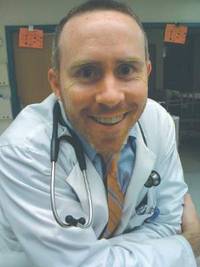
Dr. Brennan serves as an attending physician and director of the fellowship in addiction medicine at The Addiction Institute of New York – Mount Sinai Health System. He is board certified in pediatrics and addiction medicine. Dr. Brennan said he had no relevant financial disclosures.
Of the 3,363 physicians who have been certified by the American Board of Addiction Medicine (ABAM) in the subspecialty of addiction medicine, about 1% have listed pediatrics as their primary specialty. Given the potentially life-threatening substance abuse problems that we see in adolescents today, this is a troubling reality.
As pediatricians, we all understand the importance of disease prevention and early detection. We take comprehensive histories and perform exhaustive physical exams. We ensure that our patients are up to date on vaccinations, and provide anticipatory guidance about child development and safety. We offer an array of interventions to keep patients well and treat illness early.
Both biomedical research and epidemiology now show that we can significantly lessen the prevalence and impact of risky drug use and addiction in adults by focusing on prevention in youth. All physicians know that adolescence is a time of great vulnerability, but it is a particularly dangerous time for the disease of addiction. Equipping physicians with a skill set for recognition and educating them about treatment options are of vital importance to combating the epidemic of adolescent substance abuse.
Research in substance abuse has been extensive and has consistently shown that the adolescent brain is uniquely sensitive to the effects of nicotine, alcohol, and other drugs. Current studies shows that 90% or more of addicted adults began drug use between the ages of 12 and 21 years. It is clear that if drug use can be avoided in youth, the incidence of addiction and its consequences can be sharply reduced in the adult population.
With these facts in mind, the American Academy of Pediatrics Committee on Substance Abuse recommends that pediatricians be knowledgeable about the prevalence, patterns, cultural differences, and health consequences of substance use in their communities; incorporate substance use prevention into anticipatory guidance at office visits; be aware of the signs and symptoms of substance use and their association with other risky behaviors; and be able to screen for and evaluate the nature and extent of substance use among patients and their families. The AAP guidelines also recommend that pediatricians become knowledgeable about community services for evaluation, referral, and treatment of substance use disorders, and be available to provide aftercare for adolescent patients completing substance use treatment programs and assist in their reintegration into the community.
These are very well reasoned and laudable goals, yet how are pediatricians going to acquire the skills and knowledge to achieve them? Currently, relatively few physicians screen, intervene, or refer, because they have not been sufficiently educated about addiction medicine in medical school, nor trained in residencies. Until the establishment of ABAM, one barrier to this training was the lack of an addiction medicine subspecialty for primary care physicians. A subspecialty of addiction psychiatry exists within the field of psychiatry, although this does not provide the opportunity for addiction certification for physicians in other primary specialties. While there are excellent addiction psychiatry fellowships, there are no addiction medicine residencies for physicians pursuing primary care specialties among the 9,262 Accreditation Council for Graduate Medical Education (ACGME) accredited U.S. programs that are training 119,588 residents. The ABAM Foundation has worked to remedy this by certifying postresidency addiction medicine fellowship programs at leading medical schools across North America. The fellowships are based on the foundation’s national guidelines, Program Requirements for Graduate Medical Education in Addiction Medicine. These requirements are consistent with ACGME standards.
While addiction disorders account for a staggering amount of primary care visits in the United States, formal courses in addiction medicine are largely absent from most medical school curricula. I was fortunate during my own medical education at Tulane to volunteer at a local homeless shelter that served many patients with substance abuse problems. Following medical school, I completed an internship in internal medicine at Georgetown University Hospital, but I soon realized that my true love was pediatrics. I re-entered the residency match and completed my pediatrics residency at New York-Presbyterian Hospital/Weill Cornell Medical College.
Working with adolescents proved to be most enlightening and inspiring, and I felt myself drawn to the unique clinical crossroads of psychiatry, addiction, and pediatrics. I soon learned that there was a formal path for certification and for postgraduate training in addiction medicine. After finishing my residency, I completed a fellowship in addiction medicine at The Addiction Institute of New York at St. Luke’s and Roosevelt Hospitals (then affiliated with the Columbia University College of Physicians & Surgeons; now affiliated with Mount Sinai’s Icahn School of Medicine). Following fellowship, I took the ABAM certification exam and became ABAM board certified in addiction medicine. While it is not necessary to complete an addiction medicine fellowship in order to qualify for or pass the ABAM examination, I certainly feel that my fellowship was a worthwhile endeavor. After my fellowship, I was hired as associate director, and I am now director of the Addiction Institute’s fellowship program.
A decade ago when I was in medical school, the opioid pandemic among American children represented a gathering storm. It has now become an all-encompassing and uniquely lethal deluge. Well over half of the substance use disorders that I see in my practice are opioid use disorders – with the typical progression being prescription opioid pills to heroin. As pediatricians, combating this pandemic is the calling of our time. We must educate ourselves about substance use disorders, particularly opioid use disorders. We must equip ourselves with screening techniques and become facile with evidence-based pharmacotherapies and psychosocial interventions. Undertaking ABAM fellowship training or becoming ABAM certified can be invaluable first steps.
For information on the ABAM certification exam, please visit www.abam.net. To learn more about ABAM Foundation fellowship programs, go to www.abamfoundation.org.
Dr. Brennan serves as an attending physician and director of the fellowship in addiction medicine at The Addiction Institute of New York – Mount Sinai Health System. He is board certified in pediatrics and addiction medicine. Dr. Brennan said he had no relevant financial disclosures.
Of the 3,363 physicians who have been certified by the American Board of Addiction Medicine (ABAM) in the subspecialty of addiction medicine, about 1% have listed pediatrics as their primary specialty. Given the potentially life-threatening substance abuse problems that we see in adolescents today, this is a troubling reality.
As pediatricians, we all understand the importance of disease prevention and early detection. We take comprehensive histories and perform exhaustive physical exams. We ensure that our patients are up to date on vaccinations, and provide anticipatory guidance about child development and safety. We offer an array of interventions to keep patients well and treat illness early.
Both biomedical research and epidemiology now show that we can significantly lessen the prevalence and impact of risky drug use and addiction in adults by focusing on prevention in youth. All physicians know that adolescence is a time of great vulnerability, but it is a particularly dangerous time for the disease of addiction. Equipping physicians with a skill set for recognition and educating them about treatment options are of vital importance to combating the epidemic of adolescent substance abuse.
Research in substance abuse has been extensive and has consistently shown that the adolescent brain is uniquely sensitive to the effects of nicotine, alcohol, and other drugs. Current studies shows that 90% or more of addicted adults began drug use between the ages of 12 and 21 years. It is clear that if drug use can be avoided in youth, the incidence of addiction and its consequences can be sharply reduced in the adult population.
With these facts in mind, the American Academy of Pediatrics Committee on Substance Abuse recommends that pediatricians be knowledgeable about the prevalence, patterns, cultural differences, and health consequences of substance use in their communities; incorporate substance use prevention into anticipatory guidance at office visits; be aware of the signs and symptoms of substance use and their association with other risky behaviors; and be able to screen for and evaluate the nature and extent of substance use among patients and their families. The AAP guidelines also recommend that pediatricians become knowledgeable about community services for evaluation, referral, and treatment of substance use disorders, and be available to provide aftercare for adolescent patients completing substance use treatment programs and assist in their reintegration into the community.
These are very well reasoned and laudable goals, yet how are pediatricians going to acquire the skills and knowledge to achieve them? Currently, relatively few physicians screen, intervene, or refer, because they have not been sufficiently educated about addiction medicine in medical school, nor trained in residencies. Until the establishment of ABAM, one barrier to this training was the lack of an addiction medicine subspecialty for primary care physicians. A subspecialty of addiction psychiatry exists within the field of psychiatry, although this does not provide the opportunity for addiction certification for physicians in other primary specialties. While there are excellent addiction psychiatry fellowships, there are no addiction medicine residencies for physicians pursuing primary care specialties among the 9,262 Accreditation Council for Graduate Medical Education (ACGME) accredited U.S. programs that are training 119,588 residents. The ABAM Foundation has worked to remedy this by certifying postresidency addiction medicine fellowship programs at leading medical schools across North America. The fellowships are based on the foundation’s national guidelines, Program Requirements for Graduate Medical Education in Addiction Medicine. These requirements are consistent with ACGME standards.
While addiction disorders account for a staggering amount of primary care visits in the United States, formal courses in addiction medicine are largely absent from most medical school curricula. I was fortunate during my own medical education at Tulane to volunteer at a local homeless shelter that served many patients with substance abuse problems. Following medical school, I completed an internship in internal medicine at Georgetown University Hospital, but I soon realized that my true love was pediatrics. I re-entered the residency match and completed my pediatrics residency at New York-Presbyterian Hospital/Weill Cornell Medical College.
Working with adolescents proved to be most enlightening and inspiring, and I felt myself drawn to the unique clinical crossroads of psychiatry, addiction, and pediatrics. I soon learned that there was a formal path for certification and for postgraduate training in addiction medicine. After finishing my residency, I completed a fellowship in addiction medicine at The Addiction Institute of New York at St. Luke’s and Roosevelt Hospitals (then affiliated with the Columbia University College of Physicians & Surgeons; now affiliated with Mount Sinai’s Icahn School of Medicine). Following fellowship, I took the ABAM certification exam and became ABAM board certified in addiction medicine. While it is not necessary to complete an addiction medicine fellowship in order to qualify for or pass the ABAM examination, I certainly feel that my fellowship was a worthwhile endeavor. After my fellowship, I was hired as associate director, and I am now director of the Addiction Institute’s fellowship program.
A decade ago when I was in medical school, the opioid pandemic among American children represented a gathering storm. It has now become an all-encompassing and uniquely lethal deluge. Well over half of the substance use disorders that I see in my practice are opioid use disorders – with the typical progression being prescription opioid pills to heroin. As pediatricians, combating this pandemic is the calling of our time. We must educate ourselves about substance use disorders, particularly opioid use disorders. We must equip ourselves with screening techniques and become facile with evidence-based pharmacotherapies and psychosocial interventions. Undertaking ABAM fellowship training or becoming ABAM certified can be invaluable first steps.
For information on the ABAM certification exam, please visit www.abam.net. To learn more about ABAM Foundation fellowship programs, go to www.abamfoundation.org.
Dr. Brennan serves as an attending physician and director of the fellowship in addiction medicine at The Addiction Institute of New York – Mount Sinai Health System. He is board certified in pediatrics and addiction medicine. Dr. Brennan said he had no relevant financial disclosures.
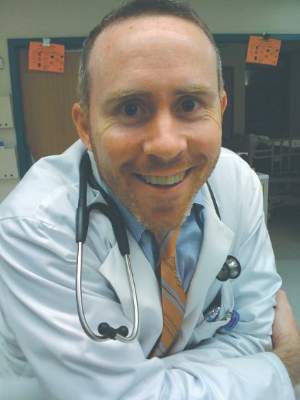
Forget kids – get a dog instead
It’s no secret that young adult North Americans, especially those in more privileged socioeconomic strata, are delaying childbearing. They struggle with the notion of committing to one another and then take even longer to arrive at the decision to have children. On the other hand, they seem to have much less trouble deciding to get a dog. One wonders if the canine commitment is a subconscious test balloon launched to assess their aptitude for parenting. Of course, any parent who has raised both children and dogs will tell you that the coefficient of correlation between the two adventures is approaching zero.
It is often assumed that upwardly mobile young adults are choosing canine husbandry over parenting because they want to make sure their careers are solidly on track before they commit to the financial responsibilities and emotional challenges of raising a child. However, it may be that some of them have read the same studies I have recently encountered that suggest if you want to stay fit, you are better off getting a dog than having a child.
Dog owners are 34% more likely to squeeze 150 minutes of walking into their weeks than are those who don’t own a dog. And having a dog increases leisure time physical activity by 69%. Not surprising, walking a puppy increases one’s walking speed by 28% over a solitary pace. Compare this to walking with a human companion that only increases one’s speed 4% (“Dog Ownership and Physical Activity: A Review of the Evidence” [J. Phys. Act. Health 2013;10:750-9]).
On the other hand, having a child can really do a number on the fitness habits of a parent (“How to Get Your Spouse to Exercise,” Gretchen Reynolds, New York Times, March 28, 2015). For a father, becoming a parent of a single child usually has little effect on the amount of moderate to vigorous exercise he gets. However, when a woman becomes a mother, she can expect to see a significant drop in the time she can spend exercising. Fathers eventually pay the price in reduced vigorous activity if they father more than one child. Not surprisingly, having a child under 6 years in the house decreases moderate activity for both parents, while it increases their light activity as they attempt to stay one step ahead of a toddler.
So, if a young adult wants to stay healthy by maintaining even a moderate exercise regimen and he or she runs the numbers, the answer is pretty clear: Forget the kids and get a dog.
While children can have a negative impact on their parents’ physical activity, it turns out that parents can create downward pressure on their child’s physical activity if they adopt one of several parenting styles (“Hyper-parenting is negatively associated with physical activity among 7- to 12-year olds” [Prev. Med. 2015;73:55-9]). In a recently reported Canadian survey of more than 700 parents, a researcher has found that the children of parents whose style of parenting could be categorized as hyper-parenting got significantly less physical activity than did the children of parents with low hyper-parenting scores.
I learned from reviewing the paper that behavior specialists now split hyper-parents into categories: overprotective, helicopter, tiger mom, little emperor, and concerted cultivation (overscheduling). Only the children of helicopter parents were spared the negative impact of their parents’ style. It may be that while hovering may be annoying, it does allow for enough distance between parent and child for the child to follow his own urge to be active.
None of these studies that I reviewed was very robust, and while their results may not stand the test of repetition, intuition suggests having children can make it challenging for parents who want to maintain a healthy level of physical activity. And you and I know that children need physical and emotional space from their parents in which to play freely and actively.
Obviously I don’t think we should be encouraging all young adults to choose dog ownership over parenthood, but we should be helping parents choose strategies and parenting styles that leave enough time and space for everyone in the family to get a healthy amount of physical activity.
Dr. Wilkoff practiced primary care pediatrics in Brunswick, Maine, for nearly 40 years, and is the author of “Coping With a Picky Eater.”
It’s no secret that young adult North Americans, especially those in more privileged socioeconomic strata, are delaying childbearing. They struggle with the notion of committing to one another and then take even longer to arrive at the decision to have children. On the other hand, they seem to have much less trouble deciding to get a dog. One wonders if the canine commitment is a subconscious test balloon launched to assess their aptitude for parenting. Of course, any parent who has raised both children and dogs will tell you that the coefficient of correlation between the two adventures is approaching zero.
It is often assumed that upwardly mobile young adults are choosing canine husbandry over parenting because they want to make sure their careers are solidly on track before they commit to the financial responsibilities and emotional challenges of raising a child. However, it may be that some of them have read the same studies I have recently encountered that suggest if you want to stay fit, you are better off getting a dog than having a child.
Dog owners are 34% more likely to squeeze 150 minutes of walking into their weeks than are those who don’t own a dog. And having a dog increases leisure time physical activity by 69%. Not surprising, walking a puppy increases one’s walking speed by 28% over a solitary pace. Compare this to walking with a human companion that only increases one’s speed 4% (“Dog Ownership and Physical Activity: A Review of the Evidence” [J. Phys. Act. Health 2013;10:750-9]).
On the other hand, having a child can really do a number on the fitness habits of a parent (“How to Get Your Spouse to Exercise,” Gretchen Reynolds, New York Times, March 28, 2015). For a father, becoming a parent of a single child usually has little effect on the amount of moderate to vigorous exercise he gets. However, when a woman becomes a mother, she can expect to see a significant drop in the time she can spend exercising. Fathers eventually pay the price in reduced vigorous activity if they father more than one child. Not surprisingly, having a child under 6 years in the house decreases moderate activity for both parents, while it increases their light activity as they attempt to stay one step ahead of a toddler.
So, if a young adult wants to stay healthy by maintaining even a moderate exercise regimen and he or she runs the numbers, the answer is pretty clear: Forget the kids and get a dog.
While children can have a negative impact on their parents’ physical activity, it turns out that parents can create downward pressure on their child’s physical activity if they adopt one of several parenting styles (“Hyper-parenting is negatively associated with physical activity among 7- to 12-year olds” [Prev. Med. 2015;73:55-9]). In a recently reported Canadian survey of more than 700 parents, a researcher has found that the children of parents whose style of parenting could be categorized as hyper-parenting got significantly less physical activity than did the children of parents with low hyper-parenting scores.
I learned from reviewing the paper that behavior specialists now split hyper-parents into categories: overprotective, helicopter, tiger mom, little emperor, and concerted cultivation (overscheduling). Only the children of helicopter parents were spared the negative impact of their parents’ style. It may be that while hovering may be annoying, it does allow for enough distance between parent and child for the child to follow his own urge to be active.
None of these studies that I reviewed was very robust, and while their results may not stand the test of repetition, intuition suggests having children can make it challenging for parents who want to maintain a healthy level of physical activity. And you and I know that children need physical and emotional space from their parents in which to play freely and actively.
Obviously I don’t think we should be encouraging all young adults to choose dog ownership over parenthood, but we should be helping parents choose strategies and parenting styles that leave enough time and space for everyone in the family to get a healthy amount of physical activity.
Dr. Wilkoff practiced primary care pediatrics in Brunswick, Maine, for nearly 40 years, and is the author of “Coping With a Picky Eater.”
It’s no secret that young adult North Americans, especially those in more privileged socioeconomic strata, are delaying childbearing. They struggle with the notion of committing to one another and then take even longer to arrive at the decision to have children. On the other hand, they seem to have much less trouble deciding to get a dog. One wonders if the canine commitment is a subconscious test balloon launched to assess their aptitude for parenting. Of course, any parent who has raised both children and dogs will tell you that the coefficient of correlation between the two adventures is approaching zero.
It is often assumed that upwardly mobile young adults are choosing canine husbandry over parenting because they want to make sure their careers are solidly on track before they commit to the financial responsibilities and emotional challenges of raising a child. However, it may be that some of them have read the same studies I have recently encountered that suggest if you want to stay fit, you are better off getting a dog than having a child.
Dog owners are 34% more likely to squeeze 150 minutes of walking into their weeks than are those who don’t own a dog. And having a dog increases leisure time physical activity by 69%. Not surprising, walking a puppy increases one’s walking speed by 28% over a solitary pace. Compare this to walking with a human companion that only increases one’s speed 4% (“Dog Ownership and Physical Activity: A Review of the Evidence” [J. Phys. Act. Health 2013;10:750-9]).
On the other hand, having a child can really do a number on the fitness habits of a parent (“How to Get Your Spouse to Exercise,” Gretchen Reynolds, New York Times, March 28, 2015). For a father, becoming a parent of a single child usually has little effect on the amount of moderate to vigorous exercise he gets. However, when a woman becomes a mother, she can expect to see a significant drop in the time she can spend exercising. Fathers eventually pay the price in reduced vigorous activity if they father more than one child. Not surprisingly, having a child under 6 years in the house decreases moderate activity for both parents, while it increases their light activity as they attempt to stay one step ahead of a toddler.
So, if a young adult wants to stay healthy by maintaining even a moderate exercise regimen and he or she runs the numbers, the answer is pretty clear: Forget the kids and get a dog.
While children can have a negative impact on their parents’ physical activity, it turns out that parents can create downward pressure on their child’s physical activity if they adopt one of several parenting styles (“Hyper-parenting is negatively associated with physical activity among 7- to 12-year olds” [Prev. Med. 2015;73:55-9]). In a recently reported Canadian survey of more than 700 parents, a researcher has found that the children of parents whose style of parenting could be categorized as hyper-parenting got significantly less physical activity than did the children of parents with low hyper-parenting scores.
I learned from reviewing the paper that behavior specialists now split hyper-parents into categories: overprotective, helicopter, tiger mom, little emperor, and concerted cultivation (overscheduling). Only the children of helicopter parents were spared the negative impact of their parents’ style. It may be that while hovering may be annoying, it does allow for enough distance between parent and child for the child to follow his own urge to be active.
None of these studies that I reviewed was very robust, and while their results may not stand the test of repetition, intuition suggests having children can make it challenging for parents who want to maintain a healthy level of physical activity. And you and I know that children need physical and emotional space from their parents in which to play freely and actively.
Obviously I don’t think we should be encouraging all young adults to choose dog ownership over parenthood, but we should be helping parents choose strategies and parenting styles that leave enough time and space for everyone in the family to get a healthy amount of physical activity.
Dr. Wilkoff practiced primary care pediatrics in Brunswick, Maine, for nearly 40 years, and is the author of “Coping With a Picky Eater.”
Experts weigh in: Mental illness and the Germanwings crash
To what extent were Andreas Lubitz’s reported ‘suicidal tendencies’ and depression factors in the catastrophe?
For more, read our Storify page detailing the incident and the response from the mental health community:
To what extent were Andreas Lubitz’s reported ‘suicidal tendencies’ and depression factors in the catastrophe?
For more, read our Storify page detailing the incident and the response from the mental health community:
To what extent were Andreas Lubitz’s reported ‘suicidal tendencies’ and depression factors in the catastrophe?
For more, read our Storify page detailing the incident and the response from the mental health community:
Recognizing fetal alcohol spectrum disorder: An imperative
Earlier this year, I touted the need for increased recognition of fetal alcohol spectrum disorders in every branch of medicine. I pointed out the extent to which prenatal alcohol exposure was often facilitated by the social determinate of health, that is, the prevalence of liquor stores in some communities (most notably African American and Native American), and how our own work in a family medicine clinic serving a low-income African American community on Chicago’s Southside found FASD rates of 388/1,000.
Since then I have become aware of the work of Susan Astley, Ph.D., and her colleagues. They found the rates of FASD in Washington state’s foster care population were 10-15/1,000. In addition, Dr. Astley has developed an FAS facial photographic screening tool that provides a more-objective measure to identify this common neurodevelopmental problem. Considering the findings that FASD is common in foster-care populations, it would be prudent to use this software in child protective services across the country.

Adult patients with FASD often present thinking they have bipolar disorder, because they are always “snapping off” or expressing an explosive temper. However, this is a sign of affective dysregulation instead of a persistent manic or depressed mood. Unfortunately, many do not distinguish between emotions or affects and moods. These patients also report late-onset auditory hallucinations, for example, that start in their 30s, but a careful exploration of the hallucinatory content does not reveal the characteristic running commentary, hearing one or more voices arguing, or hearing one’s own thoughts out loud that patients with schizophrenia suffer. Additionally, adult patients with FASD have more interpersonal skills than do patients with schizophrenia, although they can be very naive and childlike. Additionally, these patients often report that they are depressed because of their unhappiness about their chronic inability to improve their social, academic, or occupational functioning.
The prevalence of FASD turns out to be more common than previously realized and like other neurodevelopmental disorders, patients with these disorders do not “outgrow” them, but rather, carry them into adulthood. Accordingly, asking all patients about their childhood histories of neonatal standing, childhood educational trajectories, and employment history provides useful clues that might suggest a prenatal problem of alcohol exposure.
A neonatal history that indicates the possibility of FASD is a history of low-birth weight (< 5 pounds 8 ounces) or prematurity, heart murmurs, strabismus, hypertelorism, and deformities of the hands, joints, and bones. Frequently, patients with prenatal alcohol exposure have vestiges of fetal alcohol facies (epicantal folds, a flat mid-face, an indistinct philtrum, and a thin upper lip), and evidence of subtle brain damage characterized by central nervous system dysfunction. A childhood educational trajectory reveals developmental disabilities (intellectual disability, learning disability, attention-defici/hyperactivity symptoms, speech and language difficulties, and affect dysregulation usually in the form of a bad temper). Finally, an employment history that reveals chronic poor job performance, for example, if the longest time a patient was employed at one job was less than 6 months, the poor adaptability characteristic of FASD is revealed.
As physicians, our capacity to recognize FASD is sorely bereft of competence. A recent study by Dr. Pat Rojmahamongkol and colleagues showed that only 17% of physicians correctly identified fetal alcohol syndrome, while 74% were able to correctly identify Williams Syndrome; considering that Williams Syndrome occurs in only 1/7,500 people, this is akin to being better at locating jaguars in the United States than finding house cats. We have to do a better job of identifying this common problem that has been found to be extraordinarily widespread in certain high-risk populations. In the aforementioned study, more than 90% of the pediatricians were concerned about stigmatizing patients by making a diagnosis of FASD. However, considering that 50% of pregnancies are unplanned, many women may not be aware that they are pregnant while they are drinking alcohol. Besides, you cannot be a competent physician and be a wimp. We are in a hard conversation business, and we cannot fix problems if we stick our heads in the sand.
Knowing a patient’s intellectual capacity is an extremely important consideration in all branches of medicine. Trying to teach patients how to manage their diabetes or cardiac disease when patients have the subtle brain damage from FASD is more than a notion – such patients have difficulty understanding what we are teaching, and, if they do understand, they often cannot remember the lesson.
Lastly, for as long as I can remember, the prematurity rates for African Americans have been double that of European Americans. However, for half a century, no one has figured out why. As usual, the answer is right in front of us: FASD. We need to do better.
Dr. Bell is a retired professor of psychiatry and public health at the University of Illinois at Chicago and staff psychiatrist at Jackson Park Hospital’s Outpatient Family Practice Clinic in Chicago. Dr. Bell is the former president and CEO of the Community Mental Health Council and former director of the Institute for Juvenile Research (birthplace of child psychiatry) at the university.
Earlier this year, I touted the need for increased recognition of fetal alcohol spectrum disorders in every branch of medicine. I pointed out the extent to which prenatal alcohol exposure was often facilitated by the social determinate of health, that is, the prevalence of liquor stores in some communities (most notably African American and Native American), and how our own work in a family medicine clinic serving a low-income African American community on Chicago’s Southside found FASD rates of 388/1,000.
Since then I have become aware of the work of Susan Astley, Ph.D., and her colleagues. They found the rates of FASD in Washington state’s foster care population were 10-15/1,000. In addition, Dr. Astley has developed an FAS facial photographic screening tool that provides a more-objective measure to identify this common neurodevelopmental problem. Considering the findings that FASD is common in foster-care populations, it would be prudent to use this software in child protective services across the country.
Adult patients with FASD often present thinking they have bipolar disorder, because they are always “snapping off” or expressing an explosive temper. However, this is a sign of affective dysregulation instead of a persistent manic or depressed mood. Unfortunately, many do not distinguish between emotions or affects and moods. These patients also report late-onset auditory hallucinations, for example, that start in their 30s, but a careful exploration of the hallucinatory content does not reveal the characteristic running commentary, hearing one or more voices arguing, or hearing one’s own thoughts out loud that patients with schizophrenia suffer. Additionally, adult patients with FASD have more interpersonal skills than do patients with schizophrenia, although they can be very naive and childlike. Additionally, these patients often report that they are depressed because of their unhappiness about their chronic inability to improve their social, academic, or occupational functioning.
The prevalence of FASD turns out to be more common than previously realized and like other neurodevelopmental disorders, patients with these disorders do not “outgrow” them, but rather, carry them into adulthood. Accordingly, asking all patients about their childhood histories of neonatal standing, childhood educational trajectories, and employment history provides useful clues that might suggest a prenatal problem of alcohol exposure.
A neonatal history that indicates the possibility of FASD is a history of low-birth weight (< 5 pounds 8 ounces) or prematurity, heart murmurs, strabismus, hypertelorism, and deformities of the hands, joints, and bones. Frequently, patients with prenatal alcohol exposure have vestiges of fetal alcohol facies (epicantal folds, a flat mid-face, an indistinct philtrum, and a thin upper lip), and evidence of subtle brain damage characterized by central nervous system dysfunction. A childhood educational trajectory reveals developmental disabilities (intellectual disability, learning disability, attention-defici/hyperactivity symptoms, speech and language difficulties, and affect dysregulation usually in the form of a bad temper). Finally, an employment history that reveals chronic poor job performance, for example, if the longest time a patient was employed at one job was less than 6 months, the poor adaptability characteristic of FASD is revealed.
As physicians, our capacity to recognize FASD is sorely bereft of competence. A recent study by Dr. Pat Rojmahamongkol and colleagues showed that only 17% of physicians correctly identified fetal alcohol syndrome, while 74% were able to correctly identify Williams Syndrome; considering that Williams Syndrome occurs in only 1/7,500 people, this is akin to being better at locating jaguars in the United States than finding house cats. We have to do a better job of identifying this common problem that has been found to be extraordinarily widespread in certain high-risk populations. In the aforementioned study, more than 90% of the pediatricians were concerned about stigmatizing patients by making a diagnosis of FASD. However, considering that 50% of pregnancies are unplanned, many women may not be aware that they are pregnant while they are drinking alcohol. Besides, you cannot be a competent physician and be a wimp. We are in a hard conversation business, and we cannot fix problems if we stick our heads in the sand.
Knowing a patient’s intellectual capacity is an extremely important consideration in all branches of medicine. Trying to teach patients how to manage their diabetes or cardiac disease when patients have the subtle brain damage from FASD is more than a notion – such patients have difficulty understanding what we are teaching, and, if they do understand, they often cannot remember the lesson.
Lastly, for as long as I can remember, the prematurity rates for African Americans have been double that of European Americans. However, for half a century, no one has figured out why. As usual, the answer is right in front of us: FASD. We need to do better.
Dr. Bell is a retired professor of psychiatry and public health at the University of Illinois at Chicago and staff psychiatrist at Jackson Park Hospital’s Outpatient Family Practice Clinic in Chicago. Dr. Bell is the former president and CEO of the Community Mental Health Council and former director of the Institute for Juvenile Research (birthplace of child psychiatry) at the university.
Earlier this year, I touted the need for increased recognition of fetal alcohol spectrum disorders in every branch of medicine. I pointed out the extent to which prenatal alcohol exposure was often facilitated by the social determinate of health, that is, the prevalence of liquor stores in some communities (most notably African American and Native American), and how our own work in a family medicine clinic serving a low-income African American community on Chicago’s Southside found FASD rates of 388/1,000.
Since then I have become aware of the work of Susan Astley, Ph.D., and her colleagues. They found the rates of FASD in Washington state’s foster care population were 10-15/1,000. In addition, Dr. Astley has developed an FAS facial photographic screening tool that provides a more-objective measure to identify this common neurodevelopmental problem. Considering the findings that FASD is common in foster-care populations, it would be prudent to use this software in child protective services across the country.
Adult patients with FASD often present thinking they have bipolar disorder, because they are always “snapping off” or expressing an explosive temper. However, this is a sign of affective dysregulation instead of a persistent manic or depressed mood. Unfortunately, many do not distinguish between emotions or affects and moods. These patients also report late-onset auditory hallucinations, for example, that start in their 30s, but a careful exploration of the hallucinatory content does not reveal the characteristic running commentary, hearing one or more voices arguing, or hearing one’s own thoughts out loud that patients with schizophrenia suffer. Additionally, adult patients with FASD have more interpersonal skills than do patients with schizophrenia, although they can be very naive and childlike. Additionally, these patients often report that they are depressed because of their unhappiness about their chronic inability to improve their social, academic, or occupational functioning.
The prevalence of FASD turns out to be more common than previously realized and like other neurodevelopmental disorders, patients with these disorders do not “outgrow” them, but rather, carry them into adulthood. Accordingly, asking all patients about their childhood histories of neonatal standing, childhood educational trajectories, and employment history provides useful clues that might suggest a prenatal problem of alcohol exposure.
A neonatal history that indicates the possibility of FASD is a history of low-birth weight (< 5 pounds 8 ounces) or prematurity, heart murmurs, strabismus, hypertelorism, and deformities of the hands, joints, and bones. Frequently, patients with prenatal alcohol exposure have vestiges of fetal alcohol facies (epicantal folds, a flat mid-face, an indistinct philtrum, and a thin upper lip), and evidence of subtle brain damage characterized by central nervous system dysfunction. A childhood educational trajectory reveals developmental disabilities (intellectual disability, learning disability, attention-defici/hyperactivity symptoms, speech and language difficulties, and affect dysregulation usually in the form of a bad temper). Finally, an employment history that reveals chronic poor job performance, for example, if the longest time a patient was employed at one job was less than 6 months, the poor adaptability characteristic of FASD is revealed.
As physicians, our capacity to recognize FASD is sorely bereft of competence. A recent study by Dr. Pat Rojmahamongkol and colleagues showed that only 17% of physicians correctly identified fetal alcohol syndrome, while 74% were able to correctly identify Williams Syndrome; considering that Williams Syndrome occurs in only 1/7,500 people, this is akin to being better at locating jaguars in the United States than finding house cats. We have to do a better job of identifying this common problem that has been found to be extraordinarily widespread in certain high-risk populations. In the aforementioned study, more than 90% of the pediatricians were concerned about stigmatizing patients by making a diagnosis of FASD. However, considering that 50% of pregnancies are unplanned, many women may not be aware that they are pregnant while they are drinking alcohol. Besides, you cannot be a competent physician and be a wimp. We are in a hard conversation business, and we cannot fix problems if we stick our heads in the sand.
Knowing a patient’s intellectual capacity is an extremely important consideration in all branches of medicine. Trying to teach patients how to manage their diabetes or cardiac disease when patients have the subtle brain damage from FASD is more than a notion – such patients have difficulty understanding what we are teaching, and, if they do understand, they often cannot remember the lesson.
Lastly, for as long as I can remember, the prematurity rates for African Americans have been double that of European Americans. However, for half a century, no one has figured out why. As usual, the answer is right in front of us: FASD. We need to do better.
Dr. Bell is a retired professor of psychiatry and public health at the University of Illinois at Chicago and staff psychiatrist at Jackson Park Hospital’s Outpatient Family Practice Clinic in Chicago. Dr. Bell is the former president and CEO of the Community Mental Health Council and former director of the Institute for Juvenile Research (birthplace of child psychiatry) at the university.

Easing the ultimate transition
According to the National Hospice Foundation, an estimated 70 million Americans will need hospice and palliative care services in the next 20 years, and most of us cannot even begin to remember all the patients we have treated who were ultimately transferred from a medical ward to some form of hospice.
Hospice care is often a compassionate, appropriate recommendation, but is it not always an easy subject for hospitalists to broach. After all, we went into medicine to cure the sick. At least on a subconscious level, we may feel we have failed our patients when all we have to offer them is hospice. Plus, we are often at the disadvantage of not having enough time with our patients and their families to develop the trust needed to accept such a life-altering recommendation.

It’s important to remember that, even when we can’t cure our patients, we can offer them symptomatic relief and the ability to heal on a certain level. Sometimes, the recommendation of hospice is a much-welcomed release for patients and their families, a way to finally ease the burdens of uncertainty and of pain, both physical and emotional.
Palliative care can be an important addition to the care plan, as it focuses on relieving suffering, regardless of the stage of disease. Palliative care incorporates support, as well as assistance with communication about care needs. Within an integrated care model, palliative care may be provided alongside curative or life-prolonging treatments.
Palliative care can be particularly useful for helping patients to prepare for the emotional transition from seeking aggressive but likely futile care to accepting the ultimate reality of their disease process. Even when death is not imminent, having the appropriate support systems in place for patients and their families can play a significant role in easing their minds and helping them make informed, appropriate treatment decisions.
Dr. Hester is a hospitalist at Baltimore-Washington Medical Center in Glen Burnie, Md. She is the creator of the Patient Whiz, a patient-engagement app for iOS. Reach her at healthsavvy@aol.com.
According to the National Hospice Foundation, an estimated 70 million Americans will need hospice and palliative care services in the next 20 years, and most of us cannot even begin to remember all the patients we have treated who were ultimately transferred from a medical ward to some form of hospice.
Hospice care is often a compassionate, appropriate recommendation, but is it not always an easy subject for hospitalists to broach. After all, we went into medicine to cure the sick. At least on a subconscious level, we may feel we have failed our patients when all we have to offer them is hospice. Plus, we are often at the disadvantage of not having enough time with our patients and their families to develop the trust needed to accept such a life-altering recommendation.
It’s important to remember that, even when we can’t cure our patients, we can offer them symptomatic relief and the ability to heal on a certain level. Sometimes, the recommendation of hospice is a much-welcomed release for patients and their families, a way to finally ease the burdens of uncertainty and of pain, both physical and emotional.
Palliative care can be an important addition to the care plan, as it focuses on relieving suffering, regardless of the stage of disease. Palliative care incorporates support, as well as assistance with communication about care needs. Within an integrated care model, palliative care may be provided alongside curative or life-prolonging treatments.
Palliative care can be particularly useful for helping patients to prepare for the emotional transition from seeking aggressive but likely futile care to accepting the ultimate reality of their disease process. Even when death is not imminent, having the appropriate support systems in place for patients and their families can play a significant role in easing their minds and helping them make informed, appropriate treatment decisions.
Dr. Hester is a hospitalist at Baltimore-Washington Medical Center in Glen Burnie, Md. She is the creator of the Patient Whiz, a patient-engagement app for iOS. Reach her at healthsavvy@aol.com.
According to the National Hospice Foundation, an estimated 70 million Americans will need hospice and palliative care services in the next 20 years, and most of us cannot even begin to remember all the patients we have treated who were ultimately transferred from a medical ward to some form of hospice.
Hospice care is often a compassionate, appropriate recommendation, but is it not always an easy subject for hospitalists to broach. After all, we went into medicine to cure the sick. At least on a subconscious level, we may feel we have failed our patients when all we have to offer them is hospice. Plus, we are often at the disadvantage of not having enough time with our patients and their families to develop the trust needed to accept such a life-altering recommendation.
It’s important to remember that, even when we can’t cure our patients, we can offer them symptomatic relief and the ability to heal on a certain level. Sometimes, the recommendation of hospice is a much-welcomed release for patients and their families, a way to finally ease the burdens of uncertainty and of pain, both physical and emotional.
Palliative care can be an important addition to the care plan, as it focuses on relieving suffering, regardless of the stage of disease. Palliative care incorporates support, as well as assistance with communication about care needs. Within an integrated care model, palliative care may be provided alongside curative or life-prolonging treatments.
Palliative care can be particularly useful for helping patients to prepare for the emotional transition from seeking aggressive but likely futile care to accepting the ultimate reality of their disease process. Even when death is not imminent, having the appropriate support systems in place for patients and their families can play a significant role in easing their minds and helping them make informed, appropriate treatment decisions.
Dr. Hester is a hospitalist at Baltimore-Washington Medical Center in Glen Burnie, Md. She is the creator of the Patient Whiz, a patient-engagement app for iOS. Reach her at healthsavvy@aol.com.

Providing medical care for veterans must go beyond the VA
Problems with access to care at the Department of Veterans Affairs have been the source of front-page headlines for at least a year. Some of us are asked: Can the VA and military health care system do it all? My answer: Of course not.
More than 2.5 million American combat veterans have fought in longest war in our history, the wars in Afghanistan and Iraq. Thousands of physically and psychologically wounded active duty troops overflow military hospitals. The VHA (Veterans Health Administration), the medical arm of VA, is caring for millions of these recent veterans. But it also treats veterans from many other wars, including those from World War II, Korea, and Vietnam.
As those men and women age, their need for medical care will only increase. So just take into account the older veterans, and then add the recent combat veterans with posttraumatic stress disorder, traumatic brain injury, and physical injuries from the conflicts in Iraq and Afghanistan.
So, to me, “of course not” is an obvious answer to whether the military health care system and VA can do it all.
This should be no surprise. Back in 2007, my former boss, the Army surgeon general, was fired when Walter Reed National Military Medical Center got overwhelmed with the wounded. A consistent theme of overwhelmed military and veterans facilities has emerged.
Yet, I still get asked the question “Is the military and the VA doing enough to take care of wounded veterans?” whenever I do a media interview about PTSD and suicides in soldiers. The reporters tend to ask with a kind of “gotcha” attitude, as if the VA’s struggle to keep up is a secret.
My answer is “They are doing all they can. They are stretched very thin.”
I recently served on an Institute of Medicine committee looking at how well the Department of Defense and the VA delivered care for PTSD. The short answer? It varies. Some VA hospitals deliver stellar care, others not so much. Being swamped was a common theme.
Rather than ragging on the struggling VA, the more productive direction, it seems to me, is to ensure that the civilian health care system is capable of recognizing and treating the psychological injuries of war.
Why involve civilians? For many reasons. A lot of veterans choose not go to the VA, because they receive health care via their workplace or school insurance. Some veterans are too low a priority to be seen. Even for those eligible to receive treatment there, when too full, the VA refers many veterans to the civilian sector.
Fortunately, there have been a lot of efforts to teach psychiatrists about caring for the psychological wounds of war, including:
• The military track at the American Psychiatric Association meeting in Toronto, on its 5th year.
• Webinars and conferences developed by public and private organizations, such as the Substance Abuse and Mental Health Services Administration, and the Massachusetts General Hospital Home Base program.
• Many books and articles by experts in the area of veterans health, for example see Once a Warrior – Always a Warriorb y Col. (Ret.) Charles W. Hoge, M.D., (Guilford, Conn.: Lyons Press, 2010), or my forthcoming book, Women at War (Oxford University Press, 2015).
• Numerous websites, such as that of the National Center for PTSD,the Borden Institute,and the Center for Deployment Psychology.
• The developing medical school curriculum on veteran’s health, spurred by the White House’s Joining Forces initiative.
• An action paper to be presented at this year’s APA Assembly, recommending that all providers inquire about the military status of their patients.
Of course, there is lots of room for everybody – not just health care providers – to join in the mission. As we enter year 14th year of the long war, we all need to help.
Dr. Ritchie serves as professor of psychiatry at the Uniformed Services University of the Health Sciences in Bethesda, Md., and at Georgetown University in Washington.
Problems with access to care at the Department of Veterans Affairs have been the source of front-page headlines for at least a year. Some of us are asked: Can the VA and military health care system do it all? My answer: Of course not.
More than 2.5 million American combat veterans have fought in longest war in our history, the wars in Afghanistan and Iraq. Thousands of physically and psychologically wounded active duty troops overflow military hospitals. The VHA (Veterans Health Administration), the medical arm of VA, is caring for millions of these recent veterans. But it also treats veterans from many other wars, including those from World War II, Korea, and Vietnam.
As those men and women age, their need for medical care will only increase. So just take into account the older veterans, and then add the recent combat veterans with posttraumatic stress disorder, traumatic brain injury, and physical injuries from the conflicts in Iraq and Afghanistan.
So, to me, “of course not” is an obvious answer to whether the military health care system and VA can do it all.
This should be no surprise. Back in 2007, my former boss, the Army surgeon general, was fired when Walter Reed National Military Medical Center got overwhelmed with the wounded. A consistent theme of overwhelmed military and veterans facilities has emerged.
Yet, I still get asked the question “Is the military and the VA doing enough to take care of wounded veterans?” whenever I do a media interview about PTSD and suicides in soldiers. The reporters tend to ask with a kind of “gotcha” attitude, as if the VA’s struggle to keep up is a secret.
My answer is “They are doing all they can. They are stretched very thin.”
I recently served on an Institute of Medicine committee looking at how well the Department of Defense and the VA delivered care for PTSD. The short answer? It varies. Some VA hospitals deliver stellar care, others not so much. Being swamped was a common theme.
Rather than ragging on the struggling VA, the more productive direction, it seems to me, is to ensure that the civilian health care system is capable of recognizing and treating the psychological injuries of war.
Why involve civilians? For many reasons. A lot of veterans choose not go to the VA, because they receive health care via their workplace or school insurance. Some veterans are too low a priority to be seen. Even for those eligible to receive treatment there, when too full, the VA refers many veterans to the civilian sector.
Fortunately, there have been a lot of efforts to teach psychiatrists about caring for the psychological wounds of war, including:
• The military track at the American Psychiatric Association meeting in Toronto, on its 5th year.
• Webinars and conferences developed by public and private organizations, such as the Substance Abuse and Mental Health Services Administration, and the Massachusetts General Hospital Home Base program.
• Many books and articles by experts in the area of veterans health, for example see Once a Warrior – Always a Warriorb y Col. (Ret.) Charles W. Hoge, M.D., (Guilford, Conn.: Lyons Press, 2010), or my forthcoming book, Women at War (Oxford University Press, 2015).
• Numerous websites, such as that of the National Center for PTSD,the Borden Institute,and the Center for Deployment Psychology.
• The developing medical school curriculum on veteran’s health, spurred by the White House’s Joining Forces initiative.
• An action paper to be presented at this year’s APA Assembly, recommending that all providers inquire about the military status of their patients.
Of course, there is lots of room for everybody – not just health care providers – to join in the mission. As we enter year 14th year of the long war, we all need to help.
Dr. Ritchie serves as professor of psychiatry at the Uniformed Services University of the Health Sciences in Bethesda, Md., and at Georgetown University in Washington.
Problems with access to care at the Department of Veterans Affairs have been the source of front-page headlines for at least a year. Some of us are asked: Can the VA and military health care system do it all? My answer: Of course not.
More than 2.5 million American combat veterans have fought in longest war in our history, the wars in Afghanistan and Iraq. Thousands of physically and psychologically wounded active duty troops overflow military hospitals. The VHA (Veterans Health Administration), the medical arm of VA, is caring for millions of these recent veterans. But it also treats veterans from many other wars, including those from World War II, Korea, and Vietnam.
As those men and women age, their need for medical care will only increase. So just take into account the older veterans, and then add the recent combat veterans with posttraumatic stress disorder, traumatic brain injury, and physical injuries from the conflicts in Iraq and Afghanistan.
So, to me, “of course not” is an obvious answer to whether the military health care system and VA can do it all.
This should be no surprise. Back in 2007, my former boss, the Army surgeon general, was fired when Walter Reed National Military Medical Center got overwhelmed with the wounded. A consistent theme of overwhelmed military and veterans facilities has emerged.
Yet, I still get asked the question “Is the military and the VA doing enough to take care of wounded veterans?” whenever I do a media interview about PTSD and suicides in soldiers. The reporters tend to ask with a kind of “gotcha” attitude, as if the VA’s struggle to keep up is a secret.
My answer is “They are doing all they can. They are stretched very thin.”
I recently served on an Institute of Medicine committee looking at how well the Department of Defense and the VA delivered care for PTSD. The short answer? It varies. Some VA hospitals deliver stellar care, others not so much. Being swamped was a common theme.
Rather than ragging on the struggling VA, the more productive direction, it seems to me, is to ensure that the civilian health care system is capable of recognizing and treating the psychological injuries of war.
Why involve civilians? For many reasons. A lot of veterans choose not go to the VA, because they receive health care via their workplace or school insurance. Some veterans are too low a priority to be seen. Even for those eligible to receive treatment there, when too full, the VA refers many veterans to the civilian sector.
Fortunately, there have been a lot of efforts to teach psychiatrists about caring for the psychological wounds of war, including:
• The military track at the American Psychiatric Association meeting in Toronto, on its 5th year.
• Webinars and conferences developed by public and private organizations, such as the Substance Abuse and Mental Health Services Administration, and the Massachusetts General Hospital Home Base program.
• Many books and articles by experts in the area of veterans health, for example see Once a Warrior – Always a Warriorb y Col. (Ret.) Charles W. Hoge, M.D., (Guilford, Conn.: Lyons Press, 2010), or my forthcoming book, Women at War (Oxford University Press, 2015).
• Numerous websites, such as that of the National Center for PTSD,the Borden Institute,and the Center for Deployment Psychology.
• The developing medical school curriculum on veteran’s health, spurred by the White House’s Joining Forces initiative.
• An action paper to be presented at this year’s APA Assembly, recommending that all providers inquire about the military status of their patients.
Of course, there is lots of room for everybody – not just health care providers – to join in the mission. As we enter year 14th year of the long war, we all need to help.
Dr. Ritchie serves as professor of psychiatry at the Uniformed Services University of the Health Sciences in Bethesda, Md., and at Georgetown University in Washington.