User login
In the Literature: Research You Need to Know
Clinical Question: Is chest-compression-only bystander cardiopulmonary resuscitation (CPR) as effective as conventional CPR with rescue breathing for out-of-hospital cardiac arrest?
Background: Out-of-hospital cardiac arrest is a major public health problem, affecting approximately 300,000 people in the U.S. annually. Overall survival is generally less than 10% among those in whom resuscitation is attempted. Bystander CPR significantly improves outcomes but generally is performed in less than 30% of cases.
Study design: Prospective, observational cohort study.
Setting: Communities throughout the state of Arizona.
Synopsis: State officials undertook a multifaceted public service campaign to educate, inform, and encourage the use of compression-only CPR.
Over a period of four years, 5,272 adult out-of-hospital cardiac arrests were documented in Arizona. A total of 4,415 of these incidents met all of the inclusion criteria for analysis; 2,900 received no CPR, 666 received conventional CPR, and 849 received compression-only CPR. Rates of survival to hospital discharge were 5.2% for the no-CPR group, 7.8% for conventional CPR, and 13.3% for compression-only CPR.
Additionally, the successful public service campaign increased the use of lay rescuer conventional CPR by 10% and compression-only CPR by 56%.
Bottom line: Layperson, compression-only CPR was associated with an overall 6.1% increased survival compared with conventional CPR and no bystander CPR.
Citation: Bobrow BJ, Spaite DW, Berg RA, et al. Chest-compression-only CPR by lay rescuers and survival from out-of-hospital cardiac arrest. JAMA. 2010;304(13):1447-1454.
For more physician reviews of HM-related research, visit our website.
Clinical Question: Is chest-compression-only bystander cardiopulmonary resuscitation (CPR) as effective as conventional CPR with rescue breathing for out-of-hospital cardiac arrest?
Background: Out-of-hospital cardiac arrest is a major public health problem, affecting approximately 300,000 people in the U.S. annually. Overall survival is generally less than 10% among those in whom resuscitation is attempted. Bystander CPR significantly improves outcomes but generally is performed in less than 30% of cases.
Study design: Prospective, observational cohort study.
Setting: Communities throughout the state of Arizona.
Synopsis: State officials undertook a multifaceted public service campaign to educate, inform, and encourage the use of compression-only CPR.
Over a period of four years, 5,272 adult out-of-hospital cardiac arrests were documented in Arizona. A total of 4,415 of these incidents met all of the inclusion criteria for analysis; 2,900 received no CPR, 666 received conventional CPR, and 849 received compression-only CPR. Rates of survival to hospital discharge were 5.2% for the no-CPR group, 7.8% for conventional CPR, and 13.3% for compression-only CPR.
Additionally, the successful public service campaign increased the use of lay rescuer conventional CPR by 10% and compression-only CPR by 56%.
Bottom line: Layperson, compression-only CPR was associated with an overall 6.1% increased survival compared with conventional CPR and no bystander CPR.
Citation: Bobrow BJ, Spaite DW, Berg RA, et al. Chest-compression-only CPR by lay rescuers and survival from out-of-hospital cardiac arrest. JAMA. 2010;304(13):1447-1454.
For more physician reviews of HM-related research, visit our website.
Clinical Question: Is chest-compression-only bystander cardiopulmonary resuscitation (CPR) as effective as conventional CPR with rescue breathing for out-of-hospital cardiac arrest?
Background: Out-of-hospital cardiac arrest is a major public health problem, affecting approximately 300,000 people in the U.S. annually. Overall survival is generally less than 10% among those in whom resuscitation is attempted. Bystander CPR significantly improves outcomes but generally is performed in less than 30% of cases.
Study design: Prospective, observational cohort study.
Setting: Communities throughout the state of Arizona.
Synopsis: State officials undertook a multifaceted public service campaign to educate, inform, and encourage the use of compression-only CPR.
Over a period of four years, 5,272 adult out-of-hospital cardiac arrests were documented in Arizona. A total of 4,415 of these incidents met all of the inclusion criteria for analysis; 2,900 received no CPR, 666 received conventional CPR, and 849 received compression-only CPR. Rates of survival to hospital discharge were 5.2% for the no-CPR group, 7.8% for conventional CPR, and 13.3% for compression-only CPR.
Additionally, the successful public service campaign increased the use of lay rescuer conventional CPR by 10% and compression-only CPR by 56%.
Bottom line: Layperson, compression-only CPR was associated with an overall 6.1% increased survival compared with conventional CPR and no bystander CPR.
Citation: Bobrow BJ, Spaite DW, Berg RA, et al. Chest-compression-only CPR by lay rescuers and survival from out-of-hospital cardiac arrest. JAMA. 2010;304(13):1447-1454.
For more physician reviews of HM-related research, visit our website.
Aspirin, Simvastatin Not Effective for Pulmonary Arterial Hypertension
Neither aspirin nor simvastatin improved outcomes for patients with pulmonary arterial hypertension in a phase II safety and efficacy trial published online May 19 in Circulation and simultaneously presented at the annual meeting of the American Thoracic Society.
The primary end point of 6-minute walk distance did not increase after 6 months of aspirin therapy and actually decreased after 6 months of simvastatin therapy, indicating that neither agent should be used as an add-on therapy in PAH, said Dr. Steven M. Kawut of Penn Cardiovascular Institute, University of Pennsylvania, Philadelphia, and his associates.
A recent animal study showed that aspirin decreased pulmonary artery pressure, reduced right ventricular hypertrophy, and improved survival, and several recent studies showed that statins were effective in animal models of pulmonary hypertension. Dr. Kawut and his associates in the ASA-STAT Study Group designed their phase II clinical trial to test the safety and efficacy of both agents against matching placebos, intending to enroll 100 subjects with PAH.
The study, however, was terminated after only 65 subjects had been randomized because an interim analysis showed "a high likelihood of not rejecting the null hypothesis for the simvastatin arm even if fully recruited," they wrote. The investigators reported their findings for those 65 subjects.
The patients’ mean age was 50 years, and 86% were women. Approximately 52% had idiopathic PAH, 19% had PAH associated with systemic sclerosis, 15% had PAH associated with other connective tissue diseases, 9% had congenital systemic-to-pulmonary shunts, and 5% had heritable PAH.
The primary outcome measure was 6-minute walk distance after 6 months of treatment, after adjustment for 6-minute walk distance at baseline.
Patients who received aspirin therapy showed no improvement in this measure, compared with those who received placebo. They also showed no improvement in median Borg dyspnea scores after the walk test, in any scales of the SF-36, or in World Health Organization functional class. And there was no difference between the two groups in time to clinical worsening, Dr. Kawut and his associates said.
Similarly, patients who received simvastatin showed no improvement in 6-minute walk distance after 6 months of treatment, compared with those who received placebo. In fact, the active drug may have reduced this distance, although the number of subjects was not sufficient to detect a statistically significant difference. Moreover, the median Borg dyspnea scores after the walk test tended to be higher in subjects who took simvastatin than in those who took placebo, suggesting greater breathlessness.
As with aspirin, there were no differences on any scales of the SF-36 or in WHO functional class between the subjects who took simvastatin and those who took placebo, the investigators said (Circulation 2011 May 19 [doi:10.1161/CIRCULATIONAHA.110.015693]).
"There was a possible increased risk of major bleeding associated with aspirin use," they noted, but again, the number of subjects was not sufficient to make this determination definitively.
"On the basis of these finding, neither drug can be recommended for the treatment of PAH," Dr. Kawut and his colleagues said.
The study was funded by the National Institutes of Health and the National Center for Research Resources. Aspirin and matching placebo were provided free of charge by Bayer Healthcare. Additional support was provided by Merck. Dr. Kawut and his associates reported ties to numerous industry sources.
Neither aspirin nor simvastatin improved outcomes for patients with pulmonary arterial hypertension in a phase II safety and efficacy trial published online May 19 in Circulation and simultaneously presented at the annual meeting of the American Thoracic Society.
The primary end point of 6-minute walk distance did not increase after 6 months of aspirin therapy and actually decreased after 6 months of simvastatin therapy, indicating that neither agent should be used as an add-on therapy in PAH, said Dr. Steven M. Kawut of Penn Cardiovascular Institute, University of Pennsylvania, Philadelphia, and his associates.
A recent animal study showed that aspirin decreased pulmonary artery pressure, reduced right ventricular hypertrophy, and improved survival, and several recent studies showed that statins were effective in animal models of pulmonary hypertension. Dr. Kawut and his associates in the ASA-STAT Study Group designed their phase II clinical trial to test the safety and efficacy of both agents against matching placebos, intending to enroll 100 subjects with PAH.
The study, however, was terminated after only 65 subjects had been randomized because an interim analysis showed "a high likelihood of not rejecting the null hypothesis for the simvastatin arm even if fully recruited," they wrote. The investigators reported their findings for those 65 subjects.
The patients’ mean age was 50 years, and 86% were women. Approximately 52% had idiopathic PAH, 19% had PAH associated with systemic sclerosis, 15% had PAH associated with other connective tissue diseases, 9% had congenital systemic-to-pulmonary shunts, and 5% had heritable PAH.
The primary outcome measure was 6-minute walk distance after 6 months of treatment, after adjustment for 6-minute walk distance at baseline.
Patients who received aspirin therapy showed no improvement in this measure, compared with those who received placebo. They also showed no improvement in median Borg dyspnea scores after the walk test, in any scales of the SF-36, or in World Health Organization functional class. And there was no difference between the two groups in time to clinical worsening, Dr. Kawut and his associates said.
Similarly, patients who received simvastatin showed no improvement in 6-minute walk distance after 6 months of treatment, compared with those who received placebo. In fact, the active drug may have reduced this distance, although the number of subjects was not sufficient to detect a statistically significant difference. Moreover, the median Borg dyspnea scores after the walk test tended to be higher in subjects who took simvastatin than in those who took placebo, suggesting greater breathlessness.
As with aspirin, there were no differences on any scales of the SF-36 or in WHO functional class between the subjects who took simvastatin and those who took placebo, the investigators said (Circulation 2011 May 19 [doi:10.1161/CIRCULATIONAHA.110.015693]).
"There was a possible increased risk of major bleeding associated with aspirin use," they noted, but again, the number of subjects was not sufficient to make this determination definitively.
"On the basis of these finding, neither drug can be recommended for the treatment of PAH," Dr. Kawut and his colleagues said.
The study was funded by the National Institutes of Health and the National Center for Research Resources. Aspirin and matching placebo were provided free of charge by Bayer Healthcare. Additional support was provided by Merck. Dr. Kawut and his associates reported ties to numerous industry sources.
Neither aspirin nor simvastatin improved outcomes for patients with pulmonary arterial hypertension in a phase II safety and efficacy trial published online May 19 in Circulation and simultaneously presented at the annual meeting of the American Thoracic Society.
The primary end point of 6-minute walk distance did not increase after 6 months of aspirin therapy and actually decreased after 6 months of simvastatin therapy, indicating that neither agent should be used as an add-on therapy in PAH, said Dr. Steven M. Kawut of Penn Cardiovascular Institute, University of Pennsylvania, Philadelphia, and his associates.
A recent animal study showed that aspirin decreased pulmonary artery pressure, reduced right ventricular hypertrophy, and improved survival, and several recent studies showed that statins were effective in animal models of pulmonary hypertension. Dr. Kawut and his associates in the ASA-STAT Study Group designed their phase II clinical trial to test the safety and efficacy of both agents against matching placebos, intending to enroll 100 subjects with PAH.
The study, however, was terminated after only 65 subjects had been randomized because an interim analysis showed "a high likelihood of not rejecting the null hypothesis for the simvastatin arm even if fully recruited," they wrote. The investigators reported their findings for those 65 subjects.
The patients’ mean age was 50 years, and 86% were women. Approximately 52% had idiopathic PAH, 19% had PAH associated with systemic sclerosis, 15% had PAH associated with other connective tissue diseases, 9% had congenital systemic-to-pulmonary shunts, and 5% had heritable PAH.
The primary outcome measure was 6-minute walk distance after 6 months of treatment, after adjustment for 6-minute walk distance at baseline.
Patients who received aspirin therapy showed no improvement in this measure, compared with those who received placebo. They also showed no improvement in median Borg dyspnea scores after the walk test, in any scales of the SF-36, or in World Health Organization functional class. And there was no difference between the two groups in time to clinical worsening, Dr. Kawut and his associates said.
Similarly, patients who received simvastatin showed no improvement in 6-minute walk distance after 6 months of treatment, compared with those who received placebo. In fact, the active drug may have reduced this distance, although the number of subjects was not sufficient to detect a statistically significant difference. Moreover, the median Borg dyspnea scores after the walk test tended to be higher in subjects who took simvastatin than in those who took placebo, suggesting greater breathlessness.
As with aspirin, there were no differences on any scales of the SF-36 or in WHO functional class between the subjects who took simvastatin and those who took placebo, the investigators said (Circulation 2011 May 19 [doi:10.1161/CIRCULATIONAHA.110.015693]).
"There was a possible increased risk of major bleeding associated with aspirin use," they noted, but again, the number of subjects was not sufficient to make this determination definitively.
"On the basis of these finding, neither drug can be recommended for the treatment of PAH," Dr. Kawut and his colleagues said.
The study was funded by the National Institutes of Health and the National Center for Research Resources. Aspirin and matching placebo were provided free of charge by Bayer Healthcare. Additional support was provided by Merck. Dr. Kawut and his associates reported ties to numerous industry sources.
FROM CIRCULATION
Major Finding: Patients with pulmonary arterial hypertension who received 6 months of aspirin or simvastatin therapy showed no improvement in 6-minute walk distance, compared with those who received placebo.
Data Source: A multicenter double-blind randomized phase II clinical trial of the safety and efficacy of aspirin and simvastatin compared with placebo in 65 patients with pulmonary arterial hypertension.
Disclosures: The study was funded by the National Institutes of Health and the National Center for Research Resources. Aspirin and matching placebo were provided free of charge by Bayer Healthcare. Additional support was provided by Merck. Dr. Kawut and his associates reported ties to numerous industry sources.
Low-Dose Irradiation Allays 93% of Gastric MALT Lymphomas at 10 Years
LONDON – Low-dose irradiation of the stomach in patients with gastric MALT lymphoma absent or independent of infection by Helicobacter pylori is associated with a 93% disease control rate after 10 years.
As presented by Dr. Joachim Yahalom, a radiation oncologist at Memorial Sloan-Kettering Cancer Center in New York, these long-term study findings highlight the high disease-control rates that can be obtained using low-dose involved field radiotherapy (IFRT).
Low-dose IFRT has now become a standard of care in the United States, although approaches still vary in Europe, he reported May 9 at the European Society for Therapeutic Radiation Oncology Anniversary Conference.
Indeed, the latest guidelines set by the National Comprehensive Cancer Network on non-Hodgkin’s lymphomas – which includes gastric MALT (mucosa-associated lymphoid tissue) lymphoma of the stomach – recommend the use of radiotherapy as a first-line option when patients have early (stage I/II) H. pylori–negative disease.
"We started using this [low-dose irradiation] treatment approach in the early 90s. Until then, the standard treatment for this lymphoma in the stomach was total gastrectomy, and sometimes it was followed by radiation therapy," said Dr. Yahalom, a professor of radiation oncology at Cornell University in New York. He added that chemotherapy and rituximab (Rituxan) were not generally very effective.
"Obviously the treatment of choice is to give antibiotics if H. pylori is present," Dr. Yahalom added, noting that substantial regression of MALT lymphoma can occur via treatment with antibiotics that target the gastric bacterium in positive cases. However, when H. pylori is not present, or if there is a lack of response to or residual lymphoma after complete response to antibiotic therapy, then radiotherapy is the recommended next step.
Dr. Yahalom presented data representing 16 years of experience in treating 103 patients (60 women and 43 men) with gastric MALT lymphoma in 1992-2009. The majority of patients (76%) had stage I disease, with 19% having stage II, and fewer than 5% having stage IV.
The median age of the patients was 62 years (range, 25-91 years). Symptoms were relatively mild at presentation, Dr. Yahalom observed: In all, 52% had epigastric pain, 36% had nausea, 29% had gastric bleeding, 18% had anorexia, 15% had anemia, and 10% had unknown or no obvious symptoms.
Almost two-thirds of patients were H. pylori negative. This included four patients who had relapsed after a complete response to antibiotic therapy. A further 20% of patients had persistent lymphoma after H. pylori eradication therapy. Another 15% had H. pylori and lymphoma remaining after antibiotic treatment, but had progressive symptoms or disease that could not wait for another antibiotics trial.
Prior to being treated with IFRT, six patients had undergone surgery, and seven had received medications that failed to control their disease.
Approximately 90% of patients were given IFRT at a median dose of 30 Gy in 1.5 Gy fractions for 4 weeks. The lowest and highest total radiation doses administered were 22.5 Gy and 43.5 Gy.
Patients received regular follow up via endoscopic biopsies, and after a median of 5.5 years, the disease control rate was 98%. One-fifth of patients had been followed for 10 years, and the 10-year freedom from local failure was 93%; the 10-year overall survival rate was 74%.
There were no significant acute or late adverse events, Dr. Yahalom noted, and just eight patients relapsed (six with gastric MALT lymphoma and two with diffuse large B-cell lymphoma). Subsequent other cancers included lymphoma in extragastric sites (eight patients), adenocarcinoma of the stomach (two), and second tumors close to the radiotherapy field (one in the colon and two in the pancreas). "Other deaths appeared unrelated to disease or treatment," he said.
Based on this experience, Dr. Yahalom concluded that "low-dose irradiation of the stomach provides excellent long-term disease control [and] is safe and simple.
"Radiation therapy, in our opinion, is the treatment of choice for patients with MALT lymphoma that have exhausted their antibiotic options or are unlikely to respond to it."
Dr. Yahalom said he had no financial conflicts of interest.
LONDON – Low-dose irradiation of the stomach in patients with gastric MALT lymphoma absent or independent of infection by Helicobacter pylori is associated with a 93% disease control rate after 10 years.
As presented by Dr. Joachim Yahalom, a radiation oncologist at Memorial Sloan-Kettering Cancer Center in New York, these long-term study findings highlight the high disease-control rates that can be obtained using low-dose involved field radiotherapy (IFRT).
Low-dose IFRT has now become a standard of care in the United States, although approaches still vary in Europe, he reported May 9 at the European Society for Therapeutic Radiation Oncology Anniversary Conference.
Indeed, the latest guidelines set by the National Comprehensive Cancer Network on non-Hodgkin’s lymphomas – which includes gastric MALT (mucosa-associated lymphoid tissue) lymphoma of the stomach – recommend the use of radiotherapy as a first-line option when patients have early (stage I/II) H. pylori–negative disease.
"We started using this [low-dose irradiation] treatment approach in the early 90s. Until then, the standard treatment for this lymphoma in the stomach was total gastrectomy, and sometimes it was followed by radiation therapy," said Dr. Yahalom, a professor of radiation oncology at Cornell University in New York. He added that chemotherapy and rituximab (Rituxan) were not generally very effective.
"Obviously the treatment of choice is to give antibiotics if H. pylori is present," Dr. Yahalom added, noting that substantial regression of MALT lymphoma can occur via treatment with antibiotics that target the gastric bacterium in positive cases. However, when H. pylori is not present, or if there is a lack of response to or residual lymphoma after complete response to antibiotic therapy, then radiotherapy is the recommended next step.
Dr. Yahalom presented data representing 16 years of experience in treating 103 patients (60 women and 43 men) with gastric MALT lymphoma in 1992-2009. The majority of patients (76%) had stage I disease, with 19% having stage II, and fewer than 5% having stage IV.
The median age of the patients was 62 years (range, 25-91 years). Symptoms were relatively mild at presentation, Dr. Yahalom observed: In all, 52% had epigastric pain, 36% had nausea, 29% had gastric bleeding, 18% had anorexia, 15% had anemia, and 10% had unknown or no obvious symptoms.
Almost two-thirds of patients were H. pylori negative. This included four patients who had relapsed after a complete response to antibiotic therapy. A further 20% of patients had persistent lymphoma after H. pylori eradication therapy. Another 15% had H. pylori and lymphoma remaining after antibiotic treatment, but had progressive symptoms or disease that could not wait for another antibiotics trial.
Prior to being treated with IFRT, six patients had undergone surgery, and seven had received medications that failed to control their disease.
Approximately 90% of patients were given IFRT at a median dose of 30 Gy in 1.5 Gy fractions for 4 weeks. The lowest and highest total radiation doses administered were 22.5 Gy and 43.5 Gy.
Patients received regular follow up via endoscopic biopsies, and after a median of 5.5 years, the disease control rate was 98%. One-fifth of patients had been followed for 10 years, and the 10-year freedom from local failure was 93%; the 10-year overall survival rate was 74%.
There were no significant acute or late adverse events, Dr. Yahalom noted, and just eight patients relapsed (six with gastric MALT lymphoma and two with diffuse large B-cell lymphoma). Subsequent other cancers included lymphoma in extragastric sites (eight patients), adenocarcinoma of the stomach (two), and second tumors close to the radiotherapy field (one in the colon and two in the pancreas). "Other deaths appeared unrelated to disease or treatment," he said.
Based on this experience, Dr. Yahalom concluded that "low-dose irradiation of the stomach provides excellent long-term disease control [and] is safe and simple.
"Radiation therapy, in our opinion, is the treatment of choice for patients with MALT lymphoma that have exhausted their antibiotic options or are unlikely to respond to it."
Dr. Yahalom said he had no financial conflicts of interest.
LONDON – Low-dose irradiation of the stomach in patients with gastric MALT lymphoma absent or independent of infection by Helicobacter pylori is associated with a 93% disease control rate after 10 years.
As presented by Dr. Joachim Yahalom, a radiation oncologist at Memorial Sloan-Kettering Cancer Center in New York, these long-term study findings highlight the high disease-control rates that can be obtained using low-dose involved field radiotherapy (IFRT).
Low-dose IFRT has now become a standard of care in the United States, although approaches still vary in Europe, he reported May 9 at the European Society for Therapeutic Radiation Oncology Anniversary Conference.
Indeed, the latest guidelines set by the National Comprehensive Cancer Network on non-Hodgkin’s lymphomas – which includes gastric MALT (mucosa-associated lymphoid tissue) lymphoma of the stomach – recommend the use of radiotherapy as a first-line option when patients have early (stage I/II) H. pylori–negative disease.
"We started using this [low-dose irradiation] treatment approach in the early 90s. Until then, the standard treatment for this lymphoma in the stomach was total gastrectomy, and sometimes it was followed by radiation therapy," said Dr. Yahalom, a professor of radiation oncology at Cornell University in New York. He added that chemotherapy and rituximab (Rituxan) were not generally very effective.
"Obviously the treatment of choice is to give antibiotics if H. pylori is present," Dr. Yahalom added, noting that substantial regression of MALT lymphoma can occur via treatment with antibiotics that target the gastric bacterium in positive cases. However, when H. pylori is not present, or if there is a lack of response to or residual lymphoma after complete response to antibiotic therapy, then radiotherapy is the recommended next step.
Dr. Yahalom presented data representing 16 years of experience in treating 103 patients (60 women and 43 men) with gastric MALT lymphoma in 1992-2009. The majority of patients (76%) had stage I disease, with 19% having stage II, and fewer than 5% having stage IV.
The median age of the patients was 62 years (range, 25-91 years). Symptoms were relatively mild at presentation, Dr. Yahalom observed: In all, 52% had epigastric pain, 36% had nausea, 29% had gastric bleeding, 18% had anorexia, 15% had anemia, and 10% had unknown or no obvious symptoms.
Almost two-thirds of patients were H. pylori negative. This included four patients who had relapsed after a complete response to antibiotic therapy. A further 20% of patients had persistent lymphoma after H. pylori eradication therapy. Another 15% had H. pylori and lymphoma remaining after antibiotic treatment, but had progressive symptoms or disease that could not wait for another antibiotics trial.
Prior to being treated with IFRT, six patients had undergone surgery, and seven had received medications that failed to control their disease.
Approximately 90% of patients were given IFRT at a median dose of 30 Gy in 1.5 Gy fractions for 4 weeks. The lowest and highest total radiation doses administered were 22.5 Gy and 43.5 Gy.
Patients received regular follow up via endoscopic biopsies, and after a median of 5.5 years, the disease control rate was 98%. One-fifth of patients had been followed for 10 years, and the 10-year freedom from local failure was 93%; the 10-year overall survival rate was 74%.
There were no significant acute or late adverse events, Dr. Yahalom noted, and just eight patients relapsed (six with gastric MALT lymphoma and two with diffuse large B-cell lymphoma). Subsequent other cancers included lymphoma in extragastric sites (eight patients), adenocarcinoma of the stomach (two), and second tumors close to the radiotherapy field (one in the colon and two in the pancreas). "Other deaths appeared unrelated to disease or treatment," he said.
Based on this experience, Dr. Yahalom concluded that "low-dose irradiation of the stomach provides excellent long-term disease control [and] is safe and simple.
"Radiation therapy, in our opinion, is the treatment of choice for patients with MALT lymphoma that have exhausted their antibiotic options or are unlikely to respond to it."
Dr. Yahalom said he had no financial conflicts of interest.
FROM THE EUROPEAN SOCIETY FOR THERAPEUTIC RADIATION ONCOLOGY ANNIVERSARY CONFERENCE
Major Finding: After a median of 5.5 years, the disease control rate was 98%.
Data Source: Data representing 16 years of experience with the use of low-dose irradiation therapy in 103 patients with H. pylori–independent gastric MALT lymphoma.
Disclosures: Dr. Yahalom said he had no financial conflicts of interest.
Fewer Side Effects From Proton Therapy in NSCLC
LONDON – Proton beam therapy for non–small cell lung cancer is associated with fewer radiation-induced side effects than are conventional radiotherapy methods when combined with chemotherapy, according to preliminary data from two retrospective studies conducted at the University of Texas M.D. Anderson Cancer Center in Houston.
Significantly less esophagitis, pneumonitis, and bone marrow toxicity were observed with proton beam therapy (PBT) than with intensity-modulated radiotherapy (IMRT), Dr. Ritsuko Komaki reported May 10, at the European Society for Therapeutic Radiation Oncology (ESTRO) Anniversary Conference.
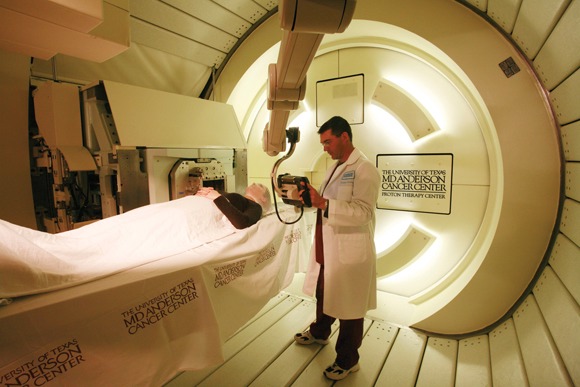
Proton beam therapy also significantly reduced the incidence of esophagitis when compared with IMRT and three-dimensional conformal radiotherapy (3D-CRT). A mean esophageal dose of 40 Gy or higher was identified as the cut-off point for high-grade esophagitis occurring with any method.
"Radiation dose escalation improves local control but increases toxicity, especially when combined with concurrent chemotherapy for non–small cell lung cancer [NSCLC] or even small cell lung cancer," said Dr. Komaki, a professor of radiation oncology at M.D. Anderson, which opened its 94,000-square-foot Proton Therapy Center in 2006. As such, "radiation chemotherapy is a double-edged sword," she observed. "It will kill cancer cells, but it also kills normal tissues, and more targeted treatment is needed."
"One of the most important benefits of PBT is that there is no exit dose," Dr. Komaki added in an interview with Elsevier Global Medical News. "The protons stop after penetrating the tumor, and there is no dose of radiation beyond it."
This has the potential to spare surrounding cells and organs from damage, she observed. Normal tissues that might be affected by radiation therapy for NSCLC include the lungs, esophagus, heart, and bone marrow, which cannot always be avoided by the use of 3D-CRT or even IMRT.
An expensive new technology that delivers highly targeted radiation with electrically charged particles, proton beam therapy is promising but unproven, according to a 2009 review commissioned by the Agency for Healthcare Research and Quality (AHRQ). The authors found few comparative studies to establish effectiveness or safety for the technology, which is housed in a small but growing number of proton beam centers that can cost $100 million to $225 million to build (Ann. Intern. Med. 2009;151:556-65).
Dr. Komaki and her associates are recruiting patients into the first, prospective randomized trial to directly compare proton beam therapy with IMRT in unresectable stage II /III NSCLC. The phase II trial is supported by a grant from the National Cancer Institute, and involves treatment with 74 Gy proton beam therapy or IMRT with concurrent carboplatin and paclitaxel. To date, 107 of the planned 168 patients have been enrolled in the study at the Texas institution and at the Massachusetts General Hospital in Boston, the other participating center, she said.
A recent report from the M.D. Anderson showed that higher doses of proton radiation could be delivered to lung tumors with a lower risk of esophagitis and pneumonitis than either IMRT or 3D-CRT (Cancer 2011;doi.org/10.1002/cncr.25848).
The new data presented by Dr. Komaki showed significantly reduced rates of grade 2 or higher esophagitis (P less than .0001), pneumonitis (P less than .002), hematologic toxicities (P less than .0001 for neutrophil toxicity and P less than .001 for hemoglobin and white blood cell toxicities), and fatigue (P less than.0001) in 60 patients treated with proton beam therapy compared with 75 patients treated with IMRT (Radiother. Oncol. 2011;99:S89-90, abstract 233).
Other research from the M.D. Anderson team focused on esophagitis, and examined dosimetric and clinical factors that could lead to this side effect following proton beam therapy, IMRT, or 3D-CRT for definitive NSCLC treatment (Radiother. Oncol. 2011;99[Suppl.1]:S210, abstract 518).
Dr. Daniel Gomez, a radiation oncologist at M.D. Anderson, presented data on 678 patients treated at the institution between 1999 and 2008. Dr. Gomez explained that the type of radiation therapy received had altered over the years, with 463 patients treated with 3D-CRT between 1999 and 2005, 122 with IMRT between 2005 and 2007, and 94 patients treated with proton beam therapy between 2006 and 2008.
"Esophagitis is a common toxicity in the treatment of NSCLC with definitive radiation," Dr. Gomez observed. Although studies have looked at what factors might predict this life-limiting side effect, conflicting results have been obtained.
Data show, for example, that the presence of acute toxicity is a predictor of late toxicity (Int. J. Radiat. Oncol. Biol. Phys. 2005,61:335-47), but a variety of dosimetric parameters have been noted and there does not appear to be a single threshold at which a toxic effect is or is not likely to be observed (Int. J. Radiat. Oncol. Biol. Phys. 2010;76:S86-93).
Data presented by Dr. Gomez, however, suggest that a mean delivered esophageal dose of above 40 Gy may be predictive of high-grade inflammation regardless of whether proton beams, IMRT or 3D-CRT is used. This research might eventually help develop dosing guides for clinicians to use in routine practice, he suggested.
"Patients receiving IMRT had a higher rate of esophagitis in all grades, including grade 3," Dr. Gomez said. In contrast, "patients receiving proton therapy had lower rates of esophagitis at all grades." The incidence of grade 3 or higher esophagitis was 14% (n = 65) for 3D-CRT, 27% (n = 33) for IMRT, and 6% (n = 6) for proton beam therapy.
Dr. Gomez also reported that grade 3 or higher esophagitis was more likely in patients who received concurrent chemotherapy than in those who did not (18.4% vs. 7.4%, P less than .001). The mean esophageal dose of radiation delivered to patients given concurrent chemotherapy also was, significantly higher (32.2 Gy vs. 15.8 Gy, P less than .001), however.
The M.D. Anderson investigators said they have just finished (May 12) recruiting patients into a phase III trial (Radiation Therapy Oncology Group [RTOG] 0617) that will compare conventional (60 Gy in 6 weeks) vs. high dose (74 Gy in 7.5 weeks) radiation therapy in combination with paclitaxel and carboplatin, with or without the addition of cetuximab (Erbitux) in 500 patients with NSCLC.
Although the trial is not directly comparing the type of radiation treatment used, it should still be possible to retrospectively analyze the results to determine the individual effects of the radiation modalities used at each participating center, Dr. Komaki noted.
"When we started this trial, it was not acquiring patients because some of the radiation and medical oncologists said that it was obvious that patients given 60 Gy would do worse compared to 74 Gy," she added in the interview. "When we included cetuximab based on the results of the RTOG 0324 trial, however, recruitment started to rocket." The RTOG 0324 trial showed the feasibility of combining cetuximab with chemoradiation in NSCLC (J. Clin. Oncol. 2011 May 9 [Epub ahead of print, doi: 10.1200/JCO.2010.31.7875]).
Discussing the downsides of proton beam therapy vs. IMRT, Dr. Komaki conceded that the newer method involved a lot more sophisticated planning and was more expensive. There is also concern that the sharp drop-off of radiation received with proton beam therapy might mean that important areas of the tumor are missed – although this may explain the lower rate of side effects seen with PBT to date. "There is no give," Dr. Komaki said.
As relatively few proton beam facilities are in operation, large cooperative trials are difficult to perform. The prospective phase II trial comparing proton beam therapy and IMRT now being conducted at M.D. Anderson and the Massachusetts General Hospital will be the proof that such trials are possible, and provide valuable information on the comparative safety and efficacy of the two procedures.
Dr. Komaki and Dr. Gomez said they had no financial conflicts of interest.
LONDON – Proton beam therapy for non–small cell lung cancer is associated with fewer radiation-induced side effects than are conventional radiotherapy methods when combined with chemotherapy, according to preliminary data from two retrospective studies conducted at the University of Texas M.D. Anderson Cancer Center in Houston.
Significantly less esophagitis, pneumonitis, and bone marrow toxicity were observed with proton beam therapy (PBT) than with intensity-modulated radiotherapy (IMRT), Dr. Ritsuko Komaki reported May 10, at the European Society for Therapeutic Radiation Oncology (ESTRO) Anniversary Conference.
Proton beam therapy also significantly reduced the incidence of esophagitis when compared with IMRT and three-dimensional conformal radiotherapy (3D-CRT). A mean esophageal dose of 40 Gy or higher was identified as the cut-off point for high-grade esophagitis occurring with any method.
"Radiation dose escalation improves local control but increases toxicity, especially when combined with concurrent chemotherapy for non–small cell lung cancer [NSCLC] or even small cell lung cancer," said Dr. Komaki, a professor of radiation oncology at M.D. Anderson, which opened its 94,000-square-foot Proton Therapy Center in 2006. As such, "radiation chemotherapy is a double-edged sword," she observed. "It will kill cancer cells, but it also kills normal tissues, and more targeted treatment is needed."
"One of the most important benefits of PBT is that there is no exit dose," Dr. Komaki added in an interview with Elsevier Global Medical News. "The protons stop after penetrating the tumor, and there is no dose of radiation beyond it."
This has the potential to spare surrounding cells and organs from damage, she observed. Normal tissues that might be affected by radiation therapy for NSCLC include the lungs, esophagus, heart, and bone marrow, which cannot always be avoided by the use of 3D-CRT or even IMRT.
An expensive new technology that delivers highly targeted radiation with electrically charged particles, proton beam therapy is promising but unproven, according to a 2009 review commissioned by the Agency for Healthcare Research and Quality (AHRQ). The authors found few comparative studies to establish effectiveness or safety for the technology, which is housed in a small but growing number of proton beam centers that can cost $100 million to $225 million to build (Ann. Intern. Med. 2009;151:556-65).
Dr. Komaki and her associates are recruiting patients into the first, prospective randomized trial to directly compare proton beam therapy with IMRT in unresectable stage II /III NSCLC. The phase II trial is supported by a grant from the National Cancer Institute, and involves treatment with 74 Gy proton beam therapy or IMRT with concurrent carboplatin and paclitaxel. To date, 107 of the planned 168 patients have been enrolled in the study at the Texas institution and at the Massachusetts General Hospital in Boston, the other participating center, she said.
A recent report from the M.D. Anderson showed that higher doses of proton radiation could be delivered to lung tumors with a lower risk of esophagitis and pneumonitis than either IMRT or 3D-CRT (Cancer 2011;doi.org/10.1002/cncr.25848).
The new data presented by Dr. Komaki showed significantly reduced rates of grade 2 or higher esophagitis (P less than .0001), pneumonitis (P less than .002), hematologic toxicities (P less than .0001 for neutrophil toxicity and P less than .001 for hemoglobin and white blood cell toxicities), and fatigue (P less than.0001) in 60 patients treated with proton beam therapy compared with 75 patients treated with IMRT (Radiother. Oncol. 2011;99:S89-90, abstract 233).
Other research from the M.D. Anderson team focused on esophagitis, and examined dosimetric and clinical factors that could lead to this side effect following proton beam therapy, IMRT, or 3D-CRT for definitive NSCLC treatment (Radiother. Oncol. 2011;99[Suppl.1]:S210, abstract 518).
Dr. Daniel Gomez, a radiation oncologist at M.D. Anderson, presented data on 678 patients treated at the institution between 1999 and 2008. Dr. Gomez explained that the type of radiation therapy received had altered over the years, with 463 patients treated with 3D-CRT between 1999 and 2005, 122 with IMRT between 2005 and 2007, and 94 patients treated with proton beam therapy between 2006 and 2008.
"Esophagitis is a common toxicity in the treatment of NSCLC with definitive radiation," Dr. Gomez observed. Although studies have looked at what factors might predict this life-limiting side effect, conflicting results have been obtained.
Data show, for example, that the presence of acute toxicity is a predictor of late toxicity (Int. J. Radiat. Oncol. Biol. Phys. 2005,61:335-47), but a variety of dosimetric parameters have been noted and there does not appear to be a single threshold at which a toxic effect is or is not likely to be observed (Int. J. Radiat. Oncol. Biol. Phys. 2010;76:S86-93).
Data presented by Dr. Gomez, however, suggest that a mean delivered esophageal dose of above 40 Gy may be predictive of high-grade inflammation regardless of whether proton beams, IMRT or 3D-CRT is used. This research might eventually help develop dosing guides for clinicians to use in routine practice, he suggested.
"Patients receiving IMRT had a higher rate of esophagitis in all grades, including grade 3," Dr. Gomez said. In contrast, "patients receiving proton therapy had lower rates of esophagitis at all grades." The incidence of grade 3 or higher esophagitis was 14% (n = 65) for 3D-CRT, 27% (n = 33) for IMRT, and 6% (n = 6) for proton beam therapy.
Dr. Gomez also reported that grade 3 or higher esophagitis was more likely in patients who received concurrent chemotherapy than in those who did not (18.4% vs. 7.4%, P less than .001). The mean esophageal dose of radiation delivered to patients given concurrent chemotherapy also was, significantly higher (32.2 Gy vs. 15.8 Gy, P less than .001), however.
The M.D. Anderson investigators said they have just finished (May 12) recruiting patients into a phase III trial (Radiation Therapy Oncology Group [RTOG] 0617) that will compare conventional (60 Gy in 6 weeks) vs. high dose (74 Gy in 7.5 weeks) radiation therapy in combination with paclitaxel and carboplatin, with or without the addition of cetuximab (Erbitux) in 500 patients with NSCLC.
Although the trial is not directly comparing the type of radiation treatment used, it should still be possible to retrospectively analyze the results to determine the individual effects of the radiation modalities used at each participating center, Dr. Komaki noted.
"When we started this trial, it was not acquiring patients because some of the radiation and medical oncologists said that it was obvious that patients given 60 Gy would do worse compared to 74 Gy," she added in the interview. "When we included cetuximab based on the results of the RTOG 0324 trial, however, recruitment started to rocket." The RTOG 0324 trial showed the feasibility of combining cetuximab with chemoradiation in NSCLC (J. Clin. Oncol. 2011 May 9 [Epub ahead of print, doi: 10.1200/JCO.2010.31.7875]).
Discussing the downsides of proton beam therapy vs. IMRT, Dr. Komaki conceded that the newer method involved a lot more sophisticated planning and was more expensive. There is also concern that the sharp drop-off of radiation received with proton beam therapy might mean that important areas of the tumor are missed – although this may explain the lower rate of side effects seen with PBT to date. "There is no give," Dr. Komaki said.
As relatively few proton beam facilities are in operation, large cooperative trials are difficult to perform. The prospective phase II trial comparing proton beam therapy and IMRT now being conducted at M.D. Anderson and the Massachusetts General Hospital will be the proof that such trials are possible, and provide valuable information on the comparative safety and efficacy of the two procedures.
Dr. Komaki and Dr. Gomez said they had no financial conflicts of interest.
LONDON – Proton beam therapy for non–small cell lung cancer is associated with fewer radiation-induced side effects than are conventional radiotherapy methods when combined with chemotherapy, according to preliminary data from two retrospective studies conducted at the University of Texas M.D. Anderson Cancer Center in Houston.
Significantly less esophagitis, pneumonitis, and bone marrow toxicity were observed with proton beam therapy (PBT) than with intensity-modulated radiotherapy (IMRT), Dr. Ritsuko Komaki reported May 10, at the European Society for Therapeutic Radiation Oncology (ESTRO) Anniversary Conference.
Proton beam therapy also significantly reduced the incidence of esophagitis when compared with IMRT and three-dimensional conformal radiotherapy (3D-CRT). A mean esophageal dose of 40 Gy or higher was identified as the cut-off point for high-grade esophagitis occurring with any method.
"Radiation dose escalation improves local control but increases toxicity, especially when combined with concurrent chemotherapy for non–small cell lung cancer [NSCLC] or even small cell lung cancer," said Dr. Komaki, a professor of radiation oncology at M.D. Anderson, which opened its 94,000-square-foot Proton Therapy Center in 2006. As such, "radiation chemotherapy is a double-edged sword," she observed. "It will kill cancer cells, but it also kills normal tissues, and more targeted treatment is needed."
"One of the most important benefits of PBT is that there is no exit dose," Dr. Komaki added in an interview with Elsevier Global Medical News. "The protons stop after penetrating the tumor, and there is no dose of radiation beyond it."
This has the potential to spare surrounding cells and organs from damage, she observed. Normal tissues that might be affected by radiation therapy for NSCLC include the lungs, esophagus, heart, and bone marrow, which cannot always be avoided by the use of 3D-CRT or even IMRT.
An expensive new technology that delivers highly targeted radiation with electrically charged particles, proton beam therapy is promising but unproven, according to a 2009 review commissioned by the Agency for Healthcare Research and Quality (AHRQ). The authors found few comparative studies to establish effectiveness or safety for the technology, which is housed in a small but growing number of proton beam centers that can cost $100 million to $225 million to build (Ann. Intern. Med. 2009;151:556-65).
Dr. Komaki and her associates are recruiting patients into the first, prospective randomized trial to directly compare proton beam therapy with IMRT in unresectable stage II /III NSCLC. The phase II trial is supported by a grant from the National Cancer Institute, and involves treatment with 74 Gy proton beam therapy or IMRT with concurrent carboplatin and paclitaxel. To date, 107 of the planned 168 patients have been enrolled in the study at the Texas institution and at the Massachusetts General Hospital in Boston, the other participating center, she said.
A recent report from the M.D. Anderson showed that higher doses of proton radiation could be delivered to lung tumors with a lower risk of esophagitis and pneumonitis than either IMRT or 3D-CRT (Cancer 2011;doi.org/10.1002/cncr.25848).
The new data presented by Dr. Komaki showed significantly reduced rates of grade 2 or higher esophagitis (P less than .0001), pneumonitis (P less than .002), hematologic toxicities (P less than .0001 for neutrophil toxicity and P less than .001 for hemoglobin and white blood cell toxicities), and fatigue (P less than.0001) in 60 patients treated with proton beam therapy compared with 75 patients treated with IMRT (Radiother. Oncol. 2011;99:S89-90, abstract 233).
Other research from the M.D. Anderson team focused on esophagitis, and examined dosimetric and clinical factors that could lead to this side effect following proton beam therapy, IMRT, or 3D-CRT for definitive NSCLC treatment (Radiother. Oncol. 2011;99[Suppl.1]:S210, abstract 518).
Dr. Daniel Gomez, a radiation oncologist at M.D. Anderson, presented data on 678 patients treated at the institution between 1999 and 2008. Dr. Gomez explained that the type of radiation therapy received had altered over the years, with 463 patients treated with 3D-CRT between 1999 and 2005, 122 with IMRT between 2005 and 2007, and 94 patients treated with proton beam therapy between 2006 and 2008.
"Esophagitis is a common toxicity in the treatment of NSCLC with definitive radiation," Dr. Gomez observed. Although studies have looked at what factors might predict this life-limiting side effect, conflicting results have been obtained.
Data show, for example, that the presence of acute toxicity is a predictor of late toxicity (Int. J. Radiat. Oncol. Biol. Phys. 2005,61:335-47), but a variety of dosimetric parameters have been noted and there does not appear to be a single threshold at which a toxic effect is or is not likely to be observed (Int. J. Radiat. Oncol. Biol. Phys. 2010;76:S86-93).
Data presented by Dr. Gomez, however, suggest that a mean delivered esophageal dose of above 40 Gy may be predictive of high-grade inflammation regardless of whether proton beams, IMRT or 3D-CRT is used. This research might eventually help develop dosing guides for clinicians to use in routine practice, he suggested.
"Patients receiving IMRT had a higher rate of esophagitis in all grades, including grade 3," Dr. Gomez said. In contrast, "patients receiving proton therapy had lower rates of esophagitis at all grades." The incidence of grade 3 or higher esophagitis was 14% (n = 65) for 3D-CRT, 27% (n = 33) for IMRT, and 6% (n = 6) for proton beam therapy.
Dr. Gomez also reported that grade 3 or higher esophagitis was more likely in patients who received concurrent chemotherapy than in those who did not (18.4% vs. 7.4%, P less than .001). The mean esophageal dose of radiation delivered to patients given concurrent chemotherapy also was, significantly higher (32.2 Gy vs. 15.8 Gy, P less than .001), however.
The M.D. Anderson investigators said they have just finished (May 12) recruiting patients into a phase III trial (Radiation Therapy Oncology Group [RTOG] 0617) that will compare conventional (60 Gy in 6 weeks) vs. high dose (74 Gy in 7.5 weeks) radiation therapy in combination with paclitaxel and carboplatin, with or without the addition of cetuximab (Erbitux) in 500 patients with NSCLC.
Although the trial is not directly comparing the type of radiation treatment used, it should still be possible to retrospectively analyze the results to determine the individual effects of the radiation modalities used at each participating center, Dr. Komaki noted.
"When we started this trial, it was not acquiring patients because some of the radiation and medical oncologists said that it was obvious that patients given 60 Gy would do worse compared to 74 Gy," she added in the interview. "When we included cetuximab based on the results of the RTOG 0324 trial, however, recruitment started to rocket." The RTOG 0324 trial showed the feasibility of combining cetuximab with chemoradiation in NSCLC (J. Clin. Oncol. 2011 May 9 [Epub ahead of print, doi: 10.1200/JCO.2010.31.7875]).
Discussing the downsides of proton beam therapy vs. IMRT, Dr. Komaki conceded that the newer method involved a lot more sophisticated planning and was more expensive. There is also concern that the sharp drop-off of radiation received with proton beam therapy might mean that important areas of the tumor are missed – although this may explain the lower rate of side effects seen with PBT to date. "There is no give," Dr. Komaki said.
As relatively few proton beam facilities are in operation, large cooperative trials are difficult to perform. The prospective phase II trial comparing proton beam therapy and IMRT now being conducted at M.D. Anderson and the Massachusetts General Hospital will be the proof that such trials are possible, and provide valuable information on the comparative safety and efficacy of the two procedures.
Dr. Komaki and Dr. Gomez said they had no financial conflicts of interest.
FROM THE EUROPEAN SOCIETY FOR THERAPEUTIC RADIATION ONCOLOGY ANNIVERSARY CONFERENCE
Major Finding: PBT resulted in significantly lower rates of grade 2 or higher esophagitis (P less than .0001), pneumonitis (P less than .002), hematologic toxicities (P less than .0001 for neutrophil toxicity and P less than .001 for hemoglobin and white blood cell toxicities), and fatigue (P less than .0001) than IMRT.
Data Source: Two retrospective studies: one involving 135 patients with NSCLC treated with concurrent chemoradiation (PBT, IMRT) and one involving 678 patients with NSCLC treated with concurrent chemoradiation between 1999 and 2008.
Disclosures: Dr. Komaki and Dr. Gomez said they had no financial conflicts of interest.
EDs Look to Hospitalists to Solve Crowding
GRAPEVINE, Texas–ED crowding may not seem like the hospitalist's purview, but an HM leader speaking at HM11 says think again.
Boarding, the term for admitted patients who are held in the ED, makes the issue particularly relevant to HM, says Eric Howell, MD, SFHM, associate professor of medicine at Johns Hopkins University and director of Johns Hopkins Bayview Medical Center's HM division.
"Almost everyone is equating boarding of admitted patients now with ED crowding," says Dr. Howell, an SHM board member. "And who do you think they're going to come to for help with all the boarded patients? They're going to come to you."
Dr. Howell says that although HM leaders might think of bed management mostly as a discharge issue, hospitalists would be well served to work with their respective ED colleagues to manage emergency throughput better. He suggests two initial approaches:
1. Round on boarders. In some practices, including at Johns Hopkins Bayview, a hospitalist can be dedicated to the practice of seeing admitted patients held in the ED. If a dedicated staffer is unavailable, group members can rotate the service.
2. Add capacity. Virtual capacity can be added by initiatives that lower LOS and therefore effectively create more bed space. Capacity can be added physically via something as ambitious as the creation of a unit, or techniques as simple as placing admitted patients in hallways.
"Targeting the ED alone doesn’t work," Dr. Howell says. "Patients boarding in the ED needs to be solved. … People are looking for good hospitalists to solve the problem."
GRAPEVINE, Texas–ED crowding may not seem like the hospitalist's purview, but an HM leader speaking at HM11 says think again.
Boarding, the term for admitted patients who are held in the ED, makes the issue particularly relevant to HM, says Eric Howell, MD, SFHM, associate professor of medicine at Johns Hopkins University and director of Johns Hopkins Bayview Medical Center's HM division.
"Almost everyone is equating boarding of admitted patients now with ED crowding," says Dr. Howell, an SHM board member. "And who do you think they're going to come to for help with all the boarded patients? They're going to come to you."
Dr. Howell says that although HM leaders might think of bed management mostly as a discharge issue, hospitalists would be well served to work with their respective ED colleagues to manage emergency throughput better. He suggests two initial approaches:
1. Round on boarders. In some practices, including at Johns Hopkins Bayview, a hospitalist can be dedicated to the practice of seeing admitted patients held in the ED. If a dedicated staffer is unavailable, group members can rotate the service.
2. Add capacity. Virtual capacity can be added by initiatives that lower LOS and therefore effectively create more bed space. Capacity can be added physically via something as ambitious as the creation of a unit, or techniques as simple as placing admitted patients in hallways.
"Targeting the ED alone doesn’t work," Dr. Howell says. "Patients boarding in the ED needs to be solved. … People are looking for good hospitalists to solve the problem."
GRAPEVINE, Texas–ED crowding may not seem like the hospitalist's purview, but an HM leader speaking at HM11 says think again.
Boarding, the term for admitted patients who are held in the ED, makes the issue particularly relevant to HM, says Eric Howell, MD, SFHM, associate professor of medicine at Johns Hopkins University and director of Johns Hopkins Bayview Medical Center's HM division.
"Almost everyone is equating boarding of admitted patients now with ED crowding," says Dr. Howell, an SHM board member. "And who do you think they're going to come to for help with all the boarded patients? They're going to come to you."
Dr. Howell says that although HM leaders might think of bed management mostly as a discharge issue, hospitalists would be well served to work with their respective ED colleagues to manage emergency throughput better. He suggests two initial approaches:
1. Round on boarders. In some practices, including at Johns Hopkins Bayview, a hospitalist can be dedicated to the practice of seeing admitted patients held in the ED. If a dedicated staffer is unavailable, group members can rotate the service.
2. Add capacity. Virtual capacity can be added by initiatives that lower LOS and therefore effectively create more bed space. Capacity can be added physically via something as ambitious as the creation of a unit, or techniques as simple as placing admitted patients in hallways.
"Targeting the ED alone doesn’t work," Dr. Howell says. "Patients boarding in the ED needs to be solved. … People are looking for good hospitalists to solve the problem."
Infectious-Disease Cases Require Patience
Take your time, gather pertinent data, and know what you are dealing with before making kneejerk decisions, a national infectious-disease expert told hundreds of hospitalists this morning at HM11.
Shanta Zimmer, MD, associate professor of medicine and director of the internal-medicine residency program at the University of Pittsburgh Medical School walked hospitalists through a half dozen common and uncommon patients, cases ranging from Staphylococcus aureus to Candida albicans to zygomycosis.
Her main message to hospitalists:
- Not all fevers are infectious.
- Get or repeat blood cultures before starting antibiotics, because although administering antibiotics might be the right thing to do, the effects of the drugs makes it difficult to determine the origin. “Then you have to play the guessing game whether or not to treat,” she said. “There also is a lot of morbidity associated with long-term antibiotic therapy.”
- Remove lines when you are able to do so.
- Hold off on antibiotics when a patient is stable and infectious ediology is unknown.
- Take your time, as “very few things in medicine are an emergency; we often have time to think and make a decision,” she said.
- Narrow antibiotic coverage, when possible.
Dr. Zimmer also warned hospitalists to respect S. aureus, which she says remains a large percentage of her caseload. “It never ceases to amaze me how virulent and aggressive it can be,” she said. “It frightens me."
Take your time, gather pertinent data, and know what you are dealing with before making kneejerk decisions, a national infectious-disease expert told hundreds of hospitalists this morning at HM11.
Shanta Zimmer, MD, associate professor of medicine and director of the internal-medicine residency program at the University of Pittsburgh Medical School walked hospitalists through a half dozen common and uncommon patients, cases ranging from Staphylococcus aureus to Candida albicans to zygomycosis.
Her main message to hospitalists:
- Not all fevers are infectious.
- Get or repeat blood cultures before starting antibiotics, because although administering antibiotics might be the right thing to do, the effects of the drugs makes it difficult to determine the origin. “Then you have to play the guessing game whether or not to treat,” she said. “There also is a lot of morbidity associated with long-term antibiotic therapy.”
- Remove lines when you are able to do so.
- Hold off on antibiotics when a patient is stable and infectious ediology is unknown.
- Take your time, as “very few things in medicine are an emergency; we often have time to think and make a decision,” she said.
- Narrow antibiotic coverage, when possible.
Dr. Zimmer also warned hospitalists to respect S. aureus, which she says remains a large percentage of her caseload. “It never ceases to amaze me how virulent and aggressive it can be,” she said. “It frightens me."
Take your time, gather pertinent data, and know what you are dealing with before making kneejerk decisions, a national infectious-disease expert told hundreds of hospitalists this morning at HM11.
Shanta Zimmer, MD, associate professor of medicine and director of the internal-medicine residency program at the University of Pittsburgh Medical School walked hospitalists through a half dozen common and uncommon patients, cases ranging from Staphylococcus aureus to Candida albicans to zygomycosis.
Her main message to hospitalists:
- Not all fevers are infectious.
- Get or repeat blood cultures before starting antibiotics, because although administering antibiotics might be the right thing to do, the effects of the drugs makes it difficult to determine the origin. “Then you have to play the guessing game whether or not to treat,” she said. “There also is a lot of morbidity associated with long-term antibiotic therapy.”
- Remove lines when you are able to do so.
- Hold off on antibiotics when a patient is stable and infectious ediology is unknown.
- Take your time, as “very few things in medicine are an emergency; we often have time to think and make a decision,” she said.
- Narrow antibiotic coverage, when possible.
Dr. Zimmer also warned hospitalists to respect S. aureus, which she says remains a large percentage of her caseload. “It never ceases to amaze me how virulent and aggressive it can be,” she said. “It frightens me."
New President Expects 'Laser Focus'
GRAPEVINE, Texas – SHM's new president has kept his first promise to the constituency: He ended his morning address to HM11 attendees here on time.
Now comes the more difficult part, as Joseph Li, MD, SFHM, associate professor of medicine at Harvard Medical School and director of the hospital medicine division at Beth Israel Deaconess Medical Center in Boston, leads the 10,000-member society through the next year. Dr. Li replaces outgoing president Jeff Wiese, MD, FACP, SFHM, associate professor of medicine at Tulane University Health Sciences Center in New Orleans.
"We're really only at the very beginning," Dr. Li says. "All of hospital medicine only started 10, 15 years ago. For some folks, they believe that's a long time. But this really is the very beginning of this movement."
Dr. Li wants the society to apply a "laser focus" on patient care, both inside the hospital and outside at such places as discharge clinics. He wants more hospitalists to take advantage of training opportunities that the society sponsors for clinical care, transitions of care and leadership skills. Lastly, Dr. Li wants to make sure that as the first generation of hospitalists approaches the end of their careers, SHM is recruiting and retaining the next cohort.
"You have to have the right people on the bus. We need to continue to get the best people out of residency classes to come into hospital medicine," he adds. "We need to reach forward into medical schools and help them understand why they should choose hospital medicine as opposed to any other field in medicine. Take the highest-quality people and then we need to train them."
GRAPEVINE, Texas – SHM's new president has kept his first promise to the constituency: He ended his morning address to HM11 attendees here on time.
Now comes the more difficult part, as Joseph Li, MD, SFHM, associate professor of medicine at Harvard Medical School and director of the hospital medicine division at Beth Israel Deaconess Medical Center in Boston, leads the 10,000-member society through the next year. Dr. Li replaces outgoing president Jeff Wiese, MD, FACP, SFHM, associate professor of medicine at Tulane University Health Sciences Center in New Orleans.
"We're really only at the very beginning," Dr. Li says. "All of hospital medicine only started 10, 15 years ago. For some folks, they believe that's a long time. But this really is the very beginning of this movement."
Dr. Li wants the society to apply a "laser focus" on patient care, both inside the hospital and outside at such places as discharge clinics. He wants more hospitalists to take advantage of training opportunities that the society sponsors for clinical care, transitions of care and leadership skills. Lastly, Dr. Li wants to make sure that as the first generation of hospitalists approaches the end of their careers, SHM is recruiting and retaining the next cohort.
"You have to have the right people on the bus. We need to continue to get the best people out of residency classes to come into hospital medicine," he adds. "We need to reach forward into medical schools and help them understand why they should choose hospital medicine as opposed to any other field in medicine. Take the highest-quality people and then we need to train them."
GRAPEVINE, Texas – SHM's new president has kept his first promise to the constituency: He ended his morning address to HM11 attendees here on time.
Now comes the more difficult part, as Joseph Li, MD, SFHM, associate professor of medicine at Harvard Medical School and director of the hospital medicine division at Beth Israel Deaconess Medical Center in Boston, leads the 10,000-member society through the next year. Dr. Li replaces outgoing president Jeff Wiese, MD, FACP, SFHM, associate professor of medicine at Tulane University Health Sciences Center in New Orleans.
"We're really only at the very beginning," Dr. Li says. "All of hospital medicine only started 10, 15 years ago. For some folks, they believe that's a long time. But this really is the very beginning of this movement."
Dr. Li wants the society to apply a "laser focus" on patient care, both inside the hospital and outside at such places as discharge clinics. He wants more hospitalists to take advantage of training opportunities that the society sponsors for clinical care, transitions of care and leadership skills. Lastly, Dr. Li wants to make sure that as the first generation of hospitalists approaches the end of their careers, SHM is recruiting and retaining the next cohort.
"You have to have the right people on the bus. We need to continue to get the best people out of residency classes to come into hospital medicine," he adds. "We need to reach forward into medical schools and help them understand why they should choose hospital medicine as opposed to any other field in medicine. Take the highest-quality people and then we need to train them."
SHM Doles Out Annual Awards
Dozens of hospitalists were honored this morning by SHM for outstanding clinical practice, research, teaching, and teamwork.
Luke Hansen, MD, and Keiki Hinami, MD, of Northwestern Memorial Hospital in Chicago, are this year’s winners of the Young Researcher Award. Each was given a two-year, $50,000 grant to continue HM-related investigations
“It’s wonderful to be recognized by your peers and your mentors, as producing good work,” says Dr. Hansen, whose research focuses on geriatric patient rehospitalizations. "It also reflects something that I think is important in HM, as a growing specialty, that the society is committing resources to my development and other investigators.”
Dr. Hinami's research looks at perioperative care for medically complex surgical patients during and after hospitalization.
The 2011 SHM Awards of Excellence went to:
Award for Clinical Excellence: John Delgelau, MD, MS-HSRPPA, chief of hospital medicine for HealthPartners at North Memorial Medical Center and medical director of care transitions
Award for Excellence in Research: Raj Srivastava, MD, MPH, associate professor of pediatrics at University of Utah
Award for Excellence in Teaching: Dan Hunt, MD, associate physician at MGH and associate professor of medicine at Harvard Medical School
Award for Outstanding Service in Hospital Medicine: Patrick Conway, MD, MSc, director of hospital medicine and associate professor at Cincinnati Children’s Hospital
Award for Excellence in Teamwork in Quality Improvement:Cleveland Clinic’s Blood Management team, led by Ajay Kumar, MD, FACP, SFHM
Award for Excellence in Hospital Medicine: Ryan Genzink, MS, PA-C, Hospitalists of West Michigan
Also announced were winners in the 2011 Research, Innovations, and Clinical Vignettes competition:
Best Research Poster:Association between Hospital Noise Levels and Inpatient Sleep Among Middle-Aged and Older Adults: Far From a Quiet Night; Jordan Yoder, Arshiya Fazal, Paul Staisiusas, David Meltzer, MD, PhD, Kristen Knutson, PhD, Eve Van Cauter, PhD, Vineet Arora, MD, MA, University of Chicago
Best Innovations Poster: Purposeful Visits for Hospitalized Elderly Patients: Program Impact on Orientation, Agitation, and Mood; Ethan Cumbler, MD, William Mramor, Jan Hagman, RN, Deborah Ford, RN, University of Colorado Denver
Best Adult Vignette Poster:Vitamin D Toxicity: Rare or Underdetected? Dahlia Rizk, DO, Carla Romero, MD, Beth Israel Medical Center, New York City
Best Pediatric Vignette Poster: Occam’s Razor Revisited; Kimberly Tartaglia, MD, Bret Betz, Ohio State University Medical Center, Columbus
Dozens of hospitalists were honored this morning by SHM for outstanding clinical practice, research, teaching, and teamwork.
Luke Hansen, MD, and Keiki Hinami, MD, of Northwestern Memorial Hospital in Chicago, are this year’s winners of the Young Researcher Award. Each was given a two-year, $50,000 grant to continue HM-related investigations
“It’s wonderful to be recognized by your peers and your mentors, as producing good work,” says Dr. Hansen, whose research focuses on geriatric patient rehospitalizations. "It also reflects something that I think is important in HM, as a growing specialty, that the society is committing resources to my development and other investigators.”
Dr. Hinami's research looks at perioperative care for medically complex surgical patients during and after hospitalization.
The 2011 SHM Awards of Excellence went to:
Award for Clinical Excellence: John Delgelau, MD, MS-HSRPPA, chief of hospital medicine for HealthPartners at North Memorial Medical Center and medical director of care transitions
Award for Excellence in Research: Raj Srivastava, MD, MPH, associate professor of pediatrics at University of Utah
Award for Excellence in Teaching: Dan Hunt, MD, associate physician at MGH and associate professor of medicine at Harvard Medical School
Award for Outstanding Service in Hospital Medicine: Patrick Conway, MD, MSc, director of hospital medicine and associate professor at Cincinnati Children’s Hospital
Award for Excellence in Teamwork in Quality Improvement:Cleveland Clinic’s Blood Management team, led by Ajay Kumar, MD, FACP, SFHM
Award for Excellence in Hospital Medicine: Ryan Genzink, MS, PA-C, Hospitalists of West Michigan
Also announced were winners in the 2011 Research, Innovations, and Clinical Vignettes competition:
Best Research Poster:Association between Hospital Noise Levels and Inpatient Sleep Among Middle-Aged and Older Adults: Far From a Quiet Night; Jordan Yoder, Arshiya Fazal, Paul Staisiusas, David Meltzer, MD, PhD, Kristen Knutson, PhD, Eve Van Cauter, PhD, Vineet Arora, MD, MA, University of Chicago
Best Innovations Poster: Purposeful Visits for Hospitalized Elderly Patients: Program Impact on Orientation, Agitation, and Mood; Ethan Cumbler, MD, William Mramor, Jan Hagman, RN, Deborah Ford, RN, University of Colorado Denver
Best Adult Vignette Poster:Vitamin D Toxicity: Rare or Underdetected? Dahlia Rizk, DO, Carla Romero, MD, Beth Israel Medical Center, New York City
Best Pediatric Vignette Poster: Occam’s Razor Revisited; Kimberly Tartaglia, MD, Bret Betz, Ohio State University Medical Center, Columbus
Dozens of hospitalists were honored this morning by SHM for outstanding clinical practice, research, teaching, and teamwork.
Luke Hansen, MD, and Keiki Hinami, MD, of Northwestern Memorial Hospital in Chicago, are this year’s winners of the Young Researcher Award. Each was given a two-year, $50,000 grant to continue HM-related investigations
“It’s wonderful to be recognized by your peers and your mentors, as producing good work,” says Dr. Hansen, whose research focuses on geriatric patient rehospitalizations. "It also reflects something that I think is important in HM, as a growing specialty, that the society is committing resources to my development and other investigators.”
Dr. Hinami's research looks at perioperative care for medically complex surgical patients during and after hospitalization.
The 2011 SHM Awards of Excellence went to:
Award for Clinical Excellence: John Delgelau, MD, MS-HSRPPA, chief of hospital medicine for HealthPartners at North Memorial Medical Center and medical director of care transitions
Award for Excellence in Research: Raj Srivastava, MD, MPH, associate professor of pediatrics at University of Utah
Award for Excellence in Teaching: Dan Hunt, MD, associate physician at MGH and associate professor of medicine at Harvard Medical School
Award for Outstanding Service in Hospital Medicine: Patrick Conway, MD, MSc, director of hospital medicine and associate professor at Cincinnati Children’s Hospital
Award for Excellence in Teamwork in Quality Improvement:Cleveland Clinic’s Blood Management team, led by Ajay Kumar, MD, FACP, SFHM
Award for Excellence in Hospital Medicine: Ryan Genzink, MS, PA-C, Hospitalists of West Michigan
Also announced were winners in the 2011 Research, Innovations, and Clinical Vignettes competition:
Best Research Poster:Association between Hospital Noise Levels and Inpatient Sleep Among Middle-Aged and Older Adults: Far From a Quiet Night; Jordan Yoder, Arshiya Fazal, Paul Staisiusas, David Meltzer, MD, PhD, Kristen Knutson, PhD, Eve Van Cauter, PhD, Vineet Arora, MD, MA, University of Chicago
Best Innovations Poster: Purposeful Visits for Hospitalized Elderly Patients: Program Impact on Orientation, Agitation, and Mood; Ethan Cumbler, MD, William Mramor, Jan Hagman, RN, Deborah Ford, RN, University of Colorado Denver
Best Adult Vignette Poster:Vitamin D Toxicity: Rare or Underdetected? Dahlia Rizk, DO, Carla Romero, MD, Beth Israel Medical Center, New York City
Best Pediatric Vignette Poster: Occam’s Razor Revisited; Kimberly Tartaglia, MD, Bret Betz, Ohio State University Medical Center, Columbus
HM Is Ground Zero
GRAPEVINE, Texas—The president of the AMA told a packed house at HM11 this morning that pressure points on healthcare—physician shortages, rising medical school costs, and the impending addition of some 30 million-plus insured patients to the system – should spur doctors collaborate more to prevent mistakes and add efficiency.
And hospitalists can be right in the middle of it.
In an interview after his formal remarks, Cecil Wilson, MD, says that hospitalists are a key player, particularly in the workforce issues plaguing primary care physicians (PCP).
“Hospitalists are primary care physicians, the vast majority of them are general internists,” he says. “… so when we say that the number of people who are going into primary care, particularly general internal medicine, is reducing, that reduces not only the pool of physicians in the community, but also the hospitalist pool. We’re in that boat together.”
Dr. Wilson’s address, “A National Perspective for Hospitalists,” kicked off the official first day of SHM’s annual meeting with a global perspective of healthcare reform. The comments were followed by a detailed history of the healthcare debate that led to the Affordable Care Act last year, presented by Robert Kocher, MD, a former special assistant to President Obama and now the director of the McKinsey Center for U.S. Health System Reform in Washington, D.C.
Dr. Kocher says hospitalists can help healthcare deal with the reforms in four broad ways: push hospitals to increase labor productivity, shift compensation models from “selling work RVUs to selling years of health,” use data to drive decision-making and use technology to lower delivery costs.
With hospitalists’ “understanding of clinical medicine in a patient … you’ll be able to help them solve problems they never even imagined.”
GRAPEVINE, Texas—The president of the AMA told a packed house at HM11 this morning that pressure points on healthcare—physician shortages, rising medical school costs, and the impending addition of some 30 million-plus insured patients to the system – should spur doctors collaborate more to prevent mistakes and add efficiency.
And hospitalists can be right in the middle of it.
In an interview after his formal remarks, Cecil Wilson, MD, says that hospitalists are a key player, particularly in the workforce issues plaguing primary care physicians (PCP).
“Hospitalists are primary care physicians, the vast majority of them are general internists,” he says. “… so when we say that the number of people who are going into primary care, particularly general internal medicine, is reducing, that reduces not only the pool of physicians in the community, but also the hospitalist pool. We’re in that boat together.”
Dr. Wilson’s address, “A National Perspective for Hospitalists,” kicked off the official first day of SHM’s annual meeting with a global perspective of healthcare reform. The comments were followed by a detailed history of the healthcare debate that led to the Affordable Care Act last year, presented by Robert Kocher, MD, a former special assistant to President Obama and now the director of the McKinsey Center for U.S. Health System Reform in Washington, D.C.
Dr. Kocher says hospitalists can help healthcare deal with the reforms in four broad ways: push hospitals to increase labor productivity, shift compensation models from “selling work RVUs to selling years of health,” use data to drive decision-making and use technology to lower delivery costs.
With hospitalists’ “understanding of clinical medicine in a patient … you’ll be able to help them solve problems they never even imagined.”
GRAPEVINE, Texas—The president of the AMA told a packed house at HM11 this morning that pressure points on healthcare—physician shortages, rising medical school costs, and the impending addition of some 30 million-plus insured patients to the system – should spur doctors collaborate more to prevent mistakes and add efficiency.
And hospitalists can be right in the middle of it.
In an interview after his formal remarks, Cecil Wilson, MD, says that hospitalists are a key player, particularly in the workforce issues plaguing primary care physicians (PCP).
“Hospitalists are primary care physicians, the vast majority of them are general internists,” he says. “… so when we say that the number of people who are going into primary care, particularly general internal medicine, is reducing, that reduces not only the pool of physicians in the community, but also the hospitalist pool. We’re in that boat together.”
Dr. Wilson’s address, “A National Perspective for Hospitalists,” kicked off the official first day of SHM’s annual meeting with a global perspective of healthcare reform. The comments were followed by a detailed history of the healthcare debate that led to the Affordable Care Act last year, presented by Robert Kocher, MD, a former special assistant to President Obama and now the director of the McKinsey Center for U.S. Health System Reform in Washington, D.C.
Dr. Kocher says hospitalists can help healthcare deal with the reforms in four broad ways: push hospitals to increase labor productivity, shift compensation models from “selling work RVUs to selling years of health,” use data to drive decision-making and use technology to lower delivery costs.
With hospitalists’ “understanding of clinical medicine in a patient … you’ll be able to help them solve problems they never even imagined.”
Project BOOST Shows Significant LOS Reduction
GRAPEVINE, Texas—Preliminary data released today shows SHM’s Project BOOST (Better Outcomes for Older Adults through Safe Transitions) quality improvement (QI) program offers statistically significant decreases in patient length of stay, according to the principal investigator of SHM’s quality improvement project targeting transitions of care.
“When we deliver a coordinated approach to the discharge process, LOS went down,” Mark Williams, MD, SFHM, told more than 150 hospitalists at HM11. He also said that the data from 12 BOOST sites shows no reduction in 30-day readmissions, which is similar to previously published national data.
Dr. Williams, CMS’ Linda Magno, and Jeffrey Greenwald, MD, SFHM, of Massachusetts General Hospital in Boston, agreed that implementing QI is “difficult” and barriers to national initiatives to improve those quality issues still exist, however, “we’re noticing a significant change,” Dr. Williams says. “I think healthcare reform is changing that.”
With CMS looking to reduce readmissions by 20% in 10 years and the pool of hospitalized patients expected to grow exponentially in the next decade, Magno detailed how HM groups can partner with hospitals and community organizations to take part in the recently announced Community-Based Care Transitions Program, a $500 million project to incentivize continuity of care. She said the application process has no deadline, that CMS is interested in quality applications, and that 300-500 hospitals will participate.
”Many organizations will be interested in this, but some will need to take some time to prepare and work toward organizational readiness,” she says.
Dr. Greenwald explained Project BOOST is one of the select QI programs on the CCTP short list, and that BOOST mentors can help HM groups with the CCTP application process.
For more information on Project BOOST, check out the SHM website.
GRAPEVINE, Texas—Preliminary data released today shows SHM’s Project BOOST (Better Outcomes for Older Adults through Safe Transitions) quality improvement (QI) program offers statistically significant decreases in patient length of stay, according to the principal investigator of SHM’s quality improvement project targeting transitions of care.
“When we deliver a coordinated approach to the discharge process, LOS went down,” Mark Williams, MD, SFHM, told more than 150 hospitalists at HM11. He also said that the data from 12 BOOST sites shows no reduction in 30-day readmissions, which is similar to previously published national data.
Dr. Williams, CMS’ Linda Magno, and Jeffrey Greenwald, MD, SFHM, of Massachusetts General Hospital in Boston, agreed that implementing QI is “difficult” and barriers to national initiatives to improve those quality issues still exist, however, “we’re noticing a significant change,” Dr. Williams says. “I think healthcare reform is changing that.”
With CMS looking to reduce readmissions by 20% in 10 years and the pool of hospitalized patients expected to grow exponentially in the next decade, Magno detailed how HM groups can partner with hospitals and community organizations to take part in the recently announced Community-Based Care Transitions Program, a $500 million project to incentivize continuity of care. She said the application process has no deadline, that CMS is interested in quality applications, and that 300-500 hospitals will participate.
”Many organizations will be interested in this, but some will need to take some time to prepare and work toward organizational readiness,” she says.
Dr. Greenwald explained Project BOOST is one of the select QI programs on the CCTP short list, and that BOOST mentors can help HM groups with the CCTP application process.
For more information on Project BOOST, check out the SHM website.
GRAPEVINE, Texas—Preliminary data released today shows SHM’s Project BOOST (Better Outcomes for Older Adults through Safe Transitions) quality improvement (QI) program offers statistically significant decreases in patient length of stay, according to the principal investigator of SHM’s quality improvement project targeting transitions of care.
“When we deliver a coordinated approach to the discharge process, LOS went down,” Mark Williams, MD, SFHM, told more than 150 hospitalists at HM11. He also said that the data from 12 BOOST sites shows no reduction in 30-day readmissions, which is similar to previously published national data.
Dr. Williams, CMS’ Linda Magno, and Jeffrey Greenwald, MD, SFHM, of Massachusetts General Hospital in Boston, agreed that implementing QI is “difficult” and barriers to national initiatives to improve those quality issues still exist, however, “we’re noticing a significant change,” Dr. Williams says. “I think healthcare reform is changing that.”
With CMS looking to reduce readmissions by 20% in 10 years and the pool of hospitalized patients expected to grow exponentially in the next decade, Magno detailed how HM groups can partner with hospitals and community organizations to take part in the recently announced Community-Based Care Transitions Program, a $500 million project to incentivize continuity of care. She said the application process has no deadline, that CMS is interested in quality applications, and that 300-500 hospitals will participate.
”Many organizations will be interested in this, but some will need to take some time to prepare and work toward organizational readiness,” she says.
Dr. Greenwald explained Project BOOST is one of the select QI programs on the CCTP short list, and that BOOST mentors can help HM groups with the CCTP application process.
For more information on Project BOOST, check out the SHM website.