User login
Obesity curbs decades of CVD progress
Also today, there is an increased risk of atrial fibrillation with migraine aura, adjunctive testosterone may reduce depressive symptoms in men, and the American Academy of Pediatrics advises moderate physical and cognitive activity after sports concussions.
Amazon Alexa
Apple Podcasts
Google Podcasts
Spotify
Also today, there is an increased risk of atrial fibrillation with migraine aura, adjunctive testosterone may reduce depressive symptoms in men, and the American Academy of Pediatrics advises moderate physical and cognitive activity after sports concussions.
Amazon Alexa
Apple Podcasts
Google Podcasts
Spotify
Also today, there is an increased risk of atrial fibrillation with migraine aura, adjunctive testosterone may reduce depressive symptoms in men, and the American Academy of Pediatrics advises moderate physical and cognitive activity after sports concussions.
Amazon Alexa
Apple Podcasts
Google Podcasts
Spotify

Are Doctors Willing to PrEP Young Patients?
In 2015, young people aged 13 to 24 years—disproportionately young men and boys—accounted for 23% of new HIV infections. Pre-exposure prophylaxis (PrEP) can prevent HIV, and has been found safe and effective for young people, but are health care providers who treat adolescents willing to prescribe it?
Researchers from University of California, San Francisco say internal medicine and infectious disease providers have expressed concerns about adherence, development of resistant HIV strains, higher risk sexual behavior, cost, toxicity, and lack of evidence. Data are lacking, though, among youth providers. To find out how aware those clinicians are about PrEP, and how willing they are to prescribe it, the researchers conducted an online survey of members of the Society of Adolescent Health and Medicine.
Almost all of the 162 respondents had heard of PrEP, and agreed that it prevents HIV. Of the respondents, 57 (35%) had prescribed PrEP. Although 73% said they had treated few to no young patients with HIV, 65% were willing to prescribe PrEP to adolescents (aged 13-17 years) and young adults. Only 30 providers said they would refer adolescents and 25 would refer young adults.
Among the providers who would refer or were not willing to prescribe to adolescents, 35 (67%) would prescribe PrEP if it were FDA-approved for adolescents.
Willingness to prescribe was associated with the provider having enough knowledge to safely provide PrEP to adolescents and a belief that adolescents would adhere to a daily medication regimen. Some also said they would prefer to know that they could ensure confidentiality.
The researchers say their findings highlight potential opportunities to reduce HIV incidence among young people by shaping educational and implementation tools to improve provider self-efficacy and youth adherence.
In 2015, young people aged 13 to 24 years—disproportionately young men and boys—accounted for 23% of new HIV infections. Pre-exposure prophylaxis (PrEP) can prevent HIV, and has been found safe and effective for young people, but are health care providers who treat adolescents willing to prescribe it?
Researchers from University of California, San Francisco say internal medicine and infectious disease providers have expressed concerns about adherence, development of resistant HIV strains, higher risk sexual behavior, cost, toxicity, and lack of evidence. Data are lacking, though, among youth providers. To find out how aware those clinicians are about PrEP, and how willing they are to prescribe it, the researchers conducted an online survey of members of the Society of Adolescent Health and Medicine.
Almost all of the 162 respondents had heard of PrEP, and agreed that it prevents HIV. Of the respondents, 57 (35%) had prescribed PrEP. Although 73% said they had treated few to no young patients with HIV, 65% were willing to prescribe PrEP to adolescents (aged 13-17 years) and young adults. Only 30 providers said they would refer adolescents and 25 would refer young adults.
Among the providers who would refer or were not willing to prescribe to adolescents, 35 (67%) would prescribe PrEP if it were FDA-approved for adolescents.
Willingness to prescribe was associated with the provider having enough knowledge to safely provide PrEP to adolescents and a belief that adolescents would adhere to a daily medication regimen. Some also said they would prefer to know that they could ensure confidentiality.
The researchers say their findings highlight potential opportunities to reduce HIV incidence among young people by shaping educational and implementation tools to improve provider self-efficacy and youth adherence.
In 2015, young people aged 13 to 24 years—disproportionately young men and boys—accounted for 23% of new HIV infections. Pre-exposure prophylaxis (PrEP) can prevent HIV, and has been found safe and effective for young people, but are health care providers who treat adolescents willing to prescribe it?
Researchers from University of California, San Francisco say internal medicine and infectious disease providers have expressed concerns about adherence, development of resistant HIV strains, higher risk sexual behavior, cost, toxicity, and lack of evidence. Data are lacking, though, among youth providers. To find out how aware those clinicians are about PrEP, and how willing they are to prescribe it, the researchers conducted an online survey of members of the Society of Adolescent Health and Medicine.
Almost all of the 162 respondents had heard of PrEP, and agreed that it prevents HIV. Of the respondents, 57 (35%) had prescribed PrEP. Although 73% said they had treated few to no young patients with HIV, 65% were willing to prescribe PrEP to adolescents (aged 13-17 years) and young adults. Only 30 providers said they would refer adolescents and 25 would refer young adults.
Among the providers who would refer or were not willing to prescribe to adolescents, 35 (67%) would prescribe PrEP if it were FDA-approved for adolescents.
Willingness to prescribe was associated with the provider having enough knowledge to safely provide PrEP to adolescents and a belief that adolescents would adhere to a daily medication regimen. Some also said they would prefer to know that they could ensure confidentiality.
The researchers say their findings highlight potential opportunities to reduce HIV incidence among young people by shaping educational and implementation tools to improve provider self-efficacy and youth adherence.
R-CHOP effective as first-line treatment in FL

Long-term data suggest R-CHOP can be effective as first-line treatment for patients with follicular lymphoma (FL).
In a phase 2-3 trial, investigators compared R-CHOP-21 and R-CHOP-14 in a cohort of patients with indolent lymphomas, most of whom had FL.
Ten-year survival rates were similar between the R-CHOP-21 and R-CHOP-14 groups, with progression-free survival (PFS) rates of 33% and 39%, respectively, and overall survival (OS) rates of 81% and 85%, respectively.
The investigators did note that 9% of patients in each treatment group developed secondary malignancies, and grade 3 infections were a concern as well.
Takashi Watanabe, MD, PhD, of Mie University in Japan, and his colleagues reported these results in The Lancet Haematology.
The trial (JCOG0203) included 300 patients with stage III or IV indolent B-cell lymphomas from 44 Japanese hospitals.
Most patients (n=248) had grade 1-3a FL, 17 had grade 3b FL, 6 had marginal zone lymphoma, 6 had diffuse large B-cell lymphoma, 4 had mantle cell lymphoma, 2 had small lymphocytic lymphoma, 1 had plasmacytoma, 13 had other indolent B-cell lymphomas, and 3 had other lymphomas.
The patients were randomly assigned to receive six cycles of R-CHOP 21 (rituximab plus cyclophosphamide, doxorubicin, vincristine, and prednisone every 3 weeks) or R-CHOP 14 (R-CHOP every 2 weeks with granulocyte-colony stimulating factor support). Neither group received rituximab maintenance.
Overall results
The median follow-up was 11.2 years (interquartile range, 10.1 to 12.7 years).
The 10-year PFS was 33% in the R-CHOP-21 group and 39% in the R-CHOP-14 group (hazard ratio=0.89). The 10-year OS was 81% and 85%, respectively (hazard ratio=0.87).
At 10 years, the incidence of secondary malignancies was 9% in both the R-CHOP-21 group (14/148) and the R-CHOP-14 group (14/151).
The most frequent solid tumor malignancies were stomach (n=5), lung (n=4), colon (n=3), bladder (n=2), and prostate (n=2) cancers. Hematologic malignancies included myelodysplastic syndromes (n=6), acute myeloid leukemia (n=2), acute lymphoblastic leukemia (n=1), and chronic myeloid leukemia (n=1).
There were nine deaths from secondary malignancies, four in the R-CHOP-21 group and five in the R-CHOP-14 group.
The rate of grade 3 adverse events was 18% (n=53) for the entire cohort. Grade 3 infections occurred in 23% of the R-CHOP-21 group and 12% of the R-CHOP-14 group.
Focus on grade 1-3a FL
Among the 248 patients with grade 1-3a FL, the PFS (for both treatment groups) was 45% at 5 years, 39% at 8 years, and 36% at 10 years. The OS was 94% at 5 years, 87% at 8 years, and 85% at 10 years.
Histological transformation was observed in 11% of the patients who had grade 1-3a FL at enrollment. The cumulative incidence of histological transformation was 2.4% at 3 years, 3.2% at 5 years, 8.5% at 8 years, and 9.3% at 10 years.
Secondary malignancies occurred in 10% (12/125) of the R-CHOP-21 group and 11% (13/123) of the R-CHOP-14 group.
The cumulative incidence of hematologic secondary malignancies at 10 years was 2.9%.
The investigators noted that the actual incidence of secondary solid tumors or hematologic malignancies apart from the setting of autologous stem cell transplants is not known. They emphasized that patients should be followed beyond 10 years to ensure the risk of secondary malignancies is not underestimated.
“Clinicians choosing a first-line treatment for patients with follicular lymphoma should be cautious of secondary malignancies caused by immunochemotherapy and severe complications of infectious diseases in the long-term follow-up—both of which could lead to death,” the investigators wrote.
This study was supported by the Ministry of Health, Labour and Welfare of Japan and the National Cancer Center Research and Development Fund of Japan.
Dr. Wantanabe has received honoraria from Bristol-Myers Squibb, Takeda, Taisho Toyama, Celgene, Nippon Shinyaku, and Novartis and funding resources from TakaraBio and United Immunity to support the Department of Immuno-Gene Therapy at Mie University. Multiple co-authors reported similar relationships.
Long-term data suggest R-CHOP can be effective as first-line treatment for patients with follicular lymphoma (FL).
In a phase 2-3 trial, investigators compared R-CHOP-21 and R-CHOP-14 in a cohort of patients with indolent lymphomas, most of whom had FL.
Ten-year survival rates were similar between the R-CHOP-21 and R-CHOP-14 groups, with progression-free survival (PFS) rates of 33% and 39%, respectively, and overall survival (OS) rates of 81% and 85%, respectively.
The investigators did note that 9% of patients in each treatment group developed secondary malignancies, and grade 3 infections were a concern as well.
Takashi Watanabe, MD, PhD, of Mie University in Japan, and his colleagues reported these results in The Lancet Haematology.
The trial (JCOG0203) included 300 patients with stage III or IV indolent B-cell lymphomas from 44 Japanese hospitals.
Most patients (n=248) had grade 1-3a FL, 17 had grade 3b FL, 6 had marginal zone lymphoma, 6 had diffuse large B-cell lymphoma, 4 had mantle cell lymphoma, 2 had small lymphocytic lymphoma, 1 had plasmacytoma, 13 had other indolent B-cell lymphomas, and 3 had other lymphomas.
The patients were randomly assigned to receive six cycles of R-CHOP 21 (rituximab plus cyclophosphamide, doxorubicin, vincristine, and prednisone every 3 weeks) or R-CHOP 14 (R-CHOP every 2 weeks with granulocyte-colony stimulating factor support). Neither group received rituximab maintenance.
Overall results
The median follow-up was 11.2 years (interquartile range, 10.1 to 12.7 years).
The 10-year PFS was 33% in the R-CHOP-21 group and 39% in the R-CHOP-14 group (hazard ratio=0.89). The 10-year OS was 81% and 85%, respectively (hazard ratio=0.87).
At 10 years, the incidence of secondary malignancies was 9% in both the R-CHOP-21 group (14/148) and the R-CHOP-14 group (14/151).
The most frequent solid tumor malignancies were stomach (n=5), lung (n=4), colon (n=3), bladder (n=2), and prostate (n=2) cancers. Hematologic malignancies included myelodysplastic syndromes (n=6), acute myeloid leukemia (n=2), acute lymphoblastic leukemia (n=1), and chronic myeloid leukemia (n=1).
There were nine deaths from secondary malignancies, four in the R-CHOP-21 group and five in the R-CHOP-14 group.
The rate of grade 3 adverse events was 18% (n=53) for the entire cohort. Grade 3 infections occurred in 23% of the R-CHOP-21 group and 12% of the R-CHOP-14 group.
Focus on grade 1-3a FL
Among the 248 patients with grade 1-3a FL, the PFS (for both treatment groups) was 45% at 5 years, 39% at 8 years, and 36% at 10 years. The OS was 94% at 5 years, 87% at 8 years, and 85% at 10 years.
Histological transformation was observed in 11% of the patients who had grade 1-3a FL at enrollment. The cumulative incidence of histological transformation was 2.4% at 3 years, 3.2% at 5 years, 8.5% at 8 years, and 9.3% at 10 years.
Secondary malignancies occurred in 10% (12/125) of the R-CHOP-21 group and 11% (13/123) of the R-CHOP-14 group.
The cumulative incidence of hematologic secondary malignancies at 10 years was 2.9%.
The investigators noted that the actual incidence of secondary solid tumors or hematologic malignancies apart from the setting of autologous stem cell transplants is not known. They emphasized that patients should be followed beyond 10 years to ensure the risk of secondary malignancies is not underestimated.
“Clinicians choosing a first-line treatment for patients with follicular lymphoma should be cautious of secondary malignancies caused by immunochemotherapy and severe complications of infectious diseases in the long-term follow-up—both of which could lead to death,” the investigators wrote.
This study was supported by the Ministry of Health, Labour and Welfare of Japan and the National Cancer Center Research and Development Fund of Japan.
Dr. Wantanabe has received honoraria from Bristol-Myers Squibb, Takeda, Taisho Toyama, Celgene, Nippon Shinyaku, and Novartis and funding resources from TakaraBio and United Immunity to support the Department of Immuno-Gene Therapy at Mie University. Multiple co-authors reported similar relationships.
Long-term data suggest R-CHOP can be effective as first-line treatment for patients with follicular lymphoma (FL).
In a phase 2-3 trial, investigators compared R-CHOP-21 and R-CHOP-14 in a cohort of patients with indolent lymphomas, most of whom had FL.
Ten-year survival rates were similar between the R-CHOP-21 and R-CHOP-14 groups, with progression-free survival (PFS) rates of 33% and 39%, respectively, and overall survival (OS) rates of 81% and 85%, respectively.
The investigators did note that 9% of patients in each treatment group developed secondary malignancies, and grade 3 infections were a concern as well.
Takashi Watanabe, MD, PhD, of Mie University in Japan, and his colleagues reported these results in The Lancet Haematology.
The trial (JCOG0203) included 300 patients with stage III or IV indolent B-cell lymphomas from 44 Japanese hospitals.
Most patients (n=248) had grade 1-3a FL, 17 had grade 3b FL, 6 had marginal zone lymphoma, 6 had diffuse large B-cell lymphoma, 4 had mantle cell lymphoma, 2 had small lymphocytic lymphoma, 1 had plasmacytoma, 13 had other indolent B-cell lymphomas, and 3 had other lymphomas.
The patients were randomly assigned to receive six cycles of R-CHOP 21 (rituximab plus cyclophosphamide, doxorubicin, vincristine, and prednisone every 3 weeks) or R-CHOP 14 (R-CHOP every 2 weeks with granulocyte-colony stimulating factor support). Neither group received rituximab maintenance.
Overall results
The median follow-up was 11.2 years (interquartile range, 10.1 to 12.7 years).
The 10-year PFS was 33% in the R-CHOP-21 group and 39% in the R-CHOP-14 group (hazard ratio=0.89). The 10-year OS was 81% and 85%, respectively (hazard ratio=0.87).
At 10 years, the incidence of secondary malignancies was 9% in both the R-CHOP-21 group (14/148) and the R-CHOP-14 group (14/151).
The most frequent solid tumor malignancies were stomach (n=5), lung (n=4), colon (n=3), bladder (n=2), and prostate (n=2) cancers. Hematologic malignancies included myelodysplastic syndromes (n=6), acute myeloid leukemia (n=2), acute lymphoblastic leukemia (n=1), and chronic myeloid leukemia (n=1).
There were nine deaths from secondary malignancies, four in the R-CHOP-21 group and five in the R-CHOP-14 group.
The rate of grade 3 adverse events was 18% (n=53) for the entire cohort. Grade 3 infections occurred in 23% of the R-CHOP-21 group and 12% of the R-CHOP-14 group.
Focus on grade 1-3a FL
Among the 248 patients with grade 1-3a FL, the PFS (for both treatment groups) was 45% at 5 years, 39% at 8 years, and 36% at 10 years. The OS was 94% at 5 years, 87% at 8 years, and 85% at 10 years.
Histological transformation was observed in 11% of the patients who had grade 1-3a FL at enrollment. The cumulative incidence of histological transformation was 2.4% at 3 years, 3.2% at 5 years, 8.5% at 8 years, and 9.3% at 10 years.
Secondary malignancies occurred in 10% (12/125) of the R-CHOP-21 group and 11% (13/123) of the R-CHOP-14 group.
The cumulative incidence of hematologic secondary malignancies at 10 years was 2.9%.
The investigators noted that the actual incidence of secondary solid tumors or hematologic malignancies apart from the setting of autologous stem cell transplants is not known. They emphasized that patients should be followed beyond 10 years to ensure the risk of secondary malignancies is not underestimated.
“Clinicians choosing a first-line treatment for patients with follicular lymphoma should be cautious of secondary malignancies caused by immunochemotherapy and severe complications of infectious diseases in the long-term follow-up—both of which could lead to death,” the investigators wrote.
This study was supported by the Ministry of Health, Labour and Welfare of Japan and the National Cancer Center Research and Development Fund of Japan.
Dr. Wantanabe has received honoraria from Bristol-Myers Squibb, Takeda, Taisho Toyama, Celgene, Nippon Shinyaku, and Novartis and funding resources from TakaraBio and United Immunity to support the Department of Immuno-Gene Therapy at Mie University. Multiple co-authors reported similar relationships.

FDA approves generic drugs for APL
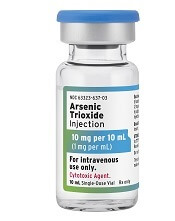
The U.S. Food and Drug Administration (FDA) has now approved three generic arsenic trioxide products for use in patients with acute promyelocytic leukemia (APL).
Two of the products—from Zydus Cadila and Amring Pharmaceuticals—were approved on November 13.
The third—from Fresenius Kabi—was approved in August and launched in the United States last month.
All three injectable arsenic trioxide products (1 mg/mL) are generic versions of Teva’s Trisenox.
Since 2000, Trisenox has been FDA-approved to induce remission and as consolidation therapy for patients with APL who are refractory to, or have relapsed after, retinoid and anthracycline chemotherapy, and whose APL is characterized by presence of the t(15;17) translocation or PML/RAR-alpha gene expression.
In January, the FDA approved Trisenox for use in combination with tretinoin to treat adults with newly diagnosed, low-risk APL with the t(15;17) translocation or PML/RAR-alpha gene expression.
The U.S. Food and Drug Administration (FDA) has now approved three generic arsenic trioxide products for use in patients with acute promyelocytic leukemia (APL).
Two of the products—from Zydus Cadila and Amring Pharmaceuticals—were approved on November 13.
The third—from Fresenius Kabi—was approved in August and launched in the United States last month.
All three injectable arsenic trioxide products (1 mg/mL) are generic versions of Teva’s Trisenox.
Since 2000, Trisenox has been FDA-approved to induce remission and as consolidation therapy for patients with APL who are refractory to, or have relapsed after, retinoid and anthracycline chemotherapy, and whose APL is characterized by presence of the t(15;17) translocation or PML/RAR-alpha gene expression.
In January, the FDA approved Trisenox for use in combination with tretinoin to treat adults with newly diagnosed, low-risk APL with the t(15;17) translocation or PML/RAR-alpha gene expression.
The U.S. Food and Drug Administration (FDA) has now approved three generic arsenic trioxide products for use in patients with acute promyelocytic leukemia (APL).
Two of the products—from Zydus Cadila and Amring Pharmaceuticals—were approved on November 13.
The third—from Fresenius Kabi—was approved in August and launched in the United States last month.
All three injectable arsenic trioxide products (1 mg/mL) are generic versions of Teva’s Trisenox.
Since 2000, Trisenox has been FDA-approved to induce remission and as consolidation therapy for patients with APL who are refractory to, or have relapsed after, retinoid and anthracycline chemotherapy, and whose APL is characterized by presence of the t(15;17) translocation or PML/RAR-alpha gene expression.
In January, the FDA approved Trisenox for use in combination with tretinoin to treat adults with newly diagnosed, low-risk APL with the t(15;17) translocation or PML/RAR-alpha gene expression.
FDA approves generic decitabine for MDS
The U.S. Food and Drug Administration has approved Lupin’s decitabine product, a generic version of Otsuka Pharmaceutical Co. Ltd.’s Dacogen, to treat patients with myelodysplastic syndromes (MDS).
Lupin’s decitabine for injection (50 mg, single-dose vial) is approved to treat patients with intermediate-1, intermediate-2, and high-risk MDS.
This includes previously treated, untreated, de novo, and secondary MDS of all French-American-British subtypes—refractory anemia, refractory anemia with ringed sideroblasts, refractory anemia with excess blasts, refractory anemia with excess blasts in transformation, and chronic myelomonocytic leukemia.
The U.S. Food and Drug Administration has approved Lupin’s decitabine product, a generic version of Otsuka Pharmaceutical Co. Ltd.’s Dacogen, to treat patients with myelodysplastic syndromes (MDS).
Lupin’s decitabine for injection (50 mg, single-dose vial) is approved to treat patients with intermediate-1, intermediate-2, and high-risk MDS.
This includes previously treated, untreated, de novo, and secondary MDS of all French-American-British subtypes—refractory anemia, refractory anemia with ringed sideroblasts, refractory anemia with excess blasts, refractory anemia with excess blasts in transformation, and chronic myelomonocytic leukemia.
The U.S. Food and Drug Administration has approved Lupin’s decitabine product, a generic version of Otsuka Pharmaceutical Co. Ltd.’s Dacogen, to treat patients with myelodysplastic syndromes (MDS).
Lupin’s decitabine for injection (50 mg, single-dose vial) is approved to treat patients with intermediate-1, intermediate-2, and high-risk MDS.
This includes previously treated, untreated, de novo, and secondary MDS of all French-American-British subtypes—refractory anemia, refractory anemia with ringed sideroblasts, refractory anemia with excess blasts, refractory anemia with excess blasts in transformation, and chronic myelomonocytic leukemia.

Free advice seems to be history
The 2 short years in the cocoon of residency ended, and I was flying solo on the picturesque but sparsely populated coast of Maine. My colleagues and I were fulfilling our 2-year military obligations at the Brunswick Naval Air Station, hundreds of miles from the support systems our tertiary care centers had provided. As the only pediatrician on the dispensary staff, I felt particularly vulnerable.

At least I was in the same time zone in which I had trained. I still knew most of the beeper numbers or could remember the extensions and the first names of the department secretaries. Usually within minutes, the familiar and calming voice of one of my favorite subspecialists or pediatric mentors would set me on the path to the correct diagnosis and management plan. Of course, I could have asked one of the pediatricians in town for advice, and eventually, I did. But, in the beginning, I was embarrassed to reveal my soft underbelly to the townies.
Within a few months, I was moonlighting for a local pediatrician and, after 2 years, I joined him as a partner. However, it took another several years to wean myself off my dependency on the subspecialists at the big-city medical center where I had trained. To some extent, this was because in the 1970s and 1980s, Maine had few pediatric subspecialists.
Eventually, I developed my own list of favorite local consultants. While the quality of advice was the prime determinant in my choice of a consultant, availability was a close second. How easy was it to get the specialist on the phone? If the clinical situation was not terribly time sensitive and I knew the consultant always was painfully overbooked, I would ask my question in a short typed note, and even include a S.A.S.E. (self-addressed stamped envelope). This – of course – was before email had been invented.
How likely was the consultant going to provide the answer I wanted to hear? If I thought the patient needed P-E (pressure equalizer) tubes, I could choose any ENT specialist. If, on the other hand, I felt that watching and waiting was the better option, I would choose the physician I knew was least likely to advise surgery.
I am unaware that any of the physicians I consulted ever charged the patient for my phone calls or notes. In some cases, their reward came in the opportunity to perform surgery. I rarely received small gifts during the holidays from consultants who were trying to build their practices. And I never gave tokens of appreciation to consultants or their staff to secure their timely response to my pleas for help. However, I always included a personal thank-you note with the self-designed holiday cards I sent to my favorites. And when a consultant had bailed me out of a particularly challenging situation, I often sent a handwritten note in follow-up.

But, for me, the care and grooming of a good stable of consultants began with acknowledging that their time was at least as valuable as mine. The more carefully I crafted my question and the more complete the history I could provide, the more efficiently the consultant could provide me with the answer I needed.
Regrettably, but predictably, those days of free advice are fading away. The new revision of the CPT codes includes at least twelve codes for “interprofessional consultation.” Time is – and has always been – money. As everyone’s time is increasingly being gobbled up by electronic advancements that promised to save us time, no one seems to have time to make or answer that call that begins, “Can I ask you a quick question about a patient?”
Dr. Wilkoff practiced primary care pediatrics in Brunswick, Maine for nearly 40 years. He has authored several books on behavioral pediatrics, including “How to Say No to Your Toddler.” Email him at pdnews@mdedge.com.
The 2 short years in the cocoon of residency ended, and I was flying solo on the picturesque but sparsely populated coast of Maine. My colleagues and I were fulfilling our 2-year military obligations at the Brunswick Naval Air Station, hundreds of miles from the support systems our tertiary care centers had provided. As the only pediatrician on the dispensary staff, I felt particularly vulnerable.
At least I was in the same time zone in which I had trained. I still knew most of the beeper numbers or could remember the extensions and the first names of the department secretaries. Usually within minutes, the familiar and calming voice of one of my favorite subspecialists or pediatric mentors would set me on the path to the correct diagnosis and management plan. Of course, I could have asked one of the pediatricians in town for advice, and eventually, I did. But, in the beginning, I was embarrassed to reveal my soft underbelly to the townies.
Within a few months, I was moonlighting for a local pediatrician and, after 2 years, I joined him as a partner. However, it took another several years to wean myself off my dependency on the subspecialists at the big-city medical center where I had trained. To some extent, this was because in the 1970s and 1980s, Maine had few pediatric subspecialists.
Eventually, I developed my own list of favorite local consultants. While the quality of advice was the prime determinant in my choice of a consultant, availability was a close second. How easy was it to get the specialist on the phone? If the clinical situation was not terribly time sensitive and I knew the consultant always was painfully overbooked, I would ask my question in a short typed note, and even include a S.A.S.E. (self-addressed stamped envelope). This – of course – was before email had been invented.
How likely was the consultant going to provide the answer I wanted to hear? If I thought the patient needed P-E (pressure equalizer) tubes, I could choose any ENT specialist. If, on the other hand, I felt that watching and waiting was the better option, I would choose the physician I knew was least likely to advise surgery.
I am unaware that any of the physicians I consulted ever charged the patient for my phone calls or notes. In some cases, their reward came in the opportunity to perform surgery. I rarely received small gifts during the holidays from consultants who were trying to build their practices. And I never gave tokens of appreciation to consultants or their staff to secure their timely response to my pleas for help. However, I always included a personal thank-you note with the self-designed holiday cards I sent to my favorites. And when a consultant had bailed me out of a particularly challenging situation, I often sent a handwritten note in follow-up.
But, for me, the care and grooming of a good stable of consultants began with acknowledging that their time was at least as valuable as mine. The more carefully I crafted my question and the more complete the history I could provide, the more efficiently the consultant could provide me with the answer I needed.
Regrettably, but predictably, those days of free advice are fading away. The new revision of the CPT codes includes at least twelve codes for “interprofessional consultation.” Time is – and has always been – money. As everyone’s time is increasingly being gobbled up by electronic advancements that promised to save us time, no one seems to have time to make or answer that call that begins, “Can I ask you a quick question about a patient?”
Dr. Wilkoff practiced primary care pediatrics in Brunswick, Maine for nearly 40 years. He has authored several books on behavioral pediatrics, including “How to Say No to Your Toddler.” Email him at pdnews@mdedge.com.
The 2 short years in the cocoon of residency ended, and I was flying solo on the picturesque but sparsely populated coast of Maine. My colleagues and I were fulfilling our 2-year military obligations at the Brunswick Naval Air Station, hundreds of miles from the support systems our tertiary care centers had provided. As the only pediatrician on the dispensary staff, I felt particularly vulnerable.
At least I was in the same time zone in which I had trained. I still knew most of the beeper numbers or could remember the extensions and the first names of the department secretaries. Usually within minutes, the familiar and calming voice of one of my favorite subspecialists or pediatric mentors would set me on the path to the correct diagnosis and management plan. Of course, I could have asked one of the pediatricians in town for advice, and eventually, I did. But, in the beginning, I was embarrassed to reveal my soft underbelly to the townies.
Within a few months, I was moonlighting for a local pediatrician and, after 2 years, I joined him as a partner. However, it took another several years to wean myself off my dependency on the subspecialists at the big-city medical center where I had trained. To some extent, this was because in the 1970s and 1980s, Maine had few pediatric subspecialists.
Eventually, I developed my own list of favorite local consultants. While the quality of advice was the prime determinant in my choice of a consultant, availability was a close second. How easy was it to get the specialist on the phone? If the clinical situation was not terribly time sensitive and I knew the consultant always was painfully overbooked, I would ask my question in a short typed note, and even include a S.A.S.E. (self-addressed stamped envelope). This – of course – was before email had been invented.
How likely was the consultant going to provide the answer I wanted to hear? If I thought the patient needed P-E (pressure equalizer) tubes, I could choose any ENT specialist. If, on the other hand, I felt that watching and waiting was the better option, I would choose the physician I knew was least likely to advise surgery.
I am unaware that any of the physicians I consulted ever charged the patient for my phone calls or notes. In some cases, their reward came in the opportunity to perform surgery. I rarely received small gifts during the holidays from consultants who were trying to build their practices. And I never gave tokens of appreciation to consultants or their staff to secure their timely response to my pleas for help. However, I always included a personal thank-you note with the self-designed holiday cards I sent to my favorites. And when a consultant had bailed me out of a particularly challenging situation, I often sent a handwritten note in follow-up.
But, for me, the care and grooming of a good stable of consultants began with acknowledging that their time was at least as valuable as mine. The more carefully I crafted my question and the more complete the history I could provide, the more efficiently the consultant could provide me with the answer I needed.
Regrettably, but predictably, those days of free advice are fading away. The new revision of the CPT codes includes at least twelve codes for “interprofessional consultation.” Time is – and has always been – money. As everyone’s time is increasingly being gobbled up by electronic advancements that promised to save us time, no one seems to have time to make or answer that call that begins, “Can I ask you a quick question about a patient?”
Dr. Wilkoff practiced primary care pediatrics in Brunswick, Maine for nearly 40 years. He has authored several books on behavioral pediatrics, including “How to Say No to Your Toddler.” Email him at pdnews@mdedge.com.

Growing the pool of academic vascular surgeons
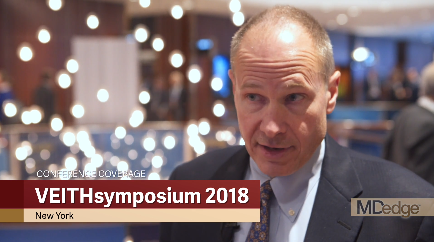
NEW YORK – Strategies for growing the pool of academic vascular surgeons might help avert the expected scarcity of physicians in this specialty, according to Peter K. Henke, MD, a professor of vascular surgery at the University of Michigan, Ann Arbor.
Dr. Henke recounted in a video interview key messages he delivered at a symposium on vascular and endovascular issues sponsored by the Cleveland Clinic Foundation. He argued for going back to basics to enlist residents and fellows completing their training to stay in the specialty and consider an academic position.
Many of these steps are known, such as verifying that mentors are available to encourage skill acquisition and providing adequate time to achieve an acceptable balance of research and clinical work.
However, a successful program would not solely focus on luring young and promising junior faculty, he said. A supportive atmosphere requires collaboration and support to flow both up and down the ranks of seniority where everyone benefits.As an example, he singled out midlevel faculty as vulnerable when programs are not developed to ensure support is equally distributed. He explained that midlevel faculty members denied the encouragement available to surgeons just initiating their career can feel abandoned when they are skilled but not yet leaders in their program.
The Society of Vascular Surgery is pursing several initiatives to address the projected shortage within this specialty, according to Dr. Henke, but he argues that leaders of academic programs have a role to play in helping make the specialty attractive, particularly for those considering an academic career.
NEW YORK – Strategies for growing the pool of academic vascular surgeons might help avert the expected scarcity of physicians in this specialty, according to Peter K. Henke, MD, a professor of vascular surgery at the University of Michigan, Ann Arbor.
Dr. Henke recounted in a video interview key messages he delivered at a symposium on vascular and endovascular issues sponsored by the Cleveland Clinic Foundation. He argued for going back to basics to enlist residents and fellows completing their training to stay in the specialty and consider an academic position.
Many of these steps are known, such as verifying that mentors are available to encourage skill acquisition and providing adequate time to achieve an acceptable balance of research and clinical work.
However, a successful program would not solely focus on luring young and promising junior faculty, he said. A supportive atmosphere requires collaboration and support to flow both up and down the ranks of seniority where everyone benefits.As an example, he singled out midlevel faculty as vulnerable when programs are not developed to ensure support is equally distributed. He explained that midlevel faculty members denied the encouragement available to surgeons just initiating their career can feel abandoned when they are skilled but not yet leaders in their program.
The Society of Vascular Surgery is pursing several initiatives to address the projected shortage within this specialty, according to Dr. Henke, but he argues that leaders of academic programs have a role to play in helping make the specialty attractive, particularly for those considering an academic career.
NEW YORK – Strategies for growing the pool of academic vascular surgeons might help avert the expected scarcity of physicians in this specialty, according to Peter K. Henke, MD, a professor of vascular surgery at the University of Michigan, Ann Arbor.
Dr. Henke recounted in a video interview key messages he delivered at a symposium on vascular and endovascular issues sponsored by the Cleveland Clinic Foundation. He argued for going back to basics to enlist residents and fellows completing their training to stay in the specialty and consider an academic position.
Many of these steps are known, such as verifying that mentors are available to encourage skill acquisition and providing adequate time to achieve an acceptable balance of research and clinical work.
However, a successful program would not solely focus on luring young and promising junior faculty, he said. A supportive atmosphere requires collaboration and support to flow both up and down the ranks of seniority where everyone benefits.As an example, he singled out midlevel faculty as vulnerable when programs are not developed to ensure support is equally distributed. He explained that midlevel faculty members denied the encouragement available to surgeons just initiating their career can feel abandoned when they are skilled but not yet leaders in their program.
The Society of Vascular Surgery is pursing several initiatives to address the projected shortage within this specialty, according to Dr. Henke, but he argues that leaders of academic programs have a role to play in helping make the specialty attractive, particularly for those considering an academic career.
REPORTING FROM VEITHSYMPOSIUM
NHL patients report fear, isolation during chemo
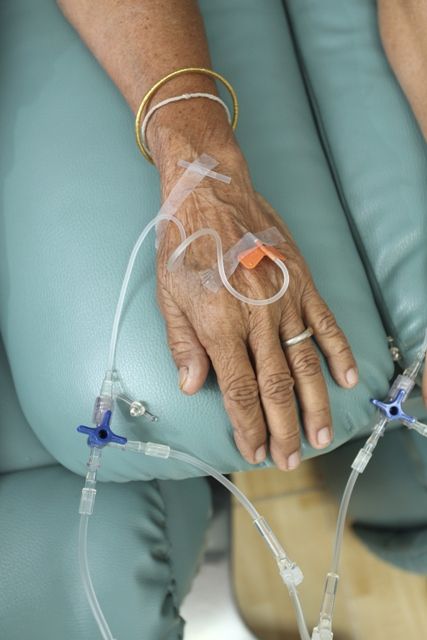
Patients undergoing chemotherapy for non-Hodgkin lymphoma (NHL) report feeling isolated and uncertain, and in some cases suicidal, according to a small qualitative study.
Daren Chircop, MS, and Josianne Scerri, PhD, of the University of Malta performed in-depth interviews with four men and two women with aggressive NHL who were midway through CHOP chemotherapy at a cancer center in Malta.
The findings, which were published in the European Journal of Oncology Nursing, highlight three overarching themes. Patients reported that they felt like they were living on an “emotional roller coaster, they were becoming dependent on others, and they were facing an uncertain future.
Specifically, being admitted to a hospital for chemotherapy brought on a fear of the unknown. While being released from the hospital caused anxiety about what would happen once they left the around-the-clock care of doctors and nurses.
The side effects of the chemotherapy – particularly fatigue – led to feelings of being dependent of others and a fear of becoming a burden to families, and even to nurses.
For four of the patients, who were not allowed to leave their hospital rooms during treatment, they reported feeling “imprisoned” and isolated.
Uncertainty was another common theme, with all of the patients reporting that they did not know if they would recover from their cancer and feeling that they had no control over the future.
Additionally, two of the patients experienced suicidal thoughts related to the side effects of treatment.
While many of these feelings are similar to reports by patients with other types of cancer, the researchers suggested that NHL patients experience a greater sense of isolation because they may not be able to leave their hospital rooms while undergoing chemotherapy due to a higher risk of infection.
“There is the need for ongoing psychological support to be available throughout the treatment period,” the researchers wrote. “Moreover, as NHL patients are affected both physically and emotionally whilst undergoing chemotherapy, the engagement of these individuals in some physical activity could be of benefit to them.”
There was no outside funding for the study and the researchers reported having no financial disclosures.
SOURCE: Chircop D et al. Eur J Oncol Nurs. 2018 Aug;35:117-21.
Patients undergoing chemotherapy for non-Hodgkin lymphoma (NHL) report feeling isolated and uncertain, and in some cases suicidal, according to a small qualitative study.
Daren Chircop, MS, and Josianne Scerri, PhD, of the University of Malta performed in-depth interviews with four men and two women with aggressive NHL who were midway through CHOP chemotherapy at a cancer center in Malta.
The findings, which were published in the European Journal of Oncology Nursing, highlight three overarching themes. Patients reported that they felt like they were living on an “emotional roller coaster, they were becoming dependent on others, and they were facing an uncertain future.
Specifically, being admitted to a hospital for chemotherapy brought on a fear of the unknown. While being released from the hospital caused anxiety about what would happen once they left the around-the-clock care of doctors and nurses.
The side effects of the chemotherapy – particularly fatigue – led to feelings of being dependent of others and a fear of becoming a burden to families, and even to nurses.
For four of the patients, who were not allowed to leave their hospital rooms during treatment, they reported feeling “imprisoned” and isolated.
Uncertainty was another common theme, with all of the patients reporting that they did not know if they would recover from their cancer and feeling that they had no control over the future.
Additionally, two of the patients experienced suicidal thoughts related to the side effects of treatment.
While many of these feelings are similar to reports by patients with other types of cancer, the researchers suggested that NHL patients experience a greater sense of isolation because they may not be able to leave their hospital rooms while undergoing chemotherapy due to a higher risk of infection.
“There is the need for ongoing psychological support to be available throughout the treatment period,” the researchers wrote. “Moreover, as NHL patients are affected both physically and emotionally whilst undergoing chemotherapy, the engagement of these individuals in some physical activity could be of benefit to them.”
There was no outside funding for the study and the researchers reported having no financial disclosures.
SOURCE: Chircop D et al. Eur J Oncol Nurs. 2018 Aug;35:117-21.
Patients undergoing chemotherapy for non-Hodgkin lymphoma (NHL) report feeling isolated and uncertain, and in some cases suicidal, according to a small qualitative study.
Daren Chircop, MS, and Josianne Scerri, PhD, of the University of Malta performed in-depth interviews with four men and two women with aggressive NHL who were midway through CHOP chemotherapy at a cancer center in Malta.
The findings, which were published in the European Journal of Oncology Nursing, highlight three overarching themes. Patients reported that they felt like they were living on an “emotional roller coaster, they were becoming dependent on others, and they were facing an uncertain future.
Specifically, being admitted to a hospital for chemotherapy brought on a fear of the unknown. While being released from the hospital caused anxiety about what would happen once they left the around-the-clock care of doctors and nurses.
The side effects of the chemotherapy – particularly fatigue – led to feelings of being dependent of others and a fear of becoming a burden to families, and even to nurses.
For four of the patients, who were not allowed to leave their hospital rooms during treatment, they reported feeling “imprisoned” and isolated.
Uncertainty was another common theme, with all of the patients reporting that they did not know if they would recover from their cancer and feeling that they had no control over the future.
Additionally, two of the patients experienced suicidal thoughts related to the side effects of treatment.
While many of these feelings are similar to reports by patients with other types of cancer, the researchers suggested that NHL patients experience a greater sense of isolation because they may not be able to leave their hospital rooms while undergoing chemotherapy due to a higher risk of infection.
“There is the need for ongoing psychological support to be available throughout the treatment period,” the researchers wrote. “Moreover, as NHL patients are affected both physically and emotionally whilst undergoing chemotherapy, the engagement of these individuals in some physical activity could be of benefit to them.”
There was no outside funding for the study and the researchers reported having no financial disclosures.
SOURCE: Chircop D et al. Eur J Oncol Nurs. 2018 Aug;35:117-21.
FROM EUROPEAN JOURNAL OF ONCOLOGY NURSING
Key clinical point:
Major finding: Patients reported three themes while undergoing chemotherapy: living an emotional roller coaster, becoming dependent on others, and facing an uncertain future.
Study details: A qualitative study of six adults patients with non-Hodgkin lymphoma who were undergoing chemotherapy.
Disclosures: There was no outside funding for the study and the researchers reported having no financial disclosures.
Source: Chircop D et al. Eur J Oncol Nurs. 2018 Aug;35:117-21.

Drug-coated balloon advantage persists in femoral artery disease
NEW YORK – John Laird, MD, of the Adventist Heart Institute, St. Helena, Calif., presented the data at a symposium on vascular and endovascular issues sponsored by the Cleveland Clinic Foundation.
The data were drawn from the IN.PACT trial. In this trial, 331 patients were randomized to a paclitaxel-coated DCB device or standard percutaneous balloon angioplasty (PCBA), Dr. Laird explained.
The 5-year results are consistent with those previously reported at 1, 2, and 3 years. According to Dr. Laird, DCB continues to show an advantage for major outcomes over PCBA, and adverse events remain low.
Three DCB devices now available in the United States for dilatation of narrowed SFA. Although all have been associated with a reduced risk of target lesion revascularization relative to standard PCBA, the long-term follow-up presented from IN.PACT by Dr. Laird are the first to document 5-year outcomes.
In a video interview, Dr. Laird reported that there have been no thrombotic events since the 3-year results were presented.
Overall, he explains that the long-term outcomes provide additional confirmation that DCB is a safe procedure that reduces the need for stenting in SFA occlusions. Although he believes there might be clinically significant differences between available DCB devices, he concludes that DCB can be considered the first-line therapy for treating occluded femoral-popliteal arteries.
NEW YORK – John Laird, MD, of the Adventist Heart Institute, St. Helena, Calif., presented the data at a symposium on vascular and endovascular issues sponsored by the Cleveland Clinic Foundation.
The data were drawn from the IN.PACT trial. In this trial, 331 patients were randomized to a paclitaxel-coated DCB device or standard percutaneous balloon angioplasty (PCBA), Dr. Laird explained.
The 5-year results are consistent with those previously reported at 1, 2, and 3 years. According to Dr. Laird, DCB continues to show an advantage for major outcomes over PCBA, and adverse events remain low.
Three DCB devices now available in the United States for dilatation of narrowed SFA. Although all have been associated with a reduced risk of target lesion revascularization relative to standard PCBA, the long-term follow-up presented from IN.PACT by Dr. Laird are the first to document 5-year outcomes.
In a video interview, Dr. Laird reported that there have been no thrombotic events since the 3-year results were presented.
Overall, he explains that the long-term outcomes provide additional confirmation that DCB is a safe procedure that reduces the need for stenting in SFA occlusions. Although he believes there might be clinically significant differences between available DCB devices, he concludes that DCB can be considered the first-line therapy for treating occluded femoral-popliteal arteries.
NEW YORK – John Laird, MD, of the Adventist Heart Institute, St. Helena, Calif., presented the data at a symposium on vascular and endovascular issues sponsored by the Cleveland Clinic Foundation.
The data were drawn from the IN.PACT trial. In this trial, 331 patients were randomized to a paclitaxel-coated DCB device or standard percutaneous balloon angioplasty (PCBA), Dr. Laird explained.
The 5-year results are consistent with those previously reported at 1, 2, and 3 years. According to Dr. Laird, DCB continues to show an advantage for major outcomes over PCBA, and adverse events remain low.
Three DCB devices now available in the United States for dilatation of narrowed SFA. Although all have been associated with a reduced risk of target lesion revascularization relative to standard PCBA, the long-term follow-up presented from IN.PACT by Dr. Laird are the first to document 5-year outcomes.
In a video interview, Dr. Laird reported that there have been no thrombotic events since the 3-year results were presented.
Overall, he explains that the long-term outcomes provide additional confirmation that DCB is a safe procedure that reduces the need for stenting in SFA occlusions. Although he believes there might be clinically significant differences between available DCB devices, he concludes that DCB can be considered the first-line therapy for treating occluded femoral-popliteal arteries.
REPORTING FROM VEITHSYMPOSIUM

Don’t just work hard; work hard at living
NEW YORK – “A physician falls overboard on a large cruise ship and passengers gather at the guard rail. The first passenger at the guardrail shakes his finger down at the drowning physician and says, ‘You need to learn how to swim!’ Another passenger says, ‘No, man, throw him a life preserver.’ ... Finally, a passenger says, ‘We need better guard rails.’ ”
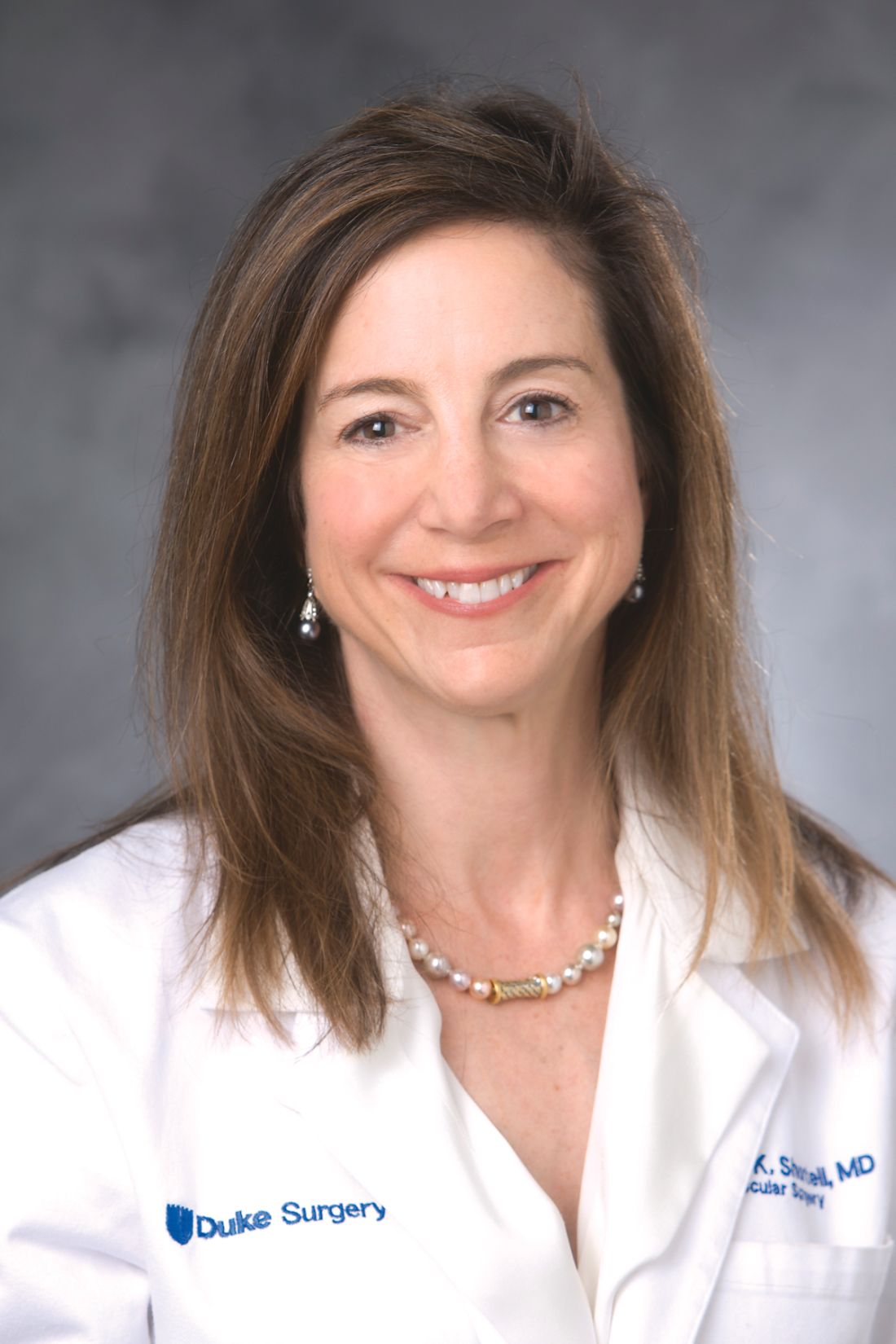
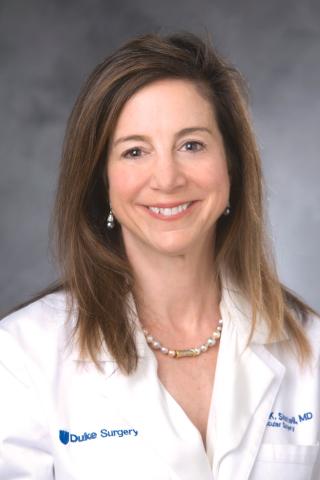
That’s the analogy Cynthia K. Shortell, MD used to kick off her presentation on physician burnout and the need for resilience at a symposium on vascular and endovascular issues sponsored by the Cleveland Clinic Foundation.
“Which of these is right? Well, of course, the answer is they all are,” said Dr. Shortell, who is a professor of surgery at Duke University Durham, N.C. But certainly, only the life preserver answer was appropriate at that time for the drowning physician, she added.
Continuing the analogy, Dr. Shortell pointed out that surely there is a man overboard, with 1 in 20 surgeons reporting suicidal ideation. That rate jumps threefold if the surgeon has had a recent medical error. In addition, vascular surgeons in particular are within the top tier of specialties at risk for burnout.
“We do need better guardrails,” she said, and described the need to actively engage with the health care system to help solve these issues, including those involving electronic medical records and operating room inefficiency and use. In addition, there is a great need for additional services that are provided to other high-end professionals, including food, concierge service, gym access, and other services that help with tasks of daily life when physicians need to spend most of their time at the hospital.
But, in the end, Dr. Shortell said, “We do need to learn to swim. Ultimately, we do need to take a role in having responsibility to solve this problem on our own. We need to change the way we think about our work, and the way we think about our health, and the way our culture values working hard instead of working hard at living.”
Dr. Shortell also highlighted the need to deal with musculoskeletal issues arising from the way that surgeons operate. This, along with good leadership, are key factors in preventing and remediating burnout.
Dr. Shortell had no disclosures relevant to her talk.
NEW YORK – “A physician falls overboard on a large cruise ship and passengers gather at the guard rail. The first passenger at the guardrail shakes his finger down at the drowning physician and says, ‘You need to learn how to swim!’ Another passenger says, ‘No, man, throw him a life preserver.’ ... Finally, a passenger says, ‘We need better guard rails.’ ”
That’s the analogy Cynthia K. Shortell, MD used to kick off her presentation on physician burnout and the need for resilience at a symposium on vascular and endovascular issues sponsored by the Cleveland Clinic Foundation.
“Which of these is right? Well, of course, the answer is they all are,” said Dr. Shortell, who is a professor of surgery at Duke University Durham, N.C. But certainly, only the life preserver answer was appropriate at that time for the drowning physician, she added.
Continuing the analogy, Dr. Shortell pointed out that surely there is a man overboard, with 1 in 20 surgeons reporting suicidal ideation. That rate jumps threefold if the surgeon has had a recent medical error. In addition, vascular surgeons in particular are within the top tier of specialties at risk for burnout.
“We do need better guardrails,” she said, and described the need to actively engage with the health care system to help solve these issues, including those involving electronic medical records and operating room inefficiency and use. In addition, there is a great need for additional services that are provided to other high-end professionals, including food, concierge service, gym access, and other services that help with tasks of daily life when physicians need to spend most of their time at the hospital.
But, in the end, Dr. Shortell said, “We do need to learn to swim. Ultimately, we do need to take a role in having responsibility to solve this problem on our own. We need to change the way we think about our work, and the way we think about our health, and the way our culture values working hard instead of working hard at living.”
Dr. Shortell also highlighted the need to deal with musculoskeletal issues arising from the way that surgeons operate. This, along with good leadership, are key factors in preventing and remediating burnout.
Dr. Shortell had no disclosures relevant to her talk.
NEW YORK – “A physician falls overboard on a large cruise ship and passengers gather at the guard rail. The first passenger at the guardrail shakes his finger down at the drowning physician and says, ‘You need to learn how to swim!’ Another passenger says, ‘No, man, throw him a life preserver.’ ... Finally, a passenger says, ‘We need better guard rails.’ ”
That’s the analogy Cynthia K. Shortell, MD used to kick off her presentation on physician burnout and the need for resilience at a symposium on vascular and endovascular issues sponsored by the Cleveland Clinic Foundation.
“Which of these is right? Well, of course, the answer is they all are,” said Dr. Shortell, who is a professor of surgery at Duke University Durham, N.C. But certainly, only the life preserver answer was appropriate at that time for the drowning physician, she added.
Continuing the analogy, Dr. Shortell pointed out that surely there is a man overboard, with 1 in 20 surgeons reporting suicidal ideation. That rate jumps threefold if the surgeon has had a recent medical error. In addition, vascular surgeons in particular are within the top tier of specialties at risk for burnout.
“We do need better guardrails,” she said, and described the need to actively engage with the health care system to help solve these issues, including those involving electronic medical records and operating room inefficiency and use. In addition, there is a great need for additional services that are provided to other high-end professionals, including food, concierge service, gym access, and other services that help with tasks of daily life when physicians need to spend most of their time at the hospital.
But, in the end, Dr. Shortell said, “We do need to learn to swim. Ultimately, we do need to take a role in having responsibility to solve this problem on our own. We need to change the way we think about our work, and the way we think about our health, and the way our culture values working hard instead of working hard at living.”
Dr. Shortell also highlighted the need to deal with musculoskeletal issues arising from the way that surgeons operate. This, along with good leadership, are key factors in preventing and remediating burnout.
Dr. Shortell had no disclosures relevant to her talk.
REPORTING FROM THE VEITHSYMPOSIUM