User login
The Official Newspaper of the American Association for Thoracic Surgery
Aspirin, Simvastatin Not Effective for Pulmonary Hypertension
Neither aspirin nor simvastatin improved outcomes for patients with pulmonary arterial hypertension in a phase II safety and efficacy trial published in Circulation and simultaneously presented at the annual meeting of the American Thoracic Society.
The primary end point of 6-minute walk distance did not increase after 6 months of aspirin therapy and actually decreased after 6 months of simvastatin therapy, indicating that neither agent should be used as an add-on therapy in PAH, said Dr. Steven M. Kawut of Penn Cardiovascular Institute, University of Pennsylvania, Philadelphia, and his associates.
A recent animal study showed that aspirin decreased pulmonary artery pressure, reduced right ventricular hypertrophy, and improved survival, and several recent studies showed that statins were effective in animal models of pulmonary hypertension. Dr. Kawut and his associates in the ASA-STAT Study Group designed their phase II clinical trial to test the safety and efficacy of both agents against matching placebos, intending to enroll 100 subjects with PAH.
The study, however, was terminated after only 65 subjects had been randomized because an interim analysis showed "a high likelihood of not rejecting the null hypothesis for the simvastatin arm even if fully recruited," they wrote. The investigators reported their findings for those 65 subjects.
The patients’ mean age was 50 years, and 86% were women. Approximately 52% had idiopathic PAH, 19% had PAH associated with systemic sclerosis, 15% had PAH associated with other connective tissue diseases, 9% had congenital systemic-to-pulmonary shunts, and 5% had heritable PAH.
The primary outcome measure was 6-minute walk distance after 6 months of treatment, after adjustment for 6-minute walk distance at baseline.
Patients who received aspirin therapy showed no improvement in this measure, compared with those who received placebo. They also showed no improvement in median Borg dyspnea scores after the walk test, in any scales of the SF-36, or in World Health Organization functional class. And there was no difference between the two groups in time to clinical worsening, Dr. Kawut and his associates said.
Similarly, patients who received simvastatin showed no improvement in 6-minute walk distance after 6 months of treatment, compared with those who received placebo. In fact, the active drug may have reduced this distance, although the number of subjects was not sufficient to detect a statistically significant difference. Moreover, the median Borg dyspnea scores after the walk test tended to be higher in subjects who took simvastatin than in those who took placebo, suggesting greater breathlessness.
As with aspirin, there were no differences on any scales of the SF-36 or in WHO functional class between the subjects who took simvastatin and those who took placebo (Circulation 2011 May 19 [doi:10.1161/CIRCULATIONAHA.110.015693]).
"There was a possible increased risk of major bleeding associated with aspirin use," they noted, but again, the number of subjects was not sufficient to make this determination definitively.
"On the basis of these findings, neither drug can be recommended for the treatment of PAH," Dr. Kawut and his colleagues said.
The study was funded by the National Institutes of Health and the National Center for Research Resources. Aspirin and matching placebo were provided free of charge by Bayer Healthcare. Additional support was provided by Merck. Dr. Kawut and his associates reported ties to numerous industry sources.
Neither aspirin nor simvastatin improved outcomes for patients with pulmonary arterial hypertension in a phase II safety and efficacy trial published in Circulation and simultaneously presented at the annual meeting of the American Thoracic Society.
The primary end point of 6-minute walk distance did not increase after 6 months of aspirin therapy and actually decreased after 6 months of simvastatin therapy, indicating that neither agent should be used as an add-on therapy in PAH, said Dr. Steven M. Kawut of Penn Cardiovascular Institute, University of Pennsylvania, Philadelphia, and his associates.
A recent animal study showed that aspirin decreased pulmonary artery pressure, reduced right ventricular hypertrophy, and improved survival, and several recent studies showed that statins were effective in animal models of pulmonary hypertension. Dr. Kawut and his associates in the ASA-STAT Study Group designed their phase II clinical trial to test the safety and efficacy of both agents against matching placebos, intending to enroll 100 subjects with PAH.
The study, however, was terminated after only 65 subjects had been randomized because an interim analysis showed "a high likelihood of not rejecting the null hypothesis for the simvastatin arm even if fully recruited," they wrote. The investigators reported their findings for those 65 subjects.
The patients’ mean age was 50 years, and 86% were women. Approximately 52% had idiopathic PAH, 19% had PAH associated with systemic sclerosis, 15% had PAH associated with other connective tissue diseases, 9% had congenital systemic-to-pulmonary shunts, and 5% had heritable PAH.
The primary outcome measure was 6-minute walk distance after 6 months of treatment, after adjustment for 6-minute walk distance at baseline.
Patients who received aspirin therapy showed no improvement in this measure, compared with those who received placebo. They also showed no improvement in median Borg dyspnea scores after the walk test, in any scales of the SF-36, or in World Health Organization functional class. And there was no difference between the two groups in time to clinical worsening, Dr. Kawut and his associates said.
Similarly, patients who received simvastatin showed no improvement in 6-minute walk distance after 6 months of treatment, compared with those who received placebo. In fact, the active drug may have reduced this distance, although the number of subjects was not sufficient to detect a statistically significant difference. Moreover, the median Borg dyspnea scores after the walk test tended to be higher in subjects who took simvastatin than in those who took placebo, suggesting greater breathlessness.
As with aspirin, there were no differences on any scales of the SF-36 or in WHO functional class between the subjects who took simvastatin and those who took placebo (Circulation 2011 May 19 [doi:10.1161/CIRCULATIONAHA.110.015693]).
"There was a possible increased risk of major bleeding associated with aspirin use," they noted, but again, the number of subjects was not sufficient to make this determination definitively.
"On the basis of these findings, neither drug can be recommended for the treatment of PAH," Dr. Kawut and his colleagues said.
The study was funded by the National Institutes of Health and the National Center for Research Resources. Aspirin and matching placebo were provided free of charge by Bayer Healthcare. Additional support was provided by Merck. Dr. Kawut and his associates reported ties to numerous industry sources.
Neither aspirin nor simvastatin improved outcomes for patients with pulmonary arterial hypertension in a phase II safety and efficacy trial published in Circulation and simultaneously presented at the annual meeting of the American Thoracic Society.
The primary end point of 6-minute walk distance did not increase after 6 months of aspirin therapy and actually decreased after 6 months of simvastatin therapy, indicating that neither agent should be used as an add-on therapy in PAH, said Dr. Steven M. Kawut of Penn Cardiovascular Institute, University of Pennsylvania, Philadelphia, and his associates.
A recent animal study showed that aspirin decreased pulmonary artery pressure, reduced right ventricular hypertrophy, and improved survival, and several recent studies showed that statins were effective in animal models of pulmonary hypertension. Dr. Kawut and his associates in the ASA-STAT Study Group designed their phase II clinical trial to test the safety and efficacy of both agents against matching placebos, intending to enroll 100 subjects with PAH.
The study, however, was terminated after only 65 subjects had been randomized because an interim analysis showed "a high likelihood of not rejecting the null hypothesis for the simvastatin arm even if fully recruited," they wrote. The investigators reported their findings for those 65 subjects.
The patients’ mean age was 50 years, and 86% were women. Approximately 52% had idiopathic PAH, 19% had PAH associated with systemic sclerosis, 15% had PAH associated with other connective tissue diseases, 9% had congenital systemic-to-pulmonary shunts, and 5% had heritable PAH.
The primary outcome measure was 6-minute walk distance after 6 months of treatment, after adjustment for 6-minute walk distance at baseline.
Patients who received aspirin therapy showed no improvement in this measure, compared with those who received placebo. They also showed no improvement in median Borg dyspnea scores after the walk test, in any scales of the SF-36, or in World Health Organization functional class. And there was no difference between the two groups in time to clinical worsening, Dr. Kawut and his associates said.
Similarly, patients who received simvastatin showed no improvement in 6-minute walk distance after 6 months of treatment, compared with those who received placebo. In fact, the active drug may have reduced this distance, although the number of subjects was not sufficient to detect a statistically significant difference. Moreover, the median Borg dyspnea scores after the walk test tended to be higher in subjects who took simvastatin than in those who took placebo, suggesting greater breathlessness.
As with aspirin, there were no differences on any scales of the SF-36 or in WHO functional class between the subjects who took simvastatin and those who took placebo (Circulation 2011 May 19 [doi:10.1161/CIRCULATIONAHA.110.015693]).
"There was a possible increased risk of major bleeding associated with aspirin use," they noted, but again, the number of subjects was not sufficient to make this determination definitively.
"On the basis of these findings, neither drug can be recommended for the treatment of PAH," Dr. Kawut and his colleagues said.
The study was funded by the National Institutes of Health and the National Center for Research Resources. Aspirin and matching placebo were provided free of charge by Bayer Healthcare. Additional support was provided by Merck. Dr. Kawut and his associates reported ties to numerous industry sources.
Mitral Valve Repair Surgery Shows Low Mortality
NEW YORK - Mitral valve repair surgery was associated with very low operative mortality and acceptable morbidity in a database analysis of 903 patients at 16 centers in Virginia presented at the 2011 Mitral Conclave.
Mitral valve repair (MVR) rather than replacement has become the favored surgical approach for mitral insufficiency over the last 2 decades. The recent emergence of transcatheter approaches to repair has focused attention on the outcomes for surgical approaches. In the EVEREST II trial, published earlier this year, worse short-term outcomes were seen with surgical MVR or replacement, compared with percutaneous MVR using the MitraClip device. Among 279 patients, composite major event rates at 30 days were 15% for percutaneous repair, compared with 48% for surgery (N. Engl. J. Med. 2011;364:1395-406).
The current study was undertaken to analyze contemporary outcomes for surgical mitral repair within a multiinstitutional cohort of patients to better establish a benchmark for future comparisons of treatments for mitral valve insufficiency, Dr. Damien J. LaPar said.
Cardiac surgical data were obtained from the 16 participating centers of the Virginia Cardiac Surgery Quality Initiative, which captures approximately 99% of the state?s cardiac operations. Patient exclusions were the same as in the EVEREST II trial: prior valve operations, endocarditis, and mitral stenosis.
The 903 patients had an average age of 57 years; 41% were women. Heart failure was present in 32%, and severe mitral insufficiency in 82%. Most (85%) of the operations were elective, including reconstruction with annuloplasty in 69%, said Dr. LaPar of the University of Virginia, Charlottesville.
Major adverse events occurred in 29%, a lower percentage than reported in EVEREST II. Atrial fibrillation was the most frequent, in 18%. Renal failure occurred in just 1.3%, stroke in 0.9%, and operative mortality in 1.1%. The mean postoperative length of stay was 6 days.
Multivariate predictors of major adverse events included age, preoperative stroke and immunosuppressive therapy, use of an aortic cross-clamp, and cardiopulmonary bypass times. Factors not significantly associated with major adverse events were female sex, renal failure, prior coronary artery bypass grafting, and ejection fraction.
"These results may help stratify which patients might be best served by emerging approaches to surgery," he said.
This study was funded by a training grant from the National Heart, Lung, and Blood Institute and a research grant from the Thoracic Surgery Foundation for Research and Education. Dr. LaPar stated that he had no disclosures; three of his coinvestigators consult for, and/or received honoraria from Abbott, maker of the MitraClip device used in the study.
NEW YORK - Mitral valve repair surgery was associated with very low operative mortality and acceptable morbidity in a database analysis of 903 patients at 16 centers in Virginia presented at the 2011 Mitral Conclave.
Mitral valve repair (MVR) rather than replacement has become the favored surgical approach for mitral insufficiency over the last 2 decades. The recent emergence of transcatheter approaches to repair has focused attention on the outcomes for surgical approaches. In the EVEREST II trial, published earlier this year, worse short-term outcomes were seen with surgical MVR or replacement, compared with percutaneous MVR using the MitraClip device. Among 279 patients, composite major event rates at 30 days were 15% for percutaneous repair, compared with 48% for surgery (N. Engl. J. Med. 2011;364:1395-406).
The current study was undertaken to analyze contemporary outcomes for surgical mitral repair within a multiinstitutional cohort of patients to better establish a benchmark for future comparisons of treatments for mitral valve insufficiency, Dr. Damien J. LaPar said.
Cardiac surgical data were obtained from the 16 participating centers of the Virginia Cardiac Surgery Quality Initiative, which captures approximately 99% of the state?s cardiac operations. Patient exclusions were the same as in the EVEREST II trial: prior valve operations, endocarditis, and mitral stenosis.
The 903 patients had an average age of 57 years; 41% were women. Heart failure was present in 32%, and severe mitral insufficiency in 82%. Most (85%) of the operations were elective, including reconstruction with annuloplasty in 69%, said Dr. LaPar of the University of Virginia, Charlottesville.
Major adverse events occurred in 29%, a lower percentage than reported in EVEREST II. Atrial fibrillation was the most frequent, in 18%. Renal failure occurred in just 1.3%, stroke in 0.9%, and operative mortality in 1.1%. The mean postoperative length of stay was 6 days.
Multivariate predictors of major adverse events included age, preoperative stroke and immunosuppressive therapy, use of an aortic cross-clamp, and cardiopulmonary bypass times. Factors not significantly associated with major adverse events were female sex, renal failure, prior coronary artery bypass grafting, and ejection fraction.
"These results may help stratify which patients might be best served by emerging approaches to surgery," he said.
This study was funded by a training grant from the National Heart, Lung, and Blood Institute and a research grant from the Thoracic Surgery Foundation for Research and Education. Dr. LaPar stated that he had no disclosures; three of his coinvestigators consult for, and/or received honoraria from Abbott, maker of the MitraClip device used in the study.
NEW YORK - Mitral valve repair surgery was associated with very low operative mortality and acceptable morbidity in a database analysis of 903 patients at 16 centers in Virginia presented at the 2011 Mitral Conclave.
Mitral valve repair (MVR) rather than replacement has become the favored surgical approach for mitral insufficiency over the last 2 decades. The recent emergence of transcatheter approaches to repair has focused attention on the outcomes for surgical approaches. In the EVEREST II trial, published earlier this year, worse short-term outcomes were seen with surgical MVR or replacement, compared with percutaneous MVR using the MitraClip device. Among 279 patients, composite major event rates at 30 days were 15% for percutaneous repair, compared with 48% for surgery (N. Engl. J. Med. 2011;364:1395-406).
The current study was undertaken to analyze contemporary outcomes for surgical mitral repair within a multiinstitutional cohort of patients to better establish a benchmark for future comparisons of treatments for mitral valve insufficiency, Dr. Damien J. LaPar said.
Cardiac surgical data were obtained from the 16 participating centers of the Virginia Cardiac Surgery Quality Initiative, which captures approximately 99% of the state?s cardiac operations. Patient exclusions were the same as in the EVEREST II trial: prior valve operations, endocarditis, and mitral stenosis.
The 903 patients had an average age of 57 years; 41% were women. Heart failure was present in 32%, and severe mitral insufficiency in 82%. Most (85%) of the operations were elective, including reconstruction with annuloplasty in 69%, said Dr. LaPar of the University of Virginia, Charlottesville.
Major adverse events occurred in 29%, a lower percentage than reported in EVEREST II. Atrial fibrillation was the most frequent, in 18%. Renal failure occurred in just 1.3%, stroke in 0.9%, and operative mortality in 1.1%. The mean postoperative length of stay was 6 days.
Multivariate predictors of major adverse events included age, preoperative stroke and immunosuppressive therapy, use of an aortic cross-clamp, and cardiopulmonary bypass times. Factors not significantly associated with major adverse events were female sex, renal failure, prior coronary artery bypass grafting, and ejection fraction.
"These results may help stratify which patients might be best served by emerging approaches to surgery," he said.
This study was funded by a training grant from the National Heart, Lung, and Blood Institute and a research grant from the Thoracic Surgery Foundation for Research and Education. Dr. LaPar stated that he had no disclosures; three of his coinvestigators consult for, and/or received honoraria from Abbott, maker of the MitraClip device used in the study.
TAVR Showed Increased Neurologic Events
PHILADELPHIA - The percutaneous, transcatheter replacement of stenotic aortic valves has captured attention as an option for patients who are either too sick to undergo aortic valve replacement by conventional open surgery, or who are surgical candidates but would prefer to avoid sternotomy.
Despite early success with the use of transcatheter aortic valve repair (TAVR) in the two parts of a recent pivotal trial, Dr. D. Craig Miller said the approach has two important limitations: the poorly defined long-term durability of aortic valves placed percutaneously (which thus far have track records of less than 3 years) and the significantly increased risk of a neurologic event from TAVR, compared with conventional open aortic valve repair (AVR).

A summary analysis of neurologic events following TAVR in the Placement of Aortic Transcatheter Valve (PARTNER) trial showed a total, 1-year event rate of 6% in the as-treated TAVR patients who received their valves via the transfemoral route, compared with a 2% rate in the open AVR patients, a statistically significant difference, Dr. Miller said at the annual meeting of the American Association for Thoracic Surgery.
As-treated patients who received a TAVR via the transapical route had a 1-year neurologic event rate of 14%, compared with a 10% rate in patients treated with open AVR, also a statistically significant difference. The substantially higher rate of events in patients assigned to the transapical arm of the study related to the higher atherosclerotic burden in these patients, both those who underwent TAVR and those who had open AVR.
More than half of the neurologic event risk seen with TAVR occurred during the first 2 weeks after treatment, suggesting a periprocedural cause, said Dr. Miller, FACS, professor of cardiovascular surgery at Stanford (Calif.) University.
"The early neurologic events are undoubtedly due to particulate embolization, although we can't prove it," he said. "A cerebral protection device, such as a deflector across the ostium, may reduce the event rate." He cited a report on initial clinical experience using a percutaneously deployed deflector in three patients undergoing TAVR (J. Am. Coll. Cardiol. Intv. 2010;3:1133-8). Other changes to TAVR that might reduce neurologic event rates include improved antiplatelet and antithrombotic therapy with clopidogrel, aspirin, warfarin, and dabigatran. Development of smaller TAVR devices might also further reduce neurologic events, he said.
Analysis of the correlates of the early neurologic events showed that they significantly linked with a lower aortic valve area index. In other words, patients with smaller, tighter aortic valves were more likely to experience an early event.
During the late, nonperiprocedural phase, the risk for neurologic events was increased for patients with a higher NYHA heart failure stage, those who had had a stroke or transient ischemic attack within the prior 12 months, or those who were not candidates for TAVR via the transfemoral route.
Patients enrolled in the randomized portion of the trial had a low rate of major strokes, with a total of 29 events (18 in the TAVR patients and 11 in those undergoing open AVR), a difference that was not statistically significant. The analysis therefore also included minor strokes and transient ischemic attacks to total an adequate number of events to potentially show a statistical significant difference between the TAVR and open AVR subgroups, Dr. Miller said.
The data Dr. Miller reported came from cohort A of the PARTNER trial, the cohort that focused on patients who could be randomized to either TAVR or open AVR. The primary end point of all-cause mortality in this cohort, reported in April at the American College of Cardiology Scientific Sessions, showed that 1-year survival following TAVR was not inferior to open AVR. A prior report, for cohort B (patients considered too sick to undergo open AVR), had shown that TAVR produced superior outcomes, compared with conven- tional medical management ( N. Engl. J. Med. 2010; 363:1597-607).
The considerable interest in transcatheter aortic valve replacement among patients and physicians alike suggests that it may fall on payers to set limits on which patients undergo this procedure, and on heart-valve teams to ensure that procedures are done appropriately and safely.
"How might we prevent a runaway train [of transcatheter aortic valve replacement], as seen now in Germany, where 20%-25% of all aortic valve replacements are done percutaneously? This will be up to payers," Dr. D. Craig Miller said as he presented new data on the neurologic adverse events in the Placement of Aortic Transcatheter Valves (PARTNER) trial. "I'm personally disappointed with what's happened in Europe. There are no restrictions [on the use of transcatheter aortic valve replacement], and the results are not as good as in PARTNER.
"It behooves us to work with a functional heart-valve team to make sure these complementary techniques [transcatheter aortic valve replacement and open valve replacement] are used appropriately. I don't think that open aortic valve replacement is an endangered species."
Deciding which patients should undergo transcatheter aortic valve replacement (TAVR) will require "defining the line between utility and futility," he said. "You don't want to empty every nursing home in California of patients with aortic stenosis, and on the young side, you don't want the percutaneous option used in patients at low surgical risk." Concern about using TAVR on patients who are good open surgery candidates focuses on the unknown long-term durability of TAVR, and the "high price to pay in neurologic events, at least in the current version of TAVR," he said.
"Patients will always flock to the least invasive approach. That's where the heart-valve team will be very important. This will only work well if surgeons and cardiologists work together to decide whether something should be done about aortic stenosis in a patient and, if so, which treatment is best. TAVR and open replacement are complementary, not competitive.
"You can't let this technology go everywhere," Dr. Miller warned. TAVR is "tricky, and the learning curve is steep and unforgiving. We [at Stanford] still insist on having two surgeons and two interventionalists on every case, because when a case goes south it goes in a hurry. We have done 100 cases, and problems still come up and are, to some extent, unpredictable."
The PARTNER trial was sponsored by Edwards Lifesciences. Dr. Miller said that he has been the Stanford Principal Investigator for PARTNER and has served as an unpaid consultant to Edwards. He has also been a consultant to Abbott Vascular, Medtronic Cardiovascular, and St. Jude Medical.
PHILADELPHIA - The percutaneous, transcatheter replacement of stenotic aortic valves has captured attention as an option for patients who are either too sick to undergo aortic valve replacement by conventional open surgery, or who are surgical candidates but would prefer to avoid sternotomy.
Despite early success with the use of transcatheter aortic valve repair (TAVR) in the two parts of a recent pivotal trial, Dr. D. Craig Miller said the approach has two important limitations: the poorly defined long-term durability of aortic valves placed percutaneously (which thus far have track records of less than 3 years) and the significantly increased risk of a neurologic event from TAVR, compared with conventional open aortic valve repair (AVR).
A summary analysis of neurologic events following TAVR in the Placement of Aortic Transcatheter Valve (PARTNER) trial showed a total, 1-year event rate of 6% in the as-treated TAVR patients who received their valves via the transfemoral route, compared with a 2% rate in the open AVR patients, a statistically significant difference, Dr. Miller said at the annual meeting of the American Association for Thoracic Surgery.
As-treated patients who received a TAVR via the transapical route had a 1-year neurologic event rate of 14%, compared with a 10% rate in patients treated with open AVR, also a statistically significant difference. The substantially higher rate of events in patients assigned to the transapical arm of the study related to the higher atherosclerotic burden in these patients, both those who underwent TAVR and those who had open AVR.
More than half of the neurologic event risk seen with TAVR occurred during the first 2 weeks after treatment, suggesting a periprocedural cause, said Dr. Miller, FACS, professor of cardiovascular surgery at Stanford (Calif.) University.
"The early neurologic events are undoubtedly due to particulate embolization, although we can't prove it," he said. "A cerebral protection device, such as a deflector across the ostium, may reduce the event rate." He cited a report on initial clinical experience using a percutaneously deployed deflector in three patients undergoing TAVR (J. Am. Coll. Cardiol. Intv. 2010;3:1133-8). Other changes to TAVR that might reduce neurologic event rates include improved antiplatelet and antithrombotic therapy with clopidogrel, aspirin, warfarin, and dabigatran. Development of smaller TAVR devices might also further reduce neurologic events, he said.
Analysis of the correlates of the early neurologic events showed that they significantly linked with a lower aortic valve area index. In other words, patients with smaller, tighter aortic valves were more likely to experience an early event.
During the late, nonperiprocedural phase, the risk for neurologic events was increased for patients with a higher NYHA heart failure stage, those who had had a stroke or transient ischemic attack within the prior 12 months, or those who were not candidates for TAVR via the transfemoral route.
Patients enrolled in the randomized portion of the trial had a low rate of major strokes, with a total of 29 events (18 in the TAVR patients and 11 in those undergoing open AVR), a difference that was not statistically significant. The analysis therefore also included minor strokes and transient ischemic attacks to total an adequate number of events to potentially show a statistical significant difference between the TAVR and open AVR subgroups, Dr. Miller said.
The data Dr. Miller reported came from cohort A of the PARTNER trial, the cohort that focused on patients who could be randomized to either TAVR or open AVR. The primary end point of all-cause mortality in this cohort, reported in April at the American College of Cardiology Scientific Sessions, showed that 1-year survival following TAVR was not inferior to open AVR. A prior report, for cohort B (patients considered too sick to undergo open AVR), had shown that TAVR produced superior outcomes, compared with conven- tional medical management ( N. Engl. J. Med. 2010; 363:1597-607).
The considerable interest in transcatheter aortic valve replacement among patients and physicians alike suggests that it may fall on payers to set limits on which patients undergo this procedure, and on heart-valve teams to ensure that procedures are done appropriately and safely.
"How might we prevent a runaway train [of transcatheter aortic valve replacement], as seen now in Germany, where 20%-25% of all aortic valve replacements are done percutaneously? This will be up to payers," Dr. D. Craig Miller said as he presented new data on the neurologic adverse events in the Placement of Aortic Transcatheter Valves (PARTNER) trial. "I'm personally disappointed with what's happened in Europe. There are no restrictions [on the use of transcatheter aortic valve replacement], and the results are not as good as in PARTNER.
"It behooves us to work with a functional heart-valve team to make sure these complementary techniques [transcatheter aortic valve replacement and open valve replacement] are used appropriately. I don't think that open aortic valve replacement is an endangered species."
Deciding which patients should undergo transcatheter aortic valve replacement (TAVR) will require "defining the line between utility and futility," he said. "You don't want to empty every nursing home in California of patients with aortic stenosis, and on the young side, you don't want the percutaneous option used in patients at low surgical risk." Concern about using TAVR on patients who are good open surgery candidates focuses on the unknown long-term durability of TAVR, and the "high price to pay in neurologic events, at least in the current version of TAVR," he said.
"Patients will always flock to the least invasive approach. That's where the heart-valve team will be very important. This will only work well if surgeons and cardiologists work together to decide whether something should be done about aortic stenosis in a patient and, if so, which treatment is best. TAVR and open replacement are complementary, not competitive.
"You can't let this technology go everywhere," Dr. Miller warned. TAVR is "tricky, and the learning curve is steep and unforgiving. We [at Stanford] still insist on having two surgeons and two interventionalists on every case, because when a case goes south it goes in a hurry. We have done 100 cases, and problems still come up and are, to some extent, unpredictable."
The PARTNER trial was sponsored by Edwards Lifesciences. Dr. Miller said that he has been the Stanford Principal Investigator for PARTNER and has served as an unpaid consultant to Edwards. He has also been a consultant to Abbott Vascular, Medtronic Cardiovascular, and St. Jude Medical.
PHILADELPHIA - The percutaneous, transcatheter replacement of stenotic aortic valves has captured attention as an option for patients who are either too sick to undergo aortic valve replacement by conventional open surgery, or who are surgical candidates but would prefer to avoid sternotomy.
Despite early success with the use of transcatheter aortic valve repair (TAVR) in the two parts of a recent pivotal trial, Dr. D. Craig Miller said the approach has two important limitations: the poorly defined long-term durability of aortic valves placed percutaneously (which thus far have track records of less than 3 years) and the significantly increased risk of a neurologic event from TAVR, compared with conventional open aortic valve repair (AVR).
A summary analysis of neurologic events following TAVR in the Placement of Aortic Transcatheter Valve (PARTNER) trial showed a total, 1-year event rate of 6% in the as-treated TAVR patients who received their valves via the transfemoral route, compared with a 2% rate in the open AVR patients, a statistically significant difference, Dr. Miller said at the annual meeting of the American Association for Thoracic Surgery.
As-treated patients who received a TAVR via the transapical route had a 1-year neurologic event rate of 14%, compared with a 10% rate in patients treated with open AVR, also a statistically significant difference. The substantially higher rate of events in patients assigned to the transapical arm of the study related to the higher atherosclerotic burden in these patients, both those who underwent TAVR and those who had open AVR.
More than half of the neurologic event risk seen with TAVR occurred during the first 2 weeks after treatment, suggesting a periprocedural cause, said Dr. Miller, FACS, professor of cardiovascular surgery at Stanford (Calif.) University.
"The early neurologic events are undoubtedly due to particulate embolization, although we can't prove it," he said. "A cerebral protection device, such as a deflector across the ostium, may reduce the event rate." He cited a report on initial clinical experience using a percutaneously deployed deflector in three patients undergoing TAVR (J. Am. Coll. Cardiol. Intv. 2010;3:1133-8). Other changes to TAVR that might reduce neurologic event rates include improved antiplatelet and antithrombotic therapy with clopidogrel, aspirin, warfarin, and dabigatran. Development of smaller TAVR devices might also further reduce neurologic events, he said.
Analysis of the correlates of the early neurologic events showed that they significantly linked with a lower aortic valve area index. In other words, patients with smaller, tighter aortic valves were more likely to experience an early event.
During the late, nonperiprocedural phase, the risk for neurologic events was increased for patients with a higher NYHA heart failure stage, those who had had a stroke or transient ischemic attack within the prior 12 months, or those who were not candidates for TAVR via the transfemoral route.
Patients enrolled in the randomized portion of the trial had a low rate of major strokes, with a total of 29 events (18 in the TAVR patients and 11 in those undergoing open AVR), a difference that was not statistically significant. The analysis therefore also included minor strokes and transient ischemic attacks to total an adequate number of events to potentially show a statistical significant difference between the TAVR and open AVR subgroups, Dr. Miller said.
The data Dr. Miller reported came from cohort A of the PARTNER trial, the cohort that focused on patients who could be randomized to either TAVR or open AVR. The primary end point of all-cause mortality in this cohort, reported in April at the American College of Cardiology Scientific Sessions, showed that 1-year survival following TAVR was not inferior to open AVR. A prior report, for cohort B (patients considered too sick to undergo open AVR), had shown that TAVR produced superior outcomes, compared with conven- tional medical management ( N. Engl. J. Med. 2010; 363:1597-607).
The considerable interest in transcatheter aortic valve replacement among patients and physicians alike suggests that it may fall on payers to set limits on which patients undergo this procedure, and on heart-valve teams to ensure that procedures are done appropriately and safely.
"How might we prevent a runaway train [of transcatheter aortic valve replacement], as seen now in Germany, where 20%-25% of all aortic valve replacements are done percutaneously? This will be up to payers," Dr. D. Craig Miller said as he presented new data on the neurologic adverse events in the Placement of Aortic Transcatheter Valves (PARTNER) trial. "I'm personally disappointed with what's happened in Europe. There are no restrictions [on the use of transcatheter aortic valve replacement], and the results are not as good as in PARTNER.
"It behooves us to work with a functional heart-valve team to make sure these complementary techniques [transcatheter aortic valve replacement and open valve replacement] are used appropriately. I don't think that open aortic valve replacement is an endangered species."
Deciding which patients should undergo transcatheter aortic valve replacement (TAVR) will require "defining the line between utility and futility," he said. "You don't want to empty every nursing home in California of patients with aortic stenosis, and on the young side, you don't want the percutaneous option used in patients at low surgical risk." Concern about using TAVR on patients who are good open surgery candidates focuses on the unknown long-term durability of TAVR, and the "high price to pay in neurologic events, at least in the current version of TAVR," he said.
"Patients will always flock to the least invasive approach. That's where the heart-valve team will be very important. This will only work well if surgeons and cardiologists work together to decide whether something should be done about aortic stenosis in a patient and, if so, which treatment is best. TAVR and open replacement are complementary, not competitive.
"You can't let this technology go everywhere," Dr. Miller warned. TAVR is "tricky, and the learning curve is steep and unforgiving. We [at Stanford] still insist on having two surgeons and two interventionalists on every case, because when a case goes south it goes in a hurry. We have done 100 cases, and problems still come up and are, to some extent, unpredictable."
The PARTNER trial was sponsored by Edwards Lifesciences. Dr. Miller said that he has been the Stanford Principal Investigator for PARTNER and has served as an unpaid consultant to Edwards. He has also been a consultant to Abbott Vascular, Medtronic Cardiovascular, and St. Jude Medical.
Resident Editors Wanted
Resident Editors Wanted
Are you going to be a cardiothoracic surgeon resident for the next year, and are you interested in becoming a resident editor of Thoracic Surgery News? Please send your CV to Dr. Yolonda Colson at thoracicnews@elseiver.com or Dr. Yolonda Colson c/o Thoracic Surgery News, 2275 Research Blvd. Suite #400 Rockville, MD 20850.
Resident Editors Wanted
Are you going to be a cardiothoracic surgeon resident for the next year, and are you interested in becoming a resident editor of Thoracic Surgery News? Please send your CV to Dr. Yolonda Colson at thoracicnews@elseiver.com or Dr. Yolonda Colson c/o Thoracic Surgery News, 2275 Research Blvd. Suite #400 Rockville, MD 20850.
Resident Editors Wanted
Are you going to be a cardiothoracic surgeon resident for the next year, and are you interested in becoming a resident editor of Thoracic Surgery News? Please send your CV to Dr. Yolonda Colson at thoracicnews@elseiver.com or Dr. Yolonda Colson c/o Thoracic Surgery News, 2275 Research Blvd. Suite #400 Rockville, MD 20850.
Elective PCI: 12% of Cases Found Inappropriate
NEW ORLEANS – About 12% of the more than 140,000 Americans who underwent elective coronary artery stenting during 2009-2010 had an inappropriate procedure, based on an analysis of data from a national registry maintained by the American College of Cardiology.
In contrast, the rate of inappropriate procedures was 1% in the larger group of more than 355,000 patients who had an acute need for percutaneous coronary interventions (PCI) during the period studied, Dr. Paul S. Chan said at the annual meeting of the ACC.
The analysis also showed a striking hospital-to-hospital variation in the rate of elective PCI cases flagged as inappropriate. About 25% of the hospitals doing elective cases had a rate below 6%; another quarter had a rate of 17% or higher. Yet some hospitals had inappropriate rates that exceeded 30%.
Starting in May 2011, the ACC will start reporting data from this analysis to each of the more than 1,000 participating U.S. hospitals. By carefully reviewing cases that have been flagged as inappropriate, it is hoped that hospitals will learn from their mistakes and drive down the inappropriate rate, especially for elective PCIs, said Dr. Chan of Saint Luke’s Hospital in Kansas City, Mo.
The ACC collects the PCI data through the CathPCI portion of its National Cardiovascular Data Registry (NCDR). Dr. Chan and his associates rated each procedure they reviewed as appropriate, inappropriate, or uncertain based on comprehensive criteria established by an ACC expert panel (J. Am. Coll. Card. 2009;53:530-53).
"About 25% of the interventional cases in my practice would be categorized as inappropriate," commented Dr. Edward J. McNulty, an interventional cardiologist at Kaiser Permanente in San Francisco. "I get most of my patients from surgeons or other interventional cardiologists who feel the patients are too high risk. I do a lot of left main and multivessel PCI. There is no way that I can explain on the NCDR form why I consider these patients appropriate. The NCDR data don’t allow you to appreciate nuances. The criteria tend to penalize physicians who deviate from the average [by performing] complex cases."
Additionally, the way patients’ drug use gets recorded on the day of hospitalization is problematic, as patients may stop a chronically used drug on the day before entering the hospital and be erroneously recorded as not being on a therapy. Another issue is misclassification of symptoms, such as a patient who perceives ischemic chest pain as shortness of breath.
"I believe that inappropriate PCIs occur, and these results can certainly show signals. But within the ‘inappropriate’ procedures are some cases with mitigating circumstances," Dr. McNulty said in an interview.
The ACC expert panel published appropriateness criteria for 198 different clinical scenarios based on six separate clinical elements in February 2009. They applied the criteria to 500,154 U.S. cases treated with PCI during July 2009 through the end of September 2010. Inappropriate cases were defined as situations where expected negative consequences exceeded expected benefits.
PCI performed for an acute problem (such as high-risk unstable angina or MI) occurred in 71% of the cases. In this group, 99% of the cases were rated as appropriate, 1% as inappropriate, and fewer than 1% as uncertain. The remaining 29% of PCI procedures occurred in elective cases, of which 50% were rated as appropriate, 12% as inappropriate, and 38% as uncertain, Dr. Chan reported.
The three most common reasons for rating a case as inappropriate included patients with no ischemia, patients with mild ischemia, and asymptomatic patients, he said in an interview.
To address this issue, the ACC should develop a "real-time decision aid" to encourage interventionalists to "take a step back" during a catheterization to review a patient’s history and make a more informed decision on the need for PCI. The interventional cardiologist should review the degree of symptoms a patient has had and the evidence of ischemia, and take those findings into account when deciding whether the patient needs PCI.
Dr. Chan and Dr. McNulty said they had no disclosures.
The incidence of inappropriate PCIs will never reach zero. There will always be cases that the clinician knows are appropriate but that are impossible to define adequately using the NCDR data forms. There probably are cases in which patients are not properly worked up, but I’m not sure you can consistently evaluate cases adequately using the NCDR database.
We must be careful in what we say about institutions that seem to have "inappropriate" cases. Part of the problem may be the documentation. In my hospital, we found patients who initially seemed inappropriate, but when we looked harder we found that the problem lay in data recording. Rather than judging whether hospitals are doing a good or bad job, the focus should be on helping hospitals do better by helping them improve their patient selection and their case documentation. But hospitals also need to look at which patients are undergoing coronary procedures and defer the ones that are truly inappropriate.
The goal is to help hospitals do a better job. When you give hospitals and physicians performance data they inevitably improve. It happened with our program at Christiana. When I arrived 5 years ago, we first entered the NCDR, and in our first report back we looked terrible. But – no surprise – a lot of the problem turned out to be getting the documentation of cases right, and giving people an opportunity to think carefully about case selection. We use the information we get back from the NCDR to fix what is fixable in our decision making.
It’s possible that data like these from the NCDR will eventually be released to the general public, a step that the Society of Thoracic Surgeons (STS) has already taken for their registry of cardiothoracic surgery programs. The NCDR is under pressure from insurers, public interest groups, the media, and other stakeholders to make its registry data public. It is great that the STS has made its data publicly available. The ACC has followed a lot of what the STS has pioneered, and I think it’s inevitable that the NCDR data will be made public. I don’t like the one- to three-star rating system that the STS uses, but I’m not sure there is any really good way to present the information to the general public.
William S. Weintraub, M.D., is chief of cardiology at Christiana Care Health System in Newark, Del. He serves on the management board of the NCDR, and previously chaired the NCDR’s CathPCI registry. He said that he has received consulting fees or honoraria from Eli Lilly, Sanofi-Aventis, Shinogi, Cardionet, and Bristol-Myers Squibb. He has also received research grants from AstraZeneca, Abbott, BMS, Sanofi-Aventis, and Otsuka.
The incidence of inappropriate PCIs will never reach zero. There will always be cases that the clinician knows are appropriate but that are impossible to define adequately using the NCDR data forms. There probably are cases in which patients are not properly worked up, but I’m not sure you can consistently evaluate cases adequately using the NCDR database.
We must be careful in what we say about institutions that seem to have "inappropriate" cases. Part of the problem may be the documentation. In my hospital, we found patients who initially seemed inappropriate, but when we looked harder we found that the problem lay in data recording. Rather than judging whether hospitals are doing a good or bad job, the focus should be on helping hospitals do better by helping them improve their patient selection and their case documentation. But hospitals also need to look at which patients are undergoing coronary procedures and defer the ones that are truly inappropriate.
The goal is to help hospitals do a better job. When you give hospitals and physicians performance data they inevitably improve. It happened with our program at Christiana. When I arrived 5 years ago, we first entered the NCDR, and in our first report back we looked terrible. But – no surprise – a lot of the problem turned out to be getting the documentation of cases right, and giving people an opportunity to think carefully about case selection. We use the information we get back from the NCDR to fix what is fixable in our decision making.
It’s possible that data like these from the NCDR will eventually be released to the general public, a step that the Society of Thoracic Surgeons (STS) has already taken for their registry of cardiothoracic surgery programs. The NCDR is under pressure from insurers, public interest groups, the media, and other stakeholders to make its registry data public. It is great that the STS has made its data publicly available. The ACC has followed a lot of what the STS has pioneered, and I think it’s inevitable that the NCDR data will be made public. I don’t like the one- to three-star rating system that the STS uses, but I’m not sure there is any really good way to present the information to the general public.
William S. Weintraub, M.D., is chief of cardiology at Christiana Care Health System in Newark, Del. He serves on the management board of the NCDR, and previously chaired the NCDR’s CathPCI registry. He said that he has received consulting fees or honoraria from Eli Lilly, Sanofi-Aventis, Shinogi, Cardionet, and Bristol-Myers Squibb. He has also received research grants from AstraZeneca, Abbott, BMS, Sanofi-Aventis, and Otsuka.
The incidence of inappropriate PCIs will never reach zero. There will always be cases that the clinician knows are appropriate but that are impossible to define adequately using the NCDR data forms. There probably are cases in which patients are not properly worked up, but I’m not sure you can consistently evaluate cases adequately using the NCDR database.
We must be careful in what we say about institutions that seem to have "inappropriate" cases. Part of the problem may be the documentation. In my hospital, we found patients who initially seemed inappropriate, but when we looked harder we found that the problem lay in data recording. Rather than judging whether hospitals are doing a good or bad job, the focus should be on helping hospitals do better by helping them improve their patient selection and their case documentation. But hospitals also need to look at which patients are undergoing coronary procedures and defer the ones that are truly inappropriate.
The goal is to help hospitals do a better job. When you give hospitals and physicians performance data they inevitably improve. It happened with our program at Christiana. When I arrived 5 years ago, we first entered the NCDR, and in our first report back we looked terrible. But – no surprise – a lot of the problem turned out to be getting the documentation of cases right, and giving people an opportunity to think carefully about case selection. We use the information we get back from the NCDR to fix what is fixable in our decision making.
It’s possible that data like these from the NCDR will eventually be released to the general public, a step that the Society of Thoracic Surgeons (STS) has already taken for their registry of cardiothoracic surgery programs. The NCDR is under pressure from insurers, public interest groups, the media, and other stakeholders to make its registry data public. It is great that the STS has made its data publicly available. The ACC has followed a lot of what the STS has pioneered, and I think it’s inevitable that the NCDR data will be made public. I don’t like the one- to three-star rating system that the STS uses, but I’m not sure there is any really good way to present the information to the general public.
William S. Weintraub, M.D., is chief of cardiology at Christiana Care Health System in Newark, Del. He serves on the management board of the NCDR, and previously chaired the NCDR’s CathPCI registry. He said that he has received consulting fees or honoraria from Eli Lilly, Sanofi-Aventis, Shinogi, Cardionet, and Bristol-Myers Squibb. He has also received research grants from AstraZeneca, Abbott, BMS, Sanofi-Aventis, and Otsuka.
NEW ORLEANS – About 12% of the more than 140,000 Americans who underwent elective coronary artery stenting during 2009-2010 had an inappropriate procedure, based on an analysis of data from a national registry maintained by the American College of Cardiology.
In contrast, the rate of inappropriate procedures was 1% in the larger group of more than 355,000 patients who had an acute need for percutaneous coronary interventions (PCI) during the period studied, Dr. Paul S. Chan said at the annual meeting of the ACC.
The analysis also showed a striking hospital-to-hospital variation in the rate of elective PCI cases flagged as inappropriate. About 25% of the hospitals doing elective cases had a rate below 6%; another quarter had a rate of 17% or higher. Yet some hospitals had inappropriate rates that exceeded 30%.
Starting in May 2011, the ACC will start reporting data from this analysis to each of the more than 1,000 participating U.S. hospitals. By carefully reviewing cases that have been flagged as inappropriate, it is hoped that hospitals will learn from their mistakes and drive down the inappropriate rate, especially for elective PCIs, said Dr. Chan of Saint Luke’s Hospital in Kansas City, Mo.
The ACC collects the PCI data through the CathPCI portion of its National Cardiovascular Data Registry (NCDR). Dr. Chan and his associates rated each procedure they reviewed as appropriate, inappropriate, or uncertain based on comprehensive criteria established by an ACC expert panel (J. Am. Coll. Card. 2009;53:530-53).
"About 25% of the interventional cases in my practice would be categorized as inappropriate," commented Dr. Edward J. McNulty, an interventional cardiologist at Kaiser Permanente in San Francisco. "I get most of my patients from surgeons or other interventional cardiologists who feel the patients are too high risk. I do a lot of left main and multivessel PCI. There is no way that I can explain on the NCDR form why I consider these patients appropriate. The NCDR data don’t allow you to appreciate nuances. The criteria tend to penalize physicians who deviate from the average [by performing] complex cases."
Additionally, the way patients’ drug use gets recorded on the day of hospitalization is problematic, as patients may stop a chronically used drug on the day before entering the hospital and be erroneously recorded as not being on a therapy. Another issue is misclassification of symptoms, such as a patient who perceives ischemic chest pain as shortness of breath.
"I believe that inappropriate PCIs occur, and these results can certainly show signals. But within the ‘inappropriate’ procedures are some cases with mitigating circumstances," Dr. McNulty said in an interview.
The ACC expert panel published appropriateness criteria for 198 different clinical scenarios based on six separate clinical elements in February 2009. They applied the criteria to 500,154 U.S. cases treated with PCI during July 2009 through the end of September 2010. Inappropriate cases were defined as situations where expected negative consequences exceeded expected benefits.
PCI performed for an acute problem (such as high-risk unstable angina or MI) occurred in 71% of the cases. In this group, 99% of the cases were rated as appropriate, 1% as inappropriate, and fewer than 1% as uncertain. The remaining 29% of PCI procedures occurred in elective cases, of which 50% were rated as appropriate, 12% as inappropriate, and 38% as uncertain, Dr. Chan reported.
The three most common reasons for rating a case as inappropriate included patients with no ischemia, patients with mild ischemia, and asymptomatic patients, he said in an interview.
To address this issue, the ACC should develop a "real-time decision aid" to encourage interventionalists to "take a step back" during a catheterization to review a patient’s history and make a more informed decision on the need for PCI. The interventional cardiologist should review the degree of symptoms a patient has had and the evidence of ischemia, and take those findings into account when deciding whether the patient needs PCI.
Dr. Chan and Dr. McNulty said they had no disclosures.
NEW ORLEANS – About 12% of the more than 140,000 Americans who underwent elective coronary artery stenting during 2009-2010 had an inappropriate procedure, based on an analysis of data from a national registry maintained by the American College of Cardiology.
In contrast, the rate of inappropriate procedures was 1% in the larger group of more than 355,000 patients who had an acute need for percutaneous coronary interventions (PCI) during the period studied, Dr. Paul S. Chan said at the annual meeting of the ACC.
The analysis also showed a striking hospital-to-hospital variation in the rate of elective PCI cases flagged as inappropriate. About 25% of the hospitals doing elective cases had a rate below 6%; another quarter had a rate of 17% or higher. Yet some hospitals had inappropriate rates that exceeded 30%.
Starting in May 2011, the ACC will start reporting data from this analysis to each of the more than 1,000 participating U.S. hospitals. By carefully reviewing cases that have been flagged as inappropriate, it is hoped that hospitals will learn from their mistakes and drive down the inappropriate rate, especially for elective PCIs, said Dr. Chan of Saint Luke’s Hospital in Kansas City, Mo.
The ACC collects the PCI data through the CathPCI portion of its National Cardiovascular Data Registry (NCDR). Dr. Chan and his associates rated each procedure they reviewed as appropriate, inappropriate, or uncertain based on comprehensive criteria established by an ACC expert panel (J. Am. Coll. Card. 2009;53:530-53).
"About 25% of the interventional cases in my practice would be categorized as inappropriate," commented Dr. Edward J. McNulty, an interventional cardiologist at Kaiser Permanente in San Francisco. "I get most of my patients from surgeons or other interventional cardiologists who feel the patients are too high risk. I do a lot of left main and multivessel PCI. There is no way that I can explain on the NCDR form why I consider these patients appropriate. The NCDR data don’t allow you to appreciate nuances. The criteria tend to penalize physicians who deviate from the average [by performing] complex cases."
Additionally, the way patients’ drug use gets recorded on the day of hospitalization is problematic, as patients may stop a chronically used drug on the day before entering the hospital and be erroneously recorded as not being on a therapy. Another issue is misclassification of symptoms, such as a patient who perceives ischemic chest pain as shortness of breath.
"I believe that inappropriate PCIs occur, and these results can certainly show signals. But within the ‘inappropriate’ procedures are some cases with mitigating circumstances," Dr. McNulty said in an interview.
The ACC expert panel published appropriateness criteria for 198 different clinical scenarios based on six separate clinical elements in February 2009. They applied the criteria to 500,154 U.S. cases treated with PCI during July 2009 through the end of September 2010. Inappropriate cases were defined as situations where expected negative consequences exceeded expected benefits.
PCI performed for an acute problem (such as high-risk unstable angina or MI) occurred in 71% of the cases. In this group, 99% of the cases were rated as appropriate, 1% as inappropriate, and fewer than 1% as uncertain. The remaining 29% of PCI procedures occurred in elective cases, of which 50% were rated as appropriate, 12% as inappropriate, and 38% as uncertain, Dr. Chan reported.
The three most common reasons for rating a case as inappropriate included patients with no ischemia, patients with mild ischemia, and asymptomatic patients, he said in an interview.
To address this issue, the ACC should develop a "real-time decision aid" to encourage interventionalists to "take a step back" during a catheterization to review a patient’s history and make a more informed decision on the need for PCI. The interventional cardiologist should review the degree of symptoms a patient has had and the evidence of ischemia, and take those findings into account when deciding whether the patient needs PCI.
Dr. Chan and Dr. McNulty said they had no disclosures.
STICH Trial Data Support CAD Assessment in Patients Presenting With Heart Failure
NEW ORLEANS – The addition of coronary bypass surgery to aggressive medical care failed to reduce the primary end point of all-cause death in patients with coronary artery disease and heart failure in the Surgical Treatment for Ischemic Heart Failure trial.
Still, several experts characterized the trial as a success and its lead author, Dr. Eric Velazquez, said the data supported performing coronary artery disease (CAD) assessment in all patients presenting with heart failure.
After 6 years of follow-up among 1,202 randomized patients, there was a nonsignificant reduction in Kaplan-Meier all-cause mortality rates with coronary artery bypass grafting (CABG) plus medical therapy, from 46% to 41%, Dr. Velazquez reported at the annual meeting of the American College of Cardiology.
After adjusting this outcome for prespecified baseline variables, the hazard ratio was 0.82 and P value .039.
Crude all-cause mortality rates fell, albeit not significantly, from 41% to 36%, as simultaneously reported online (N. Engl. J. Med. 2011 [10.1056/NEJMa1100356]).
Among key secondary outcomes, however, bypass surgery significantly reduced Kaplan-Meier cardiovascular mortality event rates, from 39% to 32%, and crude cardiovascular mortality rates, from 33% to 28%.
Both Kaplan-Meier event rates and crude rates of death or cardiovascular hospitalization were significantly reduced with bypass, from 68% to 58%. The secondary outcomes remained significant after adjustment.
As anticipated, CABG was associated with an early risk of death that took 2 years to abate, observed Dr. Velazquez, director of the cardiac diagnostic unit and echocardiography laboratories at Duke University Medical Center in Durham, N.C.
"Decision making for CABG is complex," he said. "It should be individualized and now with the results of the STICH trial, patients should be informed of the short-term risk for a potential long-term benefit."
In all, 17% of the 602 patients randomly assigned to medical therapy alone crossed over to receive bypass surgery before the end of follow-up, and 9% of the 610 patients assigned to CABG received medical treatment only, according to Dr. Velaquez.
When the data were analyzed on an as-treated basis from the resulting 592 medical therapy and 620 CABG patients, the addition of bypass surgery significantly reduced deaths from any cause by 11%, from 49% to 38% (P value less than .001; HR, 0.70), Dr. Velazquez said.
The researchers then performed a per-protocol analysis of the 537 medical therapy patients who did not cross over to CABG during the first year of follow-up and the 555 CABG patients who actually underwent the procedure. Once again, the primary outcome of all-cause mortality was significantly reduced 11%, this time from 48% to 37% (P = .005, HR 0.76).
Current guidelines don’t support evaluation of coronary artery disease in patients with heart failure who present without chest pain, resulting in a lost opportunity for clinicians and leaving the exact number of patients for whom the results of STICH would apply unclear, Dr. Velazquez said in an interview.
"I think the guidelines need to recognize that coronary artery disease presents in many ways in our patients and that evaluation of coronary artery disease is important not only for consideration of bypass surgery, but also to optimize medical therapy and CAD medication," he said.
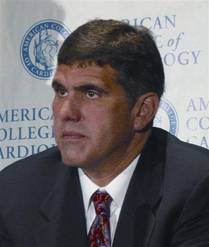
Despite the medical adherence and operative results achieved in the trial, STICH-like patients remain at substantial risk with a 5-year mortality rate of 40% with medication only.
Invited discussant Dr. Bernard Gersch said "We have known for decades that, in patients with left-ventricular dysfunction and ischemia, left-ventricular dysfunction is the major cause of mortality. And you have now proven the concept. This is an incredible trial. It’s a stunning achievement and very difficult to do."
Future analyses of the mechanisms of benefit associated with bypass surgery will prove important in determining whether the benefit is from an improvement in diastolic dysfunction or perhaps a reduction in sudden cardiac death or recurrent infarction, added Dr. Gersch, professor of medicine at the Mayo Clinic, Rochester, Minn.
Fellow discussant Dr. Steven Bolling said he agreed that STICH is a landmark trial and called the difference in outcomes between the intention-to-treat and actual treatment analyses "interesting."
Yet, "if the biological effect that our patients feel is really what treatment they receive, then under that analysis, of course, as a surgeon, you must conclude that patients with left-ventricular dysfunction should receive coronary artery bypass," added professor of surgery and director of the mitral valve clinic at the University of Michigan, Ann Arbor.
Patients in STICH were randomized at 99 medical centers in 22 countries and had a left ventricular ejection fraction of 35% or less and coronary artery disease suitable for CABG.
The median time to CABG was 10 days. In all, 91% of patients received at least one arterial conduit, 86% received at least one venous conduit, and 88% received a total of at least two grafts. The median hospital stay was 9 days (range 7-13).
Only 5 of the 1,202 patients were not evaluable with a median follow-up of 40 months. The overall duration of follow-up was 56 months.
The STICH Extension study will test the durability of the current results at 10 years. STICH was supported by grants from the National Heart, Lung, and Blood Institute (90%) and Abbott Laboratories (2%).
Dr. Velazquez reported receiving consulting fees from Novartis, Gilead, and Boehringer-Ingelheim Pharmaceuticals. Two of his coauthors reported similar relationships with Medtronic, St. Jude Medical, Biotronik, CardioMEMS, and Novartis.
Dr. Gersch has financial relationships with several device and pharmaceutical companies, including Boston Scientific, Merck, Ortho-McNeil, and Abbott Laboratories. Dr. Bolling has received remuneration from Edwards Lifesciences.
The impact of coronary arterial revascularization – notably, coronary artery bypass grafting (CABG) – on the mitigation of progressive heart failure remains hotly contested and controversial. In the Surgical Treatment for Ischemic Heart Failure (STICH) trial, Velazquez and colleagues randomized patients with ejection fraction (EF) of 35% or less with coronary artery disease amenable to CABG to either a medical therapy–alone group or CABG with medical therapy group, with more than 600 patients enrolled in each arm (N. Engl. J. Med. 2011; Apr 4 [Epub ahead of print]). Although the primary end point of death from any cause was statistically nonsignificant (P = 0.12), there was a reduction of mortality from both cardiovascular causes (P = 0.05) and death from any cause or hospitalization for a cardiac cause (P < 0.001).
Undoubtedly the impact of CABG on survival was underestimated by the performance of statistical analysis on an intent-to-treat basis. There was a 17% crossover rate from the medical arm to the surgical revascularization arm, which reduced the importance of surgery in these patients. Patients with low EF and chronic angina do benefit from CABG (Ann. Thorac. Surg. 2007;83:2029-35). Despite the presence of often multiple comorbidities, we have previously reported a greater than 90% survival in this patient population in the perioperative period (Cardiol. Clin. 1995 Feb;13:35-42).
Our experience echoes the secondary end point of the STICH trial – that patients have reduced long-term mortality and need for future hospitalizations after undergoing CABG for ischemic heart failure.
Aggressive medical optimization has significantly improved long-term mortality, but the underlying disease process of ischemia is largely unaltered. Likewise, just which patients with ischemic left ventricular heart failure who have the most to gain from CABG has yet to be defined. An interesting, yet counterintuitive finding of the STICH trial was that assessment of myocardial viability with respect to treatment groups (~300 patients in each arm) showed no significant impact on mortality (N. Engl. J. Med. 2011; Apr. 4 [Epub ahead of print]).
The primary modalities for measurement of viability were via either a single-photon-emission computed tomography or dobutamine echocardiography. The non-uniform imaging modality used in combination with only half of the patients in the trial undergoing viability studies leads to a wide variability in data interpretation as well as clinical decision making and crossover rates in the trial. In general, patients with viable myocardium fared better both in the medical and medical plus CABG group, which could be an effect of underlying heart function rather than any therapeutic effects of either arm. Despite its shortcomings, the STICH trial confirms the value of CABG in ischemic cardiomyopathy.
Dr. Ahmet Kilic and Dr. Irving L. Kron (pictured) are with the department of surgery, division of thoracic and cardiovascular surgery, at the University of Virginia, Charlottesville.
The impact of coronary arterial revascularization – notably, coronary artery bypass grafting (CABG) – on the mitigation of progressive heart failure remains hotly contested and controversial. In the Surgical Treatment for Ischemic Heart Failure (STICH) trial, Velazquez and colleagues randomized patients with ejection fraction (EF) of 35% or less with coronary artery disease amenable to CABG to either a medical therapy–alone group or CABG with medical therapy group, with more than 600 patients enrolled in each arm (N. Engl. J. Med. 2011; Apr 4 [Epub ahead of print]). Although the primary end point of death from any cause was statistically nonsignificant (P = 0.12), there was a reduction of mortality from both cardiovascular causes (P = 0.05) and death from any cause or hospitalization for a cardiac cause (P < 0.001).
Undoubtedly the impact of CABG on survival was underestimated by the performance of statistical analysis on an intent-to-treat basis. There was a 17% crossover rate from the medical arm to the surgical revascularization arm, which reduced the importance of surgery in these patients. Patients with low EF and chronic angina do benefit from CABG (Ann. Thorac. Surg. 2007;83:2029-35). Despite the presence of often multiple comorbidities, we have previously reported a greater than 90% survival in this patient population in the perioperative period (Cardiol. Clin. 1995 Feb;13:35-42).
Our experience echoes the secondary end point of the STICH trial – that patients have reduced long-term mortality and need for future hospitalizations after undergoing CABG for ischemic heart failure.
Aggressive medical optimization has significantly improved long-term mortality, but the underlying disease process of ischemia is largely unaltered. Likewise, just which patients with ischemic left ventricular heart failure who have the most to gain from CABG has yet to be defined. An interesting, yet counterintuitive finding of the STICH trial was that assessment of myocardial viability with respect to treatment groups (~300 patients in each arm) showed no significant impact on mortality (N. Engl. J. Med. 2011; Apr. 4 [Epub ahead of print]).
The primary modalities for measurement of viability were via either a single-photon-emission computed tomography or dobutamine echocardiography. The non-uniform imaging modality used in combination with only half of the patients in the trial undergoing viability studies leads to a wide variability in data interpretation as well as clinical decision making and crossover rates in the trial. In general, patients with viable myocardium fared better both in the medical and medical plus CABG group, which could be an effect of underlying heart function rather than any therapeutic effects of either arm. Despite its shortcomings, the STICH trial confirms the value of CABG in ischemic cardiomyopathy.
Dr. Ahmet Kilic and Dr. Irving L. Kron (pictured) are with the department of surgery, division of thoracic and cardiovascular surgery, at the University of Virginia, Charlottesville.
The impact of coronary arterial revascularization – notably, coronary artery bypass grafting (CABG) – on the mitigation of progressive heart failure remains hotly contested and controversial. In the Surgical Treatment for Ischemic Heart Failure (STICH) trial, Velazquez and colleagues randomized patients with ejection fraction (EF) of 35% or less with coronary artery disease amenable to CABG to either a medical therapy–alone group or CABG with medical therapy group, with more than 600 patients enrolled in each arm (N. Engl. J. Med. 2011; Apr 4 [Epub ahead of print]). Although the primary end point of death from any cause was statistically nonsignificant (P = 0.12), there was a reduction of mortality from both cardiovascular causes (P = 0.05) and death from any cause or hospitalization for a cardiac cause (P < 0.001).
Undoubtedly the impact of CABG on survival was underestimated by the performance of statistical analysis on an intent-to-treat basis. There was a 17% crossover rate from the medical arm to the surgical revascularization arm, which reduced the importance of surgery in these patients. Patients with low EF and chronic angina do benefit from CABG (Ann. Thorac. Surg. 2007;83:2029-35). Despite the presence of often multiple comorbidities, we have previously reported a greater than 90% survival in this patient population in the perioperative period (Cardiol. Clin. 1995 Feb;13:35-42).
Our experience echoes the secondary end point of the STICH trial – that patients have reduced long-term mortality and need for future hospitalizations after undergoing CABG for ischemic heart failure.
Aggressive medical optimization has significantly improved long-term mortality, but the underlying disease process of ischemia is largely unaltered. Likewise, just which patients with ischemic left ventricular heart failure who have the most to gain from CABG has yet to be defined. An interesting, yet counterintuitive finding of the STICH trial was that assessment of myocardial viability with respect to treatment groups (~300 patients in each arm) showed no significant impact on mortality (N. Engl. J. Med. 2011; Apr. 4 [Epub ahead of print]).
The primary modalities for measurement of viability were via either a single-photon-emission computed tomography or dobutamine echocardiography. The non-uniform imaging modality used in combination with only half of the patients in the trial undergoing viability studies leads to a wide variability in data interpretation as well as clinical decision making and crossover rates in the trial. In general, patients with viable myocardium fared better both in the medical and medical plus CABG group, which could be an effect of underlying heart function rather than any therapeutic effects of either arm. Despite its shortcomings, the STICH trial confirms the value of CABG in ischemic cardiomyopathy.
Dr. Ahmet Kilic and Dr. Irving L. Kron (pictured) are with the department of surgery, division of thoracic and cardiovascular surgery, at the University of Virginia, Charlottesville.
NEW ORLEANS – The addition of coronary bypass surgery to aggressive medical care failed to reduce the primary end point of all-cause death in patients with coronary artery disease and heart failure in the Surgical Treatment for Ischemic Heart Failure trial.
Still, several experts characterized the trial as a success and its lead author, Dr. Eric Velazquez, said the data supported performing coronary artery disease (CAD) assessment in all patients presenting with heart failure.
After 6 years of follow-up among 1,202 randomized patients, there was a nonsignificant reduction in Kaplan-Meier all-cause mortality rates with coronary artery bypass grafting (CABG) plus medical therapy, from 46% to 41%, Dr. Velazquez reported at the annual meeting of the American College of Cardiology.
After adjusting this outcome for prespecified baseline variables, the hazard ratio was 0.82 and P value .039.
Crude all-cause mortality rates fell, albeit not significantly, from 41% to 36%, as simultaneously reported online (N. Engl. J. Med. 2011 [10.1056/NEJMa1100356]).
Among key secondary outcomes, however, bypass surgery significantly reduced Kaplan-Meier cardiovascular mortality event rates, from 39% to 32%, and crude cardiovascular mortality rates, from 33% to 28%.
Both Kaplan-Meier event rates and crude rates of death or cardiovascular hospitalization were significantly reduced with bypass, from 68% to 58%. The secondary outcomes remained significant after adjustment.
As anticipated, CABG was associated with an early risk of death that took 2 years to abate, observed Dr. Velazquez, director of the cardiac diagnostic unit and echocardiography laboratories at Duke University Medical Center in Durham, N.C.
"Decision making for CABG is complex," he said. "It should be individualized and now with the results of the STICH trial, patients should be informed of the short-term risk for a potential long-term benefit."
In all, 17% of the 602 patients randomly assigned to medical therapy alone crossed over to receive bypass surgery before the end of follow-up, and 9% of the 610 patients assigned to CABG received medical treatment only, according to Dr. Velaquez.
When the data were analyzed on an as-treated basis from the resulting 592 medical therapy and 620 CABG patients, the addition of bypass surgery significantly reduced deaths from any cause by 11%, from 49% to 38% (P value less than .001; HR, 0.70), Dr. Velazquez said.
The researchers then performed a per-protocol analysis of the 537 medical therapy patients who did not cross over to CABG during the first year of follow-up and the 555 CABG patients who actually underwent the procedure. Once again, the primary outcome of all-cause mortality was significantly reduced 11%, this time from 48% to 37% (P = .005, HR 0.76).
Current guidelines don’t support evaluation of coronary artery disease in patients with heart failure who present without chest pain, resulting in a lost opportunity for clinicians and leaving the exact number of patients for whom the results of STICH would apply unclear, Dr. Velazquez said in an interview.
"I think the guidelines need to recognize that coronary artery disease presents in many ways in our patients and that evaluation of coronary artery disease is important not only for consideration of bypass surgery, but also to optimize medical therapy and CAD medication," he said.
Despite the medical adherence and operative results achieved in the trial, STICH-like patients remain at substantial risk with a 5-year mortality rate of 40% with medication only.
Invited discussant Dr. Bernard Gersch said "We have known for decades that, in patients with left-ventricular dysfunction and ischemia, left-ventricular dysfunction is the major cause of mortality. And you have now proven the concept. This is an incredible trial. It’s a stunning achievement and very difficult to do."
Future analyses of the mechanisms of benefit associated with bypass surgery will prove important in determining whether the benefit is from an improvement in diastolic dysfunction or perhaps a reduction in sudden cardiac death or recurrent infarction, added Dr. Gersch, professor of medicine at the Mayo Clinic, Rochester, Minn.
Fellow discussant Dr. Steven Bolling said he agreed that STICH is a landmark trial and called the difference in outcomes between the intention-to-treat and actual treatment analyses "interesting."
Yet, "if the biological effect that our patients feel is really what treatment they receive, then under that analysis, of course, as a surgeon, you must conclude that patients with left-ventricular dysfunction should receive coronary artery bypass," added professor of surgery and director of the mitral valve clinic at the University of Michigan, Ann Arbor.
Patients in STICH were randomized at 99 medical centers in 22 countries and had a left ventricular ejection fraction of 35% or less and coronary artery disease suitable for CABG.
The median time to CABG was 10 days. In all, 91% of patients received at least one arterial conduit, 86% received at least one venous conduit, and 88% received a total of at least two grafts. The median hospital stay was 9 days (range 7-13).
Only 5 of the 1,202 patients were not evaluable with a median follow-up of 40 months. The overall duration of follow-up was 56 months.
The STICH Extension study will test the durability of the current results at 10 years. STICH was supported by grants from the National Heart, Lung, and Blood Institute (90%) and Abbott Laboratories (2%).
Dr. Velazquez reported receiving consulting fees from Novartis, Gilead, and Boehringer-Ingelheim Pharmaceuticals. Two of his coauthors reported similar relationships with Medtronic, St. Jude Medical, Biotronik, CardioMEMS, and Novartis.
Dr. Gersch has financial relationships with several device and pharmaceutical companies, including Boston Scientific, Merck, Ortho-McNeil, and Abbott Laboratories. Dr. Bolling has received remuneration from Edwards Lifesciences.
NEW ORLEANS – The addition of coronary bypass surgery to aggressive medical care failed to reduce the primary end point of all-cause death in patients with coronary artery disease and heart failure in the Surgical Treatment for Ischemic Heart Failure trial.
Still, several experts characterized the trial as a success and its lead author, Dr. Eric Velazquez, said the data supported performing coronary artery disease (CAD) assessment in all patients presenting with heart failure.
After 6 years of follow-up among 1,202 randomized patients, there was a nonsignificant reduction in Kaplan-Meier all-cause mortality rates with coronary artery bypass grafting (CABG) plus medical therapy, from 46% to 41%, Dr. Velazquez reported at the annual meeting of the American College of Cardiology.
After adjusting this outcome for prespecified baseline variables, the hazard ratio was 0.82 and P value .039.
Crude all-cause mortality rates fell, albeit not significantly, from 41% to 36%, as simultaneously reported online (N. Engl. J. Med. 2011 [10.1056/NEJMa1100356]).
Among key secondary outcomes, however, bypass surgery significantly reduced Kaplan-Meier cardiovascular mortality event rates, from 39% to 32%, and crude cardiovascular mortality rates, from 33% to 28%.
Both Kaplan-Meier event rates and crude rates of death or cardiovascular hospitalization were significantly reduced with bypass, from 68% to 58%. The secondary outcomes remained significant after adjustment.
As anticipated, CABG was associated with an early risk of death that took 2 years to abate, observed Dr. Velazquez, director of the cardiac diagnostic unit and echocardiography laboratories at Duke University Medical Center in Durham, N.C.
"Decision making for CABG is complex," he said. "It should be individualized and now with the results of the STICH trial, patients should be informed of the short-term risk for a potential long-term benefit."
In all, 17% of the 602 patients randomly assigned to medical therapy alone crossed over to receive bypass surgery before the end of follow-up, and 9% of the 610 patients assigned to CABG received medical treatment only, according to Dr. Velaquez.
When the data were analyzed on an as-treated basis from the resulting 592 medical therapy and 620 CABG patients, the addition of bypass surgery significantly reduced deaths from any cause by 11%, from 49% to 38% (P value less than .001; HR, 0.70), Dr. Velazquez said.
The researchers then performed a per-protocol analysis of the 537 medical therapy patients who did not cross over to CABG during the first year of follow-up and the 555 CABG patients who actually underwent the procedure. Once again, the primary outcome of all-cause mortality was significantly reduced 11%, this time from 48% to 37% (P = .005, HR 0.76).
Current guidelines don’t support evaluation of coronary artery disease in patients with heart failure who present without chest pain, resulting in a lost opportunity for clinicians and leaving the exact number of patients for whom the results of STICH would apply unclear, Dr. Velazquez said in an interview.
"I think the guidelines need to recognize that coronary artery disease presents in many ways in our patients and that evaluation of coronary artery disease is important not only for consideration of bypass surgery, but also to optimize medical therapy and CAD medication," he said.
Despite the medical adherence and operative results achieved in the trial, STICH-like patients remain at substantial risk with a 5-year mortality rate of 40% with medication only.
Invited discussant Dr. Bernard Gersch said "We have known for decades that, in patients with left-ventricular dysfunction and ischemia, left-ventricular dysfunction is the major cause of mortality. And you have now proven the concept. This is an incredible trial. It’s a stunning achievement and very difficult to do."
Future analyses of the mechanisms of benefit associated with bypass surgery will prove important in determining whether the benefit is from an improvement in diastolic dysfunction or perhaps a reduction in sudden cardiac death or recurrent infarction, added Dr. Gersch, professor of medicine at the Mayo Clinic, Rochester, Minn.
Fellow discussant Dr. Steven Bolling said he agreed that STICH is a landmark trial and called the difference in outcomes between the intention-to-treat and actual treatment analyses "interesting."
Yet, "if the biological effect that our patients feel is really what treatment they receive, then under that analysis, of course, as a surgeon, you must conclude that patients with left-ventricular dysfunction should receive coronary artery bypass," added professor of surgery and director of the mitral valve clinic at the University of Michigan, Ann Arbor.
Patients in STICH were randomized at 99 medical centers in 22 countries and had a left ventricular ejection fraction of 35% or less and coronary artery disease suitable for CABG.
The median time to CABG was 10 days. In all, 91% of patients received at least one arterial conduit, 86% received at least one venous conduit, and 88% received a total of at least two grafts. The median hospital stay was 9 days (range 7-13).
Only 5 of the 1,202 patients were not evaluable with a median follow-up of 40 months. The overall duration of follow-up was 56 months.
The STICH Extension study will test the durability of the current results at 10 years. STICH was supported by grants from the National Heart, Lung, and Blood Institute (90%) and Abbott Laboratories (2%).
Dr. Velazquez reported receiving consulting fees from Novartis, Gilead, and Boehringer-Ingelheim Pharmaceuticals. Two of his coauthors reported similar relationships with Medtronic, St. Jude Medical, Biotronik, CardioMEMS, and Novartis.
Dr. Gersch has financial relationships with several device and pharmaceutical companies, including Boston Scientific, Merck, Ortho-McNeil, and Abbott Laboratories. Dr. Bolling has received remuneration from Edwards Lifesciences.
First Pediatric Stroke Severity Scale Validated
LOS ANGELES – For the first time, a pediatric stroke severity scale has been validated in a prospective clinical trial.
The study in 15 North American medical centers showed excellent interrater reliability when neurologists used a pediatric version of the National Institutes of Health Stroke Scale for adults to examine children aged 2-18 years with acute arterial ischemic stroke.
The neurologists used the Pediatric NIH Stroke Scale (PedNIHSS) on 113 patients who were examined daily from admission to discharge, or through day 7 of hospitalization.
Interrater reliability was tested in a subset of 25 patients who underwent simultaneous examinations by two pediatric neurologists.
Characteristics of the subgroup were similar to those of the entire cohort, Dr. Rebecca N. Ichord reported at the International Stroke Conference.
The simultaneous raters’ scores were identical in 60% of ratings and were within a 1-point difference in 84% of ratings (Stroke 2011;42:613-7).
Research into potential ways of preventing or treating childhood stroke has been stymied in the past by the lack of a validated and reliable pediatric stroke scale.
The PedNIHSS provides a way to index the severity of a child’s stroke, to make comparisons across treatment groups, and to get a baseline for predicting outcome, said Dr. Ichord, director of the pediatric stroke program at the Children’s Hospital of Philadelphia.
Clinicians, too, have been hungering for such a scale. "I have been asked over and over again [for a pediatric stroke scale] by clinicians who want to have a method of describing the severity of a child’s stroke," she said at the meeting, which was sponsored by the American Heart Association.
"It helps them with clinical decision making. It helps them to prepare parents and counsel parents. It helps to guide them as to how quickly and how urgently the child’s care should move forward. [Such a scale] is absolutely needed and wanted right now by clinicians on the front line," according to Dr. Ichord.
Characteristics of the patients and the strokes in the study were similar to those reported in previous pediatric stroke cohort studies, which suggests the current findings are generalizable and the PedNIHSS should be applicable in other settings.
Because all of the raters in the current study were pediatric neurologists or trainees, a separate study is needed to assess the PedNIHSS in the hands of other specialists, Dr. Ichord said.
The interrater reliability in the study compared favorably with that seen in studies of the adult NIHSS.
The pediatric version also found good interrater reliability for facial weakness, dysarthria, and ataxia, which was not seen with the adult stroke scale. The reasons for this difference are unclear.
The PedNIHSS was drafted by a consensus panel of pediatric and adult stroke experts. They limited the use of the pediatric scale to ages 2-18 years because younger children have limited language abilities, which are needed for use of the PedNIHSS.
Neonates and children younger than 2 years of age with acute ischemic stroke also frequently present without focal deficits, and so may require a scale with less emphasis on focal sensorimotor deficits, the investigators suggested.
A study is underway to compare PedNIHSS scores with infarct volume and with functional outcomes at 3 and 12 months.
Stroke affects 25 in 100,000 newborns and 12 in 100,000 children under 18 years of age. It is the sixth leading cause of death in children, according to the PedNIHSS Web site.
Ischemic stroke, in particular, is one of the top 10 causes of death among children, affecting 1.2-7.9 per 100,000 children aged 1 month to 18 years in North America and Europe, the investigators noted. Some 40%-60% of survivors are left with long-term motor and cognitive deficits that interfere with function.
Dr. Ichord and one of her associates in the study are on the clinical event committee for the Berlin Heart Trial for pediatric ventricular assist devices.
LOS ANGELES – For the first time, a pediatric stroke severity scale has been validated in a prospective clinical trial.
The study in 15 North American medical centers showed excellent interrater reliability when neurologists used a pediatric version of the National Institutes of Health Stroke Scale for adults to examine children aged 2-18 years with acute arterial ischemic stroke.
The neurologists used the Pediatric NIH Stroke Scale (PedNIHSS) on 113 patients who were examined daily from admission to discharge, or through day 7 of hospitalization.
Interrater reliability was tested in a subset of 25 patients who underwent simultaneous examinations by two pediatric neurologists.
Characteristics of the subgroup were similar to those of the entire cohort, Dr. Rebecca N. Ichord reported at the International Stroke Conference.
The simultaneous raters’ scores were identical in 60% of ratings and were within a 1-point difference in 84% of ratings (Stroke 2011;42:613-7).
Research into potential ways of preventing or treating childhood stroke has been stymied in the past by the lack of a validated and reliable pediatric stroke scale.
The PedNIHSS provides a way to index the severity of a child’s stroke, to make comparisons across treatment groups, and to get a baseline for predicting outcome, said Dr. Ichord, director of the pediatric stroke program at the Children’s Hospital of Philadelphia.
Clinicians, too, have been hungering for such a scale. "I have been asked over and over again [for a pediatric stroke scale] by clinicians who want to have a method of describing the severity of a child’s stroke," she said at the meeting, which was sponsored by the American Heart Association.
"It helps them with clinical decision making. It helps them to prepare parents and counsel parents. It helps to guide them as to how quickly and how urgently the child’s care should move forward. [Such a scale] is absolutely needed and wanted right now by clinicians on the front line," according to Dr. Ichord.
Characteristics of the patients and the strokes in the study were similar to those reported in previous pediatric stroke cohort studies, which suggests the current findings are generalizable and the PedNIHSS should be applicable in other settings.
Because all of the raters in the current study were pediatric neurologists or trainees, a separate study is needed to assess the PedNIHSS in the hands of other specialists, Dr. Ichord said.
The interrater reliability in the study compared favorably with that seen in studies of the adult NIHSS.
The pediatric version also found good interrater reliability for facial weakness, dysarthria, and ataxia, which was not seen with the adult stroke scale. The reasons for this difference are unclear.
The PedNIHSS was drafted by a consensus panel of pediatric and adult stroke experts. They limited the use of the pediatric scale to ages 2-18 years because younger children have limited language abilities, which are needed for use of the PedNIHSS.
Neonates and children younger than 2 years of age with acute ischemic stroke also frequently present without focal deficits, and so may require a scale with less emphasis on focal sensorimotor deficits, the investigators suggested.
A study is underway to compare PedNIHSS scores with infarct volume and with functional outcomes at 3 and 12 months.
Stroke affects 25 in 100,000 newborns and 12 in 100,000 children under 18 years of age. It is the sixth leading cause of death in children, according to the PedNIHSS Web site.
Ischemic stroke, in particular, is one of the top 10 causes of death among children, affecting 1.2-7.9 per 100,000 children aged 1 month to 18 years in North America and Europe, the investigators noted. Some 40%-60% of survivors are left with long-term motor and cognitive deficits that interfere with function.
Dr. Ichord and one of her associates in the study are on the clinical event committee for the Berlin Heart Trial for pediatric ventricular assist devices.
LOS ANGELES – For the first time, a pediatric stroke severity scale has been validated in a prospective clinical trial.
The study in 15 North American medical centers showed excellent interrater reliability when neurologists used a pediatric version of the National Institutes of Health Stroke Scale for adults to examine children aged 2-18 years with acute arterial ischemic stroke.
The neurologists used the Pediatric NIH Stroke Scale (PedNIHSS) on 113 patients who were examined daily from admission to discharge, or through day 7 of hospitalization.
Interrater reliability was tested in a subset of 25 patients who underwent simultaneous examinations by two pediatric neurologists.
Characteristics of the subgroup were similar to those of the entire cohort, Dr. Rebecca N. Ichord reported at the International Stroke Conference.
The simultaneous raters’ scores were identical in 60% of ratings and were within a 1-point difference in 84% of ratings (Stroke 2011;42:613-7).
Research into potential ways of preventing or treating childhood stroke has been stymied in the past by the lack of a validated and reliable pediatric stroke scale.
The PedNIHSS provides a way to index the severity of a child’s stroke, to make comparisons across treatment groups, and to get a baseline for predicting outcome, said Dr. Ichord, director of the pediatric stroke program at the Children’s Hospital of Philadelphia.
Clinicians, too, have been hungering for such a scale. "I have been asked over and over again [for a pediatric stroke scale] by clinicians who want to have a method of describing the severity of a child’s stroke," she said at the meeting, which was sponsored by the American Heart Association.
"It helps them with clinical decision making. It helps them to prepare parents and counsel parents. It helps to guide them as to how quickly and how urgently the child’s care should move forward. [Such a scale] is absolutely needed and wanted right now by clinicians on the front line," according to Dr. Ichord.
Characteristics of the patients and the strokes in the study were similar to those reported in previous pediatric stroke cohort studies, which suggests the current findings are generalizable and the PedNIHSS should be applicable in other settings.
Because all of the raters in the current study were pediatric neurologists or trainees, a separate study is needed to assess the PedNIHSS in the hands of other specialists, Dr. Ichord said.
The interrater reliability in the study compared favorably with that seen in studies of the adult NIHSS.
The pediatric version also found good interrater reliability for facial weakness, dysarthria, and ataxia, which was not seen with the adult stroke scale. The reasons for this difference are unclear.
The PedNIHSS was drafted by a consensus panel of pediatric and adult stroke experts. They limited the use of the pediatric scale to ages 2-18 years because younger children have limited language abilities, which are needed for use of the PedNIHSS.
Neonates and children younger than 2 years of age with acute ischemic stroke also frequently present without focal deficits, and so may require a scale with less emphasis on focal sensorimotor deficits, the investigators suggested.
A study is underway to compare PedNIHSS scores with infarct volume and with functional outcomes at 3 and 12 months.
Stroke affects 25 in 100,000 newborns and 12 in 100,000 children under 18 years of age. It is the sixth leading cause of death in children, according to the PedNIHSS Web site.
Ischemic stroke, in particular, is one of the top 10 causes of death among children, affecting 1.2-7.9 per 100,000 children aged 1 month to 18 years in North America and Europe, the investigators noted. Some 40%-60% of survivors are left with long-term motor and cognitive deficits that interfere with function.
Dr. Ichord and one of her associates in the study are on the clinical event committee for the Berlin Heart Trial for pediatric ventricular assist devices.
Feds Push Pre-Existing Condition Plan Option
A 40% premium cut and simpler enrollment procedures are two changes the federal government is employing to increase enrollment in the Pre-Existing Condition Insurance Plan, Health and Human Services Secretary Kathleen Sebelius announced during a press briefing.
Launched in July 2010 under the Affordable Care Act (ACA), the Pre-Existing Condition Insurance Plan (PCIP) provides an insurance option for people with preexisting conditions who have been denied coverage and have been without insurance for 6 months or more.
To increase awareness for the program, HHS will offer payment for insurance brokers and agents for successfully connecting eligible enrollees with the PCIP program, said Richard Popper, deputy director of insurance programs in the Office of Consumer Information and Insurance Oversight.
Those seeking coverage under the PCIP will no longer have to wait to receive a denial letter from their insurance company in order to enroll. Instead, they can provide attestation of their condition from their physician, nurse practitioner, or physician assistant. Patients with preexisting conditions still will be required to be without insurance for 6 months before they are eligible for coverage under the plan, said Mr. Popper. He added that HHS does not have the authority to waive the 6-month waiting period under the current health law.
Ms. Sebelius emphasized HHS’s priority to increase enrollment in the program. "It’s encouraging to see more people who need health insurance the most getting it, but we know that’s not enough," Ms. Sebelius said.
The measures comply with the ACA provision requiring the PCIP to align premiums and benefits with the private insurance market, Mr. Popper said. However, he said there’s still plenty of room for new enrollees.
"We’ve been enrolling people at an increasing rate, but we know we have the capacity to cover even more people," Mr. Popper said.
He added that funding for the measures will fall under the original $5 billion set aside for the program through the health reform law, as well as existing member premiums.
Despite original HHS estimates that several hundred thousand people would benefit from the PCIP, 18,313 people were enrolled as of early May.
The PCIP is run by the federal government in 23 states and the District of Columbia; remaining states operate their own programs using funding from the ACA. HHS sent letters to those 27 state programs, encouraging them to consider similar reforms to their programs.
A 40% premium cut and simpler enrollment procedures are two changes the federal government is employing to increase enrollment in the Pre-Existing Condition Insurance Plan, Health and Human Services Secretary Kathleen Sebelius announced during a press briefing.
Launched in July 2010 under the Affordable Care Act (ACA), the Pre-Existing Condition Insurance Plan (PCIP) provides an insurance option for people with preexisting conditions who have been denied coverage and have been without insurance for 6 months or more.
To increase awareness for the program, HHS will offer payment for insurance brokers and agents for successfully connecting eligible enrollees with the PCIP program, said Richard Popper, deputy director of insurance programs in the Office of Consumer Information and Insurance Oversight.
Those seeking coverage under the PCIP will no longer have to wait to receive a denial letter from their insurance company in order to enroll. Instead, they can provide attestation of their condition from their physician, nurse practitioner, or physician assistant. Patients with preexisting conditions still will be required to be without insurance for 6 months before they are eligible for coverage under the plan, said Mr. Popper. He added that HHS does not have the authority to waive the 6-month waiting period under the current health law.
Ms. Sebelius emphasized HHS’s priority to increase enrollment in the program. "It’s encouraging to see more people who need health insurance the most getting it, but we know that’s not enough," Ms. Sebelius said.
The measures comply with the ACA provision requiring the PCIP to align premiums and benefits with the private insurance market, Mr. Popper said. However, he said there’s still plenty of room for new enrollees.
"We’ve been enrolling people at an increasing rate, but we know we have the capacity to cover even more people," Mr. Popper said.
He added that funding for the measures will fall under the original $5 billion set aside for the program through the health reform law, as well as existing member premiums.
Despite original HHS estimates that several hundred thousand people would benefit from the PCIP, 18,313 people were enrolled as of early May.
The PCIP is run by the federal government in 23 states and the District of Columbia; remaining states operate their own programs using funding from the ACA. HHS sent letters to those 27 state programs, encouraging them to consider similar reforms to their programs.
A 40% premium cut and simpler enrollment procedures are two changes the federal government is employing to increase enrollment in the Pre-Existing Condition Insurance Plan, Health and Human Services Secretary Kathleen Sebelius announced during a press briefing.
Launched in July 2010 under the Affordable Care Act (ACA), the Pre-Existing Condition Insurance Plan (PCIP) provides an insurance option for people with preexisting conditions who have been denied coverage and have been without insurance for 6 months or more.
To increase awareness for the program, HHS will offer payment for insurance brokers and agents for successfully connecting eligible enrollees with the PCIP program, said Richard Popper, deputy director of insurance programs in the Office of Consumer Information and Insurance Oversight.
Those seeking coverage under the PCIP will no longer have to wait to receive a denial letter from their insurance company in order to enroll. Instead, they can provide attestation of their condition from their physician, nurse practitioner, or physician assistant. Patients with preexisting conditions still will be required to be without insurance for 6 months before they are eligible for coverage under the plan, said Mr. Popper. He added that HHS does not have the authority to waive the 6-month waiting period under the current health law.
Ms. Sebelius emphasized HHS’s priority to increase enrollment in the program. "It’s encouraging to see more people who need health insurance the most getting it, but we know that’s not enough," Ms. Sebelius said.
The measures comply with the ACA provision requiring the PCIP to align premiums and benefits with the private insurance market, Mr. Popper said. However, he said there’s still plenty of room for new enrollees.
"We’ve been enrolling people at an increasing rate, but we know we have the capacity to cover even more people," Mr. Popper said.
He added that funding for the measures will fall under the original $5 billion set aside for the program through the health reform law, as well as existing member premiums.
Despite original HHS estimates that several hundred thousand people would benefit from the PCIP, 18,313 people were enrolled as of early May.
The PCIP is run by the federal government in 23 states and the District of Columbia; remaining states operate their own programs using funding from the ACA. HHS sent letters to those 27 state programs, encouraging them to consider similar reforms to their programs.
Selected Online Resources
AATS Resident Resources: www.aats.org/TSR/index.html
CTSNET Residents Section: www.ctsnet.org/sections/residents
Thoracic Surgery Directors Association: www.tsda.org
Thoracic Surgery News: www.thoracicsurgerynews.com
Thoracic Surgery Residents Association: www.tsranet.org
Thoracic Surgery Foundation for Research and Education: www.tsfre.org
AATS Resident Resources: www.aats.org/TSR/index.html
CTSNET Residents Section: www.ctsnet.org/sections/residents
Thoracic Surgery Directors Association: www.tsda.org
Thoracic Surgery News: www.thoracicsurgerynews.com
Thoracic Surgery Residents Association: www.tsranet.org
Thoracic Surgery Foundation for Research and Education: www.tsfre.org
AATS Resident Resources: www.aats.org/TSR/index.html
CTSNET Residents Section: www.ctsnet.org/sections/residents
Thoracic Surgery Directors Association: www.tsda.org
Thoracic Surgery News: www.thoracicsurgerynews.com
Thoracic Surgery Residents Association: www.tsranet.org
Thoracic Surgery Foundation for Research and Education: www.tsfre.org
Some General Thoracic Surgery Milestones
Note: The definitions of ‘first’ and ‘successful’ can be contentious in any branch of history, and the history of medicine is no exception. The dates and events listed below have at least some legitimate consensus behind them.
1882 First documented human pulmonary resection: a failure which led to suicide of the surgeon (H. M. Block)
1891 First partial lung resection (Theodore Tuffler)
1895 First documented successful pneumnectomy: a multiple stage cautery method (William Macewen)
1904 Low pressure ventilation chamber devised to maintain lung expansion during thoracotomy (Ferdinand Saurbruch)
1924 First successful pulmonary embolectomy (Martin Kirshner).
1929 First successful one-stage lobectomy (Harold Brunn)
1931 First successful one-stage ligation of entire pulmonary hilum (Rudolph Nissen)
1933 First successful one-stage pneumonectomy with mediastinal dissection and individual ligation of main vessels (William Reinhoff)
1938 First clinical use of mechanical ventilator, the Frecken "Spiropulsator" (Clarence Crafoord)
1941 First successful one-stage repair of congenital artresia of the esophagus with distal tracheoescophageal fistula (Cameron Haight)
1949 First report of radical pneumonectomy for lung cancer (P. R. Allison).
Compiled from the following sources:
- Radical Surgery for Lung Cancer, William H. Watson, Cancer 1956 9:1167-1172.
- The Magnificent Century of Cardiothoracic Surgery, Amer Chaikhouni, Heart Views, 2007 8:161-164.
Note: The definitions of ‘first’ and ‘successful’ can be contentious in any branch of history, and the history of medicine is no exception. The dates and events listed below have at least some legitimate consensus behind them.
1882 First documented human pulmonary resection: a failure which led to suicide of the surgeon (H. M. Block)
1891 First partial lung resection (Theodore Tuffler)
1895 First documented successful pneumnectomy: a multiple stage cautery method (William Macewen)
1904 Low pressure ventilation chamber devised to maintain lung expansion during thoracotomy (Ferdinand Saurbruch)
1924 First successful pulmonary embolectomy (Martin Kirshner).
1929 First successful one-stage lobectomy (Harold Brunn)
1931 First successful one-stage ligation of entire pulmonary hilum (Rudolph Nissen)
1933 First successful one-stage pneumonectomy with mediastinal dissection and individual ligation of main vessels (William Reinhoff)
1938 First clinical use of mechanical ventilator, the Frecken "Spiropulsator" (Clarence Crafoord)
1941 First successful one-stage repair of congenital artresia of the esophagus with distal tracheoescophageal fistula (Cameron Haight)
1949 First report of radical pneumonectomy for lung cancer (P. R. Allison).
Compiled from the following sources:
- Radical Surgery for Lung Cancer, William H. Watson, Cancer 1956 9:1167-1172.
- The Magnificent Century of Cardiothoracic Surgery, Amer Chaikhouni, Heart Views, 2007 8:161-164.
Note: The definitions of ‘first’ and ‘successful’ can be contentious in any branch of history, and the history of medicine is no exception. The dates and events listed below have at least some legitimate consensus behind them.
1882 First documented human pulmonary resection: a failure which led to suicide of the surgeon (H. M. Block)
1891 First partial lung resection (Theodore Tuffler)
1895 First documented successful pneumnectomy: a multiple stage cautery method (William Macewen)
1904 Low pressure ventilation chamber devised to maintain lung expansion during thoracotomy (Ferdinand Saurbruch)
1924 First successful pulmonary embolectomy (Martin Kirshner).
1929 First successful one-stage lobectomy (Harold Brunn)
1931 First successful one-stage ligation of entire pulmonary hilum (Rudolph Nissen)
1933 First successful one-stage pneumonectomy with mediastinal dissection and individual ligation of main vessels (William Reinhoff)
1938 First clinical use of mechanical ventilator, the Frecken "Spiropulsator" (Clarence Crafoord)
1941 First successful one-stage repair of congenital artresia of the esophagus with distal tracheoescophageal fistula (Cameron Haight)
1949 First report of radical pneumonectomy for lung cancer (P. R. Allison).
Compiled from the following sources:
- Radical Surgery for Lung Cancer, William H. Watson, Cancer 1956 9:1167-1172.
- The Magnificent Century of Cardiothoracic Surgery, Amer Chaikhouni, Heart Views, 2007 8:161-164.