User login
The Official Newspaper of the American Association for Thoracic Surgery
Apply Today for the Advanced Valve Disease Educational Fellowship
Sponsor: Medtronic
Fellowship Overview: Offers surgeons the opportunity to interactively observe valvular heart disease specialists and connect with them about treatment, technical skills and management of perioperative patients for a minimum of one month up to three months.
Potential Host Institutions
Cleveland Clinic
Johns Hopkins University
Mount-Sinai Medical Center
New York University
University of Southern California
Deadline: June 15, 2015
More information/application submission: http://aatsgrahamfoundation.org/awards_valveEDU.cgi
Sponsor: Medtronic
Fellowship Overview: Offers surgeons the opportunity to interactively observe valvular heart disease specialists and connect with them about treatment, technical skills and management of perioperative patients for a minimum of one month up to three months.
Potential Host Institutions
Cleveland Clinic
Johns Hopkins University
Mount-Sinai Medical Center
New York University
University of Southern California
Deadline: June 15, 2015
More information/application submission: http://aatsgrahamfoundation.org/awards_valveEDU.cgi
Sponsor: Medtronic
Fellowship Overview: Offers surgeons the opportunity to interactively observe valvular heart disease specialists and connect with them about treatment, technical skills and management of perioperative patients for a minimum of one month up to three months.
Potential Host Institutions
Cleveland Clinic
Johns Hopkins University
Mount-Sinai Medical Center
New York University
University of Southern California
Deadline: June 15, 2015
More information/application submission: http://aatsgrahamfoundation.org/awards_valveEDU.cgi

Submit Today for the James L. Cox Fellowship in Atrial Fibrillation Surgery
Sponsor: AtriCure
Fellowship Overview: Gives newly graduated CT surgeons the opportunity to spend up to three months improving their atrial fibrillation techniques at a host institution.
Potential Host Sites
Franciscan St. Francis Hospital (Indianapolis, IN)
Inova Fairfax Hospital (Fairfax, VA)
Pauley Heart Center at Virginia Commonwealth University Health System
Sentara Heart Hospital (Norfolk, VA)
Swedish Medical Center (Englewood, CO)
University of Pittsburgh Medical Center
University of Virginia
Washington University School of Medicine, Barnes Jewish Hospital
(St. Louis, MO)
Deadline: May 26, 2015
More information/application submission: http://aatsgrahamfoundation.org/awards_atricure.cgi
Sponsor: AtriCure
Fellowship Overview: Gives newly graduated CT surgeons the opportunity to spend up to three months improving their atrial fibrillation techniques at a host institution.
Potential Host Sites
Franciscan St. Francis Hospital (Indianapolis, IN)
Inova Fairfax Hospital (Fairfax, VA)
Pauley Heart Center at Virginia Commonwealth University Health System
Sentara Heart Hospital (Norfolk, VA)
Swedish Medical Center (Englewood, CO)
University of Pittsburgh Medical Center
University of Virginia
Washington University School of Medicine, Barnes Jewish Hospital
(St. Louis, MO)
Deadline: May 26, 2015
More information/application submission: http://aatsgrahamfoundation.org/awards_atricure.cgi
Sponsor: AtriCure
Fellowship Overview: Gives newly graduated CT surgeons the opportunity to spend up to three months improving their atrial fibrillation techniques at a host institution.
Potential Host Sites
Franciscan St. Francis Hospital (Indianapolis, IN)
Inova Fairfax Hospital (Fairfax, VA)
Pauley Heart Center at Virginia Commonwealth University Health System
Sentara Heart Hospital (Norfolk, VA)
Swedish Medical Center (Englewood, CO)
University of Pittsburgh Medical Center
University of Virginia
Washington University School of Medicine, Barnes Jewish Hospital
(St. Louis, MO)
Deadline: May 26, 2015
More information/application submission: http://aatsgrahamfoundation.org/awards_atricure.cgi

Also Don’t Miss These Important Fellowship & Training Opportunities This Spring
Ethicon Fellowship for Advanced Thoracic Minimally Invasive Surgery (MIS)
Sponsored by Ethicon Endo-Surgery
Offers North American young CT surgeons and their surgical teams the opportunity to enhance their skills in thoracic minimally invasive surgery by spending a one- or two-day period at clinical sites.
Learn more: aatsgrahamfoundation.org/activities.cgi
Deadline: May 31, 2015
Thoracic Surgery Training Fellowship
Sponsored by Ethicon China/Chinese International Medical Foundation
Offers young Chinese surgeons the opportunity to spend between one month and one year obtaining advanced thoracic surgery skills at North American institutions.
Deadline: May 31, 2015
Learn more about eligibility and application requirements: aatsgrahamfoundation.org/activities.cgi
Ethicon Fellowship for Advanced Thoracic Minimally Invasive Surgery (MIS)
Sponsored by Ethicon Endo-Surgery
Offers North American young CT surgeons and their surgical teams the opportunity to enhance their skills in thoracic minimally invasive surgery by spending a one- or two-day period at clinical sites.
Learn more: aatsgrahamfoundation.org/activities.cgi
Deadline: May 31, 2015
Thoracic Surgery Training Fellowship
Sponsored by Ethicon China/Chinese International Medical Foundation
Offers young Chinese surgeons the opportunity to spend between one month and one year obtaining advanced thoracic surgery skills at North American institutions.
Deadline: May 31, 2015
Learn more about eligibility and application requirements: aatsgrahamfoundation.org/activities.cgi
Ethicon Fellowship for Advanced Thoracic Minimally Invasive Surgery (MIS)
Sponsored by Ethicon Endo-Surgery
Offers North American young CT surgeons and their surgical teams the opportunity to enhance their skills in thoracic minimally invasive surgery by spending a one- or two-day period at clinical sites.
Learn more: aatsgrahamfoundation.org/activities.cgi
Deadline: May 31, 2015
Thoracic Surgery Training Fellowship
Sponsored by Ethicon China/Chinese International Medical Foundation
Offers young Chinese surgeons the opportunity to spend between one month and one year obtaining advanced thoracic surgery skills at North American institutions.
Deadline: May 31, 2015
Learn more about eligibility and application requirements: aatsgrahamfoundation.org/activities.cgi

Medicare at 50: Physicians struggle with antifraud regulations
For Dr. Carla L. Kakutani, it has become increasingly challenging to obtain durable medical equipment (DME) for her Medicare patients.
In addition to proving equipment is medically necessary, a 2013 rule requires physicians to document that a face-to-face encounter occurred between a patient and doctor or other health provider within 6 months of the DME order. (Enforcement of the rule has been delayed, but many physicians are currently complying with this policy.) Dr. Kakutani understands the added regulations are meant to prevent fraudulent billings, she said, but the heavy paperwork and additional red tape are burdensome.
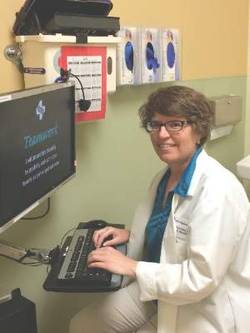
“The problem is, [the process] turns into this back and forth between you, the equipment company, and Medicare,” said Dr. Kakutani, a family physician in Winters, Calif. “Meanwhile, the patient is waiting, and you’re being distracted from other things. The bad apples are making life rough for the rest of us.”
As Medicare turns 50 this year, Dr. Kakutani is not alone in her frustrations. In recent years, the U.S. Department of Health & Human Services has greatly expanded its efforts to combat Medicare fraud, and physicians across the country are feeling the effects.
The government’s primary antifraud tool is the Health Care Fraud Prevention and Enforcement Action Team (HEAT), created in 2009 to identify and investigate health fraud and abuse. CMS also works with an array of contractors to detect Medicare fraud, including comprehensive error rate testing (CERT) contractors, Medicare administrative contractors (MACs), Medicare drug integrity contractors (MEDICs), recovery audit program auditors (RACs), and zone program integrity contractors (ZPICs). In 2010, CMS launched the Fraud Prevention System (FPS), a predictive analytics technology that runs algorithms on all Medicare claims prior to payment. And in 2012, CMS created the Program Integrity Command Center that brings together investigators from Medicare, Medicaid, and the law enforcement community to develop predictive analytics that identify fraud and mobilize a rapid response.
Just how much Medicare fraud is happening at any given time is difficult to measure. In 2014, the federal government recouped $3 billion in Medicare- and Medicaid-related fraud settlements and judgments, according to an HHS analysis. In 2013 and 2012, the government recovered about $4 billion each year. And it’s nearly impossible to determine the volume of Medicare fraud committed by doctors, said Dr. Julie Taitsman, chief medical officer for the HHS Office of Inspector General.
“Getting at the actual amount of Medicare fraud in general, or Medicare fraud by physicians, is incredibly difficult,” Dr. Taitsman said in an interview. “We can tell you about the fraud we’ve identified, but we don’t know the total body of fraud.”
Dr. Taitsman stressed that all physicians play a major role in preventing health fraud and improving the quality of the Medicare system.
“Why it’s so important for physicians to practice with integrity – and we do believe that the vast majority of physicians practice with integrity – is because physicians control the bulk of care and services that [Medicare] patients receive,” Dr. Taitsman said. “That’s why it’s so important for physicians to be our partners in promoting high-quality care, promoting efficiency and compliance with the rules.”

But continually changing rules and guidelines make it difficult for many doctors to do just that, said Dr. James Szalados, an anesthesiologist and critical care physician based in Rochester, N.Y. Updates to payment rules, new OIG work plan targets, and growing documentation requirements can be overwhelming for practices.
“It’s not just the number of regulations, but it’s also the rate of change,” said Dr. Szalados, who is also an attorney. “For most doctors, it’s terrifying. They can’t keep up.”
Adhering to the latest regulations generally means hiring outside attorneys, consultants, and financial auditors who can help doctors self-police their practices, Dr. Szalados said.
Physicians also face Medicare fraud accusations from more directions than in the past, said Michael E. Clark, a Houston-based health law attorney and chair of the American Bar Association health law section. In addition to government claims, whistle-blower provisions under the False Claims Act allow individuals to file lawsuits alleging fraud and abuse on behalf of the government. If the government intervenes and the suit is successful, a whistle-blower can take home 15%-25% of money recovered. In 2014, the number of whistle-blower suits exceeded 700 for the second year in a row, according to the Department of Justice.
“A lot of people bringing these false claims actions are former or disgruntled employees or other doctors,” Mr. Clark said. “You might have a technical, regulatory type of theory, and yet it can be quickly changed into a fraud and abuse case.”
New laws have added to the challenge, Mr. Clark said. The Fraud Enforcement and Recovery Act (FERA), enacted in 2009, expands potential liability for false claims by applying the FCA to more entities and a larger range of transactions. The law also reduces the proof required to establish fault.
“FERA took away a lot of defenses that had been used successfully by defense counsel over the years on technical issues,” Mr. Clark said.
The antifraud climate has led many physicians to leave private practice or merge with hospitals or larger health systems, Dr. Szalados said. Other doctors have resorted to intentionally underbilling to avoid claim scrutiny, according to Dr. Robert A. Lee, who serves on the board of directors for the American Academy of Family Physicians . After a third-party compliance review, Dr. Lee’s private practice felt the best course of action was to bill more conservatively, he said.

“We kind of overdocument and undercode,” Dr. Lee said in an interview. “Of course that’s not fair to the physicians because they’re not billing for what they did do.”
On a more positive note, physicians are getting better at internal auditing and developing stronger compliance programs that address billing errors, said Alex T. Krouse, a health law attorney based in Mishawaka, Ind.
“I do think health care providers are getting more sophisticated and are really believing in the compliance-related function,” Mr. Krouse said in an interview. “That is helping and reducing the risk quite a bit.”
While antifraud enforcement will likely increase in the future, physicians that follow regulations and implement recommended protocols shouldn’t be too worried, Mr. Krouse added.
“If you’re a group, and you’re doing internal audits and you’ve got a compliance program in place, and you’re really working to have a compliant organization, the government’s aggressiveness and fraud detection is going to be minimal,” he said. “The aggressive tactics are really for those groups or organizations that have a blatant disregard for these processes.”
8 pro tips for avoiding fraud accusations
The possibility of coming under Medicare fraud scrutiny strikes fear in the heart of most physicians. Here’s what health law experts and federal officials recommend to stay in the clear:
• Designate a compliance officer. Assigning a specific employee to keep track of changing laws and regulations can help physicians remain compliant with antifraud regulations, said Mr. Krouse. The compliance officer should lead compliance efforts, inform staff of relevant rule changes, and take charge if billing practices come under government scrutiny.
• Retain a health law attorney. Seek the guidance of an experienced health law or Medicare fraud defense attorney should questions or billing problems arise, Mr. Clark recommended. Business or staff attorneys do not always have the needed expertise and can sometimes lead practices astray during critical times. Consider retaining a qualified, go-to health law attorney to answer questions and assist during crises.
• Develop a compliance program. Create strong compliance plans to address potential fraud, abuse, and billing issues, Dr. Taitsman advised. There is no one-size-fits all compliance plan, but the government offers suggested guidance about what plans should entail. No practice is too small to set up a compliance plan, she said.
• Perform internal audits. Internal audits should be a regular practice – annually or biennially – for all physicians, Mr. Krouse said. They can be completed by staff or a consultant.
• Send audit results to an attorney. If an internal audit is completed, the results should be conveyed first to an attorney, Mr. Clark said. Audit results shared directly with members of the medical practices are not privileged and could be communicated to the government. If an attorney shares audit results with physicians and practice leaders, the information is protected by the attorney-client privilege. The process limits the ability of staff members or disgruntled employees from sharing audit information or seeking whistle-blower claims.
• Build a strong disclosure protocol. The government is usually more lenient with health providers who are forthcoming about billing mistakes, Dr. Szalados said. Disclosing potential health fraud or billing errors can save the stress, time, and money associated with a government-initiated investigation. Under the Affordable Care Act, providers must return overpayments within 60 days of identifying them. Failing to report overpayments can lead to liability under the False Claims Act.
• Address billing errors immediately. If overbilling errors or systemic mistakes are found, doctors must do more than simply repay the government, Mr. Krouse said. Practices also must change their billing practices and develop an improvement plan. Have a process in place for how billing and coding issues will be addressed in the present and in the future, he recommended.
• Formulate a correction plan. Should a practice come under Medicare fraud suspicion, physicians should immediately analyze past billings. Conduct a thorough internal investigation that includes the extent of the problem and the scope of its threat to the practice, Mr. Krouse added. Create a corrective action plan and outline it to the government. A strong corrective plan goes a long way in negotiating settlements with the government, he said.
Various online resources are available to help physicians prevent Medicare fraud including a roadmap from CMS and guidance for new physicians by the OIG.
On Twitter @legal_med
For Dr. Carla L. Kakutani, it has become increasingly challenging to obtain durable medical equipment (DME) for her Medicare patients.
In addition to proving equipment is medically necessary, a 2013 rule requires physicians to document that a face-to-face encounter occurred between a patient and doctor or other health provider within 6 months of the DME order. (Enforcement of the rule has been delayed, but many physicians are currently complying with this policy.) Dr. Kakutani understands the added regulations are meant to prevent fraudulent billings, she said, but the heavy paperwork and additional red tape are burdensome.
“The problem is, [the process] turns into this back and forth between you, the equipment company, and Medicare,” said Dr. Kakutani, a family physician in Winters, Calif. “Meanwhile, the patient is waiting, and you’re being distracted from other things. The bad apples are making life rough for the rest of us.”
As Medicare turns 50 this year, Dr. Kakutani is not alone in her frustrations. In recent years, the U.S. Department of Health & Human Services has greatly expanded its efforts to combat Medicare fraud, and physicians across the country are feeling the effects.
The government’s primary antifraud tool is the Health Care Fraud Prevention and Enforcement Action Team (HEAT), created in 2009 to identify and investigate health fraud and abuse. CMS also works with an array of contractors to detect Medicare fraud, including comprehensive error rate testing (CERT) contractors, Medicare administrative contractors (MACs), Medicare drug integrity contractors (MEDICs), recovery audit program auditors (RACs), and zone program integrity contractors (ZPICs). In 2010, CMS launched the Fraud Prevention System (FPS), a predictive analytics technology that runs algorithms on all Medicare claims prior to payment. And in 2012, CMS created the Program Integrity Command Center that brings together investigators from Medicare, Medicaid, and the law enforcement community to develop predictive analytics that identify fraud and mobilize a rapid response.
Just how much Medicare fraud is happening at any given time is difficult to measure. In 2014, the federal government recouped $3 billion in Medicare- and Medicaid-related fraud settlements and judgments, according to an HHS analysis. In 2013 and 2012, the government recovered about $4 billion each year. And it’s nearly impossible to determine the volume of Medicare fraud committed by doctors, said Dr. Julie Taitsman, chief medical officer for the HHS Office of Inspector General.
“Getting at the actual amount of Medicare fraud in general, or Medicare fraud by physicians, is incredibly difficult,” Dr. Taitsman said in an interview. “We can tell you about the fraud we’ve identified, but we don’t know the total body of fraud.”
Dr. Taitsman stressed that all physicians play a major role in preventing health fraud and improving the quality of the Medicare system.
“Why it’s so important for physicians to practice with integrity – and we do believe that the vast majority of physicians practice with integrity – is because physicians control the bulk of care and services that [Medicare] patients receive,” Dr. Taitsman said. “That’s why it’s so important for physicians to be our partners in promoting high-quality care, promoting efficiency and compliance with the rules.”
But continually changing rules and guidelines make it difficult for many doctors to do just that, said Dr. James Szalados, an anesthesiologist and critical care physician based in Rochester, N.Y. Updates to payment rules, new OIG work plan targets, and growing documentation requirements can be overwhelming for practices.
“It’s not just the number of regulations, but it’s also the rate of change,” said Dr. Szalados, who is also an attorney. “For most doctors, it’s terrifying. They can’t keep up.”
Adhering to the latest regulations generally means hiring outside attorneys, consultants, and financial auditors who can help doctors self-police their practices, Dr. Szalados said.
Physicians also face Medicare fraud accusations from more directions than in the past, said Michael E. Clark, a Houston-based health law attorney and chair of the American Bar Association health law section. In addition to government claims, whistle-blower provisions under the False Claims Act allow individuals to file lawsuits alleging fraud and abuse on behalf of the government. If the government intervenes and the suit is successful, a whistle-blower can take home 15%-25% of money recovered. In 2014, the number of whistle-blower suits exceeded 700 for the second year in a row, according to the Department of Justice.
“A lot of people bringing these false claims actions are former or disgruntled employees or other doctors,” Mr. Clark said. “You might have a technical, regulatory type of theory, and yet it can be quickly changed into a fraud and abuse case.”
New laws have added to the challenge, Mr. Clark said. The Fraud Enforcement and Recovery Act (FERA), enacted in 2009, expands potential liability for false claims by applying the FCA to more entities and a larger range of transactions. The law also reduces the proof required to establish fault.
“FERA took away a lot of defenses that had been used successfully by defense counsel over the years on technical issues,” Mr. Clark said.
The antifraud climate has led many physicians to leave private practice or merge with hospitals or larger health systems, Dr. Szalados said. Other doctors have resorted to intentionally underbilling to avoid claim scrutiny, according to Dr. Robert A. Lee, who serves on the board of directors for the American Academy of Family Physicians . After a third-party compliance review, Dr. Lee’s private practice felt the best course of action was to bill more conservatively, he said.
“We kind of overdocument and undercode,” Dr. Lee said in an interview. “Of course that’s not fair to the physicians because they’re not billing for what they did do.”
On a more positive note, physicians are getting better at internal auditing and developing stronger compliance programs that address billing errors, said Alex T. Krouse, a health law attorney based in Mishawaka, Ind.
“I do think health care providers are getting more sophisticated and are really believing in the compliance-related function,” Mr. Krouse said in an interview. “That is helping and reducing the risk quite a bit.”
While antifraud enforcement will likely increase in the future, physicians that follow regulations and implement recommended protocols shouldn’t be too worried, Mr. Krouse added.
“If you’re a group, and you’re doing internal audits and you’ve got a compliance program in place, and you’re really working to have a compliant organization, the government’s aggressiveness and fraud detection is going to be minimal,” he said. “The aggressive tactics are really for those groups or organizations that have a blatant disregard for these processes.”
8 pro tips for avoiding fraud accusations
The possibility of coming under Medicare fraud scrutiny strikes fear in the heart of most physicians. Here’s what health law experts and federal officials recommend to stay in the clear:
• Designate a compliance officer. Assigning a specific employee to keep track of changing laws and regulations can help physicians remain compliant with antifraud regulations, said Mr. Krouse. The compliance officer should lead compliance efforts, inform staff of relevant rule changes, and take charge if billing practices come under government scrutiny.
• Retain a health law attorney. Seek the guidance of an experienced health law or Medicare fraud defense attorney should questions or billing problems arise, Mr. Clark recommended. Business or staff attorneys do not always have the needed expertise and can sometimes lead practices astray during critical times. Consider retaining a qualified, go-to health law attorney to answer questions and assist during crises.
• Develop a compliance program. Create strong compliance plans to address potential fraud, abuse, and billing issues, Dr. Taitsman advised. There is no one-size-fits all compliance plan, but the government offers suggested guidance about what plans should entail. No practice is too small to set up a compliance plan, she said.
• Perform internal audits. Internal audits should be a regular practice – annually or biennially – for all physicians, Mr. Krouse said. They can be completed by staff or a consultant.
• Send audit results to an attorney. If an internal audit is completed, the results should be conveyed first to an attorney, Mr. Clark said. Audit results shared directly with members of the medical practices are not privileged and could be communicated to the government. If an attorney shares audit results with physicians and practice leaders, the information is protected by the attorney-client privilege. The process limits the ability of staff members or disgruntled employees from sharing audit information or seeking whistle-blower claims.
• Build a strong disclosure protocol. The government is usually more lenient with health providers who are forthcoming about billing mistakes, Dr. Szalados said. Disclosing potential health fraud or billing errors can save the stress, time, and money associated with a government-initiated investigation. Under the Affordable Care Act, providers must return overpayments within 60 days of identifying them. Failing to report overpayments can lead to liability under the False Claims Act.
• Address billing errors immediately. If overbilling errors or systemic mistakes are found, doctors must do more than simply repay the government, Mr. Krouse said. Practices also must change their billing practices and develop an improvement plan. Have a process in place for how billing and coding issues will be addressed in the present and in the future, he recommended.
• Formulate a correction plan. Should a practice come under Medicare fraud suspicion, physicians should immediately analyze past billings. Conduct a thorough internal investigation that includes the extent of the problem and the scope of its threat to the practice, Mr. Krouse added. Create a corrective action plan and outline it to the government. A strong corrective plan goes a long way in negotiating settlements with the government, he said.
Various online resources are available to help physicians prevent Medicare fraud including a roadmap from CMS and guidance for new physicians by the OIG.
On Twitter @legal_med
For Dr. Carla L. Kakutani, it has become increasingly challenging to obtain durable medical equipment (DME) for her Medicare patients.
In addition to proving equipment is medically necessary, a 2013 rule requires physicians to document that a face-to-face encounter occurred between a patient and doctor or other health provider within 6 months of the DME order. (Enforcement of the rule has been delayed, but many physicians are currently complying with this policy.) Dr. Kakutani understands the added regulations are meant to prevent fraudulent billings, she said, but the heavy paperwork and additional red tape are burdensome.
“The problem is, [the process] turns into this back and forth between you, the equipment company, and Medicare,” said Dr. Kakutani, a family physician in Winters, Calif. “Meanwhile, the patient is waiting, and you’re being distracted from other things. The bad apples are making life rough for the rest of us.”
As Medicare turns 50 this year, Dr. Kakutani is not alone in her frustrations. In recent years, the U.S. Department of Health & Human Services has greatly expanded its efforts to combat Medicare fraud, and physicians across the country are feeling the effects.
The government’s primary antifraud tool is the Health Care Fraud Prevention and Enforcement Action Team (HEAT), created in 2009 to identify and investigate health fraud and abuse. CMS also works with an array of contractors to detect Medicare fraud, including comprehensive error rate testing (CERT) contractors, Medicare administrative contractors (MACs), Medicare drug integrity contractors (MEDICs), recovery audit program auditors (RACs), and zone program integrity contractors (ZPICs). In 2010, CMS launched the Fraud Prevention System (FPS), a predictive analytics technology that runs algorithms on all Medicare claims prior to payment. And in 2012, CMS created the Program Integrity Command Center that brings together investigators from Medicare, Medicaid, and the law enforcement community to develop predictive analytics that identify fraud and mobilize a rapid response.
Just how much Medicare fraud is happening at any given time is difficult to measure. In 2014, the federal government recouped $3 billion in Medicare- and Medicaid-related fraud settlements and judgments, according to an HHS analysis. In 2013 and 2012, the government recovered about $4 billion each year. And it’s nearly impossible to determine the volume of Medicare fraud committed by doctors, said Dr. Julie Taitsman, chief medical officer for the HHS Office of Inspector General.
“Getting at the actual amount of Medicare fraud in general, or Medicare fraud by physicians, is incredibly difficult,” Dr. Taitsman said in an interview. “We can tell you about the fraud we’ve identified, but we don’t know the total body of fraud.”
Dr. Taitsman stressed that all physicians play a major role in preventing health fraud and improving the quality of the Medicare system.
“Why it’s so important for physicians to practice with integrity – and we do believe that the vast majority of physicians practice with integrity – is because physicians control the bulk of care and services that [Medicare] patients receive,” Dr. Taitsman said. “That’s why it’s so important for physicians to be our partners in promoting high-quality care, promoting efficiency and compliance with the rules.”
But continually changing rules and guidelines make it difficult for many doctors to do just that, said Dr. James Szalados, an anesthesiologist and critical care physician based in Rochester, N.Y. Updates to payment rules, new OIG work plan targets, and growing documentation requirements can be overwhelming for practices.
“It’s not just the number of regulations, but it’s also the rate of change,” said Dr. Szalados, who is also an attorney. “For most doctors, it’s terrifying. They can’t keep up.”
Adhering to the latest regulations generally means hiring outside attorneys, consultants, and financial auditors who can help doctors self-police their practices, Dr. Szalados said.
Physicians also face Medicare fraud accusations from more directions than in the past, said Michael E. Clark, a Houston-based health law attorney and chair of the American Bar Association health law section. In addition to government claims, whistle-blower provisions under the False Claims Act allow individuals to file lawsuits alleging fraud and abuse on behalf of the government. If the government intervenes and the suit is successful, a whistle-blower can take home 15%-25% of money recovered. In 2014, the number of whistle-blower suits exceeded 700 for the second year in a row, according to the Department of Justice.
“A lot of people bringing these false claims actions are former or disgruntled employees or other doctors,” Mr. Clark said. “You might have a technical, regulatory type of theory, and yet it can be quickly changed into a fraud and abuse case.”
New laws have added to the challenge, Mr. Clark said. The Fraud Enforcement and Recovery Act (FERA), enacted in 2009, expands potential liability for false claims by applying the FCA to more entities and a larger range of transactions. The law also reduces the proof required to establish fault.
“FERA took away a lot of defenses that had been used successfully by defense counsel over the years on technical issues,” Mr. Clark said.
The antifraud climate has led many physicians to leave private practice or merge with hospitals or larger health systems, Dr. Szalados said. Other doctors have resorted to intentionally underbilling to avoid claim scrutiny, according to Dr. Robert A. Lee, who serves on the board of directors for the American Academy of Family Physicians . After a third-party compliance review, Dr. Lee’s private practice felt the best course of action was to bill more conservatively, he said.
“We kind of overdocument and undercode,” Dr. Lee said in an interview. “Of course that’s not fair to the physicians because they’re not billing for what they did do.”
On a more positive note, physicians are getting better at internal auditing and developing stronger compliance programs that address billing errors, said Alex T. Krouse, a health law attorney based in Mishawaka, Ind.
“I do think health care providers are getting more sophisticated and are really believing in the compliance-related function,” Mr. Krouse said in an interview. “That is helping and reducing the risk quite a bit.”
While antifraud enforcement will likely increase in the future, physicians that follow regulations and implement recommended protocols shouldn’t be too worried, Mr. Krouse added.
“If you’re a group, and you’re doing internal audits and you’ve got a compliance program in place, and you’re really working to have a compliant organization, the government’s aggressiveness and fraud detection is going to be minimal,” he said. “The aggressive tactics are really for those groups or organizations that have a blatant disregard for these processes.”
8 pro tips for avoiding fraud accusations
The possibility of coming under Medicare fraud scrutiny strikes fear in the heart of most physicians. Here’s what health law experts and federal officials recommend to stay in the clear:
• Designate a compliance officer. Assigning a specific employee to keep track of changing laws and regulations can help physicians remain compliant with antifraud regulations, said Mr. Krouse. The compliance officer should lead compliance efforts, inform staff of relevant rule changes, and take charge if billing practices come under government scrutiny.
• Retain a health law attorney. Seek the guidance of an experienced health law or Medicare fraud defense attorney should questions or billing problems arise, Mr. Clark recommended. Business or staff attorneys do not always have the needed expertise and can sometimes lead practices astray during critical times. Consider retaining a qualified, go-to health law attorney to answer questions and assist during crises.
• Develop a compliance program. Create strong compliance plans to address potential fraud, abuse, and billing issues, Dr. Taitsman advised. There is no one-size-fits all compliance plan, but the government offers suggested guidance about what plans should entail. No practice is too small to set up a compliance plan, she said.
• Perform internal audits. Internal audits should be a regular practice – annually or biennially – for all physicians, Mr. Krouse said. They can be completed by staff or a consultant.
• Send audit results to an attorney. If an internal audit is completed, the results should be conveyed first to an attorney, Mr. Clark said. Audit results shared directly with members of the medical practices are not privileged and could be communicated to the government. If an attorney shares audit results with physicians and practice leaders, the information is protected by the attorney-client privilege. The process limits the ability of staff members or disgruntled employees from sharing audit information or seeking whistle-blower claims.
• Build a strong disclosure protocol. The government is usually more lenient with health providers who are forthcoming about billing mistakes, Dr. Szalados said. Disclosing potential health fraud or billing errors can save the stress, time, and money associated with a government-initiated investigation. Under the Affordable Care Act, providers must return overpayments within 60 days of identifying them. Failing to report overpayments can lead to liability under the False Claims Act.
• Address billing errors immediately. If overbilling errors or systemic mistakes are found, doctors must do more than simply repay the government, Mr. Krouse said. Practices also must change their billing practices and develop an improvement plan. Have a process in place for how billing and coding issues will be addressed in the present and in the future, he recommended.
• Formulate a correction plan. Should a practice come under Medicare fraud suspicion, physicians should immediately analyze past billings. Conduct a thorough internal investigation that includes the extent of the problem and the scope of its threat to the practice, Mr. Krouse added. Create a corrective action plan and outline it to the government. A strong corrective plan goes a long way in negotiating settlements with the government, he said.
Various online resources are available to help physicians prevent Medicare fraud including a roadmap from CMS and guidance for new physicians by the OIG.
On Twitter @legal_med
VIDEO: Third Annual Mitral Conclave Draws an International Audience
More than 1,100 cardiologists and cardiothoracic surgeons converged in New York City April 23 and 24 to deliberate and debate the latest findings in mitral valve surgery at the third annual Mitral Conclave of the American Association for Thoracic Surgery, which officially kicks off AATS Week 2015.
David Adams, MD, program director of Mount Sinai Health System, noted that attendees represented 61 different countries, “so I really think this has become an international event.”

More than 1,100 cardiologists and cardiothoracic surgeons converged in New York City April 23 and 24 to deliberate and debate the latest findings in mitral valve surgery at the third annual Mitral Conclave of the American Association for Thoracic Surgery, which officially kicks off AATS Week 2015.
David Adams, MD, program director of Mount Sinai Health System, noted that attendees represented 61 different countries, “so I really think this has become an international event.”
More than 1,100 cardiologists and cardiothoracic surgeons converged in New York City April 23 and 24 to deliberate and debate the latest findings in mitral valve surgery at the third annual Mitral Conclave of the American Association for Thoracic Surgery, which officially kicks off AATS Week 2015.
David Adams, MD, program director of Mount Sinai Health System, noted that attendees represented 61 different countries, “so I really think this has become an international event.”

Stenting before CABG linked to higher mortality for diabetic patients
Since the debut of drug-eluting stents, more high-risk patient groups, namely diabetic patients, have undergone coronary stenting as opposed to coronary artery bypass grafting (CABG) as an option to open blocked arteries; however, diabetic patients with stents who go on to have CABG have significantly higher 5-year death rates than do unstented diabetics who undergo CABG, according to a study published in the May issue of the Journal of Thoracic and Cardiovascular Surgery.
A review of 7,005 CABG procedures performed from 1996 to 2007 at Mercy St. Vincent Medical Center in Toledo, Ohio, found that diabetic patients with triple-vessel disease and a prior percutaneous coronary intervention with stenting (PCI-S) who underwent CABG had a 39% greater risk of death within 5 years of the operation. The findings are significant, according to Dr. Victor Nauffal and his colleagues at the American University of Beirut, because increasing numbers of patients with coronary stents are referred for CABG (J. Thorac. Cardiovasc. Surg. 2015 [doi:10.1016/j.jtcvs.2015.01.051).
Previous studies have linked prior stenting to an increased risk of bleeding and stent thrombosis during CABG, so having a better understanding of anticoagulation during the operation and the timing of the surgery after stenting could decrease complications. Investigations of the long-term outcomes of patients with stents who have CABG, however, have been lacking. This study investigated the premise that diabetics with triple-vessel disease and a stent had poorer outcomes because of endothelial dysfunction and the increased strain that triple-vessel disease places on the heart.
After exclusions, the final study population comprised 1,583 diabetic patients with concomitant triple-vessel disease, 202 (12.8%) of whom had coronary stents. The study defined triple-vessel disease as blockages of 50% or more in all three native coronary vessels or left main artery plus right coronary artery disease.
Early mortality rates – death within 30 days of the procedure – were similar between the two groups: 3.3% overall, 3% in the prior-PCI group, and 3.3% in the no-PCI group; therefore, prior PCI was not a predictor of early mortality.
Five-year cumulative survival was 78.5% in the no-PCI group, compared with 74.8% in the PCI group. When adjusting for a variety of clinical variables before CABG, stenting was associated with a 39% greater mortality at 5 years. The investigators accounted for the emergence of drug-eluting stents during the 10-year study period but found that they did not contribute significantly to overall outcomes.
The cause of death was known for 81.7% (282 of 345) of the deaths in the overall cohort, with 5-year cardiac deaths higher in the PCI-S group: 8.4% vs. 7.5% for the no-PCI group. “Notably, 100% of PCI-S cardiac mortality was categorized as coronary heart disease related compared to 89.3% (92/103) of cardiac mortality in the no-PCI group,” Dr. Nauffal and his associates said.
Careful patient selection for CABG is in order for diabetics with triple-vessel disease, particularly those with a prior stent, the authors advised. “An early team-based approach including a cardiologist and cardiac surgeon should be implemented for optimal revascularization strategy selection in diabetics with triple-vessel disease and for close medical follow-up of those higher risk CABG patients with history of intracoronary stents,” Dr. Nauffal and his colleagues concluded.
The Johns Hopkins Murex Research Award supported Dr. Nauffal. The authors had no other relevant disclosures.
Because diabetes affects vascular physiology and can lead to multivessel disease, surgical revascularization vs. percutaneous coronary intervention has proved more successful in diabetic patients, Dr. Paul Kurlansky said in his invited commentary. However, “the potential impact of newer generation drug-eluting stents on improving these results remains to be seen,” he wrote (J. Thorac. Cardiovasc. Surg. 2015 [doi:10.1016/j.jtcvs.2015.02.007).
Comparing CABG and PCI in diabetic patients has been challenging for a variety of reasons, including the nuances of clinical judgment and different techniques. “It is in this gray zone of clinical ambiguity that many if not most patients actually reside,” he said, giving credit to Dr. Nauffal and colleagues for trying to address this ambiguity.

|
Dr. Paul Kurlansky |
The study data, however, had many limitations, Dr. Kurlansky said. The authors could not specify indications for stent deployment, disease severity at the time of stenting and the choice of procedure among them. “An equally plausible hypothesis might therefore suggest that the appropriate need for prior stenting identified a subset of patients with more aggressive disease who therefore succumbed at an earlier age,” he said.
CABG that utilizes the internal mammary artery has been linked to enhanced physiologic properties that promote vasodilatation, inhibit thrombosis and atherosclerosis, and support the health of the vascular endothelium, he noted. In the diabetic patient, these properties may enhance the ability of CABG to address not only arterial blockages, but also the underlying physiology of atherosclerosis. “With the rising tide of diabetic vasculopathy, it will become increasingly important to consider both clinical utility and underlying physiology in navigating the uncertain path to optimal patient care,” Dr. Kurlansky wrote.
Dr. Kurlansky is with the department of surgery at Columbia University, New York.
Because diabetes affects vascular physiology and can lead to multivessel disease, surgical revascularization vs. percutaneous coronary intervention has proved more successful in diabetic patients, Dr. Paul Kurlansky said in his invited commentary. However, “the potential impact of newer generation drug-eluting stents on improving these results remains to be seen,” he wrote (J. Thorac. Cardiovasc. Surg. 2015 [doi:10.1016/j.jtcvs.2015.02.007).
Comparing CABG and PCI in diabetic patients has been challenging for a variety of reasons, including the nuances of clinical judgment and different techniques. “It is in this gray zone of clinical ambiguity that many if not most patients actually reside,” he said, giving credit to Dr. Nauffal and colleagues for trying to address this ambiguity.
|
|
Dr. Paul Kurlansky |
The study data, however, had many limitations, Dr. Kurlansky said. The authors could not specify indications for stent deployment, disease severity at the time of stenting and the choice of procedure among them. “An equally plausible hypothesis might therefore suggest that the appropriate need for prior stenting identified a subset of patients with more aggressive disease who therefore succumbed at an earlier age,” he said.
CABG that utilizes the internal mammary artery has been linked to enhanced physiologic properties that promote vasodilatation, inhibit thrombosis and atherosclerosis, and support the health of the vascular endothelium, he noted. In the diabetic patient, these properties may enhance the ability of CABG to address not only arterial blockages, but also the underlying physiology of atherosclerosis. “With the rising tide of diabetic vasculopathy, it will become increasingly important to consider both clinical utility and underlying physiology in navigating the uncertain path to optimal patient care,” Dr. Kurlansky wrote.
Dr. Kurlansky is with the department of surgery at Columbia University, New York.
Because diabetes affects vascular physiology and can lead to multivessel disease, surgical revascularization vs. percutaneous coronary intervention has proved more successful in diabetic patients, Dr. Paul Kurlansky said in his invited commentary. However, “the potential impact of newer generation drug-eluting stents on improving these results remains to be seen,” he wrote (J. Thorac. Cardiovasc. Surg. 2015 [doi:10.1016/j.jtcvs.2015.02.007).
Comparing CABG and PCI in diabetic patients has been challenging for a variety of reasons, including the nuances of clinical judgment and different techniques. “It is in this gray zone of clinical ambiguity that many if not most patients actually reside,” he said, giving credit to Dr. Nauffal and colleagues for trying to address this ambiguity.
|
|
Dr. Paul Kurlansky |
The study data, however, had many limitations, Dr. Kurlansky said. The authors could not specify indications for stent deployment, disease severity at the time of stenting and the choice of procedure among them. “An equally plausible hypothesis might therefore suggest that the appropriate need for prior stenting identified a subset of patients with more aggressive disease who therefore succumbed at an earlier age,” he said.
CABG that utilizes the internal mammary artery has been linked to enhanced physiologic properties that promote vasodilatation, inhibit thrombosis and atherosclerosis, and support the health of the vascular endothelium, he noted. In the diabetic patient, these properties may enhance the ability of CABG to address not only arterial blockages, but also the underlying physiology of atherosclerosis. “With the rising tide of diabetic vasculopathy, it will become increasingly important to consider both clinical utility and underlying physiology in navigating the uncertain path to optimal patient care,” Dr. Kurlansky wrote.
Dr. Kurlansky is with the department of surgery at Columbia University, New York.
Since the debut of drug-eluting stents, more high-risk patient groups, namely diabetic patients, have undergone coronary stenting as opposed to coronary artery bypass grafting (CABG) as an option to open blocked arteries; however, diabetic patients with stents who go on to have CABG have significantly higher 5-year death rates than do unstented diabetics who undergo CABG, according to a study published in the May issue of the Journal of Thoracic and Cardiovascular Surgery.
A review of 7,005 CABG procedures performed from 1996 to 2007 at Mercy St. Vincent Medical Center in Toledo, Ohio, found that diabetic patients with triple-vessel disease and a prior percutaneous coronary intervention with stenting (PCI-S) who underwent CABG had a 39% greater risk of death within 5 years of the operation. The findings are significant, according to Dr. Victor Nauffal and his colleagues at the American University of Beirut, because increasing numbers of patients with coronary stents are referred for CABG (J. Thorac. Cardiovasc. Surg. 2015 [doi:10.1016/j.jtcvs.2015.01.051).
Previous studies have linked prior stenting to an increased risk of bleeding and stent thrombosis during CABG, so having a better understanding of anticoagulation during the operation and the timing of the surgery after stenting could decrease complications. Investigations of the long-term outcomes of patients with stents who have CABG, however, have been lacking. This study investigated the premise that diabetics with triple-vessel disease and a stent had poorer outcomes because of endothelial dysfunction and the increased strain that triple-vessel disease places on the heart.
After exclusions, the final study population comprised 1,583 diabetic patients with concomitant triple-vessel disease, 202 (12.8%) of whom had coronary stents. The study defined triple-vessel disease as blockages of 50% or more in all three native coronary vessels or left main artery plus right coronary artery disease.
Early mortality rates – death within 30 days of the procedure – were similar between the two groups: 3.3% overall, 3% in the prior-PCI group, and 3.3% in the no-PCI group; therefore, prior PCI was not a predictor of early mortality.
Five-year cumulative survival was 78.5% in the no-PCI group, compared with 74.8% in the PCI group. When adjusting for a variety of clinical variables before CABG, stenting was associated with a 39% greater mortality at 5 years. The investigators accounted for the emergence of drug-eluting stents during the 10-year study period but found that they did not contribute significantly to overall outcomes.
The cause of death was known for 81.7% (282 of 345) of the deaths in the overall cohort, with 5-year cardiac deaths higher in the PCI-S group: 8.4% vs. 7.5% for the no-PCI group. “Notably, 100% of PCI-S cardiac mortality was categorized as coronary heart disease related compared to 89.3% (92/103) of cardiac mortality in the no-PCI group,” Dr. Nauffal and his associates said.
Careful patient selection for CABG is in order for diabetics with triple-vessel disease, particularly those with a prior stent, the authors advised. “An early team-based approach including a cardiologist and cardiac surgeon should be implemented for optimal revascularization strategy selection in diabetics with triple-vessel disease and for close medical follow-up of those higher risk CABG patients with history of intracoronary stents,” Dr. Nauffal and his colleagues concluded.
The Johns Hopkins Murex Research Award supported Dr. Nauffal. The authors had no other relevant disclosures.
Since the debut of drug-eluting stents, more high-risk patient groups, namely diabetic patients, have undergone coronary stenting as opposed to coronary artery bypass grafting (CABG) as an option to open blocked arteries; however, diabetic patients with stents who go on to have CABG have significantly higher 5-year death rates than do unstented diabetics who undergo CABG, according to a study published in the May issue of the Journal of Thoracic and Cardiovascular Surgery.
A review of 7,005 CABG procedures performed from 1996 to 2007 at Mercy St. Vincent Medical Center in Toledo, Ohio, found that diabetic patients with triple-vessel disease and a prior percutaneous coronary intervention with stenting (PCI-S) who underwent CABG had a 39% greater risk of death within 5 years of the operation. The findings are significant, according to Dr. Victor Nauffal and his colleagues at the American University of Beirut, because increasing numbers of patients with coronary stents are referred for CABG (J. Thorac. Cardiovasc. Surg. 2015 [doi:10.1016/j.jtcvs.2015.01.051).
Previous studies have linked prior stenting to an increased risk of bleeding and stent thrombosis during CABG, so having a better understanding of anticoagulation during the operation and the timing of the surgery after stenting could decrease complications. Investigations of the long-term outcomes of patients with stents who have CABG, however, have been lacking. This study investigated the premise that diabetics with triple-vessel disease and a stent had poorer outcomes because of endothelial dysfunction and the increased strain that triple-vessel disease places on the heart.
After exclusions, the final study population comprised 1,583 diabetic patients with concomitant triple-vessel disease, 202 (12.8%) of whom had coronary stents. The study defined triple-vessel disease as blockages of 50% or more in all three native coronary vessels or left main artery plus right coronary artery disease.
Early mortality rates – death within 30 days of the procedure – were similar between the two groups: 3.3% overall, 3% in the prior-PCI group, and 3.3% in the no-PCI group; therefore, prior PCI was not a predictor of early mortality.
Five-year cumulative survival was 78.5% in the no-PCI group, compared with 74.8% in the PCI group. When adjusting for a variety of clinical variables before CABG, stenting was associated with a 39% greater mortality at 5 years. The investigators accounted for the emergence of drug-eluting stents during the 10-year study period but found that they did not contribute significantly to overall outcomes.
The cause of death was known for 81.7% (282 of 345) of the deaths in the overall cohort, with 5-year cardiac deaths higher in the PCI-S group: 8.4% vs. 7.5% for the no-PCI group. “Notably, 100% of PCI-S cardiac mortality was categorized as coronary heart disease related compared to 89.3% (92/103) of cardiac mortality in the no-PCI group,” Dr. Nauffal and his associates said.
Careful patient selection for CABG is in order for diabetics with triple-vessel disease, particularly those with a prior stent, the authors advised. “An early team-based approach including a cardiologist and cardiac surgeon should be implemented for optimal revascularization strategy selection in diabetics with triple-vessel disease and for close medical follow-up of those higher risk CABG patients with history of intracoronary stents,” Dr. Nauffal and his colleagues concluded.
The Johns Hopkins Murex Research Award supported Dr. Nauffal. The authors had no other relevant disclosures.
FROM THE JOURNAL OF THORACIC AND CARDIOVASCULAR SURGERY
Key clinical point: Diabetic triple vessel–disease patients with prior percutaneous coronary intervention stenting (PCI-S) have poorer long-term outcomes after coronary artery bypass grafting than do patients who had no prior PCI-S.
Major finding: After adjusting for preoperative clinical characteristics and other factors, prior PCI-S was associated with 39% increased risk of mortality 5 years after surgery. Further adjustment for date of surgery or operative parameters did not alter the association.
Data source: Single-center review of 7,005 CABG cases performed from 1996 to 2007.
Disclosures: The Johns Hopkins Murex Research Award supported the lead author. The authors had no other relevant disclosures.

AATS Launches Lung Cancer Screening Calculator Online
The American Association for Thoracic Surgery (AATS) has launched a Lung Cancer Screening Calculator to help individuals determine whether or not they should seek diagnostic screening.
The tool is especially relevant given that the Centers for Medicare and Medicaid Services (CMS) announced on February 5, 2015 that Medicare will now cover an annual CT lung cancer screening for patients that meet certain criteria. AATS was very involved in the process of getting CMS to approve such screenings.
Covered individuals must:
** Be between ages 55 and 77, who are currently smokers or quit within the last 15 years.
** Have a tobacco smoking history of at least 30 “pack years” (an average of one pack a day for 30 years).
** Receive a written order from a physician or a qualified non-physician practitioner.
The AATS Writing Group for Lung Cancer Screening and Surveillance under co-chairs Drs. Francine L. Jacobson and Michael T. Jaklitsch (Brigham and Women’s Hospital) was instrumental in developing this diagnostic tool.
The Group has identified other high-risk groups, including people between 54 and 77 who:
** Are lung cancer survivors.
** Have 20 “pack years” of smoking plus an additional factor that places their lung cancer risk at five percent over the next five years.
Lung cancer is the third most common cancer and a leading cause of US cancer deaths.
Individuals can use the calculator online to determine whether or not they should pursue a CT screening. The page allows them to print out the results for discussion with their doctor, as well as locate a screening facility near their home.
The American Association for Thoracic Surgery (AATS) has launched a Lung Cancer Screening Calculator to help individuals determine whether or not they should seek diagnostic screening.
The tool is especially relevant given that the Centers for Medicare and Medicaid Services (CMS) announced on February 5, 2015 that Medicare will now cover an annual CT lung cancer screening for patients that meet certain criteria. AATS was very involved in the process of getting CMS to approve such screenings.
Covered individuals must:
** Be between ages 55 and 77, who are currently smokers or quit within the last 15 years.
** Have a tobacco smoking history of at least 30 “pack years” (an average of one pack a day for 30 years).
** Receive a written order from a physician or a qualified non-physician practitioner.
The AATS Writing Group for Lung Cancer Screening and Surveillance under co-chairs Drs. Francine L. Jacobson and Michael T. Jaklitsch (Brigham and Women’s Hospital) was instrumental in developing this diagnostic tool.
The Group has identified other high-risk groups, including people between 54 and 77 who:
** Are lung cancer survivors.
** Have 20 “pack years” of smoking plus an additional factor that places their lung cancer risk at five percent over the next five years.
Lung cancer is the third most common cancer and a leading cause of US cancer deaths.
Individuals can use the calculator online to determine whether or not they should pursue a CT screening. The page allows them to print out the results for discussion with their doctor, as well as locate a screening facility near their home.
The American Association for Thoracic Surgery (AATS) has launched a Lung Cancer Screening Calculator to help individuals determine whether or not they should seek diagnostic screening.
The tool is especially relevant given that the Centers for Medicare and Medicaid Services (CMS) announced on February 5, 2015 that Medicare will now cover an annual CT lung cancer screening for patients that meet certain criteria. AATS was very involved in the process of getting CMS to approve such screenings.
Covered individuals must:
** Be between ages 55 and 77, who are currently smokers or quit within the last 15 years.
** Have a tobacco smoking history of at least 30 “pack years” (an average of one pack a day for 30 years).
** Receive a written order from a physician or a qualified non-physician practitioner.
The AATS Writing Group for Lung Cancer Screening and Surveillance under co-chairs Drs. Francine L. Jacobson and Michael T. Jaklitsch (Brigham and Women’s Hospital) was instrumental in developing this diagnostic tool.
The Group has identified other high-risk groups, including people between 54 and 77 who:
** Are lung cancer survivors.
** Have 20 “pack years” of smoking plus an additional factor that places their lung cancer risk at five percent over the next five years.
Lung cancer is the third most common cancer and a leading cause of US cancer deaths.
Individuals can use the calculator online to determine whether or not they should pursue a CT screening. The page allows them to print out the results for discussion with their doctor, as well as locate a screening facility near their home.
AATS Hot Abstract Topics for 2015
This year’s AATS Annual Meeting promises an abstract program filled with hot topics in cardiothoracic surgery. Presentations from around the world will run the gamut of what attendees need to know and want to take home with them. Learn more about the program from Abstract Committee members.
Click here or the image below to watch a video.

This year’s AATS Annual Meeting promises an abstract program filled with hot topics in cardiothoracic surgery. Presentations from around the world will run the gamut of what attendees need to know and want to take home with them. Learn more about the program from Abstract Committee members.
Click here or the image below to watch a video.
This year’s AATS Annual Meeting promises an abstract program filled with hot topics in cardiothoracic surgery. Presentations from around the world will run the gamut of what attendees need to know and want to take home with them. Learn more about the program from Abstract Committee members.
Click here or the image below to watch a video.

Senate passes SGR repeal
The Senate passed H.R. 2, the Medicare Access and CHIP Reauthorization Act, April 14 by a vote of 92-8.
The bill matches the language that the House passed by an overwhelming majority on March 26 and clears the way for the White House to permanently end the practice of temporary “doc fix” patches necessitated by the Medicare Sustainable Growth Rate formula.
President Obama signed the bill into law April 16.
The bill also extends funding for the Children’s Health Insurance Program for 2 years.
A number of amendments, including attempts to reauthorize CHIP for 4 years and to enforce pay-as-you-go rules that require the bill be fully offset, did not gain the necessary 60 votes for adoption.
The latest cut, a 21% reduction to Medicare physician payments went into effect on April 1, but the Centers for Medicare & Medicaid Services has been holding off on paying claims in anticipation of the bill’s passage. The agency had planned to pay the difference of the claims retroactively if there was a further delay in the passage.
*This article was updated April 17, 2015.
The Senate passed H.R. 2, the Medicare Access and CHIP Reauthorization Act, April 14 by a vote of 92-8.
The bill matches the language that the House passed by an overwhelming majority on March 26 and clears the way for the White House to permanently end the practice of temporary “doc fix” patches necessitated by the Medicare Sustainable Growth Rate formula.
President Obama signed the bill into law April 16.
The bill also extends funding for the Children’s Health Insurance Program for 2 years.
A number of amendments, including attempts to reauthorize CHIP for 4 years and to enforce pay-as-you-go rules that require the bill be fully offset, did not gain the necessary 60 votes for adoption.
The latest cut, a 21% reduction to Medicare physician payments went into effect on April 1, but the Centers for Medicare & Medicaid Services has been holding off on paying claims in anticipation of the bill’s passage. The agency had planned to pay the difference of the claims retroactively if there was a further delay in the passage.
*This article was updated April 17, 2015.
The Senate passed H.R. 2, the Medicare Access and CHIP Reauthorization Act, April 14 by a vote of 92-8.
The bill matches the language that the House passed by an overwhelming majority on March 26 and clears the way for the White House to permanently end the practice of temporary “doc fix” patches necessitated by the Medicare Sustainable Growth Rate formula.
President Obama signed the bill into law April 16.
The bill also extends funding for the Children’s Health Insurance Program for 2 years.
A number of amendments, including attempts to reauthorize CHIP for 4 years and to enforce pay-as-you-go rules that require the bill be fully offset, did not gain the necessary 60 votes for adoption.
The latest cut, a 21% reduction to Medicare physician payments went into effect on April 1, but the Centers for Medicare & Medicaid Services has been holding off on paying claims in anticipation of the bill’s passage. The agency had planned to pay the difference of the claims retroactively if there was a further delay in the passage.
*This article was updated April 17, 2015.
AF patients receive unnecessary oral anticoagulants
About a quarter of U.S. atrial fibrillation patients under 60 years old and in otherwise good health received oral anticoagulants contrary to guidelines, according to a research letter from Dr. Jonathan Hsu of the University of California, San Diego, and his associates.
In patients in the National Cardiovascular Data Registry’s PINNACLE (Practice Innovation and Clinical Excellence) registry who had a CHADS2 and CHA2DS2-VASc score of zero, the average age of those who received oral anticoagulants was just under 51 years, compared with just over 46 years for those who did not receive oral anticoagulants. In addition to age, higher body mass index and having Medicare or no insurance vs. private insurance were associated with a higher prescription chance.
Patients treated in the South were significantly less likely to be prescribed anticoagulants than were those treated in the Northeast.
“Prescription of oral anticoagulants by cardiovascular specialists in a significant proportion of patients at the lowest thrombotic risk suggests that these health care professionals may not be fully aware of the potential risks associated with oral anticoagulation or the particularly low risk of stroke in this population,” the investigators concluded. Find the full research letter in JAMA Internal Medicine (doi:10.1001/jamainternmed.2015.0920).
About a quarter of U.S. atrial fibrillation patients under 60 years old and in otherwise good health received oral anticoagulants contrary to guidelines, according to a research letter from Dr. Jonathan Hsu of the University of California, San Diego, and his associates.
In patients in the National Cardiovascular Data Registry’s PINNACLE (Practice Innovation and Clinical Excellence) registry who had a CHADS2 and CHA2DS2-VASc score of zero, the average age of those who received oral anticoagulants was just under 51 years, compared with just over 46 years for those who did not receive oral anticoagulants. In addition to age, higher body mass index and having Medicare or no insurance vs. private insurance were associated with a higher prescription chance.
Patients treated in the South were significantly less likely to be prescribed anticoagulants than were those treated in the Northeast.
“Prescription of oral anticoagulants by cardiovascular specialists in a significant proportion of patients at the lowest thrombotic risk suggests that these health care professionals may not be fully aware of the potential risks associated with oral anticoagulation or the particularly low risk of stroke in this population,” the investigators concluded. Find the full research letter in JAMA Internal Medicine (doi:10.1001/jamainternmed.2015.0920).
About a quarter of U.S. atrial fibrillation patients under 60 years old and in otherwise good health received oral anticoagulants contrary to guidelines, according to a research letter from Dr. Jonathan Hsu of the University of California, San Diego, and his associates.
In patients in the National Cardiovascular Data Registry’s PINNACLE (Practice Innovation and Clinical Excellence) registry who had a CHADS2 and CHA2DS2-VASc score of zero, the average age of those who received oral anticoagulants was just under 51 years, compared with just over 46 years for those who did not receive oral anticoagulants. In addition to age, higher body mass index and having Medicare or no insurance vs. private insurance were associated with a higher prescription chance.
Patients treated in the South were significantly less likely to be prescribed anticoagulants than were those treated in the Northeast.
“Prescription of oral anticoagulants by cardiovascular specialists in a significant proportion of patients at the lowest thrombotic risk suggests that these health care professionals may not be fully aware of the potential risks associated with oral anticoagulation or the particularly low risk of stroke in this population,” the investigators concluded. Find the full research letter in JAMA Internal Medicine (doi:10.1001/jamainternmed.2015.0920).