User login
The Official Newspaper of the American Association for Thoracic Surgery
AATS: Simplified mitral valve repair effective in children with Marfan’s
NEW YORK – A simplified surgical approach that uses an adult-sized, basic ring annuloplasty with a complete edge-to-edge leaflet repair has been found to yield good outcomes in a group of children with connective tissue disorders like Marfan syndrome and Loeys-Dietz syndrome and mitral regurgitation, based on an evaluation of the technique at four centers.
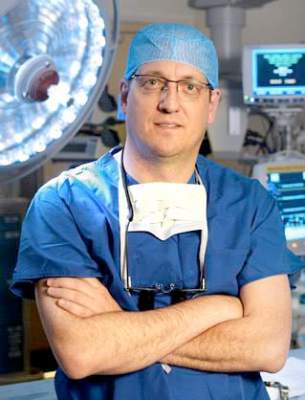
Cardiac surgeons employed the simplified operation in 18 patients under age 18 (median age 8.2 years) and found that after 2.4 years of follow-up, no patients required another operation for mitral regurgitation, reported Dr. Luca Vricella, pediatrics director, pediatric cardiac surgery and heart transplantation, John Hopkins University, Baltimore.
The patients underwent the simplified mitral valve repair at Johns Hopkins Pediatric Cardiac Surgery in Baltimore and Orlando; Duke University School of Medicine in Durham, N.C.; and University of Pavia Medical School in Italy.
These young patients can be challenging to operate on because of skeletal abnormalities and marginal pulmonary reserve, Dr. Vricella said at the meeting sponsored by the American Association for Thoracic Surgery. Of the 18 children in the study, 15 had Marfan syndrome, a genetic disorder that commonly affects the heart valves and aorta. “The most common mode of early presentation of mitral valve pathology, from a morphological standpoint, is that mitral regurgitation is often characterized as severe bileaflet prolapse and annular and left ventricular dilation,” Dr. Vricella said.
The simplified technique involves an approach through an atriotomy and placing an adult-sized annuloplasty ring in the valve. The next step is to place an Alfieri stitch, named for the Italian cardiac surgeon Dr. Ottavio Alfieri, with a braided suture in the middle of the valve, which opposes the leaflet “very effectively,” Dr. Vricella said.
In the study group, all 18 patients had severe bileaflet prolapse and severe mitral regurgitation of grade 4 or higher, but all patients also had normal ejection fraction, Dr. Vricella said. One infant was being considered for a heart transplant.
The operation was achieved in isolation in less than an hour. Five patients underwent simultaneous valve-sparing aortic root replacement, one of whom died (one of two deaths in a larger 300-plus group of both adults and children who had valve-sparing aortic root repair). No other complications were reported among the 18-patient group. Median length of stay in the hospital was 9 days.
After the operation, all patients had significant reductions in mitral regurgitation. After 2.4 years, 94% of survivors maintained mild regurgitation or better without stenosis. Entering the study, the median left ventricular end-diastolic diameter (LVEDD) score of all patients was 4.9 (range 2.1-11.9), but at 2.4 years after the operation the median LVEDD score had regressed to 1.3 (range –0.51-4.3).
“In pediatric patients with severe mitral regurgitation and connective tissue disorders, a simplified repair can result in intermediate-term competency without systolic anterior motion and with no mitral stenosis,” Dr. Vricella said. “We’ve been pleasantly surprised in seeing this reduction in left ventricular enlargement, and particularly in this group of patients in which you may need to have a longer plant time, simplifying things so you don’t have to intervene on the subvalvular annuloplasty.”
NEW YORK – A simplified surgical approach that uses an adult-sized, basic ring annuloplasty with a complete edge-to-edge leaflet repair has been found to yield good outcomes in a group of children with connective tissue disorders like Marfan syndrome and Loeys-Dietz syndrome and mitral regurgitation, based on an evaluation of the technique at four centers.
Cardiac surgeons employed the simplified operation in 18 patients under age 18 (median age 8.2 years) and found that after 2.4 years of follow-up, no patients required another operation for mitral regurgitation, reported Dr. Luca Vricella, pediatrics director, pediatric cardiac surgery and heart transplantation, John Hopkins University, Baltimore.
The patients underwent the simplified mitral valve repair at Johns Hopkins Pediatric Cardiac Surgery in Baltimore and Orlando; Duke University School of Medicine in Durham, N.C.; and University of Pavia Medical School in Italy.
These young patients can be challenging to operate on because of skeletal abnormalities and marginal pulmonary reserve, Dr. Vricella said at the meeting sponsored by the American Association for Thoracic Surgery. Of the 18 children in the study, 15 had Marfan syndrome, a genetic disorder that commonly affects the heart valves and aorta. “The most common mode of early presentation of mitral valve pathology, from a morphological standpoint, is that mitral regurgitation is often characterized as severe bileaflet prolapse and annular and left ventricular dilation,” Dr. Vricella said.
The simplified technique involves an approach through an atriotomy and placing an adult-sized annuloplasty ring in the valve. The next step is to place an Alfieri stitch, named for the Italian cardiac surgeon Dr. Ottavio Alfieri, with a braided suture in the middle of the valve, which opposes the leaflet “very effectively,” Dr. Vricella said.
In the study group, all 18 patients had severe bileaflet prolapse and severe mitral regurgitation of grade 4 or higher, but all patients also had normal ejection fraction, Dr. Vricella said. One infant was being considered for a heart transplant.
The operation was achieved in isolation in less than an hour. Five patients underwent simultaneous valve-sparing aortic root replacement, one of whom died (one of two deaths in a larger 300-plus group of both adults and children who had valve-sparing aortic root repair). No other complications were reported among the 18-patient group. Median length of stay in the hospital was 9 days.
After the operation, all patients had significant reductions in mitral regurgitation. After 2.4 years, 94% of survivors maintained mild regurgitation or better without stenosis. Entering the study, the median left ventricular end-diastolic diameter (LVEDD) score of all patients was 4.9 (range 2.1-11.9), but at 2.4 years after the operation the median LVEDD score had regressed to 1.3 (range –0.51-4.3).
“In pediatric patients with severe mitral regurgitation and connective tissue disorders, a simplified repair can result in intermediate-term competency without systolic anterior motion and with no mitral stenosis,” Dr. Vricella said. “We’ve been pleasantly surprised in seeing this reduction in left ventricular enlargement, and particularly in this group of patients in which you may need to have a longer plant time, simplifying things so you don’t have to intervene on the subvalvular annuloplasty.”
NEW YORK – A simplified surgical approach that uses an adult-sized, basic ring annuloplasty with a complete edge-to-edge leaflet repair has been found to yield good outcomes in a group of children with connective tissue disorders like Marfan syndrome and Loeys-Dietz syndrome and mitral regurgitation, based on an evaluation of the technique at four centers.
Cardiac surgeons employed the simplified operation in 18 patients under age 18 (median age 8.2 years) and found that after 2.4 years of follow-up, no patients required another operation for mitral regurgitation, reported Dr. Luca Vricella, pediatrics director, pediatric cardiac surgery and heart transplantation, John Hopkins University, Baltimore.
The patients underwent the simplified mitral valve repair at Johns Hopkins Pediatric Cardiac Surgery in Baltimore and Orlando; Duke University School of Medicine in Durham, N.C.; and University of Pavia Medical School in Italy.
These young patients can be challenging to operate on because of skeletal abnormalities and marginal pulmonary reserve, Dr. Vricella said at the meeting sponsored by the American Association for Thoracic Surgery. Of the 18 children in the study, 15 had Marfan syndrome, a genetic disorder that commonly affects the heart valves and aorta. “The most common mode of early presentation of mitral valve pathology, from a morphological standpoint, is that mitral regurgitation is often characterized as severe bileaflet prolapse and annular and left ventricular dilation,” Dr. Vricella said.
The simplified technique involves an approach through an atriotomy and placing an adult-sized annuloplasty ring in the valve. The next step is to place an Alfieri stitch, named for the Italian cardiac surgeon Dr. Ottavio Alfieri, with a braided suture in the middle of the valve, which opposes the leaflet “very effectively,” Dr. Vricella said.
In the study group, all 18 patients had severe bileaflet prolapse and severe mitral regurgitation of grade 4 or higher, but all patients also had normal ejection fraction, Dr. Vricella said. One infant was being considered for a heart transplant.
The operation was achieved in isolation in less than an hour. Five patients underwent simultaneous valve-sparing aortic root replacement, one of whom died (one of two deaths in a larger 300-plus group of both adults and children who had valve-sparing aortic root repair). No other complications were reported among the 18-patient group. Median length of stay in the hospital was 9 days.
After the operation, all patients had significant reductions in mitral regurgitation. After 2.4 years, 94% of survivors maintained mild regurgitation or better without stenosis. Entering the study, the median left ventricular end-diastolic diameter (LVEDD) score of all patients was 4.9 (range 2.1-11.9), but at 2.4 years after the operation the median LVEDD score had regressed to 1.3 (range –0.51-4.3).
“In pediatric patients with severe mitral regurgitation and connective tissue disorders, a simplified repair can result in intermediate-term competency without systolic anterior motion and with no mitral stenosis,” Dr. Vricella said. “We’ve been pleasantly surprised in seeing this reduction in left ventricular enlargement, and particularly in this group of patients in which you may need to have a longer plant time, simplifying things so you don’t have to intervene on the subvalvular annuloplasty.”
AT THE 2015 MITRAL VALVE CONCLAVE
Key clinical point: A simplified approach for mitral valve repair resulted in good outcomes in a group of children with connective tissue disorders.
Major finding: All 18 children in the study avoided reoperation after mitral valve repair.
Data source: A small trial involving 18 patients at four hospitals.
Disclosures: Dr. Vricella had no relevant relationships to disclose.
VIDEO: Hybrid thoracoscopic and transcatheter ablation of persistent AF
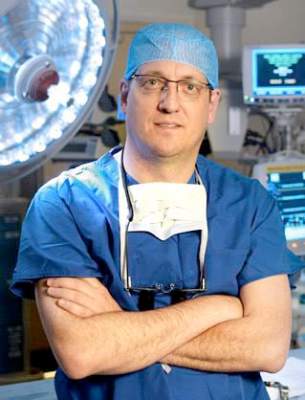
SEATTLE – The presentation of the late-breaking HISTORIC-AF Trial by Dr. Claudio Muneretto and his colleagues “is a very interesting one, which brings to the table a very different approach of hybrid procedures to treat stand-alone atrial fibrillation,” said Dr. Niv Ad of Inova Heart and Vascular Institute, Falls Church, Va.
Dr. Ad gave his comments in a video interview at the annual meeting of the American Association for Thoracic Surgery.
In his assessment, Dr. Ad noted that such studies are useful and can stimulate discussion, even if he would prefer a prospective, comparative study of all procedures. “I hope someday we can create an algorithm where everything has a place: catheter ablation, hybrid procedures where you do catheter ablation and surgical procedure together or in stage, and the stand-alone Maze procedure on pump,” Dr. Ad said.
The video associated with this article is no longer available on this site. Please view all of our videos on the MDedge YouTube channel
SEATTLE – The presentation of the late-breaking HISTORIC-AF Trial by Dr. Claudio Muneretto and his colleagues “is a very interesting one, which brings to the table a very different approach of hybrid procedures to treat stand-alone atrial fibrillation,” said Dr. Niv Ad of Inova Heart and Vascular Institute, Falls Church, Va.
Dr. Ad gave his comments in a video interview at the annual meeting of the American Association for Thoracic Surgery.
In his assessment, Dr. Ad noted that such studies are useful and can stimulate discussion, even if he would prefer a prospective, comparative study of all procedures. “I hope someday we can create an algorithm where everything has a place: catheter ablation, hybrid procedures where you do catheter ablation and surgical procedure together or in stage, and the stand-alone Maze procedure on pump,” Dr. Ad said.
The video associated with this article is no longer available on this site. Please view all of our videos on the MDedge YouTube channel
SEATTLE – The presentation of the late-breaking HISTORIC-AF Trial by Dr. Claudio Muneretto and his colleagues “is a very interesting one, which brings to the table a very different approach of hybrid procedures to treat stand-alone atrial fibrillation,” said Dr. Niv Ad of Inova Heart and Vascular Institute, Falls Church, Va.
Dr. Ad gave his comments in a video interview at the annual meeting of the American Association for Thoracic Surgery.
In his assessment, Dr. Ad noted that such studies are useful and can stimulate discussion, even if he would prefer a prospective, comparative study of all procedures. “I hope someday we can create an algorithm where everything has a place: catheter ablation, hybrid procedures where you do catheter ablation and surgical procedure together or in stage, and the stand-alone Maze procedure on pump,” Dr. Ad said.
The video associated with this article is no longer available on this site. Please view all of our videos on the MDedge YouTube channel
AT THE AATS ANNUAL MEETING
VIDEO: Esophagectomy outcomes better in hospitals that handle complex cases
SEATTLE – Hospitals that perform at least one nongastric conduit esophageal reconstruction per year have half the esophagectomy mortality of hospitals that do not, according to a review by the Mayo Clinic in Rochester, Minn., of 11,211 esophagectomies in the Nationwide Inpatient Sample database from 2000 to 2011.
“There is tremendous variation in outcome after esophagectomy, and some advocate for regionalization to high-volume hospitals,” the investigators said. The findings suggest that case complexity could be one of the things that help define which hospitals do it best, they added.
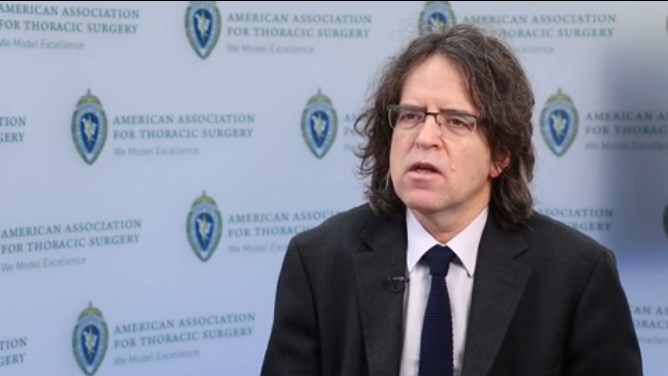
The study seems to confirm that hospital case volume makes a difference in surgical outcomes, said Dr. Nabil Rizk, a thoracic surgeon at Memorial Sloan-Kettering Cancer Center in New York.
Dr. Rizk, a discussant on the paper at the American Association for Thoracic Surgery annual meeting, explained how the study fits into regionalization trends, but also shared his concerns about the work in an interview at the meeting.
The video associated with this article is no longer available on this site. Please view all of our videos on the MDedge YouTube channel
SEATTLE – Hospitals that perform at least one nongastric conduit esophageal reconstruction per year have half the esophagectomy mortality of hospitals that do not, according to a review by the Mayo Clinic in Rochester, Minn., of 11,211 esophagectomies in the Nationwide Inpatient Sample database from 2000 to 2011.
“There is tremendous variation in outcome after esophagectomy, and some advocate for regionalization to high-volume hospitals,” the investigators said. The findings suggest that case complexity could be one of the things that help define which hospitals do it best, they added.
The study seems to confirm that hospital case volume makes a difference in surgical outcomes, said Dr. Nabil Rizk, a thoracic surgeon at Memorial Sloan-Kettering Cancer Center in New York.
Dr. Rizk, a discussant on the paper at the American Association for Thoracic Surgery annual meeting, explained how the study fits into regionalization trends, but also shared his concerns about the work in an interview at the meeting.
The video associated with this article is no longer available on this site. Please view all of our videos on the MDedge YouTube channel
SEATTLE – Hospitals that perform at least one nongastric conduit esophageal reconstruction per year have half the esophagectomy mortality of hospitals that do not, according to a review by the Mayo Clinic in Rochester, Minn., of 11,211 esophagectomies in the Nationwide Inpatient Sample database from 2000 to 2011.
“There is tremendous variation in outcome after esophagectomy, and some advocate for regionalization to high-volume hospitals,” the investigators said. The findings suggest that case complexity could be one of the things that help define which hospitals do it best, they added.
The study seems to confirm that hospital case volume makes a difference in surgical outcomes, said Dr. Nabil Rizk, a thoracic surgeon at Memorial Sloan-Kettering Cancer Center in New York.
Dr. Rizk, a discussant on the paper at the American Association for Thoracic Surgery annual meeting, explained how the study fits into regionalization trends, but also shared his concerns about the work in an interview at the meeting.
The video associated with this article is no longer available on this site. Please view all of our videos on the MDedge YouTube channel
AT THE AATS ANNUAL MEETING
VIDEO: Cardiosphere-derived cells improve outcomes in hypoplastic left heart syndrome
SEATTLE – Autologous stem cell therapy improves surgery outcomes in children with hypoplastic left heart syndrome, according to the results of a small prospective trial from Okayama University in Japan.
The investigators cultured cardiosphere-derived cells (CDCs) – cardiac progenitor cells – from right atrium samples taken during stage 2 or 3 surgical palliations in seven HLHS children. A month later, they injected 300,000 CDCs/kg into the children’s coronary arteries by catheter, with each child getting cells cultured from their own tissue.
The cells seemed to jump-start the intrinsic regenerative properties of very young hearts. At 30 months follow-up, right ventricular mass and ejection fractions were about 10% greater in CDC treated patients compared to seven controls. Treated children also had better growth.
It’s possible the technique could help older children, too, and even adults, said lead investigator Dr. Shunji Sano, professor and chairman of the department of cardiovascular surgery at Okayama. He explained the work, its implications, and the next phase of research in an interview at the annual meeting of the American Association for Thoracic Surgery.
The video associated with this article is no longer available on this site. Please view all of our videos on the MDedge YouTube channel
SEATTLE – Autologous stem cell therapy improves surgery outcomes in children with hypoplastic left heart syndrome, according to the results of a small prospective trial from Okayama University in Japan.
The investigators cultured cardiosphere-derived cells (CDCs) – cardiac progenitor cells – from right atrium samples taken during stage 2 or 3 surgical palliations in seven HLHS children. A month later, they injected 300,000 CDCs/kg into the children’s coronary arteries by catheter, with each child getting cells cultured from their own tissue.
The cells seemed to jump-start the intrinsic regenerative properties of very young hearts. At 30 months follow-up, right ventricular mass and ejection fractions were about 10% greater in CDC treated patients compared to seven controls. Treated children also had better growth.
It’s possible the technique could help older children, too, and even adults, said lead investigator Dr. Shunji Sano, professor and chairman of the department of cardiovascular surgery at Okayama. He explained the work, its implications, and the next phase of research in an interview at the annual meeting of the American Association for Thoracic Surgery.
The video associated with this article is no longer available on this site. Please view all of our videos on the MDedge YouTube channel
SEATTLE – Autologous stem cell therapy improves surgery outcomes in children with hypoplastic left heart syndrome, according to the results of a small prospective trial from Okayama University in Japan.
The investigators cultured cardiosphere-derived cells (CDCs) – cardiac progenitor cells – from right atrium samples taken during stage 2 or 3 surgical palliations in seven HLHS children. A month later, they injected 300,000 CDCs/kg into the children’s coronary arteries by catheter, with each child getting cells cultured from their own tissue.
The cells seemed to jump-start the intrinsic regenerative properties of very young hearts. At 30 months follow-up, right ventricular mass and ejection fractions were about 10% greater in CDC treated patients compared to seven controls. Treated children also had better growth.
It’s possible the technique could help older children, too, and even adults, said lead investigator Dr. Shunji Sano, professor and chairman of the department of cardiovascular surgery at Okayama. He explained the work, its implications, and the next phase of research in an interview at the annual meeting of the American Association for Thoracic Surgery.
The video associated with this article is no longer available on this site. Please view all of our videos on the MDedge YouTube channel
AT THE AATS ANNUAL MEETING
VIDEO: Less tricuspid regurgitation seen with Sano shunt in Norwood procedures
SEATTLE – Sano shunts outperform Blalock-Taussig shunts for Norwood procedures in neonates with hypoplastic left heart syndrome, according to a research registry study of 322 patients at the Cleveland Clinic and elsewhere.
The 166 newborns who had Sano shunts were matched to 166 who had Blalock-Taussig (BT) shunts.
“For comparable neonates with HLHS [hypoplastic left heart syndrome] undergoing Norwood operations, Sano offers better late survival [more than 3 years], less late tricuspid regurgitation, and perhaps less late right ventricular dysfunction than BT,” the investigators concluded.
Even so, Dr. Richard Ohye, professor of cardiac surgery at the University of Michigan, Ann Arbor, said the jury is still out on which shunt is best. He explained why in an interview at the American Association for Thoracic Surgery annual meeting. He also shared tips on shunt selection and explained a novel technique he has developed for doing a Sano shunt with a smaller hole in the right ventricle.
The video associated with this article is no longer available on this site. Please view all of our videos on the MDedge YouTube channel
SEATTLE – Sano shunts outperform Blalock-Taussig shunts for Norwood procedures in neonates with hypoplastic left heart syndrome, according to a research registry study of 322 patients at the Cleveland Clinic and elsewhere.
The 166 newborns who had Sano shunts were matched to 166 who had Blalock-Taussig (BT) shunts.
“For comparable neonates with HLHS [hypoplastic left heart syndrome] undergoing Norwood operations, Sano offers better late survival [more than 3 years], less late tricuspid regurgitation, and perhaps less late right ventricular dysfunction than BT,” the investigators concluded.
Even so, Dr. Richard Ohye, professor of cardiac surgery at the University of Michigan, Ann Arbor, said the jury is still out on which shunt is best. He explained why in an interview at the American Association for Thoracic Surgery annual meeting. He also shared tips on shunt selection and explained a novel technique he has developed for doing a Sano shunt with a smaller hole in the right ventricle.
The video associated with this article is no longer available on this site. Please view all of our videos on the MDedge YouTube channel
SEATTLE – Sano shunts outperform Blalock-Taussig shunts for Norwood procedures in neonates with hypoplastic left heart syndrome, according to a research registry study of 322 patients at the Cleveland Clinic and elsewhere.
The 166 newborns who had Sano shunts were matched to 166 who had Blalock-Taussig (BT) shunts.
“For comparable neonates with HLHS [hypoplastic left heart syndrome] undergoing Norwood operations, Sano offers better late survival [more than 3 years], less late tricuspid regurgitation, and perhaps less late right ventricular dysfunction than BT,” the investigators concluded.
Even so, Dr. Richard Ohye, professor of cardiac surgery at the University of Michigan, Ann Arbor, said the jury is still out on which shunt is best. He explained why in an interview at the American Association for Thoracic Surgery annual meeting. He also shared tips on shunt selection and explained a novel technique he has developed for doing a Sano shunt with a smaller hole in the right ventricle.
The video associated with this article is no longer available on this site. Please view all of our videos on the MDedge YouTube channel
AT THE AATS ANNUAL MEETING
Bring the AATS Annual Meeting Home with Free Webcasts
Most of the presentations from the 2015 AATS Annual Meeting are now available on the AATS website for viewing at your leisure. Find your choice on each day’s program listing, click on the live link, and you’re there.
Watch the President’s Address, listen to the Basic Science Lecture, revisit a session, share with your colleagues, or view a presentation you may have missed.
Most of the presentations from the 2015 AATS Annual Meeting are now available on the AATS website for viewing at your leisure. Find your choice on each day’s program listing, click on the live link, and you’re there.
Watch the President’s Address, listen to the Basic Science Lecture, revisit a session, share with your colleagues, or view a presentation you may have missed.
Most of the presentations from the 2015 AATS Annual Meeting are now available on the AATS website for viewing at your leisure. Find your choice on each day’s program listing, click on the live link, and you’re there.
Watch the President’s Address, listen to the Basic Science Lecture, revisit a session, share with your colleagues, or view a presentation you may have missed.
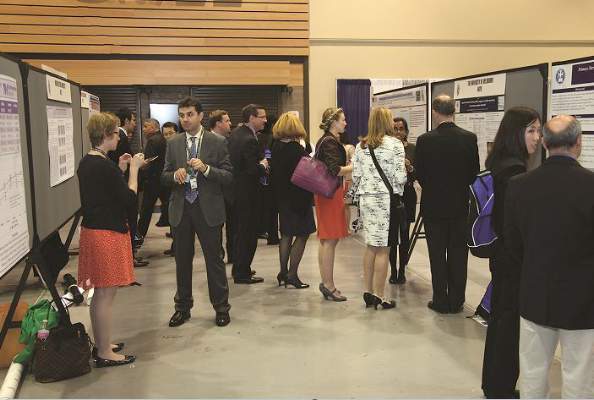
Congratulations to the Poster Winners!
Moderated Poster Winners
Adult Cardiac
Dr. Maral Ouzounian, University of Toronto, “David vs. Goliath: Valve-Sparing Root Replacement Improves Outcomes Compared to Bentall Procedures in Patients with Aortic Root Dilatation”
Congenital
Dr. Ed Peng, Freeman Hospital, United Kingdom, “Durable Ventricular Assist Device Support for End-stage Heart Failure: An Extended Role in
Pediatric and Congenital Population”
General Thoracic
Dr. Chi-Fu Jeffrey Yang, Duke University, “Should Lobectomy be Performed when Unsuspected pN2 Disease is Found at the Time of Planned Lung Cancer Resection? A National Cancer Data Base Analysis”
Allied Health Winner
Tamara Goda, DNP, ANP-BC from East Carolina Heart Institute at Vidant Medical Center. Her poster titled “An Interdisciplinary Education Initiative to Promote Blood Conservation in Cardiac Surgery”
Resident Winners
Cardiac
1st Place: Dr. Yangsin Lee from Mitsui Memorial Hospital. Poster titled “Long-term outcome of isolated coronary artery bypass grafting in patients with left ventricular dysfunction”
2nd Place: Dr. Scott Johnson from Medical University of South Carolina. Poster titled “Pulmonary Embolectomy for Acute and Subacute Type a Pulmonary Embolism on Cardiopulmonary Bypass with a Beating Heart”
3rd Place: Dr. Pouya Youssefi from St. George’s Hospital, London, United Kingdom “Effect of Aortic Valve Morphology on Haemodynamics and Aneurysm Formation in the Thoracic Aorta”
Congenital
1st Place: Dr. Mohammed Al-Jughiman from the University of Toronto. Poster titled “Is the Rastelli Procedure Falsely Maligned?”
2nd Place: Dr. Elizabeth Stephens from Columbia University. Poster titled “Cardiac Function after Tetralogy of Fallot/Complete Atrioventricular Canal Repair”
3rd Place: Dr. Mark Roeser from Texas Children’s Hospital. Poster titled “Transloaction of the Descending Thoracic Aorta for Releif of Distal TRaeal and Proximal Bronchial Compression”
Thoracic
1st Place: Dr. Gary Schwartz from Johns Hopkins Hospital. Poster titled “Treatment effect of Rapamycin in laryngotracheal stenosis”
2nd Place: Dr. Nicholas Baker from the University of Pittsburgh Medical Center. Poster titled “Stereotactic Radio Surgery in the Octogenarian”
3rd Place: Dr. Laura Donahoe from St. Joseph’s Health Centre. Poster titled “CT-guided Microcoil VATS resection of lung nodules”
Moderated Poster Winners
Adult Cardiac
Dr. Maral Ouzounian, University of Toronto, “David vs. Goliath: Valve-Sparing Root Replacement Improves Outcomes Compared to Bentall Procedures in Patients with Aortic Root Dilatation”
Congenital
Dr. Ed Peng, Freeman Hospital, United Kingdom, “Durable Ventricular Assist Device Support for End-stage Heart Failure: An Extended Role in
Pediatric and Congenital Population”
General Thoracic
Dr. Chi-Fu Jeffrey Yang, Duke University, “Should Lobectomy be Performed when Unsuspected pN2 Disease is Found at the Time of Planned Lung Cancer Resection? A National Cancer Data Base Analysis”
Allied Health Winner
Tamara Goda, DNP, ANP-BC from East Carolina Heart Institute at Vidant Medical Center. Her poster titled “An Interdisciplinary Education Initiative to Promote Blood Conservation in Cardiac Surgery”
Resident Winners
Cardiac
1st Place: Dr. Yangsin Lee from Mitsui Memorial Hospital. Poster titled “Long-term outcome of isolated coronary artery bypass grafting in patients with left ventricular dysfunction”
2nd Place: Dr. Scott Johnson from Medical University of South Carolina. Poster titled “Pulmonary Embolectomy for Acute and Subacute Type a Pulmonary Embolism on Cardiopulmonary Bypass with a Beating Heart”
3rd Place: Dr. Pouya Youssefi from St. George’s Hospital, London, United Kingdom “Effect of Aortic Valve Morphology on Haemodynamics and Aneurysm Formation in the Thoracic Aorta”
Congenital
1st Place: Dr. Mohammed Al-Jughiman from the University of Toronto. Poster titled “Is the Rastelli Procedure Falsely Maligned?”
2nd Place: Dr. Elizabeth Stephens from Columbia University. Poster titled “Cardiac Function after Tetralogy of Fallot/Complete Atrioventricular Canal Repair”
3rd Place: Dr. Mark Roeser from Texas Children’s Hospital. Poster titled “Transloaction of the Descending Thoracic Aorta for Releif of Distal TRaeal and Proximal Bronchial Compression”
Thoracic
1st Place: Dr. Gary Schwartz from Johns Hopkins Hospital. Poster titled “Treatment effect of Rapamycin in laryngotracheal stenosis”
2nd Place: Dr. Nicholas Baker from the University of Pittsburgh Medical Center. Poster titled “Stereotactic Radio Surgery in the Octogenarian”
3rd Place: Dr. Laura Donahoe from St. Joseph’s Health Centre. Poster titled “CT-guided Microcoil VATS resection of lung nodules”
Moderated Poster Winners
Adult Cardiac
Dr. Maral Ouzounian, University of Toronto, “David vs. Goliath: Valve-Sparing Root Replacement Improves Outcomes Compared to Bentall Procedures in Patients with Aortic Root Dilatation”
Congenital
Dr. Ed Peng, Freeman Hospital, United Kingdom, “Durable Ventricular Assist Device Support for End-stage Heart Failure: An Extended Role in
Pediatric and Congenital Population”
General Thoracic
Dr. Chi-Fu Jeffrey Yang, Duke University, “Should Lobectomy be Performed when Unsuspected pN2 Disease is Found at the Time of Planned Lung Cancer Resection? A National Cancer Data Base Analysis”
Allied Health Winner
Tamara Goda, DNP, ANP-BC from East Carolina Heart Institute at Vidant Medical Center. Her poster titled “An Interdisciplinary Education Initiative to Promote Blood Conservation in Cardiac Surgery”
Resident Winners
Cardiac
1st Place: Dr. Yangsin Lee from Mitsui Memorial Hospital. Poster titled “Long-term outcome of isolated coronary artery bypass grafting in patients with left ventricular dysfunction”
2nd Place: Dr. Scott Johnson from Medical University of South Carolina. Poster titled “Pulmonary Embolectomy for Acute and Subacute Type a Pulmonary Embolism on Cardiopulmonary Bypass with a Beating Heart”
3rd Place: Dr. Pouya Youssefi from St. George’s Hospital, London, United Kingdom “Effect of Aortic Valve Morphology on Haemodynamics and Aneurysm Formation in the Thoracic Aorta”
Congenital
1st Place: Dr. Mohammed Al-Jughiman from the University of Toronto. Poster titled “Is the Rastelli Procedure Falsely Maligned?”
2nd Place: Dr. Elizabeth Stephens from Columbia University. Poster titled “Cardiac Function after Tetralogy of Fallot/Complete Atrioventricular Canal Repair”
3rd Place: Dr. Mark Roeser from Texas Children’s Hospital. Poster titled “Transloaction of the Descending Thoracic Aorta for Releif of Distal TRaeal and Proximal Bronchial Compression”
Thoracic
1st Place: Dr. Gary Schwartz from Johns Hopkins Hospital. Poster titled “Treatment effect of Rapamycin in laryngotracheal stenosis”
2nd Place: Dr. Nicholas Baker from the University of Pittsburgh Medical Center. Poster titled “Stereotactic Radio Surgery in the Octogenarian”
3rd Place: Dr. Laura Donahoe from St. Joseph’s Health Centre. Poster titled “CT-guided Microcoil VATS resection of lung nodules”
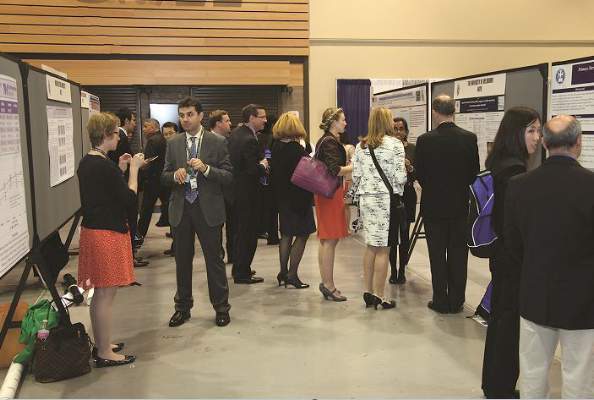
Applications Now Open for the Advanced Endobronchial Ultrasound (EBUS) Training Fellowship
Sponsor: Olympus America
Fellowship Overview: Permits young North American thoracic surgeons to spend between one and six months studying clinical techniques at an EBUS-proficient institution.
Host Sites
NYU Langone Medical Center
Toronto General Hospital, Division of Thoracic Surgery
University of Pittsburgh Medical Center
University of Texas MD Anderson Cancer Center
Deadline: June 1, 2015
More information/application submission: http://aatsgrahamfoundation.org/awards_advancedEBUS.cgi
Sponsor: Olympus America
Fellowship Overview: Permits young North American thoracic surgeons to spend between one and six months studying clinical techniques at an EBUS-proficient institution.
Host Sites
NYU Langone Medical Center
Toronto General Hospital, Division of Thoracic Surgery
University of Pittsburgh Medical Center
University of Texas MD Anderson Cancer Center
Deadline: June 1, 2015
More information/application submission: http://aatsgrahamfoundation.org/awards_advancedEBUS.cgi
Sponsor: Olympus America
Fellowship Overview: Permits young North American thoracic surgeons to spend between one and six months studying clinical techniques at an EBUS-proficient institution.
Host Sites
NYU Langone Medical Center
Toronto General Hospital, Division of Thoracic Surgery
University of Pittsburgh Medical Center
University of Texas MD Anderson Cancer Center
Deadline: June 1, 2015
More information/application submission: http://aatsgrahamfoundation.org/awards_advancedEBUS.cgi

F. Griffith Pearson Fellowship Awardees Named
The AATS is proud to announce the awardees of the F. Griffith Pearson Fellowship, the first “Honoring Our Mentors” Fellowship. The program acknowledges the leadership and dedication of surgeons in the field.

The awardees are James L. Lubawski, Jr., and Pablo Sanchez.
The fellowship supports surgeons who have finished their residencies, allowing them to advance their clinical techniques at a North American institution. Each winner will receive $3,500 to defray living expenses during his four to six weeks of training.
James L. Lubawski, Jr., MD
Institution: Central DuPage Hospital (Illinois)
Host Institution: The University of Texas MD Anderson Cancer Center
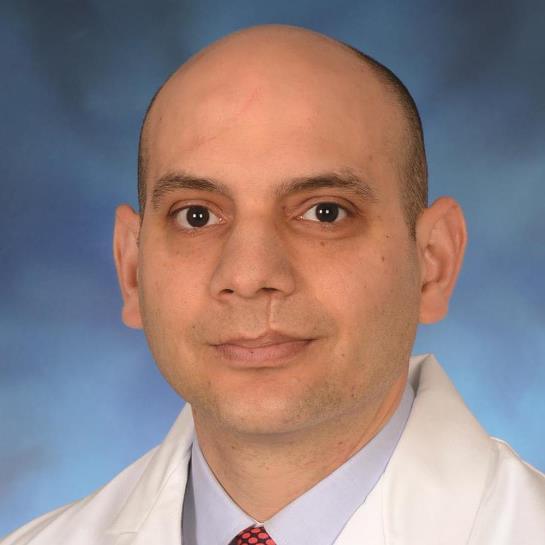
Fellowship Focus: Advanced lung cancer cases
Pablo Sanchez, MD
Institution: University of Maryland
Host Institution: Toronto General Hospital, Toronto Lung Transplant Program
Fellowship Focus: Build Ex Vivo Perfusion skills
The AATS is proud to announce the awardees of the F. Griffith Pearson Fellowship, the first “Honoring Our Mentors” Fellowship. The program acknowledges the leadership and dedication of surgeons in the field.
The awardees are James L. Lubawski, Jr., and Pablo Sanchez.
The fellowship supports surgeons who have finished their residencies, allowing them to advance their clinical techniques at a North American institution. Each winner will receive $3,500 to defray living expenses during his four to six weeks of training.
James L. Lubawski, Jr., MD
Institution: Central DuPage Hospital (Illinois)
Host Institution: The University of Texas MD Anderson Cancer Center
Fellowship Focus: Advanced lung cancer cases
Pablo Sanchez, MD
Institution: University of Maryland
Host Institution: Toronto General Hospital, Toronto Lung Transplant Program
Fellowship Focus: Build Ex Vivo Perfusion skills
The AATS is proud to announce the awardees of the F. Griffith Pearson Fellowship, the first “Honoring Our Mentors” Fellowship. The program acknowledges the leadership and dedication of surgeons in the field.
The awardees are James L. Lubawski, Jr., and Pablo Sanchez.
The fellowship supports surgeons who have finished their residencies, allowing them to advance their clinical techniques at a North American institution. Each winner will receive $3,500 to defray living expenses during his four to six weeks of training.
James L. Lubawski, Jr., MD
Institution: Central DuPage Hospital (Illinois)
Host Institution: The University of Texas MD Anderson Cancer Center
Fellowship Focus: Advanced lung cancer cases
Pablo Sanchez, MD
Institution: University of Maryland
Host Institution: Toronto General Hospital, Toronto Lung Transplant Program
Fellowship Focus: Build Ex Vivo Perfusion skills
First Edwards Lifesciences Advanced Treatments of Valve Disease Fellow Chosen
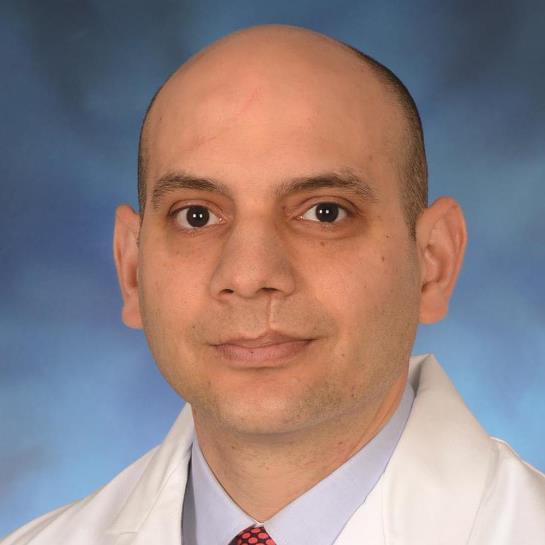
Victor Dayan has been named the first Edwards Lifesciences Advanced Treatments of Valve Disease Fellow.
He will receive a $25,000 award to defray travel and living expenses for a minimum of three months training at a host institution in valve repair, transcatheter repair or replacement of valves.

Victor Dayan, MD
Institution: Hospital de Clinicas, Centro Cardiovascular
Montevideo, Uruguay
Host Institution: Mayo Clinic
Fellowship Focus: Enhancing clinical techniques in valve disease
Victor Dayan has been named the first Edwards Lifesciences Advanced Treatments of Valve Disease Fellow.
He will receive a $25,000 award to defray travel and living expenses for a minimum of three months training at a host institution in valve repair, transcatheter repair or replacement of valves.
Victor Dayan, MD
Institution: Hospital de Clinicas, Centro Cardiovascular
Montevideo, Uruguay
Host Institution: Mayo Clinic
Fellowship Focus: Enhancing clinical techniques in valve disease
Victor Dayan has been named the first Edwards Lifesciences Advanced Treatments of Valve Disease Fellow.
He will receive a $25,000 award to defray travel and living expenses for a minimum of three months training at a host institution in valve repair, transcatheter repair or replacement of valves.
Victor Dayan, MD
Institution: Hospital de Clinicas, Centro Cardiovascular
Montevideo, Uruguay
Host Institution: Mayo Clinic
Fellowship Focus: Enhancing clinical techniques in valve disease