User login
For MD-IQ use only
App cuts alcohol intake in risky drinkers
The key to reducing problem drinking may just be an app away.
, researchers in Australia have found.
Participants in the randomized controlled trial tracked information about their alcohol consumption, including the quantity and frequency. The intervention then generated an impulsivity score and implications for their risk for alcohol-related disorders and diseases, hospitalization, and death. The findings were published in Alcohol: Clinical & Experimental Research.
Worldwide each year, alcohol consumption accounts for 5.3% of all deaths. In the United States, an estimated 29.5 million people older than 12 years had alcohol use disorder in 2021.
More than 60% of people with alcohol use problems never seek out in-person treatment. Many are deterred from doing so by fear of judgment, stigma, and embarrassment, especially those at the low end of the alcohol use severity spectrum, according to the Australian researchers. Such fear-based barriers, however, may be overcome through the anonymity of a smartphone app.
The researchers tested whether hazardous drinkers who receive personalized feedback about their alcohol consumption and level of self-control would reduce their problem drinking more than hazardous drinkers who received only personalized information about their alcohol consumption or no feedback at all would.
“I knew from my previous research that just putting in the information is not enough to change someone’s drinking: It seems that putting in the information and then having someone tell you, ‘You drank x number of drinks, and that level of drinking is high according to Australian or WHO [World Health Organization] standards’ seems to be the critical point,” said Antoinette Poulton, PhD, of the University of Melbourne, who developed the app and led the study.
The study was conducted among first-year psychology students at the University of Melbourne between 2020 and 2022.
Each of the 313 participants in the study (average age 21.7 years; 74% women) provided estimates of alcohol intake over 14 days. A subset of 178 individuals utilized Alcohol Capture, the validated smartphone app, which records alcohol intake in real-time and includes an online cognitive task assessing impulsivity.
Participants were categorized as “hazardous” or “nonharmful” drinkers according to guidelines from the World Health Organization and were divided into three groups. Members in the alcohol intake feedback (Alc) group were given personalized feedback about their alcohol consumption, including whether their drinking exceeded Australian and/or WHO guidelines. Others were assigned to the Alc plus cognitive feedback (AlcCog) group and received the same feedback plus details about their level of self-control and information about the links between poor self-control and vulnerability for transition to alcohol use disorder. The control group did not receive personalized feedback. After 8 weeks, alcohol intake was again recorded over 14 days.
Relative to hazardous drinkers in the control group, total alcohol consumption among risky drinkers in the Alc group fell by 32% (or 3.8 standard drinks per week) and by 35% (or 4.2 standard drinks per week) in the AlcCog group, according to the researchers. That difference was not statistically significant.
“Our brief electronic intervention had clear impact on the drinking behavior of hazardous drinkers,” the researchers reported. “In fact, following the intervention, hazardous drinkers did not differ from non-harmful ones on total alcohol intake, quantity of intake per drinking day, or frequency of six or more drinking occasions.”
Drinks per drinking day also decreased by 31% (or 1.6 standard drinks) and 32% (or 2.1 standard drinks) in the Alc and AlcCog groups, respectively, compared with the control group.
Alcohol use did not appear to change among nonharmful drinkers in any of the study groups.
“This is a nice study, because it shows that a simple, small intervention can really have a profound effect on hazardous drinking,” said Akhil Anand, MD, an addiction psychiatrist and Medical Director of the Alcohol and Drug Recovery Center at Cleveland Clinic. “It’s hard to say if this intervention would work on very severe cases, but I like it because it’s anonymous, it’s quick, it’s easily accessible, and it doesn’t take too much health care personnel power to apply it,” Dr. Anand added.
This research was supported by an Early Career Researcher grant from the University of Melbourne. Dr. Poulton and Dr. Anand reported no financial conflicts of interest.
A version of this article first appeared on Medscape.com.
The key to reducing problem drinking may just be an app away.
, researchers in Australia have found.
Participants in the randomized controlled trial tracked information about their alcohol consumption, including the quantity and frequency. The intervention then generated an impulsivity score and implications for their risk for alcohol-related disorders and diseases, hospitalization, and death. The findings were published in Alcohol: Clinical & Experimental Research.
Worldwide each year, alcohol consumption accounts for 5.3% of all deaths. In the United States, an estimated 29.5 million people older than 12 years had alcohol use disorder in 2021.
More than 60% of people with alcohol use problems never seek out in-person treatment. Many are deterred from doing so by fear of judgment, stigma, and embarrassment, especially those at the low end of the alcohol use severity spectrum, according to the Australian researchers. Such fear-based barriers, however, may be overcome through the anonymity of a smartphone app.
The researchers tested whether hazardous drinkers who receive personalized feedback about their alcohol consumption and level of self-control would reduce their problem drinking more than hazardous drinkers who received only personalized information about their alcohol consumption or no feedback at all would.
“I knew from my previous research that just putting in the information is not enough to change someone’s drinking: It seems that putting in the information and then having someone tell you, ‘You drank x number of drinks, and that level of drinking is high according to Australian or WHO [World Health Organization] standards’ seems to be the critical point,” said Antoinette Poulton, PhD, of the University of Melbourne, who developed the app and led the study.
The study was conducted among first-year psychology students at the University of Melbourne between 2020 and 2022.
Each of the 313 participants in the study (average age 21.7 years; 74% women) provided estimates of alcohol intake over 14 days. A subset of 178 individuals utilized Alcohol Capture, the validated smartphone app, which records alcohol intake in real-time and includes an online cognitive task assessing impulsivity.
Participants were categorized as “hazardous” or “nonharmful” drinkers according to guidelines from the World Health Organization and were divided into three groups. Members in the alcohol intake feedback (Alc) group were given personalized feedback about their alcohol consumption, including whether their drinking exceeded Australian and/or WHO guidelines. Others were assigned to the Alc plus cognitive feedback (AlcCog) group and received the same feedback plus details about their level of self-control and information about the links between poor self-control and vulnerability for transition to alcohol use disorder. The control group did not receive personalized feedback. After 8 weeks, alcohol intake was again recorded over 14 days.
Relative to hazardous drinkers in the control group, total alcohol consumption among risky drinkers in the Alc group fell by 32% (or 3.8 standard drinks per week) and by 35% (or 4.2 standard drinks per week) in the AlcCog group, according to the researchers. That difference was not statistically significant.
“Our brief electronic intervention had clear impact on the drinking behavior of hazardous drinkers,” the researchers reported. “In fact, following the intervention, hazardous drinkers did not differ from non-harmful ones on total alcohol intake, quantity of intake per drinking day, or frequency of six or more drinking occasions.”
Drinks per drinking day also decreased by 31% (or 1.6 standard drinks) and 32% (or 2.1 standard drinks) in the Alc and AlcCog groups, respectively, compared with the control group.
Alcohol use did not appear to change among nonharmful drinkers in any of the study groups.
“This is a nice study, because it shows that a simple, small intervention can really have a profound effect on hazardous drinking,” said Akhil Anand, MD, an addiction psychiatrist and Medical Director of the Alcohol and Drug Recovery Center at Cleveland Clinic. “It’s hard to say if this intervention would work on very severe cases, but I like it because it’s anonymous, it’s quick, it’s easily accessible, and it doesn’t take too much health care personnel power to apply it,” Dr. Anand added.
This research was supported by an Early Career Researcher grant from the University of Melbourne. Dr. Poulton and Dr. Anand reported no financial conflicts of interest.
A version of this article first appeared on Medscape.com.
The key to reducing problem drinking may just be an app away.
, researchers in Australia have found.
Participants in the randomized controlled trial tracked information about their alcohol consumption, including the quantity and frequency. The intervention then generated an impulsivity score and implications for their risk for alcohol-related disorders and diseases, hospitalization, and death. The findings were published in Alcohol: Clinical & Experimental Research.
Worldwide each year, alcohol consumption accounts for 5.3% of all deaths. In the United States, an estimated 29.5 million people older than 12 years had alcohol use disorder in 2021.
More than 60% of people with alcohol use problems never seek out in-person treatment. Many are deterred from doing so by fear of judgment, stigma, and embarrassment, especially those at the low end of the alcohol use severity spectrum, according to the Australian researchers. Such fear-based barriers, however, may be overcome through the anonymity of a smartphone app.
The researchers tested whether hazardous drinkers who receive personalized feedback about their alcohol consumption and level of self-control would reduce their problem drinking more than hazardous drinkers who received only personalized information about their alcohol consumption or no feedback at all would.
“I knew from my previous research that just putting in the information is not enough to change someone’s drinking: It seems that putting in the information and then having someone tell you, ‘You drank x number of drinks, and that level of drinking is high according to Australian or WHO [World Health Organization] standards’ seems to be the critical point,” said Antoinette Poulton, PhD, of the University of Melbourne, who developed the app and led the study.
The study was conducted among first-year psychology students at the University of Melbourne between 2020 and 2022.
Each of the 313 participants in the study (average age 21.7 years; 74% women) provided estimates of alcohol intake over 14 days. A subset of 178 individuals utilized Alcohol Capture, the validated smartphone app, which records alcohol intake in real-time and includes an online cognitive task assessing impulsivity.
Participants were categorized as “hazardous” or “nonharmful” drinkers according to guidelines from the World Health Organization and were divided into three groups. Members in the alcohol intake feedback (Alc) group were given personalized feedback about their alcohol consumption, including whether their drinking exceeded Australian and/or WHO guidelines. Others were assigned to the Alc plus cognitive feedback (AlcCog) group and received the same feedback plus details about their level of self-control and information about the links between poor self-control and vulnerability for transition to alcohol use disorder. The control group did not receive personalized feedback. After 8 weeks, alcohol intake was again recorded over 14 days.
Relative to hazardous drinkers in the control group, total alcohol consumption among risky drinkers in the Alc group fell by 32% (or 3.8 standard drinks per week) and by 35% (or 4.2 standard drinks per week) in the AlcCog group, according to the researchers. That difference was not statistically significant.
“Our brief electronic intervention had clear impact on the drinking behavior of hazardous drinkers,” the researchers reported. “In fact, following the intervention, hazardous drinkers did not differ from non-harmful ones on total alcohol intake, quantity of intake per drinking day, or frequency of six or more drinking occasions.”
Drinks per drinking day also decreased by 31% (or 1.6 standard drinks) and 32% (or 2.1 standard drinks) in the Alc and AlcCog groups, respectively, compared with the control group.
Alcohol use did not appear to change among nonharmful drinkers in any of the study groups.
“This is a nice study, because it shows that a simple, small intervention can really have a profound effect on hazardous drinking,” said Akhil Anand, MD, an addiction psychiatrist and Medical Director of the Alcohol and Drug Recovery Center at Cleveland Clinic. “It’s hard to say if this intervention would work on very severe cases, but I like it because it’s anonymous, it’s quick, it’s easily accessible, and it doesn’t take too much health care personnel power to apply it,” Dr. Anand added.
This research was supported by an Early Career Researcher grant from the University of Melbourne. Dr. Poulton and Dr. Anand reported no financial conflicts of interest.
A version of this article first appeared on Medscape.com.
FROM ALCOHOL: CLINICAL & EXPERIMENTAL RESEARCH
Research points toward combination therapy for Lyme and improved diagnostics
Several recent developments in Lyme disease treatment and diagnosis may pave the way forward for combating disease that persists following missed or delayed diagnoses or remains following standard treatment. These include combination therapy to address “persister” bacteria and diagnostic tests that test directly for the pathogen and/or indirectly test for host response, according to experts who presented at a 2-day National Academies of Science, Engineering and Medicine workshop on infection-associated chronic illnesses.
Research has shown that 60% of people who are infected and not treated during the early or early disseminated stages of Lyme disease go on to develop late Lyme arthritis, said John Aucott, MD, director of the Johns Hopkins Lyme Disease Clinical Research Center in Baltimore. And in the real world, there’s an additional category of patients: Those who are misdiagnosed and develop infection-related persistent symptoms – such as fatigue, brain fog/cognitive dysfunction, and musculoskeletal problems – that don’t match the “textbook schematic” involving late Lyme arthritis and late neurologic disease.
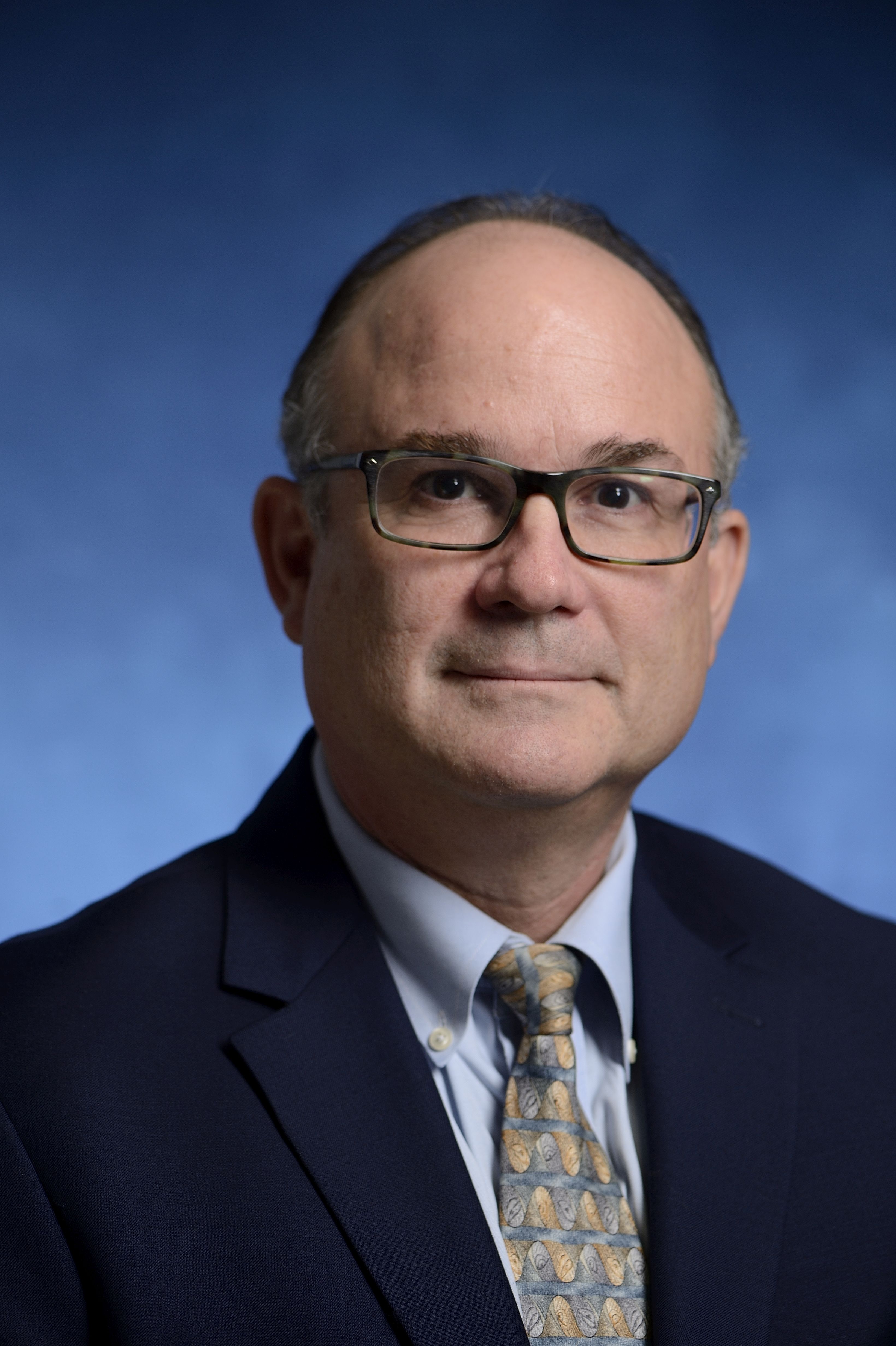
Moreover, of patients who are treated with protocols recommended by the Infectious Diseases Society of America (IDSA), about 15% go on to develop persistent symptoms at 6 months – again, symptoms that don’t match textbook manifestations and do match symptoms of other infection-associated chronic illnesses. As a “research construct,” this has been coined posttreatment Lyme disease (PTLD), he said at the workshop, “Toward a Common Research Agenda in Infection-Associated Chronic Illnesses.”
(On a practical level, it is hard to know clinically who has early disseminated disease unless they have multiple erythema migrans rashes or neurologic or cardiac involvement, he said after the meeting.)
All this points to the need for tests that are sensitive and specific for diagnosis at all stages of infection and disease, he said in a talk on diagnostics. Currently available tests – those that fit into the widely used two-tiered enzyme-linked immunosorbent assay, Western Blot serology testing – have significant limitations in sensitivity and specificity, including for acute infection when the body has not generated enough antibodies, yet treatment is most likely to succeed.
Move toward combination therapy research
Lyme disease is most commonly treated with doxycycline, and that’s problematic because the antibiotic is a microstatic whose efficacy relies on immune clearance of static bacteria, said Monica E. Embers, PhD, director of vector-borne disease at the Tulane National Primate Research Center and associate professor of immunology at Tulane University, New Orleans.
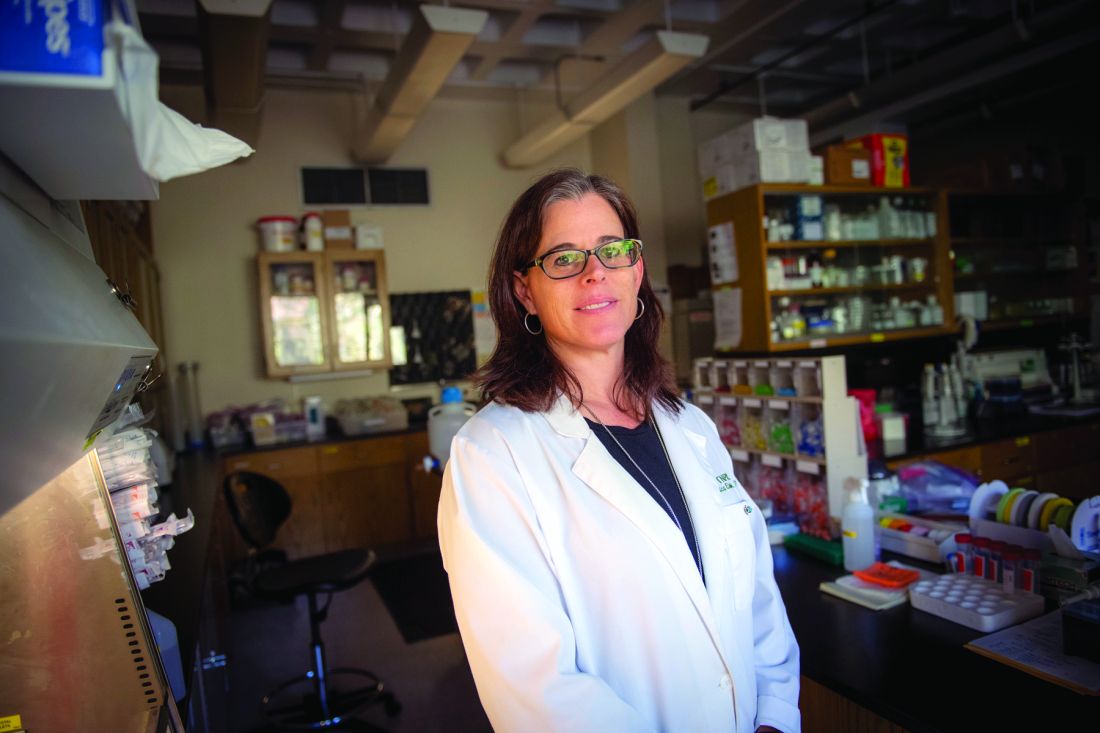
“But we know that Borrelia burgdorferi has the capability to evade the host immune response in almost every way possible. Persistence is the norm in an immunocompetent host ... [and] dormant bacteria/persisters are more tolerant of microstatic antibiotics,” she said.
Other considerations for antibiotic efficacy include the fact that B. burgdorferi survives for many months inside ticks without nutrient replenishment or replication, “so dormancy is part of their life cycle,” she said. Moreover, the bacteria can be found deep in connective tissues and joints.
The efficacy of accepted regimens of antibiotic treatment has been “a very contentious issue,” she said, noting that guidelines from the International Lyme and Associated Diseases Society “leave open the possibility for antibiotic retreatment when a chronic infection is judged to be a possible cause [of ongoing symptoms].”
The development of persister B. burgdorferi in the presence of antibiotics has been well studied in vitro, which has limitations, Dr. Embers said. But her group specializes in animal models and has shown persistence of antimicrobial-tolerant B. burgdorferi in tick-inoculated rhesus macaques 8-9 months after treatment with oral doxycycline.
“We [also] saw persistence of mild-moderate inflammation in the brain, peripheral nerves, spinal cord, joints and skeletal muscle, and in the heart,” Dr. Embers said, who coauthored a 2022 review of B. burgdorferi antimicrobial-tolerant persistence in Lyme disease and PTLD.
Her work has also shown that ceftriaxone, which is recommended by IDSA for patients with clinically evident neurological and/or cardiac involvement, does not clear infection in mice. “In general, single drugs have not been capable of clearing the infection, yet combinations show promise,” she said.
Dr. Embers has combed large drug libraries looking for combinations of antibiotics that employ different mechanisms of action in hopes of eliminating persister spirochetes. Certain combinations have shown promise in mice and have been tested in her rhesus macaque model; data analyses are underway.
Other research teams, such as that of Ying Zhang, MD, PhD, at Johns Hopkins, have similarly been screening combinations of antibiotics and other compounds, identifying candidates for further testing.
During a question and answer period, Dr. Embers said her team is also investigating the pathophysiology and long-term effects of tick-borne coinfections, including Bartonella, and is pursuing a hypothesis that infection with Borrelia allows Bartonella to cause more extensive disease and persist longer. “I think Lyme is at the core because of its ability to evade and suppress the immune response so effectively.”
Diagnostic possibilities, biomarkers for PTLD
Direct diagnostic tests for microbial nucleic acid and proteins “are promising alternatives for indirect serologic tests,” Dr. Aucott said. For instance, in addition to polymerase chain reaction tests, which “are making advances,” it may be possible to target the B. burgdorferi peptidoglycan for antigen detection.
Researchers have shown that peptidoglycan, a component of the B. burgdorferi cell envelope, is a persistent antigen in the synovial fluid of patients with Lyme arthritis who have been treated with oral and intravenous antibiotics, and that it likely contributes to inflammation.
“Maybe the infection is gone but parts of the bacteria are still there that are driving inflammation,” said Dr. Aucott, also associate professor of medicine at John Hopkins.
Researchers have also been looking at the host response to B. burgdorferi – including cytokines, chemokines, and autoantibiodies – to identify biomarkers for PTLD and to identify patients during posttreatment follow-up who are at increased risk of developing PTLD, with the hope of someday intervening. Persistently high levels of interleukin-23, CCL19, and interferon-alpha have each been associated in different studies with persistent symptoms after treatment, Dr. Aucott said.
In addition, metabolomics research is showing that patients with PTLD have metabolic fingerprints that are different from those who return to good health after treatment, and it may be possible to identify an epigenetic signature for Lyme disease. A project sponsored by the Defense Advanced Research Projects Agency called ECHO (Epigenetic Characterization and Observation) aims to identify epigenetic signatures of exposures to various threats, including B. burgdorferi.
“At the very proximal end of [indirectly testing for host response], there are modifications of the DNA that can occur in response to infectious insults ... and that changed DNA changes RNA expression and protein synthesis,” Dr. Aucott explained. DARPA’s project is “exciting because their goal [at DARPA] is to have a diagnostic test quickly as a result of this epigenetics work.”
Imaging research is also fast offering diagnostic opportunities, Dr. Aucott said. Levels of microglial activation on brain PET imaging have been found to correlate with PTLD, and a study at Johns Hopkins of multimodal neuroimaging with functional MRI and diffusion tensor imaging has shown distinct changes to white matter activation within the frontal lobe of patients with PTLD, compared with controls.
The NASEM workshop did not collect or require disclosures of its participants.
Several recent developments in Lyme disease treatment and diagnosis may pave the way forward for combating disease that persists following missed or delayed diagnoses or remains following standard treatment. These include combination therapy to address “persister” bacteria and diagnostic tests that test directly for the pathogen and/or indirectly test for host response, according to experts who presented at a 2-day National Academies of Science, Engineering and Medicine workshop on infection-associated chronic illnesses.
Research has shown that 60% of people who are infected and not treated during the early or early disseminated stages of Lyme disease go on to develop late Lyme arthritis, said John Aucott, MD, director of the Johns Hopkins Lyme Disease Clinical Research Center in Baltimore. And in the real world, there’s an additional category of patients: Those who are misdiagnosed and develop infection-related persistent symptoms – such as fatigue, brain fog/cognitive dysfunction, and musculoskeletal problems – that don’t match the “textbook schematic” involving late Lyme arthritis and late neurologic disease.
Moreover, of patients who are treated with protocols recommended by the Infectious Diseases Society of America (IDSA), about 15% go on to develop persistent symptoms at 6 months – again, symptoms that don’t match textbook manifestations and do match symptoms of other infection-associated chronic illnesses. As a “research construct,” this has been coined posttreatment Lyme disease (PTLD), he said at the workshop, “Toward a Common Research Agenda in Infection-Associated Chronic Illnesses.”
(On a practical level, it is hard to know clinically who has early disseminated disease unless they have multiple erythema migrans rashes or neurologic or cardiac involvement, he said after the meeting.)
All this points to the need for tests that are sensitive and specific for diagnosis at all stages of infection and disease, he said in a talk on diagnostics. Currently available tests – those that fit into the widely used two-tiered enzyme-linked immunosorbent assay, Western Blot serology testing – have significant limitations in sensitivity and specificity, including for acute infection when the body has not generated enough antibodies, yet treatment is most likely to succeed.
Move toward combination therapy research
Lyme disease is most commonly treated with doxycycline, and that’s problematic because the antibiotic is a microstatic whose efficacy relies on immune clearance of static bacteria, said Monica E. Embers, PhD, director of vector-borne disease at the Tulane National Primate Research Center and associate professor of immunology at Tulane University, New Orleans.
“But we know that Borrelia burgdorferi has the capability to evade the host immune response in almost every way possible. Persistence is the norm in an immunocompetent host ... [and] dormant bacteria/persisters are more tolerant of microstatic antibiotics,” she said.
Other considerations for antibiotic efficacy include the fact that B. burgdorferi survives for many months inside ticks without nutrient replenishment or replication, “so dormancy is part of their life cycle,” she said. Moreover, the bacteria can be found deep in connective tissues and joints.
The efficacy of accepted regimens of antibiotic treatment has been “a very contentious issue,” she said, noting that guidelines from the International Lyme and Associated Diseases Society “leave open the possibility for antibiotic retreatment when a chronic infection is judged to be a possible cause [of ongoing symptoms].”
The development of persister B. burgdorferi in the presence of antibiotics has been well studied in vitro, which has limitations, Dr. Embers said. But her group specializes in animal models and has shown persistence of antimicrobial-tolerant B. burgdorferi in tick-inoculated rhesus macaques 8-9 months after treatment with oral doxycycline.
“We [also] saw persistence of mild-moderate inflammation in the brain, peripheral nerves, spinal cord, joints and skeletal muscle, and in the heart,” Dr. Embers said, who coauthored a 2022 review of B. burgdorferi antimicrobial-tolerant persistence in Lyme disease and PTLD.
Her work has also shown that ceftriaxone, which is recommended by IDSA for patients with clinically evident neurological and/or cardiac involvement, does not clear infection in mice. “In general, single drugs have not been capable of clearing the infection, yet combinations show promise,” she said.
Dr. Embers has combed large drug libraries looking for combinations of antibiotics that employ different mechanisms of action in hopes of eliminating persister spirochetes. Certain combinations have shown promise in mice and have been tested in her rhesus macaque model; data analyses are underway.
Other research teams, such as that of Ying Zhang, MD, PhD, at Johns Hopkins, have similarly been screening combinations of antibiotics and other compounds, identifying candidates for further testing.
During a question and answer period, Dr. Embers said her team is also investigating the pathophysiology and long-term effects of tick-borne coinfections, including Bartonella, and is pursuing a hypothesis that infection with Borrelia allows Bartonella to cause more extensive disease and persist longer. “I think Lyme is at the core because of its ability to evade and suppress the immune response so effectively.”
Diagnostic possibilities, biomarkers for PTLD
Direct diagnostic tests for microbial nucleic acid and proteins “are promising alternatives for indirect serologic tests,” Dr. Aucott said. For instance, in addition to polymerase chain reaction tests, which “are making advances,” it may be possible to target the B. burgdorferi peptidoglycan for antigen detection.
Researchers have shown that peptidoglycan, a component of the B. burgdorferi cell envelope, is a persistent antigen in the synovial fluid of patients with Lyme arthritis who have been treated with oral and intravenous antibiotics, and that it likely contributes to inflammation.
“Maybe the infection is gone but parts of the bacteria are still there that are driving inflammation,” said Dr. Aucott, also associate professor of medicine at John Hopkins.
Researchers have also been looking at the host response to B. burgdorferi – including cytokines, chemokines, and autoantibiodies – to identify biomarkers for PTLD and to identify patients during posttreatment follow-up who are at increased risk of developing PTLD, with the hope of someday intervening. Persistently high levels of interleukin-23, CCL19, and interferon-alpha have each been associated in different studies with persistent symptoms after treatment, Dr. Aucott said.
In addition, metabolomics research is showing that patients with PTLD have metabolic fingerprints that are different from those who return to good health after treatment, and it may be possible to identify an epigenetic signature for Lyme disease. A project sponsored by the Defense Advanced Research Projects Agency called ECHO (Epigenetic Characterization and Observation) aims to identify epigenetic signatures of exposures to various threats, including B. burgdorferi.
“At the very proximal end of [indirectly testing for host response], there are modifications of the DNA that can occur in response to infectious insults ... and that changed DNA changes RNA expression and protein synthesis,” Dr. Aucott explained. DARPA’s project is “exciting because their goal [at DARPA] is to have a diagnostic test quickly as a result of this epigenetics work.”
Imaging research is also fast offering diagnostic opportunities, Dr. Aucott said. Levels of microglial activation on brain PET imaging have been found to correlate with PTLD, and a study at Johns Hopkins of multimodal neuroimaging with functional MRI and diffusion tensor imaging has shown distinct changes to white matter activation within the frontal lobe of patients with PTLD, compared with controls.
The NASEM workshop did not collect or require disclosures of its participants.
Several recent developments in Lyme disease treatment and diagnosis may pave the way forward for combating disease that persists following missed or delayed diagnoses or remains following standard treatment. These include combination therapy to address “persister” bacteria and diagnostic tests that test directly for the pathogen and/or indirectly test for host response, according to experts who presented at a 2-day National Academies of Science, Engineering and Medicine workshop on infection-associated chronic illnesses.
Research has shown that 60% of people who are infected and not treated during the early or early disseminated stages of Lyme disease go on to develop late Lyme arthritis, said John Aucott, MD, director of the Johns Hopkins Lyme Disease Clinical Research Center in Baltimore. And in the real world, there’s an additional category of patients: Those who are misdiagnosed and develop infection-related persistent symptoms – such as fatigue, brain fog/cognitive dysfunction, and musculoskeletal problems – that don’t match the “textbook schematic” involving late Lyme arthritis and late neurologic disease.
Moreover, of patients who are treated with protocols recommended by the Infectious Diseases Society of America (IDSA), about 15% go on to develop persistent symptoms at 6 months – again, symptoms that don’t match textbook manifestations and do match symptoms of other infection-associated chronic illnesses. As a “research construct,” this has been coined posttreatment Lyme disease (PTLD), he said at the workshop, “Toward a Common Research Agenda in Infection-Associated Chronic Illnesses.”
(On a practical level, it is hard to know clinically who has early disseminated disease unless they have multiple erythema migrans rashes or neurologic or cardiac involvement, he said after the meeting.)
All this points to the need for tests that are sensitive and specific for diagnosis at all stages of infection and disease, he said in a talk on diagnostics. Currently available tests – those that fit into the widely used two-tiered enzyme-linked immunosorbent assay, Western Blot serology testing – have significant limitations in sensitivity and specificity, including for acute infection when the body has not generated enough antibodies, yet treatment is most likely to succeed.
Move toward combination therapy research
Lyme disease is most commonly treated with doxycycline, and that’s problematic because the antibiotic is a microstatic whose efficacy relies on immune clearance of static bacteria, said Monica E. Embers, PhD, director of vector-borne disease at the Tulane National Primate Research Center and associate professor of immunology at Tulane University, New Orleans.
“But we know that Borrelia burgdorferi has the capability to evade the host immune response in almost every way possible. Persistence is the norm in an immunocompetent host ... [and] dormant bacteria/persisters are more tolerant of microstatic antibiotics,” she said.
Other considerations for antibiotic efficacy include the fact that B. burgdorferi survives for many months inside ticks without nutrient replenishment or replication, “so dormancy is part of their life cycle,” she said. Moreover, the bacteria can be found deep in connective tissues and joints.
The efficacy of accepted regimens of antibiotic treatment has been “a very contentious issue,” she said, noting that guidelines from the International Lyme and Associated Diseases Society “leave open the possibility for antibiotic retreatment when a chronic infection is judged to be a possible cause [of ongoing symptoms].”
The development of persister B. burgdorferi in the presence of antibiotics has been well studied in vitro, which has limitations, Dr. Embers said. But her group specializes in animal models and has shown persistence of antimicrobial-tolerant B. burgdorferi in tick-inoculated rhesus macaques 8-9 months after treatment with oral doxycycline.
“We [also] saw persistence of mild-moderate inflammation in the brain, peripheral nerves, spinal cord, joints and skeletal muscle, and in the heart,” Dr. Embers said, who coauthored a 2022 review of B. burgdorferi antimicrobial-tolerant persistence in Lyme disease and PTLD.
Her work has also shown that ceftriaxone, which is recommended by IDSA for patients with clinically evident neurological and/or cardiac involvement, does not clear infection in mice. “In general, single drugs have not been capable of clearing the infection, yet combinations show promise,” she said.
Dr. Embers has combed large drug libraries looking for combinations of antibiotics that employ different mechanisms of action in hopes of eliminating persister spirochetes. Certain combinations have shown promise in mice and have been tested in her rhesus macaque model; data analyses are underway.
Other research teams, such as that of Ying Zhang, MD, PhD, at Johns Hopkins, have similarly been screening combinations of antibiotics and other compounds, identifying candidates for further testing.
During a question and answer period, Dr. Embers said her team is also investigating the pathophysiology and long-term effects of tick-borne coinfections, including Bartonella, and is pursuing a hypothesis that infection with Borrelia allows Bartonella to cause more extensive disease and persist longer. “I think Lyme is at the core because of its ability to evade and suppress the immune response so effectively.”
Diagnostic possibilities, biomarkers for PTLD
Direct diagnostic tests for microbial nucleic acid and proteins “are promising alternatives for indirect serologic tests,” Dr. Aucott said. For instance, in addition to polymerase chain reaction tests, which “are making advances,” it may be possible to target the B. burgdorferi peptidoglycan for antigen detection.
Researchers have shown that peptidoglycan, a component of the B. burgdorferi cell envelope, is a persistent antigen in the synovial fluid of patients with Lyme arthritis who have been treated with oral and intravenous antibiotics, and that it likely contributes to inflammation.
“Maybe the infection is gone but parts of the bacteria are still there that are driving inflammation,” said Dr. Aucott, also associate professor of medicine at John Hopkins.
Researchers have also been looking at the host response to B. burgdorferi – including cytokines, chemokines, and autoantibiodies – to identify biomarkers for PTLD and to identify patients during posttreatment follow-up who are at increased risk of developing PTLD, with the hope of someday intervening. Persistently high levels of interleukin-23, CCL19, and interferon-alpha have each been associated in different studies with persistent symptoms after treatment, Dr. Aucott said.
In addition, metabolomics research is showing that patients with PTLD have metabolic fingerprints that are different from those who return to good health after treatment, and it may be possible to identify an epigenetic signature for Lyme disease. A project sponsored by the Defense Advanced Research Projects Agency called ECHO (Epigenetic Characterization and Observation) aims to identify epigenetic signatures of exposures to various threats, including B. burgdorferi.
“At the very proximal end of [indirectly testing for host response], there are modifications of the DNA that can occur in response to infectious insults ... and that changed DNA changes RNA expression and protein synthesis,” Dr. Aucott explained. DARPA’s project is “exciting because their goal [at DARPA] is to have a diagnostic test quickly as a result of this epigenetics work.”
Imaging research is also fast offering diagnostic opportunities, Dr. Aucott said. Levels of microglial activation on brain PET imaging have been found to correlate with PTLD, and a study at Johns Hopkins of multimodal neuroimaging with functional MRI and diffusion tensor imaging has shown distinct changes to white matter activation within the frontal lobe of patients with PTLD, compared with controls.
The NASEM workshop did not collect or require disclosures of its participants.
FROM A NATIONAL ACADEMIES OF SCIENCE, ENGINEERING AND MEDICINE WORKSHOP
When did medicine become a battleground for everything?
Like hundreds of other medical experts, Leana Wen, MD, an emergency physician and former Baltimore health commissioner, was an early and avid supporter of COVID vaccines and their ability to prevent severe disease, hospitalization, and death from SARS-CoV-2 infections.
When 51-year-old Scott Eli Harris, of Aubrey, Tex., heard of Dr. Wen’s stance in July 2021, the self-described “fifth-generation U.S. Army veteran and a sniper” sent Dr. Wen an electronic invective laden with racist language and very specific threats to shoot her.
Mr. Harris pled guilty to transmitting threats via interstate commerce last February and began serving 6 months in federal prison in the fall of 2022, but his threats wouldn’t be the last for Dr. Wen. Just 2 days after Mr. Harris was sentenced, charges were unsealed against another man in Massachusetts, who threatened that Dr. Wen would “end up in pieces” if she continued “pushing” her thoughts publicly.’
Dr. Wen has plenty of company. In an August 2022 survey of emergency doctors conducted by the American College of Emergency Physicians, 85% of respondents said violence against them is increasing. One in four doctors said they’re being assaulted by patients and their family and friends multiple times a week, compared with just 8% of doctors who said as much in 2018. About 64% of emergency physicians reported receiving verbal assaults and threats of violence; 40% reported being hit or slapped, and 26% were kicked.
This uptick of violence and threats against physicians didn’t come out of nowhere; violence against health care workers has been gradually increasing over the past decade. Health care providers can attest to the hostility that particular topics have sparked for years: vaccines in pediatrics, abortion in ob.gyn., and gender-affirming care in endocrinology.
But the pandemic fueled the fire. The proliferation of misinformation (often via social media) and the politicization of public health and medicine are at the center of the problem.
‘The people attacking are themselves victims’
The misinformation problem first came to a head in one area of public health: vaccines. The pandemic accelerated antagonism in medicine – thanks, in part, to decades of antivaccine activism.
The antivaccine movement, which has ebbed and flowed in the United States and across the globe since the first vaccine, experienced a new wave in the early 2000s with the combination of concerns about thimerosal in vaccines and a now disproven link between autism and the MMR vaccine. But that movement grew. It picked up steam when activists gained political clout after a 2014 measles outbreak at Disneyland led California schools to tighten up policies regarding vaccinations for kids who enrolled. These stronger public school vaccination laws ran up against religious freedom arguments from antivaccine advocates.
Use of social media continues to grow, and with it, the spread of misinformation. A recent study found that Facebook “users’ social media habits doubled, and in some cases, tripled the amount of fake news they shared.”
In the face of growing confusion, health care providers and public health experts have often struggled to treat their patients – and communicate to the public – without appearing political.

“The people that are doing the attacking are in some ways themselves victims,” said Peter Hotez, MD, PhD, dean of the National School of Tropical Medicine at Baylor College of Medicine, Houston. “They’re victims of the antiscience, antihealth ecosystem coming out of Fox News, the House Freedom Caucus, the CPAC conference, coming out of contrarian intellectuals.”
Many of Dr. Hotez’s colleagues don’t want to talk about the political right as an enabler of scientific disinformation, he said, but that doesn’t change what the evidence shows. The vast majority of state and national bills opposing vaccination, gender-affirming care, comprehensive reproductive care, and other evidence-based medical care often come from Republican legislators.
When politics and health care collide
“We’re in an incredible status quo,” said William Schaffner, MD, the previous director of the Infectious Diseases Society of America and a professor of infectious diseases and preventive medicine at Vanderbilt University, Nashville, Tenn. “You can’t get away from the politics, because you have [political] candidates espousing certain concepts that are antithetical to good public health.”

In March 2023, Florida Gov. Ron DeSantis’s surgeon general, Joseph Ladapo, MD, PhD, warned that COVID vaccines are harmful to young men, prompting rebukes from federal health authorities. It later came out that Dr. Ladapo had changed some of the results of the study before issuing his warning. But long before 2023, there emerged an increasing gap in COVID deaths between red states and blue states, mirroring the vaccination rates in those states. The redder the state, the higher the death toll.
It’s not just Republican Party culture warriors; medical misinformation is also finding increasing purchase on the far left. Robert F. Kennedy Jr. and Marianne Williamson, both of whom have launched long-shot challenges to President Biden for the 2024 Democratic nomination, had promoted antivaccine ideas long before the COVID pandemic. Mr. Kennedy continues to spread misinformation.
In June 2023, Joe Rogan hosted Mr. Kennedy, on his podcast. During the episode, Mr. Rogan listened uncritically as Mr. Kennedy told his millions of listeners that vaccines cause autism and that 5G causes cancer, among other fringe, often-debunked theories.
Dr. Hotez, a prominent misinformation debunker who was also part of a team that designed a low-cost COVID-19 vaccine, wrote on Twitter that the episode was “just awful.”
The backlash began almost immediately. Mr. Rogan, who has over 11 million followers on Twitter, responded with a public challenge for Dr. Hotez to debate Mr. Kennedy on Mr. Rogan’s show, with a reward of $100,000 to the charity of Dr. Hotez’s choice. More offers streamed in, including from Elon Musk, who tweeted that Dr. Hotez was “afraid of a public debate, because he knows he’s wrong.” More supporters of Mr. Kennedy and Mr. Rogan piled on.
Vaccine skeptics even showed up at Dr. Hotez’s house, filming him as he was returning from buying a Father’s Day cake and taunting him to debate Mr. Kennedy.
A turn in the pandemic
For a precious few weeks at the start of the pandemic, it felt as though the country was all in this together. There were arguments against closing schools and shutting down businesses, but for the most part, the nation had about 4 solid weeks of solidarity.
As masking mandates changed and the public health establishment lost the confidence of Americans, the veneer of solidarity began to chip away.
“Things were changing so rapidly during the pandemic that it was very hard for staff and patients to understand the changing guidelines, whether it was visitor constraints or masking,” said Carrie Nelson, the chief medical officer at the telehealth company AmWell, who worked as a supervisor at a large health care system in the Midwest until 2021.
In the midst of the public health crisis, former President Trump was downplaying the severity of the disease and was silencing officials from the Centers for Disease Control and Prevention, such as Nancy Messonier, who warned from the very beginning of the pandemic’s potential.
When the vaccines came out, the latent antivaccine movement flared up once again. And this time – unlike in decades past – the debate over vaccines had become partisan.
“Before the pandemic,” said Christopher Thomas, an emergency physician on the West Coast who requested that a pseudonym be used because of personal threats he has received, “patients wouldn’t really challenge me or throw out weird questions.” It’s not that he never encountered pushback, but the stakes felt lower, and people largely deferred to his medical expertise. “If we got a parent who had not vaccinated their child, I would totally engage back then,” Dr. Thomas said.
But the pandemic – and America’s response to it – changed the conversation. “The rhetoric ... switched from downplaying the virus to demonizing the vaccines,” Dr. Thomas said.
The toll on health care professionals
By the time vaccines were available, the public had begun to conflate doctors with public health experts, since both were “pushing” the vaccine.
“Most people probably don’t really know the difference between clinical medicine and public health,” said Richard Pan, MD, MPH, a pediatrician and California legislator who sponsored two bills – now laws – that strengthened state childhood vaccination requirements.
At first, it was clearly public health officials, such as Anthony Fauci, MD, who were the face of measures to mitigate the virus. But as doctors became the enforcers of those measures, the line between physicians and public health officials blurred.
A lot of the anger then shifted toward doctors, nurses, and other health care professionals, Dr. Pan said, “because we were, of course, the ones who would be administering the vaccines. They don’t really think of their doctor as a government person until your doctor is carrying a [government] message.”
Given the pressures and struggles of the past few years, it’s no surprise that burnout among health care professionals is high. According to an April 2023 study by the National Council of State Boards of Nursing and the National Forum of State Nursing Workforce Centers, an estimated 800,000 nurses expect to leave the profession by 2027, driven first and foremost by “stress and burnout.”
All of these departures in medicine’s “great resignation” have left hospitals and health care organizations even more short staffed, thereby increasing even more the pressure and burnout on those left.
The pandemic had already badly exacerbated the already widespread problem of burnout in the medical field, which Ms. Nelson said has contributed to the tension.
“The burnout problem that we have in health care is not a good basis for the development of a good therapeutic relationship,” Ms. Nelson said. “Burnout is fraught with apathy and desensitization to human emotions. It takes away the empathy that we once had for people that we see.”
What comes next?
Almost exactly 3 years after the world learned about SARS-CoV-2, Biden declared an end to the coronavirus public health emergency in April 2023. Yet, Americans continue to die from COVID, and the anger that bloomed and spread has not abated.
“I think we’re in a new steady state of violence in health care settings,” Ms. Nelson said. “It’s not gone down, because people are still very distressed.” That’s evident from the high prevalence of mental health conditions, the financial strain of first the pandemic and then inflation, and the overall traumatic impact the pandemic had on people, whether they recognize it or not.
The first step to solving any problem is, as the saying goes, to admit that there is a problem.
“I think people need to start stepping out of their comfort bubbles and start to look at things that make them uncomfortable,” Dr. Thomas said, but he doesn’t see that happening any time soon. “I’ve been very let down by physicians and embarrassed by the American physician organizations.”
The medical board in his state, he said, has stood by as some doctors continue misrepresenting medical evidence. “That’s been really, really hard on me. I didn’t think that the medical boards would go so far as to look the other way for something that was this tremendously bad.”
There are others who can take the lead – if they’re willing.
“There are some things the medical societies and academic health centers can do,” Dr. Hotez said, “starting with building up a culture of physicians and health care providers feeling comfortable in the public domain.” He said the messaging when he was getting his degrees was not to engage the public and not to talk to journalists because that was “self-promotion” or “grandstanding.” But the world is different now. Health care professionals need training in public engagement and communication, he said, and the culture needs to change so that health care providers feel comfortable speaking out without feeling “the sword of Damocles over their heads” every time they talk to a reporter, Dr. Hotez said.
There may be no silver bullet to solve the big-picture trust problem in medicine and public health. No TV appearance or quote in an article can solve it. But on an individual level — through careful relationship building with patients – doctors can strengthen that trust.
Telehealth may help with that, but there’s a fine balance there, Ms. Nelson cautioned. On the one hand, with the doctor and the patient each in their own private spaces, where they feel safe and comfortable, the overall experience can be more therapeutic and less stressful. At the same time, telehealth can pile on change-management tasks that can exacerbate burnout, “so it’s a delicate thing we have to approach.”
One very thin silver lining that could emerge from the way in which patients have begun to try to take charge of their care.
“They should fully understand the reasoning behind the recommendations that physicians are making,” Ms. Nelson said. “I’d like to see us get to a happy medium where it’s a partnership. We can’t go back to the old school where the doctor knows best and you don’t ever question him.
“What we need is the partnership, and I would love to see that as the silver lining, but the anger has got to settle down in order for that kind of productive thing to happen.”
As for the big picture? There’s a limit to what even society’s “miracle workers” can do. “The biggest priority right now for the health system is to protect their staff whatever way they can and do some training in deescalation,” Ms. Nelson said. “But I don’t think health care can solve the societal issues that seem to be creating this.”
A version of this article first appeared on Medscape.com.
Like hundreds of other medical experts, Leana Wen, MD, an emergency physician and former Baltimore health commissioner, was an early and avid supporter of COVID vaccines and their ability to prevent severe disease, hospitalization, and death from SARS-CoV-2 infections.
When 51-year-old Scott Eli Harris, of Aubrey, Tex., heard of Dr. Wen’s stance in July 2021, the self-described “fifth-generation U.S. Army veteran and a sniper” sent Dr. Wen an electronic invective laden with racist language and very specific threats to shoot her.
Mr. Harris pled guilty to transmitting threats via interstate commerce last February and began serving 6 months in federal prison in the fall of 2022, but his threats wouldn’t be the last for Dr. Wen. Just 2 days after Mr. Harris was sentenced, charges were unsealed against another man in Massachusetts, who threatened that Dr. Wen would “end up in pieces” if she continued “pushing” her thoughts publicly.’
Dr. Wen has plenty of company. In an August 2022 survey of emergency doctors conducted by the American College of Emergency Physicians, 85% of respondents said violence against them is increasing. One in four doctors said they’re being assaulted by patients and their family and friends multiple times a week, compared with just 8% of doctors who said as much in 2018. About 64% of emergency physicians reported receiving verbal assaults and threats of violence; 40% reported being hit or slapped, and 26% were kicked.
This uptick of violence and threats against physicians didn’t come out of nowhere; violence against health care workers has been gradually increasing over the past decade. Health care providers can attest to the hostility that particular topics have sparked for years: vaccines in pediatrics, abortion in ob.gyn., and gender-affirming care in endocrinology.
But the pandemic fueled the fire. The proliferation of misinformation (often via social media) and the politicization of public health and medicine are at the center of the problem.
‘The people attacking are themselves victims’
The misinformation problem first came to a head in one area of public health: vaccines. The pandemic accelerated antagonism in medicine – thanks, in part, to decades of antivaccine activism.
The antivaccine movement, which has ebbed and flowed in the United States and across the globe since the first vaccine, experienced a new wave in the early 2000s with the combination of concerns about thimerosal in vaccines and a now disproven link between autism and the MMR vaccine. But that movement grew. It picked up steam when activists gained political clout after a 2014 measles outbreak at Disneyland led California schools to tighten up policies regarding vaccinations for kids who enrolled. These stronger public school vaccination laws ran up against religious freedom arguments from antivaccine advocates.
Use of social media continues to grow, and with it, the spread of misinformation. A recent study found that Facebook “users’ social media habits doubled, and in some cases, tripled the amount of fake news they shared.”
In the face of growing confusion, health care providers and public health experts have often struggled to treat their patients – and communicate to the public – without appearing political.
“The people that are doing the attacking are in some ways themselves victims,” said Peter Hotez, MD, PhD, dean of the National School of Tropical Medicine at Baylor College of Medicine, Houston. “They’re victims of the antiscience, antihealth ecosystem coming out of Fox News, the House Freedom Caucus, the CPAC conference, coming out of contrarian intellectuals.”
Many of Dr. Hotez’s colleagues don’t want to talk about the political right as an enabler of scientific disinformation, he said, but that doesn’t change what the evidence shows. The vast majority of state and national bills opposing vaccination, gender-affirming care, comprehensive reproductive care, and other evidence-based medical care often come from Republican legislators.
When politics and health care collide
“We’re in an incredible status quo,” said William Schaffner, MD, the previous director of the Infectious Diseases Society of America and a professor of infectious diseases and preventive medicine at Vanderbilt University, Nashville, Tenn. “You can’t get away from the politics, because you have [political] candidates espousing certain concepts that are antithetical to good public health.”
In March 2023, Florida Gov. Ron DeSantis’s surgeon general, Joseph Ladapo, MD, PhD, warned that COVID vaccines are harmful to young men, prompting rebukes from federal health authorities. It later came out that Dr. Ladapo had changed some of the results of the study before issuing his warning. But long before 2023, there emerged an increasing gap in COVID deaths between red states and blue states, mirroring the vaccination rates in those states. The redder the state, the higher the death toll.
It’s not just Republican Party culture warriors; medical misinformation is also finding increasing purchase on the far left. Robert F. Kennedy Jr. and Marianne Williamson, both of whom have launched long-shot challenges to President Biden for the 2024 Democratic nomination, had promoted antivaccine ideas long before the COVID pandemic. Mr. Kennedy continues to spread misinformation.
In June 2023, Joe Rogan hosted Mr. Kennedy, on his podcast. During the episode, Mr. Rogan listened uncritically as Mr. Kennedy told his millions of listeners that vaccines cause autism and that 5G causes cancer, among other fringe, often-debunked theories.
Dr. Hotez, a prominent misinformation debunker who was also part of a team that designed a low-cost COVID-19 vaccine, wrote on Twitter that the episode was “just awful.”
The backlash began almost immediately. Mr. Rogan, who has over 11 million followers on Twitter, responded with a public challenge for Dr. Hotez to debate Mr. Kennedy on Mr. Rogan’s show, with a reward of $100,000 to the charity of Dr. Hotez’s choice. More offers streamed in, including from Elon Musk, who tweeted that Dr. Hotez was “afraid of a public debate, because he knows he’s wrong.” More supporters of Mr. Kennedy and Mr. Rogan piled on.
Vaccine skeptics even showed up at Dr. Hotez’s house, filming him as he was returning from buying a Father’s Day cake and taunting him to debate Mr. Kennedy.
A turn in the pandemic
For a precious few weeks at the start of the pandemic, it felt as though the country was all in this together. There were arguments against closing schools and shutting down businesses, but for the most part, the nation had about 4 solid weeks of solidarity.
As masking mandates changed and the public health establishment lost the confidence of Americans, the veneer of solidarity began to chip away.
“Things were changing so rapidly during the pandemic that it was very hard for staff and patients to understand the changing guidelines, whether it was visitor constraints or masking,” said Carrie Nelson, the chief medical officer at the telehealth company AmWell, who worked as a supervisor at a large health care system in the Midwest until 2021.
In the midst of the public health crisis, former President Trump was downplaying the severity of the disease and was silencing officials from the Centers for Disease Control and Prevention, such as Nancy Messonier, who warned from the very beginning of the pandemic’s potential.
When the vaccines came out, the latent antivaccine movement flared up once again. And this time – unlike in decades past – the debate over vaccines had become partisan.
“Before the pandemic,” said Christopher Thomas, an emergency physician on the West Coast who requested that a pseudonym be used because of personal threats he has received, “patients wouldn’t really challenge me or throw out weird questions.” It’s not that he never encountered pushback, but the stakes felt lower, and people largely deferred to his medical expertise. “If we got a parent who had not vaccinated their child, I would totally engage back then,” Dr. Thomas said.
But the pandemic – and America’s response to it – changed the conversation. “The rhetoric ... switched from downplaying the virus to demonizing the vaccines,” Dr. Thomas said.
The toll on health care professionals
By the time vaccines were available, the public had begun to conflate doctors with public health experts, since both were “pushing” the vaccine.
“Most people probably don’t really know the difference between clinical medicine and public health,” said Richard Pan, MD, MPH, a pediatrician and California legislator who sponsored two bills – now laws – that strengthened state childhood vaccination requirements.
At first, it was clearly public health officials, such as Anthony Fauci, MD, who were the face of measures to mitigate the virus. But as doctors became the enforcers of those measures, the line between physicians and public health officials blurred.
A lot of the anger then shifted toward doctors, nurses, and other health care professionals, Dr. Pan said, “because we were, of course, the ones who would be administering the vaccines. They don’t really think of their doctor as a government person until your doctor is carrying a [government] message.”
Given the pressures and struggles of the past few years, it’s no surprise that burnout among health care professionals is high. According to an April 2023 study by the National Council of State Boards of Nursing and the National Forum of State Nursing Workforce Centers, an estimated 800,000 nurses expect to leave the profession by 2027, driven first and foremost by “stress and burnout.”
All of these departures in medicine’s “great resignation” have left hospitals and health care organizations even more short staffed, thereby increasing even more the pressure and burnout on those left.
The pandemic had already badly exacerbated the already widespread problem of burnout in the medical field, which Ms. Nelson said has contributed to the tension.
“The burnout problem that we have in health care is not a good basis for the development of a good therapeutic relationship,” Ms. Nelson said. “Burnout is fraught with apathy and desensitization to human emotions. It takes away the empathy that we once had for people that we see.”
What comes next?
Almost exactly 3 years after the world learned about SARS-CoV-2, Biden declared an end to the coronavirus public health emergency in April 2023. Yet, Americans continue to die from COVID, and the anger that bloomed and spread has not abated.
“I think we’re in a new steady state of violence in health care settings,” Ms. Nelson said. “It’s not gone down, because people are still very distressed.” That’s evident from the high prevalence of mental health conditions, the financial strain of first the pandemic and then inflation, and the overall traumatic impact the pandemic had on people, whether they recognize it or not.
The first step to solving any problem is, as the saying goes, to admit that there is a problem.
“I think people need to start stepping out of their comfort bubbles and start to look at things that make them uncomfortable,” Dr. Thomas said, but he doesn’t see that happening any time soon. “I’ve been very let down by physicians and embarrassed by the American physician organizations.”
The medical board in his state, he said, has stood by as some doctors continue misrepresenting medical evidence. “That’s been really, really hard on me. I didn’t think that the medical boards would go so far as to look the other way for something that was this tremendously bad.”
There are others who can take the lead – if they’re willing.
“There are some things the medical societies and academic health centers can do,” Dr. Hotez said, “starting with building up a culture of physicians and health care providers feeling comfortable in the public domain.” He said the messaging when he was getting his degrees was not to engage the public and not to talk to journalists because that was “self-promotion” or “grandstanding.” But the world is different now. Health care professionals need training in public engagement and communication, he said, and the culture needs to change so that health care providers feel comfortable speaking out without feeling “the sword of Damocles over their heads” every time they talk to a reporter, Dr. Hotez said.
There may be no silver bullet to solve the big-picture trust problem in medicine and public health. No TV appearance or quote in an article can solve it. But on an individual level — through careful relationship building with patients – doctors can strengthen that trust.
Telehealth may help with that, but there’s a fine balance there, Ms. Nelson cautioned. On the one hand, with the doctor and the patient each in their own private spaces, where they feel safe and comfortable, the overall experience can be more therapeutic and less stressful. At the same time, telehealth can pile on change-management tasks that can exacerbate burnout, “so it’s a delicate thing we have to approach.”
One very thin silver lining that could emerge from the way in which patients have begun to try to take charge of their care.
“They should fully understand the reasoning behind the recommendations that physicians are making,” Ms. Nelson said. “I’d like to see us get to a happy medium where it’s a partnership. We can’t go back to the old school where the doctor knows best and you don’t ever question him.
“What we need is the partnership, and I would love to see that as the silver lining, but the anger has got to settle down in order for that kind of productive thing to happen.”
As for the big picture? There’s a limit to what even society’s “miracle workers” can do. “The biggest priority right now for the health system is to protect their staff whatever way they can and do some training in deescalation,” Ms. Nelson said. “But I don’t think health care can solve the societal issues that seem to be creating this.”
A version of this article first appeared on Medscape.com.
Like hundreds of other medical experts, Leana Wen, MD, an emergency physician and former Baltimore health commissioner, was an early and avid supporter of COVID vaccines and their ability to prevent severe disease, hospitalization, and death from SARS-CoV-2 infections.
When 51-year-old Scott Eli Harris, of Aubrey, Tex., heard of Dr. Wen’s stance in July 2021, the self-described “fifth-generation U.S. Army veteran and a sniper” sent Dr. Wen an electronic invective laden with racist language and very specific threats to shoot her.
Mr. Harris pled guilty to transmitting threats via interstate commerce last February and began serving 6 months in federal prison in the fall of 2022, but his threats wouldn’t be the last for Dr. Wen. Just 2 days after Mr. Harris was sentenced, charges were unsealed against another man in Massachusetts, who threatened that Dr. Wen would “end up in pieces” if she continued “pushing” her thoughts publicly.’
Dr. Wen has plenty of company. In an August 2022 survey of emergency doctors conducted by the American College of Emergency Physicians, 85% of respondents said violence against them is increasing. One in four doctors said they’re being assaulted by patients and their family and friends multiple times a week, compared with just 8% of doctors who said as much in 2018. About 64% of emergency physicians reported receiving verbal assaults and threats of violence; 40% reported being hit or slapped, and 26% were kicked.
This uptick of violence and threats against physicians didn’t come out of nowhere; violence against health care workers has been gradually increasing over the past decade. Health care providers can attest to the hostility that particular topics have sparked for years: vaccines in pediatrics, abortion in ob.gyn., and gender-affirming care in endocrinology.
But the pandemic fueled the fire. The proliferation of misinformation (often via social media) and the politicization of public health and medicine are at the center of the problem.
‘The people attacking are themselves victims’
The misinformation problem first came to a head in one area of public health: vaccines. The pandemic accelerated antagonism in medicine – thanks, in part, to decades of antivaccine activism.
The antivaccine movement, which has ebbed and flowed in the United States and across the globe since the first vaccine, experienced a new wave in the early 2000s with the combination of concerns about thimerosal in vaccines and a now disproven link between autism and the MMR vaccine. But that movement grew. It picked up steam when activists gained political clout after a 2014 measles outbreak at Disneyland led California schools to tighten up policies regarding vaccinations for kids who enrolled. These stronger public school vaccination laws ran up against religious freedom arguments from antivaccine advocates.
Use of social media continues to grow, and with it, the spread of misinformation. A recent study found that Facebook “users’ social media habits doubled, and in some cases, tripled the amount of fake news they shared.”
In the face of growing confusion, health care providers and public health experts have often struggled to treat their patients – and communicate to the public – without appearing political.
“The people that are doing the attacking are in some ways themselves victims,” said Peter Hotez, MD, PhD, dean of the National School of Tropical Medicine at Baylor College of Medicine, Houston. “They’re victims of the antiscience, antihealth ecosystem coming out of Fox News, the House Freedom Caucus, the CPAC conference, coming out of contrarian intellectuals.”
Many of Dr. Hotez’s colleagues don’t want to talk about the political right as an enabler of scientific disinformation, he said, but that doesn’t change what the evidence shows. The vast majority of state and national bills opposing vaccination, gender-affirming care, comprehensive reproductive care, and other evidence-based medical care often come from Republican legislators.
When politics and health care collide
“We’re in an incredible status quo,” said William Schaffner, MD, the previous director of the Infectious Diseases Society of America and a professor of infectious diseases and preventive medicine at Vanderbilt University, Nashville, Tenn. “You can’t get away from the politics, because you have [political] candidates espousing certain concepts that are antithetical to good public health.”
In March 2023, Florida Gov. Ron DeSantis’s surgeon general, Joseph Ladapo, MD, PhD, warned that COVID vaccines are harmful to young men, prompting rebukes from federal health authorities. It later came out that Dr. Ladapo had changed some of the results of the study before issuing his warning. But long before 2023, there emerged an increasing gap in COVID deaths between red states and blue states, mirroring the vaccination rates in those states. The redder the state, the higher the death toll.
It’s not just Republican Party culture warriors; medical misinformation is also finding increasing purchase on the far left. Robert F. Kennedy Jr. and Marianne Williamson, both of whom have launched long-shot challenges to President Biden for the 2024 Democratic nomination, had promoted antivaccine ideas long before the COVID pandemic. Mr. Kennedy continues to spread misinformation.
In June 2023, Joe Rogan hosted Mr. Kennedy, on his podcast. During the episode, Mr. Rogan listened uncritically as Mr. Kennedy told his millions of listeners that vaccines cause autism and that 5G causes cancer, among other fringe, often-debunked theories.
Dr. Hotez, a prominent misinformation debunker who was also part of a team that designed a low-cost COVID-19 vaccine, wrote on Twitter that the episode was “just awful.”
The backlash began almost immediately. Mr. Rogan, who has over 11 million followers on Twitter, responded with a public challenge for Dr. Hotez to debate Mr. Kennedy on Mr. Rogan’s show, with a reward of $100,000 to the charity of Dr. Hotez’s choice. More offers streamed in, including from Elon Musk, who tweeted that Dr. Hotez was “afraid of a public debate, because he knows he’s wrong.” More supporters of Mr. Kennedy and Mr. Rogan piled on.
Vaccine skeptics even showed up at Dr. Hotez’s house, filming him as he was returning from buying a Father’s Day cake and taunting him to debate Mr. Kennedy.
A turn in the pandemic
For a precious few weeks at the start of the pandemic, it felt as though the country was all in this together. There were arguments against closing schools and shutting down businesses, but for the most part, the nation had about 4 solid weeks of solidarity.
As masking mandates changed and the public health establishment lost the confidence of Americans, the veneer of solidarity began to chip away.
“Things were changing so rapidly during the pandemic that it was very hard for staff and patients to understand the changing guidelines, whether it was visitor constraints or masking,” said Carrie Nelson, the chief medical officer at the telehealth company AmWell, who worked as a supervisor at a large health care system in the Midwest until 2021.
In the midst of the public health crisis, former President Trump was downplaying the severity of the disease and was silencing officials from the Centers for Disease Control and Prevention, such as Nancy Messonier, who warned from the very beginning of the pandemic’s potential.
When the vaccines came out, the latent antivaccine movement flared up once again. And this time – unlike in decades past – the debate over vaccines had become partisan.
“Before the pandemic,” said Christopher Thomas, an emergency physician on the West Coast who requested that a pseudonym be used because of personal threats he has received, “patients wouldn’t really challenge me or throw out weird questions.” It’s not that he never encountered pushback, but the stakes felt lower, and people largely deferred to his medical expertise. “If we got a parent who had not vaccinated their child, I would totally engage back then,” Dr. Thomas said.
But the pandemic – and America’s response to it – changed the conversation. “The rhetoric ... switched from downplaying the virus to demonizing the vaccines,” Dr. Thomas said.
The toll on health care professionals
By the time vaccines were available, the public had begun to conflate doctors with public health experts, since both were “pushing” the vaccine.
“Most people probably don’t really know the difference between clinical medicine and public health,” said Richard Pan, MD, MPH, a pediatrician and California legislator who sponsored two bills – now laws – that strengthened state childhood vaccination requirements.
At first, it was clearly public health officials, such as Anthony Fauci, MD, who were the face of measures to mitigate the virus. But as doctors became the enforcers of those measures, the line between physicians and public health officials blurred.
A lot of the anger then shifted toward doctors, nurses, and other health care professionals, Dr. Pan said, “because we were, of course, the ones who would be administering the vaccines. They don’t really think of their doctor as a government person until your doctor is carrying a [government] message.”
Given the pressures and struggles of the past few years, it’s no surprise that burnout among health care professionals is high. According to an April 2023 study by the National Council of State Boards of Nursing and the National Forum of State Nursing Workforce Centers, an estimated 800,000 nurses expect to leave the profession by 2027, driven first and foremost by “stress and burnout.”
All of these departures in medicine’s “great resignation” have left hospitals and health care organizations even more short staffed, thereby increasing even more the pressure and burnout on those left.
The pandemic had already badly exacerbated the already widespread problem of burnout in the medical field, which Ms. Nelson said has contributed to the tension.
“The burnout problem that we have in health care is not a good basis for the development of a good therapeutic relationship,” Ms. Nelson said. “Burnout is fraught with apathy and desensitization to human emotions. It takes away the empathy that we once had for people that we see.”
What comes next?
Almost exactly 3 years after the world learned about SARS-CoV-2, Biden declared an end to the coronavirus public health emergency in April 2023. Yet, Americans continue to die from COVID, and the anger that bloomed and spread has not abated.
“I think we’re in a new steady state of violence in health care settings,” Ms. Nelson said. “It’s not gone down, because people are still very distressed.” That’s evident from the high prevalence of mental health conditions, the financial strain of first the pandemic and then inflation, and the overall traumatic impact the pandemic had on people, whether they recognize it or not.
The first step to solving any problem is, as the saying goes, to admit that there is a problem.
“I think people need to start stepping out of their comfort bubbles and start to look at things that make them uncomfortable,” Dr. Thomas said, but he doesn’t see that happening any time soon. “I’ve been very let down by physicians and embarrassed by the American physician organizations.”
The medical board in his state, he said, has stood by as some doctors continue misrepresenting medical evidence. “That’s been really, really hard on me. I didn’t think that the medical boards would go so far as to look the other way for something that was this tremendously bad.”
There are others who can take the lead – if they’re willing.
“There are some things the medical societies and academic health centers can do,” Dr. Hotez said, “starting with building up a culture of physicians and health care providers feeling comfortable in the public domain.” He said the messaging when he was getting his degrees was not to engage the public and not to talk to journalists because that was “self-promotion” or “grandstanding.” But the world is different now. Health care professionals need training in public engagement and communication, he said, and the culture needs to change so that health care providers feel comfortable speaking out without feeling “the sword of Damocles over their heads” every time they talk to a reporter, Dr. Hotez said.
There may be no silver bullet to solve the big-picture trust problem in medicine and public health. No TV appearance or quote in an article can solve it. But on an individual level — through careful relationship building with patients – doctors can strengthen that trust.
Telehealth may help with that, but there’s a fine balance there, Ms. Nelson cautioned. On the one hand, with the doctor and the patient each in their own private spaces, where they feel safe and comfortable, the overall experience can be more therapeutic and less stressful. At the same time, telehealth can pile on change-management tasks that can exacerbate burnout, “so it’s a delicate thing we have to approach.”
One very thin silver lining that could emerge from the way in which patients have begun to try to take charge of their care.
“They should fully understand the reasoning behind the recommendations that physicians are making,” Ms. Nelson said. “I’d like to see us get to a happy medium where it’s a partnership. We can’t go back to the old school where the doctor knows best and you don’t ever question him.
“What we need is the partnership, and I would love to see that as the silver lining, but the anger has got to settle down in order for that kind of productive thing to happen.”
As for the big picture? There’s a limit to what even society’s “miracle workers” can do. “The biggest priority right now for the health system is to protect their staff whatever way they can and do some training in deescalation,” Ms. Nelson said. “But I don’t think health care can solve the societal issues that seem to be creating this.”
A version of this article first appeared on Medscape.com.
New global initiative aims to reform cancer trials and care
After 15 years of researching what works well in oncology – and where the field has gone awry – Christopher Booth, MD, had a career moment.
“As I approached mid-career, I realized publishing and describing problems wasn’t fulfilling. It wasn’t doing enough,” recalled Dr. Booth, an oncologist and professor at Queen’s University, Kingston, Ont. “I wanted to change mindsets and change systems so that things actually improved for the better for patients.”
His colleague, Bishal Gyawali, MD, PhD, described a similar epiphany. As a trainee, he noticed that the real-world effects of some so-called blockbuster cancer drugs too often failed to measure up to the hype.
“I realized we were lacking common sense in oncology,” said Dr. Gyawali, a medical oncologist and assistant professor at Queen’s University.
In 2019, Dr. Gyawali launched a Medscape column addressing what he considers to be that lack of common sense, and in 2022, he and Dr. Booth published a similarly titled opinion piece in Nature Medicine. The core idea: The cancer community needs to prioritize cancer treatments that benefit patients, treatments that meaningfully improve survival and quality of life.
Aaron Goodman, MD, a hematologist and associate professor at UC San Diego Health, was on the same page. He’d been interested in the evidence-based medicine movement since his time as a hematology fellow when that movement was “a bit of a counterculture,” he explained.
Dr. Goodman and Dr. Booth connected through their common interests and collaborated on a 2021 paper exploring the discomfort clinicians might feel when a patient’s needs fall on the “edge of oncology”: that is, when the guideline-recommended standard of care offers marginal benefit, at best, and could, at worst, cause patient harm.
“We said, ‘Now is the time to make change,’ ” he recalled. It was time to stop talking and do something.
Common sense and a common purpose
Dr. Booth, Dr. Gyawali, and Dr. Goodman joined forces and, with the backing of a philanthropist who had experience as a patient with cancer, convened an organizing committee of more than 30 like-minded oncologists and patient advocates from across the globe.
The group convened for a 3-day “meeting of the minds” in Kingston in April and laid out their intentions in a position paper published online in The Lancet Oncology.
In their paper, the committee outline the vision for Common Sense Oncology. The mission: prioritize patient-centered and equitable care by focusing on treatments that improve survival and quality of life, communication that promotes informed decision-making, and systems that ensure access to all patients.
However, increasingly, the cancer community faces a “troubling paradox,” the team wrote in The Lancet. In some instance, treatments that bring minimal benefit are overused while those that can make a meaningful difference in patients’ lives are not accessible to most worldwide.
One reason for this shift: Commercial interests, rather than patient interests, appear to be driving cancer research and care. The team explained, for instance, that over the past few decades, clinical trials have largely pivoted from publicly funded efforts to industry funded ones “designed to achieve regulatory approval or commercial advantage, [often] at the expense of investigating new approaches to surgery, radiotherapy, palliative care, and prevention.”
But “patients deserve better,” the group wrote.
The team outlined three pillars for the initiative: evidence generation, evidence interpretation, and evidence communication.
The evidence generation pillar will aim to improve trial design and reporting to prioritize outcomes that matter to patients.
“One concern is that over the last 10 years or so, most of our new treatments have had very, very small benefits, and we think the bar has dropped too low,” Dr. Booth said, explaining that many trials have moved away from focusing on improving survival and quality of life and toward detecting small differences between treatments on other endpoints – namely progression-free survival. “Those small benefits need to be balanced against the very real risks to our patients.”
The evidence interpretation pillar will aim to foster critical thinking so that clinicians can better identify poorly designed or reported trials and help patients make more informed decisions.
Lastly, the evidence communication pillar will focus on fostering better communication about treatment options among patients, the public, and policymakers. Without clear and thoughtful communication, patients may have unrealistic expectations about the effectiveness of treatments that offer only marginal clinical benefits.
The team also emphasized a need to focus on improving global equity and access to affordable treatments so all patients can benefit from care that extends survival or quality of life.
It’s an ambitious undertaking, especially for a group of full-time clinicians, researchers, and patient advocates “volunteering their time for societal good,” said Dr. Gyawali, but the project teams intend to hit the ground running.
The team has established short-term targets, such as identifying deficiencies in data interpretation within education programs within 6 months and developing educational materials that begin to correct those deficiencies within 12 months, Dr. Booth explained. In the longer term, the team will also aim to design clinical trials that focus on patient outcomes, such as overall survival and quality of life.
Breast cancer survivor and patient advocate Michelle Tregear, PhD, who was recruited to help with Common Sense Oncology, also hopes the initiative will lead to better regulatory control that requires trial sponsors to “focus on what matters to patients, not on surrogate endpoints.”
When it comes to clinical trials, “more, more, more is not always better,” said Dr. Tregear, director of Education and Training Programs for patient advocates at the National Breast Cancer Coalition, Washington, D.C. “Industry interests are not always aligned with patient interests,” and “the system, by and large, is not addressing questions that really matter to patients and their families.”
Although “it’s a tall order to change the direction that we’re going in,” Dr. Tregear is up to the challenge of helping raise awareness, which will hopefully spur patients to demand change.
When Dr. Goodman announced the Common Sense Oncology initiative on Twitter, the news brought excitement, with many oncologists asking to join.
With its sweeping, ambitious goals, the Common Sense Oncology initiative has a long road ahead. Figuring out how to implement some of its aims in practice will take time, Dr. Booth acknowledges, and the initial launch marks the first steps, which will continue to evolve over time.
“We’re not proposing we have all the answers or that we know what every patient would want – we’re saying we’ve not done a good job of communicating to patients the relative benefits and risks of different treatments,” Dr. Booth explained. “We want to celebrate and promote what helps and speak out about what’s not in the best interest of patients.”
Dr. Goodman reported consulting fees from Seattle Genetics and speaking honoraria from Curio. Dr. Booth, Dr. Gyawali, and Dr. Tregear reported having no financial conflicts of interest.
A version of this article appeared on Medscape.com.
After 15 years of researching what works well in oncology – and where the field has gone awry – Christopher Booth, MD, had a career moment.
“As I approached mid-career, I realized publishing and describing problems wasn’t fulfilling. It wasn’t doing enough,” recalled Dr. Booth, an oncologist and professor at Queen’s University, Kingston, Ont. “I wanted to change mindsets and change systems so that things actually improved for the better for patients.”
His colleague, Bishal Gyawali, MD, PhD, described a similar epiphany. As a trainee, he noticed that the real-world effects of some so-called blockbuster cancer drugs too often failed to measure up to the hype.
“I realized we were lacking common sense in oncology,” said Dr. Gyawali, a medical oncologist and assistant professor at Queen’s University.
In 2019, Dr. Gyawali launched a Medscape column addressing what he considers to be that lack of common sense, and in 2022, he and Dr. Booth published a similarly titled opinion piece in Nature Medicine. The core idea: The cancer community needs to prioritize cancer treatments that benefit patients, treatments that meaningfully improve survival and quality of life.
Aaron Goodman, MD, a hematologist and associate professor at UC San Diego Health, was on the same page. He’d been interested in the evidence-based medicine movement since his time as a hematology fellow when that movement was “a bit of a counterculture,” he explained.
Dr. Goodman and Dr. Booth connected through their common interests and collaborated on a 2021 paper exploring the discomfort clinicians might feel when a patient’s needs fall on the “edge of oncology”: that is, when the guideline-recommended standard of care offers marginal benefit, at best, and could, at worst, cause patient harm.
“We said, ‘Now is the time to make change,’ ” he recalled. It was time to stop talking and do something.
Common sense and a common purpose
Dr. Booth, Dr. Gyawali, and Dr. Goodman joined forces and, with the backing of a philanthropist who had experience as a patient with cancer, convened an organizing committee of more than 30 like-minded oncologists and patient advocates from across the globe.
The group convened for a 3-day “meeting of the minds” in Kingston in April and laid out their intentions in a position paper published online in The Lancet Oncology.
In their paper, the committee outline the vision for Common Sense Oncology. The mission: prioritize patient-centered and equitable care by focusing on treatments that improve survival and quality of life, communication that promotes informed decision-making, and systems that ensure access to all patients.
However, increasingly, the cancer community faces a “troubling paradox,” the team wrote in The Lancet. In some instance, treatments that bring minimal benefit are overused while those that can make a meaningful difference in patients’ lives are not accessible to most worldwide.
One reason for this shift: Commercial interests, rather than patient interests, appear to be driving cancer research and care. The team explained, for instance, that over the past few decades, clinical trials have largely pivoted from publicly funded efforts to industry funded ones “designed to achieve regulatory approval or commercial advantage, [often] at the expense of investigating new approaches to surgery, radiotherapy, palliative care, and prevention.”
But “patients deserve better,” the group wrote.
The team outlined three pillars for the initiative: evidence generation, evidence interpretation, and evidence communication.
The evidence generation pillar will aim to improve trial design and reporting to prioritize outcomes that matter to patients.
“One concern is that over the last 10 years or so, most of our new treatments have had very, very small benefits, and we think the bar has dropped too low,” Dr. Booth said, explaining that many trials have moved away from focusing on improving survival and quality of life and toward detecting small differences between treatments on other endpoints – namely progression-free survival. “Those small benefits need to be balanced against the very real risks to our patients.”
The evidence interpretation pillar will aim to foster critical thinking so that clinicians can better identify poorly designed or reported trials and help patients make more informed decisions.
Lastly, the evidence communication pillar will focus on fostering better communication about treatment options among patients, the public, and policymakers. Without clear and thoughtful communication, patients may have unrealistic expectations about the effectiveness of treatments that offer only marginal clinical benefits.
The team also emphasized a need to focus on improving global equity and access to affordable treatments so all patients can benefit from care that extends survival or quality of life.
It’s an ambitious undertaking, especially for a group of full-time clinicians, researchers, and patient advocates “volunteering their time for societal good,” said Dr. Gyawali, but the project teams intend to hit the ground running.
The team has established short-term targets, such as identifying deficiencies in data interpretation within education programs within 6 months and developing educational materials that begin to correct those deficiencies within 12 months, Dr. Booth explained. In the longer term, the team will also aim to design clinical trials that focus on patient outcomes, such as overall survival and quality of life.
Breast cancer survivor and patient advocate Michelle Tregear, PhD, who was recruited to help with Common Sense Oncology, also hopes the initiative will lead to better regulatory control that requires trial sponsors to “focus on what matters to patients, not on surrogate endpoints.”
When it comes to clinical trials, “more, more, more is not always better,” said Dr. Tregear, director of Education and Training Programs for patient advocates at the National Breast Cancer Coalition, Washington, D.C. “Industry interests are not always aligned with patient interests,” and “the system, by and large, is not addressing questions that really matter to patients and their families.”
Although “it’s a tall order to change the direction that we’re going in,” Dr. Tregear is up to the challenge of helping raise awareness, which will hopefully spur patients to demand change.
When Dr. Goodman announced the Common Sense Oncology initiative on Twitter, the news brought excitement, with many oncologists asking to join.
With its sweeping, ambitious goals, the Common Sense Oncology initiative has a long road ahead. Figuring out how to implement some of its aims in practice will take time, Dr. Booth acknowledges, and the initial launch marks the first steps, which will continue to evolve over time.
“We’re not proposing we have all the answers or that we know what every patient would want – we’re saying we’ve not done a good job of communicating to patients the relative benefits and risks of different treatments,” Dr. Booth explained. “We want to celebrate and promote what helps and speak out about what’s not in the best interest of patients.”
Dr. Goodman reported consulting fees from Seattle Genetics and speaking honoraria from Curio. Dr. Booth, Dr. Gyawali, and Dr. Tregear reported having no financial conflicts of interest.
A version of this article appeared on Medscape.com.
After 15 years of researching what works well in oncology – and where the field has gone awry – Christopher Booth, MD, had a career moment.
“As I approached mid-career, I realized publishing and describing problems wasn’t fulfilling. It wasn’t doing enough,” recalled Dr. Booth, an oncologist and professor at Queen’s University, Kingston, Ont. “I wanted to change mindsets and change systems so that things actually improved for the better for patients.”
His colleague, Bishal Gyawali, MD, PhD, described a similar epiphany. As a trainee, he noticed that the real-world effects of some so-called blockbuster cancer drugs too often failed to measure up to the hype.
“I realized we were lacking common sense in oncology,” said Dr. Gyawali, a medical oncologist and assistant professor at Queen’s University.
In 2019, Dr. Gyawali launched a Medscape column addressing what he considers to be that lack of common sense, and in 2022, he and Dr. Booth published a similarly titled opinion piece in Nature Medicine. The core idea: The cancer community needs to prioritize cancer treatments that benefit patients, treatments that meaningfully improve survival and quality of life.
Aaron Goodman, MD, a hematologist and associate professor at UC San Diego Health, was on the same page. He’d been interested in the evidence-based medicine movement since his time as a hematology fellow when that movement was “a bit of a counterculture,” he explained.
Dr. Goodman and Dr. Booth connected through their common interests and collaborated on a 2021 paper exploring the discomfort clinicians might feel when a patient’s needs fall on the “edge of oncology”: that is, when the guideline-recommended standard of care offers marginal benefit, at best, and could, at worst, cause patient harm.
“We said, ‘Now is the time to make change,’ ” he recalled. It was time to stop talking and do something.
Common sense and a common purpose
Dr. Booth, Dr. Gyawali, and Dr. Goodman joined forces and, with the backing of a philanthropist who had experience as a patient with cancer, convened an organizing committee of more than 30 like-minded oncologists and patient advocates from across the globe.
The group convened for a 3-day “meeting of the minds” in Kingston in April and laid out their intentions in a position paper published online in The Lancet Oncology.
In their paper, the committee outline the vision for Common Sense Oncology. The mission: prioritize patient-centered and equitable care by focusing on treatments that improve survival and quality of life, communication that promotes informed decision-making, and systems that ensure access to all patients.
However, increasingly, the cancer community faces a “troubling paradox,” the team wrote in The Lancet. In some instance, treatments that bring minimal benefit are overused while those that can make a meaningful difference in patients’ lives are not accessible to most worldwide.
One reason for this shift: Commercial interests, rather than patient interests, appear to be driving cancer research and care. The team explained, for instance, that over the past few decades, clinical trials have largely pivoted from publicly funded efforts to industry funded ones “designed to achieve regulatory approval or commercial advantage, [often] at the expense of investigating new approaches to surgery, radiotherapy, palliative care, and prevention.”
But “patients deserve better,” the group wrote.
The team outlined three pillars for the initiative: evidence generation, evidence interpretation, and evidence communication.
The evidence generation pillar will aim to improve trial design and reporting to prioritize outcomes that matter to patients.
“One concern is that over the last 10 years or so, most of our new treatments have had very, very small benefits, and we think the bar has dropped too low,” Dr. Booth said, explaining that many trials have moved away from focusing on improving survival and quality of life and toward detecting small differences between treatments on other endpoints – namely progression-free survival. “Those small benefits need to be balanced against the very real risks to our patients.”
The evidence interpretation pillar will aim to foster critical thinking so that clinicians can better identify poorly designed or reported trials and help patients make more informed decisions.
Lastly, the evidence communication pillar will focus on fostering better communication about treatment options among patients, the public, and policymakers. Without clear and thoughtful communication, patients may have unrealistic expectations about the effectiveness of treatments that offer only marginal clinical benefits.
The team also emphasized a need to focus on improving global equity and access to affordable treatments so all patients can benefit from care that extends survival or quality of life.
It’s an ambitious undertaking, especially for a group of full-time clinicians, researchers, and patient advocates “volunteering their time for societal good,” said Dr. Gyawali, but the project teams intend to hit the ground running.
The team has established short-term targets, such as identifying deficiencies in data interpretation within education programs within 6 months and developing educational materials that begin to correct those deficiencies within 12 months, Dr. Booth explained. In the longer term, the team will also aim to design clinical trials that focus on patient outcomes, such as overall survival and quality of life.
Breast cancer survivor and patient advocate Michelle Tregear, PhD, who was recruited to help with Common Sense Oncology, also hopes the initiative will lead to better regulatory control that requires trial sponsors to “focus on what matters to patients, not on surrogate endpoints.”
When it comes to clinical trials, “more, more, more is not always better,” said Dr. Tregear, director of Education and Training Programs for patient advocates at the National Breast Cancer Coalition, Washington, D.C. “Industry interests are not always aligned with patient interests,” and “the system, by and large, is not addressing questions that really matter to patients and their families.”
Although “it’s a tall order to change the direction that we’re going in,” Dr. Tregear is up to the challenge of helping raise awareness, which will hopefully spur patients to demand change.
When Dr. Goodman announced the Common Sense Oncology initiative on Twitter, the news brought excitement, with many oncologists asking to join.
With its sweeping, ambitious goals, the Common Sense Oncology initiative has a long road ahead. Figuring out how to implement some of its aims in practice will take time, Dr. Booth acknowledges, and the initial launch marks the first steps, which will continue to evolve over time.
“We’re not proposing we have all the answers or that we know what every patient would want – we’re saying we’ve not done a good job of communicating to patients the relative benefits and risks of different treatments,” Dr. Booth explained. “We want to celebrate and promote what helps and speak out about what’s not in the best interest of patients.”
Dr. Goodman reported consulting fees from Seattle Genetics and speaking honoraria from Curio. Dr. Booth, Dr. Gyawali, and Dr. Tregear reported having no financial conflicts of interest.
A version of this article appeared on Medscape.com.
Get some exercise benefits without breaking a sweat
For as long as we’ve had official recommendations for exercise, those recommendations have focused on effort.
Do at least 150 minutes a week of “moderate to vigorous” physical activity, public health guidelines say. That could be anything from brisk walking (moderate) to competitive mountain-bike racing (vigorous).
But as broad as that spectrum is, it still leaves out a lot. Like washing dishes. Or changing a diaper. Or birdwatching in the park. Or giving a PowerPoint presentation.
All those tasks are “light” physical activities. We don’t think of them as exercise, and public health guidelines don’t account for them.
But at least one researcher believes we should take them more seriously.
said Andrew Agbaje, MD, a clinical epidemiologist at the University of Eastern Finland.
The high cost of not moving
Any parent, teacher, or caregiver can tell you that children slow down as they age. Youngsters who were bouncing off walls at 11 may move very little at 24. But it’s not necessarily their fault.
“We are more or less forcing them into sedentary behavior,” Dr. Agbaje said, pointing to things such as school, homework, and all the other situations that require young people to sit still. Their free time, in turn, increasingly involves screens, which keep them sitting even longer.
“We’re playing with a time bomb,” Dr. Agbaje said.
In a recent study of nearly 800 children, Dr. Agbaje measured how the children’s activity changed between the ages of 11 and 24.
The goal was to see how those changes affected their C-reactive protein.
Several findings stand out:
- The children’s moderate-to-vigorous activity was unchanged over time. It was about 60 minutes a day for males and 45 minutes a day for females at 11 and 24 years old.
- Light physical activity declined by about 3.5 hours a day.
- Sedentary behaviors – sitting, sleeping, or otherwise barely moving – increased by almost 3 hours a day.
- C-reactive protein increased significantly from age 15, when it was first measured, to 24. It nearly doubled in males and tripled in females.
While sedentariness was strongly linked to rising C-reactive protein, activity at any intensity was associated with lower inflammation.
But here’s an interesting wrinkle: The more body fat participants had, the less effective physical activity was in fighting inflammation. Body fat reduced the benefit of moderate-to-vigorous activity by close to 80%.
That wasn’t the case for light physical activity. Body fat mitigated just 30% of the benefit.
“Light physical activity looks like an unsung hero, which is surprising and new,” Dr. Agbaje said. “We might need to focus on that in this generation.”
The time-intensity continuum
That said, there are good reasons for public health guidelines to focus on higher intensities.
Take, for example, a study of Swedish military conscripts who underwent a battery of fitness tests in the early 1970s, when they were 18. Four decades later, those who had the highest exercise capacity in their late teens were 19% less likely to have subclinical levels of arterial plaque.
Higher exercise capacity is usually the result of higher-intensity exercise.
“The relationship between physical activity and exercise capacity is bidirectional and dynamic,” said study author Melony Fortuin-de Smidt, PhD, a postdoctoral researcher at Umeå University in Sweden.
In other words, what you can do now reflects what you did in the past, and what you do now will affect what you can do in the future – for better or for worse.
That’s not to say you can’t get the same benefit from lower-intensity activities. But there’s a catch: “You will need to do more,” Dr. Fortuin-de Smidt said.
In another recent study, Dr. Fortuin-de Smidt and coauthors calculated that you’d need 60 minutes of walking at a “normal” pace to get the same reduction in cardiovascular disease risk as you’d get from 40 minutes of brisk walking.
But those figures “should be interpreted cautiously,” since they include self-reported data, she said.
A 2019 study that used data from activity trackers came up with starkly different estimates: To get maximum protection from the risk of early death, you’d need 24 minutes a day of moderate-to-vigorous activity or 6-plus hours of light activity – “15 times longer to reap the same mortality benefits,” Dr. Fortuin-de Smidt said.
Notably, that study includes an in-between category the authors call “high” light physical activity. That could include low-intensity yoga or calisthenics, cooking or cleaning, and shopping or gardening. For those activities, you’d need just 75 minutes a day to get the same health benefits as 24 minutes of moderate-to-vigorous activity.
It’s worth mentioning that any of those activities could also be regular light or even moderate-to-vigorous, depending on how quickly or slowly you do them. Intensity is not about the activity type – it’s about the effort you put into doing it.
When light makes right
The message isn’t to obsessively categorize every movement into vigorous, moderate, “high” light, or regular light. Most of our activities probably include some combination.
The goal is to take more steps.
“Every move and every step counts towards better health,” Dr. Fortuin-de Smidt said.
Dr. Agbaje compares exercise to medicine. Each of us needs to adjust the exercise dose to fit our needs, goals, and abilities.
A tough workout for an average adult might qualify as a warm-up for a well-trained athlete, while the athlete’s warm-up might be dangerous for someone who’s not prepared for it.
That, Dr. Agbaje said, is the best argument for moving more whenever possible, even if it doesn’t feel like exercise.
“For everybody, light physical activity is safe,” he said. “Just go for a walk.”
A version of this article first appeared on WebMD.com.
For as long as we’ve had official recommendations for exercise, those recommendations have focused on effort.
Do at least 150 minutes a week of “moderate to vigorous” physical activity, public health guidelines say. That could be anything from brisk walking (moderate) to competitive mountain-bike racing (vigorous).
But as broad as that spectrum is, it still leaves out a lot. Like washing dishes. Or changing a diaper. Or birdwatching in the park. Or giving a PowerPoint presentation.
All those tasks are “light” physical activities. We don’t think of them as exercise, and public health guidelines don’t account for them.
But at least one researcher believes we should take them more seriously.
said Andrew Agbaje, MD, a clinical epidemiologist at the University of Eastern Finland.
The high cost of not moving
Any parent, teacher, or caregiver can tell you that children slow down as they age. Youngsters who were bouncing off walls at 11 may move very little at 24. But it’s not necessarily their fault.
“We are more or less forcing them into sedentary behavior,” Dr. Agbaje said, pointing to things such as school, homework, and all the other situations that require young people to sit still. Their free time, in turn, increasingly involves screens, which keep them sitting even longer.
“We’re playing with a time bomb,” Dr. Agbaje said.
In a recent study of nearly 800 children, Dr. Agbaje measured how the children’s activity changed between the ages of 11 and 24.
The goal was to see how those changes affected their C-reactive protein.
Several findings stand out:
- The children’s moderate-to-vigorous activity was unchanged over time. It was about 60 minutes a day for males and 45 minutes a day for females at 11 and 24 years old.
- Light physical activity declined by about 3.5 hours a day.
- Sedentary behaviors – sitting, sleeping, or otherwise barely moving – increased by almost 3 hours a day.
- C-reactive protein increased significantly from age 15, when it was first measured, to 24. It nearly doubled in males and tripled in females.
While sedentariness was strongly linked to rising C-reactive protein, activity at any intensity was associated with lower inflammation.
But here’s an interesting wrinkle: The more body fat participants had, the less effective physical activity was in fighting inflammation. Body fat reduced the benefit of moderate-to-vigorous activity by close to 80%.
That wasn’t the case for light physical activity. Body fat mitigated just 30% of the benefit.
“Light physical activity looks like an unsung hero, which is surprising and new,” Dr. Agbaje said. “We might need to focus on that in this generation.”
The time-intensity continuum
That said, there are good reasons for public health guidelines to focus on higher intensities.
Take, for example, a study of Swedish military conscripts who underwent a battery of fitness tests in the early 1970s, when they were 18. Four decades later, those who had the highest exercise capacity in their late teens were 19% less likely to have subclinical levels of arterial plaque.
Higher exercise capacity is usually the result of higher-intensity exercise.
“The relationship between physical activity and exercise capacity is bidirectional and dynamic,” said study author Melony Fortuin-de Smidt, PhD, a postdoctoral researcher at Umeå University in Sweden.
In other words, what you can do now reflects what you did in the past, and what you do now will affect what you can do in the future – for better or for worse.
That’s not to say you can’t get the same benefit from lower-intensity activities. But there’s a catch: “You will need to do more,” Dr. Fortuin-de Smidt said.
In another recent study, Dr. Fortuin-de Smidt and coauthors calculated that you’d need 60 minutes of walking at a “normal” pace to get the same reduction in cardiovascular disease risk as you’d get from 40 minutes of brisk walking.
But those figures “should be interpreted cautiously,” since they include self-reported data, she said.
A 2019 study that used data from activity trackers came up with starkly different estimates: To get maximum protection from the risk of early death, you’d need 24 minutes a day of moderate-to-vigorous activity or 6-plus hours of light activity – “15 times longer to reap the same mortality benefits,” Dr. Fortuin-de Smidt said.
Notably, that study includes an in-between category the authors call “high” light physical activity. That could include low-intensity yoga or calisthenics, cooking or cleaning, and shopping or gardening. For those activities, you’d need just 75 minutes a day to get the same health benefits as 24 minutes of moderate-to-vigorous activity.
It’s worth mentioning that any of those activities could also be regular light or even moderate-to-vigorous, depending on how quickly or slowly you do them. Intensity is not about the activity type – it’s about the effort you put into doing it.
When light makes right
The message isn’t to obsessively categorize every movement into vigorous, moderate, “high” light, or regular light. Most of our activities probably include some combination.
The goal is to take more steps.
“Every move and every step counts towards better health,” Dr. Fortuin-de Smidt said.
Dr. Agbaje compares exercise to medicine. Each of us needs to adjust the exercise dose to fit our needs, goals, and abilities.
A tough workout for an average adult might qualify as a warm-up for a well-trained athlete, while the athlete’s warm-up might be dangerous for someone who’s not prepared for it.
That, Dr. Agbaje said, is the best argument for moving more whenever possible, even if it doesn’t feel like exercise.
“For everybody, light physical activity is safe,” he said. “Just go for a walk.”
A version of this article first appeared on WebMD.com.
For as long as we’ve had official recommendations for exercise, those recommendations have focused on effort.
Do at least 150 minutes a week of “moderate to vigorous” physical activity, public health guidelines say. That could be anything from brisk walking (moderate) to competitive mountain-bike racing (vigorous).
But as broad as that spectrum is, it still leaves out a lot. Like washing dishes. Or changing a diaper. Or birdwatching in the park. Or giving a PowerPoint presentation.
All those tasks are “light” physical activities. We don’t think of them as exercise, and public health guidelines don’t account for them.
But at least one researcher believes we should take them more seriously.
said Andrew Agbaje, MD, a clinical epidemiologist at the University of Eastern Finland.
The high cost of not moving
Any parent, teacher, or caregiver can tell you that children slow down as they age. Youngsters who were bouncing off walls at 11 may move very little at 24. But it’s not necessarily their fault.
“We are more or less forcing them into sedentary behavior,” Dr. Agbaje said, pointing to things such as school, homework, and all the other situations that require young people to sit still. Their free time, in turn, increasingly involves screens, which keep them sitting even longer.
“We’re playing with a time bomb,” Dr. Agbaje said.
In a recent study of nearly 800 children, Dr. Agbaje measured how the children’s activity changed between the ages of 11 and 24.
The goal was to see how those changes affected their C-reactive protein.
Several findings stand out:
- The children’s moderate-to-vigorous activity was unchanged over time. It was about 60 minutes a day for males and 45 minutes a day for females at 11 and 24 years old.
- Light physical activity declined by about 3.5 hours a day.
- Sedentary behaviors – sitting, sleeping, or otherwise barely moving – increased by almost 3 hours a day.
- C-reactive protein increased significantly from age 15, when it was first measured, to 24. It nearly doubled in males and tripled in females.
While sedentariness was strongly linked to rising C-reactive protein, activity at any intensity was associated with lower inflammation.
But here’s an interesting wrinkle: The more body fat participants had, the less effective physical activity was in fighting inflammation. Body fat reduced the benefit of moderate-to-vigorous activity by close to 80%.
That wasn’t the case for light physical activity. Body fat mitigated just 30% of the benefit.
“Light physical activity looks like an unsung hero, which is surprising and new,” Dr. Agbaje said. “We might need to focus on that in this generation.”
The time-intensity continuum
That said, there are good reasons for public health guidelines to focus on higher intensities.
Take, for example, a study of Swedish military conscripts who underwent a battery of fitness tests in the early 1970s, when they were 18. Four decades later, those who had the highest exercise capacity in their late teens were 19% less likely to have subclinical levels of arterial plaque.
Higher exercise capacity is usually the result of higher-intensity exercise.
“The relationship between physical activity and exercise capacity is bidirectional and dynamic,” said study author Melony Fortuin-de Smidt, PhD, a postdoctoral researcher at Umeå University in Sweden.
In other words, what you can do now reflects what you did in the past, and what you do now will affect what you can do in the future – for better or for worse.
That’s not to say you can’t get the same benefit from lower-intensity activities. But there’s a catch: “You will need to do more,” Dr. Fortuin-de Smidt said.
In another recent study, Dr. Fortuin-de Smidt and coauthors calculated that you’d need 60 minutes of walking at a “normal” pace to get the same reduction in cardiovascular disease risk as you’d get from 40 minutes of brisk walking.
But those figures “should be interpreted cautiously,” since they include self-reported data, she said.
A 2019 study that used data from activity trackers came up with starkly different estimates: To get maximum protection from the risk of early death, you’d need 24 minutes a day of moderate-to-vigorous activity or 6-plus hours of light activity – “15 times longer to reap the same mortality benefits,” Dr. Fortuin-de Smidt said.
Notably, that study includes an in-between category the authors call “high” light physical activity. That could include low-intensity yoga or calisthenics, cooking or cleaning, and shopping or gardening. For those activities, you’d need just 75 minutes a day to get the same health benefits as 24 minutes of moderate-to-vigorous activity.
It’s worth mentioning that any of those activities could also be regular light or even moderate-to-vigorous, depending on how quickly or slowly you do them. Intensity is not about the activity type – it’s about the effort you put into doing it.
When light makes right
The message isn’t to obsessively categorize every movement into vigorous, moderate, “high” light, or regular light. Most of our activities probably include some combination.
The goal is to take more steps.
“Every move and every step counts towards better health,” Dr. Fortuin-de Smidt said.
Dr. Agbaje compares exercise to medicine. Each of us needs to adjust the exercise dose to fit our needs, goals, and abilities.
A tough workout for an average adult might qualify as a warm-up for a well-trained athlete, while the athlete’s warm-up might be dangerous for someone who’s not prepared for it.
That, Dr. Agbaje said, is the best argument for moving more whenever possible, even if it doesn’t feel like exercise.
“For everybody, light physical activity is safe,” he said. “Just go for a walk.”
A version of this article first appeared on WebMD.com.
Lessons from the longest study on happiness
The Harvard Study of Adult Development may be the most comprehensive study ever conducted, as it followed its participants for their entire adult lives. The study was started in Boston in 1938 and has already covered three generations: grandparents, parents, and children, who are now considered “baby boomers.” It analyzed more than 2,000 people throughout 85 years of longitudinal study.
In January, Robert J. Waldinger, MD, the current director of this incredible study, published the book The Good Life: Lessons From the World’s Longest Scientific Study of Happiness, coauthored with the study’s associate director, Marc Schulz, PhD.
By following this large population for more than 8 decades, the study uncovered the factors most correlated with well-being and happiness. Here, I have summarized some of the authors’ main concepts.
Most important factors
The study’s happiest participants had two major factors in common throughout its 85 years: Taking care of their health and building loving relationships with others.
It seems obvious that being in good health is essential to live well. However, to some surprise, researchers determined that good relationships were the most significant predictor of health and happiness during aging. Other authors have confirmed this finding, and research has sought to analyze the physiological mechanisms associated with this benefit.
Professional success insufficient
Professional success on its own does not guarantee happiness, even though it may be gratifying. The study revealed that those who were happiest were not isolated. In fact, the happiest people valued and fostered relationships. Levels of education and cultural awareness, which tend to be higher among those with higher salaries, were also important factors for adopting healthy habits (promoted more often as of the 1960s) and for better access to health care.
Social skills
Loneliness is increasingly common and creates challenges when dealing with stressful situations. It is essential to have someone with whom we can vent. Therefore, Dr. Waldinger recommends assessing how to foster, strengthen, and broaden relationships. He calls this maintaining social connections and, just as with physical fitness, it also requires constant practice. Friendships and relationships need regular commitment to keep them from fizzling out. A simple telephone call can help. Participating in activities that bring joy and encourage camaraderie, such as sports, hobbies, and volunteer work, may broaden the relationship network.
Happiness not constant
Social media almost always shows the positive side of people’s lives and suggests that everyone lives worry-free. However, the truth is that no one’s life is free of difficulties and challenges. Social skills contribute to resilience.
It is never too late for a turnaround and for people to change their lives through new relationships and experiences. Those who think they know everything about life are very mistaken. The study showed that good things happened to those who had given up on changing their situation, and good news appeared when they least expected it.
This study highlights the importance of having social skills and always cultivating our relationships to help us become healthier, overcome challenging moments, and achieve the happiness that we all desire.
We finally have robust evidence-based data to use when speaking on happiness.
Dr. Wajngarten is professor of cardiology, University of São Paulo, Brazil. He has disclosed no relevant financial relationships.
This article was translated from the Medscape Portuguese Edition. A version of this article appeared on Medscape.com.
The Harvard Study of Adult Development may be the most comprehensive study ever conducted, as it followed its participants for their entire adult lives. The study was started in Boston in 1938 and has already covered three generations: grandparents, parents, and children, who are now considered “baby boomers.” It analyzed more than 2,000 people throughout 85 years of longitudinal study.
In January, Robert J. Waldinger, MD, the current director of this incredible study, published the book The Good Life: Lessons From the World’s Longest Scientific Study of Happiness, coauthored with the study’s associate director, Marc Schulz, PhD.
By following this large population for more than 8 decades, the study uncovered the factors most correlated with well-being and happiness. Here, I have summarized some of the authors’ main concepts.
Most important factors
The study’s happiest participants had two major factors in common throughout its 85 years: Taking care of their health and building loving relationships with others.
It seems obvious that being in good health is essential to live well. However, to some surprise, researchers determined that good relationships were the most significant predictor of health and happiness during aging. Other authors have confirmed this finding, and research has sought to analyze the physiological mechanisms associated with this benefit.
Professional success insufficient
Professional success on its own does not guarantee happiness, even though it may be gratifying. The study revealed that those who were happiest were not isolated. In fact, the happiest people valued and fostered relationships. Levels of education and cultural awareness, which tend to be higher among those with higher salaries, were also important factors for adopting healthy habits (promoted more often as of the 1960s) and for better access to health care.
Social skills
Loneliness is increasingly common and creates challenges when dealing with stressful situations. It is essential to have someone with whom we can vent. Therefore, Dr. Waldinger recommends assessing how to foster, strengthen, and broaden relationships. He calls this maintaining social connections and, just as with physical fitness, it also requires constant practice. Friendships and relationships need regular commitment to keep them from fizzling out. A simple telephone call can help. Participating in activities that bring joy and encourage camaraderie, such as sports, hobbies, and volunteer work, may broaden the relationship network.
Happiness not constant
Social media almost always shows the positive side of people’s lives and suggests that everyone lives worry-free. However, the truth is that no one’s life is free of difficulties and challenges. Social skills contribute to resilience.
It is never too late for a turnaround and for people to change their lives through new relationships and experiences. Those who think they know everything about life are very mistaken. The study showed that good things happened to those who had given up on changing their situation, and good news appeared when they least expected it.
This study highlights the importance of having social skills and always cultivating our relationships to help us become healthier, overcome challenging moments, and achieve the happiness that we all desire.
We finally have robust evidence-based data to use when speaking on happiness.
Dr. Wajngarten is professor of cardiology, University of São Paulo, Brazil. He has disclosed no relevant financial relationships.
This article was translated from the Medscape Portuguese Edition. A version of this article appeared on Medscape.com.
The Harvard Study of Adult Development may be the most comprehensive study ever conducted, as it followed its participants for their entire adult lives. The study was started in Boston in 1938 and has already covered three generations: grandparents, parents, and children, who are now considered “baby boomers.” It analyzed more than 2,000 people throughout 85 years of longitudinal study.
In January, Robert J. Waldinger, MD, the current director of this incredible study, published the book The Good Life: Lessons From the World’s Longest Scientific Study of Happiness, coauthored with the study’s associate director, Marc Schulz, PhD.
By following this large population for more than 8 decades, the study uncovered the factors most correlated with well-being and happiness. Here, I have summarized some of the authors’ main concepts.
Most important factors
The study’s happiest participants had two major factors in common throughout its 85 years: Taking care of their health and building loving relationships with others.
It seems obvious that being in good health is essential to live well. However, to some surprise, researchers determined that good relationships were the most significant predictor of health and happiness during aging. Other authors have confirmed this finding, and research has sought to analyze the physiological mechanisms associated with this benefit.
Professional success insufficient
Professional success on its own does not guarantee happiness, even though it may be gratifying. The study revealed that those who were happiest were not isolated. In fact, the happiest people valued and fostered relationships. Levels of education and cultural awareness, which tend to be higher among those with higher salaries, were also important factors for adopting healthy habits (promoted more often as of the 1960s) and for better access to health care.
Social skills
Loneliness is increasingly common and creates challenges when dealing with stressful situations. It is essential to have someone with whom we can vent. Therefore, Dr. Waldinger recommends assessing how to foster, strengthen, and broaden relationships. He calls this maintaining social connections and, just as with physical fitness, it also requires constant practice. Friendships and relationships need regular commitment to keep them from fizzling out. A simple telephone call can help. Participating in activities that bring joy and encourage camaraderie, such as sports, hobbies, and volunteer work, may broaden the relationship network.
Happiness not constant
Social media almost always shows the positive side of people’s lives and suggests that everyone lives worry-free. However, the truth is that no one’s life is free of difficulties and challenges. Social skills contribute to resilience.
It is never too late for a turnaround and for people to change their lives through new relationships and experiences. Those who think they know everything about life are very mistaken. The study showed that good things happened to those who had given up on changing their situation, and good news appeared when they least expected it.
This study highlights the importance of having social skills and always cultivating our relationships to help us become healthier, overcome challenging moments, and achieve the happiness that we all desire.
We finally have robust evidence-based data to use when speaking on happiness.
Dr. Wajngarten is professor of cardiology, University of São Paulo, Brazil. He has disclosed no relevant financial relationships.
This article was translated from the Medscape Portuguese Edition. A version of this article appeared on Medscape.com.
Has the time come to bury BMI in favor of other screening measures?
In 1832, Belgian statistician Adolphe Quetelet introduced the concept of body mass index (BMI) – one’s weight (in kilograms) divided by the square of one’s height (in meters) as a measurement of ideal body weight. Approximately 140 years later, nutritional epidemiologist Ancel Keys proposed the use of BMI as a surrogate marker for evaluating body fat percentage within a population.
For the past 50 years, the scientific and medical communities have relied on BMI as a research and study tool to categorize patients’ weight (that is, severely underweight, underweight, normal weight, overweight, and obesity). The World Health Organization, National Institutes of Health, and U.S. Centers for Disease Control and Prevention use the following BMI weight classifications for adult patients:
- Underweight: BMI < 18.5
- Normal weight: BMI ≥ 18.5 to 24.9
- Overweight: BMI ≥ 25 to 29.9
- Obesity: BMI ≥ 30
Of note, BMI categories for children and adolescents (aged 2-19 years) are based on sex- and age-specific percentiles and will not be addressed in this article.
BMI appears to be a straightforward, easy, and cost-effective way to identify “healthy” weight and assess a patient’s risk for related conditions. For example, studies show that a BMI ≥ 35 kg/m2 correlates to higher prevalence of type 2 diabetes, hypertension, dyslipidemia, and decreased lifespan. At least 13 types of cancer have been linked to obesity, regardless of dietary or physical activity behaviors. While the health dangers associated with BMI ≥ 35 are substantial and difficult to dispute, concerns arise when BMI alone is used to determine healthy weight and disease risk in patients with a BMI of 25-35.
BMI limitations
There are troubling limitations to using BMI alone to assess a patient’s weight and health status. BMI only takes into account a patient’s height and weight, neither of which are sole determinants of health. Moreover, BMI measurements do not distinguish between fat mass and fat-free mass, each of which has very distinct effects on health. High fat mass is associated with an increased risk for disease and mortality, while higher lean body mass correlates with increased physical fitness and longevity. BMI also does not consider age, sex, race, ethnicity, or types of adipose tissue, all of which tremendously influence disease risk across all BMI categories.
Body composition and adipose tissue
Body composition and type of excess adipose tissue better correlate disease risk than does BMI. The World Health Organization defines obesity as having a body fat percentage > 25% for men and > 35% for women. Body composition can be measured by skin-fold thickness, bioelectrical impedance, dual-energy x-ray absorptiometry (DXA), CT, or MRI.
A cross-sectional study by Shah and colleagues) comparing BMI and DXA found that BMI underestimated obesity prevalence. In the study, BMI characterized 26% of participants as obese while DXA (a direct measurement of fat) characterized 64%. Further, 39% of patients categorized as nonobese based on BMI were found to be obese on DXA. Also, BMI misclassified 25% of men and 48% of women in the study. These findings and those of other studies suggest that BMI has a high specificity but low sensitivity for diagnosing obesity, questioning its reliability as a clinical screening tool.
Current guideline recommendations on pharmacologic and surgical treatment options for patients with overweight or obesity, including those of the American Association of Clinical Endocrinology and American College of Endocrinology (AACE/ACE) and the American College of Cardiology/American Heart Association and The Obesity Society (ACC/AHA/TOS), rely on BMI, diminishing their utilization. For example, a recent literature search by Li and associates found that Asian American patients with lower BMIs and BMIs of 25 or 27 are at increased risk for metabolic disease. On the basis of study findings, some organizations recommend considering pharmacotherapy at a lower BMI cutoff of ≥ 25.0 or ≥ 27.5 for Asian people to ensure early treatment intervention in this patient population because guidelines do not recommend pharmacologic treatment unless the BMI is 27 with weight-related complications or 30. Under the current guidelines, a patient of Asian descent has greater disease severity with potentially more complications by the time pharmacotherapy is initiated.
As previously noted, body composition, which requires the use of special equipment (skinfold calipers, DXA, CT, MRI, body impedance scale), best captures the ratio of fat mass to fat-free mass. DXA is frequently used in research studies looking at body composition because of its lower cost, faster time to obtain the study, and ability to measure bone density. MRI has been found to be as accurate as CT for assessing visceral adipose tissue (VAT), skeletal muscle mass, and organ mass, and does not expose patients to ionizing radiation like CT does. MRI clinical use, however, is limited because of its high cost, and it may be problematic for patients with claustrophobia or who are unable to remain immobile for an extended period.
Patients with a high VAT mass, compared with subcutaneous adipose tissue (SAT), are at increased risk for metabolic syndrome, nonalcoholic fatty liver disease, and cardiovascular disease regardless of BMI, underscoring the clinical usefulness of measuring visceral adiposity over BMI.
One of the barriers to implementing VAT assessment in clinical practice is the cost of imaging studies. Fortunately, data suggest that waist circumference and/or waist-to-hip ratio measurements can be a valuable surrogate for VAT measurement. A waist circumference greater than 35 inches (88 cm) or a waist-to-hip ratio greater than 0.8 for women, and greater than 40 inches (102 cm) or a waist-to-hip ratio greater than 0.95 for men, increases metabolic disease risk. Obtaining these measurements requires a tape measure and a few extra minutes and offers more potent data than BMI alone. For example, a large cardiometabolic study found that within each BMI category, increasing gender-specific waist circumferences were associated with significantly higher VAT, liver fat, and a more harmful cardiometabolic risk profile. Men and women with a lower or normal BMI and a high waist circumference are at greatest relative health risk, compared with those with low waist circumference values. Yet, using the BMI alone in these patients would not raise any clinical concern, which is a missed opportunity for cardiometabolic risk reduction.
Biomarkers
Specific biomarkers are closely related to obesity. Leptin and resistin protein levels increase with adipose mass, while adiponectin decreases, probably contributing to insulin resistance. The higher levels of tumor necrosis factor–alpha and interleukin-6 from obesity contribute to chronic inflammation. The combined effect of chronic inflammation and insulin resistance allows greater bioavailability of insulinlike growth factor-1 (IGF-1), which has a role in initiating type 2 diabetes, cardiovascular disease, and cancer. Ideally, measuring these biomarkers could provide more advantageous information than BMI. Unfortunately, for now, the lack of standardized assays and imperfect knowledge of exactly how these biomarkers elicit disease prevents clinical use.
Obesity is a common, highly complex, chronic, and relapsing disease. Thankfully, a number of effective treatments and interventions are available. Although an accurate diagnosis of obesity is essential, underdiagnosed cases and missed opportunities for metabolic disease risk reduction persist. Overdiagnosing obesity, however, has the potential to incur unnecessary health care costs and result in weight bias and stigma.
While BMI is a quick and inexpensive means to assess obesity, by itself it lacks the necessary components for an accurate diagnosis. Particularly for individuals with a normal BMI or less severe overweight/obesity (BMI 27-34.9), other factors must be accounted for, including age, gender, and race. At a minimum, waist circumference should be measured to best risk-stratify and determine treatment intensity. Body composition analysis with BMI calculation refines the diagnosis of obesity.
Finally, clinicians may find best practices by using BMI delta change models. As with so many other clinical measurements, the trajectory tells the most astute story. For example, a patient whose BMI decreased from 45 to 35 may warrant less intensive treatment than a patient whose BMI increased from 26 to 31. Any change in BMI warrants clinical attention. A rapidly or consistently increasing BMI, even within normal range, should prompt clinicians to assess other factors related to obesity and metabolic disease risk (for example, lifestyle factors, waist circumference, blood pressure, cholesterol, diabetes screening) and initiate a conversation about weight management. Similarly, a consistently or rapidly decreasing BMI – even in elevated ranges and particularly with unintentional weight loss – should prompt evaluation.
Although BMI continues to be useful in clinical practice, epidemiology, and research, it should be used in combination with other clinical factors to provide the utmost quality of care.
Dr. Bartfield is assistant professor, obesity medicine specialist, Wake Forest Baptists Medical Center/Atrium Health Weight Management Center, Greensboro, N.C. She has disclosed no relevant financial relationships.
A version of this article appeared on Medscape.com.
In 1832, Belgian statistician Adolphe Quetelet introduced the concept of body mass index (BMI) – one’s weight (in kilograms) divided by the square of one’s height (in meters) as a measurement of ideal body weight. Approximately 140 years later, nutritional epidemiologist Ancel Keys proposed the use of BMI as a surrogate marker for evaluating body fat percentage within a population.
For the past 50 years, the scientific and medical communities have relied on BMI as a research and study tool to categorize patients’ weight (that is, severely underweight, underweight, normal weight, overweight, and obesity). The World Health Organization, National Institutes of Health, and U.S. Centers for Disease Control and Prevention use the following BMI weight classifications for adult patients:
- Underweight: BMI < 18.5
- Normal weight: BMI ≥ 18.5 to 24.9
- Overweight: BMI ≥ 25 to 29.9
- Obesity: BMI ≥ 30
Of note, BMI categories for children and adolescents (aged 2-19 years) are based on sex- and age-specific percentiles and will not be addressed in this article.
BMI appears to be a straightforward, easy, and cost-effective way to identify “healthy” weight and assess a patient’s risk for related conditions. For example, studies show that a BMI ≥ 35 kg/m2 correlates to higher prevalence of type 2 diabetes, hypertension, dyslipidemia, and decreased lifespan. At least 13 types of cancer have been linked to obesity, regardless of dietary or physical activity behaviors. While the health dangers associated with BMI ≥ 35 are substantial and difficult to dispute, concerns arise when BMI alone is used to determine healthy weight and disease risk in patients with a BMI of 25-35.
BMI limitations
There are troubling limitations to using BMI alone to assess a patient’s weight and health status. BMI only takes into account a patient’s height and weight, neither of which are sole determinants of health. Moreover, BMI measurements do not distinguish between fat mass and fat-free mass, each of which has very distinct effects on health. High fat mass is associated with an increased risk for disease and mortality, while higher lean body mass correlates with increased physical fitness and longevity. BMI also does not consider age, sex, race, ethnicity, or types of adipose tissue, all of which tremendously influence disease risk across all BMI categories.
Body composition and adipose tissue
Body composition and type of excess adipose tissue better correlate disease risk than does BMI. The World Health Organization defines obesity as having a body fat percentage > 25% for men and > 35% for women. Body composition can be measured by skin-fold thickness, bioelectrical impedance, dual-energy x-ray absorptiometry (DXA), CT, or MRI.
A cross-sectional study by Shah and colleagues) comparing BMI and DXA found that BMI underestimated obesity prevalence. In the study, BMI characterized 26% of participants as obese while DXA (a direct measurement of fat) characterized 64%. Further, 39% of patients categorized as nonobese based on BMI were found to be obese on DXA. Also, BMI misclassified 25% of men and 48% of women in the study. These findings and those of other studies suggest that BMI has a high specificity but low sensitivity for diagnosing obesity, questioning its reliability as a clinical screening tool.
Current guideline recommendations on pharmacologic and surgical treatment options for patients with overweight or obesity, including those of the American Association of Clinical Endocrinology and American College of Endocrinology (AACE/ACE) and the American College of Cardiology/American Heart Association and The Obesity Society (ACC/AHA/TOS), rely on BMI, diminishing their utilization. For example, a recent literature search by Li and associates found that Asian American patients with lower BMIs and BMIs of 25 or 27 are at increased risk for metabolic disease. On the basis of study findings, some organizations recommend considering pharmacotherapy at a lower BMI cutoff of ≥ 25.0 or ≥ 27.5 for Asian people to ensure early treatment intervention in this patient population because guidelines do not recommend pharmacologic treatment unless the BMI is 27 with weight-related complications or 30. Under the current guidelines, a patient of Asian descent has greater disease severity with potentially more complications by the time pharmacotherapy is initiated.
As previously noted, body composition, which requires the use of special equipment (skinfold calipers, DXA, CT, MRI, body impedance scale), best captures the ratio of fat mass to fat-free mass. DXA is frequently used in research studies looking at body composition because of its lower cost, faster time to obtain the study, and ability to measure bone density. MRI has been found to be as accurate as CT for assessing visceral adipose tissue (VAT), skeletal muscle mass, and organ mass, and does not expose patients to ionizing radiation like CT does. MRI clinical use, however, is limited because of its high cost, and it may be problematic for patients with claustrophobia or who are unable to remain immobile for an extended period.
Patients with a high VAT mass, compared with subcutaneous adipose tissue (SAT), are at increased risk for metabolic syndrome, nonalcoholic fatty liver disease, and cardiovascular disease regardless of BMI, underscoring the clinical usefulness of measuring visceral adiposity over BMI.
One of the barriers to implementing VAT assessment in clinical practice is the cost of imaging studies. Fortunately, data suggest that waist circumference and/or waist-to-hip ratio measurements can be a valuable surrogate for VAT measurement. A waist circumference greater than 35 inches (88 cm) or a waist-to-hip ratio greater than 0.8 for women, and greater than 40 inches (102 cm) or a waist-to-hip ratio greater than 0.95 for men, increases metabolic disease risk. Obtaining these measurements requires a tape measure and a few extra minutes and offers more potent data than BMI alone. For example, a large cardiometabolic study found that within each BMI category, increasing gender-specific waist circumferences were associated with significantly higher VAT, liver fat, and a more harmful cardiometabolic risk profile. Men and women with a lower or normal BMI and a high waist circumference are at greatest relative health risk, compared with those with low waist circumference values. Yet, using the BMI alone in these patients would not raise any clinical concern, which is a missed opportunity for cardiometabolic risk reduction.
Biomarkers
Specific biomarkers are closely related to obesity. Leptin and resistin protein levels increase with adipose mass, while adiponectin decreases, probably contributing to insulin resistance. The higher levels of tumor necrosis factor–alpha and interleukin-6 from obesity contribute to chronic inflammation. The combined effect of chronic inflammation and insulin resistance allows greater bioavailability of insulinlike growth factor-1 (IGF-1), which has a role in initiating type 2 diabetes, cardiovascular disease, and cancer. Ideally, measuring these biomarkers could provide more advantageous information than BMI. Unfortunately, for now, the lack of standardized assays and imperfect knowledge of exactly how these biomarkers elicit disease prevents clinical use.
Obesity is a common, highly complex, chronic, and relapsing disease. Thankfully, a number of effective treatments and interventions are available. Although an accurate diagnosis of obesity is essential, underdiagnosed cases and missed opportunities for metabolic disease risk reduction persist. Overdiagnosing obesity, however, has the potential to incur unnecessary health care costs and result in weight bias and stigma.
While BMI is a quick and inexpensive means to assess obesity, by itself it lacks the necessary components for an accurate diagnosis. Particularly for individuals with a normal BMI or less severe overweight/obesity (BMI 27-34.9), other factors must be accounted for, including age, gender, and race. At a minimum, waist circumference should be measured to best risk-stratify and determine treatment intensity. Body composition analysis with BMI calculation refines the diagnosis of obesity.
Finally, clinicians may find best practices by using BMI delta change models. As with so many other clinical measurements, the trajectory tells the most astute story. For example, a patient whose BMI decreased from 45 to 35 may warrant less intensive treatment than a patient whose BMI increased from 26 to 31. Any change in BMI warrants clinical attention. A rapidly or consistently increasing BMI, even within normal range, should prompt clinicians to assess other factors related to obesity and metabolic disease risk (for example, lifestyle factors, waist circumference, blood pressure, cholesterol, diabetes screening) and initiate a conversation about weight management. Similarly, a consistently or rapidly decreasing BMI – even in elevated ranges and particularly with unintentional weight loss – should prompt evaluation.
Although BMI continues to be useful in clinical practice, epidemiology, and research, it should be used in combination with other clinical factors to provide the utmost quality of care.
Dr. Bartfield is assistant professor, obesity medicine specialist, Wake Forest Baptists Medical Center/Atrium Health Weight Management Center, Greensboro, N.C. She has disclosed no relevant financial relationships.
A version of this article appeared on Medscape.com.
In 1832, Belgian statistician Adolphe Quetelet introduced the concept of body mass index (BMI) – one’s weight (in kilograms) divided by the square of one’s height (in meters) as a measurement of ideal body weight. Approximately 140 years later, nutritional epidemiologist Ancel Keys proposed the use of BMI as a surrogate marker for evaluating body fat percentage within a population.
For the past 50 years, the scientific and medical communities have relied on BMI as a research and study tool to categorize patients’ weight (that is, severely underweight, underweight, normal weight, overweight, and obesity). The World Health Organization, National Institutes of Health, and U.S. Centers for Disease Control and Prevention use the following BMI weight classifications for adult patients:
- Underweight: BMI < 18.5
- Normal weight: BMI ≥ 18.5 to 24.9
- Overweight: BMI ≥ 25 to 29.9
- Obesity: BMI ≥ 30
Of note, BMI categories for children and adolescents (aged 2-19 years) are based on sex- and age-specific percentiles and will not be addressed in this article.
BMI appears to be a straightforward, easy, and cost-effective way to identify “healthy” weight and assess a patient’s risk for related conditions. For example, studies show that a BMI ≥ 35 kg/m2 correlates to higher prevalence of type 2 diabetes, hypertension, dyslipidemia, and decreased lifespan. At least 13 types of cancer have been linked to obesity, regardless of dietary or physical activity behaviors. While the health dangers associated with BMI ≥ 35 are substantial and difficult to dispute, concerns arise when BMI alone is used to determine healthy weight and disease risk in patients with a BMI of 25-35.
BMI limitations
There are troubling limitations to using BMI alone to assess a patient’s weight and health status. BMI only takes into account a patient’s height and weight, neither of which are sole determinants of health. Moreover, BMI measurements do not distinguish between fat mass and fat-free mass, each of which has very distinct effects on health. High fat mass is associated with an increased risk for disease and mortality, while higher lean body mass correlates with increased physical fitness and longevity. BMI also does not consider age, sex, race, ethnicity, or types of adipose tissue, all of which tremendously influence disease risk across all BMI categories.
Body composition and adipose tissue
Body composition and type of excess adipose tissue better correlate disease risk than does BMI. The World Health Organization defines obesity as having a body fat percentage > 25% for men and > 35% for women. Body composition can be measured by skin-fold thickness, bioelectrical impedance, dual-energy x-ray absorptiometry (DXA), CT, or MRI.
A cross-sectional study by Shah and colleagues) comparing BMI and DXA found that BMI underestimated obesity prevalence. In the study, BMI characterized 26% of participants as obese while DXA (a direct measurement of fat) characterized 64%. Further, 39% of patients categorized as nonobese based on BMI were found to be obese on DXA. Also, BMI misclassified 25% of men and 48% of women in the study. These findings and those of other studies suggest that BMI has a high specificity but low sensitivity for diagnosing obesity, questioning its reliability as a clinical screening tool.
Current guideline recommendations on pharmacologic and surgical treatment options for patients with overweight or obesity, including those of the American Association of Clinical Endocrinology and American College of Endocrinology (AACE/ACE) and the American College of Cardiology/American Heart Association and The Obesity Society (ACC/AHA/TOS), rely on BMI, diminishing their utilization. For example, a recent literature search by Li and associates found that Asian American patients with lower BMIs and BMIs of 25 or 27 are at increased risk for metabolic disease. On the basis of study findings, some organizations recommend considering pharmacotherapy at a lower BMI cutoff of ≥ 25.0 or ≥ 27.5 for Asian people to ensure early treatment intervention in this patient population because guidelines do not recommend pharmacologic treatment unless the BMI is 27 with weight-related complications or 30. Under the current guidelines, a patient of Asian descent has greater disease severity with potentially more complications by the time pharmacotherapy is initiated.
As previously noted, body composition, which requires the use of special equipment (skinfold calipers, DXA, CT, MRI, body impedance scale), best captures the ratio of fat mass to fat-free mass. DXA is frequently used in research studies looking at body composition because of its lower cost, faster time to obtain the study, and ability to measure bone density. MRI has been found to be as accurate as CT for assessing visceral adipose tissue (VAT), skeletal muscle mass, and organ mass, and does not expose patients to ionizing radiation like CT does. MRI clinical use, however, is limited because of its high cost, and it may be problematic for patients with claustrophobia or who are unable to remain immobile for an extended period.
Patients with a high VAT mass, compared with subcutaneous adipose tissue (SAT), are at increased risk for metabolic syndrome, nonalcoholic fatty liver disease, and cardiovascular disease regardless of BMI, underscoring the clinical usefulness of measuring visceral adiposity over BMI.
One of the barriers to implementing VAT assessment in clinical practice is the cost of imaging studies. Fortunately, data suggest that waist circumference and/or waist-to-hip ratio measurements can be a valuable surrogate for VAT measurement. A waist circumference greater than 35 inches (88 cm) or a waist-to-hip ratio greater than 0.8 for women, and greater than 40 inches (102 cm) or a waist-to-hip ratio greater than 0.95 for men, increases metabolic disease risk. Obtaining these measurements requires a tape measure and a few extra minutes and offers more potent data than BMI alone. For example, a large cardiometabolic study found that within each BMI category, increasing gender-specific waist circumferences were associated with significantly higher VAT, liver fat, and a more harmful cardiometabolic risk profile. Men and women with a lower or normal BMI and a high waist circumference are at greatest relative health risk, compared with those with low waist circumference values. Yet, using the BMI alone in these patients would not raise any clinical concern, which is a missed opportunity for cardiometabolic risk reduction.
Biomarkers
Specific biomarkers are closely related to obesity. Leptin and resistin protein levels increase with adipose mass, while adiponectin decreases, probably contributing to insulin resistance. The higher levels of tumor necrosis factor–alpha and interleukin-6 from obesity contribute to chronic inflammation. The combined effect of chronic inflammation and insulin resistance allows greater bioavailability of insulinlike growth factor-1 (IGF-1), which has a role in initiating type 2 diabetes, cardiovascular disease, and cancer. Ideally, measuring these biomarkers could provide more advantageous information than BMI. Unfortunately, for now, the lack of standardized assays and imperfect knowledge of exactly how these biomarkers elicit disease prevents clinical use.
Obesity is a common, highly complex, chronic, and relapsing disease. Thankfully, a number of effective treatments and interventions are available. Although an accurate diagnosis of obesity is essential, underdiagnosed cases and missed opportunities for metabolic disease risk reduction persist. Overdiagnosing obesity, however, has the potential to incur unnecessary health care costs and result in weight bias and stigma.
While BMI is a quick and inexpensive means to assess obesity, by itself it lacks the necessary components for an accurate diagnosis. Particularly for individuals with a normal BMI or less severe overweight/obesity (BMI 27-34.9), other factors must be accounted for, including age, gender, and race. At a minimum, waist circumference should be measured to best risk-stratify and determine treatment intensity. Body composition analysis with BMI calculation refines the diagnosis of obesity.
Finally, clinicians may find best practices by using BMI delta change models. As with so many other clinical measurements, the trajectory tells the most astute story. For example, a patient whose BMI decreased from 45 to 35 may warrant less intensive treatment than a patient whose BMI increased from 26 to 31. Any change in BMI warrants clinical attention. A rapidly or consistently increasing BMI, even within normal range, should prompt clinicians to assess other factors related to obesity and metabolic disease risk (for example, lifestyle factors, waist circumference, blood pressure, cholesterol, diabetes screening) and initiate a conversation about weight management. Similarly, a consistently or rapidly decreasing BMI – even in elevated ranges and particularly with unintentional weight loss – should prompt evaluation.
Although BMI continues to be useful in clinical practice, epidemiology, and research, it should be used in combination with other clinical factors to provide the utmost quality of care.
Dr. Bartfield is assistant professor, obesity medicine specialist, Wake Forest Baptists Medical Center/Atrium Health Weight Management Center, Greensboro, N.C. She has disclosed no relevant financial relationships.
A version of this article appeared on Medscape.com.
FDA approves first over-the-counter birth control pill
The Food and Drug Administration’s approval today of the first birth control pill for women to be available without a prescription is being hailed by many as a long-needed development, but there remain questions to be resolved, including how much the drug will cost and how it will be used.

The drug, Opill, is expected to be available early next year, and its maker has yet to reveal a retail price. It is the same birth control pill that has been available by prescription for 50 years. But for the first time, women will be able to buy the contraception at a local pharmacy, other retail locations, or online without having to see a doctor first.
Likely to drive debate
Contraception in the United States is not without controversy. The FDA’s approval spurred reactions both for and against making hormonal birth control for women available without a prescription.
“It’s an exciting time, especially right now when reproductive rights are being curtailed in a lot of states. Giving people an additional option for contraception will change people’s lives,” said Beverly Gray, MD, division director of Women’s Community and Population Health at Duke University Medical Center in Durham, N.C.
“It’s a huge win for patients who need better access to contraception,” said Dr. Gray, who is also a spokesperson for the American College of Obstetricians and Gynecologists.
Women who want hormonal birth control but live in areas without convenient access to a doctor, women who cannot easily take time off of work to see a doctor and get a prescription filled, and women without insurance are examples of people who will benefit, she said.
The Catholic Medical Association, in contrast, expressed “deep concern and disappointment” after an FDA advisory committee’s unanimous vote on May 11 recommending the drug be available over the counter. In a statement after the vote, the group cited “extensive medical studies demonstrating the risks and adverse effects of hormonal contraceptives,” adding that “the social impact of [full approval] would be dramatic.”
But doctors largely disagreed.
“It is definitely a huge win for reproductive autonomy. I’m glad that the FDA is prioritizing patient safety and well-being over politics,” said Catherine Cansino, MD, MPH, an ob.gyn. and clinical professor in the University of California Davis department of obstetrics and gynecology. She said the FDA approved the over-the-counter version because the medication is safe.
While opponents like the Catholic Medical Association cite safety concerns and believe doctors should screen all women before prescribing hormonal contraception, Dr. Gray disagreed. “There’s a lot of evidence that patients can figure out if a progestin-only pill is right for them and safe for them. Medical professionals don’t have to be the gatekeepers for contraception,” she said.
Pricing unknown
Whether insurance companies will pay for Opill now that it will be available without a prescription remains unknown. For some medications, paying a copay through insurance can be less expensive than buying at a retail price.
“Although pricing issues will be relevant, the FDA’s decision will enhance women’s access to hormonal birth control,” said Andrew M. Kaunitz, MD, a professor and associate chairman in the department of obstetrics and gynecology at the University of Florida College of Medicine in Jacksonville.
The drugmaker, Perrigo, based in Ireland, has not yet announced how much the pill will cost. The price tag could affect how widely available this form of birth control is. The drug has been shown to be as much as 93% effective for pregnancy prevention. Perrigo says it plans to make the pill available at low or no cost to some women.
Caveats to consider
There are some women for whom hormonal contraceptives have always carried greater risks. For example, women who have breast cancer or a history of breast cancer should not use hormonal contraceptives, the FDA said in a news release announcing the approval. Women with other types of cancer should check with their doctors first, the agency noted.
Women who smoke, who take some medications to lower blood pressure, or who have migraines should also take caution, Dr. Cansino said. “People with migraines may not be suitable for over-the-counter oral contraceptives. But a simple screening through a provider can identify whether you are truly eligible or not.”
Irregular bleeding, headaches, dizziness, nausea, increased appetite, belly pain, cramps, or bloating are the most common side effects of Opill, the FDA said.
The Opill is a progestin-only birth control pill. Similar pills have been available in the United Kingdiom for about 2 years, often referred to as “mini pills” because they contain a single hormone. In contrast, prescription birth control pills in the United States and elsewhere contain more than one hormone, estrogen and progestin, to prevent pregnancy.
Prescription pill packs for combination contraception often feature a week of placebo pills without an active ingredient. While skipping a placebo pill might not make a difference in pregnancy prevention, Opill is different. Every pill in the packet will contain medication, Gray said. “So it’s important to take the pill the same time every day for it to be most effective.”
Even though this may mean one less visit to your doctor, Dr. Kaunitz hopes women will stay up to date on their other medical checkups. “One of our challenges as providers of care to women will be to encourage them to continue to receive important services, including cancer screening and vaccinations, even while they can initiate and continue hormonal contraception without contact with a provider.”
Just the beginning?
The American Medical Association hopes this approval signals more to come.
“While we applaud this move, the AMA continues to urge the FDA and HHS to consider a variety of oral contraceptive options for over-the-counter use,” the association, which has more than 250,000 doctor members, said in a statement. “It is important patients have options when choosing which type of birth control works best for them,”
The American College of Obstetricians and Gynecologists said the FDA’s decision will help many women. “We are glad that more patients will now be empowered to choose when and where they obtain a safe method of contraception without having to wait for a medical appointment or for a prescription to be filled,” Verda J. Hicks, MD, the group’s president, and Christopher M. Zahn, MD, interim chief executive officer, said in a statement.
“Allowing individuals to access birth control at their local pharmacy or drug store will eliminate some barriers,” they said.
A version of this article first appeared on WebMD.com.
This article was updated 7/13/23.
The Food and Drug Administration’s approval today of the first birth control pill for women to be available without a prescription is being hailed by many as a long-needed development, but there remain questions to be resolved, including how much the drug will cost and how it will be used.
The drug, Opill, is expected to be available early next year, and its maker has yet to reveal a retail price. It is the same birth control pill that has been available by prescription for 50 years. But for the first time, women will be able to buy the contraception at a local pharmacy, other retail locations, or online without having to see a doctor first.
Likely to drive debate
Contraception in the United States is not without controversy. The FDA’s approval spurred reactions both for and against making hormonal birth control for women available without a prescription.
“It’s an exciting time, especially right now when reproductive rights are being curtailed in a lot of states. Giving people an additional option for contraception will change people’s lives,” said Beverly Gray, MD, division director of Women’s Community and Population Health at Duke University Medical Center in Durham, N.C.
“It’s a huge win for patients who need better access to contraception,” said Dr. Gray, who is also a spokesperson for the American College of Obstetricians and Gynecologists.
Women who want hormonal birth control but live in areas without convenient access to a doctor, women who cannot easily take time off of work to see a doctor and get a prescription filled, and women without insurance are examples of people who will benefit, she said.
The Catholic Medical Association, in contrast, expressed “deep concern and disappointment” after an FDA advisory committee’s unanimous vote on May 11 recommending the drug be available over the counter. In a statement after the vote, the group cited “extensive medical studies demonstrating the risks and adverse effects of hormonal contraceptives,” adding that “the social impact of [full approval] would be dramatic.”
But doctors largely disagreed.
“It is definitely a huge win for reproductive autonomy. I’m glad that the FDA is prioritizing patient safety and well-being over politics,” said Catherine Cansino, MD, MPH, an ob.gyn. and clinical professor in the University of California Davis department of obstetrics and gynecology. She said the FDA approved the over-the-counter version because the medication is safe.
While opponents like the Catholic Medical Association cite safety concerns and believe doctors should screen all women before prescribing hormonal contraception, Dr. Gray disagreed. “There’s a lot of evidence that patients can figure out if a progestin-only pill is right for them and safe for them. Medical professionals don’t have to be the gatekeepers for contraception,” she said.
Pricing unknown
Whether insurance companies will pay for Opill now that it will be available without a prescription remains unknown. For some medications, paying a copay through insurance can be less expensive than buying at a retail price.
“Although pricing issues will be relevant, the FDA’s decision will enhance women’s access to hormonal birth control,” said Andrew M. Kaunitz, MD, a professor and associate chairman in the department of obstetrics and gynecology at the University of Florida College of Medicine in Jacksonville.
The drugmaker, Perrigo, based in Ireland, has not yet announced how much the pill will cost. The price tag could affect how widely available this form of birth control is. The drug has been shown to be as much as 93% effective for pregnancy prevention. Perrigo says it plans to make the pill available at low or no cost to some women.
Caveats to consider
There are some women for whom hormonal contraceptives have always carried greater risks. For example, women who have breast cancer or a history of breast cancer should not use hormonal contraceptives, the FDA said in a news release announcing the approval. Women with other types of cancer should check with their doctors first, the agency noted.
Women who smoke, who take some medications to lower blood pressure, or who have migraines should also take caution, Dr. Cansino said. “People with migraines may not be suitable for over-the-counter oral contraceptives. But a simple screening through a provider can identify whether you are truly eligible or not.”
Irregular bleeding, headaches, dizziness, nausea, increased appetite, belly pain, cramps, or bloating are the most common side effects of Opill, the FDA said.
The Opill is a progestin-only birth control pill. Similar pills have been available in the United Kingdiom for about 2 years, often referred to as “mini pills” because they contain a single hormone. In contrast, prescription birth control pills in the United States and elsewhere contain more than one hormone, estrogen and progestin, to prevent pregnancy.
Prescription pill packs for combination contraception often feature a week of placebo pills without an active ingredient. While skipping a placebo pill might not make a difference in pregnancy prevention, Opill is different. Every pill in the packet will contain medication, Gray said. “So it’s important to take the pill the same time every day for it to be most effective.”
Even though this may mean one less visit to your doctor, Dr. Kaunitz hopes women will stay up to date on their other medical checkups. “One of our challenges as providers of care to women will be to encourage them to continue to receive important services, including cancer screening and vaccinations, even while they can initiate and continue hormonal contraception without contact with a provider.”
Just the beginning?
The American Medical Association hopes this approval signals more to come.
“While we applaud this move, the AMA continues to urge the FDA and HHS to consider a variety of oral contraceptive options for over-the-counter use,” the association, which has more than 250,000 doctor members, said in a statement. “It is important patients have options when choosing which type of birth control works best for them,”
The American College of Obstetricians and Gynecologists said the FDA’s decision will help many women. “We are glad that more patients will now be empowered to choose when and where they obtain a safe method of contraception without having to wait for a medical appointment or for a prescription to be filled,” Verda J. Hicks, MD, the group’s president, and Christopher M. Zahn, MD, interim chief executive officer, said in a statement.
“Allowing individuals to access birth control at their local pharmacy or drug store will eliminate some barriers,” they said.
A version of this article first appeared on WebMD.com.
This article was updated 7/13/23.
The Food and Drug Administration’s approval today of the first birth control pill for women to be available without a prescription is being hailed by many as a long-needed development, but there remain questions to be resolved, including how much the drug will cost and how it will be used.
The drug, Opill, is expected to be available early next year, and its maker has yet to reveal a retail price. It is the same birth control pill that has been available by prescription for 50 years. But for the first time, women will be able to buy the contraception at a local pharmacy, other retail locations, or online without having to see a doctor first.
Likely to drive debate
Contraception in the United States is not without controversy. The FDA’s approval spurred reactions both for and against making hormonal birth control for women available without a prescription.
“It’s an exciting time, especially right now when reproductive rights are being curtailed in a lot of states. Giving people an additional option for contraception will change people’s lives,” said Beverly Gray, MD, division director of Women’s Community and Population Health at Duke University Medical Center in Durham, N.C.
“It’s a huge win for patients who need better access to contraception,” said Dr. Gray, who is also a spokesperson for the American College of Obstetricians and Gynecologists.
Women who want hormonal birth control but live in areas without convenient access to a doctor, women who cannot easily take time off of work to see a doctor and get a prescription filled, and women without insurance are examples of people who will benefit, she said.
The Catholic Medical Association, in contrast, expressed “deep concern and disappointment” after an FDA advisory committee’s unanimous vote on May 11 recommending the drug be available over the counter. In a statement after the vote, the group cited “extensive medical studies demonstrating the risks and adverse effects of hormonal contraceptives,” adding that “the social impact of [full approval] would be dramatic.”
But doctors largely disagreed.
“It is definitely a huge win for reproductive autonomy. I’m glad that the FDA is prioritizing patient safety and well-being over politics,” said Catherine Cansino, MD, MPH, an ob.gyn. and clinical professor in the University of California Davis department of obstetrics and gynecology. She said the FDA approved the over-the-counter version because the medication is safe.
While opponents like the Catholic Medical Association cite safety concerns and believe doctors should screen all women before prescribing hormonal contraception, Dr. Gray disagreed. “There’s a lot of evidence that patients can figure out if a progestin-only pill is right for them and safe for them. Medical professionals don’t have to be the gatekeepers for contraception,” she said.
Pricing unknown
Whether insurance companies will pay for Opill now that it will be available without a prescription remains unknown. For some medications, paying a copay through insurance can be less expensive than buying at a retail price.
“Although pricing issues will be relevant, the FDA’s decision will enhance women’s access to hormonal birth control,” said Andrew M. Kaunitz, MD, a professor and associate chairman in the department of obstetrics and gynecology at the University of Florida College of Medicine in Jacksonville.
The drugmaker, Perrigo, based in Ireland, has not yet announced how much the pill will cost. The price tag could affect how widely available this form of birth control is. The drug has been shown to be as much as 93% effective for pregnancy prevention. Perrigo says it plans to make the pill available at low or no cost to some women.
Caveats to consider
There are some women for whom hormonal contraceptives have always carried greater risks. For example, women who have breast cancer or a history of breast cancer should not use hormonal contraceptives, the FDA said in a news release announcing the approval. Women with other types of cancer should check with their doctors first, the agency noted.
Women who smoke, who take some medications to lower blood pressure, or who have migraines should also take caution, Dr. Cansino said. “People with migraines may not be suitable for over-the-counter oral contraceptives. But a simple screening through a provider can identify whether you are truly eligible or not.”
Irregular bleeding, headaches, dizziness, nausea, increased appetite, belly pain, cramps, or bloating are the most common side effects of Opill, the FDA said.
The Opill is a progestin-only birth control pill. Similar pills have been available in the United Kingdiom for about 2 years, often referred to as “mini pills” because they contain a single hormone. In contrast, prescription birth control pills in the United States and elsewhere contain more than one hormone, estrogen and progestin, to prevent pregnancy.
Prescription pill packs for combination contraception often feature a week of placebo pills without an active ingredient. While skipping a placebo pill might not make a difference in pregnancy prevention, Opill is different. Every pill in the packet will contain medication, Gray said. “So it’s important to take the pill the same time every day for it to be most effective.”
Even though this may mean one less visit to your doctor, Dr. Kaunitz hopes women will stay up to date on their other medical checkups. “One of our challenges as providers of care to women will be to encourage them to continue to receive important services, including cancer screening and vaccinations, even while they can initiate and continue hormonal contraception without contact with a provider.”
Just the beginning?
The American Medical Association hopes this approval signals more to come.
“While we applaud this move, the AMA continues to urge the FDA and HHS to consider a variety of oral contraceptive options for over-the-counter use,” the association, which has more than 250,000 doctor members, said in a statement. “It is important patients have options when choosing which type of birth control works best for them,”
The American College of Obstetricians and Gynecologists said the FDA’s decision will help many women. “We are glad that more patients will now be empowered to choose when and where they obtain a safe method of contraception without having to wait for a medical appointment or for a prescription to be filled,” Verda J. Hicks, MD, the group’s president, and Christopher M. Zahn, MD, interim chief executive officer, said in a statement.
“Allowing individuals to access birth control at their local pharmacy or drug store will eliminate some barriers,” they said.
A version of this article first appeared on WebMD.com.
This article was updated 7/13/23.
How psychedelics can heal a broken mind
As children learn to walk and talk, their brains are remarkably open to new information. They gather knowledge from parents, their environment, and trial and error. Teenagers do too, as they adopt the emotional and intellectual skills needed to become adults.
In adulthood, however, our minds become relatively locked, closed to new information. This saves energy and lets us navigate the world more efficiently. But that also makes it harder to adapt, learn a new language or skill, or recover from psychological or physical trauma. For those who’ve dealt with abuse, abandonment, or physical violence, that lockdown can lead to a lifetime of suffering, substance abuse, and other maladaptive behaviors.
The study, published in Nature, reflects a renaissance of using and researching psychedelics to treat a range of mental health conditions.
Scientists at Johns Hopkins University in Baltimore were investigating the drugs’ effects on “critical periods” for social learning, times when the brain is more open to new information that diminish as we age. Success in mice suggests that psychedelics can start a fresh period of learning.
If the finding bears out in future studies, the therapeutic horizon for psychedelics could expand to other opportunities to retrain the brain, including recovery from a stroke, traumatic brain injury, and even hearing loss and paralysis.
The stakes are big, and the future is promising, said lead researcher Gul Dolen, MD, PhD, an associate professor of neuroscience at Johns Hopkins University. Psychedelics “could be the key that unlocks the brain and helps people after one dose, rather than subjecting them to a lifetime of drugs.”
The psychedelic advantage
Dr. Dolen, who launched her career in addiction studies, has long been fascinated by critical periods and their influence on adult behavior.
“There have been three Nobel Prizes awarded for work on critical periods,” she said. One study in mice, for instance, identified 15 periods of social learning that define their behaviors for a lifetime.
Prior research has found that MDMA (commonly known as ecstasy) can help soldiers reconsider traumatic events on the battlefield, learn from them, and move on. That phenomenon had all the earmarks of a critical period for social learning. Perhaps, Dr. Dolen said, psychedelics could open a critical period in a soldier’s life – or a drug-addicted person’s or rape survivor’s – and give them tools to process their trauma.
In the placebo-controlled experiment, she and her team gave mice psychedelic drugs and a behavioral test to gauge the rodents’ ability to learn from their environment.
“All of the psychedelics opened the critical period of social learning for varying lengths of time,” said Dr. Dolen.
Ketamine achieved that reopening for 2 days, while the other drugs – ibogaine, LSD, MDMA, and psilocybin – opened critical periods of between 2 and 4 weeks, long after the drugs’ acute effects had worn off.
In humans, Dr. Dolen stressed, opening a critical period would be a sensitive process.
“You wouldn’t achieve these results if you dropped ecstasy and attended a rave,” she said. “The key seems to be to establish an intention for the therapy: Discuss what you hope to get from the experience, be guided through it, and process it with the therapist after the fact.”
“You need to be careful with a patient once they’re off the psychedelic,” she said, “because they’re in a state of openness and vulnerability similar to a child.”
The push for psychedelic therapy
Another psychedelics researcher, Matthew Lowe, PhD, sees promise in the Johns Hopkins study. The drugs “place the brain in a more malleable and flexible state,” said Dr. Lowe, the executive director and chief science officer for Unlimited Sciences, a psychedelics research nonprofit.
He expects that psychedelics may help people break out of negative behavior patterns.
“These findings show significant promise for treating a wide range of neuropsychiatric diseases, including depression, PTSD, and addiction,” he said.
Dr. Dolen said using psychedelics in critical-period therapy “opens up all sorts of possibilities for the rest of the brain.” Future research may also lead to treatments for deafness, physical disabilities, and drug and alcohol addiction. She is currently raising funds for a clinical trial to see if psychedelics can improve motor impairment after a stroke.
“Growing legislative openness” to the use of psychedelics could open the door for millions to benefit from mental health treatment “through clinical trials and legal therapeutic pathways as they open up,” said Benjamin Lightburn, CEO and cofounder of Filament Health, a company based in British Columbia that provides naturally derived psilocybin for clinical trials.
Several states have made moves toward decriminalization or permitting the drugs’ use under medical supervision. In a scientific paper, Washington University researchers, using an analytic model based on marijuana legalization, projected that most states will legalize psychedelics in the next 10-15 years. And on July 1, Australia became the first country to allow psilocybin and MDMA to be prescribed by doctors to treat psychiatric conditions. The U.S. could potentially approve MDMA for therapy later in 2023.
A version of this article first appeared on WebMD.com.
As children learn to walk and talk, their brains are remarkably open to new information. They gather knowledge from parents, their environment, and trial and error. Teenagers do too, as they adopt the emotional and intellectual skills needed to become adults.
In adulthood, however, our minds become relatively locked, closed to new information. This saves energy and lets us navigate the world more efficiently. But that also makes it harder to adapt, learn a new language or skill, or recover from psychological or physical trauma. For those who’ve dealt with abuse, abandonment, or physical violence, that lockdown can lead to a lifetime of suffering, substance abuse, and other maladaptive behaviors.
The study, published in Nature, reflects a renaissance of using and researching psychedelics to treat a range of mental health conditions.
Scientists at Johns Hopkins University in Baltimore were investigating the drugs’ effects on “critical periods” for social learning, times when the brain is more open to new information that diminish as we age. Success in mice suggests that psychedelics can start a fresh period of learning.
If the finding bears out in future studies, the therapeutic horizon for psychedelics could expand to other opportunities to retrain the brain, including recovery from a stroke, traumatic brain injury, and even hearing loss and paralysis.
The stakes are big, and the future is promising, said lead researcher Gul Dolen, MD, PhD, an associate professor of neuroscience at Johns Hopkins University. Psychedelics “could be the key that unlocks the brain and helps people after one dose, rather than subjecting them to a lifetime of drugs.”
The psychedelic advantage
Dr. Dolen, who launched her career in addiction studies, has long been fascinated by critical periods and their influence on adult behavior.
“There have been three Nobel Prizes awarded for work on critical periods,” she said. One study in mice, for instance, identified 15 periods of social learning that define their behaviors for a lifetime.
Prior research has found that MDMA (commonly known as ecstasy) can help soldiers reconsider traumatic events on the battlefield, learn from them, and move on. That phenomenon had all the earmarks of a critical period for social learning. Perhaps, Dr. Dolen said, psychedelics could open a critical period in a soldier’s life – or a drug-addicted person’s or rape survivor’s – and give them tools to process their trauma.
In the placebo-controlled experiment, she and her team gave mice psychedelic drugs and a behavioral test to gauge the rodents’ ability to learn from their environment.
“All of the psychedelics opened the critical period of social learning for varying lengths of time,” said Dr. Dolen.
Ketamine achieved that reopening for 2 days, while the other drugs – ibogaine, LSD, MDMA, and psilocybin – opened critical periods of between 2 and 4 weeks, long after the drugs’ acute effects had worn off.
In humans, Dr. Dolen stressed, opening a critical period would be a sensitive process.
“You wouldn’t achieve these results if you dropped ecstasy and attended a rave,” she said. “The key seems to be to establish an intention for the therapy: Discuss what you hope to get from the experience, be guided through it, and process it with the therapist after the fact.”
“You need to be careful with a patient once they’re off the psychedelic,” she said, “because they’re in a state of openness and vulnerability similar to a child.”
The push for psychedelic therapy
Another psychedelics researcher, Matthew Lowe, PhD, sees promise in the Johns Hopkins study. The drugs “place the brain in a more malleable and flexible state,” said Dr. Lowe, the executive director and chief science officer for Unlimited Sciences, a psychedelics research nonprofit.
He expects that psychedelics may help people break out of negative behavior patterns.
“These findings show significant promise for treating a wide range of neuropsychiatric diseases, including depression, PTSD, and addiction,” he said.
Dr. Dolen said using psychedelics in critical-period therapy “opens up all sorts of possibilities for the rest of the brain.” Future research may also lead to treatments for deafness, physical disabilities, and drug and alcohol addiction. She is currently raising funds for a clinical trial to see if psychedelics can improve motor impairment after a stroke.
“Growing legislative openness” to the use of psychedelics could open the door for millions to benefit from mental health treatment “through clinical trials and legal therapeutic pathways as they open up,” said Benjamin Lightburn, CEO and cofounder of Filament Health, a company based in British Columbia that provides naturally derived psilocybin for clinical trials.
Several states have made moves toward decriminalization or permitting the drugs’ use under medical supervision. In a scientific paper, Washington University researchers, using an analytic model based on marijuana legalization, projected that most states will legalize psychedelics in the next 10-15 years. And on July 1, Australia became the first country to allow psilocybin and MDMA to be prescribed by doctors to treat psychiatric conditions. The U.S. could potentially approve MDMA for therapy later in 2023.
A version of this article first appeared on WebMD.com.
As children learn to walk and talk, their brains are remarkably open to new information. They gather knowledge from parents, their environment, and trial and error. Teenagers do too, as they adopt the emotional and intellectual skills needed to become adults.
In adulthood, however, our minds become relatively locked, closed to new information. This saves energy and lets us navigate the world more efficiently. But that also makes it harder to adapt, learn a new language or skill, or recover from psychological or physical trauma. For those who’ve dealt with abuse, abandonment, or physical violence, that lockdown can lead to a lifetime of suffering, substance abuse, and other maladaptive behaviors.
The study, published in Nature, reflects a renaissance of using and researching psychedelics to treat a range of mental health conditions.
Scientists at Johns Hopkins University in Baltimore were investigating the drugs’ effects on “critical periods” for social learning, times when the brain is more open to new information that diminish as we age. Success in mice suggests that psychedelics can start a fresh period of learning.
If the finding bears out in future studies, the therapeutic horizon for psychedelics could expand to other opportunities to retrain the brain, including recovery from a stroke, traumatic brain injury, and even hearing loss and paralysis.
The stakes are big, and the future is promising, said lead researcher Gul Dolen, MD, PhD, an associate professor of neuroscience at Johns Hopkins University. Psychedelics “could be the key that unlocks the brain and helps people after one dose, rather than subjecting them to a lifetime of drugs.”
The psychedelic advantage
Dr. Dolen, who launched her career in addiction studies, has long been fascinated by critical periods and their influence on adult behavior.
“There have been three Nobel Prizes awarded for work on critical periods,” she said. One study in mice, for instance, identified 15 periods of social learning that define their behaviors for a lifetime.
Prior research has found that MDMA (commonly known as ecstasy) can help soldiers reconsider traumatic events on the battlefield, learn from them, and move on. That phenomenon had all the earmarks of a critical period for social learning. Perhaps, Dr. Dolen said, psychedelics could open a critical period in a soldier’s life – or a drug-addicted person’s or rape survivor’s – and give them tools to process their trauma.
In the placebo-controlled experiment, she and her team gave mice psychedelic drugs and a behavioral test to gauge the rodents’ ability to learn from their environment.
“All of the psychedelics opened the critical period of social learning for varying lengths of time,” said Dr. Dolen.
Ketamine achieved that reopening for 2 days, while the other drugs – ibogaine, LSD, MDMA, and psilocybin – opened critical periods of between 2 and 4 weeks, long after the drugs’ acute effects had worn off.
In humans, Dr. Dolen stressed, opening a critical period would be a sensitive process.
“You wouldn’t achieve these results if you dropped ecstasy and attended a rave,” she said. “The key seems to be to establish an intention for the therapy: Discuss what you hope to get from the experience, be guided through it, and process it with the therapist after the fact.”
“You need to be careful with a patient once they’re off the psychedelic,” she said, “because they’re in a state of openness and vulnerability similar to a child.”
The push for psychedelic therapy
Another psychedelics researcher, Matthew Lowe, PhD, sees promise in the Johns Hopkins study. The drugs “place the brain in a more malleable and flexible state,” said Dr. Lowe, the executive director and chief science officer for Unlimited Sciences, a psychedelics research nonprofit.
He expects that psychedelics may help people break out of negative behavior patterns.
“These findings show significant promise for treating a wide range of neuropsychiatric diseases, including depression, PTSD, and addiction,” he said.
Dr. Dolen said using psychedelics in critical-period therapy “opens up all sorts of possibilities for the rest of the brain.” Future research may also lead to treatments for deafness, physical disabilities, and drug and alcohol addiction. She is currently raising funds for a clinical trial to see if psychedelics can improve motor impairment after a stroke.
“Growing legislative openness” to the use of psychedelics could open the door for millions to benefit from mental health treatment “through clinical trials and legal therapeutic pathways as they open up,” said Benjamin Lightburn, CEO and cofounder of Filament Health, a company based in British Columbia that provides naturally derived psilocybin for clinical trials.
Several states have made moves toward decriminalization or permitting the drugs’ use under medical supervision. In a scientific paper, Washington University researchers, using an analytic model based on marijuana legalization, projected that most states will legalize psychedelics in the next 10-15 years. And on July 1, Australia became the first country to allow psilocybin and MDMA to be prescribed by doctors to treat psychiatric conditions. The U.S. could potentially approve MDMA for therapy later in 2023.
A version of this article first appeared on WebMD.com.
FROM NATURE
Is there a link between body image concerns and polycystic ovary syndrome?
This transcript has been edited for clarity.
At ENDO 2023, I presented our systematic review and meta-analysis related to body image concerns in women and individuals with polycystic ovary syndrome (PCOS). PCOS is the most common endocrine condition affecting women worldwide. It’s as common as 10%-15%.
Previously thought to be a benign condition affecting a small proportion of women of reproductive age, it’s changed now. It affects women of all ages, all ethnicities, and throughout the world. Body image concern is an area where one feels uncomfortable with how they look and how they feel. Someone might wonder, why worry about body image concerns? When people have body image concerns, it leads to low self-esteem.
Low self-esteem can lead to depression and anxiety, eventually making you a not-so-productive member of society. Several studies have also shown that body image concerns can lead to eating disorders such as anorexia and bulimia, which can be life threatening. Several studies in the past have shown there is a link between PCOS and body image concerns, but what exactly is the link? We don’t know. How big is the problem? We didn’t know until now.
To answer this, we looked at everything published about PCOS and body image concerns together, be it a randomized study, a cluster study, or any kind of study. We put them all into one place and studied them for evidence. The second objective of our work was that we wanted to share any evidence with the international PCOS guidelines group, who are currently reviewing and revising the guidelines for 2023.
We looked at all the major scientific databases, such as PubMed, PubMed Central, and Medline, for any study that’s been published for polycystic ovary syndrome and body image concerns where they specifically used a validated questionnaire – that’s important, and I’ll come back to that later.
We found 6,221 articles on an initial search. After meticulously looking through all of them, we narrowed it down to 9 articles that were relevant to our work. That’s going from 6,221 articles to 9, which were reviewed by 2 independent researchers. If there was any conflict between them, a third independent researcher resolved the conflict.
We found some studies had used the same questionnaires and some had their own questionnaire. We combined the studies where they used the same questionnaire and we did what we call a meta-analysis. We used their data and combined them to find an additional analysis, which is a combination of the two.
The two most commonly used questionnaires were the Multidimensional Body-Self Relations Questionnaire (MBSRQ) survey and the Body-Esteem Scale for Adolescents and Adults (BESAA). I’m not going into detail, but in simplest terms, the MBSRQ has 69 questions, which breaks down into 5 subscales, and BESAA has 3 subscales, which has 23 questions.
When we combined the results in the MBSRQ questionnaire, women with PCOS fared worse in all the subscales, showing there is a concern about body image in women with PCOS when compared with their colleagues who are healthy and do not have PCOS.
With BESAA, we found a little bit of a mixed picture. There was still a significant difference about weight perception, but how they felt and how they attributed, there was no significant difference. Probably the main reason was that only two studies used it and there was a smaller number of people involved in the study.
Why is this important? We feel that by identifying or diagnosing body image concerns, we will be addressing patient concerns. That is important because we clinicians have our own thoughts of what we need to do to help women with PCOS to prevent long-term risk, but it’s also important to talk to the person sitting in front of you right now. What is their concern?
There’s also been a generational shift where women with PCOS used say, “Oh, I’m worried that I can’t have a kid,” to now say, “I’m worried that I don’t feel well about myself.” We need to address that.
When we shared these findings with the international PCOS guidelines, they said we should probably approach this on an individual case-by-case basis because it will mean that the length of consultation might increase if we spend time with body image concerns.
This is where questionnaires come into play. With a validated questionnaire, a person can complete that before they come into the consultation, thereby minimizing the amount of time spent. If they’re not scoring high on the questionnaire, we don’t need to address that. If they are scoring high, then it can be picked up as a topic to discuss.
As I mentioned, there are a couple of limitations, one being the fewer studies and lower numbers of people in the studies. We need to address this in the future.
Long story short, at the moment, there is evidence to say that body image concerns are quite significantly high in women and individuals with PCOS. This is something we need to address as soon as possible.
We are planning future work to understand how social media comes into play, how society influences body image, and how health care professionals across the world are addressing PCOS and body image concerns. Hopefully, we will be able to share these findings in the near future. Thank you.
Dr. Kempegowda is assistant professor in endocrinology, diabetes, and general medicine at the Institute of Applied Health Research, University of Birmingham, and a consultant in endocrinology, diabetes and acute medicine, Queen Elizabeth Hospital, Birmingham, England, and disclosed no relevant conflicts of interest.
A version of this article first appeared on Medscape.com.
This transcript has been edited for clarity.
At ENDO 2023, I presented our systematic review and meta-analysis related to body image concerns in women and individuals with polycystic ovary syndrome (PCOS). PCOS is the most common endocrine condition affecting women worldwide. It’s as common as 10%-15%.
Previously thought to be a benign condition affecting a small proportion of women of reproductive age, it’s changed now. It affects women of all ages, all ethnicities, and throughout the world. Body image concern is an area where one feels uncomfortable with how they look and how they feel. Someone might wonder, why worry about body image concerns? When people have body image concerns, it leads to low self-esteem.
Low self-esteem can lead to depression and anxiety, eventually making you a not-so-productive member of society. Several studies have also shown that body image concerns can lead to eating disorders such as anorexia and bulimia, which can be life threatening. Several studies in the past have shown there is a link between PCOS and body image concerns, but what exactly is the link? We don’t know. How big is the problem? We didn’t know until now.
To answer this, we looked at everything published about PCOS and body image concerns together, be it a randomized study, a cluster study, or any kind of study. We put them all into one place and studied them for evidence. The second objective of our work was that we wanted to share any evidence with the international PCOS guidelines group, who are currently reviewing and revising the guidelines for 2023.
We looked at all the major scientific databases, such as PubMed, PubMed Central, and Medline, for any study that’s been published for polycystic ovary syndrome and body image concerns where they specifically used a validated questionnaire – that’s important, and I’ll come back to that later.
We found 6,221 articles on an initial search. After meticulously looking through all of them, we narrowed it down to 9 articles that were relevant to our work. That’s going from 6,221 articles to 9, which were reviewed by 2 independent researchers. If there was any conflict between them, a third independent researcher resolved the conflict.
We found some studies had used the same questionnaires and some had their own questionnaire. We combined the studies where they used the same questionnaire and we did what we call a meta-analysis. We used their data and combined them to find an additional analysis, which is a combination of the two.
The two most commonly used questionnaires were the Multidimensional Body-Self Relations Questionnaire (MBSRQ) survey and the Body-Esteem Scale for Adolescents and Adults (BESAA). I’m not going into detail, but in simplest terms, the MBSRQ has 69 questions, which breaks down into 5 subscales, and BESAA has 3 subscales, which has 23 questions.
When we combined the results in the MBSRQ questionnaire, women with PCOS fared worse in all the subscales, showing there is a concern about body image in women with PCOS when compared with their colleagues who are healthy and do not have PCOS.
With BESAA, we found a little bit of a mixed picture. There was still a significant difference about weight perception, but how they felt and how they attributed, there was no significant difference. Probably the main reason was that only two studies used it and there was a smaller number of people involved in the study.
Why is this important? We feel that by identifying or diagnosing body image concerns, we will be addressing patient concerns. That is important because we clinicians have our own thoughts of what we need to do to help women with PCOS to prevent long-term risk, but it’s also important to talk to the person sitting in front of you right now. What is their concern?
There’s also been a generational shift where women with PCOS used say, “Oh, I’m worried that I can’t have a kid,” to now say, “I’m worried that I don’t feel well about myself.” We need to address that.
When we shared these findings with the international PCOS guidelines, they said we should probably approach this on an individual case-by-case basis because it will mean that the length of consultation might increase if we spend time with body image concerns.
This is where questionnaires come into play. With a validated questionnaire, a person can complete that before they come into the consultation, thereby minimizing the amount of time spent. If they’re not scoring high on the questionnaire, we don’t need to address that. If they are scoring high, then it can be picked up as a topic to discuss.
As I mentioned, there are a couple of limitations, one being the fewer studies and lower numbers of people in the studies. We need to address this in the future.
Long story short, at the moment, there is evidence to say that body image concerns are quite significantly high in women and individuals with PCOS. This is something we need to address as soon as possible.
We are planning future work to understand how social media comes into play, how society influences body image, and how health care professionals across the world are addressing PCOS and body image concerns. Hopefully, we will be able to share these findings in the near future. Thank you.
Dr. Kempegowda is assistant professor in endocrinology, diabetes, and general medicine at the Institute of Applied Health Research, University of Birmingham, and a consultant in endocrinology, diabetes and acute medicine, Queen Elizabeth Hospital, Birmingham, England, and disclosed no relevant conflicts of interest.
A version of this article first appeared on Medscape.com.
This transcript has been edited for clarity.
At ENDO 2023, I presented our systematic review and meta-analysis related to body image concerns in women and individuals with polycystic ovary syndrome (PCOS). PCOS is the most common endocrine condition affecting women worldwide. It’s as common as 10%-15%.
Previously thought to be a benign condition affecting a small proportion of women of reproductive age, it’s changed now. It affects women of all ages, all ethnicities, and throughout the world. Body image concern is an area where one feels uncomfortable with how they look and how they feel. Someone might wonder, why worry about body image concerns? When people have body image concerns, it leads to low self-esteem.
Low self-esteem can lead to depression and anxiety, eventually making you a not-so-productive member of society. Several studies have also shown that body image concerns can lead to eating disorders such as anorexia and bulimia, which can be life threatening. Several studies in the past have shown there is a link between PCOS and body image concerns, but what exactly is the link? We don’t know. How big is the problem? We didn’t know until now.
To answer this, we looked at everything published about PCOS and body image concerns together, be it a randomized study, a cluster study, or any kind of study. We put them all into one place and studied them for evidence. The second objective of our work was that we wanted to share any evidence with the international PCOS guidelines group, who are currently reviewing and revising the guidelines for 2023.
We looked at all the major scientific databases, such as PubMed, PubMed Central, and Medline, for any study that’s been published for polycystic ovary syndrome and body image concerns where they specifically used a validated questionnaire – that’s important, and I’ll come back to that later.
We found 6,221 articles on an initial search. After meticulously looking through all of them, we narrowed it down to 9 articles that were relevant to our work. That’s going from 6,221 articles to 9, which were reviewed by 2 independent researchers. If there was any conflict between them, a third independent researcher resolved the conflict.
We found some studies had used the same questionnaires and some had their own questionnaire. We combined the studies where they used the same questionnaire and we did what we call a meta-analysis. We used their data and combined them to find an additional analysis, which is a combination of the two.
The two most commonly used questionnaires were the Multidimensional Body-Self Relations Questionnaire (MBSRQ) survey and the Body-Esteem Scale for Adolescents and Adults (BESAA). I’m not going into detail, but in simplest terms, the MBSRQ has 69 questions, which breaks down into 5 subscales, and BESAA has 3 subscales, which has 23 questions.
When we combined the results in the MBSRQ questionnaire, women with PCOS fared worse in all the subscales, showing there is a concern about body image in women with PCOS when compared with their colleagues who are healthy and do not have PCOS.
With BESAA, we found a little bit of a mixed picture. There was still a significant difference about weight perception, but how they felt and how they attributed, there was no significant difference. Probably the main reason was that only two studies used it and there was a smaller number of people involved in the study.
Why is this important? We feel that by identifying or diagnosing body image concerns, we will be addressing patient concerns. That is important because we clinicians have our own thoughts of what we need to do to help women with PCOS to prevent long-term risk, but it’s also important to talk to the person sitting in front of you right now. What is their concern?
There’s also been a generational shift where women with PCOS used say, “Oh, I’m worried that I can’t have a kid,” to now say, “I’m worried that I don’t feel well about myself.” We need to address that.
When we shared these findings with the international PCOS guidelines, they said we should probably approach this on an individual case-by-case basis because it will mean that the length of consultation might increase if we spend time with body image concerns.
This is where questionnaires come into play. With a validated questionnaire, a person can complete that before they come into the consultation, thereby minimizing the amount of time spent. If they’re not scoring high on the questionnaire, we don’t need to address that. If they are scoring high, then it can be picked up as a topic to discuss.
As I mentioned, there are a couple of limitations, one being the fewer studies and lower numbers of people in the studies. We need to address this in the future.
Long story short, at the moment, there is evidence to say that body image concerns are quite significantly high in women and individuals with PCOS. This is something we need to address as soon as possible.
We are planning future work to understand how social media comes into play, how society influences body image, and how health care professionals across the world are addressing PCOS and body image concerns. Hopefully, we will be able to share these findings in the near future. Thank you.
Dr. Kempegowda is assistant professor in endocrinology, diabetes, and general medicine at the Institute of Applied Health Research, University of Birmingham, and a consultant in endocrinology, diabetes and acute medicine, Queen Elizabeth Hospital, Birmingham, England, and disclosed no relevant conflicts of interest.
A version of this article first appeared on Medscape.com.