User login
For MD-IQ use only
Question 1
Correct answer: E. Cervical dysplasia.
Rationale
In a nationwide cohort study, women with Crohn's disease and ulcerative colitis were found to have an increased risk of cervical dysplasia. Patients with ulcerative colitis had increased risks of low- and high-grade squamous intraepithelial lesions, whereas patients with Crohn's disease also had increased risks of cervical cancer. Age-appropriate screening with pap smears is important for women diagnosed with inflammatory bowel disease regardless of treatment type.
Reference
Rungoe et al. Clin Gastroenterol Hepatol. 2015 Apr;13(4):693-700.e1.
Correct answer: E. Cervical dysplasia.
Rationale
In a nationwide cohort study, women with Crohn's disease and ulcerative colitis were found to have an increased risk of cervical dysplasia. Patients with ulcerative colitis had increased risks of low- and high-grade squamous intraepithelial lesions, whereas patients with Crohn's disease also had increased risks of cervical cancer. Age-appropriate screening with pap smears is important for women diagnosed with inflammatory bowel disease regardless of treatment type.
Reference
Rungoe et al. Clin Gastroenterol Hepatol. 2015 Apr;13(4):693-700.e1.
Correct answer: E. Cervical dysplasia.
Rationale
In a nationwide cohort study, women with Crohn's disease and ulcerative colitis were found to have an increased risk of cervical dysplasia. Patients with ulcerative colitis had increased risks of low- and high-grade squamous intraepithelial lesions, whereas patients with Crohn's disease also had increased risks of cervical cancer. Age-appropriate screening with pap smears is important for women diagnosed with inflammatory bowel disease regardless of treatment type.
Reference
Rungoe et al. Clin Gastroenterol Hepatol. 2015 Apr;13(4):693-700.e1.
Q1. A 25-year-old woman with colonic Crohn's disease presents for routine follow-up. She is in remission on her regimen of vedolizumab. When discussing her medication regimen, she asks about the long-term risks associated with her Crohn's disease and treatment.
Post Roe, pregnant SCD patients facing “dire” risks
When maternal-fetal medicine specialist Andra James, MD, MPH, trained as a midwife decades ago, women with sickle cell disease (SCD) were urged to never get pregnant. If they did, termination was considered the best option.
“If they did carry a pregnancy, the baby would not survive to the point of viability,” Dr. James, emeritus professor of obstetrics and gynecology at Duke University, Durham, N.C., recalled in an interview.
The fates of women with SCD have transformed dramatically since those grim days. In general, this blood disorder no longer robs patients of decades of life, and many women with SCD bear healthy children. But their pregnancies are still considered high risk with significant potential for health crises and death. Now, there’s a new complication: The overturning of Roe v. Wade.
For example, women with SCD may be unable able to seek elective abortions in some states even if their pregnancies pose a danger to their lives. And abortion restrictions are imperiling access to a medication that’s used to treat miscarriages, which are more common in women with SCD.
“The situation with Dobbs is dire, and maternal health care is being compromised,” Johns Hopkins University pediatric hematologist Lydia Pecker, MD, who treats young people with SCD and studies its impact on pregnancy, said in an interview. “Women with sickle cell disease who are pregnant constitute an underserved and understudied population with special health care needs, and the Dobbs decision will only make providing their care even more difficult in many parts of the country.”
For her part, Dr. James described the risk to pregnant women with SCD this way: In the wake of the court ruling, “we increase the opportunity for them to lose their lives and for their babies to die.”
SCD’s impact on pregnancy
While physicians no longer advise women with SCD to avoid motherhood, pregnancy is still uniquely dangerous for them. “Most of them have babies and children who are thriving, but it’s not easy for them,” University of North Carolina at Chapel Hill hematologist and SCD specialist Jane Little, MD, said in an interview. And in some cases, she said, pregnancies “do not end well.”
For a 2022 report, Dr. Pecker and colleagues analyzed 2012-2018 data for 6,610 U.S. hospital admissions among women with SCD (87% of whom were Black). These women were more likely than were unaffected women to suffer severe maternal morbidity (odds ratio[OR], 4.63, 95% confidence interval [CI], 4.16-5.16, P < .001). Cerebrovascular event were especially more common in SCD (OR, 13.94, P < .001).
According to a 2019 report, pregnant women with SCD “are more likely to develop a host of complications, particularly hypertensive syndromes (such as preeclampsia), venous thromboembolism (VTE), preterm labor, and fetal loss. Newborns are more likely to have growth problems and prematurity.”
Although data are sparse, experts say it’s also clear that women with SCD face significantly higher risk of death in pregnancy compared to other women. In fact, the maternal mortality rate for females with SCD “is higher than for Black females without SCD, who already suffer from a higher mortality rate than White females during pregnancy and childbirth,” Andrea Roe, MD, MPH, assistant professor of obstetrics and gynecology at the Hospital of the University of Pennsylvania, Philadelphia, said in an interview.
Women with SCD also are more likely to have premature and stillborn births.
Some of the health challenges in pregnant women with SCD stem from the body’s inability to boost blood production in order to supply the placenta, said Dr. James, the Duke University emeritus professor. “Her bone marrow is already turning out red blood cells as fast as it can.”
In addition, she said, these women are more susceptible to infection, blood clots, and damage to the kidneys and lungs.
Still, in most cases of SCD in pregnancy, “we counsel a woman that we can get you safely through it,” Dr. James said. “But there is a subset of patients that will have organ damage from their sickle cell disease and should not become pregnant or stay pregnant if they become pregnant.”
Court ruling limits options in some states
The Dobbs ruling affects pregnant women with SCD in two ways: It allows states to restrict or ban abortion to greater extents than were possible over the last 50 years, and it has spawned further limitations on access to mifepristone, which is commonly used to treat early miscarriages.
In some cases, Dr. James said, abortions in this population are elective. “People with sickle cell disease are frequently in pain, they are frequently hospitalized. They may have suffered strokes or subclinical strokes or have some cognitive impairment, and they don’t have the mental and physical fortitude [to tolerate pregnancy and birth].”
In other cases, abortions are medically necessary to preserve the mother’s life. The American Society of Hematology highlighted the risks posed by SCD to maternal health in a June 24 statement that criticized the Dobbs ruling. “In some cases, denying women their right to terminate a pregnancy puts them at risk of serious illness or death,” wrote Jane N. Winter, MD, president of ASH and professor of medicine at Northwestern University, Chicago.
There do not appear to be any statistics about abortion rates among women with SCD in the United States or whether the rates are higher than in other groups.
As for miscarriages in SCD, an analysis of first pregnancies in California women with SCD from 1991 to 2016 found that about 16% were “incomplete,” mainly (59.3%) from miscarriage.
The Dobbs ruling allows states to further restrict the drug combination of mifepristone and misoprostol, which is used to trigger abortions and to treat early pregnancy loss. Access to mifepristone was already limited prior to the ruling due to tight regulation, and advocates say it’s now even harder to get.
What now? Physicians urge focus on contraception
As the ramifications of the Dobbs ruling sink in, SCD specialists are emphasizing the importance of providing gynecological and contraceptive care to help women with the condition avoid unwanted pregnancies. At the University of North Carolina, “we’re pretty aggressive about trying to give women the option to see a gynecologist to get the best care they can,” Dr. Little said. “We have a shared gynecology and sickle cell clinic because we really want women to be making the choice [to become pregnant] when they are ready because it’s a strain on their health and their lives.”
Dr. Pecker, the Johns Hopkins University pediatric hematologist, urged colleagues to partner with maternal-fetal medicine specialists so they can quickly get help for pregnant patients when needed. “That way they can get high-quality pregnancy care and help to end pregnancies that need to be ended.”
She recommended “highly effective” progesterone-based birth control as the best first-line contraceptive for women with SCD. And, she said, every woman of child-bearing age with SCD should be assessed annually for their intentions regarding pregnancy. As she put it, “there’s so much that we can do to reduce harms.”
Dr. Pecker disclosed financial relationships with the National Institutes of Health, American Society of Hematology, Doris Duke Charitable Foundation, the Mellon Foundation, Global Blood Therapeutics, and Novo Nordisk. Dr. Little disclosed financial relationships with Global Blood Therapeutics, Bluebird Bio, and Forma Therapeutics. Dr. Roe has no disclosures.
When maternal-fetal medicine specialist Andra James, MD, MPH, trained as a midwife decades ago, women with sickle cell disease (SCD) were urged to never get pregnant. If they did, termination was considered the best option.
“If they did carry a pregnancy, the baby would not survive to the point of viability,” Dr. James, emeritus professor of obstetrics and gynecology at Duke University, Durham, N.C., recalled in an interview.
The fates of women with SCD have transformed dramatically since those grim days. In general, this blood disorder no longer robs patients of decades of life, and many women with SCD bear healthy children. But their pregnancies are still considered high risk with significant potential for health crises and death. Now, there’s a new complication: The overturning of Roe v. Wade.
For example, women with SCD may be unable able to seek elective abortions in some states even if their pregnancies pose a danger to their lives. And abortion restrictions are imperiling access to a medication that’s used to treat miscarriages, which are more common in women with SCD.
“The situation with Dobbs is dire, and maternal health care is being compromised,” Johns Hopkins University pediatric hematologist Lydia Pecker, MD, who treats young people with SCD and studies its impact on pregnancy, said in an interview. “Women with sickle cell disease who are pregnant constitute an underserved and understudied population with special health care needs, and the Dobbs decision will only make providing their care even more difficult in many parts of the country.”
For her part, Dr. James described the risk to pregnant women with SCD this way: In the wake of the court ruling, “we increase the opportunity for them to lose their lives and for their babies to die.”
SCD’s impact on pregnancy
While physicians no longer advise women with SCD to avoid motherhood, pregnancy is still uniquely dangerous for them. “Most of them have babies and children who are thriving, but it’s not easy for them,” University of North Carolina at Chapel Hill hematologist and SCD specialist Jane Little, MD, said in an interview. And in some cases, she said, pregnancies “do not end well.”
For a 2022 report, Dr. Pecker and colleagues analyzed 2012-2018 data for 6,610 U.S. hospital admissions among women with SCD (87% of whom were Black). These women were more likely than were unaffected women to suffer severe maternal morbidity (odds ratio[OR], 4.63, 95% confidence interval [CI], 4.16-5.16, P < .001). Cerebrovascular event were especially more common in SCD (OR, 13.94, P < .001).
According to a 2019 report, pregnant women with SCD “are more likely to develop a host of complications, particularly hypertensive syndromes (such as preeclampsia), venous thromboembolism (VTE), preterm labor, and fetal loss. Newborns are more likely to have growth problems and prematurity.”
Although data are sparse, experts say it’s also clear that women with SCD face significantly higher risk of death in pregnancy compared to other women. In fact, the maternal mortality rate for females with SCD “is higher than for Black females without SCD, who already suffer from a higher mortality rate than White females during pregnancy and childbirth,” Andrea Roe, MD, MPH, assistant professor of obstetrics and gynecology at the Hospital of the University of Pennsylvania, Philadelphia, said in an interview.
Women with SCD also are more likely to have premature and stillborn births.
Some of the health challenges in pregnant women with SCD stem from the body’s inability to boost blood production in order to supply the placenta, said Dr. James, the Duke University emeritus professor. “Her bone marrow is already turning out red blood cells as fast as it can.”
In addition, she said, these women are more susceptible to infection, blood clots, and damage to the kidneys and lungs.
Still, in most cases of SCD in pregnancy, “we counsel a woman that we can get you safely through it,” Dr. James said. “But there is a subset of patients that will have organ damage from their sickle cell disease and should not become pregnant or stay pregnant if they become pregnant.”
Court ruling limits options in some states
The Dobbs ruling affects pregnant women with SCD in two ways: It allows states to restrict or ban abortion to greater extents than were possible over the last 50 years, and it has spawned further limitations on access to mifepristone, which is commonly used to treat early miscarriages.
In some cases, Dr. James said, abortions in this population are elective. “People with sickle cell disease are frequently in pain, they are frequently hospitalized. They may have suffered strokes or subclinical strokes or have some cognitive impairment, and they don’t have the mental and physical fortitude [to tolerate pregnancy and birth].”
In other cases, abortions are medically necessary to preserve the mother’s life. The American Society of Hematology highlighted the risks posed by SCD to maternal health in a June 24 statement that criticized the Dobbs ruling. “In some cases, denying women their right to terminate a pregnancy puts them at risk of serious illness or death,” wrote Jane N. Winter, MD, president of ASH and professor of medicine at Northwestern University, Chicago.
There do not appear to be any statistics about abortion rates among women with SCD in the United States or whether the rates are higher than in other groups.
As for miscarriages in SCD, an analysis of first pregnancies in California women with SCD from 1991 to 2016 found that about 16% were “incomplete,” mainly (59.3%) from miscarriage.
The Dobbs ruling allows states to further restrict the drug combination of mifepristone and misoprostol, which is used to trigger abortions and to treat early pregnancy loss. Access to mifepristone was already limited prior to the ruling due to tight regulation, and advocates say it’s now even harder to get.
What now? Physicians urge focus on contraception
As the ramifications of the Dobbs ruling sink in, SCD specialists are emphasizing the importance of providing gynecological and contraceptive care to help women with the condition avoid unwanted pregnancies. At the University of North Carolina, “we’re pretty aggressive about trying to give women the option to see a gynecologist to get the best care they can,” Dr. Little said. “We have a shared gynecology and sickle cell clinic because we really want women to be making the choice [to become pregnant] when they are ready because it’s a strain on their health and their lives.”
Dr. Pecker, the Johns Hopkins University pediatric hematologist, urged colleagues to partner with maternal-fetal medicine specialists so they can quickly get help for pregnant patients when needed. “That way they can get high-quality pregnancy care and help to end pregnancies that need to be ended.”
She recommended “highly effective” progesterone-based birth control as the best first-line contraceptive for women with SCD. And, she said, every woman of child-bearing age with SCD should be assessed annually for their intentions regarding pregnancy. As she put it, “there’s so much that we can do to reduce harms.”
Dr. Pecker disclosed financial relationships with the National Institutes of Health, American Society of Hematology, Doris Duke Charitable Foundation, the Mellon Foundation, Global Blood Therapeutics, and Novo Nordisk. Dr. Little disclosed financial relationships with Global Blood Therapeutics, Bluebird Bio, and Forma Therapeutics. Dr. Roe has no disclosures.
When maternal-fetal medicine specialist Andra James, MD, MPH, trained as a midwife decades ago, women with sickle cell disease (SCD) were urged to never get pregnant. If they did, termination was considered the best option.
“If they did carry a pregnancy, the baby would not survive to the point of viability,” Dr. James, emeritus professor of obstetrics and gynecology at Duke University, Durham, N.C., recalled in an interview.
The fates of women with SCD have transformed dramatically since those grim days. In general, this blood disorder no longer robs patients of decades of life, and many women with SCD bear healthy children. But their pregnancies are still considered high risk with significant potential for health crises and death. Now, there’s a new complication: The overturning of Roe v. Wade.
For example, women with SCD may be unable able to seek elective abortions in some states even if their pregnancies pose a danger to their lives. And abortion restrictions are imperiling access to a medication that’s used to treat miscarriages, which are more common in women with SCD.
“The situation with Dobbs is dire, and maternal health care is being compromised,” Johns Hopkins University pediatric hematologist Lydia Pecker, MD, who treats young people with SCD and studies its impact on pregnancy, said in an interview. “Women with sickle cell disease who are pregnant constitute an underserved and understudied population with special health care needs, and the Dobbs decision will only make providing their care even more difficult in many parts of the country.”
For her part, Dr. James described the risk to pregnant women with SCD this way: In the wake of the court ruling, “we increase the opportunity for them to lose their lives and for their babies to die.”
SCD’s impact on pregnancy
While physicians no longer advise women with SCD to avoid motherhood, pregnancy is still uniquely dangerous for them. “Most of them have babies and children who are thriving, but it’s not easy for them,” University of North Carolina at Chapel Hill hematologist and SCD specialist Jane Little, MD, said in an interview. And in some cases, she said, pregnancies “do not end well.”
For a 2022 report, Dr. Pecker and colleagues analyzed 2012-2018 data for 6,610 U.S. hospital admissions among women with SCD (87% of whom were Black). These women were more likely than were unaffected women to suffer severe maternal morbidity (odds ratio[OR], 4.63, 95% confidence interval [CI], 4.16-5.16, P < .001). Cerebrovascular event were especially more common in SCD (OR, 13.94, P < .001).
According to a 2019 report, pregnant women with SCD “are more likely to develop a host of complications, particularly hypertensive syndromes (such as preeclampsia), venous thromboembolism (VTE), preterm labor, and fetal loss. Newborns are more likely to have growth problems and prematurity.”
Although data are sparse, experts say it’s also clear that women with SCD face significantly higher risk of death in pregnancy compared to other women. In fact, the maternal mortality rate for females with SCD “is higher than for Black females without SCD, who already suffer from a higher mortality rate than White females during pregnancy and childbirth,” Andrea Roe, MD, MPH, assistant professor of obstetrics and gynecology at the Hospital of the University of Pennsylvania, Philadelphia, said in an interview.
Women with SCD also are more likely to have premature and stillborn births.
Some of the health challenges in pregnant women with SCD stem from the body’s inability to boost blood production in order to supply the placenta, said Dr. James, the Duke University emeritus professor. “Her bone marrow is already turning out red blood cells as fast as it can.”
In addition, she said, these women are more susceptible to infection, blood clots, and damage to the kidneys and lungs.
Still, in most cases of SCD in pregnancy, “we counsel a woman that we can get you safely through it,” Dr. James said. “But there is a subset of patients that will have organ damage from their sickle cell disease and should not become pregnant or stay pregnant if they become pregnant.”
Court ruling limits options in some states
The Dobbs ruling affects pregnant women with SCD in two ways: It allows states to restrict or ban abortion to greater extents than were possible over the last 50 years, and it has spawned further limitations on access to mifepristone, which is commonly used to treat early miscarriages.
In some cases, Dr. James said, abortions in this population are elective. “People with sickle cell disease are frequently in pain, they are frequently hospitalized. They may have suffered strokes or subclinical strokes or have some cognitive impairment, and they don’t have the mental and physical fortitude [to tolerate pregnancy and birth].”
In other cases, abortions are medically necessary to preserve the mother’s life. The American Society of Hematology highlighted the risks posed by SCD to maternal health in a June 24 statement that criticized the Dobbs ruling. “In some cases, denying women their right to terminate a pregnancy puts them at risk of serious illness or death,” wrote Jane N. Winter, MD, president of ASH and professor of medicine at Northwestern University, Chicago.
There do not appear to be any statistics about abortion rates among women with SCD in the United States or whether the rates are higher than in other groups.
As for miscarriages in SCD, an analysis of first pregnancies in California women with SCD from 1991 to 2016 found that about 16% were “incomplete,” mainly (59.3%) from miscarriage.
The Dobbs ruling allows states to further restrict the drug combination of mifepristone and misoprostol, which is used to trigger abortions and to treat early pregnancy loss. Access to mifepristone was already limited prior to the ruling due to tight regulation, and advocates say it’s now even harder to get.
What now? Physicians urge focus on contraception
As the ramifications of the Dobbs ruling sink in, SCD specialists are emphasizing the importance of providing gynecological and contraceptive care to help women with the condition avoid unwanted pregnancies. At the University of North Carolina, “we’re pretty aggressive about trying to give women the option to see a gynecologist to get the best care they can,” Dr. Little said. “We have a shared gynecology and sickle cell clinic because we really want women to be making the choice [to become pregnant] when they are ready because it’s a strain on their health and their lives.”
Dr. Pecker, the Johns Hopkins University pediatric hematologist, urged colleagues to partner with maternal-fetal medicine specialists so they can quickly get help for pregnant patients when needed. “That way they can get high-quality pregnancy care and help to end pregnancies that need to be ended.”
She recommended “highly effective” progesterone-based birth control as the best first-line contraceptive for women with SCD. And, she said, every woman of child-bearing age with SCD should be assessed annually for their intentions regarding pregnancy. As she put it, “there’s so much that we can do to reduce harms.”
Dr. Pecker disclosed financial relationships with the National Institutes of Health, American Society of Hematology, Doris Duke Charitable Foundation, the Mellon Foundation, Global Blood Therapeutics, and Novo Nordisk. Dr. Little disclosed financial relationships with Global Blood Therapeutics, Bluebird Bio, and Forma Therapeutics. Dr. Roe has no disclosures.
Younger doctors call for more attention to patients with disabilities
As an undergraduate student at Northeastern University in Boston, Meghan Chin spent her summers working for a day program in Rhode Island. Her charges were adults with various forms of intellectual and developmental disabilities (IDD).
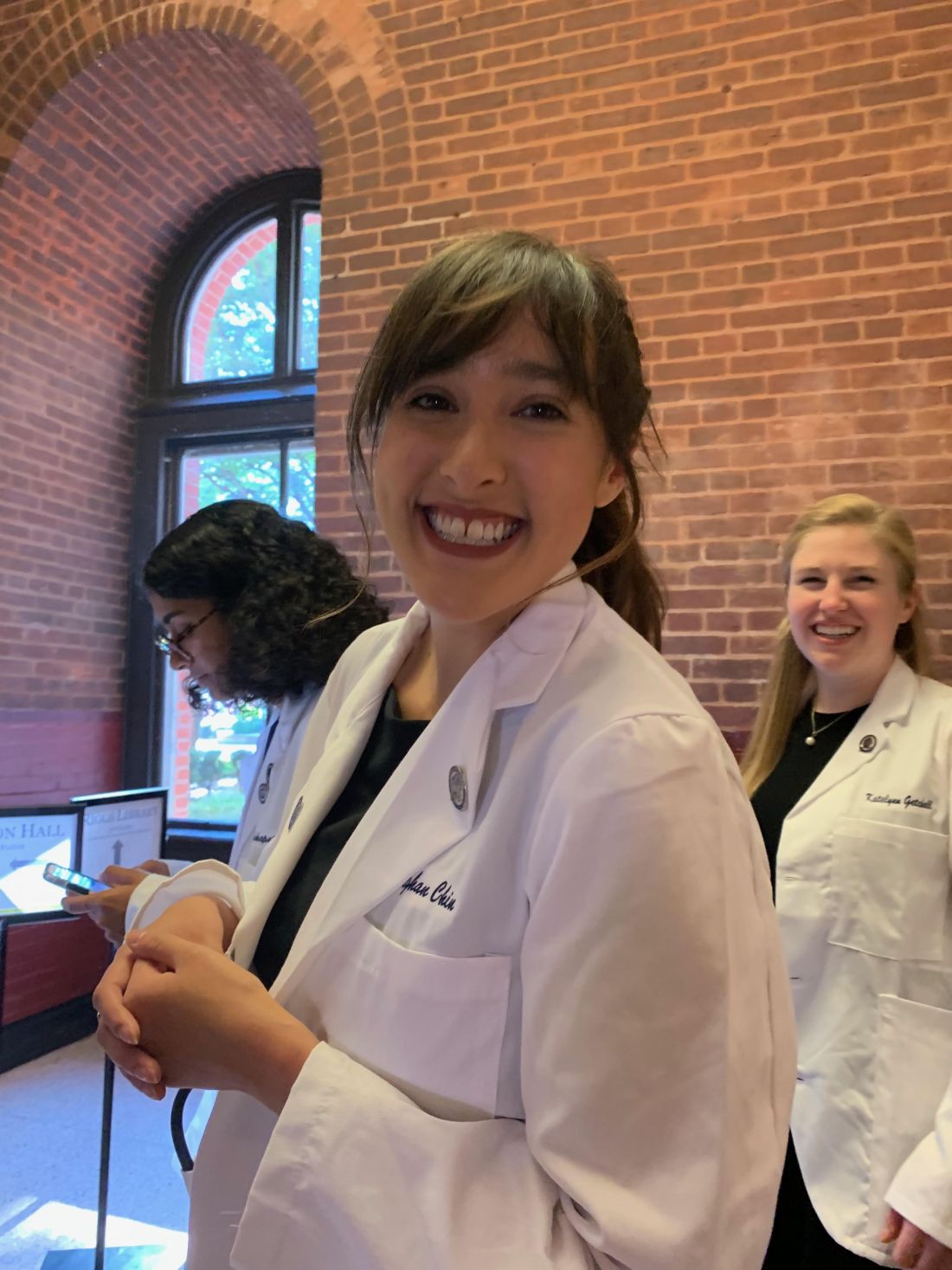
“I was very much a caretaker,” Ms. Chin, now 29, said. “It was everything from helping them get dressed in the morning to getting them to medical appointments.”
During one such visit Ms. Chin got a lesson about how health care looks from the viewpoint of someone with an IDD.
The patient was a woman in her 60s and she was having gastrointestinal issues; symptoms she could have articulated, if asked. “She was perfectly capable of telling a clinician where it hurt, how long she had experienced the problem, and what she had done or not done to alleviate it,” Ms. Chin said.
And of comprehending a response. But she was not given the opportunity.
“She would explain what was going on to the clinician,” Ms. Chin recalled. “And the clinician would turn to me and answer. It was this weird three-way conversation – as if she wasn’t even there in the room with us.”
Ms. Chin was incensed at the rude and disrespectful way the patient had been treated. But her charge didn’t seem upset or surprised. Just resigned. “Sadly, she had become used to this,” Ms. Chin said.
For the young aide, however, the experience was searing. “It didn’t seem right to me,” Ms. Chin said. “That’s why, when I went to medical school, I knew I wanted to do better for this population.”
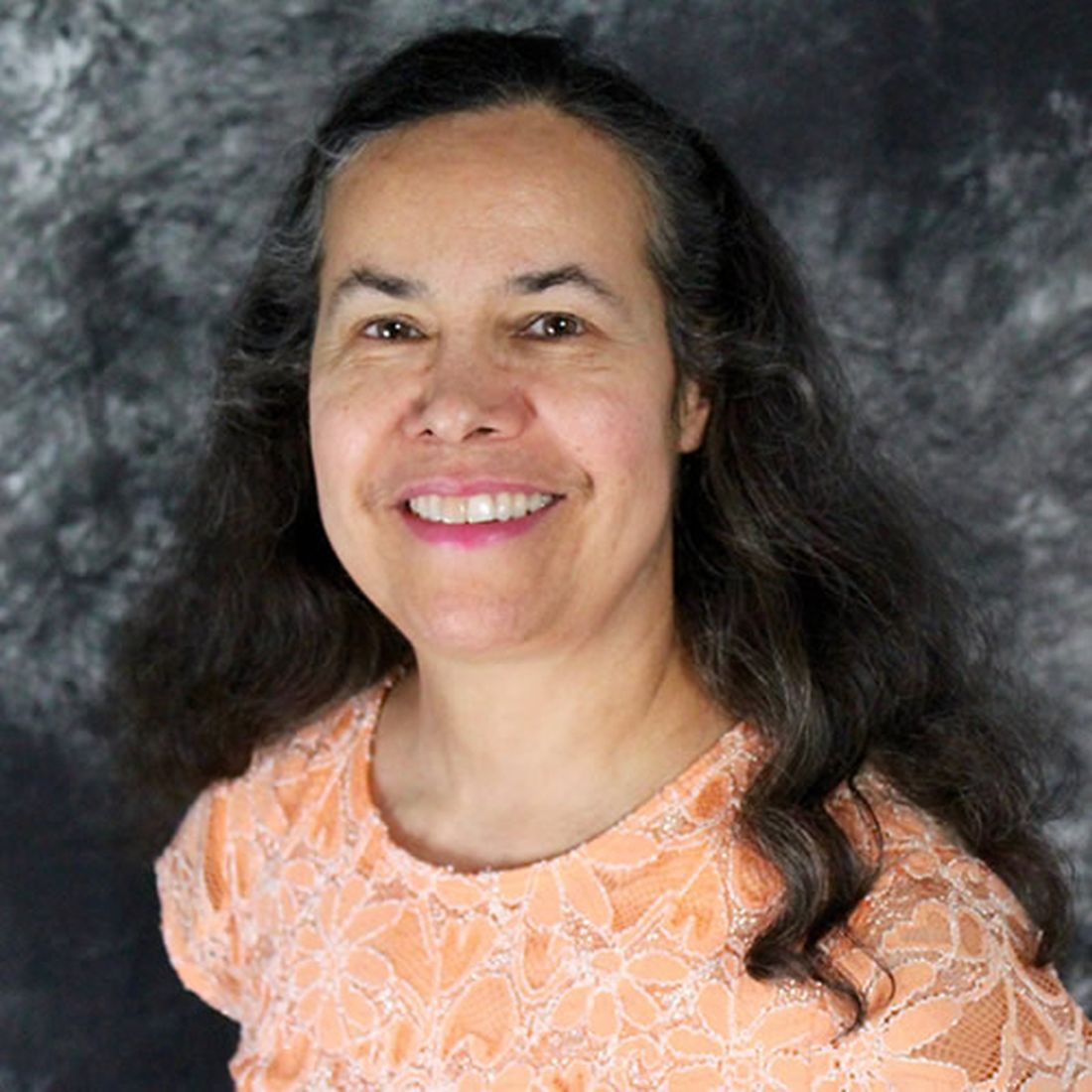
Serendipity led her to Georgetown University, Washington, where she met Kim Bullock, MD, one of the country’s leading advocates for improved health care delivery to those with IDDs.
Dr. Bullock, an associate professor of family medicine, seeks to create better training and educational opportunities for medical students who will likely encounter patients with these disabilities in their practices.
When Dr. Bullock heard Ms. Chin’s story about the patient being ignored, she was not surprised.
“This is not an unusual or unique situation,” said Dr. Bullock, who is also director of Georgetown’s community health division and a faculty member of the university’s Center for Excellence for Developmental Disabilities. “In fact, it’s quite common and is part of what spurred my own interest in educating pre-med and medical students about effective communication techniques, particularly when addressing neurodiverse patients.”
More than 13% of Americans, or roughly 44 million people, have some form of disability, according to the National Institute on Disability at the University of New Hampshire, a figure that does not include those who are institutionalized. The Centers for Disease Control and Prevention estimates that 17% of children aged 3-17 years have a developmental disability.
Even so, many physicians feel ill-prepared to care for disabled patients. A survey of physicians, published in the journal Health Affairs, found that some lacked the resources and training to properly care for patients with disabilities, or that they struggled to coordinate care for such individuals. Some said they did not know which types of accessible equipment, like adjustable tables and chair scales, were needed or how to use them. And some said they actively try to avoid treating patients with disabilities.
Don’t assume
The first step at correcting the problem, Dr. Bullock said, is to not assume that all IDD patients are incapable of communicating. By talking not to the patient but to their caregiver or spouse or child, as the clinician did with Ms. Chin years ago, “we are taking away their agency, their autonomy to speak for and about themselves.”
Change involves altering physicians’ attitudes and assumptions toward this population, through education. But how?
“The medical school curriculum is tight as it is,” Dr. Bullock acknowledged. “There’s a lot of things students have to learn. People wonder: where we will add this?”
Her suggestion: Incorporate IDD all along the way, through programs or experiences that will enable medical students to see such patients “not as something separate, but as people that have special needs just as other populations have.”
Case in point: Operation House Call, a program in Massachusetts designed to support young health care professionals, by building “confidence, interest, and sensitivity” toward individuals with IDD.
Eight medical and allied health schools, including those at Harvard Medical School and Yale School of Nursing, participate in the program, the centerpiece of which is time spent by teams of medical students in the homes of families with neurodiverse members. “It’s transformational,” said Susan Feeney, DNP, NP-C, director of adult gerontology and family nurse practitioner programs at the graduate school of nursing at the University of Massachusetts, Worcester. “They spend a few hours at the homes of these families, have this interaction with them, and journal about their experiences.”
Dr. Feeney described as “transformational” the experience of the students after getting to know these families. “They all come back profoundly changed,” she told this news organization. “As a medical or health care professional, you meet people in an artificial environment of the clinic and hospital. Here, they become human, like you. It takes the stigma away.”
One area of medicine in which this is an exception is pediatrics, where interaction with children with IDD and their families is common – and close. “They’re going to be much more attuned to this,” Dr. Feeney said. “The problem is primary care or internal medicine. Once these children get into their mid and later 20s, and they need a practitioner to talk to about adult concerns.”
And with adulthood come other medical needs, as the physical demands of age fall no less heavily on individuals with IDDs than those without. For example: “Neurodiverse people get pregnant,” Dr. Bullock said. They also can get heart disease as they age; or require the care of a rheumatologist, a neurologist, an orthopedic surgeon, or any other medical specialty.
Generation gap
Fortunately, the next generation of physicians may be more open to this more inclusionary approach toward a widely misunderstood population.
Like Ms. Chin, Sarah Bdeir had experience with this population prior to beginning her training in medicine. She had volunteered at a school for people with IDD.
“It was one of the best experiences I’ve ever had,” Ms. Bdeir, now 23 and a first-year medical student at Wayne State University, Detroit, said. She found that the neurodiverse individuals she worked with had as many abilities as disabilities. “They are capable of learning, but they do it differently,” she said. “You have to adjust to the way they learn. And you have to step out of your own box.”
Ms. Bdeir also heard about Dr. Bullock’s work and is assisting her in a research project on how to better improve nutritional education for people with IDDs. And although she said it may take time for curriculum boards at medical schools to integrate this kind of training into their programs, she believes they will, in part because the rising cohort of medical students today have an eagerness to engage with and learn more about IDD patients.
As does Ms. Chin.
“When I talk to my peers about this, they’re very receptive,” Ms. Chin said. “They want to learn how to better support the IDD population. And they will learn. I believe in my generation of future doctors.”
A version of this article first appeared on Medscape.com.
As an undergraduate student at Northeastern University in Boston, Meghan Chin spent her summers working for a day program in Rhode Island. Her charges were adults with various forms of intellectual and developmental disabilities (IDD).
“I was very much a caretaker,” Ms. Chin, now 29, said. “It was everything from helping them get dressed in the morning to getting them to medical appointments.”
During one such visit Ms. Chin got a lesson about how health care looks from the viewpoint of someone with an IDD.
The patient was a woman in her 60s and she was having gastrointestinal issues; symptoms she could have articulated, if asked. “She was perfectly capable of telling a clinician where it hurt, how long she had experienced the problem, and what she had done or not done to alleviate it,” Ms. Chin said.
And of comprehending a response. But she was not given the opportunity.
“She would explain what was going on to the clinician,” Ms. Chin recalled. “And the clinician would turn to me and answer. It was this weird three-way conversation – as if she wasn’t even there in the room with us.”
Ms. Chin was incensed at the rude and disrespectful way the patient had been treated. But her charge didn’t seem upset or surprised. Just resigned. “Sadly, she had become used to this,” Ms. Chin said.
For the young aide, however, the experience was searing. “It didn’t seem right to me,” Ms. Chin said. “That’s why, when I went to medical school, I knew I wanted to do better for this population.”
Serendipity led her to Georgetown University, Washington, where she met Kim Bullock, MD, one of the country’s leading advocates for improved health care delivery to those with IDDs.
Dr. Bullock, an associate professor of family medicine, seeks to create better training and educational opportunities for medical students who will likely encounter patients with these disabilities in their practices.
When Dr. Bullock heard Ms. Chin’s story about the patient being ignored, she was not surprised.
“This is not an unusual or unique situation,” said Dr. Bullock, who is also director of Georgetown’s community health division and a faculty member of the university’s Center for Excellence for Developmental Disabilities. “In fact, it’s quite common and is part of what spurred my own interest in educating pre-med and medical students about effective communication techniques, particularly when addressing neurodiverse patients.”
More than 13% of Americans, or roughly 44 million people, have some form of disability, according to the National Institute on Disability at the University of New Hampshire, a figure that does not include those who are institutionalized. The Centers for Disease Control and Prevention estimates that 17% of children aged 3-17 years have a developmental disability.
Even so, many physicians feel ill-prepared to care for disabled patients. A survey of physicians, published in the journal Health Affairs, found that some lacked the resources and training to properly care for patients with disabilities, or that they struggled to coordinate care for such individuals. Some said they did not know which types of accessible equipment, like adjustable tables and chair scales, were needed or how to use them. And some said they actively try to avoid treating patients with disabilities.
Don’t assume
The first step at correcting the problem, Dr. Bullock said, is to not assume that all IDD patients are incapable of communicating. By talking not to the patient but to their caregiver or spouse or child, as the clinician did with Ms. Chin years ago, “we are taking away their agency, their autonomy to speak for and about themselves.”
Change involves altering physicians’ attitudes and assumptions toward this population, through education. But how?
“The medical school curriculum is tight as it is,” Dr. Bullock acknowledged. “There’s a lot of things students have to learn. People wonder: where we will add this?”
Her suggestion: Incorporate IDD all along the way, through programs or experiences that will enable medical students to see such patients “not as something separate, but as people that have special needs just as other populations have.”
Case in point: Operation House Call, a program in Massachusetts designed to support young health care professionals, by building “confidence, interest, and sensitivity” toward individuals with IDD.
Eight medical and allied health schools, including those at Harvard Medical School and Yale School of Nursing, participate in the program, the centerpiece of which is time spent by teams of medical students in the homes of families with neurodiverse members. “It’s transformational,” said Susan Feeney, DNP, NP-C, director of adult gerontology and family nurse practitioner programs at the graduate school of nursing at the University of Massachusetts, Worcester. “They spend a few hours at the homes of these families, have this interaction with them, and journal about their experiences.”
Dr. Feeney described as “transformational” the experience of the students after getting to know these families. “They all come back profoundly changed,” she told this news organization. “As a medical or health care professional, you meet people in an artificial environment of the clinic and hospital. Here, they become human, like you. It takes the stigma away.”
One area of medicine in which this is an exception is pediatrics, where interaction with children with IDD and their families is common – and close. “They’re going to be much more attuned to this,” Dr. Feeney said. “The problem is primary care or internal medicine. Once these children get into their mid and later 20s, and they need a practitioner to talk to about adult concerns.”
And with adulthood come other medical needs, as the physical demands of age fall no less heavily on individuals with IDDs than those without. For example: “Neurodiverse people get pregnant,” Dr. Bullock said. They also can get heart disease as they age; or require the care of a rheumatologist, a neurologist, an orthopedic surgeon, or any other medical specialty.
Generation gap
Fortunately, the next generation of physicians may be more open to this more inclusionary approach toward a widely misunderstood population.
Like Ms. Chin, Sarah Bdeir had experience with this population prior to beginning her training in medicine. She had volunteered at a school for people with IDD.
“It was one of the best experiences I’ve ever had,” Ms. Bdeir, now 23 and a first-year medical student at Wayne State University, Detroit, said. She found that the neurodiverse individuals she worked with had as many abilities as disabilities. “They are capable of learning, but they do it differently,” she said. “You have to adjust to the way they learn. And you have to step out of your own box.”
Ms. Bdeir also heard about Dr. Bullock’s work and is assisting her in a research project on how to better improve nutritional education for people with IDDs. And although she said it may take time for curriculum boards at medical schools to integrate this kind of training into their programs, she believes they will, in part because the rising cohort of medical students today have an eagerness to engage with and learn more about IDD patients.
As does Ms. Chin.
“When I talk to my peers about this, they’re very receptive,” Ms. Chin said. “They want to learn how to better support the IDD population. And they will learn. I believe in my generation of future doctors.”
A version of this article first appeared on Medscape.com.
As an undergraduate student at Northeastern University in Boston, Meghan Chin spent her summers working for a day program in Rhode Island. Her charges were adults with various forms of intellectual and developmental disabilities (IDD).
“I was very much a caretaker,” Ms. Chin, now 29, said. “It was everything from helping them get dressed in the morning to getting them to medical appointments.”
During one such visit Ms. Chin got a lesson about how health care looks from the viewpoint of someone with an IDD.
The patient was a woman in her 60s and she was having gastrointestinal issues; symptoms she could have articulated, if asked. “She was perfectly capable of telling a clinician where it hurt, how long she had experienced the problem, and what she had done or not done to alleviate it,” Ms. Chin said.
And of comprehending a response. But she was not given the opportunity.
“She would explain what was going on to the clinician,” Ms. Chin recalled. “And the clinician would turn to me and answer. It was this weird three-way conversation – as if she wasn’t even there in the room with us.”
Ms. Chin was incensed at the rude and disrespectful way the patient had been treated. But her charge didn’t seem upset or surprised. Just resigned. “Sadly, she had become used to this,” Ms. Chin said.
For the young aide, however, the experience was searing. “It didn’t seem right to me,” Ms. Chin said. “That’s why, when I went to medical school, I knew I wanted to do better for this population.”
Serendipity led her to Georgetown University, Washington, where she met Kim Bullock, MD, one of the country’s leading advocates for improved health care delivery to those with IDDs.
Dr. Bullock, an associate professor of family medicine, seeks to create better training and educational opportunities for medical students who will likely encounter patients with these disabilities in their practices.
When Dr. Bullock heard Ms. Chin’s story about the patient being ignored, she was not surprised.
“This is not an unusual or unique situation,” said Dr. Bullock, who is also director of Georgetown’s community health division and a faculty member of the university’s Center for Excellence for Developmental Disabilities. “In fact, it’s quite common and is part of what spurred my own interest in educating pre-med and medical students about effective communication techniques, particularly when addressing neurodiverse patients.”
More than 13% of Americans, or roughly 44 million people, have some form of disability, according to the National Institute on Disability at the University of New Hampshire, a figure that does not include those who are institutionalized. The Centers for Disease Control and Prevention estimates that 17% of children aged 3-17 years have a developmental disability.
Even so, many physicians feel ill-prepared to care for disabled patients. A survey of physicians, published in the journal Health Affairs, found that some lacked the resources and training to properly care for patients with disabilities, or that they struggled to coordinate care for such individuals. Some said they did not know which types of accessible equipment, like adjustable tables and chair scales, were needed or how to use them. And some said they actively try to avoid treating patients with disabilities.
Don’t assume
The first step at correcting the problem, Dr. Bullock said, is to not assume that all IDD patients are incapable of communicating. By talking not to the patient but to their caregiver or spouse or child, as the clinician did with Ms. Chin years ago, “we are taking away their agency, their autonomy to speak for and about themselves.”
Change involves altering physicians’ attitudes and assumptions toward this population, through education. But how?
“The medical school curriculum is tight as it is,” Dr. Bullock acknowledged. “There’s a lot of things students have to learn. People wonder: where we will add this?”
Her suggestion: Incorporate IDD all along the way, through programs or experiences that will enable medical students to see such patients “not as something separate, but as people that have special needs just as other populations have.”
Case in point: Operation House Call, a program in Massachusetts designed to support young health care professionals, by building “confidence, interest, and sensitivity” toward individuals with IDD.
Eight medical and allied health schools, including those at Harvard Medical School and Yale School of Nursing, participate in the program, the centerpiece of which is time spent by teams of medical students in the homes of families with neurodiverse members. “It’s transformational,” said Susan Feeney, DNP, NP-C, director of adult gerontology and family nurse practitioner programs at the graduate school of nursing at the University of Massachusetts, Worcester. “They spend a few hours at the homes of these families, have this interaction with them, and journal about their experiences.”
Dr. Feeney described as “transformational” the experience of the students after getting to know these families. “They all come back profoundly changed,” she told this news organization. “As a medical or health care professional, you meet people in an artificial environment of the clinic and hospital. Here, they become human, like you. It takes the stigma away.”
One area of medicine in which this is an exception is pediatrics, where interaction with children with IDD and their families is common – and close. “They’re going to be much more attuned to this,” Dr. Feeney said. “The problem is primary care or internal medicine. Once these children get into their mid and later 20s, and they need a practitioner to talk to about adult concerns.”
And with adulthood come other medical needs, as the physical demands of age fall no less heavily on individuals with IDDs than those without. For example: “Neurodiverse people get pregnant,” Dr. Bullock said. They also can get heart disease as they age; or require the care of a rheumatologist, a neurologist, an orthopedic surgeon, or any other medical specialty.
Generation gap
Fortunately, the next generation of physicians may be more open to this more inclusionary approach toward a widely misunderstood population.
Like Ms. Chin, Sarah Bdeir had experience with this population prior to beginning her training in medicine. She had volunteered at a school for people with IDD.
“It was one of the best experiences I’ve ever had,” Ms. Bdeir, now 23 and a first-year medical student at Wayne State University, Detroit, said. She found that the neurodiverse individuals she worked with had as many abilities as disabilities. “They are capable of learning, but they do it differently,” she said. “You have to adjust to the way they learn. And you have to step out of your own box.”
Ms. Bdeir also heard about Dr. Bullock’s work and is assisting her in a research project on how to better improve nutritional education for people with IDDs. And although she said it may take time for curriculum boards at medical schools to integrate this kind of training into their programs, she believes they will, in part because the rising cohort of medical students today have an eagerness to engage with and learn more about IDD patients.
As does Ms. Chin.
“When I talk to my peers about this, they’re very receptive,” Ms. Chin said. “They want to learn how to better support the IDD population. And they will learn. I believe in my generation of future doctors.”
A version of this article first appeared on Medscape.com.
Listen up: Birdsong may calm anxiety, paranoia
Investigators found that people who listened to recordings of birds singing experienced a significant reduction in anxiety and paranoia. In contrast, the researchers also found that recordings of traffic noises, including car engines, sirens, and construction, increased depressive states.
“The results suggest that it may be worthwhile to investigate the targeted use of natural sounds such as birdsong in a clinical setting – for example, in hospital waiting rooms or in psychiatric settings,” study investigator Emil Stobbe, MSc, a predoctoral fellow at the Max Planck Institute for Human Development, Berlin, said in an interview.
“If someone is seeking an easily accessible intervention to lower distress, listening to an audio clip of birds singing might be a great option,” he added.
The study was published online in Scientific Reports.
Nature’s calming effect
The aim of the research was “to investigate how the physical environment impact brain and mental health,” Mr. Stobbe said.
Mr. Stobbe said that there is significantly more research examining visual properties of the physical environment but that the auditory domain is not as well researched, although, he added, that the beneficial effects of interactions with nature are “well studied.”
He noted that anxiety and paranoia can be experienced by many individuals even though they may be unaware that they are experiencing these states.
“We wanted to investigate if the beneficial effects of nature can also exert their impact on these states. In theory, birds can be representational for natural and vital environment, which, in turn, transfer the positive effects of nature on birdsong listeners,” he said.
A previous study compared nature versus city soundscape conditions and showed that the nature soundscape improved participants’ cognitive performance but did not improve mood. The present study added diversity to the soundscapes and focused not only on cognition and general mood but also on state paranoia, “which can be measured in a change-sensitive manner” and “has been shown to increase in response to traffic noise.”
The researchers hypothesized that birdsong would have a greater beneficial effect on mood and paranoia and on cognitive performance compared with traffic noise. They also investigated whether greater versus lower diversity of bird species or noise sources within the soundscapes “would be a relevant factor modulating the effects.”
The researchers recruited participants (n = 295) from a crowdsourcing platform. Participants’ mean age was late 20s (standard deviations ranged from 6.30 to 7.72), with a greater proportion of male versus female participants.
To be included, participants were required to have no history of mental illness, hearing difficulties, substance/drug intake, or suicidal thoughts/tendencies.
The outcomes of interest (mood, paranoia, cognitive performance) were measured before and after soundscape exposure and each soundscape had a low- versus high-diversity version. This resulted in several analyses that compared two types of sounds (birdsongs vs. traffic noise) x two levels of diversity (low vs. high diversity) and two time points (pre- vs. post exposure).
The exposure to sounds lasted for 6 minutes, after which they were asked to report (on a 0-100 visual scale) how diverse/monotone, beautiful, and pleasant they perceived the soundscape to be.
Reduction in depressive symptoms
Participants were divided into four groups: low-diversity traffic noise soundscape (n = 83), high-diversity traffic noise soundscape (n = 60), low-diversity birdsong soundscape (n = 63), and high-diversity birdsong soundscape (n = 80)
In addition to listening to the sounds, participants completed questionnaires measuring mood (depression and anxiety) and paranoia as well as a test of digit span cognitive performance (both the forward and the backward versions).
The type, diversity, and type x diversity all revealed significant effect sizes (F[3, 276] = 78.6; P < .001; eta-squared = 0.461; F[3, 276] = 3.16; P = .025; eta-squared = 0.033; and F[3, 276] = 2.66; P = .028, respectively), “suggesting that all of these factors, as well as their interaction, had a significant impact on the perception of soundscapes (that is, ratings on monotony/diversity, beauty, and pleasantness).”
A post hoc examination showed that depressive symptoms significantly increased within the low- and high-diversity urban soundscapes but decreased significantly in the high-diversity birdsong soundscapes (T[1, 60] = –2.57; P = .012; d = –0.29).
For anxiety, the post hoc within-group analyses found no effects within low- and high-diversity traffic noise conditions (T[1, 82] = –1.37; P = .174; d = –0.15 and T[1, 68] = 0.49; P = .629; d = 0.06, respectively). By contrast, there were significant declines in both birdsong conditions (low diversity: T[1, 62] = –6.13; P < .001; d = –0.77; high diversity: T[1, 60] = –6.32; P < .001; d = –0.70).
Similarly, there were no changes in participants with paranoia when they listened to either low- or high-diversity traffic noises (T[1, 82] = –0.55; P = .583; d = –0.06 and T[1, 68] = 0.67; P = .507; d = 0.08, respectively). On the other hand, both birdsong conditions yielded reductions in paranoia (low diversity: T[1, 62] = –5.90; P < .001; d = –0.74; high diversity: T[1, 60] = –4.11; P < .001; d = –0.46).
None of the soundscapes had any effect on cognition.
“In theory, birds can be representational for natural and vital environments which, in turn, transfer the positive effects of nature on birdsong listeners,” said Mr. Stobbe.
“Taken together, the findings of the current study provide another facet of why interactions with nature can be beneficial for our mental health, and it is highly important to preserve nature,” he added.
Mr. Stobbe said that future research should focus on investigating mixed soundscapes including examining whether the presence of natural sounds in urban settings lower stressors such as traffic noise.
An understudied area
Commenting for this article, Ken Duckworth, MD, chief medical officer of the National Alliance on Mental Illness called the study “interesting but limited.”
Dr. Duckworth, who was not involved in the research said that the “benefits of nature are understudied” and agreed with the investigators that it is potentially important to study the use of birdsongs in psychiatric facilities. “Future studies could also correlate the role of birdsong with the mental health benefits/aspects of ‘being in nature,’ which has been found to have some effect.”
Open Access funding was enabled and organized by Projekt DEAL. The authors and Dr. Duckworth declared no competing interests.
A version of this article first appeared on Medscape.com.
Investigators found that people who listened to recordings of birds singing experienced a significant reduction in anxiety and paranoia. In contrast, the researchers also found that recordings of traffic noises, including car engines, sirens, and construction, increased depressive states.
“The results suggest that it may be worthwhile to investigate the targeted use of natural sounds such as birdsong in a clinical setting – for example, in hospital waiting rooms or in psychiatric settings,” study investigator Emil Stobbe, MSc, a predoctoral fellow at the Max Planck Institute for Human Development, Berlin, said in an interview.
“If someone is seeking an easily accessible intervention to lower distress, listening to an audio clip of birds singing might be a great option,” he added.
The study was published online in Scientific Reports.
Nature’s calming effect
The aim of the research was “to investigate how the physical environment impact brain and mental health,” Mr. Stobbe said.
Mr. Stobbe said that there is significantly more research examining visual properties of the physical environment but that the auditory domain is not as well researched, although, he added, that the beneficial effects of interactions with nature are “well studied.”
He noted that anxiety and paranoia can be experienced by many individuals even though they may be unaware that they are experiencing these states.
“We wanted to investigate if the beneficial effects of nature can also exert their impact on these states. In theory, birds can be representational for natural and vital environment, which, in turn, transfer the positive effects of nature on birdsong listeners,” he said.
A previous study compared nature versus city soundscape conditions and showed that the nature soundscape improved participants’ cognitive performance but did not improve mood. The present study added diversity to the soundscapes and focused not only on cognition and general mood but also on state paranoia, “which can be measured in a change-sensitive manner” and “has been shown to increase in response to traffic noise.”
The researchers hypothesized that birdsong would have a greater beneficial effect on mood and paranoia and on cognitive performance compared with traffic noise. They also investigated whether greater versus lower diversity of bird species or noise sources within the soundscapes “would be a relevant factor modulating the effects.”
The researchers recruited participants (n = 295) from a crowdsourcing platform. Participants’ mean age was late 20s (standard deviations ranged from 6.30 to 7.72), with a greater proportion of male versus female participants.
To be included, participants were required to have no history of mental illness, hearing difficulties, substance/drug intake, or suicidal thoughts/tendencies.
The outcomes of interest (mood, paranoia, cognitive performance) were measured before and after soundscape exposure and each soundscape had a low- versus high-diversity version. This resulted in several analyses that compared two types of sounds (birdsongs vs. traffic noise) x two levels of diversity (low vs. high diversity) and two time points (pre- vs. post exposure).
The exposure to sounds lasted for 6 minutes, after which they were asked to report (on a 0-100 visual scale) how diverse/monotone, beautiful, and pleasant they perceived the soundscape to be.
Reduction in depressive symptoms
Participants were divided into four groups: low-diversity traffic noise soundscape (n = 83), high-diversity traffic noise soundscape (n = 60), low-diversity birdsong soundscape (n = 63), and high-diversity birdsong soundscape (n = 80)
In addition to listening to the sounds, participants completed questionnaires measuring mood (depression and anxiety) and paranoia as well as a test of digit span cognitive performance (both the forward and the backward versions).
The type, diversity, and type x diversity all revealed significant effect sizes (F[3, 276] = 78.6; P < .001; eta-squared = 0.461; F[3, 276] = 3.16; P = .025; eta-squared = 0.033; and F[3, 276] = 2.66; P = .028, respectively), “suggesting that all of these factors, as well as their interaction, had a significant impact on the perception of soundscapes (that is, ratings on monotony/diversity, beauty, and pleasantness).”
A post hoc examination showed that depressive symptoms significantly increased within the low- and high-diversity urban soundscapes but decreased significantly in the high-diversity birdsong soundscapes (T[1, 60] = –2.57; P = .012; d = –0.29).
For anxiety, the post hoc within-group analyses found no effects within low- and high-diversity traffic noise conditions (T[1, 82] = –1.37; P = .174; d = –0.15 and T[1, 68] = 0.49; P = .629; d = 0.06, respectively). By contrast, there were significant declines in both birdsong conditions (low diversity: T[1, 62] = –6.13; P < .001; d = –0.77; high diversity: T[1, 60] = –6.32; P < .001; d = –0.70).
Similarly, there were no changes in participants with paranoia when they listened to either low- or high-diversity traffic noises (T[1, 82] = –0.55; P = .583; d = –0.06 and T[1, 68] = 0.67; P = .507; d = 0.08, respectively). On the other hand, both birdsong conditions yielded reductions in paranoia (low diversity: T[1, 62] = –5.90; P < .001; d = –0.74; high diversity: T[1, 60] = –4.11; P < .001; d = –0.46).
None of the soundscapes had any effect on cognition.
“In theory, birds can be representational for natural and vital environments which, in turn, transfer the positive effects of nature on birdsong listeners,” said Mr. Stobbe.
“Taken together, the findings of the current study provide another facet of why interactions with nature can be beneficial for our mental health, and it is highly important to preserve nature,” he added.
Mr. Stobbe said that future research should focus on investigating mixed soundscapes including examining whether the presence of natural sounds in urban settings lower stressors such as traffic noise.
An understudied area
Commenting for this article, Ken Duckworth, MD, chief medical officer of the National Alliance on Mental Illness called the study “interesting but limited.”
Dr. Duckworth, who was not involved in the research said that the “benefits of nature are understudied” and agreed with the investigators that it is potentially important to study the use of birdsongs in psychiatric facilities. “Future studies could also correlate the role of birdsong with the mental health benefits/aspects of ‘being in nature,’ which has been found to have some effect.”
Open Access funding was enabled and organized by Projekt DEAL. The authors and Dr. Duckworth declared no competing interests.
A version of this article first appeared on Medscape.com.
Investigators found that people who listened to recordings of birds singing experienced a significant reduction in anxiety and paranoia. In contrast, the researchers also found that recordings of traffic noises, including car engines, sirens, and construction, increased depressive states.
“The results suggest that it may be worthwhile to investigate the targeted use of natural sounds such as birdsong in a clinical setting – for example, in hospital waiting rooms or in psychiatric settings,” study investigator Emil Stobbe, MSc, a predoctoral fellow at the Max Planck Institute for Human Development, Berlin, said in an interview.
“If someone is seeking an easily accessible intervention to lower distress, listening to an audio clip of birds singing might be a great option,” he added.
The study was published online in Scientific Reports.
Nature’s calming effect
The aim of the research was “to investigate how the physical environment impact brain and mental health,” Mr. Stobbe said.
Mr. Stobbe said that there is significantly more research examining visual properties of the physical environment but that the auditory domain is not as well researched, although, he added, that the beneficial effects of interactions with nature are “well studied.”
He noted that anxiety and paranoia can be experienced by many individuals even though they may be unaware that they are experiencing these states.
“We wanted to investigate if the beneficial effects of nature can also exert their impact on these states. In theory, birds can be representational for natural and vital environment, which, in turn, transfer the positive effects of nature on birdsong listeners,” he said.
A previous study compared nature versus city soundscape conditions and showed that the nature soundscape improved participants’ cognitive performance but did not improve mood. The present study added diversity to the soundscapes and focused not only on cognition and general mood but also on state paranoia, “which can be measured in a change-sensitive manner” and “has been shown to increase in response to traffic noise.”
The researchers hypothesized that birdsong would have a greater beneficial effect on mood and paranoia and on cognitive performance compared with traffic noise. They also investigated whether greater versus lower diversity of bird species or noise sources within the soundscapes “would be a relevant factor modulating the effects.”
The researchers recruited participants (n = 295) from a crowdsourcing platform. Participants’ mean age was late 20s (standard deviations ranged from 6.30 to 7.72), with a greater proportion of male versus female participants.
To be included, participants were required to have no history of mental illness, hearing difficulties, substance/drug intake, or suicidal thoughts/tendencies.
The outcomes of interest (mood, paranoia, cognitive performance) were measured before and after soundscape exposure and each soundscape had a low- versus high-diversity version. This resulted in several analyses that compared two types of sounds (birdsongs vs. traffic noise) x two levels of diversity (low vs. high diversity) and two time points (pre- vs. post exposure).
The exposure to sounds lasted for 6 minutes, after which they were asked to report (on a 0-100 visual scale) how diverse/monotone, beautiful, and pleasant they perceived the soundscape to be.
Reduction in depressive symptoms
Participants were divided into four groups: low-diversity traffic noise soundscape (n = 83), high-diversity traffic noise soundscape (n = 60), low-diversity birdsong soundscape (n = 63), and high-diversity birdsong soundscape (n = 80)
In addition to listening to the sounds, participants completed questionnaires measuring mood (depression and anxiety) and paranoia as well as a test of digit span cognitive performance (both the forward and the backward versions).
The type, diversity, and type x diversity all revealed significant effect sizes (F[3, 276] = 78.6; P < .001; eta-squared = 0.461; F[3, 276] = 3.16; P = .025; eta-squared = 0.033; and F[3, 276] = 2.66; P = .028, respectively), “suggesting that all of these factors, as well as their interaction, had a significant impact on the perception of soundscapes (that is, ratings on monotony/diversity, beauty, and pleasantness).”
A post hoc examination showed that depressive symptoms significantly increased within the low- and high-diversity urban soundscapes but decreased significantly in the high-diversity birdsong soundscapes (T[1, 60] = –2.57; P = .012; d = –0.29).
For anxiety, the post hoc within-group analyses found no effects within low- and high-diversity traffic noise conditions (T[1, 82] = –1.37; P = .174; d = –0.15 and T[1, 68] = 0.49; P = .629; d = 0.06, respectively). By contrast, there were significant declines in both birdsong conditions (low diversity: T[1, 62] = –6.13; P < .001; d = –0.77; high diversity: T[1, 60] = –6.32; P < .001; d = –0.70).
Similarly, there were no changes in participants with paranoia when they listened to either low- or high-diversity traffic noises (T[1, 82] = –0.55; P = .583; d = –0.06 and T[1, 68] = 0.67; P = .507; d = 0.08, respectively). On the other hand, both birdsong conditions yielded reductions in paranoia (low diversity: T[1, 62] = –5.90; P < .001; d = –0.74; high diversity: T[1, 60] = –4.11; P < .001; d = –0.46).
None of the soundscapes had any effect on cognition.
“In theory, birds can be representational for natural and vital environments which, in turn, transfer the positive effects of nature on birdsong listeners,” said Mr. Stobbe.
“Taken together, the findings of the current study provide another facet of why interactions with nature can be beneficial for our mental health, and it is highly important to preserve nature,” he added.
Mr. Stobbe said that future research should focus on investigating mixed soundscapes including examining whether the presence of natural sounds in urban settings lower stressors such as traffic noise.
An understudied area
Commenting for this article, Ken Duckworth, MD, chief medical officer of the National Alliance on Mental Illness called the study “interesting but limited.”
Dr. Duckworth, who was not involved in the research said that the “benefits of nature are understudied” and agreed with the investigators that it is potentially important to study the use of birdsongs in psychiatric facilities. “Future studies could also correlate the role of birdsong with the mental health benefits/aspects of ‘being in nature,’ which has been found to have some effect.”
Open Access funding was enabled and organized by Projekt DEAL. The authors and Dr. Duckworth declared no competing interests.
A version of this article first appeared on Medscape.com.
FROM SCIENTIFIC REPORTS
Impaired communication predicts coercive inpatient psychiatric care
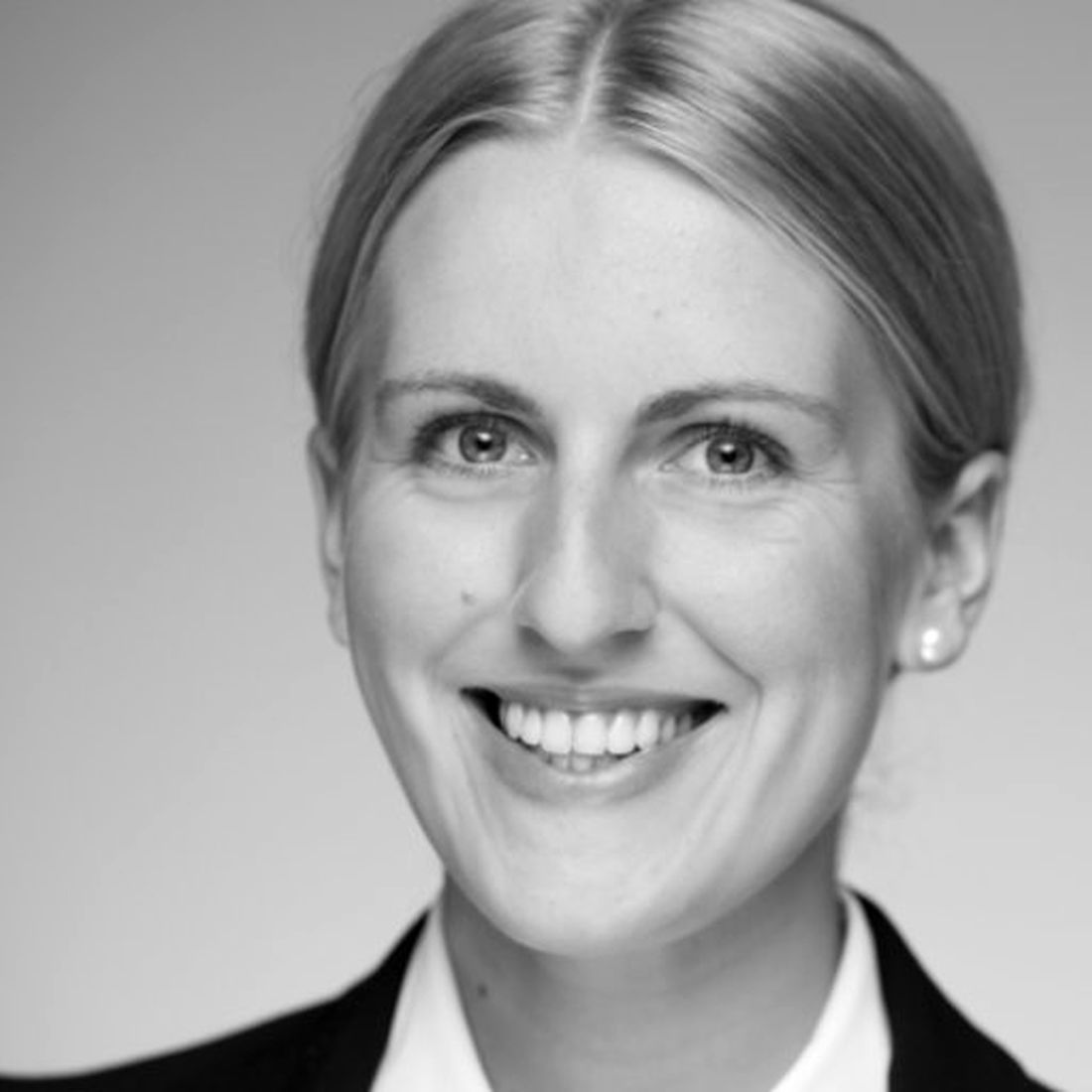
Despite improvements in reducing coercive measures in psychiatric inpatient care, both involuntary admission and coercive measures remain in use in many countries worldwide, wrote Celline Cole, MSc, a doctoral candidate at Charité Universitätsmedizin, Berlin, and colleagues. Such measures are considered “severe violations of a person’s rights to self-determination and personal freedom,” they wrote.
Previous studies have identified characteristics that increase the risk of involuntary inpatient admission, but the association between patients’ communication ability and coercive measures has not been explored, they noted.
In a study published in the Journal of Psychiatric Research, the investigators reviewed data from 1,556 adults who were admitted to psychiatric inpatient care at a single center in Germany in 2019. Patients’ communication ability was defined and recorded as one of the following: perfect; limited because of language or other reasons; or impossible because of language or other reasons (no communication).
Overall, 23% of patients were admitted involuntarily; the most common reasons for referral to inpatient care in the study population were physical aggression against individuals (8%) or objects (4%), and verbal aggression (7%). A total of 1,085 patients (70%) were able or willing to communicate.
Patients with limited or no communication ability because of language issues were three to four times more likely to be admitted involuntarily (odds ratios, 3.08 and 4.02, respectively), while those with limited or no communication ability because of nonlanguage issues were even more likely to be admitted involuntarily (ORs, 3.10 and 13.71, respectively), compared with patients without communication problems.
Patients with limited communication ability because of language issues also were significantly more likely than those without communication issues to experience coercive measures (OR, 4.53), as were patients with either limited or no communication ability because of no-language issues (ORs, 1.58 and 3.55, respectively).
Involuntary admission was defined as provisional detention, detention initiated by the patient’s legal guardian followed by a court order, or detention by court order “according to the Mental Health Law of the State of Berlin,” the researchers said. The average length of inpatient stay was 19 days. The age of the patients ranged from 18 to 96 years, with a mean age of 41.5 years, and 63% identified as male. Approximately two-thirds (62%) were unemployed or job-seeking during their treatment period, 38% were living alone, and 17% were homeless.
Although most of the study population (84%) was of German nationality, nearly half (48%) had a first- or second-generation migration background, the researchers noted.
“When thinking about effectively targeting this issue it is crucial to consider the different reasons why patients are limited in their ability to communicate,” the researchers wrote in their discussion. “Considering the rising numbers of refugees and persons with a migration background in Germany and many other countries worldwide, it is likely that more and more individuals with a language barrier will present at psychiatric emergency rooms,” they emphasized.
The findings were limited by several factors including the retrospective design, the relatively small number of patients with limitations or complete inability to communicate, and the use of data from a single hospital, and the incomplete data on nonlanguage reasons for limited or no communication ability, the researchers noted. Future studies should include more complete measures for recording these reasons, and data on forced medication, they added.
However, the results were strengthened by the range of sociodemographic, clinical, and admission-related variables in a large and representative sample, and highlight the need for appropriate interventions for patients with communication challenges, they said.
“Adequate financial and human resources need to be allocated to psychiatric hospitals that allow for high quality, available, and accessible interpretation services as well as mobilization of patients’ support networks during and after admission,” they concluded.
The study received no outside funding. The researchers had no financial conflicts to disclose.
Despite improvements in reducing coercive measures in psychiatric inpatient care, both involuntary admission and coercive measures remain in use in many countries worldwide, wrote Celline Cole, MSc, a doctoral candidate at Charité Universitätsmedizin, Berlin, and colleagues. Such measures are considered “severe violations of a person’s rights to self-determination and personal freedom,” they wrote.
Previous studies have identified characteristics that increase the risk of involuntary inpatient admission, but the association between patients’ communication ability and coercive measures has not been explored, they noted.
In a study published in the Journal of Psychiatric Research, the investigators reviewed data from 1,556 adults who were admitted to psychiatric inpatient care at a single center in Germany in 2019. Patients’ communication ability was defined and recorded as one of the following: perfect; limited because of language or other reasons; or impossible because of language or other reasons (no communication).
Overall, 23% of patients were admitted involuntarily; the most common reasons for referral to inpatient care in the study population were physical aggression against individuals (8%) or objects (4%), and verbal aggression (7%). A total of 1,085 patients (70%) were able or willing to communicate.
Patients with limited or no communication ability because of language issues were three to four times more likely to be admitted involuntarily (odds ratios, 3.08 and 4.02, respectively), while those with limited or no communication ability because of nonlanguage issues were even more likely to be admitted involuntarily (ORs, 3.10 and 13.71, respectively), compared with patients without communication problems.
Patients with limited communication ability because of language issues also were significantly more likely than those without communication issues to experience coercive measures (OR, 4.53), as were patients with either limited or no communication ability because of no-language issues (ORs, 1.58 and 3.55, respectively).
Involuntary admission was defined as provisional detention, detention initiated by the patient’s legal guardian followed by a court order, or detention by court order “according to the Mental Health Law of the State of Berlin,” the researchers said. The average length of inpatient stay was 19 days. The age of the patients ranged from 18 to 96 years, with a mean age of 41.5 years, and 63% identified as male. Approximately two-thirds (62%) were unemployed or job-seeking during their treatment period, 38% were living alone, and 17% were homeless.
Although most of the study population (84%) was of German nationality, nearly half (48%) had a first- or second-generation migration background, the researchers noted.
“When thinking about effectively targeting this issue it is crucial to consider the different reasons why patients are limited in their ability to communicate,” the researchers wrote in their discussion. “Considering the rising numbers of refugees and persons with a migration background in Germany and many other countries worldwide, it is likely that more and more individuals with a language barrier will present at psychiatric emergency rooms,” they emphasized.
The findings were limited by several factors including the retrospective design, the relatively small number of patients with limitations or complete inability to communicate, and the use of data from a single hospital, and the incomplete data on nonlanguage reasons for limited or no communication ability, the researchers noted. Future studies should include more complete measures for recording these reasons, and data on forced medication, they added.
However, the results were strengthened by the range of sociodemographic, clinical, and admission-related variables in a large and representative sample, and highlight the need for appropriate interventions for patients with communication challenges, they said.
“Adequate financial and human resources need to be allocated to psychiatric hospitals that allow for high quality, available, and accessible interpretation services as well as mobilization of patients’ support networks during and after admission,” they concluded.
The study received no outside funding. The researchers had no financial conflicts to disclose.
Despite improvements in reducing coercive measures in psychiatric inpatient care, both involuntary admission and coercive measures remain in use in many countries worldwide, wrote Celline Cole, MSc, a doctoral candidate at Charité Universitätsmedizin, Berlin, and colleagues. Such measures are considered “severe violations of a person’s rights to self-determination and personal freedom,” they wrote.
Previous studies have identified characteristics that increase the risk of involuntary inpatient admission, but the association between patients’ communication ability and coercive measures has not been explored, they noted.
In a study published in the Journal of Psychiatric Research, the investigators reviewed data from 1,556 adults who were admitted to psychiatric inpatient care at a single center in Germany in 2019. Patients’ communication ability was defined and recorded as one of the following: perfect; limited because of language or other reasons; or impossible because of language or other reasons (no communication).
Overall, 23% of patients were admitted involuntarily; the most common reasons for referral to inpatient care in the study population were physical aggression against individuals (8%) or objects (4%), and verbal aggression (7%). A total of 1,085 patients (70%) were able or willing to communicate.
Patients with limited or no communication ability because of language issues were three to four times more likely to be admitted involuntarily (odds ratios, 3.08 and 4.02, respectively), while those with limited or no communication ability because of nonlanguage issues were even more likely to be admitted involuntarily (ORs, 3.10 and 13.71, respectively), compared with patients without communication problems.
Patients with limited communication ability because of language issues also were significantly more likely than those without communication issues to experience coercive measures (OR, 4.53), as were patients with either limited or no communication ability because of no-language issues (ORs, 1.58 and 3.55, respectively).
Involuntary admission was defined as provisional detention, detention initiated by the patient’s legal guardian followed by a court order, or detention by court order “according to the Mental Health Law of the State of Berlin,” the researchers said. The average length of inpatient stay was 19 days. The age of the patients ranged from 18 to 96 years, with a mean age of 41.5 years, and 63% identified as male. Approximately two-thirds (62%) were unemployed or job-seeking during their treatment period, 38% were living alone, and 17% were homeless.
Although most of the study population (84%) was of German nationality, nearly half (48%) had a first- or second-generation migration background, the researchers noted.
“When thinking about effectively targeting this issue it is crucial to consider the different reasons why patients are limited in their ability to communicate,” the researchers wrote in their discussion. “Considering the rising numbers of refugees and persons with a migration background in Germany and many other countries worldwide, it is likely that more and more individuals with a language barrier will present at psychiatric emergency rooms,” they emphasized.
The findings were limited by several factors including the retrospective design, the relatively small number of patients with limitations or complete inability to communicate, and the use of data from a single hospital, and the incomplete data on nonlanguage reasons for limited or no communication ability, the researchers noted. Future studies should include more complete measures for recording these reasons, and data on forced medication, they added.
However, the results were strengthened by the range of sociodemographic, clinical, and admission-related variables in a large and representative sample, and highlight the need for appropriate interventions for patients with communication challenges, they said.
“Adequate financial and human resources need to be allocated to psychiatric hospitals that allow for high quality, available, and accessible interpretation services as well as mobilization of patients’ support networks during and after admission,” they concluded.
The study received no outside funding. The researchers had no financial conflicts to disclose.
FROM JOURNAL OF PSYCHIATRIC RESEARCH
Study addresses whether cosmetic treatments make patients happier
DENVER – compared with the general population, according to a study of 42 individuals. However, these treatments did not improve their baseline happiness or life satisfaction scores at follow-up.
Those are key findings from the study that lead author Rishi Chopra, MD, MS, presented during an oral abstract session at the annual meeting of the American Society for Dermatologic Surgery.
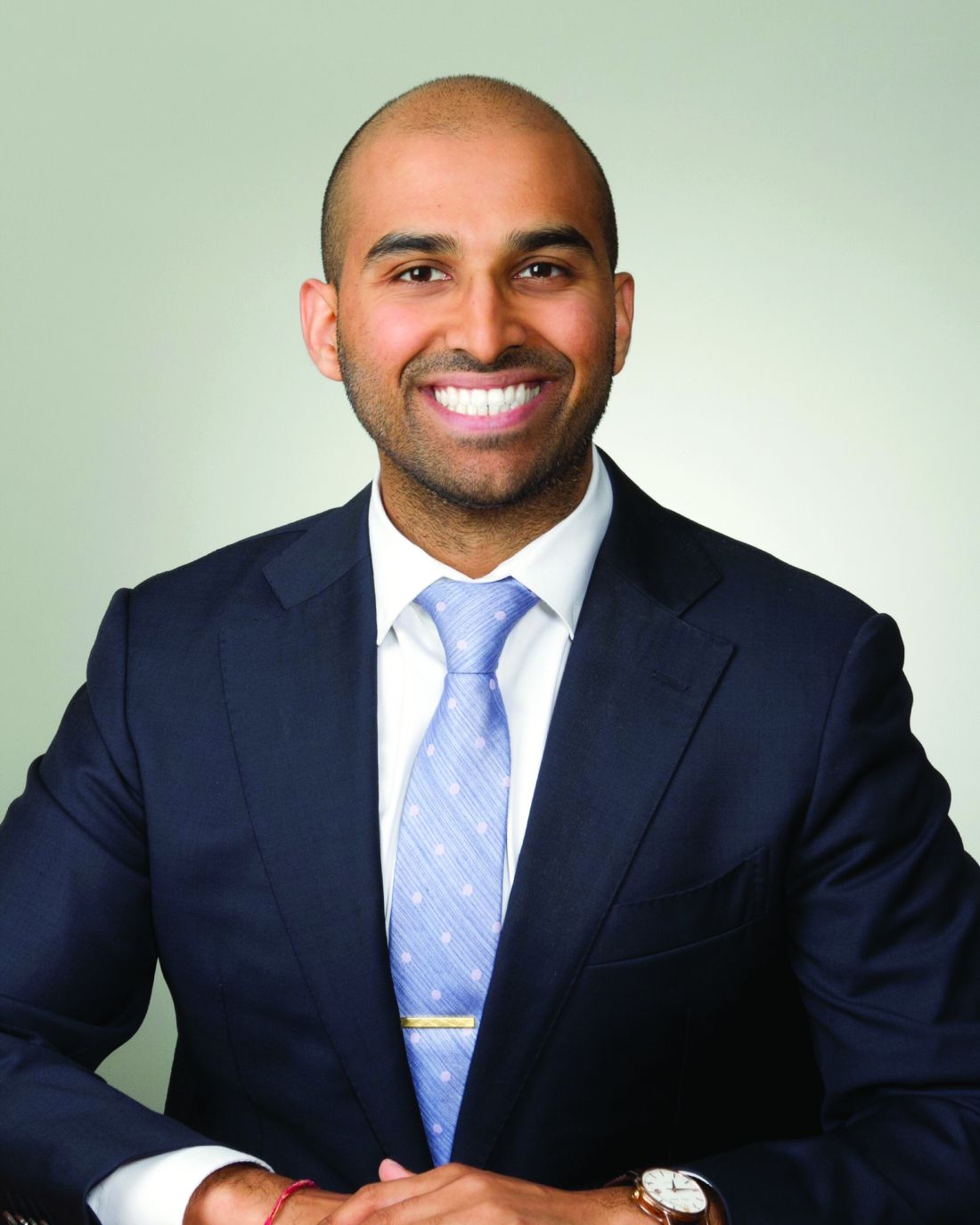
“These are interesting and surprising results,” said Dr. Chopra, a dermatologist and laser and cosmetic dermatologic surgery fellow at Harvard Medical School and Massachusetts General Hospital in Boston. “Patients are seeking consultations with us with the hope that the treatments we offer may potentially help them feel happier, but are we really delivering on that?”
In a pivotal 2018 study that examined patient motivations for undergoing cosmetic dermatology procedures, investigators found that 67.2% did so to “feel happier and more confident or improve total quality of life”. Moreover, 38.5% cited the desire to “feel happier, better overall, or improve total quality of life” as the key reason for pursuing cosmetic procedures.
Prior published evidence validates this benefit of procedures, as neuromodulators have repeatedly demonstrated to improve mood and depression, including a 2020 randomized, single-blind crossover study that examined the impact of neuromodulators on mood and appearance during the COVID-19 pandemic. It found that patients who received treatment with neuromodulators prior to the pandemic, stopped during the pandemic, and restarted again, reported increased happiness, self-satisfaction with appearance, and overall treatment satisfaction.
“However, studies evaluating the effect of filler on happiness have failed to demonstrate an impact,” Dr. Chopra said. “Thus, the jury is still out.”
Study evaluated 42 patients
In what he said is the first study of its kind, he and his colleagues evaluated the impact of minimally invasive cosmetic procedures on the happiness of 42 treatment non-naive patients (those who regularly undergo cosmetic procedures) with a mean age of 47 years who were surveyed in November and December of 2021 during the COVID-19 Omicron subvariant outbreak at the cosmetic dermatology practices of Sabrina G. Fabi, MD, in San Diego, and Nicole Kanaris, MBBCh, in Johannesburg, South Africa.
“On average, these patients were undergoing six treatments per year during four visits per year, so these were frequent flyers,” Dr. Chopra said. “We set out to assess: Are patients who seek cosmetic procedures happy at baseline? And, do cosmetic procedures make us happier or more satisfied with life?”
Prior to treatment, patients completed the Subjective Happiness Scale (SHS) and Satisfaction With Life Scale (SWLS). Three weeks later, patients completed the SHS, SWLS, the Global Aesthetic Improvement Scale (GAIS) and a 5-point satisfaction score. The researchers used paired and unpaired t-tests, independent sample t-tests, and Spearman rank correlations to conduct statistical analyses.
The baseline SHS score of study participants was an average of 5.87, which Dr. Chopra said is higher than the worldwide population range between 4.57 and 5.33, and 5.05 in the U.S. population. “The patients in our study were very happy to begin with,” an important point to consider, he said. Following their treatments, respondents felt “improved” or “much improved” on the GAIS (a mean score of 3.64) and “somewhat satisfied” or “very satisfied” based on the SWLS (a mean score of 4.4). “So overall, they viewed their treatments as a success,” Dr. Chopra said.
In terms of happiness, however, the researchers observed no significant differences between pre- and posttreatment scores on the SHS (a mean of 5.87 vs. 6.61, respectively; P = .634) nor on the SWLS (a mean of 29.62 vs. 29.1; P = .709). On stratified analysis, no significant differences in the SHS, SWLS, and the GAIS were observed when the researchers accounted for the aggressiveness of the procedure, the number of treatments, the number of sites treated, the type of treatment, and whether the respondents were happier or sadder at baseline. “Surprisingly, this had no effect whatsoever on happiness,” he said. “Not only that, these factors didn’t improve a patient’s perception of the efficacy or satisfaction with a treatment either.”
According to Dr. Chopra, this is the first study to evaluate the impact of a broad spectrum of minimally invasive cosmetic procedures, including injectables and lasers, on the happiness and life satisfaction of treatment non-naive patients.
“Surprisingly, we found these patients were no happier after treatment,” he told this news organization. “However, before rushing to declare that cosmetic procedures don’t make us happier, it is critical to evaluate these results in the context of our study population. We believe there to be a distinction between treatment naive and non-naive patients. All the patients in our study were treatment non-naive, routinely and frequently undergoing cosmetic procedures. Moreover, our treatment non-naive patients were very happy at baseline prior to treatment.”
He and his colleagues hypothesize that there is a “ceiling effect” to the happiness one can attain via these procedures. “Our treatment non-naive patients had already reached this ceiling-peak happiness of their treatment journey, and at this point were only pursuing procedures to maintain their results and happiness,” he said. “Thus, we were unable to measure any effect this late in the ‘maintenance-phase’ of their journey via our study. On the other hand, treatment naive patients (those who have never undergone a cosmetic procedure) were not included. We hypothesize that evaluating patients at the start of their journey after their first round of treatments will demonstrate an impact on happiness, prior to reaching the ceiling and subsequent ‘maintenance phase.’ ”
Lawrence J. Green, MD, clinical professor of dermatology at George Washington University, Washington, who was asked to comment on the study results, said that it was not clear which specific cosmetic treatments the study participants received. “I would like to see if different injectable or device treatments would give different happiness scale results,” Dr. Green said.
“In addition, only two locations were surveyed, so the results could have location bias. I think it would be a great idea to replicate this survey of experienced cosmetic treatment patients with many locations and to include survey responses based on the procedure that was done. That said, it is interesting that overall, investigator satisfaction did not correlate with patient happiness from the treatments.”
Dr. Chopra reported having no financial disclosures. Dr. Green disclosed that he is a speaker, consultant, or investigator for numerous pharmaceutical companies.
DENVER – compared with the general population, according to a study of 42 individuals. However, these treatments did not improve their baseline happiness or life satisfaction scores at follow-up.
Those are key findings from the study that lead author Rishi Chopra, MD, MS, presented during an oral abstract session at the annual meeting of the American Society for Dermatologic Surgery.
“These are interesting and surprising results,” said Dr. Chopra, a dermatologist and laser and cosmetic dermatologic surgery fellow at Harvard Medical School and Massachusetts General Hospital in Boston. “Patients are seeking consultations with us with the hope that the treatments we offer may potentially help them feel happier, but are we really delivering on that?”
In a pivotal 2018 study that examined patient motivations for undergoing cosmetic dermatology procedures, investigators found that 67.2% did so to “feel happier and more confident or improve total quality of life”. Moreover, 38.5% cited the desire to “feel happier, better overall, or improve total quality of life” as the key reason for pursuing cosmetic procedures.
Prior published evidence validates this benefit of procedures, as neuromodulators have repeatedly demonstrated to improve mood and depression, including a 2020 randomized, single-blind crossover study that examined the impact of neuromodulators on mood and appearance during the COVID-19 pandemic. It found that patients who received treatment with neuromodulators prior to the pandemic, stopped during the pandemic, and restarted again, reported increased happiness, self-satisfaction with appearance, and overall treatment satisfaction.
“However, studies evaluating the effect of filler on happiness have failed to demonstrate an impact,” Dr. Chopra said. “Thus, the jury is still out.”
Study evaluated 42 patients
In what he said is the first study of its kind, he and his colleagues evaluated the impact of minimally invasive cosmetic procedures on the happiness of 42 treatment non-naive patients (those who regularly undergo cosmetic procedures) with a mean age of 47 years who were surveyed in November and December of 2021 during the COVID-19 Omicron subvariant outbreak at the cosmetic dermatology practices of Sabrina G. Fabi, MD, in San Diego, and Nicole Kanaris, MBBCh, in Johannesburg, South Africa.
“On average, these patients were undergoing six treatments per year during four visits per year, so these were frequent flyers,” Dr. Chopra said. “We set out to assess: Are patients who seek cosmetic procedures happy at baseline? And, do cosmetic procedures make us happier or more satisfied with life?”
Prior to treatment, patients completed the Subjective Happiness Scale (SHS) and Satisfaction With Life Scale (SWLS). Three weeks later, patients completed the SHS, SWLS, the Global Aesthetic Improvement Scale (GAIS) and a 5-point satisfaction score. The researchers used paired and unpaired t-tests, independent sample t-tests, and Spearman rank correlations to conduct statistical analyses.
The baseline SHS score of study participants was an average of 5.87, which Dr. Chopra said is higher than the worldwide population range between 4.57 and 5.33, and 5.05 in the U.S. population. “The patients in our study were very happy to begin with,” an important point to consider, he said. Following their treatments, respondents felt “improved” or “much improved” on the GAIS (a mean score of 3.64) and “somewhat satisfied” or “very satisfied” based on the SWLS (a mean score of 4.4). “So overall, they viewed their treatments as a success,” Dr. Chopra said.
In terms of happiness, however, the researchers observed no significant differences between pre- and posttreatment scores on the SHS (a mean of 5.87 vs. 6.61, respectively; P = .634) nor on the SWLS (a mean of 29.62 vs. 29.1; P = .709). On stratified analysis, no significant differences in the SHS, SWLS, and the GAIS were observed when the researchers accounted for the aggressiveness of the procedure, the number of treatments, the number of sites treated, the type of treatment, and whether the respondents were happier or sadder at baseline. “Surprisingly, this had no effect whatsoever on happiness,” he said. “Not only that, these factors didn’t improve a patient’s perception of the efficacy or satisfaction with a treatment either.”
According to Dr. Chopra, this is the first study to evaluate the impact of a broad spectrum of minimally invasive cosmetic procedures, including injectables and lasers, on the happiness and life satisfaction of treatment non-naive patients.
“Surprisingly, we found these patients were no happier after treatment,” he told this news organization. “However, before rushing to declare that cosmetic procedures don’t make us happier, it is critical to evaluate these results in the context of our study population. We believe there to be a distinction between treatment naive and non-naive patients. All the patients in our study were treatment non-naive, routinely and frequently undergoing cosmetic procedures. Moreover, our treatment non-naive patients were very happy at baseline prior to treatment.”
He and his colleagues hypothesize that there is a “ceiling effect” to the happiness one can attain via these procedures. “Our treatment non-naive patients had already reached this ceiling-peak happiness of their treatment journey, and at this point were only pursuing procedures to maintain their results and happiness,” he said. “Thus, we were unable to measure any effect this late in the ‘maintenance-phase’ of their journey via our study. On the other hand, treatment naive patients (those who have never undergone a cosmetic procedure) were not included. We hypothesize that evaluating patients at the start of their journey after their first round of treatments will demonstrate an impact on happiness, prior to reaching the ceiling and subsequent ‘maintenance phase.’ ”
Lawrence J. Green, MD, clinical professor of dermatology at George Washington University, Washington, who was asked to comment on the study results, said that it was not clear which specific cosmetic treatments the study participants received. “I would like to see if different injectable or device treatments would give different happiness scale results,” Dr. Green said.
“In addition, only two locations were surveyed, so the results could have location bias. I think it would be a great idea to replicate this survey of experienced cosmetic treatment patients with many locations and to include survey responses based on the procedure that was done. That said, it is interesting that overall, investigator satisfaction did not correlate with patient happiness from the treatments.”
Dr. Chopra reported having no financial disclosures. Dr. Green disclosed that he is a speaker, consultant, or investigator for numerous pharmaceutical companies.
DENVER – compared with the general population, according to a study of 42 individuals. However, these treatments did not improve their baseline happiness or life satisfaction scores at follow-up.
Those are key findings from the study that lead author Rishi Chopra, MD, MS, presented during an oral abstract session at the annual meeting of the American Society for Dermatologic Surgery.
“These are interesting and surprising results,” said Dr. Chopra, a dermatologist and laser and cosmetic dermatologic surgery fellow at Harvard Medical School and Massachusetts General Hospital in Boston. “Patients are seeking consultations with us with the hope that the treatments we offer may potentially help them feel happier, but are we really delivering on that?”
In a pivotal 2018 study that examined patient motivations for undergoing cosmetic dermatology procedures, investigators found that 67.2% did so to “feel happier and more confident or improve total quality of life”. Moreover, 38.5% cited the desire to “feel happier, better overall, or improve total quality of life” as the key reason for pursuing cosmetic procedures.
Prior published evidence validates this benefit of procedures, as neuromodulators have repeatedly demonstrated to improve mood and depression, including a 2020 randomized, single-blind crossover study that examined the impact of neuromodulators on mood and appearance during the COVID-19 pandemic. It found that patients who received treatment with neuromodulators prior to the pandemic, stopped during the pandemic, and restarted again, reported increased happiness, self-satisfaction with appearance, and overall treatment satisfaction.
“However, studies evaluating the effect of filler on happiness have failed to demonstrate an impact,” Dr. Chopra said. “Thus, the jury is still out.”
Study evaluated 42 patients
In what he said is the first study of its kind, he and his colleagues evaluated the impact of minimally invasive cosmetic procedures on the happiness of 42 treatment non-naive patients (those who regularly undergo cosmetic procedures) with a mean age of 47 years who were surveyed in November and December of 2021 during the COVID-19 Omicron subvariant outbreak at the cosmetic dermatology practices of Sabrina G. Fabi, MD, in San Diego, and Nicole Kanaris, MBBCh, in Johannesburg, South Africa.
“On average, these patients were undergoing six treatments per year during four visits per year, so these were frequent flyers,” Dr. Chopra said. “We set out to assess: Are patients who seek cosmetic procedures happy at baseline? And, do cosmetic procedures make us happier or more satisfied with life?”
Prior to treatment, patients completed the Subjective Happiness Scale (SHS) and Satisfaction With Life Scale (SWLS). Three weeks later, patients completed the SHS, SWLS, the Global Aesthetic Improvement Scale (GAIS) and a 5-point satisfaction score. The researchers used paired and unpaired t-tests, independent sample t-tests, and Spearman rank correlations to conduct statistical analyses.
The baseline SHS score of study participants was an average of 5.87, which Dr. Chopra said is higher than the worldwide population range between 4.57 and 5.33, and 5.05 in the U.S. population. “The patients in our study were very happy to begin with,” an important point to consider, he said. Following their treatments, respondents felt “improved” or “much improved” on the GAIS (a mean score of 3.64) and “somewhat satisfied” or “very satisfied” based on the SWLS (a mean score of 4.4). “So overall, they viewed their treatments as a success,” Dr. Chopra said.
In terms of happiness, however, the researchers observed no significant differences between pre- and posttreatment scores on the SHS (a mean of 5.87 vs. 6.61, respectively; P = .634) nor on the SWLS (a mean of 29.62 vs. 29.1; P = .709). On stratified analysis, no significant differences in the SHS, SWLS, and the GAIS were observed when the researchers accounted for the aggressiveness of the procedure, the number of treatments, the number of sites treated, the type of treatment, and whether the respondents were happier or sadder at baseline. “Surprisingly, this had no effect whatsoever on happiness,” he said. “Not only that, these factors didn’t improve a patient’s perception of the efficacy or satisfaction with a treatment either.”
According to Dr. Chopra, this is the first study to evaluate the impact of a broad spectrum of minimally invasive cosmetic procedures, including injectables and lasers, on the happiness and life satisfaction of treatment non-naive patients.
“Surprisingly, we found these patients were no happier after treatment,” he told this news organization. “However, before rushing to declare that cosmetic procedures don’t make us happier, it is critical to evaluate these results in the context of our study population. We believe there to be a distinction between treatment naive and non-naive patients. All the patients in our study were treatment non-naive, routinely and frequently undergoing cosmetic procedures. Moreover, our treatment non-naive patients were very happy at baseline prior to treatment.”
He and his colleagues hypothesize that there is a “ceiling effect” to the happiness one can attain via these procedures. “Our treatment non-naive patients had already reached this ceiling-peak happiness of their treatment journey, and at this point were only pursuing procedures to maintain their results and happiness,” he said. “Thus, we were unable to measure any effect this late in the ‘maintenance-phase’ of their journey via our study. On the other hand, treatment naive patients (those who have never undergone a cosmetic procedure) were not included. We hypothesize that evaluating patients at the start of their journey after their first round of treatments will demonstrate an impact on happiness, prior to reaching the ceiling and subsequent ‘maintenance phase.’ ”
Lawrence J. Green, MD, clinical professor of dermatology at George Washington University, Washington, who was asked to comment on the study results, said that it was not clear which specific cosmetic treatments the study participants received. “I would like to see if different injectable or device treatments would give different happiness scale results,” Dr. Green said.
“In addition, only two locations were surveyed, so the results could have location bias. I think it would be a great idea to replicate this survey of experienced cosmetic treatment patients with many locations and to include survey responses based on the procedure that was done. That said, it is interesting that overall, investigator satisfaction did not correlate with patient happiness from the treatments.”
Dr. Chopra reported having no financial disclosures. Dr. Green disclosed that he is a speaker, consultant, or investigator for numerous pharmaceutical companies.
AT ASDS 2022
What’s the best age to stop smoking? Study offers clue
Researchers also quantified the benefit of quitting for those older than 35. The added risk of death associated with smoking was reduced by 90% for those who quit before age 45 and 66% for those who quit at ages 45 to 64.
“The distal nature of the health consequences for young smokers is a challenge for professionals trying to motivate quitting in younger age groups. Without a proximal goal, it is tempting for smokers to abandon a quit attempt with cognitions such as ‘I don’t really need to do it just now,’ ” John P. Pierce, PhD, director for Population Sciences at UC-San Diego’s Moores Cancer Center, wrote in a commentary.
Current smokers were twice as likely to die from any cause during the study, compared with the group researchers called “never smokers,” who were defined as smoking fewer than 100 lifetime cigarettes.
Published in JAMA Network Open, the study involved 551,388 U.S. participants using information collected by the CDC from 1997 to 2018. Researchers collected data for specific causes of death of participants through the end of 2019.
The results echo past findings but also established whether demographic factors such as a smoker’s race and gender impact the benefits of quitting. (In many areas of health research, a person’s race or gender is associated with varying risks.)
The researchers found that the benefits of quitting smoking in reducing risk of death are comparable across demographic groups.
“Among former smokers in each racial and ethnic group, whether male or female, quitting was associated with reductions of approximately 80% of the excess mortality associated with continued smoking,” the authors stated. “These associations were generally consistent for deaths from cancer, cardiovascular disease, and lower respiratory disease.”
The findings are also important for guiding stop-smoking efforts because while smoking nationwide has decreased, the reduction has varied across demographic groups.
“Monitoring the association of smoking with mortality by race, ethnicity, and sex is critical to understanding how the U.S. tobacco epidemic continues to evolve over time and who is most affected by the changes,” the authors stated. “Despite continued decreases in U.S. smoking prevalence in recent decades, progress has not been equal across demographic groups. Recent progress in raising the quit ratio among U.S. ever-smokers overall has been modest, and the quit ratio has been consistently lower among Black and Hispanic ever-smokers than among non-Hispanic White ever-smokers.”
A version of this article first appeared on WebMD.com.
This article was updated 10/27/22.
Researchers also quantified the benefit of quitting for those older than 35. The added risk of death associated with smoking was reduced by 90% for those who quit before age 45 and 66% for those who quit at ages 45 to 64.
“The distal nature of the health consequences for young smokers is a challenge for professionals trying to motivate quitting in younger age groups. Without a proximal goal, it is tempting for smokers to abandon a quit attempt with cognitions such as ‘I don’t really need to do it just now,’ ” John P. Pierce, PhD, director for Population Sciences at UC-San Diego’s Moores Cancer Center, wrote in a commentary.
Current smokers were twice as likely to die from any cause during the study, compared with the group researchers called “never smokers,” who were defined as smoking fewer than 100 lifetime cigarettes.
Published in JAMA Network Open, the study involved 551,388 U.S. participants using information collected by the CDC from 1997 to 2018. Researchers collected data for specific causes of death of participants through the end of 2019.
The results echo past findings but also established whether demographic factors such as a smoker’s race and gender impact the benefits of quitting. (In many areas of health research, a person’s race or gender is associated with varying risks.)
The researchers found that the benefits of quitting smoking in reducing risk of death are comparable across demographic groups.
“Among former smokers in each racial and ethnic group, whether male or female, quitting was associated with reductions of approximately 80% of the excess mortality associated with continued smoking,” the authors stated. “These associations were generally consistent for deaths from cancer, cardiovascular disease, and lower respiratory disease.”
The findings are also important for guiding stop-smoking efforts because while smoking nationwide has decreased, the reduction has varied across demographic groups.
“Monitoring the association of smoking with mortality by race, ethnicity, and sex is critical to understanding how the U.S. tobacco epidemic continues to evolve over time and who is most affected by the changes,” the authors stated. “Despite continued decreases in U.S. smoking prevalence in recent decades, progress has not been equal across demographic groups. Recent progress in raising the quit ratio among U.S. ever-smokers overall has been modest, and the quit ratio has been consistently lower among Black and Hispanic ever-smokers than among non-Hispanic White ever-smokers.”
A version of this article first appeared on WebMD.com.
This article was updated 10/27/22.
Researchers also quantified the benefit of quitting for those older than 35. The added risk of death associated with smoking was reduced by 90% for those who quit before age 45 and 66% for those who quit at ages 45 to 64.
“The distal nature of the health consequences for young smokers is a challenge for professionals trying to motivate quitting in younger age groups. Without a proximal goal, it is tempting for smokers to abandon a quit attempt with cognitions such as ‘I don’t really need to do it just now,’ ” John P. Pierce, PhD, director for Population Sciences at UC-San Diego’s Moores Cancer Center, wrote in a commentary.
Current smokers were twice as likely to die from any cause during the study, compared with the group researchers called “never smokers,” who were defined as smoking fewer than 100 lifetime cigarettes.
Published in JAMA Network Open, the study involved 551,388 U.S. participants using information collected by the CDC from 1997 to 2018. Researchers collected data for specific causes of death of participants through the end of 2019.
The results echo past findings but also established whether demographic factors such as a smoker’s race and gender impact the benefits of quitting. (In many areas of health research, a person’s race or gender is associated with varying risks.)
The researchers found that the benefits of quitting smoking in reducing risk of death are comparable across demographic groups.
“Among former smokers in each racial and ethnic group, whether male or female, quitting was associated with reductions of approximately 80% of the excess mortality associated with continued smoking,” the authors stated. “These associations were generally consistent for deaths from cancer, cardiovascular disease, and lower respiratory disease.”
The findings are also important for guiding stop-smoking efforts because while smoking nationwide has decreased, the reduction has varied across demographic groups.
“Monitoring the association of smoking with mortality by race, ethnicity, and sex is critical to understanding how the U.S. tobacco epidemic continues to evolve over time and who is most affected by the changes,” the authors stated. “Despite continued decreases in U.S. smoking prevalence in recent decades, progress has not been equal across demographic groups. Recent progress in raising the quit ratio among U.S. ever-smokers overall has been modest, and the quit ratio has been consistently lower among Black and Hispanic ever-smokers than among non-Hispanic White ever-smokers.”
A version of this article first appeared on WebMD.com.
This article was updated 10/27/22.
FROM JAMA NETWORK OPEN
A special part of the brain lights up when we see food
“We eat first with our eyes.”
The Roman foodie Apicius is thought to have uttered those words in the 1st century A.D. Now, some 2,000 years later, scientists may be proving him right.
Dubbed the “ventral food component,” this part resides in the brain’s visual cortex, in a region known to play a role in identifying faces, scenes, and words.
The study, published in the journal Current Biology, involved using artificial intelligence (AI) technology to build a computer model of this part of the brain. Similar models are emerging across fields of research to simulate and study complex systems of the body. A computer model of the digestive system was recently used to determine the best body position for taking a pill.
“The research is still cutting-edge,” says study author Meenakshi Khosla, PhD. “There’s a lot more to be done to understand whether this region is the same or different in different individuals, and how it is modulated by experience or familiarity with different kinds of foods.”
Pinpointing those differences could provide insights into how people choose what they eat, or even help us learn what drives eating disorders, Dr. Khosla says.
Part of what makes this study unique was the researchers’ approach, dubbed “hypothesis neutral.” Instead of setting out to prove or disprove a firm hypothesis, they simply started exploring the data to see what they could find. The goal: To go beyond “the idiosyncratic hypotheses scientists have already thought to test,” the paper says. So, they began sifting through a public database called the Natural Scenes Dataset, an inventory of brain scans from eight volunteers viewing 56,720 images.
As expected, the software analyzing the dataset spotted brain regions already known to be triggered by images of faces, bodies, words, and scenes. But to the researchers’ surprise, the analysis also revealed a previously unknown part of the brain that seemed to be responding to images of food.
“Our first reaction was, ‘That’s cute and all, but it can’t possibly be true,’ ” Dr. Khosla says.
To confirm their discovery, the researchers used the data to train a computer model of this part of the brain, a process that takes less than an hour. Then they fed the model more than 1.2 million new images.
Sure enough, the model lit up in response to food. Color didn’t matter – even black-and-white food images triggered it, though not as strongly as color ones. And the model could tell the difference between food and objects that looked like food: a banana versus a crescent moon, or a blueberry muffin versus a puppy with a muffin-like face.
From the human data, the researchers found that some people responded slightly more to processed foods like pizza than unprocessed foods like apples. They hope to explore how other things, such as liking or disliking a food, may affect a person’s response to that food.
This technology could open up other areas of research as well. Dr. Khosla hopes to use it to explore how the brain responds to social cues like body language and facial expressions.
For now, Dr. Khosla has already begun to verify the computer model in real people by scanning the brains of a new set of volunteers. “We collected pilot data in a few subjects recently and were able to localize this component,” she says.
A version of this article first appeared on Medscape.com.
“We eat first with our eyes.”
The Roman foodie Apicius is thought to have uttered those words in the 1st century A.D. Now, some 2,000 years later, scientists may be proving him right.
Dubbed the “ventral food component,” this part resides in the brain’s visual cortex, in a region known to play a role in identifying faces, scenes, and words.
The study, published in the journal Current Biology, involved using artificial intelligence (AI) technology to build a computer model of this part of the brain. Similar models are emerging across fields of research to simulate and study complex systems of the body. A computer model of the digestive system was recently used to determine the best body position for taking a pill.
“The research is still cutting-edge,” says study author Meenakshi Khosla, PhD. “There’s a lot more to be done to understand whether this region is the same or different in different individuals, and how it is modulated by experience or familiarity with different kinds of foods.”
Pinpointing those differences could provide insights into how people choose what they eat, or even help us learn what drives eating disorders, Dr. Khosla says.
Part of what makes this study unique was the researchers’ approach, dubbed “hypothesis neutral.” Instead of setting out to prove or disprove a firm hypothesis, they simply started exploring the data to see what they could find. The goal: To go beyond “the idiosyncratic hypotheses scientists have already thought to test,” the paper says. So, they began sifting through a public database called the Natural Scenes Dataset, an inventory of brain scans from eight volunteers viewing 56,720 images.
As expected, the software analyzing the dataset spotted brain regions already known to be triggered by images of faces, bodies, words, and scenes. But to the researchers’ surprise, the analysis also revealed a previously unknown part of the brain that seemed to be responding to images of food.
“Our first reaction was, ‘That’s cute and all, but it can’t possibly be true,’ ” Dr. Khosla says.
To confirm their discovery, the researchers used the data to train a computer model of this part of the brain, a process that takes less than an hour. Then they fed the model more than 1.2 million new images.
Sure enough, the model lit up in response to food. Color didn’t matter – even black-and-white food images triggered it, though not as strongly as color ones. And the model could tell the difference between food and objects that looked like food: a banana versus a crescent moon, or a blueberry muffin versus a puppy with a muffin-like face.
From the human data, the researchers found that some people responded slightly more to processed foods like pizza than unprocessed foods like apples. They hope to explore how other things, such as liking or disliking a food, may affect a person’s response to that food.
This technology could open up other areas of research as well. Dr. Khosla hopes to use it to explore how the brain responds to social cues like body language and facial expressions.
For now, Dr. Khosla has already begun to verify the computer model in real people by scanning the brains of a new set of volunteers. “We collected pilot data in a few subjects recently and were able to localize this component,” she says.
A version of this article first appeared on Medscape.com.
“We eat first with our eyes.”
The Roman foodie Apicius is thought to have uttered those words in the 1st century A.D. Now, some 2,000 years later, scientists may be proving him right.
Dubbed the “ventral food component,” this part resides in the brain’s visual cortex, in a region known to play a role in identifying faces, scenes, and words.
The study, published in the journal Current Biology, involved using artificial intelligence (AI) technology to build a computer model of this part of the brain. Similar models are emerging across fields of research to simulate and study complex systems of the body. A computer model of the digestive system was recently used to determine the best body position for taking a pill.
“The research is still cutting-edge,” says study author Meenakshi Khosla, PhD. “There’s a lot more to be done to understand whether this region is the same or different in different individuals, and how it is modulated by experience or familiarity with different kinds of foods.”
Pinpointing those differences could provide insights into how people choose what they eat, or even help us learn what drives eating disorders, Dr. Khosla says.
Part of what makes this study unique was the researchers’ approach, dubbed “hypothesis neutral.” Instead of setting out to prove or disprove a firm hypothesis, they simply started exploring the data to see what they could find. The goal: To go beyond “the idiosyncratic hypotheses scientists have already thought to test,” the paper says. So, they began sifting through a public database called the Natural Scenes Dataset, an inventory of brain scans from eight volunteers viewing 56,720 images.
As expected, the software analyzing the dataset spotted brain regions already known to be triggered by images of faces, bodies, words, and scenes. But to the researchers’ surprise, the analysis also revealed a previously unknown part of the brain that seemed to be responding to images of food.
“Our first reaction was, ‘That’s cute and all, but it can’t possibly be true,’ ” Dr. Khosla says.
To confirm their discovery, the researchers used the data to train a computer model of this part of the brain, a process that takes less than an hour. Then they fed the model more than 1.2 million new images.
Sure enough, the model lit up in response to food. Color didn’t matter – even black-and-white food images triggered it, though not as strongly as color ones. And the model could tell the difference between food and objects that looked like food: a banana versus a crescent moon, or a blueberry muffin versus a puppy with a muffin-like face.
From the human data, the researchers found that some people responded slightly more to processed foods like pizza than unprocessed foods like apples. They hope to explore how other things, such as liking or disliking a food, may affect a person’s response to that food.
This technology could open up other areas of research as well. Dr. Khosla hopes to use it to explore how the brain responds to social cues like body language and facial expressions.
For now, Dr. Khosla has already begun to verify the computer model in real people by scanning the brains of a new set of volunteers. “We collected pilot data in a few subjects recently and were able to localize this component,” she says.
A version of this article first appeared on Medscape.com.
FROM CURRENT BIOLOGY
From Frankenstein to Lecter: Hollywood’s baddest docs
Masks can be scary on Halloween, but more so when they come with scrubs, scalpels, and God complexes. In March, Medscape readers chose their favorite characters and performers in the Hollywood health care system. from a deep bench (and no, Dr Evil didn’t go to medical school; neither did Dr No, for that matter). Before you see these folks who’d rather haunt than heal, we urge you to seek a second opinion.
George Harris (Richard Widmark, “Coma,” 1978)
“Medicine is now a great social force,” says Dr. George Harris (Richard Widmark), chief of surgery at Boston Memorial. Because the public trusts doctors, “we’ll make the hard decisions” – like choosing which young, healthy patients to put into an irreversible coma to harvest their organs. Harris’ audience of one here is Dr. Susan Wheeler (Genevieve Bujold), the upstart who has uncovered his plot, and whom Harris has just drugged to prepare her as his next unintentional donor. “Coma” was based on a bestseller by Robin Cook and directed by Michael Crichton, who left Harvard Medical School for a career in popular books and films, including “The Andromeda Strain” and “Jurassic Park.” Although Dr. Harris starts out as a reassuring friend and mentor to Dr. Wheeler, older moviegoers won’t forget that he launched to stardom by tossing a woman in a wheelchair down the stairs in 1947’s “Kiss of Death.”
Christian Szell (Laurence Olivier, “Marathon Man,” 1976)
He may look harmless, but Christian Szell (Laurence Olivier) is a sadist with a secret, a stash, and throat-slitting skills. Szell, a dentist known as the White Angel of Auschwitz for his war crimes, stops at nothing to protect the diamonds he stole from his victims in the camps. In one of Hollywood’s most infamous torture scenes, Szell tries to extract information from Babe Levy (Dustin Hoffman), an innocent grad student, plying the tools of his trade. When Szell asks, “Is it safe?” he’s not curious about whether Babe’s insurance covers anesthesia.
Orin Scrivello (Steve Martin, “Little Shop of Horrors,” 1986)
Sticking with deranged dentists, Orin Scrivello, DDS, (Steve Martin) sings and dances his way into your nightmares buoyed by copious helpings of nitrous oxide. Orin’s too-encouraging momma told him to parlay his sadistic tendencies into a career “where people will pay you to be inhumane.” Sonny listened. Moviegoers were treated to screeching sound effects of a tooth getting yanked during an Elvis-like musical number shot in part from inside a patient’s mouth. Martin makes a creepy scene more fun than a long, slow root canal.
Henry Frankenstein (Colin Clive, “Frankenstein,” 1931)
His alarming need for fresh corpses forced Henry Frankenstein (Colin Clive) to leave medical school and experiment solo in a castle. He insists to his betrothed that he hasn’t gone mad when she arrives as he is bringing a dead body back to life during a raging lightning storm. When she and Henry’s mentor, Dr Waldman, witness him succeed, Waldman warns Henry that the former owner of the purloined brain was a notorious criminal. When Henry exclaims: “It’s alive, it’s alive !” little did he know that he created the face (Boris Karloff) that would launch a thousand sequels, a spectacular satire, and untold Halloween masks.
Dr. Gogol (Peter Lorre, “Mad Love,” 1935)
A few years after playing doctor Frankenstein, Colin Clive became the patient of a mad medic himself. A concert pianist whose hands have been mangled in a train wreck, Clive’s wife turns to Dr. Gogol (Peter Lorre, in his Hollywood debut), who promises to surgically reattach the musician’s hands. Unfortunately, Gogol is so obsessed with the wife, a star of gory stage shows, that he has created a wax figure of her. He schemes to win her in the flesh by attaching a murderer’s hands to Clive, then frame him for committing murder with those hands. Gogol utters the madman’s lament: “I have conquered science. Why can’t I conquer love?” A modern remake would surely have him asking, “Why do they swipe left?
Hannibal Lecter (Anthony Hopkins, “Silence of the Lambs,” 1991)
The FBI, hunting for a serial killer, sends trainee Clarice Starling (Jodie Foster) to seek insight into the murderer from the imprisoned Dr. Hannibal Lecter (Anthony Hopkins), a brilliant psychiatrist with a penchant for murder — and a taste for the flesh of his victims. Lecter proves to be a menace from their first meeting; the bars and glass surrounding his cell offer Clarice no protection from his gaze and ability to read her mind. In his own way, the urbane, pathologically charming Lecter takes a shine to Clarice, helping with the case while embarking on another murderous spree against men who recently wronged her. When he escapes, his plans do not include dinner with – or of – Clarice, but others, well, they’re not so lucky.
Henry Jekyll (Fredric March, “Dr. Jekyll and Mr. Hyde,” 1931)
Henry Jekyll (Fredric March) is a jumble of personalities. By day, he’s a kindly doctor in Victorian London with an American accent. But he is so determined to split good and evil personalities that he devises a potion to outsource his id. As he watches himself morph into Mr. Hyde – a hairy, cone-headed dude in serious need of an orthodontist – he exclaims, “Free! Free at last!” Free, that is, for his simian side to engage in debauchery, abuse, self-hatred, intimations of rape, and ultimately murder – all of which are explored in this pre-Code film, the first talkie version of Robert Louis Stevenson’s story.
Dr. Moreau (Charles Laughton, “Island of Lost Souls,” 1932)
“Strange-looking natives you have here,” shipwreck victim Edward Parker (Richard Arlen) tells his host, the white-suited, whip-wielding Dr Moreau. Before long, we learn that Moreau’s evil veterinary talents have created an island population of human/beast hybrids who are forced to follow his laws – especially one forbidding them from eating meat or walking on all fours. Lawbreakers get taken to the House of Pain, a medical setting which, as its name suggests, lacks adequate analgesia. Burt Lancaster and Marlon Brando took on the Moreau role in later versions, but Laughton is the creepiest when he asks, “Do you know what it means to feel like God?” The film was banned for years in Britain, and H.G. Wells despised this take on his antivivisection tale.
Charles Nichols (Jeroen Krabbé, “The Fugitive,” 1993)
Richard Kimble, a Chicago vascular surgeon, arrives home to find that a man just brutally murdered his loving wife. The killer escapes, and Kimble falls into the frame-up. Convicted for the murder and headed to prison, Kimble breaks free in an epic escape scene. He spends the rest of the movie all but giving his right arm to find the murderer, while being pursued by a dogged U.S. Marshal played with gusto by Tommy Lee Jones. Kimble eventually discovers that his colleague, Dr. Charles Nichols (Jeroen Krabbé), is not quite the best friend a man could have – or the most ethical of clinical investigators.
Elliot and Beverly Mantle (Jeremy Irons, “Dead Ringers,” 1988)
“You’ve got to try the movie star,” fertility specialist Elliot Mantle (Jeremy Irons) implores to his identical but meek twin brother, Beverly (also Jeremy Irons), talking about an actress-patient (Genevieve Bujold) as if she were a menu item. Beverly shares a practice with Elliot, along with a soul and an easily satisfied drug addiction. Beverly is unaware that Elliot seduces patients before passing them off to his brother, including the actress. Beverly is in love with the actress, which upsets the equilibrium of their shared soul. He aims to fix this, but not without some trauma involving freakish and unsanitary operating implements.
Dean Armitage (Bradley Whitford, “Get Out,” 2017)
Neurosurgeon Dean Armitage (Bradley Whitford) was such a fan of President Obama that he would have voted for him a third time if he could. At least, that’s how he portrays himself to Chris (Daniel Kaluuya), an African American photographer and the new boyfriend of Armitage’s White daughter. The Armitage estate has plenty of people of color – on staff, anyway – but Chris finds them odd and distant. It turns out that a gathering of rich White people is in fact an auction for his eyesight. Horror ensues. The main message from this film is not unlike that of Russian operatives who fall out of favor with the Kremlin: Don’t drink the tea.
A version of this article first appeared on Medscape.com.
Masks can be scary on Halloween, but more so when they come with scrubs, scalpels, and God complexes. In March, Medscape readers chose their favorite characters and performers in the Hollywood health care system. from a deep bench (and no, Dr Evil didn’t go to medical school; neither did Dr No, for that matter). Before you see these folks who’d rather haunt than heal, we urge you to seek a second opinion.
George Harris (Richard Widmark, “Coma,” 1978)
“Medicine is now a great social force,” says Dr. George Harris (Richard Widmark), chief of surgery at Boston Memorial. Because the public trusts doctors, “we’ll make the hard decisions” – like choosing which young, healthy patients to put into an irreversible coma to harvest their organs. Harris’ audience of one here is Dr. Susan Wheeler (Genevieve Bujold), the upstart who has uncovered his plot, and whom Harris has just drugged to prepare her as his next unintentional donor. “Coma” was based on a bestseller by Robin Cook and directed by Michael Crichton, who left Harvard Medical School for a career in popular books and films, including “The Andromeda Strain” and “Jurassic Park.” Although Dr. Harris starts out as a reassuring friend and mentor to Dr. Wheeler, older moviegoers won’t forget that he launched to stardom by tossing a woman in a wheelchair down the stairs in 1947’s “Kiss of Death.”
Christian Szell (Laurence Olivier, “Marathon Man,” 1976)
He may look harmless, but Christian Szell (Laurence Olivier) is a sadist with a secret, a stash, and throat-slitting skills. Szell, a dentist known as the White Angel of Auschwitz for his war crimes, stops at nothing to protect the diamonds he stole from his victims in the camps. In one of Hollywood’s most infamous torture scenes, Szell tries to extract information from Babe Levy (Dustin Hoffman), an innocent grad student, plying the tools of his trade. When Szell asks, “Is it safe?” he’s not curious about whether Babe’s insurance covers anesthesia.
Orin Scrivello (Steve Martin, “Little Shop of Horrors,” 1986)
Sticking with deranged dentists, Orin Scrivello, DDS, (Steve Martin) sings and dances his way into your nightmares buoyed by copious helpings of nitrous oxide. Orin’s too-encouraging momma told him to parlay his sadistic tendencies into a career “where people will pay you to be inhumane.” Sonny listened. Moviegoers were treated to screeching sound effects of a tooth getting yanked during an Elvis-like musical number shot in part from inside a patient’s mouth. Martin makes a creepy scene more fun than a long, slow root canal.
Henry Frankenstein (Colin Clive, “Frankenstein,” 1931)
His alarming need for fresh corpses forced Henry Frankenstein (Colin Clive) to leave medical school and experiment solo in a castle. He insists to his betrothed that he hasn’t gone mad when she arrives as he is bringing a dead body back to life during a raging lightning storm. When she and Henry’s mentor, Dr Waldman, witness him succeed, Waldman warns Henry that the former owner of the purloined brain was a notorious criminal. When Henry exclaims: “It’s alive, it’s alive !” little did he know that he created the face (Boris Karloff) that would launch a thousand sequels, a spectacular satire, and untold Halloween masks.
Dr. Gogol (Peter Lorre, “Mad Love,” 1935)
A few years after playing doctor Frankenstein, Colin Clive became the patient of a mad medic himself. A concert pianist whose hands have been mangled in a train wreck, Clive’s wife turns to Dr. Gogol (Peter Lorre, in his Hollywood debut), who promises to surgically reattach the musician’s hands. Unfortunately, Gogol is so obsessed with the wife, a star of gory stage shows, that he has created a wax figure of her. He schemes to win her in the flesh by attaching a murderer’s hands to Clive, then frame him for committing murder with those hands. Gogol utters the madman’s lament: “I have conquered science. Why can’t I conquer love?” A modern remake would surely have him asking, “Why do they swipe left?
Hannibal Lecter (Anthony Hopkins, “Silence of the Lambs,” 1991)
The FBI, hunting for a serial killer, sends trainee Clarice Starling (Jodie Foster) to seek insight into the murderer from the imprisoned Dr. Hannibal Lecter (Anthony Hopkins), a brilliant psychiatrist with a penchant for murder — and a taste for the flesh of his victims. Lecter proves to be a menace from their first meeting; the bars and glass surrounding his cell offer Clarice no protection from his gaze and ability to read her mind. In his own way, the urbane, pathologically charming Lecter takes a shine to Clarice, helping with the case while embarking on another murderous spree against men who recently wronged her. When he escapes, his plans do not include dinner with – or of – Clarice, but others, well, they’re not so lucky.
Henry Jekyll (Fredric March, “Dr. Jekyll and Mr. Hyde,” 1931)
Henry Jekyll (Fredric March) is a jumble of personalities. By day, he’s a kindly doctor in Victorian London with an American accent. But he is so determined to split good and evil personalities that he devises a potion to outsource his id. As he watches himself morph into Mr. Hyde – a hairy, cone-headed dude in serious need of an orthodontist – he exclaims, “Free! Free at last!” Free, that is, for his simian side to engage in debauchery, abuse, self-hatred, intimations of rape, and ultimately murder – all of which are explored in this pre-Code film, the first talkie version of Robert Louis Stevenson’s story.
Dr. Moreau (Charles Laughton, “Island of Lost Souls,” 1932)
“Strange-looking natives you have here,” shipwreck victim Edward Parker (Richard Arlen) tells his host, the white-suited, whip-wielding Dr Moreau. Before long, we learn that Moreau’s evil veterinary talents have created an island population of human/beast hybrids who are forced to follow his laws – especially one forbidding them from eating meat or walking on all fours. Lawbreakers get taken to the House of Pain, a medical setting which, as its name suggests, lacks adequate analgesia. Burt Lancaster and Marlon Brando took on the Moreau role in later versions, but Laughton is the creepiest when he asks, “Do you know what it means to feel like God?” The film was banned for years in Britain, and H.G. Wells despised this take on his antivivisection tale.
Charles Nichols (Jeroen Krabbé, “The Fugitive,” 1993)
Richard Kimble, a Chicago vascular surgeon, arrives home to find that a man just brutally murdered his loving wife. The killer escapes, and Kimble falls into the frame-up. Convicted for the murder and headed to prison, Kimble breaks free in an epic escape scene. He spends the rest of the movie all but giving his right arm to find the murderer, while being pursued by a dogged U.S. Marshal played with gusto by Tommy Lee Jones. Kimble eventually discovers that his colleague, Dr. Charles Nichols (Jeroen Krabbé), is not quite the best friend a man could have – or the most ethical of clinical investigators.
Elliot and Beverly Mantle (Jeremy Irons, “Dead Ringers,” 1988)
“You’ve got to try the movie star,” fertility specialist Elliot Mantle (Jeremy Irons) implores to his identical but meek twin brother, Beverly (also Jeremy Irons), talking about an actress-patient (Genevieve Bujold) as if she were a menu item. Beverly shares a practice with Elliot, along with a soul and an easily satisfied drug addiction. Beverly is unaware that Elliot seduces patients before passing them off to his brother, including the actress. Beverly is in love with the actress, which upsets the equilibrium of their shared soul. He aims to fix this, but not without some trauma involving freakish and unsanitary operating implements.
Dean Armitage (Bradley Whitford, “Get Out,” 2017)
Neurosurgeon Dean Armitage (Bradley Whitford) was such a fan of President Obama that he would have voted for him a third time if he could. At least, that’s how he portrays himself to Chris (Daniel Kaluuya), an African American photographer and the new boyfriend of Armitage’s White daughter. The Armitage estate has plenty of people of color – on staff, anyway – but Chris finds them odd and distant. It turns out that a gathering of rich White people is in fact an auction for his eyesight. Horror ensues. The main message from this film is not unlike that of Russian operatives who fall out of favor with the Kremlin: Don’t drink the tea.
A version of this article first appeared on Medscape.com.
Masks can be scary on Halloween, but more so when they come with scrubs, scalpels, and God complexes. In March, Medscape readers chose their favorite characters and performers in the Hollywood health care system. from a deep bench (and no, Dr Evil didn’t go to medical school; neither did Dr No, for that matter). Before you see these folks who’d rather haunt than heal, we urge you to seek a second opinion.
George Harris (Richard Widmark, “Coma,” 1978)
“Medicine is now a great social force,” says Dr. George Harris (Richard Widmark), chief of surgery at Boston Memorial. Because the public trusts doctors, “we’ll make the hard decisions” – like choosing which young, healthy patients to put into an irreversible coma to harvest their organs. Harris’ audience of one here is Dr. Susan Wheeler (Genevieve Bujold), the upstart who has uncovered his plot, and whom Harris has just drugged to prepare her as his next unintentional donor. “Coma” was based on a bestseller by Robin Cook and directed by Michael Crichton, who left Harvard Medical School for a career in popular books and films, including “The Andromeda Strain” and “Jurassic Park.” Although Dr. Harris starts out as a reassuring friend and mentor to Dr. Wheeler, older moviegoers won’t forget that he launched to stardom by tossing a woman in a wheelchair down the stairs in 1947’s “Kiss of Death.”
Christian Szell (Laurence Olivier, “Marathon Man,” 1976)
He may look harmless, but Christian Szell (Laurence Olivier) is a sadist with a secret, a stash, and throat-slitting skills. Szell, a dentist known as the White Angel of Auschwitz for his war crimes, stops at nothing to protect the diamonds he stole from his victims in the camps. In one of Hollywood’s most infamous torture scenes, Szell tries to extract information from Babe Levy (Dustin Hoffman), an innocent grad student, plying the tools of his trade. When Szell asks, “Is it safe?” he’s not curious about whether Babe’s insurance covers anesthesia.
Orin Scrivello (Steve Martin, “Little Shop of Horrors,” 1986)
Sticking with deranged dentists, Orin Scrivello, DDS, (Steve Martin) sings and dances his way into your nightmares buoyed by copious helpings of nitrous oxide. Orin’s too-encouraging momma told him to parlay his sadistic tendencies into a career “where people will pay you to be inhumane.” Sonny listened. Moviegoers were treated to screeching sound effects of a tooth getting yanked during an Elvis-like musical number shot in part from inside a patient’s mouth. Martin makes a creepy scene more fun than a long, slow root canal.
Henry Frankenstein (Colin Clive, “Frankenstein,” 1931)
His alarming need for fresh corpses forced Henry Frankenstein (Colin Clive) to leave medical school and experiment solo in a castle. He insists to his betrothed that he hasn’t gone mad when she arrives as he is bringing a dead body back to life during a raging lightning storm. When she and Henry’s mentor, Dr Waldman, witness him succeed, Waldman warns Henry that the former owner of the purloined brain was a notorious criminal. When Henry exclaims: “It’s alive, it’s alive !” little did he know that he created the face (Boris Karloff) that would launch a thousand sequels, a spectacular satire, and untold Halloween masks.
Dr. Gogol (Peter Lorre, “Mad Love,” 1935)
A few years after playing doctor Frankenstein, Colin Clive became the patient of a mad medic himself. A concert pianist whose hands have been mangled in a train wreck, Clive’s wife turns to Dr. Gogol (Peter Lorre, in his Hollywood debut), who promises to surgically reattach the musician’s hands. Unfortunately, Gogol is so obsessed with the wife, a star of gory stage shows, that he has created a wax figure of her. He schemes to win her in the flesh by attaching a murderer’s hands to Clive, then frame him for committing murder with those hands. Gogol utters the madman’s lament: “I have conquered science. Why can’t I conquer love?” A modern remake would surely have him asking, “Why do they swipe left?
Hannibal Lecter (Anthony Hopkins, “Silence of the Lambs,” 1991)
The FBI, hunting for a serial killer, sends trainee Clarice Starling (Jodie Foster) to seek insight into the murderer from the imprisoned Dr. Hannibal Lecter (Anthony Hopkins), a brilliant psychiatrist with a penchant for murder — and a taste for the flesh of his victims. Lecter proves to be a menace from their first meeting; the bars and glass surrounding his cell offer Clarice no protection from his gaze and ability to read her mind. In his own way, the urbane, pathologically charming Lecter takes a shine to Clarice, helping with the case while embarking on another murderous spree against men who recently wronged her. When he escapes, his plans do not include dinner with – or of – Clarice, but others, well, they’re not so lucky.
Henry Jekyll (Fredric March, “Dr. Jekyll and Mr. Hyde,” 1931)
Henry Jekyll (Fredric March) is a jumble of personalities. By day, he’s a kindly doctor in Victorian London with an American accent. But he is so determined to split good and evil personalities that he devises a potion to outsource his id. As he watches himself morph into Mr. Hyde – a hairy, cone-headed dude in serious need of an orthodontist – he exclaims, “Free! Free at last!” Free, that is, for his simian side to engage in debauchery, abuse, self-hatred, intimations of rape, and ultimately murder – all of which are explored in this pre-Code film, the first talkie version of Robert Louis Stevenson’s story.
Dr. Moreau (Charles Laughton, “Island of Lost Souls,” 1932)
“Strange-looking natives you have here,” shipwreck victim Edward Parker (Richard Arlen) tells his host, the white-suited, whip-wielding Dr Moreau. Before long, we learn that Moreau’s evil veterinary talents have created an island population of human/beast hybrids who are forced to follow his laws – especially one forbidding them from eating meat or walking on all fours. Lawbreakers get taken to the House of Pain, a medical setting which, as its name suggests, lacks adequate analgesia. Burt Lancaster and Marlon Brando took on the Moreau role in later versions, but Laughton is the creepiest when he asks, “Do you know what it means to feel like God?” The film was banned for years in Britain, and H.G. Wells despised this take on his antivivisection tale.
Charles Nichols (Jeroen Krabbé, “The Fugitive,” 1993)
Richard Kimble, a Chicago vascular surgeon, arrives home to find that a man just brutally murdered his loving wife. The killer escapes, and Kimble falls into the frame-up. Convicted for the murder and headed to prison, Kimble breaks free in an epic escape scene. He spends the rest of the movie all but giving his right arm to find the murderer, while being pursued by a dogged U.S. Marshal played with gusto by Tommy Lee Jones. Kimble eventually discovers that his colleague, Dr. Charles Nichols (Jeroen Krabbé), is not quite the best friend a man could have – or the most ethical of clinical investigators.
Elliot and Beverly Mantle (Jeremy Irons, “Dead Ringers,” 1988)
“You’ve got to try the movie star,” fertility specialist Elliot Mantle (Jeremy Irons) implores to his identical but meek twin brother, Beverly (also Jeremy Irons), talking about an actress-patient (Genevieve Bujold) as if she were a menu item. Beverly shares a practice with Elliot, along with a soul and an easily satisfied drug addiction. Beverly is unaware that Elliot seduces patients before passing them off to his brother, including the actress. Beverly is in love with the actress, which upsets the equilibrium of their shared soul. He aims to fix this, but not without some trauma involving freakish and unsanitary operating implements.
Dean Armitage (Bradley Whitford, “Get Out,” 2017)
Neurosurgeon Dean Armitage (Bradley Whitford) was such a fan of President Obama that he would have voted for him a third time if he could. At least, that’s how he portrays himself to Chris (Daniel Kaluuya), an African American photographer and the new boyfriend of Armitage’s White daughter. The Armitage estate has plenty of people of color – on staff, anyway – but Chris finds them odd and distant. It turns out that a gathering of rich White people is in fact an auction for his eyesight. Horror ensues. The main message from this film is not unlike that of Russian operatives who fall out of favor with the Kremlin: Don’t drink the tea.
A version of this article first appeared on Medscape.com.
Gene ‘cut-and-paste’ treatment could offer hope for inherited immune system diseases
An “exciting” new gene-editing strategy means those born with a rare inherited disease of the immune system could be treated by repairing a fault in their cells.
CTLA-4 is a protein produced by T cells that helps to control the activity of the immune system. Most people carry two working copies of the gene responsible for producing CTLA-4, but those who have only one functional copy produce too little of the protein to sufficiently regulate the immune system.
For patients with the condition, CTLA-4 insufficiency causes regulatory T cells to function abnormally, leading to severe autoimmunity. The authors explained that the condition also affects effector T cells and thereby “hampers their immune system’s ‘memory,’ ” meaning patients can “struggle to fight off recurring infections by the same viruses and bacteria.” In some cases, it can also lead to lymphomas.
Gene editing to ‘cut’ out faulty genes and ‘paste’ in ‘corrected’ ones
The research, published in Science Translational Medicine, and led by scientists from University College London, demonstrated in human cells and in mice that the cell fault can be repaired.
The scientists used “cut-and-paste” gene-editing techniques. First, they used the CRISPR/Cas9 system to target the faulty gene in human T cells taken from patients with CTLA-4 insufficiency, and then snip the faulty CTLA-4 gene in two. Then, to repair the errors a corrected sequence of DNA – delivered to the cell using a modified virus – was pasted over the faulty part of the gene using a cellular DNA repair mechanism known as homology-directed repair.
The authors explained that this allowed them to “preserve” important sequences within the CTLA-4 gene – known as the intron – that allow it to be switched on and off by the cell only when needed.
The outcome was “restored levels of CTLA-4 in the cells to those seen in healthy T cells,” the authors said.
Claire Booth, PhD, Mahboubian professor of gene therapy and pediatric immunology, UCL Great Ormond Street Institute of Child Health, and co–senior author, said that it was “really exciting” to think about taking this treatment forward to patients. “If we can improve their symptoms and reduce their risk of getting lymphoproliferative disease this will be a major step forward.”
In addition, the researchers were also able to improve symptoms of the disease in mice with CTLA-4 insufficiency by giving them injections of gene-edited T cells.
Technique may help tackle many conditions
The current standard treatment for CTLA-4 insufficiency is a bone marrow transplant to replace the stem cells responsible for producing T cells. However, “transplants are risky” and require high doses of chemotherapy and many weeks in hospital, the authors explained. “Older patients with CTLA-4 insufficiency are typically not well enough to tolerate the transplant procedure.”
Dr. Booth highlighted that the approach has many “positive aspects”. By correcting the patient’s T cells, “we think it can improve many of the symptoms of the disease”, she said, and added that this new approach is much less toxic than a bone marrow transplant. “Collecting the T cells is easier and correcting the T cells is easier. With this approach the amount of time in hospital the patients would need would be far less.”
Emma Morris, PhD, professor of clinical cell and gene therapy and director of UCL’s division of infection and immunity, and co–senior author, said: “Genes that play critical roles in controlling immune responses are not switched on all the time and are very tightly regulated. The technique we have used allows us to leave the natural (endogenous) mechanisms controlling gene expression intact, at the same time as correcting the mistake in the gene itself.”
The researchers explained that, although CTLA-4 insufficiency is rare, the gene editing therapy could be a proof of principle of their approach that could be adapted to tackle other conditions.
“It’s a way of correcting genetic mutations that could potentially be applicable for other diseases,” suggested Dr. Morris. “The bigger picture is it allows us to correct genes that are dysregulated or overactive, but also allows us to understand much more about gene expression and gene regulation.”
The study was funded by the Wellcome Trust, the Association for Moleculary Pathology, the Medical Research Council, Alzheimer’s Research UK, and the UCLH/UCL NIHR Biomedical Research Centre. Dr. Morris is a founder sharehold of Quell Therapeutics and has received honoraria from Orchard Therapeutics, GlaxoSmithKline, and AstraZeneca. Dr. Booth has performed ad hoc consulting in the past 3 years for SOBI and Novartis and educational material production for SOBI and Chiesi. A patent on the intronic gene editing approach has been filed in the UK. The other authors declared that they have no completing interests.
A version of this article first appeared on Medscape UK.
An “exciting” new gene-editing strategy means those born with a rare inherited disease of the immune system could be treated by repairing a fault in their cells.
CTLA-4 is a protein produced by T cells that helps to control the activity of the immune system. Most people carry two working copies of the gene responsible for producing CTLA-4, but those who have only one functional copy produce too little of the protein to sufficiently regulate the immune system.
For patients with the condition, CTLA-4 insufficiency causes regulatory T cells to function abnormally, leading to severe autoimmunity. The authors explained that the condition also affects effector T cells and thereby “hampers their immune system’s ‘memory,’ ” meaning patients can “struggle to fight off recurring infections by the same viruses and bacteria.” In some cases, it can also lead to lymphomas.
Gene editing to ‘cut’ out faulty genes and ‘paste’ in ‘corrected’ ones
The research, published in Science Translational Medicine, and led by scientists from University College London, demonstrated in human cells and in mice that the cell fault can be repaired.
The scientists used “cut-and-paste” gene-editing techniques. First, they used the CRISPR/Cas9 system to target the faulty gene in human T cells taken from patients with CTLA-4 insufficiency, and then snip the faulty CTLA-4 gene in two. Then, to repair the errors a corrected sequence of DNA – delivered to the cell using a modified virus – was pasted over the faulty part of the gene using a cellular DNA repair mechanism known as homology-directed repair.
The authors explained that this allowed them to “preserve” important sequences within the CTLA-4 gene – known as the intron – that allow it to be switched on and off by the cell only when needed.
The outcome was “restored levels of CTLA-4 in the cells to those seen in healthy T cells,” the authors said.
Claire Booth, PhD, Mahboubian professor of gene therapy and pediatric immunology, UCL Great Ormond Street Institute of Child Health, and co–senior author, said that it was “really exciting” to think about taking this treatment forward to patients. “If we can improve their symptoms and reduce their risk of getting lymphoproliferative disease this will be a major step forward.”
In addition, the researchers were also able to improve symptoms of the disease in mice with CTLA-4 insufficiency by giving them injections of gene-edited T cells.
Technique may help tackle many conditions
The current standard treatment for CTLA-4 insufficiency is a bone marrow transplant to replace the stem cells responsible for producing T cells. However, “transplants are risky” and require high doses of chemotherapy and many weeks in hospital, the authors explained. “Older patients with CTLA-4 insufficiency are typically not well enough to tolerate the transplant procedure.”
Dr. Booth highlighted that the approach has many “positive aspects”. By correcting the patient’s T cells, “we think it can improve many of the symptoms of the disease”, she said, and added that this new approach is much less toxic than a bone marrow transplant. “Collecting the T cells is easier and correcting the T cells is easier. With this approach the amount of time in hospital the patients would need would be far less.”
Emma Morris, PhD, professor of clinical cell and gene therapy and director of UCL’s division of infection and immunity, and co–senior author, said: “Genes that play critical roles in controlling immune responses are not switched on all the time and are very tightly regulated. The technique we have used allows us to leave the natural (endogenous) mechanisms controlling gene expression intact, at the same time as correcting the mistake in the gene itself.”
The researchers explained that, although CTLA-4 insufficiency is rare, the gene editing therapy could be a proof of principle of their approach that could be adapted to tackle other conditions.
“It’s a way of correcting genetic mutations that could potentially be applicable for other diseases,” suggested Dr. Morris. “The bigger picture is it allows us to correct genes that are dysregulated or overactive, but also allows us to understand much more about gene expression and gene regulation.”
The study was funded by the Wellcome Trust, the Association for Moleculary Pathology, the Medical Research Council, Alzheimer’s Research UK, and the UCLH/UCL NIHR Biomedical Research Centre. Dr. Morris is a founder sharehold of Quell Therapeutics and has received honoraria from Orchard Therapeutics, GlaxoSmithKline, and AstraZeneca. Dr. Booth has performed ad hoc consulting in the past 3 years for SOBI and Novartis and educational material production for SOBI and Chiesi. A patent on the intronic gene editing approach has been filed in the UK. The other authors declared that they have no completing interests.
A version of this article first appeared on Medscape UK.
An “exciting” new gene-editing strategy means those born with a rare inherited disease of the immune system could be treated by repairing a fault in their cells.
CTLA-4 is a protein produced by T cells that helps to control the activity of the immune system. Most people carry two working copies of the gene responsible for producing CTLA-4, but those who have only one functional copy produce too little of the protein to sufficiently regulate the immune system.
For patients with the condition, CTLA-4 insufficiency causes regulatory T cells to function abnormally, leading to severe autoimmunity. The authors explained that the condition also affects effector T cells and thereby “hampers their immune system’s ‘memory,’ ” meaning patients can “struggle to fight off recurring infections by the same viruses and bacteria.” In some cases, it can also lead to lymphomas.
Gene editing to ‘cut’ out faulty genes and ‘paste’ in ‘corrected’ ones
The research, published in Science Translational Medicine, and led by scientists from University College London, demonstrated in human cells and in mice that the cell fault can be repaired.
The scientists used “cut-and-paste” gene-editing techniques. First, they used the CRISPR/Cas9 system to target the faulty gene in human T cells taken from patients with CTLA-4 insufficiency, and then snip the faulty CTLA-4 gene in two. Then, to repair the errors a corrected sequence of DNA – delivered to the cell using a modified virus – was pasted over the faulty part of the gene using a cellular DNA repair mechanism known as homology-directed repair.
The authors explained that this allowed them to “preserve” important sequences within the CTLA-4 gene – known as the intron – that allow it to be switched on and off by the cell only when needed.
The outcome was “restored levels of CTLA-4 in the cells to those seen in healthy T cells,” the authors said.
Claire Booth, PhD, Mahboubian professor of gene therapy and pediatric immunology, UCL Great Ormond Street Institute of Child Health, and co–senior author, said that it was “really exciting” to think about taking this treatment forward to patients. “If we can improve their symptoms and reduce their risk of getting lymphoproliferative disease this will be a major step forward.”
In addition, the researchers were also able to improve symptoms of the disease in mice with CTLA-4 insufficiency by giving them injections of gene-edited T cells.
Technique may help tackle many conditions
The current standard treatment for CTLA-4 insufficiency is a bone marrow transplant to replace the stem cells responsible for producing T cells. However, “transplants are risky” and require high doses of chemotherapy and many weeks in hospital, the authors explained. “Older patients with CTLA-4 insufficiency are typically not well enough to tolerate the transplant procedure.”
Dr. Booth highlighted that the approach has many “positive aspects”. By correcting the patient’s T cells, “we think it can improve many of the symptoms of the disease”, she said, and added that this new approach is much less toxic than a bone marrow transplant. “Collecting the T cells is easier and correcting the T cells is easier. With this approach the amount of time in hospital the patients would need would be far less.”
Emma Morris, PhD, professor of clinical cell and gene therapy and director of UCL’s division of infection and immunity, and co–senior author, said: “Genes that play critical roles in controlling immune responses are not switched on all the time and are very tightly regulated. The technique we have used allows us to leave the natural (endogenous) mechanisms controlling gene expression intact, at the same time as correcting the mistake in the gene itself.”
The researchers explained that, although CTLA-4 insufficiency is rare, the gene editing therapy could be a proof of principle of their approach that could be adapted to tackle other conditions.
“It’s a way of correcting genetic mutations that could potentially be applicable for other diseases,” suggested Dr. Morris. “The bigger picture is it allows us to correct genes that are dysregulated or overactive, but also allows us to understand much more about gene expression and gene regulation.”
The study was funded by the Wellcome Trust, the Association for Moleculary Pathology, the Medical Research Council, Alzheimer’s Research UK, and the UCLH/UCL NIHR Biomedical Research Centre. Dr. Morris is a founder sharehold of Quell Therapeutics and has received honoraria from Orchard Therapeutics, GlaxoSmithKline, and AstraZeneca. Dr. Booth has performed ad hoc consulting in the past 3 years for SOBI and Novartis and educational material production for SOBI and Chiesi. A patent on the intronic gene editing approach has been filed in the UK. The other authors declared that they have no completing interests.
A version of this article first appeared on Medscape UK.
FROM SCIENCE TRANSLATIONAL MEDICINE