User login
Anchoring Cartilage Grafts to Alar Rim Is Simple, Effective
LAS VEGAS – Traditional techniques for anchoring cartilage grafts after Mohs surgery on the nose might be more complicated than necessary.
Well-known textbook descriptions of cartilage grafting for alar rim reconstruction involve harvesting a large piece of cartilage and securing the grafted cartilage with multiple sutures medially to the lower lateral cartilage and laterally to the periosteum of the piriform aperture of the maxilla.
This technique is appropriate for large defects that require reconstruction of the entire alar subunit, but is unnecessary for many of the smaller alar defects that commonly are encountered in Mohs surgery, Dr. Ravi S. Krishnan said.
"While this does produce nice results, I don't like it for two reasons," he said at the annual meeting of the American College of Mohs Surgery. "It requires a very large cartilage graft, and it often requires more effort than you sometimes need."
In his approach to performing a cartilage graft with a skin graft on top of it, he starts the conventional way by making some stab incisions on either side of the wound to create a pocket for the cartilage graft. What most surgeons would do next is to place either a figure-of-eight suture or some interrupted sutures to hold the graft in place.
"While these techniques are fine, I sometimes still have problems with them getting the cartilage graft flush against the alar remnant," noted Dr. Krishnan of Virginia Mason Medical Center, Seattle.
Instead, he starts suturing from inside the nose, pushing the suture through the nose behind the cartilage graft, then pulling it back through the cartilage graft and the nose, finally pulling inferiorly as the knot is tied. He repeats this process, so that there are two sutures anchoring the cartilage graft along the alar rim. These sutures are left in place for 2 weeks to allow some fibrosis to occur.
"The reason I like this technique is because it pulls the graft inferiorly so that it's perfectly flush against the alar rim remnant," he said. It also leaves more of the wound base exposed so that any overlying skin graft will be well perfused.
This is not necessarily a new technique, Dr. Krishnan said, but he could find no published description of it. It doesn't necessarily give better results, but it's easier to execute than are traditional methods, he added.
His techniques for anchoring cartilage grafts along the alar rim also work well with flaps including nasolabial transposition flaps, bilobed flaps, and interpolated paranasal flaps, resulting in good contour and symmetry and very acceptable results, he believes.
He typically follows these patients for 6 months after surgery, and while it's possible that the cartilage graft could shift after 6 months, "I doubt this would be the case."
One small drawback is that epithelium can start growing over the anchoring sutures during the 2 weeks that they are left in place, making them difficult to remove.
"Some people worry about infection, but I've never seen an infection with this technique," he added. All patients in his practice that receive cartilage grafts get perioperative antibiotics.
The advantages outweigh any potential drawbacks of the technique, in his opinion. It's easy to perform, and results are at least as good as those with more difficult techniques. His method precisely places the cartilage "exactly where you want it" along the alar rim, and apposes the cartilage graft to the mucosal lining, he said. When used in conjunction with a full-thickness skin graft, it allows the skin graft to come into contact with as much of the base of the wound as possible.
"It is important to remember that this technique is applicable only to smaller alar defects," he said. "For larger alar defects, using a large cartilage graft secured in the traditional manner is the preferred approach."
Dr. Krishnan said he has no relevant financial disclosures.
LAS VEGAS – Traditional techniques for anchoring cartilage grafts after Mohs surgery on the nose might be more complicated than necessary.
Well-known textbook descriptions of cartilage grafting for alar rim reconstruction involve harvesting a large piece of cartilage and securing the grafted cartilage with multiple sutures medially to the lower lateral cartilage and laterally to the periosteum of the piriform aperture of the maxilla.
This technique is appropriate for large defects that require reconstruction of the entire alar subunit, but is unnecessary for many of the smaller alar defects that commonly are encountered in Mohs surgery, Dr. Ravi S. Krishnan said.
"While this does produce nice results, I don't like it for two reasons," he said at the annual meeting of the American College of Mohs Surgery. "It requires a very large cartilage graft, and it often requires more effort than you sometimes need."
In his approach to performing a cartilage graft with a skin graft on top of it, he starts the conventional way by making some stab incisions on either side of the wound to create a pocket for the cartilage graft. What most surgeons would do next is to place either a figure-of-eight suture or some interrupted sutures to hold the graft in place.
"While these techniques are fine, I sometimes still have problems with them getting the cartilage graft flush against the alar remnant," noted Dr. Krishnan of Virginia Mason Medical Center, Seattle.
Instead, he starts suturing from inside the nose, pushing the suture through the nose behind the cartilage graft, then pulling it back through the cartilage graft and the nose, finally pulling inferiorly as the knot is tied. He repeats this process, so that there are two sutures anchoring the cartilage graft along the alar rim. These sutures are left in place for 2 weeks to allow some fibrosis to occur.
"The reason I like this technique is because it pulls the graft inferiorly so that it's perfectly flush against the alar rim remnant," he said. It also leaves more of the wound base exposed so that any overlying skin graft will be well perfused.
This is not necessarily a new technique, Dr. Krishnan said, but he could find no published description of it. It doesn't necessarily give better results, but it's easier to execute than are traditional methods, he added.
His techniques for anchoring cartilage grafts along the alar rim also work well with flaps including nasolabial transposition flaps, bilobed flaps, and interpolated paranasal flaps, resulting in good contour and symmetry and very acceptable results, he believes.
He typically follows these patients for 6 months after surgery, and while it's possible that the cartilage graft could shift after 6 months, "I doubt this would be the case."
One small drawback is that epithelium can start growing over the anchoring sutures during the 2 weeks that they are left in place, making them difficult to remove.
"Some people worry about infection, but I've never seen an infection with this technique," he added. All patients in his practice that receive cartilage grafts get perioperative antibiotics.
The advantages outweigh any potential drawbacks of the technique, in his opinion. It's easy to perform, and results are at least as good as those with more difficult techniques. His method precisely places the cartilage "exactly where you want it" along the alar rim, and apposes the cartilage graft to the mucosal lining, he said. When used in conjunction with a full-thickness skin graft, it allows the skin graft to come into contact with as much of the base of the wound as possible.
"It is important to remember that this technique is applicable only to smaller alar defects," he said. "For larger alar defects, using a large cartilage graft secured in the traditional manner is the preferred approach."
Dr. Krishnan said he has no relevant financial disclosures.
LAS VEGAS – Traditional techniques for anchoring cartilage grafts after Mohs surgery on the nose might be more complicated than necessary.
Well-known textbook descriptions of cartilage grafting for alar rim reconstruction involve harvesting a large piece of cartilage and securing the grafted cartilage with multiple sutures medially to the lower lateral cartilage and laterally to the periosteum of the piriform aperture of the maxilla.
This technique is appropriate for large defects that require reconstruction of the entire alar subunit, but is unnecessary for many of the smaller alar defects that commonly are encountered in Mohs surgery, Dr. Ravi S. Krishnan said.
"While this does produce nice results, I don't like it for two reasons," he said at the annual meeting of the American College of Mohs Surgery. "It requires a very large cartilage graft, and it often requires more effort than you sometimes need."
In his approach to performing a cartilage graft with a skin graft on top of it, he starts the conventional way by making some stab incisions on either side of the wound to create a pocket for the cartilage graft. What most surgeons would do next is to place either a figure-of-eight suture or some interrupted sutures to hold the graft in place.
"While these techniques are fine, I sometimes still have problems with them getting the cartilage graft flush against the alar remnant," noted Dr. Krishnan of Virginia Mason Medical Center, Seattle.
Instead, he starts suturing from inside the nose, pushing the suture through the nose behind the cartilage graft, then pulling it back through the cartilage graft and the nose, finally pulling inferiorly as the knot is tied. He repeats this process, so that there are two sutures anchoring the cartilage graft along the alar rim. These sutures are left in place for 2 weeks to allow some fibrosis to occur.
"The reason I like this technique is because it pulls the graft inferiorly so that it's perfectly flush against the alar rim remnant," he said. It also leaves more of the wound base exposed so that any overlying skin graft will be well perfused.
This is not necessarily a new technique, Dr. Krishnan said, but he could find no published description of it. It doesn't necessarily give better results, but it's easier to execute than are traditional methods, he added.
His techniques for anchoring cartilage grafts along the alar rim also work well with flaps including nasolabial transposition flaps, bilobed flaps, and interpolated paranasal flaps, resulting in good contour and symmetry and very acceptable results, he believes.
He typically follows these patients for 6 months after surgery, and while it's possible that the cartilage graft could shift after 6 months, "I doubt this would be the case."
One small drawback is that epithelium can start growing over the anchoring sutures during the 2 weeks that they are left in place, making them difficult to remove.
"Some people worry about infection, but I've never seen an infection with this technique," he added. All patients in his practice that receive cartilage grafts get perioperative antibiotics.
The advantages outweigh any potential drawbacks of the technique, in his opinion. It's easy to perform, and results are at least as good as those with more difficult techniques. His method precisely places the cartilage "exactly where you want it" along the alar rim, and apposes the cartilage graft to the mucosal lining, he said. When used in conjunction with a full-thickness skin graft, it allows the skin graft to come into contact with as much of the base of the wound as possible.
"It is important to remember that this technique is applicable only to smaller alar defects," he said. "For larger alar defects, using a large cartilage graft secured in the traditional manner is the preferred approach."
Dr. Krishnan said he has no relevant financial disclosures.
EXPERT ANALYSIS FROM THE ANNUAL MEETING OF THE AMERICAN COLLEGE OF MOHS SURGERY
Childhood Cancer Survivors at Higher Risk for Melanoma
CHICAGO – Survivors of childhood cancer have a nearly threefold increased risk of melanoma, compared with the general population, according to an analysis of the Childhood Cancer Survivor Study.
Among 14,358 5-year survivors, the cumulative incidence of a subsequent melanoma was 0.52% at 35 years from their initial cancer. The standard incidence ratio for subsequent melanoma was 2.83 and excess absolute risk 0.11/1,000 person-years.

"Although the cumulative incidence is low, this is potentially a significant problem," lead author Dr. Alberto Pappo said at the annual meeting of the American Society of Clinical Oncology. "Our findings justify increased awareness and the need for improved adherence to recommended surveillance guidelines in childhood cancer survivors."
Dr. Pappo said the analysis was sparked by a report last year from the Childhood Cancer Survivor Study showing that 5-year survivors had an increased cumulative incidence of subsequent neoplasms (20.5%) as well as second malignant neoplasms (8%) (J. Natl. Cancer Inst. 2010 Jul 21;102:1083-95).
The 14,358 patients in the current analysis were diagnosed with childhood cancer between 1970 and 1986, and compared with participants in the Surveillance, Epidemiology, and End Results (SEER) database. Median follow-up was 24 years.
In all, 53 survivors developed 59 melanomas, said Dr. Pappo, director of the solid tumor division at St. Jude Children’s Research Hospital, Memphis. Among them, two patients had ocular melanoma, nine had in situ disease, and two had other secondary malignancies before the diagnosis of melanoma. Five patients developed two or more melanomas, he pointed out.
The median age at the time of melanoma diagnosis was 32 years, and median time for tumor development was 20.7 years. At the time of the analysis, 43 of the 53 patients (81%) were still alive. Four patients died of melanoma.
Among the 53 melanoma patients, primary diagnoses included acute lymphoblastic leukemia (15), lymphoma (14), bone/soft tissue (15), brain (5), Wilms' tumor (3), and neuroblastoma (1).
The cumulative incidence of melanoma ranged from 0.29% for a primary diagnosis of brain cancer to 0.87% for survivors of soft tissue and bone sarcoma. The incidence was 0.43% for childhood leukemia and 0.55% for lymphoma.
Survivors who developed melanoma were significantly more likely to be more than 10 years old at the time of their initial cancer diagnosis (P less than .001) and to have a family history of cancer (P = .01). However, univariate analysis by age at diagnosis, sex, family history of cancer, treatment era, race, and alkylating score identified no significant risk factors, he said.
Attendees asked whether there is a cut point at which clinicians should pay particular attention to melanoma in this population. Dr. Pappo replied, "I am not sure if annual skin examinations are recommended for all childhood cancer survivors or just for those who receive radiotherapy, but perhaps for specific subsets, such as those with ALL or soft tissue sarcomas, that may be something worth implementing."
Dr. Pappo pointed out that the researchers are seeking more detailed tumor location and radiotherapy exposure data and that the study lacked data on factors known to contribute to melanoma such as sun exposure, number of nevi, and modifying genes.
Invited discussant Dr. Louise C. Strong, a professor of genetics at the University of Texas M.D. Anderson Cancer Center, Houston, called for further studies to elucidate the risk factors and genetics responsible for the increased incidence of melanoma observed in the study. She went on to say that studies in other populations at higher-risk for melanoma, such as transplant and immunosuppressed patients, have shown that prognosis for early stage I and II melanoma is the same as the general population but may actually be worse for late-stage disease.
"To me this is mostly a good news message because as long as we can educate our patients and can develop prevention and intervention programs, then it should work," she said.
The Childhood Cancer Survivor Study is funded by the National Cancer Institute. Dr. Pappo, his coauthors, and Dr. Strong reported no relevant conflicts of interest.
CHICAGO – Survivors of childhood cancer have a nearly threefold increased risk of melanoma, compared with the general population, according to an analysis of the Childhood Cancer Survivor Study.
Among 14,358 5-year survivors, the cumulative incidence of a subsequent melanoma was 0.52% at 35 years from their initial cancer. The standard incidence ratio for subsequent melanoma was 2.83 and excess absolute risk 0.11/1,000 person-years.
"Although the cumulative incidence is low, this is potentially a significant problem," lead author Dr. Alberto Pappo said at the annual meeting of the American Society of Clinical Oncology. "Our findings justify increased awareness and the need for improved adherence to recommended surveillance guidelines in childhood cancer survivors."
Dr. Pappo said the analysis was sparked by a report last year from the Childhood Cancer Survivor Study showing that 5-year survivors had an increased cumulative incidence of subsequent neoplasms (20.5%) as well as second malignant neoplasms (8%) (J. Natl. Cancer Inst. 2010 Jul 21;102:1083-95).
The 14,358 patients in the current analysis were diagnosed with childhood cancer between 1970 and 1986, and compared with participants in the Surveillance, Epidemiology, and End Results (SEER) database. Median follow-up was 24 years.
In all, 53 survivors developed 59 melanomas, said Dr. Pappo, director of the solid tumor division at St. Jude Children’s Research Hospital, Memphis. Among them, two patients had ocular melanoma, nine had in situ disease, and two had other secondary malignancies before the diagnosis of melanoma. Five patients developed two or more melanomas, he pointed out.
The median age at the time of melanoma diagnosis was 32 years, and median time for tumor development was 20.7 years. At the time of the analysis, 43 of the 53 patients (81%) were still alive. Four patients died of melanoma.
Among the 53 melanoma patients, primary diagnoses included acute lymphoblastic leukemia (15), lymphoma (14), bone/soft tissue (15), brain (5), Wilms' tumor (3), and neuroblastoma (1).
The cumulative incidence of melanoma ranged from 0.29% for a primary diagnosis of brain cancer to 0.87% for survivors of soft tissue and bone sarcoma. The incidence was 0.43% for childhood leukemia and 0.55% for lymphoma.
Survivors who developed melanoma were significantly more likely to be more than 10 years old at the time of their initial cancer diagnosis (P less than .001) and to have a family history of cancer (P = .01). However, univariate analysis by age at diagnosis, sex, family history of cancer, treatment era, race, and alkylating score identified no significant risk factors, he said.
Attendees asked whether there is a cut point at which clinicians should pay particular attention to melanoma in this population. Dr. Pappo replied, "I am not sure if annual skin examinations are recommended for all childhood cancer survivors or just for those who receive radiotherapy, but perhaps for specific subsets, such as those with ALL or soft tissue sarcomas, that may be something worth implementing."
Dr. Pappo pointed out that the researchers are seeking more detailed tumor location and radiotherapy exposure data and that the study lacked data on factors known to contribute to melanoma such as sun exposure, number of nevi, and modifying genes.
Invited discussant Dr. Louise C. Strong, a professor of genetics at the University of Texas M.D. Anderson Cancer Center, Houston, called for further studies to elucidate the risk factors and genetics responsible for the increased incidence of melanoma observed in the study. She went on to say that studies in other populations at higher-risk for melanoma, such as transplant and immunosuppressed patients, have shown that prognosis for early stage I and II melanoma is the same as the general population but may actually be worse for late-stage disease.
"To me this is mostly a good news message because as long as we can educate our patients and can develop prevention and intervention programs, then it should work," she said.
The Childhood Cancer Survivor Study is funded by the National Cancer Institute. Dr. Pappo, his coauthors, and Dr. Strong reported no relevant conflicts of interest.
CHICAGO – Survivors of childhood cancer have a nearly threefold increased risk of melanoma, compared with the general population, according to an analysis of the Childhood Cancer Survivor Study.
Among 14,358 5-year survivors, the cumulative incidence of a subsequent melanoma was 0.52% at 35 years from their initial cancer. The standard incidence ratio for subsequent melanoma was 2.83 and excess absolute risk 0.11/1,000 person-years.
"Although the cumulative incidence is low, this is potentially a significant problem," lead author Dr. Alberto Pappo said at the annual meeting of the American Society of Clinical Oncology. "Our findings justify increased awareness and the need for improved adherence to recommended surveillance guidelines in childhood cancer survivors."
Dr. Pappo said the analysis was sparked by a report last year from the Childhood Cancer Survivor Study showing that 5-year survivors had an increased cumulative incidence of subsequent neoplasms (20.5%) as well as second malignant neoplasms (8%) (J. Natl. Cancer Inst. 2010 Jul 21;102:1083-95).
The 14,358 patients in the current analysis were diagnosed with childhood cancer between 1970 and 1986, and compared with participants in the Surveillance, Epidemiology, and End Results (SEER) database. Median follow-up was 24 years.
In all, 53 survivors developed 59 melanomas, said Dr. Pappo, director of the solid tumor division at St. Jude Children’s Research Hospital, Memphis. Among them, two patients had ocular melanoma, nine had in situ disease, and two had other secondary malignancies before the diagnosis of melanoma. Five patients developed two or more melanomas, he pointed out.
The median age at the time of melanoma diagnosis was 32 years, and median time for tumor development was 20.7 years. At the time of the analysis, 43 of the 53 patients (81%) were still alive. Four patients died of melanoma.
Among the 53 melanoma patients, primary diagnoses included acute lymphoblastic leukemia (15), lymphoma (14), bone/soft tissue (15), brain (5), Wilms' tumor (3), and neuroblastoma (1).
The cumulative incidence of melanoma ranged from 0.29% for a primary diagnosis of brain cancer to 0.87% for survivors of soft tissue and bone sarcoma. The incidence was 0.43% for childhood leukemia and 0.55% for lymphoma.
Survivors who developed melanoma were significantly more likely to be more than 10 years old at the time of their initial cancer diagnosis (P less than .001) and to have a family history of cancer (P = .01). However, univariate analysis by age at diagnosis, sex, family history of cancer, treatment era, race, and alkylating score identified no significant risk factors, he said.
Attendees asked whether there is a cut point at which clinicians should pay particular attention to melanoma in this population. Dr. Pappo replied, "I am not sure if annual skin examinations are recommended for all childhood cancer survivors or just for those who receive radiotherapy, but perhaps for specific subsets, such as those with ALL or soft tissue sarcomas, that may be something worth implementing."
Dr. Pappo pointed out that the researchers are seeking more detailed tumor location and radiotherapy exposure data and that the study lacked data on factors known to contribute to melanoma such as sun exposure, number of nevi, and modifying genes.
Invited discussant Dr. Louise C. Strong, a professor of genetics at the University of Texas M.D. Anderson Cancer Center, Houston, called for further studies to elucidate the risk factors and genetics responsible for the increased incidence of melanoma observed in the study. She went on to say that studies in other populations at higher-risk for melanoma, such as transplant and immunosuppressed patients, have shown that prognosis for early stage I and II melanoma is the same as the general population but may actually be worse for late-stage disease.
"To me this is mostly a good news message because as long as we can educate our patients and can develop prevention and intervention programs, then it should work," she said.
The Childhood Cancer Survivor Study is funded by the National Cancer Institute. Dr. Pappo, his coauthors, and Dr. Strong reported no relevant conflicts of interest.
FROM THE ANNUAL MEETING OF THE AMERICAN SOCIETY OF CLINICAL ONCOLOGY
Major Finding: The cumulative incidence of a first subsequent melanoma was 0.52% at 35 years from initial cancer.
Data Source: Retrospective analysis of 14,358 5-year childhood cancer survivors.
Disclosures: The Childhood Cancer Survivor Study is funded by the National Cancer Institute. Dr. Pappo, his coauthors, and Dr. Strong reported no relevant conflicts of interest.
Commentary: Prepare for Reimbursement Turbulence
Increases in the volume of dermatologic procedures over the past 15 years are the result of dermatology's reinvention of itself as a surgical specialty, as well as a result of what is a very real skin cancer epidemic.
But that, coupled with the disproportionate percentage of the total reimbursed relative value unit (RVU) pool going to dermatologists, has raised red flags for those charged with cutting costs, and has left the specialty particularly vulnerable to cuts in reimbursement.

Between 1995 and 2008, skin biopsies increased by 76%, destructions by 64%, excisions by 17%, actinic keratoses (AKs) of 15 or greater by 17%, and use of pathology code 88305 by 81%. Even more striking - and potentially at the expense of cuts of up to 25%-30% in reimbursement for these procedures - Mohs surgery is up about 400%, according to the most recent data.
The powers that be aren't looking too favorably upon these increases, especially considering that from 1992 to 2002, the total reimbursed RVU pool percentage for dermatologists increased from 2.5% to 2.9%, while dermatologists accounted for only 1% of all physicians.
This increase is appropriate, given the overhead required for the surgical components of dermatology practice and the increased demand, but it has led to a view of dermatologists as greedy and overpaid.
I don't think we're the greedy dermatologists that many make us out to be; we're office-based, frontline specialists responding to an unrecognized epidemic. But those charged with cutting costs don't see it that way, because they either don't understand or refuse to acknowledge that there is a very real skin cancer epidemic in this country.
A review of multiple Medicare and Ambulatory Medical Care Service databases showed that the number of procedures for skin cancer increased 77% from nearly 1.2 million in 1992 to nearly 2.1 million in 2006. The most recent estimate is that the total number of nonmelanoma skin cancers in the U.S. population is about 4 million.
There are a number of misconceptions about dermatology that are contributing to the specialty's being under siege, and some of them are from dermatologists themselves.
Among the fundamental misconceptions by MedPAC, Congress, and the Centers for Medicare and Medicaid Services are the following:
- What dermatologists do is not important and is mostly cosmetic.
- The increase in RVUs comes from waste and abuse, and from unimportant minor-procedure codes that pay too much.
- There is no skin cancer epidemic.
- New money is not needed in the payment pool for health care.
Dermatologists themselves are also guilty of misconceptions about the specialty. For example, there is a misconception among dermatologists that training more dermatologists and physician extenders will benefit dermatology, when in actuality they will increase utilization and trigger more scrutiny and punishment in the form of cuts to reimbursement.
Similarly, promoting dermatology services to the public won't help until the utilization constraints on the payer side have been solved.
In the next 5 years, it is likely that physicians - and particularly specialists - will take the brunt of any cost-savings attempts by Congress. Dermatology, in particular, will be targeted for cuts because of increased utilization.
I also predict that in the next 5 years the skin cancer epidemic will continue as baby boomers age; that Mohs surgery will not regain its multiple surgery reduction exemption; that appropriateness criteria for Mohs, AK destruction, and perhaps even shaves, skin biopsies, and pathology will emerge; that existing ambulatory surgery centers will become more valuable because new centers will become difficult to license; that Mohs surgeons will band together in groups; and that cosmetic procedures will continue to increase as baby boomers age.
In the face of so many misconceptions and some dire predictions about the future of the specialty, it is imperative that dermatologists work together to educate Congress, MedPAC, and the CMS about the skin cancer epidemic, and prove that dermatologists are the solution, not the problem.
We have to show them that as their constituents live longer, they get more diseases per unit of time, and that we aren't making this up to make more money.
We also have to convince them that epidemics require new money to allow them to be addressed adequately.
This will require a coordinated agenda at the highest levels. Quality must be defined and measured on our terms, and utilization must be controlled or we will risk losing our specialty. We must define our peer groups within dermatology, and a list must be developed of acceptable and unacceptable nominees to the Independent Payment Advisory Board - the panel appointed by Congress to determine payment structure, which is perhaps the biggest threat to the specialty.
What else can you do? Join the American Medical Association (AMA), not because of their politics but because our representation is dependent on your membership. Also, donate to the SkinPAC. This is critical to get politicians elected who understand us. And elect strong, decisive people - not necessarily the nicest people - to your leadership and board of directors because there are some challenges and tough decisions ahead.
Dr. Coldiron is president of the American College of Mohs Surgery and a clinical assistant professor of dermatology at the University of Cincinnati. He has a private practice in Cincinnati.
Increases in the volume of dermatologic procedures over the past 15 years are the result of dermatology's reinvention of itself as a surgical specialty, as well as a result of what is a very real skin cancer epidemic.
But that, coupled with the disproportionate percentage of the total reimbursed relative value unit (RVU) pool going to dermatologists, has raised red flags for those charged with cutting costs, and has left the specialty particularly vulnerable to cuts in reimbursement.
Between 1995 and 2008, skin biopsies increased by 76%, destructions by 64%, excisions by 17%, actinic keratoses (AKs) of 15 or greater by 17%, and use of pathology code 88305 by 81%. Even more striking - and potentially at the expense of cuts of up to 25%-30% in reimbursement for these procedures - Mohs surgery is up about 400%, according to the most recent data.
The powers that be aren't looking too favorably upon these increases, especially considering that from 1992 to 2002, the total reimbursed RVU pool percentage for dermatologists increased from 2.5% to 2.9%, while dermatologists accounted for only 1% of all physicians.
This increase is appropriate, given the overhead required for the surgical components of dermatology practice and the increased demand, but it has led to a view of dermatologists as greedy and overpaid.
I don't think we're the greedy dermatologists that many make us out to be; we're office-based, frontline specialists responding to an unrecognized epidemic. But those charged with cutting costs don't see it that way, because they either don't understand or refuse to acknowledge that there is a very real skin cancer epidemic in this country.
A review of multiple Medicare and Ambulatory Medical Care Service databases showed that the number of procedures for skin cancer increased 77% from nearly 1.2 million in 1992 to nearly 2.1 million in 2006. The most recent estimate is that the total number of nonmelanoma skin cancers in the U.S. population is about 4 million.
There are a number of misconceptions about dermatology that are contributing to the specialty's being under siege, and some of them are from dermatologists themselves.
Among the fundamental misconceptions by MedPAC, Congress, and the Centers for Medicare and Medicaid Services are the following:
- What dermatologists do is not important and is mostly cosmetic.
- The increase in RVUs comes from waste and abuse, and from unimportant minor-procedure codes that pay too much.
- There is no skin cancer epidemic.
- New money is not needed in the payment pool for health care.
Dermatologists themselves are also guilty of misconceptions about the specialty. For example, there is a misconception among dermatologists that training more dermatologists and physician extenders will benefit dermatology, when in actuality they will increase utilization and trigger more scrutiny and punishment in the form of cuts to reimbursement.
Similarly, promoting dermatology services to the public won't help until the utilization constraints on the payer side have been solved.
In the next 5 years, it is likely that physicians - and particularly specialists - will take the brunt of any cost-savings attempts by Congress. Dermatology, in particular, will be targeted for cuts because of increased utilization.
I also predict that in the next 5 years the skin cancer epidemic will continue as baby boomers age; that Mohs surgery will not regain its multiple surgery reduction exemption; that appropriateness criteria for Mohs, AK destruction, and perhaps even shaves, skin biopsies, and pathology will emerge; that existing ambulatory surgery centers will become more valuable because new centers will become difficult to license; that Mohs surgeons will band together in groups; and that cosmetic procedures will continue to increase as baby boomers age.
In the face of so many misconceptions and some dire predictions about the future of the specialty, it is imperative that dermatologists work together to educate Congress, MedPAC, and the CMS about the skin cancer epidemic, and prove that dermatologists are the solution, not the problem.
We have to show them that as their constituents live longer, they get more diseases per unit of time, and that we aren't making this up to make more money.
We also have to convince them that epidemics require new money to allow them to be addressed adequately.
This will require a coordinated agenda at the highest levels. Quality must be defined and measured on our terms, and utilization must be controlled or we will risk losing our specialty. We must define our peer groups within dermatology, and a list must be developed of acceptable and unacceptable nominees to the Independent Payment Advisory Board - the panel appointed by Congress to determine payment structure, which is perhaps the biggest threat to the specialty.
What else can you do? Join the American Medical Association (AMA), not because of their politics but because our representation is dependent on your membership. Also, donate to the SkinPAC. This is critical to get politicians elected who understand us. And elect strong, decisive people - not necessarily the nicest people - to your leadership and board of directors because there are some challenges and tough decisions ahead.
Dr. Coldiron is president of the American College of Mohs Surgery and a clinical assistant professor of dermatology at the University of Cincinnati. He has a private practice in Cincinnati.
Increases in the volume of dermatologic procedures over the past 15 years are the result of dermatology's reinvention of itself as a surgical specialty, as well as a result of what is a very real skin cancer epidemic.
But that, coupled with the disproportionate percentage of the total reimbursed relative value unit (RVU) pool going to dermatologists, has raised red flags for those charged with cutting costs, and has left the specialty particularly vulnerable to cuts in reimbursement.
Between 1995 and 2008, skin biopsies increased by 76%, destructions by 64%, excisions by 17%, actinic keratoses (AKs) of 15 or greater by 17%, and use of pathology code 88305 by 81%. Even more striking - and potentially at the expense of cuts of up to 25%-30% in reimbursement for these procedures - Mohs surgery is up about 400%, according to the most recent data.
The powers that be aren't looking too favorably upon these increases, especially considering that from 1992 to 2002, the total reimbursed RVU pool percentage for dermatologists increased from 2.5% to 2.9%, while dermatologists accounted for only 1% of all physicians.
This increase is appropriate, given the overhead required for the surgical components of dermatology practice and the increased demand, but it has led to a view of dermatologists as greedy and overpaid.
I don't think we're the greedy dermatologists that many make us out to be; we're office-based, frontline specialists responding to an unrecognized epidemic. But those charged with cutting costs don't see it that way, because they either don't understand or refuse to acknowledge that there is a very real skin cancer epidemic in this country.
A review of multiple Medicare and Ambulatory Medical Care Service databases showed that the number of procedures for skin cancer increased 77% from nearly 1.2 million in 1992 to nearly 2.1 million in 2006. The most recent estimate is that the total number of nonmelanoma skin cancers in the U.S. population is about 4 million.
There are a number of misconceptions about dermatology that are contributing to the specialty's being under siege, and some of them are from dermatologists themselves.
Among the fundamental misconceptions by MedPAC, Congress, and the Centers for Medicare and Medicaid Services are the following:
- What dermatologists do is not important and is mostly cosmetic.
- The increase in RVUs comes from waste and abuse, and from unimportant minor-procedure codes that pay too much.
- There is no skin cancer epidemic.
- New money is not needed in the payment pool for health care.
Dermatologists themselves are also guilty of misconceptions about the specialty. For example, there is a misconception among dermatologists that training more dermatologists and physician extenders will benefit dermatology, when in actuality they will increase utilization and trigger more scrutiny and punishment in the form of cuts to reimbursement.
Similarly, promoting dermatology services to the public won't help until the utilization constraints on the payer side have been solved.
In the next 5 years, it is likely that physicians - and particularly specialists - will take the brunt of any cost-savings attempts by Congress. Dermatology, in particular, will be targeted for cuts because of increased utilization.
I also predict that in the next 5 years the skin cancer epidemic will continue as baby boomers age; that Mohs surgery will not regain its multiple surgery reduction exemption; that appropriateness criteria for Mohs, AK destruction, and perhaps even shaves, skin biopsies, and pathology will emerge; that existing ambulatory surgery centers will become more valuable because new centers will become difficult to license; that Mohs surgeons will band together in groups; and that cosmetic procedures will continue to increase as baby boomers age.
In the face of so many misconceptions and some dire predictions about the future of the specialty, it is imperative that dermatologists work together to educate Congress, MedPAC, and the CMS about the skin cancer epidemic, and prove that dermatologists are the solution, not the problem.
We have to show them that as their constituents live longer, they get more diseases per unit of time, and that we aren't making this up to make more money.
We also have to convince them that epidemics require new money to allow them to be addressed adequately.
This will require a coordinated agenda at the highest levels. Quality must be defined and measured on our terms, and utilization must be controlled or we will risk losing our specialty. We must define our peer groups within dermatology, and a list must be developed of acceptable and unacceptable nominees to the Independent Payment Advisory Board - the panel appointed by Congress to determine payment structure, which is perhaps the biggest threat to the specialty.
What else can you do? Join the American Medical Association (AMA), not because of their politics but because our representation is dependent on your membership. Also, donate to the SkinPAC. This is critical to get politicians elected who understand us. And elect strong, decisive people - not necessarily the nicest people - to your leadership and board of directors because there are some challenges and tough decisions ahead.
Dr. Coldiron is president of the American College of Mohs Surgery and a clinical assistant professor of dermatology at the University of Cincinnati. He has a private practice in Cincinnati.
ASCO: Melanoma Patients Respond to Combo BRAF, MEK Inhibitors
CHICAGO – The combination of two oral drugs that target selected molecules in the mitogen-activated protein kinase signaling pathway appears to be safe and active in patients with melanoma, a phase I trial found. The finding was reported at the annual meeting of the American Society of Clinical Oncology.
Among patients with BRAF-mutated melanoma who had not previously received an agent targeting that molecule, the combination of an investigational BRAF inhibitor (GSK436) and an investigational MEK inhibitor (GSK212) achieved a response rate of 50%-77%.
Both drugs could be used in their full monotherapy doses when combined. And the combination was well tolerated; indeed, certain adverse effects that were seen with each drug when used alone (such as a rash with MEK inhibitor monotherapy) were less common when they were used together.
"The clinical activity in BRAF V600–mutant melanoma is definitely compelling," commented lead investigator Dr. Jeffrey R. Infante, a medical oncologist and director of drug development at the Sarah Cannon Research Institute in Nashville, Tenn. "But like everyone in the audience, I think, we are anxiously awaiting the long-term durability" data. "This combination could have potential implications in multiple tumor types outside of melanoma and have broader impacts in oncology," he added.
"I am really impressed by these data," said discussant Dr. Reinhard Dummer of the University Hospital Zurich. In particular, although the trial was not designed to assess responses and the follow-up is still short, some of the patients had complete remissions, he noted.
"I have to admit, I never thought that we could have complete remissions with kinase inhibitors, so I hope that they will continue," he said. "With this in mind, I think we can reset our goals for melanoma research: We don't want to go for progression-free survival in the future, but we should go for cure."
The reduced rate of the inflammatory rash with the combination was "very surprising," given that the rash is likely a stress response resulting from the MEK inhibitor's effect on the MAP [mitogen-activated protein] kinase pathway in the skin, Dr. Dummer said. "How can it happen that this rash is reduced in the combination with the BRAF inhibitor? This is completely not understandable for me. Cutaneous biologists will have a lot of fun to study this model."
Both drugs, which are manufactured by GlaxoSmithKline, have previously shown activity as single agents in patients who have melanoma with BRAF V600 gene mutations, which are found in about half of cases. "The goal was to ... give [the drugs] together and really hope to get a profound synergy in combination in pathway inhibition," explained Dr. Infante.
Patients were eligible for the trial if they had melanoma or another cancer with a V600 mutation in the BRAF gene. Those who had stable brain metastases after surgery or radiosurgery could enroll.
Patients having certain eye conditions were excluded because of previously identified, related issues associated with MEK inhibitor therapy. But there was no limit on the number of prior therapies.
In part A of the study, the investigators tested for drug-drug interactions. In part B, they performed dose escalation, assessed safety and activity, and enrolled expansion cohorts of patients, such as those who had previously received a BRAF inhibitor.
Among the eight patients in part A, there was no effect of the MEK inhibitor when given daily on the pharmacokinetics of single doses of the BRAF inhibitor, Dr. Infante reported.
Of the 109 patients in part B, fully 93% had melanoma and 91% specifically had the V600E BRAF mutation. The majority (54%) had received at least two prior lines of systemic anticancer therapy.
Dose-escalation results showed that both drugs could be given in combination at their full monotherapy doses (150 mg twice daily of the BRAF inhibitor and 2 mg once daily of the MEK inhibitor), largely without dose-limiting toxicities.
Only one dose-limiting toxicity was seen with the full dose of each drug. The patient developed a neutrophilic panniculitis, manifesting as painful red nodules on the thorax and extremities, in association with fever and chills. It resolved with discontinuation of the drugs and steroid therapy.
Across the dose combinations, 79% of patients experienced an adverse event and 19% experienced a grade 3 or higher adverse event, most often neutropenia, leukopenia, diarrhea, and fever. There was no clear association with doses, according to Dr. Infante.
In a finding as yet without explanation, certain adverse events that had been seen previously with each drug when they were given alone were actually less common when they were combined. Specifically, rash occurred in 25% of patients, whereas historically it has been seen in 75%-80% of those given the MEK inhibitor alone. And squamous cell carcinoma and other hyperproliferative skin lesions were seen in roughly 1%, whereas they have been seen in 7%-15% of those given the BRAF inhibitor alone.
Among the 71 patients with melanoma who had not previously received a BRAF inhibitor, the rate of unconfirmed objective response (complete or partial response) ranged from 50% to 77%, depending on the dose combination. Five patients had complete responses. For comparison, the response rate in BRAF-mutated melanoma has been 63% with the BRAF inhibitor alone and 40% with the MEK inhibitor alone.
Additionally, the rate of disease control (complete response, partial response, or stable disease) ranged from 95% to 100%, Dr. Infante reported. And the large majority of patients (83%) are still receiving combination therapy.
Analyses among the 24 patients with melanoma who had previously received a BRAF inhibitor showed that about half had a reduction in tumor size. There was no clear difference according to the duration of the earlier BRAF inhibitor therapy.
The investigators are now conducting a phase II trial in which 150 patients with V600E- or V600K-mutant melanoma are being randomly assigned to therapy with the BRAF inhibitor alone or in combination with the MEK inhibitor at two dose levels.
Dr. Dummer, the discussant, noted that obtaining biopsies is "very crucial" to understanding how such novel antimelanoma therapies are working. "Our patients, when you explain this to them, they will agree to sequential biopsies," he commented. "And I encourage all of you to participate in trials with a very strong translational research" component.
Dr. Infante reported that he is an unpaid consultant to GlaxoSmithKline, and that several coauthors are GSK employees. Dr. Dummer reported that he is a consultant to Bristol-Myers Squibb, Merck, Novartis, and Roche, and receives honoraria from Bristol-Myers Squibb.
CHICAGO – The combination of two oral drugs that target selected molecules in the mitogen-activated protein kinase signaling pathway appears to be safe and active in patients with melanoma, a phase I trial found. The finding was reported at the annual meeting of the American Society of Clinical Oncology.
Among patients with BRAF-mutated melanoma who had not previously received an agent targeting that molecule, the combination of an investigational BRAF inhibitor (GSK436) and an investigational MEK inhibitor (GSK212) achieved a response rate of 50%-77%.
Both drugs could be used in their full monotherapy doses when combined. And the combination was well tolerated; indeed, certain adverse effects that were seen with each drug when used alone (such as a rash with MEK inhibitor monotherapy) were less common when they were used together.
"The clinical activity in BRAF V600–mutant melanoma is definitely compelling," commented lead investigator Dr. Jeffrey R. Infante, a medical oncologist and director of drug development at the Sarah Cannon Research Institute in Nashville, Tenn. "But like everyone in the audience, I think, we are anxiously awaiting the long-term durability" data. "This combination could have potential implications in multiple tumor types outside of melanoma and have broader impacts in oncology," he added.
"I am really impressed by these data," said discussant Dr. Reinhard Dummer of the University Hospital Zurich. In particular, although the trial was not designed to assess responses and the follow-up is still short, some of the patients had complete remissions, he noted.
"I have to admit, I never thought that we could have complete remissions with kinase inhibitors, so I hope that they will continue," he said. "With this in mind, I think we can reset our goals for melanoma research: We don't want to go for progression-free survival in the future, but we should go for cure."
The reduced rate of the inflammatory rash with the combination was "very surprising," given that the rash is likely a stress response resulting from the MEK inhibitor's effect on the MAP [mitogen-activated protein] kinase pathway in the skin, Dr. Dummer said. "How can it happen that this rash is reduced in the combination with the BRAF inhibitor? This is completely not understandable for me. Cutaneous biologists will have a lot of fun to study this model."
Both drugs, which are manufactured by GlaxoSmithKline, have previously shown activity as single agents in patients who have melanoma with BRAF V600 gene mutations, which are found in about half of cases. "The goal was to ... give [the drugs] together and really hope to get a profound synergy in combination in pathway inhibition," explained Dr. Infante.
Patients were eligible for the trial if they had melanoma or another cancer with a V600 mutation in the BRAF gene. Those who had stable brain metastases after surgery or radiosurgery could enroll.
Patients having certain eye conditions were excluded because of previously identified, related issues associated with MEK inhibitor therapy. But there was no limit on the number of prior therapies.
In part A of the study, the investigators tested for drug-drug interactions. In part B, they performed dose escalation, assessed safety and activity, and enrolled expansion cohorts of patients, such as those who had previously received a BRAF inhibitor.
Among the eight patients in part A, there was no effect of the MEK inhibitor when given daily on the pharmacokinetics of single doses of the BRAF inhibitor, Dr. Infante reported.
Of the 109 patients in part B, fully 93% had melanoma and 91% specifically had the V600E BRAF mutation. The majority (54%) had received at least two prior lines of systemic anticancer therapy.
Dose-escalation results showed that both drugs could be given in combination at their full monotherapy doses (150 mg twice daily of the BRAF inhibitor and 2 mg once daily of the MEK inhibitor), largely without dose-limiting toxicities.
Only one dose-limiting toxicity was seen with the full dose of each drug. The patient developed a neutrophilic panniculitis, manifesting as painful red nodules on the thorax and extremities, in association with fever and chills. It resolved with discontinuation of the drugs and steroid therapy.
Across the dose combinations, 79% of patients experienced an adverse event and 19% experienced a grade 3 or higher adverse event, most often neutropenia, leukopenia, diarrhea, and fever. There was no clear association with doses, according to Dr. Infante.
In a finding as yet without explanation, certain adverse events that had been seen previously with each drug when they were given alone were actually less common when they were combined. Specifically, rash occurred in 25% of patients, whereas historically it has been seen in 75%-80% of those given the MEK inhibitor alone. And squamous cell carcinoma and other hyperproliferative skin lesions were seen in roughly 1%, whereas they have been seen in 7%-15% of those given the BRAF inhibitor alone.
Among the 71 patients with melanoma who had not previously received a BRAF inhibitor, the rate of unconfirmed objective response (complete or partial response) ranged from 50% to 77%, depending on the dose combination. Five patients had complete responses. For comparison, the response rate in BRAF-mutated melanoma has been 63% with the BRAF inhibitor alone and 40% with the MEK inhibitor alone.
Additionally, the rate of disease control (complete response, partial response, or stable disease) ranged from 95% to 100%, Dr. Infante reported. And the large majority of patients (83%) are still receiving combination therapy.
Analyses among the 24 patients with melanoma who had previously received a BRAF inhibitor showed that about half had a reduction in tumor size. There was no clear difference according to the duration of the earlier BRAF inhibitor therapy.
The investigators are now conducting a phase II trial in which 150 patients with V600E- or V600K-mutant melanoma are being randomly assigned to therapy with the BRAF inhibitor alone or in combination with the MEK inhibitor at two dose levels.
Dr. Dummer, the discussant, noted that obtaining biopsies is "very crucial" to understanding how such novel antimelanoma therapies are working. "Our patients, when you explain this to them, they will agree to sequential biopsies," he commented. "And I encourage all of you to participate in trials with a very strong translational research" component.
Dr. Infante reported that he is an unpaid consultant to GlaxoSmithKline, and that several coauthors are GSK employees. Dr. Dummer reported that he is a consultant to Bristol-Myers Squibb, Merck, Novartis, and Roche, and receives honoraria from Bristol-Myers Squibb.
CHICAGO – The combination of two oral drugs that target selected molecules in the mitogen-activated protein kinase signaling pathway appears to be safe and active in patients with melanoma, a phase I trial found. The finding was reported at the annual meeting of the American Society of Clinical Oncology.
Among patients with BRAF-mutated melanoma who had not previously received an agent targeting that molecule, the combination of an investigational BRAF inhibitor (GSK436) and an investigational MEK inhibitor (GSK212) achieved a response rate of 50%-77%.
Both drugs could be used in their full monotherapy doses when combined. And the combination was well tolerated; indeed, certain adverse effects that were seen with each drug when used alone (such as a rash with MEK inhibitor monotherapy) were less common when they were used together.
"The clinical activity in BRAF V600–mutant melanoma is definitely compelling," commented lead investigator Dr. Jeffrey R. Infante, a medical oncologist and director of drug development at the Sarah Cannon Research Institute in Nashville, Tenn. "But like everyone in the audience, I think, we are anxiously awaiting the long-term durability" data. "This combination could have potential implications in multiple tumor types outside of melanoma and have broader impacts in oncology," he added.
"I am really impressed by these data," said discussant Dr. Reinhard Dummer of the University Hospital Zurich. In particular, although the trial was not designed to assess responses and the follow-up is still short, some of the patients had complete remissions, he noted.
"I have to admit, I never thought that we could have complete remissions with kinase inhibitors, so I hope that they will continue," he said. "With this in mind, I think we can reset our goals for melanoma research: We don't want to go for progression-free survival in the future, but we should go for cure."
The reduced rate of the inflammatory rash with the combination was "very surprising," given that the rash is likely a stress response resulting from the MEK inhibitor's effect on the MAP [mitogen-activated protein] kinase pathway in the skin, Dr. Dummer said. "How can it happen that this rash is reduced in the combination with the BRAF inhibitor? This is completely not understandable for me. Cutaneous biologists will have a lot of fun to study this model."
Both drugs, which are manufactured by GlaxoSmithKline, have previously shown activity as single agents in patients who have melanoma with BRAF V600 gene mutations, which are found in about half of cases. "The goal was to ... give [the drugs] together and really hope to get a profound synergy in combination in pathway inhibition," explained Dr. Infante.
Patients were eligible for the trial if they had melanoma or another cancer with a V600 mutation in the BRAF gene. Those who had stable brain metastases after surgery or radiosurgery could enroll.
Patients having certain eye conditions were excluded because of previously identified, related issues associated with MEK inhibitor therapy. But there was no limit on the number of prior therapies.
In part A of the study, the investigators tested for drug-drug interactions. In part B, they performed dose escalation, assessed safety and activity, and enrolled expansion cohorts of patients, such as those who had previously received a BRAF inhibitor.
Among the eight patients in part A, there was no effect of the MEK inhibitor when given daily on the pharmacokinetics of single doses of the BRAF inhibitor, Dr. Infante reported.
Of the 109 patients in part B, fully 93% had melanoma and 91% specifically had the V600E BRAF mutation. The majority (54%) had received at least two prior lines of systemic anticancer therapy.
Dose-escalation results showed that both drugs could be given in combination at their full monotherapy doses (150 mg twice daily of the BRAF inhibitor and 2 mg once daily of the MEK inhibitor), largely without dose-limiting toxicities.
Only one dose-limiting toxicity was seen with the full dose of each drug. The patient developed a neutrophilic panniculitis, manifesting as painful red nodules on the thorax and extremities, in association with fever and chills. It resolved with discontinuation of the drugs and steroid therapy.
Across the dose combinations, 79% of patients experienced an adverse event and 19% experienced a grade 3 or higher adverse event, most often neutropenia, leukopenia, diarrhea, and fever. There was no clear association with doses, according to Dr. Infante.
In a finding as yet without explanation, certain adverse events that had been seen previously with each drug when they were given alone were actually less common when they were combined. Specifically, rash occurred in 25% of patients, whereas historically it has been seen in 75%-80% of those given the MEK inhibitor alone. And squamous cell carcinoma and other hyperproliferative skin lesions were seen in roughly 1%, whereas they have been seen in 7%-15% of those given the BRAF inhibitor alone.
Among the 71 patients with melanoma who had not previously received a BRAF inhibitor, the rate of unconfirmed objective response (complete or partial response) ranged from 50% to 77%, depending on the dose combination. Five patients had complete responses. For comparison, the response rate in BRAF-mutated melanoma has been 63% with the BRAF inhibitor alone and 40% with the MEK inhibitor alone.
Additionally, the rate of disease control (complete response, partial response, or stable disease) ranged from 95% to 100%, Dr. Infante reported. And the large majority of patients (83%) are still receiving combination therapy.
Analyses among the 24 patients with melanoma who had previously received a BRAF inhibitor showed that about half had a reduction in tumor size. There was no clear difference according to the duration of the earlier BRAF inhibitor therapy.
The investigators are now conducting a phase II trial in which 150 patients with V600E- or V600K-mutant melanoma are being randomly assigned to therapy with the BRAF inhibitor alone or in combination with the MEK inhibitor at two dose levels.
Dr. Dummer, the discussant, noted that obtaining biopsies is "very crucial" to understanding how such novel antimelanoma therapies are working. "Our patients, when you explain this to them, they will agree to sequential biopsies," he commented. "And I encourage all of you to participate in trials with a very strong translational research" component.
Dr. Infante reported that he is an unpaid consultant to GlaxoSmithKline, and that several coauthors are GSK employees. Dr. Dummer reported that he is a consultant to Bristol-Myers Squibb, Merck, Novartis, and Roche, and receives honoraria from Bristol-Myers Squibb.
FROM THE ANNUAL MEETING OF THE AMERICAN SOCIETY OF CLINICAL ONCOLOGY
Major Finding: The objective response rate ranged from 50% to 77%, depending on doses, among patients who had not previously received any BRAF inhibitor therapy.
Data Source: A phase I trial of an oral MEK inhibitor plus an oral BRAF inhibitor that enrolled 101 patients with melanoma and the BRAF V600 mutation
Disclosures: Dr. Infante reported that he is an unpaid consultant to GlaxoSmithKline, and that several of his coauthors are GSK employees. Dr. Dummer reported that he is a consultant to Bristol-Myers Squibb, Merck, Novartis, and Roche, and receives honoraria from Bristol-Myers Squibb.
Melanoma Patients Respond to Combo of BRAF and MEK Inhibitors
CHICAGO – The combination of two oral drugs that target selected molecules in the mitogen-activated protein kinase signaling pathway appears to be safe and active in patients with melanoma, a phase I trial found. The finding was reported at the annual meeting of the American Society of Clinical Oncology.
Among patients with BRAF-mutated melanoma who had not previously received an agent targeting that molecule, the combination of an investigational BRAF inhibitor (GSK436) and an investigational MEK inhibitor (GSK212) achieved a response rate of 50%-77%.
Both drugs could be used in their full monotherapy doses when combined. And the combination was well tolerated; indeed, certain adverse effects that were seen with each drug when used alone (such as a rash with MEK inhibitor monotherapy) were less common when they were used together.
"The clinical activity in BRAF V600–mutant melanoma is definitely compelling," commented lead investigator Dr. Jeffrey R. Infante, a medical oncologist and director of drug development at the Sarah Cannon Research Institute in Nashville, Tenn. "But like everyone in the audience, I think, we are anxiously awaiting the long-term durability" data. "This combination could have potential implications in multiple tumor types outside of melanoma and have broader impacts in oncology," he added.
"I am really impressed by these data," said discussant Dr. Reinhard Dummer of the University Hospital Zurich. In particular, although the trial was not designed to assess responses and the follow-up is still short, some of the patients had complete remissions, he noted.
"I have to admit, I never thought that we could have complete remissions with kinase inhibitors, so I hope that they will continue," he said. "With this in mind, I think we can reset our goals for melanoma research: We don’t want to go for progression-free survival in the future, but we should go for cure."
The reduced rate of the inflammatory rash with the combination was "very surprising," given that the rash is likely a stress response resulting from the MEK inhibitor’s effect on the MAP [mitogen-activated protein] kinase pathway in the skin, Dr. Dummer said. "How can it happen that this rash is reduced in the combination with the BRAF inhibitor? This is completely not understandable for me. Cutaneous biologists will have a lot of fun to study this model."
Both drugs, which are manufactured by GlaxoSmithKline, have previously shown activity as single agents in patients who have melanoma with BRAF V600 gene mutations, which are found in about half of cases. "The goal was to ... give [the drugs] together and really hope to get a profound synergy in combination in pathway inhibition," explained Dr. Infante.
Patients were eligible for the trial if they had melanoma or another cancer with a V600 mutation in the BRAF gene. Those who had stable brain metastases after surgery or radiosurgery could enroll.
Patients having certain eye conditions were excluded because of previously identified, related issues associated with MEK inhibitor therapy. But there was no limit on the number of prior therapies.
In part A of the study, the investigators tested for drug-drug interactions. In part B, they performed dose escalation, assessed safety and activity, and enrolled expansion cohorts of patients, such as those who had previously received a BRAF inhibitor.
Among the eight patients in part A, there was no effect of the MEK inhibitor when given daily on the pharmacokinetics of single doses of the BRAF inhibitor, Dr. Infante reported.
Of the 109 patients in part B, fully 93% had melanoma and 91% specifically had the V600E BRAF mutation. The majority (54%) had received at least two prior lines of systemic anticancer therapy.
Dose-escalation results showed that both drugs could be given in combination at their full monotherapy doses (150 mg twice daily of the BRAF inhibitor and 2 mg once daily of the MEK inhibitor), largely without dose-limiting toxicities.
Only one dose-limiting toxicity was seen with the full dose of each drug. The patient developed a neutrophilic panniculitis, manifesting as painful red nodules on the thorax and extremities, in association with fever and chills. It resolved with discontinuation of the drugs and steroid therapy.
Across the dose combinations, 79% of patients experienced an adverse event and 19% experienced a grade 3 or higher adverse event, most often neutropenia, leukopenia, diarrhea, and fever. There was no clear association with doses, according to Dr. Infante.
In a finding as yet without explanation, certain adverse events that had been seen previously with each drug when they were given alone were actually less common when they were combined. Specifically, rash occurred in 25% of patients, whereas historically it has been seen in 75%-80% of those given the MEK inhibitor alone. And squamous cell carcinoma and other hyperproliferative skin lesions were seen in roughly 1%, whereas they have been seen in 7%-15% of those given the BRAF inhibitor alone.
Among the 71 patients with melanoma who had not previously received a BRAF inhibitor, the rate of unconfirmed objective response (complete or partial response) ranged from 50% to 77%, depending on the dose combination. Five patients had complete responses. For comparison, the response rate in BRAF-mutated melanoma has been 63% with the BRAF inhibitor alone and 40% with the MEK inhibitor alone.
Additionally, the rate of disease control (complete response, partial response, or stable disease) ranged from 95% to 100%, Dr. Infante reported. And the large majority of patients (83%) are still receiving combination therapy.
Analyses among the 24 patients with melanoma who had previously received a BRAF inhibitor showed that about half had a reduction in tumor size. There was no clear difference according to the duration of the earlier BRAF inhibitor therapy.
The investigators are now conducting a phase II trial in which 150 patients with V600E- or V600K-mutant melanoma are being randomly assigned to therapy with the BRAF inhibitor alone or in combination with the MEK inhibitor at two dose levels.
Dr. Dummer, the discussant, noted that obtaining biopsies is "very crucial" to understanding how such novel antimelanoma therapies are working. "Our patients, when you explain this to them, they will agree to sequential biopsies," he commented. "And I encourage all of you to participate in trials with a very strong translational research" component.
Dr. Infante reported that he is an unpaid consultant to GlaxoSmithKline, and that several coauthors are GSK employees. Dr. Dummer reported that he is a consultant to Bristol-Myers Squibb, Merck, Novartis, and Roche, and receives honoraria from Bristol-Myers Squibb.
CHICAGO – The combination of two oral drugs that target selected molecules in the mitogen-activated protein kinase signaling pathway appears to be safe and active in patients with melanoma, a phase I trial found. The finding was reported at the annual meeting of the American Society of Clinical Oncology.
Among patients with BRAF-mutated melanoma who had not previously received an agent targeting that molecule, the combination of an investigational BRAF inhibitor (GSK436) and an investigational MEK inhibitor (GSK212) achieved a response rate of 50%-77%.
Both drugs could be used in their full monotherapy doses when combined. And the combination was well tolerated; indeed, certain adverse effects that were seen with each drug when used alone (such as a rash with MEK inhibitor monotherapy) were less common when they were used together.
"The clinical activity in BRAF V600–mutant melanoma is definitely compelling," commented lead investigator Dr. Jeffrey R. Infante, a medical oncologist and director of drug development at the Sarah Cannon Research Institute in Nashville, Tenn. "But like everyone in the audience, I think, we are anxiously awaiting the long-term durability" data. "This combination could have potential implications in multiple tumor types outside of melanoma and have broader impacts in oncology," he added.
"I am really impressed by these data," said discussant Dr. Reinhard Dummer of the University Hospital Zurich. In particular, although the trial was not designed to assess responses and the follow-up is still short, some of the patients had complete remissions, he noted.
"I have to admit, I never thought that we could have complete remissions with kinase inhibitors, so I hope that they will continue," he said. "With this in mind, I think we can reset our goals for melanoma research: We don’t want to go for progression-free survival in the future, but we should go for cure."
The reduced rate of the inflammatory rash with the combination was "very surprising," given that the rash is likely a stress response resulting from the MEK inhibitor’s effect on the MAP [mitogen-activated protein] kinase pathway in the skin, Dr. Dummer said. "How can it happen that this rash is reduced in the combination with the BRAF inhibitor? This is completely not understandable for me. Cutaneous biologists will have a lot of fun to study this model."
Both drugs, which are manufactured by GlaxoSmithKline, have previously shown activity as single agents in patients who have melanoma with BRAF V600 gene mutations, which are found in about half of cases. "The goal was to ... give [the drugs] together and really hope to get a profound synergy in combination in pathway inhibition," explained Dr. Infante.
Patients were eligible for the trial if they had melanoma or another cancer with a V600 mutation in the BRAF gene. Those who had stable brain metastases after surgery or radiosurgery could enroll.
Patients having certain eye conditions were excluded because of previously identified, related issues associated with MEK inhibitor therapy. But there was no limit on the number of prior therapies.
In part A of the study, the investigators tested for drug-drug interactions. In part B, they performed dose escalation, assessed safety and activity, and enrolled expansion cohorts of patients, such as those who had previously received a BRAF inhibitor.
Among the eight patients in part A, there was no effect of the MEK inhibitor when given daily on the pharmacokinetics of single doses of the BRAF inhibitor, Dr. Infante reported.
Of the 109 patients in part B, fully 93% had melanoma and 91% specifically had the V600E BRAF mutation. The majority (54%) had received at least two prior lines of systemic anticancer therapy.
Dose-escalation results showed that both drugs could be given in combination at their full monotherapy doses (150 mg twice daily of the BRAF inhibitor and 2 mg once daily of the MEK inhibitor), largely without dose-limiting toxicities.
Only one dose-limiting toxicity was seen with the full dose of each drug. The patient developed a neutrophilic panniculitis, manifesting as painful red nodules on the thorax and extremities, in association with fever and chills. It resolved with discontinuation of the drugs and steroid therapy.
Across the dose combinations, 79% of patients experienced an adverse event and 19% experienced a grade 3 or higher adverse event, most often neutropenia, leukopenia, diarrhea, and fever. There was no clear association with doses, according to Dr. Infante.
In a finding as yet without explanation, certain adverse events that had been seen previously with each drug when they were given alone were actually less common when they were combined. Specifically, rash occurred in 25% of patients, whereas historically it has been seen in 75%-80% of those given the MEK inhibitor alone. And squamous cell carcinoma and other hyperproliferative skin lesions were seen in roughly 1%, whereas they have been seen in 7%-15% of those given the BRAF inhibitor alone.
Among the 71 patients with melanoma who had not previously received a BRAF inhibitor, the rate of unconfirmed objective response (complete or partial response) ranged from 50% to 77%, depending on the dose combination. Five patients had complete responses. For comparison, the response rate in BRAF-mutated melanoma has been 63% with the BRAF inhibitor alone and 40% with the MEK inhibitor alone.
Additionally, the rate of disease control (complete response, partial response, or stable disease) ranged from 95% to 100%, Dr. Infante reported. And the large majority of patients (83%) are still receiving combination therapy.
Analyses among the 24 patients with melanoma who had previously received a BRAF inhibitor showed that about half had a reduction in tumor size. There was no clear difference according to the duration of the earlier BRAF inhibitor therapy.
The investigators are now conducting a phase II trial in which 150 patients with V600E- or V600K-mutant melanoma are being randomly assigned to therapy with the BRAF inhibitor alone or in combination with the MEK inhibitor at two dose levels.
Dr. Dummer, the discussant, noted that obtaining biopsies is "very crucial" to understanding how such novel antimelanoma therapies are working. "Our patients, when you explain this to them, they will agree to sequential biopsies," he commented. "And I encourage all of you to participate in trials with a very strong translational research" component.
Dr. Infante reported that he is an unpaid consultant to GlaxoSmithKline, and that several coauthors are GSK employees. Dr. Dummer reported that he is a consultant to Bristol-Myers Squibb, Merck, Novartis, and Roche, and receives honoraria from Bristol-Myers Squibb.
CHICAGO – The combination of two oral drugs that target selected molecules in the mitogen-activated protein kinase signaling pathway appears to be safe and active in patients with melanoma, a phase I trial found. The finding was reported at the annual meeting of the American Society of Clinical Oncology.
Among patients with BRAF-mutated melanoma who had not previously received an agent targeting that molecule, the combination of an investigational BRAF inhibitor (GSK436) and an investigational MEK inhibitor (GSK212) achieved a response rate of 50%-77%.
Both drugs could be used in their full monotherapy doses when combined. And the combination was well tolerated; indeed, certain adverse effects that were seen with each drug when used alone (such as a rash with MEK inhibitor monotherapy) were less common when they were used together.
"The clinical activity in BRAF V600–mutant melanoma is definitely compelling," commented lead investigator Dr. Jeffrey R. Infante, a medical oncologist and director of drug development at the Sarah Cannon Research Institute in Nashville, Tenn. "But like everyone in the audience, I think, we are anxiously awaiting the long-term durability" data. "This combination could have potential implications in multiple tumor types outside of melanoma and have broader impacts in oncology," he added.
"I am really impressed by these data," said discussant Dr. Reinhard Dummer of the University Hospital Zurich. In particular, although the trial was not designed to assess responses and the follow-up is still short, some of the patients had complete remissions, he noted.
"I have to admit, I never thought that we could have complete remissions with kinase inhibitors, so I hope that they will continue," he said. "With this in mind, I think we can reset our goals for melanoma research: We don’t want to go for progression-free survival in the future, but we should go for cure."
The reduced rate of the inflammatory rash with the combination was "very surprising," given that the rash is likely a stress response resulting from the MEK inhibitor’s effect on the MAP [mitogen-activated protein] kinase pathway in the skin, Dr. Dummer said. "How can it happen that this rash is reduced in the combination with the BRAF inhibitor? This is completely not understandable for me. Cutaneous biologists will have a lot of fun to study this model."
Both drugs, which are manufactured by GlaxoSmithKline, have previously shown activity as single agents in patients who have melanoma with BRAF V600 gene mutations, which are found in about half of cases. "The goal was to ... give [the drugs] together and really hope to get a profound synergy in combination in pathway inhibition," explained Dr. Infante.
Patients were eligible for the trial if they had melanoma or another cancer with a V600 mutation in the BRAF gene. Those who had stable brain metastases after surgery or radiosurgery could enroll.
Patients having certain eye conditions were excluded because of previously identified, related issues associated with MEK inhibitor therapy. But there was no limit on the number of prior therapies.
In part A of the study, the investigators tested for drug-drug interactions. In part B, they performed dose escalation, assessed safety and activity, and enrolled expansion cohorts of patients, such as those who had previously received a BRAF inhibitor.
Among the eight patients in part A, there was no effect of the MEK inhibitor when given daily on the pharmacokinetics of single doses of the BRAF inhibitor, Dr. Infante reported.
Of the 109 patients in part B, fully 93% had melanoma and 91% specifically had the V600E BRAF mutation. The majority (54%) had received at least two prior lines of systemic anticancer therapy.
Dose-escalation results showed that both drugs could be given in combination at their full monotherapy doses (150 mg twice daily of the BRAF inhibitor and 2 mg once daily of the MEK inhibitor), largely without dose-limiting toxicities.
Only one dose-limiting toxicity was seen with the full dose of each drug. The patient developed a neutrophilic panniculitis, manifesting as painful red nodules on the thorax and extremities, in association with fever and chills. It resolved with discontinuation of the drugs and steroid therapy.
Across the dose combinations, 79% of patients experienced an adverse event and 19% experienced a grade 3 or higher adverse event, most often neutropenia, leukopenia, diarrhea, and fever. There was no clear association with doses, according to Dr. Infante.
In a finding as yet without explanation, certain adverse events that had been seen previously with each drug when they were given alone were actually less common when they were combined. Specifically, rash occurred in 25% of patients, whereas historically it has been seen in 75%-80% of those given the MEK inhibitor alone. And squamous cell carcinoma and other hyperproliferative skin lesions were seen in roughly 1%, whereas they have been seen in 7%-15% of those given the BRAF inhibitor alone.
Among the 71 patients with melanoma who had not previously received a BRAF inhibitor, the rate of unconfirmed objective response (complete or partial response) ranged from 50% to 77%, depending on the dose combination. Five patients had complete responses. For comparison, the response rate in BRAF-mutated melanoma has been 63% with the BRAF inhibitor alone and 40% with the MEK inhibitor alone.
Additionally, the rate of disease control (complete response, partial response, or stable disease) ranged from 95% to 100%, Dr. Infante reported. And the large majority of patients (83%) are still receiving combination therapy.
Analyses among the 24 patients with melanoma who had previously received a BRAF inhibitor showed that about half had a reduction in tumor size. There was no clear difference according to the duration of the earlier BRAF inhibitor therapy.
The investigators are now conducting a phase II trial in which 150 patients with V600E- or V600K-mutant melanoma are being randomly assigned to therapy with the BRAF inhibitor alone or in combination with the MEK inhibitor at two dose levels.
Dr. Dummer, the discussant, noted that obtaining biopsies is "very crucial" to understanding how such novel antimelanoma therapies are working. "Our patients, when you explain this to them, they will agree to sequential biopsies," he commented. "And I encourage all of you to participate in trials with a very strong translational research" component.
Dr. Infante reported that he is an unpaid consultant to GlaxoSmithKline, and that several coauthors are GSK employees. Dr. Dummer reported that he is a consultant to Bristol-Myers Squibb, Merck, Novartis, and Roche, and receives honoraria from Bristol-Myers Squibb.
FROM THE ANNUAL MEETING OF THE AMERICAN SOCIETY OF CLINICAL ONCOLOGY
Major Finding: The objective response rate ranged from 50% to 77%, depending on doses, among patients who had not previously received any BRAF inhibitor therapy.
Data Source: A phase I trial of an oral MEK inhibitor plus an oral BRAF inhibitor that enrolled 101 patients with melanoma and the BRAF V600 mutation
Disclosures: Dr. Infante reported that he is an unpaid consultant to GlaxoSmithKline, and that several of his coauthors are GSK employees. Dr. Dummer reported that he is a consultant to Bristol-Myers Squibb, Merck, Novartis, and Roche, and receives honoraria from Bristol-Myers Squibb.
AAD President Commends FDA on Sunscreen Regulations
WHITE OAK, MD – The new sunscreen labeling regulations from the Food and Drug Administration should make it easier for dermatologists to spread the skin protection message and for consumers to select effective products, according to Dr. Ronald L. Moy.
"The FDA has now defined broad spectrum protection so consumers will better understand how to select a sunscreen that protects against skin cancer," said Dr. Moy, president of the American Academy of Dermatology. "We are encouraged that there are now simple, consistent labeling requirements."
He spoke at a press conference that was held to announce the new regulations and emphasized that skin cancer is a serious disease, and the number of cases in the United States are rising. "There are a few easy things you can do to protect your skin from ultraviolet radiation. And today the FDA’s new sunscreen labeling requirements make it even easier for us," he said. Current estimates are that one in five Americans will develop skin cancer in their lifetimes.
Dr. Janet Woodcock, director of the FDA’s Center for Drug Evaluation and Research, presented the new labeling information at the press conference on June 14. After many years of deliberation and evaluation, the FDA defined the testing that a sunscreen product must undergo before it can make a claim of "broad-spectrum protection" on its label, meaning protection from both UVA and UVB radiation.
"These changes are part of an ongoing effort at the FDA to make sure that sunscreens meet standards for safety and efficacy," Dr. Woodcock said. "It wasn’t until recently that the FDA was able to establish an accurate and reliable broad-spectrum test," Dr. Woodcock said.
Based on the FDA test, the labels of broad-spectrum sunscreens with an SPF of at least 15 can state that, when used properly and with other protective measures, the products can help reduce the risk of skin cancer and the signs of premature aging.
"Only those products that pass the FDA test will be able to be labeled broad spectrum," Dr. Woodcock said. Some sunscreens with SPF in the 2 to 14 range that pass the FDA’s broad-spectrum test can be labeled as such, she said, but they will not be able to make claims related to skin cancer protection or anti-aging protection, according to the FDA rules.
As for concerns about nanoparticles in sunscreens, "the FDA does not currently have reason to warn consumers about their safety," Dr. Woodcock said. "We have performed testing and found that nanoparticles do not penetrate the skin. If we determine that any of the active ingredients do not meet the safety standards, the FDA will notify the public."
Dr. Woodcock and Dr. Moy had no financial conflicts to disclose.
WHITE OAK, MD – The new sunscreen labeling regulations from the Food and Drug Administration should make it easier for dermatologists to spread the skin protection message and for consumers to select effective products, according to Dr. Ronald L. Moy.
"The FDA has now defined broad spectrum protection so consumers will better understand how to select a sunscreen that protects against skin cancer," said Dr. Moy, president of the American Academy of Dermatology. "We are encouraged that there are now simple, consistent labeling requirements."
He spoke at a press conference that was held to announce the new regulations and emphasized that skin cancer is a serious disease, and the number of cases in the United States are rising. "There are a few easy things you can do to protect your skin from ultraviolet radiation. And today the FDA’s new sunscreen labeling requirements make it even easier for us," he said. Current estimates are that one in five Americans will develop skin cancer in their lifetimes.
Dr. Janet Woodcock, director of the FDA’s Center for Drug Evaluation and Research, presented the new labeling information at the press conference on June 14. After many years of deliberation and evaluation, the FDA defined the testing that a sunscreen product must undergo before it can make a claim of "broad-spectrum protection" on its label, meaning protection from both UVA and UVB radiation.
"These changes are part of an ongoing effort at the FDA to make sure that sunscreens meet standards for safety and efficacy," Dr. Woodcock said. "It wasn’t until recently that the FDA was able to establish an accurate and reliable broad-spectrum test," Dr. Woodcock said.
Based on the FDA test, the labels of broad-spectrum sunscreens with an SPF of at least 15 can state that, when used properly and with other protective measures, the products can help reduce the risk of skin cancer and the signs of premature aging.
"Only those products that pass the FDA test will be able to be labeled broad spectrum," Dr. Woodcock said. Some sunscreens with SPF in the 2 to 14 range that pass the FDA’s broad-spectrum test can be labeled as such, she said, but they will not be able to make claims related to skin cancer protection or anti-aging protection, according to the FDA rules.
As for concerns about nanoparticles in sunscreens, "the FDA does not currently have reason to warn consumers about their safety," Dr. Woodcock said. "We have performed testing and found that nanoparticles do not penetrate the skin. If we determine that any of the active ingredients do not meet the safety standards, the FDA will notify the public."
Dr. Woodcock and Dr. Moy had no financial conflicts to disclose.
WHITE OAK, MD – The new sunscreen labeling regulations from the Food and Drug Administration should make it easier for dermatologists to spread the skin protection message and for consumers to select effective products, according to Dr. Ronald L. Moy.
"The FDA has now defined broad spectrum protection so consumers will better understand how to select a sunscreen that protects against skin cancer," said Dr. Moy, president of the American Academy of Dermatology. "We are encouraged that there are now simple, consistent labeling requirements."
He spoke at a press conference that was held to announce the new regulations and emphasized that skin cancer is a serious disease, and the number of cases in the United States are rising. "There are a few easy things you can do to protect your skin from ultraviolet radiation. And today the FDA’s new sunscreen labeling requirements make it even easier for us," he said. Current estimates are that one in five Americans will develop skin cancer in their lifetimes.
Dr. Janet Woodcock, director of the FDA’s Center for Drug Evaluation and Research, presented the new labeling information at the press conference on June 14. After many years of deliberation and evaluation, the FDA defined the testing that a sunscreen product must undergo before it can make a claim of "broad-spectrum protection" on its label, meaning protection from both UVA and UVB radiation.
"These changes are part of an ongoing effort at the FDA to make sure that sunscreens meet standards for safety and efficacy," Dr. Woodcock said. "It wasn’t until recently that the FDA was able to establish an accurate and reliable broad-spectrum test," Dr. Woodcock said.
Based on the FDA test, the labels of broad-spectrum sunscreens with an SPF of at least 15 can state that, when used properly and with other protective measures, the products can help reduce the risk of skin cancer and the signs of premature aging.
"Only those products that pass the FDA test will be able to be labeled broad spectrum," Dr. Woodcock said. Some sunscreens with SPF in the 2 to 14 range that pass the FDA’s broad-spectrum test can be labeled as such, she said, but they will not be able to make claims related to skin cancer protection or anti-aging protection, according to the FDA rules.
As for concerns about nanoparticles in sunscreens, "the FDA does not currently have reason to warn consumers about their safety," Dr. Woodcock said. "We have performed testing and found that nanoparticles do not penetrate the skin. If we determine that any of the active ingredients do not meet the safety standards, the FDA will notify the public."
Dr. Woodcock and Dr. Moy had no financial conflicts to disclose.
AAD President Commends FDA on Sunscreen Regulations
WHITE OAK, MD – The new sunscreen labeling regulations from the Food and Drug Administration should make it easier for dermatologists to spread the skin protection message and for consumers to select effective products, according to Dr. Ronald L. Moy.
"The FDA has now defined broad spectrum protection so consumers will better understand how to select a sunscreen that protects against skin cancer," said Dr. Moy, president of the American Academy of Dermatology. "We are encouraged that there are now simple, consistent labeling requirements."
He spoke at a press conference that was held to announce the new regulations and emphasized that skin cancer is a serious disease, and the number of cases in the United States are rising. "There are a few easy things you can do to protect your skin from ultraviolet radiation. And today the FDA’s new sunscreen labeling requirements make it even easier for us," he said. Current estimates are that one in five Americans will develop skin cancer in their lifetimes.
Dr. Janet Woodcock, director of the FDA's Center for Drug Evaluation and Research, presented the new labeling information at the press conference on June 14. After many years of deliberation and evaluation, the FDA defined the testing that a sunscreen product must undergo before it can make a claim of "broad-spectrum protection" on its label, meaning protection from both UVA and UVB radiation.
"These changes are part of an ongoing effort at the FDA to make sure that sunscreens meet standards for safety and efficacy," Dr. Woodcock said. "It wasn't until recently that the FDA was able to establish an accurate and reliable broad-spectrum test," Dr. Woodcock said.
Based on the FDA test, the labels of broad-spectrum sunscreens with an SPF of at least 15 can state that, when used properly and with other protective measures, the products can help reduce the risk of skin cancer and the signs of premature aging.
"Only those products that pass the FDA test will be able to be labeled broad spectrum," Dr. Woodcock said. Some sunscreens with SPF in the 2 to 14 range that pass the FDA’s broad-spectrum test can be labeled as such, she said, but they will not be able to make claims related to skin cancer protection or anti-aging protection, according to the FDA rules.
As for concerns about nanoparticles in sunscreens, "the FDA does not currently have reason to warn consumers about their safety," Dr. Woodcock said. "We have performed testing and found that nanoparticles do not penetrate the skin. If we determine that any of the active ingredients do not meet the safety standards, the FDA will notify the public."
Dr. Woodcock and Dr. Moy had no financial conflicts to disclose.
WHITE OAK, MD – The new sunscreen labeling regulations from the Food and Drug Administration should make it easier for dermatologists to spread the skin protection message and for consumers to select effective products, according to Dr. Ronald L. Moy.
"The FDA has now defined broad spectrum protection so consumers will better understand how to select a sunscreen that protects against skin cancer," said Dr. Moy, president of the American Academy of Dermatology. "We are encouraged that there are now simple, consistent labeling requirements."
He spoke at a press conference that was held to announce the new regulations and emphasized that skin cancer is a serious disease, and the number of cases in the United States are rising. "There are a few easy things you can do to protect your skin from ultraviolet radiation. And today the FDA’s new sunscreen labeling requirements make it even easier for us," he said. Current estimates are that one in five Americans will develop skin cancer in their lifetimes.
Dr. Janet Woodcock, director of the FDA's Center for Drug Evaluation and Research, presented the new labeling information at the press conference on June 14. After many years of deliberation and evaluation, the FDA defined the testing that a sunscreen product must undergo before it can make a claim of "broad-spectrum protection" on its label, meaning protection from both UVA and UVB radiation.
"These changes are part of an ongoing effort at the FDA to make sure that sunscreens meet standards for safety and efficacy," Dr. Woodcock said. "It wasn't until recently that the FDA was able to establish an accurate and reliable broad-spectrum test," Dr. Woodcock said.
Based on the FDA test, the labels of broad-spectrum sunscreens with an SPF of at least 15 can state that, when used properly and with other protective measures, the products can help reduce the risk of skin cancer and the signs of premature aging.
"Only those products that pass the FDA test will be able to be labeled broad spectrum," Dr. Woodcock said. Some sunscreens with SPF in the 2 to 14 range that pass the FDA’s broad-spectrum test can be labeled as such, she said, but they will not be able to make claims related to skin cancer protection or anti-aging protection, according to the FDA rules.
As for concerns about nanoparticles in sunscreens, "the FDA does not currently have reason to warn consumers about their safety," Dr. Woodcock said. "We have performed testing and found that nanoparticles do not penetrate the skin. If we determine that any of the active ingredients do not meet the safety standards, the FDA will notify the public."
Dr. Woodcock and Dr. Moy had no financial conflicts to disclose.
WHITE OAK, MD – The new sunscreen labeling regulations from the Food and Drug Administration should make it easier for dermatologists to spread the skin protection message and for consumers to select effective products, according to Dr. Ronald L. Moy.
"The FDA has now defined broad spectrum protection so consumers will better understand how to select a sunscreen that protects against skin cancer," said Dr. Moy, president of the American Academy of Dermatology. "We are encouraged that there are now simple, consistent labeling requirements."
He spoke at a press conference that was held to announce the new regulations and emphasized that skin cancer is a serious disease, and the number of cases in the United States are rising. "There are a few easy things you can do to protect your skin from ultraviolet radiation. And today the FDA’s new sunscreen labeling requirements make it even easier for us," he said. Current estimates are that one in five Americans will develop skin cancer in their lifetimes.
Dr. Janet Woodcock, director of the FDA's Center for Drug Evaluation and Research, presented the new labeling information at the press conference on June 14. After many years of deliberation and evaluation, the FDA defined the testing that a sunscreen product must undergo before it can make a claim of "broad-spectrum protection" on its label, meaning protection from both UVA and UVB radiation.
"These changes are part of an ongoing effort at the FDA to make sure that sunscreens meet standards for safety and efficacy," Dr. Woodcock said. "It wasn't until recently that the FDA was able to establish an accurate and reliable broad-spectrum test," Dr. Woodcock said.
Based on the FDA test, the labels of broad-spectrum sunscreens with an SPF of at least 15 can state that, when used properly and with other protective measures, the products can help reduce the risk of skin cancer and the signs of premature aging.
"Only those products that pass the FDA test will be able to be labeled broad spectrum," Dr. Woodcock said. Some sunscreens with SPF in the 2 to 14 range that pass the FDA’s broad-spectrum test can be labeled as such, she said, but they will not be able to make claims related to skin cancer protection or anti-aging protection, according to the FDA rules.
As for concerns about nanoparticles in sunscreens, "the FDA does not currently have reason to warn consumers about their safety," Dr. Woodcock said. "We have performed testing and found that nanoparticles do not penetrate the skin. If we determine that any of the active ingredients do not meet the safety standards, the FDA will notify the public."
Dr. Woodcock and Dr. Moy had no financial conflicts to disclose.
FDA Releases New Sunscreen Label Regulations
The Food and Drug Administration has issued new rules on sunscreen labeling to help consumers select products that prevent sunburn and reduce the risk of skin cancer and early skin aging.
The new labeling will differentiate sunscreen products according to their protective properties. Those products that meet FDA requirements of protection from ultraviolet A (UVA) and ultraviolet B (UVB) will be labeled "Broad Spectrum."
UVA and UVB radiation are known to contribute to sunburn, skin cancer, and premature skin aging. Under the new rules, only products that qualify as broad spectrum and have SPF values of 15 (or higher) can include labeling that the product helps prevent skin cancer and reduces the risk of early skin aging. Other products with SPF values between 2 and 14 may be labeled broad spectrum if they meet FDA tests for UVA and UVB protection, but will be required to have a warning stating that the product has not been shown to prevent skin cancer or early skin aging.
"FDA has evaluated the data and developed testing and labeling requirements for sunscreen products, so that manufacturers can modernize their product information and consumers can be well-informed on which products offer the greatest benefit," said Dr. Janet Woodcock, director of the FDA's Center for Drug Evaluation and Research. "These changes to sunscreen labels are an important part of helping consumers have the information they need so they can choose the right sun protection for themselves and their families."
The new regulations will go into effective in 1 year for most manufacturers. Other sunscreen makers with annual sales of less than $25,000 will have 2 years to comply with the new rules.
The Food and Drug Administration has issued new rules on sunscreen labeling to help consumers select products that prevent sunburn and reduce the risk of skin cancer and early skin aging.
The new labeling will differentiate sunscreen products according to their protective properties. Those products that meet FDA requirements of protection from ultraviolet A (UVA) and ultraviolet B (UVB) will be labeled "Broad Spectrum."
UVA and UVB radiation are known to contribute to sunburn, skin cancer, and premature skin aging. Under the new rules, only products that qualify as broad spectrum and have SPF values of 15 (or higher) can include labeling that the product helps prevent skin cancer and reduces the risk of early skin aging. Other products with SPF values between 2 and 14 may be labeled broad spectrum if they meet FDA tests for UVA and UVB protection, but will be required to have a warning stating that the product has not been shown to prevent skin cancer or early skin aging.
"FDA has evaluated the data and developed testing and labeling requirements for sunscreen products, so that manufacturers can modernize their product information and consumers can be well-informed on which products offer the greatest benefit," said Dr. Janet Woodcock, director of the FDA's Center for Drug Evaluation and Research. "These changes to sunscreen labels are an important part of helping consumers have the information they need so they can choose the right sun protection for themselves and their families."
The new regulations will go into effective in 1 year for most manufacturers. Other sunscreen makers with annual sales of less than $25,000 will have 2 years to comply with the new rules.
The Food and Drug Administration has issued new rules on sunscreen labeling to help consumers select products that prevent sunburn and reduce the risk of skin cancer and early skin aging.
The new labeling will differentiate sunscreen products according to their protective properties. Those products that meet FDA requirements of protection from ultraviolet A (UVA) and ultraviolet B (UVB) will be labeled "Broad Spectrum."
UVA and UVB radiation are known to contribute to sunburn, skin cancer, and premature skin aging. Under the new rules, only products that qualify as broad spectrum and have SPF values of 15 (or higher) can include labeling that the product helps prevent skin cancer and reduces the risk of early skin aging. Other products with SPF values between 2 and 14 may be labeled broad spectrum if they meet FDA tests for UVA and UVB protection, but will be required to have a warning stating that the product has not been shown to prevent skin cancer or early skin aging.
"FDA has evaluated the data and developed testing and labeling requirements for sunscreen products, so that manufacturers can modernize their product information and consumers can be well-informed on which products offer the greatest benefit," said Dr. Janet Woodcock, director of the FDA's Center for Drug Evaluation and Research. "These changes to sunscreen labels are an important part of helping consumers have the information they need so they can choose the right sun protection for themselves and their families."
The new regulations will go into effective in 1 year for most manufacturers. Other sunscreen makers with annual sales of less than $25,000 will have 2 years to comply with the new rules.
Thrombotic Risk More Concern Than Bleeding After Mohs
LAS VEGAS – A perioperative hemorrhage in a patient undergoing Mohs surgery is a bloody mess, but a thrombosis causing a stroke is a catastrophe.
"Bleeding is overemphasized in our specialty, because it's dramatic. But it is very inconsequential in contrast to thrombosis, which is probably underappreciated," Dr. Clark C. Otley said at the annual meeting of the American College of Mohs Surgery.
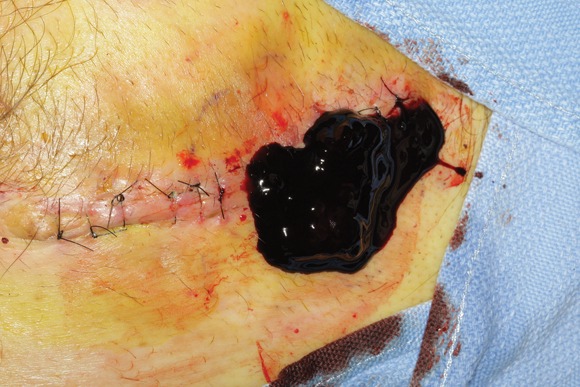
He reviewed the literature on the risks for hemorrhage in patients on anticoagulant therapy who undergo Mohs surgery and the risks for thrombosis in patients who stop their anticoagulant therapy before Mohs.
"The bottom line is that bleeding happens, but nobody dies. That's in contrast to the thrombotic data, where people do die," said Dr. Otley, professor of dermatology at the Mayo Clinic, Rochester, Minn.
The consequences of a thrombotic episode are so much greater than the impact of a hemorrhagic complication that he recommended continuing medically necessary anticoagulants in most cases. "Take extra care with clopidogrel plus aspirin and with warfarin. Taking patients off these, especially if they have a fresh stent, is not the right thing to do," he said.
A survey of 168 American College of Mohs Surgery members in 2003 gathered reports of thrombotic complications within 3 days of Mohs surgery in 46 patients who had stopped anticoagulant therapy, Dr. Otley noted. These included stroke in 24 patients, transient ischemic attack in 8, MI in 5, cerebral emboli or death in 3 patients each, pulmonary embolus in 2, and blindness in 1 patient (J. Am. Acad. Dermatol 2003;48:233-7).
A separate survey of more than 270 dermasurgeons in 2005 found thrombotic complications in 126 patients who stopped anticoagulants for Mohs surgery, including stroke in 39 patients, transient ischemic attack in 25, MI in 19, unstable angina in 17, death in 15, deep venous thrombosis in 7, and pulmonary embolus in 4 patients (Dermatol. Surg. 2007;33:1189-97).

Case reports are emerging of thrombotic episodes in patients on newer anticoagulants who stop therapy for cutaneous surgery. For instance, he noted, a patient who stopped ticlopidine and aspirin developed a deep venous thrombosis. A patient who stopped clopidogrel and ardeparin thrombosed a prosthetic valve. A patient who stopped clopidogrel and aspirin had an MI.
These problems typically present as emergencies, which the Mohs surgeon may not see, Dr. Otley noted. "You may have had more patients experience this than you know about," he said.
Most of the data on the risk of hemorrhagic complications in patients undergoing superficial cutaneous surgery while on anticoagulants focus on traditional agents such as warfarin, aspirin, and NSAIDs, with some data on heparin. Little or no data exist on the risks with newer, more potent anticoagulants.
A total of 10 of 11 studies of patients on warfarin, aspirin, or NSAIDs found no increased risk of perioperative severe hemorrhagic complications, Dr. Otley said. One study of 21 patients on warfarin found an increased risk of complications including persistent bleeding, hematoma, infection, or graft loss. The most severe complication observed in any of the 11 studies was hematoma.
A meta-analysis of the data found a significantly increased risk if moderate and severe hemorrhagic complications were combined as an outcome, but not for severe complications alone, he noted (Dermatol. Surg. 2008;34:160-5).
Clopidogrel (Plavix) is new enough that there is little consensus on how to manage patients on this potent anticoagulant during cutaneous surgery. "This is the one that we’re seeing a ton of patients on," Dr. Otley said. "If your patient has a fresh stent, you would be insane to take that patient off this medication."
Patients on clopidogrel usually are on other anticoagulants, too. Data suggest there is a significant 28-fold higher risk of severe hemorrhagic complications in patients on any clopidogrel-containing regimen, compared with patients not taking anticoagulants, and a significant eightfold higher risk in patients on clopidogrel plus aspirin, compared with patients on aspirin alone. If you compare patients on clopidogrel with patients not on anticoagulant therapy, the difference in risk for severe hemorrhagic complications is not significant, probably due to the small number of patients on clopidogrel alone, he said.
"Nobody has died of hemorrhagic complications, to my knowledge," while having cutaneous surgery on clopidogrel. However, stopping the drug increases the risk of death from thrombotic complications, Dr. Otley said.
There are no data yet on cutaneous surgery complications in patients on dabigatran, "the new kid on the block," and a drug that "you're going to be hearing a lot about," he said. Dabigatran is as effective as warfarin for preventing stroke in high-risk patients.
If patients scheduled for Mohs surgery are on dabigatran, "I'd probably have them continue it unless your hematologist says otherwise," Dr. Otley said. He urged Mohs surgeons to start collecting data on any complications in patients on dabigatran.
To prevent bleeding complications from Mohs surgery, pay attention to hematologic parameters and monitor blood pressure. Hypertension is the leading cause of excessive intraoperative bleeding, he said. Administer sedatives for anxiolysis, use epinephrine as needed, apply pressure dressings, and put in a drain if you think a patient is going to bleed. Use blood products if needed.
In the OR, dislodge temporary clots, eliminate dead space, apply pressure dressings, and use other techniques for secondary prevention of bleeding complications, he advised. "There's no better time to have someone bleed than while you have them open, so rub all those clots off and recoagulate," he said.
Patients with hemorrhagic complications often apologize to Dr. Otley, thinking they did something that caused the bleeding. "I can guarantee you thrombotic patients will not be apologizing to you," he said.
Dr. Otley said he has no relevant conflicts of interest.
LAS VEGAS – A perioperative hemorrhage in a patient undergoing Mohs surgery is a bloody mess, but a thrombosis causing a stroke is a catastrophe.
"Bleeding is overemphasized in our specialty, because it's dramatic. But it is very inconsequential in contrast to thrombosis, which is probably underappreciated," Dr. Clark C. Otley said at the annual meeting of the American College of Mohs Surgery.
He reviewed the literature on the risks for hemorrhage in patients on anticoagulant therapy who undergo Mohs surgery and the risks for thrombosis in patients who stop their anticoagulant therapy before Mohs.
"The bottom line is that bleeding happens, but nobody dies. That's in contrast to the thrombotic data, where people do die," said Dr. Otley, professor of dermatology at the Mayo Clinic, Rochester, Minn.
The consequences of a thrombotic episode are so much greater than the impact of a hemorrhagic complication that he recommended continuing medically necessary anticoagulants in most cases. "Take extra care with clopidogrel plus aspirin and with warfarin. Taking patients off these, especially if they have a fresh stent, is not the right thing to do," he said.
A survey of 168 American College of Mohs Surgery members in 2003 gathered reports of thrombotic complications within 3 days of Mohs surgery in 46 patients who had stopped anticoagulant therapy, Dr. Otley noted. These included stroke in 24 patients, transient ischemic attack in 8, MI in 5, cerebral emboli or death in 3 patients each, pulmonary embolus in 2, and blindness in 1 patient (J. Am. Acad. Dermatol 2003;48:233-7).
A separate survey of more than 270 dermasurgeons in 2005 found thrombotic complications in 126 patients who stopped anticoagulants for Mohs surgery, including stroke in 39 patients, transient ischemic attack in 25, MI in 19, unstable angina in 17, death in 15, deep venous thrombosis in 7, and pulmonary embolus in 4 patients (Dermatol. Surg. 2007;33:1189-97).
Case reports are emerging of thrombotic episodes in patients on newer anticoagulants who stop therapy for cutaneous surgery. For instance, he noted, a patient who stopped ticlopidine and aspirin developed a deep venous thrombosis. A patient who stopped clopidogrel and ardeparin thrombosed a prosthetic valve. A patient who stopped clopidogrel and aspirin had an MI.
These problems typically present as emergencies, which the Mohs surgeon may not see, Dr. Otley noted. "You may have had more patients experience this than you know about," he said.
Most of the data on the risk of hemorrhagic complications in patients undergoing superficial cutaneous surgery while on anticoagulants focus on traditional agents such as warfarin, aspirin, and NSAIDs, with some data on heparin. Little or no data exist on the risks with newer, more potent anticoagulants.
A total of 10 of 11 studies of patients on warfarin, aspirin, or NSAIDs found no increased risk of perioperative severe hemorrhagic complications, Dr. Otley said. One study of 21 patients on warfarin found an increased risk of complications including persistent bleeding, hematoma, infection, or graft loss. The most severe complication observed in any of the 11 studies was hematoma.
A meta-analysis of the data found a significantly increased risk if moderate and severe hemorrhagic complications were combined as an outcome, but not for severe complications alone, he noted (Dermatol. Surg. 2008;34:160-5).
Clopidogrel (Plavix) is new enough that there is little consensus on how to manage patients on this potent anticoagulant during cutaneous surgery. "This is the one that we’re seeing a ton of patients on," Dr. Otley said. "If your patient has a fresh stent, you would be insane to take that patient off this medication."
Patients on clopidogrel usually are on other anticoagulants, too. Data suggest there is a significant 28-fold higher risk of severe hemorrhagic complications in patients on any clopidogrel-containing regimen, compared with patients not taking anticoagulants, and a significant eightfold higher risk in patients on clopidogrel plus aspirin, compared with patients on aspirin alone. If you compare patients on clopidogrel with patients not on anticoagulant therapy, the difference in risk for severe hemorrhagic complications is not significant, probably due to the small number of patients on clopidogrel alone, he said.
"Nobody has died of hemorrhagic complications, to my knowledge," while having cutaneous surgery on clopidogrel. However, stopping the drug increases the risk of death from thrombotic complications, Dr. Otley said.
There are no data yet on cutaneous surgery complications in patients on dabigatran, "the new kid on the block," and a drug that "you're going to be hearing a lot about," he said. Dabigatran is as effective as warfarin for preventing stroke in high-risk patients.
If patients scheduled for Mohs surgery are on dabigatran, "I'd probably have them continue it unless your hematologist says otherwise," Dr. Otley said. He urged Mohs surgeons to start collecting data on any complications in patients on dabigatran.
To prevent bleeding complications from Mohs surgery, pay attention to hematologic parameters and monitor blood pressure. Hypertension is the leading cause of excessive intraoperative bleeding, he said. Administer sedatives for anxiolysis, use epinephrine as needed, apply pressure dressings, and put in a drain if you think a patient is going to bleed. Use blood products if needed.
In the OR, dislodge temporary clots, eliminate dead space, apply pressure dressings, and use other techniques for secondary prevention of bleeding complications, he advised. "There's no better time to have someone bleed than while you have them open, so rub all those clots off and recoagulate," he said.
Patients with hemorrhagic complications often apologize to Dr. Otley, thinking they did something that caused the bleeding. "I can guarantee you thrombotic patients will not be apologizing to you," he said.
Dr. Otley said he has no relevant conflicts of interest.
LAS VEGAS – A perioperative hemorrhage in a patient undergoing Mohs surgery is a bloody mess, but a thrombosis causing a stroke is a catastrophe.
"Bleeding is overemphasized in our specialty, because it's dramatic. But it is very inconsequential in contrast to thrombosis, which is probably underappreciated," Dr. Clark C. Otley said at the annual meeting of the American College of Mohs Surgery.
He reviewed the literature on the risks for hemorrhage in patients on anticoagulant therapy who undergo Mohs surgery and the risks for thrombosis in patients who stop their anticoagulant therapy before Mohs.
"The bottom line is that bleeding happens, but nobody dies. That's in contrast to the thrombotic data, where people do die," said Dr. Otley, professor of dermatology at the Mayo Clinic, Rochester, Minn.
The consequences of a thrombotic episode are so much greater than the impact of a hemorrhagic complication that he recommended continuing medically necessary anticoagulants in most cases. "Take extra care with clopidogrel plus aspirin and with warfarin. Taking patients off these, especially if they have a fresh stent, is not the right thing to do," he said.
A survey of 168 American College of Mohs Surgery members in 2003 gathered reports of thrombotic complications within 3 days of Mohs surgery in 46 patients who had stopped anticoagulant therapy, Dr. Otley noted. These included stroke in 24 patients, transient ischemic attack in 8, MI in 5, cerebral emboli or death in 3 patients each, pulmonary embolus in 2, and blindness in 1 patient (J. Am. Acad. Dermatol 2003;48:233-7).
A separate survey of more than 270 dermasurgeons in 2005 found thrombotic complications in 126 patients who stopped anticoagulants for Mohs surgery, including stroke in 39 patients, transient ischemic attack in 25, MI in 19, unstable angina in 17, death in 15, deep venous thrombosis in 7, and pulmonary embolus in 4 patients (Dermatol. Surg. 2007;33:1189-97).
Case reports are emerging of thrombotic episodes in patients on newer anticoagulants who stop therapy for cutaneous surgery. For instance, he noted, a patient who stopped ticlopidine and aspirin developed a deep venous thrombosis. A patient who stopped clopidogrel and ardeparin thrombosed a prosthetic valve. A patient who stopped clopidogrel and aspirin had an MI.
These problems typically present as emergencies, which the Mohs surgeon may not see, Dr. Otley noted. "You may have had more patients experience this than you know about," he said.
Most of the data on the risk of hemorrhagic complications in patients undergoing superficial cutaneous surgery while on anticoagulants focus on traditional agents such as warfarin, aspirin, and NSAIDs, with some data on heparin. Little or no data exist on the risks with newer, more potent anticoagulants.
A total of 10 of 11 studies of patients on warfarin, aspirin, or NSAIDs found no increased risk of perioperative severe hemorrhagic complications, Dr. Otley said. One study of 21 patients on warfarin found an increased risk of complications including persistent bleeding, hematoma, infection, or graft loss. The most severe complication observed in any of the 11 studies was hematoma.
A meta-analysis of the data found a significantly increased risk if moderate and severe hemorrhagic complications were combined as an outcome, but not for severe complications alone, he noted (Dermatol. Surg. 2008;34:160-5).
Clopidogrel (Plavix) is new enough that there is little consensus on how to manage patients on this potent anticoagulant during cutaneous surgery. "This is the one that we’re seeing a ton of patients on," Dr. Otley said. "If your patient has a fresh stent, you would be insane to take that patient off this medication."
Patients on clopidogrel usually are on other anticoagulants, too. Data suggest there is a significant 28-fold higher risk of severe hemorrhagic complications in patients on any clopidogrel-containing regimen, compared with patients not taking anticoagulants, and a significant eightfold higher risk in patients on clopidogrel plus aspirin, compared with patients on aspirin alone. If you compare patients on clopidogrel with patients not on anticoagulant therapy, the difference in risk for severe hemorrhagic complications is not significant, probably due to the small number of patients on clopidogrel alone, he said.
"Nobody has died of hemorrhagic complications, to my knowledge," while having cutaneous surgery on clopidogrel. However, stopping the drug increases the risk of death from thrombotic complications, Dr. Otley said.
There are no data yet on cutaneous surgery complications in patients on dabigatran, "the new kid on the block," and a drug that "you're going to be hearing a lot about," he said. Dabigatran is as effective as warfarin for preventing stroke in high-risk patients.
If patients scheduled for Mohs surgery are on dabigatran, "I'd probably have them continue it unless your hematologist says otherwise," Dr. Otley said. He urged Mohs surgeons to start collecting data on any complications in patients on dabigatran.
To prevent bleeding complications from Mohs surgery, pay attention to hematologic parameters and monitor blood pressure. Hypertension is the leading cause of excessive intraoperative bleeding, he said. Administer sedatives for anxiolysis, use epinephrine as needed, apply pressure dressings, and put in a drain if you think a patient is going to bleed. Use blood products if needed.
In the OR, dislodge temporary clots, eliminate dead space, apply pressure dressings, and use other techniques for secondary prevention of bleeding complications, he advised. "There's no better time to have someone bleed than while you have them open, so rub all those clots off and recoagulate," he said.
Patients with hemorrhagic complications often apologize to Dr. Otley, thinking they did something that caused the bleeding. "I can guarantee you thrombotic patients will not be apologizing to you," he said.
Dr. Otley said he has no relevant conflicts of interest.
EXPERT ANALYSIS FROM THE ANNUAL MEETING OF THE AMERICAN COLLEGE OF MOHS SURGERY
Healthy People Don't Need Vitamin D Screen, Guidelines Say
BOSTON – Healthy individuals do not need to be screened for vitamin D deficiency, according to guidelines released today by the Endocrine Society.
"We do not recommend screening for vitamin D deficiency in individuals not at risk. That's an important message. So we're recommending screening for those at risk for vitamin D deficiency – those who are obese, African Americans, pregnant and lactating women, patients with malabsorption syndromes, and a whole list that we have provided in the guidelines," lead author Dr. Michael F. Holick said at the annual meeting of the Endocrine Society.

Dr. Holick headed a task force appointed by the clinical guidelines subcommittee of the Endocrine Society to formulate evidence-based recommendations on vitamin D deficiency. The subcommittee deemed vitamin D deficiency a priority area in need of practice guidelines.
The task force noted that most individuals do not get adequate vitamin D for a number of reasons. In particular, "there needs to be an appreciation that unprotected sun exposure is the major source of vitamin D for both children and adults and that in the absence of sun exposure it is difficult, if not impossible, to obtain an adequate amount of vitamin D from dietary sources without supplementation to satisfy the body’s requirement. Concerns about melanoma and other types of skin cancer necessitate avoidance of excessive exposure to midday sun," they wrote.
The task force recommended that those at risk for vitamin D deficiency be screened by measuring serum 25-hydroxyvitamin D levels using a reliable assay. Causes of vitamin D deficiency include obesity, fat malabsorption syndromes, bariatric surgery, nephrotic syndrome, a wide range of medications (anticonvulsants and anti–HIV/AIDS drugs), chronic granuloma-forming disorders, some lymphomas, and primary hyperthyroidism.
The guidelines were released at the meeting and will be published in the July issue of the Journal of Clinical Endocrinology & Metabolism (doi: 10.1210/jc.2011-0385).
The guidelines provide long-awaited recommendations on vitamin D intake and the diagnosis and treatment of vitamin D deficiency. Physicians have struggled for years to delineate how much vitamin D is necessary for different clinical groups, how to measure it, and how best to supplement deficiencies.
The task force commissioned the conduct of two systematic reviews of the literature to inform its key recommendations and followed the approach recommended by GRADE, an international group with expertise in development and implementation of evidence-based guidelines.
"All available evidence suggests that children and adults should maintain a blood level of 25(OH)D above 20 ng/mL to prevent rickets and osteomalacia, respectively. However, to maximize vitamin D's effect on calcium, bone, and muscle metabolism, the 25(OH)D blood level should be above 30 ng/mL," the group wrote.
In the new guidelines, vitamin D deficiency is defined as a 25(OH)D concentration less than 20 ng/mL (50 nmol/L). The task force suggests:
– Infants and children aged 0-1 year require at least 400 IU/day (IU = 25 ng) of vitamin D to maximize bone health.
– Children 1 year and older require at least 600 IU/day.
– Adults aged 19-50 years require at least 600 IU/day.
– Adults aged 50-70 years require at least 600 IU/day.
– Adults 70 years and older require 800 IU/day.
– Pregnant and lactating women require at least 600 IU/day.
The task force also recommends that obese children and adults and children and adults on certain medications (anticonvulsant medications, glucocorticoids, antifungals such as ketoconazole, and medications for AIDS) be given at least 2-3 times more vitamin D for their age group to satisfy their bodies' vitamin D requirements.
Either vitamin D2 or vitamin D3 can be used for the treatment and prevention of vitamin D deficiency. The group recommends that adults who are vitamin D deficient be treated with 50,000 IU of vitamin D2 or vitamin D3 once a week for eight weeks or its equivalent of 6,000 IU of vitamin D2 or vitamin D3 daily to achieve a blood level of 25(OH)D greater than 30 ng/mL. This should be followed by maintenance therapy of 1,500-2,000 IU/day.
The task force also recommends vitamin D supplementation for fall prevention. "We know that there is sufficient evidence to give vitamin D for fall prevention. It's well documented that vitamin D is very important for muscle strength," said Dr. Holick, professor of medicine, physiology and biophysics at Boston University.
However, the group does not recommend prescribing vitamin D supplementation beyond recommended daily needs for the purpose of preventing cardiovascular disease or death or improving quality of life, because there is insufficient evidence.
The guidelines are cosponsored by the Canadian Society of Endocrinology and Metabolism and the National Osteoporosis Foundation.
All but one of the authors reported having significant financial relationships with pharmaceutical companies, medical organizations, and/or food industry groups.
BOSTON – Healthy individuals do not need to be screened for vitamin D deficiency, according to guidelines released today by the Endocrine Society.
"We do not recommend screening for vitamin D deficiency in individuals not at risk. That's an important message. So we're recommending screening for those at risk for vitamin D deficiency – those who are obese, African Americans, pregnant and lactating women, patients with malabsorption syndromes, and a whole list that we have provided in the guidelines," lead author Dr. Michael F. Holick said at the annual meeting of the Endocrine Society.
Dr. Holick headed a task force appointed by the clinical guidelines subcommittee of the Endocrine Society to formulate evidence-based recommendations on vitamin D deficiency. The subcommittee deemed vitamin D deficiency a priority area in need of practice guidelines.
The task force noted that most individuals do not get adequate vitamin D for a number of reasons. In particular, "there needs to be an appreciation that unprotected sun exposure is the major source of vitamin D for both children and adults and that in the absence of sun exposure it is difficult, if not impossible, to obtain an adequate amount of vitamin D from dietary sources without supplementation to satisfy the body’s requirement. Concerns about melanoma and other types of skin cancer necessitate avoidance of excessive exposure to midday sun," they wrote.
The task force recommended that those at risk for vitamin D deficiency be screened by measuring serum 25-hydroxyvitamin D levels using a reliable assay. Causes of vitamin D deficiency include obesity, fat malabsorption syndromes, bariatric surgery, nephrotic syndrome, a wide range of medications (anticonvulsants and anti–HIV/AIDS drugs), chronic granuloma-forming disorders, some lymphomas, and primary hyperthyroidism.
The guidelines were released at the meeting and will be published in the July issue of the Journal of Clinical Endocrinology & Metabolism (doi: 10.1210/jc.2011-0385).
The guidelines provide long-awaited recommendations on vitamin D intake and the diagnosis and treatment of vitamin D deficiency. Physicians have struggled for years to delineate how much vitamin D is necessary for different clinical groups, how to measure it, and how best to supplement deficiencies.
The task force commissioned the conduct of two systematic reviews of the literature to inform its key recommendations and followed the approach recommended by GRADE, an international group with expertise in development and implementation of evidence-based guidelines.
"All available evidence suggests that children and adults should maintain a blood level of 25(OH)D above 20 ng/mL to prevent rickets and osteomalacia, respectively. However, to maximize vitamin D's effect on calcium, bone, and muscle metabolism, the 25(OH)D blood level should be above 30 ng/mL," the group wrote.
In the new guidelines, vitamin D deficiency is defined as a 25(OH)D concentration less than 20 ng/mL (50 nmol/L). The task force suggests:
– Infants and children aged 0-1 year require at least 400 IU/day (IU = 25 ng) of vitamin D to maximize bone health.
– Children 1 year and older require at least 600 IU/day.
– Adults aged 19-50 years require at least 600 IU/day.
– Adults aged 50-70 years require at least 600 IU/day.
– Adults 70 years and older require 800 IU/day.
– Pregnant and lactating women require at least 600 IU/day.
The task force also recommends that obese children and adults and children and adults on certain medications (anticonvulsant medications, glucocorticoids, antifungals such as ketoconazole, and medications for AIDS) be given at least 2-3 times more vitamin D for their age group to satisfy their bodies' vitamin D requirements.
Either vitamin D2 or vitamin D3 can be used for the treatment and prevention of vitamin D deficiency. The group recommends that adults who are vitamin D deficient be treated with 50,000 IU of vitamin D2 or vitamin D3 once a week for eight weeks or its equivalent of 6,000 IU of vitamin D2 or vitamin D3 daily to achieve a blood level of 25(OH)D greater than 30 ng/mL. This should be followed by maintenance therapy of 1,500-2,000 IU/day.
The task force also recommends vitamin D supplementation for fall prevention. "We know that there is sufficient evidence to give vitamin D for fall prevention. It's well documented that vitamin D is very important for muscle strength," said Dr. Holick, professor of medicine, physiology and biophysics at Boston University.
However, the group does not recommend prescribing vitamin D supplementation beyond recommended daily needs for the purpose of preventing cardiovascular disease or death or improving quality of life, because there is insufficient evidence.
The guidelines are cosponsored by the Canadian Society of Endocrinology and Metabolism and the National Osteoporosis Foundation.
All but one of the authors reported having significant financial relationships with pharmaceutical companies, medical organizations, and/or food industry groups.
BOSTON – Healthy individuals do not need to be screened for vitamin D deficiency, according to guidelines released today by the Endocrine Society.
"We do not recommend screening for vitamin D deficiency in individuals not at risk. That's an important message. So we're recommending screening for those at risk for vitamin D deficiency – those who are obese, African Americans, pregnant and lactating women, patients with malabsorption syndromes, and a whole list that we have provided in the guidelines," lead author Dr. Michael F. Holick said at the annual meeting of the Endocrine Society.
Dr. Holick headed a task force appointed by the clinical guidelines subcommittee of the Endocrine Society to formulate evidence-based recommendations on vitamin D deficiency. The subcommittee deemed vitamin D deficiency a priority area in need of practice guidelines.
The task force noted that most individuals do not get adequate vitamin D for a number of reasons. In particular, "there needs to be an appreciation that unprotected sun exposure is the major source of vitamin D for both children and adults and that in the absence of sun exposure it is difficult, if not impossible, to obtain an adequate amount of vitamin D from dietary sources without supplementation to satisfy the body’s requirement. Concerns about melanoma and other types of skin cancer necessitate avoidance of excessive exposure to midday sun," they wrote.
The task force recommended that those at risk for vitamin D deficiency be screened by measuring serum 25-hydroxyvitamin D levels using a reliable assay. Causes of vitamin D deficiency include obesity, fat malabsorption syndromes, bariatric surgery, nephrotic syndrome, a wide range of medications (anticonvulsants and anti–HIV/AIDS drugs), chronic granuloma-forming disorders, some lymphomas, and primary hyperthyroidism.
The guidelines were released at the meeting and will be published in the July issue of the Journal of Clinical Endocrinology & Metabolism (doi: 10.1210/jc.2011-0385).
The guidelines provide long-awaited recommendations on vitamin D intake and the diagnosis and treatment of vitamin D deficiency. Physicians have struggled for years to delineate how much vitamin D is necessary for different clinical groups, how to measure it, and how best to supplement deficiencies.
The task force commissioned the conduct of two systematic reviews of the literature to inform its key recommendations and followed the approach recommended by GRADE, an international group with expertise in development and implementation of evidence-based guidelines.
"All available evidence suggests that children and adults should maintain a blood level of 25(OH)D above 20 ng/mL to prevent rickets and osteomalacia, respectively. However, to maximize vitamin D's effect on calcium, bone, and muscle metabolism, the 25(OH)D blood level should be above 30 ng/mL," the group wrote.
In the new guidelines, vitamin D deficiency is defined as a 25(OH)D concentration less than 20 ng/mL (50 nmol/L). The task force suggests:
– Infants and children aged 0-1 year require at least 400 IU/day (IU = 25 ng) of vitamin D to maximize bone health.
– Children 1 year and older require at least 600 IU/day.
– Adults aged 19-50 years require at least 600 IU/day.
– Adults aged 50-70 years require at least 600 IU/day.
– Adults 70 years and older require 800 IU/day.
– Pregnant and lactating women require at least 600 IU/day.
The task force also recommends that obese children and adults and children and adults on certain medications (anticonvulsant medications, glucocorticoids, antifungals such as ketoconazole, and medications for AIDS) be given at least 2-3 times more vitamin D for their age group to satisfy their bodies' vitamin D requirements.
Either vitamin D2 or vitamin D3 can be used for the treatment and prevention of vitamin D deficiency. The group recommends that adults who are vitamin D deficient be treated with 50,000 IU of vitamin D2 or vitamin D3 once a week for eight weeks or its equivalent of 6,000 IU of vitamin D2 or vitamin D3 daily to achieve a blood level of 25(OH)D greater than 30 ng/mL. This should be followed by maintenance therapy of 1,500-2,000 IU/day.
The task force also recommends vitamin D supplementation for fall prevention. "We know that there is sufficient evidence to give vitamin D for fall prevention. It's well documented that vitamin D is very important for muscle strength," said Dr. Holick, professor of medicine, physiology and biophysics at Boston University.
However, the group does not recommend prescribing vitamin D supplementation beyond recommended daily needs for the purpose of preventing cardiovascular disease or death or improving quality of life, because there is insufficient evidence.
The guidelines are cosponsored by the Canadian Society of Endocrinology and Metabolism and the National Osteoporosis Foundation.
All but one of the authors reported having significant financial relationships with pharmaceutical companies, medical organizations, and/or food industry groups.
FROM THE ANNUAL MEETING OF THE ENDOCRINE SOCIETY