User login
Lenalidomide, thalidomide similar when combined with melphalan and prednisone for multiple myeloma
Combination treatment with melphalan, prednisone and either thalidomide or lenalidomide had comparable efficacy in elderly patients who were newly diagnosed with multiple myeloma. Lenalidomide was associated with less toxicity, however, and higher quality of life, according to results from a phase III trial.
The Eastern Cooperative Oncology Group (ECOG) E1a06 trial showed similar progression-free survival (PFS), overall survival (OS), and response rates for thalidomide and lenalidomide groups. PFS was 21 and 19 months, respectively (hazard ratio [HR], 0.84; 95% CI, 0.64-1.09; P = .186); OS was 53 and 48 months (HR, 0.88; 0.63-1.24; P = .476); partial response rates were 75% and 70%; and very good partial response rates were 25% and 32%.
Patients in the thalidomide group reported significantly more overall toxicity of grade 3 or greater, compared with the lenalidomide group, 73% vs. 58% (P = .007) (Blood 2015 Sep 17. doi:10.1182/blood-2014-12-613927).
The E1a06 trial included 306 patients, median age 76 years, with newly diagnosed multiple myeloma. The median follow up was 41 months, and 139 patients received maintenance therapy, with similar proportions from each arm.
The researchers compared melphalan, prednisone and thalidomide (MPT) with melphalan, prednisone, and lenalidomide (MPR), but administered lower doses of melphalan, with the hope that it would be better tolerated with less myelosuppression. Emerging data suggest benefit in using thalidomide or lenalidomide continuously, and the drugs were incorporated as ongoing maintenance therapy in both arms, MPT-T and MPR-R.
The data are similar to the recent Dutch-Belgium Hemato-Oncology Cooperative Group (HOVON) trial, which had median participant age of 73 years. Although response rates were higher in the HOVON study, possibly due to higher doses of melphalan and lenalidomide, PFS was essentially identical.
For reasons unclear but possibly due in part to higher median age, outcomes in this trial were inferior to the MM-015 trial, which examined continuous lenalidomide therapy and included patients of median age 71 years. In the MM-015 trial MPR-R arm, median PFS and OS were much higher at 31 and 56 months, respectively.
The difference was most obvious in younger patients, who are able to tolerate higher melphalan doses and myelosuppression, according to Dr. Keith Stewart of the division of hematology, Mayo Clinic Arizona, Scottsdale, and colleagues.
“We assume this explains the wide difference in the MM-015 and E1a06 and suggests that a dose-intense approach in younger patients receiving MPR-R is advisable,” they wrote.
In the this study’s MPR-R arm, patients older than 75 years had shorter PFS by 5 months than did younger patients, but toxicity reports were similar across ages.
The majority of patients experienced at least grade 3 toxicity: 58% of MPR-R and 73% of MPT-T patients. Only hematologic toxicities of grade 4 or higher were recorded, so estimates of overall hematologic toxicity are incomplete. Patients in the MPR-R group reported better quality of life, mostly attributable to lower neuropathy rates.
Dr. Stewart disclosed ties with Celgene, maker of lenalidomide (Revlimid); Novartis, Bristol Meyers Squib, Sanofi Aventis, and Janssen.
Combination treatment with melphalan, prednisone and either thalidomide or lenalidomide had comparable efficacy in elderly patients who were newly diagnosed with multiple myeloma. Lenalidomide was associated with less toxicity, however, and higher quality of life, according to results from a phase III trial.
The Eastern Cooperative Oncology Group (ECOG) E1a06 trial showed similar progression-free survival (PFS), overall survival (OS), and response rates for thalidomide and lenalidomide groups. PFS was 21 and 19 months, respectively (hazard ratio [HR], 0.84; 95% CI, 0.64-1.09; P = .186); OS was 53 and 48 months (HR, 0.88; 0.63-1.24; P = .476); partial response rates were 75% and 70%; and very good partial response rates were 25% and 32%.
Patients in the thalidomide group reported significantly more overall toxicity of grade 3 or greater, compared with the lenalidomide group, 73% vs. 58% (P = .007) (Blood 2015 Sep 17. doi:10.1182/blood-2014-12-613927).
The E1a06 trial included 306 patients, median age 76 years, with newly diagnosed multiple myeloma. The median follow up was 41 months, and 139 patients received maintenance therapy, with similar proportions from each arm.
The researchers compared melphalan, prednisone and thalidomide (MPT) with melphalan, prednisone, and lenalidomide (MPR), but administered lower doses of melphalan, with the hope that it would be better tolerated with less myelosuppression. Emerging data suggest benefit in using thalidomide or lenalidomide continuously, and the drugs were incorporated as ongoing maintenance therapy in both arms, MPT-T and MPR-R.
The data are similar to the recent Dutch-Belgium Hemato-Oncology Cooperative Group (HOVON) trial, which had median participant age of 73 years. Although response rates were higher in the HOVON study, possibly due to higher doses of melphalan and lenalidomide, PFS was essentially identical.
For reasons unclear but possibly due in part to higher median age, outcomes in this trial were inferior to the MM-015 trial, which examined continuous lenalidomide therapy and included patients of median age 71 years. In the MM-015 trial MPR-R arm, median PFS and OS were much higher at 31 and 56 months, respectively.
The difference was most obvious in younger patients, who are able to tolerate higher melphalan doses and myelosuppression, according to Dr. Keith Stewart of the division of hematology, Mayo Clinic Arizona, Scottsdale, and colleagues.
“We assume this explains the wide difference in the MM-015 and E1a06 and suggests that a dose-intense approach in younger patients receiving MPR-R is advisable,” they wrote.
In the this study’s MPR-R arm, patients older than 75 years had shorter PFS by 5 months than did younger patients, but toxicity reports were similar across ages.
The majority of patients experienced at least grade 3 toxicity: 58% of MPR-R and 73% of MPT-T patients. Only hematologic toxicities of grade 4 or higher were recorded, so estimates of overall hematologic toxicity are incomplete. Patients in the MPR-R group reported better quality of life, mostly attributable to lower neuropathy rates.
Dr. Stewart disclosed ties with Celgene, maker of lenalidomide (Revlimid); Novartis, Bristol Meyers Squib, Sanofi Aventis, and Janssen.
Combination treatment with melphalan, prednisone and either thalidomide or lenalidomide had comparable efficacy in elderly patients who were newly diagnosed with multiple myeloma. Lenalidomide was associated with less toxicity, however, and higher quality of life, according to results from a phase III trial.
The Eastern Cooperative Oncology Group (ECOG) E1a06 trial showed similar progression-free survival (PFS), overall survival (OS), and response rates for thalidomide and lenalidomide groups. PFS was 21 and 19 months, respectively (hazard ratio [HR], 0.84; 95% CI, 0.64-1.09; P = .186); OS was 53 and 48 months (HR, 0.88; 0.63-1.24; P = .476); partial response rates were 75% and 70%; and very good partial response rates were 25% and 32%.
Patients in the thalidomide group reported significantly more overall toxicity of grade 3 or greater, compared with the lenalidomide group, 73% vs. 58% (P = .007) (Blood 2015 Sep 17. doi:10.1182/blood-2014-12-613927).
The E1a06 trial included 306 patients, median age 76 years, with newly diagnosed multiple myeloma. The median follow up was 41 months, and 139 patients received maintenance therapy, with similar proportions from each arm.
The researchers compared melphalan, prednisone and thalidomide (MPT) with melphalan, prednisone, and lenalidomide (MPR), but administered lower doses of melphalan, with the hope that it would be better tolerated with less myelosuppression. Emerging data suggest benefit in using thalidomide or lenalidomide continuously, and the drugs were incorporated as ongoing maintenance therapy in both arms, MPT-T and MPR-R.
The data are similar to the recent Dutch-Belgium Hemato-Oncology Cooperative Group (HOVON) trial, which had median participant age of 73 years. Although response rates were higher in the HOVON study, possibly due to higher doses of melphalan and lenalidomide, PFS was essentially identical.
For reasons unclear but possibly due in part to higher median age, outcomes in this trial were inferior to the MM-015 trial, which examined continuous lenalidomide therapy and included patients of median age 71 years. In the MM-015 trial MPR-R arm, median PFS and OS were much higher at 31 and 56 months, respectively.
The difference was most obvious in younger patients, who are able to tolerate higher melphalan doses and myelosuppression, according to Dr. Keith Stewart of the division of hematology, Mayo Clinic Arizona, Scottsdale, and colleagues.
“We assume this explains the wide difference in the MM-015 and E1a06 and suggests that a dose-intense approach in younger patients receiving MPR-R is advisable,” they wrote.
In the this study’s MPR-R arm, patients older than 75 years had shorter PFS by 5 months than did younger patients, but toxicity reports were similar across ages.
The majority of patients experienced at least grade 3 toxicity: 58% of MPR-R and 73% of MPT-T patients. Only hematologic toxicities of grade 4 or higher were recorded, so estimates of overall hematologic toxicity are incomplete. Patients in the MPR-R group reported better quality of life, mostly attributable to lower neuropathy rates.
Dr. Stewart disclosed ties with Celgene, maker of lenalidomide (Revlimid); Novartis, Bristol Meyers Squib, Sanofi Aventis, and Janssen.
FROM BLOOD
Key clinical point: In elderly patients with multiple myeloma, outcomes were similar with melphalan and prednisone combined with either thalidomide or lenalidomide, but lenalidomide was associated with less toxicity and higher quality of life.
Major finding: Comparing thalidomide and lenalidomide arms, PFS was 21 and 19 months, respectively (hazard ratio [HR], 0.84; P = .186); OS was 53 and 48 months (HR, 0.88; P = .476); and overall toxicity of grade 3 or higher was 73% and 58% (P = .007).
Data source: A phase III trial (Eastern Cooperative Oncology Group E1a06) of 306 patients, median age 76 years, who had newly diagnosed multiple myeloma and received a combination of melphalan, prednisone and thalidomide (MPT) or melphalan, prednisone, and lenalidomide (MPR), with median follow up of 41 months.
Disclosures: Dr. Stewart disclosed ties with Celgene, maker of lenalidomide (Revlimid); Novartis, Bristol Meyers Squib, Sanofi Aventis, and Janssen.
The ‘financial toxicity’ of multiple myeloma
Even for patients with medical insurance, multiple myeloma therapy can result in “financial toxicity.”
In a survey of 100 people receiving at least 3 months of ongoing treatment for multiple myeloma at a tertiary academic medical center, at least 70 patients “had at least a minor financial burden on account of their myeloma,” Dr. Scott Huntington of Yale University, New Haven, Conn., and colleagues wrote in an article published Sept. 17 online in the Lancet.
For 55 patients, this burden meant that they reduced spending on basic goods, 63 patients said they had reduced spending on leisure activities, 43 patients said they used savings to pay for treatment, and 21 borrowed money. Costs resulted in treatment delays according to 17 patients, and 36 patients applied for financial copayment assistance.

“Financial toxicity is prevalent in insured patients receiving treatment for multiple myeloma at an academic medical center … adversely affecting quality of life, medication adherence, and possibly even survival,” the researchers wrote (Lancet Haematol. 2015 Sept. 16. doi: 10.1016/S2352-3026(15)00151-9).
Other financial burdens may include travel expenses related to treatment and lost wages. “Half of our cohort of patients with myeloma described reductions in work hours or stopping work altogether since their diagnosis, and these individuals more commonly reported financial burden. … For our vulnerable population already at risk of lost wages and extraneous expenses, it is imperative as health care providers to confront rising treatment costs and cost sharing as means to reduce cancer-related financial toxicity,” Dr. Huntington and his associates said.
They noted that the results could suffer from selection bias because all of the respondents were from the same institution and that could reduce the generalizability of the findings, though all the patients had private insurance or Medicare with additional supplemental insurance to help with out-of-pocket expenses and had “several demographic characteristics likely to protect against financial burden compared with the general multiple myeloma population” in the United States.
The authors called for more multicenter longitudinal studies to determine the effect of treatment-related financial toxicity on clinical outcomes.
The research was funded by the University of Pennsylvania.
Even for patients with medical insurance, multiple myeloma therapy can result in “financial toxicity.”
In a survey of 100 people receiving at least 3 months of ongoing treatment for multiple myeloma at a tertiary academic medical center, at least 70 patients “had at least a minor financial burden on account of their myeloma,” Dr. Scott Huntington of Yale University, New Haven, Conn., and colleagues wrote in an article published Sept. 17 online in the Lancet.
For 55 patients, this burden meant that they reduced spending on basic goods, 63 patients said they had reduced spending on leisure activities, 43 patients said they used savings to pay for treatment, and 21 borrowed money. Costs resulted in treatment delays according to 17 patients, and 36 patients applied for financial copayment assistance.
“Financial toxicity is prevalent in insured patients receiving treatment for multiple myeloma at an academic medical center … adversely affecting quality of life, medication adherence, and possibly even survival,” the researchers wrote (Lancet Haematol. 2015 Sept. 16. doi: 10.1016/S2352-3026(15)00151-9).
Other financial burdens may include travel expenses related to treatment and lost wages. “Half of our cohort of patients with myeloma described reductions in work hours or stopping work altogether since their diagnosis, and these individuals more commonly reported financial burden. … For our vulnerable population already at risk of lost wages and extraneous expenses, it is imperative as health care providers to confront rising treatment costs and cost sharing as means to reduce cancer-related financial toxicity,” Dr. Huntington and his associates said.
They noted that the results could suffer from selection bias because all of the respondents were from the same institution and that could reduce the generalizability of the findings, though all the patients had private insurance or Medicare with additional supplemental insurance to help with out-of-pocket expenses and had “several demographic characteristics likely to protect against financial burden compared with the general multiple myeloma population” in the United States.
The authors called for more multicenter longitudinal studies to determine the effect of treatment-related financial toxicity on clinical outcomes.
The research was funded by the University of Pennsylvania.
Even for patients with medical insurance, multiple myeloma therapy can result in “financial toxicity.”
In a survey of 100 people receiving at least 3 months of ongoing treatment for multiple myeloma at a tertiary academic medical center, at least 70 patients “had at least a minor financial burden on account of their myeloma,” Dr. Scott Huntington of Yale University, New Haven, Conn., and colleagues wrote in an article published Sept. 17 online in the Lancet.
For 55 patients, this burden meant that they reduced spending on basic goods, 63 patients said they had reduced spending on leisure activities, 43 patients said they used savings to pay for treatment, and 21 borrowed money. Costs resulted in treatment delays according to 17 patients, and 36 patients applied for financial copayment assistance.
“Financial toxicity is prevalent in insured patients receiving treatment for multiple myeloma at an academic medical center … adversely affecting quality of life, medication adherence, and possibly even survival,” the researchers wrote (Lancet Haematol. 2015 Sept. 16. doi: 10.1016/S2352-3026(15)00151-9).
Other financial burdens may include travel expenses related to treatment and lost wages. “Half of our cohort of patients with myeloma described reductions in work hours or stopping work altogether since their diagnosis, and these individuals more commonly reported financial burden. … For our vulnerable population already at risk of lost wages and extraneous expenses, it is imperative as health care providers to confront rising treatment costs and cost sharing as means to reduce cancer-related financial toxicity,” Dr. Huntington and his associates said.
They noted that the results could suffer from selection bias because all of the respondents were from the same institution and that could reduce the generalizability of the findings, though all the patients had private insurance or Medicare with additional supplemental insurance to help with out-of-pocket expenses and had “several demographic characteristics likely to protect against financial burden compared with the general multiple myeloma population” in the United States.
The authors called for more multicenter longitudinal studies to determine the effect of treatment-related financial toxicity on clinical outcomes.
The research was funded by the University of Pennsylvania.
FROM THE LANCET

CAR T-cell therapy tested in Sweden
NEW YORK—For the first time, according to researchers, chimeric antigen receptor (CAR) T-cell therapy has been tested in a clinical trial in Sweden.
Early results have shown the treatment can produce complete responses (CRs) in leukemia and lymphoma, although most patients ultimately progressed.
Hannah Karlsson, PhD, of Uppsala University in Sweden, presented data from the phase 1/2a trial of the third-generation CD19 CAR T-cell therapy (abstract A041*) at the inaugural CRI-CIMT-EATI-AACR International Cancer Immunotherapy Conference.
The trial is a collaboration between Uppsala University and Baylor College of Medicine and was funded by AFA Insurances AB and the Swedish Cancer Society.
“Third-generation CAR T cells are being tested in clinical trials for leukemia patients in the United States with success,” said senior study author Angelica Loskog, PhD, also of Uppsala University.
“[T]he main purpose of our clinical trial was to evaluate whether we could reproduce the successful results in leukemia patients in Sweden and to also test if patients with lymphoma will also respond to this treatment.”
So the investigators enrolled 13 patients, 11 of whom were evaluable for efficacy at 3 months after CAR T-cell infusion. All patients had relapsed or refractory, CD19-positive, B-cell disease.
Two patients had acute lymphoblastic leukemia (ALL), 2 had chronic lymphocytic leukemia (CLL), and 7 had lymphoma—3 with diffuse large B-cell lymphoma (DLBCL), 2 with mantle cell lymphoma (MCL), 1 with follicular lymphoma (FL)/DLBCL, and 1 with Burkitt lymphoma.
All of the lymphoma patients received chemotherapy before CAR T-cell infusion to shrink their tumors. Seven patients—3 with leukemia and 4 with lymphoma—received pre-conditioning with cyclophosphamide plus fludarabine to reduce their immunosuppressive cell counts.
The investigators used CAR T cells containing signaling domains from both CD28 and 4-1BB and manufactured using a gamma retrovirus.
Patients received a single infusion of the CAR T cells, 2 patients at a dose of 2 x 10⁷ cells/m2, 4 at a dose of 1 x 10⁸ cells/m2, and 5 at 2 x 10⁸ cells/m2.
Response and toxicity
Six patients had achieved a CR at the time of evaluation.
One patient with DLBCL experienced mild cytokine release syndrome (CRS) before achieving CR. However, the patient relapsed after a second CRS occurred (after 3 months).
Another DLBCL patient achieved a CR prior to T-cell infusion and remained in CR for 6 months before progressing.
One CLL patient and another DLBCL patient responded prior to T-cell infusion and remained in CR for more than 3 months. The CLL patient was still in CR at the time of the meeting.
One of the ALL patients achieved a CR after transient central nervous system toxicity but relapsed at 3 months with CD19-negative ALL. The other ALL patient was in CR for more than a month after experiencing CRS but ultimately progressed.
One CLL patient and 2 MCL patients had all progressed by 3 months.
The FL/DLBCL patient progressed after 1 month, with mild CRS. And the patient with Burkitt lymphoma had major CRS and progressive disease.
The investigators noted that 5 of the 6 patients who received pre-conditioning treatment had initial CRs.
The team is now analyzing whether there is any correlation between the level of immunosuppressive cells and patient response. 
*Information presented at the meeting differs from the abstract.
NEW YORK—For the first time, according to researchers, chimeric antigen receptor (CAR) T-cell therapy has been tested in a clinical trial in Sweden.
Early results have shown the treatment can produce complete responses (CRs) in leukemia and lymphoma, although most patients ultimately progressed.
Hannah Karlsson, PhD, of Uppsala University in Sweden, presented data from the phase 1/2a trial of the third-generation CD19 CAR T-cell therapy (abstract A041*) at the inaugural CRI-CIMT-EATI-AACR International Cancer Immunotherapy Conference.
The trial is a collaboration between Uppsala University and Baylor College of Medicine and was funded by AFA Insurances AB and the Swedish Cancer Society.
“Third-generation CAR T cells are being tested in clinical trials for leukemia patients in the United States with success,” said senior study author Angelica Loskog, PhD, also of Uppsala University.
“[T]he main purpose of our clinical trial was to evaluate whether we could reproduce the successful results in leukemia patients in Sweden and to also test if patients with lymphoma will also respond to this treatment.”
So the investigators enrolled 13 patients, 11 of whom were evaluable for efficacy at 3 months after CAR T-cell infusion. All patients had relapsed or refractory, CD19-positive, B-cell disease.
Two patients had acute lymphoblastic leukemia (ALL), 2 had chronic lymphocytic leukemia (CLL), and 7 had lymphoma—3 with diffuse large B-cell lymphoma (DLBCL), 2 with mantle cell lymphoma (MCL), 1 with follicular lymphoma (FL)/DLBCL, and 1 with Burkitt lymphoma.
All of the lymphoma patients received chemotherapy before CAR T-cell infusion to shrink their tumors. Seven patients—3 with leukemia and 4 with lymphoma—received pre-conditioning with cyclophosphamide plus fludarabine to reduce their immunosuppressive cell counts.
The investigators used CAR T cells containing signaling domains from both CD28 and 4-1BB and manufactured using a gamma retrovirus.
Patients received a single infusion of the CAR T cells, 2 patients at a dose of 2 x 10⁷ cells/m2, 4 at a dose of 1 x 10⁸ cells/m2, and 5 at 2 x 10⁸ cells/m2.
Response and toxicity
Six patients had achieved a CR at the time of evaluation.
One patient with DLBCL experienced mild cytokine release syndrome (CRS) before achieving CR. However, the patient relapsed after a second CRS occurred (after 3 months).
Another DLBCL patient achieved a CR prior to T-cell infusion and remained in CR for 6 months before progressing.
One CLL patient and another DLBCL patient responded prior to T-cell infusion and remained in CR for more than 3 months. The CLL patient was still in CR at the time of the meeting.
One of the ALL patients achieved a CR after transient central nervous system toxicity but relapsed at 3 months with CD19-negative ALL. The other ALL patient was in CR for more than a month after experiencing CRS but ultimately progressed.
One CLL patient and 2 MCL patients had all progressed by 3 months.
The FL/DLBCL patient progressed after 1 month, with mild CRS. And the patient with Burkitt lymphoma had major CRS and progressive disease.
The investigators noted that 5 of the 6 patients who received pre-conditioning treatment had initial CRs.
The team is now analyzing whether there is any correlation between the level of immunosuppressive cells and patient response.
*Information presented at the meeting differs from the abstract.
NEW YORK—For the first time, according to researchers, chimeric antigen receptor (CAR) T-cell therapy has been tested in a clinical trial in Sweden.
Early results have shown the treatment can produce complete responses (CRs) in leukemia and lymphoma, although most patients ultimately progressed.
Hannah Karlsson, PhD, of Uppsala University in Sweden, presented data from the phase 1/2a trial of the third-generation CD19 CAR T-cell therapy (abstract A041*) at the inaugural CRI-CIMT-EATI-AACR International Cancer Immunotherapy Conference.
The trial is a collaboration between Uppsala University and Baylor College of Medicine and was funded by AFA Insurances AB and the Swedish Cancer Society.
“Third-generation CAR T cells are being tested in clinical trials for leukemia patients in the United States with success,” said senior study author Angelica Loskog, PhD, also of Uppsala University.
“[T]he main purpose of our clinical trial was to evaluate whether we could reproduce the successful results in leukemia patients in Sweden and to also test if patients with lymphoma will also respond to this treatment.”
So the investigators enrolled 13 patients, 11 of whom were evaluable for efficacy at 3 months after CAR T-cell infusion. All patients had relapsed or refractory, CD19-positive, B-cell disease.
Two patients had acute lymphoblastic leukemia (ALL), 2 had chronic lymphocytic leukemia (CLL), and 7 had lymphoma—3 with diffuse large B-cell lymphoma (DLBCL), 2 with mantle cell lymphoma (MCL), 1 with follicular lymphoma (FL)/DLBCL, and 1 with Burkitt lymphoma.
All of the lymphoma patients received chemotherapy before CAR T-cell infusion to shrink their tumors. Seven patients—3 with leukemia and 4 with lymphoma—received pre-conditioning with cyclophosphamide plus fludarabine to reduce their immunosuppressive cell counts.
The investigators used CAR T cells containing signaling domains from both CD28 and 4-1BB and manufactured using a gamma retrovirus.
Patients received a single infusion of the CAR T cells, 2 patients at a dose of 2 x 10⁷ cells/m2, 4 at a dose of 1 x 10⁸ cells/m2, and 5 at 2 x 10⁸ cells/m2.
Response and toxicity
Six patients had achieved a CR at the time of evaluation.
One patient with DLBCL experienced mild cytokine release syndrome (CRS) before achieving CR. However, the patient relapsed after a second CRS occurred (after 3 months).
Another DLBCL patient achieved a CR prior to T-cell infusion and remained in CR for 6 months before progressing.
One CLL patient and another DLBCL patient responded prior to T-cell infusion and remained in CR for more than 3 months. The CLL patient was still in CR at the time of the meeting.
One of the ALL patients achieved a CR after transient central nervous system toxicity but relapsed at 3 months with CD19-negative ALL. The other ALL patient was in CR for more than a month after experiencing CRS but ultimately progressed.
One CLL patient and 2 MCL patients had all progressed by 3 months.
The FL/DLBCL patient progressed after 1 month, with mild CRS. And the patient with Burkitt lymphoma had major CRS and progressive disease.
The investigators noted that 5 of the 6 patients who received pre-conditioning treatment had initial CRs.
The team is now analyzing whether there is any correlation between the level of immunosuppressive cells and patient response.
*Information presented at the meeting differs from the abstract.
Cancer report highlights progress, makes predictions

Photo courtesy of the FDA
Despite recent progress in the fight against cancers, these diseases continue to exert “an immense toll” in the US, according to the AACR Cancer Progress Report 2015.
The report highlights the recent approval by the US Food and Drug Administration (FDA) of several anticancer therapies, a vaccine, and 2 diagnostic aids.
But the report also includes data suggesting that cancer cases, and costs related to cancer care, are on the rise.
The report states that, between Aug. 1, 2014, and July 31, 2015, the FDA approved 9 anticancer therapies, either for the first time or for new indications.
During the same period, the FDA approved a new cancer vaccine, a new cancer screening test, and a new use for a previously approved imaging agent.
| Cancer-related products approved from Aug. 1, 2014 to July 31, 2015 | |
| Drug | Approved indication |
| bevacizumab (Avastin) | cervical, ovarian, fallopian
tube, and peritoneal cancers |
| blinatumomab (Blincyto) | acute lymphoblastic leukemia |
| denosumab (Xgeva) | potentially lethal complication
of advanced cancers |
| dinutuximab (Unituxin) | neuroblastoma |
| gefitinib (Iressa) | lung cancer |
| ibrutinib (Imbruvica) | Waldenstrom macroglobulinemia |
| lenvatinib (Lenvima) | thyroid cancer |
| nivolumab (Opdivo) | melanoma, lung cancer |
| olaparib (Lynparza) | ovarian cancer |
| palbociclib (Ibrance) | breast cancer |
| panobinostat (Farydak) | multiple myeloma |
| pembrolizumab (Keytruda) | melanoma |
| ramucirumab (Cyramza) | colorectal and lung cancers |
| sonidegib (Odomzo) | skin cancer |
| Imaging agent | Approved indication |
| technetium 99m tilmanocept
(Lymphoseek) |
lymphatic mapping in solid tumors |
| Vaccine | Approved indication |
| human papillomavirus
9-valent vaccine (Gardasil 9) |
cervical, vulvar,
vaginal, and anal cancers |
| Screening test | Approved indication |
| Cologuard (no generic name) | colorectal cancer |
Despite these advances, cancers continue to exert personal and economic tolls, according to the report.
It states that cancer is the number 1 cause of disease-related death among US children. And more than 589,000 people in the US are projected to die from cancer in 2015.
The number of new cancer cases in the US is predicted to rise from 1.7 million in 2015 to 2.4 million in 2035.
In addition, estimates suggest the direct medical costs of cancer care in the US in 2010 were nearly $125 billion, and these costs are predicted to rise to $156 billion in 2020.
These data underscore the need for more research to develop new approaches to cancer prevention and treatment, according to the report.
Its authors call for Congress and the administration to provide the National Institutes of Health, National Cancer Institute, and FDA with annual funding increases.
“We have made spectacular progress against cancer, which has saved the lives of millions of individuals in the United States and around the world,” said Margaret Foti, PhD, MD, chief executive officer of the AACR.
“However, without increased federal funding for cancer research, we will not be able to realize the promise of recent discoveries and technological advances.”
Photo courtesy of the FDA
Despite recent progress in the fight against cancers, these diseases continue to exert “an immense toll” in the US, according to the AACR Cancer Progress Report 2015.
The report highlights the recent approval by the US Food and Drug Administration (FDA) of several anticancer therapies, a vaccine, and 2 diagnostic aids.
But the report also includes data suggesting that cancer cases, and costs related to cancer care, are on the rise.
The report states that, between Aug. 1, 2014, and July 31, 2015, the FDA approved 9 anticancer therapies, either for the first time or for new indications.
During the same period, the FDA approved a new cancer vaccine, a new cancer screening test, and a new use for a previously approved imaging agent.
| Cancer-related products approved from Aug. 1, 2014 to July 31, 2015 | |
| Drug | Approved indication |
| bevacizumab (Avastin) | cervical, ovarian, fallopian
tube, and peritoneal cancers |
| blinatumomab (Blincyto) | acute lymphoblastic leukemia |
| denosumab (Xgeva) | potentially lethal complication
of advanced cancers |
| dinutuximab (Unituxin) | neuroblastoma |
| gefitinib (Iressa) | lung cancer |
| ibrutinib (Imbruvica) | Waldenstrom macroglobulinemia |
| lenvatinib (Lenvima) | thyroid cancer |
| nivolumab (Opdivo) | melanoma, lung cancer |
| olaparib (Lynparza) | ovarian cancer |
| palbociclib (Ibrance) | breast cancer |
| panobinostat (Farydak) | multiple myeloma |
| pembrolizumab (Keytruda) | melanoma |
| ramucirumab (Cyramza) | colorectal and lung cancers |
| sonidegib (Odomzo) | skin cancer |
| Imaging agent | Approved indication |
| technetium 99m tilmanocept
(Lymphoseek) |
lymphatic mapping in solid tumors |
| Vaccine | Approved indication |
| human papillomavirus
9-valent vaccine (Gardasil 9) |
cervical, vulvar,
vaginal, and anal cancers |
| Screening test | Approved indication |
| Cologuard (no generic name) | colorectal cancer |
Despite these advances, cancers continue to exert personal and economic tolls, according to the report.
It states that cancer is the number 1 cause of disease-related death among US children. And more than 589,000 people in the US are projected to die from cancer in 2015.
The number of new cancer cases in the US is predicted to rise from 1.7 million in 2015 to 2.4 million in 2035.
In addition, estimates suggest the direct medical costs of cancer care in the US in 2010 were nearly $125 billion, and these costs are predicted to rise to $156 billion in 2020.
These data underscore the need for more research to develop new approaches to cancer prevention and treatment, according to the report.
Its authors call for Congress and the administration to provide the National Institutes of Health, National Cancer Institute, and FDA with annual funding increases.
“We have made spectacular progress against cancer, which has saved the lives of millions of individuals in the United States and around the world,” said Margaret Foti, PhD, MD, chief executive officer of the AACR.
“However, without increased federal funding for cancer research, we will not be able to realize the promise of recent discoveries and technological advances.”
Photo courtesy of the FDA
Despite recent progress in the fight against cancers, these diseases continue to exert “an immense toll” in the US, according to the AACR Cancer Progress Report 2015.
The report highlights the recent approval by the US Food and Drug Administration (FDA) of several anticancer therapies, a vaccine, and 2 diagnostic aids.
But the report also includes data suggesting that cancer cases, and costs related to cancer care, are on the rise.
The report states that, between Aug. 1, 2014, and July 31, 2015, the FDA approved 9 anticancer therapies, either for the first time or for new indications.
During the same period, the FDA approved a new cancer vaccine, a new cancer screening test, and a new use for a previously approved imaging agent.
| Cancer-related products approved from Aug. 1, 2014 to July 31, 2015 | |
| Drug | Approved indication |
| bevacizumab (Avastin) | cervical, ovarian, fallopian
tube, and peritoneal cancers |
| blinatumomab (Blincyto) | acute lymphoblastic leukemia |
| denosumab (Xgeva) | potentially lethal complication
of advanced cancers |
| dinutuximab (Unituxin) | neuroblastoma |
| gefitinib (Iressa) | lung cancer |
| ibrutinib (Imbruvica) | Waldenstrom macroglobulinemia |
| lenvatinib (Lenvima) | thyroid cancer |
| nivolumab (Opdivo) | melanoma, lung cancer |
| olaparib (Lynparza) | ovarian cancer |
| palbociclib (Ibrance) | breast cancer |
| panobinostat (Farydak) | multiple myeloma |
| pembrolizumab (Keytruda) | melanoma |
| ramucirumab (Cyramza) | colorectal and lung cancers |
| sonidegib (Odomzo) | skin cancer |
| Imaging agent | Approved indication |
| technetium 99m tilmanocept
(Lymphoseek) |
lymphatic mapping in solid tumors |
| Vaccine | Approved indication |
| human papillomavirus
9-valent vaccine (Gardasil 9) |
cervical, vulvar,
vaginal, and anal cancers |
| Screening test | Approved indication |
| Cologuard (no generic name) | colorectal cancer |
Despite these advances, cancers continue to exert personal and economic tolls, according to the report.
It states that cancer is the number 1 cause of disease-related death among US children. And more than 589,000 people in the US are projected to die from cancer in 2015.
The number of new cancer cases in the US is predicted to rise from 1.7 million in 2015 to 2.4 million in 2035.
In addition, estimates suggest the direct medical costs of cancer care in the US in 2010 were nearly $125 billion, and these costs are predicted to rise to $156 billion in 2020.
These data underscore the need for more research to develop new approaches to cancer prevention and treatment, according to the report.
Its authors call for Congress and the administration to provide the National Institutes of Health, National Cancer Institute, and FDA with annual funding increases.
“We have made spectacular progress against cancer, which has saved the lives of millions of individuals in the United States and around the world,” said Margaret Foti, PhD, MD, chief executive officer of the AACR.
“However, without increased federal funding for cancer research, we will not be able to realize the promise of recent discoveries and technological advances.”
1,000 patients enrolled in MMRF CoMMpass Study
The Multiple Myeloma Research Foundation (MMRF) has achieved its goal of acquiring participation from 1,000 multiple myeloma patients in its CoMMpass study, the foundation said in a statement.
Each participant in the MMRF CoMMpass Studyprovides bone marrow samples at diagnosis and when condition changes occur over the course of at least 8 years. The study opened in July of 2011 and involves the mapping of the genomic profiles of its participants, who are from more than 100 sites in the United States, Canada, and the European Union.
The study “will provide one of the most comprehensive clinical-genomic maps of any cancer. Beyond identifying novel biomarkers and therapeutic targets, the results will help physicians make informed and customized treatment decisions for their patients through data that show which individual and combined therapies work based on a specific profile, and will also help us identify mutations. This deep understanding ultimately leads to better, more precises care, as well as the promise of a cure,” said principal investigator Dr. Sagar Lonial, professor and executive vice chair in the department of hematology and medical oncology and chief medical officer at Winship Cancer Institute, Emory University, Atlanta.
Outputs from the study are accessible through the MMRF Researcher Gateway, an online, open-access portal designed to make key genomic and clinical data available for additional study. Read more about the study on the foundation’s website.
The Multiple Myeloma Research Foundation (MMRF) has achieved its goal of acquiring participation from 1,000 multiple myeloma patients in its CoMMpass study, the foundation said in a statement.
Each participant in the MMRF CoMMpass Studyprovides bone marrow samples at diagnosis and when condition changes occur over the course of at least 8 years. The study opened in July of 2011 and involves the mapping of the genomic profiles of its participants, who are from more than 100 sites in the United States, Canada, and the European Union.
The study “will provide one of the most comprehensive clinical-genomic maps of any cancer. Beyond identifying novel biomarkers and therapeutic targets, the results will help physicians make informed and customized treatment decisions for their patients through data that show which individual and combined therapies work based on a specific profile, and will also help us identify mutations. This deep understanding ultimately leads to better, more precises care, as well as the promise of a cure,” said principal investigator Dr. Sagar Lonial, professor and executive vice chair in the department of hematology and medical oncology and chief medical officer at Winship Cancer Institute, Emory University, Atlanta.
Outputs from the study are accessible through the MMRF Researcher Gateway, an online, open-access portal designed to make key genomic and clinical data available for additional study. Read more about the study on the foundation’s website.
The Multiple Myeloma Research Foundation (MMRF) has achieved its goal of acquiring participation from 1,000 multiple myeloma patients in its CoMMpass study, the foundation said in a statement.
Each participant in the MMRF CoMMpass Studyprovides bone marrow samples at diagnosis and when condition changes occur over the course of at least 8 years. The study opened in July of 2011 and involves the mapping of the genomic profiles of its participants, who are from more than 100 sites in the United States, Canada, and the European Union.
The study “will provide one of the most comprehensive clinical-genomic maps of any cancer. Beyond identifying novel biomarkers and therapeutic targets, the results will help physicians make informed and customized treatment decisions for their patients through data that show which individual and combined therapies work based on a specific profile, and will also help us identify mutations. This deep understanding ultimately leads to better, more precises care, as well as the promise of a cure,” said principal investigator Dr. Sagar Lonial, professor and executive vice chair in the department of hematology and medical oncology and chief medical officer at Winship Cancer Institute, Emory University, Atlanta.
Outputs from the study are accessible through the MMRF Researcher Gateway, an online, open-access portal designed to make key genomic and clinical data available for additional study. Read more about the study on the foundation’s website.
Home pesticide exposure linked to childhood cancers

in his garden
Researchers have linked residential pesticide exposure to childhood cancers, but the estimated risks vary according to the cancer type, the type of pesticide, and where it is applied.
The investigators conducted a meta-analysis of published studies and found that childhood exposure to indoor pesticides was associated with a
significantly increased risk of all the cancers analyzed, as well as leukemia and lymphoma individually.
Overall, exposure to outdoor pesticides was not associated with an increased risk of childhood cancers. However, herbicide exposure was linked to an increased risk of leukemia and all cancers combined.
Mei Chen, PhD, of the Harvard T.H. Chan School of Public Health in Boston, Massachusetts, and colleagues conducted this meta-analysis and reported the results in Pediatrics.
The team searched for observational studies published in PubMed before February 2014 and ultimately included 16 studies in their analysis.
They assessed exposure to indoor pesticides and indoor insecticides (a subgroup of indoor pesticides), as well as exposure to outdoor pesticides, which included outdoor insecticides, herbicides, and fungicides.
The cancer types analyzed were leukemia, lymphoma, brain tumors, neuroblastoma, Wilms tumor, and soft tissue sarcoma.
Indoor pesticides
When the investigators analyzed all cancer types together, they found a significantly increased risk of childhood cancers associated with exposure to indoor pesticides (odds ratio [OR]=1.40).
Likewise, there was a significantly increased risk for leukemia (OR=1.48), acute leukemia (OR=1.59), lymphoma (OR=1.43), and all hematopoietic malignancies (leukemias and lymphomas, OR=1.47).
But the increased risk of childhood brain tumors was not statistically significant, and the other cancers were not analyzed separately.
Exposure to indoor insecticides was associated with a significant increase in the risk of leukemia (OR=1.47), acute leukemia (OR=1.59), lymphoma (OR=1.43), and all hematopoietic malignancies (OR=1.46).
Outdoor pesticides
There was no significant association between exposure to outdoor pesticides or outdoor insecticides and any of the cancer types. And there were not enough studies on fungicides to assess the risk of cancers associated with their use.
However, there was a significant association between exposure to herbicide and all childhood cancers (OR=1.35) as well as leukemia (OR=1.26).
The investigators said these results suggest cancer risks are related to the type of pesticides used and where they are applied.
And although additional research is needed to confirm the association between pesticide exposure and childhood cancers, steps should be taken to limit exposure to pesticides during childhood.
in his garden
Researchers have linked residential pesticide exposure to childhood cancers, but the estimated risks vary according to the cancer type, the type of pesticide, and where it is applied.
The investigators conducted a meta-analysis of published studies and found that childhood exposure to indoor pesticides was associated with a
significantly increased risk of all the cancers analyzed, as well as leukemia and lymphoma individually.
Overall, exposure to outdoor pesticides was not associated with an increased risk of childhood cancers. However, herbicide exposure was linked to an increased risk of leukemia and all cancers combined.
Mei Chen, PhD, of the Harvard T.H. Chan School of Public Health in Boston, Massachusetts, and colleagues conducted this meta-analysis and reported the results in Pediatrics.
The team searched for observational studies published in PubMed before February 2014 and ultimately included 16 studies in their analysis.
They assessed exposure to indoor pesticides and indoor insecticides (a subgroup of indoor pesticides), as well as exposure to outdoor pesticides, which included outdoor insecticides, herbicides, and fungicides.
The cancer types analyzed were leukemia, lymphoma, brain tumors, neuroblastoma, Wilms tumor, and soft tissue sarcoma.
Indoor pesticides
When the investigators analyzed all cancer types together, they found a significantly increased risk of childhood cancers associated with exposure to indoor pesticides (odds ratio [OR]=1.40).
Likewise, there was a significantly increased risk for leukemia (OR=1.48), acute leukemia (OR=1.59), lymphoma (OR=1.43), and all hematopoietic malignancies (leukemias and lymphomas, OR=1.47).
But the increased risk of childhood brain tumors was not statistically significant, and the other cancers were not analyzed separately.
Exposure to indoor insecticides was associated with a significant increase in the risk of leukemia (OR=1.47), acute leukemia (OR=1.59), lymphoma (OR=1.43), and all hematopoietic malignancies (OR=1.46).
Outdoor pesticides
There was no significant association between exposure to outdoor pesticides or outdoor insecticides and any of the cancer types. And there were not enough studies on fungicides to assess the risk of cancers associated with their use.
However, there was a significant association between exposure to herbicide and all childhood cancers (OR=1.35) as well as leukemia (OR=1.26).
The investigators said these results suggest cancer risks are related to the type of pesticides used and where they are applied.
And although additional research is needed to confirm the association between pesticide exposure and childhood cancers, steps should be taken to limit exposure to pesticides during childhood.
in his garden
Researchers have linked residential pesticide exposure to childhood cancers, but the estimated risks vary according to the cancer type, the type of pesticide, and where it is applied.
The investigators conducted a meta-analysis of published studies and found that childhood exposure to indoor pesticides was associated with a
significantly increased risk of all the cancers analyzed, as well as leukemia and lymphoma individually.
Overall, exposure to outdoor pesticides was not associated with an increased risk of childhood cancers. However, herbicide exposure was linked to an increased risk of leukemia and all cancers combined.
Mei Chen, PhD, of the Harvard T.H. Chan School of Public Health in Boston, Massachusetts, and colleagues conducted this meta-analysis and reported the results in Pediatrics.
The team searched for observational studies published in PubMed before February 2014 and ultimately included 16 studies in their analysis.
They assessed exposure to indoor pesticides and indoor insecticides (a subgroup of indoor pesticides), as well as exposure to outdoor pesticides, which included outdoor insecticides, herbicides, and fungicides.
The cancer types analyzed were leukemia, lymphoma, brain tumors, neuroblastoma, Wilms tumor, and soft tissue sarcoma.
Indoor pesticides
When the investigators analyzed all cancer types together, they found a significantly increased risk of childhood cancers associated with exposure to indoor pesticides (odds ratio [OR]=1.40).
Likewise, there was a significantly increased risk for leukemia (OR=1.48), acute leukemia (OR=1.59), lymphoma (OR=1.43), and all hematopoietic malignancies (leukemias and lymphomas, OR=1.47).
But the increased risk of childhood brain tumors was not statistically significant, and the other cancers were not analyzed separately.
Exposure to indoor insecticides was associated with a significant increase in the risk of leukemia (OR=1.47), acute leukemia (OR=1.59), lymphoma (OR=1.43), and all hematopoietic malignancies (OR=1.46).
Outdoor pesticides
There was no significant association between exposure to outdoor pesticides or outdoor insecticides and any of the cancer types. And there were not enough studies on fungicides to assess the risk of cancers associated with their use.
However, there was a significant association between exposure to herbicide and all childhood cancers (OR=1.35) as well as leukemia (OR=1.26).
The investigators said these results suggest cancer risks are related to the type of pesticides used and where they are applied.
And although additional research is needed to confirm the association between pesticide exposure and childhood cancers, steps should be taken to limit exposure to pesticides during childhood.
Excellent survival after ASCT for light-chain amyloidosis
Early mortality after autologous hematopoietic stem cell transplantation (ASCT) for light-chain amyloidosis has declined dramatically in recent years, and 5-year survival is now deemed “excellent” at 77%, according to a report published online Sept. 14 in Journal of Clinical Oncology.
Light-chain amyloidosis results in deposition of insoluble amyloid fibers in many tissues, particularly the heart and kidneys, and can lead to organ failure and death. While medical therapies target the plasma cell clone that is the source of the amyloid, treatments have minimal effect on amyloid that has already accumulated in tissues. Alternatively, ASCT can produce durable hematologic responses and has resulted in improved function of affected organs, based on several single-center studies.
However, the only large, prospective randomized clinical trial to compare ASCT and medical therapy was done in 2007. That study showed autotransplantation carried a high (24%) early mortality, which contributed heavily to inferior overall survival, said Dr. Anita D’Souza of the division of hematology and oncology, Medical College of Wisconsin, Milwaukee, and her associates.
Since that study, supportive care during the peritransplantation period has greatly improved. Large U.S. transplant centers now report that early mortality is less than 5%.
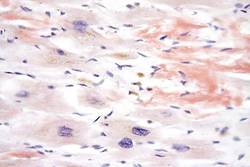
To assess time trends in autotransplantation mortality, Dr. D’Souza and her associates analyzed data from the Center for International Blood & Marrow Transplant Research, a registry that collects transplant data from 320 centers worldwide and captures information concerning most U.S. procedures. They focused on 1,536 North American patients with light-chain amyloidosis who underwent ASCT during three successive 5-year periods: 1995-2000, 2001-2006, and 2007-2012. The median follow-up was 56 months.
Over time, 30-day mortality declined from 11% to 5% to 3%, respectively; and 100-day mortality declined from 20% to 11% to 5%. One-year overall survival rose from 75% to 85% to 90%, and 5-year overall survival improved from 55% to 61% to 77%.
Even among patients with renal amyloidosis, 3-year overall survival improved over time from 78% during the earliest study period to 89% during the most recent time period. However, mortality did not improve significantly over time among patients with cardiac involvement, which continues to be the single most-important variable associated with poor outcomes, the researchers said (J Clin Oncol. 2015 Sep 14 [doi:10.1200/JCO.2015.62.4015]).
A transplant center’s experience with this procedure proved to be of crucial importance to early patient mortality. Centers that performed a low volume of ASCT for light-chain amyloidosis, defined as fewer than four transplants per year, had a 30-day mortality of 5% and a 100-day mortality of 7%, while centers that performed more than four procedures per year had significantly lower mortalities of 1% and 3%, respectively. There were no significant differences between low- and high-volume centers regarding patient, organ, or medication factors, which “led us to believe that high-volume centers do not necessarily select fitter patients for transplantation. Rather, they may be more experienced in supporting and treating these patients in the early posttransplantation period,” Dr. D’Souza and her associates said.
These “reassuring” findings, together with the recent development of novel plasma-cell–targeting agents such as bortezomib, suggest that it is time to consider performing a more current multicenter prospective study comparing autotransplantation against medical therapy, they added.
It is important to place these study findings in context, and note that approximately 20% of patients seen at most transplant centers are considered good candidates for autologous hematopoietic cell transplantation. The outcomes of the procedure remain unsatisfactory for most patients.
Delayed diagnosis appears to be a major obstacle to effective treatment. Many patients experience significant organ dysfunction before a diagnosis is established, even when the underlying plasma cell dyscrasia is being actively followed by a hematologist.
Dr. Noffar Bar, Dr. Terri L. Parker, and Dr. Madhav V. Dhodapkar are at Yale Cancer Center, New Haven Conn. They made these remarks in an editorial accompanying Dr. D’Souza’s report (J Clin Oncol. Sep 14 [doi:10.1200/HCO.2015.63.2224]). Their financial disclosures are available at www.jco.org.
It is important to place these study findings in context, and note that approximately 20% of patients seen at most transplant centers are considered good candidates for autologous hematopoietic cell transplantation. The outcomes of the procedure remain unsatisfactory for most patients.
Delayed diagnosis appears to be a major obstacle to effective treatment. Many patients experience significant organ dysfunction before a diagnosis is established, even when the underlying plasma cell dyscrasia is being actively followed by a hematologist.
Dr. Noffar Bar, Dr. Terri L. Parker, and Dr. Madhav V. Dhodapkar are at Yale Cancer Center, New Haven Conn. They made these remarks in an editorial accompanying Dr. D’Souza’s report (J Clin Oncol. Sep 14 [doi:10.1200/HCO.2015.63.2224]). Their financial disclosures are available at www.jco.org.
It is important to place these study findings in context, and note that approximately 20% of patients seen at most transplant centers are considered good candidates for autologous hematopoietic cell transplantation. The outcomes of the procedure remain unsatisfactory for most patients.
Delayed diagnosis appears to be a major obstacle to effective treatment. Many patients experience significant organ dysfunction before a diagnosis is established, even when the underlying plasma cell dyscrasia is being actively followed by a hematologist.
Dr. Noffar Bar, Dr. Terri L. Parker, and Dr. Madhav V. Dhodapkar are at Yale Cancer Center, New Haven Conn. They made these remarks in an editorial accompanying Dr. D’Souza’s report (J Clin Oncol. Sep 14 [doi:10.1200/HCO.2015.63.2224]). Their financial disclosures are available at www.jco.org.
Early mortality after autologous hematopoietic stem cell transplantation (ASCT) for light-chain amyloidosis has declined dramatically in recent years, and 5-year survival is now deemed “excellent” at 77%, according to a report published online Sept. 14 in Journal of Clinical Oncology.
Light-chain amyloidosis results in deposition of insoluble amyloid fibers in many tissues, particularly the heart and kidneys, and can lead to organ failure and death. While medical therapies target the plasma cell clone that is the source of the amyloid, treatments have minimal effect on amyloid that has already accumulated in tissues. Alternatively, ASCT can produce durable hematologic responses and has resulted in improved function of affected organs, based on several single-center studies.
However, the only large, prospective randomized clinical trial to compare ASCT and medical therapy was done in 2007. That study showed autotransplantation carried a high (24%) early mortality, which contributed heavily to inferior overall survival, said Dr. Anita D’Souza of the division of hematology and oncology, Medical College of Wisconsin, Milwaukee, and her associates.
Since that study, supportive care during the peritransplantation period has greatly improved. Large U.S. transplant centers now report that early mortality is less than 5%.
To assess time trends in autotransplantation mortality, Dr. D’Souza and her associates analyzed data from the Center for International Blood & Marrow Transplant Research, a registry that collects transplant data from 320 centers worldwide and captures information concerning most U.S. procedures. They focused on 1,536 North American patients with light-chain amyloidosis who underwent ASCT during three successive 5-year periods: 1995-2000, 2001-2006, and 2007-2012. The median follow-up was 56 months.
Over time, 30-day mortality declined from 11% to 5% to 3%, respectively; and 100-day mortality declined from 20% to 11% to 5%. One-year overall survival rose from 75% to 85% to 90%, and 5-year overall survival improved from 55% to 61% to 77%.
Even among patients with renal amyloidosis, 3-year overall survival improved over time from 78% during the earliest study period to 89% during the most recent time period. However, mortality did not improve significantly over time among patients with cardiac involvement, which continues to be the single most-important variable associated with poor outcomes, the researchers said (J Clin Oncol. 2015 Sep 14 [doi:10.1200/JCO.2015.62.4015]).
A transplant center’s experience with this procedure proved to be of crucial importance to early patient mortality. Centers that performed a low volume of ASCT for light-chain amyloidosis, defined as fewer than four transplants per year, had a 30-day mortality of 5% and a 100-day mortality of 7%, while centers that performed more than four procedures per year had significantly lower mortalities of 1% and 3%, respectively. There were no significant differences between low- and high-volume centers regarding patient, organ, or medication factors, which “led us to believe that high-volume centers do not necessarily select fitter patients for transplantation. Rather, they may be more experienced in supporting and treating these patients in the early posttransplantation period,” Dr. D’Souza and her associates said.
These “reassuring” findings, together with the recent development of novel plasma-cell–targeting agents such as bortezomib, suggest that it is time to consider performing a more current multicenter prospective study comparing autotransplantation against medical therapy, they added.
Early mortality after autologous hematopoietic stem cell transplantation (ASCT) for light-chain amyloidosis has declined dramatically in recent years, and 5-year survival is now deemed “excellent” at 77%, according to a report published online Sept. 14 in Journal of Clinical Oncology.
Light-chain amyloidosis results in deposition of insoluble amyloid fibers in many tissues, particularly the heart and kidneys, and can lead to organ failure and death. While medical therapies target the plasma cell clone that is the source of the amyloid, treatments have minimal effect on amyloid that has already accumulated in tissues. Alternatively, ASCT can produce durable hematologic responses and has resulted in improved function of affected organs, based on several single-center studies.
However, the only large, prospective randomized clinical trial to compare ASCT and medical therapy was done in 2007. That study showed autotransplantation carried a high (24%) early mortality, which contributed heavily to inferior overall survival, said Dr. Anita D’Souza of the division of hematology and oncology, Medical College of Wisconsin, Milwaukee, and her associates.
Since that study, supportive care during the peritransplantation period has greatly improved. Large U.S. transplant centers now report that early mortality is less than 5%.
To assess time trends in autotransplantation mortality, Dr. D’Souza and her associates analyzed data from the Center for International Blood & Marrow Transplant Research, a registry that collects transplant data from 320 centers worldwide and captures information concerning most U.S. procedures. They focused on 1,536 North American patients with light-chain amyloidosis who underwent ASCT during three successive 5-year periods: 1995-2000, 2001-2006, and 2007-2012. The median follow-up was 56 months.
Over time, 30-day mortality declined from 11% to 5% to 3%, respectively; and 100-day mortality declined from 20% to 11% to 5%. One-year overall survival rose from 75% to 85% to 90%, and 5-year overall survival improved from 55% to 61% to 77%.
Even among patients with renal amyloidosis, 3-year overall survival improved over time from 78% during the earliest study period to 89% during the most recent time period. However, mortality did not improve significantly over time among patients with cardiac involvement, which continues to be the single most-important variable associated with poor outcomes, the researchers said (J Clin Oncol. 2015 Sep 14 [doi:10.1200/JCO.2015.62.4015]).
A transplant center’s experience with this procedure proved to be of crucial importance to early patient mortality. Centers that performed a low volume of ASCT for light-chain amyloidosis, defined as fewer than four transplants per year, had a 30-day mortality of 5% and a 100-day mortality of 7%, while centers that performed more than four procedures per year had significantly lower mortalities of 1% and 3%, respectively. There were no significant differences between low- and high-volume centers regarding patient, organ, or medication factors, which “led us to believe that high-volume centers do not necessarily select fitter patients for transplantation. Rather, they may be more experienced in supporting and treating these patients in the early posttransplantation period,” Dr. D’Souza and her associates said.
These “reassuring” findings, together with the recent development of novel plasma-cell–targeting agents such as bortezomib, suggest that it is time to consider performing a more current multicenter prospective study comparing autotransplantation against medical therapy, they added.
FROM THE JOURNAL OF CLINICAL ONCOLOGY
Key clinical point: Early mortality after autologous hematopoietic stem cell transplantation for light-chain amyloidosis has declined dramatically in recent years.
Major finding: 30-day mortality declined from 11% to 5% to 3% in three successive time periods, and 100-day mortality declined from 20% to 11% to 5%.
Data source: A retrospective international cohort study of mortality outcomes in 1,536 patients with light-chain amyloidosis treated during 1995-2012 and followed for a median of 56 months.
Disclosures: This study was supported by the National Cancer Institute; the National Heart, Lung, and Blood Institute; the Health Resources and Services Administration; the Department of the Navy, the Department of Defense, other government groups, several private organizations; and numerous industry sources. Dr. D’Souza reported having no relevant financial disclosures; her associates reported ties to numerous pharmaceutical and biomedical companies.
Plant-derived compound shows activity against NHL

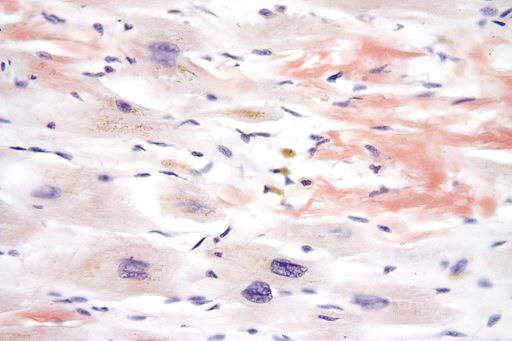
The active compound in a plant extract has shown promise for treating non-Hodgkin lymphomas (NHLs), according to researchers.
The compound, withaferin A, is a steroidal lactone isolated from the Ayruvedic medicinal plant Ashwagandha (Withania somnifera).
Withaferin A has previously exhibited activity against a range of solid tumor malignancies, but its effects in NHLs and other hematologic malignancies have not been well-studied.
So Subbarao Bondada, PhD, of the University of Kentucky in Lexington, and his colleagues tested withaferin A in NHLs and reported their results in Cancer Biology and Therapy.
Withaferin A exhibited activity in several human B-cell lymphoma cell lines—the diffuse large B-cell lymphoma (DLBCL) cell lines LY-3, LY-10, and SudHL-6; the Burkitt lymphoma cell lines Raji and Ramos; and the mantle cell lymphoma cell line MINO.
Ramos was the most sensitive to withaferin A, and the mantle cell lymphoma cell line JEKO was the most resistant. The researchers said they are still investigating this resistance.
Withaferin A also inhibited the growth of the murine immature B-cell lymphoma cell line BKS-2 and the germinal center lymphoma cell line A20-Luc/YFP.
Further investigation revealed that withaferin A induces cell-cycle arrest, prompts apoptosis, inhibits NF-kB nuclear translocation, and reduces the expression of pro-survival signals in B-cell lymphomas.
The researchers also found evidence to suggest that withaferin A inhibits the activity of Hsp90. Although Hsp90 levels were unaltered in withaferin-A-treated lymphoma cells, the team observed a “robust” increase in Hsp70 expression levels (which suggests a decrease in Hsp90 function).
Finally, the researchers tested withaferin A in mice injected with the murine DLBCL line A20-Luc. The treatment proved active against A20-Luc cells but did not affect other proliferating cells.
Mice treated with withaferin A had a significant reduction in tumor size, compared to placebo-treated mice, on days 10 and 13 (P<0.05).
Based on these results, the researchers concluded that withaferin A may hold promise for treating NHL, particularly DLBCL.
“It may be possible to develop orally administered versions of withaferin A that could be used in lymphoma patients with fewer side effects than current chemotherapy regimens,” Dr Bondada said.
He and his colleagues are now testing withaferin A in chronic lymphocytic leukemia.
The active compound in a plant extract has shown promise for treating non-Hodgkin lymphomas (NHLs), according to researchers.
The compound, withaferin A, is a steroidal lactone isolated from the Ayruvedic medicinal plant Ashwagandha (Withania somnifera).
Withaferin A has previously exhibited activity against a range of solid tumor malignancies, but its effects in NHLs and other hematologic malignancies have not been well-studied.
So Subbarao Bondada, PhD, of the University of Kentucky in Lexington, and his colleagues tested withaferin A in NHLs and reported their results in Cancer Biology and Therapy.
Withaferin A exhibited activity in several human B-cell lymphoma cell lines—the diffuse large B-cell lymphoma (DLBCL) cell lines LY-3, LY-10, and SudHL-6; the Burkitt lymphoma cell lines Raji and Ramos; and the mantle cell lymphoma cell line MINO.
Ramos was the most sensitive to withaferin A, and the mantle cell lymphoma cell line JEKO was the most resistant. The researchers said they are still investigating this resistance.
Withaferin A also inhibited the growth of the murine immature B-cell lymphoma cell line BKS-2 and the germinal center lymphoma cell line A20-Luc/YFP.
Further investigation revealed that withaferin A induces cell-cycle arrest, prompts apoptosis, inhibits NF-kB nuclear translocation, and reduces the expression of pro-survival signals in B-cell lymphomas.
The researchers also found evidence to suggest that withaferin A inhibits the activity of Hsp90. Although Hsp90 levels were unaltered in withaferin-A-treated lymphoma cells, the team observed a “robust” increase in Hsp70 expression levels (which suggests a decrease in Hsp90 function).
Finally, the researchers tested withaferin A in mice injected with the murine DLBCL line A20-Luc. The treatment proved active against A20-Luc cells but did not affect other proliferating cells.
Mice treated with withaferin A had a significant reduction in tumor size, compared to placebo-treated mice, on days 10 and 13 (P<0.05).
Based on these results, the researchers concluded that withaferin A may hold promise for treating NHL, particularly DLBCL.
“It may be possible to develop orally administered versions of withaferin A that could be used in lymphoma patients with fewer side effects than current chemotherapy regimens,” Dr Bondada said.
He and his colleagues are now testing withaferin A in chronic lymphocytic leukemia.
The active compound in a plant extract has shown promise for treating non-Hodgkin lymphomas (NHLs), according to researchers.
The compound, withaferin A, is a steroidal lactone isolated from the Ayruvedic medicinal plant Ashwagandha (Withania somnifera).
Withaferin A has previously exhibited activity against a range of solid tumor malignancies, but its effects in NHLs and other hematologic malignancies have not been well-studied.
So Subbarao Bondada, PhD, of the University of Kentucky in Lexington, and his colleagues tested withaferin A in NHLs and reported their results in Cancer Biology and Therapy.
Withaferin A exhibited activity in several human B-cell lymphoma cell lines—the diffuse large B-cell lymphoma (DLBCL) cell lines LY-3, LY-10, and SudHL-6; the Burkitt lymphoma cell lines Raji and Ramos; and the mantle cell lymphoma cell line MINO.
Ramos was the most sensitive to withaferin A, and the mantle cell lymphoma cell line JEKO was the most resistant. The researchers said they are still investigating this resistance.
Withaferin A also inhibited the growth of the murine immature B-cell lymphoma cell line BKS-2 and the germinal center lymphoma cell line A20-Luc/YFP.
Further investigation revealed that withaferin A induces cell-cycle arrest, prompts apoptosis, inhibits NF-kB nuclear translocation, and reduces the expression of pro-survival signals in B-cell lymphomas.
The researchers also found evidence to suggest that withaferin A inhibits the activity of Hsp90. Although Hsp90 levels were unaltered in withaferin-A-treated lymphoma cells, the team observed a “robust” increase in Hsp70 expression levels (which suggests a decrease in Hsp90 function).
Finally, the researchers tested withaferin A in mice injected with the murine DLBCL line A20-Luc. The treatment proved active against A20-Luc cells but did not affect other proliferating cells.
Mice treated with withaferin A had a significant reduction in tumor size, compared to placebo-treated mice, on days 10 and 13 (P<0.05).
Based on these results, the researchers concluded that withaferin A may hold promise for treating NHL, particularly DLBCL.
“It may be possible to develop orally administered versions of withaferin A that could be used in lymphoma patients with fewer side effects than current chemotherapy regimens,” Dr Bondada said.
He and his colleagues are now testing withaferin A in chronic lymphocytic leukemia.
EMA recommends orphan designation for CAR T-cell therapy
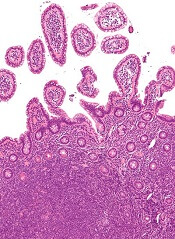
The European Medicines Agency’s (EMA’s) Committee for Orphan Medicinal Products has adopted a positive opinion recommending that KTE-C19 receive orphan designation to treat primary mediastinal B-cell lymphoma (PMBCL) and mantle cell lymphoma.
KTE-C19 is an investigational chimeric antigen receptor (CAR) T-cell therapy designed to target CD19, a protein expressed on the cell surface of B-cell lymphomas and leukemias.
No other product candidate currently has orphan drug designation for the treatment of PMBCL in the European Union (EU).
KTE-C19 already has orphan drug designation to treat diffuse large B-cell lymphoma (DLBCL) in the US and the EU.
“We are conducting a phase 1/2 clinical trial of KTE-C19 in patients with refractory, aggressive non-Hodgkin lymphoma, including DLBCL and PMBCL, and plan to report initial topline results from the phase 1 portion of the trial later this year [at the ASH Annual Meeting],” said Arie Belldegrun, MD, Chairman, President, and Chief Executive Officer of Kite Pharmaceuticals, the company developing KTE-C19.
Trial results
Last year, researchers reported results with KTE-C19 in the Journal of Clinical Oncology. The study included 15 patients with advanced B-cell malignancies.
The patients received a conditioning regimen of cyclophosphamide and fludarabine, followed 1 day later by a single infusion of KTE-C19. The researchers noted that the conditioning regimen is known to be active against B-cell malignancies and could have made a direct contribution to patient responses.
Thirteen patients were evaluable for response. Eight patients achieved a complete response (CR), and 4 had a partial response (PR).
Of the 7 patients with chemotherapy-refractory DLBCL, 4 achieved a CR, 2 achieved a PR, and 1 had stable disease. Of the 4 patients with chronic lymphocytic leukemia, 3 had a CR, and 1 had a PR. Among the 2 patients with indolent lymphomas, 1 achieved a CR, and 1 had a PR.
KTE-C19 was associated with fever, low blood pressure, focal neurological deficits, and delirium. Toxicities largely occurred in the first 2 weeks after infusion.
All but 2 patients experienced grade 3/4 adverse events. Four patients had grade 3/4 hypotension.
All patients had elevations in serum interferon gamma and/or interleukin 6 around the time of peak toxicity, but most did not develop elevations in serum tumor necrosis factor.
Neurologic toxicities included confusion and obtundation, which have been reported in previous studies. However, 3 patients developed unexpected neurologic abnormalities.
About orphan designation
The EMA’s Committee for Orphan Medicinal Products adopts an opinion on the granting of orphan designation, and that opinion is submitted to the European Commission for endorsement.
In the EU, orphan designation is granted to therapies intended to treat a life-threatening or chronically debilitating condition that affects no more than 5 in 10,000 persons and where no satisfactory treatment is available.
Companies that obtain orphan designation for a drug benefit from a number of incentives, including protocol assistance, a type of scientific advice specific for designated orphan medicines, and 10 years of market exclusivity once the medicine is approved. Fee reductions are also available, depending on the status of the sponsor and the type of service required.
The European Medicines Agency’s (EMA’s) Committee for Orphan Medicinal Products has adopted a positive opinion recommending that KTE-C19 receive orphan designation to treat primary mediastinal B-cell lymphoma (PMBCL) and mantle cell lymphoma.
KTE-C19 is an investigational chimeric antigen receptor (CAR) T-cell therapy designed to target CD19, a protein expressed on the cell surface of B-cell lymphomas and leukemias.
No other product candidate currently has orphan drug designation for the treatment of PMBCL in the European Union (EU).
KTE-C19 already has orphan drug designation to treat diffuse large B-cell lymphoma (DLBCL) in the US and the EU.
“We are conducting a phase 1/2 clinical trial of KTE-C19 in patients with refractory, aggressive non-Hodgkin lymphoma, including DLBCL and PMBCL, and plan to report initial topline results from the phase 1 portion of the trial later this year [at the ASH Annual Meeting],” said Arie Belldegrun, MD, Chairman, President, and Chief Executive Officer of Kite Pharmaceuticals, the company developing KTE-C19.
Trial results
Last year, researchers reported results with KTE-C19 in the Journal of Clinical Oncology. The study included 15 patients with advanced B-cell malignancies.
The patients received a conditioning regimen of cyclophosphamide and fludarabine, followed 1 day later by a single infusion of KTE-C19. The researchers noted that the conditioning regimen is known to be active against B-cell malignancies and could have made a direct contribution to patient responses.
Thirteen patients were evaluable for response. Eight patients achieved a complete response (CR), and 4 had a partial response (PR).
Of the 7 patients with chemotherapy-refractory DLBCL, 4 achieved a CR, 2 achieved a PR, and 1 had stable disease. Of the 4 patients with chronic lymphocytic leukemia, 3 had a CR, and 1 had a PR. Among the 2 patients with indolent lymphomas, 1 achieved a CR, and 1 had a PR.
KTE-C19 was associated with fever, low blood pressure, focal neurological deficits, and delirium. Toxicities largely occurred in the first 2 weeks after infusion.
All but 2 patients experienced grade 3/4 adverse events. Four patients had grade 3/4 hypotension.
All patients had elevations in serum interferon gamma and/or interleukin 6 around the time of peak toxicity, but most did not develop elevations in serum tumor necrosis factor.
Neurologic toxicities included confusion and obtundation, which have been reported in previous studies. However, 3 patients developed unexpected neurologic abnormalities.
About orphan designation
The EMA’s Committee for Orphan Medicinal Products adopts an opinion on the granting of orphan designation, and that opinion is submitted to the European Commission for endorsement.
In the EU, orphan designation is granted to therapies intended to treat a life-threatening or chronically debilitating condition that affects no more than 5 in 10,000 persons and where no satisfactory treatment is available.
Companies that obtain orphan designation for a drug benefit from a number of incentives, including protocol assistance, a type of scientific advice specific for designated orphan medicines, and 10 years of market exclusivity once the medicine is approved. Fee reductions are also available, depending on the status of the sponsor and the type of service required.
The European Medicines Agency’s (EMA’s) Committee for Orphan Medicinal Products has adopted a positive opinion recommending that KTE-C19 receive orphan designation to treat primary mediastinal B-cell lymphoma (PMBCL) and mantle cell lymphoma.
KTE-C19 is an investigational chimeric antigen receptor (CAR) T-cell therapy designed to target CD19, a protein expressed on the cell surface of B-cell lymphomas and leukemias.
No other product candidate currently has orphan drug designation for the treatment of PMBCL in the European Union (EU).
KTE-C19 already has orphan drug designation to treat diffuse large B-cell lymphoma (DLBCL) in the US and the EU.
“We are conducting a phase 1/2 clinical trial of KTE-C19 in patients with refractory, aggressive non-Hodgkin lymphoma, including DLBCL and PMBCL, and plan to report initial topline results from the phase 1 portion of the trial later this year [at the ASH Annual Meeting],” said Arie Belldegrun, MD, Chairman, President, and Chief Executive Officer of Kite Pharmaceuticals, the company developing KTE-C19.
Trial results
Last year, researchers reported results with KTE-C19 in the Journal of Clinical Oncology. The study included 15 patients with advanced B-cell malignancies.
The patients received a conditioning regimen of cyclophosphamide and fludarabine, followed 1 day later by a single infusion of KTE-C19. The researchers noted that the conditioning regimen is known to be active against B-cell malignancies and could have made a direct contribution to patient responses.
Thirteen patients were evaluable for response. Eight patients achieved a complete response (CR), and 4 had a partial response (PR).
Of the 7 patients with chemotherapy-refractory DLBCL, 4 achieved a CR, 2 achieved a PR, and 1 had stable disease. Of the 4 patients with chronic lymphocytic leukemia, 3 had a CR, and 1 had a PR. Among the 2 patients with indolent lymphomas, 1 achieved a CR, and 1 had a PR.
KTE-C19 was associated with fever, low blood pressure, focal neurological deficits, and delirium. Toxicities largely occurred in the first 2 weeks after infusion.
All but 2 patients experienced grade 3/4 adverse events. Four patients had grade 3/4 hypotension.
All patients had elevations in serum interferon gamma and/or interleukin 6 around the time of peak toxicity, but most did not develop elevations in serum tumor necrosis factor.
Neurologic toxicities included confusion and obtundation, which have been reported in previous studies. However, 3 patients developed unexpected neurologic abnormalities.
About orphan designation
The EMA’s Committee for Orphan Medicinal Products adopts an opinion on the granting of orphan designation, and that opinion is submitted to the European Commission for endorsement.
In the EU, orphan designation is granted to therapies intended to treat a life-threatening or chronically debilitating condition that affects no more than 5 in 10,000 persons and where no satisfactory treatment is available.
Companies that obtain orphan designation for a drug benefit from a number of incentives, including protocol assistance, a type of scientific advice specific for designated orphan medicines, and 10 years of market exclusivity once the medicine is approved. Fee reductions are also available, depending on the status of the sponsor and the type of service required.
Scientists describe new way to create etoposide

Scientists have reported a new way to produce the chemotherapeutic agent etoposide, and they believe this discovery could lead to a more stable supply of the drug.
Currently, producing etoposide requires isolating one of its precursors, (–)-podophyllotoxin, from the endangered, slow-growing, Himalayan Mayapple plant (Podophyllum hexandrum).
But researchers found they could generate the immediate precursor to etoposide—(–)-4’-desmethyl-epipodophyllotoxin—in a more easily accessible, faster-growing tobacco plant (Nicotiana benthamiana).
Elizabeth Sattely, PhD, of Stanford University in California, and her graduate student, Warren Lau, described this work in Science.
The pair noted that there are 4 known genes behind (–)-podophyllotoxin production, but the full recipe for this compound has eluded researchers, in part because of the Mayapple’s immense genome.
To tap into the Mayapple’s chemotherapeutic potential, Lau and Dr Sattely first focused on the 4 known genes—PLR, SDH, CYP719A23, and DIR. Then, they analyzed RNA sequencing data from the Mayapple to identify similar genes.
Next, the pair manipulated the tobacco plant to express multiple gene candidates at once and identified the resulting compounds in leaf tissue using mass spectrometry.
Dr Sattely and Lau identified 6 new genes—OMT3, CYP71CU1, OMT1, 2-ODD, CYP71BE54, and CYP82D61.
These genes, when expressed with the original 4, produce the immediate etoposide precursor (–)-4′-desmethyl-epipodophyllotoxin, which outperforms (–)-podophyllotoxin as a chemotherapy ingredient.
The researchers said this work has revealed a simpler and more direct route to etoposide that circumvents the semisynthetic epimerization and demethylation required to produce etoposide from (–)-podophyllotoxin.
However, Dr Sattely said the eventual goal is to use yeast instead of plants to produce etoposide. Yeast can be grown in large vats and may therefore provide a more stable source of drugs.
In addition, yeast provides the opportunity to modify genes to produce proteins with slightly different functions. And it may be possible to feed the yeast a slightly different starting product, thereby changing the chemical a molecular assembly line churns out.
These approaches could provide a way of tweaking existing drugs in an effort to improve them.
Scientists have reported a new way to produce the chemotherapeutic agent etoposide, and they believe this discovery could lead to a more stable supply of the drug.
Currently, producing etoposide requires isolating one of its precursors, (–)-podophyllotoxin, from the endangered, slow-growing, Himalayan Mayapple plant (Podophyllum hexandrum).
But researchers found they could generate the immediate precursor to etoposide—(–)-4’-desmethyl-epipodophyllotoxin—in a more easily accessible, faster-growing tobacco plant (Nicotiana benthamiana).
Elizabeth Sattely, PhD, of Stanford University in California, and her graduate student, Warren Lau, described this work in Science.
The pair noted that there are 4 known genes behind (–)-podophyllotoxin production, but the full recipe for this compound has eluded researchers, in part because of the Mayapple’s immense genome.
To tap into the Mayapple’s chemotherapeutic potential, Lau and Dr Sattely first focused on the 4 known genes—PLR, SDH, CYP719A23, and DIR. Then, they analyzed RNA sequencing data from the Mayapple to identify similar genes.
Next, the pair manipulated the tobacco plant to express multiple gene candidates at once and identified the resulting compounds in leaf tissue using mass spectrometry.
Dr Sattely and Lau identified 6 new genes—OMT3, CYP71CU1, OMT1, 2-ODD, CYP71BE54, and CYP82D61.
These genes, when expressed with the original 4, produce the immediate etoposide precursor (–)-4′-desmethyl-epipodophyllotoxin, which outperforms (–)-podophyllotoxin as a chemotherapy ingredient.
The researchers said this work has revealed a simpler and more direct route to etoposide that circumvents the semisynthetic epimerization and demethylation required to produce etoposide from (–)-podophyllotoxin.
However, Dr Sattely said the eventual goal is to use yeast instead of plants to produce etoposide. Yeast can be grown in large vats and may therefore provide a more stable source of drugs.
In addition, yeast provides the opportunity to modify genes to produce proteins with slightly different functions. And it may be possible to feed the yeast a slightly different starting product, thereby changing the chemical a molecular assembly line churns out.
These approaches could provide a way of tweaking existing drugs in an effort to improve them.
Scientists have reported a new way to produce the chemotherapeutic agent etoposide, and they believe this discovery could lead to a more stable supply of the drug.
Currently, producing etoposide requires isolating one of its precursors, (–)-podophyllotoxin, from the endangered, slow-growing, Himalayan Mayapple plant (Podophyllum hexandrum).
But researchers found they could generate the immediate precursor to etoposide—(–)-4’-desmethyl-epipodophyllotoxin—in a more easily accessible, faster-growing tobacco plant (Nicotiana benthamiana).
Elizabeth Sattely, PhD, of Stanford University in California, and her graduate student, Warren Lau, described this work in Science.
The pair noted that there are 4 known genes behind (–)-podophyllotoxin production, but the full recipe for this compound has eluded researchers, in part because of the Mayapple’s immense genome.
To tap into the Mayapple’s chemotherapeutic potential, Lau and Dr Sattely first focused on the 4 known genes—PLR, SDH, CYP719A23, and DIR. Then, they analyzed RNA sequencing data from the Mayapple to identify similar genes.
Next, the pair manipulated the tobacco plant to express multiple gene candidates at once and identified the resulting compounds in leaf tissue using mass spectrometry.
Dr Sattely and Lau identified 6 new genes—OMT3, CYP71CU1, OMT1, 2-ODD, CYP71BE54, and CYP82D61.
These genes, when expressed with the original 4, produce the immediate etoposide precursor (–)-4′-desmethyl-epipodophyllotoxin, which outperforms (–)-podophyllotoxin as a chemotherapy ingredient.
The researchers said this work has revealed a simpler and more direct route to etoposide that circumvents the semisynthetic epimerization and demethylation required to produce etoposide from (–)-podophyllotoxin.
However, Dr Sattely said the eventual goal is to use yeast instead of plants to produce etoposide. Yeast can be grown in large vats and may therefore provide a more stable source of drugs.
In addition, yeast provides the opportunity to modify genes to produce proteins with slightly different functions. And it may be possible to feed the yeast a slightly different starting product, thereby changing the chemical a molecular assembly line churns out.
These approaches could provide a way of tweaking existing drugs in an effort to improve them.