User login
Herbal-supplement liver injuries on the rise
Serious liver injury from herbal and dietary supplements – including those used by bodybuilders – has risen significantly over the past decade.
According to findings from a review, herbal supplement–related injures increased from 2% to 20% of all nonacetaminophen drug-related liver injuries. Injuries from bodybuilding supplements rose from 2% to 8%, while those related to nonbodybuilding supplements increased from 5% to 12%, Dr. Victor J. Navarro, chair of the hepatology division at the Einstein Medical Center, Philadelphia, and his coauthors reported in the September issue of Hepatology (Hepatol. 2014 Aug. 25 [doi: 10.1002/hep.27317]).

The investigators reviewed 839 cases included in the Drug-Induced Liver Injury Network (DILIN) from 2004 to 2013. Of these, 709 were caused by nonacetaminophen medications, 85 by nonbodybuilding supplements, and 45 by bodybuilding supplements.
Overall, the injuries from supplements rose from 7% to 20%. Those related to nonbodybuilding supplements increased from 5% to 12%, and those from bodybuilding supplements from 2% to 8%.
There were no transplants or deaths among those with bodybuilding supplement–related injuries. These occurred exclusively in men and were characterized by prolonged jaundice. Injures from nonbodybuilding supplements occurred most often in middle-aged women (65%). Among these, there were 11 transplants and 4 deaths; 1 of these was a patient who died after transplant. Two of the other deaths were related to a cholestatic or mixed injury, and one resulted from a complication of endoscopy.
Most patients were using multiple supplements, which included multiple ingredients (vitamins, minerals, and botanical extracts). The entire group of 130 patients had taken a total of 217 such products. Among these, 12% of the bodybuilding supplements and 22% of the nonbodybuilding supplements were labeled as having a single ingredient. However, 10% of the bodybuilding and 13% of the nonbodybuilding supplements had at least 20 ingredients.
It’s nearly impossible to identify the specific culprit ingredients, wrote Dr. Navarro and his coauthors.
"The numerous products that frequently contain multiple ingredients, often with unclear chemical descriptors and variable common names, can confound pinpointing the specific toxic agent. Furthermore, some products may seem quite innocuous, such as multivitamins, making it difficult to conceive of any toxic potential."
Sometimes, such supplements are contaminated with microbials, drugs, mycotoxins, and heavy metals, the authors noted. "Also, unidentified interactions with medications used concomitantly may be responsible for toxicity, yet are difficult to establish."
The authors urged an increased understanding and sense of responsibility for the issue.
"All stakeholders, including the dietary supplement industry, regulatory agencies, health care providers, and consumers must take note of these findings if a culture of safety for herbal dietary supplements use is to be established."
Dr. Navarro did not make any financial disclosures. Three coauthors disclosed ties with pharmaceutical companies.
Serious liver injury from herbal and dietary supplements – including those used by bodybuilders – has risen significantly over the past decade.
According to findings from a review, herbal supplement–related injures increased from 2% to 20% of all nonacetaminophen drug-related liver injuries. Injuries from bodybuilding supplements rose from 2% to 8%, while those related to nonbodybuilding supplements increased from 5% to 12%, Dr. Victor J. Navarro, chair of the hepatology division at the Einstein Medical Center, Philadelphia, and his coauthors reported in the September issue of Hepatology (Hepatol. 2014 Aug. 25 [doi: 10.1002/hep.27317]).
The investigators reviewed 839 cases included in the Drug-Induced Liver Injury Network (DILIN) from 2004 to 2013. Of these, 709 were caused by nonacetaminophen medications, 85 by nonbodybuilding supplements, and 45 by bodybuilding supplements.
Overall, the injuries from supplements rose from 7% to 20%. Those related to nonbodybuilding supplements increased from 5% to 12%, and those from bodybuilding supplements from 2% to 8%.
There were no transplants or deaths among those with bodybuilding supplement–related injuries. These occurred exclusively in men and were characterized by prolonged jaundice. Injures from nonbodybuilding supplements occurred most often in middle-aged women (65%). Among these, there were 11 transplants and 4 deaths; 1 of these was a patient who died after transplant. Two of the other deaths were related to a cholestatic or mixed injury, and one resulted from a complication of endoscopy.
Most patients were using multiple supplements, which included multiple ingredients (vitamins, minerals, and botanical extracts). The entire group of 130 patients had taken a total of 217 such products. Among these, 12% of the bodybuilding supplements and 22% of the nonbodybuilding supplements were labeled as having a single ingredient. However, 10% of the bodybuilding and 13% of the nonbodybuilding supplements had at least 20 ingredients.
It’s nearly impossible to identify the specific culprit ingredients, wrote Dr. Navarro and his coauthors.
"The numerous products that frequently contain multiple ingredients, often with unclear chemical descriptors and variable common names, can confound pinpointing the specific toxic agent. Furthermore, some products may seem quite innocuous, such as multivitamins, making it difficult to conceive of any toxic potential."
Sometimes, such supplements are contaminated with microbials, drugs, mycotoxins, and heavy metals, the authors noted. "Also, unidentified interactions with medications used concomitantly may be responsible for toxicity, yet are difficult to establish."
The authors urged an increased understanding and sense of responsibility for the issue.
"All stakeholders, including the dietary supplement industry, regulatory agencies, health care providers, and consumers must take note of these findings if a culture of safety for herbal dietary supplements use is to be established."
Dr. Navarro did not make any financial disclosures. Three coauthors disclosed ties with pharmaceutical companies.
Serious liver injury from herbal and dietary supplements – including those used by bodybuilders – has risen significantly over the past decade.
According to findings from a review, herbal supplement–related injures increased from 2% to 20% of all nonacetaminophen drug-related liver injuries. Injuries from bodybuilding supplements rose from 2% to 8%, while those related to nonbodybuilding supplements increased from 5% to 12%, Dr. Victor J. Navarro, chair of the hepatology division at the Einstein Medical Center, Philadelphia, and his coauthors reported in the September issue of Hepatology (Hepatol. 2014 Aug. 25 [doi: 10.1002/hep.27317]).
The investigators reviewed 839 cases included in the Drug-Induced Liver Injury Network (DILIN) from 2004 to 2013. Of these, 709 were caused by nonacetaminophen medications, 85 by nonbodybuilding supplements, and 45 by bodybuilding supplements.
Overall, the injuries from supplements rose from 7% to 20%. Those related to nonbodybuilding supplements increased from 5% to 12%, and those from bodybuilding supplements from 2% to 8%.
There were no transplants or deaths among those with bodybuilding supplement–related injuries. These occurred exclusively in men and were characterized by prolonged jaundice. Injures from nonbodybuilding supplements occurred most often in middle-aged women (65%). Among these, there were 11 transplants and 4 deaths; 1 of these was a patient who died after transplant. Two of the other deaths were related to a cholestatic or mixed injury, and one resulted from a complication of endoscopy.
Most patients were using multiple supplements, which included multiple ingredients (vitamins, minerals, and botanical extracts). The entire group of 130 patients had taken a total of 217 such products. Among these, 12% of the bodybuilding supplements and 22% of the nonbodybuilding supplements were labeled as having a single ingredient. However, 10% of the bodybuilding and 13% of the nonbodybuilding supplements had at least 20 ingredients.
It’s nearly impossible to identify the specific culprit ingredients, wrote Dr. Navarro and his coauthors.
"The numerous products that frequently contain multiple ingredients, often with unclear chemical descriptors and variable common names, can confound pinpointing the specific toxic agent. Furthermore, some products may seem quite innocuous, such as multivitamins, making it difficult to conceive of any toxic potential."
Sometimes, such supplements are contaminated with microbials, drugs, mycotoxins, and heavy metals, the authors noted. "Also, unidentified interactions with medications used concomitantly may be responsible for toxicity, yet are difficult to establish."
The authors urged an increased understanding and sense of responsibility for the issue.
"All stakeholders, including the dietary supplement industry, regulatory agencies, health care providers, and consumers must take note of these findings if a culture of safety for herbal dietary supplements use is to be established."
Dr. Navarro did not make any financial disclosures. Three coauthors disclosed ties with pharmaceutical companies.
FROM HEPATOLOGY
Key clinical point: Liver injuries related to herbal supplements increased significantly over the past decade.
Major finding: Overall, these injuries increased from 2% to 20% of all medication-related injuries.
Data source: The retrospective study comprised 839 patients who had a nonacetaminophen-related liver injury.
Disclosures: Dr. Navarro did not make any financial disclosures. Three coauthors disclosed financial ties with pharmaceutical companies.

Liver grafts donated after circulatory death increase early risk of diabetes
SAN FRANCISCO – The type of liver graft used in transplantation plays a large role in early development of new-onset diabetes, according to a retrospective study of 430 patients from the United Kingdom.
A team led by Dr. Hermien Hartog, an honorary clinical fellow in the Liver Unit, Queen Elizabeth Hospital, Birmingham, England, studied patients undergoing primary liver transplant between 2008 and 2012. Patients were excluded from the study if they had preexisting diabetes, had died, or had undergone retransplantation within 90 days.

The investigators assessed both the development of new-onset diabetes after transplant (NODAT), using criteria adapted from a published article (Transplantation 2013;96:58-64), and its resolution, defined as the date of cessation of antihyperglycemic therapy or the last episode of hyperglycemia.
Seventy-nine percent of the patients received grafts donated after brain death (DBD), Dr. Hartog reported at the annual meeting of the 2014 World Transplant Congress. Among the recipients of grafts donated after circulatory death (DCD), the mean warm ischemic time was 21 minutes.
With a median follow-up of 2.5 years, the cumulative 1-year incidence of NODAT was 19% in the entire cohort, with a median time to onset of 30 days. In the 44% of affected patients whose NODAT resolved, the median time to resolution was 150 days post transplantation, Dr. Hartog reported at the congress, which was sponsored by the American Society of Transplant Surgeons.
The cumulative 1-year incidence of NODAT was 23% in DCD graft recipients and 18% in DBD graft recipients, a nonsignificant difference. But when patients were stratified by graft type, "we saw an early occurrence and high peak incidence of NODAT in DCD graft recipients. Also, a larger proportion of these patients resolved their NODAT over time," she commented.
The overall temporal pattern suggested that "the effect that we see of graft type seems to be temporary and [lessens] over time when multifactorial factors come into play," according to Dr. Hartog.
In multivariate analyses, the risk of NODAT within 90 days of transplantation was higher for patients who received a DCD graft (hazard ratio, 1.8). More detailed analysis showed that the elevation of risk was greatest within the first 15 days.
"Our study confirms known associations with NODAT after liver transplantation but identifies DCD graft as a novel risk factor. This causes a temporary effect in the early post-transplant period that is independent from known risk factors," Dr. Hartog commented.
"Based on our observations, we hypothesize that hyperglycemia may be related to liver graft function through ischemia-reperfusion–induced hepatic insulin resistance," she added. "We are currently trying to confirm our data in an independent data set, which will also include postreperfusion glucose levels and correlation with the insulin receptor pathway in time-zero liver biopsies."
"The clinical relevance of our findings is as yet unknown," she acknowledged. However, they may help inform new approaches for graft optimization and selection.
Session cochair Dr. Darius Mirza, also of the University of Birmingham, asked, "Why does the pattern of recovery seem to be different in the DCDs versus the DBDs? Also, why are the cumulative incidence and the time frame so different?"
"Actually, in the literature, I have not seen any reports looking at the early post-transplant period. So most reports look at one time point, normally 1 year," Dr. Hartog replied. "What I think is that there is an early peak caused by DCD grafts that would explain why there is an early peak, but also why those patients recover later on. I think this peak is a bit obscure because there are also other factors that come into play, maybe after a while, that will obscure that first peak. If you would take those other factors out of the equation, I think you would just see a peak in the early period."
Dr. Mirza also wondered about the role of using DCD grafts that are accepted under extended criteria. "So you start off using mainly young, fit DCD livers. Now, the vast majority are extended-criteria DCD livers. Do you think that plays a role, or is it too early to say?"
"Yes, I think so," Dr. Hartog said, while adding that this phenomenon is likely not restricted to DCD grafts. "From earlier literature, there is a clear difference between a living donated graft and deceased donation. And it might also be that the extended grafts or the more steatotic grafts may exhibit this effect more than the better grafts."
Dr. Hartog disclosed no conflicts of interest relevant to the research.
SAN FRANCISCO – The type of liver graft used in transplantation plays a large role in early development of new-onset diabetes, according to a retrospective study of 430 patients from the United Kingdom.
A team led by Dr. Hermien Hartog, an honorary clinical fellow in the Liver Unit, Queen Elizabeth Hospital, Birmingham, England, studied patients undergoing primary liver transplant between 2008 and 2012. Patients were excluded from the study if they had preexisting diabetes, had died, or had undergone retransplantation within 90 days.
The investigators assessed both the development of new-onset diabetes after transplant (NODAT), using criteria adapted from a published article (Transplantation 2013;96:58-64), and its resolution, defined as the date of cessation of antihyperglycemic therapy or the last episode of hyperglycemia.
Seventy-nine percent of the patients received grafts donated after brain death (DBD), Dr. Hartog reported at the annual meeting of the 2014 World Transplant Congress. Among the recipients of grafts donated after circulatory death (DCD), the mean warm ischemic time was 21 minutes.
With a median follow-up of 2.5 years, the cumulative 1-year incidence of NODAT was 19% in the entire cohort, with a median time to onset of 30 days. In the 44% of affected patients whose NODAT resolved, the median time to resolution was 150 days post transplantation, Dr. Hartog reported at the congress, which was sponsored by the American Society of Transplant Surgeons.
The cumulative 1-year incidence of NODAT was 23% in DCD graft recipients and 18% in DBD graft recipients, a nonsignificant difference. But when patients were stratified by graft type, "we saw an early occurrence and high peak incidence of NODAT in DCD graft recipients. Also, a larger proportion of these patients resolved their NODAT over time," she commented.
The overall temporal pattern suggested that "the effect that we see of graft type seems to be temporary and [lessens] over time when multifactorial factors come into play," according to Dr. Hartog.
In multivariate analyses, the risk of NODAT within 90 days of transplantation was higher for patients who received a DCD graft (hazard ratio, 1.8). More detailed analysis showed that the elevation of risk was greatest within the first 15 days.
"Our study confirms known associations with NODAT after liver transplantation but identifies DCD graft as a novel risk factor. This causes a temporary effect in the early post-transplant period that is independent from known risk factors," Dr. Hartog commented.
"Based on our observations, we hypothesize that hyperglycemia may be related to liver graft function through ischemia-reperfusion–induced hepatic insulin resistance," she added. "We are currently trying to confirm our data in an independent data set, which will also include postreperfusion glucose levels and correlation with the insulin receptor pathway in time-zero liver biopsies."
"The clinical relevance of our findings is as yet unknown," she acknowledged. However, they may help inform new approaches for graft optimization and selection.
Session cochair Dr. Darius Mirza, also of the University of Birmingham, asked, "Why does the pattern of recovery seem to be different in the DCDs versus the DBDs? Also, why are the cumulative incidence and the time frame so different?"
"Actually, in the literature, I have not seen any reports looking at the early post-transplant period. So most reports look at one time point, normally 1 year," Dr. Hartog replied. "What I think is that there is an early peak caused by DCD grafts that would explain why there is an early peak, but also why those patients recover later on. I think this peak is a bit obscure because there are also other factors that come into play, maybe after a while, that will obscure that first peak. If you would take those other factors out of the equation, I think you would just see a peak in the early period."
Dr. Mirza also wondered about the role of using DCD grafts that are accepted under extended criteria. "So you start off using mainly young, fit DCD livers. Now, the vast majority are extended-criteria DCD livers. Do you think that plays a role, or is it too early to say?"
"Yes, I think so," Dr. Hartog said, while adding that this phenomenon is likely not restricted to DCD grafts. "From earlier literature, there is a clear difference between a living donated graft and deceased donation. And it might also be that the extended grafts or the more steatotic grafts may exhibit this effect more than the better grafts."
Dr. Hartog disclosed no conflicts of interest relevant to the research.
SAN FRANCISCO – The type of liver graft used in transplantation plays a large role in early development of new-onset diabetes, according to a retrospective study of 430 patients from the United Kingdom.
A team led by Dr. Hermien Hartog, an honorary clinical fellow in the Liver Unit, Queen Elizabeth Hospital, Birmingham, England, studied patients undergoing primary liver transplant between 2008 and 2012. Patients were excluded from the study if they had preexisting diabetes, had died, or had undergone retransplantation within 90 days.
The investigators assessed both the development of new-onset diabetes after transplant (NODAT), using criteria adapted from a published article (Transplantation 2013;96:58-64), and its resolution, defined as the date of cessation of antihyperglycemic therapy or the last episode of hyperglycemia.
Seventy-nine percent of the patients received grafts donated after brain death (DBD), Dr. Hartog reported at the annual meeting of the 2014 World Transplant Congress. Among the recipients of grafts donated after circulatory death (DCD), the mean warm ischemic time was 21 minutes.
With a median follow-up of 2.5 years, the cumulative 1-year incidence of NODAT was 19% in the entire cohort, with a median time to onset of 30 days. In the 44% of affected patients whose NODAT resolved, the median time to resolution was 150 days post transplantation, Dr. Hartog reported at the congress, which was sponsored by the American Society of Transplant Surgeons.
The cumulative 1-year incidence of NODAT was 23% in DCD graft recipients and 18% in DBD graft recipients, a nonsignificant difference. But when patients were stratified by graft type, "we saw an early occurrence and high peak incidence of NODAT in DCD graft recipients. Also, a larger proportion of these patients resolved their NODAT over time," she commented.
The overall temporal pattern suggested that "the effect that we see of graft type seems to be temporary and [lessens] over time when multifactorial factors come into play," according to Dr. Hartog.
In multivariate analyses, the risk of NODAT within 90 days of transplantation was higher for patients who received a DCD graft (hazard ratio, 1.8). More detailed analysis showed that the elevation of risk was greatest within the first 15 days.
"Our study confirms known associations with NODAT after liver transplantation but identifies DCD graft as a novel risk factor. This causes a temporary effect in the early post-transplant period that is independent from known risk factors," Dr. Hartog commented.
"Based on our observations, we hypothesize that hyperglycemia may be related to liver graft function through ischemia-reperfusion–induced hepatic insulin resistance," she added. "We are currently trying to confirm our data in an independent data set, which will also include postreperfusion glucose levels and correlation with the insulin receptor pathway in time-zero liver biopsies."
"The clinical relevance of our findings is as yet unknown," she acknowledged. However, they may help inform new approaches for graft optimization and selection.
Session cochair Dr. Darius Mirza, also of the University of Birmingham, asked, "Why does the pattern of recovery seem to be different in the DCDs versus the DBDs? Also, why are the cumulative incidence and the time frame so different?"
"Actually, in the literature, I have not seen any reports looking at the early post-transplant period. So most reports look at one time point, normally 1 year," Dr. Hartog replied. "What I think is that there is an early peak caused by DCD grafts that would explain why there is an early peak, but also why those patients recover later on. I think this peak is a bit obscure because there are also other factors that come into play, maybe after a while, that will obscure that first peak. If you would take those other factors out of the equation, I think you would just see a peak in the early period."
Dr. Mirza also wondered about the role of using DCD grafts that are accepted under extended criteria. "So you start off using mainly young, fit DCD livers. Now, the vast majority are extended-criteria DCD livers. Do you think that plays a role, or is it too early to say?"
"Yes, I think so," Dr. Hartog said, while adding that this phenomenon is likely not restricted to DCD grafts. "From earlier literature, there is a clear difference between a living donated graft and deceased donation. And it might also be that the extended grafts or the more steatotic grafts may exhibit this effect more than the better grafts."
Dr. Hartog disclosed no conflicts of interest relevant to the research.
AT THE 2014 WORLD TRANSPLANT CONGRESS
Key clinical point: Recipients of liver grafts donated after circulatory death are at a slightly higher risk for post-transplant new-onset diabetes.
Major finding: The risk of new-onset diabetes within 90 days of transplantation was 1.8-fold higher for patients who received a DCD graft than for peers who received a DBD graft.
Data source: A retrospective cohort study of 430 primary liver transplant recipients
Disclosures: Dr. Hartog disclosed no relevant conflicts of interest.

HCV infection raises risk of death after kidney transplant
SAN FRANCISCO – Infection with hepatitis C virus is a risk factor for poor outcomes after kidney transplantation, but infection with human immunodeficiency virus is not, finds a cohort study reported at the 2014 World Transplant Congress.
"Centers should be more selective in transplanting HCV-positive kidney transplant candidates. But controlled HIV infection should no longer be perceived as a barrier to kidney transplantation," said first author Dr. Deirdre L. Sawinski of the University of Pennsylvania in Philadelphia.

Further, control of hepatitis C with treatment should be a priority in hopes of improving outcomes, she added.
Researchers studied 111,990 patients from the United Network for Organ Sharing (UNOS) database who had a known serostatus and underwent kidney transplantation in 1996 or later when highly active antiretroviral therapy became widespread. Overall, 4.6% were infected with HCV alone, 0.4% were infected with HIV alone, and 0.1% were coinfected.
Multivariate analyses adjusted for a variety of donor and recipient characteristics, and included a variable for transplant after 2001. This time point "reflects both the year in which more than half of patients were discharged on tacrolimus maintenance therapy as well as the year in which interferon therapy was approved for treatment for hepatitis C," Dr. Sawinski said.
HCV-infected patients and especially HCV and HIV-coinfected patients had significantly higher risks of death (hazard ratio, 1.52 and 3.83, respectively) and of graft loss (HR, 1.48 and 3.40, respectively), compared with uninfected patients. In contrast, patients infected with HIV alone were not at higher risk of death or graft loss.
"The main cause of death for the reference [uninfected] group and the hep C–positive patients was listed as cardiovascular disease, whereas the HIV-positive and coinfected patients most often had infection as their causes of death," Dr. Sawinski said. "However, you have to take that with a grain of salt as 40% of patients across all four groups had missing data [regarding] cause of death."
The risk persisted even after researchers corrected for the impact of antibody-depleting therapy during transplantation on graft survival. However, the UNOS database does not provide information about treatment with interferon before and after direct-acting antiretroviral drugs became available. Additionally, Dr. Sawinski noted, "the UNOS data set does not identify which patients are actually viremic vs. antibody positive." Data are similarly nonspecific for deceased donors but are detailed (antibody positive vs. viremic) for living donors.
A secondary analysis considered a cohort of 180,177 patients with unknown serostatus. In this analysis, the risks of death and graft loss were elevated among patients with dual unknown status relative to those known to be dually uninfected (HR, 1.06 and 1.02), according to data reported at the 2014 World Transplant Congress, which was sponsored by the American Society of Transplant Surgeons. However, these small elevations of risk are "probably not clinically meaningful," commented Dr. Sawinski, who disclosed no relevant conflicts of interest. Risks were not significantly elevated for HCV-positive patients vs. HCV-positive, HIV-unknown patients, or for HIV-positive patients vs. HIV-positive, HCV-unknown patients.
Additionally, main study findings were essentially the same when the cohort with known serostatus and the cohort with an unknown serostatus were combined and the researchers assumed the unknown status patients were uninfected.
This study was selected for a plenary session because it provides information about coinfected patients. Yet, reporting of hepatitis C status was missing in quite a number of patients. Hence, they had to be excluded from this study, which was retrospective in nature. In spite of this, the results do make one think hard about transplanting a coinfected patient. This could all change with the new hepatitis-C therapies, and make outcomes better.
Dr. Roslyn B. Mannon was the session cochair at the meeting and is a professor of medicine and surgery and director of research at the Comprehensive Transplant Institute, University of Alabama, Birmingham. She made her remarks in an interview after the meeting. She has no financial conflicts.
This study was selected for a plenary session because it provides information about coinfected patients. Yet, reporting of hepatitis C status was missing in quite a number of patients. Hence, they had to be excluded from this study, which was retrospective in nature. In spite of this, the results do make one think hard about transplanting a coinfected patient. This could all change with the new hepatitis-C therapies, and make outcomes better.
Dr. Roslyn B. Mannon was the session cochair at the meeting and is a professor of medicine and surgery and director of research at the Comprehensive Transplant Institute, University of Alabama, Birmingham. She made her remarks in an interview after the meeting. She has no financial conflicts.
This study was selected for a plenary session because it provides information about coinfected patients. Yet, reporting of hepatitis C status was missing in quite a number of patients. Hence, they had to be excluded from this study, which was retrospective in nature. In spite of this, the results do make one think hard about transplanting a coinfected patient. This could all change with the new hepatitis-C therapies, and make outcomes better.
Dr. Roslyn B. Mannon was the session cochair at the meeting and is a professor of medicine and surgery and director of research at the Comprehensive Transplant Institute, University of Alabama, Birmingham. She made her remarks in an interview after the meeting. She has no financial conflicts.
SAN FRANCISCO – Infection with hepatitis C virus is a risk factor for poor outcomes after kidney transplantation, but infection with human immunodeficiency virus is not, finds a cohort study reported at the 2014 World Transplant Congress.
"Centers should be more selective in transplanting HCV-positive kidney transplant candidates. But controlled HIV infection should no longer be perceived as a barrier to kidney transplantation," said first author Dr. Deirdre L. Sawinski of the University of Pennsylvania in Philadelphia.
Further, control of hepatitis C with treatment should be a priority in hopes of improving outcomes, she added.
Researchers studied 111,990 patients from the United Network for Organ Sharing (UNOS) database who had a known serostatus and underwent kidney transplantation in 1996 or later when highly active antiretroviral therapy became widespread. Overall, 4.6% were infected with HCV alone, 0.4% were infected with HIV alone, and 0.1% were coinfected.
Multivariate analyses adjusted for a variety of donor and recipient characteristics, and included a variable for transplant after 2001. This time point "reflects both the year in which more than half of patients were discharged on tacrolimus maintenance therapy as well as the year in which interferon therapy was approved for treatment for hepatitis C," Dr. Sawinski said.
HCV-infected patients and especially HCV and HIV-coinfected patients had significantly higher risks of death (hazard ratio, 1.52 and 3.83, respectively) and of graft loss (HR, 1.48 and 3.40, respectively), compared with uninfected patients. In contrast, patients infected with HIV alone were not at higher risk of death or graft loss.
"The main cause of death for the reference [uninfected] group and the hep C–positive patients was listed as cardiovascular disease, whereas the HIV-positive and coinfected patients most often had infection as their causes of death," Dr. Sawinski said. "However, you have to take that with a grain of salt as 40% of patients across all four groups had missing data [regarding] cause of death."
The risk persisted even after researchers corrected for the impact of antibody-depleting therapy during transplantation on graft survival. However, the UNOS database does not provide information about treatment with interferon before and after direct-acting antiretroviral drugs became available. Additionally, Dr. Sawinski noted, "the UNOS data set does not identify which patients are actually viremic vs. antibody positive." Data are similarly nonspecific for deceased donors but are detailed (antibody positive vs. viremic) for living donors.
A secondary analysis considered a cohort of 180,177 patients with unknown serostatus. In this analysis, the risks of death and graft loss were elevated among patients with dual unknown status relative to those known to be dually uninfected (HR, 1.06 and 1.02), according to data reported at the 2014 World Transplant Congress, which was sponsored by the American Society of Transplant Surgeons. However, these small elevations of risk are "probably not clinically meaningful," commented Dr. Sawinski, who disclosed no relevant conflicts of interest. Risks were not significantly elevated for HCV-positive patients vs. HCV-positive, HIV-unknown patients, or for HIV-positive patients vs. HIV-positive, HCV-unknown patients.
Additionally, main study findings were essentially the same when the cohort with known serostatus and the cohort with an unknown serostatus were combined and the researchers assumed the unknown status patients were uninfected.
SAN FRANCISCO – Infection with hepatitis C virus is a risk factor for poor outcomes after kidney transplantation, but infection with human immunodeficiency virus is not, finds a cohort study reported at the 2014 World Transplant Congress.
"Centers should be more selective in transplanting HCV-positive kidney transplant candidates. But controlled HIV infection should no longer be perceived as a barrier to kidney transplantation," said first author Dr. Deirdre L. Sawinski of the University of Pennsylvania in Philadelphia.
Further, control of hepatitis C with treatment should be a priority in hopes of improving outcomes, she added.
Researchers studied 111,990 patients from the United Network for Organ Sharing (UNOS) database who had a known serostatus and underwent kidney transplantation in 1996 or later when highly active antiretroviral therapy became widespread. Overall, 4.6% were infected with HCV alone, 0.4% were infected with HIV alone, and 0.1% were coinfected.
Multivariate analyses adjusted for a variety of donor and recipient characteristics, and included a variable for transplant after 2001. This time point "reflects both the year in which more than half of patients were discharged on tacrolimus maintenance therapy as well as the year in which interferon therapy was approved for treatment for hepatitis C," Dr. Sawinski said.
HCV-infected patients and especially HCV and HIV-coinfected patients had significantly higher risks of death (hazard ratio, 1.52 and 3.83, respectively) and of graft loss (HR, 1.48 and 3.40, respectively), compared with uninfected patients. In contrast, patients infected with HIV alone were not at higher risk of death or graft loss.
"The main cause of death for the reference [uninfected] group and the hep C–positive patients was listed as cardiovascular disease, whereas the HIV-positive and coinfected patients most often had infection as their causes of death," Dr. Sawinski said. "However, you have to take that with a grain of salt as 40% of patients across all four groups had missing data [regarding] cause of death."
The risk persisted even after researchers corrected for the impact of antibody-depleting therapy during transplantation on graft survival. However, the UNOS database does not provide information about treatment with interferon before and after direct-acting antiretroviral drugs became available. Additionally, Dr. Sawinski noted, "the UNOS data set does not identify which patients are actually viremic vs. antibody positive." Data are similarly nonspecific for deceased donors but are detailed (antibody positive vs. viremic) for living donors.
A secondary analysis considered a cohort of 180,177 patients with unknown serostatus. In this analysis, the risks of death and graft loss were elevated among patients with dual unknown status relative to those known to be dually uninfected (HR, 1.06 and 1.02), according to data reported at the 2014 World Transplant Congress, which was sponsored by the American Society of Transplant Surgeons. However, these small elevations of risk are "probably not clinically meaningful," commented Dr. Sawinski, who disclosed no relevant conflicts of interest. Risks were not significantly elevated for HCV-positive patients vs. HCV-positive, HIV-unknown patients, or for HIV-positive patients vs. HIV-positive, HCV-unknown patients.
Additionally, main study findings were essentially the same when the cohort with known serostatus and the cohort with an unknown serostatus were combined and the researchers assumed the unknown status patients were uninfected.
2014 WORLD TRANSPLANT CONGRESS
Key clinical point: Centers should be selective when kidney transplant candidates are HCV positive, but controlled HIV infection should no longer be perceived as a barrier.
Major finding: Relative to uninfected peers, HCV-infected patients and HIV/HCV-coinfected patients had higher risks of death (HR, 1.52 and 3.83) and graft loss (HR, 1.48 and 3.40), but HIV-infected patients did not.
Data source: Cohort study of 111,990 patients from the UNOS database who underwent kidney transplant.
Disclosures: Dr. Sawinski disclosed no relevant conflicts of interest.

Simulation model projects HCV to be rare by 2026
A simulation model that incorporated a one-time universal screening of U.S. adults for hepatitis C virus and made conservative assumptions as to the availability and efficacy of various therapies projected that the infection could become rare by 2026, according to a report published online Aug. 4 in the Annals of Internal Medicine.
Treatment for HCV has evolved rapidly during the past 20 years, and new therapies being developed now show the potential to increase response rates even further, reduce treatment duration, and improve safety profiles. In light of these advances, researchers devised a computerized simulation model to project what the burden of HCV disease has been and will be for the years 2001-2050 in the United States, said Mina Kabiri of the University of Pittsburgh Graduate School of Public Health and her associates.
The investigators analyzed information in national databases to form baseline assumptions about infection rates, the prevalences of each disease stage, treatment responses, and the medical system’s treatment capacity, and they attempted to adjust for the introduction of new therapies over time. They made a conservative estimate that over time, rates of sustained virologic response would average 90% in real world practice, even though rates as high as 97% have already been reported in clinical trials of currently available treatments. And they incorporated a one-time-only screening of all adults for occult HCV infection, on the assumption that most of those identified would seek treatment, which would head off the development of HCV-related diseases such as hepatocellular carcinoma. Finally, Ms. Kabiri and her associates validated their model by applying it in several published study cohorts and finding that their projections accorded with the actual results of those studies.
The model projected that under base-case assumptions, HCV infection would become rare by 2036, affecting only 1 in 1,500 persons, and that under best-case assumptions HCV could become rare by 2026. "The ideal scenario could reduce the total number of cases of [HCV-related] decompensated cirrhosis by 135,800 cases (46%), cases of hepatocellular carcinoma by 96,300 (40%), liver-related deaths by 161,500 (37%), and liver transplantations by 13,900 (37%) during 2014-2050," the researchers wrote (Ann. Intern. Med. 2014 Aug. 4 [doi:10.7326/M14-0095]).
Increasing the medical system’s capacity to treat HCV would further reduce the burden of disease. "With the launch of all-oral drugs that can simplify treatment, primary care physicians or infectious disease specialists also may take on the role of treating patients with HCV infection, thus alleviating the burden on hepatologists," the investigators noted.
This study was supported by the National Center for Advancing Translational Sciences at the National Institutes of Health and by the University of Pittsburgh Graduate School of Public Health.
|
|
It is widely understood that we are in the midst of the peak burden of liver disease attributable to hepatitis C virus and that the advent of highly effective direct-acting antiviral therapies will have a tremendous impact on the course of the disease moving forward. This study reports on a comprehensive computer model that demonstrates the impact that birth cohort screening and treatment with new therapies will have on the prevalence of HCV, accounting for conservative real world cure rates that can be expected from the evolving treatment options as well as the limitation of resources (fiscal and manpower) that affect their immediate widespread use. The modeling predicts that HCV will become a rare disease in about 20 years and could even achieve this status 10 years earlier if resources to diagnose and treat the disease were limitless (their "ideal" projection).
However, one cannot also help but look at this model and wonder where we might be if HCV had received the attention and funding that HIV has had over the past 25 years. Strong advocacy coupled with significant funding dedicated to prevention, detection, and the development of therapies resulted in significant progress in the fight against HIV, and numerous medications are available today for treatment. Funding for HCV has significantly lagged behind HIV for years Nature 2011;474:S18-9) and not surprisingly, so has progress in fighting the disease. The arrival to market of direct-acting antiviral therapies and the profound impact they will have as demonstrated in this model should be celebrated, but we cannot forget the many patients who have regrettably been unable to benefit from these developments and how much sooner HCV might have become a rare disease if the appropriate attention and funding had been provided over the years.
Dr. Sean Koppe is a gastroenterologist at Northwestern University and at the Jesse Brown VA Medical Center, Chicago. He reported no relevant conflicts of interest.
|
|
|
It is widely understood that we are in the midst of the peak burden of liver disease attributable to hepatitis C virus and that the advent of highly effective direct-acting antiviral therapies will have a tremendous impact on the course of the disease moving forward. This study reports on a comprehensive computer model that demonstrates the impact that birth cohort screening and treatment with new therapies will have on the prevalence of HCV, accounting for conservative real world cure rates that can be expected from the evolving treatment options as well as the limitation of resources (fiscal and manpower) that affect their immediate widespread use. The modeling predicts that HCV will become a rare disease in about 20 years and could even achieve this status 10 years earlier if resources to diagnose and treat the disease were limitless (their "ideal" projection).
However, one cannot also help but look at this model and wonder where we might be if HCV had received the attention and funding that HIV has had over the past 25 years. Strong advocacy coupled with significant funding dedicated to prevention, detection, and the development of therapies resulted in significant progress in the fight against HIV, and numerous medications are available today for treatment. Funding for HCV has significantly lagged behind HIV for years Nature 2011;474:S18-9) and not surprisingly, so has progress in fighting the disease. The arrival to market of direct-acting antiviral therapies and the profound impact they will have as demonstrated in this model should be celebrated, but we cannot forget the many patients who have regrettably been unable to benefit from these developments and how much sooner HCV might have become a rare disease if the appropriate attention and funding had been provided over the years.
Dr. Sean Koppe is a gastroenterologist at Northwestern University and at the Jesse Brown VA Medical Center, Chicago. He reported no relevant conflicts of interest.
|
|
|
It is widely understood that we are in the midst of the peak burden of liver disease attributable to hepatitis C virus and that the advent of highly effective direct-acting antiviral therapies will have a tremendous impact on the course of the disease moving forward. This study reports on a comprehensive computer model that demonstrates the impact that birth cohort screening and treatment with new therapies will have on the prevalence of HCV, accounting for conservative real world cure rates that can be expected from the evolving treatment options as well as the limitation of resources (fiscal and manpower) that affect their immediate widespread use. The modeling predicts that HCV will become a rare disease in about 20 years and could even achieve this status 10 years earlier if resources to diagnose and treat the disease were limitless (their "ideal" projection).
However, one cannot also help but look at this model and wonder where we might be if HCV had received the attention and funding that HIV has had over the past 25 years. Strong advocacy coupled with significant funding dedicated to prevention, detection, and the development of therapies resulted in significant progress in the fight against HIV, and numerous medications are available today for treatment. Funding for HCV has significantly lagged behind HIV for years Nature 2011;474:S18-9) and not surprisingly, so has progress in fighting the disease. The arrival to market of direct-acting antiviral therapies and the profound impact they will have as demonstrated in this model should be celebrated, but we cannot forget the many patients who have regrettably been unable to benefit from these developments and how much sooner HCV might have become a rare disease if the appropriate attention and funding had been provided over the years.
Dr. Sean Koppe is a gastroenterologist at Northwestern University and at the Jesse Brown VA Medical Center, Chicago. He reported no relevant conflicts of interest.
A simulation model that incorporated a one-time universal screening of U.S. adults for hepatitis C virus and made conservative assumptions as to the availability and efficacy of various therapies projected that the infection could become rare by 2026, according to a report published online Aug. 4 in the Annals of Internal Medicine.
Treatment for HCV has evolved rapidly during the past 20 years, and new therapies being developed now show the potential to increase response rates even further, reduce treatment duration, and improve safety profiles. In light of these advances, researchers devised a computerized simulation model to project what the burden of HCV disease has been and will be for the years 2001-2050 in the United States, said Mina Kabiri of the University of Pittsburgh Graduate School of Public Health and her associates.
The investigators analyzed information in national databases to form baseline assumptions about infection rates, the prevalences of each disease stage, treatment responses, and the medical system’s treatment capacity, and they attempted to adjust for the introduction of new therapies over time. They made a conservative estimate that over time, rates of sustained virologic response would average 90% in real world practice, even though rates as high as 97% have already been reported in clinical trials of currently available treatments. And they incorporated a one-time-only screening of all adults for occult HCV infection, on the assumption that most of those identified would seek treatment, which would head off the development of HCV-related diseases such as hepatocellular carcinoma. Finally, Ms. Kabiri and her associates validated their model by applying it in several published study cohorts and finding that their projections accorded with the actual results of those studies.
The model projected that under base-case assumptions, HCV infection would become rare by 2036, affecting only 1 in 1,500 persons, and that under best-case assumptions HCV could become rare by 2026. "The ideal scenario could reduce the total number of cases of [HCV-related] decompensated cirrhosis by 135,800 cases (46%), cases of hepatocellular carcinoma by 96,300 (40%), liver-related deaths by 161,500 (37%), and liver transplantations by 13,900 (37%) during 2014-2050," the researchers wrote (Ann. Intern. Med. 2014 Aug. 4 [doi:10.7326/M14-0095]).
Increasing the medical system’s capacity to treat HCV would further reduce the burden of disease. "With the launch of all-oral drugs that can simplify treatment, primary care physicians or infectious disease specialists also may take on the role of treating patients with HCV infection, thus alleviating the burden on hepatologists," the investigators noted.
This study was supported by the National Center for Advancing Translational Sciences at the National Institutes of Health and by the University of Pittsburgh Graduate School of Public Health.
A simulation model that incorporated a one-time universal screening of U.S. adults for hepatitis C virus and made conservative assumptions as to the availability and efficacy of various therapies projected that the infection could become rare by 2026, according to a report published online Aug. 4 in the Annals of Internal Medicine.
Treatment for HCV has evolved rapidly during the past 20 years, and new therapies being developed now show the potential to increase response rates even further, reduce treatment duration, and improve safety profiles. In light of these advances, researchers devised a computerized simulation model to project what the burden of HCV disease has been and will be for the years 2001-2050 in the United States, said Mina Kabiri of the University of Pittsburgh Graduate School of Public Health and her associates.
The investigators analyzed information in national databases to form baseline assumptions about infection rates, the prevalences of each disease stage, treatment responses, and the medical system’s treatment capacity, and they attempted to adjust for the introduction of new therapies over time. They made a conservative estimate that over time, rates of sustained virologic response would average 90% in real world practice, even though rates as high as 97% have already been reported in clinical trials of currently available treatments. And they incorporated a one-time-only screening of all adults for occult HCV infection, on the assumption that most of those identified would seek treatment, which would head off the development of HCV-related diseases such as hepatocellular carcinoma. Finally, Ms. Kabiri and her associates validated their model by applying it in several published study cohorts and finding that their projections accorded with the actual results of those studies.
The model projected that under base-case assumptions, HCV infection would become rare by 2036, affecting only 1 in 1,500 persons, and that under best-case assumptions HCV could become rare by 2026. "The ideal scenario could reduce the total number of cases of [HCV-related] decompensated cirrhosis by 135,800 cases (46%), cases of hepatocellular carcinoma by 96,300 (40%), liver-related deaths by 161,500 (37%), and liver transplantations by 13,900 (37%) during 2014-2050," the researchers wrote (Ann. Intern. Med. 2014 Aug. 4 [doi:10.7326/M14-0095]).
Increasing the medical system’s capacity to treat HCV would further reduce the burden of disease. "With the launch of all-oral drugs that can simplify treatment, primary care physicians or infectious disease specialists also may take on the role of treating patients with HCV infection, thus alleviating the burden on hepatologists," the investigators noted.
This study was supported by the National Center for Advancing Translational Sciences at the National Institutes of Health and by the University of Pittsburgh Graduate School of Public Health.
FROM ANNALS OF INTERNAL MEDICINE
Key clinical point: Diagnosing and treating those infected with HCV now could nearly eliminate the disease by 2026.
Major finding: The model projected that under best-case assumptions, HCV could become rare by 2026, and that by 2050, cases of HCV-related decompensated cirrhosis could be cut by 135,800, cases of hepatocellular carcinoma could be reduced by 96,300, liver-related deaths could be decreased by 161,500, and liver transplantations could be cut by 13,900.
Data source: A computerized simulation model projecting the burden of HCV disease in the U.S. population in 2001-2050.
Disclosures: This study was supported by the National Center for Advancing Translational Sciences at the National Institutes of Health and by the University of Pittsburgh Graduate School of Public Health.
Interferon-free regimens yield 96%-100% SVRs
Two interferon-free combination therapies yielded sustained virologic responses of 96%-100% in an international, open-label, phase III, randomized trial involving 186 patients with refractory hepatitis C virus type 1b infection, Dr. Pietro Andreone and his colleagues reported in the August 2014 issue of Gastroenterology (doi:org/10.1053/j.gastro.2014.04.037).
Twelve weeks of treatment using the combination regimen plus ribavirin (91 patients) or the same regimen without ribavirin (95 patients) produced sustained virologic responses (SVRs) that were noninferior to historic SVRs reported in the literature for comparable patients treated with telaprevir plus pegylated-interferon plus ribavirin.
Source: American Gastroenterological Institute
None of the patients taking the new combination regimen experienced virologic failure while taking the drugs or relapse during the year after completing treatment. And adverse effects were characterized as "generally mild and manageable," said Dr. Andreone of the department of medical science and surgery, University of Bologna (Italy), and his associates.
HCV type 1b is the most prevalent genotype worldwide. Patients with this genotype who have failed on standard treatments "have not been extensively studied with currently approved or investigational interferon-free regimens, hence this large patient population represents a group with unmet need," the investigators noted.
They assessed such patients at 43 medical centers in Austria, Belgium, Italy, the Netherlands, Portugal, Puerto Rico, Sweden, Switzerland, Turkey, and the United States. All were aged between 18 and 70 years, and all were free of cirrhosis and coinfections.
The daily oral combination regimen consisted of ABT-450, a protease inhibitor that has shown in-vitro antiviral activity; ritonavir, a CYP3A4 inhibitor that enables once-daily rather than more frequent dosing of the ABT-450; ombitasvir, an HCV NS5A inhibitor; and dasabuvir, an HCV NS5B RNA nonnucleoside polymerase inhibitor.
The primary efficacy endpoint was an SVR rate noninferior to the historical rate for interferon-containing regimens in comparable patients. In the intention-to-treat analysis, the SVRs met and surpassed that standard, at 96.6% for ABT-450/ritonavir/ombitasvir/dasabuvir plus ribavirin and 100% for ABT-450/ritonavir/ombitasvir/dasabuvir without ribavirin.
Moreover, of the three patients who did not achieve a sustained virologic response, two had discontinued the study drug because of adverse events and one was lost to follow-up after only 4 weeks of treatment.
The most common adverse events were fatigue, headache, and nausea, all of which were significantly more frequent among patients taking ribavirin. Insomnia, anemia, rash, and elevated bilirubin also were related to ribavirin and were easily managed.
Only two patients discontinued treatment due to adverse events, neither of which were considered to be related to a study drug. One patient developed pancreatitis and another developed anxiety, tachycardia, and dyspnea.
Three other serious adverse events – cellulitis, nephrolithiasis, and osteoarthritis – also were judged to be unrelated to the study treatments.
Declines in hemoglobin levels occurred in 42% of the patients who received ribavirin but only 5.5% of those who did not. However, clinically significant declines occurred in only two patients, and neither of them required transfusions or erythropoietin.
Their findings show that 12 weeks of combined oral ABT-450/ritonavir/ombitasvir/dasabuvir therapy without ribavirin is at least as effective as interferon-containing regimens, and it produces significantly fewer and less severe adverse effects, the investigators said.
This study was somewhat limited in that it used an open-label design and did not include patients with concomitant cirrhosis, hepatitis B viral infection, or HIV infection, they added.
This study was sponsored by AbbVie, which also participated in the study design, data collection and analysis, and manuscript preparation. Dr. Andreone reported receiving research support from, being a consultant for, or serving on advisory committees for Roche, Merck, Gilead Sciences, Janssen Cilag, AbbVie, Boehringer Ingelheim, and BMS; his associates reported ties to numerous industry sources.
Two interferon-free combination therapies yielded sustained virologic responses of 96%-100% in an international, open-label, phase III, randomized trial involving 186 patients with refractory hepatitis C virus type 1b infection, Dr. Pietro Andreone and his colleagues reported in the August 2014 issue of Gastroenterology (doi:org/10.1053/j.gastro.2014.04.037).
Twelve weeks of treatment using the combination regimen plus ribavirin (91 patients) or the same regimen without ribavirin (95 patients) produced sustained virologic responses (SVRs) that were noninferior to historic SVRs reported in the literature for comparable patients treated with telaprevir plus pegylated-interferon plus ribavirin.
Source: American Gastroenterological Institute
None of the patients taking the new combination regimen experienced virologic failure while taking the drugs or relapse during the year after completing treatment. And adverse effects were characterized as "generally mild and manageable," said Dr. Andreone of the department of medical science and surgery, University of Bologna (Italy), and his associates.
HCV type 1b is the most prevalent genotype worldwide. Patients with this genotype who have failed on standard treatments "have not been extensively studied with currently approved or investigational interferon-free regimens, hence this large patient population represents a group with unmet need," the investigators noted.
They assessed such patients at 43 medical centers in Austria, Belgium, Italy, the Netherlands, Portugal, Puerto Rico, Sweden, Switzerland, Turkey, and the United States. All were aged between 18 and 70 years, and all were free of cirrhosis and coinfections.
The daily oral combination regimen consisted of ABT-450, a protease inhibitor that has shown in-vitro antiviral activity; ritonavir, a CYP3A4 inhibitor that enables once-daily rather than more frequent dosing of the ABT-450; ombitasvir, an HCV NS5A inhibitor; and dasabuvir, an HCV NS5B RNA nonnucleoside polymerase inhibitor.
The primary efficacy endpoint was an SVR rate noninferior to the historical rate for interferon-containing regimens in comparable patients. In the intention-to-treat analysis, the SVRs met and surpassed that standard, at 96.6% for ABT-450/ritonavir/ombitasvir/dasabuvir plus ribavirin and 100% for ABT-450/ritonavir/ombitasvir/dasabuvir without ribavirin.
Moreover, of the three patients who did not achieve a sustained virologic response, two had discontinued the study drug because of adverse events and one was lost to follow-up after only 4 weeks of treatment.
The most common adverse events were fatigue, headache, and nausea, all of which were significantly more frequent among patients taking ribavirin. Insomnia, anemia, rash, and elevated bilirubin also were related to ribavirin and were easily managed.
Only two patients discontinued treatment due to adverse events, neither of which were considered to be related to a study drug. One patient developed pancreatitis and another developed anxiety, tachycardia, and dyspnea.
Three other serious adverse events – cellulitis, nephrolithiasis, and osteoarthritis – also were judged to be unrelated to the study treatments.
Declines in hemoglobin levels occurred in 42% of the patients who received ribavirin but only 5.5% of those who did not. However, clinically significant declines occurred in only two patients, and neither of them required transfusions or erythropoietin.
Their findings show that 12 weeks of combined oral ABT-450/ritonavir/ombitasvir/dasabuvir therapy without ribavirin is at least as effective as interferon-containing regimens, and it produces significantly fewer and less severe adverse effects, the investigators said.
This study was somewhat limited in that it used an open-label design and did not include patients with concomitant cirrhosis, hepatitis B viral infection, or HIV infection, they added.
This study was sponsored by AbbVie, which also participated in the study design, data collection and analysis, and manuscript preparation. Dr. Andreone reported receiving research support from, being a consultant for, or serving on advisory committees for Roche, Merck, Gilead Sciences, Janssen Cilag, AbbVie, Boehringer Ingelheim, and BMS; his associates reported ties to numerous industry sources.
Two interferon-free combination therapies yielded sustained virologic responses of 96%-100% in an international, open-label, phase III, randomized trial involving 186 patients with refractory hepatitis C virus type 1b infection, Dr. Pietro Andreone and his colleagues reported in the August 2014 issue of Gastroenterology (doi:org/10.1053/j.gastro.2014.04.037).
Twelve weeks of treatment using the combination regimen plus ribavirin (91 patients) or the same regimen without ribavirin (95 patients) produced sustained virologic responses (SVRs) that were noninferior to historic SVRs reported in the literature for comparable patients treated with telaprevir plus pegylated-interferon plus ribavirin.
Source: American Gastroenterological Institute
None of the patients taking the new combination regimen experienced virologic failure while taking the drugs or relapse during the year after completing treatment. And adverse effects were characterized as "generally mild and manageable," said Dr. Andreone of the department of medical science and surgery, University of Bologna (Italy), and his associates.
HCV type 1b is the most prevalent genotype worldwide. Patients with this genotype who have failed on standard treatments "have not been extensively studied with currently approved or investigational interferon-free regimens, hence this large patient population represents a group with unmet need," the investigators noted.
They assessed such patients at 43 medical centers in Austria, Belgium, Italy, the Netherlands, Portugal, Puerto Rico, Sweden, Switzerland, Turkey, and the United States. All were aged between 18 and 70 years, and all were free of cirrhosis and coinfections.
The daily oral combination regimen consisted of ABT-450, a protease inhibitor that has shown in-vitro antiviral activity; ritonavir, a CYP3A4 inhibitor that enables once-daily rather than more frequent dosing of the ABT-450; ombitasvir, an HCV NS5A inhibitor; and dasabuvir, an HCV NS5B RNA nonnucleoside polymerase inhibitor.
The primary efficacy endpoint was an SVR rate noninferior to the historical rate for interferon-containing regimens in comparable patients. In the intention-to-treat analysis, the SVRs met and surpassed that standard, at 96.6% for ABT-450/ritonavir/ombitasvir/dasabuvir plus ribavirin and 100% for ABT-450/ritonavir/ombitasvir/dasabuvir without ribavirin.
Moreover, of the three patients who did not achieve a sustained virologic response, two had discontinued the study drug because of adverse events and one was lost to follow-up after only 4 weeks of treatment.
The most common adverse events were fatigue, headache, and nausea, all of which were significantly more frequent among patients taking ribavirin. Insomnia, anemia, rash, and elevated bilirubin also were related to ribavirin and were easily managed.
Only two patients discontinued treatment due to adverse events, neither of which were considered to be related to a study drug. One patient developed pancreatitis and another developed anxiety, tachycardia, and dyspnea.
Three other serious adverse events – cellulitis, nephrolithiasis, and osteoarthritis – also were judged to be unrelated to the study treatments.
Declines in hemoglobin levels occurred in 42% of the patients who received ribavirin but only 5.5% of those who did not. However, clinically significant declines occurred in only two patients, and neither of them required transfusions or erythropoietin.
Their findings show that 12 weeks of combined oral ABT-450/ritonavir/ombitasvir/dasabuvir therapy without ribavirin is at least as effective as interferon-containing regimens, and it produces significantly fewer and less severe adverse effects, the investigators said.
This study was somewhat limited in that it used an open-label design and did not include patients with concomitant cirrhosis, hepatitis B viral infection, or HIV infection, they added.
This study was sponsored by AbbVie, which also participated in the study design, data collection and analysis, and manuscript preparation. Dr. Andreone reported receiving research support from, being a consultant for, or serving on advisory committees for Roche, Merck, Gilead Sciences, Janssen Cilag, AbbVie, Boehringer Ingelheim, and BMS; his associates reported ties to numerous industry sources.
FROM GASTROENTEROLOGY
Key clinical point: Relatively short interferon-free regimens attain high sustained virologic response rates in HCV type 1b infection.
Major finding: The primary efficacy endpoint – a sustained virologic response (SVR) rate noninferior to the historical rate for interferon-containing regimens in comparable patients – was met and surpassed: 96.6% for ABT-450/ritonavir/ombitasvir/dasabuvir plus ribavirin and 100% for ABT-450/ritonavir/ombitasvir/dasabuvir without ribavirin.
Data source: An international, open-label, phase III, randomized clinical trial involving 179 patients with HCV type 1b infection who were treated for 12 weeks with two interferon-free combination therapies and followed for a further 48 weeks.
Disclosures: This study was sponsored by AbbVie, which also participated in the study design, data collection and analysis, and manuscript preparation. Dr. Andreone reported receiving research support from, being a consultant for, or serving on advisory committees for Roche, Merck, Gilead Sciences, Janssen Cilag, AbbVie, Boehringer Ingelheim, and BMS; his associates reported ties to numerous industry sources.
New HCV drugs could boost Part D spending by up to $5.8 billion
New treatments for hepatitis C could boost federal spending for the Medicare Part D program by up to $5.8 billion in 2015 and lead to a 4.3%-8.6% premium increase for beneficiaries, according to a report by the actuarial firm Milliman, prepared for the Pharmaceutical Care Management Association.
Milliman examined the cost impact of sofosbuvir, marketed by Gilead Sciences as Sovaldi; the drug was approved by the Food and Drug Administration in December 2013 and carries an $84,000 price tag for a 12-week treatment regimen.
"Unlike some other high-cost specialty drugs, the new HCV [hepatitis C virus] drugs have a significant patient base, so their financial impact causes a meaningful and measurable increase in costs to beneficiaries and United States taxpayers," the report said. "No one knows for sure how many infected beneficiaries will ultimately receive the new treatment, but if for example, 50% of infected Medicare Part D beneficiaries were eventually treated with the $84,000 course of treatment, approximately $11 billion of new spending would enter the Part D system."
The report noted that hepatitis C is more prevalent among low-income individuals, placing an additional cost burden on the government, as these people are either covered by Medicaid or dually eligible for Medicare and Medicaid.
Milliman based its findings on the cost of taking sofosbuvir for 12 weeks, but noted that the "relative use pattern for these drugs is not well established." The analysis does not reflect any potential cost savings from reductions in other medical costs (such as treating chronic liver disease), which may result from using one of these new drugs.
New treatments for hepatitis C could boost federal spending for the Medicare Part D program by up to $5.8 billion in 2015 and lead to a 4.3%-8.6% premium increase for beneficiaries, according to a report by the actuarial firm Milliman, prepared for the Pharmaceutical Care Management Association.
Milliman examined the cost impact of sofosbuvir, marketed by Gilead Sciences as Sovaldi; the drug was approved by the Food and Drug Administration in December 2013 and carries an $84,000 price tag for a 12-week treatment regimen.
"Unlike some other high-cost specialty drugs, the new HCV [hepatitis C virus] drugs have a significant patient base, so their financial impact causes a meaningful and measurable increase in costs to beneficiaries and United States taxpayers," the report said. "No one knows for sure how many infected beneficiaries will ultimately receive the new treatment, but if for example, 50% of infected Medicare Part D beneficiaries were eventually treated with the $84,000 course of treatment, approximately $11 billion of new spending would enter the Part D system."
The report noted that hepatitis C is more prevalent among low-income individuals, placing an additional cost burden on the government, as these people are either covered by Medicaid or dually eligible for Medicare and Medicaid.
Milliman based its findings on the cost of taking sofosbuvir for 12 weeks, but noted that the "relative use pattern for these drugs is not well established." The analysis does not reflect any potential cost savings from reductions in other medical costs (such as treating chronic liver disease), which may result from using one of these new drugs.
New treatments for hepatitis C could boost federal spending for the Medicare Part D program by up to $5.8 billion in 2015 and lead to a 4.3%-8.6% premium increase for beneficiaries, according to a report by the actuarial firm Milliman, prepared for the Pharmaceutical Care Management Association.
Milliman examined the cost impact of sofosbuvir, marketed by Gilead Sciences as Sovaldi; the drug was approved by the Food and Drug Administration in December 2013 and carries an $84,000 price tag for a 12-week treatment regimen.
"Unlike some other high-cost specialty drugs, the new HCV [hepatitis C virus] drugs have a significant patient base, so their financial impact causes a meaningful and measurable increase in costs to beneficiaries and United States taxpayers," the report said. "No one knows for sure how many infected beneficiaries will ultimately receive the new treatment, but if for example, 50% of infected Medicare Part D beneficiaries were eventually treated with the $84,000 course of treatment, approximately $11 billion of new spending would enter the Part D system."
The report noted that hepatitis C is more prevalent among low-income individuals, placing an additional cost burden on the government, as these people are either covered by Medicaid or dually eligible for Medicare and Medicaid.
Milliman based its findings on the cost of taking sofosbuvir for 12 weeks, but noted that the "relative use pattern for these drugs is not well established." The analysis does not reflect any potential cost savings from reductions in other medical costs (such as treating chronic liver disease), which may result from using one of these new drugs.
Interferon-free HCV-1 regimen scored high in patients co-infected with HIV
MELBOURNE – A regimen of ABT-450 coformulated with ritonavir, ombitasvir, and dasabuvir, plus ribavirin, resulted in high rates of sustained virologic response in hepatitis C patients co-infected with HIV. Further, the treatment approach did not have a negative effect on HIV viral load.
Data from the open-label study, presented at the 20th International AIDS Conference, showed that nearly 94% of patients treated with the three-dose (3D) interferon-free regimen plus ribavirin for 12 weeks had a sustained virologic response at 4 weeks after treatment cessation. Nearly 97% of those treated for 24 weeks achieved a sustained virologic response at 4 weeks after treatment cessation.
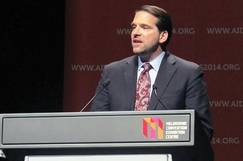
The TURQUOISE-I study assessed the 3D plus ribavirin regimen in 63 patients with hepatitis C genotype 1 infection plus HIV-1 infection. The treatment group included treatment-naive patients and patients previously treated with interferon.
Dr. Mark S. Sulkowski, who presented the data, said earlier phase III studies of the 3D regimen, both with and without ribavirin, showed greater than 96% sustained virologic response rates in HCV-1–infected patients treated for 12 weeks, and 92%-96% response rates in patients with cirrhosis treated for 12-24 weeks.
"Drug interactions with hepatitis C and HIV regimens are the foremost question when approaching treatment in this group," Dr. Sulkowski, professor of medicine at Johns Hopkins University, Baltimore, told conference attendees.
Virologic failure occurred in two patients. Both had previously not responded to treatment and had compensated cirrhosis, and both also had resistance-associated HCV variants that had not been present at baseline.
The majority of adverse events were mild. The most common was fatigue, affecting 58% of patients in the 12-week arm and 37% in the 24-week arm. Other adverse events included insomnia, nausea, and headache. No patients discontinued therapy because of adverse events.
Researchers also observed grade 3 elevations in total bilirubin levels in more than 35% of patients in the 12-week arm of the study and nearly 19% of patients in the 24-week arm. Most of the grade 3 elevations occurred in patients receiving the antiretroviral atazanavir for their HIV infections.
Dr. Sulkowski said side effects and drug interactions associated with interferon therapy have largely accounted for problems in treating patients co-infected with HIV and hepatitis C.
The emerging data suggest the interferon-free regimen "works just as well in HIV-positive patients as in HIV-negative patients, so the barriers really come down to potential interactions with antiretroviral drugs," Dr. Sulkowski said in an interview.
"We now believe that HIV in and of itself is not a factor in predicting success with interferon-free regimens," he said.
Dr. Sulkowski said the Food and Drug Administration is considering applications for the 3D regimen, with and without ribavirin, with a decision expected in the fall.
Dr. Sulkowski declared grant support, consultancies, and advisory board positions with several companies, including study sponsor AbbVie.
MELBOURNE – A regimen of ABT-450 coformulated with ritonavir, ombitasvir, and dasabuvir, plus ribavirin, resulted in high rates of sustained virologic response in hepatitis C patients co-infected with HIV. Further, the treatment approach did not have a negative effect on HIV viral load.
Data from the open-label study, presented at the 20th International AIDS Conference, showed that nearly 94% of patients treated with the three-dose (3D) interferon-free regimen plus ribavirin for 12 weeks had a sustained virologic response at 4 weeks after treatment cessation. Nearly 97% of those treated for 24 weeks achieved a sustained virologic response at 4 weeks after treatment cessation.
The TURQUOISE-I study assessed the 3D plus ribavirin regimen in 63 patients with hepatitis C genotype 1 infection plus HIV-1 infection. The treatment group included treatment-naive patients and patients previously treated with interferon.
Dr. Mark S. Sulkowski, who presented the data, said earlier phase III studies of the 3D regimen, both with and without ribavirin, showed greater than 96% sustained virologic response rates in HCV-1–infected patients treated for 12 weeks, and 92%-96% response rates in patients with cirrhosis treated for 12-24 weeks.
"Drug interactions with hepatitis C and HIV regimens are the foremost question when approaching treatment in this group," Dr. Sulkowski, professor of medicine at Johns Hopkins University, Baltimore, told conference attendees.
Virologic failure occurred in two patients. Both had previously not responded to treatment and had compensated cirrhosis, and both also had resistance-associated HCV variants that had not been present at baseline.
The majority of adverse events were mild. The most common was fatigue, affecting 58% of patients in the 12-week arm and 37% in the 24-week arm. Other adverse events included insomnia, nausea, and headache. No patients discontinued therapy because of adverse events.
Researchers also observed grade 3 elevations in total bilirubin levels in more than 35% of patients in the 12-week arm of the study and nearly 19% of patients in the 24-week arm. Most of the grade 3 elevations occurred in patients receiving the antiretroviral atazanavir for their HIV infections.
Dr. Sulkowski said side effects and drug interactions associated with interferon therapy have largely accounted for problems in treating patients co-infected with HIV and hepatitis C.
The emerging data suggest the interferon-free regimen "works just as well in HIV-positive patients as in HIV-negative patients, so the barriers really come down to potential interactions with antiretroviral drugs," Dr. Sulkowski said in an interview.
"We now believe that HIV in and of itself is not a factor in predicting success with interferon-free regimens," he said.
Dr. Sulkowski said the Food and Drug Administration is considering applications for the 3D regimen, with and without ribavirin, with a decision expected in the fall.
Dr. Sulkowski declared grant support, consultancies, and advisory board positions with several companies, including study sponsor AbbVie.
MELBOURNE – A regimen of ABT-450 coformulated with ritonavir, ombitasvir, and dasabuvir, plus ribavirin, resulted in high rates of sustained virologic response in hepatitis C patients co-infected with HIV. Further, the treatment approach did not have a negative effect on HIV viral load.
Data from the open-label study, presented at the 20th International AIDS Conference, showed that nearly 94% of patients treated with the three-dose (3D) interferon-free regimen plus ribavirin for 12 weeks had a sustained virologic response at 4 weeks after treatment cessation. Nearly 97% of those treated for 24 weeks achieved a sustained virologic response at 4 weeks after treatment cessation.
The TURQUOISE-I study assessed the 3D plus ribavirin regimen in 63 patients with hepatitis C genotype 1 infection plus HIV-1 infection. The treatment group included treatment-naive patients and patients previously treated with interferon.
Dr. Mark S. Sulkowski, who presented the data, said earlier phase III studies of the 3D regimen, both with and without ribavirin, showed greater than 96% sustained virologic response rates in HCV-1–infected patients treated for 12 weeks, and 92%-96% response rates in patients with cirrhosis treated for 12-24 weeks.
"Drug interactions with hepatitis C and HIV regimens are the foremost question when approaching treatment in this group," Dr. Sulkowski, professor of medicine at Johns Hopkins University, Baltimore, told conference attendees.
Virologic failure occurred in two patients. Both had previously not responded to treatment and had compensated cirrhosis, and both also had resistance-associated HCV variants that had not been present at baseline.
The majority of adverse events were mild. The most common was fatigue, affecting 58% of patients in the 12-week arm and 37% in the 24-week arm. Other adverse events included insomnia, nausea, and headache. No patients discontinued therapy because of adverse events.
Researchers also observed grade 3 elevations in total bilirubin levels in more than 35% of patients in the 12-week arm of the study and nearly 19% of patients in the 24-week arm. Most of the grade 3 elevations occurred in patients receiving the antiretroviral atazanavir for their HIV infections.
Dr. Sulkowski said side effects and drug interactions associated with interferon therapy have largely accounted for problems in treating patients co-infected with HIV and hepatitis C.
The emerging data suggest the interferon-free regimen "works just as well in HIV-positive patients as in HIV-negative patients, so the barriers really come down to potential interactions with antiretroviral drugs," Dr. Sulkowski said in an interview.
"We now believe that HIV in and of itself is not a factor in predicting success with interferon-free regimens," he said.
Dr. Sulkowski said the Food and Drug Administration is considering applications for the 3D regimen, with and without ribavirin, with a decision expected in the fall.
Dr. Sulkowski declared grant support, consultancies, and advisory board positions with several companies, including study sponsor AbbVie.
AT AIDS 2014
Key clinical point: An all-oral, interferon-free regimen for hepatitis C genotype 1 infection appeared to achieve a sustained virologic response without affecting viral load in patients co-infected with HIV-1.
Major finding: A 12-week, three-dose, interferon-free regimen of ABT-450 codosed with ritonavir, ombitasvir, and dasabuvir, plus ribavirin, resulted in a sustained virologic response rate of nearly 94% at 4 weeks after treatment cessation.
Data source: Data from the TURQUOISE-1 study of 63 patients co-infected with hepatitic C genotype 1 and HIV-1.
Disclosures: Dr. Sulkowski declared grant support, consultancies, and advisory board positions with several companies, including study sponsor AbbVie.
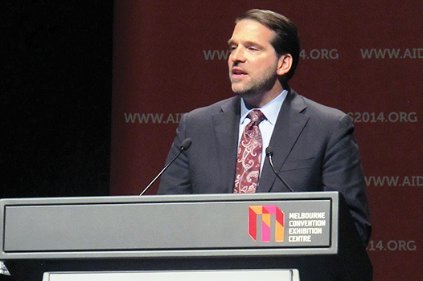
Genotype 3 HCV linked to greater risk of cirrhosis, liver cancer
Veterans with genotype 3 hepatitis C virus infection were 31% more likely to develop cirrhosis and 80% more likely to develop liver cancer than were patients with genotype 1 infection, reported the authors of a large observational retrospective study published in the July issue of Hepatology.
"Our findings have implications that involve the entire spectrum of care, from antiviral treatment to prevention and screening in patients with HCV genotype 3 infection," said Dr. Fasiha Kanwal, of the Michael E. DeBakey Veterans Affairs Medical Center in Houston, and her associates. "Given the accelerated progression to advanced liver disease, patients with HCV genotype 3 may serve as a high-risk group that will need to be prioritized in the era of new antiviral treatments."

But all-oral combination therapy with sofosbuvir and ribavirin may not achieve the high levels of sustained virologic response (SVR) found for patients with genotype 2 infection, Dr. Kanwal and her associates noted. And even if highly effective treatments for genotype 3 infection eventually become available, approximately one-quarter of affected patients would have progressed to cirrhosis and therefore would already be at increased risk for hepatocellular carcinoma, the researchers added.
The study included 110,484 patients with HCV infection from the VA HCV Clinical Case Registry. About 70% of patients were Vietnam-era veterans, the investigators said. Patients were followed for an average of 5.4 years between 2000 and 2009, and a total of 8,337, or 7.5%, had genotype 3 infection, the researchers reported (Hepatology 2014;60:98-105).
After adjustment for factors such as age and year of birth, diabetes, body mass index, and antiviral treatment, patients with genotype 3 infection had the highest risk of developing cirrhosis and hepatocellular carcinoma among all HCV genotypes. Compared with genotype 1–infected patients, genotype 3–infected patients had a 31% higher risk for cirrhosis (adjusted hazard ratio, 1.31; 95% confidence interval, 1.22-1.39) and an 80% higher risk for hepatocellular carcinoma (aHR, 1.81; 95% CI, 1.61-2.03), the investigators added. Furthermore, a subgroup analysis of patients with cirrhosis showed that the risk of hepatocellular carcinoma was 44% higher in patients with genotype 3 infection than in patients with genotype 1 infection, the researchers said.
"These data are relevant to the thousands of HCV patients with genotype 3 infection, and to their physicians who provide care and counseling to this population," said Dr. Kanwal and her associates. They added that the data might help in prioritizing who should first receive future generations of direct-acting antivirals.
The Houston VA Health Services Research and Development Center of Excellence helped fund the study. The authors did not report conflicts of interest.
Veterans with genotype 3 hepatitis C virus infection were 31% more likely to develop cirrhosis and 80% more likely to develop liver cancer than were patients with genotype 1 infection, reported the authors of a large observational retrospective study published in the July issue of Hepatology.
"Our findings have implications that involve the entire spectrum of care, from antiviral treatment to prevention and screening in patients with HCV genotype 3 infection," said Dr. Fasiha Kanwal, of the Michael E. DeBakey Veterans Affairs Medical Center in Houston, and her associates. "Given the accelerated progression to advanced liver disease, patients with HCV genotype 3 may serve as a high-risk group that will need to be prioritized in the era of new antiviral treatments."
But all-oral combination therapy with sofosbuvir and ribavirin may not achieve the high levels of sustained virologic response (SVR) found for patients with genotype 2 infection, Dr. Kanwal and her associates noted. And even if highly effective treatments for genotype 3 infection eventually become available, approximately one-quarter of affected patients would have progressed to cirrhosis and therefore would already be at increased risk for hepatocellular carcinoma, the researchers added.
The study included 110,484 patients with HCV infection from the VA HCV Clinical Case Registry. About 70% of patients were Vietnam-era veterans, the investigators said. Patients were followed for an average of 5.4 years between 2000 and 2009, and a total of 8,337, or 7.5%, had genotype 3 infection, the researchers reported (Hepatology 2014;60:98-105).
After adjustment for factors such as age and year of birth, diabetes, body mass index, and antiviral treatment, patients with genotype 3 infection had the highest risk of developing cirrhosis and hepatocellular carcinoma among all HCV genotypes. Compared with genotype 1–infected patients, genotype 3–infected patients had a 31% higher risk for cirrhosis (adjusted hazard ratio, 1.31; 95% confidence interval, 1.22-1.39) and an 80% higher risk for hepatocellular carcinoma (aHR, 1.81; 95% CI, 1.61-2.03), the investigators added. Furthermore, a subgroup analysis of patients with cirrhosis showed that the risk of hepatocellular carcinoma was 44% higher in patients with genotype 3 infection than in patients with genotype 1 infection, the researchers said.
"These data are relevant to the thousands of HCV patients with genotype 3 infection, and to their physicians who provide care and counseling to this population," said Dr. Kanwal and her associates. They added that the data might help in prioritizing who should first receive future generations of direct-acting antivirals.
The Houston VA Health Services Research and Development Center of Excellence helped fund the study. The authors did not report conflicts of interest.
Veterans with genotype 3 hepatitis C virus infection were 31% more likely to develop cirrhosis and 80% more likely to develop liver cancer than were patients with genotype 1 infection, reported the authors of a large observational retrospective study published in the July issue of Hepatology.
"Our findings have implications that involve the entire spectrum of care, from antiviral treatment to prevention and screening in patients with HCV genotype 3 infection," said Dr. Fasiha Kanwal, of the Michael E. DeBakey Veterans Affairs Medical Center in Houston, and her associates. "Given the accelerated progression to advanced liver disease, patients with HCV genotype 3 may serve as a high-risk group that will need to be prioritized in the era of new antiviral treatments."
But all-oral combination therapy with sofosbuvir and ribavirin may not achieve the high levels of sustained virologic response (SVR) found for patients with genotype 2 infection, Dr. Kanwal and her associates noted. And even if highly effective treatments for genotype 3 infection eventually become available, approximately one-quarter of affected patients would have progressed to cirrhosis and therefore would already be at increased risk for hepatocellular carcinoma, the researchers added.
The study included 110,484 patients with HCV infection from the VA HCV Clinical Case Registry. About 70% of patients were Vietnam-era veterans, the investigators said. Patients were followed for an average of 5.4 years between 2000 and 2009, and a total of 8,337, or 7.5%, had genotype 3 infection, the researchers reported (Hepatology 2014;60:98-105).
After adjustment for factors such as age and year of birth, diabetes, body mass index, and antiviral treatment, patients with genotype 3 infection had the highest risk of developing cirrhosis and hepatocellular carcinoma among all HCV genotypes. Compared with genotype 1–infected patients, genotype 3–infected patients had a 31% higher risk for cirrhosis (adjusted hazard ratio, 1.31; 95% confidence interval, 1.22-1.39) and an 80% higher risk for hepatocellular carcinoma (aHR, 1.81; 95% CI, 1.61-2.03), the investigators added. Furthermore, a subgroup analysis of patients with cirrhosis showed that the risk of hepatocellular carcinoma was 44% higher in patients with genotype 3 infection than in patients with genotype 1 infection, the researchers said.
"These data are relevant to the thousands of HCV patients with genotype 3 infection, and to their physicians who provide care and counseling to this population," said Dr. Kanwal and her associates. They added that the data might help in prioritizing who should first receive future generations of direct-acting antivirals.
The Houston VA Health Services Research and Development Center of Excellence helped fund the study. The authors did not report conflicts of interest.
FROM HEPATOLOGY
Key clinical point: Patients with genotype 3 hepatitis C virus infection are at significantly greater risk of developing cirrhosis and hepatocellular carcinoma than are genotype 1–infected patients.
Major finding: Compared with genotype 1–infected patients, genotype 3–infected patients had a 31% higher risk for cirrhosis (adjusted hazard ratio, 1.31; 95% confidence interval, 1.22-1.39) and an 80% higher risk for hepatocellular carcinoma (aHR, 1.81; 95% CI, 1.61-2.03).
Data Source: Observational retrospective study of 110,484 veterans with HCV infection from the VA HCV Clinical Case Registry.
Disclosures: The Houston VA Health Services Research and Development Center of Excellence helped fund the study. The authors did not report conflicts of interest.

Fewer than 10% of HCV-infected patients complete treatment
Few patients with hepatitis C virus infection complete all of the steps along a proposed HCV treatment cascade, according to a systematic literature review and meta-analysis.
The findings identify large gaps between current practice and treatment goals for patients with chronic HCV infection in the United States, and demonstrate that the proposed cascade provides a framework for evaluating the delivery of HCV care and would be useful for monitoring the impact of screening efforts and treatment advances, according to Dr. Baligh R. Yehia of the University of Pennsylvania, Philadelphia, and colleagues.
The report was published online July 2 in PLoS One.
The systematic review identified 10 articles published between January 2003 and July 2013 that addressed each of the following seven steps in the proposed treatment cascade:
1. Chronic HCV infection occurs.
2. The infection is diagnosed and the patient is made aware of the infection.
3. Access to outpatient care is obtained.
4. HCV RNA is confirmed.
5. Biopsy staging of liver fibrosis is performed.
6. HCV treatment is prescribed.
7. A sustained virologic response is achieved.
Based on the studies included in the review, an estimated 3.5 million people have chronic HCV in the United States, and only about 50% are diagnosed and aware of their infection.
The findings also suggest that only 43% of those patients have access to outpatient care (cascade step 3); only 27% achieve the first 4 steps, including confirmation of HCV RNA; only 17% achieve the first 5 steps, including undergoing liver fibrosis staging; only 16% achieve the first 6 steps, including being prescribed treatment; and only 9% achieve all 7 steps, including a sustained virologic response, the investigators said (PLoS One 2014 July 2 [doi:10.1371/journal.pone.0101554]).
The HCV treatment cascade proposed by the authors is similar to a cascade commonly used for evaluating and monitoring HIV care, and is based on the fact that people with chronic HCV infection, much like those living with HIV infection, need to fulfill multiple steps along a care continuum if they are to achieve optimal health outcomes.
"This HCV treatment cascade aligns with the goals of the U.S. [Department of Health & Human Services] Action Plan for the Prevention, Care, and Treatment of Viral Hepatitis, which established early identification, linkage to care and treatment, and improved quality of care as top priorities for combating the silent epidemic of chronic HCV infection," the investigators wrote, adding that monitoring the HCV treatment cascade will become increasingly important to clinicians, public health officials, and federal agencies as advances in HCV treatment emerge.
The findings of the current analysis help identify key deficits in care that will be important in the development of programs to improve diagnosis, linkage to care, and management, the investigators said.
Future studies should explore the value of adding and/or deleting steps in the cascade to best assist public health officials in monitoring HCV care, they added, also noting that monitoring the steps over time, rather than evaluating them at one time point as was done in this study, may help define overall progress toward population-based goals and barriers at each step.
The study is also limited by the exclusion of certain populations – such as prisoners and the homeless – in the studies reviewed, and by other factors that may have led to underestimation of achievement of various steps in the cascade. For example, liver biopsy was used as the marker for HCV disease staging, but some patients may have been staged through the use of noninvasive tests, the investigators said.
Nonetheless, the results suggest that continued efforts are needed to improve HCV care in the United States, Dr. Baligh R. Yehia and colleagues said.
"In a field that is changing rapidly, with increased attention on HCV screening and approval of new, effective direct-acting antiviral agents, this proposed HCV treatment cascade provides a framework for identifying gaps in care. This framework will be useful in monitoring the impact of new public health initiatives, care models, and treatments," they wrote, adding that achieving the goals of the U.S. action plan requires an increase in the number of patients completing each step in the cascade.
This study was supported by the National Institutes of Health. Dr. Yehia and coauthor Asher J. Schranz reported receiving investigator-initiated research support (to the University of Pennsylvania) from Gilead Sciences. Dr. Schranz also received such support from AstraZeneca, Bristol Myers-Squibb, and Merck.
Few patients with hepatitis C virus infection complete all of the steps along a proposed HCV treatment cascade, according to a systematic literature review and meta-analysis.
The findings identify large gaps between current practice and treatment goals for patients with chronic HCV infection in the United States, and demonstrate that the proposed cascade provides a framework for evaluating the delivery of HCV care and would be useful for monitoring the impact of screening efforts and treatment advances, according to Dr. Baligh R. Yehia of the University of Pennsylvania, Philadelphia, and colleagues.
The report was published online July 2 in PLoS One.
The systematic review identified 10 articles published between January 2003 and July 2013 that addressed each of the following seven steps in the proposed treatment cascade:
1. Chronic HCV infection occurs.
2. The infection is diagnosed and the patient is made aware of the infection.
3. Access to outpatient care is obtained.
4. HCV RNA is confirmed.
5. Biopsy staging of liver fibrosis is performed.
6. HCV treatment is prescribed.
7. A sustained virologic response is achieved.
Based on the studies included in the review, an estimated 3.5 million people have chronic HCV in the United States, and only about 50% are diagnosed and aware of their infection.
The findings also suggest that only 43% of those patients have access to outpatient care (cascade step 3); only 27% achieve the first 4 steps, including confirmation of HCV RNA; only 17% achieve the first 5 steps, including undergoing liver fibrosis staging; only 16% achieve the first 6 steps, including being prescribed treatment; and only 9% achieve all 7 steps, including a sustained virologic response, the investigators said (PLoS One 2014 July 2 [doi:10.1371/journal.pone.0101554]).
The HCV treatment cascade proposed by the authors is similar to a cascade commonly used for evaluating and monitoring HIV care, and is based on the fact that people with chronic HCV infection, much like those living with HIV infection, need to fulfill multiple steps along a care continuum if they are to achieve optimal health outcomes.
"This HCV treatment cascade aligns with the goals of the U.S. [Department of Health & Human Services] Action Plan for the Prevention, Care, and Treatment of Viral Hepatitis, which established early identification, linkage to care and treatment, and improved quality of care as top priorities for combating the silent epidemic of chronic HCV infection," the investigators wrote, adding that monitoring the HCV treatment cascade will become increasingly important to clinicians, public health officials, and federal agencies as advances in HCV treatment emerge.
The findings of the current analysis help identify key deficits in care that will be important in the development of programs to improve diagnosis, linkage to care, and management, the investigators said.
Future studies should explore the value of adding and/or deleting steps in the cascade to best assist public health officials in monitoring HCV care, they added, also noting that monitoring the steps over time, rather than evaluating them at one time point as was done in this study, may help define overall progress toward population-based goals and barriers at each step.
The study is also limited by the exclusion of certain populations – such as prisoners and the homeless – in the studies reviewed, and by other factors that may have led to underestimation of achievement of various steps in the cascade. For example, liver biopsy was used as the marker for HCV disease staging, but some patients may have been staged through the use of noninvasive tests, the investigators said.
Nonetheless, the results suggest that continued efforts are needed to improve HCV care in the United States, Dr. Baligh R. Yehia and colleagues said.
"In a field that is changing rapidly, with increased attention on HCV screening and approval of new, effective direct-acting antiviral agents, this proposed HCV treatment cascade provides a framework for identifying gaps in care. This framework will be useful in monitoring the impact of new public health initiatives, care models, and treatments," they wrote, adding that achieving the goals of the U.S. action plan requires an increase in the number of patients completing each step in the cascade.
This study was supported by the National Institutes of Health. Dr. Yehia and coauthor Asher J. Schranz reported receiving investigator-initiated research support (to the University of Pennsylvania) from Gilead Sciences. Dr. Schranz also received such support from AstraZeneca, Bristol Myers-Squibb, and Merck.
Few patients with hepatitis C virus infection complete all of the steps along a proposed HCV treatment cascade, according to a systematic literature review and meta-analysis.
The findings identify large gaps between current practice and treatment goals for patients with chronic HCV infection in the United States, and demonstrate that the proposed cascade provides a framework for evaluating the delivery of HCV care and would be useful for monitoring the impact of screening efforts and treatment advances, according to Dr. Baligh R. Yehia of the University of Pennsylvania, Philadelphia, and colleagues.
The report was published online July 2 in PLoS One.
The systematic review identified 10 articles published between January 2003 and July 2013 that addressed each of the following seven steps in the proposed treatment cascade:
1. Chronic HCV infection occurs.
2. The infection is diagnosed and the patient is made aware of the infection.
3. Access to outpatient care is obtained.
4. HCV RNA is confirmed.
5. Biopsy staging of liver fibrosis is performed.
6. HCV treatment is prescribed.
7. A sustained virologic response is achieved.
Based on the studies included in the review, an estimated 3.5 million people have chronic HCV in the United States, and only about 50% are diagnosed and aware of their infection.
The findings also suggest that only 43% of those patients have access to outpatient care (cascade step 3); only 27% achieve the first 4 steps, including confirmation of HCV RNA; only 17% achieve the first 5 steps, including undergoing liver fibrosis staging; only 16% achieve the first 6 steps, including being prescribed treatment; and only 9% achieve all 7 steps, including a sustained virologic response, the investigators said (PLoS One 2014 July 2 [doi:10.1371/journal.pone.0101554]).
The HCV treatment cascade proposed by the authors is similar to a cascade commonly used for evaluating and monitoring HIV care, and is based on the fact that people with chronic HCV infection, much like those living with HIV infection, need to fulfill multiple steps along a care continuum if they are to achieve optimal health outcomes.
"This HCV treatment cascade aligns with the goals of the U.S. [Department of Health & Human Services] Action Plan for the Prevention, Care, and Treatment of Viral Hepatitis, which established early identification, linkage to care and treatment, and improved quality of care as top priorities for combating the silent epidemic of chronic HCV infection," the investigators wrote, adding that monitoring the HCV treatment cascade will become increasingly important to clinicians, public health officials, and federal agencies as advances in HCV treatment emerge.
The findings of the current analysis help identify key deficits in care that will be important in the development of programs to improve diagnosis, linkage to care, and management, the investigators said.
Future studies should explore the value of adding and/or deleting steps in the cascade to best assist public health officials in monitoring HCV care, they added, also noting that monitoring the steps over time, rather than evaluating them at one time point as was done in this study, may help define overall progress toward population-based goals and barriers at each step.
The study is also limited by the exclusion of certain populations – such as prisoners and the homeless – in the studies reviewed, and by other factors that may have led to underestimation of achievement of various steps in the cascade. For example, liver biopsy was used as the marker for HCV disease staging, but some patients may have been staged through the use of noninvasive tests, the investigators said.
Nonetheless, the results suggest that continued efforts are needed to improve HCV care in the United States, Dr. Baligh R. Yehia and colleagues said.
"In a field that is changing rapidly, with increased attention on HCV screening and approval of new, effective direct-acting antiviral agents, this proposed HCV treatment cascade provides a framework for identifying gaps in care. This framework will be useful in monitoring the impact of new public health initiatives, care models, and treatments," they wrote, adding that achieving the goals of the U.S. action plan requires an increase in the number of patients completing each step in the cascade.
This study was supported by the National Institutes of Health. Dr. Yehia and coauthor Asher J. Schranz reported receiving investigator-initiated research support (to the University of Pennsylvania) from Gilead Sciences. Dr. Schranz also received such support from AstraZeneca, Bristol Myers-Squibb, and Merck.
FROM PLOS ONE
Key clinical point: There are large gaps between current practice and treatment goals for patients with chronic HCV infection in the United States; the proposed cascade provides a framework for evaluating the delivery of HCV care.
Major finding: Only about 50% of patients with HCV are diagnosed and aware of their disease.
Data source: A systematic review and meta-analysis of 10 articles.
Disclosures: This study was supported by the National Institutes of Health. Dr. Yehia and coauthor Asher J. Schranz reported receiving investigator-initiated research support (to the University of Pennsylvania) from Gilead Sciences. Dr. Schranz also received such support from AstraZeneca, Bristol Myers-Squibb, and Merck.
Fewer than 10% of HCV-infected patients complete treatment
Few patients with hepatitis C virus infection complete all of the steps along a proposed HCV treatment cascade, according to a systematic literature review and meta-analysis.
The findings identify large gaps between current practice and treatment goals for patients with chronic HCV infection in the United States, and demonstrate that the proposed cascade provides a framework for evaluating the delivery of HCV care and would be useful for monitoring the impact of screening efforts and treatment advances, according to Dr. Baligh R. Yehia of the University of Pennsylvania, Philadelphia, and colleagues.
The report was published online July 2 in PLoS One.
The systematic review identified 10 articles published between January 2003 and July 2013 that addressed each of the following seven steps in the proposed treatment cascade:
1. Chronic HCV infection occurs.
2. The infection is diagnosed and the patient is made aware of the infection.
3. Access to outpatient care is obtained.
4. HCV RNA is confirmed.
5. Biopsy staging of liver fibrosis is performed.
6. HCV treatment is prescribed.
7. A sustained virologic response is achieved.
Based on the studies included in the review, an estimated 3.5 million people have chronic HCV in the United States, and only about 50% are diagnosed and aware of their infection.
The findings also suggest that only 43% of those patients have access to outpatient care (cascade step 3); only 27% achieve the first 4 steps, including confirmation of HCV RNA; only 17% achieve the first 5 steps, including undergoing liver fibrosis staging; only 16% achieve the first 6 steps, including being prescribed treatment; and only 9% achieve all 7 steps, including a sustained virologic response, the investigators said (PLoS One 2014 July 2 [doi:10.1371/journal.pone.0101554]).
The HCV treatment cascade proposed by the authors is similar to a cascade commonly used for evaluating and monitoring HIV care, and is based on the fact that people with chronic HCV infection, much like those living with HIV infection, need to fulfill multiple steps along a care continuum if they are to achieve optimal health outcomes.
"This HCV treatment cascade aligns with the goals of the U.S. [Department of Health & Human Services] Action Plan for the Prevention, Care, and Treatment of Viral Hepatitis, which established early identification, linkage to care and treatment, and improved quality of care as top priorities for combating the silent epidemic of chronic HCV infection," the investigators wrote, adding that monitoring the HCV treatment cascade will become increasingly important to clinicians, public health officials, and federal agencies as advances in HCV treatment emerge.
The findings of the current analysis help identify key deficits in care that will be important in the development of programs to improve diagnosis, linkage to care, and management, the investigators said.
Future studies should explore the value of adding and/or deleting steps in the cascade to best assist public health officials in monitoring HCV care, they added, also noting that monitoring the steps over time, rather than evaluating them at one time point as was done in this study, may help define overall progress toward population-based goals and barriers at each step.
The study is also limited by the exclusion of certain populations – such as prisoners and the homeless – in the studies reviewed, and by other factors that may have led to underestimation of achievement of various steps in the cascade. For example, liver biopsy was used as the marker for HCV disease staging, but some patients may have been staged through the use of noninvasive tests, the investigators said.
Nonetheless, the results suggest that continued efforts are needed to improve HCV care in the United States, Dr. Baligh R. Yehia and colleagues said.
"In a field that is changing rapidly, with increased attention on HCV screening and approval of new, effective direct-acting antiviral agents, this proposed HCV treatment cascade provides a framework for identifying gaps in care. This framework will be useful in monitoring the impact of new public health initiatives, care models, and treatments," they wrote, adding that achieving the goals of the U.S. action plan requires an increase in the number of patients completing each step in the cascade.
This study was supported by the National Institutes of Health. Dr. Yehia and coauthor Asher J. Schranz reported receiving investigator-initiated research support (to the University of Pennsylvania) from Gilead Sciences. Dr. Schranz also received such support from AstraZeneca, Bristol Myers-Squibb, and Merck.
Few patients with hepatitis C virus infection complete all of the steps along a proposed HCV treatment cascade, according to a systematic literature review and meta-analysis.
The findings identify large gaps between current practice and treatment goals for patients with chronic HCV infection in the United States, and demonstrate that the proposed cascade provides a framework for evaluating the delivery of HCV care and would be useful for monitoring the impact of screening efforts and treatment advances, according to Dr. Baligh R. Yehia of the University of Pennsylvania, Philadelphia, and colleagues.
The report was published online July 2 in PLoS One.
The systematic review identified 10 articles published between January 2003 and July 2013 that addressed each of the following seven steps in the proposed treatment cascade:
1. Chronic HCV infection occurs.
2. The infection is diagnosed and the patient is made aware of the infection.
3. Access to outpatient care is obtained.
4. HCV RNA is confirmed.
5. Biopsy staging of liver fibrosis is performed.
6. HCV treatment is prescribed.
7. A sustained virologic response is achieved.
Based on the studies included in the review, an estimated 3.5 million people have chronic HCV in the United States, and only about 50% are diagnosed and aware of their infection.
The findings also suggest that only 43% of those patients have access to outpatient care (cascade step 3); only 27% achieve the first 4 steps, including confirmation of HCV RNA; only 17% achieve the first 5 steps, including undergoing liver fibrosis staging; only 16% achieve the first 6 steps, including being prescribed treatment; and only 9% achieve all 7 steps, including a sustained virologic response, the investigators said (PLoS One 2014 July 2 [doi:10.1371/journal.pone.0101554]).
The HCV treatment cascade proposed by the authors is similar to a cascade commonly used for evaluating and monitoring HIV care, and is based on the fact that people with chronic HCV infection, much like those living with HIV infection, need to fulfill multiple steps along a care continuum if they are to achieve optimal health outcomes.
"This HCV treatment cascade aligns with the goals of the U.S. [Department of Health & Human Services] Action Plan for the Prevention, Care, and Treatment of Viral Hepatitis, which established early identification, linkage to care and treatment, and improved quality of care as top priorities for combating the silent epidemic of chronic HCV infection," the investigators wrote, adding that monitoring the HCV treatment cascade will become increasingly important to clinicians, public health officials, and federal agencies as advances in HCV treatment emerge.
The findings of the current analysis help identify key deficits in care that will be important in the development of programs to improve diagnosis, linkage to care, and management, the investigators said.
Future studies should explore the value of adding and/or deleting steps in the cascade to best assist public health officials in monitoring HCV care, they added, also noting that monitoring the steps over time, rather than evaluating them at one time point as was done in this study, may help define overall progress toward population-based goals and barriers at each step.
The study is also limited by the exclusion of certain populations – such as prisoners and the homeless – in the studies reviewed, and by other factors that may have led to underestimation of achievement of various steps in the cascade. For example, liver biopsy was used as the marker for HCV disease staging, but some patients may have been staged through the use of noninvasive tests, the investigators said.
Nonetheless, the results suggest that continued efforts are needed to improve HCV care in the United States, Dr. Baligh R. Yehia and colleagues said.
"In a field that is changing rapidly, with increased attention on HCV screening and approval of new, effective direct-acting antiviral agents, this proposed HCV treatment cascade provides a framework for identifying gaps in care. This framework will be useful in monitoring the impact of new public health initiatives, care models, and treatments," they wrote, adding that achieving the goals of the U.S. action plan requires an increase in the number of patients completing each step in the cascade.
This study was supported by the National Institutes of Health. Dr. Yehia and coauthor Asher J. Schranz reported receiving investigator-initiated research support (to the University of Pennsylvania) from Gilead Sciences. Dr. Schranz also received such support from AstraZeneca, Bristol Myers-Squibb, and Merck.
Few patients with hepatitis C virus infection complete all of the steps along a proposed HCV treatment cascade, according to a systematic literature review and meta-analysis.
The findings identify large gaps between current practice and treatment goals for patients with chronic HCV infection in the United States, and demonstrate that the proposed cascade provides a framework for evaluating the delivery of HCV care and would be useful for monitoring the impact of screening efforts and treatment advances, according to Dr. Baligh R. Yehia of the University of Pennsylvania, Philadelphia, and colleagues.
The report was published online July 2 in PLoS One.
The systematic review identified 10 articles published between January 2003 and July 2013 that addressed each of the following seven steps in the proposed treatment cascade:
1. Chronic HCV infection occurs.
2. The infection is diagnosed and the patient is made aware of the infection.
3. Access to outpatient care is obtained.
4. HCV RNA is confirmed.
5. Biopsy staging of liver fibrosis is performed.
6. HCV treatment is prescribed.
7. A sustained virologic response is achieved.
Based on the studies included in the review, an estimated 3.5 million people have chronic HCV in the United States, and only about 50% are diagnosed and aware of their infection.
The findings also suggest that only 43% of those patients have access to outpatient care (cascade step 3); only 27% achieve the first 4 steps, including confirmation of HCV RNA; only 17% achieve the first 5 steps, including undergoing liver fibrosis staging; only 16% achieve the first 6 steps, including being prescribed treatment; and only 9% achieve all 7 steps, including a sustained virologic response, the investigators said (PLoS One 2014 July 2 [doi:10.1371/journal.pone.0101554]).
The HCV treatment cascade proposed by the authors is similar to a cascade commonly used for evaluating and monitoring HIV care, and is based on the fact that people with chronic HCV infection, much like those living with HIV infection, need to fulfill multiple steps along a care continuum if they are to achieve optimal health outcomes.
"This HCV treatment cascade aligns with the goals of the U.S. [Department of Health & Human Services] Action Plan for the Prevention, Care, and Treatment of Viral Hepatitis, which established early identification, linkage to care and treatment, and improved quality of care as top priorities for combating the silent epidemic of chronic HCV infection," the investigators wrote, adding that monitoring the HCV treatment cascade will become increasingly important to clinicians, public health officials, and federal agencies as advances in HCV treatment emerge.
The findings of the current analysis help identify key deficits in care that will be important in the development of programs to improve diagnosis, linkage to care, and management, the investigators said.
Future studies should explore the value of adding and/or deleting steps in the cascade to best assist public health officials in monitoring HCV care, they added, also noting that monitoring the steps over time, rather than evaluating them at one time point as was done in this study, may help define overall progress toward population-based goals and barriers at each step.
The study is also limited by the exclusion of certain populations – such as prisoners and the homeless – in the studies reviewed, and by other factors that may have led to underestimation of achievement of various steps in the cascade. For example, liver biopsy was used as the marker for HCV disease staging, but some patients may have been staged through the use of noninvasive tests, the investigators said.
Nonetheless, the results suggest that continued efforts are needed to improve HCV care in the United States, Dr. Baligh R. Yehia and colleagues said.
"In a field that is changing rapidly, with increased attention on HCV screening and approval of new, effective direct-acting antiviral agents, this proposed HCV treatment cascade provides a framework for identifying gaps in care. This framework will be useful in monitoring the impact of new public health initiatives, care models, and treatments," they wrote, adding that achieving the goals of the U.S. action plan requires an increase in the number of patients completing each step in the cascade.
This study was supported by the National Institutes of Health. Dr. Yehia and coauthor Asher J. Schranz reported receiving investigator-initiated research support (to the University of Pennsylvania) from Gilead Sciences. Dr. Schranz also received such support from AstraZeneca, Bristol Myers-Squibb, and Merck.
FROM PLOS ONE
Key clinical point: There are large gaps between current practice and treatment goals for patients with chronic HCV infection in the United States; the proposed cascade provides a framework for evaluating the delivery of HCV care.
Major finding: Only about 50% of patients with HCV are diagnosed and aware of their disease.
Data source: A systematic review and meta-analysis of 10 articles.
Disclosures: This study was supported by the National Institutes of Health. Dr. Yehia and coauthor Asher J. Schranz reported receiving investigator-initiated research support (to the University of Pennsylvania) from Gilead Sciences. Dr. Schranz also received such support from AstraZeneca, Bristol Myers-Squibb, and Merck.