User login
Boport [letter]
There Is No Bargain for Your Health: Expert Warns About Cosmetic Procedure "Deals" [editorial]
Physician Professes His Love for Silicone
Injectable silicone has taken a public beating recently, blamed for everything from “trout pout” to death.
But the compound—and using it off label for cosmetic purposes—shouldn’t be sliding down a slippery slope into oblivion, Dr. Jay G. Barnett told a packed audience yesterday at the annual meeting of the American Academy of Cosmetic Surgery, in Orlando.
Liquid silicone is an enormously effective facial filler, he said, with the ability to permanently smooth out wrinkles, normalize the look of disease-related facial atrophy, and virtually erase scarring.
“As a physician, using silicone to treat scars is my reason d’etre,” said Dr. Barnett, showing immediate post-procedure photos of a patient with tears of gratitude in her eyes. “I get a lot of hugs and kisses.”
A dermatologist in New York City, Dr. Barnett claimed to have treated thousands of patients with microdroplet injections—usually less than a single cc—with not a single complication. Photos showed scars and other defects smoothed in minutes, and patients still looking good after 30 years.
His presentation obviously struck a chord. As soon as he stepped off the platform, Dr. Barnett was handing out cards to a dozen eager fans. But he apparently didn’t win all hearts and minds. During the panel discussion, Dr. Barnett fielded several hardballs from physicians whose silicone stories didn’t have quite so rosy an ending.
One said she had used the compound on two patients, both of whom developed granulomas that had to be surgically excised. Another told of desperate women coming to her with “plum-sized lumps” after attending parties where quasi-health professionals injected them with what they claimed to be medical-grade liquid silicone.
Dr. Barnett was apparently no stranger to their angst—or his own. “For years, I’ve felt responsible and guilty over every negative story about silicone,” he said. “I can only go by what has happened to me. I’ve done 15,000-20,000 of these over 40 years with no complications, and I cannot be responsible for the rest of the world.”
What do you think? Can liquid silicone be safely used as facial filler? Or should dermatologists stick to the products that have been specifically approved for this purpose?
Michele G. Sullivan
Mid-Atlantic Bureau
Injectable silicone has taken a public beating recently, blamed for everything from “trout pout” to death.
But the compound—and using it off label for cosmetic purposes—shouldn’t be sliding down a slippery slope into oblivion, Dr. Jay G. Barnett told a packed audience yesterday at the annual meeting of the American Academy of Cosmetic Surgery, in Orlando.
Liquid silicone is an enormously effective facial filler, he said, with the ability to permanently smooth out wrinkles, normalize the look of disease-related facial atrophy, and virtually erase scarring.
“As a physician, using silicone to treat scars is my reason d’etre,” said Dr. Barnett, showing immediate post-procedure photos of a patient with tears of gratitude in her eyes. “I get a lot of hugs and kisses.”
A dermatologist in New York City, Dr. Barnett claimed to have treated thousands of patients with microdroplet injections—usually less than a single cc—with not a single complication. Photos showed scars and other defects smoothed in minutes, and patients still looking good after 30 years.
His presentation obviously struck a chord. As soon as he stepped off the platform, Dr. Barnett was handing out cards to a dozen eager fans. But he apparently didn’t win all hearts and minds. During the panel discussion, Dr. Barnett fielded several hardballs from physicians whose silicone stories didn’t have quite so rosy an ending.
One said she had used the compound on two patients, both of whom developed granulomas that had to be surgically excised. Another told of desperate women coming to her with “plum-sized lumps” after attending parties where quasi-health professionals injected them with what they claimed to be medical-grade liquid silicone.
Dr. Barnett was apparently no stranger to their angst—or his own. “For years, I’ve felt responsible and guilty over every negative story about silicone,” he said. “I can only go by what has happened to me. I’ve done 15,000-20,000 of these over 40 years with no complications, and I cannot be responsible for the rest of the world.”
What do you think? Can liquid silicone be safely used as facial filler? Or should dermatologists stick to the products that have been specifically approved for this purpose?
Michele G. Sullivan
Mid-Atlantic Bureau
Injectable silicone has taken a public beating recently, blamed for everything from “trout pout” to death.
But the compound—and using it off label for cosmetic purposes—shouldn’t be sliding down a slippery slope into oblivion, Dr. Jay G. Barnett told a packed audience yesterday at the annual meeting of the American Academy of Cosmetic Surgery, in Orlando.
Liquid silicone is an enormously effective facial filler, he said, with the ability to permanently smooth out wrinkles, normalize the look of disease-related facial atrophy, and virtually erase scarring.
“As a physician, using silicone to treat scars is my reason d’etre,” said Dr. Barnett, showing immediate post-procedure photos of a patient with tears of gratitude in her eyes. “I get a lot of hugs and kisses.”
A dermatologist in New York City, Dr. Barnett claimed to have treated thousands of patients with microdroplet injections—usually less than a single cc—with not a single complication. Photos showed scars and other defects smoothed in minutes, and patients still looking good after 30 years.
His presentation obviously struck a chord. As soon as he stepped off the platform, Dr. Barnett was handing out cards to a dozen eager fans. But he apparently didn’t win all hearts and minds. During the panel discussion, Dr. Barnett fielded several hardballs from physicians whose silicone stories didn’t have quite so rosy an ending.
One said she had used the compound on two patients, both of whom developed granulomas that had to be surgically excised. Another told of desperate women coming to her with “plum-sized lumps” after attending parties where quasi-health professionals injected them with what they claimed to be medical-grade liquid silicone.
Dr. Barnett was apparently no stranger to their angst—or his own. “For years, I’ve felt responsible and guilty over every negative story about silicone,” he said. “I can only go by what has happened to me. I’ve done 15,000-20,000 of these over 40 years with no complications, and I cannot be responsible for the rest of the world.”
What do you think? Can liquid silicone be safely used as facial filler? Or should dermatologists stick to the products that have been specifically approved for this purpose?
Michele G. Sullivan
Mid-Atlantic Bureau
Cosmetic Dermatologist Cited for Promotion of Dysport
Whether it be botulinum toxin, a new drug, or a miracle wrinkle cream, we've all heard clinical investigators tout "their" investigational product as the next best thing since penicillin at medical meetings--usually with full disclosure. I'll also bet that you can recall a number of instances where you've turned on the T.V. or radio to hear physicians promoting an investigational drug or device they are intimately connected to.
So does the Jan. 11 Division of Drug Marketing, Advertising, and Communications' letter to Dr. Leslie S. Baumann signify an FDA crackdown?
The agency cited Dr. Baumann for suggesting that Ipsen's Dysport (abobotulinumA) is superior to Allergan's Botox (onabotulinumtoxinA) in Allure and Elle magazine, and on the "Today Show" on NBC before the approval of Dysport. The letter said that Dr. Baumann suggested that Dysport was "safe and effective before it was approved, and that it was in fact superior to the approved product Botox." According to the FDA, no head-to-head trials of Botox to Dysport have been conducted to assess this.
Dr. Baumann became a clinical investigator for Dysport in July 2006, according to the FDA letter. While she was a trial investigator, she made one such comment to Allure: "Reloxin, the new Botox, will likely come out later this year. Early data show it may last longer and kick in faster than Botox."
This, according to the FDA, was a promotion of an unapproved drug, and against regulations that state "A sponsor or investigator ... shall not represent in a promotional context that an investigational new drug is safe and effective for the purposes for which it is under investigation or otherwise promote the drug."
Dr. Baumann was given 10 business days from the receipt of the letter to inform the FDA of the actions she plans to take to "prevent similar violations in the future."
I spoke with Dr. Baumann, a Skin & Allergy News editorial advisory board member and columnist, today about this matter, but she was unable to comment for now. UPDATE: Dr. Baumann addressed the FDA letter on her blog at Skin Type Solutions on Feb. 1.
She is in private practice in Miami, but was with the University of Miami when she conducted the clinical trials for Medicis. (Ipsen granted Medicis Pharma the rights to develop, distribute, and commercialize Dysport.)
This is another example of why clinical trial investigators should disclose, disclose, disclose! The bottom line: don't promote until approved!
Whether it be botulinum toxin, a new drug, or a miracle wrinkle cream, we've all heard clinical investigators tout "their" investigational product as the next best thing since penicillin at medical meetings--usually with full disclosure. I'll also bet that you can recall a number of instances where you've turned on the T.V. or radio to hear physicians promoting an investigational drug or device they are intimately connected to.
So does the Jan. 11 Division of Drug Marketing, Advertising, and Communications' letter to Dr. Leslie S. Baumann signify an FDA crackdown?
The agency cited Dr. Baumann for suggesting that Ipsen's Dysport (abobotulinumA) is superior to Allergan's Botox (onabotulinumtoxinA) in Allure and Elle magazine, and on the "Today Show" on NBC before the approval of Dysport. The letter said that Dr. Baumann suggested that Dysport was "safe and effective before it was approved, and that it was in fact superior to the approved product Botox." According to the FDA, no head-to-head trials of Botox to Dysport have been conducted to assess this.
Dr. Baumann became a clinical investigator for Dysport in July 2006, according to the FDA letter. While she was a trial investigator, she made one such comment to Allure: "Reloxin, the new Botox, will likely come out later this year. Early data show it may last longer and kick in faster than Botox."
This, according to the FDA, was a promotion of an unapproved drug, and against regulations that state "A sponsor or investigator ... shall not represent in a promotional context that an investigational new drug is safe and effective for the purposes for which it is under investigation or otherwise promote the drug."
Dr. Baumann was given 10 business days from the receipt of the letter to inform the FDA of the actions she plans to take to "prevent similar violations in the future."
I spoke with Dr. Baumann, a Skin & Allergy News editorial advisory board member and columnist, today about this matter, but she was unable to comment for now. UPDATE: Dr. Baumann addressed the FDA letter on her blog at Skin Type Solutions on Feb. 1.
She is in private practice in Miami, but was with the University of Miami when she conducted the clinical trials for Medicis. (Ipsen granted Medicis Pharma the rights to develop, distribute, and commercialize Dysport.)
This is another example of why clinical trial investigators should disclose, disclose, disclose! The bottom line: don't promote until approved!
Whether it be botulinum toxin, a new drug, or a miracle wrinkle cream, we've all heard clinical investigators tout "their" investigational product as the next best thing since penicillin at medical meetings--usually with full disclosure. I'll also bet that you can recall a number of instances where you've turned on the T.V. or radio to hear physicians promoting an investigational drug or device they are intimately connected to.
So does the Jan. 11 Division of Drug Marketing, Advertising, and Communications' letter to Dr. Leslie S. Baumann signify an FDA crackdown?
The agency cited Dr. Baumann for suggesting that Ipsen's Dysport (abobotulinumA) is superior to Allergan's Botox (onabotulinumtoxinA) in Allure and Elle magazine, and on the "Today Show" on NBC before the approval of Dysport. The letter said that Dr. Baumann suggested that Dysport was "safe and effective before it was approved, and that it was in fact superior to the approved product Botox." According to the FDA, no head-to-head trials of Botox to Dysport have been conducted to assess this.
Dr. Baumann became a clinical investigator for Dysport in July 2006, according to the FDA letter. While she was a trial investigator, she made one such comment to Allure: "Reloxin, the new Botox, will likely come out later this year. Early data show it may last longer and kick in faster than Botox."
This, according to the FDA, was a promotion of an unapproved drug, and against regulations that state "A sponsor or investigator ... shall not represent in a promotional context that an investigational new drug is safe and effective for the purposes for which it is under investigation or otherwise promote the drug."
Dr. Baumann was given 10 business days from the receipt of the letter to inform the FDA of the actions she plans to take to "prevent similar violations in the future."
I spoke with Dr. Baumann, a Skin & Allergy News editorial advisory board member and columnist, today about this matter, but she was unable to comment for now. UPDATE: Dr. Baumann addressed the FDA letter on her blog at Skin Type Solutions on Feb. 1.
She is in private practice in Miami, but was with the University of Miami when she conducted the clinical trials for Medicis. (Ipsen granted Medicis Pharma the rights to develop, distribute, and commercialize Dysport.)
This is another example of why clinical trial investigators should disclose, disclose, disclose! The bottom line: don't promote until approved!
Is Counterfeit Botox a Terrorist Threat?
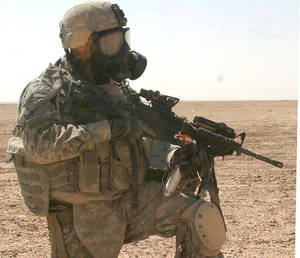
Undoubtedly, United Nations inspectors and C.I.A. agents found vials of Botox (onabotulinumtoxinA) in Saddam Hussein’s arsenal, but my guess is that those were for personal use, not for carrying out his genocidal plans.
It’s unclear what spurred the article, but much of it appears to be derived from a study conducted by some researchers at the James Martin Center for Nonproliferation Studies. A quick look at its Web site shows the nonprofit group has been reporting for years that Al-Qaeda, and countries known to harbor militants (such as Libya) have the capacity to produce mass quantities of botulinum toxin, the base raw ingredient for Botox. Botulinum toxin is also a highly lethal poison.
The newspaper article contends that counterfeit Botox producers may have access to large stocks of botulinum toxin, and thus... well, I’m not sure what the thus is, except that maybe they could be terrorists?
A blogging defense policy analyst called The Post’s assertions “ridiculous.”
The Post went on to say that a 2004 federal raid determined that one fake Botox outfit had used industrial grade botulinum toxin instead of the materials approved for human use, resulting in the paralysis of four people.
Granted, counterfeit medications are a huge and growing problem, as the story acknowledged. Botox manufacturer Allergan was quoted in the story as saying that the company was working with China to crack down on illicit manufacturers in that nation.
But the story alleged a bigger danger from the fakery. An unnamed “U.S. investigator” told the Post: “We know al-Qaeda has talked about going after food supplies in the United States. There are new reasons to be concerned about what they’re going to target next.”
Perhaps the nation’s millions of Botox users?
-- Alicia Ault (on Twitter @aliciaault)
Image courtesy U.S. Army via Flickr Creative Commons
Undoubtedly, United Nations inspectors and C.I.A. agents found vials of Botox (onabotulinumtoxinA) in Saddam Hussein’s arsenal, but my guess is that those were for personal use, not for carrying out his genocidal plans.
It’s unclear what spurred the article, but much of it appears to be derived from a study conducted by some researchers at the James Martin Center for Nonproliferation Studies. A quick look at its Web site shows the nonprofit group has been reporting for years that Al-Qaeda, and countries known to harbor militants (such as Libya) have the capacity to produce mass quantities of botulinum toxin, the base raw ingredient for Botox. Botulinum toxin is also a highly lethal poison.
The newspaper article contends that counterfeit Botox producers may have access to large stocks of botulinum toxin, and thus... well, I’m not sure what the thus is, except that maybe they could be terrorists?
A blogging defense policy analyst called The Post’s assertions “ridiculous.”
The Post went on to say that a 2004 federal raid determined that one fake Botox outfit had used industrial grade botulinum toxin instead of the materials approved for human use, resulting in the paralysis of four people.
Granted, counterfeit medications are a huge and growing problem, as the story acknowledged. Botox manufacturer Allergan was quoted in the story as saying that the company was working with China to crack down on illicit manufacturers in that nation.
But the story alleged a bigger danger from the fakery. An unnamed “U.S. investigator” told the Post: “We know al-Qaeda has talked about going after food supplies in the United States. There are new reasons to be concerned about what they’re going to target next.”
Perhaps the nation’s millions of Botox users?
-- Alicia Ault (on Twitter @aliciaault)
Image courtesy U.S. Army via Flickr Creative Commons
Undoubtedly, United Nations inspectors and C.I.A. agents found vials of Botox (onabotulinumtoxinA) in Saddam Hussein’s arsenal, but my guess is that those were for personal use, not for carrying out his genocidal plans.
It’s unclear what spurred the article, but much of it appears to be derived from a study conducted by some researchers at the James Martin Center for Nonproliferation Studies. A quick look at its Web site shows the nonprofit group has been reporting for years that Al-Qaeda, and countries known to harbor militants (such as Libya) have the capacity to produce mass quantities of botulinum toxin, the base raw ingredient for Botox. Botulinum toxin is also a highly lethal poison.
The newspaper article contends that counterfeit Botox producers may have access to large stocks of botulinum toxin, and thus... well, I’m not sure what the thus is, except that maybe they could be terrorists?
A blogging defense policy analyst called The Post’s assertions “ridiculous.”
The Post went on to say that a 2004 federal raid determined that one fake Botox outfit had used industrial grade botulinum toxin instead of the materials approved for human use, resulting in the paralysis of four people.
Granted, counterfeit medications are a huge and growing problem, as the story acknowledged. Botox manufacturer Allergan was quoted in the story as saying that the company was working with China to crack down on illicit manufacturers in that nation.
But the story alleged a bigger danger from the fakery. An unnamed “U.S. investigator” told the Post: “We know al-Qaeda has talked about going after food supplies in the United States. There are new reasons to be concerned about what they’re going to target next.”
Perhaps the nation’s millions of Botox users?
-- Alicia Ault (on Twitter @aliciaault)
Image courtesy U.S. Army via Flickr Creative Commons
A Healthy Interest in Aethestic Dermatology
Before I arrived at the ODAC, I blogged about how and whether the current recession might impact aesthetic dermatology. I’m not sure I have an answer, but based on the attendance at this meeting, dermatologists’ interest in aesthetic procedures is booming.
The speakers are playing to a packed ballroom—even the front row was full! Some attendees were sitting in extra chairs lined up along the wall, and some were sitting on the floor. I haven’t confirmed these numbers, but I heard that the conference organizers were originally expecting between 200 and 300 attendees, and the total is closer to 400.
Even at the end of a long day that was running late, I’d say at least two-thirds of the crowd resisted going to the happy hour in the exhibit hall (just on the other side of the curtain, so you could hear the glasses clinking) to watch the live demonstration on facial shaping with fillers. One of the presenters actually had to tell us to go and visit the exhibitors as they finished up with the volunteer patient onstage.
Are more dermatologists looking to add aesthetics to their practices to boost business during a recession? Or, as I suggested in my previous post, are they getting more demand for aesthetic procedures from job-hunting patients?
Whether either or both of these things are true, interest in aesthetic dermatology looks healthy from where I sat. (I felt lucky to get a chair)
Heidi Splete (on Twitter @hsplete)
Senior Writer
Before I arrived at the ODAC, I blogged about how and whether the current recession might impact aesthetic dermatology. I’m not sure I have an answer, but based on the attendance at this meeting, dermatologists’ interest in aesthetic procedures is booming.
The speakers are playing to a packed ballroom—even the front row was full! Some attendees were sitting in extra chairs lined up along the wall, and some were sitting on the floor. I haven’t confirmed these numbers, but I heard that the conference organizers were originally expecting between 200 and 300 attendees, and the total is closer to 400.
Even at the end of a long day that was running late, I’d say at least two-thirds of the crowd resisted going to the happy hour in the exhibit hall (just on the other side of the curtain, so you could hear the glasses clinking) to watch the live demonstration on facial shaping with fillers. One of the presenters actually had to tell us to go and visit the exhibitors as they finished up with the volunteer patient onstage.
Are more dermatologists looking to add aesthetics to their practices to boost business during a recession? Or, as I suggested in my previous post, are they getting more demand for aesthetic procedures from job-hunting patients?
Whether either or both of these things are true, interest in aesthetic dermatology looks healthy from where I sat. (I felt lucky to get a chair)
Heidi Splete (on Twitter @hsplete)
Senior Writer
Before I arrived at the ODAC, I blogged about how and whether the current recession might impact aesthetic dermatology. I’m not sure I have an answer, but based on the attendance at this meeting, dermatologists’ interest in aesthetic procedures is booming.
The speakers are playing to a packed ballroom—even the front row was full! Some attendees were sitting in extra chairs lined up along the wall, and some were sitting on the floor. I haven’t confirmed these numbers, but I heard that the conference organizers were originally expecting between 200 and 300 attendees, and the total is closer to 400.
Even at the end of a long day that was running late, I’d say at least two-thirds of the crowd resisted going to the happy hour in the exhibit hall (just on the other side of the curtain, so you could hear the glasses clinking) to watch the live demonstration on facial shaping with fillers. One of the presenters actually had to tell us to go and visit the exhibitors as they finished up with the volunteer patient onstage.
Are more dermatologists looking to add aesthetics to their practices to boost business during a recession? Or, as I suggested in my previous post, are they getting more demand for aesthetic procedures from job-hunting patients?
Whether either or both of these things are true, interest in aesthetic dermatology looks healthy from where I sat. (I felt lucky to get a chair)
Heidi Splete (on Twitter @hsplete)
Senior Writer
Can Tanning Salons Survive?
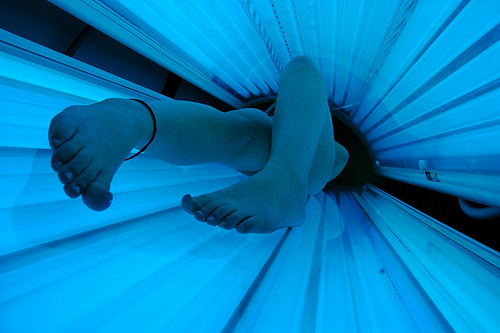
Photo coutesy Flickr user Evil Erin (cc).
Dermatologists were outraged when the Senate proposed, as part of its health reform bill, that anyone getting a cosmetic procedure be required to pay a 5% tax. After a weekend of negotiation (and some not-so-gentle lobbying by the American Academy of Dermatology, the American Medical Association, and other medical societies), the proposal was turned on its head, and now it’s the indoor tanning industry that’s steaming mad.
Senate Democrats dropped the 5% so-called “Botax” and replaced it with a 10% tax on users of indoor tanning salons. The health reform bill is still in negotiation, but it seems unlikely the House and Senate will suddenly decide to remove a revenue-raising item -- especially one that has the potential to address a public health issue.
Even Cosmopolitan magazine supports the tax and is telling its readers not to tan indoors.
The tanning industry told the Wall Street Journal that the tax would hardly make a dent in paying for the overall cost of health reform. The Indoor Tanning Association and legions of salon owners in America maintain that tanning is safe and that a tax on tanning is a small business-killer. Many are soliciting tanning customers to oppose the tax.
One salon chain in Florida said the tax would “unfairly hit working women and college students,” and that some 635,000 Florida tanners would be impacted, and argues that the revenues raised by the tax would be a pittance.
Will the tanning tax survive? Will it put a damper on teens’ enthusiasm for tanning? Maybe not, especially if the tanning industry continues with running free-tanning promotions that hook kids the same way give-aways and targeted marketing have with tobacco.
What do you think?
Alicia Ault (on Twitter @aliciaault)
Associate Editor, Practice Trends
Photo coutesy Flickr user Evil Erin (cc).
Dermatologists were outraged when the Senate proposed, as part of its health reform bill, that anyone getting a cosmetic procedure be required to pay a 5% tax. After a weekend of negotiation (and some not-so-gentle lobbying by the American Academy of Dermatology, the American Medical Association, and other medical societies), the proposal was turned on its head, and now it’s the indoor tanning industry that’s steaming mad.
Senate Democrats dropped the 5% so-called “Botax” and replaced it with a 10% tax on users of indoor tanning salons. The health reform bill is still in negotiation, but it seems unlikely the House and Senate will suddenly decide to remove a revenue-raising item -- especially one that has the potential to address a public health issue.
Even Cosmopolitan magazine supports the tax and is telling its readers not to tan indoors.
The tanning industry told the Wall Street Journal that the tax would hardly make a dent in paying for the overall cost of health reform. The Indoor Tanning Association and legions of salon owners in America maintain that tanning is safe and that a tax on tanning is a small business-killer. Many are soliciting tanning customers to oppose the tax.
One salon chain in Florida said the tax would “unfairly hit working women and college students,” and that some 635,000 Florida tanners would be impacted, and argues that the revenues raised by the tax would be a pittance.
Will the tanning tax survive? Will it put a damper on teens’ enthusiasm for tanning? Maybe not, especially if the tanning industry continues with running free-tanning promotions that hook kids the same way give-aways and targeted marketing have with tobacco.
What do you think?
Alicia Ault (on Twitter @aliciaault)
Associate Editor, Practice Trends
Photo coutesy Flickr user Evil Erin (cc).
Dermatologists were outraged when the Senate proposed, as part of its health reform bill, that anyone getting a cosmetic procedure be required to pay a 5% tax. After a weekend of negotiation (and some not-so-gentle lobbying by the American Academy of Dermatology, the American Medical Association, and other medical societies), the proposal was turned on its head, and now it’s the indoor tanning industry that’s steaming mad.
Senate Democrats dropped the 5% so-called “Botax” and replaced it with a 10% tax on users of indoor tanning salons. The health reform bill is still in negotiation, but it seems unlikely the House and Senate will suddenly decide to remove a revenue-raising item -- especially one that has the potential to address a public health issue.
Even Cosmopolitan magazine supports the tax and is telling its readers not to tan indoors.
The tanning industry told the Wall Street Journal that the tax would hardly make a dent in paying for the overall cost of health reform. The Indoor Tanning Association and legions of salon owners in America maintain that tanning is safe and that a tax on tanning is a small business-killer. Many are soliciting tanning customers to oppose the tax.
One salon chain in Florida said the tax would “unfairly hit working women and college students,” and that some 635,000 Florida tanners would be impacted, and argues that the revenues raised by the tax would be a pittance.
Will the tanning tax survive? Will it put a damper on teens’ enthusiasm for tanning? Maybe not, especially if the tanning industry continues with running free-tanning promotions that hook kids the same way give-aways and targeted marketing have with tobacco.
What do you think?
Alicia Ault (on Twitter @aliciaault)
Associate Editor, Practice Trends
Founders Celebrate 20th Anniversary of the Annual Cutaneous Malignancy Update
Dr. Hubert T. Greenway Jr. and Dr. Terry L. Barrett reflect on their founding of the Melanoma: Annual Cutaneous Malignancy Update conference 20 years ago. They discuss key advances in the field over the past two decades and make projections for melanoma treatment in the future. To read the related blog post, click here.
Dr. Hubert T. Greenway Jr. and Dr. Terry L. Barrett reflect on their founding of the Melanoma: Annual Cutaneous Malignancy Update conference 20 years ago. They discuss key advances in the field over the past two decades and make projections for melanoma treatment in the future. To read the related blog post, click here.
Dr. Hubert T. Greenway Jr. and Dr. Terry L. Barrett reflect on their founding of the Melanoma: Annual Cutaneous Malignancy Update conference 20 years ago. They discuss key advances in the field over the past two decades and make projections for melanoma treatment in the future. To read the related blog post, click here.
Dr. Wendy Roberts: Economy's Effect on Cosmetic Dermatology
An interview with Dr. Wendy Roberts, Medical Director of the Desert Dermatology Skin Institute in Rancho Mirage, California about how the down economy is affecting cosmetic dermatology. This video is produced from the Global Medical News Network. View Video Now.
An interview with Dr. Wendy Roberts, Medical Director of the Desert Dermatology Skin Institute in Rancho Mirage, California about how the down economy is affecting cosmetic dermatology. This video is produced from the Global Medical News Network. View Video Now.
An interview with Dr. Wendy Roberts, Medical Director of the Desert Dermatology Skin Institute in Rancho Mirage, California about how the down economy is affecting cosmetic dermatology. This video is produced from the Global Medical News Network. View Video Now.

Dr. Susan Weinkle: Botulinum Toxin Risks
Dr. Susan Weinkle discusses what to tell cosmetic dermatology patients about the potential risks associated with botulinum toxin, including the black box warning on the product's label.
Dr. Susan Weinkle discusses what to tell cosmetic dermatology patients about the potential risks associated with botulinum toxin, including the black box warning on the product's label.
Dr. Susan Weinkle discusses what to tell cosmetic dermatology patients about the potential risks associated with botulinum toxin, including the black box warning on the product's label.