User login
Federal Trade Commission Cracks Down on Indoor Tanning Claims
The Federal Trade Commission has obtained a settlement from the Indoor Tanning Association in which the industry group has agreed that it will no longer make false health and safety claims about indoor tanning.
The tentative settlement was approved by commissioners in late January by a vote of 4-0. The agency opened the agreement for public comments until Feb. 26. After that, the FTC will decide whether to make the settlement final.
The American Academy of Dermatology (AAD) applauded the action, noting that it had complained to the FTC in the wake of an advertising campaign launched by the Indoor Tanning Association (ITA) in March 2008. That campaign made a number of false claims, according to the FTC. Among them: that indoor tanning is approved by the government; that it is safer than outdoor tanning; and that vitamin D supplements may impair immunity.
The ITA ad campaign also claimed that the National Academy of Sciences had determined that "the risks of not getting enough ultraviolet light far outweigh the hypothetical risk of skin cancer."
"The messages promoted by the indoor tanning industry fly in the face of scientific evidence," said David C. Vladeck, director of the FTC's Bureau of Consumer Protection in a statement announcing the settlement.
Dr. David M. Pariser, president of the AAD, noted that the FTC's settlement comes at a good time "because many individuals may be using indoor tanning facilities during the winter months under the false impression that this is a safe way to generate their bodies' production of vitamin D, as has been claimed by the industry in its advertising."
The Melanoma Research Foundation said in a statement that "the settlement also reiterates the need for clear and fact-based guidelines for tanning devices."
According to the draft settlement, ITA is prohibited from "making the misrepresentations challenged in the complaint, from misrepresenting any tests or studies, and from providing deceptive advertisements to its members."
Future ads must make certain disclosures. Ads that make claims about health benefits or safety of indoor tanning have to say: "Exposure to ultraviolet radiation may increase the likelihood of developing skin cancer and can cause serious eye injury."
According to the draft settlement, any advertisement that makes a claims about vitamin D must say: "You do not need to become tan for your skin to make vitamin D. Exposure to ultraviolet radiation may increase the likelihood of developing skin cancer and can cause serious eye injury."
The FTC also posted an alert for consumers on its Web site, explaining the myths contained in the ad campaign.
In a statement after the settlement, the ITA reiterated that it had not been found guilty. "As the FTC's consent order states, the settlement agreement is for settlement purposes only and does not constitute an admission by the ITA that it made misrepresentations or violated any law," according to a statement from the association.
The settlement applies only to the ITA and its actions. It does not apply to the thousands of individual tanning bed operators. However, the Food and Drug Administration is taking a closer look at tanning bed risks. Its General and Plastic Surgery Devices Panel is scheduled to meet Mar. 25 to consider whether changes need to be made to tanning bed warnings.
The Federal Trade Commission has obtained a settlement from the Indoor Tanning Association in which the industry group has agreed that it will no longer make false health and safety claims about indoor tanning.
The tentative settlement was approved by commissioners in late January by a vote of 4-0. The agency opened the agreement for public comments until Feb. 26. After that, the FTC will decide whether to make the settlement final.
The American Academy of Dermatology (AAD) applauded the action, noting that it had complained to the FTC in the wake of an advertising campaign launched by the Indoor Tanning Association (ITA) in March 2008. That campaign made a number of false claims, according to the FTC. Among them: that indoor tanning is approved by the government; that it is safer than outdoor tanning; and that vitamin D supplements may impair immunity.
The ITA ad campaign also claimed that the National Academy of Sciences had determined that "the risks of not getting enough ultraviolet light far outweigh the hypothetical risk of skin cancer."
"The messages promoted by the indoor tanning industry fly in the face of scientific evidence," said David C. Vladeck, director of the FTC's Bureau of Consumer Protection in a statement announcing the settlement.
Dr. David M. Pariser, president of the AAD, noted that the FTC's settlement comes at a good time "because many individuals may be using indoor tanning facilities during the winter months under the false impression that this is a safe way to generate their bodies' production of vitamin D, as has been claimed by the industry in its advertising."
The Melanoma Research Foundation said in a statement that "the settlement also reiterates the need for clear and fact-based guidelines for tanning devices."
According to the draft settlement, ITA is prohibited from "making the misrepresentations challenged in the complaint, from misrepresenting any tests or studies, and from providing deceptive advertisements to its members."
Future ads must make certain disclosures. Ads that make claims about health benefits or safety of indoor tanning have to say: "Exposure to ultraviolet radiation may increase the likelihood of developing skin cancer and can cause serious eye injury."
According to the draft settlement, any advertisement that makes a claims about vitamin D must say: "You do not need to become tan for your skin to make vitamin D. Exposure to ultraviolet radiation may increase the likelihood of developing skin cancer and can cause serious eye injury."
The FTC also posted an alert for consumers on its Web site, explaining the myths contained in the ad campaign.
In a statement after the settlement, the ITA reiterated that it had not been found guilty. "As the FTC's consent order states, the settlement agreement is for settlement purposes only and does not constitute an admission by the ITA that it made misrepresentations or violated any law," according to a statement from the association.
The settlement applies only to the ITA and its actions. It does not apply to the thousands of individual tanning bed operators. However, the Food and Drug Administration is taking a closer look at tanning bed risks. Its General and Plastic Surgery Devices Panel is scheduled to meet Mar. 25 to consider whether changes need to be made to tanning bed warnings.
The Federal Trade Commission has obtained a settlement from the Indoor Tanning Association in which the industry group has agreed that it will no longer make false health and safety claims about indoor tanning.
The tentative settlement was approved by commissioners in late January by a vote of 4-0. The agency opened the agreement for public comments until Feb. 26. After that, the FTC will decide whether to make the settlement final.
The American Academy of Dermatology (AAD) applauded the action, noting that it had complained to the FTC in the wake of an advertising campaign launched by the Indoor Tanning Association (ITA) in March 2008. That campaign made a number of false claims, according to the FTC. Among them: that indoor tanning is approved by the government; that it is safer than outdoor tanning; and that vitamin D supplements may impair immunity.
The ITA ad campaign also claimed that the National Academy of Sciences had determined that "the risks of not getting enough ultraviolet light far outweigh the hypothetical risk of skin cancer."
"The messages promoted by the indoor tanning industry fly in the face of scientific evidence," said David C. Vladeck, director of the FTC's Bureau of Consumer Protection in a statement announcing the settlement.
Dr. David M. Pariser, president of the AAD, noted that the FTC's settlement comes at a good time "because many individuals may be using indoor tanning facilities during the winter months under the false impression that this is a safe way to generate their bodies' production of vitamin D, as has been claimed by the industry in its advertising."
The Melanoma Research Foundation said in a statement that "the settlement also reiterates the need for clear and fact-based guidelines for tanning devices."
According to the draft settlement, ITA is prohibited from "making the misrepresentations challenged in the complaint, from misrepresenting any tests or studies, and from providing deceptive advertisements to its members."
Future ads must make certain disclosures. Ads that make claims about health benefits or safety of indoor tanning have to say: "Exposure to ultraviolet radiation may increase the likelihood of developing skin cancer and can cause serious eye injury."
According to the draft settlement, any advertisement that makes a claims about vitamin D must say: "You do not need to become tan for your skin to make vitamin D. Exposure to ultraviolet radiation may increase the likelihood of developing skin cancer and can cause serious eye injury."
The FTC also posted an alert for consumers on its Web site, explaining the myths contained in the ad campaign.
In a statement after the settlement, the ITA reiterated that it had not been found guilty. "As the FTC's consent order states, the settlement agreement is for settlement purposes only and does not constitute an admission by the ITA that it made misrepresentations or violated any law," according to a statement from the association.
The settlement applies only to the ITA and its actions. It does not apply to the thousands of individual tanning bed operators. However, the Food and Drug Administration is taking a closer look at tanning bed risks. Its General and Plastic Surgery Devices Panel is scheduled to meet Mar. 25 to consider whether changes need to be made to tanning bed warnings.
Safety Data Supports Use of Fillers in Skin of Color Patients
ORLANDO, Fla. – Growing numbers of patients with deeper skin tones are seeking cosmetic procedures involving injectable fillers.
“Many women of color do not have fine lines and wrinkles; they have loss of volume of the skin with 
Dr. Taylor, who helped to establish the Skin of Color Center at St. Luke’s–Roosevelt Hospital Center (N.Y.), is now in private practice in Philadelphia. She reviewed the characteristics of aging in patients with skin of color and evidence for the safe use of fillers in these patients.
Patients with skin of color often appear about 10 years younger than white patients of the same age, Dr. Taylor noted. As patients with skin of color age, they tend to have fewer fine and deep rhytids than white patients. But patients with deeper skin tones in their 40s and 50s do experience gravity-dependent changes and volume loss, as well as skeletal changes and soft tissue changes. Thus, these transformations lend themselves to treatment with injectable fillers.
“The options for your skin of color patients are the same options that you have for Caucasian patients,” Dr. Taylor said.
But is it just as safe for persons of color as it is for patients with fair skin? “We know that keloidal scarring develops 3-18 times as often in African American patients as in Caucasian patients,” said Dr. Taylor.
Potential adverse events from soft tissue fillers in patients with Fitzpatrick skin types IV, V, and VI could include postinflammatory hyperpigmentation, postinflammatory hypopigmentation, keloidal scarring, and hypertrophic scarring.
The Food and Drug Administration has conducted postapproval safety studies in Fitzpatrick skin types IV (brown), V (dark brown), and VI (deepest brown to black) for nine dermal fillers, including Restylane, Perlane, and Sculptra, Dr. Taylor said.
Data from three postapproval studies of three fillers each showed that none of the patients with skin of color had hypersensitivity reactions or developed keloids after one or two injections of any of the fillers. Patients in the studies were followed for up to 6 months, approximately.
Overall, 20 (6%) of the 369 patients across the studies developed hyperpigmentation, and 1 developed hypopigmentation, Dr. Taylor said.
“The pigmentation changes were very subtle,” she said.
Changes in pigmentation after injecting fillers in skin or color patients may be due to injection techniques, the use of concomitant anesthesia, or the specific product, Dr. Taylor said.
She advised physicians to look carefully at a patient’s skin prior to injecting any filler to document any pigmentation that was already present to help determine sensitivity and guide their injections techniques accordingly.
There were limitations to the postapproval studies, including the lack of controls and relatively short-term follow-up, and the need for more data.
“But what we can say now is that it’s very important that you warn your patients about the possibility of postinflammatory hyperpigmentation in particular, although hypopigmentation can occur,” Dr. Taylor said. Inform patients that there is a theoretical risk of keloidal scarring, but there have been no reports of keloids in the literature, she added.
To reduce the risk of hyperpigmentation, try a linear threading technique or injecting a bit more deeply to reduce the risk of hyperpigmentation, and note any pigmentation changes over a long-term follow-up period, she said.
Dr. Taylor has served as an investigator, speaker, and/or advisory board member for Allergan, Bioform, Genzyme, Johnson & Johnson, Medicis, Mentor, and Merz.
Image above is of Dr. Susan Taylor/Photo Credit: Heidi Splete
ORLANDO, Fla. – Growing numbers of patients with deeper skin tones are seeking cosmetic procedures involving injectable fillers.
“Many women of color do not have fine lines and wrinkles; they have loss of volume of the skin with
Dr. Taylor, who helped to establish the Skin of Color Center at St. Luke’s–Roosevelt Hospital Center (N.Y.), is now in private practice in Philadelphia. She reviewed the characteristics of aging in patients with skin of color and evidence for the safe use of fillers in these patients.
Patients with skin of color often appear about 10 years younger than white patients of the same age, Dr. Taylor noted. As patients with skin of color age, they tend to have fewer fine and deep rhytids than white patients. But patients with deeper skin tones in their 40s and 50s do experience gravity-dependent changes and volume loss, as well as skeletal changes and soft tissue changes. Thus, these transformations lend themselves to treatment with injectable fillers.
“The options for your skin of color patients are the same options that you have for Caucasian patients,” Dr. Taylor said.
But is it just as safe for persons of color as it is for patients with fair skin? “We know that keloidal scarring develops 3-18 times as often in African American patients as in Caucasian patients,” said Dr. Taylor.
Potential adverse events from soft tissue fillers in patients with Fitzpatrick skin types IV, V, and VI could include postinflammatory hyperpigmentation, postinflammatory hypopigmentation, keloidal scarring, and hypertrophic scarring.
The Food and Drug Administration has conducted postapproval safety studies in Fitzpatrick skin types IV (brown), V (dark brown), and VI (deepest brown to black) for nine dermal fillers, including Restylane, Perlane, and Sculptra, Dr. Taylor said.
Data from three postapproval studies of three fillers each showed that none of the patients with skin of color had hypersensitivity reactions or developed keloids after one or two injections of any of the fillers. Patients in the studies were followed for up to 6 months, approximately.
Overall, 20 (6%) of the 369 patients across the studies developed hyperpigmentation, and 1 developed hypopigmentation, Dr. Taylor said.
“The pigmentation changes were very subtle,” she said.
Changes in pigmentation after injecting fillers in skin or color patients may be due to injection techniques, the use of concomitant anesthesia, or the specific product, Dr. Taylor said.
She advised physicians to look carefully at a patient’s skin prior to injecting any filler to document any pigmentation that was already present to help determine sensitivity and guide their injections techniques accordingly.
There were limitations to the postapproval studies, including the lack of controls and relatively short-term follow-up, and the need for more data.
“But what we can say now is that it’s very important that you warn your patients about the possibility of postinflammatory hyperpigmentation in particular, although hypopigmentation can occur,” Dr. Taylor said. Inform patients that there is a theoretical risk of keloidal scarring, but there have been no reports of keloids in the literature, she added.
To reduce the risk of hyperpigmentation, try a linear threading technique or injecting a bit more deeply to reduce the risk of hyperpigmentation, and note any pigmentation changes over a long-term follow-up period, she said.
Dr. Taylor has served as an investigator, speaker, and/or advisory board member for Allergan, Bioform, Genzyme, Johnson & Johnson, Medicis, Mentor, and Merz.
Image above is of Dr. Susan Taylor/Photo Credit: Heidi Splete
ORLANDO, Fla. – Growing numbers of patients with deeper skin tones are seeking cosmetic procedures involving injectable fillers.
“Many women of color do not have fine lines and wrinkles; they have loss of volume of the skin with
Dr. Taylor, who helped to establish the Skin of Color Center at St. Luke’s–Roosevelt Hospital Center (N.Y.), is now in private practice in Philadelphia. She reviewed the characteristics of aging in patients with skin of color and evidence for the safe use of fillers in these patients.
Patients with skin of color often appear about 10 years younger than white patients of the same age, Dr. Taylor noted. As patients with skin of color age, they tend to have fewer fine and deep rhytids than white patients. But patients with deeper skin tones in their 40s and 50s do experience gravity-dependent changes and volume loss, as well as skeletal changes and soft tissue changes. Thus, these transformations lend themselves to treatment with injectable fillers.
“The options for your skin of color patients are the same options that you have for Caucasian patients,” Dr. Taylor said.
But is it just as safe for persons of color as it is for patients with fair skin? “We know that keloidal scarring develops 3-18 times as often in African American patients as in Caucasian patients,” said Dr. Taylor.
Potential adverse events from soft tissue fillers in patients with Fitzpatrick skin types IV, V, and VI could include postinflammatory hyperpigmentation, postinflammatory hypopigmentation, keloidal scarring, and hypertrophic scarring.
The Food and Drug Administration has conducted postapproval safety studies in Fitzpatrick skin types IV (brown), V (dark brown), and VI (deepest brown to black) for nine dermal fillers, including Restylane, Perlane, and Sculptra, Dr. Taylor said.
Data from three postapproval studies of three fillers each showed that none of the patients with skin of color had hypersensitivity reactions or developed keloids after one or two injections of any of the fillers. Patients in the studies were followed for up to 6 months, approximately.
Overall, 20 (6%) of the 369 patients across the studies developed hyperpigmentation, and 1 developed hypopigmentation, Dr. Taylor said.
“The pigmentation changes were very subtle,” she said.
Changes in pigmentation after injecting fillers in skin or color patients may be due to injection techniques, the use of concomitant anesthesia, or the specific product, Dr. Taylor said.
She advised physicians to look carefully at a patient’s skin prior to injecting any filler to document any pigmentation that was already present to help determine sensitivity and guide their injections techniques accordingly.
There were limitations to the postapproval studies, including the lack of controls and relatively short-term follow-up, and the need for more data.
“But what we can say now is that it’s very important that you warn your patients about the possibility of postinflammatory hyperpigmentation in particular, although hypopigmentation can occur,” Dr. Taylor said. Inform patients that there is a theoretical risk of keloidal scarring, but there have been no reports of keloids in the literature, she added.
To reduce the risk of hyperpigmentation, try a linear threading technique or injecting a bit more deeply to reduce the risk of hyperpigmentation, and note any pigmentation changes over a long-term follow-up period, she said.
Dr. Taylor has served as an investigator, speaker, and/or advisory board member for Allergan, Bioform, Genzyme, Johnson & Johnson, Medicis, Mentor, and Merz.
Image above is of Dr. Susan Taylor/Photo Credit: Heidi Splete
Benefits of Mohs Surgery for Melanoma Are Touted
SAN DIEGO – Mohs surgery has a place in the treatment of melanoma in situ and invasive melanoma, “but in my practice it doesn’t have a place every day,” Dr. Michael H. Swann said at a melanoma update sponsored by the Scripps Clinic.
Dr. Swann, who performs Mohs surgery in a Springfield, Missouri–based dermatology practice 4-5 days per week, said that one of the main benefits of the technique for melanoma is that the recurrence rates are favorable to matched paraffin controls, a finding reported in a 1997 study of 533 patients. That study found that to achieve clear margins in 83% of patients, a 6-mm margin was required, 95% of tumors cleared with a 9-mm margin, and 99% of tumors cleared with a 16-mm margin (J. Am. Acad. Dermatol. 1997;37:236-45).
“So when we think about things that are left behind with local disease, these numbers stick in my head when I treat patients and I think about how I’m going to treat these tumors,” Dr. Swann said. “The way to treat melanoma is to detect it early and to get all the cells out surgically if you can.”
Other benefits of using Mohs surgery for melanoma are that the margin evaluation is superior to other techniques, it spares normal tissue, and immunostains are readily available for difficult cases. “You can turn around the tissue in about 40 minutes now, but immunostains by themselves are not the answer,” Dr. Swann commented. “There are plenty of Mohs surgeons like myself who don’t use immunostains, because for the most part, immunostains are used by labs to make the diagnosis of melanoma. The margins of these melanomas are seldom immunostained because the diagnosis is not in question.”
The convenience of a single-day procedure is another benefit of using Mohs surgery for melanoma, especially in geographic locations such as Missouri, where many patients live in rural areas. “It takes some patients 3 or 4 hours to drive to our practice,” Dr. Swann explained. “For them to come back 3-4 weeks in a row every 3 or 4 days to have a little more melanoma in situ taken off the edge would be inconvenient. It may make the patient decide not to treat the tumor at all. Mohs is convenient.”
Mohs surgery also has its share of drawbacks, Dr. Swann said. One is the fact that frozen sections can be difficult to interpret. “You have to have an excellent histotechnician and a surgeon who has experience with the slides,” he said. “The melanocytes are sometimes too subtle to distinguish from keratinocytes. This is particularly evident if you have freeze artifact.”
Other limitations of Mohs, he said, include the fact that the cytology is not always readable and that melanocytic hyperplasia in sun-damaged skin “is very difficult to pick out from melanoma in situ, particularly lentigo maligna.”
Another shortcoming is that immunostains are not available from all histopathology labs. “Occasionally we’ll get missing epidermis, especially if the technician is not excellent,” he said.
Dr. Swann instructs his patients to avoid sun exposure several weeks before surgery or biopsies, and emphasized that having a good supportive relationship with a pathologist “is always in the patient’s best interest.”
One alternative to Mohs micrographic surgery is slow Mohs, whereby paraffin-embedded tangential sections of tissue are submitted for 100% margin evaluation. Dr. Swann described this technique as “a coordination of a laboratory and the Mohs surgeon working as seamlessly as possible to treat these patients.” These fast-turnaround paraffin-embedded pathology specimens, known as “rushed perms,” take 24 hours in the best situation, “usually 2-3 days,” Dr. Swann added. “It’s not the easiest process. That’s why we use the same histopathology lab over and over to do our work.”
Turnaround time for hematoxylin and eosin stain is 24-72 hours and immunostains usually add 24 hours.
Other alternatives to Mohs surgery include wide local excision and en face sections via geometric serial excisions.
Dr. Swann had no conflicts to disclose.
SAN DIEGO – Mohs surgery has a place in the treatment of melanoma in situ and invasive melanoma, “but in my practice it doesn’t have a place every day,” Dr. Michael H. Swann said at a melanoma update sponsored by the Scripps Clinic.
Dr. Swann, who performs Mohs surgery in a Springfield, Missouri–based dermatology practice 4-5 days per week, said that one of the main benefits of the technique for melanoma is that the recurrence rates are favorable to matched paraffin controls, a finding reported in a 1997 study of 533 patients. That study found that to achieve clear margins in 83% of patients, a 6-mm margin was required, 95% of tumors cleared with a 9-mm margin, and 99% of tumors cleared with a 16-mm margin (J. Am. Acad. Dermatol. 1997;37:236-45).
“So when we think about things that are left behind with local disease, these numbers stick in my head when I treat patients and I think about how I’m going to treat these tumors,” Dr. Swann said. “The way to treat melanoma is to detect it early and to get all the cells out surgically if you can.”
Other benefits of using Mohs surgery for melanoma are that the margin evaluation is superior to other techniques, it spares normal tissue, and immunostains are readily available for difficult cases. “You can turn around the tissue in about 40 minutes now, but immunostains by themselves are not the answer,” Dr. Swann commented. “There are plenty of Mohs surgeons like myself who don’t use immunostains, because for the most part, immunostains are used by labs to make the diagnosis of melanoma. The margins of these melanomas are seldom immunostained because the diagnosis is not in question.”
The convenience of a single-day procedure is another benefit of using Mohs surgery for melanoma, especially in geographic locations such as Missouri, where many patients live in rural areas. “It takes some patients 3 or 4 hours to drive to our practice,” Dr. Swann explained. “For them to come back 3-4 weeks in a row every 3 or 4 days to have a little more melanoma in situ taken off the edge would be inconvenient. It may make the patient decide not to treat the tumor at all. Mohs is convenient.”
Mohs surgery also has its share of drawbacks, Dr. Swann said. One is the fact that frozen sections can be difficult to interpret. “You have to have an excellent histotechnician and a surgeon who has experience with the slides,” he said. “The melanocytes are sometimes too subtle to distinguish from keratinocytes. This is particularly evident if you have freeze artifact.”
Other limitations of Mohs, he said, include the fact that the cytology is not always readable and that melanocytic hyperplasia in sun-damaged skin “is very difficult to pick out from melanoma in situ, particularly lentigo maligna.”
Another shortcoming is that immunostains are not available from all histopathology labs. “Occasionally we’ll get missing epidermis, especially if the technician is not excellent,” he said.
Dr. Swann instructs his patients to avoid sun exposure several weeks before surgery or biopsies, and emphasized that having a good supportive relationship with a pathologist “is always in the patient’s best interest.”
One alternative to Mohs micrographic surgery is slow Mohs, whereby paraffin-embedded tangential sections of tissue are submitted for 100% margin evaluation. Dr. Swann described this technique as “a coordination of a laboratory and the Mohs surgeon working as seamlessly as possible to treat these patients.” These fast-turnaround paraffin-embedded pathology specimens, known as “rushed perms,” take 24 hours in the best situation, “usually 2-3 days,” Dr. Swann added. “It’s not the easiest process. That’s why we use the same histopathology lab over and over to do our work.”
Turnaround time for hematoxylin and eosin stain is 24-72 hours and immunostains usually add 24 hours.
Other alternatives to Mohs surgery include wide local excision and en face sections via geometric serial excisions.
Dr. Swann had no conflicts to disclose.
SAN DIEGO – Mohs surgery has a place in the treatment of melanoma in situ and invasive melanoma, “but in my practice it doesn’t have a place every day,” Dr. Michael H. Swann said at a melanoma update sponsored by the Scripps Clinic.
Dr. Swann, who performs Mohs surgery in a Springfield, Missouri–based dermatology practice 4-5 days per week, said that one of the main benefits of the technique for melanoma is that the recurrence rates are favorable to matched paraffin controls, a finding reported in a 1997 study of 533 patients. That study found that to achieve clear margins in 83% of patients, a 6-mm margin was required, 95% of tumors cleared with a 9-mm margin, and 99% of tumors cleared with a 16-mm margin (J. Am. Acad. Dermatol. 1997;37:236-45).
“So when we think about things that are left behind with local disease, these numbers stick in my head when I treat patients and I think about how I’m going to treat these tumors,” Dr. Swann said. “The way to treat melanoma is to detect it early and to get all the cells out surgically if you can.”
Other benefits of using Mohs surgery for melanoma are that the margin evaluation is superior to other techniques, it spares normal tissue, and immunostains are readily available for difficult cases. “You can turn around the tissue in about 40 minutes now, but immunostains by themselves are not the answer,” Dr. Swann commented. “There are plenty of Mohs surgeons like myself who don’t use immunostains, because for the most part, immunostains are used by labs to make the diagnosis of melanoma. The margins of these melanomas are seldom immunostained because the diagnosis is not in question.”
The convenience of a single-day procedure is another benefit of using Mohs surgery for melanoma, especially in geographic locations such as Missouri, where many patients live in rural areas. “It takes some patients 3 or 4 hours to drive to our practice,” Dr. Swann explained. “For them to come back 3-4 weeks in a row every 3 or 4 days to have a little more melanoma in situ taken off the edge would be inconvenient. It may make the patient decide not to treat the tumor at all. Mohs is convenient.”
Mohs surgery also has its share of drawbacks, Dr. Swann said. One is the fact that frozen sections can be difficult to interpret. “You have to have an excellent histotechnician and a surgeon who has experience with the slides,” he said. “The melanocytes are sometimes too subtle to distinguish from keratinocytes. This is particularly evident if you have freeze artifact.”
Other limitations of Mohs, he said, include the fact that the cytology is not always readable and that melanocytic hyperplasia in sun-damaged skin “is very difficult to pick out from melanoma in situ, particularly lentigo maligna.”
Another shortcoming is that immunostains are not available from all histopathology labs. “Occasionally we’ll get missing epidermis, especially if the technician is not excellent,” he said.
Dr. Swann instructs his patients to avoid sun exposure several weeks before surgery or biopsies, and emphasized that having a good supportive relationship with a pathologist “is always in the patient’s best interest.”
One alternative to Mohs micrographic surgery is slow Mohs, whereby paraffin-embedded tangential sections of tissue are submitted for 100% margin evaluation. Dr. Swann described this technique as “a coordination of a laboratory and the Mohs surgeon working as seamlessly as possible to treat these patients.” These fast-turnaround paraffin-embedded pathology specimens, known as “rushed perms,” take 24 hours in the best situation, “usually 2-3 days,” Dr. Swann added. “It’s not the easiest process. That’s why we use the same histopathology lab over and over to do our work.”
Turnaround time for hematoxylin and eosin stain is 24-72 hours and immunostains usually add 24 hours.
Other alternatives to Mohs surgery include wide local excision and en face sections via geometric serial excisions.
Dr. Swann had no conflicts to disclose.
Laser-Assisted Liposuction Leaves Skin Tighter
ORLANDO - Laser-assisted liposuction appears to be safer than power-assisted liposuction, leaving patients with significantly fewer complications and side effects by 3 months.
Patients undergoing the laser-assisted procedure also requested significantly fewer revisions, Dr. Jeffry B. Schafer said at the annual meeting of the American Academy of Cosmetic Surgery.
The laser exerts a dual effect - fat removal and skin tightening - in one procedure, Dr. Schafer said in an interview. "The laser gives you smoothing by melting the fat and tightens the skin by heating the collagen so you get tighter skin, eliminating both lumps and loose skin - the complaints after lipo," he said.
He reported a retrospective study of 214 patients treated with liposuction; half underwent the traditional, power- or suction-assisted liposuction (PAL), and half underwent laser-assisted liposuction (LAL).
During LAL, Dr. Schafer uses a 4-mm Mercedes cannula with a dual wavelength laser (924 nm and 975 nm). He uses both settings at the highest power and makes two lasing passes. "The first pass is to soften and remove the adipose tissue, and the second pass is right beneath the skin, to tighten the collagen," he said. He uses a handheld infrared thermometer to monitor the temperature; it should be at about 35ºC to liquify the fat, and 40ºC to affect the collagen.
The 107 PAL patients were a mean of 40 years old, with a mean body mass index of 27 kg/m2. The 107 LAL patients were not significantly different: their mean age was 38, and their mean BMI was 28 kg/m2.
The mean tumescent anesthesia volume used in the LAL group was 3,756 cc; the mean volume in the PAL group was 4,485 cc. Mean procedure time was slightly longer in the LAL group (57 vs. 46 minutes), because of the additional 27-minute lasing time. Actual suction time in the LAL group was 32 minutes.
Lasing time in the LAL group varied with the wattage system, Dr. Schafer pointed out. "That time is reduced by about 6 minutes if using the 40-watt system compared to the 24-watt system. So the lasing time could be about 21 minutes instead of 27 minutes if using 40 watts."
Side effects were described as an anticipated reaction that resolved without medical intervention, and included hardness, swelling, and abrasions. Overall, side effects were significantly less common in the LAL group at both 1 month (16% vs. 56%) and 3 months (12% vs. 54%). Hardness was the most commonly reported, occurring in 11% of the LAL group and 54% of the PAL group.
Complications were described as anticipated reactions that may not resolve with medical intervention, and included seroma, scar tissue, loose skin, and irregularity in skin surface. At 1 month, the complication rate was similar (4% LAL vs. 3% PAL). By 3 months, the rate was significantly less in the LAL group than in the PAL group (3% vs. 13%). Seroma was more common in the LAL group both at 1 month (3% vs. 1%) and 3 months (2% vs. 0%). At 3 months, scar tissue occurred in 1% of the LAL group and 3% of the PAL group. Also at 3 months, fewer LAL patients reported loose skin (0% vs. 8%).
Revisions were significantly less common in the LAL group (4 vs. 73). "Fewer revisions mean less patient hand-holding in the post treatment period," Dr. Schafer said.
Some samples of the aspirate were sent for stem cell extraction. Under gross observation, the fat extracted with LAL appeared smoother, Dr. Schafer said.
Histology showed intact membranes on the adipocytes; cell membranes in the PAL-extracted samples were ruptured. "Aspirate with LAL is more homogenous with higher fat content than PAL," Dr. Schafer said. "Melting from laser leaves much smoother skin, fewer contour issues, less lipo filling, and a high degree of skin tightening." Maintaining intact adipocytes is also critical if the fat is to be used in a transfer, he added.
Dr. Schafer is in private practice in Coronado, Calif. He disclosed that he helped develop the SlimLipo machine, which he used in the study. He is also a teacher and speaker for Palomar Medical Technologies Inc., the Burlington, Mass., company that developed the system.
ORLANDO - Laser-assisted liposuction appears to be safer than power-assisted liposuction, leaving patients with significantly fewer complications and side effects by 3 months.
Patients undergoing the laser-assisted procedure also requested significantly fewer revisions, Dr. Jeffry B. Schafer said at the annual meeting of the American Academy of Cosmetic Surgery.
The laser exerts a dual effect - fat removal and skin tightening - in one procedure, Dr. Schafer said in an interview. "The laser gives you smoothing by melting the fat and tightens the skin by heating the collagen so you get tighter skin, eliminating both lumps and loose skin - the complaints after lipo," he said.
He reported a retrospective study of 214 patients treated with liposuction; half underwent the traditional, power- or suction-assisted liposuction (PAL), and half underwent laser-assisted liposuction (LAL).
During LAL, Dr. Schafer uses a 4-mm Mercedes cannula with a dual wavelength laser (924 nm and 975 nm). He uses both settings at the highest power and makes two lasing passes. "The first pass is to soften and remove the adipose tissue, and the second pass is right beneath the skin, to tighten the collagen," he said. He uses a handheld infrared thermometer to monitor the temperature; it should be at about 35ºC to liquify the fat, and 40ºC to affect the collagen.
The 107 PAL patients were a mean of 40 years old, with a mean body mass index of 27 kg/m2. The 107 LAL patients were not significantly different: their mean age was 38, and their mean BMI was 28 kg/m2.
The mean tumescent anesthesia volume used in the LAL group was 3,756 cc; the mean volume in the PAL group was 4,485 cc. Mean procedure time was slightly longer in the LAL group (57 vs. 46 minutes), because of the additional 27-minute lasing time. Actual suction time in the LAL group was 32 minutes.
Lasing time in the LAL group varied with the wattage system, Dr. Schafer pointed out. "That time is reduced by about 6 minutes if using the 40-watt system compared to the 24-watt system. So the lasing time could be about 21 minutes instead of 27 minutes if using 40 watts."
Side effects were described as an anticipated reaction that resolved without medical intervention, and included hardness, swelling, and abrasions. Overall, side effects were significantly less common in the LAL group at both 1 month (16% vs. 56%) and 3 months (12% vs. 54%). Hardness was the most commonly reported, occurring in 11% of the LAL group and 54% of the PAL group.
Complications were described as anticipated reactions that may not resolve with medical intervention, and included seroma, scar tissue, loose skin, and irregularity in skin surface. At 1 month, the complication rate was similar (4% LAL vs. 3% PAL). By 3 months, the rate was significantly less in the LAL group than in the PAL group (3% vs. 13%). Seroma was more common in the LAL group both at 1 month (3% vs. 1%) and 3 months (2% vs. 0%). At 3 months, scar tissue occurred in 1% of the LAL group and 3% of the PAL group. Also at 3 months, fewer LAL patients reported loose skin (0% vs. 8%).
Revisions were significantly less common in the LAL group (4 vs. 73). "Fewer revisions mean less patient hand-holding in the post treatment period," Dr. Schafer said.
Some samples of the aspirate were sent for stem cell extraction. Under gross observation, the fat extracted with LAL appeared smoother, Dr. Schafer said.
Histology showed intact membranes on the adipocytes; cell membranes in the PAL-extracted samples were ruptured. "Aspirate with LAL is more homogenous with higher fat content than PAL," Dr. Schafer said. "Melting from laser leaves much smoother skin, fewer contour issues, less lipo filling, and a high degree of skin tightening." Maintaining intact adipocytes is also critical if the fat is to be used in a transfer, he added.
Dr. Schafer is in private practice in Coronado, Calif. He disclosed that he helped develop the SlimLipo machine, which he used in the study. He is also a teacher and speaker for Palomar Medical Technologies Inc., the Burlington, Mass., company that developed the system.
ORLANDO - Laser-assisted liposuction appears to be safer than power-assisted liposuction, leaving patients with significantly fewer complications and side effects by 3 months.
Patients undergoing the laser-assisted procedure also requested significantly fewer revisions, Dr. Jeffry B. Schafer said at the annual meeting of the American Academy of Cosmetic Surgery.
The laser exerts a dual effect - fat removal and skin tightening - in one procedure, Dr. Schafer said in an interview. "The laser gives you smoothing by melting the fat and tightens the skin by heating the collagen so you get tighter skin, eliminating both lumps and loose skin - the complaints after lipo," he said.
He reported a retrospective study of 214 patients treated with liposuction; half underwent the traditional, power- or suction-assisted liposuction (PAL), and half underwent laser-assisted liposuction (LAL).
During LAL, Dr. Schafer uses a 4-mm Mercedes cannula with a dual wavelength laser (924 nm and 975 nm). He uses both settings at the highest power and makes two lasing passes. "The first pass is to soften and remove the adipose tissue, and the second pass is right beneath the skin, to tighten the collagen," he said. He uses a handheld infrared thermometer to monitor the temperature; it should be at about 35ºC to liquify the fat, and 40ºC to affect the collagen.
The 107 PAL patients were a mean of 40 years old, with a mean body mass index of 27 kg/m2. The 107 LAL patients were not significantly different: their mean age was 38, and their mean BMI was 28 kg/m2.
The mean tumescent anesthesia volume used in the LAL group was 3,756 cc; the mean volume in the PAL group was 4,485 cc. Mean procedure time was slightly longer in the LAL group (57 vs. 46 minutes), because of the additional 27-minute lasing time. Actual suction time in the LAL group was 32 minutes.
Lasing time in the LAL group varied with the wattage system, Dr. Schafer pointed out. "That time is reduced by about 6 minutes if using the 40-watt system compared to the 24-watt system. So the lasing time could be about 21 minutes instead of 27 minutes if using 40 watts."
Side effects were described as an anticipated reaction that resolved without medical intervention, and included hardness, swelling, and abrasions. Overall, side effects were significantly less common in the LAL group at both 1 month (16% vs. 56%) and 3 months (12% vs. 54%). Hardness was the most commonly reported, occurring in 11% of the LAL group and 54% of the PAL group.
Complications were described as anticipated reactions that may not resolve with medical intervention, and included seroma, scar tissue, loose skin, and irregularity in skin surface. At 1 month, the complication rate was similar (4% LAL vs. 3% PAL). By 3 months, the rate was significantly less in the LAL group than in the PAL group (3% vs. 13%). Seroma was more common in the LAL group both at 1 month (3% vs. 1%) and 3 months (2% vs. 0%). At 3 months, scar tissue occurred in 1% of the LAL group and 3% of the PAL group. Also at 3 months, fewer LAL patients reported loose skin (0% vs. 8%).
Revisions were significantly less common in the LAL group (4 vs. 73). "Fewer revisions mean less patient hand-holding in the post treatment period," Dr. Schafer said.
Some samples of the aspirate were sent for stem cell extraction. Under gross observation, the fat extracted with LAL appeared smoother, Dr. Schafer said.
Histology showed intact membranes on the adipocytes; cell membranes in the PAL-extracted samples were ruptured. "Aspirate with LAL is more homogenous with higher fat content than PAL," Dr. Schafer said. "Melting from laser leaves much smoother skin, fewer contour issues, less lipo filling, and a high degree of skin tightening." Maintaining intact adipocytes is also critical if the fat is to be used in a transfer, he added.
Dr. Schafer is in private practice in Coronado, Calif. He disclosed that he helped develop the SlimLipo machine, which he used in the study. He is also a teacher and speaker for Palomar Medical Technologies Inc., the Burlington, Mass., company that developed the system.
The Antiaging Potential of Electric Stimulation
Dermatologists have known for years that collagen, hyaluronic acid, and elastin decline in concentration with advancing age. Many products have been convincingly shown to increase synthesis of collagen, such as retinoids, vitamin C, and glycolic acid.
However, elastin production is more elusive. Elastin is of particular interest because its loss is responsible for the sagging of the skin with aging, and it also may play a role in the formation of stretch marks. Although I have been unable to find an original reference proving this, many people say that elastin production ceases after puberty. Obviously, increasing collagen and elastin production would be beneficial to the skin's appearance.
Collagen and elastin are made by fibroblasts. These cells play a vital role in wound healing, as they deliver extracellular matrix components that facilitate the migration of other cell types to the wound site (Exp. Dermatol. 2003;12:396-402). This column will briefly discuss some of the research and concepts pertaining to electric stimulation of fibroblasts as a way of promoting the synthesis of collagen and elastin. In fact, the existence and importance of bioelectricity in the human body have been acknowledged for years in relation to wound healing, insofar as electric fields were measured at the sites of human dermal wounds more than 150 years ago, and modern techniques have verified the existence of endogenous electric fields in wounds (Methods Mol. Biol. 2009;571:77-97).
History
Although German physiologist Emil DuBois-Reymond is credited as being the first to identify endogenous electric fields in wounds (based on his paper in 1843 [Ann. Phys. u. Chem. 1843;58:1-30] and his book in 1860 [DuBois-Reymond E. "Untersuchungen uber Thierische Elektricitat, Zweiter Band, Zweite Abtheilung" (Erste Lieferung) Berlin: Georg Reimer; 1860]) and as a founder of modern electrophysiology, several others made key discoveries along the way.
According to a review of bioelectricity by McCaig et al., in the 1700s Italian physician Luigi Galvani, whose surname is the basis for the word "galvanism," witnessed the bioelectric response while dissecting a frog and performing various related experiments (Physiol. Rev. 2005;85:943-78). He termed the phenomenon "animal electricity."
Notably, Italian physicist Alessandro Volta studied the phenomenon and applied its principles to develop the first battery in 1800. Later, in 1831, Italian physicist and neurophysiologist Carlo Matteucci built on Galvani's work by using a galvanometer (named for Galvani, of course) to measure the injury potential of damaged frog muscle (Physiol. Rev. 2005;85:943-78). In the process, Matteucci became the first to demonstrate the action potential in nerves and muscle. DuBois-Reymond subsequently used these findings as the foundation for his considerable contributions revealing injury currents in the skin.
Given the discovery of the formation of an electrical gradient on the skin, its transmission to neighboring cells might be said to make intuitive sense, given how close cells are in relation to one another.
Wound Healing
Contemporary studies continue to shed light on the role of bioelectricity in cutaneous health. Some recent studies also appear to offer potential implications for antiaging therapies.
In 1997, a review by Beech indicated that the migration of cells into wound sites and the stimulation of quiescent cells at the wound margins can be fostered by exogenous, extremely low frequency fields positioned close to the target site, as well as endogenous tissues with enough zeta potential (Bioelectromagnetics 1997;18:341-8).
In 2009, Zhao concluded that electric fields of physiological strength play an overriding role in directing cell migration during epithelial wound healing (Semin. Cell Dev. Biol. 2009;20:674-82). In 2006, Zhao et al. demonstrated experimentally that electric fields, equal in strength to endogenous ones, direct the migration of inflammatory cells, fibroblasts, and epithelial cells in wound healing as the predominant directional signal. In their experiment, the investigators determined that the tumor suppressor phosphatase and tensin homolog (PTEN) and phosphatidylinositol-3-OH kinase-gamma control electrotaxis. They also identified the first genes that influence cellular movement and are necessary for wound healing prompted by electrical signaling (Nature 2006;442:457-60).
More recently, some of the same investigators, including Zhao and McCaig, noted the inherent vectoral nature of electric fields, and again investigated galvanotaxis/electrotaxis or directional cell migration in wound healing. They established several experimental systems, and found that electric fields of potency equal to those identified at in vivo wounds direct cell migration and supersede other guidance cues (e.g., contact inhibition). They concluded that endogenous electric fields may represent significant signaling mechanisms for guiding cellular movement and migration in vivo, and that exogenously applied electric fields may play a clinical role in guiding cell migration in wound healing, with greater versatility than other guidance cues (such as chemical ones) (Methods Mol. Biol. 2009;571:77-97).
In this context, cutaneous wounds are thought to heal as a result of the bioelectrically stimulated dispersal of positively charged ions and proteins to the wound site. Thus, it is believed that exogenously provoking this process that guides physiological activity at the cellular level can hasten wound healing by facilitating the transportation of repairing cells to the wound (Nature 2006;442:457-60).
The review article by McCaig et al., cited above, details the cellular mechanisms responsible for the effects of small electric fields on cell behavior, and considers the clinical potential for electric field treatment of damaged tissues, including epithelia (Physiol. Rev. 2005;85:943-78). The use of a 10-mV charge is key in the development of new products.
Acupuncture
Interestingly, the principles underlying these new products are at least tangentially related to the practice, though not the philosophy, of acupuncture in achieving facial rejuvenation. Traditional Chinese medicine has been shown to be effective for such a purpose. Acupuncture needles are inserted along particular meridians to tonify the skin. Such treatments have ameliorated some wrinkles, improved facial muscle tone, and produced better skin texture while reducing facial edema, acne, and sagging in different locations (Aesthet. Surg. J. 2005;25:419-24).
In traditional Chinese medicine, needle insertion along various meridians is believed to move or rebalance Qi (pronounced "chee"), the life force. The question of what Qi is, remains open to debate, says licensed acupuncturist Lynn Bondi, LAc. "Qi could very well coincide with or even be tantamount to bioelectric fields. But I'm more inclined to think that modern scientific measurement techniques are tapping into or quantifying some portion of Qi, which encompasses much more" (personal communication, Jan. 5, 2010). She notes, interestingly, that modern acupuncturist practice sometimes includes the use of microcurrents for facial rejuvenation.
New Products
Products poised to enter the market soon will be touted for their capacity to harness electrical currents to stimulate fibroblasts into synthesizing collagen and elastin. Several products from Johnson & Johnson - Aveeno, RoC, and Neutrogena - contain zinc and copper in a grayish cream that is applied to the skin. Zinc and copper exchange an electron, purportedly generating a 10-mV charge, which, as stated above, is believed to stimulate fibroblasts into producing collagen and elastin. Application of the grayish cream is followed by use of a moisturizer. The water in the moisturizer in turn activates the "zinc-copper battery," thus creating the charge, which the patient cannot feel. Studies have shown increased elasticity of the skin (as shown by cutometer measurements) when this "zinc-copper battery" is used in combination with a moisturizer containing ingredients that have been shown to increase elastin production and assembly.
The process of stimulating functional elastin production is more complicated than stimulating collagen production. In the body, collagen is extracted from fibroblasts in a complete and final triple-helix form. No further change in structure is necessary for the collagen to be functional. Elastin, however, is secreted by fibroblasts as tropoelastin, which consists of unbound units of elastin in an immature form. Elastin must assemble on a microfibrillin backbone in order to be functional.
According to unpublished proprietary data, one of the new Aveeno products contains blackberry, which stimulates fibroblasts to produce tropoelastin, and dill, which has been shown to aid in assembling the tropoelastin "building blocks" onto a microfibrillin backbone to yield mature elastin. Aveeno has sponsored a study in which cutometer measurements showed increased skin elasticity after use of its Ageless Vitality product for 8-12 weeks.
In essence, the theory behind these new products is that the topical delivery of energized zinc and copper stimulates cutaneous electrical cues that coax the fibroblast to produce collagen and elastin. This process may lead to dermal changes that rejuvenate the skin.
Conclusions
I have not been involved in any of the trials of these products and have no firsthand knowledge of these studies. Conceptually, I am intrigued with the idea of an electromimetic current being used to stimulate fibroblasts. I have reviewed the wound healing literature, and the scientific concepts and data make sense.
The notion of harnessing the natural electric currents of skin cells to increase collagen and elastin production is fascinating for several reasons, not the least of which is elimination of the issue of penetration of active ingredients. A charge generated on the cells in the top layer will likely propagate to neighboring cells, eliminating the need for actual penetration of the zinc and copper.
Consequently, an enhancement of cell-to-cell communication would seem likely to extend to the lower layers, allowing the cells deeper in the dermis to "get the message." These products launch in March, and it will be interesting to see how they are received by dermatologists and consumers.
Dermatologists have known for years that collagen, hyaluronic acid, and elastin decline in concentration with advancing age. Many products have been convincingly shown to increase synthesis of collagen, such as retinoids, vitamin C, and glycolic acid.
However, elastin production is more elusive. Elastin is of particular interest because its loss is responsible for the sagging of the skin with aging, and it also may play a role in the formation of stretch marks. Although I have been unable to find an original reference proving this, many people say that elastin production ceases after puberty. Obviously, increasing collagen and elastin production would be beneficial to the skin's appearance.
Collagen and elastin are made by fibroblasts. These cells play a vital role in wound healing, as they deliver extracellular matrix components that facilitate the migration of other cell types to the wound site (Exp. Dermatol. 2003;12:396-402). This column will briefly discuss some of the research and concepts pertaining to electric stimulation of fibroblasts as a way of promoting the synthesis of collagen and elastin. In fact, the existence and importance of bioelectricity in the human body have been acknowledged for years in relation to wound healing, insofar as electric fields were measured at the sites of human dermal wounds more than 150 years ago, and modern techniques have verified the existence of endogenous electric fields in wounds (Methods Mol. Biol. 2009;571:77-97).
History
Although German physiologist Emil DuBois-Reymond is credited as being the first to identify endogenous electric fields in wounds (based on his paper in 1843 [Ann. Phys. u. Chem. 1843;58:1-30] and his book in 1860 [DuBois-Reymond E. "Untersuchungen uber Thierische Elektricitat, Zweiter Band, Zweite Abtheilung" (Erste Lieferung) Berlin: Georg Reimer; 1860]) and as a founder of modern electrophysiology, several others made key discoveries along the way.
According to a review of bioelectricity by McCaig et al., in the 1700s Italian physician Luigi Galvani, whose surname is the basis for the word "galvanism," witnessed the bioelectric response while dissecting a frog and performing various related experiments (Physiol. Rev. 2005;85:943-78). He termed the phenomenon "animal electricity."
Notably, Italian physicist Alessandro Volta studied the phenomenon and applied its principles to develop the first battery in 1800. Later, in 1831, Italian physicist and neurophysiologist Carlo Matteucci built on Galvani's work by using a galvanometer (named for Galvani, of course) to measure the injury potential of damaged frog muscle (Physiol. Rev. 2005;85:943-78). In the process, Matteucci became the first to demonstrate the action potential in nerves and muscle. DuBois-Reymond subsequently used these findings as the foundation for his considerable contributions revealing injury currents in the skin.
Given the discovery of the formation of an electrical gradient on the skin, its transmission to neighboring cells might be said to make intuitive sense, given how close cells are in relation to one another.
Wound Healing
Contemporary studies continue to shed light on the role of bioelectricity in cutaneous health. Some recent studies also appear to offer potential implications for antiaging therapies.
In 1997, a review by Beech indicated that the migration of cells into wound sites and the stimulation of quiescent cells at the wound margins can be fostered by exogenous, extremely low frequency fields positioned close to the target site, as well as endogenous tissues with enough zeta potential (Bioelectromagnetics 1997;18:341-8).
In 2009, Zhao concluded that electric fields of physiological strength play an overriding role in directing cell migration during epithelial wound healing (Semin. Cell Dev. Biol. 2009;20:674-82). In 2006, Zhao et al. demonstrated experimentally that electric fields, equal in strength to endogenous ones, direct the migration of inflammatory cells, fibroblasts, and epithelial cells in wound healing as the predominant directional signal. In their experiment, the investigators determined that the tumor suppressor phosphatase and tensin homolog (PTEN) and phosphatidylinositol-3-OH kinase-gamma control electrotaxis. They also identified the first genes that influence cellular movement and are necessary for wound healing prompted by electrical signaling (Nature 2006;442:457-60).
More recently, some of the same investigators, including Zhao and McCaig, noted the inherent vectoral nature of electric fields, and again investigated galvanotaxis/electrotaxis or directional cell migration in wound healing. They established several experimental systems, and found that electric fields of potency equal to those identified at in vivo wounds direct cell migration and supersede other guidance cues (e.g., contact inhibition). They concluded that endogenous electric fields may represent significant signaling mechanisms for guiding cellular movement and migration in vivo, and that exogenously applied electric fields may play a clinical role in guiding cell migration in wound healing, with greater versatility than other guidance cues (such as chemical ones) (Methods Mol. Biol. 2009;571:77-97).
In this context, cutaneous wounds are thought to heal as a result of the bioelectrically stimulated dispersal of positively charged ions and proteins to the wound site. Thus, it is believed that exogenously provoking this process that guides physiological activity at the cellular level can hasten wound healing by facilitating the transportation of repairing cells to the wound (Nature 2006;442:457-60).
The review article by McCaig et al., cited above, details the cellular mechanisms responsible for the effects of small electric fields on cell behavior, and considers the clinical potential for electric field treatment of damaged tissues, including epithelia (Physiol. Rev. 2005;85:943-78). The use of a 10-mV charge is key in the development of new products.
Acupuncture
Interestingly, the principles underlying these new products are at least tangentially related to the practice, though not the philosophy, of acupuncture in achieving facial rejuvenation. Traditional Chinese medicine has been shown to be effective for such a purpose. Acupuncture needles are inserted along particular meridians to tonify the skin. Such treatments have ameliorated some wrinkles, improved facial muscle tone, and produced better skin texture while reducing facial edema, acne, and sagging in different locations (Aesthet. Surg. J. 2005;25:419-24).
In traditional Chinese medicine, needle insertion along various meridians is believed to move or rebalance Qi (pronounced "chee"), the life force. The question of what Qi is, remains open to debate, says licensed acupuncturist Lynn Bondi, LAc. "Qi could very well coincide with or even be tantamount to bioelectric fields. But I'm more inclined to think that modern scientific measurement techniques are tapping into or quantifying some portion of Qi, which encompasses much more" (personal communication, Jan. 5, 2010). She notes, interestingly, that modern acupuncturist practice sometimes includes the use of microcurrents for facial rejuvenation.
New Products
Products poised to enter the market soon will be touted for their capacity to harness electrical currents to stimulate fibroblasts into synthesizing collagen and elastin. Several products from Johnson & Johnson - Aveeno, RoC, and Neutrogena - contain zinc and copper in a grayish cream that is applied to the skin. Zinc and copper exchange an electron, purportedly generating a 10-mV charge, which, as stated above, is believed to stimulate fibroblasts into producing collagen and elastin. Application of the grayish cream is followed by use of a moisturizer. The water in the moisturizer in turn activates the "zinc-copper battery," thus creating the charge, which the patient cannot feel. Studies have shown increased elasticity of the skin (as shown by cutometer measurements) when this "zinc-copper battery" is used in combination with a moisturizer containing ingredients that have been shown to increase elastin production and assembly.
The process of stimulating functional elastin production is more complicated than stimulating collagen production. In the body, collagen is extracted from fibroblasts in a complete and final triple-helix form. No further change in structure is necessary for the collagen to be functional. Elastin, however, is secreted by fibroblasts as tropoelastin, which consists of unbound units of elastin in an immature form. Elastin must assemble on a microfibrillin backbone in order to be functional.
According to unpublished proprietary data, one of the new Aveeno products contains blackberry, which stimulates fibroblasts to produce tropoelastin, and dill, which has been shown to aid in assembling the tropoelastin "building blocks" onto a microfibrillin backbone to yield mature elastin. Aveeno has sponsored a study in which cutometer measurements showed increased skin elasticity after use of its Ageless Vitality product for 8-12 weeks.
In essence, the theory behind these new products is that the topical delivery of energized zinc and copper stimulates cutaneous electrical cues that coax the fibroblast to produce collagen and elastin. This process may lead to dermal changes that rejuvenate the skin.
Conclusions
I have not been involved in any of the trials of these products and have no firsthand knowledge of these studies. Conceptually, I am intrigued with the idea of an electromimetic current being used to stimulate fibroblasts. I have reviewed the wound healing literature, and the scientific concepts and data make sense.
The notion of harnessing the natural electric currents of skin cells to increase collagen and elastin production is fascinating for several reasons, not the least of which is elimination of the issue of penetration of active ingredients. A charge generated on the cells in the top layer will likely propagate to neighboring cells, eliminating the need for actual penetration of the zinc and copper.
Consequently, an enhancement of cell-to-cell communication would seem likely to extend to the lower layers, allowing the cells deeper in the dermis to "get the message." These products launch in March, and it will be interesting to see how they are received by dermatologists and consumers.
Dermatologists have known for years that collagen, hyaluronic acid, and elastin decline in concentration with advancing age. Many products have been convincingly shown to increase synthesis of collagen, such as retinoids, vitamin C, and glycolic acid.
However, elastin production is more elusive. Elastin is of particular interest because its loss is responsible for the sagging of the skin with aging, and it also may play a role in the formation of stretch marks. Although I have been unable to find an original reference proving this, many people say that elastin production ceases after puberty. Obviously, increasing collagen and elastin production would be beneficial to the skin's appearance.
Collagen and elastin are made by fibroblasts. These cells play a vital role in wound healing, as they deliver extracellular matrix components that facilitate the migration of other cell types to the wound site (Exp. Dermatol. 2003;12:396-402). This column will briefly discuss some of the research and concepts pertaining to electric stimulation of fibroblasts as a way of promoting the synthesis of collagen and elastin. In fact, the existence and importance of bioelectricity in the human body have been acknowledged for years in relation to wound healing, insofar as electric fields were measured at the sites of human dermal wounds more than 150 years ago, and modern techniques have verified the existence of endogenous electric fields in wounds (Methods Mol. Biol. 2009;571:77-97).
History
Although German physiologist Emil DuBois-Reymond is credited as being the first to identify endogenous electric fields in wounds (based on his paper in 1843 [Ann. Phys. u. Chem. 1843;58:1-30] and his book in 1860 [DuBois-Reymond E. "Untersuchungen uber Thierische Elektricitat, Zweiter Band, Zweite Abtheilung" (Erste Lieferung) Berlin: Georg Reimer; 1860]) and as a founder of modern electrophysiology, several others made key discoveries along the way.
According to a review of bioelectricity by McCaig et al., in the 1700s Italian physician Luigi Galvani, whose surname is the basis for the word "galvanism," witnessed the bioelectric response while dissecting a frog and performing various related experiments (Physiol. Rev. 2005;85:943-78). He termed the phenomenon "animal electricity."
Notably, Italian physicist Alessandro Volta studied the phenomenon and applied its principles to develop the first battery in 1800. Later, in 1831, Italian physicist and neurophysiologist Carlo Matteucci built on Galvani's work by using a galvanometer (named for Galvani, of course) to measure the injury potential of damaged frog muscle (Physiol. Rev. 2005;85:943-78). In the process, Matteucci became the first to demonstrate the action potential in nerves and muscle. DuBois-Reymond subsequently used these findings as the foundation for his considerable contributions revealing injury currents in the skin.
Given the discovery of the formation of an electrical gradient on the skin, its transmission to neighboring cells might be said to make intuitive sense, given how close cells are in relation to one another.
Wound Healing
Contemporary studies continue to shed light on the role of bioelectricity in cutaneous health. Some recent studies also appear to offer potential implications for antiaging therapies.
In 1997, a review by Beech indicated that the migration of cells into wound sites and the stimulation of quiescent cells at the wound margins can be fostered by exogenous, extremely low frequency fields positioned close to the target site, as well as endogenous tissues with enough zeta potential (Bioelectromagnetics 1997;18:341-8).
In 2009, Zhao concluded that electric fields of physiological strength play an overriding role in directing cell migration during epithelial wound healing (Semin. Cell Dev. Biol. 2009;20:674-82). In 2006, Zhao et al. demonstrated experimentally that electric fields, equal in strength to endogenous ones, direct the migration of inflammatory cells, fibroblasts, and epithelial cells in wound healing as the predominant directional signal. In their experiment, the investigators determined that the tumor suppressor phosphatase and tensin homolog (PTEN) and phosphatidylinositol-3-OH kinase-gamma control electrotaxis. They also identified the first genes that influence cellular movement and are necessary for wound healing prompted by electrical signaling (Nature 2006;442:457-60).
More recently, some of the same investigators, including Zhao and McCaig, noted the inherent vectoral nature of electric fields, and again investigated galvanotaxis/electrotaxis or directional cell migration in wound healing. They established several experimental systems, and found that electric fields of potency equal to those identified at in vivo wounds direct cell migration and supersede other guidance cues (e.g., contact inhibition). They concluded that endogenous electric fields may represent significant signaling mechanisms for guiding cellular movement and migration in vivo, and that exogenously applied electric fields may play a clinical role in guiding cell migration in wound healing, with greater versatility than other guidance cues (such as chemical ones) (Methods Mol. Biol. 2009;571:77-97).
In this context, cutaneous wounds are thought to heal as a result of the bioelectrically stimulated dispersal of positively charged ions and proteins to the wound site. Thus, it is believed that exogenously provoking this process that guides physiological activity at the cellular level can hasten wound healing by facilitating the transportation of repairing cells to the wound (Nature 2006;442:457-60).
The review article by McCaig et al., cited above, details the cellular mechanisms responsible for the effects of small electric fields on cell behavior, and considers the clinical potential for electric field treatment of damaged tissues, including epithelia (Physiol. Rev. 2005;85:943-78). The use of a 10-mV charge is key in the development of new products.
Acupuncture
Interestingly, the principles underlying these new products are at least tangentially related to the practice, though not the philosophy, of acupuncture in achieving facial rejuvenation. Traditional Chinese medicine has been shown to be effective for such a purpose. Acupuncture needles are inserted along particular meridians to tonify the skin. Such treatments have ameliorated some wrinkles, improved facial muscle tone, and produced better skin texture while reducing facial edema, acne, and sagging in different locations (Aesthet. Surg. J. 2005;25:419-24).
In traditional Chinese medicine, needle insertion along various meridians is believed to move or rebalance Qi (pronounced "chee"), the life force. The question of what Qi is, remains open to debate, says licensed acupuncturist Lynn Bondi, LAc. "Qi could very well coincide with or even be tantamount to bioelectric fields. But I'm more inclined to think that modern scientific measurement techniques are tapping into or quantifying some portion of Qi, which encompasses much more" (personal communication, Jan. 5, 2010). She notes, interestingly, that modern acupuncturist practice sometimes includes the use of microcurrents for facial rejuvenation.
New Products
Products poised to enter the market soon will be touted for their capacity to harness electrical currents to stimulate fibroblasts into synthesizing collagen and elastin. Several products from Johnson & Johnson - Aveeno, RoC, and Neutrogena - contain zinc and copper in a grayish cream that is applied to the skin. Zinc and copper exchange an electron, purportedly generating a 10-mV charge, which, as stated above, is believed to stimulate fibroblasts into producing collagen and elastin. Application of the grayish cream is followed by use of a moisturizer. The water in the moisturizer in turn activates the "zinc-copper battery," thus creating the charge, which the patient cannot feel. Studies have shown increased elasticity of the skin (as shown by cutometer measurements) when this "zinc-copper battery" is used in combination with a moisturizer containing ingredients that have been shown to increase elastin production and assembly.
The process of stimulating functional elastin production is more complicated than stimulating collagen production. In the body, collagen is extracted from fibroblasts in a complete and final triple-helix form. No further change in structure is necessary for the collagen to be functional. Elastin, however, is secreted by fibroblasts as tropoelastin, which consists of unbound units of elastin in an immature form. Elastin must assemble on a microfibrillin backbone in order to be functional.
According to unpublished proprietary data, one of the new Aveeno products contains blackberry, which stimulates fibroblasts to produce tropoelastin, and dill, which has been shown to aid in assembling the tropoelastin "building blocks" onto a microfibrillin backbone to yield mature elastin. Aveeno has sponsored a study in which cutometer measurements showed increased skin elasticity after use of its Ageless Vitality product for 8-12 weeks.
In essence, the theory behind these new products is that the topical delivery of energized zinc and copper stimulates cutaneous electrical cues that coax the fibroblast to produce collagen and elastin. This process may lead to dermal changes that rejuvenate the skin.
Conclusions
I have not been involved in any of the trials of these products and have no firsthand knowledge of these studies. Conceptually, I am intrigued with the idea of an electromimetic current being used to stimulate fibroblasts. I have reviewed the wound healing literature, and the scientific concepts and data make sense.
The notion of harnessing the natural electric currents of skin cells to increase collagen and elastin production is fascinating for several reasons, not the least of which is elimination of the issue of penetration of active ingredients. A charge generated on the cells in the top layer will likely propagate to neighboring cells, eliminating the need for actual penetration of the zinc and copper.
Consequently, an enhancement of cell-to-cell communication would seem likely to extend to the lower layers, allowing the cells deeper in the dermis to "get the message." These products launch in March, and it will be interesting to see how they are received by dermatologists and consumers.
The Scoop on Sirtuins
Everyone in the skin care world is talking about sirtuins. Studies have shown that resveratrol activates sirtuins, and sales of resveratrol have risen. Many products claim to contain ingredients that activate sirtuins.
To be up to date on current skin care, you need to know what sirtuins are and why they are a frequent topic at the Society of Cosmetic Chemists meetings. The short explanation is that calorie-restricted mice have been shown to live longer and to have increased expression of sirtuins. It is believed that the upregulation of sirtuin expression is associated with increased longevity. When mice were not calorie restricted but were treated with resveratrol to activate sirtuins, they also lived longer.
The current belief that activating sirtuin is desirable has led to a plethora of products with sirtuin-activating ingredients, including several sold by Avon Products Inc.
Where Are Sirtuins Found?
Role of Sirtuins
Silent mating type information regulator 2 (Sir2) proteins, or sirtuins, are a family of nicotinamide adenine dinucleotide (NAD+)-dependent enzymes known to deacetylate lysine residues on several proteins and, in some cases, to exhibit adenosine diphosphate (ADP)-ribosyltransferase activity (Genome Biol. 2004;5:224; Mol. Endocrinol. 2007;21:1745-55). Sirtuins are activated when cellular energy is low and the NAD+ to NADH ratio is high (Genes Nutr. 2006;1:85-93).
This family of enzymes is known to be involved in apoptosis, fatty acid metabolism, gene silencing, and regulation of cellular lifespans. They are also linked to genes that organize and optimize cell functions to resist or survive in stressful environments (J. Drugs Dermatol. 2007;6:s14-9). Sirtuins regulate important biological pathways, such as transcriptional repression, recombination, the cell-division cycle, microtubule organization, and cellular responses to DNA-damaging compounds (Genome Biol. 2004;5:224).
It is believed that the mammalian sirtuins, SIRT1-SIRT7, play an influential role in gene silencing, energy homeostasis, the cell cycle, apoptosis, stress resistance or stress responses, axonal degeneration, and aging (Genome Biol. 2004;5:224; Mol. Endocrinol. 2007;21:1745-55; J. Cell Mol. Med. 2008 Aug 4 [doi:10.1111/j.1582-4934.2008.00453.x ]). As such, Yamamoto et al. have contended that sirtuins may be appropriate therapeutic targets for a range of disorders, including proliferative, neurodegenerative, and metabolic diseases (Mol. Endocrinol. 2007;21:1745-55).
The Nomenclature
Sirtuin Research in Skin
For the active skin care product portion of the study, the researchers enrolled 33 women between 37 and 64 years old (mean age 51.6 years), who were instructed to apply a formulation enriched in 1% of the yeast biopeptides once daily for 4 weeks to the neck and face. Before and after the first application and after 4 weeks of use, investigating dermatologists assessed fine lines and wrinkles, pigment color intensity, complexion homogeneity, and radiance, as well as skin density, hydration, firmness, and texture on a 1-9 scale. To objectively evaluate skin care efficacy, they used a pixel skin method based on analyzing age-related parameters from numerical pictures of faces.
The investigators identified multiple findings from their study. In particular, the Kluyveromyces biopeptides markedly increased SIRT1 expression in normal human dermal fibroblasts in vitro as well as in healthy human epidermal cells ex vivo while diminishing cellular aging and UVB-induced DNA fragmentation. Among the study participants, improvements were found in all of the assessment parameters, with hydration noted as significantly improving right after the first application.
The authors concluded that the yeast Kluyveromyces biopeptides were efficacious in activating SIRT1 in human skin cells, resulting in the enhancement of DNA resistance and aging. In addition, a formulation featuring Kluyveromyces biopeptides exhibited efficacy in ameliorating various signs of cutaneous aging (J. Drugs Dermatol. 2007;6:s14-9).
In 2008, Cao et al. reported on the role of SIRT1 in UV signaling pathways. With cell culture and Western blot analysis, they found that SIRT1 is expressed in cultured human skin keratinocytes. The investigators observed that SIRT1 is time- and dose-dependently down-regulated by exposure to UV radiation and H2O2, with reactive oxygen species (ROS)-mediated JNK (c-Jun N-terminal kinase) activation involved in the down-regulation. Significantly, resveratrol, an activator of SIRT1, protected against UV- and H2O2-induced apoptosis; SIRT inhibitors such as sirtinol and nicotinamide promoted apoptosis.
The investigators also noted that resveratrol suppresses UV- and H2O2-induced p53 acetylation, while the SIRT inhibitors sirtinol and nicotinamide, as well as SIRT1 small interfering RNA (siRNA), foster it. Overall, the researchers suggested that their work adds to the understanding of the molecular mechanisms of photoaging, and that the SIRT1-activating property of resveratrol might be targeted in agents intended for therapeutic approaches to cutaneous aging (J. Cell Mol. Med. 2008 Aug 4 [doi:10.1111/j.1582-4934.2008.00453.x]).
Also in 2008, Pallàs et al. found that increasing SIRT1 protects against amyloid beta-induced ROS synthesis and DNA damage, thus diminishing in vitro apoptosis. In addition, the overexpression of SIRT1, induced by caloric restriction or the use of the antioxidant resveratrol, has been shown to rescue Alzheimer's and Huntington's disease neurons (Recent Pat. CNS Drug Discov. 2008;3:61-9). SIRT1 and SIR2 had already been implicated as the proteins involved in lifespan extension from caloric restriction in various species.
Polyphenols such as quercetin and resveratrol are dietary antioxidants known to confer numerous health benefits and to activate sirtuins, thus playing a role in the caloric restriction longevity extension mechanism; their capacity to influence or extend lifespan has been shown in simple organisms but not consistently, as yet, in humans or other mammals (J. Cosmet. Dermatol. 2008;7:2-7; Genes Nutr. 2006;1:85-93).
However, work in mice (discussed in an episode of the television show "60 Minutes" in early 2009) performed by Sirtris Pharmaceuticals, a research company founded on recent discoveries related to sirtuins, demonstrated that resveratrol fed to mice on a high-fat diet improved insulin resistance, increased mitochondrial content, and prolonged life. In two groups of mice fed a high-fat diet, both groups wound up obese, but the mice administered resveratrol as part of their diet were able to run twice as far and fast, and survived 20% longer. In other studies by Sirtris, mice fed resveratrol as part of a high-fat diet gained less weight than mice administered a high-fat diet without resveratrol. Investigators at Sirtris also have identified small-molecule activators of SIRT1 that are 1,000 times as strong as resveratrol (Nature 2007;450:712-6).
Many other companies, such as Avon, have studied ingredients that upregulate sirtuin expression. By using human skin biopsies and immunohistochemical analysis, Avon has shown that its own proprietary botanical extracts promote the expression of dermal matrix proteins. The company claims that a 12-week clinical study using a product formulated to stimulate sirtuin expression displayed efficacy that warrants use in an antiaging product.
It remains to be seen what such claims - and products - will mean for the skin. For now, I would continue to recommend oral resveratrol and red wine supplements. In particular, I suggest OPC Synergy by Standard Process Inc., which contains grape seed and red wine extracts.
Conclusions
The family of proteins known as sirtuins appears to play an important role in the increased lifespan of various species, particularly, as recent research suggests, in calorie-restricted animals. The polyphenolic antioxidant resveratrol, which is abundant in red wine and is now included in some cosmeceutical agents, upregulates sirtuin expression and may protect cells from DNA damage.
The discovery of the role of sirtuin expression in slowing the pace of aging, in the experimental setting, strikes me as a very significant advance, and may lead to further elucidation of the aging process overall as well as cutaneous aging.
However, it is unknown at this time what role sirtuin and sirtuin activators play in skin care. Early data suggest that the activation of sirtuins may improve the appearance of skin, but the mechanism, if known, is unclear to me. The potential of Avon's botanically derived agent in upregulating sirtuin expression in skin cell cultures appears promising, because the company's study did reveal that patients experienced improvement in wrinkles. I was not the investigator in this study, so it is difficult to comment on the validity of the observations, as I am unsure of the exact study design.
I will be interested to see further work in this area, and it's always good to have a medically sound reason to drink wine.
Recently, investigators attempted to stimulate the expression of sirtuin, specifically SIRT1, in human skin cells in a culture of yeast Kluyveromyces biopetides, and to identify cutaneous benefits from an active skin care product containing such biopeptides. They also tested healthy skin samples ex vivo. Immunostaining, Western blotting, and cytometry were used to assess SIRT1 in culture and in ex vivo samples. Comet assays were used to evaluate cellular aging and integrity. Sir2 protein (Sir2p), present in yeast, is the founding member of the sirtuin family. SIRT1 was the first homolog found in humans and other mammals (Mol. Endocrinol. 2007;21:1745-55; Mol. Cell Biol. 2003;23:3173-85; Biochem. Biophys. Res. Commun. 2000;273:793-8). Now there are seven known mammalian sirtuins: SIRT1-SIRT7. Sirtuins are found in organisms ranging from bacteria to humans. Much sirtuin research has been done in the yeast Saccharomyces cerevisiae, the fruit fly Drosophila melanogaster, and the nematode Caenorhabditis elegans. In these organisms, sirtuins have been identified as molecules that mediate the effects of caloric restriction on aging processes (Genes Nutr. 2006;1:85-93).
Everyone in the skin care world is talking about sirtuins. Studies have shown that resveratrol activates sirtuins, and sales of resveratrol have risen. Many products claim to contain ingredients that activate sirtuins.
To be up to date on current skin care, you need to know what sirtuins are and why they are a frequent topic at the Society of Cosmetic Chemists meetings. The short explanation is that calorie-restricted mice have been shown to live longer and to have increased expression of sirtuins. It is believed that the upregulation of sirtuin expression is associated with increased longevity. When mice were not calorie restricted but were treated with resveratrol to activate sirtuins, they also lived longer.
The current belief that activating sirtuin is desirable has led to a plethora of products with sirtuin-activating ingredients, including several sold by Avon Products Inc.
Where Are Sirtuins Found?
Role of Sirtuins
Silent mating type information regulator 2 (Sir2) proteins, or sirtuins, are a family of nicotinamide adenine dinucleotide (NAD+)-dependent enzymes known to deacetylate lysine residues on several proteins and, in some cases, to exhibit adenosine diphosphate (ADP)-ribosyltransferase activity (Genome Biol. 2004;5:224; Mol. Endocrinol. 2007;21:1745-55). Sirtuins are activated when cellular energy is low and the NAD+ to NADH ratio is high (Genes Nutr. 2006;1:85-93).
This family of enzymes is known to be involved in apoptosis, fatty acid metabolism, gene silencing, and regulation of cellular lifespans. They are also linked to genes that organize and optimize cell functions to resist or survive in stressful environments (J. Drugs Dermatol. 2007;6:s14-9). Sirtuins regulate important biological pathways, such as transcriptional repression, recombination, the cell-division cycle, microtubule organization, and cellular responses to DNA-damaging compounds (Genome Biol. 2004;5:224).
It is believed that the mammalian sirtuins, SIRT1-SIRT7, play an influential role in gene silencing, energy homeostasis, the cell cycle, apoptosis, stress resistance or stress responses, axonal degeneration, and aging (Genome Biol. 2004;5:224; Mol. Endocrinol. 2007;21:1745-55; J. Cell Mol. Med. 2008 Aug 4 [doi:10.1111/j.1582-4934.2008.00453.x ]). As such, Yamamoto et al. have contended that sirtuins may be appropriate therapeutic targets for a range of disorders, including proliferative, neurodegenerative, and metabolic diseases (Mol. Endocrinol. 2007;21:1745-55).
The Nomenclature
Sirtuin Research in Skin
For the active skin care product portion of the study, the researchers enrolled 33 women between 37 and 64 years old (mean age 51.6 years), who were instructed to apply a formulation enriched in 1% of the yeast biopeptides once daily for 4 weeks to the neck and face. Before and after the first application and after 4 weeks of use, investigating dermatologists assessed fine lines and wrinkles, pigment color intensity, complexion homogeneity, and radiance, as well as skin density, hydration, firmness, and texture on a 1-9 scale. To objectively evaluate skin care efficacy, they used a pixel skin method based on analyzing age-related parameters from numerical pictures of faces.
The investigators identified multiple findings from their study. In particular, the Kluyveromyces biopeptides markedly increased SIRT1 expression in normal human dermal fibroblasts in vitro as well as in healthy human epidermal cells ex vivo while diminishing cellular aging and UVB-induced DNA fragmentation. Among the study participants, improvements were found in all of the assessment parameters, with hydration noted as significantly improving right after the first application.
The authors concluded that the yeast Kluyveromyces biopeptides were efficacious in activating SIRT1 in human skin cells, resulting in the enhancement of DNA resistance and aging. In addition, a formulation featuring Kluyveromyces biopeptides exhibited efficacy in ameliorating various signs of cutaneous aging (J. Drugs Dermatol. 2007;6:s14-9).
In 2008, Cao et al. reported on the role of SIRT1 in UV signaling pathways. With cell culture and Western blot analysis, they found that SIRT1 is expressed in cultured human skin keratinocytes. The investigators observed that SIRT1 is time- and dose-dependently down-regulated by exposure to UV radiation and H2O2, with reactive oxygen species (ROS)-mediated JNK (c-Jun N-terminal kinase) activation involved in the down-regulation. Significantly, resveratrol, an activator of SIRT1, protected against UV- and H2O2-induced apoptosis; SIRT inhibitors such as sirtinol and nicotinamide promoted apoptosis.
The investigators also noted that resveratrol suppresses UV- and H2O2-induced p53 acetylation, while the SIRT inhibitors sirtinol and nicotinamide, as well as SIRT1 small interfering RNA (siRNA), foster it. Overall, the researchers suggested that their work adds to the understanding of the molecular mechanisms of photoaging, and that the SIRT1-activating property of resveratrol might be targeted in agents intended for therapeutic approaches to cutaneous aging (J. Cell Mol. Med. 2008 Aug 4 [doi:10.1111/j.1582-4934.2008.00453.x]).
Also in 2008, Pallàs et al. found that increasing SIRT1 protects against amyloid beta-induced ROS synthesis and DNA damage, thus diminishing in vitro apoptosis. In addition, the overexpression of SIRT1, induced by caloric restriction or the use of the antioxidant resveratrol, has been shown to rescue Alzheimer's and Huntington's disease neurons (Recent Pat. CNS Drug Discov. 2008;3:61-9). SIRT1 and SIR2 had already been implicated as the proteins involved in lifespan extension from caloric restriction in various species.
Polyphenols such as quercetin and resveratrol are dietary antioxidants known to confer numerous health benefits and to activate sirtuins, thus playing a role in the caloric restriction longevity extension mechanism; their capacity to influence or extend lifespan has been shown in simple organisms but not consistently, as yet, in humans or other mammals (J. Cosmet. Dermatol. 2008;7:2-7; Genes Nutr. 2006;1:85-93).
However, work in mice (discussed in an episode of the television show "60 Minutes" in early 2009) performed by Sirtris Pharmaceuticals, a research company founded on recent discoveries related to sirtuins, demonstrated that resveratrol fed to mice on a high-fat diet improved insulin resistance, increased mitochondrial content, and prolonged life. In two groups of mice fed a high-fat diet, both groups wound up obese, but the mice administered resveratrol as part of their diet were able to run twice as far and fast, and survived 20% longer. In other studies by Sirtris, mice fed resveratrol as part of a high-fat diet gained less weight than mice administered a high-fat diet without resveratrol. Investigators at Sirtris also have identified small-molecule activators of SIRT1 that are 1,000 times as strong as resveratrol (Nature 2007;450:712-6).
Many other companies, such as Avon, have studied ingredients that upregulate sirtuin expression. By using human skin biopsies and immunohistochemical analysis, Avon has shown that its own proprietary botanical extracts promote the expression of dermal matrix proteins. The company claims that a 12-week clinical study using a product formulated to stimulate sirtuin expression displayed efficacy that warrants use in an antiaging product.
It remains to be seen what such claims - and products - will mean for the skin. For now, I would continue to recommend oral resveratrol and red wine supplements. In particular, I suggest OPC Synergy by Standard Process Inc., which contains grape seed and red wine extracts.
Conclusions
The family of proteins known as sirtuins appears to play an important role in the increased lifespan of various species, particularly, as recent research suggests, in calorie-restricted animals. The polyphenolic antioxidant resveratrol, which is abundant in red wine and is now included in some cosmeceutical agents, upregulates sirtuin expression and may protect cells from DNA damage.
The discovery of the role of sirtuin expression in slowing the pace of aging, in the experimental setting, strikes me as a very significant advance, and may lead to further elucidation of the aging process overall as well as cutaneous aging.
However, it is unknown at this time what role sirtuin and sirtuin activators play in skin care. Early data suggest that the activation of sirtuins may improve the appearance of skin, but the mechanism, if known, is unclear to me. The potential of Avon's botanically derived agent in upregulating sirtuin expression in skin cell cultures appears promising, because the company's study did reveal that patients experienced improvement in wrinkles. I was not the investigator in this study, so it is difficult to comment on the validity of the observations, as I am unsure of the exact study design.
I will be interested to see further work in this area, and it's always good to have a medically sound reason to drink wine.
Recently, investigators attempted to stimulate the expression of sirtuin, specifically SIRT1, in human skin cells in a culture of yeast Kluyveromyces biopetides, and to identify cutaneous benefits from an active skin care product containing such biopeptides. They also tested healthy skin samples ex vivo. Immunostaining, Western blotting, and cytometry were used to assess SIRT1 in culture and in ex vivo samples. Comet assays were used to evaluate cellular aging and integrity. Sir2 protein (Sir2p), present in yeast, is the founding member of the sirtuin family. SIRT1 was the first homolog found in humans and other mammals (Mol. Endocrinol. 2007;21:1745-55; Mol. Cell Biol. 2003;23:3173-85; Biochem. Biophys. Res. Commun. 2000;273:793-8). Now there are seven known mammalian sirtuins: SIRT1-SIRT7. Sirtuins are found in organisms ranging from bacteria to humans. Much sirtuin research has been done in the yeast Saccharomyces cerevisiae, the fruit fly Drosophila melanogaster, and the nematode Caenorhabditis elegans. In these organisms, sirtuins have been identified as molecules that mediate the effects of caloric restriction on aging processes (Genes Nutr. 2006;1:85-93).
Everyone in the skin care world is talking about sirtuins. Studies have shown that resveratrol activates sirtuins, and sales of resveratrol have risen. Many products claim to contain ingredients that activate sirtuins.
To be up to date on current skin care, you need to know what sirtuins are and why they are a frequent topic at the Society of Cosmetic Chemists meetings. The short explanation is that calorie-restricted mice have been shown to live longer and to have increased expression of sirtuins. It is believed that the upregulation of sirtuin expression is associated with increased longevity. When mice were not calorie restricted but were treated with resveratrol to activate sirtuins, they also lived longer.
The current belief that activating sirtuin is desirable has led to a plethora of products with sirtuin-activating ingredients, including several sold by Avon Products Inc.
Where Are Sirtuins Found?
Role of Sirtuins
Silent mating type information regulator 2 (Sir2) proteins, or sirtuins, are a family of nicotinamide adenine dinucleotide (NAD+)-dependent enzymes known to deacetylate lysine residues on several proteins and, in some cases, to exhibit adenosine diphosphate (ADP)-ribosyltransferase activity (Genome Biol. 2004;5:224; Mol. Endocrinol. 2007;21:1745-55). Sirtuins are activated when cellular energy is low and the NAD+ to NADH ratio is high (Genes Nutr. 2006;1:85-93).
This family of enzymes is known to be involved in apoptosis, fatty acid metabolism, gene silencing, and regulation of cellular lifespans. They are also linked to genes that organize and optimize cell functions to resist or survive in stressful environments (J. Drugs Dermatol. 2007;6:s14-9). Sirtuins regulate important biological pathways, such as transcriptional repression, recombination, the cell-division cycle, microtubule organization, and cellular responses to DNA-damaging compounds (Genome Biol. 2004;5:224).
It is believed that the mammalian sirtuins, SIRT1-SIRT7, play an influential role in gene silencing, energy homeostasis, the cell cycle, apoptosis, stress resistance or stress responses, axonal degeneration, and aging (Genome Biol. 2004;5:224; Mol. Endocrinol. 2007;21:1745-55; J. Cell Mol. Med. 2008 Aug 4 [doi:10.1111/j.1582-4934.2008.00453.x ]). As such, Yamamoto et al. have contended that sirtuins may be appropriate therapeutic targets for a range of disorders, including proliferative, neurodegenerative, and metabolic diseases (Mol. Endocrinol. 2007;21:1745-55).
The Nomenclature
Sirtuin Research in Skin
For the active skin care product portion of the study, the researchers enrolled 33 women between 37 and 64 years old (mean age 51.6 years), who were instructed to apply a formulation enriched in 1% of the yeast biopeptides once daily for 4 weeks to the neck and face. Before and after the first application and after 4 weeks of use, investigating dermatologists assessed fine lines and wrinkles, pigment color intensity, complexion homogeneity, and radiance, as well as skin density, hydration, firmness, and texture on a 1-9 scale. To objectively evaluate skin care efficacy, they used a pixel skin method based on analyzing age-related parameters from numerical pictures of faces.
The investigators identified multiple findings from their study. In particular, the Kluyveromyces biopeptides markedly increased SIRT1 expression in normal human dermal fibroblasts in vitro as well as in healthy human epidermal cells ex vivo while diminishing cellular aging and UVB-induced DNA fragmentation. Among the study participants, improvements were found in all of the assessment parameters, with hydration noted as significantly improving right after the first application.
The authors concluded that the yeast Kluyveromyces biopeptides were efficacious in activating SIRT1 in human skin cells, resulting in the enhancement of DNA resistance and aging. In addition, a formulation featuring Kluyveromyces biopeptides exhibited efficacy in ameliorating various signs of cutaneous aging (J. Drugs Dermatol. 2007;6:s14-9).
In 2008, Cao et al. reported on the role of SIRT1 in UV signaling pathways. With cell culture and Western blot analysis, they found that SIRT1 is expressed in cultured human skin keratinocytes. The investigators observed that SIRT1 is time- and dose-dependently down-regulated by exposure to UV radiation and H2O2, with reactive oxygen species (ROS)-mediated JNK (c-Jun N-terminal kinase) activation involved in the down-regulation. Significantly, resveratrol, an activator of SIRT1, protected against UV- and H2O2-induced apoptosis; SIRT inhibitors such as sirtinol and nicotinamide promoted apoptosis.
The investigators also noted that resveratrol suppresses UV- and H2O2-induced p53 acetylation, while the SIRT inhibitors sirtinol and nicotinamide, as well as SIRT1 small interfering RNA (siRNA), foster it. Overall, the researchers suggested that their work adds to the understanding of the molecular mechanisms of photoaging, and that the SIRT1-activating property of resveratrol might be targeted in agents intended for therapeutic approaches to cutaneous aging (J. Cell Mol. Med. 2008 Aug 4 [doi:10.1111/j.1582-4934.2008.00453.x]).
Also in 2008, Pallàs et al. found that increasing SIRT1 protects against amyloid beta-induced ROS synthesis and DNA damage, thus diminishing in vitro apoptosis. In addition, the overexpression of SIRT1, induced by caloric restriction or the use of the antioxidant resveratrol, has been shown to rescue Alzheimer's and Huntington's disease neurons (Recent Pat. CNS Drug Discov. 2008;3:61-9). SIRT1 and SIR2 had already been implicated as the proteins involved in lifespan extension from caloric restriction in various species.
Polyphenols such as quercetin and resveratrol are dietary antioxidants known to confer numerous health benefits and to activate sirtuins, thus playing a role in the caloric restriction longevity extension mechanism; their capacity to influence or extend lifespan has been shown in simple organisms but not consistently, as yet, in humans or other mammals (J. Cosmet. Dermatol. 2008;7:2-7; Genes Nutr. 2006;1:85-93).
However, work in mice (discussed in an episode of the television show "60 Minutes" in early 2009) performed by Sirtris Pharmaceuticals, a research company founded on recent discoveries related to sirtuins, demonstrated that resveratrol fed to mice on a high-fat diet improved insulin resistance, increased mitochondrial content, and prolonged life. In two groups of mice fed a high-fat diet, both groups wound up obese, but the mice administered resveratrol as part of their diet were able to run twice as far and fast, and survived 20% longer. In other studies by Sirtris, mice fed resveratrol as part of a high-fat diet gained less weight than mice administered a high-fat diet without resveratrol. Investigators at Sirtris also have identified small-molecule activators of SIRT1 that are 1,000 times as strong as resveratrol (Nature 2007;450:712-6).
Many other companies, such as Avon, have studied ingredients that upregulate sirtuin expression. By using human skin biopsies and immunohistochemical analysis, Avon has shown that its own proprietary botanical extracts promote the expression of dermal matrix proteins. The company claims that a 12-week clinical study using a product formulated to stimulate sirtuin expression displayed efficacy that warrants use in an antiaging product.
It remains to be seen what such claims - and products - will mean for the skin. For now, I would continue to recommend oral resveratrol and red wine supplements. In particular, I suggest OPC Synergy by Standard Process Inc., which contains grape seed and red wine extracts.
Conclusions
The family of proteins known as sirtuins appears to play an important role in the increased lifespan of various species, particularly, as recent research suggests, in calorie-restricted animals. The polyphenolic antioxidant resveratrol, which is abundant in red wine and is now included in some cosmeceutical agents, upregulates sirtuin expression and may protect cells from DNA damage.
The discovery of the role of sirtuin expression in slowing the pace of aging, in the experimental setting, strikes me as a very significant advance, and may lead to further elucidation of the aging process overall as well as cutaneous aging.
However, it is unknown at this time what role sirtuin and sirtuin activators play in skin care. Early data suggest that the activation of sirtuins may improve the appearance of skin, but the mechanism, if known, is unclear to me. The potential of Avon's botanically derived agent in upregulating sirtuin expression in skin cell cultures appears promising, because the company's study did reveal that patients experienced improvement in wrinkles. I was not the investigator in this study, so it is difficult to comment on the validity of the observations, as I am unsure of the exact study design.
I will be interested to see further work in this area, and it's always good to have a medically sound reason to drink wine.
Recently, investigators attempted to stimulate the expression of sirtuin, specifically SIRT1, in human skin cells in a culture of yeast Kluyveromyces biopetides, and to identify cutaneous benefits from an active skin care product containing such biopeptides. They also tested healthy skin samples ex vivo. Immunostaining, Western blotting, and cytometry were used to assess SIRT1 in culture and in ex vivo samples. Comet assays were used to evaluate cellular aging and integrity. Sir2 protein (Sir2p), present in yeast, is the founding member of the sirtuin family. SIRT1 was the first homolog found in humans and other mammals (Mol. Endocrinol. 2007;21:1745-55; Mol. Cell Biol. 2003;23:3173-85; Biochem. Biophys. Res. Commun. 2000;273:793-8). Now there are seven known mammalian sirtuins: SIRT1-SIRT7. Sirtuins are found in organisms ranging from bacteria to humans. Much sirtuin research has been done in the yeast Saccharomyces cerevisiae, the fruit fly Drosophila melanogaster, and the nematode Caenorhabditis elegans. In these organisms, sirtuins have been identified as molecules that mediate the effects of caloric restriction on aging processes (Genes Nutr. 2006;1:85-93).
Lip Tip: Combine Treatments for Best Aesthetic Results
ORLANDO — "There is no perfect lip," according to Dr. Deborah Sarnoff. Instead, the perfect lip is a lip that is aesthetically pleasing to each patient.
She advised dermatologists to keep Leonardo da Vinci's classic proportions in mind when evaluating a patient for perioral rejuvenation. Leonardo's proportions translate approximately to dividing the face into thirds. Consider the area from the base of the nose to the tip of the chin as the lower third of the face, Dr. Sarnoff said at the Orlando Dermatology Aesthetic and Clinical Conference.
Although everyone is different, and cosmetic trends (including lip size) come and go, "we can agree that certain things are more aesthetic," said Dr. Sarnoff, a dermatologic surgeon in Greenvale, N.Y., and clinical professor of dermatology at New York University.
Many younger women are focused on fuller lips, while older women are usually more concerned about fine lines around the lips. Listen to what the patient wants, but "when you analyze someone, think beyond what they are asking for," Dr. Sarnoff said.
Be mindful of trends, and use Leonardo's classic proportions as a guide.
Theoretically, the ratio of the vertical height of the lower lip to the vertical height of the upper lip should be 1.4:1. "Analyze the person's face and see what they want to achieve, and give it the best aesthetic sense you can," she said.
To create the best lip for each patient, start by identifying the cause of the patient's concerns, Dr. Sarnoff said.
She described three factors to consider in perioral aging to help dermatologists and patients decide which treatment or combination of treatments will yield the most aesthetic result:
- Photodamage. If photodamage is the primary problem in the perioral area, consider using dermabrasion, a chemical peel, or a nonablative, erbium, or CO2 laser (standard and fractional).
- Muscle loss. If muscle is the problem, botulinum toxin remains the treatment of choice for dynamic rhytids, including "lipstick bleed lines" and lines that turn down at the corners of the mouth, she said.
- Fat loss. If volume loss due to loss of fat is the problem, choose fillers. Replacement fillers, including hyaluronic acid and collagen, can be injected in the perioral area to add volume to the face, or into the lips themselves.
"Think about what would be the ideal program to rejuvenate around the mouth," Dr. Sarnoff said. It may be that a combination strategy using fillers, laser treatment, and an injection of neurotoxin as a final step to prevent migration of the filler may be the blueprint for the perfect lip for some patients, rather than a single procedure.
During a live demonstration, Dr. Sarnoff shared some additional tips for injecting fillers in the perioral area. The filler should be injected as the needle is pulled out, she suggested, and the injected area should be molded. Physicians should not feel like they have to use the whole syringe in one area—consider adding a bit at the nasolabial fold.
When performing some perioral rejuvenation procedures, she prefers to stand behind the patient's head, instead of standing beside the patient.
Dr. Sarnoff has served as an investigator for Cynosure and DEKA/Eclipse Med. She also has served as a consultant to Allergan, Bioform Medical, Beiersdorf, Home Skinovations, and Abbe Laboratories.
Watch a video interview with Dr. Sarnoff discussing the three keys to lip rejuvenation.
ORLANDO — "There is no perfect lip," according to Dr. Deborah Sarnoff. Instead, the perfect lip is a lip that is aesthetically pleasing to each patient.
She advised dermatologists to keep Leonardo da Vinci's classic proportions in mind when evaluating a patient for perioral rejuvenation. Leonardo's proportions translate approximately to dividing the face into thirds. Consider the area from the base of the nose to the tip of the chin as the lower third of the face, Dr. Sarnoff said at the Orlando Dermatology Aesthetic and Clinical Conference.
Although everyone is different, and cosmetic trends (including lip size) come and go, "we can agree that certain things are more aesthetic," said Dr. Sarnoff, a dermatologic surgeon in Greenvale, N.Y., and clinical professor of dermatology at New York University.
Many younger women are focused on fuller lips, while older women are usually more concerned about fine lines around the lips. Listen to what the patient wants, but "when you analyze someone, think beyond what they are asking for," Dr. Sarnoff said.
Be mindful of trends, and use Leonardo's classic proportions as a guide.
Theoretically, the ratio of the vertical height of the lower lip to the vertical height of the upper lip should be 1.4:1. "Analyze the person's face and see what they want to achieve, and give it the best aesthetic sense you can," she said.
To create the best lip for each patient, start by identifying the cause of the patient's concerns, Dr. Sarnoff said.
She described three factors to consider in perioral aging to help dermatologists and patients decide which treatment or combination of treatments will yield the most aesthetic result:
- Photodamage. If photodamage is the primary problem in the perioral area, consider using dermabrasion, a chemical peel, or a nonablative, erbium, or CO2 laser (standard and fractional).
- Muscle loss. If muscle is the problem, botulinum toxin remains the treatment of choice for dynamic rhytids, including "lipstick bleed lines" and lines that turn down at the corners of the mouth, she said.
- Fat loss. If volume loss due to loss of fat is the problem, choose fillers. Replacement fillers, including hyaluronic acid and collagen, can be injected in the perioral area to add volume to the face, or into the lips themselves.
"Think about what would be the ideal program to rejuvenate around the mouth," Dr. Sarnoff said. It may be that a combination strategy using fillers, laser treatment, and an injection of neurotoxin as a final step to prevent migration of the filler may be the blueprint for the perfect lip for some patients, rather than a single procedure.
During a live demonstration, Dr. Sarnoff shared some additional tips for injecting fillers in the perioral area. The filler should be injected as the needle is pulled out, she suggested, and the injected area should be molded. Physicians should not feel like they have to use the whole syringe in one area—consider adding a bit at the nasolabial fold.
When performing some perioral rejuvenation procedures, she prefers to stand behind the patient's head, instead of standing beside the patient.
Dr. Sarnoff has served as an investigator for Cynosure and DEKA/Eclipse Med. She also has served as a consultant to Allergan, Bioform Medical, Beiersdorf, Home Skinovations, and Abbe Laboratories.
Watch a video interview with Dr. Sarnoff discussing the three keys to lip rejuvenation.
ORLANDO — "There is no perfect lip," according to Dr. Deborah Sarnoff. Instead, the perfect lip is a lip that is aesthetically pleasing to each patient.
She advised dermatologists to keep Leonardo da Vinci's classic proportions in mind when evaluating a patient for perioral rejuvenation. Leonardo's proportions translate approximately to dividing the face into thirds. Consider the area from the base of the nose to the tip of the chin as the lower third of the face, Dr. Sarnoff said at the Orlando Dermatology Aesthetic and Clinical Conference.
Although everyone is different, and cosmetic trends (including lip size) come and go, "we can agree that certain things are more aesthetic," said Dr. Sarnoff, a dermatologic surgeon in Greenvale, N.Y., and clinical professor of dermatology at New York University.
Many younger women are focused on fuller lips, while older women are usually more concerned about fine lines around the lips. Listen to what the patient wants, but "when you analyze someone, think beyond what they are asking for," Dr. Sarnoff said.
Be mindful of trends, and use Leonardo's classic proportions as a guide.
Theoretically, the ratio of the vertical height of the lower lip to the vertical height of the upper lip should be 1.4:1. "Analyze the person's face and see what they want to achieve, and give it the best aesthetic sense you can," she said.
To create the best lip for each patient, start by identifying the cause of the patient's concerns, Dr. Sarnoff said.
She described three factors to consider in perioral aging to help dermatologists and patients decide which treatment or combination of treatments will yield the most aesthetic result:
- Photodamage. If photodamage is the primary problem in the perioral area, consider using dermabrasion, a chemical peel, or a nonablative, erbium, or CO2 laser (standard and fractional).
- Muscle loss. If muscle is the problem, botulinum toxin remains the treatment of choice for dynamic rhytids, including "lipstick bleed lines" and lines that turn down at the corners of the mouth, she said.
- Fat loss. If volume loss due to loss of fat is the problem, choose fillers. Replacement fillers, including hyaluronic acid and collagen, can be injected in the perioral area to add volume to the face, or into the lips themselves.
"Think about what would be the ideal program to rejuvenate around the mouth," Dr. Sarnoff said. It may be that a combination strategy using fillers, laser treatment, and an injection of neurotoxin as a final step to prevent migration of the filler may be the blueprint for the perfect lip for some patients, rather than a single procedure.
During a live demonstration, Dr. Sarnoff shared some additional tips for injecting fillers in the perioral area. The filler should be injected as the needle is pulled out, she suggested, and the injected area should be molded. Physicians should not feel like they have to use the whole syringe in one area—consider adding a bit at the nasolabial fold.
When performing some perioral rejuvenation procedures, she prefers to stand behind the patient's head, instead of standing beside the patient.
Dr. Sarnoff has served as an investigator for Cynosure and DEKA/Eclipse Med. She also has served as a consultant to Allergan, Bioform Medical, Beiersdorf, Home Skinovations, and Abbe Laboratories.
Watch a video interview with Dr. Sarnoff discussing the three keys to lip rejuvenation.
New Laser Claims Non-Invasive Weight Loss
The Zerona laser looks a little bit like the villainous martian tripods in “War of the Worlds,” but rather than blasting your entire body into charbroiled atoms, its four laser arms melt away excess fat.
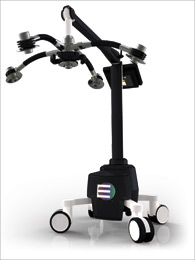
Company-sponsored data supports the notion that it works, according to Ryan Maloney, Ph.D. Dr. Maloney is a patent holder on the 635-nm laser and medical director of Erchonia, manufacturer of the laser. He presented the recently published data at the annual meeting of the American Association of Cosmetic Surgery.
The sham-controlled study included 67 patients, none of which were obese. Many were just right at the overweight line, with a mean body mass index of 26 kg/m2. Still, after six 40-minute treatments, 22 of the 35 active patients met the criteria for success (a mean combined loss of at least 3 inches in circumference from the waist, hip, and thighs). Only two patients in the sham group had comparable results (Laser Surg. Med. 2009;799-809).
The program didn’t include any special diet or exercise recommendations. Dr. Maloney, and the representatives at the Zerona exhibit booth, claimed the weight lost was a direct result of laser exposure. They showed photo micrographs of its effect on human fat cells. Before treatment, the round little globules were taught and tightly filled with lipids. After exposure, they looked like popped party balloons, wrinkled and collapsed, all their fatty filling leaked away.
How was this accomplished? In vivo studies show that the short wavelength laser creates a transient pore in the cell membrane. The contents disperse outward into the interstitial space and the immune system takes over, Dr. Maloney said. None of the patients have shown any related increase in blood lipids, he added.
The concept might not be as far-fetched as it seems. Laser-assisted liposuction (LAL) has been around for a few years now. The dual-headed instrument slips under and over the skin, with a laser above and a suction cannula below. The laser deposits its heat energy in the adipose layer—sparing the skin—and the cannula pierces and sucks out the liquified fat. The difference here is that LAL destroys the adipocyte. Zerona supposedly leaves it alive and, thus, the cells are capable of reinflating if patients tank up on goodies (or decline the repeat treatments urged on the Zerona Web site).
What’s the bottom line? Zerona is the first treatment to claim total noninvasive weight loss—other than shutting your mouth to that second piece of pie.
Michele G. Sullivan
Mid-Atlantic Bureau
Photo courtesy Zerona via www.myzerona.com
The Zerona laser looks a little bit like the villainous martian tripods in “War of the Worlds,” but rather than blasting your entire body into charbroiled atoms, its four laser arms melt away excess fat.
Company-sponsored data supports the notion that it works, according to Ryan Maloney, Ph.D. Dr. Maloney is a patent holder on the 635-nm laser and medical director of Erchonia, manufacturer of the laser. He presented the recently published data at the annual meeting of the American Association of Cosmetic Surgery.
The sham-controlled study included 67 patients, none of which were obese. Many were just right at the overweight line, with a mean body mass index of 26 kg/m2. Still, after six 40-minute treatments, 22 of the 35 active patients met the criteria for success (a mean combined loss of at least 3 inches in circumference from the waist, hip, and thighs). Only two patients in the sham group had comparable results (Laser Surg. Med. 2009;799-809).
The program didn’t include any special diet or exercise recommendations. Dr. Maloney, and the representatives at the Zerona exhibit booth, claimed the weight lost was a direct result of laser exposure. They showed photo micrographs of its effect on human fat cells. Before treatment, the round little globules were taught and tightly filled with lipids. After exposure, they looked like popped party balloons, wrinkled and collapsed, all their fatty filling leaked away.
How was this accomplished? In vivo studies show that the short wavelength laser creates a transient pore in the cell membrane. The contents disperse outward into the interstitial space and the immune system takes over, Dr. Maloney said. None of the patients have shown any related increase in blood lipids, he added.
The concept might not be as far-fetched as it seems. Laser-assisted liposuction (LAL) has been around for a few years now. The dual-headed instrument slips under and over the skin, with a laser above and a suction cannula below. The laser deposits its heat energy in the adipose layer—sparing the skin—and the cannula pierces and sucks out the liquified fat. The difference here is that LAL destroys the adipocyte. Zerona supposedly leaves it alive and, thus, the cells are capable of reinflating if patients tank up on goodies (or decline the repeat treatments urged on the Zerona Web site).
What’s the bottom line? Zerona is the first treatment to claim total noninvasive weight loss—other than shutting your mouth to that second piece of pie.
Michele G. Sullivan
Mid-Atlantic Bureau
Photo courtesy Zerona via www.myzerona.com
The Zerona laser looks a little bit like the villainous martian tripods in “War of the Worlds,” but rather than blasting your entire body into charbroiled atoms, its four laser arms melt away excess fat.
Company-sponsored data supports the notion that it works, according to Ryan Maloney, Ph.D. Dr. Maloney is a patent holder on the 635-nm laser and medical director of Erchonia, manufacturer of the laser. He presented the recently published data at the annual meeting of the American Association of Cosmetic Surgery.
The sham-controlled study included 67 patients, none of which were obese. Many were just right at the overweight line, with a mean body mass index of 26 kg/m2. Still, after six 40-minute treatments, 22 of the 35 active patients met the criteria for success (a mean combined loss of at least 3 inches in circumference from the waist, hip, and thighs). Only two patients in the sham group had comparable results (Laser Surg. Med. 2009;799-809).
The program didn’t include any special diet or exercise recommendations. Dr. Maloney, and the representatives at the Zerona exhibit booth, claimed the weight lost was a direct result of laser exposure. They showed photo micrographs of its effect on human fat cells. Before treatment, the round little globules were taught and tightly filled with lipids. After exposure, they looked like popped party balloons, wrinkled and collapsed, all their fatty filling leaked away.
How was this accomplished? In vivo studies show that the short wavelength laser creates a transient pore in the cell membrane. The contents disperse outward into the interstitial space and the immune system takes over, Dr. Maloney said. None of the patients have shown any related increase in blood lipids, he added.
The concept might not be as far-fetched as it seems. Laser-assisted liposuction (LAL) has been around for a few years now. The dual-headed instrument slips under and over the skin, with a laser above and a suction cannula below. The laser deposits its heat energy in the adipose layer—sparing the skin—and the cannula pierces and sucks out the liquified fat. The difference here is that LAL destroys the adipocyte. Zerona supposedly leaves it alive and, thus, the cells are capable of reinflating if patients tank up on goodies (or decline the repeat treatments urged on the Zerona Web site).
What’s the bottom line? Zerona is the first treatment to claim total noninvasive weight loss—other than shutting your mouth to that second piece of pie.
Michele G. Sullivan
Mid-Atlantic Bureau
Photo courtesy Zerona via www.myzerona.com