User login
Skin of Color: Rosacea
While often considered a problem in white skin, rosacea is also a common concern in skin of color patients.
The clinical signs of rosacea are often hard to diagnose in Fitzpatrick skin types III-VI, and are often not associated with clinical signs and symptoms of flushing or telangiectasias. Trigger factors associated with rosacea flares – hot beverages, spicy foods, caffeine, alcoholic drinks, heat, and exercise – are often completely absent in skin of color.
Rosacea occurs mainly on the central malar cheeks, forehead, chin, and nose. Erythema and red/brown papules are common and are often confused with acne. As the condition progresses, the skin becomes persistently red and can feel uneven or even thicker. Hyper or hypopigmentation may develop in areas with inflammation. Perioral or periorficial papules, a form of rosacea commonly seen in skin of color, is also often misdiagnosed.
It has been my experience that rosacea in skin of color is often refractory to traditional topical medications and patients will often need a short course of oral antibiotics. Sulfur/sodium sulfacetamide topicals, in addition to azelaic acid, are a great adjunct to oral treatment. Topical steroids may initially improve symptoms, but will actually make the disease progress when the steroids are stopped, so they should be avoided. Strict photo protection should be encouraged.
For years, the cause of rosacea was unknown. However a team of researchers, led by Dr. Richard L. Gallo, chief of dermatology and professor of medicine and pediatrics at the University of California San Diego, found that overproduction of two interactive inflammatory proteins results in excessive levels of a third protein that cause rosacea symptoms. His team found skin antimicrobial peptides, cathelicidins, were altered and overproduced in patients with rosacea (Nat. Med. 2007;13:975-80).
Approximately 14 million people in the United States have rosacea. Early diagnosis and management with combination oral and topical medications are effective at controlling this highly prevalent yet often misdiagnosed disease. Future research into the underlying cause of rosacea will offer targeted therapies aimed at the abnormally processed antimicrobial peptides present in the skin of rosacea patients.
While often considered a problem in white skin, rosacea is also a common concern in skin of color patients.
The clinical signs of rosacea are often hard to diagnose in Fitzpatrick skin types III-VI, and are often not associated with clinical signs and symptoms of flushing or telangiectasias. Trigger factors associated with rosacea flares – hot beverages, spicy foods, caffeine, alcoholic drinks, heat, and exercise – are often completely absent in skin of color.
Rosacea occurs mainly on the central malar cheeks, forehead, chin, and nose. Erythema and red/brown papules are common and are often confused with acne. As the condition progresses, the skin becomes persistently red and can feel uneven or even thicker. Hyper or hypopigmentation may develop in areas with inflammation. Perioral or periorficial papules, a form of rosacea commonly seen in skin of color, is also often misdiagnosed.
It has been my experience that rosacea in skin of color is often refractory to traditional topical medications and patients will often need a short course of oral antibiotics. Sulfur/sodium sulfacetamide topicals, in addition to azelaic acid, are a great adjunct to oral treatment. Topical steroids may initially improve symptoms, but will actually make the disease progress when the steroids are stopped, so they should be avoided. Strict photo protection should be encouraged.
For years, the cause of rosacea was unknown. However a team of researchers, led by Dr. Richard L. Gallo, chief of dermatology and professor of medicine and pediatrics at the University of California San Diego, found that overproduction of two interactive inflammatory proteins results in excessive levels of a third protein that cause rosacea symptoms. His team found skin antimicrobial peptides, cathelicidins, were altered and overproduced in patients with rosacea (Nat. Med. 2007;13:975-80).
Approximately 14 million people in the United States have rosacea. Early diagnosis and management with combination oral and topical medications are effective at controlling this highly prevalent yet often misdiagnosed disease. Future research into the underlying cause of rosacea will offer targeted therapies aimed at the abnormally processed antimicrobial peptides present in the skin of rosacea patients.
While often considered a problem in white skin, rosacea is also a common concern in skin of color patients.
The clinical signs of rosacea are often hard to diagnose in Fitzpatrick skin types III-VI, and are often not associated with clinical signs and symptoms of flushing or telangiectasias. Trigger factors associated with rosacea flares – hot beverages, spicy foods, caffeine, alcoholic drinks, heat, and exercise – are often completely absent in skin of color.
Rosacea occurs mainly on the central malar cheeks, forehead, chin, and nose. Erythema and red/brown papules are common and are often confused with acne. As the condition progresses, the skin becomes persistently red and can feel uneven or even thicker. Hyper or hypopigmentation may develop in areas with inflammation. Perioral or periorficial papules, a form of rosacea commonly seen in skin of color, is also often misdiagnosed.
It has been my experience that rosacea in skin of color is often refractory to traditional topical medications and patients will often need a short course of oral antibiotics. Sulfur/sodium sulfacetamide topicals, in addition to azelaic acid, are a great adjunct to oral treatment. Topical steroids may initially improve symptoms, but will actually make the disease progress when the steroids are stopped, so they should be avoided. Strict photo protection should be encouraged.
For years, the cause of rosacea was unknown. However a team of researchers, led by Dr. Richard L. Gallo, chief of dermatology and professor of medicine and pediatrics at the University of California San Diego, found that overproduction of two interactive inflammatory proteins results in excessive levels of a third protein that cause rosacea symptoms. His team found skin antimicrobial peptides, cathelicidins, were altered and overproduced in patients with rosacea (Nat. Med. 2007;13:975-80).
Approximately 14 million people in the United States have rosacea. Early diagnosis and management with combination oral and topical medications are effective at controlling this highly prevalent yet often misdiagnosed disease. Future research into the underlying cause of rosacea will offer targeted therapies aimed at the abnormally processed antimicrobial peptides present in the skin of rosacea patients.
Mohs Surgery in Medicare Patients Skyrocketing
LAS VEGAS – The use of Mohs surgery in Medicare beneficiaries increased steeply in the past decade, mainly for nonmelanoma skin cancers on the face and with great variation in treatment practices, two new studies show.
The majority of physicians who billed Medicare for Mohs surgeries do relatively few of the procedures per year, raising questions about the optimal volume of Mohs surgeries to ensure good outcomes and cost-effectiveness, one of the studies suggested.
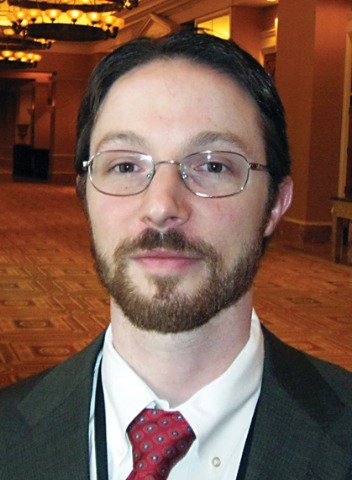
The United States is experiencing an epidemic of nonmelanoma skin cancer, which has grown in numbers from approximately 1 million in 1994 to approximately 4 million per year today, Dr. Matthew Donaldson said at the annual meeting of the American College of Mohs Surgery.
The rate of Mohs surgery per 1,000 Medicare beneficiaries increased by 236% between 1999 and 2009, while excisions and destructions of lesions increased by approximately 20%, said Dr. Donaldson, who is training in Mohs surgery under Dr. Brett Coldiron at the skin cancer center of TriHealth Good Samaritan Hospital, Cincinnati.
He and his associates analyzed the Medicare claims database for 2009 to examine who is doing Mohs surgery, and why. They utilized both the Physician/Supplier Procedure Summary Master File (which contains data on all claims for procedures) and a random sample of 5% of claims called the Medicare Limited Data Set Standard Analytic File.
For CPT code 17311 (Mohs surgery on the head, neck, hands, feet, genitalia, or any location directly involving muscles, cartilage, bone, tendon, major nerves, or vessels), Florida and Arizona had more than twice the rate of claims, compared with the national average of 14 claims per 1,000 Medicare beneficiaries.
For CPT code 17313 (Mohs surgery on the trunk, arms or legs), Florida and Arizona had three times the national average of two claims per 1,000 Medicare beneficiaries.
Only 0.1% of CPT 17311 claims and 0.4% of CPT 17313 claims were for malignant melanoma. Carcinoma in situ made up 1% of CPT 17311 claims and 2% of CPT 17313 claims. The rest were for malignant neoplasms, "predominantly for basal cell and squamous cell" carcinomas, he said.
Of the 1,777 medical providers who billed for Mohs surgery in 2009, 97% were dermatologists, accounting for approximately 18% of all practicing dermatologists in the United States.
Dr. Donaldson and his associates used the data to estimate how many Mohs cases each claimant performed. Approximately 44% of physicians who billed Medicare for Mohs surgery did fewer than 200 cases that year, approximately 35% did 300-1,000 cases, and only 5% did more than 1,000 cases, he predicted.
"A full 27% of surgeons in the country are doing, on average, 47 cases in Medicare" beneficiaries, "and probably 100 cases overall for the entire year," Dr. Donaldson said. "Is that a sufficient number to really maximize" cure rates, cosmetic outcomes, and cost-effectiveness?
The physicians who did large volumes of Mohs surgeries in Medicare beneficiaries were more likely to take additional stages beyond the initial surgery, and were more likely to repair defects themselves, compared with low-volume surgeons, he said.
Dr. Kate V. Viola reported in a separate presentation that a minority of nonmelanoma skin cancers in the Medicare population is treated with Mohs, but the use of Mohs for these cancers is increasing at a much faster rate than the use of excisions.
She and her associates looked at a 5% sample of Medicare claims from 2001-2006 in the SEER (Surveillance, Epidemiology and End Results) database representing 26% of the U.S. population in 16 registries.
Of the 26,931 Medicare beneficiaries who were treated for nonmelanoma skin cancers, 36% were treated with Mohs surgery and 64% were treated with wide local excision or simple excision.
The rate of Mohs surgery for nonmelanoma skin cancer "doubled – yes, doubled – by 2006," increasing from 0.7 per 100 beneficiaries in 2001 to 1.5 per 100 beneficiaries, said Dr. Viola of Albert Einstein College of Medicine, New York. During that period, the rate of excisions for nonmelanoma skin cancers increased only slightly, from 1.8 to 2.1 per 100 beneficiaries.
Mohs surgery was more likely than excisional surgery on the face and less likely elsewhere. Mohs surgery was used to treat 47% of facial lesions and 15% of lesions on the rest of the body, she said.
Patient age, race, and geographic region were significantly associated with the likelihood of Mohs surgery. The use of Mohs for these cancers decreased with patient age (from 41% of patients aged 67-69 years to 34% of patients 85 years or older). Mohs was used in 37% of white patients, 23% of black patients, and 29% of patients of other races.
The SEER data did not include some states such as Florida and New York, but among the regions that were represented, the areas with high densities of Mohs surgeons were likely to have higher rates of Mohs surgery for nonmelanoma skin cancers. These areas included San Jose, San Francisco, and Oakland, Calif.
The opposite, however, was not true. Some areas with low densities of Mohs surgeons still had high rates of Mohs utilization, such as in Los Angeles and Detroit.
"There was wide variation in regional Mohs micrographic surgery utilization and geographical disparity that warrants further investigation," Dr. Viola said.
For instance, the density of Mohs surgeons in the Washington, D.C. area was so high – more than six times greater than the next-highest density – that the D.C. region had to be excluded from the analysis as an outlier, she noted.
Mohs surgeries in the Medicare population account for approximately half of all Mohs surgeries in the United States, Dr. Donaldson said.
Dr. Donaldson and Dr. Viola said they have no relevant conflicts of interest.
LAS VEGAS – The use of Mohs surgery in Medicare beneficiaries increased steeply in the past decade, mainly for nonmelanoma skin cancers on the face and with great variation in treatment practices, two new studies show.
The majority of physicians who billed Medicare for Mohs surgeries do relatively few of the procedures per year, raising questions about the optimal volume of Mohs surgeries to ensure good outcomes and cost-effectiveness, one of the studies suggested.
The United States is experiencing an epidemic of nonmelanoma skin cancer, which has grown in numbers from approximately 1 million in 1994 to approximately 4 million per year today, Dr. Matthew Donaldson said at the annual meeting of the American College of Mohs Surgery.
The rate of Mohs surgery per 1,000 Medicare beneficiaries increased by 236% between 1999 and 2009, while excisions and destructions of lesions increased by approximately 20%, said Dr. Donaldson, who is training in Mohs surgery under Dr. Brett Coldiron at the skin cancer center of TriHealth Good Samaritan Hospital, Cincinnati.
He and his associates analyzed the Medicare claims database for 2009 to examine who is doing Mohs surgery, and why. They utilized both the Physician/Supplier Procedure Summary Master File (which contains data on all claims for procedures) and a random sample of 5% of claims called the Medicare Limited Data Set Standard Analytic File.
For CPT code 17311 (Mohs surgery on the head, neck, hands, feet, genitalia, or any location directly involving muscles, cartilage, bone, tendon, major nerves, or vessels), Florida and Arizona had more than twice the rate of claims, compared with the national average of 14 claims per 1,000 Medicare beneficiaries.
For CPT code 17313 (Mohs surgery on the trunk, arms or legs), Florida and Arizona had three times the national average of two claims per 1,000 Medicare beneficiaries.
Only 0.1% of CPT 17311 claims and 0.4% of CPT 17313 claims were for malignant melanoma. Carcinoma in situ made up 1% of CPT 17311 claims and 2% of CPT 17313 claims. The rest were for malignant neoplasms, "predominantly for basal cell and squamous cell" carcinomas, he said.
Of the 1,777 medical providers who billed for Mohs surgery in 2009, 97% were dermatologists, accounting for approximately 18% of all practicing dermatologists in the United States.
Dr. Donaldson and his associates used the data to estimate how many Mohs cases each claimant performed. Approximately 44% of physicians who billed Medicare for Mohs surgery did fewer than 200 cases that year, approximately 35% did 300-1,000 cases, and only 5% did more than 1,000 cases, he predicted.
"A full 27% of surgeons in the country are doing, on average, 47 cases in Medicare" beneficiaries, "and probably 100 cases overall for the entire year," Dr. Donaldson said. "Is that a sufficient number to really maximize" cure rates, cosmetic outcomes, and cost-effectiveness?
The physicians who did large volumes of Mohs surgeries in Medicare beneficiaries were more likely to take additional stages beyond the initial surgery, and were more likely to repair defects themselves, compared with low-volume surgeons, he said.
Dr. Kate V. Viola reported in a separate presentation that a minority of nonmelanoma skin cancers in the Medicare population is treated with Mohs, but the use of Mohs for these cancers is increasing at a much faster rate than the use of excisions.
She and her associates looked at a 5% sample of Medicare claims from 2001-2006 in the SEER (Surveillance, Epidemiology and End Results) database representing 26% of the U.S. population in 16 registries.
Of the 26,931 Medicare beneficiaries who were treated for nonmelanoma skin cancers, 36% were treated with Mohs surgery and 64% were treated with wide local excision or simple excision.
The rate of Mohs surgery for nonmelanoma skin cancer "doubled – yes, doubled – by 2006," increasing from 0.7 per 100 beneficiaries in 2001 to 1.5 per 100 beneficiaries, said Dr. Viola of Albert Einstein College of Medicine, New York. During that period, the rate of excisions for nonmelanoma skin cancers increased only slightly, from 1.8 to 2.1 per 100 beneficiaries.
Mohs surgery was more likely than excisional surgery on the face and less likely elsewhere. Mohs surgery was used to treat 47% of facial lesions and 15% of lesions on the rest of the body, she said.
Patient age, race, and geographic region were significantly associated with the likelihood of Mohs surgery. The use of Mohs for these cancers decreased with patient age (from 41% of patients aged 67-69 years to 34% of patients 85 years or older). Mohs was used in 37% of white patients, 23% of black patients, and 29% of patients of other races.
The SEER data did not include some states such as Florida and New York, but among the regions that were represented, the areas with high densities of Mohs surgeons were likely to have higher rates of Mohs surgery for nonmelanoma skin cancers. These areas included San Jose, San Francisco, and Oakland, Calif.
The opposite, however, was not true. Some areas with low densities of Mohs surgeons still had high rates of Mohs utilization, such as in Los Angeles and Detroit.
"There was wide variation in regional Mohs micrographic surgery utilization and geographical disparity that warrants further investigation," Dr. Viola said.
For instance, the density of Mohs surgeons in the Washington, D.C. area was so high – more than six times greater than the next-highest density – that the D.C. region had to be excluded from the analysis as an outlier, she noted.
Mohs surgeries in the Medicare population account for approximately half of all Mohs surgeries in the United States, Dr. Donaldson said.
Dr. Donaldson and Dr. Viola said they have no relevant conflicts of interest.
LAS VEGAS – The use of Mohs surgery in Medicare beneficiaries increased steeply in the past decade, mainly for nonmelanoma skin cancers on the face and with great variation in treatment practices, two new studies show.
The majority of physicians who billed Medicare for Mohs surgeries do relatively few of the procedures per year, raising questions about the optimal volume of Mohs surgeries to ensure good outcomes and cost-effectiveness, one of the studies suggested.
The United States is experiencing an epidemic of nonmelanoma skin cancer, which has grown in numbers from approximately 1 million in 1994 to approximately 4 million per year today, Dr. Matthew Donaldson said at the annual meeting of the American College of Mohs Surgery.
The rate of Mohs surgery per 1,000 Medicare beneficiaries increased by 236% between 1999 and 2009, while excisions and destructions of lesions increased by approximately 20%, said Dr. Donaldson, who is training in Mohs surgery under Dr. Brett Coldiron at the skin cancer center of TriHealth Good Samaritan Hospital, Cincinnati.
He and his associates analyzed the Medicare claims database for 2009 to examine who is doing Mohs surgery, and why. They utilized both the Physician/Supplier Procedure Summary Master File (which contains data on all claims for procedures) and a random sample of 5% of claims called the Medicare Limited Data Set Standard Analytic File.
For CPT code 17311 (Mohs surgery on the head, neck, hands, feet, genitalia, or any location directly involving muscles, cartilage, bone, tendon, major nerves, or vessels), Florida and Arizona had more than twice the rate of claims, compared with the national average of 14 claims per 1,000 Medicare beneficiaries.
For CPT code 17313 (Mohs surgery on the trunk, arms or legs), Florida and Arizona had three times the national average of two claims per 1,000 Medicare beneficiaries.
Only 0.1% of CPT 17311 claims and 0.4% of CPT 17313 claims were for malignant melanoma. Carcinoma in situ made up 1% of CPT 17311 claims and 2% of CPT 17313 claims. The rest were for malignant neoplasms, "predominantly for basal cell and squamous cell" carcinomas, he said.
Of the 1,777 medical providers who billed for Mohs surgery in 2009, 97% were dermatologists, accounting for approximately 18% of all practicing dermatologists in the United States.
Dr. Donaldson and his associates used the data to estimate how many Mohs cases each claimant performed. Approximately 44% of physicians who billed Medicare for Mohs surgery did fewer than 200 cases that year, approximately 35% did 300-1,000 cases, and only 5% did more than 1,000 cases, he predicted.
"A full 27% of surgeons in the country are doing, on average, 47 cases in Medicare" beneficiaries, "and probably 100 cases overall for the entire year," Dr. Donaldson said. "Is that a sufficient number to really maximize" cure rates, cosmetic outcomes, and cost-effectiveness?
The physicians who did large volumes of Mohs surgeries in Medicare beneficiaries were more likely to take additional stages beyond the initial surgery, and were more likely to repair defects themselves, compared with low-volume surgeons, he said.
Dr. Kate V. Viola reported in a separate presentation that a minority of nonmelanoma skin cancers in the Medicare population is treated with Mohs, but the use of Mohs for these cancers is increasing at a much faster rate than the use of excisions.
She and her associates looked at a 5% sample of Medicare claims from 2001-2006 in the SEER (Surveillance, Epidemiology and End Results) database representing 26% of the U.S. population in 16 registries.
Of the 26,931 Medicare beneficiaries who were treated for nonmelanoma skin cancers, 36% were treated with Mohs surgery and 64% were treated with wide local excision or simple excision.
The rate of Mohs surgery for nonmelanoma skin cancer "doubled – yes, doubled – by 2006," increasing from 0.7 per 100 beneficiaries in 2001 to 1.5 per 100 beneficiaries, said Dr. Viola of Albert Einstein College of Medicine, New York. During that period, the rate of excisions for nonmelanoma skin cancers increased only slightly, from 1.8 to 2.1 per 100 beneficiaries.
Mohs surgery was more likely than excisional surgery on the face and less likely elsewhere. Mohs surgery was used to treat 47% of facial lesions and 15% of lesions on the rest of the body, she said.
Patient age, race, and geographic region were significantly associated with the likelihood of Mohs surgery. The use of Mohs for these cancers decreased with patient age (from 41% of patients aged 67-69 years to 34% of patients 85 years or older). Mohs was used in 37% of white patients, 23% of black patients, and 29% of patients of other races.
The SEER data did not include some states such as Florida and New York, but among the regions that were represented, the areas with high densities of Mohs surgeons were likely to have higher rates of Mohs surgery for nonmelanoma skin cancers. These areas included San Jose, San Francisco, and Oakland, Calif.
The opposite, however, was not true. Some areas with low densities of Mohs surgeons still had high rates of Mohs utilization, such as in Los Angeles and Detroit.
"There was wide variation in regional Mohs micrographic surgery utilization and geographical disparity that warrants further investigation," Dr. Viola said.
For instance, the density of Mohs surgeons in the Washington, D.C. area was so high – more than six times greater than the next-highest density – that the D.C. region had to be excluded from the analysis as an outlier, she noted.
Mohs surgeries in the Medicare population account for approximately half of all Mohs surgeries in the United States, Dr. Donaldson said.
Dr. Donaldson and Dr. Viola said they have no relevant conflicts of interest.
FROM THE ANNUAL MEETING OF THE AMERICAN COLLEGE OF MOHS SURGERY
Major Finding: The rate of Mohs surgery per 1,000 Medicare beneficiaries increased by 236% between 1999 and 2009.
Data Source: Medicare claims database for 2009.
Disclosures: Dr. Donaldson and Dr. Viola said they have no relevant conflicts of interest.
Beta-Carotene
Beta-carotene is perhaps the best known member of the carotenoid family, a group of highly pigmented (red, orange, yellow), lipid-soluble substances present in various fruits, grains, oils, and vegetables (including apricots, carrots, green peppers, spinach, squash, sweet potatoes, and tomatoes).
Like alpha- and gamma-carotene, beta-carotene is a provitamin because it can be converted into active vitamin A (retinol). In comparison to other carotenoid compounds, some of which have been shown to have potential in the dermatologic armamentarium (e.g., astaxanthin, lutein, lycopene, and zeaxanthin), beta-carotene has been demonstrated to contribute much more to human nutrition (Am. J. Clin. Nutr. 2001;73:853-64).

The degree to which beta-carotene can be harnessed for dermatologic applications is debatable, with the aforementioned carotenoids displaying greater promise in this realm. In particular, the potent yellow/orange pigmentation delivered by beta-carotene poses significant challenges to topical formulation. That said, recent research has indicated that cutaneous benefits can be derived from the systemic use of beta-carotene. That is the focus of this column.
Mixed results for beta-carotene’s UV protective effects. Ten years ago, Obermüller-Jevic et al. observed that beta-carotene exerted pro-oxidant activity in cultured human skin fibroblasts by promoting UVA induction of heme oxygenase-1 (HO-1). The investigators subsequently showed in vitro that the provitamin A compound potently fosters the UVA induction of proinflammatory interleukin-6 in skin fibroblasts (FEBS Lett. 1999;460:212-6; FEBS Lett. 2001;509:186-90). Nevertheless, several experimental, but not clinical, studies have suggested that dietary beta-carotene yields protective effects against acute and chronic cutaneous photodamage (Arch. Biochem. Biophys. 2001;389:1-6).
In 2000, Frieling et al. reported on their large-scale (n = 22,071) randomized, double-blind, placebo-controlled 12-year primary-prevention trial of beta-carotene supplementation with follow-up, in which they found that supplementing with 50 mg of beta-carotene on alternate days in apparently healthy male physicians aged 40-84 years in 1982 did not affect the development of a first basal cell or squamous cell carcinoma (Arch Dermatol. 2000;136:179-84). Other studies published earlier or around the same time yielded similar results, indicating that oral beta-carotene exerted no influence in stemming, preventing, or promoting nonmelanoma skin cancers (N. Engl. J. Med. 1990;323:789-95; Lancet 1999;354:723-9; J. Am. Acad. Dermatol. 2006;54:933-46).
In a prospective study of 1,001 randomly selected adults in one Australian community, investigators sought to determine the relationships between consumption of antioxidant nutrients and the relative risk of cutaneous basal cell and squamous cell carcinomas. In 1996 antioxidant consumption was estimated, and histologically confirmed cancers were recorded between 1996 and 2004. Dietary consumption in the second tertile for beta-carotene and vitamin E was associated with a higher basal cell carcinoma risk, with no trend, in subjects with a skin cancer history or a specific BCC history at baseline (Eur. J. Cancer 2007;43:2707-16).
In 2006, Stahl and Krutmann found that the systemic use of beta-carotene in dosages of 15-30 mg/day over 10-12 weeks conferred protection against UV-induced erythema, but failed to provide full protection against UVR (Hautarzt. 2006;57:281-5.)
More recently, in a paper published in 2008, Köpcke and Krutmann reported on their literature review of supplementation studies of dietary beta-carotene as protection against sunburn. Their review included studies published up to June 2007 in PubMed, ISI Web of Science, and the EBM Cochrane Library. The meta-analysis netted seven studies on the subject and revealed that, indeed, beta-carotene supplementation imparted time-dependent protection against sunburn, with at least 10 weeks of supplementation necessary (Photochem. Photobiol. 2008;84:284-8).
In September 2007, Stahl and Sies clarified that dietary carotenoids, particularly beta-carotene and lycopene, as well as flavonoids, help prevent the emergence of UV-induced erythema after the nutrients are disseminated to light-exposed areas, including the skin and eyes. Specifically, the tested carotenoids and flavonoids diminished sensitivity to UV-induced erythema in volunteers after 10-12 weeks of dietary intervention. The investigators speculated that such micronutrients have the potential to impart protection against UVR throughout an individual’s lifetime (Mol. Biotechnol. 2007;37:26-30).
Although the data on the impact of beta-carotene on aging skin and photoaging remain sparse, Bayerl has noted that beta-carotene has been shown to protect against the phototoxic effects of porphyrins in the photohemolysis model, and that the provitamin A substance is indicated for erythropoietic protoporphyria, photosensitive diseases, and mitigating the side effects of phototoxic drugs (Acta Dermatovenerol. Alp. Panonica Adriat. 2008;17:160-2, 164-6).
In 2009, Camera et al. compared the effects of the carotenoids astaxanthin, canthaxanthin, and beta-carotene on UVA-induced damage to human dermal fibroblasts. The carotenoids were delivered to the fibroblasts 24 hours before UVA exposure. Astaxanthin displayed the strongest photoprotective effect, reversing all of the noted changes induced by UVA, whereas beta-carotene partially prevented the UVA-induced reduction in catalase and superoxide dismutase activities. Beta-carotene also increased membrane damage, provoked HO-1 expression, and dose-dependently induced caspase-3 activity. In addition, the greatest photostability among the tested carotenoids was associated with astaxanthin, and the least, with beta-carotene (Exp. Dermatol. 2009;18:222-31).
Beta-carotene was cast in a more favorable light by a study published 2 months later by Valacchi et al. The researchers, acknowledging the apparent conflict between some studies suggesting that beta-carotene exhibits skin-protecting qualities as an antioxidant and other studies indicating pro-oxidant characteristics, examined the potential effects of oral beta-carotene supplement consumption on oxidative stress on the skin caused by ozone. They measured markers of oxidative stress in hairless mice after 1 month of a diet supplement with 0.5% beta-carotene and subsequent exposure to ozone (0.8 ppm; 6 hr/day; 7 days). The researchers found that beta-carotene downregulated the induction of tumor necrosis factor-alpha, macrophage inflammatory protein 2, inducible nitric oxide synthase, and HO-1 caused by ozone exposure. They concluded that beta-carotene does indeed confer protection against ozone-induced cutaneous oxidative stress in vivo (Toxicol. Ind. Health 2009;25:241-7).
Beta-carotene and lung cancer risk link. It is clear that dietary beta-carotene affords at least some cutaneous protection, though not against skin cancer, but the limits have not been fully elucidated as yet. It is important to note that beta-carotene supplementation has been shown to contribute to heightening the risk of lung cancer development in smokers and individuals exposed to asbestos (Evid. Rep. Technol. Assess. 2006;139:1-117).
In 2008, Tanyetyanon and Bepler conducted a meta-analysis of the literature on large randomized trials to assess the risk of lung cancer posed by beta-carotene consumption by smokers or former smokers. In their Medline search, the investigators identified four studies totaling 109,394 subjects. While they noted no increased risk of lung cancer among former smokers, they found a significant link between beta-carotene supplementation and increased lung cancer risk among current smokers (Cancer 2008;113:150-7).
In addition to this disturbing risk, there are some minor disadvantages associated with consuming excessive amounts of beta-carotene and other provitamin A substances. Specifically, the consumption of excessive amounts of beta-carotene through the diet or in supplement form can lead to skin yellowing. Because beta-carotene is inefficiently converted into retinol, supplementation with beta-carotene poses less risk of rendering the skin yellow than does vitamin A supplementation. It is best that patients and consumers derive the benefits of beta-carotene through the diet, but it can be a beneficial supplement to people living in warm climates where frequent sun exposure is more likely and whose diets do not include enough of this carotenoid.
Conclusions. As a prominent member of the carotenoid family, beta-carotene is a compelling subject for the investigation of its potential health benefits. While much more research is necessary to determine the range of effects (broadly, antioxidant to pro-oxidant) that this provitamin A substance can deliver to overall health as well as cutaneous health, in addition to its risks, there appears to be enough evidence to warrant confidence in suggesting a healthy dose of fruits and vegetables rich in beta-carotene to individuals who are not smokers.
I suspect that the strong pigmentary component of beta-carotene will continue to pose significant challenges to manufacturers who hope to harness its antioxidant potential in topical formulations. That said, it will be interesting to keep an eye on continuing investigations regarding the cutaneous effects of dietary consumption and oral supplementation with beta-carotene.
Beta-carotene is perhaps the best known member of the carotenoid family, a group of highly pigmented (red, orange, yellow), lipid-soluble substances present in various fruits, grains, oils, and vegetables (including apricots, carrots, green peppers, spinach, squash, sweet potatoes, and tomatoes).
Like alpha- and gamma-carotene, beta-carotene is a provitamin because it can be converted into active vitamin A (retinol). In comparison to other carotenoid compounds, some of which have been shown to have potential in the dermatologic armamentarium (e.g., astaxanthin, lutein, lycopene, and zeaxanthin), beta-carotene has been demonstrated to contribute much more to human nutrition (Am. J. Clin. Nutr. 2001;73:853-64).
The degree to which beta-carotene can be harnessed for dermatologic applications is debatable, with the aforementioned carotenoids displaying greater promise in this realm. In particular, the potent yellow/orange pigmentation delivered by beta-carotene poses significant challenges to topical formulation. That said, recent research has indicated that cutaneous benefits can be derived from the systemic use of beta-carotene. That is the focus of this column.
Mixed results for beta-carotene’s UV protective effects. Ten years ago, Obermüller-Jevic et al. observed that beta-carotene exerted pro-oxidant activity in cultured human skin fibroblasts by promoting UVA induction of heme oxygenase-1 (HO-1). The investigators subsequently showed in vitro that the provitamin A compound potently fosters the UVA induction of proinflammatory interleukin-6 in skin fibroblasts (FEBS Lett. 1999;460:212-6; FEBS Lett. 2001;509:186-90). Nevertheless, several experimental, but not clinical, studies have suggested that dietary beta-carotene yields protective effects against acute and chronic cutaneous photodamage (Arch. Biochem. Biophys. 2001;389:1-6).
In 2000, Frieling et al. reported on their large-scale (n = 22,071) randomized, double-blind, placebo-controlled 12-year primary-prevention trial of beta-carotene supplementation with follow-up, in which they found that supplementing with 50 mg of beta-carotene on alternate days in apparently healthy male physicians aged 40-84 years in 1982 did not affect the development of a first basal cell or squamous cell carcinoma (Arch Dermatol. 2000;136:179-84). Other studies published earlier or around the same time yielded similar results, indicating that oral beta-carotene exerted no influence in stemming, preventing, or promoting nonmelanoma skin cancers (N. Engl. J. Med. 1990;323:789-95; Lancet 1999;354:723-9; J. Am. Acad. Dermatol. 2006;54:933-46).
In a prospective study of 1,001 randomly selected adults in one Australian community, investigators sought to determine the relationships between consumption of antioxidant nutrients and the relative risk of cutaneous basal cell and squamous cell carcinomas. In 1996 antioxidant consumption was estimated, and histologically confirmed cancers were recorded between 1996 and 2004. Dietary consumption in the second tertile for beta-carotene and vitamin E was associated with a higher basal cell carcinoma risk, with no trend, in subjects with a skin cancer history or a specific BCC history at baseline (Eur. J. Cancer 2007;43:2707-16).
In 2006, Stahl and Krutmann found that the systemic use of beta-carotene in dosages of 15-30 mg/day over 10-12 weeks conferred protection against UV-induced erythema, but failed to provide full protection against UVR (Hautarzt. 2006;57:281-5.)
More recently, in a paper published in 2008, Köpcke and Krutmann reported on their literature review of supplementation studies of dietary beta-carotene as protection against sunburn. Their review included studies published up to June 2007 in PubMed, ISI Web of Science, and the EBM Cochrane Library. The meta-analysis netted seven studies on the subject and revealed that, indeed, beta-carotene supplementation imparted time-dependent protection against sunburn, with at least 10 weeks of supplementation necessary (Photochem. Photobiol. 2008;84:284-8).
In September 2007, Stahl and Sies clarified that dietary carotenoids, particularly beta-carotene and lycopene, as well as flavonoids, help prevent the emergence of UV-induced erythema after the nutrients are disseminated to light-exposed areas, including the skin and eyes. Specifically, the tested carotenoids and flavonoids diminished sensitivity to UV-induced erythema in volunteers after 10-12 weeks of dietary intervention. The investigators speculated that such micronutrients have the potential to impart protection against UVR throughout an individual’s lifetime (Mol. Biotechnol. 2007;37:26-30).
Although the data on the impact of beta-carotene on aging skin and photoaging remain sparse, Bayerl has noted that beta-carotene has been shown to protect against the phototoxic effects of porphyrins in the photohemolysis model, and that the provitamin A substance is indicated for erythropoietic protoporphyria, photosensitive diseases, and mitigating the side effects of phototoxic drugs (Acta Dermatovenerol. Alp. Panonica Adriat. 2008;17:160-2, 164-6).
In 2009, Camera et al. compared the effects of the carotenoids astaxanthin, canthaxanthin, and beta-carotene on UVA-induced damage to human dermal fibroblasts. The carotenoids were delivered to the fibroblasts 24 hours before UVA exposure. Astaxanthin displayed the strongest photoprotective effect, reversing all of the noted changes induced by UVA, whereas beta-carotene partially prevented the UVA-induced reduction in catalase and superoxide dismutase activities. Beta-carotene also increased membrane damage, provoked HO-1 expression, and dose-dependently induced caspase-3 activity. In addition, the greatest photostability among the tested carotenoids was associated with astaxanthin, and the least, with beta-carotene (Exp. Dermatol. 2009;18:222-31).
Beta-carotene was cast in a more favorable light by a study published 2 months later by Valacchi et al. The researchers, acknowledging the apparent conflict between some studies suggesting that beta-carotene exhibits skin-protecting qualities as an antioxidant and other studies indicating pro-oxidant characteristics, examined the potential effects of oral beta-carotene supplement consumption on oxidative stress on the skin caused by ozone. They measured markers of oxidative stress in hairless mice after 1 month of a diet supplement with 0.5% beta-carotene and subsequent exposure to ozone (0.8 ppm; 6 hr/day; 7 days). The researchers found that beta-carotene downregulated the induction of tumor necrosis factor-alpha, macrophage inflammatory protein 2, inducible nitric oxide synthase, and HO-1 caused by ozone exposure. They concluded that beta-carotene does indeed confer protection against ozone-induced cutaneous oxidative stress in vivo (Toxicol. Ind. Health 2009;25:241-7).
Beta-carotene and lung cancer risk link. It is clear that dietary beta-carotene affords at least some cutaneous protection, though not against skin cancer, but the limits have not been fully elucidated as yet. It is important to note that beta-carotene supplementation has been shown to contribute to heightening the risk of lung cancer development in smokers and individuals exposed to asbestos (Evid. Rep. Technol. Assess. 2006;139:1-117).
In 2008, Tanyetyanon and Bepler conducted a meta-analysis of the literature on large randomized trials to assess the risk of lung cancer posed by beta-carotene consumption by smokers or former smokers. In their Medline search, the investigators identified four studies totaling 109,394 subjects. While they noted no increased risk of lung cancer among former smokers, they found a significant link between beta-carotene supplementation and increased lung cancer risk among current smokers (Cancer 2008;113:150-7).
In addition to this disturbing risk, there are some minor disadvantages associated with consuming excessive amounts of beta-carotene and other provitamin A substances. Specifically, the consumption of excessive amounts of beta-carotene through the diet or in supplement form can lead to skin yellowing. Because beta-carotene is inefficiently converted into retinol, supplementation with beta-carotene poses less risk of rendering the skin yellow than does vitamin A supplementation. It is best that patients and consumers derive the benefits of beta-carotene through the diet, but it can be a beneficial supplement to people living in warm climates where frequent sun exposure is more likely and whose diets do not include enough of this carotenoid.
Conclusions. As a prominent member of the carotenoid family, beta-carotene is a compelling subject for the investigation of its potential health benefits. While much more research is necessary to determine the range of effects (broadly, antioxidant to pro-oxidant) that this provitamin A substance can deliver to overall health as well as cutaneous health, in addition to its risks, there appears to be enough evidence to warrant confidence in suggesting a healthy dose of fruits and vegetables rich in beta-carotene to individuals who are not smokers.
I suspect that the strong pigmentary component of beta-carotene will continue to pose significant challenges to manufacturers who hope to harness its antioxidant potential in topical formulations. That said, it will be interesting to keep an eye on continuing investigations regarding the cutaneous effects of dietary consumption and oral supplementation with beta-carotene.
Beta-carotene is perhaps the best known member of the carotenoid family, a group of highly pigmented (red, orange, yellow), lipid-soluble substances present in various fruits, grains, oils, and vegetables (including apricots, carrots, green peppers, spinach, squash, sweet potatoes, and tomatoes).
Like alpha- and gamma-carotene, beta-carotene is a provitamin because it can be converted into active vitamin A (retinol). In comparison to other carotenoid compounds, some of which have been shown to have potential in the dermatologic armamentarium (e.g., astaxanthin, lutein, lycopene, and zeaxanthin), beta-carotene has been demonstrated to contribute much more to human nutrition (Am. J. Clin. Nutr. 2001;73:853-64).
The degree to which beta-carotene can be harnessed for dermatologic applications is debatable, with the aforementioned carotenoids displaying greater promise in this realm. In particular, the potent yellow/orange pigmentation delivered by beta-carotene poses significant challenges to topical formulation. That said, recent research has indicated that cutaneous benefits can be derived from the systemic use of beta-carotene. That is the focus of this column.
Mixed results for beta-carotene’s UV protective effects. Ten years ago, Obermüller-Jevic et al. observed that beta-carotene exerted pro-oxidant activity in cultured human skin fibroblasts by promoting UVA induction of heme oxygenase-1 (HO-1). The investigators subsequently showed in vitro that the provitamin A compound potently fosters the UVA induction of proinflammatory interleukin-6 in skin fibroblasts (FEBS Lett. 1999;460:212-6; FEBS Lett. 2001;509:186-90). Nevertheless, several experimental, but not clinical, studies have suggested that dietary beta-carotene yields protective effects against acute and chronic cutaneous photodamage (Arch. Biochem. Biophys. 2001;389:1-6).
In 2000, Frieling et al. reported on their large-scale (n = 22,071) randomized, double-blind, placebo-controlled 12-year primary-prevention trial of beta-carotene supplementation with follow-up, in which they found that supplementing with 50 mg of beta-carotene on alternate days in apparently healthy male physicians aged 40-84 years in 1982 did not affect the development of a first basal cell or squamous cell carcinoma (Arch Dermatol. 2000;136:179-84). Other studies published earlier or around the same time yielded similar results, indicating that oral beta-carotene exerted no influence in stemming, preventing, or promoting nonmelanoma skin cancers (N. Engl. J. Med. 1990;323:789-95; Lancet 1999;354:723-9; J. Am. Acad. Dermatol. 2006;54:933-46).
In a prospective study of 1,001 randomly selected adults in one Australian community, investigators sought to determine the relationships between consumption of antioxidant nutrients and the relative risk of cutaneous basal cell and squamous cell carcinomas. In 1996 antioxidant consumption was estimated, and histologically confirmed cancers were recorded between 1996 and 2004. Dietary consumption in the second tertile for beta-carotene and vitamin E was associated with a higher basal cell carcinoma risk, with no trend, in subjects with a skin cancer history or a specific BCC history at baseline (Eur. J. Cancer 2007;43:2707-16).
In 2006, Stahl and Krutmann found that the systemic use of beta-carotene in dosages of 15-30 mg/day over 10-12 weeks conferred protection against UV-induced erythema, but failed to provide full protection against UVR (Hautarzt. 2006;57:281-5.)
More recently, in a paper published in 2008, Köpcke and Krutmann reported on their literature review of supplementation studies of dietary beta-carotene as protection against sunburn. Their review included studies published up to June 2007 in PubMed, ISI Web of Science, and the EBM Cochrane Library. The meta-analysis netted seven studies on the subject and revealed that, indeed, beta-carotene supplementation imparted time-dependent protection against sunburn, with at least 10 weeks of supplementation necessary (Photochem. Photobiol. 2008;84:284-8).
In September 2007, Stahl and Sies clarified that dietary carotenoids, particularly beta-carotene and lycopene, as well as flavonoids, help prevent the emergence of UV-induced erythema after the nutrients are disseminated to light-exposed areas, including the skin and eyes. Specifically, the tested carotenoids and flavonoids diminished sensitivity to UV-induced erythema in volunteers after 10-12 weeks of dietary intervention. The investigators speculated that such micronutrients have the potential to impart protection against UVR throughout an individual’s lifetime (Mol. Biotechnol. 2007;37:26-30).
Although the data on the impact of beta-carotene on aging skin and photoaging remain sparse, Bayerl has noted that beta-carotene has been shown to protect against the phototoxic effects of porphyrins in the photohemolysis model, and that the provitamin A substance is indicated for erythropoietic protoporphyria, photosensitive diseases, and mitigating the side effects of phototoxic drugs (Acta Dermatovenerol. Alp. Panonica Adriat. 2008;17:160-2, 164-6).
In 2009, Camera et al. compared the effects of the carotenoids astaxanthin, canthaxanthin, and beta-carotene on UVA-induced damage to human dermal fibroblasts. The carotenoids were delivered to the fibroblasts 24 hours before UVA exposure. Astaxanthin displayed the strongest photoprotective effect, reversing all of the noted changes induced by UVA, whereas beta-carotene partially prevented the UVA-induced reduction in catalase and superoxide dismutase activities. Beta-carotene also increased membrane damage, provoked HO-1 expression, and dose-dependently induced caspase-3 activity. In addition, the greatest photostability among the tested carotenoids was associated with astaxanthin, and the least, with beta-carotene (Exp. Dermatol. 2009;18:222-31).
Beta-carotene was cast in a more favorable light by a study published 2 months later by Valacchi et al. The researchers, acknowledging the apparent conflict between some studies suggesting that beta-carotene exhibits skin-protecting qualities as an antioxidant and other studies indicating pro-oxidant characteristics, examined the potential effects of oral beta-carotene supplement consumption on oxidative stress on the skin caused by ozone. They measured markers of oxidative stress in hairless mice after 1 month of a diet supplement with 0.5% beta-carotene and subsequent exposure to ozone (0.8 ppm; 6 hr/day; 7 days). The researchers found that beta-carotene downregulated the induction of tumor necrosis factor-alpha, macrophage inflammatory protein 2, inducible nitric oxide synthase, and HO-1 caused by ozone exposure. They concluded that beta-carotene does indeed confer protection against ozone-induced cutaneous oxidative stress in vivo (Toxicol. Ind. Health 2009;25:241-7).
Beta-carotene and lung cancer risk link. It is clear that dietary beta-carotene affords at least some cutaneous protection, though not against skin cancer, but the limits have not been fully elucidated as yet. It is important to note that beta-carotene supplementation has been shown to contribute to heightening the risk of lung cancer development in smokers and individuals exposed to asbestos (Evid. Rep. Technol. Assess. 2006;139:1-117).
In 2008, Tanyetyanon and Bepler conducted a meta-analysis of the literature on large randomized trials to assess the risk of lung cancer posed by beta-carotene consumption by smokers or former smokers. In their Medline search, the investigators identified four studies totaling 109,394 subjects. While they noted no increased risk of lung cancer among former smokers, they found a significant link between beta-carotene supplementation and increased lung cancer risk among current smokers (Cancer 2008;113:150-7).
In addition to this disturbing risk, there are some minor disadvantages associated with consuming excessive amounts of beta-carotene and other provitamin A substances. Specifically, the consumption of excessive amounts of beta-carotene through the diet or in supplement form can lead to skin yellowing. Because beta-carotene is inefficiently converted into retinol, supplementation with beta-carotene poses less risk of rendering the skin yellow than does vitamin A supplementation. It is best that patients and consumers derive the benefits of beta-carotene through the diet, but it can be a beneficial supplement to people living in warm climates where frequent sun exposure is more likely and whose diets do not include enough of this carotenoid.
Conclusions. As a prominent member of the carotenoid family, beta-carotene is a compelling subject for the investigation of its potential health benefits. While much more research is necessary to determine the range of effects (broadly, antioxidant to pro-oxidant) that this provitamin A substance can deliver to overall health as well as cutaneous health, in addition to its risks, there appears to be enough evidence to warrant confidence in suggesting a healthy dose of fruits and vegetables rich in beta-carotene to individuals who are not smokers.
I suspect that the strong pigmentary component of beta-carotene will continue to pose significant challenges to manufacturers who hope to harness its antioxidant potential in topical formulations. That said, it will be interesting to keep an eye on continuing investigations regarding the cutaneous effects of dietary consumption and oral supplementation with beta-carotene.
Marketing Stem Cells for Aesthetic Medicine 'Possibly Unethical'
The stem cell facelift sounds like science: transplanting adult stem cells from the body's own fat tissue into the face so the stem cell growth factors can generate new tissue and restore the smoothness and skin tightness of youth.
However, the problem, according to Dr. J. Peter Rubin, codirector of the Adipose Stem Cell Center at the University of Pittsburgh, is that the science "just isn't there yet," so marketing stem cell procedures for aesthetic medicine is "premature and possibly unethical."
Of approximately 9,000 reports in the medical literature about stem cells, only 20 are peer-reviewed studies about their use in aesthetic procedures, Dr. Rubin said at the annual meeting of the American Society for Aesthetic Plastic Surgery, and none "demonstrate superiority of stem cell facelift over [conventional] facelift with standard fat grafting."
Despite the dearth of evidence demonstrating the safety or efficacy of stem cell therapies in aesthetic medicine, the procedures are being widely marketed, he said, noting that in some cases, the treatments don't even include any stem cell work, but simply involve regular fat grafting.
In an effort to discourage the proliferation of unsubstantiated claims about stem cell therapies, a joint task force of the annual meeting of the American Society for Aesthetic Plastic Surgery (ASAPS) and the American Society of Plastic Surgeons (ASPS) released a position statement at the meeting recommending against the marketing and promotion of stem cell procedures in aesthetic surgery until there is adequate clinical evidence to support doing so.
Specifically, the ASAPS/ASPS position statement stressed that "the marketing and promotion of stem cell procedures in aesthetic surgery is not adequately supported by clinical evidence at this time," and as such recommends that:
- The use of phrases such as stem cell therapy or stem cell procedure be reserved for treatments or techniques in which the collection, processing, and therapeutic action of stem cells are the primary goal of treatment rather than the passive result. "Standard fat grafting procedures that do transfer some stem cells naturally present within the tissue should be described as fat grafting procedures, not stem cell procedures," according to the document.
- Data on outcomes and safety should be collected and reported by physicians performing stem cell therapies to advance the knowledge and the science of the process.
- Stem cell therapies in aesthetic and reconstructive surgery should be conducted within clinical studies under Institutional Review Board approval.
- Stem cell procedures should be performed in compliance with Food and Drug Administration regulatory guidelines.
"There are encouraging data from laboratory and clinical studies suggesting the use of adult stem cells is promising, but there is not enough science to justify the widespread marketing of it," said Dr. Rubin.
The goal of the position statement is not to diminish enthusiasm about the potential for stem cell treatments," he said, "but to support evidence-based practices in order to protect patients' best interests."
Dr. Rubin receives educational support from Covidien.
The stem cell facelift sounds like science: transplanting adult stem cells from the body's own fat tissue into the face so the stem cell growth factors can generate new tissue and restore the smoothness and skin tightness of youth.
However, the problem, according to Dr. J. Peter Rubin, codirector of the Adipose Stem Cell Center at the University of Pittsburgh, is that the science "just isn't there yet," so marketing stem cell procedures for aesthetic medicine is "premature and possibly unethical."
Of approximately 9,000 reports in the medical literature about stem cells, only 20 are peer-reviewed studies about their use in aesthetic procedures, Dr. Rubin said at the annual meeting of the American Society for Aesthetic Plastic Surgery, and none "demonstrate superiority of stem cell facelift over [conventional] facelift with standard fat grafting."
Despite the dearth of evidence demonstrating the safety or efficacy of stem cell therapies in aesthetic medicine, the procedures are being widely marketed, he said, noting that in some cases, the treatments don't even include any stem cell work, but simply involve regular fat grafting.
In an effort to discourage the proliferation of unsubstantiated claims about stem cell therapies, a joint task force of the annual meeting of the American Society for Aesthetic Plastic Surgery (ASAPS) and the American Society of Plastic Surgeons (ASPS) released a position statement at the meeting recommending against the marketing and promotion of stem cell procedures in aesthetic surgery until there is adequate clinical evidence to support doing so.
Specifically, the ASAPS/ASPS position statement stressed that "the marketing and promotion of stem cell procedures in aesthetic surgery is not adequately supported by clinical evidence at this time," and as such recommends that:
- The use of phrases such as stem cell therapy or stem cell procedure be reserved for treatments or techniques in which the collection, processing, and therapeutic action of stem cells are the primary goal of treatment rather than the passive result. "Standard fat grafting procedures that do transfer some stem cells naturally present within the tissue should be described as fat grafting procedures, not stem cell procedures," according to the document.
- Data on outcomes and safety should be collected and reported by physicians performing stem cell therapies to advance the knowledge and the science of the process.
- Stem cell therapies in aesthetic and reconstructive surgery should be conducted within clinical studies under Institutional Review Board approval.
- Stem cell procedures should be performed in compliance with Food and Drug Administration regulatory guidelines.
"There are encouraging data from laboratory and clinical studies suggesting the use of adult stem cells is promising, but there is not enough science to justify the widespread marketing of it," said Dr. Rubin.
The goal of the position statement is not to diminish enthusiasm about the potential for stem cell treatments," he said, "but to support evidence-based practices in order to protect patients' best interests."
Dr. Rubin receives educational support from Covidien.
The stem cell facelift sounds like science: transplanting adult stem cells from the body's own fat tissue into the face so the stem cell growth factors can generate new tissue and restore the smoothness and skin tightness of youth.
However, the problem, according to Dr. J. Peter Rubin, codirector of the Adipose Stem Cell Center at the University of Pittsburgh, is that the science "just isn't there yet," so marketing stem cell procedures for aesthetic medicine is "premature and possibly unethical."
Of approximately 9,000 reports in the medical literature about stem cells, only 20 are peer-reviewed studies about their use in aesthetic procedures, Dr. Rubin said at the annual meeting of the American Society for Aesthetic Plastic Surgery, and none "demonstrate superiority of stem cell facelift over [conventional] facelift with standard fat grafting."
Despite the dearth of evidence demonstrating the safety or efficacy of stem cell therapies in aesthetic medicine, the procedures are being widely marketed, he said, noting that in some cases, the treatments don't even include any stem cell work, but simply involve regular fat grafting.
In an effort to discourage the proliferation of unsubstantiated claims about stem cell therapies, a joint task force of the annual meeting of the American Society for Aesthetic Plastic Surgery (ASAPS) and the American Society of Plastic Surgeons (ASPS) released a position statement at the meeting recommending against the marketing and promotion of stem cell procedures in aesthetic surgery until there is adequate clinical evidence to support doing so.
Specifically, the ASAPS/ASPS position statement stressed that "the marketing and promotion of stem cell procedures in aesthetic surgery is not adequately supported by clinical evidence at this time," and as such recommends that:
- The use of phrases such as stem cell therapy or stem cell procedure be reserved for treatments or techniques in which the collection, processing, and therapeutic action of stem cells are the primary goal of treatment rather than the passive result. "Standard fat grafting procedures that do transfer some stem cells naturally present within the tissue should be described as fat grafting procedures, not stem cell procedures," according to the document.
- Data on outcomes and safety should be collected and reported by physicians performing stem cell therapies to advance the knowledge and the science of the process.
- Stem cell therapies in aesthetic and reconstructive surgery should be conducted within clinical studies under Institutional Review Board approval.
- Stem cell procedures should be performed in compliance with Food and Drug Administration regulatory guidelines.
"There are encouraging data from laboratory and clinical studies suggesting the use of adult stem cells is promising, but there is not enough science to justify the widespread marketing of it," said Dr. Rubin.
The goal of the position statement is not to diminish enthusiasm about the potential for stem cell treatments," he said, "but to support evidence-based practices in order to protect patients' best interests."
Dr. Rubin receives educational support from Covidien.
EXPERT ANALYSIS FROM THE ANNUAL MEETING OF THE AMERICAN SOCIETY FOR AESTHETIC PLASTIC SURGERY
House Members Seek Recall of Formaldehyde-Containing Hair Straighteners
Ten members of Congress have written to the Food and Drug Administration asking that the agency recall several brands of hair-straightening products that they say contain formaldehyde.
In a May 6 letter to FDA Commissioner Margaret Hamburg, U.S. House of Representative members wrote that the Brazilian Blowout Solution and Acai Professional Smoothing Solution both contain formaldehyde, but the chemical is not listed on the product labels as an ingredient.
Rep. Earl Blumenauer (D-Ore.) had written to the agency last fall outlining complaints from Oregon hair stylists who had been experiencing acute reactions, such as nosebleeds, while working with the hair straighteners. The congressman also noted testing conducted by the Oregon Occupational Safety and Health Division and by Oregon Health and Science University found the two products contained between 6% and 12% formaldehyde.
He said that the federal Occupational Safety and Health Administration (OSHA) subsequently issued a hazard alert warning salons to steer clear of formaldehyde-based straighteners.
Formaldehyde has been recognized as a possible carcinogen and has been the subject of 47 complaints to the Environmental Working Group, members of Congress noted in the letter.
"It is clear that the FDA needs to take decisive action," they wrote.
In addition to a recall, they are seeking a warning for products that contain formaldehyde, an investigation into the companies that are claiming their products are formaldehyde free, and a review of whether the chemical should be banned from hair straighteners.
According to the May 6 letter to Dr. Hamburg, the FDA responded in late November to Rep. Blumenauer's initial letter and said that it was investigating whether the products were being marketed directly to consumers. "If so, failure to comply with the ingredient declaration requirement would constitute misbranding," responded the agency.
Ten members of Congress have written to the Food and Drug Administration asking that the agency recall several brands of hair-straightening products that they say contain formaldehyde.
In a May 6 letter to FDA Commissioner Margaret Hamburg, U.S. House of Representative members wrote that the Brazilian Blowout Solution and Acai Professional Smoothing Solution both contain formaldehyde, but the chemical is not listed on the product labels as an ingredient.
Rep. Earl Blumenauer (D-Ore.) had written to the agency last fall outlining complaints from Oregon hair stylists who had been experiencing acute reactions, such as nosebleeds, while working with the hair straighteners. The congressman also noted testing conducted by the Oregon Occupational Safety and Health Division and by Oregon Health and Science University found the two products contained between 6% and 12% formaldehyde.
He said that the federal Occupational Safety and Health Administration (OSHA) subsequently issued a hazard alert warning salons to steer clear of formaldehyde-based straighteners.
Formaldehyde has been recognized as a possible carcinogen and has been the subject of 47 complaints to the Environmental Working Group, members of Congress noted in the letter.
"It is clear that the FDA needs to take decisive action," they wrote.
In addition to a recall, they are seeking a warning for products that contain formaldehyde, an investigation into the companies that are claiming their products are formaldehyde free, and a review of whether the chemical should be banned from hair straighteners.
According to the May 6 letter to Dr. Hamburg, the FDA responded in late November to Rep. Blumenauer's initial letter and said that it was investigating whether the products were being marketed directly to consumers. "If so, failure to comply with the ingredient declaration requirement would constitute misbranding," responded the agency.
Ten members of Congress have written to the Food and Drug Administration asking that the agency recall several brands of hair-straightening products that they say contain formaldehyde.
In a May 6 letter to FDA Commissioner Margaret Hamburg, U.S. House of Representative members wrote that the Brazilian Blowout Solution and Acai Professional Smoothing Solution both contain formaldehyde, but the chemical is not listed on the product labels as an ingredient.
Rep. Earl Blumenauer (D-Ore.) had written to the agency last fall outlining complaints from Oregon hair stylists who had been experiencing acute reactions, such as nosebleeds, while working with the hair straighteners. The congressman also noted testing conducted by the Oregon Occupational Safety and Health Division and by Oregon Health and Science University found the two products contained between 6% and 12% formaldehyde.
He said that the federal Occupational Safety and Health Administration (OSHA) subsequently issued a hazard alert warning salons to steer clear of formaldehyde-based straighteners.
Formaldehyde has been recognized as a possible carcinogen and has been the subject of 47 complaints to the Environmental Working Group, members of Congress noted in the letter.
"It is clear that the FDA needs to take decisive action," they wrote.
In addition to a recall, they are seeking a warning for products that contain formaldehyde, an investigation into the companies that are claiming their products are formaldehyde free, and a review of whether the chemical should be banned from hair straighteners.
According to the May 6 letter to Dr. Hamburg, the FDA responded in late November to Rep. Blumenauer's initial letter and said that it was investigating whether the products were being marketed directly to consumers. "If so, failure to comply with the ingredient declaration requirement would constitute misbranding," responded the agency.
Blog: Laser-Assisted Liposuction Gets Roasted at ASAPS
It happens to me all the time at medical conferences: I scramble to get myself to a meeting room, squeeze myself past aisle-seat squatters (you know who you are), get settled, pull out my notebook, and realize with the introduction of the first speaker that I'm in the wrong place. I then either get to where I need to be or just stay put, either because there's no easy way out or I hear or see something that piques my interest.
The latter happened yesterday at the annual meeting of the American Society for Aesthetic Plastic Surgery in Boston, when I found myself in scientific session A – "Lipoplasty: It's Us, Not the Machine" – instead of scientific session B – "The Face – Fillers vs. Fat."

Anticipating an industry-sponsored feel-good fest dominated by slide after slide of before and after success stories, I started gathering up my gear to make my escape, when something unexpected happened. One of the panelists, Dr. Simeon Wall of the Wall Center for Plastic Surgery in Shreveport, La., slammed laser-assisted liposuction, which, since its arrival on the scene in 2007, has been touted as being a more effective, more efficient fat removal technology than traditional liposuction, resulting in less bruising and swelling and quicker recovery times, along with improvements in skin tightness and the appearance of cellulite.
In fact, Dr. Wall stated, based on a review of the published literature, these claims "have no scientific basis," even though the technology is FDA-approved and the machines have been on the market for a few years.
Intrigued, I decided to stay put for a few minutes to hear what some of the other panelists had to say, thinking a potentially interesting debate might ensue. I was half right. What followed was interesting, but there was no debate. In fact, the panelists were mostly in agreement with Dr. Wall's assessment.
Dr. Constantino Mendieta, who is in private practice in Miami, referred to the laser liposuction device in his office as a "very expensive dust collector. It just doesn't work." Panel moderator Dr. Steven Teitelbaum of Santa Monica, Calif., suggested that the few good results achieved by select physicians who are extraordinarily proficient with the device are exceptions to the norm and that the rate of dangerous complications associated with the technology outweigh the remote chance of substantial benefit.
In response to a lament from a session attendee in the audience that the majority of the revisional liposuction cases he sees in his practice are the result of laser-assisted liposuction, Dr. Wall agreed, and noted that the deformities associated with laser-assisted liposuction are typically "more difficult to correct" than those associated with other liposuction methods.
Although the session was filled with the expected collection of before-and-after shots achieved using a range of liposuction methods (some of the differences were impressive; some barely discernable), I was glad I stayed.
The laser lipo-bashing was informative and entertaining, and the session seemed to lend credence to the stated theme of this year's ASAPS meeting: "Affirming the Science of Aesthetic Surgery," although the corollary – "Debunking the Hype" – might have been a more appropriate moniker. Either way, it was well played.
— Diana Mahoney
It happens to me all the time at medical conferences: I scramble to get myself to a meeting room, squeeze myself past aisle-seat squatters (you know who you are), get settled, pull out my notebook, and realize with the introduction of the first speaker that I'm in the wrong place. I then either get to where I need to be or just stay put, either because there's no easy way out or I hear or see something that piques my interest.
The latter happened yesterday at the annual meeting of the American Society for Aesthetic Plastic Surgery in Boston, when I found myself in scientific session A – "Lipoplasty: It's Us, Not the Machine" – instead of scientific session B – "The Face – Fillers vs. Fat."
Anticipating an industry-sponsored feel-good fest dominated by slide after slide of before and after success stories, I started gathering up my gear to make my escape, when something unexpected happened. One of the panelists, Dr. Simeon Wall of the Wall Center for Plastic Surgery in Shreveport, La., slammed laser-assisted liposuction, which, since its arrival on the scene in 2007, has been touted as being a more effective, more efficient fat removal technology than traditional liposuction, resulting in less bruising and swelling and quicker recovery times, along with improvements in skin tightness and the appearance of cellulite.
In fact, Dr. Wall stated, based on a review of the published literature, these claims "have no scientific basis," even though the technology is FDA-approved and the machines have been on the market for a few years.
Intrigued, I decided to stay put for a few minutes to hear what some of the other panelists had to say, thinking a potentially interesting debate might ensue. I was half right. What followed was interesting, but there was no debate. In fact, the panelists were mostly in agreement with Dr. Wall's assessment.
Dr. Constantino Mendieta, who is in private practice in Miami, referred to the laser liposuction device in his office as a "very expensive dust collector. It just doesn't work." Panel moderator Dr. Steven Teitelbaum of Santa Monica, Calif., suggested that the few good results achieved by select physicians who are extraordinarily proficient with the device are exceptions to the norm and that the rate of dangerous complications associated with the technology outweigh the remote chance of substantial benefit.
In response to a lament from a session attendee in the audience that the majority of the revisional liposuction cases he sees in his practice are the result of laser-assisted liposuction, Dr. Wall agreed, and noted that the deformities associated with laser-assisted liposuction are typically "more difficult to correct" than those associated with other liposuction methods.
Although the session was filled with the expected collection of before-and-after shots achieved using a range of liposuction methods (some of the differences were impressive; some barely discernable), I was glad I stayed.
The laser lipo-bashing was informative and entertaining, and the session seemed to lend credence to the stated theme of this year's ASAPS meeting: "Affirming the Science of Aesthetic Surgery," although the corollary – "Debunking the Hype" – might have been a more appropriate moniker. Either way, it was well played.
— Diana Mahoney
It happens to me all the time at medical conferences: I scramble to get myself to a meeting room, squeeze myself past aisle-seat squatters (you know who you are), get settled, pull out my notebook, and realize with the introduction of the first speaker that I'm in the wrong place. I then either get to where I need to be or just stay put, either because there's no easy way out or I hear or see something that piques my interest.
The latter happened yesterday at the annual meeting of the American Society for Aesthetic Plastic Surgery in Boston, when I found myself in scientific session A – "Lipoplasty: It's Us, Not the Machine" – instead of scientific session B – "The Face – Fillers vs. Fat."
Anticipating an industry-sponsored feel-good fest dominated by slide after slide of before and after success stories, I started gathering up my gear to make my escape, when something unexpected happened. One of the panelists, Dr. Simeon Wall of the Wall Center for Plastic Surgery in Shreveport, La., slammed laser-assisted liposuction, which, since its arrival on the scene in 2007, has been touted as being a more effective, more efficient fat removal technology than traditional liposuction, resulting in less bruising and swelling and quicker recovery times, along with improvements in skin tightness and the appearance of cellulite.
In fact, Dr. Wall stated, based on a review of the published literature, these claims "have no scientific basis," even though the technology is FDA-approved and the machines have been on the market for a few years.
Intrigued, I decided to stay put for a few minutes to hear what some of the other panelists had to say, thinking a potentially interesting debate might ensue. I was half right. What followed was interesting, but there was no debate. In fact, the panelists were mostly in agreement with Dr. Wall's assessment.
Dr. Constantino Mendieta, who is in private practice in Miami, referred to the laser liposuction device in his office as a "very expensive dust collector. It just doesn't work." Panel moderator Dr. Steven Teitelbaum of Santa Monica, Calif., suggested that the few good results achieved by select physicians who are extraordinarily proficient with the device are exceptions to the norm and that the rate of dangerous complications associated with the technology outweigh the remote chance of substantial benefit.
In response to a lament from a session attendee in the audience that the majority of the revisional liposuction cases he sees in his practice are the result of laser-assisted liposuction, Dr. Wall agreed, and noted that the deformities associated with laser-assisted liposuction are typically "more difficult to correct" than those associated with other liposuction methods.
Although the session was filled with the expected collection of before-and-after shots achieved using a range of liposuction methods (some of the differences were impressive; some barely discernable), I was glad I stayed.
The laser lipo-bashing was informative and entertaining, and the session seemed to lend credence to the stated theme of this year's ASAPS meeting: "Affirming the Science of Aesthetic Surgery," although the corollary – "Debunking the Hype" – might have been a more appropriate moniker. Either way, it was well played.
— Diana Mahoney
Blog: Mohs — The Man, the Surgeon, the Superstar
Hundreds of Mohs surgeons filled the conference hall. "Dad would have been totally shocked to walk in here and see this many people," Mr. Mohs said, because there was a time when the only Mohs surgeons were ones that Dr. Mohs had trained himself. Today there are at least two Mohs professional organizations and thousands of physicians who offer Mohs surgery.
Mr. Mohs is not one of them. He is a lawyer and real estate specialist in the firm Mohs, MacDonald, Widder, and Paradise in Madison, Wisc., where Dr. Mohs lived and practiced for many years. And he is not, it seemed clear, an experienced public speaker. But the attention focused on him by the ballroom full of Mohs surgeons was so intense that you could have heard a pin drop throughout his entire talk. They listened partly out of respect and partly, I think, because our human nature is to want to know more about the people we admire.
Mr. Mohs said he came to talk about his father "as a person." But he also provided some interesting historical context. The way his father came to be a surgeon and the inventor of Mohs micrographic surgery was "an accident," Mr. Mohs said.
His father had a passion for radio and hoped to become an engineer. To fund his college education, he worked in the University of Wisconsin's biology department cleaning laboratory animals' cages. The department chair noticed him and mentored him, explaining the lab's cancer research and teaching Mohs Sr. to look at slides of skin cancer. It was during this period that Mohs Sr. visualized his now-famous techniques, and the department chair offered him a chance to pursue research as his assistant.
That almost didn't happen, because Mohs Sr. was reluctant to give up his dream of being a radio engineer. But once he embraced the opportunity, he ran with it. He earned his bachelor's degree in 3 years and entered medical school while continuing his laboratory experiments and cleaning rat cages. "He was a hard worker," his son said understatedly.
Some characteristics of Dr. Mohs "the person" seem dated, while others may be inspiring, disappointing, or surprising, depending on your view. "From every account I ever heard, he was an incredibly wild driver" who once got his future wife grounded for a full year by slamming on the brakes and causing the car to spin in a circle in front of his future father-in-law, Mr. Mohs recalled.
Dr. Mohs was a devotee of Horatio Alger's books, admiring their themes of hard work, ingenuity, and a scientific system of inquiry.
Once married and with a young family, he didn't spend much time at home. He would leave home at 8 in the morning, return for dinner at 6 p.m., briefly read the newspaper, then go back to the hospital "every single night" and return late at night or even the next morning, his son said. When the family entertained visitors on weekends, most bored Dr. Mohs, so he would go back to the hospital.
None of that bothered his son. "He was an honest and good man. I don't have a single complaint" about him, Mr. Mohs said. An older sibling once said that Mr. Mohs and a younger sibling "weren't raised, you were just turned loose," Mr. Mohs recalled. "It was true."
Still, Dr. Mohs imparted his values to his son, who described them as, "Earn your own money, be honest, and don't disturb property. Anything else is okay."
The children usually took their school report cards to be signed by their mothers "because Dad was a little scary," Mr. Mohs recalled. Once when he asked Dr. Mohs to sign a report card, his father signed it without looking at it, and handed it back. "Don't you want to look at it?" his son asked. "No," Dr. Mohs replied. "It's your life. If you screw it up, it's your own fault."
Occasionally Dr. Mohs broke out of his routine, joining a geology club in one period, and a church's board of directors in another. As his techniques gained recognition, he traveled quite a bit to give presentations or trainings, and often took the family with him.
In 1955 when he was invited to demonstrate his techniques in Moscow, he accepted in part out of a desire to improve international relations. Dr. Mohs went so far as to learn Russian and gave his entire presentation in Russian. Thereafter, the Russians "lionized him" and often sent surgeons to Madison to learn from him.
He is still lionized today. But for one hour, his professional descendants got to hear about the human being behind the public image.
Before Dr. Mohs died, he picked a simple bronze plate to mark his grave. "He liked the idea. Mowing was more efficient," his son said.
–Sherry Boschert (on Twitter @sherryboschert)
Hundreds of Mohs surgeons filled the conference hall. "Dad would have been totally shocked to walk in here and see this many people," Mr. Mohs said, because there was a time when the only Mohs surgeons were ones that Dr. Mohs had trained himself. Today there are at least two Mohs professional organizations and thousands of physicians who offer Mohs surgery.
Mr. Mohs is not one of them. He is a lawyer and real estate specialist in the firm Mohs, MacDonald, Widder, and Paradise in Madison, Wisc., where Dr. Mohs lived and practiced for many years. And he is not, it seemed clear, an experienced public speaker. But the attention focused on him by the ballroom full of Mohs surgeons was so intense that you could have heard a pin drop throughout his entire talk. They listened partly out of respect and partly, I think, because our human nature is to want to know more about the people we admire.
Mr. Mohs said he came to talk about his father "as a person." But he also provided some interesting historical context. The way his father came to be a surgeon and the inventor of Mohs micrographic surgery was "an accident," Mr. Mohs said.
His father had a passion for radio and hoped to become an engineer. To fund his college education, he worked in the University of Wisconsin's biology department cleaning laboratory animals' cages. The department chair noticed him and mentored him, explaining the lab's cancer research and teaching Mohs Sr. to look at slides of skin cancer. It was during this period that Mohs Sr. visualized his now-famous techniques, and the department chair offered him a chance to pursue research as his assistant.
That almost didn't happen, because Mohs Sr. was reluctant to give up his dream of being a radio engineer. But once he embraced the opportunity, he ran with it. He earned his bachelor's degree in 3 years and entered medical school while continuing his laboratory experiments and cleaning rat cages. "He was a hard worker," his son said understatedly.
Some characteristics of Dr. Mohs "the person" seem dated, while others may be inspiring, disappointing, or surprising, depending on your view. "From every account I ever heard, he was an incredibly wild driver" who once got his future wife grounded for a full year by slamming on the brakes and causing the car to spin in a circle in front of his future father-in-law, Mr. Mohs recalled.
Dr. Mohs was a devotee of Horatio Alger's books, admiring their themes of hard work, ingenuity, and a scientific system of inquiry.
Once married and with a young family, he didn't spend much time at home. He would leave home at 8 in the morning, return for dinner at 6 p.m., briefly read the newspaper, then go back to the hospital "every single night" and return late at night or even the next morning, his son said. When the family entertained visitors on weekends, most bored Dr. Mohs, so he would go back to the hospital.
None of that bothered his son. "He was an honest and good man. I don't have a single complaint" about him, Mr. Mohs said. An older sibling once said that Mr. Mohs and a younger sibling "weren't raised, you were just turned loose," Mr. Mohs recalled. "It was true."
Still, Dr. Mohs imparted his values to his son, who described them as, "Earn your own money, be honest, and don't disturb property. Anything else is okay."
The children usually took their school report cards to be signed by their mothers "because Dad was a little scary," Mr. Mohs recalled. Once when he asked Dr. Mohs to sign a report card, his father signed it without looking at it, and handed it back. "Don't you want to look at it?" his son asked. "No," Dr. Mohs replied. "It's your life. If you screw it up, it's your own fault."
Occasionally Dr. Mohs broke out of his routine, joining a geology club in one period, and a church's board of directors in another. As his techniques gained recognition, he traveled quite a bit to give presentations or trainings, and often took the family with him.
In 1955 when he was invited to demonstrate his techniques in Moscow, he accepted in part out of a desire to improve international relations. Dr. Mohs went so far as to learn Russian and gave his entire presentation in Russian. Thereafter, the Russians "lionized him" and often sent surgeons to Madison to learn from him.
He is still lionized today. But for one hour, his professional descendants got to hear about the human being behind the public image.
Before Dr. Mohs died, he picked a simple bronze plate to mark his grave. "He liked the idea. Mowing was more efficient," his son said.
–Sherry Boschert (on Twitter @sherryboschert)
Hundreds of Mohs surgeons filled the conference hall. "Dad would have been totally shocked to walk in here and see this many people," Mr. Mohs said, because there was a time when the only Mohs surgeons were ones that Dr. Mohs had trained himself. Today there are at least two Mohs professional organizations and thousands of physicians who offer Mohs surgery.
Mr. Mohs is not one of them. He is a lawyer and real estate specialist in the firm Mohs, MacDonald, Widder, and Paradise in Madison, Wisc., where Dr. Mohs lived and practiced for many years. And he is not, it seemed clear, an experienced public speaker. But the attention focused on him by the ballroom full of Mohs surgeons was so intense that you could have heard a pin drop throughout his entire talk. They listened partly out of respect and partly, I think, because our human nature is to want to know more about the people we admire.
Mr. Mohs said he came to talk about his father "as a person." But he also provided some interesting historical context. The way his father came to be a surgeon and the inventor of Mohs micrographic surgery was "an accident," Mr. Mohs said.
His father had a passion for radio and hoped to become an engineer. To fund his college education, he worked in the University of Wisconsin's biology department cleaning laboratory animals' cages. The department chair noticed him and mentored him, explaining the lab's cancer research and teaching Mohs Sr. to look at slides of skin cancer. It was during this period that Mohs Sr. visualized his now-famous techniques, and the department chair offered him a chance to pursue research as his assistant.
That almost didn't happen, because Mohs Sr. was reluctant to give up his dream of being a radio engineer. But once he embraced the opportunity, he ran with it. He earned his bachelor's degree in 3 years and entered medical school while continuing his laboratory experiments and cleaning rat cages. "He was a hard worker," his son said understatedly.
Some characteristics of Dr. Mohs "the person" seem dated, while others may be inspiring, disappointing, or surprising, depending on your view. "From every account I ever heard, he was an incredibly wild driver" who once got his future wife grounded for a full year by slamming on the brakes and causing the car to spin in a circle in front of his future father-in-law, Mr. Mohs recalled.
Dr. Mohs was a devotee of Horatio Alger's books, admiring their themes of hard work, ingenuity, and a scientific system of inquiry.
Once married and with a young family, he didn't spend much time at home. He would leave home at 8 in the morning, return for dinner at 6 p.m., briefly read the newspaper, then go back to the hospital "every single night" and return late at night or even the next morning, his son said. When the family entertained visitors on weekends, most bored Dr. Mohs, so he would go back to the hospital.
None of that bothered his son. "He was an honest and good man. I don't have a single complaint" about him, Mr. Mohs said. An older sibling once said that Mr. Mohs and a younger sibling "weren't raised, you were just turned loose," Mr. Mohs recalled. "It was true."
Still, Dr. Mohs imparted his values to his son, who described them as, "Earn your own money, be honest, and don't disturb property. Anything else is okay."
The children usually took their school report cards to be signed by their mothers "because Dad was a little scary," Mr. Mohs recalled. Once when he asked Dr. Mohs to sign a report card, his father signed it without looking at it, and handed it back. "Don't you want to look at it?" his son asked. "No," Dr. Mohs replied. "It's your life. If you screw it up, it's your own fault."
Occasionally Dr. Mohs broke out of his routine, joining a geology club in one period, and a church's board of directors in another. As his techniques gained recognition, he traveled quite a bit to give presentations or trainings, and often took the family with him.
In 1955 when he was invited to demonstrate his techniques in Moscow, he accepted in part out of a desire to improve international relations. Dr. Mohs went so far as to learn Russian and gave his entire presentation in Russian. Thereafter, the Russians "lionized him" and often sent surgeons to Madison to learn from him.
He is still lionized today. But for one hour, his professional descendants got to hear about the human being behind the public image.
Before Dr. Mohs died, he picked a simple bronze plate to mark his grave. "He liked the idea. Mowing was more efficient," his son said.
–Sherry Boschert (on Twitter @sherryboschert)
Cryolipolysis Side Effects Mostly Mild, "Severe Pain" Rare
GRAPEVINE, TEX. – Risks associated with cryolipolysis for fat reduction are mostly transient and generally mild, according to a recent analysis.
"Severe pain" was reported in approximately 0.05% of all treated patients, said Dr. Nazanin Saedi of the University of California, Irvine.
Reports of severe pain emerged in postmarket surveillance, which traditionally allows for the detection of rare side effects not seen in clinical trials. Of more than 60,000 cryolipolysis treatments between June 2009 and December 2010, there were 23 reports of "severe pain" associated with the Zeltiq system.
The determination that a report was of "severe" pain rather than the known potential discomfort following treatment depended on symptoms. Of the reports, 11 were described as "severe," 8 as "sensitive to touch," 6 as "stabbing," and 6 as "deep/severe burning." (Patients could report more than one symptom). The incidence was calculated based on a denominator of 50,000, giving a rate of 0.00046, or 0.05%.
Zeltiq evaluated the "severe pain" to understand its etiology. The pain does not appear to be associated with the increasing number of larger applicators, because 10 of the 23 of patients reporting "severe pain" underwent treatment with the smaller applicator, Dr. Saedi noted.
Most severe pain involved the abdomen (21 of the 23 patients), arising at a mean of 3.4 days (range, 1-7) following the procedure. The mean time to resolution was 13.9 days (range, 7-28). Just one patient had severe pain lasting for 28 days, while in the majority (16 of the 23), pain had resolved by 2 weeks. Six patients reported that the pain worsened before getting better, peaking at about a week.
Two of the patients had known connective tissue disease, while the etiology was unknown for the rest. Exaggerated panniculitis is one possibility. The pain might also be of focal neuropathic origin, including allodynia, hyperneuralgia, or nerve inflammation arising from cytokine-mediated irritation of nerve fibers during the onset of inflammation following the procedure, said Dr. Saedi. It is likely that there are multiple etiologies.
A variety of therapeutic measures were used to treat the severe pain, but only the topical lidocaine patch was consistently reported as being helpful. Compression garments, lidocaine/tetracaine cream, and Vicodin (hydrocodone bitartrate and acetaminophen) were reported to have some effect, while ibuprofen, Percocet (oxycodone HCl and acetaminophen), Tylenol (acetaminophen) with codeine, ice, and heating pads had little or no effect, Dr. Saedi said.
Hyperpigmentation associated with a first- or second-degree burn of the dermis was another rare adverse event that arose in postmarketing surveillance. A total of four cases were reported, or less than 0.01% of treated patients. Three of the four were deemed to have been a result of operator error. All cases resolved.
Cryolipolysis technology uses controlled cold exposure to reduce subcutaneous fat. Adipocytes are selectively damaged via control and modulation of the cold exposure, while avoiding damage to the overlying epidermis and dermis. The decrease in fat thickness occurs gradually over the subsequent 3 months, and is most pronounced in patients with limited, discrete fatty bulges. The novel technology is among the noninvasive mechanisms for fat reduction that are becoming increasingly popular commercially, she noted.
Since the reports, there have been changes to the user manual as well as revisions in user training, user interface, and procedure monitoring , which make the likelihood of burn injury or subsequent hyperpigmentation more unlikely, even in the event of misuse. In fact, there have been no further reports of burn injury or hyperpigmentation during the last 30,000 procedure cycles, she noted.
"Further postmarket surveillance is needed to identify and better understand rare events," Dr. Saedi concluded.
Dr. Saedi said that she had no relevant financial disclosures. However, her coinvestigators are on Zeltiq's advisory board and have received educational and research support and honoraria from the company.
GRAPEVINE, TEX. – Risks associated with cryolipolysis for fat reduction are mostly transient and generally mild, according to a recent analysis.
"Severe pain" was reported in approximately 0.05% of all treated patients, said Dr. Nazanin Saedi of the University of California, Irvine.
Reports of severe pain emerged in postmarket surveillance, which traditionally allows for the detection of rare side effects not seen in clinical trials. Of more than 60,000 cryolipolysis treatments between June 2009 and December 2010, there were 23 reports of "severe pain" associated with the Zeltiq system.
The determination that a report was of "severe" pain rather than the known potential discomfort following treatment depended on symptoms. Of the reports, 11 were described as "severe," 8 as "sensitive to touch," 6 as "stabbing," and 6 as "deep/severe burning." (Patients could report more than one symptom). The incidence was calculated based on a denominator of 50,000, giving a rate of 0.00046, or 0.05%.
Zeltiq evaluated the "severe pain" to understand its etiology. The pain does not appear to be associated with the increasing number of larger applicators, because 10 of the 23 of patients reporting "severe pain" underwent treatment with the smaller applicator, Dr. Saedi noted.
Most severe pain involved the abdomen (21 of the 23 patients), arising at a mean of 3.4 days (range, 1-7) following the procedure. The mean time to resolution was 13.9 days (range, 7-28). Just one patient had severe pain lasting for 28 days, while in the majority (16 of the 23), pain had resolved by 2 weeks. Six patients reported that the pain worsened before getting better, peaking at about a week.
Two of the patients had known connective tissue disease, while the etiology was unknown for the rest. Exaggerated panniculitis is one possibility. The pain might also be of focal neuropathic origin, including allodynia, hyperneuralgia, or nerve inflammation arising from cytokine-mediated irritation of nerve fibers during the onset of inflammation following the procedure, said Dr. Saedi. It is likely that there are multiple etiologies.
A variety of therapeutic measures were used to treat the severe pain, but only the topical lidocaine patch was consistently reported as being helpful. Compression garments, lidocaine/tetracaine cream, and Vicodin (hydrocodone bitartrate and acetaminophen) were reported to have some effect, while ibuprofen, Percocet (oxycodone HCl and acetaminophen), Tylenol (acetaminophen) with codeine, ice, and heating pads had little or no effect, Dr. Saedi said.
Hyperpigmentation associated with a first- or second-degree burn of the dermis was another rare adverse event that arose in postmarketing surveillance. A total of four cases were reported, or less than 0.01% of treated patients. Three of the four were deemed to have been a result of operator error. All cases resolved.
Cryolipolysis technology uses controlled cold exposure to reduce subcutaneous fat. Adipocytes are selectively damaged via control and modulation of the cold exposure, while avoiding damage to the overlying epidermis and dermis. The decrease in fat thickness occurs gradually over the subsequent 3 months, and is most pronounced in patients with limited, discrete fatty bulges. The novel technology is among the noninvasive mechanisms for fat reduction that are becoming increasingly popular commercially, she noted.
Since the reports, there have been changes to the user manual as well as revisions in user training, user interface, and procedure monitoring , which make the likelihood of burn injury or subsequent hyperpigmentation more unlikely, even in the event of misuse. In fact, there have been no further reports of burn injury or hyperpigmentation during the last 30,000 procedure cycles, she noted.
"Further postmarket surveillance is needed to identify and better understand rare events," Dr. Saedi concluded.
Dr. Saedi said that she had no relevant financial disclosures. However, her coinvestigators are on Zeltiq's advisory board and have received educational and research support and honoraria from the company.
GRAPEVINE, TEX. – Risks associated with cryolipolysis for fat reduction are mostly transient and generally mild, according to a recent analysis.
"Severe pain" was reported in approximately 0.05% of all treated patients, said Dr. Nazanin Saedi of the University of California, Irvine.
Reports of severe pain emerged in postmarket surveillance, which traditionally allows for the detection of rare side effects not seen in clinical trials. Of more than 60,000 cryolipolysis treatments between June 2009 and December 2010, there were 23 reports of "severe pain" associated with the Zeltiq system.
The determination that a report was of "severe" pain rather than the known potential discomfort following treatment depended on symptoms. Of the reports, 11 were described as "severe," 8 as "sensitive to touch," 6 as "stabbing," and 6 as "deep/severe burning." (Patients could report more than one symptom). The incidence was calculated based on a denominator of 50,000, giving a rate of 0.00046, or 0.05%.
Zeltiq evaluated the "severe pain" to understand its etiology. The pain does not appear to be associated with the increasing number of larger applicators, because 10 of the 23 of patients reporting "severe pain" underwent treatment with the smaller applicator, Dr. Saedi noted.
Most severe pain involved the abdomen (21 of the 23 patients), arising at a mean of 3.4 days (range, 1-7) following the procedure. The mean time to resolution was 13.9 days (range, 7-28). Just one patient had severe pain lasting for 28 days, while in the majority (16 of the 23), pain had resolved by 2 weeks. Six patients reported that the pain worsened before getting better, peaking at about a week.
Two of the patients had known connective tissue disease, while the etiology was unknown for the rest. Exaggerated panniculitis is one possibility. The pain might also be of focal neuropathic origin, including allodynia, hyperneuralgia, or nerve inflammation arising from cytokine-mediated irritation of nerve fibers during the onset of inflammation following the procedure, said Dr. Saedi. It is likely that there are multiple etiologies.
A variety of therapeutic measures were used to treat the severe pain, but only the topical lidocaine patch was consistently reported as being helpful. Compression garments, lidocaine/tetracaine cream, and Vicodin (hydrocodone bitartrate and acetaminophen) were reported to have some effect, while ibuprofen, Percocet (oxycodone HCl and acetaminophen), Tylenol (acetaminophen) with codeine, ice, and heating pads had little or no effect, Dr. Saedi said.
Hyperpigmentation associated with a first- or second-degree burn of the dermis was another rare adverse event that arose in postmarketing surveillance. A total of four cases were reported, or less than 0.01% of treated patients. Three of the four were deemed to have been a result of operator error. All cases resolved.
Cryolipolysis technology uses controlled cold exposure to reduce subcutaneous fat. Adipocytes are selectively damaged via control and modulation of the cold exposure, while avoiding damage to the overlying epidermis and dermis. The decrease in fat thickness occurs gradually over the subsequent 3 months, and is most pronounced in patients with limited, discrete fatty bulges. The novel technology is among the noninvasive mechanisms for fat reduction that are becoming increasingly popular commercially, she noted.
Since the reports, there have been changes to the user manual as well as revisions in user training, user interface, and procedure monitoring , which make the likelihood of burn injury or subsequent hyperpigmentation more unlikely, even in the event of misuse. In fact, there have been no further reports of burn injury or hyperpigmentation during the last 30,000 procedure cycles, she noted.
"Further postmarket surveillance is needed to identify and better understand rare events," Dr. Saedi concluded.
Dr. Saedi said that she had no relevant financial disclosures. However, her coinvestigators are on Zeltiq's advisory board and have received educational and research support and honoraria from the company.
EXPERT ANALYSIS FROM THE ANNUAL MEETING OF THE AMERICAN SOCIETY FOR LASER MEDICINE AND SURGERY