User login
Spotlight on AAD Volunteers, Outreach: The Skinny Vodcast
Skin & Allergy News Managing Editor Amy Pfeiffer and Senior Editor Terry Rudd review hot news in dermatology with the experts in this month's Skinny Vodcast.
Highlights include Naseem Miller's interview with Dr. Thomas Rohrer on the launch of the American Academy of Dermatology's SPOT skin cancer program. We also have coverage from the AAD's 2012 volunteer event in San Diego.
And, Dr. Susan Weinkle explains how a foot pedal-operated device can facilitate high viscosity filler injections and minimize hand fatigue from multiple injections.
Lastly, Dr. Lily Talakoub offers tips on how to answer patient questions about potential makeup toxins.
Skin & Allergy News Managing Editor Amy Pfeiffer and Senior Editor Terry Rudd review hot news in dermatology with the experts in this month's Skinny Vodcast.
Highlights include Naseem Miller's interview with Dr. Thomas Rohrer on the launch of the American Academy of Dermatology's SPOT skin cancer program. We also have coverage from the AAD's 2012 volunteer event in San Diego.
And, Dr. Susan Weinkle explains how a foot pedal-operated device can facilitate high viscosity filler injections and minimize hand fatigue from multiple injections.
Lastly, Dr. Lily Talakoub offers tips on how to answer patient questions about potential makeup toxins.
Skin & Allergy News Managing Editor Amy Pfeiffer and Senior Editor Terry Rudd review hot news in dermatology with the experts in this month's Skinny Vodcast.
Highlights include Naseem Miller's interview with Dr. Thomas Rohrer on the launch of the American Academy of Dermatology's SPOT skin cancer program. We also have coverage from the AAD's 2012 volunteer event in San Diego.
And, Dr. Susan Weinkle explains how a foot pedal-operated device can facilitate high viscosity filler injections and minimize hand fatigue from multiple injections.
Lastly, Dr. Lily Talakoub offers tips on how to answer patient questions about potential makeup toxins.
Dr. Brett M. Coldiron: Mohs Surgery Is Cost Effective
On May 16, the American Academy of Dermatology will release appropriate use criteria for Mohs surgery. The document will be the first of its kind and "a home run for Mohs surgery," said Dr. Brett M. Coldiron, president of the American College of Mohs Surgery.
During the College's annual meeting in Chicago, Dr. Coldiron said that Mohs surgery is not being overutilized, contrary to what some may believe. The increase in utilization is, instead, the result of the nation's skin cancer epidemic, and the fact that Mohs surgery is effective both clinically and financially.
The College has retained a lobby firm in Washington, D.C. to raise Mohs surgery awareness, and is working with insurers on coverage.
In a video interview with Skin and Allergy News, Dr. Coldiron further explained the ACMS's position.
On May 16, the American Academy of Dermatology will release appropriate use criteria for Mohs surgery. The document will be the first of its kind and "a home run for Mohs surgery," said Dr. Brett M. Coldiron, president of the American College of Mohs Surgery.
During the College's annual meeting in Chicago, Dr. Coldiron said that Mohs surgery is not being overutilized, contrary to what some may believe. The increase in utilization is, instead, the result of the nation's skin cancer epidemic, and the fact that Mohs surgery is effective both clinically and financially.
The College has retained a lobby firm in Washington, D.C. to raise Mohs surgery awareness, and is working with insurers on coverage.
In a video interview with Skin and Allergy News, Dr. Coldiron further explained the ACMS's position.
On May 16, the American Academy of Dermatology will release appropriate use criteria for Mohs surgery. The document will be the first of its kind and "a home run for Mohs surgery," said Dr. Brett M. Coldiron, president of the American College of Mohs Surgery.
During the College's annual meeting in Chicago, Dr. Coldiron said that Mohs surgery is not being overutilized, contrary to what some may believe. The increase in utilization is, instead, the result of the nation's skin cancer epidemic, and the fact that Mohs surgery is effective both clinically and financially.
The College has retained a lobby firm in Washington, D.C. to raise Mohs surgery awareness, and is working with insurers on coverage.
In a video interview with Skin and Allergy News, Dr. Coldiron further explained the ACMS's position.
Avoidable Mistakes Noted in Several Laser Surgery Lawsuits
KISSIMMEE, FLA. – Many of the leading causes of litigation associated with cutaneous laser surgery are preventable, findings from a comprehensive legal database search suggest.
For example, 17 cases of litigation identified by the search were associated with a failure to conduct a test spot on a patient undergoing laser hair removal, and this deficiency went "almost hand in hand" with failure to evaluate skin type, Dr. H. Ray Jalian, a clinical fellow at Massachusetts General Hospital, Boston, said at the annual meeting of the American Society for Laser Medicine and Surgery.
Failure to obtain informed consent was also a common – and preventable – cause of litigation among the 182 cases that Dr. Jalian and his colleagues identified during their online search of more than 40,000 documents. All of the cases involved injury associated with cutaneous laser therapy and occurred between 1989 and 2012.
The search, conducted in "an effort to close practice gaps and minimize the risk of future lawsuits for laser surgeons," was performed using keywords such as laser, laser and skin, laser and malpractice, laser and hair, laser and tattoo, and intense pulsed light accident.
Burns were the most common type of injury associated with litigation, followed by scars, pigmentation, and disfigurement. Some cases also listed emotional distress and physical suffering. There were four cases involving eye injury, and two cases of death – both associated with anesthesia complications. One of these cases involved a patient who underwent general anesthesia for classic CO2 resurfacing, and the other involved an anaphylactic reaction to topical lidocaine, Dr. Jalian said.
The most common type of procedure associated with litigation was hair removal, followed by various types of rejuvenation, treatment of leg veins, tattoo removal, and treatment of vascular lesions, neoplastic scars, and pigmentary disorders. The most common cause of action was negligence, followed by treatment below the standard of care, lack of informed consent, loss of consortium, and assault and battery. Poorly trained – or untrained – staff, and improper use of appropriate lasers and/or laser settings were also among the complaints.
Of the cases for which a summary judgment, verdict, or settlement was made public, about half were in favor of the defendant and half were in favor of the plaintiff. Monetary awards ranged from $5,000 to over $2,000,000 for a case involving burns and hyperpigmentation secondary to a classic C02 resurfacing case, Dr. Jalian noted.
Although the findings are limited by the use of a single database, they do highlight the fact that there are several preventable causes of litigation – an important consideration for all laser surgeons, given that 75% of all physicians – and close to 100% of those in high risk specialties – will face a medical malpractice lawsuit during their careers, he said.
Dr. Jalian had no disclosures to report.
KISSIMMEE, FLA. – Many of the leading causes of litigation associated with cutaneous laser surgery are preventable, findings from a comprehensive legal database search suggest.
For example, 17 cases of litigation identified by the search were associated with a failure to conduct a test spot on a patient undergoing laser hair removal, and this deficiency went "almost hand in hand" with failure to evaluate skin type, Dr. H. Ray Jalian, a clinical fellow at Massachusetts General Hospital, Boston, said at the annual meeting of the American Society for Laser Medicine and Surgery.
Failure to obtain informed consent was also a common – and preventable – cause of litigation among the 182 cases that Dr. Jalian and his colleagues identified during their online search of more than 40,000 documents. All of the cases involved injury associated with cutaneous laser therapy and occurred between 1989 and 2012.
The search, conducted in "an effort to close practice gaps and minimize the risk of future lawsuits for laser surgeons," was performed using keywords such as laser, laser and skin, laser and malpractice, laser and hair, laser and tattoo, and intense pulsed light accident.
Burns were the most common type of injury associated with litigation, followed by scars, pigmentation, and disfigurement. Some cases also listed emotional distress and physical suffering. There were four cases involving eye injury, and two cases of death – both associated with anesthesia complications. One of these cases involved a patient who underwent general anesthesia for classic CO2 resurfacing, and the other involved an anaphylactic reaction to topical lidocaine, Dr. Jalian said.
The most common type of procedure associated with litigation was hair removal, followed by various types of rejuvenation, treatment of leg veins, tattoo removal, and treatment of vascular lesions, neoplastic scars, and pigmentary disorders. The most common cause of action was negligence, followed by treatment below the standard of care, lack of informed consent, loss of consortium, and assault and battery. Poorly trained – or untrained – staff, and improper use of appropriate lasers and/or laser settings were also among the complaints.
Of the cases for which a summary judgment, verdict, or settlement was made public, about half were in favor of the defendant and half were in favor of the plaintiff. Monetary awards ranged from $5,000 to over $2,000,000 for a case involving burns and hyperpigmentation secondary to a classic C02 resurfacing case, Dr. Jalian noted.
Although the findings are limited by the use of a single database, they do highlight the fact that there are several preventable causes of litigation – an important consideration for all laser surgeons, given that 75% of all physicians – and close to 100% of those in high risk specialties – will face a medical malpractice lawsuit during their careers, he said.
Dr. Jalian had no disclosures to report.
KISSIMMEE, FLA. – Many of the leading causes of litigation associated with cutaneous laser surgery are preventable, findings from a comprehensive legal database search suggest.
For example, 17 cases of litigation identified by the search were associated with a failure to conduct a test spot on a patient undergoing laser hair removal, and this deficiency went "almost hand in hand" with failure to evaluate skin type, Dr. H. Ray Jalian, a clinical fellow at Massachusetts General Hospital, Boston, said at the annual meeting of the American Society for Laser Medicine and Surgery.
Failure to obtain informed consent was also a common – and preventable – cause of litigation among the 182 cases that Dr. Jalian and his colleagues identified during their online search of more than 40,000 documents. All of the cases involved injury associated with cutaneous laser therapy and occurred between 1989 and 2012.
The search, conducted in "an effort to close practice gaps and minimize the risk of future lawsuits for laser surgeons," was performed using keywords such as laser, laser and skin, laser and malpractice, laser and hair, laser and tattoo, and intense pulsed light accident.
Burns were the most common type of injury associated with litigation, followed by scars, pigmentation, and disfigurement. Some cases also listed emotional distress and physical suffering. There were four cases involving eye injury, and two cases of death – both associated with anesthesia complications. One of these cases involved a patient who underwent general anesthesia for classic CO2 resurfacing, and the other involved an anaphylactic reaction to topical lidocaine, Dr. Jalian said.
The most common type of procedure associated with litigation was hair removal, followed by various types of rejuvenation, treatment of leg veins, tattoo removal, and treatment of vascular lesions, neoplastic scars, and pigmentary disorders. The most common cause of action was negligence, followed by treatment below the standard of care, lack of informed consent, loss of consortium, and assault and battery. Poorly trained – or untrained – staff, and improper use of appropriate lasers and/or laser settings were also among the complaints.
Of the cases for which a summary judgment, verdict, or settlement was made public, about half were in favor of the defendant and half were in favor of the plaintiff. Monetary awards ranged from $5,000 to over $2,000,000 for a case involving burns and hyperpigmentation secondary to a classic C02 resurfacing case, Dr. Jalian noted.
Although the findings are limited by the use of a single database, they do highlight the fact that there are several preventable causes of litigation – an important consideration for all laser surgeons, given that 75% of all physicians – and close to 100% of those in high risk specialties – will face a medical malpractice lawsuit during their careers, he said.
Dr. Jalian had no disclosures to report.
FROM THE ANNUAL MEETING OF THE AMERICAN SOCIETY FOR LASER MEDICINE AND SURGERY
Major Finding: Of 182 lawsuits related to cutaneous laser surgery, 17 cases were associated with failure to conduct a test spot.
Data Source: A legal database search of more than 40,000 documents from 1989-2012 yielded 182 cases related to cutaneous laser surgery.
Disclosures: Dr Jalian had no disclosures to report.
Broadband Light Halted Signs of Aging in Small Study
KISSIMMEE, FLA. – Broadband light therapy virtually halted the signs of aging in women treated at least annually for 8 years, according to Dr. Patrick Bitter Jr.
"This really is the closest thing we have to a fountain of youth for delaying skin aging," Dr. Bitter said at the annual meeting of the American Society for Laser Medicine and Surgery.
Eleven women underwent treatment of the entire face with the Sciton BroadBand Light system at least once a year over an 8-year period. Blinded evaluators (490), including 51 dermatologists, indicated that the women aged no more than about 6 months during that time, said Dr. Bitter, a dermatologist in private practice in Los Gatos, Calif.
The mean age of the women at the start of treatment was 45 years, and the dermatologists who participated in the evaluations of "before" and "after" photographs rated their age as a mean of 45 years based on the "before" images. At an average of 8 years follow-up, the evaluators rated the age of the participants at a mean of 45 to 45.5 years, which was a mean of 9 years younger than the participants’ actual ages, he said.
Study participants included women in Dr. Bitter’s practice who received at least one treatment annually with good "before" photos who had not received any laser treatments or cosmetic surgery. Skin care regimens varied among the women.
The evaluators – only the dermatologists’ responses were included in the data Dr. Bitter presented – were blinded to any treatments the women underwent, and photos were taken in a way that ensured the evaluation was based entirely on skin appearance and not on other signs of aging (such as graying hair), he noted.
Broadband light technologies are known to be effective for reversing the signs of aging, such as wrinkles, redness, and brown spots, and data have shown that broadband light can improve the skin histologically. However, this is the first blinded evaluation of long-term results among those receiving regular treatments, Dr. Bitter said, noting that this study was prompted in part by a Swiss study published several years ago that speculated that such treatments might actually accelerate aging of the skin when used over time. His experience in 14 years of using broadband light treatments suggested otherwise, and these findings provide further evidence that long-term use reverses and prevents the signs of aging, he said.
New data from a corollary study to be presented at an upcoming meeting of the Society for Investigative Dermatology will provide additional evidence that light "does more than just make reds and browns go away," he said. "What is seems to do is make skin cells behave like younger skin cells."
Dr. Bitter noted that the difference between a patient’s really liking results and not seeing a difference is technique. "This is a great technology, buy you need to know how to use it," he said, explaining that it is important to know the optimal parameters based on skin type, to perform enough passes at each session, and to conduct enough sessions.
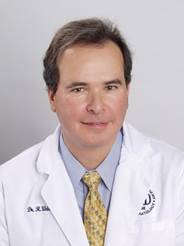
In an interview, Dr. Robert A. Weiss of the department of dermatology at Johns Hopkins University, Baltimore, agreed that the technique – and a thorough knowledge of the parameters, limitations, and application of the intense pulsed light that is used – is critical to success. "Continued sun protection is critical, as well," he said.
Like Dr. Bitter, Dr. Weiss has seen effective long-term results with IPL technology. In a study published in 2002, he and his colleagues reported on 80 randomly selected patients with skin types I-IV who were treated with filtered flashlamp IPL between 1996 and 1997. At 4-year follow-up after the first of a median of three treatments, 83% of patients had improved skin texture, 82% had improved telangiectasias, and 79% had improved pigmentation (Dermatol. Surg. 2002;28:1115-9). "The end result is clearer, brighter, younger, healthier-looking skin," he said.
Dr. Bitter owns the trademark for PhotoFacial intense pulsed light treatments. Dr. Weiss reported at the time his study was published that he was a consultant and preceptor for Lumenis, and that the devices used in the study were purchased at a discount.
KISSIMMEE, FLA. – Broadband light therapy virtually halted the signs of aging in women treated at least annually for 8 years, according to Dr. Patrick Bitter Jr.
"This really is the closest thing we have to a fountain of youth for delaying skin aging," Dr. Bitter said at the annual meeting of the American Society for Laser Medicine and Surgery.
Eleven women underwent treatment of the entire face with the Sciton BroadBand Light system at least once a year over an 8-year period. Blinded evaluators (490), including 51 dermatologists, indicated that the women aged no more than about 6 months during that time, said Dr. Bitter, a dermatologist in private practice in Los Gatos, Calif.
The mean age of the women at the start of treatment was 45 years, and the dermatologists who participated in the evaluations of "before" and "after" photographs rated their age as a mean of 45 years based on the "before" images. At an average of 8 years follow-up, the evaluators rated the age of the participants at a mean of 45 to 45.5 years, which was a mean of 9 years younger than the participants’ actual ages, he said.
Study participants included women in Dr. Bitter’s practice who received at least one treatment annually with good "before" photos who had not received any laser treatments or cosmetic surgery. Skin care regimens varied among the women.
The evaluators – only the dermatologists’ responses were included in the data Dr. Bitter presented – were blinded to any treatments the women underwent, and photos were taken in a way that ensured the evaluation was based entirely on skin appearance and not on other signs of aging (such as graying hair), he noted.
Broadband light technologies are known to be effective for reversing the signs of aging, such as wrinkles, redness, and brown spots, and data have shown that broadband light can improve the skin histologically. However, this is the first blinded evaluation of long-term results among those receiving regular treatments, Dr. Bitter said, noting that this study was prompted in part by a Swiss study published several years ago that speculated that such treatments might actually accelerate aging of the skin when used over time. His experience in 14 years of using broadband light treatments suggested otherwise, and these findings provide further evidence that long-term use reverses and prevents the signs of aging, he said.
New data from a corollary study to be presented at an upcoming meeting of the Society for Investigative Dermatology will provide additional evidence that light "does more than just make reds and browns go away," he said. "What is seems to do is make skin cells behave like younger skin cells."
Dr. Bitter noted that the difference between a patient’s really liking results and not seeing a difference is technique. "This is a great technology, buy you need to know how to use it," he said, explaining that it is important to know the optimal parameters based on skin type, to perform enough passes at each session, and to conduct enough sessions.
In an interview, Dr. Robert A. Weiss of the department of dermatology at Johns Hopkins University, Baltimore, agreed that the technique – and a thorough knowledge of the parameters, limitations, and application of the intense pulsed light that is used – is critical to success. "Continued sun protection is critical, as well," he said.
Like Dr. Bitter, Dr. Weiss has seen effective long-term results with IPL technology. In a study published in 2002, he and his colleagues reported on 80 randomly selected patients with skin types I-IV who were treated with filtered flashlamp IPL between 1996 and 1997. At 4-year follow-up after the first of a median of three treatments, 83% of patients had improved skin texture, 82% had improved telangiectasias, and 79% had improved pigmentation (Dermatol. Surg. 2002;28:1115-9). "The end result is clearer, brighter, younger, healthier-looking skin," he said.
Dr. Bitter owns the trademark for PhotoFacial intense pulsed light treatments. Dr. Weiss reported at the time his study was published that he was a consultant and preceptor for Lumenis, and that the devices used in the study were purchased at a discount.
KISSIMMEE, FLA. – Broadband light therapy virtually halted the signs of aging in women treated at least annually for 8 years, according to Dr. Patrick Bitter Jr.
"This really is the closest thing we have to a fountain of youth for delaying skin aging," Dr. Bitter said at the annual meeting of the American Society for Laser Medicine and Surgery.
Eleven women underwent treatment of the entire face with the Sciton BroadBand Light system at least once a year over an 8-year period. Blinded evaluators (490), including 51 dermatologists, indicated that the women aged no more than about 6 months during that time, said Dr. Bitter, a dermatologist in private practice in Los Gatos, Calif.
The mean age of the women at the start of treatment was 45 years, and the dermatologists who participated in the evaluations of "before" and "after" photographs rated their age as a mean of 45 years based on the "before" images. At an average of 8 years follow-up, the evaluators rated the age of the participants at a mean of 45 to 45.5 years, which was a mean of 9 years younger than the participants’ actual ages, he said.
Study participants included women in Dr. Bitter’s practice who received at least one treatment annually with good "before" photos who had not received any laser treatments or cosmetic surgery. Skin care regimens varied among the women.
The evaluators – only the dermatologists’ responses were included in the data Dr. Bitter presented – were blinded to any treatments the women underwent, and photos were taken in a way that ensured the evaluation was based entirely on skin appearance and not on other signs of aging (such as graying hair), he noted.
Broadband light technologies are known to be effective for reversing the signs of aging, such as wrinkles, redness, and brown spots, and data have shown that broadband light can improve the skin histologically. However, this is the first blinded evaluation of long-term results among those receiving regular treatments, Dr. Bitter said, noting that this study was prompted in part by a Swiss study published several years ago that speculated that such treatments might actually accelerate aging of the skin when used over time. His experience in 14 years of using broadband light treatments suggested otherwise, and these findings provide further evidence that long-term use reverses and prevents the signs of aging, he said.
New data from a corollary study to be presented at an upcoming meeting of the Society for Investigative Dermatology will provide additional evidence that light "does more than just make reds and browns go away," he said. "What is seems to do is make skin cells behave like younger skin cells."
Dr. Bitter noted that the difference between a patient’s really liking results and not seeing a difference is technique. "This is a great technology, buy you need to know how to use it," he said, explaining that it is important to know the optimal parameters based on skin type, to perform enough passes at each session, and to conduct enough sessions.
In an interview, Dr. Robert A. Weiss of the department of dermatology at Johns Hopkins University, Baltimore, agreed that the technique – and a thorough knowledge of the parameters, limitations, and application of the intense pulsed light that is used – is critical to success. "Continued sun protection is critical, as well," he said.
Like Dr. Bitter, Dr. Weiss has seen effective long-term results with IPL technology. In a study published in 2002, he and his colleagues reported on 80 randomly selected patients with skin types I-IV who were treated with filtered flashlamp IPL between 1996 and 1997. At 4-year follow-up after the first of a median of three treatments, 83% of patients had improved skin texture, 82% had improved telangiectasias, and 79% had improved pigmentation (Dermatol. Surg. 2002;28:1115-9). "The end result is clearer, brighter, younger, healthier-looking skin," he said.
Dr. Bitter owns the trademark for PhotoFacial intense pulsed light treatments. Dr. Weiss reported at the time his study was published that he was a consultant and preceptor for Lumenis, and that the devices used in the study were purchased at a discount.
FROM THE ANNUAL MEETING OF THE AMERICAN SOCIETY FOR LASER MEDICINE AND SURGERY
Major Finding: After 8 years of at least once-a-year treatment, the women in the study were rated as appearing a mean 9 years younger than their actual age.
Data Source: This was a blinded evaluation of long-term outcomes with regular broadband light therapy in 11 women.
Disclosures: Dr. Bitter owns the trademark for FotoFacial intense pulsed light treatments. Dr. Weiss reported at the time his study was published he was a consultant and preceptor for Lumenis, and that the devices used in the study were purchased at a discount.
EHR Dilemmas: The Skinny Podcast
In this month's program, Dr. Craig Leonardi opines on how two investigational monoclonal antibody therapies may stack up against the competition for treating psoriasis.
Then, Dr. Cheryl Gustafson discusses what drugs are most often to blame for cutaneous reactions that lead to ambulatory visits.

Cosmetic counter host Dr. Lily Talakoub offers tips on how to choose the right EHR for your practice.
And finally, Dr. Alan Rockoff tells the tale of how he helped a patient win a bikini contest.
In this month's program, Dr. Craig Leonardi opines on how two investigational monoclonal antibody therapies may stack up against the competition for treating psoriasis.
Then, Dr. Cheryl Gustafson discusses what drugs are most often to blame for cutaneous reactions that lead to ambulatory visits.
Cosmetic counter host Dr. Lily Talakoub offers tips on how to choose the right EHR for your practice.
And finally, Dr. Alan Rockoff tells the tale of how he helped a patient win a bikini contest.
In this month's program, Dr. Craig Leonardi opines on how two investigational monoclonal antibody therapies may stack up against the competition for treating psoriasis.
Then, Dr. Cheryl Gustafson discusses what drugs are most often to blame for cutaneous reactions that lead to ambulatory visits.
Cosmetic counter host Dr. Lily Talakoub offers tips on how to choose the right EHR for your practice.
And finally, Dr. Alan Rockoff tells the tale of how he helped a patient win a bikini contest.
Lasers Emerging as Effective Burn Scar Therapy
Dr. Jill S. Waibel, a private practice physician in Miami, and her colleagues are studying the efficacy of ablative fractional lasers for treating burn scars.
A study of 11 patients treated with a 2,940 Er:YAG laser revealed that "through the induction of unique histologic ablation zones, fractional technology leads to an organized wound healing response leading to improved clinical appearance of scars," according to Dr. Waibel and colleagues.
In an interview with reporter Naseem S. Miller at the American Society for Laser Medicine and Surgery in Kissimmee, Fla., Dr. Waibel said that treating the scars and improving the patients' range of motion has been very rewarding.
Dr. Jill S. Waibel, a private practice physician in Miami, and her colleagues are studying the efficacy of ablative fractional lasers for treating burn scars.
A study of 11 patients treated with a 2,940 Er:YAG laser revealed that "through the induction of unique histologic ablation zones, fractional technology leads to an organized wound healing response leading to improved clinical appearance of scars," according to Dr. Waibel and colleagues.
In an interview with reporter Naseem S. Miller at the American Society for Laser Medicine and Surgery in Kissimmee, Fla., Dr. Waibel said that treating the scars and improving the patients' range of motion has been very rewarding.
Dr. Jill S. Waibel, a private practice physician in Miami, and her colleagues are studying the efficacy of ablative fractional lasers for treating burn scars.
A study of 11 patients treated with a 2,940 Er:YAG laser revealed that "through the induction of unique histologic ablation zones, fractional technology leads to an organized wound healing response leading to improved clinical appearance of scars," according to Dr. Waibel and colleagues.
In an interview with reporter Naseem S. Miller at the American Society for Laser Medicine and Surgery in Kissimmee, Fla., Dr. Waibel said that treating the scars and improving the patients' range of motion has been very rewarding.
Laser, Light Combo Improves Pigmentation in Single Session
KISSIMMEE, FLA. – The combined use of a nonablative, fractional 1,540-nm laser and optimized pulsed light provided significantly greater improvement in dyspigmentation after a single treatment session, compared with the 1,540-nm laser alone, based on findings from a study comparing the two treatments in 36 patients.
The observation of improved pigment after a single treatment in the combination group represents a reduced time course for achieving outcomes; typically, several treatments are required to produce results, Dr. Chung-Yin Stanley Chan said at the annual meeting of the American Society for Laser Medicine and Surgery.
The novel combined approach to facial rejuvenation also modestly improved wrinkles, although this outcome did not differ significantly between the two groups, Dr. Chan and his colleagues noted.
The mean pigment improvement score in the 10 subjects assigned to the combination treatment group was 2.4 points on a 1- to 4-point scale, indicating at least 50% improvement, with 96% of patients in that group experiencing improvement. The mean pigment improvement score in the 26 subjects assigned to the laser-only treatment group was 1.2 points.
Fitzgerald wrinkle scores improved from 6.4 to 6.0 (on a scale of 1-9) in the combination group, and from 5.3 to 4.9 in the laser-only treatment group, said Dr. Chan, a dermatologist in private practice in Chestnut Hill, Mass., where the study was conducted.
Both groups received treatment with an Er:Glass laser (at 1,540 nm, with 50 mJ/microbeam and a 15-millisecond pulse duration), and the combination group also received treatment with optimized pulsed light (operated at 500-670 nm and 870-1,200 nm, with a fluence of 32 J/cm2, and with a 20-millisecond pulse duration). The order of treatment in the combination group was randomized, and the order had no effect on the outcome. However, treatment was better tolerated when optimized pulsed light was applied first, followed by the laser treatment, Dr. Chan noted.
The side effects were similar in the two groups, and included only effects "that would be expected with nonablative fractional laser treatment," he said, explaining that erythema and edema occurred in all patients, flaking and xerosis occurred in some patients, and postinflammatory hyperpigmentation was extremely rare. "In fact, all side effects resolved within 1 month, and most resolved within 1 week," he said, adding that no difference was seen in the incidence of adverse effects between the combination and laser-only treatment groups.
All patients reported being satisfied with the outcome, and most reported being "very satisfied," he said.
Outcomes were assessed by three blinded dermatologists trained in the evaluation of wrinkles and pigmentation, one of whom was Dr. Chan. The dermatologists compared clinical photographs taken at baseline and at 1 month following treatment.
A single treatment with this combined approach to facial rejuvenation can lead to modest improvement in wrinkles and significant improvement in pigmentation, he concluded, noting that multiple treatments using this combined approach could hypothetically lead to further improvements.
The study was sponsored by Palomar. Dr. Chan said he had no other relevant financial disclosures.
KISSIMMEE, FLA. – The combined use of a nonablative, fractional 1,540-nm laser and optimized pulsed light provided significantly greater improvement in dyspigmentation after a single treatment session, compared with the 1,540-nm laser alone, based on findings from a study comparing the two treatments in 36 patients.
The observation of improved pigment after a single treatment in the combination group represents a reduced time course for achieving outcomes; typically, several treatments are required to produce results, Dr. Chung-Yin Stanley Chan said at the annual meeting of the American Society for Laser Medicine and Surgery.
The novel combined approach to facial rejuvenation also modestly improved wrinkles, although this outcome did not differ significantly between the two groups, Dr. Chan and his colleagues noted.
The mean pigment improvement score in the 10 subjects assigned to the combination treatment group was 2.4 points on a 1- to 4-point scale, indicating at least 50% improvement, with 96% of patients in that group experiencing improvement. The mean pigment improvement score in the 26 subjects assigned to the laser-only treatment group was 1.2 points.
Fitzgerald wrinkle scores improved from 6.4 to 6.0 (on a scale of 1-9) in the combination group, and from 5.3 to 4.9 in the laser-only treatment group, said Dr. Chan, a dermatologist in private practice in Chestnut Hill, Mass., where the study was conducted.
Both groups received treatment with an Er:Glass laser (at 1,540 nm, with 50 mJ/microbeam and a 15-millisecond pulse duration), and the combination group also received treatment with optimized pulsed light (operated at 500-670 nm and 870-1,200 nm, with a fluence of 32 J/cm2, and with a 20-millisecond pulse duration). The order of treatment in the combination group was randomized, and the order had no effect on the outcome. However, treatment was better tolerated when optimized pulsed light was applied first, followed by the laser treatment, Dr. Chan noted.
The side effects were similar in the two groups, and included only effects "that would be expected with nonablative fractional laser treatment," he said, explaining that erythema and edema occurred in all patients, flaking and xerosis occurred in some patients, and postinflammatory hyperpigmentation was extremely rare. "In fact, all side effects resolved within 1 month, and most resolved within 1 week," he said, adding that no difference was seen in the incidence of adverse effects between the combination and laser-only treatment groups.
All patients reported being satisfied with the outcome, and most reported being "very satisfied," he said.
Outcomes were assessed by three blinded dermatologists trained in the evaluation of wrinkles and pigmentation, one of whom was Dr. Chan. The dermatologists compared clinical photographs taken at baseline and at 1 month following treatment.
A single treatment with this combined approach to facial rejuvenation can lead to modest improvement in wrinkles and significant improvement in pigmentation, he concluded, noting that multiple treatments using this combined approach could hypothetically lead to further improvements.
The study was sponsored by Palomar. Dr. Chan said he had no other relevant financial disclosures.
KISSIMMEE, FLA. – The combined use of a nonablative, fractional 1,540-nm laser and optimized pulsed light provided significantly greater improvement in dyspigmentation after a single treatment session, compared with the 1,540-nm laser alone, based on findings from a study comparing the two treatments in 36 patients.
The observation of improved pigment after a single treatment in the combination group represents a reduced time course for achieving outcomes; typically, several treatments are required to produce results, Dr. Chung-Yin Stanley Chan said at the annual meeting of the American Society for Laser Medicine and Surgery.
The novel combined approach to facial rejuvenation also modestly improved wrinkles, although this outcome did not differ significantly between the two groups, Dr. Chan and his colleagues noted.
The mean pigment improvement score in the 10 subjects assigned to the combination treatment group was 2.4 points on a 1- to 4-point scale, indicating at least 50% improvement, with 96% of patients in that group experiencing improvement. The mean pigment improvement score in the 26 subjects assigned to the laser-only treatment group was 1.2 points.
Fitzgerald wrinkle scores improved from 6.4 to 6.0 (on a scale of 1-9) in the combination group, and from 5.3 to 4.9 in the laser-only treatment group, said Dr. Chan, a dermatologist in private practice in Chestnut Hill, Mass., where the study was conducted.
Both groups received treatment with an Er:Glass laser (at 1,540 nm, with 50 mJ/microbeam and a 15-millisecond pulse duration), and the combination group also received treatment with optimized pulsed light (operated at 500-670 nm and 870-1,200 nm, with a fluence of 32 J/cm2, and with a 20-millisecond pulse duration). The order of treatment in the combination group was randomized, and the order had no effect on the outcome. However, treatment was better tolerated when optimized pulsed light was applied first, followed by the laser treatment, Dr. Chan noted.
The side effects were similar in the two groups, and included only effects "that would be expected with nonablative fractional laser treatment," he said, explaining that erythema and edema occurred in all patients, flaking and xerosis occurred in some patients, and postinflammatory hyperpigmentation was extremely rare. "In fact, all side effects resolved within 1 month, and most resolved within 1 week," he said, adding that no difference was seen in the incidence of adverse effects between the combination and laser-only treatment groups.
All patients reported being satisfied with the outcome, and most reported being "very satisfied," he said.
Outcomes were assessed by three blinded dermatologists trained in the evaluation of wrinkles and pigmentation, one of whom was Dr. Chan. The dermatologists compared clinical photographs taken at baseline and at 1 month following treatment.
A single treatment with this combined approach to facial rejuvenation can lead to modest improvement in wrinkles and significant improvement in pigmentation, he concluded, noting that multiple treatments using this combined approach could hypothetically lead to further improvements.
The study was sponsored by Palomar. Dr. Chan said he had no other relevant financial disclosures.
FROM THE ANNUAL MEETING OF THE AMERICAN SOCIETY FOR LASER MEDICINE AND SURGERY
Major Finding: The mean pigment improvement score in the 10 patients assigned to the combination treatment group was 2.4 points on a 1- to 4-point scale, compared with 1.2 points in the 26 patients assigned to the laser-only treatment group.
Data Source: A study comparing combined 1,540-nm laser treatment and optimized pulsed light with 1,540-nm laser treatment alone for facial rejuvenation was conducted.
Disclosures: This study was sponsored by Palomar. Dr. Chan said he had no other relevant financial disclosures.